AVIATA AT BROOKSVILLE
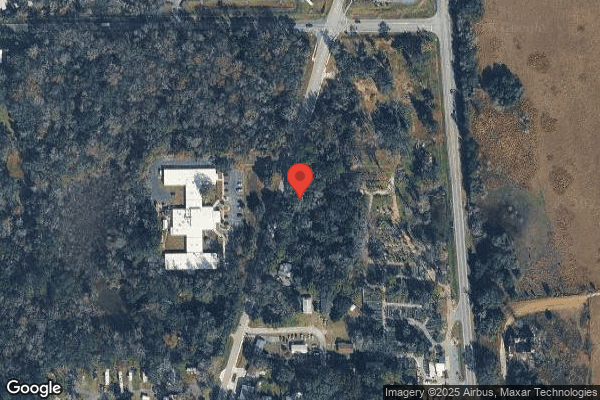
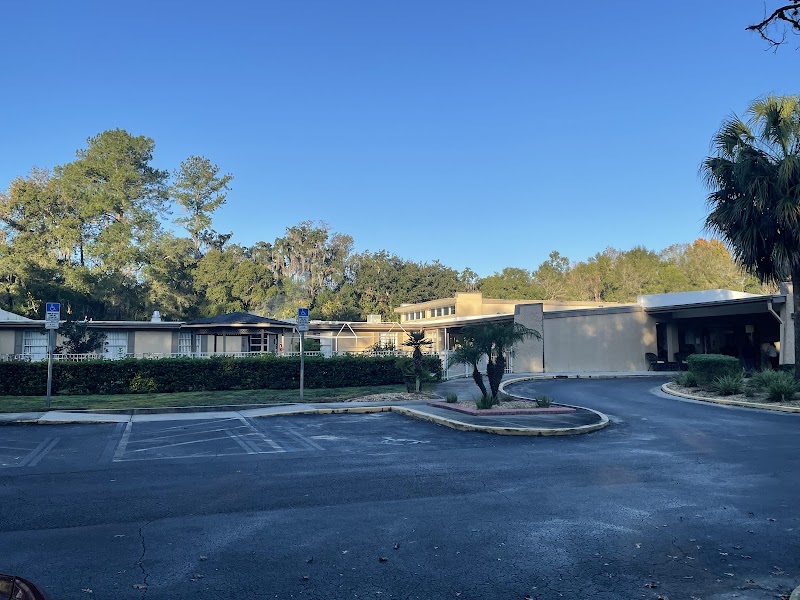
1445 HOWELL AVE, BROOKSVILLE, FL 34601 (352) 799-1451
For profit - Limited Liability company 120 Beds AVIATA HEALTH GROUP Data: November 2025 1 Immediate Jeopardy citation
Trust Grade
23/100
#456 of 690 in FL
Last Inspection: April 2025

Within standard 12-15 month inspection cycle. Federal law requires annual inspections.

Overview

Aviata at Brooksville has received an F grade, indicating poor performance with significant concerns about care quality. Ranked #456 out of 690 facilities in Florida, this places them in the bottom half of nursing homes statewide, and #3 out of 6 in Hernando County, meaning only two local options are worse. The facility is showing an improving trend, reducing issues from 9 in 2024 to 4 in 2025, but they still face serious challenges. Staffing is somewhat of a strength, with a turnover rate of 42%, which is on par with the state average, but they have concerning RN coverage, being lower than 95% of Florida facilities, which is crucial for catching potential issues. Specific incidents include a failure to honor a resident's Do Not Resuscitate order, which could impact other residents, and inadequate care for a resident with pressure ulcers. Overall, while there are some signs of improvement, families should weigh these serious concerns against the nursing home's strengths.

Trust Score
F
23/100
In Florida
#456/690
Bottom 34%
Safety Record
High Risk
Review needed
Inspections
Getting Better
9 → 4 violations
Staff Stability
○ Average
42% turnover. Near Florida's 48% average. Typical for the industry.
Penalties
✓ Good
$55,049 in fines. Lower than most Florida facilities. Relatively clean record.
Skilled Nurses
⚠ Watch
Each resident gets only 18 minutes of Registered Nurse (RN) attention daily — below average for Florida. Fewer RN minutes means fewer trained eyes watching for problems.
Violations
⚠ Watch
27 deficiencies on record. Higher than average. Multiple issues found across inspections.
★★☆☆☆
2.0
Overall Rating
★★☆☆☆
2.0
Staff Levels
★★★★☆
4.0
Care Quality
★★☆☆☆
2.0
Inspection Score
Stable
2024: 9 issues
2025: 4 issues

The Good

  • 4-Star Quality Measures · Strong clinical quality outcomes
  • Full Sprinkler Coverage · Fire safety systems throughout facility
  • No fines on record
  • Staff turnover below average (42%)

    6 points below Florida average of 48%

Facility shows strength in quality measures, fire safety.

The Bad

2-Star Overall Rating

Below Florida average (3.2)

Below average - review inspection findings carefully

Staff Turnover: 42%

Near Florida avg (46%)

Typical for the industry

Federal Fines: $55,049

Above median ($33,413)

Moderate penalties - review what triggered them

Chain: AVIATA HEALTH GROUP

Part of a multi-facility chain

Ask about local staffing decisions and management

The Ugly 27 deficiencies on record

1 life-threatening 1 actual harm
Jun 2025 1 deficiency
CONCERN (D) 📢 Someone Reported This

A family member, employee, or ombudsman was alarmed enough to file a formal complaint

Potential for Harm - no one hurt, but risky conditions existed

Infection Control (Tag F0880)

Could have caused harm · This affected 1 resident

Based on observation, interview, and record review, the facility failed to prevent the possible spread of infection for not maintaining infection prevention and control practices in the management of ...

Read full inspector narrative →
Based on observation, interview, and record review, the facility failed to prevent the possible spread of infection for not maintaining infection prevention and control practices in the management of intravenous catheters for 1 of 3 residents, Resident 3, reviewed for IV (intravenous) therapy.Findings include: During an observation on 6/25/2025 at 9:40 AM, Resident #3's PICC (peripherally inserted central catheter) line on his right upper arm had a dressing that was dated 6/22/25. The dressing was comprised of a transparent semi-permeable membrane, with pieces of square gauze pads directly over the insertion site preventing observation of the site. During an observation on 6/25/2025 at 12:07 PM, Staff A, Licensed Practical Nurse (LPN), flushed Resident #3's PICC line with normal saline solution and disconnected the syringe, leaving the end of the connection exposed. Resident #3 was observed resting his upper right arm; with the connection against his body. Staff A prepared the IV antibiotic medication and attached the IV tubing to the distal end of the PICC line connection, without wiping the connection prior to attaching the IV tubing. During an interview on 6/25/2025 at approximately 12:15 PM, Staff A, LPN stated, I should have wiped the tip of Resident #3's PICC line with the alcohol wipe before I connected the IV tubing for the antibiotics. During an interview on 6/25/2025 at 1:30 PM, the Assistant Director of Nursing stated, The expectation for central line care is that the nurses would scrub the hub [the practice of disinfecting the connection point (hub) of an intravenous (IV) catheter or needleless connector before accessing it with a syringe or other device. This technique is crucial for preventing infections, by reducing the risk of introducing bacteria or other pathogens into the bloodstream] before connecting a syringe or IV tubing to the catheter. Review of the facility policy and procedures titled Catheter Insertion and Care - Central Venous Catheter Dressing Changes with an effective date of 1/17/2019 read, Policy: Central venous catheter dressings will be changed at specific intervals, or when needed, to prevent catheter-related infections that are associated with contaminated, loosened, soiled, or wet dressings . General Guidelines . 5. If gauze is used, it must be changed every 2 days . 7. Catheter site care and dressing changes will include . b. Observation and evaluation of the catheter - skin junction and surrounding tissue.
Apr 2025 3 deficiencies
CONCERN (D)

Potential for Harm - no one hurt, but risky conditions existed

Comprehensive Care Plan (Tag F0656)

Could have caused harm · This affected 1 resident

Based on an interviews, and record reviews, the facility failed to develop and implement a care plan for 1 (Resident #38) of 2 residents reviewed for respiratory care. Findings include: During an obs...

Read full inspector narrative →
Based on an interviews, and record reviews, the facility failed to develop and implement a care plan for 1 (Resident #38) of 2 residents reviewed for respiratory care. Findings include: During an observation on 4/21/2025 at 9:48 AM, Resident #38 was lying in raised bed with head of the bed elevated watching television. CPAP device is in a labeled bag on top of dresser close to the wall and back from the bed out of reach of resident on right side of the bed. The Resident is bed bound and cannot move about in bed without assistance. Resident #38 has oxygen administered via nasal cannula at 4 liters per minute. During an interview on 4/21/2025 at 9:48 AM, Resident #38 stated, I have not been receiving CPAP therapy every night because some nurses forget to place the CPAP on me. I will wake up at 2 or 3 in morning and not have CPAP on me. Review of physician's orders on 4/23/2025 at 5:00 PM, Resident #38 did not have any orders for CPAP. During interview on 4/24/2025 at 11:25 AM, the Director of Nursing confirmed the care plan should include the use of a CPAP device for [Resident #38's Name]. Review of policy and procedure titled, Plans of Care, with a review date of 12/18/2024, reads, Policy: An individualized person-centered plan of care will be established by the interdisciplinary team (IDT) with the resident and/or resident representative(s) to the extent practicable and updated in accordance with state and federal regulatory requirements. Plan of care is to be maintained as part of the final medical record. Procedure: Develop a comprehensive plan of care for each resident that includes measurable objectives and timetables to meet the resident's medical, nursing ,mental and psychosocial needs that are identified in the comprehensive assessment. The Individualized Person Centered plan of care may include but is not limited to the following: Resident's strengths and needs, Services to attain or maintain the resident's highest practicable physical, mental, and psychosocial well-being as required by state and federal regulatory requirements, individualized interventions that honor the resident's preferences and promote achievement of the resident's goals.
CONCERN (D)

Potential for Harm - no one hurt, but risky conditions existed

Respiratory Care (Tag F0695)

Could have caused harm · This affected 1 resident

**NOTE- TERMS IN BRACKETS HAVE BEEN EDITED TO PROTECT CONFIDENTIALITY** Based on observations, interviews, and record reviews, the facility failed to ensure respiratory care was provided, consistent w...

Read full inspector narrative →
**NOTE- TERMS IN BRACKETS HAVE BEEN EDITED TO PROTECT CONFIDENTIALITY** Based on observations, interviews, and record reviews, the facility failed to ensure respiratory care was provided, consistent with professional standards of practice for 2 (Resident #38, #44) of 2 residents review for oxygen therapy and CPAP (Continuous Positive Airway Pressure) devices. Findings include: During an observation on 4/21/2025 at 10:35 AM, Resident #44 was sitting on the side of his bed with oxygen at 4 liters per minute per nasal cannula. During an observation on 4/22/2025 at 10:55 AM, Resident #44 had oxygen at 4 liters per minute per nasal cannula. During an observation on 4/23/2025 at 12:10 PM, Resident # 44 had oxygen at 4 liters per minute per nasal cannula. Review of Resident #44's admission record documented the resident was admitted on [DATE] with diagnosis that included chronic obstructive pulmonary disease, chronic respiratory failure with hypoxia, and dependence on supplemental oxygen. Review of the physician's orders for Resident #44 dated 8/28/2024 read, Respiratory: Oxygen - 3L PRN (3 liters as needed) via nasal cannula. During interview on 4/23/2025 at 2:45 PM, Staff A, B Hallway Nurse Manager stated, [Resident #44's Name] should have his oxygen set as ordered at 3 liters per minute per nasal cannula not at 4 liters per minute per nasal cannula. During interview on 4/24/2025 at 8:40 AM, the Director of Nursing stated, It is expected that if the oxygen order is for 3 liters per minute per nasal cannula, the physician order should be followed. 2) During an observation on 4/21/2025 at 9:48 AM, Resident #38 was lying in raised bed with head of the bed elevated watching television. CPAP device is in a labeled bag on top of dresser close to the wall and back from the bed out of reach of resident on right side of the bed. The Resident is bed bound and cannot move about in bed without assistance. Resident #38 has oxygen administered via nasal cannula at 4 liters per minute. During an interview on 4/21/2025 at 9:48 AM, Resident #38 stated, I have not been receiving CPAP therapy every night because some nurses forget to place the CPAP on me. I will wake up at 2 or 3 in morning and not have CPAP on me. During an observation on 4/22/2025 at 9:50 AM, Resident #38 was sleeping with oxygen per nasal cannula at 4 liters per minute. During an observation on 4/23/2025 at 12:12 PM, Resident #38 was awake watching TV with oxygen per nasal cannula at 4 liters per minute. Review of Resident #44's admission record documented the most recent readmission date of 12/06/2024 with diagnosis that included chronic obstructive pulmonary disease and chronic respiratory failure with hypoxia. Review of the physician's order for Resident #44 dated 12/7/2024 read, Respiratory: Oxygen - Continuous at 3 L (liters), may take off intermittently. During interview on 4/23/2025 at 2:45 PM, Staff A, B Hallway Nurse Manager stated [Resident #38's Name] should have her oxygen set as ordered at 3 liters per minute per nasal cannula not at 4 liters per minute. I did speak with [Resident #38's Name] about her not having her CPAP device placed on her at night. Review of physician's orders on 4/23/2025 at 5:00 PM, Resident #38 did not have any orders for CPAP. During interview on 4/23/2025 at 5:50 PM, the Director of Nursing confirmed there was not an order for CPAP for [Resident #38 Name] and stated, Resident should have an order for CPAP if therapy is being administered. During interview on 4/24/2025 at 8:40 AM, the Director of Nursing stated, It is expected that if the oxygen order is for 3 liters per minute per nasal cannula, the physician order should be followed for [Resident #38's Name]. Review of the policy and procedure titled, Physician Orders, last review date 12/18/2024, reads: Policy: The center will ensure that Physician orders are appropriately and timely documented in the medical record. Review of the policy and procedure titled, Oxygen Therapy, last review date 12/18/2024, reads: Policy: Oxygen therapy is the administration of a FiO2 [estimation of the oxygen content a person inhales], greater than 21%, by means of various administration devices to: raise the resident's PaO2 [measure the pressure of oxygen in the blood] to an acceptable baseline using he lowest FIO2, to treat arterial hypoxemia, to decrease work of breathing, to reverse and prevent tissue hypoxia, and/or to decrease myocardial work. Procedure: Physician's order for oxygen therapy shall include: Administration modality, FIO2 or liter flow, Continuous or PRN (as needed), PRN orders must include specific guidelines as to when the resident is to use the oxygen. Review physician's order . Start O2 flowrate at the prescribed liter flow or appropriate flow for administration device.
CONCERN (E)

Potential for Harm - no one hurt, but risky conditions existed

Food Safety (Tag F0812)

Could have caused harm · This affected multiple residents

Based on observations, interviews, and record review, the facility failed to ensure food was safely and properly thawed, stored, and labeled in accordance with professional standards for food service ...

Read full inspector narrative →
Based on observations, interviews, and record review, the facility failed to ensure food was safely and properly thawed, stored, and labeled in accordance with professional standards for food service safety. Findings include: An the initial tour of the kitchen on 4/21/25 at 9:10 AM with the Dietary Manager (DM), an observation was made in the walk-in cooler of 4 rolls (5 lbs. each) of thawed ground beef sitting in a deep pan of red watery liquid, 4 bags (10 lbs. each) of thawed raw chicken in a deep pan of red watery liquid 4 fully cooked hams (5 lbs. each) on a sheet pan and 4 raw turkey breasts all without a label for a pulled or use by date. During an interview on 4/21/25 at 9:20 AM, the DM state that he placed the meats on the rack in the cooler Friday when the truck delivered the food and should have been labeled the meats with the pull and used by date and the meal it was for. Review of the policy titled, Labeling and Dating Inservice, last reviewed on 12/18/2024 read, Purpose: To educate all new hires and current employees on the importance of and guidelines for proper labeling and dating. Guidelines for Labeling and Dating. All foods should be dated upon receipt before being stored. Items that are removed from a labeled case in the freezer and placed in the refrigerator for thawing should be labeled with the date if removal from the freezer and an appropriate use by date as outlined in the retention guide. Review of the document title, Food Storage Retention Guide, not dated read, Raw Meat/Poultry/Seafood: (Once Thawed). Fish, seafood, ground meat and all poultry. 1-2 days. Beef or pork roast, steaks or chops. 3-5 days.
Feb 2024 9 deficiencies
CONCERN (D)

Potential for Harm - no one hurt, but risky conditions existed

Safe Environment (Tag F0584)

Could have caused harm · This affected 1 resident

Based on observation, interview, and the facility policy and procedure review, the facility failed to provide a safe, clean, comfortable, and homelike environment in 1 of 4 residential halls (Photogra...

Read full inspector narrative →
Based on observation, interview, and the facility policy and procedure review, the facility failed to provide a safe, clean, comfortable, and homelike environment in 1 of 4 residential halls (Photographic evidence obtained). Findings include: During an observation on 1/29/2024 at 10:55 AM, there were two vinyl tiles that were lifted at the corner in the center of the B Wing Hall floor. During an observation on 1/30/2024 at 12:35 PM, there were two vinyl tiles that were lifted at the corner in the center of the B Wing Hall floor. During an interview on 1/30/2024 at 12:42 PM, the Maintenance Director stated, I started working here in November of last year [2023] and the tiles were lifted. I know they are lifted and have the tiles to replace them in the shed but have not gotten to it yet. I am the only one here. I do not have a work order for the repair. I know I need to fix them. Review of the facility policy and procedure titled Maintenance with the last review date of 2/1/2024 showed the policy read, Policy: The facility's physical plant and equipment will be maintained through a program of preventive maintenance and prompt action to identify areas/items in need of repair. Procedure . The Director of Environment Services will perform daily rounds of the building to ensure the plant is free of hazards and in proper physical condition.
CONCERN (D)

Potential for Harm - no one hurt, but risky conditions existed

Assessment Accuracy (Tag F0641)

Could have caused harm · This affected 1 resident

**NOTE- TERMS IN BRACKETS HAVE BEEN EDITED TO PROTECT CONFIDENTIALITY** Based on record review and interview, the facility failed to ensure the minimum data set assessment was accurate for 1 of 4 resi...

Read full inspector narrative →
**NOTE- TERMS IN BRACKETS HAVE BEEN EDITED TO PROTECT CONFIDENTIALITY** Based on record review and interview, the facility failed to ensure the minimum data set assessment was accurate for 1 of 4 residents reviewed for mood and behavior, Resident #71. Findings include: Review of Resident #71's admission record showed the resident was admitted to the facility on [DATE] with the diagnoses including dementia, major depressive disorder, schizophrenia and brief psychotic disorder. Review of Resident #71's hospital Discharge summary dated [DATE] showed the summary read, Hospital Course: [Resident #71' name] is a 88 y.o [year old] male with past history of diabetes, hyperlipidemia, dementia, Alzheimer's, schizophrenia presented to the emergency room after a fall at his SNF [skilled nursing facility] . Review of Resident #71's Preadmission Screening and Resident Review (PASRR), dated 10/26/2023, revealed diagnosis of schizophrenia checked as a mental illness. Review of Resident #71's psychiatric visit notes, dated 11/10/2023, showed the diagnoses of major depressive disorder, unspecified dementia, brief psychotic disorder, and other specified persistent mood disorders. Review of Resident #71's admission Minimum Data Set (MDS), dated [DATE], did not reveal diagnoses of schizophrenia or psychotic disorder in Section I- Active Diagnoses. During an interview on 1/31/2024 at 1:30 PM, the Director of MDS stated, He [Resident #71] does have those diagnoses. It [the minimum data set assessment] needs to be corrected. Review of the facility policy and procedure titled MDS with the last review date of 2/1/2024, showed the policy read, Policy: The center conducts initial and periodic standardized, comprehensive and reproducible assessments no less than every three months for each resident including, but not limited to, the collection of data regarding functional status, strengths, weaknesses, and preferences using the federal and/or state required RAI [Resident Assessment Instrument]. Procedure . Each person completing a section or portion of a section of the MDS signs the Attestation Statement indicating its accuracy.
CONCERN (D)

Potential for Harm - no one hurt, but risky conditions existed

PASARR Coordination (Tag F0644)

Could have caused harm · This affected 1 resident

**NOTE- TERMS IN BRACKETS HAVE BEEN EDITED TO PROTECT CONFIDENTIALITY** Based on record review and interview, the facility failed to ensure residents with newly evident or possible serious mental diso...

Read full inspector narrative →
**NOTE- TERMS IN BRACKETS HAVE BEEN EDITED TO PROTECT CONFIDENTIALITY** Based on record review and interview, the facility failed to ensure residents with newly evident or possible serious mental disorder, intellectual disability, or a related condition were referred for level II Preadmission Screening and Resident Review (PASRR) for 2 of 4 reviewed residents, Residents #42 and #53. Findings include: 1. Review of Resident #42's admission record revealed the resident was admitted on [DATE] and had a diagnosis of bipolar disorder with onset date of 7/21/2023. Review of Resident #42's level I PASSR completed on 11/28/2023 revealed no diagnosis of bipolar disease listed and indicated that level II PASRR was not required. Review of Resident #42's care plan, dated 4/12/2023, revealed the resident had a mood problem related to depression, bipolar disorder, and anxiety. Review of Resident #42's psychiatric service note, dated 8/18/2023, revealed the resident was an unstable [AGE] year-old female that required an assessment related to symptoms of bipolar disorder. During an interview on 1/31/2024 at 11:25 AM, the Director of Nursing (DON) stated that level II screening should have been completed with the new diagnosis for Resident #42 and it was not. 2. Review of Resident #53's admission record revealed the resident was most recently admitted on [DATE] and had a diagnosis of bipolar disorder with onset date of 1/10/2022. Review of Resident #53's level I PASSR completed on 12/28/2022 revealed no diagnosis of bipolar disease listed and indicated that level II PASRR was not required. Review of Resident #53's care plan, dated 4/4/2022, revealed the resident had a mood problem related to bipolar disorder, schizoaffective disorder, and depression. Review of Resident #53's psychiatric services note, dated 9/2/2022, revealed the resident was a [AGE] year-old male with schizoaffective disorder, bipolar type, and psychosis with a history of depression. During an interview on 1/31/2024 at 11:15 AM, the Director of Nursing (DON) stated level II screening should have been completed with the new diagnosis for Resident #53. Review of the facility policy and procedure titled Preadmission Screening and Resident Review (PASRR) with the last review date of 2/1/2024 showed the policy read, Policy: The center will assure that all Serious Mentally Ill (SMI) and Intellectually Disabled (ID) residents receive appropriate pre-admission screenings according to Federal/State guidelines. The purpose is to ensure that the residents with SMI or are ID receive the care and services they need in the most appropriate setting. Procedure: 1. It is the responsibility of the center to asses and assure that the appropriate preadmission screenings, either Level I or Level II, are conducted and results obtained prior to admission and placed in the appropriate section of the resident's medical record . 4. If it is learned after admission that a PASRR Level II screening is indicated, it will be the responsibility of Social Services to coordinate and/or inform the appropriate agency to conduct the screening and obtain the results.
CONCERN (D)

Potential for Harm - no one hurt, but risky conditions existed

Quality of Care (Tag F0684)

Could have caused harm · This affected 1 resident

**NOTE- TERMS IN BRACKETS HAVE BEEN EDITED TO PROTECT CONFIDENTIALITY** Based on observation, record review, and interview, the facility failed to ensure that residents received treatment and care in ...

Read full inspector narrative →
**NOTE- TERMS IN BRACKETS HAVE BEEN EDITED TO PROTECT CONFIDENTIALITY** Based on observation, record review, and interview, the facility failed to ensure that residents received treatment and care in accordance with professional standards of practice for 1 of 2 residents reviewed for intravenous therapy, Resident #364. Findings include: During an observation on 1/29/2024 at 9:06 AM, Resident #364 was lying in bed, with a clear dressing covering the intravenous therapy site on her right arm. The dressing was dated 1/20/2024. The dressing was observed to be peeling at the edges (Photographic evidence obtained). Review of Resident #364's admission record revealed the resident was admitted on [DATE] with the diagnoses including encephalopathy, perforation of esophagus, acute duodenal ulcer with perforation, malignant neoplasm of colon, essential hypertension, atherosclerotic heart disease of native coronary artery without angina pectoris, and Stage 3 pressure ulcer of sacral region. Review of Resident #364's physician order dated 1/29/2024 read, Vancomycin HCl Intravenous Solution. Use 750 mg intravenously in the morning for infection. Review of Resident #364's physician order dated 1/29/2024 showed the order read, Change dressing on admission or 24 hours after insertion and weekly thereafter and PRN [as needed]. One time only for 1 day change dressing on admission or 24 hours after and as needed change dressing as needed and one time a day every Mon [Monday]. Change dressing weekly. During an interview on 1/31/2024 at 10:32 AM, the Director of Nursing stated, My expectation is that the dressing should have been changed within 24 hours after her [Resident #364] admission. [Resident #364's name] was admitted on [DATE] and it [the dressing] was not changed. Review of the facility policy and procedures titled Guidelines for Preventing Intravenous Catheter-Related Infections last reviewed on 2/1/2024 showed the policy read, Catheter Site Dressing Regimens: 1. Change initial dressing after catheter placement within 24 hours.
CONCERN (D)

Potential for Harm - no one hurt, but risky conditions existed

Respiratory Care (Tag F0695)

Could have caused harm · This affected 1 resident

**NOTE- TERMS IN BRACKETS HAVE BEEN EDITED TO PROTECT CONFIDENTIALITY** Based on observation, interview, and record review, the facility failed to ensure residents received respiratory treatment (oxyg...

Read full inspector narrative →
**NOTE- TERMS IN BRACKETS HAVE BEEN EDITED TO PROTECT CONFIDENTIALITY** Based on observation, interview, and record review, the facility failed to ensure residents received respiratory treatment (oxygen) as ordered by the physician for 1 of 2 reviewed residents, Resident #44. Findings include: Review of Resident #44's admission record revealed the resident was initially admitted on [DATE] with the diagnoses that included a history of pneumonia, acute pulmonary edema, pulmonary fibrosis, respiratory failure, pleural effusion and chronic obstructive pulmonary disease. Review of Resident #44's physician order dated 12/13/2023 showed the resident needed to receive oxygen continuously at 2 liters per minute via nasal cannula. Review of Resident #44's care plan dated 9/25/2023 revealed the resident had oxygen therapy related to congestive heart failure, history of respiratory failure and chronic obstructive pulmonary disease, with the interventions that included giving medications and respiratory treatments as ordered by the physician and oxygen settings as ordered. During an observation on 1/29/2024 at 9:37 AM, Resident #44 was in her room seated on the side of her bed, receiving oxygen via nasal cannula from an oxygen concentrator. Resident #44's oxygen concentrator was set to run at 1.5 liters per minute. During an interview on 1/29/2024 at 9:37 AM, Resident #44 stated she thought her oxygen should be running at 2 liters per minute or at 3 liters per minute, and she did not and could not adjust the oxygen concentrator dial due to the location of the oxygen concentrator. During an observation on 1/30/2024 at 8:42 AM, Resident #44 was in her room seated on the side of her bed, receiving oxygen via nasal cannula from an oxygen concentrator. Resident #44's oxygen concentrator was set to run at 1.5 liters per minute. During an observation on 1/31/2024 at 9:20 AM, Staff A, Licensed Practical Nurse, adjusted Resident #44's oxygen concentrator dial to run at 1.5 liters per minute. During an interview on 1/31/2024 at 9:20 AM, Staff A, Licensed Practical Nurse, confirmed Resident #44's oxygen concentrator was set to run at 1.5 liters per minute. Staff A stated Resident #44's oxygen concentrator should be set at 2 liters per minute.
CONCERN (D)

Potential for Harm - no one hurt, but risky conditions existed

Laboratory Services (Tag F0770)

Could have caused harm · This affected 1 resident

**NOTE- TERMS IN BRACKETS HAVE BEEN EDITED TO PROTECT CONFIDENTIALITY** Based on record review and interview, the facility failed to provide laboratory services to meet the needs of 1 of 6 reviewed re...

Read full inspector narrative →
**NOTE- TERMS IN BRACKETS HAVE BEEN EDITED TO PROTECT CONFIDENTIALITY** Based on record review and interview, the facility failed to provide laboratory services to meet the needs of 1 of 6 reviewed residents, Resident #33. Findings include: Review of Resident #33's medical record revealed the resident was originally admitted on [DATE] with the diagnoses including but not limited to atherosclerotic heart disease of native coronary artery, immunodeficiency due to conditions classified, type 2 diabetes, hyperlipidemia, mood disorder, and major depressive disorder. Review of Resident #33's physician order dated 9/9/2022 showed the order read, Lipids every 6 months every night shift every 6 months starting on the 9th for 1 day(s) related to Hyperlipidemia. Review of Resident #33's physician order dated 9/9/2022 showed the order for CBC (Complete Blood Count), CMP (Comprehensive Metabolic Panel), HGB (Hemoglobin) A1C and VPA (Valproic Acid) every night shift every 3 months starting on the 9th for 1 day related to essential hypertension, type 2 diabetes mellitus without complications and mood disorder due to known physiological condition with mixed features. Review of Resident #33's medical record revealed no lipid lab had been completed as ordered by the physician. Review of Resident #33's medical record revealed no labs for CBC, CMP, HGB A1C, and Valproic Acid for December 2022, March 2023, and September 2023. During an interview on 1/31/2024 at 11:00 AM, Staff A, Licensed Practical Nurse, stated, We are unable to locate the other labs. During an interview on 1/31/2024 at 11:10 AM, the Advance Practice Registered Nurse #2 stated, Due to certain medications [Resident #33's name] is taking, he should have labs done more frequently; I would say every 3 months. During an interview on 2/1/2024 at 8:36 AM, the Director of Nursing stated, Staff should be following orders and the labs should have been done. Review of the facility policy and procedures titled Laboratory, Diagnostic and X-Ray with the last review date of 2/1/2024 showed the policy read, Procedure: Schedule laboratory work, diagnostic test and or x-ray as indicated.
CONCERN (E)

Potential for Harm - no one hurt, but risky conditions existed

Deficiency F0761 (Tag F0761)

Could have caused harm · This affected multiple residents

**NOTE- TERMS IN BRACKETS HAVE BEEN EDITED TO PROTECT CONFIDENTIALITY** Based on observation, interview, and record review, the facility failed to ensure the drugs and biologicals used in the facility...

Read full inspector narrative →
**NOTE- TERMS IN BRACKETS HAVE BEEN EDITED TO PROTECT CONFIDENTIALITY** Based on observation, interview, and record review, the facility failed to ensure the drugs and biologicals used in the facility were stored and labeled in accordance with currently accepted professional principles in 4 of 6 medication carts. Findings include: During an observation of A Hall Front Cart on [DATE] at 9:00 AM with Staff B, Licensed Practical Nurse (LPN), there were one opened Aspart insulin pen with no opened or expiration dates, one opened Lantus insulin vial with no opened or expiration dates, two opened Humalog insulin pens with no opened or expiration dates, two opened Glargine insulin vials with no opened or expiration dates, one opened Fluticasone Propionate/Salmeterol Diskus inhaler with no opened or expiration dates, two containers of Prednisolone eye drops with no opened or expiration dates, one container of Ciprofloxacin eye drops with no opened or expiration dates, and one opened container of Latanoprost eye drops with no opened or expiration dates. During an interview on [DATE] at 9:05 AM, Staff B, LPN, stated, Medication should be dated with an opened and expiration date. During an observation of A Hall Back Cart on [DATE] at 9:11 AM with Staff C, LPN, there were one expired Ketorolac Tromethamine ophthalmic drops container with an opened date of [DATE], one opened Breo Ellipta inhaler with no opened or expiration dates, and one opened Wixela inhaler with no opened or expiration dates. During an interview on [DATE] at 9:16 AM, Staff C, LPN, stated, Medications should be dated when opened, and expired medication should be removed from medication cart. During an observation of B Hall Front Cart on [DATE] at 9:23 AM with Staff D, LPN, there were one unopened Humalog insulin pen with a pink sticker to refrigerate, one opened Prostat with no opened or expiration dates, one expired Wixela inhaler with an expiration date of 1/9, and one opened Breo Ellipta with no opened or expiration dates. During an interview on [DATE] at 9:25 AM, Staff D, LPN, stated, The insulin pen will not be used this morning maybe in the afternoon. It should be stored in the refrigerator until it is ready to use. Medication, when opened, should be labeled with opened date. If medication is expired, it should be removed from the medication cart. During an observation of B Hall Back Cart on [DATE] at 9:29 AM with Staff E, LPN, there were one opened Trelegy Ellipta inhaler with no opened or expiration dates, one opened Humalog insulin pen with no opened or expiration dates, and one unopened Lantus insulin vial with a pink sticker to refrigerate. During an interview on [DATE] at 9:35 AM, Staff E, LPN, stated, Medication should be dated when opened with an opened date and insulin should be refrigerated until ready to use. The Lantus will not be used until night time. During an interview on [DATE] at 10:05 AM, the Director of Nursing stated, Medication should be labeled with the opened and expiration date. If the medication is expired, it should be disposed of accordingly and removed from the medication cart. Insulin that is not open and is not going to be used right away should be stored in the refrigerator. Review of the facility policy and procedures titled Medication Storage last reviewed on [DATE] showed the policy read, Policy: Medications will be stored in a manner that maintains the integrity of the product and ensures the safety of the residents and is in accordance with FL [Florida] Department of Health guidelines. Procedure . F. Expired, discontinued and/or contaminated medications will be removed from the medication storage areas and disposed of in accordance with facility policy. G. Medications will be stored at the appropriate temperature in accordance with the pharmacy and/or manufacturer labeling . H. Medication requiring refrigeration will be stored in a refrigerator that is maintained between 2-8 degrees Celsius (36 to 46 degrees F). Review of the facility policy and procedures titled Insulin Pen Labeling & Packaging last reviewed on [DATE] showed the policy read, Procedure . 2. Insulin Pens are placed in a resealable bag with the following labels/stickers . b. Refrigerate until opened sticker and d. A yellow Date/Expiration sticker.
CONCERN (E)

Potential for Harm - no one hurt, but risky conditions existed

Food Safety (Tag F0812)

Could have caused harm · This affected multiple residents

Based on observation, interview, and record review, the facility failed to ensure food was properly and safely stored, covered, labeled, or dated in the area of the kitchen coolers and refrigerators. ...

Read full inspector narrative →
Based on observation, interview, and record review, the facility failed to ensure food was properly and safely stored, covered, labeled, or dated in the area of the kitchen coolers and refrigerators. Findings include: During an observation on 1/29/2024 at 9:00 AM, at the time of walk-through of the dietary department with the Certified Dietary Manager (CDM), the CDM and the Male Dietary Aide had beard or mustache with no covering. In the reach-in cooler, there was a 5-gallon container without an identifying label or date, and a large stainless steel bowl with a yellow pudding type substance with no covering, label or date. The microwave had a buildup of food debris and splatters on the door and the inside top of the microwave. During an interview on 1/29/2024 at 9:10 AM, the Certified Dietary Manager (CDM) stated the 5-gallon container was iced tea and should have had a label and date, and the large stainless steel bowl was pudding made for nursing staff to pass meds and should have been covered, labelled, and dated. The CDM stated that the microwave should have been cleaned the night before and was left dirty. The CDM stated that he and the Male Dietary Aide should follow the policy for all hair covering. During an observation of the kitchen with the CDM on 1/30/2024 at 7:33 AM, there were 14 glasses of a juice type drink in the reach-in cooler with no identifying label or date and 4 clear swirl cups with a fruit type dessert with no cover, date or identifying label. The microwave had numerous areas of rust inside on the sides, top and base. There was a dented can of light tuna on a shelf in the stock room along with approximately 46 cans of assorted foods with no dates that had been removed from the original container. During an interview on 1/30/2024 at 7:38 AM, the CDM confirmed that the observed food products did not have a label and identified them as orange juice that should have been labeled and dated and a leftover fruit dessert from the previous evening that should have been covered, dated and labeled according to the policy. Review of the facility policy and procedures titled Labeling and Dating Inservice last reviewed on 2/1/2024 showed the policy read, Guidelines for Labeling and Dating: All foods should be dated upon receipt before being stored . Leftovers must be labeled and dated with the date they are prepared and the use by date. Review of the policy and procedures titled Receiving last reviewed on 2/1/2024 showed the policy read, Procedures . 4. All canned goods will be appropriately inspected for dents, rust, or bulges. Damaged cans will be segregated and clearly identified for return to vendor or disposal, as appropriate. Review of the facility policy and procedures titled Staff Attire last reviewed on 2/1/2024 showed the policy read, Procedures: 1. All staff members will have their hair off the shoulders, confirmed in a hair net or cap, and facial hair properly restrained.
CONCERN (F)

Potential for Harm - no one hurt, but risky conditions existed

Deficiency F0868 (Tag F0868)

Could have caused harm · This affected most or all residents

Based on record review and interview, the facility failed to ensure the quality assurance and assurance committee consisted of the required members in 3 of 4 quarters during 2023. Findings include: R...

Read full inspector narrative →
Based on record review and interview, the facility failed to ensure the quality assurance and assurance committee consisted of the required members in 3 of 4 quarters during 2023. Findings include: Review of the QAPI (Quality Assurance Performance Improvement) agenda attendance rosters for 2023 showed the Medical Director did not attend the QAPI meeting 3 of 4 quarters for months which an attendance roster was available. Review of the QAPI agenda attendance rosters for 2023 showed there were no attendance rosters maintained for 4 of 12 months of 2023. During an interview on 2/1/2024 at 10:05 AM, the Administrator in Training confirmed the former Medical Director had not attended the facility QAPI as required. Review of the facility policy and procedures titled Quality Assurance Performance Improvement Program (QAPI) last reviewed on 2/1/2024 showed the policy read, Procedure . 6. QAA [Quality Assessment and Assurance] Committee include but are not limited to: a) Executive Director, b) Medical Director/designee, c) Director of Nursing/designee, d) Infection Preventionist.
Jul 2023 6 deficiencies 1 Harm
SERIOUS (G) 📢 Someone Reported This

A family member, employee, or ombudsman was alarmed enough to file a formal complaint

Actual Harm - a resident was hurt due to facility failures

Pressure Ulcer Prevention (Tag F0686)

A resident was harmed · This affected 1 resident

Based on resident record review, interview, and facility policy and procedure review, the facility failed to ensure residents received care consistent with professional standards of practice to preven...

Read full inspector narrative →
Based on resident record review, interview, and facility policy and procedure review, the facility failed to ensure residents received care consistent with professional standards of practice to prevent worsening of pressure ulcers for 1 of 3 residents reviewed for pressure ulcers, Resident #4. Findings include: Review of the admission record for Resident #4 documented diagnoses including multiple sclerosis, mild intermittent asthma, heart failure unspecified, unspecified atrial fibrillation, unspecified convulsions, idiopathic normal pressure hydrocephalus, rheumatoid arthritis, age-related osteoporosis, essential primary hypertension, COVID-19, personal history of malignant neoplasm of ovary, hyperlipidemia, primary open angle glaucoma, and acute embolism and thrombosis of deep veins of upper extremity bilateral. Review of the form titled Pressure Ulcer Wound Rounds dated 5/31/2023 for Resident #4 reads, A. Initial Identification, 1. Present on Admission, 2. Location: Sacrum, Type: Pressure, Length: 3 centimeters, Width: 2 centimeters, Depth: [blank], Stage II . Notes/Recommendations from Doctor: Resident admitted from hospital with wound. Cleansed with NS [Normal Saline] and covered with a silicone bordered dsg [dressing]. Review of the form titled Pressure Ulcer Wound Rounds dated 6/9/2023 for Resident #4 reads, A. Initial Identification, 1. Present on Admission, 2. Location: Sacrum, Type: Pressure, Length: 3 centimeters, Width: 1 centimeter, Depth: 0.1 centimeters, Stage II. Review of the form titled Pressure Ulcer Wound Rounds dated 6/12/2023 for Resident #4 reads, A. Initial Identification, 1. Present on Admission, 2. Location: Right buttock, Type: Pressure, Length: 1.5 centimeters, Width: 0.5 centimeters, Depth: 0.1 centimeters, Stage II. Review of the form titled Pressure Ulcer Wound Rounds dated 6/14/2023 for Resident #4 reads, A. Initial Identification, 1. Present on Admission, 2. Location: Sacrum, Type: Pressure, Length: 3 centimeters, Width: 1 centimeter, Depth: 0.1 centimeters, Stage II. Review of the form titled Pressure Ulcer Wound Rounds dated 7/12/2023 for Resident #4 reads, A. Initial Identification, 1. Present on Admission, 2. Location: Sacrum, Type: Pressure, Length: 3.5 centimeters, Width: 4.5 centimeters, Depth: 0.2 centimeters, Stage III. Review of Resident #4's medical records revealed no skin evaluations or documentation of the wound length, width, or depth from 6/14/2023 until 7/12/2023. Review of Resident #4's physician order dated 5/31/2023 reads, Right upper buttock: Cleanse with NS, apply honey ointment and cover with silicone foam dsg daily and as needed every day shift for wound. Review of Resident #4's Treatment Administration Record (TAR) for June 2023 revealed no entries documented under Wound Care: Right upper buttock: Cleanse with NS, apply honey ointment and cover with silicone foam dsg daily and as needed every day shift for wound for 6/14/2023, 6/18/2023, 6/21/2023, 6/22/2023, 6/27/2023, 6/28/2023, and 6/29/2023. Review of Resident #4's TAR for July 2023 revealed no entries documented under Wound Care: Right upper buttock: Cleanse with NS, apply honey ointment and cover with silicone foam dsg daily and as needed every day shift for wound for 7/2/2023, 7/10/2023 and 7/11/2023. Review of Resident #4's physician order dated 7/13/2023 reads, Right upper buttock: Cleanse with NS, alginate and cover with silicone foam dsg daily and as needed every day shift for wound. Review of Resident #4's TAR for July 2023 revealed no entries documented under Right upper buttock: Cleanse with NS, alginate and cover with silicone foam dsg daily and as needed every day shift for wound for 7/13/2023, 7/14/2023, 7/20/2023, and 7/26/2023. During an interview on 7/27/2023 at 2:25 PM, the Director of Nursing (DON) stated, I don't know why the nurses are not documenting wound care. If these have not been documented, it means they are not done. I can't tell you why the resident has not had any wound evaluations or wound measurements or skin assessments between 6/14 and 7/12. The nurses should be doing weekly skin assessments and that would include documenting the wound size and drainage and anything else. [Name of the Wound Care Consultant Company] should have been seeing the wound weekly. I really can't tell you why there are no weekly skin assessments completed. There is no documentation of the wound sizes. The resident was not out of the facility. Her wound did progress from a stage II to a stage III, so I guess that is harmful to the resident. We did not follow our policies and procedures and we should have. We did not follow doctor's orders for wound care when we don't document that the care was done or have wound care evaluate the wounds per the orders, we should be following the orders for care. During an interview on 7/27/2023 at 2:50 PM, Staff A, Licensed Practical Nurse (LPN), stated, I don't know why [Resident #4's name] wasn't seen by [Name of the Wound Care Consultant Company] or the wound nurse did not document her wound sizes. I don't know why the TAR is not documented on. I was taking care of her. Maybe those were the days that the students were here. It is my responsibility to make sure that the wound care treatments are done. If they are not documented, that means they were not done. We should be following doctor's orders for the wound care and to have the wound care team see the residents. During an interview on 7/27/2023 at 3:18 PM, the Assistant Director of Nursing (ADON) stated, I don't do the daily dressing changes to the wounds. I document wound size and progression weekly. I can't say for certainty that the staff were doing the treatments because there is no documentation that they measured the wounds. I did not see the resident because it was not necessary. The nurses were doing the wound care and they should have documented the wound progression. I was told that wound care did not see any pressure wound unless it was a stage III wound. I don't know who told me that. We started seeing her again and the wound was a stage III when we started seeing the wound again. It was worse when we started to see it again. I guess it would be considered harm if it worsened and the wound wasn't measured and not all of the wound care was documented as done. We should have been measuring the wound. We should have had the resident seen by wound care and we should have documented when we did the dressing changes. Review of the facility policy and procedure titled Skin Evaluation with last revision date of 4/1/2017 and an approval date of 1/2023 reads, Policy: A Licensed Nurse will complete a total body evaluation on each resident weekly, and prior to a hospital or other facility transfer/discharge, paying particular attention to skin tears, bruises, stasis ulcers, rashes, pressure injury, lesions, abrasions, reddened areas, and skin problems. Procedure: 1. A Licensed Nurse will complete a total body evaluation on each resident weekly and document the observation on the Skin Evaluation form. 2. The evaluating nurse must date and sign each review. 3. If a resident is assessed as having a skin problem, the evaluating nurse will initiate the appropriate form. For pressure areas complete the Pressure Injury Record. For all other skin conditions, complete the Non-Pressure Skin Condition Record . 5. The Licensed Nurse will document the observations on the skin evaluation form. Review of the facility policy and procedure titled Dressings, Sterile with a revision date of September 2013 reads, Documentation: The following information should be recorded in the resident's medical record, treatment sheet or designated wound form: 1. The date and time the dressing was changed. 2. Wound appearance, including wound bed, edges, presence of drainage. 3. The name and title (or initials) of the individual changing the sterile dressing . 5. All assessment data (i.e., wound bed color, size, drainage, etc.) obtained when inspecting the wound.
CONCERN (D) 📢 Someone Reported This

A family member, employee, or ombudsman was alarmed enough to file a formal complaint

Potential for Harm - no one hurt, but risky conditions existed

Notification of Changes (Tag F0580)

Could have caused harm · This affected 1 resident

Based on resident record review, interview, and facility policy and procedure review, the facility failed to ensure the resident representative was notified of a significant change in condition of pre...

Read full inspector narrative →
Based on resident record review, interview, and facility policy and procedure review, the facility failed to ensure the resident representative was notified of a significant change in condition of pressure ulcers for 1 of 3 residents reviewed for changes in condition, Resident #4. Findings include: Review of the admission record for Resident #4 documented diagnoses including multiple sclerosis, mild intermittent asthma, heart failure unspecified, unspecified atrial fibrillation, unspecified convulsions, idiopathic normal pressure hydrocephalus, rheumatoid arthritis, age-related osteoporosis, essential primary hypertension, COVID-19, personal history of malignant neoplasm of ovary, hyperlipidemia, primary open angle glaucoma, and acute embolism and thrombosis of deep veins of upper extremity bilateral. Review of the form titled Pressure Ulcer Wound Rounds dated 5/31/2023 for Resident #4 reads, A. Initial Identification, 1. Present on Admission, 2. Location: Sacrum, Type: Pressure, Length: 3 centimeters, Width: 2 centimeters, Depth: [blank], Stage II . Notes/Recommendations from Doctor: Resident admitted from hospital with wound. Cleansed with NS [Normal Saline] and covered with a silicone bordered dsg [dressing]. Review of the form titled Pressure Ulcer Wound Rounds dated 6/9/2023 for Resident #4 reads, A. Initial Identification, 1. Present on Admission, 2. Location: Sacrum, Type: Pressure, Length: 3 centimeters, Width: 1 centimeter, Depth: 0.1 centimeters, Stage II. Review of the form titled Pressure Ulcer Wound Rounds dated 6/12/2023 for Resident #4 reads, A. Initial Identification, 1. Present on Admission, 2. Location: Right buttock, Type: Pressure, Length: 1.5 centimeters, Width: 0.5 centimeters, Depth: 0.1 centimeters, Stage II. Review of the form titled Pressure Ulcer Wound Rounds dated 6/14/2023 for Resident #4 reads, A. Initial Identification, 1. Present on Admission, 2. Location: Sacrum, Type: Pressure, Length: 3 centimeters, Width: 1 centimeter, Depth: 0.1 centimeters, Stage II. Review of the form titled Pressure Ulcer Wound Rounds dated 7/12/2023 for Resident #4 reads, A. Initial Identification, 1. Present on Admission, 2. Location: Sacrum, Type: Pressure, Length: 3.5 centimeters, Width: 4.5 centimeters, Depth: 0.2 centimeters, Stage III. Review of Resident #4's medical records revealed no skin evaluations or documentation of the wound length, width, or depth from 6/14/2023 until 7/12/2023. Review of the progress notes for Resident #4 revealed no notification of Resident #4's representatives related to the worsening of the pressure wounds. During an interview on 7/27/2023 at 2:25 PM, the Director of Nursing (DON) stated, I don't know why the nurses are not documenting changes in condition with the worsening of the wounds. They have not documented that her family was notified, and they should have. It is our policy to notify families of changes in residents' conditions. We should have followed our policies. During an interview on 7/27/2023 at 3:18 PM, the Assistant Director of Nursing (ADON) stated, I don't do the daily dressing changes to the wounds. I document wound size and progression weekly. I can't tell you why there is no change of condition notification in her chart. I don't know why her family was not notified about the wounds worsening. We should have notified her family. It is the policy to notify families with any changes in condition. Review of the facility policy and procedures titled Notification of Change in Condition with a revision date of 12/16/2023, and last approval date of 1/2020 reads, Policy: The center to promptly notify the Patient/Resident, the attending physician, and the Resident Representative when there is a change in the status or condition. Procedure: The nurse to notify the attending physician and Resident Representative when there is a(n) . Significant change in the patient/resident's physical, mental, or psychological status. Need to alter treatment significantly . Notify the patient/resident and the resident representative of the change of condition. Document notification in the medical record.
CONCERN (D) 📢 Someone Reported This

A family member, employee, or ombudsman was alarmed enough to file a formal complaint

Potential for Harm - no one hurt, but risky conditions existed

QAPI Program (Tag F0867)

Could have caused harm · This affected 1 resident

**NOTE- TERMS IN BRACKETS HAVE BEEN EDITED TO PROTECT CONFIDENTIALITY** Based on interview, record review, and facility policy and procedure review, the facility failed to develop and implement an app...

Read full inspector narrative →
**NOTE- TERMS IN BRACKETS HAVE BEEN EDITED TO PROTECT CONFIDENTIALITY** Based on interview, record review, and facility policy and procedure review, the facility failed to develop and implement an appropriate plan of action to correct an identified quality deficiencies related to resident refunds and accounting of resident funds. Findings include: 1. Review of the facility records documented that Resident #1 was discharged from the facility on [DATE]. Review of the account documented that the resident's estate was owed $2776.16, which has not been paid. Review of the facility records documented that Resident #5 was discharged from the facility on [DATE]. Review of the account documented that the resident's estate was owed $405.61, which has not been paid. Review of the facility records documented that Resident #7 was discharged from the facility on [DATE]. Review of the account documented that the resident's estate was owed $479.71, which has not been paid. Review of the facility records documented that Resident #8 was discharged from the facility on [DATE]. Review of the account documented that the resident's estate was owed $1169.89, which has not been paid. Review of the facility records documented that Resident #9 was discharged from the facility on [DATE]. Review of the account documented that the resident's estate was owed $44.46, which has not been paid. Review of the facility records documented that Resident #10 was discharged from the facility on [DATE]. Review of the account documented that the resident's estate was owed $1179.98, which has not been paid. Review of the facility records documented that Resident #11 was discharged from the facility on [DATE]. Review of the account documented that the resident's estate was owed $28.00, which has not been paid. Review of the facility records documented that Resident #12 was discharged from the facility on [DATE]. Review of the account documented that the resident's estate was owed $735.55, which has not been paid. Review of the facility records documented that Resident #13 was discharged from the facility on [DATE]. Review of the account documented that the resident's estate was owed $828.26, which has not been paid. Review of the facility records documented that Resident #14 was discharged from the facility on [DATE]. Review of the account documented that the resident's estate was owed $1071.26, which has not been paid. Review of the facility records documented that Resident #15 was discharged from the facility on [DATE]. Review of the account documented that the resident's estate was owed $249.70, which has not been paid. Review of the facility records documented that Resident #16 was discharged from the facility on [DATE]. Review of the account documented that the resident's estate was owed $492.80, which has not been paid. Review of the facility records documented that Resident #17 was discharged from the facility on [DATE]. Review of the account documented that the resident's estate was owed $663.49, which has not been paid. Review of the facility records documented that Resident #19 was discharged from the facility on [DATE]. Review of the account documented that the resident's estate was owed $870.00, which has not been paid. During an interview on [DATE] at 11:30 AM, the Business Office Manager (BOM) #1 stated, We did not process these refunds after the residents died. We have 6 accounts that were not processed refunds. We still have accounts to catch up. I have been aware of this concern for the last two weeks. These 14 accounts should have been paid out to the families. We have not been following policy and procedures for refunds when a resident passes away. During an interview on [DATE] at 11:35 AM, the BOM #2 stated, We have had a lot of turnover and the change of company hands since I started here. There are accounts that have not been paid out. I was not aware of this when I came back to this job, but I have been working on them. We have not followed the policies and procedures for refunds. During an interview on [DATE] at 11:55 AM, the DON stated, We were aware that these accounts were not paid out. We should have completed a QAPI [Quality Assurance Performance Improvement], conducted an RCA [Root Cause Analysis] and determined if there were any other concerns related to the business office. The administrator was aware of the accounts. During an interview on [DATE] at 3:15 PM, the Administrator stated, I am aware that there were business office accounts that were not paid. Review of the facility policy and procedure titled Refunds-Accounts Receivables with last revision date of 2/2022, reads, Procedure: After refund balances are verified, the Business Office shall begin the refund workflow process. Private pay: Once a refund has been confirmed with supporting documentation and account notes, a check or electronic retraction will be issued. If a refund check is needed, the Business Office shall submit a request on the A/R Refund Workflow for processing; located on the Company Intranet Portal> My Apps> AR Refund Workflow . Third Party . Upon confirmation of refund process, the Business Office shall document and complete the process accordingly. 2. Review of the facility's form titled Trail Balance from [DATE] until [DATE] indicated 50 residents were to receive quarterly account balance statements. On [DATE] at 2:00 PM, upon request for the documentation indicating that the residents received quarterly account balance statements, the facility was unable to provide quarterly statement verification forms. The Business Office Manager (BOM) #1 presented two forms titled Quarterly Statement Verification Form both dated [DATE] for the quarter ending on [DATE], and [DATE]. During an interview on [DATE] at 2:00 PM, the BOM #1 stated, Quarterly statements for the last two quarters have not been sent to the residents. They should have received these within 30 days of the end of the quarter. I can't tell you why we did not investigate this when we determined that the refunds were not being processed. We should have recognized this. I did inform the administrator about the refunds not being processed; he knew why I was here. Review of the facility policy and procedure titled Resident Trust Fund- RTF Quarterly Statement with last revision date of [DATE] reads, Policy: A quarterly written Resident Trust Fund statement is issued to the resident or to his or her designated representative. Procedure: 1. The quarterly written statement must include the following: a) The balance for the beginning of the period, b) The total deposits and withdrawals, c) The interest earned, d) The balance at the end of the period, e) The identification number and location of the Resident Trust Fund Account . 3. The quarterly written Resident Trust Fund statements are printed and mailed by the Business Office Manager. The date statements were mailed should be documented in the residence file. 4. The Business Office Manager is responsible for ensuring that complete and correct addresses are in the computer system for all residents . 6. A Signed copy of in-house statements should be obtained as acknowledgement from all competent residents and filled with copies of mailed statements. During an interview on [DATE] at 3:15 PM, the Administrator stated, I am aware that there were business office accounts that were not paid, but we are working on this now to get them up to date. I was not aware that the residents were not receiving their quarterly statements until today. We should have determined this when we saw we had a problem within the business office. We should have conducted a QAPI and RCA several weeks ago. We did not evaluate to see the extent of the problems in the business office. Review of the facility policy and procedure titled Quality Assurance Performance Improvement Program (QAPI) with last revision date of [DATE] reads, Policy: The Center and organization has a comprehensive, data-driven Quality Assurance Performance Improvement Program that focuses on indicators of the outcomes of care and quality of life. Procedure: Program Design and Scope: 1. The center's QAPI program is on-going comprehensive review of care and services provided to residents. Including but not limited to . k. business office . Leadership: The Center Executive Director is accountable for the overall implementation and functioning of the QAPI program. This includes but is not limited to: a) Implementation, b) Identify priorities . e) Ensures corrective actions are implemented to address identified problems in systems, f) Evaluates the effectiveness of actions, g) Establishes expectations for safety, quality, rights and choice and respect . Systematic Analysis and Action: The center will ensure systems and actions are in place to improve performance. 11. The center will establish and utilize a systematic approach to identify underlying causes of problems, including but not limited to: a. Root cause analysis, b. Failure Mode Effect Analysis. 12. The center will develop corrective actions based on the information gathered and review effectiveness of actions. 13. The center will review and develop corrective actions on medical Errors and adverse Events . b. Utilize a systemic approach (see below) to identify underlying cause, c. Develop and monitor action plans. Identify Quality Deficiencies and Corrective Action: The center will monitor department performance systems to identify issues or adverse events. 14. Center will review department system data. 15. If a quality deficiency is identified, the committee will oversee the development of corrective action(s).
CONCERN (E) 📢 Someone Reported This

A family member, employee, or ombudsman was alarmed enough to file a formal complaint

Potential for Harm - no one hurt, but risky conditions existed

Medical Records (Tag F0842)

Could have caused harm · This affected multiple residents

Based on resident record review, interview, and facility policy and procedure review, the facility failed to ensure residents' medical records were accurate and complete for 3 of 3 residents reviewed ...

Read full inspector narrative →
Based on resident record review, interview, and facility policy and procedure review, the facility failed to ensure residents' medical records were accurate and complete for 3 of 3 residents reviewed for pressure ulcers, Residents #2, #3 and #4. Findings include: Review of the admission record for Resident #2 documented diagnoses including cerebral ischemia, rheumatoid arthritis, pressure ulcer of right ankle unstageable, pressure ulcer of left ankle unstageable, cognitive communication deficit, major depressive disorder, unspecified dementia, brief psychotic disorder, hyperlipidemia, essential primary hypertension, and pressure ulcer of left buttock stage 3. Review of the physician order dated 4/5/2023 for Resident #2 reads, Wound Care: Left rear/outer ankle: Cleanse with NS [Normal Saline], apply honey fiber sheet and cover with silicone bordered dsg [dressing] daily every day shift for wound care. Review of Resident #2's Treatment Administration Record (TAR) for April 2023 revealed no entries documented under Wound Care: Left rear/outer ankle: Cleanse with NS [Normal Saline], apply honey fiber sheet and cover with silicone bordered dsg [dressing] daily every day shift for wound care for 4/12/2023, 4/13/2023, 4/14/2023, and 4/15/2023. Review of the physician order dated 4/5/2023 for Resident #2 reads, Wound Care: Rear left thigh: Cleanse with NS, apply honey fiber sheet and cover with silicone bordered dsg daily every day shift for wound. Review of Resident #2's TAR for April 2023 revealed no entries documented under Wound Care: Rear left thigh: Cleanse with NS, apply honey fiber sheet and cover with silicone bordered dsg daily every day shift for wound for 4/12/2023, 4/13/2023, 4/14/2023 and 4/15/2023. Review of the physician order dated 4/5/2023 for Resident #2 reads, Wound Care: Right ankle: Cleanse with NS, apply honey fiber sheet and cover with silicone bordered dsg daily every day shift for wound. Review of Resident #2's TAR for April 2023 revealed no entries documented under Wound Care: Right ankle: Cleanse with NS, apply honey fiber sheet and cover with silicone bordered dsg daily every day shift for wound for 4/12/2023, 4/13/2023 ,4/14/2023, and 4/15/2023. Review of the physician order dated 4/5/2023 for Resident #2 reads, Wound Care: Sacrum: Cleanse with NS, apply Santyl and cover with silicone bordered dsg daily every day shift for wound. Review of Resident #2's TAR for April 2023 revealed no entries documented under Wound Care: Sacrum: Cleanse with NS, apply Santyl and cover with silicone bordered dsg daily every day shift for wound for 4/12/2023, 4/13/2023, 4/14/2023, 4/152023, 4/18/2023, and 4/19/2023. 2. Review of the admission record for Resident #3 documented diagnoses including seizures, acquired absence of right leg above knee, obesity, type 2 diabetes mellitus without complications, metabolic encephalopathy, left knee contracture, sacral region pressure ulcer stage 4, and chronic obstructive pulmonary disease. Review of the physician order dated 2/4/2023 Resident #3 reads, Wound Care: Left Buttock: Cleanse with normal saline or wound cleanser, apply collagen powder, alginate with silver and cover with silicone bordered dressing daily and PRN [as needed], every day shift for left buttock wound. Review of Resident # 3's TAR for May 2023 revealed no entries documented under Wound Care: Left Buttock: Cleanse with normal saline or wound cleanser, apply collagen powder, alginate with silver and cover with silicone bordered dressing daily and PRN, every day shift for left buttock wound for 5/2/2023, 5/8/2023 and 5/11/2023. Review of the physician order dated 5/12/2023 for Resident #3 reads, Wound Care: Left Buttock: Cleanse with normal saline or wound cleanser, apply santyl, alginate and cover with silicone bordered dressing daily and PRN, every day shift for left buttock wound. Review of Resident #3 TAR for May 2023 revealed no entries documented under Wound Care: Left Buttock: Cleanse with normal saline or wound cleanser, apply santyl, alginate and cover with silicone bordered dressing daily and PRN, every day shift for left buttock wound for 5/20/2023 and 5/29/2023. Review of the physician order dated 3/31/2023 for Resident #3 reads, Wound Care: Left lateral foot: Cleanse with NS, apply Santyl, alginate and cover with bordered gauze dressing daily every day shift for wound. Review of Resident #3's TAR for May 2023 revealed no entries documented under Wound Care: Left lateral foot: Cleanse with NS, apply Santyl, alginate and cover with bordered gauze dressing daily every day shift for wound for 5/2/2023, 5/8/2023, 5/20/2023, 5/28/2023 and 5/29/2023. Review of the physician order dated 3/24/2023 for Resident #3 reads, Wound Care: Sacrum: Cleanse with normal saline or wound cleanser, apply collagen powder, alginate with silver and cover with silicone bordered dressing daily and PRN every day shift for sacral wound. Review of Resident #3's TAR for May 2023 revealed no entries documented under Wound Care: Sacrum: Cleanse with normal saline or wound cleanser, apply collagen powder, alginate with silver and cover with silicone bordered dressing daily and PRN every day shift for sacral wound for 5/2/2023, 5/8/2023 and 5/11/2023. Review of the physician order dated 5/12/2023 for Resident #3 reads, Wound Care: Sacrum: Cleanse with normal saline or wound cleanser, apply santyl, alginate and cover with silicone bordered dressing daily and PRN every day shift for sacral wound. Review of Resident #3's TAR for May 2023 revealed no entries documented under Wound Care: Sacrum: Cleanse with normal saline or wound cleanser, apply santyl, alginate and cover with silicone bordered dressing daily and PRN every day shift for sacral wound for 5/20/2023 and 5/29/2023. Review of the physician order dated 6/16/2023 for Resident #3 reads, Wound Care: Left Buttock: Cleanse with normal saline or wound cleanser, apply santyl, alginate and cover with silicone foam bordered dressing daily and PRN every day shift for left buttock wound. Review of Resident #3's TAR for June 2033 revealed no entries documented under Wound Care: Left Buttock: Cleanse with normal saline or wound cleanser, apply santyl, alginate and cover with silicone foam bordered dressing daily and PRN every day shift for left buttock wound for 6/20/2023 and 6/29/2023. Review of the physician order dated 3/31/2023 for Resident #3 reads, Wound Care: Left lateral foot: cleanse with NS, apply santyl, alginate and cover with bordered gauze dressing daily every day shift for wound. Review of Resident #3's TAR for June 2023 revealed no entries documented under Wound Care: Left lateral foot: cleanse with NS, apply santyl, alginate and cover with bordered gauze dressing daily every day shift for wound for 6/20/2023 and 6/29/2023. Review of the physician order dated 6/16/2023 for Resident #3 reads, Wound Care: Left proximal buttock: Cleanse with NS, apply alginate and cover with silicone foam dsg daily and as needed every day shift for sacral wound. Review of Resident #3's TAR for June 2023 revealed no entries documented under Wound Care: Left proximal buttock: Cleanse with NS, apply alginate and cover with silicone foam dsg daily and as needed every day shift for sacral wound for 6/20/2023 and 6/29/2023. Review of the physician order dated 6/16/2023 for Resident #3 reads, Wound Care: Sacrum: Cleanse with dakins, pack with dakins moistened kerlix and cover with silicone foam dsg daily and as needed, every day shift for sacral wound. Review of Resident #3's TAR for July 2023 revealed no entries documented under Wound Care: Sacrum: Cleanse with dakins, pack with dakins moistened kerlix and cover with silicone foam dsg daily and as needed, every day shift for sacral wound for 7/4/2023, 7/5/2023, 7/7/2023, 7/8/2023, 7/15/2023, 7/19/2023 ,7/27/2023 and 7/29/2023. Review of the physician order dated 6/30/2023 for Resident #3 reads, Wound Care: Left distal buttock: Cleanse wound with dakins, apply dakins moistened kerlix, cover with silicone foam dsg, every day shift for sacral wound. Review of Resident #3's TAR for July 2023 revealed no entries documented under Wound Care: Left distal buttock: Cleanse wound with dakins, apply dakins moistened kerlix, cover with silicone foam dsg, every day shift for sacral wound for 7/4/2023, 7/5/2023, 7/7/2023, 7/8/2023, 7/15/2023, 7/19/2023 and 7/27/2023. Review of the physician order dated 6/30/2023 for Resident #3 reads, Wound Care: Left proximal buttock: Cleanse with NS, apply santyl, alginate and cover with silicone foam dsg every day shift for wound. Review of Resident #3's TAR for July 2023 revealed no entries documented under Wound Care: Left proximal buttock: Cleanse with NS, apply santyl, alginate and cover with silicone foam dsg every day shift for wound for 7/4/2023, 7/5/2023, 7/7/2023, 7/8/2023, 7/15/2023, 7/19/2023 and 7/29/2023. Review of the physician order dated 6/30/2023 for Resident #3 reads, Wound Care: Left lateral foot: Cleanse with NS, apply calcium alginate and cover with bordered gauze dsg every day shift for wound. Review of Resident #3's TAR for July 2023 revealed no entries documented under Wound Care: Left lateral foot: Cleanse with NS, apply calcium alginate and cover with bordered gauze dsg every day shift for wound for 7/4/2023, 7/5/2023, 7/7/2023, and 7/8/2023. Review of the physician order dated 7/7/2023 for Resident #3 reads, Wound Care: Left great toe: apply skin prep daily every day shift. Review of Resident #3's TAR for July 2023 revealed no entries documented under Wound Care: Left great toe: apply skin prep daily every day shift for 7/7/2023, 7/8/2023, 7/19/2023 and 7/27/2023. Review of the physician order dated 7/7/2023 for Resident #3 reads, Wound Care: Left outer ankle: Cleanse with NS, apply honey ointment, collagen powder and cover with silicone foam dsg daily every day shift for wound. Review of Resident #3's TAR for July 2023 revealed no entries documented under Wound Care: Left outer ankle: Cleanse with NS, apply honey ointment, collagen powder and cover with silicone foam dsg daily every day shift for wound for 7/7/2023 and 7/8/2023. Review of the physician order dated 7/13/2023 for Resident #3 reads, Wound Care: Left outer ankle: Cleanse with NS, apply santyl, alginate and cover with silicone foam dsg daily every day shift for wound. Review of Resident #3's TAR for July 2023 revealed no entries documented under Wound Care: Left outer ankle: Cleanse with NS, apply santyl, alginate and cover with silicone foam dsg daily every day shift for wound for 7/15/2023, 7/19/2023 and 7/29/2023. Review of the physician order dated 7/13/2023 for Resident #3 reads, Wound Care: Left lateral foot: Cleanse with NS, apply calcium alginate and cover with silicone foam dsg every day shift for wound. Review of Resident #3's TAR for July 2023 revealed no entries documented under Wound Care: Left lateral foot: Cleanse with NS, apply calcium alginate and cover with silicone foam dsg every day shift for wound for 7/15/2023, 7/19/2023 and 7/29/2023. 3. Review of the admission record for Resident #4 documented diagnoses including multiple sclerosis, mild intermittent asthma, heart failure unspecified, unspecified atrial fibrillation, unspecified convulsions, idiopathic normal pressure hydrocephalus, rheumatoid arthritis, age-related osteoporosis, essential primary hypertension, COVID-19, personal history of malignant neoplasm of ovary, hyperlipidemia, primary open angle glaucoma, and acute embolism and thrombosis of deep veins of upper extremity bilateral. Review of Resident #4's physician order dated 5/31/2023 reads, Right upper buttock: Cleanse with NS, apply honey ointment and cover with silicone foam dsg daily and as needed every day shift for wound. Review of Resident #4's Treatment Administration Record (TAR) for June 2023 revealed no entries documented under Wound Care: Right upper buttock: Cleanse with NS, apply honey ointment and cover with silicone foam dsg daily and as needed every day shift for wound for 6/14/2023, 6/18/2023, 6/21/2023, 6/22/2023, 6/27/2023, 6/28/2023, and 6/29/2023. Review of Resident #4's TAR for July 2023 revealed no entries documented under Wound Care: Right upper buttock: Cleanse with NS, apply honey ointment and cover with silicone foam dsg daily and as needed every day shift for wound for 7/2/2023, 7/10/2023 and 7/11/2023. Review of Resident #4's physician order dated 7/13/2023 reads, Right upper buttock: Cleanse with NS, alginate and cover with silicone foam dsg daily and as needed every day shift for wound. Review of Resident #4's TAR for July 2023 revealed no entries documented under Right upper buttock: Cleanse with NS, alginate and cover with silicone foam dsg daily and as needed every day shift for wound for 7/13/2023, 7/14/2023, 7/20/2023, and 7/26/2023. During an interview on 7/27/2023 at 2:25 PM, the Director of Nursing (DON) stated, I don't know why the nurses are not documenting wound care. If these have not been documented, it means they are not done. The nurses should be doing weekly skin assessments and that would include documenting the wound size and drainage and anything else. We did not follow doctor's orders for wound care when we don't document that the care was done. During an interview on 7/27/2023 at 2:50 PM, Staff A, Licensed Practical Nurse (LPN), stated, I don't know why the wound nurse did not document her wound sizes. I don't know why the TAR is not documented on. I was taking care of her. Maybe those were the days that the students were here. It is my responsibility to make sure that the wound care treatments are done. If they are not documented that means they were not done. During an interview on 7/27/2023 at 3:18 PM, the Assistant Director of Nursing (ADON) stated, I document wound size and progression weekly. I can't say for certainty that the staff were doing the treatments because there is not documentation that they measured the wounds, not all of the wound care was documented as done. We should have documented when we did the dressing changes. We did not document or follow doctor's orders. Review of the facility policy and procedure titled Dressings, Sterile with a revision date of September 2013 reads, Documentation: The following information should be recorded in the resident's medical record, treatment sheet or designated wound form: 1. The date and time the dressing was changed. 2. Wound appearance, including wound bed, edges, presence of drainage. 3. The name and title (or initials) of the individual changing the sterile dressing . 5. All assessment data (i.e., wound bed color, size, drainage, etc.) obtained when inspecting the wound.
CONCERN (F) 📢 Someone Reported This

A family member, employee, or ombudsman was alarmed enough to file a formal complaint

Potential for Harm - no one hurt, but risky conditions existed

Deficiency F0568 (Tag F0568)

Could have caused harm · This affected most or all residents

Based on record review, interview, and facility policy and procedure review, the facility failed to provide quarterly account statements of resident available funds for the last 2 quarters. Findings i...

Read full inspector narrative →
Based on record review, interview, and facility policy and procedure review, the facility failed to provide quarterly account statements of resident available funds for the last 2 quarters. Findings include: Review of the facility's form titled Trail Balance from 1/1/2023 until 6/30/2023 indicated 50 residents were to receive quarterly account balance statements. On 7/27/2023 at 2:00 PM, upon request for the documentation indicating that the residents received quarterly account balance statements, the facility was unable to provide quarterly statement verification forms. The Business Office Manager (BOM) #1 presented two forms titled Quarterly Statement Verification Form both dated 7/27/2023 for the quarter ending on March 31, 2023, and June 30, 2023. During an interview on 7/27/2023 at 2:00 PM, the BOM #1 stated, Quarterly statements for the last two quarters have not been sent to the residents. They should have received these within 30 days of the end of the quarter. I can't tell you why they were not provided to them. We should have recognized this. During an interview on 7/27/2023 at 3:15 PM, the Administrator stated, I was not aware that the residents were not receiving their quarterly statements until today. We should have determined this when we saw we had a problem within the business office. Review of the facility policy and procedure titled Resident Trust Fund- RTF Quarterly Statement with last revision date of 2/26/2021 reads, Policy: A quarterly written Resident Trust Fund statement is issued to the resident or to his or her designated representative. Procedure: 1. The quarterly written statement must include the following: a) The balance for the beginning of the period, b) The total deposits and withdrawals, c) The interest earned, d) The balance at the end of the period, e) The identification number and location of the Resident Trust Fund Account . 3. The quarterly written Resident Trust Fund statements are printed and mailed by the Business Office Manager. The date statements were mailed should be documented in the residence file. 4. The Business Office Manager is responsible for ensuring that complete and correct addresses are in the computer system for all residents . 6. A Signed copy of in-house statements should be obtained as acknowledgement from all competent residents and filled with copies of mailed statements.
CONCERN (F) 📢 Someone Reported This

A family member, employee, or ombudsman was alarmed enough to file a formal complaint

Potential for Harm - no one hurt, but risky conditions existed

Deficiency F0569 (Tag F0569)

Could have caused harm · This affected most or all residents

**NOTE- TERMS IN BRACKETS HAVE BEEN EDITED TO PROTECT CONFIDENTIALITY** Based on record review, interview, and facility policy and procedure review, the facility failed to provide resident refunds and...

Read full inspector narrative →
**NOTE- TERMS IN BRACKETS HAVE BEEN EDITED TO PROTECT CONFIDENTIALITY** Based on record review, interview, and facility policy and procedure review, the facility failed to provide resident refunds and provide a final accounting of resident funds within 30 days of resident death for 14 of 16 accounts reviewed for Residents #1, #5, #7, #8, #9, #10, #11, #12, #13, #14, #15, #16, #17, and #19. Findings include: Review of the facility records documented that Resident #1 was discharged from the facility on [DATE]. Review of account documented that the resident's estate was owed $2776.16, which has not been paid. Review of the facility records documented that Resident #5 was discharged from the facility on [DATE]. Review of the account documented that the resident's estate was owed $405.61, which has not been paid. Review of the facility records documented that Resident #7 was discharged from the facility on [DATE]. Review of the account documented that the resident's estate was owed $479.71, which has not been paid. Review of the facility records documented that Resident #8 was discharged from the facility on [DATE]. Review of the account documented that the resident's estate was owed $1169.89, which has not been paid. Review of the facility records documented that Resident #9 was discharged from the facility on [DATE]. Review of the account documented that the resident's estate was owed $44.46, which has not been paid. Review of the facility records documented that Resident #10 was discharged from the facility on [DATE]. Review of the account documented that the resident's estate was owed $1179.98, which has not been paid. Review of the facility records documented that Resident #11 was discharged from the facility on [DATE]. Review of the account documented that the resident's estate was owed $28.00, which has not been paid. Review of the facility records documented that Resident #12 was discharged from the facility on [DATE]. Review of the account documented that the resident's estate was owed $735.55, which has not been paid. Review of the facility records documented that Resident #13 was discharged from the facility on [DATE]. Review of the account documented that the resident's estate was owed $828.26, which has not been paid. Review of the facility records documented that Resident #14 was discharged from the facility on [DATE]. Review of the account documented that the resident's estate was owed $1071.26, which has not been paid. Review of the facility records documented that Resident #15 was discharged from the facility on [DATE]. Review of the account documented that the resident's estate was owed $249.70, which has not been paid. Review of the facility records documented that Resident #16 was discharged from the facility on [DATE]. Review of the account documented that the resident's estate was owed $492.80, which has not been paid. Review of the facility records documented that Resident #17 was discharged from the facility on [DATE]. Review of the account documented that the resident's estate was owed $663.49, which has not been paid. Review of the facility records documented that Resident #19 was discharged from the facility on [DATE]. Review of the account documented that the resident's estate was owed $870.00, which has not been paid. During an interview on [DATE] at 11:30 AM, the Business Office Manager (BOM) #1 stated, We did not process these refunds after the residents died. We have six accounts that were not processed refunds. We still have accounts to catch up. I have been aware of this concern for the last two weeks. These 14 accounts should have been paid out to the families. We have not been following policy and procedures for refunds when a resident passes away. During an interview on [DATE] at 11:35 AM, the BOM #2 stated, We have had a lot of turnover and the change of company hands since I started here. There are accounts that have not been paid out and we have been working on them for the last few weeks. I was not aware of this when I came back to this job, but I have been working on them. We have not followed the policies and procedures for refunds. During an interview on [DATE] at 11:55 AM, the Director of Nursing (DON) stated, We were aware that these accounts were not paid out. I don't recall speaking with this family [Resident #1's family], but if I did, I would have told them, I would have the business office contact them. During an interview on [DATE] at 3:15 PM, the Administrator stated, I am aware that there were business office accounts that were not paid. Review of the facility policy and procedure titled Refunds-Accounts Receivables with last revision date of 2/2022, reads, Procedure: After refund balances are verified, the Business Office shall begin the refund workflow process. Private pay: Once a refund has been confirmed with supporting documentation and account notes, a check or electronic retraction will be issued. If a refund check is needed, the Business Office shall submit a request on the A/R Refund Workflow for processing; located on the Company Intranet Portal> My Apps> AR Refund Workflow . Third Party . Upon confirmation of refund process, the Business Office shall document and complete the process accordingly.
May 2023 1 deficiency 1 IJ
CRITICAL (J) 📢 Someone Reported This

A family member, employee, or ombudsman was alarmed enough to file a formal complaint

Immediate Jeopardy (IJ) - the most serious Medicare violation

Deficiency F0578 (Tag F0578)

Someone could have died · This affected 1 resident

**NOTE- TERMS IN BRACKETS HAVE BEEN EDITED TO PROTECT CONFIDENTIALITY** Based on record review, interview, and policy and procedure review, the facility failed to act in accordance with a resident's a...

Read full inspector narrative →
**NOTE- TERMS IN BRACKETS HAVE BEEN EDITED TO PROTECT CONFIDENTIALITY** Based on record review, interview, and policy and procedure review, the facility failed to act in accordance with a resident's advance directive and to honor the resident's wishes of Do Not Resuscitate (DNR) for 1 of 3 residents, Resident #1, when found unresponsive and absent of vital signs. This has the potential to affect 46 residents with advance directives of do not resuscitate. The findings include: Review of the medical record for Resident #1, documented the resident was admitted into the facility on 5/13/2023 at 5:53 PM with diagnosis to include chronic kidney disease, stage 4 severe, chronic obstructive pulmonary disease (COPD), atherosclerotic heart disease, peripheral vascular disease, diabetes mellitus type 2, major depressive disorder, chronic respiratory failure with hypercapnia [happens when you have too much carbon dioxide in your blood, if your body can not get rid of the carbon dioxide, a waste product, there is not room for your blood cells to carry oxygen], and gastroesophageal reflux disease. Review of the State of Florida Do Not Resuscitate Order documented the form was dated 5/05/2023 and signed by [responsible party's name] and [physician's name]. Review of the physician orders dated 5/14/2023 at 00:57 [12:57 AM] reads, DO NOT RESUSCITATE. Advance Directive Status: Current and Verified. Order Type: Advanced Directive. Review of the nursing progress note completed by Staff B, RN (Registered Nurse) dated 5/15/2023 at 00:10 [sic 12:10 AM] read, Approximately at 0110 AM [1:10 AM] on May 15 the nurse assigned to patient called me to the Pt's [Patient] room, she stated Pt had a change in condition. Dr. was being notified of this change when the CNA [Certified Nursing Assistant] came to the desk and stated conditioning worsening. The patient was noted to be a DNR but initially we could not locate it. 911 was called, Reassessment of patient was done and was found without a pulse and no respirations were noted. CPR [cardiopulmonary resuscitation] was initially started. Upon finding DNR compressions were stopped. 911 arrived and pronounced deceased at 01:37 [AM]. Review of the nursing progress note completed by Staff, A, LPN (Licensed Practical Nurse) dated 5/15/2023 at 02:21 AM read, At 0110 this nurse noticed a change in patient condition and put a call out to the doctor, while speaking to the NP [Nurse Practitioner] regarding this patient the CNA came to the desk reporting worsening distress. This nurse noted patient to be a DNR, but could not initially find the DNR, upon assessment of patient this nurse noted the patient was without pulse, and respirations, 911 called, CPR initiated while 2nd nurse looked for DNR, DNR found, CPR stopped, 911 arrived and declared at 0137 [1:37 AM]. Review of the Discharge Summary completed by [physician's name] on 5/21/2023 at 5:44 AM for [name of physician's office] read, Death Diagnoses: Congestive heart failure, coronary artery disease, chronic kidney disease, COPD, diabetes mellitus. Death Summary: Patient was admitted to Herons pt. SNF [skilled nursing facility] status post hospitalization 5/13/23. Per review of nursing documentation it appears the patient had a change of condition at 1:10 AM on 5/15/2023. It appears the patient was DNR however DNR documentation could not be initially found and CPR was initiated. 911 was called and EMS arrived to the scene. After the DNR documentation was eventually found BLS [basic life support] protocol was stopped and the patient was pronounced by 911 services at 1:37 AM. Medical service was notified after all events occurred and patient expired. During an interview on 5/23/2023 at 9:41 AM the Director of Nursing (DON) stated, My nurses, we had a situation where the pt came in on the 13th [May] at 5:37 PM around that time. The pt. admitted , the chart didn't get put together, they put the orders in. The night nurse put the DNR in PCC [Point Click Care]. This means she would have seen the yellow sheet. It happened on Mother's Day night the status of the resident changed. The chart was not put together. The agency nurse couldn't find the code status. There was a call made to the doctor who gave an order to send the resident to the hospital. The resident coded while the nurse was on the call. The nurse tried to find the DNR and couldn't find it. Our nurse that was on that was an RN made the decision to perform CPR. They only had the code status in PCC. She initiated CPR. It was a couple of minutes later the nurse came down to the room after she got off the phone with 911 and took over CPR. Another nurse from the other wing then took over and did CPR until 1:35 AM when EMS arrived and took over CPR. One of nurses went to the station to get the paperwork ready for transfer. When she pulled the chart there was a packet at the back of the chart that fell out and she went through the packet, and this is when she saw the DNR. She immediately took the DNR to EMS. EMS stopped CPR and EMS called the time of death at 1:37 AM. She came in on the weekend. The chart was not put together. That was determined by our root cause analysis. CPR should not have been started. We did not honor her wishes [Resident #1], her advance directives, and initiated CPR. During an interview on 5/23/2023 at 10:07 AM the Medical Director stated, Usually, when we discuss with the patient and with medical, we have a meeting if we have patients or family asking for a DNR or POA we talk about it. If there is a DNR, then the no CPR order is to be followed. That is what I would expect. If CPR is done it can cause harm to occur. What can happen is broken ribs, trauma, a lot of emotional and psychological harm for the patient and with the family. During a telephone interview on 5/23/2023 at 3:56 PM Staff B, RN stated, The nurse that was assigned to her [Resident #1] came to me and said that she was unresponsive. I went to the chart to find the DNR. The chart had not been put together. I couldn't find the DNR, so I started CPR. I didn't see it in PCC [code status]. I won't say that it wasn't there, but I didn't see it, you are in a rush when this happens. It wasn't in the chart where it should have been. All we had was this big stack of papers and we were shuffling through them as fast as we could. Time is of the essence, so I said we are going to start CPR because if they wanted CPR and it wasn't started; I erred on the side of caution. It could have gone the other way. In the moment there is not a lot of time to waste, we did proceed. Normally, the DNR is the first page [in the chart], you flip and there it is. In this case it wasn't there. During a telephone interview on 5/24/2023 at 12:43 PM Staff A, Agency LPN stated, I had training when I started to work there about DNR and the yellow DNR and the verification process. During report, I was told that she [Resident #1] has some respiratory issues and that she was on oxygen at 3 liters. I finished report, and all that, and I went to check on her and she was resting. At around 11:30 PM I went in and repositioned her to make her comfortable. There were no medications for her that were ordered during my shift. I went and took care of others and then went and checked on her at around 12:30 PM. She said she was thirsty, and I raised the head of the bed and gave her some thickened liquids. She then said she wanted her head lowered. I put a pillow under her head and her heels. She seemed to be breathing harder. I spoke with another nurse about where I could find the doctor's number to tell her about [Resident #1's name] and asked the nurse to check on her [Resident #1]. I called the doctor and left a message. I went in with the nurse to check on her [Resident #1] and the ARNP [Advanced Registered Nurse Practitioner] called back as I was going to the desk to call 911. The ARNP asked if I had called 911 and I told her I was going to call now. Got off the phone with her and I called 911. I went to check the resident's chart because I know the DNR form is supposed to be in the front of the chart. I couldn't find it. The computer said she was a DNR, but I wanted to check the form. I went back to the room and the other nurse had already started CPR. EMS arrived and they took over. They said they needed a face sheet. I went to the chart to find the face sheet and that is when I saw the DNR form at the back of the chart. I took the form to EMS, and they stopped CPR, and they pronounced her. Review of the Policies and Procedures titled, Florida Do Not Resuscitate (DNR) last reviewed on 01/03/2023 read, Policy: The center will follow Florida law regarding obtaining and honoring Do Not Resuscitate orders. Procedure: 2. When the resident has executed a DNRO, the form shall be printed on yellow paper and have the words DO NOT RESUSCITATE ORDER printed in black and displayed across the top of the form. DH Form 1896 may be duplicated, provided that the content of the form is unaltered, the reproduction is of good quality, and it is duplicated on yellow paper. The shade of yellow does not have to be an exact duplicate. 3. The properly executed DNRO will be placed in the resident's medical record. Review of the Policies and Procedure titled, Florida Cardiopulmonary Resuscitation (CPR) Last reviewed 01/03/2023 read, Policy: Cardiopulmonary Resuscitation (CPR) will be provided to all residents who are identified to be in cardiac arrest unless such resident has a fully executed Florida Do Not Resuscitate (DNR) order. Procedure: 1. In the event of cardiac arrest, immediately call for assistance. 2. Two licensed nurses are to verify: Resident identification. Fully executed Florida Do Not Resuscitate order (DH 1896), located in the advanced directive section of the medical record. 3. Use the paging system and call Code Blue to Room Number or location of the event three times. Review of the Plan to Remove Immediate Jeopardy dated 5/24/2023 reads: As of 5/15/2023 an advance directive quality review of current residents was conducted by [Social Services Director's name]. As of 5/15/2023 Staff A, LPN, Staff B, RN, and Staff C, LPN were suspended pending investigation. Staff B, RN received 1:1 education on 5/15/23 from [DON's name] r/t [related to] resident rights, abuse policy and procedure, following physician orders, plans of care, admission process, code blue/CPR, advanced directives, Florida DNR, Nurse Practice Act. On 5/15/23 a Performance Improvement Plan (PIP) was developed and initiated based upon Root Cause Analysis. It was determined a patient who had an active Florida DNR was provided CPR due to the nurses being unable to locate the yellow copy of the Florida DNR in the chart. The chart was not assembled and organized per internal admission process with the Florida DNR on yellow paper in the front of the chart. 5/15/23 a review of current licensed nurses CPR certification completed by [DON's name] and completed on 5/16/2023. As of 5/16/2023 all nurses were in compliance. On 5/15/23, Seventeen (17) Administrative staff were educated related to Advanced Directives, Florida DNR, Code Blue Policies and procedures and chart organization. Eighty-five (85) facility staff to include but not limited to licensed, certified, housekeeping, dietary, reception, and clerical staff received education on procedure for Code Blue, FL [Florida] yellow DNRO sheets -2 nurses validating code status and advanced directives completed upon admission to the center and placed in the front of the chart and chart organization following internal admissions process. Internal process for chart organization with emphasis on the FL DNR being located in the front of the chart. Current Licensed Nursing staff including agency staff received education by [DON's name and additional administrative staffs' names] beginning on 5/15/2023 regarding: procedure for Code Blue, FL yellow DNRO sheets - 2 nurses validating code status and advanced directives completed upon admission to the center and placed in the front of the chart and chart organization following internal admissions process. Internal process for chart organization with emphasis on the FL DNR being located in the front of the chart. [NAME] Pointe Health & Rehab currently has 31 licensed nurses including 9 agency nurses [who have been educated] related to DNR, Code Blue Policy and Procedures and chart organization since 5/15/23. Twentynine/thirty-one (29/31) had education beginning on 5/15/23 that was completed on 5/17/23. Current rate of education compliance for licensed nurses [as of 5/17/23] is: 94%. The 2 remaining licensed nurses are out and not able to come into the facility, but will complete their education prior to returning to accept an assignment. Current rate of education compliance for licensed nurses is: 94% as of 5/17/23. (94%) nursing staff beginning 5/15/2023 attended mock code drills on various shifts to include the 7-3, 3-11, and 11-7 shifts. Mock code drills will continue to be held twice weekly on all shifts to include weekends. Licensed nurses, agency nurses and CNAs were given a post-test r/t Florida DNRO after education was provided. All scoring greater than 80%. One hundred five (105) residents of [NAME] Pointe Health & Rehab had the potential to be affected by the deficient practice and potentially suffer a serious outcome as a result of their code status wishes not being honored due to non-compliance with current policies and procedures surround validating code status that honor the residents/resident representatives wishes. On 5/17/23 @ 3:15pm no harm longer existed for the residents of [NAME] Pointe Health & rehab. Newly hired staff will receive education in orientation. As part of the quality review the advanced directives discussion document was competed for current residents. Based upon the wishes of the resident/resident's responsible party the below was completed: FL Yellow DNRO form for those who wish for CPR to be withheld. Form placed in front of the medical record. EHR/PCC [electronic health record] checked to ensure order accuracy. CP [care plan] reviewed to ensure accuracy. Actions to prevent further deficient practice r/t code status began on 5/15/2023 are as follows: education for current licensed nurses as stated above, mock code drills conducted on various shifts/various days to include the weekends, quality review of advanced directives discussion form, quality review of current residents to ensure their code status is honored, orders are correct in the EHR/PCC and the CP is current. An ADHOC [created or done for a particular purpose as necessary] Quality Improvement Performance Committee meeting was held on 5/15/2023 to review the results of facility wide quality reviews completed. The following team members were in attendance: Executive Director, Regional Director of clinical Services, Medical Director, activities Director, and Assistant Director of Clinical Services. The ADHOC QAPI [Quality Assurance and Performance Improvement] Committee approved the recommendations. All plans put in place, are effective and we respectfully request that the immediacy of likelihood of serious harm and/or death to be removed as of 5/17/23. Review of the PIP revealed: PIP-Not Following Advance Directives [NAME] Pointe Date: May 15, 2023. Objective & Goal: Immediate correction and attaining and maintaining regulatory compliance regarding Advanced Directives Center wide. 1. Immediate corrections to ensure safety of affected Patient(s)/Resident(s). 2. Identification of any other Patient(s)/Resident) (s) who may be affected or at risk. 3. Interventions put into place to prevent the incident from occurring again. 4. Plan for future follow up to ensure that interventions are working. Action Steps: Full census wide quality review performed of code status. Responsible Person(s) ED, SSD, DON. Target Date: May 15, 2023. Status: 100% completed. Staff Interviews conducted for anyone involved. Document on Witness Statements. Responsible Person(s): ED, DON. Target Date: May 15, 2023. Status: 100% Completed. Establish DNR list from full chart review. Responsible Person(s): ED, DON, SSD. Target Date: Blank. Status: 100% Completed. Complete and validate DNRO Quality Review. Responsible Person(s): ED, SSD. Target Date: Blank. Status: 100% Completed. Educate staff regarding: Internal Tool/Centers Practice: Advanced Directives (SS-124). Policy/Procedure CPR (N302). Responsible Person(s). ADON. Target Date: Blank. Status: 98% Clinical/Non-clinical in building. 100% HSG (Housekeeping/Dietary) Staff. 100% Therapy Department. Educate staff regarding policy/procedures: Abuse/Neglect. Resident Rights. Responsible Person(s): ADON [Assistant Director of Nursing]. Target Date: Blank. Status: 98% Clinical/Non-clinical in building. 100% HSG (Housekeeping/Dietary) Staff. 100% Therapy Department. Educate staff regarding following physician orders, following care plan: Responsible Person(s) ADON. Status: 98% of Clinical/Non-Clinical in building. 100% HSG (Housekeeping/Dietary) Staff, 100% Therapy Department. Educate Licensed Nursing staff regarding Nurse Practice Act. (No staff member will be permitted to work on the floor until all in-services are completed. This would include all facility employees and agency Staff): Responsible Person(s) ADON. Status: 98% Clinical Nurses, 100% non-Clinical. Newly hired nursing staff will receive education to include 'Advanced Directives' during the orientation period. Responsible Party: ADON. Status: No New Hires. Review CPR certification for all licensed nurses. Responsible Person(s): HR [Human Resources], DON. Target Date: May 15th started. Status: 100% Completed. Conduct MOCK code drills q [every] shift until all licensed nurses have attended and competency is documented. Responsible Person(s) DON, ADON. Target Date: May 15, 16. Status: Conducted MOCK code drills Q shift. On-going. Establish detailed 'TIMELINE': Responsible Person(s): ED [Executive Director]. Status: 100% Completed. Root Cause Analysis: Determined that the Internal Tool/Center Practice was not followed prior to starting CPR to ensure residents choice were followed. Responsible Person(s) ED, DON, Medical Director. Target Date: May 15th, 2023. Status: 100% Completed. Ad Hoc QAPI with IDT [Interdisciplinary Team] & Medical Director. QAPI Ongoing: DNRO Quality Reviews. Social Services and ED will conduct. Findings of these Quality Reviews will be reported to the Quality Assurance/Performance Improvement Committee monthly. Responsible Person(s) ED, DON, Medical Director. Target Date: May 15, 2023. Status: 100% Completed. Decision: Reportable Event (Immediate, 5 Day, Adverse). Responsible Person(s) ED, DON. Target Date May 15, 2023. Status: The Initial Report Completed. The investigation started. Review RTH [Return to Hospital] and Death medical records x previous 3 months to audit code procedures. Responsible Person(s) DON. Status: 100% Completed. Full census wide quality review performed of code status. Responsible Person(s) ED, SSD [Social Service Director], DON. Target Date: May 15, 2023. Status: 100% Completed. Staff Interviews conducted for anyone involved. Document on 'Witness Statements'. Responsible Person(s): ED, DON. Target Date: May 15, 2023. Status: 100% Completed. Establish DNR list from full chart review. Responsible Person(s): ED, DON, SSD. Status: 100% Completed. Complete and validate DNRO Quality Review. Responsible Person(s): ED, SSD. Status: 100% Completed. Weekend/After Hours Admissions & Chart Audit Compliance Tool. Responsible Person(s) DON. Target Date: May 16, 2023. Status: 100% Completed. Agency Staff Education/Orientation Compliance Process. Responsible Person(s): DON/Staff Coordinator. Target Date: May 15, 2023. Status: On-going. Review of the audits for residents' advanced directives documented 100% of the residents' advanced directives were audited dated 5/15/2023 for a total of 102 residents. Review of the current employees' roster did not document Staff B, RN as an active employee. Review of the do not return list documented Staff A, LPN and Staff C, LPN on the list. Review of the in-service sign in sheet dated 5/15/2023 documented [Staff B's name] received training on Nurse Practice Act/Scope of Practice with summary of training sessions: Be sure to know your nursing scope of practice @ all times. You can find your Care Plans, abuse, neglect, [NAME] Pointe has an admission process that includes all nurses (initially the admitting nurse) assistance to thoroughly review the chart and put chart together. You can use the to Nursing Resource Binder located @ each nurses station to guide you through the process. This is a 24 hr. facility - pick up where left off. All physician orders must be carried out appropriately including advanced directives/code status. Two nurses will verify code status during a code blue.: Review of the QAPI Five Whys Tool For Root Cause Analysis dated 5/15/2023 documented: Problem Statement: CPR preformed on Resident with DNR in place. Why? Advanced Directives not followed. Why? Code status discrepancy between PCC and paper chart. Why? DNR form not able to be located in resident's chart. Why? Resident chart not assembled appropriately. Why? Internal admission process failure. Root Cause(s) 1. Internal admission process failure. 2. Not abiding to facility internal practice and processes in handling of Admissions processes. 3. Orientation and staff education for agency. Review of the CPR Certification audits for licensed staff for the period of 5/15/2023 through 5/23/2023 documents audits were conducted daily for all licensed nursing staff for a 22 of 22 licensed staff. Review of the CPR Certification of Agency staff documented 16 agency staff were audited for up-to-date CPR and were audited daily for the period of 5/16/2023 to 5/23/2023. Review of the in-service sign in sheet titled, Florida DNR dated 5/15/2023 documented the administrative staff signed as having attended the training to include the Dietary, CDM/CFPP [Certified Dietary Manager, Certified Food Protection Professional], Staffing Coordinator, MDS, Social Services Director, Medical Records Director, Assistant Director of Nursing, Director of Maintenance, two Unit Managers, AIT [Associate Information Technology], the Account Manager for Housekeeping; 17 signed in as having attended the training. Review of the in-service sign in sheet titled, Abuse, Neglect, Exploitation, Misappropriation dated for the period of 5/15/2023 through 5/17/2023 113 staff signed as having attended the training r/t the facilities P & P [Policy and Procedures] tilted, Abuse, Neglect, Exploitation, Misappropriation to include licensed staff, administrative staff, housekeeping staff, laundry staff, therapy staff, certified staff, and agency staff. Review of the in-services sign in sheets titled, Advanced Directives and Florida DNR dated 5/15/2023 with training of the P & P and chart organization documented 85 staff members signed as having attended the training. Consisting of 10 RNs, 21 CNAs, 13 LPNs, 1 PCA, BOM, 9 housekeeping staff, 2 social services, Dietary Manager, MDS, medical records, Director of Maintenance, AIT, Admissions, 6 to include the Activities Director, Central Supply, 11 Dietary personnel, 2 smoking monitors, receptionist, and 1 clerical. Review of the agency staffing Post Test-Florida DNRO to include the Orientation Checklist: Agency Staff and Full or Part Time Contractors (Agency Nursing Staff, Therapy, Dietary, Housekeeping, and Laundry) dated 5/16/2023 through 5/20/2023 documented 98 staff completed the post-test. Review of the Code Blue Quality Assurance Drills documented 5/15/23 drills were conducted on the 7/3-3/11 shift and the 11-7 shift. Dated 5/16/23 drills were conducted on the 7-3/3-11 and 11-7 shifts. Dated 5/17/2023 a drill was conducted on the 7-3/3-11 shift. Review of the Timeline dated 5/15/2023 documented the sequence of events related to the incident for Resident #1 for the period of time of the start of the event to the notification family and removal of the deceased . Review of the interviews and witness statements documented for the period of 5/15/2023 through 5/17/2023 Staff A, LPN, Staff B, LPN, Staff C, LPN, and additional staff were interviewed and completed witness statements. Interviews were conducted on 05/23/2023 to 05/24/2023 with 1 Patient Care Assistant, 7 CNAs to include 2 agency CNAs, 9 LPNs to include 3 agency LPNs, 3 RNs to include 1 agency RN, 1 housekeeper, the Rehabilitation Director, Business Office Manager, Assistant Social Services Director, Social Services Director, and Director of Maintenance for a total of 26 interviews from three shifts to verify participation in training, understanding of training, with explanation of the implementation of Advance Directive location and what actions would be taken in the future if the Advance Directive was documented in PCC, but not in the hard copy record. Review of the Weekend/After Hours Admissions & Chart Audit Compliance Tool documented audits were conducted for four week-end admissions dated 5/21/2023. Review of a new admission record provides a Check List guide for the chart organization. Review of the seven new admissions since 5/15/2023 found the records were organized and provided for advanced directives. Review of the Admission/Discharge To/From Report for the period of 3/15/2023 through 5/20/2023 documented there were three deaths that occurred in the facility, and each was investigated. There were no deaths that occurred in the facility since 5/15/2023. Review of Human Resources records for the period of 5/15/2023 through 5/23/2023 revealed there were no new hires for this period of time. Review of the Ad Hoc Quality Assurance Performance Improvement Meeting dated 5/15/2023 documented the Administrator, DON, Medical Director, Social Services, Activities Director, Dining/Nutrition, MDS [Minimum Data Set], Plant Services, Business Development, Housekeeping/Laundry, Business Office, and six additional attendees signed in as having attended the meeting. Reason for Ad Hoc Meeting: this space is blank. Opportunity for Improvement: Re-Implementation of all company policies. Newly hired nursing staff will receive education to include 'Advance Directives' during the orientation period. Conduct MOCK code drills Q shift. Educate staff-Following Physician orders & following Care Plans educate Licensed staff regarding Nurse Practice Act. Data: Not abiding to company policy and procedures in the admission process of new admits. Analysis (Root Cause Analysis) PCC (EMAR System) was noted with an order for DNR. The yellow Florida DNR form was not found in the residents chart. Because the Florida DNR form was not in the chart, CPR was initiated on the resident. Plan: In-servicing of all departments and staff. (Please refer to Performance Improvement Plan of 5-15-2023 which is attached to QAPI Ad hoc). Responsible Team Members: Clinical Team: DON, ADON, Unit Managers, Nurses, CNAs, Admissions Team. Housekeeping Team, Dietary Team, Social Services Team, Maintenance Team Administration.
Aug 2022 7 deficiencies
CONCERN (D)

Potential for Harm - no one hurt, but risky conditions existed

Deficiency F0582 (Tag F0582)

Could have caused harm · This affected 1 resident

Based on interview and record review, the facility failed to ensure residents were informed of services available in the facility and charges for those services including any charges not covered under...

Read full inspector narrative →
Based on interview and record review, the facility failed to ensure residents were informed of services available in the facility and charges for those services including any charges not covered under Medicare for 1 resident (Resident #388) of 3 residents reviewed when Medicare Part A coverage was ending. Findings include: Review of Resident #388's clinical record documented that the last covered Medicare Part A day was 6/02/22. Review of Resident #388's clinical record revealed no documented Skilled Nursing Facility Advance Beneficiary Notice of Non-Coverage, Form 10055 (SNF ABN) was provided to the resident. During an interview on 8/17/22 at 2:00 PM the Admissions Director (AD) confirmed the facility failed to complete the SNF ABN for Resident #388 when Medicare Part A coverage was ending.
CONCERN (D)

Potential for Harm - no one hurt, but risky conditions existed

Deficiency F0583 (Tag F0583)

Could have caused harm · This affected 1 resident

Based on observation and interview the facility failed to ensure residents' personal privacy and confidentiality of personal and medical records. Findings Includes: During an observation on 8/16/2022...

Read full inspector narrative →
Based on observation and interview the facility failed to ensure residents' personal privacy and confidentiality of personal and medical records. Findings Includes: During an observation on 8/16/2022 at 8:32 AM it showed the computer kiosk was on the medication cart was opened facing the hallway. Resident #40's medication information was visible on the kiosk and documented enteral feed, acidophilus capsule, trazadone, vitamin C, and zinc tablet. One resident was standing directly in front of the medication cart, one was to the right of the medication cart, and one resident was walking in the hallway. The report sheet and vital sign sheet were face up on the medication cart and documented personal medical information for 26 residents that could be viewed by residents/visitors walking in the hallway. The report sheets revealed the following information, the residents' names, diagnosis, treatments, if they go do dialysis, have pressure ulcers, their DNR (do not resuscitate) status, if they consume thickened liquids, are on comfort measures, and if they have wound dressing changes. During an observation on 8/16/2022 at 8:41 AM Staff F, LPN approached and witnessed the medication cart with the report and vital sign sheets visible. During an interview on 8/16/2022 at 8:41 AM Staff F, LPN stated, The report/vital signs sheets should not be on top of the medication cart where they can be viewed, they should be turned up side down. The resident's kiosk information should not be opened where anyone can see it. During an observation on 8/16/2022 at 8:43 AM Staff H, LPN returned to the medication cart. During an interview on 8/16/2022 at 8:43 AM Staff H, LPN stated I do not know how to make the resident's information not be visible in the kiosk without closing the kiosk completely out and re-starting it each time. I should not have left the kiosk open. I should have turned the report sheets so that anyone walking in the hallway could not see the sheets. During an observation on 8/16/2022 at 1:58 PM of the A-1 hallway medication cart it showed the computer Kiosk was opened to the physician orders page for Resident #68. The documentation provided for the name of the medications, dates the medications were ordered, and the dates the medications were stopped. A resident was seated in a wheelchair directly adjacent to the medication cart. During an interview on 8/16/2022 at 2:05 PM Staff I, LPN stated, I left the kiosk open to show [Resident #68's name] order detail page. I left to go to the Unit Managers office. I should have closed the kiosk and not left it opened. Review of the policy and procedure titled, Clinical Medical Records last reviewed on 6/27/2022 did not address the confidentiality of medical information.
CONCERN (D)

Potential for Harm - no one hurt, but risky conditions existed

Safe Environment (Tag F0584)

Could have caused harm · This affected 1 resident

Based on observation, interview, and record review, the facility failed to ensure housekeeping and maintenance services necessary to maintain a sanitary, orderly, and comfortable environment for 4 of ...

Read full inspector narrative →
Based on observation, interview, and record review, the facility failed to ensure housekeeping and maintenance services necessary to maintain a sanitary, orderly, and comfortable environment for 4 of 13 residents' rooms, Residents #3, #38, #50 and #54 observed on the A Wing. Findings include: During a tour of the A Wing conducted on 08/15/22 beginning at 10:00 AM, Residents #3, #38 and #54's window frames and vertical blinds were observed to have cobwebs and multiple black marks. Residents #3 and #54's foot boards on their beds were observed to have the edge stripping peeling and hanging from the bed onto the floor. Resident #38's footboard was missing the edge stripping completely leaving an exposed rough edge, and the over the head bed light was not fully attached to the wall. Resident #50's privacy curtains were observed to have brown colored stain streaks on them. [Photographic Evidence Obtained]. During a tour of the A Wing conducted on 08/16/22 beginning at 1:00 PM, Resident #3, #38 and #54's window frames and vertical blinds were observed to contain cobwebs and multiple black spots on the blinds. Resident #3 and #54's foot boards on their beds were observed to have the edge stripping peeling and hanging from the bed onto the floor. Resident #38's footboard was missing the edge stripping completely leaving an exposed rough edge, and the over the head bed light was not fully attached to the wall. Resident #50's privacy curtains were observed to have brown colored stain streaks on them. During an interview on 08/16/2022 the Director of Housekeeping confirmed Resident #50's privacy curtains needed to be cleaned and stated, We do not have any replacement curtains and so these will have to be taken down, washed and put back up and we have one washing machine running right now. He further confirmed Resident #3 and #38's vertical blinds and window frames contained cobwebs and multiple black spots on the blinds. During an interview on 08/16/22 at 12:20 PM the Director of Maintenance confirmed Residents #3, #38 and #54's footboards on their beds were observed with peeling stripping or missing stripping and Resident #38's over head of the bed light was not fully attached to the wall. Review of the policy and procedure titled, Maintenance dated 11/30/14 and last reviewed on 6/27/22 read, Policy: The facility's physical plant and equipment will be maintained through a program of preventative maintenance and prompt action to identify areas/items in need of repair .The Director of Environmental Services will perform daily rounds of the building to ensure the plant is free of hazards and in proper physical condition.
CONCERN (D)

Potential for Harm - no one hurt, but risky conditions existed

Assessment Accuracy (Tag F0641)

Could have caused harm · This affected 1 resident

**NOTE- TERMS IN BRACKETS HAVE BEEN EDITED TO PROTECT CONFIDENTIALITY** Based on record review and interview the facility failed to ensure the accuracy of resident assessments for 1 of 3 residents, Re...

Read full inspector narrative →
**NOTE- TERMS IN BRACKETS HAVE BEEN EDITED TO PROTECT CONFIDENTIALITY** Based on record review and interview the facility failed to ensure the accuracy of resident assessments for 1 of 3 residents, Resident #90 reviewed for discharge status. Findings include: Review of Resident #90's medical record documented the resident was last admitted to the facility on [DATE] and was discharged to home on 5/25/2022. Review of the Minimum Data Set (MD) dated 5/25/2022 documented Resident #90 was discharged to the hospital return not anticipated under Section A. During an interview on 8/18/2022 at 8:45 AM with Minimum Data Set (MDS) Registered Nurse (RN) stated, This is a coding error. [Resident #90's name] went home and not out to the hospital. During an interview via telephone on 8/18/2022 at 9:11 AM Staff F, Licensed Practical Nurse (LPN) stated, [Resident #90's name] went home. He did not go to the hospital. Review of the nursing progress note dated 5/25/2022 at 12:55 PM by Staff F, LPN read, [Resident #90's Name] discharged to home with home health services per orders. Resident left facility via stretcher. Accompanied by 3 attendants. All medications including narcotics sent with resident per orders.
CONCERN (D)

Potential for Harm - no one hurt, but risky conditions existed

Respiratory Care (Tag F0695)

Could have caused harm · This affected 1 resident

**NOTE- TERMS IN BRACKETS HAVE BEEN EDITED TO PROTECT CONFIDENTIALITY** Based on observation, interview, and record review the facility failed to ensure respiratory care was provided consistent with p...

Read full inspector narrative →
**NOTE- TERMS IN BRACKETS HAVE BEEN EDITED TO PROTECT CONFIDENTIALITY** Based on observation, interview, and record review the facility failed to ensure respiratory care was provided consistent with professional standards for 1 of 3 residents, Resident #26, reviewed for respiratory care. Findings: Review of the medical record for Resident #26 documented the resident was admitted into the facility on [DATE] with diagnoses to include malignant neoplasm of larynx, tracheostomy. During an observation on 08/15/22 at 02:29 PM it showed Resident #26 was in bed with tracheostomy site clean and currently capped. There was an oxygen cylinder at the bedside and humidifier machine with tubing on the floor, uncovered and not dated. The oxygen nasal cannula tubing was wrapped around the oxygen cylinder, undated and uncovered. The yankauer suction catheter was unclean and placed on top of the humidifier machine, uncovered and undated. The suction cannister was half full of secretions and the cannister was not dated. During an observation on 8/16/2022 at 10:22 AM it showed Resident #26's air humidifier tubing was on the floor. The oxygen tubing continued to be undated and uncovered. The yankauer suction catheter was unclean, uncovered and placed on top of the humidifier machine, and the suction cannister continued to be half full of secretions and was undated. Review of the physicians' orders dated 11/13/2021revealed: Humidified air via trach mask for two hours in the morning and two hours at night as tolerated four times a day. Trach suction as needed. During an interview Staff C, Licensed Practical Nurse/Unit Manager of the A Wing (UM) on 8/17/2022 at 9:50 AM stated the respiratory supply tubing is changed weekly on Tuesdays by the Central Supply Aide. The UM stated she rounds the Unit every 30 minutes. During an observation on 8/17/2022 at 9:56 AM with the UM of Resident #26's room the UM confirmed the oxygen tubing was not dated, was uncovered, the humidifier tubing was touching the floor, undated and uncovered, the yankauer suction catheter was unclean and uncovered, and the suction cannister was half full of secretions and undated. During an interview Staff D, on 8/17/2022 at 10:05 AM the Central Supply Clerk stated she has work on this position for the past two months. Staff D stated that she is responsible for changing the respiratory tubing in the facility. I change the tubing every Monday. I get the list of residents with oxygen and nebulizer from the nurses, and the last updated list was 6/15/2022. When asked when she last changed the oxygen tubing and humidifier tubing for Resident #26, Staff D replied, Never, I did not know about him. Staff D confirmed tubing is supposed to be bagged/covered and dated every time they are changed. Review of the list of residents using oxygen and nebulizer revealed it was updated on 6/15/2022 and Resident #26 was not on the list. Review of policy and procedure titled, Equipment Change Schedule last reviewed on 6/23/2022 reads, Policy: An equipment change schedule provides a schedule for changing disposable equipment at regular intervals as determined by manufacturer's recommendations and standard of practice. Nasal Cannula change every 7 days or when contaminated. Suction cannister/tubing change cannister every fourteen (14) days. Change yankauer suction catheter change every 30 days, clean and rinse between uses. Change when evidence of gross contamination or mechanical dysfunction. Change humidifier bottle once every seven (7) days.
CONCERN (D)

Potential for Harm - no one hurt, but risky conditions existed

Food Safety (Tag F0812)

Could have caused harm · This affected 1 resident

Based on observation, interview, and record review, the facility failed to store, prepare, distribute and serve food in accordance with professional standards for food service safety. Findings includ...

Read full inspector narrative →
Based on observation, interview, and record review, the facility failed to store, prepare, distribute and serve food in accordance with professional standards for food service safety. Findings include: During the initial tour of the main kitchen on 08/15/22 beginning at 9:45 AM it showed there were two containers labeled cole slaw; one contained was labeled with a discard date of 8/8/22 and the other container was labeled with a made date of 08/07/22. There was one container labeled chicken salad with a made date of 08/05/22. (Photographic Evidence Obtained). During an interview on 08/15/22 at 9:45 AM the Certified Dietary Manager confirmed the containers of food should have been discarded on the dates listed on the lids or within a week of being made. Review of the policy and procedure titled, Food Storage: Cold Foods, with a last reviewed date of 06/27/22 read, All time/temperature control for safety foods, frozen and refrigerated will be appropriately stored in accordance with guidelines of the FDA (Food and Drug Administration) Food Code .Procedures. 5. All foods will be stored wrapped or in covered containers, labeled and dated and arranged in a manner to prevent cross contamination.
CONCERN (E)

Potential for Harm - no one hurt, but risky conditions existed

Deficiency F0761 (Tag F0761)

Could have caused harm · This affected multiple residents

Based on observation, interview, and record review the facility failed to ensure expired medications were not stored with active medications and failed to ensure medications were labeled according to ...

Read full inspector narrative →
Based on observation, interview, and record review the facility failed to ensure expired medications were not stored with active medications and failed to ensure medications were labeled according to standard of practice. Findings include: During an observation on 08/15/22 beginning at 10:41 AM showed in the A-1 front hall medication cart an Albuterol inhaler was not labeled with a resident's name. Latanoprost eye drops 2.5 mg for Resident #54 did not show the date the eye drops were opened. The instructions on the eye drops read to discard after 42 days. One bottle of artificial tears was not labeled with a resident's name or the date the bottle was opened, the manufacturer's recommendation is to discard the medication 28 days after opening. One bottle of Refresh eye drops 0.5 ML (milliliters) was not labeled with a resident's name or the date the container was opened, the manufacturer's recommendation is to discard the medication 90 days after opening. During an interview on 8/15/2022 at 10:50 AM Staff E, Licensed Practical Nurse (LPN) stated, I checked that medication cart (A-1) carefully all except the eye drops and inhalers. I don't know why there are no residents' names or when they were opened. [Resident #54's name] eye drops should have shown the date that the eye drops were opened because they were to expire 42 days after opening. During an observation on 8/15/2022 at 10:57 AM of the medication cart (#2) on the A-2 hallway showed the following, Resident #39's Humalog Insulin was opened on 7/11/2022. The instructions on the Humalog Insulin read to discard after 28 days. Latanoprost eye drops 2.5 MG (milligrams) for Resident #3 did not show the date the eye drops were opened. The instructions on the eye drops read to discard after 42 days. Two bottles of artificial tears were not labeled with a resident's name and were documented with an open date. One bottle of artificial tears eye drops for Resident #47 was not labeled with an open date. During an interview on 8/15/2022 at 11:06 AM Staff J, LPN stated, I do not know why the Humalog Insulin for [Resident #39's name] was opened on 7/11/2022 and is past the 28 day time frame of being opened. The Humalog Insulin expires 28 days after opening. I don't know why the Latanoprost eye drops for [Resident #3's name] did not show the date the eye drops were opened. The eye drops are to be discarded 42 days after opening. I don't know why the two bottles of artificial tears did not show a resident's name and no open date. I am not sure why the bottle of artificial tears eye drops for [Resident #47's name] did not show when the eye drops were opened. Eye drops and insulin have a short time for administration after being opened. During an observation on 8/15/2022 at 11:13 AM of the B-hallway medication cart the following was observed Resident #36's Levemir Insulin Pen did not show the date the Insulin was opened. The Insulin read that it expires 42 days after opening. Resident #37's Lantus Insulin did not show the date the Lantus Insulin was opened and did not show the date Resident #37's Fliasp Insulin was opened. Resident #78's Levemir Insulin did not show the date the insulin was opened. Instruction on the Levemir Insulin read it expires 42 days after it is opened. Resident #7's Novolin Insulin was opened on 6/28/2022. The directions read the Novolin Insulin expires 28 days after opening. Resident #72's Lantus Insulin was not labeled with an open date on the pen or bag. Resident #13's artificial tears were opened on 5/3/2022. Resident #89's Latanoprost eye drops and Brimonidine eye drops were not labeled with an open date. Resident #33's artificial tears were opened on 12/22/2021. During an interview on 8/15/2022 at 11:32 AM Staff I, LPN stated, I do not know why the Insulins did not show the dates they were opened for [Residents' # 36, #37, #78, #7 and #72 names]. I do not know why the insulins that were opened were out of date according to discarding them after the 28 or 42 days. These insulins should have been removed from the medication drawer. I do not know why the eye drops for [Resident #89's name] did not show the date the eye drops were opened, or why the eye drops for [Resident #33's name] were opened on 12/21/2021 and are still on the cart. During an observation on 8/16/2022 at 8:32 AM it showed on top of the medication cart was one bottle of stool softener and a white plastic cup that contained a white powder. One resident was observed standing directly in front of the medication cart, one was to the right of the medication cart, and a resident was observed walking in the hallway. There was no staff observed in the area at the time of the observation. During an observation on 8/16/2022 at 8:41 AM Staff F, LPN approached and witnessed the medication cart and the unattended medications on top of the medication cart. During an interview on 8/16/2022 at 8:41 AM Staff F, LPN stated, The medications should be secure inside of the medication cart. During an observation on 8/16/2022 at 8:43 AM Staff H, LPN returned to the medication cart. During an interview on 8/16/2022 at 8:43 AM Staff H, LPN stated I should not have left the medications on top of the medication cart. During an observation on 8/16/2022 at 4:00 PM during the medication pass Staff G, LPN removed the accucheck supplies from the medication cart and proceeded to enter Resident #39's room. The nurse left the medication cart unlocked/unsecured. Numerous residents were observed directly in front of and adjacent to the medication cart. The medication cart was not in the line of vision for the nurse to observe the cart. During an interview on 8/16/2022 at 5:09 PM Staff G, LPN stated I forgot to lock the medication cart. I should not have left the cart unlocked. Review of the policy and procedure titled, Storage and Expiration of Medications, Biologicals, Syringes and Needles last revised 6/27/2022 read, Facility should ensure that all medications . are securely stored in a locked cabinet/cart or locked medication room that is inaccessible by residents and visitors. Facility should ensure that medications have an expiration date on the label. Once any medication is opened, facility should follow manufacturer/supplier guideline with respect to expiration dates for opened medications.
Understanding Severity Codes (click to expand)
Life-Threatening (Immediate Jeopardy)
J - Isolated K - Pattern L - Widespread
Actual Harm
G - Isolated H - Pattern I - Widespread
Potential for Harm
D - Isolated E - Pattern F - Widespread
No Harm (Minor)
A - Isolated B - Pattern C - Widespread

Questions to Ask on Your Visit

  • "What changes have you made since the serious inspection findings?"
  • "Can I speak with families of current residents?"
  • "What's your RN coverage like on weekends and overnight?"

Our Honest Assessment

Strengths
  • • 42% turnover. Below Florida's 48% average. Good staff retention means consistent care.
Concerns
  • • Multiple safety concerns identified: 1 life-threatening violation(s), 1 harm violation(s), $55,049 in fines. Review inspection reports carefully.
  • • 27 deficiencies on record, including 1 critical (life-threatening) violation. These warrant careful review before choosing this facility.
  • • $55,049 in fines. Extremely high, among the most fined facilities in Florida. Major compliance failures.
  • • Grade F (23/100). Below average facility with significant concerns.
Bottom line: Trust Score of 23/100 indicates significant concerns. Thoroughly evaluate alternatives.

About This Facility

What is Aviata At Brooksville's CMS Rating?

CMS assigns AVIATA AT BROOKSVILLE an overall rating of 2 out of 5 stars, which is considered below average nationally. Within Florida, this rating places the facility higher than 0% of the state's 100 nursing homes. A rating at this level reflects concerns identified through health inspections, staffing assessments, or quality measures that families should carefully consider.
How is Aviata At Brooksville Staffed?

CMS rates AVIATA AT BROOKSVILLE's staffing level at 2 out of 5 stars, which is below average compared to other nursing homes. Staff turnover is 42%, compared to the Florida average of 46%. This relatively stable workforce can support continuity of care. RN turnover specifically is 64%, which is notably high. RNs provide skilled clinical oversight, so turnover in this role can affect medical care quality.

What Have Inspectors Found at Aviata At Brooksville?

State health inspectors documented 27 deficiencies at AVIATA AT BROOKSVILLE during 2022 to 2025. These included: 1 Immediate Jeopardy (the most serious level, indicating potential for serious harm or death), 1 that caused actual resident harm, and 25 with potential for harm. Immediate Jeopardy findings are rare and represent the most serious regulatory concerns. They require immediate corrective action.
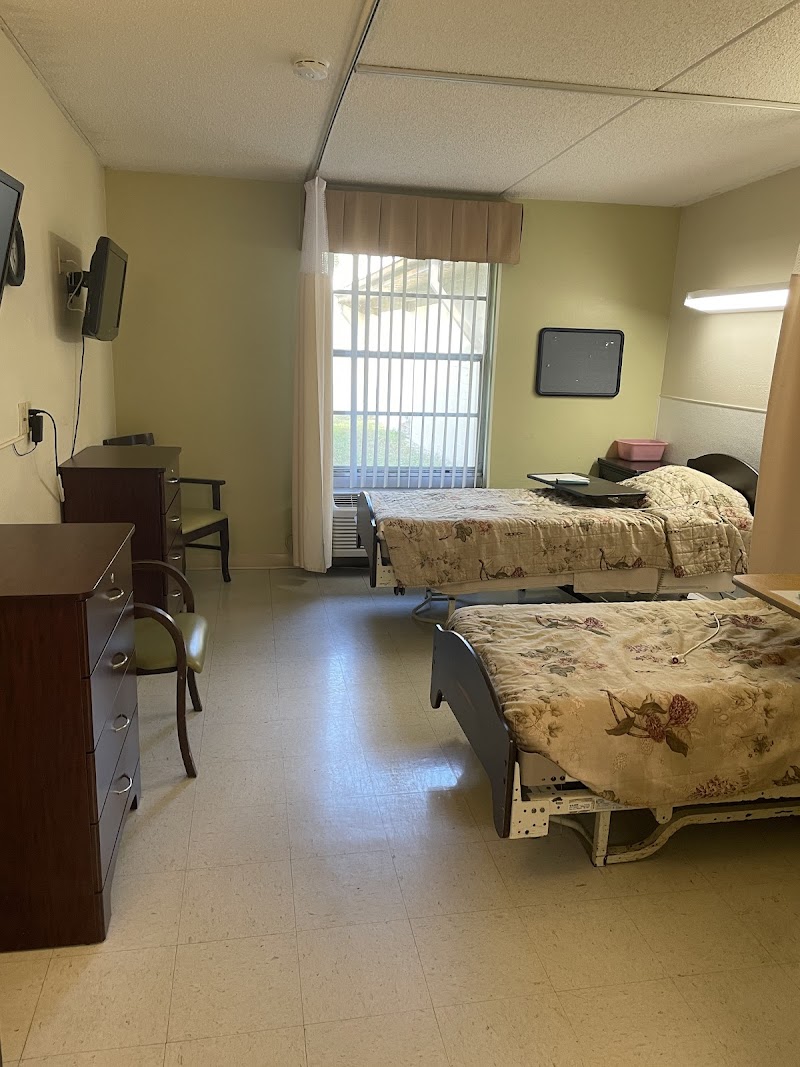
Who Owns and Operates Aviata At Brooksville?

AVIATA AT BROOKSVILLE is owned by a for-profit company. For-profit facilities operate as businesses with obligations to shareholders or private owners. The facility is operated by AVIATA HEALTH GROUP, a chain that manages multiple nursing homes. With 120 certified beds and approximately 106 residents (about 88% occupancy), it is a mid-sized facility located in BROOKSVILLE, Florida.
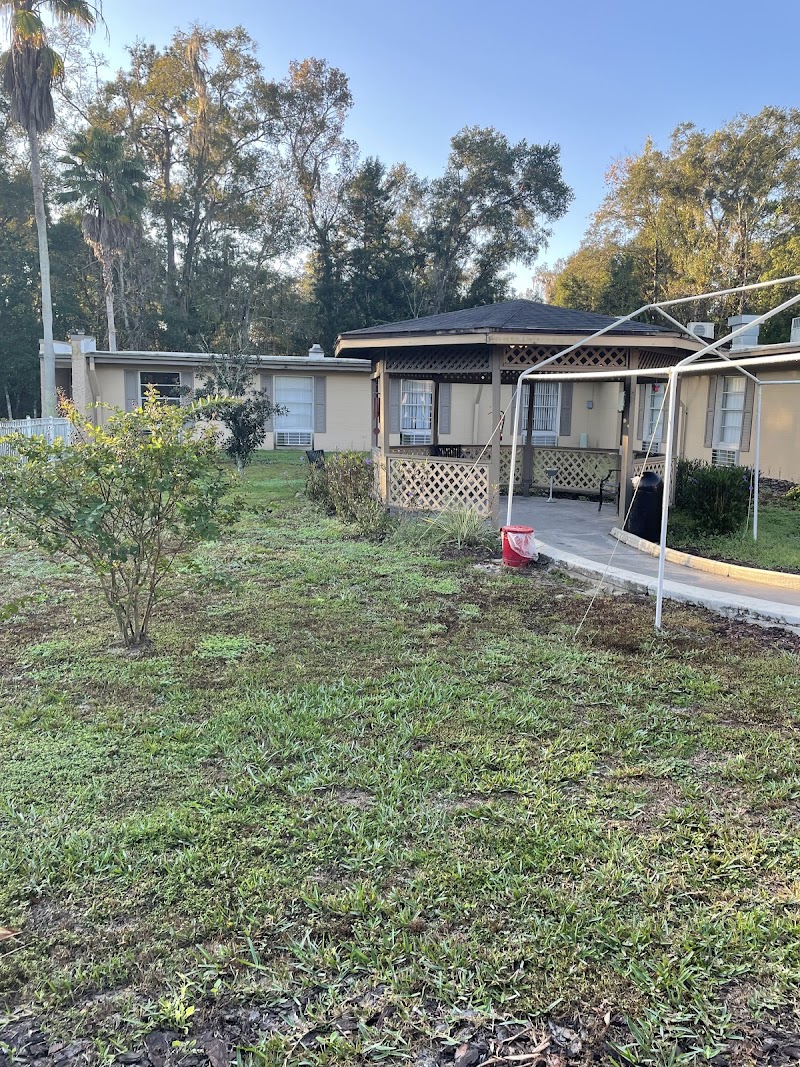
How Does Aviata At Brooksville Compare to Other Florida Nursing Homes?

Compared to the 100 nursing homes in Florida, AVIATA AT BROOKSVILLE's overall rating (2 stars) is below the state average of 3.2, staff turnover (42%) is near the state average of 46%, and health inspection rating (2 stars) is below the national benchmark.

What Should Families Ask When Visiting Aviata At Brooksville?

Based on this facility's data, families visiting should ask: "What changes have been made since the serious inspection findings, and how are you preventing similar issues?" "Can you walk me through typical staffing levels on day, evening, and night shifts?" "Can I visit during a mealtime to observe dining assistance and food quality?" "How do you handle medical emergencies, and what is your hospital transfer rate?" These questions are particularly relevant given the facility's Immediate Jeopardy citations and the below-average staffing rating.

Is Aviata At Brooksville Safe?

Based on CMS inspection data, AVIATA AT BROOKSVILLE has documented safety concerns. Inspectors have issued 1 Immediate Jeopardy citation (the most serious violation level indicating risk of serious injury or death). The facility has a 2-star overall rating and ranks #100 of 100 nursing homes in Florida. Families considering this facility should ask detailed questions about what corrective actions have been taken since these incidents.

Do Nurses at Aviata At Brooksville Stick Around?

AVIATA AT BROOKSVILLE has a staff turnover rate of 42%, which is about average for Florida nursing homes (state average: 46%). Moderate turnover is common in nursing homes, but families should still ask about staff tenure and how the facility maintains care continuity when employees leave.

Was Aviata At Brooksville Ever Fined?

AVIATA AT BROOKSVILLE has been fined $55,049 across 2 penalty actions. This is above the Florida average of $33,629. Fines in this range indicate compliance issues significant enough for CMS to impose meaningful financial consequences. Common causes include delayed correction of deficiencies, repeat violations, or care failures affecting resident safety. Families should ask facility leadership what changes have been made since these penalties.

Is Aviata At Brooksville on Any Federal Watch List?

AVIATA AT BROOKSVILLE is not on any federal watch list. The most significant is the Special Focus Facility (SFF) program, which identifies the bottom 1% of nursing homes nationally based on persistent, serious quality problems. Not being on this list means the facility has avoided the pattern of deficiencies that triggers enhanced federal oversight. This is a positive indicator, though families should still review the facility's inspection history directly.