CRITICAL
(J)
Immediate Jeopardy (IJ) - the most serious Medicare violation
Free from Abuse/Neglect
(Tag F0600)
Someone could have died · This affected 1 resident
**NOTE- TERMS IN BRACKETS HAVE BEEN EDITED TO PROTECT CONFIDENTIALITY** Based on observations, interviews, resident record reviews, and review of the facility policies and procedures, the facility fai...
Read full inspector narrative →
**NOTE- TERMS IN BRACKETS HAVE BEEN EDITED TO PROTECT CONFIDENTIALITY** Based on observations, interviews, resident record reviews, and review of the facility policies and procedures, the facility failed to ensure residents were free from medical neglect by failing to implement policies and procedures for safety and supervision when the facility staff failed to provide adequate supervision for Resident #33. On 5/08/2023, Resident #33 was left outside unsupervised resulting in physician ordered treatment for 7 days for exposed reddened, sunburned skin. On 6/15/2023, Resident #33 was left outside unsupervised resulting in dehydration, decreased alertness, difficulty responding, heat exposure, heatstroke, and sunstroke. On 7/07/2023, Resident #33 was left outside unsupervised for a significant amount of time resulting in dehydration, excessive sun exposure, with evidence of tanning. On 7/15/2023, Resident #33 was diagnosed with blister to the upper back and left shoulder. Resident #33 was outside unsupervised on the facility patio during inclement weather conditions with the high temperatures in the mid-90s (data collected from The National Weather Service for 7/15/2023). Resident #33 sustained third-degree sunburn to his cervical mid-back area and second-degree burns to his right shoulder.
The facility's failure to provide supervision of Resident #33 led to a determination of Immediate Jeopardy at a scope and severity of isolated, (J). The Nursing Home Administrator was notified of the immediate Jeopardy on 9/22/2023, at 9:23 AM. The Immediate Jeopardy began on 5/08/2023, and was removed on site on 9/22/2023.
Heat exhaustion is the body's response to an excessive loss of water and salt, usually through excessive sweating. Heat exhaustion is most likely to affect the elderly, and people with high blood pressure. Symptoms may include heavy sweating; weakness or tiredness; cool, pale, clammy skin; fast, weak pulse; muscle cramps.
Findings include:
Review of the admission Record for Resident #33 documented he is a [AGE] year-old male with diagnoses that include dementia, type 2 diabetes, hypertensive heart and chronic kidney disease, atherosclerotic heart disease, heart failure, chronic kidney disease, peripheral vascular disease, and presence of cardiac pacemaker.
Review of the Attestation of Physician that Resident is incapacitated for Resident #33 documented I, Dr. [Physician #1's Name], attending physician to [Resident #33's name], have evaluated him/her and determined that he/she lacks the capacity to make medical decision or give informed consent. This document was signed by Physician #1 and dated 3/29/2023.
Review of the Quarterly Minimum Data Set, Comprehensive Assessment, dated 6/20/2023 for Resident #33 documented a Brief Interview for Mental Status (BIMS) score of 3 of 15, indicating severely impaired cognition.
Review of the APRN #1 (Advanced Practice Registered Nurse) Visit Note dated 5/8/2023 for Resident #33 documented in part, Problem list: Dehydration. History of present illness: 89 y/o (year old) male, pleasant and cooperative but confused. Noted to have significant redness to non-covered skin, reported to have been out on the patio for extended period of time over the weekend and was not in the shade. Psychiatric Orientation: abnormal - awake, alert oriented X1 [times one]. Assessment Plan: Condition 2 Diagnosis: Sunburn, Unspecified. Plan of Care: Encourage oral hydration, apply Aquaphor liberally to all exposed reddened skin q [every] shift until aloe containing lotion available. Monitor and ensure if he is outside, he is in the shade.
Review of the progress note dated 5/8/2023 for Resident #33 documented, ARNP [sic] rounding in facility with new orders for Aquaphor [used for treatment of minor cuts and burns.] BUE [bilateral upper extremities], face, scalp, posterior neck bid [twice a day] for sunburn x 7 days, resident in agreement with POC [plan of care]. Author: [Staff Y, LPN's (Licensed Practical Nurse) name].
Review of the physician's order dated 5/8/2023 for Resident #33 documented, BUE, face, scalp, posterior neck - apply Aquaphor area and leave open to air every evening and night shift for sunburn for 14 days. Ordered by: [APRN #1's name].
Review of the progress note dated 6/15/2023 for Resident #33 documented, Resident was noted coming back from outside to have generalized erythema [superficial reddening of the skin]. Tired and weakness. Rt [right] eye was bright red at the lower lid of eye. No drainage noted. Resident stated he was a little sore. ARNP [sic] assessed resident and gave new order for labs in am [ante meridiem, before noon], U/A C & S [urinalysis with culture and sensitivity] and neuro checks [assesses an individual's neurological functions, motor and sensory response, and level of consciousness] to be initiated as protocol. Resident O2 [oxygen] sat [saturation, how much oxygen is in your blood] was 88% [Normal oxygen levels for elderly people are usually 90% to 95%, oxygen levels below 90% are considered low and may indicate the need for supplemental oxygen]. O2 at 1 liters has been placed on resident at this time. Resident was assisted to bed to rest and cool off. No acute distress noted at this time. Resting with eyes closed. Call light within reach. Author: [Staff X, LPN's name].
Heat exhaustion is the body's response to an excessive loss of water and salt, usually through excessive sweating. Heat exhaustion is most likely to affect the elderly, and people with high blood pressure. Symptoms may include heavy sweating; weakness or tiredness; cool, pale, clammy skin; fast, weak pulse; muscle cramps; dizziness; nausea or vomiting; headache; and fainting (Centers for Disease Control and Prevention).
Certain diabetes complications, such as damage to blood vessels and nerves, can affect the sweat glands so the body can't cool as effectively. That can lead to heat exhaustion and heat stroke, which is a medical emergency.
The very young and elderly, seniors (over 65) and children (especially those under the age of 4) are often more at increased risk of heat-related illness, as they typically tend to be less aware of temperature changes and their bodies generally don't regulate as well.
Review of the APRN #1 Visit Note dated 6/15/2023 for Resident #33 documented in part, Problem List: Dehydration, Unspecified Dementia. Chief Complaint: Acute Visit for Vasovagal type episode [rapid drop in heart rate and blood pressure] after being outside for too long and becoming overheated. History of Present Illness: 89 y/o male, decreased alertness and difficulty responding initially after being outside on the patio in the sun and becoming overheated. Psychiatric Orientation: Abnormal - orientated to person only. Assessment/Plan: Diagnosis: Heatstroke and sunstroke, initial encounter, other disturbances of skin sensation. Care Plan: Removed clothing and allowed to rest which improved mentation/alertness to normal level for him. Orders to monitor when he is outside and not allow him to be out, without periodic monitoring. Do not recommend greater than 20-30 minutes without hydration in current summer weather/humidity/heat. Author: [APRN #1's name].
Review of the physician's order dated 6/15/2023 for Resident #33 documented, obtain neuro checks per protocol for heat induced weakness every shift for heat weakness DC [discontinue] when done. Ordered by: [Physician #1's name].
Review of Physician #1's Visit Note dated 7/7/2023 for Resident #33 documented in part, Problem List: Unspecified Dementia, Dehydration. Chief Complaint: Acute visit - f/u [follow up] change in condition. History of present illness: This is an 89 y/o male being seen for follow up after noted yesterday that he was not his normal self. It is notable that he spends a significant amount of time outside, regardless of the fact that the temperature remains higher than normal. He admits he does not drink a lot of water. It is unclear how long he spends outside his skin shows evidence of tanning and sun exposure. Assessment/Plan: Condition 1. Diagnosis: effect of heat and light, unspecified, sequela [after effect of a disease/condition], dehydration. Care Plan: Pt [patient] with excessive sun exposures. Discussed risk of heat, dehydration, need for adequate hydration. F/u with staff regarding time outside for resident. Author: [Physician #1's name].
Review of the SBAR (Situation, Background, Assessment, Recommendation) dated 7/14/2023 for Resident #33 documented in part, Situation: The change in condition, symptoms, or signs observed and evaluated are: stroke/CVA [Cardiovascular Accident]/TIA [Transient Ischemic Attack]/New neurological signs. Blood Sugar: 388. Neurological Status Evaluation: Altered level of consciousness. Recommendations: Transfer to ER [Emergency Room].
Review of the hospital emergency room documentation dated 7/14/2023 for Resident #33 documented in part, The patient presents with AMS [Altered Mental Status] per SNF [Skilled Nursing Facility] report. Differential Diagnosis: Dehydration, diabetic ketoacidosis, electrolyte imbalance, pneumonia, urosepsis, confusion. CBC [Complete Blood Count] notable for Leukocytosis. CMP [Complete Metabolic Panel] noted for blood glucose level of 356. [Target glucose range before meals for those with Type 2 Diabetes in older adults is 80 to 170].
Review of the progress note dated 7/14/2023 for Resident #33 documented in part, Returned from hospital via ambulance. Alert oriented to name and event. V/S WNL [Vital signs within normal limits]. Denies any pain or discomfort. Open blister on left shoulder. Open blister to left back. Author: [Staff B, LPN's name].
Review of the National Weather Service, Climatological Data for Brooksville area, dated 7/14/2023 documented the maximum temperature of 94 degrees Fahrenheit and the average temperature of 83.5 degrees Fahrenheit.
Review of the Shower/Bath Sheet dated 7/15/2023 for Resident #33 documented in part, Reddened area: upper back right side, blister on upper neck.
Review of the progress note dated 7/15/2023 for Resident #33 documented, Pt noted to have open blister to upper back and intact blister to left shoulder. Call placed to [Physician #1's name] new TX [treatment] orders initiated for Venelex [Venelex Ointment is a wound dressing for topical use in the management of chronic and acute wounds, and dermal ulcers including: pressure ulcers, venous statis ulcer, first and second-degree burns .] to upper back. Skin prep to intact blister every shift. Orders for pt to not be able to go outside in the courtyard area without supervision. Author: [Staff Z, LPN's name].
Review of the physician's order dated 7/15/2023 for Resident #33 documented, Venelex External Ointment (Balsam Peru Castor Oil) Apply to upper mid back topically every shift for open blister apply Venelex to upper mid back every shift. Ordered by [Physician #1's name].
Review of the physician's order dated 7/15/2023 for Resident #33 documented, skin prep to left shoulder every shift for blister. Ordered by [Physician #1's name].
Review of the physician's order dated 7/15/2023 for Resident #33 documented, Silver Sulfadiazine Cream 1% [Silver sulfadiazine is an antibiotic and is used to treat or prevent serious infection areas of skin with second or third degree burns] Apply to see additional directions [sic] topically every shift for burns for 14 days. Cleanse with NS [normal saline], pat dry, and apply cream to [NAME] [sic] and lateral neck, posterior head, apply thin layer to areas. Ordered by [Physician #1's name].
Review of the physician's order dated 7/15/2023 for Resident #33 documented, Pt is not allowed to go outside in courtyard area without supervision. Ordered by [Physician #1's name].
Review of the skin/ wound progress note dated 7/17/2023 for Resident #33 documented, resident seen in r/t [related to] blister to right shoulder and open area to back of neck, resident observed resting in bed with eyes open, ruptured blister noted to right shoulder measuring 2.1 X 1.5 cm [centimeters] with small serosanguinous [containing or consisting of both blood and serous fluid] drainage, edges well defined no c/o [complaints of] pain to area, peri-wound intact, dry, intact fluid filled blister noted on right shoulder, open area noted to back of neck measuring 3.7 X 3.2 cm with moderate serosanguinous discharge, edges well defined, no c/o pain to area, peri-wound dry and intact, tx [treatment] and interventions in place resident in agreement with POC. Author: [Staff Y, LPN, Wound Care Nurse's name].
Review of APRN #1's Visit Note dated 7/17/2023 for Resident #33 documented in part, Problem List: Unspecified Dementia, Dehydration, Sunburn of Second Degree, Sunburn of Third Degree, Exposure to Sunlight Sequela. Chief Complaint: Acute visit for reported skin changes and bullae [blister] of scalp, neck and shoulders, recent episode of AMS/weakness and syncope requiring evaluation at ER. History of Present Illness. 90 y/o male, DOB [DATE of birth ] birthday today. Awake and alert but confused. On call provider notified over the weekend that he was found to have multiple areas of erythema and burns, some open blisters and some intact blisters. Treatment of intact blister with skin prep, and Silvadene to erythemic [redness] areas of skin. He denies any problems at this time. Was also sent to hospital on 7/14 for episode of AMS, syncopal episode after being out in the heat, humidity and sun an extended amount of time. Burns noticed the day after this event and time out in the sun for unknown duration. This is not the first occurrence of similar event, as there has been multiple times he was outside for extended periods and experienced syncopal/near syncopal events, staff is aware of these previous occurrences. Requests to have him accompanied outside, encourage fluids outside, limit time outside or to not allow him outside during certain hours were refused to be followed when given, and told that staff does not have the time or resources to do that. Requested staff to encourage hydration and requesting wound care NP [Nurse Practitioner] to eval [evaluate] and treat Condition 1: Sunburn of second degree. Assessment: new. Care Plan: Continue with skin prep to intact blisters, Silvadene to posterior head/neck, lateral neck, erythema around intact blisters. Avoid hot environments, avoid direct sun exposure especially between the hours of 1000-1600 [10:00 AM - 4:00 PM]. Encourage oral hydration. Condition 2: Dementia in other diseases classified elsewhere, unspecified severity, with agitation. Normal pressure hydrocephalus [a condition in which fluid accumulates in the brain, enlarging the head and sometimes causing brain damage]. Assessment: progressive. Care Plan: Poor memory/recall complicates education and reminders about limiting time outside, adequate hydration and importance of avoiding direct sunlight. Staff requested to ensure due to the severity of the sunburn and required ER visit 2/2 to being outside for extended time (mod-severe heat exposure) for him to not be allowed outside. Author [APRN #1's name].
Review of the physician's order dated 7/17/2023 for Resident #33 documented, left shoulder-apply skin prep to area and leave open to air every shift for intact blister for 14 days. Ordered by [APRN #1's name].
Review of the physician's order dated 7/17/2023 for Resident #33 documented, Silver Sulfadiazine Cream 1% Apply to back of neck topically every shift for open blisters for 14 days cleanse areas with NS, pat dry, apply thin layer to open area and cover area with dry/foam dressing AND apply to left shoulder topically every shift for open blister cleanse area with NS, pat dry, apply thin layer to open area on shoulder and leave open to air. Ordered by [Physician #1's name].
Review of the physician's order dated 7/17/2023 for Resident #33 documented, Bactrim DS [Double Strength] Oral tablet 800/160 mg [milligrams] (Sulfamethoxazole-Trimethoprim). Give one tablet by mouth 2 times a day for skin infection for 7 days. Ordered by [Physician #1's name].
Review of APRN #1's Visit Note dated 7/18/2023 for Resident #33 documented in part, Problem List: Unspecified Dementia, Dehydration, Sunburn of Second Degree, Sunburn of Third Degree, Exposure to Sunlight Sequela. Chief Complaint: Reevaluation of burns. History of Present Illness: 90 y/o male, awake and alert, but confused. Continues with burns and burn to posterior neck has worsened with darkened area of skin at the center. Silvadene currently in place. He reports [NAME] [sic] discomfort with wound care. Right shoulder blisters, 1 opened but 2nd remains closed and smaller in size. No repeated syncopal events or AMS, as he has not been outside. Requested staff to encourage hydration and requesting wound care NP to eval and treat. Condition 1: Diagnosis: Sunburn of second degree. Assessment: Continues. Care Plan: Continue skin prep to closed blister, Silvadene to eurythmic [sic] areas. Change hydrocolloid dressing q 3 days after cleansing with NSS [Normal Saline Solution] and gently pat dry given to nursing. Concern that burn is 3rd degree or slight discoloration secondary to Silvadene. Request eval/treat through wound care NP for management. Author [APRN #1's name].
Review of the progress note dated 7/18/2023 for Resident #33 documented, received order from [APRN #1's name], new orders to place hydrocolloid dressing to back of neck and continue Silvadene to red areas.
Review of the physician's order dated 7/18/2023 for Resident #33 documented, Back and neck every day shift for prophylaxis apply hydrocolloid dressing. Ordered by [APRN #1's name].
Review of the progress note dated 7/18/2023 for Resident #33 documented in part, IDT [Interdisciplinary Team] review 7/17/2023 d/t [due to] blisters to resident's right shoulder, dorsal neck 7/15/2023 from sun exposure. Resident was wearing short sleeve shirt while outdoors. wound care treatment to areas. Author [Risk Manager's name].
Review of the incident progress note dated 7/18/2023 for Resident #33 documented in part, broken blister noted to back of neck and small blisters to upper back cream continues as per MD (Medical Doctor) order r/t prior extended sun time. During shift resident denies pain nor discomfort stating, 'cream feels good.' Author [Staff M, LPN's name].
Review of APRN Wound Nurse's Visit Note dated 7/19/2023 for Resident #33 documented in part, Chief Complaint: Acute visit for reported skin changes and bullae of scalp, neck and shoulders, recent episode of AMS/weakness and syncope requiring evaluation at ER. Pain Level: 5 out of 10. Wound 4 Assessment: History of Wound: Facility acquired. Wound Type: Sunburn 3rd degree Wound Location: Cervical. Wound Status: not healed. Skin Temperature: Warm. Wound 4 Description: Current Progress: Initial exam. Current Thickness: Eschar [dry, dead tissue within a wound] covered. Current Exudate [liquid produced by the body in response to tissue damage] Amount: Small. Current Exudate Type: serous [type of fluid that comes out of a wound with tissue damage] Current Wound Margin: attached. Wound 4 Measurements: Current Length: 4.6 cm x Current Width: 3.2 cm. Current Area: 14.7. Wound 4 Bed: Eschar: 76-100%. Granulation [new connective tissue and microscopic blood vessels that form on the surfaces of a wound during the healing process]: 1-25%. Granulation Texture: Firm. Granulation Color: bright red. Wound 4 Peripheral Skin Appearance: Texture: edema. Moisture: moist. Color: erythema. Signs/symptoms of an infection were not present. Wound 4 Treatment: Treatment: Silvadene Frequency: BID Wound Cleanser: normal saline. Wound 5 Assessment: History of Wound: Facility acquired. Wound Type: Sunburn 2nd degree. Wound Location: RT Shoulder. Wound Status: not healed .Skin Temperature: Warm. Wound 5 Description: Current Progress: Initial exam. Current Thickness: Partial. Current Exudate Amount: Small. Current Odor: Not Present. Current Wound Margin: attached. Wound 5 Measurements: Current Length: 3.6 cm x Current Width: 4.5 cm. Wound 5 Bed: Epithelialization [process of becoming covered with or converted to a thin, continuous, protective layer of compactly packed cells]: 26-50%. Granulation: 26-50%. Granulation Texture: Firm. Granulation Color: bright red. Wound 5 Peripheral Skin Appearance: Texture: friable. Moisture: moist. Color: erythema. Signs/symptoms of an infection were not present. Wound 5 Treatment: Treatment: Silvadene Frequency: BID Wound Cleanser: normal saline Additional Comments: Dressing Chosen: Antimicrobial Benefit. SKIN: Abnormal - Open wound, dry, hyperpigmentation [darkened areas of skin], skin atrophy [thinning of top layers of the skin], tender, xerosis [skin has dry, scaly appearance due to lack of moisture content], noted sun damage on face, forearms, shoulders. Assessment. Diagnosis: Sunburn of second degree, Sunburn of third degree, exposure to sunlight, sequela. Visit Summary. Care Plan: New wounds from sunburn Cervical 3rd degree + RT Shoulder 2nd degree. Both PCP [Primary Care Physician] aware of circumstances surrounding this area. Cervical area might need enzymatic debridement [an ointment or gel with enzymes that soften unhealthy tissue] due to presence of non-viable tissue. Patient currently on Bactrim as ordered by PCP. Electronically Signed: APRN #2, CWOCN-AP [Certified Wound Ostomy Continence Nurse-Advance Practice], DNC [Dermatology Nurse Certified].
Review of the skin/wound progress noted dated 7/19/2023 for Resident #33 documented, IDT met in r/t to burns to back of neck and right shoulder, first observation by [Medical Clinic Name] wound care ARNP [sic], tx and interventions in place, resident in agreement with POC. Author [Staff Y, LPN, Wound Nurse's name].
Review of Physician #1's Visit Note dated 7/24/2023 for Resident #33 documented in part, Problem List: Sunburn of second degree, Sunburn of third degree, Exposure to sunlight, Sequela. Chief complaint: f/u skin concerns. History of Present illness: This is a 90 y/o male being seen for follow up of skin issues, including an area on his right shoulder that now appears to have some fluctuance [sign of infection that indicates the presence of pus under the skin] to it. Wound care is following as well. Currently treating the area with skin prep as well as him recently being started on Bactrim for potential cellulitis [serious skin infection]. He denies any acute complaints aside from intermittent pain at site. He continues to want to go outside in the sun and needs to be reminded of risk of sunburn. Assessment/Plan: Condition 1. Diagnosis: Local infection of the skin and subcutaneous tissue, unspecified, Sunburn, Unspecified.
Assessment: ongoing. Care Plan: Continue Bactrim, wound care f/u. if worsens may need I&D [Irrigation & Debridement. (Debridement is the process of removing nonviable tissue)]. Stressed importance of not being in sun for any period time during healing process.
Review of APRN Wound Nurse's Visit Note dated 7/26/2023 for Resident #33 documented in part, Chief Complaint: F/u skin concerns. Pain Level: 5 out of 10. Wound 4 Assessment: History of Wound: Facility acquired. Wound Type: Sunburn 3rd degree. Wound Location: Cervical. Wound Status: not healed. Skin Temperature: Warm. Wound 4 Description: Current Progress: Improving. Current Thickness: Eschar covered. Current Exudate Amount: Small. Current Exudate Type: serous. Current Wound Margin: attached. Wound 4 Measurements: Previous Length: 4.6 cm. Current Length: 4.3 cm. Previous Width: 3.2 cm. Current Width: 3.2 cm. Previous Area: 14.7 cm. Current Area: 13.8. Tunneling: No. Sinus Tract: No. Undermining: No. Hypergranulation: No. Wound 4 Bed: Eschar: 76-100%. Granulation: 1-25%. Granulation Texture: Firm. Granulation Color: bright red. Structure Exposed: No. Wound 4 Peripheral Skin Appearance: Texture: edema. Moisture: moist. Color: erythema. Signs/symptoms of an infection were not present. Wound 4 Treatment: Treatment: Santyl/Bactroban Frequency: QD [every day] Dressing: Foam Wound Cleanser: normal saline. Wound 5 Assessment: History of Wound: facility acquired. Wound Type: Sunburn 2nd degree. Wound Location: RT Shoulder. Wound Status: not healed. Skin Temperature: Warm. Wound 5 Description: Current Progress: Improving. Current Thickness: Partial. Current Exudate Amount: None. Current Odor: Not Present. Current Wound Margin: attached. Wound 5 Measurements: Previous Length: 3.6 cm. Current Length: 3.4 cm. Previous Width: 4.5 cm. Current Width: 4.4 cm. Previous Area: 16.2 cm. Current Area: 15.0. Wound 5 Bed: Slough [dead skin tissue that may have a yellow or white appearance]: 51-75%. Granulation: 26-50%. Granulation Texture: Firm. Granulation Color: bright red. Structure Exposed: No. Wound 5 Peripheral Skin Appearance: Texture: friable (easily crumbled). Moisture: moist. Color: erythema Signs/symptoms of an infection were not present. Wound 5 Treatment: Treatment: Betadine Paint Frequency: QD Wound Cleanser: normal saline Additional Comments: Completely reabsorb blisters with erythema. Dressing Chosen: Antimicrobial [kills or slows the spread of microorganisms] Benefit. Assessment / Diagnosis: Sunburn of second degree, Sunburn of third degree, Exposure to sunlight, Sequela.
Review of the physician's order dated 7/26/2023 for Resident #33 documented, right shoulder-apply betadine paint to area and leave open to air every shift for reabsorbing blisters. Ordered by [APRN Wound Nurse's name].
Review of Physician #1's Visit Note dated 7/31/2023 for Resident #33 documented in part, Problem List: Sunburn of second degree, Sunburn of third degree, Exposure to sunlight, Sequela. Chief complaint: Acute visit for elevated glucose, c/o dysuria [pain or burning sensation while passing urine]. History of Present illness: One continues to follow for area on shoulder and back that are slowly improving. Assessment/Plan: Condition 2. Diagnosis: Type 2 Diabetes Mellitus with Hyperglycemia [too much sugar in your blood]. Assessment: worsening/exacerbation [flare up]. Care Plan: Due to underlying infection +/- stress of skin injury, FS [Finger Stick] frequency increased, monitor trend, ISS [Insulin Sliding Scale] as needed.
Review of APRN Wound Nurse's Visit Note dated 8/2/2023 for Resident #33 documented in part, Wound 4 Assessment: History of Wound: Facility acquired. Wound type: Sunburn 3rd Degree. Wound Location: Cervical. Wound Status: not healed. Skin Temperature: Warm. Wound 4 Description: Current Progress: Improving. Current Thickness: Eschar covered. Current Exudate Amount: Small. Current Exudate Type: serous. Current Odor: Not Present. Current Wound Margain: attached. Wound 4 Measurement: Previous Length: 4.3 cm. Current Length: 4.2 cm. Diff: 0.9999999999996. Previous Width: 3.2 cm. Current Width: 3.2 cm. Diff: 0. Previous Area: 13.8 cm. Current Area: 13.4. Diff: 0.3199999999999. Tunneling: no. Sinus tract: no. Undermining: no. Hypergranulation: No. Wound 4 Bed: Slough: 76-100%. Eschar: 1-25%. Granulation Texture: Firm. Granulation Color: bright red. Structure Exposed: no. Wound 4 Peripheral Skin Appearance: Texture: edema. Moisture: moist. Color: erythema. Signs/symptoms of an infection were not present. Wound 4 Treatment: Treatment: Santyl/Bactroban Frequency : QD Dressing: Foam Wound Cleanser: normal saline Additional Comments: Santyl/Bactroban needed for debridement and antimicrobial benefit. Wound 5 Assessment: History of Wound: Facility acquired. Wound Type: Sunburn 2nd degree. Wound Location: RT Shoulder 2 lesions. Wound Status: not healed. Skin Temperature: Warm. Wound 5 Description: Current Progress: Improving. Current Thickness: Partial. Current Exudate Amount: none. Current Exudate Type: serous. Current Odor: Not Present. Current Wound Margain: attached. Wound 5 Measurement: Previous Length: 3.4 cm. Current Length: 2.6 cm. Diff: 0.8. Previous Width: 4.4 cm. Current Width: 4.2 cm. Diff: 0.2 Previous Area: 15.0 cm. Current Area: 10.9. Diff: 4.04. Wound 5 Bed: Epithelialization: 26-50% Granulation Texture: Firm. Granulation Color: bright red. Structure Exposed: no. Wound 5 Peripheral Skin Appearance: Texture: firm. Moisture: moist. Color: erythema. Signs/symptoms of an infection were not present. Wound 5 Treatment: Treatment: Betadine Paint Frequency: QD Wound Cleanser: Normal Saline. Additional Comments: 50% crust. Completely reabsorb blisters with erythema. Dressing Chosen Antimicrobial Benefit. Assessment / Diagnosis: Sunburn of second degree, Sunburn of third degree, Exposure to sunlight, Sequela.
Review of APRN Wound Nurse's Visit Note dated 9/6/2023 for Resident #33 documented Wound 5 was resolved.
On 9/18/2023 at 9:45 AM, Resident #33 was sitting in a wheelchair in the 200 Hallway, propelling himself down the hall. The surveyor attempted to interview the resident by asking him his name. The resident was not able to respond to this question.
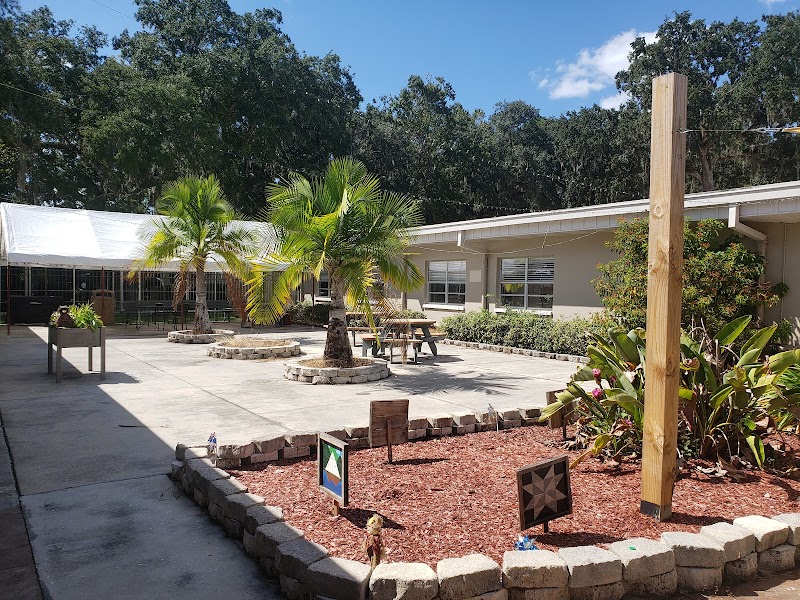
During an interview on 9/19/2023 at 12:49 PM, the Administrator stated, He [Resident #33] is of his sound mind, and we asked him to come in several times, and he was adamant about staying outside. We can't wheel him in against his will. He knows when he is getting hot, and he can self-propel himself. We do have light duty staff that are assigned to the courtyard and round outside and offer hydration. We did an internal investigation, and I would have to see if we did an adverse incident report. I did not have a light-duty staff member out there on that day, but I did have one restorative aide who was assigned to monitor out there. It is the responsibility of all staff to know where their patients are at all times, and they are required to check on them. He has not been deemed incompetent and he is able to make decisions on his own.
During an interview on 9/19/2023 at 1:40 PM, the Administrator stated, I talked to our regional about the incident and he did not feel it as an adverse incident since he was not sent out. He can self-propel himself and can go under shade if he wants.
During an interview on 9/19/2023 at 3:21 PM, the Administrator stated her expectation of rounding of residents in the courtyard was Just expected to round on a routine basis. No audit just routine rounding.
During a telephone interview on 9/19/2023 at 4:05 PM, the Medical Director stated, I am familiar with the incident [Resident #33's sunburns]. It was reviewed in the Quality Assurance (QA) meeting last month. I have been the Medical Director for only 3 months. I was not aware of his prior history in May of a sunburn, what I am aware of is the difference between nurse practitioner and the physician. My expectation is what was discussed in the QA meeting. We discussed setting an alarm on their phone [staff phones] for 5 minutes or 15 minutes on a sunny day. 60-degree vs 90 degree the exposure is not the same. Even if the residents are not able to communicate, they can be brought out for short periods and have two eyes on all patients that are outside. Tell the charge nurse, know your patients, and set an alarm.
During an interview on 9/19/2023 at 5:40 PM, the Director of Nursing (DON) stated, I was not the DON back in May. I have only been in this position for about 3 months. I started in August 2022 as a unit manager. As a unit manager, I had no knowledge of the sunburn. It is the staff's responsibility to know where all their residents are at all times. We have a book. I can't answer if the staff is supposed to document for [Resident #33's name], or on everyone that goes outside. It is mainly the residents from the 200 unit that go outside. I am trying to find the documentation now; I don't know where it has gone.
During an interview on 9/20/2023 at 9:06 AM, Physician #1 stated, The best I can recall of the incident, I got a call about some area on his [Resident #33] back, no one could recall from what it was from. They just said it was a raised area, not the best description, some type of skin change
CRITICAL
(J)
Immediate Jeopardy (IJ) - the most serious Medicare violation
Accident Prevention
(Tag F0689)
Someone could have died · This affected 1 resident
**NOTE- TERMS IN BRACKETS HAVE BEEN EDITED TO PROTECT CONFIDENTIALITY** Based on observations, interviews, resident record reviews, and review of the facility policies and procedures, the facility fai...
Read full inspector narrative →
**NOTE- TERMS IN BRACKETS HAVE BEEN EDITED TO PROTECT CONFIDENTIALITY** Based on observations, interviews, resident record reviews, and review of the facility policies and procedures, the facility failed to ensure the residents received adequate supervision to prevent accidents by failing to implement the policies and procedures for supervision when the facility staff failed to provide adequate supervision for Resident #33. On 5/08/2023, Resident #33 was left outside unsupervised resulting in physician ordered treatment for 7 days for exposed reddened, sunburned skin. On 6/15/2023, Resident #33 was left outside unsupervised resulting in dehydration, decreased alertness, difficulty responding, heat exposure, heatstroke, and sunstroke. On 7/07/2023, Resident #33 was left outside unsupervised for a significant amount of time resulting in dehydration, excessive sun exposure, with evidence of tanning. On 7/15/2023, Resident #33 was diagnosed with blister to the upper back and left shoulder.
Resident #33 was outside unsupervised on the facility patio during inclement weather conditions with the high temperatures in the mid-90s (data collected from The National Weather Service for 7/15/2023). Resident #33 sustained third-degree sunburn to his cervical mid-back area and second-degree burns to his right shoulder.
The facility's failure to provide supervision of Resident #33 led to a determination of Immediate Jeopardy at a scope and severity of isolated, (J). The Nursing Home Administrator was notified of the immediate Jeopardy on 9/22/2023, at 9:23 AM. The Immediate Jeopardy began on 5/08/2023, and was removed on site on 9/22/2023.
Findings include:
Review of the admission Record for Resident #33 documented he is a [AGE] year-old male with diagnoses that include dementia, type 2 diabetes, hypertensive heart and chronic kidney disease, atherosclerotic heart disease, heart failure, chronic kidney disease, peripheral vascular disease, and presence of cardiac pacemaker.
Review of the Quarterly Minimum Data Set, Comprehensive Assessment, dated 6/20/2023 for Resident #33 documented a Brief Interview for Mental Status (BIMS) score of 3 of 15, indicating severely impaired cognition.
Review of the Attestation of Physician that Resident is incapacitated for Resident #33 documented I, Dr. [Physician #1's Name], attending physician to [Resident #33's name], have evaluated him/her and determined that he/she lacks the capacity to make medical decision or give informed consent. This document was signed by Physician #1 and dated 3/29/2023.
Review of the APRN #1 (Advanced Practice Registered Nurse) Visit Note dated 5/8/2023 for Resident #33 documented in part, Problem list: Dehydration. History of present illness: 89 y/o (year old) male, pleasant and cooperative but confused. Noted to have significant redness to non-covered skin, reported to have been out on the patio for extended period of time over the weekend and was not in the shade. Psychiatric Orientation: abnormal - awake, alert oriented X1[times one]. Assessment Plan: Condition 2 Diagnosis: Sunburn, Unspecified. Plan of Care: Encourage oral hydration, apply Aquaphor liberally to all exposed reddened skin q [every] shift until aloe containing lotion available. Monitor and ensure if he is outside, he is in the shade.
Review of the progress note dated 5/8/2023 for Resident #33 documented, ARNP [sic] rounding in facility with new orders for Aquaphor BUE [bilateral upper extremities], face, scalp, posterior neck bid [twice a day] for sunburn x 7 days, resident in agreement with POC [plan of care]. Author: [Staff Y, LPN's (Licensed Practical Nurse) name].
Review of the physician's order dated 5/8/2023 for Resident #33 documented, BUE, face, scalp, posterior neck - apply Aquaphor [used for the treatment of minor cuts and burns] area and leave open to air every evening and night shift for sunburn for 14 days. Ordered by: [APRN #1's name].
Review of the progress note dated 6/15/2023 for Resident #33 documented, Resident was noted coming back from outside to have generalized erythema [superficial reddening of the skin]. Tired and weakness. Rt [right] eye was bright red at the lower lid of eye. No drainage noted. Resident stated he was a little sore. ARNP [sic] assessed resident and gave new order for labs in am [ante meridiem, before noon], U/A C & S [urinalysis with culture and sensitivity] and neuro checks [assesses an individual's neurological functions, motor and sensory response, and level of consciousness] to be initiated as protocol. Resident O2 [oxygen] sat [saturation, how much oxygen is in your blood] was 88% [Normal oxygen levels for elderly people are usually 90% to 95%, oxygen levels below 90% are considered low and may indicate the need for supplemental oxygen]. O2 at 1 liters has been placed on resident at this time. Resident was assisted to bed to rest and cool off. No acute distress noted at this time. Resting with eyes closed. Call light within reach. Author: [Staff X, LPN's name].
Heat exhaustion is the body's response to an excessive loss of water and salt, usually through excessive sweating. Heat exhaustion is most likely to affect the elderly, and people with high blood pressure. Symptoms may include heavy sweating; weakness or tiredness; cool, pale, clammy skin; fast, weak pulse; muscle cramps; dizziness; nausea or vomiting; headache; and fainting (Centers for Disease Control and Prevention).
Certain diabetes complications, such as damage to blood vessels and nerves, can affect the sweat glands so the body can't cool as effectively. That can lead to heat exhaustion and heat stroke, which is a medical emergency.
The very young and elderly, seniors (over 65) and children (especially those under the age of 4) are often more at increased risk of heat-related illness, as they typically tend to be less aware of temperature changes and their bodies generally don't regulate as well.
Review of the APRN #1 Visit Note dated 6/15/2023 for Resident #33 documented in part, Problem List: Dehydration, Unspecified Dementia. Chief Complaint: Acute Visit for Vasovagal type episode [rapid drop in heart rate and blood pressure] after being outside for too long and becoming overheated. History of Present Illness: 89 y/o male, decreased alertness and difficulty responding initially after being outside on the patio in the sun and becoming overheated. Psychiatric Orientation: Abnormal - orientated to person only. Assessment/Plan: Diagnosis: Heatstroke and sunstroke, initial encounter, other disturbances of skin sensation. Care Plan: Removed clothing and allowed to rest which improved mentation/alertness to normal level for him. Orders to monitor when he is outside and not allow him to be out, without periodic monitoring. Do not recommend greater than 20-30 minutes without hydration in current summer weather/humidity/heat. Author: [APRN #1's name].
Review of the physician's order dated 6/15/2023 for Resident #33 documented, obtain neuro checks per protocol for heat induced weakness every shift for heat weakness DC [discontinue] when done. Ordered by: [Physician #1's name].
Review of Physician #1's Visit Note dated 7/7/2023 for Resident #33 documented in part, Problem List: Unspecified Dementia, Dehydration. Chief Complaint: Acute visit - f/u [follow up] change in condition. History of present illness: This is an 89 y/o male being seen for follow up after noted yesterday that he was not his normal self. It is notable that he spends a significant amount of time outside, regardless of the fact that the temperature remains higher than normal. He admits he does not drink a lot of water. It is unclear how long he spends outside his skin shows evidence of tanning and sun exposure. Assessment/Plan: Condition 1. Diagnosis: effect of heat and light, unspecified, sequela [after effect of a disease/condition], dehydration. Care Plan: Pt [patient] with excessive sun exposures. Discussed risk of heat, dehydration, need for adequate hydration. F/u with staff regarding time outside for resident. Author: [Physician #1's name].
Review of the SBAR (Situation, Background, Assessment, Recommendation) dated 7/14/2023 for Resident #33 documented in part, Situation: The change in condition, symptoms, or signs observed and evaluated are: stroke/CVA [Cardiovascular Accident]/TIA [Transient Ischemic Attack]/New neurological signs. Blood Sugar: 388. Neurological Status Evaluation: Altered level of consciousness. Recommendations: Transfer to ER [Emergency Room].
Review of the hospital emergency room documentation dated 7/14/2023 for Resident #33 documented in part, The patient presents with AMS [Altered Mental Status] per SNF [Skilled Nursing Facility] report. Differential Diagnosis: Dehydration, diabetic ketoacidosis, electrolyte imbalance, pneumonia, urosepsis, confusion. CBC [Complete Blood Count] notable for Leukocytosis. CMP [Complete Metabolic Panel] noted for blood glucose level of 356. [Target glucose range before meals for those with Type 2 Diabetes in older adults is 80 to 170].
Review of the progress note dated 7/14/2023 for Resident #33 documented in part, Returned from hospital via ambulance. Alert oriented to name and event. V/S WNL [Vital signs within normal limits]. Denies any pain or discomfort. Open blister on left shoulder. Open blister to left back. Author: [Staff B, LPN's name].
Review of the National Weather Service, Climatological Data for Brooksville area, dated 7/14/2023 documented the maximum temperature of 94 degrees Fahrenheit and the average temperature of 83.5 degrees Fahrenheit.
Review of the Shower/Bath Sheet dated 7/15/2023 for Resident #33 documented in part, Reddened area: upper back right side, blister on upper neck.
Review of the progress note dated 7/15/2023 for Resident #33 documented, Pt noted to have open blister to upper back and intact blister to left shoulder. Call placed to [Physician #1's name] new TX [treatment] orders initiated for Venelex [Venelex Ointment is a wound dressing for topical use in the management of chronic and acute wounds, and dermal ulcers including: pressure ulcers, venous statis ulcer, first and second-degree burns .] to upper back. Skin prep to intact blister every shift. Orders for pt to not be able to go outside in the courtyard area without supervision. Author: [Staff Z, LPN's name].
Review of the physician's order dated 7/15/2023 for Resident #33 documented, Venelex External Ointment (Balsam Peru Castor Oil) Apply to upper mid back topically every shift for open blister apply Venelex to upper mid back every shift. Ordered by [Physician #1's name].
Review of the physician's order dated 7/15/2023 for Resident #33 documented, skin prep to left shoulder every shift for blister. Ordered by [Physician #1's name].
Review of the physician's order dated 7/15/2023 for Resident #33 documented, Silver Sulfadiazine Cream 1% [Silver sulfadiazine is an antibiotic and is used to treat or prevent serious infection areas of skin with second or third degree burns] Apply to see additional directions [sic] topically every shift for burns for 14 days. Cleanse with NS [normal saline], pat dry, and apply cream to [NAME] [sic] and lateral neck, posterior head, apply thin layer to areas. Ordered by [Physician #1's name].
Review of the physician's order dated 7/15/2023 for Resident #33 documented, Pt is not allowed to go outside in courtyard area without supervision. Ordered by [Physician #1's name].
Review of the skin/ wound progress note dated 7/17/2023 for Resident #33 documented, resident seen in r/t [related to] blister to right shoulder and open area to back of neck, resident observed resting in bed with eyes open, ruptured blister noted to right shoulder measuring 2.1 X 1.5 cm [centimeters] with small serosanguinous [containing or consisting of both blood and serous fluid] drainage, edges well defined no c/o [complaints of] pain to area, peri-wound intact, dry, intact fluid filled blister noted on right shoulder, open area noted to back of neck measuring 3.7 X 3.2 cm with moderate serosanguinous discharge, edges well defined, no c/o pain to area, peri-wound dry and intact, tx [treatment] and interventions in place resident in agreement with POC. Author: [Staff Y, LPN, Wound Care Nurse's name].
Review of APRN #1's Visit Note dated 7/17/2023 for Resident #33 documented in part, Problem List: Unspecified Dementia, Dehydration, Sunburn of Second Degree, Sunburn of Third Degree, Exposure to Sunlight Sequela. Chief Complaint: Acute visit for reported skin changes and bullae [blister] of scalp, neck and shoulders, recent episode of AMS/weakness and syncope requiring evaluation at ER. History of Present Illness. 90 y/o male, DOB [DATE of birth ] birthday today. Awake and alert but confused. On call provider notified over the weekend that he was found to have multiple areas of erythema and burns, some open blisters and some intact blisters. Treatment of intact blister with skin prep, and Silvadene to erythemic [redness] areas of skin. He denies any problems at this time. Was also sent to hospital on 7/14 for episode of AMS, syncopal episode after being out in the heat, humidity and sun an extended amount of time. Burns noticed the day after this event and time out in the sun for unknown duration. This is not the first occurrence of similar event, as there has been multiple times he was outside for extended periods and experienced syncopal/near syncopal events, staff is aware of these previous occurrences. Requests to have him accompanied outside, encourage fluids outside, limit time outside or to not allow him outside during certain hours were refused to be followed when given, and told that staff does not have the time or resources to do that. Requested staff to encourage hydration and requesting wound care NP [Nurse Practitioner] to eval [evaluate] and treat Condition 1: Sunburn of second degree. Assessment: new. Care Plan: Continue with skin prep to intact blisters, Silvadene to posterior head/neck, lateral neck, erythema around intact blisters. Avoid hot environments, avoid direct sun exposure especially between the hours of 1000-1600 [10:00 AM - 4:00 PM]. Encourage oral hydration. Condition 2: Dementia in other diseases classified elsewhere, unspecified severity, with agitation. Normal pressure hydrocephalus [a condition in which fluid accumulates in the brain, enlarging the head and sometimes causing brain damage]. Assessment: progressive. Care Plan: Poor memory/recall complicates education and reminders about limiting time outside, adequate hydration and importance of avoiding direct sunlight. Staff requested to ensure due to the severity of the sunburn and required ER visit 2/2 to being outside for extended time (mod-severe heat exposure) for him to not be allowed outside. Author [APRN #1's name].
Review of the physician's order dated 7/17/2023 for Resident #33 documented, left shoulder-apply skin prep to area and leave open to air every shift for intact blister for 14 days. Ordered by [APRN #1's name].
Review of the physician's order dated 7/17/2023 for Resident #33 documented, Silver Sulfadiazine Cream 1% Apply to back of neck topically every shift for open blisters for 14 days cleanse areas with NS, pat dry, apply thin layer to open area and cover area with dry/foam dressing AND apply to left shoulder topically every shift for open blister cleanse area with NS, pat dry, apply thin layer to open area on shoulder and leave open to air. Ordered by [Physician #1's name].
Review of the physician's order dated 7/17/2023 for Resident #33 documented, Bactrim DS [Double Strength] Oral tablet 800/160 mg [milligrams] (Sulfamethoxazole-Trimethoprim). Give one tablet by mouth 2 times a day for skin infection for 7 days. Ordered by [Physician #1's name].
Review of APRN #1's Visit Note dated 7/18/2023 for Resident #33 documented in part, Problem List: Unspecified Dementia, Dehydration, Sunburn of Second Degree, Sunburn of Third Degree, Exposure to Sunlight Sequela. Chief Complaint: Reevaluation of burns. History of Present Illness: 90 y/o male, awake and alert, but confused. Continues with burns and burn to posterior neck has worsened with darkened area of skin at the center. Silvadene currently in place. He reports [NAME] [sic] discomfort with wound care. Right shoulder blisters, 1 opened but 2nd remains closed and smaller in size. No repeated syncopal events or AMS, as he has not been outside. Requested staff to encourage hydration and requesting wound care NP to eval and treat. Condition 1: Diagnosis: Sunburn of second degree. Assessment: Continues. Care Plan: Continue skin prep to closed blister, Silvadene to eurythmic [sic] areas. Change hydrocolloid dressing q 3 days after cleansing with NSS [Normal Saline Solution] and gently pat dry given to nursing. Concern that burn is 3rd degree or slight discoloration secondary to Silvadene. Request eval/treat through wound care NP for management. Author [APRN #1's name].
Review of the progress note dated 7/18/2023 for Resident #33 documented, received order from [APRN #1's name], new orders to place hydrocolloid dressing to back of neck and continue Silvadene to red areas.
Review of the physician's order dated 7/18/2023 for Resident #33 documented, Back and neck every day shift for prophylaxis apply hydrocolloid dressing. Ordered by [APRN #1's name].
Review of the progress note dated 7/18/2023 for Resident #33 documented in part, IDT [Interdisciplinary Team] review 7/17/2023 d/t [due to] blisters to resident's right shoulder, dorsal neck 7/15/2023 from sun exposure. Resident was wearing short sleeve shirt while outdoors. wound care treatment to areas. Author [Risk Manager's name].
Review of the incident progress note dated 7/18/2023 for Resident #33 documented in part, broken blister noted to back of neck and small blisters to upper back cream continues as per MD (Medical Doctor) order r/t prior extended sun time. During shift resident denies pain nor discomfort stating, 'cream feels good.' Author [Staff M, LPN's name].
Review of APRN Wound Nurse's Visit Note dated 7/19/2023 for Resident #33 documented in part, Chief Complaint: Acute visit for reported skin changes and bullae of scalp, neck and shoulders, recent episode of AMS/weakness and syncope requiring evaluation at ER. Pain Level: 5 out of 10. Wound 4 Assessment: History of Wound: Facility acquired. Wound Type: Sunburn 3rd degree Wound Location: Cervical. Wound Status: not healed. Skin Temperature: Warm. Wound 4 Description: Current Progress: Initial exam. Current Thickness: Eschar [dry, dead tissue within a wound] covered. Current Exudate [liquid produced by the body in response to tissue damage] Amount: Small. Current Exudate Type: serous [type of fluid that comes out of a wound with tissue damage] Current Wound Margin: attached. Wound 4 Measurements: Current Length: 4.6 cm x Current Width: 3.2 cm. Current Area: 14.7. Wound 4 Bed: Eschar: 76-100%. Granulation [new connective tissue and microscopic blood vessels that form on the surfaces of a wound during the healing process]: 1-25%. Granulation Texture: Firm. Granulation Color: bright red. Wound 4 Peripheral Skin Appearance: Texture: edema. Moisture: moist. Color: erythema. Signs/symptoms of an infection were not present. Wound 4 Treatment: Treatment: Silvadene Frequency: BID Wound Cleanser: normal saline. Wound 5 Assessment: History of Wound: Facility acquired. Wound Type: Sunburn 2nd degree. Wound Location: RT Shoulder. Wound Status: not healed .Skin Temperature: Warm. Wound 5 Description: Current Progress: Initial exam. Current Thickness: Partial. Current Exudate Amount: Small. Current Odor: Not Present. Current Wound Margin: attached. Wound 5 Measurements: Current Length: 3.6 cm x Current Width: 4.5 cm. Wound 5 Bed: Epithelialization [process of becoming covered with or converted to a thin, continuous, protective layer of compactly packed cells]: 26-50%. Granulation: 26-50%. Granulation Texture: Firm. Granulation Color: bright red. Wound 5 Peripheral Skin Appearance: Texture: friable. Moisture: moist. Color: erythema. Signs/symptoms of an infection were not present. Wound 5 Treatment: Treatment: Silvadene Frequency: BID Wound Cleanser: normal saline Additional Comments: Dressing Chosen: Antimicrobial Benefit. SKIN: Abnormal - Open wound, dry, hyperpigmentation [darkened areas of skin], skin atrophy [thinning of top layers of the skin], tender, xerosis [skin has dry, scaly appearance due to lack of moisture content], noted sun damage on face, forearms, shoulders. Assessment. Diagnosis: Sunburn of second degree, Sunburn of third degree, exposure to sunlight, sequela. Visit Summary. Care Plan: New wounds from sunburn Cervical 3rd degree + RT Shoulder 2nd degree. Both PCP [Primary Care Physician] aware of circumstances surrounding this area. Cervical area might need enzymatic debridement [an ointment or gel with enzymes that soften unhealthy tissue] due to presence of non-viable tissue. Patient currently on Bactrim as ordered by PCP. Electronically Signed: APRN #2, CWOCN-AP [Certified Wound Ostomy Continence Nurse-Advance Practice], DNC [Dermatology Nurse Certified].
Review of the skin/wound progress noted dated 7/19/2023 for Resident #33 documented, IDT met in r/t to burns to back of neck and right shoulder, first observation by [Medical Clinic Name] wound care ARNP [sic], tx and interventions in place, resident in agreement with POC. Author [Staff Y, LPN, Wound Nurse's name].
Review of Physician #1's Visit Note dated 7/24/2023 for Resident #33 documented in part, Problem List: Sunburn of second degree, Sunburn of third degree, Exposure to sunlight, Sequela. Chief complaint: f/u skin concerns. History of Present illness: This is a 90 y/o male being seen for follow up of skin issues, including an area on his right shoulder that now appears to have some fluctuance [sign of infection that indicates the presence of pus under the skin] to it. Wound care is following as well. Currently treating the area with skin prep as well as him recently being started on Bactrim for potential cellulitis [serious skin infection]. He denies any acute complaints aside from intermittent pain at site. He continues to want to go outside in the sun and needs to be reminded of risk of sunburn. Assessment/Plan: Condition 1. Diagnosis: Local infection of the skin and subcutaneous tissue, unspecified, Sunburn, Unspecified. Assessment: ongoing. Care Plan: Continue Bactrim, wound care f/u. if worsens may need I&D [Irrigation & Debridement. (Debridement is the process of removing nonviable tissue)]. Stressed importance of not being in sun for any period time during healing process.
Review of APRN Wound Nurse's Visit Note dated 7/26/2023 for Resident #33 documented in part, Chief Complaint: F/u skin concerns. Pain Level: 5 out of 10. Wound 4 Assessment: History of Wound: Facility acquired. Wound Type: Sunburn 3rd degree. Wound Location: Cervical. Wound Status: not healed. Skin Temperature: Warm. Wound 4 Description: Current Progress: Improving. Current Thickness: Eschar covered. Current Exudate Amount: Small. Current Exudate Type: serous. Current Wound Margin: attached. Wound 4 Measurements: Previous Length: 4.6 cm. Current Length: 4.3 cm. Previous Width: 3.2 cm. Current Width: 3.2 cm. Previous Area: 14.7 cm. Current Area: 13.8. Tunneling: No. Sinus Tract: No. Undermining: No. Hypergranulation: No. Wound 4 Bed: Eschar: 76-100%. Granulation: 1-25%. Granulation Texture: Firm. Granulation Color: bright red. Structure Exposed: No. Wound 4 Peripheral Skin Appearance: Texture: edema. Moisture: moist. Color: erythema. Signs/symptoms of an infection were not present. Wound 4 Treatment: Treatment: Santyl/Bactroban Frequency: QD [every day] Dressing: Foam Wound Cleanser: normal saline. Wound 5 Assessment: History of Wound: facility acquired. Wound Type: Sunburn 2nd degree. Wound Location: RT Shoulder. Wound Status: not healed. Skin Temperature: Warm. Wound 5 Description: Current Progress: Improving. Current Thickness: Partial. Current Exudate Amount: None. Current Odor: Not Present. Current Wound Margin: attached. Wound 5 Measurements: Previous Length: 3.6 cm. Current Length: 3.4 cm. Previous Width: 4.5 cm. Current Width: 4.4 cm. Previous Area: 16.2 cm. Current Area: 15.0. Wound 5 Bed: Slough [dead skin tissue that may have a yellow or white appearance]: 51-75%. Granulation: 26-50%. Granulation Texture: Firm. Granulation Color: bright red. Structure Exposed: No. Wound 5 Peripheral Skin Appearance: Texture: friable (easily crumbled). Moisture: moist. Color: erythema Signs/symptoms of an infection were not present. Wound 5 Treatment: Treatment: Betadine Paint Frequency: QD Wound Cleanser: normal saline Additional Comments: Completely reabsorb blisters with erythema. Dressing Chosen: Antimicrobial [kills or slows the spread of microorganisms] Benefit. Assessment / Diagnosis: Sunburn of second degree, Sunburn of third degree, Exposure to sunlight, Sequela.
Review of the physician's order dated 7/26/2023 for Resident #33 documented, right shoulder-apply betadine paint to area and leave open to air every shift for reabsorbing blisters. Ordered by [APRN Wound Nurse's name].
Review of Physician #1's Visit Note dated 7/31/2023 for Resident #33 documented in part, Problem List: Sunburn of second degree, Sunburn of third degree, Exposure to sunlight, Sequela. Chief complaint: Acute visit for elevated glucose, c/o dysuria [pain or burning sensation while passing urine]. History of Present illness: One continues to follow for area on shoulder and back that are slowly improving. Assessment/Plan: Condition 2. Diagnosis: Type 2 Diabetes Mellitus with Hyperglycemia [too much sugar in your blood]. Assessment: worsening/exacerbation [flare up]. Care Plan: Due to underlying infection +/- stress of skin injury, FS [Finger Stick] frequency increased, monitor trend, ISS [Insulin Sliding Scale] as needed.
Review of APRN Wound Nurse's Visit Note dated 8/2/2023 for Resident #33 documented in part, Wound 4 Assessment: History of Wound: Facility acquired. Wound type: Sunburn 3rd Degree. Wound Location: Cervical. Wound Status: not healed. Skin Temperature: Warm. Wound 4 Description: Current Progress: Improving. Current Thickness: Eschar covered. Current Exudate Amount: Small. Current Exudate Type: serous. Current Odor: Not Present. Current Wound Margain: attached. Wound 4 Measurement: Previous Length: 4.3 cm. Current Length: 4.2 cm. Diff: 0.9999999999996. Previous Width: 3.2 cm. Current Width: 3.2 cm. Diff: 0. Previous Area: 13.8 cm. Current Area: 13.4. Diff: 0.3199999999999. Tunneling: no. Sinus tract: no. Undermining: no. Hypergranulation: No. Wound 4 Bed: Slough: 76-100%. Eschar: 1-25%. Granulation Texture: Firm. Granulation Color: bright red. Structure Exposed: no. Wound 4 Peripheral Skin Appearance: Texture: edema. Moisture: moist. Color: erythema. Signs/symptoms of an infection were not present. Wound 4 Treatment: Treatment: Santyl/Bactroban Frequency : QD Dressing: Foam Wound Cleanser: normal saline Additional Comments: Santyl/Bactroban needed for debridement and antimicrobial benefit. Wound 5 Assessment: History of Wound: Facility acquired. Wound Type: Sunburn 2nd degree. Wound Location: RT Shoulder 2 lesions. Wound Status: not healed. Skin Temperature: Warm. Wound 5 Description: Current Progress: Improving. Current Thickness: Partial. Current Exudate Amount: none. Current Exudate Type: serous. Current Odor: Not Present. Current Wound Margain: attached. Wound 5 Measurement: Previous Length: 3.4 cm. Current Length: 2.6 cm. Diff: 0.8. Previous Width: 4.4 cm. Current Width: 4.2 cm. Diff: 0.2 Previous Area: 15.0 cm. Current Area: 10.9. Diff: 4.04. Wound 5 Bed: Epithelialization: 26-50% Granulation Texture: Firm. Granulation Color: bright red. Structure Exposed: no. Wound 5 Peripheral Skin Appearance: Texture: firm. Moisture: moist. Color: erythema. Signs/symptoms of an infection were not present. Wound 5 Treatment: Treatment: Betadine Paint Frequency: QD Wound Cleanser: Normal Saline. Additional Comments: 50% crust. Completely reabsorb blisters with erythema. Dressing Chosen Antimicrobial Benefit. Assessment / Diagnosis: Sunburn of second degree, Sunburn of third degree, Exposure to sunlight, Sequela.
Review of APRN Wound Nurse's Visit Note dated 9/6/2023 for Resident #33 documented Wound 5 was resolved.
On 9/18/2023 at 9:45 AM, Resident #33 was sitting in a wheelchair in the 200 Hallway, propelling himself down the hall. The surveyor attempted to interview the resident by asking him his name. The resident was not able to respond to this question.
During an interview on 9/19/2023 at 12:49 PM, the Administrator stated, He [Resident #33] is of his sound mind, and we asked him to come in several times, and he was adamant about staying outside. We can't wheel him in against his will. He knows when he is getting hot, and he can self-propel himself. We do have light duty staff that are assigned to the courtyard and round outside and offer hydration. I did not have a light-duty staff member out there on that day, but I did have one restorative aide who was assigned to monitor out there. It is the responsibility of all staff to know where their patients are at all times, and they are required to check on them. He has not been deemed incompetent and he is able to make decisions on his own.
During an interview on 9/19/2023 at 3:21 PM, the Administrator stated her expectation of rounding of residents in the courtyard was Just expected to round on a routine basis. No audit just routine rounding.
During an interview on 9/19/2023 at 5:40 PM, the Director of Nursing (DON) stated, I was not the DON back in May. I have only been in this position for about 3 months. I started in August 2022 as a unit manager. As a unit manager, I had no knowledge of the sunburn. It is the staff's responsibility to know where all their residents are at all times. We have a book. I can't answer if the staff is supposed to document for [Resident #33's name], or on everyone that goes outside. It is mainly the residents from the 200 unit that go outside. I am trying to find the documentation now; I don't know where it has gone.
During an interview on 9/20/2023 at 9:06 AM, Physician #1 stated, The best I can recall of the incident, I got a call about some area on his [Resident #33] back, no one could recall from what it was from. They just said it was a raised area, not the best description, some type of skin change in the back. I would call the area that sun exposed area the cuspid area. Very gray area, each nurse described the area differently. When the wound started to blister, I deferred to wound care. He looked a little tanned, not out of the ordinary, I ordered skin prep to area. He was looking like he was getting a suntan. I instructed him to keep out of the sun. Maybe in July was the incident, with his skin appears to be fair, maybe to be rosacea [skin condition that affects the face, causing redness, pimples and broken blood vessels]. Takes less sun exposure to easily burn, even a white t-shirt does not offer much SPF [sun protection factor], you can still get burned in some areas. I couldn't say it was from sun exposure, my concern was he had a skin concern and with his diabetes harder to control when there are skin issues. It was extremely hot with heat advisory during the summer this season. The elderly are more susceptible because they are more fragile. [APRN #1's name] is a nurse practitioner, we work together. In some, I have oversight sometimes she [APRN #1's name] acts independent, I try to be of help. We do not sit together and review charts, we do some verbal run down of some things over the phone. I don't recall that incident in May [previous sun exposure incident]. The staff do call me with concerns, they are helpful and receptive. I prefer to get a call than not know about a concern. Certain things are tangible, and some are intangible, a rash can be a lot of things for many peopl[TRUNCATED]
CRITICAL
(J)
Immediate Jeopardy (IJ) - the most serious Medicare violation
Administration
(Tag F0835)
Someone could have died · This affected 1 resident
**NOTE- TERMS IN BRACKETS HAVE BEEN EDITED TO PROTECT CONFIDENTIALITY** Based on interviews, resident record reviews, and review of the facility policies and procedures, the facility administration fa...
Read full inspector narrative →
**NOTE- TERMS IN BRACKETS HAVE BEEN EDITED TO PROTECT CONFIDENTIALITY** Based on interviews, resident record reviews, and review of the facility policies and procedures, the facility administration failed to administer the facility in a manner that enables it to use its resources effectively and efficiently to attain and maintain the highest practicable physical well-being of each resident and to prevent medical neglect when the facility failed to implement policies and procedures for supervision when the facility staff failed to provide adequate supervision for Resident #33. On 5/08/2023, Resident #33 was left outside unsupervised resulting in physician ordered treatment for 7 days for exposed reddened, sunburned skin. On 6/15/2023, Resident #33 was left outside unsupervised resulting in dehydration, decreased alertness, difficulty responding, heat exposure, heatstroke, and sunstroke. On 7/07/2023, Resident #33 was left outside unsupervised for a significant amount of time resulting in dehydration, excessive sun exposure, with evidence of tanning. On 7/15/2023, Resident #33 was diagnosed with blister to the upper back and left shoulder. Resident #33 was outside unsupervised on the facility patio during inclement weather conditions with the high temperatures in the mid-90s (data collected from The National Weather Service for 7/15/2023). Resident #33 sustained third-degree sunburn to his cervical mid-back area and second-degree burns to his right shoulder.
The facility's failure to provide supervision of Resident #33 led to a determination of Immediate Jeopardy at a scope and severity of isolated, (J). The Nursing Home Administrator was notified of the immediate Jeopardy on 9/22/2023, at 9:23 AM. The Immediate Jeopardy began on 5/08/2023, and was removed on site on 9/22/2023.
Findings include:
Review of the job description titled Job Description. Job Title: Administrator signed on 10/21/22, documented in part, Reports to: Board of Directors. Job Functions: The ADMINISTRATOR is totally responsible for the organization and administration of the facility. This responsibility includes ensuring all facility services, professional and business, operates within the policy and under the direction of the Board of Directors. The Administrator is responsible to the Board of Directors and assumes such responsibilities as are delegated by the Board. Administrative Responsibilities: The Administrator shall assume those administrative responsibilities delegated by the Board of Directors and may delegate responsibilities to an appropriate staff member of the facility as necessary to provide a well-defined and operating organization. The Administration is responsible for the oversight of health, care, and treatment of residents in the nursing home. This responsibility also includes the maintenance and operation of the facility that will ensure safe, adequate and appropriate care, treatment, and health of the residents. Nursing Services. Assist the Director of Nursing Service to organize, evaluate and maintain the respective nursing services to ensure quality of care, resident rights, and regulatory compliance are adhered to. Keep informed regarding residents' condition, care rendered, and outcomes. Keep informed regarding unusual events pertaining to residents.
Review of the job description titled Job Description. Job Title: Director of Nursing signed on 6/29/2023, documented in part, Reports to: Administrator. General Purpose: Organizes, directs, and oversees the work of the nursing team, nursing programs, compliance with facility policies and applicable state and federal regulations, and customizes procedures to ensure the highest degree of quality of care is offered. The Director of Nursing has administrative and managerial authority, responsibility, and accountability for the functions, activities, and training of the nursing team. Duties and Responsibilities: 17) Perform administrative duties as assigned (such as: complete various medical forms, reports, evaluations, studies, training, tracking and trending, audits, daily/weekly/monthly reviews, etc.). Some of these items may include (but are not limited to): Skin Conditions/Wounds-tracking and trending of wounds, monitoring compliance and appropriateness of treatments prescribed, verifying physician/resident notification, confirming completion of clinical documentation and accuracy of order transcription. Participate in wound rounds as directed. 40) Report and investigate all allegations of abuse, neglect, exploitation, misappropriation, mistreatment, and injuries of unknown origin in accordance with facility abuse policy and state and federal regulations. Complete the Federal Immediate and 5-day report as required. Complete mandatory state reporting as required. The contents of the state and federal reports shall be reviewed/discussed with the Administrator and/or Risk Manager prior to submission.
Review of the job description titled Job Description. Job Title: Assistant Director of Nursing documented in part, Reports to: Director of Nursing. General Purpose: Organizes, directs, and oversees the work of the nursing team, nursing programs, compliance with facility policies and applicable state and federal regulations, and customizes procedures to ensure the highest degree of quality care if offered as delegated by the Director of Nursing. Duties and Responsibilities: 17) Perform administrative duties as assigned (such as: complete various medical forms, reports, evaluations, studies, training, tracking and trending, audits, daily/weekly/monthly reviews, etc.). Some of these items may include (but are not limited to): Skin Conditions/Wounds-tracking and trending of wounds, monitoring compliance and appropriateness of treatments prescribed, verifying physician/resident notification, confirming completion of clinical documentation and accuracy of order transcription. Participate in wound rounds as directed.
Review of the job description titled Job Description. Job Title: Risk Manager/Designee documented in part, Reports to: Reports to: Administrator. General Purpose: The designated individual is responsible for the implementation and oversight of the facility-wide Risk Management and Quality Assurance Program that includes: identifying, frequency trending, analyzing, minimizing risk, and developing corrective actions. The health care risk manager performs a variety of duties related to managing potential risks and liabilities within the facility in an effort to enhance each resident's quality of life. Duties and Responsibilities: 9) Oversee Risk Management and Quality Assurance activities including: Review, investigate, and analyze resident incident reports-the reporting of specific types of incidents as required under federal and state regulations. Evaluate security and safety practices and potential environmental hazards.13) Report and investigate all allegations of abuse, neglect, exploitation, misappropriation, mistreatment, and injuries of unknown origin in accordance with the facility abuse policy and state and federal regulations. Complete the Federal Immediate and 5-day report as required. Complete mandatory state reporting as required. The contents of the state and federal reports shall be reviewed/discussed with the Administrator and/or Director of Nursing prior to submission. 20. Understand and adhere to established facility policies.
Review of the Performance Requirements and Duties and Responsibilities of a Nursing Facility Medical Director documented in part, Duties and Responsibilities of a Medical Director (Essential Functions): 1. Provide medical decision input and support to the Administrator and governing body of the facility. 2. Implement resident care policies. 2.2. Implement resident care policies regarding: accidents and incidents, ancillary services such as laboratory, radiology and pharmacy; use of medications; use and release of clinical information; and overall quality of care. 3. Coordinate and oversee medical care and treatment, including physician services and services of other professionals as they relate to resident care. 4. Oversee that all necessary medical services provided to residents are adequate and appropriate. 5. Coordinate the facility's quality assurance process, to ensure the quality of medical and medically related care. 6. Advise the facility administration and governing body of current medical issues affecting the resident. 7. Provide on call availability and respond to medical or regulatory or other emergencies. 8. Participate in the development and presentation of education programs.
Review of the admission Record for Resident #33 documented he is a [AGE] year-old male with diagnoses that include dementia, type 2 diabetes, hypertensive heart and chronic kidney disease, atherosclerotic heart disease, heart failure, chronic kidney disease, peripheral vascular disease, and presence of cardiac pacemaker.
Review of the Quarterly Minimum Data Set, Comprehensive Assessment, dated 6/20/2023 for Resident #33 documented a Brief Interview for Mental Status (BIMS) score of 3 of 15, indicating severely impaired cognition.
Review of the Attestation of Physician that Resident is incapacitated for Resident #33 documented I, Dr. [Physician #1's Name], attending physician to [Resident #33's name], have evaluated him/her and determined that he/she lacks the capacity to make medical decision or give informed consent. This document was signed by Physician #1 and dated 3/29/2023.
Review of the APRN #1 (Advanced Practice Registered Nurse) Visit Note dated 5/8/2023 for Resident #33 documented in part, Problem list: Dehydration. History of present illness: 89 y/o (year old) male, pleasant and cooperative but confused. Noted to have significant redness to non-covered skin, reported to have been out on the patio for extended period of time over the weekend and was not in the shade. Psychiatric Orientation: abnormal - awake, alert oriented X1 [times one]. Assessment Plan: Condition 2 Diagnosis: Sunburn, Unspecified. Plan of Care: Encourage oral hydration, apply Aquaphor liberally to all exposed reddened skin q [every] shift until aloe containing lotion available. Monitor and ensure if he is outside, he is in the shade.
Review of the progress note dated 5/8/2023 for Resident #33 documented, ARNP [sic] rounding in facility with new orders for Aquaphor [used for the treatment of minor cuts and burns] BUE [bilateral upper extremities], face, scalp, posterior neck bid [twice a day] for sunburn x 7 days, resident in agreement with POC [plan of care]. Author: [Staff Y, LPN's (Licensed Practical Nurse) name].
Review of the physician's order dated 5/8/2023 for Resident #33 documented, BUE, face, scalp, posterior neck - apply Aquaphor area and leave open to air every evening and night shift for sunburn for 14 days. Ordered by: [APRN #1's name].
Review of the progress note dated 6/15/2023 for Resident #33 documented, Resident was noted coming back from outside to have generalized erythema [superficial reddening of the skin]. Tired and weakness. Rt [right] eye was bright red at the lower lid of eye. No drainage noted. Resident stated he was a little sore. ARNP [sic] assessed resident and gave new order for labs in am [ante meridiem, before noon], U/A C & S [urinalysis with culture and sensitivity] and neuro checks [assesses an individual's neurological functions, motor and sensory response, and level of consciousness] to be initiated as protocol. Resident O2 [oxygen] sat [saturation, how much oxygen is in your blood] was 88% [Normal oxygen levels for elderly people are usually 90% to 95%, oxygen levels below 90% are considered low and may indicate the need for supplemental oxygen]. O2 at 1 liters has been placed on resident at this time. Resident was assisted to bed to rest and cool off. No acute distress noted at this time. Resting with eyes closed. Call light within reach. Author: [Staff X, LPN's name].
Review of the APRN #1 Visit Note dated 6/15/2023 for Resident #33 documented in part, Problem List: Dehydration, Unspecified Dementia. Chief Complaint: Acute Visit for Vasovagal type episode [rapid drop in heart rate and blood pressure] after being outside for too long and becoming overheated. History of Present Illness: 89 y/o male, decreased alertness and difficulty responding initially after being outside on the patio in the sun and becoming overheated. Psychiatric Orientation: Abnormal - orientated to person only. Assessment/Plan: Diagnosis: Heatstroke and sunstroke, initial encounter, other disturbances of skin sensation. Care Plan: Removed clothing and allowed to rest which improved mentation/alertness to normal level for him. Orders to monitor when he is outside and not allow him to be out, without periodic monitoring. Do not recommend greater than 20-30 minutes without hydration in current summer weather/humidity/heat. Author: [APRN #1's name].
Heat exhaustion is the body's response to an excessive loss of water and salt, usually through excessive sweating. Heat exhaustion is most likely to affect the elderly, and people with high blood pressure. Symptoms may include heavy sweating; weakness or tiredness; cool, pale, clammy skin; fast, weak pulse; muscle cramps; dizziness; nausea or vomiting; headache; and fainting (Centers for Disease Control and Prevention).
Certain diabetes complications, such as damage to blood vessels and nerves, can affect the sweat glands so the body can't cool as effectively. That can lead to heat exhaustion and heat stroke, which is a medical emergency.
The very young and elderly, seniors (over 65) and children (especially those under the age of 4) are often more at increased risk of heat-related illness, as they typically tend to be less aware of temperature changes and their bodies generally don't regulate as well.
Review of the physician's order dated 6/15/2023 for Resident #33 documented, obtain neuro checks per protocol for heat induced weakness every shift for heat weakness DC [discontinue] when done. Ordered by: [Physician #1's name].
Review of Physician #1's Visit Note dated 7/7/2023 for Resident #33 documented in part, Problem List: Unspecified Dementia, Dehydration. Chief Complaint: Acute visit - f/u [follow up] change in condition. History of present illness: This is an 89 y/o male being seen for follow up after noted yesterday that he was not his normal self. It is notable that he spends a significant amount of time outside, regardless of the fact that the temperature remains higher than normal. He admits he does not drink a lot of water. It is unclear how long he spends outside his skin shows evidence of tanning and sun exposure. Assessment/Plan: Condition 1. Diagnosis: effect of heat and light, unspecified, sequela [after effect of a disease/condition], dehydration. Care Plan: Pt [patient] with excessive sun exposures. Discussed risk of heat, dehydration, need for adequate hydration. F/u with staff regarding time outside for resident. Author: [Physician #1's name].
Review of the SBAR (Situation, Background, Assessment, Recommendation) dated 7/14/2023 for Resident #33 documented in part, Situation: The change in condition, symptoms, or signs observed and evaluated are: stroke/CVA [Cardiovascular Accident]/TIA [Transient Ischemic Attack]/New neurological signs. Blood Sugar: 388. Neurological Status Evaluation: Altered level of consciousness. Recommendations: Transfer to ER [Emergency Room].
Review of the hospital emergency room documentation dated 7/14/2023 for Resident #33 documented in part, The patient presents with AMS [Altered Mental Status] per SNF [Skilled Nursing Facility] report. Differential Diagnosis: Dehydration, diabetic ketoacidosis, electrolyte imbalance, pneumonia, urosepsis, confusion. CBC [Complete Blood Count] notable for Leukocytosis. CMP [Complete Metabolic Panel] noted for blood glucose level of 356. [Target glucose range before meals for those with Type 2 Diabetes in older adults is 80 to 170].
Review of the progress note dated 7/14/2023 for Resident #33 documented in part, Returned from hospital via ambulance. Alert oriented to name and event. V/S WNL [Vital signs within normal limits]. Denies any pain or discomfort. Open blister on left shoulder. Open blister to left back. Author: [Staff B, LPN's name].
Review of the National Weather Service, Climatological Data for Brooksville area, dated 7/14/2023 documented the maximum temperature of 94 degrees Fahrenheit and the average temperature of 83.5 degrees Fahrenheit.
Review of the Shower/Bath Sheet dated 7/15/2023 for Resident #33 documented in part, Reddened area: upper back right side, blister on upper neck.
Review of the progress note dated 7/15/2023 for Resident #33 documented, Pt noted to have open blister to upper back and intact blister to left shoulder. Call placed to [Physician #1's name] new TX [treatment] orders initiated for Venelex [Venelex Ointment is a wound dressing for topical use in the management of chronic and acute wounds, and dermal ulcers including: pressure ulcers, venous statis ulcer, first and second-degree burns .] to upper back. Skin prep to intact blister every shift. Orders for pt to not be able to go outside in the courtyard area without supervision. Author: [Staff Z, LPN's name].
Review of the physician's order dated 7/15/2023 for Resident #33 documented, Venelex External Ointment (Balsam Peru Castor Oil) Apply to upper mid back topically every shift for open blister apply Venelex to upper mid back every shift. Ordered by [Physician #1's name].
Review of the physician's order dated 7/15/2023 for Resident #33 documented, skin prep to left shoulder every shift for blister. Ordered by [Physician #1's name].
Review of the physician's order dated 7/15/2023 for Resident #33 documented, Silver Sulfadiazine Cream 1% [Silver sulfadiazine is an antibiotic and is used to treat or prevent serious infection areas of skin with second or third degree burns] Apply to see additional directions [sic] topically every shift for burns for 14 days. Cleanse with NS [normal saline], pat dry, and apply cream to [NAME] [sic] and lateral neck, posterior head, apply thin layer to areas. Ordered by [Physician #1's name].
Review of the physician's order dated 7/15/2023 for Resident #33 documented, Pt is not allowed to go outside in courtyard area without supervision. Ordered by [Physician #1's name].
Review of the skin/ wound progress note dated 7/17/2023 for Resident #33 documented, resident seen in r/t [related to] blister to right shoulder and open area to back of neck, resident observed resting in bed with eyes open, ruptured blister noted to right shoulder measuring 2.1 X 1.5 cm [centimeters] with small serosanguinous [containing or consisting of both blood and serous fluid] drainage, edges well defined no c/o [complaints of] pain to area, peri-wound intact, dry, intact fluid filled blister noted on right shoulder, open area noted to back of neck measuring 3.7 X 3.2 cm with moderate serosanguinous discharge, edges well defined, no c/o pain to area, peri-wound dry and intact, tx [treatment] and interventions in place resident in agreement with POC. Author: [Staff Y, LPN, Wound Care Nurse's name].
Review of APRN #1's Visit Note dated 7/17/2023 for Resident #33 documented in part, Problem List: Unspecified Dementia, Dehydration, Sunburn of Second Degree, Sunburn of Third Degree, Exposure to Sunlight Sequela. Chief Complaint: Acute visit for reported skin changes and bullae [blister] of scalp, neck and shoulders, recent episode of AMS/weakness and syncope requiring evaluation at ER. History of Present Illness. 90 y/o male, DOB [DATE of birth ] birthday today. Awake and alert but confused. On call provider notified over the weekend that he was found to have multiple areas of erythema and burns, some open blisters and some intact blisters. Treatment of intact blister with skin prep, and Silvadene to erythemic [redness] areas of skin. He denies any problems at this time. Was also sent to hospital on 7/14 for episode of AMS, syncopal episode after being out in the heat, humidity and sun an extended amount of time. Burns noticed the day after this event and time out in the sun for unknown duration. This is not the first occurrence of similar event, as there has been multiple times he was outside for extended periods and experienced syncopal/near syncopal events, staff is aware of these previous occurrences. Requests to have him accompanied outside, encourage fluids outside, limit time outside or to not allow him outside during certain hours were refused to be followed when given, and told that staff does not have the time or resources to do that. Requested staff to encourage hydration and requesting wound care NP [Nurse Practitioner] to eval [evaluate] and treat Condition 1: Sunburn of second degree. Assessment: new. Care Plan: Continue with skin prep to intact blisters, Silvadene to posterior head/neck, lateral neck, erythema around intact blisters. Avoid hot environments, avoid direct sun exposure especially between the hours of 1000-1600 [10:00 AM - 4:00 PM]. Encourage oral hydration. Condition 2: Dementia in other diseases classified elsewhere, unspecified severity, with agitation. Normal pressure hydrocephalus [a condition in which fluid accumulates in the brain, enlarging the head and sometimes causing brain damage]. Assessment: progressive. Care Plan: Poor memory/recall complicates education and reminders about limiting time outside, adequate hydration and importance of avoiding direct sunlight. Staff requested to ensure due to the severity of the sunburn and required ER visit 2/2 to being outside for extended time (mod-severe heat exposure) for him to not be allowed outside. Author [APRN #1's name].
Review of the physician's order dated 7/17/2023 for Resident #33 documented, left shoulder-apply skin prep to area and leave open to air every shift for intact blister for 14 days. Ordered by [APRN #1's name].
Review of the physician's order dated 7/17/2023 for Resident #33 documented, Silver Sulfadiazine Cream 1% Apply to back of neck topically every shift for open blisters for 14 days cleanse areas with NS, pat dry, apply thin layer to open area and cover area with dry/foam dressing AND apply to left shoulder topically every shift for open blister cleanse area with NS, pat dry, apply thin layer to open area on shoulder and leave open to air. Ordered by [Physician #1's name].
Review of the physician's order dated 7/17/2023 for Resident #33 documented, Bactrim DS [Double Strength] Oral tablet 800/160 mg [milligrams] (Sulfamethoxazole-Trimethoprim). Give one tablet by mouth 2 times a day for skin infection for 7 days. Ordered by [Physician #1's name].
Review of APRN #1's Visit Note dated 7/18/2023 for Resident #33 documented in part, Problem List: Unspecified Dementia, Dehydration, Sunburn of Second Degree, Sunburn of Third Degree, Exposure to Sunlight Sequela. Chief Complaint: Reevaluation of burns. History of Present Illness: 90 y/o male, awake and alert, but confused. Continues with burns and burn to posterior neck has worsened with darkened area of skin at the center. Silvadene currently in place. He reports [NAME] [sic] discomfort with wound care. Right shoulder blisters, 1 opened but 2nd remains closed and smaller in size. No repeated syncopal events or AMS, as he has not been outside. Requested staff to encourage hydration and requesting wound care NP to eval and treat. Condition 1: Diagnosis: Sunburn of second degree. Assessment: Continues. Care Plan: Continue skin prep to closed blister, Silvadene to eurythmic [sic] areas. Change hydrocolloid dressing q 3 days after cleansing with NSS [Normal Saline Solution] and gently pat dry given to nursing. Concern that burn is 3rd degree or slight discoloration secondary to Silvadene. Request eval/treat through wound care NP for management. Author [APRN #1's name].
Review of the progress note dated 7/18/2023 for Resident #33 documented, received order from [APRN #1's name], new orders to place hydrocolloid dressing to back of neck and continue Silvadene to red areas.
Review of the physician's order dated 7/18/2023 for Resident #33 documented, Back and neck every day shift for prophylaxis apply hydrocolloid dressing. Ordered by [APRN #1's name].
Review of the progress note dated 7/18/2023 for Resident #33 documented in part, IDT [Interdisciplinary Team] review 7/17/2023 d/t [due to] blisters to resident's right shoulder, dorsal neck 7/15/2023 from sun exposure. Resident was wearing short sleeve shirt while outdoors. wound care treatment to areas. Author [Risk Manager's name].
Review of the incident progress note dated 7/18/2023 for Resident #33 documented in part, broken blister noted to back of neck and small blisters to upper back cream continues as per MD (Medical Doctor) order r/t prior extended sun time. During shift resident denies pain nor discomfort stating, 'cream feels good.' Author [Staff M, LPN's name].
Review of APRN Wound Nurse's Visit Note dated 7/19/2023 for Resident #33 documented in part, Chief Complaint: Acute visit for reported skin changes and bullae of scalp, neck and shoulders, recent episode of AMS/weakness and syncope requiring evaluation at ER. Pain Level: 5 out of 10. Wound 4 Assessment: History of Wound: Facility acquired. Wound Type: Sunburn 3rd degree Wound Location: Cervical. Wound Status: not healed. Skin Temperature: Warm. Wound 4 Description: Current Progress: Initial exam. Current Thickness: Eschar [dry, dead tissue within a wound] covered. Current Exudate [liquid produced by the body in response to tissue damage] Amount: Small. Current Exudate Type: serous [type of fluid that comes out of a wound with tissue damage] Current Wound Margin: attached. Wound 4 Measurements: Current Length: 4.6 cm x Current Width: 3.2 cm. Current Area: 14.7. Wound 4 Bed: Eschar: 76-100%. Granulation [new connective tissue and microscopic blood vessels that form on the surfaces of a wound during the healing process]: 1-25%. Granulation Texture: Firm. Granulation Color: bright red. Wound 4 Peripheral Skin Appearance: Texture: edema. Moisture: moist. Color: erythema. Signs/symptoms of an infection were not present. Wound 4 Treatment: Treatment: Silvadene Frequency: BID Wound Cleanser: normal saline. Wound 5 Assessment: History of Wound: Facility acquired. Wound Type: Sunburn 2nd degree. Wound Location: RT Shoulder. Wound Status: not healed .Skin Temperature: Warm. Wound 5 Description: Current Progress: Initial exam. Current Thickness: Partial. Current Exudate Amount: Small. Current Odor: Not Present. Current Wound Margin: attached. Wound 5 Measurements: Current Length: 3.6 cm x Current Width: 4.5 cm. Wound 5 Bed: Epithelialization [process of becoming covered with or converted to a thin, continuous, protective layer of compactly packed cells]: 26-50%. Granulation: 26-50%. Granulation Texture: Firm. Granulation Color: bright red. Wound 5 Peripheral Skin Appearance: Texture: friable. Moisture: moist. Color: erythema. Signs/symptoms of an infection were not present. Wound 5 Treatment: Treatment: Silvadene Frequency: BID Wound Cleanser: normal saline Additional Comments: Dressing Chosen: Antimicrobial Benefit. SKIN: Abnormal - Open wound, dry, hyperpigmentation [darkened areas of skin], skin atrophy [thinning of top layers of the skin], tender, xerosis [skin has dry, scaly appearance due to lack of moisture content], noted sun damage on face, forearms, shoulders. Assessment. Diagnosis: Sunburn of second degree, Sunburn of third degree, exposure to sunlight, sequela. Visit Summary. Care Plan: New wounds from sunburn Cervical 3rd degree + RT Shoulder 2nd degree. Both PCP [Primary Care Physician] aware of circumstances surrounding this area. Cervical area might need enzymatic debridement [an ointment or gel with enzymes that soften unhealthy tissue] due to presence of non-viable tissue. Patient currently on Bactrim as ordered by PCP. Electronically Signed: APRN #2, CWOCN-AP [Certified Wound Ostomy Continence Nurse-Advance Practice], DNC [Dermatology Nurse Certified].
Review of the skin/wound progress noted dated 7/19/2023 for Resident #33 documented, IDT met in r/t to burns to back of neck and right shoulder, first observation by [Medical Clinic Name] wound care ARNP [sic], tx and interventions in place, resident in agreement with POC. Author [Staff Y, LPN, Wound Nurse's name].
Review of Physician #1's Visit Note dated 7/24/2023 for Resident #33 documented in part, Problem List: Sunburn of second degree, Sunburn of third degree, Exposure to sunlight, Sequela. Chief complaint: f/u skin concerns. History of Present illness: This is a 90 y/o male being seen for follow up of skin issues, including an area on his right shoulder that now appears to have some fluctuance [sign of infection that indicates the presence of pus under the skin] to it. Wound care is following as well. Currently treating the area with skin prep as well as him recently being started on Bactrim for potential cellulitis [serious skin infection]. He denies any acute complaints aside from intermittent pain at site. He continues to want to go outside in the sun and needs to be reminded of risk of sunburn. Assessment/Plan: Condition 1. Diagnosis: Local infection of the skin and subcutaneous tissue, unspecified, Sunburn, Unspecified.
Assessment: ongoing. Care Plan: Continue Bactrim, wound care f/u. if worsens may need I&D [Irrigation & Debridement. (Debridement is the process of removing nonviable tissue)]. Stressed importance of not being in sun for any period time during healing process.
Review of APRN Wound Nurse's Visit Note dated 7/26/2023 for Resident #33 documented in part, Chief Complaint: F/u skin concerns. Pain Level: 5 out of 10. Wound 4 Assessment: History of Wound: Facility acquired. Wound Type: Sunburn 3rd degree. Wound Location: Cervical. Wound Status: not healed. Skin Temperature: Warm. Wound 4 Description: Current Progress: Improving. Current Thickness: Eschar covered. Current Exudate Amount: Small. Current Exudate Type: serous. Current Wound Margin: attached. Wound 4 Measurements: Previous Length: 4.6 cm. Current Length: 4.3 cm. Previous Width: 3.2 cm. Current Width: 3.2 cm. Previous Area: 14.7 cm. Current Area: 13.8. Tunneling: No. Sinus Tract: No. Undermining: No. Hypergranulation: No. Wound 4 Bed: Eschar: 76-100%. Granulation: 1-25%. Granulation Texture: Firm. Granulation Color: bright red. Structure Exposed: No. Wound 4 Peripheral Skin Appearance: Texture: edema. Moisture: moist. Color: erythema. Signs/symptoms of an infection were not present. Wound 4 Treatment: Treatment: Santyl/Bactroban Frequency: QD [every day] Dressing: Foam Wound Cleanser: normal saline. Wound 5 Assessment: History of Wound: facility acquired. Wound Type: Sunburn 2nd degree. Wound Location: RT Shoulder. Wound Status: not healed. Skin Temperature: Warm. Wound 5 Description: Current Progress: Improving. Current Thickness: Partial. Current Exudate Amount: None. Current Odor: Not Present. Current Wound Margin: attached. Wound 5 Measurements: Previous Length: 3.6 cm. Current Length: 3.4 cm. Previous Width: 4.5 cm. Current Width: 4.4 cm. Previous Area: 16.2 cm. Current Area: 15.0. Wound 5 Bed: Slough [dead skin tissue that may have a yellow or white appearance]: 51-75%. Granulation: 26-50%. Granulation Texture: Firm. Granulation Color: bright red. Structure Exposed: No. Wound 5 Peripheral Skin Appearance: Texture: friable (easily crumbled). Moisture: moist. Color: erythema Signs/symptoms of an infection were not present. Wound 5 Treatment: Treatment: Betadine Paint Frequency: QD Wound Cleanser: normal saline Additional Comments: Completely reabsorb blisters with erythema. Dressing Chosen: Antimicrobial [kills or slows the spread of microorganisms] Benefit. Assessment / Diagnosis: Sunburn of second degree, Sunburn of third degree, Exposure to sunlight, Sequela.
Review of the physician's order dated 7/26/2023 [TRUNCATED]
CRITICAL
(J)
Immediate Jeopardy (IJ) - the most serious Medicare violation
QAPI Program
(Tag F0867)
Someone could have died · This affected 1 resident
**NOTE- TERMS IN BRACKETS HAVE BEEN EDITED TO PROTECT CONFIDENTIALITY** Based on interviews, resident record reviews, and review of the facility policies and procedures, the facility failed to utilize...
Read full inspector narrative →
**NOTE- TERMS IN BRACKETS HAVE BEEN EDITED TO PROTECT CONFIDENTIALITY** Based on interviews, resident record reviews, and review of the facility policies and procedures, the facility failed to utilize the Quality Assessment and Performance Improvement (QAPI) process to investigate, develop and implement an effective performance improvement plan (PIP) when the facility staff failed to provide adequate supervision for Resident #33. On 5/08/2023, Resident #33 was left outside unsupervised resulting in physician ordered treatment for 7 days for exposed reddened, sunburned skin. On 6/15/2023, Resident #33 was left outside unsupervised resulting in dehydration, decreased alertness, difficulty responding, heat exposure, heatstroke, and sunstroke. On 7/07/2023, Resident #33 was left outside unsupervised for a significant amount of time resulting in dehydration, excessive sun exposure, with evidence of tanning. On 7/15/2023, Resident #33 was diagnosed with blister to the upper back and left shoulder. Resident #33 was outside unsupervised on the facility patio during inclement weather conditions with the high temperatures in the mid-90s (data collected from The National Weather Service for 7/15/2023). Resident #33 sustained third-degree sunburn to his cervical mid-back area and second-degree burns to his right shoulder.
The facility's failure to develop and implement appropriate plans of action to identify and correct process failures related to the facility's failure to provide supervision of Resident #33 led to a determination of Immediate Jeopardy at a scope and severity of isolated, (J). The Nursing Home Administrator was notified of the immediate Jeopardy on 9/22/2023, at 9:23 AM. The Immediate Jeopardy began on 5/08/2023, and was removed on site on 9/22/2023.
Heat exhaustion is the body's response to an excessive loss of water and salt, usually through excessive sweating. Heat exhaustion is most likely to affect the elderly, and people with high blood pressure. Symptoms may include heavy sweating; weakness or tiredness; cool, pale, clammy skin; fast, weak pulse; muscle cramps.
Findings include:
Resident #33 is a [AGE] year-old male with diagnoses that include dementia, type 2 diabetes, hypertensive heart and chronic kidney disease, atherosclerotic heart disease, heart failure, chronic kidney disease, peripheral vascular disease, and presence of cardiac pacemaker. The resident was determined he lacks the capacity to make medical decisions or give informed consent by Physician #1 on 3/29/2023. The resident has a Brief Interview for Mental Status (BIMS) score of 3 of 15, indicating severely impaired cognition.
Resident #33 was left outside unsupervised on 4 separate occasions, on 5/08/2023, resulting in physician ordered treatment for 7 days for exposed reddened, sunburned skin, on 6/15/2023, resulting in dehydration, decreased alertness, difficulty responding, heat exposure, heatstroke, and sunstroke, on 7/07/2023, resulting in dehydration, excessive sun exposure, with evidence of tanning and on 7/15/2023, resulting in third-degree sunburn to his cervical mid-back area and second-degree burns to his right shoulder, with blistering. (Cross Reference F600 and F689)
Review of the APRN #1 (Advanced Practice Registered Nurse) Visit Note dated 5/8/2023 for Resident #33 documented in part, Problem list: Dehydration. History of present illness: 89 y/o (year old) male, pleasant and cooperative but confused. Noted to have significant redness to non-covered skin, reported to have been out on the patio for extended period of time over the weekend and was not in the shade. Psychiatric Orientation: abnormal - awake, alert oriented X1 [times one]. Assessment Plan: Condition 2 Diagnosis: Sunburn, Unspecified. Plan of Care: Encourage oral hydration, apply Aquaphor liberally to all exposed reddened skin q [every] shift until aloe containing lotion available. Monitor and ensure if he is outside, he is in the shade.
Review of the APRN #1 Visit Note dated 6/15/2023 for Resident #33 documented in part, Problem List: Dehydration, Unspecified Dementia. Chief Complaint: Acute Visit for Vasovagal type episode [rapid drop in heart rate and blood pressure] after being outside for too long and becoming overheated. History of Present Illness: 89 y/o male, decreased alertness and difficulty responding initially after being outside on the patio in the sun and becoming overheated. Psychiatric Orientation: Abnormal - orientated to person only. Assessment/Plan: Diagnosis: Heatstroke and sunstroke, initial encounter, other disturbances of skin sensation. Care Plan: Removed clothing and allowed to rest which improved mentation/alertness to normal level for him. Orders to monitor when he is outside and not allow him to be out, without periodic monitoring. Do not recommend greater than 20-30 minutes without hydration in current summer weather/humidity/heat. Author: [APRN #1's name].
Review of the progress note dated 6/15/2023 for Resident #33 documented, Resident was noted coming back from outside to have generalized erythema [superficial reddening of the skin]. Tired and weakness. Rt [right] eye was bright red at the lower lid of eye. No drainage noted. Resident stated he was a little sore. ARNP [sic] assessed resident and gave new order for labs in am [ante meridiem, before noon], U/A C & S [urinalysis with culture and sensitivity] and neuro checks [assesses an individual's neurological functions, motor and sensory response, and level of consciousness] to be initiated as protocol. Resident O2 [oxygen] sat [saturation, how much oxygen is in your blood] was 88% [Normal oxygen levels for elderly people are usually 90% to 95%, oxygen levels below 90% are considered low and may indicate the need for supplemental oxygen]. O2 at 1 liters has been placed on resident at this time. Resident was assisted to bed to rest and cool off. No acute distress noted at this time. Resting with eyes closed. Call light within reach. Author: [Staff X, LPN's name].
Review of Physician #1's Visit Note dated 7/7/2023 for Resident #33 documented in part, Problem List: Unspecified Dementia, Dehydration. Chief Complaint: Acute visit - f/u [follow up] change in condition. History of present illness: This is an 89 y/o male being seen for follow up after noted yesterday that he was not his normal self. It is notable that he spends a significant amount of time outside, regardless of the fact that the temperature remains higher than normal. He admits he does not drink a lot of water. It is unclear how long he spends outside his skin shows evidence of tanning and sun exposure. Assessment/Plan: Condition 1. Diagnosis: effect of heat and light, unspecified, sequela [after effect of a disease/condition], dehydration. Care Plan: Pt [patient] with excessive sun exposures. Discussed risk of heat, dehydration, need for adequate hydration. F/u with staff regarding time outside for resident. Author: [Physician #1's name].
Review of the SBAR (Situation, Background, Assessment, Recommendation) dated 7/14/2023 for Resident #33 documented in part, Situation: The change in condition, symptoms, or signs observed and evaluated are: stroke/CVA [Cardiovascular Accident]/TIA [Transient Ischemic Attack]/New neurological signs. Blood Sugar: 388. Neurological Status Evaluation: Altered level of consciousness. Recommendations: Transfer to ER [Emergency Room].
Review of the hospital emergency room documentation dated 7/14/2023 for Resident #33 documented in part, The patient presents with AMS [Altered Mental Status] per SNF [Skilled Nursing Facility] report. Differential Diagnosis: Dehydration, diabetic ketoacidosis, electrolyte imbalance, pneumonia, urosepsis, confusion. CBC [Complete Blood Count] notable for Leukocytosis. CMP [Complete Metabolic Panel] noted for blood glucose level of 356 [Target glucose range before meals for those with Type 2 Diabetes in older adults is 80 to 170].
Review of APRN #1's Visit Note dated 7/17/2023 for Resident #33 documented in part, Problem List: Unspecified Dementia, Dehydration, Sunburn of Second Degree, Sunburn of Third Degree, Exposure to Sunlight Sequela. Chief Complaint: Acute visit for reported skin changes and bullae [blister] of scalp, neck and shoulders, recent episode of AMS/weakness and syncope requiring evaluation at ER. History of Present Illness. 90 y/o male, DOB [DATE of birth ] birthday today. Awake and alert but confused. On call provider notified over the weekend that he was found to have multiple areas of erythema and burns, some open blisters and some intact blisters. Treatment of intact blister with skin prep, and Silvadene to erythemic [redness] areas of skin. He denies any problems at this time. Was also sent to hospital on 7/14 for episode of AMS, syncopal episode after being out in the heat, humidity and sun an extended amount of time. Burns noticed the day after this event and time out in the sun for unknown duration. This is not the first occurrence of similar event, as there has been multiple times he was outside for extended periods and experienced syncopal/near syncopal events, staff is aware of these previous occurrences. Requests to have him accompanied outside, encourage fluids outside, limit time outside or to not allow him outside during certain hours were refused to be followed when given, and told that staff does not have the time or resources to do that. Requested staff to encourage hydration and requesting wound care NP [Nurse Practitioner] to eval [evaluate] and treat Condition 1: Sunburn of second degree. Assessment: new. Care Plan: Continue with skin prep to intact blisters, Silvadene to posterior head/neck, lateral neck, erythema around intact blisters. Avoid hot environments, avoid direct sun exposure especially between the hours of 1000-1600 [10:00 AM - 4:00 PM]. Encourage oral hydration. Condition 2: Dementia in other diseases classified elsewhere, unspecified severity, with agitation. Normal pressure hydrocephalus [a condition in which fluid accumulates in the brain, enlarging the head and sometimes causing brain damage]. Assessment: progressive. Care Plan: Poor memory/recall complicates education and reminders about limiting time outside, adequate hydration and importance of avoiding direct sunlight. Staff requested to ensure due to the severity of the sunburn and required ER visit 2/2 to being outside for extended time (mod-severe heat exposure) for him to not be allowed outside. Author [APRN #1's name].
Review of APRN #1's Visit Note dated 7/18/2023 for Resident #33 documented in part, Problem List: Unspecified Dementia, Dehydration, Sunburn of Second Degree, Sunburn of Third Degree, Exposure to Sunlight Sequela. Chief Complaint: Reevaluation of burns. History of Present Illness: 90 y/o male, awake and alert, but confused. Continues with burns and burn to posterior neck has worsened with darkened area of skin at the center. Silvadene currently in place. He reports [NAME] [sic] discomfort with wound care. Right shoulder blisters, 1 opened but 2nd remains closed and smaller in size. No repeated syncopal events or AMS, as he has not been outside. Requested staff to encourage hydration and requesting wound care NP to eval and treat. Condition 1: Diagnosis: Sunburn of second degree. Assessment: Continues. Care Plan: Continue skin prep to closed blister, Silvadene to eurythmic [sic] areas. Change hydrocolloid dressing q 3 days after cleansing with NSS [Normal Saline Solution] and gently pat dry given to nursing. Concern that burn is 3rd degree or slight discoloration secondary to Silvadene. Request eval/treat through wound care NP for management. Author [APRN #1's name].
Review of APRN Wound Nurse's Visit Note dated 7/19/2023 for Resident #33 documented in part, Chief Complaint: Acute visit for reported skin changes and bullae of scalp, neck and shoulders, recent episode of AMS/weakness and syncope requiring evaluation at ER. Pain Level: 5 out of 10. Wound 4 Assessment: History of Wound: Facility acquired. Wound Type: Sunburn 3rd degree Wound Location: Cervical. Wound Status: not healed. Wound 5 Assessment: History of Wound: Facility acquired. Wound Type: Sunburn 2nd degree. Wound Location: RT Shoulder. Wound Status: not healed. Assessment. Diagnosis: Sunburn of second degree, Sunburn of third degree, exposure to sunlight, sequela. Visit Summary. Care Plan: New wounds from sunburn Cervical 3rd degree + RT Shoulder 2nd degree. Both PCP [Primary Care Physician] aware of circumstances surrounding this area. Cervical area might need enzymatic debridement [an ointment or gel with enzymes that soften unhealthy tissue] due to presence of non-viable tissue. Patient currently on Bactrim as ordered by PCP. Electronically Signed: APRN #2, CWOCN-AP [Certified Wound Ostomy Continence Nurse-Advance Practice], DNC [Dermatology Nurse Certified].
Review of APRN Wound Nurse's Visit Note dated 7/26/2023 for Resident #33 documented in part, Chief Complaint: F/u skin concerns. Pain Level: 5 out of 10. Wound 4 Assessment: History of Wound: Facility acquired. Wound Type: Sunburn 3rd degree. Wound Location: Cervical. Wound Status: not healed. Wound 4 Treatment: Treatment: Santyl/Bactroban Frequency: QD [every day] Dressing: Foam Wound Cleanser: normal saline. Wound 5 Assessment: History of Wound: facility acquired. Wound Type: Sunburn 2nd degree. Wound Location: RT Shoulder. Wound Status: not healed. Wound 5 Treatment: Treatment: Betadine Paint Frequency: QD Wound Cleanser: normal saline Additional Comments: Completely reabsorb blisters with erythema. Dressing Chosen: Antimicrobial [kills or slows the spread of microorganisms] Benefit. Assessment / Diagnosis: Sunburn of second degree, Sunburn of third degree, Exposure to sunlight, Sequela.
Review of Physician #1's Visit Note dated 7/31/2023 for Resident #33 documented in part, Problem List: Sunburn of second degree, Sunburn of third degree, Exposure to sunlight, Sequela. Chief complaint: Acute visit for elevated glucose, c/o dysuria [pain or burning sensation while passing urine]. History of Present illness: One continues to follow for area on shoulder and back that are slowly improving. Assessment/Plan: Condition 2. Diagnosis: Type 2 Diabetes Mellitus with Hyperglycemia [too much sugar in your blood]. Assessment: worsening/exacerbation [flare up]. Care Plan: Due to underlying infection +/- stress of skin injury, FS [Finger Stick] frequency increased, monitor trend, ISS [Insulin Sliding Scale] as needed.
Review of APRN Wound Nurse's Visit Note dated 8/2/2023 for Resident #33 documented in part, Wound 4 Assessment: History of Wound: Facility acquired. Wound type: Sunburn 3rd Degree. Wound Location: Cervical. Wound Status: not healed. Wound 4 Treatment: Treatment: Santyl/Bactroban Frequency : QD Dressing: Foam Wound Cleanser: normal saline Additional Comments: Santyl/Bactroban needed for debridement and antimicrobial benefit. Wound 5 Assessment: History of Wound: Facility acquired. Wound Type: Sunburn 2nd degree. Wound Location: RT Shoulder 2 lesions. Wound Status: not healed. Wound 5 Treatment: Treatment: Betadine Paint Frequency: QD Wound Cleanser: Normal Saline. Additional Comments: 50% crust. Completely reabsorb blisters with erythema. Dressing Chosen Antimicrobial Benefit. Assessment / Diagnosis: Sunburn of second degree, Sunburn of third degree, Exposure to sunlight, Sequela.
During an interview on 9/19/2023 at 12:49 PM, the Administrator stated, He [Resident #33] is of his sound mind, and we asked him to come in several times, and he was adamant about staying outside. We can't wheel him in against his will. He knows when he is getting hot, and he can self-propel himself. We do have light duty staff that are assigned to the courtyard and round outside and offer hydration. We did an internal investigation, and I would have to see if we did an adverse incident report. I did not have a light-duty staff member out there on that day, but I did have one restorative aide who was assigned to monitor out there. It is the responsibility of all staff to know where their patients are at all times, and they are required to check on them. He has not been deemed incompetent and he is able to make decisions on his own.
During a telephone interview on 9/19/2023 at 4:05 PM, the Medical Director stated, I am familiar with the incident [Resident #33's sunburns]. It was reviewed in the Quality Assurance (QA) meeting last month. I have been the Medical Director for only 3 months. I was not aware of his prior history in May of a sunburn, what I am aware of is the difference between nurse practitioner and the physician. My expectation is what was discussed in the QA meeting. We discussed setting an alarm on their phone [staff phones] for 5 minutes or 15 minutes on a sunny day. 60-degree vs 90 degree the exposure is not the same. Even if the residents are not able to communicate, they can be brought out for short periods and have two eyes on all patients that are outside. Tell the charge nurse, know your patients, and set an alarm.
During an interview on 9/20/2023 at 10:11 AM, the Director of Nursing (DON) stated, There are no notes to be found for the monitoring book, as far as I know there were no other resident except [Resident #64's name] that go outside regularly.
During an interview on 9/20/2023 at 12:13 PM, the Risk Manager stated, I was advised by a staff member that he had some blisters that she noted during his shower. I asked the DON and she spoke with the Administrator who informed me that we were not to report it as an adverse incident. I wasn't here the day of the incident, and I was contacted by the nurse supervisor here on the weekend. I saw him Monday morning and noted that he had a reddened area and [Physician #1's name] was in the facility and gave us orders for the Silvadene to be applied to his neck and back area. I was not aware of any issues in May or June.
During an interview on 9/20/2023 at 4:46 PM, APRN #1 stated, At that time there was a possibility that the reddening of the skin was a sunburn [5/8/2023 and 6/15/2023 notes]. That was the differential diagnosis [on 6/15/2023] after resident was pulled back inside. He had an ER visit [7/14/2023] and on 7/17 was the first time I had seen him since he came back. I told my concerns in regard to the sun exposure to the Unit Manager and DON, I did not mention it to the Administrator. There were a couple of discussions about it. There were orders given to keep him inside. A resident over the age of 65 being exposed to sun and heat for an extended period of time can become overheated, dehydrated, problems with blood pressure, if diabetic, problems with blood sugars, since they are not able to regulate their temperature. Residents should make sure they are not outside for extended amount of time and hydration be provided. [Resident #33's name] has good days and bad days. Need to be limited time being outside. I think oversight should have been provided for [Resident #33's name] while he was outside. [Physician #1 name] is my oversight when I was working in the facility. I had open communication with [Physician #1's name] every day and sometimes more during the day. I would verbally speak to her and send her my notes. [Physician #1's name] has access to the system and is able to view the notes as well.
During an interview on 9/20/23 at 5:10 PM, the Assistant Director of Nursing (ADON) stated, [APRN #1's name] did not express any concerns regarding [Resident #33's name]. I started to work in the facility on May 23, 2023. [Resident #33's name] was able to determine if he is too hot or needs to come inside. You can have a whole conversation with him. I did not know that [Resident #33's name] was deemed incompetent or that his BIMS was a three. There was a CNA in charge of the monitoring, and I think they had a book. I am not aware if they brought it up in QAPI [Quality Assurance and Performance Improvement] regarding the previous episodes [Resident #33's name] had. I saw the resident when he was already brought inside and he was red, he is always red, but he did have altered status. A request was made for the monitoring book for the period of 5/1/2023 through 7/17/2023. None was provided.
During an interview on 9/21/2023 at 11:12 AM, the Administrator stated, An internal incident report was done. Family and physician made aware and wound care was involved. Root cause and investigation was completed. We did a subsequent root cause analysis, it evolved after survey team entered. We do 30 min checks in the courtyard for [Resident #33's name], a change in condition, and updated his care plan. We only did interventions for that resident. That's where we feel we fell short. We followed our decision tree, and we only did immediate interventions for [Resident #33's name]. We did not look at the risk for all of our residents.
Review of the policy and procedure titled Quality Assurance and Performance Improvement (QAPI) Program last reviewed on 3/22/2023 read, Policy Statement. This facility shall develop, implement, and maintain an ongoing, facility-wide, data-driven QAPI program that is focused on indicators of the outcomes of care and quality of life for our residents. Policy Interpretation and Implementation. The objectives of the QAPI program are: 2. Provide a means to establish and implement performance improvement projects to correct identified negative or problematic indicators. 4. Establish systems through which to monitor and evaluate corrective actions. Implementation. 2. The QAPI plan describes the process for identifying and correcting quality deficiencies. Key components of this process include: a. tracking and measuring performance; b. establishing goals and thresholds for performance measurement; c identifying and prioritizing quality deficiencies; d. systematically analyzing underlying causes of systemic quality deficiencies; e. developing and implementing corrective action or performance improvement activities; and f. monitoring or evaluating the effectiveness of corrective action/performance improvement activities, and revising as needed.
The Immediate Jeopardy (IJ) was removed on site on 9/22/2023 after the receipt of an acceptable IJ removal plan. Review of the Removal Plan dated 9/22/2023 documented, On September 19, 2023, immediately upon notification of the alleged abuse/neglect related to F600 and Resident #33, the staff ensured the safety of the resident, completed a skin assessment of the resident, review of current skin treatments and protective clothing in relation to potential sun exposure. Completed on September 19, 2023, reported allegation of abuse/neglect to the Florida Agency for Health Care Administration. Completed on September 20, 2023, the facility had 18 residents considered to be potentially affected by this alleged deficient practice and received skin evaluations. Completed on September 22, 2023, the Director of Nursing, Risk Manager and Administrator in-servicing of staff to include CNAs, LPNs, RNs, contract and agency personnel prior to working the floor to include supervision of residents while in outside courtyard, 30-minute checks/rounding, offering hydration, offering/assisting with sun protection (SPF [Sun Protection Factor] sunscreen, protective clothing, etc.) medical abuse, identification and report of abuse/neglect, QAPI process, identifying signs and symptoms of sun exposure, heat exhaustion and sun stroke. Completed on September 19, 2023, Ad [NAME] {sic} [for this specific purpose] Quality Assurance Performance Improvement and Safety Committee [NAME] created/implemented 30-minute rounding form and procedure for the outside courtyard and sun exposure interventions to include offering/assisting with SPF 40 or greater sunscreen, aloe lotion, aide brim hats, sitting in the shade, offering fluids, protective clothing, and safety checks. Completed on September 21, 2023, Process Improvement Plan outlined staff education, identifying sun exposure, outside courtyard 30-minute rounding/monitoring, sun protection for residents at risk of sun exposure, reporting change in resident condition/ski, and QAPI plan. Completed on September 21, 2023, Root Cause Analysis determined facility failures in resident supervision while in outside courtyard staff education of reporting abuse/neglect, and changes in resident condition/skin.
Review of the audit titled Skin Checks for Sun Exposure dated 9/20/2023 documented potentially affected residents were assessed for any skin impairments that may have been caused by sun exposure.
Review of the inservice titled QAPI Program, Feedback, Data and Monitoring, Governance and Leadership, and QAPI Committee completed on 9/22/2023 documented the Administrator, DON, ADON, Risk Manager, Unit Managers and Wound Care Nurse received training.
Review of the inservice titled Abuse/Neglect completed on 9/22/2023 documented 6 of 9 RNs, 18 of 23 LPNs, and 59 of 67 CNAs received training. Three RNs, 5 LPNs, and 8 CNAs were verified as on paid time off, illness or out of the country.
Review of the inservice titled Change in Condition, Sun Exposure, Safety and Supervision of Resident While in Courtyard completed on 9/22/2023 documented 6 of 9 RNs, 18 of 23 LPNs, and 59 of 67 CNAs received training. Three RNs, 5 LPNs, and 8 CNAs were verified as on paid time off, illness or out of the country.
Review of the inservice titled Abuse/Neglect, Change in Condition, Sun Exposure, Safety and Supervision of Resident While in Courtyard completed on 9/22/2023 documented 22 of 22 agency staff received training.
Review of the Ad-Hoc QAPI meeting on 9/19/2023 documented in attendance included the Administrator, Director of Nursing, Assistant Director of Nursing, Director of Social Services, Risk Manager, Medical Director, Unit Managers, and LPN Wound Nurse. The committee reviewed resident safety and interventions related to sun exposure.
Review of the root cause analysis and performance improvement plan verified completion on 9/21/2023.
Record review and observations revealed the facility implemented the 30-minute courtyard rounding form for supervision of residents in the courtyard on 9/21/2023 and 9/22/2023.
During staff interview completed on 9/22/2023, 5 of 8 Administrative staff verified having received education and verbalized understanding on QAPI process.
During staff interview completed on 9/22/2023, One RN, 20 LPNs, and 28 CNAs verified having received education on Abuse/Neglect, Change in Condition, Sun Exposure, Safety and Supervision of Resident While in Courtyard.
CONCERN
(D)
Potential for Harm - no one hurt, but risky conditions existed
Report Alleged Abuse
(Tag F0609)
Could have caused harm · This affected 1 resident
Based on resident record reviews, interviews, and review of the facility policies and procedures, the facility failed to complete and submit a federal report of medical neglect for 1 of 4 residents re...
Read full inspector narrative →
Based on resident record reviews, interviews, and review of the facility policies and procedures, the facility failed to complete and submit a federal report of medical neglect for 1 of 4 residents reviewed for reportable incidents, Resident #33.
Findings include:
Review of the APRN #1 (Advanced Practical Registered Nurse) Visit Note dated 5/8/2023 for Resident #33 documented in part, Problem list: Dehydration. History of present illness: 89 y/o (year old) male, pleasant and cooperative but confused. Noted to have significant redness to non-covered skin, reported to have been out on the patio for extended period of time over the weekend and was not in the shade. Psychiatric Orientation: abnormal - awake, alert oriented X1 [times one]. Assessment Plan: Condition 2 Diagnosis: Sunburn, Unspecified. Plan of Care: Encourage oral hydration, apply Aquaphor liberally to all exposed reddened skin q [every] shift until aloe containing lotion available. Monitor and ensure if he is outside, he is in the shade.
Review of the physician's order dated 5/8/2023 for Resident #33 documented, BUE [bilateral upper extremities], face, scalp, posterior neck - apply Aquaphor area and leave open to air every evening and night shift for sunburn for 14 days. Ordered by: [APRN #1's name].
Review of the progress note dated 6/15/2023 for Resident #33 documented, Resident was noted coming back from outside to have generalized erythema [superficial reddening of the skin]. Tired and weakness. Rt [right] eye was bright red at the lower lid of eye. No drainage noted. Resident stated he was a little sore. ARNP [sic] assessed resident and gave new order for labs in am [ante meridiem, before noon], U/A C & S [urinalysis with culture and sensitivity] and neuro checks [assesses an individual's neurological functions, motor and sensory response, and level of consciousness] to be initiated as protocol. Resident O2 [oxygen] sat [saturation, how much oxygen is in your blood] was 88% [Normal oxygen levels for elderly people are usually 90% to 95%, oxygen levels below 90% are considered low and may indicate the need for supplemental oxygen]. O2 at 1 liters has been placed on resident at this time. Resident was assisted to bed to rest and cool off. No acute distress noted at this time. Resting with eyes closed. Call light within reach. Author: [Staff X, LPN's name].
Review of the APRN #1 Visit Note dated 6/15/2023 for Resident #33 documented in part, Problem List: Dehydration, Unspecified Dementia. Chief Complaint: Acute Visit for Vasovagal type episode [rapid drop in heart rate and blood pressure] after being outside for too long and becoming overheated. History of Present Illness: 89 y/o male, decreased alertness and difficulty responding initially after being outside on the patio in the sun and becoming overheated. Psychiatric Orientation: Abnormal - orientated to person only. Assessment/Plan: Diagnosis: Heatstroke and sunstroke, initial encounter, other disturbances of skin sensation. Care Plan: Removed clothing and allowed to rest which improved mentation/alertness to normal level for him. Orders to monitor when he is outside and not allow him to be out, without periodic monitoring. Do not recommend greater than 20-30 minutes without hydration in current summer weather/humidity/heat. Author: [APRN #1's name].
Review of the physician's order dated 6/15/2023 for Resident #33 documented, obtain neuro checks per protocol for heat induced weakness every shift for heat weakness DC [discontinue] when done. Ordered by: [Physician #1's name].
Review of Physician #1's Visit Note dated 7/7/2023 for Resident #33 documented in part, Problem List: Unspecified Dementia, Dehydration. Chief Complaint: Acute visit - f/u [follow up] change in condition. History of present illness: This is an 89 y/o male being seen for follow up after noted yesterday that he was not his normal self. It is notable that he spends a significant amount of time outside, regardless of the fact that the temperature remains higher than normal. He admits he does not drink a lot of water. It is unclear how long he spends outside his skin shows evidence of tanning and sun exposure. Assessment/Plan: Condition 1. Diagnosis: effect of heat and light, unspecified, sequela [after effect of a disease/condition], dehydration. Care Plan: Pt [patient] with excessive sun exposure. Discussed risk of heat, dehydration, need for adequate hydration. F/u with staff regarding time outside for resident. Author: [Physician #1's name].
Review of the hospital emergency room documentation dated 7/14/2023 for Resident #33 documented in part, The patient presents with AMS [Altered Mental Status] per SNF [Skilled Nursing Facility] report. Differential Diagnosis: Dehydration, diabetic ketoacidosis, electrolyte imbalance, pneumonia, urosepsis, confusion. CBC [Complete Blood Count] notable for Leukocytosis. CMP [Complete Metabolic Panel] noted for blood glucose level of 356. [Target glucose range before meals for those with Type 2 Diabetes in older adults is 80 to 170].
Review of the progress note dated 7/15/2023 for Resident #33 documented, Pt noted to have open blister to upper back and intact blister to left shoulder. Call placed to [Physician #1's name] new TX [treatment] orders initiated for Venelex [Venelex Ointment is a wound dressing for topical use in the management of chronic and acute wounds, and dermal ulcers including: pressure ulcers, venous statis ulcer, first and second-degree burns .] to upper back. Skin prep to intact blister every shift. Orders for pt to not be able to go outside in the courtyard area without supervision. Author: [Staff Z, LPN's name].
Review of the incident progress note dated 7/18/2023 for Resident #33 documented in part, broken blister noted to back of neck and small blisters to upper back cream continues as per MD (Medical Doctor) order r/t prior extended sun time. During shift resident denies pain nor discomfort stating, 'cream feels good.' Author [Staff M, LPN's name].
Review of the Attestation of Physician that Resident is incapacitated for Resident #33 documented, I, Dr. [Physician #1's Name], attending physician to [Resident #33's name], have evaluated him/her and determined that he/she lacks the capacity to make medical decision or give informed consent. This document was signed by Physician #1 and dated 3/29/2023.
During an interview on 9/19/23 at 12:49 PM, the Administrator stated, He [Resident #33] is of his sound mind, and we asked him to come in several times, and he was adamant about staying outside. We can't wheel him in against his will. He knows when he is getting hot, and he can self-propel himself. We did an internal investigation, and I would have to see if we did an adverse incident report.
During an interview on 9/19/23 at 1:40 PM, the Administrator stated, I talked to our regional about the incident and he did not feel it as an adverse incident since he was not sent out. He can self-propel himself and can go under shade if he wants.
During an interview on 9/19/23 at 5:40 PM, the Director of Nursing (DON) stated, I was not the DON back in May. I have only been in this position for about 3 months.
During an interview on 9/20/23 at 12:13 PM, the Risk Manager stated, I was advised by a staff member that he had some blisters that she noted during his shower. I asked the DON and she spoke with the Administrator who informed me that we were not to report it as an adverse incident. If the Social Worker is not here, the backup person to submit an adverse incident report would be the facility Administrator.
Review of the policy and procedure titled Identifying Neglect last reviewed on 3/22/23 reads, Policy Statement: As part of the strategy to prevent abuse, neglect, mistreatment and exploitation of residents, volunteers, employees and contractors hired by this facility are expected to be able to identify neglect as it may occur against residents. Policy Interpretation and Implementation . 3. Neglect is defined as the failure of the facility, its employees or service provider to provide goods and services to a resident that are necessary to avoid physical pain, mental anguish, or emotional distress. 4. Any situation in which the resident's care needs are known (or should be known) by staff (based on assessment and care planning), and those needs are not met due to other circumstances, can be defined as neglect. 5. Circumstances that can lead to neglect include: a. failure to monitor or supervise residents.
Review of the policy and procedure titled Abuse Prevention Program last reviewed on 3/22/23 reads, Policy Statement: Our residents have the right to be free from abuse, neglect, misappropriation of resident property and exploitation. This includes but is not limited to freedom from corporal punishment, involuntary seclusion, verbal, mental, sexual or physical abuse, and physical or chemical restraint not required to treat the resident's symptoms. Policy Interpretation and Implementation: As part of the resident abuse prevention, the administration will . 6. Identify and assess all possible incidents of abuse. 7. Investigate and report any allegations of abuse within timeframe as required by federal requirements.
CONCERN
(D)
Potential for Harm - no one hurt, but risky conditions existed
Assessment Accuracy
(Tag F0641)
Could have caused harm · This affected 1 resident
**NOTE- TERMS IN BRACKETS HAVE BEEN EDITED TO PROTECT CONFIDENTIALITY** Based on observation, interview, and record review, the facility failed to ensure assessments were completed accurately for 2 ou...
Read full inspector narrative →
**NOTE- TERMS IN BRACKETS HAVE BEEN EDITED TO PROTECT CONFIDENTIALITY** Based on observation, interview, and record review, the facility failed to ensure assessments were completed accurately for 2 out of 2 residents reviewed for oxygen administration (Residents #346 and #39), 2 out of 2 residents reviewed for dietary services (Residents #7 and #29), and 1 out of 1 resident reviewed for dialysis (Resident #97).
Findings include:
1. During an observation on 9/19/2023 at 9:32 AM, Resident #39 was lying in bed receiving oxygen via nasal cannula at 2 liters per minute.
Review of Resident #19's physician order dated 11/15/2022 read, Administer O2 [oxygen] @ [at] 2 Liters via nasal cannula or mask continuously. Patient may remove as desired. Every shift.
Review of Resident 39's Quarterly MDS (Minimum Data Set) dated 8/22/2023, under section O-Special Treatments, Procedures, and Program Oxygen was not identified as used for this residents - as indicated by an unchecked box.
Review of Resident #39's Treatment Administration Record for August 2023 for continuous administration of oxygen at 2 liters via nasal cannula or mask revealed the treatment was administered during day, evening, and night shifts from 8/1/2023 through 8/31/2023.
During an interview on 9/20/2023 at 10:18 AM, the MDS Coordinator stated, [Resident #39's name] does have an order for oxygen. It will be corrected.
2. Review of Resident #346's physician order dated 9/1/2023 read, Oxygen: Administer Oxygen @ 2_L [liter] via nasal cannula PRN [As Needed] for dyspnea.
Review of Resident #346's admission MDS dated [DATE] under Section O-Special Treatments, Procedures, and Programs; Oxygen was not identified as used for this resident - as indicated by an unchecked box.
Review of Resident #346' Weights and Vitals Summary for September 2023 read, 09/01/2023, 18:43 [6:43 PM] 93% (Oxygen via Nasal Cannula) . 09/02/2023, 18:51 [6:51 PM] 95% (Oxygen via Nasal Cannula).
During an interview on 9/20/2023 at 10:22 AM, the MDS Coordinator stated, [Resident #346's name] had an order for oxygen but nothing documented on the MAR [Medication Administration Record] or TAR (Treatment Administration Record). I see that in the vitals they recorded oxygen via nasal cannula. It would need to be corrected.
3. During an observation on 9/19/2023 at 12:53 PM, Resident #29 was eating in her room independently. The resident's plate contained mashed potatoes and ground meat.
During an observation on 9/21/2023 at 12:48 PM, Resident #29 was eating in her room independently. The resident's plate contained yellow rice, okra, and chopped chicken.
Review of Resident #29's physician order dated 8/15/2023 read, Regular diet, easy to chew MM5 [Level 5 Minced and Moist, Level 5 food contains lumps less than or equal to 4 millimeters], Meat texture, Regular consistency, for diet.
Review of Resident #29's Quarterly MDS dated [DATE] under Section K-Swallowing/Nutritional Status, Nutrition Approaches; a mechanically altered diet was not identified as used for this resident - as indicated by an unchecked box.
During an interview on 9/20/2023 at 10:25 AM, the MDS Coordinator stated, I see the orders. It should be corrected.
4. During an observation on 9/19/2023 at 12:45 PM, Resident #7 was eating independently. The resident's tray contained mashed potatoes, pureed meat, and pudding.
During an observation on 9/21/2023 at 12:47 PM, Resident #7 was eating a pureed meal independently.
Review of Resident #7's physician order dated 1/31/2022 read, Regular diet, Pureed IDDSI4 (International Dysphagia Diet Standardisation Initiative, Level 4, Level 4 is a pureed diet] texture, Nectar consistency, regular diet/puree consistency/fortified foods every meal/nectar liquids- extra moist/gravy, no rice, bean, peas, corn.
Review of Resident #7's MDS Quarterly dated 8/16/2023 under Section K-Swallowing/Nutritional Status, Nutrition Approaches: a mechanically altered diet was not identified as used for this resident - as indicated by an unchecked box.
During an interview on 9/20/2023 at 10:27 AM, the MDS Coordinator stated, The assessment needs to be corrected.
5. Review of Resident #97's admission record showed the resident was admitted to the facility on [DATE] with diagnoses including type II diabetes mellitus, hypertensive heart and chronic kidney disease without heart failure with stage 5 chronic kidney disease or end stage renal disease, and dependence on renal dialysis.
Review of Resident #97's Medicare 5 Day Assessment MDS dated [DATE] under Section O-Special Treatments, Procedures, and Programs; Dialysis was not identified as a special treatment for this resident - as indicated by an unchecked box.
During an interview on 9/20/2023 at 2:00 PM, the MDS Coordinator confirmed that Resident #97 had been a dialysis resident since admission and was inaccurately coded on her MDS assessment.
CONCERN
(D)
Potential for Harm - no one hurt, but risky conditions existed
Infection Control
(Tag F0880)
Could have caused harm · This affected 1 resident
Based on observation, interview, and record review, the facility failed to ensure staff followed infection control standard for performing hand hygiene during wound care for 1 out of 3 residents revie...
Read full inspector narrative →
Based on observation, interview, and record review, the facility failed to ensure staff followed infection control standard for performing hand hygiene during wound care for 1 out of 3 residents reviewed for wound care (Resident #92).
Findings include:
During an observation on 9/21/2023 at 7:37 AM, Staff Y, License Practical Nurse (LPN), entered Resident #92's room to provide wound care. Staff Y washed her hands and set up wound care supplies on clean barrier. Staff Y donned gloves and removed the old dressing from Resident #92's left foot. Staff Y removed her gloves. Staff Y did not perform hand hygiene. Staff Y donned a new set of gloves and cleaned the wound. Staff Y removed her gloves. Staff Y did not perform hand hygiene. Staff Y donned a new set of gloves. Staff Y applied Santyl ointment and removed her gloves. Staff Y did not perform hand hygiene. Staff Y donned new set of gloves and covered the wound with abdominal pad and wrapped the left foot with Kerlex.
During an interview on 9/21/2023 at 7:53 AM, Staff Y, LPN, stated, I should have brought my hand sanitizer in with me.
During an interview on 9/21/2023 at 2:22 PM, the Director of Nursing stated, Staff should wash their hands throughout the wound care process.
Review of Resident #92's physician order dated 9/6/2023 read, Santyl Ointment 250 unit/gm [gram] (collagenase). Apply to left heel topically every day shift for wound care, cleanse area with dakins 0.125%, pat dry, cover with ABD [abdominal] pad, wrap with kerlex.
Review of the policy and procedure titled Wound Care with a last review date of 3/22/2023 read, Purpose: The purpose of this procedure is to provide guidelines for the care of wounds to promote healing . Steps in the Procedure . 5. Pull glove over dressing and discard into appropriate receptacle. Wash and dry your hands thoroughly . 15. Discard disposable items into the designated container. Discard all soiled laundry, linen, towels, and washcloths into the soiled laundry container. Remove disposable gloves and discard into designated container. Wash and dry your hands thoroughly.
Review of the facility's procedure for Wound Dressing Procedure Competency read, Task Identified . Place the old dressing/packing material and your gloves inside a small plastic bag (or red bag per facility policy). Wash hands again. Apply a new pair of non-sterile gloves. Cleanse the wound per physician orders. Check the wound for increased redness, swelling, drainage or odor. Remove gloves and wash hands. Apply a new pair of non-sterile gloves. Carefully apply wound treatment per physician order. Remove gloves and wash hands. Apply a new pair of non-sterile gloves.