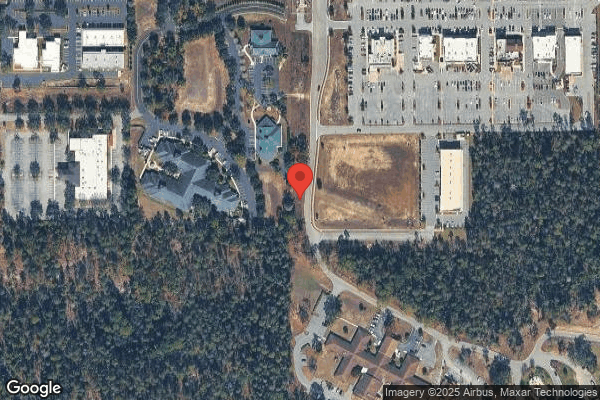

EVERGREEN WOODS

7045 EVERGREEN WOODS TRL, SPRING HILL, FL 34608 (352) 596-8371
Non profit - Corporation 120 Beds FLORIDA INSTITUTE FOR LONG-TERM CARE Data: November 2025 1 Immediate Jeopardy citation
Trust Grade
41/100
#494 of 690 in FL
Last Inspection: May 2025

Inspected within the last 6 months. Data reflects current conditions.

Overview

Evergreen Woods in Spring Hill, Florida has a Trust Grade of D, indicating below-average care with some significant concerns. Ranking #494 out of 690 facilities in Florida puts it in the bottom half, and #5 out of 6 in Hernando County means only one local option is better. The facility is worsening, with issues increasing from 2 in 2024 to 13 in 2025, and it has 18 total deficiencies, including a critical incident where a resident was served a meal containing fish, leading to an allergic reaction that required hospitalization. Staffing is somewhat stable, with a 3/5 star rating and a turnover rate of 36%, better than the state average; however, the facility still faces average RN coverage and has incurred $24,850 in fines, which is concerning. Overall, while Evergreen Woods has some strengths, such as a decent staffing rating, the alarming number of deficiencies and critical incidents highlight significant areas for improvement.

Trust Score
D
41/100
In Florida
#494/690
Bottom 29%
Safety Record
High Risk
Review needed
Inspections
Getting Worse
2 → 13 violations
Staff Stability
○ Average
36% turnover. Near Florida's 48% average. Typical for the industry.
Penalties
✓ Good
$24,850 in fines. Lower than most Florida facilities. Relatively clean record.
Skilled Nurses
○ Average
Each resident gets 32 minutes of Registered Nurse (RN) attention daily — about average for Florida. RNs are the most trained staff who monitor for health changes.
Violations
⚠ Watch
18 deficiencies on record. Higher than average. Multiple issues found across inspections.
★★☆☆☆
2.0
Overall Rating
★★★☆☆
3.0
Staff Levels
★★★★☆
4.0
Care Quality
★★☆☆☆
2.0
Inspection Score
Stable
2024: 2 issues
2025: 13 issues

The Good

  • 4-Star Quality Measures · Strong clinical quality outcomes
  • Full Sprinkler Coverage · Fire safety systems throughout facility
  • No fines on record
  • Staff turnover below average (36%)

    12 points below Florida average of 48%

Facility shows strength in quality measures, fire safety.

The Bad

2-Star Overall Rating

Below Florida average (3.2)

Below average - review inspection findings carefully

Staff Turnover: 36%

Near Florida avg (46%)

Typical for the industry

Federal Fines: $24,850

Below median ($33,413)

Minor penalties assessed

Chain: FLORIDA INSTITUTE FOR LONG-TERM CAR

Part of a multi-facility chain

Ask about local staffing decisions and management

The Ugly 18 deficiencies on record

1 life-threatening
Jul 2025 1 deficiency 1 IJ
CRITICAL (J) 📢 Someone Reported This

A family member, employee, or ombudsman was alarmed enough to file a formal complaint

Immediate Jeopardy (IJ) - the most serious Medicare violation

Deficiency F0806 (Tag F0806)

Someone could have died · This affected 1 resident

**NOTE- TERMS IN BRACKETS HAVE BEEN EDITED TO PROTECT CONFIDENTIALITY** Based on interview and record review, the facility failed to ensure residents with allergies were provided foods that were free ...

Read full inspector narrative →
**NOTE- TERMS IN BRACKETS HAVE BEEN EDITED TO PROTECT CONFIDENTIALITY** Based on interview and record review, the facility failed to ensure residents with allergies were provided foods that were free from allergens for 1 of 9 residents, Resident #1, sampled who had food allergies. Resident #1 had a documented severe fish allergy. The dietary department prepared Resident #1's meal tray which consisted of a fish entree; due to interruptions that occur during the tray line, the meal tray was delivered to the floor. At approximately 12:00 PM, Staff D, Certified Nursing Assistant (CNA), delivered the meal tray to Resident #1. At approximately 12:30 PM, Resident #1's meal tray was collected by Staff D, CNA, and realized the meal tray contained fish. Resident #1 notified facility staff that she was allergic to fish and was treated with medication for an allergic reaction. At approximately 12:57 PM, Resident #1 experienced increasing mouth and cheek swelling, was transferred to a local hospital and treated for an allergic reaction/anaphylaxis. Findings include:Review of Resident #1's medical record documented allergies of Fish. Severity Type: Severe. Reaction Manifestation: Anaphylactic Reaction. Reaction Note: itchy throat.Review of Resident #1's nursing progress note dated 6/6/2025 at 12:40 PM read, This writer returned from meal break and was informed by 2nd nurse that patient ate fish on lunch tray, patient allergy to fish, patient assessed, she reports all over mild itching, no mouth or throat itching or tightness, no SOB [Shortness of Breath]. [The Advanced Registered Nurse Practitioner (ARNP) #1's name] notified, new order for Benadryl one time now, then QHS [every night at bedtime] at bedtime as needed x [times] 10 days. Benadryl given, patient resting comfortably in bed, no s&s [signs and symptoms] of distress. Call light within reach, will continue to monitor.Review of Resident #1's eInteract Change in Condition Evaluation dated 6/6/2025 at 12:49 PM read, Situation: A. Signs and Symptoms Identified: Other Change in condition. List the other changes: patient ate fish on lunch tray, allergy to fish. Skin Status Evaluation: mild itching all over. Review Findings and Provider Notifications: 3. Patient provided with Benadryl as ordered. 4. Summarize your observations, evaluations and recommunication's: This writer returned from meal break and was informed by 2nd nurse that patient ate fish on lunch tray, patient allergy to fish, patient assessed, she reports all over mild itching, no mouth or throat itching or tightness, no SOB. [The ARNP #1's name] notified, new order for Benadryl one time now, then QHS at bedtime as needed x 10 days. Benadryl given, patient resting comfortably in bed, no s&s of distress. Call light within reach, will continue to monitor. Provider Notification and Feedback: Recommendation of Primary Clinician: Benadryl one time now, and the QHS as needed x 10 days.Review of Resident #1's eInteract Transfer Form dated 6/6/2025 at 12:57 PM read, Transfer/Discharge Details: other reason for transfer: patient ate fish on lunch tray, seafood allergy.Review of Resident #1's Post Event Note dated 6/6/2025 at 13:00 [1:00 PM] read, The following event has occurred: patient ate fish, allergy to fish. The noted date and time of the event are as follows: 06/06/2025 12:30 PM The event took place in the following location: patient room. The findings of the Skin Check that was completed include the following: no visible skin alterations, no rash. Patient reports mild itching all over. Treatment as follows was provided to the area or areas of concern: Benadryl 25 mg [milligrams] one time now, then QHS PRN [as needed] x 10 days. The description of the event as provided by licensed staff is as follows: patient states all over mild itching, no SOB, no mouth or throat itching/tightness. [The ARNP #1's name] notified, give Benadryl now, then QHS PRN x10 days. The resident has provided the following description of the event: Patient reports mild itching all over. The following type of event is noted: no areas of concern Details of the event are as follows: patient assessed, she reports all over mild itching, no mouth or throat itching or tightness, no SOB. Preventative interventions related to this event include: n/a [not applicable]. The name of the practitioner notified is: [the ARNP #1's name] The date and time of practitioner notification: 06/06/2025 12:40 PM Please note the following new order orders: Benadryl one time now, then QHS PRN x 10 days The name of the Resident Representative notified: Daughter [name of daughter]. The date and time the Resident's Representative was notified: 06/06/2025 12:45 PMReview of Resident #1‘s order dated 6/6/2025 read, Benadryl Allergy Oral Tablet 25 MG (Diphenhydramine HCl) Give 25 mg by mouth one time only for Allergy for 1 day.Review of Resident #1's Medication Administration Record for the month of June 2025 for Benadryl 25 mg was documented as given on 6/6/2025 at 12:52 PM.Review of Resident #1's physician order dated 6/6/2025 read, Benadryl Allergy Oral Tablet 25 MG (Diphenhydramine HCI) Give 25 mg by mouth as needed for Allergy for 10 days may have 25 mg Q HS PRN x 10 days.Review of Resident #1's progress note dated 6/6/2025 at 1:10 PM read, Patient c/o [complaint of] tongue feels like it is swelling, ARNP notified, new order to send to ER [Emergency Room] for eval and treat.Review of Resident #1's physician order dated 6/6/2025 read, Send to ER for evaluation one time only for allergy for 1 day.Review of Resident #1's Emergency Department note dated 6/6/2025 read, Chief Complaint: Anaphylactic Reaction. HIP: [AGE] year old female with past medical history of CKD [chronic kidney disease] stage III, DM [diabetes mellitus] type 2, HTN [hypertension], AFib [atrial fibrillation], CAD [coronary artery disease] s/p [status post] stents x 7 hyperlipidemia and strokes x 3 with permanent LLE [left lower extremity] weakness that arrives to the ED [emergency department] from assisted living facility [Sic.] due to anaphylactic reaction. Patient states she has a history of allergies with multiple medications and fish. This evening she was eating what she thought was chicken when she began developing tongue, throat and mouth swelling in addition to lightheadedness, dizziness, and shortness of breath. She alerted the nurses at the ALF [ALF] when they noticed she was fed fish. She received Benadryl and steroids at this institution and was brought by EMS [Emergency Medical Service] to the emergency room. She endorsed palpitations, SOB, DOE [dyspnea on exertion], orthopnea, paroxysmal dyspnea and increased urinary urgency. She denied chest pain, cough, abdominal pain, nausea, vomiting, diarrhea, dysuria, LC [low cerebrospinal fluid pressure] headaches, no recent travels, traumas, sick contacts, or fever. Patient currently admitted for observation due to anaphylactic reaction. Assessment and plan: Anaphylactic reaction. Hx: [history] Previous episodes of anaphylactic shock on consumption of fish. Complain of lightheadedness, dizziness, SOB, and swelling after mistakenly eating fish. At ALF she was given Benadryl and steroid. On evaluation, patient with improvement of swelling without symptoms. In ED: Pepcid 20 mg, albuterol 2.5 mg, EpiPen [epinephrine, used to treat severe allergic reactions, also known as anaphylaxis] 0.3 mg x 2. Start patient on prednisone 40 mg daily for 5 days. Disposition: Start patient on prednisone 40 mg daily for 5 days. Patient currently stable. Will evaluate patient for the next 24 hours for signs suggestive of delayed anaphylactic reaction.Review of Resident #1's physician order dated 6/7/2025 read, Prednisone Oral Tablet 20 MG (Prednisone) give 2 tablets by mouth at bedtime for allergic reaction for 4 days until finished.Review of Resident #1's Medication Administration Record for the month of June 2025 Prednisone 20 MG 2 tablets were documented as administered at 9:00 PM from 6/7/2025 through 6/11/2025.Review of Resident #1's physician order dated 6/8/2025 read, Epinephrine Injection Solution Auto-injector 0.3 MG/0.3ML inject 1 unit intramuscularly every 8 hours as needed for allergic reaction follow directions as directed on pen.Review of Resident #1's physician note dated 6/9/2025 at 2:05 PM read, Chief complaint: Patient recently went to the hospital after consuming fish. Benadryl given at facility but patient c/o throat still itchy sent to ER due to air way compromise. Sent out 6/6 to [name of hospital] returned 6/7. Plan: Allergic rxn [reaction] return w/epi 1 app [application] q8 hr prn [every 8 hours as needed].Review of the Risk Management Statement Document dated 6/6/2025 written by Staff E, Registered Nurse (RN), read, I assessed patient [Resident #1] approximately 10 mins [minutes] after she took Benadryl. She [Resident #1] mumbled her tongue was swelling, she said she could not stick out her tongue when I asked. I asked if she could open her mouth so I could assess and she mumbled that she could not. When EMS arrived she said I told them I didn't like the fish without any difficulty opening mouth and speech clear. Patient continued to speak with EMS as she left facility without difficulty.Review of written statement dated 6/6/2025 written by Staff D, Certified Nursing Assistant (CNA), read, I [Staff D's name] went to pick up the lunch tray from pt [patient] room in [Resident #1's room number] that's when she told me she was allergic to the fish. Immediately went and got the nurse.Review of written statement dated 6/6/2025 written by Assistant Director of Nursing (ADON) read, This nurse was notified that resident received a lunch tray that had a fish patty on it and that resident had eaten the fish patty. Resident has allergy to fish. I asked the nurse who was the CNA for Resident was [Sic.], and was informed it was [Staff D's name] CNA. This nurse asked CNA if she had checked the tray before serving it to Resident. CNA replied No I asked CNA if she knew she was supposed to check all trays before serving she stated Yes and apologized.Review of written statement written by Staff A, Licensed Practical Nurse (LPN), dated 6/6/2025 read, Today at approximately 12:30 PM, this writer was sitting at the nurses station on Unit 2 and was approached by [Staff D's name]. She stated to this writer that she picked up [Resident #1's name] lunch tray and at that time the resident asked [Staff D's name] if that was fish on her tray because she ate it and she is allergic to fish. Writer then enters the room and asks the resident if she ate the fish on the tray, and the resident states yes. Writer then asks how she feels, and the resident states she feels ok. Writer informs resident that she is going to call the NP [Nurse Practitioner] to inform them. Resident at this time has no c/o pain, discomfort, difficulty breathing or swelling of any kind. Resident's breathing is even and unlabored and is able to talk without any difficulty. Writer ensures the call light is at reach, pulls curtain back so staff can more easily see the resident and educates resident to use call light if she understands. Writer takes tray and lunch ticket to nurses station and calls NP, a message is left. At this time the ADON is now at the nurses station and ask who the CNA was. I stated that [Staff D's name] is the CNA for the assignment and is the CNA that informed me about [Resident #1's name] eating the fish. At this time the {sic} [Staff D's name] CNA is now walking up to the nurses station. The ADON then states to the CNA that she should be checking each ticket before each tray is passed to a resident, the CNA then states that she is absolutely correct and from now on she will make sure that she is checking each ticket. RN [Staff E's name] then returns to the nurses station from lunch. I inform her of the incident and she then takes over the situation and patient care, and places another call to NP for orders. Writer does take a retuned phone call from NP and receives ordered to give 1 x dose of Benadryl 25 mg now and then Benadryl 25 mg Q HS PRN x 10 days. Writer informs [Staff E's name] RN of the call back with orders, who then gives medication and this writer enters the order into [name of medical records software].Review of written statement written by Staff B, Dietary Aide, dated 6/6/2025 read, I was calling tickets on the line today for lunch when we had fish. The fish was for soft and bite sized too and when [Resident #1's name] ticket came up I was helping find tickets for the dining room also. When I went back to setting up trays, I missed her allergy and placed the soft and bite sized plate on her tray, placed the lid on it to keep the food hot and sent it down the line. I didn't mean to give her the fish and I hope [Resident #1's name] is going to be ok.Review of written statement written by the Food Service Manager dated 6/6/2025 read, On the date of June 6th we had our three year veteran employee [Staff B's name] working as dietary aid in the tray setup and calling station tasked with calling tickets and placing completed plates on hot plates and covering. Our other aid that day was [Staff C's name] who recently completed three shifts of one on one [Sic.] training on the line with myself. [Staff C's name] was tasked with beverage, dessert, and supplement placement. Drawing on her previous experiences as a dietary aid [Staff C's name] was proficient at this task and had performed well. Cooking was a 20 year veteran of the building. On the day in question I checked the line asking if everyone was ok or if they needed anything. The response was in affirmative that everyone was ok and all needed supplies were completed for tray line. I announced my departure to pick up supplies from [name of a local store] for the evening meal and exited the campus. Returning approximately 20 minutes later I was informed of the error in question.During an interview on 7/21/2025 at 10:23 AM, the Administrator stated, The dietary aid was doing the line his name is [Staff B's name] he was supposed to read the meal tickets out loud. A nurse came to the kitchen and asked [Staff B's name] for something he had just started calling the ticket for [Resident #1's name] and was interrupted. When he came back to calling the ticket he did not call the allergy and then the aid at the end of the line missed it [allergy] and placed the meal tray on the cart. The CNA delivered the tray, we didn't know she had fish served until the CNA went to pick up the tray and resident asked if it was fish. We suspended everyone involved. Ultimately, they are not here anymore. We didn't have a specific policy for the nurse to check the tray, so she is still working here. The CNA was supposed to check the tray. [Staff B's name] had an interruption from reading out the ticket, didn't get all the information out to the cook in the line. She [Resident #1] was sent out to the hospital and stayed overnight.During an interview on 7/21/2025 at 11:34 AM, the ARNP #1 stated, Staff called because [Resident #1's name] had a bite of fish and she [Resident #1] felt she had an allergy to it. I ordered a dose of Benadryl. The resident has had issues with her jaw in the past. The nursing staff came back saying she was still having issues, and I was worried the resident was having airway issues. They sent her to the ER and the ER gave her EPI and Benadryl. Depending, with her allergy [fish], it [the reaction] can be airway obstruction or hives. Everyone's allergy is different. It could be deadly if it's severe, it depends on the exposure the reaction you might have. I could not say if it was her chronic jaw issues or allergies. With the Benadryl administered she should have felt better but she was still feeling the same. I don't truly know if she had an airway obstruction as a provider, we would be more cautious and treat her. The staff verbalized she was feeling itchy. Our course of action would have been Benadryl, steroids also but as a diabetic patient it would flare right up. I feel everyone makes an error here and there. I feel she got exposed and the staff noticed and acted quickly. She verbalized symptoms in her mouth and her airway could be compromised so we sent her out for further testing and evaluation. I want to say it has not happened here before.During an interview on 7/21/2025 at 11:52 AM, the Director of Nursing stated, I was not here the day of the event. My Assistant Director of Nursing was here. They gave her [Resident #1] Benadryl and sent her out to the hospital. CNAs are supposed to check the tray. It is in their competencies. They are to remove and report any inaccuracy to the nurse immediately. It was right on the ticket [the allergy] and the ticket was correct. Never happened before. The elderly taste buds decrease. In the emergency room she was there for two hours, and the staff didn't do anything and then the doctor came to talk to her in the ED and she started saying she could not talk and they gave her epi because she was saying she could not talk and they kept her just in case after she spoke to the doctor.During an interview on 7/21/2025 12:09 PM, Staff C, Dietary Aide, stated, It was my third day. I was a new hire. We were having all the CNA's coming in and out, left and right asking for things. I was doing my best to communicate. I am not sure what happened, we were all communicating and putting things on the trays. People had to get offline [the meal tray line] to grab things. I was putting drinks on trays along with desserts on the meal tray. I was at the end of the line. I don't recall looking at the tray it was a lot of trays being passed. I make sure the liquids and meals are correct. I don't know if I missed that one or not. The allergies are said out loud and it was listed on the meal ticket. I remember him saying fish allergy and then someone came out for something, and the tray was set up already on my side when I returned. I just placed the drink, and I don't recall if I looked to see the meal. I was put on suspension.During an interview on 7/21/2025 at 12:30 PM, Resident #1 stated, I was given fish, but I thought it was eggs. I ate some of the fish and my mouth started to swell up from inside. I told the nurse my jaw was swelling from the inside, and I could not get anything down. I am allergic to fish and lobster. In the past when I ate fish or lobster; I had a similar reaction.During an interview on 7/21/2025 at 12:35 PM, Staff D, CNA, stated, It was on a Friday we were all passing lunch trays all the CNAs work together and help each other. When I go to start collecting trays from my assignment, she [Resident #1] looks at me and tells me is this fish and gives me the ticket and the ticket said she was allergic to fish. I left and went to find the nurse and ADON. The ADON came to me, and I told her what happened, they suspended me. I was not the person who passed the tray, and they asked me to write a statement of what happened. I did not do it, I was not the one who passed it out to her, and I just picked up the tray and I did not pass it. I was responsible for her that day. When you pass trays one of first things you do is look at the tray ticket and meal. You have to check that before you pass it out to the resident, making sure no allergen is on the tray. She looked normal and did not verbalize any symptoms.During an interview on 7/21/2025 at 12:44 PM, Staff E, RN, stated, I came back from lunch to the floor the other nurse said resident [Resident #1's name] had gotten fish and she had a fish allergy. I took vital signs and gave her Benadryl and she said was itchy. I went to check on her 15 minutes or so later and she said she felt her tongue was swollen. I asked her to open her mouth or stick her tongue out. She said she could not do it, and the NP said to send her out because now she is complaining of her mouth. EMS came, she was talking normal, and EMS took her down the street to the hospital. She was talking to them like normal. Never has it happened before her [food allergy served]. [Before the incident occurred] CNAs were responsible to check the trays. The nurses didn't have to do that. The allergies were listed on the meal tickets. [After the incident occurred] Now, nurses check trays and sign off the slip and then give it to the CNA and the CNA double checks and everyone is on the floor. No one can go to lunch when trays are on the floor. Now they are highlighting [the allergies]. We received education on allergies. Allergies are on the resident records and dietary goes and ask allergies upon admission.During an interview on 7/21/2025 at 12:56 PM, the Medical Director stated, The facility communicated with me the incident with [Resident #1's name] and we decided to send her to the hospital even though she was asymptomatic but symptoms can happen at a later time. The problem is you never know the reaction they will have. In her case it was not anaphylactic, but we took steps and took it seriously. If an anaphylactic reaction had never happened it may happen, it is unpredictable. Some signs are hives, rash, swelling, anaphylactic reaction all depends how soon it's treated. If a patient is not around anyone they can die. During an interview on 7/21/2025 at 1:22 PM, the ADON stated, The Unit Manager came and told me what had happened. I went back and checked on the resident to see if she was okay. I contacted the provider and then started the investigation of what happened. I put out education immediately and then I was notified that we were going to send her out. I think it was 1 pm that we sent her out. I spoke to the CNA, and she had not checked the tray. At that point CNAs were responsible to check the tray. Things have changed. For one, we have either have Administration or nursing in the kitchen watching trays be done and the kitchen changed the policy as well. A nurse must check each tray and the CNA is checking each try also. The CNAs do their own hallways, but they are able to go help other halls. The expectation is to check the meal ticket before [the meal tray is delivered]. I put out education, a ticket, and showing them how to read a ticket. The new changes are no one is going into the kitchen at all they have a runner there now. If they need something the runner will help. No staff is allowed to go on break while trays are on the floor. That I know of, it has not happened before. I have been here three years. She [Resident #1] had no symptoms while I was there but with true allergies it can take a minute. A negative outcome could be rashes, swelling, and not being able to breathe. It could lead to death.During an interview on 7/21/2025 at 1:36 PM, the Food Service Manager stated, I had a three-year veteran on the line tasked with calling out the order to the cook, placing the ticket on the tray, and silver ware. He was pulling the plate off the line, placing them on hot plates, putting a lid on it, and passing it out to the second dietary aid, who was responsible for placing drinks and dessert. We had some order changes and requests. They [staff] were poking their heads [into the kitchen] making requests and order changes and he was trying to assist in putting a mechanical [soft diet] fish on the tray and send it down [the tray line] and he lost track of it [Resident #1's food tray]. He was really good just made a mistake. I was not in the kitchen at the time. The cook has been here for 20 years, and he [the dietary aid] had been here for three years. I had to get supplies, and they were well on their way [preparing the lunch trays] and I was back in 20 minutes and that is when I was told there was an error. Before the event, we had two aids and one cook. Now, one aid calls out the meal, the next aid places the food items on the tray, and then the tray is sent down the line, she [the aid], it was only her fifth shift [working at the facility]. She had experience prior before she came to us. She was capable of understanding drinks and desserts. I did not instruct her to check the plates [to verify the meal ticket to the tray]. We do that now. Now, after they send the tray, the aid who puts the lid on it [the meal] verifies the meal, now we have two sets of eyes on it. We have also an observer which is me or a registered nurse; usually it is me or the assistant director and a registered nurse. We are highlighting all allergies on the tickets now. Also, we talk about the items and the allergies everyday. Allergies are important because they [residents] can possibly die from it, and we are in charge of their health and to protect their wellbeing. Also, staff are not able to come in and out of the kitchen to interrupt. We have a staff standing by the [kitchen] door and aids are instructed not to stop the tray line. The designated person will get the request and between carts we can stop but during the line there is no distraction. We have a total of nine employees [in the kitchen]. All the staff were trained after the event.During an interview on 7/21/2025 at 2:57 PM, Staff F, Cook, stated, We were serving the food and one of the dietary aids made a mistake and did not call out the resident's food allergy. I don't know, I think he was busy with aids coming in and out. If a resident has an allergy, it should not be given to them because it can be harmful, and they will be sick. We received training after that [the incident] as a group and individually. There is always a nurse in the kitchen now. We have to stop and review allergies. It was about four hours of training, and we don't stop for interruptions.During an interview on 7/22/2025 at 8:03 AM, Staff A, LPN, stated, CNAs were passing lunch trays and a CNA came to me and said she collected [Resident #1's name] tray and she ate the fish that was on the tray, and she [Resident #1] is allergic to fish. I removed the tray and assessed the resident. She looked fine, no distress. I contacted the provider, and the provider ordered Benadryl for her after her nurse [Staff E's name] came back and took over. Several things can happen if given an allergen to a resident from itchy to an anaphylactic shock.Review of the Allergy & Asthma Network at https://allergyasthmanetwork.org/anaphylaxis/what-is-epinephrine read, Epinephrine will treat a life-threatening allergic reaction immediately.Review of the Mayo Clinic website at https://www.mayoclinic.org/drugs-supplements/epinephrine-injection-route/description/drg-20072429 read, Epinephrine (injection route) Epinephrine injection is used for emergency treatment of severe allergic reactions (including anaphylaxis) to insect bites or stings, medicines, foods, or other substances.Review of the Mayo Clinic website at https://www.mayoclinic.org/diseases-conditions/food-allergy/symptoms-causes/syc-20355095 read, Food allergy - Symptoms and causes - Anaphylaxis: Constriction and tightening of the airways. A swollen throat or the sensation of a lump in your throat that makes it hard to breathe, shock with a severe drop in blood pressure, rapid pulse, and dizziness, lightheadedness or loss of consciousness.Review of the facility policy and procedure titled Food and Nutrition Services last reviewed on 1/1/2025 read, Policy: The facility strives to ensure excellence in nutritional services to residents through safe, nutritious, and balanced meals in a pleasant environment while maintaining individualized assessment of nutritional needs.Review of the facility policy and procedure titled Electronic Tray Card System last reviewed on 1/1/2025 read, Policy: To ensure the correct diet order, food preferences and food allergies are honored at meal delivery times. Procedure: 1. Complete/confirm a resident profile entry in the electronic tray card system for all residents upon admission and update as needed (e.g., physician diet order change, food preferences). 2. Record/verify the following on all resident profiles as obtained from nursing communication as applicable. E. Food allergies. 3. Print meal tickets and refer to these tray tickets during the service of each meal. 6. Print meal ticket report daily for posting in kitchen, dining locations, and/or activities department for additional staff reference to include but not limited to: b. Allergy Roster.Review of the policy and procedure titled Food Allergen Process. Recognizing, Auditing and Responding to Food Allergies last reviewed on 1/1/2025 read, Resident food allergies in the tray ticket system will print on the tray ticket. Allergens that are linked to food items in the tray ticket system will remove the food item from the tray. A premeal meeting should be held in order to review allergies, diet texture modifications, adaptive devices and any other necessary mealtime accommodations. When a meal tray is composed in which an allergen is present, this allergen should be called out by the staff member assembling the tray. This will notify the team of the allergen so that the meal items can be reviewed to ensure the allergen ingredient is not present prior to leaving the kitchen. Tray tickets must be inspected on the tray line to ensure compliance with listed allergies, diets, preferences, etc.The Immediate Jeopardy (IJ) was removed on 6/9/2025 by developing and implementing an IJ Removal Plan. On 6/6/2025, the facility conducted a root cause analysis, conducted a facility-wide audit for all residents for accuracy of food allergies, added a second check to the tray line for the verification of all meal tickets. Review of the QAPI agenda verified meetings were held on 6/7/2025 and 6/27/2025 to review the corrective actions related to the incident. Review of the in-service sign-in sheets dated 6/6/2025 through 6/9/2025 showed 91 of 91 LPNs, RNs, and CNAs, and 9 of 9 dietary staff received training on food safety, resident food allergies, meal tickets, checking trays for allergens, and on tray line procedures. Interviews were conducted with six LPNs, three RNs, thirteen CNAs, and seven dietary staff to verify education and training.The facility developed a plan of correction and corrected the non-compliance on 6/21/2025. The facility reviewed and updated the facility assessment on 6/20/2025. The survey team verified the facility had conducted observational audits of the kitchen, dining room, and floor meal service during breakfast, lunch and dinner from the period of 6/8/2025 to 6/21/2025. On 7/21/2025 at 12:20 PM, the survey team observed nurses and CNAs in 500 Hall verifying the meal items on trays before delivery to rooms. On 7/22/2025 starting at 6:55 AM through 7:20 AM, the survey team observed kitchen staff reading allergies out loud, with the last dietary aid placing the lid on the food plate after verifying meal items. Allergies list placed throughout the kitchen as well as in the main dining room and coffee carts. One cook, two dietary aides, the Food Service Manager, the Administrator and a registered nurse were present during the food preparation. On 7/22/2025 at 7:22 AM in the 100 Hall, and on 7/22/2025 at 7:25 AM, in the 400 Hall, the survey team observed nurses and CNAs verifying the meal trays before delivery of meal.
May 2025 12 deficiencies
CONCERN (D)

Potential for Harm - no one hurt, but risky conditions existed

Deficiency F0578 (Tag F0578)

Could have caused harm · This affected 1 resident

**NOTE- TERMS IN BRACKETS HAVE BEEN EDITED TO PROTECT CONFIDENTIALITY** Based on interview and record review, the facility failed to ensure the residents' right to formulate advance directives for 2 o...

Read full inspector narrative →
**NOTE- TERMS IN BRACKETS HAVE BEEN EDITED TO PROTECT CONFIDENTIALITY** Based on interview and record review, the facility failed to ensure the residents' right to formulate advance directives for 2 of 20 residents reviewed for advance directives (Resident #105 and Resident #272). Findings include: 1) Review of Resident #272's physician order dated [DATE] read, DNR [Do not Resuscitate]. Review of Resident #272's progress note dated [DATE] read, Patient expressed verbal wishes to be a DNR which was witness by two nurses. Review of Resident #272's medical record did not reveal a DNR form signed by the resident or a physician. 2) Review of Resident #105's physician order dated [DATE] read, DNR. Review of Resident #105's progress note dated [DATE] read, Patient expressed verbal wishes to be a DNR which was witnessed by two nurses. Review of Resident #105's medical record did not reveal a DNR form signed by the resident or a physician. During an interview on [DATE] at 10:03 AM, Staff E, Licensed Practical Nurse (LPN), stated, Here in the facility, we have two nurses verify resident is requesting to be a DNR and then we will call the provider and get a doctor's order. The yellow form is not required in the facility to be considered a DNR. If the residents were to be transported out of the facility, they would not be considered a DNR. During an interview on [DATE] at 12:58 PM, the Assistant Director of Nursing stated, The yellow form is only used for transportation not required for the resident to be considered a DNR while here in the facility. The doctor is notified as soon as they come in. I don't know the time frame that the form should be filled out. I do not know the situation. I would have to talk to the Director of Nursing. During an interview on [DATE] at 9:27 AM, the Director of Nursing stated, We do not have the yellow form for [Residents #105's and #272's names] that is just for transportation purpose. We have 2 nurses verify and get a doctor's order. In the State of Florida, the yellow form is not required. Emergency response would come and they can call family and confirm or ask the residents if they have an emergency while they are outside of the facility they will be consider a full code. If the resident goes to the hospital, they will do their own advanced directives. During an interview on [DATE] at 11:41 AM, the Medical Director stated, We usually have the certificate which is the yellow form filled out by the resident and I would sign it. Of course, we need to have that form in order for the resident to be considered a DNR. It is the rule. During an interview on [DATE] at 3:20 PM, the Director of Nursing stated, We do need to have a DNR form filled out for every resident that requests to be a DNR. [Resident #105's name] and [Resident #272's name] did not have one. Review of the facility policy and procedure titled, CPR [Cardiopulmonary Resuscitation] Code Status Orders & Response with the last review date of [DATE] read, Policy: The facility provides Basic Life Support (BLS) CPR only. The physician's order for full code or Do Not Resuscitate is written based on the wishes of the resident/resident representative. Advanced Directives will be honored. Do Not Resuscitate (DNR) ORDER: Cardiopulmonary resuscitation will not be initiated in the absence of pulse or respirations. In the absence of Advance Directives or physician orders, the resident will be considered a Full Code status, unless the resident and/or resident representative verbalizes wishes on admission assessment to change to withhold CPR . Code status orders will be renewed by physician's review and signature on monthly orders. Code status physician's order (DNR or Full Code), state specific forms and/or resident preference documentation will be filed as he first item within the medical record. Social Services will be notified if resident has any general questions and concerns about advance directives. The facility does not provide Advance Life Support. Review of the facility policy and procedure titled, Advance Medical Directives- Do Not Resuscitate (DNR) with the last review date of [DATE] read, Policy: Every person has the right to make decisions regarding their medical treatment, provided that person is capable of understanding the treatment, risks, complications, and alternatives. Individuals are presumed to have decision-making capacity until deemed otherwise. An Advance Medical Directive is a written instruction regarding care and treatment, such as Living Will, Designation of Healthcare Surrogate, Power of Attorney, or Durable Power of Attorney for Health Care. It is recognized under state law and relates to the provision of such care when a person becomes incapacitated. On admission or readmission, the facility team should ask the resident if the information is still current and notify the Attending Physician and staff if the resident wishes to change resuscitation status. Document the conversation in the medical record. Contact the physician for an order, however, if the physician is not immediately able to provide a written order, two (2) nurses may take a verbal order document in the resident record, print the order, and place as the first document on the chart, while awaiting a written physician's order to change status. The facility will confirm the physician's order and document the chosen code status. The difference between an Advance Medical Directive and a Do Not Resuscitate (DNR) order is that a DNR deals specifically with the declination of cardiopulmonary resuscitation in the event of cardiac or respiratory arrest. Living Wills, and/or Advance Directive, deal with a broader spectrum of end-of-life related issues. At the time of admission, the admission Coordinator/designee shall furnish residents, family members, and/or the legal representative with information regarding Advance Medical Directives. The resident and/or their representative shall be instructed to provide the facility with a copy of any current Advance Directives that will be placed by Social Services in the medical record. Completion of an Advance Directive is not a requirement for admission or continued stay in the facility.
CONCERN (D)

Potential for Harm - no one hurt, but risky conditions existed

Assessment Accuracy (Tag F0641)

Could have caused harm · This affected 1 resident

**NOTE- TERMS IN BRACKETS HAVE BEEN EDITED TO PROTECT CONFIDENTIALITY** Based on record review and interview, the facility failed to ensure resident assessments accurately reflected the residents' sta...

Read full inspector narrative →
**NOTE- TERMS IN BRACKETS HAVE BEEN EDITED TO PROTECT CONFIDENTIALITY** Based on record review and interview, the facility failed to ensure resident assessments accurately reflected the residents' status for 2 of 8 residents reviewed (Residents #269 and #69). Findings include: Review of Resident #269's physician order dated 2/9/2025 read, Oxygen at 2 LPM [liter per minute] via NC [nasal cannula] PRN [as needed] for SOB [shortness of breath] as needed for shortness of breath. Review of Resident #269's Minimum Data Set (MDS) assessment dated [DATE] showed no oxygen therapy for the resident under Section O- Special Treatments, Procedures, and Programs. Review of Resident #269's Weights and Vitals Summary showed the resident received oxygen via nasal cannula on 4/26/2025 at 12:31 PM and 7:45 PM, 4/27/2025 at 8:13 AM and 7:24 AM, 4/28/2025 at 11:23 AM and 10:05 PM, 4/29/2025 at 2:41 AM, and 5/3/2025 at 11:46 AM and 8:33 PM. During an interview on 5/20/2025 at 3:00 PM, Staff H, MDS Registered Nurse, stated, I was looking at [Resident #269's name] medication and treatment records. I was not looking at the vital task for the three-day lookback. I will have to find out with the nurses if the documentation is accurate to see if it needs to be modified. During an interview on 5/21/2025 at 8:30 AM, the Director of Nursing (DON) stated, The MDS for [Resident #269's name] had to be modified because she did receive oxygen during the three-day lookback. We follow the RAI [Resident Assessment Instrument] manual.2) Review of Resident #69's annual MDS assessment dated [DATE] showed the resident used wander/elopement alarm daily under Section P- Restraints. During an observation on 5/19/2025 at 8:31 AM, Resident #69 had no Wanderguard on any of her wrists. Review of Resident #69's active physician orders showed no order for a Wanderguard. During an interview on 5/21/2025 at 9:09 AM, Staff D, Licensed Practical Nurse (LPN), confirmed that Resident #69 did not have a Wanderguard on. During an interview on 5/21/2025 at 9:44 AM, Staff H, MDS Registered Nurse, stated that the Wanderguard documentation in Resident #69's annual MDS dated [DATE] under Section P was an error in documentation and the resident did not have a Wanderguard. During an interview on 5/21/2025 at 12:25 PM, the DON stated that her expectation was that orders would be read completely and all information documented in a resident's chart to be accurate.
CONCERN (D)

Potential for Harm - no one hurt, but risky conditions existed

Deficiency F0655 (Tag F0655)

Could have caused harm · This affected 1 resident

**NOTE- TERMS IN BRACKETS HAVE BEEN EDITED TO PROTECT CONFIDENTIALITY** Based on observation, interview, and record review, the facility failed to develop and implement a baseline care plan for urinar...

Read full inspector narrative →
**NOTE- TERMS IN BRACKETS HAVE BEEN EDITED TO PROTECT CONFIDENTIALITY** Based on observation, interview, and record review, the facility failed to develop and implement a baseline care plan for urinary catheter care for 1 of 4 residents reviewed (Resident #421). Findings include: Review of Resident #421's admission record showed the resident was admitted to the facility on [DATE]. Review of Resident #421's Medical Certification for Medicaid Long-Term Care Services and Patient Transfer Form (AHCA Form 5000-3008) dated 5/13/2025 read, P. Patient Health Status: Bladder: Incontinent . Catheter. During an observation on 5/18/2025 at 9:50 AM, Resident #421 was sitting in her wheelchair. There was a foley catheter secured to the right side of the wheelchair. During an observation on 5/19/2025 at 10:26 AM, Resident #421 was sitting up in her bed drinking coffee. There was a Foley catheter hooked to left side of the bedframe. There was clear, straw-colored urine present in the catheter tubing. There was a navy blue cover overing the collection bag. Review of Resident #421's Admission/readmit: Data Collection and Baseline Care Plan dated 5/13/2025 read, 34. Bladder. Current Bladder Status: Incontinent. A1. Care Plan Update. Focus . The Resident is Incontinent of Bladder/ Bowel and will be evaluated for ability to participate with toileting program . b. Is the Resident interested in a toileting program? 2. No. Further review of Resident #421's baseline care plan dated 5/13/2025 showed no care plan focus for urinary catheter care. Review of Resident #421's physician orders showed no order for catheter care or catheter changes. During an interview on 5/20/2025 at 9:00 AM, Staff F, Registered Nurse (RN), stated, [Resident #421's name] had the catheter when she came into the facility. Residents with Foley catheters should have orders for daily catheter care and peri care. During an interview on 5/20/2025 at 5:03 PM, Staff H, Minimum Data Set (MDS) RN, stated, A baseline care plan is to be completed within 48 hours of admission, and is based off of the information obtained from the nursing assessment. Review of facility policy and procedure titled Care Plan- Interdisciplinary Plan of Care from Interim to Meeting with the last review date of 1/1/2025 read, Policy: The facility shall support that each resident must receive, and the facility must provide the necessary care and services to attain or maintain the highest practicable physical, mental, and psychosocial well-being, in accordance with the comprehensive assessment and plan of care. The facility shall assess and address care issues that are relevant to individual residents, to include, but may not be limited to, monitoring resident condition, and responding with appropriate interventions. Procedure: 1. Interim Plan of Care: a. The immediate needs of the resident are addressed following admission by initiating an interim plan of care . c. The interim plan of care is developed utilizing the admission Data Collection format or other data collected. Review of the facility policy and procedure titled Admission/readmission Data Collection Baseline with the last review date of 1/1/2025 read, Policy: The Resident's Admission/readmission Data Collection will provide a comprehensive description of the Resident's status on admission. The assessment can be used for Residents who have left the facility and return with a significant change of condition. The assessment is designed to identify past history, current findings, & factors that may put the resident at risk. The baseline plan of care must be created in the system after completion of the assessment.
CONCERN (D)

Potential for Harm - no one hurt, but risky conditions existed

Accident Prevention (Tag F0689)

Could have caused harm · This affected 1 resident

Based on observation, interview, and record review, the facility failed to ensure resident environment was free of accident hazards in 1 of 2 units (Photographic evidence obtained). Findings include: ...

Read full inspector narrative →
Based on observation, interview, and record review, the facility failed to ensure resident environment was free of accident hazards in 1 of 2 units (Photographic evidence obtained). Findings include: During an observation on 5/18/2025 at 1:10 PM, Resident #319 was lying in a bariatric bed. The bed remote control had exposed wires hanging on side rail next to the resident's right arm. During an observation on 5/19/2025 at 9:30 AM, Resident #319 was in bed. The bed remote control had exposed wires. During an interview on 5/19/2025 at 3:25 PM, Staff C, Licensed Practical Nurse (LPN), Unit Manager, stated that she was unaware that there was an issue with exposed wires on Resident #319's bed remote. During an interview on 5/19/2025 at 3:29 PM, Resident #319 stated that the remote wire had been like that. During an interview on 5/20/2025 at 10:45 AM, the Maintenance Director stated, We do not check rented medical equipment when they are brought into the facility. Review of the facility policy and procedure titled Physical Environment with the last review date of 1/1/2025 read, Policy: A safe, clean, comfortable, and home-life [Sic.] environment is provided for each resident, allowing the use of personal belongings to the greatest extent possible. Sufficient space and equipment in dining, health services, recreation, and program areas are provided to enable staff to provide residents with needed services. All essential mechanical, electrical, and resident care equipment is maintained in safe operating condition through the facility's Preventive Maintenance Program.
CONCERN (D)

Potential for Harm - no one hurt, but risky conditions existed

Incontinence Care (Tag F0690)

Could have caused harm · This affected 1 resident

Based on observation, interview, and record review, the facility failed to ensure residents received appropriate urinary catheter care and services for 1 of 4 residents reviewed (Resident #421). Findi...

Read full inspector narrative →
Based on observation, interview, and record review, the facility failed to ensure residents received appropriate urinary catheter care and services for 1 of 4 residents reviewed (Resident #421). Findings include: During an observation on 5/18/2025 at 9:50 AM, Resident #421 was sitting in her wheelchair. There was a foley catheter secured to the right side of the wheelchair. During an observation on 5/19/2025 at 10:26 AM, Resident #421 was sitting up in her bed drinking coffee. There was a Foley catheter hooked to left side of the bedframe. There was clear, straw-colored urine present in the catheter tubing. There was a navy blue cover overing the collection bag. Review of Resident #421's Admission/readmit: Data Collection and Baseline Care Plan dated 5/13/2025 read, 34. Bladder. Current Bladder Status: Incontinent. A1. Care Plan Update. Focus . The Resident is Incontinent of Bladder/ Bowel and will be evaluated for ability to participate with toileting program . b. Is the Resident interested in a toileting program? 2. No. Review of Resident #421's physician orders showed no order for catheter care or catheter changes. During an interview on 5/20/2025 at 9:00 AM, Staff F, Registered Nurse (RN), stated, [Resident #421's name] had the catheter when she came into the facility. Residents with Foley catheters should have orders for daily catheter care and peri care. During an interview on 5/20/2025 at 9:15 AM, the Director of Nursing (DON) stated, When residents with urinary catheters are admitted to the facility, batch orders should be put into the system for catheter management and care. The nurse doing the evaluation on the resident is responsible for putting in the orders, and there is no specified timeframe to discontinue urinary catheters. During an interview on 5/21/2025 at 8:27 AM, the DON stated, I do expect the nurses to assess bowel and bladder function, how residents use the bathroom during the initial evaluation/assessment. During an interview on 5/21/2025 at 11:22 AM, the Infection Preventionist stated, We run reports on residents with Foley catheters weekly. We do a lot of education with the CNAs [Certified Nursing Assistants] and nurses about Foleys-peri care education, signs and symptoms of UTIs [Urinary Tract Infections], and monitoring output. Residents with Foley catheters have an increased risk of infection and an increased risk of falls.
CONCERN (D)

Potential for Harm - no one hurt, but risky conditions existed

Staffing Information (Tag F0732)

Could have caused harm · This affected 1 resident

Based on observation and interview, the facility failed to ensure accurate nurse staffing information was posted on a daily basis. Findings include: During an observation on 5/18/2025 at 9:30 AM, the ...

Read full inspector narrative →
Based on observation and interview, the facility failed to ensure accurate nurse staffing information was posted on a daily basis. Findings include: During an observation on 5/18/2025 at 9:30 AM, the facility's nurse staffing report dated 5/18/2025 (Sunday) did not include a resident census (Photographic evidence obtained). During an interview on 5/20/2025 at 12:01 PM, the Staffing Coordinator stated, I work Monday through Friday and come in at 5:00 AM and I do the federal report. I do it no later than 6:30 AM. It has to be done before the 7-3 shift starts. I put the date and the census on there. I write out over the weekend the information on the form and then who is supervisor or manager on duty will put the census on it. During an interview on 5/20/2025 at 4:03 PM, the Social Services Assistant stated, I was the manager on duty this past Sunday (5/18/2025). I normally make sure the day is correct and the staffing numbers are correct. I also include the census on the form. I did not realize the census was not written on the form. During an interview on 5/21/2025 at 9:45 AM, the Director of Nursing stated, Federal Report should be updated every day and should include the staffing numbers, date and census.
CONCERN (D)

Potential for Harm - no one hurt, but risky conditions existed

Infection Control (Tag F0880)

Could have caused harm · This affected 1 resident

Based on observation, interview, and record review, the facility failed to ensure staff used appropriate Personal Protective Equipment (PPE) while providing high-contact care for 1 of 6 residents revi...

Read full inspector narrative →
Based on observation, interview, and record review, the facility failed to ensure staff used appropriate Personal Protective Equipment (PPE) while providing high-contact care for 1 of 6 residents reviewed (Resident #420), and failed to ensure respiratory treatment equipment was appropriately stored for 1 of 5 residents reviewed for respiratory services (Resident #68) to prevent the possible spread of the infection and communicable diseases. Findings include: 1) During an observation on 5/18/2025 at 9:45 AM, there was an Enhanced Barrier Precautions (EBP) signage on Resident #420's door. Staff I, Certified Nursing Assistant (CNA), entered the room and proceeded to assist the resident in the bathroom. Staff I was not wearing a gown while assisting Resident #420 in the bathroom. During an interview on 5/18/2025 at 10:09 AM, Staff I, CNA, stated, Gowns and PPE are supposed to be on all of the doors of patients that are ordered for EBP. [Resident #420] is a new patient. Usually, they will tell us in report which patients are on EBP. I was not told that [Resident 420's name] is on EBP. I took her to the bathroom without wearing a gown, but I always wear gloves. During an interview on 5/20/2025 at 9:32 AM, the Director of Nursing (DON) stated, I do expect staff to wear a gown when toileting a resident on enhanced barrier precautions. Review of Resident #420's physician order dated 5/16/2025 read, Enhanced Barrier Precautions- r/t [related to] skin alteration. Review of the facility policy and procedure titled Barrier Precautions with the last review date of 1/1/2025 read, Policy . Enhanced Barrier Precautions (EBP) refers to an infection control intervention designed to reduce transmission or [Sic.] multi-drug resistant organisms that employ targeted gown and glove use during high contact resident activities. EBP are used in conjunction with standard precautions and expand the use of PPE to donning of gown and gloves during high-contact resident care activities that provide opportunities for transfer of MDROs [Multi-Drug Resistant Organisms] to staff hands and clothing. Review of the webpage of the Centers for Disease Control and Prevention (CDC) titled Implementation of Personal Protective Equipment (PPE) Use in Nursing Homes to Prevent Spread of Multidrug-resistant Organisms (MDROs) dated April 2, 2024 (https://www.cdc.gov/long-term-care-facilities/hcp/prevent-mdro/PPE.html) read, Enhanced Barrier Precautions . Examples of high-contact resident care activities requiring gown and glove use for Enhanced Barrier Precautions include: Dressing, Bathing/showering, Transferring, Providing hygiene, Changing linens, Changing briefs or assisting with toileting, Device care or use: central line, urinary catheter, feeding tube, tracheostomy/ventilator, Wound care: any skin opening requiring a dressing. 2) During an observation on 5/18/2025 at 9:47 AM, Resident #68 was lying in bed. There was a nebulizer mask out of the bag lying on top of the resident's rollator walker seat (Photographic evidence obtained). Review of Resident #68's physician order dated 5/5/2025 read, Ipratropium-Albuterol Inhalation Solution 0.5-2.5 (3) MG [milligram]/3 ML [milliliter] (Ipratropium-Albuterol), 3 ml inhale orally every 6 hours as needed for sob [shortness of breath]. During an interview on 5/20/2025 at 8:59 AM, Staff F, Registered Nurse (RN), stated, The nebulizer mask and tubing should be stored in a bag when it is not in use. Review of Resident #68's physician orders showed no order for tubing changes for nebulizer machine. During an interview on 5/20/2025 at 9:08 AM, the Director of Nursing (DON) stated, The nebulizer mask has prongs and it can be placed on the nebulizer machine. If it is not stored in that manner, then the mask should be bagged. There should also be weekly tubing changes, which is an order batch we put in the system for the residents. Review of the facility policy and procedure titled Medication Administration via Nebulizer with the last review date of 1/1/2025 read, Procedure . 14. Store the dry nebulizer in a storage bag labeled with resident name and date.
CONCERN (E)

Potential for Harm - no one hurt, but risky conditions existed

Quality of Care (Tag F0684)

Could have caused harm · This affected multiple residents

Based on observation, interview, and record review, the facility failed to ensure residents received care and services in accordance with professional standards of practice for medication administrati...

Read full inspector narrative →
Based on observation, interview, and record review, the facility failed to ensure residents received care and services in accordance with professional standards of practice for medication administration via Gastrostomy Tube (G-tube) for 1 of 3 residents reviewed for enteral medication administration (Resident #56), for 1 of 1 resident reviewed for intravenous (IV) medication administration (Resident #420), and for 3 of 6 residents reviewed for wound care (Residents #51, #419, and #421). Findings include: 1) During an observation on 5/19/2025 at 8:25 AM, Resident #421 had a foam-bordered dressing to her left elbow, which was dislodged and dated 5/16/2025. During an interview on 5/19/2025 at 8:25 AM, Resident #421 stated that the dressing on her left elbow had not been changed in a week. During an observation on 5/20/2025 at 9:00 AM, Resident #421 was lying in bed, with no dressing present over the left elbow wound. Review of Resident #421's physician order dated 5/14/2025 read, Treatment: cleanse left elbow with normal saline pat dry apply xeroform and cover with dcd [dry clean dressing] every other day and as needed, every evening shift every other day. During an interview on 5/20/2025 at 9:02 AM, Staff F, Registered Nurse (RN), stated, [Resident #421's name] should have a dressing on her left elbow. There are orders for dressing changes every other day. Dressing changes are always supposed to be documented on the TAR [Treatment Administration Record]. Her wound care should have been done on 5/18. During an interview on 5/20/2025 at 10:10 AM, the Director of Nursing (DON) stated, I expect the nurses to document every time they change a dressing. They should follow what is written in the wound care order. If the nurses need to use another type of dressing, make any changes to the order, or if we are out of certain wound care supplies, they are expected to call the physician and obtain a new order. During an interview on 5/20/2025 at 1:28 PM, Staff J, Licensed Practical Nurse (LPN), stated, I did work second and third shift on May 18th. I cannot recall any wound care orders for that resident. Actually, I believe she refused wound care. We had her sitting in a chair by the nurses' station. I don't believe I changed her dressing. We assisted her back to bed and she refused to allow me to change it. Normally, we document that the patient refused in a progress note. We are supposed to notify the doctor if residents refuse, and put in a note that we notified the doctor. It must have gotten by me. Review of Resident 421's TAR for May 2025 for left elbow wound care showed no entries documented on 5/16/2025 and 5/18/2025 during evening shift. 2) During an observation on 5/18/2025 at 9:45 AM, Resident #419 was sitting in her wheelchair with her spouce present. The resident had a dressing to left lower extremity dated 5/14/2025. During an interview on 5/18/2025 at 1:45 PM, Resident #419's Spouse stated that the skin tear to resident's left shin occurred from a fall prior to arriving in the facility. During an observation on 5/19/2025 at 8:29 AM, Resident #419 was lying in bed. The resident had a dressing to left lower extremity dated 5/14/2025. During an interview on 5/19/2025 at 8:30 AM, Staff F, RN, stated, We normally do all of the treatments, but the Unit Manager does the treatments on Tuesdays. I don't see any orders on the TAR for wound care to [Resident #419's name] left leg. During an interview on 5/20/2025 at 9:35 AM, the DON stated, I already spoke with the nurse regarding [Resident #419's name]. The nurse said that she thought that another nurse was putting the wound care order in, but it was just missed. During an interview on 5/20/2025 at 3:02 PM, Staff K, LPN, stated, I was the nurse that completed the Admission/readmission evaluation of Resident #419 on 5/15/24. I assessed the resident's skin, and noted that the resident had a wound to the left lower extremity. I don't believe I put any orders in. We got 5 admissions back to back and I passed it on to the next shift. Review of Resident #419's physician orders on 5/18/2025 at 1:55 PM showed no current physician orders for wound care to the left lower extremity. Review of the facility policy and procedure titled Physician Orders with the last approval date of 1/1/2025 read, Policy: At the time each resident is admitted , the facility will have physician orders for their immediate care. Physician orders will be dated and signed at next physician visit Procedure: 1. Obtain one of the following types of physician orders: Verbal, Telephone Order, Transmitted by facsimile machine, Written by the physician. 5) During an observation on 5/18/2025 at 12:10 PM, Resident #51 was sitting in her wheelchair. The resident had a dressing on her left lateral leg with no date or initials. The dressing was lifting form the left side. Review of Resident #51's physician order dated 5/12/2025 read, Cleanse skin tear left lateral calf with NS [normal saline], apply DCD daily and as needed. During an interview on 5/20/2025 at 9:10 AM, Staff F, RN, sated, Dressings should always have date, time and initials written on the dressing. During an interview on 5/20/2025 at 9:24 AM, the DON stated, Dressing should be initialed and dated. The date should always be on the dressing. Review of the facility's Clean Dressing Change Competency Checklist read, Competency Criteria: 1. Check Physician orders to verify dressing orders . 12. Open dressing packs. Write date, time and initials on cover dressing or pre-cut tape . 26. Document on ETAR [electronic Treatment Administration Record] after completion of dressing change. 3) During an observation on 5/19/2025 at 12:43 PM, Staff A, Licensed Practical Nurse (LPN), crushed Tramadol HCl (Hydrochloride) pain medication with 15 ml (milliliters) of water. Staff A instilled 30 ml of water via G-tube by gravity, administered crushed Tramadol HCl in 15 ml of water via G-tube by gravity and then flushed with 30 ml of water by gravity. Staff A did not aspirate or check for placement prior to medication administration or water flushes. Review of Resident #56's physician order dated 5/13/2025 read, Tramadol HCl Oral Tablet 25 MG (Tramadol HCl), Give 2 tablets via G-Tube every 6 hours for C [chronic]. Review of Resident #56's physician order dated 12/12/2024 read, Enteral Feed Order every shift Dilute each crushed/sprinkles/powdered med [medication] with at least 15 ML of water and rinse the cup with 5 to 15 ml to ensure all residual is out of the cup. Review of Resident #56's physician order dated 12/12/2024 read, Flush tube with 30 ml of water before and after med administration and feeding every shift for Patency and hydration. During an interview on 5/19/2025 at 12:42 PM, Staff A, LPN, stated, We do not aspirate or check for placement unless we have an order. That has all changed. During an interview on 5/19/2025 at 1:15 PM, the Assistant Director of Nursing (ADON) stated, We do not check for placement or patency according to our corporate. I do not educate the staff to check for residual or placement unless the physician has written an order to do so. During an interview on 5/20/2025 at 12:05 PM, the Medical Director stated, I was not aware that they were not checking for placement prior to administering medications. I would not recommend continuing with that process. During an interview on 5/20/2025 at 1:56 PM, the Director of Nursing stated, Checking for G-tube patency and/or residual is not part of our policy prior to medication administration. 4) During an observation on 5/20/2025 at 8:28 AM, Staff F, Registered Nurse (RN), flushed Resident #420's midline located in the upper right arm with 10 ml of normal saline without aspirating for patency prior to flushing. Review of Resident #420's physician order dated 5/18/2025 read, Use 10 ml syringe with all flushes for patency. During an interview on 5/20/2025 at 8:30 AM, Staff F, RN, stated, We just flush the IV. We do not aspirate prior to flushing, and I do not have any orders to aspirate first. During an interview on 5/20/2025 at 1:56 PM, the Director of Nursing stated, We do not aspirate and check for patency prior to flushing IV's. Review of the facility policy and procedure titled Vascular Access Devices and Infusion Therapy Procedures. Maintaining Patency of Peripheral and Central Vascular Access Devices with the last review date of 1/1/2025 read, Policy: Vascular access devices are aspirated for a blood return and flushed prior to each infusion to assess catheter function and prevent complications. Vascular access devices are flushed after each infusion to clear the infused medication from the catheter lumen.
CONCERN (E)

Potential for Harm - no one hurt, but risky conditions existed

Respiratory Care (Tag F0695)

Could have caused harm · This affected multiple residents

Based on observation, interview, record review, the facility failed to ensure residents received respiratory care as ordered by physician order for 3 of 5 residents reviewed for respiratory services (...

Read full inspector narrative →
Based on observation, interview, record review, the facility failed to ensure residents received respiratory care as ordered by physician order for 3 of 5 residents reviewed for respiratory services (Residents #62, #69, and #270). Findings include: 1) During an observation on 5/18/2025 at 10:02 AM, Resident #270 was lying in bed, receiving no oxygen. There was no oxygen concentrator in his room. During an observation on 5/18/2025 at 1:30 PM, Resident #270 was lying in bed, receiving no oxygen. There was no oxygen concentrator in his room. During an observation on 5/19/2025 at 9:12 AM, Resident #270 was lying in bed, receiving no oxygen. There was no oxygen concentrator in his room. During an interview on 5/19/2025 at 9:12 AM, Resident #270 stated, I don't use oxygen. I do need it. Review of Resident #270's physician order dated 5/15/2025 read, Oxygen at 2 LPM [liters per minute] via nc [Nasal Cannula] continuously for SOB [Shortness Of Breath] every shift for Shortness of Breath. During an interview on 5/19/2025 at 2:27 PM, Staff F, Registered Nurse (RN), stated, [Resident #270's name] is on oxygen and he is not compliant with it. [Resident #270's name] has a new diagnosis of lung cancer and automatically the doctors put orders in for oxygen. I would expect the oxygen concentrator be in the room with tubing and a bag. During an observation on 5/19/2025 at 2:30 PM with Staff F, RN, Resident #270 was lying in bed. There was no oxygen concentrator in the room and the resident was not receiving continuous oxygen. During an interview on 5/20/2025 at 9:11 AM, the Director of Nursing (DON) stated, If a resident has orders for oxygen, there should be an oxygen concentrator in the room with the oxygen tubing. If the resident was not using the oxygen, they should have contacted the provider to discontinue the orders. 2) During an observation on 5/18/2025 at 9:54 AM, Resident #62 was laying in her bed, with a nasal cannula in her nose. The cannula was attached to an oxygen concentrator, running at 3.5 LPM (Photographic evidence obtained). Review of Resident #62's physician orders showed an order for oxygen at 2 LPM via nasal cannula continuously for shortness of breath. During an observation on 5/18/2025 at 2:00 PM, Resident #69 was lying in her bed, receiving humidified oxygen at the rate of 2.5 LPM. During an observation on 5/21/2025 at 9:05 AM, Resident #69 was lying in her bed, receiving humidified oxygen at the rate of 3 LPM. Review of Resident #69's physician order dated 5/13/2025 read, Oxygen at 3 LPM via NC continuously for SOB every shift for shortness of breath. During an interview on 5/21/2025 at 9:08 AM, Staff D, Licensed Practical Nurse (LPN), stated that Resident #69 was on humidified oxygen and her oxygen order did not include humidification. During an interview on 5/21/2025 at 12:25 PM, the DON stated, Orders need to be read completely and all information documented in a resident's chart to be accurate. Review of the facility policy and procedure titled Oxygen Therapy with the last review date of 1/1/2025 read, Policy: Oxygen is provided to residents based on physician's orders to supplement oxygen as needed per disease process. Procedure: 1. Verify physician order . 3. Gather equipment (liquid, cylinder, concentrator), 4. Obtain the appropriate oxygen delivery device.
CONCERN (E)

Potential for Harm - no one hurt, but risky conditions existed

Deficiency F0761 (Tag F0761)

Could have caused harm · This affected multiple residents

3) During an observation on 5/18/2025 at 9:53 AM in Resident #169's room, there were four 10-ml normal saline syringes at the resident's bedside. During an interview on 5/18/2025 at 9:53 AM, Resident ...

Read full inspector narrative →
3) During an observation on 5/18/2025 at 9:53 AM in Resident #169's room, there were four 10-ml normal saline syringes at the resident's bedside. During an interview on 5/18/2025 at 9:53 AM, Resident #169 stated, I don't know who put those there. I didn't see the nurse when she came in. During an observation on 5/18/2025 at 11:00 AM in Resident #55's room, there was one medication cup containing white cream on the resident's over the bed table. During an interview on 5/18/2025 at 11:00 AM, Resident #55 stated, It is medicine for my legs. Resident #55 did not recall the name of the medication. During an interview on 5/21/2025 at 8:40 AM, the DON stated, That does look like Silvadene. No medications should be left at bedside. Based on observation, interview, and record review, the facility failed to ensure medications were properly secured in 4 of 6 halls and failed to ensure medications were properly stored in 1 of 3 medication carts reviewed (Photographic evidence obtained). 1) During an observation on 5/18/2025 at 10:05 AM in Resident #21's room, there were white powder substance in a medication cup and spilled over onto the bedside table, and one container of Nystatin CR (cream)/ Zinc/HC (hydrochloride) 1% Cream on the resident's bedside table, with the label reading, [Resident #21's name ]- Apply cream topically every shift apply topically to buttocks every shift for redness large area. During an observation on 5/18/2025 at 10:13 AM in Resident #56's room, there was one 10-ml (milliliter) Normal Saline syringe on the resident's bedside table. During an observation on 5/18/2025 at 10:20 AM in Resident #7's room, there was one white pill in a medication cup on the resident's bedside table. During an interview on 5/18/2025 at 10:20 AM, Resident #7 stated, I don't know what it is. It must have got stuck in the cup, but I will take it now. During an observation on 5/18/2025 at 10:22 AM in Resident #33's room, there was one medication cup containing unidentified white powder on the resident's bedside table. During an interview on 5/18/2025 at 10:48 AM, Staff A, Licensed Practical Nurse (LPN), verified that Normal Saline syringe in Resident #56's room and Nystatin cream in Resident #21's room were unsecured, and stated, No medications can be in the room. I do not know what the powder is and I never saw it. I did not dispose of the powder. During an interview on 5/18/2025 at 2:29 PM, Staff C, LPN, Unit Manager, confirmed Nystatin cream in Resident #21's room and Normal Saline syringe in Resident #56's room were unsecured, and stated, I do not know who disposed of the white powder in the medication cups in the resident rooms. I think it was baby powder. During an observation on 5/19/2025 at 8:40 AM, there were one vial of Novolin R100 for Resident #21 with an opened date of 4/1/2025 and expiration date of 5/12/2025, and one vial of Lantus 100 unit/ml insulin for Resident #88 with an opened date of 4/12/2025 and expiration date of 5/10/2025 in Unit 2 Medication Cart 2. During an interview on 5/19/2025 at 8:42 AM, Staff A, Licensed Practical Nurse (LPN), verified that insulin for Resident #21 and Resident #88 were expired and stated, These medications are expired. All medication carts are checked daily, and all expired medication should be disposed of and replaced. During an interview on 5/19/2025 at 10:42 AM, the Director of Nursing (DON) stated, No medication are to be stored in the room and all carts are checked daily and expired medications are to be removed and disposed of and replaced. Review of the facility policy and procedure titled Storage of Medication with the last review date of 1/1/2025 read, Policy: Medications and biologicals are stored properly, following manufacturer's or provider pharmacy recommendations, to keep their integrity and to support safe, effective drug administration . Procedures: 1. The provider pharmacy dispenses medications in containers that meet state and federal labeling requirements, including those established by the United States Pharmacopeia (USP). Medications are to remain in these containers and stored in a controlled environment. This may include such containers as medication carts, medication rooms, medication cabinets, or other suitable containers . 14. Outdated, contaminated, discontinued or deteriorated medications and those in containers that are cracked, soiled, or without secure closures are immediately removed from stock, disposed of according to procedures for medication disposal. 4) During an observation on 5/18/2025 at 10:04 AM, Resident #271 was sitting in her room. There was one medication cup containing white powder on the resident's bedside table. During an interview on 5/18/2025 at 10:04 AM, Resident #271 stated, I get sweat in my groin area and I have a wound. I asked the staff last night and they brought it in. During an interview on 5/18/2025 at 10:20 AM, Staff G, LPN, stated, [Resident #271's name] has Nystatin ordered and I applied it for her this morning. 5) During an observation on 5/18/2025 at 10:13 AM in Resident #51's room, there was one medication cup containing white powder on top of the resident's bedside table. During an interview on 5/18/2025 at 10:13 AM, Resident #51 stated, I have a rash on my abdomen and the staff will put the powder on the rash. During an interview on 5/18/2025 at 10:25 AM, Staff G, LPN, stated, [Resident #51's name] has no orders for Nystatin powder. I am not sure why it was left in her room. 6) During an observation on 5/18/2025 at 10:19 AM, Resident #272 was sitting at the edge of the bed, wearing a hospital gown. There was one Diclofenac Sodium topical gel placed on top of the resident's room chair. During an interview on 5/18/2025 at 10:19 AM, Resident #272 stated, It is a pain cream. I brought it from home. Staff assist me and apply it for me. During an interview on 5/18/2025 at 10:26 AM, Staff G, LPN, stated, I am not sure how she [Resident #272] got the cream in room. [Resident #272's name] does not have orders and it should not be left in her room. Family bring medication all the time. 7) During an observation on 5/18/2025 at 10:37 AM, Resident #105 was lying in bed. There was one Phenaseptic throat spray on top of the nightstand. During an interview on 5/18/2025 at 10:37 AM, Resident #105 stated, I brought the spray from home and use it when my throat bothers me. During an interview on 5/18/2025 at 10:40 AM, Staff G, LPN, stated, [Resident #105's name] does not have orders for throat spray. Maybe the daughter brought it from home. I will keep it in a lock box and give it to the daughter when she comes in. During an interview on 5/20/2025 at 9:20 AM, the DON stated, Residents need to have a self-administration evaluation completed in order to be able to administer medications by themselves. Medications should have an order and not be left unattended in resident room. [names of Resident #51, Resident #105, Resident #271, and Resident #272] do not have self-administration evaluations completed. 2) During an observation on 5/18/2025 at 9:45 AM in Resident #35's room, there was a cup containing a liquid identified as Med Pass on the resident's over the bed table. Review of Resident #35's physician order dated 4/29/2025 read, Medpass three times a day for nutritional supplementation, administer 120 ML 3 times a day. Record the % consumed. During an interview on 5/21/2025 at 1:16 PM, the DON stated that those medications should not have been left there, and her expectations are that the nurses would stay at bedside until the medications are taken.
CONCERN (E)

Potential for Harm - no one hurt, but risky conditions existed

Deficiency F0838 (Tag F0838)

Could have caused harm · This affected multiple residents

Based on record review and interview, the facility failed to evaluate residents' needs and acuity in the facility assessment to determine the number of qualified staff needed to meet each resident's n...

Read full inspector narrative →
Based on record review and interview, the facility failed to evaluate residents' needs and acuity in the facility assessment to determine the number of qualified staff needed to meet each resident's needs. Findings include: Review of the facility assessment showed no review of the residents' needs and acuity to determine the number of qualified staff needed to meet each resident's needs. Review of the Labor Detail Report dated 5/4/2025 showed nursing hours of 0.95. During an interview on 5/20/2025 at 1:20 PM, the Business Office Assistant stated, On 5/4/2025, we were 6 hours and a half low on nursing staff. During an interview on 5/20/2025 at 1:51 PM, the Staff Coordinator stated, The supervisor who was working on 5/4/2025 got sick and left. She only worked one hour. No one came to replace her. The supervisor does staffing on the weekend and she canceled an LPN [Licensed Practical Nurse] who requested to be canceled and did not get coverage for that shift either. On 7-3, there were 5 nurses who worked, but the census was high. They should have kept the LPN because the census was high, so it would have been 5 nurses plus a desk nurse and that is the same for the 3-11 shift, but the supervisor called out. There were text messages sent, but staff did not come in. During an interview on 5/20/2025 at 3:45 PM, the Director of Nursing (DON) stated, On 5/4/2025, the nurse was sick and could not get the nurse who canceled to come back and no one came in. We had 5 nurses for 119 residents. We just did not have the free nurse we normally have for that census. During an interview on 5/21/2025 at 9:45 AM, the Administrator stated, A nurse manager should have come in and covered for the shift if no staff was coming in. During an interview on 5/21/2025 at 2:18 PM, the Administrator stated, I reviewed the facility assessment and did not find an area that talks about acuity and staffing ratios. Review of the facility policy and procedure titled Staffing with the last review date of 1/1/2025 read, Policy: The Administrator and Director of Nursing are responsible to ensure sufficient nursing staff to provide nursing and related services to attain or maintain the highest practical, physical, mental, and psychosocial well-being of each resident, as required by federal law and sufficient staff to meet applicable state law requirements (including minimum staffing ratios). Review of the facility policy and procedure titled Facility Assessment with the last review date of 1/1/2025 read, Policy: The facility will conduct and document a facility wide assessment to determine what resources are necessary to care for its residents 24 hours a day.
CONCERN (E)

Potential for Harm - no one hurt, but risky conditions existed

Medical Records (Tag F0842)

Could have caused harm · This affected multiple residents

Based on observation, interview, and record review, the facility failed to maintain complete and accurate medical records for 4 of 8 residents reviewed for medication management (Residents #51, #62, #...

Read full inspector narrative →
Based on observation, interview, and record review, the facility failed to maintain complete and accurate medical records for 4 of 8 residents reviewed for medication management (Residents #51, #62, #59, and #81) and 1 of 5 residents reviewed for respiratory services (Resident #270). Findings include: 1) Review of Resident #51's physician order dated 5/11/2025 read, Midodrine HCl Oral Tablet 2.5 MG [milligram] (Midodrine HCl), Give 1 tablet by mouth every 8 hours for hypotension. For BP [blood pressure] less than 90/60. Review of Resident #51's Medication Administration Record (MAR) for May 2025 showed the resident received Midodrine on 5/11/2025 at 10:00 PM for blood pressure of 122/76, on 5/12/2025 at 6:00 AM for blood pressure of 108/72, on 5/13/2025 at 6:00 AM for blood pressure 121/68 and at 10:00 PM for blood pressure of 100/68, on 5/14/2025 at 6:00 AM for blood pressure of 108/60, on 5/15/2025 at 10:00 PM for blood pressure of 94/66, on 5/16/2025 at 6:00 AM for blood pressure of 108/70 and at 10:00 PM for blood pressure of 96/66, and on 5/17/2025 at 6:00 AM for blood pressure of 100/61 and at 10:00 PM for blood pressure of 103/62. Review of Resident #51's progress note did not document communication with a provider regarding Midodrine. During an interview on 5/20/2025 at 2:43 PM, Staff L, Licensed Practical Nurse (LPN), stated, I do not recall, but if there is a check it means it was given. Normally I triple check [Resident #51's name] blood pressure before giving her blood pressure medication and communicate with the provider before administration. During an interview on 5/21/2025 at 11:21 AM, the Advance Registered Nurse Partitioner (ARNP) #2, stated, The nurses call me all the time. [Resident #51's name] came in and was very hypotensive. In a perfect world, we would like for them [nursing staff] to document all communications, but we get busy and I trust the nurse and they do call me and take good care of the residents. During an interview on 5/21/2025 at 11:25 AM, the Director of Nursing (DON) stated, Nurses should document either on the supplementary documentation or via a progress note that they are communicating with the provider. I did not see any documentation stating that they were in communication with the provider for the administration out of the parameters indicated. Review of the facility policy and procedure titled Medication Administration with the last review date of 1/1/2025 read, Procedures . Medication Administration: 1. Medications are administered in accordance with written orders of the prescriber. If a dose seems excessive considering the resident's age and condition, or a medication order seems to be unrelated to the resident's diagnosis or condition, the nurse calls the provider pharmacy for clarification prior to the administration of the medication. If necessary, the nurse contacts the prescriber for clarification. This interaction with the pharmacy and the resulting order clarification are documented in the nursing notes and elsewhere in the medical record as appropriate. 2) During an observation on 5/18/2025 at 10:02 AM, Resident #270 was lying in bed, receiving no oxygen. There was no oxygen concentrator in his room. During an observation on 5/18/2025 at 1:30 PM, Resident #270 was lying in bed, receiving no oxygen. There was no oxygen concentrator in his room. During an observation on 5/19/2025 at 9:12 AM, Resident #270 was lying in bed, receiving no oxygen. There was no oxygen concentrator in his room. During an interview on 5/19/2025 at 9:12 AM, Resident #270 stated, I don't use oxygen. I do need it. Review of Resident #270's physician order dated 5/15/2025 read, Oxygen at 2 LPM [liters per minute] via nc [Nasal Cannula] continuously for SOB [Shortness Of Breath] every shift for Shortness of Breath. Review of Resident #270's Treatment Administration Record (TAR) for May 2025 showed the resident received oxygen at 2 LPM on 5/18/2025 and 5/19/2025 during the day shift. During an interview on 5/20/2025 at 9:11 AM, the DON stated, A check mark on the treatment record means that the oxygen is being administered. The staff should contact the provider and notify them that it needs to be discontinued if the resident is not using the oxygen and document accurately. During an interview on 5/20/2025 at 3:08 PM, Staff G, LPN, stated, I was not aware [Resident #270's name] has orders for oxygen. When I check off on the medication record, it means that the oxygen is being administered. 3) Review of Resident #62's physician orders showed an order that read, Amlodipine Besylate oral tablet 5 MG, Give 0.5 tablet by mouth one time a day for hypertension 2.5 MG. Hold if blood pressure is less than 110/60 or heart rate less than 60. Review of Resident #62's MAR for March 2025 showed the resident received Amlodipine on 3/2/2025 at 9:00 AM for the blood pressure of 106/70. During an interview on 5/21/2025 at 11:45 AM, Staff O, LPN, stated that the blood pressure that was documented for Resident #62's Amlodipine administration on 3/2/2025 at 9:00 AM was incorrectly documented. The correct blood pressure was 116/70. 4) Review of Resident #81's physician order dated 8/26/2023 read, Hydralazine HCl Oral Tablet 50 MG (Hydralazine HCl), Give 1 tablet by mouth every 6 hours for HTN [hypertension], hold if SBP [Systolic Blood Pressure] is < [less than] 100, call if SBP is > [greater than] 160. Review of Resident #81's MAR for April 2025 showed the resident received Hydralazine on 4/11/2025 at 12:00 PM for the blood pressure of 97/70. During an interview on 5/21/2025 at 12:23 PM, Staff N, Registered Nurse (RN) stated that she incorrectly documented Resident #81's blood pressure as 91/70 when she administered the Hydralazine on 4/11/2025 at 12:00 PM. The blood pressure that was entered was rechecked and the second blood pressure was within administration parameters, and she accidently documented the first blood pressure instead of the second. 5) Review of Resident #59's physician order dated 12/3/2024 read, Dofetilide Oral Capsule 125 MCG [microgram] (Dofetilide), Give 1 capsule by mouth one time a day for heart rate related to chronic atrial fibrillation, hold for heart rate less than 60. Review of Resident #59's MAR for April 2025 showed the resident received Dofetilide on 4/10/2025 at 9:00 AM for the heart rate of 56, and on 4/11/2025 at 9:00 AM for the heart rate of 54. During an interview of 5/21/2025 at 11:37 AM, Staff C, LPN, stated, I did not give the medication outside of parameters. I rechecked the HR [heart rate] prior to administration and the HR was within parameters. During an interview on 5/21/2025 at 12:25 PM, the DON stated, Orders will be read completely and all information documented in a resident's chart to be accurate.
Feb 2024 2 deficiencies
CONCERN (D)

Potential for Harm - no one hurt, but risky conditions existed

Respiratory Care (Tag F0695)

Could have caused harm · This affected 1 resident

**NOTE- TERMS IN BRACKETS HAVE BEEN EDITED TO PROTECT CONFIDENTIALITY** Based on observation, interview, and record review, the facility failed to ensure oxygen was administered consistent with profes...

Read full inspector narrative →
**NOTE- TERMS IN BRACKETS HAVE BEEN EDITED TO PROTECT CONFIDENTIALITY** Based on observation, interview, and record review, the facility failed to ensure oxygen was administered consistent with professional standards of practice for 1 of 2 residents reviewed for respiratory services, Resident #13 (Photographic evidence obtained). Findings include: Review of Resident #13's admission record revealed the resident was admitted on [DATE] with the diagnoses that included acute and chronic respiratory failure, obstructive sleep apnea, congestive heart failure, and anemia. During an observation on 2/19/2024 at 9:40 AM, Resident #13 was in bed, receiving oxygen at 3 liters per minute via nasal cannula. During an observation on 2/20/2024 at 8:42 AM, Resident #13 was in bed, receiving oxygen at 3 liters per minute via nasal cannula. During an observation on 2/21/2024 at 8:11 AM, with Staff B, Licensed Practical Nurse (LPN), Resident #13 was receiving oxygen at 3.5 liters per minute via nasal cannula. During an interview on 2/21/2024 at 8:11 AM, Staff B, LPN, confirmed that Resident #13 was receiving oxygen at 3.5 liters per minute via nasal cannula. Review of Resident #13's physician order dated 1/25/2024 read, Oxygen at 2 LPM [liters per minute] via NC [nasal cannula] PRN [as needed] for SOB [shortness of breath]. Review of Resident #13's care plan dated 1/24/2024 read, Focus: Oxygen: The resident has oxygen therapy as needed r/t [related to] episodes of shortness of breath . Interventions/Tasks . Administer oxygen as ordered. During an interview on 2/21/2023 at 8:18 AM, Staff A, LPN, stated, Physician orders are written for oxygen at a rate of 2 liters via nasal cannula. I should have completed rounds with off going shift and checked for proper rate when I completed my resident assessment, but I did not. During an interview on 2/21/2023 at 8:20 AM, Staff B, LPN, stated, Physician orders are to be followed. I will check her oxygen saturation and call the doctor to verify the rate of oxygen delivery. During an interview on 2/21/2024 at 9:20 AM, the Director of Nursing stated, It is my expectation that physician orders are followed. Review of the facility policy and procedures titled Oxygen Therapy with an effective date of November 2023 read, Policy: Oxygen is provided to residents based on physician's orders to supplement oxygen as needed per disease process.
CONCERN (D)

Potential for Harm - no one hurt, but risky conditions existed

Food Safety (Tag F0812)

Could have caused harm · This affected 1 resident

**NOTE- TERMS IN BRACKETS HAVE BEEN EDITED TO PROTECT CONFIDENTIALITY** Based on observation, interview, and record review, the facility failed to ensure foods were stored in a sanitary manner in 1 of...

Read full inspector narrative →
**NOTE- TERMS IN BRACKETS HAVE BEEN EDITED TO PROTECT CONFIDENTIALITY** Based on observation, interview, and record review, the facility failed to ensure foods were stored in a sanitary manner in 1 of 2 nourishment rooms, Nourishment room [ROOM NUMBER]. Findings include: During an observation of Nourishment room [ROOM NUMBER] on 2/19/2024 at 9:30 AM, with the Food Services Manager, there were three quart-sized containers filled with unidentifiable liquids on the bottom shelf of the refrigerator with no label or expiration date, three 1/2 sandwiches wrapped in plastic on a tray on the second shelf of the refrigerator with no label or expiration date, one large plastic grey bowl filled with apple sauce on the top shelf of the refrigerator with no label or expiration date, and two plastic bags with Deli meat on the top shelf of the refrigerator with no label or expiration date. During an interview on 2/19/2024 at 9:40 AM, the Food Services Manager acknowledged the unlabeled and undated liquids and foods in the refrigerator and stated, It is the dietary staff's responsibility to keep the nourishment rooms clean and to make sure everything in the refrigerators is labeled and dated. Everything in here should be labeled with an expiration date marked on it. Review of the facility policy and procedures titled Safe handling, storage, and reheating of food from visitors or outside source read, with an effective date of March 2022, read, Procedure . Later Consumption: When food items are intended for later consumption, the nursing staff will: 1. Ensure the food item(s) are in a sealed container, stored in the nourishment room/pantry refrigerator label [Sic.] with current date and name of the resident. 2. Food will be stored for up to 3 days and then discarded.
Sept 2022 3 deficiencies
CONCERN (D)

Potential for Harm - no one hurt, but risky conditions existed

Respiratory Care (Tag F0695)

Could have caused harm · This affected 1 resident

**NOTE- TERMS IN BRACKETS HAVE BEEN EDITED TO PROTECT CONFIDENTIALITY** Based on observation, interview, and record review, the facility failed to ensure the residents who needed respiratory care rece...

Read full inspector narrative →
**NOTE- TERMS IN BRACKETS HAVE BEEN EDITED TO PROTECT CONFIDENTIALITY** Based on observation, interview, and record review, the facility failed to ensure the residents who needed respiratory care received the services related to oxygen administration and tracheostomy suctioning consistent with professional standards of practice, for 2 of 9 residents reviewed for respiratory care, Residents #51 and #234. Findings include: During an observation on 9/25/2022 at 12:30 PM, Resident #51 was resting in bed with oxygen running via a nasal cannula with the oxygen concentrator set at 4 liters per minute. During an observation on 9/26/2022 at 12:26 PM, Resident #51 was observed resting in bed with oxygen running via nasal cannula with the oxygen concentrator set on 4 liters per minute. Review of Resident #51's admission record documented that the resident was admitted to the facility on [DATE] with the diagnoses including fracture of sacrum, fractured left rib, spinal stenosis (a narrowing that puts pressure on the spinal cord and nerves in the spine), hypotension (low blood pressure), chronic atrial fibrillation (irregular heartbeat), senile degeneration of the brain, hyperlipidemia, and anxiety disorder. Review of the physician orders dated 8/20/2022 for Resident #51 reads, Oxygen at 2 LPM [liters per minute] via NC [Nasal Cannula] continuously for SOB [Shortness of Breath], every shift for Shortness of Breath. During an interview on 9/26/2022 at 12:27 PM, Staff E, Licensed Practical Nurse (LPN), confirmed that the oxygen concentrator was running at 4 liters per minute. Staff E stated, It should not be that high. I don't know how it got that high. I don't think that she can adjust it herself. Oxygen should be checked when I give my medications. 2. During an observation on 9/26/2022 at 11:15 AM, Resident #234 was resting in bed with a tracheostomy mask covering a tracheostomy, coughing frequently with a small amount of yellow secretions in the tracheostomy mask. Resident #234 called staff and requested suctioning. Review of Resident #234's admission record documented that the resident was admitted to the facility with the diagnoses including acute respiratory failure (a serious condition that happens when the blood doesn't have enough oxygen) with hypercapnia (a buildup of carbon dioxide in the bloodstream), atrophy (wasting away of muscles), pneumonia due to pseudomonas, aphonia (the loss of the ability to speak), dysphagia (a swallowing problem), tracheostomy (a surgical hole in the windpipe to assist with breathing), sepsis (a life threatening complication of infection) due to pseudomonas, type 2 diabetes mellitus, hyperlipidemia (high cholesterol), major depressive disorder, seizures, bipolar disorder, anxiety disorder, chronic kidney disease, anemia, and gastrostomy tube (a tube inserted into the stomach for feeding). During an observation on 9/26/2022 at 11:35 AM, Staff D, LPN, entered Resident #234's room and donned gloves without performing hand hygiene, assisted the resident in repositioning in bed and elevated the residents head of the bed. Resident #234 was using her abdominal muscles to breath and nodded her head when asked if she was short of breath. Staff D did not auscultate breath sounds or check oxygen saturation. Staff D opened the tracheostomy suctioning kit and placed it on the overbed table, removed the package of sterile gloves, opened the package and smoothed out the packaging with gloved hands, removed her gloves and placed the used gloves on the packaging with the sterile gloves. Staff D donned the sterile gloves without performing hand hygiene. Staff D removed the connector tubing from a clear plastic bag with her right hand, attached the suction tubing to the connector tubing, uncoiled the suction tubing with her right hand and began to suction down the tracheostomy tube using her right hand to pass the suction catheter through Resident #234's tracheostomy. Staff D maintained the suction catheter in the Resident #234's tracheostomy for 55 seconds, maintaining continuous pressure on the suction catheter while having it inserted into the tracheostomy, in 12 seconds placed the suction catheter into the tracheostomy and maintaining continuous pressure on the suction catheter for 10 seconds. Staff D removed gloves and exited the room. Staff did not assess Resident #234's oxygen saturation or breath sounds after suctioning. During an interview on 9/26/2022 at 11:48 AM, Staff D, LPN, stated, I should have assessed her [Resident #234] breath sounds and oxygen saturation while I suctioned her. I did not wash my hands after I took off my gloves. During an interview on 9/26/2022 at 1:45 PM, the Assistant Director of Nursing stated, We would follow professional standards for suctioning residents. Oxygen should be administered according to doctors' orders.
CONCERN (E)

Potential for Harm - no one hurt, but risky conditions existed

Infection Control (Tag F0880)

Could have caused harm · This affected multiple residents

Based on observation, interview, and record review, the facility failed to maintain an infection prevention and control program to prevent the possible development and transmission of communicable dis...

Read full inspector narrative →
Based on observation, interview, and record review, the facility failed to maintain an infection prevention and control program to prevent the possible development and transmission of communicable diseases and infections. The facility failed to ensure staff performed hand hygiene during six of seven medication administration observations and during tracheostomy care. Findings include: 1. During an observation of medication administration on 9/26/2022 at 8:10 AM, Staff A, Licensed Practical Nurse (LPN), poured medications without performing hand hygiene for Resident #82, entered Resident #82's room without performing hand hygiene, administered the medications and returned to the medication cart to prepare medications for another resident without performing hand hygiene. During an observation of medication administration on 9/26/2022 at 8:20 AM, Staff A, LPN, poured medications without performing hand hygiene for Resident #42, entered Resident #42's room without performing hand hygiene, administered the medications and returned to the medication cart to prepare medications for another resident without performing hand hygiene. During an observation of medication administration on 9/26/2022 at 8:26 AM, Staff A, LPN, poured medications without performing hand hygiene for Resident #56, entered Resident #56's room without performing hand hygiene, administered the medications and returned to the medication cart and began to prepare medications for another resident. During an interview on 9/26/2022 at 8:30 AM, Staff A, LPN, stated, I should have used the hand sanitizer or washed my hands. I just got nervous being watched. During an observation of medication administration on 9/26/2022 at 8:35 AM, Staff B, LPN, poured medications without performing hand hygiene for Resident #59, entered Resident #59's room, administered the medications, and returned to the medication cart and began preparing medications for another resident. During an observation of medication administration on 9/26/2022 at 8:40 AM Staff B, LPN prepared medications for Resident #66 without performing hand hygiene, entered Resident #66's room without performing hand hygiene, administered the medications and returned to the medication cart and began to prepare medications for another resident. During an observation of medication administration on 9/26/2022 at 8:46 AM, Staff B, LPN, prepared medications for Resident #31 without performing hand hygiene, entered Resident #31's room without performing hand hygiene, administered the medications and returned to the medication cart and began to prepare medications for another resident. During an interview on 9/26/2022 at 8:52 AM, Staff B, LPN, stated, Oh, I should have used the hand sanitizer before I went into the room. I didn't always remember to use it when I went out of the room. Review of the policy and procedure titled Medication Administration with the last approval date of 2/24/2022 reads, 7.1 General Guidelines. Policy: Medications are administered as prescribed in accordance with manufacturers' specifications, good nursing principles and practices and only by persons legally authorized to do so. Personnel authorized to administer medications do so only after they have familiarized themselves with the medication. Procedure . Medication Administration . 11. Hands are washed with soap and water and gloves applied before administration of topical, ophthalmic, optic, parenteral, enteral, rectal, and vaginal medications. Hands are washed with soap and water again after administration and with any resident contact. Anti-microbial sanitizer may be used in place of soap and water as allowed per state nursing regulations and facility policy. Note: Soap and water should always be used after contact with resident with Clostridium difficile (c. diff.) as antimicrobial sanitizer does not kill the spores produced by C diff, which may result in the spread of infection. Review of the policy and procedure titled, Hand Hygiene with the last approval date of 2/24/2022 reads, Policy: The facility considers hand hygiene the primary means to prevent the spread of infections. Procedure . 2. Personnel shall follow the handwashing/hand hygiene guidelines to prevent the spread of infections to other personnel, residents, and visitors . 5. Employees must wash their hands for Twenty (20) seconds using anti-microbial or non-antimicrobial soap and water under the following conditions . * Upon and after coming in contact with the resident's intact skin (e.g., when taking a pulse or blood pressure, and lifting a resident .* After removing gloves or aprons . 7. Hand hygiene is the final step after removing and disposing of personal protective equipment. 8. The use of gloves does not replace handwashing/hand hygiene. 2. Review of Resident #234's admission record documented that the resident was admitted to the facility with the diagnoses including acute respiratory failure (a serious condition that happens when the blood doesn't have enough oxygen) with hypercapnia (a buildup of carbon dioxide in the bloodstream), atrophy (wasting away of muscles), pneumonia due to pseudomonas, aphonia (the loss of the ability to speak), dysphagia (a swallowing problem), tracheostomy (a surgical hole in the windpipe to assist with breathing), sepsis (a life threatening complication of infection) due to pseudomonas, type 2 diabetes mellitus, hyperlipidemia (high cholesterol), major depressive disorder, seizures, bipolar disorder, anxiety disorder, chronic kidney disease, anemia, and gastrostomy tube (a tube inserted into the stomach for feeding). During an observation on 9/26/2022 at 11:15 AM, Resident #234 was resting in bed with a tracheostomy mask covering a tracheostomy, coughing frequently with a small amount of yellow secretions in the tracheostomy mask. Resident #234 called staff and requested suctioning. During an observation on 9/26/2022 at 11:35 AM, Staff D, LPN, entered Resident #234's room and donned gloves without performing hand hygiene, assisted the resident in repositioning in bed and elevated the residents head of the bed. Staff D opened the tracheostomy suctioning kit and placed it on the overbed table, removed the package of sterile gloves, opened the package and smoothed out the packaging with gloved hands, removed her gloves and placed the used gloves on the packaging with the sterile gloves. Staff D donned the sterile gloves without performing hand hygiene. Staff D removed the connector tubing from a clear plastic bag with her right hand, attached the suction tubing to the connector tubing, uncoiled the suction tubing with her right hand and began to suction down the tracheostomy tube using her right hand to pass the suction catheter through Resident #234's tracheostomy three times. Staff D removed gloves and left the room without performing hand hygiene. During an interview on 9/26/2022 at 11:48 AM, Staff D, LPN, stated, I did not wash my hands before I put my gloves on. I should not have placed the dirty gloves on the resident's table. I didn't realize that they touched the sterile gloves. I should have kept one hand sterile and not used it to suction the patient. I did not wash my hands after I took off my gloves. I should have. During an interview on 9/26/2022 at 1:45 PM, the Assistant Director of Nursing stated, Staff should follow all infection control policies for suctioning. We would follow professional standards for suctioning residents.
MINOR (C)

Minor Issue - procedural, no safety impact

Staffing Information (Tag F0732)

Minor procedural issue · This affected most or all residents

Based on observation and interview, the facility failed to post nurse staffing data on a daily basis. Findings include: During an observation upon entry to the facility on 9/25/22 at 9:20 AM, there wa...

Read full inspector narrative →
Based on observation and interview, the facility failed to post nurse staffing data on a daily basis. Findings include: During an observation upon entry to the facility on 9/25/22 at 9:20 AM, there was a staffing posting on the front desk dated 9/23/2022 (photographic evidence obtained). During an interview on 9/26/2022 at 9:16 AM, the Administrator stated it would be the responsibility of the manager in charge to update the staffing posting. During an interview on 9/26/2022 at 9:25 AM, Social Service Director, who was the manager on duty at the time of entry, stated that she was not aware of that being part of her responsibility as manager on duty.
Understanding Severity Codes (click to expand)
Life-Threatening (Immediate Jeopardy)
J - Isolated K - Pattern L - Widespread
Actual Harm
G - Isolated H - Pattern I - Widespread
Potential for Harm
D - Isolated E - Pattern F - Widespread
No Harm (Minor)
A - Isolated B - Pattern C - Widespread

Questions to Ask on Your Visit

  • "What changes have you made since the serious inspection findings?"
  • "Can I speak with families of current residents?"
  • "What's your RN coverage like on weekends and overnight?"

Our Honest Assessment

Strengths
  • • 36% turnover. Below Florida's 48% average. Good staff retention means consistent care.
Concerns
  • • Multiple safety concerns identified: 1 life-threatening violation(s). Review inspection reports carefully.
  • • 18 deficiencies on record, including 1 critical (life-threatening) violation. These warrant careful review before choosing this facility.
  • • $24,850 in fines. Higher than 94% of Florida facilities, suggesting repeated compliance issues.
  • • Grade D (41/100). Below average facility with significant concerns.
Bottom line: Trust Score of 41/100 indicates significant concerns. Thoroughly evaluate alternatives.

About This Facility

What is Evergreen Woods's CMS Rating?

CMS assigns EVERGREEN WOODS an overall rating of 2 out of 5 stars, which is considered below average nationally. Within Florida, this rating places the facility higher than 0% of the state's 100 nursing homes. A rating at this level reflects concerns identified through health inspections, staffing assessments, or quality measures that families should carefully consider.

How is Evergreen Woods Staffed?

CMS rates EVERGREEN WOODS's staffing level at 3 out of 5 stars, which is average compared to other nursing homes. Staff turnover is 36%, compared to the Florida average of 46%. This relatively stable workforce can support continuity of care.

What Have Inspectors Found at Evergreen Woods?

State health inspectors documented 18 deficiencies at EVERGREEN WOODS during 2022 to 2025. These included: 1 Immediate Jeopardy (the most serious level, indicating potential for serious harm or death), 16 with potential for harm, and 1 minor or isolated issues. Immediate Jeopardy findings are rare and represent the most serious regulatory concerns. They require immediate corrective action.

Who Owns and Operates Evergreen Woods?

EVERGREEN WOODS is owned by a non-profit organization. Non-profit facilities reinvest revenue into operations rather than distributing to shareholders. The facility is operated by FLORIDA INSTITUTE FOR LONG-TERM CARE, a chain that manages multiple nursing homes. With 120 certified beds and approximately 114 residents (about 95% occupancy), it is a mid-sized facility located in SPRING HILL, Florida.

How Does Evergreen Woods Compare to Other Florida Nursing Homes?

Compared to the 100 nursing homes in Florida, EVERGREEN WOODS's overall rating (2 stars) is below the state average of 3.2, staff turnover (36%) is near the state average of 46%, and health inspection rating (2 stars) is below the national benchmark.

What Should Families Ask When Visiting Evergreen Woods?

Based on this facility's data, families visiting should ask: "What changes have been made since the serious inspection findings, and how are you preventing similar issues?" "Can I visit during a mealtime to observe dining assistance and food quality?" "How do you handle medical emergencies, and what is your hospital transfer rate?" "Can I speak with family members of current residents about their experience?" These questions are particularly relevant given the facility's Immediate Jeopardy citations.

Is Evergreen Woods Safe?

Based on CMS inspection data, EVERGREEN WOODS has documented safety concerns. Inspectors have issued 1 Immediate Jeopardy citation (the most serious violation level indicating risk of serious injury or death). The facility has a 2-star overall rating and ranks #100 of 100 nursing homes in Florida. Families considering this facility should ask detailed questions about what corrective actions have been taken since these incidents.

Do Nurses at Evergreen Woods Stick Around?

EVERGREEN WOODS has a staff turnover rate of 36%, which is about average for Florida nursing homes (state average: 46%). Moderate turnover is common in nursing homes, but families should still ask about staff tenure and how the facility maintains care continuity when employees leave.

Was Evergreen Woods Ever Fined?

EVERGREEN WOODS has been fined $24,850 across 1 penalty action. This is below the Florida average of $33,327. While any fine indicates a compliance issue, fines under $50,000 are relatively common and typically reflect isolated problems that were subsequently corrected. Families should ask what specific issues led to these fines and confirm they've been resolved.

Is Evergreen Woods on Any Federal Watch List?

EVERGREEN WOODS is not on any federal watch list. The most significant is the Special Focus Facility (SFF) program, which identifies the bottom 1% of nursing homes nationally based on persistent, serious quality problems. Not being on this list means the facility has avoided the pattern of deficiencies that triggers enhanced federal oversight. This is a positive indicator, though families should still review the facility's inspection history directly.