ISLE HEALTHCARE & REHABILITATION CENTER


1125 FLEMING PLANTATION BLVD, ORANGE PARK, FL 32003 (904) 213-8338
For profit - Limited Liability company 108 Beds GOLD FL TRUST II Data: November 2025 1 Immediate Jeopardy citation
Trust Grade
53/100
#363 of 690 in FL
Last Inspection: May 2025

Inspected within the last 6 months. Data reflects current conditions.

Overview

Isle Healthcare & Rehabilitation Center has a Trust Grade of C, which means it is considered average, placing it in the middle of the pack among nursing homes. It ranks #363 out of 690 facilities in Florida, indicating it is in the bottom half, and #10 out of 12 in Clay County, meaning only two local options are better. Unfortunately, the facility is experiencing a worsening trend, with reported issues increasing from 2 in 2023 to 4 in 2025. Staffing is rated average, with a turnover rate of 46%, which is close to the state average, and they have received concerning fines totaling $43,664, higher than 81% of Florida facilities. While they have better RN coverage than many facilities, specific incidents of concern include failing to honor a resident's Do Not Resuscitate wishes, which could have prolonged suffering, and not providing residents with access to their personal financial records. On a positive note, the facility received an excellent rating for quality measures, suggesting some areas of care are being handled well.

Trust Score
C
53/100
In Florida
#363/690
Bottom 48%
Safety Record
High Risk
Review needed
Inspections
Getting Worse
2 → 4 violations
Staff Stability
⚠ Watch
46% turnover. Above average. Higher turnover means staff may not know residents' routines.
Penalties
⚠ Watch
$43,664 in fines. Higher than 88% of Florida facilities, suggesting repeated compliance issues.
Skilled Nurses
○ Average
Each resident gets 36 minutes of Registered Nurse (RN) attention daily — about average for Florida. RNs are the most trained staff who monitor for health changes.
Violations
○ Average
10 deficiencies on record. Average for a facility this size. Mostly minor or procedural issues.
★★★☆☆
3.0
Overall Rating
★★★☆☆
3.0
Staff Levels
★★★★★
5.0
Care Quality
★★☆☆☆
2.0
Inspection Score
Stable
2023: 2 issues
2025: 4 issues

The Good

  • 5-Star Quality Measures · Strong clinical quality outcomes
  • Full Sprinkler Coverage · Fire safety systems throughout facility
  • No fines on record

Facility shows strength in quality measures, fire safety.

The Bad

3-Star Overall Rating

Near Florida average (3.2)

Meets federal standards, typical of most facilities

Staff Turnover: 46%

Near Florida avg (46%)

Higher turnover may affect care consistency

Federal Fines: $43,664

Above median ($33,413)

Moderate penalties - review what triggered them

Chain: GOLD FL TRUST II

Part of a multi-facility chain

Ask about local staffing decisions and management

The Ugly 10 deficiencies on record

1 life-threatening
May 2025 1 deficiency
CONCERN (D)

Potential for Harm - no one hurt, but risky conditions existed

Accident Prevention (Tag F0689)

Could have caused harm · This affected 1 resident

Based on observations, interviews, and record review, the facility failed to maintain a safe environment for two (Resident #20 and #44) of six residents reviewed for smoking safety. Specifically, ciga...

Read full inspector narrative →
Based on observations, interviews, and record review, the facility failed to maintain a safe environment for two (Resident #20 and #44) of six residents reviewed for smoking safety. Specifically, cigarette lighters were found in the residents' rooms, in violation of the facility's smoking policy, which prohibits residents from possessing smoking materials in their personal living spaces, placing residents at risk for fire and smoke related injuries. The findings include: 1. A review of Resident #20's medical record revealed an admission date of 01/30/24 and diagnoses including atherosclerotic heart disease, chronic congestive heart failure, use of a cardiac pacemaker, major depressive disorder, cognitive/communication deficit, and anxiety disorder. Resident #20's smoking evaluation, dated 01/13/25, revealed that Resident #20 was permitted to smoke unsupervised in designated smoking areas. Resident must request smoking material from staff. (Photographic evidence obtained) Resident #20 was care planned on 05/06/25 with a focus area for Smoker/Tobacco User. The goal was to smoke safely at designated areas through the next review. Interventions included: Instruct resident about smoking/tobacco use risks and hazards and about smoking/tobacco use cessation aids that are available. Instruct resident about the facility's policy on smoking: locations, times, safety concerns. Notify charge nurse immediately if it is suspected resident has violated facility's smoking policy. The resident can smoke unsupervised, and the resident's smoking supplies are stored in nurses' cart or nurses' station. (Photographic evidence obtained) A smoking observation and interview was conducted on 05/21/25 at 9:30 AM with Residents #20 and #44 while in the facility's designated smoking area. Resident #20 stated she was permitted to keep her smoking materials in her room. Resident #44 stated she kept her lighter and cigarettes in her red bag on her wheelchair in her room. An interview was conducted on 05/21/25 at 10:46 AM with Certified Nursing Assistant (CNA) C who stated residents were assessed for safe smoking during admission. Residents were then permitted to smoke independently. Smoking material was locked in the medication carts and residents were not permitted to keep cigarettes or lighters in their rooms. On 05/21/25 at 10:51 AM, a gray cigarette lighter was observed in Resident #20's room in a flower colored pouch. (Photographic evidence obtained) On 05/21/25 at 11:02 AM, Unit Manager A was accompanied to Resident #20's room. Two cigarette lighters and two packs of cigarettes were retrieved from Resident #20's room. 2. A record review conducted for Resident #44 revealed an admission date of 08/11/23 and diagnoses including chronic obstructive pulmonary disease, chronic respiratory failure, cerebral palsy, Parkinsonism, cognitive/communication deficit, dementia - unspecified severity with other behavioral disturbance, major depressive disorder, and anxiety disorder. A smoking evaluation for Resident #44, dated 01/13/25, revealed that the resident was permitted to smoke unsupervised in designated smoking areas. Resident must request smoking material from staff. (Photographic evidence obtained) Resident #44 was care planned on 05/20/25 with a focus area for Smoker/Tobacco User. The goal was to smoke safely at the designated area thru next review. Interventions included: Instruct resident about smoking/tobacco use risks and hazards and about smoking/tobacco use cessation aids that are available. Instruct resident about the facility's policy on smoking: locations, times, safety concerns. Notify charge nurse immediately if it is suspected resident has violated facility's smoking policy. The resident can smoke unsupervised and the resident's smoking supplies are stored in nurses' cart or nurses' station. (Photographic evidence obtained) On 05/21/25 at 11:11 AM, Licensed Practical Nurse (LPN) B was accompanied to Resident #44's room. LPN B retrieved a lighter and a pack of cigarettes in a red pouch from Residents #44's room. (Photographic evidence obtained) An interview was conducted on 05/21/25 at 11:49 AM with LPN B who stated she asked Resident #44 if she had her cigarettes and lighter in her room, and Resident #44 responded yes, in the red bag on her wheelchair. LPN B confirmed that smoking material was to be kept in the medication room and residents were not permitted to keep smoking material in their rooms. A review of the facility's policy titled Standards and Guidelines: Smoking Policy (dated 08/22), revealed that the resident may smoke independently; however, lighters/ignition materials must be returned to the nursing station or designated area and not remain on their person. (Photographic evidence obtained) .
Mar 2025 3 deficiencies 1 IJ
CRITICAL (J) 📢 Someone Reported This

A family member, employee, or ombudsman was alarmed enough to file a formal complaint

Immediate Jeopardy (IJ) - the most serious Medicare violation

Deficiency F0578 (Tag F0578)

Someone could have died · This affected 1 resident

**NOTE- TERMS IN BRACKETS HAVE BEEN EDITED TO PROTECT CONFIDENTIALITY** Based on a review of resident records, the facility's standards and guidelines, facility reports, hospital records, and intervie...

Read full inspector narrative →
**NOTE- TERMS IN BRACKETS HAVE BEEN EDITED TO PROTECT CONFIDENTIALITY** Based on a review of resident records, the facility's standards and guidelines, facility reports, hospital records, and interviews with staff, the facility failed to act in accordance with a resident's advance directives in accordance with her Do Not Resuscitate (DNR) status (the desire have cardiopulmonary resuscitation (CPR) withheld in the event of cardiac or respiratory arrest) after finding her unresponsive. This affected one (Resident #2) of four residents reviewed for advance directives. The facility's failure to review and honor Resident #2's DNR status prolonged her dying process, deprived her of a natural death, and likely resulted in severe pain and organ damage. Additionally, Resident #2 could not express her reaction to this event. Applying the reasonable person concept, Resident #2 would likely experience serious psychosocial harm by being resuscitated against her wishes. Resident #2 died at the hospital after removal of life support. Immediate Jeopardy (IJ) at a scope and severity of J (isolated) was identified at 3:35 p.m. on [DATE]. On February 20, 2025 at 6:17 a.m., Immediate Jeopardy began. On [DATE] at 4:50 p.m., the Administrator was notified of the IJ determination, and Immediate Jeopardy was ongoing as of the survey exit on [DATE]. The findings include: A closed electronic medical record (EMR) review revealed that Resident #2 was admitted to the facility on [DATE] and readmitted on [DATE]. She had diagnoses including alcohol dependency with withdrawal delirium (a potentially life-threatening condition after someone suddenly stops drinking alcohol, and resulting in confusion or hallucinations), and unspecified encephalopathy (a disorder of the brain that can cause confusion, disorientation and memory loss). A Discharge/Return Not Anticipated minimum data set (MDS) assessment, dated [DATE], revealed that Resident #2 had modified independence with daily decision making. She was dependent on staff for activities of daily living. Additional diagnoses included urinary tract infection, malnutrition, psychotic disorder, melena (black tarry stools as a result of bleeding in the upper gastrointestinal tract) and fatty liver. She had no condition or chronic disease that might result in a life expectancy of less than six months. Discharge planning was not occurring. Resident #2 was care planned on [DATE] for Advance Directives (AD)/Do not Resuscitate. Goal: If Resident #2's heart stopped or if she stopped breathing, CPR would not be initiated in honor of her DNR wishes, ongoing, through the next review date. Interventions included: Advise resident/representative to provide copies of any updated AD. Allow resident to discuss feelings about their AD. Advance Directives can be revoked or changed if the resident or representative changes their mind about the medical care they want delivered. Discuss AD with resident and/or appointed health care representative. For DNR status: Verify presence of physician's order for DNR. Notify physician of resident's wishes regarding life-prolonging procedures. Resident is DNR . (Photographic evidence obtained) Resident #2 had a physician's order dated [DATE] for Advance Directive: DNR. She had a corresponding yellow DNR form (DH 1896) that was signed by her friend/health care surrogate/proxy and the physician on [DATE]. The form was scanned into the electronic medical record on the day of execution, [DATE]. (Photographic evidence obtained) A physician's progress note dated [DATE] revealed that Resident #2 had chronic diastolic heart failure (the heart's left ventricle becomes stiff, resulting in reduced blood flow), hypertension, weakness, hepatic steatosis (fatty liver), polysubstance abuse, anxiety/depression and a thoracic vertebral fracture (cracking or breaking of bone). The practitioner noted that Unfortunately, this patient continues to decline. Family has requested a hospice consult. (Photographic evidence obtained) A nursing progress note authored by Registered Nurse (RN) A and dated [DATE] at 7:00 a.m., revealed that during medication administration, Resident #2 was found unresponsive around 6:15 a.m. She had been checked 20 to 30 minutes prior and was breathing and responsive. Once the resident was found unresponsive by RN A, a Code Blue (a universal term that signifies a medical emergency, specifically a cardiopulmonary arrest (cardiac or respiratory arrest), requiring immediate and comprehensive medical intervention) was called on the overhead speaker system. Emergency Medical Services (EMS) was called by RN A. The resident's chart was reviewed by RN A and a Full Code status was noted. The cart (crash cart - a rolling cart with drawers used for transporting life support equipment to the site of an emergency) was outside the resident's door when her status was checked, and CPR was initiated by staff members. Paperwork was gathered by RN A and then handed off to EMS by Licensed Practical Nurse (LPN) B. EMS arrived within a few minutes, then took over Resident #2's care. She was transferred via EMS to the hospital. (Photographic evidence obtained) RN A authored a follow-up nursing progress note on [DATE] at 7:15 a.m. It indicated that the hospital called RN A about Resident #2's code status and made her aware that the resident's status was DNR. It was then double-checked by RN A who discovered that Resident #2 did, in fact, have a DNR status. The Unit Manager was notified. A final nursing progress note, dated [DATE] at 4:04 p.m., revealed that Resident #2's friend came to pick up her personal belongings and notified the staff that Resident #2 had passed away with the chaplain and herself present. (Photographic evidence obtained) A review of facility documentation revealed that on [DATE], the Director of Nursing Services (DNS) authored a report, which noted that on admission, Resident #2 was a Full Code status. On [DATE], Resident #2 was deemed incapacitated, and a friend became her Health Care Surrogate (HCS). The HCS signed the DNR, and an order was received from the doctor to change her code status to DNR on [DATE]. On [DATE] at approximately 5:45 a.m., RN A went into Resident #2's room and noted that she was responsive and breathing. Then at 6:15 a.m., she reentered the room for medication administration and found the resident unresponsive. RN A notified staff, Code Blue was paged overhead, and EMS was called. The resident's code status was checked by RN A, and she indicated to the other nurses that Resident #2 was a Full Code. The nurses then began CPR and RN A went to print paperwork for EMS. EMS arrived within a few minutes, and they took over the care. At 7:15 a.m., the hospital called and spoke to RN A to inform her that Resident #2 was a DNR. RN A double-checked the medical record and realized that the resident was indeed, a DNR. She immediately notified the Unit Manager (UM), who notified the DNS. The DNS arrived at the facility and notified the Executive Director at 7:50 a.m. At 8:15 a.m., the UM notified the Doctor and the HCS of the events. Later that afternoon, the HCS came to the facility to pick up the resident's belongings and informed staff that Resident #2 had passed away in their church Chaplain's presence. After a complete and thorough investigation, the facility did find a deviation of practice by RN A. An interview was conducted with Certified Nursing Assistant (CNA) E on [DATE] at 1:10 p.m. She stated she had worked in the facility since [DATE] and recently received training in Code Blue responses. She stated if she found a resident unresponsive, she would let the nurse know and call Code Blue three times overhead with the location or room number. CNAs were not permitted to do CPR but could check the code status with a nurse. Code status for all residents could be found in the electronic medical records (EMR) or in the DNR book, which was behind each nurses' station. CNA E pulled up an unsampled resident's electronic Point of Care where the CNAs documented daily on each shift. The resident's code status was prominently displayed on the EMR's dashboard. CNA E explained that you must know the resident's code status before performing CPR. Even if the electronic records and internet were down, You go get the book. Licensed Practical Nurse (LPN) F stated in an interview on [DATE] at 1:20 p.m. that Advance Directives were obtained for each resident on admission. If a resident had a DNR, they requested the yellow DNR form. Additional yellow copies were made for the east and west wing DNR books, and one copy went to medical records to be scanned into the EMR. As soon as the order was entered, the code status would populate on the EMR dashboard for all to see. An interview was conducted with the DNS on [DATE] at 4:05 p.m. He explained that on the day of the event, RN A went into Resident #2's room and found her responsive. She returned to the room for medications 20 to 30 minutes later, and the resident was unresponsive. RN A called a code blue, looked in the chart and said she thought she read Full Code. The order for the code status was highlighted in a gray bar at the top of the EMR dashboard. RN A didn't explain how, just that she swore she saw Full Code. LPNs B and C went into the resident's room and initiated CPR. RN A called 911 and got the paperwork ready for the EMTs, who arrived quickly, took over and transported the resident to the hospital. RN A received a phone call from the hospital around 7:15 a.m. informing her that You realize this resident was a DNR. RN A reviewed the computer and verified that, indeed, was the order. She was pretty upset. At the time, one nurse was permitted to verify the code status. The HCS came and picked up Resident #2's belongings and advised staff that the resident had passed away the same day in the hospital. A review of the facility's standard and guideline titled Advance Directives (Implemented [DATE], Reviewed/Revised [DATE]), revealed: Standard: It will be the standard of this facility that the resident has the right to request, refuse, and/or discontinue treatment . and to formulate an advance directive and participate in advance care planning. Advance Directives/Advance Care Planning designations will be respected in accordance with state law and facility policy. Definitions: . Advance Directive means, according to 42 C.F.R. $489, 100, a written instruction, such as a healthcare surrogate, living will, Do Not Resuscitate and/or durable power of attorney for healthcare and/or financial decisions. Recognized under State law (whether statutory or as recognized by the courts of the State), relating to the provision of health care when the individual is incapacitated. Some States also recognize documented oral instruction . 1. Prior to or upon admission of a resident to the facility, the admission Department, Social Services, or designee will provide written information in a manner easily understood by the resident or resident representative about the right to refuse medical or surgical treatment and formulate an advanced directive . Staff will assist residents or resident representatives if they wish to formulate advance directives. . 5. Facility staff will provide assistance, if needed, if the resident/responsible party wishes to execute one or more directives. Facility staff will document in the medical record these discussions and any advance directives that the resident executes . . 13. Facility staff will identify, clarify, and periodically review, as part of the comprehensive care planning process, the existing care instructions and whether the resident wishes to change or continue these instructions. . 14. Facility staff will identify situations where health care decision-making is needed, such as a significant decline or improvement in the resident's condition. 15. Facility staff will document and communicate the resident's choices to the interdisciplinary team and to staff responsible for the resident's care . . 18. In the event that the resident does not have previously developed advance directives or declines to create and participate in development of advance directives/advance care planning, the resident will be considered a full code until validation of the resident/representative wishes otherwise. 19. The Director of Nursing Services, Social Services, members of the nursing staff, or designee will notify the Attending Physician of advance directives so that appropriate orders can be documented in the resident's medical record and plan of care. 20. The Nurse or Nurse Supervisor should inform emergency medical personnel of a resident's advance directive regarding treatment options and provide such personnel with a copy of such directive when transfer from the facility via ambulance or other means is made. (Photographic evidence obtained) A review of the facility Standards and Guidelines (S and G) for Code Blue and CPR (Implemented [DATE], reviewed/revised [DATE] and [DATE]) revealed: Standard: This facility will honor the resident/resident representative wishes regarding either the provision or withholding of cardiopulmonary resuscitation (CPR) . in accordance with related physician's orders, such as DNRs, and the resident's advance directives. In the event that a resident experiences cardiac arrest (cessation of pulse and/or respirations), CPR will be provided in the absence of a valid physician's order for Do Not Resuscitate (DNR), a State of Florida DNR Order Form (DH 1896), or documented verbal wishes indicating otherwise, which are pending physician order . Definitions: . Cardiopulmonary resuscitation (CPR) refers to any medical intervention used to restore circulatory and/or respiratory function that has ceased . . Do Not Resuscitate (DNR) Order refers to a medical order issued by a physician or other authorized non-physician practitioner that directs healthcare providers not to administer CPR in the event of cardiac or respiratory arrest. Existence of an advance directive does not imply that a resident has a DNR order. The medical record should show evidence of documented discussions leading to a DNR order. Guideline: If a resident is found unresponsive, begin evaluation to determine presence or absence of pulse and/or respirations. In the absence of pulse and/or respirations do the following: 1. Remain calm. Remain with the resident. 2. Call out for help. 3. Licensed Nurse will assume command of the scene and will direct other personnel in the effort. 4. Direct a staff member to announce the emergency per facility protocol (i.e. Code Blue & Room Number three times) and direct staff to bring Emergency Equipment Cart and AED Machine (automated external defibrillator, a portable device used to treat sudden cardiac arrest) to the scene. 5. A staff member other than the one who is evaluating the resident and preparing to provide emergency care must promptly check current code status by checking the code status section of the EHR (electronic health record), eMAR (electronic medication administration record) or point of care kiosk . 6. (*ln the event the EHR is unavailable, code status may by validated using a secondary check of the code binder via presence of physician order and/or a signed State of Florida Do Not Resuscitate Order (DH form 1896), and/or documented verbal wishes of resident/resident representative indicating code status preference. A telephone order of DNR status is validated and/or if obvious clinical signs of irreversible death as defined by the AHA (American Heart Association) are present, do not initiate CPR. If CPR/Code Status is undefined (absence of DNR, Advance Directive, documented verbal wishes of resident /representative or physician order), CPR will be initiated and will continue until the arrival of EMS or until discovery of a valid DNR (Do Not Resuscitate). (Photographic evidence obtained) A review of hospital records for Resident #2's admission on [DATE], revealed that on [DATE], Resident #2 was transported to the emergency department (ED) by EMS. She had already been intubated (a tube placed into the mouth or nose then down into the trachea/windpipe to keep the airway open) by the emergency medical technicians (EMTs) and received CPR. She had also been defibrillated (the delivery of an electrical current to stop the heart from beating irregularly and start a normal rhythm). Resident #2 was unresponsive, on a mechanical ventilator (a device that assists or replaces breathing for a person who is unable to breathe adequately on their own) and Norepinephrine (a drug that increases the heart rate, blood pressure and breathing rate), and intravenous fluids were administered as well as the antibiotic, Cefepime. Resident #2's heart rate was noted with regular rhythm with tachycardia (a rapid heart rate that is not proportionate to movement or activity), and there was decreased air movement. The principal problems included dyspnea (shortness of breath), acute, severe, uncontrolled, and worsening secondary to cardiac arrest. Her prognosis was grim. The record indicated that Resident #2 had a return of spontaneous circulation after CPR was administered, then went back into V-tach (a problem with the heart's electrical impulses that results in the lower chambers of the heart beating rapidly). She was defibrillated (the delivery of an electrical current to stop the heart from beating irregularly and start a normal rhythm) once and received two doses of Epinephrine (Adrenalin, a medication that acts as part of the body's fight-or-flight response to stress). While in the ED, the HCS was called and reported to the hospital staff that Resident #2 was a DNR; the forms were at the nursing home and signed two days ago. The hospital staff called the nursing home and they condirmed that they had the forms. The plan was to get Resident #2 into the intensive care unit and begin comfort measures (alleviating suffering in patients nearing the end of life). She was extubated (the breathing tube was removed) at 2:22 p.m. and passed away at 2:40 p.m. (Photographic evidence obtained) .
CONCERN (D) 📢 Someone Reported This

A family member, employee, or ombudsman was alarmed enough to file a formal complaint

Potential for Harm - no one hurt, but risky conditions existed

Deficiency F0569 (Tag F0569)

Could have caused harm · This affected 1 resident

Based on resident and staff interviews and record review, the facility failed to notify each resident that received Medicaid benefits when the amount in the resident's account reached $200.00 less tha...

Read full inspector narrative →
Based on resident and staff interviews and record review, the facility failed to notify each resident that received Medicaid benefits when the amount in the resident's account reached $200.00 less than the Social Security Income (SSI) resource limit for one person; and that if the amount in the account, in addition to the value of the resident's other nonexempt resources, reached the SSI resource limit for one person, the resident may lose eligibility for Medicaid or SSI. This affected six of 56 residents with personal funds accounts in the facility. The findings include: During an interview with Resident #1 on 3/14/25 at 12:13 p.m., she stated she did not know what her personal funds account balance was, and she was unaware that the facility was to provide her with statements of her account. On 3/14/25 at 12:24 p.m., the Business Office Manager (BOM) was asked for a list of residents with personal funds accounts. At 1:35 p.m. a list was received and reviewed, revealing that as of 3/14/25, there were 56 residents in the facility who had personal funds accounts. Six of 56 resident accounts had balances exceeding $2000.00, which is the Social Security Income (SSI) resource limit for Medicaid eligibility in Florida On 3/14/25 at 1:35 p.m., an interview was conducted with the BOM. She stated she had been the BOM at the facility since May 2024 and the Assistant BOM from 2023 through May 2024. She further stated she was responsible for maintaining the residents' accounts, and none of the residents with more than $2000.00 in their accounts had been notified of their balances. She and the Regional BOM were working together to reconcile resident accounts so that all balances matched and residents with accounts received notices. She did not provide a timeframe for when the process started or a possible resolution date. On 3/14/25 at 4:29 p.m., an interview was conducted with the Regional BOM. She stated, Residents will begin to receive letters when they get close to $2000.00 in their accounts. .
CONCERN (F) 📢 Someone Reported This

A family member, employee, or ombudsman was alarmed enough to file a formal complaint

Potential for Harm - no one hurt, but risky conditions existed

Deficiency F0568 (Tag F0568)

Could have caused harm · This affected most or all residents

Based on resident and staff interviews, record review, and a review of facility policies and procedures, the facility failed to ensure that individual financial records were available through quarterl...

Read full inspector narrative →
Based on resident and staff interviews, record review, and a review of facility policies and procedures, the facility failed to ensure that individual financial records were available through quarterly statements and upon request for 56 of 56 residents with personal funds accounts in the facility. Quarterly statements were not provided to the residents since at least May 2024. The findings include: During an interview with Resident #1 on 3/14/25 at 12:13 p.m., she stated she did not know what her personal funds account balance was, and she was unaware that the facility was to provide her with statements of her account. A review of Resident #1's medical record revealed an admission date of 4/22/24. A review of the resident's quarterly Minimum Data Set (MDS) assessment, dated 12/11/24, revealed a Brief Interview for Mental Status (BIMS) score of 13 out of 15 possible points, indicating intact cognition. She was documented with adequate vision and hearing, clear speech, she was understood, and she understood others. On 3/14/25 at 12:24 p.m., the Business Office Manager (BOM) was asked for a list of residents with personal funds accounts. At 1:35 p.m. a list was received and reviewed, revealing that as of 3/14/25, there were 56 residents in the facility who had personal funds accounts. Six of 56 resident accounts had balances exceeding $2000.00, which is the Social Security Income (SSI) resource limit for Medicaid eligibility in Florida On 3/14/25 at 1:35 p.m., an interview was conducted with the BOM. She stated she had been the BOM at the facility since May 2024 and the Assistant BOM from 2023 through May 2024. She further stated she was responsible for maintaining the residents' accounts. The statements were to be provided to the residents quarterly but had not been provided since she had become the BOM in May 2024. The facility utilized a third-party billing company who assisted with the statements. The BOM stated resident accounts were monitored by the facility's Regional BOM and the third-party billing company. When asked, the BOM stated she was unsure of how residents were notified of times they could access their funds. She stated none of the residents with more than $2000.00 in their accounts had been notified of their balances. (If residents exceed their SSI resource limit, they may lose their eligibilityfor Medicaid or SSI.) She and the Regional BOM were working together to reconcile resident accounts so that all balances matched and residents with accounts received notices. She did not provide a timeframe for when the process started or a possible resolution date. On 3/14/25 at 4:29 p.m., an interview was conducted with the Regional BOM. She confirmed that residents had not been receiving their quarterly account statements and stated, They haven't gotten them, but they will. It's a part of what we've been working on. Residents will begin to receive letters when they get close to $2000.00 in their accounts. The facility's policy: Resident Trust Fund Notification Authorization and Beneficiary Designation (Undated) was reviewed and revealed: The resident may see records of his/her account through quarterly statements and upon request. (Photographic evidence obtained) .
Jun 2023 2 deficiencies
CONCERN (D)

Potential for Harm - no one hurt, but risky conditions existed

Deficiency F0687 (Tag F0687)

Could have caused harm · This affected 1 resident

Based on observations, interviews, medical record review, and policy and procedure review, the facility failed to assist with making podiatry appointments and ensuring appropriate foot care was provid...

Read full inspector narrative →
Based on observations, interviews, medical record review, and policy and procedure review, the facility failed to assist with making podiatry appointments and ensuring appropriate foot care was provided for one (Resident #36) of 27 sampled residents. Failure to provide appropriate foot care can result in ingrown toenails, fungal infections, skin infections, and can potentially impact the resident's dignity and sense of self-worth. The findings include: During an interview with Resident #36 on 06/26/2023 at 1:20 PM, his toenails were observed to be untrimmed with dark matter growing under the nail on both large toes. He stated, They used to cut them, but it hasn't been done in a while. He stated he would like to have them cut. He explained that he had suffered a stroke and could not walk anymore. He had muscle wasting in his legs, and his feet were turned inward toward one another. During an interview with Resident #36 on 06/27/2023 at 5:20 PM, his toenails were not trimmed as was observed on 06/26/2023 at 1:20 PM. He again stated they needed to be trimmed. During an interview with Resident #36 on 06/28/2023 at 2:20 PM his toenails were not trimmed was was observed on 06/26/2023 and 06/27/2023 at 1:20 PM and 5:20 PM respectively. He again stated they need to be trimmed. During an interview with Resident #36 on 06/29/2023 at 12:33 PM he stated he still needed his toenails trimmed. He cut his own fingernails and could still do that. I can't reach my toenails or else I could probably do it myself. During an interview with Resident #36 on 06/29/2023 at 3:08 PM, he was asked how long it had been since his toenails were trimmed. He stated he could not remember exactly when he last had them trimmed. A man used to come and cut my toenails, but then he started using a sanding machine to file them down and my legs would shake all over. It was painful. He again stated he needed to have his toenails trimmed but did not know why the man stopped coming. (Photographic evidence obtained) A review of the resident's quarterly Minimum Data Set (MDS) assessment, dated 04/29/2023, revealed the resident was assessed as having diagnoses including type II diabetes mellitus, hemiplegia or hemiparesis, rash and other nonspecific skin eruption, localized edema, muscle weakness, and cerebrovascular disease. He was usually understood by others, usually understood others, had clear speech, adequate hearing and vision. His Brief Interview for Mental Status (BIMS) score was 15 out of a possible 15 points, indicating no cognitive impairment. The resident did not walk during the assessment period and required extensive assistance of one staff member for personal hygiene. (Copy obtained) A review of the resident's care plan, dated 11/30/2021, revealed a focus area for Assistance with Activities of Daily Living (ADL)/Self-Care Performance Deficit related to cerebrovascular accident (CVA - stroke) with right-sided hemiplegia (Severe or complete loss of strength or paralysis on one side of the body). Resident currently requires assistance with activities of daily living. (Copy obtained) A review of the resident's physician's orders revealed an active order for ophthalmology, podiatry, and dental services as needed with a start date of 10/21/2020. (Photographic evidence obtained) A review of the contracted podiatry provider evaluation note, dated 04/03/2023, revealed that the resident was seen on 04/03/2023. The note read: Without debridement and treatment of mycotic nails, further complication and marked limitation of ambulation/or a secondary infection is likely to occur. Patient to be seen: 2 months. (Copy obtained) During an interview with the Director of Nursing (DON) on 06/29/2023 at 11:00 AM, he stated he was unaware that Resident #36 needed to be on the list for the contracted podiatry provider to have his toenails trimmed. He explained that the staff member who was responsible for scheduling appointments for the contracted podiatry provider was recently terminated from employment. The DON assumed that role in the interim until the facility could get someone hired to fill that position permanently. He stated he would look to see when the resident was last seen. During a second interview with the DON on 06/29/2023 at 2:33 PM, he provided the documentation from the contracted podiatry provider and stated the last time Resident #36 was seen by the provider was on 04/03/2023. He confirmed that Resident #36 was a diabetic and foot care was important. He confirmed that the facility nursing staff did not trim the toenails of the diabetic residents. That was why they contracted with the podiatry provider. He confirmed that Resident #36 needed to have his toenails trimmed and he should have been seen by June 3, 2023, which was two months after his last appointment. A review of the facility's policy and procedure for Foot Care (dated 01/15/2021), revealed: Standard: It will be the standard of this facility to ensure that residents receive proper treatment and care to maintain mobility and good foot health. 2. Provide foot care and treatments as needed/ordered by the physician. 3. Staff will monitor the resident for changes in foot condition and notify the nurse and/or physician as is appropriate. 5. If necessary, staff will assist the resident in making appointments with a qualified person, such as the podiatrist, and arrange for transportation to and from such appointments. (Copy obtained) .
CONCERN (D)

Potential for Harm - no one hurt, but risky conditions existed

Infection Control (Tag F0880)

Could have caused harm · This affected 1 resident

**NOTE- TERMS IN BRACKETS HAVE BEEN EDITED TO PROTECT CONFIDENTIALITY** Based on observations, interviews, and record review, the facility failed to maintain appropriate infection control practices du...

Read full inspector narrative →
**NOTE- TERMS IN BRACKETS HAVE BEEN EDITED TO PROTECT CONFIDENTIALITY** Based on observations, interviews, and record review, the facility failed to maintain appropriate infection control practices during medication administration for two (Residents #51 and #15) of five residents observed during medication administration from a total of 27 residents in the sample. Failure to adhere to infection control and prevention protocol increases the risk of transmitting communicable diseases and infection. The findings include: During a medication administration observation on 6/27/23 at 4:32 p.m., Licensed Practical Nurse (LPN) A was observed outside of room [ROOM NUMBER]. She reviewed the Medication Administration Record (MAR) for Resident #51. She performed hand hygiene with hand sanitizer. She then obtained a lancet and an alcohol wipe. She proceeded to the resident's room and obtained a glucometer and glucose monitoring test strips that were stored in the drawer inside the resident's room. She removed the glucometer and a container of test strips from the zip lock bag. She removed one test trip from the container and inserted it in the glucometer. She then placed the glucometer on the resident's bed. LPN A did not don gloves but proceeded to clean the resident's left middle finger with an alcohol wipe. She obtained a blood sample, holding the lancet with her bare hand. After obtaining the sample, she used the soiled alcohol wipe that was used for cleaning the resident's finger prior to the procedure, to clean the resident's finger after the procedure. LPN A then went to the medication cart, removed a sani-wipe (disinfectant wipe) from the bottom drawer and cleaned the glucometer. She placed it on the resident's bedside table, which had not been cleaned, and left it to air dry. She washed her hands in the resident's bathroom, reviewed the MAR for the insulin sliding scale, and obtained the insulin pen for Resident #51. She did not don gloves. She injected four units of Novolog insulin in Resident #51's left lower abdomen. She performed hand hygiene with hand sanitizer. She did not don gloves. She obtained artificial tears for Resident #51 and instilled one drop on each eye. She documented both medications as given, then performed hand hygiene. During another observation on 6/27/23 at 4:32 p.m., LPN A was observed preparing medication for Resident #15. She crushed the medication and mixed it with apple sauce. Upon entering the resident's room, she donned gloves then called another staff member to help her adjust the resident in the bed. After adjusting the resident in bed, she used the same gloved hand to administer the medication in the resident's mouth. In an interview on 6/27/30 at 4:58 p.m., LPN A was asked to evaluate herself. She said, I think I did good and followed all the steps I was taught in school. She was asked to explain the process for using the Accucheck device (blood glucose monitor). She explained the process the same way she had performed the task. When asked if she was supposed to use a barrier or don gloves during the process, she hesitated, then said, but I performed hand hygiene. LPN A could not correctly state the proper way to use the Accucheck device, and could not identify that she should have donned gloves for the task. She was asked if she was familiar with the facility's policy and procedure for this task, and she stated she was not sure, then added that she would consult the Director of Nursing (DON). On 6/28/23 at 11:30 a.m., the DON was asked to describe the facility's process for medication administration competencies. He stated the competencies were conducted upon hire and annually. He was informed of the observation made during medication administration. He confirmed that there was a breach in infection control standards and added that education and competencies had already been initiated and they would be provided to all nurses. When he was asked about the glucose monitoring/Accucheck policy and procedure, he stated the facility did not have a specific procedure for glucose monitoring. The facility utilized the medication administration and infection control policies. A review of the facility's policy and procedure titled Medication Administration (Revised on 1/01/2021), revealed guidelines that must be followed during medication administration. The guidelines included, but were not limited to the following: Follow established facility infection control procedures (e.g. handwashing, antiseptic technique, gloves, isolation precautions etc.). The facility's Infection Prevention and Control Program policy (revised 01/01/2021) read, The primary mission is to establish and maintain an infection prevention and control program designed to provide a safe, sanitary and comfortable environment, and to help prevent the development and transmission of communicable diseases and infection. Guidelines indicated that standards and transmission based precautions were to be followed to prevent the spread of infections (selection and use of PPE). Hand hygiene guidelines were to be followed by staff involved in direct resident contact. According to the Centers for Disease Control and Prevention (CDC) at https://www.cdc.gov/injectionsafety/blood-glucose-monitoring.html. (Accessed on 07/05/2023): Practices for Preventing Bloodborne Pathogen Transmission during Blood Glucose Monitoring and Insulin Administration in Healthcare Settings include but is not limited to: Wearing gloves during blood glucose monitoring and during any other procedure that involves potential exposure to blood or body fluids; Changing gloves between patient contacts. Changing gloves that have touched potentially blood-contaminated objects or fingerstick wounds before touching clean surfaces. Perform hand hygiene immediately after removal of gloves and before touching other medical supplies intended for use on other persons (CDC, 2011). .
Oct 2021 4 deficiencies
CONCERN (D)

Potential for Harm - no one hurt, but risky conditions existed

Quality of Care (Tag F0684)

Could have caused harm · This affected 1 resident

**NOTE- TERMS IN BRACKETS HAVE BEEN EDITED TO PROTECT CONFIDENTIALITY** Based on record review, observations and interviews, the facility failed to ensure that one (Resident #141) of one resident revi...

Read full inspector narrative →
**NOTE- TERMS IN BRACKETS HAVE BEEN EDITED TO PROTECT CONFIDENTIALITY** Based on record review, observations and interviews, the facility failed to ensure that one (Resident #141) of one resident reviewed for Peripherally Inserted Central Catheter (PICC) dressing changes, from a total of 34 residents in the sample, received treatment and care in accordance with professional standards of practice. Specifically, the facility failed to ensure an order was written for PICC dressing changes upon the resident's admission, and failed to change the dressing per its own policy. The findings include: A review of Resident #141's medical record revealed she was admitted to the facility from an acute-care hospital on [DATE] with an admitting diagnosis of left great toe gangrene and osteomyelitis. She was receiving an antibiotic that required a PICC. No physician's order for a PICC dressing change was located in the resident's record. On 10/11/21 at 11:30 AM, Resident #141 was observed in bed. She had a PICC line located in her left upper arm. The dressing was dated 09/22/21 at 9:05 AM. On 10/11/21 at 11:35 AM, an interview was conducted with Licensed Practical Nurse (LPN) A. She confirmed that the PICC dressing should be changed every seven days; should have been changed on 09/29/21, and that a physician's order should have been written for the PICC dressing change upon Resident #141's admission. On 10/12/21 at 10:00 AM, Resident #141's PICC dressing was observed. The dressing was dated 10/12/21. On 10/12/21 at 10:05 AM, an interview was conducted with LPN A. She stated she requested the PICC dressing change order from the physician and then changed the PICC dressing. A review of the facility's policy and procedure titled, Standards and Guidelines: PICC IV Line with an implementation date of 01/15/21 and a reviewed date of 01/15/21, revealed PICC dressing changes will be performed 24 hours post-insertion, upon admission and least weekly. On 10/14/21 at 10:20 AM, an interview was conducted with the Director of Nursing (DON). He confirmed that the PICC dressing should have been changed within seven days as per facility policy. .
CONCERN (D)

Potential for Harm - no one hurt, but risky conditions existed

Deficiency F0698 (Tag F0698)

Could have caused harm · This affected 1 resident

**NOTE- TERMS IN BRACKETS HAVE BEEN EDITED TO PROTECT CONFIDENTIALITY** Based on record review and interviews, the facility failed to ensure that residents who required dialysis received such services...

Read full inspector narrative →
**NOTE- TERMS IN BRACKETS HAVE BEEN EDITED TO PROTECT CONFIDENTIALITY** Based on record review and interviews, the facility failed to ensure that residents who required dialysis received such services and associated care, consistent with professional standards of practice, the comprehensive person-centered care plan, and the residents' goals and preferences for one (Resident #49) of one resident receiving dialysis services, from a total of 34 residents in the sample. Specifically, the facility failed to ensure ongoing communication was monitored and maintained with the dialysis center, and physician's orders were followed for catheter site monitoring. The findings include: The facility's policy on Charting and Documentation, implemented on 1/1/2021 without revision, stated in pertinent part: It is the standard of this facility that services provided to the resident, or any changes in the resident's medical or mental condition, shall be documented in the resident's clinical record as is needed. Observations, medications administered, services performed, etc., should be documented in the resident's clinical records. A review of Resident #49's medical record, revealed she was initially admitted to the facility on [DATE] and readmitted to the facility on [DATE]. Her primary diagnosis was diabetes mellitus type 2 with diabetic chronic kidney disease. Additional diagnoses included sepsis, pneumonia, dependence on renal dialysis, end-stage renal disease, and acute respiratory failure with hypoxia. The 9/6/2021 minimum data set (MDS) assessment documented a brief interview for mental status (BIMS) score of 15 out of 15, which indicated the resident was cognitively intact. She was documented to not reject care. A resident care plan, initiated on 9/13/2021, documented that the resident needed dialysis due to renal failure. Interventions included: -administer/monitor effectiveness of medications as ordered; -check access site for signs and symptoms of infection, pain, or bleeding daily and PRN (as needed); check and change dressing daily at access site. Document. To left chest cath site; and, -communicate and collaborate with dialysis center regarding weights, medication, diet, and lab results. Resident record review revealed a 10/12/2021 physician's order to obtain vital signs for blood pressure, pulse, respiration, temperature, and oxygen saturation every shift. A review of the October 2021 medication administration record (MAR), revealed the first documentation was on 10/14/2021. Resident record review revealed a 9/6/2021 physician's order to check the dialysis left chest catheter site every shift for signs and symptoms of bleeding/infection/dislodged dressing. If signs or symptoms were present, notify the physician. A review of the September 2021 treatment administration record (TAR), revealed the catheter site was not monitored on 12 of 75 potential observations. A review of the October 2021 TAR, revealed the catheter site was not monitored on 9 of 40 potential observations. Resident record review of Dialysis Communication Forms revealed: -9/24/2021: Facility did not document follow-up blood pressure, respiration. and oxygen saturation directly upon return to the facility. -9/29/2021: Facility did not document follow-up blood pressure, weight, pulse, and respiration directly upon return to the facility. -10/1/2021: Facility did not document follow-up blood pressure, weight, pulse, and respiration directly upon return to the facility. -10/8/2021: Facility did not document follow-up blood pressure, weight, pulse, and respiration directly upon return to the facility. The catheter site was not monitored. -10/11/2021: Facility did not document follow-up blood pressure, weight, pulse, and respiration directly upon return to the facility. -10/13/2021: Facility did not document follow-up blood pressure, temperature, pulse, and respiration directly upon return to the facility. Resident #49 was interviewed on 10/12/2021 at 11:27 a.m. She stated she went to dialysis three times a week. She took a communication book with her each time. The last time she went to dialysis, the staff there did not send a weight back to the facility. She said she was supposed to remind them. Upon return to the facility, her catheter was not regularly checked by the nurse but was kept covered. An interview was conducted with Registered Nurse (RN) J at 10:50 a.m. on 10/14/2021. She stated she would fill out the top portion of the resident's Dialysis Communication Form, and the resident would then take the notebook (with the form) with her to the dialysis center. When the resident returned, the nurse would see that the dialysis center had completed their section of the form. The nurse would then assess the resident and document their status upon return. An interview was conducted with Medical Records (MR), at 11:08 a.m. on 10/14/2021. The Medical Records Clerk stated that until about two months ago, the dialysis communication forms would be filled out by the nurse before the resident left for dialysis. When the resident returned, the dialysis center staff would have filled out their portion of the form. If that portion had not been filled out, the nurse would call the dialysis center for missing information, and fill out the return portion of the form. She stated she used to receive the Dialysis Communication Forms, made sure they were completely filled out, and then put them in the resident's record. She said the nurses were now responsible for ensuring the communication forms were completed and put in the system. An interview was conducted with Licensed Practical Nurse (LPN) G at 11:27 a.m. on 10/14/2021. She stated the facility staff filled out their portion of the Dialysis Communication Form before the resident left for dialysis. She further stated the dialysis staff would fill out their portion of the form while the resident was away. When the resident returned, they would chart the resident's vitals and put the information directly into the vitals section of the resident's electronic record. She stated the nurse would also make a progress note if they noticed a concern with the resident. She did not contact the dialysis center when the communication forms come back with the resident and were incomplete. She also would not directly chart on the communication form after the resident returned to the facility, but would put that information directly into the resident's record. She had not been made aware that she needed to follow-up with dialysis if the information was missing. She said she did not check the resident's catheter upon return from dialysis, but would ask the resident if they had any concerns. Resident #49 was interviewed on 10/14/2021 at 11:35 a.m. She stated the dialysis staff seldom completed their portion of the communication forms. When she returned to the facility, she was tired. She'd give the facility staff her notebook upon return, but the facility staff seldom checked her vital signs upon her return from dialysis. An interview was conducted with the Director of Nursing (DON), at 12:00 p.m. on 10/14/2021. He stated he expected the facility nurse to complete the Dialysis Communication Forms. The dialysis center did not always complete the information that they were supposed to. If the resident returned to the facility and the nurse noted that the communication information was not complete, the nurse would contact the dialysis center and have the information sent over, which could sometimes take a few days. The nurse would also chart vital signs in the resident's record directly. Sometimes there were communication failures due to the fact that the nurse on duty could change from the time the resident left for dialysis and returned to the facility. He stated he would ensure there was better communication between staff shifts. .
CONCERN (D)

Potential for Harm - no one hurt, but risky conditions existed

Deficiency F0760 (Tag F0760)

Could have caused harm · This affected 1 resident

**NOTE- TERMS IN BRACKETS HAVE BEEN EDITED TO PROTECT CONFIDENTIALITY** Based on record review and interviews, the facility failed to ensure residents were free from significant medication errors for ...

Read full inspector narrative →
**NOTE- TERMS IN BRACKETS HAVE BEEN EDITED TO PROTECT CONFIDENTIALITY** Based on record review and interviews, the facility failed to ensure residents were free from significant medication errors for one (Resident #390) of six residents whose medications were reviewed, from a total of 34 residents in the sample. Specifically, the facility failed to ensure antibiotics were administered for a new resident admitted with sepsis. The findings include: The facility policy on Antibiotic Orders, implemented on 1/15/2021 without revision, stated in pertinent part: Antibiotics will be prescribed and administered to residents under the guidance of the facility's Antimicrobial Stewardship Program. If a resident is admitted from an emergency department, acute care facility, or other care facility, the admitting nurse will review discharge and transfer paperwork for current antibiotic/anti-infective orders. Discharge or transfer medical records must include all of the above drug and dosing elements. The facility's consultant pharmacist will review: a. antibiotic orders; b. changes in duration, including unplanned discontinuation of antibiotic orders. A review of Resident #390's medical record revealed she was admitted to the facility on [DATE]. Her primary diagnosis was sepsis. Additional diagnoses included urinary tract infection, bacteremia, and acute kidney failure. She was documented on the Nursing admission Assessment as alert and oriented to person, place, time, and situation. The resident's baseline care plan, initiated 10/2/2021, documented that the resident had an infection and needed an antibiotic to treat it. Interventions included the administration of the antibiotic as ordered by the physician. The Nursing admission Assessment, dated 10/1/2021, documented that the resident was admitted with an active infection requiring antibiotic therapy. Resident record review revealed a physician's order for Cefdinir (antibiotic used for bacterial infections) Capsule 300 mg (milligrams), give 1 capsule by mouth every 12 hours related to urinary tract infection, at 9:00 a.m. and 9:00 p.m. starting on 10/1/2021 at 9:00 p.m. The order was discontinued on 10/6/2021 at 11:41 a.m. Resident record review revealed a second physician's order for Cefdinir Capsule 300 mg, give 1 capsule by mouth every 12 hours related to urinary tract infection, at 9:00 a.m. and 9:00 p.m., starting on 10/6/2021 at 9:00 p.m. The order was discontinued on 10/7/2021 at 8:59 p.m. Resident record review of the medication administration record (MAR) for October 2021, revealed that the resident was not administered Cefdinir Capsule 300 mg on 10/1/2021 at 9:00 p.m., 10/2/2021 at 9:00 a.m., 10/3/2021 at 9:00 p.m., or 10/6/2021 at 9:00 p.m. There was no indication why the resident did not receive the medication on 10/1/2021, 10/3/2021, or 10/6/2021. The nurse documented on the MAR for 10/2/2021 at 9:00 a.m., to see the nurses' notes. Resident record review revealed a progress note on 10/2/2021 at 8:40 a.m. indicating that Cefdinir Capsule 300 mg medication not available. Resident record review revealed a physician's progress note on 10/4/2021 that documented for the resident to continue Cefdinir as ordered for the urinary tract infection. The progress note did not indicate that they were aware the resident had missed three doses prior to this visit. An additional physician's visit progess note on 10/11/2021 again documented to continue antibiotics, but did not identify that the resident had missed numerous doses. An interview was conducted with Registered Nurse (RN) I at 8:30 a.m. on 10/14/2021. She stated when a resident was admitted , the nurses would use an audit form to ensure they had gone through all important information upon admission. The medication reconciliation form was provided upon admission. She said upon admission, the nurse would contact the pharmacy and put the medical information into the admitting resident's chart. The RN said the facility usually received the resident's medications the same night. Antibiotics and pain medications were medications that she would expect to see administered as soon as possible. An interview was conducted with Licensed Practical Nurse (LPN) G at 8:48 a.m. on 10/14/2021. She stated she contacted the physician and the pharmacy once a resident was admitted to the facility and she was able to review the medication reconciliation form. She would then document everything in the resident's record. She did not have many concerns with medications taking too long to arrive, but if the medication had not arrived timely, she would document in the resident's chart that she had contacted the pharmacy again. She would communicate with the physician to see whether the he/she wanted to modify the order. The physician would often extend the antibiotics so that the resident continued to get the dosage that was needed even if the days were extended. She stated this information would be documented in the chart. Upon review of Resident #390's record, LPN G stated she did not know why the resident did not receive all of her antibiotics. If the medication was not administered, there should be documentation in the resident's chart. An interview was conducted with the Director of Nursing (DON), at 9:20 a.m. on 10/14/2021. He stated the admitting nurse would use the facility's audit sheet to make sure a new resident's medications and assessments were in place upon admission. The IDT (interdisciplinary team) would look to see that everything was put in place in the resident records, Monday through Friday. The admitting nurse would electronically send over the medication list to the pharmacy. If a new resident was admitted prior to 4:30 p.m., and the medications were put in the electronic system, they would usually get the medications back from the pharmacy by 11:00 - 11:30 p.m. If the resident came later, the medications would usually arrive by 3:00 - 6:00 a.m. If the medications did not arrive, there would usually be a note in the resident record that indicated the physician or pharmacy was notified. The DON stated antibiotics would be crucial. There should not be missing documentation related to medication administration. There should be a note indicating why the medication was not given. Usually the physician would extend the dosing to the quantity needed, so the resident would get the correct number of doses. He stated they would contact the physician to see whether they would extend Resident #390's antibiotics or not. He stated the failure to document administration of antibiotics should have been identified. .
CONCERN (F)

Potential for Harm - no one hurt, but risky conditions existed

Food Safety (Tag F0812)

Could have caused harm · This affected most or all residents

Based on observations and interviews, the facility failed to store and serve food in accordance with professional standards for food service safety. This failure could lead to the spread of foodborne ...

Read full inspector narrative →
Based on observations and interviews, the facility failed to store and serve food in accordance with professional standards for food service safety. This failure could lead to the spread of foodborne illness, and potentially impacted every resident who consumed food from the facility's kitchen. The findings include: On 10/11/21 at 1:30 p.m., an observation of the dry storage closet was made. A scoop was discovered inside a plastic container of sugar. A flour container had plastic wrap over it, but it was not securely covered. A plastic bin labeled bread crumbs was open as well. In the area of the dry storage closet where loaves of bread and bread products were kept, bags were observed without dates on them, not securely closed, and a bag of muffins that was wide open, was also observed. Observations were made of two air vents in the kitchen that had matter hanging from them appearing to be rust and dust debris. At the time of the observations, the traveling Dietary Manager stated a work order had been placed to clean and replace the vents. (Photographic evidence obtained) On 10/11/21 at 1:45 p.m., a resident wearing socks but no shoes walked into the kitchen. He was observed standing next to a rack of plastic dome covers in a location were he would have had to have passed the beverage preparation area, refrigerator, sink, and other kitchen equipment in order to get to. On 10/13/21 at 11:30 a.m., the Culinary Director was interviewed about non-kitchen staff and residents walking into the kitchen. He stated there was a line of tape at the door jamb that residents were not supposed to cross. The Culinary Director pointed out the tape line that non-kitchen staff and residents were not supposed to cross. The tape was faded. The doorway he pointed out was centrally located inside of the kitchen, and from this doorway, the entire trayline service area and stove could be observed. Nursing staff and residents without hairnets were able to walk through the beverage preparation area that included the coffee maker, an ice machine, and the refrigerator. There was no supply of hairnets at this door. On 10/14/21 at 2:00 p.m., an interview was conducted with the Maintenance Director. He reported that no work orders had been received from the kitchen for cleaning the vents, but there was an order to replace the vents. (Photographic evidence obtained) On 10/13/21 at 10:58 a.m., observations were made of dietary staff prepping for the trayline lunch service. At this time, Dietary Staff Member Y was wearing gloves. She was observed touching the top of the garbage can to open it further before disposing of an item. She proceeded to continue with lunch service without changing her gloves. She was observed washing a trayline item serving spoon in the sink and picking up a hand full of plates and set them down on the trayline counter with the same gloves. She was observed holding dishes while putting food on the plate again with same gloves. She did not replace her gloves or wash her hands during these events. [NAME] Z was also observed in the kitchen at this time. He was seen discarding his gloves and replacing them with new gloves, but he did not wash his hands between glove changes. An Interview was conducted with the Culinary Director on 10/13/21 at 11:30 a.m. He stated the kitchen staff were expected to wash their hands between glove changes. .
Understanding Severity Codes (click to expand)
Life-Threatening (Immediate Jeopardy)
J - Isolated K - Pattern L - Widespread
Actual Harm
G - Isolated H - Pattern I - Widespread
Potential for Harm
D - Isolated E - Pattern F - Widespread
No Harm (Minor)
A - Isolated B - Pattern C - Widespread

Questions to Ask on Your Visit

  • "What changes have you made since the serious inspection findings?"
  • "Can I speak with families of current residents?"
  • "What's your RN coverage like on weekends and overnight?"

Our Honest Assessment

Strengths
  • • Licensed and certified facility. Meets minimum state requirements.
Concerns
  • • Multiple safety concerns identified: 1 life-threatening violation(s), $43,664 in fines. Review inspection reports carefully.
  • • 10 deficiencies on record, including 1 critical (life-threatening) violation. These warrant careful review before choosing this facility.
  • • $43,664 in fines. Higher than 94% of Florida facilities, suggesting repeated compliance issues.
  • • Grade C (53/100). Below average facility with significant concerns.
Bottom line: Mixed indicators with Trust Score of 53/100. Visit in person and ask pointed questions.

About This Facility

What is Isle Healthcare & Rehabilitation Center's CMS Rating?

CMS assigns ISLE HEALTHCARE & REHABILITATION CENTER an overall rating of 3 out of 5 stars, which is considered average nationally. Within Florida, this rating places the facility higher than 0% of the state's 100 nursing homes. This mid-range rating indicates the facility meets federal standards but may have areas for improvement.
How is Isle Healthcare & Rehabilitation Center Staffed?

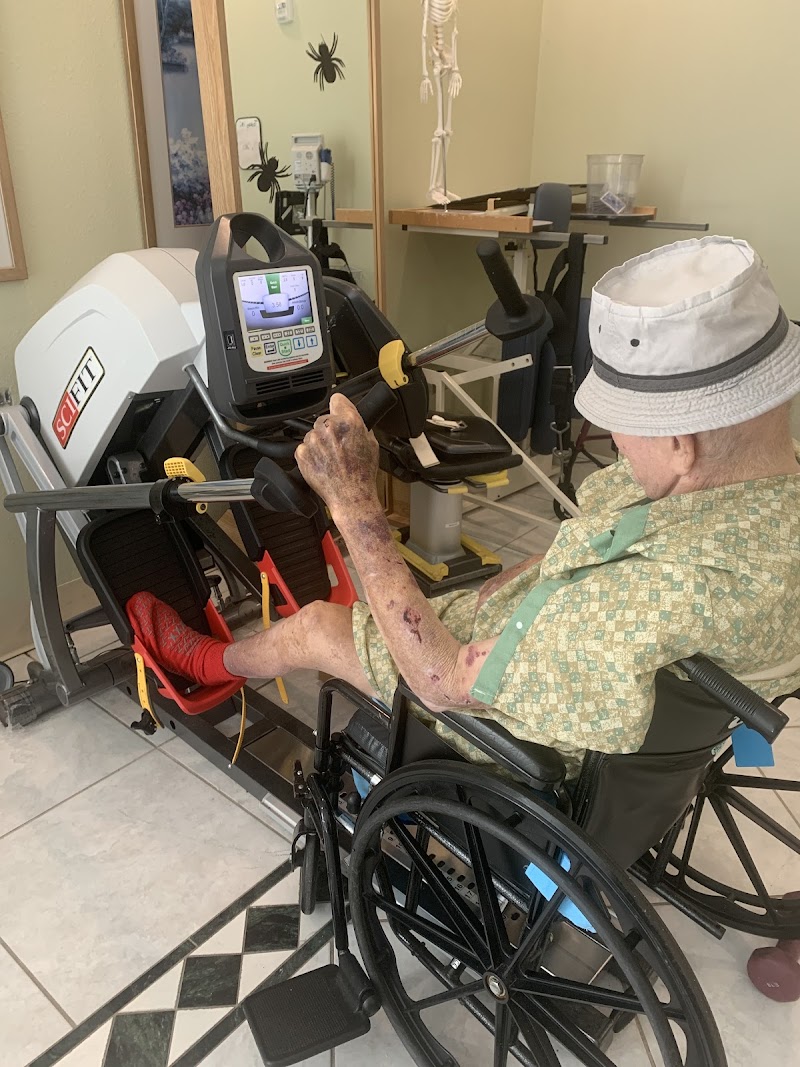
CMS rates ISLE HEALTHCARE & REHABILITATION CENTER's staffing level at 3 out of 5 stars, which is average compared to other nursing homes. Staff turnover is 46%, compared to the Florida average of 46%. RN turnover specifically is 56%, which is notably high. RNs provide skilled clinical oversight, so turnover in this role can affect medical care quality.

What Have Inspectors Found at Isle Healthcare & Rehabilitation Center?

State health inspectors documented 10 deficiencies at ISLE HEALTHCARE & REHABILITATION CENTER during 2021 to 2025. These included: 1 Immediate Jeopardy (the most serious level, indicating potential for serious harm or death) and 9 with potential for harm. Immediate Jeopardy findings are rare and represent the most serious regulatory concerns. They require immediate corrective action.
Who Owns and Operates Isle Healthcare & Rehabilitation Center?

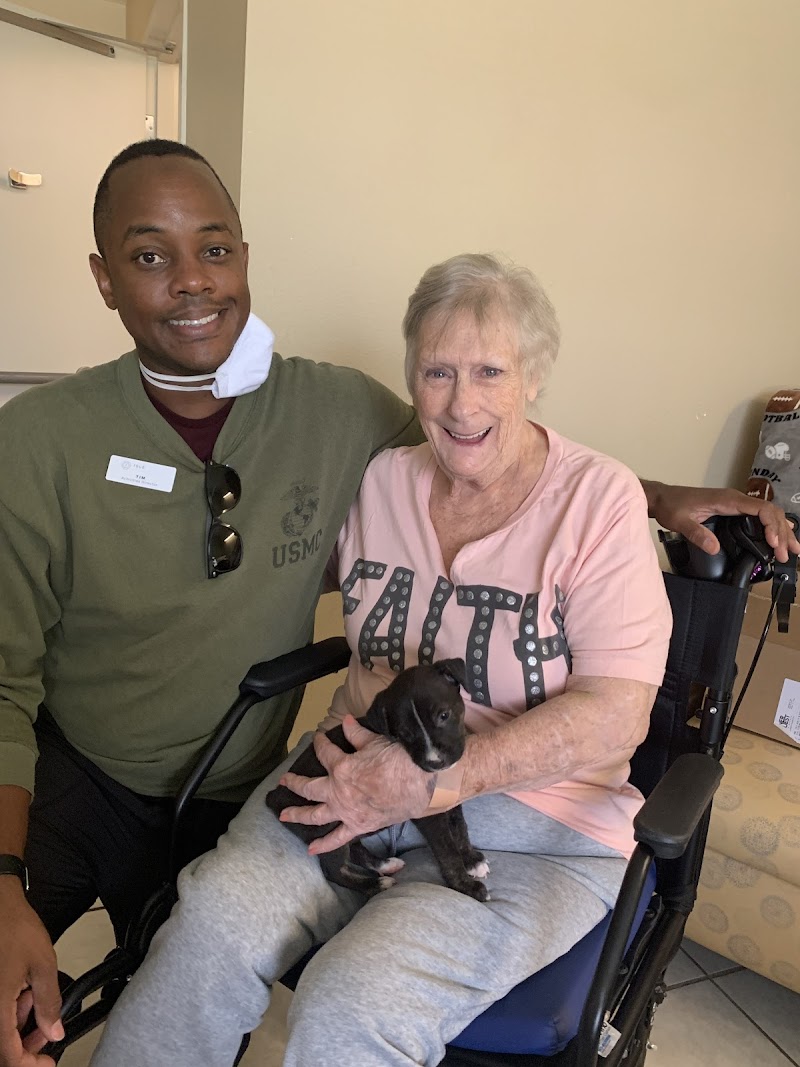
ISLE HEALTHCARE & REHABILITATION CENTER is owned by a for-profit company. For-profit facilities operate as businesses with obligations to shareholders or private owners. The facility is operated by GOLD FL TRUST II, a chain that manages multiple nursing homes. With 108 certified beds and approximately 101 residents (about 94% occupancy), it is a mid-sized facility located in ORANGE PARK, Florida.

How Does Isle Healthcare & Rehabilitation Center Compare to Other Florida Nursing Homes?

Compared to the 100 nursing homes in Florida, ISLE HEALTHCARE & REHABILITATION CENTER's overall rating (3 stars) is below the state average of 3.2, staff turnover (46%) is near the state average of 46%, and health inspection rating (2 stars) is below the national benchmark.

What Should Families Ask When Visiting Isle Healthcare & Rehabilitation Center?

Based on this facility's data, families visiting should ask: "What changes have been made since the serious inspection findings, and how are you preventing similar issues?" "Can I visit during a mealtime to observe dining assistance and food quality?" "How do you handle medical emergencies, and what is your hospital transfer rate?" "Can I speak with family members of current residents about their experience?" These questions are particularly relevant given the facility's Immediate Jeopardy citations.

Is Isle Healthcare & Rehabilitation Center Safe?

Based on CMS inspection data, ISLE HEALTHCARE & REHABILITATION CENTER has documented safety concerns. Inspectors have issued 1 Immediate Jeopardy citation (the most serious violation level indicating risk of serious injury or death). The facility has a 3-star overall rating and ranks #100 of 100 nursing homes in Florida. Families considering this facility should ask detailed questions about what corrective actions have been taken since these incidents.

Do Nurses at Isle Healthcare & Rehabilitation Center Stick Around?

ISLE HEALTHCARE & REHABILITATION CENTER has a staff turnover rate of 46%, which is about average for Florida nursing homes (state average: 46%). Moderate turnover is common in nursing homes, but families should still ask about staff tenure and how the facility maintains care continuity when employees leave.

Was Isle Healthcare & Rehabilitation Center Ever Fined?

ISLE HEALTHCARE & REHABILITATION CENTER has been fined $43,664 across 1 penalty action. The Florida average is $33,516. While any fine indicates a compliance issue, fines under $50,000 are relatively common and typically reflect isolated problems that were subsequently corrected. Families should ask what specific issues led to these fines and confirm they've been resolved.

Is Isle Healthcare & Rehabilitation Center on Any Federal Watch List?

ISLE HEALTHCARE & REHABILITATION CENTER is not on any federal watch list. The most significant is the Special Focus Facility (SFF) program, which identifies the bottom 1% of nursing homes nationally based on persistent, serious quality problems. Not being on this list means the facility has avoided the pattern of deficiencies that triggers enhanced federal oversight. This is a positive indicator, though families should still review the facility's inspection history directly.