LIFE CARE CENTER AT WELLS CROSSING

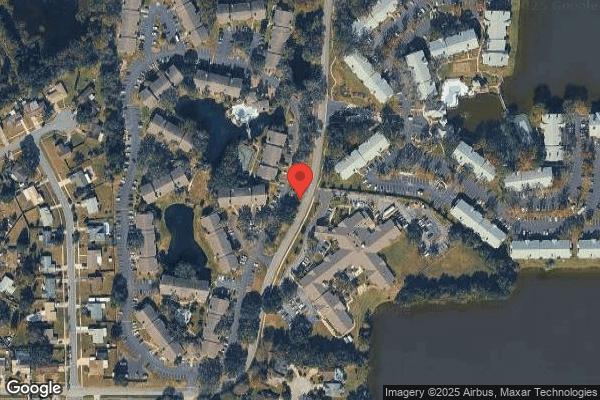
355 CROSSING BLVD, ORANGE PARK, FL 32073 (904) 264-1950
For profit - Corporation 120 Beds LIFE CARE CENTERS OF AMERICA Data: November 2025
Trust Grade
70/100
#227 of 690 in FL
Last Inspection: September 2023

Over 2 years since last inspection. Current conditions may differ from available data.

Overview

Life Care Center at Wells Crossing has a Trust Grade of B, indicating it is a good choice among nursing homes, but not without its concerns. It ranks #227 out of 690 in Florida, placing it in the top half of facilities statewide, and #7 out of 12 in Clay County, meaning only six local options are better. The facility's trend is stable, with five issues noted both in 2021 and 2023, and while it has a good record of no fines, its RN coverage is lower than 87% of Florida facilities, which may impact resident care. Staffing is average with a 43% turnover rate, and while the overall quality measures are excellent, there are concerning incidents including a failure to revise a care plan after a resident's fall and issues with food handling practices that could lead to health risks.

Trust Score
B
70/100
In Florida
#227/690
Top 32%
Safety Record
Moderate
Needs review
Inspections
Holding Steady
5 → 5 violations
Staff Stability
○ Average
43% turnover. Near Florida's 48% average. Typical for the industry.
Penalties
✓ Good
No fines on record. Clean compliance history, better than most Florida facilities.
Skilled Nurses
⚠ Watch
Each resident gets only 26 minutes of Registered Nurse (RN) attention daily — below average for Florida. Fewer RN minutes means fewer trained eyes watching for problems.
Violations
⚠ Watch
17 deficiencies on record. Higher than average. Multiple issues found across inspections.
★★★★☆
4.0
Overall Rating
★★★☆☆
3.0
Staff Levels
★★★★★
5.0
Care Quality
★★★☆☆
3.0
Inspection Score
Stable
2021: 5 issues
2023: 5 issues

The Good

  • 5-Star Quality Measures · Strong clinical quality outcomes
  • Full Sprinkler Coverage · Fire safety systems throughout facility
  • No fines on record
  • Staff turnover below average (43%)

    5 points below Florida average of 48%

Facility shows strength in quality measures, fire safety.

The Bad

Staff Turnover: 43%

Near Florida avg (46%)

Typical for the industry

Chain: LIFE CARE CENTERS OF AMERICA

Part of a multi-facility chain

Ask about local staffing decisions and management

The Ugly 17 deficiencies on record

1 actual harm
Sept 2023 5 deficiencies
CONCERN (D)

Potential for Harm - no one hurt, but risky conditions existed

Report Alleged Abuse (Tag F0609)

Could have caused harm · This affected 1 resident

**NOTE- TERMS IN BRACKETS HAVE BEEN EDITED TO PROTECT CONFIDENTIALITY** Based on observations, interviews, record review, and facility policy review, the facility failed to report allegations of misap...

Read full inspector narrative →
**NOTE- TERMS IN BRACKETS HAVE BEEN EDITED TO PROTECT CONFIDENTIALITY** Based on observations, interviews, record review, and facility policy review, the facility failed to report allegations of misappropriation of resident property (controlled medications) in accordance with State law, including reporting to State Survey Agency for 1 (Resident #50) of 31 residents sampled. The findings include: During a tour of the facility on 9/25/23 at 3:25 pm, Resident #50 was observed resting in bed. There were no signs or symptoms of pain or distress. When asked about his medication regimen, he said there was some hanky panky going on with his medications. However, he was not able to provide full details of what he meant by this and requested his wife be contacted for additional information on the matter. On 9/25/23 at 3:36 pm, a phone interview was conducted with the wife of Resident #50. She stated that after reviewing their insurance statements she noticed they were being charged for narcotic pain medication which she knew he was not taking. She stated she contacted the facility regarding her concerns. She stated the facility responded and a urinalysis was requested. She stated the test confirmed the resident had not been taking the narcotic pain medication. She stated the facility provided conflicting information as to what happened to the medication. She stated she was advised the nurse whom she referred to as XXX was terminated. She did not know his last name, but he had been the nurse for Resident #50 since admission. She stated after the incident with the medication she became fearful of retaliation and therefore had not addressed any of her concerns with the facility. She felt Resident #50 was being intentionally neglected and would eventually be evicted if she voiced her concerns. A clinical record review for Resident #50 revealed he was admitted to the facility on [DATE], with diagnoses that included unspecified atrial fibrillation, type 2 diabetes mellitus, respiratory failure, heart failure, hypertensive heart disease with heart failure, chronic kidney disease Stage 3b, end stage renal disease, long term use of anticoagulants and generalized anxiety disorder. The significant change minimum data set (MDS) assessment dated [DATE] indicated the resident had a brief interview for mental status (BIMS) score of 14 out of 15, indicating cognitively intact. Review of the Medication Administration Record (MAR) for Resident #50 revealed an order on 8/16/22 for Norco Tablet 5-325 milligrams (mg) (hydrocodone-acetaminophen) one tablet by mouth every six hours as needed for severe pain. On 6/21/23 the orders was updated to include: SECOND NURSE MUST WITNESS ADMINISTRATION OF CONTROLLED MEDS. Review of the May and June 2023 MAR revealed the resident received the medication on 5/21/23, level 3 pain was documented. Review of the MAR for June 23 revealed the resident received the medication on 6/21/23 and 6/24/23, level 4 pain was documented. (Photographic evidence obtained) Review of a physician's order for Resident #50 dated 6/26/23, read: Urine 14 panel drug screen one time only for 2 days. On 9/27/23 at 3:09 pm, an interview was conducted with Employee F, Licensed Practical Nurse (LPN) who was familiar with Resident #50. She referred to him as max assist and stated he was incontinent of bladder and bowel. She stated the resident complains of right hip pain and that he doesn't have feeling in his fingers. She stated he does not refuse care or treatment. She stated Resident #50 gets out of bed but will request to go lay back down as a result of the right hip pain. She stated he doesn't like to take the pain medication because he doesn't want to get hooked on narcotics adding that the resident will ask for his muscle spasm medication. During an interview with the Administrator and Director of Nursing (DON) on 9/27/23 at 3:50 pm, she was asked about Resident #50's pain medication regimen. The DON stated the resident would complain of pain to the nurse so the nurse on duty would medicate him. She stated the resident didn't want to get addicted to anything. The DON was asked to provide Resident #50's narcotic medication records for May and June. On 9/28/23 at 11:02 am, the Administrator and DON provided narcotic medication records dated 5/30/23 for Resident #50. Based on the information provided the medication was signed out as being administered three times daily on 5/31/23, 6/1, 6/4/-6/5/, 6/8-6/10 and 6/14/23. The signature of the nurse administering the medication was the same for all dates. When shown the MAR for this time period and asked about the discrepancy between the two records for the same medication, the Administrator could not provide an explanation. Instead, he provided a written statement from the facility's Unit Manager regarding the negative results of the urinalysis on 6/26/23 for Resident #50. (Photographic evidence obtained) When asked why a urinalysis had been ordered, the DON stated the wife had concerns the resident was not receiving the medications. She stated the facility had the urinalysis done to prove that he was receiving the medications. However, based on the information provided the resident was not receiving the medication. She stated they contacted the lab regarding this and was advised the request needed to be more specific to include the narcotic they were testing for in order for the proper test to be performed. When asked why this information wasn't provided and the resident re-tested, she replied that two days had passed since the resident had taken the medication and she didn't think it would still be in his system and show up on the test. On 9/28/23 at 11:36 am, the Administrator and DON provided a copy Resident #50's narcotic medication record dated 6/11/23 along with the lab results for the urinalysis. Based on the information provided the medication was signed out as being administered three times daily on 6/15-6/16 and 6/18-6/21. It was signed out as being administered twice daily on 6/24-6/26/23. Again, the signature for the nurse administering the medications was the same for each date. The same signature was also on the narcotic medication record dated 5/31/23. The DON explained that the nurse who signed both narcotic medication records was written up for not updating the MAR. She added that the information was sent to corporate and during that time the nurse quit. During a subsequent interview on 9/28/23 at 11:54 am, the Administrator and DON explained the nurse was also written up for not documenting appropriately. The DON stated when she spoke with the nurse during that time, he stated he was giving the resident pain medication as ordered because he was in chronic pain. She stated they called the lab regarding the results and was told the medication wouldn't show in those results. She stated the lab advised they would need to ask for a specific opiate drug screen. When asked why a second test wasn't performed, she stated, They said they couldn't get another screening. They said we had to request an opiate panel and it couldn't be done. The DON admitted she didn't tell the lab the amount of medication the resident had received, nor did she confirm her assumption that the medication would not show up on the test if it had not be administered in two days. The Administrator acknowledged the facility did not further investigate the issue nor was it reported to the agency. He stated at the time the nurse did not display any behaviors of drug use, so he was not questioned and there was no further investigation. A review of the facility's current employee roster provided upon entry to the facility on 9/25/23 revealed that some of employees who signed off the medication inappropriately were still working at the facility. A review of the facility's policy: Abuse- Identification of Types (issued 10/4/22, reviewed 7/18/23) under Misappropriation of Property and Exploitation read: Misappropriation of resident property is the deliberate misplacement, exploitation, or wrongful, temporary, or permanent use of a resident's property or money without the resident's consent. Misappropriation of Property and Exploitation 3. Examples of misappropriation of resident property include, but are not limited to: i. missing prescription medications or diversion of a resident's medication(s), including but not limited to, controlled substances for staff use or personal gain. A review of the facility's policy: Investigating an Allegation of Suspected Drug Diversion (issued 7/31/18, reviewed 8/30/23) read: Background Suspicion of drug diversion may arise from a variety of circumstances, including but not limited to the following: 5. Notification of suspected drug diversion from an external source, such as local law enforcement or a family member of a suspected drug diverter Policy The facility will investigate all allegations of drug diversion in accordance with current state and federal guidance. The facility will utilize the following procedure in conjunction with pharmacy policy and guidance related to loss or theft of medications. Procedure 1. c. Drug diversion by an associate will be reported to all appropriate government, licensing, regulatory, and law enforcement agencies as required by law. 2. Internal reporting a. Upon notification of an allegation or suspicion of a drug diversion, the Executive Director or Director of Nursing will notify the following as soon as practical after becoming aware of the allegation: 3. External Reporting a. The Executive Director or Director of Nursing will be responsible for reporting to external agencies as required by law Investigation 1. The Executive Director or Director of Nursing will be responsible for directing the investigation. 3. All suspected incidents/allegations of drug diversion will be thoroughly investigated. (Copy obtained) A review of the facility's policy: Incident and Reportable Event Management (issued 8/15/23; reviewed 9/14/23) revealed: Definitions Event Management Medication discrepancy Immediately means as soon as possible, in the absence of a shorter state time frame requirement but not later than 2 hours after the allegation is made, if the events that cause the allegation involve abuse or result in serious bodily injury, or not later than 24 hours if the events that cause the allegation do not involve abuse and do not result in serious bodily injury. External Notifications 4. The facility should be aware that external reporting may include: a. state licensing and certification agencies b. Ombudsman c. Law Enforcement d. Adult Protective Services e. State Practice Boards .
CONCERN (D)

Potential for Harm - no one hurt, but risky conditions existed

Investigate Abuse (Tag F0610)

Could have caused harm · This affected 1 resident

**NOTE- TERMS IN BRACKETS HAVE BEEN EDITED TO PROTECT CONFIDENTIALITY** Based on observations, interviews, record review, and facility policy review, the facility failed to investigate an allegation o...

Read full inspector narrative →
**NOTE- TERMS IN BRACKETS HAVE BEEN EDITED TO PROTECT CONFIDENTIALITY** Based on observations, interviews, record review, and facility policy review, the facility failed to investigate an allegation of misappropriation of resident property (controlled medication) for 1 (Resident #50) of 4 residents reviewed for misappropriation, from a total of 31 residents in the sample. The findings include: During a tour of the facility on 9/25/23 at 3:25 pm, Resident #50 was observed resting in bed. There were no signs or symptoms of pain or distress. When asked about his medication regimen, he said there was some hanky panky going on with his medications. However, he was not able to provide full details of what he meant by this and requested his wife be contacted for additional information on the matter. On 9/25/23 at 3:36 pm, a phone interview was conducted with the wife of Resident #50. She stated that after reviewing their insurance statements she noticed they were being charged for narcotic pain medication which she knew he was not taking. She stated she contacted the facility regarding her concerns. She stated the facility responded and a urinalysis was requested. She stated the test confirmed the resident had not been taking the narcotic pain medication. She stated the facility provided conflicting information as to what happened to the medication. She stated she was advised the nurse whom she referred to as XXX was terminated. She did not know his last name, but he had been the nurse for Resident #50 since admission. She stated after the incident with the medication she became fearful of retaliation and therefore had not addressed any of her concerns with the facility. She felt Resident #50 was being intentionally neglected and would eventually be evicted if she voiced her concerns. A clinical record review for Resident #50 revealed he was admitted to the facility on [DATE], with diagnoses that included unspecified atrial fibrillation, type 2 diabetes mellitus, respiratory failure, heart failure, hypertensive heart disease with heart failure, chronic kidney disease Stage 3b, end stage renal disease, long term use of anticoagulants and generalized anxiety disorder. The significant change minimum data set (MDS) assessment dated [DATE] indicated the resident had a brief interview for mental status (BIMS) score of 14 out of 15, indicating cognitively intact. Review of the Medication Administration Record (MAR) for Resident #50 revealed an order on 8/16/22 for Norco Tablet 5-325 milligrams (mg) (hydrocodone-acetaminophen) one tablet by mouth every six hours as needed for severe pain. On 6/21/23 the orders was updated to include: SECOND NURSE MUST WITNESS ADMINISTRATION OF CONTROLLED MEDS. Review of the May and June 2023 MAR revealed the resident received the medication on 5/21/23, level 3 pain was documented. Review of the MAR for June 23 revealed the resident received the medication on 6/21/23 and 6/24/23, level 4 pain was documented. (Photographic evidence obtained) Review of a physician's order for Resident #50 dated 6/26/23, read: Urine 14 panel drug screen one time only for 2 days. On 9/27/23 at 3:09 pm, an interview was conducted with Employee F, Licensed Practical Nurse (LPN) who was familiar with Resident #50. She referred to him as max assist and stated he was incontinent of bladder and bowel. She stated the resident complains of right hip pain and that he doesn't have feeling in his fingers. She stated he does not refuse care or treatment. She stated Resident #50 gets out of bed but will request to go lay back down as a result of the right hip pain. She stated he doesn't like to take the pain medication because he doesn't want to get hooked on narcotics adding that the resident will ask for his muscle spasm medication. During an interview with the Administrator and Director of Nursing (DON) on 9/27/23 at 3:50 pm, she was asked about Resident #50's pain medication regimen. The DON stated the resident would complain of pain to the nurse so the nurse on duty would medicate him. She stated the resident didn't want to get addicted to anything. The DON was asked to provide Resident #50's narcotic medication records for May and June. On 9/28/23 at 11:02 am, the Administrator and DON provided narcotic medication records dated 5/30/2023 for Resident #50. Based on the information provided the medication was signed out as being administered three times daily on 5/31/23, 6/1, 6/4/-6/5/, 6/8-6/10 and 6/14/23. The signature of the nurse administering the medication was the same for all dates. When shown the MAR for this time period and asked about the discrepancy between the two records for the same medication, the Administrator could not provide an explanation. Instead, he provided a written statement from the facility's Unit Manager regarding the negative results of the urinalysis on 6/26/23 for Resident #50. (Photographic evidence obtained) When asked why a urinalysis had been ordered, the DON stated the wife had concerns the resident was not receiving the medications. She stated the facility had the urinalysis done to prove that he was receiving the medications. However, based on the information provided the resident was not receiving the medication. She stated they contacted the lab regarding this and was advised the request needed to be more specific to include the narcotic they were testing for in order for the proper test to be performed. When asked why this information wasn't provided and the resident re-tested, she replied that two days had passed since the resident had taken the medication and she didn't think it would still be in his system and show up on the test. On 9/28/23 at 11:36 am, the Administrator and DON provided a copy Resident #50's narcotic medication record dated 6/11/23 along with the lab results for the urinalysis. Based on the information provided the medication was signed out as being administered three times daily on 6/15-6/16 and 6/18-6/21. It was signed out as being administered twice daily on 6/24-6/26/23. Again, the signature for the nurse administering the medications was the same for each date. The same signature was also on the narcotic medication record dated 5/31/23. The DON explained that the nurse who signed both narcotic medication records was written up for not updating the MAR. She added that the information was sent to corporate and during that time the nurse quit. During a subsequent interview on 9/28/23 at 11:54 am, the Administrator and DON explained the nurse was also written up for not documenting appropriately. The DON stated when she spoke with the nurse during that time, he stated he was giving the resident pain medication as ordered because he was in chronic pain. She stated they called the lab regarding the results and was told the medication wouldn't show in those results. She stated the lab advised they would need to ask for a specific opiate drug screen. When asked why a second test wasn't performed, she stated, They said they couldn't get another screening. They said we had to request an opiate panel and it couldn't be done. The DON admitted she didn't tell the lab the amount of medication the resident had received, nor did she confirm her assumption that the medication would not show up on the test if it had not be administered in two days. The Administrator acknowledged the facility did not further investigate the issue nor was it reported to the agency. He stated at the time the nurse did not display any behaviors of drug use, so he was not questioned and there was no further investigation. A review of the facility's policy: Abuse- Identification of Types (issued 10/4/22, reviewed 7/18/23) under Misappropriation of Property and Exploitation read: Misappropriation of resident property is the deliberate misplacement, exploitation, or wrongful, temporary, or permanent use of a resident's property or money without the resident's consent. Misappropriation of Property and Exploitation Misappropriation of Property and Exploitation 3. Examples of misappropriation of resident property include, but are not limited to: i. missing prescription medications or diversion of a resident's medication(s), including but not limited to, controlled substances for staff use or personal gain. Per the facility's policy: Abuse-Conducting an Investigation issued 10/4/2022; reviewed 7/18/2023. Per the policy It is the policy of this facility that allegations of abuse (abuse, neglect, mistreatment, including injuries of unknown source, exploitation, and misappropriation of property) are promptly and thoroughly investigated .Residents have the right to live at ease in a safe environment without the fear of retaliation when allegations are reported. 4. The facility must thoroughly collect evidence to allow the Administrator to determine what actions are necessary (if any) for the protection of residents. Dependening on the type of allegation received, it is expected that the investigation would include, but is not limited to: C. conducting record review for pertinent information related to the alleged violation as appropriate, such as progress notes (nurse, social services, physician, therapist, consultants as appropriate, etc.), financial record, incident reports (if used), reports from hospital/emergency room records, laboratory or x-ray reports, medication administration records, photographic evidence, and reports from other investigatory agencies. 9, If the accused individual is an employee, the alleged perpetrator will be removed from resident care areas immediately and placed on suspension pending results of the investigation. Retaliation by staff is abuse, regardless of whether harm was intended, and must be cited. Per the facility's policy: Investigating an Allegation of Suspected Drug Diversion issued 7/31/2028, reviewed 8/30/2023 Background Suspicion of drug diversion may arise from a variety of circumstances, including but not limited to the following: 5. Notification of suspected drug diversion from an external source, such as local law enforcement or a family member of a suspected drug diverter Policy The facility will investigate all allegations of drug diversion in accordance with current state and federal guidance. The facility will utilize the following procedure in conjunction with pharmacy policy and guidance related to loss or theft of medications. Procedure 1. c. Drug diversion by an associate will be reported to all appropriate government, licensing, regulatory, and law enforcement agencies as required by law. 2. Internal reporting a. Upon notification of an allegation or suspicion of a drug diversion, the Executive Director or Director of Nursing will notify the following as soon as practical after becoming aware of the allegation: 3. External Reporting a. The Executive Director or Director of Nursing will be responsible for reporting to external agencies as required by law Investigation 1. The Executive Director or Director of Nursing will be responsible for directing the investigation. 3. All suspected incidents/allegations of drug diversion will be thoroughly investigated. .
CONCERN (D)

Potential for Harm - no one hurt, but risky conditions existed

Quality of Care (Tag F0684)

Could have caused harm · This affected 1 resident

**NOTE- TERMS IN BRACKETS HAVE BEEN EDITED TO PROTECT CONFIDENTIALITY** Based on observations, interviews, record review, and facility policy review, the facility failed to ensure residents received c...

Read full inspector narrative →
**NOTE- TERMS IN BRACKETS HAVE BEEN EDITED TO PROTECT CONFIDENTIALITY** Based on observations, interviews, record review, and facility policy review, the facility failed to ensure residents received care and treatment in accordance with professional standards of practice, the comprehensive person-centered care plan, and the residents' choices by failing to provide adequate foot care/skin care, medication administration and bathing for 1 (Resident #50) of 31 residents in the sample. The findings include: On 9/25/23 at 3:25 pm, Resident #50 was observed resting in bed. There were no signs or symptoms of pain or distress. He was asked about the care and treatment he had received while residing in the facility and he replied that he had not been receiving showers. He stated he received bed baths but would like to have showers. He advised that he was diabetic and was experiencing numbness in his feet and fingertips. He stated he no longer required glucose checks, but the numbness in his fingertips remained. When asked about his medication regimen, he said there was some hanky panky going on with his medications. However, he was not able to provide full details about what he meant by this and requested his wife be contacted for additional information on the matter. A clinical record review for Resident #50 revealed he was admitted to the facility on [DATE], with diagnoses that included unspecified atrial fibrillation, type 2 diabetes mellitus, respiratory failure, heart failure, hypertensive heart disease with heart failure, chronic kidney disease Stage 3b, end stage renal disease, long term use of anticoagulants and generalized anxiety disorder. A review of the significant change minimum data set (MDS) assessment dated [DATE] indicated the resident had a brief interview for mental status (BIMS) score of 14 out of 15, indicating cognitively intact. Resident required extensive assistance with bed mobility, dressing, eating, toilet use and personal hygiene. The resident's preferences section indicated it was very important for him to choose between a tub bath, bed bath, or sponge bath. This preference was also captured during the admission MDS assessment dated [DATE]. On 9/25/23 at 3:36 pm, a phone interview was conducted with the wife of Resident #50. She stated that after reviewing their insurance statements she noticed they were being charged for narcotic pain medication which she knew he was not taking. She stated she contacted the facility regarding her concerns. She stated the facility responded and a urinalysis was requested. She stated the test confirmed the resident had not been taking the narcotic pain medication. She stated the facility provided conflicting information as to what happened to the medication. She stated she was advised the nurse whom she referred to as XXX was terminated. She did not know his last name, but he had been the nurse for Resident #50 since admission. She stated the resident was diabetic and she was concerned about a wound on his foot. The bandage wasn't being changed as it should, and staff were not taking care of the resident's feet as they should. She stated she had been keeping photographic evidence and encouraged observations of the resident's feet. She stated after the incident with the medication she became fearful of retaliation and therefore had not addressed any of her concerns with the facility. She felt Resident #50 was being intentionally neglected and would eventually be evicted if she voiced her concerns. On 9/25/23 at 4:31 pm, Resident #50 was observed in his room. He was asked for permission to look at his feet. He replied, Sure, they aren't being taken care of. The resident's right great toe was observed with a thick, overgrown, dark gold-colored nail along with a dark brown spot on the corner of the toenail. The other nails on the remaining toes were also overgrown and a dark gold color. The skin along the toes up to the ankle was dry and scaly. The resident could not confirm the last time the podiatrist had been in to provide care. He stated when his family member came to visit him, she took care of his feet and applied lotion. The resident's right ankle also had a pink bandage affixed to it. On the bandage 9/9/23 RH was written in blue. The resident denied any pain or discomfort in the area. He stated the bandage was applied for preventative measures. Observation of the resident's left foot revealed thick, overgrown toenails which were also dark gold in color. The skin on the left foot was also dry and scaly. (Photographic evidence obtained) On 9/27/23 at 10:20 am, Resident #50 was observed lying in bed. There were no signs of pain or distress. The resident stated he had still not received any foot care and had poor circulation in his feet. He could wiggle his toes a little, but stated again that his family member was the only person providing him with any foot care. The bandage, dated 9/9/23, remained in place. (Photographic evidence obtained) The resident along with his family member, who was present telephonically at the time of the observation, again voiced fear of retaliation. A review of Resident #50's September 2023 Physician's Order Sheets, revealed and active order for Tradjenta 5 mg (milligrams) by mouth daily for diabetes; Furosemide 40 mg by mouth daily for edema; potassium chloride 10 meq extended release by mouth daily for congestive heart failure; ammonium lactate external cream 12%, apply to both legs and feet topically every day shift for dryness; Eliquis 2.5 mg by mouth twice a day for atrial fibrillation; and apply protective dressing to right outer ankle every day shift, every other day for prophylactic measures and PRN (as needed). An order sated 6/26/23 instructed staff to obtain a Urine 14 panel drug screen one time only for 2days. Review of the Medication Administration Record (MAR) for Resident #50 revealed an order on 8/16/22 for Norco Tablet 5-325 milligrams (mg) (hydrocodone-acetaminophen) one tablet by mouth every six hours as needed for severe pain. On 6/21/23 the orders was updated to include: SECOND NURSE MUST WITNESS ADMINISTRATION OF CONTROLLED MEDS. Review of the May and June 2023 MAR revealed the resident received the medication on 5/21/23, level 3 pain was documented. Review of the MAR for June 23 revealed the resident received the medication on 6/21/23 and 6/24/23, level 4 pain was documented. (Photographic evidence obtained) A review of the most recent Care Plan included the following Focus Area: At risk for break in skin integrity hx (history) of resolved pressure areas, Goal: Maintain intact skin w/no skin breaks through next review and Intervention: treatment as ordered 12/2/22, weekly skin checks 8/13/22. The resident was also care planned for ADL self-care performance deficit related to COPD. A review of skin assessments for Resident #50 dated 9/24/23, 9/17/23, 9/16/23, No skin concerns were documented on the assessments. Review of a skin assessment dated [DATE] revealed resident with some redness to buttocks, barrier cream applied. No additional information provided. Review of shower sheets/skin evaluations confirmed the resident had been receiving bed baths as he stated. The information reflected: 7/1/2023- red buttocks scratching on left leg scratches does resident need toenails cut no; 7/4/2023 no skin conditions identified does resident need toenails cut no; 7/8/2023 no skin conditions identified does resident need toenails cut no; 7/1/2023 redness on buttocks does resident need toenails cut no; 7/20/2023 no skin conditions identified does resident need toenails cut no; 8/3/2023 redness on feet& coccyx does resident need toenails cut no; 8/8/2023 no skin conditions identified does resident need toenails cut no; 8/17/2023 redness coccyx does resident need toenails cut no; 8/22/2023 no skin condition identified does resident need toenails cut no; 8/26/2023 no skin condition identified does resident need toenails cut no; 9/12/2023 no skin conditions does resident need toenails cut no. During an interview conducted with Employee F, Licensed Practical Nurse (LPN), Unit Manager, he stated the nurses were responsible for doing skin checks. He stated every resident has a skin check assigned and the nurses perform it sometimes with the help of a Certified Nursing Assistant (CNA). He stated the CNAs also have shower sheets that they have to complete. They check the skin, the nurses sign it, and ultimately it is turned in to him. He then reviews them. He again stated the nurses perform a weekly skin check on all resident. Adding, it's head to toe. He stated residents are offered showers at least three times a week. He stated if the resident declines a shower or if there is a medical condition i.e., they are on isolation then a resident may not receive a shower. He stated a resident's size wouldn't prevent them from receiving a shower. He stated, We have the equipment to accommodate residents of all sizes. We have the staff to accommodate residents of all sizes. He stated the nurse, and the CNA are responsible for making sure a resident who can't meet their ADLs needs are getting them met. He stated they would find that information in the [NAME] in Point Click Care and they would both have access to that. During an interview with Employee G, LPN on 9/27/23 at 3:09 pm, who was familiar with Resident #50, she stated that he was a max assist and incontinent of bladder and bowel. She stated the resident complains of right hip pain and that he doesn't have feeling in his fingers. She explained that he does not refuse care or treatment and if he did, she would make other attempts to provide car. If by chance, he still refused then she would document it. She stated Resident #50 gets out of bed but will request to go lay back down as a result of the right hip pain. She stated he didn't like to take the pain medication because he didn't want to get hooked on narcotics instead he will ask for his muscle spasm medication. When asked about footcare for the residents she stated the podiatrist comes in to clip the toenails. She stated she was not sure when or how often they came to the facility to perform these services. Employee G was asked to go to Resident #50's room. After greeting and introductions were made, Employee G advised the resident she would be looking at his feet. She removed his right sock exposing the bandage dated 9/9/23 affixed to his ankle. She immediately removed the bandage and crumpled it up and discarded it into a glove she was wearing. She was asked the date on the bandage, she responded it was 9/9/23. She advised the resident she would be changing the bandage. She was asked about the observation of swelling to the resident's feet. Employee G confirmed the resident's feet were swollen. The resident was asked if he had been seen by the podiatrist. He stated no one had clipped his toenails in a long time. When asked if he received showers, he stated he got bed baths. When Employee G asked him what his preference was, he stated he would prefer a shower but couldn't get it because of the Hoyer. He told her he had received 2 showers in the year he had been in the facility. He really wanted a shower but didn't think it was possible because he required a Hoyer lift. He went on to say that his head would appreciate it because his hair wasn't being shampooed with the bed baths. Employee G was asked if there was a shower bed to accommodate the resident. She said, Yes and confirmed there was no reason the resident could not receive showers as he preferred. During an interview with the Administrator and Director of Nursing (DON) on 9/27/23 at 3:50 pm, they were asked about the availability of equipment for baths and showers for residents requiring special accommodations. They confirmed there was equipment available for all residents to receive showers. They were advised of the concerns with Resident #50 regarding him receiving bed baths versus the showers he preferred. The Administrator stated that the staff were telling them that the resident had been refusing care. They were that according to Employee G, LPN the resident did not refuse care. The DON responded they weren't sure of the validity of the statements, but it was what they had been told. During an interview with Employee H, LPN on 9/28/23 at 3:54 pm, she stated that resident's preferences are listed in their care plan. She stated all staff have access to that information through the [NAME] and the certified nursing assistants (CNAs) can also come to the nurses for the information. She stated if an alert and oriented resident refuses baths and showers the resident completes the shower form. The CNA then brings the form to the nurse who re-approached the resident to offer the service. If they still refuse the nurse can then offer the bed bath. She stated the CNA should not initially offer the bed bath unless they are care planned for the bed bath. She stated resident skin checks are a part of the point click care system and there is an alert that tells the nurses there is a skin check to be performed. She stated even if a bandage was clean and in place if there was an order for it to be changed every other day the order was to be followed and the treatment record updated. During an interview with Employee I, CNA on 9/28/23 at 4:54 pm, she stated the resident's preferences are found in the [NAME] along with their functional level. She stated any refusal are to be reported to the nurse. She stated observation of wounds or skin conditions are documented on the shower sheets and reported to the nurse. She stated if there is an old wound or bandage it would be reported to the nurse. She stated there weren't any reasons why a resident wouldn't be given a shower if they wanted one. She confirmed the facility had he equipment and team work to accommodate residents regardless of their size. A review of the facility's policy: Activities of Daily Living (ADLs) (issued 12/11/18; 8/23/23) read: Policy: The resident will receive assistance as needed to complete activities of daily living (ADLs). Any change in the ability to perform ADLs will be documented and reported to the licensed nurse. .
CONCERN (E)

Potential for Harm - no one hurt, but risky conditions existed

Deficiency F0602 (Tag F0602)

Could have caused harm · This affected multiple residents

**NOTE- TERMS IN BRACKETS HAVE BEEN EDITED TO PROTECT CONFIDENTIALITY** Based on observations, interviews, record review, and facility policy review, the facility failed to ensure an adequate system t...

Read full inspector narrative →
**NOTE- TERMS IN BRACKETS HAVE BEEN EDITED TO PROTECT CONFIDENTIALITY** Based on observations, interviews, record review, and facility policy review, the facility failed to ensure an adequate system to prevent the misappropriation/drug diversion of controlled medications for 4 (Residents #50, #89, #13, and #20) of 31 residents sampled, with the potential to affect all residents prescribed controlled drugs. The findings include: 1. During a tour of the facility on 9/25/23 at 3:25 pm, Resident #50 was observed resting in bed. There were no signs or symptoms of pain or distress. When asked about his medication regimen, he said there was some hanky panky going on with his medications. However, he was not able to provide full details of what he meant by this and requested his wife be contacted for additional information on the matter. On 9/25/23 at 3:36 pm, a phone interview was conducted with the wife of Resident #50. She stated that after reviewing their insurance statements she noticed they were being charged for narcotic pain medication which she knew he was not taking. She stated she contacted the facility regarding her concerns. The facility responded and a urinalysis was requested. She stated the test confirmed the resident had not been taking the narcotic pain medication. She stated the facility provided conflicting information as to what happened to the medication. She stated she was advised the nurse whom she referred to as XXX was terminated. She did not know his last name, but he had been the nurse for Resident #50 since admission. She stated after the incident with the medication she became fearful of retaliation and therefore had not addressed any of her concerns with the facility. She felt Resident #50 was being intentionally neglected and would eventually be evicted if she voiced her concerns. A clinical record review for Resident #50 revealed he was admitted to the facility on [DATE], with diagnoses that included unspecified atrial fibrillation, type 2 diabetes mellitus, respiratory failure, heart failure, hypertensive heart disease with heart failure, chronic kidney disease Stage 3b, end stage renal disease, long term use of anticoagulants and generalized anxiety disorder. The significant change minimum data set (MDS) assessment dated [DATE] indicated the resident had a brief interview for mental status (BIMS) score of 14 out of 15, indicating cognitively intact. Review of the Medication Administration Record (MAR) for Resident #50 revealed an order on 8/16/22 for Norco Tablet 5-325 milligrams (mg) (hydrocodone-acetaminophen) one tablet by mouth every six hours as needed for severe pain. On 6/21/23 the orders was updated to include: SECOND NURSE MUST WITNESS ADMINISTRATION OF CONTROLLED MEDS. Review of the May and June 2023 MAR revealed the resident received the medication on 5/21/23, level 3 pain was documented. Review of the MAR for June 23 revealed the resident received the medication on 6/21/23 and 6/24/23, level 4 pain was documented. (Photographic evidence obtained) Review of a physician's order for Resident #50 dated 6/26/23, read: Urine 14 panel drug screen one time only for 2 days. On 9/27/23 at 3:09 pm, an interview was conducted with Employee F, Licensed Practical Nurse (LPN) who was familiar with Resident #50. She referred to him as max assist and stated he was incontinent of bladder and bowel. She stated the resident complains of right hip pain and that he doesn't have feeling in his fingers. She stated he does not refuse care or treatment. She stated Resident #50 gets out of bed but will request to go lay back down as a result of the right hip pain. She stated he doesn't like to take the pain medication because he doesn't want to get hooked on narcotics adding that the resident will ask for his muscle spasm medication. During an interview with the Administrator and Director of Nursing (DON) on 9/27/23 at 3:50 pm, she was asked about Resident #50's pain medication regimen. The DON stated the resident would complain of pain to the nurse so the nurse on duty would medicate him. She stated the resident didn't want to get addicted to anything. The DON was asked to provide Resident #50's narcotic medication records for May and June. On 9/28/23 at 11:02 am, the Administrator and DON provided narcotic medication records dated 5/30/2023 for Resident #50. Based on the information provided the medication was signed out as being administered three times daily on 5/31/23, 6/1, 6/4/-6/5/, 6/8-6/10 and 6/14/23. The signature of the nurse administering the medication was the same for all dates. When shown the MAR for this time period and asked about the discrepancy between the two records for the same medication, the Administrator could not provide an explanation. Instead, he provided a written statement from the facility's Unit Manager regarding the negative results of the urinalysis on 6/26/23 for Resident #50. (Photographic evidence obtained) When asked why a urinalysis had been ordered, the DON stated the wife had concerns the resident was not receiving the medications. She stated the facility had the urinalysis done to prove that he was receiving the medications. However, based on the information provided the resident was not receiving the medication. She stated they contacted the lab regarding this and was advised the request needed to be more specific to include the narcotic they were testing for in order for the proper test to be performed. When asked why this information wasn't provided and the resident re-tested, she replied that two days had passed since the resident had taken the medication and she didn't think it would still be in his system and show up on the test. On 9/28/23 at 11:36 am, the Administrator and DON provided a copy Resident #50's narcotic medication record dated 6/11/23 along with the lab results for the urinalysis. Based on the information provided the medication was signed out as being administered three times daily on 6/15-6/16, and 6/18-6/21. It was signed out as being administered twice daily on 6/24-6/26/23. Again, the signature for the nurse administering the medications was the same for each date. The same signature was also on the narcotic medication record dated 5/31/23. The DON explained that the nurse who signed both narcotic medication records was written up for not updating the MAR. She added that the information was sent to corporate and during that time the nurse quit. During a subsequent interview on 9/28/23 at 11:54 am, the Administrator and DON explained the nurse was also written up for not documenting appropriately. The DON stated when she spoke with the nurse during that time, he stated he was giving the resident pain medication as ordered because he was in chronic pain. She stated they called the lab regarding the results and was told the medication wouldn't show in those results. She stated the lab advised they would need to ask for a specific opiate drug screen. When asked why a second test wasn't performed, she stated, They said they couldn't get another screening. They said we had to request an opiate panel and it couldn't be done. The DON admitted she didn't tell the lab the amount of medication the resident had received, nor did she confirm her assumption that the medication would not show up on the test if it had not be administered in two days. The Administrator acknowledged the facility did not further investigate the issue nor was it reported to the agency. He stated at the time the nurse did not display any behaviors of drug use, so he was not questioned and there was no further investigation. Further review was conducted for the medication administration record revealed the following: 2. Resident #89 had physician's order with a revision date of 9/17/23 for tramadol 50 mg for times a day as needed for 30 days (for pain). In the month of June 2023, resident was assessed to have pain level of 0 on a pain scale of 0-10 (0 being the least pain and 10 being the most pain). June MAR indicated that tramadol was administered on 6/9/23, 6/14/23 and 6/17/23 (pain level of 5, 5 and 3 respectively). Controlled medication utilization record revealed that tramadol was signed of a given from 6/8/23 - 6/29/23 (these days were not indicated in the MAR) (Copies obtained) 3. Resident #13 had physician's order with a revision date of 5/16/23 for tramadol 50 mg every 6 hours as needed for 30 days (for non -acute pain). Per June 2023 MAR resident had no pain reported and medication was not administered. However, the controlled medication utilization record revealed that tramadol was signed of a given on 6/103, 6/14-6/15, 6/17-6/22, 6/24-26/23. (Copies obtained) 4. Resident #20 had physician's order dated 6/12/23 for oxycodone 5 mg every 6 hours as needed for breakthrough pain. June 2023 MAR indicated that resident had no pain. Medication was signed off as given on 6/12/23, 6/19/23, 6/21/23, 6/22/23 and 6/26/23. The controlled medication utilization record revealed the medication was administered two to three times a day from 6/21/23 - 6/26/23. (Copies obtained) A review of the facility's current employee roster provided upon entry to the facility on 9/25/23 revealed that some of employees who signed off the medication inappropriately were still working at the facility. A review of the facility's policy: Abuse- Identification of Types (issued 10/4/22, reviewed 7/18/23) under Misappropriation of Property and Exploitation read: Misappropriation of resident property is the deliberate misplacement, exploitation, or wrongful, temporary, or permanent use of a resident's property or money without the resident's consent. Misappropriation of Property and Exploitation 3. Examples of misappropriation of resident property include, but are not limited to: i. missing prescription medications or diversion of a resident's medication(s), including but not limited to, controlled substances for staff use or personal gain. A review of the facility's policy: Abuse-Conducting an Investigation (issued 10/4/22; reviewed 7/18/23) read: It is the policy of this facility that allegations of abuse (abuse, neglect, mistreatment, including injuries of unknown source, exploitation, and misappropriation of property) are promptly and thoroughly investigated. Residents have the right to live at ease in a safe environment without the fear of retaliation when allegations are reported. 4. The facility must thoroughly collect evidence to allow the Administrator to determine what actions are necessary (if any) for the protection of residents. Depending on the type of allegation received, it is expected that the investigation would include, but is not limited to: c. Conducting record review for pertinent information related to the alleged violation as appropriate, such as progress notes (nurse, social services, physician, therapist, consultants as appropriate, etc.), financial record, incident reports (if used), reports from hospital/emergency room records, laboratory or x-ray reports, medication administration records, photographic evidence, and reports from other investigatory agencies. 9. If the accused individual is an employee, the alleged perpetrator will be removed from resident care areas immediately and placed on suspension pending results of the investigation. Retaliation by staff is abuse, regardless of whether harm was intended, and must be cited. (Copy obtained) A review of the facility's policy: Investigating an Allegation of Suspected Drug Diversion (issued 7/31/18, reviewed 8/30/23) read: Background Suspicion of drug diversion may arise from a variety of circumstances, including but not limited to the following: 5. Notification of suspected drug diversion from an external source, such as local law enforcement or a family member of a suspected drug diverter Policy The facility will investigate all allegations of drug diversion in accordance with current state and federal guidance. The facility will utilize the following procedure in conjunction with pharmacy policy and guidance related to loss or theft of medications. Procedure 1. c. Drug diversion by an associate will be reported to all appropriate government, licensing, regulatory, and law enforcement agencies as required by law. 2. Internal reporting a. Upon notification of an allegation or suspicion of a drug diversion, the Executive Director or Director of Nursing will notify the following as soon as practical after becoming aware of the allegation: 3. External Reporting a. The Executive Director or Director of Nursing will be responsible for reporting to external agencies as required by law Investigation 1. The Executive Director or Director of Nursing will be responsible for directing the investigation. 3. All suspected incidents/allegations of drug diversion will be thoroughly investigated. (Copy obtained) .
CONCERN (F)

Potential for Harm - no one hurt, but risky conditions existed

Food Safety (Tag F0812)

Could have caused harm · This affected most or all residents

**NOTE- TERMS IN BRACKETS HAVE BEEN EDITED TO PROTECT CONFIDENTIALITY** Based on observations, interview, and record review, the facility failed to follow proper sanitation and food handling practices...

Read full inspector narrative →
**NOTE- TERMS IN BRACKETS HAVE BEEN EDITED TO PROTECT CONFIDENTIALITY** Based on observations, interview, and record review, the facility failed to follow proper sanitation and food handling practices to prevent the outbreak of foodborne illness, with the potential to affect all residents who consumed food from the facility, by failing to complete temperature logs for dish machine, maintain thermometers and temperature logs in walk in fridge and freezer, remove outdated food, and properly store food. Food handling is important in health care settings serving nursing home residents. The findings include: An initial tour of the kitchen was conducted on 9/25/23 at 10:38 am. Employee A introduced herself as the Assistant Dietary Manager and stated the Certified Dietary Manager (CDM) was out on extended leave. When asked who the acting manager was, she stated herself and the Administrator. She explained that the walk-in refrigerator and freezer were being replaced and this had been going on for approximately two weeks. Therefore, the food was being stored in a temporary refrigerator and freezer located outside of the facility at the rear of the kitchen. During the tour of the kitchen on 9/25/23 the following items were observed: At 10:50 am, the low temperature dish machine was observed with a Low temperature Dish Machine Log for [DATE] hung on the wall near the machine. The instructions included; Check and record temperature results before washing dishes. There were several days where no temperatures were recorded on the log. (Photographic evidence obtained). At this time, Employee C was asked to perform a test the temperature of the wash and rinse of the dish machine as well as the sanitizer concentration level. There were no concerns. At 11:13 am, a small deep freezer containing ice cream and sherbet had no thermometer. Employee A was asked about the thermometer. She looked around inside of the deep freezer and confirmed there was no thermometer present. She stated someone must have taken it out, but acknowledged there should have been a thermometer present. A barrel of corn meal dated 3/9/23 with a use by date of 9/9/23 was observed in the dry storage area. (Photographic evidence obtained) At 11:16 am, a stand-alone refrigerator in the kitchen had no temperature log present. A sign taped to the outside of door read juice poured 09/23/23 and sandwiches made 09/24/23. During an interview with Employee B, Cook, she stated the stand-alone refrigerator is only used for items that will be used immediately. At 11:29 am, there were four bags of opened bread on a shelf and an undated unsealed bag of bread located on a rack. At 11:38 am, the portable walk-in refrigerator and freezer located outside of the facility at the rear of the kitchen did not have temperature logs. During an interview on 9/26/23 at 2:41 pm with Employee D, Registered Dietitian (RD), she stated she had worked in the facility for approximately four months and works in the facility three days a week. When asked about the walk-in refrigerator and freezer. She stated, We are getting new walk-in fridge and freezers. We're tearing what we have out. We have rented an outside fridge and freezer so we can keep everything in code and safe. When asked about the temperature logs for both and who's responsible for ensuring they are up to date. She responded, The staff are monitoring the logs as well as the management. I go into the kitchen each time that I'm here to make sure since there's not a CDM. It's been like that about a month. It's the same kind of form as if it were inside. The staff handle it. A follow up tour of the kitchen was conducted on 9/26/23 at 3:07 pm with the RD. The temperature log for the low temperature machine was still not being updated. During an interview with Employee E, Dietary Aide, she was asked who is responsible for ensuring the temperature log is completed. She looked at the log and confirmed it had not be updated as it should. She stated the fourth person to do the dishes should be updating the log. When asked for clarity she stated it should be done after each meal when the dishes are done. On 9/26/23 at 3:24 pm, a follow up tour of the temporary refrigerator outside of the facility was conducted. A bag of green peppers, three opened cabbages, a bag of green vegetables, and a bag of unidentifiable items on a silver tray were observed. In addition, a dark brown liquid was present on the tray along with the food items. (Photographic evidence obtained. The RD was made aware of the observation. Upon seeing this, the RD consulted with Employee A regarding the observation and said, There were some cucumbers there but they're going the get rid of it. On 9/26/23 at 3:29 pm, the RD provided a temperature log for the portable refrigerator and freezer given to her by Employee A. A review of the documentation revealed the temperature had only been recorded during the survey dates of 9/25/23 and 9/26/23 for both pieces of equipment. Employee A confirmed this was accurate and there was no other information available. (Photographic evidence obtained) On 9/26/23 at 3:37 pm, the barrel of outdated corn meal remained in the dry storage room. On 9/27/23 at 9:48 am, the Administrator provided written documentation stating the portable cooler and freezer were delivered on 9/14/2023. They were hooked up to electricity on 9/18/2023 and food was put inside on 9/19/2023. The notice stated the facility cooler and freezer were taken offline on 9/21/23 to prepare for the replacement. On 9/27/23 at 11:27 am, the barrel of outdated corn meal remained in the dry storage room. An interview was conducted with Employee A on 9/27/23 at 11:40 am. She was asked about the observation of the outdated corn meal. She confirmed it was out of date, adding it was her responsibility to ensure the contents were discarded. She stated: I just didn't look at that, I usually take it out and dump it. She stated: We have more up top.
Dec 2021 5 deficiencies
CONCERN (D)

Potential for Harm - no one hurt, but risky conditions existed

Deficiency F0661 (Tag F0661)

Could have caused harm · This affected 1 resident

**NOTE- TERMS IN BRACKETS HAVE BEEN EDITED TO PROTECT CONFIDENTIALITY** Based on observations, interviews and record review, the facility failed to provide a complete and appropriate discharge summary...

Read full inspector narrative →
**NOTE- TERMS IN BRACKETS HAVE BEEN EDITED TO PROTECT CONFIDENTIALITY** Based on observations, interviews and record review, the facility failed to provide a complete and appropriate discharge summary by failing to reconcile pre-discharge and post-discharge medications for one (Resident #199) of three residents reviewed for discharges, from a total sample of 24 residents. The findings include: A review of Resident #199's medical record revealed an admission date of 11/1/2021, and the resident was discharged home on [DATE]. The resident's medical diagnoses included adrenal insufficiency and hypotension. An admission Minimum Data Set (MDS) assessment, dated 11/6/2021, revealed a Brief Interview for Mental Status (BIMS) score of 15 out of a possible 15 points, indicating intact cognition. Resident #199 required extensive to total assistance with activities of daily living (ADLs). A review of a provider progress note dated 11/20/2021, authored by the resident's attending physician, indicated the resident's blood pressure log was reviewed and persistent hypotension (low blood pressure) was noted. The note further indicated the resident's metoprolol and furosemide medications were discontinued. (Photographic Evidence Obtained) A review of the resident's pre-discharge medication list revealed the orders for metoprolol and furosemide were discontinued on 11/12/2021 due to the resident's recurring hypotensive episodes. (Photographic Evidence Obtained) A review of the resident's post-discharge medication list, provided to the resident at the time of discharge, revealed orders for furosemide and metoprolol. (Photographic Evidence Obtained) On 12/01/2021 at 3:35 p.m., an interview was conducted with Licensed Practical Nurse (LPN) B. She was asked to review the post-discharge medication list. She confirmed that the list was the one given to the resident's wife at the time of discharge. The nurse was asked to review the resident's pre-discharge medication orders and compare them to the medications on the post-discharge list provided to Resident #199's wife at the time of discharge. LPN B explained that she had not reconciled the medication lists prior to the resident discharging, and that upon further review, she found that the metoprolol and furosemide should have been removed from the post-discharge medication list. On 12/02/2021 at 1:30 p.m., an interview was conducted with the Unit Manager. She was asked to explain the facility's process for reconciliation of pre-discharge and post-discharge medications to ensure a safe discharge. She acknowledged that LPN B failed to reconcile the medications, and stated she wasn't sure why the nurse had failed to carry out the task. The Unit Manager explained that the medication list provided to the resident at the time of discharge should only include medications that were active up to the point of discharge, in addition to any new orders the provider may have written with the discharge orders. The facility's policy for discharges, titled Discharge Summary (last reviewed on 8/10/2021) defined medication reconciliation as a process of comparing pre-discharge medications to post-discharge medications by creating an accurate list of both prescription and over the counter medications that included the drug name, dosage, frequency, route, and indication for use for the purpose of preventing unintended changes or omissions at transition points in care. The policy directed staff to conduct a reconciliation of all pre-discharge medications with the post-discharge medications and noted that any discrepancies or differences found during the reconciliation must be assessed and resolved, and the resolution documented in the discharge summary, along with a rationale for any changes. (Photographic Evidence Obtained) According to WebMD (accessed on 12/2/2021 at 4 p.m.) at https://www.webmd.com/heart/understanding-low-blood-pressure-basics), hypotension is the medical term for low blood pressure (less than 90/60). A blood pressure reading appears as two numbers. The first and higher of the two is a measure of systolic pressure, or the pressure in the arteries when the heart beats and fills them with blood. The second number measures diastolic pressure, or the pressure in the arteries when the heart rests between beats. According to MedlinePlus (accessed on 12/2/2021 at 4:10 p.m.) at https://medlineplus.gov/druginfo/meds/a682864.html), metoprolol is a medication that is used to treat high blood pressure. It works by relaxing blood vessels and slowing heart rate to improve blood flow and decrease blood pressure. According to MedlinePlus (accessed on 12/2/2021 at 4:15 p.m.) at https://medlineplus.gov/druginfo/meds/a682858.html), furosemide is a medication that is used to treat high blood pressure. It works by causing the kidneys to get rid of unneeded water and salt from the body into the urine. .
CONCERN (D)

Potential for Harm - no one hurt, but risky conditions existed

Deficiency F0692 (Tag F0692)

Could have caused harm · This affected 1 resident

**NOTE- TERMS IN BRACKETS HAVE BEEN EDITED TO PROTECT CONFIDENTIALITY** Based on observations, record review and interviews, the facility failed to ensure that one (Resident #41) of two residents revi...

Read full inspector narrative →
**NOTE- TERMS IN BRACKETS HAVE BEEN EDITED TO PROTECT CONFIDENTIALITY** Based on observations, record review and interviews, the facility failed to ensure that one (Resident #41) of two residents reviewed for nutritional risk, out of 24 sampled residents, was properly monitored for acceptable parameters of nutritional status. Specifically, the facility failed to ensure Resident #41 received appropriate nutritional interventions as ordered by the physician. The findings include: A review of Resident #41's medical record revealed she was admitted to the facility on [DATE]. Her primary diagnosis was unspecified dementia without behavioral disturbance. Additional diagnoses included muscle weakness, difficulty walking, a need for assistance with personal care, hypothyroidism, anxiety disorder, hyperlipidemia, gastroesophageal reflux disease without esophagitis, and dysphagia. The 10/8/2021 MDS (minimum data set) assessment documented a BIMS (brief interview for mental status) of 5 out of a possible 15 points, indicating severe cognitive impairment. The resident was documented as requiring supervision with one-person physical assistance for eating. She was documented as weighing 128 lbs., and was noted to have had a weight loss of 5% or more in the last month, or a loss of 10% or more in the last 6 months. Further review of the record revealed the the following documented weights: 5/15/2021 137 lbs. 6/5/2021 140 lbs. 7/3/2021 135 lbs. 8/8/2021 134 lbs. 9/24/2021 131 lbs. 10/2/2021 128 lbs. 11/23/2021 128 lbs. The resident had no weight loss in the last 30 days, a 4.48% weight loss in the last 90 days, and a weight loss of 6.57% in the last 6 months. This indicated a downward trend. A care plan, initiated on 11/20/2021 with the last revision on 12/1/2021, documented that the resident continued with significant weight loss, 10% over the past 6 months related to dementia. Despite interventions of an appetite stimulant, nutrition supplements, liberalization of diet, and fortified foods, she continued to lose weight. Her BMI (body mass index) was documented at 22.7, at the low end of the desired range for her age. Interventions included administration of medications as ordered, to provide and serve diet as ordered, and for the RD (registered dietitian) to evaluate and make diet change recommendations PRN (as needed). A physician's order was documented in the electronic medication administration record (eMAR) for October and November 2021 that indicated a 5/21/2021 order for Megestrol Acetate Suspension 400 mg (milligrams)/10 ml (milliliters), give 10 milliliter by mouth one time a day for appetite stimulant. A telephone physician's order was documented in the resident's chart for 10/11/2021 to increase Megace to 400 mg twice a day. This physician's order was not transcribed to the resident's active record. A physician's progress note on 11/17/2021 documented that the resident had been ordered an increase of Megace to twice daily. An interview was conducted with the RD (registered dietitian) on 12/2/2021 at 2:25 p.m. She said she came into the facility three days a week as a consultant and participated in the weekly Nutritional At Risk meetings. She looked to see if a resident was continuing to lose weight, or if interventions were not working. Any recommendations, including requests for a medication for appetite stimulant, were sent to the physician. The RD said Registered Nurse (RN) A would give the order recommendations to the physician, and she would then review the records to ensure the order was implemented in the resident's record. She said she had spoken to Resident #41 on 11/1/2021 about her nutritional needs. The resident told her she liked ice cream, but not the house shakes. The RD said the resident had a physician's order for Megace, but upon review of the resident record, she was not aware there had been a new physician's order in October to double the administration of the medication in October. She said she was not working at the facility then, but would follow-up. An interview was conducted with Registered Nurse (RN) A on 12/2/2021 at 2:51 p.m. She said the facility's process was that the RD would give her nutritional recommendations that she would then put in the computer. She said the physician told her that she could put supplements into the resident's record. The physician would give medication orders to the nurse on duty, who would be the one responsible for putting the information in the resident's record. She said an RD communication to the physician, as a telephone order, would get flagged so the nurse could see it. The night nurse would also follow-up with flagged orders to make sure they were documented. An interview was conducted with the Director of Nursing (DON) on 12/2/2021 at 3:28 p.m. She said the RD had informed her that there was a physician's order to increase the Megace for Resident #41 that had not been put into the resident's active orders. She said she was not aware that there was a telephone order that had not been transcribed. She said she told the nursing staff that they would start doing 24 hour night checks for the physician orders. .
CONCERN (D)

Potential for Harm - no one hurt, but risky conditions existed

Deficiency F0694 (Tag F0694)

Could have caused harm · This affected 1 resident

Based on observations, interviews, and record review, the facility failed to administer intravenous fluids to improve low blood pressure for one (Resident #199) of one resident reviewed for intravenou...

Read full inspector narrative →
Based on observations, interviews, and record review, the facility failed to administer intravenous fluids to improve low blood pressure for one (Resident #199) of one resident reviewed for intravenous fluids from a total sample of 24 residents. The findings include: A review of Resident #199's medical record revealed an admission date of 11/1/2021. The resident's medical diagnoses included adrenal insufficiency, atrial fibrillation, and hypotension. An admission Minimum Data Set (MDS) assessment, dated 11/6/2021, revealed a Brief Interview for Mental Status (BIMS) score of 15 out of a possible 15 points, indicating intact cognition. Resident #199 required extensive to total assistance with activities of daily living (ADLs). A review of a provider progress note, dated 11/20/2021, authored by the resident's attending physician, indicated the resident's blood pressure log was reviewed and persistent hypotension (low blood pressure) was noted. The resident's metoprolol and furosemide were discontinued, and the resident reported that intravenous fluids made him feel better. The diagnosis, assessment, and plan directed staff to start normal saline intravenously at 70 milliliters per hour for 2 liters and to continue monitoring vital signs every shift. Staff were also directed to notify the physician for a systolic blood pressure of less than 100 mmHg (millimeters of mercury). (Photographic Evidence Obtained) A nursing progress note dated 11/23/2021 at 11:12 a.m., indicated the resident was noted with hypotension. The physician was notified. Orders were obtained for intravenous fluids and to transfer the resident to the hospital. Resident #199 requested not to be transferred to the hospital, and additional orders were received to continue treatment at the facility. (Photographic Evidence Obtained) A review of the physician's orders revealed an order dated 11/23/2021 at 11:11 a.m., which directed staff to monitor the resident's blood pressure every 8 hours and administer 2 liters of normal saline as needed for a systolic blood pressure (SBP) of less than 100. (Photographic Evidence Obtained) A review of Resident #199's blood pressures revealed the following entries: 11/24/2021 at 12:41 p.m. 95/50 11/28/2021 at 2:23 p.m. 82/52 11/29/2021 at 12:02 p.m. 98/60 11/30/2021 2:03 p.m. 94/54 (Photographic Evidence Obtained) On 11/30/2021 at 3:34 p.m., an observation of Resident #199 revealed he was not receiving intravenous fluids. His wife was at the bedside. A review of Resident #199's medication administration record (MAR) for November 2021, revealed no documented administration of the ordered normal saline on 11/24/2021, 11/28/2021, 11/29/2021, or 11/30/2021. (Photographic Evidence Obtained) Further review of the resident's nursing progress notes revealed no notes referencing the episodes of low blood pressure or notifications of the physician on 11/24/2021, 11/28/2021, 11/29/2021, or 11/30/2021. A review of the resident's comprehensive care plans revealed a focus area for the potential for fluid deficit related to diuretic use. Interventions included administration of medications as ordered, enteral feeding and water flushes as ordered, and labs and diagnostics as ordered. On 12/01/2021 at 10:22 a.m., an interview was conducted with Licensed Practical Nurse (LPN) B. She acknowledged that she was caring for Resident #199. She reviewed the resident's electronic physician's orders, confirmed the order for normal saline, and that it was to be given for systolic blood pressures of less than 100 mmHg. The nurse then reviewed the MAR for November 2021 and confirmed that the normal saline had not been administered on 11/24/2021, 11/28/2021, 11/29/2021, or 11/30/2021. She stated she had been off for a week and she wasn't sure why the resident had not received the normal saline as it was ordered. On 12/01/2021 at 1:51 p.m., an interview was conducted with the Director of Nursing (DON). She was asked to review Resident #199's medical record. The DON confirmed the order for monitoring the resident's blood pressure and administration of normal saline for an SBP <100 (systolic blood pressure of less than 100). The DON was asked how the facility monitored physician's orders to ensure they were being carried out. She stated she would look into it. No additional information was received. A review of the facility's process for management of low blood pressure titled Blood Pressure Decrease, directed nursing staff to check vital signs frequently and to administer IV (intravenous) fluids as prescribed. (Photographic Evidence Obtained) According to WebMD (accessed on 12/2/2021 at 4 p.m.) at https://www.webmd.com/heart/understanding-low-blood-pressure-basics, Hypotension is the medical term for low blood pressure (less than 90/60). A blood pressure reading appears as two numbers. The first and higher of the two is a measure of systolic pressure, or the pressure in the arteries when the heart beats and fills them with blood. The second number measures diastolic pressure, or the pressure in the arteries when the heart rests between beats. .
CONCERN (D)

Potential for Harm - no one hurt, but risky conditions existed

Respiratory Care (Tag F0695)

Could have caused harm · This affected 1 resident

**NOTE- TERMS IN BRACKETS HAVE BEEN EDITED TO PROTECT CONFIDENTIALITY** Based on observation, interview, and record review, the facility failed ensure that one (Resident #8) resident who required resp...

Read full inspector narrative →
**NOTE- TERMS IN BRACKETS HAVE BEEN EDITED TO PROTECT CONFIDENTIALITY** Based on observation, interview, and record review, the facility failed ensure that one (Resident #8) resident who required respiratory care, from 22 residents receiving respiratory care and a total of 24 residents in the sample, received oxygen therapy as ordered. The findings include: On 11/29/21 at 12:29 PM, Resident #8's oxygen cannula was dated 11/16/21 and the oxygen setting was at 2.5 liters per minute (L/min). (Photographic evidence obtained) On 11/30/21 at 10:32 AM, Resident #8's oxygen cannula was dated 11/16/21 and the oxygen setting was at 3.0 L/min. (Photographic evidence obtained) A review of the clinical record indicated that Resident#8 was admitted to the facility on [DATE] and again on 8/19/20. Her diagnoses included chronic obstructive pulmonary disease (COPD), paranoid schizophrenia, dependent on supplemental oxygen, chronic respiratory failure with hypoxia or hypercapnia, lack of coordination, and muscle weakness. A review of the the Physician's Order Sheets for November 2021, revealed the resident's current orders included oxygen via nasal canula at 2 L/min continuously, change oxygen water and tubing every Tuesday, check oxygen saturation every shift and notify the physician if less than 92%, pulmonary consult dated 11/4/21, Advair discus 100-50 mcg (micrograms), one inhalation orally every 12 hours, Combivent Respimat aerosol 20-100mcg/ACT, 1 puff every 6 hours for COPD, Tiotropium bromide monohydrate 18 mcg, 1 capsule, inhale one time a day for COPD and rinse mouth after use, loratadine 10 mg (milligrams), one tablet one time a day for allergy, guaifenesin 400 mg q12 hours (every 12 hours) for COPD. A review of the quarterly Minimum Data Set (MDS) assessment, dated 11/16/21, revealed that the resident had a brief interview for mental status (BIMS) score of 15 out of a possible 15 points, indicating intact cognition. She required extensive assistance for bed mobility, transfers did not occur, she was totally dependent for toilet use, she required supervision for eating and she was on oxygen therapy. A review of the Care Plan indicated the resident was at risk for a respiratory infection related to COPD, cardiac disease, and COVID-19 (recovered). Interventions included oxygen as ordered. Observe and notify the physician if the resident experiences cough, fever, low oxygen saturation and shortness of breath. A review of a health care note, dated 11/28/21 at 12:22 AM read, Resident alert and oriented, respirations even and unlabored, oxygen continuous at 4 L/min. A review of a health status note, dated 11/29/21 at 12:41 AM read, Resident alert and oriented, respirations even and unlabored, oxygen continuous at 4 L/min. An observation of Resident #8 on 12/01/21 at 10:45 AM, revealed that the oxygen setting was at 3 L/min. On 12/01/21 at 11:45 AM, Licensed Practical Nurse (LPN) E confirmed that Resident #8's oxygen setting was at 3 L/min. She stated the resident should be at 4 L/min and adjusted the setting to 4 L/min. When asked what the physician's orders stated about the flow rate for Resident #8's oxygen, LPN E stated, 4 liters. She continued to state that the resident was previously on a higher flow rate but it was decreased to 4 liters. When asked to verify the physician's orders, LPN E reviewed the orders and stated Resident #8's oxygen flow rate was ordered at 2 L/min continuously. On 12/01/21 at 02:47 PM, Registered Nurse (RN) G confirmed that Resident #8's oxygen orders were for 2L/min. He also stated the oxygen tubing should be changed weekly on Tuesdays and labeled. He confirmed that Resident #8's oxygen tubing had not been changed per the protocol. He added that he would have an in-service for the nursing staff to ensure that all residents with oxygen orders were receiving the ordered amount of oxygen every shift. A review of the facility's policy and procedure titled, Oxygen Administration/ Safety/ Storage/Maintenance (Revised 08/02/21) revealed, Purpose: To ensure that oxygen is administered and stored safely within the healthcare centers or in an outside storage area. Infection Control practices included: 1) Change oxygen supplies weekly and when visibly soiled. Equipment should be labeled with patient name and dated when setup or changed out. 2) Humidifier/Aerosol bottles should be dated and replaced every 7 days regardless of water level. .
CONCERN (D)

Potential for Harm - no one hurt, but risky conditions existed

Medication Errors (Tag F0758)

Could have caused harm · This affected 1 resident

**NOTE- TERMS IN BRACKETS HAVE BEEN EDITED TO PROTECT CONFIDENTIALITY** Based on record review and interview, the facility failed to ensure that 1) A resident received antipsychotic medication as pres...

Read full inspector narrative →
**NOTE- TERMS IN BRACKETS HAVE BEEN EDITED TO PROTECT CONFIDENTIALITY** Based on record review and interview, the facility failed to ensure that 1) A resident received antipsychotic medication as prescribed, and 2) As needed (PRN) antipsychotic medication had a stop date, for one (Resident #53) of five residents reviewed for unnecessary medications from a total sample of 24 residents. The findings include: On 12/01/21 at 10:59 AM, Resident #53 was observed lying in bed on her back with her eyes closed. She was difficult to awaken with verbal commands. A review of the clinical record indicated that Resident#53 was admitted to the facility on [DATE]. Her diagnoses included sepsis, type II diabetes mellitus, dementia with behavioral disturbance, and major depressive disorder. A review of the physician's orders, revealed an 11/16/21 order for lorazepam (Ativan), 1 mg (milligram) every eight hours for anxiety, and lorazepam (Ativan) 1 mg every four hours as needed for anxiety, and depakote 125 mg at bedtime (HS). There was no stop date for the as needed lorazepam order. (Copy obtained) A review of the Significant Change Minimum Data Set (MDS) assessment, dated 11/15/21, revealed that Resident #53 had a Brief Interview for Mental Status (BIMS) score of 9 out of a possible 15 points, indicating moderate cognitive impairment. She required extensive assistance for bed mobility, transfers, eating and toilet use. A review of the Care Plan indicated the resident had: Behavior problems related to dementia. She is noted to yell out frequently, change needs during conversation and at times response is not relevant to the situation; has impaired cognitive ability/impaired thought process related dementia with history of cerebral infarction; is at risk for change in mood or behavior due to diagnosis of depression and risk for becoming withdrawn and depressed (resident receives escitalopram for depression); uses antianxiety medication related to anxiety disorder, uses antidepressant medication related depression. Interventions included to observe for and report as needed any adverse reactions to antidepressant and antianxiety medications. A review of the physician's progress notes dated 10/05/21, 10/07/21, 10/20/21, 10/22/21, 10/26/21 and 11/2/21, revealed that the resident was on escitalopram oxalate (Lexapro), 10 mg, 2 tablets orally once a day for depression. (Copies obtained) A review of the Medication Administration Records (MARs) for October and November 2021 revealed that Resident #53 had not received escitalopram oxalate (Lexapro) since 10/20/21. (Copies obtained) In a 12/01/21 at 2:47 PM, Registered Nurse (RN) G confirmed that the as needed Ativan had no stop date. He added that he would follow up with the hospice provider to get a stop date. When asked about the resident's escitalopram oxalate (Lexapro), RN G stated he was not aware that the resident had an order for the medication. He reviewd the physician's orders and confirmed that Resident #53 was on the medication. He added that the nurses who received the orders had not transcribed them to the MAR. On 12/02/21 at 10:00 AM and 2:00 PM, Resident #53 was observed lying in bed on her back with her eyes closed. She did not open her eyes following verbal commands. On 12/02/21at 4:27 PM, the Director of Nursing (DON) stated Resident #53 had previously been transferred to an acute-care facility, and upon return to this facility on 10/20/21, the nurse did not transcribe the medication to the MAR. The DON added that the physician would be notified, and she would initiate in-service training for the nursing staff to review physicians' orders for accuracy and completeness. A review of the facility's policy and procedure titled, Psychotropic Medication Use (last revised on 11/28/16), revealed that PRN (as needed) orders for psychotropic drugs should be limited to 14 days. If the attending physician or prescribing practitioner believes that it is appropriate for the PRN order to be extended beyond 14 days, he or she should document their rationale in the resident's medical record and indicate the duration of the PRN order. PRN orders for antipsychotic drugs should be limited to 14 days and should not be renewed unless the attending physician or prescribing practitioner evaluates the resident for the appropriateness of that medication. The facility should not extend PRN antipsychotic orders beyond 14 days. All medications used to treat behaviors must have a clinical indication and be used in the lowest possible dose to achieve the desired therapeutic effect. All medications used to treat behaviors should be monitored for: Efficacy, risks, benefits and harm or adverse consequences. .
Dec 2019 7 deficiencies 1 Harm
SERIOUS (G)

Actual Harm - a resident was hurt due to facility failures

Accident Prevention (Tag F0689)

A resident was harmed · This affected 1 resident

**NOTE- TERMS IN BRACKETS HAVE BEEN EDITED TO PROTECT CONFIDENTIALITY** Based on record review, and staff and family interviews, the facility failed to ensure the resident's environment remained as fr...

Read full inspector narrative →
**NOTE- TERMS IN BRACKETS HAVE BEEN EDITED TO PROTECT CONFIDENTIALITY** Based on record review, and staff and family interviews, the facility failed to ensure the resident's environment remained as free of accident hazards as possible, and that adequate supervision and assistive devices were provided to prevent accidents for one (Resident #3) of one resident sampled for falls from a total sample of 29 residents. Following a fall on 11/13/19 requiring hospitalization, the facility failed to revise the resident's care plan and implement recommendations provided by therapy on 11/14/19 instructing the staff to recline the resident's high-back wheelchair and raise the leg rests to prevent further falls. The resident fell from the chair again on 12/1/19 while in the activities room, sustaining further injuries. The findings include: A record review for Resident #3 revealed a [AGE] year-old female admitted on [DATE] with diagnoses including cerebral atherosclerosis, vascular dementia, Parkinson's disease and a wound to her right heel. She was alert with confusion and required total assistance with all activities of daily living. She was incontinent of bowel and bladder and had hospice services in place upon admission. On 11/13/19, Resident #3 was witnessed leaning forward in her wheelchair and falling to the floor. She struck her head on the floor resulting in a large hematoma to her forehead and a laceration to her left hand. She was sent to the emergency room (ER) for evaluation. She returned to the facility the same day and neurological checks were initiated. She sustained bruises around the face and sutures to her forehead as well as between the thumb and first finger of her right hand. On 11/14/19 she was evaluated by the hospice nurse, and due to a change in her level of consciousness, she was placed on crisis care (hospice staff in attendance 24 hours a day until stable). Crisis care was discontinued on 11/18/19. On 11/14/19, she was screened by therapy regarding continued use of the wheelchair. The recommendation included use of the same high back wheelchair and pummel cushion with the additional intervention of reclining the back of the chair and elevating the resident's leg rests. A review of the care plan found the fall on 11/13/19 was not addressed. Further review of the resident's record revealed that on 12/1/19, Resident #3 was found lying on the floor in front of the wheelchair on her right side. She was sitting in the day room at the time of the fall as an activity was in progress. She was found bleeding from the right eyebrow and she had a skin tear to her right elbow. She was transferred to the ER for evaluation. She returned the same day. A CT (computed tomography) scan of the maxillofacial bones showed a soft tissue injury over the forehead and a nondisplaced fracture of the nasal bone and anterior nasal septum fracture. She received eight sutures to the right eyebrow and the skin tear to the right arm was approximated with glue. On 12/2/19, she was found to be restless and in significant pain. Hospice was made aware and new orders were obtained for Tramadol 50 mg (milligrams) every four hours. She was also ordered ice packs to the nose for 20 minutes every two hours. Hospice was consulted regarding changing the wheelchair to a Broda or Geri-chair. On 12/3/19, hospice provided a Geri chair (padded reclining chair) to assist in positioning so as not to fall forward. On 12/3/19, Resident #3 was placed in crisis care due to a change in her level of consciousness and for pain management. A review of the hospital record dated 12/1/19, revealed she had a fall out of the wheelchair onto the tile floor and had a large laceration in the front area of her head. The chart showed she had a history of falls out of the wheelchair and was seen at the ER two weeks prior for the same issue. She had a laceration on the front of her scalp by the right eyebrow, a large four cm (centimeter) area above the right eyelid, a one cm long laceration to her nose and edema of the nose with blood. An observation of Resident #3 was made on 12/9/19 at 2:15 pm. She was lying in bed with oxygen in place. She had extensive bruising and swelling around her face, eyes and over her nose. She also had bruising and skin tears on both arms. A hospice aide was in attendance. The resident's two sons were present in the room and expressed their concern regarding two falls within two weeks. They stated she had required two trips to the ER; one on 11/13/19 and another on 12/1/19. On 11/13/19, she sustained bruises around the face and sutures to her forehead and between the first finger and thumb on her right hand. On 12/1/19, she sustained bruises to her face, a broken nose and a skin tear to her right forearm requiring sutures. Her sons stated she was sitting in a chair provided by hospice with a pummel cushion. Each time she was sitting in the day room. The son was told that someone was in the day room during the second fall, however he was given no explanation of how she fell. His mother was on continuous care with hospice. She had been unresponsive since the fall. A review of the care plan found the two falls with injuries were not addressed. During an interview on 12/10/19 at 4:20 pm with the Care Plan nurse (Employee P), she confirmed the falls were not addressed on the care plan. An interview was conducted with the Licensed Practical Nurse (Employee K) on 12/11/19 at 1:49 pm. She stated she was on duty on 12/1/19 when Resident #3 was found on the floor. When asked what had happened, she stated that the resident was in a high back chair and the activity person was in the day room, but could not get to her in time. Employee K stated Resident #3 was totally dependent on staff. When asked if Resident #3 could move herself in the wheelchair or reposition herself, the nurse said she could only move her leg off of the leg rest. Employee K was asked what interventions were implemented after the fall. She replied that therapy had screened her and recommended she remain in the highback wheelchair in a reclined position to keep her from falling forward. After the first fall, the intervention included reclining the chair all the times unless the resident was eating, and remove the cushion at the back of the resident's head, which they thought was of help. A Pummel cushion was used on the seat of the chair. When asked if reclining the highback wheelchair helped keep the resident from leaning forward, Employee K stated the resident would still lean forward. An interview was conducted with the hospice nurse, Employee O, on 12/12/19 at 9:45 am. She had been assigned to Resident #3 for about three months. She visited once a week and more frequently if needed. The hospice aide came three times a week to provide bathing services. Employee O was asked about Resident #3's mental status and said the resident was alert but did not communicate verbally. She required total assistance from staff for all activities of daily living. When asked if she had ever seen the resident attempt to get up by herself, she replied no. When asked if the resident was sitting in a wheelchair when she visited, she replied, most of the time unless I come later in the day. When asked if hospice provided the pummel cushion, she said she did not know, but the resident had the cushion since she had been her nurse. When asked about the protocol following a fall, Employee O said the facility was to call hospice and report the findings. If there was no complaint of pain or visible injuries, the nurse visited the next day. Regarding the fall on 12/1/19, Employee O stated it had been reported that Resident #3 was sitting in the highback wheelchair in the dayroom when she fell forward out of the chair. An interview was conducted with the activity assistant on 12/12/19 at 11:35 am. She was on duty at the time of Resident #3's 12/1/19 fall, and was doing activities in the day room. She was doing bible trivia with the residents and Resident #3 was sitting behind her at the time. She heard a loud noise and when she turned around she saw Resident #3 on the floor. The resident was lying on the floor with her hand over her forehead. She did not remember if the resident's foot rests were elevated at the time. She did see the pummel cushion in the chair. She was asked if Resident #3 was trying to get up out of the chair, and replied, No, she never moves, but often leaned forward. .
CONCERN (D)

Potential for Harm - no one hurt, but risky conditions existed

Deficiency F0558 (Tag F0558)

Could have caused harm · This affected 1 resident

Based on observations, interviews, and review of facility policy, the facility failed to accommodate a resident's needs, and did not ensure the call light was within reach for 1 of 29 residents sample...

Read full inspector narrative →
Based on observations, interviews, and review of facility policy, the facility failed to accommodate a resident's needs, and did not ensure the call light was within reach for 1 of 29 residents sampled. (Resident #42) The findings include: Observations on 12/09/2019 at 11:05 AM, 12/10/2019 at 2:11 PM, 12/11/2019 at 8:40 AM, and 12/12/2019 at 8:33 AM for Resident #42 found the call light was not within reach. (photographic evidence obtained) An interview with Employee A, Certified Nursing Assistant (CNA) was conducted on 12/12/2019 at 1:00 PM. Employee A stated the resident uses a mouth blow call light. She's had Resident #42 demonstrate use of the call light in the past and stated the call light is kept close to his mouth. Employee B, Registered Nurse (RN) was interviewed on 12/12/2019 at 1:03 PM. Employee B stated after Resident #42 lost the use of his arms, he was set up with the special mouth blow call light. Employee B stated they keep the call light at Resident #42's mouth, but the resident does not use the call light. A review of the facility's call light policy revealed the following: The call light must be positioned within reach of the resident at all times. (photographic evidence obtained) The call light was observed again not within reach of Resident #42 on 12/12/2019 at 3:23 PM. (photographic evidence obtained) An interview was conducted with Resident #42 on 12/12/2019 at 5:04 PM. He stated he can use call light if it is close enough. However, there are times he wants to use the call light, but it is not within reach. .
CONCERN (D)

Potential for Harm - no one hurt, but risky conditions existed

MDS Data Transmission (Tag F0640)

Could have caused harm · This affected 1 resident

Based on record review and staff interview the facility failed to electronically transmit completed resident assessments within 14 days of completion for 2 of 2 residents sampled for resident assessme...

Read full inspector narrative →
Based on record review and staff interview the facility failed to electronically transmit completed resident assessments within 14 days of completion for 2 of 2 residents sampled for resident assessments from total sample of 29 residents. (Residents #1, #3) The findings include: Record review for Resident #1 revealed a quarterly assessment was completed on 9/27/19. The electronic record indicated the assessment was completed; however, it was not submitted. Record review for Resident #3 found a quarterly assessment was completed on 9/27/19. The electronic record indicated the assessment was completed; however, it was not submitted. An interview was conducted with the Minimum Data Set (MDS) coordinator on 12/10/19 at 3:55 pm. She was asked when were the quarterly assessments for Residents #1 and #3 submitted and accepted. She stated the quarterly assessments for Residents #1 and #3 were completed on 9/27/19; however, she acknowledged the assessments had not been submitted and were not included when the batch was sent. She said she would send in the assessments today. .
CONCERN (D)

Potential for Harm - no one hurt, but risky conditions existed

Comprehensive Care Plan (Tag F0656)

Could have caused harm · This affected 1 resident

**NOTE- TERMS IN BRACKETS HAVE BEEN EDITED TO PROTECT CONFIDENTIALITY** Based on observations, interviews, record review, and review of facility policy, the facility failed to develop and implement a ...

Read full inspector narrative →
**NOTE- TERMS IN BRACKETS HAVE BEEN EDITED TO PROTECT CONFIDENTIALITY** Based on observations, interviews, record review, and review of facility policy, the facility failed to develop and implement a care plan for four (Residents #213, #3, #50 and #111) of 29 sampled residents. Resident #213 had no care plan addressing her urinary catheter, and Resident #3 had no care plan addressing her falls. The facility failed to implement a comprehensive nutritional care plan for Resident #50, and Resident #111 had no care plan for discharge. The findings include: 1. A record review for Resident #213 revealed she was admitted on [DATE] with diagnoses including infection of the right foot, diabetes and chronic obstructive pulmonary disease. She was ordered wound care treatments and an order to straight catheterize every six hours for urinary retention. An interview was conducted with Employee F on 12/10/19 at 3:31 PM. She was asked if Resident #213 had orders to straight catherize every six hours, and she stated yes, she had a problem with urinary retention when she was in the hospital. Employee F was asked if there was a care plan to address urinary retention and the need to catherize every six hours. After a review of the care plan, she stated it had not been addressed but she would add the problem within 24 hours. 2. A record review for Resident #3 revealed a [AGE] year-old female admitted on [DATE] with diagnoses including cerebral atheroscleroisis, vascular dementia, Parkinson's disease and a wound to the right heel. She was alert with confusion, and required total assistance from staff with all activities of daily living. She was incontinent of bowel and bladder, and she had hospice services in place upon admission. Further review of the record revealed that on 11/13/19, Resident #3 was witnessed leaning forward in her wheelchair and falling to the floor. She struck her head on the floor resulting in a large hematoma to her forehead and a laceration to her left hand. She was sent to the emergency room (ER) for evaluation. She returned to the facility the same day and neurological checks were initiated. She sustained bruises around her face and sutures to her forehead, as well as between the thumb and first finger on her right hand. On 11/14/19, she was evaluated by the hospice nurse and due to a change in her level of consciousness, she was placed on crisis care (hospice staff in attendance 24 hours a day until stable). Crisis care was discontinued on 11/18/19. A review of the record found no care plan initiated regarding the fall with injuries. On 12/1/19, Resident #3 was found lying on the floor in front of the wheelchair on her right side. She was sitting in the day room at the time of the fall as an activity was in progress. She was found with bleeding from her right eyebrow and a skin tear to her right elbow. She was transferred to the ER for evaluation. She returned the same day. A CT (computed tomography) scan of the maxillofacial bones showed a soft tissue injury over the forehead and a nondisplaced fracture of the nasal bone and anterior nasal septum fracture. She received eight sutures to the right eyebrow and the skin tear to the right arm was approximated with glue. On 12/2/19, she was found to be restless and in significant pain. Hospice was made aware and new orders were obtained for Tramadol 50 mg (milligrams) every four hours. She was also ordered ice packs to the nose for 20 minutes every two hours. Hospice was consulted regarding changing the wheelchair to a Broda or Geri chair. On 12/3/19, hospice provided a Geri chair to assist in positioning Resident #3 so as not to fall forward. On 12/3/19, Resident #3 was placed on crisis care due to a change in her level of consciousness and for pain management. Further review of the record found no care plan was initiated after her second fall with injuries. During an interview on 12/10/19 at 4:20 PM with the care plan nurse (Employee P), she confirmed the falls were not addressed in the resident's care plan. 3. On 12/09/19 at 1:09 PM, Resident #50 was observed attempting to feed herself. The resident's right hand was trembling with food falling off the utensil as she attempted to feed herself. The left side of the resident's upper extremity was contracted and she was unable to use it for eating. On 12/09/19 at 1:26 PM, during an interview with Employee D, Certified Nursing Assistant (CNA), she stated Resident #50 ate 25% of lunch. Employee D further stated the resident ate well at breakfast but ate very little for lunch and dinner because the resident only liked breakfast foods. The resident did not usually receive assistance with eating meals. On 12/10/19 at 8:38 AM, Resident #50 was observed eating oatmeal for breakfast. The resident's right hand was shaky and the oatmeal was falling off the spoon before the spoon made it to her mouth. On 12/11/19 at 8:58 AM, Resident #50 was observed requesting a spoon so she could eat. On 12/11/19 at 9:08 AM, during an interview with Employee D, CNA, she stated Resident #50 was on a mechanical soft meat diet, with limited assistance. A review of Resident #50's 10/22/19 quarterly Minimum Data Set (MDS) assessment, revealed she required extensive assistance from staff for eating and received a mechanically altered diet. The resident had been ordered a regular diet with ground meat texture, and honey consistency liquids. Resident #50's care plan stated the resident was at nutritional risk due to inconsistent meal intake. The care plan further stated the facility would assist with meals as needed, encourage a meal intake of 75%, and honor food preferences to help with a consistent meal intake. On 12/11/19 at 10:21 AM, an interview was conducted with Employee B, Registered Nurse (RN), who stated the resident was not with it and ate adequately. Employee B stated if the resident ate 50% of meals he was happy, but he did not know the resident's meal intake goal. On 12/11/19 at 10:37 AM, and interview was conducted with Employee F, RN. The nurse confirmed Resident #50's MDS assessment was coded to confirm the resident required extensive assistance for at least some part of the meal. Employee F further stated the MDS coding for extensive assistance meant the resident needed to be set up for meals and staff were to ensure the resident could get food to her mouth at least three times a week. Employee F stated the MDS Coordinator determined the correct MDS code by conducting staff interviews, record reviews and one to two observations of the resident. On 12/11/19 at 11:27 AM, an interview was conducted with Employee G, Speech Therapist (ST), who stated that Resident #50 was seen at least quarterly for review and as needed through use of the referral tool. On 12/11/19 at 11:34 AM, an interview was conducted with Employee H, Occupational Therapist (OT), who stated that Resident #50 was seen for quarterly review and was last seen on 10/15/2019. Employee H stated the quarterly review included a resident interview, staff interviews, and nursing interviews. It did not typically include watching a resident eat a meal if they were receiving assistance with eating. Employee H stated occupational therapy relied heavily on staff interviews for quarterly assessments. On 12/11/19 at 1:32 PM, an interview was conducted with Employee I, Registered Dietitian (RD), who stated that she saw residents quarterly and as needed for weight changes or in response to verbal requests from staff. She saw the resident today and the resident was not happy about having ground up meat. She also expressed a desire for only breakfast foods. Employee I was unsure of the last time she met with Resident #50 prior to today. A review of the Resident Assessment Instrument and Care Plan Policy on 12/12/2019 revealed: 1. The MDS uses assessment patient observation, staff, family and patient interviews to form the foundation of the comprehensive assessment 2. The information identified using the MDS and Care Area Assessment process is used to develop an individualized person-centered Care Plan that includes the patient's voice, the patient's goals while residing in the facility . that assist the patient to attain and/or maintain their highest practicable level of well being. 4. A closed record review of Resident #111's Discharge Minimum Data Set (MDS) assessment, dated 10/1/19, revealed she had a planned discharge to the community. The MDS indicated that active discharge planning was in place and a referral was not needed. Continued review of the clinical record revealed the resident was admitted on [DATE] for therapy following hospitalization. No care plan related to discharge was found. On 12/10/19 at 3:25 p.m., an interview was conducted with Employee R, Registered Nurse (RN)/Case Manager. She confirmed she was responsible for the discharge planning process. When asked when discharge planning began, she replied immediately upon admission. When asked whether discharge planning was care planned, she replied, Yes, they are care planned. When asked to provide the care plan for review, she looked through all of the resident's care plans and stated she was unable to find a care plan for discharge. .
CONCERN (D)

Potential for Harm - no one hurt, but risky conditions existed

Respiratory Care (Tag F0695)

Could have caused harm · This affected 1 resident

Based on observations, record reviews and staff and resident interviews, the facility failed to provide respiratory care and services in accordance with professional standards of practice, by failing ...

Read full inspector narrative →
Based on observations, record reviews and staff and resident interviews, the facility failed to provide respiratory care and services in accordance with professional standards of practice, by failing to obtain a physician's order for administration of oxygen, for the use of BiPAP (Bi-level positive airway pressure), for the cleaning and changing of tubing related to the use of oxygen, a nebulizer and BiPAP and for cleaning of the BiPAP mask for one (Resident #271) of one resident reviewed for the use of oxygen, from a total of 29 residents in the sample. The findings include: An observation of Resident #271 on 12/9/19 at 12:47 p.m., revealed she was using oxygen via nasal cannula (NC) at 3.5 liters per minute (LPM). The resident's BiPAP (continuous positive airway pressure) and nebulizer mouthpiece/nebulizer administration unit were not in labeled plastic bags but were lying uncovered on the resident's bedside table. There were no dates on the tubing indicating when it was last changed. At the time of the observation, the resident was asked whether she remembered anyone changing her oxygen tubing or whether her nebulizer/BiPAP had been stored in plastic bags to maintain cleanliness. She stated her equipment had always been on the bedside table uncovered and she could not recall anyone changing her tubing. When asked about her oxygen, she stated she had been receiving it since admission. She was unable to recall what the flow rate setting should be. An observation of Resident #271 on 12/10/19 at 8:55 p.m., revealed she was in bed, awake, alert, SOB (short of breath), and was using oxygen via NC. The oxygen flow rate was set at 3.5 LPM. Her BiPAP and nebulizer mouthpiece/administration unit were not stored in a labeled plastic bag but were lying on her bedside table uncovered. There were no dates on the tubing indicating when it was last changed. An observation of Resident #271 on 12/11/19 at 11:30 a.m., revealed she was in bed, awake, alert, SOB, and was using oxygen via NC at 3 LPM. Her BiPAP and nebulizer mouthpiece/administration unit were not stored in a labeled plastic bag but were lying on her bedside table uncovered. The oxygen tubing and nebulizer tubing were now dated. A review of the clinical record revealed a hospital transfer form (3008) dated 12/4/19, indicating a diagnosis of pneumonia (PNA) with the use of antibiotics. No diagnosis of congestive heart failure (CHF). Oxygen at 3 LPM continuous was also written on the form but was crossed out with the following note: RA (room air) Passed Walking. A review of the hospital discharge instructions revealed the following: Discharge diagnoses included acute esophagitis, hypoxemia and possible community-acquired PNA. There was no indication that the resident was on oxygen or required oxygen upon discharge. There was no information related to oxygen in the discharge instructions. A review of the current physician's orders in the electronic chart as well as the paper chart revealed no physician's order for oxygen, oxygen tubing change, BiPAP/nebulizer or nebulizer tubing change as of 12/11/19 at 10:00 a.m. A 12/11/19 interview was conducted with the Unit Manager at 11:45 a.m. He confirmed that nebulizers should be stored in labeled plastic bags and stated nebulizer tubing was changed weekly. He confirmed that a physician's order should be written for the use of oxygen and tubing changes. On 12/11/19 at 12:11 p.m., Resident #271's clinical record was reviewed with the Unit Manager, who acknowledged there was no order for oxygen. He confirmed that there should have been an order for oxygen as well as care of the oxygen tubing, nebulizer mouthpiece and BiPAP mask. A 12/11/19 review of the clinical record at 1:41 p.m., revealed the following: New orders for oxygen/Bipap/Nebulizer, dated 12/11/19, as follows: Clean BiPAP mask with 1 part water with 1 part vinegar rinse and air dry as needed for OSA (obstructive sleep apnea). CPAP/BiPAP on while sleeping/napping. May use home settings every shift. Oxygen with BiPAP: use at previous home settings. Frequency of use-HS (hour of sleep) for OSA. Change oxygen tubing and nebulizer circuit every night shift on Tuesdays and Sundays for infection control. Oxygen sat (saturation) rates every shift for Asthma. Oxygen sat rates every shift, may titrate to keep above 92%. Oxygen at 3 LPM continuously via nasal cannula and document every shift. A review of the facility's policy and procedure for Oxygen Administration/Safety/Storage/Maintenance (Effective 12/3/18, reviewed 4/15/19), revealed the following: Purpose: To assure that oxygen is administered and stored safely within the healthcare centers or in an outside storage area. Change oxygen supplies weekly and when visibly soiled. Equipment should be labeled with patient name and dated when set up or changed out. Store oxygen and respiratory supplies in bag labeled with resident's name when not in use. .
CONCERN (D)

Potential for Harm - no one hurt, but risky conditions existed

Deficiency F0757 (Tag F0757)

Could have caused harm · This affected 1 resident

Based on record review, interview, and review of facility policy, the facility failed to keep a resident free from unnecessary medication after a medication reduction was ordered for 1 of 4 residents ...

Read full inspector narrative →
Based on record review, interview, and review of facility policy, the facility failed to keep a resident free from unnecessary medication after a medication reduction was ordered for 1 of 4 residents sampled for unnecessary medications from a total sample of 29. (Resident #71) The findings include: A record review for Resident #71 revealed diagnoses of End Stage Renal Disease (ESRD) and Dementia. On 07/28/2019, the consulting pharmacist recommended reducing the dose of 28 mg of Namenda XR to 14 mg due to the Resident #71's diagnosis of ESRD under the manufacture's recommendation. On 09/27/2019 the resident's physician accepted the recommendation and signed off on the order to change the dose of Namenda XR from 28 mg to 14 mg. (photographic evidence obtained) Review of Resident #71's Medication Administration Record (MAR) revealed Namenda XR 28 mg, daily since 07/01/2019 (photographic evidence obtained). An interview with the Director of Nursing (DON) was conducted on 12/12/2019 at 8:58 AM. The DON confirmed Resident #71 has been administered 28 mg of Namenda XR based on the MAR. The DON confirmed there was a recommendation from the pharmacist on 07/28/2019 to reduce the Namenda from 28 mg to 14 mg and the physician signed off on 09/27/2019. The DON stated since the physician signed off on the pharmacist's recommendation, it was an order from the physician to change the dose of Namenda XR from 28 mg to 14 mg on 09/27/2019 and it was not done. A review of the facility's Medication Administration of Medications Policy revealed, All medications are administered safely and appropriately per physician order. (photographic evidence obtained) .
CONCERN (D)

Potential for Harm - no one hurt, but risky conditions existed

Infection Control (Tag F0880)

Could have caused harm · This affected 1 resident

Based on observations, record reviews and staff and resident interviews, the facility failed to establish and maintain an infection control program designed to provide a safe, sanitary environment to ...

Read full inspector narrative →
Based on observations, record reviews and staff and resident interviews, the facility failed to establish and maintain an infection control program designed to provide a safe, sanitary environment to help prevent the transmission of communicable diseases and infections by 1. failing to properly store/transport dishware/glassware/utensils used by one resident observed on isolation (Resident #93) for a contagious viral infection and 2. failing to adhere to infection prevention precautions during the use and storage of oxygen/nebulizer/BiPAP supplies for one (Resident #271) of one resident reviewed for the use of oxygen, from a total of 29 residents in the sample. The findings include: 1. A review of the clinical record revealed Resident #93 was diagnosed with a contagious viral infection and was in an isolation room between 12/9/19 and 12/12/2019. The resident was receiving meals from the dietary department. Observations of the dietary tray service on 12/9/19 after the lunch and dinner meals, revealed that Resident #63's trays were picked up by the nursing staff and the trays were not isolated. they were left on the dietary cart with all other trays and were sent to the kitchen. The resident's tray was not treated as an infected tray. During an interview with the Certified Dietary Manager (CDM) on 12/11/2019 at 2:11 PM regarding how the dietary department handled the dietary trays and utensils used by residents on isolation, revealed that the trays and contents were treated like any other tray. The facility relied on the fact that the dishwashing sanitizer cycle would destroy the organisms when the dishes from the isolated rooms were washed. She further explained that the tray carts were washed once a week, but were wiped down daily. When asked how the dietary staff knew they were handling a meal tray from an isolation room (potentially contaminated) when it arrived in the kitchen and before placing it in the dishwasher, the CDM stated that the facility's infection control protocol did not include separation of the dishes from an infected resident's room. During a 12/11/19 interview with the Infection control personnel at 2:45 PM, it was confirmed that the facility had no policy or procedure related to the treatment of the trays, dishes and crockery coming out of an isolated room. 2. An observation of Resident #271 on 12/9/19 at 12:47 p.m. revealed she was using oxygen via nasal cannula (NC). The resident's BiPAP (bi-level positive airway pressure) and nebulizer mouthpiece/nebulizer administration unit were not in labeled plastic bags but were lying uncovered on the resident's bedside table. There were no dates on the tubing indicating when it was last changed. At the time of the observation, the resident was asked whether she remembered anyone changing her oxygen tubing or whether her nebulizer/BiPAP had been stored in plastic bags to maintain cleanliness. She stated her equipment had always been on the bedside table uncovered and she could not recall anyone changing her tubing. When asked about her oxygen, she stated she had been receiving it since admission. An observation of Resident #271 on 12/10/19 at 8:55 p.m., revealed she was in bed, awake, alert, SOB (short of breath), and was using oxygen via NC. Her BiPAP and nebulizer mouthpiece/administration unit were not stored in a labeled plastic bag but were lying on her bedside table uncovered. There were no dates on the tubing indicating when it was last changed. An observation of Resident #271 on 12/11/19 at 11:30 a.m., revealed she was in bed, awake, alert, SOB, and was using oxygen. Her BiPAP and nebulizer mouthpiece/administration unit were not stored in a labeled plastic bag but were lying on her bedside table uncovered. The oxygen tubing and nebulizer tubing were now dated. A review of the current physician's orders in the electronic chart as well as the paper chart revealed no physician's order for oxygen, oxygen tubing change, BiPAP/nebulizer or nebulizer tubing change as of 12/11/19 at 10:00 a.m. A 12/11/19 interview was conducted with the Unit Manager at 11:45 a.m. He confirmed that nebulizers should be stored in labeled plastic bags and stated nebulizer tubing was changed weekly. He confirmed that a physician's order should be written for the use of oxygen and tubing changes. On 12/11/19 at 12:11 p.m., Resident #271's clinical record was reviewed with the Unit Manager, who acknowledged there was no order for oxygen. He confirmed that there should have been an order for oxygen as well as care of the oxygen tubing, nebulizer mouthpiece and BiPAP mask. A 12/11/19 review of the clinical record at 1:41 p.m., revealed the following: New orders for oxygen/Bipap/Nebulizer, dated 12/11/19, as follows: Clean BiPAP mask with 1 part water with 1 part vinegar rinse and air dry as needed for OSA (obstructive sleep apnea). CPAP/BiPAP on while sleeping/napping. May use home settings every shift. Oxygen with BiPAP: use at previous home settings. Frequency of use-HS (hour of sleep) for OSA. Change oxygen tubing and nebulizer circuit every night shift on Tuesdays and Sundays for infection control. Oxygen sat (saturation) rates every shift for Asthma. Oxygen sat rates every shift, may titrate to keep above 92%. Oxygen at 3 LPM continuously via nasal cannula and document every shift. A review of the facility's policy and procedure for Oxygen Administration/Safety/Storage/Maintenance (Effective 12/3/18, reviewed 4/15/19), revealed the following: Purpose: To assure that oxygen is administered and stored safely within the healthcare centers or in an outside storage area. Change oxygen supplies weekly and when visibly soiled. Equipment should be labeled with patient name and dated when set up or changed out. Store oxygen and respiratory supplies in bag labeled with resident's name when not in use. .
Understanding Severity Codes (click to expand)
Life-Threatening (Immediate Jeopardy)
J - Isolated K - Pattern L - Widespread
Actual Harm
G - Isolated H - Pattern I - Widespread
Potential for Harm
D - Isolated E - Pattern F - Widespread
No Harm (Minor)
A - Isolated B - Pattern C - Widespread

Questions to Ask on Your Visit

  • "Can I speak with families of current residents?"
  • "What's your RN coverage like on weekends and overnight?"

Our Honest Assessment

Strengths
  • • No fines on record. Clean compliance history, better than most Florida facilities.
  • • 43% turnover. Below Florida's 48% average. Good staff retention means consistent care.
Concerns
  • • 17 deficiencies on record, including 1 serious (caused harm) violation. Ask about corrective actions taken.
Bottom line: Mixed indicators with Trust Score of 70/100. Visit in person and ask pointed questions.

About This Facility

What is Life At Wells Crossing's CMS Rating?

CMS assigns LIFE CARE CENTER AT WELLS CROSSING an overall rating of 4 out of 5 stars, which is considered above average nationally. Within Florida, this rating places the facility higher than 99% of the state's 100 nursing homes. This rating reflects solid performance across the metrics CMS uses to evaluate nursing home quality.

How is Life At Wells Crossing Staffed?

CMS rates LIFE CARE CENTER AT WELLS CROSSING's staffing level at 3 out of 5 stars, which is average compared to other nursing homes. Staff turnover is 43%, compared to the Florida average of 46%. This relatively stable workforce can support continuity of care.

What Have Inspectors Found at Life At Wells Crossing?

State health inspectors documented 17 deficiencies at LIFE CARE CENTER AT WELLS CROSSING during 2019 to 2023. These included: 1 that caused actual resident harm and 16 with potential for harm. Deficiencies causing actual harm indicate documented cases where residents experienced negative health consequences.

Who Owns and Operates Life At Wells Crossing?

LIFE CARE CENTER AT WELLS CROSSING is owned by a for-profit company. For-profit facilities operate as businesses with obligations to shareholders or private owners. The facility is operated by LIFE CARE CENTERS OF AMERICA, a chain that manages multiple nursing homes. With 120 certified beds and approximately 111 residents (about 92% occupancy), it is a mid-sized facility located in ORANGE PARK, Florida.

How Does Life At Wells Crossing Compare to Other Florida Nursing Homes?

Compared to the 100 nursing homes in Florida, LIFE CARE CENTER AT WELLS CROSSING's overall rating (4 stars) is above the state average of 3.2, staff turnover (43%) is near the state average of 46%, and health inspection rating (3 stars) is at the national benchmark.

What Should Families Ask When Visiting Life At Wells Crossing?

Based on this facility's data, families visiting should ask: "Can I visit during a mealtime to observe dining assistance and food quality?" "How do you handle medical emergencies, and what is your hospital transfer rate?" "Can I speak with family members of current residents about their experience?"

Is Life At Wells Crossing Safe?

Based on CMS inspection data, LIFE CARE CENTER AT WELLS CROSSING has a clean safety record: no substantiated abuse findings (meaning no confirmed cases of resident harm), no Immediate Jeopardy citations (the most serious violation level indicating risk of serious injury or death), and is not on the Special Focus Facility watch list (a federal program monitoring the lowest-performing 1% of nursing homes). The facility has a 4-star overall rating and ranks #1 of 100 nursing homes in Florida. While no facility is perfect, families should still ask about staff-to-resident ratios and recent inspection results during their visit.

Do Nurses at Life At Wells Crossing Stick Around?

LIFE CARE CENTER AT WELLS CROSSING has a staff turnover rate of 43%, which is about average for Florida nursing homes (state average: 46%). Moderate turnover is common in nursing homes, but families should still ask about staff tenure and how the facility maintains care continuity when employees leave.

Was Life At Wells Crossing Ever Fined?

LIFE CARE CENTER AT WELLS CROSSING has no federal fines on record. CMS issues fines when nursing homes fail to meet care standards or don't correct problems found during inspections. The absence of fines suggests the facility has either maintained compliance or corrected any issues before penalties were assessed. This is a positive indicator, though families should still review recent inspection reports for the full picture.

Is Life At Wells Crossing on Any Federal Watch List?

LIFE CARE CENTER AT WELLS CROSSING is not on any federal watch list. The most significant is the Special Focus Facility (SFF) program, which identifies the bottom 1% of nursing homes nationally based on persistent, serious quality problems. Not being on this list means the facility has avoided the pattern of deficiencies that triggers enhanced federal oversight. This is a positive indicator, though families should still review the facility's inspection history directly.