ORANGE PARK REHABILITATION AND NURSING CENTER
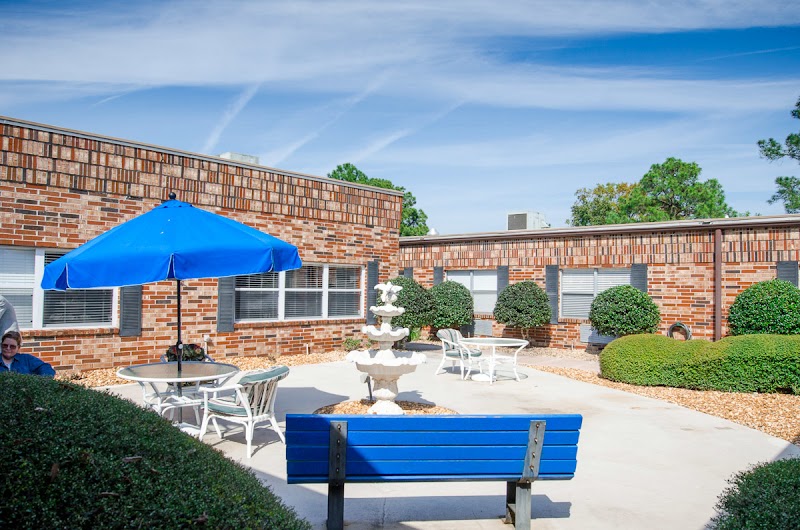

2029 PROFESSIONAL CENTER DR, ORANGE PARK, FL 32073 (904) 272-6194
For profit - Limited Liability company 105 Beds BENJAMIN LANDA Data: November 2025
Trust Grade
80/100
#247 of 690 in FL
Last Inspection: May 2025

Inspected within the last 6 months. Data reflects current conditions.

Overview

Orange Park Rehabilitation and Nursing Center has a Trust Grade of B+, indicating it is above average and recommended among nursing homes. It ranks #247 out of 690 facilities in Florida, placing it in the top half, but is #9 out of 12 in Clay County, meaning there are only a few local options that are better. The facility's performance is currently worsening, with issues increasing from 1 in 2023 to 5 in 2025. Staffing is rated average with a turnover of 46%, close to the state average, which suggests that while staff may not be very stable, they are not excessively leaving. There have been no fines recorded, which is a positive aspect, but the RN coverage is average, meaning residents may not receive more specialized care as often as in better-rated facilities. Specific incidents include a failure to provide the correct oxygen levels for residents on oxygen therapy, which could lead to serious complications, and inappropriate medication administration practices, such as leaving medications at residents' bedsides without proper oversight. While there are strengths, such as the lack of fines and a good overall inspection rating, these concerning incidents highlight areas for improvement.

Trust Score
B+
80/100
In Florida
#247/690
Top 35%
Safety Record
Low Risk
No red flags
Inspections
Getting Worse
1 → 5 violations
Staff Stability
⚠ Watch
46% turnover. Above average. Higher turnover means staff may not know residents' routines.
Penalties
✓ Good
No fines on record. Clean compliance history, better than most Florida facilities.
Skilled Nurses
○ Average
Each resident gets 31 minutes of Registered Nurse (RN) attention daily — about average for Florida. RNs are the most trained staff who monitor for health changes.
Violations
⚠ Watch
12 deficiencies on record. Higher than average. Multiple issues found across inspections.
★★★★☆
4.0
Overall Rating
★★★☆☆
3.0
Staff Levels
★★★★☆
4.0
Care Quality
★★★★☆
4.0
Inspection Score
Stable
2023: 1 issues
2025: 5 issues

The Good

  • 4-Star Quality Measures · Strong clinical quality outcomes
  • Full Sprinkler Coverage · Fire safety systems throughout facility
  • No fines on record

Facility shows strength in quality measures, fire safety.

The Bad

Staff Turnover: 46%

Near Florida avg (46%)

Higher turnover may affect care consistency

Chain: BENJAMIN LANDA

Part of a multi-facility chain

Ask about local staffing decisions and management

The Ugly 12 deficiencies on record

May 2025 5 deficiencies
CONCERN (D)

Potential for Harm - no one hurt, but risky conditions existed

PASARR Coordination (Tag F0644)

Could have caused harm · This affected 1 resident

**NOTE- TERMS IN BRACKETS HAVE BEEN EDITED TO PROTECT CONFIDENTIALITY** Based on a staff interview, record review, and a review of the facility's policies and procedures, the facility failed to update...

Read full inspector narrative →
**NOTE- TERMS IN BRACKETS HAVE BEEN EDITED TO PROTECT CONFIDENTIALITY** Based on a staff interview, record review, and a review of the facility's policies and procedures, the facility failed to update a resident's Pre-admission Screening and Resident Review (PASRR) to include the resident's mental illness diagnosis for one (Resident #11) of two residents reviewed for PASRR completion from a total survey sample of 31 residents. The findings include: A review of the medical record revealed that Resident #11 was admitted to the facility on [DATE] with diagnoses including schizoaffective disorder - bipolar type and unspecified mood [affective] disorder. On 5/13/2025 at 11:09 AM, further review of the record revealed a PASRR completed on 7/11/2020 that did not document the resident's mental illness diagnoses of schizoaffective disorder - bipolar type, or unspecified mood [affective] disorder. A review of the resident's Annual minimum data set (MDS) assessment with an assessment reference date (ARD) of 11/4/2024, revealed that the resident was diagnosed with epilepsy or seizure disorder, schizophrenia, multiple sclerosis, and unspecified mood [affective] disorder. Section N of the MDS indicated that the resident received antipsychotic and anticonvulsant medications during the 7-day assessment period. Further review of the record revealed that Resident #11 had active physician's orders for the following: Divalproex Sodium Oral Tablet Delayed Release 500 mg (milligrams), Give 1 tablet by mouth every morning and at bedtime for mood disorder (4/28/2023) Divalproex Sodium Oral Tablet Delayed Release 250 mg, Give 1 tablet by mouth at bedtime for mood disorder. Give with 500 mg dose for total dose of 750 mg (10/4/24) Risperdal Oral Tablet 2 mg, Give 2 mg by mouth one time a day for schizoaffective disorder, and give 4 mg by mouth at bedtime for schizoaffective disorder (2/25/25). Observe closely for side effects of antipsychotic medication including dry mouth, constipation, blurred vision, disorientation or confusion, difficulty urinating, hypotension, dark urine, yellow skin, nausea or vomiting, lethargy, drooling, extrapyramidal symptoms (tremors, disturbed gait, increased agitation, restlessness, involuntary movement of mouth or tongue) every shift (9/6/23) Observe closely for significant side effects of sedative/hypnotic medication including burning or tingling in hands or feet, changes in appetite, constipation, diarrhea, dizziness, drowsiness, dry mouth or throat, headache, stomach complaints, tremors, weakness every shift (9/6/2023) Psychiatric consult as needed (10/16/23) Observe closely for significant side effects of anti-depressant medication including drowsiness, blurred vision, dizziness, nausea, fatigue, trouble sleeping, dry mouth, hallucinations, other unusual changes in mood or behavior every shift (2/27/2025) Monitor for the following behaviors: yelling, mood changes, sleeplessness, hallucinations, delirium every shift (3/6/2025) A review of the resident's active care plan revealed the following focus area: [Resident #11] receives antipsychotic medication related to diagnosis of schizoaffective disorder - bipolar type and psychosis (created 4/19/23, revised 5/13/24). Goals/Interventions in place. A review of the Psychiatric Evaluation progress note with date of service 10/6/23 revealed that the diagnoses of bipolar disorder, current episode mixed, severe, with psychotic features; generalized anxiety and insomnia. The note also documented instructions to Please update diagnoses accordingly. On 5/15/2025 at 12:38 PM, an interview was conducted with the Business Office Manager (BOM) who stated she had been in her current position for 6 to 7 months. Further, she had been employed by the facility for seven years. She stated she was responsible for ensuring PASRRs were current and in each resident's EMR. When asked how she would determine whether or not a PASRR was accurate, she replied, I would look at the diagnoses and make sure it (the PASRR) is filled out properly. If it was not filled out properly, she stated she would correct it. If a PASRR indicated that a level II screening was needed, she would verify the information was correct, gather any further information needed, and submit that to the State Mental Health/Intellectual Disability Authority's website. A review of the facility's policy titled Coordination-Pre-admission Screening and Resident Review (PASRR) Program (effective date: 1/14/2025), revealed: It is the policy of the facility to assure that all residents admitted to the facility receive a Pre-admission Screening and Resident Review, in accordance with State and Federal Regulations. Procedure: 3. Coordination includes a preadmission screening for individuals with a mental disorder and individuals with an intellectual disability. 5. A nursing facility must notify the state mental health authority or state intellectual disability authority, as applicable, promptly after a significant change in mental or physical condition of a resident who has mental illness or intellectual disability for resident review. .
CONCERN (D)

Potential for Harm - no one hurt, but risky conditions existed

Deficiency F0645 (Tag F0645)

Could have caused harm · This affected 1 resident

**NOTE- TERMS IN BRACKETS HAVE BEEN EDITED TO PROTECT CONFIDENTIALITY** Based on staff interviews, record review, and a review of the facility's policies and procedures, the facility failed to provide...

Read full inspector narrative →
**NOTE- TERMS IN BRACKETS HAVE BEEN EDITED TO PROTECT CONFIDENTIALITY** Based on staff interviews, record review, and a review of the facility's policies and procedures, the facility failed to provide one (Resident #25) of two residents reviewed for Preadmission Screening and Resident Review (PASRR) who had diagnoses indicating a serious mental illness (SMI) on admission, with a Level II PASRR screening. The findings include: A review of Resident #25's electronic medical record (EMR) revealed that the resident was admitted to the facility on [DATE] with a completed PASRR Level I dated 10/18/2024, which was located in the miscellaneous section of the EMR. The 10/18/2024 Level I PASRR indicated the need for a Level II screening to be conducted. No Level II screening was found in the record. The 3008 Hospital Transfer Form dated 10/31/2024 noted a primary diagnosis of schizoaffective disorder. Other diagnoses found in the resident's record included cerebral palsy, schizoaffective disorder - depressive type; major depressive disorder - recurrent/severe with psychotic symptoms; post-traumatic stress disorder (PTSD), and persistent mood disorder. (Photographic evidence obtained) On 5/14/2025 at 3:40 PM, evidence of a completed level II PASRR for Resident #25 was requested of both the Administrator and the Director of Nursing (DON). They stated they would look for it. On 5/15/2025 at 8:50 AM, the Administrator was asked whether she had found the Level II PASRR screening for Resident #25. She stated it had not been found. She further stated a Level II screening was being conducted this morning. On 5/15/2025 at 12:38 PM, an interview was conducted with the Business Office Manager (BOM) who stated she had been in her current position for 6 to 7 months. Further, she had been employed by the facility for seven years. She stated she was responsible for ensuring PASRRs were current and in each resident's EMR. When asked how she would determine whether or not a PASRR was accurate, she replied, I would look at the diagnoses and make sure it (the PASRR) is filled out properly. If it was not filled out properly, she stated she would correct it. If a PASRR indicated that a level II screening was needed, she would verify the information was correct, gather any further information needed, and submit that to the State Mental Health/Intellectual Disability Authority's website. When asked about the PASRR that was included in Resident #25's records sent from the hospital and dated 10/18/2024, she stated she did not look at the admission paperwork since the resident had been in this facility before. She further stated she did not know there was a new PASRR and that a Level II needed to be completed. .
CONCERN (D)

Potential for Harm - no one hurt, but risky conditions existed

Comprehensive Care Plan (Tag F0656)

Could have caused harm · This affected 1 resident

**NOTE- TERMS IN BRACKETS HAVE BEEN EDITED TO PROTECT CONFIDENTIALITY** Based on record review, a staff interview, and a review of the facility's policies and procedures, the facility failed to develo...

Read full inspector narrative →
**NOTE- TERMS IN BRACKETS HAVE BEEN EDITED TO PROTECT CONFIDENTIALITY** Based on record review, a staff interview, and a review of the facility's policies and procedures, the facility failed to develop a comprehensive care plan to address anticoagulant therapy for one (Resident #65) of 25 residents whose care plans were reviewed, from total survey sample of 31 residents. The findings include: A review of the medical record revealed that Resident #65 was admitted to the facility on [DATE] with diagnoses including COPD (chronic obstructive pulmonary disease), traumatic amputation of the left great toe, PVD (peripheral vascular disease), bipolar disorder, major depressive disorder, partial traumatic amputation of the left 5th toe, chronic pain syndrome, and unspecified heart failure. A review of the admission MDS (minimum date set) assessment with an ARD (assessment reference date) of 4/18/25 revealed that the resident had a BIMS (brief interview for mental status) score of 15 out of 15 possible points, indicating intact cognition. Section N of the assessment indicated the resident received anticoagulant medication during the 7-day assessment period. On 5/12/25, a review of Resident #65's active Care Plan revealed there was no care plan/focus area for his current anticoagulant therapy. A review of the resident's active physician's orders revealed he was receiving Apixaban 5 mg (milligrams) by mouth BID (twice daily) for Atrial fibrillation with an order date of 4/12/25. A review of the May 2025 MAR/TAR (medication administration record/treatment administration record) revealed no monitoring was documented for anticoagulant therapy side effects or adverse reactions. On 5/15/25 at 4:30 PM, an interview was conducted with LPN (Licensed Practical Nurse/MDS (minimum data set) Coordinator A. When she was asked who was responsible for updating resident care plans, she replied, We both are, me and the other coordinator. The nurses also update them sometimes, but we'd rather do it ourselves. When she was asked about the process for updating care plans, she replied, I do all the Medicare Part A resident care plans and all long-term residents. The other coordinator does the managed care residents and she assists me as needed. LPN A was asked to explain the facility's process for updating the care plans. She stated, We run the orders in the morning and go through and update the care plans with the new orders. I also do updates quarterly when I complete the MDS that's due, and whatever information is shared by the clinical team, we also update that into the care plans. We attend the behavior meetings that are held once a week and we get updates, and we update new information during the actual care plan meetings. That's another opportunity to update the care plan. LPN A was asked to access the resident's care plan in the electronic medical record and provide evidence of the care plan for anticoagulant use. She confirmed that the care plan was updated to reflect anticoagulant therapy indicated for PVD on 5/12/25, and that prior to this date there had been no care plan for anticoagulant therapy. A review of the facility's policy and procedure titled Coumadin-Warfarin-Other Anticoagulant Management (dated April 2022), revealed: 3. Nursing will observe residents receiving Coumadin/Warfarin/Other Anticoagulants Therapy for adverse affects, signs and symptoms of bruising or bleeding throughout the course of the therapy. 4. Per observation, the resident's individualized care plan will be modified/adjusted as needed. 5. Nursing will report symptoms or changes of condition to the prescribing physician. 7. Nursing will consult with the pharmacist with questions and for clinical guidance related to drug interactions with current or new medications as indicated. A review of the facility's policy and procedure titled Care Plan-Comprehensive (dated January 2023), revealed: A Comprehensive Care Plan that includes measurable objectives and timetables to meet the resident's medical, nursing, mental, and psychological needs shall be developed for each resident. 2. The Comprehensive Care Plan has been designed to: a. Incorporate identified problem areas; b. Incorporate risk factors associated with identified problems; d. Reflect treatment goals and objectives in measurable outcomes; h. Ensure the care plan is individualized and person-centered and reflects the resident's goals for admission and desired outcomes. .
CONCERN (D)

Potential for Harm - no one hurt, but risky conditions existed

Deficiency F0676 (Tag F0676)

Could have caused harm · This affected 1 resident

**NOTE- TERMS IN BRACKETS HAVE BEEN EDITED TO PROTECT CONFIDENTIALITY** Based on observations, interviews, record review, and facility policy and procedure review, the facility failed to provide a con...

Read full inspector narrative →
**NOTE- TERMS IN BRACKETS HAVE BEEN EDITED TO PROTECT CONFIDENTIALITY** Based on observations, interviews, record review, and facility policy and procedure review, the facility failed to provide a consistent, viable means of communicating in a language that the resident understood for one (Resident #42) of 31 sampled residents. Failure to provide interpretation during care may result in the resident's needs not being recognized or met. The findings include: During a tour of the facility on 5/13/2025 at 11:48 AM, Certified Nursing Assistant (CNA) L stated Resident #42 did not speak English. He spoke an African language. She was not sure which one; she had never heard of the language before. She did not know what country he was from. CNA L stated the resident had learned to say yes and no or shake/nod his head when asked questions. When he spoke, she did not understand him because he spoke in his native language. During an observation of Resident #42's room on 5/13/2025 at 11:49 AM , no communication board was observed. No interpreter services contact information was posted in the room. No information about an interpreter was posted. The room was dark, the resident was lying in bed and his head was covered with a blanket. During an interview with Licensed Practical Nurse (LPN) M on 5/13/2025 at 11:52 AM, she stated she was the assigned nurse for Resident #42 today. She stated she used simple gestures and words to speak and communicate with him. He understood a few English words. During an interview with Unit Manager J on 5/13/2025 at 12:00 PM, she stated the resident had a friend that spoke his language. They called his friend when they needed an interpreter. She was not sure which language the resident spoke. An interview with Resident #42 was attempted on 5/14/2025 at 10:12 AM. There was no communication board in his room. No interpreter services contact information was posted in the room. He did not appear to understand the questions asked of him in English. His friend's number was posted on the wall today; it was not posted there yesterday at 11:49 AM when the resident was visited. Resident #42 pointed at the piece of paper and spoke in his native language, Amharic (official language of Ethiopia). During an interview with LPN H on 5/14/2025 at 10:15 AM, she stated she was the assigned nurse for Resident #42 today. She stated she used simple gestures and words to speak and communicate with Resident #42. She did not think he understood English except for a few words. She was asked if the facility had an interpreter phone line they could use for an interpreter during an emergency with Resident #42. She looked through a large binder on her nursing cart twice and stated, Yes, we have one. I don't see it in here. I thought we had one. She left the cart and went to the Unit Manager to ask her. The Unit Manager was overheard telling LPN H that she thought the number was in the binder. LPN H told the Unit Manager she could not find it. The Unit Manager looked in the nurses' station. During an interview with Unit Manager J, LPN on 5/14/2025 at 10:15 AM, she was asked if there was a contracted interpreter for the facility in case of emergencies and in case Resident #42's friend could not be reached. She stated she believed there was a contracted interpreter service the facility used, but she could not remember where the information was located. She stated she would find out and she left the interview. She was observed walking to the other nursing unit. At 10:35 AM, LPN J returned and provided a sign on facility letter head that read: Securing Use of Language Line Services. The form had a phone number to use to access an interpreter. (Copy obtained) LPN J stated she was going to hang one of these signs in the resident's room and she went to his room. During an interview with Resident #42 on 5/14/2025 at 1:40 PM via the interpreter line, he stated the facility staff did not understand him when he talked to them. They did not use an interpreter. They sometimes called his friend. He stated he understood some of what the staff said to him, but not much. During a telephone interview with the Psychiatric Advanced Practice Registered Nurse (APRN) for Resident #42 on 5/14/2025 at 2:11 PM, she stated she used the interpreter line when she saw him because she did not understand his language. She had the phone number in her cell phone. She stated she thought Amharic was a fairly rare language here in the U.S. She usually took a long time to assess him. She stated she thought the information she got was reliable, however, Some of the information gets lost in translation. On 5/14/2025 at 2:12 PM, an observation of Activities of Daily Living (ADL) care for Resident #42 was made. CNA I and LPN H proceeded to change his brief, clean him and change his sheets. They did not attempt to speak to the resident. Resident #42 did not attempt to speak with the staff. When they were finished, LPN H asked Resident #42 to drink a liquid supplement that was on the nightstand in a cup with a straw. The resident spoke in his native language and LPN H did not appear to understand him; she did not respond to him. She kept putting the cup in front of him telling him to drink it. He kept responding in his native language. After some time, he took the cup and drank the supplement. He spilled it on his gown. After he finished drinking it, he spoke again in his native language. LPN H and CNA I proceeded to change his gown and bed linens. The resident spoke in his native language during this process. Neither LPN H nor CNA I responded to him. When asked if they understood what the resident was saying to them, they both stated they did not understand what he is saying. LPN H stated, We just have to guess. CNA I stated he could say some words in English so she could understand him at times. LPN H stated Resident #42 could tell her if he had a headache or if his stomach hurt. He points to his head or stomach. She did not conduct pain assessments with him because he did not appear to be in pain. LPN H and CNA I made no further attempts to communicate with the resident and left the room. During an interview with Resident #42's emergency contact and friend on 5/15/2025 at 3:55 PM, he stated he did not think Resident #42 understood the staff and the staff did not understand him. That's why they called him to interpret. He stated he had some health problems himself, and had not been able to come to visit Resident #42 in person for approximately eight months now, but Resident #42 called him on the phone often. Resident #42's friend stated the reason Resident #42 refused to take his medication was because he did not trust the staff. He was paranoid and thought they wanted to harm him. He stated he thought Resident #42 had some cognitive issues, but for the most part, he could make his needs known in his language and his memory was intact. He did not know if Resident #42 participated in any activities at the facility. During an interview with the Activities Director on 5/15/2025 at 3:37 PM, he stated the facility provided in-room activities for Resident #42. They provided him with games and an I-Pad device that he could use for games. The games were in English. Nothing was offered to Resident #42 in his native language. He liked to listen to music on his cell phone and preferred to stay in his room. A review of the resident's medical record revealed on the face sheet that he was admitted on [DATE]. His diagnoses included dementia without behavioral disturbance, psychotic disturbance, mood disturbance, anxiety, type 2 diabetes mellitus with diabetic polyneuropathy, peripheral vascular disease, dysphagia, major depressive disorder, chronic heart failure, atherosclerotic heart disease, absence of left leg below knee, adult failure to thrive, and hypertension. (Copy obtained) A review of the Significant Change Minimum Data Set (MDS) assessment, dated 4/1/2025, revealed that the resident's primary language was Amharic. The question Do you need or want an interpreter to communicate with a doctor or health care staff? was answered yes. The resident's hearing was documented as adequate, speech was clear, he understood and was understood by others, and his vision was adequate. His Brief Interview for Mental Status (BIMS) score was 10 out of a possible 15 points, indicating moderate cognitive impairment. He had no behaviors toward himself or others. (Copy obtained) A review of Resident #42's active Care Plan, dated 4/11/2025, revealed a focus area that read: Spends most of time alone/Potential for altered activity pattern, likes staying to himself due to language barrier. Another focus area read: At risk for impaired communication/memory deficit as evidenced by Speech problem - speaks little English, speaks Oroma/Amharic; Language line [phone number]. Contact on face sheet is an interpreter. Another focus area read: [Resident #42] has impaired cognitive function/dementia or impaired thought processes related to dementia. Interventions: Ask yes/no questions in order to determine the resident's needs. Interventions included: Communcation: Use the resident's preferred name. Identify yourself at each interaction. Face the resident when speaking and make eye contact. Reduce any distractions - turn off TV, radio, close door etc. The resident understands consistent, simple, directive sentences. Provide the resident with necessary cues - stop and return if agitated. (Copy obtained) A review of the nursing progress note dated 3/30/2024 read: Refused to eat, stated he was not hungry, was upset when encouraged to eat, food left at bedside with resident not touching his food. He was talking in his own dialect and upset at this writer when told he needed to speak English. He denies that he was hurting. He was covering his head. LPN H signed this nursing progress note. (Copy obtained) A review of the nursing progress note dated 4/29/2025 read: Call placed to resident's friend in attempt to have friend talk to resident about his diet intake and to inquire about any particular food preferences, friend able to communicate in resident's language. No answer to multiple calls and friend's mailbox full. LPN M signed this nursing progress note. (Copy obtained) Nursing notes reviewed from 3/4/2024 through 5/15/2025 revealed no indication that the nursing staff was using an interpreter to assess/communicate with the resident. (Copies obtained) A review of the facility's policy and procedure titled Communication Training revealed: Intent: It is the policy of the facility to provide a Staff Education Plan in accordance with State and Federal regulations. Procedure: The facility will include effective communications as mandatory training for direct care staff. (Copy obtained) A review of the facility's staff training documents used for Cultural Diversity Training revealed: Culturally competent care improves communication, increases trust, improves treatment efficacy, expands understanding of behaviors, decreases stress, facilitates clinical encounters for more favorable outcomes, increases interpersonal experiences, increases resident satisfaction, and improves health outcomes and quality of care. (Copy obtained). A review of the facility's policy and procedure titled Translation Services (dated 12/2024) read: When needed, the facility can utilize various translation services in order to communicate with a resident who is unable to understand English. 1. Staff may utilize Google Translation by going into Google and type in Google Translate and select the resident's native language. Staff or the resident can speak into the application and it will talk back. 2. Staff may utilize translation applications on their phone. 3. A representative of the resident, family member or employee may translate as needed. 4. Speech Therapy can work with the resident and create a communication board when needed. (Copy obtained) A review of the facility's form titled Securing Use of Language Line Services (dated 10/2016) revealed instructions, a telephone number, and an access code for accessing an interpreter 24 hours a day, 7 days a week. .
CONCERN (D)

Potential for Harm - no one hurt, but risky conditions existed

Food Safety (Tag F0812)

Could have caused harm · This affected 1 resident

Based on kitchen food service observations, staff interviews, facility record review, and facility policy and procedure review, the facility failed to follow proper sanitation and food handling practi...

Read full inspector narrative →
Based on kitchen food service observations, staff interviews, facility record review, and facility policy and procedure review, the facility failed to follow proper sanitation and food handling practices to prevent the outbreak of foodborne illness, by failing to record dish machine temperatures, and by failing to seal and date mark open bundles of bread on the bread rack. Food handling and sanitation is important in health care settings serving nursing home residents. Unsafe food handling practices represent a potential source of pathogen exposure. The findings include: A tour of the kitchen was conducted on 5/12/25 at 11:00 AM. During the tour, the dish machine temperature log for April 2025 was reviewed and was incomplete. Temperatures were not recorded for breakfast or lunch on 4/25/25 or 4/26/25. Temperatures were not recorded for breakfast, lunch or dinner from 4/27/25 through 4/30/25. (Photographic evidence obtained) No date markings were observed on one open package of noodles or five open bundles of bread located on the bread rack in the dry storage room. Another observation of the kitchen was made on 5/14/25 at 10:55 AM. During this time, new observations were made of eight open bundles of bread on the bread rack in the dry storage room with no date markings. (Photographic evidence obtained) During an interview with Dietary Aide B on 5/15/25 at 1:30 PM, Dietary Aide B reported they were responsible for recording the dish machine temperatures, and temperatures were documented after each meal. Dietary Aide B stated a new dish machine was installed about three months ago, but there was never a period when the facility was without a dish machine. When asked what happened when bread was opened, used, and placed back on the bread rack, Dietary Aide B replied that the bread was sealed and dated. During an interview with [NAME] C on 5/15/25 at 1:37 PM, she reported that the Dietary Aides were responsible for recording the dish machine temperatures after every use. [NAME] C stated the dish machine had been down in the last month due to switching from a high-temperature machine to a low-temperature machine, and during that time, the three-compartment sink was utilized for dish washing. [NAME] C further reported that when bread was opened, used, and placed back on the bread rack, it was wrapped, labeled, and dated. During an interview with the Certified Dietary Manager (CDM) on 5/15/25 at 1:50 PM, he confirmed that the Dietary Aides were responsible for recording the dish machine temperatures. The CDM stated he reviewed the temperature log daily to ensure it was completed. He also confirmed that there was no time during the last month when the dish machine was down. Last month the facility switched from a high-temperature machine to a low-temperature machine, but the dish machine was not down. The CDM was asked to retrieve the temperature logbook. On 5/15/25 at 2:05 PM, the CDM provided the temperature logbook. A second observation of the dish temperature log for April 2025 revealed temperatures for breakfast and lunch on 4/25/25 and 4/26/25, and temperatures for breakfast, lunch and dinner from 4/27/25 through 4/30/25 were now complete. When asked to explain the facility policy related to date marking food. The CDM confirmed that everything coming in needed to be dated and rotated using the First In First Out (FIFO) method. He also confirmed that when bread was opened, used, and placed back on the bread rack, the bread was dated. (Photographic evidence of the April 2025 dish machine temerpature logs was obtained again on this date.) A review of the R&K Services, LLC, Hospitality Alliance document (undated), revealed: 2. Marking dates after opening or preparation: after opening or preparing food, mark the date or day on which the food needs to be served, sold, or discarded. If you plan to hold the food for longer than 24 hours, it's essential to keep track of when it was opened or prepared. (Copy obtained) A review of the R&K Services, LLC, Dish Machine Temperature Log policy (undated), revealed: Dishwashing staff will monitor and record dish machine temperatures to assure proper sanitizing of dishes. Procedure: 1. The food service manager will provide the dishwashing staff with a log to be posted near the dish machine. 2. The food service manager will train dishwashing staff to monitor dish machine temperatures throughout the dishwashing process. 3. Staff will be trained to record dish machine temperatures for the wash and rinse cycles at each meal. 4. The food service manager will spot check this log to assure temperatures are appropriate and staff is actually monitoring dish machine temperatures. .
Jun 2023 1 deficiency
CONCERN (D)

Potential for Harm - no one hurt, but risky conditions existed

Respiratory Care (Tag F0695)

Could have caused harm · This affected 1 resident

Based on observation, record review, and staff interview, the facility failed to provide respiratory care consistent with professional standards of practice for one (Resident #2) of 11 sampled residen...

Read full inspector narrative →
Based on observation, record review, and staff interview, the facility failed to provide respiratory care consistent with professional standards of practice for one (Resident #2) of 11 sampled residents who were receiving oxygen therapy, from a total sample of 28 residents. Resident #2's oxygen flow rate was set higher than the physician ordered. The findings include: On 06/26/2023 at 12:02 PM, Resident #2 was observed lying in bed at an elevated position wearing a nasal cannula (device used to provide supplemental oxygen). Resident #2 reported her oxygen should have been set to run at 2 liters per minute (L/min). Resident #2's oxygen concentrator was observed to be set on 3 L/min. (Photographic evidence obtained) A review of Resident #2's physician's order dated 05/20/2023, revealed that she should have been receiving oxygen at 2 L/min via nasal cannula as needed. (Photographic evidence obtained) On 06/27/2023 at 11:12 AM, another observation was made of Resident #2, who was sleeping in bed with her nasal cannula on and her oxygen concentrator set at 2.5 L/min. (Photographic evidence obtained) A medical record review for Resident #2 revealed that she was admitted to the facility from an acute care hospital on 5/19/2023. Her admitting diagnoses included Chronic Obstructive Pulmonary Disease (COPD), unspecified dementia, liver transplant, paraplegia, and major depressive disorder. The Minimum Data Set (MDS) assessment with an Assessment Reference Date (ARD) of 05/25/2023, revealed that the resident scored 09 out of 15 possible points on the Brief Interview for Mental Status (BIMS), indicating moderate cognitive impairment. She required extensive staff assistance to complete Activities of Daily Living (ADL) and she was receiving oxygen therapy. A review of the resident's comprehensive care plan, dated 06/01/2023, revealed she had a focus area for Emphysema/COPD with the goal to display optimal breathing patterns daily through the next review date. Interventions included oxygen settings per the physician's orders. (Photographic evidence obtained) During a 06/28/2023 interview with Registered Nurse (RN) A (assigned to Resident #2) at 12:20 PM, she confirmed the correct oxygen settings through the physician's orders. She stated the resident's oxygen flow rate setting should be 2 L/min as needed. RN A went to the resident's room and was asked to read the resident's current oxygen flow rate setting. RN A confirmed that the current setting was 2.5 - 3 L/min. She further stated the nursing staff checked oxygen settings every shift, and if the oxygen wasn't running at the accurate flow rate per the physician's order, they would make the adjustment accordingly. (Photographic evidence obtained) A review of the facility's policy and procedure for Administration of Drugs (dated April 2022), revealed under policy implementation: Drugs must be administered in accordance with the written orders of the attending physician. (Photographic evidence obtained) .
Oct 2021 6 deficiencies
CONCERN (D)

Potential for Harm - no one hurt, but risky conditions existed

Deficiency F0661 (Tag F0661)

Could have caused harm · This affected 1 resident

Based on interview and record reviews, the facility failed to provide a discharge summary for one (Residents #75) of three residents sampled, which included a recapitulation of each resident's stay, i...

Read full inspector narrative →
Based on interview and record reviews, the facility failed to provide a discharge summary for one (Residents #75) of three residents sampled, which included a recapitulation of each resident's stay, inclusive of diagnoses, course of illness/treatment or therapy, and pertinent lab, radiology, and consultation results, and a final summary of the residents' status at the time of the discharge that was available for release to authorized persons and agencies, with the consent of the resident or resident's representative. The facility also failed to include in the discharge summary, a reconciliation of all pre-discharge medications with the resident's post-discharge medications (both prescribed and over-the-counter), as well as a post-discharge plan of care that was developed with the participation of the resident and, with the resident's consent, the resident representative(s), which would assist each resident to adjust to his or her new living environment. The findings include: A record review for Resident #79 revealed an admission date of 7/12/21 and discharge date of 7/15/21. There was no discharge summary documentation or information regarding the resident's reason or place of discharge in the resident's file. During an interview with the Administrator on 10/07/21 at 2:15 PM, she confirmed that Resident #79 did not have a completed discharge summary. There was no documented evidence of signed discharge summary having been provided to Resident #79, her representatives or the receiving facilities upon discharge. During an interview with the Social Services Director on 10/07/21 at 3:30 PM, she acknowledged she was responsible for the resident's discharge and confirmed that Resident #79 was not provided a discharge summary. A review of the facility policy and procedure titled Discharge Planning Process revised on 7/29/21, read: Guideline: The facility must develop and implement an effective discharge planning process that focuses on the resident's discharge goals, the preparation of residents to be active partners and effectively transition then to post- discharge care, and reduction of the factors leading to preventable readmission. Residents discharged to another Health care setting 2. The resident and or representative will be provided publicly available standardized quality information such as CMS Nursing Home Compare, HH Compare, and LTCH compare websites and other resource use data such as readmission rates. (Copy obtained) .
CONCERN (D)

Potential for Harm - no one hurt, but risky conditions existed

Accident Prevention (Tag F0689)

Could have caused harm · This affected 1 resident

**NOTE- TERMS IN BRACKETS HAVE BEEN EDITED TO PROTECT CONFIDENTIALITY** Based on observations, interviews and record review, the facility failed to ensure residents received adequate supervision and a...

Read full inspector narrative →
**NOTE- TERMS IN BRACKETS HAVE BEEN EDITED TO PROTECT CONFIDENTIALITY** Based on observations, interviews and record review, the facility failed to ensure residents received adequate supervision and assistance devices to prevent accidents for one (Resident #188) of three residents reviewed for accidents, from a total sample of 34 residents. The findings include: A record review for Resident #188 revealed an admission date of 10/16/2017. Her primary medical diagnosis was dementia with behavioral disturbance. Secondary diagnoses included schizophrenia and need for assistance with personal care. A review of Resident #188's annual minimum data set (MDS) assessment dated [DATE] revealed a brief interview for mental status score of 4, indicating severe cognitive impairment. The resident required extensive assistance with activities of daily living. On 10/04/2021 at 11:20 AM, Resident #188 was observed lying in bed. She was positioned diagonally in the bed with her feet hanging off the left side of the bed. Two floor mats were stacked against the wall. An event history note, dated 12/21/2020 at 10:13 AM, revealed the resident was found on the floor next to her bed and sustained a laceration to her forehead. She was transferred to the hospital for evaluation and treatment. A review of Resident #188's comprehensive care plan revealed a focus area for falls. The resident's goal was to remain free from serious injury. An intervention, dated 12/20/2020 directed staff to place the bed in low position and to place floor mats to both sides of the bed. An intervention dated 3/12/2020 directed staff to assist resident to her wheelchair for meals. An intervention dated 7/29/2019 directed staff to observe the resident frequently and place in a supervised area when out of bed. On 10/04/2021 at 12:15 PM, Resident #188 was observed lying in bed. Two floor mats were stacked against the wall. On 10/04/2021 at 2:45 PM, Resident #188 was observed lying in bed. Two floor mats were stacked against the wall. On 10/06/2021 at 10:55 AM, Resident # 188 was observed in her bed rocking back and forth. Two floor mats were stacked against the wall. On 10/06/2021 at 12:15 PM, Resident # 188 was observed lying in her bed with the head of the bed elevated. Her over-bed table was positioned in front of her, and her meal tray was on the table. The floor mats were stacked against the wall. On 10/06/2021 at 1:30 PM, an interview was conducted with Employee J, Certified Nursing Assistant (CNA) who was assigned to care for Resident #188. The CNA stated, she was familiar with the resident's care and explained that the resident was not a fall risk, and she wasn't sure why fall mats were in the resident's room. On 10/06/2021 at 1:33 PM, Employee J, CNA stated she wished to correct her previous statement. She explained that the Resident #188 was a fall risk and confirmed the floor mats were to be placed on both sides of the bed when the resident was in bed. .
CONCERN (D)

Potential for Harm - no one hurt, but risky conditions existed

Dental Services (Tag F0791)

Could have caused harm · This affected 1 resident

**NOTE- TERMS IN BRACKETS HAVE BEEN EDITED TO PROTECT CONFIDENTIALITY** Based on interviews and record reviews, the facility failed to obtain routine dental care for one (Resident #47) of one resident...

Read full inspector narrative →
**NOTE- TERMS IN BRACKETS HAVE BEEN EDITED TO PROTECT CONFIDENTIALITY** Based on interviews and record reviews, the facility failed to obtain routine dental care for one (Resident #47) of one resident sampled for dental services from a total sample of 34 residents. The findings include: On 10/4/2021 during a tour of the facility at 11:13 AM, Resident #47 stated she was awaiting a dental consult to have two of her teeth removed before she could have knee surgery. A review of the clinical record for Resident #47 revealed a 7/9/2021 order for dental consult - Necrotic teeth extraction prior to knee surgery. On 9/30/2021 a second order for dental consult revealed - Extraction of decayed teeth. There was no documentation in the residents' record showing the dental consult order for 7/9/21 was completed. Further review of the clinical record for Resident #47 revealed an admission date of 8/14/20 with a primary diagnosis of unilateral primary osteoarthritis, right knee. A review of the annual minimum data set (MDS) assessment dated [DATE], revealed a brief interview for mental status (BIMS) score of 15 out of a possible 15 points, indicating no cognitive impairment. A review of the resident's comprehensive care plan revealed no care plan for dental care prior to surgery. A progress note, dated 7/8/2021, revealed the resident returned from orthopedic with orders for labs in 5 weeks, for f/u appts, for dental to extract necrotic teeth prior to knee surgery and for dietary to see to increase protein, 100 gm supplements to improve albumin, prealbumin levels prior to surgery (knee surgery) copies of orders to social service and dietary, labs scheduled, transport notified of f/u appt dates. During an interview with the Social Services Director (SSD) on 10/7/2021 at 10:18 AM, she stated, she was unsure if Resident #47 had a dental consult appointment. If it was scheduled, it was not scheduled through her. When asked about the communication of appointments, the SSD stated, if the appointment was scheduled, it normally would not be communicated to her. The SSD stated that the driver also schedules appointments. During an interview with the driver on 10/7/2021 at 2:20 PM, he was asked about his scheduling process. He stated that he receives the appointment requests from the nurses in his box. If a resident doesn't need to be scheduled, the form will have the resident's name, appointment location and appointment time. If the resident needs to be scheduled, the form will have the resident's name and appointment location. He was asked if a dental appointment was set for Resident #47 after the first recommendation from her physician on 7/9/2021. The driver stated that he was not aware of any dental appointment for the resident and confirmed, he had no record of her going out for a dental consult. When asked if there was a policy in place for scheduling appointments, he stated that he did not know of a policy. An orthopedic consultation report for Resident #47 dated 9/30/2021 revealed the following: Diagnosis: Left Knee osteoarthritis; Right Knee osteoarthritis Findings: Severe osteoarthritis impacting ambulation Recommendations/new orders: dental extraction of necrotic teeth, lab draw of CBC w/diff, albumin, prealbumin, transferrin, hemoglobin A/C, review in 2 weeks with PA. An interview with the Director of Nursing (DON) was conducted at 2:56 PM on 10/07/2021. The DON was asked about a policy for scheduling appointments. The DON searched the online system but was unable to locate a policy. During an interview with the Administrator on 10/07/2021 at 3:01 PM, she confirmed there is no policy for setting medical appointments. If a patient receives an order for a consult, the facility reviews the providers they have coming in the building. If the person has their own provider, then they call that office and let transportation know about the appointment. Transportation usually makes the appointment because they know when the van is available. If the van is not available, then we will notify outside transportation. .
CONCERN (D)

Potential for Harm - no one hurt, but risky conditions existed

Food Safety (Tag F0812)

Could have caused harm · This affected 1 resident

Based on observations, interviews and record review, the facility failed to ensure a refrigerator in the nourishment room was maintained at acceptable temperatures and failed to store and label items ...

Read full inspector narrative →
Based on observations, interviews and record review, the facility failed to ensure a refrigerator in the nourishment room was maintained at acceptable temperatures and failed to store and label items appropriately in 1 of 1 nourishment rooms. The findings include: On 10/7/21 at 12:00 PM, the facility's nourishment room was observed and revealed the following: - Refrigerator temperature log was missing dates for 9/2, 9/3, and 9/16. (Copy obtained) - The freezer had ice cream in it but did not have a thermometer in it. - Freezer temperature logs for September and October 2021 were blank. (Copy obtained) - Refrigerator had a blue spill on bottom of unit. (Photo obtained) - Pizza box with 1 slice of pizza in the refrigerator with no name or date on the box. (Photo taken) - One container of cheese and ham in the refrigerator with no name and a date of 7/22/21 on it. (Photo taken) - One small container of sauce in the refrigerator with no lid, date, or name on it. (Photo obtained) - Pepsi bottle in the refrigerator with no date or name. - A sub in the refrigerator with no name or date on it. (Photo obtained) On 10/7/21 at 12:15 PM, an interview was conducted with Employee C, Licensed Practical Nurse (LPN). She stated, she usually throws away expired food but forgot to do it yesterday. She confirmed that food should be labeled and thrown away after 3 days. She stated that nurses are responsible for keeping nourishment room clean and recording the refrigerator temperatures daily. During an interview with the Administrator on 10/7/21 at 1:39 PM, she stated that the nourishment room was the responsibility of the nurses. She confirmed that the refrigerator temperatures should be taken daily and that food should be properly dated and labeled in the refrigerator. On 10/7/21 at 5:50 PM, the administrator and DON confirmed there was no facility policy for nourishment room items, maintenance, or sanitation. .
CONCERN (E)

Potential for Harm - no one hurt, but risky conditions existed

Respiratory Care (Tag F0695)

Could have caused harm · This affected multiple residents

**NOTE- TERMS IN BRACKETS HAVE BEEN EDITED TO PROTECT CONFIDENTIALITY** Based on observation, interviews, record review and policy and procedure review, the facility failed to ensure that two (Residen...

Read full inspector narrative →
**NOTE- TERMS IN BRACKETS HAVE BEEN EDITED TO PROTECT CONFIDENTIALITY** Based on observation, interviews, record review and policy and procedure review, the facility failed to ensure that two (Resident #228 and #229) of three residents on oxygen therapy, received the correct number of liters of oxygen ordered by the physician and failed to ensure one (Resident #17) of one resident reviewed for tracheostomies, received tracheostomy care as ordered by the physician, from a total sample of 34 residents. This could result in the resident not receiving appropriate care and/or clinical complications. The findings include: 1. A review of Resident #228's medical record revealed an admission date of 10/01/21 with a primary diagnosis of Corona Virus 2019 (COVID 19) and type two diabetes. A review of the physician's orders revealed, oxygen at 2-3L/min continuous via nasal cannula. The baseline care plan did not indicate oxygen therapy. On 10/05/21 at 11:40 AM, Resident #228 was observed lying in bed in supine position with oxygen via nasal cannula. An observation of her oxygen concentrator revealed an oxygen rate of 5 Liters/minutes (L/min). (Photographic evidence obtained) On 10/06/21 at 12:06 PM, Resident #228's oxygen concentrator was observed at 3.5 L/min. On 10/06/21 at 1:45 PM, Resident #228's oxygen concentrator was observed at 5 L/min. (Photographic evidence obtained) An interview was conducted with Employee A, Licensed Practical Nurse (LPN) on 10/06/21 at 1:46 PM. She stated that she had adjusted Resident #228's oxygen to 5 L/min since her oxygen saturation had dropped to 88%. When asked about the oxygen orders, she stated the resident had orders for 2-3 L/min, but also had orders to administered oxygen at 5 L/min if saturation was below 90%. When she was asked to provide a copy of the orders for 5 L/min of oxygen, she rechecked the orders and confirmed the resident did not have orders for 5 L/min. During an interview with the Director of Nursing (DON) on 10/06/21 at 2:00 PM, she confirmed that the nurse should not increase the dosage of oxygen without orders and said she instructed Employee A, LPN to contact the physician regarding Resident #228. 2. A review of Resident #229's medical record revealed an admission date of 9/22/21 with diagnoses that included pneumonia, paroxysmal atrial fibrillation, and chronic obstructive pulmonary disease (COPD). A review of the physician's orders revealed, oxygen at 3L/min continuous via nasal cannula, oxygen saturation every shift, change tubing every week on Sundays, Spiriva 2 puffs once a day, CPAP - BIPAP at 3L/min, head of bed elevated to alleviate shortness of breath. (Copy obtained) A review of Resident #229's 5-day minimum data set (MDS) assessment dated [DATE] revealed a brief interview for mental status score of 14, indicating cognitively intact. The resident required extensive assistant with bed mobility, toileting, and transfer. The resident's care plan indicated she was at risk for cardiovascular complication, respiratory and diabetes. Interventions included to observe for shortness of breath, changes in sputum and report to physician and administer medication as ordered. (Copy obtained) On 10/05/21 at 11:47 AM, Resident #229 was observed in her room receiving oxygen via nasal cannula at 4 L/min. A Continuous Positive Air Pressure (CPAP) machine was located sitting on the resident's bedside table. (Photographic evidence obtained) An interview was conducted with Resident #229 on 10/05/21 at 11:48 AM concerning how much oxygen she was supposed to receive. She stated, My oxygen should be on 3 L/min. The resident added that she used the CPAP machine at night and the nurses help with the set up. When asked about the care of the CPAP, she stated she was not sure who was supposed to do it. A review the October 2021 treatment administration record (TAR) for Resident #229 revealed the oxygen cannula was not changed on 10/03/21, and there was no documentation for CPAP care. During an interview with Employee A, LPN on 10/06/21 at 1:48 PM, she confirmed that Resident 229 oxygen was supposed to be on 3L/min and added that the resident used the CPAP at night. She was not sure who was supposed to take care of the CPAP. When asked about the oxygen cannula being changed. She stated it should be changed on Sunday, but she was not sure if it was changed as she does not work on the weekends. 3. A review of Resident #17's medical record revealed an admission date of 4/19/21 with diagnoses that included anoxic brain damage, gastrostomy status, pneumonitis, viral pneumonia, shortness of breath, wheezing, cough and disturbance of salivary secretions. A review of the physician's orders revealed, Levsin 0.125mg three times a day for secretion, oxygen via tracheostomy at 2 L/min, tracheostomy suctioning every shift and tracheostomy care every shift. A review of Resident #17's annual MDS assessment dated [DATE] revealed the resident required two-person total dependence for bed mobility, transfer, eating and toilet use. The resident required oxygen, suctioning and trach care. The resident care plan revealed the resident had potential for complication related to tracheostomy. Interventions included change trach as ordered, O2 as ordered, and trach care every shift and as needed (PRN). A review of the October 2021 TAR for Resident #17 revealed, Trach care every shift was not documented. (Copy obtained) During an interview with Employee B, LPN on 10/07/21 at 3:07 PM, she confirmed that Resident #17 required trach care every shift and it should be documented on the TAR. After reviewing Resident #17's, October 2021 TAR, she acknowledged the trach care was not documented on the form. (Copy obtained) An interview was conducted with the Director of Nursing (DON) on 10/07/21 at 3:16 PM. She confirmed that Resident #17's trach care was not documented on the TAR or anywhere else. A review of the facility policy and procedure entitled Medication Administration dated 09/18 read: Page 3 Medication administration: 1. Medications are administered in accordance with the written orders of the prescriber. If a dose seems excessive considering the resident's age and condition, or a medication order seems to be unrelated to the resident's current diagnosis or condition, the nurse calls the provider pharmacy for clarification prior or administration of the of the medication. If necessary, the nurse contacts the prescriber for clarification. This interaction with the pharmacy and the resulting order clarification are documented in the nursing notes and elsewhere in the medical record as appropriate. (Copy obtained) .
CONCERN (E)

Potential for Harm - no one hurt, but risky conditions existed

Pharmacy Services (Tag F0755)

Could have caused harm · This affected multiple residents

**NOTE- TERMS IN BRACKETS HAVE BEEN EDITED TO PROTECT CONFIDENTIALITY** Based on observations, interviews, record review and facility policy and procedure review, the facility failed to ensure appropr...

Read full inspector narrative →
**NOTE- TERMS IN BRACKETS HAVE BEEN EDITED TO PROTECT CONFIDENTIALITY** Based on observations, interviews, record review and facility policy and procedure review, the facility failed to ensure appropriate administration of medication for one (Resident #33) resident, failed to ensure accurate records of receipt and disposition of all controlled drugs for one (Resident #2) resident, and failed to assure accurate storage of eyedrops during medication storage review for two of two carts reviewed, from a total of four carts in the facility. The findings include: On 10/05/21 at 12:00 PM, medication for Resident #33 was observed at her bedside. (Photographic evidence obtained) A record review for Resident #33 revealed an admission date of 2/15/21. A review of her quarterly minimum data set (MDS) assessment dated [DATE] revealed a brief interview for mental status (BIMS) score of 14, indicating cognitively intact. The resident required glasses for impaired vision. On 10/05/21 at 12:33 PM, Resident #33 stated that the nurse left the medication at her bedside after she asked the nurse what the medication was. During a medication storage inspection on 10/06/21 at 9:45 AM, the 100-hall front medication cart was observed to contain an unopened box of latanoprost eye drops in the cart. The box revealed instructions to refrigerate until open. On 10/06/21 at 10:15 AM, an inspection of the 100-hall back medication cart was conducted. During a random narcotic count, Resident #2's hydrocodone acetaminophen10-325 milligrams (mg) revealed one tablet while the narcotic reconciliation sheet showed a balance of 3 tablets. (Photographic evidence obtained) During an interview with Employee D, Licensed Practical Nurse (LPN) on 10/6/21 at 10:16 AM, she confirmed that Resident #2's narcotic reconciliation sheet indicated 3 tablets and that only one tablet was available in the cart. Employee C, LPN then signed off one tablet from the narcotic sheet and stated that she had given the medication to the resident earlier and forgot to sign off. She then stated there should be two tablets. When she was asked about the process for narcotic reconciliation, she stated that two nurses count the medication at the beginning of the shift and that nurses are required to sign off the medication after administration. When asked about the reconciliation at the beginning of the shift, she stated that she counted the narcotic with the off going nurse and the count was accurate. She said, It's my fault and I will notify the DON right away. During an interview with Employee C, LPN on 10/06/21 at 10:47 AM, she stated that the eye drops box was unopened and in the medication cart because the resident had been refusing to take them. The nurse confirmed that the eye drops needed to be refrigerated per the instructions. Employee C, LPN was asked to conduct a random narcotic count. She obtained the narcotic book and started signing off the narcotic that she had already administered. When asked about the process of narcotic reconciliation, she stated that it should be documented after administration. On 10/06/21 at 1:45 PM, an interview was conducted with Employee A, LPN. She confirmed that she had left medication for Resident #33 at the bedside. She stated that she thought the resident would take the medication. She sometimes refuses medication and takes them later. After she realized the resident had not taken the medication she went back to the room and took them. When she was asked what the policy was if a resident refuses medications, she stated, she would try to give the medication at a different time, and after three tries, she would document the medication as refused and notify the physician. Employee A, LPN confirmed she did not follow the facility policy. On 10/06/21 at 2:06 PM, an interview was conducted with the Director of Nursing (DON) concerning the process of narcotic reconciliation. She stated that the nurses are supposed to sign off each medication after administration and two nurses should witness the destruction of medication if is refused or accidentally dropped. During the change of shift, two nurses should count narcotics and report any discrepancies. The DON confirmed that she was informed by Employee D, LPN that the narcotic count was off, and she is conducting an investigation. The DON was informed of Resident 33's medication left at the bedside and the eyedrops observed in the medication cart with directions to refrigerate. The DON confirmed that the staff members involved did not follow the facility policy and procedures. A review of the facility policy and procedure entitled, Medication Storage: Storage of Medication with effective date of 09/18, read: 4.1 Storage of Medication Policy Medications and biologicals are stored properly, following manufacturers or provider pharmacy recommendations, to maintain their integrity and to support safe effective drug administration. Procedure: 11. Medications requiring refrigeration or temperatures between 2 degrees Celsius (36 degrees Fahrenheit) and 8 degrees Celsius (46 degrees Fahrenheit) are kept in the refrigerator with a thermometer to allow temperature monitoring. Medications requiring storage in a cool place may be refrigerated unless otherwise directed as the cool temperatures are those between 8 degrees Celsius (46 degrees Fahrenheit) and 15 degrees Celsius (59 degrees Fahrenheit). Review of the facility's Controlled substance accountability form revealed the following: Guideline Use this form to verify that the controlled Drugs on hand have been counted and that each medication count agrees with the quantity stated on the residents individual controlled Drug record (s) and anytime when receiving or removing a scheduled II, III, IV, or V medication. 1. At each shift change or when keys are rendered a physical inventory of all controlled medication will be conducted by two stakeholders per state regulation: licensed nurse and/or Certified Medication Technician (CMT). This is completed as follows: a. The off going licensed nurse and/or CMT surrendering the keys will read from the Controlled Substance Accountability book each resident's-controlled Drug Record and the medication to be counted. The oncoming nurse and/or CMT will validate each resident's-controlled Drug Record and the medication to be counted. b. Once the count is complete, both licensed nurse and/or CMT will also count the individual controlled drug record (s). Both licensed nurse and/or CMT will sign the Controlled Substance Accountability Count Sheet. c. At any time during the shift a new Scheduled II, III, IV or V medication is added, discontinued, or removed, the controlled Substance accountability form will reflect the name of the resident, medication and strength, number of cards added or removed, number of sheets added or removed, and verified by two licensed nurses and/or CMT. d. If at any time the narcotic count is incorrect or individual narcotic sheets are not accounted for the count will stop in which a member of the administration will be notified. No one leaves the cart or the facility until authorized by a member of the nursing administration. Review of Medication administration policy and procedure effective 09/18 Page 3 Medication administration: 4. Medication are to be administered at the time they are prepared. 20. The resident is always observed after administration to ensure that the dose was completely ingested. If only a partial dose is ingested, this is noted on the MAR and action taken as appropriate. Page 6 Documentation: 1.The individual who administers the medication dose, records the administration on the Resident's MAR immediately following the medication being given. In no case should the individual who administered the medication report off- duty without first recording the administration of any medication. 2.If a dose of regularly scheduled medications is withheld, refused, or given at other than the scheduled time (for example, the resident is not in the nursing care center at the scheduled dose time, or a starter dose of antibiotic is needed,) the space provided on the front of the MAR for the dosage administration is initialed and circled. An explanatory note is entered on the reverse side of the record provided for PRN documentation. If two consecutive doses of a vital medication are withheld or refused, the physician is notified. (Copy obtained) .
Understanding Severity Codes (click to expand)
Life-Threatening (Immediate Jeopardy)
J - Isolated K - Pattern L - Widespread
Actual Harm
G - Isolated H - Pattern I - Widespread
Potential for Harm
D - Isolated E - Pattern F - Widespread
No Harm (Minor)
A - Isolated B - Pattern C - Widespread

Questions to Ask on Your Visit

  • "Can I speak with families of current residents?"
  • "What's your RN coverage like on weekends and overnight?"

Our Honest Assessment

Strengths
  • • Grade B+ (80/100). Above average facility, better than most options in Florida.
  • • No major safety red flags. No abuse findings, life-threatening violations, or SFF status.
  • • No fines on record. Clean compliance history, better than most Florida facilities.
Concerns
  • • 12 deficiencies on record. Higher than average. Multiple issues found across inspections.
Bottom line: Generally positive indicators. Standard due diligence and a personal visit recommended.

About This Facility

What is Orange Park Rehabilitation And Nursing Center's CMS Rating?

CMS assigns ORANGE PARK REHABILITATION AND NURSING CENTER an overall rating of 4 out of 5 stars, which is considered above average nationally. Within Florida, this rating places the facility higher than 99% of the state's 100 nursing homes. This rating reflects solid performance across the metrics CMS uses to evaluate nursing home quality.
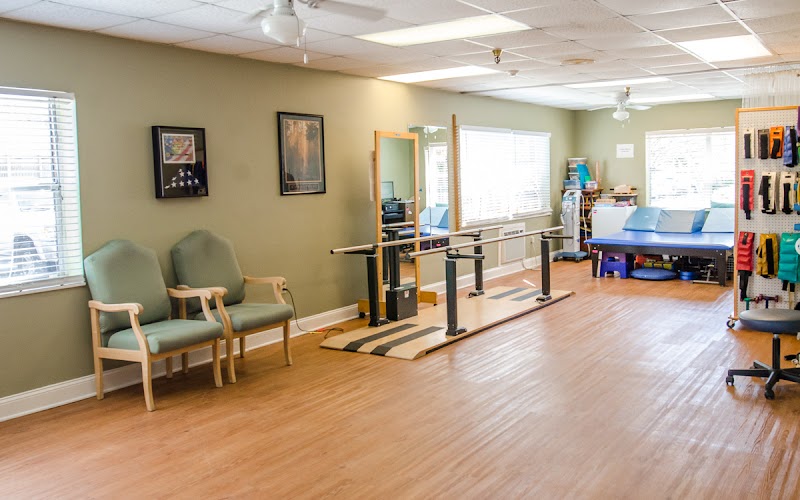
How is Orange Park Rehabilitation And Nursing Center Staffed?

CMS rates ORANGE PARK REHABILITATION AND NURSING CENTER's staffing level at 3 out of 5 stars, which is average compared to other nursing homes. Staff turnover is 46%, compared to the Florida average of 46%. RN turnover specifically is 61%, which is notably high. RNs provide skilled clinical oversight, so turnover in this role can affect medical care quality.

What Have Inspectors Found at Orange Park Rehabilitation And Nursing Center?

State health inspectors documented 12 deficiencies at ORANGE PARK REHABILITATION AND NURSING CENTER during 2021 to 2025. These included: 12 with potential for harm.
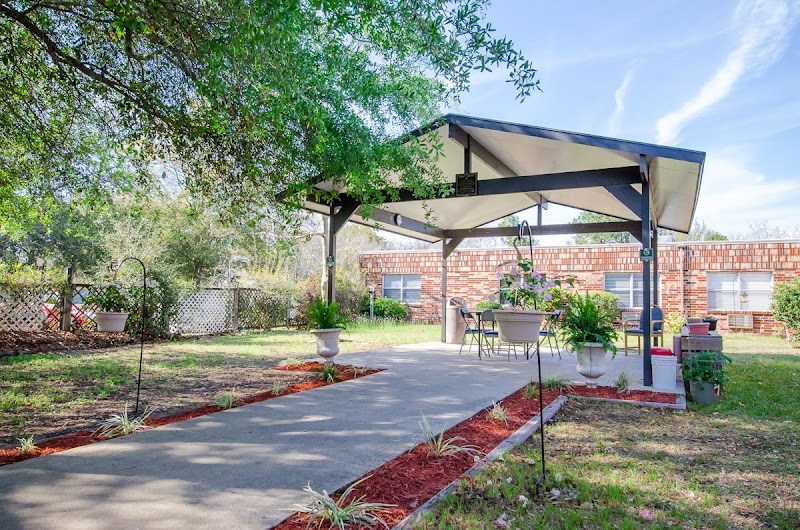
Who Owns and Operates Orange Park Rehabilitation And Nursing Center?

ORANGE PARK REHABILITATION AND NURSING CENTER is owned by a for-profit company. For-profit facilities operate as businesses with obligations to shareholders or private owners. The facility is operated by BENJAMIN LANDA, a chain that manages multiple nursing homes. With 105 certified beds and approximately 99 residents (about 94% occupancy), it is a mid-sized facility located in ORANGE PARK, Florida.
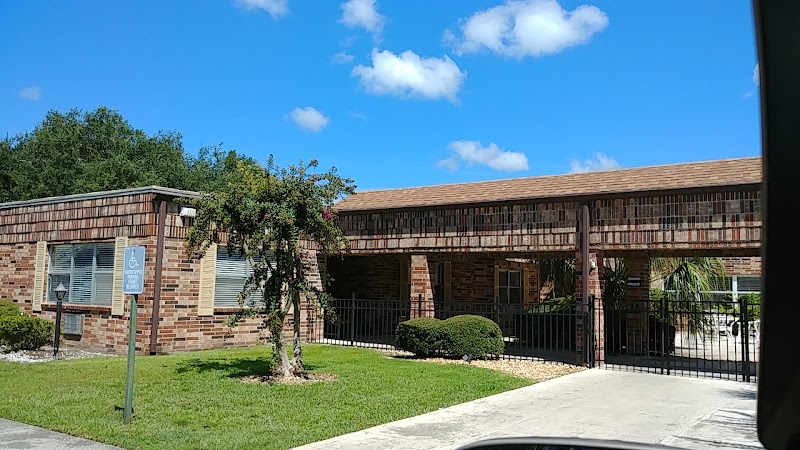
How Does Orange Park Rehabilitation And Nursing Center Compare to Other Florida Nursing Homes?

Compared to the 100 nursing homes in Florida, ORANGE PARK REHABILITATION AND NURSING CENTER's overall rating (4 stars) is above the state average of 3.2, staff turnover (46%) is near the state average of 46%, and health inspection rating (4 stars) is above the national benchmark.

What Should Families Ask When Visiting Orange Park Rehabilitation And Nursing Center?

Based on this facility's data, families visiting should ask: "Can I visit during a mealtime to observe dining assistance and food quality?" "How do you handle medical emergencies, and what is your hospital transfer rate?" "Can I speak with family members of current residents about their experience?"

Is Orange Park Rehabilitation And Nursing Center Safe?

Based on CMS inspection data, ORANGE PARK REHABILITATION AND NURSING CENTER has a clean safety record: no substantiated abuse findings (meaning no confirmed cases of resident harm), no Immediate Jeopardy citations (the most serious violation level indicating risk of serious injury or death), and is not on the Special Focus Facility watch list (a federal program monitoring the lowest-performing 1% of nursing homes). The facility has a 4-star overall rating and ranks #1 of 100 nursing homes in Florida. While no facility is perfect, families should still ask about staff-to-resident ratios and recent inspection results during their visit.

Do Nurses at Orange Park Rehabilitation And Nursing Center Stick Around?

ORANGE PARK REHABILITATION AND NURSING CENTER has a staff turnover rate of 46%, which is about average for Florida nursing homes (state average: 46%). Moderate turnover is common in nursing homes, but families should still ask about staff tenure and how the facility maintains care continuity when employees leave.

Was Orange Park Rehabilitation And Nursing Center Ever Fined?

ORANGE PARK REHABILITATION AND NURSING CENTER has no federal fines on record. CMS issues fines when nursing homes fail to meet care standards or don't correct problems found during inspections. The absence of fines suggests the facility has either maintained compliance or corrected any issues before penalties were assessed. This is a positive indicator, though families should still review recent inspection reports for the full picture.

Is Orange Park Rehabilitation And Nursing Center on Any Federal Watch List?

ORANGE PARK REHABILITATION AND NURSING CENTER is not on any federal watch list. The most significant is the Special Focus Facility (SFF) program, which identifies the bottom 1% of nursing homes nationally based on persistent, serious quality problems. Not being on this list means the facility has avoided the pattern of deficiencies that triggers enhanced federal oversight. This is a positive indicator, though families should still review the facility's inspection history directly.