PORT ST LUCIE REHABILITATION AND HEALTHCARE
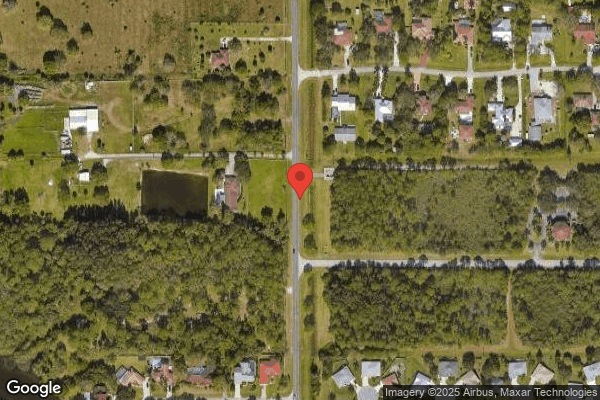
7300 OLEANDER AVE, PORT SAINT LUCIE, FL 34952 (561) 766-4100
For profit - Corporation 180 Beds Independent Data: November 2025
Trust Grade
65/100
#410 of 690 in FL
Last Inspection: September 2024

Within standard 12-15 month inspection cycle. Federal law requires annual inspections.

Overview

Port St. Lucie Rehabilitation and Healthcare has a Trust Grade of C+, which indicates that the facility is slightly above average but not exceptional. It ranks #410 out of 690 facilities in Florida, placing it in the bottom half of state options, and #4 out of 9 in St. Lucie County, meaning there are only three local facilities rated higher. The trend is improving, with the number of issues reported decreasing from 8 in 2023 to just 2 in 2024. Staffing is a strength, rated 4 out of 5 stars, and the facility has better RN coverage than 77% of Florida facilities, which helps ensure quality care. However, there have been concerns about food safety practices, including improper sanitizing methods and maintenance issues that can affect resident comfort, such as damaged walls and stained ceiling tiles. Overall, while there are notable strengths, families should be aware of the ongoing concerns regarding cleanliness and maintenance.

Trust Score
C+
65/100
In Florida
#410/690
Bottom 41%
Safety Record
Low Risk
No red flags
Inspections
Getting Better
8 → 2 violations
Staff Stability
⚠ Watch
46% turnover. Above average. Higher turnover means staff may not know residents' routines.
Penalties
✓ Good
No fines on record. Clean compliance history, better than most Florida facilities.
Skilled Nurses
✓ Good
Each resident gets 55 minutes of Registered Nurse (RN) attention daily — more than average for Florida. RNs are trained to catch health problems early.
Violations
⚠ Watch
20 deficiencies on record. Higher than average. Multiple issues found across inspections.
★★★☆☆
3.0
Overall Rating
★★★★☆
4.0
Staff Levels
★☆☆☆☆
1.0
Care Quality
★★★★☆
4.0
Inspection Score
Stable
2023: 8 issues
2024: 2 issues

The Good

  • 4-Star Staffing Rating · Above-average nurse staffing levels
  • Full Sprinkler Coverage · Fire safety systems throughout facility
  • No fines on record

Facility shows strength in staffing levels, fire safety.

The Bad

3-Star Overall Rating

Near Florida average (3.2)

Meets federal standards, typical of most facilities

Staff Turnover: 46%

Near Florida avg (46%)

Higher turnover may affect care consistency

The Ugly 20 deficiencies on record

Sept 2024 2 deficiencies
CONCERN (D)

Potential for Harm - no one hurt, but risky conditions existed

Deficiency F0697 (Tag F0697)

Could have caused harm · This affected 1 resident

**NOTE- TERMS IN BRACKETS HAVE BEEN EDITED TO PROTECT CONFIDENTIALITY** Based on observation, interview, record and policy review, the facility failed to follow through with request for pain medicatio...

Read full inspector narrative →
**NOTE- TERMS IN BRACKETS HAVE BEEN EDITED TO PROTECT CONFIDENTIALITY** Based on observation, interview, record and policy review, the facility failed to follow through with request for pain medication for 1 of 3 sampled residents reviewed for pain management, Resident #51. The findings included: Review of the facility's policy, titled, Controlled Drug Management, effective December 2020, documented, in part, Controlled substance drugs may be ordered from the Pharmacy, a script must be sent to the pharmacy. The physician may call in a controlled substance to the pharmacy. After the pharmacy has the script or the order from the physician, they may provide a code to the nurse which will allow him/her to remove the controlled substance from the emergency narcotic kit if the medication is available in the kit. Nurses will enter in the log the number of pills removed and the approval pharmacy code provided. Narcotics will be filled by the pharmacy as soon as all required elements are provided and delivered to the facility on the next scheduled delivery. Record review revealed Resident #51 was initially admitted to the facility on [DATE] and readmitted on [DATE]. The resident's diagnoses included, Chronic Obstructive Pulmonary Disease, unspecified, Chronic pain syndrome, Primary Osteoarthritis, right hand and left hand, and Generalized anxiety disorder. Review of the quarterly Minimum Data Assessment (MDS) assessment, with an assessment reference date of 09/28/24, documented a Brief Interview for Mental Status (BIMS) score of 15, indicating the resident was cognitively intact. Review of the resident's pain care plan dated 01/31/24 revealed a problem of: Resident reports pain related to overall condition. Has diagnosis (dx) of Chronic pain syndrome. Goal: Resident's comfort will be maximized as evidenced by decreased verbal expressions of pain thru next review date. Approach: Medications as ordered, observe for effectiveness and side effects, Notify Medical Doctor (MD) if interventions are unsuccessful or if current compliant is significant change from resident past experience with pain. An interview was conducted with Resident #51 on 09/18/24 at 10:00 AM. The resident stated she went to the emergency room last evening because she had pain in her neck and the facility had not given her the pain medication that helped in 2 days. She stated she was told it was not available. On 09/18/24 at 10:35 AM, an interview was conducted with Staff E, Licensed Practical Nurse (LPN). She confirmed that the resident did not currently have Norco available. Norco (hydrocodone-acetaminophen 5-325 milligrams (mg) is a pain medication that contains an opioid that is used to manage severe pain when other non-opioid pain medications do not treat pain well enough. Staff E stated Resident #51's primary physician is on vacation and her nurse practitioner could only write a prescription for 7 days which ran out this weekend. Staff E stated the resident went to the hospital last evening due to the pain and the hospital sent the prescription for Norco to the wrong pharmacy so they still do not have the medication. Review of the Nursing note dated 09/15/24 at 7:34 AM revealed, Contacted pharmacy to refill Hydrocodone prescription. Representative states a new prescription is needed. Information passed in shift report. Review of the Nursing note dated 09/16/24 at 8:17 PM revealed, Resident continues to offer complaints of head/neck pain. Review of the Nursing note dated 09/17/24 at 6:38 PM revealed, Resident has been complaining of pain 12/10 pain level throughout the day. Resident has been without medication for 2 days and I was unable to get a new prescription for resident. Resident decided she would like to be sent out due to the pain. Review of the Nursing note dated 09/17/24 at 11:30 PM revealed, Resident returned from (Name provided) Hospital with a prescription for Oxycodone 5 mg by mouth (po) every (Q) 6 hours/as needed (PRN) x 3 days.Resident was given morphine 4mg at the hospital and her pain scale (P/S) was at 3 upon admission. Review of the Nursing note dated 09/18/24 at 11:05 AM revealed, The resident was seen by (pain management) due to chronic pain. The resident was open to meeting with [pain management] for this consultation. The pain management nurse practitioner discontinued the Oxycodone prescription from the hospital and ordered Hydro/APAP (Norco) 5-325 mg Q 8 hr PRN. Review of the emergency room discharge instructions dated 09/17/24 revealed the resident was seen for acute exacerbation of chronic low back pain and acute exacerbation of chronic leg pain. Review of the pain medications on the September 2024 Medication Administration Record (MAR) revealed: Hydrocodone-acetaminophen 5-325 mg 1 tablet every 8 hours PRN for moderate to severe pain. Lidocaine 4% patch topical, apply to left hand once a day for pain. Meloxicam 7.5 mg once a day for pain unspecified. Tramadol 50 mg 1 tablet every 6 hours PRN for chronic pain syndrome . Voltaren Arthritis pain gel twice a day give one gram on left wrist twice a day for acute pain. Ibuprofen 200mg 3 tabs three times a day every 8 hours as needed for pain. Ketorlac 10 mg 1 tablet every 6 hours as needed for pain. Review of the MAR for Resident #51 for 09/12/24 - 09/15/24 revealed she was given the following: On 09/12/24 at 6:27 AM, Norco for a pain level of 6; On 09/12/24 at 2:04 PM, Norco for a pain level of 7; and On 09/12/24 at 8:07 PM, Norco for a pain level of 7. On 09/13/24, she was given Norco as follows: At 9:20 AM for a pain level of 9, At 8:05 PM for a pain level of 5. On 09/14/24, she was given Norco at 1:53 PM for a pain level of 8 and 9:10 PM for a pain level that was not indicated on the MAR. On 09/15/24, she was given Norco at 10:24 AM for a pain level of 8. There was no more Norco left after this dose. On 09/18/24, the surveyor was presented with a signed statement from 09/16/24 from Resident #51 that she was offered Tylenol/Ibuprofen and declined - I wanted hydrocodone. An interview was conducted with the Director of Nursing (DON) on 09/18/24 at 1:07 PM. The pharmacy sent a 72 hour supply of Norco because the prescription did not specify for non acute pain. She used up the 72 hour supply. The last dose was 09/15/24 at 10:24 AM. An interview was conducted with the Consultant Pharmacist on 09/19/24 at 12:15 PM, who stated the facility could not have used Norco from the emergency kit (e-kit) Controlled Narcotic box because they did not have a current prescription. The facility would have had to obtain a new prescription for Norco, then it would be sent to the pharmacy, then the pharmacist would be able to give them a code to open the e-kit. The Norco would have been able to dispense at that time. The nurse was able to dispense Norco on 09/18/24 in the evening from the e-kit and Norco was delivered from the pharmacy in the morning on 09/19/24.
CONCERN (E)

Potential for Harm - no one hurt, but risky conditions existed

Food Safety (Tag F0812)

Could have caused harm · This affected multiple residents

Based on observations, interviews and record reviews, the facility failed to provide foods prepared, served, and stored under sanitary conditions and in accordance with professional standards for food...

Read full inspector narrative →
Based on observations, interviews and record reviews, the facility failed to provide foods prepared, served, and stored under sanitary conditions and in accordance with professional standards for food safety. The findings included: 1. During the initial kitchen tour, on 09/16/24 at 9:08 AM, accompanied by the Registered Dietitian (RD) and the Certified Dietary Manager (CDM), the following was noted: a. The concentration of chlorine used for sanitizing wares in the mechanical ware washing machine was less than 50 parts per million. b. The temperature of the wash, rinse and sanitizing cycles did not reach 120 degrees Fahrenheit (F). c. There was an accumulation of mold in the basin of the ice machine. d. The wall behind the coffee stations was damage. e. There was an accumulation of residue on the knobs of the range and convection oven handles. f. There was a red bucket of sanitizer kept on a shelf directly over the oven and the flat top range. g. Foam containers that were stored in the tray assembly and the hot holding areas were not stored inverted to prevent dust and debris from falling in them. h. Small bowls were stored on a cart uncovered. i. There was an accumulation of ice on the curtains inside of the entrance to the walk-in freezer. j. The exterior wall of the walk-in cooler and freezer was dirty and had some spots of rust. k. The floor tiles that formed the baseboard along the wall of the walk-in cooler and freezer were not secured to the wall. l. Aluminum foil was used to line the shelving of a food preparation table in a processing area outside of the walk-in cooler. At the conclusion of the initial kitchen tour, the RD and the CDM acknowledged understanding of the findings. 2) During a follow up visit to the kitchen, on 09/18/24 at 7:02 AM, accompanied by the CDM, Staff A, Dietary Aide, was observed portioning salads to be used for the lunch meal. It was noted that the Dietary Aide was removing lettuce from a bag with his bare hands. The Dietary Aide was instructed by the CDM to perform hand hygiene and don clean single use gloves. 3. During the follow up kitchen tour, on 09/18/24 at 11:11 AM, accompanied by the CDM, the following was noted: a. Staff A, Dietary Aide, Staff B, Dietary Aide, and Staff C, Dietary Aide, were observed rolling silverware in paper napkins and preparing to serve the lunch meal without a proper restraint to cover their beards. b. The handle of a wire whisk that was being used was damaged to a point that it was no longer cleanable. c. Staff D, Dietary Aide, was observed entering the kitchen and began handling and rolling silverware with bare hands and fingers in direct contact with the food and lip contact surface of utensils. d. An employee's personal clothing and lunch box were stored on a shelf with single use and disposable wares. At the conclusion of the tour, the CDM acknowledged understanding of the findings.
Jul 2023 8 deficiencies
CONCERN (D)

Potential for Harm - no one hurt, but risky conditions existed

Comprehensive Care Plan (Tag F0656)

Could have caused harm · This affected 1 resident

**NOTE- TERMS IN BRACKETS HAVE BEEN EDITED TO PROTECT CONFIDENTIALITY** Based on record review and interview, the facility failed to follow the care plan related to use of bed and chair alarms, for 1 ...

Read full inspector narrative →
**NOTE- TERMS IN BRACKETS HAVE BEEN EDITED TO PROTECT CONFIDENTIALITY** Based on record review and interview, the facility failed to follow the care plan related to use of bed and chair alarms, for 1 of 5 sampled residents reviewed for falls. Resident #20 had a history of falls, one of which was an assisted fall to the floor when a Certified Nursing Assistant (CNA) heard the alarm, thus preventing injury. The findings included: Review of the record revealed Resident #20 was admitted to the facility on [DATE]. Review of the current Minimum Data Set (MDS) assessment dated [DATE], documented the resident had a Brief Interview for Mental Status (BIMS) score of 6, on a 0 to 15 scale, indicating the resident was cognitively impaired. This MDS lacked any documented behaviors, and documented the resident needed the extensive assistance of one staff for transfers and ambulation. The MDS documented Resident #20 had falls in the past 2 to 6 months. Review of the current fall risk assessment dated [DATE], documented Resident #20 was a high risk for falls, with a score of 19. This assessment documented any score above a 13 indicated the resident was at a high risk. Review of a progress note dated 02/18/23 at 7:45 AM, revealed the nurse was called into the room of Resident #20, and observed the resident sitting on the floor. This note further documented the Certified Nursing Assistant (CNA) said she lowered the resident to the floor, as she had heard the bed alarm go off, and was able to assist him safely to the floor. No injuries were noted. Review of the care plan dated 01/08/23, documented Resident #20 was at risk for falls related to decreased mobility, weakness, and oxygen use. One of the documented interventions was the use of the pressure alarm. An observation on 07/17/23 at 11:10 AM, revealed Resident #20 sleeping in bed. He was dressed, lying on top of the covers, with his wheelchair facing the side of the bed, as if he had propelled himself to the bed and transferred himself into the bed. The bed and wheelchair lacked any type of pressure alarm. A low beeping was heard in the room, and the alarm pad and box was noted on the top of the dresser, located across from the foot of the bed, and the low battery light was flashing with each soft beep (Photographic evidence obtained). On 07/18/23 at 8:28 AM, Resident #20 was again observed in bed, with the wheelchair in a similar location as the previous day. The low battery light was still flashing with the soft beeping heard (Photographic evidence obtained). The alarm pad and box had been moved to a different location on the dresser. During an interview on 07/19/23 at 12:09 PM, when shown the alarm pad on the dresser, and asked if Resident #20 needed it, Staff, N, CNA, stated, I don't know. The CNA said something about working other units, but was very difficult to understand. The alarm box was no longer on the dresser and no beeping was heard. The telephone-like cord was noted coming from under the bed sheets, but was not hooked up to the alarm box. Resident #20 was lying in bed. During an interview 07/19/23 at 12:14 PM, when asked if Resident #20 was a fall risk, Staff P, Licensed Practical Nurse (LPN), stated Oh yes, he tries to get up all the time. When asked what interventions were in place for the resident, the LPN stated the bed and chair alarm. The LPN stated we try to educate and encourage the use of the call light and to ask for help. When asked if she was aware of the low battery beeping and light for his alarm, the LPN stated she thought it was his alarm that needed battery changes yesterday. The LPN explained that the Social Services Director brought her the alarm yesterday, and she sent it to maintenance, as she is unable to open the back of the alarm box as she doesn't have that tiny little screwdriver. An observation with LPN at this time revealed the alarm box was hanging from the top of the bed rail, but not hooked to the pad in the bed. The LPN stated, When I don't have my regulars . this happens, as she proceeded to hook up the bed alarm.
CONCERN (D)

Potential for Harm - no one hurt, but risky conditions existed

Deficiency F0692 (Tag F0692)

Could have caused harm · This affected 1 resident

**NOTE- TERMS IN BRACKETS HAVE BEEN EDITED TO PROTECT CONFIDENTIALITY** 2. Resident #137 was admitted to the facility on [DATE] with diagnoses that included Cerebral Infarction, Bipolar Disorder with ...

Read full inspector narrative →
**NOTE- TERMS IN BRACKETS HAVE BEEN EDITED TO PROTECT CONFIDENTIALITY** 2. Resident #137 was admitted to the facility on [DATE] with diagnoses that included Cerebral Infarction, Bipolar Disorder with psychotic features, Vascular Dementia with other behavioral disturbance, Mood Disorder, Major Depressive Disorder, Hemiplegia and Hemiparesis following Cerebral Infarction affecting right dominant side, Muscle Weakness, Cognitive Communication Deficit, Hyperlipidemia, Hypertension, Atrial Fibrillation, Seizures, and Gastrointestinal hemorrhage. The facility's Policy, titled, Weight Assessment and Intervention stated, in part: 3) Any weight change of 5% or more since the last weight assessment will be retaken the next day for confirmation. If the weight is verified, the nursing will immediately notify the Dietitian. 4) The Dietitian will respond within 72 hours of receipt of notification. Care Planning 10) Individualized care plans shall address, to the extent possible: p. The identified causes of weight loss; q. Goals and benchmarks for improvement; and r. Time frames and parameters for monitoring and reassessment. On 06/13/23, the resident weighed 226 lbs. On 06/13/23, the resident weighed 226 lbs. On 07/01/23, the resident weighed 203 pounds which is a -10.18 % Loss. On 07/09/23, the resident weighed 200 pounds which is a -11.50 % Loss. No further weights were recorded since 07/09/23. On 07/19/23 at 10:15 AM, during an interview with Registered Dietitian (RD), he stated that he began working for this facility in February 2023. He acknowledged the significant weight loss for Resident #137. The RD was asked to provide all the documentation related to Resident #137's nutritional assessment and any interventions put into place. On 07/19/23, the RD submitted a Nutritional Evaluation for Resident #137 completed on 05/09/23. This evaluation documented the following: Resident meets criteria for malnutrition / altered hydration r/t [related to] MNA [monthly nutrition assessment] score, comorbidities, decline in functional status; recent stroke, hx [history] of dysphagia. [Resident #137] presented to the ER [Emergency Room] for psych eval r/t suicidal ideation. He has PMHx [prior medical history] of major neurocognitive disorder, dementia, dysphagia, bipolar, stroke. Residents spouse [spouse's name] reports that he had gastric bypass surgery ~3 yrs ago and a stroke back in February of this year. [Spouse] reports lowest weight after gastric bypass was ~213#. He then gained weight back to ~230#. After the stroke in February 2023 and went back down to 213# per spouse report. Weight loss of ~17#/7.3%/~90 days noted. He has history of dysphagia post stroke. Spouse reports that he was on mechanical diet for ~4-5 weeks after but has been on regular diet since. Facility SLP [speech/language pathology] evaluated resident today and upgraded diet to regular. RD will monitor facility intakes and weights to determine need for oral nutrition supplement. Resident is lactose intolerant and is limited to the supplements he likes. Care plan initiated. There was no further assessment completed by the RD after 07/01/23 when Resident #137's weights showed a significant weight loss of 10.18% within 19 days (06/13/23 - 07/01/23), and 11.5% within a months' time (06/13/23 - 07/09/23). Review of the MDS Entry Assessment completed on 05/20/23 documented that Resident #137 required supervision / set up for eating. There were no swallowing issues or weight loss noted at this time. An updated MDS Assessment completed on 07/05/23 noted that Resident #137 required supervision / touch assistance for eating. The Care Plan for Resident #137 showed the following areas of concern related to nutrition: 07/06/23 Speech Therapy Evaluation - Problem: Impaired chewing and/or swallowing skills which affects: nutrition intake, and weight loss. Requires modified diet due to: pharyngeal skills impairment and cognitive impairments. Requires Modified diet: Regular textures and nectar thick liquids. 05/09/23 Nutritional Status - Problem: [Resident #137] meets criteria for malnutrition / altered hydration related to MNA score, comorbidities, decline in functional status; recent stroke, hx of dysphagia. (Last reviewed 06/11/23). No other nutritional interventions were found in the care plan. Resident #137's dietary orders were reviewed. Resident #137's diet was to include no added salt, regular consistencies, with nectar thick liquids, crush meds, ordered 07/06/23. Dietary liberties on special occasions, ordered 05/15/23. Monthly weights once between 1st and 7th of month, ordered 06/06/23. There were no updates to the orders for weights considering the significant weight loss noted on 07/01/23. Health Shakes with meals (8:30 AM, 12:30 PM, 5:30 PM) were ordered on 07/11/23. Even though greater than 10% weight loss was noted on 07/01/23, the Health Shakes were not ordered until 07/11/23. General Order dated 05/17/23 noted that Resident required assistance with eating each shift; however, the MDS documented Resident #137 required supervision with eating. On 07/19/23 at 12:30 PM, a lunch observation was made of Resident #137. The resident was observed sitting in his wheelchair in the day room on unit 300. One Certified Nursing Assistant (CNA), working in the day room, set up the resident's tray by opening his vanilla shake and mixing thickeners into his beverages. Resident #137 was seen picking up his coffee cup with his left hand and drinking from the cup; however Resident #137 could not use his eating utensil (fork) to get the food from his plate to his mouth, as he kept trying to use his right hand to do so. Resident #137 spent 10 minutes (from 12:30 PM - 12:40 PM) trying to get the mandarin orange segments out of small cup and into his mouth. He was trying to pour out the segments into his mouth, but the segments would not come out of the cup. After 10 minutes, one of the segments came out of the cup and went into the resident's mouth. At 12:42 PM, a second CNA came by and used the resident's fork to put a bite of meat onto the fork and fed it to the resident. When the aide left, the resident tried to pick up the fork to use it, but it immediately fell out of his hand and onto the floor. The second aide noticed that I was observing Resident #137 during his meal. At 12:45 PM, the second aide came back and sat down beside Resident #137 and began assisting him by feeding him his meal. The resident was seen accepting each bite offered by the CNA. Based on observation, interview, and record review, the facility failed to ensure nutritional services to meet the needs for 2 of 5 sampled residents, Residents #65 and #137. The Registered Dietician (RD) failed to do an accurate quarterly assessment for Resident #65, failed to initiate weekly weights with the identification of a significant weight loss, and failed to follow up with the physician on his recommendation for an appetite stimulant. The RD failed to ensure timely interventions for Resident #137, who had a significant weight loss. The findings included: Review of the facility's Policy, titled, for Weight Assessment and Intervention documented, in part, the following: 3) Any weight change of 5% or more since the last weight assessment will be retaken the next day for confirmation. If the weight is verified, the nursing will immediately notify the Dietitian. 4) The Dietitian will respond within 72 hours of receipt of notification. Care Planning 10) Individualized care plans shall address, to the extent possible: p. The identified causes of weight loss; q. Goals and benchmarks for improvement; and r. Time frames and parameters for monitoring and reassessment. This policy also described a significant weight loss as 5% or more in one month, 7.5% or more in 3 months, or 10% or more in 6 months. 1. Review of the record revealed Resident #65 was admitted to the facility on [DATE]. Review of the current Minimum Data Set (MDS) assessment, dated 07/04/23, documented the resident had a Brief Interview for Mental Status (BIMS) score of 15, on a 0 to 15 scale, indicating the resident was cognitively intact. This MDS documented the resident's weight as 107 pounds and the resident had had a significant weight loss. Review of the current weight revealed Resident #65 had a current weight of 103.5 pounds. On 12/05/22, the resident weighed 131.1 pounds, and on 06/05/23 the resident weighed 107.1 pounds (the dates utilized by the RD during his last assessment, indicated Resident #65 had a significant weight loss of 18.31% in the past 6 months). Review of the nutritional assessment dated [DATE], completed by the RD, documented the quarterly review with a non-significant weight loss trend since in April 2023 of 3.4%, and a 90-day weight loss of 6.7%. This assessment documented a net significant weight loss of 21.8% over the past year. This assessment continued and documented the RD changed the Ensure to Med Pass (a protein supplement) to three times daily (Note this had been done on 04/12/23, not with this assessment), along with magic cup twice daily (Note Resident #65 had an order for magic cup three times daily since 02/16/23) to help with trending weight loss which it seems to have slowed down recently. This assessment continued with the weight loss is still concerning with a BMI (body mass index which should be over 20) now less than 20. Appetite stimulant recommended per RD as resident continues to lose weight despite aggressive supplement support and meal/snack intakes. Goal: Halt weight loss and promote weight gain back to desired BMI of 23. Current BMI = 19.59. This nutritional assessment lacked a six-month weight calculation, which was part of their policy in order to determine significant weight loss, which would be 10% or more in the 6-month timeframe. During an observation and interview on 07/17/23 at 12:24 PM, Resident #65 stated she had lost a significant amount of weight but was ok with her current weight. The resident appeared quite thin. On 07/20/23 at 9:21 AM, Resident #65 was just finishing her breakfast. She was fed by Staff R, Certified Nursing Assistant (CNA), who confirmed she ate her yogurt and sausage, encompassing about 25% of her meal. A magic cup was not observed on the breakfast tray, and the CNA confirmed it was not served with her breakfast, but usually was provided with lunch. During an interview on 07/20/23 at 10:11 AM, the RD was shown his nutritional assessment of 07/03/23, and was asked what happened to the recommended appetite stimulant. The RD was unable to find the order, and stated to Staff B, RN/Unit Manager, Did I say I was going to follow up with (name of doctor) about the appetite stimulant? The Unit Manager stated, Yes, you did, but I can text him now; I'll take care of it. When asked about weekly weights, the RD stated if there was a significant weight loss, the resident would be put on weekly weights, but he was not sure of the specifics because he was fairly new and would check with restorative. The RD was asked to provide their nutrition policy that included information on significant weight loss and weights. The RD was also asked about the magic cup that was ordered three times daily with meals, but not provided on that morning's breakfast tray. The RD stated he does not generally order the magic cup for the breakfast meal as it is like ice cream, and stated the meal ticket system would have the magic cup as twice daily, with lunch and dinner. On 07/20/23 at 10:36 AM, the RD returned with the policy. Upon review of the 6-month weights, the RD agreed Resident #65 had had an 18.31% weight loss in 6 months and should have been put on the weekly weight schedule.
CONCERN (D)

Potential for Harm - no one hurt, but risky conditions existed

Respiratory Care (Tag F0695)

Could have caused harm · This affected 1 resident

**NOTE- TERMS IN BRACKETS HAVE BEEN EDITED TO PROTECT CONFIDENTIALITY** Based on observations, interviews, and record review, the facility failed to obtain a physician order for oxygen for 1 of 2 samp...

Read full inspector narrative →
**NOTE- TERMS IN BRACKETS HAVE BEEN EDITED TO PROTECT CONFIDENTIALITY** Based on observations, interviews, and record review, the facility failed to obtain a physician order for oxygen for 1 of 2 sampled residents reviewed for respiratory care, Resident #61, failed to document oxygen administration, and change of oxygen tubing for 1 of 2 sampled residents observed for respiratory care, Resident #32, and failed to have a respiratory care plan for 2 of 2 sampled residents observed for respiratory care, Residents #32 and #61. The findings included: Review of the facility's policy, titled, Oxygen Administration with a revised date of December 2021, documented, in part: 'The purpose of this procedure is to provide guidelines for safe oxygen administration. Verify that there is a physician's order for this procedure. Review the physician's orders or facility protocol for oxygen administration. After completing the oxygen setup or adjustment, the following information should be recorded in the resident's medical record: 1. The date and time that the procedure was performed. 2. The name and title of the individual who performed the procedure. 3. The rate of oxygen flow, route, and rationale. 4. The frequency and duration of the treatment. 5. The reason for p.r.n. (as needed) administration. 6. All assessment data obtained before, during, and after the procedure. 7. How the resident tolerated the procedure. 8. If the resident refused the procedure, the reason(s) why and the intervention taken. 9. The signature and title of the person recording the data. ' 1. Record review for Resident #32 revealed the resident was admitted to the facility on [DATE] with the most recent readmission on [DATE]. The resident's diagnoses included: Hemiplegia and Hemiparesis following Cerebral Infarction Affecting Left Non-dominant Side, Obesity, Anxiety Disorder, Type 2 Diabetes Mellitus, Chest Pain, and Atherosclerotic Heart Disease of Native Coronary Artery Without Angina Pectoris. Review of the [NAME] Data Set (MDS) for Resident #32 dated 07/03/23 revealed in Section C a Brief Interview of Mental Status (BIMS) score of 8 of 15, indicating moderate cognitive impairment. Review of the Physician's Orders for Resident #32 revealed an order dated 02/09/23 for oxygen at 2 liters per minute via nasal canula for shortness of breath as needed. Review of the Medication Administration Record / Treatment Administration Record (MAR/TAR) for Resident #32 for June 2023 and July 2023 revealed no documentation of oxygen being administered. Review of the Care Plans for Resident #32 revealed no care plans for respiratory care or oxygen use. An observation was conducted on 07/17/23 at 11:32 AM of Resident #32 sitting up in bed with oxygen at 2 liters per minute via nasal canula, with no date on tubing. An observation was conducted on 07/18/23 at 1:20 PM of Resident #32 sitting up in bed wearing oxygen at 2 liters per minute via nasal canula with no date on the tubing. An observation was conducted on 07/19/23 at 3:15 PM of Resident #32 sitting in wheelchair in her room wearing oxygen at 2 liters per minute via nasal canula with no date on the tubing. An observation was conducted on 07/20/23 at 10:10 AM of Resident #32 sitting up in bed wearing oxygen at 2 liters per minute via nasal canula with no date on the tubing. An interview was conducted on 07/19/23 at 3:15 PM with Resident #32 who was asked if she needed her oxygen all of the time. She said, 'mostly it is at night but for the past couple of days she has been using it during the day too.' An interview was conducted on 07/20/23 at 11:00 AM with Staff A, Licensed Practical Nurse (LPN), who stated she has been with the facility for almost 1 year. When asked if Resident #32 uses oxygen she stated 'yes, as needed mostly at night'. When asked if the resident was using oxygen today, she said 'yes'. When asked how long the resident had been ordered oxygen, she said 'she has been using the oxygen for as long as she has been working at the facility (about 1 year)'. An interview was conducted on 07/20/23 at 11:11 PM with Staff B, Registered Nurse (RN Unit Manager), who was asked if Resident #32 uses oxygen, stated 'yes'. When asked how often the oxygen tubing is changed, she said it is changed weekly and it would be on the MAR/TAR for the nurse to document the tubing was changed. When asked where the nurse documented that the resident using oxygen, she stated it would be documented on the MAR/TAR if the resident is using the oxygen. Staff B acknowledged there was no order for the oxygen tubing to be changed and she also acknowledged there was no care plan for respiratory or oxygen for the resident. 2. Record review for Resident #61 revealed the resident was admitted to the facility on [DATE] with the most recent readmission on [DATE]. The resident's diagnoses included: Heart Failure, Hypertensive Heart Disease With Heart Failure, and Generalized Anxiety Disorder. Review of the MDS for Resident #61 dated 06/14/23 revealed in Section C a BIMS score of 15 of 15, indicating an intact cognitive response. Review of the Physician's Orders for Resident #61 revealed no orders for oxygen. Review of the Physician's Orders for Resident #61 revealed no orders to change oxygen tubing. Review of the Care Plans for Resident #61 revealed no care plans for Respiratory or oxygen. Review of the Nurse Progress Note for Resident #61, dated 07/14/23, included: 'continued cough and dyspnea noted new orders obtained from ARNP [Advanced Registered Nurse Practitioner] chest x-ray 2 views and O2 (oxygen) at 2 liters via nasal canula [N/C] prn [as needed] to maintain SPO2 [O2 saturation]'. Review of the Nurse Progress Note for Resident #61, dated 07/15/23, included: 'Patient alert, with episode of coughing observed, with mild congestion, schedule meds administered well tolerated. PRN Robitussin administered somewhat effectively. vitals stable. Rested in bed throughout the shift. Staff Will continue to monitor'. Review of the Nurse Progress Note for Resident #61, dated 07/16/23 at 1:43 AM, included: 'Resident in bed with HOB [head of bed] elevated to improve breathing, wearing O2 at 2L/min via N/C for SOB [shortness of breath]. O2 sat 95%, Resp 20/min. Occasional moist cough with crackles to BLL [bilateral lower lung] upon auscultation. Medicated with Geri-Tussin 10 mls as per order with fair effect. Call placed to Medical imagine to check on C [chest] X-Ray result. Result received via fax, no infiltration, no effusion, no acute findings identified. Result faxed to Dr [name] office. Will continue to monitor and provide safety'. An observation was conducted on 07/17/23 at 11:07 AM of Resident #61 in bed with oxygen at 4 liters via nasal canula with no date on tubing. An observation was conducted on 07/18/23 at 1:10 PM of Resident #61 lying in bed with oxygen at 4 liters via nasal canula, with no date on tubing. An observation was conducted on 07/19/23 at 3:00 PM of Resident #61 lying in bed with family members at bedside. Upon closer observation, the resident had oxygen at 4 liters via nasal canula, with no date on the tubing. An observation was conducted on 07/20/23 at 10:00 AM of Resident #61 lying in bed with family at bedside. Upon closer observation, the resident had oxygen at 5 liters via nasal canula, with no date on the tubing. An interview was conducted on 07/20/23 at 10:05 AM with Resident #61's son who was asked how long his mother had been using the oxygen. He stated since Friday and she really needs it, she is now on hospice. An interview was conducted on 07/20/23 at 11:00 AM with Staff A, Licensed Practical Nurse (LPN), who stated she has been with the facility for almost 1 year. When asked if Resident #61 used oxygen she stated 'yes, as needed mostly at night'. When asked if the resident was using oxygen today, she said 'yes'. An interview was conducted on 07/20/23 at 11:11 PM with Staff B, Registered Nurse (RN Unit Manager), who was asked if Resident #61 uses oxygen, she said 'yes, she has had it since Friday' (07/14/23). When asked if there was a physician order for oxygen, she acknowledged there was no order for oxygen. When asked if there was an order for oxygen tubing to be changed, she acknowledged there was no order for the oxygen tubing to be changed. When asked about a care plan for respiratory or oxygen, she acknowledged there was no care plan for respiratory or oxygen.
CONCERN (D) 📢 Someone Reported This

A family member, employee, or ombudsman was alarmed enough to file a formal complaint

Potential for Harm - no one hurt, but risky conditions existed

Pharmacy Services (Tag F0755)

Could have caused harm · This affected 1 resident

Based on record review and interview, facility staff failed to follow-up on a pharmacy request for a physician clarification related to an ordered medication for 1 of 38 sampled residents (Resident #2...

Read full inspector narrative →
Based on record review and interview, facility staff failed to follow-up on a pharmacy request for a physician clarification related to an ordered medication for 1 of 38 sampled residents (Resident #206). The findings included: Review of the record revealed two current orders, both dated 06/07/23, for the medication Budesonide, a 3 mg (milligram) tablet, for Resident #206. One order was for the tablet to be given once daily, while the second order was for the medication to be given three times daily. Budesonide is a class of medication called corticosteroids that works by decreasing inflammation (swelling) in the digestive tract. Review of the Medication Administration Record (MAR) for Resident #206 revealed both orders had been entered into the electronic medical record (EMR), and Resident #206 received the 3 mg tablet daily at 9 AM, for the daily dose, and at 6 AM, 2 PM, and 10 PM for the three times daily dose. Review of a progress note dated 06/19/23 at 7:42 PM documented Resident #206 did not receive the budesonide, as the drug was currently unavailable. This note further documented that the pharmacy was contacted, and the nurse was advised the medication was received on 06/07/23, and it was too soon to refill. The nurse documented there were multiple orders on file, the order needed to be clarified, and the Assistant Director of Nursing (ADON) was made aware. During an interview on 07/18/23 at 2:08 PM, when asked the usual dose for the 3 mg tablet form of budesonide, upon research of the drug, the Consultant Pharmacist stated 9 mg daily or 3 mg three times daily. During a side by side review of the record, when shown the two orders, the Consultant Pharmacist had no answer, but stated he would look into it. During a side by side review of the record on 07/18/23 at 2:44 PM, Staff A, LPN, who entered both orders, recalled the daughter told her that Resident #206 was previously on the budesonide four times a day, but that she wanted it three times daily, with a one time as needed dose each day. Staff A stated she spoke with the resident's physician, who agreed with the three times daily routine dosage, and one as needed dose daily. Upon review of the orders and the MAR, the LPN agreed Resident #206 had received the budesonide daily at 6 AM, 9 AM, 2 PM, and 10 PM, which was not the intent of the physician. The LPN stated she entered the daily as needed dose incorrectly into the system, further stating she was kind of new with that particular EMR system. During a subsequent interview on 07/19/23 at 1:29 PM, the Consultant Pharmacist provided a copy of the three times daily order dated 06/07/23 from the pharmacy that documented, Please clarify dose and relation to duplicate medication for QD (daily) dosing. The Consultant Pharmacist stated it was faxed to the facility, but the facility staff do not have a record of this or know what happened. During an interview on 07/20/23 at 3:36 PM, when asked if he recalled anything about the budesonide 3 mg tablet for Resident #206, the physician stated he did not. The physician was shown the two orders, the daily dose that was signed by his nurse practitioner, and the three times daily dose that remained unsigned. The physician again stated he did not recall any conversation about the medication, asked if she received the medication four times daily and had no further comment.
CONCERN (D) 📢 Someone Reported This

A family member, employee, or ombudsman was alarmed enough to file a formal complaint

Potential for Harm - no one hurt, but risky conditions existed

Laboratory Services (Tag F0770)

Could have caused harm · This affected 1 resident

**NOTE- TERMS IN BRACKETS HAVE BEEN EDITED TO PROTECT CONFIDENTIALITY** Based on record review and interview, facility staff failed to follow through with an ordered laboratory test for 1 of 1 sampled...

Read full inspector narrative →
**NOTE- TERMS IN BRACKETS HAVE BEEN EDITED TO PROTECT CONFIDENTIALITY** Based on record review and interview, facility staff failed to follow through with an ordered laboratory test for 1 of 1 sampled resident (Resident #128). The findings included: Record review revealed Resident #128 was initially admitted to the facility on [DATE], and readmitted on [DATE], with diagnoses including: anemia and malnutrition. The 5 day minimum data set (MDS) assessment, reference date 06/12/23, recorded a BIMS score of 14, indicating Resident #128 was cognitively intact. This MDS recorded mood of Feeling tired or having little energy. No behavior exhibited. This MDS indicated Resident #128 required extensive assistance with activity of daily living (ADLs). Review of Resident #128's record revealed a Physician order for a laboratory (LAB) test, dated 07/07/23, for complete blood count (CBC). Further review of Resident #128's records lacked evidence of the CBC test result. It was revealed that on 06/24/23, an order for CBC was completed which showed low red blood cell (2.54, range is 4.40 5.80), low hemoglobin (7.9, range is 13.8 17.2), low hematocrit (23.4%, range is 41.0 50.0%) and high red cell distribution width (17.9%, range is 9.0 15.0%). Upon further review of records, under the lab section ancillary order review, it indicated on 07/04/23 the test was not performed. On 07/20/23 at 2:12 PM, a side by side review of Resident #128's records and interview were held with Staff F, Registered Nurse (RN), who searched for the lab result unsuccessfully. She voiced the records showed the phlebotomist (a person who draw blood) came on 07/08/23 to obtain the lab. The summary indicated the lab was not performed. Staff F then called the laboratory in the surveyor's presence. Staff F revealed the lab representative stated, they weren't able to obtain the lab, they called the facility to notify them, there was no response. The representative added the laboratory had no lab test result for July of 2023 for Resident #128. Review of nutritional assessment dated [DATE] indicated Resident (#128) had altered labs. He was sent to the hospital on [DATE] for critical low hemoglobin and hematocrit labs of 6.9/17.1. Review of the comprehensive care plan with a start date of 03/24/23, and a reviewed / revised date of 06/11/23, indicated Resident #128 met the criteria for malnutrition / altered hydration, decline in functional skills and altered labs. Intervention included: Monitor labs. On 07/20/23 at 3:21 PM, another interview was conducted with Staff F, who was asked why the CBC was ordered on 07/07/23, who voiced it was ordered as a follow up from the previous lab on 06/24/23, as the red blood cell, hemoglobin and hematocrit were low from the previous LAB results. On 07/17/23 at 11:08 AM, an interview was conducted with Resident #128, who stated he didn't feel good, he felt woozy, feeling weak, and dizzy.
CONCERN (D)

Potential for Harm - no one hurt, but risky conditions existed

Dental Services (Tag F0791)

Could have caused harm · This affected 1 resident

**NOTE- TERMS IN BRACKETS HAVE BEEN EDITED TO PROTECT CONFIDENTIALITY** Based on observation, interview and record review, the facility failed to provide dental services for 1 of 1 sampled resident re...

Read full inspector narrative →
**NOTE- TERMS IN BRACKETS HAVE BEEN EDITED TO PROTECT CONFIDENTIALITY** Based on observation, interview and record review, the facility failed to provide dental services for 1 of 1 sampled resident reviewed for dental services, Resident #40. The findings included: Resident #40 was admitted to the facility for skilled care from an acute care hospital on [DATE] with diagnoses that included: Metabolic encephalopathy, Hydrocephalus, unspecified and Hypotension. A scheduled 5-day Minimum Data Set (MDS) with an assessment reference date of 06/23/23 revealed his Brief Interview for Mental Status was 14 of 15, which indicated he was cognitively intact. On 07/17/23 at 9:53 AM during the initial tour of the facility, an interview was conducted with Resident #40 who stated he has no teeth and wanted to see a dentist. On 04/11/23 a social service note in the Electronic Health Record stated the resident has no dentition, states he is interested in seeing a dentist to fabricate dentures. On 07/19/23 at 1:53 PM, an interview was conducted with the Social Service Director (SSD). The SSD stated at the time of the note, the resident did not have Medicaid and they were waiting for insurance. Interview with the Business Office Manager on 07/20/23 at 1:29 PM revealed the resident has MCNA dental (a government dental insurance) which means he had to go to a provider outside of the facility. On 07/19/23, he was put on a list for dental service after surveyor intervention.
CONCERN (D)

Potential for Harm - no one hurt, but risky conditions existed

Deficiency F0806 (Tag F0806)

Could have caused harm · This affected 1 resident

**NOTE- TERMS IN BRACKETS HAVE BEEN EDITED TO PROTECT CONFIDENTIALITY** Based on observations, interviews, and record review, the facility failed to accommodate resident food preferences for 3 of 17 c...

Read full inspector narrative →
**NOTE- TERMS IN BRACKETS HAVE BEEN EDITED TO PROTECT CONFIDENTIALITY** Based on observations, interviews, and record review, the facility failed to accommodate resident food preferences for 3 of 17 cognitively intact sampled residents, Residents #46, #91, #89. The findings included: Review of the facility's policy, titled, Resident Food Preferences with a revised date of December 2022, included, in part: Nutritional assessments will include an evaluation of individual food preferences. The resident's food preferences, likes/dislikes will be documented on the resident tray card. This will include special dietary instructions or limitations such as altered food consistency and caloric restrictions. 1. Record review for Resident #46 revealed the resident was admitted to the facility on [DATE] with most recent readmission on [DATE]. The resident's diagnoses included: Spinal stenosis, thoracic region, Type 2 Diabetes Mellitus, and Morbid (Severe) Obesity, Review of the Minimum Data Set (MDS) for Resident #46 dated 06/12/23 revealed in Section C, a Brief Interview of Mental Status (BIMS) score of 15 of 15, indicating an intact cognitive response. Review of the Physician's Orders for Resident #46 revealed an order dated 01/21/20 for 'No added salt, no concentrated sweets, regular texture, thin liquids.' Review of the Care Plan for Resident #46 revealed a care plan dated 07/05/22 with a problem of: Resident is at nutritional / dehydration risk related to status post right below the knee amputation, atherosclerosis, type 2 Diabetes Mellitus, smoker and obese. The resident chooses not to follow therapeutic diet restrictions, history of compromised skin integrity related to diabetes / peripheral artery and vascular disease. The goal was for the resident to maintain adequate nutritional status as evidenced by no undesired weight changes, no sign / symptom of malnutrition and dehydration, and consuming an average of 50-100% of meals through next review date. The approaches included: Assess resident's food preferences; and Offer available substitutes if the resident has problems with the food being served. During an observation conducted on 07/19/23 at 8:56 AM of meal tray being delivered to Resident #46's room, the meal tray consisted of 1 (not 2) fried egg, 1 slice of toast cut in half, 1 slice of bacon, 2 orange wedges with peel, and 1 cup of coffee; and 1 container of cold milk. There were no grits on the meal tray. The meal ticket for Resident #46 listed special request as fried eggs x2, grits, orange slices, listed beverages at coffee, and milk. An interview was conducted on 07/17/23 at 10:22 AM with Resident #46 who stated the food is always cold and often missing items he has ordered or requested. An interview was conducted on 07/19/23 at 10:10 AM with the Registered Dietician (RD), who stated he has been with the facility for 5 months, and with the Consultant Dietician who has been with and helping in the facility for 3 or 4 years. The RD stated that he just wanted to follow-up on the likes and dislikes (preferences) for residents who are put directly into the SNOW system for the kitchen and that system does not interface with the Matrix system for the residents. The SNOW system does not maintain a history of likes and dislikes. When the RD was asked how often the likes and dislikes (preferences) are reviewed for the residents, he stated they are reviewed minimally with quarterly reviews. He added that he will update the like/dislikes (preferences) more often as needed. The RD said he just did an in-service with the kitchen staff to double check the meal tickets for each resident and check with the next kitchen staff member to make sure they are double checking the meal tickets to make sure the items on the tray are correct and match the meal ticket. 2. Record review for Resident #91 revealed the resident was admitted to the facility on [DATE] with the most recent readmission date of 05/25/23 with diagnoses that included: Hemiplegia and Hemiparesis Following Cerebral Infarction Affecting Left Non-dominant side, Type 2 Diabetes Mellitus, Generalized Anxiety Disorder, and Morbid Obesity. Review of the Minimum Data Set (MDS) for Resident #91 dated 06/08/23 revealed in Section C, a BIMS score of 15, indicating an intact cognitive response. Review of the Physician's Order for Resident #91 revealed an order dated 02/27/23 for no concentrated sweets, no added salt, regular texture, thin liquids. Review of the care plan for Resident #91 dated 02/28/23 with a problem on resident is at malnutrition / hydration risk related to acute disease process and decline in functional skills. The goal was for resident to maintain weights =/- 3 pounds with encouragement of weight loss through food choices using selective menus; and Maintain meal / supplement intakes of 51-100% through next review date. The interventions included diet as ordered - encourage / monitor / assist / adjust; offer / encourage fluid consumption during hours awake and follow MD orders as indicated. An observation was conducted on 07/19/23 at 9:20 AM of Resident #91 who was sitting up in her bed with her breakfast meal tray in front of her on the overbed table. On the meal tray, there were 2 fried eggs, an English muffin, a slice of bacon, a cup of cut watermelon, and a cup of coffee. There were no utensils, no condiments, no butter or jelly, no milk or juice. The resident's meal ticket listed bacon, English muffin, fresh fruit, fried eggs x2, 2% milk, coffee, and orange juice. An interview was conducted on 07/19/23 at 9:24 AM with Resident #91 who was asked how her breakfast was, and she replied, the aide had to get me some silverware, they forgot to send me some. An interview was conducted on 07/19/23 at 9:25 AM with Staff D, Certified Nursing Assistant (CNA), who stated she has been working at the facility for 20 years. Staff D stated Resident #91 had no silverware on her tray and had to go to the kitchen to get some. She said when she returned with the silverware, the resident wanted butter on her English muffin and she had to get butter and orange juice because the resident did not have any butter or juice on her tray. An interview was conducted on 07/19/23 at 10:10 AM with the Registered Dietician (RD) and the Consultant Dietician. The RD stated that he just wanted to follow-up on the likes and dislikes (preferences) for residents are put directly into the SNOW system for the kitchen and that system does not interface with the Matrix system for the residents. The SNOW system does not maintain a history of likes and dislikes. When the RD was asked how often the likes and dislikes (preferences) are reviewed for the residents, he stated they are reviewed minimally with quarterly reviews. He added that he will update the like / dislikes (preferences) more often as needed. The RD said he just did an in-service with the kitchen staff to double check the meal tickets for each resident and check with the next kitchen staff member to make sure they are double checking the meal tickets to make sure the items on the tray are correct and match the meal ticket. 3. Record review documented Resident #89 was admitted to the facility on [DATE]. Review of the BIMS done on 06/21/23 during a quarterly Minimum Data Set, documented a score of 13 of 15, indicating the resident was cognitively intact. The diagnoses included: Diabetes Mellitus, Hyperlipidemia, and Hypertension. On 07/19/23, the food cart for breakfast came to the 500 unit at 8:45 AM. At 9:13 AM, two surveyors intercepted the tray going into Resident #89's room. On the tray was scrambled eggs with ham, 2 pieces of bacon, one slice of toast, oatmeal, orange juice, milk and coffee. An interview was conducted with Resident #89 at 9:15 AM. The resident stated his food is always cold. He stated he 'doesn't want to eat eggs that have anything mixed in them. Boiled eggs are ok. Does not drink milk and he does not like oatmeal.' At 9:18 AM, the RD came into the room and heard the resident did not like eggs. The RD stated, You don't like eggs? He brought a replacement tray to the room which had scrambled eggs on it with 2 sausages. The resident stated he would 'like to eat the sausages but he could take the eggs back'. The resident stated he would like hot cakes. Review of the resident's meal ticket documented the dislikes of cheese and eggs (Photographic evidence obtained).
CONCERN (D) 📢 Someone Reported This

A family member, employee, or ombudsman was alarmed enough to file a formal complaint

Potential for Harm - no one hurt, but risky conditions existed

Medical Records (Tag F0842)

Could have caused harm · This affected 1 resident

**NOTE- TERMS IN BRACKETS HAVE BEEN EDITED TO PROTECT CONFIDENTIALITY** Based on observation, record review, and interview, the facility failed to ensure accuracy of records for 2 of 38 sampled reside...

Read full inspector narrative →
**NOTE- TERMS IN BRACKETS HAVE BEEN EDITED TO PROTECT CONFIDENTIALITY** Based on observation, record review, and interview, the facility failed to ensure accuracy of records for 2 of 38 sampled residents, Residents #206 and #65. The findings included: Review of the policy, titled, Charting and Documentation, revised [DATE], documented, in part, All services provided to the resident, or any changes in the resident's medical or mental condition, shall be documented in the resident's medical record. 1. Review of the record revealed Resident #206 was admitted to the facility on [DATE] and expired at the facility on [DATE]. The following inconsistencies or lack of documentation was identified: A progress note dated [DATE] at 7:32 PM and [DATE] at 5:55 AM, documented Resident #206 remained on droplet isolation. The record lacked any documentation of the need for droplet isolation. A progress note dated [DATE] at 5:55 AM, documented the oxygen saturation level for Resident #206 was 90% on room air. The vital sign record documented an oxygen saturation level of 90% on [DATE] at 11:14 PM. An interview was conducted on [DATE] at 5:22 PM, with Staff I, night Licensed Practical Nurse (LPN), who stated he must have either put the head of the bed up and the saturation level went back up on [DATE], or it was a typo. Staff I agreed there were no documented interventions or resolution to that saturation level of [DATE]. A progress note dated [DATE] at 8:07 AM by Staff I, LPN, documented, COVID test negative. Notified daughter. During an interview on [DATE] at 5:22 PM, Staff I, night LPN, stated he did a rapid COVID test, and it was negative, which was confirmed by the ADON (Assistant Director of Nursing). The record lacked any documented COVID test result from Staff I. During a phone interview on [DATE] at 3:27 PM, the daughter of Resident #206 stated she was at the facility on [DATE] and was informed her mother had a temperature of 101 degrees Fahrenheit (F), that staff were unsure of the reason, but were providing Tylenol. Review of the vital sign record documented Resident #206 had a low-grade fever of 99.4 degrees on [DATE] at 12:20 AM, but lacked any documented fever of 101 F. degrees, and lacked any documented order or provision of Tylenol. During a phone interview on [DATE] at 3:27 PM, the daughter of Resident #206 voiced Staff I assured her the ADON would initiate a transfer to the hospital for her mother on the morning of [DATE]. The record lacked this conversation. During an interview on [DATE] at 2:12 PM, Staff G, Certified Nursing Assistant (CNA), stated she recalled Resident #206, and had worked with her a couple of times. The CNA volunteered that on the day the resident passed, she had noted she was sweating and didn't look too good, so she put the air conditioner on and washed her up, and the resident felt better. Staff G stated she told Staff H, LPN, that she was sweaty and wasn't feeling well, because she could not find the ADON. The record lacked any documentation related to the CNA's report of diaphoresis (being sweaty). 2. On [DATE], the COVID-19 negative results completed by Staff I, night LPN, for Resident #206 was requested from the Director of Nursing (DON). On [DATE] at 1:25 PM, the surveyor entered the 'Nursing Administration' offices on the way to the MDS (Minimum Data Set) office. which was located at the back of the Nursing Administration office area. Upon entering the offices, the DON and ADON were standing at the front desk, and the ADON was in the process of signing a COVID-19 test result. On [DATE] at 2:02 PM, the DON provided the COVID-19 negative test result for Resident #206. When asked why this test, dated [DATE], was not signed by Staff I, LPN, who stated and documented in the progress notes that he completed the test, the DON stated, He did the test and it was witnessed by the ADON, but he did not fill out the paper. When asked if they just now filled out and signed the COVID-19 test result, as the surveyor walked into the Nursing Administration area, the DON stated yes, because Staff I had not filled out the paper and the ADON had witnessed the test. Further review of this test result documented it was completed by the ADON and witnessed by the DON. On [DATE] at 2:28 PM, the ADON came to the surveyor and confirmed she did justt fill out the COVID-19 paperwork for Resident #206, as witnessed by the surveyor. The ADON stated she also did a COVID-19 test on Resident #206 that morning to ensure the negative results. This intervention was not documented in the medical record. 3. Review of the orders for Resident #65 documented as of [DATE] that the resident was to receive a magic cup as a nutritional supplement three times daily with each meal. A progress note dated [DATE] documented by the Registered Dietician (RD) revealed he changed the frequency of the magic cup to twice daily. The physician's order was not changed. On [DATE] at 9:21 AM, Resident #65 was just finishing her breakfast. She was fed by Staff R, CNA, who confirmed she ate her yogurt and sausage, encompassing about 25% of her meal. A magic cup was not observed on the breakfast tray, and the CNA confirmed it was not served with her breakfast, but usually was provided with lunch. During an interview on [DATE] at 10:11 AM, the RD confirmed he had changed the magic cup to twice daily, as he doesn't usually provide the magic cup for breakfast as it is like ice cream. The RD stated he must have not changed the physician's order, although he had changed it to twice daily in the meal ticket documentation system, so the resident was only getting it at lunch and dinner. Review of the corresponding Medication Administration Records (MARs) for Resident #65 revealed the nurses were continuing to document the provision and consumption values of the breakfast magic cup, even though the resident had not received it for breakfast since [DATE]. During an interview on [DATE] at 10:41 AM, Staff Q, LPN, who had signed off on the Medication Administration Record (MAR) that Resident #65 had consumed all of the magic cup at breakfast, was asked how she would know if a resident consumed their magic cup when provided with a meal. The LPN stated she would have to observe the meal or ask the CNA. When asked if Resident #65 had a magic cup that morning, the LPN stated she did not know yet. When asked why she already documented that it had been 100% consumed, the LPN had no answer.
Mar 2022 10 deficiencies
CONCERN (D)

Potential for Harm - no one hurt, but risky conditions existed

Assessment Accuracy (Tag F0641)

Could have caused harm · This affected 1 resident

**NOTE- TERMS IN BRACKETS HAVE BEEN EDITED TO PROTECT CONFIDENTIALITY** 3. On 03/13/22 during review of the New admission Matrix, it was noted that Resident #246 was coded as having use of physical re...

Read full inspector narrative →
**NOTE- TERMS IN BRACKETS HAVE BEEN EDITED TO PROTECT CONFIDENTIALITY** 3. On 03/13/22 during review of the New admission Matrix, it was noted that Resident #246 was coded as having use of physical restraints. During observation of resident on 03/13/22 at 12:30 PM, no restraints were seen being used at this time. On 03/14/22 at approximately 9:30 AM, the Director of Nursing (DON) was asked about the use of physical restraints for Resident #246. She stated that it was the policy of this facility to not use physical restraints on any of its residents. She stated that she would investigate why Resident #246 was coded as having physical restraints on the Matrix. On 03/14/22 at approximately 11:45 AM, the DON provided documentation that the MDS Coordinator confirmed that an error had been made during data entry and has since made a correction to Resident #246's MDS report. Based on record review and interview, the facility failed to ensure comprehensive assessments were accurate for 4 of 29 sampled residents (Resident #32, #37, #100 and #246), as evidenced by failure to capture all accurate diagnoses for Resident #32, failure to accurately document skin conditions for Resident #37, failure to accurately document specialized services for Resident #100 and failure to accurately document the use of physical restraints for Resident #246. The findings included: 1. Clinical record review conducted on 03/14/22 revealed Resident #32 has a Minimum Data Set (MDS), quarterly assessment with reference date of 01/01/22. The diagnosis section did not indicate the resident had an infection during the seven days look back period. Physician's order, dated 12/29/21, documented, Azithromycin tablet; 250 mg daily. Review of the Medication Administration Record (MAR) validated the resident received the prescribed antibiotic from 12/29/21 thru 01/01/22. Review of the Progress Notes dated 12/29/21 documented 'patient on ABT (antibiotic) for right ear infection'. Review of the Progress Notes dated 12/30/21 documented the resident continues on ABT for an ear infection, no complaints of ear pain noted. Review of the Progress Notes dated 12/31/21 documented the resident continues on ABT for an ear infection, no complaints of ear pain or discomfort noted to ears. Review of the Progress Notes dated 01/01/22 documented the 'resident continues on ABT for ear infection. No adverse reaction noted.' Interview with the MDS Coordinator conducted on 03/16/22 at approximately 8:18 AM revealed she will research the concern. A follow up interview with the Coordinator and the Corporate MDS Consultant at approximately 10:35 AM revealed the resident was receiving antibiotic for ear infection and confirmed the diagnoses was not included. 2. Clinical record review of Resident #37 conducted on 03/14/22 revealed the following: a. Progress Notes dated 12/28/22 documented, Seen on rounds with wound MD (physician). Had healing burn to right upper thigh covered with scab. Resident was taking off shorts and loosened scab and then he manually removed the scabbing. Now has full thickness wound, measures 5.5, 3.5, 0.1, with red non granular wound tissue and moderate serous drainage without odor. Surrounding skin is pink and normal, no erythema. Cleansed with NS, calcium alginate applied as primary dressing for autolytic debridement and covered with silicone bordered foam as secondary dressing. Rash to axilla is resolving with treatment, continue until completion of treatment order. Change daily and follow up with wound MD. b. Progress Notes dated 01/04/22 documented, Seen on rounds with wound MD. Right hip healing full thickness second degree burn evaluated. Measures 4.5, 2.5, 0.1, pink moist tissue with moderate serous drainage, no odor, and improving pain. Has surrounding blanchable erythema to wound. Area cleansed with NS, calcium alginate applied for autolytic debridement, and covered with island gauze dressing. c. Physician's orders dated 01/12/22 for right hip wound, documented 'cleanse with normal saline, apply calcium alginate with island gauze dressing every other day.' The treatment was discontinued on 01/18/22. d. Progress Notes dated 01/12/22 documented, Seen on rounds with wound MD (Medical Doctor) on 1-11-22. Right hip healing, now partial thickness second degree burn. Measures 2.5 inches length and 1.5 inches in width, pink moist tissue with moderate serous drainage, no odor, and improving pain. Has surrounding blanchable erythema to wound. Area cleansed with normal saline, calcium alginate applied for autolytic debridement, and covered with island gauze dressing. Change every other day and as needed. Follow up next week with wound MD. The record documented the wound healed on 01/18/22. Review of The Treatment Administration Record (TAR) dated 01/2022 validated that Resident #37 received the wound care treatment on 01/12/22, 01/14/22 and 01/16/22. Review of the MDS, quarterly assessment with reference date 01/17/22 failed to document Resident #37 had a burn. Interview with the Director of MDS conducted on 03/16/22 at 9:30 AM revealed she did not code the burn on the assessment because it healed before the reference date. The Director confirmed the resident was receiving treatment for the wound during the seven days look back period and confirmed there is documentation the burn healed on 01/18/22, a day after the assessment reference date. 4. During an observation on 03/13/22 at 11:22 AM, Resident #100 was noted to have a possible contracture (a tightening and shortening of a muscle) to her right hand. A hand splint was noted on the resident's over-bed table. Review of the current Quarterly MDS assessment, dated 02/22/22, documented Resident #100 received both passive range of motion (PROM) services and the application of a splint three days during the MDS seven-day look-back period of 02/16/22 through 02/22/22. During an interview on 03/14/22 at 11:01 AM, the Restorative Nurse was asked about Resident #100 related to her right hand contracture. The Restorative Nurse explained Resident #100 has had the right hand contracture for years, has a splint but refuses to wear it, and now is unable to do so, but will hold a towel in that hand at times. The Restorative Nurse stated she believed Resident #100 was receiving PROM. The Restorative Nurse was asked to provide documented evidence of the services. The Restorative Nurse reviewed the record under the Point of Care section in the electronic medical record, the section for documentation of services, and stated Resident #100 had not been receiving the PROM services. Review of the Point of Care History for Restorative Services from 02/16/22 through 02/22/22 documented each day either not performed / refused or unanswered. During an interview on 03/16/22 at 10:14 AM, the MDS Lead was asked about the MDS coding of 3 for both the PROM and splint assistance for the Quarterly MDS dated [DATE]. The MDS Lead provided a progress note from the Restorative Nurse that documented, 02/22/22 Restorative Nursing / Quarterly Review . Resident continues on Restorative Nursing Program daily for PROM and splinting / hand roll as tolerated secondary to contractures . The MDS Lead stated she saw that Quarterly Review progress note and coded her as receiving the services. When asked why she coded it a 3 when the note documented daily, the MDS Lead stated because the restorative services are normally three times weekly.
CONCERN (D)

Potential for Harm - no one hurt, but risky conditions existed

Quality of Care (Tag F0684)

Could have caused harm · This affected 1 resident

Based on observation, record review and interview, the nursing staff failed to provide necessary care and services to restore skin integrity, by failing to assess and treat skin conditions in a timely...

Read full inspector narrative →
Based on observation, record review and interview, the nursing staff failed to provide necessary care and services to restore skin integrity, by failing to assess and treat skin conditions in a timely manner, for 2 of 5 sampled residents, Resident #32 and #95. The findings included: 1. Observation of Resident #95's care conducted on 03/14/22 at approximately 10:40 AM revealed Staff B, a Certified Nursing Assistant (CNA), performing catheter care. When finishing the task, Staff B-CNA repositioned the resident's left leg on a cushion. It was noted the posterior aspect of the leg had redness and an open area mid-calf. Staff B-CNA was made aware of the open skin and proceeded to place the cushion under the resident's leg. Observation of care conducted on 03/15/22 at approximately 10:20 AM revealed the hospice aide was assisting the resident with morning care. It was noted the wound to the left leg was open to air. At this time, the surveyor called in the Restorative Nurse, who was sitting at the nurses station and went in the resident's room to evaluate the wound. The Restorative Nurse was made aware the wound was present the day before and that the aide was aware of the open area, but there are no assessments or orders to treat the wound. The Nurse stated she will call the wound doctor who is rounding today to evaluate the resident. Clinical record review conducted on 03/13/22 revealed Resident #95 had the last documented weekly skin assessment on 03/09/22, the assessment noted no open areas. Review of the Minimum Data Set (MDS), significant change assessment with reference date 01/19/22, documented the resident was assessed as independent for skills of daily decision making, requires extensive assistance with activity of daily living, has no pressure wounds and is receiving oxygen therapy and hospice care. Review of the Care Plan, last revised 03/15/22, documented resident developed a venous ulcer to the left lower extremity, and the approaches included observe skin during care and apply barrier cream as ordered. Review of the Wound Note assessment completed on 03/15/22 documented the leg wound measures 1.5 cm in length and 1.5 cm in width. Review of the Physician's orders dated 03/15/22 documented: 'Change dressing to left lower leg. Cleanse with normal saline, pat dry, apply triple antibiotic ointment, apply Opti foam to open area twice a day'. The facility CNA failed to report the open area to the nurse immediately and subsequent staff who cared for the resident failed to identify and report the open wound on 03/14/22. Surveyor intervention was required to obtain an assessment of the wound and appropriate treatment. 2. Observation of care conducted on 03/13/22 at 10:54 AM revealed Resident #32, lying in bed. A dressing to the left upper extremity was noted with a date of 03/10/22 and initials SM. The resident was asked when the bandage was last changed and stated a couple of days ago, she was not sure. Clinical record review conducted on 03/13/22 revealed an Minimum Data Set, quarterly assessment with reference date 01/01/22. The resident was assessed as independent for skills of daily decision making, requires extensive assistance with activity of daily living and has no pressure ulcers. Review of the Progress Notes, dated 03/03/22, documented, Resident has skin tear on right arm measure 4 cm by 2 cm that was lightly bleeding. Pressure applied, area cleansed with normal saline and pat dry with gauze. Xeroform applied with gauze sponge and wrapped with gauze roll. Res denies pain. Change every other day and as needed. Review of the Care Plan, dated 03/04/22, documented the resident is at risk for skin breakdown related to decreased functional mobility and sustained skin tear to the left arm on 03/03/22. The goal noted the skin tear to left arm will be healed in the next 14 days without any infection. The approaches for care included: Observe for any signs of infections and report to physician and treatment as ordered. Review of the Physician's order, dated 03/03/22, documented: 'cleanse left arm skin tear with normal saline and pat dry with gauze. Apply Xeroform with gauze sponge and wrap with gauze roll. every other day'. Subsequent observation conducted on 03/14/22 at 10:59 AM revealed Resident #32's dressing to the left arm, remained the same, dated 03/10/22. Review of the Treatment Administration Record (TAR), dated 03/2022, failed to provide evidence the treatment was provided as ordered. There are no nurses initials to validate the provision of care. Interview with Staff A, a Licensed Practical Nurse (LPN), was conducted on 03/14/22 at 11:01 AM. Staff A-LPN was made aware of the overdue dressing change and verified the dressing was dated 03/10/22 and that the physician's order was to be change it every other day. Staff A-LPN explained most likely there was no wound care nurse over the weekend. Based on the review, the nursing staff failed to follow physician's order for the care of the resident's skin tear and failed to document the provision of the prescribed treatment.
CONCERN (D)

Potential for Harm - no one hurt, but risky conditions existed

Deficiency F0688 (Tag F0688)

Could have caused harm · This affected 1 resident

**NOTE- TERMS IN BRACKETS HAVE BEEN EDITED TO PROTECT CONFIDENTIALITY** Based on observation, record review and interview, the facility failed to ensure restorative services were implemented for 1 of ...

Read full inspector narrative →
**NOTE- TERMS IN BRACKETS HAVE BEEN EDITED TO PROTECT CONFIDENTIALITY** Based on observation, record review and interview, the facility failed to ensure restorative services were implemented for 1 of 1 sampled resident, Resident #74. The findings included: During observations on 03/13/22 at 10:36 AM and 03/15/22 at 9:17 AM, Resident #74 was noted in bed with both legs bent up at the knees. Review of the record revealed Resident #74 was admitted to the facility on [DATE]. Further review of the record revealed two orders related to restorative services as follows: 02/11/22, Active Range of Motion (AROM) exercises with two-pound weights to upper and lower extremities three times weekly, as tolerated, on Tuesday, Thursday, and Saturday. 02/11/22, Sit-to-stand transfers (times 10) with rolling walker and/or handrails in hallway with maximum assistance on Tuesday, Thursday, and Saturday. Review of the current care plan, dated 02/11/22, documented Resident #74 had the potential for alteration in range of movement, related to decreased mobility and weakness. The care plan Approaches included to encourage the resident to partake as actively as possible in the exercise programs, and to encourage the resident to perform active ROM. Review of the Point of Care History for restorative services from 02/12/22 through 03/15/22 revealed two areas for documentation as follows: Related to the number of minutes for active range of motion (AROM), on 02/24/22, 03/03/22, and 03/10/22 the documentation was unanswered, indicating Resident #74 did not receive the services 3 of 14 scheduled restorative service days. Related to the number of minutes transferring, the only documented completion of the task was on 02/15/22, indicating the provision of services one of the 14 scheduled restorative service days. Two of the 14 days were documented as deferred due to condition, seven days were documented as unanswered, and four days were documented as refused. During an interview on 03/16/22 at 10:34 AM, the Director of Rehabilitation (DOR) services was asked about Resident #74. The DOR explained Resident #74 was admitted to the facility on [DATE], had her evaluation for therapy on 01/27/22, and received therapy until 02/04/22. The DOR stated she was then referred to the restorative service for active ROM and sit-to-stand exercises. The DOR explained as per the family, Resident #74 was walking at home before the hospitalization and subsequent admission to the facility. When asked if the resident's legs were contracted, the DOR stated she had some hamstring tightness, but no contractures. The DOR stated the restorative services were to keep Resident #74 from becoming contracted and to improve her strength. The DOR stated if the restorative aides or nurse notices a decline, Resident #74 would be referred back for additional therapy. The DOR reviewed the Point of Care History for Resident #74 and agreed with the lack of services on the above stated dates. During an interview on 03/16/22 at 12:53 PM, the Restorative Nurse was shown the Point of Care History for Resident #74. The Restorative Nurse stated she believed her restorative staff was pulled to work the floor on two Thursdays recently. When asked what the deferred due to condition documentation on 02/22/22 and 03/03/22 means, the Restorative Nurse was not sure. The Restorative Nurse stated one of the Restorative Aides who documented that was in the building, and she would get her for an interview. When shown the lack of documentation related to the transferring, the Restorative Nurse stated, I know my staff wasn't pulled to the floor all those days. During an interview on 03/16/22 at 1:13 PM, Staff K, a Restorative Aide (RA), along with the Restorative Nurse, confirmed they were only pulled to work as a direct care aide on one of the scheduled restorative services days. During this interview, Staff K-RA explained the documented deferred due to condition was because Resident #74 was unable to do the exercise. When asked if she told anyone, Staff K-RA stated she informed the direct care nurse. The Restorative Nurse stated she was not informed of the inability to do the sit-to-stand exercises and explained the process would have been to either refer Resident #74 back to therapy or to discontinue the intervention if no longer appropriate. The Restorative Nurse agreed with the lack of the provision of restorative services.
CONCERN (D)

Potential for Harm - no one hurt, but risky conditions existed

Incontinence Care (Tag F0690)

Could have caused harm · This affected 1 resident

**NOTE- TERMS IN BRACKETS HAVE BEEN EDITED TO PROTECT CONFIDENTIALITY** Based on observation, record review and interview, the facility staff failed to provide necessary care and services, including i...

Read full inspector narrative →
**NOTE- TERMS IN BRACKETS HAVE BEEN EDITED TO PROTECT CONFIDENTIALITY** Based on observation, record review and interview, the facility staff failed to provide necessary care and services, including interventions to restore continence status for 1 of 1 sampled resident, who had a documented decline in bowel functioning, Resident #88. The findings included: Observations of Resident #88 conducted on 03/13/22 at 11:38 AM and on 03/14/22 at 9:40 AM revealed the resident moving herself around while sitting in the wheelchair. The resident had disposable briefs on the back of the chair in a plastic bag. Clinical record review conducted on 03/14/22 revealed Resident #88 was admitted to the facility on [DATE]. Review of the Minimum Data Set (MDS), quarterly assessment with reference date of 02/16/22, documented the resident was assessed as moderately impaired for skills of daily decision making, is frequently incontinent of bowel and no toileting program has been implemented. Review of a previous assessment with reference date of 11/29/21 documentsed the resident was always continent of bowel. The assessments indicated Resident #88 had a decline in bowel continence. Review of the care plan, last revised 12/07/21, documented the resident requires assistance with daily needs for hygiene, grooming, dressing, toileting, bed mobility, transfer, eating, ambulating / locomotion; and the ADL (Activity of Daily Living) participation may fluctuate at times related to cognition. The goal noted in the care plan documented the resident will maintain highest level of function and will receive the assistance needed to maintain/achieve appropriate goals daily. The approaches included: Provide needed physical assistance with Toileting / Bed Pan, give praise and encouragement for participation in ADL care and promote Dignity by Ensuring Privacy with ADL Care. Review of the Point of Care documentation revealed Resident #88 had two episodes of bowel incontinence from 02/10/22 thru 02/16/22. The seven days look back period, used to complete the MDS assessment. Review of the Restorative notes, dated 02/15/22, documented the resident was continent of bowel; Resident has occasional episodes of dribbling; and she is able to make her toileting needs known and toilets self. Interview with Restorative Nurse conducted on 03/16/22 at 9:15 AM revealed Resident #88 is not incontinent of bowel. The Nurse interviewed the resident the day before the reference date for the current MDS assessment and the resident had no issues with bowel incontinence. The Restorative Nurse explained the MDS coordinator coded the section by using the aides documentation and proceeded to explained that the aide who documented the resident was incontinent, is fairly new and that her documentation is incorrect. If in fact there is a decline, the MDS staff would notify her, but they never did. A follow up interview with the Restorative Nurse was conducted on 03/16/22 at 9:28 AM. The surveyor shared the Point of Care documentation dated from 02/16/22 through present, showing Resident #88 had multiple episodes of bowel incontinence and documented by different aides. The Restorative Nurse stated in the last couple of weeks, the resident had something happening with access to cigarettes and maybe that situation is affecting her. Interview with the Director of MDS conducted on 03/16/22 at 9:30 AM revealed the section for bowel incontinence was coded strictly by the aide documentation. The Director was just informed that if there is a change in resident's functioning, she was to refer the resident to the restorative program and confirmed Resident #88 was not referred for restorative services. Interview with Resident #88 conducted on 03/16/22 at 1:25 PM revealed at times she has incontinence accidents, both urine and bowel; it does not happen very often and she does not need incontinence briefs. The resident was not able to explain why there was a brief hanging from the back of her wheelchair. Based on the review, Resident #88 experienced a decline in her bowel continence status. The facility identified the decline and no interventions were implemented to restore the resident's level of functioning.
CONCERN (D)

Potential for Harm - no one hurt, but risky conditions existed

Deficiency F0692 (Tag F0692)

Could have caused harm · This affected 1 resident

Based on observation, record review and interview, the facility failed to follow through with ordered speech therapy evaluations for 1 of 5 sampled residents who sustained weight loss, Resident #63; a...

Read full inspector narrative →
Based on observation, record review and interview, the facility failed to follow through with ordered speech therapy evaluations for 1 of 5 sampled residents who sustained weight loss, Resident #63; and failed to consistently document the meal intake for Resident #63, in order to accurately assess the resident's meal consumption on 24 of 28 days reviewed. The findings included: During an observation on 03/13/22 at 1:36 PM, Resident #63 was sitting up in bed with her eyes closed, appeared to be sleeping, and her untouched lunch tray was in front of her. On 03/13/22 at 2:13 PM, Resident #63 began eating with the help of Staff Q, a Certified Nursing Assistant (CNA). The record lacked documented of the amount of food eaten by Resident #63 for that meal. On 03/14/22 at 9:26 AM, Staff R-CNA, stated Resident #63 did not eat any breakfast. Staff R-CNA stated the resident's daughter usually brings in food for Resident #63 for lunch. The record lacked any documented intake for the breakfast meal. During an interview on 03/14/22 at 11:53 AM, the daughter of Resident #63 explained she visits on Monday, Wednesday, and Friday, and brings in food for her mother to eat. When asked why she brings in food, the daughter stated, because she (Resident #63) won't eat their food. She doesn't like the pureed food. It looks different and tastes different. When asked if her lack of eating had been addressed by the facility, the daughter stated they were going to speak with the nutritionist or someone about the pureed food (for a possible upgrade in texture). When asked if the resident has had a swallowing study, the daughter was unsure. Additional observations on 03/15/22 at 8:54 AM revealed Resident #63 ate only 50% of the sausage and a few bites of eggs, with the rest of the breakfast untouched. When asked about her breakfast, Resident #63 stated I'm just not hungry. On 03/15/22 at 1:30 PM, the lunch tray for Resident #63 was barely touched, having only eaten a few bites. Resident #63 refused the facility food at this time. The record lacked any documented lunch intake for Resident #63. Review of the record revealed Resident #63 was admitted to the 07/08/19. Review of the current Quarterly Minimum Data Set (MDS) assessment documented Resident #63 had a Brief Interview for Mental Status (BIMS) score of 03, on a 00 to 15 scale, indicating cognitive impairment. This same MDS documented Resident #63 had an unanticipated weight loss. Further review of the record revealed on 09/13/21 Resident #63 weighed 94.8 pounds, and on 03/03/22 Resident #62 weighed 89.2 pounds, which indicated a weight loss of 5.91% over 6 months. On 07/09/21, Resident #63 weighed 101.2 pounds. Review of the Point of Care History for the breakfast, lunch, and dinner meal intake from 02/16/22 through 03/15/22 revealed the following: Fifteen (15) of the 28 days had incomplete intake information, lacking one or two meals. Nine (9) of the 28 days lacked any documented meal consumption. A Quarterly Nutritional Assessment, dated 02/02/22, documented Resident #63 was on a pureed diet with numerous supplements. The goal was to maintain an ideal body weight of 98 pounds (plus or minus 10%) as able while on palliative care. A supplemental progress note written by the Registered Dietician (RD) on 02/24/22 documented the Advanced Practice Registered Nurse (APRN) requested a nutritional consult reporting Resident #63 does not like puree texture / family would like mechanical soft foods. This note further documented a referral was made to Speech Therapy for potential diet upgrade. Review of the current orders included an order, dated 11/04/19, for puree texture diet. Review of two inactive orders documented the following: 02/24/22, Nutrition consult. Patient does not like puree. Family requesting soft mechanical diet. Patient down to 87 lbs (pounds). 02/24/22, Patient continues to lose weight, dislikes puree. Has no teeth but eats soft food well per patient and daughter. Thanks. Special Instructions: Please have nutrition see the patient for diet change to soft mechanical diet. During an interview on 03/15/22 at 4:11 PM, the Speech Therapist was asked if she had seen Resident #63. The Speech Therapist stated she had not seen Resident #63 lately, but she is on my people to check list. When asked why she was on her list, the Speech Therapist stated she believed nursing had told her she was not happy with her diet, a week or so ago. When asked why she had not seen Resident #63 related to the 02/24/22 request, the Speech Therapist stated she was behind and that ideally a resident should be seen within 24 hours of the request. The Speech Therapist stated she was very busy. During an interview on 03/15/22 at 4:17 PM, the Director of Rehabilitation (DOR) services was asked the process for a Speech Therapy referral. The DOR stated the RD usually speaks with the Speech Therapist and a nurse would have to get and write an order for the Speech Therapy evaluation. When asked specifically about Resident #63, the DOR stated she was unaware of the recent request for a Speech Therapy evaluation for a possible upgrade in diet, requested on 02/24/22, related to the resident's dislike in pureed texture, the daughter bringing in food from home, and the resident's weight loss.
CONCERN (D)

Potential for Harm - no one hurt, but risky conditions existed

Tube Feeding (Tag F0693)

Could have caused harm · This affected 1 resident

**NOTE- TERMS IN BRACKETS HAVE BEEN EDITED TO PROTECT CONFIDENTIALITY** Based on observation, interview and record review, the facility failed to ensure that the administration of enteral nutrition, v...

Read full inspector narrative →
**NOTE- TERMS IN BRACKETS HAVE BEEN EDITED TO PROTECT CONFIDENTIALITY** Based on observation, interview and record review, the facility failed to ensure that the administration of enteral nutrition, via PEG tube, for 1 of 1 sampled resident was consistent with and followed doctor's orders (Resident #236). The findings included: On 03/13/22 at 11:08 AM, Resident #236 was observed lying in bed. Resident #236 had a PEG tube (Percutaneous Endoscopic Gastrostomy). He was not receiving an enteral feeding at this time. Resident #236 is an alert and oriented resident with a BIMS of 15, indicating intact cognition. Resident #236 stated that he is to receive his feedings 5 times a day: 6:00 AM, 11:00 AM, 3:00 PM, 6:00 PM and 10:00 PM. Resident #236 said that on 03/12/22 his 11:00 AM tube feeding was done at 11:30 AM, and he did not receive another feeding until approximately 7:15 PM. He stated that staff had also missed another feeding on a previous day but couldn't recall the exact date. He said there were times when the feedings came later than scheduled. A review of resident weight record shows no weight loss since admission. A review of the physician's order for the enteral feedings, dated 03/02/22, documented the following: Enteral Feeding: Jevity 1.5 240 ml 5X a day. 50 ml fluid flush before and after every TF bolus 6 AM, 11 AM, 3 PM, 6 PM, 10 PM. A review of the March 2022 electronic Medication Administration Record (eMAR) for 03/12/22 documented the following (copy of supporting documents obtained): On 03/03/22 for 6 AM feeding, no nurse initials, amounts, or comments were recorded. On 03/03/22 for 6 PM feeding, LPN (Staff I) initialed and recorded 0 amount. No comment was recorded as to why resident did not receive any feeding. On 03/03/22 for 10 PM feeding, Staff I-LPN initialed and recorded 0 amount. On 03/04/22 at 00:10 AM, nurse added comment, Previously refused. On 03/04/22 for 6 AM feeding, Staff I-LPN recorded, 0 amount, but no comment was recorded as to why resident did not receive any feeding. On 03/05/22 for 6 AM feeding, no staff initials, amount, or comment was recorded On 03/05/22 for 11 AM feeding, no amount is recorded. Comments added at 12:01 PM, Resident refused feeding, patient stated he just got fed around 8 AM. However, nothing was recorded on the eMAR documenting an earlier feeding. On 03/09/22 for 6 PM feeding, no staff initials, amounts or comments recorded. On 03/12/22 for 3 PM feeding, Staff J-LPN initialed and recorded amount as 100%. Comment by Staff J-LPN was added at 6:48 PM, Charted late; completed on time. [*It should be noted that this is the feeding time that Resident #236 states was missed on 03/12/22]. On 03/12/22 for 6 PM feeding, Staff J-LPN initialed and recorded amount as 100%, but no comment was recorded for this feeding time. On 03/12/22 for 10 PM feeding, staff initialed and recorded 240 ml. Comment was added at 11:31 PM, Charted late; done on time. On 03/15/22 at 12:07 PM, a second interview was conducted with Resident #236. This resident confirmed, again, that he received no feeding on 03/12/22 between 11:30 PM and approximately 7:15 PM. The resident stated, My 3:00 PM feeding was missed on this day. The resident stated that he does not recall missing any 6 AM feedings, but some have come late. He stated he has missed a couple 10 PM feedings. He also confirmed there were times when he refused a feeding because the previous feeding had been late and there wasn't enough time between the next feeding to empty his stomach. The resident added, This issue is now a [NAME] point because the nurse told me today that they are going to be setting up a continuous feed. On 03/16/22 at approximately 2:00 PM, the DON was informed of the issues regarding Resident #236's administration and documentation of physician ordered tube feedings. No additional documentation was provided at the time of the survey.
CONCERN (D)

Potential for Harm - no one hurt, but risky conditions existed

Deficiency F0697 (Tag F0697)

Could have caused harm · This affected 1 resident

**NOTE- TERMS IN BRACKETS HAVE BEEN EDITED TO PROTECT CONFIDENTIALITY** Based on interview, record review and policy review, the facility failed to ensure pain medication was administered in a timely ...

Read full inspector narrative →
**NOTE- TERMS IN BRACKETS HAVE BEEN EDITED TO PROTECT CONFIDENTIALITY** Based on interview, record review and policy review, the facility failed to ensure pain medication was administered in a timely manner for 1 of 1 sampled resident, reviewed for pain, Resident #381. The findings included: The facility policy, titled, Pain Assessment and Management (revised March 2015), documented in part: 1. The pain management program is based on a facility-wide commitment to resident comfort. 2. Pain management is defined as the process of alleviating the residents' pain to the level that is acceptable to the resident and is based on his or her clinical condition and established treatment goals. Review of the Resident #381's clinical record revealed Resident #381 was admitted on [DATE], with a BIMS score ( brief interview for mental status) of 15, indicating the resident is cognitively intact. The resident has diagnoses to include Fibromyalgia, age related Osteoporosis, Tinnitus, and Urinary Tract Infection. Review of the physician's orders for pain included: Start date of 03/03/22 and discontinued date of 03/10/22 for Hydrocodone-Acetaminophen 5-325 mg 3 times a day PRN (as needed) for pain level of 7-10. Start date of 03/10/22 for Hydrocodone-Acetaminophen tablets 5-325 mg to be given every 6 hours (PRN) for pain level 7-10. Start date of 03/03/22 for Tylenol 325 mg every 8 hours for pain scale of 1-3. The plan of care for Resident #381 revealed the goal was for the resident to be as comfortable as possible. The intervention for the goal included: Medications as ordered, observe for effectiveness and side effects. In an interview on 03/13/22 at 4:37 PM with Resident #381, she stated, I need more pain medication or something that works for my pain. She stated she is aware that she is receiving Hydrocodone 5-325 mg every 6 hours as needed. She stated she calls when it is time for another dose, and she still doesn't receive her pain medication as needed. On 03/15/22 at 9:50 AM, the surveyor entered Resident #381's room. Resident is moving back and forth on her bed and stated she is having rib pain and it is equal to a 9 out of a pain scale of 1-10. She stated that she called 3 times for her pain medication, Hydrocodone 5-325 mg. She stated they answered her calls and stated they would tell her nurse. The resident's nurse, Staff D, a Registered Nurse, (RN) was located at 9:57 AM and informed that resident had called for pain medication 3 times. Staff D-RN stated she was unaware of patient's call for pain medication. At 10:01 AM, Staff E-RN arrived at Resident #381 room and medicated the resident. A review of the record revealed that Resident #381's last dose of Hydrocodone 5-325 mg was given on 03/15/22 at 2:40 AM and resident was eligible to receive it at 8:40 AM. On 03/15/22 at 1:40 PM, an interview was conducted with Resident #381 and her husband. The resident's husband stated the nurse told them they would be meeting with someone yesterday (03/14/22) to discuss Resident #381's pain management. He stated no one ever came to speak with them. The husband stated that he was told by a nurse, the DON (Director of Nurses) was going to speak with him. Resident #381 and her spouse both stated that on Saturday afternoon, 03/12/22, they called 5 times for her Hydrocodone 5-325 mg, and no one came until her husband went to the nurses station to request it. Review of the MAR (Medication Administration Record) revealed Hydrocodone 5-325 mg was given at 12:45 PM and at 9:24 PM. Resident #381 and her husband stated they are aware of the 'prn' status of her pain medication and the 6-hour intervals. They called when the resident was eligible to receive it. On 03/15/22 at 1:45 PM, an interview was conducted with the DON concerning Resident's #381 pain management. The DON stated she would speak with Resident #381 and her husband. On 03/16/22 at 9:05 AM, Resident #381 stated she and her husband told Staff C, MDS (minimum Data Set) Coordinator, yesterday (03/15/22) they would like to see a Pain Management doctor. Resident #381 stated, I am still having pain and I shouldn't have to beg for pain medication. Review of the record on 03/16/22 at 2:40 PM revealed the facility had not ordered a consult with a Pain Management Physician.
CONCERN (D)

Potential for Harm - no one hurt, but risky conditions existed

Pharmacy Services (Tag F0755)

Could have caused harm · This affected 1 resident

**NOTE- TERMS IN BRACKETS HAVE BEEN EDITED TO PROTECT CONFIDENTIALITY** Based on record review and staff interview, the facility failed to send order of physician-prescribed medication for 1 of 5 samp...

Read full inspector narrative →
**NOTE- TERMS IN BRACKETS HAVE BEEN EDITED TO PROTECT CONFIDENTIALITY** Based on record review and staff interview, the facility failed to send order of physician-prescribed medication for 1 of 5 sampled resident and follow through with the appropriate action when the resident's medication was not available for administration, Resident #101. The findings included: Review of Policy and Procedures for ORDERING AND RECEIVING NON-CONTROLLED MEDICATIONS FROM THE DISPENSING PHARMACY (April 2017) documented: Policy Medications and related products are received from the dispensing pharmacy on a timely basis. The facility maintains accurate records of medication order and receipt. Procedures A. Ordering medications from the Dispensing Pharmacy, and B. Receiving Medications from the Pharmacy. (Full Policy and Procedure details obtained). Record review revealed Resident #101 was admitted to the facility on [DATE], with a BIMS of 13, indicating the resident is cognitively intact. Review of the resident's electronic March 2022 Medication Observation Record (eMAR) documented a physician order, dated 02/28/22, for Combivent Respimat mist (Ipratropium-albuterol) 20-100 mcg/actuation, to be given 4 times per day, 1 puff, via inhalation, for shortness of breath/wheezing. When reviewing the March 2022 eMAR, it was documented from 02/28/22 at 1:00 PM through 03/12/22 at 9:00 AM that this medication was not available. On the following dates and times, the staff initialed signifying administration: 03/03/22 at 9 AM, 1 PM and 5 PM, Licensed Practical Nurse (LPN), Staff S-LPN initialed medication was administered. 03/06/22 at 9 PM, Staff I -LPN initialed and commented that resident refused medication. 03/08/22 at 9 AM, Staff T-LPN initialed medication was administered; no additional comments were added. 03/09/22 at 9 AM and 5 PM, Staff L-LPN initialed medication was administered and commented that it was charted late at both times. 03/09/22 at 9 PM, Staff M-RN (Registered Nurse)) initialed medication was administered; no additional comments were added. 03/10/22 at 9 AM, Staff U-RN initialed medication was administered; no additional comments were added. 03/12/22 at 1 PM and 5 PM, Staff J-LPN initialed medication was administered and added comment, charted late .completed on time. 03/12/22 at 9 PM, Staff N-LPN initialed medication was administered; no additional comments were added. 03/13/22 at 9 AM, 1 PM, and 5 PM, Staff J-LPN initialed medication was administered and added for 1 PM, Charted late .completed on time, and for 5 PM, Charted late. 03/13/22 at 9 PM, Staff O-LPN initialed medication was administered and added comment, charted late. 03/14/22 at 9 AM, Staff P-LPN initialed medication was administered; no additional comments were added. At 1 PM, Staff P-LPN initialed medication was administered and added comment, charted late .completed on time. At 5 PM, Staff P-LPN initialed medication was administered and added comment, charted late .given. On 03/14/22 at 9 PM , Staff M-RN noted that Drug item was not available. On 03/16/22 at 12:41 PM, the Director Of Nursing (DON) was interviewed regarding the unavailability of Resident #101's Combivent Respimat, according to the eMAR from 02/28/22 to 03/12/22. She stated she would find out when the order was faxed to the pharmacy and when the medication was actually received at the facility. On 03/16/22 at 2:40 PM, a copy of an email from the facility pharmacy, dated 03/16/22 at 1:40 PM, was provided by the ADON. This email confirmed receipt of the order for Combivent AER 20-100 mcg (30 day supply) on 03/16/22 at 1:40 PM. The pharmacy flagged the order as a high-cost medication and was requesting prompt follow-up as to the possibility of a limited supply of 14 days for Medicare A / Managed Care or 5 days for insurance, per non-covered facility rules. There were no additional documents provided which showed evidence that this medication was sent to the pharmacy on 02/28/22, or any time prior to the date of this survey, nor were there documents provided showing receipt of this medication. On 03/16/22 at 1:48 PM, a Progress Note was added to Resident #101's electronic record documenting, Pharmacy never sent Combivent Respimat due to high cost. Orders from Dr. [name] to DC [discontinue] Combivent inhaler. Resident states she does not need medication and that she does not have a breathing problem.
CONCERN (E)

Potential for Harm - no one hurt, but risky conditions existed

Safe Environment (Tag F0584)

Could have caused harm · This affected multiple residents

**NOTE- TERMS IN BRACKETS HAVE BEEN EDITED TO PROTECT CONFIDENTIALITY** Based on observation, interview and record review, the facility failed to provide housekeeping and maintenance services necessar...

Read full inspector narrative →
**NOTE- TERMS IN BRACKETS HAVE BEEN EDITED TO PROTECT CONFIDENTIALITY** Based on observation, interview and record review, the facility failed to provide housekeeping and maintenance services necessary to ensure a comfortable and home-like environment. The census at the time of the survey was 132 residents. The findings included: 1. At the nurses' stations for the 100 and 200 unit, the covering on the front edges of the counter were noted to be damaged in a manner that residents that use the counter as a means to propel themselves could be subject to splinters and skin tears. 2. Throughout the corridor of the 100 unit, there were stained ceiling tiles at the fire sprinklers and the air conditioning vents. 3. In room [ROOM NUMBER], there was a hole in the wall by the under and to the left of the window bed, where, according to the Director of Environmental Services, a night light would have been. 4. Throughout the corridor of the 200 unit, there were stained ceiling tiles at the fire sprinkles and the air conditioning vents. 5. In room [ROOM NUMBER], the covering on the outside edge of the over bed table had become detached from around the edges of the table of window bed. 6. In room [ROOM NUMBER], the paint on the bed rails of bed A was chipped. 7. In room [ROOM NUMBER], the call light for bed B was noted to be under the resident's mattress at the head of Resident #28's bed. 8. Throughout the corridor of the 400 unit, there were several stained ceiling tiles at the fire sprinklers and the air conditioning vents. 9) On 03/13/22 at 11:33 AM, in room [ROOM NUMBER], the pull cord used to initiate the call light in restroom was wrapped around and tied to the grab bar. During an interview at the time of the observation, with Staff G, CNA (certified nursing assistant), when asked about the pull cord being wrapped around the grab bar, Staff G-CNA replied, I don't know, maybe she did that herself. 10. In room [ROOM NUMBER], the covering on the outside edge of the over bed table was detached exposing the particle board underneath. 11. In room [ROOM NUMBER], the molding at the floor and wall juncture was not secured to the wall. 12. In room [ROOM NUMBER], the paint on the inside of the door jamb at the entrance to the shared restroom was noted to be damaged and there was an accumulation of dust on a table inside the room. 13. In room [ROOM NUMBER], the fall mat was noted to be torn / damaged in several places. During the initial screening process, the pull cord to initiate the call light in the bathroom, was wrapped around and tied to the grab bar. On 03/16/22 at 10:07 AM, the cord was noted to be wrapped around the pull cord used to initiate the call light in the bathroom. During an interview with Staff H, RN (Registered Nurse) when asked about the resident being able to secure the pull cord in the described manner, Staff H-RN replied that the resident would not be able to use it. 14. In room [ROOM NUMBER], the paint on the inside of the door jamb at the entrance to the restroom was damaged and the fall mat for the door bed was noted to be dirty 15. In room [ROOM NUMBER], there was an area of unfinished and unpainted wall at head of window bed and there was a damaged picture frame behind the night stand 16. In room [ROOM NUMBER], there was an area of unfinished and unpainted wall at resident's head of bed B 17. In room [ROOM NUMBER], there were multiple areas of unfinished and unpainted walls in several areas of the room; and the wheelchair for the resident in Bed A (Resident #86) was noted to have tears in the padding of the arms. 18. In room [ROOM NUMBER], the paint on the inside of the door jamb at the entrance to the restroom was noted to be damaged. 19. In room [ROOM NUMBER], the paint on the inside of the door jamb at the entrance to the restroom was noted to be damaged. 20. In the Activity Room / Day Room on the 400 unit, there were several areas of the wall that were unfinished and not painted. 21. An area of floor outside of the 'Soiled Utility' room on the 400 unit was noted to be damaged. 22. On the 500 unit, the floor at the nurse's station was noted to be worn 23. In room [ROOM NUMBER], the floor showed signs of wear 24. In room [ROOM NUMBER], the floor showed signs of wear 25. Throughout the 600 corridor, there were stained ceiling tiles at the fire sprinklers and the air conditioning vents. 26. In room [ROOM NUMBER], the walls were scuffed / damaged. 27. In room [ROOM NUMBER], the exterior of the door at the entrance to the room was damaged on the lower left side of the door. 28. In room [ROOM NUMBER], there were scuffs and paint peeling off of the walls, and the commode in the restroo was not sealed to the floor. 29. In room [ROOM NUMBER], the air conditioning unit was leaking water all over the floor by the ac and window. Resident #31 stated that it has 'been like this for months, no one knows how to fix it. The handles on siderails of Resident #31's bed were covered with a sticky material that also had areas that were black and discolored. 30. Observation of the Laundry Room conducted on 03/16/22 at 8:35 AM revealed the eye wash station had heavy white corrosion; and the sink located in the dirty laundry area had heavy rust like discoloration. In the clean side of the laundry, there were two laundry carts with light blue mesh covers, the covers had holes throughout, and the mesh was worn out. It was also noted the laundry table had heavily rusted legs, particles were peeling off the frame and the air vent was heavily covered with dust particles. Interview with The Director of Maintenance on 03/16/22 at 8:50 AM confirmed the findings. During an Environmental tour of the facility, the concerns were brought to the attention of and acknowledged by the Director of Plant Operations.
CONCERN (F)

Potential for Harm - no one hurt, but risky conditions existed

Food Safety (Tag F0812)

Could have caused harm · This affected most or all residents

Based on observation, interview and record review, the facility failed to prepare, store and serve food in accordance with professional standards and in a manner to prevent the possible growth of path...

Read full inspector narrative →
Based on observation, interview and record review, the facility failed to prepare, store and serve food in accordance with professional standards and in a manner to prevent the possible growth of pathogens that cause foodborne illness. The findings included: 1. During the initial kitchen tour, on 03/13/22 at 9:21 AM, accompanied by the Kitchen Manager / Certified Dietary Manager (CDM), the following were noted: a. A portion of the wall to the left of the coffee station and underneath water filters for the ice machine was noted to be damaged and missing tiles. b. A staff member's purse was kept on a shelf with food (bread) and single use and disposable napkins. c. Cutting boards were scored and stained and appeared to be uncleanable. d. The handle of a knife that was stored was noted to be melted in one area, creating an uncleanable surface. e. The exterior of the door and wall of the w/i cooler was stained. f. The gasket on the interior of the door to the walk in cooler was noted to be torn in a manner that creates an uncleanable surfaces. g. In the walk-in freezer, the facility was using plastic milk crates that are not designed to be easily cleanable for shelving. h. There was an accumulation of ice on the inside of a top loading chest freezer containing pre-portioned individual servings of ice cream. i. The 'wash' basin of the three-compartment sink used for manual ware washing contained dirty water with food particles floating in the basin. j. The 'wash' basin of the three-compartment sink used for manual ware washing, was being used for rinsing cleaned items. When asked why the sink was not set up to wash, rinse and sanitized in the proper order, the Kitchen Manager stated that the 'wash' basin did not hold water and that the plug did not work. 2. During the follow up tour of the kitchen, on 03/15/22 at 11:14 AM, accompanied by the Kitchen Manager, the following were noted: a. Staff F, Dietary Aide, was observed handling residents' open and uncovered foods while wearing a watch. b. Personal items, including a charging cable for a cellular device, insulated personal cup and opened bottle of water were stored on a shelf that contained a container with breads and single use and disposable napkins c. The internal temperature of meatloaf that was in the process of cooling after being cooked the previous day, according to the Kitchen Manager, was 46 degrees Fahrenheit (F), 44 degrees F and 49 degrees F. The meatloaf was discarded by the Kitchen Manager, who stated that the meal would be replaced with Salisbury steak, with the approval of the Dietitian. 3. During a tour of the unit pantries, on 03/15/22 at 1:19 PM, accompanied by the Dietitian, the following were noted: a. In the unit pantry for the 500 and 600 units, the inside of the cabinet underneath the hand sink was damaged, there was an accumulation of a black mold-like substance inside of the cabinet underneath the hand wink, and there was an accumulation of debris on the counter underneath the microwave oven. b. In the unit pantry for the 300 and 400 unit, the cabinet underneath the hand sink was damaged and there was an accumulation of a mold-like substance inside of the cabinet.
Understanding Severity Codes (click to expand)
Life-Threatening (Immediate Jeopardy)
J - Isolated K - Pattern L - Widespread
Actual Harm
G - Isolated H - Pattern I - Widespread
Potential for Harm
D - Isolated E - Pattern F - Widespread
No Harm (Minor)
A - Isolated B - Pattern C - Widespread

Questions to Ask on Your Visit

  • "Can I speak with families of current residents?"
  • "What's your RN coverage like on weekends and overnight?"

Our Honest Assessment

Strengths
  • • No major safety red flags. No abuse findings, life-threatening violations, or SFF status.
  • • No fines on record. Clean compliance history, better than most Florida facilities.
Concerns
  • • 20 deficiencies on record. Higher than average. Multiple issues found across inspections.
Bottom line: Mixed indicators with Trust Score of 65/100. Visit in person and ask pointed questions.

About This Facility

What is Port St Lucie Rehabilitation And Healthcare's CMS Rating?

CMS assigns PORT ST LUCIE REHABILITATION AND HEALTHCARE an overall rating of 3 out of 5 stars, which is considered average nationally. Within Florida, this rating places the facility higher than 0% of the state's 100 nursing homes. This mid-range rating indicates the facility meets federal standards but may have areas for improvement.
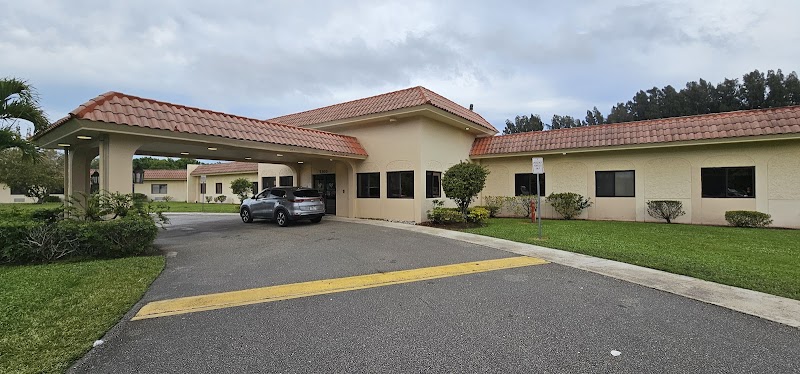
How is Port St Lucie Rehabilitation And Healthcare Staffed?

CMS rates PORT ST LUCIE REHABILITATION AND HEALTHCARE's staffing level at 4 out of 5 stars, which is above average compared to other nursing homes. Staff turnover is 46%, compared to the Florida average of 46%.

What Have Inspectors Found at Port St Lucie Rehabilitation And Healthcare?

State health inspectors documented 20 deficiencies at PORT ST LUCIE REHABILITATION AND HEALTHCARE during 2022 to 2024. These included: 20 with potential for harm.
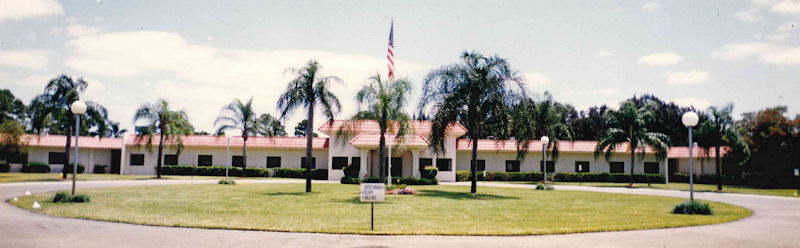
Who Owns and Operates Port St Lucie Rehabilitation And Healthcare?

PORT ST LUCIE REHABILITATION AND HEALTHCARE is owned by a for-profit company. For-profit facilities operate as businesses with obligations to shareholders or private owners. The facility operates independently rather than as part of a larger chain. With 180 certified beds and approximately 152 residents (about 84% occupancy), it is a mid-sized facility located in PORT SAINT LUCIE, Florida.
How Does Port St Lucie Rehabilitation And Healthcare Compare to Other Florida Nursing Homes?

Compared to the 100 nursing homes in Florida, PORT ST LUCIE REHABILITATION AND HEALTHCARE's overall rating (3 stars) is below the state average of 3.2, staff turnover (46%) is near the state average of 46%, and health inspection rating (4 stars) is above the national benchmark.

What Should Families Ask When Visiting Port St Lucie Rehabilitation And Healthcare?

Based on this facility's data, families visiting should ask: "Can I visit during a mealtime to observe dining assistance and food quality?" "How do you handle medical emergencies, and what is your hospital transfer rate?" "Can I speak with family members of current residents about their experience?"

Is Port St Lucie Rehabilitation And Healthcare Safe?

Based on CMS inspection data, PORT ST LUCIE REHABILITATION AND HEALTHCARE has a clean safety record: no substantiated abuse findings (meaning no confirmed cases of resident harm), no Immediate Jeopardy citations (the most serious violation level indicating risk of serious injury or death), and is not on the Special Focus Facility watch list (a federal program monitoring the lowest-performing 1% of nursing homes). The facility has a 3-star overall rating and ranks #100 of 100 nursing homes in Florida. While no facility is perfect, families should still ask about staff-to-resident ratios and recent inspection results during their visit.

Do Nurses at Port St Lucie Rehabilitation And Healthcare Stick Around?

PORT ST LUCIE REHABILITATION AND HEALTHCARE has a staff turnover rate of 46%, which is about average for Florida nursing homes (state average: 46%). Moderate turnover is common in nursing homes, but families should still ask about staff tenure and how the facility maintains care continuity when employees leave.

Was Port St Lucie Rehabilitation And Healthcare Ever Fined?

PORT ST LUCIE REHABILITATION AND HEALTHCARE has no federal fines on record. CMS issues fines when nursing homes fail to meet care standards or don't correct problems found during inspections. The absence of fines suggests the facility has either maintained compliance or corrected any issues before penalties were assessed. This is a positive indicator, though families should still review recent inspection reports for the full picture.

Is Port St Lucie Rehabilitation And Healthcare on Any Federal Watch List?

PORT ST LUCIE REHABILITATION AND HEALTHCARE is not on any federal watch list. The most significant is the Special Focus Facility (SFF) program, which identifies the bottom 1% of nursing homes nationally based on persistent, serious quality problems. Not being on this list means the facility has avoided the pattern of deficiencies that triggers enhanced federal oversight. This is a positive indicator, though families should still review the facility's inspection history directly.