LIFE CARE CENTER OF COEUR D'ALENE
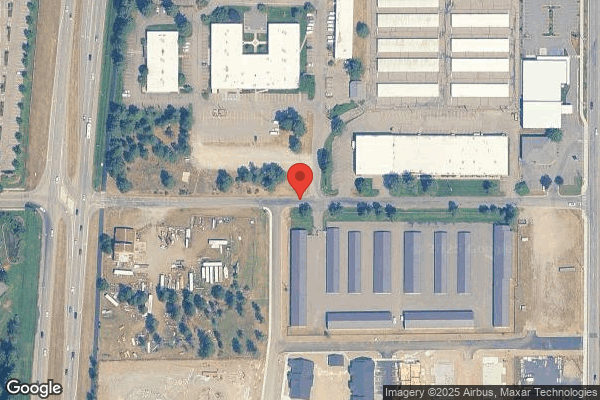

500 WEST AQUA AVENUE, COEUR D ALENE, ID 83815 (208) 762-1122
For profit - Corporation 120 Beds LIFE CARE CENTERS OF AMERICA Data: November 2025
Trust Grade
50/100
#62 of 79 in ID
Last Inspection: October 2024

Within standard 12-15 month inspection cycle. Federal law requires annual inspections.

Overview

Life Care Center of Coeur d'Alene has a Trust Grade of C, indicating that it is average and falls in the middle of the pack among nursing homes. It ranks #62 out of 79 facilities in Idaho, placing it in the bottom half, and #5 out of 7 in Kootenai County, meaning only two local options are better. The facility is showing improvement, having reduced its issues from 13 in 2023 to 8 in 2024. Staffing is rated average with a 3/5 score, but the 51% turnover rate is concerning, as it matches the state average. There are no fines on record, which is a positive sign, but the nursing home has less RN coverage than 97% of Idaho facilities, which may impact resident care. Recent inspector findings revealed some serious concerns. For instance, the dietary manager is not certified in food safety, which could affect the nutrition services for residents. Additionally, food safety practices were lacking, including improper food storage and a dirty ice machine, raising the risk of foodborne illnesses. Despite these weaknesses, the facility is making strides to improve overall conditions.

Trust Score
C
50/100
In Idaho
#62/79
Bottom 22%
Safety Record
Low Risk
No red flags
Inspections
Getting Better
13 → 8 violations
Staff Stability
⚠ Watch
51% turnover. Above average. Higher turnover means staff may not know residents' routines.
Penalties
✓ Good
No fines on record. Clean compliance history, better than most Idaho facilities.
Skilled Nurses
⚠ Watch
Each resident gets only 23 minutes of Registered Nurse (RN) attention daily — below average for Idaho. Fewer RN minutes means fewer trained eyes watching for problems.
Violations
⚠ Watch
33 deficiencies on record. Higher than average. Multiple issues found across inspections.
★★☆☆☆
2.0
Overall Rating
★★★☆☆
3.0
Staff Levels
★★★★☆
4.0
Care Quality
★★☆☆☆
2.0
Inspection Score
Stable
2023: 13 issues
2024: 8 issues

The Good

  • 4-Star Quality Measures · Strong clinical quality outcomes
  • Full Sprinkler Coverage · Fire safety systems throughout facility
  • No fines on record

Facility shows strength in quality measures, fire safety.

The Bad

2-Star Overall Rating

Below Idaho average (3.3)

Below average - review inspection findings carefully

Staff Turnover: 51%

Near Idaho avg (46%)

Higher turnover may affect care consistency

Chain: LIFE CARE CENTERS OF AMERICA

Part of a multi-facility chain

Ask about local staffing decisions and management

The Ugly 33 deficiencies on record

Oct 2024 8 deficiencies
CONCERN (D) 📢 Someone Reported This

A family member, employee, or ombudsman was alarmed enough to file a formal complaint

Potential for Harm - no one hurt, but risky conditions existed

Free from Abuse/Neglect (Tag F0600)

Could have caused harm · This affected 1 resident

**NOTE- TERMS IN BRACKETS HAVE BEEN EDITED TO PROTECT CONFIDENTIALITY** Based on observation, record review, interview, and policy review, the facility failed to ensure that two out of four residents ...

Read full inspector narrative →
**NOTE- TERMS IN BRACKETS HAVE BEEN EDITED TO PROTECT CONFIDENTIALITY** Based on observation, record review, interview, and policy review, the facility failed to ensure that two out of four residents (Resident (R) 140 and R18) reviewed for abuse were free from sexual abuse from R139 as he was observed placing R140's hand on top of his genitals and on another occasion was observed placing his hand on R18's groin of 29 sample residents. The failure to protect R140 and R18 from R139 resulted in the potential for more than minimal phsychosocial harm from unwanted sexual contact. Findings include: Review of the facility's policy titled, Abuse-Prevention, dated 07/18/23 and provided by the facility, revealed It is the policy of this facility to prevent and prohibit all types of abuse, neglect, misappropriation of resident property, and exploitation . Procedure 1. Establishing a safe environment that supports, to the extent possible, a resident's consensual sexual relationship and by establishing policies and protocols for preventing sexual abuse . Review of the facility's policy titled, Abuse-Identification of Types, dated 06/17/24 and provided by the facility, revealed Sexual abuse-is defined as non-consensual sexual contact of any type with a resident. 1. Review of the Facility Reported Incident (FRI) investigation, dated 08/16/23 and provided by the facility, showed that on 08/16/23, R139 was observed by a Certified Nursing Assistant (CNA) with his hand on R140's hand, and R140 was rubbing R139's genitals with R139's hand on top of hers. The Report revealed R140's Brief Interview for Mental Status (BIMS) score on 08/02/23 was a six (severely impaired cognition) and R139's BIMS was 15 (cognitively intact) on 07/06/23. The residents were separated. R139 was interviewed by the Administrator and a police officer. R139 reported that R140 reached out and grabbed his hand; R139 stated he had no interactions with R140 prior to this incident. R139 denied he used R140's hand to rub his genitals. R139 was educated by the Social Service Director (SSD) that R140 was not able to consent to sexual activity and he could not engage in further sexual activity with her. Both residents were placed in line-of-sight supervision and were placed on alert charting. R140 had no change in baseline function with eating, activity or withdrawal noted. Review of R140's undated admission Record in the electronic medical record (EMR) under the Profile tab, revealed R140 was admitted to the facility on [DATE] with a diagnosis of dementia. Review of the significant change Minimum Data Set (MDS) with an Assessment Reference Date (ARD) of 01/24/24 in the EMR under the MDS tab revealed R140 was severely impaired in cognition with a Brief Interview for Mental Status (BIMS) score of three out of 15. R140 passed away in the facility on 02/13/24. Review of R139's undated admission Record in the EMR under the Profile tab revealed R139 was admitted to the facility on [DATE] with a diagnosis of femur (thigh bone) fracture. Review of the annual MDS with an ARD of 01/13/23 in the EMR under the MDS tab revealed R139 had a BIMS score of 15 out of 15 indicating he was cognitively intact. R139 was discharged from the facility on 12/27/23. Review of R139's Care Plan, dated 08/23/23 in the EMR under the Care Plan tab, revealed a problem of, The resident has a psychosocial well-being problem (potential) r/t [related to] allegation of sexual abuse. The goals were, The resident will identify appropriate diversional activities . The resident will verbalize feelings related to emotional state . The resident will identify ways of increasing appropriate meaningful relationships. Interventions in total were, Line of sight supervision at all times when out of room . When conflict arises, remove residents to a calm safe environment and allow to vent/share feelings. R139's Care Plan was not updated until 12/16/23. During an interview on 10/04/24 at 10:18 AM, the SSD stated R139 targeted cognitively impaired female residents who did not have the mental capacity to consent for sexual activity. The SSD indicated R139 was discharged to an all-male unit in December 2023 due to his sexual targeting of cognitively impaired female residents. Review of a physician's Care Note, dated 12/19/23, revealed 12/14/23 [R139] is a pleasantly confused . male seen today for routine visit and medication management appointment for concerns for increased inappropriate/hypersexual behaviors. Currently not on any medications for dementia or depression. He continues to be out of bed daily and attempts to engage with others, however, his inappropriate talk impedes his ability to participate. 2. Review of the Facility Reported Incident (FRI) investigation, dated 12/18/23 and provided by the facility, showed that on 12/18/23, R139 was observed by CNA3 talking to R18 in the dayroom. R139 then put his hand on R18's groin area and CNA3 immediately separated the residents and reported the incident to the nurse on duty. R139 was placed on one-to-one supervision. R139's most recent BIMS score on 10/05/23 was 15 out of 15 (cognitively intact). R18's most recent BIMS score was eight out of 15 (moderately impaired cognition). When R139 was interviewed, he stated he did not recall the incident. R18 did not recall the incident due to her cognitive impairments and has not shown any s/s [signs and symptoms] of psychosocial harm. [R139] has a history of seeking out female attention . The investigation indicated R139 would be transferring to an all-male unit on 12/27/23. During an interview on 10/03/24 at 2:22 PM, CNA3 stated R139 touched female residents with memory issues inappropriately. CNA3 stated she observed R139 touch R18 and more than once. CNA3 stated she physically separated the residents when this occurred and redirected R139 to his room and the females to activities. CNA3 stated she observed more than one incident of R139 touching R18 inappropriately and sometimes R18 was ok with it and other times she was not. CNA3 stated the last two to three weeks before R139 discharged , his sexual behaviors increased. CNA3 stated R139 did not seem too upset when caught and made jokes that he was a lady's man. CNA3 stated she was not aware of any residents having consensual relations with R139. CNA3 stated R139's behaviors increased in the evenings, when staff were busy with dinner, and laying people down. CNA3 stated she reported all observed incidents to the nurse on duty and to the other CNAs who were working. CNA3 stated the nurses were all aware of the incidents and she had been instructed, to keep an eye on him [R139]. An attempt was made to interview R18 on 09/30/24 at 4:01 PM. R18 was pleasantly confused and stated she had resided in the facility for four to five weeks. Review of the undated admission Record in the EMR under the Profile tab revealed R18 was admitted to the facility on [DATE]. During observation, R18 was of small stature, elderly, and frail in appearance. R18 was not interviewable regarding the incident that occurred on 12/18/23 between R139 and herself. Review of R139's Care Plan, dated 12/16/23 in the EMR under the Care Plan tab, revealed a problem of, [R139] has a behavior problem (hypersexuality) r/t dx [diagnosis] dementia w/ [with] bx [behavior] disturbances. [R139 seeks out female residents and does not maintain appropriate physical boundaries. The goals were, The resident will have fewer episodes hypersexuality by review date . The resident will not experience behaviors that are harmful to self and others Interventions were, Administer medications as ordered .Anticipate and meet the resident's needs .If reasonable, discuss the resident's behavior. Explain/reinforce why behavior is inappropriate and/or unacceptable to the resident . Intervene as necessary to protect the rights and safety of others. Approach/speak in a calm manner, Divert attention. Remove from situation and take to alternate location as needed. Minimize potential for resident's disruptive behaviors by offering tasks/activities which divert attention such as group activities, exercise, and 1:1 visits. Praise an indication of the resident's progress/improvement in behavior. Provide a program of activities that is of interest and accommodates residents' status. Review of the Discharge Summary, dated 12/22/23 in the EMR under the Document tab, revealed Reason for discharge: Transfer to higher level of care due to (hypersexual behavior) of seeking out cognitively impaired female residents . Any discussion of behavior and what is acceptable and unacceptable is denied, having no idea what staff are talking about. [R139] will state that there are very persistent female resident that reach out to touch him. Any discussion of changing his behaviors ends with [R139] stating that the female residents touch him. However, [R139] has consistently over a period of time seeks out cognitively impaired female resident to touch or have them touch him. Review of the physician's Care Note, dated 01/02/24 for a visit occurring on 12/27/23 in the EMR under the Documents tab, revealed [R139] is . being seen today for discharge visit. Pt [patient] has been sexually inappropriate with multiple female residents. He was placed on Paxil [antidepressant] recently but is needing to be moved immediately for pt safety. He is being transferred to the men's behavioral unit . During an interview on 10/02/24 at 5:26 PM, the Administrator and Director of Nursing (DON) were interviewed. They stated the incident between R139 and R18 occurred on 12/18/23 and an investigation was started immediately. They stated CNA3 reported the incident to the nurse who reported it to the Administrator. They verified CNA3 was the only witness. They stated the five-day report was sent to the State Survey Agency on 12/22/23, meeting the reporting period requirement. They stated because of this incident, R139 was put on 1:1 observation and a referral were made to an all-male unit that he was admitted to. When asked if R139 had a history of sexual abuse towards other residents the Administrator stated he had a consensual relationship with R141 who was alert and oriented, but other than that he had not exhibited sexually abusive behavior towards any other residents.
CONCERN (D)

Potential for Harm - no one hurt, but risky conditions existed

Unnecessary Medications (Tag F0759)

Could have caused harm · This affected 1 resident

Based on observation, record review, interview, and policy review, the facility failed to ensure the medication error rate of less than 5% by having a medication error rate of 7.69% for the 26 medicat...

Read full inspector narrative →
Based on observation, record review, interview, and policy review, the facility failed to ensure the medication error rate of less than 5% by having a medication error rate of 7.69% for the 26 medication administration opportunities observed for two of five residents (Resident (R) 58 and R78) of 29 sample residents. The facility's failure to administer medications as ordered and placed residents who received medications at risk for medication errors. Findings include: Review of the facility's policy titled, Medication Administration via Enteral Access Devise, revised 08/08/23, directs staff under Medication Administration General Considerations 5. Administer each medication separately . 1. Review of R58's undated Admissions tab of the electronic medical record (EMR) revealed an admission date of 02/02/23. Review of the October 2024 Orders tab of the EMR revealed an order for Lantus Solostar insulin 25 units to be administered at 8:00 AM each day. During an observation on 10/01/24 at 9:59 AM, Registered Nurse (RN) 1 administered the Lantus Solostar. During an interview on 10/01/24 at 10:00 AM RN1 confirmed medications were to be administered within one hour of the physician's order time to be administered. RN1 confirmed the insulin was administered more than one hour after the physician ordered it to be administered. 2. Review of R78's undated Census tab of the EMR revealed an admission date of 08/01/24. Review of the Diagnoses tab of the EMR revealed diagnoses which included stoke and diabetes. Review the October 2024 Orders tab of the EMR revealed orders for docusate sodium (a stool softener) 100 milligrams (m)g (milligrams) tablet, vegetable laxative one tablet, amlodipine (to treat high blood pressure) tablet, 10 mg, Eliquis (prevents blood clots) 5mg tablet, Escitalopram (an antidepressant) 5mg tablet, famotidine (used to prevent heart burn) 20mg tablet, and metoprolol (used to treat high blood pressure). During an observation on 10/03/24 at 10:00 AM, RN1 obtained the docusate sodium 100 milligrams (m)g tablet, vegetable laxative one tablet, amlodipine tablet, 10 mg, Eliquis 5mg tablet, Escitalopram 5mg tablet, famotidine 20mg tablet, and metoprolol medications, crushed the medications and placed the medications in approximately 90 cubic centimeters (cc) of water and mixed them into water. RN1 then administered the combined medications to the resident through R78's percutaneous endoscopic gastrostomy (PEG) tube (a tube placed through the abdominal wall into the stomach for feeding). During an interview on 01/03/24 at 10:10 AM RN1 confirmed the medications were mixed with water and administered through the PEG tube and not separately as the facility's policy directed.
CONCERN (D)

Potential for Harm - no one hurt, but risky conditions existed

Medical Records (Tag F0842)

Could have caused harm · This affected 1 resident

**NOTE- TERMS IN BRACKETS HAVE BEEN EDITED TO PROTECT CONFIDENTIALITY** Based on record review, interview, and policy review, the facility failed to ensure one of three residents (Resident (R) 40) rev...

Read full inspector narrative →
**NOTE- TERMS IN BRACKETS HAVE BEEN EDITED TO PROTECT CONFIDENTIALITY** Based on record review, interview, and policy review, the facility failed to ensure one of three residents (Resident (R) 40) reviewed for insulin use had a medical record that was accurate regarding the treatment of high and low blood sugar (BS) levels of 29 sample residents. This failure created the potential for inadequate treatment of R40's diabetes. Findings include: Review of the facility's policy titled, Authentication of All Record Entries, dated 02/29/24 and provided by the facility, revealed Anyone documenting in the medical record should be credentialed and/or have the authority and right to document. Individuals must be trained and competent in the fundamental documentation practices of the facility and legal documentation standards. Review of the quarterly Minimum Data Set (MDS) with an Assessment Reference Date (ARD) of 07/15/24 in the electronic medical record (EMR) under the MDS tab, revealed R40 was admitted to the facility on [DATE] with diagnosis which included diabetes mellitus. R40 had a Brief Interview for Mental Status (BIMS) score of 11 out of 15 which indicated the resident has moderately impaired cognition. R40 received insulin injections daily during the assessment period. During an interview on 09/30/24 at 11:59 AM, R40 stated she was a diabetic and had a history of issues with blood sugars, having accidentally overdosed on insulin at home. R40 verified receiving insulin twice a day in the facility. Review of the Medication Administration Record (MAR), dated September 2024 and located in the EMR under the Orders tab, revealed R40 had orders for: -Hypoglycemia [low blood sugar] Protocol - If resident awake/gag reflex intact - Give 120 ml [milliliters] juice every 15 minutes as needed for blood sugar less than 70. Recheck in 15 minutes and notify MD [Medical Doctor], initiated on 01/24/24. -Glucagon kit 1 mg [milligram], inject 1 mg intramuscularly every 15 minutes as needed for blood sugar <70 if unresponsive. Repeat in 15 minutes. Notify MD. Hold all insulin coverages unless otherwise indicated, initiated on 02/23/24. Review of the MAR, dated September 2024 and located in the EMR under the Orders tab, revealed on 09/15/21 at 5:51 AM [before breakfast BS check] R40's BS was 50, taken by Licensed Practical Nurse (LPN) 1. The next BS check was completed at 7:46 AM, almost two hours later at which time it was 72. There was no documentation of what action was taken in response to the low BS, whether R40 exhibited any signs and symptoms of hypoglycemia, if carbohydrate was administered, or whether the physician was called as specified in the order. There was no nursing progress note regarding the hypoglycemia incident. The MAR did not document any doses of glucagon being administered. During an interview on 10/03/24 at 3:24 PM, Resident Care Manager (RCM) 2, a Licensed Practical Nurse (LPN) stated R40's next BS check on 09/15/24 was about two hours later following the BS of 50. RCM2 verified there was no nursing note or documentation on the MAR with details about treatment provided and the resident's condition. During an interview on 10/03/24 at 4:44 PM, LPN1 stated she had been working the overnight shift and took R40's BS at the end of her shift at about the time the day shift nurse was coming on duty. LPN1 stated she gave R40 two packets of glucose and R40 was awake and alert. LPN1 stated the day shift nurse came on duty and stated juice mixed with sugar worked better. LPN1 stated R40 was not able to swallow, and the oncoming nurse gave R40 an injection of glucagon, and then a second injection. LPN1 stated after giving glucose, R40's BS dropped to 35 and she checked it again in about 10 minutes. LPN1 stated R40 began to get clammy and started to be not as responsive. The two glucagon injections were given, and her BS went up to 56 within 10 - 15 minutes. LPN1 verified she did not document anything that occurred in a progress note in the EMR and that everything she did should have been documented. During an interview on 10/04/24 at 1:30 PM, the Director of Nursing (DON) stated LPN1 should have followed the hypoglycemia protocol and documented the information in a progress note. Review of the MAR, dated September 2024 and located in the EMR under the Orders tab, revealed R40 had an order initiated on 09/20/24 for sliding scale insulin, Humalog Kwik Pen Subcutaneous Solution Pen-injector 100 units/milliliter (ml) (Insulin Lispro). Inject as per sliding scale: if [blood sugar (BS)] 150 - 200 = 0 unit; 201 - 250 = 2 units; 251 - 300 = 4 units; 301 - 350 = 6 units; 351 - 400 = 8 units; 401 - 499 = 10 units, subcutaneously before meals related to type two diabetes mellitus with hyperglycemia. If [BS] >500 and asymptomatic give 10 units and push water, recheck in two hours if down. Monitor, if BS still >500 give 1 unit then continue to check BS Q [every] two hours and give 1 unit if [BS] over 500. if pt [BS] >500 and symptomatic, call MD . Review of the MAR for the month of September 2024 and located in the EMR under the Orders tab, revealed on 09/22/24 at 10:50 AM (before lunch BS check), R40's BS was elevated at 566. A code of 3 was documented on the MAR by Registered Nurse (RN) 2 indicating vital signs outside of parameters of administration. RN2 did not document administering 10 units of insulin as ordered. There was no documentation to show any insulin was administered at this time. In addition, RN2 did not document rechecking R40's BS until three hours later at 1:45 PM, at which time it was 356. The orders instructed recheck of the BS two hours later. During an interview on 10/03/24 at 3:24 PM, RCM2 verified a code of 3 was documented on the MAR on 09/22/24 and stated, It does not appear she gave the 10 units [of insulin]. RCM2 reviewed the progress notes and stated there was no documentation in progress notes regarding the elevated BS, administration of insulin, signs and symptoms of hyperglycemia or contact of the physician if applicable. RCM2 stated the next BS check was completed three hours later. During an interview on 10/04/24 at 1:35 PM, the DON reviewed R40's MAR for September 2024 and verified a code of 3 had been documented and there was no documentation insulin was administered. The DON stated RN2 should have documented whether there were any symptoms of hyperglycemia. During an interview on 10/05/24 at 8:42 AM, RN2 stated R40's BS was high (over 500) on 09/22/24 when she checked it and she called the on call physician who instructed her to administer water to the resident and recheck her BS. RN2 stated she administered the insulin according to the physician's orders and R40's BS came down within two hours. RN2 stated she wrote a progress note with all this information and stated she did not know why the progress note was not there.
CONCERN (D)

Potential for Harm - no one hurt, but risky conditions existed

Infection Control (Tag F0880)

Could have caused harm · This affected 1 resident

Based on observation, record review, interview, and Centers for Disease Control (CDC) guidance, the facility failed to implement proper infection control procedures for one of four residents (Resident...

Read full inspector narrative →
Based on observation, record review, interview, and Centers for Disease Control (CDC) guidance, the facility failed to implement proper infection control procedures for one of four residents (Resident (R) 78) reviewed for infection control of 29 sample residents. R78 required enhanced barrier precautions (EBP) due to having an invasive device such as a feeding tube or catheter. This failure had the potential to increase the risk of infection. Findings include: Review of the Centers for Disease Control reference titled, Implementation of Personal Protective Equipment (PPE) Use in Nursing Homes to Prevent Spread of Multidrug-resistant Organisms (MDROs), updated 07/12/22 and located at https://www.cdc.gov/long-term-care-facilities/hcp/prevent-mdro/PPE.html, required the use of gowns during high contact resident care acuities including the accessing of medical devises, which include percutaneous endoscopic gastric (PEG) tubes which were used for medication administration. 1. Review of R78's Census tab of the electronic medical record (EMR) revealed an admission date of 08/01/24. Review of the Diagnoses tab revealed diagnoses which included stoke and diabetes. Review of the Orders tab of the EMR, dated 08/01/24, revealed orders for tube feeding and medication administration through PEG tube. There was an order, dated 08/01/24, for enhanced barrier precautions. During an observation on 10/03/24 at 10:00 AM, Registered Nurse (RN) 1 administered medications to R78 via the PEG tube, which revealed RN1 was wearing gloves but lacked a protective gown. During an interview on 10/03/24 at 10:10 AM, RN1 confirmed R78 was in EBP, and staff were to wear a protective gown providing care for R78, including the medical device. RN1 confirmed that they failed to put on a gown prior to and when accessing R78's PEG tube to administer medications.
CONCERN (E)

Potential for Harm - no one hurt, but risky conditions existed

Resident Rights (Tag F0550)

Could have caused harm · This affected multiple residents

Based on observation, interview, and policy review, the facility failed to serve residents consecutively while seated at five of the seven tables (one, two, three, four, and seven) observed during mea...

Read full inspector narrative →
Based on observation, interview, and policy review, the facility failed to serve residents consecutively while seated at five of the seven tables (one, two, three, four, and seven) observed during meal service which included one of one resident (Resident (R) 48) reviewed for dignity during meal service of 29 sample resident. This had the potential to affect meal satisfaction for the 17 residents eating meals in the dining room. Findings include: Review of the facility's policy titled, Resident Dining Services, dated 04/30/24, indicated that Residents seated together are served in consecutive order so they can eat at the same time. During a lunch meal observation on 10/02/24 at 11:37 AM, the following was observed: -Meals served at 11:37 AM for one resident at table one and one resident at table two, -Meals served at 11:39 AM, for one resident at table three and one resident at table four, -Meals served at 11:40 AM for one resident back to table three and one resident at table five, -Meals served at 11:41 AM for one resident back to table two, one resident at table six, and one resident at table seven, -Meals served at 11:45 AM for two residents back to table six, -Meals served at 11:46 AM for three residents back to table six, -Meals served at 11:48 AM for two residents back to table four and -The final meal was served at 11:49 AM for one resident back to table one. During an interview on 10/02/24 at 11:54 AM, R48, who was seated at table four stated that meals were served like this every day and they sat and waited for theirs. R48 stated they had one server, so they didn't expect much. During an interview on 10/02/24 at 11:58 AM, Cook1 stated that they just served the plates as they came off the tray line and they didn't know they should serve each table before serving the next table. During an interview on 10/02/24 at 1:24 PM, the Dietary Manager (DM) stated he did not know residents were not being served at the same table before the next table was served. The DM stated that residents should have all been served at each table before serving the next table.
CONCERN (F)

Potential for Harm - no one hurt, but risky conditions existed

Deficiency F0801 (Tag F0801)

Could have caused harm · This affected most or all residents

Based on interview and job description review, the facility failed to ensure a qualified director of food and nutrition services was in place to oversee the dietary department with the potential to ef...

Read full inspector narrative →
Based on interview and job description review, the facility failed to ensure a qualified director of food and nutrition services was in place to oversee the dietary department with the potential to effect 82 census residents. Findings include: Review of the Food Service Director Job Description, date 09/28/22, indicated that the position required a minimum course of study in food safety before October 1,2023 (e.g., Serv Safe Food Manager Certification). During an interview on 10/01/24 at 11:18 AM, the Dietary Manager (DM) stated that he had been employed at the facility for one and a half years. The DM stated that he was not certified and did not have any Serv-Safe courses completed. The DM stated that he worked six months straight without a day off and had no time to do any training. During an interview on 10/01/24 at 11:45 AM, the Registered Dietitian (RD) stated that she was in the facility two days a week and was aware the DM was not certified. The RD stated that the DM needed to be certified so he could understand how to run the kitchen for long-term residents. The RD stated that she completed the resident assessments and did not manage the kitchen.
CONCERN (F)

Potential for Harm - no one hurt, but risky conditions existed

Deficiency F0802 (Tag F0802)

Could have caused harm · This affected most or all residents

Based on observation, interview, and job description review, the facility failed to ensure there was sufficient staff with the appropriate competencies and training to carry out the functions of the d...

Read full inspector narrative →
Based on observation, interview, and job description review, the facility failed to ensure there was sufficient staff with the appropriate competencies and training to carry out the functions of the dietary department. This failure had the potential to affect the ability of the dietary staff to safely and effectively carry out the functions of the food and nutrition service for 81 of 82 residents consuming food. Findings include: Review of the Food Service Job Description, dated 09/28/22, indicated that specific requirements of the position required that the manager must effectively conduct educational programs . Must be knowledgeable of food service practices and procedures as well as the laws, regulations, and guidelines governing food service functions in the post-acute care facility . Must be able to collaborate and work with the Registered Dietician . Must be able to ensure the patient's physician ordered diets are prepared and served accurately at meals and snacks. Review of the undated dietary schedule provided by the Dietary Manager (DM) revealed that there were two employees scheduled to prepare, serve, and clean-up the dinner meal for 81 residents on Sunday, Monday, Wednesday, Thursday, Friday, and Saturday and only one employee scheduled to work during the dinner meal on Tuesday. The schedule revealed that there was one employee in the kitchen from 2:00 PM until 7:00 PM to prepare, serve, and clean up the dinner meal for 81 of 82 residents who were served a meal. During observations of the kitchen on 09/30/24 at 10:09 AM, 10/01/24 at 10:47 AM, 10/02/24 at 11:37 AM and 10/02/24 at 6:04 PM, during the day, there were three staff, and, in the evening, there were two staff working. During an interview on 10/01/24 at 11:18 AM, the DM stated he had worked for the facility for one and a half years and had worked for six months without a day off. The DM stated that recently he hired a cook and would get a day off every two weeks. He stated they were very short-handed and sometimes ran the entire kitchen with only two staff. The DM stated he had no time to get his certification or to train any staff. The DM stated that he had no in-service training completed for the staff in the kitchen and that the staff needed more training. During an interview on 10/01/24 at 11:45 AM, the Registered Dietitian (RD) stated that she was not aware of any training provided to the kitchen staff. The RD stated she completed kitchen audits and would make suggestions, but the DM would not respond to any of her suggestions. During an interview on 10/02/24 at 1:50 PM, the DM stated they needed one more cook and two more dietary aides. The DM stated that the main office did the recruiting, and he had no idea how it was handled. During an interview on 10/03/24 at 3:56 PM, Cook1 stated he worked at the facility for approximately 20 years. Cook1 stated they had not had any in-service training in the kitchen since December 2022 and many staff walked off the job. Cook1 stated he only got one day off a week and there was just not enough time to do any training. Cook1 stated the staff needed more training and they did not have enough staff in the kitchen. Cook1 stated they ended up rushing around the kitchen and mistakes were made because they got worn out. Cook1 stated that they definitely needed more staff. During an interview on 10/03/24 at 10:03 AM, the RD stated she updated a resident's diet the day before from a regular diet to a diet that limited tomatoes and potatoes and that the tray ticket was supposed to be updated by kitchen staff. The RD reviewed and verified the tray ticket had not been updated. During an interview on 10/04/24 at 9:56 AM, the DM stated they had no documentation for any training in the kitchen.
CONCERN (F)

Potential for Harm - no one hurt, but risky conditions existed

Food Safety (Tag F0812)

Could have caused harm · This affected most or all residents

Based on observations, interviews, and policy review, the facility failed to ensure food was not stored on the floor in the freezer and in the dry storage area, a dirty ice machine was cleaned, and pr...

Read full inspector narrative →
Based on observations, interviews, and policy review, the facility failed to ensure food was not stored on the floor in the freezer and in the dry storage area, a dirty ice machine was cleaned, and proper handling of food and dishware on the tray line. These failures had the potential to increase the prevalence and spread of foodborne illness and infection for all 82 census residents. Findings include: Review of the facility's policy titled, Sanitation and Maintenance, dated 04/30/24, revealed that The Director of Food and Nutrition Services is responsible for ensuring that the department is maintained according to the standards of sanitation and in compliance with federal, state, and local requirements. During an observation of the kitchen and interview on 09/30/24 at 10:09 AM accompanied by Cook1, there was a black mold-like substance observed on the plastic lining inside the ice machine. The cleaning schedule revealed the ice machine had been cleaned on 07/16/24. Cook1 stated that the ice machine was cleaned every six months and looked like it needed to be cleaned again. Additional observations revealed five cases of health shakes on the floor of the walk-in freezer, and eight cases of soda with two cases of gloves on the floor of the dry storage room. During an interview on 09/30/24 at 10:09 AM, Cook1 stated that these items had been delivered a few days ago, they had not put them away yet and should not have been stored on the ground. During an observation of the tray line on 10/01/24 at 11:10 AM, Cook2 picked up every plate with his bare hand and held it with his thumb on the center of the plate. Cook2 was observed to arrange the food on the plates with his bare hand. Cook2 was observed to wipe his hands on his pants several times during tray line service. During an interview on 10/01/24 at 11:18 AM, the Dietary Manager (DM) stated he had just hired this cook and that the staff needed more training. During an interview on 10/1/24 at 11:45 AM, the Registered Dietitian (RD) stated that she conducted kitchen audits, but her recommendations were not followed. The RD stated that all kitchen staff needed to follow the sanitation policy. The RD stated that the cook should not be wiping his hands on his pants or touching food with his bare hands.
Jun 2023 13 deficiencies
CONCERN (D) 📢 Someone Reported This

A family member, employee, or ombudsman was alarmed enough to file a formal complaint

Potential for Harm - no one hurt, but risky conditions existed

Deficiency F0558 (Tag F0558)

Could have caused harm · This affected 1 resident

**NOTE- TERMS IN BRACKETS HAVE BEEN EDITED TO PROTECT CONFIDENTIALITY** Based on observation, record review, and resident and staff interview, it was determined the facility failed to ensure a residen...

Read full inspector narrative →
**NOTE- TERMS IN BRACKETS HAVE BEEN EDITED TO PROTECT CONFIDENTIALITY** Based on observation, record review, and resident and staff interview, it was determined the facility failed to ensure a resident's bed rails were installed on his bed per his preference and physician order to aid him in repositioning and mobility. This was true for 1 of 1 resident (Resident #50) reviewed for residents' rights. This deficient practice had the potential to cause harm if the Resident #50 experienced decreased mobility and weakness from not having bed rails to assist him with repositioning. Findings include: Resident #50 was admitted to the facility on [DATE] and re-admitted following a hospital stay on 3/27/23, with multiple diagnoses including paraplegia (paralysis of his lower limbs below his navel) and a Stage 4 pressure ulcer to his right buttock. A Stage 4 pressure ulcer is a deep wound that exposes muscle, bone, or tendon. Resident #50's record included a physician order, initiated on 11/9/22, for full side rails to both sides of the bed to aid in bed mobility and repositioning. Resident #50's care plan dated 6/16/20, documented to use bilateral full side rails to feel safe in bed and assist with repositioning while in bed. Resident #50's record included an Informed Consent for Physical Restraints, dated 4/9/22, documented full side rails to bilateral sides of the bed, to assist with bed mobility and repositioning. At 3:08 PM on 6/13/23, it was observed Resident #50 did not have bedrails on his bed. Resident #50 stated he asked to get the bedframe with side rails back, so he can reposition himself and regain the strength he felt he had lost since they took his bedframe with side rails. On 6/14/23 at 2:38 PM, the SDC stated he had the order for Resident #50 and informed consent for bed rails due to his wound care physicians order for a specialized sand mattress to aid in healing his pressure ulcer, and the only way for him to have that mattress is to use the frame it came with that is only available with full bed rails. The SDC stated when the order for the specialized bedframe was discontinued the order for full bedrails should have been discontinued and the care plan should have been updated accordingly. At 10:02 AM on 6/15/23, Certified Occupational Therapy Assistant (COTA) #1 stated Resident #50 had requested bedrails be added to his bedframe. Maintenance checked and the bedframe he currently had was not compatible with bedrails and they would need to find a way to install grab bar handles for repositioning.
CONCERN (D) 📢 Someone Reported This

A family member, employee, or ombudsman was alarmed enough to file a formal complaint

Potential for Harm - no one hurt, but risky conditions existed

Deficiency F0578 (Tag F0578)

Could have caused harm · This affected 1 resident

**NOTE- TERMS IN BRACKETS HAVE BEEN EDITED TO PROTECT CONFIDENTIALITY** Based on policy review, record review, and staff interview, it was determined the facility failed to ensure residents' received ...

Read full inspector narrative →
**NOTE- TERMS IN BRACKETS HAVE BEEN EDITED TO PROTECT CONFIDENTIALITY** Based on policy review, record review, and staff interview, it was determined the facility failed to ensure residents' received information and assistance to exercise their rights to formulate an Advance Directive and this was documented in their record. This was true for 3 of 18 residents (#5, #10, and #18) whose records were reviewed. This failed practice created the potential for harm or adverse outcome if the resident's wishes were not followed or documented regarding their advance care planning. Findings include: The State Operations Manual, Appendix PP, defines an Advance Directive as a written instruction, such as a living will or durable power of attorney for health care, recognized under State law (whether statutory or as recognized by the courts of the State), relating to the provision of health care when the individual is incapacitated. Physician Orders for Life-Sustaining Treatment (or POST) paradigm form is a form designed to improve patient care by creating a portable medical order form that records patients' treatment wishes so that emergency personnel know what treatments the patient wants in the event of a medical emergency, taking the patient's current medical condition into consideration. A POST paradigm form is not an advance directive. The facility policy for Advance Directives and Advance Care Planning, revised 8/2/22, stated residents have the right to self-determination regarding their medical care including the right to execute or refused an Advance Directive. The policy stated on admission the admission Director or designee were to discuss with the resident and/or their representative the goals of care related to an Advance Directive. This policy was not followed. Examples include: 1. Resident #10 was admitted to the facility on [DATE], with multiple diagnoses including traumatic brain injury (TBI), cognitive impairment, and aphasia (inability to communicate verbally). Resident #10 had a legal guardian. Resident #10's record did not include an advance directive or documentation information about an advance directive was provided and discussed with his legal guardian. 2. Resident #5 was admitted to the facility on [DATE], with diagnoses which included pneumonia. Resident #5's record did not include an advance directive or documentation information about an advance directive was provided and discussed with her. 3. Resident #18 was admitted to the facility on [DATE], with diagnoses which included fracture of the upper right leg, high blood pressure, and respiratory failure. Resident #18's record did not include an advance directive or documentation information about an advance directive was provided and discussed with him. During an interview on 6/14/23 at 10:00 AM, the SSC stated she had discussions with residents regarding advance directives upon admission and when needed. She stated Resident #5 had a durable power of attorney and has repeatedly requested for it to be brought in by the family. The SSC confirmed Resident #10's legal guardian had not executed an advance directive and had chosen to utilize the POST, but this was not documented in Resident #10's record. She stated she did not document in the resident record her discussions with residents or family about advance directives.
CONCERN (D) 📢 Someone Reported This

A family member, employee, or ombudsman was alarmed enough to file a formal complaint

Potential for Harm - no one hurt, but risky conditions existed

Notification of Changes (Tag F0580)

Could have caused harm · This affected 1 resident

**NOTE- TERMS IN BRACKETS HAVE BEEN EDITED TO PROTECT CONFIDENTIALITY** Based on policy review, record review, and staff and resident representative interview, it was determined the facility failed to...

Read full inspector narrative →
**NOTE- TERMS IN BRACKETS HAVE BEEN EDITED TO PROTECT CONFIDENTIALITY** Based on policy review, record review, and staff and resident representative interview, it was determined the facility failed to ensure notification of a medication dosage change to the legal guardian for 1 of 2 residents (Resident #10) reviewed for notification of changes. This deficient practice placed Resident #10 at risk due to lack of information shared and the resident's right to be informed. Findings include: The facility policy for Changes in Resident's Condition or Status, dated 8/18/22, stated, This facility will notify the resident, his/her primary care provider, and resident/resident representative of changes in the resident's condition or status. This policy was not followed. Resident #10 was admitted to the facility on [DATE], with multiple diagnoses including traumatic brain injury (TBI), cognitive impairment, and aphasia (inability to communicate verbally). Resident #10 had a legal guardian to advocate for him and make decisions on his behalf. A Psychotropic Medication Meeting Note from 1/19/23 at 10:55 AM, documented the prescribing physician and IDT agreed to trial a gradual dose reduction of his Lexapro (a medication for anxiety and depression), decreasing his dose from 10 mg once a day, to 5 mg once a day. The SSC documented she would notify his legal guardian of the gradual dose reduction. An SSC Progress Note from 3/6/23 at 10:57 AM, documented Resident #10's legal guardian, while speaking to a nurse, reported witnessing increased display of behaviors that were corroborated by the nurse as also being observed. Resident #10's legal guardian was not pleased with the order to decrease his Lexapro to 5 mg and requested to have the order restored to the original dose of 10 mg. During a phone interview on 6/13/23 at 2:08 PM, Resident #10's legal guardian stated she was not informed about the psychotropic medication dosage decrease until she spoke to a nurse about increased display of maladaptive behaviors on 3/6/23. During an interview on 6/14/23 at 3:50 PM, the SSC clarified that due to the nature of the Psychotropic Medication Meetings where they review medications for multiple residents, residents and their representatives were not able to attend to protect each resident's rights to privacy. The SSC stated she spoke in person with Resident #10's legal guardian regarding the decrease in dose. The SSC stated this was not documented in Resident #10's record. The facility failed to ensure his legal guardian was notified of the change in dosage.
CONCERN (D) 📢 Someone Reported This

A family member, employee, or ombudsman was alarmed enough to file a formal complaint

Potential for Harm - no one hurt, but risky conditions existed

Transfer Requirements (Tag F0622)

Could have caused harm · This affected 1 resident

**NOTE- TERMS IN BRACKETS HAVE BEEN EDITED TO PROTECT CONFIDENTIALITY** 2. Resident #51 was admitted to the facility on [DATE] and readmitted on [DATE], with multiple diagnoses including rapid heart r...

Read full inspector narrative →
**NOTE- TERMS IN BRACKETS HAVE BEEN EDITED TO PROTECT CONFIDENTIALITY** 2. Resident #51 was admitted to the facility on [DATE] and readmitted on [DATE], with multiple diagnoses including rapid heart rate and kidney failure. A Nursing Progress Note, dated 5/2/23, documented Resident #51 was found on the floor after an unwitnessed fall and presented with a change in mental status. The physician was notified, and an order was sent for Resident #51 to go to the emergency room. Resident #51 was sent to the emergency room by ambulance. During an interview on 6/15/23 at 2:37 PM, the SDC stated there should be documentation of which forms were sent to the hospital, usually through the separate electronic system. The SDC stated there was no form or note about documents sent to the hospital with Resident #51 and there should be. She was unable to confirm if documents were sent with Resident #51 to the hospital. Based on record review, policy review, and staff interview, it was determined the facility failed to ensure information was provided to the receiving facility for 2 of 3 residents (#51 and #60) reviewed for transfer to the hospital. This deficient practice had the potential to cause harm if the residents were not treated appropriately or in a timely manner due to a lack of information. Findings include: The facility's policy for Transfers and Discharges, dated 5/12/23, stated the facility would ensure the transfer or discharge was documented in the resident's medical record, and appropriate information was communicated to the receiving health care institution or provider. This policy was not followed. 1. Resident #60 was admitted to the facility on [DATE] with multiple diagnoses, including dementia and an unstageable sacral (the bottom of the spine and tailbone) pressure ulcer. An unstagable pressure ulcer is full thickness skin and tissue loss. A nurse's note, dated 5/22/23 at 3:45 PM, documented the physician ordered to send Resident #60 to the emergency room for evaluation and treatment related to osteomyelitis (infection of the bone) of his wound. A nurse's note, dated 5/22/23 at 9:21 PM, documented Resident #60's wife called the facility to inform the staff Resident #60 was admitted to the hospital. Resident #60's record did not include transfer documentation, including medical information, which was provided to the emergency room. On 6/15/23 at 2:30 PM, the SDC reviewed Resident #60's record and stated there was no documentation or transfer when Resident #60 was transferred to the hospital. The SDC stated transfer forms were in a different system than the electronic medical system , but were supposed to be completed for each resident who was discharged .
CONCERN (D) 📢 Someone Reported This

A family member, employee, or ombudsman was alarmed enough to file a formal complaint

Potential for Harm - no one hurt, but risky conditions existed

ADL Care (Tag F0677)

Could have caused harm · This affected 1 resident

**NOTE- TERMS IN BRACKETS HAVE BEEN EDITED TO PROTECT CONFIDENTIALITY** Based on resident interview, staff interview and record review, it was determined the facility failed to ensure bathing was prov...

Read full inspector narrative →
**NOTE- TERMS IN BRACKETS HAVE BEEN EDITED TO PROTECT CONFIDENTIALITY** Based on resident interview, staff interview and record review, it was determined the facility failed to ensure bathing was provided to residents. This was true for 2 of 11 residents (#56, and #277) reviewed for bathing. This failure had the potential for residents to experience embarrassment and compromised skin integrity due to lack of hygiene. Findings include: 1. Resident #56 was admitted on [DATE] and readmitted on [DATE], with multiple diagnoses which included quadriplegia (paralysis of all four limbs). An annual MDS assessment, dated 4/10/23, documented Resident #56 required total assistance for bathing. Resident #56's care plan, revised on 4/25/23, documented Resident #56 required extensive 2 person assistance with bathing. Resident #56 was interviewed on 6/12/23 at 10:43 AM. Resident #56 stated it had been a while since he had a shower. When asked if he had made the staff aware of his needs, he stated yes, RN #2 was informed. Resident #56's shower record, dated 5/1/23 to 6/15/23, documented the following: - Resident #56 received a shower on 5/4/23 and received his next shower on 5/18/23, 13 days after his last shower. - Resident #56 received a shower on 5/18/23 and received his next shower on 5/25/23, 6 days after his last shower. - Resident #56 received a shower on 5/25/23 and received his next shower on 6/14/23, 19 days after his last shower. There was no documentation in the record Resident #56 refused showers or bathing. On 6/14/23 at 10:11 AM, RN #2 stated Resident #56 often refused to shower. RN #2 stated the last shower documented was on 5/25/23, almost 3 weeks ago. On 6/16/23 at 11:20 AM, the SDC provided Resident #56's shower schedule. Resident #56 was scheduled for showers every Sunday and Thursday. The SDC stated the facility documented refusals in progress notes. The SDC reviewed Resident #56's record and stated one refusal was documented on 5/14/23. 2. Resident #277 was admitted to the facility on [DATE], with multiple diagnoses including congested heart failure (the heart can't pump blood well) and diabetes. Resident #277's admission MDS, dated [DATE], documented Resident #277 was cognitively intact. He required one-person extensive assistance for dressing and physical assistance for bathing. Resident #277's physician's order included an order to ensure CNAs provide bed baths to Resident #277's torso daily on every day shift, started 1/14/20. Resident #277's TAR for January 2020 documented the torso bath was not completed on 1/15/20, 1/16/20, 1/19/20, 1/23/20, 1/24/20, and 1/29/20. On 6/16/23 at 9:51 AM, when asked, the SDC reviewed Resident #277's record and stated the MAR was blank meant CNAs did not complete the bed bath. She stated it should be completed.
CONCERN (D) 📢 Someone Reported This

A family member, employee, or ombudsman was alarmed enough to file a formal complaint

Potential for Harm - no one hurt, but risky conditions existed

Quality of Care (Tag F0684)

Could have caused harm · This affected 1 resident

**NOTE- TERMS IN BRACKETS HAVE BEEN EDITED TO PROTECT CONFIDENTIALITY** Based on policy review, record review, and staff interview, it was determined the facility failed to ensure residents received t...

Read full inspector narrative →
**NOTE- TERMS IN BRACKETS HAVE BEEN EDITED TO PROTECT CONFIDENTIALITY** Based on policy review, record review, and staff interview, it was determined the facility failed to ensure residents received treatment for constipation as ordered by the physician for 1 of 18 residents (Residents #6) who were reviewed. Findings include: The facility's Bowel Protocol, undated, included the following: Bowel Protocol: 4-6 ounces of prune juice or 1 ounce of fruit butter (a natural laxative made of applesauce, prune juice, and bran) for no bowel movement for 2 days, no abdominal pain; Milk of Magnesia 30 ml daily as needed for no bowel movement for 3 days; Dulcolax suppository 10 mg as needed daily if no results from Milk of magnesia; Fleet enema as needed if no results from suppository. This protocol was not followed. Resident #6, was admitted to the facility on [DATE], with diagnoses that included dementia, and fracture of the left shoulder. Resident #6's MAR, dated 5/1/23 through 6/14/23, documented she received Norco (an opioid) three times daily routinely for pain related to fracture of the left shoulder. According to Drugs.com website, accessed on 6/21/23, Norco and other opioid medications have a common side effect of constipation. Resident #6's MAR, dated 5/1/23 through 6/14/23, documented she received Senna 8.6 mg 2 tabs by mouth daily for constipation. The MAR, included an as needed order for 4-6 ounces of prune juice or 1 ounce of fruit butter every 24 hours if there was constipation for 2 days and there was no abdominal pain. The bowel elimination record for Resident #6, dated 5/1/23 through 6/14/23, documented no bowel movement on the following days: - 5/6/23 and 5/7/23, 2 days. - 5/13, 5/14, 5/15/23, 3 days. - 5/19, 5/20, 5/21/23, 3 days. - 5/23, 5/24, 5/25, 5/26, 5/27/23, 5 days. - 5/29, 5/30, 5/31/23, 3 days. - 6/2, 6/3, 6/4/23, 3 days. - 6/7, 6/8, 6/9, 6/10/23 4 days. There was no documentation the bowel protocol was followed. During an interview on 6/14/23 at 10:17 AM, RN #2 stated Resident #6 had increased periods of no bowel movements noted on the bowel elimination report. He stated all residents had a bowel protocol in place. RN #2 reviewed Resident #6's MAR and stated hers absolutely did not include the bowel protocol. He also stated she was not given the prune juice as ordered by her physician for constipation.
CONCERN (D) 📢 Someone Reported This

A family member, employee, or ombudsman was alarmed enough to file a formal complaint

Potential for Harm - no one hurt, but risky conditions existed

Incontinence Care (Tag F0690)

Could have caused harm · This affected 1 resident

**NOTE- TERMS IN BRACKETS HAVE BEEN EDITED TO PROTECT CONFIDENTIALITY** Based on record review, policy review, and resident and staff interview, it was determined the facility failed to ensure a resid...

Read full inspector narrative →
**NOTE- TERMS IN BRACKETS HAVE BEEN EDITED TO PROTECT CONFIDENTIALITY** Based on record review, policy review, and resident and staff interview, it was determined the facility failed to ensure a resident's urinary catheter needs were met in accordance with professional standards of nursing practice. This was true for 1 of 7 residents (#60) reviewed for urinary catheters. This failed practice created the potential for resident's to experience urinary tract infections (UTI's) due to lack of proper catheter care. Findings include: The CDC website accessed on 6/21/23, under Guideline for Prevention of Catheter-Associated Urinary Tract Infection 2009, documented proper urinary catheter maintenance techniques, including cleansing the meatal (the open area in a male's penis where the urine comes out) surface during daily bathing or showering. The facility's Indwelling Urinary Catheter Management policy, revised 8/22/22, directed staff to provide catheter care to residents in accordance with professional standards of practice, the comprehensive person-centered care plan, and resident's choice. The facility policy and professional guidance were not followed. Resident #60 was admitted to the facility on [DATE] and readmitted on [DATE] with multiple diagnoses, including dementia and unstageable sacral (the bottom of spine and tailbone) pressure ulcer. An unstageable pressure ulcer is full thickness skin and tissue loss. Resident #60's admission MDS, dated [DATE], documented he was cognitively intact. He required two-person extensive assistance for bed mobility, toileting, personal hygiene, and bathing. The MDS also documented Resident #60 had a urinary catheter. Resident #60's Catheter care plan, dated 3/17/23, included interventions as follows: - Catheter care every shift, initiated 3/17/23. - Observe for and document pain/discomfort due to the catheter, initiated 3/17/23. - Observe for and report to the physician for signs and symptoms of UTI: pain, burning, blood-tinged urine, cloudiness, no output, deepening of urine color, increased pulse, increased temp, urinary frequency, foul smelling urine, fever, chills, altered mental status, change in behavior, change in eating patterns, initiated 3/17/23. - Observe for signs and symptoms of discomfort on urination and frequency, initiated 3/17/23. Resident #60's physician's order included an to perform catheter care with warm water and soap every shift and keep the catheter bag placed below the level of the bladder, initiated on 4/10/23, and discontinued 5/25/23. Resident #60's MAR for April and May 2023, documented catheter care was provided every shift. A nurse's note, dated 5/22/23 at 3:45 PM, documented the physician ordered to send Resident #60 to the emergency room for evaluation. A nurse's note, dated 5/26/23 at 8:24 AM, documented Resident #60 was readmitted to the facility. On 6/12/23 at 2:21 PM, Resident #60 stated he did not receive catheter care and had a history of UTI. Resident #60's record, did not include documentation he received catheter care after he was readmitted . On 6/15/23 at 2:38 PM, the SDC reviewed Resident #60's record and stated there was no documentation Resident #60 received catheter care on the date of admission 5/25/23, and the catheter care should be completed every shift. She further stated Resident #60's catheter care was discontinued on 5/25/23 when he went to the hospital. The SDC stated the admission nurse forgot to input the catheter care order into the medical software system.
CONCERN (D) 📢 Someone Reported This

A family member, employee, or ombudsman was alarmed enough to file a formal complaint

Potential for Harm - no one hurt, but risky conditions existed

Deficiency F0692 (Tag F0692)

Could have caused harm · This affected 1 resident

**NOTE- TERMS IN BRACKETS HAVE BEEN EDITED TO PROTECT CONFIDENTIALITY** Based on observation, record review, and staff interview, it was determined the facility failed to ensure nutritional assistance...

Read full inspector narrative →
**NOTE- TERMS IN BRACKETS HAVE BEEN EDITED TO PROTECT CONFIDENTIALITY** Based on observation, record review, and staff interview, it was determined the facility failed to ensure nutritional assistance services were provided. This was true for 1 of 12 residents (Resident #13) reviewed for nutrition assistance. This had the potential for undetected weight loss and nutritional deficits when the facility failed to assist with nutritional needs. Findings include: Resident #13 was admitted to the facility on [DATE], with multiple diagnoses including the need for assistance with personal care. A quarterly MDS assessment, dated 4/6/23, documented Resident #13 required supervision with encouragement or cueing with meals. An Occupational Therapy evaluation, dated 6/7/23, was completed for wheelchair safety. Resident #13 was not evaluated for self-feeding or nutritional assistance. Resident #13's care plan, revised on 6/12/23, directed staff to assist her with meals as needed. The care plan did not specify when Resident #13 may need assistance. On 6/12/23 at 12:09 PM, Resident #13 was observed sitting in the dining room with a food tray in front of her. An unidentified resident stood up and began feeding Resident #13. The Director of Rehabilitation (DOR) was observed walking over to Resident #13 and assisting with feeding. She cued Resident #13 to use her fork, but Resident #13 was unable to use it. Shortly after, the DOR walked away. The DOR left Resident #13 without providing assistance. The unidentified resident again stood up and began to help Resident #13 with eating. The DOR returned to assist Resident #13 in the dining room. Resident #13 was provided prompting and cueing with some physical assistance during her meal. On 6/14/23 at 10:06 AM, RN #2 stated Resident #13 required assistance as needed, and she should be observed at all times. The facility failed to provide assistance to maintain Resident #13's nutritional needs.
CONCERN (D) 📢 Someone Reported This

A family member, employee, or ombudsman was alarmed enough to file a formal complaint

Potential for Harm - no one hurt, but risky conditions existed

Respiratory Care (Tag F0695)

Could have caused harm · This affected 1 resident

**NOTE- TERMS IN BRACKETS HAVE BEEN EDITED TO PROTECT CONFIDENTIALITY** Based on observation, staff interview, and record review, it was determined the facility failed to provide oxygen therapy as ore...

Read full inspector narrative →
**NOTE- TERMS IN BRACKETS HAVE BEEN EDITED TO PROTECT CONFIDENTIALITY** Based on observation, staff interview, and record review, it was determined the facility failed to provide oxygen therapy as oredered by the physician and assess resident oxygen needs. This was true for 1 of 6 residents (Resident #56) reviewed for oxygen therapy. This failure placed residents at risk for decline related to shortness of breath due to low oxygen saturation. Findings include: The Cleveland Clinic website, accessed on 6/22/23, stated for most people, a normal oxygen saturation level (the measure of how much oxygen is traveling through the body) is between 95% and 100%. It also stated with lung disease, oxygen levels may be lower. Resident #56 was readmitted to the facility on [DATE], with multiple diagnoses including respiratory failure (the lungs failure to either oxygenate and/or eliminate carbon dioxide). An annual MDS assessment dated [DATE], documented, Resident #56 required oxygen therapy. Resident #56's record included a physician order, dated 6/2/23, continuous oxygen use at 1-3 liters per minute via nasal cannula. On 6/13/23 at 1:35 PM, Resident #56 was taken to the dining room for Resident Council and his oxygen was turned off. Resident #56 was observed with difficulty breathing and requested assistance. CNA #1 was informed Resident #56 needed his oxygen turned on. CNA #1 walked over to Resident #56 and turned on his oxygen. On 6/16/23 at 9:02 AM, Resident #56 was having difficulty breathing, and RN #3 was notified. RN #3 stated Resident #56 was fine, and his oxygen saturation was 95% that morning. When asked to recheck Resident #56's oxygen saturation, RN #3 entered the room and asked Resident #56 to take a deep breath. RN #3 checked his oxygen saturation and stated Resident #56's was 88%. During the same observation, RN #3 proceeded to tell Resident #56 to continue taking a deep breath, and she would recheck his oxygen saturation on his left hand. RN #3 stated the second reading was 85%. Resident #56 oxygen liter flow was normally at 2.5 liters. RN #3 stated his oxygen concentrator was at 1.5 liters, and she gave him an inhaler treatment that morning. RN #3 asked Resident #56 to continue to take a deep breath and stated it was just his anxiety. RN #3 exited the room. RN #3 did not adjust Resident #56's oxygen prior to leaving the room. On 6/16/23 at 11:37 AM, Resident #56's concentrator was observed at 2.5L. Resident #56 was in bed with a nasal cannula in place. On 6/16/23 at 11:45 AM, The SDC stated the licensed nurse should be assessing if further respiratory treatment was needed and increased the resident's oxygen per the physician orders, notified and added the resident on oxygen use in alert charting.
CONCERN (D) 📢 Someone Reported This

A family member, employee, or ombudsman was alarmed enough to file a formal complaint

Potential for Harm - no one hurt, but risky conditions existed

Deficiency F0698 (Tag F0698)

Could have caused harm · This affected 1 resident

**NOTE- TERMS IN BRACKETS HAVE BEEN EDITED TO PROTECT CONFIDENTIALITY** Based on observation, staff interview, and record review, it was determined the facility failed to ensure post-dialysis assessme...

Read full inspector narrative →
**NOTE- TERMS IN BRACKETS HAVE BEEN EDITED TO PROTECT CONFIDENTIALITY** Based on observation, staff interview, and record review, it was determined the facility failed to ensure post-dialysis assessments were completed. This was true for 2 of 3 residents (#44 and #47) who were reviewed for dialysis. This failure created the potential for harm if dialysis residents experienced complications and/or compromised medical status. Findings include: The facility's policy for Dialysis, dated 4/24/19, stated residents receiving dialysis will receive consistent care pre- and post-dialysis. The policy stated post-dialysis, staff were to obtain vital signs upon return and the Pre/Post Dialysis Communication form was to be completed. The policy also stated to document in the clinical nursing record the completion of dialysis treatment, order changes, condition of the dialysis access site, any complaints from the resident, and whether the physician was notified. This policy was not followed. Resident records did not include documentation of post-dialysis monitoring. Examples include: 1. Resident #44 was admitted to the facility on [DATE], with diagnoses which included end stage renal disease requiring dialysis. Resident #44's care plan for dialysis, initiated 4/14/23, documented she received hemodialysis (a treatment to remove fluid and waste products from the blood) on Tuesday, Thursday, and Saturday at a local dialysis center. Resident #44's record did not include documentation of post-dialysis monitoring. 2. Resident #47 was admitted to the facility on [DATE], with diagnoses which included end stage renal disease requiring dialysis. Resident #47's care plan for dialysis, initiated 5/29/21 and last revised 11/28/22, documented she received hemodialysis on Tuesday, Thursday, and Saturday at a local dialysis center. Resident #47's record did not include documentation of post-dialysis monitoring. During an interview on 6/16/23 at 9:00 AM, the Administrator, SDC, and Region [NAME] President were present. The Administrator stated they sent pre-dialysis communication with the resident each day they went to the dialysis center, and they received communication from the center upon the residents' return. The Administrator stated they did not keep a copy of the pre-dialysis communication in the residents' record; however, the residents' records did include the post-dialysis communication from the center. The Administrator, SDC, and Region [NAME] President confirmed there was no documentation in the clinical progress notes of post-dialysis monitoring by nursing staff.
CONCERN (D) 📢 Someone Reported This

A family member, employee, or ombudsman was alarmed enough to file a formal complaint

Potential for Harm - no one hurt, but risky conditions existed

Deficiency F0726 (Tag F0726)

Could have caused harm · This affected 1 resident

Based on observation and staff interview, it was determined the facility failed to ensure Nursing Assistants performed tasks which they had the knowledge, skills, and competencies. This was true for 1...

Read full inspector narrative →
Based on observation and staff interview, it was determined the facility failed to ensure Nursing Assistants performed tasks which they had the knowledge, skills, and competencies. This was true for 1 of 6 NAs (#1) observed in the facility. This had the potential for adverse effects to residents medical and physical status. Findings include: On 6/14/23 at 12:10 PM, Resident #56 was observed in the dining room and asked NA #1 to check his oxygen flow rate on his portable oxygen concentrator. NA #1 stated the oxygen liter flow was at 2 liters. Resident #56 requested for NA #1 to increase his oxygen flow rate to 2.5 liters. NA #1 increased the oxygen liter flow to 2.5 liters. No observation of nurse assessment or physician order verification was observed. On 6/15/22 at 10:22 AM, the SDC stated changing oxygen liter flow was not within the scope of practice of the NA. On 6/16/23 at 9:09AM, the IP stated, NAs were not allowed to change the resident's oxygen flow rate. The IP stated NA #1 should have notified Resident #56's nurse of his request to increase his oxygen flow rate and the nurse should assess Resident #56 to determine if he required an increase in oxygen flow rate.
CONCERN (D) 📢 Someone Reported This

A family member, employee, or ombudsman was alarmed enough to file a formal complaint

Potential for Harm - no one hurt, but risky conditions existed

Food Safety (Tag F0812)

Could have caused harm · This affected 1 resident

Based on observation and staff interview, it was determined the facility failed to ensure food was maintained according to safe practices for refrigerated foods. These failed practices placed the resi...

Read full inspector narrative →
Based on observation and staff interview, it was determined the facility failed to ensure food was maintained according to safe practices for refrigerated foods. These failed practices placed the residents who resided in, and dined in the facility, at risk of adverse health outcomes. Findings include: On 6/12/23 at 9:00 AM, during a brief kitchen tour with the Kitchen Manager, the following was observed in the walk-in refrigerator: - Small green salad in a plastic bowl which was covered with plastic wrap and a sticker dated 6/7/23. - Fruit salad in a plastic bowl which was covered with plastic wrap and a sticker dated 6/6/23. - Lunchmeat in a sealable plastic bag with no date. - Shredded cheese in the original manufacturer bag with an expiration date of 6/5/23. - Cucumbers with a use by date of 6/11/23. - Large mayonnaise container with an expiration date of 4/19/23 - Large plastic container of honey mustard sauce with an expiration date of 3/16/23. - Large container of pickled beets with an expiration date of 6/10/23. - Large container of dill pickles with an expiration date of 5/30/23. - Large container of mustard with an expiration date of 6/9/23. On 6/12/23 at 9:00 AM, during the same kitchen tour, the Kitchen Manager removed the expired and outdated food items for disposal. He confirmed these items were outdated and were not removed to prevent them from being potentially served to residents.
CONCERN (D) 📢 Someone Reported This

A family member, employee, or ombudsman was alarmed enough to file a formal complaint

Potential for Harm - no one hurt, but risky conditions existed

Infection Control (Tag F0880)

Could have caused harm · This affected 1 resident

**NOTE- TERMS IN BRACKETS HAVE BEEN EDITED TO PROTECT CONFIDENTIALITY** Based on observation, policy review, and staff interview, it was determined the facility failed to ensure infection control meas...

Read full inspector narrative →
**NOTE- TERMS IN BRACKETS HAVE BEEN EDITED TO PROTECT CONFIDENTIALITY** Based on observation, policy review, and staff interview, it was determined the facility failed to ensure infection control measures were implemented appropriately for 1 of 2 residents (Resident #50) observed during a wound dressing change. These failures resulted in the potential for the introduction of infection due to cross contamination. Findings include: The facility's skills evaluation, titled Wound Care/Treatment Clean Dressing Change, undated, stated the following process for wound care: - Clean hands-hand hygiene-hand washing or hand sanitizer per policy. - Prepare a clean dry work area. Clean bedside table or tray if needed with disinfectant solution to prepare work surface. Utilize impervious barrier, i.e., drape or liner if needed. - Prepare dressing items. If dressings need cut, precut with clean scissors (clean before and after with alcohol prep for 60 seconds). Open packages and cut tape. - Clean hands-hand hygiene-hand washing or hand sanitizer per policy. Apply clean gloves. - Gently remove the old dressing and place in the trash biohazard or 'red bag' should be utilized if dressing saturated with blood or for extensive tissue loss. - Discard soiled gloves. Clean hands - Hand hygiene-hand washing or hand sanitizer per policy. Apply clean gloves (second set). - Clean the wound with normal saline or prescribed cleanser as ordered. - Discard soiled gloves. Clean hands - Hand hygiene-hand washing or hand sanitizer per policy. Apply clean gloves (third set). - Perform treatment as ordered. - Discard soiled gloves. Clean hands-hand hygiene-hand washing or hand sanitizer per policy. - Reposition patient, ensure comfort, and place call light within reach. - Discard all unused supplies and trash in appropriate receptacle. - Clean hands-hand hygiene-hand washing or hand sanitizer per policy. This process was not followed. Resident #50 was admitted to the facility on [DATE] and re-admitted following a hospital stay on 3/27/23, with multiple diagnoses including paraplegia (paralysis of his lower limbs below his navel), and Stage 4 pressure ulcer to his right buttock. A Stage 4 pressure ulcer is a deep wound that exposes muscle, bone, or tendon. Resident #50's record included a physician order for wound dressing changes of the right buttock, cleanse with wound cleanser, pack with Aquacel dressing with silver (antibacterial wound dressing), then cover with bordered foam. On 6/14/23 beginning at 1O:17 AM, RN #1 was observed performing a clean dressing change for Resident #50's pressure ulcer on his right buttock. RN #1 knocked on Resident #50's door and entered. She performed hand hygiene with an alcohol-based hand rub and asked Resident #50 if he was comfortable with his dressing change being observed. Resident #50 replied yes. RN #1 put on clean gloves, went over to Resident #50's bed, and removed the soiled outer dressing and soiled Aquacel packing from the wound. RN #1 did not change her gloves after removing the soiled dressing. RN #1 then used clean gauze and a spray bottle of wound cleanser to clean the wound. Without changing her gloves, she opened his closet, picked up a new incontinence brief and picked up a package of wet wipes used for incontinence. Using the same soiled gloves, RN #1 removed a wipe, and provided incontinence care to Resident #50's rectal area. RN #1 did not remove the soiled gloves. RN #1 opened a new skin-prep swab (a solution on a swab wiped on the skin to protect it from adhesive) and applied it to the skin bordering his pressure ulcer. Using the same soiled gloves, she picked up an open box of Aquacel dressing and used scissors hanging from the lanyard around her neck to trim a short piece of clean Aquacel. RN #1 did not clean the scissors prior to using them on the clean dressing. RN #1, wearing the same soiled gloves, used a sterile cotton tipped swab to pack Resident #50's wound with the Aquacel, then covered the area with a sterile bordered foam dressing. She then placed a clean incontinence brief in place and applied a barrier cream to Resident #50's sacral region, with the soiled gloves. RN #1 wiped the excess barrier cream from her gloves onto the inside of the brief, removed her soiled gloves and put on new gloves. She did not perform hand hygiene prior to putting on the new gloves. RN #1 helped Resident #50 to fasten his incontinence brief and cleaned up the waste from the dressing change. She ensured he had his call light button within reach, and left Resident #50's room. At 10:47 AM on 6/14/23, RN #1 stated she used her personal scissors that she kept hanging from a lanyard on her neck. RN #1 stated she cleaned the scissors with an alcohol swab before entering Resident #50's room. She stated because the cutting surface of the scissor blades did not touch her clothing they were still clean. She stated because it is not a sterile dressing change, gloves and hand hygiene would not be indicated between removing the soiled dressing, touching things in the environment, and then applying the clean dressing because the gloves were not visibly soiled. On 6/15/23 at 9:47 AM, the SDC stated scissors needed to be sanitized immediately before use and kept on the clean field or they used scissors belonging to the resident, that are kept in their room, and used only for the trimming of the wound packing material. The SDC stated scissors that touched clothing after being sanitized are no longer clean and would not be suitable to trim the wound packing material for a clean dressing change.
Dec 2018 12 deficiencies
CONCERN (D)

Potential for Harm - no one hurt, but risky conditions existed

Notification of Changes (Tag F0580)

Could have caused harm · This affected 1 resident

**NOTE- TERMS IN BRACKETS HAVE BEEN EDITED TO PROTECT CONFIDENTIALITY** Based on staff interview and record review, it was determined the facility failed to ensure a resident's physician was notified ...

Read full inspector narrative →
**NOTE- TERMS IN BRACKETS HAVE BEEN EDITED TO PROTECT CONFIDENTIALITY** Based on staff interview and record review, it was determined the facility failed to ensure a resident's physician was notified of a resident's significant weight gain. This was true for 1 of 2 residents (#44) reviewed for nutritional changes and weight gain. This failure had the potential for harm if the physician was not provided with information necessary to make decisions to initiate and/or alter interventions to meet a resident's changing needs. Findings include: Resident #44 was readmitted to the facility on [DATE], with multiple diagnoses including congestive heart failure and pulmonary edema. An admission MDS, dated [DATE], documented Resident #44 was cognitively intact and she required set-up only for eating. The facility's policy and procedure for monitoring weight, revised on 3/1/13, documented weight variances were to be reviewed for residents with a 5% weight change in 30 days, 7.5% weight change in 90 days, and 10% weight change in 180 days, which included gain or loss. The policy stated the physician and responsible party was to be notified of an unplanned weight loss, significant weight change, or undesirable weight change. The policy stated an unplanned weight gain may have significant health implications for the resident and was to be addressed. A Dietitian Progress Note, dated 11/16/18, documented Resident #44 had a weight gain of 25.15% in 34 days. Documentation that the physician had been notified was not present. On 12/13/18 at 10:50 AM, RCM #1 said she could not find documentation that the physician had been informed of Resident #44's significant change in weight. On 12/14/18 at 9:03 AM, the Nurse Practitioner said he would have expected to be notified of a resident weight change of more than 5 pounds. The Nurse Practitioner said he did not trust the weights documented in the medical record because there were so many variables that could affect the weights, such as clothing and wheelchairs. The Nurse Practitioner also said if he had been told of Resident #44's weight gain, he would have ordered the resident be re-weighed to confirm the weight gain and treat, if indicated.
CONCERN (D)

Potential for Harm - no one hurt, but risky conditions existed

Deficiency F0583 (Tag F0583)

Could have caused harm · This affected 1 resident

**NOTE- TERMS IN BRACKETS HAVE BEEN EDITED TO PROTECT CONFIDENTIALITY** Based on observation, record review, and staff interview, it was determined the facility failed to ensure a resident's privacy w...

Read full inspector narrative →
**NOTE- TERMS IN BRACKETS HAVE BEEN EDITED TO PROTECT CONFIDENTIALITY** Based on observation, record review, and staff interview, it was determined the facility failed to ensure a resident's privacy was maintained in his room. This was true for 1 of 19 residents (#20) reviewed for privacy. This failure resulted in the potential for a resident to experience psychosocial harm due to the posting of private health information on the resident's bedroom wall which was in view of any person who entered the room. Findings include: Resident #20 was admitted to the facility on [DATE], with multiple diagnoses including depression and diabetes mellitus. Resident #20's quarterly MDS assessment, dated 9/18/18, documented he was severely cognitively impaired and required extensive assistance from 2 staff members with activities of daily living. Resident #20's December 2018 physician orders directed staff to position his left upper extremity using a blue positioning wedge, per the pictures in his room. On 12/13/18 at 11:00 AM and 3:44 PM, 3 pictures of a hand were observed posted on Resident #20's wall above his head with instructions on how to apply his left hand splint when he was in bed and when he was up in his wheelchair. On 12/13/18 at 4:07 PM, RCM #1 observed the pictures and instructions on Resident #20's wall and said it should not be there. RCM #1 removed the pictures and placed them behind the Resident #20's closet door.
CONCERN (D)

Potential for Harm - no one hurt, but risky conditions existed

Investigate Abuse (Tag F0610)

Could have caused harm · This affected 1 resident

**NOTE- TERMS IN BRACKETS HAVE BEEN EDITED TO PROTECT CONFIDENTIALITY** Based on observation, review of clinical records the facility's policy and procedure, and resident and staff interviews, it was ...

Read full inspector narrative →
**NOTE- TERMS IN BRACKETS HAVE BEEN EDITED TO PROTECT CONFIDENTIALITY** Based on observation, review of clinical records the facility's policy and procedure, and resident and staff interviews, it was determined the facility failed to ensure investigation for injuries of unknown origin were initiated in a timely manner. This was true for 1 of 1 resident (#73) reviewed for resident incidents. This failure created the potential for harm due to a lack of an investigation. Findings include: The facility's Abuse Policy and Procedure, revised on 2/2018, stated all reports of abuse, including injuries of unknown source, were to be thoroughly investigated. The policy stated an injury should be classified as an injury of unknown source when the source of the injury was not observed by any person or the source of the injury could not be explained by the resident and the injury was suspicious due to the extent of the injury or the location of the injury. The policy stated any incident of resident abuse or suspected resident abuse was to be immediately reported to the supervisor and/or the charge nurse. The supervisor and/or charge nurse was to obtain information when the incident was reported which included the name of the resident involved, the date and time the incident occurred, where the incident took place, the name(s) of the person(s) committing or involved in the incident, if known, the name(s) of any witnesses to the incident, the type of abuse and/or neglect that was committed (verbal, physical, or sexual) and any additional information that may be pertinent to the incident. The policy stated the charge nurse was to complete and sign the Incident Report and notify the physician and the resident's representative of the occurrence. The policy stated reporting was to occur immediately, but not later than 2 hours after the allegation was made. The policy was not implemented, as follows: Resident #73 was admitted to the facility on [DATE] and was readmitted on [DATE], with multiple diagnoses including chronic obstructive pulmonary disease, depression and muscle weakness. A 60-day scheduled MDS assessment, dated 11/19/18, documented Resident #73 was cognitively intact and he required the assistance of 1 staff member for his activities of daily living. On 12/11/18 at 10:41 AM, Resident #73 showed the surveyor a bruise about 3 x 3 cm on his right flank and was purplish in color. Resident #73 said it was not painful and did not remember how he got the bruise. Resident #73 said he just felt a lump on his back and when he asked a staff about it he was told it was a bruise. Documentation of Resident #73's right flank bruise was not present in his clinical record or in the facility's December 2018 Incident and Accident Reports. On 12/12/18 at 9:44 AM, CNA #1, who was working as the Shower Aide said she noticed Resident #73's bruise during his shower and reported the bruise to LPN #5. RCM #1 initiated an I&A data entry questionnaire on 12/12/18 /2 11:00 AM for the bruise on the right flank. On 12/13/18 at 10:38 AM, LPN #5 said she did not remember a Shower Aide reporting that Resident #73 had a bruise. LPN #5 said if she had known Resident #73 had a bruise she would have assessed him, made a report and notified the RCM, the DON, the physician and Resident #73's family. On 12/13/18 at 11:25 AM, RCM #1 said she was just made aware Resident #73 had a bruise on his right flank. RCM #1 said the nurse to whom it was reported, should have assessed Resident #73 and completed a report right away. RCM #1 said she would start an investigation and interview all the staff who provided care to Resident #73. On 12/13/18 at 11:42 AM, the DON said if a CNA reported any skin issue or incident to a nurse, the nurse should assess the resident as soon as she was made aware of the skin issue or incident. The DON stated the nurse should make a complete report, inform the DON or the RCM, notify the physician and the family representative and add it on the 24-hour report. The DON reviewed the 24-hour reports for 12/11/18 through 12/13/18. The reports did not include information related to Resident #73 right flank bruise.
CONCERN (D)

Potential for Harm - no one hurt, but risky conditions existed

Deficiency F0657 (Tag F0657)

Could have caused harm · This affected 1 resident

**NOTE- TERMS IN BRACKETS HAVE BEEN EDITED TO PROTECT CONFIDENTIALITY** Based on staff interview and record review, it was determined the facility failed ensure resident care plans were regularly revi...

Read full inspector narrative →
**NOTE- TERMS IN BRACKETS HAVE BEEN EDITED TO PROTECT CONFIDENTIALITY** Based on staff interview and record review, it was determined the facility failed ensure resident care plans were regularly reviewed and revised as needed. This was true for 1 of 19 residents (#44) reviewed for care plan revisions. This failure resulted in the potential for harm if care was not provided or decisions were made based on inaccurate or outdated information. Findings include: Resident #44 was readmitted to the facility on [DATE], with multiple diagnoses including congestive heart failure and pulmonary edema. An admission MDS, dated [DATE], documented Resident #44 was cognitively intact and required set-up only for eating. Resident #44's weight history documented she had an average weight from 180 lbs to 188 lbs until 10/4/18 when it changed to 167 lbs. On 11/7/18 Resident #44's weight was 200 lbs and she remained over 200 lbs from that point forward. A Dietitian Progress Note, dated 11/16/18, documented Resident #44 had a weight gain of 25.15% in 34 days. Resident #44's current intake was 83% to provide 1,909 kcal (kilocalories) and 75 grams of protein. The note stated, per nursing, she had been eating better and monitoring would continue routinely and as needed. However, a Nutrition care plan, dated 5/14/18, documented Resident #44 was at nutritional risk with a goal that she would not experience a significant weight loss through the next review date (1/31/19). An updated Nutrition care plan based on Resident #44's change in status was not present. On 12/12/18 at 3:52 PM, the RD said she did not update Resident #44's care plan. The RD also said updating the care plans was the responsibility of the Certified Dietary Manager or possibly the MDS coordinator. On 12/13/18 at 10:50 AM, RCM #1 said care plans were sometimes updated electronically and sometimes updated on the paper copy found on the resident's chart. RCM #1 said she did not know why the Nutrition care plan was not updated when Resident #44 had the significant weight gain. On 12/13/18 at 3:10 PM, the Certified Dietary Manager said he did not write the care plan, and the RCM would have been notified of Resident #44's weight gain. On 12/14/18 at 8:45 AM, the DON was asked about reviewing and revising the care plan, the DON stated, it was a definite break in the system.
CONCERN (D)

Potential for Harm - no one hurt, but risky conditions existed

ADL Care (Tag F0677)

Could have caused harm · This affected 1 resident

**NOTE- TERMS IN BRACKETS HAVE BEEN EDITED TO PROTECT CONFIDENTIALITY** Based on observation, record review and staff interview, it was determined the facility failed to ensure residents received assi...

Read full inspector narrative →
**NOTE- TERMS IN BRACKETS HAVE BEEN EDITED TO PROTECT CONFIDENTIALITY** Based on observation, record review and staff interview, it was determined the facility failed to ensure residents received assistance with bathing in accordance with their needs. This was true for 1 of 2 residents (#70) reviewed for bathing. This failure resulted in the potential for harm due to a resident's physical and/or psychosocial well-being being compromised. Findings include: Resident #70 was admitted to the facility on [DATE], with multiple diagnoses including chronic obstructive pulmonary disease, colon cancer, Clostridium difficile (an inflammation of the colon caused by the clostridium difficile bacteria) and anxiety. Resident #70's admission MDS assessment, dated 11/28/18, documented her cognition was minimally impaired and she required assistance from staff for cares. Her Activities of Daily Living (ADL) Care Plan, dated 11/21/18, documented Resident #70 required extensive assistance for showers, washing her face and hands and combing/brushing her hair. On 12/10/18 at 11:00 AM and at 3:19 PM, Resident #70 was sitting in a wheelchair at her bedside. Resident #70's hair was uncombed and appeared dirty and greasy. A November 2018 ADL flowsheet documented Resident #70, who was to bathe each Monday and Thursday, was bathed twice from 11/21/18 to 11/30/18. The December 2018 ADL flowsheet documented Resident #70 was bathed twice from 12/1/17 to 12/14/17. On 12/14/18 at 9:00 AM, the DON stated 2 showers and 1 bed bath was not an acceptable number of showers for 22 days. At 12/14/18 at 9:44 AM, Resident #70 was sitting in her wheelchair at her bedside. She stated she had received a spit bath in her room last night. When asked if her hair was shampooed, Resident #70 stated They have a cap that washes my hair. I would really like a shower.
CONCERN (D)

Potential for Harm - no one hurt, but risky conditions existed

Deficiency F0679 (Tag F0679)

Could have caused harm · This affected 1 resident

**NOTE- TERMS IN BRACKETS HAVE BEEN EDITED TO PROTECT CONFIDENTIALITY** Based on observation, resident, family member, and staff interview, and record review, it was determined the facility failed to ...

Read full inspector narrative →
**NOTE- TERMS IN BRACKETS HAVE BEEN EDITED TO PROTECT CONFIDENTIALITY** Based on observation, resident, family member, and staff interview, and record review, it was determined the facility failed to ensure there was an ongoing activity program to meet individual resident social needs. This was true for 1 of 1 resident (#70) reviewed for quality of life concerns. This failure resulted a resident's social needs being unmet due to a lack of meaningful engagement being provided throughout the day. Findings include: Resident #70 was admitted to the facility on [DATE], with multiple diagnoses including chronic obstructive pulmonary disease, colon cancer, C-diff (an inflammation of the colon caused by the clostridium difficile bacteria) and anxiety. Resident #70's admission MDS assessment, dated 11/28/18, documented the resident's cognition was minimally impaired, hearing intact and had minimal to no depressive symptoms. Resident #70 was able to make herself understood and understood others. The assessment documented it was very important to Resident #70 to go outside, to get fresh air when the weather was good, and to participate in religious services or practices. The activity care plan, dated 11/28/18, documented Resident #70 was able to express activity needs and interest during interaction and she required assistance and set-up for in room activities. The care plan documented Resident #70 said she liked to just sit quietly and her family was supportive. The care plan goals were for Resident #70 to continue engaging in daily room activities of interest and to attend and participate in reading and discussion groups of interest each week and maybe music events. The plan also stated she was on contact precautions. The interventions directed the activity staff to invite, inform, and assist Resident #70 to music events like oldies, special events, pet therapy, fancy nails, reading and discussion groups, movies, church, and religious services. Staff were directed to offer one to one interaction with an activity staff 1- 2 times per week to introduce Resident #70 to the dayroom, library, and activity cart. Staff were to engage and reassure Resident #70 that it was okay for her to get out and about. On 12/10/18 at 11:01 AM, Resident #70 was observed sitting in a wheelchair at her bedside. The over bed table was positioned in front of her. The room was quiet. Resident #70 asked Do I still have C-Diff? At 2:30 PM, Resident #70 was observed lying in bed. On 12/11/18 at 9:04 AM, Resident #70 was observed sitting in a wheelchair at her bedside. The room was quiet, a magazine and television remote laid on the over bed table in front of her. On 12/11/18 at 3:19 PM, Resident #70 stated she did not leave her room because the staff told her she was on lock down because of the C-diff. Resident #70 was sitting in her wheelchair. The room was quiet, a magazine and television remote laid on the over bed table in front of her. On 12/12/18 at 9:05 AM, Resident #70 was sitting in her wheelchair at her bedside with the overbed tray in front of her. The room was quiet. The Resident Daily Participation Record documented between 11/22/18 and 11/30/18, Resident #70, had one episode of active participation documented as 1:1 activity. The Resident Daily Participation Record documented Resident #70 was unable to participate in pet therapy, Bingo, movies, music, religious services, and social/parties. The record documented Resident #70's activities were passive participation in some reading, some television, and wheelchair in room. The Resident Daily Participation Record documented between 12/1/18 and 12/12/18, Resident #70, had three episodes of active participation documented as 1:1 activity. The Resident Daily Participation Record documented Resident #70 was unable to participate in pet therapy, Bingo, movies, music, Resident Council, and social/parties. The record documented Resident #70 refused to attend religious services on 2 occasions. The record documented Resident #70's activities were passive participation in some reading, some television, and wheelchair in room. On 12/12/18 at 3:47 PM, the Activity Director stated Resident #70 was set up with books on tapes and if she could not operate the tape player, her Activity Assistant would set her up. The Activity Director stated she did not know why Resident #70 did not come to activities. Upon review of Resident #70 activity record, the Activity Director stated Resident #70 was on isolation precautions. The Activity Director stated the activity staff would need to look at the door before entering Resident #70's room. The Activity Director stated Resident #70 was not able to go out of her room because of her C diff, that comes from nursing. However, the undated Isolation Precautions information sheet posted on Resident #70's door, directed staff that Resident #70 was able to go to Therapy/Activities without personal protective equipment. Information related to Resident #70 not being able to leave her room due to infection, was not present. On 12/12/18 at 6:00 PM, the Activity Director documented Resident #70 liked to just sit in a quiet room, still refusing books on tape even with activity set up and help. The Activity Director reassured Resident #70 that she could come to music events out of her room at this time. Resident #70 stated she didn't want to come out of her room and get people sick. The Activity Assistant stated activity was not provided to Resident #70 at this time. The Activity Assistant stated Resident #70 was checked on to see if she needed anything, such as mail or water. The Activity Assistant stated gowns, gloves, masks, and boots were worn when entering Resident #70's room. On 12/13/18 at 10:15 AM, Resident #70's son was visiting with her in her room. Resident #70 was sitting in a wheelchair at the side of the bed with the over bed table tray in front of her. Resident #70's son sat in a chair facing her, approximately 4 feet away. He had a disposable gown and gloves on. He stated he had to wear a mask only if he had physical contact with his mother. The television was off and the telephone was in a nightstand drawer behind her. Resident #70 stated she watched television sometimes and could read books with large print. Resident #70 stated she liked to play games on her computer. Resident #70 had books and magazines on the table in front of her. The TV remote was on the table in front of her. Resident #70 stated, other than the laptop computer, there wasn't anything she would want to do. When asked if she would like to get out of her room, Resident #70 stated I can't. Resident #70's son stated the facility was waiting for the results of a test to see if his mother's C-diff infection had resolved. The son said to his mother if resolved, then we could take you out and walk around in the facility, would you like that? Resident #70 said yes. Resident #70's clinical record was reviewed. A single laboratory result, completed on 11/1/18, documented negative results for C-diff toxin. There were no other laboratory test results provided that indicated a C-diff infection. Information related to why Resident #70 was placed on contact precautions, per her 11/28/18 activity care plan was not documented. Further, a facility's communication form dated 12/11/18, documented Resident #70 was having formed stool and remained on C-diff precautions. The physician ordered repeat C-diff testing on 12/11/18. On 12/14/18, the DON stated the test results were negative for C-diff. The facility failed to ensure Resident #70's opportunities to participate in social activities of her preference and choice were not restricted unnecessarily.
CONCERN (D)

Potential for Harm - no one hurt, but risky conditions existed

Quality of Care (Tag F0684)

Could have caused harm · This affected 1 resident

**NOTE- TERMS IN BRACKETS HAVE BEEN EDITED TO PROTECT CONFIDENTIALITY** Based on observation, record review and staff interview, it was determined the facility failed to ensure professional standards ...

Read full inspector narrative →
**NOTE- TERMS IN BRACKETS HAVE BEEN EDITED TO PROTECT CONFIDENTIALITY** Based on observation, record review and staff interview, it was determined the facility failed to ensure professional standards of practice were followed for 7 of 19 residents (#2, #20, #44, #50, #61, #69 and #142) reviewed for standard of practice. These failed practices had the potential to adversely affect or harm residents whose care and services were not delivered according to accepted standards of clinical practices. Findings include: 1. Resident #20 was admitted to the facility on [DATE], with multiple diagnoses including traumatic brain injury with quadriplegia and edema. An annual MDS assessment, dated 9/18/18, documented Resident #20 was severely cognitively impaired and he required extensive assistance of 2 staff member for his activities of daily living. Resident #20's December 2018 Physician summary report and Resident #20's care plan, dated 11/26/18, directed staff to apply his thrombo embolic deterrent (TED) hose in the morning and remove the TED hose each evening. Resident #20's MAR documented his TED hose was applied each morning and removed each evening from 12/1/18 through 12/12/18. However, on 12/11/18 at 3:42 PM and on 12/13/18 at 9:48 PM, 11:00 AM, and 4:01 PM, Resident #20 was observed in bed. His legs and feet were elevated, and he was not wearing TED hose. On 12/13/18 at 4:07 AM, RCM #1 said if Resident #20 was in bed his legs and feet were elevated staff would not apply TED hose. RCM #1 said the staff put Resident #20's TED hose on when he was up in his wheelchair. When asked if this was consistent with the physician order, RCM #1 reviewed the physician order and said no, the order was to put Resident #20's TED hose on in the morning and to remove the TED hose in the evening. 2. Resident #61 was admitted to the facility on [DATE], with multiple diagnoses including traumatic brain injury. An annual MDS assessment, dated 11/10/18, documented Resident #61 was severely cognitively impaired and required extensive assistance of 2 staff members for her activities of daily living. The facility's policy and procedure for Activities of Daily Living (Bed/Wheelchair Mobility), dated 12/11/18, directed staff to assists residents with bed/wheelchair repositioning as necessary to promote good body alignment and to prevent skin breakdown. On 12/11/18 at 8:15 AM and at 9:12 AM, Resident #61 was observed in bed sleeping. Her head was leaned to her right side almost at 90 degrees with no support. On 12/12/18 at 1:31 PM, Resident #61 was observed in bed sleeping. She had 2 pillows on the back of her head and her head was leaned to her right side. The head of Resident #61's bed was slightly elevated. On 12/12/18 at 1:55 PM, CNA #2 entered the room and emptied Resident #61's urinary bag. CNA #2 was not observed to reposition Resident #61's head. On 12/12/18 at 2:14 PM, LPN #5 was observed setting up Resident #61's feeding tube. Resident #61 was sleeping in bed. The head of her bed was slightly elevated, and she was observed to turn her head towards the middle and then leaned her head again to her right side almost at 90 degrees. When LPN #5 finished setting up Resident #61's feeding tube, she sanitized her hands and left the room. LPN #5 was not observed to reposition Resident #61's head. On 12/13/18 at 3:59 PM, Resident #61 was observed in bed sleeping. Her head was leaned on her right side almost at 90 degrees. On 12/13/18 at 4:10 PM, RCM #1 observed Resident #61 in bed sleeping with her head leaned on her right side. RCM #1 said she would ask the Physical Therapy to evaluate Resident #61's head positioning. RCM #1 then took a clean towel, rolled it and placed it on the right side under Resident #61's neck. On 12/14/18 at 8:03 PM, the Physical Therapy Director said Resident #61 would benefit from repositioning every 2 hours. The Physical Therapy Director stated placing a neck pillow just like a rolled towel under Resident #61's neck would help. The Physical Therapy Director also said the neck pillow or travel pillow might not stay because Resident #61 was still able to move her neck but it would at least provide good alignment as tolerated. 3. On 12/13/18 at 4:24 PM, the DON said the facility had APAP/Tylenol policy not to exceed 3,000 mg in 24 hours in any form. The DON said the medical personnel would transcribed the physician order and 2 RCMs would review the orders and the final review would be done by the floor nurse. a. Resident #50 was admitted to the facility on [DATE], with multiple diagnoses which included cutaneous abscess of his right lower extremity and pain. Resident #50's December 2018 physician orders summary report included orders for Tylenol 500 mg, by mouth, four times a day for unspecified pain. The summary report also stated APAP was not to exceed 3000 mg per 24 hours in any form. On 12/13/118 8:45 AM, LPN #4 was observed to administer Resident #50's medications which included 2 tablets of Tylenol 500 mg. Resident #50's MAR documented he received Tylenol 1,000 mg every 6 hours each day from 12/1/18 through 12/12/18. This was not consistent with Resident #50's physician orders and resulted in a total of 4,000 mg of Tylenol per day. b. Resident #142 was admitted to the facility on [DATE], with multiple diagnoses which included thoracic spine (back of the body) pain. Resident #142's December 2018 physician orders summary report included orders for Tylenol 1,000 mg, by mouth, every 6 hours for unspecified pain. The summary report also stated APAP was not to exceed 3000 mg per 24 hours in any form. On 12/13/18 at 8:30 AM, LPN #4 was observed to administer Resident #142's medications which included 2 tablets of Tylenol 500 mg. Resident #142's MAR for 12/8/18-12/12/18 documented he received Tylenol 1,000 every 6 hours each day from 2/8/18 through 12/12/18. This was a total of 4,000 mg of Tylenol per day. On 12/13/18 at 9:04 PM, LPN #4 reviewed Resident #50 and Resident #142's physician orders and said Resident #50 and Resident #142 were receiving more than 3,000 mg of Tylenol in 24 hours. LPN #4 said the order should have been clarified with the physician. LPN #4 said APAP/Tylenol was not good for the liver. On 12/14/18 at 8:36 AM, the Pharmacist said most of the nursing facility lowered their dose of APAP/Tylenol to 3,000 mg in 24 hours. The Pharmacist said she did not address the physician order for APAP/Tylenol with the facility protocol of 3,000 mg on her monthly review of the residents' medications. 4. The facility's policy and procedure for Medication Administration, revised 4/2/13, stated licensed personnel were to initial each medication in the correct box on the MAR after the medication was given. This was not followed: a. On 12/12/18 at 8:08 AM, during the medication pass observation, RN #1 was observed initialing the MAR as she prepared Resident #2's medications: multivitamin, Lovenox 80 mg/ml 0.7 cc, Pantoprazole 40 mg, Senna, Losartan 50 mg, Metoprolol ER (extended release) 25 mg, Aspirin 81 mg, Potassium Chloride 20 meq, Furosemide 40 mg and acetaminophen 500 mg, prior to actual administration. b. On 12/12/18 at 8:24 AM, during the medication pass observation, RN #1 was observed initialing the MAR as she prepared Resident #69's medications: Metformin 500 mg, Trajenta 5 mg, Senna, Tamsulosin 0.4 mg, Aspirin 81 mg, Lyrica 75 mg, Carbidopa-levodopa tablet and escitalopram 10 mg, prior to actual administration. On 12/12/18 at 8:44 AM, RN #1 said she initialed the MAR as she popped the resident's medications from the medication cards. 5. The facility's Weight Monitoring policy and procedure, dated 3/1/13, documented that a designated licensed nurse reviewed weights for accuracy and compared current weight to the previous weight. If the weight varied by 5 lbs in a month or 3 lbs in a weekly or bimonthly weight, the resident was to be reweighed. The policy stated reweighs were to occur on the same shift but no more than 24 hours after the first weighing. The policy documented that weight variances were to be reviewed for residents with a 5% weight change in 30 days, a 7.5% weight change in 90 days, and a 10% weight change in 180 days, which included gain or loss. The physician and responsible party was to be notified of any resident who experienced an unplanned weight loss, significant weight change, or undesirable weight change. The policy documented unplanned weight gain may have significant health implications and would be addressed and Each identified resident with a weight change has a current nutrition assessment/progress note. The policy and procedure was not implemented, as follows: Resident #44 was readmitted to the facility on [DATE], with multiple diagnoses congestive heart failure and pulmonary edema. An admission MDS, dated [DATE], documented Resident #44 was cognitively intact and she required set-up only for eating. Resident #44's weight history record showed a greater that 5 pound weight difference from her prior documented weight on 10/4/18, 11/7/18, and 12/7/18. Resident #44's weight differences being 21 lbs, 42 lbs, and 9 lbs respectively. There was no documentation in Resident #44's clinical record her weight was rechecked when her weights were noted to be greater than 5 lbs difference or that the physician had been notified of Resident #44's significant change in weight. On 12/14/18 at 9:03 AM, the Nurse Practitioner said he would have expected to be notified of a resident weight change of more than 5 pounds. The Nurse Practitioner said he did not trust the weights documented in the medical record because there were so many variables that could affect the weights, such as clothing and wheelchairs. The Nurse Practitioner also said if he had been told of Resident #44's weight gain, he would have ordered the resident be re-weighed to confirm the weight gain and treat, if indicated. On 12/12/18 at 3:52 PM, the RD said the CNAs were responsible in weighing the residents. The RD said she thought the RCM or the DON stated there was a Definite break in the system.
CONCERN (D)

Potential for Harm - no one hurt, but risky conditions existed

Deficiency F0745 (Tag F0745)

Could have caused harm · This affected 1 resident

**NOTE- TERMS IN BRACKETS HAVE BEEN EDITED TO PROTECT CONFIDENTIALITY** Based on observation, resident, family, and staff interview, and record review, it was determined the facility failed to provide...

Read full inspector narrative →
**NOTE- TERMS IN BRACKETS HAVE BEEN EDITED TO PROTECT CONFIDENTIALITY** Based on observation, resident, family, and staff interview, and record review, it was determined the facility failed to provide medically-related social services for 1 of 2 residents (#70) reviewed for mental health related social services. This result in a lack of timely assessment being conducted to determine the psychosocial effects of unwarranted isolation precautions. Findings include: Resident #70 was admitted to the facility on [DATE], with multiple diagnoses including chronic obstructive pulmonary disease, colon cancer, C-diff (an inflammation of the colon caused by the clostridium difficile bacteria) and anxiety. Resident #70's admission MDS assessment, dated 11/28/18, documented the resident's cognition was minimally impaired, hearing intact and had minimal to no depressive symptoms. Resident #70 was able to make herself understood and understood others. The assessment documented it was very important to Resident #70 to go outside, to get fresh air when the weather was good, and to participate in religious services or practices. Resident #70's active C-diff care plan, dated 11/21/18, documented she had an active infection with C-diff. The interventions included contact precautions. However, Resident #70's clinical record included a single laboratory result, completed on 11/1/18 which documented negative results for C-diff toxin. There were no other laboratory test results provided that indicated a C-diff infection. Resident #70's activity care plan, dated 11/28/18 also documented she was on contact precautions. The plan documented she was able to express activity needs and interest during interaction and she required assistance and set-up for in room activities. The care plan documented Resident #70 said she liked to just sit quietly and her family was supportive. The care plan goals were for Resident #70 to continue engaging in daily room activities of interest and to attend and participate in reading and discussion groups of interest each week and maybe music events. The interventions directed the activity staff to invite, inform, and assist Resident #70 to music events like oldies, special events, pet therapy, fancy nails, reading and discussion groups, movies, church, and religious services. Staff were directed to offer one to one interaction with an activity staff 1- 2 times per week to introduce Resident #70 to the dayroom, library, and activity cart. Staff were to engage and reassure Resident #70 that it was okay for her to get out and about. However, on 12/11/18 at 3:19 PM, Resident #70 was sitting in her wheelchair in her room. Resident #70 stated she did not leave her room because the staff told her she was on could not leave her room because of the C-diff. The Resident Daily Participation Record documented between 11/22/18 and 11/30/18, Resident #70, had one episode of active participation documented as 1:1 activity. The Resident Daily Participation Record documented Resident #70 was unable to participate in pet therapy, Bingo, movies, music, religious services, and social/parties. The record documented Resident #70's activities were passive participation in some reading, some television, and wheelchair in room. The Resident Daily Participation Record documented between 12/1/18 and 12/12/18, Resident #70, had three episodes of active participation documented as 1:1 activity. The Resident Daily Participation Record documented Resident #70 was unable to participate in pet therapy, Bingo, movies, music, Resident Council, and social/parties. The record documented Resident #70 refused to attend religious services on 2 occasions. The record documented Resident #70's activities were passive participation in some reading, some television, and wheelchair in room. On 12/12/18 at 3:47 PM, the Activity Director stated Resident #70 was set up with books on tapes and if she could not operate the tape player, her Activity Assistant would set her up. The Activity Director stated she did not know why Resident #70 did not come to activities. Upon review of Resident #70 activity record, the Activity Director stated Resident #70 was on isolation precautions. The Activity Director stated the activity staff would need to look at the door before entering Resident #70's room. The Activity Director stated Resident #70 was not able to go out of her room because of her C-diff, that comes from nursing. However, the undated Isolation Precautions information sheet posted on Resident #70's door, directed staff that Resident #70 was able to go to Therapy/Activities without personal protective equipment. Information related to Resident #70 not being able to leave her room due to infection, was not present. The Activity Assistant stated activity was not provided to Resident #70 at this time. The Activity Assistant stated Resident #70 was checked on to see if she needed anything, such as mail or water. It was not evident that the Activity Director or the Activity Assistant were aware that Resident #70 was not restricted to her room prior to 12/12/18. A Social Service note completed by the MSW/Senior Executive Director, dated 12/12/18 at 6:00 PM, documented she met with Resident #70 to identify any concerns she may have. The note stated, Resident presents quiet, without motivation, and with failure to thrive. The MSW/Senior Executive Director documented Resident #70 refused activity choices offered but did finally agree to let the MSW/Senior Executive Director assist with turning the television on. The MSW/Senior Executive Director recommended a licensed clinical psychologist assessment to determine psychosocial harm or emotional distress. Resident #70 agreed to the assessment. On 12/12/18 at 6:00 PM, the Activity Director documented Resident #70 liked to just sit in a quiet room, still refusing books on tape even with activity set up and help. The Activity Director reassured Resident #70 that she could come to music events out of her room at this time. Resident #70 stated she didn't want to come out of her room and get people sick. On 12/13/18 at 10:15 AM, Resident #70's son was visiting with her in her room. Resident #70 was sitting in a wheelchair at the side of the bed with the over bed table tray in front of her. Resident #70's son sat in a chair facing her, approximately 4 feet away. He had a disposable gown and gloves on. He stated he had to wear a mask only if he had physical contact with his mother. The television was off, and the telephone was in a nightstand drawer behind her. Resident #70 stated she watched television sometimes and could read books with large print. Resident #70 stated she liked to play games on her computer. Resident #70 had books and magazines on the table in front of her. The TV remote was on the table in front of her. Resident #70 stated, other than the laptop computer, there wasn't anything she would want to do. When asked if she would like to get out of her room, Resident #70 stated I can't. Resident #70's son stated the facility was waiting for the results of a test to see if his mother's C-diff infection had resolved. The son said to his mother if resolved, then we could take you out and walk around in the facility, would you like that? Resident #70 said yes. It was not evident that Resident #70 and her son were aware that Resident #70 was not restricted to her room. On 12/13/18 at 4:44 PM, the DON stated that a resident with C-diff can come out of their rooms. We sent a sample of her stool to the lab and it came back negative. On 12/13/18 at 5:20 PM, LSW #1 stated she had not witnessed Resident #70 attending activities at any time. LSW #1 stated Resident #70 came out of her room for showers, but that she was pretty down when she came here, it took her awhile to even get out of bed. LSW #1 stated she was aware that Resident #1 could come out of her room. She stated she was not aware that Resident #70 did not leave her room. On 12/13/18 at 6:30 PM, the facility provided an assessment a Licensed Clinical Psychologist completed on 12/13/18 at 4:45 PM. The handwritten assessment documented he was asked to evaluate Resident #70 to assess the possibility of emotional/psychological harm due to recent isolation due to C-diff infection. The assessment documented Resident #70 denied any harm suffered from her experience. The Licensed Clinical Psychologist documented there was no indication of emotional or psychological harm from the recent isolation. The assessment was the only documentation from the Licensed Clinical Psychologist found in Resident #70's record. Information related to the psychosocial impacts of being subjected to isolation prior to 12/13/18 was not present in Resident #70's record. The facility failed to ensure Resident #70 was not restricted to her room unnecessarily and that the psychosocial impacts of the isolation was thoroughly assessed in a timely manner.
CONCERN (D)

Potential for Harm - no one hurt, but risky conditions existed

Medication Errors (Tag F0758)

Could have caused harm · This affected 1 resident

**NOTE- TERMS IN BRACKETS HAVE BEEN EDITED TO PROTECT CONFIDENTIALITY** Based on record review, staff interview, and facility's policy review, it was determined the facility failed to ensure that pote...

Read full inspector narrative →
**NOTE- TERMS IN BRACKETS HAVE BEEN EDITED TO PROTECT CONFIDENTIALITY** Based on record review, staff interview, and facility's policy review, it was determined the facility failed to ensure that potential medication side effects were routinely monitored for residents receiving psychotropic medication and that non-pharmacological approaches were attempted prior to increasing the dose of psychotropic medications. This was true for 2 of 5 residents (#20 and #52) reviewed for psychotropic medications. These failed practices created the potential for harm should residents receive psychotropic medications that were unnecessary, ineffective, or should residents experience adverse reactions from psychotropic medications. Findings include: 1. Resident #20 was admitted to the facility on [DATE], with multiple diagnoses including traumatic brain injury and depression. An annual MDS assessment, dated 9/18/18, documented Resident #20 was severely cognitively impaired, he had no hallucinations or delusions, he had no physical or verbal behaviors, and he received psychotropic medications daily. Resident #20's December 2018 physician orders included the following: - Ativan (antianxiety) 0.5 mg by mouth prior to bathing, ordered on 7/23/18. - Zoloft (antidepressant) 50 mg by mouth for depression, ordered on 10/23/17. - Risperdal (antipsychotic) 0.75 mg twice daily for psychotic features, harming himself and others, ordered on 11/19/18. a. Resident #20's care plan dated 11/10/15, addressed his behavior problems and documented he was physically abusive, potentially harmful to himself and to others due to flailing his limbs, throwing items, striking out during cares and squeezing the fingers of others and refusing to let go. Interventions included in the care plan documented staff were to anticipate Resident #20's care needs, explain care to him, approached him in calm manner, divert his attention, take him to another location, observe his behavior episodes, attempt to determine the underlying cause and provide a non-confrontational environment for care. Resident #20's Behavior Monthly Monitoring Flow Sheets for November and December 1 through 11, 2018, documented he was being monitored for depression as evidenced by withdrawal from activities and harm to himself or others as evidenced by hitting and throwing items. The Behavior Monthly Monitoring Flow Sheet, documented Resident #20 had not demonstrated any of these behaviors. However, a Nursing Note, dated 11/11/18 at 12:08 PM, documented a family representative reported Resident #20 had increased agitation over minor things while at church since his Risperdal was decreased. A Nursing Note, dated 11/18/18 at 11:32 PM, documented Resident #20 was more agitated while cares were being done. He pushed the staff hands away and hit the side rails with his fist. Resident #20's Nursing Notes were not consistent with the Resident #20's Behavior Monthly Monitoring Flow Sheet for November 2018. b. Resident #20's care plan, dated 11/4/18, documented he was taking an antidepressant and antipsychotic medications. The care plan directed staff to observe Resident #20 for side effects, document and report to physician. Resident #20's Behavior Monthly Flow Sheets included a space to document the presence or absence of side effects of his psychotropic medications. The specific side effects to monitor for Resident #20 were not identified and documentation of whether Resident #20 experienced side effects was not documented. On 12/13/18 at 9:59 AM, the LSW assistant/Case Manager (CM,) said the nurses documented the side effects on the Behavior Monthly Monitoring Flow Sheet by exception only. No documentation indicated no side effects occurred. When asked why the nursing notes were not consistent with Resident #20's Behavior Monitoring Flow Sheet, the CM said if there was a behavior documented on the Behavior Monthly Monitoring Flow Sheet it should also be documented on the nursing notes. The CM said she did not know why there were no behaviors documented on the Behavior Monitoring Flow Sheet. On 12/13/18 at 5:57 PM, LPN #6 was asked to identify side effects specific to Zoloft. LPN #6 mentioned sedation and sleepiness. LPN #6 said she needed to look at the Nursing Drug Handbook for the other side effects of the medication and said if she noticed anything different with a resident's baseline she would document it. 2. Resident #52 was admitted to the facility on [DATE], with multiple diagnoses including depression. A quarterly MDS assessment, dated 10/31/18, documented Resident #52 was moderately cognitively impaired, she did not experienced hallucination or delusions, she had no physical or verbal behaviors and she received antipsychotic and antidepressant medication almost daily. Resident #52's December 2018 Physician Orders included the following: - Trazodone (antidepressant) 100 mg by mouth at bedtime for insomnia and depression, ordered on 7/11/18. - Zoloft (antidepressant) 100 mg by mouth daily for depression, ordered on 8/10/17. - Seroquel (antipsychotic) 25 mg by mouth daily at bedtime, for behavioral and psychological symptoms of dementia, ordered on 3/2/18. a. A Behavior care plan dated 8/2/17, documented Resident #52 exhibited behaviors such as biting herself, making negative statements about herself, making accusatory and untrue statements about staff and others and she experienced hallucinations and delusions. The care plan directed staff to provide a 1:1 visit with Resident #52, establish rapport by inquiring about her social past, maintain a familiar care giver as possible, explain all cares prior to performing the task and ensure a quiet peaceful setting at night. The care plan documented staff were not to contradict Resident #52's hallucinations and delusions. The care plan did not identify the type of hallucinations Resident #52 experienced or how her hallucinations affected her daily living. Resident #52's Behavior Monthly Monitoring Flow Sheets for October 2018, documented she was being monitored for negative statements about herself, her life and situation, depression as evidenced by not sleeping at night, being harmful to herself as evidenced by biting herself, hallucinations and delusions. The October 2018 Behavior Monthly Monitoring Flow Sheet, documented Resident #52 had not demonstrated any of these behaviors. A Physician order, dated 10/8/18, documented a decreased of Resident #52's Zoloft 100 mg daily to Zoloft 75 mg every morning. Resident #52's Behavior Monthly Monitoring Flow Sheets for November 2018, documented she was being monitored for negative statements about herself, her life and situation, being harmful to herself as evidenced by biting herself, hallucinations and delusions. The November 2018 Behavior Monthly Monitoring Flow Sheet, documented Resident #52 had not demonstrated any of these behaviors. However, a nursing note, dated 11/4/18, documented Resident #52's friend had asked staff to bring Resident #52 to the restroom before going to a church service. Resident #52 became very agitated and refused to go to the restroom. Resident #52 said she did not need to go to the toilet. Resident #52 was redirected and re-approached with no change. A subsequent physician order, dated 11/5/18, documented an order to increase Resident #52's Zoloft 75 mg to Zoloft 100 mg daily due to failed GDR (gradual dose reduction). On 12/12/18 at 3:07 PM, the CM was asked if increasing Resident #52's Zoloft to 100 mg was justified with one episode of agitation with no other behavior documented, the CM said, No not in paper, I don't know. b. Resident #52's care plan, dated 11/4/18, documented he was taking an antidepressant and antipsychotic medications. The care plan directed staff to observe Resident #52 for side effects, document and report to physician. Resident #52's Behavior Monthly Flow Sheets included a space to document the presence or absence of side effects of his psychotropic medications. The specific side effects to monitor for Resident #20 were not identified and documentation of whether Resident #52 experienced side effects was not documented. On 12/12/18 at 3:07 PM, the CM said nurses documented the side effects on the Behavior Monthly Monitoring Flow Sheet by exception only. No documentation indicated no side effects occurred.
CONCERN (D)

Potential for Harm - no one hurt, but risky conditions existed

Deficiency F0761 (Tag F0761)

Could have caused harm · This affected 1 resident

Based on observation and staff interview, it was determined the facility failed to ensure expired medications were removed from the medication carts and not available for administration to residents. ...

Read full inspector narrative →
Based on observation and staff interview, it was determined the facility failed to ensure expired medications were removed from the medication carts and not available for administration to residents. This was true for 2 of 6 medication carts. This failed practice created the potential for residents to receive expired medications with decreased efficacy. Findings include: On 12/12/18 at 4:35 PM, during the inspection of Medication Cart #2 with LPN #3, 60 tablets of Tramadol 50 mg, which expired on 11/30/18, were found. LPN #3 verified the expiration date and said he would dispose of the expired medications with another nurse. On 12/12/18 at 5:00 PM, during the inspection of Medication Cart #5 with LPN #2, 4 tablets of Coumadin 2.5 mg, which expired on 12/4/18, were found. LPN #2 verified the expiration date and said she would dispose of the expired medications.
CONCERN (D)

Potential for Harm - no one hurt, but risky conditions existed

Medical Records (Tag F0842)

Could have caused harm · This affected 1 resident

**NOTE- TERMS IN BRACKETS HAVE BEEN EDITED TO PROTECT CONFIDENTIALITY** Based on staff interview and record review, it was determined the facility failed to ensure accurate and complete clinical recor...

Read full inspector narrative →
**NOTE- TERMS IN BRACKETS HAVE BEEN EDITED TO PROTECT CONFIDENTIALITY** Based on staff interview and record review, it was determined the facility failed to ensure accurate and complete clinical records were maintained for each resident. This was true for 2 of 19 residents (#25 and #34) whose immunizations were reviewed. This created the potential for harm should inappropriate care and/or treatment be provided based on inaccurate information in the residents' clinical records. Findings include: 1. Resident #25 was admitted to the facility on [DATE], with multiple diagnoses including hypertension and heart failure. A review of Resident #25's medical record did not show she consented to receive or had refused the Influenza vaccination for the 2018 flu season. On 12/13/18 at 9:27 AM, the DON provided a copy of Resident #25's Informed Consent for Influenza Vaccine. The consent form dated 11/6/17, documented Resident #25's Durable Power of Attorney gave a verbal consent for the Influenza vaccine. The DON said she did not know why Resident #25 did not received the Influenza vaccine. On 12/13/18 at 2:13 PM, the Senior Executive Director provided a copy of Adult Vaccination Consent-Flu signed at the dialysis clinic where Resident #25 received dialysis services. The Senior Executive Director said they had just received the copy of the consent dated 11/8/18 from the dialysis clinic and it documented Resident #25 had declined the Influenza vaccination. 2. Resident #34 was admitted to the facility on [DATE], with multiple diagnoses including seizure disorder. Resident #34's MAR documented Resident #34 was administered an Influenza vaccine on 10/9/18. The Informed Consent for Influenza Vaccine form, documented Resident #34 signed the consent on 10/10/18.
CONCERN (F)

Potential for Harm - no one hurt, but risky conditions existed

Infection Control (Tag F0880)

Could have caused harm · This affected most or all residents

**NOTE- TERMS IN BRACKETS HAVE BEEN EDITED TO PROTECT CONFIDENTIALITY** Based on policy review and staff interview, it was determined the facility failed to ensure infection control measures were cons...

Read full inspector narrative →
**NOTE- TERMS IN BRACKETS HAVE BEEN EDITED TO PROTECT CONFIDENTIALITY** Based on policy review and staff interview, it was determined the facility failed to ensure infection control measures were consistently implemented for 2 of 19 sampled residents (#70, #142) and potenitally all residents residing at the facility. These failures resulted in the potential for the spread of infection among residents due to cross-contamination. Findings include: 1. Resident #70 was admitted to the facility on [DATE], with multiple diagnoses including chronic obstructive pulmonary disease and C-diff (an inflammation of the colon caused by the clostridium difficile bacteria). Resident #70's active C-diff care plan, dated 11/21/18, documented she had an active infection with C-diff. The interventions included contact precautions. The Centers for Disease Control and Prevention's Guideline for Environmental Infection Control in Health-Care Facilities (2003,) Recommendations of CDC and the Healthcare Infection Control Practices Advisory Committee (HICPAC,) last updated 2/15/17, documented the direct exposure to contaminated patient-care items (e.g., rectal thermometers) and high-touch surfaces in patients' bathrooms (e.g., light switches) have been implicated as sources of infection. The guideline states Clean room surfaces thoroughly on a daily basis while treating a patient with C. difficile and upon patient discharge or transfer. Supplement cleaning as needed with use of bleach or another EPA-approved, spore-killing disinfectant. Additionally, the 12/23/09 clostridium difficile Infections Toolkit Activity, provided by the CDC, provided limited data that directed cleaning with bleach (1:10 dilution prepared fresh daily) reduced C-diff transmission. Most EPA-registered hospital disinfectants have a label contact time of 10 minutes. However, the facility's Clostridium Difficile (C-diff) policy, revised 4/17, the facility's Standard Precautions policy, last revised 2/27/17, and the facility's Housekeeping Services policy, last revised 4/1/15, were reviewed. The policies did not specific the product, the product strength, or the contact time of the product that was to be used for suspected or actual C-diff infections. The facility's Housekeeping Services policy referenced information from the Centers for Disease Control and Prevention (CDC) but did not include specific direction from the CDC for the management and disinfection of C-diff. On 12/12/18 at 8:59 AM, Housekeeper #2 stated he knew a resident was on isolation precautions if there was a personal protective equipment cart sitting outside the room. He stated if the resident had C-diff or norovirus, he would put a little bleach on the floor as well, just in case. Housekeeper #2 stated he tried to use as little water as possible, so it would dry faster. He stated each mop was used in one room only. He stated using a rag mop, he would change out the water and put a little bleach in it. On 12/12/18 at 3:10 PM, the Housekeeping Director stated new housekeeping staff were trained for 3 days with current housekeeping staff. The Housekeeping Director stated if a resident had C-diff, everything was bleached, 200 parts per million (ppm) on all contact surfaces. The Housekeeping Director stated a spray bottle with 1/3-1/4th of bleach was used for surfaces and Stride was used on the floors. The Housekeeping Director stated Stride was not a bleach solution. On 12/13/18 at 8:18 AM, Housekeeper #1 stated she cleaned surfaces in an isolation rooms with C-diff, with 1 part bleach to 3 parts water. She stated it would kill C-diff in about 2 minutes. The facility failed to ensure policies and procedures were sufficiently developed and implemented to minimize the environmental cross-contamination risks of C-diff for all residents residing at the facility. 2. On 12/13/18 at 11:45 AM, RN #2 was observed placing a glucometer on top of the medication cart without a barrier. RN #2 then washed her hands, went back to the medication cart and picked up the glucometer. RN #2 was observed to enter Resident #142's room, placed the glucometer on top of the bedside table without a barrier, and told Resident #142 she would check his blood glucose. RN #2 put on gloves and was about to prick Resident #142's finger when the surveyor stopped RN #2 and asked her to please step outside of the room. Outside Resident #142's room, RN #2 said she sanitized the glucometer after she used it with another resident and therefore, it was clean when she placed it on top of the medication cart and then on top of Resident #142's bedside table. When asked if she put a barrier between the glucometer and the top of the medication cart. RN #2 said she did not put a paper towel between the glucometer and the top of the medication cart and there was also no paper towel between the glucometer and the top of the Resident #142's bedside table.
Understanding Severity Codes (click to expand)
Life-Threatening (Immediate Jeopardy)
J - Isolated K - Pattern L - Widespread
Actual Harm
G - Isolated H - Pattern I - Widespread
Potential for Harm
D - Isolated E - Pattern F - Widespread
No Harm (Minor)
A - Isolated B - Pattern C - Widespread

Questions to Ask on Your Visit

  • "Can I speak with families of current residents?"
  • "What's your RN coverage like on weekends and overnight?"

Our Honest Assessment

Strengths
  • • No major safety red flags. No abuse findings, life-threatening violations, or SFF status.
  • • No fines on record. Clean compliance history, better than most Idaho facilities.
Concerns
  • • 33 deficiencies on record. Higher than average. Multiple issues found across inspections.
  • • Grade C (50/100). Below average facility with significant concerns.
Bottom line: Mixed indicators with Trust Score of 50/100. Visit in person and ask pointed questions.

About This Facility

What is Life Of Coeur D'Alene's CMS Rating?

CMS assigns LIFE CARE CENTER OF COEUR D'ALENE an overall rating of 2 out of 5 stars, which is considered below average nationally. Within Idaho, this rating places the facility higher than 0% of the state's 100 nursing homes. A rating at this level reflects concerns identified through health inspections, staffing assessments, or quality measures that families should carefully consider.
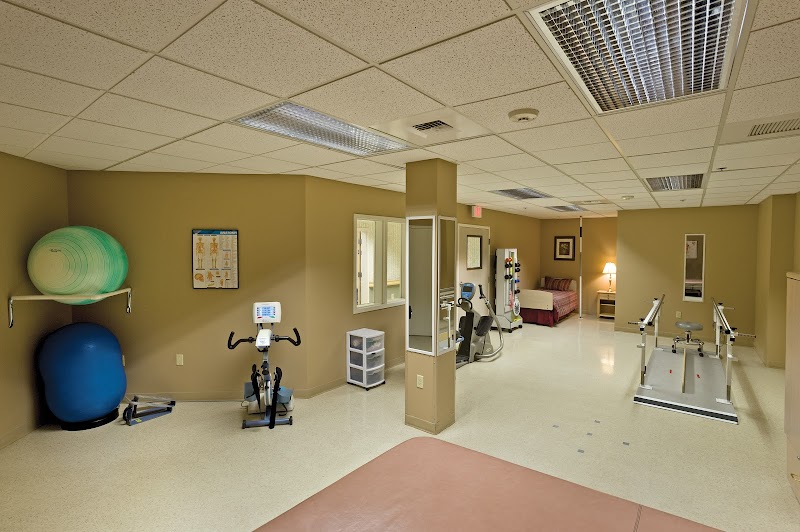
How is Life Of Coeur D'Alene Staffed?

CMS rates LIFE CARE CENTER OF COEUR D'ALENE's staffing level at 3 out of 5 stars, which is average compared to other nursing homes. Staff turnover is 51%, compared to the Idaho average of 46%. RN turnover specifically is 57%, which is notably high. RNs provide skilled clinical oversight, so turnover in this role can affect medical care quality.

What Have Inspectors Found at Life Of Coeur D'Alene?

State health inspectors documented 33 deficiencies at LIFE CARE CENTER OF COEUR D'ALENE during 2018 to 2024. These included: 33 with potential for harm.
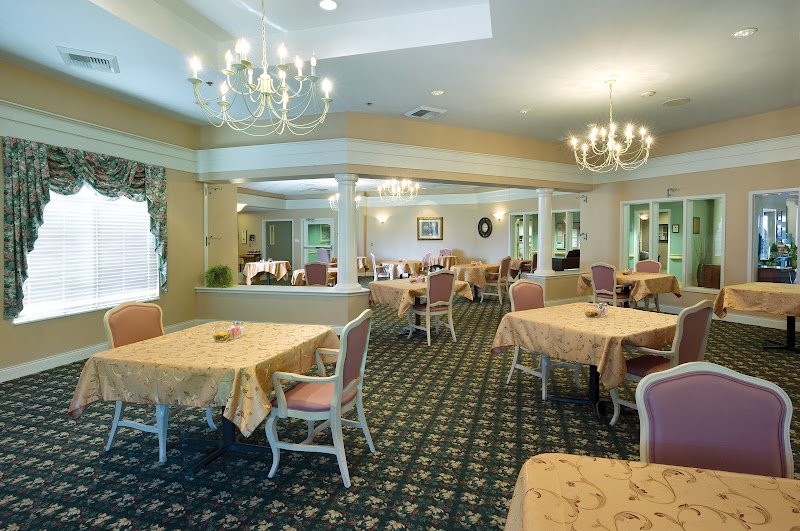
Who Owns and Operates Life Of Coeur D'Alene?

LIFE CARE CENTER OF COEUR D'ALENE is owned by a for-profit company. For-profit facilities operate as businesses with obligations to shareholders or private owners. The facility is operated by LIFE CARE CENTERS OF AMERICA, a chain that manages multiple nursing homes. With 120 certified beds and approximately 82 residents (about 68% occupancy), it is a mid-sized facility located in COEUR D ALENE, Idaho.
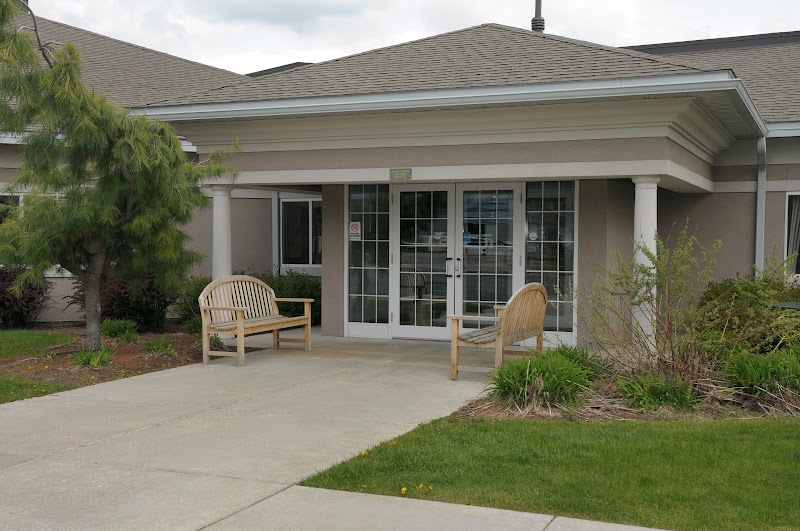
How Does Life Of Coeur D'Alene Compare to Other Idaho Nursing Homes?

Compared to the 100 nursing homes in Idaho, LIFE CARE CENTER OF COEUR D'ALENE's overall rating (2 stars) is below the state average of 3.3, staff turnover (51%) is near the state average of 46%, and health inspection rating (2 stars) is below the national benchmark.

What Should Families Ask When Visiting Life Of Coeur D'Alene?

Based on this facility's data, families visiting should ask: "Can I visit during a mealtime to observe dining assistance and food quality?" "How do you handle medical emergencies, and what is your hospital transfer rate?" "Can I speak with family members of current residents about their experience?"

Is Life Of Coeur D'Alene Safe?

Based on CMS inspection data, LIFE CARE CENTER OF COEUR D'ALENE has a clean safety record: no substantiated abuse findings (meaning no confirmed cases of resident harm), no Immediate Jeopardy citations (the most serious violation level indicating risk of serious injury or death), and is not on the Special Focus Facility watch list (a federal program monitoring the lowest-performing 1% of nursing homes). The facility has a 2-star overall rating and ranks #100 of 100 nursing homes in Idaho. While no facility is perfect, families should still ask about staff-to-resident ratios and recent inspection results during their visit.

Do Nurses at Life Of Coeur D'Alene Stick Around?

LIFE CARE CENTER OF COEUR D'ALENE has a staff turnover rate of 51%, which is about average for Idaho nursing homes (state average: 46%). Moderate turnover is common in nursing homes, but families should still ask about staff tenure and how the facility maintains care continuity when employees leave.

Was Life Of Coeur D'Alene Ever Fined?

LIFE CARE CENTER OF COEUR D'ALENE has no federal fines on record. CMS issues fines when nursing homes fail to meet care standards or don't correct problems found during inspections. The absence of fines suggests the facility has either maintained compliance or corrected any issues before penalties were assessed. This is a positive indicator, though families should still review recent inspection reports for the full picture.

Is Life Of Coeur D'Alene on Any Federal Watch List?

LIFE CARE CENTER OF COEUR D'ALENE is not on any federal watch list. The most significant is the Special Focus Facility (SFF) program, which identifies the bottom 1% of nursing homes nationally based on persistent, serious quality problems. Not being on this list means the facility has avoided the pattern of deficiencies that triggers enhanced federal oversight. This is a positive indicator, though families should still review the facility's inspection history directly.