LAKESIDE REHABILITATION AND CARE CENTER
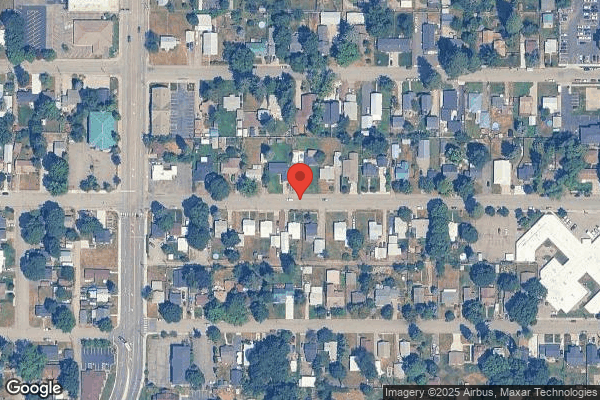

210 WEST LACROSSE AVENUE, COEUR D'ALENE, ID 83814 (208) 664-2185
For profit - Corporation 100 Beds CALDERA CARE Data: November 2025
Trust Grade
25/100
#61 of 79 in ID
Last Inspection: August 2025

Inspected within the last 6 months. Data reflects current conditions.

Overview

Lakeside Rehabilitation and Care Center has received a Trust Grade of F, indicating significant concerns about the quality of care provided. Ranking #61 out of 79 facilities in Idaho places it in the bottom half, while its county rank of #4 out of 7 suggests only a few local options are better. Although the facility has shown improvement in addressing issues over the past year, reducing incidents from 11 to 2, it still faces serious challenges, including high fines totaling $220,832, which are higher than 98% of Idaho facilities. Staffing ratings are below average with a turnover rate of 49%, and there is less RN coverage than 92% of state facilities, which raises concerns about the level of care residents receive. Specific incidents include a resident suffering from neglect due to a lack of wound care and another resident experiencing physical harm during care, highlighting the need for improvement in both staff training and resident safety.

Trust Score
F
25/100
In Idaho
#61/79
Bottom 23%
Safety Record
High Risk
Review needed
Inspections
Getting Better
11 → 2 violations
Staff Stability
⚠ Watch
49% turnover. Above average. Higher turnover means staff may not know residents' routines.
Penalties
✓ Good
$220,832 in fines. Lower than most Idaho facilities. Relatively clean record.
Skilled Nurses
⚠ Watch
Each resident gets only 27 minutes of Registered Nurse (RN) attention daily — below average for Idaho. Fewer RN minutes means fewer trained eyes watching for problems.
Violations
⚠ Watch
43 deficiencies on record. Higher than average. Multiple issues found across inspections.
★★☆☆☆
2.0
Overall Rating
★★☆☆☆
2.0
Staff Levels
★★★★★
5.0
Care Quality
★☆☆☆☆
1.0
Inspection Score
Stable
2024: 11 issues
2025: 2 issues

The Good

  • 5-Star Quality Measures · Strong clinical quality outcomes
  • Full Sprinkler Coverage · Fire safety systems throughout facility
  • No fines on record

Facility shows strength in quality measures, fire safety.

The Bad

2-Star Overall Rating

Below Idaho average (3.3)

Below average - review inspection findings carefully

Staff Turnover: 49%

Near Idaho avg (46%)

Higher turnover may affect care consistency

Federal Fines: $220,832

Well above median ($33,413)

Significant penalties indicating serious issues

Chain: CALDERA CARE

Part of a multi-facility chain

Ask about local staffing decisions and management

The Ugly 43 deficiencies on record

2 actual harm
Aug 2025 2 deficiencies
CONCERN (D)

Potential for Harm - no one hurt, but risky conditions existed

Comprehensive Care Plan (Tag F0656)

Could have caused harm · This affected 1 resident

**NOTE- TERMS IN BRACKETS HAVE BEEN EDITED TO PROTECT CONFIDENTIALITY** Based on record reviews, interviews, and policy review, the facility failed to develop the comprehensive care plan to include th...

Read full inspector narrative →
**NOTE- TERMS IN BRACKETS HAVE BEEN EDITED TO PROTECT CONFIDENTIALITY** Based on record reviews, interviews, and policy review, the facility failed to develop the comprehensive care plan to include the use of an indwelling urinary catheter for one of 21 sampled residents (Resident (R)7) and include extreme pain with movement or touch for one of 21 sampled residents (R74) reviewed for care planning. This had the potential for the residents not to be monitored for an indwelling catheter, pain, and have unmet care needs. Findings include:1.Review of R7's electronic medical record (EMR) located under the MDS tab revealed the 5-Day Minimum Data Set (MDS) with Assessment Reference Date (ARD) 07/25/24 revealed an admission date of 07/18/25 and a Brief Interview for Mental Status (BIMS) score of 15 out of 15 indicating cognitively intact. R7's diagnosis included benign prostatic hyperplasia without lower uropathy and that R7 has an indwelling urinary catheterReview of R7's EMR Care Plan under the Care Plan tab revealed that the care plan did not indicate R7 has a foley catheter.Review of the facility's policy titled Comprehensive Person-Centered Care Planning revised 4/2025 stated, It is the policy of this facility that the interdisciplinary team (lDT) shall develop a comprehensive person-centered care plan for each resident that includes residents' needs identified in the comprehensive assessment.During an interview on 08/27/25 the Registered Nurse Supervisor (RNS) stated that R7's care plan did not include the use of the indwelling urinary catheter and that it absolutely should be included in the care plan. The RNS also stated that the care plan is to provide staff information related to the care for R7's indwelling urinary catheter.During an interview on 08/27/25 at 3:45PM, the Director of Nursing (DON) stated the indwelling urinary catheter should be included on R7's care plan because it's a snapshot of his care.During an interview on 08/27/25 at 4:10PM, the Infection Preventionist (IP) stated that the indwelling urinary catheter could not be located on the care plan. The IP confirmed that R7 does have an indwelling urinary catheter, and it should be care planned so that staff know how to provide the proper care.2.Review of R74's admission Record located under the Profile tab in the EMR revealed the resident was initially admitted on [DATE] with the most recent re-admission [DATE]. R74 had diagnoses that included functional quadriplegia; multiple sclerosis; polyneuropathy; contracture of muscle, multiple sites; and abnormal posture.Review of the quarterly MDS located under the MDS tab in the EMR revealed a BIMS score of 15 out of 15 which indicated R74 was cognitively intact.During an interview on 08/25/25 at 12:26 PM, R74 stated, I try to get out of bed once a day and on the weekends when my family visits. I don't like to be moved. R74 stated that he is always in pain, receives pain medications and that touch or movement sets off spasms that he cannot release.Review of the most recent Physician Orders located under the Orders tab in the EMR dated August 2025 noted R74 was receiving treatment for a stage III pressure ulcer on his right buttock, skin tears to his mid back, and a pressure ulcer on the right posterior ear. Review of the Progress Notes dated 07/23/25 located under the Progress Notes tab in the EMR revealed a notation by the Nurse Practitioner (NP) that read, Nurse is concerned of pain control, patient states it is better now that he has more muscle relaxers.Review of the most current Comprehensive Care Plan located under the Care Plan tab in the EMR dated 05/29/25 had revisions related to the resident's pressure ulcers dated 07/17/25, 07/21/25, 07/29/25, and 08/22/25. A focus was noted to identify the resident's potential for skin impairment and pressure ulcer development with an intervention, turn and reposition q (every) 2-3 hrs (hours) as resident allows. The care plan did not identify R74's pain upon touch which was reported to cause spasms or how to accomplish repositioning in the least painful manner. During an interview on 08/25/25 at 12:56 PM, Licensed Practical Nurse (LPN2) said R74 did not like to be repositioned because it caused him pain. During an interview on 08/28/25 at 8:23 AM, LPN3 stated, He often refuses to be repositioned because of the pain it causes him.During an interview on 08/28/25 1:35 PM, the Assistant Director of Nurses (ADON) stated, He (R74) has very bad chronic pain and we try to reposition him, but he refuses. When he is touched, the spasms set off, and it's extremely painful for him. When asked why the specific information about R74's significant pain with touch, movement, and spasms was not on his care plan, the ADON stated, The care plan system did not transfer over after the acquisition of the facility [06/01/25]. We're still working on it.During an interview on 08/28/25 at 4:00 PM, the DON confirmed that the care plan did not have specifics about R74's pain or how to position resident to prevent him from experiencing pain. The DON stated, I know we should have had that on his care plan.
CONCERN (D)

Potential for Harm - no one hurt, but risky conditions existed

Deficiency F0760 (Tag F0760)

Could have caused harm · This affected 1 resident

**NOTE- TERMS IN BRACKETS HAVE BEEN EDITED TO PROTECT CONFIDENTIALITY** Based on interviews, record review, and review of the facility's policy, the facility failed to ensure one resident (Resident (R...

Read full inspector narrative →
**NOTE- TERMS IN BRACKETS HAVE BEEN EDITED TO PROTECT CONFIDENTIALITY** Based on interviews, record review, and review of the facility's policy, the facility failed to ensure one resident (Resident (R) 28) was free from significant medication errors out of a total sample of 21 residents. The facility administered insulin to R28 when his blood sugar level was below the identified range to administer the insulin. The medication error had the potential to cause the resident to become hypoglycemic (abnormal decrease of sugar in the blood).Findings include:Review of R28's admission Record located under the Profile tab in the electronic medical record (EMR) revealed R28 was admitted on [DATE] and had diagnoses that included type 2 diabetes mellitus with diabetic neuropathy.Review of the most recent Physician Orders located under the Orders tab in the EMR dated August 2025 revealed an order for Insulin Lispro Injection Solution 100 UNIT/ML (Insulin Lispro) Inject 8 unit subcutaneously before meals related to TYPE 2 DIABETES MELLITUS WITH OTHER SPECIFIED COMPLICATION.Hold if under 150. Notify physician if CBG [Capillary Blood Glucose] results are less than 70 or more than 360.Review of the Medication Administration Records (MARs) dated June 2025, July 2025, and August 2025 revealed the following dates where insulin was recorded as given with a blood sugar (BS) level below 150:JUNE 2025:06/01/25 BS 134 at 7:30 AM06/03/25 BS 148 at 11:30 AM06/03/25 BS 133 at 4:30 PM06/04/25 BS 119 at 7:30 AM06/08/25 BS 128 at 7:30 AM06/12/25 BS 148 at 7:30 AM06/14/25 BS 118 at 4:30 PM06/15/25 BS 149 at 4:30 PM06/19/25 BS 107 at 4:30 PM06/26/25 BS 131 at 7:30 AM06/29/25 BS 142 at 7:30 AM06/30/25 BS 122 at 7:30 AMJULY 2025:07/03/25 BS 128 at 7:30 AM07/04/25 BS 113 at 7:30 AM07/15/25 BS 116 at 7:30 AM07/15/25 BS 88 at 4:30 PM07/16/25 BS 140 at 7:30 AM07/18/25 BS 117 at 4:30 PM07/20/25 BS 125 at 7:30 AM07/22/25 BS 139 at 4:30 PM07/29/25 BS 96 at 7:30 AM07/30/25 BS 107 at 7:30 AM07/30/25 BS 138 at 4:40 PMAUGUST 2025:08/03/25 BS 86 at 4:30 PM08/04/25 BS 110 at 7:30 AM08/13/25 BS 130 at 11:30 AM08/14/25 BS 111 at 7:30 AMReview of the only Incident Report completed for the medication errors dated 07/20/25 provided by the Director of Nurses (DON) read, Went to give patient his am [morning] insulin and check bs and found lhat [that] bs was wnl [within normal limit] at 125, did not see that bs needed to be over 150 in order to receive the short acting order, pt [patient] noticed after I had that it was under 150, after clarifying the order, called the on call provider and updated, order receive snack. Later bs was elevated, and short acting given as ordered.Review of R28's June, July, and August 2025 Progress Notes located in the EMR under the Progress Notes tab indicated no adverse effects of the medication errors were documented.During an interview on 08/27/25 at 11:00 AM, R28 denied knowledge of medication errors involving his prescribed medications. R28 stated, As far as I know, I get what I'm supposed to.During an interview on 08/28/25 at 8:30 AM, Licensed Practical Nurse (LPN3), responsible for many of the medication errors, said she did not realize the errors.During an interview on 08/28/25 at 8:50 AM, Registered Nurse (RN1) responsible for the 07/20/25 medication error stated, I think we missed the order because of the way it's written.During an interview on 08/28/25 at 4:00 PM, the DON said she was not aware of R28's medication errors. When asked if the facility had investigated any other medication errors following the 07/20/25 incident, the DON said, No.Review of the facility's policy titled Administration of Medication dated 06/25 revealed, Medications must be administered in accordance with the written orders of the attending physician as indicated on the eMAR [electronic medication administration record].
Oct 2024 11 deficiencies 1 Harm
SERIOUS (H) 📢 Someone Reported This

A family member, employee, or ombudsman was alarmed enough to file a formal complaint

Actual Harm - a resident was hurt due to facility failures

Free from Abuse/Neglect (Tag F0600)

A resident was harmed · This affected multiple residents

**NOTE- TERMS IN BRACKETS HAVE BEEN EDITED TO PROTECT CONFIDENTIALITY** Based on observation, record review, policy review, review of the State Survey Long-Term Care Reporting Portal and interviews, i...

Read full inspector narrative →
**NOTE- TERMS IN BRACKETS HAVE BEEN EDITED TO PROTECT CONFIDENTIALITY** Based on observation, record review, policy review, review of the State Survey Long-Term Care Reporting Portal and interviews, it was determined the facility failed to ensure residents were free from abuse and neglect. This was true for 6 of 8 residents (#4, #18, #20, 26, 46 and #56) reviewed for abuse and neglect. These deficient practices resulted in residents being subjected to neglect, abuse, and ongoing verbal abuse with the potential for physical and/or psychosocial harm. Findings include: -Residents #4, #20, #26, and #46 experienced mental and psychosocial harm when they were verbally abused by Resident #61. - Resident #56 experienced neglect when she did not receive wound care for a pressure ulcer. - Resident #18 experience physical harm from the facility staff during cares. The facility's Prevention and Reporting: Resident Mistreatment, Neglect, Abuse, Including Injuries of Unknown Source, and Misappropriation of Resident Property Policy, dated 8/22, stated a resident had the right to be free from abuse, neglect, misappropriation of resident property, and exploitation. The policy defined verbal and mental abuse as oral, written, or gestured language that includes disparaging and derogatory terms to the resident or their families or within their hearing distance regardless of their age, ability to comprehend or disability, that would demean or humiliate, resulting in pain or mental anguish. Mental abuse can be verbal or non-verbal. It includes, but is not limited to humiliation, harassment, and threats of punishment or deprivation. 1. Facility and resident records documented multiple incidents of Resident #61's verbal abuse of Residents #4, #20, #26, and #46, and incidents of verbal and physical aggression which residents witnessed resulting in mental and psychosocial harm, as follows: - Resident #4 was admitted to the facility on [DATE], with multiple diagnoses including diabetes and chronic hypertensive kidney disease. A quarterly MDS assessment dated [DATE] documented Resident #4 was cognitively intact. - Resident #20 was admitted to the facility on [DATE] with multiple diagnoses including multiple sclerosis, Todd's paralysis, aphasia, and mixed receptive-expressive language disorder. A quarterly MDS assessment dated [DATE], documented Resident #20 was severely cognitively impaired. - Resident #26 was admitted to the facility on [DATE] with multiple diagnoses including anemia, fracture of the femur, osteoporosis, and unspecified dementia. An Annual MDS assessment, updated 8/14/24, documented Resident #26 was severely cognitively impaired. - Resident #46 was admitted to the facility on [DATE] with multiple diagnoses including acute and chronic respiratory failure with hypoxia, pulmonary embolism, diabetes, and congestive heart failure. A Quarterly MDS assessment, dated 7/9/24, documented Resident #46 was cognitively intact. a. An I&A report dated 8/12/24, documented Resident #61 became agitated, he yelled and cursed at Resident #20. Resident #26 witnessed this and told Resident #61 he needed to stop yelling and cursing at Resident #20. Resident #61 then began yelling at Resident #26. A physician's assessment, dated 8/14/24, recommended that referrals be made for Resident #61 to an autism specialist for evaluation and to a neurologist or geriatric specialist for further evaluation for management of Resident #61's dementia. No documentation was found in Resident #61's records that he was referred to an autism specialist, a neurologist or geriatric specialist. A nursing progress note for Resident #61, dated 8/17/24, documented Resident #61 was yelling outside of Resident #4's room and was verbally aggressive towards Resident #26, cussing and yelling at her. Resident #34 walked by and told Resident #61 to stop talking to her like that. Resident #61 and Resident #34 began yelling and cussing at each other before being separated by staff. An I&A report, dated 8/17/24, documented Resident #34 left the nurses office because Resident #61 was yelling indiscriminately [at Resident #26] and was speaking aggressively, so Resident #34 told Resident #61 to stop speaking to people that way. Resident #34 stated, Resident #61 then became aggressive towards him, spitting in his face, saying the F-word and F-your family repeatedly using the F-word and putting his middle finger in Resident #34's face. Resident #34 returned to his room, called the police, and made a report. The report documented the facility could not identify why Resident #61 was verbally aggressive towards Resident #26. Resident #61 was moved to a different hall with police assistance. Seventeen residents were assessed if they felt safe in the facility and if they were fearful of any residents. Resident #3, #20, #26, and #30 stated they were fearful of Resident #61. The report further documented Resident #61 was moved to another room. The report concluded Resident #61 has many triggers which influence his aggression and behaviors, directly related to his Autism and OCD diagnoses. The facility is working to place Resident #61 in a different environment as he would benefit from placement in a smaller setting that manages behaviors. The facility did educate staff on Resident #61's triggers, and indicated they would update his care plan as new triggers were identified. A Social Services progress note, dated 8/23/24 at 5:36 PM, documented a new unidentified resident in the facility (stated she was fearful of Resident #61 because he kept coming into her room and he had threatened her. The resident reported Resident #61 yelled and cursed at her several times, and that Resident #61 was angry at her because she was staying in his previous room. The resident told the SSD that if she was not able to move to a different area of the building, she would have her daughter take her home. The resident reported she has called her daughter several times and told her daughter she did not feel safe in the facility. Grievances reviewed for August 2024 did not show documentation of this interview. No I&A report was found regarding this incident. A nursing progress note for Resident #61, dated 9/7/24 at 3:19 PM, documented Resident #61 was standing over Resident #26 who was sitting in her wheelchair in the entrance of her room. Resident #61 screamed and yelled profanity to Resident #26. When asked, Resident #61 stated Resident #26 told him to stop entering her room. An I&A report dated 9/7/24, documented Resident #26 stopped Resident #61 from entering her room, stating, Why are you entering my room, do not come into my room. Resident #61 then yelled and screamed at Resident # 26, Fuck you lady, go fuck yourself, who the fuck to you think you are? It stated Resident #26 has poor short-term memory and does not remember the previous incidents with Resident #61. The report concluded Resident #26 will redirect or scold Resident #61 when he raises his voice, triggering Resident #61's negative responses to her. As Resident #26 does not remember the interaction, she did not show signs or symptoms of psychosocial harm. A SBAR note, dated 9/13/24 at 4:20 PM, documented a nurse reported Resident #61 had frequent outburst of cursing and yelling at residents and staff. The note documented, Today Resident #61 stated I am going to slit all of your cock sucking mother fucking throat, I am going to take a knife and slit all your throats. I am going to just shoot this mother fucking place up and kill y all. The SBAR documented Resident #61's primary provider recommended Resident #61 be sent to the ER for psych evaluation and should not return to the facility at this time. A hospital progress note for Resident #61, dated 9/13/24, documented, The staff at the facility where [Resident #61] resides has said [Resident #61's] behavior has been escalating and he becomes loud and makes threats and frightens the other residents. [Resident #61] has not been physically aggressive. However, due to the nature of his [Resident #61's] statements that he was going to kill kitchen staff [Resident #61] will not be accepted back to the facility at this point. Resident #61 was diagnosed to have aggressive behavior due to dementia. b. Facility residents were interviewed about abuse and neglect, as follows: During an interview on 10/08/24 at 11:39 AM, Resident #4 was asked if she felt safe in the facility, and if the staff and residents were treating her well. She stated, I don't feel safe with [Resident #61]. He came into my room, yelling at me, and I spoke back to him. He left. I see him around the facility, and I don't make eye contact. I look down or towards the wall. During an interview on 10/08/24 at 10:23 AM, Resident #46 was asked about if she felt safe in the facility, and if the staff and residents were treating her well. She stated, Resident #61 used to live across the hall from me and would wander into my room. I didn't feel safe. I know he doesn't like women. They moved him, and it's been better, but I still don't know if I should fear him as I can't move, and [staff] don't come very quickly when I press the call light. I also think about what I have nearby to pick up and defend myself if he does come back. c. A Resident Council Meeting was conducted on 10/8/24 at 2:30 PM. During the Resident Council meeting Resident's #4, #17, #18, #25, #30, #34, #36, and #49 voiced concerns regarding Resident #61, as follows: All eight residents in attendance stated Resident #61 makes their life in the facility uncomfortable and were fearful of him. When asked if they felt safe in the facility, all residents at the Resident Council Meeting listed above, turned their head to the surveyor, with large eyes and expressions of fear shaking their head and stating out loud, NO! The residents in attendance stated Resident #61 made them feel as they needed to adjust their behavior to include looking down and away if they were passing him in the hallway. Resident #17 and #34 stated they felt the need to step in between female staff or residents to keep everyone safe. Resident #34 stated he was unhappy calling the police didn't get a respectful response as the facility is labeled the [name of the facility] loonies. During an interview on 10/11/24 at 1:31 PM, with the Administrator, he was asked what the facility was doing regarding the behavior of Resident #61 and ensuring the safety of the facility residents. The Administrator stated, We have had to send Resident #61 to the hospital to get psych evaluations. No one was available to see him here as our facility is not set up for these types of evaluations. The Administrator stated the facility had been working to get Resident #61 placed into an appropriate facility to care for his specific diagnoses. Staff have been educated on Resident #61's specific triggers, and how to redirect him. 2. Physical abuse by CNA #2 directed at Resident #20: An I&A report dated 3/17/24, documented CNA #2 swatted Resident #20's bottom. CNA #2 was terminated. The I&A documented CNA #2's background check was not completed prior to her working in the facility. On 10/10/24 at 10:04 AM, the Administrator stated background checks are received prior to placing employees on the floor with the residents. On 10/11/24 at 2:30 PM, the Administrator clarified the facility uses a service which provide preliminary approval based on background check that does not include fingerprinting. Finger printing must be completed within the first month. CNA #2 had not been working at the facility long enough to get her fingerprints taken or assessed before she was terminated. On 10/11/24 at 11:54 AM, the DON stated she has been employed for two weeks and she was not familiar with this complaint. She will be looking into the case to see what happened. The DON stated, in her experience, nursing staff are not allowed to work with residents without having a clear background check prior to employment. 3. Resident #56 did not receive wound treatment for her pressure ulcer. Resident #56 was admitted to the facility on [DATE] with multiple diagnoses including chronic obstructive pulmonary disease. The resident was on Hospice care upon admission and discharged to a Hospice Facility on 09/17/24. Review of Resident #56's admission MDS dated [DATE], documented Resident #56 was cognitively intact. Review of Resident #56's Health Status Note dated 08/25/24 documented Resident had approximately a five-centimeter (cm) diameter, non-blanchable pressure ulcer with multiple two-millimeter openings on her coccyx area. A staff member from the Hospice agency stated that she was sending a nurse to assess the resident's coccyx area for an air mattress. Review of Resident #56's record did not include an order for treatment of her wound. Also Resident also did not include a care plan for her wound. During an interview on 10/10/24 at 2:52 PM, the ADON stated, Resident #56's did have a wound and [the facility's] our wound care physician was not following her care. She said the resident was a hospice patient, and they were responsible for providing wound care orders and treatments. She confirmed there were no orders, skin assessments, or a care plan for Resident #56, or one from the Hospice Agency. During an interview on 10/10/24 at 2:53 PM, the Administrator stated, I didn't know what occurred regarding this resident until last week, when the daughter came in to pick up her belongings after she passed away at the hospice house. Yes, we are still the primary caregivers, but they took care of the wound. Ultimately her daily care is our responsibility. Their hospice doctor writes their orders for their patients. The service agreement we have with Hospice of North Idaho transferred over with the sale of the building. I have reached out to them for an /updated agreement. During an interview on 10/11/24 at 1:30 PM, the DON stated, If the resident is admitted to this facility, then we are the primary caregivers and responsible for them. I don't know why or how this occurred since I only arrived last week. However, since learning about this resident, I met with the RN of our current hospice resident, and we have come to an agreement that she must see myself or the unit manager prior to leaving so that we can coordinate care and we're always on the same page. The DON confirmed there was no collaboration with the Hospice Agency that was providing care to Resident #56 while she was a resident at the facility. She said she only knew the Hospice nurse came weekly to see the resident. She further said, this shouldn't have happened and won't happen again. Review of Service Agreement between Hospice of [name of hospice agency] and [name of facility] signed 06/10/19 revealed: 4.2 Facility Services: a) The Facility will comply with all applicable state and/or federal regulations when providing care to residents who have elected Hospice. Basic services will include the following . iii) Nursing services as required by Idaho Department of Health and Welfare Rules, IDAPA 16, Title 03, Chapter 02, Rules and Minimum Standards for Skilled Nursing and Intermediate Care Facilities . vi) Supervision of Facility staff providing services under the Hospice Plan of Care established by the Hospice team . vii) Services provided will be consistent with the services provided to the resident before hospice care . b) Ensure that each Hospice resident receives treatments, medications and diet as prescribed, and is kept clean, comfortable and well groomed . e) Allow, members of the IDT, as identified in the Plan of Care to attend, counsel, treat and serve Hospice residents . k) Except as otherwise provided herein, the services of the facility provided pursuant to the terms of this Agreement shall be made available to hospice residents 24 hours a day, 7 days a week. During this term or any succeeding terms of this Agreement, the Facility will hold itself (including a sufficient number of its personnel, as determined by the Facility and the Hospice as having the requisite skills) available to finish, and shall furnish the services and facilities contracted for herein. 4. Physical abuse directed by Resident #130 to Resident #18. Resident #18 was admitted to the facility on [DATE] and readmitted on [DATE], with multiple diagnoses including left hemiplegia and hemiparesis (paralysis and weakness on one side of the body) following stroke and diabetes. a. A review of an investigative summary report uploaded to the State's Long-Term Care Reporting Portal, dated 5/28/24, documented [Resident #18] reported to a staff that [Resident #130] tried to block her from going out to the smoking area. She stated [Resident #130]would not move, and they had an argument. [Resident #18] stated [Resident #130] reached over and slaped her to each side of her face. The investigation report documented [Resident #18] was noted to have a scratch, approximately 6.2 x 0.4 on the left side of her face. There was also one small superficial open area at the top of the scratch closer to her ear. [Resident #130 was interviewed and stated [Resident #18] was blocking the exit to the smoking area and had an argument. [Resident #130] stated she pushed [Resident #18's] wheelchair out of the way but did not touch any part of [Resident #18]. The investigation report documented [Resident #130] had a large brace on her hand and wrist that could have easily caused a scratch if there was contact made with [Resident #18's] face. Activities and nursing staff were interviewed and all report stated that prior to the incident [Resident #18] did not have a scratch on her face. The facility's investigation report concluded that it was suspected [Resident #130] slapped [Resident #18]. The report documented the facility had taken measures to ensure that contact between the two residents was limited and any activities would be supervised by staff. Both residents agreed to a set schedule for smoking. [Resident #18] would smoke during the even hours and [Resident #130] would smoke during the odd hours. On 10/11/24 at 11:43 AM, the Administrator together with the ADON stated he was the facility's abuse coordinator and stated all suspected residents' abuse/neglect are to be reported and investigated. The ADON stated Resident #130 denied slapping Resident #18, but later on she acknowledged that she did slap Resident #18. The ADON stated the two residents were put on different smoking schedules. 5. Physical abuse by CNA #3 directred at Resident #18. A review of an investigative summary report uploaded to the State's Long-Term Care Reporting Portal, dated 2/27/24, documented [Resident #18] was fearful of a CNA #3. [Resident #18] was interviewed on 2/26/24, [Resident #18] stated a staff came to wake her up and pushed her bad hip. She reported the staff seemed upset that she had diarrhea and needed to be cleaned up. [Resident #18] stated CNA #3 told her if she could go out to smoke, she could get up to go to the bathroom. [Resident #18] reported CNA #3 grabbed her right wrist and left ankle and flipped her onto her back forcefully. She stated CNA #3 was very angry and aggressive towards her. [Resident #18] stated she asked CNA #3 to stop and to leave her alone multiple times but, CNA #3 did not stop holding her down. [Resident #18] complained of right wrist injury from the incident. She was found to have 3.5 cm x 3.5 cm reddened area on the top surface of her wrist. On the palm side of her wrist were three small circular bruises each measuring 1.25 cm x 1.5 cm. [Resident #18] stated she was afraid of CNA #3 and does not want her to ever take care of her or be near her. The facility's investigation report concluded the allegation of abuse by CNA #3 to [Resident #18] was substantiated due to the presence of physical bruising and redness on her wrist which were not present prior to the cares provided by CNA #3. The facility's investigation report, documented CNA #3 was terminated from her employment via phone conversation on 2/26/24 at 12:34 PM. On 10/11/24 at 11:48 AM, the Administrator stated because of the bruises sustained by Resident #18 during cares, CNA #3 was terminated from her employment. The Administrator also stated the facility had a float pool of staff and hire them at corporate level with long-term contracts, usually 13 weeks, to better care for the residents.
CONCERN (D)

Potential for Harm - no one hurt, but risky conditions existed

Investigate Abuse (Tag F0610)

Could have caused harm · This affected 1 resident

**NOTE- TERMS IN BRACKETS HAVE BEEN EDITED TO PROTECT CONFIDENTIALITY** Based on review of facility policy, record review, document review, and interviews, the facility failed to ensure allegations of...

Read full inspector narrative →
**NOTE- TERMS IN BRACKETS HAVE BEEN EDITED TO PROTECT CONFIDENTIALITY** Based on review of facility policy, record review, document review, and interviews, the facility failed to ensure allegations of abuse were thoroghly investigated. This was true for 2 of 8 residents (#4, and #46) reviewed for abuse and neglect. This deficient practice created the potential for psychosocial, verbal, and physical harm whose abuse allegations were not investigated thoroughly, and measures taken to protect resident during the investigation, which placed all residents in the facility at risk of abuse. Findings include: The facility's Prevention and Reporting: Resident Mistreatment, Neglect, Abuse, Including Injuries of Unknown Source, and Misappropriation of Resident Property Policy, dated 8/22, documented a resident has the right to be free from abuse, neglect, misappropriation of resident property, and exploitation. The policy defined Verbal and Mental abuse as oral, written, or gestured language that includes disparaging and derogatory terms to the resident or their families or within their hearing distance regardless of their age, ability to comprehend or disability, that would demean or humiliate, resulting in pain or mental anguish. Mental abuse can be verbal or non-verbal. It includes, but is not limited to humiliation, harassment, and threats of punishment or deprivation. 1. Resident #4 was admitted to the facility on [DATE], with multiple diagnoses including diabetes and chronic, hypertensive kidney disease. On 10/08/24 at 11:39 AM, Resident #4 stated, I don't feel safe with [Resident #61]. He came into my room, yelling at me, and I spoke back to him. He left. I see him around the facility, and I don't make eye contact. I look down or towards the wall. A review of progress notes from 8/5/24 documented an SBAR where Resident #61 entered multiple rooms but did not identify which rooms or which residents were involved. Review of facility's Grievances, SBARS, and I&A reports were reviewed for 2024. No reports were found. 2. Resident #46 was admitted to the facility on [DATE] with multiple diagnoses including acute and chronic respiratory failure with hypoxia (a condition in which there is a deficiency of oxygen in the body's tissues), pulmonary embolism, diabetes, and congestive heart failure. On 10/08/24 at 10:23 AM, Resident #46 stated, Resident #61 used to live across the hall from me and would wander into my room and yell at me. I didn't feel safe. I know he doesn't like women. They moved him, and it's been better, but I still don't know if I should fear him as I can't move, and [staff] don't come very quickly when I press the call light. I also think about what I have nearby to pick up and defend myself if he does come back. On 10/11/24 at 11:01 AM, LPN #2 stated she provided a grievance form to Resident #46 when Resident #61 yelled at her outside of her room. She stated this incident happened within a few months of Resident #61coming into the facility. LPN #2 also stated residents were affected by the incident. They were provided grievance forms, but I don't know if they filled them out. A progress note, dated 8/5/24, documented [Resident #61] is disruptive, aggressive, and requires more attention than this facility can provide, he requires a behavior unit. Additionally, it was documented [Resident #61] continued to have outbursts of agitation and was being intrusive by going into other residents' rooms. He was extremely aggressive, loud, and difficult to redirect. A psychiatric evaluation and medication change was asked for. A review of facility grievances for 2024, did not show any complaints regarding this incident. A review of I&A reports for 2024, did not show any documentation regarding this incident. An SBAR report, dated 8/5/24, documented that Resident #61 entered other resident's room, but did not identify which rooms or residents who were involved. On 10/11/24 at 11:23 AM, the Administrator and DON stated Resident #61 was moved to a different room after the incidents in the hallway, but they are not sure if a report was filed. They were unaware Resident #61 was entering residents' room.
CONCERN (D) 📢 Someone Reported This

A family member, employee, or ombudsman was alarmed enough to file a formal complaint

Potential for Harm - no one hurt, but risky conditions existed

Deficiency F0657 (Tag F0657)

Could have caused harm · This affected 1 resident

**NOTE- TERMS IN BRACKETS HAVE BEEN EDITED TO PROTECT CONFIDENTIALITY** Based on observation, record review, policy review, and staff interview, it was determined the facility failed to ensure residen...

Read full inspector narrative →
**NOTE- TERMS IN BRACKETS HAVE BEEN EDITED TO PROTECT CONFIDENTIALITY** Based on observation, record review, policy review, and staff interview, it was determined the facility failed to ensure resident care plans were revised to reflect current needs and interventions. This was true for 2 of 23 residents (#4, and #17) whose care plans were reviewed. This placed residents at risk of adverse outcomes if care and services were not provided due to care plans not being revised as residents' needs changed. Findings include: The facility's Care Planning Process policy, revised 5/19/23, documented the care plan must be reviewed and revised according to the RAI (Resident Assessment Instrument) process at a minimum upon admission, quarterly, and with significant change in condition and services provided or arranged much be consistent with each resident's written care plan. 1. Resident #4 was admitted to the facility on [DATE], with multiple diagnoses including diabetes and chronic, hypertensive kidney disease. Resident #4's care plan, dated 6/29/22, relating to renal failure, directed staff to monitor her for signs or symptoms of hypo/hypervolemia, and to monitor/document/report her for signs and symptoms of acute failure: oliguria, and increased BUN and Creatinine. A review of the MAR/TAR for September through October 2024, failed to document any hypo/hypervolemia monitoring. On 10/11/24 at 11:45 AM, the DON verified she did not see anything in Resident #4's EHR record related to hypo/hypervolemia monitoring. She stated there was no blood work being tracked; however, Resident #4 is up for an MDS review in December and her file will open next month to be updated. 2. Resident #17 was admitted to the facility on [DATE], with multiple diagnoses including rib fractures, chronic obstructive pulmonary disease, and diabetes. On 10/08/24 at 9:13 AM, Resident #17 stated in a follow-up interview per resident's request, he stated he is trying to lose weight and he has started to take the weekly shot. A physician's order, dated 9/24/24, documented Semiglutide (an anitdiabetic medication used for the treatment of type 2 diabetes and an anit-obesity medication used for long-term weight management) administration, with weekly weights taken. A review of Resident #17's care plan, dated 9/5/24, and revised on 9/19/24, did not include any weight management interventions. On 10/11/24 at 11:46 AM, a review of Resident #17's record, with the DON, verified Resident #17's care plan was not updated with a weight management program. On 10/10/24 at 10:30 AM, during a resident requested follow-up interview, Resident #17 stated he was supposed to have CPAP machine on every night, but no one had come in to help him. A review of Resident #17's care plan, dated 9/5/24 and revised 9/19/24, does not show use of CPAP machine. A physician's order, dated 10/2/24, documented: Hook Patient up to Home CPAP with 2 LPM (liters per minute) of Oxygen continuously through device. Increase Oxygen if Pulse Oximetry Level is below 88%. A review of the MAR, for October 2024, documented beginning 10/2/24 at 7:00 PM, the CPAP mask was being placed on Resident #17. However, Resident #17 was adamant no one had helped him put the mask on before bed. On 10/11/24 at 10:45 PM, the DON stated she would investigate what happened with the CPAP mask. She verified the O2 tubing should be dated. The DON confirmed the care plan was not updated.
CONCERN (D) 📢 Someone Reported This

A family member, employee, or ombudsman was alarmed enough to file a formal complaint

Potential for Harm - no one hurt, but risky conditions existed

ADL Care (Tag F0677)

Could have caused harm · This affected 1 resident

**NOTE- TERMS IN BRACKETS HAVE BEEN EDITED TO PROTECT CONFIDENTIALITY** Based on interview, record review, and review of facility policy, the facility failed to provide activities of daily living (ADL...

Read full inspector narrative →
**NOTE- TERMS IN BRACKETS HAVE BEEN EDITED TO PROTECT CONFIDENTIALITY** Based on interview, record review, and review of facility policy, the facility failed to provide activities of daily living (ADL) care for 1 of 4 dependent residents (Resident #19) who required extensive assistance with personal hygiene/showers out of a total sample of 32 residents. This deficient practice created the potential for Resident #19 to have a decrease in their quality of life. Findings include: Resident #19 was admitted to the facility on [DATE], with multiple diagnoses including multiple sclerosis. A Quarterly MDS assessment, dated 8/28/24 documented Resident #19 was cognitively intact and required assistance with bathing/showers/hygiene. Resident #19's Shower Sheets for the past 30 days documented he received two showers a week, except for two, one he refused, and one he was unavailable. During an interview on 10/07/24 at 4:12 PM, Resident #19 stated he only received one shower a week. He said his shower days were Sundays and Wednesdays and he always received a shower on Sunday, but not on Wednesday. By Sunday, my hair is always greasy and in bad shape and I need a really good shave by then. They don't say why they don't give me my Wednesday shower, but I really want my showers. I know they put I refuse a lot, but that is not the case. The resident was noted with approximately ¼ inch of beard growth and oily unkempt hair. During a follow up interview on 10/11/24 at 1:10 PM, Resident #19 stated, I asked if I could get my shower two days ago, on Wednesday, but I never received it, as usual. I don't get bed baths, and they never tell me why. During an interview on 10/11/24 at 1:20 PM, LPN #1 stated, Resident #19 got a partial bed bath on Wednesday. I know on Sundays he gets a shower. On Wednesday he got a partial bed bath because we only had one aide on the floor that day. During an interview on 10/11/24 at 1:30 PM, the DON said Resident #19 was care planned to receive two showers a week. Everyone should have two showers a week. Review of the facility policy titled, Personal Needs, dated 12/20/22 revealed Policy: The center strives to promote a healthy environment and prevent infection by meeting the personal care needs of the residents. The center also provides the needed support when the resident performs their activities of daily living (ADLs) . The Care Plan will address the individual needs and preferences of the resident. Personal care and ADL support will be provided according to the resident's Care Plan. Compliance with care delivery needs and interventions will be determined by observation of care delivery and not through the utilization of care delivery flow record (Point of Care). Personal care and support include but is not limited to the following: bath/shower, grooming/dressing, shampoo, shave .
CONCERN (D) 📢 Someone Reported This

A family member, employee, or ombudsman was alarmed enough to file a formal complaint

Potential for Harm - no one hurt, but risky conditions existed

Quality of Care (Tag F0684)

Could have caused harm · This affected 1 resident

**NOTE- TERMS IN BRACKETS HAVE BEEN EDITED TO PROTECT CONFIDENTIALITY** 3. Resident #4 was admitted to the facility on [DATE], with multiple diagnoses including diabetes and chronic, hypertensive kidn...

Read full inspector narrative →
**NOTE- TERMS IN BRACKETS HAVE BEEN EDITED TO PROTECT CONFIDENTIALITY** 3. Resident #4 was admitted to the facility on [DATE], with multiple diagnoses including diabetes and chronic, hypertensive kidney disease. Resident #4's care plan, dated 7/15/22, directed staff to monitor her Hypo/Hypervolemia, and to notify the physician of irregularities. Resident #4's record did not include monitoring for Hypo/Hypervolemia. On 10/11/24 at 11:45 AM, the DON verified that the physician's orders were not being followed as Resident #4 did not have any monitoring system in place for Hypo/Hypervolemia. The DON stated if there were notifications to the physician, they might be recorded separately, after the physician signs off on the notification. Notifications are usually recorded in progress notes, but she was unable to find any relating to Hypo/Hypervolemia or Edema. A physician's order dated 5/8/23, documented to monitor for edema using the BLE (bilateral, lower extremity) Edema Scale weekly, and to notify the physician if a change in edema is noted. A review of the MAR and TAR for October 2024, documented the following BLE Edema Scale: -9/19/24: An increase from grade 2 to grade 3 -9/21/24: No recorded measurement -9/23/24: An increase from grade 1 to grade 2 -10/5/24: An increase from grade 2 to grade 3 -10/6/24: A decrease from grade 3 to grade 2 -10/7/24: A decrease from grade 2 to grade 1 -10/9/24: An increase from grade 1 to grade 2 -10/10/24: A decrease from grade 2 to grade 1 No notifications to the physician were found in the resident's record. On 10/11/24 at 11:45 AM, the DON verified that the physician's orders were not being followed. She also confirmed notifications to the physician for the changes in edema were not available. 4. Resident #17 was admitted to the facility on [DATE], with multiple diagnoses including rib fractures, chronic obstructive pulmonary disease, and diabetes. On 10/7/24 at 4:15 PM, it was observed in Resident #17's room, no date was on the O2 tubing, and the CPAP machine mask was on the floor. A physician's order, dated 9/8/24, documented to change O2 tubing, label and date, every night shift, every Sunday. A review of the TAR for September and October 2024, documented O2 tubing was changed, labeled, and dated every night shift on Sunday's. On 10/10/24 at 1:30 PM, with dayshift LPN #1 present, he verified there was no date on the O2 tubing. He stated O2 tubing should be dated by the evening staff who take care of this. Based on observation, record review, policy review and staff interview, it was determined the facility failed to ensure resident-centered care were provided in accordance with professional standards of nursing practice and residents' comprehensive care plans. This was true for 3 of 23 residents (#4, #17, and #22) reviewed for quality of care. This deficient practice had the potential to adversely affect or harm residents whose care and services were not delivered according to accepted standards of clinical practice. Findings include: 1. Resident #22 was admitted to the facility on [DATE] and readmitted on [DATE], with multiple diagnoses chronic respiratory failure with hypercapnia (increase level of carbon dioxide in your blood), myotonic (muscles are unable to relax after they contract) muscular dystrophy (a progressive muscle loss) and paroxysmal (uncontrolled) atrial fibrillation (irregular heartbeat). A physician order, dated 3/30/24, documented monitor Resident #22's bilateral lower extremities edema and notify the physician if change is noted. A care plan, revised 4/15/24, directed staff to monitor/document/report Resident #22's any signs and symptoms of CAD (coronary artery disease) such as dependent edema, changes in capillary refill, and color/warmth of her extremities to the physician. On 10/7/24 at 3:03 PM, Resident #22 stated to the surveyor her legs were red and big. CNA #1 then removed the sheet and Resident #22's right and left leg were observed to be swollen, and looked dry with flaky skin. The middle portion of her right leg was noted to be slightly red in color. A Nursing Note, dated 10/1/24 at 4:24 PM, documented, Resident has large slightly red area to BLE. Not red [warm] to touch but painful when pressure is applied. Legs have 2-3+ edema in BLE as well. Resident #22 was encouraged to wear her TED hose or other compression garment, but Resident #22 stated it would make her uncomfortable. Resident #22 was also educated to take her diuretic medication, but Resident #22 stated she didn't care and would not talk to the nurse anymore. There was no documentation in Resident #22's record the 2-3+ edema to her BLE, which was painful when pressure was applied, was referred to the physician. On 10/10/24 at 10:48 AM, the DON reviewed Resident #22's record. The DON stated Resident #22 should have been referred to the physician and she was not.
CONCERN (D) 📢 Someone Reported This

A family member, employee, or ombudsman was alarmed enough to file a formal complaint

Potential for Harm - no one hurt, but risky conditions existed

Deficiency F0687 (Tag F0687)

Could have caused harm · This affected 1 resident

**NOTE- TERMS IN BRACKETS HAVE BEEN EDITED TO PROTECT CONFIDENTIALITY** Based on observation, record review, and staff interview, it was determined the facility failed to ensure residents received pro...

Read full inspector narrative →
**NOTE- TERMS IN BRACKETS HAVE BEEN EDITED TO PROTECT CONFIDENTIALITY** Based on observation, record review, and staff interview, it was determined the facility failed to ensure residents received proper treatment to maintain foot health. This was true for 2 of 5 residents (#22 and #48) reviewed for foot care. This deficient practice created the potential for harm should residents experience complications related lack of proper foot care. Findings include: 1. Resident #22 was admitted to the facility on [DATE] and readmitted on [DATE], with multiple diagnoses chronic respiratory failure with hypercapnia (increase level of carbon dioxide in your the blood), myotonic (muscles are unable to relax after they contract) muscular dystrophy (a progressive muscle loss) and paroxysmal (uncontrolled) atrial fibrillation (irregular heart beat). A care plan, initiated on 1/4/24, directed staff to refer Resident #22 to a podiatrist/foot care nurse to monitor/document foot care needs and to cut her long nails. A Nurse Practitioner (NP) progress note, dated 8/20/24 documented, Candidiasis [fungal infection] of skin and nail. A Quarterly Nursing Evaluation, dated 9/22/24, documented Resident #22's toenails were yellow. A September 2024 TAR, directed staff to check Resident #22's foot every week and notify the physician if skin issue was noted. On 10/7/24 at 3:03 PM, Resident #22's toenails were observed to be long, thick and yellowish in color. The right big toe was noted to have blackened area on its side. There was no documentation in Resident #22's record she was seen by a podiatrist or was referred to the physician regarding the condition of her toenails. On 10/10/24 at 10:19 AM, the ADON with the DON present was asked if Resident #22 was seen by a podiatrist, the ADON reviewed Resident #22's record and stated she was unable to find documentation Resident #22 was seen by a podiatrist. 2. Resident #48 was admitted to the facility on [DATE], with multiple diagnoses including respiratory failure with hypercapnia (increase level of carbon dioxide your blood), diabetes and chronic obstructive pulmonary disease. A physician order, dated 2/8/24, documented, Diabetic Foot checks every week on skin check day. Notify MD [if] skin issue is noted. A care plan initiated on 2/14/24, directed staff to refer Resident #48 to a podiatrist/foot nurse to monitor/document foot care needs and to cut long nails. A Quarterly Nursing Evaluation dated 8/24/24, the section was blank regarding the assessment on C. Skin Integrity #3 Toenails. A September 2024 TAR, directed staff to check Resident #48's foot every week and notify the physician if skin issue was noted. On 10/8/24 at 3:55 PM, Resident #48 was in bed and his toenails were observed to be thick and long. There was no documentation in Resident #48's record she was seen by a podiatrist or was referred to the physician regarding her toenails condition. On 10/10/24 at 10:19 AM, the ADON, with the DON present, was asked if Resident #48 was seen by a podiatrist, the ADON reviewed Resident #48's record and stated she was unable to find documentation Resident #48 was seen by a podiatrist.
CONCERN (D) 📢 Someone Reported This

A family member, employee, or ombudsman was alarmed enough to file a formal complaint

Potential for Harm - no one hurt, but risky conditions existed

Deficiency F0742 (Tag F0742)

Could have caused harm · This affected 1 resident

**NOTE- TERMS IN BRACKETS HAVE BEEN EDITED TO PROTECT CONFIDENTIALITY** Based on policy review, record review, and staff interview, it was determined the facility failed to ensure a resident with ment...

Read full inspector narrative →
**NOTE- TERMS IN BRACKETS HAVE BEEN EDITED TO PROTECT CONFIDENTIALITY** Based on policy review, record review, and staff interview, it was determined the facility failed to ensure a resident with mental disorders received appropriate treatment and behavioral services. This was true for 1 of 1 resident (Resident #61) reviewed for mental and behavioral health care. This failure created the potential for the resident to experience compromised physical and psychosocial well-being. Findings include: Resident #61 was admitted to the facility on [DATE], with multiple diagnoses including autistic disorder, dementia with agitation, and adult personality and behavior disorder. A social services progress noted, dated 4/19/24, documented Resident #61's previous primary care provider stated he was becoming increasingly more demented, and he may have a schizotypal personality disorder. Social services stated Resident #61 might need a psychiatric evaluation. Resident #61's care plan, dated 4/26/24 and revised on 5/3/24, documented a history or potential to demonstrate, verbal abusive behaviors such as aggressive cursing, threatening, and yelling at staff, ineffective coping skills, mental/emotional illness, and poor impulse control. The care plan directed staff to document observed behavior, and if resident became agitated, to intervene before escalation, guide away from source of distress, and if aggressive, to have staff walk away to approach later. A preadmission PASSR I was completed on 5/9/24, identifying unspecified dementia, autism, and substantial limitations in learning, self-care, capacity for living independently, and self-direction. A PASSR II evaluation was recommended. An abbreviated PASSR II was completed on 5/9/24 and 5/10/24, documenting a diagnosis of autism and stating that no specialized services were required, as Resident #61's needs would be met by the receiving facility. On 5/18/24 Resident #61 was sent to the hospital due to increasing lethargy, confusion, and decrease appetite and thirst. Resident #61 was admitted to the hospital on [DATE] for a consultation regarding lithium management related to his increasing lethargy, confusion, and decrease in appetite and thirst. On 5/21/24, a hospital admission history and physical, documented Resident #61 had past medical diagnoses of autism with combative behavior and dementia. A Social Services progress note, dated 6/28/24, documented Resident #61's behavior in the facility was not appropriate and his dementia had worsened. Social Services stated the safety of other residents and staff in the facility could be at risk and Resident #61 was no longer appropriate for this environment. A Social Services progress note, dated 8/1/24, documented social services was looking for alternative placement due to [Resident #61's] ongoing behavior and autism diagnosis. IDT felt that [Resident #61] might be overstimulated, and a smaller setting would be more appropriate to meet his current needs. An SBAR, dated 8/5/24, documented Resident #61 needs a psychiatric evaluation as Resident #61's medication had already been adjusted. On 9/13/24, Resident #61 was seen for a Psychiatric Initial Consultation related to assaultive/violent behaviors and crisis stabilization. The physician's report documented patient was loud and made verbal threats to staff. The report stated facility staff had reported Resident #61's behavior had been escalating, becoming loud, making threats, and frightening other residents. Although, [Resident #61] had not been physically aggressive, the report stated, [Resident #61] would kill the kitchen staff, and the facility would not be accepting him back. There was no record found where Resident #61 was seen by a psychiatrist regarding schizotypal personal disorder, or behavioral aggression prior to 9/13/24. On 10/11/24 at 1:31 PM, the Administrator stated, We have had to send Resident #61 to the hospital to get psych evaluations. No one was available to see him here as our facility is not set up for these types of evaluations. The Administrator stated the facility had been working to get Resident #61 placed into an appropriate facility to care for his specific diagnoses.
CONCERN (D) 📢 Someone Reported This

A family member, employee, or ombudsman was alarmed enough to file a formal complaint

Potential for Harm - no one hurt, but risky conditions existed

Pharmacy Services (Tag F0755)

Could have caused harm · This affected 1 resident

**NOTE- TERMS IN BRACKETS HAVE BEEN EDITED TO PROTECT CONFIDENTIALITY** Based on observation, policy review and staff interview, it was determined the facility failed to ensure medications were dispos...

Read full inspector narrative →
**NOTE- TERMS IN BRACKETS HAVE BEEN EDITED TO PROTECT CONFIDENTIALITY** Based on observation, policy review and staff interview, it was determined the facility failed to ensure medications were disposed properly. This was true for one of one staff (LPN #2) observed disposing the medications in the regular trash can. This deficient practice created the potential for harm if resident pick up and take the medication. Findings include: The facility's Destruction of Controlled Substance procedure, undated, documented under the section Disposal of Drugs - Drug Buster Drug Disposal System Remove discontinued, expired, contaminated or unusable medication from original prescription container or packaging and dispose of by placing into Drug Buster container. On [DATE], three pills were observed on top of LPN #2's medication cart and LPN #2 was looking at the computer. There was no barrier between the medication cart and the three pills. When LPN #2 saw the Surveyor, she immediately pick up the three pills and threw them in the trash can which was located on the side of her medication cart. When asked what the pills were, LPN #2 stated they were all over the counter medications and can be thrown in the regular trash can. LPN #2 also stated, if they were narcotics medications she would dispose them in the drug buster. When asked again about the names of the pills, LPN #2 stated they were ASA, metoprolol (antihypertensive) and gabapentin (anticonvulsant). [DATE] 04:26 PM, the DON stated the medications should have disposed in the drug buster and not in the regular trash can. The Drugs.com website, accessed on [DATE], stated gabapentin and metoprolol are prescription medications.
CONCERN (D) 📢 Someone Reported This

A family member, employee, or ombudsman was alarmed enough to file a formal complaint

Potential for Harm - no one hurt, but risky conditions existed

Infection Control (Tag F0880)

Could have caused harm · This affected 1 resident

Based on observation, interview, review of facility policy, and review of facility training document, the facility failed to ensure that staff wore appropriate Personal Protective Equipment (PPE) for ...

Read full inspector narrative →
Based on observation, interview, review of facility policy, and review of facility training document, the facility failed to ensure that staff wore appropriate Personal Protective Equipment (PPE) for one of three residents (Resident #173) observed for enhanced barrier precautions (EBP) when providing care out of a total sample of 32 residents. This had the potential for the resident to have an increase for infection. Findings include: Review of Resident #173's admission Record in the Profile tab of the electronic medical record (EMR) revealed an admission date of 09/21/24. The admission Record revealed a diagnosis of malignant neoplasm (cancer) of endometrium (tissue of the uterus). Review of Resident #173's admission Minimum Data Set (MDS) with an Assessment Reference Date (ARD) of 09/28/24, located in the EMR MDS tab, revealed a Brief Interview for Mental Status (BIMS) score of 12 out of 15 which indicated the resident was moderately cognitively impaired. During observation and interview 10/08/24 at 9:26 AM revealed Resident #173 had a STOP Enhanced Barrier Precautions (EBP) signage on the door frame and an isolation cart outside the doorway. The Certified Nurse Aide (CNA) was observed to empty the urine from the foley catheter drainage bag. The CNA was observed with only gloves on. The CNA confirmed they only had gloves on and the resident was on EBP and should have worn a gown. During an interview on 10/08/24 at 9:30 AM, Resident #173 stated, The staff usually wore gowns and gloves when taking care of them. During an interview on 10/08/24 at 9:47 AM, the Administrator stated, All staff were aware of when to use EBP and for which residents require it. During an interview on 10/10/24 at 2:52 PM, the Infection Preventionist (IP) stated, All staff are trained on when and who to use EBP for. I go over this training each time we have a new admission it applies to and with each new infection or new occurrence when it's needed. I don't know why CNA didn't wear EBP, but he was educated again. Review of the facility policy titled, Enhanced Barrier Precautions (EBP) Policy and Procedure, dated 04/2024 revealed Policy: Enhanced barrier precautions (EBP) will be used for novel or targeted MDROs [Multidrug-resistant organisms] . Enhanced Barrier Precautions (EBP): The use of gown and gloves for high-contact resident care activities is indicated, when contact precautions do not otherwise apply, for nursing home residents with wounds and for indwelling medical devices regardless of MDRO colonization as well as for residents with MDRO infection or colonization. Review of the facility's training check-off document titled, Personal Protective Equipment Skills Checklist, dated 09/18/21 with attached undated document defining EBP requirements in detail, Type of Precaution: Enhanced Barrier Precautions (EBP); Applies to: All residents with any of the following: Infection or colonization with an MDRO when contact precautions do not otherwise apply. Wounds and/or indwelling medical devices (e.g., central line, urinary catheter, feeding tube, tracheostomy/ventilator) regardless of MDRO colonization status; When to Use PPE: During high-contact resident care activities: dressing, bathing/showering, transferring, providing hygiene, changing linens, changing briefs or assisting with toileting, device care or use: central line, urinary catheter, feeding tube, tracheostomy/ventilator; PPE Use: Gloves and gown prior to the high-contact care activity, change PPE before caring for another resident, don before room entry, doff before room exit, face protection may also be needed; Restriction: None.
CONCERN (E) 📢 Someone Reported This

A family member, employee, or ombudsman was alarmed enough to file a formal complaint

Potential for Harm - no one hurt, but risky conditions existed

Deficiency F0760 (Tag F0760)

Could have caused harm · This affected multiple residents

**NOTE- TERMS IN BRACKETS HAVE BEEN EDITED TO PROTECT CONFIDENTIALITY** Based on record review, review of the State Long-Term Care Reporting Portal, I&As, review of facility policies and procedure, an...

Read full inspector narrative →
**NOTE- TERMS IN BRACKETS HAVE BEEN EDITED TO PROTECT CONFIDENTIALITY** Based on record review, review of the State Long-Term Care Reporting Portal, I&As, review of facility policies and procedure, and staff interview, it was determined the facility failed to ensure residents were free from significant medication errors. This was true for 4 of 4 residents (#3, #126, #127 and #129) reviewed for medication administration. Resident #129 was harmed when he experienced dizziness and low blood pressure and needed to be sent to the hospital due to his hypotension. Findings include: The facility's Medication Administration procedure, undated, directed the licensed nurse to check the following to administer the medication: - Right medication - Right dose - Right dosage form - Right route - Right resident - Right time 1. Resident #129 was admitted to the facility on [DATE], with multiple diagnoses including heart failure, hypertension, and atrial fibrillation (irregular heartbeat). A facility Investigative Summary Report, dated 8/13/24 at 11:00 AM, documented Resident #129 took a cup of pills which was intended for another resident. Resident #129 complained of being dizzy, his blood pressure was taken, and it was 74/38. The provider was notified, and an order was received to send Resident #129 to the hospital. Resident #129 was informed the provider wanted him to go to the hospital for evaluation but, Resident #129 did not want to go to the hospital and stated he felt like he would be fine. When his chair was sat-up from a tilt position, Resident #19 was getting dizzy again. After 5-10 seconds Resident #129 head fell to his chest, his eyes rolled back, and his tongue fell out of his mouth. The nurse tried sternal rubbing to arouse him,and he did not respond. Resident #19 was laid down back in chair. After five seconds, Resident #129 came to and asked what happened. He was told that he crashed and would be sent to the hospital. Resident #129's blood pressure at this time was 80/42 mmHg. EMS was called and Resident #142 was taken to the hospital. The Investigative Summary Report, documented Resident #129 was wrongly administered the following medications by the float nurse at 11:00 AM on 8/13/24: - ASA 81 mg - irbesartan (anti-hypertensive) 75 mg (milligram) - Pantoprazole (decreases the amount of acid produced in the stomach) 20 mg - Metformin (anti-diabetic)500 mg - Senna Plus (laxative) 8.6-50 mg A Hospital progress note, dated 8/13/24, documented Resident #129 received irbesartan 75 mg which was prescribed for another resident, and he would be admitted due to persistent hypotension (low blood pressure). On 10/10/24, the DON who just started in the facility two weeks prior, reviewed the Investigative Summary report and stated the float nurse did not follow the six rights of medication administration. The DON stated the nurse should make sure the right medications were administered to the right resident. 2. Resident #3 was admitted to the facility on [DATE], with multiple diagnoses including diabetes and hypertension. A I&A report, dated 2/29/24, documented Resident #3's blood sugar was not checked and did not receive her 6 units of Novolog. An interview with the day shift nurse stated she was very busy and did not have time to complete the blood sugar check or give insulin. When asked why she did not ask for assistance from RCM or another nurse, the day shift nurse stated, I was too busy. The I&A documented the day shift nurse did not complete an incident report, nor did she return to work her next shift. The day shift nurse was subsequently terminated on 3/4/24. On 10/10/24 at 1:30 PM, the DON who just started in the facility two weeks prior, reviewed the I&A and stated the nurse should have checked Resident #3's blood sugar if it's supposed to be done during her shift and administered the medication as ordered by the physician. The DON also stated nurses on the floor should have asked the RCM for assistance as needed. 3. Resident #125 was admitted to the facility on [DATE], with multiple diagnoses including anoxic (a complete loss of oxygen supply in your body or brain) brain damage and persistent vegetative state. An I&A report, dated 4/24/24, documented Resident #125 was administered Norco (opioid pain medication) 5/325 mg and Clonazepam (antianxiety) 0.5 mg via is PEG tube at 5:00 PM from the day shift nurse, and received the same medications again at 6:00 PM from the evening shift nurse. Resident #125 was monitored and no changes in condition was noted. The I&A documented the nurse who administered the second medications was a travel agency contract nurse and was educated on the process for checking out all medications on the MAR to ensure they are not given too soon and how to look for the last dose given on the MAR. On 10/10/24 at 1:45 PM, the DON who just started in the facility two weeks prior, reviewed the I&A and stated the medication error was committed by the travel nurse and was educated on the importance of medication administration. The DON also stated the facility is now contracting nurses on a long-term basis so they have time to get to know the facility as well as the residents. 4. Resident #127 was admitted to the facility on [DATE] and readmitted on [DATE], with multiple diagnoses including respiratory failure, diabetes, and liver cirrhosis (severe scarring of the liver that can be caused by many diseases and conditions, such as hepatitis or alcoholism). An I&A report, dated 7/7/24, documented Resident #127 did not receive his Novolog sliding scale prior to his lunch. The report documented the 6:00 AM to 12:00 PM nurse told the oncoming nurse that she had not given the insulin to the residents requiring sliding scale insulin on the 500 Hall. The oncoming nurse stated she thought the 6:00 AM to 12:00 PM nurse told her all insulins were given. Both nurses were educated on the requirements for shift-to-shift hand over of residents' medications. Resident #127's blood sugar was monitored, no signs and symptoms of hypoglycemia or hyperglycemia noted. On 10/10/24 at 1:55 PM, the DON who just started in the facility two weeks prior, reviewed the I&A report and stated Resident #127 did not receive his sliding scale insulin due to miscommunication between the two nurses. The DON stated 6:00 AM to 12:00 PM nurse should have stayed to complete the medication administration or wrote down the name of residents she was unable to give the sliding scale of insulin for the oncoming nurse.
CONCERN (E) 📢 Someone Reported This

A family member, employee, or ombudsman was alarmed enough to file a formal complaint

Potential for Harm - no one hurt, but risky conditions existed

Food Safety (Tag F0812)

Could have caused harm · This affected multiple residents

Based on observation and staff interview, it was determined the facility failed to ensure the kitchen equipment and environment was maintained, clean, and food was stored in a safe and sanitary manner...

Read full inspector narrative →
Based on observation and staff interview, it was determined the facility failed to ensure the kitchen equipment and environment was maintained, clean, and food was stored in a safe and sanitary manner. These deficiencies had the potential to affect the 69 residents who consumed food prepared by the facility. This placed residents at risk for potential contamination of food and adverse health outcomes, including food-borne illnesses. Findings include: FDA Food Code Section 3-303.12 documented packaged food may not be stored in direct contact with ice or water if the food is subject to the entry of water because of the nature of its packaging, wrapping, or container or its positioning in the ice or water. The FDA Food Code Section 6-501.12 Cleaning, Frequency and Restrictions, documented cleaning of the physical facilities is an important measure in ensuring the protection and sanitary preparation of food. A regular cleaning schedule should be established and followed to maintain the facility in a clean and sanitary manner. Primary cleaning should be done at times when foods are in protected storage and when food is not being served or prepared. 1. The initial kitchen inspection was conducted on 10/7/24 at 11:45 AM, with the CDM (Certified Dietary Manager). The following was observed - Condensation icicles from the cooling fans in the walk-in freezer were observed falling and accumulating on the following food items located below the cooling fans: cardboard boxes of frozen vegetables. - An accumulation of ice about 2.5 inches thick, was around the pipe behind the condenser above the cardboard boxes of vegetables. 2. A second kitchen inspection was conducted on 10/10/24 at 3:15 PM with the CDM. The following was observed: - Condensation icicles from the cooling fans in the walk-in freezer were observed falling and accumulating on the following food items located below the cooling fans: cardboard boxes of frozen vegetables, opened packages of frozen hamburgers. - An accumulation of ice about 2.5 inches thick, was around the pipe behind the condenser above the cardboard boxes of vegetables. On 10/10/24 at 3:20 PM, CDM stated that facility maintenance is responsible for cleaning the refrigerators and walk-in freezers. She stated she was not sure when the pipe behind the condenser was last looked at, but it had been during this past summer. The CDM also stated that a drip pan is usually below the condenser to catch any water droplets that fall. She was not sure why the drip pan was not there but acknowledged the food below the ice droplets had been contaminated. On 10/11/24 at 10:30 AM, the Maintenance Director confirmed that a deep cleaning of the refrigerator and walk-in freezer had been completed over the summer. However, it was the responsibility of the kitchen staff to spot clean in between, especially if there is ice build-up. The Maintenance Director confirmed the pipe behind the condenser should be fixed as the ice build-up on the pipe was not the kitchen staff's responsibility. On 10/11/24 at 2:33 PM, the CDM provided a kitchen cleaning schedule documenting daily breakdown of staff responsibilities to include cleaning the interior of the refrigerator and walk-in freezer. She could not explain why there had been a large buildup of ice in the walk-in refrigerator.
Nov 2023 28 deficiencies
CONCERN (D) 📢 Someone Reported This

A family member, employee, or ombudsman was alarmed enough to file a formal complaint

Potential for Harm - no one hurt, but risky conditions existed

Deficiency F0554 (Tag F0554)

Could have caused harm · This affected 1 resident

**NOTE- TERMS IN BRACKETS HAVE BEEN EDITED TO PROTECT CONFIDENTIALITY** Based on policy review, observation, record review, and staff interview, it was determined the facility failed to ensure a resid...

Read full inspector narrative →
**NOTE- TERMS IN BRACKETS HAVE BEEN EDITED TO PROTECT CONFIDENTIALITY** Based on policy review, observation, record review, and staff interview, it was determined the facility failed to ensure a resident was assessed periodically to determine if they were safe to self-administer medications for 1 of 1 resident (Resident #40) reviewed for self-administration of medications. This failure created the potential for adverse effects if Resident #40 self-administered medications inappropriately. Findings include: The facility's Self-Medication Assessment and Management policy, undated, stated the facility used the Self-Medication Data Collection and Assessment form to evaluate a resident's ability to self-medicate safely. The policy stated the assessment was completed with changes in condition and quarterly This policy was not followed. Resident #40 was admitted to the facility on [DATE], with multiple diagnoses including history of traumatic brain injury (brain dysfunction caused by an outside force) and cerebral ischemia (an acute brain injury that results from impaired blood flow to the brain). A care plan, dated 3/1/22, documented Resident #40's preference to self-administer his medications. Resident #40's care plan directed staff to review and re-assess his ability to self-administer medications quarterly and as needed. On 10/30/23 at 8:30 AM, Resident #40 had an inhaler and a bottle of vitamins at his bedside. LPN #4 stated Resident #40 had a physician's order to have his inhaler at the bedside and he was assessed to administer his own medications. Resident #40's record included an evaluation for self-administration of medication was completed on 3/17/21 and 7/2/21. Resident #40s record did not include doumentation an assessment was completed after 7/2/21. On 11/2/23 at 12:50 PM, the ADON stated a self-medication administration assessment should be completed annually.
CONCERN (D) 📢 Someone Reported This

A family member, employee, or ombudsman was alarmed enough to file a formal complaint

Potential for Harm - no one hurt, but risky conditions existed

Deficiency F0558 (Tag F0558)

Could have caused harm · This affected 1 resident

**NOTE- TERMS IN BRACKETS HAVE BEEN EDITED TO PROTECT CONFIDENTIALITY** Based on policy review, observation, and staff interview, it was determined the facility failed to ensure residents' call lights...

Read full inspector narrative →
**NOTE- TERMS IN BRACKETS HAVE BEEN EDITED TO PROTECT CONFIDENTIALITY** Based on policy review, observation, and staff interview, it was determined the facility failed to ensure residents' call lights were within reach for 2 of 2 residents (Resident #37 and #268) reviewed for residents' rights. This deficient practice had the potential to cause harm if the resident could not call for assistance when needed or experienced an adverse medical event that required attention. Findings include: The facility's Resident Call System policy, dated September 2022, documented the call light communication system must be accessible to residents while in their bed or within reach while in their room. 1. Resident #37 was admitted to the facility on [DATE], with multiple diagnoses including respiratory failure. Resident #37's care plan, initiated 11/5/19, documented his call light was to be within reach and to encourage him to use it for assistance as needed. Resident #37 was observed in his room, sitting in his wheelchair on the following dates with his call light not within his reach: - On 1/8/24 at 10:25 AM, Resident #37's call light was observed hanging from the bed side rail. - On 1/9/24 at 8:25 AM, Resident #37's call light was observed lying on the floor between the bed and his wheelchair. 2. Resident #268 was admitted to the facility on [DATE], with multiple diagnoses including atrial fibrillation (an irregular heartbeat). On 1/8/24 at 10:25 AM, Resident #258 was observed in his room sitting in his wheelchair. His call light not within his reach. On 1/8/24 at 10:25 AM, the Medical Records Personnel was outside Resident #268's room and was asked if residents should have their call lights within reach. The Medical Records Personnel stated residents should have their call lights. The Medical Records Personnel then found the call light attached to the right side of Resident #268's bed, against the wall. She attempted to get the call light for Resident #258 but was unable due to it being stuck on the bed rail.
CONCERN (D) 📢 Someone Reported This

A family member, employee, or ombudsman was alarmed enough to file a formal complaint

Potential for Harm - no one hurt, but risky conditions existed

Deficiency F0578 (Tag F0578)

Could have caused harm · This affected 1 resident

**NOTE- TERMS IN BRACKETS HAVE BEEN EDITED TO PROTECT CONFIDENTIALITY** Based on policy review, record review, and staff interview, it was determined the facility failed to ensure a resident and their...

Read full inspector narrative →
**NOTE- TERMS IN BRACKETS HAVE BEEN EDITED TO PROTECT CONFIDENTIALITY** Based on policy review, record review, and staff interview, it was determined the facility failed to ensure a resident and their representative received assistance to exercise their right to formulate an Advance Directive. This was true for 1 of 21 residents (Resident #61) whose records were reviewed for advance directives. This deficient practice created the potential for harm or adverse outcomes if the residents' wishes were not followed or documented regarding their advance care planning. Findings include: The facility's Advance Directive policy, revised May 2023, documented the facility will determine upon admission whether the resident has an advance directive and review the advance directives annually, quarterly, with significant changes, and during care conferences with resident/representative. This policy was not followed. Resident #61 was admitted on [DATE], with multiple diagnoses including hemiplegia and hemiparesis following cerebral infarction (stroke with right sided weakness), and aphasia following cerebral infarction (inability to speak or verbalize his thoughts). Resident #61's admission documents did not include an Advance Directive. Resident #61's care plan, initiated 4/7/23, documented he did not have an Advance Directive due to his impaired cognitive status. The care plan interventions included working with family to formulate an advance directive per his wishes. On 11/2/23 at 10:37AM, the ADON reviewed Resident #61's record and confirmed there was no advance directive and no documentation it was discussed again with his family.
CONCERN (D) 📢 Someone Reported This

A family member, employee, or ombudsman was alarmed enough to file a formal complaint

Potential for Harm - no one hurt, but risky conditions existed

Report Alleged Abuse (Tag F0609)

Could have caused harm · This affected 1 resident

**NOTE- TERMS IN BRACKETS HAVE BEEN EDITED TO PROTECT CONFIDENTIALITY** Based on policy review, record review, review of the State Survey Agency's Long-Term Care Reporting Portal, and staff interview,...

Read full inspector narrative →
**NOTE- TERMS IN BRACKETS HAVE BEEN EDITED TO PROTECT CONFIDENTIALITY** Based on policy review, record review, review of the State Survey Agency's Long-Term Care Reporting Portal, and staff interview, it was determined the facility failed to report the results of investigations of potential abuse to the State Survey Agency within 5 days for 2 of 2 residents (#16, and #42) whose records were reviewed for abuse and neglect. This failure placed all residents in the facility at risk for abuse. Findings include: The facility's Prevention and Reporting of Abuse, Neglect and Misappropriation policy, dated August 2022, stated the executive director or his designated representative will report investigation results to the State Survey Agency within 5 working days. This policy was not followed. The facility did not submit comprehensive investigation reports to the State Survey Agency within 5 working days, as follows: a. Resident #16 was admitted to the facility on [DATE], with multiple diagnoses including chronic pain syndrome. A facility grievance, dated 5/25/23, documented Resident #16 reported RN #2 threatened to call the physician and get his pain medication discontinued because Resident #16 was taking too much, and he did not need it. An I&A report, dated 5/26/23, documented 10 out of 14 residents expressed concerns about RN #2. The report documented the 10 residents were monitored for ineffective pain management as well as psychosocial harm. The facility concluded this was a case of abuse. The facility's I&A investigation documented the incident was reported on 5/26/23 and the investigation was concluded on 6/4/23. The State Survey Agency's Long-Term Care Reporting Portal included an initial report from the facility stating an allegation of abuse occurred on 5/30/23. The comprehensive investigation report was submitted to the State Survey Agency's Long-Term Care Reporting Portal on 7/7/23, 38 days after the incident was initially reported. b. Resident #42 was admitted to the facility on [DATE], with multiple diagnoses including muscle weakness. i. A facility grievance, dated 6/10/23, documented Resident #42 had an unidentified individual pick her up and throw her into her bed rails in her room the night before. An I&A report, dated 6/13/23, documented the investigation concluded no physical abuse occurred. The State Survey Agency's Long-Term Care Reporting Portal included an initial report from the facility stating an allegation of physical abuse occurred on 6/9/23. The comprehensive investigation report was submitted to the State Survey Agency's Long-Term Care Reporting Portal on 7/7/23, 28 days after the incident. ii. A staff statement, dated 5/10/23, documented Resident #42 informed her she was molested by a staff member the night before. An I&A report, dated 5/17/23, documented the allegations of sexual abuse did not occur. The report stated the facility identified the accused staff member and stated the staff member used terms of endearment with the resident and was educated on nursing professionalism. The State Survey Agency's Long-Term Care Reporting Portal included an initial report from the facility stating an allegation of sexual abuse occurred on 5/10/23. The comprehensive investigation report was submitted to the State Survey Agency's Long-Term Care Reporting Portal on 5/17/23, 7 days after the incident. On 11/2/23 at 5:56 PM, the Administrator stated the facility failed to report the investigations within 5 days of the incident.
CONCERN (D) 📢 Someone Reported This

A family member, employee, or ombudsman was alarmed enough to file a formal complaint

Potential for Harm - no one hurt, but risky conditions existed

Transfer Requirements (Tag F0622)

Could have caused harm · This affected 1 resident

**NOTE- TERMS IN BRACKETS HAVE BEEN EDITED TO PROTECT CONFIDENTIALITY** Based on policy review, record review, and staff interview, it was determined the facility failed to ensure all pertinent health...

Read full inspector narrative →
**NOTE- TERMS IN BRACKETS HAVE BEEN EDITED TO PROTECT CONFIDENTIALITY** Based on policy review, record review, and staff interview, it was determined the facility failed to ensure all pertinent health information was provided to the receiving hospital for 3 of 4 residents (#28, #43, and #368) reviewed for transfers. This deficient practice had the potential to result in adverse outcomes if residents were not treated in a timely manner due to lack of information provided upon transfer. Findings include: The facility's Discharge policy, revised 5/18/23, stated the facility followed the federal guidelines as indicated by the Center for Medicare & Medicaid Services (CMS). 1. Resident #28 was admitted to the facility on [DATE], with multiple diagnoses including diabetes and chronic respiratory failure with hypoxia (low oxygen level in the body tissues). A nurse's note, dated 7/14/23 at 3:54 AM, documented Resident #28 was transferred to the hospital due to abdominal pain and vomiting. A Nursing Home to Hospital Transfer Form, dated 7/14/23, documented Resident #28 was transferred to the hospital due to abdominal pain. Resident #28' s record did not include documentation of the information provided to the receiving facility upon her transfer to the hospital. On 11/01/23 at 11:13 AM, the ADON reviewed Resident #28's record and stated the facesheet, MAR, POST (Physician Scope of Practice), and care plan in addition to an Interact Form (form used to communicate resident information for transfers) should be sent with the resident when they transferred to the hospital. The ADON stated she did not see documentation in Resident #28's record this information was sent with her when she transferred to the hospital. The ADON stated it should have been documented in her record. 2. Resident #43 was admitted to the facility on [DATE], with multiple diagnoses including hemiplegia (paralysis on one side of the body) and hemiparesis (weakness on one side of the body) following a stroke and aphasia (an impairment of language due to brain injury, affecting the production or comprehension of speech and the ability to read or write). A nurse's note, dated 8/25/23 at 6:12 AM, documented Resident #43 was given Loperamide (anti-diarrhea medication) for loose stool. A nurse's note, dated 8/25/23 at 8:12 PM, documented Resident #43 was given Zofran (an anti-emetic) for nausea and vomiting. A nurse's note, dated 8/25/23 at 9:48 PM, documented Resident #43 was unable to take his medications due to nausea and vomiting and he was sent to the emergency room at 9:10 PM. A Nursing Home to Hospital Form, dated 8/25/23, documented Resident #43 was transferred to the hospital due to abnormal vital signs (low blood pressure and high respiratory rate). Resident #43's record did not include documentation of information provided to the receiving facility upon his transfer to the hospital. On 11/01/23 at 11:01 AM, the ADON reviewed Resident #43's record and stated the facesheet, MAR, POST, and care plan in addition to an Interact Form should be sent with the resident when they transferred to the hospital. The ADON stated she did not see documentation in Resident #43's record this information was sent with him when he transferred to the hospital. The ADON stated it should have been documented in his record. 3. Resident #368 was admitted to the facility on [DATE], with multiple diagnoses including diabetes, chronic respiratory failure with hypoxia (low oxygen level in the body tissues), high blood pressure, and congestive heart failure (a weakness of the heart that leads to buildup of fluid in the lungs and surrounding body tissues). A nurse's note, dated 8/3/22 at 4:58 AM, documented Resident #368 complained of stomach cramps and having large blood clots from her rectum. An order was received to send Resident #368 to the hospital. The nurse's note documented the DON and Resident #368's family were notified. A Nursing Home to Hospital Form, dated 8/3/22, documented Resident #368 was transferred to the hospital due to gastrointestinal bleeding. Resident #368's record did not include documentation of information provided to the receiving facility upon her transfer to the hospital. On 11/01/23 at11:17 AM, the ADON reviewed Resident #368's record and stated the facesheet, MAR, POST, and care plan in addition to an Interact Form should be sent with the resident when they transferred to the hospital. The ADON stated she did not see documentation in Resident #368's record this information was sent with her when she transferred to the hospital. The ADON stated it should have been documented in her record.
CONCERN (D) 📢 Someone Reported This

A family member, employee, or ombudsman was alarmed enough to file a formal complaint

Potential for Harm - no one hurt, but risky conditions existed

Deficiency F0625 (Tag F0625)

Could have caused harm · This affected 1 resident

**NOTE- TERMS IN BRACKETS HAVE BEEN EDITED TO PROTECT CONFIDENTIALITY** Based on policy review, record review, and staff interview, it was determined the facility failed to ensure a bed hold notice wa...

Read full inspector narrative →
**NOTE- TERMS IN BRACKETS HAVE BEEN EDITED TO PROTECT CONFIDENTIALITY** Based on policy review, record review, and staff interview, it was determined the facility failed to ensure a bed hold notice was provided to residents or their representatives upon transfer to the hospital. This was true for 1 of 3 residents (Resident #43) reviewed for transfer. This deficient practice created the potential for harm if residents were not informed of their right to return to their former bed/room at the facility within a specified time. Findings include: The facility's Bed-Hold Notification policy, updated September 2022, stated at the time of transfer of a resident for hospitalization or therapeutic leave, the center must provide to the resident and the resident's representative written notice of the duration of a bed-hold. This policy was not followed. Resident #43 was admitted to the facility on [DATE], with multiple diagnoses including hemiplegia (paralysis on one side of the body) and hemiparesis (weakness on one side of the body) following a stroke, and aphasia (an impairment of language due to brain injury, affecting the production or comprehension of speech and the ability to read or write). A Nursing Home to Hospital Form, dated 8/25/23, documented Resident #43 was transferred to the hospital due to abnormal vital signs (low blood pressure and high respiratory rate). Resident #43' s record did not include documentation a bed-hold notice was provided to him and to his representative when he was transferred to the hospital. On 11/01/23 at 11:01 AM, the Acting DON stated she did not find documentation a bed-hold notice was provided to Resident #43 or to his representative, and it should have been provided.
CONCERN (D) 📢 Someone Reported This

A family member, employee, or ombudsman was alarmed enough to file a formal complaint

Potential for Harm - no one hurt, but risky conditions existed

Deficiency F0645 (Tag F0645)

Could have caused harm · This affected 1 resident

**NOTE- TERMS IN BRACKETS HAVE BEEN EDITED TO PROTECT CONFIDENTIALITY** Based on record review and staff interview, it was determined the facility failed to refer 2 of 3 residents (#42 and #61), who w...

Read full inspector narrative →
**NOTE- TERMS IN BRACKETS HAVE BEEN EDITED TO PROTECT CONFIDENTIALITY** Based on record review and staff interview, it was determined the facility failed to refer 2 of 3 residents (#42 and #61), who were admitted with a Level I Preadmission Screening and Resident Review (PASARR), to the appropriate state-designated authority for review after the resident was identified with a Major Mental Illness (MMI). This deficient practice had the potential to cause harm if residents' specialized services for mental health needs were not provided due to lack of updated screening. Findings include: The CMS State Operation Manual, Appendix PP, revised 2/3/23, defines the PASARR process as follows: The PASARR process requires that all applicants to Medicaid-certified nursing facilities be screened for possible serious mental disorders or intellectual disabilities and related conditions. This initial pre-screening is referred to as PASARR Level I, and is completed prior to admission to a nursing facility. A negative Level I screen permits admission to proceed and ends the PASARR process unless a possible serious mental disorder or intellectual disability arises later. A positive Level I screen necessitates an in-depth evaluation of the individual by the state-designated authority, known as PASARR Level II, which must be conducted prior to admission to a nursing facility. PASARR Level II is a comprehensive evaluation by the appropriate state-designated authority and determines whether the individual has a mental disorder, intellectual disability, or a related condition, determines the appropriate setting for the individual and recommends what, if any, specialized services and/or rehabilitative services the individual needs. The facility policy for PASARR requirements, dated 4/26/23, documented the nursing facility must review all Level I PASARR forms for accuracy. If at any time the facility finds the previous Level I PASARR was incomplete, erroneous, or not accurate, the facility must immediately complete a new screening using the standardized Level I form and refer to a mental health PASARR evaluator so a Level II evaluation be conducted if indicated. This policy was not followed. 1. Resident #61 was admitted to the facility on [DATE], with multiple diagnoses including hemiplegia (paralysis on one side of the body) and hemiparesis (weakness on one side of the body) and aphasia (an impairment of language due to brain injury, affecting the production or comprehension of speech and the ability to read or write). Resident #61's hospital record documented he had a history of Post-Traumatic Stress Disorder (PTSD) and chronic paranoid schizophrenia (mental disorder causing a person to experience paranoia that feeds into delusions and hallucinations). Resident #61's Level I PASARR, dated 2/16/23, documented he had no major mental illnesses. The Level I PASARR did not include his diagnoses of paranoid schizophrenia and PTSD. Resident #61's social service admission evaluation, dated 2/20/23, documented he had a mental health diagnosis of paranoid schizophrenia and PTSD. The evaluation documented no specialized services were needed. An admission MDS assessment, dated 2/24/23, documented Resident #61 had active diagnoses of paranoid schizophrenia and PTSD. Two subsequent quarterly MDS assessments, dated 5/27/23 and 8/15/23, documented Resident #61 had active diagnoses of paranoid schizophrenia and PTSD. During an interview on 11/2/23 at 10:55 AM, Resident #61's Level I PASRR, dated 2/16/23, was reviewed with the ADON who agreed the evaluation should have been reviewed for accuracy and followed up on by the facility to correct it. 2. Resident #42 was admitted to the facility on [DATE], with multiple diagnoses including schizoaffective disorder (a mental health disorder that is marked by a combination of schizophrenia symptoms, such as hallucinations or delusions, and mood disorder symptoms, such as depression or mania) and muscle weakness. A Level I PASARR, dated 6/7/21, documented Resident #42 had a major mental illness which included schizoaffective disorder. A quarterly MDS assessment, dated 9/9/23, documented Resident #42 was cognitively intact with a diagnosis of schizoaffective disorder. The Level I PASARR screening identified Resident #42 had indicators for mental illness requiring further screening with a Level II PASARR. Resident #42's record did not include documentation he was referred to the appropriate state agency for further screening. On 11/2/23 at 11:48 AM, the ADON stated the Level I PASARR should have been sent to the appropriate state agency for further screening.
CONCERN (D) 📢 Someone Reported This

A family member, employee, or ombudsman was alarmed enough to file a formal complaint

Potential for Harm - no one hurt, but risky conditions existed

Deficiency F0655 (Tag F0655)

Could have caused harm · This affected 1 resident

**NOTE- TERMS IN BRACKETS HAVE BEEN EDITED TO PROTECT CONFIDENTIALITY** Based on record review, policy review, and staff interview, it was determined the facility failed to ensure a baseline care plan...

Read full inspector narrative →
**NOTE- TERMS IN BRACKETS HAVE BEEN EDITED TO PROTECT CONFIDENTIALITY** Based on record review, policy review, and staff interview, it was determined the facility failed to ensure a baseline care plan was developed within 48 hours of resident's admission. This was true for 1 of 1 (Resident #370) reviewed for baseline care plan. This failure created the potential for harm when the care plan failed to provide direction for care. Findings include: The facility's Care Planning policy, revised 5/19/23, documented Initiate the Baseline CP [care plan] upon admission using the View Triggered Items button located in the care plan. Triggered items are generated from the initial admission assessment upon admission. Resident #370 was admitted to the facility on [DATE], with multiple diagnoses including COVID-19 and Rheumatoid arthritis (an inflammatory, autoimmune condition that can affect the joints and organs). Resident #370's Baseline Care Plan Summary, dated 1/6/24 at 7:58 AM, included the following section: Attendees: IDT (Interdisciplinary Team), 1. Nursing Department: resident had COVID. The following sections were left blank: 1a. Summary of Medications, 2. Therapy Department, 3. Initial Goals of the resident, 4. Life Enrichment, 5. Dietary, 5a. Dietary Restrictions, 6. Discharge Plan, 7. Referral/Needed Appointments, 8. Services and Treatments to be administered by the facility or on behalf of the facility, 9. Mood/Behavior (including psychotropic use/PASRR, 10. Additional Information, 11. Summary reviewed by 12. The baseline care plan summary was provided to: 1. Resident, 2. Resident Representative, 3. Resident and Resident Representative and 4. Resident/Representative declined. On 1/10/24 at 12:03 PM, LPN #1 stated upon a resident's admission to the facility, they would start a baseline care plan summary evaluation, and it should be completed within 48 hours of a resident's admission. LPN #1 reviewed Resident #370's care plan and stated it was not completed.
CONCERN (D) 📢 Someone Reported This

A family member, employee, or ombudsman was alarmed enough to file a formal complaint

Potential for Harm - no one hurt, but risky conditions existed

Comprehensive Care Plan (Tag F0656)

Could have caused harm · This affected 1 resident

**NOTE- TERMS IN BRACKETS HAVE BEEN EDITED TO PROTECT CONFIDENTIALITY** Based on record review and staff interview, it was determined the facility failed to develop and implement comprehensive residen...

Read full inspector narrative →
**NOTE- TERMS IN BRACKETS HAVE BEEN EDITED TO PROTECT CONFIDENTIALITY** Based on record review and staff interview, it was determined the facility failed to develop and implement comprehensive resident-centered care plans. This was true for 1 of 21 residents (Resident #61) whose care plans were reviewed. This failure created the potential for residents to receive inappropriate or inadequate care with a potential for subsequent decline in mental/physical overall health. Findings include: Resident #61 was admitted to the facility on [DATE], with multiple diagnoses including hemiplegia (paralysis on one side of the body) and hemiparesis (weakness on one side of the body) and aphasia (an impairment of language due to brain injury, affecting the production or comprehension of speech and the ability to read or write). a. An admission MDS assessment, dated 2/24/23, documented Resident #61 had an active diagnosis of paranoid schizophrenia and PTSD. Subsequent quarterly MDS assessments, dated 5/27/23 and 8/15/23, also documented Resident #61 had an active diagnosis of schizophrenia and PTSD. Resident #61's care plan did not include his diagnoses for paranoid schizophrenia and PTSD. The care plan did not include associated interventions for trauma-informed care to identify and mitigate triggers that may retraumatize Resident #61. b. Resident #61's record documented he was transferred to the emergency room on 4/26/23, and returned to the facility with a diagnosis of seizures and was given a prescription for an antiseizure medication to be taken twice daily. Resident #61's care plan did not include his seizure diagnosis or associated interventions. On 11/2/23 at 10:55 AM, Resident #61's record was reviewed with the ADON who confirmed the need for trauma-involved care was not fully assessed, nor were triggers for Resident #61 included in his care plan. The ADON further stated she was unaware Resident #61 had an additional seizure diagnosis and it should have been added to his care plan.
CONCERN (D) 📢 Someone Reported This

A family member, employee, or ombudsman was alarmed enough to file a formal complaint

Potential for Harm - no one hurt, but risky conditions existed

Deficiency F0657 (Tag F0657)

Could have caused harm · This affected 1 resident

**NOTE- TERMS IN BRACKETS HAVE BEEN EDITED TO PROTECT CONFIDENTIALITY** Based on record review and staff interview, it was determined the facility failed to ensure care plans were revised as needed wi...

Read full inspector narrative →
**NOTE- TERMS IN BRACKETS HAVE BEEN EDITED TO PROTECT CONFIDENTIALITY** Based on record review and staff interview, it was determined the facility failed to ensure care plans were revised as needed with changes in resident status for 1 of 21 residents (Resident #37) whose care plans were reviewed. This deficient practice placed residents at risk for adverse outcomes if care and services were not provided appropriately due to a lack of information in the care plan. Findings include: Resident #37 was admitted to the facility on [DATE], with multiple diagnoses including benign prostatic hyperplasia (enlargement of the prostate). The care plan, dated 5/20/21, documented Resident #37 had an alteration in urinary elimination related to bladder dysfunction and an indwelling catheter. A physician order, dated 9/18/23, documented to discontinue the catheter for Resident #37. On 10/31/23 at 1:40 PM, Resident #37 was observed without a catheter. On 10/31/23 at 1:44 PM, LPN #2 stated Resident #37's catheter was removed. On 11/2/23 at 12:50 PM, LPN #3 stated Resident #37's care plan should have been revised when the catheter was removed.
CONCERN (D) 📢 Someone Reported This

A family member, employee, or ombudsman was alarmed enough to file a formal complaint

Potential for Harm - no one hurt, but risky conditions existed

ADL Care (Tag F0677)

Could have caused harm · This affected 1 resident

**NOTE- TERMS IN BRACKETS HAVE BEEN EDITED TO PROTECT CONFIDENTIALITY** Based on record review and resident and staff interview, it was determined the facility failed to ensure residents were provided...

Read full inspector narrative →
**NOTE- TERMS IN BRACKETS HAVE BEEN EDITED TO PROTECT CONFIDENTIALITY** Based on record review and resident and staff interview, it was determined the facility failed to ensure residents were provided with baths or showers consistent with their needs and preferences. This was true for 3 of 21 residents (#42, #51, and #64) who were reviewed for ADLs. This failure created the potential for residents to experience embarrassment, isolation, decreased sense of self-worth, and/or skin impairment and dental concerns due to a lack of personal hygiene. Findings include: 1. Resident #51 was admitted to the facility on [DATE], with multiple diagnoses including fracture of the lower back and dementia. On 10/30/23 at 11:57 AM, Resident #51 stated he did not get to bathe as often as he would like. He stated he may get one shower a week if he is lucky. Resident #51 stated he would like to get at least two showers a week, maybe three. Resident #51's care plan, dated 3/13/23, did not include documentation of Resident #51's preferences related to showers. A bathing report, dated 10/1/23 to 10/31/23, documented Resident #51 received 5 showers in 31 days. On 11/2/23 at 12:35 PM, the ADON stated Resident #51's care plan did not show the facility identified their bathing preferences. The ADON stated the resident's preferences should be documented in the care plan so the staff would know. 2. Resident #64 was admitted to the facility on [DATE], with multiple diagnoses including rhabdomyolysis (a rare condition in which damaged skeletal muscle breaks down rapidly, some of the muscle breakdown products are harmful to the kidneys and may lead to kidney failure). On 10/31/23 at 10:59 AM, Resident #64 stated he did not get to choose how often he gets a bath. He received a bath last week, but he had gone several weeks before without getting a bath due to short staffing. Resident #64's care plan, dated 10/18/23, did not include documentation of Resident #64's preferences related to bathing. A bathing report, dated 10/1/23 to 10/31/23 documented Resident #64 received 6 showers in 31 days. On 11/2/23 at 12:35 PM, the ADON stated Resident #64's care plan did not show the facility identified their bathing preferences. The ADON stated the resident's preferences should be documented in the care plan so the staff would know. 3. Resident #42 was admitted to the facility on [DATE], with multiple diagnoses including schizoaffective disorder (a mental health disorder that is marked by a combination of schizophrenia symptoms, such as hallucinations or delusions, and mood disorder symptoms, such as depression or mania and muscle weakness). Resident #42's care plan, dated 6/17/21, stated Resident #42 frequently refused to participate in ADLs such as bathing and brushing her hair. The care plan directed staff when Resident #42 stated no to ADLs staff should report her refusal to the licensed nurse. The care plan also directed staff to leave the room and re-approach her at a later time. Resident #42's care plan was not followed. A quarterly MDS assessment, dated 9/9/23, documented Resident #42 was cognitively intact. The quarterly assessment also documented Resident #42 presented with behaviors to refuse care. Nursing progress notes documented Resident #42 refused assistance with ADLs but did not specify which ADLs were refused, and there was no documentation staff re-approached her or attempted other interventions for the following days: - 6/20/23 at 1:20 PM - 6/27/23 at 2:30 PM - 6/29/23 at 9:17 AM - 6/29/23 at 10:46 AM On 11/2/23 at 11:55 AM, the ADON stated no interventions were documented in Resident #42's record when she refused assistance with ADLs.
CONCERN (D) 📢 Someone Reported This

A family member, employee, or ombudsman was alarmed enough to file a formal complaint

Potential for Harm - no one hurt, but risky conditions existed

Quality of Care (Tag F0684)

Could have caused harm · This affected 1 resident

**NOTE- TERMS IN BRACKETS HAVE BEEN EDITED TO PROTECT CONFIDENTIALITY** 2. Resident #56 was admitted to the facility on [DATE], with multiple diagnoses including cancer of the skin in the anal area. A...

Read full inspector narrative →
**NOTE- TERMS IN BRACKETS HAVE BEEN EDITED TO PROTECT CONFIDENTIALITY** 2. Resident #56 was admitted to the facility on [DATE], with multiple diagnoses including cancer of the skin in the anal area. An admission MDS assessment, dated 9/27/23, documented Resident #56 had an open lesion and was receiving a pressure reducing device for her bed as well as application of nonsurgical dressings and application of medications. A physician order, dated 9/28/23, stated Resident #56 may provide her own wound care. Supplies were to be kept at bedside in her room along with her creams to alleviate pain in the area. It also directed staff to encourage Resident #56 to perform her wound care 3 times a day and as needed. Resident #56's care plan, dated 10/18/23, documented she had a skin cancer wound to her coccyx (tailbone). The care plan directed staff to assess, record, and monitor wound healing weekly and as needed. The care plan also directed the staff to measure length, width, and depth where possible and to assess and document status of wound perimeter, wound bed, and healing progress, and report improvements and or declines to the physician. A total body skin evaluation dated 10/25/23, documented Resident #56 had good skin elasticity and no skin concerns. The skin evaluation did not include an assessment of the open lesion to Resident #56's coccyx, measurements, status of the wound perimeter, wound bed or healing progress, as directed by her care plan. On 11/1/23 at 11:53 AM, the ADON stated Resident #56's record did not include documentation of the wound to show progression or the need to change the current treatment. Based on policy review, record review, and staff interview, it was determined the facility failed to ensure professional standards of nursing practice were followed for bowel care and wound assessment. This was true for 2 of 21 residents (#43 and #56) whose records were reviewed. These failures created the potential for harm if residents experienced adverse effects with subsequent decline in health. Findings include: The facility's Bowel and Bladder policy, undated, stated standard bowel care to relieve constipation (in the absence of a bowel obstruction) with a provider order may include the following: - Milk of Magnesia (MOM - laxative) 30 ml by mouth HS (at bedtime) after eight shifts of no bowel movement - Bisacodyl Suppository rectally if no results from the MOM - Fleets enema rectally if no results from the Bisacodyl Suppository Resident #43 was admitted to the facility on [DATE], with multiple diagnoses including hemiplegia (paralysis on one side of the body) and hemiparesis (weakness on one side of the body) following a stroke and aphasia (an impairment of language due to brain injury, affecting the production or comprehension of speech and the ability to read or write). A quarterly MDS assessment, dated 6/17/23, documented Resident #43 was severely cognitively impaired and always incontinent of bowel and bladder. Resident #43's physician's orders included the following: -Miralax Powder (laxative) 17 gm/scoop, give 17 gm in 8 oz of water by mouth every 24 hours as needed, ordered on 6/1/21. -Senna-Plus (laxative) tablet 8.6-50 mg, give two tablets by mouth at bedtime for constipation, ordered on 10/10/21. -MOM suspension 400 mg/5 ml, give 30 ml by mouth as needed for constipation, if no bowel movement on the third day, ordered on 4/1/21. -Dulcolax Suppository, insert one suppository rectally every 24 hours as needed for constipation if no results from MOM after 12 hours, ordered on 1/28/21. -Fleets Enema 7-19 gm/118 ml, insert one application rectally every 24 hours as needed for constipation if no results from Dulcolax in 4-6 hours. If no results from enema, notify the physician, ordered on 1/28/21. Resident #43's bowel movement record, dated 8/1/23 through 8/30/23, documented he did not have bowel movement between 8/16/23 and 8/18/23 (3 days) and between 8/20/23 8/21/23 (2 days). A nurse's note, dated 8/10/23 at 1:25 PM, documented Resident #43 did not have a bowel movement for 64 hours. The licensed nurse was instructed to give Resident #43 bowel care. Resident #43's August 2023 MAR did not include documentation he received his as needed bowel care medications. A nurse's note, dated 8/25/23 at 9:48 PM, documented Resident #43 was unable to take his medications due to nausea and vomiting and he was sent to the emergency room at 9:10 PM. A hospital physician's progress note, dated 8/26/23 at 8:06 AM, documented Resident #43 came in from his facility with complaints of constipation and he was given lactulose which caused him diarrhea and then nausea and vomiting. The physician documented Resident #43 was now not having bowel movements, and not passing flatus. A hospital physician's discharge summary note, dated 8/30/23, documented Resident #43 had multiple bowel movements and his nausea, vomiting and abdominal pain had resolved. Resident #43 was readmitted to the facility on [DATE]. On 11/2/23 at 9:38 AM, the ADON reviewed Resident #43's record and stated his record did not include documentation the nurses implemented the bowel protocol as ordered. When asked if Resident #43 showed signs and symptoms of bowel obstruction, the ADON stated Yes, his record documented he had vomiting and constipation which are some signs of bowel obstruction. The ADON stated Resident #43's bowel protocol should have been implemented when he did not have bowel movements.
CONCERN (D) 📢 Someone Reported This

A family member, employee, or ombudsman was alarmed enough to file a formal complaint

Potential for Harm - no one hurt, but risky conditions existed

Incontinence Care (Tag F0690)

Could have caused harm · This affected 1 resident

**NOTE- TERMS IN BRACKETS HAVE BEEN EDITED TO PROTECT CONFIDENTIALITY** Based on record review, policy review, and staff interview, it was determined the facility failed to ensure catheter care was pr...

Read full inspector narrative →
**NOTE- TERMS IN BRACKETS HAVE BEEN EDITED TO PROTECT CONFIDENTIALITY** Based on record review, policy review, and staff interview, it was determined the facility failed to ensure catheter care was provided. This was true for 1 of 2 residents (Resident #66) reviewed for urinary catheters. This failed practice created the potential for residents to experience urinary tract infections (UTIs) due to lack of proper care. Findings include: The facility's Catheter Care policy, undated, directed staff to perform peri care using a washcloth, soap and water or a plain disposable wipe to clean the site and document the procedure. This policy was not followed. Resident #66 was admitted to the facility on [DATE], with multiple diagnoses including urinary tract infection. Resident #66's care plan, dated 10/17/23, documented Resident #66 required extensive assistance with toileting. The care plan also documented to clean her peri-area from front to back and check catheter for patency and integrity every shift. Resident #66's record did not include documentation catheter care was provided. On 11/2/23 at 11:47 AM, the ADON stated she was unsure if catheter care was provided and she was unable to locate documentation of catheter care was performed.
CONCERN (D) 📢 Someone Reported This

A family member, employee, or ombudsman was alarmed enough to file a formal complaint

Potential for Harm - no one hurt, but risky conditions existed

Tube Feeding (Tag F0693)

Could have caused harm · This affected 1 resident

**NOTE- TERMS IN BRACKETS HAVE BEEN EDITED TO PROTECT CONFIDENTIALITY** Based on observation, record review, policy review, and staff interview, it was determined the facility failed to ensure adequat...

Read full inspector narrative →
**NOTE- TERMS IN BRACKETS HAVE BEEN EDITED TO PROTECT CONFIDENTIALITY** Based on observation, record review, policy review, and staff interview, it was determined the facility failed to ensure adequate care and treatment was provided to 1 of 2 residents (Resident #63) reviewed for feeding tube use. This created the potential for harm if complications developed from improper tube feeding practices. Findings include: The facility's Enteral Tube policy, dated 12/22/22, directed staff to change the feeding tube syringe every 24 hours and change the feeding bag every 24 hours. This was not followed. Resident #63 was admitted to the facility on [DATE], with multiple diagnoses including chronic respiratory failure with hypoxia (low oxygen on the body tissues), and stroke with hemiplegia (paralysis on one side of the body) and hemiparesis (weakness on one side of the body) affecting the left side. A physician's order, dated 6/2/23, directed staff to replace Resident #63's feeding syringe and tubing every 24 hours and as needed. On 10/30/23 at 12:45 PM, Resident #63 was observed receiving Glucerna (a type of feeding formula that helps stabilize blood sugar) via her feeding tube. There was no label with the date the feeding was initiated on the tube feeding bag or the water bolus bag. An irrigation canister, dated 10/23/23, with the feeding tube syringe was also observed in Resident #63's room. On 10/31/23 at 9:20 AM, Resident #63's Glucerna tube feeding bag was labeled with the date it was initiated. The water bolus bag was unlabeled. The canister, dated 10/23/23, was observed on Resident #63's sink and the syringe was observed drying on a paper towel. On 11/2/23 at 9:10 AM, Resident #63's Glucerna tube feeding bag and her water bolus bag were not labeled with the date they were initiated. The irrigation canister has the same date of 10/23/23. On 11/2/23 at 4:20 PM, LPN #3 stated Resident #63's enteral feeding tube and water bolus bag were to be labeled with the date they were initiated, and were to be changed every 24 hours. LPN #3 also stated the irrigation syringe should be changed every 24 hours by the night shift. LPN #3 stated she was not aware Resident #63's enteral feeding tube, water bolus bag, and irrigation canister were not labeled properly.
CONCERN (D) 📢 Someone Reported This

A family member, employee, or ombudsman was alarmed enough to file a formal complaint

Potential for Harm - no one hurt, but risky conditions existed

Deficiency F0697 (Tag F0697)

Could have caused harm · This affected 1 resident

**NOTE- TERMS IN BRACKETS HAVE BEEN EDITED TO PROTECT CONFIDENTIALITY** Based on record review and staff interview, it was determined the facility failed to ensure non-pharmacologic interventions were...

Read full inspector narrative →
**NOTE- TERMS IN BRACKETS HAVE BEEN EDITED TO PROTECT CONFIDENTIALITY** Based on record review and staff interview, it was determined the facility failed to ensure non-pharmacologic interventions were offered or provided prior to administering as needed opioid pain medication. This was true for 1 of 1 (Resident #28) reviewed for pain management. This failure placed Resident #28 at risk of ADL decline related to unrelieved pain, and not being offered effective pain management. Findings include: The facility's Pain Management Procedure, undated, directed staff to utilize non-pharmacologic interventions as applicable including, but not limited to: acupuncture, massage, music therapy, physical therapy, relaxation therapy, superficial heat or cold therapy, TENS (Transcutaneous electrical nerve stimulation), vibration therapy and visualization therapy. This was not followed. Resident #28 was admitted to the facility on [DATE], with multiple diagnoses including diabetes and chronic respiratory failure with hypoxia (low oxygen level in the body tissues) and low back pain. Resident #28's physician order, included the following: - Cymbalta (an anti-depressant also used for ongoing pain due to medical conditions such as arthritis and chronic back pain) 30 mg, one capsule by mouth every day related to chronic pain, ordered 8/10/21. - Tylenol Extra Strength (pain reliever) Tablet 500 mg, give 2 tablets by mouth in the morning for pain, ordered 7/6/22. - Norco Tablet (an opioid analgesic) 5-325 mg, give one tablet by mouth every 24 hours as needed for pain, ordered 5/17/23. - Norco Tablet 5/325 mg, give one tablet by mouth three times a day for pain, ordered 5/17/23. - Provide non-pharmacologic intervention: 1- repositioning, 2- relaxation, 3- diversional activities, 4- redirection to reduce pain. The staff were also directed to document the number used and effectivenessof the intervention. Resident #28's October 2023 MAR, documented she received the as needed Norco 5-325 mg between 4:00 AM to 6:00 AM on 22 of 31 days. There was no documentation in Resident #28's record non-pharmacologic interventions were provided or offered to her. On 11/1/23 at 4:08 PM, the ADON stated Resident #28's record did not show non-pharmacologic interventions were offered to her. The ADON stated the staff were to provide Resident #28 non-pharmacologic interventions prior to administering the as needed Norco 5-325 mg and to perform a pain assessment and document the effectiveness of the non-pharmacologic intervention.
CONCERN (D) 📢 Someone Reported This

A family member, employee, or ombudsman was alarmed enough to file a formal complaint

Potential for Harm - no one hurt, but risky conditions existed

Deficiency F0742 (Tag F0742)

Could have caused harm · This affected 1 resident

**NOTE- TERMS IN BRACKETS HAVE BEEN EDITED TO PROTECT CONFIDENTIALITY** Based on policy review, record review, and staff interview, it was determined the facility failed to ensure a resident with ment...

Read full inspector narrative →
**NOTE- TERMS IN BRACKETS HAVE BEEN EDITED TO PROTECT CONFIDENTIALITY** Based on policy review, record review, and staff interview, it was determined the facility failed to ensure a resident with mental disorders and history of trauma received appropriate treatment and services. This was true for 1 of 1 resident (Resident #61) reviewed for trauma-informed care. This failure created the potential for the resident to experience compromised physical and psychosocial well-being. Findings include: A facility policy Trauma Informed Care and Screening, revised 4/13/23, documented The center strives to identify residents who have had or been witness to traumatic experiences so they may receive culturally competent, trauma-informed care. This policy was not followed. Resident #61 was admitted to the facility on [DATE], with multiple diagnoses including paranoid schizophrenia (mental disorder causing a person to experience paranoia that feeds into delusions and hallucinations) and post-traumatic stress disorder (PTSD). A social service admission evaluation, dated 2/20/23, documented Resident #61 had a mental health diagnosis of paranoid schizophrenia and PTSD. The evaluation documented no specialized services were needed. The admission evaluation also documented Resident #61 had a deterioration or change in his mood and behavior in the past 6 months. The evaluation did not include documentation of what had deteriorated or changed. An admission MDS assessment, dated 2/24/23, documented Resident #61 had active diagnoses of paranoid schizophrenia and PTSD. A trauma-informed care evaluation, dated 4/30/23, was completed by social services 73 days after Resident #61's admission. The trauma-informed care evaluation documented Resident #61 shook his head no when he was asked if he was comfortable talking about any trauma he had experienced. Resident #61's record did not include documentation of further evaluation of his trauma or PTSD. Care conference notes, dated 3/8/23, 3/10/23, and 8/22/23, documented Resident #61 and his family were participants. The notes did not include documentation his behavioral health needs and mental health history were reviewed and discussed. During an interview on 11/2/23 at 10:55 AM, the ADON confirmed Resident #61's need for trauma-involved care was not fully assessed, and his trauma triggers were not identified. The ADON stated Resident #61 should have been assessed for trauma-based care at the time of admission.
CONCERN (D) 📢 Someone Reported This

A family member, employee, or ombudsman was alarmed enough to file a formal complaint

Potential for Harm - no one hurt, but risky conditions existed

Pharmacy Services (Tag F0755)

Could have caused harm · This affected 1 resident

Based on record review, policy review, and staff interview, it was determined the facility failed to ensure controlled medications were tracked and kept secure from potential theft and/or diversion. T...

Read full inspector narrative →
Based on record review, policy review, and staff interview, it was determined the facility failed to ensure controlled medications were tracked and kept secure from potential theft and/or diversion. This was true for 2 of 2 medication carts reviewed. This failure created the potential for undetected misuse and/or diversion of controlled medications and had the potential to affect all residents who received controlled medication in the facility. Findings include: Controlled Medications are substances that have an accepted medical use (medications which fall under US Drug Enforcement Agency Schedules II-V), and have a potential for abuse, ranging from low to high, and may also lead to physical or psychological dependence. The facility's Controlled Medication Storage policy, dated January 2023, documented at each shift change a physical inventory was conducted by 2 licensed nurses or per state regulation and documented on the controlled substances accountability record. This policy was not followed. 1. On 11/1/23 at 12:05 PM, during a medication cart audit a substance accountability record was observed to have multiple blank signature lines as follows: - A substance accountability record, dated August 2023, documented 10 out of 31 days did not have a signature of a licensed nurse for each shift. - A substance accountability record, dated September 2023, documented 7 out of 30 days did not have a signature for a licensed nurse for each shift. - A substance accountability record, dated October 2023, documented 10 out of 31 days did not have a signature from a licensed nurse for each shift. On 11/1/23 at 12:07 PM, the Infection Prevention nurse stated she was unsure why the accountability records were not signed, and she was unable to determine if a licensed nurse verified the count. On 11/2/23 at 11:47 AM, the ADON stated a shift-to-shift reconciliation of controlled medications should have been done daily. 2. The facility's Storage of Medication policy, dated January 2023, documented the medication supply shall be accessible to licensed nursing personnel, pharmacy, or staff members lawfully authorized to administer medications. This policy was not followed. On 10/30/23 at 8:25 AM, a medication cart was observed to be unlocked and unsupervised. On 10/30/23 at 8:27 AM, the Administrator stated the medication cart should have been locked when unsupervised.
CONCERN (D) 📢 Someone Reported This

A family member, employee, or ombudsman was alarmed enough to file a formal complaint

Potential for Harm - no one hurt, but risky conditions existed

Drug Regimen Review (Tag F0756)

Could have caused harm · This affected 1 resident

**NOTE- TERMS IN BRACKETS HAVE BEEN EDITED TO PROTECT CONFIDENTIALITY** Based on policy review, record review, and staff interview, it was determined the facility failed to ensure actions were taken t...

Read full inspector narrative →
**NOTE- TERMS IN BRACKETS HAVE BEEN EDITED TO PROTECT CONFIDENTIALITY** Based on policy review, record review, and staff interview, it was determined the facility failed to ensure actions were taken to address drug regimen reviews and recommendations identified by the consulting pharmacist were acted upon for 1 of 5 residents (Resident #7) reviewed for medication administration. This failure put Resident #7 at risk to experience adverse effects from medications that were not administered as recommended. Findings include: The facility's Medication Regimen Review and Reporting policy, dated September 2018, documented a pharmacy will do a review to prevent, identify, report, and resolve medication-related problems. The findings are communicated to the director of nursing and medical director to ensure findings are reviewed and documented in the resident's chart. This policy was not followed. Resident #7 was admitted to the facility on [DATE], with multiple diagnoses including dementia and gastro-esophageal reflux disease (GERD - stomach acid or bile flows into the food pipe and irritates the lining). A quarterly MDS assessment, dated 8/30/23, documented Resident #7 was cognitively impaired. A physician order, dated 7/24/23, directed staff to administer Omeprazole 1 capsule (20 milligrams) by mouth one time a day for gastro-esophageal reflux. A pharmacy review, dated 9/25/23, recommended the physician decrease Omeprazole to 20 milligrams every other day for 2 weeks then discontinue. The physician signed the recommendation on 10/8/23. A nurse acknowledged the pharmacy review with the physician signature on 10/10/23. Resident #7's record did not include a new physician order per the pharmacist's recommendation. On 11/2/23 at 11:50 AM, the ADON stated the facility should have discontinued Resident #7's Omeprazole.
CONCERN (D) 📢 Someone Reported This

A family member, employee, or ombudsman was alarmed enough to file a formal complaint

Potential for Harm - no one hurt, but risky conditions existed

Deficiency F0761 (Tag F0761)

Could have caused harm · This affected 1 resident

Based on observation, policy review, and staff interview, it was determined the facility failed to ensure medications were dated when opened and not expired. This was true for 2 of 2 medication storag...

Read full inspector narrative →
Based on observation, policy review, and staff interview, it was determined the facility failed to ensure medications were dated when opened and not expired. This was true for 2 of 2 medication storage rooms inspected. This failure created the potential for residents to receive expired medications with decreased efficacy. Findings include: On 11/1/23 at 11:57 AM, a vial of Tubersol (a clear, colorless solution used in the detection of infection with tuberculosis) was observed in the medication storage room on hall 200. The vial was not labeled with the date it was opened. LPN #1 stated there was no date of when it was opened on the vial or the box. She stated it should have been dated when it was opened, and it was good for 30 days after opening. On 11/3/23 at 12:17 PM, a bottle of Nepro feeding supplement (therapeutic nutrition to help meet the nutritional needs of people on dialysis) was observed in the medication storage room on hall 600 with an expiration date of 11/1/23. LPN #6 stated the Nepro was expired and should have been discarded.
CONCERN (D) 📢 Someone Reported This

A family member, employee, or ombudsman was alarmed enough to file a formal complaint

Potential for Harm - no one hurt, but risky conditions existed

Deficiency F0943 (Tag F0943)

Could have caused harm · This affected 1 resident

Based on record review, policy review, and staff interview, it was determined the facility failed to ensure employees received training on abuse and neglect. This was true for 2 of 5 employees whose p...

Read full inspector narrative →
Based on record review, policy review, and staff interview, it was determined the facility failed to ensure employees received training on abuse and neglect. This was true for 2 of 5 employees whose personnel records were reviewed. This failure had the potential for harm to all residents in the facility if an employee did not identify abuse and report accordingly. Findings include: The facility's Prevention and Reporting of Mistreatment, Abuse, Neglect policy, dated August 2022, stated training will be provided during orientation for newly hired employees and annually for all other employees. This policy was not followed. On 11/3/23 at 10:31 AM, during an employee record review it was identified LPN #1's record had no documentation of training on abuse and neglect. It was also identified CNA #4's record did not include documentation of training on abuse and neglect. On 11/3/23 at 11:45 AM, the ADON stated employees were trained prior to providing direct care and annually. She stated she was unaware CNA #4 had not received training on abuse and neglect since her hire date on 6/1/22. The ADON stated LPN #1 had not received training on abuse and neglect and she should have when she was hired on 10/16/23.
CONCERN (E) 📢 Someone Reported This

A family member, employee, or ombudsman was alarmed enough to file a formal complaint

Potential for Harm - no one hurt, but risky conditions existed

Infection Control (Tag F0880)

Could have caused harm · This affected multiple residents

**NOTE- TERMS IN BRACKETS HAVE BEEN EDITED TO PROTECT CONFIDENTIALITY** Based on observation, record review, and staff interview, it was determined the facility failed to ensure infection control and ...

Read full inspector narrative →
**NOTE- TERMS IN BRACKETS HAVE BEEN EDITED TO PROTECT CONFIDENTIALITY** Based on observation, record review, and staff interview, it was determined the facility failed to ensure infection control and prevention practices were maintained to provide a safe and sanitary environment when hand hygiene was not performed during cares and food preparation. This directly impacted 1 of 4 residents (Resident #42) observed during resident care and had the potential to impact the other 70 residents residing in the facility. These failures had the potential to place residents at risk for cross contamination and infection. Findings include: The CDC website, updated on 3/15/16, accessed on 11/8/23 at 10:38 AM, stated hand hygiene should be during the following times: - Before preparing or eating food - Before touching your eyes, nose, or mouth - Before and after changing wound dressings or bandages - After using the restroom - After blowing your nose, coughing, or sneezing - After touching surfaces such as bed rails, bedside tables, doorknobs, remote controls, or the phone 1. Resident #42 was admitted to the facility on [DATE], with multiple diagnoses including schizoaffective disorder (a mental health disorder that is marked by a combination of schizophrenia symptoms, such as hallucinations or delusions, and mood disorder symptoms, such as depression or mania) and muscle weakness. A quarterly MDS assessment, dated 9/9/23, documented Resident #42 was cognitively intact and required physical assistance with hygiene as well as set up assistance with meals. Resident #42's care plan, dated 5/3/23, directed staff to assist with hand hygiene frequently with a focus before and after meals as well as before and after group activities. On 10/30/23 at 12:43 PM, Resident #42 was observed sitting up in bed with her lunch meal in front of her. She was observed to have a brown clay substance on both of her hands while picking up her sandwich. On 10/30/23 at 12:45 PM, LPN #1 stated Resident #42 was eating with feces on her hands due to her behaviors. She also stated it was not a sanitary condition for Resident #42 to eat with dirty hands. 2. During an observation of lunch meal preparation on 11/02/23 at 10:20 AM, DA #1 was observed handling fresh vegetables and items on the food preparation table. She was wearing a glove on her left hand but not her right hand. DA #1 then donned a glove on her right hand and proceeded to cut the vegetables without performing hand hygiene before donning the glove. During an interview on 11/2/23 at 3:35 PM, DA#1 stated she was wearing a glove on one hand when removing the vegetables from the refrigerator and did not sanitize her other hand before donning the right glove. The Dietary Manager who was present during the interview, stated DA #1 did not follow appropriate hand hygiene practices when she handled the food, prepared the table, and donned new gloves.
CONCERN (F) 📢 Someone Reported This

A family member, employee, or ombudsman was alarmed enough to file a formal complaint

Potential for Harm - no one hurt, but risky conditions existed

Grievances (Tag F0585)

Could have caused harm · This affected most or all residents

Based on policy review, review of grievances, and staff interview, it was determined the facility failed to ensure resident grievances were investigated and resolutions were documented. This deficient...

Read full inspector narrative →
Based on policy review, review of grievances, and staff interview, it was determined the facility failed to ensure resident grievances were investigated and resolutions were documented. This deficient practice placed all residents at risk of having unmet needs and poor quality of life when their concerns were not properly addressed. Findings include: The facility's grievance policy, revised 1/27/23, stated the Grievance Officer supervised and documented the details of the investigation and resolution of grievances. This policy was not followed. On 10/31/23 at 2:00 PM, residents at the resident council meeting stated they were unhappy with the facility's grievance process. They explained when they submitted a grievance, they did not know how the facility was addressing their concerns. Residents attending the meeting also stated they filed a grievance concerning staff training and did not receive a response. On 11/1/23 at 05:26 PM, the Administrator stated the facility was unable to produce documentation the grievance submitted by the resident council about staff training was addressed. On 11/2/23 at 10:49 AM, the Administrator stated he was the facility's Grievance Officer. He stated grievances received the day prior were discussed in the IDT stand up meeting every morning. The Administrator also stated he delegated the grievance to the related department head. On 11/3/23 at 1:10 PM, the Administrator stated each department was responsible for follow-up for grievances in their area. He stated he was responsible for documenting the grievance and making sure it's getting done. When asked if he, as the Grievance Officer, was the person responsible for supervising the resolution of grievances, he replied yes.
CONCERN (F) 📢 Someone Reported This

A family member, employee, or ombudsman was alarmed enough to file a formal complaint

Potential for Harm - no one hurt, but risky conditions existed

Deficiency F0726 (Tag F0726)

Could have caused harm · This affected most or all residents

Based on observation and staff interview, it was determined the facility failed to ensure licensed nurses were competent to administer insulin using a pen. This was true for 17 of 17 licensed nurses w...

Read full inspector narrative →
Based on observation and staff interview, it was determined the facility failed to ensure licensed nurses were competent to administer insulin using a pen. This was true for 17 of 17 licensed nurses whose training records were reviewed for competencies. This had the potential to adversely affect residents who received insulin injections. Findings include: The facility's Insulin Injection policy, dated 12/22/22, documented Hold the insulin pen so you can read the name of the insulin. Looking at the dose window, dial to 2 units by turning the dosage selector forward. With the needle pointing up, press the injection button firmly with thumb and look for drops of insulin to come out of the tip of the needle. The Lippincott Manual of Medical-Surgical Nursing (10th edition, p. 579), documented insulin pen devices must be primed to ensure there is no obstruction and to clean any air in the needle. On 10/31/23 at 11:50, LPN #2 prepared a Lispro insulin pen for administration to Resident #25. LPN #2 did not prime the insulin pen prior to administering the insulin to Resident #25. A request was made on 11/3/23 to review the training and competencies for administration of insulin using a pen for licensed nurses working at the facility. On 11/3/23, the ADON provided a written statement, dated the same day and signed by her, which stated the facility did not have documentation the licensed nurses working at the facility had competencies for insulin administration, glucometer control log, and blood sugar checks.
CONCERN (F) 📢 Someone Reported This

A family member, employee, or ombudsman was alarmed enough to file a formal complaint

Potential for Harm - no one hurt, but risky conditions existed

Deficiency F0804 (Tag F0804)

Could have caused harm · This affected most or all residents

Based on observation, review of the FDA Food Code, and resident and staff interview, it was determined the facility failed to ensure resident meals were palatable and maintained their correct temperat...

Read full inspector narrative →
Based on observation, review of the FDA Food Code, and resident and staff interview, it was determined the facility failed to ensure resident meals were palatable and maintained their correct temperature. This directly impacted 2 of 2 residents (#10 and #41) and had the potential to affect the other 72 residents who dined in the facility. This failed practice had the potential to negatively affect residents' nutritional status and psychosocial well-being. Findings include: The FDA Food Code 2022 states hot food will be maintained at 135 degrees F or above. On 10/30/23 at 10:45 AM, Resident #41 stated the meals were served in styrofoam containers and the food was usually cold and tasted bland. On 10/31/23 at 9:10 AM, Resident #10 stated the food was not tasty and most of time the food was served cold. On 10/31/23 at 3:34 PM, during the Resident Council meeting, residents complained about the food temperatures. During an observation of the lunch meal service on 11/2/23 beginning at 11:35 AM, the steam table food temperatures were over 140 degrees F as follows: Chicken stir fry 180 degrees F Mechanical soft chicken 177 degrees F Pureed chicken 185 degrees F Mashed potatoes 165 degrees F Pureed potatoes 180 degrees F Rice 174 degrees F Pureed rice 168 degrees F Vegetables 161 degrees Soup 185 degrees F The last resident meal cart left the kitchen on 11/2/23 at 12:18 PM. and the last tray was served on the 600 hall at 12:29 PM. A tray from the last meal cart was sampled by the Dietary Manager and surveyors. The food temperatures were as follows: Chicken stir fry was 116.6 degrees F Rice 117.5 degrees F Vegetables 100.4 degrees F Soup 132.2 degrees F The Dietary Manager tasted the food and stated the food tasted good but could be warmer. The survey team tasted the food with the following conclusions: the food tasted lukewarm, the vegetables tasted bland, and the chicken was salty due to the marinade sauce. During an interview on 11/2/23 at 1:10 PM, the Dietary Manager stated it was difficult to keep the food warm for long periods of time using the Styrofoam plates.
CONCERN (F) 📢 Someone Reported This

A family member, employee, or ombudsman was alarmed enough to file a formal complaint

Potential for Harm - no one hurt, but risky conditions existed

Food Safety (Tag F0812)

Could have caused harm · This affected most or all residents

Based on observation and interview, it was determined the facility failed to ensure food containers were appropriately labeled and free of spillage; food processing equipment was cleaned after use; an...

Read full inspector narrative →
Based on observation and interview, it was determined the facility failed to ensure food containers were appropriately labeled and free of spillage; food processing equipment was cleaned after use; and containers for dish storage were free of debris. This had the potential to affect 74 of the 74 residents who resided in the facility and consumed food prepared from the facility's kitchen. Findings include: During the initial kitchen tour observation on 10/30/23 at 10:58 AM, one of three plastic bins had dried brown residue on the outside. The Robo Coup (a food processor) had dried beige-colored residue on it. During an additional tour of the facility's kitchen on 11/2/23 at 8:15 AM, the following concerns were identified: In the refrigerator, there were 1 of 5 containers of small curd cottage cheese that were previously opened without an opened date, and 2 jars of condiments (1 jar of tartar sauce and 1 jar of Dijon mustard) with spillage on the outside. The Robo Coup machine had dried beige-colored splatter on the front face plate. The metal cart that housed the warming pans was observed to have the following: - The first shelf had 2 of 10 pans with greasy residue on the outside of the pans. - The second shelf had 1 of 23 pans with greasy residue on the outside of the pans. - The third shelf had 2 of 12 pans with greasy residue on the outside of the pans. The cart holding the cleaned dome coverings for the plates had dirt debris with brown gummy residue on the cart. During the Resident Council meeting on 10/31/23 at 3:34 PM, 15 residents attended the meeting and complained the cups and glasses were not clean. They stated the items had some type of residue in the bottom. During an interview with the Dietary Manager on 11/2/23 at 11:30 AM, she verified the observations and stated the staff were responsible for wiping down the condiment jars after each use and all open containers should be dated when opened. The Dietary Manager stated since the dish machine was in the process of being repaired it was difficult to clean the pans of the greasy film.
CONCERN (F) 📢 Someone Reported This

A family member, employee, or ombudsman was alarmed enough to file a formal complaint

Potential for Harm - no one hurt, but risky conditions existed

Garbage Disposal (Tag F0814)

Could have caused harm · This affected most or all residents

Based on observation, review of the Food and Drug Administration (FDA) Food Code, and staff interview, it was determined the facility failed to ensure trash was contained in the facility's dumpsters w...

Read full inspector narrative →
Based on observation, review of the Food and Drug Administration (FDA) Food Code, and staff interview, it was determined the facility failed to ensure trash was contained in the facility's dumpsters with closed lids for two of three outside trash dumpsters. This created the potential for insect and pest infestation. Findings include: The FDA Food Code 2022 states: 5-501.113 Covering Receptacles. Receptacles and waste handling units for REFUSE, recyclables, and returnables shall be kept covered .with tight-fitting lids or doors if kept outside the FOOD ESTABLISHMENT. 6-501.114 Maintaining Premises, Unnecessary Items and Litter. The PREMISES shall be free of: (A) Items that are unnecessary to the operation or maintenance of the establishment such as EQUIPMENT that is nonfunctional or no longer used; and (B) Litter. These guidelines were not followed. On 11/2/23 at 11:45 AM, the facility's dumpster area was observed. Two of three dumpsters had the lids open. One of the dumpsters had trash overflowing onto the ground surrounding the dumpsters. On 11/2/23 at 2:30 PM, the Dietary Manager stated all departments placed trash in the dumpsters, but she thought it was the maintenance department who ensured the area around the base of the dumpsters was clean and the lids were closed. On 11/3/23 at 9:45 AM, the Maintenance Assistant stated he was responsible for ensuring the areas around the dumpsters were kept clear. The Maintenance Assistant stated he was not aware that the lids to the dumpsters were left open.
CONCERN (F) 📢 Someone Reported This

A family member, employee, or ombudsman was alarmed enough to file a formal complaint

Potential for Harm - no one hurt, but risky conditions existed

QAPI Program (Tag F0867)

Could have caused harm · This affected most or all residents

Based on policy review, facility document review, and staff interview, it was determined the facility failed to ensure the Quality Assessment and Assurance (QAA) committee took actions to identify and...

Read full inspector narrative →
Based on policy review, facility document review, and staff interview, it was determined the facility failed to ensure the Quality Assessment and Assurance (QAA) committee took actions to identify and resolve systemic problems. This failure affected 74 of 74 residents residing in the facility. The deficient practice resulted in insufficient monitoring and resolution of resident grievances which had the potential to cause residents psychosocial harm and/or decreased quality of life. Findings include: The facility's Quality Assurance and Performance Improvement (QAPI) Plan policy, revised May 2023, documented the QAPI plan would identify and use data to monitor their performance. The policy documented some of the sources for collecting data would be abuse, neglect, and maltreatment reports, resident or family grievances, and resident council meeting minutes. The policy documented the QAA committee would review data on a quarterly basis and the administrator had responsibility and was accountable for ensuring QAPI was implemented. The facility's Grievance policy, revised 1/27/2023, documented responsibilities were directed and supervised by the Grievance Officer which included review of resident grievances at QAPI meetings for the team to identify trends and prompt additional action when necessary. These policies were not followed. On 11/2/23 at 10:49 AM, the Administrator stated the QAPI team met monthly. The previous 6 months of QAPI meeting notes were requested. On 11/2/23 at 3:00 PM, the Administrator provided two documents labeled QAPI created by the prior administrator, dated 4/27/23 and 5/25/23. He also provided QAPI meeting attendance rosters and data dated 7/27/23, 8/31/23, 9/21/23, and 10/12/23. There was no data grievances were reviewed for 4 months, from July 2023 to October 2023. On 11/3/23 at 1:10 PM, the Administrator stated the facility could not provide documentation grievances were reviewed at the QAPI meetings for the last 4 months. He stated he did not know when the last time grievances were reviewed at the QAPI meeting.
MINOR (C) 📢 Someone Reported This

A family member, employee, or ombudsman was alarmed enough to file a formal complaint

Minor Issue - procedural, no safety impact

Deficiency F0577 (Tag F0577)

Minor procedural issue · This affected most or all residents

Based on observation and staff interview, it was determined the facility failed to ensure the most recent survey results were accessible to residents, resident representatives, and visitors. This fail...

Read full inspector narrative →
Based on observation and staff interview, it was determined the facility failed to ensure the most recent survey results were accessible to residents, resident representatives, and visitors. This failure had the potential to impact all residents residing in the facility, their representatives, and visitors who wanted to review the facility's survey history. Findings include: On 11/1/23 at 2:00 PM, a binder labeled State Survey Binder was observed in a hanging file basket on the wall in a central area of the facility. The binder included a CMS form 2567 from a follow up survey conducted in 2021. A CMS form 2567 is the legal document from the state agency documenting the results of a survey and the facility's plan of correction. The binder did not include the CMS form 2567 or plan of correction from the most recent recertification survey conducted in 2019. On 11/01/23 at 4:29 PM, the Administrator stated he was informed by the Governing Body of the facility the most recent recertification survey results did not need to be posted because the facility was under different ownership at that time; therefore they were not accessible to the residents or the resident representatives.
Oct 2023 2 deficiencies 1 Harm
SERIOUS (G) 📢 Someone Reported This

A family member, employee, or ombudsman was alarmed enough to file a formal complaint

Actual Harm - a resident was hurt due to facility failures

Deficiency F0760 (Tag F0760)

A resident was harmed · This affected 1 resident

**NOTE- TERMS IN BRACKETS HAVE BEEN EDITED TO PROTECT CONFIDENTIALITY** Based on record review, review of the State Long-Term Care Reporting Portal, review of facility policies, and staff interview, i...

Read full inspector narrative →
**NOTE- TERMS IN BRACKETS HAVE BEEN EDITED TO PROTECT CONFIDENTIALITY** Based on record review, review of the State Long-Term Care Reporting Portal, review of facility policies, and staff interview, it was determined the facility failed to ensure residents were free from significant medication errors. This affected 1 of 6 residents (Resident #1) reviewed for medication administration. Resident #1 was harmed when she did not receive 13 doses of short-acting insulin for 4 consecutive days and required hospitalization for emergency treatment for hyperglycemia. Findings include: The facility's Physician's Orders policy, revised on [DATE], documented a nurse will confirm accuracy of orders by leaving new or changed orders in the queue for a second licensed nurse to verify. The second nurse will review the orders for transcriptions errors and errors of omission. The facility's procedure for managing hospital discharge orders documented, The center will obtain the appropriate physician's orders for the resident's immediate care at the time the resident is admitted . This allows the center to be prepared to manage the clinical needs of the resident and allows for efficient utilization of clinical and financial resources across the care continuum. These procedures were not followed. A State Portal incident #32860 documented a facility-reported incident related to medication errors. The report documented a resident was hospitalized for hyperglycemia after the facility staff failed to administer her short-acting insulin for 4 days. The report documented the facility initiated a self-imposed plan of correction including the development of new policies and procedures to prevent additional occurrences and staff education related to the new policies and procedures. Resident #1 was admitted on [DATE] with multiple diagnoses including congestive heart failure (a chronic condition in which the heart does not pump blood efficiently), type 1 diabetes, and chronic kidney disease. Resident #1 was admitted to the facility on the evening of [DATE] from a local hospital. Her transfer orders included 5 units of Lantus (a long-acting insulin) to be given at bedtime, and 1-5 units of Lispro (a short-acting insulin) to be given before meals and at bedtime (4 times per day) according to a blood sugar sliding scale. Resident #1's MAR documented she had received 9 units of Lispro, as ordered, at bedtime on [DATE] and 4 units of Lispro, as ordered, before her breakfast on [DATE]. The MAR documented the Lispro order expired on [DATE] at 9:27 AM and Resident #1 did not receive any further doses of Lispro from [DATE] to [DATE], when she was hospitalized . Resident #1's nurse progress notes, dated [DATE], signed by a facility LPN, documented the facility had transported Resident #1 to her nephrology appointment where she experienced blood-tinged vomitting and became difficult to arouse. She was transported to the hospital ED for assessment and treatment. Resident #1's emergency department provider notes, dated [DATE], signed by the hospital physician, documented Resident #1 was diagnosed with DKA (diabetic ketoacidosis is a serious complication of diabetes that develops when the body does not have enough insulin). In an interview on [DATE], beginning at 10:25 AM, the facility's Regional Director of Clinical Operations, Resident #1's Portal incident and medical record were reviewed in her presence. She confirmed Resident #1 should have received 3 additional doses of Lispro on [DATE], 4 doses on [DATE], 4 doses on [DATE], and 2 doses of Lispro before breakfast and lunch on [DATE], yet the doses were not administered. When asked why the doses were not given, she stated Resident #1's Lispro order had been changed and renewed on [DATE], and the new order was not activated in the electronic medication record by the facility nurses, leaving the order as pending. She stated the nurses, when interviewed, stated they were not familiar with the procedure to check for and activate pending medication order changes and felt they were too busy to notice the medication changes.
CONCERN (E) 📢 Someone Reported This

A family member, employee, or ombudsman was alarmed enough to file a formal complaint

Potential for Harm - no one hurt, but risky conditions existed

Deficiency F0727 (Tag F0727)

Could have caused harm · This affected multiple residents

Based on record review and staff interview it was determined the facility failed to have an RN on duty for at least 8 consecutive hours a day. This was true for 11 of 28 days reviewed for RN coverage....

Read full inspector narrative →
Based on record review and staff interview it was determined the facility failed to have an RN on duty for at least 8 consecutive hours a day. This was true for 11 of 28 days reviewed for RN coverage. This created the potential for harm if routine and/or emergency nursing services went unmet and had the potential to affect the 66 residents residing at the facility. Findings include: The facility provided the daily posted staffing hours for 9/18/23 to 10/16/23. The daily staffing hours documented there were no RNs on duty for 9/19/23, 9/22/23, 9/23/23, 9/24/23, 9/30/23, 10/1/23, 10/13/23, 10/14/23, 10/15/23, 10/16/23 and 5 hours on 10/7/23. On 10/17/23 at 9:24AM, the Administrator stated he was aware there were multiple days with no RN coverage in the facility. On 10/17/23 at 9:45AM, the Regional Director of Clinical Operations stated that there were 3 days per week that an RN was not scheduled, and the facility only had 1 RN staff nurse. The facility failed to ensure an RN was on duty 8 hours a day, seven days a week.
Understanding Severity Codes (click to expand)
Life-Threatening (Immediate Jeopardy)
J - Isolated K - Pattern L - Widespread
Actual Harm
G - Isolated H - Pattern I - Widespread
Potential for Harm
D - Isolated E - Pattern F - Widespread
No Harm (Minor)
A - Isolated B - Pattern C - Widespread

Questions to Ask on Your Visit

  • "Can I speak with families of current residents?"
  • "What's your RN coverage like on weekends and overnight?"

Our Honest Assessment

Strengths
  • • Licensed and certified facility. Meets minimum state requirements.
Concerns
  • • Multiple safety concerns identified: 2 harm violation(s), $220,832 in fines. Review inspection reports carefully.
  • • 43 deficiencies on record, including 2 serious (caused harm) violations. Ask about corrective actions taken.
  • • $220,832 in fines. Extremely high, among the most fined facilities in Idaho. Major compliance failures.
  • • Grade F (25/100). Below average facility with significant concerns.
Bottom line: Trust Score of 25/100 indicates significant concerns. Thoroughly evaluate alternatives.

About This Facility

What is Lakeside Rehabilitation And's CMS Rating?

CMS assigns LAKESIDE REHABILITATION AND CARE CENTER an overall rating of 2 out of 5 stars, which is considered below average nationally. Within Idaho, this rating places the facility higher than 0% of the state's 100 nursing homes. A rating at this level reflects concerns identified through health inspections, staffing assessments, or quality measures that families should carefully consider.

How is Lakeside Rehabilitation And Staffed?

CMS rates LAKESIDE REHABILITATION AND CARE CENTER's staffing level at 2 out of 5 stars, which is below average compared to other nursing homes. Staff turnover is 49%, compared to the Idaho average of 46%.

What Have Inspectors Found at Lakeside Rehabilitation And?

State health inspectors documented 43 deficiencies at LAKESIDE REHABILITATION AND CARE CENTER during 2023 to 2025. These included: 2 that caused actual resident harm, 40 with potential for harm, and 1 minor or isolated issues. Deficiencies causing actual harm indicate documented cases where residents experienced negative health consequences.

Who Owns and Operates Lakeside Rehabilitation And?

LAKESIDE REHABILITATION AND CARE CENTER is owned by a for-profit company. For-profit facilities operate as businesses with obligations to shareholders or private owners. The facility is operated by CALDERA CARE, a chain that manages multiple nursing homes. With 100 certified beds and approximately 65 residents (about 65% occupancy), it is a mid-sized facility located in COEUR D'ALENE, Idaho.

How Does Lakeside Rehabilitation And Compare to Other Idaho Nursing Homes?

Compared to the 100 nursing homes in Idaho, LAKESIDE REHABILITATION AND CARE CENTER's overall rating (2 stars) is below the state average of 3.3, staff turnover (49%) is near the state average of 46%, and health inspection rating (1 stars) is much below the national benchmark.

What Should Families Ask When Visiting Lakeside Rehabilitation And?

Based on this facility's data, families visiting should ask: "Can you walk me through typical staffing levels on day, evening, and night shifts?" "Can I visit during a mealtime to observe dining assistance and food quality?" "How do you handle medical emergencies, and what is your hospital transfer rate?" "Can I speak with family members of current residents about their experience?" These questions are particularly relevant given the below-average staffing rating.

Is Lakeside Rehabilitation And Safe?

Based on CMS inspection data, LAKESIDE REHABILITATION AND CARE CENTER has a clean safety record: no substantiated abuse findings (meaning no confirmed cases of resident harm), no Immediate Jeopardy citations (the most serious violation level indicating risk of serious injury or death), and is not on the Special Focus Facility watch list (a federal program monitoring the lowest-performing 1% of nursing homes). The facility has a 2-star overall rating and ranks #100 of 100 nursing homes in Idaho. While no facility is perfect, families should still ask about staff-to-resident ratios and recent inspection results during their visit.

Do Nurses at Lakeside Rehabilitation And Stick Around?

LAKESIDE REHABILITATION AND CARE CENTER has a staff turnover rate of 49%, which is about average for Idaho nursing homes (state average: 46%). Moderate turnover is common in nursing homes, but families should still ask about staff tenure and how the facility maintains care continuity when employees leave.

Was Lakeside Rehabilitation And Ever Fined?

LAKESIDE REHABILITATION AND CARE CENTER has been fined $220,832 across 2 penalty actions. This is 6.3x the Idaho average of $35,287. Fines at this level are uncommon and typically indicate a pattern of serious deficiencies, repeated violations, or failure to correct problems promptly. CMS reserves penalties of this magnitude for facilities that pose significant, documented risk to resident health or safety. Families should request specific documentation of what issues led to these fines and what systemic changes have been implemented.

Is Lakeside Rehabilitation And on Any Federal Watch List?

LAKESIDE REHABILITATION AND CARE CENTER is not on any federal watch list. The most significant is the Special Focus Facility (SFF) program, which identifies the bottom 1% of nursing homes nationally based on persistent, serious quality problems. Not being on this list means the facility has avoided the pattern of deficiencies that triggers enhanced federal oversight. This is a positive indicator, though families should still review the facility's inspection history directly.