ADVANCED HEALTH CARE OF COEUR D'ALENE
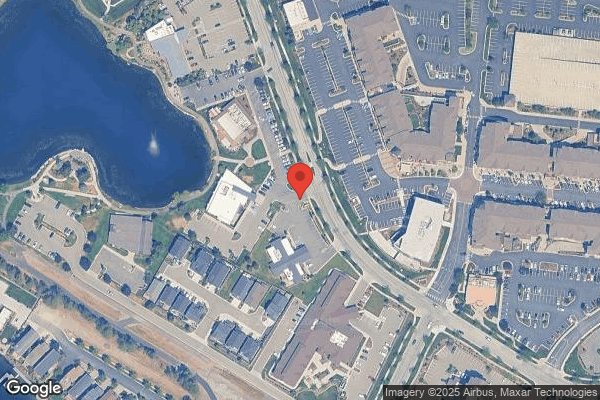
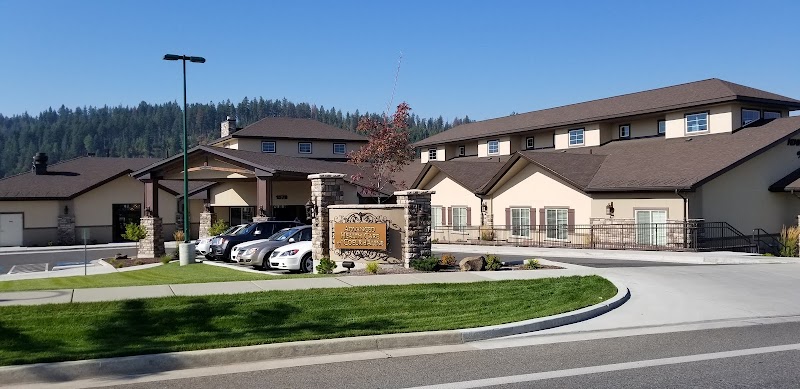
1578 W RIVERSTONE DRIVE, COEUR D'ALENE, ID 83814 (208) 769-0400
For profit - Limited Liability company 34 Beds ADVANCED HEALTH CARE Data: November 2025
Trust Grade
90/100
#1 of 79 in ID
Last Inspection: March 2025

Within standard 12-15 month inspection cycle. Federal law requires annual inspections.

Overview

Advanced Health Care of Coeur d'Alene has received a Trust Grade of A, indicating that it is an excellent facility highly recommended for care. It ranks #1 out of 79 nursing homes in Idaho and #1 out of 7 in Kootenai County, placing it at the very top of local options. The facility is improving, with the number of issues decreasing from 11 in 2021 to 4 in 2025. Staffing is also a strong point, with a 5-star rating and a turnover rate of only 24%, well below the state average, which means staff are familiar with the residents' needs. However, there have been some concerns. The facility had 17 issues noted during inspections, including failures to maintain and sanitize kitchen equipment, which could risk foodborne illnesses for residents. Additionally, there were concerns about the activities program not being directed by a qualified professional, potentially affecting residents' mental well-being. Despite these weaknesses, the overall positive ratings and lack of fines suggest a commitment to improving care quality.

Trust Score
A
90/100
In Idaho
#1/79
Top 1%
Safety Record
Low Risk
No red flags
Inspections
Getting Better
11 → 4 violations
Staff Stability
✓ Good
24% annual turnover. Excellent stability, 24 points below Idaho's 48% average. Staff who stay learn residents' needs.
Penalties
✓ Good
No fines on record. Clean compliance history, better than most Idaho facilities.
Skilled Nurses
✓ Good
Each resident gets 64 minutes of Registered Nurse (RN) attention daily — more than 97% of Idaho nursing homes. RNs are the most trained staff who catch health problems before they become serious.
Violations
⚠ Watch
17 deficiencies on record. Higher than average. Multiple issues found across inspections.
★★★★★
5.0
Overall Rating
★★★★★
5.0
Staff Levels
★★★★★
5.0
Care Quality
★★★★☆
4.0
Inspection Score
Stable
2021: 11 issues
2025: 4 issues

The Good

  • 5-Star Staffing Rating · Excellent nurse staffing levels
  • 5-Star Quality Measures · Strong clinical quality outcomes
  • Low Staff Turnover (24%) · Staff stability means consistent care
  • Full Sprinkler Coverage · Fire safety systems throughout facility
  • No fines on record
  • Staff turnover is low (24%)

    24 points below Idaho average of 48%

Facility shows strength in staffing levels, quality measures, staff retention, fire safety.

The Bad

Chain: ADVANCED HEALTH CARE

Part of a multi-facility chain

Ask about local staffing decisions and management

The Ugly 17 deficiencies on record

Mar 2025 4 deficiencies
CONCERN (D)

Potential for Harm - no one hurt, but risky conditions existed

Deficiency F0625 (Tag F0625)

Could have caused harm · This affected 1 resident

**NOTE- TERMS IN BRACKETS HAVE BEEN EDITED TO PROTECT CONFIDENTIALITY** Based on policy review, record review, and staff interview, it was determined the facility failed to ensure a bed hold notice wa...

Read full inspector narrative →
**NOTE- TERMS IN BRACKETS HAVE BEEN EDITED TO PROTECT CONFIDENTIALITY** Based on policy review, record review, and staff interview, it was determined the facility failed to ensure a bed hold notice was provided to residents and/or their representatives upon transfer to the hospital. This was true for 1 of 7 residents (Resident #21) reviewed for transfers. This deficient practice created the potential for harm if residents were not informed of their right to return to their former bed/room at the facility within a specified time. Findings include: Resident #21 was admitted to the facility on [DATE] and readmitted on [DATE], with multiple diagnoses including acute posthemorrhagic anemia, hypertensive heart disease, and chronic kidney disease. A nursing progress note, dated 1/30/25 at 5:20 PM, documented the facility received a call from Resident #21's cardiologist that they were sending Resident #21 to the emergency room for evaluation of her hypotension (low blood pressure). Resident #21's record did not include documentation a bed-hold notice was provided to her and/or to her representative. On 3/17/25 at 2:32 PM, the Business Office Manager (BOM) stated when a resident was admitted to the hospital, she would call the family and asked them if they want to hold the bed and pay privately while the resident was in the hospital. When asked if Resident #21 and/or her representative was provided with a bed-hold notice, the BOM stated she did not have documentation a bed-hold notice was provided to Resident #21 and/or to her representative.
CONCERN (D)

Potential for Harm - no one hurt, but risky conditions existed

Deficiency F0655 (Tag F0655)

Could have caused harm · This affected 1 resident

Based on policy review, record review, observation, and staff interview, it was determined the facility failed to ensure the baseline care plan included resident's use of oxygen. This was true for 1 o...

Read full inspector narrative →
Based on policy review, record review, observation, and staff interview, it was determined the facility failed to ensure the baseline care plan included resident's use of oxygen. This was true for 1 of 6 residents (Resident #90) whose baseline care plan were reviewed. This deficient practice created the potential for harm if residents' respiratory needs were not met. Findings include: The facility's Baseline Person Centered Care Plan, policy and procedure, revised September 2023, documented the baseline care plan is developed during the admission process to direct patient care, and it covers the basic information utilized to disseminate information to provide care for a newly admitted or readmitted patient. A physician's order, dated 3/12/24, documented Resident #90 was to receive oxygen per nasal cannula to maintain her oxygen saturation greater than 90 percent. On 3/18/25 at 9:57 AM, Resident #90 was observed in her room sitting in her recliner. Resident #90 was receiving oxygen via a nasal cannula at two liters per minute. Resident #90's Baseline Care Plan did not include her use of oxygen. On 3/18/25 at 11:25 AM, the DON reviewed Resident #90's Baseline Care Plan. The DON stated Resident #90's baseline care plan did not document she was on oxygen. The DON stated the baseline care plan should have addressed her use of oxygen, and it did not.
CONCERN (D)

Potential for Harm - no one hurt, but risky conditions existed

Deficiency F0760 (Tag F0760)

Could have caused harm · This affected 1 resident

**NOTE- TERMS IN BRACKETS HAVE BEEN EDITED TO PROTECT CONFIDENTIALITY** Based on record review, review of facility's policy and procedure, review of Incidents and Accidents (I&As) reports, and staff i...

Read full inspector narrative →
**NOTE- TERMS IN BRACKETS HAVE BEEN EDITED TO PROTECT CONFIDENTIALITY** Based on record review, review of facility's policy and procedure, review of Incidents and Accidents (I&As) reports, and staff interview, it was determined the facility failed to ensure residents were free from significant medication errors. This was true for 2 of 2 residents (#20 and #141) reviewed for medication errors. Findings include: The facility's Medication Error policy and procedure, undated, included following the six rights of medication: 1. Right Patient 2. Right Medication 3. Right Dosage 4. Right Dosage Form 5. Right Route 6. Right Time Upon identifying a medication error, the nurse should immediately assess the patient for adverse effects related to the error, and if significant, immediately notify the attending physician. The discovering nurse will initiate the Medication Error Event, and the nurse committing the error will complete the Medication Error Event to include notification to the physician (if not previously notified). The Director of Nursing (DON) will review the Medication Error Event for completeness, and provide additional interventions as needed to prevent future occurrence. The DON will track and report the facility's medication error rate to the Quality Assurance committee at least quarterly. 1. Resident #141 was admitted to the facility on [DATE], and readmitted on [DATE], with multiple diagnoses including Guillain-Barre syndrome (an autoimmune disorder), cancer of the lung, throat, and colon, and osteoporosis (bone weakening). A physician's order, dated 10/18/24, documented Resident #141 was to receive Oxycodone (narcotic pain medication), 5 mgs every 6 hours for pain. An I&A report, dated 10/24/24, documented Resident #141 had missed a scheduled dose of oxycodone. Resident #141's medication administration record (MAR) documented she had received her medication; however, the medication was not signed out of the narcotic medication book. The patient reported she had not received her medication. On 3/19/25 at 5:01 PM, the DON stated the day shift nurse was notified by the patient she wanted her pain medication. The nurse checked the MAR and verified the medication was given to the patient, but found the medication had not been signed out of the narcotic medication book. Resident #141 usually received her Oxycodone between 5:00 to 7:00 AM. Once the error was discovered, she received it at 7:19 AM. The DON stated the nurse was educated on the six rights of medication administration. There is no additional information or investigation about why the nurse marked the medication as given, but did not check it out of the narcotic book. 2. Resident #20 was admitted to the facility on [DATE], and readmitted on [DATE], with multiple diagnoses including peritoneal abscess (a collection of pus within the lining of the abdomen usually caused by bacterial infections), and diverticulitis (inflammation or infection of the small pouches in the wall of the large intestine). A physician's order, dated 1/21/25, documented Resident #20 was to receive Zosyn in dextrose (antibiotic), 3.375 grams/50 mL (milliliters) intravenous (IV). Inject 3.375 grams in .9% NaCl (Sodium Cloride) 100 ml IV piggyback at 200 ml/hour, administer over 30 minutes every 6 hours. An I&A report, dated 1/21/25, documented Resident #20 was to receive 3.375 mg (milligrams) IV every 6 hours. Instead, Resident #20 received 13.5 mg every six hours (4 doses given within 24 hours). The Medication Error Report documented the medication error occurred due to [nursing] misreading the physician's order. All parties [physician, DON, resident's family] were notified. The nursing staff was educated about the six rights of medication administration. On 3/19/25 at 4:57 PM, the DON stated Resident #20 had her labs (blood work) completed to ensure there were no adverse effects of the higher amount of antibiotics she had received. Resident #20's IV medication was premixed into the IV bag. The DON stated, the facility had used another pharmacy to fill Resident #20's medication order since there was a shortage with their usual pharmacy. The other pharmacy had prepared the entire 24-hour dose for Resident #20 into one IV bag. The nursing staff were used to the usual pharmacy breaking up the IV medication into four separate bags, related to the medication order. The DON stated, We should have administered only the correct amount [of IV medication] and used the IV bag four times for one day versus using four bags we were used to giving based on our usual pharmacy. The nurse who made the error did not read the label on the IV bag to verify the MD order. The following day, the nurse noticed the difference of medication amount on the bag, and we began our Medication Error Report process. The DON stated, we will not be using the other pharmacy. Resident #20 was monitored for two days, including her kidney function. The DON stated, Resident #20's laboratory results were normal. We educated all nursing staff regarding the six rights of medication administration, specifically on how to read the mg versus just the ml. These findings represent past non-compliance with this regulatory requirement. The facility did the following: -The resident was monitored. -The physician and family representative were notified. -The nurses were educated on the six rights of medication on 1/24/25. -Medication Administration/Medication Error Audits were completed on: 1/26/25, 1/27/25, 2/5/25, 2/11/25, and 2/14/25. There was sufficient evidence the facility corrected the non-compliance as of 2/28/25, as there were no further medication errors. At the time of this survey the facility was in substantial compliance and therefore does not require a plan of correction.
CONCERN (F)

Potential for Harm - no one hurt, but risky conditions existed

Food Safety (Tag F0812)

Could have caused harm · This affected most or all residents

Based on observation and staff interview, it was determined the facility failed to ensure kitchen equipment was maintained, cleaned, and sanitized. These deficiencies had the potential to affect the 4...

Read full inspector narrative →
Based on observation and staff interview, it was determined the facility failed to ensure kitchen equipment was maintained, cleaned, and sanitized. These deficiencies had the potential to affect the 43 residents who consumed food prepared by the facility. This placed residents at risk for potential foodborne illnesses and adverse health outcomes due to contaminated food services equipment. Findings include: 1. The Food Drug Administration (FDA) Food Code Section 4-602.11 Equipment Food-Contact Surfaces and Utensils, documented: (E) Surfaces of utensils and equipment contacting food that is not time/temperature control for food shall be cleaned: (4) In equipment such as ice bins and beverage dispensing nozzles and enclosed components of equipment such as ice makers, cooking oil storage tanks and distribution lines, beverage and syrup dispensing lines or tubes, coffee bean grinders, and water vending equipment: (a) At a frequency specified by the manufacturer, or (b) Absent manufacturer specifications, at a frequency necessary to preclude accumulation of soil or mold. On 3/16/25 at 11:55 AM, and on 3/19/25 at 2:14 PM, the interior of the ice machine in the kitchen was observed to have a thin line of pink slimy residue. On 3/19/25 at 2:20 PM, the Dietary Manager (DM) stated the ice machine is cleaned by the company every 6 months, but the facility will clean it every month. It was last cleaned by our Maintenance director on 1/7/25 and 2/10/25. The DM stated she was unaware there was a dirty area in the ice machine, or she would have had maintenance clean it sooner. On 3/19/25 at 3:15 PM, the ice machine in the resident's nourishment room was observed to have a thin layer of pink slimy residue on the bottom level of the interior plastic cover. On 3/19/25 at 3:25 PM, the DM agreed the pink film should not be in the ice machine as maintenance had last cleaned it on 2/28/25. 2. The FDA Food Code Section 6-501.14 (A) documented cleaning ventilation systems intake and exhaust air ducts shall be cleaned so they are not a source of contamination by dust, dirt, and other materials. On 3/16/25 at 11:55 AM, and on 3/19/25 at 2:22 PM, the kitchen refrigerator and freezer fan covers were observed to have a thin layer of dust, with larger particles billowing from the fan cover. On 3/19/25 at 2:24 PM, the DM stated the maintenance director will clean the covers as needed. However, she was not sure when the covers were last cleaned, but agreed they needed to be cleaned again.
Aug 2021 11 deficiencies
CONCERN (D)

Potential for Harm - no one hurt, but risky conditions existed

Deficiency F0655 (Tag F0655)

Could have caused harm · This affected 1 resident

**NOTE- TERMS IN BRACKETS HAVE BEEN EDITED TO PROTECT CONFIDENTIALITY** Based on record review and staff interview, it was determined the facility failed to develop and implement a baseline care plan ...

Read full inspector narrative →
**NOTE- TERMS IN BRACKETS HAVE BEEN EDITED TO PROTECT CONFIDENTIALITY** Based on record review and staff interview, it was determined the facility failed to develop and implement a baseline care plan for 1 of 12 residents (Resident #100) whose records were reviewed. This failure placed residents at increased risk of injury and/or medical complications due to the lack of interventions and information in their baseline care plans. Findings include: Resident #100 was admitted to the facility on [DATE] with multiple diagnosis including unspecified injury of heart, acute respiratory failure with hypoxia (lower than normal concentration of oxygen in the blood), hypertensive heart disease with heart failure (due to long term high blood pressure), congestive heart failure (CHF - weakness of the heart leading to a buildup of fluid in the body), chronic obstructive pulmonary disease (COPD - progressive lung disease characterized by increasing breathlessness), atherosclerotic heart disease (build-up of plaque on artery walls), pericardial effusion (build-up of fluid in the space around the heart), pleural effusion (build-up of excess fluid around the lungs), nonrheumatic aortic valve stenosis (the aortic valve does not open fully), nonrheumatic tricuspid valve insufficiency (the valve between the two right heart chambers does not close properly), atrial fibrillation (irregular heart beat), and disorder of kidney and ureter. Resident #100's record did not contain a baseline care plan. On 8/17/21 at 4:26 PM, the IP said the baseline care plan was due on the day of admission. On 8/17/21 at 5:23 PM, the Administrator said they could not find Resident #100's baseline care plan in her paper record. On 8/19/21 at 10:12 AM, the IP stated the baseline care plan was kept as a paper copy at the nurses' desk to keep it available for the care team and was not scanned into the electronic chart until the resident discharged .
CONCERN (D)

Potential for Harm - no one hurt, but risky conditions existed

Deficiency F0679 (Tag F0679)

Could have caused harm · This affected 1 resident

**NOTE- TERMS IN BRACKETS HAVE BEEN EDITED TO PROTECT CONFIDENTIALITY** Based on observation, resident interview, resident representative interview, and staff interview, it was determined the facility...

Read full inspector narrative →
**NOTE- TERMS IN BRACKETS HAVE BEEN EDITED TO PROTECT CONFIDENTIALITY** Based on observation, resident interview, resident representative interview, and staff interview, it was determined the facility failed to ensure residents received services and meaningful activities to maintain their highest practicable physical, mental and psychosocial well-being. This was true for 1 of 12 residents (Resident #103) who were reviewed. This failure had the potential to result in psychosocial distress if they lost their ability to communicate, cope with stressors, and the potential for residents to experience depression and sadness. Findings include: Resident #103 was admitted to the facility on [DATE], with multiple diagnoses including dementia and recurrent major depressive disorder. On 8/16/21 at 4:46 PM, Resident #103 was observed in her room sitting in a chair with the TV on. Resident #103 said she did not know why she was in the facility nor for how long, and had difficulty understanding questions. On 8/17/21 at 5:30 PM, Resident #103's family member stated Resident #103 came to the facility after surgery and was isolated in her room due to COVID-19. Resident #103's family member said, a person her age should not be left alone. The family member stated Resident #103 never watched television, was very social, and while at the assisted living facility Resident #103 socialized regularly with a group of residents there. Resident #103's family member expressed concern Resident #103 was confined to her room without interaction and the ability to anticipate socializing for the next two weeks. The list of Key Personnel provided by the Administrator requested at the Entrance Conference on 8/16/21, did not include an activity director. On 8/18/21 at 11:08 AM, when asked her role in the facility, the LMSW stated she was verbally told her responsibilities were to assist with discharge planning but had begun to include trouble shooting. She reported she assisted with the depression scale, which pharmacy was used, and gathered information to assist with discharge planning. The LMSW said she did not speak to residents who were isolated. The LMSW said she was not aware of an activity director, and the aides brought reading material to the residents and what they needed. The LMSW said the OT was the activities person. On 8/19/21 at 9:41 AM, the Administrator said the LMSW's role was primarily to assist with discharge planning and address concerns as they arose. When asked about resident activities during COVID-19 isolation, the Administrator said the facility encouraged families to do face time and offered iPads to the residents, they had a clinical psychologist available, and the OT and PT would recommend the LMSW see a resident who was depressed. The Administrator said she considered occupational therapy and physical therapy activity time. The Administrator said she expected a resident to spend 2 hours a day with therapy, and therapy services communicated resident needs through the weekly IDT meeting. On 8/19/21 at 1:03 PM, the OT, with PT #2 present, said with COVID-19 quarantine, therapy was provided in residents' rooms, and without the quarantine a resident's goals would determine where a resident would go for therapy; they could go outside, do stair training inside or outside, depending on the resident's tolerance, strength, and range of motion. He said they could do a lot in their room. During the same interview, when asked about Resident #103 and activities, PT #2 said they were working on leg strength, safety awareness, and walking. The OT stated they were working on daily grooming, hygiene, dressing, toileting, and transfers. The facility failed to provide Resident #103 with individualized services and meaningful activities that addressed her customary routines and interests to enhance her well-being.
CONCERN (D)

Potential for Harm - no one hurt, but risky conditions existed

Quality of Care (Tag F0684)

Could have caused harm · This affected 1 resident

**NOTE- TERMS IN BRACKETS HAVE BEEN EDITED TO PROTECT CONFIDENTIALITY** Based on resident and staff interview, and record review, it was determined the facility failed to ensure physician orders were ...

Read full inspector narrative →
**NOTE- TERMS IN BRACKETS HAVE BEEN EDITED TO PROTECT CONFIDENTIALITY** Based on resident and staff interview, and record review, it was determined the facility failed to ensure physician orders were followed for blood glucose monitoring for 3 of 5 residents (#7, #39, and #99) who were diabetic and prescribed insulin. These failed practices had the potential to adversely affect residents if higher blood glucose readings that could potentially lead to an increased insulin administration whose services were not delivered according to accepted standards of clinical practices. Findings include: A facility policy, Blood glucose/fingerstick testing, undated, stated, Blood glucose/fingerstick testing will be performed by a licensed nurse per physician order. This policy was not followed. Facility meal times were documented as follows: Breakfast, 7:30 AM, Lunch 12:00 PM, and Dinner 5:30 PM. The American Diabetes Association, website accessed on 9/3/21, states insulin shots are most effective when taken so that insulin goes to work when glucose from your food starts to enter your blood. The website stated regular insulin (short-acting) works best if taken 30 minutes before eating. 1. Resident #7 was admitted to the facility on [DATE], with diagnoses which included fractured femur (upper leg), and Type 1 diabetes mellitus. Resident #7's record included a physician order, beginning on 7/27/21 to administer Novolog Flexpen U-100 Insulin (a short acting insulin) based on blood glucose results taken before meals, between the following timeframes 6:45 - 7:45 AM, 11:00 - 12:00 PM, and 4:45 - 5:45 PM. Resident #7's physician orders also documented she was to administer her insulin based upon her blood glucose measurements. Resident #7's record documented her blood glucose readings were outside of ordered timeframes, as follows: a. Morning blood glucose measurements were outside of the physician ordered time, 6:45-7:45 AM, as follows: - 7/27/21 at 9:03 AM - 7/28/21 at 9:28 AM - 7/28/21 at 9:30 AM - 7/30/21 at 9:23 AM - 7/31/21 at 9:08 AM - 8/3/21 at 8:46 AM - 8/4/21 at 9:24 AM - 8/7/21 at 9:14 AM - 8/9/21 at 9:00 AM - 8/10/21 at 8:31 AM - 8/11/21 at 8:37 AM - 8/12/21 at 8:39 AM - 8/13/21 at 8:49 AM - 8/14/21 at 8:09 AM - 8/15/21 at 8:26 AM - 8/17/21 at 8:57 AM b. Afternoon blood glucose measurements were outside of the physician ordered time, 11:00 - 12:00 PM, as follows: - 7/30/21 at 12:27 PM - 7/31/21 at 12:40 PM - 8/1/21 at 1:53 PM - 8/2/21 at 12:49 PM - 8/2/21 at 12:50 PM - 8/2/21 at 12:51 PM - 8/3/21 at 12:53 PM - 8/4/21 at 12:43 PM - 8/7/21 at 12:42 PM - 8/8/21 at 12:35 PM - 8/8/21 at 12:37 PM - 8/10/21 at 12:23 PM - 8/13/21 at 12:24 PM - 8/14/21 at 12:35 PM - 8/17/21 at 12:45 PM - 8/17/21 at 12:46 PM - 8/19/21 at 12:40 PM c. Evening blood glucose measurements were outside of the physician ordered time, 4:45 - 5:45 PM, as follows: - 8/2/21 at 6:02 PM - 8/16/21 at 6:01 PM On 8/16/21, beginning at 3:13 PM, Resident #7 was interviewed regarding her diabetic care. Resident #7 stated she would get meals served before her blood glucose was taken. On 8/20/21, beginning at 10:30 AM, the IP was interviewed and Resident #7's blood glucose times and the facility meal time schedule was reviewed in her presence. The IP stated that meals were almost never delivered late and if they were it would only be about 15 minutes at the most. The IP confirmed many of Resident #7's blood sugar readings were not taken within physician ordered parameters and after meals had been served. 2. Resident #39 was admitted to the facility on [DATE], with diagnoses which included Type 2 diabetes mellitus with diabetic chronic kidney disease and heart failure (a chronic, progressive condition in which the heart muscle is unable to pump enough blood to meet the body's needs for blood and oxygen). Resident #39's record included a physician order, beginning on 7/23/21, to administer Humalog U-100 Insulin (a fast-acting insulin which begins to work within 15 minutes of administration) per sliding scale before meals and at bedtime. The amount to administer per sliding scale was as follows: If blood sugar is 0 to 120, give 0 Units. If blood sugar is 121 to 170, give 1 Units If blood sugar is 171 to 220, give 2 Units If blood sugar is 221 to 270, give 3 Units If blood sugar is 271 to 320, give 4 Units If blood sugar is 321 to 370, give 5 Units. Resident #39's record documented his blood glucose readings outside of ordered timeframes and after meals as follows: a. Morning blood glucose measurements were taken after breakfast time, as follows: - 7/25/21 at 8:49 AM - 7/26/21 at 9:49 AM - 7/28/21 at 9:50 AM - 7/29/21 at 9:23 AM - 8/3/21 at 9:00 AM - 8/4/21 at 9:56 AM - 8/5/21 at 9:26 AM - 8/6/21 at 8:53 AM - 8/7/21 at 8:29 AM - 8/8/21 at 9:28 AM - 8/9/21 at 9:20 AM - 8/10/21 at 8:59 AM - 8/11/21 at 9:01 AM - 8/12/21 at 8:53 AM - 8/13/21 at 9:14 AM - 8/15/21 at 8:43 AM - 8/16/21 at 8:52 AM - 8/17/21 at 9:00 AM b. Afternoon blood glucose measurements were taken after lunch time, as follows: - 7/26/21 at 1:41 PM - 7/31/21 at 12:46 PM - 8/2/21 at 1:51 PM - 8/3/21 at 13:24 PM - 8/3/21 at 1:24 PM - 8/4/21 at 12:47 PM - 8/7/21 at 12:47 PM - 8/8/21 at 12:46 PM - 8/13/21 at 12:59 PM - 8/14/21 at 12:41 PM c. Evening blood glucose measurements were taken after dinner time, as follows: - 7/23/21 at 6:05 PM - 7/27/21 at 6:02 PM - 7/29/21 at 5:54 PM - 8/1/21 at 5:59 PM On 8/20/21, beginning at 10:30 AM, the IP was interviewed and Resident #39's blood glucose times and the facility meal time schedule was reviewed in her presence. The IP stated that meals were almost never delivered late and if they were it would only be about 15 minutes at the most. The IP confirmed many of Resident #39's blood sugar readings were not taken within physician ordered parameters and after meals had been served. 3. Resident #99 was admitted to the facility on [DATE], with diagnoses which included a cerebral infarction (stroke) and Type 2 diabetes mellitus with diabetic chronic kidney disease. Resident #99's record included a physician order, beginning on 7/27/21, to administer Humalog U-100 Insulin 5 units before meals and to check blood glucose levels before each meal and at bedtime. a. Morning blood glucose measurements were taken after breakfast time, as follows: - 8/12/21 at 9:24 AM - 8/16/21 at 8:30 AM - 8/17/21 at 8:20 AM - 8/19/21 at 8:40 AM b. Afternoon blood glucose measurements were taken after lunch time, as follows: - 8/12/21 at 3:18 PM - 8/13/21 at 12:57 PM - 8/14/21 at 1:04 PM - 8/15/21 at 1:09 PM - 8/16/21 at 2:03 PM - 8/17/21 at 1:17 PM - 8/19/21 at 12:47 PM On 8/20/21, beginning at 10:30 AM, the IP was interviewed and Resident #99's blood glucose times and the facility meal time schedule was reviewed in her presence. The IP stated that meals were almost never delivered late and if they were it would only be about 15 minutes at the most. The IP confirmed many of Resident #99's blood sugar readings were not taken within physician ordered parameters and after meals had been served. Physician orders were not followed for management of residents' blood glucose levels.
CONCERN (D)

Potential for Harm - no one hurt, but risky conditions existed

Deficiency F0730 (Tag F0730)

Could have caused harm · This affected 1 resident

Based on staff interview and review of annual competency evaluations, it was determined the facility failed to ensure each CNA's performance was evaluated at least once every 12 months and annual eval...

Read full inspector narrative →
Based on staff interview and review of annual competency evaluations, it was determined the facility failed to ensure each CNA's performance was evaluated at least once every 12 months and annual evaluations were performed. This was true for 1 of 3 CNAs (CNA #5) whose personnel records were reviewed. This failure created the potential for CNAs providing care who were not competent. Findings include: On 8/20/21 at 8:30 AM, annual performance evaluations were requested for 3 CNAs. On 8/20/21, beginning at 10:15 AM, the IP provided skills competencies and training, but stated that there was no annual evaluation of CNA #5. She stated the facility had 3 DONs in 4 months and the required evaluations were not completed. The facility failed to complete a performance review of each CNA at least once every 12 months.
CONCERN (D)

Potential for Harm - no one hurt, but risky conditions existed

Deficiency F0742 (Tag F0742)

Could have caused harm · This affected 1 resident

**NOTE- TERMS IN BRACKETS HAVE BEEN EDITED TO PROTECT CONFIDENTIALITY** Based on record review and staff interview, it was determined the facility failed to implement an appropriate treatment and serv...

Read full inspector narrative →
**NOTE- TERMS IN BRACKETS HAVE BEEN EDITED TO PROTECT CONFIDENTIALITY** Based on record review and staff interview, it was determined the facility failed to implement an appropriate treatment and services plan for 1 of 1 resident (Resident #48) who left against medical advice (AMA) and whose record was reviewed. This failure placed residents at increased risk of injury and/or medical complications due to the lack of mental health interventions. Findings include: Resident #48 was admitted to the facility on [DATE], with multiple diagnoses which included aftercare following surgery on the circulatory system and anxiety. Resident #48 discharged AMA on 7/16/21. Resident #48's care plan, revised on 7/2/21, identified depression with episodes of crying. The interventions documented were for staff to administer medication per physician order, monitor for adverse side effects of psychotropic medications, and monitor for changes in mood and report them to the physician. The care plan did not identify what side effects to monitor for and did not identify what mood changes to monitor for Resident #48. A nursing progress note, dated 7/3/21 at 11:47 PM, stated Resident #48 was extremely agitated and stated there was a lack of care and her medications were changed and she stated, this is illegal. The note documented the LPN tried to calm Resident #48 by stating staff were trying to help her and the physician was in charge of the change of medications and the LPN offered to speak to the physician regarding medications and changes to medications. The progress note documented Resident #48 stated she did not want their help and we are not to touch her. Resident #48 stated she was going to call 911. A nursing progress note, dated 7/4/21 at 11:10 AM, stated, Patient was emotional when this nurse gave AM meds [medications]. Pt stated, she has PTSD [Post Traumatic Stress Disorder] and being on quarantine in her room for 14 days makes her anxious and would slow down her healing. Patient started crying. The nursing progress note documented staff would check on Resident #48 frequently so she did not feel alone. A nursing progress note, dated 7/4/21 at 11:20 AM, documented Resident #48 was very upset and stated her oxygen tubing was wrapped around her neck. The progress note documented Resident #48 stated they are trying to kill me. The progress note documented the RN informed Resident #48 she would tell the manager what was happening and they would come see her the next business day, Resident #48 responded by stating if only I live that long. The progress note documented the RN notified the on-call manager of the situation. The nursing progress note stated the RN went back to Resident #48's room at 11:50 AM, and Resident #48 told her she was afraid to eat any food and afraid to sleep and requested staff check on her frequently. The progress note documented Put in orders per administrator r/t what has occurred. The progress note did not specify what orders were put in. A nursing progress note, dated 7/6/21 at 3:46 PM, stated, Patient discharged from facility at roughly 1530 [3:30 PM] to home. She decided to leave AMA. The progress note stated, I personally retrieved her keys from Massage Therapist [name]. He showed me messages on his cellular device from [Resident #48] and stated that this is not how she has ever been. The progress note documented Resident #48's friend, the massage therapist, read off the messages which stated the police are banging and she's not safe here. The progress note documented Resident #48's friend stated he wanted the facility to keep her so she was safe. Resident #48's record did not include documentation her statements of being afraid to eat and sleep, the statement of If I live that long, and her statement that she had PTSD were evaluated and addressed. On 8/20/21, beginning at 9:17 AM, the Administrator was interviewed and Resident #48's record was reviewed in her presence. When asked what mental health interventions were provided for Resident #48, the Administrator stated that her and an LPN, addressed her psychosocial issues by spending time with the patient, allowing a compassionate care visit from Resident #48's massage therapist who was a friend, offered touch, and music. The Administrator stated she did not have any mental health training. The Administrator confirmed the facility did have an MSW (Master's prepared Social Worker) on staff, but did not request a visit from the MSW. The Administrator confirmed the facility did have a clinical psychologist available for consult but did not initiate a referral order for Resident #48 to be evaluated. The facility failed to ensure Resident #48 received appropriate mental health treatment and services.
CONCERN (D)

Potential for Harm - no one hurt, but risky conditions existed

Deficiency F0760 (Tag F0760)

Could have caused harm · This affected 1 resident

Based on policy review, Medication Error Reports review, and staff interview, it was determined the facility failed to ensure the medication error review process was followed to ensure residents were ...

Read full inspector narrative →
Based on policy review, Medication Error Reports review, and staff interview, it was determined the facility failed to ensure the medication error review process was followed to ensure residents were free of medication errors. This was true for 2 of 5 medication error incidents reviewed from June 2021 to August 2021 (Medication Error Reports dated on 7/1/21 and 7/2/21). This failure placed residents at risk for adverse effects due to incorrect medication being administered and/or incorrect doses. Findings include: The facility policy titled, Medication Error, version B0113, undated, documented when a medication error was identified the nurse discovering the error was to complete the Medication Error Report and submit it to the DON. The policy stated the DON would review the Medication Error Report for completeness and execute additional interventions as indicated to prevent future occurrences. This policy was not followed. On 8/18/21 at 8:30 AM, Medication Error Reports for 6/1/21 to current were requested from the IP. One report for June 2021 and 4 reports for July 2021 were provided. There were no medication error reports for August 2021. The Medication Error Reports included two parts. Part I included 4 sections to document a description of the error, outcome to the patient, the corrective action taken, and measures taken to prevent the recurrence of similar errors. Part II included 2 sections to document an assessment and summary of the error which included documenting the type of error: wrong medication, wrong dose, wrong time, wrong dosage form, wrong route, and the reason for the error: transcription error, misread order, miscalculated dose, pharmacy error, failure to identify patient, and other. A Medication Error Report, dated 7/1/21, documented LPN #3 gave a medication at 3:00 PM which was ordered by the physician to be given at bedtime when needed. The report documented there was no outcome to the patient. The sections for corrective action to be taken and measures taken to prevent the recurrence of similar errors were left blank. The section for the reason for the error was also left blank. A Medication Error Report, dated 7/2/21, documented LPN #3 gave twice the dose of Oxycodone ordered for the resident, 10 mg instead of 20 mg. The sections for outcome to the patient, corrective action taken, and measures taken to prevent the recurrence of similar error were left blank. The section for the reason for the error was also left blank. On 8/18/21, beginning at 4:10 PM, the IP was interviewed and the Medication Error Reports were reviewed in her presence. She confirmed the reports dated 7/1/21 and 7/2/21 did not include documentation of any corrective actions taken or measures to prevent the reoccurrence of similar errors for LPN #3.
CONCERN (E)

Potential for Harm - no one hurt, but risky conditions existed

Resident Rights (Tag F0550)

Could have caused harm · This affected multiple residents

Based on observation, review of facility documentation, and staff interview, it was determined the facility violated resident rights when they were placed on quarantine unnecessarily. This was true fo...

Read full inspector narrative →
Based on observation, review of facility documentation, and staff interview, it was determined the facility violated resident rights when they were placed on quarantine unnecessarily. This was true for 14 of 25 residents (#7, #11, #25, #28, #29, #30, #32, #33, #37, #39, #40, #41, #220, and #225) residing in the facility. This had the potential to cause psychosocial distress such as depression, anxiety, and adverse behaviors from being isolated to their rooms for residents who did not require quarantine. Findings include: The CDC website, accessed on 8/30/21, included a section for Discontinuation of Transmission-Based Precautions and Disposition of Patient with SARS-CoV-2 Infection in Healthcare Settings. The website stated that patients who are not symptomatic and results are negative from at least two consecutive respiratory specimens collected more than 24 hours apart (total of two negative specimens) tested using an FDA-authorized laboratory-based NAAT [Nucleic Acid Amplification Test] to detect SARS-CoV-2 RNA could be discontinued from transmission-based precautions. This guidance was not followed. At survey entrance on 8/16/21, all residents in the facility were observed to be in quarantine status. On 8/16/21, a request was made for a list of residents who were asymptomatic and had 2 consecutive negative PCR tests more than 24 hours apart. A polymerase chain reaction (PCR) test, used to test for COVID-19, detects genetic material of the virus and are very accurate when properly performed by a healthcare professional. On 8/18/21, beginning at 1:33 PM, LPN #1 confirmed all residents in the facility were currently in quarantine and not allowed out of their rooms, unless they were leaving for a medical appointment or to have their weight taken on a scale in the hall. COVID-19 testing results, dated 8/5/21 to 8/16/21, were reviewed for Residents #7, #11, #25, #28, #29, #30, #32, #33, #37, #39, #40, #41, #220, and #225. Each of the above residents had 2 PCR tests completed with negative results for both tests and were without symptoms. On 8/18/21, beginning at 11:00 AM, the IP was interviewed. The facility's COVID-19 policy, procedures, and resident COVID-19 documentation was reviewed in her presence. The IP provided a time line and testing results for staff and residents for their current COVID-19 outbreak. The IP stated that outbreak testing was initiated on 8/1/21 when 1 resident had tested positive. She stated 1 staff member had also tested positive on the same day. All residents were placed in quarantine on 8/1/21. The IP stated all residents that had tested positive were placed in isolated rooms, transmission-based precautions were initiated, they had designated nursing staff, and a barrier was used at their room entrance. The IP stated the last resident to test positive was on 8/11/21. The IP stated quarantine measures included residents not being able to leave their room or have visitors even if wearing a mask or social distancing. The IP was asked why residents that were asymptomatic and had 2 negative PCR tests were still being quarantined to their room. The IP referred to their COVID-19 Emergency Plan which followed CDC guidelines for discontinuation of use of communal dining room and gym use (or group activities). When asked why residents could not leave their room to go outside, use the library if wearing a mask and social distancing, the IP stated that all residents were on quarantine because of the last resident that had tested positive on 8/11/21 and it was an, extra precaution. The facility failed to ensure resident rights were protected.
CONCERN (E)

Potential for Harm - no one hurt, but risky conditions existed

Assessment Accuracy (Tag F0641)

Could have caused harm · This affected multiple residents

**NOTE- TERMS IN BRACKETS HAVE BEEN EDITED TO PROTECT CONFIDENTIALITY** Based on record review, policy review, review of facility Incident & Accident (I&A) reports, and staff interview, it was determi...

Read full inspector narrative →
**NOTE- TERMS IN BRACKETS HAVE BEEN EDITED TO PROTECT CONFIDENTIALITY** Based on record review, policy review, review of facility Incident & Accident (I&A) reports, and staff interview, it was determined the facility failed to ensure their Fall Risk Assessment included all elements to accurately reflect residents' risk for falling. This was true for all 25 residents who currently resided in the facility. This failure increased the potential for harm should a resident receive inappropriate care related to discrepancies in the Fall Risk Assessment. Findings include: The facility's policy Fall Prevention, undated, documented upon admission each resident was evaluated for their risk of falling using the Fall Risk Assessment. The policy stated based on the calculated score from the assessment a care plan was to be completed and interventions initiated. The facility's Fall Risk Observation & Care Plan tool stated upon admission and at least quarterly, observe the resident status related to 8 clinical condition parameters listed and assign the score which best described the resident. If the resident had a score of 0-11 the risk was low, no interventions were needed. If the resident had a score of 12-20 the risk was moderate, the resident was to have fall mats at the bedside and a consult from Occupational and Physical Therapy. If the resident had a score of 21-34 the risk was high, the resident was to have fall mats at the bedside, a consult from Occupational and Physical Therapy, bed in the lowest position, and frequent checks by staff. The Fall Risk Observation & Care Plan tool included the following sections to determine the risk for residents: * Mental Status * History of Falls * Ambulation/Elimination Status * Vision Status * Gait/Balance * Postural Hypotension (a form of low blood pressure that happens when you stand up from sitting) * Medication score based on the number and type of medications prescribed (Antihistamines, Antihypertensive, Antiseizure, Benzodiazepines, Cathartics, Diuretics, Hypoglycemics, Narcotics, Psychotropics, Sedatives/Hypnotics or None) * Predisposing diseases, which listed hypotension, vertigo (dizziness), stroke, Parkinson's disease (a progressive disease of the nervous system that affects movement), amputation of limbs, seizures, arthritis, osteoporosis, and fractures. * Contributing Factors Score based on diagnoses listed On 8/15/21, beginning at 10:05 AM, the IP was interviewed and the facility's Fall Risk Observation & Care Plan tool was reviewed in her presence. The IP stated the Fall Risk Observation & Care Plan tool was the Briggs Fall Risk Assessment. The Briggs Fall Risk Assessment produced by [NAME] Healthcare, revised 1/2020 and accessed on 8/26/21, included additional observations which were not on the facility's tool. The section for Mental Status included scoring dependent on the level of disorientation (oriented, disoriented x 1, disoriented x 2, disoriented x 3) and/or if a resident wandered. The facility's assessment tool scored residents based on if they were alert and oriented to person, place, and time or comatose, disoriented, or intermittent confusion. The Briggs Fall Risk Assessment section for Medications included anesthetics and the facility's assessment did not. The Briggs Fall Risk Assessment documented a score of 10 or above represented a resident at high risk for falls. The facility's assessment tool had 3 levels for the risk of falling, low risk (0-11), moderate risk (12-20), and high risk (21-34). On 8/19/21, beginning at 3:59 PM, the IP was interviewed and confirmed the facility's Fall Risk Observation & Care Plan tool did not include all the components of the Briggs Fall Risk Assessment. The IP stated the facility's observation final risk score did not match the [NAME] Assessment, and fall risk scores would potentially be inaccurate for all residents, and proper interventions and precautions may not be initiated.
CONCERN (E)

Potential for Harm - no one hurt, but risky conditions existed

Deficiency F0725 (Tag F0725)

Could have caused harm · This affected multiple residents

Based on review of facility grievances, review of call light logs, resident and staff interview, it was determined the facility failed to ensure a sufficient number of competent staff to answer call l...

Read full inspector narrative →
Based on review of facility grievances, review of call light logs, resident and staff interview, it was determined the facility failed to ensure a sufficient number of competent staff to answer call lights in a timely manner. This was true for 5 of 12 residents (#7, #25, #32, 48, and #300) reviewed for staffing concerns and had the potential to affect the other 13 residents in the facility. This deficient practice created the potential for physical and psychosocial harm if residents did not receive appropriate care or received a delay in care. Findings include: a. Facility complaint/grievances for 6 months were requested. Two of the 6 grievances, dated 3/9/21 and 7/5/21, documented complaints with call light response times. - A grievance form, dated 3/9/21, documented Resident #300, when he first arrived at the facility from an acute care hospital at 11:45 AM, stated he was placed in a wheelchair and taken to his room and given a glass of water. Resident #300 stated no one came to check in on him until 2:00 PM, 2 hours and 15 minutes later. Resident #300 also stated his call lights were not answered in a timely manner. In the section of the grievance form for the facility response, the admission nurse for Resident #300 was interviewed and he stated he went to Resident #300's room at 1:45 PM. He stated he was delayed because of entering orders from the hospital. The section also had documentation which stated call lights were continuing to be monitored for timeliness and staff were encouraged to check on Resident #300 frequently. In the section for the resolution of concern, the form included a handwritten note dated 3/10/21, which stated Resident #300 was checked every 2 hours to ensure his needs were being met and the DON was following up with Resident #300 and his daughter to ensure communication was taking place. A second handwritten note, dated 3/12/21, documented Resident #300 had no care concerns. There was no further documentation regarding whether staff were answering call lights in a timely manner. - A typed form with a handwritten date at the top of 7/5/21, documented Resident #48 stated her call light was left unanswered for 4 ½ - 5 ½ hours. The form documented the call light log was reviewed and showed the average response time for call lights was 7 minutes and 57 seconds. The form also documented Resident #48 was offered to have her call light set to be automatically turned on at an interval of her choosing, and she declined this intervention. b. Call light logs for all shifts from 8/1/21 to 8/17/21 were requested. During those 18 days, there were 362 call lights with elapsed times of greater than 30 minutes. Of those 362 lights, 68 of them were longer than 1 hour. c. Residents were interviewed regarding staffing. Examples include: - On 8/16/21, beginning at 3:09 PM, Resident #7 stated her call light sometimes would not be answered for 30 to 40 minutes, especially at night. - On 8/16/21, beginning at 1:39 PM, Resident #32 stated staff sometimes took a long time to respond to call lights and she would be incontinent of her bladder by the time they responded to her call light. - On 8/17/21, beginning at 3:15 PM, Resident #25 was interviewed. Resident #25 stated the facility was short staffed, mainly CNAs, and she tried to do things herself, so she did not have to bother them. On 8/19/21, beginning at 1:13 PM, the Administrator was interviewed, and the call light log was reviewed in her presence. She stated the facility did not have a written policy for answering call lights. She stated her expectation would be that call lights were answered, right away but at the most in 20 minutes.
CONCERN (E)

Potential for Harm - no one hurt, but risky conditions existed

Infection Control (Tag F0880)

Could have caused harm · This affected multiple residents

Based on observation, review of facility COVID-19 and infection control documents, and staff interview, it was determined the facility failed to ensure a) staff appropriately donned/doffed (put on/too...

Read full inspector narrative →
Based on observation, review of facility COVID-19 and infection control documents, and staff interview, it was determined the facility failed to ensure a) staff appropriately donned/doffed (put on/took off) PPE and wore the appropriate PPE b) medical supplies were not reused c) appropriate N95 fit testing for all staff that entered patient care areas and d) documentation of housekeeping daily cleaning logs was maintained for 14 of 25 residents (#16, #25, #28, #29, #31, #32, #37, #39, #41, #44, #105, #107, #120, and #149) who were observed. This deficient practice created the potential for spreading infectious organisms, including, but not limited to COVID-19, from cross contamination. COVID-19 is an infectious disease by a new virus causing respiratory illness with symptoms including cough, fever, new or worsening malaise, headache, or new dizziness, nausea, vomiting, diarrhea, loss of taste or smell, and in severe cases difficulty breathing that could result in severe impairment or death. These failures placed all staff and residents at increased risk of infections. Findings include: 1. The CDC website, accessed on 8/12/21 and last reviewed on 1/8/21, stated healthcare personnel should use an alcohol-based hand rub or wash with soap and water for the following clinical indications: - Immediately before touching a patient - Before performing an aseptic task (e.g., placing an indwelling device) or handling invasive medical devices - Before moving from work on a soiled body site to a clean body site on the same patient - After touching a patient or the patient's immediate environment - After contact with blood, body fluids, or contaminated surfaces - Immediately after glove removal. The facility had signs posted at all resident room entryways to instruct staff on the proper procedure for what PPE to don, the steps for donning and doffing, including hand hygiene, as follows: STOP QUARANTINE STOP DROPLET + PRECAUTIONS Donning 1. Sanitize hands 2. Gown 3. Face mask over N95 4. Eye Protection 5. Knock, Listen, Open Door 6. Sanitize Hands 7. Gloves 8. Pick up Equipment 9. Enter room and ask patient to put on mask Doffing 1. Remove Gloves 2. Remove Gown 3. Exit Room 4. Sanitize Hands 5. Disinfect surfaces and equipment, if applicable 6. Sanitize Hands 7. Remove Eye Protection 8. Remove Face Mask 9. Sanitize Hands The CDC's poster titled Sequence for Putting on Personal Protective Equipment (PPE), accessed on 8/26/21, instructed to put on a gown as follows: * Fully cover torso from neck to knees, arms to end of wrists, and wrap around the back. * Fasten in back of neck and waist. These guidelines were not followed. a. On 8/16/21 at 3:35 PM, the DON entered Resident #149's room while he was being interviewed. The DON did not have on eye protection and was wearing a surgical mask. On 8/16/21 at 3:50 PM, the DON was observed in Resident #120's room without eye protection. The DON was interviewed after she exited Resident #120's room. The DON was asked if it was facility policy to wear an N95 and eye protection to enter residents' rooms. She stated, To be honest, I'm not sure if I'm supposed to. The DON returned later and confirmed that it was facility policy to wear an N95 and eye protection when entering resident rooms. b. On 8/16/21 at 3:58 PM, CNA #1 entered Resident #32's room to provide a snack. CNA #1's gown did not cover a large area on her back. CNA #1 exited Resident #32's room and did not remove her surgical mask or goggles. CNA #1 was interviewed after she walked down the hall. She confirmed that she should have doffed the surgical mask and goggles after exiting the room. c. On 8/16/21 at 5:00 PM, CNA #6 entered Resident #37's room and received a meal for delivery without tying the gown at the neck or waist, or donning eye protection. CNA #6 placed the meal tray on the table in front of Resident #37 and began to prep and cut the food. Midway through the meal prep CNA #6 tied the neck of the gown in front of her and pulled it up and over her head and continued with the meal prep. When CNA #6 exited Resident #37's room, and reviewed the sign at the door, she said she did not do what the sign had instructed for donning PPE when she entered Resident #37's room. d. On 8/16/21 at 5:09 PM, CNA #3 entered Resident #16's room to deliver a meal without tying the gown at the neck and waist. e. On 8/16/21 at 5:11 PM, CNA #4 entered Resident #107's room to deliver dinner. CNA #4's gown was hanging open in the back. CNA #4 did not don a surgical mask prior to entering Resident #107's room. f. On 8/16/21 at 5:11 PM, CNA #6 entered Resident #105's room to deliver a meal without tying the gown at the neck and waist. CNA #6's gown was hanging open exposing her back, sides and chest while she prepped Resident #105's meal for Resident #105. CNA #6 tied the gown at the neck after the gown slipped to her forearms while prepping Resident #105's meal. At 5:22 PM, CNA #6 said she did not tie the gown until after helping with Resident #105's meal and then she tied the gown at the neck. g. On 8/16/21 at 5:14, LPN #1 accessed the medication cart, then entered Resident #25's room with medication. LPN #1's gown was hanging open, leaving her back exposed and entered Residents #25's room. LPN #1 accessed Resident #25's IV. LPN #1 changed gloves to receive a dinner tray but did not perform hand hygiene between glove changes. LPN #1 exited Resident #25's room and did not remove her surgical mask. LPN #1 accessed the medication cart and then entered Resident #39's room to deliver medications. LPN #1 exited Resident #39's room without removing her surgical mask. h. On 8/16/21 at 5:15 PM, CNA #3 placed a mask over her N95, tied the neck of the gown in front of her then pulled it over her head, performed hand hygiene, and donned gloves before entering Resident #201's room to deliver a meal. At 5:20 PM, CNA #3 said she had not tied her gown properly before entering Resident #16's and 201's rooms. i. On 8/16/21 at 5:15 PM, CNA #1 entered Resident #44's room. CNA #1's gown was not donned completely leaving a gap of approximately 5 inches, did not don goggles, and did not perform hand hygiene. CNA #1 exited Resident #44's room and did not remove the surgical mask. j. On 8/16/21 at 5:16 PM, CNA #7 placed her arms through the sleeves of a gown, tied the gown at the waist, then tied the neck in front of her and pulled it up over her head before entering Resident #28's room to deliver a meal. At 5:24 PM, CNA #7 said she tied the gown at the neck in front of her face and then pulled it over her head. k. On 8/16/21 at 5:24, CNA #1 entered Resident #41's room. CNA #1's gown was hanging open, leaving the back exposed. l. On 8/16/21 at 5:55 PM, the surveyor entered Resident #31's room after LPN #2. Resident #31 was in quarantine after a positive COVID-19 test. LPN #2's bottom strap on the N95 mask was not secured. LPN #2 exited Resident #31's room, doffing the gown before gloves. m. On 8/17/21 at 11:03 AM, CNA #2 entered Resident #25's room. CNA #2's gown was open, leaving a gap of approximately 7 inches. PT #1 was in Resident #25's room, the gown was completely open, leaving the back and sides exposed. PT #1 exited Resident #25's room and did not remove the surgical mask. n. On 8/17/21 at 4:20 PM, RN #1 was observed in Resident #32's room with the gown open which exposed her back, and doffed the gown before gloves when exiting Resident #32's room. o. On 8/17/21 at 4:31 PM, CNA #3 entered Resident #150's room with the gown untied which exposed her back. p. On 8/17/21 at 5:01 PM, RN #1 entered Resident #107's room for a medication pass. RN #1's gown was untied and exposed her back and was slipping off her shoulders. q. On 8/17/21 at 5:12 PM, RN #1 entered Resident #29's room after donning PPE. RN #1 accessed her pants pocket under her gown with her gloves on to access alcohol wipes. r. On 8/17/21 at 5:23 PM, NA #1 was observed in Resident #107's room with the gown hanging open and her back exposed. NA #1's eye protection was on her head. s. On 8/17/21 at 5:38 PM, RN #1 donned PPE and entered Resident #39's room to administer insulin. RN #1 accessed alcohol wipes in her pants pocket underneath her gown with her gloves. On 8/18/21, beginning at 11:00 AM, the IP was interviewed and facility policy and expectations for donning/doffing as well as accessing supplies such as alcohol wipes in pants pockets were reviewed. The IP stated all staff were to follow CDC guidelines for donning and doffing of PPE and placing or accessing supplies in their pockets did not follow facility expectations. 2. Items taken into patient rooms were not disinfected prior to taking them out of patient rooms and placed back in the medication cart with other patient medications and supplies, as follows: On 8/17/21 at 4:52 PM, RN #1 removed a 1 mL syringe and obtained medication for Resident #41 at the mediation cart. RN #1 entered Resident #41's room and administered the medication orally. RN #1 rinsed the 1 mL syringe in the sink with tap water, exited the room and placed the syringe back in the box containing the medication in the medication cart that contained medication and supplies for other patients. RN #1 stated they had to re-use the syringe because syringes were out of stock and the facility had been unable to obtain any more. On 8/18/21, beginning at 11:00 AM, the IP was interviewed about supplies and medications that were taken into and out of resident rooms. The IP stated all staff were to follow CDC guidelines for infection control including disinfecting items prior to bringing them into resident rooms and when exiting resident rooms. 3. The facility did not perform appropriate N95 fit testing for all staff that entered patient care areas. The CDC website, last reviewed on 3/29/21, and accessed on 8/25/21, included a section titled Interim Infection Prevention and Control Recommendations to Prevent SARS-CoV-2 Spread in Nursing Homes, which instructed facilities to implement a respiratory protection program that is compliant with the OSHA respiratory protection standard (29 CFR 1910.134) for employees if not already in place. The program should include medical evaluations, training, and fit testing. This guideline was not followed. On 8/18/21 at 2:12, the results of N95 fit testing for all staff that entered patient care areas were requested from the IP. On 8/18/21, beginning at 3:07 PM, the IP was interviewed, and the list for N95 fit test results for staff were reviewed in her presence. The IP confirmed that 29 of 64 staff members (45%) that entered patient care areas did not have a fit test date. The IP confirmed those staff that did not have a fit test date listed had not been fit tested. The facility did not ensure all staff were fit tested for N95 masks. d. The CDC website, last reviewed on 3/29/21 and accessed on 8/25/21, included a section titled Interim Infection Prevention and Control Recommendations to Prevent SARS-CoV-2 Spread in Nursing Homes, which instructed facilities to develop a schedule for regular cleaning and disinfection of shared equipment, frequently touched surfaces in resident rooms and common areas. A facility policy and procedure titled COVID-19 Emergency Plan, stated to develop a schedule for regular cleaning and disinfection of shared equipment, frequently touched surfaces in resident rooms, and common areas. On 8/17/21 at 10:21 AM, cleaning logs for 8/3/21 to 8/16/21 were requested from Housekeeping Staff #1. Housekeeping Staff #1 displayed a housekeeping cleaning log that she had completed so far for that day, including documentation of cleaning high touch surfaces areas three times a day. Housekeeping Staff #1 stated she did not believe the logs were kept or stored for more than a couple of days. On 8/14/21 at 11:30 AM, the Administrator was interviewed concerning the housekeeping cleaning logs. She confirmed the logs were not kept or stored. It could not be determined if the facility ensured regular cleaning and disinfection of resident rooms, common areas, and high touch areas. These deficient practices created the potential for the spread of infectious organisms, including COVID-19, from cross contamination (the inadvertent transfer of harmful bacteria, virus, or other microorganisms, from one person, object, or place, to another).
CONCERN (F)

Potential for Harm - no one hurt, but risky conditions existed

Deficiency F0680 (Tag F0680)

Could have caused harm · This affected most or all residents

**NOTE- TERMS IN BRACKETS HAVE BEEN EDITED TO PROTECT CONFIDENTIALITY** Based on facility document review and staff interview, it was determined the facility failed to ensure the activities program wa...

Read full inspector narrative →
**NOTE- TERMS IN BRACKETS HAVE BEEN EDITED TO PROTECT CONFIDENTIALITY** Based on facility document review and staff interview, it was determined the facility failed to ensure the activities program was directed by a qualified professional. This failure had the potential to compromise the mental and psychosocial well-being of all 25 residents residing in the facility, including Resident #103, if the activities program was not designed to accommodate specific needs and interests. Findings include: Resident #103 was admitted to the facility on [DATE], with multiple diagnoses including dementia and recurrent major depressive disorder. On 8/16/21 at 4:46 PM, Resident #103 was observed in her room sitting in a chair with the TV on. Resident #103 said she did not know why she was in the facility nor for how long, and had difficulty understanding questions. On 8/17/21 at 5:30 PM, Resident #103's family member stated Resident #103 came to the facility after surgery and was isolated in her room due to COVID-19. Resident #103's family member said, a person her age should not be left alone. The family member stated Resident #103 never watched television, was very social, and while at the assisted living facility Resident #103 socialized regularly with a group of residents there. Resident #103's family member expressed concern Resident #103 was confined to her room without interaction and the ability to anticipate socializing for the next two weeks. The list of Key Personnel provided by the Administrator, requested at the Entrance Conference on 8/16/21, did not include an activity director. On 8/18/21 at 11:08 AM, the LMSW said she was not aware of an activity director, and the aides brought reading material to the residents and what they needed. The LMSW said the OT was the activities person. On 8/19/21 at 9:41 AM, the Administrator said she considered occupational therapy and physical therapy services activity time, but they did not routinely assess residents on how they were coping. The Administrator said she expected a resident to spend 2 hours a day with therapy, and therapy services communicated resident needs through the weekly IDT meeting. On 8/19/21 at 1:03 PM, the OT and PT #2 were interviewed together. PT #2 said residents received physical and occupational therapy 5 days a week and were discussed with the rehabilitation director once a week. During the same interview, when asked about Resident #103 and activities, PT #2 said they were working on using her non-dominant hand, leg strength, safety awareness, and walking. The OT stated they were working on daily grooming, hygiene, dressing, toileting, transfers, and trying to use her impaired hand. The OT stated they may do an activity that occupied a resident's life, like cooking or games, and would use the activities as tools to improve the resident's [physical or occupational] function. On 8/20/21 at 9:07 AM, NA #2 said they had an activities person, it had changed, and therapy provided the Daily Memo (facility newspaper) and word game sheets. NA #2 checked with the Administrator and reported she was told by the Administrator the therapy aid was the activity person, and she had been pulled to work on the floor, so the Administrator was printing the memo and games. The facility failed to provide an activities program that was directed by a licensed qualified therapeutic recreation specialist or activities professional.
Sept 2019 2 deficiencies
CONCERN (D)

Potential for Harm - no one hurt, but risky conditions existed

Pressure Ulcer Prevention (Tag F0686)

Could have caused harm · This affected 1 resident

**NOTE- TERMS IN BRACKETS HAVE BEEN EDITED TO PROTECT CONFIDENTIALITY** Based on policy review, record review, observation, and staff interview and family interview, it was determined the facility fai...

Read full inspector narrative →
**NOTE- TERMS IN BRACKETS HAVE BEEN EDITED TO PROTECT CONFIDENTIALITY** Based on policy review, record review, observation, and staff interview and family interview, it was determined the facility failed ensure residents did not develop avoidable pressure ulcers. This was true for 1 of 5 residents (Resident #18) reviewed for pressure ulcers. This failure created the potential for Resident #18 to experience delayed healing, or further deterioration, of a Stage II pressure ulcer. Findings include: The facility's pressure ulcer policy and procedure, dated 2/27/18, documented Patients will receive care consistent with professional standards of practice to prevent pressure ulcers and/or ensure patients do not develop pressure ulcers unless the individual's clinical condition demonstrates they are unavoidable. The policy also documented Residents having pressure ulcers receive necessary treatment and services to promote healing, prevent infection and [prevent] new pressure ulcers from developing. The National Pressure Ulcer Advisory Panel website (www.npuap.org), accessed on 9/30/19, defines Stage II pressure ulcers/injuries as follows: *Stage II - Partial-thickness loss of skin with exposed dermis (thick layer of living tissue below the top of the skin that contains blood capillaries, nerve endings, sweat glands, hair follicles, and other structures). The wound bed is viable, pink or red, moist, and may also present as an intact or ruptured serum-filled blister. Adipose (fat) is not visible and deeper tissues are not visible. Resident #18 was admitted to the facility on [DATE], with multiple diagnoses including a right hip fracture and a stroke with hemiparesis (paralysis and weakness to one side of the body) and hemiplegia affecting his right side. The Admit Skin Assessment, dated 8/29/19, documented Resident #18 had right sided weakness, a right hip surgical incision with a dressing and had slight swelling and bruising to the right hip. The Admit Skin Assessment documented he had one plus pitting edema (swelling to the affected area when pressed will leave an indentation) to the right lower extremity. The Admit Skin Assessment did not document any further skin impairment to Resident #18. Resident #18's Braden Risk Assessment Scale (a tool used to assess a resident's risk for developing pressure ulcers), dated 8/29/19, documented he was at moderate risk for developing a pressure ulcer. Resident #18's Pressure Ulcer Risk Protocol and Care Plan, dated 8/29/19, documented Resident #18 was at risk for developing pressure ulcers related to impaired mobility. The interventions on the Pressure Ulcer Risk Protocol and Care Plan, included interventions for an air mattress and to float his heels (elevate the heels to prevent pressure) with a heel riser (device to elevate the heels) for moderate risk of skin impairment. Resident #18's Baseline Care Plan, dated 8/29/19, did not include use of an air mattress or to float his heels while in bed. Resident #18's physician's order, dated 8/29/19, included use of an air mattress and a heel riser while in bed. Resident #18's August 2019 Treatment Administration Record (TAR) documented staff were to verify placement of the heel riser every shift. The TAR, dated 8/31/19 at 1:03 PM, documented the heel riser was not utilized due to Resident #18's hip surgery. It was unclear why the heel riser was not used in relation to Resident #18's hip surgery. A Nurse's Progress Note, dated 8/31/19 at 8:56 PM, documented Resident #18 had a large, unopened blister to his right heel and there was no heel riser available in the facility. The Nurse's Progress Note documented the nurse elevated Resident #18's right lower extremity with pillows after the blister to the right heel was developed. An untitled Interdisciplinary Team (IDT) review summary, dated 9/2/19, documented Resident #18 developed a darkening, fluid filled blister and it was most likely an unstageable pressure injury. The blister measured 6.2 cm (centimeters) x 5.3 cm to the right heel and the IDT review documented, the blister was formed when Resident #18's right heel rested against the bed. A Wound Healing Progress Note, dated 9/13/19, documented Resident #18 had a Stage II pressure ulcer to his right heel with measurements of 5.2 cm x 4 cm. On 9/17/19 at 5:23 PM, Resident #18's heel riser and air mattress were observed to be in place. Resident #18's spouse stated he had a popped blister to his right heel and wore a Prevalon boot (keeps pressure off of the heel) and used the heel riser when he was in bed. On 9/18/19 at 4:03 PM, the Wound Nurse stated Resident #18 was admitted to the facility with a right hip fracture and was unable to bear weight on his right leg. The Wound Nurse stated Resident #18 developed the blister to his right heel after he was admitted to the facility. The Wound Nurse stated the blister had popped a week later and physician orders were received for a Wound Healing team to evaluate and treat Resident #18's right heel. On 9/19/19 at 10:39 AM, the Wound Nurse and the Clinical Nurse Manager stated Resident #18's spouse was floating his heels with pillows and did not use the heel riser. The Wound Nurse stated she found the heel riser in Resident #18's closet on 9/2/19. On 9/19/19 at 11:05 AM, the Wound Nurse was observed providing wound care to Resident #18's right heel. The wound bed had granulation tissue (red, yellow, or pink connective tissue that forms on the surface of a wound when the wound is healing) with no drainage noted. The Wound Nurse stated measurements were completed on Fridays. The Wound Nurse stated Resident #18's right heel was healing very well and the Wound Healing team would be at the facility on 9/20/19 to reassess Resident #18's heel. On 9/19/19 at 11:32 AM, Resident #18 stated he was non-weight bearing to his right leg related to his hip fracture. Resident #18 stated he was immobile on his right side after his stroke. Resident #18 stated he did not have pain to his right heel and was unaware he developed a blister. Resident #18's spouse stated after the evening nurse found the blister to his right heel on 8/31/19, the nurse applied pillows to float his heels. Resident #18's spouse stated the heel riser was initiated on 9/2/19.
CONCERN (F)

Potential for Harm - no one hurt, but risky conditions existed

Food Safety (Tag F0812)

Could have caused harm · This affected most or all residents

Based on policy review, observation, and staff interview, it was determined the facility failed to ensure measures were in place to prevent possible cross-contamination of dirty to clean areas in the ...

Read full inspector narrative →
Based on policy review, observation, and staff interview, it was determined the facility failed to ensure measures were in place to prevent possible cross-contamination of dirty to clean areas in the kitchen. This had the potential to affect 30 of 30 residents residing in the facility who consumed food prepared by the facility. This failure created the potential for contamination if residents contracted food-borne illnesses. Findings include: The facility's Cleaning Dishes/Dish Machine policy, dated 2013, documented, The person loading dirty dishes should not handle the clean dishes unless they change into a clean apron and wash hands thoroughly before moving from dirty to clean dishes. On 9/19/19 at 9:30 AM, Dietary Aide #1 was observed spraying the dirty dishes with water and loaded the dishes on a rack into the dishwasher. After the load was clean, she opened the dishwasher door, brought out the clean rack of dishes with a metal rod to air dry. Dietary Aide #1 then washed her hands and put away the clean dishes. Dietary Aide #1 did not change her apron from loading the dirty dishes or after washing her hands to put away the clean dishes. On 9/19/19 at 9:45 AM, Dietary Aide #1 stated she should have changed her apron prior to putting away the clean dishes. On 9/19/19 at 9:46 AM, the Registered Dietitian stated Dietary Aide #1 should have changed her apron prior to putting away the clean dishes to eliminate cross-contamination.
Understanding Severity Codes (click to expand)
Life-Threatening (Immediate Jeopardy)
J - Isolated K - Pattern L - Widespread
Actual Harm
G - Isolated H - Pattern I - Widespread
Potential for Harm
D - Isolated E - Pattern F - Widespread
No Harm (Minor)
A - Isolated B - Pattern C - Widespread

Questions to Ask on Your Visit

  • "Can I speak with families of current residents?"
  • "What's your RN coverage like on weekends and overnight?"

Our Honest Assessment

Strengths
  • • Grade A (90/100). Above average facility, better than most options in Idaho.
  • • No major safety red flags. No abuse findings, life-threatening violations, or SFF status.
  • • No fines on record. Clean compliance history, better than most Idaho facilities.
  • • 24% annual turnover. Excellent stability, 24 points below Idaho's 48% average. Staff who stay learn residents' needs.
Concerns
  • • 17 deficiencies on record. Higher than average. Multiple issues found across inspections.
Bottom line: Generally positive indicators. Standard due diligence and a personal visit recommended.

About This Facility

What is Advanced Health Care Of Coeur D'Alene's CMS Rating?

CMS assigns ADVANCED HEALTH CARE OF COEUR D'ALENE an overall rating of 5 out of 5 stars, which is considered much above average nationally. Within Idaho, this rating places the facility higher than 99% of the state's 100 nursing homes. This rating reflects solid performance across the metrics CMS uses to evaluate nursing home quality.
How is Advanced Health Care Of Coeur D'Alene Staffed?

CMS rates ADVANCED HEALTH CARE OF COEUR D'ALENE's staffing level at 5 out of 5 stars, which is much above average compared to other nursing homes. Staff turnover is 24%, compared to the Idaho average of 46%. This relatively stable workforce can support continuity of care.

What Have Inspectors Found at Advanced Health Care Of Coeur D'Alene?

State health inspectors documented 17 deficiencies at ADVANCED HEALTH CARE OF COEUR D'ALENE during 2019 to 2025. These included: 17 with potential for harm.
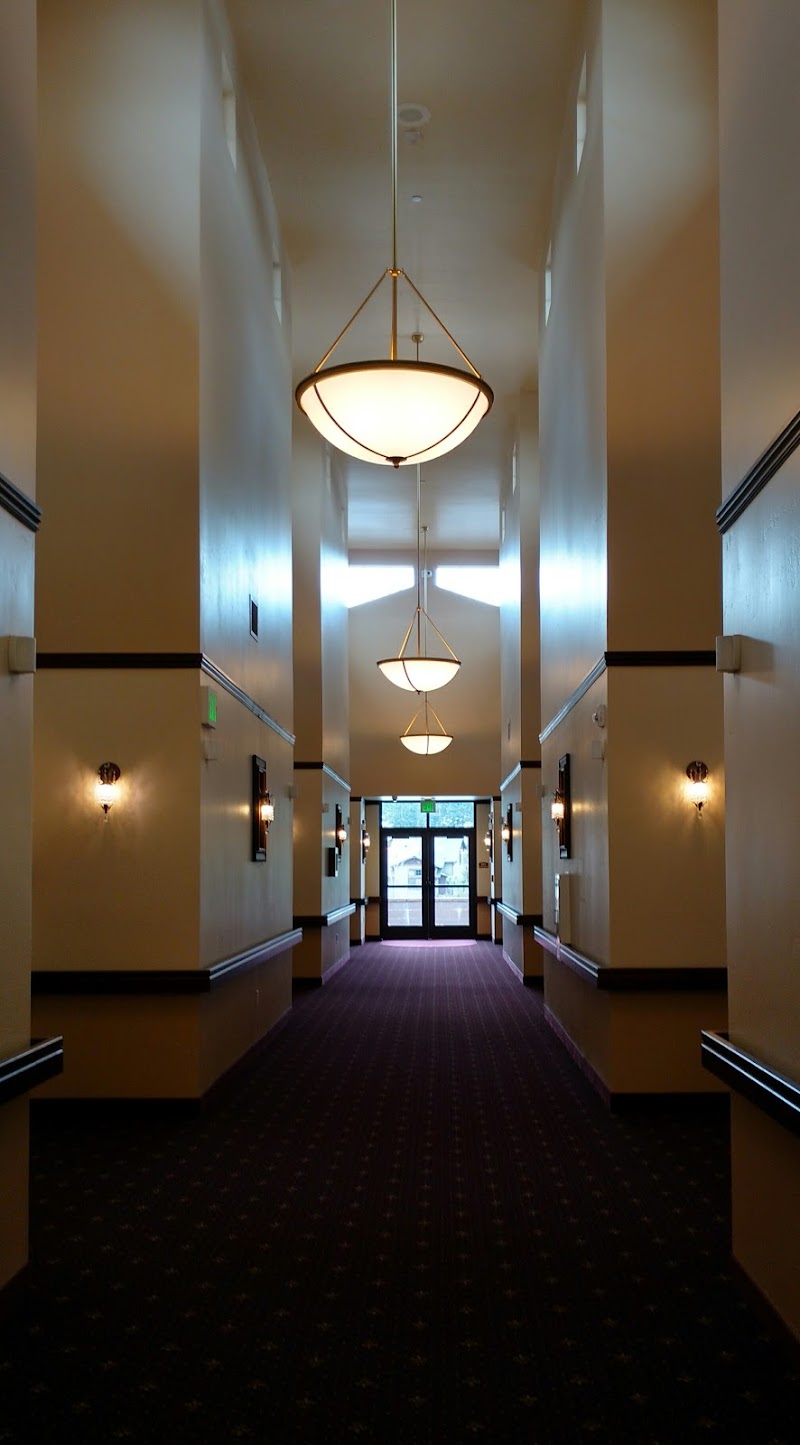
Who Owns and Operates Advanced Health Care Of Coeur D'Alene?

ADVANCED HEALTH CARE OF COEUR D'ALENE is owned by a for-profit company. For-profit facilities operate as businesses with obligations to shareholders or private owners. The facility is operated by ADVANCED HEALTH CARE, a chain that manages multiple nursing homes. With 34 certified beds and approximately 30 residents (about 88% occupancy), it is a smaller facility located in COEUR D'ALENE, Idaho.
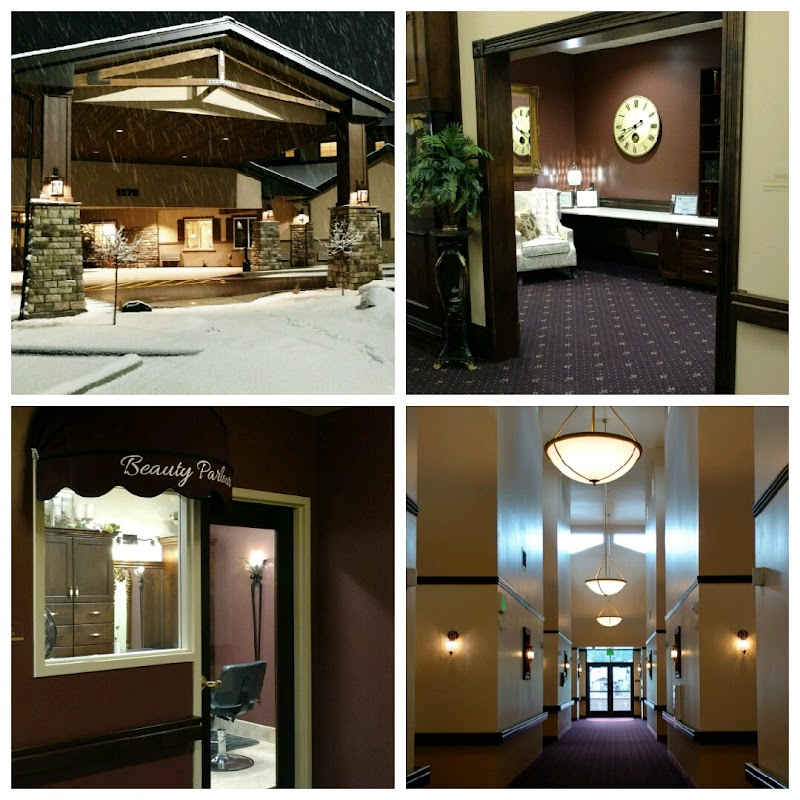
How Does Advanced Health Care Of Coeur D'Alene Compare to Other Idaho Nursing Homes?

Compared to the 100 nursing homes in Idaho, ADVANCED HEALTH CARE OF COEUR D'ALENE's overall rating (5 stars) is above the state average of 3.3, staff turnover (24%) is significantly lower than the state average of 46%, and health inspection rating (4 stars) is above the national benchmark.

What Should Families Ask When Visiting Advanced Health Care Of Coeur D'Alene?

Based on this facility's data, families visiting should ask: "Can I visit during a mealtime to observe dining assistance and food quality?" "How do you handle medical emergencies, and what is your hospital transfer rate?" "Can I speak with family members of current residents about their experience?"

Is Advanced Health Care Of Coeur D'Alene Safe?

Based on CMS inspection data, ADVANCED HEALTH CARE OF COEUR D'ALENE has a clean safety record: no substantiated abuse findings (meaning no confirmed cases of resident harm), no Immediate Jeopardy citations (the most serious violation level indicating risk of serious injury or death), and is not on the Special Focus Facility watch list (a federal program monitoring the lowest-performing 1% of nursing homes). The facility has a 5-star overall rating and ranks #1 of 100 nursing homes in Idaho. While no facility is perfect, families should still ask about staff-to-resident ratios and recent inspection results during their visit.

Do Nurses at Advanced Health Care Of Coeur D'Alene Stick Around?

Staff at ADVANCED HEALTH CARE OF COEUR D'ALENE tend to stick around. With a turnover rate of 24%, the facility is 21 percentage points below the Idaho average of 46%. Low turnover is a positive sign. It means caregivers have time to learn each resident's needs, medications, and personal preferences. Consistent staff also notice subtle changes in a resident's condition more quickly.

Was Advanced Health Care Of Coeur D'Alene Ever Fined?

ADVANCED HEALTH CARE OF COEUR D'ALENE has no federal fines on record. CMS issues fines when nursing homes fail to meet care standards or don't correct problems found during inspections. The absence of fines suggests the facility has either maintained compliance or corrected any issues before penalties were assessed. This is a positive indicator, though families should still review recent inspection reports for the full picture.

Is Advanced Health Care Of Coeur D'Alene on Any Federal Watch List?

ADVANCED HEALTH CARE OF COEUR D'ALENE is not on any federal watch list. The most significant is the Special Focus Facility (SFF) program, which identifies the bottom 1% of nursing homes nationally based on persistent, serious quality problems. Not being on this list means the facility has avoided the pattern of deficiencies that triggers enhanced federal oversight. This is a positive indicator, though families should still review the facility's inspection history directly.