COEUR D ALENE HEALTH OF CASCADIA
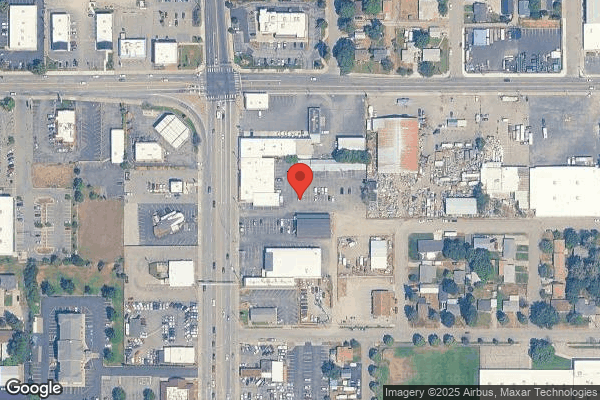
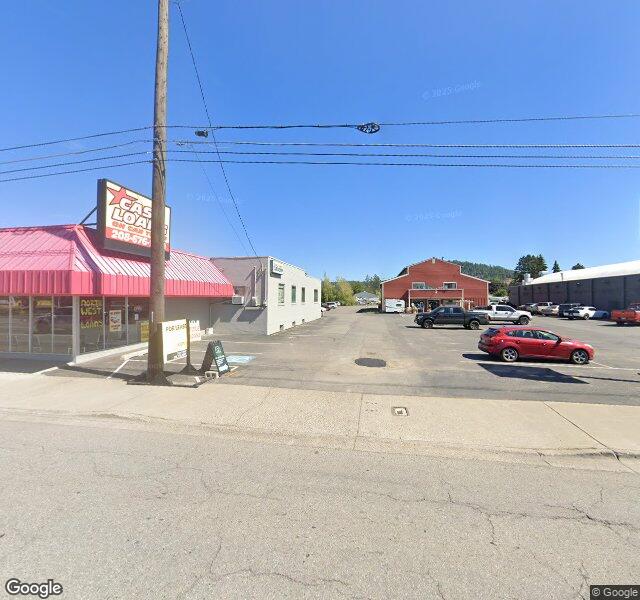
2514 NORTH SEVENTH STREET, COEUR D'ALENE, ID 83814 (208) 664-8128
For profit - Corporation 117 Beds CASCADIA HEALTHCARE Data: November 2025
Trust Grade
10/100
#70 of 79 in ID
Last Inspection: March 2025

Within standard 12-15 month inspection cycle. Federal law requires annual inspections.

Overview

Coeur D Alene Health of Cascadia has received a Trust Grade of F, indicating significant concerns about the facility's overall performance. It ranks #70 out of 79 nursing homes in Idaho, placing it in the bottom half of facilities in the state, and #6 out of 7 in Kootenai County, suggesting that only one local option is better. While the facility is improving, reducing issues from 16 in 2020 to 12 in 2025, it still faces serious challenges, including $33,815 in fines, which is higher than 82% of Idaho facilities and suggests ongoing compliance problems. Staffing is a concern with a low rating of 1 out of 5 stars and a 49% turnover rate, which is close to the state average. Notable incidents include a resident who suffered harm due to inadequate supervision, another who experienced a decline in condition due to delayed notification of medical changes, and a failure to properly monitor a resident after a fall, all of which indicate serious gaps in care.

Trust Score
F
10/100
In Idaho
#70/79
Bottom 12%
Safety Record
High Risk
Review needed
Inspections
Getting Better
16 → 12 violations
Staff Stability
⚠ Watch
49% turnover. Above average. Higher turnover means staff may not know residents' routines.
Penalties
✓ Good
$33,815 in fines. Lower than most Idaho facilities. Relatively clean record.
Skilled Nurses
⚠ Watch
Each resident gets only 28 minutes of Registered Nurse (RN) attention daily — below average for Idaho. Fewer RN minutes means fewer trained eyes watching for problems.
Violations
⚠ Watch
45 deficiencies on record. Higher than average. Multiple issues found across inspections.
★☆☆☆☆
1.0
Overall Rating
★☆☆☆☆
1.0
Staff Levels
★★☆☆☆
2.0
Care Quality
★☆☆☆☆
1.0
Inspection Score
Stable
2020: 16 issues
2025: 12 issues

The Good

  • Full Sprinkler Coverage · Fire safety systems throughout facility
  • No fines on record

Facility shows strength in fire safety.

The Bad

1-Star Overall Rating

Below Idaho average (3.2)

Significant quality concerns identified by CMS

Staff Turnover: 49%

Near Idaho avg (46%)

Higher turnover may affect care consistency

Federal Fines: $33,815

Above median ($33,413)

Moderate penalties - review what triggered them

Chain: CASCADIA HEALTHCARE

Part of a multi-facility chain

Ask about local staffing decisions and management

The Ugly 45 deficiencies on record

5 actual harm
Mar 2025 12 deficiencies 1 Harm
SERIOUS (G) 📢 Someone Reported This

A family member, employee, or ombudsman was alarmed enough to file a formal complaint

Actual Harm - a resident was hurt due to facility failures

Accident Prevention (Tag F0689)

A resident was harmed · This affected 1 resident

**NOTE- TERMS IN BRACKETS HAVE BEEN EDITED TO PROTECT CONFIDENTIALITY** Based on incident and accident (I&A) review, record review, and staff interview it was determined the facility failed to ensure ...

Read full inspector narrative →
**NOTE- TERMS IN BRACKETS HAVE BEEN EDITED TO PROTECT CONFIDENTIALITY** Based on incident and accident (I&A) review, record review, and staff interview it was determined the facility failed to ensure adequate supervision for residents to prevent falls. This was true for 1 of 2 residents, (Resident #79) whose records were reviewed for falls. This resulted in actual harm to Resident #79. Findings include: The Centers for Medicare and Medicaid Services (CMS) State Operation Manual (SOM), Appendix PP, revised 8/8/24, defined 'Avoidable Accident' as an accident occurred because the facility failed to: Identify environmental hazards and/or assess individual resident risk of an accident, including the need for supervision and/or assistive devices. Resident #79 was admitted to the facility on [DATE], with multiple diagnoses including muscle weakness and abnormalities of gait and mobility. Resident #79's care plan, dated 12/4/24, documented he was assessed to be at risk for falls due to impaired mobility and required extensive assistance with chair to bed transfers. The care plan also directed staff to provide one-person extensive assist with bed mobility and direct supervision while toileting. An I&A report, dated 2/21/25, documented Resident #79 had a fall with injury on 2/16/25 at 12:45 PM and a second fall with injury on 2/16/25 at 5:45 PM. A post fall investigation, dated 2/16/25 at 12:45 PM, documented his first unwitnessed fall occurred while transferring from the toilet to his wheelchair. During that fall he obtained a skin tear measuring 0.4 cm x 0.04 cm. The report also documented Resident #79 verbalized having a 1 out of 10 pain level. Section G of the report documented the removal of Resident #79's wheelchair from within reach as an intervention and cleansing the skin tear. On review of Resident #79's care plan dated 12/4/24, no interventions were implemented to prevent further falls. The I&A report, dated on 2/16/25 at 5:45 PM, documented Resident #79 had a second unwitnessed fall with injury while transferring. During that fall he obtained a laceration to the back of his head. The report did not include the measurements of the laceration. A post fall investigation, dated 2/16/25, documented Resident #79's pain level to be a 10 out of 10 with facial grimacing and yelling inconsolably. The investigation documented the Licensed Nurse observed a rapid decline in his vital signs and called 911 to transfer Resident #79 to the hospital for further evaluation and treatment. The post fall investigation did not include documentation of the severity of Resident #79's injuries after his transfer to the hospital. On 3/19/25 at 3:08 PM, the DON stated the facility failed to train staff to update care plans and implement interventions post falls on the weekends.
CONCERN (D) 📢 Someone Reported This

A family member, employee, or ombudsman was alarmed enough to file a formal complaint

Potential for Harm - no one hurt, but risky conditions existed

Notification of Changes (Tag F0580)

Could have caused harm · This affected 1 resident

**NOTE- TERMS IN BRACKETS HAVE BEEN EDITED TO PROTECT CONFIDENTIALITY** Based on record review and staff interview, it was determined the facility failed to ensure a resident's representative was noti...

Read full inspector narrative →
**NOTE- TERMS IN BRACKETS HAVE BEEN EDITED TO PROTECT CONFIDENTIALITY** Based on record review and staff interview, it was determined the facility failed to ensure a resident's representative was notified when they experienced a change in condition. This was true for 1 of 2 residents (Resident #64) whose records were reviewed for notifications. This failure placed Resident #64 at risk when his family was not able to advocate for his needs. Findings include: Resident #64 was admitted to the facility on [DATE] for care following a traumatic brain injury with multiple diagnoses including a tracheostomy, respirator dependence, and acute respiratory failure. On 1/24/25 at 3:35 PM, a physician verbal order, received by a respiratory therapist, documented, if resident decannulates and [respiratory therapist] cannot get it back in, do not send to the [emergency room] to have it replaced, may leave trach out. A respiratory therapy note, dated 2/1/25, documented at approximately 11:00 AM, Resident #64 was found to be decannulated and the respiratory therapist (RT) attempted to insert a trach but was unable to do so. The physician was notified and staff continued to monitor Resident #64. On 3/20/25 at 11:54 AM, the DON stated, according to the documentation on 2/1/25, Resident #64's family was not notified when he experienced a change in condition.
CONCERN (D) 📢 Someone Reported This

A family member, employee, or ombudsman was alarmed enough to file a formal complaint

Potential for Harm - no one hurt, but risky conditions existed

Assessment Accuracy (Tag F0641)

Could have caused harm · This affected 1 resident

**NOTE- TERMS IN BRACKETS HAVE BEEN EDITED TO PROTECT CONFIDENTIALITY** Based on review of the Resident Assessment Instrument (RAI) Manual, record review, and staff interview, it was determined the fa...

Read full inspector narrative →
**NOTE- TERMS IN BRACKETS HAVE BEEN EDITED TO PROTECT CONFIDENTIALITY** Based on review of the Resident Assessment Instrument (RAI) Manual, record review, and staff interview, it was determined the facility failed to ensure residents' Minimum Data Set (MDS- standardized assessment tool used in nursing facilities to assess residents' health and functional status) assessments included correct information. This was true for 3 of 18 residents (#11, #20, and #44) whose records were reviewed for accuracy. This deficient practice had the potential for negative outcomes if residents were not assessed and/or monitored due to inaccurate assessments. Findings include: The RAI Manual, revised 10/1/24, documented section A1500, PASRR (Preadmission Screening and Resident Review), was to be coded yes when a PASRR Level II screening determined a resident had a serious mental illness and/or intellectual disability, or related condition. 1. Resident #11 was initially admitted to the facility on [DATE], with multiple diagnoses including depression, delusional disorder, and dementia. Resident #11's PASRR Level II dated 12/6/24, documented she had a diagnosis of depression, schizophrenia (mental disorder involving chronic or recurrent psychosis), and dementia. Resident #11's significant change in status MDS assessment, dated 12/12/24, under A1500 in section A, documented, No, for the question, Is the resident currently considered by the state PASRR Level II process to have serious mental illness and/or intellectual disability or a related condition? However, Resident #11's record also showed a PASRR Level II dated 12/6/24, which documented schizophrenia, depression, and dementia diagnoses. 2. Resident #20 was initially admitted to the facility on [DATE] with a diagnosis of schizophrenia, bipolar disorder (a mood disorder), obsessive-compulsive disorder (OCD), and anxiety. Resident #20's admission MDS assessment, dated 10/27/22, under A1500 in section A, documented, No, for the question, Is the resident currently considered by the state PASRR Level II process to have serious mental illness and/or intellectual disability or a related condition? However, there was a PASRR Level II, dated 8/12/22, in her record which documented she had a diagnosis of schizophrenia, OCD, bipolar disorder, and depression. 3. Resident #44 was admitted to the facility on [DATE] with the diagnoses autism, schizophrenia, depression, and anxiety. Resident #44's annual MDS assessment, dated 11/24/24, under A1500 in section A, documented, No, for the question, Is the resident currently considered by the state PASRR Level II process to have serious mental illness and/or intellectual disability or a related condition? However, there was a PASRR Level II, dated 2/28/24, in her record which documented she had a diagnosis of autism, schizophrenia, depression, and anxiety. On 3/19/25 at 3:34 PM, the MDS Coordinator confirmed Resident's #11, #20, and #44's MDS assessments were incorrectly coded indicating the residents did not have a serious mental health illness.
CONCERN (D) 📢 Someone Reported This

A family member, employee, or ombudsman was alarmed enough to file a formal complaint

Potential for Harm - no one hurt, but risky conditions existed

Deficiency F0657 (Tag F0657)

Could have caused harm · This affected 1 resident

**NOTE- TERMS IN BRACKETS HAVE BEEN EDITED TO PROTECT CONFIDENTIALITY** 3. Resident #64 was admitted to the facility on [DATE], following a traumatic brain injury with multiple diagnoses including a t...

Read full inspector narrative →
**NOTE- TERMS IN BRACKETS HAVE BEEN EDITED TO PROTECT CONFIDENTIALITY** 3. Resident #64 was admitted to the facility on [DATE], following a traumatic brain injury with multiple diagnoses including a tracheostomy (surgically created opening in the windpipe that provides an alternative airway for breathing), respirator dependence, and acute respiratory failure. On 1/24/25 at 3:35 PM, a physician verbal order, received by a respiratory therapist, documented, if resident decannulates and [respiratory therapist] cannot get it back in, do not send to the [emergency room] to have it replaced, may leave trach out. A respiratory therapy note, dated 2/1/25, documented at approximately 11:00 AM, Resident #64 was found to be decannulated and the respiratory therapist (RT) attempted to insert a trach but was unable to do so. The physician was notified and staff continued to monitor Resident #64. Resident #64's care plan, revised on 3/16/25, documented the following: [Resident #64] has a Tracheostomy and potential for: Alteration in respiratory status and high risk for accidental self decannulation related to: thickened, dried secretions or mucous plugs, inability to protect airway need for tracheostomy, prior history of self-decannulation, confusion/agitation. On 3/20/25 at 11:28 AM, the Staff Development Coordinator Nurse (SDC) stated Resident #64 was decannulated on 2/1/25, and the care plan should have been updated to reflect that his tracheostomy had been removed. Based on observation, record review, policy review, and staff interview, it was determined the facility failed to ensure resident care plans were revised to reflect current needs and interventions. This was true for 3 of 18 residents (Resident #60, #64, #182) whose care plans were reviewed. This placed residents at risk for adverse outcomes when care plans were not revised to reflect their updated needs. Findings include: The facility's Care Plan policy, revised on 10/15/22, documented a qualified person would monitor the resident's condition and effectiveness of the care plan interventions and revise the care plan quarterly, annually, and with a significant change in condition. 1. Resident #60 was readmitted to the facility on [DATE], with multiple diagnoses including congestive heart failure and chest pain. A hospital Discharge summary, dated [DATE], documented Resident #60 was seen for an exacerbation for acute congestive heart failure. Resident # 60's Care Plan, dated 11/9/24, did not include revision or implementation of new interventions related to his congestive heart failure. On 3/19/25 at 11:46 AM, on review of Resident #60's records, the Director of Nursing (DON) stated the facility had room for improvement with care planning. 2. Resident #182 was admitted to the facility on [DATE], with multiple diagnoses including nicotine dependency. A smoking evaluation, dated 2/24/25, documented Resident #182 was able to smoke independently. On review of resident #182's care plan, initiated 2/24/25, no documentation was located related to his smoking needs. On 3/19/25 at 6:00 PM, the DON stated, Resident #182's care plan did not reflect his current smoking status.
CONCERN (D) 📢 Someone Reported This

A family member, employee, or ombudsman was alarmed enough to file a formal complaint

Potential for Harm - no one hurt, but risky conditions existed

ADL Care (Tag F0677)

Could have caused harm · This affected 1 resident

**NOTE- TERMS IN BRACKETS HAVE BEEN EDITED TO PROTECT CONFIDENTIALITY** Based on record review and staff interview, it was determined the facility failed to ensure bathing was provided to residents wh...

Read full inspector narrative →
**NOTE- TERMS IN BRACKETS HAVE BEEN EDITED TO PROTECT CONFIDENTIALITY** Based on record review and staff interview, it was determined the facility failed to ensure bathing was provided to residents who required assistance. This was true for 1 of 6 residents, (Resident #60) whose records were reviewed for bathing. This failure had the potential for embarrassment and compromised skin integrity due to lack of hygiene. Findings include: Resident #60 was admitted on [DATE], with multiple diagnoses including generalized muscle weakness, difficulty walking, and need for assistance with personal care. The facility's shower schedule, undated, documented Resident #60 was scheduled to receive a shower on Wednesday and Saturday evenings. Resident #60's care plan, revised on 11/4/24, documented he required assistance with bathing. The care plan also documented if he refused to bathe, the licensed nurse should be notified. Resident #60's bathing record from February-March 2025 was reviewed documenting the following: -2/1/25-2/16/25, no documentation a shower was offered or refused -2/17/25, a shower was refused -2/18/25-2/19/25, no documentation a shower was offered or refused -2/20/25, a shower was refused -2/21/25-3/6/25, no documentation a shower was offered or refused -3/7/25, he received a shower -3/8/25-3/16/25, no documentation a shower was offered or refused -3/17/24, he received a shower A request of documentation for bathing refusals was made and not provided. On 3/19/25 at 4:24 PM, the DON stated Resident #60 did not receive his shower opportunities as scheduled.
CONCERN (D) 📢 Someone Reported This

A family member, employee, or ombudsman was alarmed enough to file a formal complaint

Potential for Harm - no one hurt, but risky conditions existed

Quality of Care (Tag F0684)

Could have caused harm · This affected 1 resident

**NOTE- TERMS IN BRACKETS HAVE BEEN EDITED TO PROTECT CONFIDENTIALITY** Based on record review and staff interview, it was determined the facility failed to ensure quality care was provided to 1 of 18...

Read full inspector narrative →
**NOTE- TERMS IN BRACKETS HAVE BEEN EDITED TO PROTECT CONFIDENTIALITY** Based on record review and staff interview, it was determined the facility failed to ensure quality care was provided to 1 of 18 residents whose bowel records were reviewed. This was true for Resident #49 when his physician orders were not followed placing him at increased risk for harm. Findings include: Resident #49 was admitted on [DATE] with multiple diagnoses including quadriplegia (condition in which both the arms and legs are paralyzed and lose normal motor function), respirator dependence, and a personal history of constipation and gastrointestinal hemorrhage. Resident #49's record documented the following physician orders, dated 5/21/24: -Milk of Magnesia (MOM) Suspension 1200 MG/15 ML, Give 30 ML orally as needed for no bowel movement (BM) for two (2) days. Give 1 dose. If no results within 24 hours, see Dulcolax Suppository order. -Dulcolax Suppository 10 MG, Insert 1 suppository rectally as needed for bowel care. Give if no results from MOM. If no results in 24 hours, see Fleet Enema order. -Fleet Enema 7-19 GM/118 ML, Insert 1 unit rectally as needed for bowel care. Give if no results from MOM and Dulcolax suppository. Complete bowel assessment and notify physician if no results. Resident #49's bowel movement records and medication administration records (MAR) for February-March 2025 were reviewed and documented the following: -A BM on Sunday 2/9/25 with the next recorded BM on Friday 2/14/25, no as needed medications were administered. -A BM on Saturday 2/15/25 with the next recorded BM on Friday 2/21/25, no as needed medications were administered. -A BM on Saturday 2/22/25 with the next recorded BM on Wednesday 2/26/25, no as needed medications were administered. -A BM on Friday 2/28/25 with the next recorded BM on Tuesday 3/4/25, no as needed medications were administered. -A BM on Tuesday 3/4/25 with the next recorded BM on Monday 3/10/25, no as needed medications were administered. -A BM on Tuesday 3/12/25 with the next recorded BM on Tuesday 3/18/25, no as needed medications were administered. On 3/19/25 at 5:48 PM, the DON stated Resident #49 did not receive BM medications as ordered and could not explain why they failed to be administered.
CONCERN (D) 📢 Someone Reported This

A family member, employee, or ombudsman was alarmed enough to file a formal complaint

Potential for Harm - no one hurt, but risky conditions existed

Deficiency F0697 (Tag F0697)

Could have caused harm · This affected 1 resident

**NOTE- TERMS IN BRACKETS HAVE BEEN EDITED TO PROTECT CONFIDENTIALITY** Based on observation, resident interview, staff interview, and record review, it was determined the facility failed to ensure re...

Read full inspector narrative →
**NOTE- TERMS IN BRACKETS HAVE BEEN EDITED TO PROTECT CONFIDENTIALITY** Based on observation, resident interview, staff interview, and record review, it was determined the facility failed to ensure residents are free from pain. This was true for 1 of 2 residents, (Resident #60) whose records were reviewed for pain management. This failure placed Resident #60 at risk of psychosocial harm and functional decline related to unrelieved pain, and not being offered effective pain management. Findings include: Resident #60 was readmitted to the facility on [DATE], after a short hospital stay, with multiple diagnoses including malignant neoplasm of the stomach (stomach cancer) and cognitive communication deficit. On 3/17/25 at 8:18 AM, Resident #60 was observed lying on his bed with no sheets on his right-side verbalizing 9 out of 10 abdominal pain and guarding his abdomen. When asked, Resident #60 stated he had already asked for pain medication. On 3/17/25 at 8:20 AM, LPN #3 entered the room and asked Resident #60 how he was feeling. Resident #60 verbalized having 8 out of 10 abdominal pain. She acknowledged his pain and left the room without conducting an assessment. On 3/17/25 at 2:20 PM, Resident #60 was observed in bed guarding his abdomen and stated he still had an 8 out of 10 pain. He also stated no one had provided pain management interventions or pharmacological interventions. When asked to describe his pain he stated I can't describe it. It just hurts and no one has given me anything. On 3/17/25 at 2:30 PM, Resident #60 was observed requesting pain medication. On 3/17/25 at 2:39 PM, LPN #2 entered the room with pain medication and administered it to Resident #60. On 3/17/25 at 2:57 PM, When asked if resident had received any non-pharmacological or pharmacological interventions to manage his pain since the morning request for medication at 9:18 AM, LPN #3 stated, I don't believe so, but I did notify the provider. A physician order, dated 3/13/24, documented Hydrocodone-Acetaminophen oral tablet 7.5-325 MG, give 1 tablet by mouth every 8 hours as needed for pain. Non-pharmacological interventions should be attempted prior to medication administration. On review of Resident #60's record, 9 out of 11 pain evaluations documented a pain level of 7 or higher. On 3/19/25 at 3:57 PM, the DON stated Resident #60 used to have a scheduled pain medication, but the order was not reinstated when he returned from the hospital.
CONCERN (D) 📢 Someone Reported This

A family member, employee, or ombudsman was alarmed enough to file a formal complaint

Potential for Harm - no one hurt, but risky conditions existed

Deficiency F0727 (Tag F0727)

Could have caused harm · This affected 1 resident

Based on record review and staff interview, it was determined the facility failed to ensure a registered nurse (RN) was on-site for 8 consecutive hours a day, 7 days a week, to provide care to the res...

Read full inspector narrative →
Based on record review and staff interview, it was determined the facility failed to ensure a registered nurse (RN) was on-site for 8 consecutive hours a day, 7 days a week, to provide care to the residents. This was true for 2 of 21 days reviewed for sufficient staffing. This failure placed all residents at risk for harm if their routine and/or emergency needs could not be met without the care of a registered nurse. Findings include: The nursing staff hours worked were reviewed from 2/23/25-3/15/25. This review documented the facility did not provide 8 consecutive hours of registered nurse coverage on 2/24/25 and 3/3/25. On 3/20/25 at 1:22 PM, the Administrator confirmed those two dates did not have an RN on-site for 8 consecutive hours.
CONCERN (D) 📢 Someone Reported This

A family member, employee, or ombudsman was alarmed enough to file a formal complaint

Potential for Harm - no one hurt, but risky conditions existed

Staffing Information (Tag F0732)

Could have caused harm · This affected 1 resident

Based on observation, record review, and staff interview it was determined the facility failed to ensure nurse staffing data was completed accurately, posted daily, and the records were maintained for...

Read full inspector narrative →
Based on observation, record review, and staff interview it was determined the facility failed to ensure nurse staffing data was completed accurately, posted daily, and the records were maintained for a minimum of 18 months. This failed practice had the potential to affect the 76 residents residing in the facility, their representatives, and any visitors who would like to review staffing data and census information. Findings include: The facility's daily nurse staffing data posting records were reviewed for 10/1/24-3/20/25 and documented the following: Missing dates: October 2024: 9, 12, 13, 19, 20, 26, 27 November 2024: 2. 3. 9, 10, 16, 17, 23, 24, 30 December 2024: 1, 3, 6, 7, 8, 9, 10, 11, 12, 13, 14, 15, 16, 17, 19, 20, 21, 22, 23, 25, 26, 27, 28, 29, 30, 31 January 2025 : 1, 5, 11, 12, 18, 19, 25, 26 February 2025: 1, 2, 8, 9, 15, 16, 22, 23, 27 March 2025: 1, 2, 8, 9, 15 Incomplete data: October: 4, 17 December: 24 January: 2, 3, 4, 20, 21 February: 6, 7, 13, 14, 18 On 3/16/25 at 12:45 PM, the facility's daily nurse staffing data posting was observed. The data posting was dated 3/14/25. On 3/20/25 at 1:08 PM, the Administrator stated he was unsure why the nurse staffing data was not completed accurately and was not posted and retained as required.
CONCERN (D) 📢 Someone Reported This

A family member, employee, or ombudsman was alarmed enough to file a formal complaint

Potential for Harm - no one hurt, but risky conditions existed

Food Safety (Tag F0812)

Could have caused harm · This affected 1 resident

Based on observation, policy review, United States Food and Drug Administration (FDA) food code review, and staff interview, it was determined the facility failed to ensure sanitation of nutrition roo...

Read full inspector narrative →
Based on observation, policy review, United States Food and Drug Administration (FDA) food code review, and staff interview, it was determined the facility failed to ensure sanitation of nutrition rooms and equipment. This failure had the potential to affect all residents who consumed food or ice from the nutrition rooms and increased the risk for transmission of food born illnesses. Findings include: The facility's Sanitizing Stationary Food Service Equipment and Food Contact Surfaces policy, dated 1/1/18, documented the facility will provide proper cleaning and sanitation of food service equipment to minimize the growth of microorganisms that may result in food contamination. The FDA Food Code Section 4-602.11 Equipment Food-Contact Surfaces and Utensils, documented: (E) Surfaces of utensils and equipment contacting food that is not time/temperature control for food shall be cleaned: (4) In equipment such as ice bins and beverages, dispensing nozzles and enclosed components of equipment such as ice makers, cooking oil storage tanks and distribution lines, beverages and syrup dispensing lines or tubes, coffee bean grinders, and water vending equipment: (a) At a frequency specified by the manufacturer, or (b) Absent manufacturer specifications, at a frequency necessary to preclude accumulation of soil or mold. On 3/20/25 at 2:50 PM, during a nutrition room inspection 1 out of 2 ice bins were observed to have a thick, slimy layer with different shades of pink surrounding the ice dispensing tray. Also observed were plastic containers of food with no indication of use by date and thickened cocktail cranberry juice with no indication of when it was open or when it should be disposed. On 3/20/25 at 2:55 PM, the Dietary Manager stated the ice bin in the nutrition room was not in sanitary conditions and he was unsure who was responsible for cleaning it. He also stated the food items in the refrigerator were unclear when they were opened or when they should be disposed.
CONCERN (E) 📢 Someone Reported This

A family member, employee, or ombudsman was alarmed enough to file a formal complaint

Potential for Harm - no one hurt, but risky conditions existed

Deficiency F0825 (Tag F0825)

Could have caused harm · This affected multiple residents

**NOTE- TERMS IN BRACKETS HAVE BEEN EDITED TO PROTECT CONFIDENTIALITY** 4. Resident #67 was admitted to the facility on [DATE], with multiple diagnoses including muscle weakness, abnormalities of gait...

Read full inspector narrative →
**NOTE- TERMS IN BRACKETS HAVE BEEN EDITED TO PROTECT CONFIDENTIALITY** 4. Resident #67 was admitted to the facility on [DATE], with multiple diagnoses including muscle weakness, abnormalities of gait and mobility, and cognitive communication deficit. On 3/17/25 at 10:06 AM, Resident #67 stated she had not received physical therapy as ordered. A physician order, dated 2/17/25, documented Resident #67 was to have physical therapy evaluation and treatment. Resident #67's care plan, dated 2/17/25, documented physical therapy as ordered. A Physical Therapy Evaluation and Treatment Plan, dated 2/18/25, documented Resident #67 was to have physical therapy 5 times a week for 8 weeks. On review of Resident #67's record 16 out of 20 physical therapy sessions were provided before she discharged . 5. Resident #182 was admitted to the facility on [DATE], with multiple diagnoses including difficulty walking and absence of left leg below the knee. A physician order, dated 2/24/25, documented Resident #182 was to have a physical therapy evaluation and treatment. Resident #182's care plan, dated 2/24/25, documented physical therapy as ordered. A Physical Therapy Evaluation and Treatment Plan, dated 2/25/25, documented Resident #182 was to have Physical Therapy 5 times a week for 8 weeks. On review of Resident #182's record 9 out of 19 physical therapy sessions were provided with no documentation of resident refusal. On 3/20/25 at 8:42 AM, the Physical Therapy Director stated residents were not receiving therapy services according to the therapy evaluations due to insufficient staffing. Based on record review, resident interview, and staff interview, it was determined the facility failed to ensure residents received physical therapy services as ordered by their physician. This was true for 5 of 18 residents (#19, #33, #37, #67, and #182) whose records were reviewed for rehabilitative services. This failure created the potential for all residents who required physical therapy services to experience decline in their physical functioning and ability to perform activities of daily living (ADL's) when these services were not provided consistently. Findings include: 1. Resident #19 was readmitted to the facility on [DATE], for surgical aftercare, and had multiple diagnoses including muscle weakness, and difficulty walking. A physician order, dated 3/4/25, documented Resident #19 was to have physical therapy evaluation and treatment. Resident #19's care plan, dated 1/15/25, documented physical therapy evaluation and treat as ordered. A Physical Therapy Evaluation and Treatment Plan, dated 3/4/25, documented Resident #19 was to have physical therapy 3 times a week for 8 weeks. Resident #19's record documented 2 out of 24 physical therapy sessions were provided with no documentation of resident refusals. 2. Resident #33 was readmitted to the facility on [DATE] with multiple diagnoses including, abnormality of gait and mobility, muscle weakness, and lack of coordination. A physician order, dated 11/14/24, documented Resident #33 was to have a physical therapy evaluation and treatment. Resident #33's care plan, dated 11/4/24, documented physical therapy evaluation and treatment. A Physical Therapy Evaluation and Treatment Plan, dated 11/4/24, documented Resident #33 was to have physical therapy 3 times a week for 8 weeks. Resident #33's record documented 7 out of 24 physical therapy sessions were provided with documentation of three resident refusals. 3. Resident #37 was admitted to the facility on [DATE], with multiple diagnoses including quadriplegia, muscle weakness, and contracture of the joint. A physician order, dated 1/24/25, documented Resident #37 was to have a physical therapy evaluation and treatment. Resident #37's care plan, dated 1/24/23, documented physical therapy evaluation and treatment. A Physical Therapy Evaluation and Treatment Plan, dated 1/24/25, documented Resident #37 was to have physical therapy 6 times a week for 4 weeks. Resident #37's record documented 0 out of 24 physical therapy sessions were provided with no documentation of resident refusals.
CONCERN (F) 📢 Someone Reported This

A family member, employee, or ombudsman was alarmed enough to file a formal complaint

Potential for Harm - no one hurt, but risky conditions existed

Infection Control (Tag F0880)

Could have caused harm · This affected most or all residents

Based on observation, CDC recommendation review, policy review, and staff interview, it was determined the facility failed to ensure infection control and prevention practices were maintained. This fa...

Read full inspector narrative →
Based on observation, CDC recommendation review, policy review, and staff interview, it was determined the facility failed to ensure infection control and prevention practices were maintained. This failure had the potential to impact all residents in the facility by placing them at risk for cross contamination and transmission of infection. Findings include: 1. The facility's Work Practices-Cleaning Policy, updated 1/1/18, documented multiple use resident care, such as resident lifts, items are properly cleaned/disinfected between each resident use. The following issue was observed: -On 3/18/25 at 4:55 PM, CNA #1 and LPN #2 were observed using a resident lift to transfer a resident, afterwards CNA #1 returned the lift to the hallway and was not observed cleaning or disinfecting the lift after use. -On 3/18/25 at 5:00 PM, CNA #1 stated that they are not required to clean or disinfect the lifts between resident use. -On 3/18/25 at 5:20 PM, the Infection Prevention (IP) Nurse and DON both confirmed the resident lifts should be cleaned/disinfected between resident use. 2. The Centers for Disease Control and Prevention (CDC) web page titled, Clinical Safety: Hand Hygiene for Healthcare Workers, updated 2/27/24, documented hand hygiene should be performed: -Immediately before touching a patient. -Before performing an aseptic task such as placing an indwelling device or handling invasive medical devices. -Before moving from work on a soiled body site to a clean body site on the same patient. -After touching a patient or patient's surroundings. -After contact with blood, body fluids, or contaminated surfaces. -Immediately after glove removal. The following was observed for hand hygiene and personal protective equipment (PPE): On 3/19/25 at 7:15 AM, LPN #1 was observed entering resident #71's room to administer her medication. No hand hygiene was observed before entering her room and after exiting her room. LPN #1 returned to her medication cart without performing hand hygiene and prepared the next resident's medications. On 3/19/25 at 8:34 AM, Resident #42 was observed to be on droplet transmission precautions for influenza. LPN #1 was observed preparing medications for Resident #42. LPN #1 was not observed performing hand hygiene before or after preparing the medications or before putting on gloves, gown, a second surgical mask, and face shield. LPN #1 was observed entering Resident #42's room and positioned the medication cart in the open doorway with the drawers facing inside the room, then she obtained her vital signs using a vital signs tower. Resident #42 was noted to have a productive cough throughout the observation. LPN #1 was observed administering Resident #42's medications by handing her a cup of her medications and then a cup of water. LPN #1 was observed returning to the medication cart positioned in the doorway, then leaning against the cart allowing the PPE gown to press against the front of the cart while she reached for disinfecting wipes. She was observed using disinfectant wipes on the vital signs tower, then removed her gown and put it in the garbage, removed her face shield and hung it on the outside doorknob, removed her gloves and disposed of them, and washed her hands with soap and water in the sink inside Resident #42's room. LPN #1 was observed pushing the medication cart away from the doorway without disinfecting the surface and left Resident #42's room. She then removed the outer of two surgical masks and disposed of it, then donned a new surgical mask over the one she was already wearing and then used disinfecting wipes to clean a small exposed area on top of the medication cart, but not cleaning the drawer fronts her gown had touched or any of the equipment on top of the medication cart. LPN #1 was not observed to perform hand hygiene and then began preparing medications for another resident. On 3/19/25 at 9:00 AM, LPN #1 confirmed she should have sanitized her hands between residents and stated she did not get any updated guidance on droplet transmission based precautions from the facility. On 3/18/25 at 5:30 PM, the DON stated the facility had not provided staff in-service training specifically dedicated to proper use of PPE for the current influenza outbreak. She further confirmed that she nor her team have performed any official staff observations to ensure quality control for hand hygiene or PPE use.
Jan 2020 16 deficiencies
CONCERN (D)

Potential for Harm - no one hurt, but risky conditions existed

Transfer Requirements (Tag F0622)

Could have caused harm · This affected 1 resident

**NOTE- TERMS IN BRACKETS HAVE BEEN EDITED TO PROTECT CONFIDENTIALITY** Based on record review, policy review, and staff interview, it was determined the facility failed to ensure pertinent informatio...

Read full inspector narrative →
**NOTE- TERMS IN BRACKETS HAVE BEEN EDITED TO PROTECT CONFIDENTIALITY** Based on record review, policy review, and staff interview, it was determined the facility failed to ensure pertinent information was provided to the receiving facility when a resident was transferred to the hospital. This was true for 1 of 1 resident (Resident #36) who was reviewed for transfer to the hospital. This deficient practice had the potential to cause harm if the resident was not treated appropriately or in a timely manner due to a lack of information. Findings include: The facility's policy for Transfer and Discharge, dated 11/28/17, documented the information provided to the receiving provider included the following: * Contact information of the practitioner responsible for the resident's care. * Contact information of the resident's representative. * Advance directive information. * Special instructions and/or precautions for ongoing care. * The resident's comprehensive care plan goals. * All information needed to meet the resident's needs, including but not limited to the resident's status, diagnoses and allergies, medications, and most recent relevant labs, other diagnostic tests, and recent immunizations. This policy was not followed. Resident #36 was admitted to the facility on [DATE] and readmitted to the facility on [DATE], with multiple diagnoses including anemia (a low number of red blood cells), gastrointestinal hemorrhage (bleeding in the gastrointestinal tract), and GERD (a condition where acid from the stomach comes up into the esophagus). Resident #36's discharge MDS assessment, dated 11/29/19, documented she had an unplanned discharge to the hospital. A Progress Note, dated 11/29/19 at 9:34 PM, documented Resident #36 had a large bowel movement that contained blood, and an order was received to send her to the emergency room for evaluation. Resident #36's record did not include documentation of the information provided to the receiving facility upon transfer to the hospital. On 1/24/20 at 8:21 AM, the DON said there was no other documentation of transfer paperwork for Resident #36's transfer to the hospital. The facility did not send information to the receiving provider regarding Resident #36 to ensure effective communication and transition of care.
CONCERN (D)

Potential for Harm - no one hurt, but risky conditions existed

Transfer Notice (Tag F0623)

Could have caused harm · This affected 1 resident

**NOTE- TERMS IN BRACKETS HAVE BEEN EDITED TO PROTECT CONFIDENTIALITY** Based on record review, policy review, and staff interview, it was determined the facility failed to ensure a written notice of ...

Read full inspector narrative →
**NOTE- TERMS IN BRACKETS HAVE BEEN EDITED TO PROTECT CONFIDENTIALITY** Based on record review, policy review, and staff interview, it was determined the facility failed to ensure a written notice of transfer was provided to the resident and the State Long Term Care ombudsman when a resident was transferred to the hospital. This was true for 1 of 1 resident (Resident #36) who was reviewed for transfer to the hospital. This deficient practice had the potential to cause harm if residents were not made aware of or able to exercise their rights related to transfers. Findings include: The facility's policy for Transfer and Discharge, dated 11/28/17, documented the facility provided a notice of transfer as soon as practicable, and the written notice contained the following: * The reason for the transfer/discharge. * The effective date of the transfer. * The location of where the resident was being transferred. * A statement that the resident had the right to appeal the transfer. * The contact information of the state long term care ombudsman. * If applicable, the contact information of the agency responsible for protection and advocacy of developmentally disabled or mentally ill individuals. * A copy was sent to the office of the state long term care ombudsman. This policy was not followed. Resident #36 was admitted to the facility on [DATE] and readmitted to the facility on [DATE], with multiple diagnoses including anemia (a low number of red blood cells), gastrointestinal hemorrhage (bleeding in the gastrointestinal tract), and GERD (a condition where acid from the stomach comes up into the esophagus). Resident #36's discharge MDS assessment, dated 11/29/19, documented she had an unplanned discharge to the hospital. A Progress Note, dated 11/29/19 at 9:34 PM, documented Resident #36 had a large bowel movement that contained blood, and an order was received to send her to the emergency room for evaluation. Resident #36's record did not include documentation a written notice of transfer was provided to her and her representative, or the State Long Term Care Ombudsman. On 1/24/20 at 11:10 AM, the SSD said she just started making a spreadsheet of notifications to the State Ombudsman, and prior to that the Administrator was completing notifications to the State Ombudsman and there was no system for tracking the notifications. On 1/24/20 at 11:20 AM, the Administrator said he could not remember if he reported Resident #36's transfer to the State Long Term Care Ombudsman, but when he reported resident transfers he completed it through the ombudsman's online portal. The Administrator said he did not keep track of the reported transfers. The facility did not provide a written notice of transfer to Resident #36, her representative, and the State Long Term Care Ombudsmen.
CONCERN (D)

Potential for Harm - no one hurt, but risky conditions existed

Deficiency F0625 (Tag F0625)

Could have caused harm · This affected 1 resident

**NOTE- TERMS IN BRACKETS HAVE BEEN EDITED TO PROTECT CONFIDENTIALITY** Based on record review, policy review, and staff interview, it was determined the facility failed to ensure a bed hold notice wa...

Read full inspector narrative →
**NOTE- TERMS IN BRACKETS HAVE BEEN EDITED TO PROTECT CONFIDENTIALITY** Based on record review, policy review, and staff interview, it was determined the facility failed to ensure a bed hold notice was provided to the resident and/or their representative when a resident was transferred to the hospital. This was true for 1 of 1 resident (Resident #36) who was reviewed for transfer to the hospital. This deficient practice created the potential for harm if residents were not informed of their right to return to their former bed/room at the facility within a specified time. Findings include: The facility's policy for Transfer and Discharge, dated 11/28/17, documented at the time of a resident's discharge, the facility provided a written notice of bed hold policy that specified the duration of the bed hold readmission criteria after the bed hold period ended. This policy was not followed. Resident #36 was admitted to the facility on [DATE] and readmitted to the facility on [DATE], with multiple diagnoses including anemia (a low number of red blood cells), gastrointestinal hemorrhage (bleeding in the gastrointestinal tract), and GERD (a condition where acid from the stomach comes up into the esophagus). Resident #36's discharge MDS assessment, dated 11/29/19, documented she had an unplanned discharge to the hospital. A Progress Note, dated 11/29/19 at 9:34 PM, documented Resident #36 had a large bowel movement that contained blood, and an order was received to send her to the emergency room for evaluation. Resident #36's record did not contain documentation a bed hold notice was provided to her or her representative. On 1/24/20 at 8:21 AM, the DON said there was no documentation a bed hold notice was provided to Resident #36 or her representative when she was transferred to the hospital. The facility did not provide Resident #36 with a bed hold notice upon her transfer to the hospital.
CONCERN (D)

Potential for Harm - no one hurt, but risky conditions existed

Assessment Accuracy (Tag F0641)

Could have caused harm · This affected 1 resident

**NOTE- TERMS IN BRACKETS HAVE BEEN EDITED TO PROTECT CONFIDENTIALITY** Based on observation, staff and resident interview, and record review, it was determined the facility failed to ensure a residen...

Read full inspector narrative →
**NOTE- TERMS IN BRACKETS HAVE BEEN EDITED TO PROTECT CONFIDENTIALITY** Based on observation, staff and resident interview, and record review, it was determined the facility failed to ensure a resident's bed safety assessments were documented accurately. This was true for 1 of 1 resident (Resident #35) whose bed safety assessments were reviewed. This failure created the potential for harm if residents received an injury due to inaccurate resident assessments. Findings include: Resident #35 was admitted to the facility on [DATE], with multiple diagnoses including severe obesity, difficulty in walking, and muscle weakness. Resident #35's Bed Safety Evaluation, dated 12/4/19 at 11:26 AM, documented the recommendation for side rail use was No Side Rails. Resident #35's Bed Safety Evaluation, dated 12/18/19 at 9:50 AM, documented mobility bars to assist with independent bed mobility, and the recommendation for side rail use was Side Rail Elimination. The assessment also documented a grab bar to allow improved bed mobility, and new bed rail to allow for independent bed mobility. On 1/23/20 at 4:19 PM, bilateral padded side rails were in place to Resident #35's bed. Resident #35 said the side rails were put in place right after he was admitted to the facility, when the Administrator noticed he was about to fall out of bed. Resident #35 said the first time he was asked for permission to have the side rails on his bed was 10 or 15 minutes ago. On 1/23/20 at 4:35 PM, the DON said Resident #35 had bilateral side rails on his bed. The DON said Resident #35's Bed Safety Assessment was incorrect. Resident #35's bed assessment was inaccurate.
CONCERN (D)

Potential for Harm - no one hurt, but risky conditions existed

Deficiency F0657 (Tag F0657)

Could have caused harm · This affected 1 resident

**NOTE- TERMS IN BRACKETS HAVE BEEN EDITED TO PROTECT CONFIDENTIALITY** Based on record review, policy review, and resident and staff interview, it was determined the facility failed to ensure care co...

Read full inspector narrative →
**NOTE- TERMS IN BRACKETS HAVE BEEN EDITED TO PROTECT CONFIDENTIALITY** Based on record review, policy review, and resident and staff interview, it was determined the facility failed to ensure care conferences were held regularly and included the resident when possible. This was true for 2 of 14 residents (#9 and #35) whose care plans were reviewed. This failure created the potential for inappropriate care and services which did not meet the resident's current needs. Findings include: The facility's policy for Care Plans, dated 11/28/19, documented the following: * Care conference meetings were scheduled upon admission, quarterly, and with a change of condition. * The facility provided sufficient advanced notice of the meeting and scheduled the meetings to accommodate the resident's representative. * If the resident and/or their representative were not able to participate in the care conference meeting, an explanation was documented in the resident's record. This policy was not followed. 1. Resident #9 was admitted to the facility on [DATE], with multiple diagnoses including hemiplegia and hemiparesis (weakness and paralysis) after a stroke, hypertension (high blood pressure), and Type 2 diabetes mellitus. A Care Conference Record, dated 7/22/19, documented an admission care conference was held for Resident #9. One staff signature was present, and it was documented a family member attended by phone. There was no documentation in Resident #9's record of a care conference after 7/22/19. Resident #9's quarterly MDS assessment, dated 10/25/19, documented he was cognitively intact. On 1/21/20 at 3:39 PM, Resident #9 said the facility had not talked with him about his care plan. On 1/23/20 at 11:17 AM, the DON said the SSD scheduled resident care conferences, and care conference meetings should be quarterly and as needed for changes in condition. On 1/23/20 at 3:00 PM, the SSD said Resident #9 was due for a care conference and she was working to catch up on care conference meetings. The facility did not conduct care conferences quarterly and did not include Resident #9 as part of the care conference. 2. Resident #35 was admitted to the facility on [DATE], with multiple diagnoses including severe obesity, difficulty in walking, and muscle weakness. Resident #35's admission MDS assessment, dated 12/11/19, documented he was cognitively intact. On 1/22/20 at 1:08 PM, Resident #35 said he had not attended a care conference meeting in the facility. On 1/23/20 at 3:02 PM, the SSD said Resident #35 was scheduled for a care conference meeting the following week. The SSD said Resident #35 did not have a care conference, at least not that he signed. The facility did not include Resident #35 in his care conference.
CONCERN (D)

Potential for Harm - no one hurt, but risky conditions existed

ADL Care (Tag F0677)

Could have caused harm · This affected 1 resident

**NOTE- TERMS IN BRACKETS HAVE BEEN EDITED TO PROTECT CONFIDENTIALITY** Based on observation, record review, policy review, and resident and staff interview, it was determined the facility failed to e...

Read full inspector narrative →
**NOTE- TERMS IN BRACKETS HAVE BEEN EDITED TO PROTECT CONFIDENTIALITY** Based on observation, record review, policy review, and resident and staff interview, it was determined the facility failed to ensure residents' hygiene and grooming were appropriately maintained. This was true for 1 of 14 residents (Resident #28) who were reviewed for ADLs. This failure had the potential to cause psychosocial distress if residents experienced embarrassment, isolation, decreased sense of self-worth, and/or decreased sense of well-being. Findings include: The facility's policy for Activities of Daily Living, dated 2/28/19, documented assistance was provided to residents who required extensive or total assistance with nutrition, grooming, oral hygiene, toileting, and other personal cares. The facility's policy for Quality of Life, dated 11/28/19, documented the following: * The facility provided appropriate treatment and services to maintain or improve residents' ADLs. * The facility provided the necessary services to maintain good nutrition, grooming, oral, and personal hygiene for residents who were unable to perform their ADLs. These policies were not followed. Resident #28 was admitted to the facility on [DATE], with multiple diagnoses including dementia, weakness, unsteadiness on feet, repeated falls, and seizures. Resident #28's annual MDS assessment, dated 11/18/19, documented he required extensive assistance of 1 person with bed mobility, transfers, dressing, toileting, and personal hygiene, and he was totally dependent on 1 person for bathing. Resident # 28's care plan documented he required assistance with ADLs as follows: * Extensive assistance of 1 staff for bathing. * Limited assistance of 1 staff for dressing. * Limited assistance of 1 staff for personal hygiene. On 1/23/20 at 3:39 PM, Resident #28 was unshaven with extensive stubble covering his lower face. Resident #28's hair was unkempt, and his pants were soiled on the left thigh area with an irregular approximately 2-inch diameter white, dried substance that resembled food or drink. Resident #28 said staff had not offered to shave him on that day and he would have to get one of the girls to do it. On 1/23/20 at 3:40 PM, CNA #1 said she gave Resident #28 a shower on the previous night and it was late, so she did not offer to shave him. On 1/23/20 at 3:44 PM, CNA #2 said she noticed Resident #28 was unshaven, and if he asked to be shaved she shaved him. CNA #2 said normally when Resident #28 got a shower he was also shaved, or staff could shave him any time. There was no documentation in Resident #28's record he had refused assistance with personal hygiene. On 1/23/20 at 4:32 PM, the DON said she expected residents to be kept clean. The DON said Resident #28 could be challenging, she expected staff to re-approach him if he refused cares, and staff were supposed to offer to shave him. The facility did not ensure Resident #28's personal hygiene was maintained.
CONCERN (D)

Potential for Harm - no one hurt, but risky conditions existed

Deficiency F0692 (Tag F0692)

Could have caused harm · This affected 1 resident

**NOTE- TERMS IN BRACKETS HAVE BEEN EDITED TO PROTECT CONFIDENTIALITY** Based on record review, policy review, and staff interview, it was determined the facility failed to ensure residents were consi...

Read full inspector narrative →
**NOTE- TERMS IN BRACKETS HAVE BEEN EDITED TO PROTECT CONFIDENTIALITY** Based on record review, policy review, and staff interview, it was determined the facility failed to ensure residents were consistently provided adequate nutritional interventions to prevent significant unplanned weight loss. This was true for 1 of 1 resident (Resident #27) who was reviewed for weight loss. This failure created the potential for harm if residents experienced a loss in functional ADLs due to muscle loss and/or weakness. Findings include: The facility's Nutrition Care Policy - Identifying Nutrition Problems, Responding to Significant Change, dated 11/28/17, documented the following: * The registered dietitian (RD) identified residents needing further monitoring/evaluation, including those having a significant undesirable weight loss or gain. * Notify and consult with the physician regarding residents' current nutritional status or significant change in nutritional status. This policy was not followed. Resident #27 was initially admitted to the facility on [DATE] and readmitted on [DATE], with multiple diagnoses including a stroke, weakness and paralysis on the right side of his face and limbs, contracture of the right hand (hardening of muscles), aphasia (loss of ability to understand or express speech), schizoaffective disorder (a condition where one feels detached from reality and affects mood), Type 2 diabetes mellitus, and dysphagia (swallowing difficulties). Resident #27's physician orders included a diet order, dated 2/16/19, for a regular diet of regular texture, and fluids of a thin consistency. Resident #27's care plan documented he had the potential for impaired nutrition, and staff were to assist him with menu selections, provide a mechanical soft diet (foods that are easy to chew and swallow, such as ground or pureed), honor food preferences as applicable, and encourage healthy food choices. The care plan documented Resident #27 ate meals in the main dining room independently with set up. Resident #27's Nutrition Evaluation, dated 11/19/19, reviewed and approved by the RD, documented he understood and agreed with the current diet order of regular, and his estimated calorie and protein needs were met. Resident #27's weight summary documented he weighed 225.5 pounds on 12/22/19, and he weighed 205.3 pounds on 1/19/20, resulting in a weight loss of 8.96% in one month. Resident #27 was weighed with a wheelchair on both dates. There was no documentation Resident #27's physician and the RD were notificed he had significant weight loss in one month. On 1/24/20 at 3:16 PM, the DON stated the most recent nutritional evaluation was dated 11/19/19, and said she asked for a reweigh at one time to see if the wheelchair was part of the weight discrepancy. On 1/24/20 at 3:38 PM, the RD said Resident #27 needed to be seen, and the physician was notified of Resident #27's weight status. The RD said she observed Resident #27 eating in the dining room during the survey, and he did not seem to be having any difficulties and there was a lot going on that week so she didn't push it. The facility did not provide adequate nutritional interventions to prevent significant unintentional weight loss for Resident #27.
CONCERN (D)

Potential for Harm - no one hurt, but risky conditions existed

Deficiency F0700 (Tag F0700)

Could have caused harm · This affected 1 resident

**NOTE- TERMS IN BRACKETS HAVE BEEN EDITED TO PROTECT CONFIDENTIALITY** Based on observation, staff and resident interview, and record review, it was determined the facility failed to ensure a residen...

Read full inspector narrative →
**NOTE- TERMS IN BRACKETS HAVE BEEN EDITED TO PROTECT CONFIDENTIALITY** Based on observation, staff and resident interview, and record review, it was determined the facility failed to ensure a resident was appropriately assessed and a physician's order was obtained prior to installing side rails. This was true for 1 of 1 resident (Resident #35) who was reviewed for side rails. This created the potential for harm from entrapment or injury related to the use of side rails. Findings include: The facility's policy for Restraints, dated 3/31/18, documented if a side rail was used, the facility ensured correct installation, use, and maintenance of the side rails, including a physician's order with rationale, and assessing the resident for risk of entrapment prior to installing the side rails. This policy was not followed. Resident #35 was admitted to the facility on [DATE], with multiple diagnoses including severe obesity, difficulty in walking, and muscle weakness. A Bed Safety Evaluation, dated 12/4/19 at 11:26 AM, documented Resident #35 was determined to be unsafe in bed and the recommendation for side rail use was No Side Rails. The evaluation stated will care plan appropriately. A Physical Therapy Note, dated 12/5/19, documented Resident #35 would benefit from side rails to decrease the burden on caregivers and increase his independence. A Bed Safety Evaluation, dated 12/18/19 at 9:50 AM, documented Resident #35's current treatment plan was for mobility bars to assist with independent bed mobility, and the recommendation for side rail use was Side Rail Elimination. The assessment also documented Resident #35 required a grab bar to allow improved bed mobility, and new bed rail to allow for independent bed mobility. On 1/23/20 at 4:19 PM, Resident #35's bed had bilateral padded side rails. Resident #35 said the side rails were put in place right after he was admitted to the facility, when the Administrator noticed he was about to fall out of bed. Resident #35 said the first time he was asked for permission to have the side rails on his bed was 10 or 15 minutes ago. Resident #35's record did not include a physician's order for the use of bilateral padded side rails. The Bed Safety Evaluations for Resident #35 did not include documentation or assessment for the use of bilateral padded side rails. On 1/23/20 at 4:35 PM, the DON said placement of side rails was driven by a therapy recommendation, who would notify the Resident Care Manager (RCM). The RCM then obtained consent and performed a bed safety evaluation, and maintenance was notified to place the side rails. The DON said side rails should be included in Resident #35's physician orders and it was not. Resident #35 did not have a physician order and was not properly assessed for padded bilateral bed rails.
CONCERN (D)

Potential for Harm - no one hurt, but risky conditions existed

Deficiency F0757 (Tag F0757)

Could have caused harm · This affected 1 resident

**NOTE- TERMS IN BRACKETS HAVE BEEN EDITED TO PROTECT CONFIDENTIALITY** Based on record review and staff interview, it was determined the facility failed to ensure residents were monitored appropriate...

Read full inspector narrative →
**NOTE- TERMS IN BRACKETS HAVE BEEN EDITED TO PROTECT CONFIDENTIALITY** Based on record review and staff interview, it was determined the facility failed to ensure residents were monitored appropriately while receiving anti-diabetic medications. This was true for 1 of 5 residents (Resident #101) reviewed for unnecessary medications. This failure created the potential for harm if residents experienced adverse reactions due to a lack of appropriate monitoring. Findings include: Resident #101 was admitted to the facility on [DATE], with multiple diagnoses including Type 2 diabetes mellitus with diabetic neuropathy (nerve damage). Resident #101's physician orders documented the following: * Blood sugar checks as needed (PRN) to rule out hyper or hypoglycemia, dated 1/19/20. * Hypoglycemia protocol: if able to take by mouth, follow the 15/15 rule- administer 15 grams of fast acting carbohydrate and recheck BG in 15 minutes. If still less than 70, administer another 15 grams of fast acting carbohydrate and recheck second BG in 15 minutes. If not above 70, administer another 15 grams of fast acting carbohydrate and notify the physician for further orders. Once BG is above 70, provide a protein snack or assist to next meal, dated 1/19/20. * Glucagon emergency kit 1 mg: inject 1 unit as needed for BG less than 70 and unable to swallow. If no improvement, notify the physician immediately. If improving, may repeat and recheck BG in 15 minutes, dated 1/19/20. * Insulin glargine (a long-acting insulin) inject 20 units once a day at bedtime, dated 1/17/20. * Januvia (an oral anti-diabetic medication) 100 mg by mouth once a day, dated1/17/20. * Metformin (an oral anti-diabetic medication) 1000 mg by mouth once a day, dated1/17/20. Resident #101's record did not document her BG was checked since her admission. On 1/22/20 at 5:41 PM, the DON said there should have been orders to do BG monitoring for Resident #101, they should have been doing it, and it was not being done. On 1/23/20 at 4:47 PM, the Medical Director said the facility missed getting orders for Resident #101's BG monitoring. The Medical Director said the BG checks should be more often than PRN. The Medical Director said he would expect BG checks to be done routinely until it was shown a resident was stable. The facility did not appropriately monitor Resident #101's BG levels for her diabetes.
CONCERN (D)

Potential for Harm - no one hurt, but risky conditions existed

Deficiency F0849 (Tag F0849)

Could have caused harm · This affected 1 resident

**NOTE- TERMS IN BRACKETS HAVE BEEN EDITED TO PROTECT CONFIDENTIALITY** Based on record review, policy review, and staff interview, it was determined the facility failed to ensure hospice documentatio...

Read full inspector narrative →
**NOTE- TERMS IN BRACKETS HAVE BEEN EDITED TO PROTECT CONFIDENTIALITY** Based on record review, policy review, and staff interview, it was determined the facility failed to ensure hospice documentation included a physician statement of terminal illness. This was true for 1 of 1 resident (Resident #7) reviewed for hospice care. This failure created the potential for harm if residents received inappropriate hospice care. Findings include: The facility's policy for Hospice, dated 1/28/17, documented a written physician certification the individual was terminally ill must be completed. Resident #7 was admitted to the facility on [DATE], and readmitted on [DATE], with multiple diagnoses including schizophrenia (a mental disorder involving a breakdown in the relation between thought, emotion, and behavior), dysphagia (swallowing difficulties), and history of stroke. A Hospice Referral Order, dated 3/5/19 and signed by the physician, documented that in the event Resident #7 had an event of acute decline, staff were to make an emergent admission referral for hospice services. No physician statement of terminal illness was found in Resident #7's record. A health status note, dated 1/9/20 at 3:03 PM, documented the DON spoke with Resident #7's guardian regarding resident change in condition and transitioning from palliative care to hospice. The note documented the palliative nurse would complete the hospice admissions paper work the next day. A hospice agency plan of care form, dated 1/10/20, documented Resident #7 was admitted to hospice and her diagnosis was senile degeneration of the brain. A significant change MDS assessment, dated 1/13/20, documented Resident #7 received hospice services. A hospice nursing visit record, dated 1/14/20 at 9:53 AM, documented Resident #7 was referred to hospice on 1/9/20 and admitted to hospice on 1/10/20. On 1/24/20 at 12:51 PM, when asked to provide the physician's statement of terminal illness for Resident #7, the DON referred to the Hospice Referral Order, dated 3/5/19. The facility did not have documentation of a physician's statement of terminal illness for Resident #7.
CONCERN (E)

Potential for Harm - no one hurt, but risky conditions existed

Deficiency F0578 (Tag F0578)

Could have caused harm · This affected multiple residents

**NOTE- TERMS IN BRACKETS HAVE BEEN EDITED TO PROTECT CONFIDENTIALITY** Based on record review, policy review, and staff interview, it was determined the facility failed to ensure residents received i...

Read full inspector narrative →
**NOTE- TERMS IN BRACKETS HAVE BEEN EDITED TO PROTECT CONFIDENTIALITY** Based on record review, policy review, and staff interview, it was determined the facility failed to ensure residents received information and assistance to exercise their rights to formulate an advance directive. This was true for 3 of 8 residents (#19, #23, and #100) whose records were reviewed for advance directives. This failed practice created the potential for harm if residents' wishes regarding end of life or emergent care were not honored if they became incapacitated. Findings include: The State Operations Manual, Appendix PP, defined an advance directive as a written instruction, such as a living will or durable power of attorney for health care, recognized under State law (whether statutory or as recognized by the courts of the State), relating to the provision of health care when the individual is incapacitated. Physician Orders for Life-Sustaining Treatment for POST-Physician Orders for Scope of Treatment) paradigm form is a form designed to improve patient care by creating a portable medical order form that records patients' treatment wishes so that emergency personnel know what treatments the patient wants in the event of a medical emergency, taking the patient's current medical condition into consideration. A POST paradigm form is not an advance directive. The facility's policy for Advance Directives/Health Care Decisions, dated 10/1/17, documented the following: * The facility determined on admission whether the resident had executed an advance directive or had given other instructions to indicate what care the resident desired in case of subsequent incapacity. * If the resident or the resident's legal representative had executed one or more advance directive(s), or executed one upon admission, the facility obtained a copy, incorporated and consistently maintained it in the resident's record, and it was readily retrievable by any facility staff. * If the resident had not executed an advance directive, the facility advised the resident and family of their right to establish an advance directive, including assisting the resident if they wished to execute one or more directives. The facility advised the resident of the option to execute advance directives and did not require them to do so. * The facility documented in the resident's record discussions regarding advance directives and any healthcare decisions the resident executed. * The facility identified, clarified, and periodically reviewed the existing care instructions and whether the resident wished to change or continue these instructions at least quarterly, after a life altering event (e.g. diagnosis of terminal illness, etc.), and after returning from hospitalization, as part of the comprehensive care planning process, * If a resident changed their advance directives, the facility documented in a progress note the update and current care decisions. This policy was not followed. 1. Resident #19 was admitted to the facility on [DATE], with multiple diagnoses including multiple sclerosis (a disabling disease of the brain and spinal cord), difficulty in walking, other abnormalities of gait and mobility, schizoaffective disorder (a condition where one feels detached from reality and affects mood), and epilepsy (a chronic disorder characterized by recurrent, unprovoked seizures). Resident #19's physician orders documented Do Not Resuscitate (DNR), dated 4/18/19. Resident #19's quarterly MDS assessment, dated 11/12/19, documented she was moderately cognitively impaired. Resident #19's care plan documented her code status was DNR. The care plan directed staff to review advanced directives, code status, and Physician Orders for Scope of Treatment (POST) with her or her representative on admission, with change of condition, and at least quarterly, dated 4/18/19. Resident #19's record did not include documentation of an advance directive, or that it was offered or discussed with her. On 1/24/19 at 10:07 AM, the SSD reviewed Resident #19's record and said she only saw a POST form, and no advance directive was found. The SSD said Resident #19 was moderately cognitively impaired and made her own decisions. The SSD said there was no documentation of a discussion regarding advance directives with Resident #19 at the time of admission. The SSD said a team shared the admission tasks, the advance directive was part of the admission process, and the facility was not in the habit of documenting a discussion took place regarding advance directives. 2. Resident #23 was admitted to the facility on [DATE], with multiple diagnoses including Type 1 diabetes mellitus with diabetic chronic kidney disease, chronic obstructive pulmonary disease (COPD - a chronic inflammatory lung disease), chronic viral hepatitis C (viral infection causing liver inflammation), and paranoid schizophrenia (a psychosis where one's mind does not agree with reality and includes delusions and hallucinations). An Advance Directive Discussion Document, dated 11/2/17, documented Resident #23 did not have an advance directive but he did have a POST. Resident #23's physician orders documented his code status was Full Code, ordered on 6/26/18. Resident #23's Annual MDS Assessment, dated 11/10/19, documented he was cognitively intact. Resident #23's care plan documented his code status was Full Code, and staff were directed to review advanced directives with him and/or his representative on admission and at least quarterly, dated 9/11/18. Resident #23's record did not include an advance directive or documentation it was discussed with him or his representative since 11/2/17. On 1/24/20 at 10:05 AM, the SSD said Resident #23 was cognitively intact, did not have a advance directive, and a discussion regarding developing an advance directive was not documented. 3. Resident #100 was admitted to the facility on [DATE], with multiple diagnoses including heart failure and dementia. Resident #100's POST documented his wishes were DNR, and it was signed by his wife on 12/27/19. Resident #100's admission MDS assessment, dated 1/13/20, documented he was moderately cognitively impaired. Resident #100's physician orders documented DNR, dated 1/3/20. Resident #100's baseline care plan documented his code status was DNR. A Social Services note, dated 1/6/20 at 3:12 PM, documented Resident #100's code status was confirmed as DNR at the time of admission. Resident #100's record did not contain documentation of an advanced directive being offered or discussed with him or his representative. On 1/23/20 at 3:07 PM, the SSD said there was only a POST in Resident #100's record. The facility did not ensure residents received information and assistance to exercise their rights to formulate an advance directive.
CONCERN (E)

Potential for Harm - no one hurt, but risky conditions existed

Quality of Care (Tag F0684)

Could have caused harm · This affected multiple residents

**NOTE- TERMS IN BRACKETS HAVE BEEN EDITED TO PROTECT CONFIDENTIALITY** Based on observation, record review, and staff interview, it was determined the facility failed to ensure blood pressure medicat...

Read full inspector narrative →
**NOTE- TERMS IN BRACKETS HAVE BEEN EDITED TO PROTECT CONFIDENTIALITY** Based on observation, record review, and staff interview, it was determined the facility failed to ensure blood pressure medications were held when the resident's pulse was outside of ordered parameters. This was true for 1 of 5 residents (Resident #9) reviewed for unnecessary medications. This failure created the potential for harm if residents experienced adverse effects from blood pressure medications. Findings include: Resident #9 was admitted to the facility on [DATE], with multiple diagnoses including hemiplegia and hemiparesis (weakness and paralysis) after a stroke, hypertension (high blood pressure), and Type 2 diabetes mellitus. Resident #9's physician orders documented the following: * Carvedilol (medication to lower blood pressure) 25 mg twice a day for hypertension. Hold if systolic blood pressure (top number of blood pressure reading) is less than 100 or if heart rate is less than 60, dated 10/29/19. * Lisinopril (medication to lower blood pressure) 20 mg once a day for hypertension. Hold if systolic blood pressure is less than 100 or if heart rate is less than 60 unless otherwise directed, dated 11/15/19. * Norvasc (medication to lower blood pressure) 5 mg once a day for hypertension. Hold if systolic blood pressure is less than 100 or if heart rate is less than 60 unless otherwise directed, dated 11/15/19. The MAR documented Resident #9's pulse was less than 60 on 13 days between 1/1/20 and 1/23/20, as follows: * January 1: pulse = 58 in the morning * January 2: pulse = 59 in the morning * January 5: pulse = 58 in the morning * January 6: pulse = 57 in the morning * January 7: pulse = 58 in the morning * January 13: pulse = 57 in the morning * January 16: pulse = 55 in the morning * January 17: pulse = 55 in the morning * January 19: pulse = 56 in the morning * January 20: pulse = 59 in the morning * January 21: pulse = 56 in the morning Resident #9's January 2020 MAR documented the carvedilol, lisinopril, and Norvasc were administered each day from 1/1/20 through 1/23/20. Resident #9's physician orders were not followed. On 1/23/20 at 11:16 AM, the DON said she expected the nurse to follow the physician orders, hold the blood pressure medication, and notify the physician when Resident #9's pulse was outside of the ordered parameters. The DON said she could not tell from the documentation on Resident #9's MAR if the blood pressure medications were held as ordered. The facility did not follow Resident #9's physician ordered parameters when administering his blood pressure medications.
CONCERN (E)

Potential for Harm - no one hurt, but risky conditions existed

Deficiency F0730 (Tag F0730)

Could have caused harm · This affected multiple residents

Based on staff interview, policy review, and facility training documentation, it was determined the facility failed to ensure each CNA completed the required hours of yearly education. This was true f...

Read full inspector narrative →
Based on staff interview, policy review, and facility training documentation, it was determined the facility failed to ensure each CNA completed the required hours of yearly education. This was true for 3 of 3 CNAs (Staff A, B, and C), who worked at the facility for 1 year or longer. This failure created the potential for incompetent CNAs providing care and increased the risk for harm for 53 of 53 residents living in the facility. Findings include: The facility's policy for In-service Education/Training, dated 11/28/19, documented an employee performance review was completed, and regular in-service education was provided based on the outcome of the review. In-service education maintains the continuing competence of the employee in their job performance. Procedures included the following: * Education and in-service training were provided to assist in maintaining the continuing competence and knowledge of the staff, and education would meet the State/Federal mandatory 12-Hour continuing education requirements. * Ongoing education was provided at regular intervals on topics to maintain knowledge and standards of practice. * In-service education was logged with a history of the employee's education. * Documentation of the employee's training included the date of the training, a summary of the contents of the training session, the name and title of the individuals who received the training, and the name and qualifications of the person who provided the training. On 1/23/20, the Administrator provided copies of individual training documentation for Staff A, B, and C. The documentation included a facility Skills Fair 2020, which did not include the training content summary, the date of training, or the names, qualifications, and signatures of the educators. Other training documentation provided by the facility included abuse reporting and prevention, infection control, transfers, safety and falls, perineal care, catheter care, and ADL coding. The training documents did not include the number of hours each training fulfilled, the date of the training, or the qualified educator's signature and date. On 1/24/20 at 9:28 AM, the SDC said staff education consisted of dementia and abuse training in the first 90 days of hire through an on-line training program. The SDC said additional education was obtained through support provided from staff and the skills fair. The SDC said she did not have an employee education tracking record, only the documentation in each employee's file. On 1/24/20 at 10:42 AM, the DON said keeping track of staff training hours was shared with the SDC. The DON said the facility did not use a spreadsheet to track employees' education. The facility failed to ensure CNAs completed 12 hours of education annually, based on their performance evaluation.
CONCERN (F)

Potential for Harm - no one hurt, but risky conditions existed

Deficiency F0804 (Tag F0804)

Could have caused harm · This affected most or all residents

Based on observation, policy review, resident interview, food test tray evaluation, and staff interview, it was determined the facility failed to ensure palatable food was served. This was true for 4 ...

Read full inspector narrative →
Based on observation, policy review, resident interview, food test tray evaluation, and staff interview, it was determined the facility failed to ensure palatable food was served. This was true for 4 of 4 residents (#1, #9, #19 and #35) reviewed for food concerns, and had the potential to affect all residents in the facility who ate food from the kitchen. This failed practice had the potential to negatively affect residents' nutritional status and psychosocial well-being. Findings include: The facility's policy for Food: Quality and Palatability, dated 9/2017, documented: * Food was prepared by methods that conserve nutritive value, flavor, and appearance. * Food was palatable, attractive, and served at a safe and appetizing temperature. * Food and liquids/beverages were prepared in a manner, form, and texture that met the needs of the residents. The facility's policy for Food Preparation, dated 11/28/17, documented food was prepared by methods that conserve nutritive value, flavor and appearance. The documented procedures included: * Food was stored, prepared, and held by methods that preserved the nutritive value of the food to the extent possible. * Food was prepared according to standardized, yield adjusted recipes by trained staff to produce a palatable and attractive meal. * Food temperatures were kept at the appropriate levels to maintain flavor and palatability. These policies were not followed. On 1/22/20 at 10:37 AM, during the Resident Group interview, Resident #4 said yuck when asked about the food. Resident #4 said the facility served too much starch, bread, and noodles, the food was not always hot, and the facility needed to redo their menus and get some new stuff on there. Resident #9 said the facility served cold eggs and rotten milk, and the residents needed more fresh fruit. Residents were interviewed individually regarding the food served at the facility, and they responded as follows: * On 1/21/20 at 3:41 PM, Resident #9 said the food was usually cold. * On 1/22/20 at 1:11 PM, Resident #35 said the food was often not hot. * On 1/22/20 at 1:49 PM, Resident #1 said he did not like the food, he would not serve it to my cat, and it did not taste good. * On 1/22/20 at 2:51 PM, Resident #19 said she did not like the food and the flavor was bad. On 1/23/20 at 12:44 PM, a test tray was evaluated during the lunch meal at the end of the 400 hall, which was the farthest from the kitchen. Dietary Supervisor #2 (DS #2) took the meal tray out of the insulated food cart, and it was evaluated by two surveyors along with DS #2. The meal included sweet potatoes which had a temperature of 128 degrees F (Fahrenheit), the chicken was 133 degrees F, brussel sprouts were 113 degrees F, and a glass of red juice was 50 degrees F. DS #2 said the sweet potatoes tasted good and could be warmer; the brussel sprouts could use some butter or salt and could be hotter; and the chicken was good, but it had cooled down and could use more seasoning. A surveyor said the brussel sprouts were overcooked and had lost their bright green color, and DS #2 agreed. DS #2 said the cake was good and it could use a little more powdered sugar. DS #2 said perhaps the facility should switch to 2 carts for 300 and 400 halls instead of 1 cart for both. The facility did not ensure food served to the residents was palatable in regards to temperature and flavors.
CONCERN (F)

Potential for Harm - no one hurt, but risky conditions existed

Deficiency F0838 (Tag F0838)

Could have caused harm · This affected most or all residents

Based on record review, policy review, review of the Facility Assessment, and staff interview, it was determined the facility failed to ensure the Facility Assessment identified how staffing levels an...

Read full inspector narrative →
Based on record review, policy review, review of the Facility Assessment, and staff interview, it was determined the facility failed to ensure the Facility Assessment identified how staffing levels and competencies met resident needs. This had the potential to affect all residents residing in the facility, and created the potential for harm if the facility did not have sufficient and competent staff to provide the necessary care and services for the residents. Findings include: 1. The facility's policy for Facility Assessment, dated 11/28/17, documented the facility evaluated its resident population and identified the resources needed to provide the necessary care for its residents competently during both day-to-day operations and emergencies. The procedure components included an assessment that addressed or included the following: * The staff competencies that were necessary to provide the level and types of care needed for the resident population. * All personnel, including managers, staff (both employees and those who provided services under contract), and volunteers, as well as their education and/or training and any competencies related to resident care. The Facility Assessment, dated November 2019 - 2019, did not provide documentation under Section II. Staffing, Training, Services and Personnel, the types of staff employed by the facility to provide services and care (e.g. RNs, LPNs, CNAs, NAs, Therapies, etc.), the numbers of staff available to provide services or care (average or range), or a general staffing plan to ensure there were sufficient staff to meet the needs of the residents at a given time. The Facility Assessment, under Section II, included four subsections: A. Function, Mobility and Physical Disabilities, B. Acuity-Diseases, Conditions, and Treatments, C. Cognitive, Mental, and Behavioral Status, and D. Cultural, Ethnic, and Religious Factors. Each subsection included Sufficiency Analysis Categories. For each category listed there were corresponding columns titled Overall Staffing, Staff Competencies, and Services, and under each column it was documented Sufficient or Not Applicable. The Facility Assessment documented for their Resident Profile there was a high number of residents who required assistance from two or more staff with ADLs. The staffing section of the assessment did not provide documentation how they had sufficient staffing to meet the needs of those residents who required assistance from two or more staff. The Facility Assessment did not document a description of the staff competencies that were necessary to provide the level and types of care needed for the resident population described, and it did not document all personnel, including managers, staff (both employees and those who provide services under contract), and volunteers, and their education, training, and/or competencies related to resident care. On 1/24/20 at 9:28 AM, the SDC said she provided input for the Facility Assessment, and she utilized the acuity and number of residents for her staff training plans. On 1/24/20 at 10:42 AM, the DON said staffing was reviewed and coordinated by her and the staffing coordinator. The DON said resident needs were reviewed and staffing was adjusted every morning at the 9:00 AM stand-up meeting. The DON said she looked at the residents, and if they had increased behaviors or required heavy care such as a Hoyer (mechanical) lift, they had more CNA staff present and reviewed how many Nursing Assistants were present. 2. Refer to F730 as it relates to the facility's failure to ensure each CNA completed the required hours of yearly education.
CONCERN (F)

Potential for Harm - no one hurt, but risky conditions existed

Infection Control (Tag F0880)

Could have caused harm · This affected most or all residents

Based on observation, policy review, and staff interview, it was determined the facility failed to ensure: a) clean laundry was covered appropriately when transported throughout the facility which had...

Read full inspector narrative →
Based on observation, policy review, and staff interview, it was determined the facility failed to ensure: a) clean laundry was covered appropriately when transported throughout the facility which had the potential to affect all residents in the facility b) Staff performed hand hygiene in between contact with residents in the dining room which was true for 4 residents (#31, #32, #36, and #42) who were observed in the main dining room and required assistance with their meals. These deficient practices created the potential for harm if residents experienced infections from cross contamination. Findings include: 1. The facility's policy for Work Practices - Linen and Laundry, dated 11/28/17, documented that clean linen was to be delivered on a covered cart to resident areas. This policy was not followed. On 1/22/20 at 8:36 AM, a laundry cart with residents' personal laundry was observed being rolled down a unit corridor, and it was partially covered as clothing was delivered to residents' rooms. A sheet was resting on top of the hangers along the length of the cart, and it was hanging down the sides of the cart approximately 4-6 inches. The sheet was covering the shoulders of the clothes, and the remainder of the clothes were exposed. On 1/23/20 at 9:09 AM, a laundry cart with residents' personal laundry was observed being rolled down a unit corridor to residents' rooms with a plastic bag covering all but 3-4 inches at the bottom. The plastic bag was pulled up at one end to allow the clothing on hangers to be removed and delivered to a resident. The bag was not pulled back down when it was rolled down the corridor to the next resident's room. On 1/24/20 at 8:51 AM, the SDC said if a sheet was not pulled down over personal laundry when it was delivered, then it was not protected. The Infection Preventionist said if personal laundry was not covered to include the bottom 3 to 4 inches, then it was exposed. The Infection Preventionist said the cover must come down to the bottom of the cart, and the plastic bag must be pulled down over personal laundry between deliveries. 2. The facility's policy for Hand Hygiene/Handwashing, dated 11/28/17, documented hand hygiene was to be performed in clinical situations, including: * Between patient contacts, and when otherwise indicated to avoid transfer of microorganisms to other patients or environments. * After contact with a patient's intact skin. This policy was not followed. On 1/21/20 at 12:48 PM, NA #1 was observed feeding Resident #32 and #42 in the main dining room. NA #1 alternated between feeding Resident #32 and #42, and at multiple times she touched each resident and/or their utensils without performing hand hygiene before touching or feeding the other resident. On 1/21/20 at 12:57 PM, NA #1 said she washed her hands before entering the dining room, before sitting down to feed residents, and if her hands got dirty. NA #1 said she was unaware of a policy regarding hand hygiene while feeding residents. On 1/21/20 at 12:51 PM, CNA #3 was observed feeding Resident #36 and Resident #31 in the main dining room. CNA #3 alternated between feeding Resident #36 and Resident #31, and at multiple times she touched each resident and/or their utensils without performing hand hygiene before touching or feeding the other resident. On 1/21/20 at 2:00 PM, CNA #3 said she washed her hands when entering the dining room, when first touching a resident, and when adjusting a resident's clothes or chair. CNA #3 said if she was feeding two residents, she switched hands between each resident. CNA #3 said she was told it was acceptable if one hand touched one resident and the other hand was used for the other resident, and that was the facility's policy. On 1/21/20 at 2:49 PM, the DON said staff should perform hand hygiene in the dining room before starting to feed a resident, if they got up to help another resident, if their hands were visibly soiled, and if passing several meal trays. The DON said the facility taught the CNAs not to use the same hand for feeding another resident, and they could use one hand for feeding each resident. The DON said it did not meet her expectation for a CNA to touch a resident with both hands then touch or feed another resident. The facility failed to ensure infection prevention practices were followed by staff to prevent potential cross-contamination.
Sept 2018 17 deficiencies 4 Harm
SERIOUS (G)

Actual Harm - a resident was hurt due to facility failures

Notification of Changes (Tag F0580)

A resident was harmed · This affected 1 resident

**NOTE- TERMS IN BRACKETS HAVE BEEN EDITED TO PROTECT CONFIDENTIALITY** Based on staff interview and record review, it was determined the facility failed to ensure the physician was notified timely of...

Read full inspector narrative →
**NOTE- TERMS IN BRACKETS HAVE BEEN EDITED TO PROTECT CONFIDENTIALITY** Based on staff interview and record review, it was determined the facility failed to ensure the physician was notified timely of a residents' low BG levels and of falls that resulted in head injury. This was true for 1 of 8 residents (Resident #10) whose records were reviewed. Resident #10 was harmed when she experienced a cognitive decline after experiencing multiple unwitnessed falls and multiple low BG levels and the physician was not notified and/or not notified timely. This failed practice harmed Resident #10 when the resident experienced a decline in condition and the physician was not notified in order for the physician to make treatment/care decisions. Findings include: The facility's Resident Change of Condition policy and procedure, dated 11/28/17, documented when the staff recognize a significant change in status the nurse should communicate with the physician to meet the residents' needs. The policy documented the facility was to immediately inform the resident, confer with the physician, and notify the resident's representative when there was a significant change in the resident's physical, mental, or psychosocial status. The policy defined a change of condition to include deteriorating mobility, falls, and behavior changes. Resident #10 was readmitted to the facility on [DATE], with diagnoses which included repeat falls, Parkinson's Disease, muscle weakness, schizophrenia, diabetes, and major depression single episode. A Mental Health Progress Note, dated 10/2/18, documented Resident #10's thought process was intact, and her associations were logical. The note documented she had normal thought content and no hallucinations. The note documented she was oriented to situation, place, and person and her memory was intact. A quarterly MDS assessment, dated 10/18/18, documented Resident #10 was cognitively intact and required supervision while walking in her room or the corridor. The MDS assessment documented Resident #10 required extensive assistance of one staff member with bed mobility, transfers, toileting, and locomotion on and off the unit. The MDS documented Resident #10 experienced one fall without injury since the prior assessment. Resident #10's December 2018 recapitulated Physician's Orders included the following: - Monitor BGs twice daily and notify the physician if BG was less than 60 or greater than 500 mg/dl, ordered 6/14/18. - Novolog (Insulin Aspart) 12 units subcutaneously at lunch and dinner for diabetes, ordered 6/14/18. - Tresiba (Insulin Degludec) 50 units subcutaneously in the morning for diabetes, ordered 7/25/18 and discontinued 12/4/18. - Tresiba (Insulin Degludec) 45 units subcutaneously at bedtime for diabetes, ordered 7/25/18, and discontinued 12/4/18. - Tresiba (Insulin Degludec) 45 units subcutaneously in the morning for diabetes, ordered 12/4/18. - Tresiba (Insulin Degludec) 40 units subcutaneously at bedtime for diabetes, ordered 12/4/18. a. Resident #10's 11/1/18 through 12/13/18 MAR, documented she had 4 BG levels less than 60 mg/dl. A physician order request, dated 11/6/18 at 9:00 PM, documented her BG level was 44 mg/dl and she was very diaphoretic (sweating). The notification documented she was provided glucose gel and her BG level raised to 81 mg/dl. The notification documented she had a low oral intake at dinner and her pre-dinner BG level was 129 mg/dl. Resident #10 was provided her evening doses of Novolog and Tresiba when her BG was 44 mg/dl. The notification documented Resident #10's morning BG levels were normally below 100 mg/dl with an HS snack provided. The request asked the physician review her BG levels and consider reducing her Novolog and Tresiba. The request was documented as faxed to the physician on 11/7/18, time not noted. The physician did not respond to the request. The physician reviewed the low BG level and her insulin was adjusted on 12/4/18 (28 days) after the request. b. Resident #10's clinical record documented she experienced six falls between 11/11/18 and 12/4/18, and the physician was not notified of falls and/ or not notified timely when she had a change in cognition. Examples include: i. Resident #10's clinical record included a Post Fall Investigation report, dated 11/29/18. It documented she experienced a fall on 11/11/18. Resident #10's clinical record did not contain documentation the physician was notified of the fall on 11/11/18. ii. An I&A Report, dated 11/12/18 at 7:40 PM, documented Resident #10 experienced an unwitnessed fall in her room tripping over the legs of her front wheeled walker. The I&A documented she hit her head on the floor. A physician order request, dated 11/12/18 at 11:35 PM, documented Resident #10 had an unwitnessed fall in her room and she stated she fell on her back and hit her head. The notification documented she had no hematoma noted and neurological assessments were started. The request was faxed on 11/12/18, untimed. The physician responded and signed the request on 11/27/18, 15 days later. iii. An I&A Report, dated 11/13/18 at 11:50 PM, documented Resident #10 experienced an unwitnessed fall from bed. She was found kneeling next to her bed and denied hitting her head. The I&A documented she had a 5 cm by 3 cm bruise on the pad of her left hand near her thumb. The I&A documented she was able to remember her full name and date of birth but was unable to remember her location. The I&A documented she was attempting to go to the bathroom and she got dizzy and fell to the floor. A physician order request, dated 11/13/18 at 11:50 PM, documented Resident #10 was found on the floor kneeling by her bed, by an aide . The notification documented Resident #10 denied hitting her head and she had injured her hand. The notification documented neurological assessments were started per protocol. The request was faxed on 11/14/18 at 9:05 AM. The physician responded to the request on 11/27/18, 14 days later. The physician responded with an order for staff to monitor Resident #10 for latent injury for 72 hours after the fall on 11/13/18 iv. Resident #10's clinical record documented she experienced a fall on 11/14/18 in a Progress Note, dated 11/16/18 at 2:55 AM and on a Post Fall Investigation report, dated 11/19/18. Resident #10's clinical record did not contain documentation the physician was notified of the fall on 11/14/18. v. An I&A Report, dated 11/19/18 at 10:20 AM, documented Resident #10 experienced an unwitnessed fall from her chair in her room. She was found lying on her stomach with her head on her arms. The I&A documented Resident #10 was trying to find her apartment and fell out of her chair. A physician order request, dated 11/19/18 at 1:41 PM, documented Resident #10 experienced an unwitnessed fall and was found on the floor lying face down. The request documented Resident #10 had increased confusion, and lethargy, and she was not requesting assistance. The request documented the nursing staff asked the provider see Resident #10 due to her recent falls on 11/13, 11/14, and 11/19. The request did not include a date of when the notification was faxed to the provider. The physician did not respond to the request. A Progress Note, dated 11/20/18 at 5:20 AM, documented Resident #10 was confused and was yelling out 'help me.' The progress note documented she had weakness and needed verbal reminders to use her walker, and her gait was unsteady at this time. The note documented she complained of pain to the back left-side of her head from when she fell. The note documented Resident #10 verbalized she was having trouble saying, what she wanted to say, and she had slow thought processes. Resident #10 complained of head pain on 11/20/18 and neurological assessments were not completed for another 28 hours after she complained of the head pain. The Progress Notes, dated 11/21/18 at 3:00 AM, 10:40 AM, and 9:52 PM, documented Resident #10 was alert to herself with confusion and she was having increased confusion over the past week, and difficulty expressing her words. One of the notes documented she was afraid of her call light and was asking where the small boy was. A Progress Note, dated 11/22/18, documented Resident #10 was alert to herself with confusion. A Progress Note, dated 11/23/18, documented Resident #10 was alert to herself with confusion. The note documented she called out several times and when staff asked her what she needed, she had a hard time saying what she needed. A Progress Note, dated 11/27/18 at 6:59 AM, documented Resident #10 frequently calling out. The note documented she was more confused over the past few weeks resulting in falls. The note documented her mental health provider noticed an overall decline in Resident #10's cognition. The note documented Resident #10 required more time to complete sentences and experienced an increased difficulty completing sentences. A Progress Note, dated 12/3/18, documented Resident #10 was confused and stated she did not want a snack because she was late for her airplane. vi. A Progress Note, dated 12/4/18 at 11:35 PM, documented during Residents #10's HS medication pass she was assisted to the bathroom and had to be lowered to the floor. The note documented she had lower leg weakness and she was assessed following the assisted fall. The note documented Resident #10's vital signs were WNL except for her BG which was 53 mg/dl. A physician order request to the physician, dated 12/4/18 at 9:00 PM, documented Resident #10 experienced an assisted fall when she was in the bathroom. The notification documented her legs were weak and they gave out on her. The request documented the nursing staff assessed her BG level and it was 53 mg/dl. The provider did not respond to the request. A Progress Note, dated 12/5/18, documented Resident #10 was making inconsistent statements to staff and had a cognitive decline over the past two weeks. The note documented Resident #10 was not herself, and experienced periods of restlessness where staff was unable to redirect her and/or she was sleeping more. On 12/14/18 at 10:55 AM, the DNS with the Administrator present, stated when a resident fell the staff was to complete an incident report and initiate neurological assessments if the fall was unwitnessed, and if the resident hit their head or suspected a head injury. The DNS stated when Resident #10 complained of head pain on 11/20/18, and had slow thought processes, the staff should have notified the physician. Resident #10 experienced a decline in her cognitive and physical ability between 10/2/18 and 12/14/18. The facility failed to notify the physician in a manner and time in which he could respond to the change in the resident's condition.
SERIOUS (G)

Actual Harm - a resident was hurt due to facility failures

Quality of Care (Tag F0684)

A resident was harmed · This affected 1 resident

**NOTE- TERMS IN BRACKETS HAVE BEEN EDITED TO PROTECT CONFIDENTIALITY** Based on observation, record review, resident and staff interview, and review of incident reports and facility policy, it was de...

Read full inspector narrative →
**NOTE- TERMS IN BRACKETS HAVE BEEN EDITED TO PROTECT CONFIDENTIALITY** Based on observation, record review, resident and staff interview, and review of incident reports and facility policy, it was determined the facility failed to ensure professional standards of practice related to neurological checks and assessing, evaluating, and monitoring under a forearm splint and wrap were followed for 1 of 13 residents (Resident #33) reviewed for standards of practice. These failures created the potential for harm if changes in Resident #33's neurological status went undetected and untreated after four falls, one of which resulted in a goose-egg size bump to the forehead and if the forearm splint and wrap caused skin breakdown. Findings include: The facility's Neurological Evaluation policy and procedure, dated 11/28/17, documented: *Neurological vital signs supplement the routine measurement of temperature, pulse rate, and respirations when a resident is suspected to have hit his/her head or had hit his/her head. *The physician's order dictates the frequency of neurological evaluations. *The neurological evaluation consists of assessing the resident's level of consciousness, pupils and eye movement, and motor function response. *Neurological evaluations should be assessed every 15 minutes for an hour, then; every 30 minutes for an hour, then; every hour for 2 hours, then every 4 hours until the physician stated it was no longer necessary or in the 72 hours if the resident's condition is stable and showing no signs and symptoms of neurological injury. This policy was not followed. Resident #33 was admitted to the facility on [DATE], with multiple diagnoses including mild intellectual disabilities and difficulty walking. a. An Incident Report, dated 8/23/18 at 9:00 AM, documented while walking at a fast pace, Resident #33 fell and hit her forehead and her right wrist was swollen and bruised. Neurological evaluations were initiated and an x-ray was completed which identified a right wrist fracture. A fax to the physician, dated 8/23/18 at 8:20 PM, documented Resident #33 was sent to the ER for medical treatment on 8/23/18 at 7:00 PM. A Nurse's progress note, dated 8/23/18 at 10:43 PM, documented Resident #33 returned from the ER with a splint on her right forearm and she was wearing a sling. The Neurological Assessment Flow Sheet documented Resident #33's neurological status was not consistently evaluated after the fall on 8/23/18. On 8/23/18 neurological evaluations were not completed at 10:15 AM, 10:30 AM, 11:00 AM, 12:00 PM, 1:00 AM, and 5:00 PM. On 8/24/18 neurological evaluations were not completed at 4:00 AM, 8:00 AM, 12:00 PM, and 4:00 PM. There were no neurological evaluations completed on 8/25/18 or 8/26/18. Per the facility's policy Resident #33's neurological status was to be assessed for 72 hours, through 8/26/18 at 9:00 AM. An Incident Report, dated 8/25/18 at 3:50 PM, documented Resident #33 had an unwitnessed fall, while trying to pick up candy off the floor. There were no neurological evaluations initiated or completed. On 9/13/18 6:45 PM, the DNS stated she expected the nurses to follow the neurological evaluation protocol. The DNS reviewed Resident #33's neurological assessment related to the fall on 8/23/18 and stated the documentation was incomplete. The DNS reviewed Resident #33's clinical record related to the fall on 8/25/18 at 3:50 PM and stated the nurses should have initiated and completed a neurological assessment. b. Resident #33 returned from the ER on [DATE] with a diagnosis of a right wrist fracture and had a splint that was secured with a wrap. There were no physician orders indicating if the splint could be removed. The facility's Removable or Preformed Splint policy and procedure, dated 11/28/17, documented: * Splinting is used primarily to immobilize broken bones. * Nursing and therapy personnel may reapply splints for continuous wear situations and should assess the extremity and apply a splint according to a physician's order. * The removable or preformed splint includes assessing the resident's skin under the splint, neurovascular status, manufacturer's instructions, and circulation, movement, and sensation status. * Document in the resident's medical record splint application and evaluation results and notify the physician of complications and implement new orders. * If physician orders do not indicate the splint may be removed to check skin integrity at least daily, call and clarify orders with the physician. * Establish monitoring for the splint to include: Condition of the resident's skin and neurovascular status of the area distal to the splint during splint application, at least each shift. Resident #33's August 2018 and September 2018 TARs did not document assessments or monitoring under the splint. On 9/10/18 at 2:13 PM, Resident #33 was observed with a splint wrapped loosely and secured in a sling. Resident #33 stated she broke her arm. On 9/13/18 at 6:34 PM, the DNS obtained a verbal order to remove the wrap and splint to assess the skin for Resident #33. The DNS and the Clinical Resource Nurse removed the wrap and splint to Resident #33's right forearm. No redness was noted and bruising was resolving. The DNS reapplied the splint, while the Clinical Resource Nurse was holding Resident #33's right arm securely. The DNS then applied an ace wrap to secure the splint in place. Resident #33 denied pain or discomfort. On 9/13/18 at 6:50 PM, the DNS stated the nurses should have clarified the physician's order to assess the skin under the splint from the fall on 8/23/18 and should assessed under the splint daily to assure there was no skin breakdown. The DNS stated the TAR should have had documentation the licensed nurses assessed and monitored to assure Resident #33's wrap was secure and her circulation, movement, and sensation status was checked every shift.
SERIOUS (G)

Actual Harm - a resident was hurt due to facility failures

Pressure Ulcer Prevention (Tag F0686)

A resident was harmed · This affected 1 resident

**NOTE- TERMS IN BRACKETS HAVE BEEN EDITED TO PROTECT CONFIDENTIALITY** Based on observation, staff interview, resident and family interview, review of facility policies, record review, and review of ...

Read full inspector narrative →
**NOTE- TERMS IN BRACKETS HAVE BEEN EDITED TO PROTECT CONFIDENTIALITY** Based on observation, staff interview, resident and family interview, review of facility policies, record review, and review of facility incident reports, it was determined the facility failed to prevent the development and worsening of pressure ulcers. This was true for 2 of 5 residents (#1 and #24) reviewed for pressure ulcers. These failures resulted in harm when Resident #24 developed a blister on her heel that deteriorated and became an unstageable pressure ulcer and when Resident #1 developed a pressure ulcer on her coccyx. Findings include: The facility's policy Prevention and Treatment of Pressure Ulcers, dated 11/28/17, documented the following: * Residents at risk for developing pressure ulcers were identified using the Braden Scale (an assessment tool widely adopted to assess a person's risk for development of a pressure ulcer). * Pressure ulcer and other wound/skin interventions were created in cooperation with the interdisciplinary team and were implemented to identify, avoid, or decrease the risk of pressure ulcers. * Based on the resident's assessment, clinical status, preferences and needs, routine care may include but is not limited to: redistributing pressure (e.g. repositioning, protecting/offloading heels), minimizing contact with moisture, providing appropriate pressure-redistributing surfaces that are non-irritating, and maintaining/improving nutrition and hydration. * New or existing pressure ulcers and non-pressure related wounds were treated according to the principles of wound healing. * The interdisciplinary team and resident/family cooperated to create goals and interventions to improve wound healing and/or prevent further skin breakdown. 1. Resident #24 was admitted to the facility on [DATE], with multiple diagnoses including unsteadiness on feet, unspecified dementia with behavioral disturbance, hemiplegia (paralysis) affecting the left nondominant side, cerebral infarction (stroke), and muscle weakness. A Weekly Skin Integrity Review, dated 7/26/18, documented Resident #24's skin was intact. Resident #24's Braden Scale for Predicting Pressure Sore Risk, dated 7/30/18 at 9:00 AM, documented Resident #24 was at moderate risk for pressure ulcers. Resident #24's admission MDS assessment, dated 8/2/18, documented the following: * Moderate cognitive impairment. * Extensive assistance of 2 persons required for bed mobility and dressing. * Extensive assistance of 1 person with transfers and personal hygiene. * A wheelchair was in use. * Risk for developing pressure ulcers. * One unhealed Stage I pressure ulcer. * Pressure reducing device for chair and bed. According to the Hopkins Medicine website, accessed 10/2/18, pressure ulcers are classified by stages as defined by the National Pressure Ulcer Advisory Panel. A Stage I pressure ulcer is intact skin with non-blanchable redness of a localized area, usually over a bony prominence. Resident #24's September 2018 physician orders, dated 8/8/18, included Opti-foam (a type of dressing) to the right heel every day, a wound nurse consult, and Prevalon boots (pressure reducing) to be in place when in bed every shift. A Physician Order Request, dated 8/8/18 at 10:04 AM, documented a request was faxed to Resident #24's physician. The form documented Resident #24 had a 7 cm by 3 cm bruised, non-blanchable blister on the bottom of her right heel. An order was requested for Skin Prep (a protective film or barrier) to be applied to both heels every day, and application of Opti-foam to the right heel each day. The request also included Prevalon boots for Resident #24 and a wound nurse consult. A Nurse Practitioner signed the document on 8/8/18 at 5:52 PM. Resident #24's current care plan documented the following: * A new skin event of Stage II right heel pressure ulcer on 8/8/18. A Stage II pressure ulcer, defined by the Hopkins Medicine website accessed on 10/2/18, is partial thickness loss of the skin presenting as a shallow open ulcer with a red/pink wound bed, without dead tissue, or may present as a blister. * Pressure reduction in place to bed and chair, initiated on 8/8/18. * Follow facility protocol for wound care, initiated on 8/8/18. * Treatment per physician's order, initiated on 8/8/18. * Notify charge nurse of skin impairment, initiated on 8/8/18. * Heel boots on when up in chair, initiated on 8/27/18. * Heel lift when in bed, initiated on 8/27/18. * Refer to wound nurse as needed, initiated on 8/27/18. An Incident Report, dated 8/8/18, documented a 7 cm by 3 cm bruised, non-blanchable blister on Resident #24's right heel was reported by the CNA to the nurse. Skin Prep and an Opti-foam dressing were applied, and a fax was sent to the physician. Resident #24's record included Weekly Pressure Ulcer BWAT Reports. The weekly reports included inconsistent documentation of the Stage II pressure ulcer identified on Resident #24's right heel. The reports also documented how the ulcer worsened from a Stage II to an Unstageable pressure ulcer during a 30 day period from 8/8/18 to 9/7/18. Examples include: - On 8/8/18 at 10:59 AM, the report documented the Stage II pressure ulcer on the right heel measured 7 cm by 3 cm. A foam dressing was in place and the right heel was elevated off the bed. - On 8/16/18 at 11:25 AM, the report documented the Stage II pressure ulcer on the right heel measured 0.5 cm by 0.5 cm. The nurse documented the wound appeared unchanged and daily dressing changes continued. The wound size had changed and decreased by 6.5 cm and 2.5 cm from the previous measurements, 8 days before. - On 8/23/18 at 4:27 PM, the report documented the Stage II pressure ulcer on the right heel measured 0.5 cm by 0.5 cm. The nurse documented the wound was slightly improved, a foam dressing was in place, and Prevalon boots were in place to both feet. However, the measurements were unchanged from the report 7 days earlier on 8/16/18. - On 8/31/18 at 10:19 AM, the report documented the Stage II pressure ulcer on the right heel measured 7 cm by 3 cm. The blister was flat and dark tissue was present and a foam pad was in place. The wound had increased in size by 6.5 cm and 2.5 cm in 8 days. - On 9/6/18 at 1:29 PM, the report documented the Stage II pressure ulcer on the right heel measured 7 cm by 5 cm. The nurse documented the wound appeared the same as the previous week, a dark scab was present, and a foam dressing was in place. However, the wound had increased in length by 2 cm and a scab was present. - On 9/7/18 at 10:39 AM, the report documented a suspected deep tissue injury pressure area on the right heel that measured 4.1 cm by 6.1 cm. Resident #24 experienced pain during wound treatment. A foam dressing was applied and the heels were floated on a pad. A deep tissue injury according to the Hopkins Medicine website, accessed on 10/2/18, was a localized skin or blister area purple or maroon in color due to the damaged underlying soft tissue from pressure or shear. The area may be painful, mushy, or boggy. - On 9/12/18 at 4:44 PM, the report documented an unstageable pressure ulcer on the right heel that measured 5 cm by 5 cm. The nurse documented the wound was smaller in size with eschar (black dead tissue). A foam dressing was in place and Skin Prep was applied to both heels. On 9/10/18 at 2:24 PM, Resident #24's family member said Resident #24 had really dry skin on her feet, the skin was turning black during the past couple of weeks, and she had an infection on her heel. Resident #24's family member said her feet were not that way when she was in the hospital prior to coming to the facility. On 9/10/18 at 2:39 PM, Resident #24's family member said the facility told her there was a sore on Resident #24's heel and did not say why the sore appeared. Resident #24's family member said the sore on her heel was not present in the hospital. On 9/12/18 at 3:40 PM, a large purple/black area was observed on Resident #24's right heel and an Opti-foam dressing was in place. The Wound Nurse (RN #1), said when Resident #24 came to the facility from another facility her skin was intact. RN #1 said Resident #24 was not on an air mattress and the pad was placed after the ulcer developed on her right heel. On 9/12/18 at 3:44 PM, the DNS said there was a deep tissue injury on Resident #24's heel and it developed in the facility. The DNS said Resident #24 was at moderate risk for skin breakdown on admission. The DNS said every 2-hour turning was initiated for Resident #24 upon admission, but there was no place to document it was done. The DNS said the normal standard of care was to initiate measures on the 48-hour care plan, such as a pressure reduction mattress. The DNS said the heel lift pad was initiated on the care plan after the pressure ulcer developed on Resident #24's heel. The DNS said on 8/8/18, Resident #24's pressure sore was noted as a blister that was believed to be caused by the wheelchair. On 9/14/18 at 9:41 AM, RN #1 the wound nurse, stated on Resident #24's Weekly Pressure Ulcer BWAT Reports, dated 8/16/18 and 8/23/18, she meant to document the right heel wound measured 5.0 cm by 5.0 cm, not 0.5 cm by 0.5 cm. Resident #24 developed an avoidable pressure ulcer on her right heel at the facility, and it worsened from a Stage II to unstageable. 2. Resident #1 was readmitted to the facility on [DATE], with multiple diagnoses including a stroke and muscle weakness. Resident #1's care plan, revised 8/8/18, documented she had a history of skin breakdown at the coccyx. The care plan did not address Resident #1's pressure ulcer to the coccyx found on 8/25/18. Resident #1's quarterly MDS assessment, dated 8/9/18, documented Resident #1 was moderately cognitively impaired and required 2 person extensive assistance with bed mobility and transfers. The MDS assessment documented Resident #1 was at risk for pressure ulcers and had no unhealed pressure ulcers. An Incident Report, identified as a late entry on 8/27/18 for an incident on 8/25/18 at 11:30 AM, documented during cares the CNAs found an open area to Resident #1's coccyx. The open area measured 2 cm x 0.5 cm and depth of 0.5 cm with no odor or drainage. The report documented RN #2 cleansed the area and applied an Opti-foam dressing to the open area. Nurse's progress notes from 8/25/18 to 9/3/18, and 9/7/18 to 9/10/18, did not include documentation of the Stage II pressure ulcer to Resident #1's coccyx. Weekly Pressure Ulcer BWAT Reports, from 8/31/18 to 9/12/18, had inconsistent documentation of when the Stage II pressure ulcer to Resident #1's coccyx was identified. Examples include: - On 8/31/18 at 9:59 AM, RN #1 the wound nurse, documented Resident #1 had a Stage II pressure ulcer to her coccyx that measured 3 cm x 1 cm with 0 cm in depth. The report documented the initial observation of the pressure ulcer was dated 8/29/18. The report documented there was a foam dressing on the coccyx area and the dressing was clean, dry, and intact. - On 9/4/18 at 1:30 PM, RN #2 documented Resident #1 had an initial observation of a Stage II pressure ulcer on 9/4/18. The pressure ulcer was on Resident #1's coccyx and measured 3 cm x 3 cm with a depth of 0.1 cm. The pressure ulcer had a scant amount of serosanguineous (yellow in color with small amounts of blood) drainage. - On 9/6/18 at 1:24 PM, RN #1 documented Resident #1 had a Stage II pressure ulcer to her coccyx which was initially observed on 8/8/18. The pressure ulcer measured 3.0 cm x 4.0 cm with a depth of 0 cm. RN #1 documented a foam dressing had a scant amount of serosanguineous drainage when removed from the coccyx. - On 9/12/18 at 5:01 PM, the report documented Resident #1 had a Stage II pressure ulcer to her coccyx which was initially observed on 8/31/18. The pressure ulcer measured 0.3 cm x 0.3 cm with a depth of 0 cm and no drainage. The 4 Weekly Pressure Ulcer BWAT Reports documented 4 different dates of when the Stage II pressure ulcer was initially observed or identified. An Incident Investigation Report, dated 9/4/18, documented on 8/25/18, staff noted 2 open areas to Resident #1's coccyx. The report documented both areas were superficial and small in area. The investigation report documented nursing staff were cleaning and dressing the wound as ordered and Resident #1 had a cushion for her wheelchair, which she spent large amounts of time sitting in. Resident #1's August 2018 and September 2018 weekly skin checks on the TAR were blank. A Nutrition Progress Note, dated 9/11/18 at 10:19 AM, documented Resident #1 had no skin issues. On 9/10/18 at 11:53 AM, Resident #1 was observed sitting in her electric wheelchair. Resident #1 stated she had an open area to her coccyx area. Resident #1's electric wheelchair did not have a cushion. Resident #1 stated she had never had a cushion for her wheelchair. Resident #1 stated she gets up by 9:00 AM and laid back down by 2:00 PM every day. On 9/10/18 at 3:00 PM, Resident #1 was observed in her room laying on her back on an air mattress bed. On 9/11/18 at 9:57 AM, Resident #1 was observed sitting in her electric wheelchair without a cushion. On 9/12/18 at 1:59 PM, RN #1 was observed assessing Resident #1's open area to her coccyx. RN #1 stated to Resident #1 the dressing to her coccyx had fallen off and needed to be replaced. RN #1 stated the wound was healing well and needed a dressing to protect the fragile healing skin for another week. On 9/12/18 at 2:01 PM, LPN #2 was observed applying an adhesive dressing. LPN #2 stated the open area to Resident #1's coccyx area was approximately 1 cm x 1 cm in size. On 9/13/18 at 4:10 PM, the DNS and the Clinical Resource Nurse stated the facility had a delay in treatment for Resident #1's open area to the coccyx that was discovered on 8/25/18. The DNS stated the nurses should have documented daily in the nurses' progress notes, updated the care plan, and transcribed the physician's orders to the TAR for dressing changes and monitoring to Resident #1's wound. The DNS stated if the TAR was left blank that meant the treatment was not done. The DNS was unable to explain why the initial observation dates were different on the Weekly Pressure Ulcer BWAT Reports and the reports were based on the pressure ulcer found on 8/25/18.
SERIOUS (G)

Actual Harm - a resident was hurt due to facility failures

Accident Prevention (Tag F0689)

A resident was harmed · This affected 1 resident

**NOTE- TERMS IN BRACKETS HAVE BEEN EDITED TO PROTECT CONFIDENTIALITY** Based on observation, staff interview, policy review, and record review, it was determined the facility failed to provide adequa...

Read full inspector narrative →
**NOTE- TERMS IN BRACKETS HAVE BEEN EDITED TO PROTECT CONFIDENTIALITY** Based on observation, staff interview, policy review, and record review, it was determined the facility failed to provide adequate supervision to meet residents' needs. This was true for 1 of 2 residents (Resident #33) reviewed for supervision and accidents. Resident #33 was harmed when she fell and sustained a fractured forearm when staff failed to implement interventions and provide adequate supervision. Findings include: The facility's Fall Response and Management policy, dated 11/28/17, documented if there was no injury staff were to obtain vital signs including postural (orthostatic) vital sign measurement. Document the fall in the resident's medical record and implement immediate interventions to prevent a repeat fall. The policy further stated if there was an unwitnessed fall or resident injury staff were to obtain an x-ray if a fracture was suspected and monitor neurological assessments. Staff were also to complete a post-fall investigation and event report and revise the care plan as appropriate, and document the incident or injury in the resident's medical record. This policy was not followed. Resident #33 was admitted to the facility on [DATE], with multiple diagnoses including mild intellectual disability and difficulty in walking. A quarterly MDS assessment, dated 8/13/18, documented Resident #33 had moderate cognitive impairment, required supervision with ambulation, had limited ROM (range of motion) impairment to her lower extremities, and had experienced 2 or more non-injury falls. A Fall Risk Assessment Tool, dated 8/20/18, documented Resident #33 had a history of falls within the last 3 months, impaired functional mobility, and had cognitive impairment. The Fall Risk Assessment scored Resident #33 a 7 out of 10 and was considered a risk for falling. The ADL care plan, dated 5/31/18, documented Resident #33 was independent with ambulation and transfers. Resident #33's care plan documented Resident #33 had a history of falls and had cognitive impairment. The care plan interventions were documented as follows: * Assist to steady/assist resident as needed due to impaired balance with right arm sling in place, dated 9/12/18. * Encourage resident to wear nonskid socks and/or shoes when ambulating, revised 6/1/18. * Fall risk assessment Quarterly and as needed, revised 6/1/18. * INFO: resident ambulates independently, revised 6/1/18. * Have commonly used items within easy reach, dated 5/17/18. * Request therapy evaluation as appropriate, revised 6/1/18. Resident #33's record included 4 incident reports of 5 falls, witnessed and unwitnessed, with 2 injuries in 2 days. Examples include: a. An Incident Report, dated 8/23/18 at 9:00 AM, documented Resident #33 fell while she was walking at a fast pace. The report documented she hit her forehead and her right wrist was swollen and bruised. A physician's order, dated 8/23/18, documented STAT (immediate) x-ray of the right wrist. A Nurse Practitioner progress note, dated 8/23/18 at 12:40 PM, documented Resident #33 had a goose-egg size bump on her forehead and a noticeably swollen and bruised right wrist and they were waiting for x-ray results. A Radiology Report, dated 8/23/18 at 6:07 PM, documented Resident #33 sustained a fractured right wrist. A fax to the physician, dated 8/23/18 at 8:20 PM, documented, .was not able to get a hold of on call provider. X-ray positive for distal radial fracture. Pt [patient] was sent to [name of hospital] ER for medical treatment at 7:00 PM. The ER Report, dated 8/23/18, documented Resident #33 was seen for a wrist fracture from a fall. The discharge instructions from the ER stated to have Resident #33 follow-up with an orthopedic physician and return to the ER if she experienced numbness or tingling of the fingers. A Nurse's progress note, dated 8/23/18 at 10:43 PM, documented Resident #33 returned from the ER with a splint on her right forearm and sling. The nurses' progress notes did not document Resident #33 had a fall, she was assessed by the Nurse Practitioner, x- rays were obtained, and Resident #33 sustained a right wrist fracture and a large bump on her forehead. b. An Incident Report, dated 8/24/18 at 3:00 PM, documented Resident #33 had a witnessed fall in the activity room. She landed on her knees and there was no injury. An Incident Investigation and Conclusion report signed by the DNS on 8/27/18, and signed by the Administrator on 9/5/18, documented Resident #33 had a second fall in 2 days. The report documented the IDT agreed to get an order for an OT evaluation and treatment, which was to be completed on 8/27/18. A physician's order, dated 8/27/18, documented Resident #33 was to receive an OT evaluation and treatment 5 times a week. An OT evaluation and plan of care, dated 8/27/18, documented Resident #33 was referred to OT due to new onset of decreased functional mobility, decreased strength, decreased coordination, decreased postural alignment, falls/fall risk, fracture, functional limitation with ambulation, and increased need for assistance from others. Resident #33's care plan did not include OT. The nurses' progress notes did not include documentation Resident #33 had a fall in the activity room on 8/24/18. c. An Incident Report, dated 8/25/18 at 3:50 PM, documented Resident #33 was found sitting on the floor in the dining room. The 3 witness statements documented Resident #33 was found on the floor and they did not witness her fall. A nurses' progress note, dated 8/25/18 at 4:12 PM, documented a volunteer found Resident #33 sitting on the ground in the dining room. Resident #33 stated she was trying to pick up candy off the ground and fell. Resident #33 stated she did not hit their head. The progress note also documented there were no injuries and Resident #33's vital signs were stable. An Incident Investigation and Conclusion report signed by the DNS on 8/27/18, and signed by the Administrator on 9/5/18, documented since Resident #33 had a third fall in three days, staff were to encourage her to use a wheelchair for the rest of the day, as she was scheduled to be evaluated by OT on Monday, 8/27/18. The report also documented Resident #33 agreed to use the wheelchair for a brief time and she was educated to ask for staff assistance to get items off the floor. Resident #33's clinical record did not include neurological evaluations for the fall on 8/25/18 at 4:12 PM. d. An Incident Report, dated 8/25/18 at 5:20 PM, documented Resident #33 was found on the ground near the entryway of the dining room. No injuries occurred, and Resident #33 was helped into a wheelchair and pushed to the table. Staff were helping with dinner and Resident #33 attempted to get up from the wheelchair and the wheelchair rolled back, Resident #33 fell on her bottom. The report documented no injuries occurred, and Resident #33 did not hit her head. An Incident Investigation and Conclusion report signed by the DNS on 8/27/18, and signed by the Administrator on 9/5/18, documented: * Resident #33's sister stated she would like to have Resident #33 use a walker or a cane due to the high number of recent falls. *A cane or walker would be counter indicated, as Resident #33 could not bear weight on her right wrist. * Staff encouraged Resident #33 to use the wheelchair until she was evaluated by OT. * The IDT felt Resident #33 continued to be appropriate for independent ambulation despite recent falls. * Resident #33 would have a difficult time remembering to stay in a wheelchair due to her cognition. * Resident #33 continued to remain in areas of high visibility most of the time. * Resident #33 was independent with transfers and bed mobility. * An OT evaluation was pending. On 9/10/18 at 2:09 PM, Resident #33 stated she fell and broke her arm. Resident #33 was observed with a splint and wrap to her right forearm. She was ambulating around the facility at a hurried pace. On 9/11/18 at 9:00 AM, Resident #33 was observed greeting visitors when entering the facility. She did not have an assistive device for balance and a splint was in place to her right forearm. On 9/13/18 at 5:16 PM, the DNS stated the facility did not complete fall assessments after each fall and the care plan was not updated for Resident #33. The DNS stated the nurses should have documented the 8/23/18 and the 8/24/18 falls in the nurses' progress notes. The DNS was unable to provide documentation for weight bearing status and treatment for Resident #33's right forearm fracture. The DNS was unable to provide evidence of what changes had been made to Resident #33's care plan after each fall. The DNS was unable to provide evidence of increased supervision for Resident #33. On 9/13/18 at 6:12 PM, the Clinical Resource Nurse stated Resident #33 should have had orders for Physical Therapy to evaluate and treat for balance and gait training. On 9/14/18 at 10:25 AM, the DNS stated Resident #33 did not follow up with an orthopedic surgeon because she did not have surgery. She stated the Medical Director was following Resident #33's care for the right wrist fracture. On 9/14/18 at 10:27 AM, the Medical Director stated he was following Resident #33's care for her right wrist fracture. The Medical Director stated he was ordering a follow-up x-ray to determine if the fracture was healing. The Medical Director stated Resident #33 should have been evaluated and treated by Physical Therapy after the fall on 8/23/18.
CONCERN (D)

Potential for Harm - no one hurt, but risky conditions existed

Free from Abuse/Neglect (Tag F0600)

Could have caused harm · This affected 1 resident

**NOTE- TERMS IN BRACKETS HAVE BEEN EDITED TO PROTECT CONFIDENTIALITY** Based on observation, record review, resident interview, staff interview, policy review, and review of grievances, it was determ...

Read full inspector narrative →
**NOTE- TERMS IN BRACKETS HAVE BEEN EDITED TO PROTECT CONFIDENTIALITY** Based on observation, record review, resident interview, staff interview, policy review, and review of grievances, it was determined the facility failed to ensure residents were free from verbal abuse for 1 or 13 residents (#147) whose records were reviewed. This deficient practice created the potential for harm if the facility failed to prevent and protect residents from potential incidents of abuse and/or neglect. Findings include: A facility abuse policy and procedure, dated 11/28/17, stated verbal, sexual, physical, and mental abuse, as well as neglect and mistreatment were strictly prohibited. The policy identified characteristics which may increase the risk for abuse to include poor or inadequate training for care giving responsibilities. The policy also documented residents who were at higher risk were those who had psychosocial, interactive, and/or behavioral dysfunction and those who were resistive to cares and services. A facility policy regarding the prevention of abuse, revised on 7/13/18, stated the facility had processes in place to prevent abuse and neglect which included assessment, care planning, and monitoring of residents' needs and behaviors which might lead to conflict or neglect. Resident #147 was admitted to the facility on [DATE], with diagnoses including anxiety disorder, chronic pain, and rheumatoid arthritis. A quarterly MDS assessment, dated 11/19/18, documented Resident #147 was cognitively intact, rejected care 4-6 days during the seven day assessment period, and required extensive assistance of two staff members for bed mobility. Resident #147's care plan, initiated on 5/15/18 and revised on 8/22/18, documented she had anxiety related to angry outbursts and fear of not getting her needs met. The care plan also documented Resident #147 was very particular about who she allowed to perform care, and to honor her choice of staff. Resident #147's care plan also directed staff to reassure her, leave and return in 5 to 10 minutes when she was resistive to care. A grievance form, dated 2/1/19, stated Resident #147 reported an incident to RN #1 that occurred on 1/31/19. The grievance documented Resident #147 was in pain when returning from an appointment the previous night and when CNA #4 was helping her to bed she was thrown around like a rag doll. The grievance documented Resident #147 felt like she was going to fall when CNA #4 rolled her in the bed and CNA #4 pulled her sweater off causing pain to her hand. Resident #147 stated in the grievance CNA #4 got in her face and stated, I need to get this done. Resident #147 stated she was then too scared to ask for food and was cold and hungry until the night shift came to work. The follow up to the grievance form, dated 2/1/19, included documentation RN #1 spoke to CNA #4 regarding the situation. CNA #4 stated Resident #147 was yelling at her and the other CNA. CNA #4 stated she did roll Resident #147 to remove the sling and then rolled her back to feel more secure, but Resident #147 kept yelling for her blanket and to get out of the room. CNA #4 stated she did pull Resident #147's sweater and it caught on her fingernail. The grievance form documented CNA #4 was educated on taking time and listening to residents and using two people for concerns of safety. On 2/13/19 at 10:15 AM, Resident #147 stated CNA #1 was training CNA #4 how to move her. When she came back from her doctor's appointment around 4:00 PM, she stated she was having pain from sitting in the wheelchair, so long. Resident #147 stated, I was in so much pain I wanted to pass out. She stated CNA #1 and CNA #4 got her into the sling and scrunched her up in the mechanical lift until her knees were to her chest. Resident #147 said she yelled at the CNAs to let the sling out. She stated CNA #1 was called out of the room and CNA #4 was going to change her. Resident #147 stated she told CNA #4 to wait and CNA #4 just grabbed her and started to roll her over, and she kept telling her to pull her back over. Resident #147 said she was yelling because she was scared and CNA #4 was in her face, and told her she needed to stop yelling and told Resident #147 she was too demanding. Resident #147 said CNA #4 tried to take her sweater off and it got caught on her right ring finger and she thought CNA #4 had broken it. Resident #147 said CNA #4 continued to pull the sling out from under her, causing more pain. Resident #147 stated, I was cold because the windows were open. She [CNA #4] threw a small blanket over me. I did not want to turn my call light back on. Resident #147 said LPN #2 told her she needed to report the incident with CNA #4. Resident #147 was tearful when she described what happened. Resident #147 stated the facility had not followed up with her about the incident. She stated the incident was scary because she could not defend herself due to her rheumatoid arthritis. On 2/13/19 at 2:10 PM, RN #1 stated she took the grievance on 2/1/19 and she did not consider it an allegation of abuse because CNA #4 told her another story. She stated she gave the grievance to the Executive Director. On 2/13/19 at 2:31 PM, Executive Director #1 said after review of nursing progress notes at the time of the incident, he considered it grounds for employee re-training with on how to care for Resident #147, and did not consider it a reportable incident. On 2/13/19 at 4 PM, CNA #2 stated there were two CNAs Resident #147 trusted to take care of her. CNA #2 stated she had a fear of getting hurt. CNA #2 stated she was in the room with Resident #147 and CNA #4 only once to show CNA #4 how to remove her clothes without causing pain. She stated Resident #147 yelled and screamed when she was in pain. CNA #2 stated, If she gets upset when I am caring for her and she tells me to stop, I back away and let her regroup. I feel bad for her. CNA #2 stated it took a long time to get Resident #147 dressed and cleaned because of her joints. She stated the resident had a lot of pain. On 2/14/19 at 10:25 AM, CNA #3 stated there were days when Resident #147 refused care, and she would go back later and offer care again. CNA #3 said Resident #147 was pleasant most of the time, but had heard she was not pleasant with some caregivers. CNA #3 said Resident #147 gets nervous when she is rolled back and forth, and she may scream because she is afraid of falling. On 2/14/19 at 10:36 AM, LPN #1 stated I take care of [Resident #147] occasionally, every other week. She is one of those people who everything you do needs to be orderly. She does refuse peri-care, but I always go in and try to talk to her and try to tell her why she needs care. The resident does not scream when I care for her. She is actually sweet. I have never known the resident to make up stories about staff. If she starts to get upset and escalates her behavior, I leave the room and she is okay. On 2/14/19 at 5:11 PM, LPN #2 stated on the day of the incident, 1/31/19, CNA #4 told her she yelled back at Resident #147 because she was yelling at CNA #4 and she had to get her care done. LPN #2 stated Resident #147 had a lot of pain that evening and explained to her what had happened. LPN #2 stated she did not report it to anyone because she thought it was settled. LPN #2 stated at the time of the incident she was in another hall giving medications and did not hear Resident #147 or CNA #4 yelling. On 2/15/19 at 8:46 AM, CNA #4 stated Resident #147 was very difficult. She stated on 1/31/19 CNA #1 did most of the care getting Resident #147 ready for her doctor's appointment. CNA #4 stated CNA #1 gave direction on what to do to help. CNA #4 stated this was the first day she had cared for Resident #147. She stated Resident #147 returned from her appointment around 5 or 5:30 PM when dinner was happening. She stated Resident #147 waited about 10-15 minutes to get placed back into bed, and stated Resident #147 kept yelling she wanted to get back in bed now. She stated they used the mechanical lift and transferred her to the bed. CNA #4 stated Resident #147 was yelling we were hurting her, the sling was hurting her, and CNA #1 was getting upset. She stated as soon as they laid her down and got her removed from the lift, CNA #1 left the room. CNA #4 stated, I began to roll the resident toward the wall and then she was getting scared because there was no one on the other side of her. I then began rolling her toward me. She asked me to be gentle. I took off her shirt and her fingernail got caught in it. I got her pillow situated and a fuzzy blanket on her and gave her a drink and she dismissed me. CNA #4 stated when Resident #147 was in the mechanical lift both she and CNA #1 asked her to quit yelling and Resident #147 replied I want this done. CNA #4 stated she did not remember if she told LPN #2 about it or not, but she was pretty sure she did. She stated a couple of days later the DNS came and asked her about the incident. CNA #4 stated I did know she was a two person for the mechanical lift but did not know she was afraid of falling and to use two people for care. CNA #4 stated she had not seen the care plan for Resident #147 and at the time of the incident did not know how to access them.
CONCERN (D)

Potential for Harm - no one hurt, but risky conditions existed

Abuse Prevention Policies (Tag F0607)

Could have caused harm · This affected 1 resident

**NOTE- TERMS IN BRACKETS HAVE BEEN EDITED TO PROTECT CONFIDENTIALITY** Based on observation, staff interview, policy review, record review, and review of grievances, it was determined the facility fa...

Read full inspector narrative →
**NOTE- TERMS IN BRACKETS HAVE BEEN EDITED TO PROTECT CONFIDENTIALITY** Based on observation, staff interview, policy review, record review, and review of grievances, it was determined the facility failed to ensure abuse policies and procedures were implemented for 2 of 13 residents (#1 and #147) whose records were reviewed. This failure created the potential for harm when residents were not protected and potential abuse was not identified and investigated thoroughly. Findings include: The Facility's Detecting Abuse, Neglect, Misappropriation, and Injuries of Unknown Origin policy, dated 10/31/17, documented when a staff member was suspected of abuse or neglect, regardless of discipline, they were removed from any resident contact and suspended pending the investigation results. The policy documented a thorough investigation included: * Documenting any observations and being specific in noting the time, location, and exact observation interviews with any person or persons involved who had seen the event or had knowledge of the event, * Interview notes should be detailed, * The facility should report any allegation of abuse or neglect to the state survey agency within the designated time frame. 1. Resident #147 was admitted to the facility on [DATE], with diagnoses including anxiety disorder, chronic pain, and rheumatoid arthritis. A grievance form, dated 2/1/19, included documentation Resident #147 reported to RN #1 about an incident that occurred on 1/31/19. The grievance documented Resident #147 was in pain when returning from an appointment the previous night and when CNA #4 was helping her to bed she was thrown around like a rag doll. The grievance documented Resident #147 felt like she was going to fall when CNA #4 rolled her in the bed and CNA #4 pulled her sweater off causing pain to her hand. Resident #147 stated in the grievance CNA #4 got in her face and stated I need to get this done. Resident #147 stated she was then too scared to ask for food, and was cold and hungry until the night shift came to work. The follow up to the grievance form, dated 2/1/19, included documentation RN #1 spoke to CNA #4 regarding the situation. CNA #4 stated Resident #147 was yelling at her and the other CNA. CNA #4 stated she did roll Resident #147 to remove the sling and then rolled her back to feel more secure but Resident #147 kept yelling for her blanket and to get out of the room. CNA #4 stated she did pull Resident #147's sweater and it caught on her fingernail. The grievance form documented CNA #4 was educated on taking time and listening to residents and using two people for concerns of safety. There was no documented evidence the facility completed an investigation into Resident #147's grievance of potential verbal and physical abuse. The grievance investigation did not include staff or resident interviews to determine if CNA #4 did abuse Resident #147, progress notes identifying the issues, and/or witness statements. Resident #147's record did not document implementation of preventative measures to protect her from potential abuse. the facility did not suspend CNA #4 after she was accused of verbal and physical abuse by Resident #147 on 2/1/19. The Facility's Daily Staffing sheets documented CNA #4 was working in the facility on 2/2/19, 2/6/19, 2/7/19, 2/8/19, 2/9/19, 2/12/19, and 2/13/19. On 2/13/19 at 2:10 PM, RN #1 said she wrote the grievance on 2/1/19 and she did not consider it an allegation of abuse because CNA #4 told her another story. RN #1 said she gave Resident #147's grievance to the Executive Director after writing it down. On 2/13/19 at 2:15 PM, the Clinical Resource RN said she was not aware of the grievance and she would have treated it very different. The Clinical Resource RN said she would have investigated it as an allegation of abuse. On 2/13/19 at 2:31 PM, the Executive Director said after he reviewed the nursing progress notes at the time of the incident, I considered it grounds for employee re-training on how to care for [Resident #147]. I did not consider it a reportable incident. 2. Resident #1 was admitted to the facility on [DATE], with multiple diagnoses including major depression, muscle weakness, and cerebral infarction (stroke). A quarterly MDS assessment, dated 11/9/18, documented Resident #1 was cognitively intact with no behavioral disturbances and required extensive assistance of one to two staff members with all ADL cares except eating. An investigation report, dated 1/22/19, documented Resident #1 requested the presence of the Clinical Resource RN and stated the Executive Director yelled at her in the hallway. The investigation report documented Resident #1 said the Executive Director yelled, get out of here, you don't need to be part of this meeting. The investigation documented the Executive Director called a staff meeting in the hallway near the nurses' station to announce the current DNS was stepping down from her position. The summary documented Resident #1 was asked to continue to her room as the announcement was for staff. The investigation report, dated 1/22/19, documented social services conducted interviews with multiple residents regarding staff yelling at residents. The investigation report documented the Clinical Resource RN interviewed the Executive Director and the current DNS. The investigation report, dated 1/22/19, documented Resident #1 was headed down the hallway near the nurses' station towards her room. The report documented Resident #1 was a gossip and was moving her wheelchair slowly near the nurses' station. The report also documented the Executive Director told Resident #1 the meeting was for the staff and she would have to leave the area for a short period of time, and Resident #1 became angry and stated she was headed to her room anyway and did not want to be part of the meeting. The investigation report documented Based off the staff interviews and multiple people witnessing the incident, abuse and neglect was ruled out. The Executive Director's statement dated, 1/22/19 at 2:48 PM, documented the Executive Director recalled saying something close to, This is a meeting for employees, [Resident #1's name]. The statement documented Resident #1 stated she was headed to her room and did not want to listen. The DNS statement, dated 1/22/19, documented the Executive Director stated to Resident #1 in the hallway the meeting was for staff only. The statement documented Resident #1 continued down the hallway towards her room and stated, I don't wanna hang out anyway. The investigation report did not include documentation of the other staff members who were interviewed regarding the event, a witness statement from the resident, or other resident interviews. The investigation report documented four different versions of the incident (Clinical Nurse RN, Executive Director, the DNS, and Resident #1) of what the Executive Director said to Resident #1. Resident #1's record did not contain a progress note on 1/22/19 regarding the alleged abuse. A report, dated 1/24/19, documented training was provided by the Clinical Resource RN to the Executive Director The training consisted of speaking in a calm manner, being at eye level with the resident when talking, and not utilizing resident areas for staff meetings. The training was signed by the Executive Director on 2/12/19, 19 days later. On 2/13/19 at 10:18 AM, Resident #1 stated a couple of weeks ago the Executive Director yelled at her in front of at least 15 staff members to go to her room and the Executive Director stated the meeting was for staff only and it did not include her. Resident #1 stated an unnamed staff member accused her of stopping her wheelchair in the hallway to eavesdrop. Resident #1 stated the number of people in the hallway hindered her from getting to her room, which was where she was headed. Resident #1 stated she had to slow down to keep from running over staff members. Resident #1 stated the facility had not followed up with her regarding the situation and the Executive Director had not left the building for the duration of the investigation. Resident #1 stated she was trying to avoid the Executive Director because he had not apologized for yelling at her. On 2/13/19 at 2:10 PM, the Clinical Resource RN stated she had investigated the abuse allegation and she was present when it occurred. The Clinical Resource RN stated the staff were gathering in the hallway near the nurses' station to meet for an announcement. The Clinical Resource RN stated she could not tell if Resident #1 was slowing down because there were people in the hallway or if she wanted to listen to what was happening. The Clinical Resource RN stated she could not remember the exact words exchanged between the Executive Director and Resident #1 and stated what was said was in the investigation report. The Clinical Resource RN stated she did not realize her report did not reflect her presence at the incident and did not include other staff members' interviews, other than the Executive Director and the DNS. The Clinical Resource RN stated she did not suspend the Executive Director during the investigation because it was completed so fast. The Clinical Resource RN stated she educated the Executive Director on his conduct and how to approach residents in the hallway. On 2/13/19 at 2:45 PM, the Executive Director stated on 1/22/19 during shift change and staff members had gathered in the hallway for an announcement. The Executive Director stated Resident #1 had plenty of room to go around and did not need to slow down. The Executive Director stated what he said to Resident #1 was in his statement. The Executive Director stated he could tell Resident #1 was upset and not happy with what he said. The Executive Director stated he was still in the facility [not suspended] during the investigation. The Executive Director stated he received education on 1/24/19 regarding how to interact with residents to prevent this situation from occurring in the future.
CONCERN (D)

Potential for Harm - no one hurt, but risky conditions existed

Report Alleged Abuse (Tag F0609)

Could have caused harm · This affected 1 resident

**NOTE- TERMS IN BRACKETS HAVE BEEN EDITED TO PROTECT CONFIDENTIALITY** Based on staff interview, record review, policy review, and review of grievances, it was determined the facility failed to ensur...

Read full inspector narrative →
**NOTE- TERMS IN BRACKETS HAVE BEEN EDITED TO PROTECT CONFIDENTIALITY** Based on staff interview, record review, policy review, and review of grievances, it was determined the facility failed to ensure all allegations of potential abuse were reported to the State Survey Agency within 2 to 24 hours for 1 of 13 residents (#147) reviewed for abuse/neglect. The deficient practice created the potential for harm if abuse was not reported and investigated completely. Findings include: The Facility's Complaints and Grievances policy, dated 11/28/17, documented the facility reported any alleged violation involving neglect, abuse, and misappropriation of resident property as required. The Facility's Detecting Abuse, Neglect, Misappropriation, and Injuries of Unknown Origin Policy, dated 10/31/17, stated staff need to report any allegation of abuse or neglect to the state survey agency within the designated time frame. The Facility's Abuse Policy, dated 11/28/17: documented allegations of abuse should be reported to the Executive Director immediately and the state agency within 2 hours if there was alleged abuse or serious bodily injury as a result of an event or 24 hours if no serious bodily injury occurred. 1. Resident #147 was admitted to the facility on [DATE], with diagnoses including anxiety disorder, chronic pain, and rheumatoid arthritis. On 2/13/19 at 10:15 AM, Resident #147 stated CNA #1 was training CNA #4 how to move her. When she came back from her doctor's appointment around 4:00 PM, she stated she was having pain from sitting in the wheelchair, so long. Resident #147 stated, I was in so much pain I wanted to pass out. She stated CNA #1 and CNA #4 got her into the sling and scrunched her up in the mechanical lift until her knees were to her chest. Resident #147 said she yelled at the CNAs to let the sling out. She stated CNA #1 was called out of the room and CNA #4 was going to change her. Resident #147 stated she told CNA #4 to wait and CNA #4 just grabbed her and started to roll her over, and she kept telling her to pull her back over. Resident #147 said she was yelling because she was scared and CNA #4 was in her face, and told her she needed to stop yelling and told Resident #147 she was too demanding. Resident #147 said CNA #4 tried to take her sweater off and it got caught in her right ring finger and she thought CNA #4 had broken it. Resident #147 said CNA #4 continued to pull the sling out from under her, causing more pain. Resident #147 stated, I was cold because the windows were open. She [CNA #4] threw a small blanket over me. I did not want to turn my call light back on. Resident #147 said LPN #2 told her she needed to report the incident with CNA #4. Resident #147 was tearful when she described what happened. Resident #147 stated the facility had not followed up with her about the incident. She stated the incident was scary because she could not defend herself due to her rheumatoid arthritis. A grievance form, dated 2/1/19, stated Resident #147 reported an incident to RN #1 that occurred on 1/31/19. The grievance documented Resident #147 was in pain when returning from an appointment the previous night and when CNA #4 was helping her to bed she was thrown around like a rag doll. The grievance documented Resident #147 felt like she was going to fall when CNA #4 rolled her in the bed and CNA #4 pulled her sweater off causing pain to her hand. Resident #147 stated in the grievance CNA #4 got in her face and stated, I need to get this done. Resident #147 stated she was then too scared to ask for food and was cold and hungry until the night shift came to work. The follow up to the grievance form, dated 2/1/19, documented RN #1 spoke to CNA #4 regarding the situation. CNA #4 stated Resident #147 was yelling at her and the other CNA. CNA #4 stated she did roll Resident #147 to remove the sling and then rolled her back to feel more secure, but Resident #147 kept yelling for her blanket and to get out of the room. CNA #4 stated she did pull Resident #147's sweater and it caught on her fingernail. The grievance form documented CNA #4 was educated on taking time and listening to residents and using two people for concerns of safety. On 2/13/19 at 2:10 PM, RN #1 stated she took the grievance on 2/1/19 and she did not consider it an allegation of abuse because CNA #4 told her another story. She stated she gave the grievance to the Executive Director after she wrote it down. On 2/13/19 at 2:31 PM, the Executive Director said he reviewed the nursing progress notes at the time of the incident and considered it grounds for employee re-training on how to care for Resident #147. The Executive Director stated he did not consider it a reportable incident. The Executive Director confirmed the alleged abuse was not thoroughly investigated. On 2/13/19 at 2:15 PM, the Clinical Resource RN said she was not aware of the grievance and she would have treated it very different. The Clinical Resource RN said she would have investigated it as an allegation of abuse and reported the incident.
CONCERN (D)

Potential for Harm - no one hurt, but risky conditions existed

Transfer Requirements (Tag F0622)

Could have caused harm · This affected 1 resident

**NOTE- TERMS IN BRACKETS HAVE BEEN EDITED TO PROTECT CONFIDENTIALITY** Based on record review, facility policy and procedure review, and staff interview, it was determined the facility failed to ensu...

Read full inspector narrative →
**NOTE- TERMS IN BRACKETS HAVE BEEN EDITED TO PROTECT CONFIDENTIALITY** Based on record review, facility policy and procedure review, and staff interview, it was determined the facility failed to ensure discharge information was provided to the receiving care agency for 1 of 1 resident (Resident #40) reviewed for discharge planning. This deficient practice had the potential to cause harm should the resident not receive treatment from the receiving care agency in a timely manner due to lack of information provided upon discharge. Findings include: The facility's policy and procedure for Transfer and Discharge, dated 11/28/17, documented the following: Information to be provided to the receiving provider should include the following: * Contact information of the provider who was responsible for the resident's care. * The resident's representative information, including contact information. * Advance Directive information. * Special orders and/or precautions for ongoing care. * Comprehensive care plan goals. * All necessary information to meet the resident's needs. Resident #40 was admitted to the facility on [DATE], with multiple diagnoses including sepsis and autistic disorder. Sepsis is a potentially life-threatening complication of an infection. Resident #40's discharge MDS assessment, dated 6/12/18, documented severe cognitive impairment. A Physician Order Request, dated 6/8/18 at 10:15 AM, documented it was planned for Resident #40 to discharge home on 6/11/18. The form was faxed to the physician on 6/8/18. A Discharge Planning Communication/Orders form, dated 6/11/18, documented the physician was notified via fax on 6/12/18, Resident #40 was being discharged to home and a Home Health Agency was named. A Progress Note, dated 6/11/18 at 11:09 AM, documented Resident #40 was planned for discharge home the next day, and an order was received from the physician to discontinue the PICC line (an intravenous catheter used for long-term medications and blood draws) as the intravenous antibiotics were completed. A physician order documented Resident #40 was to discharge home on 6/12/18. A Progress Note, dated 6/12/18 at 10:51 AM, documented Resident #40 would be discharged from the facility with a Home Health Agency to provide in-home services. Resident #40 was taking antibiotics by mouth. A Progress Note, dated 6/12/18 at 2:15 PM, documented Resident #40 was discharged home with his mother who was very confused, very scattered, and did not understand instructions for Resident #40's Keflex (antibiotic). There was no documentation in Resident #40's clinical record the facility communicated with the Home Health Agency or provided information to the Home Health Agency regarding Resident #40's discharge. On 9/14/18 at 11:00 AM, the SW said Resident #40's mother refused to have the facility contact the Home Health Agency. Resident #40's mother said she would contact the Home Health Agency herself. On 9/14/18 at 11:08 AM, RN #1 said there was no documentation of coordination with the Home Health Agency regarding Resident #40's discharge. On 9/14/18 at 11:35 AM, the DNS said the 6/12/18 Progress Note documented the SW was in contact with the Home Health Agency.
CONCERN (D)

Potential for Harm - no one hurt, but risky conditions existed

Deficiency F0655 (Tag F0655)

Could have caused harm · This affected 1 resident

**NOTE- TERMS IN BRACKETS HAVE BEEN EDITED TO PROTECT CONFIDENTIALITY** Based on record review and staff interview, it was determined the facility failed to ensure baseline care plans included the res...

Read full inspector narrative →
**NOTE- TERMS IN BRACKETS HAVE BEEN EDITED TO PROTECT CONFIDENTIALITY** Based on record review and staff interview, it was determined the facility failed to ensure baseline care plans included the resuscitation code status (Resuscitate or Do Not Resuscitate). This was true for 1 of 1 resident (Resident #37) whose baseline care plan was reviewed. This created the potential for residents' resuscitation measures to be initiated, or not initiated, contrary to the residents' wishes. Findings include: Resident #37 was admitted to the facility on [DATE], with multiple diagnoses including dementia and hypertension. Resident #37's baseline care plan, dated 8/6/18, did not include Resident #37's resuscitation code status. The section in the care plan to document code status was blank. On 9/11/18 at 4:13 PM, the DNS and the Resident Support Services Manager were unaware the code status should have been documented on the baseline care plan.
CONCERN (D)

Potential for Harm - no one hurt, but risky conditions existed

Deficiency F0657 (Tag F0657)

Could have caused harm · This affected 1 resident

**NOTE- TERMS IN BRACKETS HAVE BEEN EDITED TO PROTECT CONFIDENTIALITY** Based on staff interview and record review, it was determined the facility failed to ensure residents' care plans were regularly...

Read full inspector narrative →
**NOTE- TERMS IN BRACKETS HAVE BEEN EDITED TO PROTECT CONFIDENTIALITY** Based on staff interview and record review, it was determined the facility failed to ensure residents' care plans were regularly reviewed and revised as warranted. This was true for 2 of 13 residents (#1 and #33) reviewed for care plan revisions and created the potential for harm if care was not provided or decisions made based on inaccurate or outdated information. Findings include: 1. Resident #33 was admitted to the facility on [DATE], with multiple diagnoses including mild intellectual disability and difficulty walking. A quarterly MDS assessment, dated 8/13/18, documented Resident #33 had moderate cognitive impairment, required supervision with ambulation, had limited ROM (range of motion), impairment to her lower extremities, and she experienced 2 or more non-injury falls. An incident report, dated 8/23/18, documented Resident #33 fell and injured her right wrist. An x-ray was performed and Resident #33 had sustained a fracture of the wrist. She was seen in the ER at a local hospital and returned with a splint and a sling on her right arm. Resident #33's skin impairment care plan, revised 9/12/18, documented staff were to assist Resident #33 with positioning the sling over her clothing. The care plan did not include assessment and monitoring of the splint and Resident #33's skin integrity under the splint. On 9/13/18 at 6:50 PM, the DNS stated Resident #33's care plan should have been revised to include assessment and monitoring the splint to her right forearm. b. Resident #33's care plan included her risk for falls, revised on 9/12/18. The interventions included to assist or steady her as needed due to an impaired balance with the sling on her right arm. In addition to her fall on 8/23/18, Resident #33 experienced 3 subsequent falls. They include: * An Incident Report, dated 8/24/18 at 3:00 PM, documented Resident #33 had a witnessed non-injury fall in the activity room. * An Incident Report, dated 8/25/18 at 3:50 PM, documented Resident #33 was found sitting on the floor in the dining room. * An Incident Report, dated 8/25/18 at 5:20 PM, documented Resident #33 was walking to dinner and was found on the ground near the entryway of the dining room. On 9/13/18 at 6:55 PM, the DNS stated Resident #33's care plan should have been revised after each fall on 8/23/18, 8/24/18, and 2 falls on 8/25/18. 2. Resident #1 was readmitted to the facility on [DATE], with multiple diagnoses including a stroke and muscle weakness. Resident #1's quarterly MDS assessment, dated 8/9/18, documented Resident #1 was moderately cognitively impaired and required two-person extensive assistance with bed mobility and transfers. The MDS assessment documented Resident #1 was at risk for pressure ulcers and had no unhealed pressure ulcers. Resident #1's care plan, revised 8/8/18, documented she was at risk for skin impairment/pressure ulcer and she had a history of breakdown at the coccyx. An Incident Report, dated as a late entry on 8/27/18 for an incident on 8/25/18 at 11:30 AM, documented during cares the CNAs found an open area to Resident #1's coccyx. The care plan did not address Resident #1's pressure ulcer on her coccyx that was identified on 8/25/18. On 9/13/18 at 9:25 AM, the DNS stated the care plan should have been revised to reflect the pressure ulcer on Resident #1's coccyx.
CONCERN (D)

Potential for Harm - no one hurt, but risky conditions existed

Deficiency F0661 (Tag F0661)

Could have caused harm · This affected 1 resident

**NOTE- TERMS IN BRACKETS HAVE BEEN EDITED TO PROTECT CONFIDENTIALITY** Based on staff interview, resident record review, and facility policy and procedure review, it was determined the facility faile...

Read full inspector narrative →
**NOTE- TERMS IN BRACKETS HAVE BEEN EDITED TO PROTECT CONFIDENTIALITY** Based on staff interview, resident record review, and facility policy and procedure review, it was determined the facility failed to ensure appropriate information was documented in the resident's record and provided to the receiving health care provider upon discharge. This was true for 1 of 1 resident (Resident #40) reviewed for discharge from the facility. This failure created the potential for harm and inappropriate care due to incomplete documentation concerning the resident's discharge. Findings include: The facility's policy and procedure for Transfer and Discharge, dated 11/28/17, stated for an anticipated discharge, a discharge summary was to be prepared which included a recapitulation of the resident's stay, a final summary of the resident's status for all MDS items at the time of discharge, and a post-discharge plan of care developed with the resident and the resident's family. This policy was not followed. Resident #40 was admitted to the facility on [DATE], with multiple diagnoses including sepsis and autistic disorder. Sepsis is a potentially life-threatening complication of an infection. Resident #40's discharge MDS assessment, dated 6/12/18, documented severe cognitive impairment. A Discharge Planning Communication/Orders form, dated 6/11/18, documented the physician was notified Resident #40 was being discharged home and a Home Health Agency was named. A Progress Note, dated 6/11/18 at 1:09 AM, documented Resident #40 was to be discharged to home the next day, and an order was received from the physician to discontinue the PICC line (an intravenous catheter used for long-term medications and blood draws) as the intravenous antibiotics were completed. A Physician Order documented Resident #40 was to discharge home on 6/12/18. A Progress Note, dated 6/12/18 at 10:51 AM, documented Resident #40 would be discharged from the facility with a Home Health Agency to provide in-home services. Resident #40 was taking antibiotics by mouth. A Progress Note, dated 6/12/18 at 2:15 PM, documented Resident #40 was discharged home with his mother who was very confused, very scattered, and did not understand instructions for Resident #40's Keflex (antibiotic). There was no documentation in Resident #40's clinical record of a final summary of his status at the time of discharge, a post-discharge plan of care, or written discharge instructions being provided to Resident #40's representative. On 9/14/18 at 11:35 AM, the DNS was unable to provide a discharge summary for Resident #40.
CONCERN (D)

Potential for Harm - no one hurt, but risky conditions existed

Deficiency F0687 (Tag F0687)

Could have caused harm · This affected 1 resident

**NOTE- TERMS IN BRACKETS HAVE BEEN EDITED TO PROTECT CONFIDENTIALITY** Based on observation, record review, staff interview, and resident family interview, it was determined the facility failed to en...

Read full inspector narrative →
**NOTE- TERMS IN BRACKETS HAVE BEEN EDITED TO PROTECT CONFIDENTIALITY** Based on observation, record review, staff interview, and resident family interview, it was determined the facility failed to ensure residents received proper treatment and care to maintain good foot health. This was true for 1 of 2 residents (Resident #24) reviewed for foot care. This failed practice created the potential for harm should residents experience complications from their medical condition related to lack of proper foot care. Findings include: Resident #24 was admitted to the facility on [DATE], with multiple diagnoses including unsteadiness on feet, unspecified dementia with behavioral disturbance, hemiplegia (paralysis) affecting the left nondominant side, cerebral infarction (stroke), and muscle weakness. Resident #24's admission MDS assessment, dated 8/2/18, documented she had moderate cognitive impairment, required extensive assistance of 2 persons for bed mobility and dressing, required extensive assistance of 1 person with transfers and personal hygiene, and 1 person physical assistance with bathing. Resident #24's care plan documented she required extensive to total assistance of 1 person for bathing and extensive assistance of up to 2 people for bed mobility and dressing, initiated on 8/8/18. On 9/13/18 at 12:01 PM, LPN #1 was observed performing a dressing change to Resident #24's right heel. Resident #24's feet appeared dark in color with very dry, flaky skin, and long toenails. LPN #1 said she was not certain when Resident #24's toenails were last trimmed, and they needed to be trimmed and her feet could use lotion. LPN #1 said if the resident was diabetic it would be her responsibility to trim the toenails, otherwise a CNA could trim the toenails. On 9/13/18 at 12:08 PM, CNA #1 said unless the resident was diabetic, the CNAs could trim their toenails. CNA #1 said the staff liked the shower aide to trim residents' toenails after their shower, but she was busy, so the other staff would try to take up the slack. CNA #1 said CNAs could apply lotion to residents whenever they see dry flaky skin. CNA #1 said Resident #24 had dry skin on her feet and she applied lotion the previous day. CNA #1 said Resident #24's toenails needed to be trimmed. On 9/13/18 at 2:24 PM, LPN #1 said she spoke to the shower aide and she did not address Resident #24's toenails when she gave her a shower, 3 days ago. On 9/13/18 at 2:22 PM, the Clinical Resource Nurse said nail care should be performed at least weekly with showers and as needed. On 9/14/18 at 9:47 AM, the DNS said the shower aide should be addressing residents' toenails and dry skin on the resident's shower day. The DNS said if the resident was diabetic, the shower aide should bring it to the attention of the nurse if the resident needed toenails trimmed. The DNS said an over the counter lotion did not require a physician's order, and the facility had lotion available. The DNS said she did not believe Resident #24 had been to a podiatrist. The DNS said resident's toenails which were difficult to trim were referred to a podiatrist. The DNS said she was not aware of any instances when the aide or nurse was not able to trim Resident #24's toenails.
CONCERN (D)

Potential for Harm - no one hurt, but risky conditions existed

Pharmacy Services (Tag F0755)

Could have caused harm · This affected 1 resident

**NOTE- TERMS IN BRACKETS HAVE BEEN EDITED TO PROTECT CONFIDENTIALITY** Based on resident interview, staff interview, record review, and review of grievances, it was determined the facility failed to ...

Read full inspector narrative →
**NOTE- TERMS IN BRACKETS HAVE BEEN EDITED TO PROTECT CONFIDENTIALITY** Based on resident interview, staff interview, record review, and review of grievances, it was determined the facility failed to ensure residents medications were refilled by the pharmacy as ordered to meet the needs of each resident. This was true for 1 of 13 residents (Resident #147) whose medications were reviewed. This had the potential for residents to experience physical and mental harm from uncontrolled pain. Findings include: Resident #147 was admitted to the facility on [DATE], with diagnoses including anxiety disorder, chronic pain, and rheumatoid arthritis. A Physician's Progress Note, dated 1/31/19, documented Resident #147 reported doing well and did not have any immediate concerns. The note documented Resident #147 complained of increased joint pain during the winter months and pain to her right hip joint with touch. The Past Medical/Surgical History section documented Resident #147 had joint surgeries including, knee replacement, and back surgery. The care plan area addressing Resident #147's pain, initiated on 11/28/18, documented she had pain related to immobility and contractures (immovable joints) related to rheumatoid arthritis and directed staff to administer scheduled pain mediation as ordered, as well as Dilaudid (pain medication) PRN. Resident #147's record included progress notes which documented the Dilaudid was not available PRN to control her pain. Examples include: - A Progress Note, dated 2/1/19 at 7:08 PM, documented Resident #147's PRN Dilaudid was not in the narcotic drawer and the nurse was unable to administer the medication. The note documented the previous nurse accessing the narcotic drawer notified the facility's managers. - A Progress Note, dated 2/2/19 at 1:00 AM, documented Resident #147 did not have any PRN Dilaudid available for administration. The note documented Resident #147 was offered PRN Tylenol but refused and Resident #147 verbalized concerns. - A Progress Note, dated 2/2/19 at 10:44 AM, documented the nurse called the pharmacy regarding filling Resident 147's PRN Dilaudid. The note documented the pharmacist stated the doctor had to be faxed to obtain the refill because the medication was a controlled narcotic. The note documented the nurse stated the PRN Dilaudid was out and Resident #147 needed it. The note documented the pharmacist stated she would contact the doctor and send out a refill on the same day. - A Progress Note, dated 2/4/19 at 10:49 AM, documented the nurse contacted the pharmacy again to request Resident #147's PRN Dilaudid refills of 2 mg and 8 mg tablets. The note documented the pharmacy technician stated the refills were in process. The note documented the pharmacy technician stated they would send an urgent/emergent fax again to the physician's office for the medication refills. The note documented Resident #147 was notified. - A Progress Note, dated 2/4/19 at 12:30 PM, documented the nurse called the physician's office to let her know the facility was waiting for an emergent refill on Resident #147's PRN Dilaudid and the request for a refill was faxed over from the pharmacy. The note documented the employee at the physician's office stated she had not received any faxes. The note documented the nurse left a message Resident #147 had been out of the medication since Friday and she needed the medication urgently. The note documented the employee at the physician's office stated she would pass on the message to the physician. - A Progress Note, dated 2/4/19, documented the nurse called the pharmacy asked about the status of Resident #147's PRN Dilaudid refill. The note documented the pharmacy technician stated they received the order, however the driver went out already and the pharmacy technician was not sure if the refill would process today because of Medicaid. The note documented the nurse asked if the pharmacy technician could process the order right now and the nurse would come pick it up. The pharmacy technician said the refill would not process today because the pharmacy needed more information from the physician. The note documented the nurse asked the pharmacy to call her as soon as it was available. A facility grievance, dated 2/4/19, documented Resident #147 reported to RN #2 and the RSSM on 1/31/19 she was out of her Dilaudid. The grievance documented Resident #147 was concerned the medication did not get reordered. The response to the grievance, documented the medications arrived on 2/4/19 and nursing staff were re-educated on proper ordering procedures. On 2/13/19 at 10:15 AM, Resident #147 said her PRN Dilaudid had not been available for days. Resident #147 said it seemed like every time RN #3 worked there were problems receiving her medications. She said when RN #3 brought pain medications into the room, RN #3 would tell her, I'll take it if you don't want it. On 2/13/19 at 3:10 PM, RN #2 said she was working the medication cart on the 100 hall on 1/31/19. RN #2 said when she went to get the Dilaudid 2 mg for Resident #147 there were none left. RN #2 said she called the nurse who administered the last dose and she confirmed she had given the last Dilaudid dose available. RN #2 said she called the pharmacy to reorder the Dilaudid. The Medication Administration Record (MAR), documented Resident #147 was administered Tylenol 650 mg on 2/1/19 at 2:23 AM for pain and again on 2/2/19 at 5:51 PM for pain and both were documented to be effective. The MAR documented Resident #147 was administered Tylenol 650 mg on 2/3/19 at 5:03 PM, and it was documented as ineffective. On 2/14/19 at 9:06 AM, the Interim Director of Nursing Services (IDNS) said the Dilaudid was delivered on 1/7/19 and ran out on 2/1/19. The IDNS stated the pharmacy delivered 100 tablets on 2/4/19. The IDNS said she was going to call the pharmacy to see why there was such a delay in getting the medications refilled.
CONCERN (D)

Potential for Harm - no one hurt, but risky conditions existed

Medication Errors (Tag F0758)

Could have caused harm · This affected 1 resident

**NOTE- TERMS IN BRACKETS HAVE BEEN EDITED TO PROTECT CONFIDENTIALITY** Based on staff interview and record review, it was determined the facility failed to ensure an emergent MRR was completed as req...

Read full inspector narrative →
**NOTE- TERMS IN BRACKETS HAVE BEEN EDITED TO PROTECT CONFIDENTIALITY** Based on staff interview and record review, it was determined the facility failed to ensure an emergent MRR was completed as requested by the facility for a resident with increasing falls. This was true for 1 of 3 residents (Resident #10) who were reviewed for unnecessary medications. This created the potential for residents to experience adverse reactions from unnecessary psychotropic medications and increased falls. Findings include: The facility's Unnecessary Medications and Psychotropic Drugs/ Antipsychotic Medication policy, dated 11/28/17, documented the pharmacist reviewed residents' medications monthly and in emergent situations. The policy was not followed. Resident #10 was readmitted to the facility on [DATE], with diagnoses which included repeat falls, Parkinson's disease, muscle weakness, schizophrenia, diabetes, and major depression single episode. A quarterly MDS assessment, dated 10/18/18, documented Resident #10 was cognitively intact and required supervision while walking in her room or the corridor. The MDS assessment documented Resident #10 required extensive assistance of one staff member with bed mobility, transfers, toileting, and locomotion on and off the unit. The care plan area addressing Resident #10's risk for falls, revised 8/28/18, documented she had a cognitive impairment, a history of falls, impaired balance, Parkinson's disease, and the use of psychotropic medications. The care plan documented Resident #10's medications were reviewed by the physician and the pharmacist, initiated 6/4/18. Resident #10's clinical record documented she experienced 7 falls between 11/11/18 and 12/4/18. Resident #10's 12/1/18 through 12/13/18 Active Physician orders, documented she received the following medications: - Monitor BGs twice daily and notify the physician if BG was less than 60 or greater than 500 mg/dl, ordered 6/14/18. - Novolog (Insulin Aspart) 12 units subcutaneously at lunch and dinner for diabetes, ordered 6/14/18. - Buspar 15 mg by mouth three times a day for anxiety, ordered 7/25/18 - Clonazepam 0.25 mg by mouth at bedtime for anxiety, ordered 7/25/18 - Cymbalta 60 mg by mouth in the morning for depression, ordered 7/25/18 - Norco 5-325 mg tablet by mouth at bedtime for pain, ordered 7/25/18 - Lyrica 50 mg by mouth two times a day for neuralgia, ordered 7/25/18 - Hypoglycemia Protocol: follow the 15/15 rule of 15 grams of carbohydrates when the BG is below 70 mg/dl and recheck the BG in 15 minutes, ordered 7/25/18. - Latuda 80 mg by mouth one time a day for schizophrenia, ordered 7/25/18 and discontinued 12/4/18 - Latuda 40 mg by mouth one time a day for schizophrenia, ordered 12/4/18 - Tresiba (Insulin Degludec) 50 units subcutaneously in the morning for diabetes, ordered 7/25/18 and discontinued 12/4/18. - Tresiba (Insulin Degludec) 45 units subcutaneously at bedtime for diabetes, ordered 7/25/18, and discontinued 12/4/18. - Tresiba (Insulin Degludec) 45 units subcutaneously in the morning for diabetes, ordered 12/4/18. - Tresiba (Insulin Degludec) 40 units subcutaneously at bedtime for diabetes, ordered 12/4/18. An I&A Report, dated 11/19/18 at 10:20 AM, documented Resident #10 experienced an unwitnessed fall from her chair in her room. She was found lying on her stomach with her head on her arms. The follow-up note, dated 11/20/18, documented nursing requested the pharmacist evaluate all of her medications. A Change of Condition MRR Report, dated 11/23/18, documented Resident #10 was experiencing a new onset of worsening falls, dizziness, and impaired coordination. The medication review was based on the current pharmacy records and a complete chart review was not performed. The review documented three of Resident #10's medications were reviewed, Latuda, Clonazepam, and Sinemet. The report documented these medications increased a residents' fall risk and could cause potential hypotension (low blood pressure). The pharmacist documented Resident #10's Latuda and Clonazepam were for schizophrenia and a reduction had potential contraindications. The pharmacist did not include Resident #10's insulin, Cymbalta, Lyrica, Norco, and Buspar in the evaluation or the low BG levels she was experiencing. According to the Nursing 2018 Drug Handbook, Buspar side effects included dizziness, drowsiness, light-headedness, tremors, decreased concentration, and confusion. The handbook documented Cymbalta's side effects included dizziness, anxiety, lethargy, and hypoglycemia. The handbook documented Clonazepam's side effects included confusion, hallucinations, slurred speech, dizziness, and abnormal coordination. The handbook documented Latuda's sides effects included dizziness, parkinsonism, and anxiety. The handbook documented Lyrica's side effects included dizziness, abnormal thinking, confusion, and hypoglycemia. The handbook documented Norco's side effects included dizziness, sedation, drowsiness, anxiety, hypoglycemia, hypoglycemic coma, and hypotension. On 12/14/18 at 11:25 AM, the DNS with the Administrator present, stated the Latuda, Cymbalta, Clonazepam, Lyrica, Norco, and Buspar could potentially increase a residents' fall risk and she would look into why the pharmacist did not complete a full chart review. Resident #10's behavior monitors were not specific for Resident #10 and did not inform staff of what Resident #10's behaviors were to monitor. A Mental Health Progress Note, dated 10/2/18, documented Resident #10's thought process was intact, and her associations were logical. The note documented she had normal thought content and no hallucinations. The note documented she was oriented to situation, place, and person and her memory was intact. Resident #10's 12/1/18 through 12/13/18 Active Physician orders, documented she received the following medications: - Buspar 15 mg by mouth three times a day for anxiety, ordered 7/25/18 - Clonazepam 0.25 mg by mouth at bedtime for anxiety, ordered 7/25/18 - Cymbalta 60 mg by mouth in the morning for depression, ordered 7/25/18 - Latuda 40 mg by mouth one time a day for schizophrenia, ordered 12/4/18 Resident #10's care plan did not include specific behaviors and did not identify or include depression. The care plan area addressing Resident #10's psychotropic medications, revised 8/28/18, documented she received Buspar for anxiety, Cymbalta for pain and depression, Clonazepam for anxiety, and Latuda for Schizophrenia related to her behavior management. The care plan documented an intervention to include the facility was to monitor Resident #10 for target behaviors of calling out to staff and not using her call light when staff pass by her room, falsely accusing staff of things, and perseverating on staff, revised 6/1/18. The care plan did not identify which medications the target behaviors were for and did not document she experienced hallucinations or delusions. Resident #10's care plan addressed cognition, dated 8/28/18, documented a goal of Resident #10 being free of hallucinations. The care plan documented staff would administer her medications as ordered. Resident #10's care plan did not identify if Resident #10's hallucinations and/or delusions were tactile (touch), visual, auditory, and/or olfactory (smell). Her care plan was not resident specific and did not document clearly how her hallucinations or delusions presented. The care plan did not document if her hallucinations or delusions were harmful to her. Resident #10 did not have a care plan specific to her anxiety or depression. The facility did not identify how Resident #10's anxiety or depression presented. Resident #10's behavior monitors did not match the target behaviors identified in her care plan. Examples include: Resident #10's 11/1/18 through 12/13/18 ADL Flowsheets documented behaviors witnessed by CNA staff. The CNA staff documented different behaviors than identified on the care plan. The following behaviors were monitored by the CNAs. - The flowsheets sheets directed staff to document Yes or No if Resident #10 experienced hallucinations. Resident #10 experienced hallucinations on 11/4/18, 11/12/18, 11/13/18, 11/16/18, 12/2/18, 12/4/18, and 12/10/18. - The flowsheets sheets directed staff to document Yes or No if Resident #10 experienced delusions. Resident #10 experienced delusions on 11/4/18, 11/8/18, 11/12/18, 11/13/18, 11/14/18, 11/16/18, 11/27/18, 11/29/18, 12/2/18, 12/3/18, 12/4/18, and 12/10/18. The behavior monitors did not identify how her hallucinations or delusions presented or how they were harmful to her. The flowsheets directed staff to document when Resident #10 had repretitive negative statements and/or questions/noises, sought attention, repetitive physical movement, unrealistic fears, paranoid behavior/delusions, and/or restless pacing. The flowsheets documented the following: - Repetitive negative statements on 11/30/18 - Repetitive questions/noises on 12/6/18 - Seeks attention 11/1/18, 11/5/18, 11/7/18, 11/9/18, 11/11/18, 11/16/18, 11/17/18, 11/22/18, 11/23/18, and 12/11/18 - Repetitive physical movement on 11/3/18 and 11/9/18 - Unrealistic fears on 11/3/18, 11/4/18, 11/5/18, 11/13/18, 11/14/18, 11/26/18, 11/27/18, and 11/10/18 - Paranoid behavior/delusions on 11/8/18, 11/16/18, and 12/2/18 Resident #10's record did not identify how her anxiety presented. Resident #10's clinical record did not include a behavior monitor for depression. On 12/14/18 at 11:45 AM, the DNS with the Administrator present, stated the CNAs were monitoring Resident #10 for delusions, hallucinations, and anxiety. The DNS stated she would look for documentation on how Resident #10's delusions, hallucinations, and anxiety presented. The DNS stated she would look into where the target behaviors identified on the care plan were monitored. The CNAs and nursing staff were not monitoring Resident #10 for calling out to staff and not using her call light when staff pass by her room, falsely accusing staff of things, and perseverating on staff.
CONCERN (E)

Potential for Harm - no one hurt, but risky conditions existed

Investigate Abuse (Tag F0610)

Could have caused harm · This affected multiple residents

**NOTE- TERMS IN BRACKETS HAVE BEEN EDITED TO PROTECT CONFIDENTIALITY** Based on record review and staff interview, it was determined the facility failed to ensure a resident's fall was thoroughly inv...

Read full inspector narrative →
**NOTE- TERMS IN BRACKETS HAVE BEEN EDITED TO PROTECT CONFIDENTIALITY** Based on record review and staff interview, it was determined the facility failed to ensure a resident's fall was thoroughly investigated. This was true for 1 of 3 residents (Resident #10) who were reviewed for falls. This failure created the potential for harm due to a lack of an investigation to rule out abuse or neglect. Findings include: The facility's Accidents and Supervision to Prevent Accidents policy, dated 11/28/17, documented a fall was defined as unintentionally coming to rest on the ground and/or floor. The facility's Fall Response and Management policy, dated 11/28/17, documented staff were to investigate the cause of the fall after the resident was stable. The policy directed staff to document the fall in the resident's medical record and implement immediate interventions to prevent a repeat fall. The policy further stated if there was an unwitnessed fall or resident injury, staff were to obtain an x-ray if a fracture was suspected and monitor neurological assessments. Staff were also to complete a post-fall investigation, event report, revise the care plan as appropriate, and document the incident or injury in the resident's medical record. This policy was not followed. Resident #10 was readmitted to the facility on [DATE], with diagnoses which included repeat falls, Parkinson's Disease, muscle weakness, schizophrenia, diabetes, and major depression single episode. A quarterly MDS assessment, dated 10/18/18, documented Resident #10 was cognitively intact and required supervision while walking in her room or the corridor. The MDS assessment documented Resident #10 required extensive assistance of one staff member with bed mobility, transfers, toileting, and locomotion on and off the unit. The MDS documented Resident #10 experienced one fall without injury since the prior assessment. Resident #10's Fall Risk Assessments, dated 11/16/18 and 12/3/18, documented she was at high risk for falls. Resident #10's clinical record documented she experienced seven falls between 11/11/18 and 12/4/18. Resident #10's clinical record documented she experienced a fall on 11/11/18 on a Post Fall Investigation report, dated 11/29/18. There was no I&A report related to this fall. Resident #10's clinical record documented she experienced a fall on 11/14/18 in a Progress Note, dated 11/16/18 at 2:55 AM and on a Post Fall Investigation report, dated 11/19/18. There was no I&A report related to this fall. A Progress Note, dated 12/4/18 at 11:35 PM, documented during Residents #10's HS medication pass she was assisted to the bathroom and had to be lowered to the floor. The Progress Note documented she had lower leg weakness and she was assessed following the assisted fall. Resident #10's vitals where WNL except for her BG which was 53. Resident #10's clinical record did not contain an I&A regarding the details about the fall to include the location of the fall, and if she hit her head while assisted to the floor. On 12/14/18 at 10:55 AM, the DNS with the Administrator present, stated when a resident fell the staff was to complete an incident report. The DNS defined a fall as any unplanned change in elevation. The DNS stated she would look into if there were I&As completed for the two possible falls on 11/11/18 and 11/14/18 and the staff assisted fall on 12/4/18. The facility failed to complete a thorough investigation of the falls; including potential medical causes, implement a plan to prevent further occurrences, and following the facility's policy and procedure for each event.
CONCERN (F)

Potential for Harm - no one hurt, but risky conditions existed

Comprehensive Care Plan (Tag F0656)

Could have caused harm · This affected most or all residents

**NOTE- TERMS IN BRACKETS HAVE BEEN EDITED TO PROTECT CONFIDENTIALITY** Based on record review, facility policy and procedure review, and resident family and staff interview, it was determined the fac...

Read full inspector narrative →
**NOTE- TERMS IN BRACKETS HAVE BEEN EDITED TO PROTECT CONFIDENTIALITY** Based on record review, facility policy and procedure review, and resident family and staff interview, it was determined the facility failed to ensure comprehensive resident-centered care plans included residents' code status (Resuscitate or Do Not Resuscitate) and the care plan and physician order matched the POST (a document that indicates the resident's wishes for life sustaining measures). This was true for 5 of 5 residents (#22, #24, #25, #28, and #34) whose comprehensive care plans were reviewed for code status and all other residents residing in the facility. This failure created the potential for harm should residents be resuscitated, or not resuscitated, contrary to their wishes. Findings include: The facility's policy and procedure for Care Plans, dated [DATE], documented the following: The care plan described services to be provided to reach or maintain the resident's highest practicable, physical, mental, and psychosocial well-being. Services under normal circumstances would be required, but not provided because of resident's exercise of rights, including the right to decline treatment. This policy was not followed. Examples include: a. Resident #34 was admitted to the facility on [DATE], with multiple diagnoses including unspecified dementia with behavioral disturbance, obstructive sleep apnea, and chronic obstructive pulmonary disease. Resident #34's quarterly MDS assessment, dated [DATE], documented he had severe cognitive impairment. Resident #34's current physician orders included an order dated [DATE], which documented his code status was Full Code (Resuscitate). Resident #34's POST documented his code status was DNR and was signed by his family member on [DATE]. A Social Service Note, dated [DATE] at 11:16 AM, documented Resident #34's code status was DNR. On [DATE] at 2:57 PM, Resident #34's care plan did not include documentation of his code status. On [DATE] at 11:41 AM, Resident #34's care plan documented his code status was Full Code and was initiated on [DATE]. The Resident Support Services Manager, also present, said the order for Resident #34's code status was wrong he was DNR, and she needed to fix it right away. On [DATE] at 3:15 PM, Resident #34's family member said Resident #34's code status was DNR since he came to the facility, and his code status had not changed. b. Resident #22 was admitted to the facility on [DATE], with multiple diagnoses including atrial fibrillation (irregular heart beat), hypertension, and encephalopathy (a disease affecting the function of the brain). Resident #22's Living Will and Durable Power of Attorney for Health Care, dated [DATE], documented, .all medical treatment, care, and procedures necessary to restore my health and sustain my life be provided to me. Resident #22's POST documented his code status was Full Code (Resuscitate) and it was signed by Resident #22. Resident #22's record included a Cardiopulmonary Resuscitation Consent (CPR) from another facility, dated [DATE], which documented Resident #22's code status was DNR. The [DATE] physician's orders did not include Resident #22's code status. Resident #22's care plan did not include his code status. On [DATE] at 11:21 AM, RN #2 stated the code status for Resident #22 was in the hard chart under Advance Directives. RN #2 stated Resident #22's codes status was Full Code per the POST in his clinical record. On [DATE] at 4:13 PM, the DNS stated the code status for Resident #22 should have been in the physician's orders. The Resident Support Services Manager, also present, was unaware Resident #22's CPR consent documented his code status as DNR. The Resident Support Services Manager stated the facility was following Resident #22's Living Will and POST as a Full Code. On [DATE] at 11:30 AM, Resident #22 stated his code status was Full Code. c. Resident #24 was admitted to the facility on [DATE], with multiple diagnoses including cerebral infarction (stroke), paroxysmal atrial fibrillation (irregular heart rhythm), and a cardiac pacemaker. Resident #24's admission MDS assessment, dated [DATE], documented she had moderate cognitive impairment. Resident #24's [DATE] physician orders, on [DATE], documented her code status was DNR. Resident #24's POST documented her code status was DNR and it was signed by her representative on [DATE]. On [DATE] at 3:16 PM, Resident #24's care plan did not include documentation of her code status. d. Resident #25 was admitted to the facility on [DATE], with multiple diagnoses including abnormal weight loss and dementia. Resident #25's quarterly MDS assessment, dated [DATE], documented she had severe cognitive impairment. Resident #25's current physician orders included an order dated [DATE], stating her code status was DNR. Resident #25's POST documented her code status was DNR and it was signed by her representative. On [DATE] at 10:21 AM, Resident #25's care plan did not include documentation of her code status. e. Resident #28 was readmitted to the facility on [DATE], with multiple diagnoses including chronic atrial fibrillation (irregular heart rhythm) and congestive heart failure. Resident 28's Significant Change MDS assessment, dated [DATE], documented she was cognitively intact. Resident #28's [DATE] physician orders documented a code status of DNR was ordered on [DATE]. Resident #28's POST documented her code status was DNR and it was signed by Resident #28. On [DATE] at 9:29 AM, Resident #28's current care plan did not document her code status. On [DATE] at 4:23 PM, the DNS and the Resident Support Services Manager stated the care plans of all residents currently residing in the facility did not include documentation of their code status.
CONCERN (F)

Potential for Harm - no one hurt, but risky conditions existed

Food Safety (Tag F0812)

Could have caused harm · This affected most or all residents

**NOTE- TERMS IN BRACKETS HAVE BEEN EDITED TO PROTECT CONFIDENTIALITY** Based on observation, staff interview, and facility policy and procedure review, it was determined the facility failed to ensure...

Read full inspector narrative →
**NOTE- TERMS IN BRACKETS HAVE BEEN EDITED TO PROTECT CONFIDENTIALITY** Based on observation, staff interview, and facility policy and procedure review, it was determined the facility failed to ensure food was prepared and served under sanitary conditions when staff were observed in the kitchen without facial hair restraints. This affected 13 of 13 residents reviewed (#1, #3, #15, #17, #22, #24, #25, #28, #30, #32, #33, #34, and #37) and had the potential to affect all residents who dined in the facility. This failure created the potential for harm should residents become exposed to disease-causing pathogens. Findings include: The facility's policy and procedure for Personal Hygiene when Handling Food, dated 11/28/17, documented the following: * Hair restraints including hats, hair coverings/nets, and beard restraints would be worn at all times in the kitchen. * Hair should be contained inside the covering. * Facial hair should be neatly trimmed and, if longer than trimmed eyebrows, are covered by a beard guard. On 9/12/18 at 3:13 PM, the Dietary Manager, who had a full goatee beard and moustache, and [NAME] #1, who had a full moustache, were observed in the kitchen performing various duties and were not wearing facial hair restraints. On 9/12/18 at 11:45 AM, the Dietary Manager and [NAME] #1 were not wearing facial hair restraints as they served food and prepared trays for the lunch tray line. The Dietary Manager said if facial hair was 1/2 inch in length or shorter they did not need to wear a facial hair restraint. The Dietitian, also present, said she believed it was correct if facial hair was 1/2 inch in length or shorter they did not need to wear a facial hair restraint per the Idaho Food Code. On 9/13/18 at 8:30 AM, the Dietary Manager said he was from [NAME] and thought facial hair could be 1/2 inch in length without having to wear a facial hair restraint. The Dietary Manager said he looked it up and that was not correct. The Dietary Manager said he and [NAME] #1 should have been wearing facial hair restraints.
Understanding Severity Codes (click to expand)
Life-Threatening (Immediate Jeopardy)
J - Isolated K - Pattern L - Widespread
Actual Harm
G - Isolated H - Pattern I - Widespread
Potential for Harm
D - Isolated E - Pattern F - Widespread
No Harm (Minor)
A - Isolated B - Pattern C - Widespread

Questions to Ask on Your Visit

  • "Can I speak with families of current residents?"
  • "What's your RN coverage like on weekends and overnight?"

Our Honest Assessment

Strengths
  • • Licensed and certified facility. Meets minimum state requirements.
Concerns
  • • Multiple safety concerns identified: 5 harm violation(s), $33,815 in fines. Review inspection reports carefully.
  • • 45 deficiencies on record, including 5 serious (caused harm) violations. Ask about corrective actions taken.
  • • $33,815 in fines. Higher than 94% of Idaho facilities, suggesting repeated compliance issues.
  • • Grade F (10/100). Below average facility with significant concerns.
Bottom line: Trust Score of 10/100 indicates significant concerns. Thoroughly evaluate alternatives.

About This Facility

What is Coeur D Alene Health Of Cascadia's CMS Rating?

CMS assigns COEUR D ALENE HEALTH OF CASCADIA an overall rating of 1 out of 5 stars, which is considered much below average nationally. Within Idaho, this rating places the facility higher than 0% of the state's 100 nursing homes. A rating at this level reflects concerns identified through health inspections, staffing assessments, or quality measures that families should carefully consider.

How is Coeur D Alene Health Of Cascadia Staffed?

CMS rates COEUR D ALENE HEALTH OF CASCADIA's staffing level at 1 out of 5 stars, which is much below average compared to other nursing homes. Staff turnover is 49%, compared to the Idaho average of 46%.

What Have Inspectors Found at Coeur D Alene Health Of Cascadia?

State health inspectors documented 45 deficiencies at COEUR D ALENE HEALTH OF CASCADIA during 2018 to 2025. These included: 5 that caused actual resident harm and 40 with potential for harm. Deficiencies causing actual harm indicate documented cases where residents experienced negative health consequences.

Who Owns and Operates Coeur D Alene Health Of Cascadia?

COEUR D ALENE HEALTH OF CASCADIA is owned by a for-profit company. For-profit facilities operate as businesses with obligations to shareholders or private owners. The facility is operated by CASCADIA HEALTHCARE, a chain that manages multiple nursing homes. With 117 certified beds and approximately 72 residents (about 62% occupancy), it is a mid-sized facility located in COEUR D'ALENE, Idaho.

How Does Coeur D Alene Health Of Cascadia Compare to Other Idaho Nursing Homes?

Compared to the 100 nursing homes in Idaho, COEUR D ALENE HEALTH OF CASCADIA's overall rating (1 stars) is below the state average of 3.2, staff turnover (49%) is near the state average of 46%, and health inspection rating (1 stars) is much below the national benchmark.

What Should Families Ask When Visiting Coeur D Alene Health Of Cascadia?

Based on this facility's data, families visiting should ask: "Can you walk me through typical staffing levels on day, evening, and night shifts?" "Can I visit during a mealtime to observe dining assistance and food quality?" "How do you handle medical emergencies, and what is your hospital transfer rate?" "Can I speak with family members of current residents about their experience?" These questions are particularly relevant given the below-average staffing rating.

Is Coeur D Alene Health Of Cascadia Safe?

Based on CMS inspection data, COEUR D ALENE HEALTH OF CASCADIA has a clean safety record: no substantiated abuse findings (meaning no confirmed cases of resident harm), no Immediate Jeopardy citations (the most serious violation level indicating risk of serious injury or death), and is not on the Special Focus Facility watch list (a federal program monitoring the lowest-performing 1% of nursing homes). The facility has a 1-star overall rating and ranks #100 of 100 nursing homes in Idaho. While no facility is perfect, families should still ask about staff-to-resident ratios and recent inspection results during their visit.

Do Nurses at Coeur D Alene Health Of Cascadia Stick Around?

COEUR D ALENE HEALTH OF CASCADIA has a staff turnover rate of 49%, which is about average for Idaho nursing homes (state average: 46%). Moderate turnover is common in nursing homes, but families should still ask about staff tenure and how the facility maintains care continuity when employees leave.

Was Coeur D Alene Health Of Cascadia Ever Fined?

COEUR D ALENE HEALTH OF CASCADIA has been fined $33,815 across 2 penalty actions. The Idaho average is $33,417. While any fine indicates a compliance issue, fines under $50,000 are relatively common and typically reflect isolated problems that were subsequently corrected. Families should ask what specific issues led to these fines and confirm they've been resolved.

Is Coeur D Alene Health Of Cascadia on Any Federal Watch List?

COEUR D ALENE HEALTH OF CASCADIA is not on any federal watch list. The most significant is the Special Focus Facility (SFF) program, which identifies the bottom 1% of nursing homes nationally based on persistent, serious quality problems. Not being on this list means the facility has avoided the pattern of deficiencies that triggers enhanced federal oversight. This is a positive indicator, though families should still review the facility's inspection history directly.