IRONWOOD REHABILITATION AND CARE CENTER
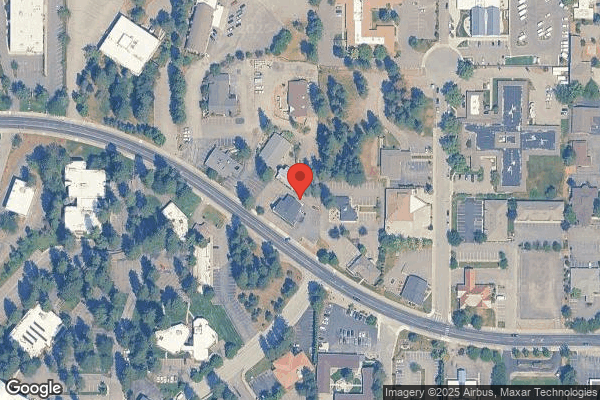
2200 IRONWOOD PLACE, COEUR D'ALENE, ID 83814 (208) 667-6486
For profit - Limited Liability company 80 Beds CALDERA CARE Data: November 2025
Trust Grade
10/100
#71 of 79 in ID
Last Inspection: September 2024

Within standard 12-15 month inspection cycle. Federal law requires annual inspections.

Overview

Ironwood Rehabilitation and Care Center has received a Trust Grade of F, indicating significant concerns and poor overall performance. With a state rank of #71 out of 79 in Idaho, they are in the bottom half of facilities, and they rank last in Kootenai County. The facility's trend appears stable, with 12 reported issues in both 2021 and 2024, but this does not suggest improvement. Staffing is rated average with a turnover rate of 53%, which is around the state average, and they have not incurred any fines, a positive aspect. However, there have been serious incidents, including a resident needing assistance multiple times but not receiving it, and another resident feeling intimidated when reporting abuse, highlighting weaknesses in care and oversight.

Trust Score
F
10/100
In Idaho
#71/79
Bottom 11%
Safety Record
High Risk
Review needed
Inspections
Holding Steady
12 → 12 violations
Staff Stability
⚠ Watch
53% turnover. Above average. Higher turnover means staff may not know residents' routines.
Penalties
✓ Good
No fines on record. Clean compliance history, better than most Idaho facilities.
Skilled Nurses
✓ Good
Each resident gets 45 minutes of Registered Nurse (RN) attention daily — more than average for Idaho. RNs are trained to catch health problems early.
Violations
⚠ Watch
43 deficiencies on record. Higher than average. Multiple issues found across inspections.
★☆☆☆☆
1.0
Overall Rating
★★★☆☆
3.0
Staff Levels
★★★☆☆
3.0
Care Quality
★☆☆☆☆
1.0
Inspection Score
Stable
2021: 12 issues
2024: 12 issues

The Good

  • Full Sprinkler Coverage · Fire safety systems throughout facility
  • No fines on record

Facility shows strength in fire safety.

The Bad

1-Star Overall Rating

Below Idaho average (3.2)

Significant quality concerns identified by CMS

Staff Turnover: 53%

Near Idaho avg (46%)

Higher turnover may affect care consistency

Chain: CALDERA CARE

Part of a multi-facility chain

Ask about local staffing decisions and management

The Ugly 43 deficiencies on record

3 actual harm
Sept 2024 12 deficiencies 1 Harm
SERIOUS (G) 📢 Someone Reported This

A family member, employee, or ombudsman was alarmed enough to file a formal complaint

Actual Harm - a resident was hurt due to facility failures

Free from Abuse/Neglect (Tag F0600)

A resident was harmed · This affected 1 resident

**NOTE- TERMS IN BRACKETS HAVE BEEN EDITED TO PROTECT CONFIDENTIALITY** 2. Resident #69 was admitted to the facility on [DATE], for care after a spinal surgery and had multiple diagnoses including age...

Read full inspector narrative →
**NOTE- TERMS IN BRACKETS HAVE BEEN EDITED TO PROTECT CONFIDENTIALITY** 2. Resident #69 was admitted to the facility on [DATE], for care after a spinal surgery and had multiple diagnoses including age-related osteoporosis with current pathological fracture and history of urinary tract infections. An admission MDS, dated [DATE], documented Resident #69 was assessed to be cognitively intact. Resident #69's care plan, dated 4/12/24, documented she required extensive assistance with personal hygiene A facility reported incident investigation, initiated on 4/15/24, documented Resident #69 used her call light to ask for assistance being changed after bowel movement incontinence. She reported NAIT #1 responded to her call light and stated she needed to get a second staff to help her, and then did not return. Resident #69 stated she used her call light to request help to be changed 3-4 times in which NAIT #1 responded to her light the same way each time and she did not receive help getting changed. RN #2's witness statement, dated 4/15/24 at 11:58 PM, documented Resident #69 asked to be helped with incontinence care at approximately 6:30 PM when she was administering her medications. RN #2 stated she asked NAIT #1 to assist Resident #69 with incontinence care and NAIT #1 agreed. An hour later, RN #2 asked NAIT #1 if Resident #69 had been helped with incontinence care. NAIT #1 responded, yes and added she had informed CNA #2 that Resident #69 had been helped with incontinence care. At 11:00 PM, CNA #2 approached RN #2 and stated Resident #69 was reporting NAIT #1 had repeatedly turned off her call light saying she was going to get help but did not return or complete incontinence care. The facility's investigation concluded NAIT #1 had neglected to help Resident #69 with incontinence care. On 9/26/24 at 11:18 AM, the Administrator stated she was not the administrator at the time of these events and, it was unfortunate because the staff were provided so much training. The Administrator stated it was appropriate for the facility to substantiate this allegation of neglect. The facility took the following actions after the allegation: - NAIT #1 was suspended immediately during the investigation. - Resident #69 was interviewed and showed no signs of psychosocial harm from the incident. - Nine other residents were interviewed about their care at the facility and none of those residents raised concerns regarding neglect or feeling unsafe. - The allegation and investigation were submitted to the State Survey Agency's Long-Term Care Reporting Portal in compliance with regulations. - Following the substantiation of the allegation, the facility terminated the employment of NAIT #1 on 4/19/24. - On 4/30/24, the facility provided retraining to all nursing staff regarding abuse, neglect, and how to manage burnout. These findings represent past noncompliance with this regulatory requirement. There was sufficient evidence the facility corrected the noncompliance as of 4/30/24 and there were no other occurrences of alleged abuse or neglect. At the time of this survey, the facility was in substantial compliance for this regulatory requirement and, therefore, does not require a plan of correction. Based on review of medical records, the State Survey Agency's Long-Term Care Reporting Portal, and staff interviews, it was determined the facility failed to ensure residents' rights were protected to be free from abuse and neglect. This was true for 2 of 9 residents (#69 and #72) reviewed for abuse and neglect. This failure placed all residents at risk of ongoing abuse and neglect, and potential physical and psychosocial harm. Findings include: 1. Resident #72 was admitted to the facility on [DATE], with multiple diagnoses including osteoporosis with fracture to right humerus, right pelvis, and vertebra(e), hypertension, and bilateral hearing loss. Resident #72 passed away on 5/1/24. A facility reported incident investigation, initiated 4/12/24, documented Resident #72 reported to the facility that, on 4/12/24, PT #1 came to her room to take her to a therapy session. Resident #72 declined since she was preparing to move to another room. PT #1 responded by throwing a soiled bed pan and a urinal at Resident #72 resulting in urine splashing onto her arm. The facility's investigation documented: - Resident #72 was deaf but could detect pitch and required a white board for communication. She was tearful as she recalled the incident. She stated, during the incident, PT #1 did not use the white board to communicate with her and was yelling at her. - PT #1 stated she used a whiteboard, mouthing, and gestures to communicate with Resident #72, and that Resident #72 was not listening to her explanations. - NAIT #1, who was present during the incident, stated PT #1 threw the soiled bed pan onto Resident #72 and did not use a white board to communicate with her. NAIT #1 stated, because of the incident, she had to clean feces and urine off Resident #72. The investigation documented a previous grievance, dated 3/16/23, included allegations that PT #1 had been rude to another resident who she left in a hallway without his walker. The facility investigation concluded that PT #1 did throw a bed pan and urinal at Resident #72 causing the contents to splash onto her. On 9/26/24 at 12:25 PM, the DON, Interim DON, and Administrator were interviewed together. When asked what corrective actions were taken as a result of the 4/12/24 incident involving Resident #72 and PT #1, the Interim DON stated PT #1 was suspended during the investigation, then terminated from employment at the facility on 4/17/24. On 4/26/24, the State Licensure Board was notified, by the facility, of the abuse allegations and investigative findings related to PT #1's involvement in the incident. The Interim DON stated the investigation determined that burnout may have been a factor in PT #1's behavior, therefore, all staff were educated on abuse/neglect and identifying burnout, which was completed on 4/30/24. Additionally, the staff were offered counseling services for burnout.
CONCERN (D) 📢 Someone Reported This

A family member, employee, or ombudsman was alarmed enough to file a formal complaint

Potential for Harm - no one hurt, but risky conditions existed

Report Alleged Abuse (Tag F0609)

Could have caused harm · This affected 1 resident

**NOTE- TERMS IN BRACKETS HAVE BEEN EDITED TO PROTECT CONFIDENTIALITY** Based on review of facility policy, record review, document review, and interviews, the facility failed to ensure allegations of...

Read full inspector narrative →
**NOTE- TERMS IN BRACKETS HAVE BEEN EDITED TO PROTECT CONFIDENTIALITY** Based on review of facility policy, record review, document review, and interviews, the facility failed to ensure allegations of sexual abuse were reported to the Administrator and, within two hours, to the State Agency. This was true for 1 of 8 residents (Resident #13) reviewed for abuse and neglect. This deficient practice created the potential for psychosocial harm to Resident #13 whose sexual abuse allegation was not reported and investigated thoroughly. Findings include: The facility's Abuse Prohibition policy and procedure, dated 7/1/20, documented the center prohibits the abuse, neglect, and exploitation of residents and misappropriation of resident property by anyone, including staff, resident representative/family, and friends. The policy also stated all alleged violations would be reported immediately, but not later than two hours after all allegation was made, if the events that cause the allegation involve abuse or result in serious bodily injury, or not later than 24 hours if the events that cause the allegation do not involve abuse or do not result in serious bodily injury, to the Executive Director and to others. Resident #13 was admitted to the facility on [DATE], with multiple diagnoses including dementia with agitation and anxiety. A Quarterly MDS assessment dated [DATE], documented Resident #13 was severely cognitively impaired. A progress note dated 5/13/24 at 10:11 PM, documented, Notified by CNA on north hall that resident made a statement that her arm was hurting and that someone had raped her. Nurse went into room, and Resident #13 was saying that her right leg was really hurting her and pulled back the blanket stating she didn't know what was on her as she was pulling at her brief. I reminded her that she had a previous fracture to her right leg and that she is incontinent at times and that's why she has a brief on, I then asked her if she had made the statement of being raped and she said yes that she did make that statement but that she only said that because she was hurting and didn't remember why but she knows now that she was not raped and just having pain from her previous injury. A progress note dated 5/14/24 at 7:07 AM (seven hours after the resident's initial allegation of sexual abuse), documented, Patient (Pt) is seen today for acute follow-up visit. Pt complained to the nursing staff that she was raped last night. But she wasn't able to explain further. Pt is being seen today by MD to follow up on that .Plan: Accusations of rape - this is a very serious allegation. I went and interviewed patient. I asked patient if she has been harmed by anyone last night or this am, to which she answered 'no, why are you asking this.' I told her that I want to make sure that she is taken care of. She stated, I am good, and no one has hurt me. I asked her specifically if someone tried to hurt her last night, and she was annoyed that I was asking her these questions but did reply, I am doing good, and no one came in last night. But it is noted that patient is very confused during this interview and only remembers her name today. I did discuss with nursing staff and administrator as well. Since the allegations are very serious, [Staff] is to reach to pts POA to see if they would like to take action. If they would like to investigate these allegations, then patient will need to go to ED. A progress note dated 5/14/24 at 11:39 AM (almost 14 hours after Resident #13's initial allegation of sexual abuse) documented, Granddaughter (POA) notified of statement made by resident last night. Discussed sending out to hospital for evaluation. Wanted to discuss with Uncle- will call back. (Physician) notified of resident statement at this time- will see resident today. A progress note dated 5/14/24 at 12:00 PM (approximately 14 hours after Resident #13's initial allegation of sexual abuse) documented, RCM and floor LN completed exam of outer genitals, buttock and breast. No abnormal discoloration, scratches, bruises, etc. noted. During exam [Resident #13] had no reports of pain nor verbalization of any further concerns regarding previous statement made leading up to this exam. Staff to continue monitor for s/s (signs and symptoms) of psychosocial harm, nursing to monitor for any latent injury. The section, Agencies/People Notified of the incident report dated 5/14/24, was left blank. The Police Department was notified of Resident #13's allegation of sexual abuse on 5/14/24 at 12:00 PM (almost 14 hours after Resident 13's initial allegation of sexual abuse). On 9/25/24 at 2:40 PM, the Administrator stated she was the facility's Abuse Coordinator and stated Resident #13's allegation of sexual abuse was not reported to administration until the morning of 5/14/24. The Administrator stated the failure of nursing staff to timely report the resident's initial allegation of sexual abuse to administration lead to the delayed reporting to Resident #13's physician, POA, SA, and law enforcement. On 9/26/24 at 8:32 AM, during a follow-up interview, the Administrator stated Resident #13's allegation of sexual abuse should have been reported immediately to administration and law enforcement, and within two hours to the SA.
CONCERN (D)

Potential for Harm - no one hurt, but risky conditions existed

Investigate Abuse (Tag F0610)

Could have caused harm · This affected 1 resident

**NOTE- TERMS IN BRACKETS HAVE BEEN EDITED TO PROTECT CONFIDENTIALITY** Based on policy review, record review, and staff interviews, it was determined the facility failed to ensure an alleged allegati...

Read full inspector narrative →
**NOTE- TERMS IN BRACKETS HAVE BEEN EDITED TO PROTECT CONFIDENTIALITY** Based on policy review, record review, and staff interviews, it was determined the facility failed to ensure an alleged allegation of sexual abuse was thoroughly investigated. This was true for 1 of 8 residents (Resident #13) reviewed for abuse and neglect. This deficient practice created the potential for Resident #13 to continue to be sexually abused and experience physical and/or psychosocial harm. Findings include: The facility's Abuse Prohibition policy and procedure, dated 7/1/20, documented a resident has the right to be free from abuse, neglect, misappropriation of resident property and exploitation, and to have all allegations thoroughly investigated. The policy also stated all documents would be retained to show all alleged violations were thoroughly investigated. Resident #13 was admitted to the facility on [DATE], with multiple diagnoses including dementia and anxiety. A Quarterly MDS assessment, dated 7/28/24, documented Resident #13 was severely cognitively impaired. A progress note, dated 5/13/24 at 10:11 PM, documented, Notified by CNA on north hall that resident made a statement that her arm was hurting and that someone had raped her I then asked her if she had made the statement of being raped and she said yes that she did make that statement but that she only said that because she was hurting and didn't remember why but she knows now that she was not raped and just having pain from her previous injury. A facility's investigation report of Resident #13's allegation of sexual abuse on 5/13/24 was not initiated until 5/14/24. The investigation report documented one staff member was interviewed on 5/15/24, regarding the allegation of abuse. The report indicated the nursing staff who received Resident #13's initial allegation of abuse was not able to be interviewed since she was a travel nurse who was no longer working in the facility when the investigation was conducted. The report documented Resident #13 was interviewed on 5/14/24 regarding her allegation of sexual abuse on 5/13/24. The investigation report did not include documentation additional residents or staff were interviewed regarding the allegation to ensure no other residents or staff had witnessed or been subjected to potential sexual abuse. In addition, Resident #13 was not assessed for physical or psychosocial harm until 5/14/24 at 12:00 PM (almost 14 hours after the resident's initial allegation was received.) On 9/25/24 at 2:40 PM, the Administrator stated the facility's investigation into Resident #13's allegation of sexual abuse did not include statements by additional staff or residents who may have had pertinent information related to the investigation. The Administrator stated Resident #13 had not been assessed for physical or psychosocial harm related to the allegation until almost 14 hours after she initially alleged she had been sexually abused. On 9/26/24 at 8:32 AM, during a follow-up interview, the Administrator stated she was the facility's Abuse Coordinator and an investigation should include a thorough and timely assessment of Resident #13, and statements from additional staff and residents related to the allegation.
CONCERN (D) 📢 Someone Reported This

A family member, employee, or ombudsman was alarmed enough to file a formal complaint

Potential for Harm - no one hurt, but risky conditions existed

Deficiency F0657 (Tag F0657)

Could have caused harm · This affected 1 resident

**NOTE- TERMS IN BRACKETS HAVE BEEN EDITED TO PROTECT CONFIDENTIALITY** Based on observation, record review, policy review, and staff interview, it was determined the facility failed to ensure residen...

Read full inspector narrative →
**NOTE- TERMS IN BRACKETS HAVE BEEN EDITED TO PROTECT CONFIDENTIALITY** Based on observation, record review, policy review, and staff interview, it was determined the facility failed to ensure resident care plans were revised to reflect current needs and interventions. This was true for 2 of 18 residents (#32 and #42) whose care plans were reviewed. This placed residents at risk of adverse outcomes if care and services were not provided due to care plans not being revised as residents' needs changed. Findings include: The facility's Care Planning Process policy, revised 5/19/23, documented care plans will be updated in regard to the needs, problems, strength, goals and interventions of the residents at least quarterly, annually, or with significant change. 1. Resident #42, was admitted to the facility on [DATE], with multiple diagnoses including diabetes, atrial fibrillation (irregular heartbeat), anemia, and obstructive sleep apnea. On 9/23/24 at 3:05 PM, Resident #42 stated, I'm supposed to be tested for a BiPAP. I only got a follow-up appointment today that said I need to go to the hospital to get tested. However, I have the machine already and I don't know why I can't just use it. The facility says I must go to the hospital to get evaluated. No BiPAP machine was observed in Resident #42's room. A review of Resident's #42's care plan, initiated on 5/10/24, documented that she was to use the BiPAP on settings as per order. On 9/26/24 at 11:53 AM, during an interview with the Administrator, the DON, and the Interim DON, they provided a BiPAP order which was discontinued in July 2024, and a sleep study had been ordered on 9/9/24. They verified the care plan was not updated. A copy of the discontinued medical order from July 2024 was requested. None was provided. On 9/26/24 at 12:15 PM, the RCM stated that facility protocol for any previously discontinued order, such as the non-use of BiPAP/CPAP machine for more than 30 days, requires a new sleep study to be conducted to ensure that the settings are set appropriately. She further stated the care plan should have been updated regarding the discontinuation and new order for evaluation of the BiPAP machine. 2. Resident #32 was admitted to the facility on [DATE], with multiple diagnoses including anxiety. A physician's order dated 9/17/24, directed staff to weigh Resident #32 in the morning every Monday. Resident #32's care plan directed staff to notify the physician of his weight gain of greater than 5 pounds in 3 days or greater than 5 pounds in one week. On 9/25/24 at 3:42 PM, the Interim DON reviewed Resident #32's care plan and stated it should have been updated with the current physician's order and it was not.
CONCERN (D) 📢 Someone Reported This

A family member, employee, or ombudsman was alarmed enough to file a formal complaint

Potential for Harm - no one hurt, but risky conditions existed

Quality of Care (Tag F0684)

Could have caused harm · This affected 1 resident

**NOTE- TERMS IN BRACKETS HAVE BEEN EDITED TO PROTECT CONFIDENTIALITY** Based on observation, record review, and staff interview, it was determined the facility failed to ensure professional standards...

Read full inspector narrative →
**NOTE- TERMS IN BRACKETS HAVE BEEN EDITED TO PROTECT CONFIDENTIALITY** Based on observation, record review, and staff interview, it was determined the facility failed to ensure professional standards of practice were followed for 1 of 18 residents (Resident #42) reviewed for standards of practice. Resident #42 was not evaluated for a skin condition. This deficient practice created a potential for harm if care and services were not provided. Findings include: Resident #42, was admitted to the facility on [DATE] with multiple diagnoses including diabetes, atrial fibrillation (irregular heart beat), anemia, and obstructive sleep apnea. On 9/24/24 at 11:39 AM, Resident #42 was observed scratching at scabbed sores on her upper right arm. Resident #42 stated she is a picker/scratcher and that she suspects some of her medication may be causing a problem. A review of progress notes from 9/15/24, documented that the physician provided a follow-up visit for a skin assessment in the bilateral groin area, but nothing related to itching arms. On 9/26/24 at 10:30 AM, RN #3 stated that the CNA's rub lotion on the resident's arms to help with the itching as she is a picker. However, she does not know what kind of lotion they are using or if there was a skin assessment completed. On 9/26/24 at 12:04 PM, the RCM, DON, and Interim DON, confirmed Resident #42's medical record should have included documentation of a skin assessment or treatment plan relating to arm sores or itching. On 9/26/24 at 12:35 PM, the DON and RCM conducted a brief skin assessment with the resident. The RCM stated that due to the wounds on Resident #42's arms, a skin evaluation or dermatology review should have been completed. Both the DON and RCM stated that there should be a progress note relating to applying lotion to Resident #42's arms to relieve itching. They confirmed the care plan had not been updated, and a skin assessment had not been completed. There were no progress notes indicating that lotion had been applied to Resident #42's arms.
CONCERN (D) 📢 Someone Reported This

A family member, employee, or ombudsman was alarmed enough to file a formal complaint

Potential for Harm - no one hurt, but risky conditions existed

Deficiency F0687 (Tag F0687)

Could have caused harm · This affected 1 resident

**NOTE- TERMS IN BRACKETS HAVE BEEN EDITED TO PROTECT CONFIDENTIALITY** Based on observation, record review, and resident and staff interviews, it was determined the facility failed to ensure podiatry...

Read full inspector narrative →
**NOTE- TERMS IN BRACKETS HAVE BEEN EDITED TO PROTECT CONFIDENTIALITY** Based on observation, record review, and resident and staff interviews, it was determined the facility failed to ensure podiatry (foot) services were provided as ordered for 2 of 2 residents (#13 and #61) reviewed for podiatry care. This deficient practice created the potential for residents to experience physical complications related to elongated and/or ingrown toenails and poor circulation. Findings include: 1. Resident #13 was admitted to the facility on [DATE] with a diagnosis of heart disease. A Quarterly MDS assessment, dated 7/28/24, documented Resident #13 was severely cognitively impaired. A physician's order, dated 7/12/24, documented an order for a podiatry referral. A physician's order, dated 7/31/24, documented a second order for a podiatry referral related to an ingrown right great toenail. A progress note, dated 7/18/24, documented, Received a referral for podiatry. When I talked to [POA] about upcoming appointments she specifically asked that [Resident #13] to not go out on appointments anymore as it causes to much stress. A progress note, dated 7/18/24, documented, Was informed from RCM that [Resident #13] had a care conference yesterday (7/17/24) and [POA] stated that she wants [Resident #13] to see a podiatrist. Referral sent to [podiatry clinic]. RCM notified. A progress note, dated 7/31/24, documented, Called [podiatry clinic] to F/U (follow up) on referral. Clinic stated they are not ready to schedule yet as there is no reason on the referral on why [Resident #13] needed to be seen. If it is for ankle or foot pain they can schedule, but if it is for nail or callus care they cannot schedule as they are not accepting new nail or callus care patients. Asked RCM to get more clarification on why podiatry is needed. A progress note, dated 8/28/24, documented, SW (Social Worker) received a podiatry referral dated 7/31/24. Was informed by scheduler that [podiatry clinic] is not currently accepting new nail care patients, [a second podiatry clinic] does not accept Medicare and Medicaid, and [a third podiatry clinic] did not provide nail care but did provide scheduler with two different mobile Podiatrists. Contact information was provided to this writer who gave information to administration. Was informed a foot care kit was purchased for nursing to provide needed foot care in house. Waiting to see if facility is able to contract with a mobile Podiatrist. Resident #13's EMR did not include documentation Resident #13 had seen the podiatrist related to the physician's orders and the POA's request. 2. Resident #61 was admitted to the facility on [DATE] with multiple diagnoses including diabetes and heart disease. During an interview on 9/23/24 at 4:14 PM, Resident #61 stated, I need to see the podiatrist. They told me the podiatrist was not covered by insurance. Resident #61 was observed at this time to have long and thick toenails. An admission MDS, dated [DATE], documented Resident #61 was cognitively intact. A physician's order, dated 7/31/24, documented an order for, May see . podiatrist as needed. A physician progress note, dated 8/29/24, documented, Please consider ordering referrals for podiatry .r/t (related to) DM2 (type 2 diabetes). Resident #61's EMR did not include documentation Resident #61 had seen a Podiatrist, or that a referral had been made to a Podiatrist, related to the physician's order. During an interview with the Administrator and the Interim DON on 9/26/24 at 8:38 AM, they confirmed they were not able to locate any documentation of appropriate follow-up and scheduling of Resident #13's and Resident #61's podiatry appointments. They stated podiatry services should have been arranged for both residents per physician orders and resident/POA request. The facility's policy related to podiatry care was requested on 9/25/24 at 3:00 PM, on 9/26/24 at 9:30 AM, and at 1:45 PM. The policy was not provided to the survey team prior to survey exit on 9/26/24.
CONCERN (D) 📢 Someone Reported This

A family member, employee, or ombudsman was alarmed enough to file a formal complaint

Potential for Harm - no one hurt, but risky conditions existed

Medication Errors (Tag F0758)

Could have caused harm · This affected 1 resident

**NOTE- TERMS IN BRACKETS HAVE BEEN EDITED TO PROTECT CONFIDENTIALITY** Based on record review and staff interview, it was determined the facility failed to ensure residents receiving PRN alprazolam (...

Read full inspector narrative →
**NOTE- TERMS IN BRACKETS HAVE BEEN EDITED TO PROTECT CONFIDENTIALITY** Based on record review and staff interview, it was determined the facility failed to ensure residents receiving PRN alprazolam (anti-anxiety medication) had clear indication for the use of the medication and clinical rationale supporting the continued use of the medication beyond 14 days. This was true for 1 of 6 (Resident #32) reviewed for unnecessary medications. This deficient practice had the potential for harm should residents received psychotropic medications that are unwarranted and used for excessive duration. Findings include: The State Operations Manual, Appendix PP, revised 8/8/24, documented PRN orders for anti-psychotropic drugs are limited to 14 days unless the attending physician or prescribing practitioner believes that it is appropriate for the PRN order to be extended beyond 14 days, he or she should document their rationale in the resident's record and indicate the duration for the PRN order. Resident #32 was admitted to the facility on [DATE], with multiple diagnoses including anxiety. A physician's order, dated 9/10/24, documented Resident #32 was to receive Xanax (alprazolam) 0.25 mg (milligram) every 12 hours as needed for anxiety. There was no documentation in Resident #32's clinical record to support the continuation of Xanax beyond 14 days. On 9/24/24, the Administrator stated Resident #32's physician's order for Xanax did not have a stop date or reason for the continuation of the medication beyond 14 days.
CONCERN (E) 📢 Someone Reported This

A family member, employee, or ombudsman was alarmed enough to file a formal complaint

Potential for Harm - no one hurt, but risky conditions existed

Resident Rights (Tag F0550)

Could have caused harm · This affected multiple residents

**NOTE- TERMS IN BRACKETS HAVE BEEN EDITED TO PROTECT CONFIDENTIALITY** Based on observations and interviews, it was determined the facility failed to treat each resident with respect and dignity that...

Read full inspector narrative →
**NOTE- TERMS IN BRACKETS HAVE BEEN EDITED TO PROTECT CONFIDENTIALITY** Based on observations and interviews, it was determined the facility failed to treat each resident with respect and dignity that promoted enhancement of his/her quality of life and dining experience. This deficiency created the potential for psychosocial harm if the residents felt excluded from the dining experience. This was true for 3 of 24 residents (#1, #17, and #28) who were observed eating in the dining room. The findings include: The facility posted the following meal times for the dining room: Breakfast: 7:30 AM Lunch: 12:00 PM Dinner: 5:30 PM The following residents did not receive their meal in a timely manner, or did not receive their meal at the same time as the other residents at the same table: Resident #1 was admitted to the facility on [DATE] with multiple diagnoses including GERD, multiple sclerosis, and depression. Resident #17 was admitted to the facility on [DATE] with multiple diagnoses including heart failure, hypertension, and end stage renal disease. Resident #28 was admitted to the facility on [DATE] with multiple diagnoses including anemia, hyperlipidemia, Alzheimer's disease, and dementia. On 9/22/24, the following was observed in the dining room: - At 12:40 PM, Resident #1 was observed eating her meal at a table with two other residents (#17 and #28). - At 12:45 PM, Resident #17 received his meal and the feeding aide sat next to him to assist him. - At 12:49 PM, Resident #28 received her regular meal, but it was removed as she needed a mechanical chopped meal. - At 12:53 PM, Resident #28 received her mechanical chopped meal. - At 12:55 PM, with the assistance of a feeding aide, Resident #28 began eating. On 9/24/24 at 8:15 AM, the DM stated that meal orders are filled based on the meal tickets received and no one knows who is sitting where until the dining has started. Meal orders are filled, and facility staff take the completed trays out to the residents. Facility staff try to feed the residents together, but it does not always work that way.
CONCERN (E) 📢 Someone Reported This

A family member, employee, or ombudsman was alarmed enough to file a formal complaint

Potential for Harm - no one hurt, but risky conditions existed

Deficiency F0802 (Tag F0802)

Could have caused harm · This affected multiple residents

Based on observation, policy review, and staff interview the facility failed to ensure staff provided meal service according to the facility's posted mealtime schedule. This failure created the potent...

Read full inspector narrative →
Based on observation, policy review, and staff interview the facility failed to ensure staff provided meal service according to the facility's posted mealtime schedule. This failure created the potential for 69 residents to experience poor quality of life, potential nutritional issues, and complications with medications required to be taken with meals if waiting more than 45 minutes to receive their meals. Findings include: A posted dining schedule at the front entrance of the facility documented: - Breakfast at 7:30 AM - Lunch at 12:00 PM - Dinner at 5:30 PM On 9/22/24 at 12:30 PM, during the lunch dining room observation, residents were seated for the lunch meal at 12:00 PM. At 12:35 PM it was observed that the first tray of food was delivered to residents in the dining room. The last meal was delivered to dining room residents was at 12:53 PM. On 9/24/24 at 8:00 AM, the following was observed during the second kitchen inspection: - 7:30 PM - Residents are seated in the dining room for their breakfast meal. - 8:00 AM - Dining room service begins. - 8:07 AM - Meal service begins for North Hall residents. - 8:25 AM - Meal service begins for the East Hall residents. - 8:46 AM - Meal service begins for the South Hall residents. On 9/24/24 at 3:15 PM, the DM and RD (Registered Dietitian) reviewed the posted dining mealtimes at the front of the facility. Both stated they were not familiar with the posted mealtimes. The DM and RD stated the actual facility mealtimes were different from the posted mealtimes.
CONCERN (E) 📢 Someone Reported This

A family member, employee, or ombudsman was alarmed enough to file a formal complaint

Potential for Harm - no one hurt, but risky conditions existed

Food Safety (Tag F0812)

Could have caused harm · This affected multiple residents

Based on observation and staff interview, it was determined the facility failed to ensure the kitchen equipment and environment was maintained, clean, and food was stored in a safe and sanitary manner...

Read full inspector narrative →
Based on observation and staff interview, it was determined the facility failed to ensure the kitchen equipment and environment was maintained, clean, and food was stored in a safe and sanitary manner. These deficiencies had the potential to affect the 69 residents who consumed food prepared by the facility. This placed residents at risk for potential contamination of food and adverse health outcomes, including food-borne illnesses. Findings include: The FDA (Food Drug Administration) Food Code Section 3-501.17 Ready-to-Eat, TCS (time/temperature control for safety) food, date marking, states marking the date or day the original container is opened in a food establishment, with a procedure to discard the food on or before the last date or day by which the food must be consumed on the premises, sold, or discarded. The FDA Food Code Section 6-501.12 Cleaning, Frequency and Restrictions, states cleaning of the physical facilities is an important measure in ensuring the protection and sanitary preparation of food. A regular cleaning schedule should be established and followed to maintain the facility in a clean and sanitary manner. Primary cleaning should be done at times when foods are in protected storage and when food is not being served or prepared. 1. The initial kitchen inspection was conducted on 9/22/24 at 12:03 PM, the following was observed: - Bowled noodle soup placed on counter, no heat or time stamp. - Bowled salad on counter, no ice or time stamp. - Ice buildup in freezer on ceiling. - Three inches of ice growing up from a cardboard food box, under one inch of ice growing down from shelf. - Open and undated, Stir-fry veggies and carrot coins. - Open and undated, ice cream sandwiches. - Two large ice cream container lids were not sealed and open directly under freezer ceiling. - In the refrigerator, the following were undated and unlabeled: noodle soup, shredded carrots, and a container of noodle/macaroni spiral salad. - A fully cooked ham was placed on top of the liquid eggs. - A brown layer of dirt was around the AC unit and across the ceiling. Directly below were open and undated bags of shredded lettuce, and an open container of dry, grated parmesan cheese. 2. A second kitchen inspection was conducted on 9/24/24 at 2:55 PM with the NSD (Nutritional Services Director). The following was observed: - Ice buildup in freezer on ceiling in the form of droplets. - Three inches of ice growing up from a cardboard food box, under one inch of ice growing down from shelf. - Two large ice cream containers lids were not sealed and open directly under freezer ceiling. - In the refrigerator, a brown layer of dirt was around the AC unit, and across the ceiling. A review of the September 2024 [NAME] AM/PM Cleaning Duty schedule documented that the freezer floor was cleaned on all but the following dates: 9/1/24 and 9/13/24 during the AM shift, and from 9/1/24 - 9/6/24 during the PM shift. On 9/24/24 at 3:13 PM, the DM stated that maintenance completes the cleaning of the refrigerator and freezer units if there are issues with the air conditioner or freezer units. Kitchen cleaning is done daily, but deep cleaning is done monthly, if not quarterly. The ice buildup happens because the freezer door doesn't close well. The ice is usually cleaned up daily. On 9/24/24 a work history report from maintenance was provided that documented the refrigerator and freezer condenser coils were inspected and cleaned on 9/20/24 by the maintenance director. On 9/25/24 at 11:45 AM, the maintenance director was shown the ceiling in the refrigerator and the ice buildup in the freezer, he stated that he only checked the equipment. The cleaning of the refrigerators and freezers are supposed to be completed by the kitchen staff.
CONCERN (E) 📢 Someone Reported This

A family member, employee, or ombudsman was alarmed enough to file a formal complaint

Potential for Harm - no one hurt, but risky conditions existed

Deficiency F0920 (Tag F0920)

Could have caused harm · This affected multiple residents

Based on observation and staff interview, it was determined the facility failed ensure Activity Room has adequate and comfortable lighting for the residents to enjoy their activity. This failure had t...

Read full inspector narrative →
Based on observation and staff interview, it was determined the facility failed ensure Activity Room has adequate and comfortable lighting for the residents to enjoy their activity. This failure had the potential for residents to experienced psychosocial harm if they were unable to perform their independent functioning and task performance. Findings include: On 9/23/24 at 2:50 PM, Resident #40 asked the surveyor to visit the Activity Room. On 9/23/24 at 2:59 PM, the facility's Bistro which was being use by the facility as their Activity Room was observed to have dim lighting. There were missing light bulbs and multiple lights were out on the track lighting. On 9/24/24 at 2:26 PM, the Maintenance Director stated he was unable to replace the light tracks because it was no longer available in the area. The Maintenance Director stated he reported it to the previous administrator, and he was told it would be replaced during the remodeling of the facility. On 9/24/24 at 2:41 PM, the Activity Director (AD) stated residents expressed concerns about the lighting in the Activity Room especially when they are doing their activities such as working on their jigsaw puzzles. The AD also stated it was not easy for her to apply nail polish to the residents. On 9/24/24 at 3:08 PM, the Interim DON stated the track lightings were not replaced because they were waiting for the remodeling of the facility.
CONCERN (F) 📢 Someone Reported This

A family member, employee, or ombudsman was alarmed enough to file a formal complaint

Potential for Harm - no one hurt, but risky conditions existed

Deficiency F0801 (Tag F0801)

Could have caused harm · This affected most or all residents

Based on documentation and staff interview, it was determined that the facility failed to employ sufficient staff with the appropriate competencies and skill sets to carry out the functions of food an...

Read full inspector narrative →
Based on documentation and staff interview, it was determined that the facility failed to employ sufficient staff with the appropriate competencies and skill sets to carry out the functions of food and nutrition services, including resident assessments, individual plans of care, and the number, acuity, and diagnoses of the facility's resident population. These deficiencies had the potential to affect all residents requiring medical nutrition therapy, nutritional assessments, and appropriate supplementation and dietary interventions. Findings include: The State Operations Manual, Appendix PP, revised 8/8/24, documented, if a qualified dietitian or other clinically qualified nutrition professional is not employed full-time, the facility must designate a person to serve as the director of food and nutrition services. The director of food and nutrition services must at a minimum meet one of the following qualifications: - A certified dietary manager. - A certified food service manager, or - Has similar national certification for food service management and safety from a national certifying body; or - Has an associate's or higher degree in food service management or in hospitality, if the course study includes food service or restaurant management, from an accredited institution of higher learning; or - Has 2 or more years of experience in the position of director of food and nutrition services in a nursing facility setting and has completed a course of study in food safety and management, by no later than October 1, 2023, that includes topics integral to managing dietary operations including, but not limited to, forborne illness, sanitation procedures, and food purchasing/receiving. On 9/22/24, the facility provided documentation they employed a part-time dietitian. On 9/24/24 at 3:15 PM, the DM stated that she had completed food services manager training on 7/17/24, but had not yet taken the certification exam. She had been the DM for the facility for the last five years. On 9/26/24 at 12:34 PM, the Administrator stated she was a LPN, and that she had a food service certificate, not a food services degree.
Oct 2021 12 deficiencies 1 Harm
SERIOUS (G)

Actual Harm - a resident was hurt due to facility failures

Resident Rights (Tag F0550)

A resident was harmed · This affected 1 resident

Deficiency Text Not Available

Read full inspector narrative →
Deficiency Text Not Available
CONCERN (D)

Potential for Harm - no one hurt, but risky conditions existed

Notification of Changes (Tag F0580)

Could have caused harm · This affected 1 resident

**NOTE- TERMS IN BRACKETS HAVE BEEN EDITED TO PROTECT CONFIDENTIALITY** Based on record review, policy review, and resident family and staff interview, it was determined the facility failed to ensure ...

Read full inspector narrative →
**NOTE- TERMS IN BRACKETS HAVE BEEN EDITED TO PROTECT CONFIDENTIALITY** Based on record review, policy review, and resident family and staff interview, it was determined the facility failed to ensure a resident's physician, family, and/or representative were notified when the resident had a significant change in condition. This was true for 1 of 2 residents (Resident #41) whose records were reviewed for changes in condition. This failed practice had the potential to cause delayed care and treatment resulting from lack of notification to the physician and/or family of her significant weight loss and a fall. This deficient practice placed Resident #41 at risk of inadequate care due to the lack of physician involvement and resulted in the inability of her family to advocate and support her when her health declined. Findings include: The facility's policy for Physician Notification of Resident Change in Condition, undated, documented when there was a non-critical change in the resident's physical, mental or psychosocial status, the physician and resident's representative were notified at the earliest possible time, during working hours. When there was a significant change in condition, the physician and the resident's representative were notified immediately, regardless of the time. The policy further stated the nurse documented in the nurse's note the times the notification was made and the name of the person(s) who were notified. This policy was not followed. Resident #41 was admitted to the facility on [DATE], with multiple diagnoses, including osteoporosis (a disease that thins and weakens the bones, bones become fragile and break easily) and severe protein-calorie malnutrition (inappropriate loss of body cell mass secondary to reduced intake.) a. Resident #41's admission MDS assessment, dated 2/3/21, documented her weight was 111 pounds. Resident #41's discharge MDS assessment, dated 4/20/21, documented her weight was 97 pounds. The assessment documented she was not on a physician-prescribed weight-loss regimen, and she had a loss of 5% or more in the last month or a loss of 10% or more in the last 6 months. A nutritional progress note, dated 4/21/21, documented Resident #41's weight on 4/19/21 was 97.2 pounds and she had a weight loss of 8.3% (8.8 pounds) over the last 30 days. The note documented she had a weight loss of 4.7% (4.8 pounds) from her last weight. A nutrition progress note, dated 4/28/21, documented Resident #41's weight on 4/22/21 was 101 pounds and she had a weight loss of 4.7% (5 pounds) over the last 30 days. The note documented she had a weight gain of 3.9 % (3.8 pounds) from last weight. A nutrition progress note, dated 5/5/21, documented Resident #41's weight on 4/26/21 was 98.4 pounds and she had a weight loss of 5% (5.2 pounds) over the last 30 days. A nutrition progress note, dated 5/26/21, documented Resident #41's weight on 5/24/21 was 92.8 pounds and she had a weight loss of 5.7% (5.6 pounds) over the last 30 days. A nutrition progress note, dated 6/23/21, documented Resident #41's weight on 6/21/21 was 82 pounds and she had a weight loss of 11.6% (10.8 pounds) over the last 30 days. The note documented she had a weight loss of 11.6% (10.8 pounds) from last weight. On 10/21/21 at 12:30 PM, Resident #41's representative said the facility did not notify her or other family members about Resident #41's weight loss. She said they were notified on 6/17/21 when the facility was evaluating a tube feeding (a flexible tube inserted into the stomach to deliver liquid nutrition) intervention for Resident #41, and they requested an emergency care conference. During the meeting, they learned Resident #41 had lost 18 pounds since being admitted to the facility. Resident #41's record did not include documentation Resident #41's physician was notified of her weight loss. On 10/22/21 at 10:45 AM, when asked, the DON confirmed a significant weight loss was a 5% to 10% weight loss in the last 30 days. He said if the weight loss was significant, the facility should notify the physician and family as soon as possible and document the notification. The DON confirmed Resident #41's weight loss of 8.3% on 4/19/21 was considered significant. The DON said there was no documentation the physician and family were notified about Resident #41's weight loss. b. An I&A report, dated 3/9/21, documented Resident #41 had an unwitnessed fall on 3/8/21 at 11:00 PM. A progress note for fall investigation, dated 3/12/21, documented the physician was notified. The progress note did not include documentation Resident #41's family was notified. On 10/21/21 at 12:30 PM, Resident #41's representative stated she called the facility on 3/15/21, when Resident #41 called her to notify her she had been left on the toilet and no one would come to assist her off the toilet. Resident #41's representative spoke to LPN #3 and requested someone assist Resident #41 off the toilet. At that time, Resident #41's representative stated LPN #3 told her Resident #41 had a fall on 3/8/21 (one week previously). On 10/22/21 at 10:48 AM, the DON said there was no documentation in Resident #41's record the family was notified about her fall on 3/8/21.
CONCERN (D)

Potential for Harm - no one hurt, but risky conditions existed

Free from Abuse/Neglect (Tag F0600)

Could have caused harm · This affected 1 resident

**NOTE- TERMS IN BRACKETS HAVE BEEN EDITED TO PROTECT CONFIDENTIALITY** Based on policy review, record review, staff interview, and review of Incident and Accident (I&A) reports, it was determined the...

Read full inspector narrative →
**NOTE- TERMS IN BRACKETS HAVE BEEN EDITED TO PROTECT CONFIDENTIALITY** Based on policy review, record review, staff interview, and review of Incident and Accident (I&A) reports, it was determined the facility failed to ensure residents were free from abuse. This was true for 1 of 4 residents (Resident #13) reviewed for abuse. The facility failed to ensure Resident #13 was not abused by other residents. This failure resulted in the potential for residents to be subjected to ongoing abuse and potential harm. Findings include: The facility's policy, titled Prevention and Reporting: Resident Mistreatment, Neglect, Abuse, Including Injuries of Unknown Source, and Misappropriation of Resident Property, undated, stated, A resident has the right to be free from abuse, neglect, misappropriation of resident property, and exploitation. The policy defined physical abuse as including hitting, slapping, pinching, scratching, spitting, holding roughly, etc., by anyone. The policy stated the facility was to identify, assess, care plan interventions, and monitor residents whose behaviors might be verbally or physically aggressive. The facility was to ensure implementation of prevention techniques including, but not limited to, ongoing supervision of residents and staff, and observation and recognition of signs of resident-to-resident frustration or stress and/or resident-to-staff frustration or stress. This policy was not followed. Resident #13 was admitted to the facility on [DATE], with multiple diagnoses including dementia with behavioral disturbance and aphasia (loss of ability to understand or express speech). Resident #13's quarterly MDS assessment, dated 8/10/21, documented she was severely cognitively impaired. Resident #13 experienced abuse by other residents, as follows: * An I&A report, dated 9/22/21, documented Resident #13 was hit in the back of the head with a magazine by Resident #42 on 9/22/21. The incident was reported to staff by Resident #38 on 9/23/21. Resident #38's interview statement, attached to the I&A report, documented he observed Resident #13's wheelchair stuck on the leg of a Hoyer lift and Resident #42 wheeled up behind her in her wheelchair. When Resident #13 could not move her wheelchair out of the way Resident #42 kicked Resident #13's wheelchair and hit her on the head with a magazine. The interview statement documented staff were in other rooms and did not observe the incident and Resident #38 told Resident #42 to stop. Resident #42's annual MDS assessment, dated 9/27/21, documented she was cognitively intact. The facility's investigation of the 9/22/21 incident documented the incident did occur. * An I&A report investigation, dated 7/29/21, documented Resident #13 was kicked in her left lower leg by Resident #23. Resident #13 sustained a small abrasion to her left lower leg. Resident #23's quarterly MDS assessment, dated 8/27/21, documented he was cognitively intact. The facility's investigation of the 7/29/21 incident documented the incident did occur and Resident #13's physical abuse by Resident #23 was substantiated. On 10/22/21 at 12:30 PM, the DON was interviewed about resident-to-resident abuse. The DON stated staff received abuse training. The DON also stated Resident #23 did not have prior incidents of abusing other residents.
CONCERN (D)

Potential for Harm - no one hurt, but risky conditions existed

Report Alleged Abuse (Tag F0609)

Could have caused harm · This affected 1 resident

**NOTE- TERMS IN BRACKETS HAVE BEEN EDITED TO PROTECT CONFIDENTIALITY** Based on staff interview, record review, policy review, and review of grievances, it was determined the facility failed to repor...

Read full inspector narrative →
**NOTE- TERMS IN BRACKETS HAVE BEEN EDITED TO PROTECT CONFIDENTIALITY** Based on staff interview, record review, policy review, and review of grievances, it was determined the facility failed to report allegations of potential abuse to the State Survey Agency within 2 hours. This affected 1 of 4 residents (Resident #50) who were reviewed for abuse/neglect. This deficient practice created the potential for harm if allegations were not acted upon in a timely manner and the abuse/neglect continued. Findings include: The facility's Prevention and Reporting: Resident Mistreatment, Neglect, Abuse Including Injuries of Unknown Source, and Misappropriation of Resident Property policy, undated, documented verbal abuse included using disparaging and derogatory terms toward residents or their families or within their hearing distance, regardless of their age, ability to comprehend or disability, that would demean or humiliate, resulting in pain or mental anguish. The policy documented alleged violations were to be reported immediately to the Administrator and State Survey Agency, but no later than 2 hours if the events that cause the allegation involved abuse or serious bodily injury, and not later than 24 hours if the events that cause the allegations do not involve abuse or result in serious bodily injury. This policy was not followed: Resident #50 was admitted to the facility on [DATE], with multiple diagnoses including spondylosis (degenerative arthritis of the spine) and dementia. An admission MDS assessment, dated 4/16/21, documented Resident #50 was moderately cognitively impaired. A grievance report, dated 4/26/21, documented on 4/24/21 a resident reported a female staff was rude and belittled and yelled at Resident #50. The report documented the Social Services Director (SSD) met and assessed Resident #50. The SSD documented Resident #50 had no signs and symptoms of distress and did not recall anyone yelling at her. Resident #50 stated the facility staff were lovely and taking good care of the residents. The report documented when the SSD asked Resident #50 if she felt safe in the facility, Resident #50 responded Oh, yes. The SSD stated based on her assessment of Resident #50, she did not experience verbal abuse from the staff. When asked if Resident #50 may have been fearful of retaliation if she reported the abuse, the SSD did not provide a response. On 10/21/21 at 11:35 AM, the Executive Director reviewed the grievance report and said it was a potential abuse of a resident by a staff. When asked if it was reported to the State Survey Agency, the Executive Director stated it was not reported and it should have been reported.
CONCERN (D)

Potential for Harm - no one hurt, but risky conditions existed

Investigate Abuse (Tag F0610)

Could have caused harm · This affected 1 resident

**NOTE- TERMS IN BRACKETS HAVE BEEN EDITED TO PROTECT CONFIDENTIALITY** Based on staff interview, record review, grievance review, and policy review, it was determined the facility failed to ensure an...

Read full inspector narrative →
**NOTE- TERMS IN BRACKETS HAVE BEEN EDITED TO PROTECT CONFIDENTIALITY** Based on staff interview, record review, grievance review, and policy review, it was determined the facility failed to ensure an allegation of potential verbal abuse was investigated. This was true for 1 of 4 residents (Resident #50) reviewed for abuse/neglect. This deficient practice placed Resident #50 at risk of further abuse and other residents in the facility at risk of abuse. Findings include: The facility's Prevention and Reporting: Resident Mistreatment, Neglect, Abuse Including Injuries of Unknown Source, and Misappropriation of Resident Property policy, undated, documented residents had the right to be free from abuse and neglect. The policy stated all alleged violations were thoroughly investigated and documents were retained showing a thorough investigation of all alleged violations. The policy also documented verbal abuse included using disparaging and derogatory terms to the resident. This policy was not followed. Resident #50 was admitted to the facility on [DATE], with multiple diagnoses including spondylosis (degenerative arthritis of the spine) and dementia. A physician progress note, dated 4/9/21, documented Resident #50 had moderate dementia and mild difficulty of hearing. A care plan, initiated 4/12/21, documented Resident #50 had impaired cognitive function or impaired thought processes related to dementia and staff were directed to provide consistent, simple, directive sentences, break tasks into one step at a time, and ask Resident #50 yes/no questions, as appropriate, to determine her needs. An admission MDS assessment, dated 4/16/21, documented Resident #50 was moderately cognitively impaired. A grievance report, dated 4/26/21, documented on 4/24/21, a resident reported a female staff was rude and belittled and yelled at Resident #50. The report documented the SSD met and assessed Resident #50. The SSD stated on the grievance report Resident #50 had no signs and symptoms of distress and did not recall anyone yelling at her. Resident #50 stated the facility staff were lovely and taking good care of the residents. The report documented when the SSD asked Resident #50 if she felt safe in the facility, Resident #50 responded Oh, yes. On 10/21/21 at 11:23 AM, the Social Services Director (SSD) reviewed the grievance and said it was a potential verbal abuse of a resident by a staff. The SSD said allegations of abuse were investigated by her. When asked if the potential verbal abuse to Resident #50 was investigated, the SSD stated she did not investigate the potential verbal abuse to Resident #50. The SSD stated Resident #50 was hard of hearing and staff had to speak louder when providing care to her. The SSD stated she assessed Resident #50 and Resident #50 did not show any signs and symptoms of distress. The SSD said Resident #50 did not recall being disrespected or yelled at by a staff member and when she asked Resident #50 if she felt safe in the facility, Resident #50 answered yes. The SSD stated based on her assessment of Resident #50, she did not experience verbal abuse from the staff. When asked if Resident #50 may have been fearful of retaliation if she reported the abuse, the SSD did not provide a response. There was no documentation in Resident #50's record, or elsewhere, the resident who reported the verbal abuse of Resident #50 was interviewed, other residents in the area of the reported abuse were interviewed, other staff in the area were interviewed, and the staff member alleged to have abused Resident #50 was interviewed. On 10/21/21 at 11:35 AM, the Executive Director reviewed the grievance report and said it was a potential verbal abuse of a resident by a staff. The Executive Director stated the allegation should have been investigated and the staff should have been relieved from duty while the investigation was going on. The Executive Director stated there was no documentation the alleged potential abuse of Resident #50 was investigated. The facility failed to investigate the allegation of potential verbal abuse to Resident #50 as documented in its Abuse Prevention and Reporting policy.
CONCERN (D)

Potential for Harm - no one hurt, but risky conditions existed

ADL Care (Tag F0677)

Could have caused harm · This affected 1 resident

**NOTE- TERMS IN BRACKETS HAVE BEEN EDITED TO PROTECT CONFIDENTIALITY** Based on record review, policy review, and staff interview, it was determined the facility failed to ensure residents were provi...

Read full inspector narrative →
**NOTE- TERMS IN BRACKETS HAVE BEEN EDITED TO PROTECT CONFIDENTIALITY** Based on record review, policy review, and staff interview, it was determined the facility failed to ensure residents were provided with baths or showers consistent with their needs. This was true for 2 of 13 residents (#13, and #42) reviewed for activities of daily living. This failure created the potential for residents to experience embarrassment, isolation, decreased sense of self-worth, and/or skin impairment, due to lack of personal hygiene. Findings include: The facility's Resident Hygiene policy documented every resident should be assisted in maintaining healthy hygiene. The policy stated residents should receive routine daily care and regular baths or showers. Refusals of care were to be documented. This policy was not followed. 1. Resident #13 was admitted to the facility on [DATE], with multiple diagnoses including unspecified dementia and aphasia (loss of ability to understand or express speech). Resident #13's quarterly MDS assessment, dated 8/10/21, documented she was severely cognitively impaired. Resident #13 was totally dependent on assistance with bathing and required physical assistance from 1 person. Resident #13's care plan related to bathing, initiated on 8/23/18, and revised 8/9/21, documented she was totally dependent on staff to provide a bath, shower, sponge or bed bath. The care plan documented she was to have a bath or shower twice a week. Resident #13's bathing documentation for August and September 2021, documented the following: * She received a shower on 8/11/21. Her next shower was on 8/1821, 7 days later. * Her next shower was on 8/25/21, 7 days later. * Resident #13 received a shower on 9/1/21. Her next shower was on 9/8/21, 7 days later. There were no refusals documented for Resident #13 between 8/11/21 and 9/8/21. Resident #42 did not receive or get offered a shower twice a week during this time as documented in her care plan. On 10/21/21 at 5:25 PM, the Executive Director confirmed there was no documentation for missing showers or refusals for Resident #13. 2. Resident #42 was admitted to the facility on [DATE], with multiple diagnoses including disorder of psychological development (diagnosed in childhood related to physical and/or mental impairment) and dementia. Resident #42's annual MDS assessment, dated 9/27/21, documented she was cognitively intact. Resident #42 required supervision with bathing and physical assistance from 1 person. Resident #42's care plan related to bathing, initiated on 1/19/20, documented she required extensive assistance from 1 person with bathing and showering. No frequency documentation was provided, but staff were to offer showers per the shower schedule and Resident #42 may choose to decline. Resident #42's bathing documentation for the months of August, September, and October 2021, documented the following: * She received a shower on 8/10/21. The next shower documented was 8/17/21, 7 days later. * She refused a shower on 8/31/21, 14 days after the last shower. * She received a shower on 9/11/21, 11 days after her last offered shower and 25 days later than her last shower on 8/17/21. * She received showers on 9/14/21 and 9/18/21, and refused a shower on 9/25/21, 7 days later. * She was offered and refused a shower on 10/3/21, 8 days after her last offered shower. On 10/21/21 at 5:25 PM, the Executive Director confirmed there was no documentation for the missing showers or refusals for Resident #42.
CONCERN (D)

Potential for Harm - no one hurt, but risky conditions existed

Accident Prevention (Tag F0689)

Could have caused harm · This affected 1 resident

**NOTE- TERMS IN BRACKETS HAVE BEEN EDITED TO PROTECT CONFIDENTIALITY** Based on record review, policy review, I&A report review, and staff interview, it was determined the facility failed to ensure r...

Read full inspector narrative →
**NOTE- TERMS IN BRACKETS HAVE BEEN EDITED TO PROTECT CONFIDENTIALITY** Based on record review, policy review, I&A report review, and staff interview, it was determined the facility failed to ensure residents were provided sufficient supervision to prevent falls. This was true for 1 of 13 residents (#38) reviewed for falls. This deficient practice placed Resident #38 at risk of serious injuries and hospitalization when he sustained five falls within less than a month, including one fall a day for three consecutive days, resulting in multiple skin injuries. Findings include: The facility's policy for Accident and Incident Report, Investigation, Review, and Analysis, direct the staff to evaluate the factors leading to a resident fall and provide appropriate interventions to prevent future occurrences. The proper action following a fall included the following: * Ascertaining whether there were injuries and providing treatment as necessary. * Deterring what may have caused or contributed to the fall. * Addressing the contributing factors of the fall. * Revising the care plan and/or center practices to reduce the likelihood of another fall. The policy further stated the facility was obligated to provide adequate supervision to prevent an accident. Adequate supervision was defined by the type and frequency of supervision, based on the individual resident's assessed needs and identifiable hazards in the resident environment. This policy was not followed. Resident #38 was admitted to the facility on [DATE], with multiple diagnoses, including end stage renal disease (the final, permanent stage of chronic kidney disease, where kidney function has declined to the point that the kidneys can no longer function on their own,) dependence on dialysis, coronary artery disease (a serious condition that happens when plaque builds up in the coronary arteries, which bring oxygen-rich blood to your heart) hypertension (blood pressure is higher than normal) diabetes mellitus, history of Methicillin resistant staphylococcus aureus (a type of bacteria that causes an infection that does not respond to common antibiotics) and bilateral below the knee amputations, and amputation of some fingers on each hand. Resident #38's significant change in status MDS assessment, dated 5/19/21, documented that he was cognitively intact, on dialysis treatment, and moderately depressed. The MDS assessment further documented Resident #38 was totally dependent on two-person assistance for transfers and was totally dependent on one-person assistance for bathing. He required extensive two-person assistance for bed mobility, dressing, toilet use, one-person assistance for personal hygiene, supervision with set-up assistance for locomotion on the unit, and supervision with two-person assistance locomotion off the unit. Resident #38's fall care plan, initiated on 2/6/19, revised on 10/6/21, documented he was at risk for falls and injuries and had a history of falling related to cardiovascular disease, blood glucose levels, bilateral below-knee amputation. Resident #38's care plan included multiple interventions, including the following: * Anticipate and meet needs, honor preferences, educate risks and benefits of choices such as falls/ injuries, initiated on 2/6/19. * Be sure call light is within reach and encourage use for assistance as needed, initiated 2/6/19. * Bed next to the wall to allow more space for mobility in the room when out of bed, initiated 2/1/19. * Discuss goals and interventions with him and staff, initiated 2/6/19. * Keep needed items, water, etc., in reach, initiated 2/6/19. * Provide a safe environment with even floors, free from spills or clutter; adequate, glare-free light; a working and reachable call light, and personal items within reach, initiated 2/6/19. * Refer to therapy as needed, initiated on 2/6/19. Resident #38 had five falls within less than a month, including one fall each day on 7/3/21, 7/4/21, and 7/5/21 as follows: a. An I&A report, dated 6/15/21 at 2:12 AM, documented Resident #38 had an unwitnessed fall, sustaining two large skin tears to the right forearm and a small cut to the back of his head. Resident #38 yelled for help from his room, and he was seen lying on his right shoulder with blood around his right arm. Resident #38 said he was reaching for his TV remote and the electric wheelchair jerked forward and backward, knocking him out of it. He said the wheelchair had malfunctioned and needed to be fixed. A witness statement from a CNA, attached to the I&A report, documented Resident #38 stated if blankets had been stacked on the foot rests of his wheelchair he would not have fallen out. A fall investigation note, dated 6/18/21, documented the nurse sent a communication for physical therapy to evaluate Resident #38. It appeared Resident #38 was reaching forward to pick up his TV remote on his bedside table and hit the wheelchair joystick, causing him to fall forward. The wheelchair repair company was called to evaluate the chair and found the joystick worked properly. The repair company stated they would replace the actuator that controlled the recliner function on the chair. Resident #38 was educated not to reach forward on his bedside table. Resident #38's care plan intervention, initiated on 2/6/19, to keep needed items, water, etc., in reach, was not followed. b. An I&A report, dated 7/3/21 at 9:33 PM, documented Resident #38 had an unwitnessed fall and sustained a skin tear to his right fifth finger. At 8:55 PM, a staff member heard a noise coming from Resident #38's room and then heard him say, I fell. Resident #38 was seen lying on the floor on his back to the left of his electric wheelchair. Resident #38 said he was trying to pick up the remote to turn off the TV, and he leaned too far over and fell out of the side of his electric wheelchair. A Fall investigation note dated 7/7/21, documented Resident #38 was sitting in his wheelchair watching TV before his fall. His bedside table was in front of him but just out of reach. He recently had his right second and third fingers amputated. Resident #38 was educated and encouraged to call for help. Staff failed to ensure Resident #38's needed items were within reach, as directed in his care plan. Resident #38's care plan was updated on 7/7/21, to include educating and encouraging him to not reach for objects out of his reach and move his wheelchair closer to the object he is reaching for, or call for help, and staff would assist him in getting what he needs. Resident #38's care plan included a similar intervention, initiated 2/6/19, for staff to be sure his call light was within reach and to encourage him to use it for assistance, as needed. Resident #38 fell 2 days in row. Action was not initiated to prevent future falls at the time of the second fall. c. An I&A report, dated 7/4/21 at 1:02 PM, documented Resident #38 had an unwitnessed fall, sustaining a skin tear to his right forearm. The nursing staff responded to calls for help from Resident #38's room, and he was seen sitting on the floor. Resident #38 said he was leaning back in his electric wheelchair, trying to relax. He stated the box under his legs (to support his legs which were amputated below the knee) was not wide enough. Resident #38 said he thought he rolled to the side, his leg came off the wooden box, and he fell out of his electric wheelchair. There was no documentation action was taken at that time to address the size of the wooden box holding the remaining upper portion of his legs to increase stability and to prevent further falls. A fall investigation report note, dated 7/7/21, documented that Resident #38 attempted to re-adjust himself in his wheelchair and lost his balance, which caused him to slide down in his wheelchair. The intervention was to have the physical therapist evaluate the safety of electric wheelchair use and replace the box with blankets to support Resident #38's bilateral stumps. The wound service contractor was to evaluate and treat Resident #38. d. An I&A report, dated 7/5/21 at 3:40 AM, documented Resident #38 had an unwitnessed fall, sustaining two small skin tears to his right knee and one small laceration on the left fifth finger. At 3:40 AM, Resident #38 was found by nursing staff on the floor next to his wheelchair. Resident #38 said he lost balance and fell out of the electric wheelchair onto his right side. He said that the wooden box was not wide enough to balance both of his legs. Resident #38 requested to have a seat belt on his electric wheelchair to prevent falls. A fall investigation report note, dated 7/7/21, documented Resident #38 preferred to sleep in his recliner and often declined to sleep in his bed. He was often seen by staff with his electric wheelchair reclined all the way to the back, leaning over the edge of his wheelchair with his arms hanging over the side while he was sleeping. When he fell asleep, he ended up leaning too far to the side and becoming off-balance, causing him to fall out of his wheelchair onto the floor. The intervention for this fall was to encourage Resident #38 to sleep in his recliner to prevent falls. The fall investigation did not include review staff responses when Resident #38 was observed sleeping in his electric wheelchair in an unsafe position. Resident #38 fell once a day for three consecutive days. There was no documentation of increased supervision, changes to the wooden box he placed his legs on, the ordering of a seat belt, or other actions taken directly following Resident #38's fall on 7/5/21, to prevent further falls. Resident #38's care plan was updated as follows: * Encourage him to get into his recliner and bed when he is seen sleeping in his wheelchair, initiated on 7/7/21. There was no documentation Resident #38's request for a wheelchair seat belt was acted on at that time. e. An I&A report, dated 7/9/21 at 1:10 AM, documented Resident #38 had an unwitnessed fall on 7/8/21 at 11:30 PM and sustained a skin tear measuring 3.6 centimeter (cm) x 2.6 cm x 0.25 cm, to his right forearm. Resident #38 was found by nursing staff sitting upright on the floor next to his wheelchair. Resident #38 said he did not know how he fell out of his chair, but he fell on his bottom and did not hit his head. A fall investigation report note, dated 7/13/21 documented his wheelchair was broken and was unable to recline. When Resident #38 fell asleep, he leaned too far, causing his body to become unbalanced, and he slid out and onto the floor. The interventions were to have a wound service contractor follow up and treat his skin tears. The facility called the wheelchair company and placed a request to fix his wheelchair. Staff were educated on offering to get him into his recliner when he fell asleep in his wheelchair. Resident #38 was interested in having a seat belt on his electric wheelchair, the seatbelt parts were ordered, and the therapist would evaluate him when the parts came in. On 10/22/21 at 9:35 AM, the DON said the facility updated fall interventions and care plans after the IDT team or RCM reviewed and investigated the falls. He stated it should be as soon as possible.
CONCERN (D)

Potential for Harm - no one hurt, but risky conditions existed

Incontinence Care (Tag F0690)

Could have caused harm · This affected 1 resident

**NOTE- TERMS IN BRACKETS HAVE BEEN EDITED TO PROTECT CONFIDENTIALITY** Based on observation, record review and staff interview, it was determined the facility failed to ensure a resident's urinary ca...

Read full inspector narrative →
**NOTE- TERMS IN BRACKETS HAVE BEEN EDITED TO PROTECT CONFIDENTIALITY** Based on observation, record review and staff interview, it was determined the facility failed to ensure a resident's urinary catheter needs were met in accordance with professional standards of nursing practice. This was true for 1 of 7 residents (Resident #20) reviewed for urinary catheters. This failed practice created the potential for harm and development of urinary tract infections due to improper handling of the urinary catheter. Findings include: Resident #20 was admitted to the facility on [DATE], with multiple diagnoses including neuromuscular dysfunction of the bladder (lack of bladder control due to brain, spinal cord, or nerve problems) and paraplegia (paralysis of the legs and lower body). A quarterly MDS assessment, dated 10/8/21, documented Resident #20 had an indwelling catheter (a hollow, partially flexible tube that collects urine from the bladder and leads to a drainage bag) for urinary incontinence and required extensive assistance from two staff members for his ADLs except for eating. An Alteration in Urinary Elimination care plan, revised 8/2/19, documented Resident #20 had a suprapubic catheter (catheter inserted into the bladder through a surgical incision a few inches below the navel and secured by a small balloon at the tip of the catheter that is inflated to prevent it from falling out) and staff were directed to keep his catheter tubing and drainage bag below the level of his bladder. On 10/21/21 at 10:11 AM, CNA #2 assisted Resident #20 to transfer from the shower room to his room. Resident #20's urinary drainage bag was fastened to the side of the shower chair. Inside Resident #20's room, CNA #2 took the urinary drainage bag and fastened it at Resident #20's chest, which allowed the urine to drain back toward his bladder. CNA #4 then assisted CNA #2 to transfer Resident #20 from the shower chair to his bed. CNA #2 removed the urinary drainage bag from Resident #20's chest and placed the bag on the bed next to him at the same level with his bladder. As CNA #2 and CNA #4 assisted Resident #20 to dry his body and dress, the urinary drainage bag remained on the bed with him and the yellow urine was observed backing up toward his bladder. CNA #2 then held the urinary drainage bag above the level of Resident #20's bladder. As the CNAs positioned Resident #20 for transfer from the bed to his wheelchair, the urinary drainage bag fell onto the floor. On 10/21/21 at 1:37 PM, CNA #2 stated she placed Resident #20's urinary drainage bag in bed with him. CNA #2 stated if urine backs into the bladder it could cause Resident #20 to develop a urinary tract infection (UTI). CNA #2 said she was nervous and forgot to properly place the urinary drainage bag. On 10/21/21 at 2:37 PM, CNA #4 stated the urinary drainage bag should be below the level of a resident's bladder to promote urine drainage and avoid the development of UTIs. CNA #4 stated she saw Resident #20's urinary drainage bag was not properly placed. On 10/21/21/ at 3:30 PM, the Staff Development Coordinator (SDC) stated when Resident #20 was in his bed, CNA #2 and CNA #4 should have placed his urinary drainage bag below the level of his bladder to promote urinary drainage. On 10/22/21 at 8:44 AM, the DON stated Resident #20 had history of UTIs and his urinary drainage bag should not be place above his bladder. On 10/22/21 at 11:00 AM, the ICN stated both CNA #2 and CNA #4 admitted they left the drainage bag lying next to Resident #20.
CONCERN (D)

Potential for Harm - no one hurt, but risky conditions existed

Deficiency F0700 (Tag F0700)

Could have caused harm · This affected 1 resident

**NOTE- TERMS IN BRACKETS HAVE BEEN EDITED TO PROTECT CONFIDENTIALITY** Based on observation, record review, and staff interview, it was determined the facility failed to ensure a alternatives to bed ...

Read full inspector narrative →
**NOTE- TERMS IN BRACKETS HAVE BEEN EDITED TO PROTECT CONFIDENTIALITY** Based on observation, record review, and staff interview, it was determined the facility failed to ensure a alternatives to bed rails were attempted, and consent was obtained from the resident or the resident's legal representative prior to placing bed rails on a resident's bed. This was true for 1 of 5 residents (Resident #10) reviewed for bed rails. This failure created the potential for harm due to the risk of entrapment and due to lack of opportunity for the resident and/or their representative to make an informed decision regarding the use of bed rails. Findings include: Resident #10 was admitted to the facility on [DATE], with multiple diagnoses including heart failure, hypertension and muscle weakness. An admission MDS assessment, dated 8/9/21, documented Resident #10 was severely cognitively impaired. A physician's order, dated 10/19/21, documented for Resident #10 to have bilateral 1/4 bed rails on her bed to increase independence with bed mobility. A Safety Device care plan, revised 10/19/21, documented Resident #10 used bilateral bed rails related to her impaired mobility and weakness. Resident #10's Safety Device Data Collection and Evaluation form, dated 8/10/21, documented bilateral 1/4 bed rails served as an enabler to promote increased independence with bed mobility. The form documented it was reviewed with Resident #10 and she was responsible for herself. On 10/18/21 at 10:28 AM, CNA #2 assisted Resident #10 to sit in her wheelchair. Resident #10's bed had bilateral 1/4 bed rails in the raised position. On 10/22/21 at 11:15 AM, the DON said Resident #10 was responsible for herself and consented for the use of bed rails. When asked what Resident #10's cognitive ability was to make healthcare decisions for herself, the DON reviewed Resident #10's record and stated the use of bed rails should have been discussed with Resident #10's representative.
CONCERN (D)

Potential for Harm - no one hurt, but risky conditions existed

Deficiency F0883 (Tag F0883)

Could have caused harm · This affected 1 resident

**NOTE- TERMS IN BRACKETS HAVE BEEN EDITED TO PROTECT CONFIDENTIALITY** Based on record review, policy review, and staff interview, it was determined the facility failed to ensure residents' records d...

Read full inspector narrative →
**NOTE- TERMS IN BRACKETS HAVE BEEN EDITED TO PROTECT CONFIDENTIALITY** Based on record review, policy review, and staff interview, it was determined the facility failed to ensure residents' records documented residents were offered, provided education regarding benefits and potential side effects, consented to, and received or refused pneumococcal vaccines. This was true for 2 of 5 residents (#10 and #19) reviewed for immunizations. This failure placed residents at risk of severe illness or death, should they contract pneumococcal (bacterial) pneumonia. Findings include: The CDC website, accessed on 10/22/21, documented the current recommendations for pneumococcal vaccinations (PPSV23 and PCV 13) for all adults 65 years or older as follows: *Administer one dose of PPSV 23 to all adults 65 years or older, and to adults less than 64 years with certain medical conditions and adults less than [AGE] years old who smoke. *Administer one dose of PCV 13 for all adults with certain medical conditions. Healthy adults may receive PCV 13 based on discussions between the patient and health care provider. PCV 13 and PPSV 23 should not be administered during the same visit. If both PCV 13 and PPSV 23 were to be administered, PCV 13 should be administered first. PCV 13 and PPSV 23 should be administered at least one year apart. The facility's Pneumococcal Vaccine policy, revised 2019, stated residents were assessed prior to or upon admission for eligibility to receive the pneumococcal vaccine series, and when indicated were offered the vaccine series within 30 days of admission to the facility, unless medically contraindicated or the resident had already been vaccinated. The policy stated administration of the pneumococcal vaccines were made in accordance with the current CDC recommendations. This guideline and policy were not followed. a. Resident #10, who was over [AGE] years old, was admitted to the facility on [DATE], with multiple diagnoses including heart failure, hypertension (high blood pressure) and muscle weakness. An admission MDS assessment, dated 8/9/21, documented Resident #10 was severely cognitively impaired. A Pneumococcal and Annual Influenza Information and Request form, dated 8/2/21, did not include documentation of whether Resident #10 and her representative consented to receiving pneumococcal vaccine or declined the vaccine. b. Resident #19, who was over [AGE] years old, was admitted to the facility on [DATE], with multiple diagnoses including hypertensive disease (high blood pressure) with heart failure and dementia. An admission MDS assessment, dated 8/24/21, documented Resident #19 was severely cognitively impaired. A Pneumococcal and Annual Influenza Information and Request form, dated 2/12/21, documented the pneumococcal vaccine information was provided to Resident #19, however, the consent was not signed by Resident #19 or her representative. There was no documentation in Resident #19's record she received the pneumococcal vaccine. On 10/21/21 at 9:30 AM, the ICN stated the pneumococcal vaccines were not administered to Resident #10 and Resident #19. The ICN stated the facility got a little behind on the pneumococcal immunizations due to their focus on COVID-19. On 10/22/21 at 11:00 AM, the DON stated the facility's Pneumococcal Vaccine policy was not followed. The DON stated the facility had gotten behind due to the emphasis on prevention and treatment for COVID-19.
CONCERN (E)

Potential for Harm - no one hurt, but risky conditions existed

Quality of Care (Tag F0684)

Could have caused harm · This affected multiple residents

**NOTE- TERMS IN BRACKETS HAVE BEEN EDITED TO PROTECT CONFIDENTIALITY** Based on record review, policy review, I&A report review, and staff interview, it was determined the facility failed to ensure p...

Read full inspector narrative →
**NOTE- TERMS IN BRACKETS HAVE BEEN EDITED TO PROTECT CONFIDENTIALITY** Based on record review, policy review, I&A report review, and staff interview, it was determined the facility failed to ensure professional standards of practice were followed related to ensuring residents were free from significant medication errors, neurological checks were completed, and physician orders were followed. This was true for 4 of 13 residents (#2, #10, #38, and #41) reviewed for quality of care. Specifically: * Resident #2 was at risk for deteriorating effects of his severe PVD (Peripheral Vascular Disease - a circulatory problem in which narrowed arteries reduce blood flow to the limbs, leading to pain and the potential for non-healing wounds and tissue death) when he did not receive a referral to a vascular surgeon and a podiatrist as ordered by his physician. * Resident #41 and Resident #38 were at risk for undetected neurological impairment when the facility did not initiate neurological assessments in a timely manner or complete the neurological assessments after unwitnessed falls. * Resident #38 was at risk of developing a post-surgical infection when a dose of an intravenous (IV) antibiotic was missed or doses were administered late. * Resident #10 was at risk for ongoing constipation or fecal impaction when physician orders were not followed for bowel care. Findings include: 1. Resident #2 was admitted to the facility on [DATE], with multiple diagnoses, including Parkinson's Disease (a progressive nervous system disorder that affects movement) and dementia. A physician's order, dated 5/7/21, documented to refer Resident #2 to vascular surgery for severe PVD. A physician's order, dated 6/28/21, documented Resident #2 was to have a podiatry follow-up. Resident #2's record did not include a referral for vascular surgery or podiatry appointments. There was no documentation Resident #2 saw a podiatrist or vascular surgeon for his foot pain. On 10/20/21 at 3:45 PM, CNA #1 stated about a month ago she noticed Resident #2 had one foot which was ice cold and purple and one foot which was red and hot. She stated she notified the nurse. On 10/21/21 at 11:10 AM, the DON stated referral appointments should be made as soon as possible. He said the facility did not have a policy governing referrals or a standard of practice. On 10/21/21 at 3:00 PM, the Medical Records Coordinator stated she did not see podiatry or vascular surgery appointments in Resident #2's record. On 10/22/21 at 11:00 AM, the Nurse Educator stated we do the best we can regarding referrals and appointments for residents. She stated there may have been road blocks regarding availability of appointments or physicians accepting new patients. On 10/22/21 at 12:40 PM, the Nurse Educator stated she thought the orders for the two appointments for Resident #2 were not made. 2. Resident #38's Vancomycin (antibiotic) was administered late or not given as scheduled. The facility's policy for Medication Administration, undated, documented staff would follow the six rights of medication administration, as follows: * The right medication. * The right dose. * The right dose form. * The right route. * The right resident. * The right time. The policy further stated the medication administration documentation requirement included indicating the reason for dose omission in the progress notes and in the MAR. If the medication was not available, the physician was to be contacted for further orders. This policy was not followed. Resident #38's record documented on 9/12/21 at 5:48 PM, Resident #38 returned to the facility from the hospital approximately at 4:30 PM, after a right fourth finger amputation. The progress note documented Resident #38 was to receive intravenous (IV) (a way to administer sterile liquid medication through a needle or thin tube, also known as a catheter, into a vein, allowing medication to enter the blood stream immediately) Vancomycin following his dialysis every Monday, Wednesday, and Friday. Resident #38's physician orders, dated 9/13/21 and 9/14/21, respectively, directed to administer Vancomycin, 1 gm, IV one time a day, every Monday, Wednesday, and Friday at 4:00 PM. Resident #38's MAR for September 2021, documented the Vancomycin was to be administered intravenously every evening shift on Monday, Wednesday and Friday after his dialysis. Resident #38's MAR for September 2021, documented the scheduled Vancomycin was administered late or not given as follows: * On Monday 9/13/21, the Vancomycin was not signed as given. A facility medication error incident report, dated 9/13/21 at 1:15 PM, documented the facility investigated Resident #38's Vancomycin missed dose on Monday 9/13/21. An investigation note dated 9/17/21, stated the licensed nurse did not give the new order of Vancomycin IV to Resident #38. A progress note, dated 9/13/21 at 7:28 PM, documented the Vancomycin IV was not given, no IV pump and no IV administration rate, contacted the pharmacy. A progress note, dated 9/14/21 at 2:04 AM, documented the physician was notified for the incomplete Vancomycin IV order, and waiting for the physician and the pharmacy's clarification, * On Tuesday 9/14/21, the scheduled time for the Vancomycin on the MAR was 3:30 PM. The administration time on the MAR was at 7:34 PM, 4 hours later. A progress note, dated 9/14/21 at 7:02 PM, documented per the infection disease physician's order staff were to give the 9/13/21 missed dose of Vancomycin the evening on 9/14/21. * On Wednesday 9/15/21, the scheduled time for the Vancomycin on the MAR was 2:00 PM, The administration time on the MAR was 6:42 PM, more than 4 hours later. A progress note, dated 9/16/21 at 5:40 AM, documented Resident #38 received a dose of Vancomycin. The note documented if Resident #38 moved his hand or arm the IV catheter would become occluded. The note stated the IV infusion line was fastened to the back of Resident #38's hand and the occlusions stopped. * On Friday 9/17/21, at 5:00 PM the MAR documented the Vancomycin was not given with a code 8 which on the coding chart meant to see nurses' notes. A progress note, dated 9/17/21 at 10:27 PM, documented Resident #38's peripheral IV was infiltrated (when the catheter that delivers the liquid medication becomes displaced from the vein and IV fluid then leaks into the surrounding tissue) and the site was unstable. A progress note, dated 9/18/21 2:18 AM, documented the nurse received in report [from the nurse on the previous shift] Resident #38's peripheral IV site was occluded. The note documented the IV flushed (when normal saline is manually pushed through the IV line) well prior to infusion and the Vancomycin drip was started. The note documented the IV pump alert message then stated there was an occlusion. The documentation stated the pharmacy was notified in the hope of getting a new IV line in. The note stated there was no return call from the pharmacy. The note documented Resident #38 requested a peripherally inserted central catheter (PICC - a longer, thin catheter that is inserted through a vein in the arm and passed through to the larger veins near the heart) line to be placed. The note further documented the nurse attempted to contact the on-call physician and never received a return call. * On Monday 9/20/21, the scheduled time for the Vancomycin on the MAR was 2:00 PM. The MAR documented the administration time was 9:10 PM, more than 7 hours later. A progress note, dated 9/21/21 at 2:31 PM, noted the physician ordered to administer the missed dose of IV Vancomycin to Resident #38 the following day on 9/22/21 after dialysis following the same orders. Resident #38's dose was missed on Monday 9/13/21, as the order was not complete due to lack of information for IV administration flow rate. The pharmacy and the physician were called. Vancomycin was administered to Resident #38 on the following day, Tuesday 9/14/21. Licensed nurses were educated on orders for IV medications and to call the pharmacy if they needed assistance. On 10/22/21 at 12:30 PM, the DON said the facility had no policy for medication administration time frames and error reporting. The DON said he did not think Resident #38's missed Vancomycin dose on 9/17/21 was an incident for a medication administration error. He stated the IV site did not work, and the facility notified the physician. The DON said the IV administrations scheduled on 9/14/21 at 3:30 PM, given 7:34 PM; 9/15/21 at 2:00 PM, given 6:42 PM; and 9/20/21 at 2:00 PM, given 9:10 PM were considered late. 3. Neurological assessments were not completed in a timely manner or completed after unwitnessed falls. The facility's Neurological Assessment flowsheet documented neurological assessments should be completed when a fall was unwitnessed or any change in the resident's condition required a phone call to the primary care physician. The flowsheet stated a neurological assessment should be completed at the following intervals following a fall: every 15 minutes for 8 times, every 30 minutes for 4 times, every 60 minutes for 4 times, every 4 hours for 4 times, and every 8 hours for 6 times. This guidance was not followed. a. Resident #41 was admitted to the facility on [DATE], with multiple diagnoses, including osteoporosis (a disease that thins and weakens the bones which can lead to fractures). Resident #41's significant change in status MDS assessment, dated 6/28/21, documented she was severely cognitively impaired and she required extensive to total assistance for ADLs. The assessment documented Resident #41 had one fall without injury after her admission. Resident #41's fall care plan, initiated 3/9/21, documented she was at risk for falls, injury, and had a history of falling related to cardiovascular disease, hypotension (low blood pressure), and deconditioning. The care plan interventions included to provide neurological checks per protocol. Resident #41's I&A reports documented she had three unwitnessed falls; two of the falls had late or incomplete neurological assessments, documented as follows: * On 4/18/21 at 4:55 AM, Resident #41 fell on her knees next to the right side of the bed. Resident #41's post-fall neurological assessment flowsheet documented the following: - The post-fall neurological assessments were initiated on 4/19/21 at 2:45 PM, 33 hours after she fell. * On 8/5/21 at 4:06 PM, Resident #41 was found sitting on the floor next to the far side of her bed. Resident #41's post-fall neurological assessment flowsheet documented the following: - The documentation for post-fall 15-minute neurological assessments to be completed 8 times were initiated on 8/5/21 at 4:30 PM. The assessments for 5:15 PM, 5:30 PM, 5:45 PM, 6:00 PM, and 6:15 PM included Resident #41's motor function (assessment of ability to move and the strength in the hands, arms and legs) and pupil checks (assessment of pupils being equal in circumference). The assessments did not include vital signs (measurements that reflect essential body functions, including heartbeat, breathing rate, temperature, and blood pressure). - The documentation for post-fall 30-minute neurological assessments to be completed 4 times included Resident #41's motor function and pupil checks. The assessments did not include vital signs at 6:45 PM, 7:15 PM, 7:45 PM, and 8:15 PM. - The documentation for post-fall 60-minute neurological assessments to be completed 4 times included Resident #41's motor function and pupil checks. The assessments did not include vital signs at 9:15 PM, 11:15 PM, and 12:15 AM. - The documentation for post-fall 4-hour neurological assessments to be completed 4 times did not include vital signs at 4:15 AM, and the assessments were blank at 8:15 AM, 12:15 PM, and 4:15 PM. - The documentation for post-fall 8-hour neurological assessments to be completed 6 times on 8/7/21 did not include vital signs at 12:15 AM, 4:15 PM, and on 8/8/21 at 12:15 AM. The neurological assessment documentation was blank at 8:15 AM and 4:15 PM. On 10/22/21 at 10:50 AM, the DON said the facility did not have a policy for neurological assessments. He said the requirement for assessment time frames were based on the facility's Neurological Assessment flowsheet. The DON said he expected nurses to start neurological assessment as soon as possible after a resident fell. The DON confirmed Resident #41's neurological assessment was late for her fall on 4/18/21. He stated the neurological assessments were not complete for Resident #41's fall on 8/5/21. b. Resident #38 was admitted to the facility on [DATE], with multiple diagnoses, including end-stage renal disease (the last stage of chronic kidney disease, where kidney function has declined to the point that the kidneys can no longer function on their own), hypertension (high blood pressure), diabetes, and bilateral amputation of his legs below the knees, and amputation of some fingers on both hands. Resident #38's quarterly MDS assessment, dated 9/20/21, documented he was cognitively intact, he did not walk, was totally dependent for bathing and transfer, required extensive assistance for bed mobility, dressing, toilet use, personal hygiene, and supervision with set up assistance for locomotion. Resident #38's fall care plan, initiated on 2/6/21, revised on 10/6/21, documented he was at risk for falls. The care plan interventions included neurological checks per protocol, initiated on 2/7/19. An I&A report, dated 7//4/21 at 1:02 PM, documented Resident #38 had an unwitnessed fall, sustaining a skin tear to his right forearm. The nursing staff responded to calls for help from Resident #38's room, and he was seen sitting on the floor. Resident #38 said he was leaning back in his electric wheelchair, trying to relax. He stated the box under his legs (to support his legs which were amputated below the knee) was not wide enough. Resident #38 said he thought he rolled to the side, his leg came off the wooden box, and he fell out of his electric wheelchair. Resident #38's post-fall neurological assessments flowsheet documented the post-fall neurological assessments were initiated on 7/4/21 at 4:45 PM, more than 3 and a half hours after he fell. On 10/22/21 at 9:55 AM, the DON said the neurological assessments for Resident #38's fall on 7/4/21 was late. The DON said it should be completed as soon as possible after his fall. 4. Resident #10 was admitted to the facility on [DATE], with multiple diagnoses including heart failure, hypertension and muscle weakness. Resident #10's care plan for alteration in bowel elimination/constipation, initiated on 8/3/21, documented Resident #10 would have a normal bowel movement at least every three days. The care plan directed staff to follow facility protocol for bowel management, monitor medication side effects, keep the physician informed of any problems, record bowel size as extra small, small, medium, large, extra-large and to monitor/document/report to the physician any signs and symptoms of complications related to constipation such as change in Resident #10's mental status, abdominal distention, abdominal tenderness, vomiting, small or loose stools. Resident #10's physician's orders, dated 8/2/21, included the following: * Milk of Magnesia (MOM) suspension, 400 mg/5 ml; give 30 mg by mouth as needed for constipation. Give at bedtime or at resident preferred time if no bowel movement on the third day. * Dulcolax suppository, insert one suppository rectally every 24 hours as needed for constipation if no results from MOM after 12 hours. * Fleet enema, 7-19 gm/118 ml; insert one application rectally every 24 hours as needed for constipation if no results from Dulcolax in 4-6 hours. If no result from enema, notify the physician. The care plan and physician orders were not followed. Resident #10's Bowel Movement Record, documented she did not have bowel movement as follows: * 9/21/21 through 9/23/21 (3 days) * 9/26/21 through 10/8/21 (13 days) * 10/14/21 through 10/19/21 (7 days) There was no documentation in Resident #10's record she received bowel care medication as directed by her care plan and physician order for no bowel movement in 3 days or greater. There was no documentation in Resident #10's record that bowel care medication was offered or refused. There was no documentation in Resident #10's record the physician was notified when she did not have a bowel movement for greater than 3 days. On 10/20/21 at 4:47 PM, RCM #1 said she was told by the nurse on duty Resident #10 would self-transfer and toilet herself, and whenever CNAs asked Resident #10 if she had a bowel movement, Resident #10 often would say no. RCM #1 said the nurse on duty told her Resident #10 was offered MOM and Resident #10 refused to take the medication.
CONCERN (E)

Potential for Harm - no one hurt, but risky conditions existed

Infection Control (Tag F0880)

Could have caused harm · This affected multiple residents

**NOTE- TERMS IN BRACKETS HAVE BEEN EDITED TO PROTECT CONFIDENTIALITY** 2. Resident #10 was admitted to the facility on [DATE], with multiple diagnoses including heart failure, hypertension (high bloo...

Read full inspector narrative →
**NOTE- TERMS IN BRACKETS HAVE BEEN EDITED TO PROTECT CONFIDENTIALITY** 2. Resident #10 was admitted to the facility on [DATE], with multiple diagnoses including heart failure, hypertension (high blood pressure), and muscle weakness. An ADL care plan, revised 8/17/21, documented Resident #10 had impaired mobility and weakness and she required limited to extensive assistance of one staff for personal hygiene. On 10/19/21 at 10:28 AM, CNA #2 assisted Resident #10 to sit on her wheelchair and Resident #10 propelled herself to the restroom. Resident #10 sat on the toilet seat riser and rested her hands on the handle bars of the toilet seat riser. While she sat on the toilet seat riser Resident #10 said her back was itchy and scratched her lower back using her right hand. After urinating CNA #2 helped Resident #10 put on a clean incontinence brief. CNA #2 assisted Resident #10 into her wheelchair and Resident #10 propelled herself out of the restroom. CNA #2 did not assist Resident #10 with hand hygiene after she used the restroom. On 10/19/21 at 10:50 AM, CNA #2 stated she should have assisted Resident #10 to wash her hands when she finished using the restroom. Based on observation, policy review, and resident and staff interview, it was determined the facility failed to ensure infection control and prevention practices related to hand hygiene were followed. This was true for 7 of 7 residents (#10, #13, #22, #32, #33, #39, and #44) observed for hand hygiene prior to meals being served and after toileting. This failure placed residents, staff and visitors entering the facility at increased risk of infection due to cross-contamination. Findings include: The facility's Handwashing/Hand Hygiene policy, revised August 2019, directed staff to perform hand hygiene before and after direct contact with residents, before moving from a contaminated body site to a clean body site during resident care, after contact with a resident's skin, and before and after handling food. This policy was not followed. 1. During a meal service observation on 10/18/21 from 5:45 PM to 6:15 PM, the following was observed: - At 5:45 PM, the SSD was observed delivering a meal tray to Resident #32. The SSD did not wash or sanitize her hands before retrieving Resident #32's meal tray from the hall cart. The SSD entered Resident #32's room without washing or sanitizing her hands, placed the tray on the over-the-bed table, and removed the plate cover for Resident #32. The SSD did not offer hand hygiene to Resident #32. The SSD did not wash or sanitize her hands upon exiting the room. - At 5:45 PM, LPN #1 delivered Resident #22's meal tray. LPN #1 did not offer hand hygiene to Resident #22. - At 5:47 PM, the SSD delivered Resident #39's meal tray. The SSD did not wash or sanitize her hands before delivering the meal tray, placing it on the over-the-bed table or removing the plate cover for Resident #39. The SSD did not offer hand hygiene to Resident #39. The SSD did not wash or sanitize her hands upon exiting the room. -At 5:50 PM, LPN #1 delivered Resident #33's meal tray. LPN #1 did not offer hand hygiene to Resident #33. -At 5:55 PM, Nurse's Aide In Training (NAIT) #1 delivered Resident #13's meal tray. NAIT #1 did not offer hand hygiene to Resident #13. On 10/18/21 at 6:15 PM, Resident #44 stated she was not offered hand hygiene that evening. Resident #44 stated sometimes there was a hand wipe on the tray, but there was none that evening. On 10/21/21 at 1:10 PM, the ICN stated the hand hygiene expectation for staff serving a meal tray to a resident in their room was to place the food cart near one of the hand sanitizing dispensers in the hall. The IP stated staff should sanitize their hands, collect the tray from hall cart, deliver the tray to the room, and sanitize their hands upon exiting the resident's room. The IP also said staff were to offer hand hygiene to residents before and after the meal.
Mar 2020 19 deficiencies 1 Harm
SERIOUS (G)

Actual Harm - a resident was hurt due to facility failures

Free from Abuse/Neglect (Tag F0600)

A resident was harmed · This affected 1 resident

**NOTE- TERMS IN BRACKETS HAVE BEEN EDITED TO PROTECT CONFIDENTIALITY** Based on record review, policy review, review of facility Incident and Accident reports, resident interview and staff interview,...

Read full inspector narrative →
**NOTE- TERMS IN BRACKETS HAVE BEEN EDITED TO PROTECT CONFIDENTIALITY** Based on record review, policy review, review of facility Incident and Accident reports, resident interview and staff interview, it was determined the facility failed to ensure residents were free from intimidation when reporting abuse for 1 of 18 residents (#176).This failure resulted in psychosocial harm due to fear of intimidation and retaliation by the facility in reporting abuse and neglect by staff. Findings include: The facility's policy, Prevention and Reporting: Abuse, Neglect and Mistreatment, dated February 2018, defined abuse as the willful infliction of injury, intimidation, or punishment with resulting physical harm, pain, or mental anguish. It further defined mental abuse as verbal or non-verbal and included humiliation, harassment, and threats of punishment or deprivation. The policy stated residents had the right to be free from abuse, neglect, and exploitation. This policy was not followed. Resident #176 was admitted to the facility on [DATE], with diagnoses which included ankylosing spondylitis of the spine (an inflammatory arthritis affecting the spine and large joints), COPD (Chronic Obstructive Pulmonary Disease, a lung disease that interferes with normal breathing by obstructing airflow from the lungs), heart failure, muscle contractures, and dementia. A quarterly MDS assessment, dated 12/10/19, stated Resident #176 was cognitively intact. An Incident and Accident Report, dated 8/25/19, documented on 8/24/19, Resident #176 reported to an unnamed CNA that Staff Member A was rough during cares. Resident #176 stated Staff Member A smacked his forehead against the side rails of the bed and smacked and pinched his scrotum with the urinal. It was documented in the report Resident #176 stated he did not want to say anything, because he was worried it would make things worse for him in the facility. Resident #176's care plan, dated 8/26/20, stated Resident#176 had a potential concern for psychosocial well-being related to accusations of abuse. The interventions documented were as follows: * allow Resident #176 to verbalize perceptions and fears * protect Resident #176 * offer reassurance * use positive conversation * rule out abuse/pain * report allegation An undated follow up interview in the Incident and Accident Report documented Resident #176 stated he had a verbal disagreement with Staff Member A. It documented Staff Member A turned Resident #176 and bumped his head on the siderail unintentionally. The report also documented when Staff Memer A was providing cares, the urinal also unintentially pinched Resident #176's thigh. The report documented Resident #176 stated during the undated follow up interview he felt safe in the facility and denied any abuse. On 3/2/20 at 10:50 AM, Resident #176 stated There is a lot going on here that is just not good. Resident #176 stated he had a copy of the investigation report and They minimized what I said. Resident #176 stated there was a staff member, Staff Member A, that was just really, really, bad. He stated Staff Member A went to turn him and banged his head against the rails over and over. Resident #176 stated Staff Member A then took the urinal and smashed it against his genitals over and over. Resident #176 stated he got thumped up pretty good by Staff Member A and the facility sent Staff Member A to another hall to work. Resident #176 stated what Staff Member A was doing was not right and he only felt safe once Staff Member A left the facility. Resident #176 stated the facility fired Staff Member A after another resident complained of abuse. Resident #176 stated he contacted the local Ombudsman at the time, but then changed his mind about discussing the incident when the local Ombudsman asked for information because he was afraid of repercussions from staff. On 3/5/20 at 9:44AM, Resident #176 reported he thought the abuse started because he was telling Staff Member A he shot the biggest bear in Idaho and he called BS on me. Resident #176 stated a couple of days later Staff Member A was turning him in bed and Staff Member A hit his head on the siderail really hard. Resident #176 stated Staff Member A then grabbed his shoulders and hit his head against the siderails over and over, really hard, an unknown amount of times. Resident #176 stated he later asked for the urinal and Staff Member A took the urinal and forcefully slammed it into his groin area over and over an unknown amount of times. Resident #176 stated he felt unsafe around Staff Member A so he reported the incident to the nurse. Resident #176 was asked about his statement in the follow up interview. Resident #176 denied he made the statement that he felt safe in the facility and denied he stated the abuse did not happen. He stated the facility was sweeping things under the rug. Resident #176 stated he currently was not comfortable about his safety at all in the facility. Resident #176 stated regarding his denial the abuse happened, I'm not stupid and I never said that. I am afraid of retaliation in here. Resident #176 stated he was currently concerned about retaliation for talking to the state and worried he will be starved out, for talking to state surveyors. When asked to clarify, he stated he was not afraid of physical abuse but worried about things staff control, such as his medications being late, his call light not being answered, and not getting food served to him. Resident#176 was tearful during the interview and when describing the allegation he hung his head down and was tearful. On 3/5/20 at 10:08 AM, Resident #176 called a family friend in the surveyor's presence and asked the surveyor to listen to the call. Resident #176 asked the family friend if she remembered the interview about the allegation and she stated yes. She then stated she was with Resident #176 during the staff interview for the Incident and Accident follow up report and Resident #176 never stated during the interview he felt safe in the facility and denied any abuse. She stated she did not remember the facility staff asking those questions in her presence. On 3/5/20 at 10:35 AM, the Administrator was interviewed about the Incident and Accident report regarding Resident #176. She stated the person who conducted the Incident and Accident investigation on Resident #176 no longer worked at the facility.
CONCERN (D)

Potential for Harm - no one hurt, but risky conditions existed

Deficiency F0553 (Tag F0553)

Could have caused harm · This affected 1 resident

**NOTE- TERMS IN BRACKETS HAVE BEEN EDITED TO PROTECT CONFIDENTIALITY** Based on policy review, record review, and resident and staff interview, it was determined the facility failed include a residen...

Read full inspector narrative →
**NOTE- TERMS IN BRACKETS HAVE BEEN EDITED TO PROTECT CONFIDENTIALITY** Based on policy review, record review, and resident and staff interview, it was determined the facility failed include a resident or their representative to participate in their care planning. This was true for 1 of 19 residents (Resident #10) reviewed for care plans. This failure created the potential for harm if a resident experienced a decline in physical, mental, or psychosocial functioning due to lack of their input toward their goals. Findings include: The facility's Care Plan policy, undated, documented the following: * Care plans addressed issues to provide for a resident's highest practicable level of wellbeing and were re-evaluated and updated quarterly, annually, and when a significant change in status occurred. * Care plans reflected the resident/resident's representative input and goals for health care. * Care plans involved the resident/resident's representative and other representatives as appropriate. This policy was not followed. Resident #10 was admitted into the facility on 9/2/16, with diagnoses of cerebral infarction (stroke), Hemiplegia (paralysis of one side of the body) and repeated falls. An MDS assessment dated [DATE], stated Resident #10 was cognitively intact. A Care Conference Note, dated 6/18/19, documented a self care conference was conducted about Resident #10. There was no documentation Resident #10 was asked to participate. A Care Conference Note dated 9/18/19, documented a self care conference was conducted about Resident #10 and no concerns were voiced from Resident #10. It was unclear when Resident #10 was asked for his concerns as it was documented he was not in attendance at the meeting. On 3/3/20 at 10:57 AM, Resident #10 stated he did not know what a care plan was. The care plan and care plan conference were defined for Resident #10 and he was asked if he ever attended one, or if anyone asked him for input for one. He replied no. When asked if he would like to go to his care plan meetings, he replied yes. On 3/5/2020 at 3:43 PM, the DON said he expected all care plans to be followed. He said he expected all care conferences were offered to residents.
CONCERN (D)

Potential for Harm - no one hurt, but risky conditions existed

Deficiency F0583 (Tag F0583)

Could have caused harm · This affected 1 resident

**NOTE- TERMS IN BRACKETS HAVE BEEN EDITED TO PROTECT CONFIDENTIALITY** Based on observation, record review, policy review, and staff interview, it was determined the facility failed to ensure a resid...

Read full inspector narrative →
**NOTE- TERMS IN BRACKETS HAVE BEEN EDITED TO PROTECT CONFIDENTIALITY** Based on observation, record review, policy review, and staff interview, it was determined the facility failed to ensure a resident's privacy in their room. This was true for 1 of 18 residents (Resident #27) reviewed for privacy when a resident's room had private health information hanging on the wall in view of any person who entered the room. This deficient practice had the potential for psychosocial harm if the resident felt embarrassed with the placement of the sign. Findings include: The facility's privacy and confidentiality policy, dated 12/1/17, documented residents had the right to personal privacy in their accommodations. This policy was not followed. Resident #27 was readmitted to the facility on [DATE], with multiple diagnoses including dysphagia (difficulty swallowing). Resident #27's care plan, dated 4/12/18 and 8/2/18; respectively, directed staff to provide him with a homelike environment and to elevate the head of his bed at least 30 degrees related to tube feeding and his preference. Resident #27's physician orders, dated 1/23/20, directed staff to keep the head of his bed elevated at least 30 degrees related to his gastrostomy tube (a tube inserted through the abdomen that brings nutrition directly to the stomach). On 3/2/20 at 9:55 AM, 3/3/20 at 8:41 AM, and 3/4/20 at 9:56 AM and 4:28 PM, a wall to the left of Resident #27's bed had a sign posted that documented, HOB [head of bed](greater than) 30 (degrees) AT ALL TIMES. On 3/5/20 at 1:08 PM, the DON observed the sign on the wall in Resident #27's room and said he was not sure who put the sign up. He said the sign was not needed because his orders and his care plan documented the same thing. The DON said he expected staff to follow privacy guidelines.
CONCERN (D)

Potential for Harm - no one hurt, but risky conditions existed

Investigate Abuse (Tag F0610)

Could have caused harm · This affected 1 resident

**NOTE- TERMS IN BRACKETS HAVE BEEN EDITED TO PROTECT CONFIDENTIALITY** Based on record review, policy review, review of incident reports, and resident and staff interview, it was determined the facil...

Read full inspector narrative →
**NOTE- TERMS IN BRACKETS HAVE BEEN EDITED TO PROTECT CONFIDENTIALITY** Based on record review, policy review, review of incident reports, and resident and staff interview, it was determined the facility failed to conduct complete and thorough investigations for 1 of 4 residents (#65) reviewed for abuse allegations. This failure had the potential for harm if staff failed to conduct a thorough and credible investigation of abuse if staff failed to recognize when abuse occurred, and for the inability to protect the residents from further abuse. Findings include: The facility's Abuse policy, dated February 2018, documented, When allegations that meet the definition of abuse, neglect, exploitation, or mistreatment, including injuries of unknown source and misappropriation of resident property are received, the center shall .thoroughly investigate all alleged violations and retain documents showing that all alleged violations are thoroughly investigated. This policy was not followed. Resident #65 was admitted to the facility on [DATE], with diagnoses which included high blood pressure, diabetes mellitus, and depression. An incident report of alleged abuse, dated 8/8/19, documented two CNAs reported to the RCM Resident #65 slapped them both in the arm while they were trying to assist another resident in his wheelchair. The report documented Resident #65 said, I slapped them, because they slapped me first. The incident report, dated 8/8/19, stated the incident occurred in the dining room and two CNAs, one LPN, and one RCM were interviewed as witnesses to the incident. Resident #65 was interviewed and stated she slapped the CNAs when they were trying to assist another resident and she was holding on to the resident's wheelchair. Resident #65 stated she slapped them because the CNAs would not allow her to assist the resident to his room, she then stated later it was because they grabbed her hands to attempt to remove them from the wheelchair. There were no other residents interviewed concerning the incident or potential alleged abuse. On 3/5/20 at 10:55 AM, the DON said as part of investigations, the facility suspended people involved, and interviewed staff and other residents. He said he thought since there were enough staff that witnessed the event for Resident #65 they did not think they needed to interview other residents. The DON said residents should have been interviewed regarding abuse concerns as part of the investigation.
CONCERN (D)

Potential for Harm - no one hurt, but risky conditions existed

Assessment Accuracy (Tag F0641)

Could have caused harm · This affected 1 resident

**NOTE- TERMS IN BRACKETS HAVE BEEN EDITED TO PROTECT CONFIDENTIALITY** Based on policy review, record review and staff interview, it was determined the facility failed to ensure an MDS assessment was...

Read full inspector narrative →
**NOTE- TERMS IN BRACKETS HAVE BEEN EDITED TO PROTECT CONFIDENTIALITY** Based on policy review, record review and staff interview, it was determined the facility failed to ensure an MDS assessment was completed. This was true for 1 of 19 residents (Resident #1) whose MDS assessments were reviewed for accuracy. This failure created the potential for harm should residents receive inappropriate care related to discrepancies in the MDS assessments. Findings include: The facility's MDS policy, dated 10/2019, documented a discharge MDS assessment must be completed no later than 14 days after a resident discharged from the facility. This policy was not followed. Resident #1 was admitted to the facility on [DATE], with multiple diagnoses including epilepsy. He was discharged from the facility on 10/7/19. Resident #1's record documented the most recent MDS assessment was a 14-day MDS assessment completed on 9/19/19. His record did not include a discharge MDS assessment. Resident #1's nurse progress notes, dated 10/7/19, documented he discharged to a different facility that day. On 3/5/20 at 3:54 PM, MDS Coordinator #1 said a discharge MDS assessment was not completed for Resident #1. She said she was not sure why the MDS assessment was missed.
CONCERN (D)

Potential for Harm - no one hurt, but risky conditions existed

ADL Care (Tag F0677)

Could have caused harm · This affected 1 resident

**NOTE- TERMS IN BRACKETS HAVE BEEN EDITED TO PROTECT CONFIDENTIALITY** Based on observation, policy review, record review, and resident and staff interview, it was determined the facility failed to e...

Read full inspector narrative →
**NOTE- TERMS IN BRACKETS HAVE BEEN EDITED TO PROTECT CONFIDENTIALITY** Based on observation, policy review, record review, and resident and staff interview, it was determined the facility failed to ensure a resident was provided daily oral care. This was true for 1 of 3 residents (Resident #10) reviewed for activities of daily living relating to oral care and hygiene. This failure created the potential for harm if residents experienced weight loss, increased mouth pain from poor fitting dentures, or mouth sores related to poor fitting dentures. Findings include: The facility's Activities of Daily Living policy, undated, stated brushing teeth was a grooming procedure. Resident #10 was admitted into the facility on 9/2/16, with diagnoses of cerebral infarction (stroke), Hemiplegia (paralysis of one side of the body), and aphasia (loss of ability to understand or express speech). An admission MDS assessment dated [DATE], documented Resident #10 had no natural teeth and he was cognitively intact. Resident #10's care plan, dated 6/12/18, stated Resident #10 had upper and lower dentures and mouth inspections should occur daily and concerns were reported to the nurse. Resident #10's record did not include documentation of daily mouth inspections. On 3/3/20 at 10:53 AM, Resident #10 shook his head side to side indicating no, when asked if anyone helped him with dental care. When asked if he would like someone to help him with dental care Resident #10 stated yes. When asked if anyone took his dentures out or provided dental care supplies so he could clean his dentures and mouth he shook his head side to side, indicating no. On 3/3/20 at 10:57 AM, no dental care supplies were on Resident #10's side table or in his bathroom. On 3/5/20 at 4:03 PM, the DON stated there was no documentation for oral care for Resident #10. The DON stated oral care was not a scheduled task for the CNAs on the computer, so it was not getting charted in Resident #10's record. He stated if a task was not in the CNA charting, they were instructed to tell the nurse and the nurse made a progress note and started a task in the chart.
CONCERN (D)

Potential for Harm - no one hurt, but risky conditions existed

Quality of Care (Tag F0684)

Could have caused harm · This affected 1 resident

Based on record review, policy review, and staff interview, it was determined the facility failed to ensure staff followed professional standards of practice for disposition of controlled medications....

Read full inspector narrative →
Based on record review, policy review, and staff interview, it was determined the facility failed to ensure staff followed professional standards of practice for disposition of controlled medications. This was true for 2 of 6 residents ( #178 and #179) whose records were reviewed for controlled substances (narcotics) and had the potential to affect each of the 72 residents residing in the facility if controlled medications were diverted and residents did not receive medications as ordered for pain. Findings include: The facility's Destruction of Controlled Drugs policy, undated, stated all controlled substances were destroyed in the presence of two licensed nurses designated by the Director of Nursing or according to the local, State, and Federal regulations. It stated when controlled drugs needed to be stored, the proof of use inventory page [for disposition of unused medication] required the signature of two licensed nurses at the bottom, and they were transferred to the DON. The policy stated record keeping for destruction of controlled drugs was logged into the DON's Controlled Substance Record book, which was completed by the DON. The policy stated at the time of destruction, the DON and another licensed nurse must document destruction at the bottom of the DON's controlled substance record book. This policy was not followed. An email, dated 2/26/20, from the facility pharmacist to the DON, stated she had a concern about the release of narcotics to residents without the correct documentation. In the e-mail the pharmacist documented it appeared there was only a signature of who the controlled medication was released to and did not include the signatures of licensed nurses for verification and reconciliation. On 3/6/20 at 12:30 PM, three resident narcotic books were reviewed and the following residents' narcotic medication sheets were not signed off as the facility's policy directed for the reconciliation of narcotics, as follows: *Resident #178's record included three reconciliation logs for her unused oxycodone, 5mg each, dated 1/1/20, 1/3/20, and 1/15/20, which totaled 43 pills. At the bottom of each log was a section which stated Disposition of Unused Medication which included an area for the date of the disposition, the quantity of unused medication, an area for the method of disposition, an area for the staff to write the resident's name, address and telephone if the medications were released to the resident or their responsible party. The three logs documented the remaining oxycodone was released to the resident and had Resident #178's signature. The logs did not include Resident #178's complete name, address, and phone number. The logs were not signed by two licensed nurses for verification the narcotics were verified and reconciled. *Resident #179's record include one reconciliation log for his unused hydrocodone, 5/325 mg each, dated 2/12/20. At the bottom of the log was a section which stated Disposition of Unused Medication which included an area for the date of the disposition, the quantity of unused medication, an area for the method of disposition, an area for the staff to write the resident's name, address and telephone if the medications were released to the resident or their responsible party. The log had a line through it and was signed by one person, it was unclear if the signature was by a nurse or Resident #179. The log documented the remaining medication was released to Resident #179. There was no date of disposition documented on the bottom of the log. On 3/6/20 at 10:11 AM, LPN #1 stated he reviewed the narcotic book with the DON and they counted the narcotics, signed them off in the narcotic book, and then they both put them in the drug buster. He stated when there was a concern about a narcotic count being incorrect, they looked into it and assessed if the resident was in pain or if the resident stated they did not receive their medication. On 3/6/20 at 11:32 AM, The DON stated when a resident was discharged , the medications were taken out of the narcotic medication cart locker and if there were any narcotics left, two nurses destroyed the medications themselves. When asked if the floor nurses destroyed narcotics, the DON said they could, but it was usually him and two RCMs. The DON was asked if the facility had a drug destruction book [as referenced in the policy], he stated there was no requirement for one and he did not have one. When asked where the staff nurses documented their narcotic destruction, he stated they log them in the narcotic log book and both sign to note the destruction on the resident's individual narcotic page. The DON was asked if the narcotics were taken out of the medication cart and held somewhere before destruction. He stated no, the narcotics stayed in the carts until they were destroyed. On 3/6/20 at 2:30 PM, the Pharmacist said she did a 10% storage audit monthly to check documentation for controlled substances. She said she talked to the DON last month about incomplete documentation for narcotics. She said if there was only 1 nurse's signature on the log, she informed the DON, Administrator, or a charge nurse.
CONCERN (D)

Potential for Harm - no one hurt, but risky conditions existed

Deficiency F0688 (Tag F0688)

Could have caused harm · This affected 1 resident

**NOTE- TERMS IN BRACKETS HAVE BEEN EDITED TO PROTECT CONFIDENTIALITY** Based on record review, policy review, and resident and staff interview, it was determined the facility failed to ensure a resid...

Read full inspector narrative →
**NOTE- TERMS IN BRACKETS HAVE BEEN EDITED TO PROTECT CONFIDENTIALITY** Based on record review, policy review, and resident and staff interview, it was determined the facility failed to ensure a resident received restorative services through the restorative nursing program as needed. This was true for 1 of 2 residents (Resident #55) reviewed for the restorative nursing program. This failure created the potential for residents to experience a decline in Range of Motion (ROM). Findings include: The facility's Restorative Nursing Program policy, undated, documented the restorative program was to enable residents to attain or maintain their highest practicable level of physical functioning, and to provide restorative interventions as indicated. This policy was not followed. Resident #55 was readmitted to the facility on [DATE], with multiple diagnoses including infective tenosynovitis of the left ankle and foot (an infection of a tendon and its protective sheath). Resident #55's physician orders, dated 1/30/20, included an order for therapy to evaluate and treat him. Resident #55's therapy assessment, dated 1/31/20, documented he was at a similar level of function prior to his hospital stay and he was referred to the restorative nursing aide (RNA) program to work on arm strength and using a sit-to-stand with parallel bars. Resident #55's therapy referral to the RNA program, dated 1/31/20, documented he was to receive upper extremity strengthening exercises with weights and therabands five days a week. The referral did not include the use of a sit-to-stand with parallel bars. A 5-day MDS assessment, dated 2/5/20, documented Resident #55 had limited ROM impairments in both his upper and lower extremities. A care conference note, dated 2/3/20, documented Resident #55 would participate in the restorative exercise program. An RNA progress note, dated 2/14/20, documented Resident #55 was appropriate for the RNA program. Resident #55's care plan, dated 2/14/20, documented he received upper extremity strengthening exercises with weights and therabands five days a week. Resident #55's ROM activity records, dated 1/31/20 to 2/24/20, documented he was to receive upper extremity strengthening exercises with weights and therabands five days a week, Tuesday through Saturday. The referral did not include the use of a sit-to-stand with parallel bars. The record documented he received upper extremity exercises on 2/16/20 and 2/19/20. Resident #55 did not receive RNA services on 15 out of 17 opportunities. Resident #55's physician orders, dated 2/24/20, included an order for physical therapy. A therapy assessment, dated 2/24/20, documented Resident #55 was referred to therapy because he wanted to transition from the RNA program to physical therapy. On 3/3/20 at 11:20 AM, Resident #55 said a month prior he was on the light therapy program. He said he was frustrated because he had not received the therapy for two-to-three weeks. He said he complained about the lack of exercises and was working with therapy since he complained. On 3/6/20 at 9:57 AM, the Director of Therapy said Resident #55 was referred to the RNA program on 1/31/20. She said the referral form did not include the use of a sit-to-stand with parallel bars and said she expected it to be on the referral form. She said she expected nursing staff to follow-up on the therapy referrals and start the RNA program in a timely manner. The Director of Therapy said Resident #55 spoke with her and said he was not getting enough RNA services and she placed him back on the therapy program the following day (2/24/20). On 3/6/20 at 10:13 AM, the RNA program manager said Resident #55 was added to the RNA case load on 2/14/20 from a referral from therapy and it did not document to assist him with sit-to-stand with parallel bars. She said she did not know why the referral was delayed. She said she expected RNA staff to provide ROM services as directed by therapy.
CONCERN (D)

Potential for Harm - no one hurt, but risky conditions existed

Accident Prevention (Tag F0689)

Could have caused harm · This affected 1 resident

**NOTE- TERMS IN BRACKETS HAVE BEEN EDITED TO PROTECT CONFIDENTIALITY** Based on record review, observation, and staff interview, it was determined the facility failed to ensure residents were provide...

Read full inspector narrative →
**NOTE- TERMS IN BRACKETS HAVE BEEN EDITED TO PROTECT CONFIDENTIALITY** Based on record review, observation, and staff interview, it was determined the facility failed to ensure residents were provided with adequate supervision regarding the level of supervision necessary to prevent falls. This was true for 1 of 4 residents (Resident #10) reviewed for falls. This failure placed Resident #10 at risk of pain, bone fracture, brain damage and other life changing injuries as a result of falls. Findings include: Resident #10 was admitted into the facility on 9/2/16, with diagnoses of cerebral infarction (stroke), hemiplegia (paralysis of one side of the body) and repeated falls. Resident #10's care plan, dated 9/22/17, stated interventions for falls included bilateral assist rails and a lipped mattress, keep furniture in locked position, keep needed items within reach, and he would wear appropriate non-slip shoes and/or socks at all times. An admission MDS assessment dated [DATE], documented Resident #10 was cognitively intact. Incident and Accident reports documented Resident #10 fell in the facility three times. An Incident and Accident Report, dated 9/7/19, stated Resident #10 was found on the floor next to his bed. The report stated he was attempting to self-transfer from his bed to his wheelchair. The brakes were not locked on his wheelchair and he was wearing regular socks. A fall risk evaluation, dated 9/7/19, stated Resident #10's care plan interventions to prevent falls were bilateral assist rails and a lipped mattress on his bed, ensure he was wearing appropriate footwear, non-skid socks or well-fitting shoes when ambulating or mobilizing in his wheelchair, and keep his needed items in reach. There were no changes documented in the care plan related to the 9/7/19 fall. An Incident and Accident Report dated 9/9/19, stated Resident # 10 was found by staff on the floor on his knees and his wheelchair was moving. The report stated Resident #10 kept pointing to the table with his books. His wheelchair was unlocked. Resident #10's care plan interventions regarding falls were unchanged from 9/22/17. An Incident and Accident Report dated 12/15/19, stated Resident #10 was found lying on the floor between his bed and his wheelchair. He was wearing regular socks and no shoes. The care plan interventions were unchanged from 9/22/17. Three falls occurred after the Care Plan noted fall interventions were initiated on 9/22/17. These interventions were not implemented as follows: * On 9/7/19 Resident #10's wheelchair was not locked and he did not have grip socks or shoes on. * On 9/9/19, Resident #10's wheelchair was witnessed moving while he was on the floor pointing to books on his side table . * On 12/15/19 Resident #10 was found wearing regular socks without shoes. These interventions were not implemented correctly and consistently per the fall incident documentation nor were they evaluated for effectiveness or modified for prevention of further falls. On 3/5/2020 at 3:43 PM, the DON was asked if he expected care plans to be followed, he stated I do, yes.
CONCERN (D)

Potential for Harm - no one hurt, but risky conditions existed

Tube Feeding (Tag F0693)

Could have caused harm · This affected 1 resident

**NOTE- TERMS IN BRACKETS HAVE BEEN EDITED TO PROTECT CONFIDENTIALITY** Based on observation, record review, policy review, and staff interview, it was determined the facility failed to ensure adequat...

Read full inspector narrative →
**NOTE- TERMS IN BRACKETS HAVE BEEN EDITED TO PROTECT CONFIDENTIALITY** Based on observation, record review, policy review, and staff interview, it was determined the facility failed to ensure adequate care and treatment was provided to 1 of 1 resident (Resident #27) reviewed for feeding tube use. This created the potential for harm if complications developed from improper tube feeding practices. Findings include: The facility's Enteral Tubes policy, undated, documented staff were to follow physician orders. This policy was not followed. Resident #27 was readmitted to the facility on [DATE], with multiple diagnoses including dysphagia (difficulty swallowing). The manufacturer's operating manual for Resident #27's Enteral Feed and Flush Pump, revised 1/2016, documented the feed error screen appeared when the enteral formula was no longer delivered because the bag was empty or there was a clog in the line. Resident #27's care plan, dated 12/26/18, directed staff to administer tube feedings, and water flushes as ordered to supplement his oral intake and to monitor his tube for dysfunction or malfunction. Resident #27's significant change MDS assessment, dated 2/23/20, documented he was severely cognitively impaired and dependent on staff for all ADLs. Resident #27's physician orders, dated 2/26/20, included an order for 2 Cal nutrition formula at 35 ml per hour continuously, for a total of 340 ml in a 24 hour period. Resident #27's February and March 2020 MARs, documented he received 2 Cal nutrition formula 35 ml per hour continuously for a total of 840 ml to start at 5:00 PM. On 3/2/20 at 9:55 AM, Resident #27 was asleep in his bed in his room. The Enteral Feed and Flush Pump displayed feed error, clog in line, valve not loaded. There was formula in the tube feed line with an empty 1,000 ml bottle of 2 Cal nutritional formula hung next to the bed. The bottle had a hand written date and time of 2/29/20 at 7:30 PM on it, almost 39 hours after the date written on the bottle. On 3/2/20 at 10:11 AM, the surveyor alerted LPN #2 to come to Resident #27's room to assess his tube feeding pump. LPN #2 said the pump had stopped. She said the date and time on the bottle documented when it was started. She said due to the date, time, and the empty bottle, it appeared he had not received a new bottle of formula the evening of 3/1/20. LPN #2 filled up a 60 ml syringe half-way, disconnected the tube feeding, and connected the syringe to the gastrostomy tube port and attempted to complete a gravity flush without success. She then used the plunger on the syringe and attempted to push water through and it was unsuccessful. LPN #2 said only a scant amount of water went through the port and she would notify the RCM or the DON about the clogged tube. On 3/2/20 at 12:06 PM, LPN #2 said her shift started at 6:00 AM that morning and had not been in Resident #27's room prior to being alerted by the surveyor. On 3/6/20 at 9:17 AM, RCM #1 said she expected nurses to check on Resident #27's feeding pump every two hours and expected nurses to follow physician orders regarding his free water flushes to his feeding tube.
CONCERN (D)

Potential for Harm - no one hurt, but risky conditions existed

Deficiency F0757 (Tag F0757)

Could have caused harm · This affected 1 resident

**NOTE- TERMS IN BRACKETS HAVE BEEN EDITED TO PROTECT CONFIDENTIALITY** Based on record review and staff interview, it was determined the facility failed to ensure residents were free from unnecessary...

Read full inspector narrative →
**NOTE- TERMS IN BRACKETS HAVE BEEN EDITED TO PROTECT CONFIDENTIALITY** Based on record review and staff interview, it was determined the facility failed to ensure residents were free from unnecessary drugs. This was true for 1 of 5 residents (Resident #50) reviewed for unnecessary medications. This deficient practice created the potential for adverse consequences if residents received duplicate medications and were not monitored for harmful side effects. Findings include: Resident #50 was admitted to the facility on [DATE], with multiple diagnoses including Parkinson's Disease (a progressive disease of the nervous system that affects movement) and depression. A quarterly MDS assessment, dated 1/30/20, documented Resident #50 had moderate cognitive impairment. A consultation report from the pharmacy, dated 1/22/20, stated Resident #50 had orders for duplicate therapy for the medications Oxybutynin ER (a medication used to relax bladder smooth muscle) and Myrbetriq (a medication used to relax bladder smooth muscle). The consult stated a follow up with the nephrologist was needed to determine which of these medications Resident #50 should take. A fax, dated 1/23/20 at 11:37 AM, was sent from the facility to Resident #50's nephrologist requesting clarification on the Oxybutynin ER and Myrbetriq orders. On 2/5/20 the nephrologist replied to stop both medications. The facility received the order on 2/6/20 and the medication was stopped on 2/6/20, 11 days after the consultation report from the pharmacy requesting clarification. On 3/6/20 at 3:36 PM, the DON stated when the clarification from the pharmacist was requested he expected the nurse to call the physician to follow-up before the end of the week.
CONCERN (D)

Potential for Harm - no one hurt, but risky conditions existed

Deficiency F0790 (Tag F0790)

Could have caused harm · This affected 1 resident

Based on policy review, record review, and resident and staff interview, it was determined the facility failed to ensure a resident was provided dental services. This was true for 1 of 2 residents (Re...

Read full inspector narrative →
Based on policy review, record review, and resident and staff interview, it was determined the facility failed to ensure a resident was provided dental services. This was true for 1 of 2 residents (Resident #10) reviewed for dental services. This failure created the potential for harm if residents experienced weight loss due to inability to chew food or increased mouth pain from poor fitting dentures. Findings include: The facility's dental services referral policy, undated, documented the Social Service department worked to assist residents with routine dental services, appointments, and arranging transportation. The policy stated all dental interventions were documented in the medical record. Resident #10 was admitted into the facility on 9/2/16, with diagnoses of cerebral infarction (stroke), hemiplegia (paralysis of one side of the body) and aphasia (loss of ability to understand or express speech). An admission MDS assessment, dated 9/9/16, documented Resident #10 had no natural teeth and he was cognitively intact. Resident #10's care plan, revised on 12/3/19, documented he was able to clean his dentures after set up with one person assist and he was to receive complete mouth inspections daily. The care plan also documented the facility would coordinate arrangements for dental care, and transportation to dental appointments as needed. Resident #10's record documented he had no dental appointments from 2016 to present. No dental visits were documented in his progress notes since admission. There was also no documentation in Resident #10's record from a dentist. Resident #10's transportation documentation had no record of transportation to a dental appointment. On 3/3/20 at 10:53 AM, Resident #10 was asked if he wanted to see a dentist for care and he stated yes. On 3/5/20 at 4:03 PM, the DON stated the staff documented dental concerns and if there was a recommendation from the physician or provider the facility sent residents to the dentist.
CONCERN (D)

Potential for Harm - no one hurt, but risky conditions existed

Deficiency F0808 (Tag F0808)

Could have caused harm · This affected 1 resident

**NOTE- TERMS IN BRACKETS HAVE BEEN EDITED TO PROTECT CONFIDENTIALITY** Based on observation, record review, policy review, and resident and staff interview, it was determined the facility failed to e...

Read full inspector narrative →
**NOTE- TERMS IN BRACKETS HAVE BEEN EDITED TO PROTECT CONFIDENTIALITY** Based on observation, record review, policy review, and resident and staff interview, it was determined the facility failed to ensure a physician ordered diet was served to a resident. This was true for 1 of 6 residents (Resident #68) reviewed for altered diets. This failure created the potential for harm if residents did not receive adequate nutritional intake due to incorrect diets. Findings include: The facility's meal policy, dated 9/2017, documented meals were to be served according to the individualized diet order and nursing staff were responsible for verifying meal accuracy. This policy was not followed. Resident #68 was admitted to the facility on [DATE], with multiple diagnoses including end stage renal disease. Resident #68's care plan, dated 2/18/20, directed staff to serve his diet as ordered for adequate nutritional intake. Resident #68's nutrition evaluation, dated 2/22/20, documented he required a high protein diet for hemodialysis. Resident #68's physician orders, dated 3/2/20, documented he was to receive a renal diet with double protein. Resident #68's tray tickets, dated 3/2/20 and 3/4/20, documented he was to receive a renal diet with double protein. On 3/2/20 at 11:10 AM, Resident #68 said he was on dialysis and needed extra protein. He said it's been a battle to receive the correct diet because the kitchen was not reading his tray tickets and he had to send food back for the correct renal diet. On 3/4/20 at 8:17 AM, Resident #68's tray was observed with two empty plates with remnants of eaten food. His tray ticket documented the protein was scrambled eggs. He said he had not received a double portion of eggs that morning and had to request additional eggs which was why he had the additional plate. On 3/4/20 at 11:55 AM, Resident #68 was in his room when his lunch tray was delivered. His tray ticket documented a renal diet with double protein. The documented protein was turkey. On his plate were two small slices of turkey. Each slice was approximately 1/4 to 1/2-inches thick, 2-inches wide, and 3-inches long. On 3/4/20 at 12:15 PM, a test tray evaluation was conducted with the CDM and RD present. The test tray had the double protein diet of two slices of turkey. The CDM and RD said each turkey slice was approximately 1/4 to 1/2-inches thick, 3-inches wide, and 4-inches long. The RD said residents with double protein should have received two pieces of turkey that were the same size as the test tray (Resident #68 received two-thirds of the recommended portion of protein). On 3/4/20 at 3:14 PM, the CDM said she expected staff to serve Resident #68's diet as ordered.
CONCERN (D)

Potential for Harm - no one hurt, but risky conditions existed

Deficiency F0849 (Tag F0849)

Could have caused harm · This affected 1 resident

**NOTE- TERMS IN BRACKETS HAVE BEEN EDITED TO PROTECT CONFIDENTIALITY** Based on record review, policy review, and staff interview, it was determined the facility failed to ensure there were orders fo...

Read full inspector narrative →
**NOTE- TERMS IN BRACKETS HAVE BEEN EDITED TO PROTECT CONFIDENTIALITY** Based on record review, policy review, and staff interview, it was determined the facility failed to ensure there were orders for hospice care, that care was coordinated with a hospice provider, and duties of the hospice provider and the facility were delineated. This was true for 1 of 2 residents (Resident #27) reviewed for hospice care and services. This failure placed residents at risk of receiving inadequate and inappropriate care and services. Findings include: The facility's Hospice policy, undated, documented the facility was to coordinate the plan of care with the hospice agency, to coordinate the provision of medications as needed to manage terminal illness and related conditions, and to delineate what services hospice provided and what services the facility provided. This policy was not followed. Resident #27 was readmitted to the facility on [DATE], with multiple diagnoses including convulsions. The hospice service agreement for Resident #27's hospice provider, dated 6/7/18, documented the facility and hospice provider would develop a coordinated plan of care. Resident #27's hospice election form for a local hospice provider was signed by his guardian on 2/11/20. Resident #27's record did not include a physician order for hospice or a delineation of care and services provided. Resident #27's hospice plan of care, dated 2/11/20, documented medications were obtained through the hospice pharmacy. Resident #27's care plan, dated 2/12/20, directed staff to obtain orders through hospice, alert the hospice provider for resident changes, and provide end of life care. The care plan did not include documentation of the detailed responsibilities or care provided between the facility and the hospice agency. Resident #27's significant change MDS assessment, dated 2/23/20, documented he received hospice services. On 3/4/20 at 4:44 PM, LPN #2 said the hospice pharmacy provided some of Resident #27's medications. On 3/4/20 at 4:56 PM, LPN #3 said hospice staff came to the facility one-to-two times a week to provide cares for Resident #27 and the coordinated information could be found in his record. She said his hospice physician was responsible for his medications related to hospice and were filled by the hospice pharmacy. On 3/5/20 at 1:19 PM, the DON said he could not find physician orders to admit Resident #27 into hospice and expected staff to obtain an order for hospice. On 3/5/20 at 1:30 PM, the Regional Nurse said there was not a delineation of duties in Resident #27's record. She said she expected more information regarding who was responsible for his care and his medications in his record.
CONCERN (E)

Potential for Harm - no one hurt, but risky conditions existed

Deficiency F0760 (Tag F0760)

Could have caused harm · This affected multiple residents

**NOTE- TERMS IN BRACKETS HAVE BEEN EDITED TO PROTECT CONFIDENTIALITY** Based on record review, policy review, and staff interview, it was determined the facility failed to ensure insulin was administ...

Read full inspector narrative →
**NOTE- TERMS IN BRACKETS HAVE BEEN EDITED TO PROTECT CONFIDENTIALITY** Based on record review, policy review, and staff interview, it was determined the facility failed to ensure insulin was administered as ordered and at the appropriate time for 3 of 6 residents (#39, #63, and #65) who were reviewed for diabetic management. This failure placed the residents at risk of their insulin being less effective and the therapeutic dose at low or high levels which may increase the risk of high or low blood sugar. Findings include: The facility's Medication Administration policy, undated, stated the licensed nurse checked the following to administer medication: Right medication, Right dose, Right route, Right resident, and Right time. The Food and Drug Administration website, accessed on 3/17/20, documented the following: * Rapid-acting insulin starts working within 15 minutes after use. It is mostly out of the body after a few hours and should be taken just before or just after eating. * Long-acting insulin starts working within 2 to 4 hours after use and it could last in the body for up to 24 hours. It is often used in the morning or at bedtime to help control blood sugar throughout the day. The facility's Flexible Medication Pass Policy, undated, documented the following guidelines for medication administration, unless otherwise indicated by the nature of the medication: * AM (morning) - Medications were to be administered between 6:00 AM and 10:00 AM * HS (bedtime) - Medications were to be administered between 8:00 PM and 10:00 PM 1. Resident #39 was admitted to the facility on [DATE], with multiple diagnoses including Type 2 diabetes mellitus with diabetic nerve damage, and long-term use of insulin. Resident #39's annual MDS assessment, dated 1/2/20, documented he was moderately cognitively impaired and received insulin. Resident #39's Medication Orders, as of 3/6/20, documented: * Lantus Solution (long-acting insulin) 30 units to be given via injection at bedtime. * Lantus Solution 40 units to be given via injection in the morning. The MARs for January and February 2020 documented Resident #39's Lantus was not given between 6:00 AM and 10:00 AM and between 8:00 PM and 10:00 PM. Examples include: * The MAR for January 2020 documented the Lantus scheduled to be given in the morning was administered at the following times: - On 1/3/20, administered at 11:45 AM - On 1/6/20, administered at 11:36 AM - On 1/7/20, administered at 11:21 AM - On 1/9/20, administered at 12:14 PM - On 1/16/20, administered at 12:31 PM - On 1/17/20, administered at 12:13 PM - On 1/23/20, administered at 1:11 PM - On 1/31/20, administered at 12:16 PM * The MAR for January 2020 documented the Lantus scheduled to be given at bedtime was administered at the following times: - On 1/11/20, administered at 10:28 PM - On 1/12/20, administered at10:21 PM - On 1/18/20, administered at 10:37 PM - On 1/22/20, administered at 10:34 PM - On 1/26/20, administered at 10:17 PM - On 1/27/20, administered at 10:59 PM - On 1/28/20, administered at 10:22 PM - On 1/29/20, administered at 10:42 PM * The MAR for February 2020 documented the Lantus scheduled to be given at bedtime was administered at the following times: - On 2/5/20, administered at 10:52 PM - On 2/8/20, administered at 11:05 PM On 3/4/20 at 2:42 PM, LPN #2 reviewed Resident #39's MARs. LPN #2 said she documented the insulin for Resident #39 at the end of the day. LPN #2 said she had to document at the end of the day on several occasions because she runs out of time. 2. Resident #63 was readmitted to the facility on [DATE], with multiple diagnoses including Type 2 diabetes mellitus with diabetic nerve damage on one side. Resident #63's quarterly MDS assessment, dated 2/9/20, documented he was cognitively intact and received insulin. Resident #63's record included an order for Insulin Glargine (long-acting insulin) 60 units to be given via injection at bedtime. Resident #63's January 2020 MAR documented his Insulin Glargine was not administered as ordered at bedtime. On 1/18/20, the Glargine was scheduled for 7:00 PM and was administered at 11:00 PM Resident #63's February 2020 MAR documented his Insulin Glargine was not administered at bedtime, as follows: - On 2/3/20, administered at 11:01 PM - On 2/19/20, administered at 10:38 PM - On 2/26/20, administered at 10:31 PM Resident #63's March 2020 MAR documented his Insulin Glargine was not administered as ordered at bedtime. On 3/3/20, the Glargine was scheduled for 7:00 PM and was administered at 10:06 PM 3. Resident #65 was admitted to the facility on [DATE], with multiple diagnoses including Type 2 diabetes mellitus with diabetic nerve damage and heart disease. Resident #65's annual MDS assessment, dated 2/19/20, documented she was cognitively intact and received insulin. Resident #65's Medication Orders documented: * Bydureon (a non-insulin medicine that helps to stabilize blood sugar) 2 mg to be given via injection in the morning every Friday. * Novolog (rapid-acting insulin) to be given via injection per sliding scale before meals and at bedtime for diabetes. * Basaglar (long-acting insulin) 75 units to be given via injection at bedtime. Resident #65's January 2020 MAR documented she received two doses of Novolog within a minute of each other on 1/7/20 at 1:22 PM and 1:23 PM. The MAR documented the breakfast dose was administered at 1:23 PM after the lunch dose, which was documented as given at 1:22 PM. The January 2020 and February 2020 MARs documented Bydureon was not administered each Friday between 6:00 AM and 10:00 AM as ordered. On 1/24/20 it was administered at 11:46 AM, on 2/7/20 it was administered at 2:39 PM, and on 2/28/20 it was administered at 12:04 PM. On 3/3/20 at 1:53 PM, LPN #1 reviewed Resident #65's MARs. LPN #1 said he documented the insulin when he had time during or at the end of his shift. He said he should document when he administered the medication. On 3/4/20 at 2:50 PM, the DON said he expected staff to document at the time of insulin administration. He reviewed Resident #39's, Resident #63's, and Resident #65's MARs for January, February, and March and said the insulin administration times were documented later than what the physician orders stated. He said the documented administration times of several hours late was not acceptable. On 3/6/20 at 9:56 AM, the facility's Physician's Assistant said he expected the insulin to be given as ordered in a specific time frame otherwise it could cause false blood sugar readings and inaccurate dosing of insulin which can lead to low or high blood sugar. On 3/6/20 at 2:27 PM, the Pharmacist said she expected Lantus and Levemir (long-acting insulin) to be consistently given at the same time. The Pharmacist said that if the insulin was not documented accurately it could lead to medication being omitted or given twice.
CONCERN (E)

Potential for Harm - no one hurt, but risky conditions existed

Infection Control (Tag F0880)

Could have caused harm · This affected multiple residents

**NOTE- TERMS IN BRACKETS HAVE BEEN EDITED TO PROTECT CONFIDENTIALITY** Based on observation, record review, policy review, and staff interview, it was determined the facility failed to ensure appropr...

Read full inspector narrative →
**NOTE- TERMS IN BRACKETS HAVE BEEN EDITED TO PROTECT CONFIDENTIALITY** Based on observation, record review, policy review, and staff interview, it was determined the facility failed to ensure appropriate hand hygiene was performed. This was true for 1 of 18 residents (Resident #27) reviewed for infection control practices and 3 staff members (CNA #3, CNA #4, and LPN #2) and had the potential to affect all residents in the facility. This deficient practice created the potential for harm if residents experienced infections from cross contamination. Findings include: The facility's policy for Hand Hygiene, revised 1/2017, directed staff to wash hands with soap and water when visibly soiled and to use an alcohol-based hand rub for routine decontamination of hands when not visibly soiled, including: * Before having direct contact with residents. * After touching body fluids. * During resident care if moving from a contaminated-body site to a clean-body site. * After removal of gloves. This policy was not followed. 1. Resident #27 was readmitted to the facility on [DATE], with multiple diagnoses including dysphagia (difficulty swallowing). On 3/2/20 at 10:11 AM, LPN #2 was observed while attempting to flush Resident #27's gastrostomy tube (a tube inserted through the abdomen that brings nutrition directly to the stomach). LPN #2 sanitized her hands and donned gloves as she entered Resident #27's room. With her gloved right hand, she pulled on the light cord for the light at the head of the bed. LPN #2 then touched Resident #27's tube feed bottle with both hands without changing her gloves or performing hand hygiene. She then picked up the call light off of the floor using both hands and laid it on the bed. LPN #2 next picked up the water flush container off of the bedside table went to the sink and turned it on with her left gloved hand to fill the container. LPN #2 did not change her gloves or perform hand hygiene. She brought the container back to the table and opened a package containing a clean 60 ml syringe. With the same gloved hands, LPN #2 disconnected Resident #27's tube feeding catheter from the gastrostomy tube and connected the syringe to the tube using her left gloved hand to handle the port and her right gloved hand to handle the syringe and then attempted to flush the gastrostomy tube using gravity. LPN #2 then retrieved more water from the sink without changing her gloves or performing hand hygiene. She then reconnected the syringe to the gastrostomy tube and attempted to flush the tube using the syringe plunger. LPN #2 said the tube was clogged and reconnected the tube feed to Resident #27's gastrostomy tube. On 3/2/20 at 10:33 AM, LPN #2 said she should have changed her gloves and sanitized her hands after handling Resident #27's call light cord and before she performed the care of the gastrostomy tube. On 3/5/20 at 2:00 PM, the DON said he expected staff to change gloves and sanitize their hands after touching potentially contaminated surfaces and prior to handling Resident #27's gastrostomy tube. 2. On 3/3/20 at 11:18 AM, CNA #3 was observed without wearing gloves as she walked down the hall carrying trash to the dirty utility room. After delivery she sanitized her hands. When asked about not having gloves while carrying trash she stated the staff were instructed not to wear gloves in the hallway. 3. On 3/3/20 at 2:33 PM, CNA #4 was observed as she came out of a resident's room wrapping up a trash bag with her bare hands. She threw the trash away in the dirty utility room and went into room [ROOM NUMBER] to answer a call light, without performing hand hygiene prior to entering the room. From room [ROOM NUMBER] she went into room [ROOM NUMBER] to answer the call light without performing hand hygiene when she exited room [ROOM NUMBER] or prior to entering room [ROOM NUMBER]. On 3/5/20 at 2:41 PM, the Infection Control Preventionist said she expected staff to sanitize their hands after touching things from the floor, before and after personal cares, and when leaving residents' rooms.
CONCERN (F)

Potential for Harm - no one hurt, but risky conditions existed

Deficiency F0804 (Tag F0804)

Could have caused harm · This affected most or all residents

Based on policy review, test tray evaluation, and resident and staff interview, it was determined the facility failed to ensure palatable food was served. This was true for 13 of 16 residents (#4, #8,...

Read full inspector narrative →
Based on policy review, test tray evaluation, and resident and staff interview, it was determined the facility failed to ensure palatable food was served. This was true for 13 of 16 residents (#4, #8, #10, #15, #23, #42, #45, #48, #51, #63, #65, #70, and #176) reviewed for food and nutrition, and had the potential to affect all residents in the facility. This created the potential to negatively affect residents' nutritional status and psychosocial well-being. Findings include: The facility's Food Quality and Palatability policy, dated 9/2017, documented food was to be palatable and served at an appetizing temperature. This policy was not followed. Residents were interviewed individually regarding the food served at the facility, and they responded as follows: * On 3/2/20 at 11:20 AM, Resident #45 said she thought a new contractor took over managing the kitchen and since then the food quality and taste had gotten bad. * On 3/2/20 at 11:55 AM, Resident #176 said the quality of food was bad. * On 3/2/20 at 2:45 PM, Resident #51 said the food was cold and tasted bad. He said sometimes there was too much garlic and other times the food was bland. * On 3/3/20 at 10:55 AM, Resident #10 said the food was not good. * On 3/3/20 at 11:39 AM, Resident #65 said the food was awful most of the time and sometimes had to ask for an alternate because the meat was tough. * On 3/3/20 at 2:54 PM, Resident #70 said the food was gross. On 3/3/20 at 2:58 PM, during the Resident Group interview, Residents #4, #8, #15, #23, #42, #48, #63, #65, and #176 said they did not like the food and it was often served cold. On 3/4/20 at 12:07 PM, the test tray was evaluated by two surveyors along with the CDM and the RD. The turkey was 134.6 degrees Fahrenheit (F), the green beans were 111.9 degrees F, and the sweet potato souffle was 120 degrees F. The CDM said the turkey was palatable with the cranberry sauce. The surveyors determined the turkey was flavorless without the cranberry sauce. The CDM and RD said the green beans were warm. The surveyors determined the green beans were crunchy and not hot enough. The surveyors determined the sweet potato souffle was not hot enough.
CONCERN (F)

Potential for Harm - no one hurt, but risky conditions existed

QAPI Program (Tag F0867)

Could have caused harm · This affected most or all residents

Based on observation, record review, review of the QAPI (Quality Assessment Performance Improvement) plan, review of allegations of abuse, review of the QAPI meeting minutes, and resident and staff in...

Read full inspector narrative →
Based on observation, record review, review of the QAPI (Quality Assessment Performance Improvement) plan, review of allegations of abuse, review of the QAPI meeting minutes, and resident and staff interviews, it was determined the facility failed to take actions to identify, track performance, and to resolve systemic problems. These failed practices directly impacted 9 out of 23 residents (#27, #39, #63, #65, #176, #177, #178, and #179), and had the potential to affect all residents residing in the facility. As a result, the facility failed to implement improvement actions to resolve identified insufficient quality control measures regarding diabetic management, narcotic medication controls, abuse investigations, and infection control outcomes. Findings include: The facility's QAPI plan, dated 2/2019, directed the QAPI committee to do the following: * Take a proactive approach to improve resident care. * Incorporate QAPI principles to achieve performance improvement goals. * Establish goals that are specific, measurable, attainable, relevant, and time bound. * Monitor care and services, drawing data from multiple sources. * Demonstrate proficiency using root cause analysis. * Conduct on-going evaluations or assessments of its performance improvement efforts to determine achievement of intended goals. * Revise goals if benchmarks were not achieved, attained or sustained. This plan was not followed. The facility's QAPI minutes from 5/30/19 to 2/27/20 were reviewed. a. The QAPI meeting minutes, dated 5/30/19, documented, F610 100% of accidents and incidents in April were completed within 5-day parameter. The QAPI minutes from 6/27/19, 7/25/19, 8/22/19, 9/29/19, 10/24/19, 11/21/19, 12/19/19, 1/22/20, and 2/27/20 did not include F610 or abuse reporting and investigations as a QAPI item. The facility was cited for F610 on 1/10/19. Please refer to F610 where the facility failed to ensure a resident's (#65) allegation of abuse was thoroughly investigated and F600 where the facility failed to ensure a resident was free from intimidation when reporting abuse (Resident #176). b. The QAPI meeting minutes, dated 11/21/19, documented under infection control, Process identified and being resolved. The minutes did not document what was identified, what was being resolved, and/or what goals were in place that were specific, measurable, attainable, relevant, and time bound. The QAPI meeting minutes, dated 12/19/19, documented an infection control summary which included different types of infections in the facility and where they were located. There was no action plan to address the infection control concerns or identify a root cause analysis for the infections. Please refer to F880 where the facility failed to ensure nursing staff followed hand hygiene practices which affected Resident #27 and had the potential to affect other residents in the facility. c. The QAPI meeting minutes, dated 1/22/20, documented a QAPI plan for blood glucose management. The concern was identified and dated 1/9/20. The issue documented staff were failing to complete physician notification with documentation of blood glucose outside of parameters. The root cause was attributed to staff knowledge deficits. The action plan was to educate nurses and review orders for necessity and completeness. The minutes documented the completion date was 1/14/20. The plan did not identify what monitors were put into place and what measurable efforts would be assessed to attain and maintain compliance. The 2/27/20 minutes did not include blood glucose as a QAPI item or documentation of follow through. Please refer to F760 where nursing staff failed to document the administration of insulin within 60 minutes of the prescribed time and/or following a blood glucose reading requiring insulin for residents (#39, #63, and #65). d. An email from the pharmacist to the DON, dated 2/26/20, documented the pharmacist identified a concern with narcotics that were sent home with residents. The pharmacist documented the narcotic ledger should include the contact information of who the medications were released to and not just a signature of the person receiving them which was the process at that time. The QAPI minutes from 5/30/19, 6/27/19, 7/25/19, 8/22/19, 9/29/19, 10/24/19, 11/21/19, 12/19/19, 1/22/20, and 2/27/20 did not include medications which were sent home with residents or narcotic destruction procedures were identified as concerns. Please refer to F684 where the facility failed to keep accurate narcotics records for 3 residents (#177 and #179) and failed to follow the facility's protocol related to destruction of narcotics. On 3/6/20 at 3:35 PM, the Administrator said the QAPI committee focused on F610 related to making sure the facility had abuse allegations completed within 5-days and had three people reviewing each investigation. She said she thought the facility was in compliance based on the process that was in place. The Administrator said the QAPI process had not identified a lack of thorough abuse investigations. She said infection control concerns were reviewed in QAPI and said hand hygiene had not been discussed as an agenda item. The Administrator said she was aware clinical staff discussed missed medications in their daily meeting and said medication administration and insulin concerns were not being discussed or followed-up in QAPI. She said narcotic medication controls had not been brought up until the end of February. The facility failed to ensure an effective QAPI program was implemented and maintained to address identified concern areas.
MINOR (C)

Minor Issue - procedural, no safety impact

Staffing Information (Tag F0732)

Minor procedural issue · This affected most or all residents

Based on observation, review of daily staffing records, and staff interview, it was determined the facility failed to ensure nurse staffing information was posted daily, at the beginning of each shift...

Read full inspector narrative →
Based on observation, review of daily staffing records, and staff interview, it was determined the facility failed to ensure nurse staffing information was posted daily, at the beginning of each shift, and was complete. This failed practice had the potential to affect the 72 residents residing in the facility and their representatives, visitors, and others who wanted to review the facility's staffing levels. Findings include: On 3/4/20 at 9:04 AM, the daily nurse staffing information was observed in the hallway near the nurses' station. The posted information was for the night, day, and evening shift, and documented the following: * Night Shift: CNAs - 4 for a total of 30 hours, LPNs - 2 for a total of 16 hours * Day Shift: CNAs - 9 and transportation driver - 1 for a total of 75 hours, LPNs - 3 for a total of 24 hours, and RNs - 1 for a total of 8 hours * Evening Shift: CNAs - 7 for a total of 52.5 hours, LPNs - 2 for a total of 16 hours, and RNs - 1 for a total of 8 hours * The facility's census was 69 On 3/6/20 at 2:17 PM, the daily nurse staffing information was observed in the hallway near the nurses' station. The posted information was for the night, day, and evening shift, and documented the following: * Night Shift: CNAs - 3 for a total of 22.5 hours and LPNs - 2 for a total of 16 hours * Day Shift: CNAs - 9 and transportation driver - 1 for a total of 75 hours, LPNs - 3 for a total of 24 hours, and RNs - 1 for a total of 8 hours * Evening Shift: CNAs - 8 for 60 hours, LPNs - 3 for 24 hours, and RNs - 1 for 8 hours * The facility's census was 68 The Nurse Staffing postings were not posted at the beginning of each shift and the van driver was included under the CNA section for total hours. The Nurse Staffing postings from 2/1/20 to 3/6/20 were reviewed. The postings included the transportation driver for 2/1/20 to 2/6/20, 2/11/20, 2/12/20, 2/17/20, 2/25/20 to 2/28/20, and 3/3/20. On 3/6/20 at 2:22 PM, the Staffing Coordinator said she was told she could post the van driver on the nurse posting because that person was a CNA. She said the van driver did not work as a CNA on the floor on the days she was listed as transportation. She said on the night shift the nurse posted all of the shifts for the day. On 3/6/20 at 2:42 PM, the Administrator and the Regional Vice-President said they thought the van driver could be counted on the posting because that person was a CNA and provided cares to residents she transported. They said they thought all of the shifts could be posted at the same time.
Understanding Severity Codes (click to expand)
Life-Threatening (Immediate Jeopardy)
J - Isolated K - Pattern L - Widespread
Actual Harm
G - Isolated H - Pattern I - Widespread
Potential for Harm
D - Isolated E - Pattern F - Widespread
No Harm (Minor)
A - Isolated B - Pattern C - Widespread

Questions to Ask on Your Visit

  • "What safeguards are in place to prevent abuse and neglect?"
  • "Can I speak with families of current residents?"
  • "What's your RN coverage like on weekends and overnight?"

Our Honest Assessment

Strengths
  • • No fines on record. Clean compliance history, better than most Idaho facilities.
Concerns
  • • Multiple safety concerns identified: Federal abuse finding, 3 harm violation(s). Review inspection reports carefully.
  • • 43 deficiencies on record, including 3 serious (caused harm) violations. Ask about corrective actions taken.
  • • Grade F (10/100). Below average facility with significant concerns.
Bottom line: This facility has a substantiated abuse finding. Extreme caution advised. Explore alternatives.

About This Facility

What is Ironwood Rehabilitation And's CMS Rating?

CMS assigns IRONWOOD REHABILITATION AND CARE CENTER an overall rating of 1 out of 5 stars, which is considered much below average nationally. Within Idaho, this rating places the facility higher than 0% of the state's 100 nursing homes. A rating at this level reflects concerns identified through health inspections, staffing assessments, or quality measures that families should carefully consider.

How is Ironwood Rehabilitation And Staffed?

CMS rates IRONWOOD REHABILITATION AND CARE CENTER's staffing level at 3 out of 5 stars, which is average compared to other nursing homes. Staff turnover is 53%, compared to the Idaho average of 46%.

What Have Inspectors Found at Ironwood Rehabilitation And?

State health inspectors documented 43 deficiencies at IRONWOOD REHABILITATION AND CARE CENTER during 2020 to 2024. These included: 3 that caused actual resident harm, 39 with potential for harm, and 1 minor or isolated issues. Deficiencies causing actual harm indicate documented cases where residents experienced negative health consequences.

Who Owns and Operates Ironwood Rehabilitation And?

IRONWOOD REHABILITATION AND CARE CENTER is owned by a for-profit company. For-profit facilities operate as businesses with obligations to shareholders or private owners. The facility is operated by CALDERA CARE, a chain that manages multiple nursing homes. With 80 certified beds and approximately 67 residents (about 84% occupancy), it is a smaller facility located in COEUR D'ALENE, Idaho.

How Does Ironwood Rehabilitation And Compare to Other Idaho Nursing Homes?

Compared to the 100 nursing homes in Idaho, IRONWOOD REHABILITATION AND CARE CENTER's overall rating (1 stars) is below the state average of 3.2, staff turnover (53%) is near the state average of 46%, and health inspection rating (1 stars) is much below the national benchmark.

What Should Families Ask When Visiting Ironwood Rehabilitation And?

Based on this facility's data, families visiting should ask: "What safeguards and monitoring systems are in place to protect residents from abuse or neglect?" "Can I visit during a mealtime to observe dining assistance and food quality?" "How do you handle medical emergencies, and what is your hospital transfer rate?" "Can I speak with family members of current residents about their experience?" These questions are particularly relevant given the substantiated abuse finding on record.

Is Ironwood Rehabilitation And Safe?

Based on CMS inspection data, IRONWOOD REHABILITATION AND CARE CENTER has documented safety concerns. The facility has 1 substantiated abuse finding (meaning confirmed case of resident harm by staff or other residents). The facility has a 1-star overall rating and ranks #100 of 100 nursing homes in Idaho. Families considering this facility should ask detailed questions about what corrective actions have been taken since these incidents.

Do Nurses at Ironwood Rehabilitation And Stick Around?

IRONWOOD REHABILITATION AND CARE CENTER has a staff turnover rate of 53%, which is 7 percentage points above the Idaho average of 46%. Moderate turnover is common in nursing homes, but families should still ask about staff tenure and how the facility maintains care continuity when employees leave.

Was Ironwood Rehabilitation And Ever Fined?

IRONWOOD REHABILITATION AND CARE CENTER has no federal fines on record. CMS issues fines when nursing homes fail to meet care standards or don't correct problems found during inspections. The absence of fines suggests the facility has either maintained compliance or corrected any issues before penalties were assessed. This is a positive indicator, though families should still review recent inspection reports for the full picture.

Is Ironwood Rehabilitation And on Any Federal Watch List?

IRONWOOD REHABILITATION AND CARE CENTER is not on any federal watch list. The most significant is the Special Focus Facility (SFF) program, which identifies the bottom 1% of nursing homes nationally based on persistent, serious quality problems. Not being on this list means the facility has avoided the pattern of deficiencies that triggers enhanced federal oversight. This is a positive indicator, though families should still review the facility's inspection history directly.