FAIR OAKS HEALTH CARE CENTER
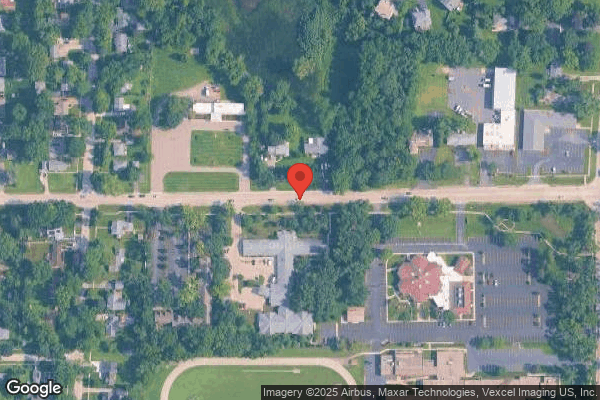
471 TERRA COTTA AVENUE, CRYSTAL LAKE, IL 60014 (815) 455-0550
Non profit - Corporation 51 Beds WISCONSIN ILLINOIS SENIOR HOUSING, INC. Data: November 2025
Trust Grade
70/100
#141 of 665 in IL
Last Inspection: June 2024

Within standard 12-15 month inspection cycle. Federal law requires annual inspections.

Overview

Fair Oaks Health Care Center in Crystal Lake, Illinois, has a Trust Grade of B, which indicates it is a good choice for families, falling into the 70-79 range on the grading scale. It ranks #141 out of 665 facilities in Illinois, placing it in the top half, and #3 out of 10 in McHenry County, showing that it is one of the better local options. The facility is improving, with issues decreasing significantly from 10 in 2024 to just 2 in 2025, though it has had a total of 27 concerns noted, all categorized as potential harm. Staffing is a strong point, with a 4 out of 5 rating and better RN coverage than 83% of state facilities, but turnover is at 49%, which is average. While there have been no fines reported, there were specific incidents where the facility failed to ensure proper food sanitation, including not using hair nets and inadequate portion sizes for meals, highlighting areas that still need attention despite the overall positive ratings.

Trust Score
B
70/100
In Illinois
#141/665
Top 21%
Safety Record
Low Risk
No red flags
Inspections
Getting Better
10 → 2 violations
Staff Stability
⚠ Watch
49% turnover. Above average. Higher turnover means staff may not know residents' routines.
Penalties
✓ Good
No fines on record. Clean compliance history, better than most Illinois facilities.
Skilled Nurses
✓ Good
Each resident gets 88 minutes of Registered Nurse (RN) attention daily — more than 97% of Illinois nursing homes. RNs are the most trained staff who catch health problems before they become serious.
Violations
⚠ Watch
27 deficiencies on record. Higher than average. Multiple issues found across inspections.
★★★★☆
4.0
Overall Rating
★★★★☆
4.0
Staff Levels
★★★★☆
4.0
Care Quality
★★★★☆
4.0
Inspection Score
Stable
2024: 10 issues
2025: 2 issues

The Good

  • 4-Star Staffing Rating · Above-average nurse staffing levels
  • 4-Star Quality Measures · Strong clinical quality outcomes
  • Full Sprinkler Coverage · Fire safety systems throughout facility
  • No fines on record

Facility shows strength in staffing levels, quality measures, fire safety.

The Bad

Staff Turnover: 49%

Near Illinois avg (46%)

Higher turnover may affect care consistency

Chain: WISCONSIN ILLINOIS SENIOR HOUSING,

Part of a multi-facility chain

Ask about local staffing decisions and management

The Ugly 27 deficiencies on record

Mar 2025 2 deficiencies
CONCERN (D) 📢 Someone Reported This

A family member, employee, or ombudsman was alarmed enough to file a formal complaint

Potential for Harm - no one hurt, but risky conditions existed

Notification of Changes (Tag F0580)

Could have caused harm · This affected 1 resident

Based on interview and record review the facility failed to notify the physician of resident's rash on the day it was identified. This applies to 1 of 4 (R1) in the sample of 4 reviewed for notificati...

Read full inspector narrative →
Based on interview and record review the facility failed to notify the physician of resident's rash on the day it was identified. This applies to 1 of 4 (R1) in the sample of 4 reviewed for notification. The findings include: On 3/10/2025 at 9:44AM, V6 Physical Therapy Assistant (PTA) stated she worked with [R1] on 2/21/2025 and [R1] mentioned she had a rash on her neck. V6 stated she did see a blotchy red area on her neck and believes she reported to the nurse but was unsure who she reported it to. On 3/10/2025 at 10:39AM, V8 Registered Nurse (RN) stated she vaguely remembers [R1]. V8 stated nobody mentioned a rash to her that day. V8 stated she would have called the doctor if the resident did in fact have a rash. On 3/10/2025 at 12:17AM, V11 Nurse Practitioner (NP) stated she was not notified of [R1's] rash until 2/25/2025 right before [R1] was being discharged . On 3/10/2025 at 1:30PM, V1 Administrator stated the facility did not have documentation of a provider notification for [R1] on 2/21/2025. The facility failed to provide documentation a physician or provider was notified of [R1's] rash that was identified on 2/21/2025. The facility provided Acute Condition Changes - Clinical Protocol policy revised 3/2018 states, . Direct care staff, including nursing assistants will be trained in recognizing subtle but significant changes in the resident (for example, . changes in skin color or condition) and how to communicate these changes to the Nurse. the nursing staff will contact the physician based on the urgency of the situation . the nurse and physician will discuss and evaluate the situation.
CONCERN (D) 📢 Someone Reported This

A family member, employee, or ombudsman was alarmed enough to file a formal complaint

Potential for Harm - no one hurt, but risky conditions existed

Quality of Care (Tag F0684)

Could have caused harm · This affected 1 resident

Based on interview and record review the facility failed to assess a resident after a rash was observed by staff. This applies to 1 of 4 (R1) in the sample of 4 reviewed for assessments. The findings...

Read full inspector narrative →
Based on interview and record review the facility failed to assess a resident after a rash was observed by staff. This applies to 1 of 4 (R1) in the sample of 4 reviewed for assessments. The findings include: On 3/10/2025 at 9:44AM, V6 Physical Therapy Assistant (PTA) stated she worked with [R1] on 2/21/2025 and [R1] mentioned she had a rash on her neck. V6 stated she did see a blotchy red area on her neck and believes she reported to the nurse but was unsure who she reported it to. On 3/10/2025 at 10:39AM, V8 Registered Nurse (RN) stated she vaguely remembers [R1]. V8 stated nobody mentioned a rash to her that day. V8 stated she would assess the resident if someone told her about a rash and call the doctor if the resident did in fact have a rash. On 3/10/2025 at 10:19AM, V7 Infection Control Preventionist stated if a resident has a rash it is reported to her by the nurse, and she would follow up. V7 stated the physician should be involved so they can assess it as well and see what treatments is needed for it. V7 said assessment and notification should happen on the same day. On 3/10/2025 at 1:30PM, V1 Administrator stated the facility did not have documentation of a skin assessment for [R1] on 2/21/2025. The facility failed to provide documentation an assessment was completed after the rash was identified on 2/21/2025. The facility provided Acute Condition Changes - Clinical Protocol policy revised 3/2018 states, . Direct care staff, including nursing assistants will be trained in recognizing subtle but significant changes in the resident (for example, . changes in skin color or condition) and how to communicate these changes to the Nurse.
Jun 2024 8 deficiencies
CONCERN (D)

Potential for Harm - no one hurt, but risky conditions existed

Quality of Care (Tag F0684)

Could have caused harm · This affected 1 resident

Based on interview and record review the facility failed to immediately initiate potential lifesaving interventions for 1 of 1 resident (R27) reviewed for quality of care in the sample 12. The findin...

Read full inspector narrative →
Based on interview and record review the facility failed to immediately initiate potential lifesaving interventions for 1 of 1 resident (R27) reviewed for quality of care in the sample 12. The findings include: R27's Face Sheet showed a recent admission date of 3/6/24 with diagnoses to include dysphagia (difficulty swallowing), dementia, and communication deficit. R27's Nursing Note from 4/6/24 at 3:36 PM, (note authored by V2 Director of Nursing) stated At approx. 12:30 (PM), [V6 Registered Nurse] approached this writer and asked if I could come help with [R27]. This writer asked what was going on and [V6] stated he (R27) appeared to be choking. We ran into the dining room and this writer witnessed [R27] sitting at his table with [V7 and V8 Certified Nursing Assistants] two CNAs next to him trying to get him to respond to them. Cyanosis (blue/purple color of the skin caused by lack of oxygen) could be seen on all his fingers and around his lips at first glance . The note showed, I asked if the Heimlich (abdominal thrust use to dislodge food stuck in a person's airway) had been done. [V6] responded that it had not been. [V6] started to do the Heimlich, and I went to call EMS (Emergency Medical Services). The note showed CPR (Cardiopulmonary Resuscitation) was started and an attempt to clear his airway was done. The note showed, during CPR, pureed food debris was removed from his mouth. The note showed EMS suctioned R27, placed a breathing tube, and no food was observed blocking his airway. The note showed life saving measures were unsuccessful and R27 was pronounced dead at 1:04 PM. R27's Nursing Note from 4/6/24 at 12:29 PM, (note authored by V6) stated, Called into dining room by CNA staff. Resident non-responsive making gurgling noises, spitting out some of his lunch. Went and grabbed nursing supervisor and came back. Resident brought from dining room toward nursing station. CNA staff stood resident up and this nurse attempted Heimlich maneuver. Heimlich maneuver was not effective. Nursing supervisor called 911 at this time. Resident lowered to floor and CPR was started until paramedics arrived. On 6/05/24 at 2:49 PM, V6 stated I was his (R27's) nurse that day. I was sitting at nursing station charting. CNA called me over because he was not responding while eating. I noticed he was making gagging noises. So, I went down and grabbed the DON (Director of Nursing). I grabbed her and she came over and then we pulled him by the nurse's station. The Heimlich wasn't effective, so we put him on the floor and the DON called 911 and we started CPR. V6 stated V2 was in her office which was approximately 100 feet away. V6 stated, My initial instinct, when the CNA's grabbed me, was that he was choking. V6 stated he did not immediately start the Heimlich maneuver because At that moment I thought it would be better to have an extra nurse to help if he would need CPR. V6 stated, he believed R27 was sitting at the table alone and the food that was removed from R27's mouth appeared to be his pureed lunch. On 6/06/24 at 7:50 AM, V7 stated he was in the dining room with R27 during lunch on 4/6/24. V7 stated R27 was able to feed himself. V7 stated he was at a table next to R27 and V8 was seated at a table across from R27. V7 stated he was first alerted to R27 having issues when he was making noises as if he was trying to clear his throat. V7 stated R27 was also not able to verbally respond, which was not normal for R27. V7 stated he could not recall who went to get V2; however, the Heimlich maneuver was not started until V2 arrived at the dining room. V7 stated he believed the amount of time from the onset of R27's issue and until the Heimlich was started was less than a minute. V7 stated, based on R27 not being able to talk, he had just been eating, and the noises R27 was making; the symptoms were consistent with choking. V7 stated he had CPR and Heimlich training. Multiple attempts to contact V8 CNA were made on 6/5/24. V8 did not return phone calls. On 6/06/24 at 10:13 AM, V2 DON stated the Heimlich should have been started immediately upon onset of R27's symptoms. V2 stated V6 should have started the Heimlich himself and sent a CNA to get her. V2 stated, The longer you wait the worse the situation can get; time is of the essence. I was down on one of the hallways, he came to the office to get me. He (V6) stated I think [R27] is choking. V2 stated, food was removed from R27's mouth during CPR and it appeared to be his pureed lunch. V2 stated paramedics used a camera scope to insert the breathing tube and there was not food visible in his airway. R27's Death Certificate showed the cause of death to be Alzheimer's (dementia). The facility's Emergency Procedure-Choking policy (Revision 8/2018) showed, Trained staff will assist the resident who is choking by attempting to expel the foreign body from the airway .Ask the resident if he or she is choking. Remember, a choking victim cannot speak or breathe and needs your help immediately. Ask the resident to cough or speak, if at all possible, to determine if his or her airway is obstructed. If able to cough, instruct and encourage the resident to continue coughing to dislodge or expel any foreign object. Call for help but stay with the resident. Quickly assure the resident that you are going to stay and assist him or her. If the resident cannot cough, only then should abdominal thrust be performed .
CONCERN (D)

Potential for Harm - no one hurt, but risky conditions existed

Pressure Ulcer Prevention (Tag F0686)

Could have caused harm · This affected 1 resident

**NOTE- TERMS IN BRACKETS HAVE BEEN EDITED TO PROTECT CONFIDENTIALITY** Based on observation, interview, and record review the facility failed to ensure pressure relieving interventions were in place ...

Read full inspector narrative →
**NOTE- TERMS IN BRACKETS HAVE BEEN EDITED TO PROTECT CONFIDENTIALITY** Based on observation, interview, and record review the facility failed to ensure pressure relieving interventions were in place for a resident with pressure ulcers for 1 of 4 residents (R18) reviewed for pressure in the sample of 12. The findings include: R18's undated face sheet showed an admission date of 5/7/24 and diagnoses including but not limited to gangrene, methicillin resistant staphylococcus aureus infection, acute myeloblastic leukemia, not having achieved remission, diabetes mellitus with foot ulcer, chronic ulcer of left foot, right leg below knee amputation, elevated white blood cell count, colostomy use, and colon cancer. R18's facility assessment dated [DATE] showed no cognitive impairment and requiring staff assistance with bed mobility, transfers, toileting, and personal hygiene. The same assessment showed R18 had one or more pressure ulcers. R18's weekly wound round report dated 6/4/24 showed an unstageable pressure ulcer to the coccyx with current measurements at 2.5 x 2 centimeters. The report showed an unstageable right buttock pressure ulcer with current measurements at 2.5 x 2 centimeters. The report showed an unstageable left posterior ankle pressure ulcer with current measurements at 0.8 x 1 centimeters. Attached to the report was a handwritten note (unknown author) with directions: ORDER AIR MATTRESS and heel boots at all times while in bed. On 6/4/24 at 3:01 PM, R18 was lying in bed on a low air loss pressure ulcer mattress. R18 was thin and weak in appearance. R18 was a female resident with an almost bald head. R18 stated her buttock had been sore for days and her new air mattress has been a lifesaver. R18 stated she had just got the special air mattress and her back side was killing me before then. R18 had a nephrostomy bag and colostomy bag visible from under her gown. R18 was missing her right lower leg and her left foot was lying directly on a pillow. R18 refused to allow any observations for her buttock or coccyx wounds. On 6/5/24 at 9:31 AM, R18 stated she had the buttock wound when she came to the facility. Staff have been treating it daily with a cream and finally got her the special air mattress. R18 stated the wound doctor sees her every week but was unsure of which day. R18 refused any observations of her dressing changes or wounds. R18's left foot was still lying directly on a pillow. On 6/6/24 at 11:23 AM, V9 (Wound Care Nurse) stated she became the wound care nurse this week and just started doing wound rounds with the doctor. V9 stated R18 had an unstageable coccyx wound at admission, a right buttock wound at a stage two, a left ankle wound, and several left toes amputated. V9 stated R18 is at high risk for more skin breakdown. She eats very little, has been on chemotherapy for cancer, is refusing hospice, and is very immunocompromised. V9 reviewed R18's wound prevention orders and stated she just received a low air loss mattress just this week. It should have come in last week but didn't for some reason. V9 stated she could not say why the pressure reducing mattress was not on her bed at the time of admission. R18 needs the special mattress to relieve pressure on certain areas like her coccyx, buttocks, heel, and elbows. V9 stated the heel protector should be on whenever she is in bed. V9 stated her care plan should be reflecting the same interventions. It is important to follow the interventions, so staff know how to help her progress and heal. Without any interventions, she is at risk for her current wounds to worsen and develop new ones. On 6/6/24 at 11:36 AM, V2 (Director of Nurses) stated the prior assistant director of nurses was in charge of ordering pressure ulcer mattresses. V2 stated she quit abruptly last week so V2 could not say why she never ordered one for R18 at admission. V2 stated she recently realized R18 was not on the correct mattress. V2 stated the care plan should show the pressure reducing interventions needed. They help reduce pain and prevent further break down. V2 stated the interventions should be in place shortly after admission, typically within 24 hours. V2 reviewed R18's electronic medical record and said there is no care plan related to R18's wounds. On 6/6/24 at 11:40 AM, V10 (Care Plan/MDS minimum data set coordinator) stated residents are assessed at admission and she puts care plan interventions in place shortly after that. V10 stated they are put in resident charts the next morning if she is not here the day of admission. V10 stated the interventions are important to ensure staff know how to care for the resident. There are care plans on the door of resident rooms too. That gets updated as needed by nursing or therapy staff. V10 reviewed R18's medical record and said there should be a care plan for her pressure ulcers. The prior wound care nurse was doing care plans for skin issues, and I guess she did not do one for R18. V10 stated it should have been caught when the MDS was completed but it wasn't. It was overlooked and I guess all the care plans need to be reviewed. V10 stated she was sure there are other residents missing care plan interventions. The facility's Pressure Ulcers/Skin Breakdown policy revision dated 3/2014 states under the monitoring section: 2. The physician will help the staff review and modify the care plan as appropriate, especially when wounds are not healing as anticipated or new wounds develop despite existing interventions. R18's care plan had no focus area related to her wounds. The care plan did have one approach area start dated 10/31/23 (prior stay) related to skin concerns. The area was not completed and risks, skin condition, wounds, pressure reducing interventions were blank. The care plan on the door of R18's room was reviewed and did not show any pressure reducing interventions.
CONCERN (D)

Potential for Harm - no one hurt, but risky conditions existed

Accident Prevention (Tag F0689)

Could have caused harm · This affected 1 resident

**NOTE- TERMS IN BRACKETS HAVE BEEN EDITED TO PROTECT CONFIDENTIALITY** Based on observation, interview, and record review, the facility failed to ensure interventions were put in place for a resident...

Read full inspector narrative →
**NOTE- TERMS IN BRACKETS HAVE BEEN EDITED TO PROTECT CONFIDENTIALITY** Based on observation, interview, and record review, the facility failed to ensure interventions were put in place for a resident with a history of falls, failed to ensure the resident's fall risk assessment was reassessed after a fall with injuries, and failed to develop a care plan showing he was a fall risk and identify interventions to prevent further falls for 1 of 1 resident (R11) reviewed for falls in the sample of 12. The findings include: R11's Face Sheet, provided by the facility on 6/6/24, showed he was admitted to the facility on [DATE], with diagnoses including vascular dementia with agitation, muscle wasting and atrophy, abnormalities of gait and mobility, cognitive communication deficit, anxiety disorder, bilateral ankle effusion (a buildup of fluid in the soft tissues around the ankle joint), major depressive disorder, osteoarthritis, and chronic heart failure. R11's care plan, with a start date of 5/16/24, showed Resident experiences wandering (moves with no rational purpose, seemingly oblivious to needs or safety). R11's care plan with a start date of 5/8/24 showed he had a memory/recall deficit. On 6/4/24 at 11:00 AM, R11 was observed in the dining room during the activity, sitting at a table looking around the room. R11 had an arm sleeve covering his left lower arm. R11 stated the sleeve was on his arm because he hurt his arm. When asked how he hurt his arm, R11 stated he bumped it on something. R11's Event Report dated 5/18/24 at 5:29 PM showed Resident found on floor in room with chair alarm sounding by CNA (Certified Nursing Assistant). Writer notified and noted resident laying on his right side on the floor with the wheelchair near his head. ROM (range of motion) checked-WNL (within normal limits). Noted 4 skin tears to left arm .Resident stated (he) was trying to walk to the bathroom and ended up on the floor . The report showed the skin tears on R11's left arm measured 5.5 cm (centimeters) x 4 cm, 1.5 cm x 1 cm, 1 cm x 1 cm, and 5.5 cm x 1 cm. The report showed the last time prior to the fall that R11 last used the bathroom or received incontinent care was at 1:30 PM (almost four hours earlier). The report also showed resident was receiving diuretics (medications that cause increased production of urine to help clear extra fluid out of the body). On 6/5/24 at 3:30 PM, R11 was in his room sitting in a wheelchair. The Care Plan Information sheet on R11's bathroom door did not identify R11 as a fall risk and no interventions were circled under the safety section to identify any interventions that were in place. R11's electronic medical record did not have a care plan showing R11 was at risk for falls and list interventions to prevent further falls. R11's Fall Risk assessment dated [DATE] showed he was a high fall risk. The assessment showed R11 had had a fall in the six months leading up to his admission, was incontinent, had a lack of understanding of one's physical and cognitive limitations, and required assistance or supervision for mobility, transfers, or ambulation. On 6/6/24 at 9:05 AM, V2 (Director of Nursing-DON) stated R11 has had a fall and he is a fall risk. V2 stated R11 does have a chair alarm, but they are put on any resident with confusion or cognitive deficits. V2 stated there should have been a falls risk care plan in place for R11, with interventions in place. V2 stated a fall risk assessment was done for R11 on 5/8/24 when he was first admitted . V2 stated there has not been another one done since then. V2 stated the facility's policy is if someone has a fall, another fall risk assessment should be completed, and interventions should be put in place on their care plan. On 6/06/24 at 10:12 AM, V10 (MDS/Care Plan Coordinator) stated there was not a care plan in place for R11's fall risk and interventions. V10 stated it is important to make sure a risk assessment is done, and a care plan is put in place to try to prevent further falls. V10 stated R11 is a fall risk. R11's Physician Order Report, provided by the facility on 6/6/24, showed he was receiving skilled physical therapy to include therapeutic exercises, therapeutic activities, gait training, neuromuscular re-education, and patient education. The report showed R11 was also receiving speech therapy to address deficits in orientation, memory, problem solving, and overall cognition for safety and to prevent further regression. The facility's policy and procedure titled Fall Risk Assessment, with a revision date of March 2018, showed The nursing staff, in conjunction with the attending physician, consultant pharmacist, therapy staff, and others, will seek to identify and document resident risk factors for falls and establish a resident-centered falls prevention plan based on relevant assessment information. The policy showed 1. Upon admission, the nursing staff and the physician will review a resident's record for a history of falls, especially falls in the last 90 days and recurrent or periodic bouts of falling over time. 2. The nursing staff will ask the resident and/or his/her family about any history of the resident falling. 3. The nursing staff, attending physician, and consultant pharmacist will review for medications or medication combinations that could relate to falls or fall risk, such as those that have side effects of dizziness, ataxia, or hypotension .5. The attending physician and nursing staff will evaluate the resident's vital signs, assess the resident for medical conditions (such as those that cause dizziness or vertigo) or sensory impairments (such as decreased vision and peripheral neuropathy) that may predispose to falls. 6. Assessment data shall be used to identify underlying medical conditions that may increase the risk of injury from falls (such as osteoporosis). 7. The staff, with the support of the attending physician, will evaluate functional and psychological factors that may increase fall risk, including ambulation, mobility, gait, balance, excessive motor activity, Activities of Daily Living (ADL) capabilities, activity tolerance, continence, and cognition .9. The staff and attending physician will collaborate to identify and address modifiable fall risk factors and interventions to try to minimize the consequences for risk factors that are not modifiable. The facility's Falls-Clinical Protocol, with a revision date of March 2018, showed 3. The staff and practitioner will review each resident's risk factors for falling and document in the medical record .4. The physician will identify medical conditions affecting fall risk .and the risk for significant complications of falls . The protocol showed Treatment/Management: 1. Based on the preceding assessment, the staff and physician will identify pertinent interventions to try to prevent subsequent falls and to address the risks of clinically significant consequences of falling. The protocol showed Monitoring and Follow-Up .2. The staff and physician will monitor and document the individual's response to interventions intended to reduce falling or the consequences of falling. The facility's policy and procedure titled Care Plans-Baseline, with a revision date of March 2022, showed A baseline plan of care to meet the resident's immediate health and safety needs is developed for each resident within forty-eight (48) hours of admission. The baseline care plan includes instructions needed to provide effective, person-centered care of the resident that meet professional standards of quality of care and must include the minimum healthcare information necessary to properly care for the resident .2. The baseline care plan is used until the staff can conduct the comprehensive assessment and develop an interdisciplinary person-centered comprehensive care plan (no later than 21 days after admission). The baseline care plan is updated as needed to meet the resident's needs until the comprehensive care plan is developed. 3. A comprehensive care plan may be used in place of the baseline care plan providing the comprehensive care plan is developed within 48 hours of the resident's admission and meets the requirements of a comprehensive assessment.
CONCERN (D)

Potential for Harm - no one hurt, but risky conditions existed

Incontinence Care (Tag F0690)

Could have caused harm · This affected 1 resident

**NOTE- TERMS IN BRACKETS HAVE BEEN EDITED TO PROTECT CONFIDENTIALITY** Based on observation, interview, and record review the facility failed to ensure a resident with an indwelling urinary catheter ...

Read full inspector narrative →
**NOTE- TERMS IN BRACKETS HAVE BEEN EDITED TO PROTECT CONFIDENTIALITY** Based on observation, interview, and record review the facility failed to ensure a resident with an indwelling urinary catheter had physician care orders in place for 1 of 5 residents (R25) reviewed for catheters in the sample of 12. The findings include: R25's undated face sheet showed an admission date of 5/8/24 and diagnoses including but not limited to arthritis due to other bacteria of the left shoulder (at admission), methicillin susceptible staphylococcus aureus infection, sepsis, stage three kidney disease, prostate cancer, and retention of urine. R25's facility assessment dated [DATE] showed no cognitive impairment and the use of a urinary catheter. The same assessment showed the use of an antibiotic medication. R25's order history report dated 5/6/24 to 6/6/24 showed the use of intravenous cefazolin (antibiotic) from admission to 5/11/24. The same report showed an order to chart on use of the antibiotic for left should joint sepsis. On 6/4/24 at 2:31 PM, R25 was seated in a wheelchair in his room. R25 had a catheter bag hanging from the side of the wheelchair and dark yellow urine was in the tubing. R25 stated he was on an antibiotic when he arrived at the facility (cefazolin). R25 stated he has been weak from prostate cancer treatments and recently fell at home. The fall caused a shoulder injury that was operated on, and it became infected with a staph infection. R25 stated he came to the facility about one month ago while still on the antibiotic. The PICC line (peripherally inserted central catheter-long, thin tube inserted through a vein in the arm) was just taken out a day ago. R25 stated he has had the urinary catheter since the hospital stay and had it when he arrived at the facility. R25's physician order report for June 2024 was reviewed. There were no orders for the use of an indwelling catheter. R25's care plan was reviewed and there was no evidence of the use of an indwelling catheter. There were no care orders or interventions related to the urinary catheter located in R25's electronic chart. On 6/6/24 at 9:47 AM, V2 (Director of Nurses) stated physician orders should be in place for all residents with indwelling catheters at the time of admission. The order should include the size, when to change it, how or if it needs to be flushed, and any urology appointments coming up. V2 stated she was not sure exactly what the care plan should include but would expect the same type of information. Care interventions are needed to ensure the resident stays safe and is healing. Catheters are a common cause of urinary tract infections. V2 stated (R25) is at an even greater risk of infection based on his past medical history and recent shoulder infection. V2 reviewed R25's electronic medical record and verified there were no care orders or interventions related to the indwelling catheter. The facility's Urinary Catheter Care policy revision dated 9/2014 states: The purpose of the procedure is to prevent catheter-associated urinary tract infections .1. Review the resident's care plan to assess for any special needs of the resident. The facility's Care Plans policy revision dated 3/2022 states: A baseline plan of care to meet the resident's immediate health and safety needs is developed for each resident within forty-eight (48) hours of admission .and must include the minimum healthcare information necessary to properly care for the resident .b. physician orders .
CONCERN (D)

Potential for Harm - no one hurt, but risky conditions existed

Pharmacy Services (Tag F0755)

Could have caused harm · This affected 1 resident

Based on interview and record review the facility failed to maintain an accurate reconciliation of controlled substances. This applies to 1 of 1 resident (R18) reviewed for controlled substances in th...

Read full inspector narrative →
Based on interview and record review the facility failed to maintain an accurate reconciliation of controlled substances. This applies to 1 of 1 resident (R18) reviewed for controlled substances in the sample of 12. The findings include: R18's hydrocodone/acetaminophen (a combination narcotic opioid pain medication and an over-the-counter pain medication) Controlled Drug Receipt/Record/Disposition form (Controlled Substance Count Sheet) showed the order was for the medication to be given every 6 hours as needed for pain. The reconciliation form showed on 5/16/24, one tablet was dispensed, and 18 tablets remained. The next two entries on the form were lined out and error was written next to the entries. The errors were signed by only one nurse. The next entry, on 5/24/24, showed one tablet was removed and 16 tablets remained. The two stricken entries between 5/16/24 and 5/24/24 did not indicate the medication was wasted or destroyed. The form did not show an entry indicating when the 18th tablet was dispensed. On 6/06/24 at 12:21 PM, V2 stated, while reviewing R18's-controlled substance count sheet, V2 was unable to determine the disposition R18's 18th hydrocodone/acetaminophen tablet. V2 stated if the medication was wasted, the record should reflect this, and it should be signed by two nurses. V2 stated the two stricken entries appear to be documentation errors and not entries showing the medication was wasted. V2 stated nursing staff are expected to do a count of all controlled substances at the start/end of every shift. V2 stated if the cause of the discrepancy cannot be quickly determined and corrected; the nurses should notify herself or the Administrator. V2 stated she was not aware of this missing narcotic, and it should have been caught at shift change. V2 stated narcotic medications are more likely to be diverted. V2 stated the purpose of the count sheets is to ensure an accurate count of controlled substances and to inhibit diversion of controlled substances. The facility's Controlled Substances policy (Revision April 2019) showed, any wasted controlled substances should be disposed of in the presence of a witness and signed by both nurses. The policy showed, controlled medications are counted at the end of each shift. The nurse coming on duty and the nurse going off duty determine the count together. Any discrepancies in the controlled substance count are documented and reported to the Director of Nursing immediately .
CONCERN (D)

Potential for Harm - no one hurt, but risky conditions existed

Infection Control (Tag F0880)

Could have caused harm · This affected 1 resident

**NOTE- TERMS IN BRACKETS HAVE BEEN EDITED TO PROTECT CONFIDENTIALITY** 2. R18's undated face sheet showed an admission date of 5/7/24 and diagnoses including but not limited to gangrene, methicillin ...

Read full inspector narrative →
**NOTE- TERMS IN BRACKETS HAVE BEEN EDITED TO PROTECT CONFIDENTIALITY** 2. R18's undated face sheet showed an admission date of 5/7/24 and diagnoses including but not limited to gangrene, methicillin resistant staphylococcus aureus infection, acute myeloblastic leukemia, not having achieved remission, diabetes mellitus with foot ulcer, chronic ulcer of left foot, right leg below knee amputation, elevated white blood cell count, colostomy use, and colon cancer. R18's facility assessment dated [DATE] showed no cognitive impairment and requiring staff assistance with bed mobility, transfers, toileting, and personal hygiene. The same assessment showed R18 had one or more pressure ulcers. On 6/4/24 at 2:56 PM, V11 (Physical Therapist) and V12 (Director of Physical Therapy) transferred R18 using a slide board from the bed to a wheelchair in her room. V11 and V12 wore gloves but did not have gowns on. R18's nephrostomy and colostomy bags were visible from under her shirt. V12 stated they were just about to do a second transfer from the wheelchair to the upright recliner. R18 requested to rest for a minute. V11 and V12 stated they would return shortly and continue with the transfer. R18 requested this surveyor return later for any interviewing. This surveyor exited R18's room and noted the signage on the door clearly stating R18 was on enhanced barrier precautions. The sign showed staff must wear gloves and a gown for high-contact resident care activities. Those care activities were listed and included: transferring, the use of invasive tubing devices, and the presence of wounds. A stocked bin of PPE (Personal Protective Equipment) was next to the doorway. On 6/4/24 at 3:12 PM, V11 and V12 donned gloves outside of R18's room and closed the door to do the second transfer. V11 and V12 did not don a gown prior to entering the room. On 6/4/24 at 11:06 AM, V13 (Registered Nurse) stated the facility policy states PPE is needed in enhanced barrier precaution rooms if care is being provided. A gown and gloves are necessary anytime staff are providing any of the care activities shown on the isolation precaution door sign. On 6/6/24 at 9:39 AM, V2 (Director of Nurses) stated enhance barrier precautions are put in place for residents with wounds, catheters, ostomies, feeding tubes and such. The gown and gloves are an extra precaution to protect the resident from outside germs getting introduced into the open areas of the body. All staff need gowns and gloves during care. April 1st was our big day and we started requiring the PPE then. That includes the therapists too. Only wearing gloves is not enough. Gowns are required too to reduce the risk of infection. The facility's Enhanced Barrier Precautions policy revision dated 12/19/22 states: Enhanced Barrier Precautions are defined as the use of PPE (gowns and gloves) during high-contact resident care activities that generate opportunities for transfer of MDROs in the form of blood or body fluids, onto the hands and/or clothing of the rendering caregivers. Based on observation, interview, and record review, the facility failed to prevent cross-contamination when assisting a resident with their toileting needs, and failed to ensure staff wore the proper PPE (personal protective equipment) while providing direct care to a resident on enhanced-barrier precautions for 1 of 2 residents (R18) reviewed for infection control in the sample of 12, and 1 resident (R83) outside the sample. The findings include: 1. R83's Face Sheet, provided by the facility on 6/6/24, showed she had diagnoses including displaced fracture of upper end of the left humerus (the long bone that extends from the shoulder to the elbow), osteoarthritis, obesity, and glaucoma. R83's facility assessment dated [DATE] showed she is dependent on staff for toileting and lower body dressing and requires substantial/maximal assist with upper body dressing and getting on and off the toilet. On 6/4/24 at 1:46 PM, V15 (Certified Nursing Assistant-CNA) was assisting R83 with her toileting needs. R83 had a bowel movement. V15 wiped the stool from R83, then folded the toilet paper, using only her left gloved-hand, and wiped again. V15 repeated this process two more times, then wiped the stool from the toilet seat with toilet paper. V15 left the same gloves on used to clean R83's stool to pull R83's brief and pants up. V15 pulled R83's shirt down and readjusted the gait belt around R83. V15 touched the gait belt in several areas while walking R83 back to her wheelchair. V15 touched both brakes on the wheelchair with her left gloved-hand and the left handle on the wheelchair before removing the soiled glove and washing her hands. On 6/6/24 at 9:32 AM, V2 (Director of Nursing-DON) stated after cleaning a resident who had a bowel movement, she would expect the CNA to remove the gloves, wash or sanitize her hands and put clean gloves on, before touching the resident or anything in the environment to prevent cross-contamination. R83's skin integrity care plan, with a start date of 6/6/24 (last day of survey) showed R83 has the potential for further skin breakdown related to impaired mobility. The care plan showed Assist with toileting. The facility's policy and procedure titled Personal Protective Equipment-Glove Use, with a revision date of September 2010, showed When to Use Gloves: 1. When touching excretions, secretions, blood, body fluids, mucous membranes or non-intact skin .3. When cleaning up spills or splashes of blood or body fluids. The facility's policy and procedure titled Handwashing/Hand Hygiene, with a revision date of August 2019, showed The facility considers hand hygiene the primary means to prevent the spread of infection .1. All personnel shall be trained and regularly in-serviced on the importance of hand hygiene in preventing the transmission of healthcare-associated infections. 2. All personnel shall follow the handwashing/hand hygiene procedures to help prevent the spread of infections to other personnel, residents, and visitors .7. Use an alcohol-based hand rub containing at least 62% alcohol; or, alternatively, soap (antimicrobial or non-antimicrobial) and water for the following situations .h. Before moving from a contaminated body site to a clean body site during resident care .j. After contact with blood or bodily fluids .m. After removing gloves .9. The use of gloves does not replace hand washing/hand hygiene. Integration of glove use along with routine hand hygiene is recognized as the best practice for preventing healthcare-associated infections. 10. Single-use disposable gloves should be used .b. When anticipating contact with blood or body fluids .
CONCERN (E)

Potential for Harm - no one hurt, but risky conditions existed

Menu Adequacy (Tag F0803)

Could have caused harm · This affected multiple residents

Based on observation, interview, and record review the facility failed to provide the correct portion of vegetables. This applies to 5 of 5 residents (R17, R21, R4, R6, & R11) reviewed for menus in th...

Read full inspector narrative →
Based on observation, interview, and record review the facility failed to provide the correct portion of vegetables. This applies to 5 of 5 residents (R17, R21, R4, R6, & R11) reviewed for menus in the sample of 12 and 3 residents (R16, R1, & R80) outside the sample. The findings include: On 6/4/24 at 11:50 AM, V4 [NAME] began the noon lunch service for the dining room nearest the kitchen. V4 served sloppy joes, peas with onions, sweet potato, and cake. V4 used a green handled ice cream scoop to serve the peas and the portion appeared inadequate. On 6/4/24 at 12:18 PM, V4 completed the lunch service for the dining room adjacent to the kitchen. V4 stated the green handled ice cream scoop was 2.66 ounces. V4 stated the grey scoop is 4 ounces. V4 stated he always used the green scoop for vegetables. The facility's menu and recipe for peas showed the portion size should be 4 ounces. On 6/05/24 at 9:54 AM, V3 Dietary Manager stated the residents in the dining room adjacent to the kitchen only received 2 and 2/3 ounce of peas and they should have been served 4 ounces. (More than a 30 percent deficit.) V3 stated, The dietitian reviews the menu, and the portions are sized to ensure the residents receives the correct amount of nutrition and nutrients for a healthy diet and healing. The facility provided list of residents who dined in the dining room adjacent to the kitchen, and were a regular diet, included R16, R1, R17, R21, R4, R11, R6, and R80.
CONCERN (E)

Potential for Harm - no one hurt, but risky conditions existed

Food Safety (Tag F0812)

Could have caused harm · This affected multiple residents

Based on observation, interview, and record review the facility failed to measure food temperature on the steam table in a manner to prevent cross-contamination. This applies to 5 of 5 residents (R17,...

Read full inspector narrative →
Based on observation, interview, and record review the facility failed to measure food temperature on the steam table in a manner to prevent cross-contamination. This applies to 5 of 5 residents (R17, R21, R4, R6, & R11) reviewed for menus in the sample of 12 and 3 residents (R16, R1, & R80) outside the sample. The findings include: On 6/4/24 at 11:50 AM, V4 began the lunch service for the dining room adjacent to the kitchen. V4 stated he had already measured the temperature of the sloppy joe meat; however, it was requested he check the temperature again. V4 removed a thermometer from a cup that contained numerous writing utensils. V4 then stuck the thermometer probe into the sloppy joe meat without sanitizing the thermometer. V4 then continued with the lunch service. On 6/05/24 at 9:54 AM, V3 Dietary Manger stated .He (V4) should have cleaned the thermometer then temped the sloppy joe. The purpose of cleaning the thermometer first is to prevent any cross contamination to make sure it's clean before it goes in the food and to make sure there is no debris from its previous use. The facility provided list of residents who dined in the dining room adjacent to the kitchen, and were a regular diet, included R16, R1, R17, R21, R4, R11, R6, and R80.
Feb 2024 2 deficiencies
CONCERN (D) 📢 Someone Reported This

A family member, employee, or ombudsman was alarmed enough to file a formal complaint

Potential for Harm - no one hurt, but risky conditions existed

Report Alleged Abuse (Tag F0609)

Could have caused harm · This affected 1 resident

Based on interview and record review, the facility failed to ensure allegations of abuse were reported for 1 of 3 residents (R1) reviewed for abuse in the sample of 5. The findings include: On 2/15/...

Read full inspector narrative →
Based on interview and record review, the facility failed to ensure allegations of abuse were reported for 1 of 3 residents (R1) reviewed for abuse in the sample of 5. The findings include: On 2/15/24 at 1:32 PM, V6, Licensed Practical Nurse (LPN), said she cared for R1 on 2/9/24. V6 said when she was giving R1 her noon medications that day, R1 told her that someone in the middle of the night grabbed her by her hair and was dragging her and calling her names and mocked her. V6 said she told V8, LPN that R1 alleged she was being dragged around on the floor by her hair in her room. V6 said V7 told her R1 had made those kinds of statements before. V6 said she would be expected to inform the administrator about any abuse allegations as soon as possible. V6 said did not report R1's abuse allegations to the Administrator. On 2/15/24 at 3:02 PM, V7, Certified Nursing Assistant (CNA), said R1 said she was trying to get out of bed at night and the night lady was yelling at her, and someone was pulling her hair, then someone said just leave her there. On 2/20/24 at 9:05 AM, V8, LPN, said if she ever heard of any allegations of abuse, she would notify V1, Administrator/Abuse Coordinator immediately because she is the abuse coordinator. V8 said if V1 was not available, she would notify the Director of Nursing (DON) or a supervisor. On 2/20/24 at 9:37 AM, V9, LPN, said if any resident reported any allegations of abuse, she would definitely call the DON, the family, and probably the police too. On 2/20/24 at 10:13 AM, V1 said when she reviewed the staff interviews, she came across one from V12, CNA, which said R1 would become confused and say night shift had dragged her by her hair, kicked her, and they don't change her. V1 said she was never informed of the allegations, or she would have done an investigation. A written interview from V12 dated 2/13 shows R1 told V12 several times that night shift has dragged her by her hair and they kick her, and they don't change her. The facility's Abuse Prevention Program Policy and Procedure (updated 7/1/22) shows employees are required to report any incident, allegation, or suspicion of potential abuse, neglect, exploitation, mistreatment or misappropriation of resident property they observe, hear about or suspect to the administrator immediately or to an immediate supervisor who must then immediately report it to the administrator.
CONCERN (D) 📢 Someone Reported This

A family member, employee, or ombudsman was alarmed enough to file a formal complaint

Potential for Harm - no one hurt, but risky conditions existed

Accident Prevention (Tag F0689)

Could have caused harm · This affected 1 resident

**NOTE- TERMS IN BRACKETS HAVE BEEN EDITED TO PROTECT CONFIDENTIALITY** Based on interview and record review, the facility failed to ensure a high fall risk resident was transferred with a gait belt f...

Read full inspector narrative →
**NOTE- TERMS IN BRACKETS HAVE BEEN EDITED TO PROTECT CONFIDENTIALITY** Based on interview and record review, the facility failed to ensure a high fall risk resident was transferred with a gait belt for 1 of 5 residents (R1) in the sample of 5 reviewed for safety. The findings include: On 2/15/24 at 1:32 PM, V6, Licensed Practical Nurse (LPN), stated on 2/9/24 around 7:30 AM, V7, Certified Nursing Assistant (CNA), came to get her and brought her to R1's room where R1 was on the floor in her bathroom. V6 stated V7 told her R1's legs went out and she had to assist R1 to the floor. V6 stated R1 did not have a gait belt on her person. On 2/15/24 at 3:02 PM, V7, CNA, stated she was caring for R1 on 2/9/24. V7 stated she took R1 to the bathroom and was pulling up R1's pants and R1's legs went out and she just collapsed. V7 stated she was able to catch R1 by her pants and lower her to the floor in the bathroom. V7 stated R1 did not have a gait belt on when she went down. On 2/20/24 at 9:05 AM, V8, LPN, stated R1 transferred with a 1-2 person assist and a gait belt. On 2/20/24 at 10:13 AM, V1, Administrator, stated they moved R1 closer to the nurse's station because she is a high fall risk and is restless at night. On 2/20/24 at 12:01 PM, V13, Physical Therapy Assistant (PTA), stated she worked with R1 on several occasions. V13 stated R1 needed someone with her at all times for transfers and she needed a gait belt. V13 state R1 was not safe without a gait belt. R1's Fall Risk assessment dated [DATE] shows R1 is a High Fall Risk. R1's current Face Sheet provided by the facility (undated), shows R1's diagnoses include, but are not limited to, muscle wasting and atrophy, syncope and collapse, diabetes, sick sinus syndrome (a group of heart rhythm problems), anxiety, anemia, cerebral infarction (stroke), and atrial fibrillation (heart arrhythmia). R1's Minimum Data Set, dated [DATE] shows R1 requires substantial/maximal assistance with toilet transfers. The facility's Bathroom, Assisting a Resident to Policy (revised February 2018) shows a gait belt should be used for safety and support.
May 2023 9 deficiencies
CONCERN (D)

Potential for Harm - no one hurt, but risky conditions existed

Deficiency F0558 (Tag F0558)

Could have caused harm · This affected 1 resident

Based on observation, interview, and record review the facility failed to ensure the call light was within the reach of a resident to call staff for assistance for 1 of 1 resident (R5) reviewed for ca...

Read full inspector narrative →
Based on observation, interview, and record review the facility failed to ensure the call light was within the reach of a resident to call staff for assistance for 1 of 1 resident (R5) reviewed for call light accessibility in a sample of 12. The findings include: R5's Face Sheet printed 5/9/23 showed diagnoses to include but not limited to Type 2 diabetes mellitus without complications, hypertension, muscle wasting, cognitive communication deficit, and benign prostatic hyperplasia with lower urinary tract symptoms. R5's MDS (Minimum Data Set) dated 4/15/23 showed he is severely cognitively impaired. R5 requires extensive assist of one person with bed mobility and toileting and requires total physical assistance of two or more persons with transfers. R5's Care Plan last reviewed/revised on 3/2023 showed R5 was re-educated on using his call light to alert staff of needing assistance with activities of daily living (ADL's) and that his call light was to be within his reach. On 5/8/23 at 9:48 AM, R5 was observed sitting in his wheelchair on the right side of the bed. R5's call was on the left side of his bed. R5 was unable to reach the call light when asked if he could reach the call light. On 5/9/23 at 10:47 AM, R5 was lying in bed, but his call light was lying on the floor on the right side of the bed and out of his reach. On 5/8/23 at 9:51 AM, V10 (Registered Nurse) RN came into R5's room and stated they placed R5's call light too far away from him. On 5/8/23 at 10:01 AM, V8 (Certified Nursing Assistant) CNA stated the call lights should be in reach of the residents because it is important for them to call when they need help. The facility's policy titled Call System, Resident, dated September 2022 states, 1. Each resident is provided with a means to call staff directly for assistance from his/her bed, from toileting/ bathing facilities and from the floor.
CONCERN (D)

Potential for Harm - no one hurt, but risky conditions existed

ADL Care (Tag F0677)

Could have caused harm · This affected 1 resident

**NOTE- TERMS IN BRACKETS HAVE BEEN EDITED TO PROTECT CONFIDENTIALITY** Based on observation, interview, and record review the facility failed to provide ADL (Activities of Daily Living) assistance fo...

Read full inspector narrative →
**NOTE- TERMS IN BRACKETS HAVE BEEN EDITED TO PROTECT CONFIDENTIALITY** Based on observation, interview, and record review the facility failed to provide ADL (Activities of Daily Living) assistance for residents requiring assistance with incontinence care for 2 of 12 residents (R21, R281) reviewed for activities of daily living in the sample of 12. The findings include: 1. R21's care plan dated January 24, 2023, showed R21 required the extensive assistance of staff for toileting and transfers. R21's care plan states R21is incontinent of bowel and bladder with a history of urinary tract infections and to provide incontinence care after each incontinent episode. On May 8, 2023, at 8:47 AM, V8 Certified Nursing Assistant (CNA) entered R21's room to provide care. As V8 CNA pulled down R21's bedding, it was noted that R21 was wearing two incontinence briefs. The incontinence brief, that was closest to R21's body, was saturated with urine. This surveyor observed urine that leaked onto the second incontinence brief. R21's buttocks and scrotum were reddened in color. V8 CNA stated, This is the first time I have changed him today. I am not sure when he was last changed on nights. They know they are not to put two incontinence briefs on residents. 2. R281's resident assessment dated [DATE], showed R281 required the extensive assistance of two staff for toileting and repositioning. The assessment showed R281 was always incontinent of stool. On May 8, 2023, at 9:27 AM, V9 Certified Nursing Assistant (CNA) repositioned R281 on his right side. R281 was incontinent of stool. R281's incontinence brief was soiled with stool. V9 CNA then repositioned R281 on his back, per R281's request, and then left the room. At no time did V9 CNA provide any perineal care to R281 or remove R281's soiled incontinence brief. On May 9, 2023, at 10:10 AM, V2 Director of Nursing stated, Residents should be rounded on every 2 hours and provided with incontinence care during those rounds, as needed. Staff should never put two incontinence briefs on a resident. That puts a resident at a huge risk for infection and skin breakdown. The facility's Activities of Daily Living (ADL) policy dated March 2018 showed, Residents who are unable to carry out activities of daily living independently will receive the services necessary to maintain good nutrition, grooming, and personal and oral hygiene .Appropriate care and services will be provided for residents who are unable to carry out ADLs independently, with the consent of the resident and in accordance with the plan of care, including appropriate support and assistance with: .c. Elimination (toileting) .
CONCERN (D)

Potential for Harm - no one hurt, but risky conditions existed

Pressure Ulcer Prevention (Tag F0686)

Could have caused harm · This affected 1 resident

**NOTE- TERMS IN BRACKETS HAVE BEEN EDITED TO PROTECT CONFIDENTIALITY** Based on observation, interview, and record review the facility failed to ensure pressure injury treatments were in place for 2 ...

Read full inspector narrative →
**NOTE- TERMS IN BRACKETS HAVE BEEN EDITED TO PROTECT CONFIDENTIALITY** Based on observation, interview, and record review the facility failed to ensure pressure injury treatments were in place for 2 of 4 residents (R281, R21) reviewed for pressure injuries in the sample of 12. The findings include: 1. R281's Face Sheet printed May 9, 2023, showed R281 was admitted to the facility on [DATE], with diagnoses including a Stage IV sacral pressure injury, Stage III pressure injuries to his left and right buttocks, osteomyelitis to his sacral pressure injury, and Type 2 Diabetes Mellitus. R281's initial wound assessment dated [DATE], showed R281 had a Stage IV pressure injury to his sacrum that measured 10 cm (centimeters) x 14 cm x 4 cm with bone, muscle, and tendon exposed. The note showed, There is a medium amount of necrotic tissue within the wound bed including adherent slough, necrosis of muscle and necrosis of bone. The note also showed R281 had Stage III pressure injuries to his right and left gluteus (buttocks). R281's physician order dated May 8, 2023, showed R281's Stage IV sacral pressure injury was to be cleansed, packed with gauze, and covered with a gauze dressing, that was to be taped in place, twice a day and as needed. R281's physician order dated May 3, 2023, showed a foam dressing was to be in place over R281's Stage III pressure injury to his left buttock. R281's physician order dated April 27, 2023, showed, Check for placement of dressings to bilateral buttocks and coccyx every shift. On May 8, 2023, at 9:27 AM, V9 Certified Nursing Assistant (CNA) repositioned R281 on his right side. R281 was incontinent of stool. No dressing was noted over R281's pressure injury to his left buttock. No dressing was noted over R281's sacral pressure injury. A fist-sized open wound was noted to R281's sacral area. A 4-inch (in) x 4 in gauze dressing that was soiled with stool, was noted inside of R281's sacral wound. A soiled square gauze dressing was noted, lying loosely, in R281's soiled incontinence brief. V9 CNA repositioned R281 on his back, per R281's request, and then left the room. At no time did V9 CNA provide any perineal care to R281 or remove R281's soiled incontinence brief. On May 8, 2023, at 12:40 PM, V6 Wound Nurse stated, (R281) was just admitted here with pressure injuries to his buttocks and a large wound to his sacral area with bone exposure noted in the wound. He is to have foam dressings to his buttock wounds and a gauze dressing to his sacral wound. He had a rectal tube in the hospital because he was having frequent stools. He was on IV (intravenous) antibiotics due to his sacral wound . He is still having frequent stools, so staff need to be checking on him frequently and providing incontinence care as soon as possible. They are to let the nurse know if dressings are missing from the pressure injuries. On May 10, 2023, at 9:50 AM, V6 Wound Nurse stated, (V9 CNA) should have at least placed a clean pad under (R281) (on May 8, 2023) before she repositioned him on his back. That would have gotten him off the soiled incontinence brief. 2. R21's Face Sheet printed May 9, 2023, showed R21 was admitted to the facility on [DATE], with diagnoses including Parkinson's disease, dementia, a pressure injury to his right foot, and chronic osteomyelitis to his right ankle/foot. R21's Wound Management Report dated May 3, 2023, showed R21 had a Stage III (pressure injury), measuring 2 cm x 2 cm x 0.2 cm, to the bottom or R21's right foot, below his right pinky (5th) toe. R21's physician orders dated March 22, 2023, showed a foam dressing was to be applied to R21's right plantar foot wound. The foam dressing was then to be secure to R21's foot with a gauze dressing. The orders showed a foam boot was to be on R21's right foot, at all times. On May 8, 2023, at 8:38 AM, R21 was observed in bed. R21 wore socks, with his feet directly on the mattress of his bed. No foam boot was noted to R21's right foot. A circular brown stain was noted to the bottom of R21's right sock, directly below his fifth toe. On May 8, 2023, at 8:47 AM, R21's socks were removed from R21's feet. A nickel-sized open wound was noted to bottom of R21's right foot, directly below his fifth toe. No dressing was noted to the wound. No dressing was found in R21's sock. A small amount of dried blood was noted around the wound. On May 8, 2023, at 12:40 PM, V6 Wound Nurse stated, (R21) has had a Stage III (pressure injury) to his right foot for months with a history of osteomyelitis to the wound. He should have a foam dressing in place over the wound. He should wear a foam boot on his right foot and/or at least make sure his heels are off loaded. The facility's Policy/Procedure for Pressure Ulcers (undated) showed, STANDARD: To ensure that a resident who is admitted to the facility without a pressure ulcer does not develop a pressure ulcer unless clinically unavoidable. A resident who has been admitted with a pressure area receives services to promote healing, prevent infection, and any additional ulcers from developing .
CONCERN (D)

Potential for Harm - no one hurt, but risky conditions existed

Accident Prevention (Tag F0689)

Could have caused harm · This affected 1 resident

**NOTE- TERMS IN BRACKETS HAVE BEEN EDITED TO PROTECT CONFIDENTIALITY** Based on observation, interview, and record review the facility failed to ensure fall prevention measures were in place for 1 of...

Read full inspector narrative →
**NOTE- TERMS IN BRACKETS HAVE BEEN EDITED TO PROTECT CONFIDENTIALITY** Based on observation, interview, and record review the facility failed to ensure fall prevention measures were in place for 1 of 1 resident (R15) reviewed for safety and supervision in a sample 12. The findings include: R15's Face Sheet printed on 5/9/23 showed the resident's diagnoses included, but were not limited to, hemiplegia and hemiparesis following cerebral infarction (stroke) affecting the right dominant side, congestive heart failure (CHF), anxiety disorder, osteoarthritis, and legal blindness. R15's MDS (Minimum Data Set) assessment dated [DATE] showed she is severely cognitively impaired. She required extensive assist of one person with bed mobility and toileting and required one-person physical assistance for transfers. R15's care plan, last reviewed on 4/6/23 showed staff were to ensure her bed was in a low position. On 5/8/23 at 9:39 AM, R15 was observed resting in bed with her eyes closed. The resident's bed was in a high position. On 5/8/23 at 12:05 PM, V8 CNA (Certified Nursing Assistant) came into R15's room to reposition her. V8 CNA stated, (R15's) bed should be in a low position but it is in the high position. I should probably put it in the lower position. On 5/8/23 12:57 PM, V12 LPN (License Practical Nurse) stated it is for the resident's safety for the bed to be in a low position, so they don't get injured from a fall. They could break a hip or hit their head and/or get a skin tear. On 5/9/23 at 10:50 AM, R15 was observed resting in bed with her eyes closed, and her bed was in the high position. On 5/9/23 at 12:35 PM, V6 ADON (Assistant Director of Nursing) said R15's bed should be in a lower position. She could fall out of bed. The facility's fall protocol revised March 2018 showed: 3. The staff .will review each resident's risk factor for falling . and examples of risk factor for falling include .gait and balance, cognitive impairment, weakness, environmental hazards, confusion, visual impairment, hypotension, and medical conditions affecting the central nervous system. 1. Based on assessment, the staff .will identify pertinent interventions to try to prevent subsequent falls and to address the risks . 2. Staff will try various relevant interventions, based on assessment of the nature or category of falling . (for example, if the individual continues to try to get up and walk without waiting for assistance).
CONCERN (D)

Potential for Harm - no one hurt, but risky conditions existed

Deficiency F0692 (Tag F0692)

Could have caused harm · This affected 1 resident

**NOTE- TERMS IN BRACKETS HAVE BEEN EDITED TO PROTECT CONFIDENTIALITY** Based on interview and record review the facility failed to monitor and record weights for residents who had sustained weight lo...

Read full inspector narrative →
**NOTE- TERMS IN BRACKETS HAVE BEEN EDITED TO PROTECT CONFIDENTIALITY** Based on interview and record review the facility failed to monitor and record weights for residents who had sustained weight loss and/or were at risk for weight loss for 3 of 6 residents (R6, R281, R21) reviewed for weight loss in the sample of 12. The findings include: 1. R6's Face Sheet printed May 9, 2023, showed R6 was admitted to the facility on [DATE], with diagnoses including dementia and muscle wasting/atrophy. R6's care plan dated November 29, 2022, showed, Monitor and record weight. Notify physician of significant weight change. R6's Vitals Report dated May 9, 2023, showed R6 weighed 218 pounds (lbs) on 12/22/22, 213.4 lbs on 1/26/23, and 204.6 lbs on 3/1/23. The report showed R6 lost 13.4 lbs (6.2 % of her weight) from December 2022-March 2023. The report showed no recorded weights for R6 in February 2023 or April 2023. On May 9, 2023, at 9:30 AM, V7 Registered Dietician (RD) stated, All long-term residents should be weighed once a month unless they have an order that says otherwise. V7 stated checking monthly weights and monitoring residents' oral intakes are a part of monitoring residents for weight loss. (R6) could be considered at risk for weight loss based on some of the diagnoses she has. I see she did not have weights done in February (2023) or April (2023). I would have expected she would have had her weight checked in April. She did have some weight loss from January 2023-March 2023 . 2. R281's Face Sheet printed May 9, 2023, showed R281 was admitted to the facility on [DATE], with diagnoses including a Stage IV pressure sacral pressure injury, Stage III pressure injuries to his left and right buttocks, osteomyelitis to his sacral wound, sepsis, heart failure, and protein-calorie malnutrition. R281's Physician Order Report dated May 5, 2023, showed, Weekly weights times 4 weeks .Special Instructions: Obtain and record a reweigh if a 2 or more-pound difference from the last recorded weight. R281's Vitals Report dated May 9, 2023, showed no recorded weights for R281. R281's progress notes dated April 27, 2023-May 9, 2023, showed no documentation that R281 ever refused to be weighed. On May 9, 2023, at 9:30 AM, V7 RD stated, All newly admitted residents should be weighed upon admission to the facility and then once a week for the next 4 weeks . (R281) is a new admission. I saw him last week and his admission weight had not been done yet. He's at risk for weight loss due to his severe pressure wounds. 3. R21's Face Sheet printed May 9, 2023, showed R21 was admitted to the facility on [DATE], with diagnoses including parkinson's disease, dementia, a pressure injury to his right foot, and chronic osteomyelitis to his right ankle/foot. R21's care plan edited May 8, 2023, showed, Monitor and record weight. Notify significant weight change. R21's Vitals Report dated May 9, 2023, showed no record weights for R21 in December 2022, February 2023, or April 2023. On May 9, 2023, at 9:30 AM, V7 RD stated R21 should be weighed once month. V7 stated, (R21) is at risk for weight loss due to his diagnoses and his right foot wound. He was recently on IV (intravenous) antibiotics due to his foot wound. On May 8, 2023, at 11:45 AM, V2 Director of Nursing stated all residents should be weighed at least once a month. The facility's Weighing and Measuring the Resident policy dated March 2011 showed, The purposes of this procedure are to determine the resident's weight and height, to provide a baseline and an ongoing record of the resident's body weight as an indicator of the nutritional status and medical condition of the resident, and to provide a baseline height in order to determine the ideal weight of the resident .
CONCERN (D)

Potential for Harm - no one hurt, but risky conditions existed

Medication Errors (Tag F0758)

Could have caused harm · This affected 1 resident

Based on interview and record review the facility failed to ensure a resident on psychotropic medications was assessed for a gradual dose reduction (GDR) for 1 of 5 residents (R15) reviewed for unnece...

Read full inspector narrative →
Based on interview and record review the facility failed to ensure a resident on psychotropic medications was assessed for a gradual dose reduction (GDR) for 1 of 5 residents (R15) reviewed for unnecessary medications in the sample of 12. The findings include: R15's Physician Order Report shows she has an active order for escitalopram oxalate (anti-depressant medication) 20 mg (milligrams) one time a day starting 1/27/2020, and alprazolam (anti-anxiety medication) 0.25 mg. twice a day starting 6/8/2021. R15's Medication Administration Summary (MAR) for 5/1/2023-5/10/2023 shows R15 is receiving both alprazolam and escitalopram oxalate as ordered. R15's electronic medical record (EMR) shows the only GDR that has been completed for R15 was done on 4/30/2021 (2 years ago). There are no documented GDR's for R15's escitalopram or her scheduled alprazolam. On 5/9/2023 at 1:40 PM, V2 (Director of Nursing) stated she recently took over the psychotropic medication program and was not aware when the GDRs were done for R15's psychotropic medications. V2 stated she could not find any recent notes that R15 was assessed for a GDR by a physician. On 5/10/2023 at 8:45 AM, V2 stated she reviewed the policy, and a GDR should be completed annually. V2 verified they were unable to find any documentation that R15 was assessed for a GDR, and one has not been completed for her psychotropic medications since 2021. V2 verified there were no recent notes from a physician prior to the one obtained yesterday (5/9/2023) indicating that a GDR is contraindicated for R15. The facility provided Tapering Medications and Gradual Dose Reduction policy revised July 2022 states, Residents who use psychotropic medications shall receive gradual dose reductions and behavioral interventions, unless clinically contraindicated, in an effort to discontinue these drugs . Within the first year after a resident is admitted on psychotropic medication or after the resident has been started on psychotropic medication, the staff and practitioner shall attempt a GDR in two separate quarters (with at least one month between attempts), unless clinically contraindicated. After the first year, the facility shall attempt a GDR at least annually, unless clinically contraindicated.
CONCERN (D)

Potential for Harm - no one hurt, but risky conditions existed

Menu Adequacy (Tag F0803)

Could have caused harm · This affected 1 resident

Based on observation, interview, and record review the facility failed to ensure menus were followed for a resident on a pureed diet. This applies to 1 of 1 residents (R279) reviewed for dietary servi...

Read full inspector narrative →
Based on observation, interview, and record review the facility failed to ensure menus were followed for a resident on a pureed diet. This applies to 1 of 1 residents (R279) reviewed for dietary services in the sample of 12. The findings include: The facility menus for 5/8/23 show the noon meal will be turkey ala king, biscuit, beets, and caramel apple graham dessert. The soup of the day offered to residents was split pea. The noon meal service was observed on 5/8/2023 on the acorn unit. At 11:50 AM, V11 (Dietary Aide) was plating resident meals. V11 stated that the facility has only one resident on a pureed diet (R279) and usually they get the same menu items as the rest of the residents, but the cook did not puree soup or the dessert for R279. V11 continued with meal service and R279's tray was given without soup or the dessert. On 5/9/2023 at 9:05 AM, V5 (Dietary Manager) stated menus should be followed and all residents should receive what is on the menu including those on pureed diets. The facility provided Pureed Diet policy (2022) states, The Pureed Diet follows the Regular Diet with alterations in the consistency of foods to a pureed consistency as needed.
CONCERN (D)

Potential for Harm - no one hurt, but risky conditions existed

Deficiency F0805 (Tag F0805)

Could have caused harm · This affected 1 resident

Based on observation, interview, and record review the facility failed to provide residents on a puree diet with the correct consistency. This applies to 1 of 1 residents (R279) reviewed for puree die...

Read full inspector narrative →
Based on observation, interview, and record review the facility failed to provide residents on a puree diet with the correct consistency. This applies to 1 of 1 residents (R279) reviewed for puree diets in the sample of 12. The findings include: On 5/8/2023 at 1:00 PM, the facility provided test tray of pureed turkey a la king and pureed beets to be evaluated. The pureed turkey a la king had a gritty consistency that required chewing. On 5/8/2023 at 10:31 AM, V3 (AM Cook) stated that the puree consistency should be smooth like pudding. On 5/8/2023 at 1:23 PM, V4 (PM Cook) stated that the puree food should be like baby food and smooth in texture. On 5/9/2023 at 9:05 AM, V5 (Dietary Manager) stated that the food should not be gritty or have any chunks and should be smooth like baby food. Facility Pureed Food Preparation policy (no date) states, . 6. Pureed foods will be the consistency of applesauce or smooth, mashed potatoes .
CONCERN (D)

Potential for Harm - no one hurt, but risky conditions existed

Infection Control (Tag F0880)

Could have caused harm · This affected 1 resident

Based on observation, interview, and record review the facility failed to ensure medical equipment was disinfected between residents to prevent cross contamination for 3 of 12 residents (R9, R22 and R...

Read full inspector narrative →
Based on observation, interview, and record review the facility failed to ensure medical equipment was disinfected between residents to prevent cross contamination for 3 of 12 residents (R9, R22 and R23) reviewed for infection control in the sample of 12. The findings include: On 5/9/2023 at 8:00 AM, V10 (Registered Nurse/RN) was observed during morning medication pass. At 8:06 AM, V10 went into R9's room and placed her stethoscope under R9's clothing and listened to her abdomen for bowel sounds and her upper chest for lung sounds. V10 put the stethoscope around her neck and exited R9's room. At 8:15 AM, V10 without disinfecting it, used the same stethoscope on R23's bare skin to assess her bowel and lung sounds. After she finished, V10 again put the stethoscope around her neck and did not disinfect it. At 8:25 AM, V10 again without disinfecting it, used the same stethoscope on R22's bare skin and listed to her bowel and lung sounds. On 5/9/2023 at 8:38 AM, V10 stated she should have disinfected her stethoscope in between residents to prevent the spread of germs. The facility provided Cleaning and Disinfection of Resident-Care Items and Equipment policy revised October 2018 states, Resident-care equipment, including reusable items and durable medical equipment and disinfected according to current CDC (Center for Disease Control) recommendations for disinfection and the OSHA (Occupational Safety and Health Administration) Bloodborne Pathogens Standard. Reusable items are cleaned and disinfected or sterilized between residents (e.g., stethoscopes, durable medical equipment).
Jun 2022 6 deficiencies
CONCERN (D)

Potential for Harm - no one hurt, but risky conditions existed

Pressure Ulcer Prevention (Tag F0686)

Could have caused harm · This affected 1 resident

**NOTE- TERMS IN BRACKETS HAVE BEEN EDITED TO PROTECT CONFIDENTIALITY** Based on observation, interview, and record review the facility failed to ensure pressure relieving interventions were implement...

Read full inspector narrative →
**NOTE- TERMS IN BRACKETS HAVE BEEN EDITED TO PROTECT CONFIDENTIALITY** Based on observation, interview, and record review the facility failed to ensure pressure relieving interventions were implemented for a resident at high risk for pressure ulcers for 1 of 3 residents (R8) reviewed for pressure ulcers in the sample of 12. The findings include: R8's Minimum Data Set assessment dated [DATE] shows that R8 is at risk for developing pressure ulcers. R8's Physician's Order Sheet shows an order dated 9/21/21 for, Low air loss w/c (wheelchair) cushion; Special instructions: Ensure that cushion is functioning properly and is on the proper setting. On 6/6/22 at 9:22 AM, R8 was sitting up in his wheelchair in the dining room. R8's alternating pressure air cushion was not powered on. At 1:51 PM, R8 was assisted back to bed. R8's buttocks area was red/purple in color. On 6/7/22 at 8:22 AM, R8 was up in his wheelchair in the dining room and his alternating pressure air cushion was not powered on. On 6/7/22 at 9:25 AM, V16 (Wound Nurse) stated that R8 is at risk for pressure ulcer development. V16 stated that R8 likes to stay up on his wheelchair so he has an alternating pressure air cushion on his wheelchair for pressure relief. V16 stated that the air cushion should be turned on when R8 is in the chair and plugged in at night when he is not in it. R8's Skin Integrity Care Plan shows, Low air loss w/c cushion. The facility's undated Policy/Procedure for Pressure Ulcers shows, Prevention-any resident who is at risk for pressure area may have the following as indicated Wheelchair cushion .
CONCERN (D)

Potential for Harm - no one hurt, but risky conditions existed

Accident Prevention (Tag F0689)

Could have caused harm · This affected 1 resident

Based on observation, interview and record review the facility failed to supervise a resident with dysphagia while eating for 1 of 12 residents (R219) reviewed for supervision in the sample of 12. Th...

Read full inspector narrative →
Based on observation, interview and record review the facility failed to supervise a resident with dysphagia while eating for 1 of 12 residents (R219) reviewed for supervision in the sample of 12. The findings include: R219's Physician's Order Sheet shows an order dated 6/1/22 for, Consistency: Pureed; Special instructions: via 1/2 teaspoon, 1:1 (one on one) supervision . R219's Speech Therapy evaluation dated 6/2/22 shows that R219 has a diagnosis of dysphagia. R219 was referred to speech therapy due to decline in oral function, coughing/choking during oral intake and oral/pharyngeal function. R219's Assessment Summary shows, Pt (patient) demonstrating s/s (signs and symptoms) aspiration including wet vocal quality and gurgly voice Pt currently on HTL (honey thick liquids) and pureed texture diet via teaspoon. Pt requires 1:1 SUP (supervision) with all meals. On 6/6/22 at 1:30 PM, R219 was in his room alone eating ice cream. R219 had a large scoop of ice cream on the spoon. R219 was couching after eating the ice cream. On 6/7/22 at 8:24 AM, R219 was eating cream of wheat in his room by himself. On 6/07/22 09:02 AM, V14 (Speech Therapist) stated that R219 failed his swallow study at the hospital, and they are seeing him for dysphagia. V14 stated that R219 needs one to one supervision at all times during eating. V14 stated that R219 sometimes overstuffs his mouth and has poor insight and judgement. On 6/7/22 at 8:50 AM, V15 (Certified Nursing assistant) stated that R219 needs one on one assistance with eating because he tried to eat too much food at one time. V15 stated that we have to remind him to take small bites and slow down, so he doesn't choke. The facility does not have a policy on one-to-one feeding assistance.
CONCERN (D)

Potential for Harm - no one hurt, but risky conditions existed

Medication Errors (Tag F0758)

Could have caused harm · This affected 1 resident

Based on interview and record review the facility failed to ensure a psychotropic medication had a stop date for 1 of 6 residents (R3) reviewed for psychotropic medications in the sample of 12. The f...

Read full inspector narrative →
Based on interview and record review the facility failed to ensure a psychotropic medication had a stop date for 1 of 6 residents (R3) reviewed for psychotropic medications in the sample of 12. The findings include: R3's Physician Order Report shows he has an active order for lorazepam (anti-anxiety) 1 milligram (mg.) Q 4 hours PRN (as needed) for agitation and or anxiety. The start date is dated 3/18/2022 and the end date is listed as open ended. On 6/8/2022 at 8:29 AM, V2 (Director of Nursing) stated PRN psychotropic medication, including anti-anxiety medication is supposed to have a stop date of 14 days and can then be re- ordered if a physician documents the need to continue the medication. On 6/8/20222 at 9:02 AM, V2 (DON) stated she checked R3's orders and his physician notes and did not find any order for the lorazepam having any stop date or any documentation that R3's physician had re-evaluated the need to continue the lorazepam at day 14. The facility's Psychotropic Medication policy with a revised date of 8/2021 states .11.) ALL PRN psychotropic medications must have a 14- day (max) stop date .
CONCERN (D)

Potential for Harm - no one hurt, but risky conditions existed

Deficiency F0760 (Tag F0760)

Could have caused harm · This affected 1 resident

Based on observation, interview, and record review the facility failed to ensure staff waited 3-5 minutes in between the administration of two different eye drop medications (antibiotic eye drops and ...

Read full inspector narrative →
Based on observation, interview, and record review the facility failed to ensure staff waited 3-5 minutes in between the administration of two different eye drop medications (antibiotic eye drops and lubricating eye drops) for 1 of 4 residents (R119) reviewed for medication administration in the sample of 12. The findings include: R119's Physician Order Report showed R119 had a diagnosis of acute conjunctivitis of the left eye. The same document showed R119 had orders for tobramycin (antibiotic) eye drops for the left eye and carboxymethylcellulose sodium (lubricating) eye drops for both eyes. On 06/07/22 at 09:15 AM, V11 (Registered Nurse) went to administer R119's eye drops. R119's left eye was pink. V11 administered R119's antibiotic eye drops to his left eye. After administering the antibiotic eye drops, V11 stated she was going to wait one minute to administer the lubricating eye drop. One minute later, V11 administered the lubricating eye drop to R119 left and right eyes. After the administration of the lubricating eye drop, R119 had liquid running out of the corner of his left eye. R119 used a tissue to remove the liquid. On 06/07/22 at 01:38 PM, V12 (Licensed Practical Nurse) stated when administering two different eye drop medications, the eye drops need to be spaced out by about five minutes. This is done to ensure the medications are absorbed and not flushed out of the eye. The facility's Instillation of Eye Drop policy with a revised date of 1/14 showed, When administering two or more different eye drop allow three to five minutes between each application.
CONCERN (D)

Potential for Harm - no one hurt, but risky conditions existed

Infection Control (Tag F0880)

Could have caused harm · This affected 1 resident

Based on observation, interview, and record review the facility failed to ensure staff wore an N95 mask while in the room of a resident on contact droplet isolation, for 1 of 12 residents (R3) reviewe...

Read full inspector narrative →
Based on observation, interview, and record review the facility failed to ensure staff wore an N95 mask while in the room of a resident on contact droplet isolation, for 1 of 12 residents (R3) reviewed for infection control in the sample of 12. The findings include: On 6/6/2022 at 9:31 AM, There was a sign posted outside of the door to R3's room indicating he was on quarantine observation beginning 5/31/22 and ending 6/11/22. The sign also shows the required (Personal Protective Equipment) PPE to enter his room is a N95 respirator, face shield, gown, and gloves. There was an isolation cart outside of the room with masks, gowns, gloves and N95 masks inside of it. On 6/6/2022 at 9:33 AM, V13 (Hospice CNA/Certified Nursing Assistant/Agency) was inside R3's room giving him a bed bath. R3 was wearing a KN95 mask not a N95 mask. V13 stated that the mask she was wearing was the mask that was given to her by her agency. On 6/7/22 at 8:19 AM, V1 (Administrator) and V2 (Director of Nursing/DON) stated the facility is in outbreak status and since R3 is not up to date with his COVID vaccination boosters, he is on quarantine (isolation). V1 stated staff are all required to wear N95 masks when they are in R3's room. R3's 6/2/2022 nursing progress notes show he is on contact droplet isolation due to not being up to date on his COVID vaccination status.
CONCERN (F)

Potential for Harm - no one hurt, but risky conditions existed

Food Safety (Tag F0812)

Could have caused harm · This affected most or all residents

Based on observation, interview, and record review the facility failed to ensure the dishwasher was sanitizing dishes, failed to label and date food in the freezer, and failed to ensure staff was wear...

Read full inspector narrative →
Based on observation, interview, and record review the facility failed to ensure the dishwasher was sanitizing dishes, failed to label and date food in the freezer, and failed to ensure staff was wearing hair nets, for all 37 residents residing in the facility. The findings include: The CMS 672 Form dated 6/6/22 shows a resident census of 37. 1. On 06/06/22 at 9:20 AM, V7 dietary aid was running the dishwasher, loading the breakfast dishes. V7 stated she doesn't usually run the dishwasher and does not know how to test the sanitation. V4 [NAME] tested the dishwasher chlorine sanitation level and it measured less than 50 PPM (Parts Per Million). V4 stated I usually check this in the morning. I checked this morning, and it was ok. You want it between 50 and 100 PPM. I have to manually pump the chlorine dispenser. It has been doing this, if you don't use it for a time, the bleach goes down and you have to manually pump it up. V4 stated he hasn't been doing extra testing. On 6/06/2022 at 10:06 V3 Dietary Manager with V4 stated management knows it gets low, it has been like that for a while. V4 stated they talked to maintenance last week who was going to call the company, but they had not heard anything back yet. On 6/06/2022 at 11:37 AM, V10 [NAME] stated I don't know about checking the dishwasher or any problems with it. V9 Dietary Aid stated the cooks check the dishwasher. I'm not sure about it myself, I've been gone for two weeks, the morning cook checks it and sets it up for day. On 6/06/2022 at 1:03 PM, V6 Maintenance Director stated the service vendor was just out, but he was not aware of problems with the chlorine sanitizer not maintaining the correct level. V6 stated the machine should be calibrated to automatically dispense the correct amount of sanitizer to sanitize the dishes properly, the staff should not have to manually adjust the machine. The facility's undated Infection Control and Prevention Policy and Procedure Dietary Department Policy shows: Machine Washing and Sanitizing .Final rinse 50 PPM (parts per million) hypochlorite on dish surfaces in the final rinse The chemical solution must be maintained at the correct concentration. 2. On 6/6/2022 at 9:30 AM, the walk-in freezer contained a plastic bag with round shaped frozen pizzas, a bag with square shaped frozen pizzas, and a bag of breadsticks without a label or date. The seam of the bag of breadsticks was open to air. V3 Dietary Manager stated these should have labels with what they are and a date on the bags. The facility's undated Infection Control and Prevention Policy and Procedure Dietary Department Policy shows Labeling, dating, and monitoring refrigerated food, including, but not limited to leftovers, so it is used by its use-by date, or discarded. 3. On 6/6/2022 at 9:50 AM, V5 Dietary Aid was coming in and out of kitchen with dirty dishes from the breakfast meal. V5's hair was long, hanging down her back. V5 wasn't wearing a hair net. On 06/06/22 at 11:59 AM, V5 was plating and serving food for the noon meal without a hair net on. On 6/06/2022 at 12:10 PM V3 stated staff should wear a hair net to keep hair from falling in the food. The facility's undated Infection Control and Prevention Policy and Procedure Dietary Department Policy shows Dietary staff must wear hair restraints(e.g., hair net) to prevent their hair from contacting exposed food.
Understanding Severity Codes (click to expand)
Life-Threatening (Immediate Jeopardy)
J - Isolated K - Pattern L - Widespread
Actual Harm
G - Isolated H - Pattern I - Widespread
Potential for Harm
D - Isolated E - Pattern F - Widespread
No Harm (Minor)
A - Isolated B - Pattern C - Widespread

Questions to Ask on Your Visit

  • "Can I speak with families of current residents?"
  • "What's your RN coverage like on weekends and overnight?"

Our Honest Assessment

Strengths
  • • No major safety red flags. No abuse findings, life-threatening violations, or SFF status.
  • • No fines on record. Clean compliance history, better than most Illinois facilities.
Concerns
  • • 27 deficiencies on record. Higher than average. Multiple issues found across inspections.
Bottom line: Mixed indicators with Trust Score of 70/100. Visit in person and ask pointed questions.

About This Facility

What is Fair Oaks Health's CMS Rating?

CMS assigns FAIR OAKS HEALTH CARE CENTER an overall rating of 4 out of 5 stars, which is considered above average nationally. Within Illinois, this rating places the facility higher than 99% of the state's 100 nursing homes. This rating reflects solid performance across the metrics CMS uses to evaluate nursing home quality.

How is Fair Oaks Health Staffed?

CMS rates FAIR OAKS HEALTH CARE CENTER's staffing level at 4 out of 5 stars, which is above average compared to other nursing homes. Staff turnover is 49%, compared to the Illinois average of 46%.

What Have Inspectors Found at Fair Oaks Health?

State health inspectors documented 27 deficiencies at FAIR OAKS HEALTH CARE CENTER during 2022 to 2025. These included: 27 with potential for harm.

Who Owns and Operates Fair Oaks Health?

FAIR OAKS HEALTH CARE CENTER is owned by a non-profit organization. Non-profit facilities reinvest revenue into operations rather than distributing to shareholders. The facility is operated by WISCONSIN ILLINOIS SENIOR HOUSING, INC., a chain that manages multiple nursing homes. With 51 certified beds and approximately 42 residents (about 82% occupancy), it is a smaller facility located in CRYSTAL LAKE, Illinois.

How Does Fair Oaks Health Compare to Other Illinois Nursing Homes?

Compared to the 100 nursing homes in Illinois, FAIR OAKS HEALTH CARE CENTER's overall rating (4 stars) is above the state average of 2.5, staff turnover (49%) is near the state average of 46%, and health inspection rating (4 stars) is above the national benchmark.

What Should Families Ask When Visiting Fair Oaks Health?

Based on this facility's data, families visiting should ask: "Can I visit during a mealtime to observe dining assistance and food quality?" "How do you handle medical emergencies, and what is your hospital transfer rate?" "Can I speak with family members of current residents about their experience?"

Is Fair Oaks Health Safe?

Based on CMS inspection data, FAIR OAKS HEALTH CARE CENTER has a clean safety record: no substantiated abuse findings (meaning no confirmed cases of resident harm), no Immediate Jeopardy citations (the most serious violation level indicating risk of serious injury or death), and is not on the Special Focus Facility watch list (a federal program monitoring the lowest-performing 1% of nursing homes). The facility has a 4-star overall rating and ranks #1 of 100 nursing homes in Illinois. While no facility is perfect, families should still ask about staff-to-resident ratios and recent inspection results during their visit.

Do Nurses at Fair Oaks Health Stick Around?

FAIR OAKS HEALTH CARE CENTER has a staff turnover rate of 49%, which is about average for Illinois nursing homes (state average: 46%). Moderate turnover is common in nursing homes, but families should still ask about staff tenure and how the facility maintains care continuity when employees leave.

Was Fair Oaks Health Ever Fined?

FAIR OAKS HEALTH CARE CENTER has no federal fines on record. CMS issues fines when nursing homes fail to meet care standards or don't correct problems found during inspections. The absence of fines suggests the facility has either maintained compliance or corrected any issues before penalties were assessed. This is a positive indicator, though families should still review recent inspection reports for the full picture.

Is Fair Oaks Health on Any Federal Watch List?

FAIR OAKS HEALTH CARE CENTER is not on any federal watch list. The most significant is the Special Focus Facility (SFF) program, which identifies the bottom 1% of nursing homes nationally based on persistent, serious quality problems. Not being on this list means the facility has avoided the pattern of deficiencies that triggers enhanced federal oversight. This is a positive indicator, though families should still review the facility's inspection history directly.