MERCY HARVARD HOSPITAL CARE CENTER
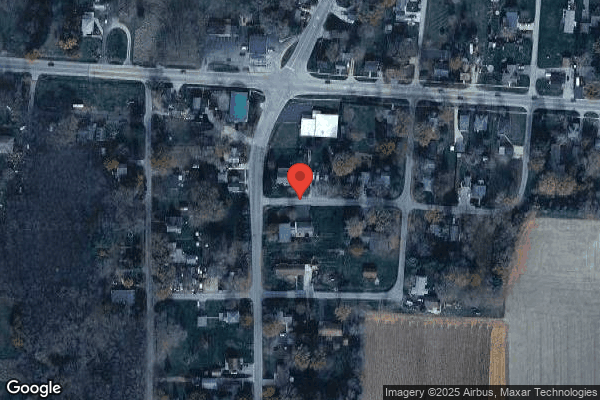
901 SOUTH GRANT, HARVARD, IL 60033 (815) 943-2967
For profit - Corporation 34 Beds MERCYHEALTH SYSTEM Data: November 2025
Trust Grade
90/100
#64 of 665 in IL
Last Inspection: April 2024

Within standard 12-15 month inspection cycle. Federal law requires annual inspections.

Overview

Mercy Harvard Hospital Care Center has received an excellent Trust Grade of A, indicating a high level of care and positive reputation among residents and families. It ranks #64 out of 665 facilities in Illinois, placing it in the top half, and is the best option among the ten nursing homes in McHenry County. However, the facility's trend is worsening, with the number of identified issues increasing from 2 in 2023 to 3 in 2024. Staffing is a strength, with a perfect 5-star rating and a turnover rate of 41%, which is below the state average of 46%, meaning staff members are likely to remain and build relationships with residents. Notably, there have been no fines, and the facility boasts more RN coverage than 98% of other Illinois homes, ensuring that residents receive consistent and attentive medical care. However, there are areas of concern, such as failure to properly flush the water system to prevent Legionella bacteria and inadequate supervision of residents with swallowing difficulties, which could pose risks to their health and safety. Additionally, there was an incident where a resident's medication was not properly administered, leading to potential health risks. Overall, while the facility has many strengths, families should be aware of these specific concerns when considering this nursing home.

Trust Score
A
90/100
In Illinois
#64/665
Top 9%
Safety Record
Low Risk
No red flags
Inspections
Getting Worse
2 → 3 violations
Staff Stability
○ Average
41% turnover. Near Illinois's 48% average. Typical for the industry.
Penalties
✓ Good
No fines on record. Clean compliance history, better than most Illinois facilities.
Skilled Nurses
✓ Good
Each resident gets 138 minutes of Registered Nurse (RN) attention daily — more than 97% of Illinois nursing homes. RNs are the most trained staff who catch health problems before they become serious.
Violations
○ Average
6 deficiencies on record. Average for a facility this size. Mostly minor or procedural issues.
★★★★★
5.0
Overall Rating
★★★★★
5.0
Staff Levels
★★★★☆
4.0
Care Quality
★★★★★
5.0
Inspection Score
Stable
2023: 2 issues
2024: 3 issues

The Good

  • 5-Star Staffing Rating · Excellent nurse staffing levels
  • 4-Star Quality Measures · Strong clinical quality outcomes
  • Full Sprinkler Coverage · Fire safety systems throughout facility
  • No fines on record
  • Staff turnover below average (41%)

    7 points below Illinois average of 48%

Facility shows strength in staffing levels, quality measures, fire safety.

The Bad

Staff Turnover: 41%

Near Illinois avg (46%)

Typical for the industry

Chain: MERCYHEALTH SYSTEM

Part of a multi-facility chain

Ask about local staffing decisions and management

The Ugly 6 deficiencies on record

Apr 2024 3 deficiencies
CONCERN (D)

Potential for Harm - no one hurt, but risky conditions existed

Accident Prevention (Tag F0689)

Could have caused harm · This affected 1 resident

**NOTE- TERMS IN BRACKETS HAVE BEEN EDITED TO PROTECT CONFIDENTIALITY** Based on observation, interview and record review the facility failed to ensure a resident with a history of dysphagia was super...

Read full inspector narrative →
**NOTE- TERMS IN BRACKETS HAVE BEEN EDITED TO PROTECT CONFIDENTIALITY** Based on observation, interview and record review the facility failed to ensure a resident with a history of dysphagia was supervised and failed to ensure the recommended swallowing strategies were implemented. This applies to 1 of 8 residents (R11) reviewed for safety. The findings include: R11's face sheet shows she is a [AGE] year old female with diagnoses including aphasia, oropharyngeal dysphasia, type 2 diabetes, progressive supranuclear palsy. R11's Minimum Data Set assessment dated [DATE] shows she requires supervision with eating. R11's Swallowing/Feeding Guideline dated July 12, 2022 documents swallowing supervision-periodic, strategies: eat/feed slowly, small bites/sips, one at a time, check mouth for pocketing of food on the right, check mouth for pocketing on left, chew thoroughly, moisten solids. R11's Speech Language Pathology Quarterly Screen dated 3/13/23 documents swallowing ability: dysphagia, liquids are thickened to nectar consistency, decrease in function, per nursing interview .(R11) with decline in swallowing, cognition, or speech at this time, under hospice care. On 4/8/24 at 12:18 PM, R11 was observed in her room sitting in her recliner chair during the noon meal. She was served a bowl of minced chicken with sauce, puree sweet potato and puree cauliflower. R11 took a bite of the minced chicken and was coughing after the bite, she took another bite of the chicken, and continued to cough. She spit out pieces of the chicken into a tissue and continued to cough several times. This surveyor asked R11 to open her mouth, a quarter size of food was on the top of her tongue. R11 continued to feed herself, and spit food out on the tissue. At 12:24 PM, R11 remained in her room feeding herself. There was no staff observed going into R11's room. R11's coughing was heard from the hallway. Two CNAs (Certified Nursing Assistants) were observed in the dining room at this time and V4 Registered Nurse (RN) was in another resident's room. On 4/8/24 at 1:18 PM, V4 (RN) said R11 does not speak, but communicates with a board or yes/no questions. She has right sided weakness and requires supervision during meals. She tends to have coughing episodes, and tends to put food in her mouth too fast. On 4/9/24 at 10:44 AM, V3 Assistant Director of Nursing (ADON) said R11 likes to feed herself, she is on an altered diet and staff should be checking on her when she is eating. Staff should be checking R11's mouth for any food residual and signs of aspiration. The facilities Swallowing Guidelines undated Policy states, swallowing guidelines: verbiage periodic: check in during meals. RN or CNA to check in every 5-10 minutes during meals. RN or CNA to confirm resident is eating meal without difficulty. RN or CNA intervene if swallow difficulties are noted .
CONCERN (D)

Potential for Harm - no one hurt, but risky conditions existed

Deficiency F0760 (Tag F0760)

Could have caused harm · This affected 1 resident

Based on observation, interview and record review the facility failed to ensure resident's received significant medications as ordered by the physician. This applies to 1 of 6 residents (R5) reviewed ...

Read full inspector narrative →
Based on observation, interview and record review the facility failed to ensure resident's received significant medications as ordered by the physician. This applies to 1 of 6 residents (R5) reviewed for medication administration in the sample of 8. The findings include: On April 8, 2024 at 9:08 AM, R5 was lying in bed. There was a small round yellow pill lying on top of her lap on the blanket. She stated, the nurse just gave her, her morning medications. On April 8, 2024 at 9:20 AM, V4 Registered Nurse (RN) stated, she just gave R5 her morning medications. This surveyor showed her the small round yellow pill on R5's blanket. V4 RN took the pill and confirmed the pill was her morning dose of eliquis (blood thinner). She must have dropped it. R5's medication administration report for April 8, 2024 shows, apixaban (eliquis) tablet 2.5 mg (miligrams), 2 times daily. The medication was signed out as given on April 8, 2024 at 9:04 AM. R5's medical record did not show she could self administer her medications. The facility's acute medication administration dated March 27, 2023 shows, Policy: Only a physician, a registered nurse or licensed practical nurse (or a respiratory therapist for inhalation meds) may administer medications to SNF (skilled nursing facility)/Sub-acute residents. Medication administration times are individualized to resident needs and personal preferences, but are generally scheduled as follows: 0830-1230-1630-2100 (8:00AM, 12:30PM, 4:30PM, 9:00PM) and/or 0800-1200-1730-2200 (8:00AM, 12:00PM, 4:00PM, 10:00PM). The medications will be passed according to the 5 R's of medications administration: 1. Right Patient, 2. Right Route, 3. Right Dose, 4. Right Time, 5. Right Medication .
CONCERN (F)

Potential for Harm - no one hurt, but risky conditions existed

Infection Control (Tag F0880)

Could have caused harm · This affected most or all residents

**NOTE- TERMS IN BRACKETS HAVE BEEN EDITED TO PROTECT CONFIDENTIALITY** Based on observation, interview and record review the facility failed to ensure the water system was flushed to prevent Legionna...

Read full inspector narrative →
**NOTE- TERMS IN BRACKETS HAVE BEEN EDITED TO PROTECT CONFIDENTIALITY** Based on observation, interview and record review the facility failed to ensure the water system was flushed to prevent Legionnaire disease in the water. This applies to all 16 resident residing in the facility. The findings include: The facility's Long-Term Care Facility Application For Medicare and Medicaid (CMS-671) dated 4/8/24 shows a facility census of 16. On 04/09/24 at 10:15 AM, V5 Facility Manager said the facility had a recent low level positive for bacteria on the Legionella testing. V5 said the positive water sample came from an unoccupied resident room and was found during quarterly testing of dead leg areas (water not used frequently). V5 said the water supply comes from the city and is chlorinated. V5 said the dead leg areas are to be flushed daily to prevent legionnaires in the water. V5 said the testing was done as part of preventative maintenance. V5 said since the positive result, they have increased vigilance of flushing the positive room as recommended by the water testing company and are logging the flushing done. The facility's Microbiological Analyses for water testing done by an outside water company on 3/13/24 shows a positive result of 0.4 CFU/ml of Legionella non-pneumophila in resident room [ROOM NUMBER]. On 04/09/24 at 11:53 AM, V8 Outside Water Company Representative (who did the water testing on 3/13/24) said that you should not get a positive result if flushing the water daily in these rooms. V8 said the water supply comes from the city and is chlorinated. V8 said the amount of chlorine he measured in the water is sufficient to kill any legionella bacteria in the water system if the areas were being flushed. V8 said the purpose of flushing is to bring chlorinated water to the faucet and daily flushing around 15-10 minutes a day is recommended. V8 said medical facilities usually have this as part of their plan where someone goes in and turns the water on for the time period and then documents that the room has been flushed. V8 said it should be done for all rooms because even if the room is occupied, it's difficult to verify if the water in the room has been turned on that day or not. V8 said he was doing the re-testing of the facility on 4/10/24 and if there is a positive again it would mean the facility was not following the flushing recommendations and more aggressive measures would need to be taken. On 4/9/24 at 10:20 AM, V6 Environmental Service Supervisor said housekeeping is supposed to run the water for 20 minutes while cleaning the room each day, but this is not documented. V6 said there is route sheets filled out by the housekeepers for each room. On 4/9/24 at 10:25 AM, the door to resident room [ROOM NUMBER] was closed with a sign on the door to not use the room. On 04/09/24 at 11:15 AM, V6 presented the route sheets done by the housekeepers. V6 confirmed with this surveyor that flushing was not documented on the route sheets presented. V6 said flushing was not listed in the job descriptions for the housekeepers and no other logs were kept for flushing. V6 said she verbally educated the housekeepers but did not have an in-service sheet or any documentation for the education. The facility's Mercy-Care Center route sheets shows boxes for the resident room numbers which were marked done across all boxes. There was no documentation of the forms regarding flushing. On 04/09/24 at 01:39 PM, V7 Environment Service said she runs the water when cleaning the rooms and if the room is empty she tries to runs the water periodically. V7 said there is no log and flushing is not documented anywhere. V7 did not recall having any in-services or education regarding flushing. The facility's Maintenance and Monitoring of Water Systems Policy dated 3/2024 shows Mercyhealth plans for the prevention and control of Legionellosis and other waterborne pathogens and controls risky by assuring proper systems design, function, and routine systems's inspection. Water system conditions and risk factors are assessed mitigated ongoing via control measures. Listed for each control measure are a monitoring procedure. Control measure should be documented.
Jun 2023 2 deficiencies
CONCERN (D)

Potential for Harm - no one hurt, but risky conditions existed

Pressure Ulcer Prevention (Tag F0686)

Could have caused harm · This affected 1 resident

**NOTE- TERMS IN BRACKETS HAVE BEEN EDITED TO PROTECT CONFIDENTIALITY** Based on observation, interview, and record review, the facility failed to ensure pressure related skin changes were reported an...

Read full inspector narrative →
**NOTE- TERMS IN BRACKETS HAVE BEEN EDITED TO PROTECT CONFIDENTIALITY** Based on observation, interview, and record review, the facility failed to ensure pressure related skin changes were reported and assessed, and interventions were implemented for 1 of 3 residents (R5) in the sample of 11 reviewed for pressure injuries. The findings include: R5's Minimum Data Set (MDS) dated [DATE] shows R5 is cognitively intact, requires extensive assistance with bed mobility and transfers, and is at risk of developing pressure ulcers/injuries. R5's current care plan provided by the facility showing an admission date of 1/23/23 shows R5's diagnoses include, but are not limited to, protein malnutrition, failure to thrive, chronic kidney disease, hypertension, and hypothyroidism. R5's same care plan shows nursing is to observe for signs of skin irritation and/or breakdown and report to the physician, nursing is to perform and document skin check, notify the physician and treatment team of any integumentary (skin) changes, encourage proper positioning and relief on pressure points and time off her back when in bed. R5's last Skin Assessment was documented on 5/27/23 and showed her skin was WDL (within defined limits) and she had a low air loss mattress in place There is no mention of any redness or skin changes to R5's spine. On 6/5/23 at 10:15 AM, R5 was lying on her back on top of her bed covers with a pillow under her knees. R5 did not have a low air loss mattress on her bed. R5 said she was told she had a red area on her spine and they would need to keep an eye on it. On 6/5/23 at 10:22 AM, V6, Certified Nursing Assistant (CNA), assisted R5 to allow observation of her spine. R5's spine was reddened over an area where her spine was curved and the bones of her spine were very prominent. V6 said, It's just some redness. On 6/5/23 at 1:53 PM, V2, Director of Nursing (DON)/Wound Care Nurse, said the CNAs report any skin changes to the nurse, the nurse does a head to toe assessment of the resident's skin and notifies her of the skin change. V2 said the nurse can look at their flow sheet and will implement treatment based on the flow sheet. V2 said not all risk factors for a resident to be a high risk of skin breakdown are captured in the Braden scale. Other conditions can trigger staff to implement the Pressure Injury Prevention Protocol. Skin breakdown can develop rapidly with residents who are thin, elderly with poor nutrition with very little tissue to cover the bony prominences and decreased mobility. On 6/6/23 at 09:01 AM R5 was lying on her back, asleep in bed with no low air loss mattress on her bed. On 6/6/23 at 09:06 AM, V3, Registered Nurse (RN), said R5 has no pressure related skin changes. V3 said the CNAs let the nurse know about any skin changes including any redness, scratches, marks, or bruises, and the nurse would check any skin changes and do an assessment, and take any wound measurements. V3 said the nurse does the resident's skin assessment every week. On 06/07/23 at 10:31 AM, V11 and V12, CNAs both said they let the nurse know about any redness or any skin change at all, then the nurse will come look at the area of concern. V11 said pressure sores all start with redness. On 6/6/23 at 12:49 PM, when Surveyor reported to V2 that R5 had redness to her spine, V2 replied, This is the first I'm hearing about it. V2 assessed R5's spine and said R5 has blanchable redness along her spine which shows there is pressure there; if you don't get the pressure off of it, it will become a pressure sore. V2 said as soon as we see redness, we definitely want to do a preventative intervention. The facility's Skin Assessment Policy, last reviewed 2/23, shows the CNA will perform daily skin check and report any unusual findings to the licensed nurse and the RN will perform head to toe skin assessments weekly and as needed and document the findings under SNF Skin.
CONCERN (D)

Potential for Harm - no one hurt, but risky conditions existed

Respiratory Care (Tag F0695)

Could have caused harm · This affected 1 resident

Based on observation, interview and record review the facility failed to ensure oxygen equipment was changed weekly for 1 of 2 residents (R7) reviewed for oxygen administration in the sample of 11. T...

Read full inspector narrative →
Based on observation, interview and record review the facility failed to ensure oxygen equipment was changed weekly for 1 of 2 residents (R7) reviewed for oxygen administration in the sample of 11. The findings include: On 06/05/23 at 10:04 AM, R7 was lying in her bed with oxygen flowing through a nasal cannula. R7's oxygen tubing nor humidification bottle were dated. On 06/07/23 at 10:07 AM, V8, Licensed Practical Nurse (LPN), said oxygen tubing and the humidified water are supposed to be changed weekly. The facility's Oxygen Concentrator Policy/Procedure, last reviewed 2/23, shows the oxygen tubing is to be changed weekly. The facility was unable to provide documentation to show when R7's oxygen tubing and humidified water bottle was last changed.
Apr 2022 1 deficiency
CONCERN (D)

Potential for Harm - no one hurt, but risky conditions existed

ADL Care (Tag F0677)

Could have caused harm · This affected 1 resident

Based on observation, interview, and record review, the facility failed to provide incontinence care for 1 of 1 residents (R3) reviewed for incontinence care in the sample of 12. The findings include:...

Read full inspector narrative →
Based on observation, interview, and record review, the facility failed to provide incontinence care for 1 of 1 residents (R3) reviewed for incontinence care in the sample of 12. The findings include: R3's electronic face sheet, printed on 4/13/22, showed R3 has diagnosis including, but not limited to: aortic valve replacement, transient ischemic attack, chronic cor pulmonae, fracture of left leg, fracture of right leg, non-Hodgkin's lymphoma, and dementia due to Alzheimer's disease. R3's facility assessment, dated 1/28/22, showed R3 has severe cognitive impairment, requires 1 staff assist for personal hygiene, and is occasionally incontinent of bladder. R3's care plan, dated 1/24/22, showed, (R3) was incontinent during her hospital stay. Offer toileting upon request and during rounds. Ensure that incontinence care is completed after every episode. On 4/12/22 at 1:14PM, V3 (Certified Nursing Assistant) provided toileting assistance and incontinent care to R3. V3 assisted R3 to sit on the toilet and removed R3's soiled incontinence brief. V3 confirmed R3's incontinence brief was soiled with urine, and R3 touched the brief and stated, Oh! This is wet. V3 applied a clean incontinence brief and clean pants for R3. V3 then stood R3 up off the toilet, wiped R3's perineal area with dry toilet tissue and pulled her clean brief and pants up, without providing incontinence care. V3 stated, I cleaned her with toilet paper because she did not have any stool on her. I only need to provide incontinence care when a resident has stool on them, not just urine. On 4/13/22 at 11:27AM, V2 (Director of Nursing) stated, Residents should be receiving incontinence care after every incontinent episode, failure to do this could lead to odor and skin breakdown. All of our certified nursing assistants are educated regarding incontinence care upon hire and throughout the year we perform competencies to ensure staff are performing incontinence care for all incontinent residents. The facility's policy titled, Incontinence Care, dated 4/2022, showed, The facility's mission is to promote patient/resident dignity, comfort, preserve skin integrity and reduce the risk of infection due to incontinence. The purpose of this procedure is to accomplish that mission through an effective incontinence care program, allowing our patients/residents a means to receive necessary comfort, cleanliness and prevent infections. Policy: .Cleanse entire perineal area following incontinence with non-rinse foam cleanser and dry area completely, using a front to back method.
Understanding Severity Codes (click to expand)
Life-Threatening (Immediate Jeopardy)
J - Isolated K - Pattern L - Widespread
Actual Harm
G - Isolated H - Pattern I - Widespread
Potential for Harm
D - Isolated E - Pattern F - Widespread
No Harm (Minor)
A - Isolated B - Pattern C - Widespread

Questions to Ask on Your Visit

  • "Can I speak with families of current residents?"
  • "What's your RN coverage like on weekends and overnight?"

Our Honest Assessment

Strengths
  • • Grade A (90/100). Above average facility, better than most options in Illinois.
  • • No major safety red flags. No abuse findings, life-threatening violations, or SFF status.
  • • No fines on record. Clean compliance history, better than most Illinois facilities.
  • • 41% turnover. Below Illinois's 48% average. Good staff retention means consistent care.
Concerns
  • • No significant concerns identified. This facility shows no red flags across CMS ratings, staff turnover, or federal penalties.
Bottom line: Generally positive indicators. Standard due diligence and a personal visit recommended.

About This Facility

What is Mercy Harvard Hospital's CMS Rating?

CMS assigns MERCY HARVARD HOSPITAL CARE CENTER an overall rating of 5 out of 5 stars, which is considered much above average nationally. Within Illinois, this rating places the facility higher than 99% of the state's 100 nursing homes. This rating reflects solid performance across the metrics CMS uses to evaluate nursing home quality.

How is Mercy Harvard Hospital Staffed?

CMS rates MERCY HARVARD HOSPITAL CARE CENTER's staffing level at 5 out of 5 stars, which is much above average compared to other nursing homes. Staff turnover is 41%, compared to the Illinois average of 46%. This relatively stable workforce can support continuity of care.

What Have Inspectors Found at Mercy Harvard Hospital?

State health inspectors documented 6 deficiencies at MERCY HARVARD HOSPITAL CARE CENTER during 2022 to 2024. These included: 6 with potential for harm.

Who Owns and Operates Mercy Harvard Hospital?

MERCY HARVARD HOSPITAL CARE CENTER is owned by a for-profit company. For-profit facilities operate as businesses with obligations to shareholders or private owners. The facility is operated by MERCYHEALTH SYSTEM, a chain that manages multiple nursing homes. With 34 certified beds and approximately 20 residents (about 59% occupancy), it is a smaller facility located in HARVARD, Illinois.

How Does Mercy Harvard Hospital Compare to Other Illinois Nursing Homes?

Compared to the 100 nursing homes in Illinois, MERCY HARVARD HOSPITAL CARE CENTER's overall rating (5 stars) is above the state average of 2.5, staff turnover (41%) is near the state average of 46%, and health inspection rating (5 stars) is much above the national benchmark.

What Should Families Ask When Visiting Mercy Harvard Hospital?

Based on this facility's data, families visiting should ask: "Can I visit during a mealtime to observe dining assistance and food quality?" "How do you handle medical emergencies, and what is your hospital transfer rate?" "Can I speak with family members of current residents about their experience?"

Is Mercy Harvard Hospital Safe?

Based on CMS inspection data, MERCY HARVARD HOSPITAL CARE CENTER has a clean safety record: no substantiated abuse findings (meaning no confirmed cases of resident harm), no Immediate Jeopardy citations (the most serious violation level indicating risk of serious injury or death), and is not on the Special Focus Facility watch list (a federal program monitoring the lowest-performing 1% of nursing homes). The facility has a 5-star overall rating and ranks #1 of 100 nursing homes in Illinois. While no facility is perfect, families should still ask about staff-to-resident ratios and recent inspection results during their visit.

Do Nurses at Mercy Harvard Hospital Stick Around?

MERCY HARVARD HOSPITAL CARE CENTER has a staff turnover rate of 41%, which is about average for Illinois nursing homes (state average: 46%). Moderate turnover is common in nursing homes, but families should still ask about staff tenure and how the facility maintains care continuity when employees leave.

Was Mercy Harvard Hospital Ever Fined?

MERCY HARVARD HOSPITAL CARE CENTER has no federal fines on record. CMS issues fines when nursing homes fail to meet care standards or don't correct problems found during inspections. The absence of fines suggests the facility has either maintained compliance or corrected any issues before penalties were assessed. This is a positive indicator, though families should still review recent inspection reports for the full picture.

Is Mercy Harvard Hospital on Any Federal Watch List?

MERCY HARVARD HOSPITAL CARE CENTER is not on any federal watch list. The most significant is the Special Focus Facility (SFF) program, which identifies the bottom 1% of nursing homes nationally based on persistent, serious quality problems. Not being on this list means the facility has avoided the pattern of deficiencies that triggers enhanced federal oversight. This is a positive indicator, though families should still review the facility's inspection history directly.