PEARL OF CRYSTAL LAKE, THE
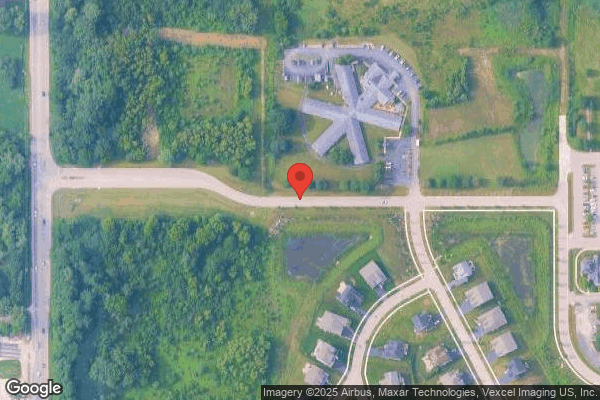

1000 EAST BRIGHTON LANE, CRYSTAL LAKE, IL 60012 (815) 477-6569
For profit - Corporation 97 Beds PEARL HEALTHCARE Data: November 2025
Trust Grade
78/100
#76 of 665 in IL
Last Inspection: March 2025

Within standard 12-15 month inspection cycle. Federal law requires annual inspections.

Overview

Pearl of Crystal Lake has a Trust Grade of B, indicating it is a solid choice for families seeking a nursing home. It ranks #76 out of 665 facilities in Illinois, placing it in the top half of the state, and #2 out of 10 in McHenry County, meaning only one local option is better. The facility's trend is stable, with the number of issues remaining consistent over the past two years. Staffing is considered a strength, with a 4/5 star rating and a turnover rate of 39%, which is below the state average. However, the home has faced some concerns, including improper food storage that could lead to cross-contamination, and reports from residents about long wait times for assistance, which can affect their dignity and comfort. Although there are areas needing improvement, the facility also boasts good RN coverage, being better than 91% of Illinois facilities, which helps ensure residents receive proper care.

Trust Score
B
78/100
In Illinois
#76/665
Top 11%
Safety Record
Low Risk
No red flags
Inspections
Holding Steady
7 → 7 violations
Staff Stability
○ Average
39% turnover. Near Illinois's 48% average. Typical for the industry.
Penalties
✓ Good
$10,382 in fines. Lower than most Illinois facilities. Relatively clean record.
Skilled Nurses
✓ Good
Each resident gets 77 minutes of Registered Nurse (RN) attention daily — more than 97% of Illinois nursing homes. RNs are the most trained staff who catch health problems before they become serious.
Violations
⚠ Watch
30 deficiencies on record. Higher than average. Multiple issues found across inspections.
★★★★★
5.0
Overall Rating
★★★★☆
4.0
Staff Levels
★★★★★
5.0
Care Quality
★★★★☆
4.0
Inspection Score
Stable
2024: 7 issues
2025: 7 issues

The Good

  • 4-Star Staffing Rating · Above-average nurse staffing levels
  • 5-Star Quality Measures · Strong clinical quality outcomes
  • Full Sprinkler Coverage · Fire safety systems throughout facility
  • No fines on record
  • Staff turnover below average (39%)

    9 points below Illinois average of 48%

Facility shows strength in staffing levels, quality measures, fire safety.

The Bad

Staff Turnover: 39%

Near Illinois avg (46%)

Typical for the industry

Federal Fines: $10,382

Below median ($33,413)

Minor penalties assessed

Chain: PEARL HEALTHCARE

Part of a multi-facility chain

Ask about local staffing decisions and management

The Ugly 30 deficiencies on record

Mar 2025 7 deficiencies
CONCERN (D)

Potential for Harm - no one hurt, but risky conditions existed

Deficiency F0558 (Tag F0558)

Could have caused harm · This affected 1 resident

**NOTE- TERMS IN BRACKETS HAVE BEEN EDITED TO PROTECT CONFIDENTIALITY** Based on observation, interview and record review the facility failed to ensure a resident who is morbidly obese received the ap...

Read full inspector narrative →
**NOTE- TERMS IN BRACKETS HAVE BEEN EDITED TO PROTECT CONFIDENTIALITY** Based on observation, interview and record review the facility failed to ensure a resident who is morbidly obese received the appropriate wheelchair for 1 of 18 residents (R128) reviewed for accommodation of needs in the sample of 18. The findings include: R128's face sheet printed on 3/12/25 shows R128 was admitted to the facility on [DATE] with a diagnosis that include fracture of left lower leg wearing a cast and morbid (severe), obesity due to excess calorie, and congestive heart failure (CHF) on oxygen. On 3/10/25 at 9:16 AM, V9 and V10 both Certified Nursing Assistants (CNA) were transferring R128 to her wheelchair via a mechanical lift. As R128 was being lowered and placed into the wheelchair, R128 was not positioned well in the wheelchair. V9 and V10 kept on trying to pull R128 back so R128 could fit in the wheelchair, but R128 was not moving an inch, since there was no space on either sides or back of the wheelchair. R128's midsection was wider than the wheelchair. R128 stated this is so tight, It's uncomfortable. R128 was trying to use her casted leg to push herself in the wheelchair. V9 and V10 were holding unto R128 so as not to slide down from the wheelchair. V9 and V10 continued trying to position R128 in the wheelchair. This surveyor had to ask for R128's nurse (V8 Registered Nurse) to come to R128's room. On 3/10/25 at 9:30 AM, V8 (RN) was in R128's room. R128 informed V8 she was not comfortable with the wheelchair. V8 said R128 barely fits in the wheelchair, the wheelchair is too small. R128 cannot sit back enough in the wheelchair. R128 needs to get back to bed for safety. R128 needs a wider chair. On 3/10/25 at 10:30 AM, V7 (Restorative Nurse) said the chair that the staff was using to R128 was a regular wheelchair. R128 should have a bariatric wheelchair. Therapy took R128's chair to ensure it was the right size of wheelchair. Therapy will provide a wheelchair for R128. On 3/10/25 at 10:44 AM, V11 (Therapy Director) said R128 needed at least a size 26 wheelchair (bariatric wheelchair-morbidly obese.) The right size wheelchair can provide comfort, prevent skin conditions and ensure residents safety. The facility policy entitled Accommodation of Needs dated 7/23/24 documents, The resident's individual needs and preferences will be accommodated to the extent possible except when the health and safety of the individual or other residents would be endangered.
CONCERN (D)

Potential for Harm - no one hurt, but risky conditions existed

Quality of Care (Tag F0684)

Could have caused harm · This affected 1 resident

**NOTE- TERMS IN BRACKETS HAVE BEEN EDITED TO PROTECT CONFIDENTIALITY** 2. R128's Face Sheet printed on 3/12/25 show R128 was admitted to the facility on [DATE] with diagnoses that include congestive ...

Read full inspector narrative →
**NOTE- TERMS IN BRACKETS HAVE BEEN EDITED TO PROTECT CONFIDENTIALITY** 2. R128's Face Sheet printed on 3/12/25 show R128 was admitted to the facility on [DATE] with diagnoses that include congestive heart failure (CHF) and chronic respiratory failure dependence on supplemental oxygen due to shortness of breath. On 3/10/25 at 9:10 AM, R128 was in bed with oxygen on via nasal cannula. R128 said she gets short of breath easily. R128's Physician's Order Sheet (POS) shows an order dated 3/5/25 for daily weights for a diagnosis of CHF. Notify Cardiologist/Primary MD/NP If weight increases by 3 pounds (lbs) in 1 day or 5 lbs in 1 week. The same POS shows another renewal order date of 3/10/25 for weight daily and record. R128's Weights and Vitals summary printed on 3/11/25 shows that between 3/5/26 (admission day) to 3/11/25, R128 did not receive a weight on 3/5, 3/6, 3/8, 3/9, and 3/10. On 3/11/24 at 12:30 PM, V2 (Director of Nursing) said residents with CHF should be weighed as ordered to assess for weight gain or fluid overload due to heart failure that can cause shortness of breath and complications. Based on observation, interview, and record review the facility failed to obtain treatment orders for a non-pressure wound and failed to obtain daily weights as ordered for a resident with congestive heart failure. This applies to 2 of 18 residents (R177 and R128) reviewed for quality of care in the sample of 18. The findings include: 1. On 03/10/25 at 10:14 AM, R177 was in bed. R177 had a tan foam dressing to her left forearm. The dressing was not dated. The dressing had shadow drainage that was smaller than a dime. The corners of the dressing were rolled up. On 03/11/25 at 10:18 AM, R177 had a different white dressing to her left forearm. The dressing had shadow drainage that was smaller than a dime. R177's Progress Note dated 03/08/25 showed R177 had a fall and two skin tears to her left forearm were found. One skin tear was 5-6 centimeters (cm), and the other was 3-4 centimeters. The same note showed the skin was cleaned and a dressing was applied. R177's Order Summary Report printed on 3/10/25 did not show a dressing/treatment order for R177's left forearm. On 03/11/25 at 10:54 AM, V6 (Wound Care Nurse) said she was not aware/informed R177 had a wound to her left forearm. V6 said the last time she saw R177 was on 3/6/25 and R177 did not have any skin tears to her left forearm. V6 said when a wound is found staff should obtain treatment orders. V6 said for a resident with a new wound she should be notified. V6 added she would assess the resident/wound to make treatment recommendations. R177's Skin/Wound Note dated 03/06/25 did not indicate R177 had skin tears to her left forearm. R177's Wound Assessment Detail Report dated 03/11/25 showed R177 had two skin tears to her left forearm. One skin tear measured 3 cm x 4.5 cm x 0.2 cm. The second skin tear measured 2.5 cm x 2 cm x 0.10 cm. The document indicated the wounds were facility acquired and identified on 3/11/25. The facility's Wound Prevention and Healing policy dated 10/9/21 showed wound care treatments are provided within an individualized plan of care under the direction of a physician.
CONCERN (D)

Potential for Harm - no one hurt, but risky conditions existed

Pressure Ulcer Prevention (Tag F0686)

Could have caused harm · This affected 1 resident

**NOTE- TERMS IN BRACKETS HAVE BEEN EDITED TO PROTECT CONFIDENTIALITY** Based on observation, interview and record review the facility failed to put interventions in place for residents with pressure ...

Read full inspector narrative →
**NOTE- TERMS IN BRACKETS HAVE BEEN EDITED TO PROTECT CONFIDENTIALITY** Based on observation, interview and record review the facility failed to put interventions in place for residents with pressure injuries to 3 of 8 residents (R127, R62, and R44) reviewed for pressure injuries in the sample of 18 The findings include: 1. R127's Physician Order Sheet (POS) printed on 3/10/25 show R127 has an order of LAL (lo air loss mattress) due to R127 being admitted to the facility with a stage 4 sacral area pressure injury with possible infection. The same POS show R127's wound treatment for the Stage 4 sacral wound included cleaning with skin prep peri wound. Apply Therahoney and lightly pack with Alginate tucked to tunnel and depth of wound. Cover with bordered foam. R127's wound assessment dated [DATE] show, pressure injury present on admission Stage 4 measuring 3.20 centimeters (cm) x 3 cm x 1.5 cm with undermining of 12 o'clock to 12 o'clock (2.60 cm) On 03/10/25 at 11:30 AM, R127 was in bed. R127 stated I am soaked and wet, I am lying on these wet sheets and my back is sore, I have been needing to be changed and turned. R127 was on a regular mattress. V8 (Registered Nurse-RN) who was in the room to provide incontinence care said R127 was admitted with a stage 4 pressure injury. V8 (RN) confirmed that R127 was on a regular mattress. On 3/10/25 at 12PM, V6 (Wound Nurse) who just completed a wound treatment to R127 said R127 was sent to the hospital due to seizures last Friday afternoon, (3/7/25). R127 was readmitted back to the facility Saturday afternoon (3/8/25). R127 was moved to another room that day (Saturday 3/8/25). R127 has a stage 4 wound. R127 needs the lo air loss mattress. This makes me upset. She should have been moved with her lo air loss mattress. R127's careplan dated 3/4/35 shows R127 has a pressure injury to her sacrum related to impaired mobility, incontinence and fragile skin. R127 requires pressure relieving surfaces to bed and wheelchair. 2. On 3/10/25 at 9:39 AM, R62 was lying in bed asleep, both of his heels were resting against the mattress with no offloading. A green padded heel protector boot was sitting on his bedside across the room. R62 said he has a wound on his foot and cannot wait to get it healed so he can get out of here. On 3/10/25 at 12:15 PM, R62 was still lying in the same position with no heel protectors on and heels were not offloaded. R62's 3/4/25 Wound Assessment Details Report, shows he has a 1.40 centimeter (cm) x 1.70 cm. x 0.20 cm. stage 4 pressure injury to his right lateral foot. The report shows the current treatment plan is to wear heel protector boot in bed, and states, always when in bed. On 03/11/25 at 11:09 AM, V6 (Wound Care Nurse) said R62 should have heel (boot) protectors on when in bed and he has a pressure injury to his right foot. V6 said staff should be applying the heel boots and R62 generally does not refuse to wear them. R62's Pressure Injury Care Plan initiated on 10/7/2024, shows he requires pressure relieving devices and offloading while in bed. R62's pressure injury Care Plan does not address any refusals from R62 for applying heel protector boots. 3. On 3/10/25 at 9:25 AM, R44 was lying in bed, both of her heels were resting against the mattress. Her heels were not offloaded and there were no heel protectors seen at her bedside. R44's 3/4/25 Wound Assessment Details Report shows she has the following wounds: 1. A stage 3 pressure area measuring 1.90 x 1.50 x 0.30 cm. to her left heel. 2. A 3.10 cm. x 3.10 cm. x unknown unstageable pressure injury to her right heel. The plan of care identified for R44's heel show she should have her heels offloaded with heel boots when in bed. 3. A 5.80 cm. x 7.80 cm. x 3.00 cm. stage 4 pressure injury to her sacrum. R44's Pressure Injury Care Plan initiated on 1/23/25, shows R44 should have weight shifted and her heels offloaded. The Care Plan does not address any refusals from R44 for offloading or applying heel protectors. On 3/11/25 at 11:12 AM, V6 said offloading should be done when R44 is in bed. The facility provided Wound Prevention and Healing policy reviewed on 6/1/24 shows that residents will have interventions in place to prevent the development of pressure injuries.
CONCERN (D)

Potential for Harm - no one hurt, but risky conditions existed

Deficiency F0692 (Tag F0692)

Could have caused harm · This affected 1 resident

**NOTE- TERMS IN BRACKETS HAVE BEEN EDITED TO PROTECT CONFIDENTIALITY** Based on interview and record review the facility failed to implement a care plan intervention for a resident at risk for malnut...

Read full inspector narrative →
**NOTE- TERMS IN BRACKETS HAVE BEEN EDITED TO PROTECT CONFIDENTIALITY** Based on interview and record review the facility failed to implement a care plan intervention for a resident at risk for malnutrition for 1 of 3 residents (R73) reviewed for nutrition in the sample of 18. The findings include: R73's face sheet shows she is a [AGE] year-old female who was admitted to the facility on [DATE] with diagnoses including: pressure ulcer of the sacral region, ascites, generalized edema, chronic kidney disease stage 4, unspecified severe protein-calorie malnutrition and history of gastric bypass surgery. R73's Nutrition Care Plan initiated on 2/12/25 shows she has the potential for nutritional problems and is at risk for malnutrition. Interventions for R73 identified in the Care Plan shows weights should be monitored as ordered. R73's Physician Order Summary shows an order for weight on day one (admission day) and day two then weight weekly for 4 weeks (record in the morning every Tuesday for 4 weeks.) R73's Weight Summary and Medication Administration Record both show R73 was weighed on 2/14/25 and not again until 3/3/25 (17 days later). On 3/12/25 at 9:00 AM, V12 (Dietician) said she was aware that R73 had lost weight when she ran a weight report on 3/4/25. V12 said R73 should have had weekly weights at minimum. V12 said that the nursing staff at the facility does not always notify her of weight loss immediately so she runs a weekly report herself. V12 said while it was expected R73 would lose some weight due to her overall medical conditions, but the weights should be done to identify weight loss sooner. On 3/12/25 at 8:50 AM, R73 was eating breakfast in her room. R73 said she only remembers the staff weighing her one time shortly after admission by a mechanical lift, but she never refused to be weighed with the lift. R73 said standing was an issue shortly after admission but the lift wasn't a problem, and she would let them weigh her. The facility provided Weight Management policy last reviewed on 8/20/24 shows that all residents will be weighed according to facility policy on admission day, on day two, and weekly for 4 weeks. The policy also says that weights should be documented in the resident's electronic medical record.
CONCERN (D)

Potential for Harm - no one hurt, but risky conditions existed

Infection Control (Tag F0880)

Could have caused harm · This affected 1 resident

Based on observation, interview, and record review the facility failed to ensure staff wore the required personal protective equipment (PPE) for a resident on enhanced barrier precautions for 1 of 18 ...

Read full inspector narrative →
Based on observation, interview, and record review the facility failed to ensure staff wore the required personal protective equipment (PPE) for a resident on enhanced barrier precautions for 1 of 18 residents (R178) reviewed for infection control in the sample of 18. The findings include: R178's Order Summary Report printed on 3/11/25 showed R178 had an order to be on enhanced barrier precautions due to a wound and another order for PPE to be used during high contact resident care activities such as transferring the resident. The orders had a start date of 3/8/25. On 03/10/25 at 10:26 AM, V3 (Infection Control Nurse) put a sign on R178's door indicating R178 was on enhanced barrier precautions. V4 (Occupational Therapist) and V5 (Physical Therapist) were in R178's room assisting R178 to stand, walk across the room, and sit in a chair. V5 supported R178 to transfer by holding onto a gait belt. V4 and V5 had on gloves. V4 and V5 did not have on a gown. On 03/10/25 at 10:48 AM, V3 was asked what triggered her to place an enhanced barrier precaution sign on R179's door. V3 said R178 was a newer admission, and she just became aware of his wound. On 03/11/25 at 10:12 AM, V3 said for a resident on enhanced barrier precautions staff should wear gloves and gowns when assisting the resident to transfer. R178's Care Plan with an initiated date of 3/2/25 showed R178 was on enhanced barrier precautions due to a wound. Listed under interventions was for staff to wear gloves and gown for high contact resident care activities such as transfers. The facility's Enhanced Barrier Precautions policy with a revision date of 3/28/24 showed enhanced barrier precautions is an approach to targeted gown and glove use during high contact resident care activities. The policy listed transferring as a high contact resident care activity.
CONCERN (D)

Potential for Harm - no one hurt, but risky conditions existed

Deficiency F0883 (Tag F0883)

Could have caused harm · This affected 1 resident

**NOTE- TERMS IN BRACKETS HAVE BEEN EDITED TO PROTECT CONFIDENTIALITY** Based on interview and record review the facility failed to ensure a resident received a pneumococcal vaccine for 1 of 5 residen...

Read full inspector narrative →
**NOTE- TERMS IN BRACKETS HAVE BEEN EDITED TO PROTECT CONFIDENTIALITY** Based on interview and record review the facility failed to ensure a resident received a pneumococcal vaccine for 1 of 5 residents (R52) reviewed for immunizations in the sample of 18. The findings include: R52's Face Sheet shows that she is [AGE] years old and admitted to the facility on [DATE] with diagnoses of: end stage renal disease, dialysis, chronic obstructive pulmonary disease, chronic respiratory failure with hypoxia, congestive heart failure, dependence on supplemental oxygen and obstructive sleep apnea. R52's Pneumococcal Vaccine Consent form dated 10/14/24 shows that she gave consent to receive the pneumococcal vaccine. R52's Immunization Report printed 3/10/25 shows that she received a pneumococcal vaccine (Prevnar 13) on 12/1/2021 and no additional pneumococcal vaccines since then. On 3/11/25 at 1:04 PM, V3 (Infection Preventionist) said that the nurses ask residents upon admission about their immunization history and if they are due for a pneumococcal vaccine, she speaks with them, gets a consent and gives the appropriate vaccine. V3 said that she uses the table from the CDC (Centers for Disease Control and Prevention) to determine what pneumococcal vaccine is needed. V3 said that after reviewing the table, R52 should have received the Prevnar 20 vaccine a year after her Prevnar 13 vaccine. The CDC Pneumococcal Vaccine Timing for Adults table dated 10/2024 shows that adults [AGE] years of age or older that have had the Prevnar 13 vaccine only should receive the Prevnar 20 or Prevnar 21 vaccine one year later. The facility's Pneumococcal Vaccination Policy dated 6/20/21 shows, Administration of pneumococcal vaccines or revaccinations will be made in accordance with current Centers for Disease Control and Prevention (CDC) recommendations at the time of the vaccination.
CONCERN (E)

Potential for Harm - no one hurt, but risky conditions existed

Menu Adequacy (Tag F0803)

Could have caused harm · This affected multiple residents

Based on observation, interview and record review the facility failed to ensure the menu was followed to meet the nutritional needs of residents on a pureed diet for 4 of 4 residents (R13, R49, R54 an...

Read full inspector narrative →
Based on observation, interview and record review the facility failed to ensure the menu was followed to meet the nutritional needs of residents on a pureed diet for 4 of 4 residents (R13, R49, R54 and R65) reviewed for menus and nutritional adequacy in the sample of 18. The findings include: The undated facility provided list of residents on a pureed diet shows that R13, R49, R54 and R65 are all on a pureed diet. The Menu Extension Sheet for 3/10/25 shows that residents on a regular diet were to receive sloppy joe on a bun, cucumber and tomato salad, french fries and mixed fruit for the noon meal. Residents on a pureed diet were to receive pureed #6 (5 1/3 ounces (oz)) scoop of sloppy joe, tomato juice 4 oz, #8 (4 oz) scoop mashed potatoes and pureed #8 scoop of mixed fruit. On 3/10/25 at 10:00 AM, the pureed sloppy joe was made for the residents on a pureed diet. Meat, thickening powder and water were added to the blender and processed. No bread serving was added to the meat. On 3/10/25 at 11:45 AM, R13, R49, R54 and R65's noon meal was plated. A #8 (4 oz) scoop of the pureed sloppy joe meat was provided. There was no additional bread serving provided. During continuous dining observations on 3/10/25 between 12:30 and 1:22 PM, R13, R49, R54 and R65 were not served pureed mixed fruit. By 1:22 PM, R13, R49, R54 and R65 all had exited the dining room. The Menu Extension for 3/11/25 shows that regular diet residents are to get strawberry jello cake. The sheet shows that pureed diet residents are to get pureed #10 scoop of strawberry jello cake. On 3/11/25 at 12:43 PM, R13, R49, R54 and R65 were in the dining room eating the noon meal. R13, R49, R54 and R65 did not have pureed strawberry jello cake present. On 3/11/25 at 2:17 PM, V15 (Dietary Manager) said that he used a #8 scoop for the pureed sloppy joe because he thought that is what the sheet said to use. V15 said that he did not serve the pureed diet residents any bread serving with the sloppy joe meat. V15 said that he did not serve the pureed diet residents pureed mixed fruit because he forgot since he was busy training someone. V15 said that he did not serve pureed strawberry jello cake to the residents because he read the sheet wrong. On 3/11/25 at 2:00 PM, V12 (Dietitian) said that the menus should be followed, and the spreadsheets should be followed using the appropriate scoop sizes to ensure each resident gets a balanced diet. The facility's Portion Control Chart shows that a #6 scoop is 5 1/3 oz, a #8 scoop is 4 oz, and a #10 scoop is 3 oz.
Aug 2024 1 deficiency
CONCERN (D) 📢 Someone Reported This

A family member, employee, or ombudsman was alarmed enough to file a formal complaint

Potential for Harm - no one hurt, but risky conditions existed

Pharmacy Services (Tag F0755)

Could have caused harm · This affected 1 resident

Based on interviews and record reviews the facility failed to ensure an as needed medication was documented in R1's Medication Administration Record (MAR) for 1 of 10 residents reviewed for pharmacy s...

Read full inspector narrative →
Based on interviews and record reviews the facility failed to ensure an as needed medication was documented in R1's Medication Administration Record (MAR) for 1 of 10 residents reviewed for pharmacy services in the sample of 10. The findings include: On 07/31/24 at 3:13PM V6 (RN-Registered Nurse) said, I assessed R1 to have pain 6 out of 10. I provided her with the house stock acetaminophen pain medication. I forgot to document the administration. R1 received acetaminophen 650 milligrams by mouth for 6 out of 10 pain. On 08/01/24 at 2:00PM V2 (DON-Director of Nursing) said, the nurse should ensure they document the medication provided to the residents in the residents' MAR. R1's Medication Administration Record dated July 2024 shows, R1 did not receive any as needed acetaminophen while in the facility. The facility's Medication Administration policy dated 03/20/20 shows, Document as each medication is prepared on the MAR.
Feb 2024 6 deficiencies
CONCERN (D)

Potential for Harm - no one hurt, but risky conditions existed

Deficiency F0578 (Tag F0578)

Could have caused harm · This affected 1 resident

**NOTE- TERMS IN BRACKETS HAVE BEEN EDITED TO PROTECT CONFIDENTIALITY** Based on interview and record review, the facility failed to ensure orders for do not resuscitate (DNR) were documented in the p...

Read full inspector narrative →
**NOTE- TERMS IN BRACKETS HAVE BEEN EDITED TO PROTECT CONFIDENTIALITY** Based on interview and record review, the facility failed to ensure orders for do not resuscitate (DNR) were documented in the physician's orders for 1 of 1 resident (R33) reviewed for advanced directives in the sample of 20. The findings include: On [DATE] at 9:33 AM, R33's electronic medical record was reviewed for advanced directives. R33's POLST (Practitioner Order for Life-Sustaining Treatment) form dated [DATE], located in the miscellaneous section of R33's electronic medical record, showed No CPR (cardio-pulmonary resuscitation). Do not attempt Resuscitation. Selective Treatment: Primary goal is treating medical conditions with limited medical measures. Do Not Intubate or use invasive mechanical ventilation. May use non-invasive forms of positive airway pressure, including CPAP and BIPAP. May use IV fluids, antibiotics, vasopressors, and antiarrhythmics as indicated. Transfer to the hospital if indicated. No information regarding R33's advanced directives for life-sustaining treatment was found in R33's Physician's Orders, or on R33's banner page in her electronic medical record. On [DATE] at 10:40 AM, V3 (Assistant Director of Nursing-ADON) was asked to check R33's electronic medical record, to see if she saw an order regarding R33's DNR or full code status. V3 said she did not see any information on R33's banner page or in her Physician's Orders. V3 was asked for a copy of R33's face sheet with diagnoses and Physician's Orders. At 10:52 AM, V18 (Social Services Director) said when R33 was readmitted to the facility from a local hospital recently, the facility missed entering R33's information regarding her DNR status in her physician's orders. On [DATE] at 11:46 AM, V19 (Registered Nurse-RN) said if a resident goes into cardiac arrest, she will look on the resident's banner page in their electronic medical record to find out if the resident is a full code or a DNR. V19 said if the information is not on the banner page, she would look at the resident's orders. V19 said if she did not see it there, there is a list in the room behind the nurse's station that tells what the residents' status for DNR, or full code is. V19 and this surveyor went to the room behind the nurse's station and V19 said the document was not in there. V19 said the nurse can also check in the resident's electronic medical record under the miscellaneous section for the DNR form. V19 said it is important when a resident is coding (in cardiac arrest), to make sure the information is readily available, and the order is in place; so, the nurse knows whether to start CPR or not. R33's admission Record provided by V3 on [DATE], showed Advanced Directive: DNR, selective treatment. Primary goal of treating medical conditions with selected medical measures. In addition to treatments described in Comfort-Focused Treatment, IV fluids and IV medications (may include antibiotics and vasopressors), as medically appropriate and consistent with patient preference. Do Not Intubate. May consider less invasive airway support (e.g., CPAP, BIPAP). Transfer to hospital, if indicated. Generally, avoid the intensive care unit. R33's Order Summary Report printed [DATE], showed an order entered on [DATE] for DNR with the same selective treatment and primary goal as listed previously on R33's admission Record. On [DATE] at 12:06 PM, V18 (Social Services) said V3 (ADON) entered R33's DNR information into her electronic medical record as this surveyor was talking with them about the information not being in R33's Physician's Orders, or on her banner page. The facility's [DATE] policy and procedure titled Advance Directives and DNR Policy, showed Advanced Directives: Under state and federal law, people have the right to make decisions regarding health care treatment. This includes their right to determine in advance what life-sustaining treatment will be provided, if any, in the future if they are unable to communicate those desires themselves .Advance directives will be placed in the electronic medical record along with the signed POLST or IDPH Uniform Do Not Resuscitate (DNR) form. There will also be a DNR order placed in the POS (Physician's Orders Sheet) section of the electronic medical record . The policy also showed The Advanced Directive Form should be reviewed when the resident is transferred from one care setting to another, there is a substantial change in the resident's health status or the resident treatment preference changes. This review is dated and signed by the reviewer, and the location is also identified.
CONCERN (D)

Potential for Harm - no one hurt, but risky conditions existed

Quality of Care (Tag F0684)

Could have caused harm · This affected 1 resident

**NOTE- TERMS IN BRACKETS HAVE BEEN EDITED TO PROTECT CONFIDENTIALITY** 2. R282's electronic face sheet printed on 2/22/24 showed R282 has diagnosis including but not limited to non-pressure chronic u...

Read full inspector narrative →
**NOTE- TERMS IN BRACKETS HAVE BEEN EDITED TO PROTECT CONFIDENTIALITY** 2. R282's electronic face sheet printed on 2/22/24 showed R282 has diagnosis including but not limited to non-pressure chronic ulcer of left foot, type 2 diabetes with foot ulcer, chronic pulmonary embolism, and fibromyalgia. R282's wound assessment dated [DATE] showed, Diabetic ulcer 1.6x1x0.10cm . serosanguineous drainage. R282's physician's orders dated 2/12/24 showed, Cleanse left foot with normal saline, apply medihoney/therahoney and skin prep to peri-wound. Cover with bordered foam/gauze every 2 days for wound and every 24 hours as needed. On 2/20/24 at 9:47AM, R282 stated, I have a diabetic sore on my left foot. The bandage comes off a lot, but they usually wait for the wound nurse to replace it when she gets here. They will eventually come in and replace it. R282's bandage was wrapped around her left foot (not on her wound). On 2/20/24 at 11:58AM, R282 stated the staff had still not been in to replace her bandage. On 2/21/24 at 8:55AM, R282's bandage was not present on her left foot wound and R282 stated it fell off in the night, but she was told wound care would replace it today. On 2/21/24 at 12:16PM, R282's bandage was still not present to her left foot. On 2/22/24 at 10:06AM, V4 (Registered Nurse) stated, (R282's) dressing is supposed to be on her left foot, we have a PRN (as needed) order for her dressing if it falls off. The aides should tell us when it falls off so we can replace it. If it's not covered then there is an increased risk of infection. She has a diabetic ulcer so it is very important for us to keep it covered and follow the treatment orders so we can try to heal it and it doesn't get worse. On 2/22/24 at 12:08PM, V3 (Assistant Director of Nursing) stated, Residents with wounds should have a dressing on if that is what is ordered. The nurses have a PRN order to replace all dressings and should not be waiting for wound care to come and do the dressing change. If you leave an open wound open to air, you are placing the resident at risk for infection and could possibly worsen the wound. If the aides see that a dressing has come off, they should report it to the nurse right away so it can be replaced. The facility's policy titled, Wound Prevention and Healing dated 6/1/23 showed, Policy Statement: To provide wound care treatment/services (using a multidisciplinary approach) based on evidence-based standards of care under the direction of a physician .9. Continued/Ongoing Treatment. a. Nurse/therapist will provide wound care per physician orders and to continue to implement and evaluate the plan of care based on the effectiveness of treatment . Based on observation, interview, and record review the facility failed to ensure a resident with poor trunk control was properly positioned; failed to ensure a resident with CHF (Congestive Heart Failure) was weighed daily; and failed to ensure a dressing was in a place to a non-pressure wound for 2 of 7 residents (R23, R282) in the sample of 20. The findings include: 1. On 2/20/24 at 10:22 AM, R23 was sitting in her wheelchair, in the doorway of her room. R23's upper torso was slumped to the right side of her wheelchair. On 2/21/24 at 9:39 AM, R23 was in her room, sleeping in her wheelchair. R23's wheelchair was positioned along the far side of her bed. The wheels were not locked on the wheelchair. R23 was sound asleep with drool noted on her shirt. R23's body was leaning to the left and forward in the wheelchair. R23 did awaken to name but remained in the slouched position. The surveyor asked R23 if she was comfortable and she replied, Not really. The surveyor attempted to ask follow-up questions and R23 fell back asleep in the stooped position. There were no pillows or cushions in place to assist with proper body alignment. On 2/22/24 at 10:11 AM, R23 was in her room, in her wheelchair at the foot of her bed. R23 was slumped to the right and forward with her head resting on the footboard of her bed. R23 did not respond to verbal stimuli. The surveyor walked to face R23. R23 had a string of drool hanging from her mouth and several wet stains on her chest. R23's right arm was not on the arm rest of the wheelchair but hanging down to her side. R23's right hand was hanging off the seat of the wheelchair and her forearm and right shoulder were contacting the metal part of her wheelchair. At 10:15 AM, V9 (Restorative Aide) entered R23's room and loudly said R23's name and touched her shoulders. R23 slowly replied, What? V9 stated, What are you doing in here. You are leaned to the side and making people think you're not responsive. R23 lifted her head slightly and said I'm just resting. V9 replied, Well, can you sit up? You can't have your head resting on the foot of the bed like this. V9 assisted R23 with sitting up straight in her wheelchair. V9 said R23 has had a functional decline in the last six months. V9 said R23 used to walk with a walker but hasn't been able to ambulate in a while. V9 said R23 had poor trunk control and can't hold herself in a seated position for long. V9 said R23 doesn't currently have any positioning devices, but she would look into that for her. V9 said R23 is always leaning to one side or the other. V9 said R23 had a stroke, and her left side is weak. V9 said R23 leans the left when they attempt transfers but leans to both sides when in a seated position. R23's Facesheet dated 2/22/24 showed diagnoses to include, but not limited to: stroke with left sided weakness; unsteadiness on feet; dysphagia; falls; diabetes; CHF (Congestive Heart Failure), Stage 2 chronic kidney disease; insomnia; muscle spasms; persistent mood disorder; myopathy; obstructive sleep apnea; generalized anxiety disorder; obesity; and major depressive disorder. R23's facility assessment dated [DATE] showed she was cognitively intact; had limited range of motion on one side of her upper and lower extremities; and required substantial to maximal assistance from staff for toileting, showering/bathing, rolling left and right, sitting to lying, lying to sitting on side of bed, and sitting to standing. The surveyor asked for a recent Restorative Assessment. It was not provided. On 2/22/24 at 11:18 AM, V3 (Assistant Director of Nursing - ADON) said a resident should be sitting upright when not in bed. V3 said this provides the resident with proper body alignment and ensures their safety when they are in the wheelchair. A positioning policy was requested and not received. R23's facility assessment dated [DATE] showed she was cognitively intact; had limited range of motion on one side of her upper and lower extremities; and required substantial to maximal assistance from staff for toileting, showering/bathing, rolling left and right, sitting to lying, lying to sitting on side of bed, and sitting to standing. R23's Physician Order Sheet dated 2/22/24 showed, CHF: Weigh daily and record every day shift. Weigh at same time daily. R23's Weight Summary was reviewed from 8/24/23 to 2/20/24. This record was missing over 100 daily weight entries. R23's Medication Administration Records were reviewed from 8/24/23 to 2/20/24. This record showed entries for some of the weights missing on the Weight Summary document, however, there were still 33 daily weights missing. The facility was unable to provide documentation to show the 33 missed daily weights had been completed for R23. On 2/22/24 at 10:15 AM, V9 (Restorative Aide) said she doesn't usually get the resident weights, the floor CNAs are usually responsible for the weights. V9 said there is a form at the nurses' station to assist the CNAs with obtaining the appropriate daily, weekly, and monthly weights. V9 said the nurses will usually tell the CNAs if they need a weight. V9 said the nurse enters all the weights, but some CNAs should be able to chart it too. On 2/22/24 at 10:58 AM, V16 (CNA) said during report the nurse will tell the CNAs if there are any weights that need to be done. V16 said they write the weight down and give it to the nurse, but also chart it in the EMR (Electronic Medical Record). On 2/22/24 at 11:00 AM, V15 (Registered Nurse - RN) stated, When I'm working, I tell the CNAs the weights that I need. It does get busy, so I try to help with the weights when I can. The documentation of the weight depends on who takes it. The CNAs can chart the weight. I usually try to check to see if the weight was documented and chart it too. The weights are charted in the vital signs tab or the MAR (Medication Administration Record). The nurse should review the weights to ensure they are being completed and for any possible concerns. Sometimes the weight is totally off, and we need to check if the CNA charted pounds or kilograms. Maybe we need to re-weigh. The daily weights are done for CHF residents to keep an eye on their fluid status. It's helps us track any possible issues. On 2/22/24 at 11:18 AM, V3 (Assistant Director of Nursing - ADON) stated, Residents that have CHF should be daily weights. The doctor would write an order for daily weights. The weight can be charted by the CNA or the nurse and should be in the vital signs section, under weights, or in the MAR. There is nowhere else that the weights would be charted. If the doctor ordered daily weights, then we should be doing daily weights. Daily weights are monitored to watch for a fluid overload in CHF residents. The doctor should be notified if a resident gains more than 3 pounds in a day or 5 pounds in a week. I was actually looking at [R23's] weights last week and noticed that they do fluctuate a lot. The surveyor informed V3 that R23's EMR was missing over 100 daily weights under the vital signs charting. Then the surveyor compared this to the MARs and R23 was still missing 33 daily weights. V3 replied, Those are the two places the weights should be charted. I wouldn't look anywhere else for them, so they must not have been done.
CONCERN (D)

Potential for Harm - no one hurt, but risky conditions existed

Deficiency F0688 (Tag F0688)

Could have caused harm · This affected 1 resident

Based on interview and record review the facility failed to ensure a resident's restorative program of passive range of motion to upper and lower extremities was being provided daily for 1 of 3 reside...

Read full inspector narrative →
Based on interview and record review the facility failed to ensure a resident's restorative program of passive range of motion to upper and lower extremities was being provided daily for 1 of 3 residents (R2) reviewed for restorative services in the sample of 20. The findings include: On 2/21/24 at 09:35 AM, R2 was sitting up in bed with the head of her bed elevated. R2 was wearing a hospital type gown and her hands were deformed. R2 stated, I am also not getting restorative. It is only being done once per week usually, sometimes twice a week. I should be getting it three times per week. I was on therapy and that stopped in December and restorative was supposed to start then. I fractured my left arm in April and can't do range of motion on my own to that arm. I need help with the movement to that arm, so it doesn't get more stiff. There are no set days for the three times per week. It is really supposed to be done 5 days per week. There is supposed to be two girls doing restorative and I have only seen one. I keep getting told that they are going to set up restorative for me, but it hasn't happened. When I do get ROM (range of motion) done twice a week the girl said she can tell the difference because I am less stiff. I have RA (rheumatoid arthritis) and I can do some ROM to my hands on my own. They are supposed to do upper and lower ROM on me. The last time I had ROM was yesterday and she said she wouldn't be here the rest of week. V10 is the restorative aide; the only one I have seen. R2 stated V9 (Restorative Aide) is at the facility 3 days per week and V10 is there 2 days per week. R2 stated she has never seen V9. The Face Sheet dated 2/21/24 for R2 showed medical diagnoses including rheumatoid arthritis, muscle weakness, osteoporosis, anemia, hypothyroidism, hyperlipidemia, gastro-esophageal reflux disease, and personal history of healed traumatic fracture. The MDS (Minimum Data Set) dated 11/23/23 for R4 showed no cognitive impairment; dependent on staff for eating, hygiene, dressing, bed mobility, and transfers. The Care Plan dated 12/8/23 for R2 showed Restorative: Impaired mobility due to decreased ROM related to arthritis, weakness, and deconditioning. Resident will partake in PROM (passive range of motion) to BUE/BLE (bilateral upper extremities/bilateral lower extremities) with caregiver assist. Do not move or force joint beyond resident is able to or if causes pain, stop. Give enough time for resident to complete task. The Task Description documentation for R2 dated 2/22/24 showed Restorative: PROM: Passive range of motion to bilateral upper extremities/bilateral lower extremities x 10 repetitions. At least 15 minutes daily. The Task documentation had a revision date of 11/30/23 and no resolved date. On 2/21/24 at 12:31 PM, V10 (Restorative Aide) stated she works 4 days a week with 3 of those days as the restorative aide. V10 stated V9 (Restorative Aide) works the two days of the week she is not here as the restorative aide. V10 stated every resident has some type of restorative plan. V10 stated residents usually have two restorative plans on their care plan and she assists V13 (Restorative Nurse) with the restorative plans. V10 stated some residents may have a walking plan, upper body exercises, lower body exercises; it just depends on what the resident can do. V10 stated residents are supposed to get restorative twice per week and there is only one person per day providing restorative programs. V10 stated the CNA's helping residents with transfers and dressing is part of the resident's restorative programs. V10 stated it should be documented daily by the CNA's as well as restorative aides under tasks. V10 stated they have to type how many minutes a day is spent on restorative. V10 stated R2 should have restorative PROM done twice per week. V10 stated, R2 is one that asks for it every day but with the amount of patients it can't be done every day. R2 said she gets stiff. I didn't know she is a daily one; I didn't think we had anyone on daily restorative programs. The CNA's do something daily with them and should be documenting it. We do it above what they do. On 2/21/24 at 12:43 PM, V8 CNA stated restorative programs are done by restorative CNA's. V8 stated the CNAs don't do them. V8 stated that they will document under restorative for dressing etc. because that is on there. V8 stated the CNAs don't provide PROM. On 2/21/24 at 12:53 PM, V3 ADON (Assistant Director of Nursing) stated the restorative nurse was not at the facility today. V3 stated restorative programs including PROM is done 5-6 days per week at 15 min intervals. V3 stated they have two restorative aides that help the restorative nurse. V3 stated a variety of programs including dressing, grooming, walk to dine, and ROM/PROM (range of motion/passive range of motion) are provided for residents. The restorative nurse and restorative aides are responsible for PROM. V3 stated R2 should receive restorative services for stiffness in muscle, prevent contractures, and to keep limbs moving. V3 stated it is important for R2 to receive restorative programs/services. The facility's Restorative Nursing Program policy (6/16/2022) showed, it is the policy of the facility to assist each resident to attain and or maintain their individual highest most practical functional level of independence and well-being, in accordance to State and Federal Regulations. Each resident will be screened and evaluated by the nurse designated to oversee the restorative nursing process for inclusion into appropriate facility restorative nursing program(s) when it has been identified by the interdisciplinary team that the resident is in need or may benefit from such program(s).
CONCERN (D)

Potential for Harm - no one hurt, but risky conditions existed

Incontinence Care (Tag F0690)

Could have caused harm · This affected 1 resident

Based on interview and record review the facility failed to provide indwelling urinary catheter care for 1 of 3 residents (R40) reviewed for catheters in the sample of 20. The findings include: On 2/2...

Read full inspector narrative →
Based on interview and record review the facility failed to provide indwelling urinary catheter care for 1 of 3 residents (R40) reviewed for catheters in the sample of 20. The findings include: On 2/20/24 at 10:03 AM, R40 was sitting in bed with the head of his bed raised. R40 had an indwelling urinary catheter with the drainage bag attached to the lower part of the bed. R40 had chunks of white sediment in his catheter tubing and drainage bag. R40 stated staff do not provide catheter care such as cleaning his penis and catheter tubing. Catheter care for a male resident was discussed with R40 and he stated, They don't do any of that. On 2/21/24 at 2:10 PM, V3 ADON (Assistant Director of Nursing) stated catheter care is provided with any incontinence episode of stool and every shift for sure. V3 stated staff should clean the urethral meatus so a resident doesn't develop an infection and empty the drainage bag so there is no backflow of urine, and this should be done every shift. V3 stated there should be CNA task documentation and perineal care/catheter care should be part of the documentation. V3 stated the CNAs know to do this every shift. When emptying the drainage bag would be the opportune moment to provide catheter care/cleaning. On 2/21/24 at 2:27 PM, V3 ADON (Assistant Director of Nursing) went to R40's room; V12 (R40's wife) was at his bedside. R40 stated they did not do any catheter care today. R40 stated he did get his catheter changed this morning at 5:00 AM. R40 was having abdominal pain and back pain; felt awful and could not urinate. They couldn't get his catheter irrigated so it was changed by the nurse. V3 confirmed she was aware R40's catheter had been changed that morning. On 2/21/24 at 2:49 PM, V7 CNA stated catheter care is done when a resident has a bowel movement and when she empties the drainage bag. V7 stated when she provides catheter care she will close the curtain. If it is a male, she will pull the skin back and clean the penis. V7 stated she will then clean the catheter tubing in a motion away from the resident. The Face Sheet dated 2/21/24 for R40 showed medical diagnoses including multisystem degeneration of the autonomic nervous system, left side hemiparesis and hemiplegia following cerebral infarction, dysphagia, dysarthria, benign prostatic hyperplasia, neuromuscular dysfunction of the bladder, hypertension, and hyperlipidemia. The Physician Orders dated 2/21/24 for R40 showed: Reinsert new 20 French, 30 cc urinary catheter monthly and as needed; Indwelling Urinary Catheter Care: Catheter Care considered part of routine care/peri care. No order required. No documentation required. The Physician's Note dated 1/13/24 for R40 showed, Past medical history includes .neurogenic bladder with Supra-Pubic Catheter that was later discontinued and indwelling urinary catheter placed. Urinary Comments: Indwelling urinary catheter with sediment. Neurological Comments: Alert and oriented x person, place and situation; patient is slow to respond to questions asked but is appropriate with his responses. Chronic indwelling urinary catheter- catheter to be flushed daily; no output concerns reported. Benign prostatic hypertrophy - continue with urinary catheter; staff to assist with peri care to help keep skin clean and dry. The Care Plan dated 12/28/23 for R40 showed, the resident has an indwelling suprapubic and urinary catheter related to neurogenic bladder. Catheter: The resident has a 16 French indwelling catheter and 18 French suprapubic catheter. Position catheter bag and tubing below the level of the bladder and away from entrance room door. Monitor/document for pain/discomfort due to catheter. Monitor for signs and symptoms of discomfort on urination and frequency. Monitor/record/report to medical doctor for signs/symptoms of UTI (urinary tract infection): pain, burning, blood tinged urine, cloudiness, no output, deepening of urine color, increased pulse, increased temp, Urinary frequency, foul smelling urine, fever, chills, altered mental status, change in behavior, change in eating pattern. The care plan did not show what catheter care was to be provided or the frequency. The facility's Perineal Care/Indwelling Catheter policy (6/13/22) showed, perineal care is done daily and as needed for all residents requiring assistance and/or those residents with an urinary catheter. Wash perineal area and around the catheter (if applicable) with periwash and water using a washcloth. If appropriate, rinse with warm water. For males, retract foreskin if present, wash, dry and replace foreskin. Ensure catheter is positioned correctly and secured. Wipe down tubing using downward stroke with clean cloth.
CONCERN (D)

Potential for Harm - no one hurt, but risky conditions existed

Infection Control (Tag F0880)

Could have caused harm · This affected 1 resident

**NOTE- TERMS IN BRACKETS HAVE BEEN EDITED TO PROTECT CONFIDENTIALITY** 2. On 2/22/24 at 10:02 AM, V14 (Registered Nurse - RN) was gathering supplies from the treatment cart. V14 said she was going to...

Read full inspector narrative →
**NOTE- TERMS IN BRACKETS HAVE BEEN EDITED TO PROTECT CONFIDENTIALITY** 2. On 2/22/24 at 10:02 AM, V14 (Registered Nurse - RN) was gathering supplies from the treatment cart. V14 said she was going to change R44's drain appliance because it was leaking. R44's door had an Enhanced Barrier Precaution sign posted on it. R44 was sitting up in his wheelchair. V14 entered R44's room and explained that she was going to change the bag, and asked R44 to get in the bed. R44 self-transferred from the wheelchair to the bed and pulled his shorts and incontinence brief down slightly. The top, inner band of R44's incontinence brief was stained with light brown, yellow drainage. R44 had several paper towels wadded up and tucked under an ostomy appliance bag. V14 washed her hands and applied clean gloves but did not apply a gown. V14 continued to remove the old ostomy bag and dressing, exposing a pink moist opening on R44's left lower quadrant. R14's skin under the ostomy appliance and into his left groin was excoriated with a white paste noted. V14 said R14 has a lot of issues with the appliance leaking and sometimes his skin will break down because of it. V14 changed gloves, cleansed around R14's wound, applied skin prep, and then place a clean wafer and ostomy appliance (bag) to R14's left abdominal wound. V14's scrubs were in contact with R14's bed when she was performing the wound care. V14 did not wear a gown throughout the wound care. R44's Face Sheet printed 2/22/24 showed diagnoses to include, but not limited to: encounter for change or removal of drains; psoas muscle abscess; peripheral vascular disease; Stage 3 chronic kidney disease; edema, dementia, anxiety disorder, major depressive disorder, and long-term use of antibiotics. R44's Physician Order Sheet dated 2/22/24 showed to check ostomy every shift for leaking and Enhanced Barrier Precautions (EBP). This document also showed PPE should be worn for high contact activities including: dressing, bathing/showering, transferring, providing hygiene, changing linens, changing briefs, assisting with toileting, device care, or wound care (any skin opening requiring a dressing). R44's Care Plan initiated 2/20/24 showed he was on Enhanced Barrier Precautions related to R44's stoma (opening in the abdominal wall). The intervention showed, Wear gloves and a gown for High Contact Resident Care Activities . Wound Care: any skin opening requiring a dressing. The sign posted on R44's door showed: Enhanced Barrier Precautions: STOP! EVERYONE MUST: Clean their hands, including before entering and when leaving the room. PROVIDERS AND STAFF MUST ALSO: Wear gloves and a gown for the following High-Contact Resident Care Activities . Wound Care: any skin opening requiring a dressing. On 2/22/24 at 11:18 AM, V3 (Infection Preventionist) said EBP are in place to protect the residents from us. V3 said residents are placed on EBP because they have a portal of entry (for microorganisms) into their body somewhere. V3 said the nurse should have worn a gown and gloves to provide wound care to R44. V3 said R44 was on EBP due to his open drain site. V3 said R44 used to have a JP drain in that area, but it was removed and now the facility applies an ostomy appliance to collect drainage from that site. V3 said R44 had an abscess in that area and is on long-term antibiotics for that issue. The facility's Enhanced Barrier Precautions Policy reviewed 10/23 showed, Enhanced Barrier Precautions (EBP) is an approach of targeted gown and glove use during high contact resident care activities, designed to reduce transmission of S. aureus and Multidrug Resistant Organisms (MDRO). EBP may be applied (when Contact Precautions do not otherwise apply) to residents with any of the following: Wounds or indwelling medical devices, regardless of MDRO colonization status; Infection or colonization with an MDRO . Examples of High Contact Resident Care Activities: .device care or use; and wound care: any skin opening requiring a dressing . Based on observation, interview, and record review, the facility failed to implement contact precautions to alert staff and visitors of a resident with an active infection, failed to ensure catheter care was provided in a manner to prevent cross-contamination for a resident with an active infection, and failed to ensure supplies used for personal cares were not contaminated. The facility also failed to ensure staff wore PPE (personal protection equipment) when performing wound care for a resident on enhanced barrier precautions. This applies to 2 of 8 residents (R67, R44) reviewed for infection control in the sample of 20. The findings include: 1. R67's admission Record, provided by the facility on 2/22/24, showed he was admitted with diagnoses including hemiplegia (paralysis affecting one side of the body), malignant neoplasm of bronchus or lung, secondary malignant neoplasm of brain, chronic kidney disease stage 4 (severe), an extracorporeal (wide-bore central venous line) dialysis catheter, urinary tract infection, and encounter for surgical aftercare following surgery on the digestive system, R67's care plans showed he had an indwelling urinary catheter related to urine retention and a colostomy due to a prior diagnoses of necrotic (non-viable) intestinal loops. R67's care plans showed he required assistance due to an ADL (activities of daily living) self-care deficit related to decreased muscle coordination and strength due to a prolonged hospital stay and a diagnosis of hemiplegia with left-sided weakness. R67's facility assessment dated [DATE], showed he was cognitively intact. On 2/20/24 at 10:40 AM, R67 was lying in bed in his room. A sign on the outside of R67's room, showed he was on Enhanced Barrier Precautions. R67 was alert and oriented. A urinary drainage bag was hanging on the side of R67's bed. R67 said he always has an infection in his urine. On 2/20/24 at 12:49 PM, R67 was in his room, lying in bed. Two family members were in R67's room. V20 (R67's family member) pointed to a package of wet wipes on the dresser next to R67's bed and said This is what they use to clean him with. There is feces all over it. The wet wipes package had several areas containing a brown substance all around the opening and sides of the package. V20 said it has been like that for days. On 2/20/24 at 1:33 PM, V17 (Certified Nursing Assistant/Wound Tech) was performing catheter care for R67. V17 used wet wipes to clean R67's meatus, then continued wiping from R67's penis to the catheter tubing, down the tube, in one swipe. V17 repeated this same technique three more times. V17 did not remove the gloves used to clean R67. V17 secured the sides of R67's incontinent brief, pulled up his pants, then pulled the blanket up and covered R67 to his shoulders. V17 moved the package of wipes and the box of gloves to the end of R67's bed, using the same soiled gloves. V17 removed the gloves used for catheter care and touched the curtain to move it to go over to the sink to wash her hands. V17 put clean gloves on and emptied R67's urinary drainage catheter bag. The bag had 100 cubic centimeters (cc) of a tannish/brown liquid in it. V17 removed the gloves and washed her hands. V17 picked up the package of wipes and the box of gloves and carried them over by the sink and placed them on the counter. On 2/21/24 at 11:06 AM, a sign on R67's door now says Contact Isolation. V17 (CNA/wound tech) said yesterday the sign said Enhanced Barrier Precautions and today it says Contact Precautions. V17 said she did not know why R67 was changed to Contact Isolation. The soiled package of wet wipes was still sitting on R67's dresser. The package was still visibly soiled with several areas of a brown substance around the opening and sides of the package. The package appeared less full, with about half of what was in there the previous day. R67 said the facility staff have been using the wipes on him. On 2/21/24 at 12:09 PM, V3 (Assistant Director of Nursing-ADON) said R67 was started on Contact Isolation last night (2/20/24). V3 said originally, when the nurse on duty relayed the lab results to her (V3), she was told it was just a UTI (urinary tract infection). V3 said she was looking through the lab results on 2/20/24 and checking to see what antibiotic was prescribed. V3 said she saw R67's infection was VRE (Vancomycin-Resistant Enterococcus) and changed R67 from Enhanced Barrier Precautions to Contact Isolation. V3 said it should have been caught right away when the culture and sensitivity came back. It is important because we want to make sure we are protecting everyone in the building, including the visitors that come in. V3 said they (the facility) also want to make sure R67 is on the proper antibiotic. At 12:14 PM, V3 said the urinalysis results were received on 2/16/24. I believe a different nurse received the order for the antibiotic on 2/17/24 and it was started on 2/18/24 at 9:00 AM. V3 said that is not normal to start an antibiotic 2 days after the results are received. On 2/22/24 at 11:02 AM, V3 (Assistant Director of Nursing-ADON) said she would expect staff to use a different wipe to clean the meatus and the catheter tubing for infection control to prevent introducing bacteria into the resident's body. The CNA should have removed her gloves and washed her hands before touching the resident, their clothes or blankets to prevent cross-contamination. V3 said the soiled package of wipes should have been thrown away and a new one used because it was soiled. V3 said the nurse that worked on 2/16/24 should have notified the doctor or Nurse Practitioner about the infection, to get new orders. V3 said the nurse working on 2/16/24 should have informed the pharmacy right away so the antibiotic could be started as soon as possible; to treat the infection. R67's Urinalysis Culture Lab Result Report, provided by the facility on 2/22/24, showed the culture results were reported to the facility on 2/16/24 at 4:02 PM. The report showed Enterococcus faecuim VRE 50,000-100,000 colonies/ml (colonies per milliliter). The report showed Vancomycin resistant enterococci (VRE) are multi-drug resistant strains and their occurrence should be closely monitored. Another report from the same lab showed the results were reported to the facility on 2/16/24 at 4:16 PM. R67's progress notes showed on 2/17/2024 at 8:36 PM an entry was made showing a telephone call was made to (Medical Group). Spoke to Nurse Practitioner (NP) regarding patient is positive for UTI. The note showed the NP gave an order for an antibiotic for 14 days. R67's Order Summary Report, provided by the facility on 2/22/24, showed an order to maintain Contact Precautions/Isolation for VRE in urine was received on 2/20/24 (four days after the lab results showing VRE were received). R67's February 2024 electronic Medication Administration Record (EMAR) showed an antibiotic was started on 2/18/24. R67's February 2024 electronic Treatment Administration Record (ETAR) showed Contact Isolation was started on 2/20/24 at 11:00 PM. The facility's 7/20/2020 policy and procedure titled Physician and POA (Power of Attorney) Notification showed Guideline .2. In a non-emergent, but acute medical situation (including critical lab values and other diagnostic test results) the physician will be paged and if there is no return (call), the physician will be notified again. Medical Director may be called as necessary. The facility's 11/23/2021 policy and procedure titled Isolation-Categories of Transmission-Based Precautions showed 2. Transmission-based precautions are additional measures that protect staff, visitors, and other residents from becoming infected. These measures are determined by the specific pathogen and how it is spread from person to person .1. When a resident is placed on transmission-based precautions, appropriate notification is placed on the room entrance door and on the front of the chart so that personnel and visitors are aware of the need for and the type of precaution. a. The signage informs the staff of the type of CDC (Centers for Disease Control) precaution(s), instructions for use of PPE, and/or instructions to see a nurse before entering the room. 2. When transmission-based precautions are in effect, non-critical resident care equipment items such as a stethoscope, sphygmomanometer, or digital thermometer will be dedicated to a single resident (or cohort of residents) when possible. a. If re-use of items is necessary, then the items will be cleaned and disinfected according to current guidelines before use with another resident .Contact Precautions: 1. Contact Precautions may be implemented for residents known or suspected to be infected with microorganisms that can be transmitted by direct contact with the resident or indirect contact with environmental surfaces or resident-care items in the resident's environment.
CONCERN (E)

Potential for Harm - no one hurt, but risky conditions existed

Resident Rights (Tag F0550)

Could have caused harm · This affected multiple residents

**NOTE- TERMS IN BRACKETS HAVE BEEN EDITED TO PROTECT CONFIDENTIALITY** Based on interview and record review the facility failed to ensure resident's call lights were answered in a timely manner in or...

Read full inspector narrative →
**NOTE- TERMS IN BRACKETS HAVE BEEN EDITED TO PROTECT CONFIDENTIALITY** Based on interview and record review the facility failed to ensure resident's call lights were answered in a timely manner in order to maintain the resident's quality of life and dignity for 4 of 5 residents (R2, R4, R50 & R40) reviewed for dignity in the sample of 20. The findings include: 1. On 2/21/24 at 9:35 AM, R2 was sitting up in bed with the head of her bed elevated. R2 was wearing a hospital type gown and her hands were deformed. R2 stated, The wait times are horrible. I have to wait 30 minutes to one hour at times for any help. I call because I can't get up and go to the bathroom myself. I end up using my incontinence brief and then need to be changed. I would use the bed pan but I am afraid they will leave me on it for 30 minutes to an hour while I wait for them to answer the light. I shouldn't be on a bedpan longer than 15 minutes because it's not good for my skin. I drink a lot of water. My doctor told me I needed to because of UTI's (urinary tract infection), so that is what I am doing. It makes me feel bad that I have to use my diaper and then wait to be changed. If I could go to the bathroom myself, I would. On 2/21/24 at 2:10 PM, V3 ADON (Assistant Director of Nursing) stated for call light response time from staff she always asks staff to check the resident and have someone in the room within 5 minutes to make sure the resident is safe, and their need is addressed when they can. V3 stated staff can answer the light and come back with the resident's permission if they need to. V3 stated the CNA (Certified Nursing Assistant) is not the only person that can answer call lights; nurses can answer them too. V3 stated answering a call light 1 hour to 2 hours after it's been going off is not acceptable. V3 stated it is not okay for many reasons. It can lead to skin breakdown for an incontinent resident, there could be an emergency that needs to be addressed right away, care that needs to be provided, pain medication given timely etc. Not responding right away to a call light is a care and dignity problem. The Face Sheet dated 2/21/24 for R2 showed medical diagnoses including rheumatoid arthritis, muscle weakness, osteoporosis, anemia, hypothyroidism, hyperlipidemia, gastro-esophageal reflux disease, and personal history of healed traumatic fracture. The Care Plan for R2 printed on 2/21/24 showed the resident is at moderate risk for falls related to decreased mobility related to pain from RA (rheumatoid arthritis) and a history of falls. Be sure the residents's call light is within reach and encourage the resident to use it for assistance as needed. The resident needs prompt response to all requests for assistance. R2's care plan showed she has limited physical mobility related to her RA and needs assistance with activities of daily living including bed mobility, transfers, dressing, eating, and toileting. R2 has bowel incontinence related to decreased mobility; provide bedpan and provide pericare after each incontinence episode. The MDS (Minimum Data Set) dated 11/23/23 for R2 showed no cognitive impairment; dependent on staff for eating, hygiene, dressing, bed mobility, and transfers. 2. On 2/20/24 at 11:01 AM, R4 stated she came to the facility on 1/23/24 for therapy and would be leaving on 2/23/24. R4 stated she had a concern with her call light. R4 stated at night it can take up to two hours to get any help once she has turned on her call light. R4 stated it upset her and she shed a few tears over it. R4 stated a few weeks ago on a Saturday night she put her call light on because she needed pain medication for her arthritis, and it took her 2 hours to get the medication because of her call light not being answered in a timely. R4 stated once the nurse knew she needed medication it was brought to her. R4 stated she never calls for anything unless it is important. The Face Sheet dated 2/21/24 for R4 showed medical diagnoses including respiratory syncytial virus, chronic obstructive pulmonary disease, congestive heart failure, morbid obesity, psoriatic arthritis, iron deficiency anemia, hypomagnesemia, depression, anxiety, hypertension, atherosclerotic heart disease, and deep venous thrombosis. The Care Plan dated 2/7/24 for R4 showed she is at risk for falls related to weakness, deconditioning and unsteadiness. Be sure the resident's call light is within reach and encourage the resident to use it for assistance as needed. The resident needs prompt response to all requests for assistance. The MDS dated [DATE] for R4 showed no cognitive impairment; partial/moderate assistance needed for toileting hygiene, personal hygiene, lower body dressing, and bed mobility. 3. On 2/21/24 at 9:19 AM, R50 was sitting up in bed on an air mattress and had a wound vacuum in place for a wound to her sacrum. R50 stated at nighttime she has had to wait an hour for someone to answer her call light. R50 stated she gets aggravated at the call light not being answered for an hour because she has pain due to the wound on her butt. R50 stated she puts her call light on because she needs pain medication and once it is answered the nurse brings the medication right away. The Face Sheet dated 2/21/24 for R50 showed medical diagnoses including encounter for orthopedic aftercare following surgical amputation, acquired absence of left leg above knee, chest pain, atherosclerotic heart disease, pneumonia, chronic obstructive pulmonary disease, myelodysplastic syndrome, type 2 diabetes mellitus, secondary malignant neoplasm of breast, congestive heart failure, stage 4 pressure ulcer of the sacral region, non-pressure chronic ulcer of the right lower leg, neuromuscular dysfunction of the bladder, hypothyroidism, thrombocytopenia, hyperlipidemia, and anxiety disorder. The Care Plan printed 2/21/24 for R50 showed she has an ADL (activity of daily living) performance deficit related to weakness and deconditioning following left above knee amputation. Encourage resident to use call light for assistance. The resident is at high risk for falls related to a history of a fall. Be sure the resident's call light is within reach and encourage the resident to use it for assistance as needed. The resident needs prompt response to all requests for assistance. The MDS dated [DATE] for R50 showed no cognitive impairment. 4. On 2/20/24 at 10:03 AM, R40 was sitting up in bed with the head of his bed elevated and wearing a hospital type gown. R40 had an air mattress in place. R40 stated he has waited as long as two hours for someone to answer his call light. R40 stated, I have had to text my wife and then she calls them and then they come and check on me. The way I look at it is if you turn the light on you do it for a reason. I was at another place and turned my call light on because I was having problems speaking. They came in shut the light off and didn't help me. They came back later and sent me out because I had a stroke. R40 stated he was worried that this could happen again when staff don't respond to call lights like they should. On 2/21/24 at 2:27 PM, V3 went to R40's room and he was laying on his back in bed with the head of the bed elevated. V12 (R40's wife) was at his bedside. R40 stated he did get his catheter changed this morning at 5:00 AM. R40 stated he waited 1 hour for anyone to answer his call light and he texted his wife. V12 stated R40 texted her at 4:45 AM stating he had been waiting an hour for his call light to be answered so she contacted the nurse at the facility. R40 was having abdominal pain and back pain; felt awful and could not urinate. V12 and R40 stated they couldn't get his catheter irrigated so the night nurse replaced it. V12 stated on Saturday night this happened too, R40 was waiting a long time for someone to answer the call light. The Face Sheet dated 2/21/24 for R40 showed medical diagnoses including multisystem degeneration of the autonomic nervous system, left side hemiparesis and hemiplegia following cerebral infarction, dysphagia, dysarthria, benign prostatic hyperplasia, neuromuscular dysfunction of the bladder, hypertension, and hyperlipidemia. The Care Plan printed on 2/21/24 for R40 showed he has an ADL self-care performance deficit and impaired mobility related to weakness, deconditioning, and hemiplegia post cerebral vascular accident. Encourage the resident to use bell to call for assistance. R40 is at risk for falls related to multiple syncope, orthostatic hypotension, recent cerebral vascular accident with left sided hemiplegia/ataxia, and weakness/deconditioning. Be sure the resident's call light is within reach and encourage the resident to use it for assistance as needed. The resident needs prompt response to all requests for assistance. The Minimum Data Set, dated [DATE] for R40 showed no cognitive impairment. The facility's Resident Right - Exercise of Rights policy (6/9/22) showed the facility will treat each resident with respect and dignity and care for each resident in a manner and environment that promotes maintenance or enhancement of his or her quality of life, recognizing each resident's individuality. Each resident will be treated with dignity and respect. The facility's Call Light Use policy (7/6/23) showed the facility aims to meet resident's needs as timely as possible. Call light system is utilized to alert staff to resident's needs.
Dec 2023 1 deficiency
CONCERN (D) 📢 Someone Reported This

A family member, employee, or ombudsman was alarmed enough to file a formal complaint

Potential for Harm - no one hurt, but risky conditions existed

Quality of Care (Tag F0684)

Could have caused harm · This affected 1 resident

**NOTE- TERMS IN BRACKETS HAVE BEEN EDITED TO PROTECT CONFIDENTIALITY** Based on observation, interview, and record review the facility failed to provide ongoing monitoring of a resident for 1 of 3 re...

Read full inspector narrative →
**NOTE- TERMS IN BRACKETS HAVE BEEN EDITED TO PROTECT CONFIDENTIALITY** Based on observation, interview, and record review the facility failed to provide ongoing monitoring of a resident for 1 of 3 residents (R1) reviewed for quality of care in the sample of 5. The findings include: R1's face sheet showed she was admitted to the facility on [DATE] with diagnoses to include acute on chronic systolic and diastolic heart failure, cardiomegaly, chronic obstructive pulmonary disease, dependence on supplemental oxygen, hypertensive heart and chronic kidney disease with heart failure and with Stage 5 Chronic Kidney Disease, paroxysmal atrial fibrillation, pressure ulcer of sacral region, pulmonary hypertension, atherosclerosis of coronary artery bypass grafts, chronic respiratory failure with hypoxia, dependence on renal dialysis, dysphagia, occlusion and stenosis of carotid artery, pericardial effusion, peripheral vascular disease, and pressure induced deep tissue damage of left heel. R1's facility assessment dated [DATE] showed she had moderate cognitive impairment and required substantial to maximum assistance with bed mobility, transfers, and toileting. This same assessment showed R1 to be at risk for and to have a pressure injury. R1's care plan initiated [DATE] showed, [R1] has pressure injuries to the left heel and coccyx related to recent hospitalization, impaired mobility . Remind patient to change positions frequently . R1's care plan initiated [DATE] showed, The resident is (high risk) for falls related to deconditioning, gait/balance problems, psychotropic medications, shortness of breath Staff will check residents' location and activity to ensure if resident is properly and safety positioned in bed or chair . R1's care plan initiated [DATE] showed, The resident has had an actual fall with no injury . Staff will assess and anticipate residents personal and ADL (activities of daily living) needs such as toileting, incontinence care, grooming, eating . during rounds. Staff will attend to needs as they are identified . R1's complete medical record was reviewed and showed she was assisted to the toilet at 9:41 PM on [DATE]. R1's record showed she had a Loop Recorder (device that monitors heartbeats) implanted [DATE]. The company who receives the information downloaded from R1's loop recorder provided a document that showed R1 had a cardiac event which led to R1's death on [DATE] at 1:04 AM. R1's [DATE] 6:30 AM nursing note showed, Entered room to give medications, noted unresponsive, no respirations or pulse. Yelled for help and initiated CPR (cardiopulmonary resuscitation) immediately Called 911 at 5:07 AM . There was no evidence R1 had been checked on, provided care, or assessed since 9:41 PM (over 7 hours). On [DATE] at 8:47 AM, V9 CNA (Certified Nursing Assistant) said they do rounds on their unit every 2 hours for normal patients and more frequently if the patient is a high risk for falls or is confused. On [DATE] at 11:37 AM, V4 RN (Registered Nurse) said she usually stayed on the hall and would do rounds at least hourly. On [DATE] at 10:35 AM, V2 DON (Director of Nursing) said she expects staff to be rounding every 2 hours at a minimum to make sure residents are clean and dry. The facility's policy and procedure with review date of [DATE] showed, Routine Resident Checks/Rounding . Our facility will ensure that staff will conduct routine resident checks or rounding to help maintain resident safety and well-being . To ensure the safety and well-being of our residents, nursing staff will make a routine resident check/monitoring on each unit at least every 2 hours and/or based on the needs of the resident . Routine resident checks/rounding involve entering the resident's room and/or identifying the resident elsewhere on the unit to determine if the resident's needs are being met, identify any change in the resident's condition, identify whether the resident has any concerns, and see if the resident is sleeping, needs toileting assistance, etc. 3. The person conducting the routine check/rounding will report promptly to the nurse, nurse supervisor/DON (Director of Nursing) any changes in the resident's condition and medical needs . The facility's policy and procedure with review date of [DATE] showed, Incontinence Care . General: Incontinence care is provided to keep residents as dry, comfortable, and odor free as possible. It also helps in preventing skin breakdown . The facility's policy and procedure with review date of [DATE] showed, Fall Prevention and Management . Universal Fall Precautions/Facility fall protocol will be implemented in addition to High-Risk Fall Precaution Interventions . Meaningful and or scheduled rounds .
Oct 2023 1 deficiency
CONCERN (D) 📢 Someone Reported This

A family member, employee, or ombudsman was alarmed enough to file a formal complaint

Potential for Harm - no one hurt, but risky conditions existed

ADL Care (Tag F0677)

Could have caused harm · This affected 1 resident

**NOTE- TERMS IN BRACKETS HAVE BEEN EDITED TO PROTECT CONFIDENTIALITY** Based on observation, interview and record review the facility failed to provide assistance to a resident that needed extensive ...

Read full inspector narrative →
**NOTE- TERMS IN BRACKETS HAVE BEEN EDITED TO PROTECT CONFIDENTIALITY** Based on observation, interview and record review the facility failed to provide assistance to a resident that needed extensive assist with activities of daily living (ADL's) for 1 of 4 residents (R2) reviewed for ADLs in the sample of 4. The findings include: On 10/5/23 at 9:20 AM, R2's call light was on. At 9:30 AM, V4 (Certified Nursing Assistant-CNA) entered the room and served R2's breakfast then turn R2's call light off saying I will need help to do that. This surveyor asked R2 how she was doing. A strong smell of urine was noted coming from R2. R2 said her call light was on since this morning wanting to be changed. R2 said she told the CNA (V4), but the CNA said she would have to go get help, so she went ahead and ate her breakfast. R2 said the last time she was changed was last night when she went to bed. At 9:50 AM, V5 and V6 (both CNA's) entered the room and provided incontinence care to R2. R2's incontinent pad was totally soaked with urine. V5 said she was R2's CNA. V5 said she was called in to come to work today. V5 said she had been so busy and has not given any care to R2. V5 also said that the last time R2 would have been changed was last night. On 10/5/23 at 10AM, V4 (CNA) said R2's call light was on when she served R2's breakfast. V4 said she was needing help to change R2, so she turned off R2's call light. R2 said she will just eat her breakfast then since she had been waiting to be changed. On 10/5/23 at 10:10 AM, V3 Registered Nurse ( RN) said residents should be provided morning care and incontinence care in the mornings then every 2 hours and as needed. R2's facility assessment dated [DATE] show R2 has no cognitive impairment. R2 needs extensive assist with toileting and is incontinent of bladder and bowel functions. R2's careplan dated 8/3/23 show bladder incontinence related to diuretic use, check every 2 hours and as required for incontinence. Wash, rinse and dry perineum. Change clothing PRN after incontinence episodes. The Facility Policy entitled Urinary Incontinence dated 6/20/22 show, our facility will ensure and provide appropriate services and treatment to help residents restore or improve bladder function and prevent urinary tract infections to the extent possible.
Aug 2023 1 deficiency
CONCERN (F) 📢 Someone Reported This

A family member, employee, or ombudsman was alarmed enough to file a formal complaint

Potential for Harm - no one hurt, but risky conditions existed

Food Safety (Tag F0812)

Could have caused harm · This affected most or all residents

Based on observation, interview, and record review the facility failed to store and thaw foods in a manner that prevents cross-contamination and food borne illness. This has the potential to affect al...

Read full inspector narrative →
Based on observation, interview, and record review the facility failed to store and thaw foods in a manner that prevents cross-contamination and food borne illness. This has the potential to affect all residents in the facility. The findings include: The completed Facility Data Sheet dated 8/31/23, shows a census of 63 residents. 1. On 8/31/23 at 8:48 AM, black portion cups filled with mandarin oranges were in the refrigerator by the ice machine without a date and label. On 8/31/23 at 8:50 AM, two bowls of an unknown soup were in the refrigerator by the ovens without a date and label. On 8/31/23 at 8:56 AM, one can of mushroom stems and pieces, two cans of vegetarian beans, two cans of Manwich, one can of diced potatoes, and three cans of cut sweet potatoes were stored without a received by date. On 8/31/23 at 8:59 AM, an opened log of hard salami was wrapped in plastic without a date and label on the top rack in the basement refrigerator. Also on the top rack was a used bag of diced ham, sealed, and in a hotel pan without a date or label. On 8/31/23 at 9:02 AM, two opened bags of pasta were sealed but did not have a date and label. On 8/31/23 at 9:04 AM, an open bag of carrot cake mix was not sealed and did not have a date and label. On 8/31/23 at 9:45 AM, V3 (Regional Director of Operations (Kitchen)) said that all opened containers of food should be sealed, dated, and labeled when stored. This is to prevent food borne illnesses. Facility Labeling and Dating Foods policy dated 7/30/23 states, To decrease the risk of food borne illness and to provide the highest quality, foods is labeled with the date received, the date opened and the date by which the item should be discarded Once opened these items are refrigerated and labeled with the date opened and with discard or use by date. 2. On 8/31/23 at 8:59 AM, a log of ground beef was on the second to bottom rack in the cooler in the basement. The ground beef was directly on the wire rack with juices dripping onto the rack beneath it and onto the floor. On 8/31/23 at 9:45 AM, V3 said ground beef should be thawed in the cooler on the bottom most rack inside a pan to prevent juices from dripping. This is to prevent cross-contamination and food borne illness. Facility Storage of Refrigerated Foods policy dated 8/19/23 states, . 8. Label and note pull date on all food items when removing from freezer. Thaw PHF/TCS frozen foods in the refrigerator in pans deep enough to hold liquids and on the bottom shelf.
Mar 2023 1 deficiency
CONCERN (D) 📢 Someone Reported This

A family member, employee, or ombudsman was alarmed enough to file a formal complaint

Potential for Harm - no one hurt, but risky conditions existed

Accident Prevention (Tag F0689)

Could have caused harm · This affected 1 resident

**NOTE- TERMS IN BRACKETS HAVE BEEN EDITED TO PROTECT CONFIDENTIALITY** Based on observation, interview and record review the facility failed to transfer residents in a safe manner. The facility faile...

Read full inspector narrative →
**NOTE- TERMS IN BRACKETS HAVE BEEN EDITED TO PROTECT CONFIDENTIALITY** Based on observation, interview and record review the facility failed to transfer residents in a safe manner. The facility failed to respond to call lights in a timely manner to ensure resident safety. These failures apply to 3 of 4 residents (R2-R4) reviewed for safety and supervision in the sample of 6. The findings include: 1. R2's care plan dated December 29, 2022, showed R2 had sustained multiple falls in the facility related to her diagnoses of Parkinson's disease, cognitive impairment, and myopathy (muscle weakness). The care plan showed R2 required the assistance of one staff for toileting, transferring, and bathing. The plan showed, Anticipate and meet the resident's needs .Follow fall protocol for fall prevention . A fall incident report dated February 21, 2023, showed R2 sustained a fall while in the shower room with V17 Certified Nursing Assistant (CNA). The note showed, The CNA states she was transferring patient from shower chair into wheelchair when the fall occurred. R2 sustained skin tears to both of her arms related to the fall. On March 28, 2023, at 11:20 AM, V17 CNA stated. I was the only one in the shower with (R2) when she fell. I was transferring (R2) from her shower chair to her wheelchair, and she began to slip. I was holding onto her under her arms. We both slipped and went down (fell). I didn't use a gait belt. That was my mistake. The floor was wet. I knew she had fallen before. 2. R3's current plan showed R3 was at risk for falls related to her previous falls in the facility. R3's plan showed R3 had diagnoses including lack of coordination, difficulty walking, unsteadiness on feet, CVA (cerebral vascular accident), and falls. R3's resident assessment dated [DATE], showed R3 was cognitively intact. The assessment showed R3 required staff assistance for transfers and toileting. On March 28, 2023, at 8:14 AM, R3's call light was on. R3 was seated on the side of her bed. At 8:16 AM, V4 Registered Nurse (RN) answered R3's call light. R3 stated to V4, I need to get up and go to the bathroom. V4 RN stated, (V3 CNA) will be here in a minute to get you up. V4 RN turned off R3's call light and exited the room. At 8:17 AM, R3 turned on her call light again. R3 remained seated on the side of her bed. No staff were noted in R3's room. At 8:21 AM, V4 RN again answered R3's call light. R3 stated to V4 RN, I have to go to the bathroom. V4 RN stated to R3, Ok I will help you, but I hope you don't fall. A gait belt was noted on R3's bedside table. V4 RN transferred R3 from her bed to a wheelchair by holding onto R3's arms. No gait belt was used. V4 RN wheeled R3 to the bathroom in her wheelchair. V4 RN then transferred R3 to the toilet by holding onto R3's waist. No gait belt was used. While R3 was seated on the toilet, V3 CNA entered R3's room. V4 RN exited R3's room. V3 CNA then transferred R3 off the toilet while holding onto R3's arms. No gait belt was used. On March 28, 2023, at 9:15 AM, R3 stated, Staff not answering call lights has been an issue for months, especially in the morning. I have waited for up to an hour for someone to help me go to the bathroom and get dressed. Then when I get to the bathroom, they will leave me on the toilet. I have to turn on the call light again and wait for someone to get me up. What happens a lot is they will answer my call light, turn the light off, and then say they will be back to help me. They don't come back. After 10 minutes, I will turn the light back on. When asked about the gait belt on her bedside table, R3 stated, They only put that on me when I am in therapy. 3. R4's care plan dated March 16, 2023, showed R4 was at a high risk for falls related to her recent fall at home, causing her to fracture her right ankle. The care plan showed R4 had a history of attempting to self-transfer without using the call light. The plan showed, Anticipate and meet the resident's needs. R4's resident assessment dated [DATE], showed R4 was cognitively intact. The assessment showed R4 required the assistance of 2 staff for transfers. On March 28, 2023, at 8:31 AM, R4's call light was on. R4 was lying in bed. As this surveyor walked by R4's room, R4 stated, I just turned my call light on. I am just waiting for someone to come help me get up. I need help getting my boot (hard plastic brace for R4's fracture right ankle) on. A wheelchair was noted by the foot of R4's bed. R4's ankle boot was lying on the seat of the wheelchair. At 8:39 AM, R4's call light remained on. No staff were noted in the hallway by R4's room. R4 was seated on the side of her bed. R4 scooted down to the foot of her bed, on her buttocks. She leaned forward to reach her wheelchair. R4 rolled the wheelchair closer to her and began putting on her socks and ankle boot. At 8:44 AM, R4's call light remained on. R4 transferred herself from her bed to the wheelchair. No staff were present in or near R4's room. At 8:48 AM, R4's call light remained on. V3 CNA walked past R4's room, into the room of another resident. At 8:49 AM, R4's call light remained on. V5 Occupational Therapist Assistant walked past R4's room, into the room of another resident. At 8:51 AM, R4's call light was answered by V3 CNA. On March 28, 2023, at 9:01 AM, R4 stated, During this time of day, I have to wait the longest for someone to answer my call light. They are busy passing trays and getting people up .I know they get mad when I do things for myself. I put my call light on, and they still don't come. On March 28, 2023, at 12:43 PM, V15 Assistant Director of Nursing (ADON) stated, Call lights should be answered as soon as possible. At least within 3-5 minutes. Any nursing staff can and should answer call lights. Call lights are considered a fall intervention. Gait belts should be used with any resident transfer. Staff should use gait belts when transferring (R2 and R3) . The facility's Call Light Use policy dated July 6, 2022, showed, Facility aims to meet resident's needs as timely as possible. Call light system is utilized to alert staff of resident's needs. The facility's Gait Belt policy dated February 20, 2022, showed, Gait belts are used to help to prevent injury of staff or residents during transfers and ambulation .Gait belts should be used by all staff when ambulating or transferring a resident . The facility's Fall Prevention and Management policy dated October 24, 2022, showed, Facility is committed to its duty of care to residents and patients in reducing risk, the number and consequences of falls including those resulting in harm and ensuring that a safe patient environment is maintained .
Nov 2022 12 deficiencies
CONCERN (D)

Potential for Harm - no one hurt, but risky conditions existed

ADL Care (Tag F0677)

Could have caused harm · This affected 1 resident

**NOTE- TERMS IN BRACKETS HAVE BEEN EDITED TO PROTECT CONFIDENTIALITY** 3. On 11/29/22 at 09:25 AM, R253 was in bed. R253's hair was greasy, and unkept looking. R253 was alert and oriented and answere...

Read full inspector narrative →
**NOTE- TERMS IN BRACKETS HAVE BEEN EDITED TO PROTECT CONFIDENTIALITY** 3. On 11/29/22 at 09:25 AM, R253 was in bed. R253's hair was greasy, and unkept looking. R253 was alert and oriented and answered questions appropriately. R253 stated I haven't had a shower since I've been here. I would like one, I've mostly been in this bed and would like to get up and showered. On 11/29/22 at 1:52 PM, R253 was working with therapy up in his wheelchair. R253's hair looked matted and greasy. R253 stated they said I could have a shower tomorrow at 6 AM. I guess if I want a shower I have to wait. I want one today, I'm filthy. On 11/29/22 at 1:57 PM, V10 Registered Nurse said showers are scheduled 2 x per week. V10 looked at the schedule and said R253 is scheduled on Thurs AM and Mon PM. (Based on schedule R253 should have received a shower 11/28/22 PM). R253's Physician Orders dated 11/29/22 shows R253 has diagnoses: history of transient ischemic attack, cerebral infarction, unsteadiness on feet, unspecified abnormalities of gait and mobility and weakness. The facility's Activities of Daily Living Support Policy dated 8/20/22 shows Showers/bathing will be provided at least once weekly and PRN, and or based on residents' preference. Based on observation, interview, and record review the facility failed to provide incontinence care, oral care, nail care, and showers in a timely manner for residents who require extensive assistance with Activities of Daily Living (ADLs). This applies to 3 of 20 residents (R3, R23 and R253) reviewed for ADLs in the sample of 20. The findings include 1. R23's Minimum Data Set assessment dated [DATE] shows that she requires extensive assistance for bed mobility and personal hygiene and is always incontinent of urine and stool. On 11/28/22 at 10:07 AM, R23 was lying in bed and had her call light on. R23 said that she needed to get cleaned up. At 10:27 AM, V2 (Director of Nursing) went in the room and spoke with R23. V2 turned the call light off. R23 said she told V2 that she needed someone to change her diaper and she said that she would let someone know. R23 turned her call light back on again. At 10:39 AM, V20 (Human Resource Director) answered the call light, told R23 that she would tell the CNA and then turned the call light off. At 10:53 AM, R23 put her call light back on. At 10:56 AM, V10 (Registered Nurse) entered the room. R23 told her she needed to get changed. V10 turned the light off and said that she would go get help. At 11:26 AM, R23 said that she is still waiting to be changed. At 11:27 AM, V21 (Registered Nurse) entered R23's room and said she would tell the CNA and turned the light off. At 11:29 AM, V19 (CNA) entered the room and then left. R23 said that she was going to get stuff to change her and would be back. At 11:33 AM, R23 put her call light back on. At 11:40 AM, R23's call light was answered by V6 (CNA). V6 turned the call light off and said that she would let her CNA know. At 11:46 AM, V19 (CNA) entered the room. V19 said that she was going to clean up R23 after she gets all the lights answered. V19 then brought R23's roommate to the dining area. At 11:57 AM, V19 provided incontinence care to R23. R23's incontinence brief was saturated with urine and had a large amount of stool present. R23's incontinence pad that she was laying on had a large wet ring present. R23 said, I feel soaking wet. After R23 was changed, she was dressed and transferred into her wheelchair. R23's hair was combed, and she was brought out of her room. R23's teeth were not brushed. On 11/28/22 at 1:42 PM, R23 said that she never gets her teeth brushed unless her family comes and helps her get set up. R23's daughter verified that her teeth do not get brushed unless the family sets her up. On 11/29/22 at 1:47 PM, V6, Certified Nursing Assistant Supervisor (CNA) said that call lights should be answered in a timely manner. V6 said that if a resident requests to be changed, the staff should change them right away. If the staff was right in the middle of something, they should tell them that they will be right back and leave the call light on until the resident's needs are met. V6 said that if a resident is not changed timely, they may try and get up themselves and fall or it could cause redness or wounds. V6 said that CNAs should help residents brush their teeth in the AM when they get them up and before bed. R23's Impaired Skin Integrity Care Plan shows an intervention of: Keep skin clean and dry R23 does not have an ADLs or Incontinence Care Plan. 2. R3's Minimum Data Set assessment dated [DATE] shows that she needs assistance with personal hygiene. On 11/28/22 at 10:12 AM, R3's nails were 1/4 inch long and had brown debris under the majority of them. R3 said that she was supposed to get them done last week but she did not. R3 said that they do need to be cleaned and trimmed. R3's Skin Monitoring: CNA Shower and Grooming Sheet shows, Does resident need his/her fingernails trimmed/cut? This was left blank. On 11/29/22 1:47 PM, V6, Certified Nursing Assistant Supervisor (CNA) said that CNAs do not cut fingernails. V6 said that they just clean them on shower days. V6 said that she is not sure who cuts them. The facility's Perineal Care Policy dated 11/01/18 shows, Perineal care is provided to clean the perineum, prevent infection and odors, and provide comfort. The facility's undated ADL Policy shows, Nail Care is provided when assigned or if nails appear dirty or have jagged edges.
CONCERN (D)

Potential for Harm - no one hurt, but risky conditions existed

Quality of Care (Tag F0684)

Could have caused harm · This affected 1 resident

Based on observation, interview, and record review the facility failed to have treatment orders for a resident with a wound and failed to have interventions in place for a resident with a venous ulcer...

Read full inspector narrative →
Based on observation, interview, and record review the facility failed to have treatment orders for a resident with a wound and failed to have interventions in place for a resident with a venous ulcer for 2 of 20 residents (R254, R3) reviewed for quality of care. The findings include: 1. On 11/28/22 at 11:01 AM, R254 had a dressing on the front shin area of his right leg. The dressing was a white square dressing with no date. R254 also had a brown foam dressing on his right elbow. R254 stated his leg was getting worse and he was having more pain. R254 said the nurse just put the dressings on the areas and no one had touched them since. On 11/29/22 at 01:30 PM, R254 still had a brown foam dressing on his right elbow with no date and a white square dressing on his right shin with visible blood drainage. R254 stated, I told the nurse last night that it was bleeding, and she did something with it. On 11/29/22 at 01:15 PM, V10 RN said she was not aware of any wounds for R254. V10 said the wound care nurse will look at wounds initially and then floor nurses do treatments. V10 said the admitting nurse should do measurements and assessments. V10 stated, I don't see an assessment or a treatment order for R254. R254's admission Summary Progress Note dated 11/26/22 shows resident noted with wound to right shin, right elbow (skin tear) and top of his head. R254's Physician Orders for November 2022 do not contain treatment orders for R254's wounds. On 11/29/22 at 1:32 PM, V13 Wound RN said R254's initial wound assessment with measurements and treatment orders should be done by the admitting nurse. V13 said she had not seen R254 yet and there are no current treatment order or wound measurements.2. R3's Wound Care Progress Note dated 11/17/22 shows that R3 has an arterial ulcer on her left heel measuring 0.6 centimeters (cm) x 1.5 cm x 0.2 cm (0.9 square cm). R3's Wound Progress Note dated 11/21/22 shows the left heel arterial ulcer measuring 0.8 cm x 1.3 cm x 0.2 cm (1.04 square cm). R3's Physician's Order Sheet shows an order dated 11/8/22 for, Offload heels while in bed. On 11/28/22 at 10:07 AM, R3 was lying in bed. R3's heels were laying directly on the mattress. R3 did not have an air mattress. R3 said that she is having pain in her leg, and she is unable to move it herself. R3 had a green pressure relieving boot sitting on a chair in her room. R3 said that she thinks that she is supposed to have it on her feet, but the staff never put them on. R3 said that she would do anything that is needed to help her wounds heal. On 11/29/22 2:06 PM, V13 (Wound Care Registered Nurse) said that R3 has a vascular wound on her left heel. V13 said that she should have her heels off-loaded when in bed to help with healing the wound. V13 said that off-loading can be done by using pillows, a heelzup device (pressure reliving positioning cushion) or boots. V13 said that anything that keeps the heels off of the bed will work for off-loading to prevent a wound from worsening. R3's arterial/ischemic ulcer Care Plan for her left heel shows, Position resident off affected area left heel The resident needs the following protective devices: heelzup device or heels offloaded while in bed. The facility's Wound Prevention Program Policy dated 10/2022 shows, Pressure Relief-As needed, position and reposition the resident with pillows and other supportive devices.
CONCERN (D)

Potential for Harm - no one hurt, but risky conditions existed

Deficiency F0688 (Tag F0688)

Could have caused harm · This affected 1 resident

**NOTE- TERMS IN BRACKETS HAVE BEEN EDITED TO PROTECT CONFIDENTIALITY** Based on observation, interview, and record review the facility failed to provide Range of Motion (ROM) to a resident with a wri...

Read full inspector narrative →
**NOTE- TERMS IN BRACKETS HAVE BEEN EDITED TO PROTECT CONFIDENTIALITY** Based on observation, interview, and record review the facility failed to provide Range of Motion (ROM) to a resident with a wrist contracture for 1 of 5 residents (R23) reviewed for ROM in the sample of 20. The findings include: R23's Face Sheet shows that she was admitted to the facility on [DATE] with diagnoses to include: wedge compression fracture of T5-T6 vertebra, brachial plexus disorder. On 11/28/22 at 10:36 AM, R23 had a contracted left wrist and was wearing a splint. R23 said that she used to get exercises to her wrist, and it made if feel a lot better, but she has not had them in a month or two. R23 said that she is unable to move her left hand by herself. At 11:57 AM, V19 (Certified Nursing Assistant) asked R23 if she has been doing her exercises to her hand. R23 stated, No, I forgot what I was supposed to do, and no one has been helping me. On 11/30/22 at 10:24 AM, V3 (Assistant Director of Nursing/Restorative Nurse) said that when a resident is discharged from therapy, therapy gives them restorative recommendations. V3 said that when R23 when to therapy the first time, she had ROM services performed for about 10 days. V3 said that R23 then started therapy again and when she was discharged , they did not receive any restorative recommendations, but she was assessed on 11/29/22 and will be started back on the restorative program. R23's Therapy to Nursing Recommendations Form dated 11/30/22 shows that R23 needs Passive Range of Motion (PROM) to her left hand and wrist due to a wrist contracture and nerve damage and also needs Active Range of Motion (AROM). The form also shows, Patient unable to comply with splint wearing time often removing splint due to pain or believes she is going to exercise her hand. R23's electronic medical record (EMR) shows that a Mobility Assessment was not completed until 11/30/22. This assessment shows that R23 has poor ROM to her left shoulder, left elbow and left wrist, left and right hip and left and right knee. R23's EMR shows that a Restorative Progress Note was not completed until 11/30/22. The form shows that R23's goal with AROM is to improve ROM to her left upper extremities and prevent further contractions. R23's AROM goal is to improve ROM to right upper extremity and lower extremities. R23's Occupation Therapy (OT) notes show that she had OT from 7/1/22-8/10/22 and then again from 8/29/22-9/16/22. On 11/30/22 at 10:55 AM, V17 (Occupational Therapist) said that R23 was seen for therapy due to having Saturday night palsy due to laying in one position for too long. V17 said that interventions to treat this disorder include: ROM, joint mobility and shoulder release. V17 said that patients usually recover in a couple of months. R23's Physician's Order Sheet printed on 11/29/22 does not show any orders for ROM or splinting. R23's Care Plan printed on 11/29/22 does not show any interventions for ROM or splinting. The facility's Restorative Nursing Program dated 1/20/21 shows, Each resident will be screened and or evaluated by the nurse designated to oversee the restorative nursing process of inclusion into the appropriate facility restorative nursing program when it has been identified by the interdisciplinary team that the resident is in need or may benefit from such programs .The above programs will be documented on the facility designated restorative care forms/tools in the residents electronic medical record .The designated nurse will be responsible for the following: Obtaining orders for the resident's restorative program, documentation on a monthly basis (at minimum) and initiation and updating restorative care plans For maintenance programs, the resident would normally be expected to have already reached their highest level of potential and therefore be supported to maintain their level and if clinically possible [NAME] off further decline
CONCERN (D)

Potential for Harm - no one hurt, but risky conditions existed

Deficiency F0692 (Tag F0692)

Could have caused harm · This affected 1 resident

**NOTE- TERMS IN BRACKETS HAVE BEEN EDITED TO PROTECT CONFIDENTIALITY** 2. R42's Face Sheet shows that she was admitted to the facility on [DATE]. R42's Vitals and Weight summary shows her first weigh...

Read full inspector narrative →
**NOTE- TERMS IN BRACKETS HAVE BEEN EDITED TO PROTECT CONFIDENTIALITY** 2. R42's Face Sheet shows that she was admitted to the facility on [DATE]. R42's Vitals and Weight summary shows her first weight recorded was 172.2 pounds (lbs.) on 2/8/2022 (a month after admission). R42's Physician's Order Sheet (POS) shows an order initiated on 3/22/22 for weekly weights and was discontinued on 7/26/22. R42's Vitals and Weight Summary does not document any weights for March. April weights include a weight of 173.6 lbs. on 4/12/22 and 166.2 lbs. on 4/26/22. May has a single weight submitted of 162.2 lbs. on 5/26/22. R42's Vitals and Weight Summary does not document any weights for June or July. R42's July Quarterly Nutrition assessment dated [DATE] shows, Most recent weight is from May 2022, will request updated weight .Will monitor for changes in appetite/weight as needed and available. No weight was documented until November. R42's POS shows an active order dated 8/2/2022 for monthly weights. R42's Vitals and Weight Summary does not document any weights for August, September or October. There is one recorded weight for November on 11/17/22 that showed she weighed 151.2 lbs. R42's Vitals and Weight Summary shows a total of 21 lbs. lost since February 2022. R42's Dietary Note dated 8/17/22 shows, No current monthly weight, most recent weights: 5/26 162.2lbs, 4/26 166.2 lbs., 2/8 172.2 lbs. weight trended down from February to May. Will request updated weight Weight trended down from February to May Will continue to monitor resident for changes. No weight was documented until November. On 11/29/22 at 2:02 PM, V6 (Certified Nursing Assistant) said that the nurse will inform them of who has daily weights, and all other residents are weighed weekly unless they have an order for monthly. V6 said that the staff charts the weights in the computer under vitals. On 11/30/2022 at 11:30AM, V15 (Dietitian) stated that if weight loss is not caught in a timely manner, the resident may experience continued weight loss, decrease in fat stores/muscle stores, and an increased risk of pressure sores. The facility's Weight Management Policy dated 6/20/2020 shows, All residents admitted to the facility will be weighed according to the following schedule: day one on admission, day two, and then weekly x 4 weeks. All residents will be weighed on a monthly basis unless otherwise ordered by the physician or deemed necessary by the dietitian and/or other interdisciplinary team. Monthly weights will be completed each month. A re-weight will be obtained for any weight change of +/- 3 pounds from the previous weight unless other parameters have been ordered by the physician. All re-weights will be obtained immediately, and the process will be visualized by a licensed nurse. The physician and the resident or resident representative will be notified by the resident's nurse of any significant unexpected and or unplanned weight changes. The nurse will document the notification in the resident's electronic medical record by completing the Event Report. Based on interview and record review the facility failed to ensure a resident was assessed by the dietitian after a significant weight loss and failed to ensure ordered weights were performed for 2 of 5 residents (R23 and R42) reviewed for weight loss in the sample of 20. The findings include: 1. R23's Physician's Order Sheet shows an order dated 10/16/22 for weights weekly and record. R23's Vitals and Weight Summary shows that the only weights done after receiving the weekly weight order on 10/16/22 was on 11/8/22 and 11/22/22. R23's Vitals and Weight Summary shows that she weighed 123 pounds (lbs.) on 8/13/22 and 107.6 lbs. on 11/8/22 (14.31% in less than 3 months). R23's electronic medical records do not show that she saw the dietitian until 11/29/22 (21 days after having a significant weight loss). On 11/30/22 at 11:30 AM, V15 (Registered Dietitian) said that she was not notified of R23's significant weight loss until she saw it yesterday (11/29/22). V15 said that the facility does not notify her of significant weight losses. V15 said that if weight loss is not caught in a timely manner, they could continue to lose weight, decrease their fat stores and muscle stores, and it puts them at increased risk for developing pressure injuries. On 11/30/22 at 12:59 PM, V2 (Director of Nursing) said that the dietitian is at the facility weekly. V2 said that she sees all the new patients, any long term patients that are having issues and residents who have had a significant weight loss. V2 said that the floor nurse is expected to notify the dietitian of any significant weight losses and the dietitian will either review over the phone and give additional recommendations or see the resident when she comes to the facility next. On 11/29/22 at 1:47 PM, V6 (Certified Nursing Assistant) said that all residents are weighed weekly unless they have a specific order for a different time frame. V6 said that the nurse will let the CNAs know who has a different order than weekly. V6 said that the CNAs do the weights and chart them under the vitals tab in the computer. V6 said that there is no other place that the weights are charted. No documentation was seen in R23's electronic medical record showing that R23's Physician or the Dietitian were notified of the significant weight loss on 11/8/22. The facility's Weight Management Policy dated 6/20/20 shows, All residents will be weighed on a monthly basis unless otherwise ordered by the physician or deemed necessary by the dietitian and or interdisciplinary team .All weights will be documented in the electronic medical record .The Physician and the resident's representative will be notified by the resident's nurse of any significant unexpected and unplanned weight changes. The nurse will document the notification in the resident's electronic medical record by completing the Event Report.
CONCERN (D)

Potential for Harm - no one hurt, but risky conditions existed

Respiratory Care (Tag F0695)

Could have caused harm · This affected 1 resident

Based on observation, interview, and record review the facility failed to ensure oxygen was ordered and administered by a licensed professional and failed to ensure a resident's oxygen humidifier bott...

Read full inspector narrative →
Based on observation, interview, and record review the facility failed to ensure oxygen was ordered and administered by a licensed professional and failed to ensure a resident's oxygen humidifier bottle was changed in a timely manner for 1 of 4 residents (R3) reviewed for oxygen administration in the sample of 20. The findings include: On 11/28/22 at 10:15 AM, R3 was lying in bed and had oxygen on. R3's oxygen concentrator was set at 2.5 liters and the humidifier bottle was dated 11/18/22. There was no date on the oxygen tubing. On 11/28/22 at 11:53 AM, V19 (Certified Nursing Assistant) transferred R3 from her bed to the wheelchair. V19 turned off the room concentrator and attached the oxygen tubing to a portable oxygen tank. V19 turned the oxygen tank dial to 2 liters and applied it to R3. On 11/29/22 at 2:24 PM, V21 (Registered Nurse) said that CNAs can apply oxygen but would have to check the orders to see how much they should be on. V21 said that all residents who are on oxygen should have an order in the computer. V21 said that oxygen tubing and humidifier bottles are changed weekly or sooner if needed. R3's Physician's Order Sheet printed on 11/29/22 does not show an order for oxygen or for the tubing and humidifier to be changed every 7 days. R3's Oxygen Care Plan does not document how much oxygen R3 should be on or when tubing or humidifier bottles need to be changed. The facility's Oxygen Policy dated 11/1/18 shows, All oxygen equipment including nasal cannula, humidifier and nebulizer mask will not be reused. Once opened, this equipment will be dated and discarded after 7 days of use whether used continuously or on a prn (as needed) basis. For emergency purposes, licensed professional nurse may administer O2 (oxygen) as indicated. Physician's order will be obtained.
CONCERN (D)

Potential for Harm - no one hurt, but risky conditions existed

Medication Errors (Tag F0758)

Could have caused harm · This affected 1 resident

Based on observation, interview, and record review the facility failed to ensure stop dates were in place for residents with psychotropic medications for 2 of 5 residents (R46, R306) reviewed for psyc...

Read full inspector narrative →
Based on observation, interview, and record review the facility failed to ensure stop dates were in place for residents with psychotropic medications for 2 of 5 residents (R46, R306) reviewed for psychotropic medications in the sample of 20. The findings include: 1. R46's Physician Order Sheet (POS) dated 11/22 show an order date of 10/9/22, (Ativan) Lorazepam Concentrate 2 MG/ML Give 0.25 ml by mouth every 4 hours as needed for agitation/restlessness, hospice to provide, no stop date. 2. R306's POS dated 11/22 with an order date of 11/15/22 show (Ativan) Lorazepam Intensol Concentrate 2 MG/ML Give 0.25 ml by mouth every 4 hours as needed for agitation/restlessness, no stop date. On 11/29/22 at 1:50 PM, V3 (Assistant Director of Nursing) said she noticed R46 and R306's Ativan orders have no stop date, it was supposed to be 14 days or update their physician. The facility policy entitled Psychotropic Drug Use dated 3/2020 show The purpose is to promote the safe and effective use of psychotropic medications that are used in lowest possible dose and time frame and have indication for the use that enhances the resident's quality of life. 6. If a resident has PRN psychotropic medication order cannot exceed 14 days.
CONCERN (D)

Potential for Harm - no one hurt, but risky conditions existed

Deficiency F0760 (Tag F0760)

Could have caused harm · This affected 1 resident

Based on observation, interview, and record review the facility failed to ensure it is free of a significant medication error for 1 of 5 residents (R6) reviewed for medications in the sample of 20. Th...

Read full inspector narrative →
Based on observation, interview, and record review the facility failed to ensure it is free of a significant medication error for 1 of 5 residents (R6) reviewed for medications in the sample of 20. The findings include: On 11/29/22 at 8:30 AM, V7 Registered Nurse (RN) gave R6 her morning insulin dose. R6's blood sugar was 98 and the order was to give 5 units of Levemir insulin. V7 (RN) placed the needle on the insulin pen and did not prime the needle. V7 gave 5 units of Levemir insulin to R6 in her left upper arm without priming the needle. V7 said she does not prime the needle before giving the insulin, V7 said she just dials the insulin dose needed. R6's electronic medical record on 11/29/22 showed, Insulin Levemir pen injector 5 units in the morning and at bedtime for diabetes mellitus. On 11/29/22 at 9:45 am, V2 (DON) said insulin pens should be primed with 2 units in case there's air in the pen. Priming the insulin pen with 2 units ensures that the right dose of insulin is given to the resident. The Facility policy entitled Insulin Administration dated 10/3/21 show, 7. Prime your pen (all caps) 8. Turn the dose to select 2 units. Press and hold and dose button make sure drop appears. 11. Turn the dose selector to select the number of units you need to inject.
CONCERN (D)

Potential for Harm - no one hurt, but risky conditions existed

Deficiency F0810 (Tag F0810)

Could have caused harm · This affected 1 resident

**NOTE- TERMS IN BRACKETS HAVE BEEN EDITED TO PROTECT CONFIDENTIALITY** Based on observation, interview, and record review the facility failed to ensure adaptive equipment for eating was provided for ...

Read full inspector narrative →
**NOTE- TERMS IN BRACKETS HAVE BEEN EDITED TO PROTECT CONFIDENTIALITY** Based on observation, interview, and record review the facility failed to ensure adaptive equipment for eating was provided for 1 of 3 residents (R5) reviewed for dining in the sample of 20. The findings include: On 11/28/22 at 10:13 AM, R5 was in bed with his bedside table over the bed, finishing breakfast. R5's hands were randomly shaking as he pointed out the silverware on his meal tray. R5 said he is supposed to have a weighted knife in order to eat. R5 stated they lost it. I haven't had a knife for 2-3 months. They know about it, they just never replaced it. I have uncontrollable tremors and need the weighted silverware to help me eat. It's difficult to cut food without it. On 11/29/22 at 9:30 AM, R5 was eating breakfast in bed. R5's hands were shaking, and the scrambled eggs were falling off of R5's fork. R5 had no weighted knife on his tray. On 11/29/22 at 9:35 AM, V12 Dietary Manager said the weighted knife has been missing for 2 months. V12 stated R5's daughter works here, and she knows the knife is missing. I thought the daughter told someone. I'm not sure who orders another knife. On 11/30/22 at 10:30 AM, V1 Administrator stated we have one complete set of weighted silverware including a knife. I'm not sure why R5 wasn't receiving a weighted knife, we have one. R5's Minimum Data Set, dated [DATE] shows R5 is cognitively intact. R5's Physician Order dated 7/22/22 shows Please give patient weighted silverware for meals due to tremors. R5's Care Plan shows dated 8/1/22 shows, The resident required weighted utensils and sippy cup to maximize independence with eating. The facility's Adaptive Equipment for Eating Policy dated 1/20/21 shows the facility must provide special eating equipment and utensils for residents who need them.
CONCERN (D)

Potential for Harm - no one hurt, but risky conditions existed

Infection Control (Tag F0880)

Could have caused harm · This affected 1 resident

Based on observation, interview, and record review the facility failed to ensure hand hygiene was performed to prevent the spread of infection for 1 of 20 residents (R23) reviewed for infection contro...

Read full inspector narrative →
Based on observation, interview, and record review the facility failed to ensure hand hygiene was performed to prevent the spread of infection for 1 of 20 residents (R23) reviewed for infection control in the sample of 20. The findings include: On 11/28/22 at 11:57 AM, V19 (Certified Nursing Assistant) provided incontinence care to R23. V19 turned R23 to her side and cleaned stool from her buttocks. With the same gloves on, V19 opened the cabinet by touching the handle and got out an incontinence brief, applied the brief to R23's buttocks, turned her to her back, and cleaned the front perineal area. V19 then turned her to the other side and applied cream to her buttocks. V19 then took her gloves off and got R23 dressed, transferred her to her wheelchair, and brushed her hair. V19 brought R23 out to the dining room hallway. V19 then pushed R5 and R154 into the dining room. During the above observations, V19 did not wash her hands or apply hand sanitizer. On 11/29/22 at 1:47 PM, V6 (Certified Nursing Assistant) said that gloves should be removed, and hands should be washed during incontinence care after cleaning the front perineal area, after cleaning the buttock, before and after applying cream, before touching objects in the room, and when done providing care. The facility's Handwashing/Hand Hygiene Policy dated 11/24/21 shows, All personnel shall follow the handwashing/hand hygiene procedures to help prevent the spread of infections to other personnel, residents, and visitors Use alcohol-based rub or, alternatively, soap and water for the following situations .Before and after direct contact with residents .Before moving from a contaminated body site to a clean body site during resident care .After contact with blood or bodily fluids .After removing gloves.
CONCERN (E)

Potential for Harm - no one hurt, but risky conditions existed

Safe Environment (Tag F0584)

Could have caused harm · This affected multiple residents

**NOTE- TERMS IN BRACKETS HAVE BEEN EDITED TO PROTECT CONFIDENTIALITY** Based on observation, interview, and record review the facility failed to ensure residents rooms were clean for 4 of 20 resident...

Read full inspector narrative →
**NOTE- TERMS IN BRACKETS HAVE BEEN EDITED TO PROTECT CONFIDENTIALITY** Based on observation, interview, and record review the facility failed to ensure residents rooms were clean for 4 of 20 residents (R31, R254, R5, R306) reviewed for clean, comfortable and home like in the sample of 20. The findings include: 1. On 11/28/22 at 12:34 PM, R31 had food crumbs, pieces of trash, a needle cap, and a pile of used linens on the floor next to R31's bed, between the bed and the window. There were pieces of garbage scattered throughout the floor of the room. On 11/29/22 at 9:32 AM, V11 (R31's wife) stated this room is still dirty, there is still the same stuff on floor from yesterday, but at least they took the dirty linens. On 11/29/22 at 9:35 AM, V10 Registered Nurse stated, there was no housekeeping staff yesterday, no one cleaned the room. 2. On 11/28/22 at 11:00 AM, R254's room had random pieces of trash and dried spills in areas. R254 stated this room is dirty; it's needs a mop. I would mop it if they gave me a mop. I haven't seen a housekeeper yet today. On 11/29/22 at 1:30 PM, R254's room still had trash and dried spills on the floor. R254 stated, no one came yesterday, the room is still dirty and needs to be mopped. 3. On 11/29/22 at 9:25 AM, R5 had random small pieces of trash and debris on floor of his room. R5 stated, there was no cleaning done yesterday. My room needs to be cleaned. R5's Minimum Data Set, dated [DATE] shows R5 is cognitively intact. 4. On 11/28/22 at 11:30 AM, a family interview was completed with V8 (R306's wife). V8 pointed out the room being dirty, there were dried spills noted on the floor. Multiple pieces of debris and food crumbs were on the floor and under R306's bed. Under the bed was also dusty. V8 said she visits R306 daily and had not noticed any Housekeeper cleaning the room since last week. On 11/29/22 at 10:00 AM, R306's room was still dirty with multiple pieces of debris and food crumbs on the floor; and under R306's bed was still dusty. At 10:10 AM, V7 (Registered Nurse) said there has been no housekeeper in this wing yet (Wing A) At 10:30 AM, V9 (Housekeeper) said the facility had no housekeeper working yesterday (11/28/22) so rooms were not cleaned yesterday. V9 said there was one housekeeper, but that housekeeper worked in the laundry yesterday. V9 said rooms should be cleaned daily. The Facility Policy entitled Resident Right Safe Clean Comfortable Homelike Environment dated 6/9/22 show it is the policy of the facility to provide a safe clean comfortable homelike environment in such a manner to acknowledge and respect resident rights.
CONCERN (E)

Potential for Harm - no one hurt, but risky conditions existed

Incontinence Care (Tag F0690)

Could have caused harm · This affected multiple residents

2. On 11/28/22 at 09:52 AM, R32's urinary catheter drainage bag was on the floor with the drainage spout not tucked into the bag and laying directly on the floor with open end touching the floor. On ...

Read full inspector narrative →
2. On 11/28/22 at 09:52 AM, R32's urinary catheter drainage bag was on the floor with the drainage spout not tucked into the bag and laying directly on the floor with open end touching the floor. On 11/29/22 at 01:15 PM, V10 Registered Nurse (RN) said urinary catheter bags should be hung on bed rail, not on floor, and the drainage spout should be tucked in so not to be contaminated. V10 stated I just got orders for an antibiotic, R32 currently has a urinary tract infection. R32's Physician Orders dated 10/7/22 shows urinary catheter 16 French, change PRN as needed. The facility's Perineal Care/Indwelling Catheter Policy dated 6/13/22 shows ensure the bag is off the floor and covered. 3. On 11/29/22 at 09:25 AM, R253 urinary catheter bag was hanging on the bed frame. R253 stated aren't they supposed to clean the entry site of the catheter? The hospital stressed the importance of keeping it clean and only one time since I've been here have, they cleaned it and it was just with a wash rag. I thought it was supposed to be cleaned to prevent infection. On 11/29/22 at 01:15 PM, V10 said nurses do catheter care every shift, which includes cleaning around the insertion site and down the tubing to prevent infection. R253's Care Plan dated 11/26/22 shows resident has indwelling urinary catheter due to urinary retention .urinary catheter care every shift and as needed. Check for any signs and symptoms of infection/complications. The facility's Perineal Care/Indwelling Catheter Policy dated 6/13/22 shows perineal care is provided to clean the perineum, prevent infection and odors, and provide comfort.Based on observation, interview, and record review the facility failed to ensure incontinence care was provided in a manner to prevent infections, failed to ensure catheter care was performed, and failed to ensure a catheter bag was kept below the level of the bladder and off of the floor for 4 of 9 residents (R23, R32, R253 and R305) reviewed for incontinence/catheter care in the sample of 20. The findings include: 1. R23's Physician's Order Sheet shows an order dated 11/23/22 for, Cefpodoxime Proxetil 100mg-Give 1 tablet by mouth two times a day for UTI (Urinary Tract Infection) for 7 days. On 11/28/22 at 10:32 AM, V19 (Certified Nursing Assistant) provided incontinence care to R23. V19 pulled down R23's incontinence brief. R23's brief was saturated with urine and stool was present between her upper thighs. V19 turned R23 to her left side. V19 went to the sink area and pulled paper towels out of the paper towel dispenser and got them wet and added soap to them. V19 cleaned R23's buttocks with the paper towels. V19 did not rinse or dry the buttocks. V19 turned R23 to her right side and cleaned stool from R23's buttocks using paper towels with soap on them. Without removing her gloves, V19 turned R23 to her back and looked at her front perineal area. V19 took a paper towel with soap on it and clean a small spot of stool off of R23's right labia and with the same paper towel, cleaned R23's right groin. V19 did not clean any additional perineal area and did not rinse or dry the area. On 11/29/22 1:47 PM, V6 (Certified Nursing Assistant) said that incontinence care is provided by getting two buckets, one with soap and water and one with water. V6 said that you would start in the front and clean the entire area using a washcloth and soap and water. Then you would rinse with water and pat dry. V6 said that you would remove your gloves and turn the resident to their side and do the same process. V6 said that if soap is not rinsed off, it could cause an infection. V6 said that a wash clothe should be used and staff should not use paper towels because they are very rough. The facility's undated Perineal Care Demonstration Procedure shows, Fill wash basin one-half full of warm water .Wet washcloth and apply soap or skin cleansing agent. Wash perineal area, wiping from front to back. Separate labia and wash area downward from front to back Continue washing the perineum moving from inside outward to include thighs, alternate from side to side and using downward strokes. Do not reuse the same washcloth or water to clean the urethra or labia. Rinse perineum thoroughly in same direction, using fresh water and a clean washcloth .Gently dry perineum. Remove gloves and wash hands Instruct or assist the resident to turn to their side Rinse washcloth and apply soap or skin cleanser. Wash the rectal area thoroughly, wiping from the base of the labia towards and extending over the buttocks. Rinse thoroughly using the same techniques as above. Dry area thoroughly. 4. On 11/29/22 at 10:40 am, V6 and V5 (both CNAs) transferred R305 from his bed to his wheelchair. V6 (CNA) took R305's catheter bag full of urine and held the catheter at waist level, higher than the bladder. There was a urine backflow noted at the catheter tubing. On 11/29/22 at 10:55 AM, V3 ADON said catheter should be held below the level of the bladder for proper drainage and to prevent urinary tract infection. R305's latest careplan dated 11/17/22 show- The resident has indwelling foley catheter r/t urine retention BPH with obstruction. Intervention to include- Position catheter bag and tubing below the level of the bladder and away from entrance room door.
CONCERN (E)

Potential for Harm - no one hurt, but risky conditions existed

Deficiency F0725 (Tag F0725)

Could have caused harm · This affected multiple residents

Based on observation, interview, and record review the facility failed to provide sufficient staffing to ensure that resident care needs were being met for 4 of 20 residents (R3, R14, R23 and R40) rev...

Read full inspector narrative →
Based on observation, interview, and record review the facility failed to provide sufficient staffing to ensure that resident care needs were being met for 4 of 20 residents (R3, R14, R23 and R40) reviewed for staffing in the sample of 20. The findings include: 1. On 11/28/22 at 10:07 AM, R3 had her call light on. R3 said that she needed her left leg adjusted because it was causing her pain and she was unable to move it herself. R3 said that she asked to have it repositioned earlier, but the Certified Nursing Assistant (CNA) said that she could not help at the moment because she had to pass breakfast trays. R3 said that they are always short staffed and has to wait a long time to get changed or repositioned. 2. On 11/28/22 at 10:07 AM, R23 had her call light on. R23 said that she needed to be changed. On 11/28/22 10:32 AM, R23 was lying in bed in a gown. R23 said that she usually gets cleaned up and out of bed around 6-7 AM. R23 said that she has to wait a long time to get her call light answered and sometimes they come in and just turn it off and say they will be back but never come back. R23 got changed, dressed and transferred to her wheelchair at 11:57 AM. 3. On 11/29/22 at 9:53 AM, R40 said that she can wait anywhere from 10 minutes to one hour to get her call light answered. R40 said that yesterday (11/28/22) she was on the toilet and needed help getting cleaned up, so she put her call light on. R40 said that she waited for over a half hour for someone to answer her light. R40 said that her legs and buttock was becoming numb and painful by the time the light was answered by the physical therapist. R40 said that the physical therapist ended up helping her get cleaned up. R40 said that she feels helpless when she is sitting in the bathroom with the call light on and no one comes to help. I have thrown things into the hallway in the past to see if I could get anyone's attention quicker. On 11/30/22 at 10:46 AM, V16 (Physical Therapist) said that she did help R40 get cleaned up and off of the toilet yesterday due to the staff being busy and they had a lot of call lights going off. 4. On 11/29/22 at 8:49 AM, R14 said that the facility is way understaffed. R14 said that he is always late for dialysis because they do not have enough staff to bring him to the dialysis area. On 11/28/22 at 11:57 AM, V19 (Certified Nursing Assistant) said that she is the only CNA down her hallway and has over 21 residents to take care of. V19 said that staffing has been short for a long time. V19 said that she rarely has time to get the things done that need to get done. On 11/29/22 at 1:47 PM, V6 (Certified Nursing Assistant) that due to staffing being short, some residents are missing some care things. V6 said that if she wants to get showers done for the day, she cannot help pass breakfast trays but then there is no one else to pass breakfast trays. V6 said that other staff can step up and help but they do not. V6 said that staffing has been low for a couple of months now. The Daily Assignment Sheet for 11/24/22 shows that there were 4 CNAs until noon and then 3 after that on day shift until 3:00 PM. The Posting of Nurse Staffing Data shows that there was a census of 64 residents. The Assignment Sheet for 11/25/22 shows that there were 3 CNAs for day shift. The Posting of Nurse Staffing Data shows that there was a census of 65 residents. The Assignment Sheet for 11/27/22 shows that there were 3 CNA for the day shift. The Posting of Nurse Staffing Data shows that there was a census of 66 residents. The Assignment Sheet for 11/21/22 shows that there were 5 CNAs for PMs but one left at 6 PM, one left at 9 PM and one left at 10 PM leaving only 2 CNAs after 10 PM. The Posting of Nurse Staffing Data shows that there was a census of 64 residents. The Assignment Sheet for 11/23/22 shows that there were only 2 CNAs after 8 PM until 11:00 PM. The Posting of Nurse Staffing Data shows that there was a census of 66 residents. The Facility Assessment reviewed on 7/1/22 shows that 50% of residents need assistance or are totally dependent on staff for dressing, 41% for bathing, 44% for transfers, 29% for eating and 51% for toileting. The assessment shows that they have 13 Full-Time Equivalent CNAs and 15 Licensed Nurses. The assessment also shows, We do not use agency staffing for direct care positions.
Understanding Severity Codes (click to expand)
Life-Threatening (Immediate Jeopardy)
J - Isolated K - Pattern L - Widespread
Actual Harm
G - Isolated H - Pattern I - Widespread
Potential for Harm
D - Isolated E - Pattern F - Widespread
No Harm (Minor)
A - Isolated B - Pattern C - Widespread

Questions to Ask on Your Visit

  • "Can I speak with families of current residents?"
  • "What's your RN coverage like on weekends and overnight?"

Our Honest Assessment

Strengths
  • • No major safety red flags. No abuse findings, life-threatening violations, or SFF status.
  • • 39% turnover. Below Illinois's 48% average. Good staff retention means consistent care.
Concerns
  • • 30 deficiencies on record. Higher than average. Multiple issues found across inspections.
  • • $10,382 in fines. Above average for Illinois. Some compliance problems on record.
Bottom line: Generally positive indicators. Standard due diligence and a personal visit recommended.

About This Facility

What is Pearl Of Crystal Lake, The's CMS Rating?

CMS assigns PEARL OF CRYSTAL LAKE, THE an overall rating of 5 out of 5 stars, which is considered much above average nationally. Within Illinois, this rating places the facility higher than 99% of the state's 100 nursing homes. This rating reflects solid performance across the metrics CMS uses to evaluate nursing home quality.
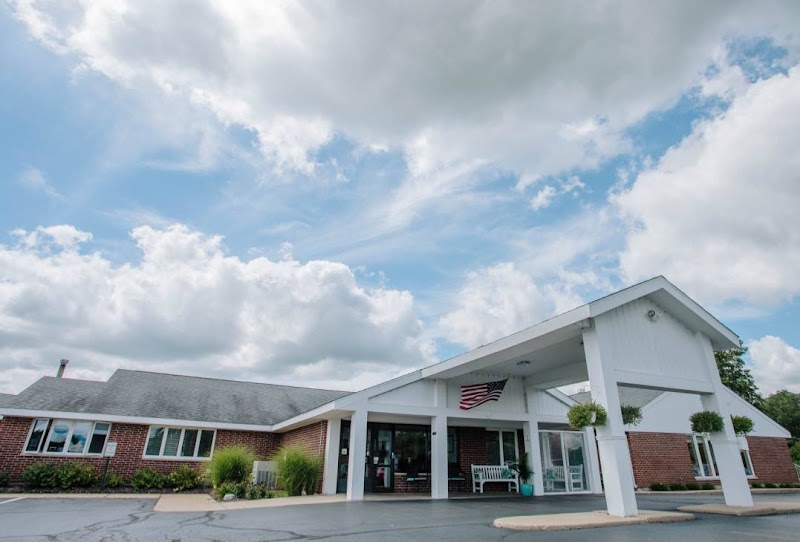
How is Pearl Of Crystal Lake, The Staffed?

CMS rates PEARL OF CRYSTAL LAKE, THE's staffing level at 4 out of 5 stars, which is above average compared to other nursing homes. Staff turnover is 39%, compared to the Illinois average of 46%. This relatively stable workforce can support continuity of care.

What Have Inspectors Found at Pearl Of Crystal Lake, The?

State health inspectors documented 30 deficiencies at PEARL OF CRYSTAL LAKE, THE during 2022 to 2025. These included: 30 with potential for harm.

Who Owns and Operates Pearl Of Crystal Lake, The?

PEARL OF CRYSTAL LAKE, THE is owned by a for-profit company. For-profit facilities operate as businesses with obligations to shareholders or private owners. The facility is operated by PEARL HEALTHCARE, a chain that manages multiple nursing homes. With 97 certified beds and approximately 72 residents (about 74% occupancy), it is a smaller facility located in CRYSTAL LAKE, Illinois.
How Does Pearl Of Crystal Lake, The Compare to Other Illinois Nursing Homes?

Compared to the 100 nursing homes in Illinois, PEARL OF CRYSTAL LAKE, THE's overall rating (5 stars) is above the state average of 2.5, staff turnover (39%) is near the state average of 46%, and health inspection rating (4 stars) is above the national benchmark.

What Should Families Ask When Visiting Pearl Of Crystal Lake, The?

Based on this facility's data, families visiting should ask: "Can I visit during a mealtime to observe dining assistance and food quality?" "How do you handle medical emergencies, and what is your hospital transfer rate?" "Can I speak with family members of current residents about their experience?"

Is Pearl Of Crystal Lake, The Safe?

Based on CMS inspection data, PEARL OF CRYSTAL LAKE, THE has a clean safety record: no substantiated abuse findings (meaning no confirmed cases of resident harm), no Immediate Jeopardy citations (the most serious violation level indicating risk of serious injury or death), and is not on the Special Focus Facility watch list (a federal program monitoring the lowest-performing 1% of nursing homes). The facility has a 5-star overall rating and ranks #1 of 100 nursing homes in Illinois. While no facility is perfect, families should still ask about staff-to-resident ratios and recent inspection results during their visit.

Do Nurses at Pearl Of Crystal Lake, The Stick Around?

PEARL OF CRYSTAL LAKE, THE has a staff turnover rate of 39%, which is about average for Illinois nursing homes (state average: 46%). Moderate turnover is common in nursing homes, but families should still ask about staff tenure and how the facility maintains care continuity when employees leave.

Was Pearl Of Crystal Lake, The Ever Fined?

PEARL OF CRYSTAL LAKE, THE has been fined $10,382 across 1 penalty action. This is below the Illinois average of $33,183. While any fine indicates a compliance issue, fines under $50,000 are relatively common and typically reflect isolated problems that were subsequently corrected. Families should ask what specific issues led to these fines and confirm they've been resolved.

Is Pearl Of Crystal Lake, The on Any Federal Watch List?

PEARL OF CRYSTAL LAKE, THE is not on any federal watch list. The most significant is the Special Focus Facility (SFF) program, which identifies the bottom 1% of nursing homes nationally based on persistent, serious quality problems. Not being on this list means the facility has avoided the pattern of deficiencies that triggers enhanced federal oversight. This is a positive indicator, though families should still review the facility's inspection history directly.