PEARL PAVILION

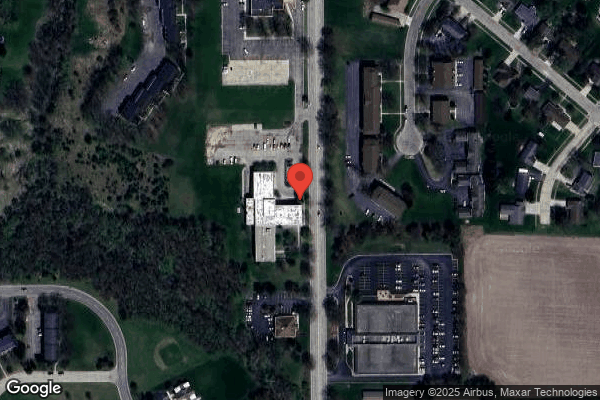
900 SOUTH KIWANIS DRIVE, FREEPORT, IL 61032 (815) 235-6196
For profit - Limited Liability company 109 Beds SABA HEALTHCARE Data: November 2025 2 Immediate Jeopardy citations
Trust Grade
0/100
#608 of 665 in IL
Last Inspection: November 2024

Within standard 12-15 month inspection cycle. Federal law requires annual inspections.

Overview

Pearl Pavilion in Freeport, Illinois, has received a Trust Grade of F, indicating significant concerns about the quality of care provided. With a state rank of #608 out of 665, they are in the bottom half of facilities in Illinois, and they are the lowest-ranked option in Stephenson County at #5 of 5. Although the facility is improving from 22 issues in 2024 to just 3 in 2025, it still faces serious challenges, including 69 total issues found during inspections, with two being critical and life-threatening. Staffing is a significant weakness, with a low rating of 1 out of 5 stars and a concerning turnover rate of 61%, well above the state average. Additionally, the facility has faced fines of $163,091, which is higher than 79% of Illinois facilities, indicating repeated compliance problems. Specific incidents include failure to monitor and respond to residents experiencing severe medical emergencies, leading to life-threatening consequences, and neglect in assisting residents with daily activities, resulting in distress.

Trust Score
F
0/100
In Illinois
#608/665
Bottom 9%
Safety Record
High Risk
Review needed
Inspections
Getting Better
22 → 3 violations
Staff Stability
⚠ Watch
61% turnover. Above average. Higher turnover means staff may not know residents' routines.
Penalties
✓ Good
$163,091 in fines. Lower than most Illinois facilities. Relatively clean record.
Skilled Nurses
⚠ Watch
Each resident gets only 19 minutes of Registered Nurse (RN) attention daily — below average for Illinois. Fewer RN minutes means fewer trained eyes watching for problems.
Violations
⚠ Watch
69 deficiencies on record. Higher than average. Multiple issues found across inspections.
★☆☆☆☆
1.0
Overall Rating
★☆☆☆☆
1.0
Staff Levels
★★☆☆☆
2.0
Care Quality
★★☆☆☆
2.0
Inspection Score
Stable
2024: 22 issues
2025: 3 issues

The Good

  • Full Sprinkler Coverage · Fire safety systems throughout facility
  • No fines on record

Facility shows strength in fire safety.

The Bad

1-Star Overall Rating

Below Illinois average (2.5)

Significant quality concerns identified by CMS

Staff Turnover: 61%

15pts above Illinois avg (46%)

Frequent staff changes - ask about care continuity

Federal Fines: $163,091

Well above median ($33,413)

Significant penalties indicating serious issues

Chain: SABA HEALTHCARE

Part of a multi-facility chain

Ask about local staffing decisions and management

Staff turnover is elevated (61%)

13 points above Illinois average of 48%

The Ugly 69 deficiencies on record

2 life-threatening 7 actual harm
Mar 2025 2 deficiencies
CONCERN (D) 📢 Someone Reported This

A family member, employee, or ombudsman was alarmed enough to file a formal complaint

Potential for Harm - no one hurt, but risky conditions existed

ADL Care (Tag F0677)

Could have caused harm · This affected 1 resident

Based on observation, interview, and record review the facility failed to provide incontinence care for residents dependent upon staff for assistance. This applies to 3 of 3 residents (R1, R2, R3) rev...

Read full inspector narrative →
Based on observation, interview, and record review the facility failed to provide incontinence care for residents dependent upon staff for assistance. This applies to 3 of 3 residents (R1, R2, R3) reviewed for nursing care in the sample of 5. The findings include: 1. R3's admission Record (Face Sheet) showed an admission date of 2/4/25 with diagnoses to include diarrhea, sacral pressure ulcer (top of buttocks), and diabetes. R3's 2/9/25 Five Day Medicare A Minimum Data Assessment (MDS) showed he was cognitively intact with a Brief Interview for Mental Status score of 13 out of 15. The MDS showed, he required substantial/maximal assistance for toileting hygiene (the ability to clean oneself after voiding or bowel movement). On 3/13/25 at 7:37 AM, V3 and V4 Certified Nursing Assistants (CNAs) stated they were the only CNAs assigned to the first floor. On 3/13/25 at 12:15 PM, R3 was in bed watching television. R3 stated he has had diarrhea since November 2024. During the interview, at 12:17 PM, R3 stated he had a bowel movement and turned on his call light. The interview was stopped. R3's call light was illuminated outside his room. On 3/13/25 at 12:25 PM, V4 was in the dining room providing feeding assistance and V3 exited the dining room with meal tray cart and began walking down R3's hallway. R3's green call light was still lit. On 3/13/25 at 12:27 PM, V3 entered R3's room with his lunch tray, the call light turned off, and V3 exited without the tray. V3 was in R3's room for less than a minute. On 3/13/25 at 12:30 PM, R3 was in bed eating his lunch. R3's room was directly opposite the surveyor conference room. Continuous observation was maintained from 12:27 PM through 1:10 PM. At 1:02 PM, V4 entered R3's room, picked up his lunch tray and immediately exited the room. On 3/13/25 at 1:03 PM, R3 stated When [V3] came in, I told her I needed to be cleaned up. She said, 'okay, but you'll have to wait.' I would prefer to be cleaned up before lunch it just feels good to be clean before you eat but there is just not enough staff to get you cleaned up when it's mealtime. I've just gotten used to waiting. (During the interview, at 1:09 PM, someone opened R3's door and closed it.) On 3/13/24 at 1:20 PM, V3 said I told him (R3) I would get to him after I passed trays. I told [V4] that he was soiled. I didn't tell anyone else besides [V4]. His call light was on, and he said he had a bowel movement. I told him I would come back. I came back and knocked on the door, but you were in the room (1:09 PM, 50 minutes after he turned on his call light). I'm not going to pass trays after I cleaned up a poopie (soiled) brief; I think that's gross. On 3/13/24 at 1:10 PM, V2 Director of Nursing stated if a resident has a bowl movement, they should be cleaned prior to being served their meal tray. V2 said leaving a resident, especially a resident with a history of pressure sores, should not be left to lie in a soiled brief. V2 said it's not hygienic and would not feel too good to eat a meal while sitting in a bowel movement. V2 said, if staff are in the middle of passing trays and they need help, they can ask her or other staff for assistance. V2 said no staff approached her during lunch for assistance. The facility Activities of Daily Living Policy (review date of 2/2023) showed Purpose: To preserve ADL (Activities of Daily Living) function, promote independence, and increase self-esteem and dignity. The policy continued, Interventions may include (depending on an assessment based on individualized need) .Maintaining personal hygiene, including planning the task and gathering supplies, combing and/or styling hair, face and hands, brushing teeth, shaving or applying makeup, oral hygiene, self-manicure (safety awareness with nail care), and/or application of deodorant or powder. 2. R1's admission Record (Face Sheet) showed and admission date of 2/20/25 with diagnoses to include diabetes, morbid obesity, kidney failure, and heart failure. R1's 2/25/25 Medicare Five-day Minimum Data Set (MDS) showed he was cognitively intact with a Brief Interview for Mental Status (BIMS) score of 15 out of 15. The MDS showed he was dependent upon staff for toileting hygiene, shower/bathe self, lower body dressing, and personal hygiene. On 3/13/25 at 9:45 AM, R1 stated he has only one poorly functioning kidney. R1 stated he needs to drink 3 quarts of water a day to preserve his kidney function. R1 stated because of this he urinates frequently. R1 stated there has been numerous occasions when he has had to wait an hour or more for staff assistance to use the bathroom. R1 said because of the long wait he has had to urinate in his brief instead of using the bathroom. R1 said the longest waits are at shift change. R1 stated he also has transferred himself to the bathroom for bowel movements because of the long waits. The Resident Council minutes for January, February, and March 2025 showed call light response times were a concern for the residents. 3. R2's Face Sheet showed an admission date of 12/11/23 with diagnoses to include morbid obesity, stage four pressure ulcer, and bladder dysfunction. R2's 3/4/25 Quarterly Minimum Data Set (MDS) showed he was cognitively intact with a Brief Interview for Mental Status Score of 15 out of 15. The MDS showed he was dependent upon staff for toileting hygiene. R2's Care Plan showed he was incontinent of bowel and staff should Administer appropriate cleansing and Peri-care after each incontinent episode. On 3/13/25 at 8:10 AM, R2 said he uses a brief for his bowel movements then turns on his call light for staff assistance. R2 said the normal for staff to respond to his call light is one hour. R2 said he has had to wait up to 11 hours to be cleaned. R2 said, in that instance, the staff turned off his call light, said they would return, and did not return. R2 said he did not want to bother the staff and press the call light again. R2 said the staff are over worked and he is used to waiting an hour for staff to clean him up. R2 said he would like to be cleaned up sooner than an hour.
CONCERN (D) 📢 Someone Reported This

A family member, employee, or ombudsman was alarmed enough to file a formal complaint

Potential for Harm - no one hurt, but risky conditions existed

Pharmacy Services (Tag F0755)

Could have caused harm · This affected 1 resident

**NOTE- TERMS IN BRACKETS HAVE BEEN EDITED TO PROTECT CONFIDENTIALITY** Based on observation, interview, and record review the facility failed to accurately transcribe a resident hospital discharge me...

Read full inspector narrative →
**NOTE- TERMS IN BRACKETS HAVE BEEN EDITED TO PROTECT CONFIDENTIALITY** Based on observation, interview, and record review the facility failed to accurately transcribe a resident hospital discharge medication list, failed to follow a physician medication order for narcotics, and failed to follow their policy for controlled substances. This applies to 1 of 3 residents (R1) reviewed for medications in the sample of 5. The findings include: 1. R1's admission Record (Face Sheet) shows he was admitted on [DATE] with diagnoses to include chronic obstructive pulmonary disease (COPD, a lung disease which leads to decreased lung function and decreased lung capacity). R1's 2/25/25 admission Minimum Data Set (MDS) showed he was cognitively intact with a Brief Interview for Mental Status (BIMS) score of 15 out of 15. R1's Hospital Medication list printed on 2/20/25 at 8:42 AM says TAKE these medications: . albuterol sulfate (a medication which dilates the bronchi, the air tubes leading to the lungs) 2.5MG (milligrams)/0.5ML milliliters Nebulizer: 2.5 mg by nebulization route 4 times daily as needed for shortness of breath or wheezing. Indications: spasm of Lung Air Passages Last time this was given: 2.5 mg on February 19, 2025, 7:16 PM R1's February 2025 Medication Administration Record (MAR) does not show an order, either active or discontinued, for albuterol nebulizer. On 3/13/25 at 9:45 AM, R1 stated his nebulizers help him breath and open his airway. On 3/13/25 at 11:20 AM, V2 Director of Nursing stated, while reviewing R1's hospital medication list from 2/20/25, that list of medications would be the medication used by the facility for his admitting medications. V2 said the medications would be entered by a nurse and then, within a few days, the nurse practitioner or physician would approve them. V2 said, while reviewing R1's current and discontinued medication orders, she does not see that the albuterol nebulizer was ever ordered or discontinued. V2 said the most likely scenario is the albuterol was overlooked and not entered into R1's medications for the facility. V2 said the albuterol nebulizer is used to treat shortness of breath and wheezing. 2. R1's Controlled Drug Receipt/Record/Disposition Form (commonly referred to as a count sheet) for his hydrocodone/acetaminophen (a combined narcotic and an over-the-counter pain medication; commonly referred to as norco) 10-325 milligram tablets showed a dose was dispensed on 3/5/25 at 10:20 PM and 3/6/25 at 5:00 AM. The 3/6/25 dose was dose 30 of 30; the last remaining dose for this norco card. The signature boxes on the count sheet for both Norco doses were blank. R1's March 2025 Medication Administration Record (MAR) showed his order for norco was for 1 tablet to be given every 6 hours as needed for pain. The MAR showed on 3/5/25 only one dose of norco was documented as being given at 7:34 AM. The MAR showed on 3/6/25 only one dose of norco was documented as being given at 3:19 AM. R1's norco Count Sheet beginning on 3/6/25 showed a dose was given at 8:00 AM. The signature for this dose on the count sheet matches the initials documented on the MAR for the 7:34 AM dose. (Within a 10 hour time period, from 3/5/25 at 10:20 PM to 3/6/25 at 8:00 AM three doses of norco were dispensed when only two should have been given per physician orders) On 3/14/25 at 9:23 AM, V2 Director of Nursing stated V7 Licensed Practical Nurse was working at 5:00 AM on 3/6/25. (Not the same nurse who dispensed the 7:34 AM dose of norco.) On 3/14/25 at 9:23 AM, V2 Director of Nursing (DON) stated, based on the count sheets, R1 should not have been given the 3/6/25 8:00 AM dose, it was too soon. V2 said the possible side effects of too many narcotics would be lowered respiratory rate and lethargy. V2 also said controlled substances should be documented on the MAR and the count sheet. V2 said the MAR is the actual record of when medications are given. The facility's Narcotic Controlled Medication Policy (Reviewed 12/2022) showed it should be signed out on the count sheet and documented on the MAR.
Feb 2025 1 deficiency
CONCERN (F) 📢 Someone Reported This

A family member, employee, or ombudsman was alarmed enough to file a formal complaint

Potential for Harm - no one hurt, but risky conditions existed

Menu Adequacy (Tag F0803)

Could have caused harm · This affected most or all residents

Based on observation, interview, and record review the facility failed to follow their menu. This has the potential to affect all residents receiving a regular diet at the lunch meal. The findings in...

Read full inspector narrative →
Based on observation, interview, and record review the facility failed to follow their menu. This has the potential to affect all residents receiving a regular diet at the lunch meal. The findings include: The Facility Data Sheet dated 2/19/2025 shows a total in-house census of 68 residents. The facility provided Diet Type Report dated 2/19/2025 lists 58 of 68 or 83.8% of residents within the facility diet texture as Regular. On 2/19/2025 at 12:04PM, the burgers were observed sitting on the steam table ready for plating. The burgers appeared small and shrunken. On 2/19/2025 at 12:02PM, V5 (Registered Dietition) said the hamburgers looked a little small to me when I walked by a minute ago. V5 said lunch should include 2oz of protein. On 2/19/2025 at 12:05PM, V4 Certified Dietary Manager (CDM) said the burgers should be 2oz. V4 said the burgers should be measured on a scale to make sure they are the correct size/portion. V4 said [V6-Cook] made the burgers today for lunch. On 2/19/2025 at 12:07PM, V6 said he patted out the burgers for lunch today. V6 said he estimated the size of the burgers. On 2/19/2025 at 12:07PM, test patty was placed on the scale and reading was less than 2 ounces for the patty, weighing approximately 1-1.5 ounces. V5 was present to verify the burger patties were less than 2 ounces. On 2/19/2025 at 12:38PM, R4 was observed sitting at a table in the dining room. R4 said his burger was small. On 2/19/2025 at 12:38PM, R3 was observed sitting at a table in the dining room. R3 said look at this big burger (said in a sarcastic tone). The resident's burger appeared small and covered less than 75% of the bun's circumference. On 2/19/2025 at 12:38PM, R5 said all the burgers are small. On 2/19/2025 at 12:44PM, V5 said everyone is asking for more food. On 2/19/2025 at 13:20PM, V5 said the burger patties should be ordered premade and should weigh 2 ounces after the burger patty is cooked. The facility provided menu for 2/19/2025 shows a cheeseburger for lunch (1 protein = 2 ounces). The facility provided Tray Accuracy Policy and Procedure developed 4/21/2024, states . Read the menu spreadsheets carefully. Provide the portions that are specified for reach regular and therapeutic diet.
Nov 2024 14 deficiencies
CONCERN (D)

Potential for Harm - no one hurt, but risky conditions existed

Quality of Care (Tag F0684)

Could have caused harm · This affected 1 resident

Based on observation, interview, and record review the facility failed to provide daily dressing changes, assess a resident for a change in condition, and notify the physician and family of a change i...

Read full inspector narrative →
Based on observation, interview, and record review the facility failed to provide daily dressing changes, assess a resident for a change in condition, and notify the physician and family of a change in condition for 2 of 2 residents (R52 & R23) reviewed for quality of care in the sample of 20. The findings include: 1. The Medication Review Report dated 11/13/24 for R52 showed, order date 11/8/24, santyl external ointment. Apply to right ankle topically every day shift every Monday, Wednesday, and Friday for wound care. Clean area with Wound Cleanser, pat dry, apply santyl, cover with ABD (abdominal pad dressing) and secure with kerlix. The Wound Care Physician's Note dated 11/11/24 for R52 showed, arterial wound of the right, medial ankle - full thickness. Wound size (Length x Width x Diameter): 1.9 x 1.0 x 0.3 cm. Dressing treatment plan: Primary Dressing - apply santyl once daily for 30 days. Secondary dressing - gauze roll (kerlix) 3.4 apply once daily for 16 days. Tubigrip apply once daily for 16 days: low pressure. Periwound treatment - skin prep apply once daily for 16 days. The Skin/Wound Note dated 11/11/24 for R52 showed, resident was seen by wound care provider today. Please see MISC (miscellaneous tab in computer charting) for measurements. The TAR (Treatment Administration Record) dated November 2024 for R52 showed a treatment order dated 11/8/24 for santyl external ointment, apply to right ankle topically every day shift every Monday, Wednesday, and Friday for wound care. Clean area with wound cleanser, pat dry, apply santyl, cover with ABD, and secure with kerlix. The order on the TAR was not changed on 11/11/24 to the wound care physicians note and treatment plan dated 11/11/24 to apply santyl once daily for 30 days. Secondary dressing - gauze roll (kerlix) 3.4 apply once daily for 16 days. Tubigrip (tubular dressing) apply once daily for 16 days: low pressure. Periwound treatment - skin prep apply once daily for 16 days. R52's November TAR (Treatment Administration Record) did not show the new orders for daily dressing changes; R52 did not have a daily dressing change completed on 11/12/24. The daily dressing change was completed after notifying the facility's staff about the order error. The November 2024 TAR showed, prior to talking to facility staff on 11/14/24, that a dressing change was not to be done today, only Monday, Wednesday, and Fridays. On 11/14/24 at 9:06 AM, V20 LPN (Licensed Practical Nurse/Wound Nurse) stated, R52 has an arterial wound to her right medial ankle. V20 stated R52 is seen weekly by the wound care physician. V20 stated they get wound care orders from the wound care physician's notes; his notes are uploaded into the computer. V20 read the most recent treatment order from the wound care physician note dated 11/11/24 which stated santyl once daily for 30 days. V20 reviewed R52's November TAR and stated the current order on the TAR was for santyl and a dressing change on Monday, Wednesday, and Friday. On 11/14/24 at 9:11 AM, R52 was laying on her back in bed with her heels on the bed and a white dressing intact to her right ankle. On 11/14/24 at 9:13 AM, V2 DON (Director of Nursing) stated, wound care is provided Monday-Friday by the wound care nurse. The wound care physician comes in once a week on Monday. He writes his orders on the wound care notes that get scanned in. The wound care nurse updates his orders on the TAR (Treatment Administration Record). The Face Sheet dated 11/13/24 for R52 showed diagnoses including dementia, peripheral venous insufficiency, varicose veins, hypertension, morbid obesity, hypothyroidism, delusional disorders, osteoarthritis, acquired club foot, atherosclerosis of native arteries of right leg with ulceration of ankle. The Care Plan dated 9/19/24 for R52 showed, the resident has an alteration in skin integrity and is at risk for additional and/or worsening of skin integrity issues related to: history of venous ulcers, impaired cognition, incontinence of bladder, incontinence of bowel, comorbidities, resistance to wound care. Location: left medial buttock Date initiated 4/22/24. R52 did not have a care plan in place for her vascular wound to her right medial ankle. Resident is a new admission. Date initiated: 11/20/23. Order and give treatments if applicable according to physicians order. The Wound Policy (11/2023) showed, wounds will be treated based on etiology of wound. The goals of wound treatment are to: a. Keep the ulcer bed moist and the surrounding skin dry; b. Protect the ulcer from contamination; and c. Promote healing. 2. R23's census report shows she was sent out on 8/6/24 and 10/29/24. R23's progress notes were reviewed and show no nursing notes or assessments for 8/6/24. On 8/5/24 she was seen by the NP (Nurse Practitioner) and 8/9/24 she was re-admitted to the facility following a hospitalization for a UTI (Urinary Tract Infection). A nursing note for 10/29/24 by V9 LPN notes R23 was sent to the ER (emergency room) for evaluation, states her vaginal area is on fire and is a 10/10 on pain scale. Called for non-emergency transport and left with paperwork. No assessment or physician/family notifications were noted. On 11/13/24, at 1:38 PM, V9 said any change of condition of a resident is documented in the progress notes, and should include vital signs, what happened and what lead up to the change, and any pertinent information. The note should also include the notification of family, and the MD, and the DON. On 11/14/24 at 9:28 AM V2 said any change of condition should be a narrative in the residents record. It should include the signs and symptoms, vital signs, and when the physician was notified and what the orders were. There should also be documentation of calling the family. This is important to complete so the record reflects what happened to the resident and the next nurse will know what is going on, for continuity of care. The facility's 4/2022 policy for change in condition physician notification overview guidelines documents these guidelines were developed to ensure that: 1. All significant changes in resident status are thoroughly assessed and physician notification is based on assessment findings and is to be documented in the medical record. 2. Medical care non-emergency problems are communicated to the attending physician and family in a timely, concise, and thorough manner. Nursing Documentation A. any calls to and from physician will be documented in the nurse's notes indicating information conveyed and received.
CONCERN (D)

Potential for Harm - no one hurt, but risky conditions existed

Accident Prevention (Tag F0689)

Could have caused harm · This affected 1 resident

**NOTE- TERMS IN BRACKETS HAVE BEEN EDITED TO PROTECT CONFIDENTIALITY** Based on observation, interview and record review the facility failed to transfer a resident in a safe manner (R25) and failed t...

Read full inspector narrative →
**NOTE- TERMS IN BRACKETS HAVE BEEN EDITED TO PROTECT CONFIDENTIALITY** Based on observation, interview and record review the facility failed to transfer a resident in a safe manner (R25) and failed to supervise a resident walking unassisted down the hallway and update their care plan after a fall (R52). This applies to two of three residents reviewed for safety/supervision in the sample of 20. The findings include: 1. The face sheet for R25 shows she was admitted to the facility with diagnoses to include type 2 Diabetes Mellitus, chronic obstructive pulmonary disease and hypertension. The facility assessment dated [DATE] shows R25 to have moderate cognitive impairment and requires substantial assistance with transferring from bed to chair. On 11/13/24 at 12:02 PM, V14 and V15 both CNA's (Certified Nursing Assistants) were assisting R25 out of bed for lunch. V14 pulled R25 up to a sitting position and applied a gait belt around the waist of R25. V14 and V15 then put their arms under R25's arms and lifted R25 up. R25 was not completely bearing weight and she was lowered back to the bed. V14 told R25 she needed to stand up to get into the wheelchair. V14 and V15 again lifted R25 under her arms and held onto R25's pants and lifted her over to the wheelchair and sat her down. R25 was again not bearing her weight on her legs. Neither V14 or V15 had their hands on the gait belt. On 11/13/24 at 9:24 AM, V14 and V15 said R25 has bad days transferring and they need to try several times to get her to help with the transfer. V14 said she had her hand on the gait belt, but the resident hates the gait belt so much, they just use her pants to hang onto her. On 11/13/24 at 3:20 PM, V2 Director of Nursing said the staff should never lift the residents under their arms, it could cause an injury. V2 said if a resident is having a hard time with a transfer, the therapy staff should be consulted to determine the safest way to transfer the resident. The facility care plan for R25 dated 2/20/23 shows limited to extensive assist with transfers. The facility policy dated 1/1/2024 for gait-transfer belt shows the purpose is to transfer or ambulate an individual with lower extremity weakness safely. 9. the resident is lifted up with use of transfer/gait belt and assisted to chair.2. On 11/12/24 at 9:37 AM, R52 walked up the hall from her room to the nurses desk. R52 hunched over at the desk and was holding onto it. R52 stated, Today is just not a good day. Where are those two that sit here. At 9:40 AM, V9 LPN (Licensed Practical Nurse) walked past R52, up to the nurses desk, and started looking through drawers. The surveyor stated to R52 that maybe V9 could help her. V9 looked up and stated, What she needs is her chair. That's what she is looking for. At 9:42 AM, V10 CNA (Certified Nursing Assistant) walked up to the nurses station with maintenance and R52's wheelchair. R52 had a wheelchair with a thick pad on it and anti-tip bars. V10 told R52 this was her chair and had her sit in the wheelchair. On 11/12/24 at 9:48 AM, V10 CNA stated R52 was not supposed to be up walking. V10 stated she put R52 in a brown chair in her room and left the room to help another resident. V10 stated after she left R52, the resident ended up down here (at nurse's desk). V10 stated R52 is impulsive so they try to keep her out in the common area in front of the nurse's station. V10 stated she did not know why R52 has a wheelchair. V10 stated R52 can walk but not on her own safely and is a 1 person assist for walking. On 11/12/24 at 3:28 PM, R52 was walking in front of the elevator in the common area. V11 CNA (Certified Nursing Assistant) was facing in front of R52, holding the resident's hands and walking with her. R52 did not have a gait belt on. R52's wheelchair was across the room next to a table. R52's pants were wet. V11 stated stated she was off the clock, was coming back up to grab something, and saw R52 walking so she had to grab her. V11 looked at V9 LPN (Licensed Practical Nurse) and asked her to bring R52's wheelchair over to her. V9 stated to just walk R52 to her room. V11 stated she did not have her gait belt on. On 11/13/24 at 2:13 PM, V2 DON (Director of Nursing) stated after a resident falls the care plan has to be updated and a fall risk assessment completed. On 11/13/24 at 2:24 PM, V2 DON reviewed R52's care plan and stated the care plan was not updated after R52's fall on 9/27/24. V2 stated R52 should not be ambulating by herself and should be assisted by staff. A gait belt and walker should be used. R52 should have increased rounding, low bed, call light in reach, educated on the use of the call light and mats next to the bed can be used. V2 stated if staff walk past R52's room and she is trying to get up they will put her out in the common area or an activity. V2 was notified of R52 ambulating from her room to the nurse's station on 11/12/24 at 9:37 AM and stated R52 needed more supervision. The Face Sheet dated 11/14/24 for R52 showed diagnoses including dementia, venous insufficiency, varicose veins, hypertension, morbid, hypothyroidism, delusional disorders, primary osteoarthritis, and acquired left clubfoot. The Progress Note dated 11/11/24 for R52 showed, R52 is alert, disoriented, but can follow simple instructions; able to make needs known. R52 needs extensive assist x 1 for transfers, eating with tray set up help only with supervision, dressing/hygiene with total assist, is occasionally incontinent of urine, and is occasionally incontinent of bowel. R52's Nurse Notes showed on 10/3/24 at 7:58 AM, R52 was found sitting on her buttocks on the window side of her bed facing the foot of the bed. On 9/27/24 at 6:40 AM, R52 was found on the floor between the bedside table and chair. R52 had a 5 cm x 1 cm skin laceration to her left lower extremity. The Care Plan dated 11/12/24 for R52 showed, R52 is at risk for falls related to dementia, history of falls. Bed in low position while resident is resting in bed - Date Initiated: 10/04/2024. R52's Care plan was not updated after her fall on 9/27/24. The Restorative assessment dated [DATE] for R52 showed, substantial assist of 2; can hardly walk without assistance. The Fall Risk Review for R52 dated 10/11/24 showed a score of 10 - high risk for falls. The MDS (Minimum Data Set) dated 8/7/24 for R52 showed moderate cognitive impairment; walk 10 feet - not attempted due to medical condition or safety concerns; uses wheelchair; substantial/maximal assist for transfers. The facility's Fall Reduction Policy (1/1/24) showed, Prevention and Treatment Guidelines: 1. Any fall risk factors identified by the Fall Risk Assessment, MDS (Minimum Data Set), or other assessment should be reviewed and addressed as determined appropriate through the RAI process, including the resident's care plan. These risk factors include, but are not limited to: a. mental status; b. history of falls in the last 3 months; c. ambulation and elimination status; .e. gait patterns, balance and ambulation ability 12. The care plan should be reviewed after every fall and updated with a new intervention, when applicable. The facility's Fall Prevention Policy (12/2023) showed, Program contents: 10. Care plan incorporates: a. identification of all risk/issue; b. interventions are changed with each fall, as appropriate; and c. preventative measures. Standards: 3. Safety interventions will be implemented for each resident identified at risk. Standard Fall/Safety Precautions for all Residents: 1. All staff will be oriented and trained in Fall Prevention.
CONCERN (D)

Potential for Harm - no one hurt, but risky conditions existed

Incontinence Care (Tag F0690)

Could have caused harm · This affected 1 resident

Based on observation, interview, and record review the facility failed to provide catheter care daily, change suprapubic catheter dressing change daily and ensure catheter tubing secure device was in ...

Read full inspector narrative →
Based on observation, interview, and record review the facility failed to provide catheter care daily, change suprapubic catheter dressing change daily and ensure catheter tubing secure device was in place for 1 of 4 residents (R38) reviewed for catheters in the sample of 20. The findings include: On 11/12/24 at 10:21 AM, R38 was sitting in bed, on top of his blankets, with his head of the bed elevated while watching TV. R38 had a thin 4 x 4 with a ragged cut in it that was placed around his suprapubic catheter. The dressing was sticking up and not secured with tape. R38 stated his dressing around the suprapubic catheter was just changed by the nurse before the surveyor entered the room. R38 stated the nurse changes the dressing once a week. R38 pointed to a white paper back next to his bed and stated there are dressings in there for him to put around the catheter himself. R38 stated his catheter tubing gets cleaned once a week. The catheter tubing secure device was sitting in it's package on the table next to his bed. R38 stated he didn't think they put the catheter secure device on because it didn't fit but he didn't know for sure. R38 stated he is okay with having a catheter secure device put on. On 11/13/24 at 10:51 AM, V3 LPN (Licensed Practical Nurse) stated, The catheter tubing secure device is supposed to be on R38's leg. V3 stated the purpose of the catheter tubing secure device is to make the catheter tubing secure and not come out; to prevent tension or problems. V3 stated staff should use a drain sponge around the suprapubic catheter and not a 4 x 4 that is cut because pieces can get in there. V3 stated catheter care should be done at least daily. On 11/13/24 at 11:13 AM, V3 LPN went to check R38's suprapubic catheter and there wasn't a dressing in place. V3 observed the catheter tubing secure device sitting in a package on the table next to his bed and stated it wasn't doing the resident any good sitting there. On 11/13/24 at 2:13 PM, V2 DON (Director of Nursing) stated, the dressing change for the suprapubic catheter dressing change should be done daily, marked off on the TAR (Treatment Administration Record), and should be completed as ordered. V2 stated it is important to secure the catheter in place. V2 stated R38 doesn't refuse the secure catheter device. The Face Sheet dated 11/13/24 for R38 showed diagnoses including type 2 diabetes mellitus, moderate protein-calorie malnutrition, iron deficiency anemia, inflammatory disorders of scrotum, and other obstructive and reflux uropathy. The Medication Review Report dated 11/13/24 for R38 showed, apply gauze and tape to skin at suprapubic catheter every day shift related to retention of urine. Catheter care every shift during routine care every shift for catheter care. The Care Plan dated 9/10/24 for R38 showed, risk for infection or complications related to suprapubic catheter use. Render catheter care every shift. The facility's Catheter Care policy (11/2023) showed, indwelling catheters will be secured to prevent trauma and tension. Each resident with an indwelling urinary catheter will receive perineal and catheter care with soap and water during routine care.
CONCERN (D)

Potential for Harm - no one hurt, but risky conditions existed

Deficiency F0692 (Tag F0692)

Could have caused harm · This affected 1 resident

**NOTE- TERMS IN BRACKETS HAVE BEEN EDITED TO PROTECT CONFIDENTIALITY** Based on observation, interview and record review the facility failed to ensure dietary interventions were implemented for a res...

Read full inspector narrative →
**NOTE- TERMS IN BRACKETS HAVE BEEN EDITED TO PROTECT CONFIDENTIALITY** Based on observation, interview and record review the facility failed to ensure dietary interventions were implemented for a resident with weight loss for 1 of 1 residents (R3) reviewed for weight loss in the sample of 20. The findings include: R3's admission record shows she was admitted on [DATE] with multiple diagnoses including paranoid schizophrenia, schizoid personality disorder and mood disorder. The November medication review report shows she has a weekly weight for weight monitoring, super cereal with breakfast for supplement, and a general diet with fortified potatoes with lunch daily. The monthly weight report shows a steady decline in R3's weight from 215.8 pounds in January 2024 to 173.6 in November. A 42 pound weight loss over 11 months. The 11/13/24 nutrition weight review notes R3 trigger for a significant weight loss for 6 months and has supplements ordered including fortified potatoes with lunch, ready care twice daily and supercereal. At the nutrition meeting staff reported R3 spends a lot of time in the dining room- drinking coffee and asking for snacks. R13's resident assessment and care screening of 8/2/24 shows she has severe cognitive impairment. The same assessment documents she is able to feed herself with setup. On 11/12/24 at 12:08 PM, R3 was served her lunch tray and included turkey, sweet potato with gravy, and vegetable. No fortified potatoes were on her tray or offered to her during the lunch meal. The meal tray ticket shows at lunch she is to have ready care shake and fortified potatoes. R3 sat up in her chair and fed herself lunch after the aide set up her tray and opened her milk. She ate approximately 75% of her meal. On 11/12/24 at 12:32, V4 Dietary manager said they do not serve fortified potatoes. V4 said he knows he has residents on the potatoes but he does not make them. On 11/13/24 12:10 PM R3 received a lunch tray with spaghetti with meatball, vegetables, watermelon, and bread. She had no fortified potatoes. On 11/13/24 at 11:51 AM, V16 (Registered Dietician) said the kitchen does have recipes for fortified potatoes and the residents with orders should be getting them. The potatoes are supplements for residents with weight loss. On 11/14/24 at 9:33 AM, V2 DON (Director of Nursing) said she would expect the kitchen to be serving the dietary supplements as ordered. The supplements are ordered based on the dietician's assessment and recommendations for weight loss. The facility's 1/2024 policy for weight assessment and interventions documents it is to ensure that resident are monitored for undesirable weight loss or gain so appropriate interventions can be put in place in a timely manner.
CONCERN (D)

Potential for Harm - no one hurt, but risky conditions existed

Respiratory Care (Tag F0695)

Could have caused harm · This affected 1 resident

**NOTE- TERMS IN BRACKETS HAVE BEEN EDITED TO PROTECT CONFIDENTIALITY** 2. The facility face sheet for R22 shows he has diagnoses to include chronic respiratory failure, dementia and hypertension. The...

Read full inspector narrative →
**NOTE- TERMS IN BRACKETS HAVE BEEN EDITED TO PROTECT CONFIDENTIALITY** 2. The facility face sheet for R22 shows he has diagnoses to include chronic respiratory failure, dementia and hypertension. The facility assessment dated [DATE] for R22 shows him to be cognitively intact and is short of breath with all activities and wears oxygen. On 11/12/2024 at 9:46 AM, R22's oxygen tubing was dated 10/4/24 and the concentrator filter was observed on the floor. Later that same morning, the maintenance director was observed vacuuming debris from the oxygen concentrator. On 11/13/24 at 9:20 AM, V13 Maintenance Director said he was replacing the filter to R22's oxygen because it was found on the floor by the staff. V13 said he is told by the staff when a new filter is needed for the oxygen concentrator, and he does not regularly check the concentrators. V13 said he vacuumed the concentrator due to the amount of debris found. On 11/13/2024 at 3:20 PM, V2 Director of Nursing (DON) said the tubing should be changed every week and the filters should be checked every week. The Medication Administration Record (MAR) for November 2024 shows the staff signed out the tubing as being changed on 11/12/24. The Physician Order Sheet (POS) dated November 2024 for R22 shows an order to change the oxygen tubing every Tuesday. The care plan for R22 dated 1/15/19 for oxygen therapy shows oxygen via nasal cannula at 2 liters continuously. The facility policy dated 1/1/2022 for oxygen administration and storage shows the oxygen tubing should be changed weekly. Filters should be removed and cleaned by rinsing with clear, cool water weekly to maximize flow rate of clean air. . Based on observation, interview, and record review the facility failed to ensure oxygen equipment was clean, filters were intact, bubblers had fluid, oxygen tubing was not too long or kinked, and changed for 2 of 2 residents (R39 & R22) reviewed for oxygen in the sample of 20. The findings include: On 11/12/24 at 9:30 AM, R39 was sitting up on the side of her bed with oxygen on via nasal canula. R39's oxygen tubing was extremely long, tangled up and kinked in several spots. The oxygen tubing was attached to an oxygen concentrator that had an empty humidification bubbler. The oxygen concentrator was covered in a thick layer of dust. The back of the concentrator where there is grate was occluded by a thick layer of gray-white dust. On 11/12/24 at 9:34 AM, V3 LPN (Licensed Practical Nurse) went into R39's room and stated, they should be checking the oxygen concentrator and cleaning it weekly. Obviously it has not been done. V3 stated the humidification bubbler should be full so the nose doesn't dry out. V3 stated R39's oxygen tubing was too long, shouldn't be tangled or kinked because she wouldn't get oxygen through the tubing. On 11/13/24 at 2:13 PM, V2 DON (Director of Nursing) stated oxygen tubing and humidification bubblers should be changed weekly. V2 stated cleaning of the oxygen concentrators should be done at that time. V2 stated there isn't a regular cleaning schedule of the oxygen concentrators that she is aware of. The Face Sheet dated 11/13/24 for R39 showed medical diagnoses including congestive heart failure, asthma, secondary pulmonary arterial hypertension, deep venous thrombosis, chronic peripheral venous insufficiency, chronic respiratory failure with hypoxia, morbid obesity, localized edema, acute cystitis, and dependence on supplemental oxygen. The Physician Orders dated 11/13/24 for R39 showed, oxygen every shift for monitoring at 2 LPM (liters per minute) continuously per nasal cannula. The Care Plan dated 9/18/24 for R39 showed, Resident displays complications with gas exchange due to chronic respiratory failure and congestive heart failure and receives oxygen. Administer oxygen as ordered per medical doctor. The facility's oxygen Administration and Storage policy (1/1/2022) showed, Purpose: to ensure staff follow safety guidelines and regulation for storage and use of oxygen. Concentrator - residents are to be provided with an oxygen concentrator whenever possible for purpose of maximizing mobility and overall consistency in regulation of oxygen administration. Concentrator filters - filters should be removed and cleaned by rinsing with clear, cool water weekly to maximize flow rate of clean air. Tubing - Oxygen tubing should be of length sufficient to provide the resident with adequate oxygen levels while promoting maximum mobility. Procedure: Be sure there is water in the humidifying jar and that the water level is high enough that the water bubbles as oxygen flows through.
CONCERN (D)

Potential for Harm - no one hurt, but risky conditions existed

Deficiency F0698 (Tag F0698)

Could have caused harm · This affected 1 resident

**NOTE- TERMS IN BRACKETS HAVE BEEN EDITED TO PROTECT CONFIDENTIALITY** Based on observation, interview and record review the facility failed to have policy and procedures in place for the care of a d...

Read full inspector narrative →
**NOTE- TERMS IN BRACKETS HAVE BEEN EDITED TO PROTECT CONFIDENTIALITY** Based on observation, interview and record review the facility failed to have policy and procedures in place for the care of a dialysis resident for 1 of 2 residents (R13) reviewed for dialysis in the sample of 20. The findings include: R13's admission record shows she was admitted on [DATE] with multiple diagnoses including dependence on renal dialysis and end stage renal disease. The 10/11/24 admission assessment of R13 shows she is cognitively intact. The November medication review report shows her dialysis days to be Tuesday, Thursday, and Saturday at a local dialysis center. The orders show she has an access site located in her right arm and the site is to be checked daily for a bruit and thrill (potency). The November MAR (Medication Administration Record) was reviewed and showed no order for the access site assessment for bruit or thrill. R13 did not have a TAR (Treatment Administration Record). R13's diet slip was observed to show an order for a low concentrated sweet diet and no added salt. The slip shows she is to have a lunch bag on her dialysis days. She is to have no tomatoes, does not like potatoes or processed meats. No oranges, orange juice or lemons. No regular milk. On 11/12/24 at 2:49 PM R13 said she should be following a renal diet due to being on dialysis but they still put food on her tray she is not supposed to have such as potatoes and regular milk. She said there is no lactose free milk available or given to her so she just has to go without. R13 said she began dialysis in September of this year, so not very long. When she goes to dialysis they listen to her graft site to make sure it is working right, but the staff in the facility do not listen to it. She said as far as she knew there was no emergency kit or equipment available if she should begin to bleed from her dialysis shunt. On 11/13/24 at 11:17 AM, V7 LPN (Licensed Practical Nurse) said R13 goes out three times a week for dialysis, and the facility does not send any information with her and there is no communication with dialysis. She said sometimes the dialysis center will send a note with R13's vital signs and might have her weight listed. V7 said upon return to the facility R13's site is checked for bleeding and ensure her bandage is intact. V8 RN (Registered Nurse) said there was no communication book or information from R13's dialysis. None had been scanned in or documented in her record. She said no emergency kit was in R13's room for a hemorrhage event. V8 said the nurses should be checking the dialysis shunt at least daily, probably twice daily, for a bruit or thrill to ensure it is patent. She said it would just be good nursing practice. V8 checked the MAR/TAR and said it was not listed as an order and unsure if or when any assessments were being completed for the access site. V8 said labs are done at dialysis and if the facility wanted copies, they could call for them. On 11/13/24 at 11:51 AM, V16 (Registered Dietician) said for renal/dialysis patients it should be noted on the diet slip what items to limit such as bananas, oranges, tomatoes, and potatoes. She should not be served these items and for the regular milk supplement she should be getting lactose free milk. After checking with the kitchen, V16 said the kitchen had no lactose free milk. On 11/14/24 at 9:20 AM, V2 DON (Director of Nursing) said the nursing staff should be checking R13's dialysis access port at least daily to ensure it is patent. The order should be on the MAR or TAR. She said labs should be exchanged along with the pre and post treatment weights. That information should be in the record for the dietician and physician to review during their visit. She said there is no consistency with the exchange of information with dialysis. V2 said some of the nurses have had training regarding the care and treatment of the dialysis patients, but not all of the nurses are aware of what needs to be done, especially in cases of emergency. V2 said there is no emergency kit in R13's room. She said in case of hemorrhage or bleeding the nurse would have to hold pressure and call for help. On 11/14/24 at 10:04 AM V1 (Interim Administrator) said there is no facility policy and procedures for dialysis.
CONCERN (D)

Potential for Harm - no one hurt, but risky conditions existed

Pharmacy Services (Tag F0755)

Could have caused harm · This affected 1 resident

**NOTE- TERMS IN BRACKETS HAVE BEEN EDITED TO PROTECT CONFIDENTIALITY** Based on observation, interview and record review the facility failed to ensure medications were taken by residents at the time ...

Read full inspector narrative →
**NOTE- TERMS IN BRACKETS HAVE BEEN EDITED TO PROTECT CONFIDENTIALITY** Based on observation, interview and record review the facility failed to ensure medications were taken by residents at the time of administration for 2 of 2 residents (R18, R13) reviewed for medications in the sample of 20. The findings include: 1. R18's admission record shows she was admitted on [DATE] with multiple diagnoses including osteomyelitis, diabetes, congestive hear failure, pressure ulcers, and gastroparesis. The facility's 8/13/24 resident assessment and care screening for R18 shows she has moderate cognitive impairment with behaviors including rejection of care and verbal behaviors towards others. On 11/12/24 at 9:30 AM, R18 was observed lying on her right side in bed. On the bedside table next to the bed was a medication cup about half full of multiple pills. R18 was alert and was able to speak clearly. She said the nurse had delivered her medications to her this morning, but she was nauseous at the time, so the nurse just left them on the bedside table. R18 said the pills were from 8:00 AM, and could not list any of the medications in the cup. On 11/12/24 at 9:35 AM, V8 RN (Registered Nurse) was given the cup of pills, and she said there was 11 pills present. She said no pills should be left at the bedside, we have to watch the residents take the pills to ensure they have taken all the medication. The November 2024 MAR (Medication Administration Record) for R18 shows multiple morning medications scheduled, including two antibiotics for urinary tract infection, and blood pressure medications. On 11/14/24 at 9:16 AM, V2 DON (Director of Nursing) said the nurse should be making sure R18 takes her medication, and watch her. The staff have found cups of medication in her room before, she is known for keeping them and not taking the pills as ordered. 2. On 11/12/24 at 10:39 AM, R13 was not in her room. The bedside table was observed to have a glucometer, a blood pressure cuff and monitor. On the table was a cup with an insulin pen and multiple medication cups stacked inside. Upon looking at the medication cups, 2 long white pills were inside the bottom cup. V7 (Licensed Practical Nurse) said R13 was not a resident who self medicates and did not know where the insulin pen came from. V7 said she did not know what the 2 pills were inside of the cup, but those should not be by the bedside. V7 compared the 2 white pills to R13's prescribed pills and stated they were both Norco (controlled opioid pain medication) tablets. On 11/12/24 at 10:39 AM V8 said R13 was alert and oriented and currently at dialysis. She said R13 should absolutely not have those pills on her bedside table. V8 said R13 must have brought in the insulin pen, the staff did not give one to her, because they only had vials of insulin and not pens. She said the pen did not have any name on it, and did not show a date of when it was initially opened, and it would have to be discarded. V8 said R13 should not have any of those items such as pills and insulin by her bedside. On 11/12/24 at 2:49 PM R13 said the insulin pen was from home and did not recall when she had opened it. She said she had saved the Norco for when she returned from dialysis. The facility's 3/2024 policy for administering medications documents the purpose is to ensue safe and effective administration of medication in accordance with physician orders and state/federal regulations. 13. Should a medication be withheld or refused. Documentation identifying the explanation of withholding or reason for refusal will be documented in the medical record. Physician will be notified as needed.
CONCERN (D)

Potential for Harm - no one hurt, but risky conditions existed

Unnecessary Medications (Tag F0759)

Could have caused harm · This affected 1 resident

Based on observation, interview, and record review, the facility failed to administer medications at ordered times. There were 32 opportunities with 2 errors resulting in a 28.5% medication error rate...

Read full inspector narrative →
Based on observation, interview, and record review, the facility failed to administer medications at ordered times. There were 32 opportunities with 2 errors resulting in a 28.5% medication error rate. This applies to 1 of 3 residents (R16) observed in the medication pass. The findings include: R16's physician's orders for November 2024 showed R16 is to receive apixaban 5mg (milligrams) at 9am and 5pm and baclofen 10mg at 9am, 1pm, and 5pm. On 11/12/24 at 10:20AM, V7 (Licensed Practical Nurse) administered R16's apixaban 5mg and baclofen 10mg. (1 hour and 20minutes past the scheduled administration time). V7 stated she is a new nurse and is trying her best to keep up with learning all the residents. V8 (Registered Nurse) was training beside V7 and stated she should have stepped in to help V7, but she was trying to get her to learn her own routine. V7 and V8 both stated medications are to be given within 1 hour before or 1 hour after the scheduled administration time. On 11/14/24 at 10:52AM, V2 (Director of Nursing) stated, All medications should be given within 1 hour before or after the scheduled administration time. We usually do the patient center medication pass times but if they are scheduled then that's how they should be given. The facility's policy titled, Administering Medications dated 3/2024 showed, 6. Medications should be administered within one (1) hour of the prescribed times or according to liberalized medication pass.
CONCERN (D)

Potential for Harm - no one hurt, but risky conditions existed

Deficiency F0761 (Tag F0761)

Could have caused harm · This affected 1 resident

Based on observation, interview, and record review, the facility failed to ensure safe storage of narcotic medications, failed to ensure medications were stored in their original packaging, and failed...

Read full inspector narrative →
Based on observation, interview, and record review, the facility failed to ensure safe storage of narcotic medications, failed to ensure medications were stored in their original packaging, and failed to monitor the temperature of a medication refrigerator. This applies to 1 of 2 medication rooms and 1 of 2 medication carts reviewed for medication storage. The findings include: On 11/13/24 at 1:41PM, The facility's medication refrigerator had a temperature log dated April 2024 located on the outside of it. The refrigerator had a lock on it that was not locked and was hanging open. Upon review of the refrigerator, 2 bottles of liquid lorazepam were located inside. V9 (Licensed Practical Nurse) stated, We don't usually have the medication fridge unlocked but we have 2 nurses' up here today and we don't have 2 sets of keys. We are supposed to be checking the medication and resident refrigerator temperature, but it looks like we haven't had it done since April according to the sheet on both refrigerators. On 11/13/24 at 1:52PM, One of the facility's medication carts were reviewed and showed 36 unidentified pills spilled throughout the cart under resident medication cards and bottles. V7 (Licensed Practical Nurse) stated, I'm not sure what all of those pills are but they must have been dropped over time during medication passes or popped out of the medication cards when we were putting them back. We should be checking the cart routinely and disposing of these medications because there are a lot of them. On 11/13/24 at 2:07PM, V1 (Interim Administrator) stated, The medication room and refrigerator should both be locked so that narcotics are double locked to prevent diversion. The nurses should be checking the temperature of the refrigerators every day to ensure the medications are stored under the proper temperatures. If the temperature is out of range, then we need to correct it immediately or we may have to dispose of medications. If a nurse drops a pill during medication administration, I expect them to try to find it but if they are not able to then they can look for it after their medication pass is complete. 36 pills are far too many pills to be floating around the medication cart. The facility's policy titled, Medication Storage dated 11/2023 showed, Purpose: To ensure that medications are stored safely, securely, and properly .5. Medications requiring refrigeration must be stored in the refrigerator located in the drug room at the nurses' station .Proper temperature in the refrigerator must be maintained in accordance with manufacturer specification and national guidelines .9. Medication cart/compartments must always be kept clean.
CONCERN (E)

Potential for Harm - no one hurt, but risky conditions existed

Safe Environment (Tag F0584)

Could have caused harm · This affected multiple residents

Based on observation, interview, and record review, the facility failed to provide a homelike environment during dining for 5 of 5 residents (R3, R7, R13, R22, R53) in the sample of 20 and 5 residents...

Read full inspector narrative →
Based on observation, interview, and record review, the facility failed to provide a homelike environment during dining for 5 of 5 residents (R3, R7, R13, R22, R53) in the sample of 20 and 5 residents outside of the sample (R4, R21, R29, R40, R164). The findings include: On 11/13/24 at 12:10PM, R3, R4, R7, R13, R21, R22, R29, R40, R53 and R164 were being served their noon meal trays in the dining room. V14 and V15 (Certified Nursing Assistants) served all residents their meal on trays and did not remove any items onto the table. R13 stated, It feels like I'm in an institution or still in grade school when they serve our meals on a tray. I don't mind if they bring it to the table on the tray, but they should take everything off the tray and put it on the table to make it feel more like home. We are already stuck in a facility, but it should feel like home, not an institution. R40 and R53 agreed with R13's statement and stated if they had a choice, they wouldn't be served meals on a tray. On 11/14/24 at 10:57AM, V14 stated, We don't take the plates and cups or anything else off the trays at mealtimes. We should but we don't. It would be a more homelike environment if we did that, but we are told we can't do that. Management doesn't allow us to make any of those types of choices. On 11/14/24 at 11:08AM, V1 (Interim Administrator) stated, We were looking at taking the plates, silverware, and cups off the tray at mealtimes with the new dietary manager. We talked about offering the option to the residents, but we haven't implemented anything yet. We just have to figure out a system of how we will do it. It's definitely something we have considered but haven't implemented yet. The facility's policy tilted, Dignity dated 1/23 showed, Each resident will be cared for in a manner that promotes and enhances quality of life, dignity, respect and individuality.
CONCERN (E)

Potential for Harm - no one hurt, but risky conditions existed

Deficiency F0808 (Tag F0808)

Could have caused harm · This affected multiple residents

Based on observation, interview, and record review, the facility failed to prepare and serve residents a mechanical soft diet. This applies to 3 residents in the sample of 20 (R22, R23, R45) and 7 res...

Read full inspector narrative →
Based on observation, interview, and record review, the facility failed to prepare and serve residents a mechanical soft diet. This applies to 3 residents in the sample of 20 (R22, R23, R45) and 7 residents (R4, R12, R19, R24, R28, R40, R41) outside of the sample reviewed for mechanical soft diets. The findings include: The facility's document titled, Diet Type Report printed on 11/12/24 showed R4, R12, R19, R22, R23, R24, R28, R40, R41, and R45 receive mechanical soft diets. The facility's document titled, Recipe preparation: Ground herb roasted turkey with gravy showed, Place portion of prepared turkey in food processor and grind to appropriate consistency. Serve 2oz ground protein portion with #16 scoop. Top with 1oz hot gravy to keep moist. On 11/12/24 at 11:54AM, V6 (cook) stated, I didn't prepare any mechanical soft food because they are getting mashed potatoes and the turkey I will just shred with my hands. The turkey is basically mechanical soft already, it's just not ground up. On 11/12/24 at 12:16PM, V6 served all residents their noon meal. All 10 residents on a mechanical soft diet received turkey chunks with gravy. (V1-Interim Administrator) was notified of residents receiving the incorrect diet and stated the residents could choke if they are given the incorrect diet. On 11/12/24 at 3:04PM, V4 (dietary manager) stated, The residents that receive a mechanical soft diet got turkey that we just shredded by hand because that's easier than having to grind it up and it saved time. I'm not sure how much it would affect the resident if they don't get the right diet. I'm not in the nursing department. Sometimes the residents complain if we give them the ground diet because they don't like it, so we try to give them what they want. I don't know the reason for the ground diets. The facility's undated policy titled, Explanation of Diets: Mechanical soft showed, This consistency modified diet is for individuals with limited or difficulty in chewing regular textured foods .foods should be moist and fork tender. Meat is ground or chopped.
CONCERN (E)

Potential for Harm - no one hurt, but risky conditions existed

Infection Control (Tag F0880)

Could have caused harm · This affected multiple residents

**NOTE- TERMS IN BRACKETS HAVE BEEN EDITED TO PROTECT CONFIDENTIALITY** Based on observation, interview and record review the facility failed to follow contact isolation precautions as ordered (R214),...

Read full inspector narrative →
**NOTE- TERMS IN BRACKETS HAVE BEEN EDITED TO PROTECT CONFIDENTIALITY** Based on observation, interview and record review the facility failed to follow contact isolation precautions as ordered (R214), failed to follow enhanced barrier precautions (R57) and failed to implement enhanced barrier precautions (R38, R52 and R17). This applies to five (R214, R57, R38, R52, and R17) of six residents reviewed for infection control in the sample of 20. The findings include: 1. The facility face sheet for R214 shows he was admitted to the facility with a diagnosis of enterocolitis due to clostridium difficile (C-diff) (inflammation of the colon caused by the bacteria C-diff). The Physician Order Sheet (POS) shows an order dated 10/16/2024 to maintain contact precautions for C-diff. On 11/12/2024 at 8:47 AM, at the entrance conference, V2 Director of Nursing (DON) said R214 is on isolation for C-diff. On 11/12/2024 at 10:54 AM, the door leading into R214's room had a sign stating R214 was on enhanced barrier precaution and to see the nurse before entering. The bin for PPE (personal protective equipment) did not have any gowns in it. On 11/12/2024 at 12:45 PM, V20 Restorative CNA (Certified Nurses Assistant) was observed entering and exiting R214's room without any PPE on. On 11/13/2024 at 9:06 AM, V14 and V15 CNA's were observed taking the bedside chair scale into R214's room and were not wearing any PPE. V14 and V15 said R214 is on enhanced barrier precautions only and they do not need to wear PPE if they are not providing any care. V14 said she was told R214 did not have C-diff, that he was fine now. On 11/13/2024 at 1:10 PM, therapy staff were observed entering R214's room and no PPE was put on. The door to R214's room continues to show enhanced barrier precautions and to see the nurse before entering. Throughout the survey numerous staff (nurses, CNA's, therapy staff) were observed entering R214's room and were not applying any PPE. The signage on the door continued to show R214 was on enhanced barrier precautions until the last day of the survey (11/14/2024) when a sign was placed on the door showing contact isolation. On 11/13/2024 at 2:14 PM, V7 LPN (Licensed Practical Nurse) said she was the nurse caring for R214 that day and he was not on contact isolation and to her knowledge he did not have C-diff. The November MAR (medication administration record) shows the facility nurses signing off on the order to maintain contact precautions for C-diff. On 11/13/2024 at 2:05 PM, V1 Administrator said, Yes R214 should be on contact isolation for C-diff. V1 said there was no definitive testing from the hospital to show R214 had C-diff, so the providers at the facility instructed them to continue with contact isolation for C-diff. V1 said the staff should be wearing PPE whenever entering R214's room and there should be signs on the door showing he is on contact isolation. On 11/13/2024 at 3:20 PM, V2 DON said R214 is on contact isolation for C-diff and PPE (gowns and gloves) should be worn by all staff to prevent the spread of C-diff. V2 said when R214 came from the hospital his records did not give a definitive answer to whether he was still positive, so the facility decided to monitor his symptoms and continue the contact isolation. V2 said R214 still has occasional loose stools and is still being treated with antibiotics. The November 2024 POS shows an order for R214 for vancomycin (antibiotic) 500 milligrams every other day until 12/8/2024 for C-diff. The hospital discharge records dated 10/16/2024 shows R214's current active diagnoses to include fecal incontinence and C-diff diarrhea. The facility policy for transmission based precautions with a revision date of 12/2023 shows the purpose is to establish transmission-based precautions for residents who are suspected or confirmed to have communicable infections that can be transmitted to others. For contact precautions it shows prior to entering the isolation room, the staff should apply a gown and gloves. The policy shows to discontinue contact isolation for C-diff when the treatment is completed and when diarrhea has ceased for 72 consecutive hours/stools are formed. 2. The facility face sheet for R57 shows he was admitted to the facility with diagnoses to include fracture of the right leg, congestive heart failure and atrial fibrillation. The facility assessment dated [DATE] shows R57 to be cognitively intact and is dependent on staff for his personal care. The same assessment shows R57 to have a urinary drainage catheter. On 11/12/2024 at 10:15 AM, the door into R57's room showed he was on enhanced barrier precautions. V14 and V15 CNA's were observed entering R57's room to empty his urinary drainage bag. V14 emptied the bag and was not wearing a gown. On 11/13/2024 at 9:24 AM, V14 said when providing direct resident care to a resident on enhanced barrier precautions, a gown and gloves should be worn. On 11/13/2024 at 3:20 PM, V2 DON said when a resident is on enhanced barrier precautions, she expects the staff to wear a gown and gloves when proving direct resident care including while emptying a urinary drainage bag. The POS dated November 2024 for R57 shows orders for the care of a urinary drainage catheter. The facility policy for enhanced barrier precautions with a revision date of 8/15/2024 shows the use of gown and gloves during high contact resident care activities including device care or use of an indwelling medical device such as a urinary catheter . 5. R17's November 2024 Medication review report shows she had a gastrostomy tube (feeding tube) and had orders for enhanced barrier precautions. On 11/12/24 and 11/13/24, R17's room was observed to have no signage to indicate EBP were required, and no PPE was available in the hallway. R17 was observed to by lying in bed with a feeding tube infusing from a pump. On 11/13/24 at 1:42 PM, V17 CNA said none of the residents on her floor were on enhanced barrier, and she did not know of enhanced barrier and did not know what she would wear for PPE into a room with EBP. At 1:44 PM, V17 LPN said any resident with wounds, indwelling catheters and feeding tubes should be on EBP status, including R17. She said R17 should have a sign on her door to indicate staff should wear a gown, and gloves when doing care. On 11/14/24 at 9:30 AM, V2 said she was now aware EBP was not in place as ordered for R17, and there should be PPE available and signs for staff to don gowns, gloves and masks before providing care for R17. V2 said anyone with open wounds, ostomies, catheters and feeding tubes should be on EBP. The purpose of the precautions is to protect both staff and residents for infection control purposes. The facility's 11/28/22 policy for enhanced barrier precautions documents the purpose is to reduce the transmission of novel or targeted multi-drug resistant organisms (MDRO). 1. EBP require the use of gown and glove during high contact resident care activities. 3. On 11/12/24 at 10:21 AM, R38 was sitting in bed, on top of his blankets, with his head of the bed elevated while watching TV. R38 had a thin 4 x 4 with a ragged cut in it that was placed around his suprapubic catheter. The dressing was sticking up and not secured with tape. R38 stated his dressing around the suprapubic catheter was just changed by the nurse before the surveyor entered the room. R38 stated the nurse changes the dressing once a week. R38 pointed to a white paper back next to his bed and stated there are dressings in there for him to put around the catheter himself. R38 stated his catheter tubing gets cleaned once a week. R38 did not have an enhanced barrier precaution sign on his door or container with PPE (personal protective equipment). On 11/12/24 at 12:30 PM, V11 CNA (Certified Nursing Assistant) stated she did not know what enhanced barrier precautions (EBP) were. After enhanced barrier precautions were explained, V11 stated they did not have any residents with EBP. V11 stated there wasn't any residents on the second floor with any isolation or that needed to have gown and gloves used when providing care. On 11/13/24 at 10:51 AM, V3 LPN (Licensed Practical Nurse/Infection Control Nurse) stated she guessed EBP would be for anyone with wounds, that is compromised, or has a catheter. They wound need to have an isolation bin but not full PPE because it is a precautionary thing. Staff would have to wear gloves. V3 stated she was not aware of staff needing to wear a gown. V3 stated staff should wear a gown if they come in contact with anything that is soiled. V3 stated PPE should be worn with catheter care and wound care. The Face Sheet dated 11/13/24 for R38 showed diagnoses including type 2 diabetes mellitus, moderate protein-calorie malnutrition, iron deficiency anemia, inflammatory disorders of scrotum, and other obstructive and reflux uropathy. The Medication Review Report dated 11/13/24 for R38 showed, apply gauze and tape to skin at suprapubic catheter every day shift related to retention of urine. Catheter care every shift during routine care every shift for catheter care. The Care Plan dated 9/10/24 for R38 showed, risk for infection or complications related to suprapubic catheter use. Render catheter care every shift. The facility's Enhanced Barrier Precautions policy (8/15/24) showed, Purpose: Reduce the transmission of novel or targeted multi-drug-resistant organisms (MDRO). Procedure: 1. enhanced Barrier Precautions (EBP) require the use of gown and glove during high contact resident care activities. High- contact resident care activities include: dressing, bathing/showering, transferring, providing hygiene (e.g., brushing teeth, combing hair, shaving), changing linens, changing briefs or assisting with toileting, device care or use of an indwelling medical device, such as: urinary catheter, feeding tube, central line, tracheostomy, or ventilator. Wound care: any skin opening requiring a dressing (focusing on wound at high risk of acquiring an MDRO, such as: pressure ulcers, diabetic foot ulcers, unhealed surgical wounds, and chronic wounds such as chronic venous stasis ulcers). 4. On 11/12/24 at 12:30 PM, V11 CNA (Certified Nursing Assistant) stated she did not know what enhanced barrier precautions (EBP) were. After enhanced barrier precautions were explained, V11 stated they did not have any residents with EBP. V11 stated there wasn't any residents on the second floor with any isolation or that needed to have gown and gloves used when providing care. On 11/12/24 at 3:30 PM, V11 CNA took R52 to her room after finding the resident ambulating by herself near an elevator in the common area. R52's pants were wet. V11 wore gloves and provided incontinence care for the resident and changed the resident's pants. R52 had a dressing on her right ankle. V11 did not have a gown on with care. R52 did not have an EBP sign on her door or container with PPE outside of her room. On 11/13/24 at 10:37 AM, R52 was on her back in a low bed in her room. R52 had a dressing to her right ankle. There were no EBP signs on her door or container with PPE outside of her door. On 11/13/24 at 10:51 AM, V3 LPN (Licensed Practical Nurse/Infection Control Nurse) stated she guessed EBP would be for anyone with wounds, that is compromised, or has a catheter. They wound need to have an isolation bin but not full PPE because it is a precautionary thing. Staff would have to wear gloves. V3 stated she was not aware of staff needing to wear a gown. V3 stated staff should wear a gown if they come in contact with anything that is soiled. V3 stated PPE should be worn with catheter care and wound care. The Wound Care Physician's Note dated 11/11/24 for R52 showed, arterial wound of the right, medial ankle - full thickness. Wound size (Length x Width x Diameter): 1.9 x 1.0 x 0.3 cm. Dressing treatment plan: Primary Dressing - apply santyl once daily for 30 days. Secondary dressing - gauze roll (kerlix) 3.4 apply once daily for 16 days. Tubigrip apply once daily for 16 days: low pressure. Periwound treatment - skin prep apply once daily for 16 days. The Face Sheet dated 11/14/24 for R52 showed diagnoses including dementia, venous insufficiency, varicose veins, hypertension, morbid, hypothyroidism, delusional disorders, primary osteoarthritis, and acquired left clubfoot. The facility's Enhanced Barrier Precautions policy (8/15/24) showed, Purpose: Reduce the transmission of novel or targeted multi-drug-resistant organisms (MDRO). Procedure: 1. enhanced Barrier Precautions (EBP) require the use of gown and glove during high contact resident care activities. High- contact resident care activities include: dressing, bathing/showering, transferring, providing hygiene (e.g., brushing teeth, combing hair, shaving), changing linens, changing briefs or assisting with toileting, device care or use of an indwelling medical device, such as: urinary catheter, feeding tube, central line, tracheostomy, or ventilator. Wound care: any skin opening requiring a dressing (focusing on wound at high risk of acquiring an MDRO, such as: pressure ulcers, diabetic foot ulcers, unhealed surgical wounds, and chronic wounds such as chronic venous stasis ulcers).
CONCERN (F)

Potential for Harm - no one hurt, but risky conditions existed

Menu Adequacy (Tag F0803)

Could have caused harm · This affected most or all residents

Based on observation, interview, and record review the facility failed to serve the correct menu items for residents receiving a mechanical soft and pureed diet, and failed to provide the correct port...

Read full inspector narrative →
Based on observation, interview, and record review the facility failed to serve the correct menu items for residents receiving a mechanical soft and pureed diet, and failed to provide the correct portion size of food for all residents. These failures have the potential to affect 63 of the 64 residents residing in the facility. The findings include: The facility's resident roster provided on 11/12/24 showed 64 residents residing in the building with 1 resident receiving tube feedings. On 11/12/24 at 9:04AM, V4 (Dietary Manager) stated, For lunch today we are serving oven herb roasted turkey with gravy, baked sweet potato, capri mixed vegetables, and frosted white cake. The facility's daily spreadsheet printed 5/14/24 showed, Oven herb roasted turkey General diet: 2oz Mechanical Soft: #16 scoop Pureed: 2, #24 scoops. Baked sweet potato Mechanical soft: baked sweet potato no skin Pureed #8 scoop pureed baked sweet potato no skin. On 11/12/24 at 11:07 AM, V4 removed the cooked turkey from the oven and began slicing it in random portions. V4 stated they will serve the residents an equal amount of turkey. V4 stated he is unsure of what the portion sizes need to be for the residents. On 11/12/24 at 11:54AM, V6 (Cook) prepared the pureed meals. V6 measured the amount of food prior to pureeing it; however, V6 did not obtain measurements when plating the food prior to meal service. V6 stated she just looks at how much food there is and splits it between the 2 residents that receive pureed food. V6 prepared instant mashed potatoes instead of mashed sweet potatoes for both residents and stated that it was due to time restraints as she did not have time to peel 2 sweet potatoes. On 11/12/24 at 12:16PM, V6 began serving residents their noon meal. V6 used a 3oz scoop for the capri vegetables (recipe shows #8 scoop, 1/2 cup), tongs to serve the random turkey portions, no mechanical soft diets, and the unmeasured pureed diets. All residents on the mechanical soft diet (R4, R12, R19, R22, R23 ,R24, R28, R40, R41, R45) received mashed potatoes instead of skinned sweet potatoes. On 11/12/24 at 3:06PM, V4 stated, We didn't serve the sweet potatoes for the pureed and mechanical soft because of time constraints. We should have peeled them and served them to them like that, but we didn't want to serve late because state is here. I didn't weigh any of the turkey when I sliced it. I guess I should have so that the residents all got the same amount of food. V6 stated, I just eyeballed the portions for the turkey and the pureed and did not think of the fact that the residents might not be getting the right amount of nutrition. The facility was unable to provide a policy regarding residents receiving the food that is displayed on the menu and portion sizes.
CONCERN (F)

Potential for Harm - no one hurt, but risky conditions existed

Food Safety (Tag F0812)

Could have caused harm · This affected most or all residents

Based on observation, interview, and record review, the facility failed to ensure proper dishwasher sanitizer levels, failed to maintain overall kitchen cleanliness, failed to ensure foods were stored...

Read full inspector narrative →
Based on observation, interview, and record review, the facility failed to ensure proper dishwasher sanitizer levels, failed to maintain overall kitchen cleanliness, failed to ensure foods were stored in a manner to prevent pests and rodents, and failed to store bulk dry foods in a manner to prevent cross contamination. These failures have the potential to affect 63 of the 64 residents residing in the building. The findings include: The facility roster printed on 11/12/24 showed 64 total residents in the building with 1 resident receiving tube feedings. On 11/12/24 at 9:04AM, the initial tour of the kitchen showed the following: a bulk sized bag of sugar split open, beef base and chicken base containers with dried substance crusted on top of both lids and sides of containers, scoops located inside of the beef and chicken base, floors underneath the dry storage filled with crumbs and cereal, a bulk bag of pinto beans ripped open, bulk bread crumbs opened, and an opened bag of cheese puffs with a large hole in it. All 3 exposed cooler doors had dried, crusted substances on them. The walk-in freezer had small puddles of dried, melted ice cream. On 11/12/24 at 9:32AM, The dishwasher had a screwdriver, random parts, dust, and crumbs layered across the top. The dish machine operational requirements showed wash and rinse temperature minimum 120 degrees, 50ppm (parts per million) chlorine sanitizer. On 11/12/24 at 9:42AM, Surveyor asked V5 (dietary aide) to check the sanitizer level in the dishwasher while it was running. V5 stated, I don't know what levels you're talking about or how to do that. V5 confirmed her initials were located on the dish machine log check off sheet showing she had checked the sanitizer levels earlier that morning and they were 50ppm. Surveyor then requested V4 (dietary manager) to check the levels and they were below 50ppm. V4 stated he is unsure how V5 could be documenting the correct sanitizer levels if she does not know how to obtain them. An additional tour of the kitchen at 10:30AM showed a container of food thickener opened on the shelf with no lid and sticky on all sides with a scoop inside, a box of ground cinnamon opened with the scoop inside on top of the spice rack and a container of sugar located on the bottom shelf in the meal preparation area opened with a scoop inside. A review of the drawers in the meal preparation area showed all 3 drawers with meal service scoops and ladles laying different directions, upside down and food debris on the scoops and ladles. On 11/12/24 at 3:06PM, V4 accompanied surveyor on a tour of the kitchen. V4 agreed the kitchen was not as clean as it could be and doesn't currently have a set cleaning schedule. Surveyor showed V4 the scoops inside the bulk items as well as many open bags and containers and V4 stated that he doesn't know what the issue is with these items being like this, but open bags does give an opportunity for pests to enter the food. The facility's policy titled, Food Storage dated 6/24 showed, Purpose: To protect food from contamination, to ensure wholesomeness, and to prevent the spread of infections and communicable disease .2. All food being stored shall be protected against contamination from dust, rodents, and other vemin; unclean utensils and wood surfaces; unnecessary handling, human excretions, flooding, drainage, overhead leakage, and other sources of contamination .5. All stored food products will be covered, identified, and dated .8. Food storage areas will be cleaned in accordance with the cleaning schedule .
Oct 2024 4 deficiencies
CONCERN (D) 📢 Someone Reported This

A family member, employee, or ombudsman was alarmed enough to file a formal complaint

Potential for Harm - no one hurt, but risky conditions existed

ADL Care (Tag F0677)

Could have caused harm · This affected 1 resident

**NOTE- TERMS IN BRACKETS HAVE BEEN EDITED TO PROTECT CONFIDENTIALITY** Based on observation, interview, and record review, the facility failed to ensure a shower or bath and/or hair care were provide...

Read full inspector narrative →
**NOTE- TERMS IN BRACKETS HAVE BEEN EDITED TO PROTECT CONFIDENTIALITY** Based on observation, interview, and record review, the facility failed to ensure a shower or bath and/or hair care were provided for 3 of 3 residents (R1, R2, & R6) reviewed for activities of daily living in a sample of 6. The findings include: 1. The hospital emergency room Nurse's Note dated 9/18/24 for R1 showed, Patient arrived from facility with poor hygiene care. Patients hair was matted with food in it. Indwelling urinary catheter bag clogged with large sediment, exterior catheter visibly dirty. Patient had a pungent smell. The nurse bed bathed patient, applied shower cap, changed indwelling urinary catheter. This nurse made provider aware of patient status. On 9/26/24 R1 could not be observed at the facility; R1 was still in the hospital. On 9/26/24 at 11:42 AM, V6 CNA (Certified Nursing Assistant) stated, residents' showers are on a schedule and are done at least once a week. If a resident refuses a shower they are supposed to ask the resident three times and then get the nurse who will ask the resident. V6 stated the shower sheet is then left for the next shift and they will try to do the shower. V6 stated nail care and shaving is also completed on shower days; it is on the shower sheet and the resident's care plan. V6 stated showers are getting done like they should be. On 9/26/24 at 3:43 PM, V2 DON (Director of Nursing) stated, everyone should have a shower or bath weekly and as needed. V2 stated if the resident refuses she tells staff to fill out a shower sheet and the nurse has to sign it. V2 stated the nurse should document in the progress notes about it and then the form is filed. V2 stated she tells staff to re-approach the resident for a total of three times. Staff should find out if the resident is not interested in a shower just for that day and/or time and then let her know so she can re-arrange the shower schedule. If a resident continues to refuse showers/baths then it needs to be brought up to the administrator or corporate nurse to get something in place. V2 stated nothing has been brought up for R1. V2 stated she doesn't look at the shower tracking. The August 2024 Shower Tracking Master form showed R1 did not have a shower for 13 days between 8/1/24 until 8/14/24. The Shower Sheets for R1 showed on 8/14/24 a family member gave R1 a bed bath. The August 2024 Shower Tracking Master form showed R1 had a shower/bed bath on 8/21/24. The Shower Sheet dated 8/21/24 for R1 showed she refused a shower on that date. There weren't anymore shower sheets for R1 for August. R1 went without a shower or bed bath for 16 days from 8/15/24 - 8/31/24. There were two Shower Sheets for R1 for the month of September 2024 up until her admission to the hospital on 9/18/24. R1's shower sheet dated 9/5/24 said to see treatment notes and did not document that she had a shower or bed bath that day on the sheet or in the treatment notes. The Shower Sheet for R1 dated 9/17/24 showed a refusal of a shower times 3 that day. The last documented shower/bed bath for R1 was on 8/14/24; 34 days prior to her admission to the hospital. The Care Plan dated 7/22/24 for R1 showed, resident has a self care deficit Bed baths only related to chronic wounds. Resident is dependent with activity of daily living care; provide total assistance in all aspects of hygiene/dressing. The Shower/Bathing Policy (4/2021) showed, showers/bed bath will be offered at least once per week, per resident preference and time. 2. On Thursday, 9/26/24 at 11:09 AM, R2 was laying on his bed in his room wearing an incontinence brief. R2 has an amputation of his right lower leg. R2 had greasy hair and had a mustache and beard starting to grow on his face. R2 stated he doesn't get showers once a week. R2 stated he is able to stand on his one leg in the shower to get cleaned up but staff don't take the time. R2 stated his hair is oily and his skin is rough. R2 stated he has a mustache and beard growing but prefers to be clean shaven but cannot do it himself. R2 stated they are supposed to get showers once a week but don't. R2 stated he sweats in his groin area and it stinks; he feels dirty. R2 denied refusing showers. On 9/26/24 at 11:42 AM, V6 CNA (Certified Nursing Assistant) stated, residents' showers are on a schedule and are done at least once a week. If a resident refuses a shower they are supposed to ask the resident three times and then get the nurse who will ask the resident. V6 stated the shower sheet is then left for the next shift and they will try to do the shower. V6 stated nail care and shaving is also completed on shower days; it is on the shower sheet and the resident's care plan. V6 stated showers are getting done like they should be. The Face Sheet dated 9/26/24 for R2 showed diagnoses including congestive heart failure, type 2 diabetes mellitus, paroxysmal atrial fibrillation, acute pulmonary edema, pleural effusion, acute respiratory failure, peripheral vascular disease, hypertensive heart disease, cardiomyopathy, permanent atrial fibrillation, morbid obesity, atherosclerotic heart disease, anemia, hyperlipidemia, hyperkalemia, major depressive disorder, generalized edema, insomnia, and acquired absence of right leg above knee. The second floor's Shower Schedule (no date) was reviewed and showed R2 is to have a shower on Thursday mornings. The Shower Sheets for R2 were reviewed and showed no shower sheet for him between 8/8/24 and 8/22/24 (14 days between showers). The Shower Sheets for R2 for September 2024 showed his last shower was 9/6/24; as of 9/26/24 at 11:09 AM R2 had not had a shower for 20 days. The MDS (Minimum Data Sheet) dated 6/24/24 for R2 showed no cognitive impairment; substantial/maximal assistance for personal hygiene. The Care Plan dated 7/3/24 for R2 showed, resident has a self care deficit - activities of daily living/mobility. Encourage resident to participate as much as safely able with activities of daily living hygiene tasks. The care plan did not show how much assistance needed with showers and the frequency of showers. The Shower/Bathing Policy (4/2021) showed, showers/bed bath will be offered at least once per week, per resident preference and time. 3. On 9/26/27 at 11:18 AM, R6 was sitting up in his bariatric bed wearing a hospital type gown. R6's hair looked greasy and was sticking up. R6 stated he receives a bed bath once every couple of weeks and it bothers him. R6 stated when they do clean him up with a bed bath he has the staff soak a towel with water and soap on it so he can wash his hair off. R6 stated he doesn't know when the last time his hair was actually washed. On 9/26/24 at 11:28 AM, V4 CNA (Certified Nursing Assistant) stated the resident's have scheduled days for showers/bed baths. If a resident refuses it is written on the shower sheet as well as if they couldn't get to the shower/bath. V4 stated the shower sheets get turned into a basket, the wound nurse looks at them. V4 stated when a shower is done they clean all of the resident and wash the resident's hair. If the resident has a bed bath then their hair is washed with a basin, water, and towel. V4 stated shaving is done if needed or if the resident asks for it to be done. The second floor's Shower Schedule (no date) was reviewed and showed R6 is to have a bed bath on Friday mornings. The August 2024 Shower Tracking Master form showed R6 had two bed baths for the month on 8/6/24 and 8/26/24. The Shower Sheets for R6 showed on 9/6/24 he received a partial bed bath; hairwashing was not documented as being completed. On 9/16/24 R6 had a bed bath; the shower sheet did not show documentation of his hair being washed. On 9/23/24 R6 had a partial bed bath; the shower sheet did not show documentation of his hair being washed. The MDS dated [DATE] for R6 showed he is cognitively intact; dependence for shower/bathing, personal hygiene, dressing, and toileting hygiene. R6's Care Plan dated 9/20/24 showed, resident has a self care deficit. Resident is dependent on activity of daily living care; provide total assistance in all aspects of hygiene/dressing. The Face Sheet dated 9/26/24 for R6 showed diagnoses including hypertension, peripheral venous insufficiency, lymphedema, atrial fibrillation, morbid obesity, neuromuscular dysfunction of the bladder, and sleep apnea. The Shower/Bathing Policy (4/2021) showed, showers/bed bath will be offered at least once per week, per resident preference and time.
CONCERN (D) 📢 Someone Reported This

A family member, employee, or ombudsman was alarmed enough to file a formal complaint

Potential for Harm - no one hurt, but risky conditions existed

Quality of Care (Tag F0684)

Could have caused harm · This affected 1 resident

**NOTE- TERMS IN BRACKETS HAVE BEEN EDITED TO PROTECT CONFIDENTIALITY** Based on observation, interview, and record review the facility failed to ensure a residents wound dressings were being changed ...

Read full inspector narrative →
**NOTE- TERMS IN BRACKETS HAVE BEEN EDITED TO PROTECT CONFIDENTIALITY** Based on observation, interview, and record review the facility failed to ensure a residents wound dressings were being changed for 1 of 3 residents (R3) reviewed for wounds in the sample of 6. The findings include: On 9/26/24 at 10:48 AM, R3 was in therapy and had gauze wrapped around his right elbow that was secured with tape. The dressing was not dated. V5 (R3's daughter) was present and stated, R3 came here last Tuesday (9/17/24) evening; he was in the hospital. R3 has a wound to his elbow and swelling. The wound drains and has packing in it. One day it was draining and I had to keep asking them to change it (dressing) and they never did. V8 (R3's son) asked them three times that day and they did not change it. When I came the next day the dressing had dirty, crusty drainage. On 9/26/24 at 3:24 PM, V7 LPN (Licensed Practical Nurse/Wound Nurse) stated, R3 had silver rope ordered as a packing for the right elbow when he was admitted to the facility and they were waiting for it to come in because they did not have it. They got an order from the facility's medical director to do the iodoform packing. V7 stated dressing changes are documented on the TAR (Treatment Administration Record). V7 stated R3's dressings are now being done daily. V7 stated on 9/23/24 R3's family was asking for his dressing to be changed. V7 stated she changed R3's dressing on 9/23/24. On 9/26/24 at 3:43 PM, V2 DON (Director of Nursing) stated she thought it was Monday (9/23/24) that R3's family stated his dressing was never changed. V2 stated when she came in on Tuesday (9/24/24), V5 (R3's daughter) came to her and told her R3's dressing was not changed on Monday. V2 stated by the time she went to see R3 on 9/24/24 his dressing had been changed. V2 stated she did not talk to V7 about R3's dressing change; she assumed V7 forgot it. The Physician Order Summary Report dated 9/26/24 for R3 showed the following orders: on 9/18/24 - xeroform petroleum gauze, apply to left elbow topically every day shift on every Monday, Wednesday, and Friday. Cleanse area with wound cleanser, pack with iodoform packing, apply xeroform, cover with kerlix and elastic wrap, and elevate. On 9/20/24 the order changed, xeroform petroleum gauze, apply to left elbow topically every day shift on every Monday, Wednesday, and Friday. Cleanse area with wound cleanser, pack with iodoform packing, apply xeroform, cover with kerlix and self adhesive bandage, and elevate. On 9/24/24/24 the order changed to packing strips - apply 36 inch transdermally every day shift for wound care. Cleanse with wound cleanser, pat dry, pack with 1/4 inch packing strips to right elbow (approximately 3 feet) and cover with 4 x 4 border gauze. The TAR (Treatment Administration Record) dated September 2024 for R3 showed, xeroform petroleum gauze, apply to left elbow topically every day shift every Monday, Wednesday, and Friday. Cleanse area with wound cleanser, pack with iodoform, cover with kerlix and self adhesive bandage and elevate. R3's TAR showed this treatment was not documented as being completed on 9/23/24. The Care Plan dated 9/17/24 for R3 did not show a focus area with interventions related to the wound on his right elbow. The Face Sheet dated 9/26/24 for R3 showed diagnoses including cellulitis of right upper limb, olecranon bursitis of the right elbow, hypertension, atrial fibrillation, and spinal stenosis. The hospital Discharge summary dated [DATE] for R3 showed he had went to the hospital with increased redness and swelling of his right elbow that was indicative of celulitis and abscess formation the olecranon bursa. R3 had an orthopedic consultation and an incision and drainage done of the olecranon bursa. Staphylococcus aureus was cultured which was sensitive to methicillin. Physical therapy and occupational therapy were utilized and they indicated that he was an excellent candidate for ongoing therapy and dressing changes at the nursing home. The facility's Pressure Ulcer and Skin Condition Assessment Policy (1/1/24) showed, non-pressure will be assessed every 7 days and recorded in the medical record. Purpose: To establish guidelines for assessing, monitoring, and documenting the presence of skin breakdown, reassure and other ulcers and assuring interventions are implemented. Dressings which are applied to pressure ulcers, skin tears, wounds, lesions or incisions shall be checked daily for placement, cleanliness, and signs and symptoms of infection. Physician ordered treatments shall be initialed by the staff on the Treatment Administration Record after each administration. Other nursing measures not involving medications shall be documented in the progress notes.
CONCERN (D) 📢 Someone Reported This

A family member, employee, or ombudsman was alarmed enough to file a formal complaint

Potential for Harm - no one hurt, but risky conditions existed

Pressure Ulcer Prevention (Tag F0686)

Could have caused harm · This affected 1 resident

Based on observation, interview, and record review the facility failed to ensure residents with pressure ulcers had pressure reducing/preventative measures in place for 2 of 3 residents (R2 and R3) re...

Read full inspector narrative →
Based on observation, interview, and record review the facility failed to ensure residents with pressure ulcers had pressure reducing/preventative measures in place for 2 of 3 residents (R2 and R3) reviewed for pressure injuries in the sample of 6. The findings include: 1. On Thursday, 9/26/24 at 11:09 AM, R2 was laying on his bed in his room wearing an incontinence brief. R2 has an amputation of his right lower leg. R2's left heel was lying directly on his bed and not offloaded. R2 had one pillow in his bed behind his head and none at his foot level. R2 did not have an off-loading boot visible in his room. On 9/26/24 at 11:42 AM, V6 CNA (Certified Nursing Assistant) stated, R2 did not have any pressure ulcers; she did not notice anything the other night when providing care. At 11:52 PM, V6 went to R2's room with the surveyor and R2's left heel was laying on the bed. V6 lifted R2's left heel and there was a small black area the size of a pencil eraser on his heel with some redness around it. V6 looked in R2's room for an off- loading boot and said she could not find one. R2 stated he used to have a boot for his left foot but he didn't know where it went. On 9/26/24 at 3:24 PM, V7 LPN (Licensed Practical Nurse) stated R2 has a pressure ulcer to his left heel, gets skin prep to the heel and see's the wound doctor. V7 stated part of the wound care physician's order is to offload R3's left heel. V7 stated R2 would move his heel off a pillow because he can move that leg. V7 stated R2 did not have an offloading boot. The Face Sheet dated 9/26/24 for R2 showed diagnoses including congestive heart failure, type 2 diabetes mellitus, paroxysmal atrial fibrillation, acute pulmonary edema, pleural effusion, acute respiratory failure, peripheral vascular disease, hypertensive heart disease, cardiomyopathy, permanent atrial fibrillation, morbid obesity, atherosclerotic heart disease, anemia, hyperlipidemia, hyperkalemia, major depressive disorder, generalized edema, insomnia, and acquired absence of right leg above knee. The Wound Care Physician's Note dated 9/16/24 for R2 showed, stage 2 pressure wound of the left posterior heel, partial thickness with a scab. Float heels in bed; off-load wound; reposition per facility protocol; turn side to side in bed every 1-2 hours if able. The Care Plan dated 7/3/24 for R2 showed, resident has a self care deficit - activities of daily living/mobility. One assist with turning and repositioning. The resident is at increased risk for alteration in skin integrity. Encourage R2 to limit sitting to 60 minutes, off load wound, reposition, turn side to side if able. No shoes. The facility's Pressure Ulcer Prevention policy (4/2024) showed, use positioning devices to relieve the pressure from heels, toes, knees, hips, ankles, etc. 2. On 9/27/24 at 12:55 PM, R3 was sitting in a chair in his room with grip socks on and his heels resting on the floor. At 2:04 PM, R3 was on his back in bed with his heels resting on the mattress. R3 did not have any offloading devices in place. At 2:09 PM, V1 (Administrator/Licensed Practical Nurse) was taken to R3's room to observe the resident. V1 stated R3's heels were not offloaded in bed. V1 asked R3 if it would be okay if he put a pillow under his legs to off load his heels and R3 said, Sure you can. V1 lifted R3's right heel up that had a small purple area to the lateral part of the heel. The Care Plan dated 9/17/24 for R3 did not show a focus area with interventions related to a pressure injury to his left heel. The facility's Pressure Ulcer List showed R3 was admitted to the facility with a deep tissue injury to his right heel. The Physician Order Summary Report dated 9/26/24 for R3 showed an order dated 9/20/24 for skin prep wipes topically every day shift every Monday, Wednesday, and Friday for skin care. Cleanse area with wound cleanser, pat dry, apply skin prep, offload while in bed. The Face Sheet dated 9/26/24 for R3 showed diagnoses including cellulitis of right upper limb, olecranon bursitis of the right elbow, hypertension, atrial fibrillation, and spinal stenosis. The facility's Pressure Ulcer Prevention policy (4/2024) showed, use positioning devices to relieve the pressure from heels, toes, knees, hips, ankles, etc.
CONCERN (D) 📢 Someone Reported This

A family member, employee, or ombudsman was alarmed enough to file a formal complaint

Potential for Harm - no one hurt, but risky conditions existed

Incontinence Care (Tag F0690)

Could have caused harm · This affected 1 resident

Based on observation, interview, and record review the facility failed to ensure catheter care was being provided, the drainage bag was kept off the floor, the drainage bag was maintained below the le...

Read full inspector narrative →
Based on observation, interview, and record review the facility failed to ensure catheter care was being provided, the drainage bag was kept off the floor, the drainage bag was maintained below the level of the bladder, and catheters were changed as needed for 2 of 3 residents (R1 & R5) reviewed for catheters in the sample of 6. The findings include: 1. On 9/26/24 at 11:38 AM, R5 was sitting up in bed with his catheter tubing and drainage bag visible. R5's catheter tubing had sediment in it. R5's drainage bag was covered on the sides but not the bottom and was attached to a small garbage can with the bottom of the bag on the floor. On 9/26/24 at 11:42 AM, V6 CNA (Certified Nursing Assistant) stated R5 has a catheter and does his own catheter care including emptying the drainage bag. V6 stated when catheter care is done it should be done every shift and included cleaning around the tubing, cleaning the tubing and emptying the drainage bag. On 9/27/24 at 8:27 AM, V2 DON (Director of Nursing) went to R5's room with the surveyor to observe his catheter. R5 was sitting up in bed wearing a black T-shirt and blue athletic pants. R5's shirt was raised up and his suprapubic catheter was exposed, The dressing around the catheter was a gauze dressing that was coming off; there wasn't any tape on the dressing to keep it in place. V2 removed the dressing from around the catheter tubing and said the site needed to be cleaned. The catheter tubing itself had a brownish substance encrusted around the tubing that V2 stated needed to be cleaned off. The drainage bag was partially out of the dignity bag cover and the drainage bag itself was laying on the resident's floor. V2 stated the catheter bag should not be on the floor for infection reasons. The hook at the top of the bag was partially broken. R5 had a lot of sediment in his catheter tubing. V2 picked R5's catheter drainage bag up and held it up in the air well above the level of the resident's bladder and stated the urine was yellow but cloudy. V2 stated the drainage bag is to be kept below the level of the resident's bladder to prevent back flow of urine. R5 stated staff have not done catheter care for him in a long time. R5 stated he doesn't do the catheter care himself. R5 stated it would be okay for the staff to provide catheter care. R5 stated staff do not empty his drainage bag so he has to do it. The Care Plan dated 9/10/24 for R5 showed, risk for infection or complications related to suprapubic catheter use; diagnosis obstructive uropathy. Observe for signs and symptoms of infection. Render catheter care every shift (notify nurse of any skin issues). Monitor indwelling catheter and change bag as needed. Monitor urine for increase sediment, cloudy urine, odor, blood & output - alert nurse with concerns: call medical doctor with concern. Good peri care - being careful not to pull tubing. Monitor position of drainage bag and keep below waist to ensure proper drainage. The Face Sheet dated 9/27/24 for R5 showed diagnoses including type 2 diabetes mellitus, moderate protein-calorie malnutrition, iron deficiency anemia, inflammatory disorders of scrotum, obstructive and reflux uropathy, and presence of urogenital implants. The Physician Order Summary Report dated 9/27/24 for R5 showed, apply gauze and tape to skin at suprapubic catheter. Catheter care every shift during routine care every shift for catheter care. Catheter type: suprapubic; 16 F (French), 10 ml (milliliter) balloon, diagnosis - obstructive uropathy. Change catheter dressing every day, use drain sponge dressing every night shift for maintenance. The MDS (Minimumm Data Set) dated 8/9/24 for R5 showed no cognitive impairment; no physical, verbal, or other behaviors. The Treatment Administration Record dated 9/1/24 for R5 showed, catheter care every shift during routine care every shift for catheter care. The TAR showed on 9/14/24, 9/24/24, & 9/25/24 showed no catheter care was marked as being completed. The Tar showed change catheter dressing every day, use drain sponge dressing and was not marked as being completed on 9/14/24, 9/24/24, & 9/25/24. The facility's Catheter Care Policy & Procedure (11/2023) showed, catheters shall be positioned to maintain downhill flow of urine to prevent back flow of urine into the bladder or tubing, during transfer, ambulation, and body positioning. Urinary drainage bags and tubing shall be positioned to prevent from touching the floor. Urinary catheter and tubing will be removed and reinserted when any of the following are observed: a. Inability to observe urine contents in the urinary drainage bag or tubing; b. Observation of gross contamination; c. Obstruction of the catheter or tubing; c. Leakage of malfunction; e. Upon physician's orders. Each resident with an indwelling catheter will receive perineal and catheter care with soap and water during routine care. Encrustations on the indwelling urinary catheter should be removed from the meatus outward with clean wash cloth, rinsed. The date of the catheter insertion shall be documented in the nurses' notes. 2. The hospital emergency room Nurse's Note dated 9/18/24 for R1 showed, Patient arrived from facility with poor hygiene care. Patients hair was matted with food in it. Indwelling urinary catheter bag clogged with large sediment, exterior catheter visibly dirty. Patient had a pungent smell. The nurse bed bathed patient, applied shower cap, changed indwelling urinary catheter. This nurse made provider aware of patient status. On 9/26/24 R1 could not be observed at the facility; R1 was still in the hospital. On 9/27/24 at 7:55 AM, V2 DON stated R1 had an order for her catheter to be changed for obstruction, blockage, and/or malfunction before she went to the hospital. V2 stated R1 has a catheter because of he pressure ulcers. V2 stated she reviewed R1's chart and did not see when the last time R1's catheter was changed at the facility. On 9/27/24 at 1:49 PM, V9 stated she sent R1 to the hospital on 9/18/24 but did not notice the condition of R1's catheter prior to the resident leaving the facility. The Face Sheet dated 9/26/24 for R1 showed diagnoses including osteomyelitis of sacral region, neuropathy, type 2 diabetes, spinal stenosis, transient ischemic attack, obesity, malaise, hypertension, pressure ulcers stage 3 and 4, gastroparesis, dysarthria following cerebral infarction, and major depressive disorder. The Order Summary Report dated 9/27/24 for R1 showed 16 french indwelling urinary catheter for stage 3 or 4 pressure injury in the sacral/peri area and neurogenic bladder. The order does not show parameters for changing the catheter. The order for the catheter drainage bag showed it may be changed as needed when unable to observe urine contents in the urinary drainage bag/tubing, presence of gross contamination, obstruction of the catheter or tubing, leaking or malfunction, or as ordered by the physician (schedule as prn (as needed)). The Care Plan dated 7/22/24 for R1 showed, risk for infection or complications related to catheter use. Monitor urine for increase sediment, cloudy urine, odor, blood & output - alert nurse with concerns - call physician with concern. The facility's Catheter Care Policy & Procedure (11/2023) showed, catheters shall be positioned to maintain downhill flow of urine to prevent back flow of urine into the bladder or tubing, during transfer, ambulation, and body positioning. Urinary drainage bags and tubing shall be positioned to prevent from touching the floor. Urinary catheter and tubing will be removed and reinserted when any of the following are observed: a. Inability to observe urine contents in the urinary drainage bag or tubing; b. Observation of gross contamination; c. Obstruction of the catheter or tubing; c. Leakage of malfunction; e. Upon physician's orders. Each resident with an indwelling catheter will receive perineal and catheter care with soap and water during routine care. Encrustations on the indwelling urinary catheter should be removed from the meatus outward with clean wash cloth, rinsed. The date of the catheter insertion shall be documented in the nurses' notes.
May 2024 1 deficiency
CONCERN (D) 📢 Someone Reported This

A family member, employee, or ombudsman was alarmed enough to file a formal complaint

Potential for Harm - no one hurt, but risky conditions existed

Deficiency F0582 (Tag F0582)

Could have caused harm · This affected 1 resident

**NOTE- TERMS IN BRACKETS HAVE BEEN EDITED TO PROTECT CONFIDENTIALITY** Based on interview and record review the facility failed to refund a resident's funds within 30 days of discharge for 1 of 3 res...

Read full inspector narrative →
**NOTE- TERMS IN BRACKETS HAVE BEEN EDITED TO PROTECT CONFIDENTIALITY** Based on interview and record review the facility failed to refund a resident's funds within 30 days of discharge for 1 of 3 residents (R1) reviewed for resident funds in the sample of 6. Findings include: R1's Facesheet printed 5/23/24 showed she was admitted to the facility on [DATE] and discharged from the facility on 4/3/24. This document showed R1 had diagnoses including: chronic obstructive pulmonary disease, diabetes, bipolar disorder, obesity, fibromyalgia, obstructive sleep apnea, nicotine dependence, hypertension, and localized swelling of bilateral lower extremities. R1's facility assessment dated [DATE] showed she was cognitively intact. R1's Progress Notes showed R1 left the facility AMA (Against Medical Advice) and was demanding her money. The progress notes showed on 4/3/24 at 5 PM, R1 was unhappy with the $60 paid to her. This note showed HR (Human Resources) spoke with her on 4/2/24 to explain how Social Security works and the trust account. R1's progress notes showed R1 or someone on R1's behalf called the facility on 4/5/24 and 4/8/24 requesting money. R1's Resident Fund Management Service (RFMS) Form signed 3/13/24 showed R1 elected to have a Transferring Account (Automatic transfer of deposits to pay for care cost) with $60 monthly allowance amount . and Direct Deposit - Please enroll my indicated recurring benefit payments for direct deposit. Social Security. Supplement Security Income . R1's Resident Statement Landscape (account statement) showed it Closed on 5/7/24. This document showed on 4/3/24 a Social Security Deposit was made in the amount of $1091, and the same day there was a Care Cost Auto WDL (withdrawal) for $1031 and Trust payment of $60 paid to the resident. This document showed on 5/3/24 a Social Security Deposit was made in the amount of $1091, and the same day there was a Care Cost Auto WDL (withdrawal) for $1031. This document showed on 5/7/24 there was a closing balance of $60. On 5/23/24 at 10:41 AM, V3 (BOM - Business Office Manager) said R1 signed the RFMS Form during the admission process, giving the facility permission to manage her Social Security income. V3 said R1 left the facility AMA on 4/3/24. V3 said he's not sure what happens after the resident is discharged . V3 stated, Corporate handles that. V3 said he doesn't fill out a form upon discharge and has no contact with Social Security. V3 said it's all handled by corporate. V3 said the Social Security funds are generally deposited on the 3rd of the month. On 5/23/24 at 11:01 AM, V3 (BOM) provided an email he sent to V5 (Corporate Director of Accounts Receivable) on 5/21/24 at 2:34 PM. This email showed, .We received income for [R1] at the beginning of the month, but she was discharged on 4/3/24. How do we go about returning income in cases like this? V3 said he received a call from R1 on 5/21/24 about her Social Security check. V3 said it sounded like R1 contacted the Social Security office about her May 2024 payment and found out the money was sent to the facility. V3 said that's when he emailed V5. V3 said R1 was living in a woman's shelter in the community and this was probably her only source of income. V3 said R1 was pretty upset about it. V3 said the refund process should start after R1 discharged (4/3/24). V3 stated, I'm not sure what the usual process is, but we don't usually have an issue like this. On 5/23/24 at 11:17 AM, V5 (Corporate Director of Accounts Receivable) said R1 discharged from the facility AMA on 4/3/24. V5 said because R1 left the facility AMA, the funds needed to be refunded to Social Security and they would pay R1. V5 said Social Services is alerted to stop payment when R1's account closed. V5 said R1's account was not closed until 5/7/24, that's why we received R1's 5/3/24 Social Security payment. V5 said her office receives a daily census from the facility. V5 said normally she would send an email reminder to staff, the last week of each month. This email is a reminder for them to check the discharges and admissions and ensure all the accounts are up to date. V5 said she usually sends a second reminder on the 1st of the month. V5 said the office was several days at the end of April 2024 for a religious holiday. V5 stated, It's not an excuse. Just full transparency. V5 said R1's account needed to be closed out the day before (5/2/24) by 11:30 AM to stop R1's payment from being sent to the facility. V5 said R1's account was not closed in time. The surveyor asked why R1's account was not closed prior to 5/7/24 and she replied, This is rare that this happens. At 1:05 PM, V1 (Administrator in training), V2 (Director of Nursing - DON) and V11 (Corporate staff) were in the Administrator's office. The surveyor requested clarification on the process for closing resident accounts upon discharge because their seems to be confusion. V1 (Administrator in Training) said I would assume V3 notifies corporate. V11 (Corporate staff) said when the resident's discharged from the RFMS system it alerts Social Security to send the resident benefits somewhere else. V1 (Administrator in training) said R1 had called the facility daily about her money (5/21, 5/22, and 5/23/24). V1 said R1 doesn't have a phone, so we can't contact her. V1 said R1 was living at a local woman's shelter. On 5/23/24 at 1:40 PM, V1 (Administrator in training) provided copies of checks, dated 5/23/24, in the amounts of $2062 and $60 and a First-Class envelope, stamped 5/23/24, to the Social Security Administration for R1. V1 said he spoke with V5 (Corporate Director of Accounts Receivable) and this was his understanding of the process. V1 stated, There are 2 safety nets for when a resident is discharged . Safety net number one. A form is filled out and sent to corporate. The surveyor informed V1 that V3 said he did not complete a form. V1 replied, I know, he told me the same thing. V1 continued, Safety net two, corporate checks the facility census daily in (the Electronic Medical Record). V1 said he didn't know what happened, but understands that R1's discharge was missed. (R1 was discharged [DATE], but her account wasn't closed until 5/7/24). The facility's Resident Personal Trust Funds Policy and Procedure dated 1/2017 showed, It is the policy of this facility to hold, safeguard, manage and account for personal funds if any resident requests facility to establish personal funds entrusted to the facility on the resident's behalf and deposits money with the facility. Policy Specifications: To establish guidelines and maintain a system for protecting resident funds which assures a full and separate accounting, according to generally acceptable accounting principles, of each resident's personal funds entrusted to the facility on the resident's behalf. Responsibility: Administrator, Office Manager, Social Services Director and Business Office Personnel .
May 2024 1 deficiency
CONCERN (D) 📢 Someone Reported This

A family member, employee, or ombudsman was alarmed enough to file a formal complaint

Potential for Harm - no one hurt, but risky conditions existed

Quality of Care (Tag F0684)

Could have caused harm · This affected 1 resident

**NOTE- TERMS IN BRACKETS HAVE BEEN EDITED TO PROTECT CONFIDENTIALITY** Based on observation, interview, and record review the facility failed to assess and document a resident's non-pressure (venous)...

Read full inspector narrative →
**NOTE- TERMS IN BRACKETS HAVE BEEN EDITED TO PROTECT CONFIDENTIALITY** Based on observation, interview, and record review the facility failed to assess and document a resident's non-pressure (venous) wounds. The facility also failed to follow up with the resident's physician after a visit at his office and failed to follow physician orders written during that visit. This failure resulted in R1 having no wound assessments since January 2024 for 4 venous wounds on her legs, R1 having exposed open and bleeding wounds to the backs of her thighs, and R1experiencing an 18 day delay in increasing her pain medication. This applies to 1 of 3 residents (R1) reviewed for quality of care in the sample of 7. The findings include: R1's EMR (Electronic Medical Record) shows that R1 was admitted to the facility on [DATE] with diagnoses including Morbid Obesity, Mood Disorder, Chronic Kidney Disease, Stage 4 and non-pressure chronic ulcers of the left and right leg. R1's last wound assessment is dated 1/15/2024 on a document entitled Specialty Physician Wound Evaluation and Management Summary shows that R1 has 4 venous wound. Wound 1 is on her left posterior , medial leg and measures 21.2 x 25.0 x 0.1 centimeters (cm.) This wound has a moderate amount of serous drainage. Wound 2 is on the right medial calf and measures 8.5 x 8.5 x 0.1 cm with a moderate amount of serous drainage. Wound 3 is on the right posterior thigh and measures 12.5 x 17.5 x 0.2 cm and has a heavy amount of serous drainage. Wound 4 is on the left medial thigh and measures 6.5 x 6.5 x 0.1 cm and has heavy serous drainage. This document shows that she is allergic to silver. The facility undated (current?) Non- Pressure Injury list shows that R1 has 2 venous wounds. The left posterior medial lower leg and the right medial calf. The treatment for both of these wounds is listed as Calcium Alginate with Silver. This form also lists the wrong physician for R1. R1's Treatment Administration Record for April and May 2024 shows that R1 has an order dated 1/30/24 for Calcium Alginate Silver to both lower extremities every night shift. (Four areas Right calf, right posterior thigh, left posterior leg and left medial thigh). These documents show that R1 allowed the dressing to be changed 10 times in 37 days. (10 times in which an assessment could have been completed) On 5/6/24 at 11:15AM, R1 was seated in her wheelchair in her room. R1 had a bed pad on the floor under her chair and another one across from her chair under her bedside commode. R1's legs were wrapped with ace wraps and appeared to have gauze or ABD pads underneath them. R1's legs were positioned only on the foot pedals of the wheelchair as she stated the leg rests hurt her legs. The foot pedals were wrapped in white sheet like fabric that was stained with yellow drainage. R1 was dressed in a gown and had about 3 blankets covering her lap. When R1 moved in the chair she emitted a very strong ammonia odor. R1 stated, I have had 2 bacterial infections in my legs. I worked here in housekeeping and laundry and there is suspicion that I picked up the bacteria here. I had an allergy to all the cleaning products and I got a rash all over my arms and legs. Then I got the open wounds on my legs and I was covering them with gauze pads and ace wraps. There was so much drainage that I was changing the dressings 8-10 times a day. I was losing fluid like a faucet. I was going to the wound care clinic and they would scrape off the slough and use lidocaine to numb the area. I am allergic to lidocaine to but I can use it on my legs like that. They would cover with an ABD, Kerlix and ace bandages. I stopped going to the wound clinic by my own choice after going there for 6-8 months and the legs were not getting better. My primary physician put me down that I can do my own wound care. The facility physician, I saw him once- I won't see him again. I don't like the Calcium Alginate they ordered- they used that at the clinic and it did not work. They use it here with the silver and I am allergic to silver. The nurses only change my dressing at night. If I am sleeping they do not do it- then I do it myself. They are supposed to help me change it when it is saturated but they will only do it at night. I made my own bandages from their blankets. I cut them in strips. I only elevate my legs as much as the chair will allow. I haven't laid in a bed in 30 years. I put the cornstarch on to soak up the fluid and it keeps them dry. The doctor is going to change the order to include that I can put the cornstarch on the wounds- he just got back to me today after calling for a week. I got the cornstarch back a couple days ago. I was out. They have to get it for me since I don't have an order for it- until today. I wash my legs with distilled water. I can't store the wound cleanser in my room so I have to use the water. Some nurses will put the cornstarch on. Cornstarch is the only thing that has worked so far. I just leave the old crusty skin until it falls off. I use cornstarch on my bottom too. R1 then insisted on standing up with walker to show Surveyor her backside. It took R1 some effort but she was able to stand independently with walker then turned so Surveyor could see the backs of her thighs. The backs of both of R1's thighs had large amounts of very red skin, patchy yellow crusty skin and open, bleeding areas. When R1 stood up the odor was overpowering. The sheet that R1 was sitting on was wet with yellow fluid and blood stains. R1 touched several areas with her fingers trying to show Surveyor the open areas. R1 folded the sheet she had been sitting on to show a clean area, poured about 1 cup of cornstarch on the sheet and sat back down in the chair. On 5/6/24 at 1:40 PM V4 (RN) stated, The last time I changed her dressing she refused to have the Calcium Alginate applied. She told me if I tried to put that on her again that she would not let me back in her room. I tried to educate her but she wants it done her way. She wants us to clean her legs with distilled water and then the Vashe (wound cleanser) and then apply the corn starch. She says the way she does it is the best way. I tried to tell her I can't put the corn starch on there but then she starts using profanity. I work overnights and leave at 6:30 AM. She asked me to tell the wound nurse that she just went to the doctor and he changed the order and she said she is going to her primary MD soon. Her wounds on her legs close up a little bit and they are very dry and excoriated and red. They are trying to heal. Her ankles have this thick skin on them and the only thing that comes off when you clean her legs is the old corn starch. She scratches all the time. She says she doesn't but I see her picking the skin off. The last time I did her dressings it took me 2 hours and 40 minutes. She won't get into a bed, won't elevate her legs. I clean her legs and she puts the cornstarch on them. I will not do it. We do not have an order for that. I have reported to the ADON, the wound MD will not see her anymore. She limits who she will allow to do her treatments so sometimes they do not get done or she does them herself. They do not look infected but they keep opening because they are constantly moist. On 5/6/24 at 2:30 PM V7 (LPN- Wound Nurse) stated, As I understand it she worked here and had issues back then with hygiene and her legs. She doesn't want to see any doctors associated with this facility. She won't see our medical director, won't have labs done here and won't see the wound care MD. Her legs were pretty good for a while but then she insists on using corn starch on them. She doesn't want to have to pay for anything, she uses her call light when she needs something, refuses to shower. She swears she is allergic to soap and water. About 1 week ago I saw her legs. I was not aware that there were any open areas on the backs of her legs. Most of the dressings she does herself. Sometimes she refuses to allow staff to change her dressings. I don't know the last time she saw a doctor. She never gives us the paperwork. She takes the bus to all her appointments, will not go in an ambulance. The last wound assessment I did was around April 22- there are no measurements. I just did the fronts of her legs and she didn't want me to go any higher than her knee. I wrote it on my notes as I was working but didn't put it in (EMR) yet. V7 later showed Surveyor a hand written note that stated R1's legs were worse and drippy but there was no further assessment. On 5/6/24 at 3:00PM V2 (Director of Nursing) stated, She saw our house physician one time and then she started going out to (V10- NP). She doesn't come back with any papers and we can try to reach out for progress notes but then we don't get the fax. There is nothing I can do about that. I can follow up with them but I don't know exactly the last time she went. I won't apply the cornstarch for her. She will stand up only for the CNAs to help her to the commode. I did the dressings about 4 nights ago. She let me do everything except apply the Calcium Alginate. Surveyor asked V2 for her wound assessment and communication with R1's Physician- pointing out that there is an order for Calcium Alginate with Silver and R1 has an allergy to silver. V2 replied, We do the weekly assessments. V7 stated, I am behind on those. V2 stated (angrily) Well how was I supposed to know she needed an assessment? On 5/7/24 the facility presented a progress note written by V10 showing that he saw R1 on 4/19/24. During this visit V10 wrote an order to increase R1's Gabapentin (Nerve pain medication) from 600mg three times a day to 800 mg three times a day. This order was added to R1's medical record on 5/7/24. On 5/7/24 at 11:10 AM V8 (Social Service Director) stated, (R1) does her own thing and doesn't really keep us in the loop. She makes her own appointments and doesn't bring back any of the paperwork. On 5/7/24 at 4:00 PM, V11 (Medical Director) stated that he was familiar with R1's name but the faciltiy had not discussed R1's wounds and refusals of treatment and care with him. The facility policy entitled Pressure Ulcer and Skin Condition Assessment Policy dated 1/1/24 states, Non-Pressure will be assessed every 7 days and recorded in the medical record. The facility policy entitled Physician Orders dated January 2024 states, Physician's orders must be documented clearly in the medical record and/ or (EMR).
Apr 2024 2 deficiencies 1 Harm
SERIOUS (G) 📢 Someone Reported This

A family member, employee, or ombudsman was alarmed enough to file a formal complaint

Actual Harm - a resident was hurt due to facility failures

ADL Care (Tag F0677)

A resident was harmed · This affected 1 resident

Based on observation, interview and record review the facility failed to provide assistance with ADL's (Activities of Daily Living). This failure resulted in R1 being left on the bed pan unattended le...

Read full inspector narrative →
Based on observation, interview and record review the facility failed to provide assistance with ADL's (Activities of Daily Living). This failure resulted in R1 being left on the bed pan unattended leading to feelings of pain, frustration, panic and embarrassment. This applies to 1 of 3 residents reviewed for assistance with ADL's in a sample of 6 residents. The findings include: R1 Face sheet shows his diagnoses to include acute respiratory failure with double lung transplant, protein-calorie malnutrition, pneumonia, and type 2 diabetes mellitus. R1's 3/18/24 MDS (Minimum Data Set) shows, he is fully cognitively intact, and needs substantial/maximal assistance rolling left and right. R1's 3/12/24 POS (Physician Order Sheets) shows Physical and Occupational therapy is to evaluate and treat as indicated 3-5 times a week. R1's 3/13/24 Care Plan shows he has a self care deficit and is dependent with ADL care. The facility must provide total assistance in all aspects of hygiene/dressing. R1's 3/21/24 Progress Note, by V10 (Nurse Practitioner) shows R1 was referred to skilled therapy related to a noted functional decline. R1 has a decrease in strength, balance, transfers, mobility, and the ability to perform self-care ADL's. The same progress note shows R1 is alert and oriented to person, place, and time. On 4/2/24 at 10:00 AM, R1 said, on 3/29/24 at 11:00 AM he was placed on the bed pan, and when he was finished having a bowel movement pressed his call light to be taken off. R1 said, staff kept coming in and shutting off the call light and telling him (R1) they would be right back and never returned. R1 said, the bed pan was starting to hurt his bottom and he was feeling frustrated, R1 said, it was like he didn't matter. R1 said, he finally called 911 because he couldn't take it anymore and was starting to panic. R1 became emotional and started to weep when relaying this event. R1 said, it's embarrassing to have to use a bed pan but to be on it for 3 hours and then have a room full of EMS and staff to take him off caused more embarrassment. On 4/2/24 at 1:00 PM, V7 CNA said, she was R1's CNA on 3/29/24, the day R1 called 911. V7 said, her normal shift is 10:00 AM to 10:00 PM but she was late that day. V7 said, she put R1 on the bed pan, but she couldn't remember what time. V7 said, it was before lunch because she remembers R1 was still on the bed pan when she delivered his lunch tray. V7 said, she didn't take him off the bed pan because she got busy and thought someone else would do it. V7 said, she doesn't know what time he (R1) was taken off the bed pan. On 4/2/24 at 9:45 AM, V2 DON (Director of Nursing) said, we have video of staff going in R1's room several times, so V2 thinks R1 was put on the bed pan at 1:00 PM and taken off at 2:40 PM. V2 said, she assessed R1's bottom at 2:40 PM when EMS (Emergency Medical Service) arrived. V2 said the staff should answer the call light as soon as possible because the resident may be in distress. On 4/2/24 at 1:00 PM, V4 CNA said, R1 is alert and oriented. V4 said, staying on the bed pan for longer than 1/2 an hour is too long. V4 said the resident should come off the bed pan and try again later, because staying on the bed pan too long could cause skin break down. On 4/2/24 at 1:00 PM, V5 CNA said, R1 is alert and oriented. V5 said, staying on the bed pan for longer than 1/2 an hour is too long. V5 said, the resident should come off the bed pan and try again later, because staying on the bed pan too long could cause skin break down. On 4/2/24 at 10:15 AM, V3 (Wound Nurse) said, a 1/2 hour to 1 hour on the bed pan is too long because it might cause skin breakdown. The CNA should take the resident off the bed pan and the resident should try later to use the bed pan. A Policy and Procedure for Bed Pan use and for assistance with ADL's was requested, however V1 (Administrator) said, they did not have one.
CONCERN (D) 📢 Someone Reported This

A family member, employee, or ombudsman was alarmed enough to file a formal complaint

Potential for Harm - no one hurt, but risky conditions existed

Pressure Ulcer Prevention (Tag F0686)

Could have caused harm · This affected 1 resident

**NOTE- TERMS IN BRACKETS HAVE BEEN EDITED TO PROTECT CONFIDENTIALITY** 2. R3's admission Record dated 4/2/24 shows she was admitted to the facility on [DATE]. R3's Admission/readmission Screener date...

Read full inspector narrative →
**NOTE- TERMS IN BRACKETS HAVE BEEN EDITED TO PROTECT CONFIDENTIALITY** 2. R3's admission Record dated 4/2/24 shows she was admitted to the facility on [DATE]. R3's Admission/readmission Screener dated 11/21/23 shows R3 had no skin abnormalities (i.e. bruising, skin tears, pressure injuries, etc). R3's current care plan (initiated on 11/21/23) shows R3 is at increased risk for alteration in skin integrity, R3 will not develop any skin integrity issues and the only intervention is to check R3's skin during routine care and during her weekly bath/shower; no prevention interventions were implemented. R3's Skin/Wound Note dated 4/1/24 at 12:28 PM shows R3 has a new Stage 2 wound to her left buttock. R3's Wound Evaluation & Management Summary dated 4/1/24 shows R3 has a Stage 2 Pressure Wound of the left, medial buttock. The wound physician, V8, recommendations include the following: limit sitting to 60 minutes, turn side to side in bed every one to two hours, and off-load the wound. R3's care plan does not reflect those recommendations and includes no additional interventions once the Stage 2 pressure ulcer was identified. The most recent pressure injury risk assessment tool the facility provided was completed on 3/12/24. On 4/2/24 at 12:01 PM, V2, Director of Nursing (DON), said the interdisciplinary team (IDT) communicates daily and discusses any new wounds and determines what interventions need to be added and implemented. If a pressure ulcer is found the pressure injury risk assessment is updated. The care plan is updated so interventions are in place to minimize impairment to skin integrity. V2 said, There is no prevention for anything, only God can prevent things from happening; I don't like the word prevent. V2 said they put interventions in place to minimize risk. The facility's Wound Policy (Revised 11/2022) shows a pressure injury risk assessment should be completed when a significant change of condition occurs. The goals of wound treatment are to: keep the ulcer bed moist and the surrounding skin dry, protect the ulcer from contamination, and promote healing. Based on observation, interview, and record review, the facility failed to ensure a care plan and interventions were developed and implemented to prevent pressure ulcers, failed to provide pressure ulcer treatment, and failed to update interventions to the care plan and update the skin risk assessment once pressure ulcers developed for 2 of 3 residents (R1, R3) reviewed for pressure ulcers on the sample list of 6. The findings include: 1. R1's Face Sheet shows his diagnoses to include acute respiratory failure with double lung transplant, protein-calorie malnutrition, pneumonia, and type 2 diabetes mellitus. On 4/2/24 at 10:00 AM, R1 was in his bed with the bed pan under his bottom. When R1 was finished he was rolled by the CNA (Certified Nursing Assistant) and there was no dressing on his pressure wound on his buttocks. The old dressing was not on the pad beneath R1 or in the bed pan. On 4/2/24 at 1:00 PM, V4 and V5 both CNAs said, R1 is alert and oriented. V4 and V5 said, if a dressing falls off or gets soiled, the CNA should tell the floor nurse so the dressing can be replaced. On 4/2/24 at 10:15 AM, V3 (Wound Nurse) said, if the CNA sees that the dressing has come off they should let the nurse know so the dressing can be replaced. V3 said, having a wound exposed to stool can be an infection risk. R1's 4/1/24 (12:34 PM) Progress Notes shows a stage 2 pressure wound on his bilateral buttocks, and an order for by V8 (wound Physician) for a hydrocolloid thin dressing for both the right and left buttocks. R1's POS (Physician Order Sheet) shows, to apply a hydrocolloid thin dressing for both the right and left buttocks on Monday-Wednesday-Friday and as needed.
Dec 2023 9 deficiencies 2 Harm
SERIOUS (G)

Actual Harm - a resident was hurt due to facility failures

Quality of Care (Tag F0684)

A resident was harmed · This affected 1 resident

**NOTE- TERMS IN BRACKETS HAVE BEEN EDITED TO PROTECT CONFIDENTIALITY** 2. R57's admission Record showed and original admission date of 9/22/23 with diagnoses to include cellulitis (skin infection) of...

Read full inspector narrative →
**NOTE- TERMS IN BRACKETS HAVE BEEN EDITED TO PROTECT CONFIDENTIALITY** 2. R57's admission Record showed and original admission date of 9/22/23 with diagnoses to include cellulitis (skin infection) of left lower limb, sepsis (blood infection), diabetes, and obesity. R57's 9/29/23 admission Minimum Data Set showed moderate cognitive impairment with a brief interview for mental status (BIMS) score of 10 out of 15. On 12/12/23 at 2:24 PM, R57 was alert and oriented to person, place, time, and medical condition. R57 stated he had sepsis from right leg wound. R57 stated he had a wound to his left leg that requires daily treatment. R57 stated the facility is known to not perform the dressing changes daily. R57 stated the dressing had not been changed on 12/11/23 or 12/10/23. R57's November and December 2023 Treatment Administration Record (TAR) showed an order for daily left knee wound care to include an antibacterial wound treatment. The treatment began on 11/8/23 and was discontinued on 12/13/23. During this time, 8 treatments to the left knee were not documented as being completed out of a total possible 36 treatments (22 percent of R57's treatments were not documented as being done; 12/11/23 treatment was not documented as being done.) On 12/13/23 at 4:29 PM, V2 Director of Nursing stated the purpose of wound care is to promote healing, treat the condition, and it can help prevent infection. When a nurse does a treatment it should be documented in the treatment record or a progress note. It's possible that it wasn't done if it's not documented. You could also talk to the patient and see if the treatment had been done. He should be having daily dressing changes. The facility's Dressing Non-Sterile policy (revised 2/17/20) showed the purpose of wound care is To protect open wounds from contamination and to absorb drainage. The policy states, following wound care, to Initial Treatment Administration Record electronically . 3. R24's Face Sheet shows his diagnoses to include, lymphedema, type 2 diabetes mellitus, a history of pressure and non-pressure injuries, venous insufficiency, developmental disorder of scholastic skills, and morbid obesity. R24 is alert and oriented. On 12/14/23 at 3:03 PM, during a dressing change performed by V12 RN (Registered Nurse), R24 had a unstageable pressure injury on the inside edge of his left foot, below his big toe. The sore was on a bony prominence. The pressure injury was 1 cm (centimeter) round with a scab on the top of the wound. The wound bed could not be seen because of the scab on top. On 12/14/23 at 3:03 PM, R24 said, the wound on the side of his left foot is new and he must be wearing his shoes too tight. R24 said he is to receive new shoes soon. 12/15/23 02:42 PM, V18 ( R24's wound care Physician) said, a pressure ulcer will form on a bony prominence. V18 said, if the wound bed is not visible then the wound is classified as unstageable. On 12/14/23 at 3:03 PM, V12 RN said, she wouldn't classify R24's new wound as an unstageable pressure injury. V12 said she thinks it's just a scab. V12 said she called the Physician and is waiting to get orders for what to do about it. On 12/15/23 at 12:15 PM, V17 (RN at the wound clinic) said, R24 did not come to his appointment today. On 12/15/23 at 11:52 AM, V11 (Clinical Executive Director) said, she did R24's dressing the night (12/13/23) before the new pressure injuries was found and could not recall for sure if she saw anything, V11 said it may have been a callous. V11 said, R24 did not go to his scheduled appointment at the wound care clinic today, and she was not sure why. V11 said, in order to determine if a wound is partial or full thickness the wound bed needs to be visible, if not, the wound can't be staged. V11 said, wounds should be found on a resident before reaching a unstageable level. R24's care plan (revision on 12/06/2023) shows, The resident is at increased risk for alteration in skin integrity related to venous insufficiency. R24's goal is to not develop any skin integrity issues through the next review. The interventions in place includes: Skin will be checked during routine care on a daily basis and during the weekly bath or shower schedule per resident preference. and reposition resident frequently, and off load heels as needed. R24's 12/13/23 (8:20 PM) Progress Notes, shows V11 did R24's dressing the night before the wound was discovered. There is no mention of a new wound in that progress note. The local wound care clinic notes dated 12/8/23 (the latest one available) does not mention a new wound on the left metatarsophalangeal joint. R24's Shower Sheets and the Physician Order Sheets fail to mention a new wound on his left foot between 12/12/23 and 12/14/23. The 10/2020 Pressure Ulcer and Skin Condition Assessment Policy shows, the purpose is to establish guidelines for assessing, monitoring, and documenting the presence of skin breakdown, pressure, and other ulcers and assuring intervention are implemented. Each resident will be observed for skin breakdown daily during care and .the CNA (Certified Nursing Assistant) will promptly report it to a licensed Nurse who will perform the initial assessment. Based on observation, interview, and record review the facility failed to ensure a resident (R14) with congestive heart failure was weighed daily to monitor for fluid overload. The facility also failed to ensure a resident (R57) received wound care as ordered. The facility also failed to identify a wound to the foot for (R24). These failures affect 3 of 7 residents (R14, R24, R57) reviewed for quality of care in the sample of 21. This failure resulted in R14's increased weights not being reported to the physician and R14 requiring hospitalization from 11/20/23 through 11/24/23. Findings include: 1. R14's face sheet showed he was admitted to the facility on [DATE] with diagnoses to include chronic obstructive pulmonary disease with acute exacerbation, hypertensive heart and chronic kidney disease with heart failure and stage 1 through stage 4 chronic kidney disease, acute on chronic diastolic (congestive) heart failure, acute and chronic respiratory failure with hypoxia, chronic kidney disease, secondary hyperparathyroidism, morbid obesity, Type 2 Diabetes, anemia in chronic kidney disease, acquired absence of right leg below knee, acquired absence of left leg above knee, major depressive disorder, and anxiety disorder. R14's facility assessment dated [DATE] showed he has no cognitive impairment. On 12/11/23 at 9:45 AM, R14 was in his room and sitting in his wheelchair. R14 stated he does not get the care he needs at the facility. R14 said, I am supposed to be weighed daily for congestive heart failure and kidney failure because I retain fluid. I end up in the hospital about once a month almost. Today they took me down to weigh me and the batteries in the scale were dead so I was sitting there waiting for them to find the batteries and I had to have them bring me back to my room because it was taking too long for me to do down there without my oxygen on. I keep my own list of my weights so you can see I wasn't weighed 12/5-12/9 and I was not weighed 12/10 or 12/11 and today now I'm still waiting. I don't know what they are writing down but these are my weights. I'm getting myself up and into bed and I get really really winded, that is when I know that I need to go to the hospital. I've been in the hospital probably 6 or more times this year. R14's care plan initiated 10/24/23 showed, The resident demonstrates a potential for fluid overload related to: . Daily weight . Administer medication per physician's orders, Assess for signs and symptoms of fluid overload and notify the physician if signs and symptoms of fluid overload are present: edema . adventitious lung sounds . Observe, assess and record signs of edema. Report changes, new edema to physician . R14's care plan initiated 10/24/23 showed, The resident presents with altered respiratory function secondary to: . Observe and report signs of congestions, lethargy, labored breathing, wheezing, etc . Notify the physician as needed . R14's October and November 2023 eMAR (electronic Medication Administration Record) showed an order for Lasix Oral Tablet 40 mg (milligrams) Give one tablet by mouth every 24 hours as needed for weight gain greater than 3 lbs (pounds) in a 24 hour period . R14's 10/26/23 weight was 277 lbs and his 10/27/23 weight was 282 lbs showing a 5 lb weight gain in 24 hours. R14's October 2023 eMAR showed no dose of Lasix 40 mg administered as a result of that 5 lb weight gain. R14's October and November 2023 eMAR (electronic Medication Administration Record) showed an order for CHF (congestive heart failure) - weight daily - if weight gain of 2 lbs or more notify MD (physician) . R14's documented weights showed his 11/8 weight was 269.9 and his 11/9 weight was 272 (2.1 lb weight gain). R14's 11/9/23 nursing progress note showed, . stated he feels like he is gaining, refuses 911 transport for evaluation, resident alert and orientated x 4 . This note does not show physician notification made of resident 2.1 lb weight gain and report of feeling like he is gaining weight. R14's 11/9/23 Skin/Wound Note showed, . swelling of hands noted. Floor nurse notified. R14's eMAR showed R14's 11/10 weight was 267.2 and his 11/11 weight was 273.2. (6 lb weight gain) R14's medical record showed no evidence of notification to the physician regarding the 6 lb weight gain identified on 11/11/23. R14's November 2023 eMAR showed no evidence of Lasix given in response to this 6 lb weight gain. R14's 11/17 weight was 258 lbs and his 11/18 weight was 274 lbs (16 lb weight gain). R14's medical record showed no evidence of notification to the physician regarding the 16 lb weight gain identified on 11/18/23. R14's November 2023 eMAR showed no evidence of Lasix given in response to his 16 lb weight gain. R14's 11/20/23 nursing progress note entered at 9:16 PM showed, Patient requested to be sent to ER (emergency room) for SOB (shortness of breath). Doctor and POA (power of attorney) was notified. [Ambulance Service] was provided for transport to [acute care hospital] . R14's 11/24/23 nursing progress note entered at 3:36 PM showed R14 was readmitted from the acute care hospital. R14's Nurse Practitioner Note dated 12/1/23 showed, . His most recent hospitalization was from 11/20/23 through 11/24/23. He presented to the emergency department with worsening shortness of breath x 2 days. Also reported a cough with increased congestion and sputum production O2 sat (saturation) 78. He was started on IV furosemide (diuretic), scheduled nebulizer treatments, prednisone (steroid), doxycycline (antibiotic). Nephrology was consulted and recommended continued diuresis without need for dialysis at that time. His weight at the time of discharge was 272 pounds . He was discharged back to the SNF (Skilled Nursing Facility) . Weight 11/28/23 263.7 lbs On 12/14/23 at 12:55 PM, V12 RN (Registered Nurse) said weights are documented on the eMAR and those flow over to the weights and vitals in each resident record. V12 said once entered they have to verify if he has had a two lb weight gain. If he has had 2 lb or more weight gain, we contact the doctor for his congestive heart failure. Physician notification gets documented in the progress notes. If [R14] has an increase in weight he could be having too much fluid building up on him. We monitor his weights to monitor his CHF. On 12/14/23 at 1:13 PM, V2 DON (Director of Nursing) said R14 is a daily weight to monitor his congestive heart failure. V2 said, In fact, he had came back to us not too long ago from a hospitalization. He still is a daily weight, came back 11/25. Monitoring for weight gain for fluid. He builds up with edema, he has been educated often to elevate extremities, and he does not lay down during the day, he sits up in his chair during the day. If there is a weight gain of 2 lbs or more the nurses contact the physician. Notification to the physician should be documented in the progress notes and also depending on if faxed over or called. If faxed it is under the misc scanned in. On 12/19/23 at 5:02 PM, V16 (Medical Director) said he is not very familiar with R14 but that he would expect daily weights to be completed as ordered for CHF (congestive heart failure) residents. V16 said the physician should be notified of weight of changes as ordered as well. V16 said increased weight would be an indicator of increased fluid. A policy and procedure for care of a resident with congestive heart failure and daily weights was requested. On 12/14/23 at 11:30 AM, V1 (Administrator) stated the facility has no policies addressing either congestive heart failure or daily weights but that the nurses are to follow physician orders as written.
SERIOUS (G)

Actual Harm - a resident was hurt due to facility failures

Deficiency F0697 (Tag F0697)

A resident was harmed · This affected 1 resident

**NOTE- TERMS IN BRACKETS HAVE BEEN EDITED TO PROTECT CONFIDENTIALITY** Based on observation, interview, and record review the facility failed to ensure a resident received pain medication as schedule...

Read full inspector narrative →
**NOTE- TERMS IN BRACKETS HAVE BEEN EDITED TO PROTECT CONFIDENTIALITY** Based on observation, interview, and record review the facility failed to ensure a resident received pain medication as scheduled for 1 of 1 resident (R9) reviewed for pain in the sample of 20. This failure has resulted in R9 requesting further pain control on 7/18/23 while reporting pain at a level 10 on the pain scale and on 10/18/23 while reporting pain at a level of 8 on the pain scale. The findings include: R9's face sheet showed she was admitted to the facility on [DATE] with diagnoses to include Alzheimer's disease, palliative care, cerebrovascular disease, Type 2 diabetes, rheumatoid arthritis, major depressive disorder, age related osteoporosis without current pathological fracture, and anxiety disorder. R9's facility assessment dated [DATE] showed she has moderate cognitive impairment. R9's care plan initiated 5/3/21 showed, Resident and family have opted for hospice via [hospice company] for diagnosis of weight loss and failure to thrive . Resident will be enabled to live to the limit of potential in physical, mental, emotional, and spiritual health and will be kept as comfortable and as pain free as possible . Keep resident comfortable and as pain free as possible. Monitor for symptoms of pain and/or distress (i.e. restlessness, grimaces, etc.) and anticipate and meet needs throughout the day. Provide medication as ordered for comfort . R9's care plan initiated on 2/11/21 showed, Resident is at increased risk for alteration in pain/discomfort related to compression fractures and Rheumatoid Arthritis. The resident will notify staff with onset of pain through next review . Notify MD for any new resident complaints of pain and or signs and symptoms of pain to obtain new order for medication regimen or break through pain management . R9's care plan initiated 2/21/23 showed, [R9] on hospice care related to terminal illness - alteration in comfort . Resident will have no observable indications of physical discomfort (moaning, restlessness, grimacing) . Provide cares per resident and/or family wishes to achieve acceptable level of comfort . Assess for pain and discomfort PRN. See Pain Care Plan . R9's December 2023 POS (Physician Order Sheet) showed an order for Norco (Opioid Pain Medication) 5-325 mg, Give 1 tablet by mouth every 8 hours related to Rheumatoid Arthritis. The same POS showed an order for Fentanyl Transdermal Patch, Apply 1 patch transdermally every 72 hours . R9's July 2023 eMAR (electronic Medication Administration Record) showed she did not receive any of her scheduled opioid pain medication on 7/26/23 (3 doses) and 7/27/23 (3 doses). R9 did not receive her 5:00 AM dose of Norco on 7/28/23. R9's eMAR notes showed the Norco was not available to be administered. This same eMAR showed R9 also did not receive her scheduled Fentanyl pain patch on 7/15/23, 7/18/23, and 7/24/23. R9's eMAR notes showed on 7/15/23 they were waiting for the physician to send the prescription to the pharmacy and the medication was not available for administration. R9's eMAR showed she received a dose of Morphine on 7/18/23 for pain she rated at a 10 out of 10 on the pain scale. R9's August 2023 eMAR showed she missed 2 doses of her Norco on 8/29/23. R9's eMAR notes showed the missed doses were due to the medication being on order and not available for administration. R9's September 2023 eMAR and Norco count sheet were reconciled to determine the number of doses R9 did not receive. The narcotic count sheet showed R9 ran out of Norco on 9/19/23 causing her to miss her scheduled dose at 9:00 PM. R9 missed all doses of her Norco from 9/20/23 through 9/23/23. (13 missed doses) R9's eMAR notes showed the Norco was not available. R9's October 2023 eMAR and Norco count sheets were reconciled to determine the number of doses R9 did not receive. The narcotic count sheet showed R9 ran out of Norco on 10/13/23. R9 missed all doses of her Norco from 10/14/23 through 10/19/23 (24 missed doses). R9's eMAR notes showed the Norco was on order. R9's same eMAR showed R9 did not receive her Fentanyl pain patch on 10/16/23, 10/19/23, 10/22/23, and 10/25/23. R9's narcotic count sheet for Fentanyl showed her last patch had been applied 10/13/23. R9's eMAR note showed her Fentanyl pain patch was not available. R9's 10/18/23 eMAR note showed she requested Morphine for generalized pain. R9's eMAR showed she received a dose of Morphine on 10/18/23 when she reported pain at a level 8 out of 10 on the pain scale. Additionally, a 10/18/23 Mood/Behavior note was added for R9 that showed, CNA (Certified Nursing Assistant) reported that patient was changed 14 times throughout the night. Patient repeatedly taking off brief without it being wet/soiled asking to be changed . R9's December 2023 eMAR and Norco count sheets were reconciled to determine the number of doses R9 did not receive. The narcotic count sheet showed R9 ran out of Norco on 12/11/23. R9 missed all doses of her Norco from 12/12/23 through 12/13/23 (6 missed doses). R9's eMAR notes show a new prescription was needed. On 12/14/23 at 9:41 AM, V16 CNA said R9 complains about pain all the time. V16 said R9 has been complaining more recently and the aides report this to the nurses. On 12/14/23 at 12:45 PM, V12 RN (Registered Nurse) said, I'm assuming it is [R9's] Rheumatoid Arthritis that is causing her pain. She has Norco and Fentanyl patches for pain treatment. The Norco came in today. Norco is given every 8 hours scheduled. It is not PRN (as needed). If I see that a medication is not here I call the pharmacy to find out if they need a new prescription, if they do need a new prescription, I call the doctor and ask them to send to the pharmacy. I let them know if we have none because I write NONE so they know that we don't have any. The pharmacy comes in one time a day early in the morning or you can STAT (rush) it if needed. There is a convenience box but if its a prescription issue we still can't get it. On 12/14/23 at 2:14 PM, V2 DON (Director of Nursing) said, There was an order the other day that they changed it because we needed a prescription. So we had to go through hospice for that for the refills. We would have to reach out to see if there is something available that is comparable if we run out of medications. I haven't heard anything in terms of her complaining of pain. The nurse yesterday said she was reaching out to hospice to see if they could switch her Norco to PRN . If they are out, the nurses should reach out to hospice because hospice fills the scripts . On 12/19/23 at 5:02 PM, V19 (Medical Director) said R9 could start experiencing withdrawal signs and symptoms within 6-12 hours of her missed dose of Norco or Fentanyl. V19 said R9 would present with agitation, restlessness, and increased pain. V16 said he would expect the facility to request refills and new prescriptions timely to ensure the resident does not run out of medications. V16 said if the facility nurses have difficulty getting the hospice physician to ensure prescriptions are called in and a resident is without their pain medications they would be able to contact him to call in a prescription. The facility's policy and procedure with review date of 11/2022 showed, Pain Management and Assessment . Purpose: To develop a standardized method for assessing, monitoring, evaluating, and documenting pain in both cognitively intact and impaired residents. Resident will receive necessary comfort, exercise greater independence, and enhance dignity through optimizing their ability to perform activities of daily living . 2. Assess and document pain including onset and duration, location, severity, alleviating and aggravating factors, possible causes, and accompanying signs and symptoms . 3. Evaluate for behavioral responses to pain: . crying or moaning . increase in body movements . irritability/mental confusion . 7. Evaluation of the effectiveness of analgesic pain medication will be conducted post administration . 9. If pain is not relieved, give further medication as the physician ordered. If there are no orders, notify the physician of assessment results and obtain an order. 10. The resident's care plan will reflect the individualized pain management plan, including both pharmacological and non-pharmacological interventions.
CONCERN (D)

Potential for Harm - no one hurt, but risky conditions existed

Resident Rights (Tag F0550)

Could have caused harm · This affected 1 resident

**NOTE- TERMS IN BRACKETS HAVE BEEN EDITED TO PROTECT CONFIDENTIALITY** Based on interview and record review the facility failed to ensure a resident was treated in a dignified way for 1 of 3 resident...

Read full inspector narrative →
**NOTE- TERMS IN BRACKETS HAVE BEEN EDITED TO PROTECT CONFIDENTIALITY** Based on interview and record review the facility failed to ensure a resident was treated in a dignified way for 1 of 3 residents (R14) reviewed for dignity in the sample of 20. The findings include: R14's face sheet showed he was admitted to the facility on [DATE] with diagnoses to include chronic obstructive pulmonary disease with acute exacerbation, hypertensive heart and chronic kidney disease with heart failure and stage 1 through stage 4 chronic kidney disease, acute on chronic diastolic (congestive) heart failure, acute and chronic respiratory failure with hypoxia, chronic kidney disease, secondary hyperparathyroidism, morbid obesity, Type 2 Diabetes, anemia in chronic kidney disease, acquired absence of right leg below knee, acquired absence of left leg above knee, major depressive disorder, and anxiety disorder. On 12/14/23 at 9:25 AM, R14 said, It happened again last night. I don't get much notice when I need to have a bowel movement. I tried to get into my bed to get onto the bed pan but I didn't make it it. When the aide came in she said 'oh my God what a mess' and was upset with me. I try not to take it personally but it makes me feel like a 2nd class citizen, a sub human, I can't help it. I have no legs and I get stuck. They often they tell me I'd be better off just going in my pants. It has become a sore spot for me. Another problem is that it takes me longer to eat. They (the aides) come in and want to pick my tray up but I'm not done, they are asking me constantly if 'I'm done. They need to give me a break, I'm tired of trying to hurry up so they can pick up my tray. On 12/14/23 at 4:14 PM, V6 ADON (Assistant Director of Nursing) said it is not appropriate for staff to speak in front of residents regarding their bowel movements and she is aware this happened yesterday and they are working on it with the resident. The facility's policy and procedure with review date of January 2023 showed, Dignity; Policy: Each resident shall be cared for in a manner that promotes and enhances quality of life, dignity, respect, and individuality. Responsibility: All Staff. 1. Residents should be treated with dignity and respect at all times; even cognitively impaired residents. 2. Resident will be assisted in maintaining and enhancing his/her self-esteem and self-worth .
CONCERN (D)

Potential for Harm - no one hurt, but risky conditions existed

ADL Care (Tag F0677)

Could have caused harm · This affected 1 resident

**NOTE- TERMS IN BRACKETS HAVE BEEN EDITED TO PROTECT CONFIDENTIALITY** 2. R4's admission Record (Face Sheet) showed an original admission date of 11/16/23 with diagnoses to include contracture left h...

Read full inspector narrative →
**NOTE- TERMS IN BRACKETS HAVE BEEN EDITED TO PROTECT CONFIDENTIALITY** 2. R4's admission Record (Face Sheet) showed an original admission date of 11/16/23 with diagnoses to include contracture left hand, paranoid schizophrenia, and mood disorder. R4's 11/22/23 admission Minimum Data Set (MDS) showed moderate cognitive impairment with a brief interview for mental status score of 11 out of 15. The MDS showed she required supervision or touching assistance for personal hygiene. On 12/12/23 at 12:19 PM R4's left hand was contracted. On three of the fingers of her left hand (thumb, middle, and pinky) the nails were 1/4 long and dirty. R4 stated, I wish they would cut them. I would prefer it [if the staff cut the nails]. They never cut my nails. I only get one shower a week. On 12/13/23 at 4:05 PM, R4 stated, I would like my nails trimmed they are too long. I do need help to trim my nails, I can't do it myself. I would let them trim my nails if they asked. Some of them are too long and some are not. They should have been trimmed a while ago. Sometimes they offer to trim my nails but not all the time that it needs to be done. R4's fingernails, as described on 12/12/23, had not been trimmed. On 12/14/23 at 8:09 AM, R4 stated, They did not trim my nails last night. I would still like them trimmed. On 12/14/23 at 8:12 AM, V4 Certified Nursing Assistant stated, R4 has no behaviors she is aware of. V4 said R4 does not refuse care for her, She (R4) is very nice. V4 stated R4 had a shower yesterday; however, she was not the CNA who provided the shower. V4 stated nails should be checked and trimmed on shower days. V4 said, It is important to trim nails and keep them short, it can harbor bacteria, stool can get under there and it can be gross. On 12/14/23 at 8:15 AM, V4 observed R4's finger nails and stated, They should have been cut a long time ago. The facility's Care of Nail policy (dated 4/2023) showed the purpose is To provide cleanliness. To prevent infection. To promote safety. Based on observation, interview, and record review the facility failed to ensure a dependent resident was provided with a weekly shower and failed to provide nail care for a dependent resident for 2 of 3 residents (R45, R4) reviewed for activities of daily living in the sample of 20. The findings include: 1. R45's face sheet showed he was admitted to the facility on [DATE] with diagnoses to include Type 2 Diabetes, moderate protein calorie malnutrition, iron deficiency anemias, inflammatory disorders of scrotum, and urogenital implants. R45's facility assessment dated [DATE] showed R45 has no cognitive deficits. R45's care plan initiated 12/7/21 showed, Skin will be checked during routine care on a daily basis and during the weekly bath or shower schedule per resident preference. R45's shower sheet dated 11/11/23 showed he requires staff supervision for showers. On 12/12/23 at 12:49 PM, R45 said he thinks showers must only be offered once a month. R45 said he has not had a shower since last month (November) and he would like to be offered more showers. R45's electronic medical record showed his last documented shower was completed on 11/23/23 (18 days prior). On 12/14/23 at 1:13 PM, V2 DON (Director of Nursing) said, Showers are documented on shower sheets and those are kept in a binder. They turn the shower sheets in to me and after I review them I take them up front. I don't have any in here now. The showers sheets are used to notify us if there is any skin conditions . Showers are done 7 days a week. We base the schedule on needs, acuity of residents, and resident requests. At a minimum, residents are offered showers twice a week I believe. Showers are important for skin integrity, dignity, infection control, and just overall resident hygiene. The facility's policy with revision date of April 2021 showed, Shower/Bathing Policy; Showers/bed bath will be offered at least once per week, per resident preference and time. If the resident refuses staff will follow up to encourage a shower/bed bath. Social Services will address repeated refusals. The plan of care will be updated as needed.
CONCERN (D)

Potential for Harm - no one hurt, but risky conditions existed

Pressure Ulcer Prevention (Tag F0686)

Could have caused harm · This affected 1 resident

Deficiency Text Not Available

Read full inspector narrative →
Deficiency Text Not Available
CONCERN (D)

Potential for Harm - no one hurt, but risky conditions existed

Pharmacy Services (Tag F0755)

Could have caused harm · This affected 1 resident

Based on observation, interview and record review the facility failed administer medication to prevent cross contamination, failed to administer insulin per manufacturer's instructions, and failed to ...

Read full inspector narrative →
Based on observation, interview and record review the facility failed administer medication to prevent cross contamination, failed to administer insulin per manufacturer's instructions, and failed to monitor a resident during medication administration. This applies to 2 of 4 residents reviewed for medication administration in the sample of 20. The findings include: 1. R14's admission Record (Face Sheet) showed a current admission date of 6/15/22 with diagnoses to include diabetes, morbid obesity, and long term insulin use. R14's December 2023 Medication Administration Record showed an order for two types of insulin. The first insulin order is for 35 units of a long-acting insulin to be given twice daily via a preloaded syringe. The second insulin order is for 20 units of a rapid acting insulin to be given at breakfast time via a multi-use vial. The manufacturer's instructions for the long-acting insulin state, prior to applying a new needle, Wipe the Rubber Seal with an alcohol swab. The instructions showed when the medication is injected into the resident the button should be held for a slow count to five or 5 seconds before removing the needle. On 12/13/23 at 8:30 AM, V3 Licensed Practical Nurse prepared R14's medications. While V3 prepared R14's long-acting insulin pen, she did not wipe the rubber seal with an alcohol pad prior to attaching the needle. Prior to withdrawing R14's rapid acting insulin, V3 did not wipe the multidose vial with an alcohol wipe. V3 then entered R14's room to administer his medications. When V3 pressed the plunger for R14's long-acting insulin pen, she held the plunger for less than 3 seconds then withdrew the needle. On 12/13/23 at 4:29 PM, V2 Director of Nursing stated, They (nursing staff) have to wipe the tip with an alcohol wipe, then remove the cap and prime. They staff should follow the manufacturer instructions. You wipe it for infection control and to prevent infection. They are supposed to hold it for 5 seconds; to ensure all the medication is injected into the skin. If they didn't hold [the plunger] long enough, they (resident) might not get all the medication. The nurse should wipe the insulin vial for the same reason as the [insulin pens]. The facility's Insulin Preparation and Administration policy dated 2/2014 showed, 4. Assemble equipment and prepare injection .Wipe off the rubber stopper of the insulin bottle with an alcohol prep pad . 2. R7's admission Record (Face Sheet) showed an original admission date of 4/13/2010. R7's 11/6/23 Quarterly Minimum Data Set (MDS) showed moderate cognitive impairment with a brief interview for mental status score of 8 out of 15. R7's Physician Orders on 12/13/2023 showed no order to leave medications at the bedside. On 12/13/23 at 7:30 AM, V3 Licensed Practical Nurse entered R7's room with a cup of pills containing three blood pressure pills, a medication to loosen cough secretions, and a multivitamin. V3 set the cup of pills down, asked R7 if she had pain, then left the room to retrieve R7's pain medication. V3's medication cart was in the hallway, outside R7's room. R7 was not visible from the medication cart. R7 then began to take her pills while V3 was at the medication cart. On 12/13/23 at 4:29 PM, V2 Director of Nursing stated, The nurses should stand there and watch them take the medications. We have assessments for some residents to take their own medications. I stay there to watch the medications to make sure there are no swallowing issue and that they (residents) actually take them. It is possible that the residents could drop them; they don't' have the dexterity and the sight they used to have .The nurse should not have left the [R7's] bedside with the pills, she should have taken the pills with her then brought them back into the room. The facility's Medication Pass: Process and Procedure (dated 1/2023) showed, 9. Administration of medication .g. Remain with the resident until he/she has swallowed oral medication.
CONCERN (D)

Potential for Harm - no one hurt, but risky conditions existed

Safe Environment (Tag F0921)

Could have caused harm · This affected 1 resident

**NOTE- TERMS IN BRACKETS HAVE BEEN EDITED TO PROTECT CONFIDENTIALITY** Based on observation, interview, and record review the facility failed to maintain resident equipment in a clean and sanitary ma...

Read full inspector narrative →
**NOTE- TERMS IN BRACKETS HAVE BEEN EDITED TO PROTECT CONFIDENTIALITY** Based on observation, interview, and record review the facility failed to maintain resident equipment in a clean and sanitary manner for 1 of 1 resident (R14) reviewed for equipment on the sample list of 20. Findings include: R14's face sheet showed he was admitted to the facility on [DATE] with diagnoses to include chronic obstructive pulmonary disease with acute exacerbation, hypertensive heart and chronic kidney disease with heart failure and stage 1 through stage 4 chronic kidney disease, acute on chronic diastolic (congestive) heart failure, acute and chronic respiratory failure with hypoxia, chronic kidney disease, secondary hyperparathyroidism, morbid obesity, Type 2 Diabetes, anemia in chronic kidney disease, acquired absence of right leg below knee, acquired absence of left leg above knee, major depressive disorder, and anxiety disorder. On 12/11/23 at 9:45 AM and 12/14/23 at 12:10 PM, R14 was in his room sitting in his wheelchair. There were feces all across the back of his wheelchair, on the wheelchair cushion, and down on the wheelchair seat. The feces was dried and appeared to have been there for an extended period of time. On 12/14/23 at 9:51 AM, V16 CNA (Certified Nursing Assistant) said the overnight shift is responsible for cleaning the wheelchairs and all equipment is cleaned every night. On 12/14/23 at 12:43 PM, V6 ADON (Assistant Director of Nursing) said, Wheelchairs are supposed to be cleaned every night on night shift but they are not being done. On 12/14/23 at 1:13 PM V2 DON (Director of Nursing) said wheelchair cleaning is done on 3rd shift. V2 said R14's wheelchair should be cleaned because there should not be feces on the wheelchairs for infection prevention purposes and dignity. The facility's policy dated April 2023 showed, Equipment Sanitizing and Disinfecting, Purpose: To establish method for sanitiziing and disinfecting showering units, shower chairs, wheelchairs Wheelchairs are cleaned weekly and as needed by nursing staff
CONCERN (F)

Potential for Harm - no one hurt, but risky conditions existed

Food Safety (Tag F0812)

Could have caused harm · This affected most or all residents

Based on observation, interview and record review the facility failed to ensure the kitchen was maintained in a clean and sanitary manner. This failure affects all 65 residents who currently reside in...

Read full inspector narrative →
Based on observation, interview and record review the facility failed to ensure the kitchen was maintained in a clean and sanitary manner. This failure affects all 65 residents who currently reside in the facility. Findings include: On 12/12/23 at 9:07 AM, the entry door into the kitchen has thick raised layers of dust, dirt and grim. The sides of the door from the hinges down to the floor has raised grayish dust. On the pipes in the ceiling throughout the kitchen and the air-conditioner (AC) and vents has raised thick layers of grayish dust. On 12/12/23 at 11:30 AM, V5 (Dietary Manager) DM said, we deep clean 2 times a week. On 12/12/23 at 12:20 PM, V5 DM said, the dust comes from the AC (air conditioner). If it shoots out and blows into the food. They (residents) could get sick. The food could get contaminated. V5 said, this is a kitchen that should be very clean. The dust could blow into the food and yes, they could get sick. I see that around the entry door, the floor has dust, dirt and grim on it. Around the edges of the floor is dirt and debris, and on the pipes in the ceiling. On 12/14/23 at 9:14 AM, V11 (Clinical Executive Director) CED said the edges of the doorway and the piping above head and the vents should all be cleaned when there a deep cleaning is done. I am not sure how often they deep clean I would have to look into it. On 12/14/23 at 2:38 PM, V1 (Administrator) said, I am not sure I would have to review the policy on how often there should be a deep cleaning done. It should be frequently for a deep cleaning. The deep clean should have cleaned everything, the walls, floors, the areas up high, the deep freezers, and freezer as well. The pipes and the AC vents should all be deep cleaned. The facility's policy and procedure for Food Safety and Sanitation cleaning schedules dated 9/22/23 shows 1. Daily, weekly, and monthly cleaning schedules will be developed for all positions. B xii (12.) floors are to be cleaned daily. D Monthly i (1) ceilings, ii (2) vents, iii (3) light covers, iv (4) screens, v (5) refrigerators, vi (6) screens .ix (9) walls. The facility's 671 dated on 12/13/23 showed 65 residents resided in the facility.
MINOR (C)

Minor Issue - procedural, no safety impact

Deficiency F0577 (Tag F0577)

Minor procedural issue · This affected most or all residents

Based on observation, interview and record review the facility failed to ensure that the State Survey Agency survey binder was in an area of access. This applies to all 63 residents who resides in the...

Read full inspector narrative →
Based on observation, interview and record review the facility failed to ensure that the State Survey Agency survey binder was in an area of access. This applies to all 63 residents who resides in the facility. Findings include: On 12/13/23 at 11:15 AM, the State Survey Agency survey binder was not out front nor in an area of access for anyone to view. On 12/14/2023 at 11:18 AM, V11 (Clinical Executive Director) CED when asked where was the binder located V11 said I do not know. She walked out of V1's (Administrator) office to the receptionist area and asked V14 (Receptionist) if she knew where the binder was. V14 then pulled the binder out from the left side of her desk drawer. V11 asked V14 to make two copies of the binder so we can have one at the nurses' station and one out front. On 12/14/23 at 2:40 PM, V1 (Administrator) said the binders are kept in the reception area. Everyone should have access to it. If it is in a drawer they would have to ask and to get access to it. As far as I understand they should be able to look at it any time they want and should not have to ask. It would make them feel the facility has lack of transparency and have the feeling of not trusting the facility for not being transparent with giving information to them. The facility's undated residents' right policy shows 1. Federal and state laws guarantee certain basic rights to all residents of this facility. These rights include the resident's right to .f. examine survey results. 2. Residents are entitled to exercise their rights and privileges to the fullest extent possible.
Nov 2023 2 deficiencies 2 IJ
CRITICAL (J) 📢 Someone Reported This

A family member, employee, or ombudsman was alarmed enough to file a formal complaint

Immediate Jeopardy (IJ) - the most serious Medicare violation

Free from Abuse/Neglect (Tag F0600)

Someone could have died · This affected 1 resident

**NOTE- TERMS IN BRACKETS HAVE BEEN EDITED TO PROTECT CONFIDENTIALITY** Based on interview and record review, the facility failed to provide care needs details to staff that R1 had a wound vacuum devi...

Read full inspector narrative →
**NOTE- TERMS IN BRACKETS HAVE BEEN EDITED TO PROTECT CONFIDENTIALITY** Based on interview and record review, the facility failed to provide care needs details to staff that R1 had a wound vacuum device, failed to provide monitoring and remain with/supervise R1 while he was experiencing hemorrhagic blood loss. The facility also failed to perform a full body assessment for R1 to determine the source of R1's bleeding to provide proper first aid to attempt to control the bleeding. These failures resulted in R1 sustaining hemorrhagic blood loss leading to R1's cardiac arrest. R1 required initiation of cardiopulmonary resuscitation (CPR) initiated by EMS staff upon their arrival to the facility, intubation for mechanical/artificial breathing support and transport to the local hospital emergency department. R1 required multiple rounds of CPR while in the emergency room, expiring on [DATE] at the local hospital. These failures affect one of five residents (R1) reviewed for neglect on the sample list of five. This failure resulted in an Immediate Jeopardy. The Immediate Jeopardy began on [DATE] when R1's wound vac became disconnected and he began experiencing hemorrhagic blood loss. V1 (Administrator) was notified of the Immediate Jeopardy on [DATE] at 11:00AM. While the immediacy was removed on [DATE], noncompliance remains at a Level Two due to additional time needed to evaluate the implementation and effectiveness of the in-service training. Findings include: R1's electronic face sheet printed on [DATE] showed R1 has diagnoses including but not limited to aneurysm of artery of lower extremity, hypertensive heart disease, ischemic cardiomyopathy, acute post hemorrhagic anemia, and atherosclerotic heart disease. R1's nursing progress notes written by V3 (Assistant Director of Nursing) dated [DATE] showed, Notified by nursing staff that resident was slumped over and unresponsive, blood noted to be on bed and floor due to his wound vac being dropped and broken, sternal rub initiated. Respirations noted to be at 12. Oxygen applied. Unable to obtain blood pressure at this time .Resident left facility via ambulance . The EMS (emergency medical services) report documents on [DATE] at 7:50am, EMS arrived at the facility in response to R1 was found unresponsive and not breathing. Upon arrival, EMS staff arrived to (R1) at 7:51am and noted R1 sitting upright in a wheelchair in R1's room, with multiple staff members present. Staff states (R1) was fine 5 minutes ago. EMT staff noted large amount of blood to R1's right side of his pelvic area and on the floor under the R1's wheelchair. (Facility) staff states R1 pulled out his wound vac (vacuum). No patient care provided by staff and no further information on R1 was passed on to EMS staff. EMS moved R1 in the wheelchair to the hall and placed R1 supine on the stretcher in the hall. Baseline vitals were assessed with agonal respirations noted and no pulses present. EMS initiated CPR via manual compressions. R1's shirt and pants were cut by EMS staff and a large wound with exsanguinating hemorrhage with a large blood clot noted to R1's right pelvic area. 4X4 gauze and direct pressure applied to wound area, AED (automated external defibrillator) pads placed on R1's chest and pulse check showed no palpable pulses and PEA (pulseless electrical activity) on the cardiac monitor. EMS applied 15 liters/minute via bag valve mask ventilation and CPR continued. R1 moved outside via stretcher and loaded into ambulance without incident. EMS staff attempted to place an intravenous line but was unsuccessful. EMS was able to obtain Intraosseous (IO) line successfully in left leg upon first attempt and EMS administered a normal saline fluid bolus and 1 mg (milligram) of epinephrine via IO site. Pressure bag placed over fluid bag; EMS staff intubated R1. Reassessment of wound area showed continued bleeding. EMS staff continued direct pressure of wound area. EMS administered 1mg of Epinephrine and pulse check showed no palpable pulses present and PEA on the cardiac monitor- CPR continued and cardiac monitor continued to show PEA. This report documents EMS gave a total of three doses of Epinephrine with continued CPR while enroute to the emergency room, and that EMS notified the emergency room R1 was due for a 4th round of Epinephrine. R1's local emergency room records dated [DATE] showed, .Per EMS, the patient had a wound vac to his right groin area which was removed at some point and there was a significant amount of blood on the patient's clothes and he was actively bleeding from his right wound .There is an open wound in the right inguinal area with blood clots present not actively bleeding. EMS actively putting pressure on this wound .Patient intubated upon arrival. We continued with CPR per ACLS (Advanced Cardiac Life Support) protocol with massive transfusion protocol. Patient had ROSC (Return of Spontaneous Circulation) at 8:29AM .Patient lost pulse at 8:51AM and CPR was re-initiated .patient expired at 9:11AM .clinical impression: Cardiac arrest. On [DATE] at 9:55AM, V5 (Certified Nursing Assistant-CNA) stated, I found (R1) around 7:11AM when I was delivering his breakfast tray. He was in his wheelchair and when I set his tray down, I called his name and he didn't answer. Then I saw a big pool of blood on the bed & floor and ran and got the nurse. He wasn't responding at all. After I let her know, I just moved on with the rest of my day because she didn't tell me to do anything with (R1) and I assumed she was heading to his room. On [DATE] at 9:59AM, V6 (LPN) stated, (V5-CNA) came and told me that there was blood on (R1's) floor a little after 7. I went down to his room and he was in his wheelchair. I asked him where the blood came from and he didn't respond verbally but just looked at me. I was trying to figure out if he had a wound vac or dialysis or what was going on. I asked (V3-Assistant Director of Nursing) to come down and she came down and had (V8-CNA) call 911 after she saw all of the blood. I don't work there that often so I don't know him that well. I didn't get information in nursing report from (V3) that he had a wound vac. I saw blood on the floor and I think there was some on his bed. His clothes were saturated with blood and I was trying to feel through his clothes where the blood was coming from. I didn't see his wound vac anywhere near him at the time but I wasn't really paying attention to that. I would have had to cut his clothes off to see where the blood was coming from. I told the paramedics to be careful when they moved him because we were unsure of where the blood was coming from. Looking back, I wouldn't have handled this situation any differently. (V3) told me she would document everything we did and not to document anything in (R1's) chart so I didn't. (Facility) is very particular in these situations how they want things documented and I'm not getting in trouble for anything so I did what (V3) told me to do. (R1's electronic medical record showed 1 nursing progress note regarding R1's change in condition on [DATE] that was documented by V3-ADON. No records were present in R1's medical record that were documented by V6). On [DATE] at 9:46AM, V3 (Assistant Director of Nursing) stated, I worked from 6am-7am on [DATE]. (V6-Licensed Practical Nurse-LPN) arrived at 7am and I gave her report and went to my office. (V6) sent me a text message at 7:38am and said something was wrong with (R1's) wound vac. I went into his room, said hi to him and the wound vac was on the floor with blood spilling out of it. I asked (R1) what happened and he said UGH and slumped over. I went to the doorway to get (V6) to help me and she came in and got a pulse and said he was breathing. I told her to stay with (R1) and not to leave him so I could go get the paperwork ready .I saw a little bit of blood on the edge of the bed but I was more concerned about (R1). I just assumed since the wound vac had fallen on the floor that was where the blood was coming from. Neither I nor (V6) checked to see if there was any other source of the blood. It all happened pretty fast and we didn't really have time to do much. On [DATE] at 12:45PM, V2 (Director of Nursing) stated, I was not in the facility when (R1's) change in condition occurred. All I really know is that I was told they had to call 911, paramedics got here and ended up coding him and doing CPR. I would assume that the nurse's would know to identify where the bleeding is coming from and apply pressure to a site that is actively bleeding. That is common sense but I guess they were worried about his vitals too because they had a hard time with them. On [DATE] at 2:31PM, V3 stated, I saw a little bit of blood on the bed and there was blood on the floor in (R1's) room in front of his wheelchair next to the wound vac. I can't remember if I saw the actual machine or not or just the canister for the wound vac. I told (V6) to document everything she did so I don't know why she didn't document anything. On [DATE] at 9:19AM, V10 (R1's physician) stated, (R1) was up in a wheelchair and was fine and sought me out and introduced himself when I saw him for the first time. He had the wound vac for a wound in his groin area from a surgery. If staff found him in the condition he was in, I would expect them to see where the bleeding is coming from and control the bleeding. Yes, overall blood loss is probably related to his death and can definitely contribute to cardiac arrest. What I have kind of read of the reports here at the hospital is the large amount of blood loss occurred at some point but we can't be sure when all of the blood loss occurred. When a resident is experiencing a rapid decline in condition I would expect the staff to respond immediately and assess the resident's vital signs, lung sounds, and any other emergency management they feel is reasonable at the time. The facility's policy titled, Abuse Prevention Program Facility Policy and Procedure dated [DATE] showed, .Abuse also includes the deprivation by an individual, including a caretaker, of goods or services that are necessary to attain or maintain physical, mental, and psychosocial well-being This facility desires to prevent abuse, neglect, exploitation, mistreatment and misappropriation of resident property by establishing a resident secure environment. The facility's policy titled, Cardio-Pulmonary Resuscitation dated 2023 showed, Upon discovery of an unresponsive resident that is a Full Code status: 1. Determine unresponsiveness by shouting Are you okay and gently shake or tap on the resident. 2. If no response, call for help of other staff members. 3. Instruct other staff responding to the scene to obtain emergency supplies and notify 911 or emergency personnel. DO NOT leave the resident .5. determine if resident is breathing by opening airway with the head tilt chin lift method and check for breathing using your ear and face next to the residents' nose and mouth for no more than 10 seconds. 6. If resident is not breathing, give 2 rescue breaths using a mouth shield/barrier; preferably ambu-bag .8. Determine if unresponsive resident has a pulse or heart beat by checking carotid artery pulse or use a stethoscope to listen to heart tones. If none, then begin chest compressions .9. Continue the cycle of 30 chest compressions followed by 2 breaths until resident shows signs of life, or help arrives and takes over or physician gives order to cease. 10. Document events in medical record. The facility's policy titled, Emergency Care dated 02/2023 showed, Emergency medical care refers to the care given to residents with urgent and critical needs. The circumstances under which the care given may or not be optimal; whatever facilities are at hand are used in the most effective manner .Principles of Emergency Management: To preserve life, to restore the resident to useful living, and to prevent deterioration before a more definite treatment can be given. 1. Maintain a patent airway, employing resuscitation measures, if necessary. 2. Stop bleeding .5. Protect wounds with sterile dressings or with dressings that are as clean as possible . The surveyor confirmed through observation, interview, and record review that the facility took the following actions to remove the immediate jeopardy: The facility failed to identify that R1 had a wound vacuum device. Facility staff identified R1 was experiencing blood loss and left him unattended. Facility failed to perform a full body assessment for R1 to determine the source of R1's bleeding. R1 was subjected to cardiac arrest requiring CPR and expired on 11.20.23. * All licensed nurses will be re-educated on emergency management of residents, nursing shift to shift report, and all staff on responding to a resident emergency including assessing residents with wound vacuums. -education initiated 11.22.2023; education will be completed 11.23.2023 -the administrator/DON/Minimum Data Set (MDS) nurse will complete the education. All licensed nurses will be educated via phone prior to the beginning of the next shift worked and will sign education sheets. -new hires will be educated during orientation *All staff will be re-educated on abuse, neglect by the administrator/DON/MDS nurse -all staff will be educated via phone prior to the beginning of the next shift worked and will sign education sheets -on the spot education is completed to ensure compliance System: Education to be completed by the start of scheduled shift A weekly audit of all will continue for two months on all emergent situations involving residents A weekly audit of shift to shift report between nurses changing shifts will continue for two months A weekly audit of all wound vacuums will continue for two months to ensure compliance Audits will be completed by DON or designee and an analysis presented through QAPI (Quality Assurance Performance Improvement) *A root cause analysis was conducted to identify barriers and further education needed. (Completed 11.22.2023) *ADON (Assistant Director of Nursing) will be educated on emergency management of residents, nursing shift to shift report and all staff on responding to a resident emergency; including assessing residents with wound vacuums. All audits will be analyzed and reviewed in monthly QAPI. This is overseen by the medical director and administrator. QAPI will determine if the audits will continue at that time. On [DATE], a review of the facility's in-service documentation showed 63% of the facility's total staff received education regarding abuse & neglect and 54% of the facility's nursing staff received education on emergency management of resident's. The remainder of staff and any new staff will be educated prior to the start of their next shift. Interviews with staff working on [DATE] showed staff have received the education and were able to verbalize the education they had received that aligned with the facility's abatement plan.
CRITICAL (J) 📢 Someone Reported This

A family member, employee, or ombudsman was alarmed enough to file a formal complaint

Immediate Jeopardy (IJ) - the most serious Medicare violation

Quality of Care (Tag F0684)

Someone could have died · This affected 1 resident

**NOTE- TERMS IN BRACKETS HAVE BEEN EDITED TO PROTECT CONFIDENTIALITY** Based on interview and record review, the facility failed to timely respond to a report of an unresponsive resident, failed to e...

Read full inspector narrative →
**NOTE- TERMS IN BRACKETS HAVE BEEN EDITED TO PROTECT CONFIDENTIALITY** Based on interview and record review, the facility failed to timely respond to a report of an unresponsive resident, failed to ensure a resident was monitored and not left unattended once found unresponsive, failed to thoroughly assess a resident to identify the source of hemorrhagic blood loss and provide immediate treatment in attempt to control blood loss and failed to contact Emergency Medical Systems (EMS) in a timely manner. These failures resulted in R1 sustaining hemorrhagic blood loss leading to R1's cardiac arrest. R1 required initiation of cardiopulmonary resuscitation (CPR) initiated by EMS staff upon their arrival to the facility, intubation for mechanical/artificial breathing support and transport to the local hospital emergency department. R1 required multiple rounds of CPR while in the emergency room, expiring on [DATE] at the local hospital. These failures affect one of five residents (R1) reviewed for neglect on the sample list of five. This failure resulted in an Immediate Jeopardy. The Immediate Jeopardy began on [DATE] when R1's wound vac became disconnected and he began experiencing hemorrhagic blood loss. V1 (Administrator) was notified of the Immediate Jeopardy on [DATE] at 11:00AM. While the immediacy was removed on [DATE], noncompliance remains at a Level Two due to additional time needed to evaluate the implementation and effectiveness of the in-service training. Findings include: R1's electronic face sheet printed on [DATE] showed R1 has diagnoses including but not limited to aneurysm of artery of lower extremity, hypertensive heart disease, ischemic cardiomyopathy, acute post hemorrhagic anemia, and atherosclerotic heart disease. R1's nursing progress notes written by V3 (Assistant Director of Nursing) dated [DATE] showed, Notified by nursing staff that resident was slumped over and unresponsive, blood noted to be on bed and floor due to his wound vac being dropped and broken, sternal rub initiated. Respirations noted to be at 12. Oxygen applied. Unable to obtain blood pressure at this time .Resident left facility via ambulance . The EMS (emergency medical services) report documents on [DATE] at 7:50am, EMS arrived at the facility in response to R1 was found unresponsive and not breathing. Upon arrival, EMS staff arrived to (R1) at 7:51am and noted R1 sitting upright in a wheelchair in R1's room, with multiple staff members present. Staff states (R1) was fine 5 minutes ago. EMT staff noted large amount of blood to R1's right side of his pelvic area and on the floor under the R1's wheelchair. (Facility) staff states R1 pulled out his wound vac (vacuum). No patient care provided by staff and no further information on R1 was passed on to EMS staff. EMS moved R1 in the wheelchair to the hall and placed R1 supine on the stretcher in the hall. Baseline vitals were assessed with agonal respirations noted and no pulses present. EMS initiated CPR via manual compressions. R1's shirt and pants were cut by EMS staff and a large wound with exsanguinating hemorrhage with a large blood clot noted to R1's right pelvic area. 4X4 gauze and direct pressure applied to wound area, AED (automated external defibrillator) pads placed on R1's chest and pulse check showed no palpable pulses and PEA (pulseless electrical activity) on the cardiac monitor. EMS applied 15 liters/minute via bag valve mask ventilation and CPR continued. R1 moved outside via stretcher and loaded into ambulance without incident. EMS staff attempted to place an intravenous line but was unsuccessful. EMS was able to obtain Intraosseous (IO) line successfully in left leg upon first attempt and EMS administered a normal saline fluid bolus and 1 mg (milligram) of epinephrine via IO site. Pressure bag placed over fluid bag; EMS staff intubated R1. Reassessment of wound area showed continued bleeding. EMS staff continued direct pressure of wound area. EMS administered 1mg of Epinephrine and pulse check showed no palpable pulses present and PEA on the cardiac monitor- CPR continued and cardiac monitor continued to show PEA. This report documents EMS gave a total of three doses of Epinephrine with continued CPR while enroute to the emergency room, and that EMS notified the emergency room R1 was due for a 4th round of Epinephrine. R1's local emergency room records dated [DATE] showed, .Per EMS, the patient had a wound vac to his right groin area which was removed at some point and there was a significant amount of blood on the patient's clothes and he was actively bleeding from his right wound .There is an open wound in the right inguinal area with blood clots present not actively bleeding. EMS actively putting pressure on this wound .Patient intubated upon arrival. We continued with CPR (Cardiopulmonary Resuscitation) per ACLS (Advanced Cardiac Life Support) protocol with massive transfusion protocol. Patient had ROSC (Return of Spontaneous Circulation) at 8:29AM .Patient lost pulse at 8:51AM and CPR was re-initiated .patient expired at 9:11AM .clinical impression: Cardiac arrest. On [DATE] at 9:55AM, V5 (Certified Nursing Assistant-CNA) stated, I found (R1) around 7:11AM when I was delivering his breakfast tray. He was in his wheelchair and when I set his tray down, I called his name and he didn't answer. Then I saw a big pool of blood on the bed & floor and ran and got the nurse. He wasn't responding at all. After I let her know, I just moved on with the rest of my day because she didn't tell me to do anything with (R1) and I assumed she was heading to his room. On [DATE] at 9:59AM, V6 (LPN) stated, (V5-CNA) came and told me that there was blood on (R1's) floor a little after 7. I went down to his room and he was in his wheelchair. I asked him where the blood came from and he didn't respond verbally but just looked at me. I was trying to figure out if he had a wound vac or dialysis or what was going on. I asked (V3-Assistant Director of Nursing) to come down and she came down and had (V8-CNA) call 911 after she saw all of the blood. I don't work there that often so I don't know him that well. I didn't get information in nursing report from (V3) that he had a wound vac. I saw blood on the floor and I think there was some on his bed. His clothes were saturated with blood and I was trying to feel through his clothes where the blood was coming from. I didn't see his wound vac anywhere near him at the time but I wasn't really paying attention to that. I would have had to cut his clothes off to see where the blood was coming from. I told the paramedics to be careful when they moved him because we were unsure of where the blood was coming from. Looking back, I wouldn't have handled this situation any differently. (V3) told me she would document everything we did and not to document anything in (R1's) chart so I didn't. (Facility) is very particular in these situations how they want things documented and I'm not getting in trouble for anything so I did what (V3) told me to do. (R1's electronic medical record showed 1 nursing progress note regarding R1's change in condition on [DATE] that was documented by V3-ADON. No records were present in R1's medical record that were documented by V6). On [DATE] at 9:46AM, V3 (Assistant Director of Nursing) stated, I worked from 6am-7am on [DATE]. (V6-Licensed Practical Nurse-LPN) arrived at 7am and I gave her report and went to my office. (V6) sent me a text message at 7:38am and said something was wrong with (R1's) wound vac. I went into his room, said hi to him and the wound vac was on the floor with blood spilling out of it. I asked (R1) what happened and he said UGH and slumped over. I went to the doorway to get (V6) to help me and she came in and got a pulse and said he was breathing. I told her to stay with (R1) and not to leave him so I could go get the paperwork ready .I saw a little bit of blood on the edge of the bed but I was more concerned about (R1). I just assumed since the wound vac had fallen on the floor that was where the blood was coming from. Neither I nor (V6) checked to see if there was any other source of the blood. It all happened pretty fast and we didn't really have time to do much. On [DATE] at 12:45PM, V2 (Director of Nursing) stated, I was not in the facility when (R1's) change in condition occurred. All I really know is that I was told they had to call 911, paramedics got here and ended up coding him and doing CPR. I would assume that the nurse's would know to identify where the bleeding is coming from and apply pressure to a site that is actively bleeding. That is common sense but I guess they were worried about his vitals too because they had a hard time with them. On [DATE] at 2:31PM, V3 stated, I saw a little bit of blood on the bed and there was blood on the floor in (R1's) room in front of his wheelchair next to the wound vac. I can't remember if I saw the actual machine or not or just the canister for the wound vac. I told (V6) to document everything she did so I don't know why she didn't document anything. On [DATE] at 9:19AM, V10 (R1's physician) stated, (R1) was up in a wheelchair and was fine and sought me out and introduced himself when I saw him for the first time. He had the wound vac for a wound in his groin area from a surgery. If staff found him in the condition he was in, I would expect them to see where the bleeding is coming from and control the bleeding. Yes, overall blood loss is probably related to his death and can definitely contribute to cardiac arrest. What I have kind of read of the reports here at the hospital is the large amount of blood loss occurred at some point but we can't be sure when all of the blood loss occurred. When a resident is experiencing a rapid decline in condition I would expect the staff to respond immediately and assess the resident's vital signs, lung sounds, and any other emergency management they feel is reasonable at the time. The facility's policy titled, Abuse Prevention Program Facility Policy and Procedure dated [DATE] showed, .Abuse also includes the deprivation by an individual, including a caretaker, of goods or services that are necessary to attain or maintain physical, mental, and psychosocial well-being This facility desires to prevent abuse, neglect, exploitation, mistreatment and misappropriation of resident property by establishing a resident secure environment. The facility's policy titled, Cardio-Pulmonary Resuscitation dated 2023 showed, Upon discovery of an unresponsive resident that is a Full Code status: 1. Determine unresponsiveness by shouting Are you okay and gently shake or tap on the resident. 2. If no response, call for help of other staff members. 3. Instruct other staff responding to the scene to obtain emergency supplies and notify 911 or emergency personnel. DO NOT leave the resident .5. determine if resident is breathing by opening airway with the head tilt chin lift method and check for breathing using your ear and face next to the residents' nose and mouth for no more than 10 seconds. 6. If resident is not breathing, give 2 rescue breaths using a mouth shield/barrier; preferably ambu-bag .8. Determine if unresponsive resident has a pulse or heartbeat by checking carotid artery pulse or use a stethoscope to listen to heart tones. If none, then begin chest compressions .9. Continue the cycle of 30 chest compressions followed by 2 breaths until resident shows signs of life or help arrives and takes over or physician gives order to cease. 10. Document events in medical record. The facility's policy titled, Emergency Care dated 02/2023 showed, Emergency medical care refers to the care given to residents with urgent and critical needs. The circumstances under which the care given may or not be optimal; whatever facilities are at hand are used in the most effective manner .Principles of Emergency Management: To preserve life, to restore the resident to useful living, and to prevent deterioration before a more definite treatment can be given. 1. Maintain a patent airway, employing resuscitation measures, if necessary. 2. Stop bleeding .5. Protect wounds with sterile dressings or with dressings that are as clean as possible . The surveyor confirmed through observation, interview, and record review that the facility took the following actions to remove the immediate jeopardy: The facility failed to ensure staff were aware R1 had a wound vacuum device. Facility staff identified R1 was experiencing hemorrhagic blood loss and left him unattended. Facility failed to perform a full body assessment for R1 to determine the source of R1's bleeding. R1 was subjected to cardiac arrest requiring CPR and expired on 11.20.23. * All licensed nurses will be re-educated on emergency management of residents, nursing shift to shift report, and all staff on responding to a resident emergency including assessing residents with wound vacuums. -education initiated 11.22.2023; education will be completed 11.23.2023 -the administrator/DON/Minimum Data Set (MDS) nurse will complete the education. All licensed nurses will be educated via phone prior to the beginning of the next shift worked and will sign education sheets. -new hires will be educated during orientation *All staff will be re-educated on abuse, neglect by the administrator/DON/MDS nurse -all staff will be educated via phone prior to the beginning of the next shift worked and will sign education sheets -on the spot education is completed to ensure compliance System: Education to be completed by the start of scheduled shift A weekly audit of all will continue for two months on all emergent situations involving residents A weekly audit of shift to shift report between nurses changing shifts will continue for two months A weekly audit of all wound vacuums will continue for two months to ensure compliance Audits will be completed by DON or designee and an analysis presented through QAPI (Quality Assurance Performance Improvement) *A root cause analysis was conducted to identify barriers and further education needed. (Completed 11.22.2023) *ADON (Assistant Director of Nursing) will be educated on emergency management of residents, nursing shift to shift report and all staff on responding to a resident emergency; including assessing residents with wound vacuums. All audits will be analyzed and reviewed in monthly QAPI. This is overseen by the medical director and administrator. QAPI will determine if the audits will continue at that time. On [DATE], a review of the facility's in-service documentation showed 63% of the facility's total staff received education regarding abuse & neglect and 54% of the facility's nursing staff received education on emergency management of resident's. The remainder of staff and any new staff will be educated prior to the start of their next shift. Interviews with staff working on [DATE] showed staff have received the education and were able to verbalize the education they had received that aligned with the facility's abatement plan.
Nov 2023 1 deficiency
CONCERN (D) 📢 Someone Reported This

A family member, employee, or ombudsman was alarmed enough to file a formal complaint

Potential for Harm - no one hurt, but risky conditions existed

Accident Prevention (Tag F0689)

Could have caused harm · This affected 1 resident

**NOTE- TERMS IN BRACKETS HAVE BEEN EDITED TO PROTECT CONFIDENTIALITY** Based on interview and record review the failed to identify and implement resident centered fall prevention interventions for a ...

Read full inspector narrative →
**NOTE- TERMS IN BRACKETS HAVE BEEN EDITED TO PROTECT CONFIDENTIALITY** Based on interview and record review the failed to identify and implement resident centered fall prevention interventions for a resident with a history of falls. This applies to 1 of 5 residents (R1) reviewed for safety in the sample of 5. Findings include: R1's face sheet shows she is [AGE] year-old female admitted to the facility on [DATE] with diagnosis including type 2 diabetes with diabetic neuropathy, morbid obesity, cardiomyopathy, muscle weakness, history of falling, and fibromyalgia. R1's Fall Risk assessment dated [DATE] shows she is a high risk for falls. The assessment shows R1 exhibits loss of balance while walking, balance problem while walking and has decreased muscle function. R1's Minimum Data Set assessment dated [DATE] shows her cognition is impaired, requires substantial/maximum assistance for chair to bed transfers and toilet transfers not attempted due to medical conditions or safety concerns. On 11/2/23 at 6:15 AM, V13 (CNA- Certified Nursing Assistant) said she was R1's aide on 10/13/23, she was a new resident. V13 transferred R1 from the bed to the wheelchair and assisted her to the bathroom. When R1 was done in the bathroom, R1's leg started to give out. R1 was holding onto the grab bar and the arm of the wheelchair. The wheelchair was moving even though she locked the wheelchair brake. R1 was sliding down onto the floor. V13 said she reported this to nurse on duty V7 (LPN). On 11/1/23 at 11:02 AM, V7 (LPN) said he was R1's nurse on 10/13/23 when she fell. V7 was across the hall passing medications and I heard V13 yell for help. V13 said she was transferring R1 off the toilet and she got weak and slid to the ground. He could not recall if she reported an issue with the wheelchair. On 11/1/23 at 10:51 AM, V8 (RN) said she was R1's nurse when she had a fall on 10/22/23. She heard R1 had a previous fall and was lowered to the floor. R1 was alert and forgetful and did not know how R1 transferred on day shift they reported she would get up by herself. When I entered R1's room she was laying on the floor on her right side. V12 and V14 (Both CNA's) said they were helping her to stand, and her knees gave out and she was lowered to the floor. On 11/1/23 at 1:26 PM V12 (CNA) said he was with R1 when she was lowered to floor. She is a two person transfer and gets weak. R1 was in the bathroom and started to lose her balance. She was lowered to floor and lifted back to her bed using the mechanical lift. On 11/1/23 at 12:45 PM, V4 (ADON) said if a resident has a fall, we notify the family, physician and put a fall risk management report to determine the cause of the fall and put in interventions. R1 had a history of falls when she was admitted to the facility. Her legs had given out several times. There should have been interventions in place after each fall was identified. On 11/1/23 at 11:36 AM, V2 (LPN/AIT) said if a resident has a fall, the resident is assessed, and the cause of the fall should be identified and try to find a proper intervention after each fall. We do this as team. V3 confirmed he was not aware of R1's fall on 10/22/23 and he did not talk to the staff involved with R1's fall to identify to the causes. On 11/1/23 at 11:47 AM, V6 (MDS/Restorative) said she updates the care plan after a fall. V6 could not identify the cause of R1's fall on 10/13/23 and was not aware of R1's fall on 10/22/23. R1's Fall Incident Report dated 10/13/23 documents during a transfer from the wheelchair to the toilet R1 slipped down the leg of V13 to the ground. (The fall incident report does not include the wheelchair was not locking properly). R1 did not have a Fall Incident Report for 10/22/23. The nurse's note dated 10/22/23 documented R1 was in a standing position between bed and wheelchair. Two CNAs went in to assist and R1 started to slide down to the floor. R1's current care plan shows she is at risk for Falls related to a history of falls and impaired mobility. The interventions include to familiarize R1 with new environment and surroundings (10/14/23) and there are no interventions after her fall on 10/22/23. R1's care plan does not include how she transfers. The Facility's Safety and Supervision of Residents Policy & Procedure dated 9/22, states Our facility strives to make the environment as free from accident hazards as possible. Resident safety and supervision and assistance to prevent accidents are facility wide priorities .the interdisciplinary care team shall analyze information obtained from assessments and observation to identify any specific accident hazards or risks for that resident. The care team shall target interventions to reduce the potential for accidents .Implementing interventions to reduce accident risks and hazards shall include the following: a. communicating specific interventions to all relevant staff; b. assigning responsibility for carrying out interventions .d. ensuring that interventions are implemented and e. documenting interventions .
Aug 2023 2 deficiencies
CONCERN (D) 📢 Someone Reported This

A family member, employee, or ombudsman was alarmed enough to file a formal complaint

Potential for Harm - no one hurt, but risky conditions existed

Resident Rights (Tag F0550)

Could have caused harm · This affected 1 resident

Based on observation, interview, and record review the facility failed to protect a resident's dignity by announcing a resident's weight in front of other residents and having conversations about a re...

Read full inspector narrative →
Based on observation, interview, and record review the facility failed to protect a resident's dignity by announcing a resident's weight in front of other residents and having conversations about a resident's incontinence episodes in the hallway. These failures affect 1 of 3 residents (R1) in the sample of 5. Findings include: R1's admission record documents a current admission date of 6/15/22 with diagnoses including: chronic obstructive pulmonary disorder (COPD); diabetes type 2; and congestive heart failure. R1's 6/16/23 Annual Minimum Data Set (MDS) documents he is cognitively intact with a Brief Interview for Mental Status (BIMS) score of 13 out of 15. The MDS documents he requires extensive assistance of one person for cleaning after elimination and personal hygiene. The MDS documents he is frequently incontinent of bowels. On 8/16/23 at 8:37 AM, R1 stated he is supposed to have his weight measured daily due to his congestive heart failure. R1 stated the scale is on the second-floor east hallway wing and after he is weighed the Certified Nursing Assistant (CNA's) will yell his weight to the nurse when other residents are in the area. R1 stated CNA's will also stand outside his room, mock him, and talk about him having another bowel movement. R1 said this is not a dignified way to treat a person. On 8/16/23 at 9:20 AM, R1 was in his wheelchair in his room. R1 was using oxygen from an oxygen concentrator. R1 had a partial amputation to both legs. On 8/16/23 at 10:09 AM, V3 Volunteer for the Ombudsman program stated she spoke with R1 on 8/2/23. V3 stated he had complaints that staff were yelling his weight down the hallway and that when he calls for help they (staff) will holler back and forth in the hallway that 'he (explitive) his pants again.' On 8/16/23 at 10:20 AM, V5 Certified Nursing Assistant stated R1 is alert, oriented, and he is not known to make up stories. V5 stated, she has, at times, heard CNA's yell resident weights down the hallway. V5 said resident weights should not be yelled down the hallway because it is resident personal information. On 8/16/23 at 10:45 AM, R5 an east wing resident, stated she has heard the staff yell resident weights down the hallway and have conversations about resident bowel movements. On 8/16/23 at 12:05 PM, the second-floor scale was at the end of the east wing. On 8/16/23 at 1:05 PM, R2, an east wing resident, stated he has heard staff yell resident weights down the hallway as well as staff having conversations about resident care in the hallway. On 8/16/23 at 1:37 PM, V2 Director of Nursing (DON) stated staff should not be yelling a resident's weight and staff should not be having conversations about a resident's bowel movement in the hallway. V2 said that is personal information and it is not a dignified way to treat a resident. The facility's Dignity policy (dated January 2023) showed, Each resident shall be cared for in a manner that promotes and enhances quality of life, dignity, respect and individuality .Residents should be treated with dignity and respect at all times: even cognitively impaired residents .Staff shall maintain an environment in which confidential clinical information is protected .
CONCERN (D) 📢 Someone Reported This

A family member, employee, or ombudsman was alarmed enough to file a formal complaint

Potential for Harm - no one hurt, but risky conditions existed

ADL Care (Tag F0677)

Could have caused harm · This affected 1 resident

Based on observation, interview, and record review the facility failed to provide incontinence care for a resident dependent upon staff for care. This applies to 1 of 3 (R1) residents reviewed for inc...

Read full inspector narrative →
Based on observation, interview, and record review the facility failed to provide incontinence care for a resident dependent upon staff for care. This applies to 1 of 3 (R1) residents reviewed for incontinence care in the sample of 5. The findings include: R1's admission record showed a current admission date of 6/15/22 with diagnoses to include: chronic obstructive pulmonary disorder (COPD); diabetes type 2; and congestive heart failure. R1's 6/16/23 Annual Minimum Data Set (MDS) documents he is cognitively intact with a Brief Interview for Mental Status (BIMS) score of 13 out of 15. The MDS documents he requires extensive assistance of one person for cleaning after elimination and personal hygiene. The MDS documents he is frequently incontinent of bowels. R1's Care Plan from 8/3/22 showed, The resident has incontinence of bladder and/or bowel .Administer appropriate cleansing and peri-care (perineal care) after each incontinent episode . On 8/16/23 at 9:20 AM, R1 was in his wheelchair in his room. R1 was using oxygen from an oxygen concentrator. R1 had a partial amputation to both legs. On 8/16/23 at 8:37 AM, R1 stated the evening of 8/1/23 at approximately 9:00 PM he was in his wheelchair, in his room, and he dropped a tube of ointment on the floor. R1 stated he reached over to pick up the ointment and while he did this he had a bowel moment. R1 stated he self-propelled to his bed and transferred himself into bed. R1 stated during the transfer he had another loose bowel movement. R1 stated he laid on his left side, facing away from the door and towards the window. R1 stated he did not want to move in bed to prevent from spreading the bowel movement and making more of a mess. R1 stated he turned on his call light and approximately 5 to 10 minutes later an unidentified Certified Nursing Assistant (CNA) entered the room. R1 said he recognized the CNA's voice; however, he could not see who it was because of his positioning and he was not able to tie the voice to a particular person. R1 said the CNA turned off the call light and asked him what he needed. R1 informed the CNA of the bowel movement and requested assistance in being cleaned up. R1 said the CNA left and slammed the door shut. R1 said while he was waiting for the CNA to return he fell asleep and she either never came back or she came back and did not wake him up. R1 said he woke up very early in the morning (8/2/23) and realized he had not been cleaned up. R1 said he did not put on his call light at that time and he fell back asleep. R1 said later that morning (8/2/23) when he woke up, he put on his call light to be cleaned up. R1 said he could not recall who cleaned him up that morning. R1 said when the CNA cleaned him up she said, You've been in this awhile; it's dried and stuck to you. R1 said, I do remember the CNA really had to scrub at me to get it off. R1 said the CNA should have woken him up to clean him up. R1 stated no one followed up with him following the incident. R1 stated he is certain of the date because the morning that he was cleaned up was the same day as the August 2023 resident council meeting. R1 stated he brought up the incident to V3 Volunteer with the Ombudsman office, who attended the resident council meeting. The August 2, 2023 resident council minutes showed V3 attended the meeting. On 8/16/23 at 10:09 AM, V3 stated she was at the facility on 8/2/23 for a resident council meeting. V3 said R1 is alert and oriented and had brought up the incident twice, once in private with her, and a second time at the resident council meeting. V3 stated R1 had told her he was transferring himself to bed, had a loose bowel movement, laid in bed facing the window, turned on the call light, and when the CNA entered she asked him what he needed and never returned. V3 said R1 was very upset about it at the time. The facility's staff schedule showed V5 and V6 Certified Nursing Assistants (CNAs) worked the second-floor day shift on 8/2/23. On 8/16/23 at 10:20 AM, V5 stated she remembered working with R1 the morning of 8/2/23. V5 said R1 had told her the night before he had turned on his call light to be cleaned up and the CNA did not return. V5 said she cleaned up R1 and the stool was dried and caked to him. V5 said this indicates the stool had been there for an extended period of time. V5 said, R1 was asleep at 6:00 AM when she came on shift. V5 said R1 is alert, oriented, and he does not have a behavior of making up stories. On 8/16/23 at 10:53 AM, V6 stated R1 is alert and oriented. V6 said she assisted with cleaning up R1 on the morning of 8/2/23. V6 said she did not hear about the incident from R1; however, she had been made aware of it from other staff. V6 said she assisted V5 with R1's care the morning of 8/2/23. V6 said, It did seem like it (R1's stool) had been there awhile .It had dried and it was stuck to him .Based on what I saw, his timeline could have been accurate . V6 said if a resident falls asleep while she is out of the room gathering supplies, she would wake up the resident because leaving a resident to sit in stool is unsanitary and it can lead to skin breakdown. On 8/16/23 at 1:37 PM, V2 Director of Nursing (DON) stated she was not aware of the incident with R1. V2 stated, if a resident fell asleep while the CNA was gathering supplies, it is the expectation the CNA will wake the resident and provide incontinence care. V2 said providing the care is important to prevent skin breakdown, prevent urinary tract infections, promote comfort, and protect the resident's dignity. The facility's 8/1/23 staff schedule showed V4, V9, and V11 CNAs worked second floor at 9:00 PM. The facility's Policy and Procedure: Perineal/Incontinence Care (issued 1/1/23) showed, Purpose: To provide cleanliness and comfort to the resident, prevent infections and skin irritation, and observe the resident's skin condition.
Jul 2023 2 deficiencies
CONCERN (D) 📢 Someone Reported This

A family member, employee, or ombudsman was alarmed enough to file a formal complaint

Potential for Harm - no one hurt, but risky conditions existed

ADL Care (Tag F0677)

Could have caused harm · This affected 1 resident

**NOTE- TERMS IN BRACKETS HAVE BEEN EDITED TO PROTECT CONFIDENTIALITY** Based on observation, interview and record review the facility failed to provide assistance with ADLs (Activities of Daily Livin...

Read full inspector narrative →
**NOTE- TERMS IN BRACKETS HAVE BEEN EDITED TO PROTECT CONFIDENTIALITY** Based on observation, interview and record review the facility failed to provide assistance with ADLs (Activities of Daily Living) to a resident with in need of verbal cueing due to cognitive impairment and failed to ensure a resident was properly positioned at the table while eating. This applies to 2 of 3 residents (R6, R7) reviewed for ADLs in the sample of 8. The findings include: 1. R6's EMR (Electronic Medical Record) shows that she was admitted to the facility on [DATE] with diagnoses including Multiple Fractures of the Ribs and Pneumonia. R6's Minimum Data Set assessment dated [DATE] shows that she has severe cognitive impairment. On 7/5/23 at 11:40 AM, R6 was sitting in the dining room, sideways in a chair. Surveyor approached R6 and R6 stated, I can't find my clothes. R6 was dressed in a matching pajama set, sweater and had a leather belt around her waist. R6 stated multiple times that she has the belt on to hold her cell phone but her pants don't have any loops. Surveyor walked with R6 to her room (while V6, V10 and V11 (CNAs) sat at the nurse's station). Surveyor looked in R6's closet and found only 2 shirts hanging. Surveyor noticed that on R6's bed there was another pair of pajama pants and a clean light blue shirt along with a clean pull up diaper. R6 stated multiple times that she had black pants with loops but she could not find them. R6 stated, I can't go out like this in my pajamas. People these days do that but I can't go out like this. R6 then stated that she needed to change her coochie coo. Surveyor asked R6 if she could dress herself and R6 stated that she could and then went on and on about walking 8 miles and always watching her weight and always taking care of herself. R6 hugged Surveyor multiple times and thanked Surveyor for assisting her. R6 showed to have a very poor short term memory and repeated the same things over and over again. R6 was not able to stay focused on the task of getting dressed. Surveyor showed R6 where the bathroom was and asked R6 again if she would like some help. R6 shook her head yes. Surveyor approached the nurse's station and asked V6 (CNA) to please assist R6 with getting dressed. V6 got up from the chair and walked to the R6's room. About 7 minutes later, V6 came out of R6's room, came back and sat in the same chair she was in before and stated, She's independent. R6 then came to the doorway of her room wearing the clean pajama pants that were on the bed with the light blue shirt and the other pink and black polka dot pajama top over the top of the blue t-shirt. V7 (LPN) saw R6, assisted her back into her room, removed the second pajama top and assisted her to put her sweater on over the blue t-shirt. V7 came to the desk and asked V6, V10 and V11 about R6's black pants and all three CNAs stated that they had already called laundry and they were waiting for laundry to find the pants. V7 returned to R6's room and V10 yelled to V7 that someone needed to call R6's sister and ask her to bring more clothes. R6 walked to the dining room and sat down awaiting lunch. R6's hair was uncombed and appeared greasy. A few minutes later a male resident sat across from R6 at the table and she began talking to him about her pants saying, I am very picky about what I wear and I can't find my pants so I had to wear these. On 7/5/23 at 12:00 PM, V7 was asked why V6, V10 and V11 were all seated at the nurse's station. V7 stated that she does not work at this facility very often so she didn't really know what they were doing. On 7/5/23 at 1:45 PM, V2 (Director of Nursing) stated, The nurse's are the direct supervisors over the CNAs so they make sure the work is getting done. I don't know (R6) that well but I know she definitely needs verbal cueing to stay on task. R6's care plan dated 6/27/23 states, Resident has a self care deficit. The Interventions include: Set up/Cues with dressing/grooming/hygiene. 2. R7's EMR shows that she was admitted to the facility on [DATE] with diagnoses including Congested Heart Failure, Major Depression, Anxiety Disorder, Chronic Obstructive Pulmonary Disease and Dementia. R7's Minimum Data Set assessment dated [DATE] shows that she has moderate cognitive impairment and is totally dependent on 2 staff for locomotion on and off the unit and supervision of 2 staff for eating. On 7/5/23 at 11:30 AM, R7 was sitting in her wheelchair in the dining room watching television with a few other residents. R7 was positioned sideways at the table (with the table on her right side) so she could see the television. R7 was dressed in the (personal) nightgown as she was when she was in bed at 10:30 AM. R7's hair was uncombed with the bedhead look on the back of her head. At 12:30 PM, R7 was in the same position at the table. Her lunch tray was placed on the table by V6 and only the cover was removed. R7 had a small bowl of fruit wrapped in plastic wrap that was not opened and a large plate of spaghetti and meatballs. R7 held the bowl of fruit in her lap and tried to get the plastic wrap off as the juice spilled on her chest and lap. R7 was able to eat the fruit from her lap using a fork. R7 then dragged her sleeve through her spaghetti as she tried to get a bite of food from her plate. (A box of clothing protectors was on a chair on the perimeter of the dining room. None of the residents in the dining room were offered one.) V6, V10 and V11 were all in the smaller dining room assisting residents that need assistance to eat. V7 and V3 (ADON) were at the nurse's station. Surveyor approached R7 and asked if she would like to be turned to face the table. R7 stated that she would. Surveyor asked V3 (ADON) to please assist R7 to position at the table. R7 was repositioned and able to eat her lunch. At 1:15 PM, Surveyor returned to the 2nd floor and saw that R7 had spaghetti noodles on her chest from lunch. V5 (Activity Aide) approached R7 and invited her to the afternoon activity, several staff walked through the dining room and at 2:35 PM, R7 still sat in the dining room with spaghetti noodles on her chest.
CONCERN (D) 📢 Someone Reported This

A family member, employee, or ombudsman was alarmed enough to file a formal complaint

Potential for Harm - no one hurt, but risky conditions existed

Deficiency F0679 (Tag F0679)

Could have caused harm · This affected 1 resident

**NOTE- TERMS IN BRACKETS HAVE BEEN EDITED TO PROTECT CONFIDENTIALITY** Based on observation, interview and record review the facility failed to provide activities to a resident with cognitive impairm...

Read full inspector narrative →
**NOTE- TERMS IN BRACKETS HAVE BEEN EDITED TO PROTECT CONFIDENTIALITY** Based on observation, interview and record review the facility failed to provide activities to a resident with cognitive impairment. This applies to 1 of 3 residents (R6) reviewed for activities in a sample of 8. The findings include: R6's EMR (Electronic Medical Record) shows that she was admitted to the facility on [DATE] with diagnoses including Multiple Fractures of the Ribs and Pneumonia. R6's Minimum Data Set assessment dated [DATE] shows that she has severe cognitive impairment. On 7/5/23 at 1:15 PM, R6 was sitting at the table in the dining room doing nothing and looking around. R6 spotted Surveyor observing from the nurse's station. R6 walked to Surveyor and stated she wanted to help in what ever way she could and asked Surveyor to please let her know if she could help or if anyone needed anything. R6 stood talking to Surveyor, repeating herself over and over about walking 8 miles and taking care of her body. R6 also repeated that her mother told her she should always help others when she is able and told Surveyor that if she needed any help she just needed to ask and R6 would do what she could. R6 then went and sat back down at the table and continued to look around for something to do. R6 was not engaged in any activity during this survey. On 7/5/23 at 1:20 PM, V5 (Activity Aide) stated, We have tried several things with (R6). She is new and just came here on Sunday (7/2/23). She has crossword puzzles and word search books in her room but someone would need to give them to her. The problem with (R6) is that she can not stop talking long enough and the other residents get upset with her. On 7/5/23 at 2:10 PM, V8 (Concierge) stated, The problem with (R6) is she doesn't like a whole lot of things. We gave her puzzle books- not interested, gave her coloring books- not really interested. She likes to fold clothes and do things that are helpful to others. We have had her fold rags and socks and she really did well with that. She can do that stuff anytime she is getting bored. Anyone can give her something to do, not just activities. We usually have 2 people on for activities but today we only have one. We brought her down to watch a movie before and she sat through about 1/2 of it and then she was ready to go. She would watch for a few minutes and then chat with whoever was sitting next to her. She wants to get up and move. The CNAs can assist with activities anytime- we appreciate all the help we can get. If they need something to do they absolutely could be helping with activities. R6's Activity assessment dated [DATE] shows that R6 is oriented to time, place and person. This assessment also shows that R6 has a current interest in crafts/art projects, keeping up with the news, reading books/magazines and listening to music. R6's care plan dated 6/26/23 states, Provide (R6) with the necessary materials that involve her current interests so that she may pursue independent activities at her own leisure .
Jun 2023 2 deficiencies 1 Harm
SERIOUS (G) 📢 Someone Reported This

A family member, employee, or ombudsman was alarmed enough to file a formal complaint

Actual Harm - a resident was hurt due to facility failures

Quality of Care (Tag F0684)

A resident was harmed · This affected 1 resident

**NOTE- TERMS IN BRACKETS HAVE BEEN EDITED TO PROTECT CONFIDENTIALITY** Based on interview and record review the facility failed to follow facility policy and failed to notify a resident's provider an...

Read full inspector narrative →
**NOTE- TERMS IN BRACKETS HAVE BEEN EDITED TO PROTECT CONFIDENTIALITY** Based on interview and record review the facility failed to follow facility policy and failed to notify a resident's provider and provide emergency services for a resident with a change in condition, and the facility failed to follow-up with a resident's physician regarding signs and symptoms relating to a urinary tract infection. This applies to 1 of 3 residents (R1) reviewed for change in condition in the sample of 7. This failure resulted in R1 developing septic shock (Serious Condition that occurs when a body-wide infection leads to dangerously low blood pressure) and requiring hospitalization. The findings include: 1. R1's admission Record showed an original admission date of 5/20/23 with diagnoses to include major depression; nausea, and acid reflux disease. R1's 5/29/23 Minimum Data Set (MDS) showed she was cognitively intact with a brief interview for mental status (BIMS) score of 14 out 15. The MDS showed she was able to make herself understood, she was able to understand others, and she had clear speech. The MDS showed R1 was totally dependent upon two staff for bed mobility (turning in bed); transferring from bed to chair; dressing; personal hygiene; and toilet use. The MDS showed she was frequently incontinent of urine and she was always incontinent of bowel. The MDS showed she had a stage II pressure sore. R1's Care Plan showed she was a Full Code (In the event her heart or lung function would cease; resuscitation interventions should be initiated). R1's 5/20/23 admission Note from 7:50 PM showed R1 was admitted from a hospital approximately 45 minutes from the facility. R1 was alert and she was oriented to person, place, time and curent condition. R1's note showed R1 stated R1 was not able to walk due to a pinched nerved and R1 required surgery. The note showed R1 was unable to move or straighten R1's left leg. (Note was authored by V18 Licensed Practical Nurse, LPN) R1's Hospital Records (obtained from the facility) showed R1 is a [AGE] year old female admitted on [DATE]. Patient active problem list: Urinary Tract infection without hematuria (no bleeding) .and Sepsis, due to unspecified organism . The records also showed diagnoses to include Failure to thrive in adult; malnutrition; and low blood pressure. R1's 6/1/23 psychiatry note showed .there are no symptoms of mania, paranoia, or delusional thoughts elicited this visit .Appearance/Behaviors: Calm, cooperative, Good eye contact, Well groomed. Speech: Clear, normal rate, tone, and volume .Mood: Depressed; Attention: Good; Insight: Fair; Judgment: Fair. The note showed she was awake; alert; and oriented to person, place, and time. R1's Physician Notification from V22 Registered Nurse sent to V4 Medical Director/Physician on 6/1/23 showed, R1 was complaining of burning with urination, urinary urgency, and bloody discharge. V22 requested a urine analysis (Urinalysis, UA) and, if needed, catheterize the resident to obtain the sample. V4 responded on 6/1/23 to do urine analysis (UA) and catheterize the resident if needed. The same fax sheet showed, Update 6/6/23 - resident refuses straight cath (catheter that is inserted for sample then immediately removed), says she has a fear of catheters, has been refusing. R1's Fax sheet sent to V4 showed R1 had blood tinged urine and her vaginal area was swollen and she was experiencing vaginal discharge. The note showed a request for catheterization for urine analysis and to culture the urine if indicated. V4 responded, via fax, on 6/4/23 stating Ok to do above. (The nurse's signature who authored the fax was not legible; V18 LPN confirmed she sent the fax. The date box on the fax is blank; however, the fax was stamped with a date of 6/2/23. Staff schedules showed V18 worked the evening of 6/1/23 to the morning of 6/2/23.) R1's 6/4/23 Nurse's Note from 8:02 PM, showed, R1 refused straight catheterization for a UA and that she would do a bed pan for the UA. (Note authored by V18) R1's 6/6/23 Nurse's Note from 3:18 AM, showed Resident refused to be straight cathed, stated that she has a fear of catheters. R1's 6/11/23 Nurse's Note from 4:57 PM, showed R1 was experiencing a change in condition. The note showed, Altered mental status, lethargy, slow to respond. Unable to get blood pressure reading. Oxygen saturation ranging from 79 percent to 86 percent. Oxygen started at 3 liters per nasal cannula . The note showed she had a low heart rate of 38 beats per minute (Normal range is 60 to 100 beats per minute, BPM) and 911 was called. The note showed V4 was notified of the transfer. R1's Hospital records from the evening of 6/11/23 showed R1 was in septic shock, she had bladder inflammation, and a urinary tract infection. The records showed a physician note on 6/11/23 at 9:13 PM, . It is difficult to obtain history from patient but patient's mother is at bedside and stated that 2 to 3 days ago the patient started not looking so well. Patient's face appeared pale and she was having increasing her jerking movements. Patient's mother states the patient was treated for UTI 2 weeks ago . The note continued .Septic shock with acute (recent onset) organ dysfunction present on admission .Source of infection is urinary and respiratory . On 6/14/23 at 1:00 PM, V18 LPN stated she works 6:00 PM to 6:00 AM mainly on the first floor of the facility. (R1 was a first floor resident of the facility.) V18 stated, on admission, R1 was alert, oriented, and conversational. V18 said R1 was .very 'spot on' and deliberate with her statements, she could make her needs known . V18 said she worked the evening of 6/11/23. V18 said the day nurse on 6/11/23, V19 Registered Nurse, had a one hour and 45 minute drive home, therefore, she came in early so V19 could start her long drive home. V18 said she arrived at the facility between 4:30 PM and 5:00 PM. V18 said the report she received from V19 regarding her shift that day was uneventful. V18 said while she was receiving report, V20 Certified Nursing Assistant stated R1 was talking crazy .she was talking about asparagus and how the CNA had blue eyes and pretty pale skin but she (V20) is dark skinned and has dark eyes. I asked the CNA, was she saying this stuff with her eyes open and the CNA said no . V18 said the CNA reported R1 had not eaten breakfast or lunch and she had not drank any fluids that day. V18 said R1 not eating breakfast or lunch was normal for R1. V18 said, So I said send her out, she has altered mental status. If she is seeing stuff with her eyes closed, that is weird and not normal for her . V18 said V19 went to do vitals while she called for transportation. V18 said when she entered the room the staff were not able to get a blood pressure with the machine. V18 said she attempted a manual blood pressure and she could not hear anything. V18 said she attempted to feel for a pulse in R1's wrist and she was unsuccessful. V18 said R1 appeared pale; almost grey. V18 said, A week and a half ago Monday, or Sunday, I went to straight cath her for a UA because her urine was nasty smelling and blood tinged .I asked [V4] for UA and culture if indicated. She (R1) said she can't use a bed pan because of what happened at [previous long-term care facility]; then she would start crying. Then I went to straight cath her and she said no. I told her she can't use bed pan but I told her to press the call light next time she had to go and we would do the bed pan. She was not willing to do the bed pan for the UA then [V22 Registered Nurse] tried (straight catheter) and she said No again. The night they sent her to the ER, I told them (R1's family that was in the room that night) she is in bad shape; I think she has Sepsis .I think she was septic from the UTI. She had nasty foul smelling urine for 1 to 2 weeks and you don't let anyone get a UA; these UTI's don't go away on their own. I think [V22] sent him (V4) something or faxed him something that she refused straight cath or UA. I don't remember getting a fax back that he (V4) respond. If we fax and there is no response, we sometimes have to send a couple faxes . V18 said providers will not order antibiotics without a UA. V18 said the foul smelling urine was reported to her by the CNA staff. V18 said, If someone told me something is not right with her (R1), I would go down and see for myself. I don't know why [V20] didn't tell her (V19) what she told us [during report] earlier on in the shift. If I was told she was not right, I would go down there with the vitals machine and talk to her and do an assessment and see what's up and do vitals. On 6/15/23 at 10:05 AM, V18 stated she knew R1 needed to be sent out without seeing the resident. V18 said, What they were describing was a change in her mental condition and she needed to be sent out. On 6/14/23 at 9:43 AM, V20 CNA said she was scheduled to work 6:00 AM to 6:00 PM on 6/10/23 (Saturday) and 6/11/23 (Sunday.) V20 said, in regards to R1 on Saturday, She was a lot more with it, at least more than Sunday .Saturday she was not even talking in a normal conversation but she could at least talk. She asked to talk to her mom. She was trying to help us turn her on Saturday but you could tell something was going but it was not as bad as Sunday. She could say she was hurting and she really did not like to reposition. The weekend before I only saw her a little but she was a lot more alert and conversational (The weekend prior to 6/10/23 and 6/11/23) . it was a big change to the next weekend . It was painful for her when I would provide incontinence care .I even told the night CNA, if she doesn't get sent out, that he needed to check on her every hour and don't go longer than that. V20 said, in regards to R1 on Sunday 6/11/23, She was a lot worse. She was totally out of it. I tried to wake her up for breakfast and she wouldn't wake up at all, she mumbled a few things but that was it. I told her I would leave her breakfast and I would come back. I asked if she needed help, but she didn't say anything. I tried to get her a drink with a straw and the water just ran out of her mouth . Then at lunch she did nothing again. I told the nurse that she has gotten way worse; it was around lunch time. I don't know the exact time, but it was right around lunch time. Then, sometime between 3:00 PM and 5:00 PM, [V19 RN] went down there to check her (R1) vitals and they couldn't get vitals on her. I did see [V19] go down and check on her at lunch time. I don't know if she did a set a vitals on her at lunch time but, I did tell [V19] I would do a set of vitals and with everything going on I forgot to do them. (R1's Electronic Charting showed no vital signs on or about 12:00 PM on 6/11/23) When [V19] saw her at lunch time, [R1] would not have been alert and oriented. She was not alert for me at all; the entire shift. I would say her condition from Saturday to Sunday, she had a change in condition. Even on Sunday morning she already had a change in condition. I even asked what meds she was on Sunday morning because she appeared snowed (sedated) to me, and she was on Seroquel so I thought that was the cause of it but she never came around. I don't think [V19] had ever taken care of her before so I don't think she knew if this was a change in condition. [V19] would not have known this was change. The family came in later in the afternoon, they came in right before, as everybody decided she (R1) needed to be sent out The way [R1] was when she was sent out she was not in any different condition than she was in the morning. [R1] was talking about asparagus and she said I had pretty pale skin, but I am super dark and tan and I have brownish green eyes but she said I have beautiful blue eyes. She said that around lunch time, and that was when I told [V19] that she was not really waking up at all. V20 said, It wasn't until the full time employee came in on Sunday night; she came in early around 4:30 PM or so, and we told her how [R1] was acting .It was the night nurse (V18) that prompted us to send her out. I think if [V19] knew she (R1) was alert and oriented prior to Sunday, she (V19) would have sent her (R1) out earlier that day. But no one knew how she was normally and it wasn't until [V18] came in that we were aware how she was acting was not normal. [V19] didn't work Saturday either. V20 said, R1 had yellow drainage that was not urine. V20 said, in regards to the drainage, I've never seen anything like that before and I have 28 years of experience .The yellow discharge smelled like, it's hard to explain, I've never smelled anything like that before, it was not normal. I don't think it was a yeast infection, It seemed like it was vaginal discharge but I did not think it was a yeast infection. I've had residents with yeast infections and it didn't look like any of those that I have seen before. V20 said, Oh god yes, most definitely with UTI's and infections, there is a big change in cognition. I remember, I think [V18] said, they were trying to get a UA on her but she wouldn't let them straight cath her. I don't know how long they had been trying to get one. On 6/13/23 at 3:49 PM, V16 CNA stated she worked the day shift on Sunday 6/11/23. V16 said, Sunday was my first time meeting [R1]. She was really out of it. She had her eyes closed and she could not form a sentence. That was how she was at the beginning and the end of the shift .She did have a brief (incontinence brief) I didn't notice any blood but I did notice some yellow pus like discharge. The yellow pus was mixed with the urine. I didn't see any yeast like discharge when I cleaned her up. My understanding that was her normal condition .the nurse [V19] said she was out of it as well. [V19] did not say this was abnormal for her. My shift that day was 6:00 PM to 2:00 PM that day. She was definitely not alert, oriented, and answering questions when I saw her. She was the same my entire shift. If I had cared for her previously and she was alert and oriented at that time, I would have told the nurse she needed to be evaluated because the way I saw her on Sunday that would have been a change .She (R1) was just gibberish nothing that she said was understandable. I did not do the vital signs on her that day the nurses will sometimes give us a list of residents that need vitals but they did not give us a list that day. I did try talk to her and I tried to feed her both meals but she pushed them away both times. On 6/14/23 at 8:15 AM, V19 stated, prior to 6/11/23, she had never cared for R1. V19 said she saw R1 for morning medication pass, then again shortly after medication pass. V19 stated she saw R1 for less than 10 minutes during the day. V19 said during morning medication pass R1 stopped V19 from giving her medications water and she wanted to take them with soda; however, she did not really speak with R1. V19 returned to apply a cream to R1's vaginal area and R1 did not say anything. V19 stated she believed R1 was alert and oriented in the morning of 6/11/23. On 6/15/23 at 11:24 AM, V19 denied being told at lunch time on 6/11/23 of a declining condition. V19 denied requesting a CNA do vitals for R1 and denied being aware of the CNA stating she would perform vitals on R1. V19 said, I would have gone down and done an evaluation, if I had known there was a change, but that was my first time taking care of her and I know she has a history of behaviors. I told [V18] maybe she (R1) was having behaviors that afternoon. I would say when I went in in the morning she was awake and alert. I would say that not being able to make her needs known, not opening eyes, and being out of it would be a change in condition. If I had been told that, I would have gone down and done an assessment. I would expect the CNA's to tell me if the resident was having a change in condition . A change in cognition is not uncommon for residents with a UTI . On 6/14/23 at 3:01 PM, V22 RN stated he sent the fax on 6/1/23 to R1's physician. V22 said, said R1 was incontinent; alert and oriented; and she could make her needs known. V22 stated, R1 reported to him the symptoms listed on the fax sheet. V22 said the symptoms he reported are consistent with the symptoms of a UTI. V22 stated he notified the physician of R1's refusal for catheterization and he was not aware if V4 responded. V22 stated an untreated UTI can lead to sepsis. V22 said if resident is unable to provide a urine sample for UA but the resident has symptoms of a UTI, he would encourage fluids and contact the resident's physician to see if we can get an antibiotic due to the signs and symptoms of a UTI. On 6/14/23 at 12:25 PM, V3 Assistant Director of Nursing stated if a resident refuses straight catheterization the nurse should attempt alternatives such as a bedside commode or bed pan if needed. V3 said the doctor should be notified if the staff are unable to obtain a UA. V3 said there should be follow up if nursing does not hear back from the doctor and the resident continues to have symptoms. V3 said she did not interact extensively with R1; however, [R1] could respond appropriately. On 6/15/23 at 12:48 PM, V4 Medical Director/Physician stated signs and symptoms of a urinary tract infections in females are discomfort with urination and urinary frequency. V4 said UTI's are typically diagnosed based on UA results. V4 said UTI's left untreated, can resolve on their own but the infection could get worse, it could spread. A person can become septic from a UTI. It's variable but it takes longer than a day to become septic from a UTI. V4 stated he was R1's physician; however, he had not yet met her in person for an examination. V4 said he did not recall the fax messages regarding R1. V4 stated he did not recall being notified of R1 refusing to be catheterized or the facility being unable to obtain a UA for R1. V4 said the symptoms described on the fax message sent on 6/1/23 of burning with urination, urinary urgency, and bloody discharge are symptoms consistent with a UTI. V4 said he does not recall the facility notifying him of foul smelling urine and pus like discharge, which V4 stated are symptoms of a UTI. V4 said, If the staff are not able to get a UA and the resident is having symptoms, if I don't respond to the fax, I would expect the staff to do some sort of a follow up with me. V4 stated, if he had been notified of urgency with urination, burning with urination, blood tinged urine, yellow discharge, and foul smelling urine, refusal of catheterization, and staff were not able to do a hat (a hat is a urine catch device placed in a toilet) then V4 would have said lets go ahead and treat it with an antibiotic. If I had been called and she was treated with an antibiotic, it's possible that she would not have become septic. V4 said that based on the quick diagnosis of a UTI at the hospital (within a few hours of arriving at the hospital) and based on the symptoms she had at the facility; R1 had the UTI while she was living at the facility. V4 said a change in cognition is not an uncommon symptom of a UTI. V4 stated, prompt care of a UTI can be important. It is better to treat it sooner rather than later. It's not the best case scenario to let it go a week or two. V4 stated he does not recall being notified of a change in cognition for R1and he would expect to be notified of such a change. V4 stated nurses may use their best judgement and send a resident out for evaluation without notifying him. R1's Physician Order Sheet showed no orders for antibiotics during her stay at the facility. R1's Progress notes from 6/1/23 through 6/11/23 (with the exception R1's note on 6/11/23 when she was sent out for evaluation) showed no communication with R1's physician regarding an inability to obtain a UA or notification of a change in cognition. On 6/14/23 Documentation of R1's UA results, if done, was requested and not provided The facility's Change in Condition Physician Notification Overview Guidelines policy (Reviewed 4/22) showed, Theses guidelines were developed to ensure that: All significant changes in resident status are thoroughly assessed and physician notification is based on assessment findings and is to be documented in the medical record .medical care emergency problems are communicated to attending physician and family as soon as possible. The policy continued, The nurse should not hesitate to contact the attending physician at any time for a problem which in his or her judgement requires immediate medical intervention .Any calls to or from the physician will be documented in the nurse's notes indicating information conveyed and received.
CONCERN (D) 📢 Someone Reported This

A family member, employee, or ombudsman was alarmed enough to file a formal complaint

Potential for Harm - no one hurt, but risky conditions existed

Pressure Ulcer Prevention (Tag F0686)

Could have caused harm · This affected 1 resident

Based on interview and record review the facility failed to provide pressure ulcer treatments for a resident with pressure injuries. This applies to 1 of 3 (R1) residents reviewed for pressure injurie...

Read full inspector narrative →
Based on interview and record review the facility failed to provide pressure ulcer treatments for a resident with pressure injuries. This applies to 1 of 3 (R1) residents reviewed for pressure injuries in the sample of 7. The findings include: R1's admission Record showed an original admission date of 5/20/23 with diagnoses to include major depression; nausea, and acid reflux disease. R1's 5/29/23 Minimum Data Set (MDS) showed she was cognitively intact with a brief interview for mental status (BIMS) score of 14 out 15. The MDS showed she was able to make herself understood, she was able to understand others, and she had clear speech. The MDS showed R1 was totally dependent upon two staff for bed mobility (turning in bed); transferring from bed to chair; dressing; personal hygiene; and toilet use. The MDS showed she was frequently incontinent of urine and she was always incontinent of bowel. The MDS showed she had a stage II pressure sore. R1's 5/20/23 admission Skin Integrity Review assessment showed she was admitted to the facility with a stage III pressure wound to her left outer ankle. The wound measured 1.4 centimeters (cm) by 1.3 cm with a depth of 0.1 cm. R1's Medication Review Report (Physician Order Sheet) showed a treatment order initiated on 5/20/23 for her left ankle wound. The treatment was to be done every Monday, Wednesday, and Friday. The treatment included a wound wash, an antibacterial dressing, then covered with a foam dressing. R1's May 2023 Treatment Administration Record (TAR) showed her left ankle treatment was not documented as being done on Wednesday 5/24/23, Friday 5/26/23 and Monday 5/29/23. (3 out of 5 treatments for May 2023 were not documented as being done.) On 6/14/23 at 9:30 AM, V5 Registered Nurse (RN) stated he recalled R1; however, he did not recall ever providing wound treatments for R1. V5 said, he did not recall R1 ever refusing medications or treatments. The facility's staff schedule showed V5 was R1's nurse on 5/24/23 from 6:00 AM to 6:00 PM. R1's June 2023 TAR showed her left ankle treatment was not documented as Other/See nurse's notes by V21 Registered Nurse for Friday 6/2/23 and Monday 6/5/23. On 6/15/23 at 8:45 AM, V21 stated if she documented Other/See nurse's notes then the treatment was not done. V21 could not recall why the treatment was not done. V21 said, I try to forget everyday as soon as I leave. V21 said R1 did not refuse treatments. R1's Progress Notes showed no explanation for treatments not being done on 6/2/23 and 6/5/23. On 6/15/23 at 10:11 AM, V8 Wound Care Nurse/RN stated she does treatments for residents Monday through Friday; however, if she is pulled from her wound care duties for call-offs or to fill holes in the schedule, then the floor nurses should provide the treatments. V8 stated she was not aware of or the reason for R1's treatments not being done. V8 said R1 did not refuse treatments. V8 said pressure injury treatments are important to promote healing and to prevent infection. R1's Care Plan showed Administer wound care treatments per MD orders.
May 2023 2 deficiencies
CONCERN (D) 📢 Someone Reported This

A family member, employee, or ombudsman was alarmed enough to file a formal complaint

Potential for Harm - no one hurt, but risky conditions existed

ADL Care (Tag F0677)

Could have caused harm · This affected 1 resident

**NOTE- TERMS IN BRACKETS HAVE BEEN EDITED TO PROTECT CONFIDENTIALITY** Based on observation, interview, and record review the facility failed to ensure a resident received a shower/bath once a week, ...

Read full inspector narrative →
**NOTE- TERMS IN BRACKETS HAVE BEEN EDITED TO PROTECT CONFIDENTIALITY** Based on observation, interview, and record review the facility failed to ensure a resident received a shower/bath once a week, had his nails trimmed, and was shaved according to his personal preference for 1 of 3 residents (R1) reviewed for activities of daily living in the sample of 5. The findings include: On 5/30/23 at 8:33 AM, V4 CNA (Certified Nursing Assistant) was at R1's bedside getting him dressed and putting a mechanical lift sling under him while he was laying down in bed. R1's hair was greasy and sticking up, he had long stubble on his face and his fingernails were dirty and long. V4 stated she had already provided AM care for R1. V4 stated she did oral care and dressed R1 for his AM care. At 9:07 AM, V3 ADON (Assistant Director of Nursing) transported R1 in his wheelchair to the common area. R1 was dressed and had a hat on. R1 still had long stubble to his face and his nails were long and dirty. On 5/30/23 at 12:25 PM, V5 CNA stated on a resident's shower/bath day they shave the resident, wash their body and hair. V5 stated she doesn't trim a resident's fingernails unless the wound care nurse states it is okay. V5 stated she doesn't cut any diabetic residents nails. V5 stated any shower/bath is documented on a shower sheet even if the resident refused. On 5/30/23 at 12:39 PM, V3 ADON stated staff have sheets they fill out every time a resident has a shower/bath. V3 stated staff are to check the resident from head to toe and look for any areas of concern or marks on the skin and document it on the sheet. V3 stated nail care can be done for a resident by the CNA unless they are diabetic. V3 stated nail care and shaving was to be done on shower days; shaving could be done more frequently. V3 stated any refusals were to be documented on the shower sheets. V3 saw R1 sitting in his wheelchair at that time and confirmed he needed to have care including a bath/shower, shave and nails trimmed. V3 told V5 CNA to bathe, shave and provide nail care for R1. On 5/30/23 at 2:03 PM, V9 (R1's sister/power of attorney) stated R1 was not receiving showers/baths weekly and was not being shaved on a regularly. V9 stated R1 liked to be shaved and didn't like having stubble. The May 2023 Shower Sheet had all the residents names listed on it as well as the days of the month listed. An X was to be placed if the shower was completed; otherwise and R for refused or D for discharged was to be filled in on the resident's shower day. R1's name was listed on the May 2023 Shower Sheet and there were no checkmarks after his name for any bath/shower being completed or refused. The facility had a binder with a shower schedule on the front and it showed R1 was to receive showers on Fridays. The binder contained all of the shower sheets from May 1, 2023 through first shift on May 30, 2023; there were no completed forms for R1 to show he received and/or refused a shower/bath. The Census Tab in the electronic medical record for R1 showed he went to the hospital 5/8/23 and returned on 5/9/23. R1 went to the hospital on 5/11/23 and returned 5/19/23. The facility's shower schedule for residents showed R1 should have received a shower/bath on 5/5/23, 5/12/23 (in hospital), 5/19/23 and 5/26/23. The Face Sheet dated 5/30/23 for R1 showed medical diagnoses including cerebral palsy, lack of normal physiological development in childhood, asthma, insomnia, major depressive disorder, anxiety disorder, abdominal pain, vomiting, and reduced mobility. R1's Care Plan dated 5/11/23 showed he has a self-care deficit; R1 was dependent for activity of daily living care. Staff were to provide total assistance in all aspects of hygiene and dressing. The Minimum Data Set, dated [DATE] for R1 showed extensive assistance was needed for personal hygiene; dependence on staff for bathing. The facility's Activity of Daily Living policy (11/22) was for the preservation of activity of daily living function and promotion of independence for residents identified as having a potential to improve their level of self-performance in acitivities of daily living. The policy was not for residents dependent on staff. The facility's Bathing Preference Policy and Procedure (4/1/22) showed, Residents will be offered a bath, shower or bed baths, per resident preference at least once a week. Compliance will be documented weekly. On 5/30/23 at 4:26 PM, V2 DON (Director of Nursing) stated the facility did not have a specific shaving policy; it was the resident's preference for shaving.
CONCERN (D) 📢 Someone Reported This

A family member, employee, or ombudsman was alarmed enough to file a formal complaint

Potential for Harm - no one hurt, but risky conditions existed

Accident Prevention (Tag F0689)

Could have caused harm · This affected 1 resident

**NOTE- TERMS IN BRACKETS HAVE BEEN EDITED TO PROTECT CONFIDENTIALITY** Based on observation, interview, and record review the facility failed to ensure fall prevention measures were in place and revi...

Read full inspector narrative →
**NOTE- TERMS IN BRACKETS HAVE BEEN EDITED TO PROTECT CONFIDENTIALITY** Based on observation, interview, and record review the facility failed to ensure fall prevention measures were in place and reviewed, and revised after falls for 1 of 3 residents (R1) reviewed for safety and supervision in the sample of 5. The findings include: The Fall Report dated [DATE] for R1 showed, Found resident laying beside bed. Resident states he was trying to put himself in bed and slid onto the floor. No injuries observed at the time of the incident. The Fall Report dated [DATE] for R1 showed a nurse watched R1 slide onto the floor due to the foot pedals on his wheelchair not holding him in place. No injuries were observed at the time of the incident. The Fall Report dated [DATE] for R1 showed a nurse went into R1's room and he was on the floor on his right side with his sheets tangled around his leg. R1 had his hat on and multiple items were on the floor. R1 said he rolled out of his bed trying to get the phone. No injuries observed at the time of the incident. R1's Care Plan dated [DATE] showed, Resident is at risk for falls. R1 has a history of behaviors including putting self on floor or falling when he doesn't get his way. R1's care plan showed it was not reviewed or revised after his falls on [DATE], [DATE], and [DATE]. On [DATE] at 8:33 AM, V4 CNA (Certified Nursing Assistant) was at R1's bedside providing care for R1 with the bed raised in a high position. V4 stated she was not aware of R1 having any falls since she came back from maternity leave in February 2023. At 8:38 AM, V4 stated she needed to find someone to help her get R1 up with the mechanical lift. V4 left R1's room and left his bed in the high position. At 8:48 AM, V3 ADON (Assistant Director of Nursing) came into R1's room, lowered his bed and stated it should be in a low position. On [DATE] at 12:25 PM, V5 CNA stated there was a list at the nurses' desk with a list of residents at risk for falls and their fall precautions. V5 walked to the nurses' station and there wasn't a list up and she stated it should be there. V5 stated she didn't know where else to find the information. V5 stated she was not aware of R1 having any falls. V5 stated R1 doesn't try to get out of bed or his wheelchair. On [DATE] at 12:39 PM, V3 ADON (Assistant Director of Nursing) stated after a resident falls it is documented in risk management. Charting is done for 72 hours after the fall. V3 stated the resident's care plan should be updated after a fall. V3 stated V2 DON (Director of Nursing/MDS Care Plan Coordinator) updates the care plans. V3 stated after a fall there is an IDT (interdisciplinary team) meeting, therapy will screen the resident, and make recommendations. Those recommendations are put in place. It may be a mat on the floor, more frequent checks, etc. Whatever was decided is placed on the care plan. Since R1's mom died he has wanted to die and will throw himself on the floor so we keep his bed in a low position and call light in reach. On [DATE] at 1:07 PM, V2 DON (Director of Nursing/MDS Care Plan Coordinator) stated they had talked about doing a behavior care plan for R1 and his attention seeking behaviors but it wasn't completed. V2 stated after a resident falls it goes to risk management and an IDT meeting is done to collaborate and see what they can do to keep a resident safe. V2 stated R1's care plan was not reviewed and revised after his falls and it should have been. V2 stated R1's bed should not be left in a high position for his safety because R1 was a huge risk for falls. The Face Sheet dated [DATE] for R1 showed medical diagnoses including cerebral palsy, lack of normal physiological development in childhood, asthma, insomnia, major depressive disorder, anxiety disorder, abdominal pain, vomiting, and reduced mobility. The Minimum Data Set, dated [DATE] for R1 showed extensive assistance needed for bed mobility, dressing, toilet use, and personal hygiene; dependence on staff for bathing. The facility's Safety and Supervision of Residents policy (9/2022) showed, Our facility strives to make the environment as free from accident hazards as possible. Resident safety and supervision and assistance to prevent accidents are facility-wide priorities. Our resident-oriented approach to safety addresses safety and accidental hazards for individual residents. The interdisciplinary team shall analyze information obtained from assessments and observations to identify any specific accident hazards or risks for that resident. The care team shall target interventions to reduce the potential for accidents. Implementing interventions to reduce accident risks and hazards shall include the following: a. communicating specific interventions to all relevant staff; b. assigning responsibility for carrying out interventions; c. providing training, as necessary; d. ensuring that interventions are implemented; and e. documenting interventions. Monitoring the effectiveness of interventions shall include the following: a. ensuring that interventions are implemented correctly and consistently; b. evaluating the effectiveness of interventions; c. modifying or replacing interventions as needed; and d. evaluating the effectiveness of new or revised interventions.
Mar 2023 18 deficiencies 3 Harm
SERIOUS (G)

Actual Harm - a resident was hurt due to facility failures

Quality of Care (Tag F0684)

A resident was harmed · This affected 1 resident

**NOTE- TERMS IN BRACKETS HAVE BEEN EDITED TO PROTECT CONFIDENTIALITY** 4. R1's electronic face sheet printed on 3/9/23 showed R1 has diagnoses including but not limited to chronic respiratory failure...

Read full inspector narrative →
**NOTE- TERMS IN BRACKETS HAVE BEEN EDITED TO PROTECT CONFIDENTIALITY** 4. R1's electronic face sheet printed on 3/9/23 showed R1 has diagnoses including but not limited to chronic respiratory failure, chronic obstructive pulmonary disease, pneumonia, congestive heart failure, acute kidney failure, fluid overload, and hypertension. R1's facility assessment dated [DATE] showed R1 has no cognitive impairment. On 3/7/23 at 7:53AM, R1 stated, I go to the hospital quite often, usually for my congestive heart failure. They used to weigh me every day but for some reason they don't anymore. They hardly ever weigh me and the doctors always tell me I need to monitor my weight to see if I'm retaining fluid. R1's weight record showed for February and March 2023 showed R1 is weighed 3-4 times per month. R1's weight record showed on 2/24/23 R1's weight was 344.8lbs (pounds) and on 3/6/23 R1's weight was 349.8lbs (5 lb. weight gain in 1 month). R1's nursing progress notes dated 2/19/23 showed, Patient complaining of shortness breath and difficulty catching his breath. Patient oxygen 89% with 4 liters per nasal cannula, desaturating ranging from 84-86%. Not able to titrate levels above 90%. Patient stated that he would like to go to the hospital to be evaluated. Patient note with elevated Blood pressure 129/102 heart rate: 110. Call placed to (local ambulance) .Patient admitted with bilateral pneumonia per (local hospital). R1's nursing care plan dated 12/18/22 showed, The resident demonstrates a potential for fluid overload related to: noncompliance. Education provided on risks of fluid overload, patient states, I do not care about diet or fluid restriction, it makes me happy and I will die happy. Physician notified of non-compliance, assess for signs and symptoms of fluid overload & notify the physician if signs and symptoms of fluid overload are present: adventitious lung sounds, observe, assess & record signs of edema. R1's local hospital discharge records dated 2/24/23 showed, Weigh yourself daily before breakfast. Notify physician if 3lb weight gain in 24 hours or 5lb weight gain in 1 week. R1's physician's orders showed an order for daily weights was discontinued in November 2022 when resident was sent to the local hospital. R1's daily weight physician's order was not reinstated when he returned back to the facility in November 2022. On 3/9/23 at 9:05AM, V4 (Certified Nursing Assistant) stated, All residents are weighed per orders and the nurse gives us a list of who needs to be weighed. If the nurse notices a discrepancy then she will have us reweigh them. (R1) is weighed monthly as far as I know. We haven't been asked to weigh him more often. He would even go down and weigh himself if we asked him to. On 3/9/23 at 9:53AM, V2 (Director of Nursing) stated, Weights should be obtained per physician's orders. Best practice for a resident with congestive heart failure is to weigh them every day to keep an eye on their fluid status and be aware of any concerns with fluid overload. Based on observation, interview, and record review the facility failed to monitor a resident's weight who had congestive heart failure; failed to provide wound care in a manner to prevent cross contamination; and failed to provide ongoing assessments for a resident readmitted following a pulmonary embolism. This applies to 4 of 5 residents (R11, R29, R54, R1) reviewed for quality of care in the sample of 23 and 1 resident (R20) outside of the sample. This failure resulted in R11 being hospitalized for an exacerbation of congestive heart failure and chronic obstructive pulmonary disease. The findings include: 1. R11's Face Sheet showed an original admission date of 9/9/2019 with numerous diagnoses to include: congestive heart failure (CHF), chronic obstructive pulmonary disease (COPD), diabetes, and morbid obesity. R11's 12/21/22 Minimum Data Set (MDS) showed he was cognitively intact with a brief interview for mental status (BIMS) score of 13 out of 15. R11's MDS showed he required limited assistance of one person for transfers and dressing as well as extensive assistance of one person for toilet use and personal hygiene. On 3/06/23 at 7:42 PM, R11 was in his room, in his wheelchair, and self-propelling in his room. R11 was using supplemental oxygen via nasal cannula set to 5 liters per minute. R11 stated, I just got back from hospital today. I was there for five days. I have CHF and I was having trouble breathing for several weeks and I just couldn't take it anymore. They (hospital) took 14 liters [of fluid] off of me. I can breathe better now. They (facility) never weigh me. I've only been weighed a few times since I've been here .I don't think the staff recognized what the problem was .Everyone knew I was having breathing difficulties. I told everybody that. I even told the activity lady. The activity lady took my oxygen saturation. It's just that no one was pushing me to go to the hospital except myself. R11's hospital discharge summary from 3/6/23 showed during his hospital stay Continue bumex (diuretic) gtt (intravenous drip) and albumin (intravenous protein) for exacerbation of CHF. The summary showed he was down 7 liters of fluid. R11's electronic health record showed he was sent to the hospital on 3/1/23. R11's progress notes showed no entries on 3/1/23. R11's electronic health record showed no documented assessment on 3/1/23. R11's 3/6/23 Nursing Progress Notes from 2:25 PM showed he readmitted to the facility at 1:45 PM (5 day hospital admission). R11's Weights and Vitals Summary from 11/1/22 through 2/31/23 showed the following (only 4 weights): on 11/30/22 he weighed 232.4 pounds; on 12/1/22 he weighed 248 pounds; on 1/26/23 (nearly two months between weights) he weighed 249.4 pounds; on 2/1/23 he weighed 250 pounds (This was the final documented weight prior to R11's hospital admission.) R11's documented weight on 3/7/23 was 271 (21 more pounds than the previous weight) pounds. (This weight is following a hospital stay in which 7 liters of fluid, or 15.4 pounds was removed.) R11's 2/26/23 Dietary progress note for 10:57 PM showed his chart was reviewed and he triggered for significant weight gain of 17.6 pounds or 7.6 percent over 3 months (From his weight of 232.4 pounds on 11/30/22 to his weight of 250 pounds on 2/1/23) The note showed R11 had a diagnosis of CHF and he was on diuretic therapy, which may be attributing to his weight fluctuations. (The note did not indicate R11's provider was notified of the weight gain. This note was documented 25 days after he was weighed on 2/1/23. Note was authored by V28 Registered Dietitian.) On 3/08/23 at 11:19 AM, V28 stated she did not recall R11. V28 stated CHF resident are .at risk for fluid gain or fluid loss from week to week typically they are weighed weekly; depending on doctor orders. I would expect the doctor to be notified [of weight gain] because they might need an increase in their diuretics. I think it's possible that maybe he (R11) would not have needed to be admitted [to the hospital] if the MD was notified and the diuretic was increased. On 3/08/23 at 3:38 PM, V2 Director of Nursing stated, she could not find any assessment or documentation regarding why R11 was sent to the hospital. V2 stated she would expect a head-to-toe assessment if a resident is complaining of shortness of breath. V2 said, They (the hospital) ended up keeping him for 5 days which, means it was fairly significant. CHF patients can get fluid around their lungs and that can cause shortness of breath. Weighing should be done weekly for CHF to monitor for fluid increase. They should have seen the weight increase way before (2/26/23). The second they (resident) put on the weight it should have been identified. V2 said if weight gain is identified, They should call the doctor as soon as it notified and assess the resident. V2 said, if weekly weights were done and the doctor was notified of R11's weight gain, she would anticipate an increase in R11's diuretic dosing or a new diuretic medication. V2 said these interventions could have prevented R11 from experiencing shortness of breath and a subsequent 5 day hospital admission. The National Library of Medicine published study titled Information Needs of Skilled Nursing Facility (SNF) Staff to Support Heart Failure Disease Management (published 1/25/21) showed, monitoring body weight, administering medication, and sodium restricted diets Improved outcomes of patient with HF (heart failure) in skilled nursing facilities .Evidence shows that performing heart failure disease management (HF-DM) practices as described by clinical guidelines can decrease mortality rates, decrease hospital admission rates, and improve quality of life for HF patients by relieving symptoms. However, within the SNF, quality of HF care is highly variable and HF-DM practices are applied inconsistently .Clinical practice guidelines recommend monitoring for changes in body weight and changes in symptoms because these early warning signs can alert staff and physicians to worsening HF, prompt early intervention, and may help patients avoid hospitalizations . 2. R29's Face Sheet showed an original admission date of 4/12/2019 with diagnoses to include: chronic ulcer of right heel and midfoot; diabetic foot ulcer; and type 2 diabetes. On 3/07/23 at 1:45 PM R29's was supine in bed with an elastic bandage and wound vacuum to his right foot. On 3/7/23 at 1:45 PM, V15 wound care nurse removed R29's dressing to his right heel by cutting the elastic bandage as well as the underlying dressings and then removed his negative pressure wound therapy NPWT (commonly referred to as a wound vac) tubing. V15 set the scissors in R29's bed. V15 then cleaned the wound and applied the NPWT dressing; during this time V15 did not change her gloves until after R29's drape dressing was applied. V15 did not sanitize her scissors prior cutting the new NPWT drape and foam dressing components (same scissors used to cut the old dressing then set in R29's bed.) On 3/08/23 at 4:09 PM, V2 Director of Nursing stated V15's gloves should have been changed after R29's dressing was removed and before the wound was cleaned. V2 said this is done to prevent cross-contamination of the wound. V2 said V15's scissors should have been disinfected prior to cutting R29's clean NPWT drape and foam. V2 said her scissors could have been contaminated from cutting the old dressing and/or setting them down in the resident's bed. 3. R54's admission Record, printed by the facility on 3/8/23, showed diagnoses including cellulitis of left and right lower limbs, morbid obesity, dyspnea and arthropathies (diseases of the joints i.e. arthritis). R54's most recent facility assessment showed she is cognitively intact (BIMS score of 15) and is independent with activities of daily living. The assessment showed R54 does require supervision for dressing and personal hygiene. R54's Admission/readmission Screener dated 11/19/22 showed Skin Integrity: 1. Current ski integrity issues: Venous or arterial ulcers. The screening document also showed R54 had +1 pitting edema to her bilateral lower extremities. R54's 11/19/22 Discharge Summary, from a local hospital, lists self neglect as one of her discharge diagnoses. On 3/6/23 at 6:08 PM, R54 was sitting in her room, in her wheelchair. Both of R54's lower legs were covered in bandages. Both of R54's feet were swollen and her right foot was very red. R54 said she has infections in both legs. R54 said she changes the bandages on her legs herself. R54 opened the drawer to her night stand and it was filled with supplies to do the dressing changes. On 3/8/23 at 11:08 AM, R54 was sitting in her wheelchair in her room, doing needlepoint. R54 put the needlepoint down and got the supplies out of the bottom drawer of her night stand to do the dressing change. R54 cut the gauze that was wrapped around her right leg and removed the gauze. R54 did not perform hand hygiene or wear gloves at any point during the wound care. R54 had oil emulsion dressings around her right lower leg. R54 said she put them on that morning so she was not going to change them as she already had and they were to be changed daily. R54 put saline on gauze and patted the oil emulsion dressing with the gauze. Then R54 put a little more saline on another piece of gauze and wiped all over the top of her right foot, going over intact skin and then the 2 open areas on her right foot (one near the arch of her foot and the other at the top by her first and second digits). R54 said I know I should use gloves, but I can't feel my fingers with them on. R54 dropped the rolled gauze onto the floor and it rolled about 8 inches from her wheelchair. R54 used a reacher bar to scoot the gauze close enough back toward her to where she could pick it up. R54 placed the rolled gauze back on her table with the other wound supplies. R54 grabbed three abdominal pads from the bedside table and placed them on her abdominal area of her shirt, with the blue line facing out. R54 taped the three abdominal pads together and then wrapped them around her right leg, with the sides of the abdominal pads that had been in contact with her shirt directly over the oil emulsion dressings. R54 grabbed the rolled gauze that had recently been on the floor and wrapped the rolled gauze around the abdominal pads on her right lower leg. R54 grabbed scissors and cut a section of the rolled gauze to tie together in order to secure the gauze to her right leg. After wound care R54 put the supplies back in the bottom drawer. R54 did not perform hand hygiene after wound care. R54's Nursing Progress Note dated 3/1/23 at 3:08 PM, showed, Late Entry: (entered on 3/3/23) Note Text: I talked to this resident about doing her legs. She stated that she can do her own legs. I told her that I could do them. She said you don't do them right anyway. I asked if the way you do your leg is how you want them done. She said yes. I reached out to the Wound Doctor, she stated that the resident will be discharged from the Wound Center because she has refused or don't want to do any of the treatment they have offered for her. I told the doctor that she stated that she likes the way that she does her own legs. She told me to get in contact with the MD. I sent him a note and told him about what was going on with the resident and how she has started doing her own legs, because she refuses a lot. The Physician gave the order to let her do her own legs if she prefers. I will monitor the legs for signs or symptoms of infection or edema. Resident told about the order. R54's Order Summary Report, listing the active orders as of 3/9/23, showed an order on 3/3/23 Resident to do her own wound dressing because of continuous (refusals). Nurse will monitor the lower legs for signs and symptoms of infection or edema one time a day, every 6 days for wound care. the report showed an active order dated 2/9/23 for right and left leg and right heel: Apply a thin layer of betamethasone valerate 0.1% over the adaptic dressing (a dressing with a specially formulated petrolatum emulsion to help protect the wound while preventing the dressing from adhering to the wound) and apply to the entire open wound from heel up on the right lower leg. Cover with a 4 x 4 gauze, Qwik (an absorbent and wicking dressing) and ABD (abdominal) pad. Secure with (rolled gauze), paper tape and a 6 inch ace wrap three times a day for wound care. The Order Summary Report also showed an order for Ciprofloxacin HCl 500 mg (milligram) tablet twice daily for leg infection until 4/9/23. R54's Unit Nurse Skin Review dated 3/7/23 showed she has open ulcers and cellulitis. R54's Skin/Wound note dated 3/2/23 showed The resident has a venous ulcer on the right and left leg. Both of the lower legs are macerated (moisture associated skin damage). The right leg venous ulcer measures 12.5 x 44.5 x 0.1 cm (centimeters) with large serous (thin, watery fluid that is produced in response to local inflammation) drainage. This wound is a full-thickness wound. The left venous ulcer measures 12.0 x 15.8 x 0.1 cm. This venous ulcer is full thickness with moderate drainage . On 3/8/23 at 1:30 PM, an assessment of R54's abilities to perform wound care on her own was requested. On 3/9/23 at 10:23 AM, V2 (Director of Nursing) said she did not see an assessment in R54's medical record to determine her ability to perform self-wound care. This surveyor's observation of R54 performing wound care to her right leg was described to V2. At 10:30 AM, V2 stated, Based on the information you just provided, it is obvious that we should be doing her wound care and she should not be doing her own wound care. 5. R20's nursing progress notes for 3/4/23 at 5:20 PM document she had complaints of flank pain and shortness of breath. Her vital signs included a blood pressure of 144/91 and pulse oximetry level of 86% on room air. R20's daughter who was present at the time requested R20 be sent to the hospital for evaluation. The notes show R20 was sent out and admitted to the hospital for a pulmonary embolism (blood clot in the lung). R20's progress note of 3/8/23 at 1:51 PM shows she returned from the hospital via stretcher at 12:46 PM, she was alert and oriented x 2. No complaints of pain and her call light was in reach. The nursing note did not include any assessment or vital signs upon her return. The assessments were reviewed for 3/8/23 and show no assessment until 10:06 PM. That assessment showed vital signs taken on 3/4/23 at 10:00 AM, before R20 was sent out to the hospital. No current vital signs are documented in the computer charting program. On 3/9/23 at 11:58 AM, V29 LPN said R20 just came back from hospital and is on a 72 hour monitor status, so the nurses document her condition and pain level every shift. Vitals are done every shift and are documented in the computer under assessments and vital signs tabs. V29 said when a resident returns from hospital the nurse should do an assessment, get vial signs notify the family and physician of their return. She said when vital signs are posted in the record, they will transfer over to the vital signs tab. V29 said she had not obtained R20's vital signs yet for her shift. On 3/9/23 at 12:24 PM, V2 said when a resident returns to the facility, they are a re-admit and should follow the same procedures as a new resident. The nurse should do a physical assessment including a set of vital signs. V2 said the manager V15 (Registered Nurse) was on duty and should have either obtained a fresh set of vitals or had an aide get them for her. V2 checked R20's record and said the last set of vital signs she sees are from 3/4/23. V2 said there is no excuse for not having the assessment and vital signs completed. The facility's 11/2022 policy for admission of a resident shows the purpose of the policy is to facilitate smooth transition into a health care environment and to gather comprehensive information as a basis for planning individualized therapeutic care. Procedure: 9. Conduct head to toe nursing assessment of body systems, parts, and surfaces identifying functional status abilities, needs, or problems. Be sure to measure any areas of redness or skin breakdown on extremities or other skin surfaces. 18. complete admission record, charting, T.P.R (Temperature/Pulse/Respirations), Blood pressure, height and weight. 20. Record in detail on nurses' notes all other pertinent information such as: a. Findings from the assessment-required to meet the residents needs, which can in turn be conveyed to the physician so the admission orders cover all aspects of required treatment.
SERIOUS (G)

Actual Harm - a resident was hurt due to facility failures

Pressure Ulcer Prevention (Tag F0686)

A resident was harmed · This affected 1 resident

**NOTE- TERMS IN BRACKETS HAVE BEEN EDITED TO PROTECT CONFIDENTIALITY** Based on observation, interview, and record review the facility failed to implement interventions to promote wound healing; fail...

Read full inspector narrative →
**NOTE- TERMS IN BRACKETS HAVE BEEN EDITED TO PROTECT CONFIDENTIALITY** Based on observation, interview, and record review the facility failed to implement interventions to promote wound healing; failed to assess a pressure injuries upon readmission; and failed to implement treatment for a pressure injury upon readmission. The facility also failed to provide care in a manner to prevent pressure injury cross- contamination. This applies to 3 of 7 residents (R51, R23, R10) reviewed for pressure ulcers in the sample of 23. This failure resulted in R51's pressure ulcers not being assessed or treated upon readmission leading to a worsening of R51's pressure injury. The findings include: 1. R51's Face Sheet showed an original admission date of 7/15/22 with diagnoses to include: Right pubic fracture (onset 12/27/22); Non-Pressure chronic ulcer of right and left lower leg; heart failure. R51's 1/8/23 Minimum Data Set (MDS) showed she was cognitively intact with a brief interview for mental status (BIMS) score of 13 out of 15. R51's MDS showed she required extensive assistance of two staff for bed mobility, transferring, dressing, and toileting. R51's Pressure Injury Report showed she had an unstageable pressure injury to her left heal measuring 1.1 centimeters (cm) by 1.3 cm by 0.1 cm. The report showed the right heel was also unstageable measuring 0.9 cm by 1.1 cm by 0 cm. The pressure injury report showed it was identified in this condition on 2/23/23 and the last assessment was 2/23/23. (Document was provided on 3/9/23 at 11:23 AM.) R51's Skin/Wound Note from 2/23/23 at 8:26 PM showed she has blisters to the left lower leg that burst open and Eschar (dead tissue) to both heels. The note showed the same measurements as the pressure injury report from 2/23/23. The note showed she applied a betadine (antiseptic) moistened 4 inch by 4 inch gauze pad, an absorbent pad (ABD), and a gauze wrap. The note showed, I put pillows under her feet to help relieve pressure. R51's Skin/Wound note from 2/16/23 showed no heel injuries. R51's 2/27/23 Progress note from 2:24 PM showed she was sent to the local emergency department for increased confusion and swelling to her legs. R51's 3/3/23 Social Service note from 2:02 PM showed she returned to the facility. On 3/7/23 at 2:20 PM, R51 had signage on her door indicating she was in contact and droplet isolation. R51 was supine in bed. R51 had gauze wrap to her lower leg extending to the middle of her foot. The gauze wrap was covered with an elastic support bandage. R51 had a blanket folded under her ankles; however, R51's heels were touching the bed. R51's March 2023 TAR (provided 3/9/23) showed her heel treatment was discontinued on 3/2/23. R51's TAR showed no heel treatment was documented as being provided. On 3/8/23 at 11:48 AM, R51 was supine in bed. Heels in full contact with the mattress; no blanket under her ankles. On 3/9/23 at 8:34 AM, R51was supine in bed and her heels were in full contact with the mattress. On 3/9/23 at 8:34 AM, R51 stated she has not been out of bed since she returned from the hospital. R51 said, I guess I'm lucky I have water. They don't care about me here. On 3/9/23 at 9:51 AM, V7 Licensed Practical Nurse (LPN) stated if there are not orders for wound care she wouldn't know that the treatment needed to be done. On 3/9/23 at 9:55 AM, R51's heels remained in full contact with her mattress. Her room was as it was at 8:34 AM; over bed table to the side, no breakfast tray in the room. On 3/9/32 at 9:55 AM, R51 stated, I never got my breakfast. I'm starving please just get me a cracker or something. On 3/9/23 at 10:10 AM, V1 Administrator stated there is a camera on R51's hallway. (Requested V1 review video showing staff provided R51 a breakfast tray; no video proof was provided.) 03/08/23 11:19 AM, V28 Registered Dietician said proper nutrition and protein is important for wound healing. On 3/9/23 at 10:49 AM, V7 and V14 Certified Nursing Assistant (CNA, providing assistance for V7) entered R51's room for wound care. V7 removed the bandage to R51's right lower leg and stated there is no wound to the right heel. The dressing removed from R51's left heel did not include a betadine moistened gauze or an absorbent pad (ABD.) V7 removed the wrap to R51's left lower leg and said there is a heel wound and she has no orders to treat this wound. R51 refused to have her legs wrapped again. R51 stated she wanted to leave them off for a while because they make her legs hot. V7 did not provided education or encouragement to R51 regarding the importance of wound care and protecting her wounds. V7 also did not offer alternative options to protect R51's wound. At 11:03 AM V7 and V14 completed their care and left the room. R51's left heel draining pressure injury was in full contact with the bed; her heels were not off-loaded. On 3/09/23 at 10:49 AM, R51's left heel was approximately 3 inches by 2 inches (7.6 cm by 5 cm; wound is considerably larger compared to 2/23/23 assessment.) On 3/09/23 at 11:03 AM, R51 stated, If they had a pillow, I would let them get my heels off the bed. That would probably feel good. I think they are supposed to have my heels not touching the bed anyways. On 3/09/23 at 11:20 AM, V2 Director of Nursing stated, (while reviewing R51's electronic record) she could not find any treatment orders for R51's left heel. V2 stated, It (R51's left heel pressure injury) was first identified to left heel on 2/23/23 per the wound report. It was found as an unstageable pressure wound. I would expect her wound to be found prior to it having eschar, which is dead tissue. I don't see any other assessment other than 2/23/23. V2 said R51's wound should have been assessed upon her return from the hospital on 3/3/23. (R51's wound had not been assessed by the facility as of 3/9/23 at 11:20 am; 6 days later.) V2 said R51's heels should be off-loaded to promote wound healing. V2 said an indicator of a wound declining is increasing in size, smell, or pain. V2 said wound orders are important to ensure the best wound care to promote healing is put in place; ensures the physician is aware of the resident's current status; and it ensures the wound treatment is being done. V2 said the importance of wound assessments is to track the wound to determine if the wound is declining, which may warrant a change in wound care. V2 said the only location R51's wound treatment would be documented is in the wound report and/or her treatment administration record. R51's Care Plan showed, Skin will be checked during routine care on a daily basis and during the weekly bath or shower schedule per resident preference. R51's care plan showed no interventions to off-load her heels. R51's February 2023 Treatment Administration Record (TAR) showed both heels should be cleaned and dried; betadine moistened gauze applied; and then covered with gauze and an ABD pad. The TAR showed this treatment was not initiated until 2/26/23 (3 days after wound was identified.) R51's Wound Policy (Revised 2/2023) showed finding from the weekly skin assessment should be completed by the wound nurse or designee and should cover all pertinent characteristics of existing ulcers, including location, size, depth, maceration, color of the ulcer and surrounding tissues . The policy showed, Nursing staff should keep the attending physician aware of the progress of all ulcers, especially those in higher risk residents, those that do not heal as anticipated, and those that develop complications . 2. R23's face sheet showed he was admitted to the facility on [DATE] with diagnoses to include acute on chronic congestive heart failure, chronic atrial fibrillation, difficulty in walking, unsteadiness on feet, essential hypertension, gall bladder disease, Type 2 Diabetes, and major depressive disorder. R23's facility assessment dated [DATE] showed he has severe cognitive impairment and requires extensive assistance from staff for all cares. R23's nursing note dated 11/30/22 showed, I was called to resident room. CNA was cleaning resident's toes and there is an area between great and 2nd toe. It appears to be a stage 2. Right foot. It was cleansed and protocol initiated. Wound nurse was notified. R23's Skin/Wound note dated 11/30/22 entered at 6:36 PM showed, . Resident has an opening on the top of the toe. The third toe is rubbing the skin off. Wound measures 0.9 x 1.6 x 0.1 cm . R23's November 2022 TAR (Treatment Administration Record) showed no orders for wound care to R23's 2nd toe. R23's December 2022 TAR showed an order for treatment to R23's 2nd toe on his right foot was not started until 12/6/22 (6 days after identification). On 3/8/23 at 2:33 PM, V15 (Wound Care Nurse) entered R23's room to provide wound care to the pressure sore on R23's right foot. V15 entered the room and went directly to R23's bed. V15 did not perform hand hygiene prior to starting R23's wound care. V15 applied gloves, sprayed the wound with wound cleanser, cleaned the wound with gauze, removed her gloves (did not perform hand hygiene), put on a new pair of gloves and put the new dressing on. V15 then removed her gloves, picked up the wound supplies, exited R23's room and went to the clean utility room where she washed her hands. V15's heels were not floated prior to V15 leaving the room. On 3/09/23 at 11:57 AM, V2 DON (Director of Nursing) said hands should be washed after entering the room and before touching the resident. V2 said gloves should be put on and changed after the wound is cleaned and before putting the new dressing on. V2 said gloves should be changed during the wound care but no hand hygiene is necessary due to time restrictions while performing dressing changes. V2 said V15 should have washed her hands before leaving R23's room. The facility's policy and procedure revised 11/8/22 showed, Hand Hygiene; Purpose: Provide guidelines on proper and appropriate hand washing and hygiene techniques that will aid in the prevention of the transmission of infection . Procedure: . 3. The use of gloves does not replace hand hygiene. 4. Hand hygiene is always the final step after removing and disposing of personal protective equipment (PPE) . Staff will perform hand hygiene by washing hands for at least twenty seconds with antimicrobial or non-antimicrobial soap and water under the following conditions: . c. Before applying gloves and after removing gloves or other PPE; d. After contact with blood, body fluids, secretions, mucous membranes, or non-intact skin; e. After handling items potentially contaminated with blood, body fluids, or secretions; .g. After providing direct resident care . Surveyor: Gross, [NAME] 3. R10's admission Record, printed by the facility on 3/8/23, showed diagnoses including encephalopathy (a term for any brain disease that alters brain function or structure), other specified disorders of the brain, convulsions, bipolar disorder, autistic disorder, disorders of psychological development and altered mental status. R10's ADL (activities of daily living) care plan, with a revision date of 3/10/22. showed she had a self-care deficit and required total assistance of staff in all aspects of hygiene and dressing. R10's facility assessment dated [DATE] showed she had severe cognitive impairment and was dependent on staff for personal hygiene. The assessment showed R10 was always incontinent of bowel and bladder. R10's incontinence care plan, with a revision date of 1/4/21, showed she had incontinence of bowel and/or bladder. The care plan showed Administer appropriate cleansing and peri-care after each incontinent episode. Observe for signs of skin irritation and/or breakdown . R10's skin integrity care plan, with a revision date of 10/12/21, showed she is at increased risk for alteration in skin integrity and skin will be checked during routine care on a daily basis . R10's Order Summary Report, showing active orders as of 3/8/23, showed Cleanse coccyx with normal saline, pat dry. Apply foam dressing twice weekly. R10's 2/20/23 Skin/Wound note showed Resident has an open stage II to the left inner buttock cheek. The wound has a red outer edge. Full thickness wound with no drainage. Area measures 0.4 x 0.8 x 0.1 cm (centimeters) . 03/06/23 at 7:43 PM V17 and V18 (Certified Nursing Assistants-CNAs) were providing incontinence care during the bedtime care for R10. V17 cleaned R10's front, periarea, then rinsed and dried. V17 and V18 rolled R10 onto her right side. R10 had a couple small pieces of stool in her brief. V17 used the same wash cloths that she used to clean R10's periarea to wipe and rinse both of R10's buttock cheeks, then the rectal area, then wiped over the open wound on R10's left inner buttocks. V15 (Wound Nurse) came into R10's room and placed a dry dressing over the open area on R10's left inner buttocks. V15 did not clean the wound before placing the dressing on. On 3/09/23 at 9:03 AM, V29 (Licensed Practical Nurse-LPN) said it is not okay to clean a resident during pericare and then wipe over the open wound bed, it is cross-contamination. V29 said the staff should use a clean cloth to clean the wound bed. On 3/9/23 at 10:12 AM, V2 (Director of Nursing-DON) said she would expect the CNAs to use a clean wash cloth for each area during incontinence care. At 10:20 AM, V2 said staff should not clean stool and then go over any wound bed with the same cloth. V2 said staff should not use the same wash cloth to clean the front and back areas of the resident during incontinence care and then go over a wound bed because it would introduce bacteria into the wound bed. The facility's Wound Policy, with a revision date of 2/2023, showed Purpose . To promote healing of existing pressure and non-pressure ulcers. The policy showed 5. The goals of wound treatment are to; a. Keep the ulcer bed moist and the surrounding skin dry. b. Protect the ulcer from contamination, and c. Promote healing.
SERIOUS (G)

Actual Harm - a resident was hurt due to facility failures

Tube Feeding (Tag F0693)

A resident was harmed · This affected 1 resident

**NOTE- TERMS IN BRACKETS HAVE BEEN EDITED TO PROTECT CONFIDENTIALITY** Based on observation, interview, and record review the facility failed to ensure a resident on an enteral feeding did not experi...

Read full inspector narrative →
**NOTE- TERMS IN BRACKETS HAVE BEEN EDITED TO PROTECT CONFIDENTIALITY** Based on observation, interview, and record review the facility failed to ensure a resident on an enteral feeding did not experience severe weight loss, failed to provide enteral feeding per facility policy and procedure, and failed to follow the physician's order for enteral feeding for 1 of 2 residents (R9) reviewed for enteral feedings. This failure resulted in R9 experiencing a severe weight loss of 28 lbs in three months which is a 13% weight loss. The findings include: R9's face sheet showed he was admitted to the facility on [DATE] with diagnoses to include cellulitis of bilateral lower extremities, major depressive disorder, and pressure ulcer of right buttock stage 3. R9's facility assessment dated [DATE] showed he has no cognitive impairment and is totally dependent on staff for all cares. R9's care plan initiated 1/10/23 showed, The resident is receiving a tube feeding and it has been determined to be medically necessary and the resident is at risk for complications: . inadequate calorie or protein intake, altered hydration . Goal: The resident will tolerate the tube feeding without complications thru the next review . Interventions: . The feeding tube will be utilized in compliance with current clinical standards of practice and services provided to prevent complications to the extent possible for the resident . Report the following to the MD (physician) for further medical evaluation: . changes in medical condition . weight loss . On 3/06/23 at 6:09 PM, R9 said he has lost a lot of weight since being at the facility. R9 said his pants are falling off of him. R9's record showed the first time the Registered Dietitian assessed R9 was on 1/21/23. This assessment showed, . Chart reviewed for new admission, skin review, and tube feeding follow up- noted that resident does not have orders for free water flush to meet hydration needs. RD (Registered Dietitian) to provide recommendations to clarify orders and increase protein to aid in wound healing. Tolerating TF (tube feeding), however, some noted refusals due to feeling full. Will encourage staff to notify RD if resident is not tolerating . PLAN: Continue to monitor with RD available as needed. Recommendations: 1) update TF orders to read: Jevity 1.2 bolus feed of 480 mls four times per day to Total Volume 1920 ml/24 hours; 2) Provide Free Water Flush: 200 ml four times per day to total volume 800 ml/24 hours; 3) Provide via PEG: Prostat 30 mls BID to aid in wound healing . R9's Dietary Progress note dated 2/10/23 showed, . Resident triggered for significant weight loss x 1 month [-11%, -23.6 pounds] - per nursing notes, resident has been reported to skip bedtime bolus feed resulting in decreased caloric intakes. Staff encourage resident to take bolus, however he will refuse Chart reviewed for skin review and tube feeding follow up and significant weight loss review . Plan: Continue to monitor with RD available as needed . R9's January 2023 MAR (Medication Administration Record) showed R9 refused 9 of 24 of his enteral feedings scheduled to be given at 9:00 PM. R9's February 2023 MAR showed R9 refused 20 of 28 of his feedings scheduled for 9:00 PM. R9's March 2023 MAR showed R9 refused 4 of 7 of his feedings scheduled at 9:00 PM. R9's weight record was reviewed and showed on 1/6/23 he weighed 213 pounds, on 2/6/23 he weighed 190 pounds, and on 3/8/23 he weighed 185 pounds. (This is a 13% weight loss in three months.) R9's Physician Order Sheet showed an order started 1/6/23, Enteral Feed Order, four times a day 16 ounce bolus feeding plus 21 grams protein and probiotic. The same Physician Order Sheet showed, Jevity 1.2 bolus feed of 480 mls four times a day to Total Volume 1920/ml over 24 hours. R9's physician order sheet did not include the addition of the free water flush recommended by the Registered Dietitian to meet R9's hydration needs. The same Physician Order Sheet showed an order started 1/29/23 for ProStat (protein supplement) twice daily. On 3/7/23 at 8:36 AM, V15 WCN (Wound Care Nurse) prepared R9's medications and placed them in a small drinking cup and poured water over them. V15 did not include Pro-Stat (protein supplement) with R9's medications. V15 mixed them with a spoon and entered R9's room. V15 did not wash her hands after she entered R9's room, filled a graduated cylinder with water from the bathroom and went to R9's bedside. V15 went into R9's closet and brought out a enteral feeding syringe. No hand hygiene was performed. V15 asked R9 if he wanted some protein today to which he answered yes. V15 took a scoop of protein powder from the large container of protein powder at bedside and placed a full scoop into the same cup with R9's medications and water. V15 stirred the mixture for several minutes to try and get the protein powder dissolved. The cup was full all to the top edge. V15 filled the enteral feeding syringe from the cup, opened the valve on R9's enteral tube and pushed the contents into his tube without checking placement. V15 repeated this for 15 syringe's full of medications, water, and his carton of tube feeding formula. V15 was adding water and formula to the cup to try and get all the medications and protein from the cup. No hand hygiene was performed before leaving R9's room. R9's complete medical record showed no evidence of notification to R9's physician regarding significant weight loss. On 3/09/23 at 11:57 AM, V2 DON (Director of Nursing) said in order for R9 to receive protein powder he should have an order for protein powder. V2 said ProStat is a protein supplement and since he has an order for the ProStat he should have received the ProStat. V2 said the facility has been trying with his comorbidities but he has declining rapidly. V2 said the facility has received recommendations for a continuous feeding but the family refuses. V2 said she was not aware of R9's continuous refusals for his nightly enteral feeding. V2 said she has told the nursing staff to do R9's feeding first thing in the morning because he is very hungry in the morning. V2 said R9's physician and nurse practitioner have been coming in every week for the previous month. V2 said the Nurse Practitioner and the Physician both document in the electronic record when they see a resident. V2 was unable to provide documentation to show R9 was seen by the Nurse Practitioner or the Physician since his admission to the facility. V2 said R9 goes to many physicians and all have recommended the same continuous feeding. The only documentation provided to show R9's physician visits was emergency room visit documentation. V2 said V15 (Wound Care Nurse) should have washed her hands upon entered R9's room and upon exiting after providing care. V2 said V15 should have checked placement prior to pushing the medications and tube feeding formula to ensure proper placement of the tube. V2 said R9's orders should reflect the free water flush to avoid dehydration. On 3/9/23 at 2:06 PM, V28 (Registered Dietitian) said residents who have enteral feeds are assessed monthly. V28 said they were aware of R9 refusing some of his nightly feedings but that they were not aware that he was refusing almost all of his nightly feedings. V28 said if they knew he was refusing these feedings so frequently they would have considered adjusting the other three scheduled feedings to increase his caloric intakes. The facility's policy reviewed 4/2022 showed, Tube Feeding; Purpose: To define infection control measures for the resident receiving tube feedings. Standards: 2. Wash hands before and after the procedure . 10. After each tube placement check, before and after medications and feedings, the tube is flushed with clear water (patency check) to completely clear the tube to remove all residues . The facility's policy reviewed 11/22 showed, Change in Resident's Condition . General: It is the policy of the facility, except in a medical emergency to alert the resident, resident's physician/Nurse Practitioner and resident's responsible part of a change in condition Policy: 1. Nursing will notify the resident's physician or nurse practitioner when: . b. There is a significant change in the resident's physical, mental, or emotional status. c. There is a pattern of refusing treatment or medication. The facility's policy reviewed 11/22 showed, Weighing Residents; Purpose: To monitor weight gain or loss 1. Ease resident is weighed on admission and monthly thereafter, or in accordance with physician orders or plan of care. 5. A licensed nurse evaluates weight changes and determines if there is a 3 pound or greater weight loss/gain in one week and notified physician of unanticipated or undesired weight gain or loss. 7. Monthly weights shall be measured and recorded according to schedule. Undesired or unanticipated weight gains/loss of 5% in 30 days, 7.5% in three months, 10% in six months shall be reported to the physician, Dietary Manager and or Registered Dietitian .
CONCERN (D)

Potential for Harm - no one hurt, but risky conditions existed

Resident Rights (Tag F0550)

Could have caused harm · This affected 1 resident

Based on observation, interview, and record review the facility failed to provide care and services to maintain residents' sense of dignity. This failure applies to 2 of 3 (R11, R51) reviewed for dign...

Read full inspector narrative →
Based on observation, interview, and record review the facility failed to provide care and services to maintain residents' sense of dignity. This failure applies to 2 of 3 (R11, R51) reviewed for dignity in the sample of 23. The findings include: 1. R11's Face Sheet showed an original admission date of 9/9/2019 with numerous diagnoses to include: congestive heart failure (CHF), chronic obstructive pulmonary disease (COPD), diabetes, and morbid obesity. R11's 12/21/22 Minimum Data Set (MDS) showed he was cognitively intact with a brief interview for mental status (BIMS) score of 13 out of 15. R11's MDS showed he required limited assistance of one person for transfers and dressing as well as extensive assistance of one person for toilet use and personal hygiene. On 3/06/23 at 7:42 PM, R11 was in his room, in his wheelchair, and self-propelling in his room. R11 was using supplemental oxygen via nasal cannula set to 5 liters per minute. On 3/06/23 at 8:03 PM, R11 stated, Just before I went to the hospital I was on the bed pan for over 2 hours and 15 minutes; it was third shift. Then they walk in the door and say Oh my god what a smell, or Oh my god what a mess. It's not a dignified way to talk about someone. Then the staff will also have ear buds in and listen to music and I will talk to them and they won't respond because they have them in, it's frustrating. That happened just before I went to the hospital. It's worse on the weekend when managers are not on duty. On 3/07/23 at 1:29 PM, V27 Certified Nursing Assistant was in the first floor dining room, while residents were completing their noon meal. V27 was on duty and wearing an ear bud. On 3/09/20 at 10:05 AM, V27 was on the second floor, on duty, and wearing an ear bud. On 3/08/23 at 3:38 PM, V2 Director of Nursing stated Ear buds are not allowed, you cannot hear them (residents) when they talk; it's rude .It's not appropriate for staff to make comments about bowl movements, about the smell or the mess; it's not dignified. The facility's employee handbook states cell phone usage while on duty is prohibited. The Illinois Long-Term Care Ombudsman Program Residents' Rights for People in Long-Term Care Facilities (Revision 11/2018) showed, Your facility must treat you with dignity and respect and must care for you in a manner that promotes your quality of life. 2. R51's Face Sheet showed an original admission date of 7/15/22 with diagnoses to include: Right pubic fracture (onset 12/27/22); Non-Pressure chronic ulcer of right and left lower leg; heart failure. R51's 1/8/23 Minimum Data Set (MDS) showed she was cognitively intact with a brief interview for mental status (BIMS) score of 13 out of 15. R51's MDS showed she required extensive assistance of two staff for bed mobility, transferring, dressing, and toileting. On 3/09/23 at 10:49 AM, R51 was supine in bed and she was awaiting wound care. R51 was hard of hearing, often requiring a person to speak directly into her ear. On 3/09/23 at 10:49 AM, V7 Licensed Practical Nurse entered R51's room for wound care. During the wound care, V7 walked to R51's bathroom to wash her hands and stated in a sarcastic tone, This is always a blast. On 3/9/23 at 3:56 PM, V2 Director of Nursing stated the statement made by V7 is not a dignified way to speak to a resident.
CONCERN (D)

Potential for Harm - no one hurt, but risky conditions existed

Deficiency F0558 (Tag F0558)

Could have caused harm · This affected 1 resident

**NOTE- TERMS IN BRACKETS HAVE BEEN EDITED TO PROTECT CONFIDENTIALITY** Based on observation, interview and record review, the facility failed to provide a resident with edema, who was unable to sleep...

Read full inspector narrative →
**NOTE- TERMS IN BRACKETS HAVE BEEN EDITED TO PROTECT CONFIDENTIALITY** Based on observation, interview and record review, the facility failed to provide a resident with edema, who was unable to sleep in a bed, a recliner to sleep in and keep her legs elevated for 1 of 1 resident (R54) reviewed for accommodation of needs in the sample of 23. The findings include: R54's admission Record, printed by the facility on 3/8/23, showed she was admitted to the facility on [DATE] with diagnoses including cellulitis of left and right lower limbs, morbid obesity, dyspnea (difficult or labored breathing) and arthropathies (diseases of the joints i.e. arthritis). R54's facility assessment dated [DATE] showed she is cognitively intact (BIMS score of 15) and is independent with activities of daily living. The assessment showed R54 does require supervision for dressing and personal hygiene. R54's Admission/readmission Screener dated 11/19/22 showed Skin Integrity: 1. Current skin integrity issues: Venous or arterial ulcers. The screening document also showed R54 had +1 pitting edema to her bilateral lower extremities. On 3/6/23 at 5:55 PM, R54 was sitting in her wheelchair in her room. When asked how she was doing, R54 said she was not able to get her legs up to elevate them. Both of R54's feet were swollen and the right foot was very red. There was no bed or recliner in R54's room. R54 said she sleeps in her wheelchair because she cannot sleep in a bed and she does not have a recliner because it was not covered by her insurance. R54 said she tried one recliner that she was able to get through a local organization, however, she did not feel safe using it. R54 said it felt like her feet were slipping on the floor. R54 said she used to sleep in a recliner when she lived at home. On 3/08/23 at 11:33 AM, R54 stated, The facility has not provided any recliner for me. R54 said (a local non-profit organization) provided her with a rocker recliner. R54 said she had to push down on the arm rests to get up and the recliner would roll forward. R54 said she called the organization back and explained why it would not work and sent it back to them. R54 said that recliner was delivered on 2/11/23. R54 said there has never been any other recliner tried. On 3/09/23 at 8:33 AM, V3 (Maintenance Supervisor) said the facility has one decent recliner that no one is using. V3 said it is not a bariatric recliner and he does not know if R54 requires a bariatric one or not. V3 said the recliner has a lever you pull sideways and can recline it by leaning back. V3 said he did not know if R54 had tried it or not, adding he was not aware of the facility trying a recliner for her other than the one that she declined and sent back. On 3/09/23 at 8:49 AM, V16 (Social Services) said she asked R54 if she wanted help getting a recliner from the local non-profit organization and R54 refused. V16 said R54 told her that she was capable of doing it herself. V16 said the facility does not have recliners, adding that all of the recliners the facility had were personal and belong to other residents. V16 said any resident she knows of that has not been able to sleep in a bed has brought a recliner from home and the facility has gone and picked the recliner up for them. V16 said R54's insurance was going to pay for one. V16 said the insurance company contacted R54 and told her what her copay would be. V16 said R54 declined even though the insurance company said they would do a payment plan. V16 said the facility offered R54 a bed and she refused. On 3/09/23 at 9:12 AM, V3 brought the recliner the facility had to see if it would work for R54. R54 sat in the recliner (which was visibly worn and a tight fit for R54 to sit in due to her size). R54 was not able to make the foot rest come up to elevate her legs. As R54 was getting out of the recliner, the foot rest started to activate. The foot rest was held in to allow R54 to stand up. The recliner was taken back out of R54's room. R54 said the local non-profit organization had other recliners that she could try, however, the facility had a policy that the recliner had to be leather, or a washable material in order to be used so she was not able to try any other recliner. R54's 3/2/23 Skin/Wound note showed Resident stated that she uses the trash can to elevate her legs. Explained the benefits of continuing to elevate her legs . R54's 2/16/23 Skin/Wound note showed Resident stated that she uses the trash can to elevate her legs. Explained the benefits of continuing to elevate her legs . R54's Alteration in skin integrity care plan, with a revision date of 12/15/22, showed R54 has an alteration in skin integrity and is at risk for additional and/or worsening of skin integrity issue. R54's potential for fluid overload care plan, initiated on 11/19/22, showed she demonstrates a potential for fluid overload. Interventions in place were to observe, assess and record signs of edema and report changes, new edema to physician. The facility's Resident admission Packet, with a revision date of December 2022, showed H. Facility's Rights and Obligations .B. Facility Services. The facility shall offer personal care, room, board, dietary services and laundry services, and any additional services required by state and/or federal law . On 3/9/23 at 10:34 AM, V2 (Director of Nursing-DON) said she (DON) was new to the facility and did not realize there was no bed or recliner in R54's room to sleep on until this surveyor said something the previous day. V2 said R54 should have something in her room to sleep on. V2 said room and board means we take care of the resident's needs.
CONCERN (D)

Potential for Harm - no one hurt, but risky conditions existed

Deficiency F0578 (Tag F0578)

Could have caused harm · This affected 1 resident

**NOTE- TERMS IN BRACKETS HAVE BEEN EDITED TO PROTECT CONFIDENTIALITY** Based on interview and record review, the facility failed to obtain a physician's order and display a resident's code status for...

Read full inspector narrative →
**NOTE- TERMS IN BRACKETS HAVE BEEN EDITED TO PROTECT CONFIDENTIALITY** Based on interview and record review, the facility failed to obtain a physician's order and display a resident's code status for 2 of 2 residents (R1, R51) reviewed for advanced directives in the sample of 23. The findings include: 1) R1's electronic face sheet printed on 3/9/23 showed R1 has diagnoses including but not limited to chronic respiratory failure, chronic obstructive pulmonary disease, pneumonia, congestive heart failure, acute kidney failure, fluid overload, and hypertension. R1's progress notes were reviewed and showed R1 has been hospitalized 3 times within the past 4 months. R1's Physician's Orders for Life-Sustaining Treatment (POLST) dated 3/5/22 showed R1 has selected to be a Do Not Resuscitate (DNR). R1's physician's orders for March 2023 showed no order for R1's code status to be a DNR. R1's electronic profiled showed no code status listed. On 3/9/23 at 9:53AM, V2 (Director of Nursing) stated, All residents have their code status listed on their medical record banner at the top of the page and if they are a DNR then they have a physician's order. Ideally, all residents should have an order for their code status but sometimes the residents who are a full code do not have an order. When there is a medical emergency, the nurse will look at the resident's banner or the physician's order for the resident's code status. If they have to go into scanned documents that is time consuming and could delay care. Our medical records department is very good at making sure all of our residents have their code status listed upon admission. The facility's policy titled, Advance Directives Life Sustaining Treatment and End of Life Care dated 6/2018 showed, .An advance directive form will be completed with the resident and/or legal representative to verify treatment options as well as code status. Appropriate information will be added to the physician's order sheet. 2) R51's electronic face sheet showed R51 has diagnoses including but not limited to COVID-19, fracture of right pubis, bacterial infection, hypertension, dementia, and peripheral vascular disease. R51's electronic face sheet showed R51 was readmitted to the facility on [DATE] following a hospital stay. R51's POLST dated 12/22/22 showed R51 has selected to be a DNR. R51's physician's orders for March 2023 showed no orders for R51's code status to be a DNR. R51's electronic profile showed no code status listed.
CONCERN (D)

Potential for Harm - no one hurt, but risky conditions existed

Safe Environment (Tag F0584)

Could have caused harm · This affected 1 resident

**NOTE- TERMS IN BRACKETS HAVE BEEN EDITED TO PROTECT CONFIDENTIALITY** Based on observation, interview, and record review, the facility failed to provide comfortable water temperatures in the residen...

Read full inspector narrative →
**NOTE- TERMS IN BRACKETS HAVE BEEN EDITED TO PROTECT CONFIDENTIALITY** Based on observation, interview, and record review, the facility failed to provide comfortable water temperatures in the resident shower room for 2 of 5 residents (R1,R36) reviewed for safe, clean, comfortable, homelike environment in the sample of 23. The findings include: 1) R1's electronic face sheet printed on Diagnosis: chronic respiratory failure, COPD, pneumonia, CHF, acute kidney failure, fluid overload, and hypertension. R1's facility assessment dated [DATE] showed R1 has no cognitive impairment. On 3/7/23 at 7:53AM, R1 stated, I'm supposed to get one shower a week. That never happens because the water is so damn hot I can't stand to be in the shower. It would be better if the water would work correctly so that we can cool it down by turning the nozzle to the cooler side but it doesn't work. I would like to shower more often but it burns so I usually just try to have them wash me up in my room if they can. R1's shower documentation for the past month showed R1 received a shower on 2/1/23, 2/15/23, and 3/1/23. On 3/7/23 at 9:05AM, This surveyor went into the shower room utilized by R1 and R36. There are 4 shower stalls but only one shower stall that is being used to provide showers to residents. This surveyor obtained a water temperature of 110 degrees after the water had been running for approximately 5 minutes. This surveyor turned the nozzle to the cold position and water temperature remained at 110 degrees. On 3/7/23 at 9:57AM, V3 (Maintenance Director) performed temperature checks with surveyor. The water temperature in the shower room utilized by R1 and R36 read 107.8 degrees after 2 minutes. V3 confirmed this was the only shower stall that is currently being utilized to provide bathing to residents. V3 stated the water will cool down if staff use the right nozzle to turn the hot water down. V3 pointed to the same nozzle surveyor had previously attempted to use to cool the water down. V3 then accompanied surveyor to resident rooms throughout the main floor and obtained water temperatures ranging from 107.2 to 110.7 degrees in resident bathrooms. V3 stated, Now that I see these higher temperatures I will need to turn the water heater down. We can't change the water temperature for everyone but this is a little warm. We check out water temperatures every Monday and adjust the water heater if needed. We didn't check them yesterday, we haven't gotten to it yet this week. The facility's policy titled, Water Temperature dated 2020 showed, Purpose: To maintain accurate record of water temperatures .Standards: water temperature should be taken weekly, temperatures should not exceed 110 degrees in resident care areas. 2) R36's electronic face sheet printed on 3/9/23 showed R36 has diagnoses including but not limited to hemiplegia and hemiparesis, aphasia, cerebral infarction, chronic obstructive pulmonary disease, and major depressive disorder. R36's facility assessment dated [DATE] showed R36 has mild cognitive impairment. On 3/7/23 at 9:57AM, R36 approached V3 (Maintenance Director) and stated, Can you please turn the hot water down? It's so hot I can't even take a shower. R36's shower documentation for the past month showed R36 last received a shower on 2/25/23. (2 weeks prior to survey).
CONCERN (D)

Potential for Harm - no one hurt, but risky conditions existed

Incontinence Care (Tag F0690)

Could have caused harm · This affected 1 resident

**NOTE- TERMS IN BRACKETS HAVE BEEN EDITED TO PROTECT CONFIDENTIALITY** Based on observation, interview, and record review the facility failed to perform urinary catheter care in a manner to prevent i...

Read full inspector narrative →
**NOTE- TERMS IN BRACKETS HAVE BEEN EDITED TO PROTECT CONFIDENTIALITY** Based on observation, interview, and record review the facility failed to perform urinary catheter care in a manner to prevent infection for 1 resident (R47), and failed to maintain privacy and dignity for a resident with a urinary catheter (R268). These failures apply to 2 of 2 residents reviewed for urinary catheters in the sample of 23. The findings include: 1) R47's electronic face sheet printed on 3/9/23 showed R47 has diagnoses including but not limited to Chronic Kidney Disease Stage 5, pneumonia, COVID-19, dementia without behaviors, cerebral aneurysm, bipolar disorder, anxiety disorder, and Alzheimer's disease. R47's facility assessment dated [DATE] showed R47 has severe cognitive impairment. On 3/6/23 at 6:21PM, V5 and V6 (Certified Nursing Assistants) were providing incontinence care to R47. V6 cleansed R47's buttocks, applied cream to her skin and then began providing catheter care with the same gloves. V6 wiped R47's vaginal area up and down 3 times with the same side of the washcloth and then cleansed the catheter tube with the same side of the washcloth going from the end of the tubing towards R47's catheter insertion site. V6 then covered R47 up with clean linens with the same pair of soiled gloves. V6 stated she was unaware that she didn't change her gloves but stated that R47 did not have a bowel movement so it should be okay. 2) R268's electronic face sheet printed on 3/9/23 showed R268 has diagnoses including but not limited to chronic obstructive pulmonary disease, pneumonia, heart failure, hypertension, edema, dyspnea, acute kidney failure, and congestive heart failure. On 3/7/23 at 8:11AM, R268's urinary catheter bag was hanging on the left side of his bed facing the door. R268's catheter bag could be seen from the hallway and had blood-tinged urine inside of it. R258's urinary catheter bag remained in this position, in plain sight until 2:08PM (approximately 6 hours). On 3/9/23 at 9:05AM, V4 (Certified Nursing Assistant) stated, When providing catheter care, you should clean away from insertion site or you could potentially cause a UTI (Urinary Tract Infection) or other infection. The catheter bag should never be touching the floor as that is an infection control concern. Catheter bags should be covered or put on the side of the bed away from the door for dignity concerns. Hand hygiene and clean gloves should be put on before providing catheter care to prevent bacteria from getting into the resident's vaginal area. On 3/9/23 at 9:53AM, V2 (Director of Nursing) stated, Catheter care should be done each time a resident is changed. It is important to cleanse from the catheter entrance site in a motion moving away from the insertion site to prevent urinary tract infections. The catheter drainage bag should not be touching the floor due to infection control, we have dignity bags to be placed over the drainage bags. All catheter drainage bags should be covered or placed on the side of the bed away from the door to preserve the resident's dignity. This is all basic knowledge and our staff know these things. The facility's policy titled, Urinary Catheter Care dated 3/2022 showed, Purpose: To establish guidelines to reduce the risk of, or prevent infections in residents with an indwelling catheter .Standards: 2. Handwashing shall be performed before and after touching any part of the urinary catheter drainage system .7. Urinary drainage bags and tubing shall be positioned to prevent either from touching the floor .16. Each resident with an indwelling catheter will receive perineal and catheter care with soap and water during routine care.
CONCERN (D)

Potential for Harm - no one hurt, but risky conditions existed

Deficiency F0692 (Tag F0692)

Could have caused harm · This affected 1 resident

**NOTE- TERMS IN BRACKETS HAVE BEEN EDITED TO PROTECT CONFIDENTIALITY** Based on observation, interview, and record review the facility failed to identify a significant weight loss, failed to follow f...

Read full inspector narrative →
**NOTE- TERMS IN BRACKETS HAVE BEEN EDITED TO PROTECT CONFIDENTIALITY** Based on observation, interview, and record review the facility failed to identify a significant weight loss, failed to follow facility policy regarding weight discrepancies. These failures apply to 1 of 5 residents (R45) reviewed for nutrition in the sample of 23. The findings include: R45's electronic face sheet printed on 3/9/23 showed R45 has diagnoses including but not limited to chronic osteomyelitis left ankle and foot, chronic obstructive pulmonary disease, diabetes, congestive heart failure, and hypertension. R45's facility assessment dated [DATE] showed R45 has mild cognitive impairment and had a weight loss of 5% or more in the past month or 10% or more in the past 6 months. R45's care plan dated 3/6/23 showed, Resident has the following medical/mental health conditions/behaviors which may compromise his/her nutritional status in the future (blank) determine food preferences, follow diet as prescribed, prepare/serve the resident's nutritional diet as ordered, weigh the resident monthly or per facility protocol. R45's weight record provided on 3/9/23 showed, 12/28/22 210.7lbs (pounds), 2/6/23 163lbs. (27lbs weight loss in one month), 3/7/23 177lbs. (14lb weight gain in one month). R45's Registered Dietician weight review for February 2023 showed, Significant wt. loss x 1 month [-27#, 14.2%] *reweight requested, unable to be obtained. On 3/9/23 at 9:05AM, V4 (Certified Nursing Assistant) stated, All residents are weighed per orders and the nurse gives us a list of who needs to be weighed. If the nurse notices a discrepancy then she will have us reweigh them. (R45) is weighed on a monthly basis as far as I know. I haven't had to re-weigh her at all. On 3/9/23 at 9:53AM, V2 (Director of Nursing) stated, Weights are done per physician's orders. If weight discrepancies are noted then the resident should be reweighed as soon as possible to determine if it is a true weight loss or a scale error. The facility's undated policy titled, Weighing Residents showed, Purpose: To monitor weight gain or loss .5. A licensed nurse evaluates weight changes and determines if there is a 3# or greater weight loss/gain in one week and notifies physician or unanticipated or undesired weight gain or loss. A re-weight should be taken as soon as possible after an unanticipated weight reading is noted and prior to calling the physician and recorded (usually 24 hours).
CONCERN (D)

Potential for Harm - no one hurt, but risky conditions existed

Respiratory Care (Tag F0695)

Could have caused harm · This affected 1 resident

Based on observation, interview, and record review the facility failed to obtain physician orders for oxygen therapy. This applies to 1 of 3 residents (R11) reviewed for oxygen therapy. The findings i...

Read full inspector narrative →
Based on observation, interview, and record review the facility failed to obtain physician orders for oxygen therapy. This applies to 1 of 3 residents (R11) reviewed for oxygen therapy. The findings include: R11's Face Sheet showed an original admission date of 6/15/22 with diagnoses to include: chronic obstructive pulmonary disorder (COPD); pneumonia, and congestive heart failure. R11's 12/21/22 Minimum Data Set (MDS) showed he was cognitively intact with a brief interview for mental status (BIMS) score of 13 out of 15. On 3/06/23 at 7:42 PM, R11 was in his wheelchair, in his room, and self-propelling. R11 was connected to an oxygen concentrator that was set to 5 liters of supplemental oxygen via nasal cannula. On 3/6/23 at 7:42 PM, R11 stated he was in the hospital for shortness of breath. R11 said when he returned from the hospital they just turned it on and didn't adjust it. R11 stated 5 liters of oxygen is too much; however, he cannot see well enough to adjust the flow rate. On 3/08/23 at 3:38 PM, V2 Director of Nursing stated R11 did not have an order for oxygen. V2 stated, They need an order for oxygen because it is considered a medication; you need an order. R11's Physician Order Sheet showed an active order for Oxygen at 2 liters (3 less liters than R11 was on as of 3/6/23) via nasal cannula continuous. The order sheet showed this was not initiated until 3/8/23.
CONCERN (D)

Potential for Harm - no one hurt, but risky conditions existed

Pharmacy Services (Tag F0755)

Could have caused harm · This affected 1 resident

**NOTE- TERMS IN BRACKETS HAVE BEEN EDITED TO PROTECT CONFIDENTIALITY** 2. R18's electronic face sheet printed on 3/9/23 showed R18 has diagnoses including but not limited to atrioventricular block, t...

Read full inspector narrative →
**NOTE- TERMS IN BRACKETS HAVE BEEN EDITED TO PROTECT CONFIDENTIALITY** 2. R18's electronic face sheet printed on 3/9/23 showed R18 has diagnoses including but not limited to atrioventricular block, type 2 diabetes, anxiety disorder, end stage renal disease, cerebral infarction, peripheral vascular disease, and major depressive disorder. On 3/6/23 at 5:38PM, R18 was alone in his room with a medication cup containing 3 pills inside of it. One of the pills was blue and white, one was salmon colored, and the third pill was yellow. R18 stated, They always leave my pills in here with me. I'll take them when I'm ready. On 3/6/23 at 6:45PM, R18 was still alone in his room with his medication cup of pills. R18 had not taken any of his medications. R18's electronic medical record was reviewed and showed no assessment for R18 to self-administer his own medications. 3. R43's electronic face sheet printed on 3/9/23 showed R43 has diagnoses including but not limited to chronic obstructive pulmonary disease, anxiety disorder, acute respiratory failure, and COVID-19. On 3/6/23 at 5:31PM, R43 was alone in her room with her Trelegy & Albuterol inhalers on her bedside table. R43 stated her inhalers are left in her room at all times so she can take them whenever she wants. R43 stated, Maybe you shouldn't tell them about my medications being here because they might take them away. They have never done an assessment or had me show them how I do my inhalers. R43's electronic medical record was reviewed and showed no assessment for R43 to self-administer her own medications. On 3/9/23 at 9:53AM, V2 (Director of Nursing) stated, We do not currently have any residents who have been assessed or approved to self-administer their medications. We know this is an issue with nurse's leaving medications in resident rooms and we are working on a plan to address this concern. It is a very dangerous practice for a nurse to leave the medications unattended as they cannot be absolutely sure that the resident took the medications. The facility's policy titled, Patient Centered Pass Times revised on 8/2022 showed, The policy of (facility) is to maximize independence and choice through a personalization of the resident's medication administration .C. When self-administration is not possible, flexible medication schedule will be the norm. a) The nurse should monitor the resident while taking medications b) Do not leave at the bedside or in the dining room, etc. Based on observation, interview, and record review the facility failed to ensure a medication was available for a resident and failed to ensure medications were administered per facility policy and procedure for 3 of 5 residents (R9, R18, R43) reviewed for medications in the sample of 23. The findings include: 1. R9's face sheet showed he was admitted to the facility on [DATE] with diagnoses to include cellulitis of bilateral lower extremities, major depressive disorder, and pressure ulcer of right buttock stage 3. R9's facility assessment dated [DATE] showed he has no cognitive impairment and is totally dependent on staff for all cares. On 3/7/23 at 8:25 AM, V15 was passing medications to R9. V15 said she was unable to locate Mirabegron ER for R9 as ordered. V15 administered all of R9's medications and omitted the Mirabegron ER. R9's March 2023 Medication Administration Record showed on 3/7/23 and 3/8/23 R9's Mirabegron ER was administered even though there was no Mirabegron ER in the facility to administer. R9's nursing progress notes did not show evidence V15 contacted the pharmacy and ordered the medication on 3/7/23 or 3/8/23. On 3/8/23 at 2:30 PM, V15 (Wound Care Nurse) said R9's Mirabegron was not available in the cart and there was none in the facility. V15 said she called the pharmacy to order the medication and the medication was not given. On 3/09/23 at 11:57 AM, V2 DON (Director of Nursing) said V15 should have documented the medication as not given, should have entered a progress note that she contacted the pharmacy and ordered the medication. V2 said, The first thing they should do if a medication is missing is to notify me, we can get the medications here right away. She should call the pharmacy and let me know so I can follow up. The facility's policy and procedure addressing missing medications was requested and not received The facility's policy with effective date 10/25/2014 showed, . Ordering and Receiving Non-Controlled medications from the Dispensing Pharmacy . Policy: Medications and related products are received from the dispensing pharmacy on a timely basis. The facility maintains accurate records of medication order and receipt Procedures: . 4) Reordering of medications is done in accordance with the order and delivery schedule developed by the pharmacy provider . Reorder medication four (4) days in advance of need, as directed by the pharmacy order and delivery schedule, to assure an adequate supply is on hand .
CONCERN (D)

Potential for Harm - no one hurt, but risky conditions existed

Deficiency F0883 (Tag F0883)

Could have caused harm · This affected 1 resident

**NOTE- TERMS IN BRACKETS HAVE BEEN EDITED TO PROTECT CONFIDENTIALITY** Based on interview and record review, the facility failed to offer influenza and pneumonia vaccinations to 3 residents (R9,R40,R...

Read full inspector narrative →
**NOTE- TERMS IN BRACKETS HAVE BEEN EDITED TO PROTECT CONFIDENTIALITY** Based on interview and record review, the facility failed to offer influenza and pneumonia vaccinations to 3 residents (R9,R40,R45). This failure applies to 3 of 5 residents reviewed for influenza and pneumonia vaccinations in the sample of 23. The findings include: 1) R9's electronic face sheet printed on 3/9/23 showed R9 was admitted to the facility on 1/6/23. R9's immunization documentation provided by the facility on 3/9/23 showed no documentation related to influenza or pneumonia vaccinations being offered to R9. 2) R40's electronic face sheet printed on 3/9/23 showed R40 was admitted to the facility on [DATE]. On 3/9/23, the facility was unable to provide any documentation related to R40's influenza and pneumonia documentation. 3) R45's electronic face sheet printed on 3/9/23 showed R45 was admitted to the facility on [DATE]. R45's immunization records showed R45 refused the influenza and pneumonia vaccinations on 3/3/22 but had not been offered either vaccination since then. On 3/19/23 at 9:18AM, V2 (Director of Nursing) stated, All immunizations are offered and if refused then there is a declination they need to sign. I know it hasn't been done but we are working on fixing it. Influenza should be offered every season even if they refused last season. The facility's policy titled, Pneumococcal Vaccination dated 3/2021 showed, The most effective way to treat pneumococcal disease is to prevent it through immunization .Guideline: 1. Nursing will assess the pneumococcal vaccination status of each resident upon admission/readmission, and as necessary .The assessment of a resident regarding their immunization status (and determination of vaccine need) should be initiated at the time of admission and completed as soon as possible following the assessment. 2. Nurse will provide education regarding pneumococcal vaccination, and administer the vaccine when indicated, unless refused by the resident or responsible party. Facilities must document the resident was assessed, educated, and offered the vaccine, or declined due to refusal or contraindication. The facility's policy titled, Influenza and Vaccination dated 03/2021 showed, General: To provide information on the process for giving the flu vaccine. This process will start when the vaccines are available from the pharmacy, although consents may be obtained at any time .2. Residents should be vaccinated on an annual basis, unless medically contraindicated, as soon as influenza vaccine is available. It is important to continue to administer influenza vaccine throughout the influenza season. New residents should be offered vaccination after admission to the facility.
CONCERN (E)

Potential for Harm - no one hurt, but risky conditions existed

ADL Care (Tag F0677)

Could have caused harm · This affected multiple residents

**NOTE- TERMS IN BRACKETS HAVE BEEN EDITED TO PROTECT CONFIDENTIALITY** Based on observation, interview, and record review the facility failed to transfer a resident from bed to chair, failed to provi...

Read full inspector narrative →
**NOTE- TERMS IN BRACKETS HAVE BEEN EDITED TO PROTECT CONFIDENTIALITY** Based on observation, interview, and record review the facility failed to transfer a resident from bed to chair, failed to provide showers, failed to provide oral care, and failed to provide nail care for residents dependent upon staff. This applies to 6 of 14 residents (R51, R41, R21, R10, and R37) reviewed for activities of daily living. The findings include: 1. R51's Face Sheet showed an original admission date of 7/15/22 with diagnoses to include: Right pubic fracture (onset 12/27/22); Non-Pressure chronic ulcer of right and left lower leg; and heart failure. R51's 1/8/23 Minimum Data Set (MDS) showed she was cognitively intact with a brief interview for mental status (BIMS) score of 13 out of 15. R51's MDS showed she required extensive assistance of two staff for bed mobility, transferring, dressing, and toileting. On 3/07/23 at 2:23 PM, R51 had contact and droplet signage on her door. R51 was supine in bed with a wheelchair against the wall. R51 was pleasant and answering questions appropriately. On 3/7/23 at 2:23 PM, R51 stated, I want to get out of bed; my butt hurts. I haven't been out of bed in a while. It's been at least a couple of days. R51's 2/27/23 nursing note from 2:24 PM showed she was sent to the hospital for increased confusion and swelling to her legs. R51's 3/3/23 Social Service note from 2:02 PM showed she returned to the facility. On 3/7/23 at 2:25 PM, R51 was encouraged to press her call light for assistance with transferring out of bed. R51 reluctantly pressed the call light and stated, They won't get me up. They'll just tell me they are sorry and can't get me up. They'll tell me to go [bathroom] in the bed. They don't want to take the time to take me to the bathroom. On 3/7/23 at 2:28 PM, V18 Certified Nursing Assistant entered R51's room. V18 told R51 she could not get her out of bed. V18 spoke with V9 CNA who was just outside of R51's room. V9 told V18 that R51 had not been assessed by therapy to get out of bed. V18 said R51 has been back from the hospital for about a week. V18 stated R51 used to get out of bed prior to her hospital admission then V18 pointed to a note of R51's bulletin board indicating the times of day R51 was to be gotten up and out of bed then laid back down. On 3/8/23 at 11:48 AM, R51 was supine in bed her room in a similar state as 3/7/23. On 3/8/23 at 11:48 AM, R51 stated Oh God you came back. They never got me up. I'm still lying in bed, can you please have them get me up? On 3/8/23 at 12:00 PM V10 Registered Nurse (RN) stated They want her legs kept up and she is in isolation. She went to the hospital for edema. We are planning on getting her up as soon as isolation is over. V10 was then asked, if R51 was not in isolation would R51 be transferred to the chair, V10 stated, It depends on the doctor order and therapy. The edema and therapy are the reasons she is not getting up right now. Prior to her hospital stay, she was on a schedule for getting up .If a resident is in isolation, she should be able to get up. On 3/08/23 at 12:09 PM, V11 Physical Therapy Assistant (PTA) was sitting R51 at the edge of the bed. On 3/08/23 at 12:24 PM, V11 PTA stated she did not transfer R51 to the chair. V11 said R51 is a mechanical lift transfer and she has been assessed for that transfer since her return from the hospital. V11 said R51 was assessed by either physical or occupational therapy within 24 hours of her return to the facility. V11 said there is no reason R51 could not be transferred to the chair. V11 said R51 does need to elevate her legs and she does refuse to have the leg supports put on her wheelchair. V11 said R51 is also known to refuse to lay back down; however, V11 said it is R51's right to make her own health care decisions including sitting in a chair longer than is recommended as long as she is educated on the importance of laying down and elevating her legs. V11 said getting out of bed is important for mental health as well as improved lung function. On 3/08/23 at 1:31 PM, V12 physical therapist stated R51 is a mechanical lift transfer with two people. V12 said it is communicated to staff how a resident should be transferred, however, staff can also contact therapy directly for recommendations. V12 said, If she (R51) expressed she wanted to get up she could have gotten up especially for her mental health but she should get laid down after 2 hours. If she wanted to stay in chair for longer for 2 hours, she is able to make that choice for herself, but she should be educated on the importance of laying down and the consequences of not laying down . V12 said there is no physical reason R51 should not be transferred to the chair if that is her request. V12 said, If the CNA's asked us if they could get her up we would have said yes, get her up, and use a [mechanical lift-crane type]. It's important to get up for mental health and skin integrity. On 3/08/23 at 2:54 PM, V13 Physical Therapy Director stated I am here every day. Staff did not ask me how she (R51) could be transferred. If they did, I would have looked at the evaluation and told them our recommendation is a [mechanical lift-crane type] transfer at this time. It is per nursing to do what they consider is a safe transfer and we also have our recommendations. The OT (Occupational therapy) assessment on 3/4/23 does say she can be transferred with staff assistance . R51's 3/4/23 Occupation Therapy Evaluation and Plan of Treatment showed she was dependent upon staff for transfers. On 3/09/23 at 8:34 AM, (nearly 6 full days after returning from the hospital) R51 stated she had still not been transferred out of bed. R51 said, I guess I'm lucky I have water. They don't care about me in here. 2. R41's Face Sheet showed an original admission date of 4/28/22 with diagnoses to include: depression, lack of physiological development, and reduced mobility. R41's Minimum Data Set (MDS) showed he was cognitively intact and he required extensive assistance of two people for bed mobility and personal hygiene. On 3/7/23 at 9:30 AM and 3/8/23 at 12:13 PM, R41's nails were a quarter inch long with dirt caked under the nails. On 3/8/23 at 12:13 PM, R41 stated he would like his nails trimmed. On 3/08/23 at 12:19 PM, V9 Certified Nursing Assistant stated the only care R41 refuses is to get out of bed. CNA stated nail care is important for infection control and hygiene. On 3/08/23 at 4:07 PM, V2 Director of Nursing stated nail care should be provided on shower days which is at least once a week. V2 said would care is important for hygiene and infection control. V2 stated R41's nails should have been trimmed and cleaned prior to reaching their current condition. The facility's Care of Nails policy (Reviewed 11/2022) showed the purpose of nail care is To provide cleanliness. To prevent infection. To promote safety. The policy stated, Observe condition of resident nails during each time of bathing .clean debris from around and under finger and toe nails . 3. R21's face sheet showed he was admitted to the facility on [DATE] with diagnoses to include acute respiratory failure, Schizoaffective disorder, hepatic failure, hypoxemia, cognitive communication deficit, scoliosis, and hypothyroidism. R21's facility assessment showed he had severe cognitive impairment and requires extensive assist from staff for bathing. R21's care plan initiated 10/8/18 showed, The resident has an ADL self care performance deficit related to cognitive impairment, confusion, impaired balance . Bathing - the resident is on a bathing schedule: Tuesday and Fridays. Resident may refuse at times . the resident requires 1 staff member assistance with bathing . On 3/06/23 at 10:14 AM, R21 was in his room sitting in his wheelchair. R21's hair was greasy and disheveled. He was wearing a blue shirt and blue pants. On 3/7/23 at 9:21 AM, R21 was in his wheelchair on his way into the dining room. R21 was wearing the same blue shirt and blue pants. R21's hair was greasy and disheveled. On 3/8/23 at 9:00 AM, R21 was wearing the same clothes and his hair continued to appear dirty. On 3/9/23 at 10:30 AM, R21 was still wearing the same clothes. R21's shower sheets were reviewed for February 2023 and March 2023. The last shower R21 was documented as receiving was completed on 2/9/23 (29 days without a shower). No refusals were documented. 4. R23's face sheet showed he was admitted to the facility on [DATE] with diagnoses to include acute on chronic congestive heart failure, chronic atrial fibrillation, difficulty in walking, unsteadiness on feet, essential hypertension, gall bladder disease, Type 2 Diabetes, and major depressive disorder. R23's facility assessment dated [DATE] showed he has severe cognitive impairment and requires extensive assistance from staff for all cares and total assistance for showers. On 3/5/23 at 7:10 PM, R23 was sitting in his room in his wheelchair. R23's finger nails were very long with dirt and debris under them. R23 said the facility does not offer to trim his nails. R23 said he has never kept his nails long and he doesn't like them this long. On 3/9/23 at 10:50 AM, V27 CNA (Certified Nursing Assistant) said showers are done on a schedule every other day or three times per week. Once the resident is showered they would be given clean clothes to put on. If the resident does not have clothes we have a donation area in laundry that we can take clothes from for the resident. We do a skin assessment with showers and turn the shower sheet into the DON (Director of Nursing) to review. 5. R10's admission Record, printed by the facility on 3/8/23, showed diagnoses including encephalopathy (a term for any brain disease that alters brain function or structure), other specified disorders of the brain, convulsions, bipolar disorder, autistic disorder, disorders of psychological development and altered mental status. R10's ADL (activities of daily living) care plan, with a revision date of 3/10/22. showed she had a self-care deficit and required total assistance of staff in all aspects of hygiene and dressing. R10's facility assessment dated [DATE] showed she had severe cognitive impairment and was dependent on staff for personal hygiene. On 3/06/23 07:41 PM, V17 and V18 (Certified Nursing Assistants-CNAs) performed bedtime care (HS care) for R10. V17 washed R10's face and performed incontinence care. No oral care (denture care, brushing of teeth, or cleaning mouth with an oral swab) was provided for R10 by V17 or V18 during bedtime care. 6. R37's admission Record, printed by the facility on 3/8/23, showed she had diagnoses including Alzheimer's disease, schizoaffective disorder, dementia, generalized anxiety disorder, adult failure to thrive and need for assistance with personal care. R37's oral/dental hygiene care plan, with a revision date of 5/13/22, showed she has the potential for problems related to alteration in oral/dental hygiene. The interventions showed Assist the resident with oral hygiene care, as needed. R37's facility assessment dated [DATE] showed she had severe cognitive impairment and was dependent on staff for personal hygiene. On 3/06/23 at 7:55 PM, V17 and V18 (CNAs) performed bedtime care for R37. V17 washed R10's face and performed incontinence care. No oral care (denture care, brushing of teeth, or cleaning mouth with an oral swab) was provided for R37 by V17 or V18 during bedtime care. On 3/08/23 at 2:33 PM, V9 (CNA) said for HS care the CNAs should remove and clean the residents dentures and place them in a cup. If the resident does not have dentures, the CNAs should brush the resident's teeth or swab the resident's mouth and use mouth wash if the resident wants. V9 said it is important to do oral care with HS care to prevent cavities, gingivitis, and to keep their mouth clean. V9 said it is also important to do oral care before bed to make sure, if it is a resident that may pocket food, that the resident does not have any food in their mouth before laying them down. The facility's 11/22 policy and procedure titled Bedtime Care showed the purpose was to promote comfort and relaxation before sleep. The policy showed 7. Assist resident with dental hygiene .
CONCERN (E)

Potential for Harm - no one hurt, but risky conditions existed

Deficiency F0761 (Tag F0761)

Could have caused harm · This affected multiple residents

**NOTE- TERMS IN BRACKETS HAVE BEEN EDITED TO PROTECT CONFIDENTIALITY** Based on observation, interview, and record review the facility failed to ensure multi use vials of medications were labeled wit...

Read full inspector narrative →
**NOTE- TERMS IN BRACKETS HAVE BEEN EDITED TO PROTECT CONFIDENTIALITY** Based on observation, interview, and record review the facility failed to ensure multi use vials of medications were labeled with open and expiation dates and failed to ensure syringes of medication were labeled with a residents name for 5 of 5 residents (R23, R40, R50, R55 and R260) reviewed for medication storage and labeling in the sample of 23. The findings include: On 3/9/23 at 11:45 AM, during a medication cart audit undated and unlabeled medications were identified for R40, R23, R50, R55, and R260. 1. R40's face sheet showed he was admitted to the facility on [DATE] with diagnoses to include lymphedema, acute respiratory failure, non-pressure chronic ulcers of bilateral feet, Type 2 Diabetes, and acute kidney failure. R40's physician order sheet showed a current order for Lispro Solution (Insulin) and Timolol Maleate Solution 0.5% eye drops. R40 had the following medications in the medication cart: 1 bottle of Ketorolac Tromethamine eye drops dated 1/13/23; 1 bottle of Ketorolac Tromethamine eye drops that was opened and undated; 1 bottle of Timolol maleate solution 0.5% open and undated; 1 bottle of Timolol maleate opened and dated 1/22/23; 1 bottle of Insulin Asparte dated as opened 1/22/23; 1 bottle of Lispro opened and undated. 2. R23's face sheet showed he was admitted to the facility on [DATE] with diagnoses to include acute on chronic congestive heart failure, chronic atrial fibrillation, hypertension, Type 2 Diabetes, and major depressive disorder. R23's physician order sheet showed a current order for Novolog Solution (Insulin). R23 had 1 bottle of Novolog insulin in the medication cart that was opened and undated. 3. R50's face sheet showed she was admitted on [DATE] with diagnoses to include permanent atrial fibrillation, depression, Type 2 Diabetes, dehydration, atherosclerotic heart disease, and hypotension. R50's current physician order sheet showed an order for Levemir Insulin and Prednisolone Acetate Suspension eye drops. R50 had the following medications in the medication cart: Prednisolone acetate 1% open and undated and Levimir Insulin labeled as opened on 12/31/22. The bottle of Levimir showed a notation to Discard after 42 days. 4. R55's face sheet showed she was admitted on [DATE] with diagnoses to include idiopathic progressive neuropathy, pneumonia, atrophy of thyroid, bipolar disorder, and chronic kidney disease. R55's current physician order sheet showed an order for Latanoprost Solution 0.005%. R55 had 1 bottle of Latanoprost eye drops opened and dated 1/20/23. 5. R260's face sheet showed he was admitted to the facility on [DATE] with diagnoses to include traumatic hemorrhage of cerebrum, aphasia, obstructive hydrocephalus, Type 2 Diabetes, peripheral vascular disease, and chronic kidney disease. R260's physician order sheet showed a current order for Dorzolamide HCl-Timolol Maleate Ophthalmic Solution 2-0.5% solution, Insulin Glargine (Lantus) Solution, and Lispro insulin. R260 had the following medications in the medication cart: Lispro opened and undated; Lantus opened and undated. 6. On 3/09/23 at 9:45 AM, the medication room was audited. The small medication refrigerator contained 4 Rebif Interferon prefilled syringes. The syringes were not labeled with a resident name. On 03/09/23 11:57 AM, V2 DON (Director of Nursing) said multi use medications should be dated upon opening. V2 said insulin should be discarded after 28 days. V2 said she has been unable to determine who the Rebif-interferon beta-1a injections that were in the medication room refrigerator were for. V2 said the medication is used to treat Multiple Sclerosis so there are a couple of people the medication might be for. V2 said the Rebif injections should be labeled with the patient name. V2 said she knew at one time who the medication was for but there are a couple people it could be. V2 said if the medication were labeled she wouldn't have to be looking all over to figure it out who the medication belongs to. V2 was unable to determine who the Rebif injections belong to. V2 said to know for sure how long the eye drops and the insulin's would be good she would have to look at the pharmacy recommendation for those medications. The facility's policy and procedure for storage and labeling of resident medications was requested and no received. The facility's pharmacy policy and procedure that shows expiration of medications was requested and not received.
CONCERN (F)

Potential for Harm - no one hurt, but risky conditions existed

Deficiency F0801 (Tag F0801)

Could have caused harm · This affected most or all residents

Based on interview and record review the facility failed to have a certified dietary manager. This failure applies to all residents in the facility. The findings include: The facility's Resident Censu...

Read full inspector narrative →
Based on interview and record review the facility failed to have a certified dietary manager. This failure applies to all residents in the facility. The findings include: The facility's Resident Census and Condition report dated 3/8/23 showed 59 residents reside in the facility. On 3/08/23 at 9:17 AM, V26 Dietary Supervisor stated, I do not have my dietary manager certificate. V26 stated he has not yet started the training program and he has been employed at the facility since September 2022. On 3/08/23 at 11:19 AM, V28 Registered Dietitian stated she is contracted and she is only part-time at the facility. On 3/8/23 at 9:17 AM, V26's Dietary Manager Certificate was requested and was not provided.
CONCERN (F)

Potential for Harm - no one hurt, but risky conditions existed

Menu Adequacy (Tag F0803)

Could have caused harm · This affected most or all residents

Based on observation, interview, and record review the facility failed to follow their menu and failed to follow the approved serving sizes. This failure has the potential to affect all residents in t...

Read full inspector narrative →
Based on observation, interview, and record review the facility failed to follow their menu and failed to follow the approved serving sizes. This failure has the potential to affect all residents in the facility. The findings include: 1. On 3/06/23 at 5:36 PM, V30 [NAME] stated the facility was almost out of bread. V30 showed half of a loaf of bread with approximatley 25 slices of bread. On 3/6/23 (Monday) at 5:36 PM, V30 provided residents with a grilled cheese sandwich with two slices of american cheese on a hamburger bun; mixed vegetables; and pudding. (A serving of bread was not provided) The facility's menu showed the Monday evening meal should include Grilled Cheese sandwich, Seasoned Mixed Vegetables, Pineapple tidbits, and sandwich bread. The facility's Grilled Cheese Recipe care showed, Prepare Sandwiches: 3 oz (ounces) cheese (6 slices) . The facilty's Sandwich Bread recipe care showed Serving Size: 2 slices. On 3/08/23 at 10:26 AM, the facility's package of American cheese showed two slices weighed 28 grams (approximatley 1 ounce). On 3/08/23 at 9:17 AM, V26 Dietary Supervisor stated V30 should have put six slices of cheese on the grilled cheese per the recipe card. V26 stated he believed bread did not need to be provided due to the grilled cheese; however, after reviewing the menu and the recipe card, V26 stated two slices of bread should have been provided if it was available. V26 stated the facility is allowed to make substitutions if they are out of a menu item. On 3/08/23 at 11:19 AM, V28 Registered Dietician stated she reviews the menus to ensure the residents are provided a nutritional diet with a sufficient amount of calories and protein. V28 stated a nutritional diet is important for wound healing and overall health of the residents. V28 said if the staff do not follow the menu and the recipe cards, the resident's would not receive the correct amount of calories, protein, vitamins, and minerals. V28 stated two slices of cheese would only count as one ounce of protein. V28 said if bread is listed on the menu it should be provided. 2. On 3/07/23 (Tuesday) at 11:37 AM, V31 [NAME] began preparing puree meals for the noon meal. V31 stated she has to prepare 6 pureed meals. V31 pointed to a list of 6 names on the refrigerator titled pureed diets. (During the noon puree process, V31 did not puree cake.) On 3/7/23 at 11:37 AM, V31 placed portioned (4) #8 scoops into the blender. V31 then filled the blender with tap water to the top of the green beans. After the beans were pureed, V31 portioned the green beans into 6 bowls and covered them with plastic wrap. The consistency of the green beans was a consistent with a thin cream soup. On 3/07/23 at 11:45 AM, V31 used a spoon used to stir a pot (non-calibrated spoon) to portion 5 scoops of au gratin potatoes into the blender. V31 then added cold milk and tap water to the blender. V31 portioned the au gratin potatoes into 6 bowls, covered them with plastic wrap, and placed them on the steam table. On 3/08/23 at 10:15 AM, V31 stated she forgot to puree the cake. The facility's menu for Tuesday showed, roasted turkey with gravy, au gratin potatoes, green beans, poke cake, and bread. On 3/08/23 09:17 AM, V26 Dietary Supervisor stated V31 should have portioned (6) #8 scoops of green beans, she should have used a calibrated spoon for the au gratin potatoes, and she should have pureed the cake. V31 said the puree residents received a smaller portion of vegetables and they could have received a smaller portion of potatoes. V31 said following the recipe card is important to ensure residents receive adequate nutrition. V31 said water should not be used for purees. V31 said usually broth is used to thin purees. V31 said using water dilutes the flavor and decreases the nutritional value of the food. V31 said the residents on pureed diet should have received the poke cake. On 3/08/23 at 11:19 AM, V28 Registered Dietician stated puree residents should receive the same menu items as the regular diet residents. V28 stated puree diet residents are at an increased risk of reduced intake and their food should be prepared per the recipe card to preserve the nutritional value of their meal. The facility's recipe card Pureed [NAME] Beans showed 1 serving is a #8 scoop. The recipe showed, Place portion of green beans in food processor. Blend to smooth consistency, adding small amounts of hot broth or cooking liquid as needed. The facility's Pureed Au Gratin Potatoes showed Serving size: #8 scoop. The recipe showed, place portion of prepared potatoes in food processor with hot milk and blend to a smooth consistency. The facility provided list (printed 3/8/23 at 10:37 AM) of pureed diets included only 4 residents R47, R37, R10, and R26. (6 purees were portioned and provided.) 3. On 3/07/23 at 1:20 PM, a pan of poke cake was in the kitchen and cut into 48 pieces. V26 then began passing the cake to residents in the first floor dining room. On 3/08/23 at 9:17 AM, V26 Dietary supervisor stated the cake was prepared from a 5 pound bag of cake mix. V26 said 2.5 pounds went into one pan and 2.5 pounds into another pan. V26 said the cake should have been cut into no more than 36 pieces. V26 said by cutting it into 48 pieces the residents received smaller pieces of cake than the recipe called for. The facility's Poke Cake recipe showed 2.5 pounds equals 36 servings.
CONCERN (F)

Potential for Harm - no one hurt, but risky conditions existed

Food Safety (Tag F0812)

Could have caused harm · This affected most or all residents

Based on observation, interview, and record review the facility failed to prepare food in a manner to prevent cross-contamination and failed to maintane a clean cooking envioronemnt to prevent cross-c...

Read full inspector narrative →
Based on observation, interview, and record review the facility failed to prepare food in a manner to prevent cross-contamination and failed to maintane a clean cooking envioronemnt to prevent cross-contamination. This failure has the potential to affect all residents in the facility. The findings include: 1. On 3/07/23 at 11:56 AM, two volley ball sized cuts of turkey were removed from the oven. V31 [NAME] measure the temperature of the larger of the two turkeys to be 146 degrees fahrenheit and the other to be 186 degrees fahrengeit. On 3/07/23 at 12:24 PM, V31 pulled the the turkey from the oven and checked it's temperature. The temperature stabalized at 157 degrees fahrenheit. Then V26 placed the turkey on the steam table. V26 stated final cooking temperature for turkey is 155 degrees fahrenheit. V26 was prompted to review documentation showing the final cooking temperature of turkey; V26 then pulled the turkey off the steam table and placed back into the oven. The thermomter used was pulled from a pen and pelcil holder that did have pens and pencils. The thermometer was not sanitized prior to use. On 3/07/23 at 12:46 PM, V31 stated, I didnt have time to thaw the turkey until this morning at about 7:30 AM. I thawed it in the sink in a tub of warm water. I plugged the sink then filled it with warm water. The facility's Oven Herb Roasted Turkey recipe card showed, Bake in a 350 degree fahrenheit oven for approximatley 2.5 to 3 hours or until an internal temperature of 165 degrees fahrenheit is reached. On 3/08/23 at 9:17 AM, V26 stated the turkey should have been cooked to 165 degrees fahrenheit to kill any pathogens in the turkey. V26 stated the thermometer should be sanitized prior to use to prevent the introduction of pathogens into the food. V26 said, I don't know the way to thaw turkey, if we forget to get it out ahead of time. It's not okay to thaw turkey in a bath of wam water because some of the turkey could be in the danger zone for too long and could get people sick. The facility's Thermometer Calibration and Use policy ((developed 4/2017) showed, Food thermometers will be sanitized between taking food temperatures . The facility's Thawing PHF/TCS (Potentially Hazardous Foods and Time/Temperature Control for Safety) Foods policy (developed 4/2017) showed Frozen foods will be thawed in one of the following ways: thaw in the refrigerator; running water, submerge food under running, drinkable water; Microwave if it will be cooked immediately after; or cook from frozen to final temperature. 2. From 3/07/23 11:37 AM until 12:00 PM V31 [NAME] pureed the noon meal to include green beans, au gratin potatoes, and turkey. V31 used tap water to thin the green beans and turkey. V31 used cold milk and tap water to thin the au gratin potatoes. For all three pureed items, V31 did not check the temperature of the final product, portioned each of the pureed items into 6 plastic bowels and stacked them in the steam table. The temperature of the purees were not checked at any point after the puree process and prior to the residents consuming them. On 3/08/23 at 9:17 AM, V26 Dietary Supervisor stated the danger zone is the temperature range, below 135 degrees Fahrenheit, in which pathogens flourish. V26 stated foods that drop into this zone need to be reheated to 165 degrees Fahrenheit to kill any pathogens. V26 stated the puree process, especially if tap water and cold milk is added, could drop the temperature below 135 degrees Fahrenheit. V26 if a temperature is not taken it cannot be know for certain if the temperature remained above 135 degrees Fahrenheit. The facility's Pureed Herb Roasted Turkey, Pureed Au Gratin Potatoes, and Pureed [NAME] Beans stated, Blend to a smooth consistency .reheat to minimum temperature of 165 degrees F (Fahrenheit) . 3. On 3/06/23 at 5:50 PM, V32 Dishwasher was washing dirty dishes then handled clean cups that had come out of the dishwasher. V32 did not wash his hands prior to handling the clean cups. On 3/07/23 at 7:59 AM, The coffee cups that were handled by V32 were put on resident trays. On 3/07/23 at 7:55 AM, V31 [NAME] washed her hands, didn't use soap, and then used a dirty dish cloth to wipe her hand. V31 then put on gloves for breakfast service. The dirty dishcloth was used to wipe down many horizontal surfaces during the morning and noon meal service. The single use paper towel dispenser above the hand washing sink was empty. On the opposite side of the kitchen was a roll of paper towels. The paper towels were sitting on a rack with clean pots and pans. On 3/6/23 at 5:17 PM a kitchen walk-through was conducted. Horizontal surface above the stove was littered with dirt and food debris; the top of the oven had a layer of fuzz and grime; the vent hood had a layer of grime; plastic containers for food preparation had dried food inside; the microwave had numerous dried stains inside the cooking chamber; the ice machine had calcified stains under and on the machine; an over rack was sitting on the ground. On 3/08/23 at 9:17 AM, V26 Dietary Supervisor stated V32 should have washed his hands prior to handling clean cups to prevent cross-contamination. V26 horizontal surfaces should be free of debris to prevent cross-contamination. V26 said using a dirty dishcloth could lead to cross-contamination.
CONCERN (F)

Potential for Harm - no one hurt, but risky conditions existed

Infection Control (Tag F0880)

Could have caused harm · This affected most or all residents

**NOTE- TERMS IN BRACKETS HAVE BEEN EDITED TO PROTECT CONFIDENTIALITY** Based on observation, interview, and record review, the facility failed to wear personal protective equipment (PPE) during a fac...

Read full inspector narrative →
**NOTE- TERMS IN BRACKETS HAVE BEEN EDITED TO PROTECT CONFIDENTIALITY** Based on observation, interview, and record review, the facility failed to wear personal protective equipment (PPE) during a facility-wide COVID-19 outbreak, failed to wear PPE in accordance with Centers for Disease Control (CDC) guidance for prevention and management of COVID-19, failed to provide incontinence care in a manner to prevent infection for 2 residents (R16,R37). These failures have the potential to affect all residents in the building. The findings include: 1. The resident census and condition report dated 3/8/23 showed 59 residents currently reside in the building. On 3/6/23 at 5:00PM, V8 (Concierge) arrived to the front desk wearing no surgical or N95 mask. V8 escorted surveyors through the hallway (resident care area) and down to the conference room with no N95 or surgical mask on. On 3/6/23 at 5:02PM, V7 (Licensed Practical Nurse) was standing at her medication cart in the hallway (resident care area) without an N95 or surgical mask on. On 3/6/23 at 5:18PM, V1 stated, We have a resident that is COVID-19 positive so we are in outbreak status right now. All staff should be wearing a surgical mask when in resident care areas and an N95 mask when entering a COVID positive room. On 3/7/23 at 2:25PM, R21 turned her call light on for her tray to be removed out of her room. V18 (Certified Nursing Assistant-CNA) entered the room with a surgical mask underneath her N95 mask. V18 handed R21's room tray to V9 (CNA) who was standing out in the hallway. V9 had no gloves on when handling R21's room tray and the tray was not covered with any plastic or bag. On 3/9/23 at 10:49AM, V7 and V14 (Certified Nursing Assistant) entered R21's room with no face shield or goggles on. V7 was wearing prescription glasses with no side shields. V14 was not wearing any eye protection. During wound care for R21, V14 stood next to R21, removed her N95 mask and took several deep breaths with no mask on. On 3/9/23 at 9:18AM, V2 (Director of Nursing) stated, If staff are entering a COVID positive room, they must wear an N95 mask. They have the option to wear a surgical mask over it if they want to but it's not required. They should never be wearing a surgical mask underneath of the N95 mask because you cannot guarantee a proper seal for the N95 mask. Staff should never remove their mask when in a COVID positive room as that greatly increases their chance of becoming exposed to COVID. When staff are in resident care areas and entering non-COVID rooms they are to be wearing a surgical mask at all times. There is never a time where they shouldn't be wearing a mask in resident care areas. We are in the middle of an outbreak and that is just common sense. If a COVID positive resident needs their room tray removed from their room, staff should be placing it in a biohazard bag before removing it from the room so that dietary is aware that they need to wash this separately. The facility's policy titled, Care for Residents with suspected or confirmed SARS-CoV-2 Infection or a close contact of someone with confirmed COVID-19 infection dated 11/8/22 showed, Purpose: Establish a guideline to help prevent the transmission of SARS-CoV-2 infection .10. Staff must wear full PPE (N95 respirator, gown, gloves, eye protection) when providing care. The facility's undated Community Transmission Level Monitoring Log showed, If the transmission level changes to HIGH, implement more stringent infection prevention measures .March 6, 2023 Transmission Level: HIGH. The facility's policy titled, PPE and Source Control dated 11/8/22 showed, Purpose: Prevent the spread of COVID-19 infection through proper use of PPE or source control .Universal PPE for healthcare personnel when community transmission is high: at a minimum, healthcare personnel must wear a well-fitted mask at all times while in areas of the facility where they may encounter residents. 2. R16's admission Record, printed by the facility on 3/8/23, showed she had diagnoses including epilepsy, restless leg syndrome, anoxic brain damage, morbid obesity and chronic respiratory failure. R16's incontinence care plan, with a revision date of 7/26/21, showed she has incontinence of bladder and bowel. R16's ADL (activities of daily living) care plan, with a revision date of 1/15/22, showed Resident is dependent with ADL care. Provide total assistance in all aspects of hygiene/dressing.R16's facility assessment dated [DATE], showed she has severe cognitive impairment and is dependent on staff for toileting and personal hygiene. On 3/08/23 at 10:50 AM, V19 and V9 (Certified Nursing Assistants-CNAs) provided incontinence care for R16. V9 cleaned V9's periarea, rinsed and dried area, then V19 and V9 rolled R16 onto her left side and V9 cleaned, rinsed and dried R9s buttocks. Blood was on R16's incontinent brief. V9 said the blood was due to R9 having her menstrual cycle. V9 rolled the brief under R16. R16 was rolled onto her right side so V19 could remove the brief and throw it in the trash bag, A clean brief was placed on R16. V9 did not remove the gloves worn during incontinence care and touched the incontinent pad under R16, R16's pillows, blankets, the padded cushion that goes on the right side of R16 (to prevent injury from involuntary movements) and her (V9's) own face mask twice. V9 then removed the gloves and exited R16's room, walked down the hall and went into the dirty linen room at the end of the hall. On 3/08/23 at 2:33 PM, V9 (CNA) said she should have taken off the gloves after providing incontinence/personal care for R16 and washed her hands before touching anything in the environment or her face mask to prevent the spread of bacteria. R37's admission Record, printed by the facility on 3/8/23, showed she had diagnoses including Alzheimer's disease, schizoaffective disorder, dementia, generalized anxiety disorder, adult failure to thrive and need for assistance with personal care. R37's facility assessment dated [DATE] showed she had severe cognitive impairment and was dependent on staff for toileting and personal hygiene. On 03/06/23 at 7:55 PM, V17 and V18 were providing incontinence care for R37. V17 cleaned R37's pubic area, left groin area, right groin area, then vaginal area using the same section of wash cloth. V17 rinsed and dried R37 using the same technique. R37 was rolled onto her left side and the same wash cloths used to clean her front periarea were used to clean her buttocks. On 3/08/23 at 2:33 PM, V9 (CNA) said staff should use a different section of the wash cloth or a clean wash cloth with each swipe during incontinence care, so you do not introduce bacteria into the res' body and cause a UTI (urinary tract infection). On 3/09/23 at 10:12 AM, V2 (Director of Nursing-DON) said she would expect the CNAs to use a clean wash cloth for each area during incontinence care. wiping groin and pubic area and then vaginal area could introduce bacteria into the body. At 10:15 AM, V2 said the CNAs should remove their gloves and perform hand hygiene after providing incontinence care for infection control; to prevent the spread of germs. The facility's policy and procedure titled Perineal/Incontinence Care, dated 1/1/22, showed 11. Use a clean area of cloth for each area cleansed. Use multiple cloths, if necessary, to maintain infection control practices. 12. Assure all areas affected by incontinence have been cleansed. 13. Remove gloves and perform hand hygiene. The facility's policy and procedure titled Hand Hygiene, with a revision date of 11/8/22, showed 3. The use of gloves does not replace hand hygiene .Washing hands with Soap and Water: 1. Staff will perform hand hygiene by washing hands for at least twenty (20) seconds with antimicrobial or non-antimicrobial soap and water should be performed under the following conditions: a. When hands are visibly dirty or soiled with blood or other body substances .e. After handling items potentially contaminated with blood, body fluids, or secretions .g After providing direct resident care. The policy showed Using Alcohol-Based Hand Gel: 1. If hands are not visibly soiled, use an alcohol-based hand rub for all the following situations: a. When hands are not visibly soiled .d. After handling items potentially contaminated with blood, body fluids, or secretions .f. After providing direct resident care.
Feb 2023 2 deficiencies
CONCERN (D) 📢 Someone Reported This

A family member, employee, or ombudsman was alarmed enough to file a formal complaint

Potential for Harm - no one hurt, but risky conditions existed

ADL Care (Tag F0677)

Could have caused harm · This affected 1 resident

**NOTE- TERMS IN BRACKETS HAVE BEEN EDITED TO PROTECT CONFIDENTIALITY** Based on observation, interview, and record review, the facility failed to provide ADL (Activities of Daily Living) assistance t...

Read full inspector narrative →
**NOTE- TERMS IN BRACKETS HAVE BEEN EDITED TO PROTECT CONFIDENTIALITY** Based on observation, interview, and record review, the facility failed to provide ADL (Activities of Daily Living) assistance to residents that require extensive assistance for 2 of 3 residents (R2, R3) reviewed for ADL assistance in the sample of 5. The findings include: 1. R2's Order Summary Report dated 2/23/23 shows she was admitted to the facility on [DATE] with diagnoses including anxiety disorder, Alzheimer's disease, pressure ulcer of right buttock, bipolar disorder, muscle weakness, and dehydration. R2's Care Plan initiated 12/5/22 shows, [R2] has a self care deficit related to deconditioning from recent hospitalization and weakness. Two assist with turning and repositioning. Resident is dependent with ADL care; provide total assistance in all aspects of hygiene/dressing. Turn and reposition with extensive assistance. On 2/23/23 R2 was observed every ten minutes in a high back recliner outside of the DON's (Director of Nursing) office from 9:31 AM-10:57 AM. R2 was leaned over to the right and R2's feet were directly on the chair with socks on but no shoes. R2 was taken to her room at 10:57 AM to listen to someone playing a guitar. R2 remained in her high back recliner in the same position. R2 was visiting with family in her room in the same high back recliner at 11:05 AM-11:59 AM. At 11:59 AM, R2's spouse brought her out to the dining room for lunch. R2 was taken back to her room by her spouse at 12:46 PM. AT 1:02 PM, V4 CNA (Certified Nursing Assistant) said R2 has been in the chair all day. V4 and V5 CNA transferred R2 into bed via a mechanical lift. There was stool noted in R2's incontinence brief. There were divots in R2's buttocks from sitting on her buttocks. R2's buttocks were reddened. R2's Incident Report dated 2/23/23 shows, During scheduled cares staff observed red area to sacrum and reported to DON. Upon further assessment, noted sacrum that was red and not open. Immediate action taken, skin assessment, repositioning, medical doctor and family notification. Staff education and frequent repositioning. 2. R3's Order Summary Report dated 2/23/23 shows he was admitted to the facility on [DATE] with diagnoses including unspecified open wound, left lower leg, open wound right lower leg, pressure injury of right buttock stage three, and cellulitis of left and right lower limb. R3's MDS (Minimum Data Set) dated 1/13/23 shows R3 requires extensive assistance with bed mobility, transferring, dressing, toilet use, and personal hygiene. R3 is frequently incontinent of bowel. R3's Care Plan initiated 1/10/23 shows, The resident has incontinence of bladder and/or bowel. Administer appropriate cleansing and peri-care after each incontinent episode. Turn and reposition with extensive assistance. On 2/23/23, R3 was observed in bed at various times from 9:30 AM-11:19 AM. On 2/23/23 at 11:19 AM, V4 and V5 CNAs transferred R3 from bed into a wheel chair via mechanical lift. V4 nor V5 checked R3's incontinence brief. At 1:30 PM, V4 and V5 transferred R3 back into bed. There was stool noted in R3's buttocks and incontinence brief. On 2/23/23 at 2:30 PM, V7 CNA said residents should be toileted or incontinence briefs checked at least every two hours or more. Residents should be repositioned at least every two hours. This should be done to help prevent skin issues. The facility's Activities of Daily Living (ADLS) policy dated 11/2022 shows purpose is to preserve ADL function, promote independence, and increase self-esteem and dignity.
CONCERN (D) 📢 Someone Reported This

A family member, employee, or ombudsman was alarmed enough to file a formal complaint

Potential for Harm - no one hurt, but risky conditions existed

Pressure Ulcer Prevention (Tag F0686)

Could have caused harm · This affected 1 resident

**NOTE- TERMS IN BRACKETS HAVE BEEN EDITED TO PROTECT CONFIDENTIALITY** Based on observation, interview, and record review, the facility failed to ensure pressure injury treatment was in place for 1 o...

Read full inspector narrative →
**NOTE- TERMS IN BRACKETS HAVE BEEN EDITED TO PROTECT CONFIDENTIALITY** Based on observation, interview, and record review, the facility failed to ensure pressure injury treatment was in place for 1 of 3 residents (R3) reviewed for pressure injuries in the sample of 5. The findings include: R3's Order Summary Report dated 2/23/23 shows he was admitted to the facility on [DATE] with diagnoses including unspecified open wound, left lower leg, open wound right lower leg, pressure injury of right buttock stage three, and cellulitis of left and right lower limb. Orders for coccyx: Clean wound with sterile saline and blot dry with gauze. Apply barrier to wound bed. Apply sponge to the wound bed and cover with drape and cut hole for trace pad. Use bridging foam to wound bed and avoid bony prominence and connect vac (Negative Pressure Wound Therapy). Continuous therapy at 125 mmHg, one time a day every Monday, Wednesday, and Friday. R3's Care Plan initiated 1/10/23 shows, The resident is at increased risk for alteration in skin integrity. Administer wound care treatments per medical doctor orders. Skin will be checked during routine care on a daily basis and during the weekly bath or shower schedule per resident preference. On 2/23/23 R3 was observed in bed at 9:53 AM. At 11:19 AM, V4 and V5 CNA (Certified Nursing Assistants) transferred R3 out of bed and into a wheel chair via a mechanical lift. R3's wound vac treatment was disconnected and not in place. R3 was transferred back into be at 1:30 PM, and R3's wound vac treatment was still disconnected and not turned on. The wound vac dressing to R3's buttocks was not intact and there was stool noted to R3's buttocks. On 2/23/23 at 2:45 PM, V2 DON (Director of Nursing) said R3's wound vac should be turned on and plugged in at all times. The Negative Pressure Wound Therapy Operator's Manual dated 04/2015 shows, Interrupting wound therapy for more than two hours may increase the presence of bacteria in the wound bed. An increase in bacteria may raise the risk of infection. The Negative Pressure Wound Therapy system may promote wound healing through the drainage and removal of infectious material and other fluids from the wound site.`
Jan 2023 3 deficiencies
CONCERN (E) 📢 Someone Reported This

A family member, employee, or ombudsman was alarmed enough to file a formal complaint

Potential for Harm - no one hurt, but risky conditions existed

Resident Rights (Tag F0550)

Could have caused harm · This affected multiple residents

Based on interview and record review the facility failed to ensure residents rights were maintained by not treating residents with dignity for four of seven residents (R3, R4, R5, & R7) reviewed for r...

Read full inspector narrative →
Based on interview and record review the facility failed to ensure residents rights were maintained by not treating residents with dignity for four of seven residents (R3, R4, R5, & R7) reviewed for residents rights in the sample of 7. The findings include: On 1/13/23 at 8:40 AM, R3 stated, there are CNA's (Certified Nursing Assistants) that are rude and it is a battle every morning. R3 stated the bossy CNA told him he had to request to get cleaned up and to get help with getting dressed. R3 stated one CNA is pushy and intimidates the other CNA's. R3 stated it makes him feel terrible. R3 stated he starts everyday that way. R3 stated the day that CNA is not at the facility and he has a CNA that is friendly and caring, it makes his day. R3 stated a nurse was in the hallway in front of his open door chatting with a CNA. R3 stated the nurse came into his room and tried to give him the wrong medications. R3 pointed it out to her, she left and came back with the correct medication. R3 stated, The nurse was very rude. She tried to make me feel like it was my fault and that I should not be concerned because I didn't take the wrong medications. It made me feel bad. The nurse said to me, What you don't think I can talk and get your medication? I said obviously not because you were going to give me the wrong medication until I stopped you. She was so rude and said, Well you didn't so don't worry about it. I respect the job they (CNA's and nurses) do but I want to be treated like a human being. On 1/13/23 at 9:35 AM, R4 stated, The cleaning lady that was in here was a snot. I asked her to empty the pot (bedside commode) and she said she doesn't empty piss and shit. Some CNA's are snotty and some aren't. It just depends on who you get. They are getting paid for me to be here and some just do a poor job. It's like they don't care. They aren't abusive but they are rude and snotty when you ask the CNA's to do things or the nurse about medications. On 1/13/23 at 9:45 AM, R5 stated, The first shift staff are nasty. They are very rude. They make me feel like I am a little person, like I am worthless. I need help to go to the bathroom and its embarrassing. They make me feel bad. When I get up in the morning there are bowel movement streaks in my bed from them not cleaning me up real good. They don't change my sheets. They leave it on my bed. It is so embarrassing and disgusting. They (CNA's) are supposed to be helping you when they are in your room but they have the ear buds in and are talking. I think they are talking to me. They snap at me and will say, I am talking on the phone. I told them I am sorry, that I didn't know. Why are they on their phones? It is just rude. There are days they don't knock on the door, they will open the door and yell, What do you want? What do you need? They shouldn't talk to me that way. On 1/13/23 at 11:22 AM, R7 stated the staff are bossy and short with you at times. R7 stated, Some of them (staff) come in with an attitude. I think, what the hell did I do to you for you to grumble around. If they have an attitude, I just want to be left alone. On 1/13/23 at 2:10 PM, V2 DON (Director of Nursing) stated she is new to the facility and was not aware of staff being rude or inappropriate towards residents. The facility's Residents' Rights policy (11/2018) showed, Your facility must treat you with dignity and respect and must care for you in a manner that promotes your quality of life.
CONCERN (E) 📢 Someone Reported This

A family member, employee, or ombudsman was alarmed enough to file a formal complaint

Potential for Harm - no one hurt, but risky conditions existed

Deficiency F0804 (Tag F0804)

Could have caused harm · This affected multiple residents

Based on Observation, Interview and Record Review the facility failed to ensure residents were provided meals that were palatable and at an appetizing temperature for five of seven residents (R3- R7) ...

Read full inspector narrative →
Based on Observation, Interview and Record Review the facility failed to ensure residents were provided meals that were palatable and at an appetizing temperature for five of seven residents (R3- R7) reviewed for food in the sample of 7. The findings include: On 1/23/23 at 8:40 AM, R3 was sitting up in bed with a tray table in front of him with his breakfast on it. R3 had scrambled eggs that looked with a brown discoloration to them. R3 had pancakes that had a clear sheen to the top of them. R3 had milk in cartons on his table and was eating dry cereal from a bowl. R3 stated, The food is not good. Look at it. The eggs are crusty, dry and burnt. The pancakes are like rubber. They were cold when they came. My milk for breakfast this morning was warm. I usually have to put ice in my milk They must take it out three hours before serving because the milk is at room temperature. They start with good types of food but whoever preps it ruins it. The food comes cold, burnt or overcooked. A lot of times I get the wrong food. I am not sure they can read what is on my ticket. On 1/23/23 at 9:35 AM, R4 stated, The food is always cold. Some of the food tastes bad. Food comes out not cooked right. The food sometimes comes out overcooked or undercooked. Half of the time they don't give me what I ask for on the menu. Do they even read what is on the meal ticket? My milk a week ago was like pudding; it was spoiled. My milk usually comes warm and that is gross. There is nothing to look forward to with meals because the food is bad. On 1/23/23 at 9:45 AM, R5 was sitting in a wheelchair in his room. His breakfast tray was sitting on the bedside table with the food uneaten. The eggs were scrambled with a brown crust on them. R5 stated, Look at my food. The eggs are cold and over cooked. The pancakes are rubber. Tell me if you would eat that. I was a cook for 17 years and had to make people happy and make the restaurant work. The food is nasty and cold all of the time. The coffee comes cold and the milk comes warm. They let it sit too long. I told the kitchen when they do a cart for trays to do one hall at a time. So do a cart with one hall on it, deliver the trays and then go back and do the next hall. That way when they send out the food it would be hot. They do the whole floor on the cart at once and then hand out the trays. The trays sit there and the food gets cold. The food is overcooked. The sausage is like cardboard and the fish is overcooked. There is nothing to do here. Our meals are what we look forward to but that is gross. On 1/23/23 at 10:38 AM, R6 stated, The food is terrible. It tastes awful. They know about it. They give me things I can't have. They don't read my ticket. Sometimes the food is overcooked and sometimes it is undercooked. The hot food comes to you barely warm. On 1/23/23 at 11:28 AM, R7 stated, At times there is stuff on my tray and can't tell you what it is. I have to make sure I don't accidentally get something I am not supposed to get. The food is fairly warm but not like how hot foods should be. The food is not that good but it's a nursing home; what do you expect. On 1/23/23 at 12:31 PM, V10 (Dietary Manager) stated he has had warm milk complaints. V10 stated he was not aware of cold food complaints or complaints about food being overcooked and/or undercooked. V10 stated he has never checked to see what the temperature of the last food tray was when it was served. V10 stated the food is hot and plated up and put in a cart for one entire floor at a time. V10 stated the CNA's (Certified Nursing Assistants) then pass the food trays out. V10 stated he has food covers for the plates but not the bases for under the plates to keep the food warm. The Resident Council Meeting Minutes dated December 7, 2022 showed they stated the CNA's and RA's (Resident Assistants) don't always ask them what they want for meals. They stated the food is cold at times. The facility's Menu & Nutritional Adequacy: Resident Satisfaction policy (4/2017) showed, The facility will serve foods that are palatable, attractive and at proper temperature to ensure resident satisfaction.
CONCERN (F) 📢 Someone Reported This

A family member, employee, or ombudsman was alarmed enough to file a formal complaint

Potential for Harm - no one hurt, but risky conditions existed

Safe Environment (Tag F0921)

Could have caused harm · This affected most or all residents

**NOTE- TERMS IN BRACKETS HAVE BEEN EDITED TO PROTECT CONFIDENTIALITY** Based on observation, interview and record review the facility failed to ensure residents' rooms and common areas were clean and...

Read full inspector narrative →
**NOTE- TERMS IN BRACKETS HAVE BEEN EDITED TO PROTECT CONFIDENTIALITY** Based on observation, interview and record review the facility failed to ensure residents' rooms and common areas were clean and comfortable. This has the potential to affect all 56 residents in the facility. The findings include: The Resident Roster dated 11/13/23 showed there were 56 residents in the facility. On 1/13/23 at 8:21 AM a tour of the first floor of the facility was conducted and random occupied resident rooms were observed. The bathroom in room [ROOM NUMBER] had a white substance that was caked up onto the sink and faucet. There were splatters of a dried white substance on the bathroom mirror. Dirty linen was on the floor near the bedroom door. The garbage can did not have a liner in it. Used disposable gloves were inside the garbage can and spilling over the side of the garbage can. The bathroom in room [ROOM NUMBER] had a brown substance ground into the floor of the bathroom. The toilet was clogged with a large amount of toilet paper. The toilet water was continuously running and there was wet toilet paper on the floor. The bathroom sink had a rust colored substance that was dry and caked inside the sink. The faucet had a white substance all over it. The mirror was dirty with splatter marks all over it. The shower had a dry, thick substance all over the floor. There were dirty towels and washcloths on the floor under the bed and bedside table. There was debris such as straws, paper and plastic bags that littered the floor. The bedside commode was full of urine and feces. There was a dried brown substance on the floor in the corner of the room near the bed. The bathroom in room [ROOM NUMBER] had a sink that was caked with a dried green and brown substance. The faucet had a caked and crusty white substance all over it. There were splatter and drips of something white on the bathroom mirror. On 1/13/23 at 9:35 AM, in room [ROOM NUMBER] there was a bedside commode that was almost full to the top with urine, feces and toilet paper. R4 resided in the room and stated, The cleaning lady that was in here was a snot. I asked her to empty the pot (bedside commode) and she said she doesn't do piss and shit. It will sit there all day until someone does it. It smells awful and they will leave it all day. I have tried to empty it but it clogs the toilet. On 1/13/23 at 9:45 AM, room [ROOM NUMBER] had a 3/4 of the way full urinal sitting on a night stand. There was a dirty urinal hanging off the side of the garbage can. There was soiled clothing and chux on the floor. There was debris all over the floor such as paper scraps, tissues, straws, and food. The floor was sticky and the room had a strong urine odor. The bathroom sink had rust colored stains. There was a dry, yellow and brown substance on the floor in the bathroom. R5 was one of the residents in that room and stated, Look at this room. It needs to be cleaned. They may sweep in here a couple of times per week and then mop but that's it. They don't wipe down any of the surfaces. My leg leaks and I will call to have them clean the floor because I can't do it and housekeeping won't come. This place really needs help. On 1/13/23 at 10:45 AM, in room [ROOM NUMBER] the bathroom shelf had a white substance and toothpaste caked all over it. The mirror was streaked with a white substance. The faucet had a crusty white buildup. The sink had a rusty colored buildup. The floor around the toilet had a brown substance that looked ground into the floor. On 1/13/23 at 10:47 AM, V8 (Housekeeper) was in the hall outside of room [ROOM NUMBER] and stated there is one housekeeper for each floor. V8 stated she will spray the resident bathrooms with cleaner, check the toilet paper, paper towels and hand sanitizer. V8 stated she sweeps and mops the residents' rooms. V8 stated she wipes down the window sills and the top of the heaters. V8 stated she is supposed to wipe off the bedside tables but if there is the resident's personal stuff on the bedside table then she wipes around it. V8 walked into room [ROOM NUMBER] and stated, I do this. V8 had a spray bottle in her hand and sprayed the toilet and sink with a cleaner. V8 had gloves on and took a washcloth and wiped the outside of the bathroom sink. V8 did not wipe inside of the bathroom sink, the shelf above the sink, or the mirror in the bathroom. V8 went over to the toilet and used the same wash cloth to wipe off the toilet seat, toilet rim and upper portion inside of the toilet. V8 stated there is a toilet brush under the sink in the bathroom but she doesn't like to use it and uses the washcloth instead. V8 then touched the other surfaces in the bathroom such as the toilet paper holder, paper towel dispenser and hand sanitizer dispenser and stated she checks these. V8 went and grabbed disposable cleaning wipes and wiped down the window sill and on top of the heater. V8 stated she doesn't empty commodes or urinals. On 1/13/23 at 11:40 AM a tour of the second floor was conducted. There was a cardboard box and crumbs all over the floor in the hall by near the scheduler's office. The hallways had equipment, linen carts, dirty linen containers, trash cans with no liners, on both sides of the halls. The hallways had baseboards that were coming away from the wall, a thick brown substance caked on the floor near the baseboards. [NAME] and brown spots were on the floor in the hallways. A thick layer of dust was caked on the trim on the wall in the halls. Crumbs, pieces of paper and other debris were scattered randomly on the hallway floors. On 1/13/23 at 11:55 AM, the common area on the second floor had the following: a dried brown substance on the floor and a dried red substance on the floor. There were food crumbs all over the floor. There were two tables in the common area with and empty cup, empty juice container, dirty napkin, crumbs and dried substances on them. There were foot pedals detached and laying on the floor. There was a light green high back chair with white streaks of a dried substance down the front of the chair. On 1/13/23 at 12:07 PM, V9 CNA (Certified Nursing Assistant) stated, Housekeeping is here at the wrong time of the day and not here long enough. I would not live here. The rooms are just as bad up here as you saw downstairs. The floors in here (halls and common area) and residents' rooms get so sticky that you get stuck when walking on them. They may mop regularly but these floors need to be stripped or waxed or need new tile. The floors are stained and it needs to be fixed. They need to use a scraper blade to scrape the black stuff on the floors by the baseboards. The floors are not kept up. There is sediment in the sinks on the east hall from the water. Sometimes the water will come out brown from the sink. There is a build up of calcium like on the faucets. They don't clean it or fix it. The residents and families complain about the facility being filthy and the resident's rooms being dirty. I have not seen a housekeeper upstairs since I got here at 10:00 AM. I don't know if there was one up here before that but look around and you can tell one wasn't up here. On 1/13/23 at 12:23 PM, V1 (Administrator) stated the facility did not have a housekeeping supervisor. V1 stated Housekeeping is a problem and we know that. The problem is with making sure the facility is being cleaned on a regular basis and a schedule of things to be done. I have asked the girls for a cleaning checklist and there isn't one in place. My expectations are the daily cleaning of every area of the facility, rooms and common areas. General housekeeping of wiping things down. Spills getting cleaned up as they happen. The Resident Council Meeting Minutes dated November 2,2022 showed a concern of sticky floors in the facility. The Resident Council Meeting Minutes dated December 7,2022 showed they would like housekeeping to come around more often. The Resident Council Meeting Minutes dated January 7,2023 showed they would like the bathrooms cleaned more often. The facility's Housekeeping Guidelines policy (7/2014) showed, Purpose: To provide guidelines to maintain a safe and sanitary environment for residents, facility staff and visitors. housekeeping personnel shall adhere to daily cleaning assignments developed to maintain the facility in a clean and orderly manner. Cleaning: All horizontal surfaces will be cleaned daily and as needed with an approved disinfectant. Other surfaces such as doorknobs, handrails, sink handles, etc. are cleaned daily and as needed with an approved disinfectant. Carpets are vacuumed daily and as needed; carpets are cleaned daily. Cleaning of curtains, walls, blinds, etc. will be cleaned when dust or soiling is visible. Trash will be removed from all areas of the facility daily and as needed to prevent spillage and odors. All trash collection containers are lined with plastic bags to prevent leakage into the primary container. The facility's Environmental Services Schedule (No date) showed, As needed: hallways and exits should be clear and unobstructed. Daily: Remove all bagged garbage and clean containers as needed (3 times daily). Sweep and mop hallways and other common areas. Sweep and mop dining room, remove garbage (3 times daily). Floors and stairways should be kept clean and free of clutter. The Environmental Services Schedule did not show what the expectations were for cleaning of residents' rooms and bathrooms.
Dec 2022 1 deficiency
CONCERN (D) 📢 Someone Reported This

A family member, employee, or ombudsman was alarmed enough to file a formal complaint

Potential for Harm - no one hurt, but risky conditions existed

Deficiency F0694 (Tag F0694)

Could have caused harm · This affected 1 resident

**NOTE- TERMS IN BRACKETS HAVE BEEN EDITED TO PROTECT CONFIDENTIALITY** Based on observation, interview, and record review the facility failed to assess, monitor and provide care per their facility po...

Read full inspector narrative →
**NOTE- TERMS IN BRACKETS HAVE BEEN EDITED TO PROTECT CONFIDENTIALITY** Based on observation, interview, and record review the facility failed to assess, monitor and provide care per their facility policy and procedure for central venous catheters for 1 of 1 resident (R4) reviewed for central venous catheters. The findings include: R1's face sheet showed he was readmitted to the facility on [DATE] with diagnoses to include peritonitis bacteremia, end stage renal disease, chronic atrial fibrillation, and cirrhosis of liver. R1's facility assessment dated [DATE] showed R1 to have moderate cognitive impairment. On 12/6/22 at 3:00 PM, R1 was in his room sitting in his wheelchair. R1 was wearing a loose fitting shirt and exposed his right chest central venous catheter site which had a dressing in place dated 12/4/22. R1's census information showed he was sent to an acute care hospital for evaluation on 9/19/22 and returned to the facility on [DATE]. R1's acute care hospital paperwork dated 10/25/22 showed, . Patient underwent right IJ (internal jugular) tunneled central venous catheter placement on 10/24/22 to facilitate ongoing IV (Intravenous) antibiotics, and was discharged to the Skilled Nursing Facility the following day. R1's admission/readmission screener dated 10/25/22 showed no evidence of a central venous catheter in place to R1's right chest. R1's care plan showed no evidence of the central venous line placed on 10/24/22 until a care plan was entered on 12/6/22. R1's 12/6/22 care plan showed, Risk for access site to be non-functioning. Resident has a: tunneled PICC line, catheter to be surgically removed on 12/20/22. Observe for signs and symptoms of infection - alert NP (Nurse Practitioner) or MD (Medical Doctor) if [R1] observed with any changes in condition and /or signs/symptoms of infection. Avoid any possible injury to the area with the access site. Call the resident's doctor if there are color changes or severe weakness in the arm with the access site. R1's Physician Notification documentation dated 12/7/22 (44 days after admission) showed the facility's nurse practitioner agreed to daily monitoring of R1's central venous catheter site. R1's October and November 2022 eMAR (electronic medication administration record) and eTAR (electronic treatment administration record) showed no evidence of R1's central venous catheter site being monitored and no evidence of any dressing changes being completed. R1's December 2022 eMAR showed monitoring of the central venous catheter access site beginning on 12/7/22. On 12/6/22 at 1:05 PM, V5 RN (Registered Nurse) said, . I don't have anything I do with [R1's] fistula. We are working on the other tubes, he has an IJ (internal jugular). I have no orders for that whatsoever. I don't do anything with it. We are on top of it. We spoke with the surgeon and he is getting it removed on 12/20/22. On 12/7/22 at 9:18 AM, V2 DON (Director of Nursing) said she went through R1's chart and now sees what the surveyor was talking about (central venous catheter). V2 said the skin assessments upon readmission did not show the central venous catheter present, there were no orders on the physician order sheet for monitoring the site, and the care plan does not address the site either. V2 said the facility will contact the physician's office who placed the central venous catheter for further instructions as to how to care for the site until it is removed on 12/20/22. The facility's policy and procedure titled Central Venous Access Devices dated 11/8/22 showed, . Purpose: Provide guidance on the care of central venous access devices . Central Venous Access Device Care Considerations, 1. Monitor site for signs of infection (e.g. Inflammations, purulent drainage at catheter insertion site, tenderness, erythema, and induration . 3. Flushing Protocol, 1. Flush catheters at regular intervals to maintain patency AND before and after the following: a. Administration of intermittent solutions. b. Administration of medication 2. Each lumen of a catheter is a separate catheter. Each lumen must be flushed according to established catheter protocols to prevent occlusion. Some catheters may need to be flushed more often .4. Dressing changes. Apply and maintain sterile dressing on intravenous access devices. 1. Dressing must stay clean, dry, and intact. Explain to the resident that the dressing should not get wet. 2. Change dressings if any suspicion of contamination is suspected. 3. Catheter site care and dressing changes will include: removal of the old dressing, observation and evaluation of the catheter-skin junction and surrounding tissue, cleaning with an approved antiseptic solution, replacement of any stabilization device and application of a sterile dressing . 5. Change transparent semi-permeable membrane dressings every 5-7 days and PRN (when wet, soiled, or not intact) .
Understanding Severity Codes (click to expand)
Life-Threatening (Immediate Jeopardy)
J - Isolated K - Pattern L - Widespread
Actual Harm
G - Isolated H - Pattern I - Widespread
Potential for Harm
D - Isolated E - Pattern F - Widespread
No Harm (Minor)
A - Isolated B - Pattern C - Widespread

Questions to Ask on Your Visit

  • "What changes have you made since the serious inspection findings?"
  • "Why is there high staff turnover? How do you retain staff?"
  • "Can I speak with families of current residents?"
  • "What's your RN coverage like on weekends and overnight?"

Our Honest Assessment

Strengths
  • • Licensed and certified facility. Meets minimum state requirements.
Concerns
  • • Multiple safety concerns identified: 2 life-threatening violation(s), 7 harm violation(s), $163,091 in fines, Payment denial on record. Review inspection reports carefully.
  • • 69 deficiencies on record, including 2 critical (life-threatening) violations. These warrant careful review before choosing this facility.
  • • $163,091 in fines. Extremely high, among the most fined facilities in Illinois. Major compliance failures.
  • • Grade F (0/100). Below average facility with significant concerns.
Bottom line: Trust Score of 0/100 indicates significant concerns. Thoroughly evaluate alternatives.

About This Facility

What is Pearl Pavilion's CMS Rating?

CMS assigns PEARL PAVILION an overall rating of 1 out of 5 stars, which is considered much below average nationally. Within Illinois, this rating places the facility higher than 0% of the state's 100 nursing homes. A rating at this level reflects concerns identified through health inspections, staffing assessments, or quality measures that families should carefully consider.

How is Pearl Pavilion Staffed?

CMS rates PEARL PAVILION's staffing level at 1 out of 5 stars, which is much below average compared to other nursing homes. Staff turnover is 61%, which is 15 percentage points above the Illinois average of 46%. High turnover can affect care consistency as new staff learn residents' individual needs. RN turnover specifically is 71%, which is notably high. RNs provide skilled clinical oversight, so turnover in this role can affect medical care quality.

What Have Inspectors Found at Pearl Pavilion?

State health inspectors documented 69 deficiencies at PEARL PAVILION during 2022 to 2025. These included: 2 Immediate Jeopardy (the most serious level, indicating potential for serious harm or death), 7 that caused actual resident harm, 59 with potential for harm, and 1 minor or isolated issues. Immediate Jeopardy findings are rare and represent the most serious regulatory concerns. They require immediate corrective action.

Who Owns and Operates Pearl Pavilion?

PEARL PAVILION is owned by a for-profit company. For-profit facilities operate as businesses with obligations to shareholders or private owners. The facility is operated by SABA HEALTHCARE, a chain that manages multiple nursing homes. With 109 certified beds and approximately 72 residents (about 66% occupancy), it is a mid-sized facility located in FREEPORT, Illinois.

How Does Pearl Pavilion Compare to Other Illinois Nursing Homes?

Compared to the 100 nursing homes in Illinois, PEARL PAVILION's overall rating (1 stars) is below the state average of 2.5, staff turnover (61%) is significantly higher than the state average of 46%, and health inspection rating (2 stars) is below the national benchmark.

What Should Families Ask When Visiting Pearl Pavilion?

Based on this facility's data, families visiting should ask: "What changes have been made since the serious inspection findings, and how are you preventing similar issues?" "How do you ensure continuity of care given staff turnover, and what is your staff retention strategy?" "Can you walk me through typical staffing levels on day, evening, and night shifts?" "Can I visit during a mealtime to observe dining assistance and food quality?" These questions are particularly relevant given the facility's Immediate Jeopardy citations, the facility's high staff turnover rate, and the below-average staffing rating.

Is Pearl Pavilion Safe?

Based on CMS inspection data, PEARL PAVILION has documented safety concerns. Inspectors have issued 2 Immediate Jeopardy citations (the most serious violation level indicating risk of serious injury or death). The facility has a 1-star overall rating and ranks #100 of 100 nursing homes in Illinois. Families considering this facility should ask detailed questions about what corrective actions have been taken since these incidents.

Do Nurses at Pearl Pavilion Stick Around?

Staff turnover at PEARL PAVILION is high. At 61%, the facility is 15 percentage points above the Illinois average of 46%. Registered Nurse turnover is particularly concerning at 71%. RNs handle complex medical decisions and coordinate care — frequent RN changes can directly impact care quality. High turnover means new staff may not know residents' individual needs, medications, or preferences. It can also be disorienting for residents, especially those with dementia who rely on familiar faces. Families should ask: What is causing the turnover? What retention programs are in place? How do you ensure care continuity during staff transitions?

Was Pearl Pavilion Ever Fined?

PEARL PAVILION has been fined $163,091 across 4 penalty actions. This is 4.7x the Illinois average of $34,710. Fines at this level are uncommon and typically indicate a pattern of serious deficiencies, repeated violations, or failure to correct problems promptly. CMS reserves penalties of this magnitude for facilities that pose significant, documented risk to resident health or safety. Families should request specific documentation of what issues led to these fines and what systemic changes have been implemented.

Is Pearl Pavilion on Any Federal Watch List?

PEARL PAVILION is not on any federal watch list. The most significant is the Special Focus Facility (SFF) program, which identifies the bottom 1% of nursing homes nationally based on persistent, serious quality problems. Not being on this list means the facility has avoided the pattern of deficiencies that triggers enhanced federal oversight. This is a positive indicator, though families should still review the facility's inspection history directly.