STEPHENSON NURSING CENTER
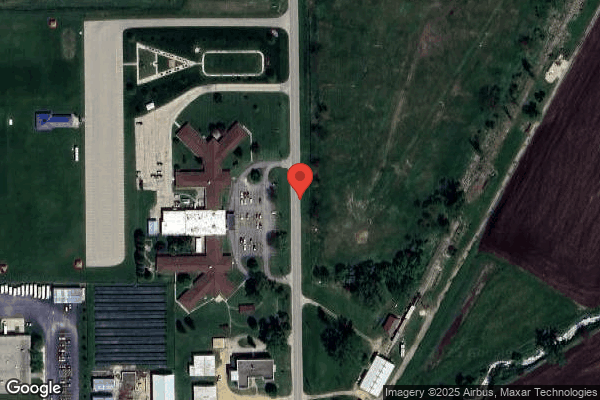

2946 SOUTH WALNUT ROAD, FREEPORT, IL 61032 (815) 235-6173
Government - County 148 Beds Independent Data: November 2025
Trust Grade
38/100
#289 of 665 in IL
Last Inspection: February 2025

Within standard 12-15 month inspection cycle. Federal law requires annual inspections.

Overview

Stephenson Nursing Center has a Trust Grade of F, indicating significant concerns about the quality of care provided. It ranks #289 out of 665 facilities in Illinois, placing it in the top half, but the poor grade suggests serious issues to consider. The facility is worsening, with the number of identified issues increasing from 11 in 2024 to 13 in 2025. Staffing appears to be a strength, with a turnover rate of 0%, which is well below the state average, suggesting that staff are stable and familiar with the residents' needs. However, there have been notable deficiencies, including serious incidents where residents experienced unrelieved pain for days and safety issues during incontinence care that resulted in injury, raising concerns about the overall safety and adequacy of care in the facility.

Trust Score
F
38/100
In Illinois
#289/665
Top 43%
Safety Record
High Risk
Review needed
Inspections
Getting Worse
11 → 13 violations
Staff Stability
○ Average
Turnover data not reported for this facility.
Penalties
○ Average
$15,881 in fines. Higher than 62% of Illinois facilities. Some compliance issues.
Skilled Nurses
✓ Good
Each resident gets 50 minutes of Registered Nurse (RN) attention daily — more than average for Illinois. RNs are trained to catch health problems early.
Violations
⚠ Watch
34 deficiencies on record. Higher than average. Multiple issues found across inspections.
★★★☆☆
3.0
Overall Rating
★★★☆☆
3.0
Staff Levels
★★☆☆☆
2.0
Care Quality
★★★☆☆
3.0
Inspection Score
Stable
2024: 11 issues
2025: 13 issues

The Good

  • Full Sprinkler Coverage · Fire safety systems throughout facility
  • No fines on record

Facility shows strength in fire safety.

The Bad

3-Star Overall Rating

Near Illinois average (2.5)

Meets federal standards, typical of most facilities

Federal Fines: $15,881

Below median ($33,413)

Minor penalties assessed

The Ugly 34 deficiencies on record

4 actual harm
Jun 2025 1 deficiency 1 Harm
SERIOUS (G) 📢 Someone Reported This

A family member, employee, or ombudsman was alarmed enough to file a formal complaint

Actual Harm - a resident was hurt due to facility failures

Deficiency F0628 (Tag F0628)

A resident was harmed · This affected 1 resident

**NOTE- TERMS IN BRACKETS HAVE BEEN EDITED TO PROTECT CONFIDENTIALITY** Based on interview and record review the facility failed to ensure discharge services were in place prior to discharging a resid...

Read full inspector narrative →
**NOTE- TERMS IN BRACKETS HAVE BEEN EDITED TO PROTECT CONFIDENTIALITY** Based on interview and record review the facility failed to ensure discharge services were in place prior to discharging a resident to independent senior housing who requires assistance with activities of daily living. This failure resulted in R1 being found in her apartment soiled in urine and feces and unable to get out of bed. This applies to 1 of 3 (R1) residents reviewed for discharge in the sample of 3. The findings include: R1's face sheet shows she is a [AGE] year old female with diagnosis including osteoarthritis left hip, abnormalities of gait and mobility, type 2 diabetes unspecified dementia and cognitive communication deficit. R1's face sheet shows she was admitted to the facility on [DATE] and discharged on 5/30/25. R1's care plan initiated March 17, 2025 shows R1 has difficulty understanding others, hard of hearing, cognitive and memory deficits. R1 is a fall risk and requires staff assistance with ambulation, has urinary incontinence and requires staff to provide incontinence care. R1's current care plan does not show a discharge plan. On 6/4/25 at 9:33 AM, V3 (Social Service Director) said prior to discharge home health services should be set up and medical equipment should be delivered to their home prior to discharge. If the resident needs a caregiver, V3 facilitates this process through the senior resource center prior to discharge. The day of R1's discharge V3 found out that R1's apartment was independent living. V3 said, V10 (Property Manager of Senior Housing) said she would let V11 (Social Service Manager of Senior Housing) know of R1's discharge. V11 came to the facility the day before R1's discharge and talked to R1. V3 said, V11 asked V3 how R1 was doing in therapy and asked if R1 was more independent. The following day after R1's discharge, everything fell apart. V3 said V11 expressed concerns that R1 was not stable enough to return to her apartment and R1 should have not been discharged because R1 needed long term care and was not appropriate for independent living. V3 said, This is the first time that this problem has come up. R1 is her own decision maker, and she is still at her apartment. If V3 knew R1 had a case worker she would have reached out to her prior to R1's discharge. V3 said today V3 was going to call the senior resource center to see if the caregiver services were set up for R1 as R1 had this service prior to coming to the facility and it should have been set up prior to discharge. V3 said, Our staff assisted R1 back to her apartment, and it was discovered R1 lost her cell phone when R1 arrived in her apartment. V3 delivered the walker to her apartment on 5/30/25. V3 said R1's apartment does not have caregivers and V3 was not aware of the type of setting where R1 was being discharged to. V3 said, During the discharge meeting, we only talked about how R1 was doing in therapy, and we did not discuss her discharge needs. R1 was alert, had periods of confusion, she was a standby assist with ambulation. R1 was referred to home health services for therapy. V3 said V3 sent the referral but is not sure if R1 is receiving those services. V3 said R1 was calling her throughout the weekend. R1 reported she was doing okay, and V3 has not heard from her since Monday. On 6/4/25 at 9:59 AM, V4 (Restorative Nurse) said she was part of R1's discharge meeting. V3 coordinates the equipment and home health services, and V4 coordinates with therapy and assesses a residents mobility prior to discharge. V4 said, R1 was alert with forgetfulness. By the time of discharge, she (R1) could walk with her walker and required supervision with transfers and was incontinent. V4 said the day of R1's discharge V4 felt uncomfortable about R1's discharge. V4 asked V1 (Administrator) if she could meet R1 at her apartment. V4 said R1 had the facility's walker and did not have her own walker with her prior to discharge. A senior bus picked up R1 to transport her to her apartment and V4 met R1 at her apartment. V4 said she was concerned about R1 getting to her apartment safely so that's why V4 met R1 there. V4 said she assisted R1 off the bus and sat her on a bench and went to get a wheelchair because it was a long walk to her apartment and R1 did not have her walker. V4 said before she left R1's apartment, V4 asked the facility about visiting hours and was told visitors are buzzed in on the phone. R1 did not have a phone with her. V4 said she left R1 and bought a cell phone for her and dropped it off at her apartment. V4 said she was told the independent living center does not have any staff to assist with any care needs. V4 said V11 expressed concerns about R1's discharge but stated, well she (R1) was already there, what are we supposed to do. V4 said she reassured V11 that R1 is capable of doing what she needs to do. R1 can transfer herself, ambulates with walker, and was incontinent of urine. On 6/4/25 at 10:35 AM, V6 (Registered Nurse-RN) said prior to discharge there should discharge planning in place to ensure a resident's needs are set up, the floor staff gets a discharge list about one week prior to discharge. V6 said R1 was alert with forgetfulness. R1 could get up and transfer herself, she self-propelled in the wheelchair and was incontinent. V6 said sometimes R1 would refuse therapy or assistance from staff at times. V6 said V6 thought R1 was being discharged to assisted living setting. V6 said, I don't know if R1 was safe to be discharged to independent living. On 6/4/25 at 12:47 PM, V5 (Director of Therapy) said R1 had multiple refusals with therapy and was non-compliant, R1 was strong-willed and worked with therapy when she allowed us to. V5 said R1 made progress initially in therapy and then she flat lined. R1 lacks safety awareness of her deficits, poor safety, she could ambulate with the walker with standby by assist and would self-propel herself in the wheelchair. V5 said R1 had not practiced going up and down stairs, R1 would refuse services to work with stairs. V5 said, We had concerns about her safety to go home to an independent setting. I'm not sure if any staff reached out to her (R1's) family. R1 would be more appropriate for assisted living or long term care. On 6/4/25 at 1:06 PM, V3 (SSD) said she did not communicate with home health services of R1's new phone number so they could call R1 to set up the service. She does not know if R1's caregiver service has been reinstated and did not know she needed assistance with meals. On 6/5/25 at 10:00 AM, V10 said senior housing apartments are for elderly residents ages [AGE] years old and above. V10 said, They should be independent for all their activities of daily living, including cooking, dressing, transfers, ambulating, and housekeeping needs. V11 (Senior Housing Social Worker) expressed concerns to the facility regarding R1 not being fully independent with activities of daily living. The facility asked if we could pick up R1 to transport her home, we explained we do not provide transportation services. They asked if we could assist R1 off the senior bus, we explained we do not have caregivers to assist with cares. We do not have staff or provide services for residents we only provide housing. V11 re-instated R1's caregiver service through the senior center and the caregiver arrived on 6/3/25. On 6/3/25, R1 would not answer the door so she (V11) went to open R1's door with the caregiver and found R1 soiled in bed (appeared to be in bed from the previous day). On 6/5/25 at 10:15 AM, V11 (Senior Housing Social Worker) said she went to the facility on 5/28/25 (two days prior to R1's discharge) to talk to R1. V11 asked R1 how therapy was going and how R1 was doing with her activities of daily living. V11 said she spoke with V3 and told V3 the senior housing facility does not offer any assistance with activities of daily living. There are no staff to assist R1 with ADL's, cooking or housekeeping services. V11 asked V3 about R1's transfer status and was told R1 was being discharged on Friday 5/30/25. V11 said the facility was aware of R1's home setting. V11 reminded V3 they only offer housing and no other services. Residents should be independent, and any outside services should be set up prior to discharge. V11 said V3 asked if someone one could assist R1 off the bus the day of discharge and V11 questioned R1's ability getting in and out of the bus. V11 said the day of R1's discharge, the facility asked for assistance to get R1 into her apartment and V11 told the facility again they cannot provide hands on assist with cares. V11 said the facility was well aware of R1's living situation and expressed V11's concerns to V3. On 6/3/25, R1 was found in her apartment soiled with urine and feces (appeared she had been in bed from the previous day) and unable to get out of bed. V11 said the facility should communicate with us the services a resident needs and should be set up prior to discharge. V11 said R1 required meals on wheels, caregiver services and had not been seen by PT/OT. R1's Communication/Order Sheet dated 5/23/25 shows orders including discharge home with current medications, in home PT (Physical Therapy)/OT (Occupational Therapy) services, and four wheeled walker. R1's Discharge Meeting Care Plan Record dated 5/29/25 shows V3 (Social Service Director), V4 (Restorative Nurse) and R1 in attendance. R1's Discharge Plan Notice Form dated 5/30/25 shows R1's discharge date of 5/30/25 to her home apartment and a standard walker has been ordered. R1's Care Conference Report provided on 6/4/25 shows on 5/28/25 faxed documents to set up PT/OT services. On 5/29/25, R1's discharge meeting was held. On 5/29/25, V3 called to inform V10 and V11 that R1 would be discharging on 5/30/25 and asked if they could be looking out for R1 to get off the bus. V10 shared V11 would call V3. On 5/30/25, V4 followed R1 home to assist her off the bus and into her apartment. On 5/30/25, V3 called case manager to inform her R1 had been discharged home in the community so that her care giver service could be reinstated. The facility's Discharge Instructions Policy states, Upon admission and throughout the resident admission, the Social Service Representative, with the involvement of the interdisciplinary team, will review the discharge needs of each resident, and develop a discharge plan, and communicate and finalize discharge instructions.
Feb 2025 12 deficiencies 1 Harm
SERIOUS (G)

Actual Harm - a resident was hurt due to facility failures

Deficiency F0697 (Tag F0697)

A resident was harmed · This affected 1 resident

**NOTE- TERMS IN BRACKETS HAVE BEEN EDITED TO PROTECT CONFIDENTIALITY** Based on observation, interview, and record review, the facility failed to ensure a residents' pain regimen was adequate to reli...

Read full inspector narrative →
**NOTE- TERMS IN BRACKETS HAVE BEEN EDITED TO PROTECT CONFIDENTIALITY** Based on observation, interview, and record review, the facility failed to ensure a residents' pain regimen was adequate to relieve her pain for one of 13 residents (R14) reviewed for pain in the sample of 13. This failure resulted in R14 experiencing unrelieved pain for three days. The findings include: R14's Physician Order Report dated January 3, 2025-February 3, 2025 shows she was admitted to the facility on [DATE] with diagnoses including nonrheumatic aortic valve stenosis, acute diastolic congestive heart failure, depression, gastrointestinal stromal tumor of stomach, age related osteoporosis, scoliosis thoracic region, muscle weakness, and abnormalities of gait and mobility. R14's medications orders show an order for ibuprofen 200 mg two tablets every four hours as needed to start on December 6, 2024, an order for ibuprofen 200 mg three tablets twice a day for pain to start on December 10, 2024, and morphine liquid 10 mg every two hours as needed to start January 30, 2025. R14's Care Plan created December 17, 2024 shows, Resident has complaints of chronic back pain. History of fall with minor injury. Assess past effective and ineffective pain relief measures, monitor and record any nonverbal signs of pain. R14's Care Plan created December 3, 2024 shows, Pain: evaluation of pain will be performed routinely to address pain management needs. I will receive pain medication per physician/nurse practitioner orders. Pain medication effectiveness will be documented and reported as needed. R14's Progress Notes dated December 2, 2024 shows, Spoke to doctor in regard to residents fall and complaints of back pain. Order received and noted. R14's Progress Note dated December 10, 2024 shows, Reports general aches and pains this morning. Ibuprofen administered as now scheduled . R14's Progress Note dated January 9, 2025 shows, Resident is alert and oriented. Refuses all medications except ibuprofen. States pain is related to her skin tear on her right upper arm. R14's Progress Note dated January 26, 2025 shows, Resident has very poor appetite only taking a few bites at each meal. Also only wanting to take ibuprofen and no other medications. Requesting to stay in bed or go back to bed quickly after getting up in chair. MD (medical doctor) and power of attorney notified of general decline . January 29, 2025 shows, Daughter (V20) here to meet with hospice. Daughter upset stating that she does not feel that residents pain is adequately controlled . January 30, 2025 shows, Need for comfort meds communicated to doctor and new orders morphine and Ativan received. Power of Attorney notified. February 2, 2025 shows, Resident putting on call light several different times requesting to have morphine and be repositioned, she was repositioned every single time, this nurse gave her ibuprofen and am waiting on morphine to arrive from pharmacy. I informed her as soon as we receive her morphine, I will bring it in. She stated, 'so I am just supposed to suffer until then?' I reassured her I gave ibuprofen to help for now. On February 2, 2025 at 10:23 AM, R14 was lying in bed. R14 said that the had pain in her heart and pain in her back. R14 said she was waiting for her morphine. R14 said before her ibuprofen was administered, her pain was rated a 9/10. After the ibuprofen, R14's said her pain is rated at 8/10. R14 was thin and frail. R14 had 4-5 blankets on. On February 3, 2025 at 10:15 AM, V20 (R14's Daughter/power of attorney) was sitting at R14's bedside. R14 was pale and barely breathing. R14 was unresponsive. V20 began crying and stated her mom was actively dying. V20 became tearful when interviewed in regard to R14's pain. V20 said her mom always had chronic pain. V20 said she has been asking for something stronger for pain for R14 since R14 was admitted to the facility. V20 said R14 took ibuprofen at home for pain, but always took more than the recommended amount. V20 said that V4 RN (Registered Nurse) got the process started for a stronger pain medication for R14 but then V20 said she did not know what happened after. Someone dropped the ball.V20 said it took the facility three days to get an order for morphine. V20 said she was very upset. V20 said R14 has aortic stenosis, no stomach due to stomach cancer, was a post-polio baby, and shrunk five inches in height. V20 said that she was told by the facility that staff could not take the morphine out of the emergency box because their pharmacy said the morphine was already on its way to be delivered. V20 said she was very upset when she came in to visit on February 2, 2025 and the morphine still was not in the facility for R14. R14's Medications Administration History dated January 1, 2025-January 31, 2025 shows that R14 asked for her ibuprofen early 17 times. On February 4, 2025 at 9:07 AM, V2 DON (Director of Nursing) said there was an order for hospice for R14 on January 26, 2025. V2 said R14 was refusing to eat and only wanted to take her ibuprofen. V2 said on January 27, 2025 R14's daughter (V20) was upset that R14 did not have morphine for pain. On January 29, 2025 V20 came and talked to V2 again and stated, she just needs to relax so she can die. V2 said that R14 was saying she wanted ibuprofen. V2 said on January 30, 2025, V4 RN contacted R14's doctor to get something stronger for pain because V4 could see that R14 was declining so V4 wanted to get the pain medications so R14 did not have to go through the weekend with no pain medications. V2 said the problem was that the doctor did not call in the morphine prescription into the pharmacy. On February 2, 2025, R14's nurse came to V2 and V4 and said R14 was still asking for morphine. The nurse called the pharmacy and the pharmacy said they did not have a prescription for morphine. So, the nurse called the doctor again and the doctor put the order in to the pharmacy. At 5:18 PM, V2 said the morphine was delivered on February 2, 2025 but did not know why R14 did not get morphine until February 3, 2025. V2 said if R14 was asking for more ibuprofen or asking for it early, then that meant that R14 was in pain. On February 4, 2025 at 9:16 AM, V4 RN said she called the doctor on Thursday night January 30, 2025. V4 said she asked the doctor to get the medication on board because she knows R14 would need them. V4 said she felt that R14 was declining rapidly. V4 said she put the order in the computer, and she knew the medication would not be at the facility until later the next day. V4 said R14's nurse came to her on Sunday February 2, 2025 and said R14 did not have morphine yet. V4 said she told the nurse that V4 would come help the nurse take the morphine out of the emergency box. V4 said staff was not able to take the morphine out of the emergency box because the pharmacy said the morphine was already on the delivery truck. R14's Medications Administration History dated February 1, 2025-February 4, 2025 shows an order for morphine was ordered to start January 30, 2024. This same document shows that R14 did not receive morphine until February 3, 2025 at 7:41 AM. This document also shows that R14 was actively dying at 7:41 AM, 10:05 AM, and 12:06 PM. R14 passed away at 12:30 PM. The facility's Pain Management Policy dated April 2020 shows, The goal is to facilitate resident independence, promote comfort and preserve resident dignity. Residents will be encouraged to report pain early so that pain management can be more effective. Nursing will address pain management issues as soon as they are brought to their attention. Physician or extender notification of inadequate pain management will occur. Nursing will inform the physician or extender about the admission, current pain medications and the need for potential supplemental pain medications if appropriate.
CONCERN (D) 📢 Someone Reported This

A family member, employee, or ombudsman was alarmed enough to file a formal complaint

Potential for Harm - no one hurt, but risky conditions existed

Deficiency F0602 (Tag F0602)

Could have caused harm · This affected 1 resident

**NOTE- TERMS IN BRACKETS HAVE BEEN EDITED TO PROTECT CONFIDENTIALITY** Based on interview and record review, the facility failed to ensure misappropriation of residents' property did not occur for tw...

Read full inspector narrative →
**NOTE- TERMS IN BRACKETS HAVE BEEN EDITED TO PROTECT CONFIDENTIALITY** Based on interview and record review, the facility failed to ensure misappropriation of residents' property did not occur for two of four residents (R41, R11) reviewed for misappropriation in the sample of 13. The findings include: 1. R41's Physician Order Report dated January 3, 2025-February 3, 2025 shows he was admitted to the facility on [DATE] with diagnoses including heart disease, dementia with agitation, dehydration, anxiety disorder, and urinary tract infection. There is an order for hydrocodone-acetaminophen (Norco) 5-325 one tablet for pain every four hours as needed. The facility's Preliminary Incident Investigation Report dated February 1, 2025 shows, January 31, 2025, during the shift to shift narcotic count it was noted that five Norco 5-325 tablets were missing from the bottle. Name of resident allegedly abused or neglected: [R41]. R41's Norco 5-325 Controlled Substance Record shows R41's bottle of Norco was not counted on the night shift of January 30, 2025. On January 31, 2025 at 3:00 AM, there were Norco 60 tablets signed by two nurses. On January 31, 2025 at 3:00 PM, there were 55 Norco tablets. V2 DON (Director of Nursing) investigation report shows she received a call from V19 LPN (Licensed Practical Nurse) stating that [R41's] pill bottle that contained Norco 5/325 was off by five tablets. V19 stated to V2 that V18 RN (Agency Registered Nurse) wanted to do a corrected count, but V19 said no and called V2. Upon speaking with V19 further, V19 told V2 that she counted the narcotic on January 29, 2025 (prior day that V19 worked) and the counted showed 60 Norco pills in R41's bottle. On February 4, 2025 at 11:18 AM, V19 said on January 31, 2025, she was counting the narcotics with an agency nurse [V18] that worked before her. V19 said that when she went to retrieve R41's bottle of Norco 5-325, V18 immediately said 'We didn't count that.' Meaning the previous shift did not count R41's bottle of Norco. V19 said she reached for a cup and a spoon and proceeded to count R41's bottle of Norco. V19 said she counted 55 when it should have been 60. V18 said, Oh I should have counted with the previous nurse to V19. V19 said V18 said this statement twice. V19 said she double counted and still got the same number. V19 said that V18 told V19 to sign the narcotic count sheet and to correct the narcotic count. V19 told V18 that V19 is not authorized to do that. V19 said V2 the director of nursing does that. V19 said that V18 kept saying, I should have counted it, I don't want anyone to think I took anything. V19 said that V18 was acting strange. On February 4, 2025 at 9:46 AM, V2 DON said she received a phone call shortly before midnight on Friday January 31, 2025 from V19. V2 said V19 told her that R41's bottle of Norco was missing five tablets. V2 said R41's family had brought in a bottle of Norco to the facility. V2 said 41 also had a bingo card of Norco from the facility's pharmacy. V2 said staff are supposed to count both the bottle of Norco and the bingo card of Norco at the end of every shift and at the beginning of every shift. V19 told V2 that V18 wanted V19 to just correct the count. V2 said she came in early the next morning on February 1, 2025 to begin the investigation. V2 said she reviewed the facility's cameras. The only thing that V2 noted from the cameras was V18 may have opened the narcotic box at 3:46 PM, 7:20 PM, and 7:41 PM. V2 said the actual narcotic box was obscured by another medication cart, but V18 made the arm motion like she was opening the narcotic box. V2 said V18 gave residents a narcotic medication during the 7:20 PM time and 7:41 PM time but could not find where V18 would have given a narcotic at 3:46 PM. V2 said she called and made a report to the local police department and called the agency where V18 worked. V2 said she did not talk with V18 after the incident but that V18 emailed V2 an unsigned statement. V2 said she still has not accounted for the Norco yet. V2 said the police came to the facility and they are doing their investigation. 2. R11's Face Sheet shows she was admitted to the facility on [DATE] with diagnoses including anxiety disorder, Alzheimer's disease, depression, scoliosis, delusional disorder, and encounter for palliative care. R11's Physician Order Report dated December 1, 2024-December 31, 2024 shows an order for fentanyl patch 25 mcg every 72 hours. R11's Progress Note dated December 21, 2024 done by V24 RN (Registered Nurse) shows, Resident is due to have new fentanyl patch administered per order. This writer unable to locate current patch on left chest as indicated in electronic medical record. New patch applied early to right back related to no current transdermal pain relief present on resident body. An attempt was made to talk to V24 via phone on February 4, 2025. A message was left with no call back. On February 4, 2025 at 9:46 AM, V2 DON said she has not investigated any potential for misappropriation in the last three months regarding a missing fentanyl patch. V2 said she was not aware of the missing fentanyl patch on R11. V2 said V24 no longer works for the facility due to attendance issues. V2 said staff are supposed to notify her right away if the see that a fentanyl patch is missing off a resident. On February 4, 2025 at 11:18 AM, V19 LPN said she calls the director of nursing and administrator if a fentanyl patch is missing off a resident because it is a controlled substance and it could mean that someone took it. The facility's Medications-Controlled policy effective April 2020 shows, A count of controlled drugs is maintained by nurses of the off-going and oncoming shifts. The facility's Abuse policy effective April 2020 shows, This facility affirms the right of our residents to be free from verbal, physical, sexual, mental abuse, neglect, exploitation, misappropriation of property, involuntary seclusion, or mistreatment.
CONCERN (D) 📢 Someone Reported This

A family member, employee, or ombudsman was alarmed enough to file a formal complaint

Potential for Harm - no one hurt, but risky conditions existed

Abuse Prevention Policies (Tag F0607)

Could have caused harm · This affected 1 resident

**NOTE- TERMS IN BRACKETS HAVE BEEN EDITED TO PROTECT CONFIDENTIALITY** Based on interview and record review, the facility failed to ensure their abuse policy was implemented for one of four residents...

Read full inspector narrative →
**NOTE- TERMS IN BRACKETS HAVE BEEN EDITED TO PROTECT CONFIDENTIALITY** Based on interview and record review, the facility failed to ensure their abuse policy was implemented for one of four residents (R11) reviewed for abuse policy and procedures in the sample of four. The findings include: R11's Face Sheet shows she was admitted to the facility on [DATE] with diagnoses including anxiety disorder, Alzheimer's disease, depression, scoliosis, delusional disorder, and encounter for palliative care. R11's Physician Order Report dated December 1, 2024-December 31, 2024 shows an order for fentanyl patch 25 mcg every 72 hours. R11's Progress Note dated December 21, 2024 done by V24 RN (Registered Nurse) shows, Resident is due to have new fentanyl patch administered per order. This writer unable to locate current patch on left chest as indicated in electronic medical record. New patch applied early to right back related to no current transdermal pain relief present on resident body. An attempt was made to talk to V24 via phone on February 4, 2025. A message was left with no call back. On February 4, 2025 at 9:46 AM, V2 DON said she has not investigated any potential for misappropriation in the last three months in regard to a missing fentanyl patch. V2 said staff are supposed to notify her right away if the see that a fentanyl patch is missing off a resident. On February 4, 2025 at 11:18 AM, V19 LPN said she calls the director of nursing and administrator if a fentanyl patch is missing off a resident because it is a controlled substance and it could mean that someone took it. The facility's Abuse Policy effective April 2020 shows, The purpose of this policy is to assure that the facility is doing all that is within its control to prevent occurrences of abuse, neglect, exploitation, misappropriation of property and mistreatment of residents. This will be done by: orienting and training employees on how to deal with stress and difficult situations, and how to recognize and report occurrences of abuse, neglect, exploitation, and misappropriation of property.
CONCERN (D) 📢 Someone Reported This

A family member, employee, or ombudsman was alarmed enough to file a formal complaint

Potential for Harm - no one hurt, but risky conditions existed

Report Alleged Abuse (Tag F0609)

Could have caused harm · This affected 1 resident

**NOTE- TERMS IN BRACKETS HAVE BEEN EDITED TO PROTECT CONFIDENTIALITY** Based on interview and record review, the facility failed to report a missing controlled substance for one of four residents (R1...

Read full inspector narrative →
**NOTE- TERMS IN BRACKETS HAVE BEEN EDITED TO PROTECT CONFIDENTIALITY** Based on interview and record review, the facility failed to report a missing controlled substance for one of four residents (R11) reviewed for reporting abuse in the sample of four. The findings include: R11's Face Sheet shows she was admitted to the facility on [DATE] with diagnoses including anxiety disorder, Alzheimer's disease, depression, scoliosis, delusional disorder, and encounter for palliative care. R11's Physician Order Report dated December 1, 2024-December 31, 2024 shows an order for fentanyl patch 25 mcg every 72 hours. R11's Progress Note dated December 21, 2024 done by V24 RN (Registered Nurse) shows, Resident is due to have new fentanyl patch administered per order. This writer unable to locate current patch on left chest as indicated in electronic medical record. New patch applied early to right back related to no current transdermal pain relief present on resident body. An attempt was made to talk to V24 via phone on February 4, 2025. A message was left with no call back. On February 4, 2025 at 9:46 AM, V2 DON said she has not investigated any potential for misappropriation in the last three months in regard to a missing fentanyl patch. V2 said she was not aware of the missing fentanyl patch on R11. V2 said V24 no longer works for the facility due to attendance issues. V2 said staff are supposed to notify her right away if the see that a fentanyl patch is missing off of a resident. On February 4, 2025 at 11:18 AM, V19 LPN said she calls the director of nursing and administrator if a fentanyl patch is missing off a resident because it is a controlled substance and it could mean that someone took it. The facility's Abuse Policy effective April 2020 shows, The purpose of this policy is to assure that the facility is doing all that is within its control to prevent occurrences of abuse, neglect, exploitation, misappropriation of property and mistreatment of residents. This will be done by: Identifying occurrences and patterns of potential mistreatment. Employees are required to report any incident, allegation or suspicion of potential abuse, neglect, exploitation, mistreatment or misappropriation of resident property the observe, hear about, or suspect to the administrator immediately, to an immediate supervisor who must then immediately report it to the administrator or to a compliance hotline or compliance officer.
CONCERN (D)

Potential for Harm - no one hurt, but risky conditions existed

ADL Care (Tag F0677)

Could have caused harm · This affected 1 resident

Based on observation, interview and record review the facility failed to ensure a resident who is dependent on staff for Activities of Daily Living (ADLs) was provided incontinence care in a timely ma...

Read full inspector narrative →
Based on observation, interview and record review the facility failed to ensure a resident who is dependent on staff for Activities of Daily Living (ADLs) was provided incontinence care in a timely manner for 1 of 13 residents (R5) reviewed for ADLs in the sample of 13. The findings include: On 2/3/25 at 8:13 AM, R5 was in the dining room eating breakfast. At 10:34 AM, V11 (Certified Nursing Assistant) and V12 (Registered Nurse) transferred R5 into bed using a mechanical lift. R5's mechanical lift sling was removed from under him and then his blankets were pulled up. V11 and V12 then exited the room. V11 or V12 did not check to see if R5's incontinence brief needed to be changed. At 11:29 AM, V11 provided incontinence care to R5. R5's incontinence brief was saturated. R5's green sweatpants had visible wet spots on the back of them. R5's front perineal area was reddened. R5 had a small amount of stool present. R5's buttocks was reddened. On 2/3/25 at 2:48 PM, V2 (Director of Nursing) said residents should be checked for incontinence every 2 hours and as needed. V2 said if staff are putting a resident to bed, they should check the incontinence brief to see if it needs to be changed. R5's Care Plan dated 11/17/24 shows, He is dependent on staff with mobility, eating and hygiene .incontinent of bowel and bladder Render peri care every incontinent episode-Keep clean and dry as possible. Minimize skin exposure to moisture.
CONCERN (D)

Potential for Harm - no one hurt, but risky conditions existed

Quality of Care (Tag F0684)

Could have caused harm · This affected 1 resident

Based on observation, interview and record review the facility failed to ensure protective arm sleeves were applied to a resident with fragile skin and a history of skin tears for 1 of 13 residents (R...

Read full inspector narrative →
Based on observation, interview and record review the facility failed to ensure protective arm sleeves were applied to a resident with fragile skin and a history of skin tears for 1 of 13 residents (R11) reviewed for quality of care in the sample of 13. The findings include: R11's Nursing Notes dated 12/13/24 shows, Resident bumped arm on table at breakfast and sustained a skin tear of 2.5 cm by 0.5 cm to (R) outer forearm . R11's Nursing Notes dated 1/29/25 shows, Resident bumped her right FA (forearm) on the table at lunch and sustained a 1.5 cm (centimeter) x 0.5 cm skin tear On 2/2/25 at 10:26 AM, V15 (Certified Nursing Assistant) and V16 (Registered Nurse) provided incontinence care to R11 and got her up into her high back wheelchair. R11 had arm protector sleeves on her bedside table. R11 had a short sleeved shirt on. R11 had a dressing to her right forearm. V16 stated that it was a skin tear from bumping her arm on the dining room table. At 12:11 PM, R11 was sitting at the dining room table. R11 did not have protective arm sleeves on. R11 did not have long sleeves on. On 2/3/25 at 12:21 PM, R11 was sitting at the dining room table. R11 did not have arm protective sleeves on. R11 did not have long sleeves on. On 2/3/25 at 10:02 AM, V4 (Wound Care Registered Nurse) said that they implemented R11's protective arm sleeves after she received a skin tear. V4 said that she has very fragile skin and bruises easily. V4 said that R11 should be wearing the sleeves when she is out of bed to prevent skin tears and bruising. R11's Health Care plan created on 11/26/24 shows, Resident is at risk for bruising r/t (related to) impaired skin integrity, resistance to care at times, and anticoagulant use Dress resident in long sleeves shirts and pants. Protect extremities. R11's Health Care Plan created on 2/3/25 shows, Resident has a skin tear to RFA (right forearm) below elbow Use arm protectors while out of bed to reduce trauma/damage to the skin surface.
CONCERN (D)

Potential for Harm - no one hurt, but risky conditions existed

Pressure Ulcer Prevention (Tag F0686)

Could have caused harm · This affected 1 resident

**NOTE- TERMS IN BRACKETS HAVE BEEN EDITED TO PROTECT CONFIDENTIALITY** Based on observation, interview, and record review the facility to ensure pressure ulcer prevention interventions were implement...

Read full inspector narrative →
**NOTE- TERMS IN BRACKETS HAVE BEEN EDITED TO PROTECT CONFIDENTIALITY** Based on observation, interview, and record review the facility to ensure pressure ulcer prevention interventions were implemented for a resident at risk for pressure ulcers and failed to ensure dietary recommendations were implemented for a resident with a stage 3 pressure ulcer. This applies to 2 of 4 residents (R5 and R11) reviewed for pressure ulcers in the sample of 13. The findings include: 1. On 2/2/25 at 2:52 PM, V10, Certified Nursing Assistant (CNA) was in R5's room assisting R5's roommate. R5 was lying in bed. R5's air mattress was not plugged into the wall. When the mattress was pressed on slightly, the metal bed frame was able to be felt. At 3:00 PM, V10 exited the room. R5's air mattress was still unplugged. On 2/2/25 at 2:52 PM, V15 (CNA) said R5 was placed back into bed around 1:00 PM. On 2/2/25 at 3:49 PM, V4 (Wound Care Registered Nurse) said R5 has an air mattress due to him being at high risk for pressure ulcers. V4 went into the room and plugged R5's air mattress into the wall. R5's air mattress was set for a weight of 80 pounds. On 2/3/25 at 11:29 AM, R5 was lying in bed. R5's air mattress was still set at 80 pounds. On 2/3/25 at 11:29 AM, V4 said that R5's air mattress should be set at 160 pounds. R5's Weight Report shows that he weighed 151 pounds on 1/8/25. R5's Physician's Order Sheet shows, and order dated 6/27/24 for, Air mattress on bed to relieve pressure. Make sure it is set at correct weight-159. R5's Care Plan shows, [R5] has a hx (history) of pressure ulcers. He is dependent on staff with mobility, eating and hygiene Air mattress provided to relieve pressure. Staff to check and make sure it is set at correct weight. R5's Pressure Ulcer Risk form dated 12/30/24 shows he is a moderate risk for developing pressure ulcers. 2. R11's Wound assessment dated [DATE] shows, Stage 3 pressure ulcer noted to coccyx measuring 1.4 x 0.6 x 0.2 . R11's Dietary Note dated 1/23/25 shows, With Stage 3 open area present nursing requested re-evaluation for HPS (High Protein Supplement) to promote healing. Suggest HPS TID (three times a day) with meal and will add sandwiches BID (twice a day) goal for complete healing. On 2/2/25 at 12:11 AM, R11 was served her lunch tray. There was no sandwich on R11's lunch tray. On 2/3/25 at 12:21 PM, R11 was served lunch. There was no sandwich on R11's lunch tray. On 2/4/25 at 8:57 AM, V14 (Dietitian) said R11 has a stage 3 pressure ulcer and on 1/23/25, the wound nurse asked her if they could try providing her sandwiches to help her with wound healing. V14 said the sandwich would give her a little more protein to promote wound healing. V14 said with add ons like ice cream or sandwiches, they do not need a physician's order. V14 said that typically she fills out a recommendation form and gives it to the dietary manager, but she forgot to do one for R11's sandwiches. V14 said she put the recommendation in her progress notes but did not notify the dietary department. On 2/4/25 at 9:45 AM, V4 (Wound Care Registered Nurse) said V14 (Dietitian) and V3 (Dietary Manager) and herself all spoke about R11 getting a sandwich for more protein due to her having a pressure ulcer. V4 said that in the meeting, V14 agreed to the sandwiches. On 2/4/25 at 10:49 AM, V3 (Dietary Manager) said she did speak with V14 and V4 about providing R11 with sandwiches but during the meeting, she did not hear a for sure answer. V3 said she received V14's recommendations for that day and providing R11 with sandwiches was not one of the recommendations. V3 said, It must have slipped all of our minds that day. R11's Meal Ticket printed on 2/3/25 does not show that she should get a sandwich twice a day.
CONCERN (D)

Potential for Harm - no one hurt, but risky conditions existed

Incontinence Care (Tag F0690)

Could have caused harm · This affected 1 resident

**NOTE- TERMS IN BRACKETS HAVE BEEN EDITED TO PROTECT CONFIDENTIALITY** Based on observation, interview, and record review, the facility failed to ensure a resident did not wear a urinary drainage leg...

Read full inspector narrative →
**NOTE- TERMS IN BRACKETS HAVE BEEN EDITED TO PROTECT CONFIDENTIALITY** Based on observation, interview, and record review, the facility failed to ensure a resident did not wear a urinary drainage leg bag while in bed for one of two residents (R35) reviewed for catheters in the sample of 32. The findings include: R35's Face Sheet shows he was admitted to the facility on [DATE] with diagnoses including congestive heart failure, altered mental status, chronic kidney disease, urinary retention, and obstructive and reflux uropathy. R35's Care Plan started September 7, 2024 shows, [R35] requires an indwelling urinary catheter. History of retention and urinary tract infections. On February 2, 2025 at 9:35 AM, R35 was lying in bed. R35 had his knees bent up and he was laying on his back. There was no urinary drainage bag visible on either side of R35's bed. At 9:40 AM, V7 CNA (Certified Nursing Assistant) said R35 has a catheter (urinary drainage device). V7 said R35 has a leg bag on while he's in bed. At 9:42 AM, there was a sing about R35's bed that showed, Do not leave leg bag on when in bed. At 9:54 AM, V7 detached R35's leg bag from his lower leg and laid it on the side of R35's bed. There was amber urine noted in the tubing and in the urinary drainage bag. On February 4, 2025 at 9:28 AM, V2 DON (Director of Nursing) said R35 should not have a leg bag while he is in bed. V2 said R35 is at risk for urinary tract infections. There is a potential for urine back flow if R35 has his leg bag on while he's in bed. The facility's Foley Catheter-Use and Management policy effective June 2024 shows, Proper management of resident with a foley catheter include the following: urinary drainage tubing should be kept below the bladder level to promote free flow of urine, by gravity. Urinary legs bags should be evaluated for use, if used the following should be done; If a leg bag is determined appropriate, it should be only used when out of bed. A leg bag will be considered for discontinuation if a urinary tract infection [NAME] is identified. A leg bag should be positioned below the bladder.
CONCERN (D)

Potential for Harm - no one hurt, but risky conditions existed

Menu Adequacy (Tag F0803)

Could have caused harm · This affected 1 resident

Based on observation, interview and record review the facility failed to follow the facility's posted menu for residents on a pureed diet for 3 of 7 residents (R5, R12, R19) reviewed for pureed diets ...

Read full inspector narrative →
Based on observation, interview and record review the facility failed to follow the facility's posted menu for residents on a pureed diet for 3 of 7 residents (R5, R12, R19) reviewed for pureed diets in the sample of 13. The findings include: A facility list dated 2/2/25 showed R5, R12, and R19 received a pureed diet. The facility's lunch menu dated 2/2/25 showed residents were to be served servings of ham, spinach au gratin, sweet potatoes, a dinner roll, and pineapple cake. On 2/2/25 at 11:48 AM, R5's lunch tray was placed in front of him. Food items on his tray included pureed ham, spinach, sweet potatoes, and cake. No pureed roll or bread item was noted on his tray. At 12:20 PM, R5 was being fed by facility staff. No pureed roll or bread item was noted on his tray. On 2/2/25 at 12:21 PM, R12 and R19 were seated in the dining room being fed their pureed lunch by facility staff. No servings of a pureed roll or bread were noted on R12's or R19's lunch tray. On 2/2/25 at 1:15 PM, V3 Dietary Manager stated residents on pureed diets should receive the same food items as residents on regular diets. V3 stated she was not aware that R5, R12, and R19 had not gotten a pureed roll at lunch. The facility's Food: Quality and Palatability policy dated 9/2017 showed, The Dining Services Director and Cook(s) are responsible for food preparation. Menu items are prepared according to the menu, production guidelines, and standardized recipes .
CONCERN (E)

Potential for Harm - no one hurt, but risky conditions existed

Deficiency F0604 (Tag F0604)

Could have caused harm · This affected multiple residents

**NOTE- TERMS IN BRACKETS HAVE BEEN EDITED TO PROTECT CONFIDENTIALITY** Based on observation, interview, and record review the facility failed to ensure residents were not restrained from being able t...

Read full inspector narrative →
**NOTE- TERMS IN BRACKETS HAVE BEEN EDITED TO PROTECT CONFIDENTIALITY** Based on observation, interview, and record review the facility failed to ensure residents were not restrained from being able to exit their beds for 4 of 13 residents (R5, R11, R19 and R35) reviewed for restraints in the sample of 13. The findings include: 1. On 2/2/25 10:26 AM, R11 was lying in bed. R11 had siderails on the upper half of her bed in a raised position on both sides of her bed. R11 had bolsters (wedge shaped cushions) attached to each side of her bed measuring 33 inches long and 7 inches high. The bolsters were attached to the bed with two straps holding them in place. There was 23 inches from the end of the bolster to the end of her bed. On 2/4/25 at 9:40 AM, R11 was lying in bed and the siderails and bolsters were in the same position. On 2/4/25 at 9:40 AM, V15 (Certified Nursing Assistant) said R11 has the bolster in place so she does not get out of bed. V15 said R11 is not able to independently use her side rails for positioning herself. R11's Fall Care Plan dated 11/26/24 shows, [R11] is at risk for falls r/t (related to) the need for assistance with all transfers, a visual deficit requiring the use of glasses, a hx (history) of anxious behaviors bolster cushions on bed. R11's Informed Consent Regarding Physical Device Usage form dated 12/5/23 shows the device she uses is half side rails on both sides of bed. The form shows, I also understand that the reason/need for use of the physical device will be reassessed quarterly or if there is a change in resident's/my condition. I am aware that attempts may be made to reduce/remove the use of the physical device as the resident's/my condition warrants . On 2/4/25 at 1:00 PM, V2 (Director of Nursing) said she does not have any restraint assessments nor siderail assessments to provide for R11. On 2/3/25 at 2:48 PM, V2 (Director of Nursing) said side rails can be considered a restraint if the resident is not using them to help with positioning. V2 said R11 cannot use her siderails for self-assisted bed mobility. V2 said bolsters are not a restraint, they are a positioning device. 2. On 2/2/25 at 2:52 PM, R5 was lying in bed. R5 had bolsters (wedge shaped cushions) attached to the middle of each side of his bed measuring 33 inches long and 7 inches high. The bolsters were attached to the bed with two straps holding them in place. R5 had his left leg over the side of the right side of his bed resting on the bolster. On 2/2/25 at 2:52 PM, V15 (CNA) said R5 has bed bolsters because he tries to get out of bed and is at fall risk. On 2/4/25 at 11:53 AM, V15 said if R5 did not have the bolsters in place, he would be able to get out of bed but it is not safe for him to do it by himself. R5's Fall Care Plan dated 10/31/24 shows, [R5] is at risk for falling r/t (related to) dependent on staff with mobility, hx (history) of restlessness d/t dx (diagnosis) of anxiety and alz (Alzheimer's disease). Safety precautions diminished Ensure bolsters are in place and are attached properly. The facility's Restraint Device Evaluation Policy dated 4/2020 shows, Upon admission, quarterly and with a change in condition, every resident is evaluated for restraint use by completing the Device Observation, Education, and Consent form. Use of side rails for bed mobility/physical functioning is not considered a restraint .Make sure the restraint allows for freedom of movement. Do not attach any restraint to side rails or bed frame . 3. R19's Face Sheet shows she was admitted to the facility on [DATE] with diagnoses including Alzheimer's disease, polyosteoarthritis, anxiety disorder, and depression. Transfer status: mechanical lift for all transfers. R19's Care Plan edited November 25, 2024 shows, R19 has arthritis and has pain with flexion of right and left shoulder joints past level of shoulders, dementia, unable to participate in active range of motion exercises. R19's Minimum Data Set, dated [DATE] shows she is not cognitively intact. R19 is dependent on staff to roll left and right in bed. On February 2, 2025 at 1:35 PM, V21 and V22 CNAs (Certified Nursing Assistants) transferred R19 into bed via a mechanical lift. There were tall barriers on each side of R19 while she was in bed. These barriers were about as long as R19's body was and went higher than R19's body when she was lying in bed. V22 CNA said the barriers are used so she doesn't get out of bed. Although she doesn't really need them anymore because she doesn't move as much as she used to. 4. R35's Face Sheet shows he was admitted to the facility on [DATE] with diagnoses of congestive heart failure acute respiratory failure, altered mental status, adjustment disorder, and delusional disorder. R35's Care Plan created on January 2, 2025 shows, [R35] has a history of falling. Place bolsters on either side of bed. R35's Minimum Data Set (MDS) dated [DATE] shows he is not cognitively intact. On February 2, 2025 at 9:42 AM, R35 was in his bed. R35's top half of his body was out of bed near the floor. There were tall barriers noted under each side of R35's bed. At 11:56 AM, R35 was still in bed, there were tall barriers on each side of R35 while he was lying in bed. On February 4, 2025 at 1:16 PM, V28 CNA said the tall barriers are there so that R35 does not fall out of bed. V28 said that R35 cannot climb over the barriers, nor can he remove them. On February 3, 2025 at 7:51 AM, V2 DON (Director of Nursing) said there is no restraint assessment for R19 or R35. The facility's Restraint Device policy effective April 2020 shows, Restraint use requires an evaluation, recommendation and an order and resident/legal representative permission before application. Use of restraints will be in accordance with state/federal regulations. Make sure the restraint allows for freedom of movement, do not attach any restraint to side rails or bed frame.
CONCERN (F)

Potential for Harm - no one hurt, but risky conditions existed

Food Safety (Tag F0812)

Could have caused harm · This affected most or all residents

Based on observation, interview, and record review the facility failed to maintain their kitchen in a clean and sanitary manner. The facility failed to ensure staff handled kitchen utensils in a manne...

Read full inspector narrative →
Based on observation, interview, and record review the facility failed to maintain their kitchen in a clean and sanitary manner. The facility failed to ensure staff handled kitchen utensils in a manner to prevent cross contamination. These failures have the potential to affect all 46 residents in the facility. The findings include: The facility's Long-Term Application for Medicare and Medicaid form dated 2/2/25 showed a resident census of 46. On 2/2/25 at 9:26 AM, an initial tour of the facility's kitchen was conducted. During the tour, the following observations were noted: 1. Dried grease and food debris noted across the top of the stove, down the front of the ovens, and down the sides of the steamers. 2. Four, individual plastic quart containers, each containing dried cereal, were noted on one of the kitchen counters. Each lid, on the containers, appeared dirty and were sticky to the touch. A brown, sticky substance was noted on the side of one of the containers. 3. A plastic milk crate, noted on the bottom shelf of a rack next to the stove, was covered with grease and sticky food debris. On 2/2/25 at 10:25 AM, a second tour of the facility's kitchen was conducted. During this time, the following observations were noted: 1. Dried liquid and food debris was noted on the bottom shelf of the food prep table. 2. The lid and sides of the facility's commercial grade food processor were covered with a greasy substance. 3. The shelf under the facility's plate warmer rack was covered with salt packets and napkins. The packages of salt were opened with salt lying all over the shelf. 4. Dried liquid and food debris was noted down the front and sides of the facility's steam table. 5. A dirty oven mitt was on the floor under the steam table. On 2/2/25 at 11:22 AM, V3 Dietary Manager began placing food items on the steam table in the kitchen. Without washing her hands, V3 then walked over to a plastic bin containing miscellaneous scoops and kitchen utensils and began rummaging through the bin with her bare hands. V3 picked up multiple scoops with her bare hands and carried the scoops over to the kitchen steam table. V3 placed a scoop (each) into the containers of spinach, sweet potatoes, pureed spinach, pureed sweet potatoes, pureed ham, and mechanical soft ham. On 2/2/25 at 1:15 PM, V3 Dietary Manager stated kitchen staff are to wear gloves when handling kitchen utensils and/or dishes to prevent cross contamination. V3 stated the last time the facility's kitchen was deep cleaned was probably over a month ago. The facility's Food: Preparation policy dated 9/2017 showed, All staff will practice proper hand washing techniques and glove use. Dining Services staff will be responsible for food preparation procedures that avoid contamination by potentially harmful, physical, biological, and chemical contamination. All utensils, food contact equipment, and food contact surfaces will be cleaned and sanitized after every use .
CONCERN (F)

Potential for Harm - no one hurt, but risky conditions existed

Deficiency F0947 (Tag F0947)

Could have caused harm · This affected most or all residents

Based on interview and record review the facility failed to ensure certified nursing assistants (CNA) working in the facility received their annual abuse and dementia care training/education. This fa...

Read full inspector narrative →
Based on interview and record review the facility failed to ensure certified nursing assistants (CNA) working in the facility received their annual abuse and dementia care training/education. This failure has the potential to affect all 46 residents in the facility. The findings include: The facility's Long-Term Application for Medicare and Medicaid form dated 2/2/25 showed a resident census of 46. The facility's nursing schedule showed the following agency CNA's provided cares to residents in the facility: V7 CNA on 2/2/25 V8 CNA on 1/20/25-1/24/25 V9 CNA on 1/20/25, 1/23/25-1/31/25 On 2/4/25 at 7:39 AM, V2 Director of Nursing stated V7-V9 CNA's had not completed any abuse or dementia trainings in the last year. V2 stated V7-V9 are agency CNA's. I called their agency. They said (V7-V9 CNA's) had not received the trainings. They didn't attend our abuse or dementia trainings here. The facility's assessment (originally dated 8/18/2017; revised 2025) showed, We accept residents with the following diagnosis, diseases, and condition . Alzheimer's disease, dementia . Human Resources and Nursing Department strive to hire staff that have related health care experience. Training and education are provided upon orientation and throughout the year. The following areas are in the staff education and topics list: . abuse, neglect, exploitation . caring for persons with Alzheimer's or other dementia .
Jan 2024 7 deficiencies
CONCERN (D)

Potential for Harm - no one hurt, but risky conditions existed

Deficiency F0583 (Tag F0583)

Could have caused harm · This affected 1 resident

Based on observation, interview and record review, the facility failed to protect the confidential health information for 1 of 1 resident (R30) reviewed for privacy in the sample of 12. The findings i...

Read full inspector narrative →
Based on observation, interview and record review, the facility failed to protect the confidential health information for 1 of 1 resident (R30) reviewed for privacy in the sample of 12. The findings include: On 1/17/24 at 9:13 AM, the medication cart for the C/D halls was in the common walking area, between the nursing station and the halls. V18 (Registered Nurse-RN) walked away from the medication cart and entered the first room on the right down the hall. R30's electronic medical record was visible on the computer screen located on the medication cart. At 9:15 AM, V18 said she should not leave a resident's medical record open when she is away from the cart. On 1/18/24 at 10:28 AM, V7 (Registered Nurse/MDS Coordinator) and V4 (Wound Nurse/Infection Preventionist) said it is important to lock the computer so no one can see a resident's medical record; for the resident's privacy and rights. On 1/18/24 at 10:31 AM, V2 (Director of Nursing-DON) said the computer should be put on walkaway feature when the nurse is not by the cart because it covers the medical record, and it is not able to be seen. The facility provided HIPAA (Health Insurance Portability and Accountability Act) in-service training regarding Federal regulations governing patient privacy. The presentation/in-service documents showed privacy protections are needed because there is a broad availability of information stored and exchanged in electronic format and an increasing public concern about the loss of privacy. The documents showed HIPAA-The Privacy Rule of the Health Insurance Portability and Accountability Act of 1996 (HIPAA) establishes comprehensive protections for medical privacy. The in-service training documents also showed Health information belongs to the patient and patients have a right to know how their information is being used. The documents also showed Remember that patient information ultimately belongs to the patient, not the provider. Our commitment to patient care includes a commitment to respecting patients' rights of privacy. The 12/22/23 in-service Sign in sheet listed the staff members that attended the training on 12/22/23. V18's signature was not on the list.
CONCERN (D)

Potential for Harm - no one hurt, but risky conditions existed

Quality of Care (Tag F0684)

Could have caused harm · This affected 1 resident

**NOTE- TERMS IN BRACKETS HAVE BEEN EDITED TO PROTECT CONFIDENTIALITY** Based on observation, interview and record review, the facility failed to follow a physician's order for calling a resident's ph...

Read full inspector narrative →
**NOTE- TERMS IN BRACKETS HAVE BEEN EDITED TO PROTECT CONFIDENTIALITY** Based on observation, interview and record review, the facility failed to follow a physician's order for calling a resident's physician when blood glucose levels are out of a specified range for 1 of 2 residents (R30) reviewed for quality of care in the sample of 12. The findings include: R30's face sheet, provided by the facility on 1/18/24, showed she had diagnoses including type 2 diabetes mellitus without complications, Exocrine pancreatic insufficiency (a condition in which the pancreas does not release enough digestive enzymes. As a result, the body cannot properly digest food and absorb nutrients. The endocrine pancreas makes the hormone insulin, which helps to control blood sugar levels), long term use of insulin, and adult failure to thrive. R30's facility assessment dated [DATE] showed she is cognitively intact. On 1/18/24 at 8:35 AM, R30 was in her room, lying in bed. R30 was alert and oriented. R30 said her blood sugar levels are high sometimes. R30 said the nurses update her doctor. R30 said she does not have a pancreas, so her body does not make insulin. R30 said her pancreas became hardened and she had to have it removed. R30 said the nurses cannot give her too much insulin because her blood sugars will bottom out if they do; so, they have to be careful. Next to R30's bed was a box containing twinkies, a large bag of potato chips, a large bag of veggie straws and several other snacks and drinks. R30's Physician's Order Report from 12/18/23-1/18/24 showed an order for insulin lispro per sliding scale before meals and at bedtime. The order showed If blood sugar is greater than 400, call MD. R30's Vitals Report from 11/8/23-1/18/24 were provided by the facility on 1/18/24. The Vitals Report showed 36 times where R30's blood sugar levels were above 400 mg/dl. On 1/18/24 at 9:37 AM, V2 (Director of Nursing-DON) said she would expect the nurses to document in the nurse progress notes when the doctor was updated, or to see that a new order was given, and the doctor was updated regarding a resident's high blood sugar levels. At 9:49 AM, V2 (DON) called V10 (Registered Nurse-RN) and put her on speaker phone. V10 said she would document in the progress notes if the doctor was updated about high blood sugar levels. V19 (RN-who was also on speaker phone with V10) said if you enter a blood sugar level into a resident's electronic administration record that is above the level specified by the doctor, the electronic administration system will alert you that the doctor needs to be notified. V19 said the system will not let you enter any unit amount into the electronic emar (electronic medication administration record) system. It will cut it off and a red alert will come up. V19 said you must enter that the doctor was notified and how many units were given on the administration record itself. On 1/18/24 at 10:01 AM, V20 (RN) was called by V2 on the phone and placed on speaker. V20 said he did not update R30's doctor (V21) on 1/16/24 when R30's blood sugar level was 513 mg/dl (above the range specified by V21-R30's Physician). V20 said that he was told by another nurse not to call the doctor, just give her 6 units of insulin (V20 did not remember which nurse told him this). V20 said R30 is a brittle diabetic, and her blood sugar levels go up and down. V20 said he is not aware if there was an actual order to not call, to just give 6 units; that is just what he was told by another nurse. V20 said if there was an order like that given, it should be in R30's orders. V20 said if the order says to notify the doctor if R30's blood sugar level is over 400, then the doctor should be notified. V20 said if the order was changed, it should be placed in R30's orders. On 1/18/24 at 10:10 AM, V7 (RN) said R30's blood sugar level was high on 12/21/23. V7 said she notified V21 (R30's Physician). V7 said the system alerts the nurse when a blood sugar level entered into the system is outside of the physician's specified range. V7 said the nurse must notify the resident's doctor and put in the comments section of the Administration Record that the doctor was notified and any new orders that were given before it will allow you to mark as given. At 10:11 AM, V4 (Wound Nurse/Infection Preventionist-who was also in the room during this interview) said on 12/14/23 R30's blood sugar levels were 516 mg/dl (above the specified level of 400 mg/dl). V4 said she called V21 (R30's Physician) and was told to just give the 6 units per sliding scale and nothing more. V4 said usually V21 will just say to give the 6 units per sliding scale and nothing more. V4 and V7 said the nurse should notify V21 when R30's blood sugar levels are above 400 mg/dl. V4 and V7 said it is important to notify the doctor (V21) per R30's orders to let him know of any changes and if R30 is symptomatic or not. On 1/18/24 at 11:44 AM, V8 (Licensed Practical Nurse-LPN) said every time R30's blood sugar levels were higher than the 400 mg/dl range, she would call V21 or the on-call doctor. V8 said V21's nurse would always tell her to just keep giving R30 the 6 sliding scale units of insulin as ordered and no additional units. On 1/18/24 at 10:44 AM, V2 (Director of Nursing) said the nurses should follow the physician's orders and call the doctor to notify him when R30's blood sugar levels are above 400. He is the physician; he knows the patient. He needs to know so he can make the decision as to whether to give any additional insulin or any other orders he wants to give. On 1/18/24 at 11:35 AM, V21 (R30's Physician) said R30 has had her pancreas removed. V21 said it is almost impossible to control her blood sugar levels. V21 said for the most part, he feels that the nurses at the facility have been notifying him. V21 said he thinks R30 has a lot of behaviors that make it difficult to treat her. She is non-compliant. V21 said he is aware that R30 has had many high blood sugar levels, however he is not sure if he was informed of all of them. V21 said R30 is so brittle, and it is so hard to control her blood sugar levels, adding, even a little change can drop her blood sugars. V21 said he is more worried about hypoglycemia than hyperglycemia with R30 and he would not have given any different orders. The facility's 3/2021 policy and procedure titled Blood Glucose Testing showed Standard: Blood glucose (testing) is performed according to the order and as appropriate. Blood glucose levels for residents/patients with diabetes vary, depending on food intake, medication and exercise. Target glucose levels should be determined by the attending physician. Results that are out of the specified range are reported to the health care provider.
CONCERN (D)

Potential for Harm - no one hurt, but risky conditions existed

Pressure Ulcer Prevention (Tag F0686)

Could have caused harm · This affected 1 resident

**NOTE- TERMS IN BRACKETS HAVE BEEN EDITED TO PROTECT CONFIDENTIALITY** Based on observation, interview and record review, the facility failed to provide wound care in a manner to prevent cross-contam...

Read full inspector narrative →
**NOTE- TERMS IN BRACKETS HAVE BEEN EDITED TO PROTECT CONFIDENTIALITY** Based on observation, interview and record review, the facility failed to provide wound care in a manner to prevent cross-contamination, failed to wash hands during wound care, and failed to provide weekly wound assessments for 1 of 3 residents (R34) reviewed for pressure injuries in the sample of 12. The findings include: R34's Physician's Order Report showed an order dated 1/9/24 for: Wound Order-Abdomen -Medial midline: Cleanse wound, and peri wound with wound cleanser; apply skin prep to peri wound; apply mupirocin to wound vase; cover with AG dressing (calcium alginate dressing) moistened with saline; cover with 2 x 2 gauze, cover and secure with Opti foam gentle dressing. Change dressing every other day. R34's facility assessment dated [DATE] showed she had a stage III pressure injury that was present on admission or reentry into the facility. On 1/17/24 at 9:50 AM, V4 (Wound Nurse) performed hand hygiene, then gathered the supplies needed to perform a dressing change for the pressure ulcer on R34's abdomen. V4 grabbed a paper ruler (for measuring wounds) out of the treatment cart. The ruler was not in any kind of packaging, just sitting in one of the open compartments in the treatment cart. V4 knocked on R34's door and got permission for herself and this surveyor to enter the room. V4 put gloves on and prepared one of the bedside tables for her supplies. V4 moved the bedside table with the supplies on it, and then R34's bedside table. V4 removed the gloves and put clean gloves on. V4 did not perform any further hand hygiene during the procedure. V4 sprayed R34's wound with wound cleanser. spraying above the wound bed, the wound bed, and below the wound bed. R34 was positioned in a manner that the wound cleanser sprayed above the wound was dripping down onto the wound bed. V4 wiped the skin around the wound bed with clean gauze. V4 did not wipe the wound bed. V4 changed gloves. V4 did not perform hand hygiene. V4 used the paper ruler to measure R34's wound bed. The paper ruler was touching R34's wound bed while V4 was measuring the wound. The wound measured 1.6 x 1.7 cm (centimeters). V4 changed gloves but did not perform hand hygiene. V4 applied skin prep to the skin around the wound bed, then applied an antibiotic ointment to the wound bed. V4 placed the calcium alginate dressing over the wound bed and covered the wound with a silicone bordered dressing. V4 removed the gloves, then washed her hands for the first time since she entered R34's room to perform the dressing change. On 1/17/24 at 2:20 PM, V4 said she should have washed her hands between the dirty and clean portions of the procedure. V4 said she should have wiped the wound bed with a clean gauze to remove debris and to keep bacteria out of the wound bed; to promote healing and keep the wound clean. R34's wound note dated 11/16/23 showed a stage 3 pressure ulcer to her medial abdomen, midline measuring 0.86 cm x 1.37 cm x 0.1 cm. On 1/18/24 at 9:14 AM, V4 (Wound Nurse) said R34 goes to the wound clinic every week. V4 said either she or the nurse on duty will perform a dressing change to R34's pressure injury every other day. V4 said she usually looks at R34's wound every Wednesday. V4 said she has documented assessments of R34's wound, but she does not know where to find them. V4 said R34 goes to the wound clinic every Thursday and they assess her wound. V4 said if she were to try to find the most recent assessment, it would be hard to locate. V4 said the assessments are sent to her from the wound clinic. She looks at them and then puts the assessment in the mailbox for V22 (the doctor that reviews R34's wound notes). V4 said after V22 reviews the assessment, she sends it to medical records. V4 said the assessments are not scanned into the resident's medical record because the facility does not have a medical records person at this time. V4 said it would be difficult and take a long time to find the wound assessments from the wound clinic. V4 said she could not locate more recent wound assessments other than the ones that were already provided. The most recent assessment provided was dated 11/16/23. On 1/18/24 at 10:41 AM, V2 (Director of Nursing-DON) said V4 should have dabbed the wound bed with a clean gauze to remove any bacteria, debris, drainage. R34's care plan titled pressure ulcer/injury, edited on 1/16/24, showed, Conduct a systematic skin inspection weekly, Pay particular attention to the bony prominences. The care plan also showed Report any signs of skin breakdown (sore, tender, red, or broken areas). The facility's 4/2020 policy and procedure titled Dressing Changes showed Procedure .3. Wash your hands thoroughly before beginning the procedure .10. Put on disposable gloves .11. Position resident .12. Loosen tape and remove dressing. Pull gloves over dressing and discard into appropriate plastic waste bag. 13. Wash hands. Put on disposable gloves. The facility's 4/2020 policy and procedure titled Prevention and Treatment of Skin Breakdown showed II. Treatment of Pressure Ulcers and Lower Extremity Ulcers .6. Initiate Weekly Wound Documentation. 7. When a pressure ulcer is present, daily wound monitoring occurs. 8. Document on any changes or concerns in the medical record .
CONCERN (E)

Potential for Harm - no one hurt, but risky conditions existed

Deficiency F0761 (Tag F0761)

Could have caused harm · This affected multiple residents

2. On 1/18/24 at 10:35 AM the C/D hall medication cart was unlocked for inspection. The drawer containing the controlled substance lock box was opened. The controlled substance lock box was left ajar,...

Read full inspector narrative →
2. On 1/18/24 at 10:35 AM the C/D hall medication cart was unlocked for inspection. The drawer containing the controlled substance lock box was opened. The controlled substance lock box was left ajar, and it was able to be opened without a key. The controlled substance lock box contained narcotic pain medications. The controlled substance log binder for the C/D medication cart showed R26 had 26 milligrams (mg) of morphine and 29 tablets of hydrocodone/acetaminophen 5 mg/325mg (both are narcotic pain medication). The controlled substance log binder for the C/D medication cart showed R22 had 25 tablets of hydrocodone/acetaminophen 5mg/325mg. The controlled substance log binder for the C/D medication binder showed R31 had 2 mg of morphine. On 1/18/24 at 11:22 AM, V2 Director of Nursing stated the controlled substances should be double locked and the controlled substance box should not have been left ajar. V2 said, the reason for the double lock is the controlled substances are more likely to be diverted other medications. The facility's Medications-Controlled policy (effective 4/2020) showed, Schedule II or higher controlled substances are kept under double lock, either in the medication cart, medication room, or pass thru cabinets . Based on observation, interview and record review, the facility failed to ensure a medication cart was locked when not in sight of the nurse. This has the potential to affect 5 of 5 residents (R9, R12, R30, R31, R34) reviewed for medication storage in the sample of 12, and 14 residents (R1, R4, R6, R7, R11, R13, R14, R15, R18, R22, R24, R26, R28, and R193) outside the sample. The findings include: 1. On 1/17/24 at 9:13 AM, the medication cart for the C/D halls was in the common walking area, between the nursing station and the halls. V18 (Registered Nurse-RN) walked away from the medication cart and entered the first room on the right down the hall. The keys to the medication cart were in the lock on the medication cart. At 9:14 AM, V18 exited the room and walked back to the medication cart. At 9:15 AM, V18 said she should not have left the keys in the medication cart because someone could have opened the medication cart and taken whatever they wanted. On 1/18/24 at 10:28 AM, V7 (RN) and V4 (Infection Preventionist/Wound Nurse) said it is not acceptable for the keys to the medication cart to be left in the lock to the medication cart, for safety reasons. V7 and V4 said residents or staff could open the medication cart and take out medications. On 1/18/24 at 10:31 AM, V2 (Director of Nursing-DON) said V18 worked on the C/D hall on 1/17/24. V2 said all of the residents on the C/D halls would have medications in the C/D medication cart. V2 said the nurse should always have their eyes on the medication cart if it is unlocked. The keys belong on their person. V2 said it is Important because anybody could use the keys to get into that cart and take what they want. Narcotics are in there. V2 said the keys to unlock the narcotics box are on the same key chain as the keys to the medication cart. On 1/18/24, the facility provided a list of residents whose medications are kept in the C/D medication cart. The list identified R9, R12, R30, R31, R34, R1, R4, R6, R7, R11, R13, R14, R15, R18, R22, R24, R26, R28, and R193 as residents whose medications are stored in the C/D medication cart. The facility's 4/2020 policy and procedure titled Medication Storage showed 5. The facility may use a Computer on Wheels type cart that is lockable and contains general nursing supplies to assist with a medication pass. 6. If the facility uses a medication and treatment cart; the cart is locked when it is not in direct view of the nurse.
CONCERN (E)

Potential for Harm - no one hurt, but risky conditions existed

Menu Adequacy (Tag F0803)

Could have caused harm · This affected multiple residents

Based on observation, interview and record review, the facility failed to ensure residents receiving a pureed diet received a dinner roll during the lunch meal for 2 of 2 residents (R31, R39) reviewed...

Read full inspector narrative →
Based on observation, interview and record review, the facility failed to ensure residents receiving a pureed diet received a dinner roll during the lunch meal for 2 of 2 residents (R31, R39) reviewed for pureed diets in the sample of 12 and 3 residents (R7, R19, R37) outside the sample. The findings include: On 1/16/24, from 10:30 AM-11:40 AM, V23 (Dietary Cook) was observed making the pureed foods for the lunch meal service. At 11:19 AM, V24 (Director of Dietary Services) came into the area and put a sheet pan with dinner rolls on them into the oven. On 1/16/24 from 12:17 PM-12:44 PM, R7, R19, R31, R37, and R39 were observed in the dining room eating lunch. All these residents had a pureed diet. None of these residents received a pureed dinner roll for the lunch meal. On 1/17/24 at 2:42 PM, V24 (Director of Dietary Services) said the residents that are on pureed diets should have received pureed dinner rolls because it is part of their approved menu. The list of residents and their diets, provided by the facility on 1/18/24, showed R7, R19, R31, R37, and R39 as the residents in the facility receiving pureed diets. The facility menu provided by the facility on 1/16/24 showed dinner rolls as one of the items to be served during the lunch meal. The facility's recipe for dinner rolls, provided by the facility on 1/16/24 showed the process for making pureed dinner rolls for the resident's receiving a pureed diet. The facility's policy and procedure titled Menus, with a revision date of 9/2017, showed Menus will be planned in advance to meet the nutritional needs of the residents/patients in accordance with established national guidelines. Menus will be developed to meet the criteria through the use of an approved menu planning guide .4. Menu cycles will include nutrient analysis to ensure that all client (adolescent, adult, geriatric) nutritional needs are met in accordance with the most recent edition of the Food and Nutrition Board, Institute of Medicine, National Academies, and the Dietary Guidelines for Americans, 2015-2020 edition. 5. A Registered Dietitian/Nutritionist or other clinically qualified nutrition professional reviews and approves the menus .6. Menus will be served as written, unless a substitution is provided in response to preference, unavailability of an item, or a special meal.
CONCERN (F)

Potential for Harm - no one hurt, but risky conditions existed

Food Safety (Tag F0812)

Could have caused harm · This affected most or all residents

**NOTE- TERMS IN BRACKETS HAVE BEEN EDITED TO PROTECT CONFIDENTIALITY** Based on observation, interview and record review, the facility failed to ensure dishwasher temperatures were at the proper leve...

Read full inspector narrative →
**NOTE- TERMS IN BRACKETS HAVE BEEN EDITED TO PROTECT CONFIDENTIALITY** Based on observation, interview and record review, the facility failed to ensure dishwasher temperatures were at the proper level for sanitation, and failed to ensure food temperatures were maintained at 135 degrees Fahrenheit prior to serving. This failure has the potential to affect the 37 of 39 residents who receive food and beverages from the facility's kitchen. The findings include: The CMS (Centers for Medicare and Medicaid Services) 671 form titled Long-Term Care Facility Application for Medicare and Medicaid, dated 1/16/24, showed 39 residents resided in the facility. The list of residents and their diets, provided by the facility on 1/18/24, showed 2 residents are NPO (take nothing by mouth). On 1/16/24 at 11:08 AM, V23 (Dietary Cook) finished making the pureed pork loin for the lunch meal. V23 took the container and lid used to puree the pork loin into the dishwashing area, rinsed them and place them into a rack to send through the dishwasher. V24 (Dietary Services Manager) went in with V23 and this surveyor into the dishwashing area. V24 said the dishwashing machine was a high temperature dishwasher. V24 placed a test strip onto the container used to make the pureed pork loin, and another test strip on a sheet pan that was on a rack to be sent through the dishwasher after the puree container. The digital gauge on the outside of the dishwashing machine showed the following results: The first test with the accessories-the temperatures on the outside gauge showed prewash 130 degrees Fahrenheit, wash 157 degrees Fahrenheit, and the final rinse 173 degrees Fahrenheit. The test strip had fallen off during the wash and was not available. The second test rack with sheet pan-the temperature gauge showed prewash 127 degrees Fahrenheit, wash 150 degrees Fahrenheit, and the final rinse 172 degrees Fahrenheit. The test strip on the sheet pan did not turn black. V24 verified that the test strip did not turn black indicating the temperature was not hot enough to sanitize the dishes. The third test temperature gauge showed prewash 126 degrees Fahrenheit, wash 150 degrees Fahrenheit, and the final rinse 176 degrees Fahrenheit. The test strip fell off on the third test and was not available. V24 said sometimes it takes a few times to get the temperature back up. V24 said the wash is usually in the 150-degree Fahrenheit range and the final rinse is usually in the 180-degree Fahrenheit range. On 1/16/24 at 11:16 AM, while the third test was being done, V23 (Cook) grabbed the container and lid for the food processor. V23 took them back into the kitchen area. At 11:19 AM, V23 was in the kitchen making the pureed au gratin potatoes in the container he just retrieved from the dishwashing area. On 1/16/24 at 10:55 AM, V24 said the plates are kept in a warmer. The plates are placed onto hotplates (metal plates) that are also warmed. V24 said the food is put on the warmed plates in the kitchen, then covered with the plate protectors. V24 pointed towards the two carts in the kitchen and said the food is placed in the carts after plating. V24 said one of the carts is taken to the dining area for the staff to pass trays out to the residents in the dining room. V24 said the other cart is taken to the nurse's station and the food is passed out to the residents that eat in their rooms. V24 said the 2 carts are not heated carts. At 11:45 AM, the food was starting to be plated and placed into the carts to be taken out on the unit. On 1/16/24 at 12:17 AM, the residents were being served their trays in the dining room. At 12:19 PM, V24 was asked to obtain the food temperatures from 2 of the trays in the cart. On the first tray, the hamburger was 131 degrees Fahrenheit, the au gratin potatoes were 146.4 degrees Fahrenheit, and the Brussel sprouts were 127.4 degrees Fahrenheit. On the second tray, the pork loin was 128.0 degrees Fahrenheit, the au gratin potatoes were 141.0 degrees Fahrenheit, and the Brussel sprouts were 123.0 degrees Fahrenheit. On 1/17/24 at 2:42 PM, V24 (Director of Dietary Services) said the dishwasher is a high temperature conveyor rack dishwasher. [NAME] is the manufacturer. At 2:46 PM, V24 said the manufacturer's instructions were on the side of machine, near the bottom. V24 squatted down and said the instructions showed the wash cycle temperature should be 160 degrees Fahrenheit and the final rinse should be 180 degrees Fahrenheit. V24 was asked about the testing of the machine on 1/16/24. V24 said it takes a few cycles sometimes to get the temperature up to where it should be. V24 said the container and lid to the food processor were not sanitized properly because the temperatures were not high enough when they were run through the dishwashing machine. V24 said it is important to make sure the dishes are sanitized properly to prevent food-borne illness. V24 was also asked about food temperatures on the two sample trays during the lunch service. V24 said the two trays that she obtained temperatures for on 1/16/24, during the lunch meal both had at least 2 food items that were not 135*Fahrenheit or higher. V24 provided this surveyor with a copy of the information on the side of the dishwashing machine. the document showed for hot water sanitizing, the wash cycle should be a minimum of 160 degrees Fahrenheit, and the final rinse should be a minimum of 180 degrees Fahrenheit. The facility's Dish Machine Log from 1/1/24-1/17/24 showed only one wash cycle temperature at or above 160 degrees Fahrenheit. The log showed 18 entries where the final rinse was below 180 degrees Fahrenheit. The facility's policy and procedure titled Ware washing, with a revision date of 9/2017, showed 2. All dish machine water temperatures will be maintained in accordance with manufacturer recommendations for high temperature or low temperature machines. The facility's policy and procedure titled Food: Preparation, with a revision date of 9/2017, showed all foods are prepared in accordance with the FDA Food Code .4. The Dining Services Director/Cook(s) will be responsible for food preparation techniques which minimize the amount of time that food items are exposed to temperatures greater than 41 degrees Fahrenheit and/or less than 135 degrees Fahrenheit, or per state regulation.
CONCERN (F)

Potential for Harm - no one hurt, but risky conditions existed

Infection Control (Tag F0880)

Could have caused harm · This affected most or all residents

Based on observation, interview, and record review the facility failed to identify, implement, and document control measures to prevent the growth of opportunistic waterborne pathogens (such as Legion...

Read full inspector narrative →
Based on observation, interview, and record review the facility failed to identify, implement, and document control measures to prevent the growth of opportunistic waterborne pathogens (such as Legionella); failed to establish acceptable ranges for control measures; and failed to identify corrective actions for when control limits are not met. This applies to all residents residing in the facility. The findings include: The facility's CMS 671 dated 1/16/24 showed 39 residents resided in the facility. On 1/17/24 at 10:28 AM, the surveyor requested the facility's Legionella Water Management Program from V4 (Infection Preventionist). V4 looked at the surveyor blankly and stated, I'm not sure if I'm involved in that. I don't know anything about that. I know [V6 - Maintenance Director] checks water temperatures, but that's about it. At 1:02 PM, V4 provided an undated Water Management Program document. This document was the outline of what a facility should do to develop a program but did not contain any facility specific information about the facility's potential areas of legionella growth, the control measures the facility chose, what the facility would do in response to an abnormal result of the control measure, and how the facility would respond to an outbreak of Legionella. On 1/18/24 at 9:48 AM, V4 (Infection Preventionist) stated, I don't really know much about the Legionella water program. We've never had any meetings or discussed a plan if we did have an outbreak. I guess I would call the local health department and notify IDPH if we did have a Legionella outbreak, but that's really all I know. I would appreciate having a meeting to discuss the water plan. I don't think we've had any active cases in the area, so it really wasn't on my radar. [V6 - Maintenance Director] may know more. He does the water testing and once a month he flushes the system. V4 said she knows that stagnant water can lead to growth of the Legionella bacteria, and it can be dispersed through the water, causing potential respiratory infection and symptoms. On 1/18/24 at 9:53 AM, V6 (Maintenance Director) said he's worked at the facility since May 2023. V6 stated, I don't know if we have a specific written Legionella Water Management Program. I've never seen a diagram or flowchart that showed the facility water flow chart that identifies the facility's areas for potential growth. The surveyor showed V6 the undated program provided by V4. V6 replied, I've never seen that before. We do have the north end of the building closed off. I've been flushing the vacant water sources. I usually do that on Friday afternoons. I did turn the hot water off to the north side of the building, but the water still circulates. Right now, we do not do any Legionella water testing at the facility. I come from a hospital background, so I am familiar with the steps that need to be done. We just haven't been doing that here. I test the water temperatures for resident safety, but not with any specific use for the Legionella Water Program. I know some points of concerns are usually shower heads, cooling towers, and anywhere water sits stagnant. On 1/18/24 at 10:04 AM, V1 (Administrator) said her understanding of the Legionella Water Management Program is that facility was not required to test but did need to ensure empty units are having the water flushed. The surveyor showed the undated Water Management Program provided by V4 and asked if there was something that contained the facility specific information. V1 replied, Where did you get that? V1 reviewed the document and looked in her files to see if she had a facility specific plan. V1 said she did not see the facility's Water Management Program. V1 said the purpose of the program is to ensure the facility is following proper procedures to reduce the risk of Legionella growth in the facility and measures to take to prevent residents from potential illness related to Legionella. The undated Water Management Program provided showed, Purpose: A Water Management Program is designed to actively identify and manage hazardous conditions that support growth and spread of Legionella. The Water Management Program: Identifies building water systems for which Legionella control measures are needed. Assesses how much risk the hazardous conditions in those water systems pose. Applies control measures to reduce the hazardous conditions, whenever possible, to prevent Legionella growth and spread. Makes sure the program is running as designed and is effective . The facility was unable to provide a Program that provided any building specific information.
Jan 2024 4 deficiencies
CONCERN (D) 📢 Someone Reported This

A family member, employee, or ombudsman was alarmed enough to file a formal complaint

Potential for Harm - no one hurt, but risky conditions existed

Notification of Changes (Tag F0580)

Could have caused harm · This affected 1 resident

**NOTE- TERMS IN BRACKETS HAVE BEEN EDITED TO PROTECT CONFIDENTIALITY** Based on observation, interview, and record review the facility failed to notify a resident's Power of Attorney (POA) after an i...

Read full inspector narrative →
**NOTE- TERMS IN BRACKETS HAVE BEEN EDITED TO PROTECT CONFIDENTIALITY** Based on observation, interview, and record review the facility failed to notify a resident's Power of Attorney (POA) after an incident occurred for 1 of 3 residents (R1) reviewed for notifications in the sample of 7. The findings include: On 1/4/23 at 11:49 AM, V4 (Nurse Practitioner - NP) said she was providing care to R1 while he was in the hospital. V4 said V5 (R1's POA) expressed concerns with R1's care at the facility. V4 said V5 was unable to provide specific details but told her that R1 had injured his foot a few months ago when the facility used the wrong scale to weigh him. V4 said V5 had a large bruise to his left foot, and no one called her to report the injury. V4 said R1 is weak and had not been out of the bed while he was in the hospital. R1's progress note dated 10/18/23 at 6:54 PM showed, Resident reported to this writer that while being weighed earlier today staff bumped his toe on the scale while positioning him. His left great toe has a small red area on the tip of his toe, only uncomfortable when touched, skin is not broken. While CNAs were assisting him to stand on the scale the CNA on the right side of him held him up by placing her arm in his right axillary area. The CNA on the left placed her hand around his left deltoid (upper arm) which caused bruising to the area and some skin tears on the posterior side (that) residents states were caused by fingernails. This writer cleansed the area with wound cleanser and applied a Triple Antibiotic ointment, covered with non-stick gauze and secured with kerlix. Will have (V10 - Wound Care Nurse) see resident in AM. There were no notes prior to this note on 10/18/23 that described the incident that occurred with R1 and the scale. There were no notes demonstrating that V5 (R1's POA) was notified of the incident with the scale and the injury to R1's left, great toe. R1's Progress Note dated 10/18/23 at 7:53 PM showed, While checking residents' foot, there is now bruising across the top of his foot. Resident is still able to move his toes, this writer applied skin prep to the left great toe and next toe, which appears red. This note does not show that V5 (R1's POA) was notified. R1's Progress Note dated 10/19/23 at 12:29 PM showed, Assessed skin tear to posterior LUA (left upper arm) this a.m. Skin tear noted to be open to air with no dressing in place. 1.0 x 1.5, edges approximated with no drainage, no s/s (signs/symptoms) of infection noted. Applied triple antibiotic cream and applied a band aid. Left great toe noted to be slightly edematous, with limited movement and discomfort with touch and movement. Bruising noted between great toe and to top of foot approximately mid length of the foot below the great toe. Also bruising noted to pad of the great toe on the plantar aspect of the foot. [V11 (NP)] in facility, did see resident and assessed foot. Recommended ice to foot to alleviate swelling, however resident refused. States that ice makes him cold all over. No new orders received regarding the foot. This note does not show that V5 (R1's POA) was notified of R1's injury. R1's Face Sheet dated 1/5/24 showed diagnoses to include, but no limited to: chronic atrial fibrillation, urinary tract infection, renal stones, CHF (congestive heart failure), COPD (chronic obstructive pulmonary disease), anemia, hypertension, major depressive disorder, Crohn's disease, insomnia, and moderate protein-calorie malnutrition. R1's facility assessment dated [DATE] showed he was cognitively intact and required extensive assistance from the staff for transfers. R1's Power of Attorney for Health Care (POA) Form signed 11/10/14 showed R1 named V5 as his POA for healthcare. On 1/5/24 at 8:55 AM, V10 (Wound Care Nurse) said she didn't know what happened to R1's foot on 10/18/23. V10 stated, Someone notified me he had a bruise on his foot. I was told [R1's] left toe got caught under the plate of the standing scale. He had a small skin tear on the left posterior upper arm. There was a new, purple bruise to the top of his great toe, and it went down underneath his toe. He said he caught it when they were trying to stand him up. I'm not sure who was helping him. I could see if there is an incident report. (R1's chart did not contain an Incident/Event for 10/18/23). A bruise, after an incident and complaints of pain would be a change in condition and the POA should be notified. V10 said R1 was alert and oriented and could make his needs known. On 1/4/23 at 3 PM, V8 (RN) said if a resident had an injury from being weighed; had bruising to the toe and surrounding area; and was complaining of pain, then the POA should have been called. V8 said, the POA is notified for changes like this to keep them informed. On 1/5/23 at 11:51 AM, V2 (DON - Director of Nursing) said she remembered hearing about R1's bruised toe in a morning meeting. V2 stated, Someone mentioned a fall. So, I went right out to speak with the CNAs. It sounded like he just bumped his toe when they stood him up. I don't remember who was assisting [R1] to the stand on the scale. If the staff attempted to call [R1's] POA then that would be charted in their notes. On 1/5/23 at 2:01 PM, V9 (RN) said she does not remember the CNAs reporting that anything happened to R1's toe or that he fell on [DATE]. V9 said she didn't call the POA because she wasn't notified of an incident. On 1/9/23 at 8:54 AM, V12 (LPN) said she worked the evening shift on 10/18/23. V12 said she went to check R1's vital signs before his 5 PM medications. V12 stated, [R1] told her his foot was hurting. I asked him why and he said they tried to weigh me. He couldn't remember who was helping him get weighed that morning. I didn't get anything in report that his toe was hurt. So, I removed his sock and touched the top of his foot. He said, Ouch! That hurt! He was complaining of right toe pain. I got out my flashlight to get a better look. There was a pinpoint red area on the tip of his great toe. He said they used the stand-up scale and when they went to get him up, they hurt is toe. I went to look at the stand-up scale and his foot could have easily went under the platform of the scale. He could move his toes, but I told him that it would probably bruise badly. I put ice on it, but he refused. I told him it would get swollen. They shouldn't have used the standing scale for him. He barely got out of bed. He's very weak. He was getting up with therapy, but then he seemed to give up. I left a detailed note for [V10 - Wound Care Nurse] to see him. V12 said she did not call V5 (R1's POA). The facility's Notifications of Changes Policy dated 12/2020 showed, The facility is responsible to ensure that notification is made to the resident's family, guardian, representative, or designated party regarding the resident's care whenever there is a change medically or psychologically which may or may not involve changes in their treatment or their plan of care. In collaboration with other disciplines, regarding the nature of the changes, the facility will ensure appropriate notification of resident and/or their designated responsible party (POA/guardian, etc.) and document in the resident's chart/electronic record . A change in the resident's status requires of the discipline (s): 1. To ensure the resident is informed; 2) To consult with the resident's physician, when appropriate; 3) To promptly notify, consistent with his or her authority, the resident representative, when there is - An accident involving the resident which results in injury and has the potential for requiring physician intervention.
CONCERN (D) 📢 Someone Reported This

A family member, employee, or ombudsman was alarmed enough to file a formal complaint

Potential for Harm - no one hurt, but risky conditions existed

Report Alleged Abuse (Tag F0609)

Could have caused harm · This affected 1 resident

**NOTE- TERMS IN BRACKETS HAVE BEEN EDITED TO PROTECT CONFIDENTIALITY** Based on interview and record review the facility failed report a resident-to-resident physical altercation to the state agency ...

Read full inspector narrative →
**NOTE- TERMS IN BRACKETS HAVE BEEN EDITED TO PROTECT CONFIDENTIALITY** Based on interview and record review the facility failed report a resident-to-resident physical altercation to the state agency for 1 of 3 residents (R3) reviewed for resident-to-resident abuse in the sample of 7. The findings include: On 1/5/24 at 11:30 AM, R3 was sitting up in her wheelchair. R3 said back in September she was sitting at the end of [NAME], watching TV. R3 said R7 came in and started arguing with her over the TV remote. R3 said R7 attacked her and scratched her arm. R3 said there wasn't any staff in the area at the time it happened. R3's Skin Integrity Events -- Scratches dated 9/23/23 showed R3 had an argument with another resident over a TV remote control, resulting in a bleeding scratch to her left forearm. This document showed R3 experienced moderate pain, rated at a 4 on a 1-10 pain scale. R3's Progress Notes dated 9/23/23 at 6:45 PM showed, Resident was allegedly attacked by another resident due to TV remote control. Resident sustained a minor cut to her left forearm, bleeding ceased, band aid applied. DON notified of incident. Family notified . R3's Face Sheet dated 1/5/24 showed she had diagnoses to include, but not limited to: heart failure, COPD (chronic obstructive pulmonary disease), paroxysmal atrial fibrillation, unspecified right humerus fracture, stroke, PVD (peripheral vascular disease), hypertension, GERD (gastro esophageal reflux disease), CKD (chronic kidney disease), arthritis, bipolar disorder, generalized anxiety disorder, major depressive disorder, and morbid obesity. R3's facility assessment dated [DATE] showed she was cognitively intact. On 1/5/24 at 1:55 PM, R7 was self-propelling his wheelchair from the front door of the facility, down the hall to the resident rooms. R7's Facesheet dated 1/5/24 showed diagnoses to include, but not limited to: diabetes, major depressive disorder, stroke, and cerebral palsy. R7's facility assessment dated [DATE] showed he was cognitively intact. On 1/5/24 at 12:05 PM, the surveyor requested the facility's Resident to Resident Abuse Investigation report to the state agency related to R3's injury. At 4:05 PM, V1 (Administrator) said she had not been able to locate the report regarding R3's Resident to Resident Abuse. V1 said she did not know who the other resident involved was. On 1/5/24 at 11:51 AM, V2 (DON - Director of Nursing) said on 9/23/23, V14 (RN) texted her to report that R7 had attacked R3 over the TV remote around 6:45 PM. V2 stated, I told him that we need to consider this abuse and I notified the administrator. The administrator is the abuse coordinator and determines what needs to be investigated. I did not assist with an investigation. I did review the video, on the following Monday, from the TV area at the end of the [NAME] hall - the old memory care unit. It's no longer available for viewing; it only saves for 30 days. I told the previous administrator she should watch it, but she didn't. I was the only person that had access to the video camera feeds. I did see [R3 and R7] appearing to have a verbal confrontation, then I saw R7 trying to grab the remote from R3. V2 said there should have been an investigation into what happened between R3 and R7 to determine if a report to the state was needed. V2 said, A report to the state is required if a Resident-to-Resident physical altercation was suspected. We do those reports to keep the state informed. The investigation is conducted to determine what happened and keep the staff and residents safe. On 1/5/23 at 12:48 PM, V14 said he was working 9/23/23 and remembered R3 and R7 fighting over the remote. V14 said R3 and R7 were at the end of [NAME] hall - in the old Memory Care TV area. (This area can't be seen from the nurses' station). V14 stated, Someone came up to him and said that [R3] was being hit by [R7] because he wanted the remote. I didn't see what happened. I'm not sure if there were any witnesses. I think it was just the 2 of them. There was a bleeding scratch on [R3's] left forearm. It was better in a few days. I cleaned it and placed a band aid over it. I reported it to the DON right away. The DON said she was going to notify the Administrator and there should be an abuse investigation. We just kept them apart. I was never interviewed by the administrator about what happened. You are the first one to ask me. On 1/5/24 at 1:47 PM, V21 (CNA) said she was at the nurses' station when she heard R3 screaming for help. V21 stated, I ran down there (the end of [NAME] Hall, in the old Memory Care TV area). We didn't even know they were down there. She [R3] kept saying he [R7] was attacking her. Then there were 3 of us down there and he (R7) stated going crazy over the remote. Me, (V19), and I can't remember the other CNA for sure. [R3] had the remote and [R7] was grabbing for it and must have scratched her during it all. She [R3] did have blood on her one arm. V21 said R7 is alert, but he thinks he's going home and he's not discharging. The facility's Abuse Policy dated 3/2021 showed, .Policy: The facility affirms the right of our residents to be free from verbal, physical, sexual, mental abuse . This facility therefore prohibits abuse, neglect, exploitation, misappropriation of property, and mistreatment of residents. In order to do so, the facility has attempted to establish a resident sensitive and resident secure environment. The purpose of this policy is to assure that the facility is doing all that is within its control to prevent occurrences of abuse, neglect, exploitation, misappropriation of property and mistreatment of residents. This will be done by: . implementing systems to promptly and aggressively investigate all reports and allegations of abuse, neglect, exploitation, misappropriation of property and mistreatment, and making the necessary changes to prevent future occurrences . filing accurate and timely investigative reports . Supervisors shall immediately inform the administrator or person designated to act in the administrator's absence of all reports of incidents, allegations or suspicion of potential abuse, neglect, exploitation, mistreatment or misappropriation of resident property. Upon learning of the report, the administrator or designees shall initiate an incident investigation. Any allegation of abuse or any incident that results in serious bodily injury will be reported to the Illinois Department of Public Health immediately, but no more than two hours of the allegation of abuse. Any incident that does not involve abuse and dose not result in serious bodily injury shall be reported within 24 hours .
CONCERN (D) 📢 Someone Reported This

A family member, employee, or ombudsman was alarmed enough to file a formal complaint

Potential for Harm - no one hurt, but risky conditions existed

Investigate Abuse (Tag F0610)

Could have caused harm · This affected 1 resident

**NOTE- TERMS IN BRACKETS HAVE BEEN EDITED TO PROTECT CONFIDENTIALITY** Based on interview and record review the facility failed to conduct a thorough investigation of a resident-to-resident physical ...

Read full inspector narrative →
**NOTE- TERMS IN BRACKETS HAVE BEEN EDITED TO PROTECT CONFIDENTIALITY** Based on interview and record review the facility failed to conduct a thorough investigation of a resident-to-resident physical altercation for 1 of 3 residents (R3) in the sample of 7. The findings include: On 1/5/24 at 11:30 AM, R3 was sitting up in her wheelchair. R3 said back in September she was sitting at the end of [NAME], watching TV. R3 said R7 came in and started arguing with her over the TV remote. R3 said R7 attacked her and scratched her arm. R3 said there wasn't any staff in the area at the time it happened. R3's Skin Integrity Events -- Scratches dated 9/23/23 showed R3 had an argument with another resident over a TV remote control, resulting in a bleeding scratch to her left forearm. This document showed R3 experienced moderate pain, rated at a 4 on a 1-10 pain scale. R3's Progress Notes dated 9/23/23 at 6:45 PM showed, Resident was allegedly attacked by another resident due to TV remote control. Resident sustained a minor cut to her left forearm, bleeding ceased, band aid applied. DON notified of incident. Family notified . R3's Face Sheet dated 1/5/24 showed she had diagnoses to include, but not limited to: heart failure, COPD (chronic obstructive pulmonary disease), paroxysmal atrial fibrillation, unspecified right humerus fracture, stroke, PVD (peripheral vascular disease), hypertension, GERD (gastro esophageal reflux disease), CKD (chronic kidney disease), arthritis, bipolar disorder, generalized anxiety disorder, major depressive disorder, and morbid obesity. R3's facility assessment dated [DATE] showed she was cognitively intact. On 1/5/24 at 1:55 PM, R7 was self-propelling his wheelchair from the front door of the facility, down the hall to the resident rooms. R7's Facesheet dated 1/5/24 showed diagnoses to include, but not limited to: diabetes, major depressive disorder, stroke, and cerebral palsy. R7's facility assessment dated [DATE] showed he was cognitively intact. On 1/5/24 at 12:05 PM, the surveyor requested the facility's Resident to Resident Abuse Investigation and report to the state agency related to R3's injury. At 4:05 PM, V1 (Administrator) said she had not been able to locate the investigation regarding R3's Resident to Resident Abuse. V1 said she did not know who the other resident involved was or what had happened. V1 said an investigation should have been completed to determine what caused the issue and to keep the staff and residents safe. On 1/5/24 at 11:51 AM, V2 (DON - Director of Nursing) said on 9/23/23, V14 (RN) texted her to report that R7 had attached R3 over the tv remote around 6:45 PM. V2 stated, I told him that we need to consider this abuse and I notified the administrator. The administrator is the abuse coordinator and determines what needs to be investigated. I did not assist with an investigation. I did review the video, on the following Monday, from the TV area at the end of the [NAME] hall - the old memory care unit. It's no longer available for viewing; it only saves for 30 days. I told the previous administrator that she should watch it, but she didn't. I was the only person that had access to the video camera feeds. I did see [R3 and R7] appearing to have a verbal confrontation, then I saw R7 trying to grab the remote from R3. V2 said there should have been an investigation into what happened between R3 and R7. On 1/5/23 at 12:48 PM, V14 said he was working 9/23/23 and remembered R3 and R7 fighting over the remote. V14 said R3 and R7 were at the end of [NAME] hall - in the old Memory Care TV area. (This area can't be seen from the nurses' station). V14 stated, Someone came up to him and said that [R3] was being hit by [R7] because he wanted the remote. I didn't see what happened. I'm not sure if there were any witnesses. I think it was just the 2 of them. There was a bleeding scratch on [R3's] left forearm. It was better in a few days. I cleaned it and placed a band aid over it. I reported it to the DON right away. The DON said she was going to notify the Administrator and there should be an abuse investigation. We just kept them apart. I was never interviewed by the administrator about what happened. You are the first one to ask me. On 1/5/24 at 1:47 PM, V21 (CNA) said she was at the nurses' station when she heard R3 screaming for help. V21 stated, I ran down there (the end of [NAME] Hall, in the old Memory Care TV area). We didn't even know they were down there. She [R3] kept saying he [R7] was attacking her. Then there were 3 of us down there and he (R7) stated going crazy over the remote. Me, (V19), and I can't remember the other CNA for sure. [R3] had the remote and [R7] was grabbing for it and must have scratched her during it all. She [R3] did have blood on her one arm. V21 said R7 is alert, but he thinks he's going home and he's not discharging. V21 said she was not interviewed by the administrator about this. On 1/5/23 at 2:53 PM, V19 (CNA) said she was assisting another resident when she heard the yelling. V19 said she went to the end of [NAME] Hall and R3 was yelling that R7 was attacking her over the remote. V19 said she tried to locate the remote, but while she was doing that R7 snuck around and started grabbing at R3. V19 said R7 was grabbing at the remote that R3 had, and she was bleeding after. V19 said they took the remote, separated the residents, and reported it to the nurse. V19 said nobody from management interviewed her regarding the incident. V19 stated, They probably shouldn't have been down there. I saw in the behavior book that [R7] had issues in the past about the remote. The facility's Abuse Policy dated 3/2021 showed, .Policy: The facility affirms the right of our residents to be free from verbal, physical, sexual, mental abuse . This facility therefore prohibits abuse, neglect, exploitation, misappropriation of property, and mistreatment of residents. In order to do so, the facility has attempted to establish a resident sensitive and resident secure environment. The purpose of this policy is to assure that the facility is doing all that is within its control to prevent occurrences of abuse, neglect, exploitation, misappropriation of property and mistreatment of residents. This will be done by: . implementing systems to promptly and aggressively investigate all reports and allegations of abuse, neglect, exploitation, misappropriation of property and mistreatment, and making the necessary changes to prevent future occurrences . filing accurate and timely investigative reports . Supervisors shall immediately inform the administrator or person designated to act in the administrator's absence of all reports of incidents, allegations or suspicion of potential abuse, neglect, exploitation, mistreatment or misappropriation of resident property. Upon learning of the report, the administrator or designees shall initiate an incident investigation VII. Internal Investigation: 1. All incidents will be documented, whether or not abuse . occurred, was alleged or suspected. 2. An incident or allegation involving abuse . will result in an investigation . 4. Investigation Procedures. The appointed investigator will, at a minimum, attempt to interview the person who reported the incident, anyone likely to have direct knowledge of the incident and the resident, if interviewable. Any written statements that have been submitted will be reviewed, along with any pertinent medical records or other documents. Residents to who the accused has regularly provided care, and employees with whom the accused has regularly worked, will be interviewed .
CONCERN (D) 📢 Someone Reported This

A family member, employee, or ombudsman was alarmed enough to file a formal complaint

Potential for Harm - no one hurt, but risky conditions existed

Accident Prevention (Tag F0689)

Could have caused harm · This affected 1 resident

**NOTE- TERMS IN BRACKETS HAVE BEEN EDITED TO PROTECT CONFIDENTIALITY** Based on observation, interview, and record review the facility failed to safely weigh a resident (R1) and failed to provide ade...

Read full inspector narrative →
**NOTE- TERMS IN BRACKETS HAVE BEEN EDITED TO PROTECT CONFIDENTIALITY** Based on observation, interview, and record review the facility failed to safely weigh a resident (R1) and failed to provide adequate supervision for residents involved in a resident-to-resident physical altercations (R3, R7) for 3 of 4 residents (R1, R3, R7) reviewed for safety and supervision in the sample of 7. The findings include: 1. On 1/4/23 at 11:49 AM, V4 (Nurse Practitioner - NP) said she was providing care to R1 while he was in the hospital. V4 said V5 (R1's POA) expressed concerns with R1's care at the facility. V4 said V5 was unable to provide specific details but told her that R1 had injured his foot a few months ago when the facility used the wrong scale to weigh him. V4 said V5 had a large bruise to his left foot, and no one called her to report the injury. V4 said R1 is weak and had not been out of the bed while he was in the hospital. On 1/4/24 at 2:46 PM, V6 (CNA) said the CNAs obtain the residents weights. V6 said if the resident used a walker, then they are a sit to stand. V6 said there is also a wheelchair scale and a scale on the Hoyer lift, but the lift scale is only used for residents that absolutely can't get out of bed. The facility's stand-up scale had a 1-2-inch gap between the bottom of the base and the floor. The platform the resident's stand on was elevated approximately 1- 2 inches. V6 said R1 was alert and oriented and would be able to tell anybody what happened. R1's progress note dated 10/18/23 at 6:54 PM showed, Resident reported to this writer that while being weighed earlier today staff bumped his toe on the scale while positioning him. His left great toe has a small red area on the tip of his toe, only uncomfortable when touched, skin is not broken. While CNAs were assisting him to stand on the scale the CNA on the right side of him held him up by placing her arm in his right axillary area. The CNA on the left placed her hand around his left deltoid (upper arm) which caused bruising to the area and some skin tears on the posterior side (that) residents states were caused by fingernails. This writer cleansed the area with wound cleanser and applied a Triple Antibiotic ointment, covered with non-stick gauze and secured with kerlix. Will have (V10 - Wound Care Nurse) see resident in AM. There were no notes prior to this note on 10/18/23 that described the incident that occurred with R1 and the scale. R1's Progress Note dated 10/18/23 at 7:53 PM showed, While checking residents' foot, there is now bruising across the top of his foot. Resident is still able to move his toes, this writer applied skin prep to the left great toe and next toe, which appears red. R1's Progress Note dated 10/19/23 at 12:29 PM showed, Assessed skin tear to posterior LUA (left upper arm) this a.m. Skin tear noted to be open to air with no dressing in place. 1.0 x 1.5, edges approximated with no drainage, no s/s (signs/symptoms) of infection noted. Applied triple antibiotic cream and applied a band aid. Left great toe noted to be slightly edematous, with limited movement and discomfort with touch and movement. Bruising noted between great toe and to top of foot approximately mid length of the foot below the great toe. Also bruising noted to pad of the great toe on the plantar aspect of the foot. [V11 (NP)] in facility, did see resident and assessed foot. Recommended ice to foot to alleviate swelling, however resident refused. States that ice makes him cold all over. No new orders received regarding the foot. R1's Face Sheet dated 1/5/24 showed diagnoses to include, but no limited to: chronic atrial fibrillation, urinary tract infection, renal stones, CHF (congestive heart failure), COPD (chronic obstructive pulmonary disease), anemia, hypertension, major depressive disorder, Crohn's disease, insomnia, and moderate protein-calorie malnutrition. R1's facility assessment dated [DATE] showed he was cognitively intact and required extensive assistance from the staff for transfers. R1's Care Plan edited 10/26/23 showed he is unable to ambulate independently and frequently refuses to get up out of bed or ambulate. On 1/5/24 at 8:55 AM, V10 (Wound Care Nurse) said she didn't know what happened to R1's foot on 10/18/23. V10 stated, Someone notified me he had a bruise on his foot. I was told [R1's] left toe got caught under the plate of the standing scale. He had a small skin tear on the left posterior upper arm. There was a new, purple bruise to the top of his great toe, and it went down underneath his toe. He said he caught it when they were trying to stand him up. I'm not sure who was helping him. I could see if there is an incident report. (R1's chart did not contain an Incident/Event for 10/18/23). A bruise, after an incident and complaints of pain would be a change in condition and the POA should be notified. V10 said R1 was alert and oriented and could make his needs known. On 1/5/24 at 11:51 AM, V2 (DON - Director of Nursing) said she remembered hearing about R1's bruised toe in a morning meeting. V2 stated, Someone mentioned a fall. So, I went right out to speak with the CNAs. It sounded like he just bumped his toe when they stood him up. I don't remember who was assisting [R1] to the stand on the scale. On 1/5/24 at 12:13 PM, V15 (RN) said she was working on 10/18/23, but she was not assigned to R1's hall. V15 said she assisted V13 (CNA) with obtaining R1's weight. V15 said, We assisted R1 up to the standing scale and he started to go down. We had to lower him to the platform of the scale. I think both his feet were on the scale. I don't know what happened exactly. It seemed like his legs gave out. I think [V9-RN] was his nurse that day. On 1/5/24 at 2:01 PM, V9 (RN) said she does not remember V15 or the CNAs reporting that anything happened to R1's toe or that he fell on [DATE]. V9 stated, I should have been notified either way, if he fell or if he injured his toe, so I could do an assessment. There is a Fall Event in the computer that we need to complete. (V9 checked R1's Events and there was no event for 10/18/23). On 1/5/24 1:30 PM, V16 (CNA) said R1 doesn't normally get out of bed, but we needed to get his weight. V16 stated, [V15 (RN)] and I were standing [R1] up to get him on the standing scale. I guess he couldn't stand any longer and we had to lower down. I thought his feet were on the scale. I thought [V15] was his nurse, so I didn't report anything. V16 said R1 is alert and oriented and he had never made-up stories to her. On 1/9/23 at 8:54 AM, V12 (LPN) said she worked the evening shift on 10/18/23. V12 said she went to check R1's vital signs before his 5 PM medications. V12 stated, [R1] told her his foot was hurting. I asked him why and he said they tried to weigh me. He couldn't remember who was helping him get weighed that morning. I didn't get anything in report that his toe was hurt. So, I removed his sock and touched the top of his foot. He said, Ouch! That hurt! He was complaining of right toe pain. I got out my flashlight to get a better look. There was a pinpoint red area on the tip of his great toe. He said they used the stand-up scale and when they went to get him up, they hurt is toe. I went to look at the stand-up scale and his foot could have easily went under the platform of the scale. He could move his toes, but I told him that it would probably bruise badly. I put ice on it, but he refused. I told him it would get swollen. They shouldn't have used the standing scale for him. He barely got out of bed. He's very weak. He was getting up with therapy, but then he seemed to give up. I left a detailed note for [V10 - Wound Care Nurse] to see him. V12 said R1 didn't get out of bed very often and would have been a better candidate for the Hoyer lift scale or the wheelchair scale. V12 said the standing scale had a little lip on it. 2. On 1/5/24 at 11:30 AM, R3 was sitting up in her wheelchair. R3 said back in September she was sitting at the end of [NAME], watching TV. R3 said R7 came in and started arguing with her over the TV remote. R3 said R7 attacked her and scratched her arm. R3 said there wasn't any staff in the area at the time it happened. R3's Skin Integrity Events -- Scratches dated 9/23/23 showed R3 had an argument with another resident over a TV remote control, resulting in a bleeding scratch to her left forearm. This document showed R3 experienced moderate pain, rated at a 4 on a 1-10 pain scale. R3's Progress Notes dated 9/23/23 at 6:45 PM showed, Resident was allegedly attacked by another resident due to TV remote control. Resident sustained a minor cut to her left forearm, bleeding ceased, band aid applied. DON notified of incident. Family notified . R3's Face Sheet dated 1/5/24 showed she had diagnoses to include, but not limited to: heart failure, COPD (chronic obstructive pulmonary disease), paroxysmal atrial fibrillation, unspecified right humerus fracture, stroke, PVD (peripheral vascular disease), hypertension, GERD (gastro esophageal reflux disease), CKD (chronic kidney disease), arthritis, bipolar disorder, generalized anxiety disorder, major depressive disorder, and morbid obesity. R3's facility assessment dated [DATE] showed she was cognitively intact. On 1/5/24 at 1:55 PM, R7 was self-propelling his wheelchair from the front door of the facility, down the hall to the resident rooms. R7's Facesheet dated 1/5/24 showed diagnoses to include, but not limited to: diabetes, major depressive disorder, stroke, and cerebral palsy. R7's Psychiatric Services Referral dated 8/31/23 showed the reason for referral agitation, irritability, anger, interpersonal conflict, and noncompliance. R7's last psychiatric services in his EMR (Electronic Medical Record) showed he was discharged from services in 2020. R7's Social Services Behavioral Tracking Sheet showed on 5/6/23 R7 was turning the TV while his roommate was watching it and said his roommate is hoarding the remote. R7 trying to hit his roommate in bed, slammed door on CNA, and tried to hit CNA. R7's roommate was moved. On 8/31/23 R7 grabbed a butter knife and stabbed at the air in the direction of his tablemate during an argument. R7's Care Plan initiated on 3/19/21 showed R7 had a history of criminal behavior and fits the identified offenders' criteria. Behaviors include aggressive, inappropriate behavior r/t aggravated battery and includes history of conflicts/altercations with others and verbal/physical behaviors. The interventions included standard supervision, evaluate the resident's ability to control anger and impulses; and intervene when any inappropriate behavior is observed. On 1/5/24 at 11:15 AM, V3 (Restorative Nurse) and V17 (CNA - Certified Nursing Assistant) said R3 is alert and oriented and will be able to tell you what happened. They said they were not there when it happened. They thought it was the evening shift on 9/23/23. V3 said she thought it was R7 that scratched R3. V17 initially said she thought it was another resident, but then stated, that's right, it was [R7] and it was over the tv remote. It was at the end of the [NAME] hall - the old memory care unit. We leave that door open so the residents can use the common area and TV. On 1/5/24 at 11:51 AM, V2 (DON - Director of Nursing) said on 9/23/23, V14 (RN) texted her to report that R7 had attached R3 over the tv remote around 6:45 PM. V2 stated, I told him that we need to consider this abuse and I notified the administrator. The administrator is the abuse coordinator and determines what needs to be investigated. I did not assist with an investigation. I did review the video, on the following Monday, from the TV area at the end of the [NAME] hall - the old memory care unit. It's no longer available for viewing; it only saves for 30 days. I told the previous administrator that she should watch it, but she didn't. I was the only person that had access to the video camera feeds. I did see [R3 and R7] appearing to have a verbal confrontation, then I saw R7 trying to grab the remote from R3. On 1/5/23 at 12:48 PM, V14 said he was working 9/23/23 and remembered R3 and R7 fighting over the remote. V14 said R3 and R7 were at the end of [NAME] hall - in the old Memory Care TV area. (This area can't be seen from the nurses' station). V14 stated, Someone came up to him and said that [R3] was being hit by [R7] because he wanted the remote. I didn't see what happened. I'm not sure if there were any witnesses. I think it was just the 2 of them. There was a bleeding scratch on [R3's] left forearm. It was better in a few days. I cleaned it and placed a band aid over it. I reported it to the DON right away. The DON said she was going to notify the Administrator and there should be an abuse investigation. We just kept them apart. On 1/5/24 at 1:47 PM, V21 (CNA) said she was at the nurses' station when she heard R3 screaming for help. V21 stated, I ran down there (the end of [NAME] Hall, in the old Memory Care TV area). We didn't even know they were down there. She kept saying he [R7] was attacking her. Then there were 3 of us down there and he (R7) started going crazy over the remote. Me, (V19), and I can't remember the other CNA for sure. [R3] had the remote and [R7] was grabbing for it and must have scratched her during it all. She did have blood on her one arm. I heard he's done stuff like this before over the TV remote V21 said R7 is alert, but he thinks he's going home and he's not discharging. On 1/5/23 at 2:53 PM, V19 (CNA) said she was assisting another resident when she heard the yelling. V19 said she went to the end of [NAME] Hall and R3 was yelling that R7 was attacking her over the remote. V19 said she tried to locate the remote, but while she was doing that R7 snuck around and started grabbing at R3. V19 said R7 was grabbing at the remote that R3 had, and she was bleeding after. V19 said they took the remote, separated the residents, and reported it to the nurse. V19 said nobody from management interviewed her regarding the incident. V19 stated, They probably shouldn't have been down there without any staff. On 1/5/24 at 2:01 PM, V9 (RN) said R7 has some behaviors. V9 said R7 is very specific about certain things, and we have to constantly keep an eye on him. V9 said R7 can get out of control and it's very difficult to redirect him. On 1/5/24 at 1:30 PM, V13 (Social Services Director) said if a resident is determined to be an identified offender, then the State Police are notified, and an evaluator comes out to evaluate the residents. V13 said R3 and R7 are considered identified offenders and should be supervised. V13 said R7 is alert and oriented to self but believes that he will be able to return home and that is not possible. V13 said R7 can become agitated if he feels someone is not behaving properly. V13 said often R7 just needs to be removed from the situation and allowed to settle down. V13 said R7 had been doing well at the facility and was discharged from Psychiatric services for a while. V13 said R7 had some recent behaviors that she believed were brought on by his family member and only support moving out of the state. V13 said that's why she asked R7's family to sign the referral (on 8/31/23). V13 said R7 was seen by the new psychiatric provider on 1/2/24, but the notes were not dictated yet. There was no psychiatric care from 8/31/23 (the incident with the butter knife) until 1/2/24.
Dec 2023 1 deficiency
CONCERN (D) 📢 Someone Reported This

A family member, employee, or ombudsman was alarmed enough to file a formal complaint

Potential for Harm - no one hurt, but risky conditions existed

Deficiency F0760 (Tag F0760)

Could have caused harm · This affected 1 resident

Based on interview and record review the facility failed to ensure a resident received the correct dose of long-lasting insulin resulting in a significant medication error. This applies to 1 of 3 resi...

Read full inspector narrative →
Based on interview and record review the facility failed to ensure a resident received the correct dose of long-lasting insulin resulting in a significant medication error. This applies to 1 of 3 residents (R1) reviewed for medications in the sample of 3. The findings include: R1's Face Sheet showed R1 was a type 2 diabetic. On 12/12/23 at 9:19 AM, V1 (Administrator) said V8 (Registered Nurse- RN) made a medication error resulting in R1 receiving more insulin than what was ordered. On 12/12/23 at 11:12 AM, V8 said on 12/3/23 she mistakenly gave R1 35 units of glargine (long lasting insulin) when R1 was to get 8 units. V8 said the error occurred because she was looking at R2's orders when preparing R1's insulin. R1's Physician Order Report showed R1 was to get 8 units of glargine. R2's Physician Order Report showed R2 was to get 35 units of glargine. The facility's Medication Error Report showed R1 received the wrong dose of insulin. On 12/12/23 at 11:00 AM, V7 (R1's Doctor) said based on the type of drug involved in the medication error, R1 could have had erratic blood sugars and/or harm. On 12/12/23 at 10:15 AM, V2 (Director of Nursing) said receiving too much insulin would put the resident at risk for hypoglycemia (low blood sugar). On 12/12/23 at 12:10 PM, V10 (Licensed Practical Nurse) said following the five rights of administering medications should be done to avoid medication errors. The facility's Medication Administration Policy dated 4/2020 showed the policy was to ensure that the administration of medications was performed in a safe manner to prevent medication errors. The policy showed the five rights were right medication, right dose, right time, right route and right resident.
Jan 2023 2 deficiencies 2 Harm
SERIOUS (G) 📢 Someone Reported This

A family member, employee, or ombudsman was alarmed enough to file a formal complaint

Actual Harm - a resident was hurt due to facility failures

Accident Prevention (Tag F0689)

A resident was harmed · This affected 1 resident

**NOTE- TERMS IN BRACKETS HAVE BEEN EDITED TO PROTECT CONFIDENTIALITY** Based on observation, interview and record review the facility failed to ensure the safety of a resident (R1) during incontinenc...

Read full inspector narrative →
**NOTE- TERMS IN BRACKETS HAVE BEEN EDITED TO PROTECT CONFIDENTIALITY** Based on observation, interview and record review the facility failed to ensure the safety of a resident (R1) during incontinence care. This applies to 1 of 3 (R1) residents reviewed for safety in the sample of 6. This failure resulted R1 sustaining a bruising/hematoma to the left forehead. The findings include: R1's Final Abuse Investigation dated 1/20/23 documents on 1/16/23 while care was being provided, his left forehead bumped the siderail sustaining injury as evidenced by hematoma to the left forehead. R1 reported to V15 (Physician) that R1 had been pinned by the black CNA identified as V9 (CNA) against the side rail. When the second CNA (V8) was questioned, V8 stated she did not witness any unusual occurrence. R1 informed V15 he was forcibly turned to be cleansed and isn't certain if he hit his head against the bed rail . R1 explained to police he had been held down while being changed We can't substantiate abuse occurred; however, the CNA's providing care were terminated due to providing care less than facility standards. Interviews with both CNA' (V8 & V9) deny any unacceptable practice occurred. R1's Physician Progress note dated 1/16/23 documents problem- traumatic ecchymosis of the forehead. R1 is seen for a bruise on the forehead. R1 was seen yesterday by me (V15) at that point R1 did not have a bruise on the forehead. According to R1 either last night or early this morning the patient was forcibly turned to be cleansed and suffered an injury to the forehead R1 is uncertain how this happened .He has a bruise on his forehead approximately 3 inches in length. R1's face sheet shows he is a [AGE] year-old male with diagnoses including congestive heart failure, COPD, hypertension, major depressive disorder on receiving hospice services. R1's Minimum Data Set assessment dated [DATE] shows he's cognitively intact, no behaviors, has no indicators of psychosis, requires extensive two person assist with bed mobility, total dependent on staff for toileting, and has limited range of motion affecting both lower extremities. On 1/19/23 at 8:58 AM, R1 was lying in his bed. A large dark purple bruise was observed from the left side of his forehead above his left eyebrow down to his temple. R1 said I remember they were changing me. He was turned on his side and V9 was being rough. On 1/19/23 at 2:22 PM, V9 (CNA) said she and V8 (CNA) were the only two CNAs on 2nd shift on 1/15/23. They went room to room to change residents. V9 said her and V8 went to change R1 about 9:00 PM, and she did not notice a bruise on him. V9 said they changed him and that was it, she said during cares she did not press his head on the rail. On 1/19/23 at 12:14 PM, V8 (CNA) said V8 and V9 were the only two CNA's working 2nd shift on 1/15/23 on R1's wing. R1 needs help repositioning. They went in his room to provide incontinence care. She did not notice anything happen during care. V8 said she did not see R1's head hit the side rail. On 1/19/23 at 7:00 AM, V7 (RN) said she was R1's nurse on 1/15/23 for 2nd and 3rd shift. V8 and V9 were the only two CNA's working on 2nd shift. V7 said she did not notice a bruise on R1's forehead until the next day on 1/16/23. On 1/16/23 there was a large bruise on the left side of his forehead. V7 said V8 and V9 did not report any occurrence during cares. If something happened, I'm not aware of it. On 1/19/23 at 10:00 AM, V10 (CNA) said she was R1's CNA on 1/16/23 during the day shift. She went into his room and noticed a very large bruise on his forehead. I asked him what happened, and he said some girls were cleaning him up and one of the girls was holding him down. V10 said R1 asked to speak to a manager on duty and she reported the bruise to V3 (Infection Control Nurse). V10 said R1 is alert and a total care with his activities of daily living. On 1/19/23 at 9:44 AM, V3 (ICP Nurse) said she was the manager on duty on 1/16.23. V10 reported to R1 wanted to talk to me. V10 said when she entered the room, she noticed a large bruise to the left side of his forehead. He said a couple of CNAs were rough with him the night before. On 1/19/23 at 10:18 AM, V11 (CNA) said R1 is alert and oriented he can communicate his needs and needs assistance with rolling in bed. He's pleasant. He said some CNA's he does not get along with because they are rough with him but did not tell me who. On 1/19/23 at 1:18 PM, V2 (DON) said R1 makes his needs own, he has not made any false allegations. On 1/15/23 there was only two CNA's (V8, V9) working on 1/15/23 during second shift. Something is not adding up on what caused the bruise to his forehead. On 1/19/23 at 1:45 PM, V1 (Administrator) said she went to talk to R1 again on 1/20/23. R1 said when during care he was being turned by V9 and she placed her hand under his knee and her other hand near his head, and he may have hit the rail but does now know what happened. He was very adamant he did not want V9 taking care of him. The way V9 had positioned R1 could have caused the bruise. V1 said V9 and V8 were both terminated for lack of facility standards. V6 (Police Officer) typed email submitted to the state agency dated 1/17/23 documents he was escorted to see R1. When asked R1 what happened he said V9 (CNA) was being rough with him but could not recall how he sustained the injury to his forehead. R1's nurses note dated 1/16/23 documents a 6.1 cm (centimeters) x 6.1 cm red/purple hematoma on the left outer side of his forehead. R1's care plan updated October 2022 documents R1 is unable to complete bed mobility independently, has weakness, diagnosis of CHF, on hospice services, needs training and skill practice in bed mobility. Interventions include for the CNA to cue the resident that staff need to assist him with repositioning. Ask R1 to reach and grab onto the side rail as staff turn him side to side, once he grabs onto the side rail cue him to hold onto and try to pull himself with staff assist. Then cue him to continue to hold onto the side rail as staff perform care .allow resident rest periods as needed.
SERIOUS (G) 📢 Someone Reported This

A family member, employee, or ombudsman was alarmed enough to file a formal complaint

Actual Harm - a resident was hurt due to facility failures

Deficiency F0744 (Tag F0744)

A resident was harmed · This affected 1 resident

**NOTE- TERMS IN BRACKETS HAVE BEEN EDITED TO PROTECT CONFIDENTIALITY** Based on observation, interview, and record review the facility failed to ensure staff provided the appropriate care for a resid...

Read full inspector narrative →
**NOTE- TERMS IN BRACKETS HAVE BEEN EDITED TO PROTECT CONFIDENTIALITY** Based on observation, interview, and record review the facility failed to ensure staff provided the appropriate care for a resident with a diagnosis of dementia with a history of behaviors. This applies to 1 of 3 (R2) residents reviewed for dementia care in the sample of 6. This failure resulted on R2 sustaining a hematoma and a small abrasion to the right forehead. The findings include: R2's face sheet shows he is a [AGE] year-old male with diagnoses including encephalopathy, dementia with agitation, delirium, major depressive disorder, acquired absence of the left leg above the knee and acquired absence of the right leg above the knee. R2's Minimum Data Set assessment dated [DATE] shows his cognition is mildly impaired, behaviors of delirium including inattention, disorganized thinking, physical and verbal behaviors towards others, and is total dependent with two people assist for transfers, toileting, and extensive assist with bed mobility. R2's Final Incident Report dated 1/20/23 documents on 1/16/23 while care was being provided R2 became combative and his right forehead bumped the side rail sustaining an injury as evidenced by a hematoma to the right forehead and a small abrasion the right siderail has dried blood on it consistent with siderail contact .R2 stated he was held down by a pillow over his face and was hit with an object .the CNA's providing care were terminated due to providing care less than facility standards. On 1/19/23 at 9:15 AM, R2 was lying in his bed. A hematoma was observed to his right forehead with a laceration near his eye and diffuse bruising under his right eye. R2 said he wasn't wrestling around with anyone. They said I hit my head on the side rail but I didn't, someone hit me on the head with something. On 1/19/23 at 12:14 PM, V8 (Certified Nursing Assistant) said on 1/15/23 she and V9 were the CNA's working the 2nd shift. They went in to change R2 and he was full of stool, he was being combative, cussing at us, and trying to hit us. We rolled him over too hard causing him to hit his head on the siderail and he started bleeding. We usually re-approach him when he has behaviors and report to nursing but we were in the mix of cleaning him and didn't want to leave him in stool. We should have left the room and came back when he was calmer. On 1/19/23 at 2:22 PM, V9 (CNA) said she was working on 1/15/23 with V8. They went to change R2, he was being combative and there was stool everywhere, it was nasty. R2 was in a rage it was like a tug of war, he didn't want to get cleaned up, we pushed him over and his head hit the side rail. V9 said she normally does not take of R2. R2 can be combative and has verbal behaviors but has not seen him like that before. On 1/19/23 at 10:54 AM, V13 (CNA) said R2 has dementia, gets combative and has verbal behaviors. Because of his behaviors we have two staff members go in his room for cares. If he gets combative you should stop providing care, leave the room, and reproach because it could aggravate him more if you continue when he has behaviors. On 1/19/23 at 10:44 AM, V12 (CNA) said R2 is a handful, he can be hostile and combative. There must be two staff for cares due to his behaviors. He is a total care. When he has behaviors, you should stop what you're doing, re-approach and notify nursing. On 1/19/23 at 1:18 PM, V2 (DON) said R2 has mental health issues and has accused staff in the past of things. He is a total care assist and has behaviors. When he has behaviors, staff should make sure he is safe and re-approach. R2's care plan dated through March 2023 shows he is at moderate risk for abuse and may present with physical and verbal behaviors due to his condition of health and dementia diagnosis. Interventions include avoid power struggles, continue to care for him with professionalism and dignity, and record behaviors in behavior logbook so departments will know what behaviors have occurred that day. R2's undated Social Services Behavioral Tracking Sheet shows the date, time, staff, behavior, interventions, outcome and care plan/update should be filled out. On 1/15/23 there was no behavior documented for R2. The facility's undated Behavioral Policy and Procedure states, to provide care for residents living with Dementia which is an integral part of the person-centered environment and necessary to support high quality of life with meaningful relationships and engagement. Fundamental principles of care for the persons living with behavior symptoms associated with Dementia or other mental health issues involve an interdisciplinary approach that focuses on the needs of the resident living with diseases, as well as the needs of the other residents in the facility. We strive to create a quality of life with and for the resident .The behavior and emotional state of people with Dementia often are the forms of communication because residents may lack the ability to communicate in other ways. Residents need opportunities and sufficient time to express themselves. Staff need training to identify potential triggers for a residents behavioral and emotional symptom such as agitation, mood change .when staff recognize these triggers, they can use environmental and behavioral strategies to modify the triggers .
Dec 2022 2 deficiencies
CONCERN (D) 📢 Someone Reported This

A family member, employee, or ombudsman was alarmed enough to file a formal complaint

Potential for Harm - no one hurt, but risky conditions existed

Notification of Changes (Tag F0580)

Could have caused harm · This affected 1 resident

Based on interview and record review the facility failed to notify the provider of a new onset change in condition. This applies to 1 of 3 residents (R1) reviewed for change in condition the sample of...

Read full inspector narrative →
Based on interview and record review the facility failed to notify the provider of a new onset change in condition. This applies to 1 of 3 residents (R1) reviewed for change in condition the sample of 3. The findings include: R1's Face Sheet showed an admission date of 9/30/21 with diagnoses to include: Alzheimer's disease, bipolar disorder, and right lower leg injury. R1's 12/14/22 nursing note from 12:46 AM showed, Resident observed trying to get out of bed. Resident assisted to (high-back reclining wheelchair) and severely swollen left ankle observed. Resident complaining of pain to ankle. (Note documented by V6 Licensed Practical Nurse, LPN) R1's 12/14/22 Nursing Notes showed at 9:45 AM, R1's physician was contacted (more than nine hours after the change in condition occurred) and an order was given to do a bedside test to determine the status of the blood flow in R1's leg. R1's notes showed at 3:39 PM, 911 was called and R1 was sent to the hospital due to swelling below the knee. R1's notes then showed at 8:15 PM she was being sent out of state for a dislocated left knee, tibia fracture, and fibula fracture (lower leg bones.) On 12/20/22 at 9:27 AM, V10 Certified Nursing Assistant (CNA) stated she has worked at the facility for 34 years and R1's unit is her typical assignment. V10 stated, R1 is very active; very fidgety. V10 said R1 does not verbally communicate and she does not appear to understand what she is being told. V10 said R1 is totally dependent upon staff for all her needs to include feeding, dressing, and hygiene. V10 said R1 does not ambulate and she is a mechanical lift transfer. V10 said she worked days on 12/13/22 and R1 had no swelling or pain on her shift. On 12/20/22 at 1:30 PM, V8 Certified Nursing Assistant (CNA) stated R1 she was working third shift on the night of 12/13/22. V8 stated at around midnight that evening she noted R1 was awake and sitting up in bed she was fidgeting. V8 stated because R1 was awake she would transfer her to her high back chair and bring her too the nurse's station. V8 stated, I told the agency nurse (V6 Licensed Practical Nurse, LPN) and that was just before midnight. I asked the nurse if she could check [R1's] documentation and see if there was anything that was documented about her left ankle being swollen because that was an abnormal finding for [R1]. I would say she was having pain because she screamed 'oww' when I touched it. The night nurse said, well I'll just give her something for pain but I thought she needed to be sent out. I did get her up and out of bed because I didn't want her to fall on the floor .Then when the day nurse (V4 Registered Nurse, RN) came in, because she came in early, I told her about it and she didn't know anything about it. On 12/20/22 at 10:43 AM, V4 stated, I started my shift about 5:00 AM (on 12/14/22) .She (V8) told me between 5:00 AM and 6:00 AM, pretty early in my shift, that her (R1) left ankle was swollen. I did not get any report about issues with that leg from the night nurse, but I did read it in a note. I looked at the ankle and the foot. I did send the doctor a note that it was swollen. On 12/21/22 at 12:23 PM, V6 stated she was an agency nurse and a new nurse. V6 said a CNA told her R1's ankle was swollen and painful. V6 said, She (R1) was sitting in her chair by the nurse's station. I put my hand on her ankle and she said it was painful; she said 'oww' that hurt and I stopped at that point. I gave her the pain pill and that was it. I didn't know what her situation was. I have never worked [R1's Hall] before. I didn't want to make any decisions about her when I didn't know her. I don't know if that was an abnormal finding for her. I feel like if something is broken it would have been bruised and I didn't see any bruising. I did not contact anyone about the ankle. V6 stated she notified the day nurse of R1's swollen ankle. On 12/21/22 at 3:39 PM, V2 Director of Nursing stated whenever there is a changed in condition, at a minimum she (V2) should be notified. V2 said the provider should have been notified in this situation. V2 said, to be safe, staff could also have sent her to the local area hospital to be evaluated. V2 said these interventions are done to provide treatment as soon as possible. The facility's Change in Resident Condition Policy and Procedure (reviewed 1/2021) showed, The facility shall notify they resident's physician of any accident, injury, or significant change in a resident's condition that threatens the health, safety of welfare of a resident .a nurse will conduct the assessment and document in the progress notes and notify the physician .
CONCERN (D) 📢 Someone Reported This

A family member, employee, or ombudsman was alarmed enough to file a formal complaint

Potential for Harm - no one hurt, but risky conditions existed

Accident Prevention (Tag F0689)

Could have caused harm · This affected 1 resident

Based on interview and record review the facility failed to provide a mechanical lift transfer with two staff members. This applies to 1 of 3 residents (R1) reviewed for safety in the sample of 3. The...

Read full inspector narrative →
Based on interview and record review the facility failed to provide a mechanical lift transfer with two staff members. This applies to 1 of 3 residents (R1) reviewed for safety in the sample of 3. The findings include: R1's Face Sheet showed an admission date of 9/30/21 with diagnoses to include: Alzheimer's disease, bipolar disorder, and right lower leg injury. R1's 12/14/22 nursing note from 12:46 AM showed, Resident observed trying to get out of bed. Resident assisted to (high-back reclining wheelchair) and severely swollen left ankle observed. Resident complaining of pain to ankle. (Note documented by V6 Licensed Practical Nurse, LPN) On 12/20/22 at 1:30 PM, V8 Certified Nursing Assistant (CNA) stated the evening of 12/13/22, at approximately midnight, she noted R1's left ankle was swollen, which was new. On 12/21/22 at 9:04 AM, V12 CNA stated she was one of R1's CNA's on 12/13/22 for the second shift. V12 stated R1 had no swelling and she denied injuring R1 during mechanical lift transfers. V12 stated she had transferred R1 three times with the mechanical lift during her shift. Twice, just prior to the evening meal for incontinence care, and a third time at bedtime. R1 stated she had no other staff assistance during these transfers. V12 stated it is common occurrence for staff to conduct single person mechanical lift transfers. On 12/21/22 at 3:39 PM, V2 Director of Nursing stated it is the facility's policy that a safe mechanical lift transfer requires two staff, at a minimum. V2 stated one staff member manipulates the lift and the other staff member is responsible for the resident's safety. The facility's Mechanic Transfers Policy and Procedure (revised 1/2021) showed mechanical lift transfers require 2 assist for transfers; may need more.
Dec 2022 5 deficiencies
CONCERN (D)

Potential for Harm - no one hurt, but risky conditions existed

Deficiency F0578 (Tag F0578)

Could have caused harm · This affected 1 resident

**NOTE- TERMS IN BRACKETS HAVE BEEN EDITED TO PROTECT CONFIDENTIALITY** Based on interview and record review, the facility failed to ensure advanced directives for life-sustaining treatment were consi...

Read full inspector narrative →
**NOTE- TERMS IN BRACKETS HAVE BEEN EDITED TO PROTECT CONFIDENTIALITY** Based on interview and record review, the facility failed to ensure advanced directives for life-sustaining treatment were consistent throughout a resident's medical record and failed to ensure a POLST (Practitioner Order For Life-Sustaining Treatment) form was filled out and signed by a resident/their power of attorney (POA) and the resident's physician. This applies to 2 of 4 residents (R31, R37) reviewed for advanced directives in the sample of 15. The findings include: R31's Resident Face Sheet, provided by the facility on [DATE], showed she had diagnoses including influenza A virus with other respiratory manifestations, dementia and Alzheimer's disease. On [DATE] at 2:53 PM, R31's paper medical record had a green dot on the outside of the binder. At 2:55 PM, V11 (Registered Nurse-RN/Agency) said a green dot on the resident's chart means you perform CPR (cardio-pulmonary resuscitation). V11 verified there was a green dot on R31's chart. V11 was shown R31's POLST form dated [DATE] and verified that the POLST form listed R31 as a DNR (Do Not Resuscitate). V11 was also shown R31's physician's orders in the chart which showed R31 was a full code. V11 said the dot on the outside of the chart, the orders, and the POLST form do not match. V11 said she is an agency nurse and it is important for all the locations in the resident's medical record to have the same and correct information, So you follow the resident or family's wishes and do not go against their wishes. V11 stated, To make sure their choice is honored. R31's POLST form dated [DATE] showed Do Not Attempt Resuscitation. R31's Code Status care plan, edited on [DATE] showed Resident/POA (power of attorney) have made choices regarding advance directives and need staff to carry them out. The care plan showed Resident/POA have chosen Full Code-This means that CPR will be performed. R31's Health care plan dated [DATE] showed family/POA requests comfort care only. 2. R37's Resident Face Sheet, provided by the facility on [DATE], showed she was admitted to the facility on [DATE] with diagnoses including adult failure to thrive and schizophrenia. The Resident Face Sheet showed Advanced Directives: There are no advanced directives selected for this resident. R37's Physician's Order Report from [DATE]-[DATE] showed Code Status: DNR. There was no Physician's signature on the Physician's Order Report. The POLST form in R37's paper medical record only listed R37's name, address and date of birth . On [DATE] at 3:28 PM R37's paper medical record did not have a green or orange dot on the outside of the binder. V6 (RN) was asked what R37's advanced directives were. V6 verified there was no dot on R37's paper medical record. V6 brought up R37's electronic medical record and verified there was no code status information identifying whether R37 was a DNR or full code on R37's banner page. V6 looked in R37's electronic Physician's Orders which showed R37 as a Do Not Resuscitate. The POLST form in R37's paper medical record had her name, address and date of birth on the form; however, no information was filled out showing R37 or her POA's choice for life-sustaining treatment and the form was not signed. V6 was shown the incomplete POLST form and said, Oh my she doesn't even have the form filled out. What the heck? V6 said it is important to make sure the correct information is in the residents medical record, adding, you do not want to give CPR to someone that does not want it and you want to make sure that you do CPR if that is what they want. R37's electronic medical record showed no care plan for advanced directives. On [DATE] at 3:36 PM, V3 (Wound Nurse/Infection Control Nurse) said DNR orders should be entered into the resident's orders tab as soon as the order is received, right away. V3 said when a new resident is admitted to the facility, filling out the POLST form/advanced directives is part of the admission process. V6 said if the POLST form for advanced directives is not filled out, we (facility staff) do not know what the resident or POAs choice is on whether to perform CPR. V3 said all the information in the resident's medical record should match so the right thing is done. On [DATE] at 12:58 PM, V2 (Director of Nursing-DON) said orders should be put into the residents' electronic record as soon as they are received. It is important to make sure the correct information is in the resident's electronic record so we honor the resident's or their POA's choices for end of life treatments. The facility policy titled Advanced Directives, with an effective date of 4/2020, showed All resident/patients will have the right to establish Advance Directives, advance care planning, the right to accept or refuse treatment and be educated on these rights. The policy showed Procedure: 1. Upon admission, nursing is to clarify the advance directive/POLST orders that have accompanied the resident/patient. 2. The resident's/patient's physician should be informed of advance directives/POLST status and copies should be placed in the medical record. Physician's orders to support the advance directive/POLST should be obtained by nursing personnel, as appropriate. 3. The physician shall be contacted when there are changes made to the advance directives as appropriate. Nursing shall document the notification in the chart.
CONCERN (D)

Potential for Harm - no one hurt, but risky conditions existed

Pressure Ulcer Prevention (Tag F0686)

Could have caused harm · This affected 1 resident

Based on observation, interview, and record review the facility failed to identify a pressure injury prior to it becoming a stage 3 and failed to have interventions in place to prevent a pressure inju...

Read full inspector narrative →
Based on observation, interview, and record review the facility failed to identify a pressure injury prior to it becoming a stage 3 and failed to have interventions in place to prevent a pressure injury. This applies to 1 of 4 residents (R18) reviewed for pressure injury in the sample of 15 residents. The findings include: R18's face sheet shows her diagnoses to include: Stage 3 pressure injury, Alzheimer's disease, dementia with agitation, anxiety, depression, and severe protein-calorie malnutrition. On 12/7/22 at 10:30 AM, V3 (Wound Nurse) changed R18's dressing to her left upper hamstring area. The wound was 0.1 length x 0.1 width x 0.1 depth cm (centimeters). On 12/7/22 at 3:00 PM, V3 said R18 received her pressure injury because of a hard cast placed on her left leg due to a fracture. V3 said R18 had the cast placed on 4/22/22 and first witnessed the pressure injury on 5/25/22 after the night nurse brought it to her attention. V3 said she does weekly skin assessment on R18. V3 said R18's wound was at the top of her cast on the back side of her leg, with some of the wound under the cast. V3 said R18 would pick at the soft gauze on the edge of the cast exposing the rough surface. V3 said she should have been checking the skin at the edge of the cast and should have replaced the gauze she picked off. 12/08/22 12:51 PM, V8 CNA (Certified Nursing Assistant) said we check skin integrity when we give care of any kind of care to the resident and tell the nurse immediately if there is an skin issue. We check the braces by taking them off and seeing if there is any tight areas or sores, and for casts we look as far as we can and see if we can see or touch a sore or open area. We can't take a cast off but we can see if there is an issue around the opening or edge. On 12/8/22 at 3:39 PM, V13 (Physician) said, skin integrity should be assessed around the opening of the cast every time a resident is cleaned up. V13 said her (R18's) age (88) and nutritional status puts her at high risk for pressure ulcers. R18's 5/20/22 weekly skin assessment, completed by V3 shows R18's skin is clear with no open areas. R18's 5/27/22 weekly skin assessment, completed by V3 shows R18 had a pressure injury on her left posterior leg. R18's 5/26/22 wound assessment shows her wound to be a stage 3 pressure injury measuring 6.8 x 3.2 x 1 cm. The wound bed was 30% necrotic/eschar (dead tissue). R18's Progress Notes show on 05/26/2022 10:46 AM, an assessment of R18's wound was done by V3. V3 found an unstageable wound that is 50% necrotic noted on posterior left leg under the cast. The wound was cleansed and dressed. Some soft padding was out and replaced to prevent further injury. R18 voiced moderate discomfort in wound area. R18's Care Plan shows Pressure Injury interventions were created on 6/8/22 (the cast was placed 4/22/22). The 12/2022 Guideline for Cast Care shows, 1. to assess the condition of the cast and document in the medical record; 2. Assess the circulation, movement and sensation as ordered and document in the medical record; 3. if breakthrough fluid is noted on the cast; mark the area on the cast with the time and date and observe the area for changes; 4. Assess the skin around the cast and document in the medical record. R18's 3/17/22 MDS (Minimum Data Set) shows under the category of Skin Conditions that she (18) is at risk for developing pressure ulcers, and she is totally dependent on staff to ambulate. The Pressure Ulcer Prevention Policy and Procedure (revised 3/2022) shows predisposing factors that put residents at risk for pressure ulcers are non-ambulatory status .poor nutrition .and cognitive loss.
CONCERN (D)

Potential for Harm - no one hurt, but risky conditions existed

Pharmacy Services (Tag F0755)

Could have caused harm · This affected 1 resident

**NOTE- TERMS IN BRACKETS HAVE BEEN EDITED TO PROTECT CONFIDENTIALITY** 2. R53's Face Sheet showed a current admission date of 11/25/22 with diagnoses to include: diabetes type II, osteoarthritis, and...

Read full inspector narrative →
**NOTE- TERMS IN BRACKETS HAVE BEEN EDITED TO PROTECT CONFIDENTIALITY** 2. R53's Face Sheet showed a current admission date of 11/25/22 with diagnoses to include: diabetes type II, osteoarthritis, and lower back pain. R53's Physician Order Report showed an order for insulin glargine (long acting insulin) 45 units to be given at 6:00 AM and another 20 units at bedtime (8:00 PM.) The Order Report showed both orders were active as of his admission on [DATE] and had not been discontinued as of 12/7/22. On 12/7/22 at 8:20 AM, V11 Registered Nurse (RN) was passing R53's morning medications. R53 stated he had not received his morning insulin. On 12/7/2 at 8:30 AM, V11 injected R53's 45 units of insulin into his abdomen. (2.5 hours after its scheduled time). V11 stated R53 is alert and oriented and the night nurse should have given him his Lantus insulin. On 12/07/22 at 2:22 PM, V2 Director of Nursing stated medications that are given twice daily, such as R53's Lantus, should be given within a two hour window; an hour before the scheduled time and an hour after. V2 said R53's Lantus should have been given within that time frame because it is a long acting insulin and altering its schedule can affect R53's blood sugar. V2 said, 8:30 AM was too late. The facility's policy General Dose Preparation and Medication Administration policy (revision 1/1/13) showed, Administer medications within the timeframe's specified by facility policy . (No timeframe policy was provided.) R53's Physician Order Report showed an order for Tramadol (Schedule 4 opioid pain medication) 50 milligrams twice daily at 8:00 AM and 6:00 PM. The Order Report showed the Tramadol order was active on 11/25/22 and had not been discontinued as of 12/7/22. On 12/7/22 at 8:00 AM, V11 Registered Nurse (RN) was preparing R53's morning medications. V11 was unable to locate the Tramadol and documented it as unavailable. On 12/7/22 at 8:20 AM, V11 handed R53 his cup of pills and asked R53 if he was having any pain. R53 responded, I have pain all the time in my back. V11 asked R53 if he wanted something to relieve the pain to which R53 stated, I'll wait and see if this works while he pointed at the cup of pills. V11 told R53 the facility was out of his medication and she would get him a Norco. (A schedule 2 narcotic pain medication.) R53's December 2022 Medication Administration History (eMAR) showed the last dose of Tramadol given was the 6:00 PM dose on 12/1/22. (Including morning dose on 12/7/22, 11 doses of Tramadol were not given and documented as not available.) On 12/07/22 at 10:06 AM V3 Wound Care/Infection Preventionist stated R53's medication was provided by the resident and his family. V3 stated it is the facility's policy, when a resident provides their own medication and that medication is exhausted, the facility will contact the family and/or order the medication through the facility's pharmacy. V3 stated neither of those things happened. V3 stated Norco is a pain medication; however, it would be preferable to give R53 Tramadol instead of Norco, given Norco's side effects versus Tramadol. 3. On 12/7/22 at 7:50 AM, R36 was sitting in her room, next to her bed, and she was eating breakfast. V6 RN placed R36's cup of pills on R36's breakfast tray and left the room. R36 did not take the pills prior to V6 leaving the room. The cup of pills contained several pills to include an antibiotic and a diuretic. R36's December 2022 physician orders did not show an order for R36 to self-administer her morning medications. On 12/8/22 at 12:46 PM, V2 Director of Nursing stated there may be residents who have orders to leave their inhalers at the bedside; however, no residents have been assessed to self-administer their daily medications. The facility's policy General Dose Preparation and Medication Administration policy (revision 1/1/13) showed, Observe the consumption of the medication(s). Based on observation, interview and record review the facility failed to observe residents take their medications and failed to reorder a medication when the card was empty; failed to administer medications within the timeframe specified: and failed to contact family and/or order the medication through the facility's pharmacy. This applies to 3 residents (R36, R37, R53) reviewed for pharmacy services in the sample of 15. The findings include: 12/07/22 at 08:00 AM, R37 was in her room with a small plastic cup in her hand. The cup contained 2 pills that R37 was attempting to pick out of the cup. This surveyor asked her (R37) if those were her morning medication that the nurse just gave her, and she said yes. There was no nurse in the room or on the hall. On 12/7/22 at 8:30 AM, V6 RN (Registered Nurse) said, R37 was a resident that she passed medication to. V6 said she didn't realize R37 didn't take her medication. V6 said it's important to watch the resident take all their medication because the resident might not take it, they might hoard them, give them away, of some other resident may take them. On 12/7/22 at 9:00 AM, V2 DON (Director of Nursing) said nurses are to stay with the resident while they take all their medication to ensure the residents are getting the medication and if they refuse any the nurse can document that. V2 said, it's the safest way to ensure no one else has access to medications that are not their own. R37's takes 5 medications in pill form in the morning, including an antipsychotic, and a diabetic medication. R37's Resident Face Sheet shows her diagnoses include: Adult failure to thrive, Type 2 diabetes, iron deficiency anemia, hypertension, and schizophrenia. R37's admission assessments does not include taking her own medications. The 12/01/07 Policy and Procedure on Medication Administration shows 5.9 Observe the residents consumption of the medication, and 6.1 Document .any medications that are refused.
CONCERN (D)

Potential for Harm - no one hurt, but risky conditions existed

Infection Control (Tag F0880)

Could have caused harm · This affected 1 resident

Based on observation, interview, and record review, the facility failed to ensure staff wore personal protection equipment (PPE) required in an isolation room for contact/droplet precautions; and fail...

Read full inspector narrative →
Based on observation, interview, and record review, the facility failed to ensure staff wore personal protection equipment (PPE) required in an isolation room for contact/droplet precautions; and failed to ensure eyewear worn in isolation room was disinfected upon exiting the isolation room. This applies to 1 of 1 resident (R31) reviewed for personal protective equipment in the sample of 15. The findings include: R31's Resident Face Sheet, provided by the facility on 12/8/22, showed she had diagnoses including influenza A virus with other respiratory manifestations, dementia, and Alzheimer's disease. On 12/6/22 at 12:30 PM, V10 (Certified Nursing Assistant-CNA) was in R31's room feeding R31 her lunch meal. Signage outside of R31's room showed she was on contact/droplet isolation. The signage showed the personal protective equipment (PPE) that was required to enter the isolation room was a face shield or goggles, an N95 mask or higher, gloves, and an isolation gown. V10 was sitting next to R31 feeding her. V10 had the N95 mask pulled down to her chin, with her mouth and nose uncovered. V10 did not have any gloves on either hand. When V10 turned towards the door and saw this surveyor, she pulled the N95 mask over her mouth and nose. At 12:43 PM, V10 exited the isolation room. V10 did not clean the goggles worn in the isolation room. On 12/7/22 at 3:12 PM, V12 CNA said the PPE required for a contact/droplet isolation room is an N95 mask, gown, gloves, and eye protection (goggles, or face shield). V12 said the CNA (V10) should not have pulled the N95 mask down. V12 said staff should wear gloves in an isolation room for contact/droplet isolation. V12 said staff should disinfect their goggles after exiting an isolation room for contact/droplet isolation. V12 said it is important because the resident could cough or expel sputum-droplets. V12 stated, We have to protect ourselves and all of our patients, you can spread illness. On 12/8/22 at 12:50 PM, V2 (Director of Nursing-DON) said V10 should have had all the required PPE on when in an isolation room. V2 said the N95 mask should have been covering her nose and mouth correctly and she should have been wearing gloves to prevent transmission and spread of the virus. V2 said V10 should have sanitized the goggles before she went into another resident's room to prevent the spread of infection, for infection control. The facility's policy and procedure titled Infection Control Policies and Procedures, with a revision date of 10/27/22, showed the primary mission is to prevent transmission of infectious agents to staff and residents in the healthcare settings. The policy showed Explanation of Isolation Precautions Type: Standard Precaution: Standard precautions are used for all residents regardless of their diagnoses or presumed infection status. Standard precautions replace the former universal precautions category. 1. Use for the care of all residents .2. Utilize Personal Protective Equipment (PPE) whenever there is an expectation of possible exposure to infectious material. Gloves: Wear gloves when touching blood, body fluids, secretions, excretions and contaminated items. The policy showed Explanation of Isolation Precautions Type and Duration: Contact Precautions: In addition to standard precautions, use contact precautions for patients known or suspected to have serious illness easily transmitted by direct resident contact or by contact with items .Respiratory virus .Avoid transfer of microorganisms to other residents or environments. The policy showed Explanation of Isolation Type and Duration: Droplet Precautions: In addition to standard precautions, use droplet precautions for patients known or suspected to have serious illnesses transmitted by large particle droplets. Droplets are generated from the source person primarily during coughing, sneezing and talking .4. Wear a mask, gown, gloves and eye protection when entering room. The policy also showed Preventing Spread of Infection .8. Cleanse eye protection with appropriate cleanser for noted contact time when leaving room.
CONCERN (E)

Potential for Harm - no one hurt, but risky conditions existed

Deficiency F0761 (Tag F0761)

Could have caused harm · This affected multiple residents

Based on observation, interview, and record review the facility failed to double lock controlled substances. This applies to 4 of 4 residents (R34, R4, R47, & R46) outside of the sample of 15 reviewed...

Read full inspector narrative →
Based on observation, interview, and record review the facility failed to double lock controlled substances. This applies to 4 of 4 residents (R34, R4, R47, & R46) outside of the sample of 15 reviewed for controlled substances. The findings include: 1. On 12/7/22 at 7:30 AM, V6 Registered Nurse opened the Oakwood medication cart drawer, which housed the resident's locked controlled substance medication box. The controlled substance box was left ajar and it was not latched shut. V6 closed the drawer without shutting the controlled substance box and V6 left the medication cart unattended. On 12/7/22 at 11:21 AM the facility provided a list of residents with controlled substances in the Oakwood cart. The list showed to include but not limited to: R34, R4, R47, and R46 had schedule 2 controlled substances contained in the Oakwood cart. On 12/07/22 at 2:22 PM, V2 Director of Nursing stated the controlled substance box should not be left ajar. V2 said controlled substances need to be double locked because they are at an increased risk for abuse and diversion. V2 stated it was her understanding when the medication drawer was pushed shut, this action would force the controlled substance box closed. (This was tested; the controlled substance box did not latch closed when the medication drawer was pushed shut.) The facility's Storage and Expiration of medication, Biologicals, Syringes and Needles policy (Revision 10/31/16) showed the facility should store Schedule 2 Controlled Substance and other medication deemed by Facility to be at risk for abuse or diversion in a separate compartment within the locked medication carts and should have a different key or access device.
Understanding Severity Codes (click to expand)
Life-Threatening (Immediate Jeopardy)
J - Isolated K - Pattern L - Widespread
Actual Harm
G - Isolated H - Pattern I - Widespread
Potential for Harm
D - Isolated E - Pattern F - Widespread
No Harm (Minor)
A - Isolated B - Pattern C - Widespread

Questions to Ask on Your Visit

  • "Can I speak with families of current residents?"
  • "What's your RN coverage like on weekends and overnight?"

Our Honest Assessment

Strengths
  • • Licensed and certified facility. Meets minimum state requirements.
Concerns
  • • Multiple safety concerns identified: 4 harm violation(s), Payment denial on record. Review inspection reports carefully.
  • • 34 deficiencies on record, including 4 serious (caused harm) violations. Ask about corrective actions taken.
  • • $15,881 in fines. Above average for Illinois. Some compliance problems on record.
  • • Grade F (38/100). Below average facility with significant concerns.
Bottom line: Trust Score of 38/100 indicates significant concerns. Thoroughly evaluate alternatives.

About This Facility

What is Stephenson Nursing Center's CMS Rating?

CMS assigns STEPHENSON NURSING CENTER an overall rating of 3 out of 5 stars, which is considered average nationally. Within Illinois, this rating places the facility higher than 99% of the state's 100 nursing homes. This mid-range rating indicates the facility meets federal standards but may have areas for improvement.

How is Stephenson Nursing Center Staffed?

CMS rates STEPHENSON NURSING CENTER's staffing level at 3 out of 5 stars, which is average compared to other nursing homes.

What Have Inspectors Found at Stephenson Nursing Center?

State health inspectors documented 34 deficiencies at STEPHENSON NURSING CENTER during 2022 to 2025. These included: 4 that caused actual resident harm and 30 with potential for harm. Deficiencies causing actual harm indicate documented cases where residents experienced negative health consequences.

Who Owns and Operates Stephenson Nursing Center?

STEPHENSON NURSING CENTER is owned by a government entity. Government-operated facilities are typically run by state, county, or municipal agencies. The facility operates independently rather than as part of a larger chain. With 148 certified beds and approximately 49 residents (about 33% occupancy), it is a mid-sized facility located in FREEPORT, Illinois.

How Does Stephenson Nursing Center Compare to Other Illinois Nursing Homes?

Compared to the 100 nursing homes in Illinois, STEPHENSON NURSING CENTER's overall rating (3 stars) is above the state average of 2.5 and health inspection rating (3 stars) is at the national benchmark.

What Should Families Ask When Visiting Stephenson Nursing Center?

Based on this facility's data, families visiting should ask: "Can I visit during a mealtime to observe dining assistance and food quality?" "How do you handle medical emergencies, and what is your hospital transfer rate?" "Can I speak with family members of current residents about their experience?"

Is Stephenson Nursing Center Safe?

Based on CMS inspection data, STEPHENSON NURSING CENTER has a clean safety record: no substantiated abuse findings (meaning no confirmed cases of resident harm), no Immediate Jeopardy citations (the most serious violation level indicating risk of serious injury or death), and is not on the Special Focus Facility watch list (a federal program monitoring the lowest-performing 1% of nursing homes). The facility has a 3-star overall rating and ranks #1 of 100 nursing homes in Illinois. While no facility is perfect, families should still ask about staff-to-resident ratios and recent inspection results during their visit.

Do Nurses at Stephenson Nursing Center Stick Around?

STEPHENSON NURSING CENTER has not reported staff turnover data to CMS. Staff turnover matters because consistent caregivers learn residents' individual needs, medications, and preferences. When staff frequently change, this institutional knowledge is lost. Families should ask the facility directly about their staff retention rates and average employee tenure.

Was Stephenson Nursing Center Ever Fined?

STEPHENSON NURSING CENTER has been fined $15,881 across 1 penalty action. This is below the Illinois average of $33,238. While any fine indicates a compliance issue, fines under $50,000 are relatively common and typically reflect isolated problems that were subsequently corrected. Families should ask what specific issues led to these fines and confirm they've been resolved.

Is Stephenson Nursing Center on Any Federal Watch List?

STEPHENSON NURSING CENTER is not on any federal watch list. The most significant is the Special Focus Facility (SFF) program, which identifies the bottom 1% of nursing homes nationally based on persistent, serious quality problems. Not being on this list means the facility has avoided the pattern of deficiencies that triggers enhanced federal oversight. This is a positive indicator, though families should still review the facility's inspection history directly.