Goldwater Care Marseilles
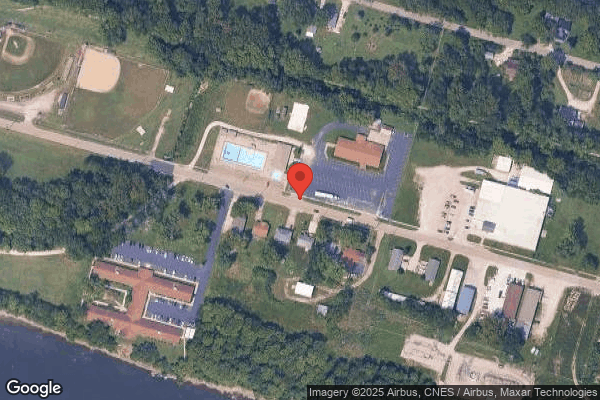
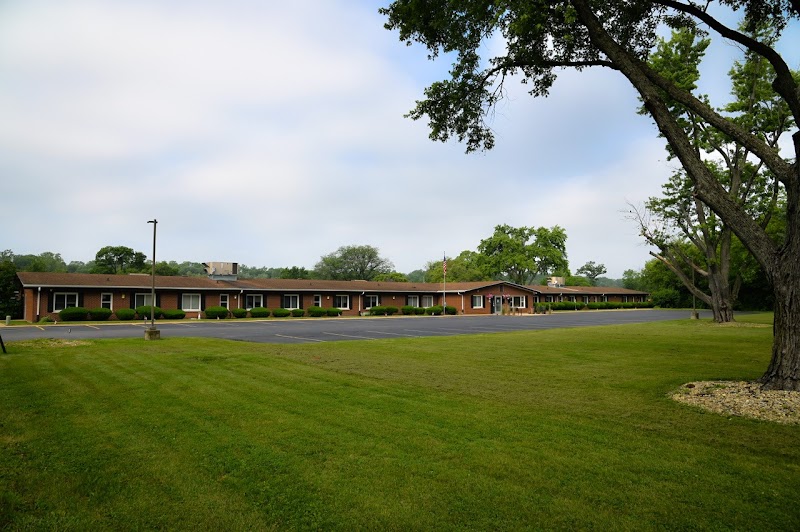
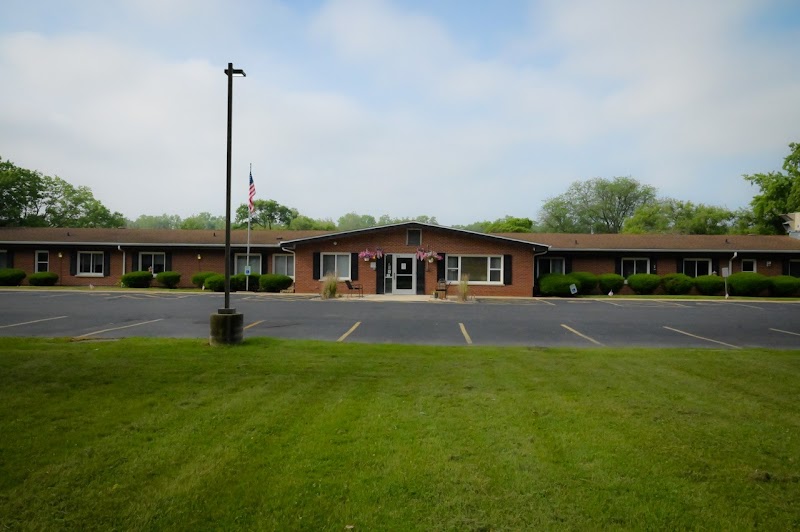
578 WEST COMMERCIAL STREET, MARSEILLES, IL 61341 (815) 795-5121
Government - Hospital district 103 Beds GOLDWATER CARE Data: November 2025 2 Immediate Jeopardy citations
Trust Grade
0/100
#536 of 665 in IL
Last Inspection: June 2024

Within standard 12-15 month inspection cycle. Federal law requires annual inspections.

Overview

Goldwater Care Marseilles has received a Trust Grade of F, indicating significant concerns about the facility's care and management. With a state rank of #536 out of 665, they are in the bottom half for Illinois, and #8 out of 9 in La Salle County, meaning there are very few local options that are worse. While the facility's trend is improving, having reduced issues from 13 to 4 over the past year, it still has a long way to go. Staffing is a weakness, rated at 1 out of 5 stars, with a troubling 60% turnover rate, which is significantly higher than the state average. Additionally, the facility has accumulated $296,521 in fines, indicating serious compliance issues, and has faced critical incidents such as failing to monitor personal alarm bracelets for residents at risk of wandering, leading to a resident exiting the facility unsupervised during winter conditions. While there is good RN coverage, exceeding 75% of state facilities, families should be cautious due to these serious deficiencies.
Trust Score
F
0/100
In Illinois
#536/665
Bottom 20%
Safety Record
High Risk
Review needed
Inspections
Getting Better
13 → 4 violations
Staff Stability
⚠ Watch
60% turnover. Above average. Higher turnover means staff may not know residents' routines.
Penalties
✓ Good
$296,521 in fines. Lower than most Illinois facilities. Relatively clean record.
Skilled Nurses
✓ Good
Each resident gets 50 minutes of Registered Nurse (RN) attention daily — more than average for Illinois. RNs are trained to catch health problems early.
Violations
⚠ Watch
59 deficiencies on record. Higher than average. Multiple issues found across inspections.
★☆☆☆☆
1.0
Overall Rating
★☆☆☆☆
1.0
Staff Levels
★★☆☆☆
2.0
Care Quality
★★☆☆☆
2.0
Inspection Score
Stable
2024: 13 issues
2025: 4 issues

The Good

  • Full Sprinkler Coverage · Fire safety systems throughout facility
  • No fines on record

Facility shows strength in fire safety.

The Bad

1-Star Overall Rating

Below Illinois average (2.5)

Significant quality concerns identified by CMS

Staff Turnover: 60%

14pts above Illinois avg (46%)

Frequent staff changes - ask about care continuity

Federal Fines: $296,521

Well above median ($33,413)

Significant penalties indicating serious issues

Chain: GOLDWATER CARE

Part of a multi-facility chain

Ask about local staffing decisions and management

Staff turnover is elevated (60%)

12 points above Illinois average of 48%

The Ugly 59 deficiencies on record

2 life-threatening 6 actual harm
Jun 2025 1 deficiency
CONCERN (D) 📢 Someone Reported This

A family member, employee, or ombudsman was alarmed enough to file a formal complaint

Potential for Harm - no one hurt, but risky conditions existed

Pressure Ulcer Prevention (Tag F0686)

Could have caused harm · This affected 1 resident

**NOTE- TERMS IN BRACKETS HAVE BEEN EDITED TO PROTECT CONFIDENTIALITY** Based on interview and record review the facility failed to update a resident's physician regarding a change in resident's press...

Read full inspector narrative →
**NOTE- TERMS IN BRACKETS HAVE BEEN EDITED TO PROTECT CONFIDENTIALITY** Based on interview and record review the facility failed to update a resident's physician regarding a change in resident's pressure injury to 1 of 3 residents (R2) reviewed for pressure injury in the sample of 5. The findings include: R2's electronic face sheet accessed on 6/20/25 documents that R2 was admitted to the facility on [DATE] and was discharged on 5/8/25. R2's Physician Order Sheet dated 4/25 states, Cleanse area with NS(Normal Saline)/wound cleanser, pat dry. Apply medihoney and bordered foam every Tue, Thu, Sat. R2's facility assessment dated [DATE] under behaviors does not show R2 had any rejection of care. R2's admission assessment dated [DATE] show R2 was admitted to the facility with a stage 2 pressure injury to his coccyx/sacral area. A wound assessment dated [DATE] by V3 (Wound Nurse) documents, coccyx pressure ulceration present on admission, wound measurements of 0.90 centimeters (cm) x 0.50 cm x 0.10 cm with scant amount of serous drainage. A wound assessment details dated 4/28/25 by V3 (Wound Nurse) documents, R2's coccyx wound measurements of 2.5 cm x 0.50 cm x 0.10 cm with scant amount of serous drainage. A wound assessment details dated 5/5/25 by V3 (Wound Nurse) documents, R2's coccyx wound measurements of 3.00 cm x 0.50 cm x 0.10 cm with light amount of serous drainage. On 6/20/25 at 10:45 AM, V12 (R2's spouse) stated my husband (R2) went to the Nursing Home with a very small sore to his bottom, but by the time he was in the hospital last 5/8/25, according to the ER staff, he had a large wound to his bottom and the dressing was colored yellow. V12 said she does not think R2's wound was followed by a Wound doctor while at the nursing home On 6/20/25 at 11:12 AM, V3 (Wound Nurse) said residents with pressure injury were seen and followed by the Wound doctor at the facility. R2 was admitted with a pressure injury to his coccyx area. R2 was never seen by the Wound doctor while at the facility. V3 said she was the one assessing R2's wound. R2's wound was getting larger, it was getting worse with increased amount of drainage. V3 said R2 had the same treatment. V3 said R2's physician/NP should have been updated. On 6/20/25 at 11:40 AM, V10 (Nurse Practitioner) said she was at the facility often and was monitoring R2's medical condition except R2's wound since the Wound Doctor of the facility was following R2's pressure wound. V10 said no facility staff including the wound nurse notified her , R2 was not being followed by the Wound Doctor. V10 said if she was asked to check R2's pressure wound I wound have assessed R2's wound myself and adjusted his wound treatments if needed. The facility policy on Pressure Injury and skin Condition assessment dated [DATE] show, to establish guidelines and for assessing, monitoring and documenting the presence of skin breakdown, pressure injuries and other ulcers and assuring interventions are implemented. 20. The attending physician shall be notified within seven (7) to fourteen (14) days of the resident's lack of response to treatment
Apr 2025 1 deficiency 1 Harm
SERIOUS (G) 📢 Someone Reported This

A family member, employee, or ombudsman was alarmed enough to file a formal complaint

Actual Harm - a resident was hurt due to facility failures

Quality of Care (Tag F0684)

A resident was harmed · This affected 1 resident

**NOTE- TERMS IN BRACKETS HAVE BEEN EDITED TO PROTECT CONFIDENTIALITY** Based on interview and record review the facility failed to carry out treatment orders for an antibiotic ointment and failed to ...

Read full inspector narrative →
**NOTE- TERMS IN BRACKETS HAVE BEEN EDITED TO PROTECT CONFIDENTIALITY** Based on interview and record review the facility failed to carry out treatment orders for an antibiotic ointment and failed to promptly notify a physician after the deterioration of a non pressure wound. These failures contributed to a delay in R1 missing 9 days of an antibiotic ointment and a delay in a physician assessing R1's left heel arterial ulcer. This applies to 1 of 3 residents reviewed for quality of care in the sample of 5. The findings include: R1's Face Sheet shows she was admitted to the facility on [DATE] and has diagnoses including: Type 2 diabetes with foot ulcer, displaced fracture of the 5th metatarsal bone of the left foot, hypertensive chronic kidney disease with end stage renal disease, renal dialysis, chronic pain, and anxiety disorder. R1's Care Plan shows she has a diabetic ulcer to her left foot and interventions include monitoring the area and notifying the physician of any changes including signs of infection, worsening of the wound based on size, appearance or odors and drainage. A Orders and Recommendations form signed by V5 ( Podiatrist and foot specialist) on 11/6/24 shows an order for R1 to apply Triple Antibiotic Ointment and a dry sterile dressing to her left heel ulcer daily. R1's 11/1/24-11/30/24 Treatment Administration Record (TAR) shows the Antibiotic Ointment was not administered for the first time until 11/15/24. (9 days after the treatment order was written) R1's Physician Order Summary (POS) shows the order was not entered into R1's Electronic Medical Record (EMR) until 11/14/24. R1's 11/8/24 Wound Assessment Report completed by V8 (Licensed Practical Nurse/LPN and covering wound nurse) shows R1 has a full thickness vascular diabetic ulcer measuring 1.50 centimeters (cm.) x 0.50 cm. there is no documented drainage to the wound. The wound bed is described as necrotic hard, firm. R1's 11/12, 11/19 and 11/25 wound assessments show the same descriptions to her wound bed with no changes. On 12/2/24 R1's wound assessment shows an increase in size to 2.00 cm. x 1.00 cm. On 12/10/24 R1's wound assessment shows the area measuring 1.50 cm. x 1.30 cm. with the overall surface size of 1.95 cm. The picture (in black and white) of the wound on the assessment form gives the appearance the wound is worsening and appears deeper. On 12/16/24 the wound assessment shows it is 2.00 cm. x 1.30 cm. with a surface area of 2.60 cm and the wound photo shows what appears to be slough beginning in the wound bed. On 12/30/24 the wound assessment shows there is now a moderate amount of serous drainage to the wound bed. On 1/13/25 the wound is now 3.0 cm x 3.0 cm and a total wound surface area of 9.0 cm. R1's 12/1-12/31/24 TAR shows a treatment order change for the wound that was given on 12/18/24 by V3 (Wound Care Physician). R1's Physician Progress notes show V14 (former facility Nurse Practitioner) documented R1's wound on 12/3/24 and described it as dry cracked skin to left heel and documents not healing. R1's 12/26/24 physician note refers to R1's wound and states she was provided with a diabetic shoe. Neither note shows that V14 saw R1 or that she was informed of the wound deterioration. R1's Progress note completed by V15 (R1's Physician and Medical Director) on 12/28/24 states, no issue is noted per nursing staff and does not mention R1's wound. The first wound care assessment documented by V3 was not until 1/14/25 and the wound was then described as 3 cm x 3 cm x 0.1 cm and has heavy serous drainage and 90% necrotic tissue and 10% slough. On 4/8/25 at 12:17 PM, V3 said he was not able to recall when he first saw R1 but said he should be contacted to see a resident if the wound shows heavy drainage, signs it is not healing, increased size or signs of necrosis. V3 said R1 would allow him to assess her wound and do treatments like debridement for the wound. V3 described her wound as a full thickness with soft necrosis. V3 reviewed his assessments with the survey and agreed his first assessment for R1's wound was on 1/14/25. On 4/9/25 at 9:25 AM, V8 said she was aware that the order for the Triple Antibiotic Ointment was not carried out on time. V8 said the nurse who got the order did not enter it into the EMR so it was missed until she caught it and added it to the treatments. V8 said in her opinion 12/10/24 was the start of the deterioration of R1's wound. V8 said she did not call to report this to anyone because R1 was supposed to have a podiatry appointment on 12/11/24 but R1 canceled that appointment and canceled again on 12/18/24. V8 said she called V3 to get an order to change the treatment for R1's wound care on 12/18/24. V8 said she would call a physician if a wound increases in size, is not healing, has heavy drainage or has signs of an infection. V8 did not call V5 or V14 to report the wound condition change. V8 said V3 first saw R1 on 1/14/25. V8 said initially R1 wanted to be seen by her own outside provider (V5) but there is nothing documented in R1 EMR's showing she refused the services or to be seen by V3. V8 also said R1 had been in the hospital from 12/22-12/25/24 and again from 1/6/25-1/12/25 for non related medical issues. On 4/9/25 at 11:17 AM, V5 said he did see R1 on 11/6/24 and gave orders for her to start the Triple Antibiotic Ointment daily to her wound. V5 said no one from the facility called to report that this was not started (until 9 days later) and this was a concern because this medicated ointment is an antibiotic to prevent infection, and by R1 not receiving it bacteria could build up in her wound bed. V5 also said no one contacted him to report the worsening wound. The facility provided Skin Condition Assessment & Monitoring- Pressure and Non-Pressure last revised 6/8/18 shows when there is changes to a wound physicians should be notified and that should be documented in the residents clinical record. Changes described that would require notification include onset of drainage, odor, cellulitis, increased pain, increase in wound measurements and onset of new ulcers. The facility provided Entering and Processing orders policy last revised on 1/31/18 shows after a physician visit the nurse should check for orders and the order will be completed and entered into the EMR.
Mar 2025 1 deficiency 1 Harm
SERIOUS (G) 📢 Someone Reported This

A family member, employee, or ombudsman was alarmed enough to file a formal complaint

Actual Harm - a resident was hurt due to facility failures

Accident Prevention (Tag F0689)

A resident was harmed · This affected 1 resident

Based on observation, interview, and record review, the facility failed to supervise a resident (R5) with a metastatic brain neoplasm and prevent an injury for one (R2) of two residents reviewed for a...

Read full inspector narrative →
Based on observation, interview, and record review, the facility failed to supervise a resident (R5) with a metastatic brain neoplasm and prevent an injury for one (R2) of two residents reviewed for accidents in a sample of five. This deficiency resulted in R2 going to the hospital, sustaining a fracture to his right knee, and ongoing pain requiring pain medication. Findings include. Facility's Residents' Rights for People in Long Term Care Facilities, Ombudsman Program revised 11/2018, documents: Your facility must treat you with dignity and respect and must care for you in a manner that promotes your quality of life. Your facility must provide services to keep your physical and mental health, at their highest practical levels. Facility Abuse Investigation Report, dated 2/12/25, documents (R5) went into (R2's) room and threw a chair at (R2) while (R2) was in bed. (R2) complained of right knee pain and sent to the hospital for assessment. Pain medication was administered to (R2). R2's Medication Administration Record/MAR, dated 2/1-2/12/25, documents R2 was taking Tylenol 650mg/milligrams four times a day for pain. R2's MAR, dated 2/12-2/28/25 and 3/1-3/4/25, documents R2 was ordered Norco 5-325mg take one tablet every 24 hours taken 2/18/25 for pain 5/10 and 2/19/25 for pain 7/10. Norco 5-325mg 1 tablet every eight hours as needed for right knee pain taken 2/12 for pain 4/10; 2/13 for pain 6/10; 2/17 for pain 7/10; 2/20-2/22 for pain 8/10; 2/24 for pain 6/10; 2/28 for pain 7/10; 3/1 for pain 7/10; and 3/3 for pain 8/10. R2's medical record documents the following: (R2's) progress note by (V9 APRN/Advanced Practice Registered Nurse), dated 2/12/25, documents Patient seen today for follow up on uncontrolled right lower extremity pain. pain in right knee new onset status post injury where he was hit with a chair. R2's after visit summary from the hospital (2/13-2/17/25) progress note by V10 MD/Medical Doctor, dated 2/13/25, documents (R2) states he is having pain in his knee. R2's cat scan from the hospital, dated 2/14/25, documents Acute mildly displaced and mildly impacted fracture of the lateral femoral condyle posterior aspect with possible extension into the intercondylar notch. Prepatellar soft tissue swelling. (R2's prior x-ray from 2/11/25 documents R2 has no fracture.) R2's orthopedic consultation note by V11 MD, dated 2/15/25, documents Orthopedic consultation for a right distal femur fracture. (R2) was attacked by a roommate and began reporting knee pain. Recommendations: Non-operative management and pain control. R2's medical record documents the following: (R2's) progress note by V9 APRN, dated 2/19/25, documents Patient seen today in the facility and then again via telehealth this evening around 10:30PM for RLE/right lower extremity pain. Patient rates pain to RLE an 8/10. He is requesting a Norco; however, Norco is currently ordered q24 hours prn/as needed. Previous order was every 8 hours prn. Patient has new LE/lower extremity femur fx/fracture. Mild distress. Upset with inability to receive additional pain medication due to uncontrolled pain. I ordered Norco every eight hours as needed. Pain in right knee is a new onset s/p (status post) injury where he was hit with a chair. X-ray in ER/emergency room was negative, repeat x-ray negative, and then Femur fracture diagnosed in the hospital. On 3/4/25 at 11:30AM, R2 stated I have to rest my right knee due to (R5) throwing a chair at me. My knee is fractured, and I take pain medication for it, I can't do physical therapy or wear my prosthesis. I had an X-ray here (nursing home,) the hospital, and then another hospital. On 3/4/25 at 1:50PM, V2 DON/Director of Nursing stated (R5) threw a chair at (R2), and (R2) went to the hospital. On 3/4/25 at 2:15PM, V1 Administrator stated, I heard (R2) had a fracture.
Feb 2025 1 deficiency 1 Harm
SERIOUS (G) 📢 Someone Reported This

A family member, employee, or ombudsman was alarmed enough to file a formal complaint

Actual Harm - a resident was hurt due to facility failures

Accident Prevention (Tag F0689)

A resident was harmed · This affected 1 resident

Based on observation, interview and record review, facility staff failed to operate the facility van, with a resident aboard, in a safe manner to prevent an accident, for one of three residents (R1), ...

Read full inspector narrative →
Based on observation, interview and record review, facility staff failed to operate the facility van, with a resident aboard, in a safe manner to prevent an accident, for one of three residents (R1), reviewed for accidents. This failure resulted in R1 sustaining a nondisplaced fracture of the left patella, unspecified fracture. Findings include: The facility's Vehicle Safety Program policy, undated, documents that while driving will never be a risk-free activity, the goal of a vehicle safety program is to promote a heightened level. of safety awareness and responsible driving behaviors to protect employees, customers, and the general public from unsafe vehicle operations. For organizations that employ workers to operate a company vehicle or their personal vehicle while performing company-related duties, establishing a comprehensive vehicle safety policy will emphasize the organization ' s commitment to safe vehicle operations. On 2/25/25 at 9:30am, R1 stated that he was going to an appointment in the facility van, there was an accident. R1 stated that V4, Dietary Manager, was driving the van, not the regular driver. R1 stated that entering the parking garage and the top of the van hit the ceiling or something of the parking garage. R1 stated that he was jerked forward and hit the seat in front of him. R1 stated that he was having a lot of pain in his left knee area. R1 stated that the fire department and ambulance got him to a gurney and took him to the emergency room. R1 stated that he was told he had a fracture in his knee but has to go for further testing to determine the extent of the injury. V9, Registered Nurse, applied R1's left knee brace. R1's left knee was swollen, and slight bruising was observed. R1 complained of increase pain with movement. On 2/25/25 at 10:30am, V4 stated that she did receive a demonstration on to how to use and drive the van, but not a safety course. V4 stated she only transports only when she has too. V4 stated that there was a parking garage next to the building they were going. V4 stated that there was a slight incline to enter the garage, so she gave the van some gas to enter and hit something. V4 verified that she hit the sign indicating the height clearance of the parking garage. V4 verified that she did not even think about the height difference. V4 stated that she put the van in park and called 911. V4 stated that R1 slid forward in the wheelchair and hit his knees on the seat in front of him. V4 stated that R1 was complaining of increase pain in his left knee area. V4 stated that the ambulance assisted R1 out of the van, then onto a gurney. V4 verified that R1 was taken to the emergency room. V4 stated that R1 never fell out of his wheelchair and was seat belted in during the incident. R1's emergency room notes, dated 2/14/25, documents that the reason for visit is a motor vehicle accident. R1's left knee x-ray documents that R1 sustained a cortical disruption involving the cortex along the anterior margin a patellar spur at the patellar tendon. This form documents that R1 was treated for a nondisplaced fracture of the left patella, unspecified fracture morphology. R1's physician orders include instructions for the care of a patella fracture and to follow-up with an orthopedic physician. V14's, Police Officer, accident report, dated 2/14/25 at 1:26pm, documents that (V4) turned left into the parking garage and attempted to enter it. (V4) pulled into this parking garage, the front end of its roof collided with the clearance sign which is connected to the involved parking garage. When the collision happened (R1) rolled forward and bumped his left knee against the backside of the seat. It should be noted, this passenger was sat in a wheelchair at the time of the collision and occupants reported the seatbelt to be properly fastened. On 2/26/25 at 2:00pm, V2, Director of Nursing, stated that the facility has a check list to be completed for the facility van driver qualifications. On 2/27/25 at 10:40am, V14, Police Officer, stated that he did not see R1 on site, he was already being taken to the emergency room. V14 stated that the ambulance personnel told him that R1 slid down in the wheelchair with his butt half off the chair. V14 stated that V4 hit the actual height clearance sign of the parking garage. V14 stated that facility vans height clearance is located in front of the steering wheel, in clear view.
Sept 2024 1 deficiency
CONCERN (E) 📢 Someone Reported This

A family member, employee, or ombudsman was alarmed enough to file a formal complaint

Potential for Harm - no one hurt, but risky conditions existed

Deficiency F0760 (Tag F0760)

Could have caused harm · This affected multiple residents

Based on observation, interview, and record review, the facility failed to ensure medications were administered per the physician's order and facility policy for two (R1 and R5) of nine residents revi...

Read full inspector narrative →
Based on observation, interview, and record review, the facility failed to ensure medications were administered per the physician's order and facility policy for two (R1 and R5) of nine residents reviewed during medication administration and two (R2 and R4) of four residents reviewed for medications in a sample of five. Findings include: The facility's undated Medication Administration General Guidelines policy documents Policy: Medications are administered as prescribed in accordance with good nursing principles and practices and only by persons legally authorized to do so. Personnel authorized to administer medications do so only after they have been properly oriented to the facility's medication distribution system (procurement, storage, handling, and administration.) This policy continues to state, Administration: 2. Medications are administered in accordance with written orders of the prescriber. 3. When medications are administered by mobile cart and taken to the resident's location (room, dining area, etc.), medications are administered at the time they are prepared. Medications are not pre-pured either in advance of the med pass or for more than one resident at a time. 1. On 9/12/24 at 2:30 pm, during medication administration, this writer noted three pre-filled medicine cups in the top drawer of the medication cart from which V3 Licensed Practical Nurse/LPN was passing medications. At this time, V3 stated that the pre-filled medications were for V3's four o'clock med (medication) pass because I wasn't sure if I would have time to get them ready. On 9/12/24 at 4:00 p.m., during medication administration, V3 LPN opened the top drawer of the medication cart and pulled one of the three pre-filled medicine cups marked with R5's initials on it. As V3 proceeded to approach R5, V3 stopped to re-examine R5's medications and was unable to correctly identify all the medications in the medicine cup. On 9/12/24 at 4:15 p.m., the V2 Director of Nursing/DON confirmed that nurses are not to pre-fill medicine cups prior to medication pass. 2. On 9/13/24 at 7:57 a.m., during medication administration, V4 LPN entered R1's room with her medications in a medicine cup. R1 counted her medications with V4. R1 stated that one pill was missing in addition to a pain pill she requested. V4 returned to the medication cart with R1's medications and reviewed R1's electronic Medication Administration Record/MAR. V4 determined and confirmed that the missing pill from R1's medicine cup was Lasix 20mg. On 9/13/24 at 8:25am, R1 stated Do you see what I go through? They mess up my pills several times every week, and it is not only agency staff, but their regular staff does too! R1's September MAR includes the following medications scheduled for 8:00 pm: Lamictal 150mg (milligrams) one tablet two times per day related to Bipolar Disorder, Unspecified; Hydroxychloroquine Sulfate 200mg (milligrams) one tablet two times per day; Atorvastatin Calcium 20mg one at bedtime; Amitriptyline HCl (Hydrochloride) 50mg at bedtime related to Bipolar Disorder, Unspecified; Senna Plus 50-8.6mg one two times per day; Aspirin 81mg one two times per day; Midodrine HCl 5mg three times per day; MiraLAX powder 17gm (grams) per scoop one scoop two times per day; and Quetiapine Fumarate 50mg 1.5 tablets at bedtime related to Hallucinations, Unspecified and Bipolar Disorder. This same MAR documents R1 received these physician-prescribed 8 pm medications between 10:07pm-10:14pm on 9/8/24 and between 10:24pm-10:27pm on 9/9/24. On 9/12/24 at 1:30pm, R1 stated that (R1) has had meetings with the facility about not getting her medications on time or correctly, So that my psych meds aren't a mess .I go by the count. If I don't have the right number of pills, then I don't know what's missing and if it is what regulates my Bipolar. I can't have them come late. I get extremely agitated and confused when this happens. On 9/12/24, at 4:15 p.m., V2 Director of Nursing/DON stated, Some residents have complained of their medications being late, and (R1) has said hers are incorrect at times. We put a checklist in place for that reason. 3. On 9/13/24 at 11:58 am, R2 sat at a dining room table. R2 stated, Sometimes my psych and seizure medications are late - like as late as 12:30 or one am. You don't even want to know what I'm like when I get them late. Sometimes, I have to go see the nurse and go out to the hospital when I get them too late. R2's August Medication Administration Record/MAR includes the following physician prescribed medications scheduled for 8:00 pm: Tylenol 325mg, two tablets four times per day; Clonazepam 1mg at bedtime for convulsions; Atorvastatin Calcium 40mg at bedtime; Trazodone HCl (Hydrochloride) 50mg at bedtime; Quetiapine Fumarate 400mg at bedtime for Schizophrenia; Metformin HCl 500mg two times per day for Diabetes; Lantus insulin 100 units/ml (millimeter) inject 12 units subcutaneously two times per day for Diabetes; Oxybutynin Chloride ER (Extended Release) 24 hour 10mg at bedtime; Phenytoin 50mg two tablets two times per day for seizure; Baclofen 5mg two tablets two times per day; scheduled for 10:00 pm: Carbamazepine 200mg three tablets three times per day for convulsions; Meclizine HCl 25mg three times per day and Gabapentin 300mg one three times per day. This same MAR documents these medications were ordered for their 8 pm and 10 pm times on 8/3/24, and R2 received them between 11:49 pm-11:54 pm on 8/4/24, and R2 received them the next day on 8/5/24 between 2:44 am-2:45am; on 8/15/24 and R2 received them between 11:18pm-11:27pm; on 8/19/24 and R2 received them between 11:00pm-11:04pm; and on 8/18/24 and R2 received them between 10:57 pm-11:30pm. R2's September Medication Administration Record/MAR includes the following physician-prescribed medications scheduled for 8:00 p.m.: Clonazepam 1mg at bedtime for convulsions; Atorvastatin Calcium 40mg at bedtime; Trazodone HCl (Hydrochloride) 50mg at bedtime; Quetiapine Fumarate 400mg at bedtime for Schizophrenia; and Phenytoin 50mg two tablets two times per day for seizures. This same MAR documents that these medications were ordered at 8:00 p.m., and R2 received them between 9:54 p.m. and 9:55 p.m. R2's September MAR documents Carbamazepine 200mg, three tablets three times a day for convulsions, was ordered to be given at 10:00 pm on 9/8/24, and R2 received the medication on 9/9/24 at 12:38am. 4. R4's August Medication Administration Record/MAR includes the following physician prescribed medications scheduled for 8:00 pm: Protonix Delayed-Release 40mg one two times per day; Melatonin ER (Extended Release) 3mg two tablets at bedtime; Ipratropium-Albuterol solution 0.5-2.5 (3) mg/3ml (millimeters) one inhalation every 12 hours for SOB (Shortness of Breath) related to Chronic Obstructive Pulmonary Disease with (Acute) Exacerbation; scheduled for 9:00 pm: Atorvastatin Calcium 10mg one at bedtime; and scheduled for 10:00 pm Alprazolam 0.5mg one three times per day related to Anxiety Disorder due to known physiological condition. This same MAR documents that these medications were ordered for their designated times on 8/5/24, and R4 received them the next day on 8/6/24, between 1:59 am-2:00 am. R4's August MAR documents that R4's physician prescribed Alprazolam 0.5mg to be given at 10:00 p.m. on 8/16/24, 8/18/24, 8/21/24, and 8/22/24; R4's Alprazolam was administered the day after at 5:04 a.m. on 8/17/24, 2:57 a.m. on 8/19/24, 4:08 a.m. on 8/22/24, and 2:45 a.m. on 8/23/24. R4's August MAR documents the following physician prescribed medications scheduled for 8:00 pm: Docusate Sodium 200 mg two times per day: Protonix Delayed Release 40mg one two times per day; Melatonin ER (Extended Release) 3mg two tablets at bedtime; Ipratropium-Albuterol solution 0.5-2.5 (3) mg/3ml (millimeters) one inhalation every 12 hours for SOB (Shortness of Breath) related to Chronic Obstructive Pulmonary Disease with (Acute) Exacerbation; Budesonide-Formoterol Fumarate Inhalation Aerosol 160-4.5mcg (micrograms)/ACT (actuation) two puffs inhale orally two times per day related to Chronic Obstructive Pulmonary Disease with (Acute) Exacerbation; and scheduled for 9:00 pm: Atorvastatin Calcium 10mg one at bedtime. This same MAR documents that these medications were ordered for their designated times, and R4 received them between 11:06 pm and 11:08 pm. R4's September MAR documents that R4's physician prescribed Alprazolam 0.5mg to be given at 10:00 p.m. on 9/5/24 and 9/6/24; R4's Alprazolam was administered at 11:33 p.m. and 11:24 p.m., respectively. R4's September MAR documents the following physician prescribed medications scheduled for 8:00 pm: Ipratropium-Albuterol solution 0.5-2.5 (3) mg/3ml (millimeters) one inhalation every 12 hours for SOB (Shortness of Breath) related to Chronic Obstructive Pulmonary Disease with (Acute) Exacerbation; Protonix Delayed-Release 40mg one two times per day; Melatonin ER (Extended Release) 3mg two tablets at bedtime; and Budesonide-Formoterol Fumarate Inhalation Aerosol 160-4.5mcg (micrograms)/ACT (actuation) two puffs inhale orally two times per day related to Chronic Obstructive Pulmonary Disease with (Acute) Exacerbation. This same MAR documents that these medications were ordered at 8:00 p.m., and R4 received them between 10:49 p.m. and 10:50 p.m. On 9/13/24, at 3:45 p.m., R4 was in bed utilizing oxygen and stated that all her evening medications come as late as midnight or after. R4 stated, The cholesterol medication is supposed to be taken in the evening. Some of them are to help me sleep, so I am just awake and waiting. I have to wait for them to be able to fall asleep. It is upsetting to have to wait. On 9/13/24, at 2:56 p.m., the V1 Administrator stated that V1 is aware of medications being administered late and considers late meds (medications) an error that the facility does not document on any form.
Aug 2024 1 deficiency
CONCERN (D) 📢 Someone Reported This

A family member, employee, or ombudsman was alarmed enough to file a formal complaint

Potential for Harm - no one hurt, but risky conditions existed

Pharmacy Services (Tag F0755)

Could have caused harm · This affected 1 resident

Based on interview and record review the facility failed to transcribe and administer medication per physician order for one of three residents (R1) reviewed for medications in a sample of three. Fin...

Read full inspector narrative →
Based on interview and record review the facility failed to transcribe and administer medication per physician order for one of three residents (R1) reviewed for medications in a sample of three. Findings include: The facility's Physician Orders-Entering and Processing, dated 8/22/17, documents to enter the order into the resident's chart under order tab and according to the instructions for the type of order that is received. Be sure to include a diagnosis or indication for use. If a diagnosis is not already in the resident's clinical record, ask the physician for a diagnosis. Medications orders should include: Route, Dose, Time, Frequency, If a treatment, be sure to put in the directions the specific area(s) to be treated. R1's admission Orders, dated 7/9/24, documents to take Carbidopa-Levodopa (Dopamine Precursor) Oral Tablet 25-100mg (Milligrams) two tablets by mouth six times daily, related to Parkinson's Disease with Dyskinesia, with Fluctuations. This form also documents to take Carbidopa-Levodopa ER (extended release) 50-200mg one tablet by mouth at bedtime. R1's Medication Administration Record (MAR), dated 7/9/24, documents to take Carbidopa-Levodopa ER oral tablet Extended Release 25-100mg two tablets by mouth every four hours. This medication is signed out as being given 7/10/24 through 7/21/24. R1's updated MAR, dated 7/21/24 documents to take Carbidopa-Levodopa 25-100mg take 2 tables six times a day. On 7/31/24 at 2:00pm, V4, Nurse Practitioner, stated that she was reviewing R1's admission orders and found the mistake in R1's Carbidopa-Levodopa orders. V4 verified that she notified V7, Registered Nurse, and had her change the order. V4 verified that R1's should have been getting Carbidopa-Levodopa 25-100mg two tabs six times a day, not Carbidopa-Levodopa 25-100mg ER.
Jun 2024 6 deficiencies
CONCERN (D)

Potential for Harm - no one hurt, but risky conditions existed

Resident Rights (Tag F0550)

Could have caused harm · This affected 1 resident

**NOTE- TERMS IN BRACKETS HAVE BEEN EDITED TO PROTECT CONFIDENTIALITY** Based on observation, interview and record review, the facility failed to ensure that staff knocked prior to entry to a resident...

Read full inspector narrative →
**NOTE- TERMS IN BRACKETS HAVE BEEN EDITED TO PROTECT CONFIDENTIALITY** Based on observation, interview and record review, the facility failed to ensure that staff knocked prior to entry to a resident room for one resident (R40) and failed to ensure call lights were responded to in a timely manner for four (R5, R34, R45, R48) of 16 residents reviewed for call light timeliness in a sample of 31. Findings Include: Facility's Resident Rights Policy dated 8/23/17 documents: Purpose: To promote the exercise of rights for each resident, including any who face barriers (such as communication problems, hearing problems and cognition limits) in the exercise of these rights. Facility's Residents' Rights for People in Long Term Care Facilities, Ombudsman Program revised 11/2018, documents: Your rights to dignity and respect; your facility must treat you with dignity and respect and must care for you in a manner that promotes your quality of life. Facility staff must knock before entering your room. Your facility must provide services to keep your physical and mental health, at their highest practical levels. 1. On 6/11/24 at 10:05am, V9 Housekeeping entered R40's room without knocking or announcing self, did not speak. V9 went straight to the closet on the opposite side of R40's room to remove basket of clothing from top shelf of closet, stating that this was too close to the ceiling inside the closet. At this same time, V9 Housekeeping stated: My boss told me that the closet was full at the top and that's what I was thinking about; I was intent on checking the closet. We have had in-services and do (computer) training on knocking prior to entering a resident's room; we are supposed to knock. This is the first time I did not knock cause I was intent on checking the closet. On 6/13/24 at 12:30pm, V2 Director of Nursing/DON stated that prior to entering a resident's room, the staff are supposed to knock and announce themselves prior to entry. 2. A Call Light policy revised 02/02/18 documents, Resident call lights will be answered in a timely manner. R5's Functional Ability assessment dated [DATE] documents R5 is dependent on staff for toileting needs. R34's 04/29/24 Functional Ability Assessment documents R34 is dependent in the care areas of toileting, sit to lay, lay to sit, sit to stand and walking. R34's medical diagnoses are documented as Traumatic Brain Injury and Spastic Hemiplegia affecting right dominant side. R45's medical diagnoses include Renal Failure, Type II Diabetes and Bilateral Below Knee Amputations. R48's medical diagnoses include Insulin Dependent Diabetes, Right Below Knee Amputation, and Stage 4 Kidney Disease requiring Dialysis. On 06/11/24 at 10:11 AM, R45 stated, I hit the (call) button and it takes staff a long time to respond. Sometimes it is a half hour to 45 minutes. R45 was observed to have both legs amputated below the knee and was wearing oxygen at 2 liters while laying in his bed. R45 confirmed he is dependent upon staff for most of his cares. R45 stated this happens on all shifts. On 06/11/24 at 10:18 AM, R5 was asked if staff respond to call lights in a timely manner. R5 stated, They take too long, that's all that I'm saying. On 06/11/24 at 10:26 AM, R48 stated, Staff takes a long time to answer call lights. It is what it is, I live in a nursing home. R48 was asked if this occurred on a certain shift or day. R48 responded that it is most of the time. On 06/14/24 at 10:53 AM, R34's call light was observed to be on. R34 stated she is incontinent of urine and needs changed. R34 stated, I wish I could take my diaper off myself so I don't have to lay here in it. R34 stated she turned the call light on at 10:30 AM. R34 reported this happens most of time and she has to wait 30-45 minutes nearly every time she pushes her call button when she needs help. R34 stated she is dependent on staff for all cares as she was in a car accident resulting in traumatic brain injury. On 06/14/24 at 11:10 AM, V19, Certified Nursing Assistant, entered R34's room and asked what she needed. R34 stated she needed her undergarment changed. V19 stated she would gather needed items and returned to R34's room for cares at 11:15 AM. R34 stated her call light was on for 45 minutes. R34's call light was observed to be on for 17 minutes prior to being checked on. R34 was observed to wait 22 minutes to receive the care she requested. On 06/14/24 at 12:10 PM, V1, Administrator, was asked her expectation of timeliness when responding to call lights. V1 was asked if she felt 15 minutes was an appropriate time for a resident to wait for staff to check on their needs. V1 stated, I'd like it to be less. V1 was asked if 20 minutes was okay for a resident to be checked when they have a call light on. V1 stated, No.
CONCERN (D)

Potential for Harm - no one hurt, but risky conditions existed

Notification of Changes (Tag F0580)

Could have caused harm · This affected 1 resident

**NOTE- TERMS IN BRACKETS HAVE BEEN EDITED TO PROTECT CONFIDENTIALITY** Based on interview and record review, the facility failed to ensure staff report a resident's change of condition to a medical d...

Read full inspector narrative →
**NOTE- TERMS IN BRACKETS HAVE BEEN EDITED TO PROTECT CONFIDENTIALITY** Based on interview and record review, the facility failed to ensure staff report a resident's change of condition to a medical doctor for one resident (R54-who was having chest pain) of 19 residents reviewed for medical doctor notification in a total sample 31. FINDINGS INCLUDE: Facility policy, entitled Physician-Family Notification-Change in Condition, dated 11/13/2018, documents: The facility will inform the resident, consult with the resident's physician or authorized designee such as Nurse Practitioner; and if known, notify the resident's legal representative or an interested family member when there is: (B) a significant change in the resident's physical, mental, or psychosocial status. R54's Electronic Medical Record (EMR) documents R54's diagnoses to include: Hypertensive Chronic Kidney Disease with Stage 5 Kidney Disease, Type II Diabetes Mellitus, Asthma, Anemia, Bipolar Disorder, Hypertension, and Dependence on Renal Dialysis. R54's Physician Orders, dated 11/30/2023, document R54 has an order for: Nitroglycerin Sublingual Tablet Sublingual 0.4 MG (Nitroglycerin), Give 0.4 mg sublingually every 5 minutes as needed for chest pain every 5 minutes x 3. R54's Minimum Data Set (MDS), dated [DATE], documents R54's Brief Interview for Mental Status (BIMS) as 15/15 which indicates R54 is completely cognitively intact. R54's EMR Progress Notes include: 6/11/24 8:04 p.m., Narrative: Resident has complaints of chest pains. Head to toe assessments was completed and vitals were obtain[ed]. Blood pressure was 148/110 HR [heart rate] 79. Blood pressure medications were given, and pain medications were given. 911 was called, and patient was taken to [area hospital] emergency room for further evaluation. Will follow up hospital; and 6/12/24 12:39 a.m. Narrative: Resident returned to facility alert and oriented times 3 to 4. No longer complaining of chest pains. Patient is to follow up primary care physician, with lab results pending. A new order was prescribed for Metronidazole 500 mg, one tablet by mouth 2 times a day for 7 days. Staff will continue to monitor. R54's local hospital, emergency room/ER documentation, dated 6/11/2024, documents: Female with hypertension, ESRD [End Stage Renal Disease] on HD [Hemodialysis] MWF [Monday/Wednesday/Friday], dialysis, schizophrenia presents to the ER for evaluation of left-sided chest pain. Initial history is obtained with the patient. She states that she has been having left-sided chest pain radiating to her left arm that started around 4:00 p.m. when she was walking to get coffee in the nursing home today. Patient states that the pain has been constant since onset. She states that she has mild shortness of breath. Patient was told that her symptoms were due to anxiety, and she was given a [Alprazolam] for her symptoms. She denies any nausea, vomiting, diaphoresis. She states that she has also been having vaginal itching that has been ongoing for the last 2 weeks. Per chart review, patient had a nuclear medicine stress test in 03/2024 which was negative. She states that her last HD session was yesterday, and she has not missed any HD sessions; and Patient is nontoxic appearing presenting (to) the ER for evaluation of chest pain. She is mildly hypertensive, afebrile, not tachycardic, saturating 95% on room air in no acute respiratory distress. Patient has no evidence of volume overload. Patient has a recent negative stress test I have low suspicion for ACS [Acute Coronary Syndrome]. Heart score less than 4 and she had a recent negative stress test within last 3 months. Labs reviewed, largely unremarkable. Pregnancy test neg[ative]. Troponin is at baseline, Chem[istry] is consistent with her known history of ESRD. UA [urinalysis] is negative for UTI [urinary tract infection]. Initially suspected that patient's vaginal itching is secondary to vaginal candidiasis for which patient was given 1 dose of fluconazole. On 6/12/24, at 10:20 a.m., R54 stated, I was having chest pain, yesterday around 4 p.m., and I told the male nurse, who gave me Alprazolam and told me to go lay down. I said, that will not work so I waited for the night nurse who called the doctor. When the doctor would not answer, she called 911 and I went to the hospital. R54 stated her chest pain was 9 out of 10 [10 being the highest number for pain] and located on the left side of my chest and ran down my left arm. When I went to the hospital, they said it was from anxiety, but it is always best to have chest pain looked into. On 6/12/24, at 11:25 a.m. V16/Registered Nurse confirmed R54 complained of chest pain; went to a Certified Nursing Assistant/CNA to see if R54 ever had that problem and he gave R54 Alprazolam; did not call medical doctor; had R54 sit so he could watch R54; 5 minutes later resident was laughing; If that serious [chest pain] she would not be laughing; V16 gave shift report to V17/Licensed Practical Nurse around 6:00 p.m. and did not chart R54's pain because the shift was ending and I left it out. On 6/12/24, at 11:45 a.m. V2/Director of Nursing confirmed it is V2's expectation with any chest pain is for staff to notify the medical doctor.
CONCERN (D)

Potential for Harm - no one hurt, but risky conditions existed

Comprehensive Care Plan (Tag F0656)

Could have caused harm · This affected 1 resident

Based on observation, record review and interview, the facility failed to develop a hand brace care plan for one resident (R20) of 19 residents reviewed for Care Plan in a sample of 31. Findings inclu...

Read full inspector narrative →
Based on observation, record review and interview, the facility failed to develop a hand brace care plan for one resident (R20) of 19 residents reviewed for Care Plan in a sample of 31. Findings include: The facility's Comprehensive Care Plan Policy revised 11/17/17 documents: Purpose: To develop a comprehensive care plan that directs the care team and incorporates the resident's goals, preferences, and services that are to be furnished to attain or maintain the resident's highest practicable physical, mental, and psychosocial well-being. The facility will develop and implement a comprehensive person-centered care plan for each resident, consistent with the resident rights, that includes measurable objectives and timeframes to meet a resident's medical, nursing, and mental and psychosocial needs that are identified in the comprehensive assessment. The comprehensive care plan must describe the following: The services that are to be furnished to attain or maintain the resident's highest practicable physical, mental, and psychosocial well-being. A comprehensive care plan must be reviewed and revised by the interdisciplinary team after each assessment, including both the comprehensive and quarterly review assessments. On 6/12/24 at 1:00pm, R20 was noted lying in bed; there were lamb skin braces on each of R20's hands. R20's Hospice Note dated 5/31/24 documents Hands with lamb skin braces for contractures. R20's current Care Plan does not document contractures or wear of braces for contractures. On 6/12/24 at 1:05pm, V13 Registered Nurse/RN stated, (R20) has those to prevent contractures of her hands; she does not have contractures, but she keeps her hands closed all the time. On 6/12/24 at 1:25pm, V2 Director of Nursing/DON stated that she was not sure if R20's braces were care planned.
CONCERN (D)

Potential for Harm - no one hurt, but risky conditions existed

ADL Care (Tag F0677)

Could have caused harm · This affected 1 resident

2. R12's current Care Plan documents: I have an activities of daily living/ADL self-care/mobility performance deficit related to Activity Intolerance, Dementia, Fatigue, Limited Mobility, shortness of...

Read full inspector narrative →
2. R12's current Care Plan documents: I have an activities of daily living/ADL self-care/mobility performance deficit related to Activity Intolerance, Dementia, Fatigue, Limited Mobility, shortness of breath/SOB, legal blindness. I have an ADL self-care performance deficit related to impaired cognition, visual deficits secondary to diagnosis legal blindness, dementia. On 6/11/24 at 10:15am, R12 was sitting in her room in a recliner. R12's fingernails on both hands showed dark residue, almost black in color beneath all nails; the nails were cut short with a small portion of nail extending beyond the fingertips. On 6/14/24 at 9:55am, R12 was sitting in her room in a recliner, noted that fingernails on both hands showed dark residue beneath fingernails. On 6/11/24 at 10:15am, R12's fingernails were viewed by V10 Licensed Practical Nurse/LPN; V10 LPN confirmed that R12's fingernails were not cleaned. At this time, V10 LPN stated: Her nails should be cleaned daily. On 6/11/24 at 10:20, V12 Certified Nursing Assistants/CNA and V11 CNA provided cares for R12 and observed dark debris residue underneath R12's fingernails. V12 Certified Nursing Assistants/CNA stated: We clean (R12's) nails every day and we are supposed to check them and clean them each day when we get her up. At this same time, both V12 CNA and V11 CNA stated that they did not clean R12's fingernails when they got R12 up today. On 6/13/24 at 12:30pm, V2 Director of Nursing/DON stated that residents' nails should be cleaned whenever the nails are soiled. Based on observation, interview, and record review the facility failed to provide activities of daily living for two (R73 and R12) of two residents reviewed for activities of daily living in the sample of 31. Findings include: The facility's Nail Care policy and procedure, revised 1/25/18, documents Observe condition of resident nails during each time of bathing. Note cleanliness, length, uneven edges, hypertrophied nails. Perform hand hygiene. After bathing, use orange stick, and clean debris from around and under finger and toes nails. This policy documents to trim resident fingernails in an oval fashion avoiding tissue after bathing or when needed. The facility's undated Shaving Male and Female Residents policy and procedure, documents Purpose: to provide cleanliness, comfort and improved morale. Male residents will be assessed for daily shaving need and assisted as his functional needs indicate. 1. The admission MDS (Minimum Data Set) Assessment for R73, dated 4/19/24, documents R73 is cognitively intact and requires staff assistance for activities of daily living and dependent for personal hygiene. The current Care Plan for R73 documents R73 is at risk for self-care deficit and for staff to provide assistance with activities of daily living. The Shower Schedule for R73, documents R73 to be showered on Tuesdays by the second shift. On 6/11/24 at 10:30 am, 6/12/24 at 11:13 am, and 6/12/24 at 2:00 pm, R73's facial hair was overgrown and scraggly, fingernails were overgrown, jagged, and broken with brown/black substance underneath the nail tips. On 6/12/24 at 2:00 pm, R73 stated he needed a shave. 6/13/24 at 9:09 am, R73 stated he was supposed to get a shower on Tuesday (6/11/24) but didn't get it on Tuesday but received a shower last night (6/12/24). R73's fingernails remain unchanged, overgrown with jagged edges and with brown/black substance remaining underneath the tips of his fingernails. R73 stated his fingernails are too long and he keeps hitting them on his overbed table and they chip and break. R73 stated he is in need of a shave and stated sometimes they shave me and sometimes they don't. On 6/13/24 at 10:15 am, V18 CNA (Certified Nursing Assistant) stated fingernail care and shaving residents are done on the resident shower days or as needed V18 CNA stated R73 is a second shift shower but got a shower last night. V18 CNA confirmed R73 should have already been shaved and had fingernail care provided but will take care of it today.
CONCERN (D)

Potential for Harm - no one hurt, but risky conditions existed

Respiratory Care (Tag F0695)

Could have caused harm · This affected 1 resident

Based on observation, interview, and record review the facility failed to ensure oxygen tubing was changed and dated weekly and ensure cylinder oxygen tanks were stored securely for one (R21) of one r...

Read full inspector narrative →
Based on observation, interview, and record review the facility failed to ensure oxygen tubing was changed and dated weekly and ensure cylinder oxygen tanks were stored securely for one (R21) of one resident reviewed for oxygen use in the sample of 31. Findings include: The facility's Oxygen and Respiratory Equipment - Change/Cleaning policy and procedure, revised 1/17/19, documents Nasal Cannulas are to be changed once a week and PRN (as needed); Whenever possible, residents using a portable oxygen tank, will be switched to a room oxygen concentrator while in their room; and Oxygen humidifiers should be changed weekly or as needed and will be dated when changed. The facility was unable to provide a policy and procedure for storage of oxygen. On 6/11/24 at 10:30 am, R21 was lying in bed with eyes closed with undated oxygen cannula connected to an undated humidifier bottle. An oxygen cylinder tank, infusing oxygen at three liters, was secured to the back of R21's wheelchair with the oxygen tubing connected and dated 5/27/24. On 6/12/24 at 10:00 am, 6/13/24 at 9:06 am, and 6/14/24 at 11:25 am, R21's concentrator oxygen tubing and humidifier bottle remained undated, and the cylinder tank oxygen tubing was still dated 5/27/24. On 6/13/24 at 9:06 am, R21's oxygen cylinder tank was noted free standing and unsecured, oxygen tubing dated 5/27/24 resting on the floor, and no staff in the area, by the smoking exit door. On 6/12/24 at 10:00 am, R21 stated the night shift nurse is supposed to change the oxygen tubing every Sunday night and they don't. R21 stated he uses the oxygen concentrator when he is in his room and the oxygen cylinder tank on his wheelchair when he is out of his room. R21 stated he propels himself to the smoking door, his oxygen cylinder is removed from his wheelchair while he goes outside, and it is replaced when he comes back in from smoking. On 6/14/24 at 11:25 am, R21 stated his oxygen tubing still has not be changed. Same tubing, I have had for a while. On 6/14/24 at 11:29 am, V13 RN (Registered Nurse) stated all oxygen tubing and humidifier bottles are to be changed weekly by third shift on Sundays. V13 RN confirmed R21's oxygen tubing and humidifier bottle should have been changed since 5/27/24 and that she would make sure to change and date the tubing and bottle. On 6/14/24 at 11:42 am, V2 DON (Director of Nursing) stated oxygen tubing and humidifier bottles are to be changed and dated weekly, oxygen cylinder tanks should not be left free standing and staff should make sure the oxygen tanks are maintained in secure manner. V2 DON stated R21 goes out to smoke during smoke breaks with the staff. R21 will remove his oxygen tank and leaves it in the facility while he goes out to smoke. V2 DON also confirmed oxygen tubing should be changed and dated weekly, oxygen cylinder tanks should not be left free standing, and staff should not leave them that way. V2 DON stated she will re-educate the staff.
CONCERN (D)

Potential for Harm - no one hurt, but risky conditions existed

Deficiency F0761 (Tag F0761)

Could have caused harm · This affected 1 resident

Based on observation, record review and interview, the facility failed to assure medications were not left at the bedside for one resident (R43) out of 27 residents reviewed for medication administrat...

Read full inspector narrative →
Based on observation, record review and interview, the facility failed to assure medications were not left at the bedside for one resident (R43) out of 27 residents reviewed for medication administration pass in a sample of 31. Findings include: The facility's Medication Administration General Guidelines Policy undated, documents: Administration: 2. Medications are administered in accordance with written orders of the prescriber. 12. Residents are allowed to self-administer medications when specifically authorized by the attending physician and in accordance with procedures for self-administration of medications. 16. The resident is always observed after administration to ensure that the does was completely ingested. On 6/12/24 at 11:35am, V13 Registered Nurse/RN took medication (Lanthanum and Midodrine) into R43's room; stated to R43, here is your meds. R43 indicated to V13 to leave the medication on her bedside table; V13 left the medication for R43 on R43's bedside table and walked out of R43's room. The facility's Electronic Health Records/EHR does not document a physician order for R43 to self-administer medications. On 6/13/24 at 8:50am, R43 stated that V13 RN usually does not leave her medication, that V13 RN might have left the medication because it was getting close to R43's dialysis time; and that (R43) goes to dialysis at 12:00pm. R43 stated, It was only my Lanthanum and Midodrine pills; I do not know if there's an order to leave my meds with me. On 6/14/24 at 10:00am, V13 Registered Nurse/RN stated that R43 was alert and oriented and felt it was okay to leave R43's medications with her. At this same time, V13 stated: (R43) usually took the meds/medications right away. We probably should have an order to leave her meds with her. I will contact the doctor today for an order. On 6/13/24 at 12:50pm, V14 Registered Nurse stated that she does not have any residents who have orders to leave medications with them and that she does not leave medications in rooms for residents. V14 RN stated, There has to be a doctor's order to do that. On 6/13/24 at 12:35pm, V15 Regional Nurse Consultant/RNC stated that residents must have a physician's order and an assessment prior to leaving meds in room with the residents.
May 2024 2 deficiencies 1 IJ
CRITICAL (J) 📢 Someone Reported This

A family member, employee, or ombudsman was alarmed enough to file a formal complaint

Immediate Jeopardy (IJ) - the most serious Medicare violation

Quality of Care (Tag F0684)

Someone could have died · This affected 1 resident

**NOTE- TERMS IN BRACKETS HAVE BEEN EDITED TO PROTECT CONFIDENTIALITY** Based on observation, interview, and record review the facility failed to follow a physician order for change in resident condit...

Read full inspector narrative →
**NOTE- TERMS IN BRACKETS HAVE BEEN EDITED TO PROTECT CONFIDENTIALITY** Based on observation, interview, and record review the facility failed to follow a physician order for change in resident condition for one (R2) of five residents reviewed for change in condition in the sample of six. These failures resulted in the delay of treatment for R2 resulting in continued decline for R2 and R2 being admitted to the local hospital's intensive care unit with multiple comorbidities. Findings include: These failures resulted in an Immediate Jeopardy. The Immediate Jeopardy began on 4/1/24 at 4:15 pm when the facility failed to follow a physician order to send R2 to the local hospital for an evaluation resulting in delay of R2 treatment and being admitted to the local hospital's intensive care unit with multiple comorbidities. V1 Administrator and V2 DON was notified of the Immediate Jeopardy on 5/1/24 at 9:00 am. While the immediacy was removed on 5/2/24, the facility remains out of compliance at Severity Level 2 as additional time is needed to evaluate the implementation and effectiveness of their removal plan and quality assurance monitoring. Findings include: The Contract between the facility and the in-house Dialysis Service, dated 3/1/2019, documents Dialysis Service Responsibilities include: Communication: (Dialysis) staff shall maintain timely communication with Facility's Nursing Director and immediately inform a Facility nursing staff member of any change in the Resident's condition, during Dialysis Services that requires immediate attention. Emergency Care: (Dialysis Service) will coordinate emergency care policies with Facility throughout the term of this Agreement, as they relate to Dialysis Services. (Dialysis service) shall supply such other data and reports as Facility reasonably requires. This same contract documents the Facility Responsibilities include: Communication: Facility staff shall inform (Dialysis) staff of any event occurring after a Resident's treatment that may affect future administration of Dialysis Services to that Resident. In addition, Facility shall immediately inform (Dialysis) of any changes in the Resident's medical condition relating to continued Dialysis Services. In-Service Training: Facility shall require staff members who are involved with Residents to attend in-service training to ensure that said staff members: (a) Have the knowledge necessary for managing an emergency or complication (including bleeding/hemorrhaging, hypovolemia, hypoglycemia, and infection/bacteremia shock); and (b) Have the knowledge necessary for providing care of lines and access, medical management, nutrition, hydration, recognizing and managing infection, handling waste, and managing end-stage renal disease. Coordination of Dialysis Services Purpose: It is critical that both Parties work cooperatively with Residents, their families, their physicians, and each other in order to achieve quality results of the Dialysis Services provided under this Agreement. Therefore, (Dialysis Service) and Facility agree to coordinate their respective services, as set forth herein. Duties of (Dialysis Service): Shall (a) Provide facility staff with general information about Dialysis Services, including Resident treatment options; (b) Conduct periodic dialysis education programs for Facility staff and physicians; (d) Review Residents' information to determine their suitability for Dialysis Services at Facility, before providing the Dialysis Services; (j) Consult with nephrologists and Facility staff on treatment plans for Resident Dialysis Services; (q) Report post-treatment status of Residents to Facility staff and for any adverse event, the Resident's nephrologist and the resident and/or the resident's responsible party; and (z) Arrange for the provision of dialysis-related emergency services at a hospital. Duties of the Facility: Facility shall: (l) Respond to emergencies involving Residents, including but not limited to: (i) medical emergencies, (ii) disruptive behavior of a Resident, or (iii) a request of a Resident to immediately stop treatment; and (m) Work with (Dialysis Service) to discharge a Resident for whom (Dialysis Service) cannot safely or consistently provide Dialysis Services for any reason, including but not limited to: erratic behavior, refusal to cooperate with (Dialysis) staff, or ancillary medical issues. The Physician Orders policy and procedures, revised 1/31/18, documents Purpose: To provide general guidelines when receiving, entering, and confirming physician or prescriber's orders. 1. When receiving physician's orders by telephone: Enter the order into the resident's chart under order tab and according to the instructions for the type of order that is received. 3. Notify the resident's physician (if not the prescribing physician), for verification if applicable. 6. Verbal and Telephone orders will be documented as such in the Electronic Medical Record. The facility's Physician-Family Notification-Change in Condition policy and procedures, revised 11/13/18, document Purpose: To ensure that medical care problems are communicated to the attending physician or authorized designee and family/responsible party in a timely, efficient, and effective manner. The facility will inform the resident; consult with the resident's physician or authorized designee such as Nurse Practitioner; and if known, notify the resident's legal representative or an interested family member when there is: (B) A significant change in the resident's physical, mental, or psychosocial status (i.e., a deterioration in health, mental, or psychosocial status in either life-threatening conditions or clinical complications); (D) A decision to transfer or discharge the resident from the facility. The facility Licensed Practical Nurse (LPN) and Registered Nurse (RN) job descriptions, dated 5/2/17, document Essential Duties and Responsibilities include: Admit, transfer and discharge residents as required. Receive & transcribe telephone orders from physicians & record on the Physician's Order Form. Chart nurse's notes in an informative & descriptive manner that reflects the care provided to the resident, as well as the resident's response to the care. Perform routine charting duties as required & in accordance with established charting & documentation policies & procedures. Qualifications include: Must be knowledgeable of nursing & medical practices & procedures, as well as laws, regulations, and guidelines that pertain to nursing care facilities. The Face Sheet for R2, documents R2 admitted to the facility with the following diagnoses: Hypertensive Heart and Chronic Kidney Disease with Heart Failure and with Stage 5 Chronic Kidney Disease, End Stage Renal Disease, Type 2 Diabetes with polyneuropathy and retinopathy, Renal Osteodystrophy, Non-ST Elevation Myocardial Infarction, Dementia, Legally Blind, Hypertension, Atherosclerotic Heart Disease and Congestive Heart Failure. The current Medication Review Report, MAR'S (Medication Administration Records) and TARS (Treatment Administration Records) for R2, dated March 1 through April 16, 2024 do not include Physician orders for dialysis, the care of dialysis site, or monitoring related to dialysis for R2 as of 4/16/24. The current Care Plan for R2, documents Focus area: (R2) has renal insufficiency r/t (related to) CKD (Chronic Kidney Disease) stage 5, hypertensive heart and chronic kidney disease with heart failure. Interventions include: Monitor and report changes in mental status: lethargy; tiredness; fatigue; tremors; seizures. Monitor for s/sx of hypovolemia (increased pulse, increased respirations, decreased systolic, sweating, anxiousness) or hypervolemia (JVD (jugular vein distention), increased BP (blood pressure), lung crackles, headache, SOB (shortness of breath), dependent edema). Monitor/document/report PRN (as needed) the following s/sx (signs and symptoms): Edema; weight gain of over 2 lbs (pounds) a day; neck vein distention; difficulty breathing (Dyspnea); increased heart rate (Tachycardia); elevated blood pressure (Hypertension); skin temperature; peripheral pulses; level of consciousness; Monitor breath sounds for crackles. The current Care Plan for R2 documents Focus area: I have Congestive Heart Failure. Interventions include: Check breath sounds and monitor/document for labored breathing, Monitor Vital Signs, and Monitor/document/report PRN (as needed) any s/sx (signs or symptoms) of Congestive Heart Failure: dependent edema of legs and feet, periorbital edema, SOB (shortness of breath) upon exertion, cool skin, dry cough, distended neck veins, weakness, weight gain unrelated to intake, crackles and wheezes upon auscultation of the lungs, Orthopnea, weakness and/or fatigue, increased heart rate (Tachycardia), lethargy and disorientation. The current Care Plan for R2 documents Focus area: I have renal insufficiency r/t CKD stage 5, hypertensive heart and chronic kidney disease with heart failure. Interventions include: Monitor and report changes in mental status: lethargy, tiredness, fatigue, tremors, and seizures, Monitor for s/sx of hypovolemia (increased pulse, increased respirations, decreased systolic, sweating, anxiousness) or hypervolemia (JVD/jugular vein distention, increased BP (blood pressure), lung crackles, headache, SOB (shortness of breath), dependent edema, and Monitor/document/report PRN the following s/sx: Edema, weight gain of over 2 lbs (pounds) a day, neck vein distension, difficulty breathing (Dyspnea), increased heart rate (Tachycardia), elevated blood pressure (Hypertension), skin temperature, peripheral pulses, level of consciousness, Monitor breath sounds for crackles. The current Care Plan for R2 documents Focus area: I receive Hemodialysis 3 times per week. Interventions include: Check bruit and thrill every shift and record, Check capillary refill of extremity and notify MD (medical doctor) of significant changes, Check graft/fistula site for bleeding, Check vital signs every shift and record as ordered, Collaborate/communicate with dialysis center staff as needed. The current Care Plan for R2 documents Focus area: I have shortness of breath (SOB) r/t other asthma, morbid obesity, chf (congestive heart failure), anemia. Interventions include: Monitor/document changes in orientation, increased restlessness, anxiety, and air hunger, Monitor/document breathing patterns, and Monitor/document/Report breathing abnormalities to MD. On 4/16/24 12:00 pm through 4:30 pm and 4/17/24 8:00 am through 3:00 pm, R2 was not residing in the facility. On 4/17/24 the facility Dialysis Unit included V10 and V11 PCT's (Patient Care Technicians) and residents receiving dialysis treatment. The Dialysis Nursing Progress Notes Report for R2, dated 4/1/24 at 5:06 pm, documented by V8 Dialysis RN (Registered Nurse) prior to R2's dialysis treatment, documents CNA notified (V8 RN) and (V10 and V11) PCT's this patient has been ill since Saturday (3/30/24) and has been getting worse. (V8 RN) spoke with the nurse and she stated (R2's) VS (vital signs) were stable. (V8 RN) went to (R2's) room, (R2) has rales in upper lobes per auscultation, (R2) will respond when spoken to but immediately closes eyes and head leans to the side, eyes rolling back. (R2) has a temp (temperature) of 100.4, urine is very cloudy and brown in color with strong odor. O2 (oxygen) sat (saturations) at 81% on RA (room air). (V8 RN) notified floor nurse and (floor nurse) feels it's due to 'fluid overload' and patient 'just needs dialysis.' (R2) may be fluid overloaded, however, (R2) has other sx (symptoms) that do not correlate. (V8 RN) phoned V13 (R2's Nephrologist) and (V13) agreed (R2) should be evaluated in ER (emergency room). (V8 RN) wrote the order and gave to floor nurse. (Floor Nurse) argued with (V8 RN) and basically refused to send the patient (R2) out. (V8 RN) and (V10 and V11) PCT's spoke with (V2) DON. (V2 DON) came back to the dialysis room and stated, 'my staff got different vitals than you did and (R2) seems ok.' (Facility) will not send (R2) out, feel it is not necessary. Staff brought patient (R2) to dialysis room, temp is 101.3, very slow to respond, O2 is now on and sats (saturations) are at 95%, 2L (liters) per n/c (nasal cannula). We will run patient as long as VS are stable. (V8 RN) also contacted (V15 Dialysis Regional Nurse) manager and informed (V15) of this situation. (V15) agrees that if (R2) becomes any worse, we are to stop treatment and reiterate to NH (nursing home) staff that (R2) needs to be evaluated in ER. The Other Orders report for R2, dated 4/1/24 at 4:15 pm, pre dialysis treatment, documents V8 Dialysis RN wrote a physician order as: Please have nursing home send patient (R2) to emergency room for evaluation of elevated temperature, decreased O2 (oxygen) saturation, MS (mental status) changes, rales upper lobes. This Physician Order was scanned into the miscellaneous tab of R2's EHR (electronic health record) and was not processed into the Physician Order tab in R2's EHR. The Dialysis Communication Report, dated 4/1/24, post dialysis treatment, documents R2 Moaning, confused, labored respirations with temperature of 99.5 and Blood Pressure of 131/99. The Dialysis Daily Notes for R2, dated 4/1/24 at 8:46 pm, documented by V8 Dialysis RN, post R2 dialysis treatment, documents (R2) remains confused, labored respirations, moaning, appears to be in pain but unable to verbalize. The facility Progress Notes for R2, dated 4/1/24 10:06 pm, Hematuria observed. Strong/foul odor noted to urine. Oxygen administered. Condition is stable, no distress noted; 4/2/24 5:58 pm, (R2) admitted to the hospital ICU with sepsis and very high troponin level. The Progress Notes, dated 4/4/24 through 4/16/24, document R2 remains at the local hospital. There are no Progress Notes documenting any other monitoring, vital signs, or resident condition between 3/29/24 (first dialysis treatment) through 4/2/24. The Medication Review Report for R2, dated 3/1/24 through 4/17/24 documents a Physician Order, dated 4/2/24 Send (R2) to (local hospital) for treatment and evaluation of elevated temp (temperature) and increased edema. The Medication Review Report for R2, does not include the Physician Order, dated 4/1/24, that ordered R2 to be sent to the hospital on 4/1/24 for elevated temperature, decrease in oxygen saturation, mental status changes or upper lobe rales. The local hospital discharge paperwork documents R2 was admitted on [DATE] through 4/17/24. The Reason for Admission documents: Dialysis access malfunction, Acute thrombus in right brachiocephalic vein extending to left brachiocephalic vein as well as superiorly to the junction of right subclavian and internal jugular veins, Acute on chronic anemia related to multifactorial etiology, Sepsis related to MRSA (methicillin resistant staph aureus) infection, Pneumonia, ESBL (extended-spectrum beta lactamase) UTI (urinary tract infection), MRSA bacteremia leading to acute endocarditis suspected related to catheter associated infection where right IJ (internal jugular) tunneled catheter, ESRD on hemodialysis with volume (fluid) overload, Acute on chronic systolic heart failure with pulmonary edema, Elevated troponin the setting of type 2 MI (myocardial infarction) demand mediated ischemia, Suspected pneumonia from Gram-negative etiology, and Acute metabolic encephalopathy exacerbating underlying dementia. On 4/16/24 at 12:23 pm, V3 LPN/Licensed Practical Nurse stated V13 (R2's) Nephrologist wanted R2 sent to the hospital on 4/1/24 due to altered mental status and V2 DON (Director of Nursing) said No and that R2 didn't need to go. R2 was admitted to the hospital with sepsis and an increased troponin (proteins that help regulate the heart) level. V4 RN (Registered Nurse) was R2's Nurse. V8 was the Dialysis RN that day. V3 LPN stated on Monday (4/1/24) R2 was not looking so hot, not communicating with us, not like her self as she is usually loud. Dialysis team was made to take R2 and on Tuesday (4/2/24) R2 was finally sent out. On 4/17/24 at 1:00 pm, V4 RN stated during shift report she was told that R2 had been running a temperature, vomiting, diarrhea, was having difficulty breathing, and not acting her self over the weekend and the physician wanted R2 sent to the hospital but V2 DON said Absolutely not. V4 RN stated towards the end of the shift R2 spiked a temperature and she was so hot, you could feel the heat coming off of her and V4 RN sent R2 out to the hospital on 4/2/24 during her shift. On 4/17/24 at 1:45 pm, V7 RN stated R2 was just not her normal self. She was answering questions. We checked her temperature and it was normal. Dialysis said it was 101.0 but ours was normal. We didn't know if it was just that she needed dialyzed. The Dialysis staff didn't want to take her. V7 RN stated herself and V6 LPN checked R2 and she didn't have a temperature. V7 RN stated the Dialysis staff didn't know R2 and just ordered to send R2 out to the hospital but V2 DON and R2's Family Member said to keep R2 at the facility. V7 RN confirmed R2 was not sent to the hospital until 4/2/24. On 4/17/24 at 2:00 pm, V6 LPN stated she was R2's Nurse and R2 went to dialysis (on 4/1/24) but not for long. R2 had been messing with her dialysis port and Dialysis staff cleaned it for her. V6 LPN stated she does not remember anything about sending R2 to the hospital and she did not send R2 to the hospital on 4/1/24. On 4/17/24 at 2:09 pm, V2 DON stated the Dialysis team would not take R2 due to blood pressure issues. R2 had a slight temperature but her vital signs were stable. V8 Dialysis RN said that R2 had diminished respirations, but she (R2) always does due to her condition. R2 was not sweating, not diaphoretic and her vital signs were ok. V2 DON also stated R2 had a UTI (urinary tract infection) and V6 LPN felt that when R2 got the new antibiotic in her for 24 hours R2 would be ok. V2 DON stated all she was told was that R2 couldn't get dialysis. V2 DON stated R2 was monitored and she (V2) is unaware of a physician order to send R2 to the hospital on 4/1/24. V2 DON stated If there was an order for her (R2) to be sent to the hospital (V2) would not have, not sent her. R2 ended up going out to the hospital due to her vitals signs being unstable and an increase in her temperature the next day (4/2/24). V2 DON stated the Dialysis Nurse communicates to the facility Nurses and the facility Nurses report to V2 DON. On 4/17/24 at 3:00 pm, V10 and V11 PCT's stated R2 had her first dialysis treatment on Friday (3/29/24) and on that following Monday (4/1/24) R2 had a change in mental status, had a temperature and there was concern with possible infection. V10 PCT stated what the facility staff do not understand is that if there is infection in the resident's blood stream the infection could be spread throughout the body during dialysis and make it worse for the resident, which is why dialysis team was concerned. The Nephrologist gave an order for R2 to go to the hospital emergency room to be evaluated on 4/1/24 but facility refused to send her. V10 and V11 PCT's stated a delay in R2's dialysis or delay in the treatment of an infection could definitely cause more problems for R2 which is why the doctor wanted R2 sent to the emergency room. On 4/17/24 at 3:30 pm, V1 Administrator stated she was unaware of there being a Physician order for R2 to be sent to the emergency room on 4/1/24 and confirmed if there was an order R2 should have been sent out to the hospital. On 4/23/24 at 1:59 pm, Call placed to V13 (R2's) Nephrologist office. V14 (V13's) Medical Assistant stated V13 Nephrologist is unavailable for interview, no longer sees R2 at the office due to R2 receiving dialysis at the facility, and all medical information for R2 would be in R2's Dialysis medical record. On 4/23/24 at 9:31 am, V1 Administrator stated CNA's reported to V8 Dialysis RN that R2 was not her normal self, V8 called V13 (R2's) Nephrologist and wrote the order for R2 to be sent to the local hospital around 4:00 pm even though R2 was not due to be dialyzed until around 5:00 pm. V1 Administrator stated she does not know why the order was not processed, not in R2's Physician Orders and unsure why it was scanned into miscellaneous tab. On 4/24/24 at 11:30 am, V15 Dialysis Regional Nurse stated V8 Dialysis RN called her in the afternoon regarding R2's declining condition and was looking for guidance as to what to do. V15 Dialysis Regional Nurse stated she told V8 Dialysis RN to call the Physician and communicate with the nursing home staff. V15 stated if we call the Nephrologist and are told to send a patient to the hospital, we would write the order and then give it to the facility nurse to follow through with. The Immediate Jeopardy began on 4/1/24 at 4:15 pm when the facility failed to follow a physician order to send R2 to the local hospital for an evaluation resulting in delay of R2 treatment and being admitted to the local hospital's intensive care unit with multiple comorbidities. V1 Administrator and V2 DON was notified of the Immediate Jeopardy on 5/1/24 at 9:00 am. The surveyor confirmed through interview, observation and record review that the facility took the following actions to remove the Immediate Jeopardy: 1. All licensed staff were educated, by V2 DON, V9 RNC (Regional Nurse Consultant) and V16 QA (Quality Assurance) Nurse Manger, on Notification - Physician Notification on Change of Condition on 4/19/24. 2. All licensed staff were educated, by V2 DON, on Physician Orders including entering, processing, following and implementation of physician orders on 4/26/24. 3. All licensed staff were educated, by V2 DON and V9 RNC, on utilizing the back-up medication system and list of medications was posted by back-up medication system on 4/19/24. 4. V2 DON was educated, by V9 RNC on Change in Condition Assessment, Interventions and Documentation on 4/18/24. 5. All licensed staff have been re-educated, by V2 DON, V9 RNC, and V16 QA Nurse Manager, on the process to utilize the Dialysis Communication Report including the completion of the facility required information on the communication report on 4/19/24. 6. All licensed staff have been educated, by V2 DON, V9 RNC, and V16 QA Nurse Manger, on Change in Condition Assessment, Interventions and Documentation on 4/19/24. 7. V8 Dialysis RN was educated, by V2 DON, that when a physician order is received for a dialysis resident to communicate the order directly to the DON, and if unavailable, report to QA (Quality Assurance) Nurse Manager/ADON (Assistant Director of Nursing) on 4/19/24. 8. The facility Physician-Family Notification-Change in Condition, Emergency Pharmacy and Emergency Kits, and Dialysis monitoring and Observation were reviewed, by V1 Administrator and V9 RNC, on 4/19/24 with no changes being made to the policies. 9. In addition to the above the facility held an immediate QA meeting to address identified concerns on 4/19/24, completed chart audits for review of physician orders, dialysis monitoring documentation, wrote physician orders as needed between 4/26/24 through 4/29/24 and updated MARS and TARS to reflect Dialysis monitoring. The facility also has Dialysis company scheduled to do directed inservice to nursing staff on afternoon of 5/2/24.
CONCERN (E) 📢 Someone Reported This

A family member, employee, or ombudsman was alarmed enough to file a formal complaint

Potential for Harm - no one hurt, but risky conditions existed

Deficiency F0698 (Tag F0698)

Could have caused harm · This affected multiple residents

Based on observation, interview and record review the facility failed to follow facility dialysis policy and procedures for the care and monitoring of six (R1, R2, R3, R4, R5, and R6) of six residents...

Read full inspector narrative →
Based on observation, interview and record review the facility failed to follow facility dialysis policy and procedures for the care and monitoring of six (R1, R2, R3, R4, R5, and R6) of six residents reviewed for dialysis in the sample of six. Findings include: The facility's Dialysis Monitoring and Observation policy and procedure, revised 2/13/18, documents Purpose: To ensure residents receiving hemodialysis are monitored for complications. Monitoring: 1. Listen using a stethoscope for the bruit and thrill of the fistula once each shift. 2. Document the presence or absence of the bruit and thrill on the MAR (Medication Administration Record) or TAR (Treatment Administration Record) each shift. 3. While listening for the bruit and thrill, observe the skin condition for any increased redness or swelling and notify the physician and dialysis center if any present. Document abnormal findings. 4. If bleeding or oozing at the site is noted, apply pressure gauze dressing and notify the physician. 5. The physician and dialysis center will be notified if the bruit and thrill are not present. 6. Document the physician and dialysis center notification in the resident's medical record, if applicable. 7. If the resident has a catheter for dialysis the nurse will assess the catheter site for any signs of drainage and condition of the dressing to the site every shift. Documentation: 1. Obtain V/S (vital signs) (B/P (blood pressure) and pulse at a minimum) following dialysis treatment. B/P to be done on unaffected arm. 2. Assessment of fistula site for presence or absence of bruit and thrill every shift. 3. Assessment of dialysis catheter site for any signs of drainage and condition of the dressing to the site every shift. 4. Document and notify the physician of any signs or symptoms of complications observed during assessment such as bleeding, swelling, infection, redness, warmth, etc. The Home Dialysis Services and Coordination Agreement, dated 3/1/2019, documents the Facility shall: Prepare Residents for Dialysis Services and monitor Residents after they receive those services and conduct prn (as needed) and post-treatment assessments. The facility's Licensed Practical Nurse (LPN) and Registered Nurse (RN) Job Descriptions, dated 5/2/17, document Must be knowledgeable of nursing and medical practices & procedures, as well as laws, regulations, and guidelines that pertain to nursing care facilities. 1. The Face Sheet for R1 documents R1 with the following diagnoses: Chronic Kidney Disease, End Stage Renal Disease, Dependence on Renal Dialysis, Arteriovenous Fistula, and Anemia in Chronic Kidney Disease. The current Physician Orders for R1, documents one order dated 11/2/23 to check dialysis access dressing q shift. As of 4/17/24 there are no physician orders for Dialysis treatment, care, or monitoring of R1. On 4/16/24 at 12:18 pm, R1 was sitting on the side of his bed with a dressing covering his left tunneled dialysis catheter. The MAR' and TAR's for R1, dated 3/1/24 through 4/17/24, do not document dialysis monitoring was completed for R1, other than the access site. The access site inspection was incomplete on various days on R1's TAR on 3/1/24, 3/8/24, 3/12/24, 3/20/24, 3/27/24 through 3/29/24, 4/2 through 4/3/24, and 4/11/24 through 4/12/24. 2. The Face Sheet for R2 documents R2 with following diagnoses: Stage 5 Chronic Kidney Disease, End Stage Renal Disease, Renal Osteodystrophy, Anemia in Chronic Kidney Disease, Type 2 Diabetes, and Heart Failure. The current Physician Orders for R2, documents a physician order for R2 to have tunneled hemodialysis catheter placed on 3/25/24. There are no orders for Dialysis treatment, care, or monitoring for R2. On 4/23/24 at 11:53 am, R2 was lying in bed with a dressing covering right upper chest central line dialysis port. The Progress Notes for R2, dated 3/25/24 at 2:50 pm, documents R2 returned from local hospital visit after right upper central line port placement with alight blood accumulation at insertion site and blood pressure of 225/103. Blood pressure medication administered. The Dialysis Center Progress Note, dated 3/29/24, documents R2 received first Dialysis Treatment. The MAR's and TAR's for R2, dated 3/1/24 through 4/16/24, do not include any dialysis treatment, care, or monitoring having been completed for R2. The Nursing Progress Notes for R2, dated 3/29/24 through 4/2/24 do not document dialysis treatment, care or monitoring for R2. 3. The Face Sheet for R3, documents R3 with the following diagnoses: End Stage Renal Disease, Dependence on Renal Dialysis, and Anemia in Chronic Kidney Disease. The current Physician Orders for R3, documents a physician order on 3/9/24 for R3 to receive hemodialysis three times a week on Monday, Wednesday and Fridays in the am. A Physician Order dated 1/2/24 and 1/3/24 respectively document to inspect left upper dialysis access site two times daily and to check dialysis access dressing every day and night shift. On 4/16/24 at 12:18 pm, R3 was sitting up in a chair with a dressing covering his left upper dialysis access site. The MAR's and TAR's for R3, dated 3/1/24 through 3/31/24 and 4/1/24 through 4/30/24 have incomplete or missing documentation regarding checking R3's dialysis dressing on 3/6/24, 3/8/24, 3/27/24 through 3/29/29, 4/2/24, 4/3/24, 4/11/24, 4/12/24, 4/21/24, 4/23/24, and 4/24/24. The vital signs and monitoring of R3, pre and post dialysis, was incomplete or not done at all on 3/11/24, 3/13/24, 3/15,24, 3/18/24, 3/20/24, 3/22/24, 3/25/24, 3/27/24, 3/29/24, 4/1/24, 4/3/24, 4/5/24, 4/8/24, 4/10//24, 4/12/24, 4/15/24, 4/17/24, 4/19/24, and 4/22/24. 4. The Face Sheet for R4, documents R4 with the following diagnoses: End Stage Renal Disease, Dependence on Renal Dialysis, Anemia in Chronic Kidney Disease and Bloodstream Infection due to Central Venous Catheter. The current Physician Orders for R4, documents the following dated Physician Orders as: 4/10/23 In house dialysis Monday, Wednesday, Friday; 4/2/24 Check dialysis access dressing every shift and replace per protocol as needed; and 4/2/24 Check dialysis catheter every shift for drainage and condition of dressing. On 4/16/23 at 3:24 pm, noted dressing covering R4's left upper chest dialysis access. The MAR's and TAR's for R4, dated 3/1/24 through 3/31/24 and 4/1/24 through 4/30/24 documents a weight was obtained and documented one time during the month on 3/29/24 and not obtained on 4/1/24, 4/5/24, 4/8/24, 4/10/24, 4/12/24, 4/15/24, and 4/19/24. Vital signs were not obtained 3/13/24, 3/15/24, 3/18/24 and were incomplete on 4/12/24. The Dialysis access dressing and catheter were not completed on 3/7/24, 3/8/24, 3/20/24, 3/27/24 through 3/29/24, and incomplete on 4/2/24, 4/3/24, 4/11/24, 4/12/24, and 4/22/24 through 4/24/24. 5. The Face Sheet for R5, documents R5 with the following diagnoses: End Stage Renal Disease, and Dependence on Renal Dialysis. The current Physician Orders for R5, does not document any Physician Orders, as of 4/23/24 for Dialysis treatment, care, or monitoring. On 5/1/24 at 3:15 pm, R5 was sitting up in stationary chair with visible dressing to right upper chest covering her dialysis access site. R5 stated dialysis staff are the only ones who do anything or even look at her dialysis site. The Nurses at the facility don't do anything with it. The MAR's and TAR's for R5, dated 3/1/24 through 3/31/24 includes a physician order dated 12/3/23 to check R5's right upper chest Arteriovenous fistula site for thrill/bruit every day and night shift. 3/7/24, 3/11/24, and 3/13/24 were incomplete and no further checks completed due to physician order being discontinued on 3/13/24. There is no other treatment, care, or monitoring completed for R5 during March and April 2024 as of 4/23/24. 6. The Face Sheet for R6, documents R6 with the following diagnoses: End Stage Renal Disease, Dependence on Renal Dialysis, and Anemia in Chronic Kidney Disease. The current Physician Orders for R6, do not include physician orders for dialysis treatment, care, or monitoring as of 4/23/24. On 5/1/24 at 3:30 pm, R6 was sitting up on in her bed. Noted dressing to right upper chest. R6 stated the dressing covers her dialysis access site. Dialysis staff are the only ones look at, who mess with or who change the dressings. Stated I guess the facility Nurse could put another one on if I needed it. The MAR's and TAR's for R6, dated 3/1/24 through 3/31/24 and 4/1/24 through 4/30/24, document a 3/8/24 physician order to check bruit and thrill of dialysis fistula twice daily which was only completed on 3/8/24 through 3/13/24. The Physician Order, dated 3/8/24, to obtain weight and vital signs on dialysis days every day shift every Monday, Wednesday and Friday with incomplete documentation on 3/8/24, 3/11/24, 3/13/24, 3/20/24, 3/22/24, 3/25/24, 3/27/24, 3/29/24, 4/1/24, 4/3/24, 4/5/24, 4/10/24, 4/12/24, 4/15/24, 4/19/24 and 4/22/24. The dialysis access dressing was to be checked q shift and replaced as needed with incomplete documentation of being completed on 3/7/24, 3/11/24, 3/27/24, 3/28/24, 3/29/24, 4/2/24, 4/3/24, and 4/10/24 through 4/12/24.
Mar 2024 1 deficiency
CONCERN (D) 📢 Someone Reported This

A family member, employee, or ombudsman was alarmed enough to file a formal complaint

Potential for Harm - no one hurt, but risky conditions existed

Report Alleged Abuse (Tag F0609)

Could have caused harm · This affected 1 resident

Based on interview and record review, the facility failed to report an incident of resident to resident physical contact as potential abuse to the Administrator/Abuse Coordinator for one (R4) resident...

Read full inspector narrative →
Based on interview and record review, the facility failed to report an incident of resident to resident physical contact as potential abuse to the Administrator/Abuse Coordinator for one (R4) resident reviewed for abuse in a sample of five. Findings include: The facility's Abuse Prevention and Reporting Policy, Revised 10/24/22, documents: This facility affirms the right of our residents to be free from abuse, neglect, exploitation, misappropriation of property, deprivation of goods and services by staff or mistreatment. Resident to Resident altercations that include any willful action that results in physical injury, mental anguish or pain must be reported in accordance with regulations. During orientation of new employees, the facility will cover at least the following topics: What constitutes abuse, neglect, exploitation, and misappropriation of resident property, an employee's obligation under the law for reporting a suspected crime to the facility, the state survey agency and local law enforcement, the time frames for reporting, and management's obligation to prohibit retaliation against anyone who makes a report. Employees are required to report any incident, allegation or suspicion of potential abuse, neglect, exploitation, mistreatment or misappropriation of resident property they observe, hear about, or suspect to the administrator immediately, or to an immediate supervisor who must then immediately report it to the administrator. On 3/15/24 at 12:05pm, V15 Certified Nursing Assistant/CNA stated that (R3) and (R4) were sitting at a table in the dining common area a few weeks ago (unsure of date). V15 CNA stated, They were talking, (R3) reached up and grabbed (R4's) left hand tightly and would not let go. (R4) started talking to (R3), telling (R3) to let go of her hand; (R3) eventually started to slowly release (R4's) hand and (R4) and I pulled (R4's) hand free from (R3's) hand. I don't think (R3) knows what he was doing. Checked out (R4's) hand; then told the nurse who came over and looked at it (unable to recall the name of the nurse). At this time, V15 CNA stated that she did not report this incident to V1 Administrator/Abuse Coordinator. V15 stated, I kinda thought the nurse would report this--which is my fault because I usually cover my own ducks. On 3/15/24 at 12:25pm, R4 stated that R3 did grab her hand and was holding it tight; stated that she usually sits and talks to R3. R4 stated, After this happened, they (the staff) told me to just back off, that was a long time ago, at least a month. On 3/19/24 at 11:25am, V1 stated that she was unaware of the incident with (R3 and R4); stated that she should have been notified immediately about the incident; that if she was not at the facility, the staff were to call her at home right away. At this time, V1 stated Staff gets abuse in-services monthly and were told that even if they were not sure, not their job to figure if it is abuse or not. I am the Abuse Coordinator, and the staff should have notified me per our abuse policy.
Feb 2024 1 deficiency
CONCERN (D) 📢 Someone Reported This

A family member, employee, or ombudsman was alarmed enough to file a formal complaint

Potential for Harm - no one hurt, but risky conditions existed

Accident Prevention (Tag F0689)

Could have caused harm · This affected 1 resident

Based on observation, interview and record review the facility failed to supervise one resident (R7) who requires supervision during meals of three residents reviewed for supervision during meals in a...

Read full inspector narrative →
Based on observation, interview and record review the facility failed to supervise one resident (R7) who requires supervision during meals of three residents reviewed for supervision during meals in a sample of 12. Findings include: R7 was re-admitted to the facility 2/17/24 with diagnoses that include Cerebral Infarct and Dysphagia. Current Physician Order Summary Order Report indicates R7 had orders for a Renal, Diabetic diet, puree texture. Order Special Instructions indicate May have mechanical soft textures, 1 teaspoon bite sizes with 1:1 supervision for pleasure related to End Stage Renal Disease. Order Report Summary dated 2/17/24 indicates R7 had Contact Precautions for C-difficile infection of stool. Current Care Plan indicates R7 has a swallowing problem related to holding food in mouth/cheeks (pocketing). Care Plan interventions dated 12/18/23 indicate Resident to eat only with supervision. On 2/28/24 and 2/29/24 R7 was located in a room with a Transmission Based Precaution sign on his door. On 2/29/24 at 1:15pm R7 stated sometimes staff sit with him when he eats, and sometimes they don't. R7 stated he is able to feed himself except has trouble in the mornings because the puree food gets all over. On 2/29/24 at 1:20pm V21, CNA (Certified Nurse Assistant) stated We all take care of the residents. We just set (R7) up. He does pretty well feeding himself. We don't need to stay with him. On 2/29/24 at 2:20pm V12, CNA stated (R7) can feed himself, sometimes he needs help. V12 stated R7 used to sit out in the dining room but now he is in isolation, and we were told he Can't come out for any reason, so I don't think anyone stays in there with him.
Feb 2024 1 deficiency
CONCERN (D) 📢 Someone Reported This

A family member, employee, or ombudsman was alarmed enough to file a formal complaint

Potential for Harm - no one hurt, but risky conditions existed

ADL Care (Tag F0677)

Could have caused harm · This affected 1 resident

Based on interview and record review, the facility failed to provide showers to a resident dependent on assistance with showering for one of three residents (R1) reviewed for ADLs (Activities of Daily...

Read full inspector narrative →
Based on interview and record review, the facility failed to provide showers to a resident dependent on assistance with showering for one of three residents (R1) reviewed for ADLs (Activities of Daily Living) in the sample of four. Findings include: The facility's Bathing-Shower and Tub Bath Policy revised 01/31/18 states, Purpose: To ensure resident's cleanliness to maintain proper hygiene and dignity. Guidelines: A shower, tub bath, or bed/sponge bath will be offered according to a resident's preference two times per week or according to the resident's preferred frequency and as needed or requested. The facility's Certified Nursing Assistant (CNA) Job Description dated 5/2/17 documents Essential Duties and Responsibilities as providing resident hygiene assistance with shampoos, shaves, and helping with showers and baths. This same job description states to document actions by completing forms, reports, logs, and records. The Resident Shower Schedule documents R1 is to receive showers on Tuesday and Fridays. R1's current Care plan documents R1 is dependent on staff for showering/bathing and documents that R1 requires assistance of one to two staff members for bathing/showering. R1's Task Charting for ADL Bathing in December 2023 and January 2024 documents R1 is to be bathed on Tuesday AND Friday in the evenings/PM. This same Task Charting for R1 contains no documentation that R1 was bathed/showered on Friday, December 29, 2023 or Friday, January 12, 2024. On 1/31/24 at 10:29 AM, R1 stated that R1 has not been receiving all of R1's showers in the facility and R1 did not know why. R1 stated R1 is to be showered twice a week, on Tuesdays and Fridays. As of 2/6/24 at 9:00 AM, R1's medical record did not contain documentation that R1 received a bath/shower on 12/29/23 or 1/12/24. On 02/06/24 at 9:55 AM, V2 (Director of Nursing) verified no documentation could be provided to state if R1 was bathed on 12/29/23 or 1/12/24. V2 stated if R1 either refused or received a shower, it should be documented. V2 verified it is not charted either way.
Nov 2023 3 deficiencies
CONCERN (D) 📢 Someone Reported This

A family member, employee, or ombudsman was alarmed enough to file a formal complaint

Potential for Harm - no one hurt, but risky conditions existed

Respiratory Care (Tag F0695)

Could have caused harm · This affected 1 resident

Based on observation, interview and record review the facility failed to monitor oxygen saturation levels according to physician orders and failed to ensure oxygen delivery equipment was properly set ...

Read full inspector narrative →
Based on observation, interview and record review the facility failed to monitor oxygen saturation levels according to physician orders and failed to ensure oxygen delivery equipment was properly set up to deliver humidified oxygen for three residents (R1, R2, R3) of three residents reviewed for oxygen therapy. Findings include: Facility Policy/Oxygen Concentrator dated 2013 documents: Procedure: Verify and understand the physician order Know the flow rate and duration of use If prescribed, attach the humidifier bottle to the oxygen outlet connection, and ensure there is water in the bottle. Adjust the flow meter control knob to the flow setting prescribed by the physician. Attach the oxygen tubing to the small port on the humidifier or nipple adapter and fit the nasal cannula. Listen for the intermittent sound, this indicates that it is functioning properly. Current Physician Order Summary Report indicates R1 has orders for Oxygen: May start O2 at 1-2 liters via NC (Nasal Cannula) to maintain O2 SATS above 90% every day and night shift for precaution (start date 2/11/22). Current Care Plan (date initiated 4/14/22) Oxygen Settings: O2 via nasal cannula as per orders. On 11/8/23 at 10:15am R1 was in bed with an oxygen nasal cannula in place. R1 stated she was unaware of any issues with her oxygen concentrator. The oxygen concentrator hooked up to the nasal cannula indicated the flow rate of oxygen was 3.5 liters per minute. The oxygen humidification bottle was full of water although was not bubbling or making any sound. On 11/8/23 at 2:25pm R1 was sitting in a chair with the oxygen nasal cannula in place. The oxygen concentrator remained at the delivery rate of 3.5 liters per minute and the humidification bottle remained without bubbles or sound. At that time V5, RN (Registered Nurse) was asked about R1's oxygen rate and humidification bottle. V5 stated she did not know why R1's oxygen flow rate was set at 3.5 liter as she believed the rate should be 2 liters per minute. V5 then looked at the humidification bottle and confirmed the bottle was not bubbling as it should. V5 stated she didn't think the oxygen concentrator was working correctly and that the bubbler was not hooked up correctly. At that time V4 RN (Agency) came in to assist V5 and checked R1's oxygen saturation level which was 94%. V4 agreed R1 needed a new oxygen concentrator. V5 then stated she did check R1's oxygen saturation earlier in the day and it was ok so she didn't look at the oxygen flow rate on the concentrator or the humidification bottle so she could not say how long it had been that way. V5 stated I got complacent. 2) Current Physician Order Summary Report indicates R2 has orders for BiPAP (BiLevel Positive Airway Pressure)/CPAP (Continuous Positive Airway Pressure) every night shift; once during the night check heart rate, respiration and O2 SAT (oxygen saturation) - start date 8/10/23. Current Care Plan indicates R2 has a potential for altered respiratory status/difficulty with intervention for Oxygen Settings: O2 via nasal cannula per orders dated 10/03/2022. On 11/8/23 at 10:30am R2 was in bed with an oxygen concentrator and nasal cannula at her bedside. At that time R2 stated that she only uses the oxygen at night and the nurses only check her oxygen saturation if her cannula comes off during the night. R2 also stated she doesn't use her CPAP anymore at night, just the oxygen. Oxygen Saturation documentation indicate R2's oxygen saturation was only checked on 10/18/23, 10/24/23, 10/28/23, 11/2/23, 11/5/23 and 11/8/23 - six times from 10/1/23 through 11/8/23. No physician orders were found for oxygen administration via nasal cannula at night for R2. 3) Current Physician Order Summary indicates R3 has orders to apply O2 (oxygen) per nasal cannula prn and check O2 SAT every shift date initiated 8/13/23. Current Care Plan indicates R3 has oxygen therapy related to respiratory illness and recent treatment of pneumonia. Interventions include Oxygen Settings: oxygen via nasal cannula, as ordered by physician. On 11/8/23 at 10:45am R3 was in bed with an oxygen concentrator at bedside and R3 was receiving oxygen via nasal cannula at 2.5 liters per minute. R3 stated his oxygen saturation levels are checked with his vitals. R3 stated it varies as far as when his vitals and oxygen levels are checked. Oxygen Saturation documentation indicate R3's oxygen saturation was only checked seven times in September 2023, twelve times in October 2023 and once (11/12/23) in November 2023. On 11/14/23 at 12:15pm V2, DON (Director of Nurse) stated that nurses should follow oxygen orders and oxygen orders should be complete including flow rate and frequency of oxygen saturation levels. V2 stated There definitely needs to be work done on our respiratory care.
CONCERN (D) 📢 Someone Reported This

A family member, employee, or ombudsman was alarmed enough to file a formal complaint

Potential for Harm - no one hurt, but risky conditions existed

Safe Environment (Tag F0921)

Could have caused harm · This affected 1 resident

Based on interview and record review, the facility failed to maintain sufficient working hot water heaters to produce hot water to three of the four facility showers in order to meet the needs of the ...

Read full inspector narrative →
Based on interview and record review, the facility failed to maintain sufficient working hot water heaters to produce hot water to three of the four facility showers in order to meet the needs of the resident showers for three residents (R2, R4, R5) out of four residents reviewed for showers in a sample of seven. Findings include: On 11/8/23 at 2:15pm R2 stated that it depends on whose working if she gets her shower. R2 stated Right now the water heater is broke, I got my last shower about a week ago. They gave me a bedbath last time instead. R2 stated that she was unaware there was a working shower on another unit. R2 stated they never offered to take her to take her to the other shower, only offered a bedbath. R2 stated she would have liked to have the option. R4's medical record documents R4 is scheduled to recieve two showers a week and received one shower the weeks of 10/30/23 and 11/5/23. R5's medical record documents R5 is scheduled to recieve two showers a week and recieved one shower the week of 10/30/23 and a bed bath on 11/2/23. On 11/8/23 at 11:29 AM, R4 stated I had to skip my shower last week because they didn't have any hot water. I got in the shower up here (North Hall) and the water was cold. It never heated up. They never told me anything about there being a working shower on the the other side of the building. I wound up just sucking it up and taking a cold shower. On 11/8/23 at 11:43 AM, V10, Maintenance Director provided a water temperature log dated 6/14/23 though 11/2/23 and stated there are only four showers rooms in the facility. The Southwest, Southeast, Northwest and Northeast showers. The facility's water temperature logs dated 6/14/23 through 10/12/23 documents the Northeast, Northwest and Southwest showers are producing water at an average temperature of 90 degrees Fahrenheit. V10 stated We've been having trouble with the hot water heaters and I've been piecing them together ever since I got here. We've really only had one shower working. We just had the hot water heater for the North side go out again. I have a company coming in to get it fixed, but right now we only have the one shower producing hot water. On 11/8/23 at 12:59 PM, R5 stated Last week that I had to skip one of my showers because they didn't have any hot water. They said they could give me a bed bath instead, but I wanted a shower. They never gave me any options of going to the South hall to take one. They just told me I couldn't shower due to not having hot water.
CONCERN (F) 📢 Someone Reported This

A family member, employee, or ombudsman was alarmed enough to file a formal complaint

Potential for Harm - no one hurt, but risky conditions existed

Deficiency F0925 (Tag F0925)

Could have caused harm · This affected most or all residents

Based on interview and record review, the facility failed to immediately have an experienced pest control service address a report of suspected bed bugs in the facility. This failure has the potential...

Read full inspector narrative →
Based on interview and record review, the facility failed to immediately have an experienced pest control service address a report of suspected bed bugs in the facility. This failure has the potential to affect all 75 residents residing in the facility. Findings include: The (State Agency)'s Prevention and Control: Bed Bugs in Health Care Facilities guidelines documents When bed bugs are suspected or confirmed, immediately and directly notify a designated authority for the facility. Reports passed up the chain may not get to a person with the authority to act, and the longer an infestation goes unchecked, the more costly it may become. An experienced pest management should inspect and treat as needed all areas where bed bugs areas suspected as wall as all rooms adjacent above and below. The facility's concern report dated 11/5/23 documents CNA (Certified Nursing Assistant) reports midnight shift found possible bed bugs in north dining room. Maintenance informed and is on his way to inspect facility. Beg bugs found on (R4)'s mattress. (Pest Control) contacted and came to inspect and treat room and dining room. The pest control company invoice dated 11/5/23 documents company treating (R4)'s and adjoining empty room for bed bugs. Invoice dated 11/8/23 documents no live bed bugs detected. On 11/8/23 at 11:29 AM, R4 stated On Sunday (11/5/23) they had to move me and my roommate out of the room to treat for bed bugs. I'm not sure the date, but one of the nurses said she thought she saw one. This was about a few weeks ago and they had maintenance, housekeeping and someone else come in and look around. I think it was housekeeping came in and bagged up all my belongings to be treated. On 11/8/23 at 1:43 PM, V8, Registered Nurse (RN), stated I brought the bed bugs to their attention several times. On 10/6/23, I was getting report from the third shift nurse and she told me she felt like she saw bed bugs. I saw the bed bugs with my own eyes. I even took a photo of one and showed it to (V9,Human Resources (HR)). She said she didn't think it was a bed bug. The second time I found one, probably a week later, I had (V9, HR) come down to the room and look at it. She smacked it and said That's not a bed bug and flicked onto the floor. I told them they needed to have a professional exterminator come out and look. (V9) told me I used to be an administrator and I know what they look like. Then on 10/25, I brought it to their attention again. (V9) and (V10, Maintenance Director) both come down to the room and searched and they said they didn't see anything. I questioned why they haven't called a professional exterminator to come in and look. On 11/8/23 at 2:10 PM, V9, HR, stated (V8, RN) came to me and told me she thought (R4) had bed bugs. I went to (R4)'s room where she thought she saw them and I didn't see any trace of them. (V8, RN) initially informed about three weeks ago. I didn't see any signs of bed bugs, so there was no need to contact pest control. I did receive a photo of a bug about a week or so later over one of the weekends, but it didn't look like a bed bug. I do remember going to (R4)'s room and killing a bug, but again it wasn't a bed bug. On 11/5/23 one of the staff members found a bed bug and had it in a napkin. (V10, Maintenance Director) and I came in to the facility and inspected (R4)'s room again and found traces of bed bugs. That's when we contacted pest control to come in and treat the room. The facility's resident census report dated 11/8/23 documents 75 residents residing in the facility.
Oct 2023 1 deficiency
CONCERN (D) 📢 Someone Reported This

A family member, employee, or ombudsman was alarmed enough to file a formal complaint

Potential for Harm - no one hurt, but risky conditions existed

Deficiency F0558 (Tag F0558)

Could have caused harm · This affected 1 resident

**NOTE- TERMS IN BRACKETS HAVE BEEN EDITED TO PROTECT CONFIDENTIALITY** Based on observation, interview, and record review, the facility failed to ensure resident call device was within reach for one...

Read full inspector narrative →
**NOTE- TERMS IN BRACKETS HAVE BEEN EDITED TO PROTECT CONFIDENTIALITY** Based on observation, interview, and record review, the facility failed to ensure resident call device was within reach for one (R1) resident reviewed for accessibility to call light system; and failed to transport residents in a timely manner from dialysis to their rooms for two (R1 and R2) residents reviewed for transport, in a sample of six. Findings include: Call Light Policy, Dated 2/2/18, documents, 1. All residents that have the ability to use a call light shall have the nurse call light system available at all times and within easy accessibility to the resident at the bedside or other reasonable accessible location. The facility's Resident Rights Policy, Dated 1/4/19 documents: Guidelines: Notice of resident rights will be provided upon admission to the facility. These rights include the resident's right to: Exercise his or her rights. Exercising rights means that residents have autonomy and choice, to the maximum extent possible, about how they wish to live their everyday lives and receive care, subject to the facility's rules, as long as those rules do not violate a regulatory requirement. The facility will not hamper, compel, treat differently, or retaliate against a resident for exercising his/her rights. Facility practices designed to support and encourage resident participation in meeting care planning goals as documented in the resident assessment and care plan are not interference or coercion. The facility's (Renal Services) Home Dialysis Services and Coordination Agreement, dated March 2019, documents: Article II-(Renal Services) Responsibilities, Section 2.2 Limitation on (Renal) Activities and Responsibilities: Notwithstanding anything to the contrary anywhere in this Agreement, (Renal Services) shall not be responsible for, and facility shall not request or require (Renal Services) or any employee or agent of (Renal Services) to perform, any activities which are not directly related to the provision of the dialysis services, including but not limited to the following examples: Moving or transporting a resident into or out of the dialysis units and/or into or out of a dialysis chair; facility shall be solely responsible for all other activities involving the residents; and, Section 4.5 Duties of Facility: Facility shall: (g) Prepare residents for dialysis services and monitor residents after they receive those services (e.g., transport residents to the dialysis unit ready and in time (meaning at least 15 minutes either before or after the scheduled starting or ending time for treatment for that resident, as applicable) for their appointments, conduct pm- and post-treatment assessments of residents, etc.; (j) Ensure that facility staff is available in the event of: (i) a medical emergency involving a resident while they are within the dialysis unit, or (ii) a resident's needs for services which are unrelated to the dialysis services. 1. R1's Minimum Data Set (MDS) dated [DATE] documents R1 has a BIMS (Brief Interview of Mental Status) score of 15. (MDS indicates that on a scale of 0 - 15, 13 to 15 cognitively intact.) R1's current Care Plan documents: I have an amputation of my right leg below the knee due to Type 2 Diabetes Mellitus. I use a prosthesis for mobility. I have an ADL/Activities of Daily Living self-care performance deficit related to End Stage Renal Disease/ESRD, Type 2 Diabetes Mellitus, Morbid Obesity, Acquired Absence of Right Leg Below Knee, Depression, Anxiety, Abnormal Gait and Mobility, Abnormal Posture, Lack of Coordination. Interventions: Substantial/ maximum assistance for transfers. On 10/10/23 at 11:25am, R1 stated that when she had dialysis treatment last Monday (10/2/23), that she waited in the hall outside the dialysis unit for over an hour, waiting for staff to take her back to her room. At this time, R1 stated, The dialysis staff (V11 and V12 Patient Care Technicians/PCTs) left me in the hallway; I do not know if they notified the CNAs (Certified Nursing Assistants) that I was done. They told me to wait for the CNAs to come get me. I've had to call the front desk and talk to (V4 Receptionist) or whoever answers several times in the past to let them know; I talked with (V2 Director of Nursing/DON) about having some way to communicate with CNAs so we are not waiting too long after dialysis to be taken back to rooms. On 10/10/23 at 11:25am, R1 stated that when the staff (V17 Resident Assistant/RA) took her to the room, (V17) placed her in the middle of her room between the two beds, and told her that someone would put her in bed. R1 stated, (V17) did not give me the call light; I waited for about 30 minutes for them (CNAs) to come and put me in bed. On 10/10/23 at 12:55pm, V10 Regional Manager (Renal Services), stated that the facility is given the dialysis schedule for their residents and knows when residents are to go to dialysis and when it is time to pick them up. V10 stated that CNAs are told when the residents will be ready to go back to room when they drop the residents off. V10 stated, Technicians (Patient Care Technician's) do not leave anyone unattended in dialysis. On 10/11/23 at 2:00pm, V1, Administrator and V2, Director of Nursing (DON) indicated that when residents are out of dialysis treatment, CNAs are supposed to go get them and take them to transfer out of dialysis chair to wheelchair or bed, wherever they want to go; and when CNAs go and get residents, CNAs try to work this as close as they can to the time the residents are supposed to be off dialysis. At this same time, V1 stated that all residents are supposed to have access to the call light at all times when they are in their rooms. V1 and V2 stated that R1 usually called if she felt she had waited too long; and stated that they had been unaware of this prolonged wait time for R1, that neither R1 nor the staff had notified them about these concerns. On 10/11/23 at 1:00pm, V17 Resident Assistant/RA stated that she did go down to dialysis to get R1 on 10/2/23 to take her to (R1's) room. Stated that she saw R1 sitting in the dialysis hall and just thought (R1) was talking down there; did not think that R1 had been waiting to go back to her room. V17 stated that she did apologize to R1 after R1 said she had been waiting for a while; stated that R1 wanted to go to bed but explained that (V17) was an RA and that she would let the CNAs know that R1 wanted to go to bed. At this same time, V17 stated that (R1) did not ask for the call light; that R1 did asked for food, something to eat and she got a sandwich for R1. V17 stated, I took her in the room and placed her in between the beds; I did not give her the call light. On 10/11/23 at 2:00pm, V2 DON confirmed with observation of the facility's video surveillance that R1 was wheeled out of dialysis at 3:09pm and was in the dialysis unit hallway until 3:55pm (46 minutes) when (V17 RA) went to get R1 to take to her to R1's room. 2. R2's Minimum Data Set (MDS) dated [DATE] documents R2 has a BIMS (Brief Interview of Mental Status) score of 12. R2's current Care Plan documents: I have an ADL/Activities of Daily Living self-care performance deficit related to sepsis, bilateral below knee amputation. Interventions: Transfer: (R2) requires assistance by staff to move between surfaces as necessary. On 10/10/23 at 12:23pm, R2 stated that he goes down to dialysis with assist of CNAs; stated he waits sometimes after treatment for one-half hour or more to be taken to his room. Stated that the staff are doing other things, doing meals, getting ready for second shift of dialysis at 12noon; stated they (Staff) always apologized for his waiting. At this time, R2 stated, Busy days on Mondays, Wednesdays, Fridays (dialysis days); don't really mind having to wait a little, waiting in hallway. I understand what is going on; some (Staff) will come down and say, I'll be with you in a couple of minutes. It takes two people to transfer me; I get mad for having to wait for transfer from the dialysis chair to bed but it's just part of the environment; they can't control it; I can't control it.
Jul 2023 2 deficiencies
CONCERN (D) 📢 Someone Reported This

A family member, employee, or ombudsman was alarmed enough to file a formal complaint

Potential for Harm - no one hurt, but risky conditions existed

Notification of Changes (Tag F0580)

Could have caused harm · This affected 1 resident

Based on interview and record review the facility failed to notify the residents representative of a change of condition and transfer to the emergency room for one resident (R5) of three reviewed for ...

Read full inspector narrative →
Based on interview and record review the facility failed to notify the residents representative of a change of condition and transfer to the emergency room for one resident (R5) of three reviewed for notification in a sample of six. Findings include: The facility's Physician-Family Notification-Change in Condition policy, revised 11/13/18, documents that the facility will inform the resident; consult with the resident's physician or authorized designee such as Nurse Practitioner; and if known, notify the resident legal representative or an interested family member when there is: B-A significant change in the resident's physical, mental or psychosocial status (i.e., a deterioration in health, mental or psychosocial status in either life-threatening conditions or clinical complications). D-A decision to transfer or discharge the resident from the facility. R5's electronic face sheet documents that V11 is R5's Power of Attorney and emergency contact. R1's Progress Notes dated 7/10/23, documents that R1 refused to allow staff to remove the mechanical lift sling from underneath him. R1 stated that he didn't feel well, wanted to be left alone. R1's Progress Notes, dated 7/11/23 documents that V5, Primary Care Physician was requested to see R5, but he left the building prior to seeing R5. On 7/12/23 R5 had an emesis, dark in color. While R5 was at dialysis his heart rate was elevated to 146. R5's Progress Notes, dated 7/13/23 at 8:00am, R5 had a large black coffee ground emesis. R5 also had a change of level of consciousness. R5 did not know where he was or how to use the bed controls. R5 was transferred to the emergency room at 8:40am. There is no documentation that V11, R5's POA (Power of Attorney) was notified of R5's change of condition. R5's Progress Notes, dated 7/14/23, documents that R5 passed away at the hospital. On 7/22/23 at 1:00pm, V11, R5's POA, stated that she was not notified of any changes that occurred with R5. V11 stated that she did not find out about R5's emesis and refusing dialysis until after he passed away. On 7/24/23 at 1:00pm, V1, Administrator, stated that V11 was not notified of R5's transfer to the hospital or about the emesis.
CONCERN (D) 📢 Someone Reported This

A family member, employee, or ombudsman was alarmed enough to file a formal complaint

Potential for Harm - no one hurt, but risky conditions existed

Free from Abuse/Neglect (Tag F0600)

Could have caused harm · This affected 1 resident

Based on interview and record review the facility failed to prevent staff to resident verbal abuse for one resident (R2) of three reviewed for verbal abuse in a sample of six. Findings include: The f...

Read full inspector narrative →
Based on interview and record review the facility failed to prevent staff to resident verbal abuse for one resident (R2) of three reviewed for verbal abuse in a sample of six. Findings include: The facility's Abuse Prevention and Reporting policy, revised 10/24/22, documents this facility affirms the right of our residents to be free from abuse, neglect, exploitation, misappropriation of property, deprivation of goods and services by staff or mistreatment. This form documents that verbal abuse may be considered to be a type of mental abuse. Verbal abuse includes the use of oral, written, or gestured communication, or sounds, to residents with hearing distance, regardless of age, ability to comprehend, or disability. V10's signed interview statement, dated 7/10/23, documents that V10 was stocking the linen cart cart by R2's room. V10 heard R2 say I can't hear you. V10 heard V7 say You don't have to be an asshole. V10 documented that R2 became very upset and started yelling at V7. V7, CNA, documented on 7/12/23, that she asked R2 to roll over (during incontinence care) and he started screaming at her. V7 documented that she told him he didn't have to be an ass about it, we are trying to help him. V7 documented that was not the best way to go about the situation and reacted out of emotion after being verbally abused all night by him. On 7/22/23 at 11:00am, R2 stated that he rang the call light to get off the bed pan. V7, CNA (Certified Nursing Assistant) and V10, CNA entered the room to perform care. R2 stated that V7 stated that you don't have to yell. R2 told V7 that he can not yell. R2 stated that V7 turned to the window and said, You don't have to be such an asshole. R2 stated that he does not want V7 to ever care for him again, she was being abusive. On 7/24/23 at 1:30pm, V1, Administrator, stated that V7 was suspended pending an investigation. V1 stated that V7 was allowed to come back to work, but on a different unit. V1 stated that V7 had to do an in-service on How to deal with difficult Residents before returning to work. V1 stated that the allegation was not substantiated because there was no willful intent was not proven.
Jun 2023 17 deficiencies 2 Harm
SERIOUS (G)

Actual Harm - a resident was hurt due to facility failures

Accident Prevention (Tag F0689)

A resident was harmed · This affected 1 resident

**NOTE- TERMS IN BRACKETS HAVE BEEN EDITED TO PROTECT CONFIDENTIALITY** Based on observation, interview, and record review, the facility failed to provide supervision and assistance for two of six res...

Read full inspector narrative →
**NOTE- TERMS IN BRACKETS HAVE BEEN EDITED TO PROTECT CONFIDENTIALITY** Based on observation, interview, and record review, the facility failed to provide supervision and assistance for two of six residents (R68 and R23) reviewed for falls in a sample of 29. This failure resulted in R68 being sent to the hospital for pain and a fractured femur requiring surgery. Findings include: The facility's Fall Prevention Program policy, revised 11-21-17, documents Purpose: To assure the safety of all residents in the facility, when possible. The program will include measures which determine the individual needs of each resident by assessing the risk of falls an implementation of appropriate interventions to provide necessary supervision and assistive devices are utilize as necessary .Fall/safety interventions may include but are not limited to: Residents who require staff assistance will not be left alone after being assisted to bathe, shower, or toilet .Residents at risk of falling will be assisted with toileting needs as identified during the assessment process and as addressed on the plan of care. 1. R68's Minimum Data Set/MDS assessment, dated 12-26-22, documents R68 is severely cognitively impaired; requires limited assist with one person physical assist for bed mobility and toilet use; requires supervision with one person physical assist for transfers; and is occasionally incontinent of bladder. R68's Fall Risk Assessment, dated 3-3-23, documents R68 is at risk for falls. R68's Progress Note, date 3-3-23, documents: Resident's roommate (R54) called for help down the hall. CNAs and this nurse entered room and found resident sitting on the floor in front of the toilet, facing the door. Observed resident's left leg pointing outwards in an unusual angle and resident c/o (complained of) severe pain in that leg. Resident denies hitting her head. 911 was called and resident was put on a stretcher to be sent to (local hospital) ER (Emergency Room) for evaluation. R68's Progress Note, dated 3-3-23, documents facility received call from local hospital. States resident does have a fracture in femur of left leg. R68's Fall IDT (Interdisciplinary Team) note, dated 3-6-23, documents: Late Entry: Summary of the fall: Resident's roommate called down the hallway for help, stating resident was on the floor in the bathroom. Resident stated 'I was trying to go back to bed after going to the bathroom and fell' .Root cause of fall: Abnormal gait and lost balance while ambulating without assistance. R68's Hospitalist Note, dated 3-7-23, documents Left Proximal Femur Fracture status post IM (Intramedullary) nailing 3-4-23. On 6-23-23, at 12:20pm, V12 Certified Nursing Assisant/CNA stated the following: It (R68's 3-3-23 fall) happened in the middle of the nightshift. Before this fall with a fracture (R68) had been going independent to the bathroom. (R68) walked herself in there. Not sure if (R68) was supposed to or not .Not sure what (R68's) care plan says. (R68) took herself. I didn't know (R68) was in the bathroom until the roommate (R54) called for help. (V13 CNA) and I went in the room together and (R68) was on the floor in an awkward position. (R68) did not say what happened. (R68) was in so much pain and literally going into shock. On 6-23-23, at 2:37pm, V13 CNA stated the following: (R68) was pretty independent and would ask for help if needed .We heard yelling and the call light had been turned on by the roommate (R54). At that point (R68) had fell in the bathroom. We didn't know (R68) was in the bathroom. Normally (R68) did take herself to the bathroom and if needed help would call .I can't remember what (R68's) chart said or the care plan. It was five months ago. But I would have known if (R68) needed supervision. I can't recall (R68) needing supervision. On 6-23-23, at 10:58am, R54 (R68's roommate) stated: They do leave (R68) in the bathroom then go do something else. They did that this morning. They'll come back in maybe 10 minutes. (R68) is confused. They should probably stay with her. On 6-23-23, at 11:14am, V14 Certified Nursing Assistant/CNA and V15 Physical Therapy Assistant/PTA assisted R68 to walk from a wheelchair to the bathroom toilet. A healed incision line noted to R68's left hip. R68's Progress Note, dated 4-29-23, documents: Description of fall: resident was transferring from toilet to wheelchair and fell .Investigation of 4/29 fall: resident states was transferring from toilet to wheelchair and fell; forgets to use call light. R68's Interdisciplinary Team/IDT Fall note, dated 5-1-23, documents: Late Entry: .Summary of the fall: Resident found on the floor of her bathroom sitting on her butt. Resident states she was transferring from the toilet to her wheelchair and fell .Root cause of fall: Transferring unassisted. On 6-23-23, at 11:41am, V14 CNA stated the following: In the mornings (R68) will sit on the toilet for a little bit for a bowel movement then will pull the call light cord when she is finished. This morning (V16 CNA) went to check on (R68) then came to get me to help get (R68) off the toilet. (R68) could walk before the fracture. (R68) is a fall risk. Everyone is really considered to be a fall risk. On 6-23-23, at 12:07pm, V16 CNA stated the following: (V9 CNA) and I put (R68) on the toilet . I told (R68) when (R68) was finished to put her light on and (R68) did. (V14) CNA helped me get (R68) off the toilet. On 6-23-23, at 1:42pm V2 Director of Nursing/DON stated that as per policy residents who are a fall risk or require assistance to shower or toilet should not be left alone in the shower or while on the toilet. R68 required assistance to toilet. 2. On 6-20-23, at 10:13am, R23 was in bed with a sling to R23's right arm. R23 stated that the other day R23 fell in the shower. R23 slipped when turning to put the faucet in a different direction and fell onto the wet floor. R23 hurt the back of R23's shoulder and got all bruised up. R23 stated R23 also went to the hospital for a fall. R23's clinical record documents R23 was admitted on [DATE] with a right humerus fracture and sling to right arm after multiple falls at home. R23's Fall Risk Assessment, dated 5-5-23, documents R23 is at risk for falls. R23's Minimum Data Set/MDS assessment, dated 4-24-23, documents the following: R23 is moderately cognitively impaired; requires extensive assist with two person physical assist for transfers, dressing, toilet use, and personal hygiene; requires limited assist with one person physical assist for walking in corridor; requires total dependence with one person physical assist for bathing/showers; R23's balance is not steady, only able to stabilize with staff assistance; and R23 has upper extremity impairment on one side. R23's Progress Note, dated 6-10-23 at 1:00pm, documents: Resident was heard yelling help from the shower room. CNA (Certified Nursing Assistant) checked and resident was sitting on the floor wrapped in towels. (R23) stated (R23) slipped on the wet floor. (R23) also stated (R23) hit her head on the wall when (R23) fell. On inspection redness and hematoma noted to upper part of right side of head. ROM (Range of Motion) WNL (within normal limits), denies any discomfort. R23's Progress Note, dated 6-10-23 at 1:50pm documents: Out of facility with ambulance crew to ER (Emergency Room) for evaluation and treatment d/t (due to)nausea and vomiting after hitting head during fall. R23's Fall IDT note, dated 6-16-23 by V2 Director of Nursing/DON, documents Summary of the fall: Resident slipped on shower floor and hit her head. Root cause of fall: Resident was let into the shower room by housekeeping and nursing was not aware of her showering. Intervention and care plan updated: Education provided to housekeeping to not let residents into shower rooms or any other locked area without getting approval from nursing. On 6-23-23, at 3:08pm, V2 Director of Nursing/DON stated that housekeeping should not have let (R68) in the shower. (R68) needs someone to stay with her.
SERIOUS (G)

Actual Harm - a resident was hurt due to facility failures

Deficiency F0697 (Tag F0697)

A resident was harmed · This affected 1 resident

**NOTE- TERMS IN BRACKETS HAVE BEEN EDITED TO PROTECT CONFIDENTIALITY** Based on observation, interview, and record review, the facility failed to notify the doctor, implement/develop non-pharmacologi...

Read full inspector narrative →
**NOTE- TERMS IN BRACKETS HAVE BEEN EDITED TO PROTECT CONFIDENTIALITY** Based on observation, interview, and record review, the facility failed to notify the doctor, implement/develop non-pharmacological pain techniques, and administer prescribed pain medication per order for one (R10) of one reviewed for pain in a sample of 29. These failures resulted in R10 having an increase in pain to where he was unable to get out of bed, and was transferred to the hospital for pain control. Findings include: Facility Pain Management Program, revised 7/6/18, documents To establish a program which can effectively manage pain in order to remove adverse physiological effects of unrelieved pain and to develop an optimal pain management plan to enhance healing and promote physiological and psychological wellness. It is the goal of the facility to facilitate resident independence, promote resident comfort, preserve and enhance resident dignity and facilitate life involvement. The purpose of this policy is to accomplish that goal through an effective pain management program. R10's electronic medical record documents an actual admission date of 5/11/23 with the following diagnoses: Cellulitis of left lower limb; Multiple Sclerosis; Spastic hemiplegia (affecting one side); chronic pain syndrome; disease of spinal cord; and foot drop. R10's medical record dated 5/15/23 documents R10 is cognitively intact and requires extensive assistance of two plus persons for activities of daily living. R10's current careplan documents R10's admission date as 5/11/23 and has a focus of I have an ADL/Activities of daily living self-care performance deficit related to multiple sclerosis, spastic hemiplegia, left foot drop, cervical myelpathy, and trigger finger right ring finger pain. I am on pain medication therapy related to muliple sclerosis and cellulitis with an intervention of Administer analgesic (pain reliever) medications as ordered by physician. Monitor/document side effects and effectiveness every shift. I have Multiple Sclerosis and spastic hemiplegia with an intervention of give medications as ordered; pain management as needed; see physician orders; and provide alternative comfort measures PRN/as needed. I have chronic pain related to Multiple Sclerosis and Cellulitis with an intervention of anticipate the residents need for pain relief and respond immediately to any complaint of pain. R10's Medication Administration Record (MAR), dated 5/1-5/31/23, documents the following: dated 5/11/23 Pain assessment every shift every day and night where night pain was a 7/10 on a pain scale with 10 being the worst pain; at 6:40pm on 5/11/23 R10 was assessed for pain as pain as 10/10 and was given PRN/as needed Tylenol 650mg by mouth as needed every 4 hours for mild to moderate pain. R10's ordered Hydrocodone/Acetaminophen 7.5-325mg 1 tablet every 8 hours as needed for severe pain; Cyclobenzaprine 10mg as needed for muscle spasms three times a day; or Diazepam 5mg every 12 hours as needed for muscle spasms with a start date of 5/11/23 was not given. R10's MAR, dated 6/1-6/30/23, documents the following: dated 6/5/23 pain was assessed as a 4/10, and on 6/18/23 pain was assessed as a 3/10; and was given PRN/as needed Tylenol 650mg by mouth as needed every 4 hours for mild to moderate pain. R10's ordered Hydrocodone/Acetaminophen 7.5-325mg 1 tablet every 8 hours as needed for severe pain; Cyclobenzaprine 10mg as needed for muscle spasms three times a day; or Diazepam 5mg every 12 hours as needed for muscle spasms with a start date of 5/11/23 was not given. R10's MAR further documents no PRN Hydrocodone was given on 6/5-6/7/23 and 6/18/23. On 6/6/23 Cyclobenzaprine was given twice and Diazepam was given once. On 6/18/23 Cyclobenzaprine was given once and Diazepam was not given. R10's nurses note, dated 6/7/23 at 3:04am by V7 RN/Registered Nurse, documents Shortly after the writer arrived on duty, resident verbalized he was having pain. PRN (as needed) Norco 7.5/325mg (milligrams) not yet available from pharmacy. At 7:17 PM, I gave resident prn Valium 5 mg. and prn Flexeril 10 mg. When I later gave room mate his scheduled meds, (R10) became upset wanting to know when his Norco would be coming. He was slamming things around in his room and cussing. He then called his son who called me about the Norco. I informed his son what meds I had given him while we wait for the Norco to arrive. Ordered med is NOT available in facility PIXUS system. I phoned pharmacy and was informed the script had been filled and would be in the next delivery we receive. I informed resident. He then came to the south dining room and watched a movie with another resident till about midnight. He returned to his room. A short time ago I heard resident cussing and slamming things at his bedside. He then came to the dining room as facility phone rang at 2:40 AM. Resident had called 9-1-1 to go to hospital. I printed appropriate paperwork. A police officer came to facility prior to ambulance and spoke with the resident until ambulance arrived. Resident stated you're a Liar to me. Left via ambulance at 2:49 AM. I phoned (local hospital) ER and let the nurse know (R10) was enroute and what prn meds I had given. (R10) took his phone with him and informed me his son knew he was [NAME] to the hospital. Local Pharmacy Patient Dispense History documents Hydrocodone 7.5-325mg tablet 7 day supply was delivered on 5/11/23, 6/6/23, and 6/19/23. On 6/20/23 at 10:30am, R10 was in his room in an electric wheelchair, alert and oriented, left foot red and swollen, and two 1/4 siderails on his bed to assist with mobility. R10 stated he is not getting his pain medications and over the last month he has had multiple days no pain medication available; He had three consecutive days no pain medications (6/5-6/7/23), went into withdrawals, and was sent out to the hospital for pain control. On 6/18/23 stated he did not get pain meds (vicodin but got them today 6/20/23) because they had to wait for them to come in. R10 stated his pain is a 7 but when he did not get his pain meds it was a 10/10, and he did not get out of bed those days. I have been taking Vicodin (norco) for a long time and I see a pain doctor in [NAME]. The staff are aware my pain medication was not here and they did not do anything about it. On 6/23/23 at 10:58 AM V2 Director of Nursing/DON stated We did not stock Norco in our Cubex/pixis or in our emergency medications prior to the incident with (R10) on 6/7/23 so there was none on hand to give to him; I am aware (R10) went to the hospital due to pain on 6/7/23 ; I am not sure why we never had it here and why he went three days without it. If a person admits in the afternoon it can be the next day about 6pm before we get their medications; I am not sure why they deliver at 6pm every day; yes pharmacy can come multiple times a day and have before; and if we order/call for stat (immediate) medications they can get it to us in an hour. Quite frankly I am looking for a new pharmacy; ours comes from [NAME] Ridge about an hour away; I do not know if we utilize a local pharmacy for medications that aren't here, we never have since I have been here (March 2023). V2 verified R10 did not get any Norco on 5/11/23, 6/5-6/7/23, and 6/18/23 due to no 7.5-325 Norco available in the facility but verified there was 5-325mg Norco available in their Cubex/pixis during those dates. On 6/23/23 at 11:19am V2 stated What we had in stock was the Norco 5/325mg and (V10) is taking the 7.5/325mg tablets. I have a call to our pharmacy rep to see about a stat pharmacy to utilize, and none of the staff was aware of a local pharmacy to deliver medications. At that same time, V2 verified no nurse called R10's physician to obtain a different pain medication order, or to implement any nonpharmacological pain interventions.
CONCERN (D)

Potential for Harm - no one hurt, but risky conditions existed

Resident Rights (Tag F0550)

Could have caused harm · This affected 1 resident

**NOTE- TERMS IN BRACKETS HAVE BEEN EDITED TO PROTECT CONFIDENTIALITY** 2. R20's minimum data set (MDS) documents a BIMS (Brief Interview of Mental Status) of 15. BIMS of 13-15 indicates an individual...

Read full inspector narrative →
**NOTE- TERMS IN BRACKETS HAVE BEEN EDITED TO PROTECT CONFIDENTIALITY** 2. R20's minimum data set (MDS) documents a BIMS (Brief Interview of Mental Status) of 15. BIMS of 13-15 indicates an individual is cognitively intact. R20's MDS documents R20 is incontinent of urine. R20's current care plan documents Resident is extensive assistance for lower body dressing. On 06/20/23 at 09:42 AM, R20 stated The staff here treat me like a burden when I push my call light. On 06/22/23 at 12:54 PM, R20 stated I'm glad you're here. The CNA (Certified Nursing Assistant) that just left came in here to answer my call light and said What do you want? I told her I needed my depends changed. She said she was busy, would have to come back, shut my call light off and walked out all in one motion. She never stopped to tell me how long it would take or anything. She just left. Sometimes they come back and other time they don't. This is what I'm talking about. She was rude and it makes us not want to push the call light. They all treat us like we're a burden on them to do their job. On 6/22/23 at 2:30 PM, V2, Director of Nursing (DON) stated The CNAs should be asking how they can help and not saying What do you want? We did an in-service on answering call lights and customer service as part of our POC (Plan Of Correction) for the citation we got back in May. They know better. Based on observation, interview, and record review, the facility failed to ensure resident call devices were responded to in a timely and polite manner for two (R39 and R20) of 18 residents reviewed for call devices in a sample of 29. Findings include: The facility's Call Light policy, revised 2-2-18, documents Purpose: To respond to residents' requests an needs in a timely and courteous manner. Guidelines: Resident call lights will be answered in timely manner .4. Requests shall be responded to in a courteous and professional manner .Procedure, Rationale/Amplifiation: 1. Answer light (signal) promptly. Knock on door, pause before entering. 2. Be courteous when entering room. Ask resident: 'May I help you?' .4. Listen to resident's request. Do not make him feel that you are too busy to help. 5. Respond to request. If item is not available, or request questionable, get assistance from charge nurse. Return to resident with prompt reply. Try to obtain item. Do not tell resident: 'We don't have it.' The facility's Resident Advisory Council Minutes, dated 3-8-23, documents Nursing staff/CNAs (Certified Nursing Assistants): Resident stated that a lot of times call lights have been at times 45 minutes. Other residents stated the same. Also, residents are stating that nighttime nursing staff are loud, yelling, laughing all hours, or just sitting up front not answering call lights. 1. R39's Minimum Data Set/MDS, dated [DATE], documents R39 is cognitively intact, frequently incontinent of bowel and bladder, and requires extensive assist with two person physical assistance for personal hygiene and toileting. On 6-20-23, at 11:28am, R39 was in bed watching television. R39 stated the following: Yesterday I soaked through to my bed after calling at 11:00 am. They come and say they'll be back, but don't come. I waited 2.5 hrs last week for a diaper change and to get into bed. I put the call light on at 10:30. She said she'd be back and it was 2.5 hrs. I reported this to (V2 Director of Nursing/DON). On 6-21-23, from 1:45pm - 2:20pm surveyor and R39 were in R39's room together. At 1:45pm R39 activated her call device because R39 stated she was incontinent of urine and need her diaper changed. On 6-21-23, at 1:47pm, V8 Certified Nursing Assistant/CNA answered the call device and stated V8 would be back after getting someone across the hall out of bed. On 6-21-23, at 1:55pm, R39 wanted to put her call device back on and did so. R39 stated It seems like they don't hear it unless I push it over and over. On 6-21-23, from 1:55pm - 2:03pm talking and laughing could be heard from across the hall. From 2:09pm - 2:13pm V8 CNA was in the hallway talking with two other CNAs, giving report. R39's call light remains illuminated. On 6-21-23, at 2:15pm, R39 stated This makes me upset; makes me mad and I don't want to be mad at them. On 6-21-23, at 2:18pm, V17 CNA answered call device and said V17 would get assistance and be right back. On 6-21-23, at 2:20pm, V17 returned to R39's room with V18 to perform incontinence care. On 6-21-23, at 12:56pm, V2 Director of Nursing/DON stated that the expectation for call light response time is 5 min. That's what I would like. On 6-23-23, at 1:45pm V2 Director of Nursing/DON stated the following: Call lights should be answered in a timely manner and courteously. I would expect them to answer a call light and they should be able to address the issue of incontinence at that time unless they don't have the supplies needed. I would expect them to go get the supplies then come back and get them changed. On 6-21-23, at 2:57pm. R39 stated that sometimes they act like it's a burden to answer my call light by the way they talk to me or their attitude.
CONCERN (D)

Potential for Harm - no one hurt, but risky conditions existed

Deficiency F0554 (Tag F0554)

Could have caused harm · This affected 1 resident

Based on observation, interview and record review, the facility failed to assess a resident prior to allowing the resident to self-administer medication for one resident (R7) out of eight residents re...

Read full inspector narrative →
Based on observation, interview and record review, the facility failed to assess a resident prior to allowing the resident to self-administer medication for one resident (R7) out of eight residents reviewed for medication in a sample of 29. Findings include: The facility's Self-Administration of Medication procedure undated documents Residents who request to self-administer drugs will be assessed at the time of admission or thereafter, to determine if the practice is safe, based on the results of the Resident Assessment Self -Administration of Medications tool. R7's physician order sheet dated 5/17/23 documents Ketorolac Tromethamine Ophthalmic Solution 0.5%. Instill one drop in left eye four times a day for post cataract removal. Oflaxacin Ophthalmic Solution 0.3%. Instill one drop in left eye four times a day for post cataract removal. Prednisolone Acetate Ophthalmic Suspension 1%. Instill one drop in left eye four times a day for post cataract removal. On 06/20/23 at 9:51 AM, R7 observed lying in bed with Ketorolac Tromethamine Ophthalmic Solution 0.5%, Prednisolone Acetate Ophthalmic Suspension 1% and Oflaxacin Ophthalmic Solution 0.3% eye drops sitting in his wheelchair next to his bed. R7 stated Those are my eye drops from my cataract surgery. The nurse leaves them in here because I do my own eye drops. R7's medical record does not document R7 was assessed to self-administer medication. 06/22/23 09:22 AM V1, Administrator, verified R7 was administering his own eye drops and stated (R7) was not assessed to be giving his own eye drops, he shouldn't of had them. He's upset now because we went in there and took them. The eye drops were they ones ordered through the facility. At some point, the nurse gave him the eye drops to administer on his own.
CONCERN (D)

Potential for Harm - no one hurt, but risky conditions existed

Deficiency F0561 (Tag F0561)

Could have caused harm · This affected 1 resident

Based on observation, interview and record review, the facility failed to allow a resident to choose when to get out of bed for one resident (R20) out of 18 residents reviewed for choices in a sample ...

Read full inspector narrative →
Based on observation, interview and record review, the facility failed to allow a resident to choose when to get out of bed for one resident (R20) out of 18 residents reviewed for choices in a sample of 29. Findings include: The facility's Dignity policy dated 4/23/18 documents The facility shall consider the resident's lifestyle and personal choices identified through the assessment process to obtain a picture of his or her individual needs and preferences. R20's current care plan documents Chair/Bed to chair transfer: Substantial/Max assist. R20's medical record documents Acquired abscesses of right leg below knee. R20's minimum data set (MDS) documents a BIMS (Brief Interview of Mental Status) of 15. BIMS of 13-15 indicates an individual is cognitively intact. On 06/20/23 at 09:24 AM R20 stated I'll push my call light because I want to get out of bed. The CNAs (Certified Nursing Assistant) will come in to find out what I want and I tell them I want to get out of bed. They'll shut my call light off and say they'll be back in a few to get me up, but they never return. I'll push my call light again after an hour and they'll come back and finally get me out of bed. They tell me they were busy and couldn't get me up when I wanted to get up. This happens all the time. If you don't get up when they do their rounds, you don't get up. A lot of the times I don't want to get up when they do rounds. On 6/22/23 at 2:26 PM, V2, Director of Nursing (DON) stated If the resident wants to get up, the staff should be getting them up. V4, [NAME] President of Operations stated I know R20 has a history of refusing cares, but they should still be getting her up when she wants to get up.
CONCERN (D)

Potential for Harm - no one hurt, but risky conditions existed

Comprehensive Care Plan (Tag F0656)

Could have caused harm · This affected 1 resident

**NOTE- TERMS IN BRACKETS HAVE BEEN EDITED TO PROTECT CONFIDENTIALITY** Based on observation, interview and record review, the facility failed to develop a comprehensive care plan for a two residents ...

Read full inspector narrative →
**NOTE- TERMS IN BRACKETS HAVE BEEN EDITED TO PROTECT CONFIDENTIALITY** Based on observation, interview and record review, the facility failed to develop a comprehensive care plan for a two residents (R19 and R71) out of 18 residents reviewed for care plans in a sample of 29. Findings include: Facility Comprehensive Care Plan, revised 11/17/17, documents To develop a comprehensive care plan that directs the care team and incorporates the resident's goals, preferences, and services to attain or maintain the resident's highest practicable physical, mental, and psychosocial well being. 1. R71's medical record documents R71 was admitted to the facility on [DATE] with a subclavian triple lumen catheter (Central Line). On 06/20/23 at 9:40 am, resident observed lying in bed with a left sided subclavain central line. R71's care plan does not include a central line. R71's physician order sheet dated 5/30/23 documents Change dressing to PICC (Peripherally Inserted Central Catheter line to left chest weekly and as needed for soil or dislodge. On 6/22/23 at 2:20 PM, V2, Director of Nursing verified R71's care plan does not include her central line. 2. R19's medical record documents R19 has the following diagnosis: Chronic Atrial Fibrillation. R19's orders as of 6/23/23 documents R19 takes Eliquis 5mg (milligrams) by mouth two times a day. R19's current careplan has no documentation R19 is on Eliquis. On 6/22/23 at 3:13 PM, V3 Registered Nurse/RN Regional Reimbursement Consultant stated I do not see (R19's) Eliquis on their careplan and it should be. Our current careplan coordinator is working off site today.
CONCERN (D)

Potential for Harm - no one hurt, but risky conditions existed

Deficiency F0657 (Tag F0657)

Could have caused harm · This affected 1 resident

**NOTE- TERMS IN BRACKETS HAVE BEEN EDITED TO PROTECT CONFIDENTIALITY** Based on observation, interview, and record review, the facility failed to ensure resident Care Plans were revised for two (R39 ...

Read full inspector narrative →
**NOTE- TERMS IN BRACKETS HAVE BEEN EDITED TO PROTECT CONFIDENTIALITY** Based on observation, interview, and record review, the facility failed to ensure resident Care Plans were revised for two (R39 and R70) of 18 residents reviewed for Care Plans in a sample of 29. Findings include: The facility's Comprehensive Care Plan policy, revised 11-17-17, documents Purpose: To develop a comprehensive care plan that directs the care team and incorporates the resident's goals, preferences, and services that are to be furnished to attain or maintain the resident's highest practicable physical, mental, and psychosocial well-being. Guidelines: The facility will develop and implement a comprehensive person-centered care plan for each resident, consistent with the residents rights, that includes measurable objectives and timeframes to meet a resident's medical, nursing, and mental and psychosocial needs that are identified in the comprehensive assessment .The care plan should be revised on an ongoing basis to reflect changes in the resident and the care that the resident is receiving. On 6-23-23, at 1:40pm V2 Director of Nursing/DON stated that medications such as Anticoagulants and incontinence should be on the residents' care plans. 1. R39's Minimum Data Set/MDS, dated [DATE], documents R39 is frequently incontinent of bowel and bladder. On 6-21-23, at 1:45pm R39 was in bed waiting to have R39's brief changed due to incontinence. R39's current Care Plan does not include a focus of incontinence or interventions for incontinence care. 2. R70's current Physician Order Sheet/POS documents an order for Eliquis 5mg every day for blood clot prevention (venous thromboembolism). R70's current Care Plan does not include a focus of Anticoagulant or interventions for anticoagulation medication.
CONCERN (D)

Potential for Harm - no one hurt, but risky conditions existed

ADL Care (Tag F0677)

Could have caused harm · This affected 1 resident

**NOTE- TERMS IN BRACKETS HAVE BEEN EDITED TO PROTECT CONFIDENTIALITY** Based on observation, interview, and record review, facility staff failed to provide showers per facility policy for one (R27) o...

Read full inspector narrative →
**NOTE- TERMS IN BRACKETS HAVE BEEN EDITED TO PROTECT CONFIDENTIALITY** Based on observation, interview, and record review, facility staff failed to provide showers per facility policy for one (R27) of two residents reviewed for Activities of Daily Living in a sample of 29. Findings include: The facility's Bathing--Shower and Tub Bath Policy, Revised 1/31/18, documents: Purpose: To ensure residents cleanliness to maintain proper hygiene and dignity. Guidelines: A shower, tub or bed/sponge bath will be offered according to resident's preference two times per week or according to the resident's preferred frequency and as needed or requested. R27's Minimum Data Set (MDS) dated [DATE] documents R27 has a BIMS (Brief Interview of Mental Status) score of 15. (MDS indicates that on a scale of 0 - 15, 13 to 15 cognitively intact; 8 to 12 moderate impairment; and 0 to 7 severe impairment.) R27's Bathing Schedules dated April, May and June 2023 document R27 was scheduled for showers on Wednesdays and Saturdays. R27's April 2023 Shower Log shows R27 was not showered or bathed on four scheduled shower days: 4/6, 4/12, 4/15, 4/22. R27's May 2023 Shower Log documents R27 had two scheduled days without showers: 5/3 and 5/6. R27's June 2023 Shower Log showed that R27 was not showered on three scheduled shower days: 6/21, 6/24, and 6/28. On 6/21/23 at 12:30pm, R27 stated that she had not gotten all of her scheduled showers. R27 stated, Today is a shower day (Wednesday 6/21/23) and no one has said anything to me about my shower for today; I am supposed to get one on the day shift on Wednesdays and Saturdays. I can also get my hair washed. At this same time, R27 stated that she does not refuse her showers; that the staff just did not get to them. R27 stated, (V10 Certified Nursing Assistant/CNA) told me on Saturday (6/17/23) that they would not be able to give me a shower; that they would try to get me the next day; the next day came and went, that upset me. On 6/22/23 at 9:08am, R27 stated she did not get a shower on 6/21/23 (Wednesday) and stated that the staff did not provide a reason why she did not. On 6/21/23 at 12:35pm, V9 Certified Nursing Assistant/CNA) stated that if they could not get to residents on scheduled shower days on the day shift, the CNAs would report this to the evening shift staff. V9 stated, We try not to wait until the next day. I am not sure who was assigned to give (R27) her shower today but it may be (V8 Certified Nursing Assistant/CNA). On 6/21/23 at 12:50pm V8 Certified Nursing Assistant/CNA) showed computer documentation that indicated (R27) was scheduled for her shower today. V8 stated that no one specific CNA was assigned to R27 for the shower. On 6/22/23 at 9:10am, V8 Certified Nursing Assistant/CNA) confirmed that R27 did not get her shower on 6/21/23; that (V8) would be able to give R27 a shower today and had advised R27 of this. On 6/22/23 at 12:00pm,V10 Certified Nursing Assistant/CNA) stated that on Saturday (6/17/23), they (CNAs) were busy; that she informed (R27) that (R27) would get the shower the next day (6/18/23); was not able to do R27's shower on (6/18/23) and passed this on in report to the evening shift. V10 stated that R27 was not showered on the evening shift. At this same time, V10 CNA stated, We were short staffed, just two people on the floor on Monday (6/19/23) and that was also dialysis day and even more busier. Three people called off on Monday and could not get to (R27's) shower, very busy. (R27) did have a shower last Wednesday, so seven days since (R27's) last shower. On 6/22/23 at 9:00am, V2 Director of Nursing/DON stated that the facility policy was to give showers to residents two times per week; they can get more if they asked, per their preference. V2 stated, CNAs should notify the nurse if residents refuse. I have educated staff several times, also did audits on this.
CONCERN (D)

Potential for Harm - no one hurt, but risky conditions existed

Quality of Care (Tag F0684)

Could have caused harm · This affected 1 resident

**NOTE- TERMS IN BRACKETS HAVE BEEN EDITED TO PROTECT CONFIDENTIALITY** Based on interview and record review, the facility failed to have an order for hospice for one (R14) of one residents reviewed f...

Read full inspector narrative →
**NOTE- TERMS IN BRACKETS HAVE BEEN EDITED TO PROTECT CONFIDENTIALITY** Based on interview and record review, the facility failed to have an order for hospice for one (R14) of one residents reviewed for hospice in a sample of 29. Findings include: R14's medical record documents R14 was admitted on [DATE]. R14's medical record has the following diagnosis effective 10/15/22 Encounter for palliative care. R14's nurses notes, dated 10/15/22 at 11:30pm, documents After arrival from (other nursing home, local) hospice notified. Hospice nurse came into the facility to speak with resident. R14's medical record and current orders for June 2023, has no documentation/orders indicating R14 was on hospice, and who the hospice provider was. On 6/23/23 at 2:00pm, V2 Director or Nursing/DON verified R14 had no orders for hospice and would get an order.
CONCERN (D)

Potential for Harm - no one hurt, but risky conditions existed

Incontinence Care (Tag F0690)

Could have caused harm · This affected 1 resident

Based on observation, interview, and record review, the facility failed to change gloves and perform hand hygiene during incontinence care for one (R39) of one residents reviewed for incontinence in a...

Read full inspector narrative →
Based on observation, interview, and record review, the facility failed to change gloves and perform hand hygiene during incontinence care for one (R39) of one residents reviewed for incontinence in a sample of 29. Findings include: The facility's Hand Hygiene/Handwashing, revised 1-10-18, documents Definition: Hand Hygiene means cleaning your hands by using either handwashing (washing hands with soap and water), antiseptic hand wash, or antiseptic hand rub (i.e. alcohol-based hand sanitizer including foam or gel) .Examples of when to perform hand hygiene (either alcohol based hand sanitizer or handwashing): If hands will be moving from a contaminated-body site to a clean-body site during patient care. After glove removal. The facility's Incontinence Care policy, revised 4-20-21, documents Purpose: To prevent excoriation and skin breakdown, discomfort, and maintain dignity .Procedure: 2. Perform hand hygiene and put on non-sterile gloves. This policy continues to state the procedure to cleanse with soap, rinse and dry areas; continues with 12. Remove gloves and perform hand hygiene. Do not touch any clean surfaces while wearing soiled gloves. R39's Minimum Data Set/MDS Assessment, dated 4-3-23, documents R39 is cognitively intact, frequently incontinent of bowel and bladder, and requires extensive assist with two person physical assistance for personal hygiene and toileting. On 6-21-23, at 2:20pm, R39 was in bed. V17 and V18 Certified Nursing Assistants/CNAs arrived to R39's room to perform incontinence care. With gloved hands, V18 assisted R39 to her right side then lowered R39's urine saturated brief, rolled it with R39's bed pad and tucked it under R39. With gloved hands, V17 CNA cleansed and wiped a smear of stool from R39's rectal area, rinsed, then patted dry. With the same soiled gloves, V17 placed a clean incontinent brief under R39 touching R39's bare skin to help assist R39 back onto R39's back. With the same soiled gloves, V18 assisted R39 to spread R39's legs holding her thighs while V17 cleansed R39's perineal area. Without drying the area V17 applied powder to R39's excoriated area under R39's abdominal folds while V18 lifted R39's fold up. V18 taped up the brief and lowered R39's shirt. V17 tied up the garbage in the bathroom then both CNAs assisted R39 up in the bed using the lift pad. V18 adjusted the pillows and bed linens, gave R39 the call device, and raised the window shade. V17 removed his gloves and without performing hand hygiene left the room for plastic trash bags. Upon return V17 donned new gloves and tied up the dirty linen. R39 asked for ice, V18 took his right glove off, and picked up the ice pitcher with V18's gloved left hand. V18 left the room without performing hand hygiene and returned with ice in the pitcher. On 6-21-23, at 2:33pm V17 CNA stated that V17 should have changed V17's gloves when going from dirty to clean especially after wiping stool and should have dried R39 off. V17 confirmed that V17 should have washed V17's hands before leaving the room. On 6-21-23, at 2:34pm, V18 CNA stated that V18 didn't think V18's gloves were considered dirty because he rolled the dirty brief up in the lift pad. V18 confirmed V18 should change gloves when going from dirty to clean and should wash hands before leaving a resident's room. On 6-23-23, at 1:55pm, V2 Director of Nursing/DON stated they should be changing their gloves when going from dirty to clean; remove gloves after wiping stool then use hand sanitizer or wash hands before putting on a clean pair of gloves, and absolutely before leaving the resident's room. If their gloves were soiled they should use soap and water.
CONCERN (D)

Potential for Harm - no one hurt, but risky conditions existed

Pharmacy Services (Tag F0755)

Could have caused harm · This affected 1 resident

Based on observation, interview and record review, the facility failed to label IV (intravenous) tubing and medication solution with a start date and time and failed administer medications as ordered ...

Read full inspector narrative →
Based on observation, interview and record review, the facility failed to label IV (intravenous) tubing and medication solution with a start date and time and failed administer medications as ordered by the physician for one resident (R71) out of eight residents reviewed for medication administration in sample or 29. Findings include: The facility's Medication Administration General Guidelines policy undated documents Medications are administered as prescribed in accordance with good nursing principles and only by persons legally authorized to do so. The facility's IV-Peripheral Insertion and Maintenance policy dated 11/28/12 documents 13. IV tubing shall be changed every 24 hours. A tape/label shall be placed on the tubing of each individual IV fluid indicating date, time changed and nurses initials. 14. Each solution bag shall be labeled with contents, dated/time when hung and expiration period of any medications. No IV fluid shall hang beyond 24 hours form start time/dated. 1. R71's physician order sheet dated 5/27/23 documents TPN (Total parenteral nutrition) Therapy per physician order (reminder: check for additional medications to be added by nurse): Solution: TPN; Volume: 1500 milliliters (ml); Rate: 62.5 ml/hour; Frequency: continuous per IV (Intravenous). On 06/20/23 at 9:40 AM, R71 observed lying in bed connected to IV tubing through her left subclavian central line running to an IV pump where a bag of TPN is connected to the pump. The IV pump is turned off and not delivering medication. The TPN bag and IV tubing is not dated with a start date and time. On 6/20/23 at 9:42 AM, V2, Director of Nursing (DON), DON verified the TPN bag and IV tubing was not dated and the pump is tuned off and stated I don't feel comfortable restarting this TPN. There's no date on anything and I don't know when this bag was started. 2. R71's physician order sheet dated 5/27/23 documents TPN ( Total parenteral nutrition) Therapy per physician order (reminder: check for additional medications to be added by nurse): Solution: TPN ; Volume: 1500 milliliters (ml) ; Rate: 62.5 ml/hour; Frequency: continuous per IV (Intravenous). Insulin Regular Human Injection Solution 100unit/ml inject as per sliding scale subcutaneously every 6 hours for hyperglycemia (start date 5/27/23). On 6/22/23 at 12:30pm during a medication pass, R71's blood sugar check was 242 and needed 2 units of Regular Insulin. R71's Human Insulin was unable to be found in the medication cart, medication fridge, or stock medications. At that same time V6 RN/Registered Nurse stated (R71) needs 2 units of regular insulin and I don't have that in my cart, the fridge, and our back up supply of insulin does not have regular insulin as part of it (observed/viewed fridge, med cart, and back up insulin and verified no regular insulin was available with the surveyor). I don't know where her insulin is, it is not here, and we get meds delivered about 6pm but it wont be in today because it is past the cut off time. It would be nice to have the medication in the insulin box, I have run into problem after problem today, our medications come from an hour away and I don't know if it was ordered or not because I don't have the packaging that it came in.
CONCERN (D)

Potential for Harm - no one hurt, but risky conditions existed

Drug Regimen Review (Tag F0756)

Could have caused harm · This affected 1 resident

Based on interview and record review, the facility failed to act on a pharmacists medication regimen review for one (R14) of five residents reviewed for pharmacist Medication Regimen Review (MRR) in a...

Read full inspector narrative →
Based on interview and record review, the facility failed to act on a pharmacists medication regimen review for one (R14) of five residents reviewed for pharmacist Medication Regimen Review (MRR) in a sample of 29. Findings include: Facility Pharmacist Medication Regimen Review, dated 11/28/17, documents The consultant pharmacist will report any irregularities in writing to the attending physician, the medical director/MD and the director of nursing/DON for follow up. The written documentation will include the residents name, the relevant drug, and the identified irregularity. The DON or designee with notify the attending physician of the recommendations within 3 business days of receiving the report from the Consultant Pharmacist. The MRR documentation of completed consultation will be maintained in the residents clinical record. R14's MRR, dated 5/15/23, documents See Report for any noted irregularities and/or recommendations. R14's Medical record has no documentation on what the reported irregularities or recommendations are. On 6/23/23 at 12:59 PM, V4 [NAME] President of Operations stated (R14's) pharmacist report we are unable to find. Our prior administration staff took everything with them when they left or shredded it, their last day was last week, so I am not sure if (R14's) 5/15/23 MRR was acted on because we don't have those forms. Our staff should have acted on it, and then uploaded the form but we don't have it.
CONCERN (D)

Potential for Harm - no one hurt, but risky conditions existed

Medication Errors (Tag F0758)

Could have caused harm · This affected 1 resident

**NOTE- TERMS IN BRACKETS HAVE BEEN EDITED TO PROTECT CONFIDENTIALITY** 2. R229's medical record documents R229 was admitted on [DATE]. R229's medical record documents she has the following diagnosis...

Read full inspector narrative →
**NOTE- TERMS IN BRACKETS HAVE BEEN EDITED TO PROTECT CONFIDENTIALITY** 2. R229's medical record documents R229 was admitted on [DATE]. R229's medical record documents she has the following diagnosis: Schizophrenia. R229's medication administration record, dated 6/1-6/30/23, documents Paliperidone ER 3mg by mouth one time a day for schizoaffective disorder. The form further indicates R229 received the medication on 6/18-6/22/23 R229's medical record has no documentation of a signed consent with the indication for use for Paliperidone ER for schizoaffective disorder. On 6/22/23 at 3:13 PM, V3 Registered Nurse/RN Regional Reimbursement Consultant stated I do not see a consent for R229's Paliperidone and their should be. I don't think the staff knew it was a antipsychotic and needed a consent. Based on observation, interview, and record review, the facility failed to complete psychotropic assessments, failed to complete the required Abnormal Involuntary Movement Scales (AIMS), failed to complete consents, failed to identify an appropriate indication for use, failed to identify and monitor specific target behaviors, and failed to attempt gradual dose reductions, to warrant the use of psychotropic medications for two (R68 and R229) of four residents reviewed for psychotropic medications in a sample of 29. Findings include: The facility's Psychotropic Medication - Gradual Dosage Reduction, revised 2-1-18, documents Purpose: To ensure that residents are not given psychotropic drugs unless psychotropic drug therapy is necessary to treat a specific or suspected condition as per current standards of practice, and are prescribed at the lowest therapeutic dose to treat such conditions. Guidelines: Informed consent shall be obtained a follows: a) Pychotropic medication shall not be administered without the informed consent of the resident or the authorized resident representative .Monitoring: The licensed pharmacist will review the resident's drug regimen on a monthly basis and document findings. The pharmacist will report any irregularities to the Director of Nursing. The DON (Director of Nursing) will notify or direct licensed staff to notify attending physician a necessary. The facility will maintain a copy of the consultant report. Residents' anti-psychotic drug therapy will be monitored for tardive dyskinesia side effects every 6 months through the use of the AIMS (Abnormal Involuntary Movement Scale). Staff will monitor residents for side effects, withdrawal symptoms and/or changes in behavior and report to physician and/or psychiatrist. Documentation of observed side effects by nursing staff will occur as indicated in the Nurses Notes and/or on the EMAR (Electronic Medication Administration Record) .Gradual Dosage Reductions (GDR): Residents who use psychotropic drugs shall receive gradual dose reductions and behavior interventions, unless clinically contraindicated, in a effort to discontinue or reduce the medication. A gradual dose reduction shall be encouraged at least twice yearly, unless previous attempts at reduction have been unsuccessful or reduction is clinically contraindicated. The drug reduction will continue until eliminated or the clinical condition of resident worsens .Monitoring while medications are tapered will enable facility staff to determine whether a resident is experiencing side effects, changes in behavior, or withdrawal symptoms that originally prompted prescribing of the drug. 1. R68's Face Sheet includes the following Diagnoses: Alzheimer's Disease, Dementia, Generalized Anxiety, Restlessness and Agitation. There is no specific condition listed for the use of psychotropic medication. R68's hospital discharge records, dated 12-22-22, documents a new order for Olanzapine 2.5mg one tab two times per day for mood stabilizer; R68's current POS includes the same Olanzapine order. On 6-23-23, at 10:58am, R68 sat quietly in her room listening to television with R68's roommate. No behaviors noted. R68's clinical record does not include any behavior tracking sheets for target behaviors, no AIMS or psychotropic assessments, and no attempted gradual dose reductions. On 6-22-23, at 12:32pm, V3 Regional Reimbursement Consultant stated there is no consent for (R68's) psychotropic medication. On 6-23-23, at 1:36pm, V2 Director of Nursing/DON stated there should have been a consent obtained prior to being put on a psychotropic medication. (R68) should have had AIMS assessments and they are not there. V2 is unable to produce a proper indication for use, targeted behaviors, psychotropic assessments, or any attempted gradual dose reductions.
CONCERN (D)

Potential for Harm - no one hurt, but risky conditions existed

Deficiency F0760 (Tag F0760)

Could have caused harm · This affected 1 resident

**NOTE- TERMS IN BRACKETS HAVE BEEN EDITED TO PROTECT CONFIDENTIALITY** Based on interview and record review, the facility failed to obtain and have on hand a pain medication (Hydrocodone) for one (R1...

Read full inspector narrative →
**NOTE- TERMS IN BRACKETS HAVE BEEN EDITED TO PROTECT CONFIDENTIALITY** Based on interview and record review, the facility failed to obtain and have on hand a pain medication (Hydrocodone) for one (R10) of one residents reviewed for pain medication in a sample of 29. Findings include: Facility Resident and Family Handbook, dated 10/2013, documents The facility must provide services to keep your physical and mental health, and sense of satisfaction with yourself at their highest practical levels. Website https://www.icppharm.com, dated 2023, documents Significant medication error means one which causes the resident discomfort or jeopardizes his or her health and safety. Significance may be subjective or relative depending on the individual situation and duration. Facility Pain Management Program, revised 7/6/18, documents To establish a program which can effectively manage pain in order to remove adverse physiological effects of unrelieved pain and to develop an optimal pain management plan to enhance healing and promote physiological and psychological wellness. The purpose of this policy is to accomplish that goal through an effective pain management program. R10's electronic medical record documents an actual admission date of 5/11/23 with the following diagnoses: Cellulitis of left lower limb; Multiple Sclerosis; Spastic hemiplegia (affecting one side); chronic pain syndrome; disease of spinal cord; and foot drop. R10's medical record dated 5/15/23 documents R10 is cognitively intact. R10's current careplan documents R10's admission date as 5/11/23 and documents I am on pain medication therapy related to muliple sclerosis and cellulitis with an intervention of Administer analgesic (pain reliever) medications as ordered by physician. Monitor/document side effects and effectiveness every shift. I have Multiple Sclerosis and spastic hemiplegia with an intervention of give medications as ordered; pain management as needed; see physician orders; and provide alternative comfort measures PRN/as needed. I have chronic pain related to Multiple Sclerosis and Cellulitis with an intervention of anticipate the residents need for pain relief and respond immediately to any complaint of pain. R10's Medication Administration Record (MAR), dated 5/1-5/31/23, documents the following: dated 5/11/23 Pain assessment every shift every day and night where night pain was a 7/10 on a pain scale with 10 being the worst pain; at 6:40pm on 5/11/23 R10 was assessed for pain as pain as 10/10 and was given PRN/as needed Tylenol 650mg by mouth as needed every 4 hours for mild to moderate pain. R10's ordered Hydrocodone/Acetaminophen 7.5-325mg 1 tablet every 8 hours as needed for severe pain with a start date of 5/11/23 was not given. R10's MAR, dated 6/1-6/30/23, documents the following: dated 6/5/23 pain was assessed as a 4/10, and on 6/18/23 pain was assessed as a 3/10; and was given PRN/as needed Tylenol 650mg by mouth as needed every 4 hours for mild to moderate pain. R10's ordered Hydrocodone/Acetaminophen 7.5-325mg 1 tablet every 8 hours as needed for severe pain with a start date of 5/11/23 was not given. R10's MAR further documents no PRN Hydrocodone was given on 6/5-6/7/23 and 6/18/23. R10's nurses note, dated 6/7/23 at 3:04am by V7 RN/Registered Nurse, documents Shortly after the writer arrived on duty, resident verbalized he was having pain. PRN (as needed) Norco 7.5/325mg (milligrams) not yet available from pharmacy. At 7:17 PM, I gave resident prn Valium 5 mg. and prn Flexeril 10 mg. When I later gave room mate his scheduled meds, (R10) became upset wanting to know when his Norco would be coming. He was slamming things around in his room and cussing. He then called his son who called me about the Norco. I informed his son what meds I had given him while we wait for the Norco to arrive. Ordered med is NOT available in facility PIXUS system. I phoned pharmacy and was informed the script had been filled and would be in the next delivery we receive. I informed resident. He then came to the south dining room and watched a movie with another resident till about midnight. He returned to his room. A short time ago I heard resident cussing and slamming things at his bedside. He then came to the dining room as facility phone rang at 2:40 AM. Resident had called 9-1-1 to go to hospital. I printed appropriate paperwork. A police officer came to facility prior to ambulance and spoke with the resident until ambulance arrived. Resident stated you're a Liar to me. Left via ambulance at 2:49 AM. I phoned (local hospital) ER and let the nurse know (R10) was enroute and what prn meds I had given. (R10) took his phone with him and informed me his son knew he was going to the hospital. Local Pharmacy Patient Dispense History documents Hydrocodone 7.5-325mg tablet 7 day supply was delivered on 5/11/23, 6/6/23, and 6/19/23. On 6/20/23 at 10:30am, R10 was in his room in an electric wheelchair, alert and oriented, left foot red and swollen, and two 1/4 siderails on his bed to assist with mobility. R10 stated he is not getting his pain medications and over the last month he has had multiple days no pain medication available; He had three consecutive days no pain medications (6/5-6/7/23), went into withdrawals, and was sent out to the hospital for pain control. On 6/18/23 stated he did not get pain meds (hydrocodone but got them today 6/20/23) because they had to wait for them to come in. R10 stated his pain is a 7 but when he did not get his pain meds it was a 10/10, and he did not get out of bed those days. I have been taking (Hydrocodone) for a long time and I see a pain doctor in [NAME]. The staff are aware my pain medication was not here and they did not do anything about it. On 6/23/23 at 10:58 AM V2 Director of Nursing/DON stated We did not stock Hydrocodone in our Cubex/pixis or in our emergency medications prior to the incident with (R10) on 6/7/23 so there was none on hand to give to him;I am not sure why we never had it here and why he went three days without it. Pharmacy can come multiple times a day and have before; and if we order/call for stat (immediate) medications they can get it to us in an hour. Our medications come from about an hour away, and I do not know if we utilize a local pharmacy for medications that aren't here because we never have since I have been here (March 2023). V2 verified R10 did not get any Hydrocodone on 5/11/23, 6/5-6/7/23, and 6/18/23 due to no 7.5-325 Hydrocodone available in the facility.
CONCERN (F)

Potential for Harm - no one hurt, but risky conditions existed

Deficiency F0557 (Tag F0557)

Could have caused harm · This affected most or all residents

**NOTE- TERMS IN BRACKETS HAVE BEEN EDITED TO PROTECT CONFIDENTIALITY** Based on observation, interview, and record review, the facility failed to ensure staff were wearing name (identification) tags ...

Read full inspector narrative →
**NOTE- TERMS IN BRACKETS HAVE BEEN EDITED TO PROTECT CONFIDENTIALITY** Based on observation, interview, and record review, the facility failed to ensure staff were wearing name (identification) tags and were treating residents with respect. This has the potential to affect all 78 residents residing in the facility. Findings include: The facility's Dignity policy, revised 4-23-18, documents Guidelines: The facility shall promote care for residents in a manner and in an environment that maintains or enhances each residents' dignity and respect in full recognition of his or her individuality .Staff shall carry out activities in a manner which assists the resident to maintain and enhance his/her self-esteem and self-worth. The facility's Incontinence Care policy, revised 4-20-21, documents Purpose: To prevent excoriation and skin breakdown, discomfort, and maintain dignity. R39's Minimum Data Set/MDS, dated [DATE], documents R39 is cognitively intact, frequently incontinent of bowel and bladder, and requires extensive assist with two person physical assistance for personal hygiene and toileting. On 6-21-23, from 1:45pm - 2:20pm surveyor and R39 were in R39's room together. At 1:45pm R39 activated her call device because R39 stated she was incontinent of urine and need her diaper changed. On 6-21-23, at 1:47pm, V8 Certified Nursing Assistant/CNA answered the call device and stated V8 would be back. V8 did not return. On 6-21-23, at 1:55pm, R39 wanted to put her call device back on and did so. On 6-21-23, at 2:15pm, R39 stated I am upset because I have a sore (pointing to R39's groin area) that hurts when I sit in a wet diaper. On 6-21-23, at 2:18pm, V17 CNA answered call device and said V17 would get assistance and be right back. V17 was not wearing a name (identification) tag. At this time V17 stated V17's name tag is out in V17's car. On 6-21-23, at 2:20pm, V17 returned to R39's room with V18 CNA. V18 was not wearing a name (identification) tag. At this time V18 stated V18's name tag was left out in V18's car. On 6-21-23, at 2:58pm, R39 stated that it bothers me when they don't wear they're name tags because I have to keep asking them what their name is. On 6-23-23, at 1:45pm V2 Director of Nursing/DON stated that call lights should be answered in a timely manner and courteously. I would expect them to answer a call light and they should be able to address the issue of incontinence at that time unless they don't have the supplies needed. I would expect them to go get the supplies then come back and get them changed. That is a dignity issue. On 6-23-23, at 1:50pm, V2 Director of Nursing/DON stated that staff are expected to wear their name tags so the residents know who they are and to identify whether they are an RN, versus a CNA versus activities or physical therapy.
MINOR (B)

Minor Issue - procedural, no safety impact

Transfer Notice (Tag F0623)

Minor procedural issue · This affected multiple residents

**NOTE- TERMS IN BRACKETS HAVE BEEN EDITED TO PROTECT CONFIDENTIALITY** Based on interview and record review, the facility failed to notify the resident/resident representative and the Long Term Care ...

Read full inspector narrative →
**NOTE- TERMS IN BRACKETS HAVE BEEN EDITED TO PROTECT CONFIDENTIALITY** Based on interview and record review, the facility failed to notify the resident/resident representative and the Long Term Care Ombudsman of the reason for transfer in writing for four (R8, R19, R68, R70) of seven residents reviewed for emergency hospital transfer in a sample of 29. Findings include: The facility's Notice of Transfer and Discharge Policy, Dated 5/8/23, documents: Notify the resident and the resident's representative(s) of the transfer or discharge and the reasons for the move in writing and in a language and manner they understand. The facility will send a copy of the notice to a representative of the Office of the State Long-Term Care Ombudsman. 1. R8's Electronic Medical Records documentation indicated that R8 was sent to the hospital on 5/7/23 with return to the facility on 5/9/23. There was no documentation indicating that R8 or R8's representative was given written transfer information. R8's Minimum Data Set (MDS) dated [DATE] documents R8 has a BIMS (Brief Interview of Mental Status) score of 15. (MDS indicates that on a scale of 0 - 15, 13 to 15 cognitively intact; 8 to 12 moderate impairment; and 0 to 7 severe impairment.) On 6/22/23 at 12:30pm, V3 Regional Reimbursement Consultant, stated that no written transfer documents were sent to or given to residents and/or to their representatives when residents were transferred to the hospital. 2. R19's medical record documents R19 went to the hospital on 3/3/23 and returned on 3/7/23. R19's medical record has no documentation the resident and the resident's representative was notified of the transfer or discharge and the reasons for the move in writing. The facility was unable to provide a copy of the notice to a representative of the Office of the State Long-Term Care Ombudsman. 3. R68's Progress note, dated 3-3-23, documents R68 was sent to the local ER/emergency room for evaluation after a fall. R68's clinical record does not include any written notice to R68's representative. 4. R70's Progress note, dated 4-26-23, documents R70 was sent to the local ER/emergency room due to R70's dialysis port bleeding and a change in condition. R70's clinical record does not include any written notice to R70's representative. On 6-22-23, at 10:40am, V2 Director of Nursing/DON stated that V2 is unaware of who notifies POA/family in writing. On 6-22-23, at 12:30pm, V1 Administrator stated no one has been doing transfer notifications. That is an area we will have to work on. On 6-22-23, at 12:45pm, the facility was unable to provide a list of residents' transfer/discharge notifications that were sent to the Ombudsman. On 6-22-23, at 12:51pm, V1 Administrator confirmed that notification to the Ombudsman has not been done according to the Ombudsman when V1 called her.
MINOR (B)

Minor Issue - procedural, no safety impact

Deficiency F0625 (Tag F0625)

Minor procedural issue · This affected multiple residents

**NOTE- TERMS IN BRACKETS HAVE BEEN EDITED TO PROTECT CONFIDENTIALITY** 5. R77's medical record documents R77 was discharged to the hospital on 5/8/23. R77's medical record does not document a notice ...

Read full inspector narrative →
**NOTE- TERMS IN BRACKETS HAVE BEEN EDITED TO PROTECT CONFIDENTIALITY** 5. R77's medical record documents R77 was discharged to the hospital on 5/8/23. R77's medical record does not document a notice of bed hold policy. On 06/23/23 at 12:57 PM V4, [NAME] President of Operations, stated We just looked and there's no bed hold policy notification for (R77). Based on interview and record review the facility failed to provide a copy of the bed hold policy for five ( R8, R19, R68, R70, R77) of seven residents reviewed for emergent transfer in the sample of 29. Findings include: The facility's Bed Hold and Return to Facility Policy, Dated 9/16/17, documents: Purpose: To ensure that residents and/or resident representatives are notified of the facility bed-hold policy and conditions for return to facility upon admission and at the time of a transfer from the facility. Guidelines: The facility bed hold policy will be given to the resident and/or resident representative as follows: At the time of a transfer from the facility. 1. R8's Electronic Medical Records documentation indicated that R8 was sent to the hospital on 5/7/23. There was no documentation indicating that R8 or R8's representative was given a copy of the bed hold policy at the time of transfer to the hospital. R8's Minimum Data Set (MDS) dated [DATE] documents R8 has a BIMS (Brief Interview of Mental Status) score of 15. (MDS indicates that on a scale of 0 - 15, 13 to 15 cognitively intact; 8 to 12 moderate impairment; and 0 to 7 severe impairment.) On 6/22/23 at 12:30pm, V3 Regional Reimbursement Consultant, stated that no bed hold policy was sent or given to residents and/or to their representatives when residents were transferred to the hospital. 2. R19's medical record documents R19 went to the hospital on 3/3/23 and returned on 3/7/23. R19's medical record has no documentation the nursing facility provided written information to the resident or resident representative that specifies- the duration of the state bed-hold policy. 3. R68's Progress note, dated 3-3-23, documents R68 was sent to the local ER/emergency room for evaluation after a fall. R68's clinical record does not include any bed hold notification. 4. R70's Progress note, dated 4-26-23, documents R70 was sent to the local ER/emergency room due to R70's dialysis port bleeding and a change in condition. R68's clinical record does not include any bed hold notification. On 6-22-23, at 10:40am, V2 Director of Nursing/DON stated that the nurses should have the bed holds signed when the resident goes out to the hospital. If the resident can't sign then two nurse can sign it. I am unaware of who notifies POA/family in writing. On 6-22-23, at 12:30pm, V1 Administrator stated no one has been bed holds. That is an area we will have to work on.
May 2023 2 deficiencies
CONCERN (D) 📢 Someone Reported This

A family member, employee, or ombudsman was alarmed enough to file a formal complaint

Potential for Harm - no one hurt, but risky conditions existed

Deficiency F0761 (Tag F0761)

Could have caused harm · This affected 1 resident

Based on observation, interview and record review, the facility failed to properly label and store medication for one resident (R10) during a routine medication pass. Findings include: The facility'...

Read full inspector narrative →
Based on observation, interview and record review, the facility failed to properly label and store medication for one resident (R10) during a routine medication pass. Findings include: The facility's Medication Administration policy undated documents Administration: When medications are administered by mobile cart taken to the resident's location (room, dining area, etc.) medications are administered at the time they are prepared. Medications are not pre-poured either in advance of the med pass or for more than one resident at a time. On 5/5/23 at 11:14 AM, V6, Licensed Practical Nurse (LPN), observed coming out of R9's room with an insulin pen. When LPN opened the top left drawer of the medication cart, there was a medication cup with multiple medications in it. The cup has (R10)'s first name written on the side of it. V6, LPN, stated Those are (R10)'s noon medication. I'm about to give them. I just got done doing (R9)'s blood sugar and gave him his insulin first. I dispensed (R10)'s medication and put them in the top drawer because I'm going to do her next. V6, LPN, verified she dispensed R10's noon scheduled medication into a medication cup and put them in the top drawer prior to passing other resident medications. On 5/5/23 at 11:23 AM, V2, DON, stated The nurse should verify the resident, go to the MAR (Medication Administration Record), check the medications to be administered, pull the medication, verify the medications against the MAR, dispense the correct medication into the medication cup, go to the resident and verify the resident and administer the medication. If the resident refuses, then they should document refused and take the medication to the med room to be disposed. They should not be dispensing pills in medication cups and putting them in the cart. They aren't supposed to be pre-dispensing medication and leaving it in the cart.
CONCERN (E) 📢 Someone Reported This

A family member, employee, or ombudsman was alarmed enough to file a formal complaint

Potential for Harm - no one hurt, but risky conditions existed

ADL Care (Tag F0677)

Could have caused harm · This affected multiple residents

Based on interview and record review, the facility failed to provide timely care for three residents (R2, R3, and R8) and failed to provide showers for four residents (R3, R5, R7 and R8) out of seven ...

Read full inspector narrative →
Based on interview and record review, the facility failed to provide timely care for three residents (R2, R3, and R8) and failed to provide showers for four residents (R3, R5, R7 and R8) out of seven dependent residents reviewed for incontinence care and showers in a sample of 10. Findings include: The facility's Call Light policy dated 11/28/12 documents All call light will be answered in timely manner. Procedure: 5. Respond to request. If item is not available, or request questionable, get assistance from charge nurse. Return to resident with prompt reply. On 5/5/23 at 9:08 AM, R2 stated About two weeks ago, I pushed my call light because I needed to use the bathroom. About 45 minutes later, two CNAs (Certified Nursing Assistant) came in, shut my call light off and left. When they came in, I told them I needed to use the bathroom. They told me they would be back and left. I wound up not being able to hold it anymore and had a bowel movement. That's when I called my POA (Power of Attorney) and told her what was going on. I pushed my call light again and it was probably another 45 minutes before anyone came back to change me. R2's MDS documents a BIMS (Brief Interview of Mental Status) as a 15. A BIMS of 13-15 indicated an individual is cognitively intact. On 5/5/23 at 2:15 PM, V7, RN, stated I talked to (R2) and he said the CNAs came into to his room, shut the call light off and left without providing any care. I also had a talk with (R3)'s husband the same day and he told me the same two CNAs did the same thing to (R3). They came into the room, shut the call light off, told the resident they would be back, but never came back. I talked to the two CNAs about it and reported it to (V2, Director of Nursing (DON)). After that, I found out from some of the other staff that they had the same complaint as well. On 5/9/23 at 9:56 AM, R3 stated Last week there were two CNAs that would come into my room, shut my call light off and leave. They told me they would be back, but never came back. My depends was wet and I wanted to be changed. I sat with a wet depends for an hour before my husband came in and said something. R3's MDS documents a BIMS (Brief Interview of Mental Status) as a 14. A BIMS of 13-15 indicated an individual is cognitively intact. On 5/9/23 at 11:32 AM, V10, CNA, stated I know which two CNAs you're referring to. Its's (V11 and V12, CNA). I heard the same complaints from different residents. (R8) told me the (V11 and V12) came into her room, shut her call light off, left and never came back. They had been doing it all day and not getting anything done. Monday is one of our heavy days because we have dialysis and a lot of showers. I never saw them shower anyone. At 2:00 PM, during shift change, they were told they had to split up because they stayed together the entire shift not getting any work done. On 5/9/23 at 11:45 AM, R8 stated Yeah, it was last Monday. I was in bed wanting changed, so I pushed my call light. These two CNAs came in, turned my call light off and left and didn't return. After an hour, my roommate got tired of waiting as well so she went down the hall and said she found them in the dining room talking to each other on their phone. It was like that all day with those two. R8's MDS documents a BIMS (Brief Interview of Mental Status) as a 14. A BIMS of 13-15 indicated an individual is cognitively intact. On 5/9/23 at 11:49 AM, V13, R'3 family member, stated I came in last Monday to visit with (R3) and she told me she needed changed. (R3) pressed the call light. Two CNAs came in, shut the call light off, said they would be back and left. After 20 minutes, I pushed it again. The same two CNAs came in, turned the call light off and left. After about an hour, I got tired of waiting so I went down the hall and found them in the dining room on their phone talking. On 5/9/23 at 2:30 PM, V1, Administrator, stated We made (V11 and V12, CNA) a DNR (Do Not Return) from the facility. There were some issues surrounding their performance. From what I understand they also would not separate and did everything together. 2. The facility's shower policy dated 11/28/12 documents A shower, tub bath or bed/sponge bath will be offered according to resident's preference two times per week or according to the resident's preferred frequency and as needed or requested. On 5/9/23 at 9:56 AM, R3 stated I haven't had my shower since the last week in April. They will mark refused, but I never refused. That's their way of not having to do the shower. R3's medical record documents Bathing Monday and Thursday. R3's shower record documents R3 requires total dependence with showers and did not receive a shower 4/1/23 through 4/12/23. R3's shower record also documents R3 received one shower the week of 4/13/32 and a refusal on 4/27/23 with no other showers performed from 4/20/23 through 5/9/23. On 5/9/23 at 10:00 AM, R7 observed lying in bed with disheveled hair. R7 nodded no when asked if she receives her weekly showers. R7's medical record documents Bathing Monday and Thursday. R7's shower record dated 4/1/23 through 5/9/23 documents R7 requires total dependence with showers and only received a shower on 4/13/12 and 4/20/23. On 5/9/23 at 10:12 AM, R5 stated I haven't been getting all my showers. They're supposed to be doing two a week, but I'm lucky if I get one a week. Sometime at the end of April I never got my shower. I asked the CNAs, but they never came back to give me a shower. I could see them out in the hallway talking and walking up and down the hall. I'm supposed to get my showers on Monday and Thursday. They also will do this thing where they mark you down as refused so they don't have to do it, but I only did that once because it was after my dialysis, and I didn't feel well. R5's medical record documents Bathing Monday and Thursday. R5's shower record documents R5 requires physical help with showers and did not receive a shower from 4/1/23 through 4/9/23 and received one shower the weeks of 4/10/23, 4/17/23 and 5/4/23. On 5/9/23 at 11:45 AM, R8 stated I'm supposed to get my showers on Tuesday and Friday, but that doesn't always happen. There were a few weeks in April I didn't get all my showers. R8's medical record documents Bathing Tuesday and Friday R8's shower record documents R8 requires total dependence with showers and received one shower the week of 4/18/23. On 5/9/23 at 1:00 PM, V1, Administrator, stated The resident are offered two showers a week as minimum standard for this facility. They should be getting two a week unless otherwise indicated in the resident's preference. On 5/9/23 at 2:10 PM, V2, DON, verified R5 and R7 were in the facility during the month of April and stated, The CNAs didn't document the showers were completed for them.
Mar 2023 3 deficiencies 1 Harm
SERIOUS (G) 📢 Someone Reported This

A family member, employee, or ombudsman was alarmed enough to file a formal complaint

Actual Harm - a resident was hurt due to facility failures

Deficiency F0557 (Tag F0557)

A resident was harmed · This affected 1 resident

Based on interview and record review, the facility failed to ensure a residents dignity in a public place, while providing transpiration assistance to an out-of-facility appointment. This failure resu...

Read full inspector narrative →
Based on interview and record review, the facility failed to ensure a residents dignity in a public place, while providing transpiration assistance to an out-of-facility appointment. This failure resulted in R1 experiencing ongoing embarrassment and humiliation. FINDINGS INCLUDE: The facility policy, Dignity, dated (revised) 4/23/2018 directs staff, The facility shall promote care for residents in a manner and in an environment that maintains or enhances each resident's dignity and respect in full recognition of his or her individuality. Staff shall carry out activities in a manner which assists the resident to maintain and enhance his or her self-esteem and self-worth. The facility Transportation Log, dated February 2023 includes the following information, Thursday, February 23, 2023 (R1) Eye appointment at 2:15 P.M. On 2/28/23 at 9:02 A.M., R4 (R1's roommate) stated, (R1's) not here. (R1's) in the hospital. (R1) had been complaining of her leg hurting and they (facility staff) finally sent her to the hospital. I have never ridden in the facility van, but (R1) has. You need to talk to (R1) about it. It was bad. (R1) talked about it, constantly, for days. (R1) said it was a horrible, embarrassing situation. (R1) told me they took her to an appointment, and all she had on was a gown and socks. They didn't put foot pedals on her wheel chair and her socks got caught and she almost fell out of the wheelchair. She was so upset and embarrassed because bystanders had to help put her back in her chair, hold her legs up so the girl (V3/Transpiration Aid) could move her chair and her gown kept blowing up because of the wind. (R1) was still crying everytime she talked about it. On 2/28/23 at 10:13 A.M., V4/R1's Power of Attorney stated, Yes, I am aware of the situation that occurred on 2/23/23 when facility staff transported (R1) to an eye doctor appointment without sufficient staff to assist and with (R1) dressed inappropriately for the weather. (R1) called me immediately when she returned from the appointment. (R1) was crying and very distraught. (R1) kept saying it was the most embarrassing and horrible thing that had ever happened to her. (R1) said they were unable to use her regular wheelchair to transport her and had placed her in a smaller wheelchair and didn't put the footrests on the chair for her feet to rest on. They took (R1) out of the building in only a house dress and socks. (R1) wasn't wearing a jacket and (R1's) legs were exposed. (R1) said (V3/Transportation Aid) had taken her to other appointments, but that another person always went with to assist. For this appointment, they sent (V3/TA) by herself without assistance. (R1) is unable to hold her legs up and (R1) weighs almost 370 pounds. (R1) told me once (V3/TA) got her out of the van, she was unable to push (R1), because (R1's) feet kept dragging on the pavement. (R1) told me she almost fell completely out of the wheelchair two different times, and it took the assistance of bystanders to lift (R1's) legs up and assist in pushing (R1's) wheelchair into the eye doctor's office. (R1) says it was very windy outside and her dress kept flying up and (R1) was exposed. After the appointment, it took assistance from staff at the eye doctor's office and even a couple of managers form the next-door jeweler's office to get (R1) back in the van. Besides being so humiliated and cold due to the outside weather temperatures, (R1's) lucky (R1) wasn't seriously hurt. On 2/28/23 at 10:27 A.M., V3/Transpiration Aid (TA) stated, When I was told to take (R1) to this appointment (2/23/23), I went to (V1/Administrator) and I told (V1) I needed help with R1 as (R1) is too heavy. V1 told me, You'll be fine. Figure it out. I told (V1) again I wasn't comfortable, but (V1) wouldn't get me any assistance. When I went to get (R1), it took three other cnas to help get (R1) from (R1's) regular wheelchair into this smaller chair. I believe, it was V5 and V6/CNAs and I can't remember who else. I asked for some foot pedals for (R1's) chair, and they told me there wasn't any. I got (R1) loaded into the van and drove (R1) to the appointment. I unloaded (R1) from the van and then I had an incline to push (R1) up to get to the sidewalk. (R1) can't hold (R1's) legs up and they kept dragging on the ground. (R1's) socks would catch the cement. (R1) almost came out of her wheelchair totally, a couple of times. Every time I tried; (R1) would slip further down in her chair. Some bystanders came to help me. I know (R1) was crying, (R1) said she was so embarrassed. It was very windy and chilly out that day. At one point, (R1's) dress flew up and exposed (R1). I took my jacket off and wrapped it around (R1's) legs. I was very frustrated and angry that I hadn't gotten any help. It was embarrassing for (R1) and for me. When we left the appointment, some of the staff from the eye doctor's (office) and even a manager from the jewelry store came and held (R1's) legs up so I could push (R1) to the van. When we got back, I immediately went to (V1/Administrator) and (V8/Human Resources) and they told me all of it was my fault. On 2/28/23 at 10:59 A.M., R1 stated, (V3/Transportation Aid)) took me to my appointment, this past Thursday (2/23/23). (V3/TA) has taken me before, but she had help. I don't know why (V3/TA) didn't have any help this time. They put me in a different chair, because my regular chair won't fit on the facility van. They told me they didn't have any footrests that would fit this chair, so we left without them. It was so humiliating. My socks would snag on the concrete, and it would pull me almost completely out of the chair. I kept trying to push myself back into the chair, but I couldn't get myself all the way back. I can't hold my legs up off the ground and they kept dragging. My dress kept coming up because of the wind. (V3/TA) gave me her coat to cover my legs. People kept coming by to help. Finally, a nurse from somewhere and the manager of a jewelry store came and kept my legs lifted up and (V3/TA) could push my chair into the doctor's office. It was very cold and windy. I was really upset, and my legs were freezing cold. None of this is (V3's) fault. She needed help. I've been so upset about all of this, since it happened. I haven't been able to stop crying. I was so humiliated and embarrassed. At that same time, R1 stated she was not going to return to the facility upon discharge from the hospital. I'm never going back there. On 3/1/23 at 8:49 A.M., V2/Interim Director of Nurses (DON) stated, When a resident leaves the facility for an outside appointment, the expectation is that the resident is fully clothed, preferably in their own clothing, with the appropriate outside garments on, depending on the weather. Including shoes and socks. If a resident prefers to leave the facility in a dress or a skirt, their legs should be completely covered with a blanket or lap robe to ensure their dignity. A resident should never leave the facility in only a gown and socks. If a resident requires footrests on their wheelchair, then they should always have those footrests in place to prevent accidental ejection from their wheelchair or injuries to their feet, ankles, knees or legs. On 3/2/23 at 8:45 A.M., R1's personal belongings were packed in boxes on top of her bed. No clothing or personal items were present in R1's closet or dresser drawers. At 9:40 A.M., V1/Administrator confirmed R1 was not returning from the hospital to the facility. V1 also confirmed that (R1) was going to another facility.
CONCERN (D) 📢 Someone Reported This

A family member, employee, or ombudsman was alarmed enough to file a formal complaint

Potential for Harm - no one hurt, but risky conditions existed

Accident Prevention (Tag F0689)

Could have caused harm · This affected 1 resident

**NOTE- TERMS IN BRACKETS HAVE BEEN EDITED TO PROTECT CONFIDENTIALITY** Based on interview and record review, the facility failed to ensure proper equipment to a resident's wheelchair was in place, to...

Read full inspector narrative →
**NOTE- TERMS IN BRACKETS HAVE BEEN EDITED TO PROTECT CONFIDENTIALITY** Based on interview and record review, the facility failed to ensure proper equipment to a resident's wheelchair was in place, to prevent potential injury, for one of one residents (R1) reviewed for safety, in a sample of four. FINDINGS INCLUDE: The (undated) facility policy, ADLS Activities of Daily Living, directs staff,Activities of daily living skills: Use a combination of equipment with other interventions. Consult with specialized Therapies. Watch for signs of fatigue or pain. Wheelchair Mobility: Assure resident is positioned safely and appropriately in the wheelchair. R1's facility face sheet, dated March 2023 documents that R1 was admitted to the facility on [DATE] with the following diagnoses: Osteoarthritis, Chronic Peripheral Venous Insufficiency, Chronic Stage 4 Kidney Disease, History of Falling, Cellulitis of Lower Extremities, Abnormalities of Gait and Mobility, Lack of Coordination, Abnormal Posture, Weakness and Reduced Mobility. R1's Nursing Progress notes, date 1/9/23 document, (R1) is alert. No evidence of acute change in mental status from resident's baseline. ADL(Activities of Daily Living)/Functional status: Resident does not bear weight. Weakness noted. Extensive assistance with bed mobility,one person physical assist. Total dependence for transfers, 2 person assist. Supervision/setup help with eating, setup help only. Extensive assistance with toileting,one person assist. Extensive assistance with dressing, one person assist. Resident did not walk in room. Did not walk in corridor. Total dependence with locomotion off unit, one person physical assist. Total dependence for locomotion on unit, one person physical assist. Substantial/maximal assistance with sit to lying. Lying to sitting on side of bed not attempted due to medical condition or safety concern. Sit to stand not attempted due to medical condition or safety concern. Dependent with chair/ bed to chair transfer. Dependent with toilet transfer. Resident is not able to walk. Resident uses a wheelchair/scooter. Receives Physical Therapy. Receives Occupational Therapy. Receives management and evaluation of care plan. Receiving observation/assessment of condition. Teaching and training provided. Receives dialysis. R1's current Care Plan, dated 1/9/23 includes the following areas of concern, I have limited physical mobility related to obesity and lack of coordination. Also included are the following interventions: Provide supportive care, assistance with mobility, as needed. Provide gentle range of motion as tolerated. R1's Physical Therapy Evaluation and Plan of Treatment, dated 1/9/23 and signed by V9/Physical Therapist documents, Reason for referral/Current illness: (R1) exhibits new onset of compromised physical exertion level during activity, decrease in functional mobility, decrease in strength,decreased coordination and functional limitation with ambulation and pain. Right/Left Lower Extremity Strength: impaired. On 2/28/23 at 10:28 A.M., V3/Transportation Aid stated, I have previously transported (R1), but (V7/Maintenance Director) was with me. I can't transport (R1) by myself. (R1's) everyday wheelchair is an extra wide chair, and it won't fit into the van. The facility bus is out of service. We have to use a different chair to transport (R1), and it doesn't have foot pedals. That's why I had (V7/Maintenance Director) with me before. When I was told to take (R1) to this appointment (2/23/23), I went to (V1/Administrator) and I told her I needed help with (R1) as she is too heavy. (V1/Administrator) told me, you'll be fine, figure it out. I told (V1/Administrator) again I wasn't comfortable, but (V1/Administrator) wouldn't get me any assistance. When I went to get (R1), it took three other certified nursing assistants to help get (R1) from her regular wheelchair into this smaller chair. I asked for some foot pedals for the chair, and they told me there wasn't any. I got (R1) loaded into the van and drove (R1) to the appointment (eye doctor). I unloaded (R1) from the van and then I had an incline to push (R1) up to get to the sidewalk. (R1) can't hold her legs up and they kept dragging on the ground. (R1's) socks would catch the cement. (R1) almost came out of her wheelchair totally, a couple of times. Every time I tried, (R1) would slip further down in her chair. Some bystanders came to help me. When we left the appointment, some of the staff from the eye doctors office, and even a manager from the jewelry store, came and held (R1's) legs up so I could push (R1) to the van. On 2/28/23 at 10:59 A.M., R1 stated, (V3/Transportation Aid)) transported me to my appointment, this past Thursday (2/23/23). They put me in a different chair, because my regular chair won't fit on the facility van. The bus is out of service, at this time. They told me they didn't have any footrests that would fit this chair, so we left without them. My socks would snag on the concrete, and it would pull me almost completely out of the chair. I kept trying to push myself back into the chair, but I couldn't get myself all the way back. I can't hold my legs up off the ground and they kept dragging. Finally, a nurse from somewhere and the manager of a jewelry store came and kept my legs lifted up and (V3/Transportation Aid) could push my chair into the doctor's office. On 2/28/23 at 12:04 P.M., V5/Certified Nursing Assistant stated, I was working the day that (V3/Transportation Aid) took (R1) to the eye doctor appointment. (V3/Transportation Aid) came to me and said she needed help transferring (R1) from her normal chair into a narrower chair. (R1's) normal chair wouldn't fit into the van. It took three of us and (R1) is a mechanical lift. We put (R1) in the narrower chair, but there weren't any footrests for that chair. On 2/28/23 at 12:43 P.M., V7/Maintenance Director stated, Our transportation bus is broken down. It's been broken for a couple of weeks. We had to borrow (sister facility's) van. It's smaller than our bus and it's more difficult to transport wider wheelchairs. The wider wheelchairs won't fit on the lift with footrests in place. I was in (V1/Administrator's) office on 1/23/23 when (V3/Transportation Aid) came to the door and said (R1's) wheelchair wouldn't fit on the van. I directed (V3/Transportation Aid) to where she could find a narrower chair for R1. I was still in (V1/Administrator's) office when (V3/Transportation Aid) came back in and voiced concerns that (R1) did not have any footrests for the narrower chair. On 3/1/23 at 8:49 A.M., V2/Interim Director of Nurses stated, If a resident requires footrests on their wheelchair, then they should always have those footrests in place to prevent accidental ejection from their wheelchair or injuries to their feet, ankles, knees or legs. On 3/1/23 at 9:02 A.M., V9/Physical Therapist stated, I performed the initial evaluation for (R1) when she admitted to the facility in January 2023. When (R1) came to us, (R1) was weak and required max (maximum) assist with bed mobility and was totally dependent on staff with a mechanical lift for transfers. (R1) is a bariatric resident, weighing upwards of three hundred sixty pounds. In Therapy, we were working on slide board transfers, but for the facility staff, (R1) still required the use of a mechanical lift. (R1) also required footrests on her wheelchair at all times. It would have been unsafe to propel (R1) in a wheelchair without the proper fitting footrests for (R1) to place her feet on. (R1) is unable to keep her legs elevated on her own. Serious injuries, including fractures to a resident's feet, ankles, knees or legs can occur when a resident is propelled without the required footrests.
CONCERN (D) 📢 Someone Reported This

A family member, employee, or ombudsman was alarmed enough to file a formal complaint

Potential for Harm - no one hurt, but risky conditions existed

Room Equipment (Tag F0908)

Could have caused harm · This affected 1 resident

**NOTE- TERMS IN BRACKETS HAVE BEEN EDITED TO PROTECT CONFIDENTIALITY** Based on interview and record review, the facility failed to maintain it's equipment in proper working order for one of three re...

Read full inspector narrative →
**NOTE- TERMS IN BRACKETS HAVE BEEN EDITED TO PROTECT CONFIDENTIALITY** Based on interview and record review, the facility failed to maintain it's equipment in proper working order for one of three residents (R1), reviewed for safe equipment, in a sample of four. FINDINGS INCLUDE: R1's facility face sheet, dated March 2023 documents that R1 was admitted to the facility on [DATE] with the following diagnoses: Osteoarthritis, Chronic Peripheral Venous Insufficiency, Chronic, Stage 4 Kidney Disease, History of Falling, Cellulitis of Lower Extremities, Abnormalities of Gait and Mobility, Lack of Coordination, Abnormal Posture, Weakness and Reduced Mobility. The facility Transportation Log, dated February 2023 includes the following information, Thursday, February 23, 2023 (R1) Eye appointment at 2:15 P.M. On 2/28/23 at 10:27 A.M., V3/Transportation Aid stated, I have previously transported (R1), but (V7/Maintenance Director) was with me., in our bus. I can't transport (R1) by myself. (R1's) everyday wheelchair is an extra wide chair, and it won't fit into the van. The facility bus is out of service. It's been broke down for the past couple of weeks. On 2/28/23 at 10:59 A.M., R1 stated, (V3/Transportation Aid) transported me to my appointment, this past Thursday (2/23/23). They put me in a different chair, because my regular chair won't fit on the facility van. The (facility) bus is out of service, at this time. On 2/28/23 at 12:43 P.M., V7/Maintenance Director stated, I was the one who trained (V3/Transportation Aid) on transportation, as I had previously worked in that department. Our transportation bus is broken down. It's been broken for a couple of weeks. I think it's got to do with the hydraulics in the lift. We had to borrow (sister facility's) van. It's smaller than our bus and it's more difficult to transport wider wheelchairs. The wider wheelchairs won't fit on the lift with footrests in place. On 3/2/23 at 9:40 A.M., V1/Administrator verified the facility bus, used for transporting facility residents to out-of-facility appointments was currently out of service. At that time, V1/Administrator stated, The bus has been out of service for two weeks, or so. We think it's the hydraulics in the lift. All we could do was borrow (sister facility's) van until we get our's fixed. It is more difficult to transport wider wheelchairs (with the van). We are doing the best we can.
Feb 2023 1 deficiency
CONCERN (D) 📢 Someone Reported This

A family member, employee, or ombudsman was alarmed enough to file a formal complaint

Potential for Harm - no one hurt, but risky conditions existed

Report Alleged Abuse (Tag F0609)

Could have caused harm · This affected 1 resident

**NOTE- TERMS IN BRACKETS HAVE BEEN EDITED TO PROTECT CONFIDENTIALITY** Based on interview and record review, the facility failed to report allegations of staff to resident verbal abuse to the Adminis...

Read full inspector narrative →
**NOTE- TERMS IN BRACKETS HAVE BEEN EDITED TO PROTECT CONFIDENTIALITY** Based on interview and record review, the facility failed to report allegations of staff to resident verbal abuse to the Administrator/Abuse Coordinator for one (R1) resident reviewed for abuse in a sample of three. Findings include: The facility's Abuse Prevention and Reporting Policy, Revised 10/24/22, documents: This facility affirms the right of our residents to be free from abuse, neglect, exploitation, misappropriation of property, deprivation of goods and services by staff or mistreatment. Verbal abuse includes the use of oral, written, or gestured communication, or sounds, to residents within hearing distance, regardless of age, ability to comprehend, or disability. During orientation of new employees, the facility will cover at least the following topics: What constitutes abuse, neglect, exploitation, and misappropriation of resident property, an employee's obligation under the law for reporting a suspected crime to the facility, the state survey agency and local law enforcement, the time frames for reporting, and management's obligation to prohibit retaliation against anyone who makes a report. Employees are required to report any incident, allegation or suspicion of potential abuse, neglect, exploitation, mistreatment or misappropriation of resident property they observe, hear about, or suspect to the administrator immediately, or to an immediate supervisor who must then immediately report it to the administrator. R1's diagnoses include: Multiple sclerosis, contractures left and right ankles, chronic pain syndrome, muscle wasting and atrophy, lack of coordination, anxiety, depression, and cognitive communication deficit,. R1's Minimum Data Set (MDS), dated [DATE], documents R1 has a BIMS (Brief Interview of Mental Status) score of 11. (MDS indicates that on a scale of 0 - 15, 13 to 15 cognitively intact; 8 to 12 moderate impairment; and 0 to 7 severe impairment.) On 2/21/23 at 9:10am, V3 Transport/Certified Nursing Assistant/CNA stated that she assisted V5 Certified Nursing Assistant/CNA in caring for R1 on 2/14/23. Stated that V5 said R1 had a bad past; that R1 was a slut; and that R1 heard this and said, No I'm not. At this same time, V3 stated that V5 went to turn R1 over to right side and R1's head made contact with the right bedrail, that V5 might have rolled R1 too quickly and might not have noticed this. V3 also stated that V5 applied barrier cream to R1's buttocks in what V3 felt was a smacking motion. V3 stated that during that evening shift on 2/14/23 at about 6:45pm, that R1 wanted her (lip moisturizer) applied, and V5 stated to R1, I want to smoke a damn cigarette and go piss, so you will have to wait a minute. V3 stated that V5 walked out of R1's room and did not give R1 the (lip moisturizer) at that time. V3 stated that she and V5 both went outside for about 10 minutes for the smoke break, and afterwards did go in to apply (lip moisturizer) to R1. On 2/21/23 at 9:10am, V3 stated that she left work on 2/14/23 at 8:45pm but did not notify V1 Administrator about the alleged verbal abuse to R1 by V5; that she talked to V16 Social Services Director/SSD the next morning on 2/15/23 who advised V3 to write up a report for V1. V3 stated at this time that she knew (V1 Administrator) was the abuse coordinator, did not think to call her; should have called her and did not think about it. V3 stared, I did not remember that (V1) was the abuse coordinator and did not know until this morning (2/21/23) for sure; and did not feel comfortable talking to (V1). (V16 Social Services Director) did tell me that she was going to give my report to (V1). (Note that on 2/21/23 at 11:50am, R1 denied that she had any concerns with V5; that V5 nor anyone else had called her a slut; and stated that V5 was a good CNA and treated her good.) On 2/21/23 at 3:45pm, V1 Administrator stated that V3 Transport/Certified Nursing Assistant/CNA should have notified (V1) immediately; stated that it is the facility's policy to report abuse, any allegation of abuse right away, even if a staff does not know if it is abuse or not, to report right away. V1 stated that V1 went through abuse orientation with (V3) and four other people during orientation on V3's hire date 1/20/23. V1 stated, For abuse, we go over every form, reporting criteria, and also had scenarios to work on; V3 denied being told about abuse and reporting this. Abuse has been the topic in monthly meetings because of upcoming changes to abuse reporting. Now we are retraining (V3) and going over what is the process; retraining her to report immediately if you don't know if it is abuse or not, and report right away.
Jan 2023 1 deficiency
CONCERN (D) 📢 Someone Reported This

A family member, employee, or ombudsman was alarmed enough to file a formal complaint

Potential for Harm - no one hurt, but risky conditions existed

ADL Care (Tag F0677)

Could have caused harm · This affected 1 resident

Based on observation, interview and record review the facility failed to give showers twice weekly for three residents (R1, R2, and R3) of three reviewed for showers in a sample of 11. Findings inclu...

Read full inspector narrative →
Based on observation, interview and record review the facility failed to give showers twice weekly for three residents (R1, R2, and R3) of three reviewed for showers in a sample of 11. Findings include: The facility's Bathing-Shower and Tub Bath policy, revised 1/31/18, documents to ensure resident's cleanliness to maintain proper hygiene and dignity. A shower, tub back or bed/sponge bath will be offered according to resident's preference two times per week or according to the resident's preferred frequency and as needed or requested. On 1/19/23 at 1:00pm, R1 was in bed in a night gown. R1's hair appeared greasy and unkept. R1 stated that she has asked three times today for a shower, no one has shown up yet to assist with her shower. R1 stated that she does not remember when her last shower was given. R1's bathing sheet, dated 12/19/22 through 1/20/23 documents that R1 requests showers on Tuesdays and Fridays. This form only has one shower signed out as being completed on 1/20/23. R1's current Minimum Data Set documents that R1 requires assist of one person for bathing. On 1/19/23 at 1:30pm, R2 stated that he takes showers on Wednesday and Saturday mornings with assistance. R2 stated that he only remembers taking one shower in the last month. R2's hair appeared greasy, with a slight body odor. R2's bathing sheet, dated 12/19/22 through 1/19/23, documents that R2 only received a shower on 1/9/23. There is no documentation indicating that R2 refused care. R2's current Minimum Data Set, documents that R2 requires physical assist during showers. On 1/19/23 at 2:00pm, R3 was in his room with greasy hair and body odor. R3 stated that he does not get showers twice weekly. R3's bathing sheet, dated 12/19/22 through 1/19/23, documents that R3 takes showers on Wednesday and Saturdays with physical assist. This form documents that R3 only showered on 12/28/22 and 1/11/23. On 1/19/23 at 1:45pm, V4, Certified Nursing Assistant, stated that staffing is scheduled appropriately, but there never seems to be enough time to shower or chart. V4 stated that if care is not charted then it is considered to be incomplete. On 1/19/23 at 2:30pm, V3, Licensed Practical Nurse, stated that Residents are lucky to get one shower a month. V3 stated that there is enough staff on paper, but not to actually do the care. V3 stated that if care is not charted, then it is considered not done.
Dec 2022 3 deficiencies
CONCERN (D) 📢 Someone Reported This

A family member, employee, or ombudsman was alarmed enough to file a formal complaint

Potential for Harm - no one hurt, but risky conditions existed

Free from Abuse/Neglect (Tag F0600)

Could have caused harm · This affected 1 resident

Based on interviews and record review, the facility failed to protect a resident's Rights from verbal abuse by staff for one resident (R1) out of three residents reviewed for abuse in a sample of 11. ...

Read full inspector narrative →
Based on interviews and record review, the facility failed to protect a resident's Rights from verbal abuse by staff for one resident (R1) out of three residents reviewed for abuse in a sample of 11. Findings include: The facility's Abuse Prevention Policy undated documents The abuse, neglect, mistreatment or other mistreatment of residents in (Facility), physically, mentally, or emotionally, is unlawful and is prohibited. Any employee or volunteer who becomes aware of abuse, mistreatment, neglect, exploitation or misappropriation, shall immediately report to the Administrator or Department head. The administrator or Department head will report Abuse to the state agency per state and federal requirements. R2, R3 and R11's MDS (Minimum Data Set) documents a BIMS (Brief Interview of Mental Status) of 15. BIMS is an assessment of how cognitively impaired an individual is with 15 being the highest score indicating no cognitive impairment. R1's MDS documents a BIMS of 11 indicating moderate cognitive impairment. R1's medical record documents a diagnosis of Multiple Sclerosis (MS) and cognitive communication deficit. On 12/27/22 at 10:16 am, V1, Administrator, stated There was an incident that happened back in October where (V3, Activities Aide (AA)) was suspend from work due to her behavior towards a resident. I don't know the exact details because I was on vacation and (V8, [NAME] President of Operations (VPO)) was filling in as the abuse coordinator. (V2, Director of Nursing) should be able to fill you in more because she was here when it happened. On 12/27/22 at 10:33 AM, V5, Activities Aide, stated I have heard that (V3, AA) can be a little harsh with the residents. On 10/27/22 at 10:48 AM, V2, DON stated There was an incident that happened back in October (10/10/22) between (V3, AA) and (R1). (R2), and (R3) were there when it happened. (R2) is the one that reported to me that (V3, AA) was being mean to (R1). The allegation was that (V3, AA) got into a verbal altercation with (R1). (V3, AA) was suspended for three days during the investigation and she was allowed to come back to work because the allegation was unfounded. On 12/27/22 at 11:10 AM, R2, stated (V3, AA) has never verbally abused me, but I've witnessed it with others. She likes to belittle (R1) for some reason. (R1) has a disability and has to put these gloves on when she goes outside to smoke. There's been many of times that (V3, AA) talks down to her and belittles her because she has difficulty getting her gloves on. I don't think it's right the way she talks to (R1). You can ask anyone who goes out to smoke and they'll all tell you the same thing. There are times that she'll get so frustrated with (R1) that she'll start yelling at her. Something needs to be done. (V3,AA) doesn't belong here. She has the wrong temperament for this. On 12/27/22 at 11:32 AM, R3 stated (V3,AA) tried to get smart with me a couple of years ago, but I cussed her out like a baby Jesus. She don't do that with me no more. I seen her talk inappropriately to (R1). (V3, AA) tries to put (R1)'s smoking glove on, but has no patience. She winds up getting frustrated and takes it out on of (R1). (R1) can't help it. You see, (R1) has MS and can't control her hand all that good to go into that glove. That (V3,AA) gets frustrated with it and says things to (R1) that no one should have to put up with. It plays with her mind you see. (V3,AA) does it every day to (R1). That girl needs patience and doesn't have it. She don't need to be working with people. On 12/28/22 at 10:35 AM, R11 stated I've witnessed (V3,AA) be mean to (R1) on more than one occasion. She'll stand over (R1) and scold her because she gets frustrated that she can't get (R1)'s smoking glove on her. I've seen (V3, AA) get mad and scream at other residents as well. She has no business being here. She's just a bad person and has no business working with people here. On 12/28/22 at 11:30 AM, V8, VPO, stated I'm not sure why (V3, AA) was suspended for three days, that was a decision made at the facility. I think it she was suspended due to her inappropriate behavior towards (R1) while they investigated it.
CONCERN (D) 📢 Someone Reported This

A family member, employee, or ombudsman was alarmed enough to file a formal complaint

Potential for Harm - no one hurt, but risky conditions existed

Report Alleged Abuse (Tag F0609)

Could have caused harm · This affected 1 resident

Based on interview and record review, the facility failed to report an allegation of verbal abuse to the local state agency for one resident (R1) out of three residents reviewed for abuse in a sample ...

Read full inspector narrative →
Based on interview and record review, the facility failed to report an allegation of verbal abuse to the local state agency for one resident (R1) out of three residents reviewed for abuse in a sample of 11. Findings Include: The facility's Abuse Prevention Policy undated documents, The abuse, neglect, mistreatment or other mistreatment of residents in (Facility), physically, mentally, or emotionally, is unlawful and is prohibited. Any employee or volunteer who becomes aware of abuse, mistreatment, neglect, exploitation or misappropriation, shall immediately report to the Administrator or Department head. The administrator or Department head will report Abuse to the state agency per state and federal requirements. On 12/27/22 at 10:16 am, V1, Administrator, stated There was an incident that happened back in October where (V3, Activities Aide (AA)) was suspend from work due to her behavior towards a resident. I don't know the exact details because I was on vacation and (V8, [NAME] President of Operations (VPO)) was filling in as the abuse coordinator. (V2, Director of Nursing) should be able to fill you in more because she was here when it happened. On 10/27/22 at 10:48 AM, V2, DON stated There was an incident that happened on 10/10/22 between (V3, AA) and (R1). The allegation was that (V3, AA) got into a verbal altercation with (R1) while she was getting her ready to go out to smoke. (V3, AA) was suspended for three days during the investigation. I immediately reported the abuse allegation to (V8, VPO), got some witness statements and sent everything to her. On 12/27/22 at 2:22 PM, V1, Administrator, stated I don't have the reportable because like I said earlier, I was on vacation when the incident happened. I was told that (V2, DON) reported it to (V8, VPO). On 12/27/22 at 2:24 PM, V2, DON, stated I just found out that there was no reportable sent to (State Agency). (V8, VPO) said she didn't report it because of the new regulations changes states it didn't fall within the new abuse reporting guidelines. On 12/27/22 at 3:05 PM, V1, Administrator stated Like I said, I was on vacation when this happened that's why (V2, DON) reported it to (V8, VPO) to investigate. (V8, VPO) told me that the incident didn't get reported because it didn't have to be according to the new regulation changes on abuse reporting. On 12/28/22 at 11:30 AM, V8, VPO, stated I didn't repot the incident because it wasn't abuse. It was reported to me that (V3,AA) was being inappropriate with (R1), not that she was being mean to her. I'm not sure why (V3, AA) was suspended for three days, that was a decision made at the facility. When (V2, DON) investigated it, she reported to me that (V3,AA) was only joking around with (R1). If (V2, DON) had reported to me that it was reported to her that (V3,AA) was being mean to (R1), that is an abuse allegation and it would have been reported and fully investigated. But like I said, it was not reported to me that way so I didn't report it as an abuse.
CONCERN (D) 📢 Someone Reported This

A family member, employee, or ombudsman was alarmed enough to file a formal complaint

Potential for Harm - no one hurt, but risky conditions existed

Investigate Abuse (Tag F0610)

Could have caused harm · This affected 1 resident

Based on interview and record review, the facility failed to investigate an allegation of verbal abuse to one resident (R1) by a staff member out of three residents reviewed for abuse in a sample of 1...

Read full inspector narrative →
Based on interview and record review, the facility failed to investigate an allegation of verbal abuse to one resident (R1) by a staff member out of three residents reviewed for abuse in a sample of 11. Findings include: The facility's Abuse Prevention Policy undated documents, It is the policy of (Facility) that reports of abuse (mistreatment, neglect, or abuse, including injuries of unknown source, exploitation and misappropriation or property) are promptly and thoroughly investigated. A root cause investigation and analysis will be completed. On 12/27/22 at 3:20 PM, V2, Director of Nursing (DON) , stated Here's all the documentation that I have on the abuse allegation between (V3, AA) and (R1). I contacted (V8, VPO) and said she doesn't have any documentation on the investigation. Abuse allegation documentation provided by V2, DON, reviewed. The documentation does not include the details of the abuse allegation between V3, AA and R1 that occurred on 10/10/22. There is no mention of what happened, who was involved, when it happened, where it happened or the outcome of the investigation. The witness statements only document V3, AA's notification of suspension pending investigation of abuse. On 12/28/22 at 9:10 AM, V2, DON, stated I reported the abuse allegation to (V8, VPO) to investigate the day I found out. The only thing I have is what I gave you yesterday. I don't have the full investigation. The allegation of abuse was brought to our attention by (R2) on 10/10/22 around 9:00 AM. He reported that (V3, AA) was being mean to (R1). I immediately reported the incident to (V8, VPO) because she was covering as the abuse coordinator for (V1, Administrator) while she was on vacation. On 12/28/22 at 11:30 AM, V8, VPO, stated I didn't investigate the incident because it wasn't reported to me as abuse. I think I have some notes somewhere on it, but I didn't do the investigation (V2, DON) did the investigation. It was reported to me that (V3,AA) was being inappropriate with (R1), not that she was being mean to her. I'm not sure why (V3, AA) was suspended for three days, that was a decision made at the facility. When (V2, DON) investigated it, she reported to me that (V3,AA) was only joking around with (R1). If (V2, DON) had reported to me that it was reported to her that (V3,AA) was being mean to (R1), that is an abuse allegation and it would have been reported and fully investigated. But like I said, it was not reported to me that way.
Nov 2022 1 deficiency
CONCERN (F) 📢 Someone Reported This

A family member, employee, or ombudsman was alarmed enough to file a formal complaint

Potential for Harm - no one hurt, but risky conditions existed

Deficiency F0727 (Tag F0727)

Could have caused harm · This affected most or all residents

Based on interview and record review, the facility failed to ensure a Registered Nurse (RN) worked eight hours a day seven days a week. This failure has the potential to affect all 69 residents residi...

Read full inspector narrative →
Based on interview and record review, the facility failed to ensure a Registered Nurse (RN) worked eight hours a day seven days a week. This failure has the potential to affect all 69 residents residing in the facility. Findings include: The facility's Monthly Staff Schedule dated November 2022 document the following dates did not have RN coverage: 11/1/22, 11/2/22, 11/9/22, 11/15/22, and 11/16/22. The facility's Daily Assignment Sheets with the following dates did not indicate RN coverage: 11/1/22, 11/2/22, 11/9/22, 11/15/22, and 11/16/22. On 11/22/22 at 12:10pm, V1 Administrator and V2 Director of Nursing (DON) confirmed the following dates did not have RN coverage: 11/1/22, 11/2/22, 11/9/22, 11/15/22, and 11/16/22. On 11/22/22 at 2:35pm, V1 Administrator stated that V2 worked as the Director of Nursing on the indicated dates, and there were no other RN coverage. V1 stated, We have placed ads to hire nurses, sign on bonuses offered, and have been using agency staff to try to get RN coverage as well. There should have been an RN on the floor to work and there was not. The facility's Resident Census and Conditions of Residents (Centers for Medicare and Medicaid Services/CMS 672) form, dated 11/22/22, documents 69 residents reside in the facility.
Apr 2022 8 deficiencies 1 IJ (1 affecting multiple)
CRITICAL (K)

Immediate Jeopardy (IJ) - the most serious Medicare violation

Accident Prevention (Tag F0689)

Someone could have died · This affected multiple residents

**NOTE- TERMS IN BRACKETS HAVE BEEN EDITED TO PROTECT CONFIDENTIALITY** Noncompliance resulted in two deficient practice statements: A. Based on observation, interview, and record review, the facilit...

Read full inspector narrative →
**NOTE- TERMS IN BRACKETS HAVE BEEN EDITED TO PROTECT CONFIDENTIALITY** Noncompliance resulted in two deficient practice statements: A. Based on observation, interview, and record review, the facility failed to monitor the placement and function of personal alarm bracelets for four of five residents (R33, R57, R69, R176) and failed to ensure appropriate interventions were implemented for a resident assessed as high risk for wandering, provide supervision when a daily wandering, cognitively impaired resident exited the building, failed to ensure that the South East exit door's alarm was enabled and in working condition, failed to recognize the incident of elopement as an elopement and failed to report the elopement occurrence to State Agency, for one of five residents (R43), reviewed for elopement, in a sample of 36. These failures resulted in R43 not being adequately supervised and exiting from the facility on 2/17/22 around 2:00 P.M. Facility staff did not observe R43 exiting the building and were unaware that R43 left the building in winter conditions, for approximately 11 minutes, before another resident alerted staff to the missing resident. Post-incident, R43 was observed via the facility video camera slipping off the sidewalk, falling to her knees and falling against the facility garage, hitting her head, and found laying in the snow within one to two feet of a major river bank, which is located just behind the facility. These failures resulted in an Immediate Jeopardy. While the immediacy was removed on 4-29-22, the facility remains out of compliance at Severity level II, as the facility continues to educate staff on elopement precautions and the facility's policy and procedure for monitoring residents at risk for elopement , Code Pink (Elopement-missing person) drills continue to be performed weekly for one month and monthly thereafter for 6 months, Exit doors secured with an alarm are tested daily for 30 days then weekly, and continues to implement their Quality Improvement auditing tool regarding compliance with the elopement incident and their plan of action. FINDINGS INCLUDE: 1. The (undated) facility policy, Elopement Risk Assessment, directs staff, To identify residents who may be potentially at risk for elopement and at risk for harm. To use as a baseline to maintain a secure resident environment. An elopement risk assessment will be performed during the admission process; reviewed/updated quarterly and when there are documented changes in mood or behavior which indicate the potential for elopement. A Social Service Department will conduct the elopement assessment during the admission process, when there is a significant change in mood or behaviors and quarterly. Risk factors will be assessed including the following: Independent ambulation with or without assistance; Pre-admission or history of elopement; Purposeful exit seeking; Restless, aimless pacing; Verbalization of wanting to leave the facility and/or go home; Grabbing doorknob or pushing on exit door; A cognitive impaired individual who is a follower; Inability to differentiate safe from unsafe situations; Diagnosis of Alzheimer's, Dementia, Schizophrenia, Brain Injury; Inability or refusal to follow instructions; Should an elopement risk be determined, interventions will be immediately initiated to protect the resident in a reasonable manner and as approved by the physician. The Social Service Department will notify Facility Staff and initiate interventions necessary to protect the resident. Interventions include, however, are not limited to the following: Relocation to Secure Unit, Bed Alarm and/ or Chair Alarm, Use sign in/sign out, Psychological Consultation, Personal Alarm Arm or Ankle Bracelet, 15 minute to 1 Hour observations, One - to- 0ne observation, Behavior Management Programs. In the event the assessment was initiated because of an elopement (where the resident's whereabouts are unknown), the elopement will be reported in accordance with the facility's Accident/Incident Unusual Occurrence Policy. The facility policy, Incident/Accidents, dated (reviewed) 1/5/22 directs staff, The Incident/Accident Report is completed for all unexplained bruise or abrasions, all accidents or incidents where there is injury or the potential to result in injury, allegations of theft and abuse registered by residents, visitors or other, and resident -to-resident altercations. An accident is defined as any happening, not consistent with the routine operation of the facility, that results in bodily injury other than abuse. An incident/accident report will be completed for: All serious accidents or incidents of residents; All unusual occurrences; All unexpected events that occur that cause actual or potential harm to a resident or employee; Leaving premises without authorization. The Director of Nurses, Assistant Director of Nurses, or Nursing Supervisor must notify the following if an actual injury occurs: (State Agency), by phone, within twenty-four hours of the occurrence. The (State Agency) is to be notified of the following: any incident or accident which has, or is likely to have, a significant effect on health, safety or welfare of a resident. The facility's Elopement Device policy, revised 1-5-22, documents Purpose: To establish procedures for ensuring personal elopement devices are used in accordance with identified risk, physician orders and to ensure the security system is inspected to identify malfunctions should they occur. This policy also states Procedure: 7. The anklet or bracelet device will be inspected by nursing personnel once each day by: a. Inspecting the location of the device on the arm or leg. B. Placing the transmitter tester near the anklet or bracelet to test the battery for proper working order. R43's facility admission Record documents that R43 was admitted to the facility on [DATE] from another facility with the following diagnoses: Alzheimer's Disease, Anxiety, Abnormalities of Gait and Mobility, Unsteadiness on feet. R43's admission Elopement/Unauthorized Leave Risk Assessment, dated 12/10/21 and signed by V9/Social Services Director documents, (R43) has a a diagnosis of Dementia, Has reported/documented episodes of elopement, Has signs of compromised decisional capacity and substantially impaired judgement and/or physical status limitations that would place the resident at risk in the community. This form also documents, Elopement Risk decision: (R43) appears to be: At risk to elope and should be placed on the Elopement Risk Protocol. A care plan for Elopement is indicated. R43's admission Care Plan, dated 12/10/21 includes a care plan for R43's elopement. No intervention to show that a Personal Alarm Bracelet was placed on R43, is included. R43's Minimum Data Set Assessment, dated 12/17/2021 documents under Section C: Cognitive Patterns- BIMS (Brief Interview for Mental Status) 03:15 (cognitively impaired). This same form documents Section G: Functional Status- able to walk, not steady but able to stabilize without staff assistance. R43's Treatment Administration Records for December 2021, January 2022 and February 2022 show that a Personal Alarm Bracelet wasn't placed on R43 until 2/18/22. R43's Nursing Progress Notes, dated 12/11/2021 at 6:50 P.M. document, (R43) having increased anxiety, exit seeking, requested (as needed medication) to be increased to (twice daily). R43's Nursing Progress Notes, dated 12/26/2021 at 12:28 A.M. document, After supper, (R43) became very fretful and worried about how she was going to get home. (As needed antianxiety medication) given at 6:30 P.M. (R43) wandered hall, crying and worried. Emotional support and reassurance given. (R43) walked with another resident for awhile. (R43) directed to room multiple times. (R43) would only stay a few minutes before wandering into hall again. R43's Nursing Progress Notes, dated 2/10/2022 at 1:55 P.M. document, Wandering a lot today. Easily redirectable for very short periods. R43's facility CNA (Certified Nursing Assistant) documentation, dated 12/25/2021 through 4/28/2022 document that R43 wanders the facility daily. R43's Nursing Progress Notes, dated 2/17/2022 at 2:20 P.M. and signed by V6/Registered Nurse document, At (2:00 P.M.) Southeast alarm door went off, a resident (R16) came to the dining room and said (R43) was outside. Staff ran outside and brought (R43) back inside. Full body check done, no bumps, bruises or redness noted. (R43) denies any discomfort anywhere. R43's facility Resident Monitoring form, dated 2/17/22 documents, February 17, 2022 at 1430 (2:30 P.M.) Sitting in chair, in dining room, smiling. Documentation by facility staff, every 15 minutes from 2:30 P.M. until 5:30 P.M. documents, Sitting in dining room. Documentation at 1745 (5:45 P.M.) and 1800 (6:00 P.M.) is blank. No further documentation after 6:00 P.M. is present. R43's Nursing Progress Notes, dated 2/18/2022 at 8:09 A.M. and signed by V2/Director of Nurses document, Summary of Inter Disciplinary Team: (R43) was outside the facility. (R43) was confused and unable to get back into the facility. Upon return inside, vitals (vital signs) were taken and all WNL (within normal limits). Put on 1 to 1 monitoring for the rest of the day and then put on 15 minute checks. Will discuss with family potentially finding a secured dementia unit, for placement. R43's Physician Order Sheet, dated February 2022 document on 2/18/22 at 8:54 A.M., Placement of code alert (personal alarm) bracelet. Monitor placement and function every shift. R43's Nursing Progress Notes, dated 2/18/2022 at 4:48 P.M. document, Late appearing bruise from incident of 2/17/22 observed to (R43's) left forehead/temporal area. POA (Power of Attorney) notified and would like a CT (Computerized Tomography) Scan. (R43) going to (local Emergency Room), R43's Hospital emergency room Report, dated 2/18/22 documents, (R43) presents for a fall that happened approximately 24 hours prior to arrival. Physical Exam: Head- hematoma noted to the left forehead, unable to discern if that is from this recent fall. CT Scan of head and cervical spine negative. Disposition: Return to facility. Follow Head Injury instructions. Return for any worsening of condition. On 4/25/22 at 10:05 A.M., R43 was up ambulating, slowly and independently, throughout the facility SouthEast hallway, mumbling to herself. A personal alarm bracelet was present on R43's left ankle. Facility staff that were assisting other residents repeatedly instructed R43 to have a seat in the South dining room/day room. R43 ignored the instructions and continued to wander. Visualization of the facility South East exit door at that time showed a white piece of standard sized printing paper with the words, Please remember to reset alarms taped to the exit door. At that time, V3/Licensed Practical Nurse (LPN) stated, That's up there to remind staff to turn the door alarms back on, if they go out the door. V3/LPN also stated, (R43) got out that door sometime in February (2022). I wasn't working that night. (R43) has always been at risk for wandering. (R43) didn't have a code alert (personal alarm bracelet) on at the time. I don't know why she didn't. On 4/26/22 at 10:23 A.M., R43 was lying in bed, attempting to stand by herself. R43 was unable to answer questions and would repeat anything spoken to her. On 4/26/22 at 11:02 A.M., V4/(R43's) spouse stated, Someone called me from the facility the night she got out (2/17/22). They told me she had gotten outside and fell and hit her head and knees. They told me they found her in the snow. Thank God (R43) didn't fall in that river. (R43) would have been dead. I don't know why they didn't take (R43) to the E.R. then. She should have been seen by the doctor and tests taken. I finally had to insist, when they called me again, to take her to the E.R. to get a cat scan (CT Scan). No one ever told me about these bracelets (personal alarm bracelet) until after she had gotten out. Seems like (R43) should of had one on, from the start. I know (R43) has tried to get out that door a few times. On 4/26/22 at 11:10 A.M., V5/(R43's) Family Member stated, They (facility) called me the night (2/17/22) she fell. It was the nurse (V6/Registered Nurse). She told me (R43) had gotten out the door and they (facility) didn't know (R43) was outside. They told me (R43) didn't have a coat on and it was very cold and snowy that day. When they did find (R43) she had fallen and hit her head. They told me (R43) was laying by the side of the building. On 4/26/2022 at 1:12 P.M., V6/Registered Nurse (RN) stated, I was the nurse that was working the day that (R43) got out of the building. (R43) had been agitated that day, wandering and going to the doors. (R43) has a history of this. On that day, (R43) got out (of the building) without anyone seeing her. The (South East) door didn't alarm and (R43) didn't have an alarm on. I don't know why. I was down the hallway and I heard another resident (R16) say from the dining room, 'She (R43)'s outside.' (V8/Certified Nursing Assistant) ran outside and got her. It was cold outside and there was snow on the ground. (R43) only had pants and a sweatshirt on. She didn't have a coat on. (V8/CNA) said (R43) had fallen and she found her on the ground. We changed her clothes and covered her up with blankets. I checked (R43) out and didn't see any injuries. (V2/Director of Nurses) wasn't in the building, so I went to (V1/Administrator)'s office and told her what had happened. I sat with (V1/Administrator) and watched the video recording of it. The time lapse on the video showed (R43) had been outside for 10 to 11 minutes. It showed (R43) sliding off the sidewalk and hitting the building with her head. It showed (R43) back behind the building, within a foot of the river bank. Thank goodness she turned around or (R43) would have slid into the river. R176 is a wanderer and at high risk for eloping and he has a personal alarm bracelet on. I don't know why (R43) didn't have one on, until after she eloped. On 4/26/22 at 1:36 P.M., V8/Certified Nursing Assistant (CNA) stated, I've been a CNA for three years now and have worked at (the facility) since November 2021. I work day shift and I am usually assigned to the south halls. I've known (R43) since she was admitted . (R43) is a wanderer. (R43) is very confused. (R43) is usually up walking around and goes to the doors, often. Me and another CNA, I can't remember which one, went to change a resident. All of a sudden we heard (R54) yelling and saying, '(R43) is outside'. (R54) said she saw (R43) back behind the building, facing the river. I ran out the (South East hallway) door. We never heard an alarm go off when (R43) went outside and it didn't go off when I went outside. Somebody said later it had been turned off. It was cold outside and there was snow on the ground. When I saw (R43) she ran from me, towards the river. I was yelling at her to stop and then I slipped and almost fell down the bank. I was so scared. I don't know how to swim and I thought we were both going to drown. I saw (R43) fall when she turned back towards me and land on her knees. (R43) got up by herself and then slipped again and hit her head on the garage. When I finally got to (R43), I pulled her back inside. (R43) had jogging pants on and a black sweater. (R43) had shoes on, but not a coat. (R54) was cold and wet when I brought her back in. I changed her clothes and covered her up with blankets. On 4/27/22 at 10:10 A.M., V6/Registered Nurse stated, I don't know why I charted in (R43)'s chart that the alarm was going off when (R43) left the building. The alarm didn't go off, that's why we didn't know (R43) was outside. (R54) was in the dining room and saw (R43) out behind the building and alerted us. On 4/27/22 at 10:22 A.M., V9/Social Services Director (SD) stated, I've been doing this job for five to six months. I don't have a degree in social work. I don't have any college degree. I'm learning as I go. I am responsible for doing the elopement risk assessment when a new resident is admitted . If a resident is high risk (for elopement) they get a (personal alarm bracelet) put on. The doors have a sensor on them and when a resident with a (personal alarm bracelet) goes toward the doors, they lock down. (V15/Business Office Manager) keeps the alarms locked up in her office. I'm not sure what the nurse's do if they need one (alarm) when (V15/BOM) isn't here. I was here the day when (R43) went out the door. We didn't hear an alarm go off. We couldn't put an alarm on (R43) that day, after (R43) went outside. (V15/BOM) wasn't here to give us one. On 4/27/22 at 11:37 A.M., V1/Administrator stated, I was in my office on a telephone call when (R43) went out the door. We did not hear an alarm go off. (R43) exited the facility out the South East door. One of the CNAs saw (R43) and went and got her. I did not notify the state (State Agency) of the incident. (R43) didn't leave the grounds, so I didn't consider it (the incident) an elopement. I wasn't aware the alarm on the South East door wasn't working. On 4/27/22 at 11:48 A.M., V2/Director of Nurses (DON) verified that the facility Elopement Risk Assessment defined an elopement as, where the resident's whereabouts are unknown. V2/DON also verified that (R43)'s exit out the facility South East door would be called an elopement, as the facility staff did not know that (R43) had left the building and another resident (R54) alerted staff to her whereabouts. V2/DON verified that R43 was assessed on admission and was at high risk for eloping and a personal alarm bracelet should have been placed at that time. V2/DON stated, A (personal alarm bracelet) was placed on (R43) on 2/18/22. 2. On 4-25-22, at 9:55 A.M., R33 was ambulating near an exit door with a personal alarm bracelet noted to R33's left ankle. R33's current Care Plan documents R33 is an elopement risk/wanderer and includes an intervention of wearing a (personal alarm) to left ankle, dated 2-7-22. R33's Medication Administration Records/MARs and Treatment Administration Records/TARs, dated February - April 2022, do not include any monitoring of the placement or function of R33's personal ankle alarm. 3. On 4-25-22, at 11:35 A.M., R57 was seated in a wheel chair near the South Hall nurse's station with a personal alarm bracelet noted to R57's ankle. R57's current Care Plan documents R57 is an elopement risk/wanderer and includes an intervention of wearing a (personal alarm) to the ankle. R57's Medication Administration Records/MARs and Treatment Administration Records/TARs, dated February - April 2022, do not include any monitoring of the placement or function of R57's personal ankle alarm. 4. On 4/28/22 at 9:10 A.M., V69 was laying in bed. A personal alarm bracelet was present of R69's ankle. R69's current Care Plan documents that R69 wanders aimlessly and has a diagnosis of Alzheimer's Disease. This same care plan includes an intervention of a personal alarm bracelet to the ankle. R69's Medication Administration Records, dated February 2022, March 2022 and April 2022 document staff as only checking R69's personal alarm bracelet daily, instead of the facility required twice daily. 5. On 4/28/22 at 9:48 A.M., R176 was ambulating near the North Hall nurse's station. A personal alarm bracelet was present on R176's ankle. R176's current Care Plan documents that R176 is an elopement risk/ wanderer and includes an intervention for a personal alarm bracelet, which was initiated on 4/19/22. R176's Medication Administration Record, dated April 2022 does not include monitoring for the placement or function of R176's personal alarm bracelet until April 27, 2022. On 4-27-22, at 12:25 P.M., V2 Director of Nursing/DON stated the following: There are no TARs for (R33). There is no order for monitoring of (R33's) personal alarm for placement and function (which would trigger it on the TAR) and there should be. It should be documented somewhere, but it isn't. At that time, V2/DON also verified that R57, R69 and R176's personal alarm bracelets were not being monitored for place or function, as recommended. An Immediate Jeopardy was identified on 4-27-22 at 3:30 P.M. The Immediate Jeopardy began on 2-17-22 when R43 exited the building unattended, through an unalarmed door and without facility knowledge. On 4-28-22 at 8:30 A.M. V1 (Administrator) and V2 (Director of Nursing) were notified of the Immediate Jeopardy. The surveyor confirmed through observation, interview and record review that the facility took the following actions to remove the Immediate Jeopardy: 1. Staff were in-services/trained on elopement precautions and facility's policy and procedure for monitoring residents at risk for elopement on 4/28/22 by facility Management . Education will be ongoing. Staff on vacation or FMLA (Family Medical Leave Act) will be in serviced before returning to work by Administrator/Director of Nurses, nurse Management and HR (Human Relations). Administrator will monitor for compliance. End of the day 4/29/22 2. New hires will be trained on elopement precautions, Code Pink and Wanderguard System, as part of their General Orientation before starting by HR, Nurse Management or Social Services. At employee orientation prior to working the floor. 3. Social Services in-serviced by Administrator on proper elopement assessment and care plan initiation and interventions. 4/28/22 and ongoing 4. Resident Elopement Assessments for all residents reviewed and updated accordingly by the IDT (Interdisciplinary Team) team. Elopement Care Plans reviewed and updated by the IDT team. Resident Elopement Assessments and Care Plans will be reviewed by IDT at least quarterly and after any incident or resident change in behavior. 4/28/22 and ongoing 5. All staff educated by DON on identifying residents at risk for elopement and Policy and Procedure for reporting to leadership to ensure proper interventions/Care Plans are initiated timely. Residents at risk are/will be placed in red binders, at each nurse's station and the reception desk. 4/28/22 and ongoing 6. MD'S (Minimum Data Set) (Assessor) and DON assessed all current residents for elopement precautions and ensured all at risk residents have updated Care Plan and interventions, in place. If ankle monitoring device is being used the MAR (Medication Administration Record)/TAR (Treatment Administration Record) has been updated for functionality and placement pf code alert bracelet. 4/28/22 and ongoing 7. Code Pink (Elopement/Missing Person) drill was performed on 4/28/22 by Administration and will be performed weekly for one month and monthly thereafter for 6 months by Social Services, Nurse Management and Administration. Staff will be re-inserviced on Code Pink if/when revisions are made and upon annual review of annual policy by Social Services, Nurse Management and Administration. New hires will be inserviced on Code Pink during their general orientation. 4/28/22 and ongoing 8. Exit doors secured with an alarm will be tested daily by Maintenance and Manager-On-Duty, by opening door without the code to ensure that alarm sounds. Staff response time will be recorded daily to ensure proper response time by Maintenance and/or Manager-On-Duty. This will be tested daily for 30 days, then weekly. QA (Quality Assurance) Tool in place and will be completed by Maintenance and Manager-On-Duty. 4/28/22 and ongoing 9. A Wander Guard bracelet will be placed in a blue, plastic envelope, marked with Code Alert, in the North (Hall) Med (Medication) room, so that the nursing staff always has access to a Code Alert bracelet. DON or designee will check daily to ensure that the Code Alert bracelet is available to staff at all times in the North (Hall) Medication room. 4/28/22 10. QAPI (Quality Assurance and Performance Improvement) review with Medical Director to review elopement incident and plan of action. Action plan will be reviewed monthly at QAPI meeting. Medical Director approved plan with no further recommendations. 4/28/22 and ongoing 11. Medical Director notified of Incident on 4/28/22 in the facility by the Administrator and reviewed the facility's immediate action plan. He agreed with immediate action plan. 4/28/22 12. Emergency Care Plan initiated, R43 placed on frequent checks. R43 engaged with activities and other staff. Wander Guard placed on resident ankle to ensure safety of resident. 4/28/22 Completion Date: 4/29/22 B. Based on observation, interview and record review, the facility failed to implement appropriate fall interventions to prevent a fall for one of eight residents (R57), reviewed for falls, in a sample of 36. FINDINGS INCLUDE: The facility's Fall Prevention Program, revised 1/5/22, documents to assure the safety of all residents in the facility. The program will include measures which determine the individual needs of each resident by assessing the risk of falls and implementation of appropriate interventions to provide necessary supervision and assistive devices are utilized as necessary. R57's Fall Risk Assessment, dated 4/15/22, documents that R57 is at risk for falls. R57's Progress Notes, dated 4/15/22 at 10:45pm, documents that R57 was in southwest hallway in wheelchair and she bent forward attempting to pick something off floor when she fell out of her wheelchair hitting her head, staff was nearby at linen cart, resident noted to have hematoma forming on left forehead above eye, ice applied, neuro checks initiated and within normal limits for resident (R57). Resident (R57) assisted off floor and toilet and assisted back to bed. R57's Current Physician Order Sheet, documents that R57 take Clopidogrel Bisulfate 75mg daily for Atherosclerotic Heart Disease. R57 also has a diagnosis of an Aortic Aneurysm of unspecified site without rupture. On 04/25/22 11:35am, R57 has purple, blue, back eyes. R57's forehead is also purplish black and stated that it hurts above her left eye. R57 was unable to give specific details about how she received the bruising to her face. On 4/26/22 at V3, Licensed Practical Nurse, stated that R57 has leaned forward to pick up items that are on the floor for years. V3 verified that R57's current care plan does not have safety interventions in place for R57 leaning forward in her wheel chair to pick items off the floor that are not there. V3 also stated that R57 should have been sent to the emergency room for an evaluation, due to the head injury. On 4/29/22 at 11:00am, V14, RN, stated that any resident that is on an anticoagulant (blood thinner) should automatically be sent to the emergency room for an evaluation, with any type of head injury.
CONCERN (D)

Potential for Harm - no one hurt, but risky conditions existed

Deficiency F0558 (Tag F0558)

Could have caused harm · This affected 1 resident

Based on observation, interview and record review the facility failed to answer call lights in a timely manner for two residents (R26 and R125) of 18 reviewed for call lights in a sample of 36. Findi...

Read full inspector narrative →
Based on observation, interview and record review the facility failed to answer call lights in a timely manner for two residents (R26 and R125) of 18 reviewed for call lights in a sample of 36. Findings include: The facility Call Light policy, revised 1/5/22, documents to respond to residents' requests and needs in a time and courteous manner. All staff should assist in answering call lights. Nursing staff members shall go to resident room to respond to call system and promptly call call light when the room is entered. Bathroom light should be viewed as emergencies and immediate attention given. 1. 04/27/22 03:01 PM R125's call light was on from 12:00pm to 12:19pm without being answered. At 12:15pm, R125 stated that she has had her call light on for about 30 minutes, and needs her inhaler. R125 appeared short of breath at the time of the interview. V9, Social Service Director, answered the call light, and stated that she would get the V6, Registered Nurse for her. At 1:00pm R125 stated that she finally did get her inhaler after about 45 minutes. 2. On 04/25/22 at 01:16 PM, R26 was lying in a bariatric bed visiting with her husband at bedside. R26 stated call light response times can be long at times. Sometimes it takes them quite a while to answer. I pooped and needed changed, and I waited for at least 90 minutes. That is unacceptable. No one should ever have to sit in poop for that long. On 4/28/22 at 2:00pm, V2, Director of Nursing, stated that call lights are to be answered as soon as possible. V2 stated that waiting 30 to 90 minutes for a call light to answer is unacceptable.
CONCERN (D)

Potential for Harm - no one hurt, but risky conditions existed

Safe Environment (Tag F0584)

Could have caused harm · This affected 1 resident

Based on observation, interview, and record review, the facility failed to test water temperatures regularly thus failing to ensure hot water temperature for resident showers/bathing for two (R8 and R...

Read full inspector narrative →
Based on observation, interview, and record review, the facility failed to test water temperatures regularly thus failing to ensure hot water temperature for resident showers/bathing for two (R8 and R53) of two residents reviewed for Activities of Daily Living/ADLs in a sample of 36. Findings include: The facility's Hot Water Temperature Monitoring in Resident Areas policy, undated, documents A. Policy: Building Manager will check hot water temperatures every scheduled workday in areas accessible to residents. If constant compliant temperatures are consistently demonstrated the Building Manager may develop a schedule for less frequent testing as approved by the Administrator. B. Procedure: 1) Record the water temperature gauge reading at the mixing valve on the hot water tank serving resident areas. 2) Using a thermometer accurate to within +/- 3 degrees F. check the water temperature in at least one (1) resident bathing room and one (1) resident rooms on each hallway or nursing unit. Vary the times and rooms each day for even representation. 3) Record date, room, temperature, and the monitor's initials on FACILITY HOT WATER TEMPERATURE sheet .6) Keep records in Maintenance Directors office. On 4-25-22, at 10:40am, R53 was in bed and stated I haven't had a shower in four days due to no hot water. Instead I washed up with cold water and that makes me feel cold! On 4-25-22, at 11:00am, R8 (R53's room mate) was in bed and stated I haven't had a shower in the last couple of days due to no hot water. R8 stated the staff have given R8 a bed bath and it's cold when they do that! On 4-26-22, at 11:26am, R53 said I got a shower today because I demanded one and the water was cold in the shower! On 4-25-22, at 2:00pm, V12 Maintenance Director prepared to test the water temperature in the resident common showers. V12 stated the following: There is an issue with the water temperature on the [NAME] side. The water is not hot enough. The cold water is crossing over somewhere. The plumbers are re-doing all of the bathrooms so they are trying to figure it out. They bring the residents over here to the warm showers on the East side. North [NAME] and South [NAME] are the cold showers. North East and South East were okay I thought. On 4-25-22, at 2:05pm, V12 tested the North East shower water at 90 degrees. At this time V12 stated This was the hot one, I may have to turn the water heater up. At this time V12 stated that It should test in the 105's - it's not usually below 110. I didn't know this one (NE) was low. On 4-25-22, at 2:10pm, V12 tested the water from R8 and R53's bathroom sink at 76 degrees. At this time V12 asked R8 if the bathroom sink water has been cold and R8 said Yes for at least a week. On 4-25-22, at 2:12pm V12 tested the North [NAME] shower water at 77 degrees. At this time V12 stated This is the cold one that they don't use and the valve leaks. On 4-25-22, at 2:15pm V12 tested the South East shower water at 106 degrees. On 4-25-22, at 2:19pm V12 tested the South [NAME] shower at 90 degrees No one has ever complained about this one. The facility's Resident Advisory Council Minutes, dated 4-13-22, documents a resident concern The water pressure is low when the washers are running and water doesn't get very hot. (V1) stated that sometimes you must let the water run a bit, and that the temps must be between 105-110 degrees. On 4-25-22, at 2:16pm, V12 stated I check the water temps once a week unless getting complaints. I usually check just these two showers that work (East side) and random rooms. To be honest I've been bad at tracking them. On 4-25-22, at 2:41pm, V12 produced water temperature logs for 2019 and 2021. At this time V12 stated V12 can't find the log for 2021 and has not tracked any temperatures for 2022.
CONCERN (D)

Potential for Harm - no one hurt, but risky conditions existed

Comprehensive Care Plan (Tag F0656)

Could have caused harm · This affected 1 resident

Based on interview and record review the facility failed to include psychotropic medication monitoring on a resident Care Plan for one resident (R33) of 20 residents reviewed for Care Plans in a sampl...

Read full inspector narrative →
Based on interview and record review the facility failed to include psychotropic medication monitoring on a resident Care Plan for one resident (R33) of 20 residents reviewed for Care Plans in a sample of 36. Findings include: The facility's policy Psychotropic Medication - Gradual Dose Reduction, revised 2-1-18, documents Purpose: To ensure that residents are not given psychotropic drugs unless psychotropic drug therapy is necessary to treat a specific or suspected condition as per current standards of practice, and are prescribed at the lowest therapeutic dose to treat such conditions .The plan to alternatives to psychotropic medication and/or use of psychotropic shall be incorporated into the care plan with suitable goals and approaches. This will be initiated by the resident's needs/problems, goals and approaches as it relates to the use of psychotropic drug use. R33's current Physician Order Sheet/POS documents orders for the following psychotropic medications: Haldol, Depakote, Quetiapine Fumarate, and Ativan. R33's current Care Plan does not include any focus, goals, or interventions for R33's psychotropic medications. On 4-28-22, at 11:27am, V11 Minimum Data Set/MDS Care Plan Coordinator confirmed that R33's Care Plan does not include psychotropic medications for R33. V11 stated it should be there and isn't.
CONCERN (D)

Potential for Harm - no one hurt, but risky conditions existed

Quality of Care (Tag F0684)

Could have caused harm · This affected 1 resident

F684 Based on observation, interview and record review, facility staff failed to failed to ensure policies and procedures regarding hand hygiene were followed during wound care, for one of one residen...

Read full inspector narrative →
F684 Based on observation, interview and record review, facility staff failed to failed to ensure policies and procedures regarding hand hygiene were followed during wound care, for one of one residents (R29), reviewed for skin treatments, in a sample of 36. The facility policy, Hand Hygiene/Handwashing, dated (revised) 1/5/22 directs staff, Hand hygiene means cleaning your hands by using either handwashing (washing hands with soap and water), antiseptic hand wash or antiseptic hand rub. Perform hand hygiene after glove removal. R29's current Physician Order Sheet, dated April 2022 documents the following diagnoses: Type 2 Diabetes Mellitus, Cellulitis of Left Lower Limb. This same document includes the following physician orders: Left Lower Extremities, cleanse area with Normal Saline, cover wound bed with collagen matrix, cover with an foam dressing and secure with tape, every day shift. On 04/25/22 at 1:03 P.M., V3/LPN prepared to perform wound care for R29. V3/LPN cleansed her hands with soap and water, applied gloves, removed scissors from her uniform pocket and cut off (R29's) soiled gauze dressing. V3/LPN removed the soiled dressing , then removed her gloves, performed hand hygiene and reapplied clean gloves. A 3.8 CM X 5.9 CM (centimeter) wound was present to R29's left lower shin. V3/LPN cleansed the wound with Normal Saline, by squirting it onto the wound with a syringe, then used a folded gauze pad to dab the wound bed in multiple areas. Without removing her gloves or performing hand hygiene, V3/LPN used the soiled scissors to cut two wound sized pieces of calcium alginate and placed the pieces in the wound. V3/LPN then opened a large foam dressing pad and placed it over the wound, wrapped the wound with a gauze rolled dressing and applied tape to secure the dressing. At that time, V3/LPN removed her gloves, performed hand hygiene and picked up her soiled scissors and without cleaning them, dropped them into her right front uniform pocket. At that time, V3/LPN verified she had not removed her gloves and performed hand hygiene after touching R29's wound bed and before dressing R29's wound. V3/LPN also verified she had not cleansed her soiled scissors prior to placing them in her uniform pocket. On 4/27/22 at 2:14 P.M., V2/Director of Nurses stated, When a nurse uses scissors for wound care, I would expect the nurse to clean the scissors after taking them out of her pocket, after removing a soiled dressing, after cutting a wound dressing and prior to placing them in her uniform pocket.
CONCERN (D)

Potential for Harm - no one hurt, but risky conditions existed

Drug Regimen Review (Tag F0756)

Could have caused harm · This affected 1 resident

Based on interview and record review the facility failed to provide rationale for continued use of as needed (PRN) psychotropic medications for one (R33) of eight residents reviewed for psychotropic m...

Read full inspector narrative →
Based on interview and record review the facility failed to provide rationale for continued use of as needed (PRN) psychotropic medications for one (R33) of eight residents reviewed for psychotropic medications in a sample of 36. Findings include: The facility's policy Psychotropic Medication - Gradual Dosage Reduction, revised 2-1-18, documents Purpose: To ensure that residents are not given psychotropic drugs unless psychotropic drug therapy is necessary to treat a specific or suspected condition as per current standards of practice, and are prescribed at the lowest therapeutic dose to treat such conditions .PRN (as needed) Psychotropics: PRN hypnotic, antianxiety or antidepressant medications shall not be used beyond 14 days unless the prescribing practitioner indicates the clinical rationale for extended use and the expected duration for PRN use of the medication. The duration of use should not extend beyond 6 months unless re-evaluated by the attending physician or prescribing practitioner and clinical rationale is provided. R33's Physician Order Sheet/POS, dated 2-1-22, documents Haldol Solution 5 MG/ML (Haloperidol Lactate). Inject 3 mg intramuscularly every 4 hours as needed (PRN) for agitations and restlessness. No end date noted. R33's POS, dated 3-9-22, documents Ativan Solution 2 MG/ML (Lorazepam) *Controlled Drug*. Inject 1 ml intramuscularly every 6 hours as needed for restlessness and agitation. No end date noted. R33's Medication Regimen Review, dated 4-21-22 and signed by consulting Pharmacist, documents No irregularities. On 4-27-22, at 12:25pm, V2 Director of Nursing/DON confirmed there is no documentation for rationale noted for R33's continued use of Haldol and Ativan.
CONCERN (D)

Potential for Harm - no one hurt, but risky conditions existed

Medication Errors (Tag F0758)

Could have caused harm · This affected 1 resident

Based on interview and record review, the facility failed to limit as needed (PRN) psychotropic medication orders to 14 days and failed to document a medical indication and consistent behaviors that w...

Read full inspector narrative →
Based on interview and record review, the facility failed to limit as needed (PRN) psychotropic medication orders to 14 days and failed to document a medical indication and consistent behaviors that warrant the use of antipsychotic medications for three of eight residents (R11, R33, and R46) reviewed for psychotropic medications in the sample of 36. Findings include: The facility's policy Psychotropic Medication - Gradual Dosage Reduction, revised 2-1-18, documents Purpose: To ensure that residents are not given psychotropic drugs unless psychotropic drug therapy is necessary to treat a specific or suspected condition as per current standards of practice, and are prescribed at the lowest therapeutic dose to treat such conditions .PRN (as needed) Psychotropics: PRN hypnotic, antianxiety or antidepressant medications shall not be used beyond 14 days unless the prescribing practitioner indicates the clinical rationale for extended use and the expected duration for PRN use of the medication. The duration of use should not extend beyond 6 months unless re-evaluated by the attending physician or prescribing practitioner and clinical rationale is provided. 1. R33's clinical record includes diagnoses of Unspecified Dementia without behavioral disturbance, Type II Diabetes Mellitus, Benign Prostatic Hyperplasia without lower urinary tract symptoms, Urinary tract infection, and Essential Hypertension. R33's Physician Order Sheet/POS, dated 2-1-22, documents Haldol Solution 5 MG/ML (Haloperidol Lactate). Inject 3 mg intramuscularly every 4 hours as needed (PRN) for agitations and restlessness. No end date noted. R33's POS , dated 2-4-22, documents Depakote Tablet Delayed Release 125 MG (Divalproex Sodium). Give 1 tablet by mouth two times a day for psych. R33's POS, dated 2-16-22, documents Quetiapine Fumarate Tablet 50 MG. Give 1 tablet by mouth two times a day for Agitation. R33's POS, dated 3-7-22, documents Quetiapine Fumarate Tablet 25 MG. Give 1 tablet by mouth two times a day for Agitation give along with 50mg to make a total of 75 mg. R33's POS, dated 3-9-22, documents Ativan Solution 2 MG/ML (Lorazepam) *Controlled Drug*. Inject 1 ml intramuscularly every 6 hours as needed for restlessness and agitation. No end date noted. 2. R46's current Physician Order sheet/POS documents an order for Diazepam Tablet 2 mg (milligrams) one tablet by mouth every 12 hours as needed for anxiety, beginning 1-6-22 and no end date. On 4-28-22, V2 Director of Nursing/DON could not provide any documentation stating the medical indication for R33's psychotropics and confirmed that psych, agitation and restlessness are not clinical indications. V2 also confirmed that R33's PRN Haldol and Lorazepam as well as R46's Diazepam should be discontinued after 14 days, but do not have stop dates for their usage. 3. R11's current Physician's Orders document the following medication order: Seroquel (Antipsychotic) 25 milligrams one tablet by mouth at bedtime for antipsychotic. R11's Consent for Psychotropic Medications form (dated 04/18/22) documents the Diagnosis/Indication for Use of R11's Seroquel as follows: Antipsychotic. R11's Behavior Summary Report (dated 11/06/22 - 4/26/22) documents the following: R11 has displayed nine episodes of rejection of care, and two episodes of repeats movement. On 04/27/22 at 10:50 AM, V2 (Director of Nursing) stated R11 does not have an appropriate indication for his use of Seroquel. V2 stated that R11 is not a harm to himself or others. V2 then stated that R11's target behaviors are depression and obsessive thoughts, and then confirmed that R11 does not display any type of behavior to warrant the use of his antipsychotic, Seroquel.
MINOR (B)

Minor Issue - procedural, no safety impact

Assessment Accuracy (Tag F0641)

Minor procedural issue · This affected multiple residents

Based on observation, interview, and record review, the facility failed to code the use of a personal alarm on a Resident Assessment for one resident (R33) of 20 residents reviewed for Resident Assess...

Read full inspector narrative →
Based on observation, interview, and record review, the facility failed to code the use of a personal alarm on a Resident Assessment for one resident (R33) of 20 residents reviewed for Resident Assessment in a sample of 36. Findings include: On 4-25-22, at 9:55am, R33 was ambulating near an exit door with a personal alarm noted to left ankle. R33's Minimum Data Set/MDS assessment, dated 3-2-22, documents in Section P that a wander/elopement alarm is not used. On 4-27-22, at 2:35pm, V11 Minimum Date Set/MDS Care Plan Coordinator confirmed R33's personal ankle alarm is not marked on R33's MDS assessment. V11 stated I've never considered that to be an alarm. I guess I never thought of it that way.
Understanding Severity Codes (click to expand)
Life-Threatening (Immediate Jeopardy)
J - Isolated K - Pattern L - Widespread
Actual Harm
G - Isolated H - Pattern I - Widespread
Potential for Harm
D - Isolated E - Pattern F - Widespread
No Harm (Minor)
A - Isolated B - Pattern C - Widespread

Questions to Ask on Your Visit

  • "What changes have you made since the serious inspection findings?"
  • "Why is there high staff turnover? How do you retain staff?"
  • "Can I speak with families of current residents?"
  • "What's your RN coverage like on weekends and overnight?"

Our Honest Assessment

Strengths
  • • Licensed and certified facility. Meets minimum state requirements.
Concerns
  • • Multiple safety concerns identified: 2 life-threatening violation(s), 6 harm violation(s), $296,521 in fines, Payment denial on record. Review inspection reports carefully.
  • • 59 deficiencies on record, including 2 critical (life-threatening) violations. These warrant careful review before choosing this facility.
  • • $296,521 in fines. Extremely high, among the most fined facilities in Illinois. Major compliance failures.
  • • Grade F (0/100). Below average facility with significant concerns.
Bottom line: Trust Score of 0/100 indicates significant concerns. Thoroughly evaluate alternatives.

About This Facility

What is Goldwater Care Marseilles's CMS Rating?

CMS assigns Goldwater Care Marseilles an overall rating of 1 out of 5 stars, which is considered much below average nationally. Within Illinois, this rating places the facility higher than 0% of the state's 100 nursing homes. A rating at this level reflects concerns identified through health inspections, staffing assessments, or quality measures that families should carefully consider.
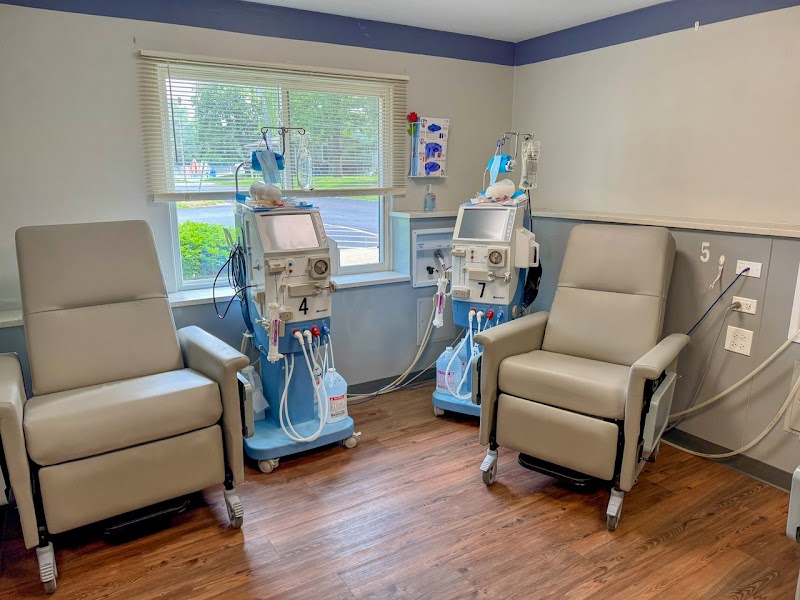
How is Goldwater Care Marseilles Staffed?
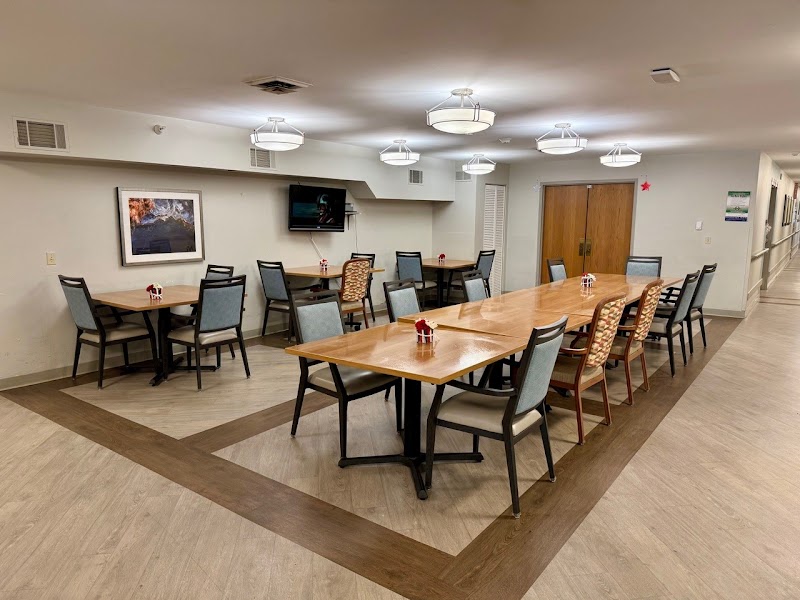
CMS rates Goldwater Care Marseilles's staffing level at 1 out of 5 stars, which is much below average compared to other nursing homes. Staff turnover is 60%, which is 14 percentage points above the Illinois average of 46%. High turnover can affect care consistency as new staff learn residents' individual needs. RN turnover specifically is 64%, which is notably high. RNs provide skilled clinical oversight, so turnover in this role can affect medical care quality.

What Have Inspectors Found at Goldwater Care Marseilles?

State health inspectors documented 59 deficiencies at Goldwater Care Marseilles during 2022 to 2025. These included: 2 Immediate Jeopardy (the most serious level, indicating potential for serious harm or death), 6 that caused actual resident harm, 48 with potential for harm, and 3 minor or isolated issues. Immediate Jeopardy findings are rare and represent the most serious regulatory concerns. They require immediate corrective action.

Who Owns and Operates Goldwater Care Marseilles?

Goldwater Care Marseilles is owned by a government entity. Government-operated facilities are typically run by state, county, or municipal agencies. The facility is operated by GOLDWATER CARE, a chain that manages multiple nursing homes. With 103 certified beds and approximately 65 residents (about 63% occupancy), it is a mid-sized facility located in MARSEILLES, Illinois.

How Does Goldwater Care Marseilles Compare to Other Illinois Nursing Homes?

Compared to the 100 nursing homes in Illinois, Goldwater Care Marseilles's overall rating (1 stars) is below the state average of 2.5, staff turnover (60%) is significantly higher than the state average of 46%, and health inspection rating (2 stars) is below the national benchmark.

What Should Families Ask When Visiting Goldwater Care Marseilles?

Based on this facility's data, families visiting should ask: "What changes have been made since the serious inspection findings, and how are you preventing similar issues?" "How do you ensure continuity of care given staff turnover, and what is your staff retention strategy?" "Can you walk me through typical staffing levels on day, evening, and night shifts?" "Can I visit during a mealtime to observe dining assistance and food quality?" These questions are particularly relevant given the facility's Immediate Jeopardy citations, the facility's high staff turnover rate, and the below-average staffing rating.

Is Goldwater Care Marseilles Safe?

Based on CMS inspection data, Goldwater Care Marseilles has documented safety concerns. Inspectors have issued 2 Immediate Jeopardy citations (the most serious violation level indicating risk of serious injury or death). The facility has a 1-star overall rating and ranks #100 of 100 nursing homes in Illinois. Families considering this facility should ask detailed questions about what corrective actions have been taken since these incidents.

Do Nurses at Goldwater Care Marseilles Stick Around?

Staff turnover at Goldwater Care Marseilles is high. At 60%, the facility is 14 percentage points above the Illinois average of 46%. Registered Nurse turnover is particularly concerning at 64%. RNs handle complex medical decisions and coordinate care — frequent RN changes can directly impact care quality. High turnover means new staff may not know residents' individual needs, medications, or preferences. It can also be disorienting for residents, especially those with dementia who rely on familiar faces. Families should ask: What is causing the turnover? What retention programs are in place? How do you ensure care continuity during staff transitions?

Was Goldwater Care Marseilles Ever Fined?

Goldwater Care Marseilles has been fined $296,521 across 5 penalty actions. This is 8.2x the Illinois average of $36,044. Fines at this level are uncommon and typically indicate a pattern of serious deficiencies, repeated violations, or failure to correct problems promptly. CMS reserves penalties of this magnitude for facilities that pose significant, documented risk to resident health or safety. Families should request specific documentation of what issues led to these fines and what systemic changes have been implemented.

Is Goldwater Care Marseilles on Any Federal Watch List?

Goldwater Care Marseilles is not on any federal watch list. The most significant is the Special Focus Facility (SFF) program, which identifies the bottom 1% of nursing homes nationally based on persistent, serious quality problems. Not being on this list means the facility has avoided the pattern of deficiencies that triggers enhanced federal oversight. This is a positive indicator, though families should still review the facility's inspection history directly.