ALDEN TERRACE OF MCHENRY REHAB
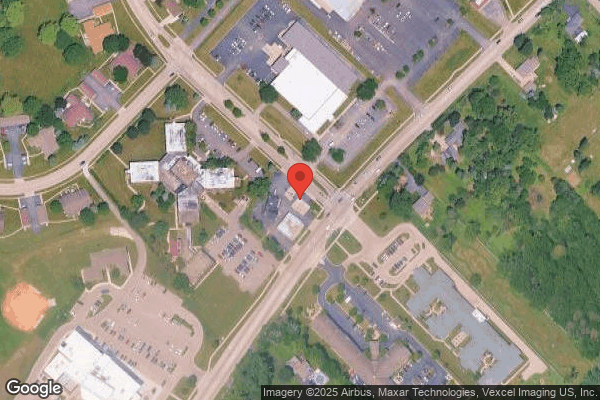

803 ROYAL DRIVE, MCHENRY, IL 60050 (815) 344-2600
For profit - Corporation 316 Beds THE ALDEN NETWORK Data: November 2025
Trust Grade
33/100
#309 of 665 in IL
Last Inspection: March 2025

Within standard 12-15 month inspection cycle. Federal law requires annual inspections.

Overview

Alden Terrace of McHenry Rehab has received a Trust Grade of F, indicating significant concerns about the quality of care provided. Ranking #309 out of 665 facilities in Illinois places them in the top half, but at #8 of 10 in McHenry County suggests that there are better local options available. The facility's trend is worsening, with issues increasing from 12 in 2024 to 20 in 2025. Staffing is a notable weakness, with a poor rating of 1 out of 5 stars, although the turnover rate is exceptionally low at 0%, meaning staff tend to stay long-term. The facility has faced fines of $11,170, which is average, but there have been serious incidents, such as a resident being left unsupervised, posing a risk of elopement, and a nursing assistant without a proper license being the only staff present overnight for 28 residents.

Trust Score
F
33/100
In Illinois
#309/665
Top 46%
Safety Record
High Risk
Review needed
Inspections
Getting Worse
12 → 20 violations
Staff Stability
○ Average
Turnover data not reported for this facility.
Penalties
✓ Good
$11,170 in fines. Lower than most Illinois facilities. Relatively clean record.
Skilled Nurses
○ Average
Each resident gets 41 minutes of Registered Nurse (RN) attention daily — about average for Illinois. RNs are the most trained staff who monitor for health changes.
Violations
⚠ Watch
43 deficiencies on record. Higher than average. Multiple issues found across inspections.
★★☆☆☆
2.0
Overall Rating
★☆☆☆☆
1.0
Staff Levels
★★★☆☆
3.0
Care Quality
★★★☆☆
3.0
Inspection Score
Stable
2024: 12 issues
2025: 20 issues

The Good

  • Full Sprinkler Coverage · Fire safety systems throughout facility
  • No fines on record

Facility shows strength in fire safety.

The Bad

2-Star Overall Rating

Below Illinois average (2.5)

Below average - review inspection findings carefully

Federal Fines: $11,170

Below median ($33,413)

Minor penalties assessed

Chain: THE ALDEN NETWORK

Part of a multi-facility chain

Ask about local staffing decisions and management

The Ugly 43 deficiencies on record

3 actual harm
Aug 2025 1 deficiency
CONCERN (D) 📢 Someone Reported This

A family member, employee, or ombudsman was alarmed enough to file a formal complaint

Potential for Harm - no one hurt, but risky conditions existed

Accident Prevention (Tag F0689)

Could have caused harm · This affected 1 resident

**NOTE- TERMS IN BRACKETS HAVE BEEN EDITED TO PROTECT CONFIDENTIALITY** Based on interview and record review the facility failed to follow its policy for a resident that left the facility without supe...

Read full inspector narrative →
**NOTE- TERMS IN BRACKETS HAVE BEEN EDITED TO PROTECT CONFIDENTIALITY** Based on interview and record review the facility failed to follow its policy for a resident that left the facility without supervision and staff knowledge for 1 of 3 residents (R1) reviewed for safety and supervision in the sample of 9.The findings include:Findings include:R1's Face sheet dated 8/16/25 showed he was admitted to the facility on [DATE] with diagnoses to include but not limited to COPD (chronic obstructive pulmonary disease), moderate protein-calorie malnutrition, iron deficiency anemia, alcohol dependence, mood (affective) disorder, and hypertension.R1's Physician Order Sheet showed he was allowed to go out on a community pass alone.R1's Elopement Risk Assessment completed 7/17/25 showed he was not at risk for elopement.R1's facility assessment dated [DATE] showed he was cognitively intact and was independent with all Activities of Daily Living (ADLs).On 8/16/25 at 10:55 AM, V7 (Registered Nurse) said she was taking care of another resident when the door alarm went off. V7 said she immediately went to the door and R4 was outside smoking. V7 said R4 reported that R1 had walked out the front door and down the road. V7 said she walked down the street and could not see R1. V7 said she returned to the facility, informed staff to start looking for R1, and called V1 (Administrator). V7 said she did not call the police. V7 said R1 didn't tell anyone he was leaving, and they were all surprised. V7 said they didn't know where R1 was going.On 8/16/25 at 11:21 AM, V9 (police detective) said R1 walked out the front door of the facility on 8/13/25 at 4:45 AM. V9 said the facility reported that R1 set off the door alarm. V9 said the facility didn't notify the police R1 was missing. V9 said time is crucial with a missing person. V9 said the facility staff went to V33's house (R1's family member), in a different town, instead of calling the police. V9 said V33 was out looking for R1, happened to see the police, and filed a missing person report. V9 said a few hours had passed since R1 left the facility. V9 said R1 was located in another state, contact was made by local police, and he was deemed not a risk to himself or others. V9 said their missing persons case for R1 was closed.R1's Progress Note dated 8/13/25 showed R1 left the facility at 4:45 AM against medical advice (AMA). This note showed R1 was observed walking out the front door with his belongings in a handbag. This note showed R1 was alert, oriented, and decisional. This note showed V33 (R1's family member) was notified. This note does not show that the facility notified the police.R1's Police Report showed that V33 (R1's family member) reported him missing on 8/13/25 at 7:09 AM. This report showed the facility video footage was observed and R1 left the facility at 4:45 AM. This report showed that R1 was located in another state; was deemed of sound mind with no mental deficiencies; R1 refused to go to the hospital; and R1 was not appropriate for an involuntary hold.On 8/19/25 at 12:24 PM, V1 (Administrator) said he got a call from V7 (RN) on 8/13/25. V1 said he was told R1 left the building, and they could not find him. V1 said he went to V33's house (R1's family member) to see if R1 went there. V1 said V33 told him that R1 had run off before and she provided a few places to look. V1 said he went to a local hotel and the hospital to look for R1. V1 said he didn't call the police to report R1 missing. V1 said the police called him around 8 AM on 8/13/25 to gather information about R1. The surveyor asked V1 why he didn't follow the facility's policy for Missing Residents. V1 replied, He left AMA. The surveyor asked if the facility knew where R1 was going and he replied, No. The surveyor referenced the facility's policy and V1 said he should have called the police.The facility's Missing Resident Policy dated 9/2020 showed, It is the policy of this facility to report and investigate all reports of missing residents. Procedure: 1. All personnel are responsible for reporting a resident suspected of missing to the Charge Nurse as soon as practical. This includes any resident that did not sign out on pass and/or did not notify a staff member of his or her leaving.2. Should an employee discover that a resident is missing from the facility, he or she should: .f. Call 911 to report the resident missing. g. The Administrator and Director of Nursing will evaluate the situation and develop a plan of action based on the individual resident. The following steps should occur: .iv. Notify the sheriff and/or police department and file a missing person report. ix. Document appropriate notations in the medical record.
Mar 2025 19 deficiencies 1 Harm
SERIOUS (G)

Actual Harm - a resident was hurt due to facility failures

Deficiency F0760 (Tag F0760)

A resident was harmed · This affected 1 resident

**NOTE- TERMS IN BRACKETS HAVE BEEN EDITED TO PROTECT CONFIDENTIALITY** Based on interview and record review the facility failed to ensure a discrepancy with a resident's psychotropic medication was r...

Read full inspector narrative →
**NOTE- TERMS IN BRACKETS HAVE BEEN EDITED TO PROTECT CONFIDENTIALITY** Based on interview and record review the facility failed to ensure a discrepancy with a resident's psychotropic medication was reconciled with a physician upon re-admission after a hospitalization for hypertension for 1 of 31 residents (R137) reviewed for significant medication errors in the sample of 50. This failure resulted in R137 not receiving depakote, which was previously prescribed for aggressive behaviors, to display aggressive behaviors towards another resident and subsequently be sent out to the hospital for an evaluation. The findings include: R137's Face Sheet shows that he admitted to the facility on [DATE] with diagnoses of: depression, anxiety, history of traumatic brain injury and history of suicidal behavior. R137's Psychiatric Nurse Practitioner Note dated 10/9/24 shows, Nursing and staff report moods labile with sarcastic passive aggressive comments at times .He endorses a history of becoming angry and threatening people, states you don't want to piss me off; admits to recent feelings of anger with moods up and down at times .I recommend to continue his current medication regimen and start depakote 125 mg (milligrams) bid (twice a day). R137's Psychiatric Nurse Practitioner Note dated 12/11/24 shows, He feels that his moods are generally stable, but he still gets angry more frequently than he believes he should, especially regarding his roommate when they turn on the lights during the night or early morning. An increased dose of depakote to 250 mg p.o (by mouth) twice daily was discussed and patient is agreeable to this change. R137's Psychiatric Nurse Practitioner Note dated 2/19/25 shows, Mood and behaviors at baseline. Currently on depakote 250 mg twice daily, which was increased 12/11/24 due to anger management issues, and patient tolerating the dose well. Continue current psychiatric medication regimen including depakote. R137's Hospital After Visit Summary shows that he was admitted to the hospital from [DATE]-[DATE] for hypertension. R137's After Visit Summary does not show that R137 should stop taking depakote nor does it say to start taking depakote. R137's March Medication Administration Record (MAR) shows that he received depakote 125 mg - two tablets twice a day until 3/17/25. R137 March MAR does not document that he received depakote upon re-admission on [DATE] to 3/26/25. R137's Administration Note dated 3/25/25 shows, On 3/24/25 at approximately 9:30 AM [R137] stated to this writer that he was very unhappy with his roommate. During the conversation [R137] verbalized signs of aggression involving his roommate. He stated, If my roommate is still here tonight I'm going to kill him.he was sent to the hospital for a psych evaluation. On 3/26/25 at 1:25 PM, R137 said that he does not recall the hospital changing or discontinuing his depakote when he was admitted to the hospital for his high blood pressure. On 3/26/25 at 1:30 PM, V23 (Physician) said that once a resident re-admits from the hospital, the nurse from the hospital and the nurse from the facility should go over all ordered medications and compare them to their previous medications and if there is a discrepancy, they should discuss the reason for the discrepancy and if they can not figure out why a certain medication is not re-ordered, they should contact the physician or nurse practitioner to get the discrepancy clarified. V23 said, Especially if it is an important medication like this one.
CONCERN (D)

Potential for Harm - no one hurt, but risky conditions existed

Deficiency F0583 (Tag F0583)

Could have caused harm · This affected 1 resident

**NOTE- TERMS IN BRACKETS HAVE BEEN EDITED TO PROTECT CONFIDENTIALITY** Based on observation, interview, and record review, the facility failed to provide privacy during personal care for two of two r...

Read full inspector narrative →
**NOTE- TERMS IN BRACKETS HAVE BEEN EDITED TO PROTECT CONFIDENTIALITY** Based on observation, interview, and record review, the facility failed to provide privacy during personal care for two of two residents (R60, R85) reviewed for privacy in the sample of 50. The findings include: 1. R60's admission Record dated March 24, 2025 shows she was admitted to the facility on [DATE] with diagnoses including heart failure, vascular dementia, and history of falling. On March 24, 2025 at 10:17 AM, V9 CNA (Certified Nursing Assistant) provided personal care for R60. R60 was laying on her back in her bed. R60 had two roommates. One of R60's roommates was sitting in her wheelchair facing R60's bed. The privacy curtain was half pulled. V9 performed incontinence care to R60 exposing R60's front peri area. R60's private areas were visible to R60's roommate and R60's roommate glanced over at V9 and R60 multiple times. On March 25, 2025 at 9:28 AM, V13 (R60's daughter/power of attorney) said, I would hope that they are keeping it private when they are changing [R60's] incontinence brief or cleaning her up. 2. R85's admission Record dated March 25, 2025 shows she was admitted to the facility on [DATE] with diagnoses including Parkinson's disease, acute and chronic respiratory failure, dysphagia, neuromuscular dysfunction of bladder, bipolar disorder, depression, anxiety, and history of falling. On March 24, 2025 at 10:38 AM, V9 and V10 CNA (Certified Nursing Assistant) were in R85's room emptying her urinary drainage bag. V9 wiped R85's front peri area and R85's buttocks. There was a small open area on R85's buttocks so V10 went into the hall to get R85's nurse. R85's bedroom door was left open while R85 was laying on her right side facing the door while it was open. V3 ADON (Assistant Director of Nursing) entered R85's room to assess R85's buttocks. R85's door was still open and the hallway was visible from R85's bed. V10 walked into R85's room and left R85's door open while he retrieved gloves from R85's bathroom. V3 cleaned R85's buttocks wound and placed a dressing on it while the door was open. On March 25, 2025 at 2:31 PM, V2 DON (Director of Nursing) said staff should shut residents' doors and pull the curtains to provide privacy for residents during cares. The facility's Resident Rights Policy for People in Long-term Care Facilities dated October 2014 shows, Your medical and personal care are private.
CONCERN (D)

Potential for Harm - no one hurt, but risky conditions existed

Free from Abuse/Neglect (Tag F0600)

Could have caused harm · This affected 1 resident

Based on observation, interview and record review the facility failed to keep a resident free from physical abuse. This applies to 4 of 31 residents (R32, R92, R105, R80) reviewed for abuse in the sam...

Read full inspector narrative →
Based on observation, interview and record review the facility failed to keep a resident free from physical abuse. This applies to 4 of 31 residents (R32, R92, R105, R80) reviewed for abuse in the sample of 50. The findings include: R32, R92, R105 & R80 all reside in a locked memory care unit. 1. R32's face sheet lists her diagnoses to include: dementia, delirium, mood disorder & unspecified psychosis not due to a substance or known physiological condition. On March 24, 2025 at 11:05 AM, R32 was upset and yelling. I had a slice of cabbage for supper, it's bullsh*t, call the police! I want a walker and a decent meal! On March 25, 2025 at 10:04 AM, R32 was upset and yelling in the dining room. I want a cup of coffee and want the hell out of here now! I want these people out, this is my house! R32's progress notes dated January 19, 2025 shows, Overheard another resident telling R32 That isn't your coffee and this RN (Registered Nurse) observed her trying to take someone else's coffee and then hit his arm while I was on the way to intervene . The facility did not provide an abuse investigation, incident report or any other documentation about R32's incident of January 19, 2025. On March 26, 2025 at 12:44 PM, V4 RN stated, she was the nurse that documented R32's progress note on January 19, 2025. She believes the other resident was R92. I think the other resident was (R92). They were in the TV room. I saw (R32) swat (R92) (moved her hand in a swat motion) to get out of here. She did hit his arm, like a little swat. R32's care plan (no date) shows, Focus: (R32) is receiving antidepressant psychotropic medication sertraline for a diagnosis for dx of dementia with agitation. Resident as a hx (history) of displaying aggressive behaviors and crying. Resident is receiving antianxiety psychotropic medication busiprone with dx of dementia with agitation and alprazolam with dx of anxiety disorder with observed behaviors of screaming out and displaying aggressive behaviors. In addition, resident has a hx of sitting near the entrance screaming to call for a taxi wanting to go to (Shop Name) shop, the bank, go to town, and call her (Insurance Agency) agent. (R32) prefers to have her wallet on her at all times or she will start to scream asking for 'help'. (R32) will started to scream and scream 'help' when she does not have her shoes that she likes on. (R32) gets upset when she wants 'to go home and these people are in her house'. R92's face sheet lists his diagnoses to include: Alzheimer's disease, dementia, anxiety disorder, schizoaffective disorder & unspecified psychosis not due to a substance or known physiological condition. R92's care plan (no date) shows, Focus: (R92) is at risk for abuse related to :has a dx of severe mental illness and/or dementia. R92's electronic medical record (EMR) did not show anything about this incident with R32. 2. R32's progress notes dated December 22, 2024 shows, Resident seen hitting another resident's arm and calling her names. The facility did not provide an abuse investigation, incident report or any other documentation about R32's incident of December 22, 2024. On March 26, 2025 at 12:44 PM, V4 RN stated, she was the nurse that documented R32's incident on December 22, 2024. The incident was a long time ago and she couldn't remember 100% who the resident was but thought it was R105. R32 likes to swat people if they get to close to her and will tell them to get out of here. She thinks it was an activity aide that reported it to her but she couldn't remember. She just documented what was reported to her. R105's EMR or care plan didn't show any documentation regarding this incident. 3. R105's face sheet lists her diagnoses to include: Alzheimer's disease, dementia, mood disorder, & anxiety disorder. R105's progress notes dated January 16, 2025 shows, Resident seen in a physical altercation with another resident. R80's progress notes dated January 19, 2025 shows, Resident seen in a physical altercation with another resident . On March 26, 2025 at 1:12 PM, V18 Licensed Practical Nurse (LPN) stated, she was the nurse who documented R105's progress note on January 19, 2025. She remembered R105 was in the TV room after dinner waiting to go to bed. She heard a commotion in there. R105 grabbed onto R80. R105 is a grabber. R80's face sheet lists her diagnoses to include: bipolar disorder, major depressive disorder, dementia, alcohol dependence & unspecified psychosis not due to a substance or known physiological condition. R105's care plan does not show any aggressive behaviors, grabbing or risk for abuse. R80's care plan (no date) shows, Focus: (R80) is at risk for abuse related to: diagnosis of dementia.
CONCERN (D)

Potential for Harm - no one hurt, but risky conditions existed

Abuse Prevention Policies (Tag F0607)

Could have caused harm · This affected 1 resident

Based on interview and record review the facility failed to follow it's own abuse policy. This applies to 4 of 31 residents (R32, R92, R105, R80) reviewed for abuse in the sample of 50. The findings ...

Read full inspector narrative →
Based on interview and record review the facility failed to follow it's own abuse policy. This applies to 4 of 31 residents (R32, R92, R105, R80) reviewed for abuse in the sample of 50. The findings include: On December 22, 2025, R32's progress notes show R32 hit R105. On January 16, 2025, R105's progress notes show R105 had a physical altercation with R80. On January 19, 2025, R32's progress notes show R32 hit R92. The facility did not provide an abuse investigation, incident report or any other documentation regarding any of the incidents. On March 26, 2025 at 1:38 PM, V1 (Administrator) stated, he didn't have any abuse investigations for the past four months. The facility's abuse policy dated September 2020 shows, Policy: This facility affirms the right of our residents to be free from abuse, neglect, misappropriation of resident property, corporal punishment and involuntary seclusion. The facility will report reasonable suspicion of crime. This facility therefore prohibits mistreatment, neglect or abuse of its residents and has attempted to establish a resident sensitive and resident secure environment. The purpose of this policy is to assure that the facility is doing all that is within its control to prevent occurrences of mistreatment, neglect or abuse of our residents Definitions: The following definitions are based on federal and state laws, regulations and interpretive guidelines. Abuse means any physical or mental injury or sexual assault inflicted upon a resident other than by accidental means in a facility. Abuse is the willful infliction of injury, unreasonable confinement, intimidation, or punishment with resulting physical harm, pain, or mental anguish. Willful means the individual acted deliberately, not that the individual must have intended the injury or harm Physical Abuse: includes hitting, slapping, pinching, kicking and controlling behavior through corporal punishment 4. Identification: Employees are required to immediately report any occurrences of potential mistreatment they observe, hear about, or suspect to a supervisor or the administrator 6. Investigation: a. Appoint an investigator. Once an allegation has been made, the administrator or designee will investigate the allegation and obtain a copy of any documentation related to the incident
CONCERN (D)

Potential for Harm - no one hurt, but risky conditions existed

Report Alleged Abuse (Tag F0609)

Could have caused harm · This affected 1 resident

Based on interview and record review the facility failed to ensure staff identified and reported allegations of physical abuse to the administrator. This applies to 4 of 31 residents (R32, R92, R105 R...

Read full inspector narrative →
Based on interview and record review the facility failed to ensure staff identified and reported allegations of physical abuse to the administrator. This applies to 4 of 31 residents (R32, R92, R105 R80) reviewed for abuse reporting in the sample of 50. The findings include: On December 22, 2025, R32's progress notes show R32 hit R105. On January 16, 2025, R105's progress notes show R105 had a physical altercation with R80. On January 19, 2025, R32's progress notes show R32 hit R92. The facility did not provide an abuse investigation, incident report or any other documentation regarding any of the incidents. On March 26, 2025 at 12:44 PM, V4 Registered Nurse (RN) stated, she wasn't sure if she reported the incidents or not (December 22, 2024 and January 19, 2025). On March 26, 2025 at 1:18 PM, V18 Licensed Practical Nurse (LPN) stated, she did report the incident to both V1 (Administrator) and V2 (Director of Nursing). On March 26, 2025 at 1:38 PM, V1 (Administrator) stated, he did not have any abuse investigations for the past four months. Sometimes what they see and what they document isn't always the same. On March 27, 2025 at 10:22 AM, V1 (Administrator) clarified, the incidents were reported to him as behaviors and not as a physical exchange therefore he did not take them as abuse allegations.
CONCERN (D)

Potential for Harm - no one hurt, but risky conditions existed

Investigate Abuse (Tag F0610)

Could have caused harm · This affected 1 resident

Based on interview and record review the facility failed to investigate allegations of physical abuse. This applies to 4 of 31 residents (R32, R92, R105, R80) reviewed for abuse investgations in the s...

Read full inspector narrative →
Based on interview and record review the facility failed to investigate allegations of physical abuse. This applies to 4 of 31 residents (R32, R92, R105, R80) reviewed for abuse investgations in the sample of 50. The findings include: On December 22, 2025, R32's progress notes show R32 hit R105. On January 16, 2025, R105's progress notes show R105 had a physical altercation with R80. On January 19, 2025, R32's progress notes show R32 hit R92. The facility did not provide an abuse investigation, incident report or any other documentation regarding any of the incidents. On March 26, 2025 at 1:38 PM, V1 (Administrator) stated, he did not have any abuse investigations for the past four months. Sometimes what they see and what they document isn't always the same. On March 27, 2025 at 10:22 AM, V1 (Administrator) clarified, the incidents were reported to him as behaviors and not as a physical exchange therefore he did not take them as abuse allegations.
CONCERN (D)

Potential for Harm - no one hurt, but risky conditions existed

ADL Care (Tag F0677)

Could have caused harm · This affected 1 resident

**NOTE- TERMS IN BRACKETS HAVE BEEN EDITED TO PROTECT CONFIDENTIALITY** Based on observation, interview, and record review, the facility failed to provide ADL (Activities of Daily Living) assistance f...

Read full inspector narrative →
**NOTE- TERMS IN BRACKETS HAVE BEEN EDITED TO PROTECT CONFIDENTIALITY** Based on observation, interview, and record review, the facility failed to provide ADL (Activities of Daily Living) assistance for one of three residents (R60) that are dependent on staff for ADL care in the sample of 50. The findings include: R60's admission Record dated March 24, 2025 shows she was admitted to the facility on [DATE] with diagnoses including heart failure, vascular dementia, and history of falling. R60's Care Plan initiated June 8, 2019 shows she has an ADL self care performance deficit due to diagnoses of dementia. Interventions include assist with ADL care tasks as needed, assist with toileting needs as necessary. R60's Care Plan initiated August 23, 2019 shows R60 experiences frequent bladder incontinence due to diagnosis of dementia, Check residents for incontinence. On March 24, 2025 at 10:17 AM, V9 CNA (Certified Nursing Assistant) provided incontinence care to R60. V9 removed R60's incontinence brief. R60's incontinence brief was saturated with dark urine and had some stool in it. The incontinence pad that R60 was laying on was also wet. V9 said R60's incontinence brief was last changed at about 6:30 AM. On March 25, 2025 at 2:31 PM, V2 DON (Director of Nursing) said incontinence care should be done every two hours and as needed. The facility Morning Care policy dated September 2020 shows, Morning care is provided to the residents to refresh, provide cleanliness, comfort and neatness, to prepare resident for the day and for meal, to assess her/his condition and needs, to promote psychosocial well-being, and to maintain and improve quality of life.
CONCERN (D)

Potential for Harm - no one hurt, but risky conditions existed

Quality of Care (Tag F0684)

Could have caused harm · This affected 1 resident

**NOTE- TERMS IN BRACKETS HAVE BEEN EDITED TO PROTECT CONFIDENTIALITY** 2. On March 24, 2025 at 11:00 AM, R88 was sitting in the dining room. Her right arm is in a sling. Her right thumb nail was extr...

Read full inspector narrative →
**NOTE- TERMS IN BRACKETS HAVE BEEN EDITED TO PROTECT CONFIDENTIALITY** 2. On March 24, 2025 at 11:00 AM, R88 was sitting in the dining room. Her right arm is in a sling. Her right thumb nail was extremely long (about an inch, inch an half long past the fingertip). It appeared to be popping off and black and hard underneath. The nail was only connected to the nail bed by a little bit. On March 25, 2025 at 12:08 PM, R88 was sitting up in the dining room. Her right arm was in a sling. Her right thumb nail was still long and appeared the same as the day before. On March 25, 2025 at 1:34 PM, V21 Registered Nurse (RN) stated, wound care was following R88 for her right thumb nail. R88's skin/wound progress notes dated February 2, 2025 shows, right nail avulsion, healed. R88's electronic medical records (EMR) did not show anything else about R88's right thumb nail. On March 26, 2025 at 10:47 AM, V6 Wound Care Nurse stated, he has never seen R88's nail since he has been the wound care nurse. He just found out about it yesterday (March 25, 2025). He confirmed the nail was really long and hanging part way off. It's going to snag on something, just needs to come off. No one reported anything to me about it. R88's skin/wound progress notes dated March 25, 2025 shows, Right thumb nail: R thumb nail noted to be pulling loose from the nail bed. Cleansed with NSS (normal saline solution) and bandaid applied to prevent nail from pulling off further R88's care plan (no date) shows, Focus: R88 has potential for alteration in skin integrity related to: Impaired cognition, decreased mobility, urine, and bowel incontinence. Interventions: Inspect skin daily with care, trim nails frequently to prevent any further skin tears The facility's prevention and treatment of pressure injury and other skin alterations dated March 2, 2021 shows, Policy: 2. Identify the presence of pressure injuries and/or other skin alterations. 3. Implement preventative measure and appropriate treatment modalities for pressure injuries and/or skin alterations thorough individualized resident care plan. Procedure: .8. At least daily, staff should remain alert for potential changes in the skin condition during resident care 3. R62's admission Record dated March 24, 2025 shows she was admitted to the facility on [DATE] with diagnoses including sepsis, chronic systolic congestive heart failure, anemia, severe protein-calorie malnutrition, heart disease, cardiomyopathy, and hypertensive heart and chronic kidney disease with heart failure. R62's Order Summary Report dated March 24, 2025 shows an order to obtain weekly weights. Inform cardio (cardiology) nurse practitioner of weight gain of five pounds or more in one week every Wednesday ordered on March 2, 2025. R62's Weights and Vitals Summary dated January 1, 2025-March 31, 2025 shows R62 was weighed on January 2, 2025, January 28, 2025, February 13, 2025, February 23, 2025, and March 3, 2025. R62 should have been weighed on March 5, 2025, March 12, 2025, March 19, 2025, and March 26, 2025. R62's MDS (Minimum Data Set) dated February 2, 2025 shows R62 does not have a history of refusing cares. The facility's Weights Policy dated September 2020 shows, Residents will be weighted to establish baseline weights and identify trends of weight loss or weight gain. Based on observation, interview, and record review the facility failed to ensure residents received treatments, care, and services in accordance with professional standards for 3 of 31 residents (R91, R88, R62) reviewed for quality of care in the sample of 50. The findings include: 1. On 3/25/25 at 8:57 AM, R91 said he had been having loose stools for approximately 9 days. On 3/26/25 at 11:02 AM, V2 (Director of Nursing) said R91 had been seen by the physician the week prior and again on 3/26/25. On 3/26/25 at 10:52 AM, V22 (Registered Nurse/RN) said R91 has been having some loose stools and R91 received an order for loperamide (a medication to help with loose stools). R91's physician progress note dated 3/18/25 performed by V27 (Nurse Practitioner) states resident had complaints of diarrhea for a few days. V27 recommended to give R91 loperamide as needed for relief and to also hold R91's stool softener. R91's Order Summary Report dated 3/25/25 shows an order for Loperamide HCl (Hydrochloride) with a start date of 3/24/25. R91's Order Summary Report also shows R91 receives docusate sodium (stool softener) for bowel management and polyethylene glycol (laxative) for constipation. R91's March 2025 Medication Administration Record (MAR) shows R91's first received dose of loperamide HCl was on 3/25/25. R91's March MAR also shows R91 continued to receive doses of polyethylene glycol until the morning of 3/26/25 when it was put on hold. R91 also continued to receive docusate sodium, which was never put on hold per R91's March MAR. On 3/26/25 at 12:56 PM, V2 said when a provider makes recommendations, the provider will usually put the order into the system and the the nursing staff will just confirm it in the system for the order to go into effect.
CONCERN (D)

Potential for Harm - no one hurt, but risky conditions existed

Pressure Ulcer Prevention (Tag F0686)

Could have caused harm · This affected 1 resident

Based on observation, interview, and record review the facility failed to ensure pressure reducing interventions were in place for a resident at risk for pressure for 1 of 3 residents (R108) reviewed ...

Read full inspector narrative →
Based on observation, interview, and record review the facility failed to ensure pressure reducing interventions were in place for a resident at risk for pressure for 1 of 3 residents (R108) reviewed for pressure in the sample of 50. The findings include: On 3/24/25 at 9:48 AM, R108 was in bed with a pillow under her right side. R108's heels were flat on the bed. On 3/25/25 at 10:14 AM, V6 (Wound Nurse) said R108 has a stage 4 pressure injury to her sacrum that was first found on 1/10/24. V6 said R108 has pressure reducing interventions in place such as a low air loss mattress, dietary supplements, and frequent turning and repositioning. V6 said R108 does not have an order for padded heel boots. V6 said the facility follows orders for treatment and interventions from the Wound Doctor. On 3/25/25 at 12:30 PM, R108 was flat on her back in bed sleeping. R108's heels were flat on the mattress, not offloaded with pillows or heel boots. R108's Wound Doctor Progress Noted dated 3/18/25 shows R108 has a stage 4 pressure injury to her sacrum and shows Plan of Care- Avoid bony prominences under direct pressure, Heels offloaded with heel protectors or pillow. R108's Care Plan shows R108 has actual alteration in skin integrity and is at risk for further skin breakdown related to impaired cognition, decreased mobility, and urine and bowel incontinence. Off load boney prominences throughout every shift.
CONCERN (D)

Potential for Harm - no one hurt, but risky conditions existed

Deficiency F0688 (Tag F0688)

Could have caused harm · This affected 1 resident

**NOTE- TERMS IN BRACKETS HAVE BEEN EDITED TO PROTECT CONFIDENTIALITY** Based on observation ,interview and record review the facility failed to monitor and implement interventions for a resident with...

Read full inspector narrative →
**NOTE- TERMS IN BRACKETS HAVE BEEN EDITED TO PROTECT CONFIDENTIALITY** Based on observation ,interview and record review the facility failed to monitor and implement interventions for a resident with a contracture for 1 of 1 residents (R42) reviewed for contractures in the sample of 50. The findings include: On 3/24/25 at 10:01 AM, R42 was in bed waiting for breakfast. R42's left hand was contracted with her fingers flat on the palm of her hand. R42 said her hand is contracted from a stroke. R42 used her right hand and was able to straiten her fingers out some (formed a C with her hand). R42 said they sometimes put a washcloth in her palm but only when she asks. V17 (Certified Nursing Assistant) came in to answer R42's call light and said she was not aware of any splint or brace for R42's hand. On 3/25/25 at 12:30 PM, R42 was up in her wheelchair at the bedside waiting for lunch. R42's fingers on her left hand were contracted and flat on the palm of her hand. On 3/25/25 at 2:11 PM, V15 (Restorative Licensed Practical Nurse) said R42 was seen by therapy some time ago with no recommendations that she was aware of. R42 said the Nurse Practitioner would monitor R42 for decline of her contracture. V15 said the restorative quarterly assess only charts if there is a splint or not, there is not an assessment of the contracture. V15 said if there was an order for a splint, she would assess it. On 3/26/25 at 10:48 AM, V15 said R42 has never had a splint and there is no doctor's order for a splint. V15 said there is no documentation regarding R42's contracture and it is not Care Planned. R42's Occupational Therapy Discharge summary dated [DATE] shows Recommendation given to restorative nurse to order a splint for left hand. Discharge Recommendations: Functional Maintenance Program/ Restorative Nursing Program (RNP)- To facilitate patient maintaining current level of performance and in order to prevent decline, development of and instruction in the following RNPs had been completed with the Interdisciplinary Team: Active Range of Motion and splint or brace care. R42's most recent quarterly Restorative Nursing assessment dated [DATE] shows under adaptive activities of daily living equipment used, splint or brace is not marked. R42's Care Plan shows a diagnosis of hemiplegia and hemiparesis following a cerebral infarction affecting left non-dominant side and shows R42 has an activity of daily living self care performance deficit related to past medical history of cerebral vascular accident, left hip pain related to fall, left hand contracture. There is no other documentation of R42's left hand contracture and there are no interventions listed.
CONCERN (D)

Potential for Harm - no one hurt, but risky conditions existed

Accident Prevention (Tag F0689)

Could have caused harm · This affected 1 resident

**NOTE- TERMS IN BRACKETS HAVE BEEN EDITED TO PROTECT CONFIDENTIALITY** 2. On March 24, 2025 at the noon meal, R105 was sitting up in her wheelchair in the dining room eating lunch. Her wheelchair did...

Read full inspector narrative →
**NOTE- TERMS IN BRACKETS HAVE BEEN EDITED TO PROTECT CONFIDENTIALITY** 2. On March 24, 2025 at the noon meal, R105 was sitting up in her wheelchair in the dining room eating lunch. Her wheelchair did not have anti-tippers on it. On March 25, 2025 at 10:04 AM, R105 was sitting up in her wheelchair in the dining room doing activities. Her wheelchair did not have anti-tippers on it. R105's incident report dated January 22, 2025 shows, Resident was in the dining room. This writer and the other NOD (nurse on duty) suddenly heard a loud sound then found the resident on the floor holding the back of her head On March 25, 2025 at 1:34 PM, V21 (Registered Nurse) stated, she was the nurse working when R105 fell on January 22, 2025. R105 tipped her wheelchair backwards and hit her head on the floor. She is supposed to have anti-tippers on her wheelchair. She confirmed that R105's wheelchair did not have anti-tippers on it and should. R105's care plan (no date) shows, Focus: R105 is at risk for falls due to dx (diagnosis) of history of falls. Interventions: anti-tip to wheelchair . Based on observation, interview and record review the facility failed to implement fall interventions for residents who are at risk for falling for 3 of 4 residents (R27, R105 and R403) reviewed for safety in the sample of 50. The findings include: 1. R403's Face Sheet shows that he admitted to the facility on [DATE] with diagnoses of: nondisplaced intertrochanteric fracture of right femur and history of falling. R403's current Care Plan shows that R403 is at risk for falls due to diagnosis of history of falling with interventions to include: assure resident is wearing eyeglasses, encourage appropriate use of wheelchair, promote placement of call light with in reach, provide an environment clear of clutter and provide proper, well maintained footwear. On 3/24/25 at 1:10 PM, R403 was self propelling down the hallway in his wheel chair. R403 had regular socks on. R403 propelled himself into his room. R403 was observed pushing up from his wheelchair trying to stand on his own. At 1:17 PM, V28 and V29, Certified Nursing Assistants (CNAs) transferred R403 to bed. R403 had a fall mat under his bed. V28 and V29 exited the room and did not move the fall mat to the side of R403's bed. At 2:11 PM, R403 was still laying in bed with the fall mat under his bed. R403's legs were hanging off of the side of the bed. R403 said that he was trying to get up to use the restroom. On 3/25/25 at 1:10 PM, V29 said that R403 has a fall mat because he is at really high risk for falling and the mat should be placed next to his bed if he is in bed. V29 said that R403 frequently tries to get out of bed on his own to get into his chair but R403 is unable to transfer himself. On 3/25/25 at 10:26 AM, V15 (Restorative Nurse) said that R403 is at risk for falls. V15 said that R403 had a fall at home that resulted in a fracture before coming to the facility. V15 said fall interventions that are currently in place for R403 to prevent future falls include: call light within reach, room free of clutter, eye glasses on and appropriate footwear. V15 said that appropriate footwear would include non-skid socks or shoes. V15 said that regular socks would not be appropriate foot wear because they do not provide grip and could contribute to falls. On 3/26/25 at 10:46 AM, V15 said that fall mats are used to help prevent injuries if a resident falls out of bed. V15 said that she was not aware that R403 frequently tries to get out of bed on his own but is she did, she most likely would have implemented fall mats on the side of his bed to try and prevent injuries. R403's Nursing Notes dated 3/18/25 shows, Patient is alert and oriented to self able to make needs known. Noted to be forgetful .He requires substantial/maximal with ADLs (Activities of Daily Living) . R403's Nursing Notes dated 3/21/25 at 3:21 AM shows, Resident in bed awake alert and very confused with occasional yelling trying to get out of bed. Hard to redirect at this time. R403's Nursing Notes dated 3/24/25 at 10:11 AM shows, [R403] is A/O (alert and oriented) x 1 forgetful, resident is very high risk for fall, he attempting to get up from the bed often without assist. The facility's Fall Management Program dated 8/2020 shows, The facility is committed to minimizing resident falls and/or injury .it is the facility's policy to act in a proactive manner to identify and assess those residents at risk for falls, plan for preventive strategies and facilitate a safe environment Plan of care reviewed and updated at time of occurrence, quarterly and as needed in order to minimize risk for fall incidents. 3. R27's admission Record dated March 24, 2025 shows she was admitted to the facility on [DATE] with diagnoses including vascular dementia, protein calorie malnutrition, major depressive disorder, anorexia, and depression. R27's Fall Risk assessment dated [DATE] shows she is at risk for falls. R27's Care Plan initiated December 29, 2021 shows R27 is at risk for falls related to dementia, low back pain, lack of coordination, depressive disorders, weakness, altered mental status, and cognitive communication deficit. Encourage resident to call, don't fall and promote placement of call light with in reach. On March 25, 2025 at 2:31 PM, V2 DON (Director of Nursing) said fall prevention interventions are patient centered. Interventions include call don't fall, education for the residents on calling for help by using the call light. V2 said call lights should be positioned where residents can reach them. On March 24, 2025 at 10:03 AM, R27 was laying in her bed. There was a dry erase board that was above R27's head of the bed. Make sure call light is in reach. R27's call light string was attached to a small teddy bear. The teddy bear was on the floor behind R27's head of bed. R27's call light was not within R27's reach. The facility's Fall Management Program policy dated August 2020 shows, The facility is committed to minimizing resident falls and/or injury so as to maximize each resident's physical, mental and psychosocial well-being. While preventing all resident falls is not possible, it is the facility's policy to act in a proactive manner to identify and assess those residents at risk for falls, plan for preventative strategies and facilitate a safe environment.
CONCERN (D)

Potential for Harm - no one hurt, but risky conditions existed

Incontinence Care (Tag F0690)

Could have caused harm · This affected 1 resident

**NOTE- TERMS IN BRACKETS HAVE BEEN EDITED TO PROTECT CONFIDENTIALITY** Based on observation, interview, and record review, the facility failed to maintain an urinary drainage bag below the level of a...

Read full inspector narrative →
**NOTE- TERMS IN BRACKETS HAVE BEEN EDITED TO PROTECT CONFIDENTIALITY** Based on observation, interview, and record review, the facility failed to maintain an urinary drainage bag below the level of a resident's bladder for one of one resident (R85) reviewed for catheters in the sample of 50. The findings include: R85's admission Records dated March 25, 2025 shows she was admitted to the facility on [DATE] with diagnoses including Parkinson's Disease, neuromuscular dysfunction of bladder, bipolar disorder, anxiety disorder, urinary retention, and history of falling. R85's Care Plan intitiated on December 6, 2023 shows, [R85] requires the use of an indwelling catheter. Catheter care per orders and position the collection bag below the level of the bladder. On March 24, 2025 at 10:38 AM, R85 was in bed laying on her back. R85 had a urinary drainage device. There was amber colored urine in the tubing of R85's urinary drainage device. V9 CNA and V10 CNA (Certified Nursing Assistants) prepared R85 to get out of bed via mechanical lift. V9 lifted R85's urinary drainage bag above the level of her bladder to place the bag in between R85's legs as R85 was still laying in bed. V9 then lifted the urinary drainage bag above the level of R85's bladder again to put the bag into R85's pants. On March 25, 2025 at 2:31 PM, V2 DON (Director of Nursing) said urinary drainage bags should be kept below the level of the resident's bladder.
CONCERN (D)

Potential for Harm - no one hurt, but risky conditions existed

Tube Feeding (Tag F0693)

Could have caused harm · This affected 1 resident

Based on observation, interview, and records review the facility failed to implement interventions to an excoriated gastrostomy tube (G-tube) for 1 of 2 residents (R2) reviewed for G-tubes in the samp...

Read full inspector narrative →
Based on observation, interview, and records review the facility failed to implement interventions to an excoriated gastrostomy tube (G-tube) for 1 of 2 residents (R2) reviewed for G-tubes in the sample of 50. The findings include: On 3/24/25 at 10:39 AM, R2 was in bed with a tube feeding pump connected to her G-tube. V17 (Certified Nursing Assistant) lifted R2's gown to show this surveyor R2's G-tube site on her abdomen. R2 did not have a dressing around the entrance of the G-tube. There was noticeable red excoriation on R2's skin around the bottom of the G-tube extending out approximately 1.5 inches in width and 2.5 inches in length. V17 said she would let the nurse know about the redness. On 3/25/25 at 10:17 AM, V6 (Wound Nurse) said the nurse had him look at R2's G-tube site yesterday. V6 said R2 had some red excoriation around the site and he got an order for zinc oxide and a drain sponge dressing. V6 said he was not aware of any skin issues to R2's site prior to yesterday. On 3/25/25 at 1:54 PM, V16 Registered Nurse (RN) said is a skin issue is found the nurse makes a skin progress note and lets the doctor and wound nurse know and get orders for treatment. R2's Treatment Administration Record shows enteral feeding order every night shift cleanse feeding tube insertion site daily and as needed with normal saline leave open to air. This orders shows signed off as completed on night shift of 3/23/25 ( the previous night shift) with no documentation of skin breakdown. R2's Care Plan shows monitor stoma site. Record the size, color, presence/absence of skin breakdown, presence/absence of infection. R2's Progress Note dated 2/7/25 shows G-tube site- surrounding tissue is pinkish. No drainage noted. There is no documentation that the doctor or wound nurse was notified and no treatment orders shown implemented. The facility's Enteral Feeding Tube (site care) Policy dated 9/2020 shows Purpose: to decrease potential for irritation, excoriation, infection or discomfort at the tube insertion site.
CONCERN (D)

Potential for Harm - no one hurt, but risky conditions existed

Pharmacy Services (Tag F0755)

Could have caused harm · This affected 1 resident

Based on interview and record review the facility failed to ensure medications were ordered before running out resulting in a missed medication administration. This applies to 1 of 31 residents (R5) r...

Read full inspector narrative →
Based on interview and record review the facility failed to ensure medications were ordered before running out resulting in a missed medication administration. This applies to 1 of 31 residents (R5) reviewed for medications in the sample of 50. The findings include: R5's Facesheet dated 3/26/25 shows R5 has diagnoses that include, but are not limited to, diabetes mellitus type two, systolic (congestive) heart failure, hypertensive heart disease with heart failure, and cardiomyopathy. On 3/26/25 at 12:08 PM, R5 said R5 receives an expensive heart medication for R5's diagnoses of heart failure and heart disease. R5 said there were a few occasions that the facility did not have the medication on hand and R5 missed doses of the heart medication. R5's Order Summary Report dated 3/26/25 shows R5 receives Sacubitril-Valsartan for hypertensive heart disease with heart failure with a start date of 9/9/24. R5's December 2024 Medication Administration Record (MAR) shows R5 did not receive the 9:00 PM dose for Sacubitril-Valsartan on 12/8/24. R5's Orders Note for eMAR (electronic MAR) dated 12/8/24 states the medication was not available. R5's January 2025 Medication Administration Record (MAR) shows R5 did not receive the 9:00 PM dose for Sacubitril-Valsartan on 1/19/25. R5's Orders Note for eMAR (electronic MAR) dated 1/19/25 states the medication was not available. On 3/26/25 at 12:48 PM, V2 (Director of Nursing) said V2 was not aware that R5 had missed doses of R5's heart medication. The process for ordering more medications is through the electronic medical records system and more medications should be ordered before they run out. V2 said medications usually can be received the same day or the next day. On 3/26/25 at 1:36 PM, V23 (Physician) said the facility notified V23 of the missed medications at the time they occurred. V23 also said R5 should not have missed the dosage, but missing a single dosage would cause no harm to R5.
CONCERN (D)

Potential for Harm - no one hurt, but risky conditions existed

Unnecessary Medications (Tag F0759)

Could have caused harm · This affected 1 resident

Based on observation, interview, and record review the facility failed to ensure R30 and R97 received their medication on time for 2 of 4 residents reviewed for medication errors in the sample of 50. ...

Read full inspector narrative →
Based on observation, interview, and record review the facility failed to ensure R30 and R97 received their medication on time for 2 of 4 residents reviewed for medication errors in the sample of 50. The findings include: The facility CMS-671 exit date 3/26/25 shows, a Medication Error Rate of 6.67 percent. On 03/24/25 at 10:01AM, V5 (Registered Nurse) was at the 400 Hall medication cart. Five residents were displayed on the EMAR-Electronic Medication Administration Record including R97 and R30 with a red background. V5 RN closed the computer and locked the medication cart. On 03/24/25 at 10:01 AM, V5 RN said, the medications are late. I will call the residents' doctors to let them know. On 03/24/25 at 10:07AM, V5 RN returned to the medication cart and said, the doctors gave me permission to pass the medications late. 1. R97's EMAR dated March 2025 shows, multiple diagnoses including psychosis, psychotic disturbances. On 03/24/25 at 10:07AM, V5 RN provided R97 with her 9:00AM, Physician Ordered medications: quetiapine 50mg (milligrams) by mouth, sertraline 50mg by mouth, and a multivitamin by mouth. The pills were crushed and placed in apple sauce. R97's EMAR dated March 2025 shows, administer Quetiapine fumarate 50mg give one tablet by mouth two times a day for psychosis at 9:00AM, and 5:00PM. 2. R30's Medication Administration Record dated March 2025 shows, multiple diagnoses including Chronic Respiratory Failure with Hypercapnia, Malignant Neoplasm of Unspecified part of Unspecified Bronchus or lung. Cough Variant Asthma, Chronic Obstructive Pulmonary disease, Acute and Chronic Respiratory Failure with Hypoxia. On 03/24/25 at 10:15AM, V5 RN provided R30 with 9:00AM, physician ordered medications that included, aspirin 81mg, cranberry 500mg, Digoxin 125micrograms, escitalopram 10mg, iron 325mg, losartan 25mg, metoprolol 100mg, guaifenesin, multi-vitamin, vitamin D3, omeprazole, oxybutynin, calcium, risaquad, fluticasone-umeclidinium-vilanterol inhaler. R30's Medication Administration Record dated March 2025 shows, administer guaifenesin extended release give one tablet by mouth every 12 hours for congestion at 9:00AM, and 9:00PM. 3. On 03/24/25 at 10:15AM, R30 was lying in bed waiting for her medications. On 03/25/25 at 9:50AM, R30 ambulated independently with a rolling walker and a portable oxygen concentrator from the smoking area on the far southeast side of the facility, 40 feet through the dining area, 100 feet through the tunnel, 150 feet down the hall, 200 feet around the nurses station to the elevator, and an additional 70 feet from the elevator to the second floor dining table to attend the resident counsel surveyor meeting. R30 had labored rapid breathing with use of accessory muscles, breathing improved with rest. On 03/25/25 at 10:30AM, R30 said, I would like to keep my fluticasone-umeclidinium-vilanterol inhailer at bedside. I really need that one to get my lungs working in the morning. I am not concerned about the other medications. If I had it at bedside, I could take it before I got up and got dressed. I know my medications and need them to ensure I can breathe well enough to get up and get moving. On 03/25/25 at 10:33AM, R126 said, medication pass has improved. At one time our medications were always late. R30 interjected, Yes, we were getting our 9:00AM medications at 2:00PM. That is a long time to wait. On 03/26/25 at 12:15PM, R30 said, the guaifenesin keeps mucus from forming in the base of my throat. If I do not take it the mucus builds up and I have difficulty breathing. The facility's Medication Administration policy dated 09/2020 shows, drugs must be administered in accordance with the written orders of the attending physician.
CONCERN (D)

Potential for Harm - no one hurt, but risky conditions existed

Deficiency F0806 (Tag F0806)

Could have caused harm · This affected 1 resident

Based on observation, interview, and record review the facility failed to ensure dietary preferences were served for 2 of 3 residents (R142, R91) reviewed for preferences in the sample of 50. The fin...

Read full inspector narrative →
Based on observation, interview, and record review the facility failed to ensure dietary preferences were served for 2 of 3 residents (R142, R91) reviewed for preferences in the sample of 50. The findings include: 1. On 03/24/25 at 10:54 AM, R142 was in his room sitting at the bedside. R142 said he has a tube feeding and he can eat, but they serve him puree and he doesn't want it. R142 said there are a few things that he likes to eat and he had told them but they rarely bring them. R142 said he likes soup and apple juice. On 03/24/25 at 12:20 PM in the 400 hall dining room dietary staff was filling resident meal trays. R142's dietary ticket showed puree, general, thin liquid. SEND EVERY MEAL PER PREFERENCE soup broth or creamy soup (such as tomato soup), apple juice, ice cream, pudding and oatmeal. Standing orders: 4 fluid ounce Apple Juice 3.25 fluid ounce Assorted Pudding- Any flavor 6 fluid ounce Chicken Broth 1/2 cup Ice Cream-any flavor. On 03/24/25 at 12:35 PM, R142's tray was delivered to his room. There was no soup, ice cream, pudding, or apple juice observed. R142 was served pureed vegetables, meat, mashed potatoes, and pureed fruit. R142 stated I have to ask for apple juice. They are supposed to get me 2, but always short me. Everyday this happens. Now if I get oatmeal there is no brown sugar. Once in awhile I will get broth. I would eat soup, I like creamy soup. I give up asking, it never happens. On 03/24/25 at 12:47 PM, V25 (Dietary Manager) said that the soup for the lunch meal was pureed for the residents on a pureed diet. On 03/25/25 at 10:52 AM, V25 said when a new resident comes he does a food preference interview and gives it to the dietitian who puts it on the dietary cared. V25 said residents should receive their preferences with what the card says. R142's Physician Orders dated 2/24/25 shows General diet pureed texture, thin liquids consistency, GIVE APPLE JUICE AND CHICKEN BROTH WITH ALL MEALS SEND STANDARD PUDDING AND ICE CREAM LUNCH AND DINNER. R142's Care Plan shows R142 requires nutritional support. GIVE APPLE JUICE AND CHICKEN BROTH WITH ALL MEALS SEND STANDARD PUDDING AND ICE CREAM LUNCH AND DINNER. 2. On 3/25/25 at 8:27 AM, R91 was heard from the hallway yelling at nursing staff that the kitchen forgot R91's double portion of scrambled eggs for breakfast. R91 then told this surveyor that he is supposed to receive double portion scrambled eggs every morning and the kitchen staff frequently get this and other meal requests wrong on a daily basis. R91 said he does not like pancakes, French toast, or waffles. R91's breakfast that was received on 3/25/25 included one slice of French toast, one sausage patty, one carton of milk, and a bowl of cold cereal. R91 received the double portion of scrambled eggs at 8:32 AM after complaining to nursing staff about the error. On 3/26/25 at 8:39 AM, R91 said he only received a single portion of scrambled eggs this morning for breakfast, but R91 did not receive milk with the breakfast tray. R91 had already eaten the scrambled eggs before this surveyor entered the room. R91's breakfast meal ticket dated 3/25/25 shows R91 is supposed to receive a double portion of scrambled eggs every breakfast and 8 fl oz (fluid ounces) of milk. On 3/26/25 at 12:05 PM, V14 (Registered Dietitian) said R91 has been on a weight loss plan and has successfully lost a large amount of weight. V14 said due to the weight loss, the purpose of the double portion of eggs and milk are to help maintain R91's current muscle mass. V14 said the eggs and milk were R91's preferred dietary interventions to incorporate more protein into R91's diet.
CONCERN (E)

Potential for Harm - no one hurt, but risky conditions existed

Deficiency F0561 (Tag F0561)

Could have caused harm · This affected multiple residents

Based on observation, interview, and record review the facility failed to provide residents with coffee between meals per resident preferences. This applies to 4 of 4 residents (R31, R5, R110, R111) r...

Read full inspector narrative →
Based on observation, interview, and record review the facility failed to provide residents with coffee between meals per resident preferences. This applies to 4 of 4 residents (R31, R5, R110, R111) reviewed for choices in the sample of 50. The findings include: On 3/24/25 at 10:40 AM, R110 said a group of residents on the 500/600 units have had concerns about receiving coffee between meals per their preference. R110 said himself, R31, R5, R111, and a few others would get to the dining room early before meals, sit around tables together and converse or play games while drinking coffee. R110 said for a few months, the kitchen stopped bringing coffee up until just before meal time, resulting in these residents no longer getting together before meals. On 3/24/25 at 1:58 PM, R111 corroborated the concerns brought up by R110 that coffee is not served between meals when requested. On 3/25/25 at 9:15 AM, R31 said when the facility stopped serving coffee between meals, R31's family bought and provided R31 with a single serving coffee maker for in R31's room. R31 said the facility notified R31 and R31's family that the single serving coffee maker was not allowed in resident rooms due to safety concerns and R31's coffee maker was returned to R31's family. R31 said having coffee in the dining rooms early before meals was how R31 would socialize with other residents and since removing it, R31 believes R31's social care has diminished. On 3/26/25 at 12:08 PM, R5 also expressed having concerns with not getting coffee between meals per preference. During the course of this survey, activities staff were seen in the dining room on the 600 unit between breakfast and lunch and after lunch on 3/24/25, 3/25/25, and 3/26/25. Coffee was not available in the dining room during those times. On 3/26/25 at 11:41 AM, V24 (Activities Director) said he takes the resident council meeting minutes for the residents during the monthly meetings. V24 said starting approximately three months ago, about five residents have brought up concerns about not receiving coffee between meals. V24 relayed these concerns to V1 (Administrator) but V24 said V24 is not aware of the status of these concerns. On 3/25/25 at 12:58 PM, V1 said in order to provide coffee between meals, V1 would need to have staff available to monitor residents with hot liquids in order to prevent burns. V1 said there are scheduled activities available between meals (breakfast and lunch as well as lunch and dinner) on the 600 unit where activities staff are present. V1 also said V1 is working with the activity department in providing and making a coffee social activity that other units already have available. February 2025 resident council minutes states, . Dining Services (including snacks): Residents expressed that they would like to have coffee available all day in the dining room. February 2025 and March 2025 activities staff schedules were reviewed showing activities staff were/are scheduled to be on the 600 unit for activities every day. On 3/26/25 at 11:41 AM, V24 said a U denotes an employee is scheduled to be on the 600 unit. On 3/26/25 at 11:41 AM, V24 said there is always an activity assistant upstairs in the 600 dining room for activities which usually includes a morning and evening activity aide. V24 said V1 and V24 have not discussed having a coffee hour activity added to the activities schedule, but V24 believes that the residents could benefit from one being added.
CONCERN (E)

Potential for Harm - no one hurt, but risky conditions existed

Deficiency F0692 (Tag F0692)

Could have caused harm · This affected multiple residents

**NOTE- TERMS IN BRACKETS HAVE BEEN EDITED TO PROTECT CONFIDENTIALITY** 3. R148's face sheet lists his diagnoses to include: Alzheimer's disease, dementia, diabetes mellitus type 2, benign prostatic h...

Read full inspector narrative →
**NOTE- TERMS IN BRACKETS HAVE BEEN EDITED TO PROTECT CONFIDENTIALITY** 3. R148's face sheet lists his diagnoses to include: Alzheimer's disease, dementia, diabetes mellitus type 2, benign prostatic hyperplasia and hypertension. He was admitted to the facility on [DATE]. R148's weight on February 22, 2025 (on admission) was 178.4 lbs (pounds). On March 14, 2025 he weighed 166.0 lbs (down 12.4 lbs in 27 days). R148's comprehensive nutritional assessment/reassessment dated [DATE] shows, R148 is 77 yo (year old) M (male) admitted to facility from hospitalization dx (diagnosis)- gross hematuria (blood in urine) weakness generalized weakness, Alzheimer's disease, acute cystitis (bladder infection) with hematuria recent COVID per hospital RD (registered dietitian) nutrition documentation. 2/19/25 poor po (poor by mouth), undesired 9% wt loss x 1 mo (month), 9.5% wt loss x 3 mo, 11.8% loss x 6 mo <75% energy consumption >D hx wt loss meds reviewed altered skin integrity upon admission MNA screen complete-met criteria/indicators for malnutrition-wt loss, <75% est energy requirement relayed to IDT (interdisplinary team) with adding ORA (oral) nutrition supplement, add mighty shake BID (twice per day) R148's order summary report printed on March 25, 2025 shows, mighty shake no sugar added two times a day for nutritional supplement, give with lunch and dinner. On March 24, 2025 at the noon meal, R148 was sitting up in the dining room eating lunch. His meal tray had the noon meal and nothing else on his tray. He did not have a mighty shake. On March 26, 2025 V14 Dietitian stated, R148 had a potential risk for weight loss so she recommended the health shake (mighty shake). It is important that residents get their recommendations everyday like she recommends. R148's care plan initiated on March 6, 2025 shows, Focus: R148 requires nutritional support. R148 is on the following diet: No concentrated sweets (NCS), No added salt (NAS) diet regular texture, thin liquids consistency. Interventions: Mighty shake no sugar added two times a day for nutritional supplement give with lunch and dinner. Provide supplements as ordered. 4. R18's face sheet list his diagnoses to include: Alzheimer's disease, emphysema, dementia, chronic obstructive pulmonary disease, alcohol induced pancreatitis, chronic atrial fibrillation, duodenal ulcer, major depressive disorder, gastro-esophageal reflux disease and benign prostatic hyperplasia. R18's weight on January 6, 2025 was 137.9 lbs. His weight on March 3, 2025 was 129.2 lbs (down 8.7 lbs in approximately two months). R18's nutrition progress note dated March 13, 2025 shows, RD note. mechanical soft thin liquids (upgraded on 3/4/25) double portions at breakfast, fortified pudding BID, fortified potatoes BID, fortified cereal (double portions) at B (breakfast), magic cup BID po intakes improving per staff endorsed ~51-100% po intakes. weight at 129.2 lb (10.6 % loss x 6 mo), bmi (body mass index) 22.2 wnl (within normal limits) wt for ht, weight stable x past month- nutrition supplements increased last month, po intakes improving On March 25, 2025 at the noon meal, R18 did not have fortified pudding. R18's order summary report printed out on March 25, 2025 shows, fortified pudding two times a day for nutritional supplement give with lunch and dinner. On March 26, 2025 at 11:40 AM, V14 (Dietitian) stated, he should be getting all of his supplements with every meal as ordered. R18's care plan (no date) shows, Focus: R18 is noted with weight loss. 3/3/25- 10.0% change (comparison weight 9/9/24, 144.5 lbs, -10.6%, -15.3 lbs). Interventions: Provide supplements per order. Based on observation, interview and record review the facility failed to ensure nutrional supplements were provided as ordered for residents with a history of a significant weight loss and failed to ensure weekly weights were obtained on a newly admitted resident. This applies to 4 of 4 residents (R18, R73, R140 and R148) reiviewed for nutrition in the sample of 50. The findings include: 1. R140's Face Sheet shows that she admitted to the facility on [DATE]. R140's Weights and Vitals Summary printed on 3/25/25 shows that R140 weighed 100 pounds (lbs) on 2/10/25. The summary shows that R140's weights as follows: 2/11-100 lbs, 2/12-100 lbs, 2/18-100 lbs, 3/5-95 lbs and 3/12-95.5 lbs. No additional weight were recorded. No weights were recorded for the week of 2/24/25. R140's Registered Dietitian Note dated 3/11/25 shows, Weight is 95 lb (5% loss x 1 mo (month), undesired, . below weight for age po (oral) intake variable aware of her weight, weight loss, agreeable to fortified pudding bid (twice a day) .discussed in IDT (Interdisciplinary Team Meeting) meeting, adding fortified pudding bid to aid weight regain; weekly wts (weights) in progress. REC-fortified pudding bid . R140's Physician's Order Sheet shows an order dated 3/18/25 for, Fortified pudding two times a day for nutritional supplement. Give with lunch and dinner. On 3/24/25 at 12:56 PM, R140 was eating the noon meal in her room. R140 did not have any pudding on her tray. On 3/25/25 at 1:00 PM, R140 was eating the noon meal in her room. R140 did not have any pudding on her tray. On 3/26/25 at 11:40 AM, V14 (Dietitian) said that she evaluates residents if they have had a significant weight change. V14 said that when she recommends a nutritional supplement, she places the order into the computer system. V14 said that the recommendation is discussed with nursing and nursing will get the recommendation approved by the physician. V14 said that once the order is approvied by the physician, nursing fills out a blue diet change form and sends it to the dietary department. V14 said that the dietary department then adds the order to the resident's meal ticket. V14 said that the dietary department should follow the nutritional orders on the meal ticket and would expect resident's to receive their nutritional supplements as ordered. V14 said that newly admitted residents should get their weights done once a week for four weeks to identify any trends of weight gain or loss. V14 said that she spoke with R140 on 3/11/25 regarding her weight loss and discussed interventions with her that could be added to mitigate her weight loss and gain back the weight that she had lost. V14 said that R140 was agreeable to fortified pudding twice a day with lunch and dinner. R140's Meal Ticket was printed on 3/25/25. The meal ticket does not show that R140 is supposed to get fortified pudding with lunch and dinner. The facility's Weights Policy dated 9/2020 shows, A baseline weight will be established upon admission. The resident will be weighed weekly for 4 weeks after admission and monthly thereafter .Dietary supplements may be required to enhance the resident's nutritional status. The licensed nursing staff will advise the Food and Nutrition Services Department, through a Diet Order Form, physician order for a Dietary Supplement .Food based Dietary Supplements are delivered to the nursing station at the appropriate times by dietary personnel. 2. On 3/24/25 at 11:05 AM, R73 was propelling his wheelchair in the hall. R73's left and right leg were amputated below the knee. R73 said he just got back from his doctor appointment about his right leg amputation. R73 stated I don't want to lose any more weight. I had to get new clothes, none of mine fit me. I was 149 pounds and now I'm down to 128. I eat, I don't want to lose any more weight. I talked to nurse and she is going to talk to the doctor and get me a shake, but I'm not sure if they did that yet. I'm not sure if I talked to dietitian or not. On 3/25/25 at 12:15 PM, R73 was sitting at the dining room eating lunch. R73 was served the noon meal of chicken, potato wedges and peas and milk. R73 asked for soup and was given the potato soup. There was no mighty shake provided on R73's tray or during the course of the meal. R73's diet card on his tray showed, 4 fluid ounce carton mighty shake no sugar added, any flavor at lunch. R73's admission weight on 3/1/25 shows 134 pounds. R73's weight on 3/11/25 shows 125.6 pounds, and the most recent weight on 3/22/25 was 127.5 pounds. R73's Nutrition Progress noted dated 3/11/2025 shows: no concentrated sweet/regular texture, mighty shake no sugar added at lunch, pro T gold (protein supplement) 30ml/day oral intakes 51-100% weight at 125.6 lb (6.3% loss x 1 week) weight loss may be related to increased nutrient needs for healing continue to monitor. On 3/26/25 at 11:47 AM, V14 (Dietitian) said it is the expectation that the dietary recommendations/orders should be followed for weight loss interventions. V14 said it is important, nutritionally speaking, to get the supplements every day as ordered. V14 said she was seeing R73 for significant weight loss and had added supplements due to his increased calorie need for wound healing. V14 said she added the a mighty shake at lunch for R73 on 3/1/25 for added nutrition. R73's Physician Orders shows and order dated 2/28/25 Mighty shake no sugar added in the afternoon for nutritional supplement GIVE WITH LUNCH. R73's Care Plan dated 3/3/25 shows R73 is noted with a weight loss and to provide supplements per order. The facility's Dietary Supplement Policy dated 1/18 shows Dietary supplements may be required to enhance the resident's nutritional status.
CONCERN (E)

Potential for Harm - no one hurt, but risky conditions existed

Infection Control (Tag F0880)

Could have caused harm · This affected multiple residents

**NOTE- TERMS IN BRACKETS HAVE BEEN EDITED TO PROTECT CONFIDENTIALITY** Based on observation, interview, and record review, the facility failed to change gloves and perform hand hygiene in a manner to...

Read full inspector narrative →
**NOTE- TERMS IN BRACKETS HAVE BEEN EDITED TO PROTECT CONFIDENTIALITY** Based on observation, interview, and record review, the facility failed to change gloves and perform hand hygiene in a manner to prevent cross contamination for four of six residents (R60, R85, R27, R62) reviewed for infection control in the sample of 50. The findings include: 1. R60's admission Record dated March 24, 2025 shows she was admitted to the facility on [DATE] with diagnoses including heart failure, vascular dementia, and history of falling. R60's Care Plan initiated June 8, 2019 shows she has an ADL self care performance deficit due to diagnoses of dementia. Interventions include assist with ADL care tasks as needed, assist with toileting needs as necessary. R60's Care Plan initiated August 23, 2019 shows R60 experiences frequent bladder incontinence due to diagnosis of dementia, check residents for incontinence. On March 24, 2025 at 10:17 AM, V9 CNA (Certified Nursing Assistant) went into R60's room to perform incontinence care to R60. R60 was laying in her bed. V9 folded R60 incontinence brief from the front in between R60's legs while R60 was laying on her back. R60's incontinence brief was saturated with dark yellow urine. V9 wiped R60's front peri area then touched R60's body to help her to turn onto her right side. There was stool noted in R60's incontinence brief and R60's buttocks. V9 wiped the stool from R60's buttocks. There was visible stool to V9's gloves. V9 took a wet wipe and wiped the stool from her soiled glove, then place a new brief under R60, a new incontinence pad, and assisted R60 to lay back onto her back. V9 then touched R60's sheets, pillow, and bed controls. V9 did not change her gloves or perform hand hygiene while she provided incontinence care to R60. 2. R85's admission Record dated March 25, 2025 shows she was admitted to the facility on [DATE] with diagnoses including Parkinson's disease, acute and chronic respiratory failure, dysphagia, neuromuscular dysfunction of bladder, bipolar disorder, depression, anxiety, and history of falling. On March 24, 2025 at 10:38 AM, V9 and V10 CNAs provided peri care to R85 while she was laying in bed. V9 wiped R85's front peri area, helped R85 to turn onto her right side, then wiped the stool smear from R85's buttocks. V9 then took R85 urinary drainage bag and placed it into R85's pants. V9 did not change her gloves or perform hand hygiene. 3. R27's admission Record dated March 24, 2025 shows she was admitted to the facility on [DATE] with diagnoses including vascular dementia, protein calorie malnutrition, major depressive disorder, anorexia, and depression. On March 24, 2025 at 10:03 AM, V8 CNA (Certified Nursing Assistant) provided incontinence care for R27. V8 folded R27 incontinence brief down in between her legs while she was laying on her back. V8 wiped R27's front peri area, then grabbed a clean brief, helped R27 turn onto her side, wiped her buttocks, placed the clean brief and flayed R27 back onto her back. V8 did not change her gloves or perform hand hygiene. 4. R62's admission Record dated March 24, 2025 shows she was admitted to the facility on [DATE] with diagnoses including sepsis, chronic systolic congestive heart failure, anemia, severe protein-calorie malnutrition, heart disease, cardiomyopathy, and hypertensive heart and chronic kidney disease with heart failure. On March 24, 2025 at 9:47 AM, V8 CNA performed incontinence care to R62. R62 was laying on her back. V8 folded R62's soiled incontinence in between her legs while she was laying on her back. V8 wiped R62's front peri area, then touched R62's body to help her turn onto her right side, wiped R62's buttocks. There was a stool smear in R62's buttocks. V8 then got a clean incontinence brief and helped R62 to turn back onto her back. V8 then touched R62's drawers. V8 did not change her gloves or perform hand hygiene. On March 25, 2025 at 2:31 PM, V2 DON (Director of Nursing) said gloves should be changed and hand hygiene should be performed when staff switch from dirty to clean items. The facility's Infection Prevention and Control Manual dated 2023 shows, Don clean gloves between tasks and procedures on the same resident after contact with blood, body fluids, secretions, excretions. Remove gloves promptly after use, before touching non-contaminated items and environmental surfaces. Perform hand hygiene after the removal gloves.
May 2024 11 deficiencies
CONCERN (D)

Potential for Harm - no one hurt, but risky conditions existed

Deficiency F0578 (Tag F0578)

Could have caused harm · This affected 1 resident

**NOTE- TERMS IN BRACKETS HAVE BEEN EDITED TO PROTECT CONFIDENTIALITY** Based on interview and record review the facility failed to ensure a resident's request for Advance Directives regarding Cardiop...

Read full inspector narrative →
**NOTE- TERMS IN BRACKETS HAVE BEEN EDITED TO PROTECT CONFIDENTIALITY** Based on interview and record review the facility failed to ensure a resident's request for Advance Directives regarding Cardiopulmonary Resuscitation (CPR) was accurately incorporated into the medical record for 1 of 1 resident (R28) reviewed for advance directives in the sample of 32. The findings include: R28's face sheet printed on [DATE] showed an admission date of [DATE]. On [DATE], R28's eMAR (electronic medical record) was reviewed. The computer banner screen showed the code status as full code and DNR (Do Not Resuscitate). R28's [DATE] physician order tab showed an order dated [DATE] for: Code status: Attempt resuscitation/CPR (full code) The same tab showed a second order dated [DATE] for: Code status: Do not attempt resuscitation (DNR). R28's POLST (Practitioner Order for Life-Sustaining Treatment) was dated [DATE] and showed No CPR: Do not attempt Resuscitation. R28's care plan showed a focus area related to code status. R28 was documented as a full code and wishes to remain a full code. On [DATE] at 11:28 AM, V19 (Licensed Practical Nurse) stated resident code status is documented in the computer on the banner screen and under the physician order tab. The POLST can be viewed as well. V19 said that is how the nurses know if CPR should or should not be performed. V19 said it is important to know a resident's code status so that advance directive wishes are followed. On [DATE] at 11:35 AM, V5 (Memory Care Director/Social Services) stated resident code status is established upon admission by the nurses. V5 said social services meet with them or the family again to address the code status and be sure the wishes are in the computer system correctly. V5 said the code status choice is documented in computer on the banner screen, under the physician order tab, and on the scanned-in POLST form. V5 reviewed R28's code status in the electronic record and said, Hmmmm .I see she is both. That is absolutely a problem. V5 said any sort of contradiction would cause confusion in the event of an emergency. Any code status changes are done by the social service department and communicated to the floor nurses. V5 said the banner and the orders need to be correct. That is a serious problem. On [DATE] at 11:40 AM, V16 (Corporate Nurse Consultant) stated the nurses look under the electronic banner and physician orders for resident code status. It is important that the information is accurate, so any emergency situation is honored as the resident or the representative wishes. The facility's Advance Directives policy revision dated 11/22 states: 7. All advanced directive preferences will be documented in the resident's care plan and updated quarterly, annually, and upon any significant changes in cognition. 8. If the resident or resident representative chooses to initiate/change any advance directives, the Social Service Director/designee will document changes and update the plan of care.
CONCERN (D)

Potential for Harm - no one hurt, but risky conditions existed

ADL Care (Tag F0677)

Could have caused harm · This affected 1 resident

**NOTE- TERMS IN BRACKETS HAVE BEEN EDITED TO PROTECT CONFIDENTIALITY** Based on observation, interview, and record review, the facility failed to provide bathing assistance for 1 resident (R99), and ...

Read full inspector narrative →
**NOTE- TERMS IN BRACKETS HAVE BEEN EDITED TO PROTECT CONFIDENTIALITY** Based on observation, interview, and record review, the facility failed to provide bathing assistance for 1 resident (R99), and failed to provide meal set-up and transfer assistance for 1 resident (R335). These failures apply to 2 of 5 residents reviewed for activities of daily living in the sample of 32. The findings include: 1) R99's electronic face sheet printed on 5/16/24 showed R99 has diagnoses including but not limited to dementia without behaviors, hypotension, muscle weakness, and wedge compression fracture of T11-T12 vertebra. R99's facility assessment dated [DATE] showed R99 has severe cognitive impairment, requires substantial assistance for bathing, and has no behaviors of rejecting care. R99's nursing progress notes for April 2024 and May 2024 showed no documentation related to R9 refusing showers. R99's care plan dated 11/14/22 showed, (R99) has an ADL (activities of daily living) self-care performance deficit due to diagnosis of dementia, muscle weakness, hypertension, malnutrition, heart disease, and fall .assist with ADL tasks as needed. R99's care plan dated 11/14/22 showed, I have potential for alteration in skin integrity related to the following factors: decreased mobility, impaired cognition, urine, and bowel incontinence .barrier cream to areas exposed to moisture/incontinence, pericare after incontinence episodes, requested family to bring in an electric razor. Assist resident with shaving. On 5/14/24 at 10:20AM, R99 was laying in his bed, unshaved, a urinal laying in the bed with him and a strong urine and body odor coming from him. On 5/14/24 at 12:32PM, R99 was laying in his bed in the supine position with his right leg bent and his foot flat on the bed. R99's groin was visible and was red and inflamed. R99 stated he is unsure of how long his skin has been like that. R99 was observed on 5/15/24 and 5/16/24 and had the same urine and body odor coming from him and his room. R99 did not receive shaving assistance or a shower throughout the survey period of 5/14/24-5/16/24. R99's shower days are Wednesday and Saturday. R99's physician's orders for May 2024 showed, 6/14/23 lotrisone cream-apply to right going topically at bedtime for skin condition. R99's shower documentation from 4/17/24-5/16/24 showed R99 had not received a shower since 5/5/24 (11 days). On 5/16/24 at 8:47AM, V8 (Certified Nursing Assistant) stated, Residents are given a shower twice a week and as needed. If a resident refuses a shower, we report it to the nurse and try to reproach them. I at least try to give them a bed bath. I know (R99) refuses his sometimes but we should keep trying because he really needs them. On 5/16/24 at 8:48AM, V5 (Memory Unit Coordinator) stated, All residents are given a shower at least once a week but we try to get them twice a week. I do agree there is a strong odor coming from (R99's) room and that we should really be trying to get him cleaned up with a sponge bath at the very least. On 5/16/24 at 12:27PM, V2 (Director of Nursing) stated, If residents are visibly soiled or there is an odor coming from them then it's been too long for them to not have a shower. 11 days is far too long to go without a shower and any reasonable person would feel gross if they didn't shower for that long. The facility's policy titled, Bath, tub or shower dated 09/20 showed, Policy: 1. To provide cleanliness and comfort to the resident. 2. To assist the resident in bathing. 3. To prevent body odors. 4. To stimulate circulation and provide a mild form of exercise. 5. To observe the resident's skin condition. 2. On 5/14/24 at 12:38 PM, R335 was sitting in her wheelchair, in her room. R335's wheelchair was diagonally positioned near the foot of her bed, facing the head of her bed. R335's bed linens were pulled back and her cell phone was resting on the foot of the bed, attached to a charger. The surveyor asked R335 how her day was going and she replied, Crappy! I have a major complaint. I'm not happy. It takes 2 of them (facility staff) to get me out of bed. One of them was (V18 - PT (Physical Therapy)). R335 said she was tired and hurting after therapy and wanted to lay down in bed. R335 said she got back to her room around 12:00 PM and turned on her call light. R335 said a sweet, young lady, came in to answer her call light. R335 said she told her that she wanted to lay down because she was tired. R335 said she pulled back my blankets for me and plugged in my phone, but said I needed the assistance of 2 staff members and she would need to get help. R335 stated, She hasn't been back yet and no one has come in to help me back to bed. R335's back was to the wall with her TV on it. R335's overbed table was positioned against that wall. There was a meal tray on R335's overbed table. The surveyor asked R335 if the tray was her lunch. R335 replied, I don't think so, it's probably still my breakfast tray. Pull up the lid and look. The surveyor lifted the tray and told R335 it was her lunch (pepper steak, rice, and mixed vegetables. R335 replied, Well how am I supposed to eat when it's way back there. See why I'm so frustrated. I've been trying to wait patiently, but this is getting ridiculous. I just had surgery on my leg about a week ago and I have an appointment this Thursday to see what's going on with my leg. I can't just move myself or I would. What time is it? The surveyor provided the time. R335 replied, See what I mean, that's too long to wait. I decided I'm giving them until 1 PM to come in here and help me to bed, then I'm calling the number for complaints. (R335 stated V1 (Administrator's) first name.) That should make something happen. The surveyor stood near the nurses' station with view of R335's door. Several staff members passed up and down the hall from 12:50 PM to 1:08 PM including, V8-V10 (CNAs - Certified Nursing Assistants), V11 (CNA in training), V19 (LPN - Licensed Practical Nurse), and V1 (Administrator). At 1:08 AM, V9 (CNA) entered R335's room. At 1:12 PM, R335's wheelchair was positioned in front of her overbed table and she was eating her lunch. R335 stated, My favorite tech [V9] came to see why I wasn't eating and I told him that I was waiting to get to bed. He explained that it was important for me to eat and he would come back to help me back to bed after I ate something. So we'll see how long it takes for him to come back. He helped me get set up to eat. On 5/15/23 at 10:37 AM, R335 was lying in bed. The surveyor asked if she was assisted back to bed after she ate yesterday. R335 stated, I'm not sure exactly what time it was, but I do know it was more than an hour from the time I first asked. R335's Facesheet dated 5/16/24 showed diagnoses to include, but not limited to intertrochanteric fracture of the right femur, right hip replacement, diabetes, shock, weakness, hypothyroidism, history of falling, anxiety, and history of brain cancer. R335's facility assessment dated [DATE] showed she was cognitively intact. R335's Resident Transfer Evaluation dated 5/14/24 showed, she required 2 person assistance for transfers with a slide board. R335's Care Plan initiated 5/14/24 showed she transferred with a slide board and 2 person assist due to weakness. R335's Care Plan initiated 7/14/23 showed she had limited ability to manage and complete ADLs and functional tasks due to balance deficits. R335's Care Plan initiated 8/1/23 showed she had the potential for fluctuating ADL (Activities of Daily Living) status secondary to osteoporosis and a history of right femur fracture. The interventions include, Assist resident with ADLs as needed. On 5/15/24 at 10:40 AM, V14 (RN) said R335 was alert and oriented and able to make her needs known. V14 said R335 would be able to tell you what is going on with her. V14 said R335 had surgery about a week ago and the hardware in her hip had to be replaced. V14 said the CNAs should be assisting the residents with tray set up and lunch and should assist the resident back to bed if they ask. V14 said R335 does have pain and shouldn't have had to wait over an hour to lay down On 5/16/24 at 9:10 AM, V9 (CNA) said he went into R335's room on Tuesday to encourage her to eat. V9 stated, I explained that she takes pain pills and if she doesn't eat something they she will keep getting nauseous. I don't know why they left the tray behind her like that. I encouraged her to eat and she said she would. Then I would help her get back to bed. V9 said R335 is alert and oriented and able to make her needs known, but she needs assistance of 2 staff members to transfer her. V9 said R335 prefers to stay in her room and she doesn't go to the dining room to eat. On 5/16/24 at 11:01 AM, V16 (Corporate Nurse Consultant) said if a resident is tired after therapy and asking to lay down then the staff should assist them in getting back to bed. V16 said she doesn't like to assign a time limit for care to occur, but over an hours is too long. V16 said if a resident eats in their room, then the CNA delivering the tray would assist the resident with setup. V16 said the tray shouldn't be left in the room, behind the resident. At 12:00 PM, V2 said the facility did not have an ADL policy. An ADL policy was requested and not received.
CONCERN (D)

Potential for Harm - no one hurt, but risky conditions existed

Quality of Care (Tag F0684)

Could have caused harm · This affected 1 resident

**NOTE- TERMS IN BRACKETS HAVE BEEN EDITED TO PROTECT CONFIDENTIALITY** Based on observation, interview and record review the facility failed to complete dressing changes for (R53) and failed to have ...

Read full inspector narrative →
**NOTE- TERMS IN BRACKETS HAVE BEEN EDITED TO PROTECT CONFIDENTIALITY** Based on observation, interview and record review the facility failed to complete dressing changes for (R53) and failed to have preventative measures in place for a resident (R74) with non-pressure wounds for 2 of 6 residents reviewed quality of care in the sample of 32. The findings include: 1. On 5/15/24 at 10:20 AM, R53 was self-propelling his wheelchair in the hallway, near his room. R53 had a left above the knee amputation. R53 was wearing a black tennis shoe on his right foot with a gauze dressing noted extending from the shoe. The skin on R53's right ankle and lower shin was red and shiny. R53 said he had an infection in his leg and probably will have to have more toes cut off. R53 said he's been dealing with the wounds for a long time. R53 said the dressing to his right foot is only changed every couple of days. R53's Facesheet dated 5/16/24 showed diagnoses to include, but not limited to: amputation surgical aftercare, left above the knee amputation, PVD (peripheral vascular disease), Stage 3 CKD (Chronic Kidney Disease), diabetes, protein-calorie malnutrition, and mini-strokes. R53's facility assessment dated [DATE] showed he had moderate cognitive impairment and did not have a rejection of care behavior. R53's Physician Order Sheet dated 5/16/24 showed orders to paint his right 2nd, 3rd, and 5th toes with Betadine daily. R53's May 2024 TAR (Treatment Administration Records) showed R53's treatments to his right 2nd, 3rd, and 5th toes were not completed on 5/3, 5/4, 5/7, and 5/10. R53's Progress Notes were reviewed and did not contain entries on 5/3, 5/4, 5/7, or 5/10 about dressing changed or refusals of care. R53's Wound assessment dated [DATE] showed non-pressure wounds to his right 2nd toe (2 x 1 x 0 cm), right 3rd toe (3 x 1 x 0 cm), and right 5th toe (1 x 1 x 0 cm). This document showed these wounds had 100% necrotic/eschar tissue. This document showed the treatment plan was to cleanse with normal saline and paint with Betadine daily and as needed. R53's Podiatry Note dated 4/19/24 showed that R53 had an angiogram with the vascular surgeon, presents with gangrene to his right 3rd toe and new gangrene changes to his right 4th and 5th toe. This note showed R53 continues to smoke 4-5 cigarettes a day, has a history of PVD, had a history of having his right great toe amputated, and was deemed a poor surgical candidate by the vascular surgeon. This document showed that if R53's foot continued to decline, the plan of care will be a right above the knee amputation. R53's Care Plan initiated 4/7/24 showed R53 had an actual skin alteration to his right 2nd and 5th toes. The interventions included, Treatment as ordered. On 5/16/24 at 9:14 AM, V14 (RN - Registered Nurse) said the dressing changes should be documented on the TAR, after the treatment is completed. V14 stated, There is no way to know if the dressing was actually done, if it doesn't get charted. V14 said the nurses should follow the physician orders for the wound care treatments. On 5/16/24 at 9:35 AM, V17 (RN) said R53 had a history of PVD and diabetes and had necrotic toes. V17 said the floor nurses complete the dressing changes, except on the day the Wound Care Provider does rounds. V17 said dressing changes or treatments should be documented on the TAR. V17 said the dressing changes allow for the nurse to clean the wound, assess it, and promote the healing process. V17 said dressing changes and wound treatments also reduce the risk of infection. On 5/16/24 at 10:55 AM, V16 (Corporate Nurse Consultant) said R1's chronic non-pressure wounds were a long story. V16 said R53 had a history of amputation prior to admission to the facility. V16 said R53 is followed by the Wound Care Provider, Podiatrist, and a Vascular surgeon. V16 said they are no longer able to provide any aggressive vascular surgeries because R53 is not a good candidate. V16 said the daily wound care and dressing changes/treatments should be signed off on the TAR. V16 said it is possible there will be a progress note too. V16 said the dressing changes and treatments should be completed as ordered. The facility's Prevention and Treatment of Pressure Injury and Other Skin Alterations dated 3/2/21 showed, Policy: .3. Implement preventative measures and appropriate treatment modalities for pressure injuries and/or other skin alterations through individualized care plan . 2. On 5/15/24 at 10:02 AM, R74 was laying on her back in bed. R74's heels were not offloaded and were resting on the mattress. R74 had offloading boots on the floor in the corner of her room. On 5/15/24 at 1:47 PM, R74 was laying on her back in bed. R74's heels were not offloaded and were resting on the mattress. R74's heel boots were sitting in the chair in her room. R74 stated her heel was sore. R74 stated it would be okay if staff put a pillow under her legs to keep her heels up off from the mattress. On 5/15/24 at 1:54 PM, V3 DON (Director of Nursing) stated heels should be offloaded all the time. V3 stated If the resident doesn't want to wear the off-loading boots staff should offer something else to offload the heels. If the resident complains of pain, they should let the nurse know right away. I would expect the CNA (Certified Nursing Assistant) to offer to put a pillow under the resident (to off-load heels) and then let the resident know that they will tell the nurse. The Skin/Wound Progress Note dated 5/14/24 at 2:32 PM for R74 showed, open right heel wound with yellow/brown drainage; 3.2 x 1.5 x 0.1. Resident is noted with open wound to right heel, offloading boots in place, treatment changed per provider due to previously stable discoloration is now open with drainage. Resident to be seen by wound NP (Nurse Practitioner), continue with preventative measures. The Care Plan for R74 dated 4/14/24 showed, R74 has potential for alteration in skin integrity related to a history of pressure injury to left buttock as well as a history of diabetic ulcer to right heel. Elevate heels off bed (non-arterial). Inspect skin daily with care. The Face Sheet dated 5/15/24 for R74 showed medical diagnoses including cerebral arteritis, anemia, chronic kidney disease, type 2 diabetes mellitus, epilepsy, polyneuropathy, hyperlipidemia, neuromuscular dysfunction of bladder, retention of urine, anxiety, chronic kidney disease - stage 4, hypertension, muscle weakness, transient ischemic attack, gout, and repeated falls. The facility's Prevention and Treatment of Pressure Injury and Other Skin Alterations policy (3/2/21) showed, implement preventative measures and appropriate treatment modalities for pressure injuries and/or other skin alterations through individualized resident care plan.
CONCERN (D)

Potential for Harm - no one hurt, but risky conditions existed

Pressure Ulcer Prevention (Tag F0686)

Could have caused harm · This affected 1 resident

**NOTE- TERMS IN BRACKETS HAVE BEEN EDITED TO PROTECT CONFIDENTIALITY** Based on observation, interview, and record review, the facility failed to ensure a resident's heels were offloaded for 1 of 7 r...

Read full inspector narrative →
**NOTE- TERMS IN BRACKETS HAVE BEEN EDITED TO PROTECT CONFIDENTIALITY** Based on observation, interview, and record review, the facility failed to ensure a resident's heels were offloaded for 1 of 7 residents (R30) reviewed for pressure ulcers in the sample of 32. The findings include: R30's admission Record, printed by the facility on 5/16/24, showed she had diagnoses including Alzheimer's disease, aphasia (a language disorder that affects a person's ability to understand and express language, reading, and writing), anxiety disorder, and psychotic disorder with hallucinations due to known physiological condition. R30's facility assessment dated [DATE] showed she is dependent on staff for toileting, bathing, upper and lower body dressing, bed mobility, and personal hygiene. The assessment showed R30 had an unstageable, deep tissue pressure injury. R30's care plan initiated on 4/8/2021 showed she had a deep tissue injury to her right heel. The care plan showed R30 had a history of pressure injuries to her left heel and sacral area. On 5/16/24 at 9:43 AM, R30 was sitting in her geriatric hospice chair in the dining room during the activity program. R30 had non-skid socks on both feet. R30 did not have any pressure relieving device on either of her feet and both of her heels were touching the footrest on her geriatric chair. At 10:15 AM, V23 (R30's husband) was sitting next to her in the dining room. V23 said the pressure-relieving boots were not on her when he came to the facility around 10:00 AM. V23 said he asked one of the staff members to go get (R30's) pressure-relieving boots and put them on her. On 5/16/24 at 9:14 AM, V4 (Licensed Practical Nurse/Corporate Wound Consultant) said R30 had a previous pressure injury to her right heal that healed and then reopened. V4 said R30 had previous pressure injuries to her buttock, left heel, and sacral area previously. V4 said R30's current wound was identified on 2/7/24 as purple colored intact skin with blood filled blister measuring 4.5 centimeters (cm) x 2.7 cm. At 9:30 AM, V4 said resident's on hospice are more prone to skin breakdown. V4 verified that R30 was on Hospice Care. On 5/16/24 at 11:40 AM, V4 (Licensed Practical Nurse/Corporate Wound Consultant) said right now with R30's pressure injury, her heels should be offloaded. V4 said it is important to keep the blood flow optimized to R30's heels, because she already has a pressure ulcer there. On 5/16/24 at 11:58 AM, V3 (Director of Nursing-DON) said staff should have had R30's boots on and her heels should have been elevated back to keep pressure off that area, and to help with blood flow. V27's ( facility Wound Doctor) wound notes dated 5/15/23 showed R30 had a pressure ulcer on her right heel that was an unspecified stage measuring 1.0 centimeter (cm) x 0.5 cm x 0.1 cm The plan of care listed on V27's notes showed OFF LOADING (in bold letters) torso, lower extremities and general body. The notes listed offloading heels with heel protectors or pillow as one of the preventative measures that were in place for R30. Another measure was Avoid bony prominence under direct pressure.
CONCERN (D)

Potential for Harm - no one hurt, but risky conditions existed

Incontinence Care (Tag F0690)

Could have caused harm · This affected 1 resident

Based on observations, interview and record review the facility failed to ensure a urinary catheter bag did not come in contact with the floor, failed to ensure the catheter bag was not above the leve...

Read full inspector narrative →
Based on observations, interview and record review the facility failed to ensure a urinary catheter bag did not come in contact with the floor, failed to ensure the catheter bag was not above the level of the bladder, and failed to ensure a urinary catheter bag was emptied before urine backed up past the tubing. This applies to 2 of 5 residents (R74, R92) reviewed for catheter care in the sample of 32. The findings include: 1. R92's Face Sheet shows his diagnoses to include: stage 3 chronic kidney disease, obstructive and reflux uropathy, nodular prostate with lower urinary tract symptoms, and retention of urine. On 5/14/24 at 12:00 PM, R92 was in bed with his urinary catheter bag hanging on the side of his bed. The catheter bag was full to the top but not yet into the tubing. On 05/15/24 at 1:19 PM, R92 said, the CNA's (Certified Nursing Assistant) didn't dump the urine bag yesterday in time before it came all the way up the tube and backed up past the catheter. I pressed the call light because I felt bladder pressure, and finally a CNA dumped it. On 05/15/24 at 12:15 PM, R92 was in bed with his urinary catheter bag hanging on the side of his bed. The catheter bag was 3/4 full. The same day at 2:15 PM, the catherter bag, and the tubing was totally full. R92's call light was on. On 05/15/24 at 12:15 PM, R92 said, he feels pressure in his bladder, like he has to urinate. 05/15/24 at 2:17 PM, V24 RN (Registered Nurse) said, the urinary catheter bag should be emptied before it backs up into the resident because it could cause an infection. 05/16/24 at 12:05 PM, V3 DON (Director of Nursing) said, the CNA's should check the catheter bag at beginning of shift and a couple times a shift. V2 said, the CNA's are going to check on resident every 2 hours anyway, then why not peek at the bag to see if it needs emptying. V3 said, having the urine back up into the bladder is an infection risk. 05/16/24 at 12:17 PM, V6 CNA said, the CNA's are suppose to check the urine bag every time they go in the room. V6 said, having the urine back up into the bladder could cause a UTI (Urinary Tract Infection). R92's 11/7/23 Care Plan shows R92 is at risk for bladder distention, incomplete emptying of the bladder and/or UTI secondary to benign prostatic hypertrophy, nodular prostate. One intervention is to encourage prompt and complete bladder emptying. R92's 5/9/24 Care Plan shows R92 requires the use of an indwelling catheter due to a diagnosis of obstructive and reflux uropathy. One intervention is to empty the urinary catheter bag every shift and as needed. The 9/2020 Indwelling Catheter Policy and Procedure shows, to empty drainage bags at least once each shift and as needed. R92's 5/1/24 MDS (Minimum Data Set) shows R92 is cognitively intact. 2. On 5/14/24 at 12:48 PM, R74 was sitting in a wheelchair in her room. R74 had an indwelling urinary catheter drainage bag in a dignity bag under her wheelchair. V6 CNA (Certified Nursing Assistant) and V7 CNA came into R74's room with a stand lift machine. They put a sling around the resident. They took the drainage bag out of the dignity bag and put it on the floor. V6 and V7 used the stand lift to move R74 out and away from her chair towards her bed with the catheter bag dragging on the floor from under her wheelchair. V6 told V7 that the drainage bag was on the floor. V7 picked the drainage bag up and laid it on R74's bed. They lowered R74 onto the bed, picked up the drainage bag and placed it in the dignity bag. V7 stated he saw that the catheter drainage bag was on the floor and it should not be on the floor for infection control. V7 stated he noticed the bag laying on the bed at the end of the bed where the bag is is higher than her hips and bladder. V7 stated urine can go backwards and they have to keep the drainage bag below level of bladder. On 5/15/24 at 1:54 PM, V3 DON (Director of Nursing) stated the catheter drainage bag should be kept below bladder, hang on bed and not on floor. V3 stated the drainage bag should never be on the floor because it is a violation and infection control issue. V3 stated the drainage bag should be below the bladder so there isn't any reflux of urine that can cause infections. The care plan dated 4/14/24 for R74 showed, R74 requires the use of an Indwelling (suprapubic) Catheter due to diagnosis of neuromuscular dysfunction. Change catheter according to facility protocol. Enhanced barrier precautions will be implemented during high contact resident care activities. Monitor color, consistency, and odor of output and document. No other interventions were listed for the catheter. The Antibiotic Therapy Note dated 3/25/24 for R74 showed she was treated with intravenous ceftriaxone for seven days for a urinary tract infection. The Face Sheet dated 5/15/24 for R74 showed medical diagnoses including cerebral arteritis, anemia in chronic kidney disease, type 2 diabetes mellitus, epilepsy, polyneuropathy, hypertensive chronic kidney disease, mixed hyperlipidemia, neuromuscular dysfunction of the bladder, encephalopathy, acute metabolic acidosis, retention of urine, elevated white blood cell count, hypokalemia, hypomagnesemia, altered mental status, anxiety disorder, chronic kidney disease stage 4, hyperlipidemia, conversion disorder with seizures or convulsions, peripheral autonomic neuropathy, hypertension, chronic pain syndrome, malignant neoplasm of sigmoid colon, colostomy status, transient ischemic attack, gastroesophageal reflux disease, muscle weakness, and abnormalities of gait and mobility. The facility's Indwelling Catheter policy (9/20) showed, place drainage bag below the level of the resident's bladder to facilitate drainage and minimize stasis of urine.
CONCERN (D)

Potential for Harm - no one hurt, but risky conditions existed

Deficiency F0744 (Tag F0744)

Could have caused harm · This affected 1 resident

**NOTE- TERMS IN BRACKETS HAVE BEEN EDITED TO PROTECT CONFIDENTIALITY** Based on observation, interview, and record review, the facility failed to intervene for a resident experiencing behaviors for 1...

Read full inspector narrative →
**NOTE- TERMS IN BRACKETS HAVE BEEN EDITED TO PROTECT CONFIDENTIALITY** Based on observation, interview, and record review, the facility failed to intervene for a resident experiencing behaviors for 1 of 1 resident reviewed for dementia care in the sample of 32. The findings include: R17's electronic face sheet printed on 5/16/24 showed R17 has diagnoses including but not limited to atrial fibrillation, Alzheimer's disease, dementia with agitation, anemia, polyneuropathy, heart failure, atherosclerotic heart disease, pacemaker, hypertension, and bradycardia. R17's facility assessment dated [DATE] showed R17 has severe cognitive impairment and experiences physical and verbal behaviors. R17's nursing care plan dated 3/15/24 showed, Resident has the potential for/history of physical aggression towards others. Poor impulse control. Complete behavior tracking when behavior occurs. Observe resident behavior/interactions around other residents and monitor for aggressive behaviors. Remove resident from any potential situation which could precipitate aggressive behavior. On 5/14/24 at 12:08PM, R17 began yelling at R45 to stop singing so loud. R17 then began banging on the table, tipping his wheelchair back, and yelling, SHUT UP! SHUT UP! SHUT UP! At 12:15PM, R17 continued yelling at R45 to stop singing and pointed at R65 and shouted, Stop smiling at me! R17 then picked up an empty plastic coffee mug and threw it at R65 but did not hit her. Several staff members were in the dining area assisting residents with lunch and did not intervene. R65 then stuck her tongue out at R17 and he stated, I HATE YOU! R17 continued to sit at the same table throughout the remainder of the noon meal. On 5/16/24 at 12:23PM, V22 (Registered Nurse) stated, For (R17) we try to redirect him as much as we can and ask for help to give 1:1 attention. If he is in distress we would give him an as needed medication. If he is experiencing behaviors, we should try to remove him from the other residents when agitated because it affects the other residents as well and he could become combative towards other residents. On 5/16/24 at 12:27PM, V2 (Director of Nursing) stated, If a resident is becoming agitated, I would want the aides to let the nurse know, try to identify triggers, offer an as needed medication, and remove the resident from the situation that is making them agitated. A lot of times it's just unmet basic needs. I'm glad (R17) didn't hit any residents with the coffee mug but he very well could have and his behaviors were not handled appropriately as staff left him with a group of residents that he could have potentially become physical towards. The facility's undated policy titled, Behavior symptom tracking, assessment and the behavior management program showed, Procedure: 1. Upon witnessing any maladaptive moods and/or behaviors, staff's first priority is to maintain safety of residents, staff and visitors. Any necessary interventions, as trained, to maintain safety will be performed. This may include direct intervention .
CONCERN (D)

Potential for Harm - no one hurt, but risky conditions existed

Unnecessary Medications (Tag F0759)

Could have caused harm · This affected 1 resident

Based on observation, interview, and record review the facility failed to administer medications as ordered by not documenting a medication was given and not administering a medication at the schedule...

Read full inspector narrative →
Based on observation, interview, and record review the facility failed to administer medications as ordered by not documenting a medication was given and not administering a medication at the scheduled time. There were 25 opportunities with 2 errors resulting in an 8% error rate. This applies to 1 of 6 residents (R47) observed in the medication pass. The findings include: R47's face sheet printed on 5/16/24 showed diagnoses including but not limited to heart failure, diabetes mellitus, irritable bowel syndrome, diverticulosis, and hypertension. R47's May 2024 physician orders showed an order for one docusate sodium oral capsule 100 milligram to be given every 24 hours for bowel management. The order showed one losartan potassium oral tablet 50 milligrams to be given one time a day for hypertension. On 5/15/24 at 8:35 AM, V14 (RN-Registered Nurse) administered R47's scheduled 9 AM medications. V14 gave a total of 9 pills which included one docusate capsule. V14 did not dispense or give the losartan potassium tablet. At 11:21 AM, R47's medication administration report (MAR) was reviewed. There was no documentation of the docusate capsule given. The report showed the losartan was not given at the scheduled time. On 5/15/24 at 12:55 PM, V14 (RN) stated she should have documented the docusate was given at the time she gave it. V14 said she should have charted that in real time so that it was not forgotten. V14 said the pills were dispensed and counted together, so she was not sure how she missed given the losartan. On 05/16/24 at 10:50 AM, V3 (Director of Nurses) stated medications should be documented as soon as they are given and before moving onto the next resident. That is the standard and expected nursing method. V3 said medications should be given within a one-hour window of the scheduled time. That is important to ensure the medication is working as it is supposed to. The effectiveness can be lower it if is not given as ordered. The facility's Medication Administration policy dated 01/2022 states under the procedure section: 5. Each dose administered shall be properly recorded on the residents MAR, TAR, or eMAR, immediately following administration. 8. Medications are administered within one hour of prescribed time. Unless otherwise specified by the physician, routine medications are administered according to established medication administration schedule.
CONCERN (D)

Potential for Harm - no one hurt, but risky conditions existed

Deficiency F0761 (Tag F0761)

Could have caused harm · This affected 1 resident

Based on observation, interview, and record review the facility failed to label and store medications according to their policy for 2 of 4 medication carts reviewed for medication storage. The finding...

Read full inspector narrative →
Based on observation, interview, and record review the facility failed to label and store medications according to their policy for 2 of 4 medication carts reviewed for medication storage. The findings include: On 5/15/24 at 9:53 AM, the 100-hall medication cart was reviewed with V20 (RN-Registered Nurse) present. The top drawer of the cart had three medication cups filled with pills. One cup held nine greenish-black tablets, one held four tan tablets, and one held four red capsules. All three cups were unlabeled. V20 said she guessed the pills were iron, a laxative, and multivitamins but was for sure. V20 stated she did not realize they were in the cart and was not sure where they came from. V20 said she had no idea who the pills belonged to or why they were not in the proper containers. V20 said there is the potential for administration mistakes, and they should not be in the cart without labeling. On 5/15/24 at 10:26 AM, the memory cart unit medication cart was reviewed with V19 (Licensed Practical Nurse) present. The top drawer of the cart had four prepackaged medications laying inside. Two of the medications were doxycycline (antibiotic) and four were seroquel (antipsychotic). None of the packets had any resident name or information stating who they belonged to. V19 said the packets should be in the individual resident's dispenser boxes and not loose in the drawer. V19 said there is no way to know who they belong to. There is the potential for resident's to be given the wrong dose or be missing medications when they are not labeled. On 5/16/24 at 10:40 AM, V3 (Director of Nurses) stated nurses should not be dispensing medications prior to the scheduled time. V3 said if a medication cannot be given after it is dispensed, the nurse should destroy it right away. Unlabeled medications have the potential to be given inadvertently to the wrong person. V3 stated the medication carts should be reviewed each day. On coming nurses should dump out any medications that they did not dispense. There is no way to know the integrity or dosage unless they dispensed it. It is also an infection control concern if nurses are unsure of who has touched a medication prior. V3 said all medications should clearly state the name of the resident. There is a big potential for errors when medications do not have the name of who they belong to. The facility's Storage/Labeling/ Packaging of Medications policy date 01/2022 states: 7. Each resident's medications are stored in original containers and must be properly labeled.
CONCERN (D)

Potential for Harm - no one hurt, but risky conditions existed

Infection Control (Tag F0880)

Could have caused harm · This affected 1 resident

**NOTE- TERMS IN BRACKETS HAVE BEEN EDITED TO PROTECT CONFIDENTIALITY** 2. On 5/14/24 at 10:35 AM, R22's door had an EBP sign outside the door, but no isolation bin outside the door or PPE (personal p...

Read full inspector narrative →
**NOTE- TERMS IN BRACKETS HAVE BEEN EDITED TO PROTECT CONFIDENTIALITY** 2. On 5/14/24 at 10:35 AM, R22's door had an EBP sign outside the door, but no isolation bin outside the door or PPE (personal protective equipment) supply visible near the door. R22 was sitting in his wheelchair, watching TV. R22's arms were contracted toward his chest and his legs where bent inward. R22 had a catheter drainage bag hooked under his wheelchair. On 5/16/24 at 8:58 AM, V9 and V12 (CNAs - Certified Nursing Assistants) were at R22's bedside, wearing gloves. V12 was standing on the far side of R22's bed and V9 was nearest the door. V9 and V12 had already transferred R22 to the bed. Both V9 and V12's scrubs were in contact with R22's bed linens as they moved him. R22 had a T-shirt on and incontinence brief. R22's incontinence brief was removed and V9 provided catheter care. (V9 was not wearing a gown). After V9 completed catheter care, V9 and V12 turned R22 side to side to change his incontinence brief and position him in the bed. V9 and V12 did not have gowns on throughout R22's care. V9 and V12 exited R22's room. The surveyor asked V9 what the EBP sign meant. V9 replied, That sign is for [R22] because he has a catheter. We should be wearing a gown when we provide care to him. The surveyor asked V9 why they did not wear gowns during R22's care and replied, Because I did not have any gowns (pointing to R22's door and lack of isolation bin). How can I wear a gown I don't have? R22's Facesheet dated 5/16/24 showed diagnoses to include, but not limited to: CHF (Congestive Heart Failure); cerebral palsy; cardiomyopathy; dysphagia; obstructive and reflux uropathy; benign prostatic hyperplasia with lower urinary tract symptoms; generalized muscle weakness; retention of urine; and encounter for fitting and adjustment of urinary device. R22's Physician Order Sheet dated 5/16/24 showed he had an order for EBP for device care or use of the urinary catheter. On 5/16/24 at 10:44 AM, V16 (Corporate Nurse Consultant/Infection Preventionist) said the facility had an overflowing supply of PPE. V16 said EBP are put in place for residents with chronic wounds and indwelling medical devices to prevent the risk of spreading MDROs (Multi-drug Resistant Organisms). V16 said R22 is on EBP because he had an indwelling catheter. V16 said the staff should be wearing gown and gloves when completing high contact activities such as transfers, incontinence care, and catheter care. V16 said V9 and V12 should have been wearing gowns during R22's care. V16 stated, The EBP sign is placed on the door to notify the staff for the precautions. We had a skills lab a week ago and we covered EBP. They should know better. The facility's Enhanced Barrier Precautions Policy dated 12/14/23 showed, Enhanced Barrier Precautions (EBP) are an infection control intervention designed to reduce transmission of multidrug-resistant organisms (MDRO) in nursing homes. As well as to prevent MDRO acquisition of those with an increased risk of acquiring MDROs including residents with a chronic wound or an indwelling medical device. Guidelines: .1. EBP involves gown and gloves use during high contact resident care activities for residents known to be infected or colonized with MDROs when contact precautions do not otherwise apply. As well as residents with a chronic wound and/or indwelling medical device . Procedure: 1. High-Contact Resident Care Activities include the following: . c. Transferring. e. Providing hygiene. f. Changing briefs or assisting with toileting. g. Device care or use: central line, urinary catheter, feeding tube, trach/vent/ h. wound care . Based on observation, interview and record review the facility failed to provide incontinent care in a manner to prevent infection, failed to wash a resident's hands after they were contaminated during care, and failed to wear the appropriate personal protective equipment (PPE) while providing direct care for a resident on enhanced barrier precautions for 2 of 2 residents (R30, R22) reviewed for infection control in the sample of 32. The findings include: 1. R30's admission Record, printed by the facility on 5/16/24, showed she had diagnoses including Alzheimer's disease, aphasia (a language disorder that affects a person's ability to understand and express language, reading, and writing), incontinence without sensory awareness, diaper dermatitis, anxiety disorder, and psychotic disorder with hallucinations due to known physiological condition. R30's facility assessment dated [DATE] showed she is dependent on staff for toileting, bathing, upper and lower body dressing, bed mobility, and personal hygiene. The assessment showed R30 was always incontinent of bowel and bladder. R30's incontinence care plan, initiated on 6/10/2019, showed she is incontinent of bowel and bladder. The care plans showed staff are to provide incontinence care after each incontinent episode, apply moisture barrier to skin, and monitor for excoriation near peri area. R30's Hospice care plan, initiated on 1/16/2024, showed she requires hospice care due to a diagnosis of senile degeneration of brain. On 5/14/24 at 1:23 PM, V26 (Certified Nursing Assistant-CNA) and V6 (CNA/Scheduler) transferred R30 from her geriatric hospice chair to her bed via a mechanical sling lift to provide incontinence care for R30. After pulling down R30's pants and removing her urine soiled incontinent brief, V26 grabbed two wet wipes from the package. V26 wiped R30's left groin area, flipped the wipes over and wiped R30's right groin area. V6 and V26 then rolled R30 onto her left side. V26 grabbed two more wipes and wiped R30's buttocks. V26 did not clean R30's pubic, or middle vaginal area. R30 placed her hands in her pubic area several times during incontinence care while V6 and V26 were removing the soiled brief and placing the clean brief on R30. No barrier cream was applied to R30s' skin during incontinence care and neither V6, nor V26 cleaned R30's hands prior to covering her up and exiting R30's room. On 5/16/24 at 11:54 AM, V3 (Director of Nursing-DON) said she would have used a different wipe for each location. V3 said V26 should have cleaned R30's middle area first then changed gloves used a new wipe and repeated the process with each location. V3 said V6 and V26 should have cleaned R30's hands while providing care because her hands were contaminated. On 5/16/24 at 9:32 AM, V4 (Licensed Practical Nurse/Corporate Wound Consultant) said with R30 being on hospice care she is prone to skin breakdown. V4 said it is important to make sure incontinent care is done thoroughly. All of our residents need to be cleaned thoroughly during incontinence care. It is important to make sure the resident's hands are cleaned if contaminated during incontinent care because they could put their hands in their mouth. V4 added, Dementia patients are a little impulsive and unaware with their movements. On 5/16/24 at 12:09 PM, V6 said V26 should have cleaned R30's middle vaginal area during incontinence care, because it needs to be cleaned thoroughly to prevent skin breakdown and infection. V6 said he and V26 should have washed R30's hands. V6 said R30 is not cognitively intact. She could put her hands in her mouth, or on her face. The facility's 9/2020 policy and procedure titled Perineal Care showed Female Perineal Care: a. Ask resident to separate her legs and flex knees. If she is unable to spread her legs and flex knees, the perineal area can be washed with the resident on her side. b. Put on gloves. c. Utilize appropriate cleansing solution or wipe. d. Separate the labia. Clean downward from front to back with one stroke. Repeat c and d until area is clean .e. Rinse (if applicable) and pat dry with towel. f. Turn resident on side. g. Utilize appropriate cleansing solution or wipe. h. Clean anal area. Clean from front to back. Repeat g. and h. until area is clean. The facility's 6/4/2020 policy and procedure titled Hand Washing and Hand Hygiene showed Appropriate hand hygiene is essential in preventing the spread of infectious organisms in healthcare settings. Guidelines: 1. Hand hygiene must be performed after touching blood, body fluids, secretions excretions, and contaminated items .
CONCERN (E)

Potential for Harm - no one hurt, but risky conditions existed

Safe Environment (Tag F0584)

Could have caused harm · This affected multiple residents

Based on observation and interview, the facility failed to provide a clean, sanitary, and odor free environment for 1 of 1 resident (R99) reviewed for safe/clean/comfortable/homelike environment in th...

Read full inspector narrative →
Based on observation and interview, the facility failed to provide a clean, sanitary, and odor free environment for 1 of 1 resident (R99) reviewed for safe/clean/comfortable/homelike environment in the sample of 32 and 3 residents (R7, R97, R120) outside of the sample. The findings include: 1) On 5/14/24 at 10:19AM, R7's fitted bed sheet had 2 large yellow stains on it. R7's room had a strong urine odor present. On 5/15/24 at 9:37AM, R7's fitted bed sheets had the same 2 yellow stains and room odor that were present on 5/14/24. On 5/15/24 at 12:18PM, R7's fitted bed sheet had the same 2 yellow stains and additional brown stains present on them. R7's pillowcase had 2 brown stains on them that appeared to be from coffee. On 5/16/24 at 8:45AM, R7's fitted bed sheet and pillowcase had the same stains that were present on 5/14/24 and 5/15/24. R7 was not interviewable. 2) On 5/14/24 at 10:10AM, R97's fitted bed sheet had 2 large smears of brown and 1 large yellow stain. On 5/15/24 at 9:42AM, R97's fitted bed sheet had the same stains present as 5/14/24. On 5/16/24 at 8:48AM, R97's fitted bed sheet was in the same condition as 5/14/24. R97 was not interviewable. 3) On 5/14/24 at 10:15AM, R99 was observed laying in his bed with yellow stains on the side of the fitted sheet and one half full urinal on his garbage can next to his bed and one empty urinal in the bed with him next to his pillow. On 5/15/24 at 12:18PM, R99's fitted sheet had the same yellow stains as 5/15/24 and a large, dried, brown stain in the center of the sheet. On 5/16/24 at 8:45AM, R99's fitted sheet was in the same condition and had a blanket thrown over the stains. Underneath of the blanket were 2 additional wet, yellow stains. R99 was not interviewable. 4) On 5/14/24 at 10:19AM, R120's fitted sheet had yellow and brown stains in the center of the sheet. R120's room had a strong urine and feces odor that went out to the hallway near his room. On 5/15/24 at 9:37AM, R120's sheets and room were in the same condition as 5/14/24 and he had two 1/2 full urinals hooked onto the left side of his bed. On 5/16/24 at 8:45AM, R120's sheets and room were in the same condition. R120 was not interviewable. On 5/16/24 at 8:47AM, V8 (Certified Nursing Assistant) stated, All of the residents get their bedding changed as needed and on shower days. Even if a resident refuses a shower we still change their bedding to make sure that's at least clean. On 5/16/24 at 8:48AM, V5 (Memory Unit Coordinator) stated, The residents bedding gets changed every shower day and as needed. We change it to try and be as clean as possible. Surveyor then toured R7, R97, R99, and R120's rooms with V5. V5 stated he agreed there was a strong odor in the respective rooms that was coming out into the hallway and that any reasonable person would not want to lay on those sheets or smell that odor. On 5/16/24 at 12:27PM, V2 (Director of Nursing) stated, Linens are changed as needed and for sure when soiled. If a resident is perspiring heavily we would offer a shower and change the sheets as well. The facility was unable to provide a policy regarding linen changes.
CONCERN (E)

Potential for Harm - no one hurt, but risky conditions existed

Accident Prevention (Tag F0689)

Could have caused harm · This affected multiple residents

**NOTE- TERMS IN BRACKETS HAVE BEEN EDITED TO PROTECT CONFIDENTIALITY** Based on observation, interview, and record review, the facility failed to perform a safe transfer for 1 resident (R74), failed ...

Read full inspector narrative →
**NOTE- TERMS IN BRACKETS HAVE BEEN EDITED TO PROTECT CONFIDENTIALITY** Based on observation, interview, and record review, the facility failed to perform a safe transfer for 1 resident (R74), failed to perform safe smoking assessments for 2 residents (R53, R125) and failed to intervene when a resident was tipping his wheelchair for 1 resident (R17). These failures apply to 4 of 4 residents reviewed for safety/supervision in the sample of 32. The findings include: 1) R17's electronic face sheet printed on 5/16/24 showed R17 has diagnoses including but not limited to atrial fibrillation, Alzheimer's disease, dementia with agitation, anemia, polyneuropathy, heart failure, atherosclerotic heart disease, pacemaker, hypertension, and bradycardia. R17's facility assessment dated [DATE] showed R17 has severe cognitive impairment. On 5/14/24 at 12:15PM, R17 was sitting at the dining table with both of his wheels locked on his wheelchair. R17 was pushing back from the table and tipping his wheelchair backwards. R17 was agitated and yelling at other residents at his table. Multiple facility staff were in the dining room serving lunch to all of the residents and did not intervene when R17 was tipping his wheelchair backwards. On 5/16/24 at 8:53AM, R17 was pushed against the dining table in his wheelchair with both of the brakes locked. R17 was tipping his wheelchair backwards while multiple staff members were in the dining room. No staff intervened to prevent R17 from tipping backwards in his chair. On 5/16/24 at 9:04AM, V22 (Registered Nurse) stated R17 is able to unlock his wheelchair on his own but staff need to tell him to do it. Surveyor observed R17 with V22 instructing R17 to unlock his wheels and he was able to do so with clear direction. V22 then locked R17's wheelchair wheels again. V22 stated it is a safety concern if R17 is tipping his wheelchair back and staff should be intervening when he does it so he doesn't tip himself backwards onto the floor. R17's fall documentation from January 2024-5/15/24 showed R17 has had 9 falls from his wheelchair. R17's nursing care plan dated 1/16/24 showed, (R17) is at risk for falls due to diagnosis of atrial fibrillation, Alzheimer's, dementia, polyneuropathy, anemia, heart failure, hypertension, and malignant neoplasm of prostate. When patient is awake do not leave unattended to prevent getting up, possible room changes closer to nurse's station, and ensure resident is pushed up to a table when not with staff. On 5/16/24 at 12:27PM, V2 (Director of Nursing) stated, When you are dealing with a resident with dementia, you have to constantly remind them to do things. If a resident wheelchair is locked and can't move their wheelchair, they would need close supervision to ensure they don't tip backwards. This is definitely a concern that he could tip all the way back and staff should be reminding him to unlock his wheels if they see him tipping backwards. The facility's policy titled, Management of falls dated 08/2020 showed, The facility will assess hazards and risks, develop a plan of care to address hazards and risks, implement appropriate resident interventions, and revise the resident's plan of care in order to minimize the risks for fall incidents and/or injuries to the resident. 3. On 5/15/24 at 1:23 PM R53 was sitting in his wheelchair, in the dining room waiting for the smoke break. V15 (Activity Aide) assisted a female resident to the courtyard in her wheelchair, then returned to the dining room for the residents waiting. V15 went into the activity room and obtained a clear box with the resident's cigarettes and lighters. V15 informed the waiting residents that it was time for the break and they self-propelled their wheelchairs to the courtyard. R53 was seated in his wheelchair. R53 had a left above the knee amputation. R53's right foot had a gauze dressing, peeking out of his black tennis shoe. R53 was handed 2 cigarettes and lighter. R53 lite his cigarette and the activities staff supervised the break. R53's Facesheet dated 5/16/24 showed he was admitted on [DATE] and had diagnoses to include, but no limited to: amputation surgical aftercare, left above the knee amputation, PVD (peripheral vascular disease), Stage 3 CKD (Chronic Kidney Disease), diabetes, protein-calorie malnutrition, and mini-strokes. R53's facility assessment dated [DATE] showed he had moderate cognitive impairment and did not have a rejection of care behavior. R53's Smoking Agreement dated 2/13/24 showed he read and understood the guidelines of the facility's smoking program. This form was not an assessment of R53's ability to safely smoke. R53's Assessments tab was reviewed. There was no Smoking Assessment completed for R53. R53's Care Plan initiated 4/29/24 showed he was assess to be a safe smoker (R53's EMR did not contain a smoking assessment). The interventions included, Assess resident's ability to smoke safely, hold own cigarettes and smoke per facility guidelines upon admission, quarterly, annually, and as needed . On 5/16/24 at 9:14 AM, V14 (RN - Registered Nurse) said the Activities' staff supervises the smoke breaks. V14 stated, I know they keep the cigarettes and lighters locked up in their office and Social Services does the assessments. The smoking assessments are done to ensure the residents are safe to smoke and they won't burn themselves or try to smoke with their oxygen tank. I think the Smoking Assessments should be under the Assessment tab. On 5/16/24 at 9:35 AM, V17(RN) said the nurse completes the Smoking Agreement on admission. V17 said it was part of the admission Checklist, but she wasn't sure about a Smoking Assessment. V17 reviewed R53's Assessments tab in the EMR (Electronic Medical Record) and stated, I don't see a smoking assessment for him. V17 reviewed the list of available assessments and stated, It looks like there is a Smoking Assessment that can be completed, but he doesn't have one. ON 5/16/24 at 9:50 AM V5 (Memory Care Director) said he is new to the Memory Care Director and was previously Social Services. V5 said the facility's smoking program is a team approach between Social Services and Activities. V5 said Social Services have the resident sign a smoking contract on admission and review the rules with them. V5 said the Smoking Assessment is typically completed by Social Services upon admission. V5 said he was not sure of the schedule for Smoking Assessments after admission. V5 said he would have to ask V1 (Administrator). V5 said the Smoking Assessments should be documented in the Assessments tab of the EMR. V5 reviewed R53's Assessments and said he did not see a Smoking Assessment for R53, only a Smoking Agreement. V5 said the Smoking Agreement is not an assessment. The Smoking Assessment is done to determine the residents ability to safely smoke and R53 should have one. The facility's Smoking Policy dated 8/2023 showed, The facility will assess hazards and risk factors associated with smoking, develop a plan of care to address hazards and risks, implement appropriate resident interventions, and revise the resident's plan of care to minimize the risks of incidents/accidents associated with smoking. Procedure: 1. Upon admission to the facility, resident and/or their representative will be oriented to the facility's rules related to smoking and will sign an agreement to abide by facility's rules . 3. If the resident is identified as a smoker, a smoking risk assessment . will be completed upon admission, annually, significant changes, and upon any change in the resident's smoking behavior . 4. R125's admission Record, printed by the facility on 5/16/24, showed he was admitted to the facility on [DATE] with diagnoses including chronic obstructive pulmonary disease, type 2 diabetes mellitus, a stage 4 pressure injury to his sacrum, weakness, vascular dementia, and adjustment disorder with anxiety. R125's name was on the Smoking List provided during the survey. On 5/15/24 at 9:10 AM, R125 was observed in his room. R125 said the facility staff hold onto his cigarettes and lighter. R125 said the residents are not allowed to hold onto their smoking supplies. On 5/15/24, a smoking assessment was not found in R125's electronic medical record under the assessment tab, the miscellaneous tab, or in the progress notes. On 5/16/24 at 11:25 AM, V5 (Memory Care Director) said he used to be the facility's Social Service Director (SSD). V5 said about a month prior he switched to his current position. V5 said the SSD does the smoking assessments for the new admissions, for any residents that smoke who have a significant change in their condition, and annually. V5 said he did not do a smoking assessment for R125. V5 verified that a smoking assessment was not done for R125 until 5/16/24. V5 said R125 already had a care plan in place that was initiated on 4/29/24. V5 was asked how R125 could be designated as a safe smoker if there was no smoking assessment completed. V5 said that is a good question, adding The smoking assessment is officially what identifies if a resident is safe with smoking. All R125's care plans were requested from V5. No care plan addressing R125's smoking was provided. On 5/16/24 at 12:00 PM, V3 (Director of Nursing-DON) said smoking assessments should be completed at least on admission, quarterly and if any change in the resident's condition. V3 said We need to figure out if the resident is a safe smoker. 2. On 5/14/24 at 12:48 PM, R74 was sitting in her wheelchair in her room waiting to go to bed. R74 stated V7 CNA was her certified nursing assistant today and he lifted her up himself and put her in her chair. R74 stated they don't use a gait belt; they never use that. V25 (R74's spouse) stated he is at the facility every day, three times per day. V25 stated R74 was tired, and they were waiting for V7 to transfer her to bed. V25 stated everyone is different on how they transfer R74. Some staff will give her a hug, lift her up and transfer her. V25 stated the female CNAs were the ones that use the sit-to-stand to transfer her. R74 stated V7 lifted her today and put her in her wheelchair. R74 stated V7 did not use a gait belt or the sit-to-stand. On 5/14/24 at 12:55 PM, V6 CNA and V7 CNA came into R74's room with a stand lift machine. They put a sling around the resident that was very loose. V6 and V7 transferred R74 from her wheelchair to her bed; the sling slid up on the resident. V6 stated R74 is to be transferred using the sit-to-stand. There was an SS on the white board above R74's bed showing a sit-to-stand is to be used for transfers. On 5/15/24 at 1:54 PM, V3 DON (Director of Nursing) stated staff know how to transfer a resident because they can go into the task section to see how they transfer. V3 stated the [NAME] is another way staff can find out how a resident transfer. Staff should follow the resident's care plan on how they should transfer. It would be a safety problem to not transfer a resident according to their care plan. The care plan dated 4/14/24 for R74 showed, R74 transfers via the standing lift due to diagnoses of seizures, hypertension, epilepsy, muscle weakness, and repeated falls. Attach the harness belt snuggly around the resident. Have resident place feet on the support plate, (assist as necessary) with shins against the shin support. Use a standing lift when assisting resident to transfer. The MDS (Minimum Data Set) dated 4/8/24 for R74 showed she needs substantial/maximal assistance for sit to stand positioning and for chair/bed -to- chair transfer. The Face Sheet dated 5/15/24 for R74 showed medical diagnoses including cerebral arteritis, anemia in chronic kidney disease, type 2 diabetes mellitus, epilepsy, polyneuropathy, hypertensive chronic kidney disease, mixed hyperlipidemia, neuromuscular dysfunction of the bladder, encephalopathy, acute metabolic acidosis, retention of urine, elevated white blood cell count, hypokalemia, hypomagnesemia, altered mental status, anxiety disorder, chronic kidney disease stage 4, hyperlipidemia, conversion disorder with seizures or convulsions, peripheral autonomic neuropathy, hypertension, chronic pain syndrome, malignant neoplasm of sigmoid colon, colostomy status, transient ischemic attack, gastroesophageal reflux disease, muscle weakness, and abnormalities of gait and mobility. The Sit To Stand Machine Lift policy (1/14/21) showed, position the belt around the resident's lower back, just above the belt line. Fasten the belt tight enough to fit caregivers fingers between the belt and resident. On 5/16/24 the facility did not have a resident safety policy.
Mar 2024 1 deficiency
CONCERN (D) 📢 Someone Reported This

A family member, employee, or ombudsman was alarmed enough to file a formal complaint

Potential for Harm - no one hurt, but risky conditions existed

Quality of Care (Tag F0684)

Could have caused harm · This affected 1 resident

**NOTE- TERMS IN BRACKETS HAVE BEEN EDITED TO PROTECT CONFIDENTIALITY** Based on interview and record review the facility failed to ensure the prescribed treatment orders were implemented and changed ...

Read full inspector narrative →
**NOTE- TERMS IN BRACKETS HAVE BEEN EDITED TO PROTECT CONFIDENTIALITY** Based on interview and record review the facility failed to ensure the prescribed treatment orders were implemented and changed daily for a resident with wound ulcers. This applies to 1 of 3 (R1) residents reviewed for quality of care in the sample of 3. The findings include: R1's face sheet shows he is [AGE] year-old male admitted to the facility on [DATE]. R1's diagnoses include cerebral infarction, anemia, rheumatoid arthritis with rheumatoid factor of left hand, unspecified dementia, unspecified osteoarthritis, and bipolar. R1's Wound Physician Progress note dated 1/17/24 documents non-pressure chronic ulcer to left lower leg with fat exposed measuring 15 cm (centimeter) x 10 cm x 01.cm. A new ulcer identified to the right thigh measuring 13 cm x 5 cm x 0.1 cm. The treatment orders for the left lower leg/knee and right thigh include to cleanse with normal saline apply topical gentamycin ointment, cover with adpatic, abdominal pad (abd), and kerlix. R1's Treatment Administration Record for January shows orders dated 1/17/24 to cleanse the left knee and right thigh with normal saline then apply gentamycin to the wound bed. On 1/26/24 the T.A.R shows orders (prescribed on 1/17/24, nine days later) for left knee and right thigh cleanse daily with normal saline, apply topical gentamycin ointment, cover with adpatic, then secure with abd/kerlix. The T.A.R shows the incorrect treatment was applied for nine days. The T.A.R shows 2 out of 6 missed treatments were not documented from 1/26/24 to 1/31/24 for the left knee and right thigh. R1's Wound Physician Progress note dated 2/14/23 documents non-pressure chronic ulcer to left lower leg with fat layer exposed (left knee to shin) measuring 15 cm (centimeters) x 10 cm x 0.1 cm. The second non-pressure chronic ulcer to the right thigh measuring 9.8 cm x 5 cm x 0.1 cm. The treatment orders for the left knee and right thigh include to cleanse daily with saline, apply topical gentamycin and triamcinolone, cover with adaptic and abd pad and kerlix. R1's Treatment Administration Record (TAR) for February 2024 shows orders to cleanse the left knee and right thigh with normal saline, apply gentamycin, cover with adaptic and abd pad and kerlix. The T.A.R shows orders on 2/14/24, apply to left knee/shin daily, cleanse with normal saline then apply gentamycin then triamcinolone to wound bed, cover with adpatic then secure with abd/gauze. The T.A.R did not show the new treatment orders for the right thigh for 2/14/24. The T.A.R shows the treatments were not documented for the left knee and right thigh 3 out of 15 days. On 3/11/24 at 12:50 PM, V5 (LPN) said R1 was being followed by the wound physician weekly. V4 (Former Wound Nurse) would round with the physician, and he would in put any new treatment orders. V5 said he followed the treatment order that was in the electronic medical record. If the treatment was changed it should be documented. Not providing the prescribed treatment could pro-long the wound from healing and have a risk for infection. On 3/11/24 at 1:01 PM, V2 (Interim DON) said V4 (Former Wound Nurse) left the facility mid-February. The wound nurse would update the orders in the residents' electronic medical records. The prescribed orders should be followed. The facility's Prevention and Treatment of Pressure Injury and other Skin Alterations Policy dated 3/21, states, Implement preventative measures and appropriate treatment modalities for pressure injuries/or skin alterations .
Nov 2023 1 deficiency
CONCERN (D) 📢 Someone Reported This

A family member, employee, or ombudsman was alarmed enough to file a formal complaint

Potential for Harm - no one hurt, but risky conditions existed

Quality of Care (Tag F0684)

Could have caused harm · This affected 1 resident

**NOTE- TERMS IN BRACKETS HAVE BEEN EDITED TO PROTECT CONFIDENTIALITY** Based on observation, interview, and record review the facility failed to implement R1's wound care doctor's treatment recommend...

Read full inspector narrative →
**NOTE- TERMS IN BRACKETS HAVE BEEN EDITED TO PROTECT CONFIDENTIALITY** Based on observation, interview, and record review the facility failed to implement R1's wound care doctor's treatment recommendations for one of five residents (R1) reviewed for wound care in the sample of five. The findings include: On 11/01/23 R1 was not in the facility. On 11/01/23 at 11:30 AM, V5 Wound Care Nurse said, R1was sent to the hospital on [DATE] due to a change in the color of his left toe. R1 was seen on 04/05/23 by V4 Wound Doctor/Extender for a stage three pressure ulcer on his left heel and made recommendations. Specialist appointments are made by V6 Appointment Maker. On 11/01/23 at 1:30 PM, V4 Wound Doctor/Extender said, I saw R1 on April 5, 2023, for a left heel Stage 3 pressure ulcer. The dopplar circulation assessment found obstruction in the arteries and veins in the legs. Test results would show 1.0 as normal and 0.9 or less is an occlusion (reduced circulation). R1's results were 0.6 and 0.7, there is a slow rate of blood flow. R1 has PVD-Peripheral Vascular Disease and needs to be assessed by a vascular specialist. The Wound Doctor or their Extender makes the recommendation; the facility will make an appointment for the vascular specialist and inform the primary physician. R1's Wound Care Assessment by V4 Wound Doctor/Extender dated 04/05/23 shows, 03/29/23 patient consulted on the request of the primary care physician for skin ulcers/lesions 03/29/2023 referred for left heel pressure injury. Recommendations: 04/05/2023 Vascular Consult- Please Refer to vascular surgeon or Vascular Interventionist. R1's Medical Record on 11/01/23 Did Not show The Wound Doctor's/Extender's recommendations to follow up with a Vascular Surgeon or Vascular Interventionist or was reported to R1's Primary Doctor/Extender. R1's Medical Record including Physician's Orders dated 04/05/23 to 11/01/23, Progress Notes dated 04/05/23 to 11/01/23, and Miscellaneous Documents dated 04/05/23 to 11/01/23 Did Not show R1 was seen by a Vascular Surgeon or Vascular Interventionist. On 11/02/23 at 1:47 PM, V2 DON-Director of Nursing said, R1 does not have an assessment by a vascular specialist performed after his admission to the facility. On 11/01/2023 at 3:00 PM, V1 Administrator said, we do not have a policy regarding following Physician/Physician Extender Recommendations for the Care and Treatment of Residents.
Jul 2023 10 deficiencies 2 Harm
SERIOUS (G)

Actual Harm - a resident was hurt due to facility failures

Accident Prevention (Tag F0689)

A resident was harmed · This affected 1 resident

**NOTE- TERMS IN BRACKETS HAVE BEEN EDITED TO PROTECT CONFIDENTIALITY** 3. On 7/10/23 at 5:00 AM, the facility's front entrance door alarm did not sound upon entering the facility. There were no staff...

Read full inspector narrative →
**NOTE- TERMS IN BRACKETS HAVE BEEN EDITED TO PROTECT CONFIDENTIALITY** 3. On 7/10/23 at 5:00 AM, the facility's front entrance door alarm did not sound upon entering the facility. There were no staff present at the front desk or in the front hallway of the facility at that time. On the backside of the door there is a sign posted which stated an alarm is set on the door after 8 PM. The facility's Elopement Risk List of Residents printed on 7/10/23 showed R49, R74, R86, and R98 are 4 residents living on the first floor of the facility not residing within the memory care unit. R49, R74, R86, an R98's careplans showed all 4 residents have focuses for elopement with goals of remaining on their units or under supervision. On 7/10/23 at 11:00 AM, V17 Receptionist stated the evening receptionist gets the alarm key and should set the alarm before leaving the facility around 8:00 PM. The key is kept at the nurses station on the 400 wing. On 7/10/23 at 11:30 AM, V28 Director of Life Safety stated the front door alarm needs to be activated at night to ensure the safety of the residents to let staff know if a resident had attempted to leave through that door. On 7/11/23 at 10:55 AM, V1 Administrator showed the process to activate the alarm with the key. When the door was opened a loud alarm went off. V1 stated the alarm should be activated after 8:00 PM when the front desk staff leave, and the key returned to the 400 hall nurse. V1 stated the front door alarm is the only one needing to be set with a key after hours. Based on observation, interview and record review the facility failed to ensure a resident was repositioned in a safe manner. This failure resulted in R78 rolling out of bed during repositioning, sustaining a laceration requiring emergency medical treatment and 8 sutures to her forehead. The facility also failed to provide assistance to residents by ensuring they safely returned to the facility and failed to ensure the front door alarm was on from 8:00 PM until 7:00 AM. This applies to 7 of 25 residents (R78, R66, R114, R98, R49, R86 & R74) reviewed for safety in the sample of 25. The findings include: 1. R78's fall incident report dated June 2, 2023 shows, Incident Description: Nursing Description: Resident fell off bed. Per CNA V10 (Certified Nursing Assistant), she put her on her L (left) side to change her diaper, turned around to reach for the diaper on the table, saw the resident falling as the bed moved. Resident Description: Resident is nonverbal. Immediate Action Taken: Description: Physically assessed, noted a 4x1 cm (centimeter) laceration above R (right) eyebrow, 3x3 cm skin tear L hand and bilateral knee abrasion R78's MD (Medical Doctor) progress notes dated June 2, 2023 shows, History of Present Illness: Alz (Alzheimer's) dementia, PE (pulmonary embolism), aphasia, anemia, on Eliquis (blood thinner) had a witnessed fall. She rolled over bed as bed moved. She hit her head and had a laceration above her [NAME] {SIC (statement is correct)] (right) eye. Has HA (headache). No neck pain. She is bleeding profusely from her laceration. Physical Exam: Exam findings per nurse and video observation. Physical Exam- Notes: Gen (general) has distress due to pain. Head: laceration noted above RT (right) eye. Fresh blood noted . Orders: Transfer to ER (emergency room) as PT (patient) will need sutures and further W/U (work up) to rule out ICH (intracerebral hemorrhage) . R78's emergency room after visit summary dated June 2, 2023 shows, Reason for Visit: Fall, Diagnoses: Head injury, fall from bed, cut on face. Instructions: Today you were evaluated for injuries to you face and head. You also had a laceration in this area that required repair. You have 8 sutures in total that will need to be removed in 5 days . R78's nurse notes/progress notes dated June 2, 2023 shows, resident returned to facility from hospital with 8 sutures to forehead . On July 11, 2023 at 9:13 PM V11 Registered Nurse (RN) stated, she wasn't in the room at the time of the fall. V10 CNA came and got her saying R78 was lying on the floor. V10 CNA told V11 RN that she was changing R78 in bed. She turned R78 on her side when she turned around to get a diaper. The bed moved a little bit and R78 fell off the bed. R78 landed face down on the floor. V10 CNA was by herself changing R78's diaper. V11 RN stated, R78 does not move on her own and the staff have to repositioned her. If you put her on her side, chance of gravity will either fall back onto the bed or forward off the bed. On July 11, 2023 at 10:05 AM, R78 was lying in bed, asleep. On July 11, 2023 at 12:03 PM, V13 CNA stated, R78 should have two people when taking care of her. She is a mechanical lift. She can not move herself. You are supposed to have everything ready before you start doing care. On July 11, 2023 at 11:53 AM, V12 Nurse Practitioner stated, if she wouldn't have fallen off the bed she would not have gotten sutures to her head. The fall caused the laceration. R78's Minimum Data Set (MDS) dated [DATE] shows, she is not cognitively intact. The same assessment shows she requires extensive assist of two persons for bed mobility and toilet use. R78's care plan date initiated December 31, 2018 shows, Focus: R78 has an ADL (activities daily living) Self Care Performance Deficit due to Dx Alzheimer's Disease, unspecified dementia without behavioral disturbance, dysphagia, oropharyngeal phase, aphasia . 2. On July 12, 2023 at 9:05 AM, R66 stated, last week (July 5, 2023) the facility would not let them smoke because it was too hot outside. We had to go off the property if we wanted to smoke. So we did. R66 and her friend R114 went out the front door to smoke off the property. They went out the front door to the sidewalk right in front of the building in the shade. When they were done smoking R66 got stuck and couldn't get back in the building. They called the facility and spoke with V17 Receptionist. V17 told them it was shift change and no one would come get them. So they called 911 instead. 911 came and helped get them back into the facility. On July 10, 2023 at 12:09 PM, R114 stated, there were three days the facility canceled smoking outside because it was too hot out. On the 3rd day, V1 Administrator told us if we wanted to smoke we had to go off the property to do it. They went out the front door down the sidewalk in front of the building to smoke. It was her (R114) and R66. When they were done smoking they called the facility and spoke with V17 Receptionist who told them the staff was busy, it was shift change and no one was coming to get them. They waited 5 minutes and called again to see if anyone was coming to get them and were told no again. They called V22 Ombudsman who told them to call 911. They called 911 and 911 helped them get back into the facility. On July 11, 2023 at 9:22 AM, V17 Receptionist stated, she works at the front desk Monday through Friday. V1 Administrator had canceled smoking due to the high temperatures outside on July 5, 2023. When R66 and R114 came to the front desk, she told them it was hot outside and they would have to sign out showing they were aware of the risk of going outside to smoke. They stated, they didn't care and went outside. V17 went to V1 Administrator and let him know they went outside smoking. R66 and R114 were visible from the receptionist desk. R66 and R114 called at 2:06 PM saying they needed help coming back into the facility. V17 called V1 Administrator and he told her, it was not our responsibility because they signed the binder. She told R66 and R114 it was shift change they might be busy. R66 called again and asked if someone was coming to get her and she told her she would try to get someone to come get her. R66 said if no one came she would call 911. She did end up calling the ambulance. They told me not to find anyone because they signed the binder. The fire fighters came and wheeled them to the entrance of the facility. On July 10, 2023 at 3:10 PM, V22 Ombudsman stated, R66 and R114 called him saying they were outside the front of the building smoking and R66 got stuck and no one would come help them get back into the facility. He told them to call 911 because it was hot outside. They (the facility) furthered what was already unsafe. It was a power play. On July 12, 2023 at 10:40 AM, V30 Local Police Dispatch stated, they received a call on July 5, 2023 for a lift assist from a caller (R66) stating she needed help getting back to her room. They sent the fire department to assist. R66's progress notes dated July 5, 2023 shows, This writer (V1 Administrator) and the activities director had a conversation with R66 in regards of canceling the supervised smoking program due to the inclement weather. We advised R66 for safety to not go outside to smoke today. R66 refused to acknowledge the risk and stated that she will go on the street to smoke. Again this writer and the activities director urged her to reconsider her decisions since R66 can not safely propel her wheelchair to get back to the facility from the sidewalk . R66's progress notes do not show, she called 911 and they brought her back to the facility from the sidewalk. R66's MDS dated [DATE] shows, she is cognitively intact. R114's progress notes dated July 5, 2023 shows, This writer (V1 Administrator) and the activities director had a conversation with R114 in regards to the facility canceling the supervised smoking program due to the inclement weather. We advised R114 for her safety to not go outside to smoke today. R114 refused to acknowledge the risk and stated that she will go on the street to smoke. Again this writer and the activities director urged her to reconsider since she can not safely propel her wheelchair to get back to the facility from the sidewalk . R114's MDS dated [DATE] shows, she is cognitively intact.
SERIOUS (G)

Actual Harm - a resident was hurt due to facility failures

Deficiency F0726 (Tag F0726)

A resident was harmed · This affected 1 resident

**NOTE- TERMS IN BRACKETS HAVE BEEN EDITED TO PROTECT CONFIDENTIALITY** 2. The facility's July 2023 nursing schedule showed V4 CNA-T (CNA in Training) and V5 Licensed Practical Nurse (LPN) were the on...

Read full inspector narrative →
**NOTE- TERMS IN BRACKETS HAVE BEEN EDITED TO PROTECT CONFIDENTIALITY** 2. The facility's July 2023 nursing schedule showed V4 CNA-T (CNA in Training) and V5 Licensed Practical Nurse (LPN) were the only staff scheduled on the 400 Wing from 11:00 PM on 7/9/23 until 6:00 AM on 7/10/23. The facility roster dated 7/10/23 showed a resident census of 28 residents on the 400 Wing. V4's Job Description form dated 6/9/23, showed V4 accepted a job as a CNA-T, at the facility, on that date. On 7/11/23, V4's employee file was reviewed and showed no active CNA license. On 7/10/23 at 5:24 AM, V4 CNA-T and V5 LPN were the only staff observed on the 400 Wing. When V4 CNA-T was asked about 400 Wing staffing, V4 stated, I am headed in to check to see if (R227) needs to be changed. We didn't have a CNA assigned to this wing last night. I am not a CNA yet; I don't have a CNA license. I am basically a resident assistant right now. I am starting CNA school in a couple of weeks. V4 entered R227's room by herself. On 7/10/23 at 5:46 AM, V4 CNA-T exited R227's room, carrying a bag of soiled linen. V4 stated, I just changed (R227's) brief. He had a bowel movement. I take residents to the bathroom and change them if they are wet. I have worked here about a month. I've never had a CNA assigned to work with me at night. I pretty much provide cares to the residents by myself. V4 CNA-T stated she provided incontinence care to R227 by herself. On 7/10/23 at 12:30 PM, V2 Director of Nursing (DON) stated, (V4 CNA-T) was hired as a CNA in-training. She has not started CNA class yet. She is not to provide any hands-on care at this time. She is not to provide incontinence care to residents. She is not to transfer or toilet residents. I didn't know she was the only aide scheduled on the 400 Wing on the night shift. She should have called a CNA, from another floor, to come provide those cares. R227's resident assessment dated [DATE] showed R227 required the extensive assistance of one staff for toileting/incontinence care and was always incontinent of stool. 3. A facility list printed 7/11/23 showed V7 was employed by the facility as a CNA-T (CNA in Training). On 7/11/23, V7 CNA-T's employee file was reviewed and showed no active CNA license. The employee file showed V7 was currently enrolled in a CNA class but showed no documentation that V7 had passed the clinical portion of her CNA training. On 7/10/23 at 6:15 AM, V7 CNA-T stated, I am CNA in-training. I am in CNA school currently. On 7/10/2023 at 6:33 AM, V7 Certified Nursing Assistant in Training (CNA-T) entered R28's room, by herself, to provide cares. V7 repositioned R28 and provided incontinence care to her as she was incontinent of urine. V7 wiped R28's perineal area and removed R28's soiled incontinence brief. Without changing her soiled gloves, V7 placed a clean incontinence brief on R28 and dressed R28 in clean pants. No other staff were noted in the room while V7 provided cares to R28. R28's resident assessment dated [DATE] showed R28 was severely cognitively intact. The assessment showed R28 required the assistance of two staff for repositioning and toileting/incontinence care. On 7/11/23 at 11:12 AM, V2 DON stated, Human Resources does the hiring of the CNAs in-training (CNA-T). Human Resources makes sure the employee is enrolled in the CNA course that is offered at the nearby community college. Staff that are CNAs in-training are not to provide any hands-on care to residents until they have finished and passed their clinical portion of their CNA training. Until a CNA in-training has successfully completed their CNA clinicals, they are considered resident assistants so they can only assist with eating, take a resident to activities, and documenting on transmission-based precautions. A CNA in-training cannot provide incontinence care and/or transfer residents. Once a CNA in-training has successfully completes their CNA clinicals but has yet to pass the CNA licensing test, that CNA in-training can provide hands-on care to residents, but it must be supervised by a nurse or a CNA. When V2 DON was asked why there was only a CNA-T, not a CNA, assigned to the 400 Wing, on the night of 7/9/23, V2 DON stated, That shouldn't be happening. During COVID, we didn't have enough staff, so we used resident assistants and CNAs in-training to help. Per corporate, our staffing was recently cut because we stopped using agency staff. Going forward, we need to make sure fully certified staff are scheduled to make sure they can provide the residents with the cares they need. The facility's Certified Nursing Assistant in Training Job Description dated March 2023, showed, Assist nurse aides with designated resident care specific areas of eating, drinking and personal hygiene. Receive and carry out instructions concerning specific feeding, hydration and/or personal hygiene care needs of the residents whom he/she will be assigned to assist. Assists with resident activities and transportation . The facility's Resident Attendant Job Description, dated 12/2021, showed the only resident cares a resident attendant can provide include washing a resident's face, brushing a resident's hair, oral hygiene, shaving a resident with an electric razor, applying makeup to a resident, passing meal trays, and feeding residents who do not have complicated feeding problems. Based on observation, interview and record review the facility failed to provide sufficient and competent staff to meet the needs of the residents. This failure resulted in R78 rolling out of bed while being repositioned by V10 Certified Nursing Assistant in Training (CNA-T), sustaining a laceration requiring emergency medical treatment and 8 sutures to her forehead. This applies to 3 of 25 residents (R78, R227 & R28) reviewed for competent staff in the sample of 25. The findings include: 1. R78's fall incident report dated June 2, 2023 shows, Incident Description: Nursing Description: Resident fell off bed. Per CNA V10 (Certified Nursing Assistant), she put her on her L (left) side to change her diaper, turn around to reach for the diaper on the table, saw the resident falling as the bed move. Resident Description: Resident is nonverbal. Immediate Action Taken: Description: Physically assessed, noted a 4x1 cm (centimeter) laceration above R (right) eyebrow, 3x3 cm skin tear L hand and bilateral knee abrasion R78's nurse notes/progress notes dated June 2, 2023 shows, resident returned to facility from hospital with 8 sutures to forehead . V10 CNA-T's (Certified Nursing Assistant in Training) date of hire is March 10, 2023. She was hired as a Certified Nursing Assistant in Training. On July 11, 2023 at 1:47 PM, V10 CNA-T stated, she is a CNA in training and hasn't taken her exam yet. On July 11, 2023 at 11:53 AM, V12 Nurse Practitioner stated, the facility should be following their policy in regards to CNAs and RAs (resident assistants) scope of practice. V10's CNA-T basic nurse assistant training program clinical skills evaluation shows, she didn't complete her training evaluation until July 7, 2023. On July 11, 2023 at 12:42 PM, V2 Director of Nursing stated, V10 CNA-T was an RA at the time of R78's fall out of bed. She should not have been providing care by herself. The facility's job description last updated March 2023 shows, Title: Certified Nursing Assistant in Training. I. Job Summary: Assist nurse aides with designated resident care specific areas of eating, drinking and personal hygiene. Receive and carry out instructions concerning the specific feeding, hydration and/or personal hygiene care needs of the residents whom he/she will be assigned to assist. Assists with resident activities and transportation . II. Essential Functions: A. Meets the following direct care needs of the resident: (Once proper training has been received- for letter A only): a. Washing a resident's hands and face, b. Feeds residents who do not have complicated feeding problems, c. oral hygiene, d. Shaving residents with electric razor; B. Meets nutritional needs by passing trays, ice water, nourishments, uses adaptive equipment; tray monitoring, C. Applies Makeup, D. Brushing and combing of residents hair, E. Assists in the dining room with tray service and serves trays to the resident's room as requested. Reports any observed changes in resident's eating habits to the staff nurse, F. Makes unoccupied beds, changes linens, straighten rooms, closets, and drawers, G. Cleans mattresses or notifies housekeeping and reports if mattresses need replacement, H. Answers call lights and telephones as needed, I. Observes and reports change in condition or behavior, J. Reports any skin abnormalities or bruising to the staff nurse when identified, K. Meets safety needs by reporting environmental hazards, L. Makes rounds to assure residents are safe and comfortable, M. Assists in weights for wheelchair, independent residents that do not need assistance with transfers, N. Assist with needs/request of the dying resident, O. Observe infection control measures, P. Relates courteously and sensitively to residents, families, visitors, and staff, Q. Responsible for attending assigned in-service programs, R. Documents in POC (plan of care)- amount eaten/eating support, behaviors, offer and encourage fluids, personal hygiene (shaving with an electric shaver, brushing teeth an combing hair, supplements and snacks, weights as needed, S. Assist residents with packing personal possessions when they are transferred to a new room or when being discharged , T. Performs personal laundry duties for each resident which may include completing their personal clothing list, hand washing some of their articles or placing some of their items through the wash cycle when personal laundry facilities are available, U. Stocks isolation carts for each resident on isolation and empties the bins in the room when full, V. Inventories and stores the new residents' personal possessions, W. Assist in unstocking of supply deliveries and restocks floors as needed, X. Participates in In-service education programs, Y. Other duties as assigned .
CONCERN (D)

Potential for Harm - no one hurt, but risky conditions existed

Resident Rights (Tag F0550)

Could have caused harm · This affected 1 resident

Based on observation, interview and record review the facility failed to provide privacy during personal care for 1 of 25 residents (R278) reviewed for resident rights in the sample of 25. The findin...

Read full inspector narrative →
Based on observation, interview and record review the facility failed to provide privacy during personal care for 1 of 25 residents (R278) reviewed for resident rights in the sample of 25. The findings include: R278's care plan shows he has a diagnosis of Dementia and requires staff assistance with Activities of Daily Living/ADL's. On 7/10/23 at 8:03 AM, R278 was lying in bed while V15 (Certified Nursing Assistant/CNA) was providing care to him including incontinence care and getting him dressed for the day. The privacy curtain was left open between the top portion of R278 and his roommate R108's beds. R278 was in view of R108 during the incontinence care and his bare bottom was exposed. On 7/11/23 at 9:57 AM, V2 (Director of Nursing) said privacy of residents should be maintained and at bare minimum the staff should pull the privacy curtain in resident rooms. The facility provided Residents' rights policy dated 11/2017 states, The facility will respect and uphold residents' rights. The facility provided the State of Illinois Department on Aging Residents' Rights for People in Long-term Care Facilities booklet states, You have the right to: Your medical and personal care are private.
CONCERN (D)

Potential for Harm - no one hurt, but risky conditions existed

Abuse Prevention Policies (Tag F0607)

Could have caused harm · This affected 1 resident

Based on interview and record review the facility failed to follow their policy by failing to report an allegation of physical abuse to the State Agency immediately. This applies to 1 of 25 residents ...

Read full inspector narrative →
Based on interview and record review the facility failed to follow their policy by failing to report an allegation of physical abuse to the State Agency immediately. This applies to 1 of 25 residents (R66) reviewed for abuse in the sample of 25. The findings include: The facility's abuse policy dated September 2020 shows, Abuse prevention program: .4. Identification: Employees are required to immediately report any occurrences of potential mistreatment they observe, hear about, or suspect to a supervisor or the administrator . Supervisors shall immediately inform the administrator or designee of all reports of potential mistreatment. Upon learning of the report, the administrator or designee shall initiate an incident investigation 7. Reporting: Initial reporting of allegations shall be completed immediately upon notification of the allegation. The written report shall be sent to the Department of Public Health.c. Five Day Final Investigation Report. Within five working days after the report of the occurrence, a complete written report of the conclusion of the investigation, including steps the facility has taken in response to the allegation with be sent to the Illinois Department of Public Health . On 7/10/23 at 9:05 AM, R66 stated, V31 LPN (Licensed Practical Nurse) squeezed her hand as hard as he could. R66's progress notes dated 6/25/23 shows, an incident happened with V31 LPN where R66 was kicking, yelling and throwing things at him. On 7/10/23 at 11:01 AM, V1 Administrator stated, they had no abuse allegations in the last 6 months. On 7/11/23 at 3:22 PM, V32 RN (Registered Nurse) stated, R66 told her that V31 LPN grabbed her hand and gave her a skin tear. She reported to V1 Administrator what R66 said and that R66 called the police. The police did come to the facility and spoke with everyone working that unit. On 7/11/23 at 2:36 PM, V1 Administrator stated, he did not report this incident to IDPH because R66 was the aggressor.
CONCERN (D)

Potential for Harm - no one hurt, but risky conditions existed

Report Alleged Abuse (Tag F0609)

Could have caused harm · This affected 1 resident

**NOTE- TERMS IN BRACKETS HAVE BEEN EDITED TO PROTECT CONFIDENTIALITY** Based on observation, interview and record review the facility failed to report an allegation of physical abuse. This applies to...

Read full inspector narrative →
**NOTE- TERMS IN BRACKETS HAVE BEEN EDITED TO PROTECT CONFIDENTIALITY** Based on observation, interview and record review the facility failed to report an allegation of physical abuse. This applies to 1 of 25 residents (R66) reviewed for abuse in the sample of 25. The findings include: On July 10, 2023 at 9:05 AM, R66 stated, a nurse (V31 LPN (Licensed Practical Nurse)) squeezed her hand as hard as he could. She stated, they were arguing over her medications and he made her angry. He was taking care of the other residents and left her in pain. She grabbed him by the pocket and was blocking his medication cart. He moved her wheelchair away from him and grabbed her hand hard. He gave her a skin tear and turned her hand purple. She called the police and reported the incident to them. She did not give the exact day but stated, a few weeks ago. On July 11, 2023 at 1:12 PM, V31 LPN stated, R66 was upset because she wanted her pain medication. Her pain medication was not due until 10 or 11 PM. When he told her that it was too early for her pain medication she became upset and started yelling and hitting him. She was calling me names, preventing me from opening my medication drawers saying, your not going to do your job today. R66 grabbed his pants. He turned around and left. When he came back she had a skin tear. He was not sure how it happened. R66 called the police. They did come in. The police talked with everyone that was working on that unit. They wanted to know if he wanted to press charges on R66 because they felt R66 was the one that was being physically abusive. R66's progress notes dated June 25, 2023 shows, Resident had been following writer (V31 LPN) all shift, stating that writer was not eligible to work in the facility. After 7 PM resident's friend approached writer, and asked for her pain pill, after she was given, resident stated she wanted her meds (medications) too. After being told that hers was scheduled for 10 PM. She became upset and started kicking the writer, and calling him names. Resident was ignored, and avoided by writer, but resident kept on kicking, and to writer that he wasn't going to do his job because writer works for her, so does everybody working at the facility. When she realized that writer was not acting to her demands, she started throwing cups and whatever was on the med cart. When writer was trying to get away from her, she grabbed writer's pants, and started pulling them, as she was trying to hit writer, writer told the resident that she was being abusive but she continued calling writer names until writer escaped to another unit. On July 11, 2023 at 3:22 PM, V32 Registered Nurse stated, she was working on the other hall the night of the incident with R66 and V31 LPN. She stated, R66 came to her upset a few times that night saying V31 LPN would not give her a pain pill. V32 RN explained to R66 that it was not time for her pain pill. She stated, she was not there when R66 was hitting and yelling at V31 LPN. R66 ended up coming back to her later with a very small skin tear on her arm. She would not let V32 RN look at it because she was waiting for the police to come to show them what V31 LPN did to her. V32 RN stated, she reported to V1 Administrator on the phone that R66 had a skin tear and she had called the police. On July 12, 2023 at 10:30 AM, V1 Administrator stated, he did not report this incident to IDPH (Illinois Department of Public Health) because he didn't think it was an abuse allegation. He stated, R66 was having behaviors by kicking and yelling at V31 LPN and it was determined she was the aggressor. Nothing was reported to IDPH. R66's MDS dated [DATE] shows, she is cognitively intact.
CONCERN (D)

Potential for Harm - no one hurt, but risky conditions existed

Respiratory Care (Tag F0695)

Could have caused harm · This affected 1 resident

Deficiency Text Not Available

Read full inspector narrative →
Deficiency Text Not Available
CONCERN (D)

Potential for Harm - no one hurt, but risky conditions existed

Medication Errors (Tag F0758)

Could have caused harm · This affected 1 resident

Based on interview, and record review the facility failed to ensure PRN (as needed) anti-anxiety (psychotropic) medications had a duration/end date. This applies to 1 of 6 residents (R55) reviewed for...

Read full inspector narrative →
Based on interview, and record review the facility failed to ensure PRN (as needed) anti-anxiety (psychotropic) medications had a duration/end date. This applies to 1 of 6 residents (R55) reviewed for unnecessary medications in the sample of 25. The findings include: 1. On 7/11/2023, R55's Order Summary Report, dated 7/11/2023, shows an order for Lorazepam Intensol Oral Concentrate 2mg/mL (milligrams/milliliter) - give 0.25mg ml by mouth every 1 hours as needed for anxiety/agitation with a start date of 3/21/2023 and no specified end date. On 7/11/2023, R55's Order Summary Report, dated 7/11/2023, shows an order for Lorazepam Intensol Oral Concentrate 2mg/mL - give 0.50mg ml by mouth every 1 hours as needed for anxiety/agitation with a start date of 3/21/2023 and no specified end date. On 7/11/2023 at 9:45AM, V2 Director of Nursing (DON) said PRN psychotropic medications need a 14 day stop date.
CONCERN (E)

Potential for Harm - no one hurt, but risky conditions existed

ADL Care (Tag F0677)

Could have caused harm · This affected multiple residents

**NOTE- TERMS IN BRACKETS HAVE BEEN EDITED TO PROTECT CONFIDENTIALITY** 4. On 7/10/2023 at 10:36 AM, R60 was observed sitting up in his wheelchair in his room. R60 was observed to have facial hair gro...

Read full inspector narrative →
**NOTE- TERMS IN BRACKETS HAVE BEEN EDITED TO PROTECT CONFIDENTIALITY** 4. On 7/10/2023 at 10:36 AM, R60 was observed sitting up in his wheelchair in his room. R60 was observed to have facial hair growth of approximately ¼ to ½ inch on his face. On 7/10/2023 at 10:36 AM, R60 said he would like to shave every 4 days. R60 said he had not been shaved for 3 to 4 weeks. On 7/12/2023 at 11:02 AM V2 Director of Nursing (DON) said residents should be offered a shave when showered. V2 said there is a box on the shower sheet that addresses shaving. R60's care plan shows R60 would like to be shaved every 3 to 4 days and is listed as his preference. R60's Minimum Data Set (MDS) dated [DATE] section G shows R60 needing extensive one person assistance with personal hygiene such as shaving. R60's Skin Monitoring: Comprehensive CNA Shower Review form dated 7/6/2023 has no listed in the facial hair shaved line. R60's Skin Monitoring: Comprehensive CNA Shower Review form dated 7/3/2023 is blank with nothing listed in the facial hair shaved line. R60's Skin Monitoring: Comprehensive CNA Shower Review form dated 6/26/2023 has no listed in the facial hair shaved line. Based on observation, interview and record review the facility failed to provide ADL (Activity of Daily Living) assistance for residents that require staff assistance for toileting/incontinence care and shaving for 4 of 25 residents (R51, R70, R7, R60) reviewed for ADLs in the sample of 25. The findings include: 1. R51's resident assessment, dated 4/20/23, showed R51 required the extensive assistance of two staff for toileting/incontinence care. The assessment showed R51 was always incontinent of stool. On 7/10/23 at 1:20 PM, V6 Certified Nursing Assistant (CNA) and V7 Certified Nursing Assistant in Training (CNA-T) repositioned R51 in bed, on her left side, exposing her buttocks. A small amount of brown stool was smeared on the incontinence brief under R51. A moderate amount of brown mushy stool was noted between R51's buttocks. Without removing R51's soiled brief or providing incontinence care to R51, V6 and V7 repositioned R51 onto her back and exited the room. 2. R70's resident assessment, dated 5/20/23, showed R70 was severely cognitively impaired. The assessment showed R70 required the extensive assistance of two staff for toileting/incontinence care. R70 was always incontinent of urine and stool. R70's Bladder Continence record, dated July 2023, showed R70 received incontinence care on 7/9/23 at 9:08 PM and 7/10/23 at 7:38 AM (approximately 10 hours later). On 7/10/23 at 6:10 AM, V8 CNA and V7 CNA-T entered R70's room to provide cares to R70. V8 and V7 began providing incontinence care to R70 as she was incontinent of urine and stool. Stool was noted on the cloth bedding under R70's soiled brief. R70's buttocks and vaginal area were reddened. When V8 CNA was asked when R70 last received incontinence care, V8 CNA stated, I have no idea. On 7/11/23 at 8:49 AM, V3 Assistant Director of Nursing stated, Incontinence care should be offered and/or provided every two hours. If a resident is incontinent, they should be cleaned up immediately. 3. On July 10, 2023 at 9:50 AM, R7 was sitting in her wheelchair in her room. She had long noticeable facial hair on her upper lip and chin. She stated, they hadn't shaved her in about a week. On July 11, 2023 at 9:54 AM, R7 was sitting in her wheelchair in her room. She still had the same facial hair. She stated, they still have not shaved her. She would like them to shave her face. R7's Minimum Data Set, dated [DATE] shows, she requires extensive assist of one person for personal hygiene. R7's care plan date initiated on July 8, 2018 shows, Focus: R7 has an ADL (activities of daily living) self care performance deficit due to dx (diagnosis) of dementia, muscle weakness, low back pain. Interventions/Tasks: Assist with ADL tasks as needed, Provide needed level of assistance and support to complete activities of daily living . The facility's shaving the resident policy dated September 2020 shows, Purpose: To remove facial hair and improve the resident's appearance and morale.
CONCERN (E)

Potential for Harm - no one hurt, but risky conditions existed

Infection Control (Tag F0880)

Could have caused harm · This affected multiple residents

4. R87's care plan shows she has a diagnosis of Dementia and requires staff assistance with Activities of Daily Living/ADL's. On 7/10/23 at 6:46 AM, R87 was sitting on her bed, underneath her bottom t...

Read full inspector narrative →
4. R87's care plan shows she has a diagnosis of Dementia and requires staff assistance with Activities of Daily Living/ADL's. On 7/10/23 at 6:46 AM, R87 was sitting on her bed, underneath her bottom the incontinence pad was soiled with feces. The comforter on her bed also had feces on it. V16 (CNA) assisted R87 to stand and hold onto her walker so she could clean the feces off of R87s bottom. While R87 was standing she began to touch and fidget with her comforter at the area that was soiled with feces. V16 told R87 to stop touching the comforter. When V16 was finished cleaning up R87's bottom she pulled up her pants and without washing R87's hands V14 (CNA-T) then proceeded to walk R87 down to the dining room for breakfast. R87 was then observed sitting in the dining area at the table with other residents. On 7/11/23 at 9:47 AM, (V2 Director of Nursing) said the staff try to wash residents hands before meals, after meals if they use their fingers to eat, and should definitely be washed after touching soiled linens. V2 said R87's nails should have also been checked and cleaned after touching the linens with feces on them. The facility's Hand Washing and Hand Hygiene policy dated 6/4/2020 states, Appropriate hand hygiene is essential in preventing the spread of infectious organisms in healthcare settings. Hand hygiene must be performed after touching blood, body fluids, secretions, excretions, and contaminated items. Specific examples include but are not limited to: g) after touching any item or surface that may have been contaminated with blood or body fluids, excretions or secretions . Based on observation, interview and record review the facility failed to change soiled gloves and perform hand hygiene to prevent cross contamination and failed to provide hand hygiene to a resident. These failures apply to 4 of 25 residents (R28, R39, R70, R87) reviewed for infection control in the sample of 25. The findings include: 1. On 7/10/2023 at 6:33 AM, V7 Certified Nursing Assistant in Training (CNA-T) entered R28's room, by herself, to provide cares. V7 provided incontinence care to R28 as she was incontinent of urine. V7 wiped R28's perineal area and removed R28's soiled incontinence brief. Without changing her soiled gloves, V7 placed a clean incontinence brief on R28 and dressed R28 in clean pants. 2. On 7/10/23 at 6:00 AM, V8 CNA and V7 CNA-T entered R39's room to provide cares. V8 and V7 provided incontinence care to R39 as she was incontinent of urine and stool. V8 CNA wiped stool from R39's buttocks and removed R39's soiled brief. Without changing her soiled gloves, V8 CNA placed a clean incontinence brief on R39. V8 placed clean clothes on R39, using her soiled gloves. 3.On 7/10/23 at 6:10 AM, V8 CNA and V7 CNA-T entered R70's room to provide cares. V8 and V7 provided incontinence care to R70 as she was incontinent of urine and stool. V8 CNA wiped stool from R70's buttocks and removed R70's soiled brief. Without changing her soiled gloves, V8 CNA placed a clean incontinence brief on R70. V8 repositioned R70 in bed, using her soiled gloves. On 7/11/23 at 8:49 AM, V2 Director of Nursing stated staff should change their gloves when soiled, perform hand hygiene, and don new gloves prior to touching anything clean. The facility's Perineal Care policy, dated September 2020, showed staff were to remove gloves and wash hands after performing perineal care. The policy showed, Apply gloves before putting on clean brief .
CONCERN (F)

Potential for Harm - no one hurt, but risky conditions existed

Food Safety (Tag F0812)

Could have caused harm · This affected most or all residents

Based on observation, interview, and record review the facility failed to dry dishware in a sanitary manner. This has the potential to affect all residents in the facility. The findings include: On ...

Read full inspector narrative →
Based on observation, interview, and record review the facility failed to dry dishware in a sanitary manner. This has the potential to affect all residents in the facility. The findings include: On 7/10/2023 at 9:29 AM, V19 (Dietary Aide) grabbed a wet paper towel off a shelf near the dish machine area and used it to dry clean and sanitized meal trays before stacking for storage. On 7/10/2023 at 9:46 AM, V20 (Corporate Dietary Coordinator) said that dishes should not be dried using wet paper towels because it can lead to cross-contamination and poor sanitation. Dishes should be allowed to air dry. Facility Cleaning and Storing of Dishwares policy revised 3/2022 states, Dishes will be cleaned and stored in a manner to decrease the risk of cross contamination. Procedure: 1. Dishes will be properly washed, rinsed, sanitized, and air-dried . The Resident Census and Condition report dated 7/10/23 documents there are 127 residents in the facility.
Understanding Severity Codes (click to expand)
Life-Threatening (Immediate Jeopardy)
J - Isolated K - Pattern L - Widespread
Actual Harm
G - Isolated H - Pattern I - Widespread
Potential for Harm
D - Isolated E - Pattern F - Widespread
No Harm (Minor)
A - Isolated B - Pattern C - Widespread

Questions to Ask on Your Visit

  • "Can I speak with families of current residents?"
  • "What's your RN coverage like on weekends and overnight?"

Our Honest Assessment

Strengths
  • • Licensed and certified facility. Meets minimum state requirements.
Concerns
  • • Multiple safety concerns identified: 3 harm violation(s). Review inspection reports carefully.
  • • 43 deficiencies on record, including 3 serious (caused harm) violations. Ask about corrective actions taken.
  • • $11,170 in fines. Above average for Illinois. Some compliance problems on record.
  • • Grade F (33/100). Below average facility with significant concerns.
Bottom line: Trust Score of 33/100 indicates significant concerns. Thoroughly evaluate alternatives.

About This Facility

What is Alden Terrace Of Mchenry Rehab's CMS Rating?

CMS assigns ALDEN TERRACE OF MCHENRY REHAB an overall rating of 2 out of 5 stars, which is considered below average nationally. Within Illinois, this rating places the facility higher than 0% of the state's 100 nursing homes. A rating at this level reflects concerns identified through health inspections, staffing assessments, or quality measures that families should carefully consider.
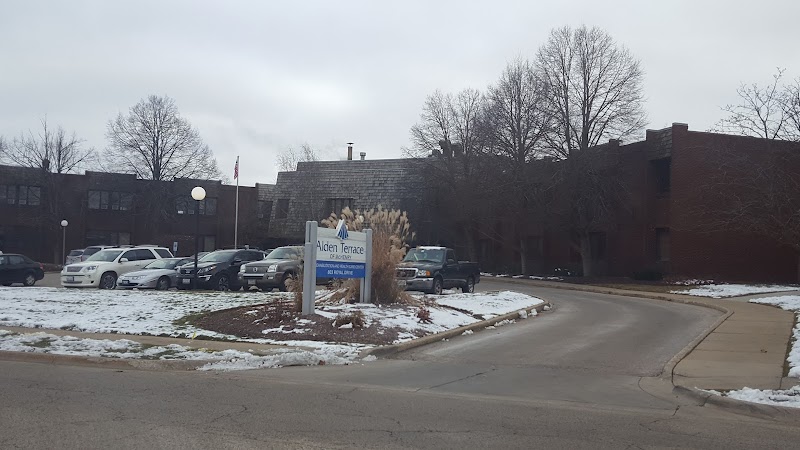
How is Alden Terrace Of Mchenry Rehab Staffed?

CMS rates ALDEN TERRACE OF MCHENRY REHAB's staffing level at 1 out of 5 stars, which is much below average compared to other nursing homes.

What Have Inspectors Found at Alden Terrace Of Mchenry Rehab?

State health inspectors documented 43 deficiencies at ALDEN TERRACE OF MCHENRY REHAB during 2023 to 2025. These included: 3 that caused actual resident harm and 40 with potential for harm. Deficiencies causing actual harm indicate documented cases where residents experienced negative health consequences.
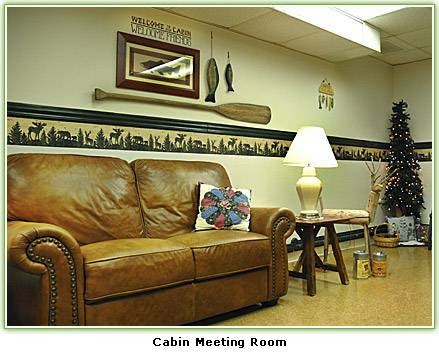
Who Owns and Operates Alden Terrace Of Mchenry Rehab?

ALDEN TERRACE OF MCHENRY REHAB is owned by a for-profit company. For-profit facilities operate as businesses with obligations to shareholders or private owners. The facility is operated by THE ALDEN NETWORK, a chain that manages multiple nursing homes. With 316 certified beds and approximately 160 residents (about 51% occupancy), it is a large facility located in MCHENRY, Illinois.

How Does Alden Terrace Of Mchenry Rehab Compare to Other Illinois Nursing Homes?

Compared to the 100 nursing homes in Illinois, ALDEN TERRACE OF MCHENRY REHAB's overall rating (2 stars) is below the state average of 2.5 and health inspection rating (3 stars) is at the national benchmark.

What Should Families Ask When Visiting Alden Terrace Of Mchenry Rehab?

Based on this facility's data, families visiting should ask: "Can you walk me through typical staffing levels on day, evening, and night shifts?" "Can I visit during a mealtime to observe dining assistance and food quality?" "How do you handle medical emergencies, and what is your hospital transfer rate?" "Can I speak with family members of current residents about their experience?" These questions are particularly relevant given the below-average staffing rating.

Is Alden Terrace Of Mchenry Rehab Safe?

Based on CMS inspection data, ALDEN TERRACE OF MCHENRY REHAB has a clean safety record: no substantiated abuse findings (meaning no confirmed cases of resident harm), no Immediate Jeopardy citations (the most serious violation level indicating risk of serious injury or death), and is not on the Special Focus Facility watch list (a federal program monitoring the lowest-performing 1% of nursing homes). The facility has a 2-star overall rating and ranks #100 of 100 nursing homes in Illinois. While no facility is perfect, families should still ask about staff-to-resident ratios and recent inspection results during their visit.

Do Nurses at Alden Terrace Of Mchenry Rehab Stick Around?

ALDEN TERRACE OF MCHENRY REHAB has not reported staff turnover data to CMS. Staff turnover matters because consistent caregivers learn residents' individual needs, medications, and preferences. When staff frequently change, this institutional knowledge is lost. Families should ask the facility directly about their staff retention rates and average employee tenure.

Was Alden Terrace Of Mchenry Rehab Ever Fined?

ALDEN TERRACE OF MCHENRY REHAB has been fined $11,170 across 1 penalty action. This is below the Illinois average of $33,191. While any fine indicates a compliance issue, fines under $50,000 are relatively common and typically reflect isolated problems that were subsequently corrected. Families should ask what specific issues led to these fines and confirm they've been resolved.

Is Alden Terrace Of Mchenry Rehab on Any Federal Watch List?

ALDEN TERRACE OF MCHENRY REHAB is not on any federal watch list. The most significant is the Special Focus Facility (SFF) program, which identifies the bottom 1% of nursing homes nationally based on persistent, serious quality problems. Not being on this list means the facility has avoided the pattern of deficiencies that triggers enhanced federal oversight. This is a positive indicator, though families should still review the facility's inspection history directly.