IGNITE MEDICAL MCHENRY

550 RIDGEVIEW DRIVE, MCHENRY, IL 60050 (815) 900-2500
For profit - Limited Liability company 84 Beds IGNITE MEDICAL RESORTS Data: November 2025 2 Immediate Jeopardy citations
Trust Grade
21/100
#252 of 665 in IL
Last Inspection: August 2024

Within standard 12-15 month inspection cycle. Federal law requires annual inspections.

Overview

Ignite Medical McHenry has received a Trust Grade of F, which indicates significant concerns about the facility's overall care quality. Ranking #252 out of 665 facilities in Illinois places it in the top half, while its county rank of #5 out of 10 suggests there are only a few local options that may offer better care. The facility is improving, having reduced its issues from 11 in 2024 to 7 in 2025, but it still has serious deficiencies, including two critical incidents where a resident's left ventricular assist device was not monitored properly, leading to hospitalization and death. Staffing appears to be a relative strength, with good RN coverage and an average turnover rate of 48%, but the $62,153 in fines raises some concerns about compliance. Families should weigh these strengths against the history of serious incidents to make an informed decision.

Trust Score
F
21/100
In Illinois
#252/665
Top 37%
Safety Record
High Risk
Review needed
Inspections
Getting Better
11 → 7 violations
Staff Stability
⚠ Watch
48% turnover. Above average. Higher turnover means staff may not know residents' routines.
Penalties
⚠ Watch
$62,153 in fines. Higher than 97% of Illinois facilities. Major compliance failures.
Skilled Nurses
✓ Good
Each resident gets 71 minutes of Registered Nurse (RN) attention daily — more than 97% of Illinois nursing homes. RNs are the most trained staff who catch health problems before they become serious.
Violations
⚠ Watch
42 deficiencies on record. Higher than average. Multiple issues found across inspections.
★★★☆☆
3.0
Overall Rating
★★★☆☆
3.0
Staff Levels
★★★★☆
4.0
Care Quality
★★★☆☆
3.0
Inspection Score
Stable
2024: 11 issues
2025: 7 issues

The Good

  • 4-Star Quality Measures · Strong clinical quality outcomes
  • Full Sprinkler Coverage · Fire safety systems throughout facility
  • No fines on record

Facility shows strength in quality measures, fire safety.

The Bad

3-Star Overall Rating

Near Illinois average (2.5)

Meets federal standards, typical of most facilities

Staff Turnover: 48%

Near Illinois avg (46%)

Higher turnover may affect care consistency

Federal Fines: $62,153

Above median ($33,413)

Moderate penalties - review what triggered them

Chain: IGNITE MEDICAL RESORTS

Part of a multi-facility chain

Ask about local staffing decisions and management

The Ugly 42 deficiencies on record

2 life-threatening 1 actual harm
Aug 2025 1 deficiency
CONCERN (D) 📢 Someone Reported This

A family member, employee, or ombudsman was alarmed enough to file a formal complaint

Potential for Harm - no one hurt, but risky conditions existed

ADL Care (Tag F0677)

Could have caused harm · This affected 1 resident

Based on observation, interview, and record review, the facility failed to ensure residents were changed in a timely manner for 1 of 5 residents (R5) reviewed for ADLs (activities of daily living) in ...

Read full inspector narrative →
Based on observation, interview, and record review, the facility failed to ensure residents were changed in a timely manner for 1 of 5 residents (R5) reviewed for ADLs (activities of daily living) in the sample of 7.The findings include:On 8/11/25 at 10:22 AM, R5 was lying in bed in her room. A strong, foul odor was immediately noted upon entering R5's room. V6 and V7, Certified Nursing Assistants (CNAs) were in R5's room to change her. R5's brief, pad, and sheet were all saturated through to the mattress with dark, foul-smelling urine.On 8/11/25 at 10:39 AM, R5 said no one changed her earlier.On 8/11/25 at 1044 AM, V7 said she did not change or help change R5 earlier today and she doesn't know when R5 was last changed as V4 was R5's CNA.On 8/11/25 at 12:33 PM, V4 said R5 is her resident today and she and V6 changed R5 at about 7:30 AM today. V4 said residents should be changed every two hours.On 8/11/25 at 1:01 PM, V2, Director of Nursing/Chief Nursing Officer, said incontinent residents are supposed to be changed every two hours and as frequently as needed. V2 said staff are to prioritize the residents who cannot tell if they are wet or not, and they should be changed first. V2 said if a resident is changed and they are wet again in an hour, then they must change them again.R5's current care plan initiated on 10/18/21 shows R5 is incontinent of urine. R5's current care plan initiated on 12/28/23 shows R5 has an ADL (activities of daily living) self-care performance deficit. R5 is dependent on staff for toileting and toileting hygiene.The facility's Incontinence Care Policy (last reviewed 11/2024) shows incontinence care is provided to keep residents as dry, comfortable and odor free as possible. Incontinent residents are changed every two hours and more frequently if needed.
Aug 2025 2 deficiencies
CONCERN (D) 📢 Someone Reported This

A family member, employee, or ombudsman was alarmed enough to file a formal complaint

Potential for Harm - no one hurt, but risky conditions existed

Notification of Changes (Tag F0580)

Could have caused harm · This affected 1 resident

**NOTE- TERMS IN BRACKETS HAVE BEEN EDITED TO PROTECT CONFIDENTIALITY** Based on observation, interview, and record review the facility failed to provide notification when R1's psychiatric medication ...

Read full inspector narrative →
**NOTE- TERMS IN BRACKETS HAVE BEEN EDITED TO PROTECT CONFIDENTIALITY** Based on observation, interview, and record review the facility failed to provide notification when R1's psychiatric medication was discontinued for 1 of 9 residents reviewed for notification in the sample of 9.On 08/06/2025 R1 was not in the facility.R1's MDS-Minimum Data Set, dated [DATE] shows, R1's Brief Interview for Mental Status shows, moderately impaired.R1 has multiple diagnoses including, ADHD-Attention Deficit Hyperactivity Disorder, traumatic brain injury, dementia.On 08/06/2025 at 9:30AM, V6 R1's Husband said, a few years ago R1 had a cardiac event and lost consciousness. As she fell, she hit the front part of her head; we lost a large part of who she was. R1 has a diagnosis of ADHD. I do not know why the facility did not notify me of this change in treatment. R1 currently lives in Assisted Living with me. It allows me to care for her and prepare our house for sell. I contacted R1's psychiatrist. The psychiatrist said the treatment should not have been stopped. I would think the facility's physician would contact the treating specialist prior to stopping psychiatric treatment.On 08/07/2025 at 08/07/2025 12:59PM, V1 Administrator said, the physician's progress note was taken as the order to stop R1's medication. I do not have documentation that shows the resident, or family was notified of the medication change.R1's Physician's Progress Note dated 07/14/2025 by V8 Medical Doctor shows, ADD-Attention Deficit Disorder- Stable, STOP lisdexamfetamine, patient prescribed medication by psychiatrist as outpatient.
CONCERN (D) 📢 Someone Reported This

A family member, employee, or ombudsman was alarmed enough to file a formal complaint

Potential for Harm - no one hurt, but risky conditions existed

Respiratory Care (Tag F0695)

Could have caused harm · This affected 1 resident

Based on observation, interview, and record review the facility failed to ensure R1 and R2 had a Physicians Order for the use of a CPAP-Continuous Positive Airway Pressure machine for 2 of 3 resident ...

Read full inspector narrative →
Based on observation, interview, and record review the facility failed to ensure R1 and R2 had a Physicians Order for the use of a CPAP-Continuous Positive Airway Pressure machine for 2 of 3 resident (R1,R2) reviewed for Respiratory Services in the sample of 9. 1.On 08/06/2025 at 10:18AM, R2 was lying in bed. R2's CPAP-Continuous Positive Airway Pressure device was on the bedside.On 08/06/2025 at 10:18AM, R2 said, my family set up the CPAP machine for me. The facility keeps the machine filled with distilled water. I put it on myself.R2's Physician's order dated 07/11/25 shows, Respiratory Therapy evaluate and treat if indicated.On 08/07/2025 at 3:00PM, V5 RT-Respiratory Therapy said, R1, R2, and R3 all use their home CPAP machines. As respiratory therapy we do not do anything with the resident's home machine. The Nursing staff contacts the physician for an order for the CPAP; the physician's order also contains the prescribed settings needed for the machine to operate correctly.R2's Physician's Orders on 08/06/2025 shows, R2 did not have an order for a CPAP machine.2.On 08/06/2025 R1 was not in the facility.On 08/06/2025 at 9:30AM, V6 R1's Husband said, I brought R1's CPAP machine to the facility. I showed the CNA-Certified Nursing Assistant how to use it. The CNA brought distilled water to the room. When I returned the next day the CPAP tank was dry; the gallon of distilled water was not open. No one helped R1 to apply her CPAP at night.On 08/06/25 at 1:56PM, V4 RN-Registered Nurse said, we get report from the hospital a resident is arriving with a CPAP. It is often written in the hospital discharge instructions. RT is not here all the time. If I see the resident has a CPAP at the bedside I will ask if they are using it. I will call the doctor and get an order. The Physician's Order populates in the Medication Administration Record and prompts the nurse to apply the CPAP or check that it is on and functioning.R1 Physician's Orders dated 07/03/2025 to 07/25/2025 shows, R1 did not have a Physician's Order for a CPAP.R1's Physician's Progress Notes dated 07/14/2025 shows, R1 has a multiple diagnosis including obstructive sleep apnea.R1's Hospital discharge Record dated 07/29/2024 shows, R1 is CPAP dependent.R1's Follow-Up by Nurse Practitioner Visit dated 07/22/2025 shows, patient reports she uses a CPAP every night.The facility's Respiratory Supplies policy reviewed 11/2024 shows, the policy does not address the need for a physician order for respiratory treatment.
Jun 2025 1 deficiency
CONCERN (D) 📢 Someone Reported This

A family member, employee, or ombudsman was alarmed enough to file a formal complaint

Potential for Harm - no one hurt, but risky conditions existed

Deficiency F0605 (Tag F0605)

Could have caused harm · This affected 1 resident

**NOTE- TERMS IN BRACKETS HAVE BEEN EDITED TO PROTECT CONFIDENTIALITY** Based on observation, interview, and record review the facility failed to ensure consents for administration were obtained prior...

Read full inspector narrative →
**NOTE- TERMS IN BRACKETS HAVE BEEN EDITED TO PROTECT CONFIDENTIALITY** Based on observation, interview, and record review the facility failed to ensure consents for administration were obtained prior to administering anti-psychotic and anti-anxiety medications. This applies to 1 of 4 residents (R2) reviewed for psychotropic medications in the sample of 6. The findings include: R2's Census Report shows R1 originally admitted to the facility on [DATE] and left the faciity on 5/4/25 for a hospital stay. R2 returned to the facility on 5/11/25. R2's Hospital Discharge Paperwork dated 5/1/25 shows R2 was ordered to take escitalopram oxalate 20 milligrams (mg) one tablet daily and trazodone 50 mg one tablet nightly as needed. R2 was not ordered to take quetiapine while at the hospital or upon discharge from the hospital. On 6/2/25 at 12:15 PM, V8 (R2's Family Member) could not recall the facility providing V8 with a consent form to sign to provide V8 with quetiapine. V8 said V11 (R2's Son) and R2 were also both unaware of receiving a consent form to be administered quetiapine. V8 said while R2 has been taking quetiapine at the facility, R2 has not experienced any negative reactions and R2's behavior, mood, and speech have improved. 1. R2's May 2025 Medication Administration Record (MAR) shows R2 received quetiapine fumarate 50 mg at bedtime on 5/3/25. Facility provided consent for psychotropic medication use form for quetiapine fumarate, dated 5/1/25, does not have a signature from R2, V8, or V11 and does not show that V8 or V11 provided verbal consent over the phone for R2 to receive quetiapine fumarate. Facility provided consent for psychotropic medication use form for quetiapine fumarate, dated 5/13/25, shows R2 consented to receiving 50 mg quetiapine twice daily; once in the morning and once at bedtime, for a total of 100 mg. 2. R2's May 2025 Medication Administration Record (MAR) shows R2 received escitalopram 20 mg once daily for depression on 5/2/25 and 5/3/25. Facility provided consent for psychotropic medication use form for escitalopram, dated 5/1/25, does not have a signature from R2, V8, or V11 and does not show that V8 or V11 provided verbal consent over the phone for R2 to receive escitalopram. Facility provided consent for psychotropic medication use form for escitalopram, dated 5/12/25, shows R2 consented to receive escitalopram 20 mg daily. 3. R2's May 2025 Medication Administration Record (MAR) shows R2 received trazodone 50 mg once daily at bedtime for anxiety on 5/1/25, 5/2/25, and 5/3/25. Facility provided consent for psychotropic medication use form for escitalopram, dated 5/1/25, does not have a signature from R2, V8, or V11. On the bottom of the form, with a date of 5/11/25, a signature from V8 was provided for R2 to receive trazodone 50 mg once daily. Facility provided consent for psychotropic medication use form for escitalopram, dated 5/16/25, shows R2 consented to receive trazodone 50 mg nightly for insomnia. On 6/2/25 at 3:39 PM, V13 (RN/Assistant Director of Nursing- ADON) said consents should be obtained prior to administering medications such as an anti-psychotic, an anti-anxiety, and an anti-depressant. Even if a resident admits to the hospital and was taking these medications at the hospital, the facility should still receive consent to administer these medications before administration. Facility Psychotropic Medications policy dated 12/2019 states, . Any and all psychotropic medication orders will be initiated by the facility only after the physician has completed and returned an Informed Consent related to the drug with the elder and/or responsible party/family. The drug order will include a start date on completion of the Informed Consent form .
Apr 2025 1 deficiency
CONCERN (D) 📢 Someone Reported This

A family member, employee, or ombudsman was alarmed enough to file a formal complaint

Potential for Harm - no one hurt, but risky conditions existed

Accident Prevention (Tag F0689)

Could have caused harm · This affected 1 resident

**NOTE- TERMS IN BRACKETS HAVE BEEN EDITED TO PROTECT CONFIDENTIALITY** Based on interview and record review the facility failed to implement fall interventions into the care plan after a fall for a r...

Read full inspector narrative →
**NOTE- TERMS IN BRACKETS HAVE BEEN EDITED TO PROTECT CONFIDENTIALITY** Based on interview and record review the facility failed to implement fall interventions into the care plan after a fall for a resident at risk for falls, for 1 of 3 residents (R1) reviewed for safety in the sample of 7. The findings include: R1's Face Sheet shows she was admitted to the facility 3/25/24 and discharged [DATE]. R1's admitting diagnoses included muscle weakness, unsteadiness on her feet, reduced mobility, cellulitis of the left upper limb, end stage renal disease, and need for assistance with personal cares. R1's admitting Fall Risk Evaluation shows she scored a score of 12 which indicated she is a high fall risk. An Un-witnessed fall incident report dated 4/10/24 shows R1 had a fall that day in her room. She was found lying on the floor between her bed and her wheelchair. A second Witnessed fall incident report dated 4/22/24 shows R1 had another fall on 4/22/24 while transferring into bed, she slid off the bed and onto the floor. R1's Fall Risk Care Plan shows it was initiated on 3/25/24 (on admission) and included 4 standard admitting interventions: Anticipate and meet the resident's needs, ensure bed brakes are locked, follow facility fall protocol, and review information on past falls to determine the root cause. No interventions were changed or added to R1's Care Plan after the fall on 4/10/24 or 4/22/24. On 4/30/25 at 12:27 PM, V2 (Director of Nursing) said she can only speak for the current practice, however when a resident has a fall the Care Plan should be updated to document the fall with the interventions that will be added. The facility provided Fall Prevention policy dated November 2020 shows that the facility should add safety interventions to a residents Care Plan for residents at risk for falls. The policy also shows the facility team members get to know the resident interventions should be individualized toward that resident to help avoid factors that may cause a fall.
Feb 2025 1 deficiency
CONCERN (D) 📢 Someone Reported This

A family member, employee, or ombudsman was alarmed enough to file a formal complaint

Potential for Harm - no one hurt, but risky conditions existed

Pressure Ulcer Prevention (Tag F0686)

Could have caused harm · This affected 1 resident

**NOTE- TERMS IN BRACKETS HAVE BEEN EDITED TO PROTECT CONFIDENTIALITY** Based on observation, interview and record review the facility failed to ensure staff followed physician orders for pressure inj...

Read full inspector narrative →
**NOTE- TERMS IN BRACKETS HAVE BEEN EDITED TO PROTECT CONFIDENTIALITY** Based on observation, interview and record review the facility failed to ensure staff followed physician orders for pressure injuries. This applies to 2 of 4 residents reviewed for pressure injures in the sample of 4. The findings include: 1. R2's electronic medical records (EMR) lists his diagnoses to include: displaced intertrochanteric fracture of right femur, muscle weakness and need for assistance with personal care. On February 20, 2025 at 12:05 PM, V3 wound care nurse (WCN) was changing R2's sacral dressing. R2's sacral dressing was dated February 16, 2025 and there was stool on the bottom portion of the dressing. Once the dressing was removed there was an open wound on both buttocks. The right side was approximately a quarter size open area. The left side was an elongated quarter size open area. Both wound areas were red and pink. The right side had some purplish tissue inside the wound. R2 stated, he fell and broke his hip which resulted in him laying in the bed too much. He stated, the dressings have only been changed 3 or 4 times. Some one changed them a few days ago otherwise no one has looked at his wound. V3 WCN verified the dressing was dated February 16, 2025. R2's wound assessment details report dated for February 20, 2025 shows, Wound: left ischial tuberosity, type: pressure, clinical stage: unstageable, size: 2.00 cm (centimeters) X 5.00 cm X 0.20 cm (length x width x depth). Another assessment dated [DATE] shows, Wound: right ischial tuberosity, type: pressure, clinical stage: unstageable, size: 4.00 cm X 3.00 cm X 0.20 cm. R2's treatment administration record (TAR) for the month of February 2025 shows, Left ischium: cleanse with NS (normal saline), pat dry then apply oil emulsion to wound bed, cover with foam until resolved. Change every Monday, Wednesday and Friday The last time the wound was signed off as being completed was February 19, 2025 (Wednesday) (the dressing was dated February 16, 2024(Sunday)). There is no sign offs for February 7th, 10th, 14th or 17th, 2025. The same TAR for the right ischium shows, the same phyisican order as well as no sign offs on the same dates. The TAR also shows, the last time the right ischium was changed was on February 19, 2025 (Wednesday) (the dressing was dated February 16, 2025(Sunday)). On February 20, 2025 at 12:05 PM, V3 WCN stated, he is responsible for the dressing changes during the week (Monday-Friday). There is another nurse that helps on the weekends or if he is not there. If he is unable to get to dressing changes he does let the nurses know. The floor nurses are responsible if he is not able too. He was on vacation for the past two weeks and today (February 20, 2025) was his first day back. On February 20, 2025 at 1:10 PM, V6 Assistant Director of Nursing stated, V3 WCN does the treatments. He was on vacation for the past two weeks. Ultimately the nurses are responsible for the dressing changes. R2's Minimum Data Set, dated [DATE] , 2025 shows, he is cognitively intact. R2's care plan dated January 18, 2025 shows, Focus: R2 has an actual alteration in skin integrity r/t (related to) Pressure Injuries to Right Heel, Left Heel, as well as to Bilateral Ischium, a Skin Tear to Left Elbow, a Partial Thickness wound to Right Shin and a Surgical Incision to Right Hip all noted upon admission to facility. Interventions: Provide skin/wound treatments as ordered . 2. R1's EMR lists his diagnoses to include: chronic kidney disease, heart failure, diabetes mellitus type II, chronic obstructive pulmonary disease, morbid obesity, difficulty in walking and need for assistance with personal care. On February 20, 2025 at 9:45 AM, V7 hospital Registered Nurse (RN) stated, R1 was her patient at the hospital. He self reported that the dressing on his sacrum had not been changed in over a week. R1 was a good historian and alert and oriented x 3. R2's physician order details form dated February 10, 2025 shows, Wound #1 Right buttock is an acute unstageable pressure injury obscured full thickness skin and tissue loss pressure ulcer and has received a status of not healed . Plan: Wound Orders: Wound #1 right buttock: cleanse with normal saline and dakins 1/4 strength, protect periwound with barrier treatment, apply barrier cream/ointment, apply foam dressing and change daily . R1's TAR for February 2025 does not show the order the physician ordered on February 10, 2025. The TAR shows, Right ischium: cleanse with NS (normal saline), pat dry then apply zinc oxide until resolved. There is the same order for left ischium and sacrum as well. All three orders are for every shift (days and evenings). Every evening is signed off as completed however only four of the day shifts are signed out as completed. There is nothing on R1's TAR that shows he has a dressing to cover the wound or to be changed daily. R1's Minimum Data Set, dated [DATE] shows, he is cognitively intact. R1's care plan dated January 30, 2025 shows, Focus: R1 has an actual alteration in skin integrity r/t Pressure Injuries to sacrum, left and right ischia as well as Partial Thickness wounds to BLE (bilateral extremities). Interventions: Provide skin/wound treatments as ordered. On February 20, 2025 at 12:45 PM, V3 WCN confirmed that R1's orders were not entered as the wound care doctor had ordered them. He stated, the wound care doctor is new to the facility and he was on vacation for the past two weeks. The facility's skin policy and procedure dated March 2020 shows, .If the resident has, on admission, or develops pressure sore(s), he/she will receive necessary and appropriate treatment and services to promote healing, prevent infection and prevent further development of additional impaired skin integrity. The interdisciplinary team, including the physician will create a written plan for the treatment of impaired skin integrity which will be included in the resident's individualized plan of care.
Jan 2025 1 deficiency
CONCERN (D) 📢 Someone Reported This

A family member, employee, or ombudsman was alarmed enough to file a formal complaint

Potential for Harm - no one hurt, but risky conditions existed

Quality of Care (Tag F0684)

Could have caused harm · This affected 1 resident

**NOTE- TERMS IN BRACKETS HAVE BEEN EDITED TO PROTECT CONFIDENTIALITY** Based on observation, interview, and record review the facility failed to ensure a resident's midline catheter dressing was chan...

Read full inspector narrative →
**NOTE- TERMS IN BRACKETS HAVE BEEN EDITED TO PROTECT CONFIDENTIALITY** Based on observation, interview, and record review the facility failed to ensure a resident's midline catheter dressing was changed according to standard of practice for 1 of 3 residents (R2) reviewed for venous catheters in the sample of 3. The findings include: On 1/13/25 at 9:34 AM, R2 was sitting at the bedside and had a midline line catheter (a type intravenous (IV) line for administering IV medications) in his right arm. R2's midline line had a gauze like dressing at the insertion site of the line underneath a transparent bandage. The gauze was visibly and completely saturated with dried blood. R2's midline line dressing was dated 1/9/25. R2 said the hospital put the line in the day he was discharged to the facility so he could get antibiotics. On 1/13/25 at 11:50 AM, V4 Registered Nurse (RN) said PICC (Peripherally Inserted Central Catheter - a type of IV line for administering IV medications) or midline dressings are changed every 7 days or as needed and there is an order that comes up in the Medication Administration Record when it is due to be changed. On 1/13/25 at 11:52 AM, V5 RN said PICC or midline dressings are changed every 7 days or as needed if the dressing is loose or soiled in order to prevent infection. V5 said she had not looked at R2's line yet and was not aware of when R2's catheter was inserted or when the dressing was changed. V5, with this surveyor, observed R2's right arm midline. V5 confirmed the dressing was dated 1/9/25. R2's gauze dressing at the insertion site was still visibly saturated with blood and appeared to have some oozing at the site. V5 said R2's dressing needs to be changed. On 1/13/25 at 12:05 PM, V2 Director of Nursing said the facility policy for PICC or midline care consists of checking the site for signs and symptoms of infection and changing the dressing every 7 days and as needed in order to prevent infection. R2's Physician Orders (POS) shows R2 was admitted to the facility on [DATE] with diagnoses of Type 2 diabetes with foot ulcer and cellulitis of both lower extremities. This same POS does not contain orders for dressing changes/care of R2's midline catheter. The facility's Central Line Care Policy dated 04/2023 shows PICC line care dressing change, maintenance and removal will be completed according to standard of practice by Licensed Nurses only. If the PICC line insertion occurred within 24 hours an RN must change the dressing. Following the initial 24 hours dressing change and RN or LPN will change the injection cap and dressing at a minimum weekly or any time the dressing becomes moist, loosened or soiled.
Oct 2024 3 deficiencies
CONCERN (D) 📢 Someone Reported This

A family member, employee, or ombudsman was alarmed enough to file a formal complaint

Potential for Harm - no one hurt, but risky conditions existed

ADL Care (Tag F0677)

Could have caused harm · This affected 1 resident

**NOTE- TERMS IN BRACKETS HAVE BEEN EDITED TO PROTECT CONFIDENTIALITY** Based on observation, interview, and record review, the facility failed to perform ADL (Activities of Daily Living) assistance f...

Read full inspector narrative →
**NOTE- TERMS IN BRACKETS HAVE BEEN EDITED TO PROTECT CONFIDENTIALITY** Based on observation, interview, and record review, the facility failed to perform ADL (Activities of Daily Living) assistance for a resident that requires assistance and failed to replace a soiled blanket for one of three residents (R4) reviewed for ADL assistance in the sample of four. The findings include: R4's admission Record dated October 15, 2024 shows she was admitted to the facility on [DATE] with diagnoses including chronic kidney disease, peripheral vascular disease, diabetes mellitus, asthma, major depressive disorder, obesity, osteomyelitis, and heart failure. R4's Care Plan initiated May 12, 2021 shows she has an ADL self care performance deficit and limited physical mobility related to limited mobility and pain. R4 requires one staff member for personal hygiene and dressing. R4 requires the assistance of two staff members for bed mobility and toileting. On May 15, 2024 at 10:50 AM, V3 CNA (Certified Nursing Assistant) provided incontinence care for R4. V3 checked R4's incontinence brief and said, Oh, your definitely wet. R4's incontinence brief was saturated with dark urine from the front of the brief to the back of the brief. There was urine noted to the blanket underneath R4's buttocks. R4 said, I've been in bed too long, my body hurts. At 11:05 AM, V3 said she last performed incontinence care to R4 at about 8:00 AM. V3 said that R4 is a heavy wetter. V3 laid R4 back onto the soiled blanket and left R4's room. The facility's ADL policy reviewed April 2023 shows, The facility will provide all residents with care, treatment and services according to the resident's individualized care plan. The facility's Linen Management Infection Control policy revised May 2023 shows, Dirty/soiled linens are contained in a closed container or bag.
CONCERN (D) 📢 Someone Reported This

A family member, employee, or ombudsman was alarmed enough to file a formal complaint

Potential for Harm - no one hurt, but risky conditions existed

Pressure Ulcer Prevention (Tag F0686)

Could have caused harm · This affected 1 resident

**NOTE- TERMS IN BRACKETS HAVE BEEN EDITED TO PROTECT CONFIDENTIALITY** Based on observation, interview, and record review, the facility failed to have pressure injury prevention interventions in plac...

Read full inspector narrative →
**NOTE- TERMS IN BRACKETS HAVE BEEN EDITED TO PROTECT CONFIDENTIALITY** Based on observation, interview, and record review, the facility failed to have pressure injury prevention interventions in place and failed to change a soiled pressure injury dressing for two of three residents (R2, R4) reviewed for pressure injuries in the sample of four. The findings include: 1. R2's admission Record dated October 15, 2024 shows R2 was admitted tot he facility on August 23, 2024 with diagnoses including wedge compression fracture of first lumbar vertebra, paraplegia, diabetes, spinal stenosis, osteoarthritis, depression, and dysphagia. R2's Care Plan shows she was admitted to the facility with a stage four pressure injury to her sacrum and provide skin/wound treatments as ordered. R2's Order Summary Report dated October 15, 2024 shows sacrum cleanse with normal saline, apply moistened gauze to wound bed. Secure with foam until resolved. Every day shift every Monday, Wednesday, and Friday. It also shows an as needed order. R2's Risk Profile dated September 20, 2024 shows she is at high risk for developing pressure injuries. Protect elbows and heels if being exposed to friction. R2's Treatment Administration Record shows her dressing to her sacrum was last changed October 14, 2024. On October 15, 2024 at 9:49 AM, R2 was observed laying on her back in bed. There was a strong malodorous smell in R2's room. There was a contact isolation sign outside of R2's door. At 10:33 AM, V3 CNA (Certified Nursing Assistant) provided incontinence care to R2. There were two pairs of heel protectors/heel boots located on R2's closet and chair. R2's heels were directly on the bed. There was a lidocaine patch to R2's back dated October 15, 2024. There was a foam dressing to R2's sacrum that was half intact. The dressing was completely saturated with dark drainage. There was a strong odor. On October 15, 2024 at 11:53 AM, V6 WCN (Wound Care Nurse) said R2's pressure injury dressing is changed every Monday, Wednesday, Friday, and as needed. V6 said the dressing should be changed if it becomes soiled or not intact. V6 said dressing changes are done by him or the floor nurses can do them if he is not in the facility. V6 said if the dressing on R2's sacrum is soiled, then it should be changed. V6 said the floor nurse let me know the dressing needed to be changed a few hours ago. On October 15, 2024 at 1:50 PM, V6 changed R2's dressing to her sacrum. R2's pressure injury to her sacrum was large, approximately a softball size. There was dead tissue in R2's pressure injury. The gauze that was in R2's wound was saturated with brown drainage. V6 placed R2's heels back onto the bed after changing the foam dressing to her heels. The protective boots were in the same spot in R2's room. 2. R4's admission Record dated October 15, 2024 shows she was admitted to the facility on [DATE] with diagnoses including chronic kidney disease, peripheral vascular disease, diabetes mellitus, asthma, major depressive disorder, obesity, osteomyelitis, and heart failure. R4's Care Plan initiated May 17, 2021 shows R4 has actual impairment to skin integrity related to pressure injuries to bilateral buttocks. R4's Care Plan shows she has a history of an unstageable pressure injury to her left heel. Follow facility protocols for treatment of injury. R4's Order Summary Report dated October 15, 2024 shows an order for Right Ishium: Cleanse with normal saline, apply oil emulsion dressing to wound bed, then cover with foam dressing until resolved every Monday, Wednesday, Friday, and as needed. R4's Pressure Injury Risk assessment dated [DATE] shows she has a moderate risk of developing pressure injuries. R4's Wound Assessment Details Report dated October 15, 2024 shows R4 has a stage II pressure injury to her right ischial tuberosity (right buttocks). R4's Treatment Administration Record shows her dressing was last changed on October 14, 2024. On October 15, 2024 at 10:50 AM, V3 CNA provided incontinence care to R4. Both of R4's heels were directly on the bed. There were heel protector boots noted on R4's chair. R4 complained of pain when V3 wiped her buttocks. There was an open area noted to R4's right upper buttocks. R4 said she has a sore on her buttocks that is painful. R4 said she has had that sore for a few days. There was no dressing in place to R4's open area. V3 finished wiping R4's buttocks, placed cream to R4's buttocks, and then laid R4 back onto her back after placing a clean incontinence brief on. On October 15, 2024 at 11:53 AM, V6 WCN said R4 should have medihoney, oiled gauze, with a foam dressing in place to her right buttocks. V6 said he did not know that R4's dressing to her buttocks was not in place. V6 said pressure injury prevention interventions include air mattresses, wedge cushions, repositioning every two hours, and off loading. V6 said the purpose of pressure injury dressings and dressing changes are to see if the wound is getting better. Dressings keep the wounds clean. V6 said if soiled dressings are kept in place, then chances are that the skin around the wound will become macerated. V6 said the goal of dressings and dressing changes are to heal the wounds. V6 said if a pressure injury dressing is not in place or it is not changed, then the wound can get worse or bigger. The facility's Wound Care Program Policy reviewed April 2023 shows, the goal of the wound care program is to promote optimal skin integrity of all residents and guests and prevent acquired skin conditions by implementation of the following: In addition to scheduled skin assessments, skin will also be assessed with ADL (Activities of Daily Living) care is provided, as well as when treatments are being completed. Round will be conducted frequently throughout all shift by the licensed nurse and/or nursing administration to ensure wound care interventions are in place and being completed. The facility Wound Policy and Procedure policy reviewed May 2023 shows, any resident with a wound receives treatment and services consistent with the resident's goals of treatment. Risk reduction measures such as use of heel protectors, elevation of lower extremities, participation in bowel and bladder program, etc are initiated if determined appropriate.
CONCERN (D) 📢 Someone Reported This

A family member, employee, or ombudsman was alarmed enough to file a formal complaint

Potential for Harm - no one hurt, but risky conditions existed

Infection Control (Tag F0880)

Could have caused harm · This affected 1 resident

**NOTE- TERMS IN BRACKETS HAVE BEEN EDITED TO PROTECT CONFIDENTIALITY** Based on observation, interview, and record review, the facility failed to wear PPE (Personal Protective Equipment) for resident...

Read full inspector narrative →
**NOTE- TERMS IN BRACKETS HAVE BEEN EDITED TO PROTECT CONFIDENTIALITY** Based on observation, interview, and record review, the facility failed to wear PPE (Personal Protective Equipment) for residents on enhanced barrier precautions (EBP) and failed to change their gloves and perform hand hygiene in a manner to prevent cross contamination for three of four residents (R2, R3, R4) reviewed for infection control in the sample of four. The findings include: 1. R2's admission Record dated October 15, 2024 shows R2 was admitted to the facility on [DATE] with diagnoses including wedge compression fracture of first lumbar vertebra, paraplegia, diabetes, spinal stenosis, osteoarthritis, depression, and dysphagia. R2's Care Plan shows she was admitted to the facility with a stage four pressure injury to her sacrum. On October 15, 2024 at 9:49 AM, R2 was observed in her bed. There was a contact isolation sign on R2's door. V3 CNA (Certified Nursing Assistant) said that R2 is on isolation for MRSA in her wound. At 10:33 AM, V3 provided incontinence care to R2. V3 wiped R2's front peri area, touched R2's body to help her turn onto her right side, and proceeded to wipe R2's buttocks. There was a saturated dressing to R2's sacral area. V3 touched R2's pillow, rubbed her hair, touched her shirt, bed controls and blanket. V3 did not perform hand hygiene or change her gloves. 2. R4's admission Record dated October 15, 2024 shows she was admitted to the facility on [DATE] with diagnoses including chronic kidney disease, peripheral vascular disease, diabetes mellitus, asthma, major depressive disorder, obesity, osteomyelitis, and heart failure. R4's Care Plan initiated May 17, 2021 shows R4 has actual impairment to skin integrity related to pressure injuries to bilateral buttocks. R4's Care Plan shows she has a history of an unstageable pressure injury to her left heel. Follow facility protocols for treatment of injury. On October 15, 2024 at 10:50 AM, V3 went into R4's room to perform incontinence care on her. There was an enhanced barrier precaution sign on R4's door. R4's incontinence brief was saturated with dark urine from the front to the back of the brief. V3 wiped R4's front peri area, helped R4 turn onto her left side, proceeded to wipe R4's buttocks. There was an open area noted to R4's buttocks. V3 placed cream onto R4's buttocks and then wiped her gloves with a wet wipe. V3 then placed R4's clean incontinence brief on, turned R4 back onto her back, retrieved a wet wash cloth and proceeded to wipe R4's face. V3 did not change her gloves nor did she have a gown on. 3. R3's admission Record shows she was admitted to the facility on [DATE] with diagnoses including chronic obstructive pulmonary disease, osteomyelitis, congestive heart failure, extended spectrum beta Lactamase (ESBL) resistance, leukemia, abnormal uterine and vaginal bleeding, weakness. R3's Orders dated June 26, 2024 shows enhanced barrier precautions every shift. R3's Care Plan intitiated October 15, 2024 shows R2 requires enhanced barrier precautions. Verify that proper isolation notifications are in place and appropriate protective equipment is inside and outside room and follow facility policy for enhanced barrier precautions. On October 15, 2024 at 9:54 AM, V3 CNA provided peri care for R3. R3 had a urinary drainage device in place. R3 had a dressing to her buttocks. V3 wiped R3's front peri area, touched R3's bed controls, and then wiped R3's buttocks. V3 touched R3's clean incontinence brief and R3's body. V3 did not change her gloves, perform hand hygiene, nor did she have a gown on. There was an enhanced barrier precaution sign on the outside of R3's door. On October 15, 2024 at 2:43 PM, V2 DON (Director of Nursing) said, gloves should be changed and hands should be cleaned after touching dirty items and before touching clean items. V2 said gloves and gowns should be worn when caring for residents on enhanced barrier precautions to protect from cross contamination. The facility's Enhanced Barrier Precautions policy dated March 2024 shows, Contact precautions refers to infection control precautions intended to prevent transmission of infectious agents including epidemiologically important microorganisms which are spread by direct of indirect contact with the resident or the resident's environment. Enhanced barrier precautions refers to an infection control intervention designed to reduce transmission of multidrug resistant organism that employs targeted gown and glove use during high contact resident care activities.
Aug 2024 5 deficiencies
CONCERN (D)

Potential for Harm - no one hurt, but risky conditions existed

Pressure Ulcer Prevention (Tag F0686)

Could have caused harm · This affected 1 resident

Based on interview and record review the facility failed to implement a treatment for a stage II pressure injury for two days. This applies to 1 of 3 residents (R49) reviewed for pressure injuries in ...

Read full inspector narrative →
Based on interview and record review the facility failed to implement a treatment for a stage II pressure injury for two days. This applies to 1 of 3 residents (R49) reviewed for pressure injuries in the sample of 18. The findings include: R49's progress notes showed she was sent from the facility to a local area hospital on 7/20/24. R49's progress notes showed she was admitted to the hospital for a lung abscess and diarrhea. R49's progress notes showed she was admitted back to the facility on 8/10/24. R49's 8/10/24 admission Note from 6:00 PM showed, Sacrum (area above buttocks) open areas and redness. (The note does not document any treatment was applied or any notifications were made.) R49's 8/12/24 Sacral Wound Assessment showed the wound was a stage II pressure injury, it was open, it was draining, and it was present on admission. The assessment was authored by V5 Certified Wound Care Nurse. R49's August 2024 Treatment Administration Record (TAR) showed the first documented wound treatment for her sacrum was completed on 8/14/24. On 8/22/24 at 10:51 AM, V5 stated the wound was identified as a stage II pressure injury and it was found during R49's readmission skin assessment. V5 stated the wound is improving. V5 stated 8/10/24 was a Saturday and he works Monday through Friday. V5 stated he assessed and treated the wound on 8/12/24. V5 stated the nurse who identified the wound should have called him or R49's provider for treatment orders, applied the treatment, and documented application of the treatment. V5 stated these steps were not documented as being done and there is no evidence of treatments being applied until he assessed the wound on 8/12/24 (two days after the wound was identified). V5 said, the importance of treating wounds is to prevent worsening of the wound and to possibly prevent infection. V5 said, In this case the nurse should have called me for treatment orders until I came in on Monday and then document that it was treated. In this case that was not done. The facility Wound Policy and Procedure (dated March 2020) showed, .Any resident with a wound receives treatment and services consistent with the resident's goals of treatment. Typically, the goal is one of promoting healing and preventing infection unless a resident's preferences and medical condition necessitate palliative care as the primary focus . The policy showed, Discussion with the attending physician and resident/representative includes notification of any skin impairment identified on admission. Orders are verified or obtained as needed .
CONCERN (D)

Potential for Harm - no one hurt, but risky conditions existed

Accident Prevention (Tag F0689)

Could have caused harm · This affected 1 resident

**NOTE- TERMS IN BRACKETS HAVE BEEN EDITED TO PROTECT CONFIDENTIALITY** Based on observation, interview, and record review the facility failed to supervise a resident with swallow precautions while ea...

Read full inspector narrative →
**NOTE- TERMS IN BRACKETS HAVE BEEN EDITED TO PROTECT CONFIDENTIALITY** Based on observation, interview, and record review the facility failed to supervise a resident with swallow precautions while eating for 1 of 4 residents (R174) reviewed for safety in the sample of 18. The findings include: R174's face sheet printed on 8/21/24 showed admitting diagnoses including but not limited to Parkinson's disease, pneumonitis due to inhalation of food and vomit, chronic obstructive pulmonary disease, and dysphagia (difficulty swallowing). R174's admission assessment dated [DATE] showed no cognitive impairment, no natural teeth, and the use of dentures. R174's physician orders showed orders start dated 8/16/24 for a mechanical soft diet and may suction as needed. On 8/21/24 at 9:36 AM, R174 was in bed and alone in his room. A breakfast tray of cut up pancakes and sausage was in front of him. A bowl of applesauce and glass of juice were on the tray. R174 was feeding himself and coughing intermittently. A sign was posted on the wall that showed 1:1 feeder (one to one feeding assistance). A second sign showed safe swallow instructions including use slow rate, set up assistance, small bites, and sips. On 8/21/24 at 9:47 AM, R174 could be heard from outside the room repeatedly coughing. R174's dentures were laying on top of his lap. He had a suction tube in his mouth and was suctioning himself. V9 (Certified Nurse Aide) was outside the room door and was alerted. V9 stated that is typical for him. He has pneumonia and coughs a lot. He has his own suction machine and refuses to let anyone else suction him. V9 said R174 needs staff assistance at meals because he coughs so much. V9 entered R174's room and exited less than one minute later. R174's breakfast tray remained in front of him. On 8/21/24 at 9:52 AM, V3 (Regional Nurse) entered the room and observed R174 coughing and suctioning himself. V3 asked R174 if he was okay, and he replied that stuff (food) is clogging me up. V3 exited to notify the floor nurse and obtain a pulse oximeter. R174 said he can't get anyone to help him with his morning cares. V8 (Registered Nurse) entered the room and observed R174. R174 was calm and had stopped coughing. V3 resettled R174 and said he does feed himself at meals. V3 exited the room and the breakfast tray remained in front of R174. On 8/21/24 at 1:49 PM, V10 (Therapy Director) stated residents with dysphagia have trouble swallowing and R174 has been evaluated by the speech therapist. The evaluation showed he needs help with meals and a mechanical soft diet texture. He is unsafe eating alone due to poor attention, impulsive, and needs small bites. Residents that are 1:1 feeders definitely need staff present at meals. On 8/21/24 at 1:59 PM, V4 (Director of Nurses) and V3 (Corporate Nurse) were interviewed at the same time. The nurses stated staff need to be present at all times for any 1:1 feeder. It is for safety and to reduce the potential of choking. V3 said R174 should not have been eating alone. Staff should have remained with him or removed the food tray. The posted swallow precautions should have been followed. The facility's Meal Service policy last revision dated 5/2024 states under the procedure section: 11. Residents are encouraged to eat by all facility staff. If a resident needs to be fed/assisted, they are fed/assisted.
CONCERN (D)

Potential for Harm - no one hurt, but risky conditions existed

Pharmacy Services (Tag F0755)

Could have caused harm · This affected 1 resident

**NOTE- TERMS IN BRACKETS HAVE BEEN EDITED TO PROTECT CONFIDENTIALITY** 2. On 8/20/24 at 10:46 AM, R32 was eating breakfast on the edge of her bed. To the left of R32's, sitting on top of her refriger...

Read full inspector narrative →
**NOTE- TERMS IN BRACKETS HAVE BEEN EDITED TO PROTECT CONFIDENTIALITY** 2. On 8/20/24 at 10:46 AM, R32 was eating breakfast on the edge of her bed. To the left of R32's, sitting on top of her refrigerator, was a cup with at least 12 pills. On 8/20/24 at 10:46 AM, R32 said, I like to take the pills after I eat so I told her just to leave them and I would take them when I'm done. Sometimes they leave the pills, sometimes they don't. On 8/21/24 at 12:26 PM, R32's electronic Care Plan showed no interventions for medications to be left at the bedside. On 8/21/24 at 12:30 PM, R32's electronic physician orders showed no orders for medications to be left at the bedside. R32's August 2024 Medication Administration Record (MAR) showed the following meds were documented as being given for R32's 9:00 AM med pass: Aspirin 81 milligrams (mg); Iron supplement; Folic Acid supplement; Furosemide (diuretic/water pill); Isosorbide (diuretic); Metoprolol (treatment of high blood pressure); Multivitamin; potassium; probiotic; Vitamin D; Bactrim (Antibiotic); Cilostazol (medication to improve blood flow in legs); and hydralazine (treatment of high blood pressure). On 8/21/24 at 1:44 PM, V2 Director of Nursing stated, nurses should monitor residents while they take their medications. V2 said, if R32 wanted to wait to take her medications the nurse should have held on to the medications and returned after she finished breakfast. V2 said it is important to monitor residents while they take their medications to ensure the medications are taken by the resident and to ensure the resident does not drop any pills on the floor. V2 said the nurse is documenting the medications were given, which is not possible if he/she does not actually watch the resident take the medications. V2 said if R32 wanted to be able to take medications by herself, R32 would not to be assessed for safety, the physician would have to agree, and care plan interventions would need to be put in place. The facility's Administration of Medications procedure (revised 4/2024) showed, .Remain with the resident to ensure that the resident swallows the medication. Once resident takes the medication hit 'save' on the eMAR. Based on observation, interview and record review the facility failed to monitor residents while taking Physician Prescribed medications for 2 of 3 resident (R1, R32) reviewed for medication administration in the sample of 18. The findings include: 1. The facility face sheet for R1 shows she was admitted to the facility with diagnoses to include chronic obstructive pulmonary disease, type 2 Diabetes Mellitus, congestive heart failure and chronic lymphocytic leukemia. The facility assessment dated [DATE] shows R1 to be cognitively intact and is dependent on staff for her activities of daily living. On 8/21/24 at 2:34 PM, R1 said the night nurse V16 Licensed Practical Nurse brings her morning medications to her at 5 AM. R1 said she wears a CPAP and it takes her a minute to remove this and to wake up enough to take pills at that time of the day. R1 said V16 just leaves the medicine on my table, gives me my insulin and leaves the room. R1 said most times she drops the medications so they never get taken. R1 said there was a pill on her bed right now she just noticed. (A beige rounded square pill was observed on R1's bed) R1 said the pill was her singulair she takes to help her breathing. On 8/22/24 at 10:54 AM, V15 LPN said, Medications can only be left at the bedside if we have a Physician order for it, otherwise the nurse must give the resident their medications and stay with them while they take them. It's for safety reasons, so another resident doesn't take them and to make sure the residents get their medications as ordered. On 8/22/24 at 11:17 AM, V4 Director of Nursing (DON) said, Medications should never be left at the bedside for a resident to take alone. We are documenting the residents are taking them, we need to stay and watch them take the medications. The Physician Order Sheet (POS) for R1 dated August 2024 shows an order for montelukast sodium (Singulair) oral tablet 10 mg at bedtime. The Medication Administration Record (MAR) dated August 2024 for R1 shows the medication montelukast sodium oral tablet 10 mg is to be given at 9 PM. The MAR for R1 shows 2 medication tablets are ordered for 6 AM and they are for hypertension and a thyroid replacement.
CONCERN (D)

Potential for Harm - no one hurt, but risky conditions existed

Infection Control (Tag F0880)

Could have caused harm · This affected 1 resident

**NOTE- TERMS IN BRACKETS HAVE BEEN EDITED TO PROTECT CONFIDENTIALITY** 2. On 8/21/24 at 10:00 AM, R49's door showed a blue contact isolation sign. The sign indicated gloves and a gown were required f...

Read full inspector narrative →
**NOTE- TERMS IN BRACKETS HAVE BEEN EDITED TO PROTECT CONFIDENTIALITY** 2. On 8/21/24 at 10:00 AM, R49's door showed a blue contact isolation sign. The sign indicated gloves and a gown were required for entry. On 8/21/24 at 10:00 AM, V5 Certified Wound Care Nurse entered R49's room. V5 did not have a gown or gloves on. R49's quilt was draped over the foot of her bed. V5 rested both of his hands on the quilt that was draped over the foot of the bed. R49's 7/21/2024 at 6:34 AM Nurses Note showed she was admitted to a local area hospital for C-Diff (a multi-drug resistant organism/MDRO which can cause severe diarrhea) and a right lung abscess. R49's Progress Notes showed she returned to the facility on 8/10/24. R49's Order Summary Report (Physician Order Sheet/POS) showed, as of 8/21/24 an order for Contact Isolation for C-diff. On 8/21/24 at 1:44 PM, V2 Director of Nursing stated, the importance of wearing gowns and gloves when entering a contact isolation room is to prevent the spread of infection to staff and other residents. V2 said, V5 should have been wearing a gown and gloves when he touched R49's bedding. The facility's Infection Control Policy (rev May 2024) showed, Contact Precautions are implemented most often for residents who have an infection due to an epidemiologically important organism such as multi-drug resistant organism (MDRO). Staff are to don gowns and gloves upon room entry and doff gowns and gloves and perform hand hygiene prior to exit of resident room. Based on observation, interview, and record review the facility failed to ensure isolation precautions were maintained to prevent cross contamination for 2 of 7 residents (R61, R49) reviewed for infection control in the sample of 18. The findings include: 1. On 8/20/24 at 10:55 AM, R61 was lying in bed on a pressure reduction mattress and an intravenous catheter (IV) line was visible in her right upper arm. R61 was fully alert and oriented. R61 stated she has a sore on her buttocks and needed an IV antibiotic to treat an infection she had in her urine. R61's room door did not have any type of signage or precautions posted. Other resident rooms on the same hallway showed signs that indicated enhanced barrier precautions were required for residents with wounds or invasive medical devices. On 8/20/24 at 12:44 PM, a newly placed isolation sign and PPE (personal protective equipment) were noted on the door of R61's room. The sign showed contact isolation precautions and PPE needed prior to entering the room. R61's August 2024 physician order report was reviewed and showed an order start dated 8/15/24 for: Contact isolation for ESBL in urine (6 days ago). R61's care plan showed a focus area for contact isolation related to ESBL in her urine. Interventions included: Verify that proper isolation notifications are in place and appropriate protective equipment inside and outside room and follow policy for contact isolation. (start dated 8/15/24) On 8/21/24 at 10:02 AM, V7 (Registered Nurse) stated R61 has in infection in her urine. She needs to be on contact isolation for the ESBL (extended spectrum beta-lactamase). She has had an order for the contact isolation since 8/15/24. The room needs the signage and PPE outside the door as soon as the infectious germ is discovered. All staff need to put on a gown and gloves before they enter the room. It stops the germ from spreading to surfaces and getting outside the room. This surveyor donned the PPE and entered R61's room. There was no specialized disposable bin for used PPE. R61 was asked about the isolation signage on her door and stated she had no idea why it was there. R61 said some staff wear gowns and gloves in the room and others do not. R61 said it varies between shifts. At 10:14 AM, V7 (RN) stated rooms on contact isolation need red garbage bins in their rooms for used PPE. The red bins show it is biohazardous material and is disposed of differently that regular garbage. R61's facility assessment dated [DATE] showed no cognitive impairment or memory problems. On 8/22/24 at 9:55 AM, V2 (Director of Clinical Operations) and V6 (Assistant Director of Nurses) were interviewed together. The staff stated isolation signs and PPE are necessary to protect the residents from germs. The sign shows what PPE needs to be worn and what type of isolation is in use. Contact isolation needs to be started the same day as the physician order is received. It should be posted immediately so staff are aware. It is important to stop the spread of the specific organism or germ. V6 said contact precautions supersede enhanced barrier precautions. Residents on either type of isolation need signs and PPE outside their room doors. R61 should have had PPE, signage, and a biohazard bin available the same day the isolation precautions were ordered. The facility's Infection Control policy last revision dated May 2024 states: When a resident is placed on transmission-based precautions, facility's Infection Preventionist will implement the following but is not limited to: Clearly identify the type of precaution and appropriate PPE to be used. Place signage that includes instructions to see the nurse prior to entering the room. Make PPE readily available near the entrance to the resident's room.
CONCERN (F)

Potential for Harm - no one hurt, but risky conditions existed

Food Safety (Tag F0812)

Could have caused harm · This affected most or all residents

Based on observation, interview, and record review the facility failed to ensure refrigerated foods were properly stored and labeled and failed to ensure hairnets were in place. This affects all resid...

Read full inspector narrative →
Based on observation, interview, and record review the facility failed to ensure refrigerated foods were properly stored and labeled and failed to ensure hairnets were in place. This affects all residents residing in the facility. The findings include: The facility's CMS form 671 dated 8/20/24 showed 75 residents resided in the facility. On 8/20/24 at 9:56 AM, V11 (Dietary Manager) accompanied the surveyor during the kitchen tour. A pan of raw, chicken thighs was marinating in a metal pan on the shelf. This pan was partially covered with loose saran wrap. The end of the saran wrap was curled back, exposing the raw chicken. The metal pan was labeled with a prepared dated of 8/13/24 and a use by date of 8/19/24. V11 said this meat is marinated ahead of time, then the dietary staff will seal it in vacuum, freezer bags and use it the pre-marinated meat at a later date. V11 said the meat should have been frozen prior to the 8/19/24 use by date, on the label. V11 stated, I'll have to throw this out. V11 said the food is labeled to ensure the food quality and to prevent foodborne illness. There was a small, metal tray of sliced ham that had loose saran wrap. The saran wrap was peeling back and the meat was exposed. V11 said the ham was for the noon meal today. (The sliced ham was used for the noon meal). The surveyor asked V11 if the food should be covered and V11 replied, Yes, the saran wrap needs to provide a tight seal or they should be placing lids on the food to prevent cross-contamination. A large pork loin (5-10 pounds) was at the bottom of a storage rack, resting on a shallow pan. There was no food label on the pan or the pork loin. V11 picked up the pan and rotated it, looking for the label with the dates. V11 stated, This doesn't have a label, but there is a 16 written on here in marker. The surveyor asked how does he know what the 16 means and he replied, I'm sure it's because it was put in here on the 8/16. V11 said there should be a white label with the date the pork loin was pulled and the use by date. V11 obtained a label and placed pan holding the pork loin. At 12:16 PM, V12 (Dietary Aide) was standing near the food preparation area, steam table, and tray assembly line. V12's blonde bangs were outside of the hair net. V12 moved throughout the kitchen, with her hair outside the hair net until 12:38 PM, when the surveyor pointed it out to V11 (Dietary Manager). During this time, V12 was standing near a baking sheet of ham sandwiches, preparing resident meal trays, obtaining beverages from the walk-in refrigerator and moving about the kitchen area. At 12:28 PM, the surveyor asked V11 (Dietary Manager) if all hair should be contained in the hair net. V11 said all staff in the kitchen should have their hair restrained to prevent hair from falling in the food. V11 asked, Why are you asking me this? Is someone not wearing the hairnet properly? The surveyor pointed out V12, in the tray assembly area. V11 informed V12 that all her hair must be in the hair net. The facility's Week 2 Menu printed 8/20/24 showed on 8/20/24 the noon meal consisted of: Sweet Baked Ham & Cheese Sandwich, Homemade Sweet Potato Wedges and Pineapple Tidbits. The facility's Refrigerated Food Policy dated 2021 showed, Refrigerated food prepared in the healthcare community is labeled with the date to discard or to use by . Refrigerated Potentially Hazardous Food (PHF) or Time/Temperature Controlled for Safety (TCS) foods are labeled with the date received and if not opened, are discarded by the manufacturer's expiration dated. If opened, the cold food item is labeled with the date opened and the date by which to discard or use by . The facility's Storage of Frozen Foods showed, .Appropriate storage procedures are followed, First-In-First-Out (FIFO) . If taken out of the original container, food is tightly wrapped and labeled with the name of the item and use by date . Frozen foods can deteriorate in quality the longer they are stored. Therefore, frozen foods are best if used within 3 months . Opened products that have not been properly sealed and dated are discarded . The facility's Hair Restraints/Jewelry/Nail Polish/False Eyelashes Policy dated 2021 showed, Food and nutrition services employees shall wear hair restraints and beard guards . Hairnets will be worn at all times in the kitchen .
Jan 2024 3 deficiencies 2 IJ
CRITICAL (J) 📢 Someone Reported This

A family member, employee, or ombudsman was alarmed enough to file a formal complaint

Immediate Jeopardy (IJ) - the most serious Medicare violation

Free from Abuse/Neglect (Tag F0600)

Someone could have died · This affected 1 resident

**NOTE- TERMS IN BRACKETS HAVE BEEN EDITED TO PROTECT CONFIDENTIALITY** Based on interview and record review, the facility neglected to identify that (R1) had a left ventricular assist device (LVAD), ...

Read full inspector narrative →
**NOTE- TERMS IN BRACKETS HAVE BEEN EDITED TO PROTECT CONFIDENTIALITY** Based on interview and record review, the facility neglected to identify that (R1) had a left ventricular assist device (LVAD), and neglected to ensure facility staff were trained on caring for (R1's) LVAD. These failures resulted in staff not assessing R1's LVAD and R1's LVAD depleting it's battery life and becoming non-operational. As a result, R1 was hospitalized for shock where he expired on [DATE]. The findings include: The Immediate Jeopardy began on [DATE] when R1 was admitted to the facility with an LVAD. V19 (General Manager) was notified of the Immediate Jeopardy on [DATE] at 12:00PM. The surveyor confirmed by interview and record review that the Immediate Jeopardy was removed on [DATE], but noncompliance remains at a Level Two because additional time is needed to evaluate the implementation and effectiveness of the in-service training. R1's electronic face sheet printed on [DATE] showed R1 was admitted to the facility on [DATE] with diagnoses including but not limited to cerebral infarction, presence of cardiac and vascular implant device, congestive heart failure, presence of heart assist device, pulmonary hypertension, and atrial fibrillation. R1's care plan dated [DATE] showed, (R1) has an altered cardiovascular status related to congestive heart failure and use of LVAD. R1's nursing progress notes dated [DATE] showed, Guest arrived to community at about 2100 hours .Alert and oriented x 2-3 .VAD Heartmate III on left upper quadrant of the stomach. No further nursing progress notes were entered regarding R1's LVAD being assessed or monitored for battery life. R1's physician's orders dated [DATE] (after R1 was sent to the hospital) showed, check LVAD batteries every shift .Keep LVAD with current settings .VAD Heartmate III, pump flow (lpm) 4.9, Pump speed (rpm) 5800, Pump power (W) 4.5, Pulsatility index 2.2. Backup controller in room with batteries and charger. On [DATE] at 10:30AM, V8 (Certified Nursing Assistant-CNA) stated, [DATE] was my first day caring for (R1) so I didn't know what his baseline was .The report I got from the previous CNA was that he had tube feedings and a wound vac. I have critical care experience so when I saw his device I knew he had an LVAD machine and I went and told the nurse. I saw four batteries on the table by his bed and 2 of them were showing yellow lights and 2 were showing green lights but I'm not sure what that means. On [DATE] at 11:04AM, V10 (Licensed Practical Nurse) stated, I was the last person that worked with (R1) before he got sent out and I am very upset. We are getting training tomorrow on LVAD's but we should have received training prior to this resident even coming here. I had never worked with (R1) before and didn't even know what his baseline was. I asked overnights for report and all she told me was that he was not oriented so when I saw him not responding much I thought that was normal. I have never worked with an LVAD device nor have I received any training on it. I was so upset when I found out (R1) had this device because I had no idea how to take care of him or monitor it. I went and got (V3-Assistant Director of Nursing) right away because I had no idea what I was doing. (V20-Cardiac Nurse Practitioner) came to see (R1) and she was asking me for his settings and information on the LVAD clinic and I couldn't find it anywhere in the chart. There was nothing plugged in when I went in his room except for his tube feeding pump. Once (V20) got there I didn't go back in the room so I don't know what she did while she was in there. On [DATE] at 11:35AM, V2 (Director of Nursing) stated, I did do training with staff on LVAD's on [DATE] (after R1 went to the hospital) but it was just on our LVAD policy. We are getting training tomorrow by a Cardiologist on LVAD's. We don't have anywhere specifically that we document LVAD coordinator information but that's something we will be developing. On [DATE] at 12:04PM, V2 stated, I think when we first opened our facility a few years ago we had LVAD training and I know there are a few nurses that are still here from that time. (V22-Licensed Practical Nurse) admitted (R1) to the facility and he has LVAD training. It was kind of a hectic admission because it was a Friday night and Admissions asked if we could take (R1) and I knew the nurse's working over the weekend were familiar with LVAD's so I accepted him with the intent to train the rest of the staff the following week. It's not best practice to admit residents with devices that the nurse's aren't trained on but (V3) and (V20) were here so I felt confident. (V3 did not work from [DATE]-[DATE] and V20 is a contracted Nurse Practitioner that did her first visit with R1 on [DATE]). On [DATE] at 12:28PM, V3 stated, I have not received any LVAD training while working in this facility. I know enough about LVAD's to know when there is a problem with them. I was here on [DATE] when (V8-CNA) came and got me and told me (R1) had an LVAD. He asked me to come see him and so I went and saw him around 9:00AM and he would open his eyes, look at me, and then close them again. I didn't check anything on his LVAD at that time because there was nothing on the display to look at. I left the room and gave (V10) some brief training on the LVAD from what I had read about them. About an hour later I went into (R1's) room and he was a little less responsive I didn't look at the LVAD at that time because I didn't see the need to. A little while later I went back in the room with (V20-Nurse Practitioner) and (R1) was completely unresponsive. (V20) told me the LVAD was working at that time. On [DATE] at 1:13PM, V12 (Registered Nurse) stated, I took care of (R1) the night before he got sent out to the hospital. I never even knew he had an LVAD until he was sent to the hospital. I've never gotten training on an LVAD from the facility and have never cared for a patient who has one. I didn't assess anything or change the batteries because I didn't know he had the device. The only thing I got in nursing report was that he was a tube feed and he was an ok resident to care for. Nothing else was reported to me. On [DATE] at 2:10PM, V20 stated, I walked into (R1's) room and he was on CPAP or BiPAP and seemed drowsy and couldn't respond to me. I didn't get any information from the facility on his LVAD because they didn't know any information. There was literally nothing in the chart. The screen was not on but I'm not familiar with this device so I don't know if it was functioning or not. I did hear a hum upon auscultation of his heart but there is no way to tell how well the heart was pumping just by auscultation. I did not see anything plugged into the wall at the time of my assessment. On [DATE] at 9:03AM, V21 (Cardiologist) stated, I just did training for all the nurses on LVAD's as I know there was recently at patient here with one. If a patient can be on the battery life then that's ok because it gives them the ability to get up and function as normal without being plugged into the wall; however, if a patient is limited in mobility then the device can be plugged into the wall and you don't have to worry about depleting your batteries. I have been told by (V20) that she heard a hum when she assessed this patient so that would mean the device was functioning. I can only go by what was reported to me because I never actually saw the patient. It sounds like an unfortunate situation especially because LVAD's are very easy to take care of as long as you keep them charged. The hardest part about having one is remembering to change the batteries when they are low. If batteries are red then they are no good and if they are yellow then they are charged. (R1's batteries had 2 yellow and 2 red). On [DATE] at 10:44AM, V22 (Licensed Practical Nurse) stated, On the first night (R1) came to the facility, the batteries were beeping so I changed them. I have never had LVAD training before and had only read about them but I knew enough to change the batteries. I have never had hands on experience with an LVAD so that would have definitely been beneficial to have prior to caring for a resident with one. To be honest, I never saw any settings on the screen but you could see the battery life on the screen and the LVAD would beep when the batteries were low so we knew when to change them. I don't recall any information coming from the hospital on his LVAD. On [DATE] at 11:02AM, V7 (Registered Nurse) stated, (V22) showed me how to change the batteries on [DATE] at the start of my shift because the LVAD started beeping that it had low batteries. Other than that, I didn't do anything with the LVAD because I had never been trained on using one and have never cared for anyone with one. On [DATE] at 11:12AM, V9 (Paramedic) stated, We were called to the facility for an unresponsive resident. Upon arrival to (R1's) room, we immediately noticed he had an LVAD. I pushed the battery indicator button and the screen was completely blank. I took the old batteries out and put new ones in and it started up right away. The resident was in his room alone when we arrived so we went and asked the nurse for the LVAD settings and clinic information and she couldn't find anything. She told us that she had never been trained on the LVAD. She also told us that the Cardiac Nurse Practitioner had been in earlier and didn't feel the pump was functioning. She finally found some general paperwork for the LVAD but nothing with settings or contact information so we loaded (R1) up and took him to the hospital. On [DATE] at 10:10AM, V23 (VAD clinic nurse practitioner) stated, (R1) had a long stay at the hospital prior to going to the facility. He had a brain bleed and was to be rehabbing at the facility. The purpose of R1 having an LVAD was to help pump blood from his left ventricle out into his body. We were assured by the social worker and liaison that the facility had LVAD training and was equipped to take the patient. It was reported to us that the patient had been sleeping on his batteries. He had been on the same batteries for an extended period of time (they last about 16 hours). The batteries would have been beeping around 12am-1am. There is an internal battery that alarms and we educate our patients that they have about 15 minutes on the internal battery. Depending on how fast the pump is going, it can run 1-2 hours on that internal battery but it is designed to be a backup in the event of a power outage and a patient cannot plug their device in. We educate that you should never have to use the internal battery. It alarms when external batteries are low and it is loud but if you're under blankets it might be a little softer. The resident had a brain bleed and wouldn't have known to change his batteries. He was intermittently alert prior to d/c from hospital to facility. The engineers from our department downloaded his device activity and you can see the timeline specifically when there was low power. Around 10am the nurse practitioner saw him and saw the agonal breathing and thought it was CPAP related. She didn't do anything with the pump. He was in significant shock when we got him. He passed away early Saturday morning. In R1's case, his LVAD was not functioning and his heart was not able to keep up his blood flow; therefore, he went into shock and when we got him he was critically ill and he passed away on Saturday morning. (5 days after hospital admission). R1's emergency medical services (EMS) report dated [DATE] showed, Dispatched to the scene of an unconscious person. Upon arrival, patient was found alert and oriented x 0. Nursing staff called EMS because he was not at his normal mental status as reported by the previous shift at shift change. Upon assessment of patient it was found patient had an LVAD. Upon inspection of the LVAD it was found non-operational. Both batteries in the LVAD were dead. Nursing staff stated they had not been trained on patient's LVAD and did not know how to work it or check its operation. Nursing staff stated that the on call Staff Cardiologist has been in to check the patient recently and stated, They thought the LVAD was dead. EMS was able to locate the LVAD battery charging bank in the room, and then changed the batteries with two full charged batteries. After EMS changed the batteries the LVAD appeared to go into its start-up mode. It made several beeps and then lit up and began displaying numbers. Nursing staff were unable to locate any information for the LVAD coordinator when asked by EMS, nor any information on the device .Nursing staff was able to locate some basic paperwork for the LVAD; however, none that indicated any settings or baseline operation or how to contact the LVAD coordinator . R1's local hospital emergency room notes dated [DATE] showed, Chief complaint-LVAD was turned off for an unknown amount of time at (facility) new batteries put in from EMS. Nonresponsive for EMS .Randomly moaning to painful stimuli .LVAD hum . R1's LVAD reports provided by the LVAD clinic showed, The event log confirmed the pump off event at [DATE] at 3:11AM due to loss of all power .In addition, the event log indicates that the patient doesn't utilize the power module. Patient at the time was sleeping on battery power (not recommended) .The Heartmate 3 instructions for use warns that the patient must always connect to the power module or mobile power unit for sleeping when there is a chance for sleep as they may not hear the system alarm .The log also captured low power advisories, low power hazard alarms prior to the pump stopping due to battery depletion .When we first saw the patient at approximately 4:15PM today ([DATE]) the pump had been on and the clock ready approximately 4:45PM so we assume the pump had been running since 11:30AM today. Therefore, the pump was off from 3:11AM-approximately 11:30AM .The first low power advisory alarms was captured on [DATE] at 10:32PM and became a low power hazard at 12:39AM on [DATE]. The facility's policy titled, Left Ventricular Assist Device (LVAD) dated [DATE] showed, Definition-A VAD is surgically attached to one or both intact ventricles and is used to assist or augment the ability of a damaged or weakened native heart to pump blood .Additional training may be provided to facility nursing staff to ensure competency with the LVAD device .Care of the resident utilizing an LVAD device may include but is not limited to: monitoring of blood pressure, assessment of the LVAD to ensure proper functioning, ensuring additional batteries are available for the LVAD device (check battery function each shift), following physician's orders for care and treatment of the LVAD device. Instructions on care, treatment, and troubleshooting the LVAD will be made available to nursing staff as needed . The Immediate Jeopardy that began on [DATE] was removed on [DATE] when the facility took the following actions to remove the immediacy: F600 Neglect Abatement Action Plan Review for screening- all guests with LVAD devices are at risk. No current guests at facility with LVAD device. All possible admissions have the potential to be at risk related to admission with a specialized device. Goals- Nurses will receive education on the definition of LVAD, Indication for LVAD use, Components of LVAD, Care of LVAD and Issues encountered with an LVAD. All nursing staff will be able to communicate updates regarding resident care and treatment each shift. Nursing staff will receive training and/or have an understanding of specialized devices prior to any guest's admission. Actions to be taken- (facility) LVAD Policy and Procedure will be updated to include LVAD coordinator contact information. All Nurses will receive an in-service on updated LVAD policy and procedure prior to the start of their next scheduled shift. All Nurses will attend live and/or be provided one on one education by use of power point LVAD presentation completed by (V21-Cardiologist) prior to their next scheduled shift. All Nurses and CNA's will receive training on Shift-to-Shift report, including review of Shift-to-Shift report policy prior to being placed on the schedule for their next shift. All referrals will be reviewed by CNO and VP of Clinical for high acuity guests and will be reviewed prior to admission. All guest's identified with specialized devices will be reviewed at morning clinical meeting as well as weekly QAPI meeting. Responsible staff- (V19-General Manager) and V2 (Director of Nursing) Date [DATE] Staff training to be 100% completed by [DATE]. Specialized Device and shift-to-shift audits will be completed 5x/week for 4 weeks and reviewed at QAPI with IDT and Medical Director. On [DATE], a review of the facility's in-service documentation showed 75% of the facility's nursing staff were educated on care of residents with an LVAD, how to maintain functioning of LVAD's, and how to perform accurate shift to shift reporting. 33% of staff received training on the new LVAD policy and 40% of staff received training on shift-to-shift report. The remainder of staff and any new agency staff will be educated prior to the start of their next shift. Interviews with staff working on [DATE] showed staff have received the education and were able to verbalize the education they had received that aligned with the facility's abatement plan.
CRITICAL (J) 📢 Someone Reported This

A family member, employee, or ombudsman was alarmed enough to file a formal complaint

Immediate Jeopardy (IJ) - the most serious Medicare violation

Quality of Care (Tag F0684)

Someone could have died · This affected 1 resident

**NOTE- TERMS IN BRACKETS HAVE BEEN EDITED TO PROTECT CONFIDENTIALITY** Based on interview and record review, the facility failed to monitor a resident's (R1) left ventricular assist device (LVAD) res...

Read full inspector narrative →
**NOTE- TERMS IN BRACKETS HAVE BEEN EDITED TO PROTECT CONFIDENTIALITY** Based on interview and record review, the facility failed to monitor a resident's (R1) left ventricular assist device (LVAD) resulting in R1's LVAD device depleting it's batteries and R1 experiencing shock and being sent to the local hospital where he expired on [DATE]. The findings include: The Immediate Jeopardy began on [DATE] when R1 was admitted to the facility with an LVAD. V19 (General Manager) was notified of the Immediate Jeopardy on [DATE] at 12:00PM. The surveyor confirmed by interview and record review that the Immediate Jeopardy was removed on [DATE], but noncompliance remains at a Level Two because additional time is needed to evaluate the implementation and effectiveness of the in-service training. R1's electronic face sheet printed on [DATE] showed R1 was admitted to the facility on [DATE] with diagnoses including but not limited to cerebral infarction, presence of cardiac and vascular implant device, congestive heart failure, presence of heart assist device, pulmonary hypertension, and atrial fibrillation. R1's care plan dated [DATE] showed, (R1) has an altered cardiovascular status related to congestive heart failure and use of LVAD. Assess fingers and toes for warmth and color, assess for chest pain every shift, assess for shortness of breath and cyanosis every shift, and elevate head of bed to alleviate shortness of breath. R1's nursing progress notes dated [DATE] showed, Guest arrived to community at about 2100 hours .Alert and oriented x 2-3 .VAD Heartmate III on left upper quadrant of the stomach. R1's physician's orders dated [DATE] (after R1 was sent to the hospital) showed, check LVAD batteries every shift .Keep LVAD with current settings .VAD Heartmate III, pump flow (lpm) 4.9, Pump speed (rpm) 5800, Pump power (W) 4.5, Pulsatility index 2.2. Backup controller in room with batteries and charger. R1's hospital discharge instructions dated [DATE] showed, Daily VAD Care: Record daily weight, temperature, VAD parameters each morning at the same time and if you feel symptomatic or poorly, notify the VAD coordinator right away. Inspect equipment for damage daily. Clean your VAD equipment once a week. Be sure to always have your backup controller and two batteries with you at all times. Page the 24-hour VAD pager at (phone number) to report the following: chest pain, shortness of breath, fever greater than 101.5 degrees, weight gain over 3lbs in one day or 5lbs in one week, any changes in your driveline or incisions including redness, swelling, drainage, or excessive pain, any LVAD alarms, any acute changes in your normal VAD parameters, pump power greater than 6 [NAME], RED alarms or any yellow alarms, if you need to change your system controller, and if you have a headache or bloody nose that will not stop after 15 minutes of holding pressure .please call 911, then notify the VAD team via 24 hour VAD pager if you develop a sudden or severe headache, vision changes, one sided weakness, numbness and tingling, facial droop, altered mental status, confusion, altered speech or difficulty swallowing . R1's electronic medical record dated [DATE]-[DATE] showed no assessments of R1's LVAD or his clinical condition related to his LVAD. On [DATE] at 10:30AM, V8 (Certified Nursing Assistant-CNA) stated, [DATE] was my first day caring for (R1) so I didn't know what his baseline was. I went in around 7:30AM, said good morning to him and he said what? and then fell asleep. I went back in around 9:30AM and checked him and he just grunted when I spoke to him. I went back around 11:00AM and as I was changing him he was completely unresponsive. I remember he got sent out shortly after that. The report I got from the previous CNA was that he had tube feedings and a wound vac. I have critical care experience so when I saw his device I knew he had an LVAD machine and I went and told the nurse. I saw four batteries on the table by his bed and 2 of them were showing yellow lights and 2 were showing green lights but I'm not sure what that means. (CNA working on the previous shift did not return surveyor or facility's calls and is no longer employed at facility). On [DATE] at 11:04AM, V10 (Licensed Practical Nurse) stated, I was the last person that worked with (R1) before he got sent out and I am very upset. We are getting training tomorrow on LVAD's but we should have received training prior to this resident even coming here. I had never worked with (R1) before and didn't even know what his baseline was. I asked overnights for report and all she told me was that he was not oriented so when I saw him not responding much I thought that was normal. I have never worked with an LVAD device nor have I received any training on it. I was so upset when I found out (R1) had this device because I had no idea how to take care of him or monitor it. I went and got (V3-Assistant Director of Nursing) right away because I had no idea what I was doing. On [DATE] at 11:21AM, V4 (Assistant Director of Nursing) stated, When nurses are performing shift-to-shift report it is very important for them to relay any information related to the resident that is new or unusual. It would definitely be something to pass on that a resident has an LVAD device because the nurse's need to be monitoring that. On [DATE] at 12:04PM, V2 (Director of Nursing) stated, Nurse's should be monitoring all residents for a change in condition. I'm not sure how fast (R1's) decline was but if he came to the facility alert and oriented x 2-3 then I would think decreasing responsiveness would trigger the nurse to do an assessment. On [DATE] at 12:28PM, V3 stated, I have not received any LVAD training while working in this facility. I know enough about LVAD's to know when there is a problem with them. I was here on [DATE] when (V8-CNA) came and got me and told me (R1) had an LVAD. He asked me to come see him and so I went and saw him around 9:00AM and he would open his eyes, look at me, and then close them again. He didn't have a great seal on his CPAP (Continuous Positive Airway Pressure) mask at that time. I didn't check anything on his LVAD at that time because there was nothing on the display to look at. I left the room and gave (V10) some brief training on the LVAD from what I had read about them. About an hour later I went into (R1's) room and he was a little less responsive and the CPAP mask still didn't seem right so I tried to get a better seal on it but I couldn't really get one. I didn't look at the LVAD at that time because I didn't see the need to. A little while later I went back in the room with (V20-Nurse Practitioner) and (R1) was completely unresponsive. (V20) told me the LVAD was working at that time. On [DATE] at 1:13PM, V12 (Registered Nurse) stated, I took care of (R1) the night before he got sent out to the hospital. I never even knew he had an LVAD until he was sent to the hospital. I've never gotten training on an LVAD from the facility and have never cared for a patient who has one. I didn't assess anything or change the batteries because I didn't know he had the device. The only thing I got in nursing report was that he was a tube feed and he was an ok resident to care for. Nothing else was reported to me. I took care of his tube feeding and checked his blood sugar that night but never noticed an LVAD. On [DATE] at 2:10PM, V20 stated, I walked into (R1's) room and he was on CPAP or BiPAP and seemed drowsy and couldn't respond to me. I didn't get any information from the facility on his LVAD because they didn't know any information. There was literally nothing in the chart. The screen was not on but I'm not familiar with this device so I don't know if it was functioning or not. I did hear a hum upon auscultation of his heart but there is no way to tell how well the heart was pumping just by auscultation. I did not see anything plugged into the wall at the time of my assessment. R1's emergency medical services (EMS) report dated [DATE] showed, Chief complaint: unconscious for 5 hours .Dispatched to the scene of an unconscious person. Upon arrival, patient was found alert and oriented x 0. Nursing staff called EMS because he was not at his normal mental status as reported by the previous shift at shift change. Upon assessment of patient it was found patient had an LVAD. Upon inspection of the LVAD it was found non-operational. Both batteries in the LVAD were dead. Nursing staff stated they had not been trained on patient's LVAD and did not know how to work it or check its operation. Nursing staff stated that the on call Staff Cardiologist has been in to check the patient recently and stated, They thought the LVAD was dead. EMS was able to locate the LVAD battery charging bank in the room, and then changed the batteries with two full charged batteries. After EMS changed the batteries the LVAD appeared to go into its start-up mode. It made several beeps and then lit up and began displaying numbers. Nursing staff were unable to locate any information for the LVAD coordinator when asked by EMS, nor any information on the device. Patient was very warm to the touch and he had been previously diagnosed with a urinary tract infection. Patient was currently on a CPAP machine that appeared to be a sleep style machine. When asked if the patient was continuously on it during the day also, nursing stated they had no idea as it was not in the chart .patient was put on 6 liters oxygen via nasal cannula .Nursing staff was able to locate some basic paperwork for the LVAD; however, none that indicated any settings or baseline operation or how to contact the LVAD coordinator R1's local hospital emergency room notes dated [DATE] showed, Chief complaint-LVAD was turned off for an unknown amount of time at (facility) new batteries put in from EMS. Nonresponsive for EMS .Randomly moaning to painful stimuli .LVAD hum . R1's LVAD reports provided by the LVAD clinic showed, The event log confirmed the pump off event at [DATE] at 3:11AM due to loss of all power .In addition, the event log indicates that the patient doesn't utilize the power module. Patient at the time was sleeping on battery power (not recommended) .The Heartmate 3 instructions for use warns that the patient must always connect to the power module or mobile power unit for sleeping when there is a chance for sleep as they may not hear the system alarm .The log also captured low power advisories, low power hazard alarms prior to the pump stopping due to battery depletion .When we first saw the patient at approximately 4:15PM today ([DATE]) the pump had been on and the clock ready approximately 4:45PM so we assume the pump had been running since 11:30AM today. Therefore, the pump was off from 3:11AM-approximately 11:30AM .The first low power advisory alarms was captured on [DATE] at 10:32PM and became a low power hazard at 12:39AM on [DATE]. The facility's policy titled, Left Ventricular Assist Device (LVAD) dated [DATE] showed, Definition-A VAD is surgically attached to one or both intact ventricles and is used to assist or augment the ability of a damaged or weakened native heart to pump blood .Additional training may be provided to facility nursing staff to ensure competency with the LVAD device .Care of the resident utilizing an LVAD device may include but is not limited to: monitoring of blood pressure, assessment of the LVAD to ensure proper functioning, ensuring additional batteries are available for the LVAD device (check battery function each shift), following physician's orders for care and treatment of the LVAD device. Instructions on care, treatment, and troubleshooting the LVAD will be made available to nursing staff as needed . The Immediate Jeopardy that began on [DATE] was removed on [DATE] when the facility took the following actions to remove the immediacy: F684 Quality of Care Abatement Action Plan Review for screening- all guests with LVAD devices are at risk. No current guests at facility with LVAD device. All possible admissions have the potential to be at risk related to admission with a specialized device. Goals- Nurses will receive education on the definition of LVAD, Indication for LVAD use, Components of LVAD, Care of LVAD and Issues encountered with an LVAD. All nursing staff will be able to communicate updates regarding resident care and treatment each shift. Nursing staff will receive training and/or have an understanding of specialized devices prior to any guest's admission. Actions to be taken- (facility) LVAD Policy and Procedure will be updated to include LVAD coordinator contact information. All Nurses will receive an in-service on updated LVAD policy and procedure prior to the start of their next scheduled shift. All Nurses will attend live and/or be provided one on one education by use of power point LVAD presentation completed by (V21-Cardiologist) prior to their next scheduled shift. All Nurses and CNA's will receive training on Shift-to-Shift report, including review of Shift-to-Shift report policy prior to being placed on the schedule for their next shift. All referrals will be reviewed by CNO and VP of Clinical for high acuity guests and will be reviewed prior to admission. All guest's identified with specialized devices will be reviewed at morning clinical meeting as well as weekly QAPI meeting. Responsible staff- (V19-General Manager) and V2 (Director of Nursing) Date [DATE] Staff training to be 100% completed by [DATE]. Specialized Device and shift-to-shift audits will be completed 5x/week for 4 weeks and reviewed at QAPI with IDT and Medical Director. On [DATE], a review of the facility's in-service documentation showed 75% of the facility's nursing staff were educated on care of residents with an LVAD, how to maintain functioning of LVAD's, and how to perform accurate shift to shift reporting. 33% of staff received training on the new LVAD policy and 40% of staff received training on shift-to-shift report. The remainder of staff and any new agency staff will be educated prior to the start of their next shift. Interviews with staff working on [DATE] showed staff have received the education and were able to verbalize the education they had received that aligned with the facility's abatement plan.
CONCERN (D) 📢 Someone Reported This

A family member, employee, or ombudsman was alarmed enough to file a formal complaint

Potential for Harm - no one hurt, but risky conditions existed

Notification of Changes (Tag F0580)

Could have caused harm · This affected 1 resident

**NOTE- TERMS IN BRACKETS HAVE BEEN EDITED TO PROTECT CONFIDENTIALITY** Based on interview and record review the facility failed to ensure a resident's POA (Power of Attorney) was notified immediately...

Read full inspector narrative →
**NOTE- TERMS IN BRACKETS HAVE BEEN EDITED TO PROTECT CONFIDENTIALITY** Based on interview and record review the facility failed to ensure a resident's POA (Power of Attorney) was notified immediately after a resident sustained a fall with injury and sent out to the local hospital. This applies to 1 of 4 residents (R3) reviewed for notification in the sample of 4. The findings include: R3's face sheet shows she is an [AGE] year-old female with diagnosis including urinary tract infection, chronic kidney disease, COPD, unspecified dementia, restlessness and agitation, and muscle weakness. R3's Fall Risk Evaluation dated 1/6/24 shows she is a HIGH risk for falls. On 1/16/24 at 10:28 AM, V18 (R3's POA) said she came to the facility to visit her mom on 1/10/24. When she went to R3's room she was not there. I was asking the staff where my mother was and staff told me she was sent out to the hospital. I was not notified of my mom having another fall and being sent out to the local hospital. On 1/16/24 at 10:53 AM, V14 (RN) said she was R3's nurse on 1/10/24. Sometime during lunch time, she was notified by staff R3 was found on the floor. When I entered the room R3 was laying on her left side, she had an egg size bump on her forehead. Emergency services was called, and they arrived at the facility shortly after the fall. V14 said she did not notify V18 of R3's fall and when she was sent out to the local hospital right away because she busy with other residents. V18 arrived at the facility in the late afternoon between 2:00 PM and 3:00 PM and she notified V18 a couple hours after the incident of R3's fall with injury, R3 seemed confused. On 1/16/24 at 12:14 PM, V2 (DON) said when a resident falls, nursing should notify the physician and family as soon as possible. R3's nurses note dated 1/10/24 documents (R3) fell at 12:00 PM, fall was unwitnessed. Hematoma noted on forehead. (R3) fell on the left side .was sent out to the local hospital. (There was no documentation at this time V18 was notified). The facility's Change in Resident Condition Policy reviewed 4/2023, states, Should there be a change in the resident's, physical, mental or emotional status, the attending physician should be notified .once a physician has been contacted or the resident sent to the local hospital, the responsible party will be notified if applicable .documentation will be present in the resident record .
Dec 2023 1 deficiency
CONCERN (D) 📢 Someone Reported This

A family member, employee, or ombudsman was alarmed enough to file a formal complaint

Potential for Harm - no one hurt, but risky conditions existed

Pressure Ulcer Prevention (Tag F0686)

Could have caused harm · This affected 1 resident

**NOTE- TERMS IN BRACKETS HAVE BEEN EDITED TO PROTECT CONFIDENTIALITY** Based on observation, interview, and record review, the facility failed to implement interventions, develop a care plan and obta...

Read full inspector narrative →
**NOTE- TERMS IN BRACKETS HAVE BEEN EDITED TO PROTECT CONFIDENTIALITY** Based on observation, interview, and record review, the facility failed to implement interventions, develop a care plan and obtain treatment orders for 2 of 3 residents (R1 and R3) reviewed for pressure wounds in the sample of 5. The findings include: 1. On Thursday, 12/14/23 at 11:57 AM, V4, Assistant Director of Nursing (ADON)/Registered Nurse (RN) and V6, Certified Nursing Assistant (CNA) positioned R1 so her buttocks could be visualized. R1 had two dressings to her buttocks, and both were dated 12/11/23 (Monday). R1's Order Summary Report dated 12/14/23 shows an active order(s) for her sacrum to be cleaned with normal saline solution, patted dry, apply Medihoney (wound paste) to wound bed and cover with calcium alginate and a dry dressing every day shift Monday, Wednesday, Friday, and as needed. R1's Treatment Administration Record for 12/1/23-12/31/23 shows R1's sacral treatment was not completed on 12/13/23, as it was not signed off by the nurse. R1's Wound Summary shows R1 developed a pressure wound in the facility which was identified on 12/1/23 to her left buttock, right buttock, and sacrum. R1's current Care Plan provided by the facility has no focus or interventions for pressure wound prevention or treatment. 2. R3's admission Record shows he was most recently admitted to the facility on [DATE]. R3's Wound Summary shows a Stage 3 pressure wound of R3 coccyx was identified on 12/13/23. On 12/14/23 as of 1:00 PM, R3's Care Plan did not show R3 had an actual alteration in his skin integrity (pressure wound), only that he was at risk for an alteration to his skin integrity and R3 had no orders for treatment to his pressure wound. Only after requesting a copy of R3's current care plan and physician's orders did R3 have a focus for actual impairment to skin integrity related to his pressure ulcer of his coccyx with correlating interventions added to his care plan. An order for coccyx wound treatment was only added after R3's orders were requested. On 12/14/23 at 12:52 PM, V3, Director of Nursing (DON), said the wound care nurse, V7, develops a wound care treatment plan when a wound is identified. V3 said wound care is done according to the order. V3 said V7 generally does all of the wound care when he is in the facility, otherwise, the floor nurse does it. V3 said it is their protocol to date the dressing when they are changed. V3 said the facility has a Nurse Practitioner in the facility six days a week to assist/give orders for treatments. V3 said any pressure wound greater than a Stage 2 would require an air mattress or another specialty mattress. V3 said the residents care plan is updated on admission/readmission and as soon as a concern is identified. The facility's Skin Policy & Procedure (dated March 2020) shows the nurse will implement action if a resident has developed any skin integrity abnormalities. The interdisciplinary tear will create a written plan for the treatment of impaired skin integrity which will be included in the resident's individualized plan of care. Development of a pressure ulcer requires interdisciplinary review and/or immediate revision of the care plan. Care planning for pressure ulcers will include pressure ulcer care and treatment as ordered by the physician. Care Plan will be revised to modify prevention strategies and address the presence and treatment of any newly developed pressure ulcer.
Oct 2023 10 deficiencies
CONCERN (D)

Potential for Harm - no one hurt, but risky conditions existed

Deficiency F0578 (Tag F0578)

Could have caused harm · This affected 1 resident

Based on interview and record review, the facility failed to ensure a resident's code status was consistently documented in the medical record for 1 of 1 residents (R39) reviewed for advance directive...

Read full inspector narrative →
Based on interview and record review, the facility failed to ensure a resident's code status was consistently documented in the medical record for 1 of 1 residents (R39) reviewed for advance directives in the sample of 22. The findings include: R39's electronic face sheet printed on 10/5/23 showed R39 has diagnoses including but not limited to femur fracture, urinary tract infection, end stage renal disease, congestive heart failure, type 2 diabetes, and gastroesophageal reflux disease. R39's physician's orders for life sustaining treatment (POLST) showed, Do Not Resuscitate. R39's care plan dated 7/27/23 showed, Resident/guest is a full code. R39's physician's orders showed, 8/9/23 full code 8/10/23 DNR (do not resuscitate). On 10/5/23 at 11:41AM, V14 (Registered Nurse) stated, In the event of an emergency, a resident's code status is immediately checked on the resident's banner in the computer system. It is a problem if the banner and orders do not match because they could be incorrectly treated. On 10/5/23 at 12:11PM, V2 (Director of Nursing) stated, In an emergency, the nursing staff would probably look at their report paper for code status. They usually talk about that in the shift-to-shift report, but I can't be positive that everyone does it that way. The nurses know their residents and know where to look for a resident's code status in the computer system. It is an issue to have all advanced directives not matching because someone could look in an alternate place and get the wrong information. The facility's policy titled, Advance Directives revised on April 2023 showed, When the resident or legal representative executes an advance directive, the physician will be notified of the resident's (representative's) wishes and agreement with the advance directive will be included in the Physician's Orders in the resident's clinical record .the resident's comprehensive, individualized care plan will be current through development of the care plan or timely revision of the care plan immediately and when amendments are made by the resident or legal representative.
CONCERN (D)

Potential for Harm - no one hurt, but risky conditions existed

Pressure Ulcer Prevention (Tag F0686)

Could have caused harm · This affected 1 resident

**NOTE- TERMS IN BRACKETS HAVE BEEN EDITED TO PROTECT CONFIDENTIALITY** Based on observation, interview, and record review, the facility failed to implement preventative measures for a resident at ris...

Read full inspector narrative →
**NOTE- TERMS IN BRACKETS HAVE BEEN EDITED TO PROTECT CONFIDENTIALITY** Based on observation, interview, and record review, the facility failed to implement preventative measures for a resident at risk for pressure ulcers, resulting in the resident obtaining a Stage 2 pressure ulcer. This applies to 1 of 2 residents (R277) reviewed for pressure in the sample of 22. The findings include: R277's electronic face sheet printed on 10/5/23 showed R277 has diagnoses including but not limited to metabolic encephalopathy, urinary tract infection, sepsis, chronic kidney disease stage 3, and congestive heart failure. R277's facility assessment dated [DATE] showed R277 was not admitted with any pressure ulcers and is at risk of developing pressure ulcers. R277's care plan dated 9/3/23 showed, (R277) has actual impairment to skin integrity related to vascular insufficiency. 9/22/23- left heel-open blister R277's skin risk assessment dated [DATE] showed R277 is a moderate risk for skin breakdown. Protect elbows and heels if being exposed to friction, protect heels, use pressure redistribution surface if bed or chair bound. (R277 is chair bound) R277's wound assessment dated [DATE] showed, Stage two pressure ulcer 2x2.7x0.1cm. Current diagnosis of COVID-19 has the patient declining in health. Patient does not move or change positions once lying in bed . On 10/5/23 at 11:07AM, V3 (wound care nurse) stated, (R277) quit eating, drinking, and repositioning herself once she got COVID. I was notified that she had an open blister on her heel and assessed it the next day. In all reality, the blister should have been assessed and treated once it was noticed on a skin check, not once it was opened. When she got COVID and started deteriorating we should have put heel boots in place & wedges for repositioning to prevent any new open areas from developing. She should have been placed on an air mattress once she got COVID due to her declining condition, but I don't think that occurred either. (R277 did not have an air mattress in place throughout the survey). On 10/5/23 at 12:11PM, V2 (Director of Nursing) stated, Any resident identified as a risk for pressure ulcers should have preventative measures put into place such as heel protectors, elevation, air mattress (depending on situation), positioning wedges, lift sheets. There are many other options we have too, and these should have been implemented. I'm sure they were, they just weren't documented. The facility's policy titled, Wound Policy & Procedure reviewed on 05/2023 showed, The facility is committed to providing a comprehensive wound management program to promote the resident's highest level of functioning and well-being and to minimize the development of in-house acquired pressure ulcers .Stage 2- partial thickness loss of dermis presenting as a shallow open ulcer with a red, pink wound bed, without slough. May also present as an intact or open/ruptured serum-filled blister.
CONCERN (D)

Potential for Harm - no one hurt, but risky conditions existed

Incontinence Care (Tag F0690)

Could have caused harm · This affected 1 resident

Based on observation, interview and record review the facility failed to ensure a drainage bag was kept below the level of the bladder. The facility failed to ensure the catheter tubing was not kinked...

Read full inspector narrative →
Based on observation, interview and record review the facility failed to ensure a drainage bag was kept below the level of the bladder. The facility failed to ensure the catheter tubing was not kinked, positioned under the resident's leg, and have a secure device in place for the indwelling urinary catheter tubing for 1 of 1 residents (R4) reviewed for catheters in the sample of 22. The findings include: On 10/3/23 at 1:15 PM, R4 was laying on her back in bed complaining of pain to her buttocks. R4's indwelling urinary catheter tubing was occluded under her right leg. V8 CNA (Certified Nursing Assistant) was on the other side of the curtain feeding R4's roommate. When V8 was finished she came over and to R4 and saw the tubing was under the R4's left leg. V8 stated that the tubing should be over R4's leg so the urine will flow. V8 lifted the bag above the level of the bladder and placed it on R4's bed. R4 stated her catheter hurt on the outside area. R4 did not have an anchor device in place to her catheter tubing. V8 unfastened R4's brief and pulled on her catheter tubing. V8 couldn't get the tubing to straighten out in R4's incontinence brief. V8 assisted R4 to turn onto her left side, pulled down R4's incontinence brief and the catheter tubing was curled up under her left buttock inside of the brief. V8 straightened the catheter tubing. After V8 finished providing care and she lifted the catheter drainage bag off R4's bed and attached it to the lower right side of her bed. V8 stated catheter care is done every shift, at the end of the shift. They empty the catheter and provide catheter care that includes cleaning the tubing and vaginal area. The Face Sheet dated 10/5/23 for R4 showed medical diagnoses including left radius fracture, left ulna fracture, chronic kidney disease stage 2, obstructive sleep apnea, peripheral vascular disease, hypothyroidism, diabetic neuropathy, hyperlipidemia, hypertension, obesity, and glaucoma. The Physician Orders dated October 2023 for R4 showed she has a 16 french indwelling urinary catheter; Foley catheter care every shift and as needed; Contact isolation for ESBL (extended spectrum beta-lactamase) and proteus in urine. Ertapenem Sodium Solution Reconstituted (intravenous antibiotic) 1 Gram - Use 1 gram intravenously every 24 hours for UTI (urinary tract infection) for 10 Days (started 9/25/23). The Care Plan for R4 dated 9/26/23 showed R4 has an indwelling urinary catheter. Monitor and document output. Monitor/document for pain/discomfort due to catheter. 9/28/23 - R4 requires contact isolation related to ESBL in her urine, she does have a indwelling urinary catheter in place and is receiving IV (intravenous) antibiotics via midline until 10/5/23. The MDS (Minimum Data Set) dated 8/16/23 for R4 showed no cognitive impairment; extensive assistance needed for bed mobility, dressing, and personal hygiene; total dependence for transfer, toilet use, and bathing. On 10/4/23 at 11:23 AM, V4 RN (Registered Nurse) stated they do use secure devices on catheter tubing. V4 stated she would put one on to prevent tugging and pulling on the tubing. V4 stated that she would use the device to prevent the catheter from coming out. On 10/4/23 at 3:00 PM, V2 (Chief Nursing Officer) stated catheter care is done every time the resident is incontinent with stool. It is done with baths. V2 stated she did not think it was done every shift but is done at least daily. V2 stated staff clean the catheter tubing with wipes or soap and water. Staff clean the tubing from top to bottom from the insertion area to where it attaches to the drainage bag tubing. V2 stated the drainage bag should not be above the level of the bladder because urine can backflow in the tube and can lead to an infection. V2 stated the drainage bag should not be laying on the bed because that is at the level of the bladder and for infection control purposes. V2 stated tubing shouldn't be kinked or under the resident's legs because the urine won't drain. V2 stated catheter tubing secure devices are used. The facility's Indwelling Urinary Catheter Care policy (11/2020) showed, it is the policy of this facility that catheter care will be provided to all residents with indwelling catheters at least every shift and more often as needed due to soiling with feces or when it is deemed necessary by the nurse. The purpose of catheter care is to prevent possible urinary tract infections from bacteria spreading from the perineal area and external catheter into the bladder. The catheter should be taped or anchored to the upper thigh to avoid tension on the catheter. The catheter and drainage bag should be kept as a closed system with the drainage bag kept at a level lower than the bladder to allow drainage by gravity. Catheter tubing should be arranged so it doesn't kink or hang in a dependent loop.
CONCERN (D)

Potential for Harm - no one hurt, but risky conditions existed

Deficiency F0694 (Tag F0694)

Could have caused harm · This affected 1 resident

**NOTE- TERMS IN BRACKETS HAVE BEEN EDITED TO PROTECT CONFIDENTIALITY** Based on observation, interview, and record review, the facility failed to change a residents percutaneously inserted central ca...

Read full inspector narrative →
**NOTE- TERMS IN BRACKETS HAVE BEEN EDITED TO PROTECT CONFIDENTIALITY** Based on observation, interview, and record review, the facility failed to change a residents percutaneously inserted central catheter (PICC) dressing, failed to measure a resident's PICC line. These failures apply to 1 of 1 residents (R277) reviewed for PICC line care in the sample of 22. The findings include: R277's electronic face sheet printed on 10/5/23 showed R277 has diagnoses including but not limited to metabolic encephalopathy, urinary tract infection, sepsis, chronic kidney disease stage 3, and congestive heart failure. R277's facility assessment dated [DATE] showed R277 has mild cognitive impairment and receives intravenous medications. On 10/4/23 at 9:17AM, R277's PICC line dressing showed a date of 9/4/23 and was peeling on all of the edges. R277 stated she is unsure of when the dressing was last completed and nobody really touches it. I'm not exactly sure what it's for. R277's physician's orders dated 9/3/23 showed, Midline: Measure external catheter length every 7 days with dressing change every night shift. R277's treatment administration record showed R277's PICC line external catheter length has not been measured since her admission to the facility on 9/3/23. R277's physician's orders dated 9/4/23 showed, IV (intravenous) Midline: Change dressing and needleless access device every 7 days. R277's treatment administration record showed R277's PICC line dressing change was not completed on 9/4/23, 9/11/23, and 9/25/23. On 10/5/23 at 11:14AM, V5 (Registered Nurse) stated, Night shift does all the PICC line dressing changes, we just monitor it throughout our shift to make sure it doesn't become dislodged or anything. The dressings should be changed every 7 days for infection control and the measurements are very important because we need to ensure the PICC line remains in the correct place. If there is a discrepancy in measurements, then we would have to notify the physician and probably get an x-ray to confirm placement. On 10/5/23 at 12:11PM, V2 (Director of Nursing) stated, PICC line dressing changes should be done every 7 days for infection control and measurements should be done to determine if line has been dislodged. I'm sure the nurse just dated it wrong but as for the other days missing the dressing change documented, I can't speak to that because I wasn't there so I'm not sure why they aren't signed off on. The facility's policy titled, Central Line Care revised on 04/2023 showed, PICC line care dressing change, maintenance, and removal will be completed according to standard of practice by Licensed Nurses only following the initial 24 hour dressing change, a Registered Nurse or Licensed Practical Nurse will change the injection cap and the dressing at a minimum of weekly or any time the dressing becomes moist, loosened, or soiled.
CONCERN (D)

Potential for Harm - no one hurt, but risky conditions existed

Respiratory Care (Tag F0695)

Could have caused harm · This affected 1 resident

Based on observation, interview and record review the facility failed to have orders for the use of a CPAP (continuous positive airway pressure) machine, a care plan in place for the use of CPAP or ke...

Read full inspector narrative →
Based on observation, interview and record review the facility failed to have orders for the use of a CPAP (continuous positive airway pressure) machine, a care plan in place for the use of CPAP or keep the nasal mask off the floor for 1 of 1 residents (R133) with CPAP in the sample of 22. The findings include: On 10/03/23 at 10:41 AM, R133 was laying in bed on his back and stated he came into the facility on Saturday (9/30/23) after having a mini stroke. R133 had a CPAP machine next to his bed with the nasal mask laying on the floor as well as the head strap. On 10/4/23 at 12:40 PM, R133 was sitting up in a wheelchair in his room for lunch. R133's CPAP machine was next to his bed with 4 jugs of distilled water sitting on the floor near the CPAP machine. R133 stated he has had the CPAP machine for a couple of years. R133 stated he was told he needed it and thinks he was told he had sleep apnea. R133 stated staff fill his machine with distilled water at night because he is unable to do that because he can't reach the jugs of water. The Face Sheet dated 10/4/23 for R133 showed medical diagnoses including nontraumatic intracerebral hemorrhage, right sided hemiplegia, aphasia, paroxysmal atrial fibrillation, hypertension, benign prostatic hyperplasia, acute kidney failure, gastroesophageal reflux disease, obesity, and weakness. The Physician Orders dated October 2023 for R133 did not show any orders in place for the resident's CPAP. R133's TAR (Treatment Administration Record) dated October 2023 and MAR (Medication Administration Record) dated October 2023 did not show the use of a CPAP machine or settings in place for the machine. R133's Care Plan dated 10/2/23 did not show a plan in place for the use of his CPAP machine. On 10/4/23 at 12:47 AM, V6 RN (Registered Nurse) stated he was the nurse for R133 today. V6 stated residents normally have an order for any oxygen and CPAP machines. V6 looked in the electronic charting for R133 and stated he did not see an order for the CPAP. V7 CNA (Certified Nursing Assistant) was standing in the doorway of a resident's room and stated R133's wife brought the CPAP machine in for R133. On 10/5/23 the facility did not have a policy for CPAP. The only policy they had was a Respiratory Supplies policy (5/2023) that showed BiPAP (bilevel positive airway pressure), CPAP machines and oxygen concentrators are to be ordered from external vendor.
CONCERN (D)

Potential for Harm - no one hurt, but risky conditions existed

Pharmacy Services (Tag F0755)

Could have caused harm · This affected 1 resident

**NOTE- TERMS IN BRACKETS HAVE BEEN EDITED TO PROTECT CONFIDENTIALITY** Based on observation, interview, and record review the facility failed to ensure a medication was not left at bedside for 1 of 1...

Read full inspector narrative →
**NOTE- TERMS IN BRACKETS HAVE BEEN EDITED TO PROTECT CONFIDENTIALITY** Based on observation, interview, and record review the facility failed to ensure a medication was not left at bedside for 1 of 1 resident (R65) reviewed for medications. The findings include: R65's face sheet showed he was admitted to the facility on [DATE] with diagnoses to include acute respiratory failure with hypoxia, cardiomegaly, heart failure, muscle weakness, and need for assistance with personal care. R65's facility assessment dated [DATE] showed he has moderate cognitive impairment and requires limited assistance from staff for most cares. R65's October 2023 physician order sheet showed, 9/7/23 Albuterol Sulfate Inhalation Aerosol Solution . 2 puff inhale orally every 4 hours as needed for SOB (shortness of breath). On 10/4/23 at 8:38 AM, R65 was in his bed. There was an inhaler on the bedside table with an aerochamber (assist device) next to it. On 10/4/23 at 8:38 AM, R65 said he has used the inhaler but is not sure what it is for or how he is supposed to use it. On 10/4/23 at 8:44 AM, V5 RN (Registered Nurse) said medications are not supposed to be left at the bedside. The only instance medications can be at bedside are if the person is alert and oriented x (times) 4 and there is a doctor's order to do it. V5 checked R65's chart in the electronic record and stated there wasn't an order for him to have the inhaler at bedside or any medications at bedside. V5 stated the inhaler should not have been left at bedside. The facility's policy and procedure with date November 2022 showed, Self-administration of medications and treatments are done to help a resident maintain their independence and/or prepare a resident for discharge. The decision for self-administration is done by the interdisciplinary team . 1. Self-administration of medications and treatments is determined by physician order after determining that the resident is able to self-administer. 2. Medications and treatments for self-administration are kept in a locked drawer in the resident room. 3. All medications and treatments that are self-administered are signed out in the eMAR (electronic medication administration record) or eTAR (electronic treatment administration record) with the nurse's initials . 2. Assessment of the ability to self-administer medications will be done by nursing using the tool Assessment for Self-Administration of Medications . 7. A care plan is made for the resident who self-administers medications, and documentation should be present in the nursing notes of teaching related to self-administration of medications or treatments. The facility's policy and procedure with revision date of 05/2023 showed, Medication Administration Infection Control . Document medication taken or refused by resident, including time and resident response to medication.
CONCERN (D)

Potential for Harm - no one hurt, but risky conditions existed

Medication Errors (Tag F0758)

Could have caused harm · This affected 1 resident

Based on interview and record review the facility failed to ensure a resident's as needed psychotropic medication order had an end date. This applies to 1 of 5 residents (R37) reviewed for psychotropi...

Read full inspector narrative →
Based on interview and record review the facility failed to ensure a resident's as needed psychotropic medication order had an end date. This applies to 1 of 5 residents (R37) reviewed for psychotropic medications in the sample of 22. The findings include: R37's admission Record (Face Sheet) showed an original admission date of 9/18/23. R37's Order Summary Sheet showed an order for Alprazolam 0.5 milligrams to be given every 12 hours as needed for anxiety. On 10/05/23 at 11:06 AM, V10 Assistant Director of Nursing stated she is the unit manager for R37's unit. V10 said the unit managers are responsible for monitoring the psychotropic medication orders of the residents. V10 said all initial orders for psychotropic medications need to have a 14 day stop date. V10 said, while reviewing R37's alprazolam order in the electronic health record, the column title end date for R37's alprazolam order is blank. V10 said the end date column is where a stop date for the alprazolam would be listed. V10 stated she was not aware psychotropic medications needed a prescribed end date if the medication is continued past 14 days. The facility's Psychotropic Medications policy (revision 5/2023) did not address stop dates for as needed psychotropic medications.
CONCERN (D)

Potential for Harm - no one hurt, but risky conditions existed

Deficiency F0804 (Tag F0804)

Could have caused harm · This affected 1 resident

Based on observation, interview, and record review the facility failed to ensure a resident received a palatable sandwich. This applies to 1 of 1 resident (R227) reviewed for food in the sample of 22....

Read full inspector narrative →
Based on observation, interview, and record review the facility failed to ensure a resident received a palatable sandwich. This applies to 1 of 1 resident (R227) reviewed for food in the sample of 22. The findings include: R227's admission Record (Face Sheet) showed an admission date of 9/21/23 with diagnosis of macular degeneration (a condition which can cause blurring of vision). On 10/03/23 at 1:08 PM, V9 R227's daughter exited R227's room with a sandwich. The bread of the sandwich had several green moldy spots on the bread. R227 stated the sandwich was moldy and she could get sick from this. On 10/3/23 at 1:15 PM, V11 Dietary Manager entered R227's room and stated the sandwich was in the unit refrigerator, had R227's name on it, and the sandwich should have been thrown out. On 10/05/23 at 10:00 AM, V9 stated the sandwich was delivered by staff and did not come from R227's in-room refrigerator. V9 said, I was the one that found the mold on the sandwich. The sandwich did not come from the refrigerator in her room. She can't see, she has macular degeneration, if I wasn't here, she probably would have eaten it. She could have gotten sick from it. On 10/05/23 at 9:39 AM, V11 stated staff should have verified R227's food was correct and palatable prior to serving and as a final check, should have presented the food to the resident, which would be a final check for accuracy and quality. V11 said the moldy sandwich should have not been served to the resident. V11 said he was uncertain how long the sandwich was in the refrigerator. The facility's Refrigeration Policy (reviewed 5/2023) showed, .Any food without an expiration date will be removed and resident/patient will be informed. This is for perishable items. For Items without expiration dates, such as fruits, vegetables, etc., nursing staff monitors items to ensure they do not appear rotten, spoiled, unappetizing, etc.
CONCERN (D)

Potential for Harm - no one hurt, but risky conditions existed

Infection Control (Tag F0880)

Could have caused harm · This affected 1 resident

Based on observation, interview, and record review, the facility failed to wear personal protective equipment (PPE) in a manner to prevent the spread of COVID-19 in a resident room (R45), failed to we...

Read full inspector narrative →
Based on observation, interview, and record review, the facility failed to wear personal protective equipment (PPE) in a manner to prevent the spread of COVID-19 in a resident room (R45), failed to wear personal protective equipment in (R45, R70) resident rooms under contact/droplet precautions, and failed to provide catheter care in a manner to prevent cross contamination for a resident (R4). These failures apply to 3 of 8 residents reviewed for infection control in the sample of 22. The findings include: 1) R45's electronic face sheet showed R45 has diagnoses including but not limited to Alzheimer's disease, anxiety disorder, and hypertension. The facility's COVID-19 positive resident list provided on 10/4/23 showed R45 tested positive for COVID-19 on 10/2/23. R45's physician's orders dated 10/2/23 showed, COVID isolation for COVID positive for 10 days. R45's undated care plan showed, (R45) requires droplet isolation related to COVID. Verify that proper isolation notifications are in place and appropriate protective equipment inside and outside room and follow facility policy for Droplet Isolation. When in the presence of the resident, apply full-coverage eyewear or face shield with personal protective equipment. On 10/3/23 at 12:42 PM, V12 (Certified Nursing Assistant-CNA) entered R45's room with her lunch tray, sat the tray down on R45's over bed table, within 6 feet of resident, wearing a surgical mask under his N95 mask. On 10/4/23 at 9:22 AM, V16 (Director of Hospitality) entered R45's room with a gown and surgical mask on. V16 did not have eye protection or an N95 mask on. V16 stated R45 is COVID + (positive) and all staff should be wearing a gown, gloves, N95 mask, and eye protection in her room. V16 stated she didn't wear N95 or eye protection in the room because she was just getting coffee for R45. On 10/5/23 at 10:53 AM, V10 (Infection Preventionist) stated, In COVID + rooms, staff must wear a gown, gloves, N95 mask, and goggles. A surgical and N95 mask can go together but the N95 has to be under the surgical mask which is why they are fit tested. An N95 mask is supposed to be a tight seal to the face. If staff are wearing a surgical mask under the N95 mask that could cause a potential exposure for whoever was wearing the mask. That would in turn put the people they come in contact with at a risk for potential exposure. (R45) does have COVID, she tested positive on 10/2/23. She is in isolation for 10 days so she would be out on the 12th. The staff should not have had the surgical mask under the N95. The facility's policy titled, Infection Control Policy with a review date of May 2023 showed, This facility will facilitate safe care of all residents and staff with known or suspected communicable disease by establishing and maintaining an infection control program designed to provide a safe, sanitary, and comfortable environment and to help prevent the development and transmission of communicable diseases and infections. This policy applies to all staff members from all departments of this facility, including direct and indirect care staff .Droplet precautions are implemented most often for residents who have respiratory illness. The facility's policy titled, COVID-19 with a review date of May 2023 showed, 7. Residents in droplet precautions that require an N95 or higher should be removed and discarded after each resident encounter. 8. The use of masks is recommended for individuals who have suspected or confirmed COVID-19 infection or other respiratory infection. 2) R70's electronic face sheet printed on 10/5/23 showed R70 has diagnoses including but not limited to cirrhosis of liver, COVID-19, sepsis, and interstitial pulmonary disease. The facility's COVID-19 positive resident list provided on 10/4/23 showed R70 tested positive for COVID-19 on 9/26/23. R70's physician's orders dated 9/28/23 showed, Strict one room droplet isolation for COVID + until 10/7/23. R70's undated care plan showed, (R70) requires droplet isolation related to COVID. Verify that proper isolation notifications are in place and appropriate protective equipment inside and outside room and follow facility policy for Droplet Isolation. When in the presence of the resident, apply full-coverage eyewear or face shield with personal protective equipment. On 10/3/23 at 12:39 PM, V12 (CNA) entered R70's room to serve his meal tray. V12 only had a surgical mask on and had no gown, gloves, eye protection or N95 mask on. V12 did not change his surgical mask when he left the room. V12 stated if he is just taking food into a resident's room, he didn't think full personal protective equipment was necessary. V12 stated all staff should wear gown, gloves, N95 mask, and eye protection into R70's room but only when providing care. 3. On 10/3/23 at 1:15 PM, R4 was laying on her back in bed complaining of pain to her buttocks. R4's indwelling urinary catheter tubing was occluded under her right leg. V8 CNA (Certified Nursing Assistant) was on the other side of the curtain feeding R4's roommate. When V8 was finished she came over to R4's side of the room wearing a gown, mask, and gloves. V8 saw the catheter tubing was under R4's left leg. V8 unfastened R4's brief in the front and pulled on her catheter tubing near her vaginal area. V8 couldn't get the tubing to straighten out in R4's incontinence brief. V8 did not remove or change her gloves. V8 assisted R4 to turn onto her left side, pulled down R4's incontinence brief and the catheter tubing was curled up under R4's left buttock inside of the brief. V8 straightened the catheter tubing. R4's had a dressing that was partially off and there was serosanguinous drainage on the brief. V8 assisted R4 to turn side to side in order to reposition the incontinence brief and draw sheet. V8 picked R4's catheter drainage bag up from the bed and attached it to the side of the bed. V8 covered R4 with a sheet and used bed control to raise the head of the bed. V8 stated she should change her gloves after going from dirty to clean. V8 stated she should have changed her gloves after touching the catheter tubing closest to R4's groin and before touching anything else. The Face Sheet dated 10/4/23 for R4 showed medical diagnoses including left radius fracture, left ulna fracture, chronic kidney disease stage 2, obstructive sleep apnea, peripheral vascular disease, hypothyroidism, diabetic neuropathy, hyperlipidemia, hypertension, obesity, and glaucoma. The Physician Orders dated October 2023 for R4 showed she has a 16 french indwelling urinary catheter; Foley catheter care every shift and as needed; Contact isolation for ESBL (extended spectrum beta-lactamase) and proteus in urine. Ertapenem Sodium Solution Reconstituted (intravenous antibiotic) 1 Gram - Use 1 gram intravenously every 24 hours for UTI (urinary tract infection) for 10 Days (started 9/25/23). The Care Plan for R4 dated 9/26/23 showed R4 has an indwelling urinary catheter. Monitor and document output. Monitor/document for pain/discomfort due to catheter. 9/28/23 - R4 requires contact isolation related to ESBL in her urine, she does have a indwelling urinary catheter in place and is receiving IV (intravenous) antibiotics via midline until 10/5/23. The MDS (Minimum Data Set) dated 8/16/23 for R4 showed no cognitive impairment; extensive assistance needed for bed mobility, dressing, and personal hygiene; total dependence for transfer, toilet use, and bathing. On 10/4/23 at 3:00 PM, V2 (Chief Nursing Officer) stated staff should change their gloves when going from dirty to clean. V2 stated V8 should have finished what she was doing with the catheter tubing, removed her gloves, washed her hands, and put on new gloves before doing anything else or touching anything else. V2 stated this is for infection control purposes and contamination. V2 stated it is just something that should be done. The Perineal Care policy (5/2023) showed when complete, remove gloves and cleanse hands. The facility did not have a glove use policy.
CONCERN (E)

Potential for Harm - no one hurt, but risky conditions existed

Quality of Care (Tag F0684)

Could have caused harm · This affected multiple residents

3)R276's electronic face sheet printed on 10/5/23 showed R276 has diagnoses including but not limited to chronic obstructive pulmonary disease, acute bronchitis, heart failure, peripheral vascular dis...

Read full inspector narrative →
3)R276's electronic face sheet printed on 10/5/23 showed R276 has diagnoses including but not limited to chronic obstructive pulmonary disease, acute bronchitis, heart failure, peripheral vascular disease, hypertension, anxiety disorder, and acute & chronic respiratory failure. R276's physician's orders dated 10/1/23 showed, Daily weights-notify provider of gain >3lb in 24 hours or >5lb in 7 days. R276's weight log showed, 10/1/23 133lbs 10/2/23 136lbs 10/3/23 120lbs 10/4/23 120lbs. (A 3lb gain in 24 hours and a 13lb weight loss within 3 days). R276's physician's orders dated 10/1/23 showed, Furosemide (diuretic) 40mg daily in the afternoon for congestive heart failure for 3 days. R276's physician note dated 10/4/23 showed, + trace edema to bilateral lower extremities. R276's physician's orders dated 10/4/23 showed, Furosemide 40mg daily in the morning for congestive heart failure. R276's nursing progress notes showed no documentation that R276's physician was notified of her 3lb weight gain within 24 hours or her significant weight loss. On 10/5/23 at 11:41AM, V14 (Registered Nurse) stated, Weights are done by the aides and input into the resident record by either the nurse or aides. Any changes in weights are assessed by the dietician. When you look at their weights we can see if a significant change is noted. The standing order for residents with heart failure is to notify the resident's physician of a 3lb gain or loss in a day or a 5lb gain or loss in a week. On 10/5/23 at 12:11PM, V2 (Director of Nursing) stated, Residents with heart failure should be weighed per our policy or as directed by the physician. (V13-Dietitic Tech) monitors weights for us and identifies significant weight loss in people that we have missed weights on. I would expect that a reweight would be done on the same day for those residents that have a significant weight loss or gain. Our standard of practice is that if a resident loses or gains 3lbs within 24 hours or 5lbs within a week we would notify the physician. It is important to keep residents with heart failure within a certain weight range because that is how the physician can identify how well the diuretics are working for them. On 10/5/23 at 12:44PM, V13 stated, The aides get the weights and enter them or give them to the nurse. I don't think they can see if there is a weight discrepancy. Either nursing or I would be the ones to notice a discrepancy and request a reweigh. I review the weights on a weekly basis. I try to track the weights for the heart failure residents as best as possible. I send an e-mail every day for the residents with heart failure that need to be weighed. I see the large discrepancy in weights for (R276) and that is not acceptable. She should have been reweighed to ensure the weight is accurate. (R277) is not on daily or twice weekly weights and I do see she has a diagnosis of heart failure so that is our error, and we need to correct that. The facility's policy titled, Weight Policy revised on 05/2023 showed, Short term residents with a diagnosis of congestive heart failure will be weighed twice weekly unless otherwise ordered by the physician. 4) R277's electronic face sheet printed on 10/5/23 showed R277 has diagnoses including but not limited to metabolic encephalopathy, urinary tract infection, sepsis, chronic kidney disease stage 3, and congestive heart failure. R277's physician's orders dated 9/4/23 showed, Heels off bed and elevate bilateral extremities for edema management. R277's physician's order dated 9/3/23 showed, Weights every month. (Weights should be twice weekly per facility policy for heart failure residents). R277's care plan dated 9/3/23 showed, (R277) has the potential for nutritional deficit related to metabolic encephalopathy, urinary tract infection, sepsis, anemia .congestive heart failure .9/5/23 evaluate any weight changes. Determine percentage changed and follow facility protocol for weight change. R277's weight log showed, 9/3/23 144lbs 9/25/23 140lbs 9/28/23 139lbs. (R277 was not weighed twice a week for the first 3 weeks since her admission to the facility). Based on observation, interview and record review the facility failed to ensure a fluid restriction was being followed and residents with congestive heart failure had weekly weights completed. The facility failed to ensure a resident with MASD (moisture associated skin dermatitis) had an initial assessment completed and orders for wound care prior to the application of a dressing. This applies to 4 of 4 residents (R11, R4, R277, & R276) reviewed for quality of care in the sample of 22. The findings include: 1. On 10/3/23 at 12:32 PM, R11 had a large cup that had markings on the side of the cup that went up to 1000 ml. (milliliter)There was ice water in the cup, and it was at the 700 ml line on the cup. At 12:55 PM, R11 was in the dining room eating and drank a 233 ml can of a soft drink. The meal ticket on R11's food tray showed, NAS (no added salt) regular diet; fluid restriction. Check binder for pre-planned meal. Do not take order; fluid restriction -2 times per meal. Drinks and condiments on back of ticket. The back of R11's meal ticket just had cola written on it. The TAR (Treatment Administration Record) dated October 2023 for R11 showed on the day shift on 10/3/23 it was documented he took in 600 ml; and 150 ml on the night shift. On 10/4/23 there wasn't a day amount of fluid taken in documented. On 10/4/23 at 9:56 AM, R11 had his 1000 ml cup on the bedside table with 300 ml of water in it. On 10/4/23 at 9:59 AM, V7 CNA (Certified Nursing Assistant) stated, that they had given some residents water that morning but had not finished passing water yet. V7 stated R11 was the only resident they had on a fluid restriction. V7 stated R11 gets 500 ml of water each 12-hour shift from the CNA's. V7 stated she was not sure how much she was supposed to give R11. On 10/4/23 at 10:09 AM, V4 RN (Registered Nurse) stated she has not taken care of R11 in a while. V4 stated she knew R11 was on a fluid restriction but did not know what the numbers were for the breakdown of the fluids. V4 looked in R11's electronic medical record and stated he is restricted to 2000 ml per day. V4 stated R11 gets 1200 ml of fluids from dietary, 600 ml from nursing on days, and 200 ml from nursing on the night shift. V4 stated the nursing ml's included what he receives with medications and from the CNA's. On 10/4/23 at 12:44 PM, R11 was sitting in a wheelchair in his room with a tray table in front of him. On the tray table he had, an empty 233 ml can of soda and a cup with 700 ml of water in it. R11 stated he wasn't supposed to have more than 2 liters of fluid every day because he retains water. R11 stated no one keeps track of what he drinks. R11 stated they fill his cup up halfway (500 ml) 2-3 times per day. 10/4/23 at 3:00 PM, V2 (Chief Nursing Officer) stated for a fluid restriction staff are to follow a chart in the electronic medical record and document on the MAR (Medication Administration Record). The kitchen breaks down the fluids for meals and what the nurses have available to give for the medication pass and to drink. V2 stated she wouldn't leave water at the bedside. V2 stated the free fluid that is given by nursing is what is documented on the MAR; not what is given by dietary at meals. V2 stated residents with dietary concerns should have a lime green wristband on and then there is a lime green paper on the wall they can lift for dietary needs and the fluid restriction. The Face Sheet dated 10/5/23 for R11 showed medical diagnoses including Parkinson's disease, metabolic encephalopathy, paroxysmal atrial fibrillation, cardiomyopathy, orthostatic hypotension, hypertension, obstructive sleep apnea, hyperlipidemia, gastroesophageal reflux disease, benign prostatic hyperplasia, neuromuscular dysfunction of the bladder, transient ischemic attack, retention of urine, anxiety, and congestive heart failure. The October 2023 Physician's Orders for R11 showed, 2000 cc Fluid Restriction (1200 cc Dietary, 800 cc Nursing) 600 cc for nursing on days, 200 for nursing on nights. The Care Plan dated 9/23/23 for R11 showed he has the potential for nutritional deficit related to Parkinson's disease, congestive heart failure, atrial fibrillation, cardiomyopathy, and hypertension. Diuretic therapy. R11 continue a therapeutic diet with thin liquids, 2000 ml fluid restriction. Provide diet as ordered. Monitor intake and record every meal. The facility's Fluid Restriction policy (no date) showed, to address certain medical conditions, the client's fluids may be restricted. Fluids are restricted as ordered in the medical record. The amount of fluids allowed in a twenty-four-hour period is specified in the orders. The fluid restriction order transcribed by nursing to send to food and nutrition services includes the amount of fluids allowed in a twenty-four-hour period. 2. On 10/3/23 at 1:15 PM, R4 was laying on her back in bed and complained of pain to her buttocks. R4's indwelling urinary catheter tubing was under her right leg. V8 CNA unfastened R4's incontinence brief and turned R4 onto her left side. V8 pulled R4's incontinence brief down. R4's catheter tubing was curled up in her incontinence brief. R4 had some serosanguinous drainage in the brief. R4 had a bordered foam dressing to her buttocks and coccyx that was partially off. There wasn't a date or initials on the dressing to show when it was placed. R4's Progress Notes for September 2023 up to October 3, 2023, did not show any documentation of the identification and assessment of the skin condition to her buttocks and coccyx. There was no documentation of the application of a dressing to her buttocks and coccyx. On 10/4/23 at 12:21 PM, V3 LPN (Licensed Practical Nurse/Wound Care Nurse) stated, I heard you found a dressing on R4's bottom yesterday that wasn't supposed to be there. I was never called. They know they are to call me so I can tell them what type of dressing to use. I am available 24/7 and everyone has my phone number. No one called me and they should have. There was no date or initials on the dressing. There wasn't an order for the dressing. I don't know how long the dressing was there or who did the dressing. If there is a dressing it needs to have a date and initials on it. The nurse practitioner saw R4 today. V3 stated R4 has MASD (moisture associated skin dermatitis) to her buttocks that can turn into pressure but was not pressure at this time. On 10/5/23 at 9:33 AM, V3 LPN stated he should have been contacted when there was a change in the skin to R4's buttocks and coccyx was noticed. V3 stated the change in R4's skin should have been documented when it was identified. V3 stated staff should not just apply any dressing because applying the wrong dressing can cause breakdown to the skin in as little as 30 minutes. The Face Sheet dated 10/5/23 for R4 showed medical diagnoses including left radius fracture, left ulna fracture, chronic kidney disease stage 2, obstructive sleep apnea, peripheral vascular disease, hypothyroidism, diabetic neuropathy, hyperlipidemia, hypertension, obesity, and glaucoma. The Daily Skilled Note for R4 dated 10/3/23 showed, Nursing to monitor for pain, endocrine, renal, cardiac. admitted from hospital with a diagnosis of osteomyelitis of left foot, type 2 diabetes mellitus with neuropathy, chronic kidney disease, obstructive sleep apnea, morbid obesity, osteoarthritis, and peripheral vascular disease. Skin/Wound: New Skin Alteration(s): (nothing documented); Existing Skin Alterations: (nothing documented). The Physician Orders dated October 2023 for R4 showed an order dated 10/3/23 at 2:30 PM that stated - Buttocks/coccyx/Sacrum: Clean with warm soap and water or cleaning wipes. Apply barrier cream to affected areas. The order was discontinued on 10/4/23. A new order dated 10/4/23 showed - right and left buttocks: clean with normal saline solution and pat dry. Apply calcium alginate to wound bed and cover with a dry dressing every day shift on Monday, Wednesday, and Friday for wound care and as needed for dislodgement/soilage. The October 2023 TAR (Treatment Administration Record) for R4 showed the following orders: 7/31/23 - Skin checks weekly every day shift every Wednesday and Saturday. Must open and document skin evaluation for each assessment (including no new areas found). There was no documentation to show when the dressing was placed that was observed on 10/3/23 to R4's buttocks and coccyx. The Care Plan dated 8/7/23 for R4 showed R4 has an actual impairment to skin integrity related to surgical incisions/incontinence/decreased mobility. Nurse to assess/record/monitor wound healing with dressing changes. Assess and document status of wound perimeter, wound bed, and healing progress. Report improvements or declines to the medical doctor. Weekly treatment documentation to include measurement of each area of skin breakdown's width, length, depth, type of tissue and exudate and any other notable changes or observations, by wound nurse or provider. The MDS (Minimum Data Set) dated 8/16/23 for R4 showed no cognitive impairment; extensive assistance needed for bed mobility, dressing, and personal hygiene; total dependence for transfer, toilet use, and bathing. The facility's Wound Policy & Procedure (5/2023) showed any resident with wound receives treatment and services consistent with the resident's goals of treatment. Typically, the goal is one of promoting healing and preventing infection unless a resident's preferences and medical condition necessitate palliative care as the primary focus. Classify other skin impairments. Non-pressure related skin impairment (including skin tears) are classified as either partial thickness or full thickness. Wound management principles provide the basis for effective wound care and should be considered in development of the plan of care.
Aug 2023 1 deficiency 1 Harm
SERIOUS (G) 📢 Someone Reported This

A family member, employee, or ombudsman was alarmed enough to file a formal complaint

Actual Harm - a resident was hurt due to facility failures

Accident Prevention (Tag F0689)

A resident was harmed · This affected 1 resident

**NOTE- TERMS IN BRACKETS HAVE BEEN EDITED TO PROTECT CONFIDENTIALITY** Based on observation, interview, and record review the facility failed to ensure R1 was showered in a safe manner for 1 of 5 res...

Read full inspector narrative →
**NOTE- TERMS IN BRACKETS HAVE BEEN EDITED TO PROTECT CONFIDENTIALITY** Based on observation, interview, and record review the facility failed to ensure R1 was showered in a safe manner for 1 of 5 residents (R1) reviewed for falls in the sample of 10. This failure resulted in R1 falling in the shower and sustaining fractures to the left arm. The findings include: On 8/14/23 at 8:58 AM, R1 was laying in bed with her left arm in a splint and a sling and her left foot with a dressing and foam cushioned boot on. R1 stated I fell in the shower. I was standing in the shower and the staff was drying me off. I was holding on to the rail, but I slipped on a towel or something trying to turn so the staff could dry me. I had no balance or support when turning. I fell on my right side with my left arm hanging onto the rail. When I took my arm down it really hurt. The ambulance came and took me to the hospital. I fractured it in three places. I was really hanging on. On 8/14/23 at 9:02 AM, V4 Licensed Practical Nurse said V5 Certified Nursing Assistant (CNA) was giving R1 a shower and yelled out into the hall for help. V4 said R1 had fallen on her right side in the shower. V4 said upon assessment R1's vitals were within normal limits and R1 was alert and oriented but complaining of pain to her left arm/wrist. V4 said R1 fell on her right side, and she could tell R1 had hit her head because R1's head was leaning on the wall with her neck bent up. V4 said R1 fractured her arm in three places. V4 said R1 told her she slipped and went down. V4 said she thought the staff used a shower chair for R1, but they didn't at that time. V4 said since the fall, they now use the shower chair. On 8/14/23 at 10:06 AM, V5 CNA said she gave R1 a shower using the bench that was in the shower. V5 said she put a bath blanket down and had R1 stand up and hold the rails. V5 said when she let go of R1, R1 slid down. V5 said she tried to grab R1 but R1 was naked and there was nothing to grab onto. V5 said R1 had wounds on her left foot but was not aware of any weight bearing restrictions with the left foot. On 8/14/23 at 10:32 AM, V7 CNA said she transferred R1 to the shower bench using a gait belt. V7 said while R1 was sitting on the bench in the shower, she removed R1's clothes and wrapped R1's left foot in a plastic bag to protect the dressings from getting wet during the shower. V7 said V5 did R1's shower. V7 said when she came into the room, R1 was laying on the shower floor on her right side with her head on the right side of the shower facing the wall and her feet under the shower bench on the left side of the shower. V7 said R1's feet were on a towel, and it looked like the towel had slid with her. V7 said this should have never happened and they should have been more diligent making sure everything was dry. V7 said she was not aware of any change in R1's weight bearing status to the left foot. On 8/14/23 at 10:24 AM, V6 Nurse Practitioner said R1 fell during a shower and complained of left wrist pain. V6 said R1 was sent to the hospital. V6 said R1 sustained fractures in her forearm and had a splint placed. On 8/14/23 at 10:45 AM, V8 Physical Therapy Director said prior to R1's fall, R1 was not ambulating but was able to stand and pivot to transfer but needed to limit weight bearing on her left foot due to her wound. V8 said during standing, R1 couldn't bear full weight on the left foot, only partial pressure. V8 said staff should have been using a shower chair not having R1 stand during a shower. V8 said R1 is able to stand and pivot to transfer from a wheelchair to a shower chair and back. R1's Progress Note dated 8/5/23 shows At 9:40 AM writer was called to guest room by CNA. Guest was standing in the shower stall being dried off, and having pants pulled up following a shower when she stated I slipped, and I just went down. Writer entered to find guest laying on her right side on the floor of the shower. Guest states she did hit her head on the way down, but no pain. Guest could move all extremities per usual, and could wiggle fingers on both hands, but was complaining of left arm/wrist pain. R1's After Visit Summary from the hospital dated 8/5/23 shows R1 was seen for a fall and has diagnosis of forearm fracture (both bones) without reduction and fracture of the distal radius. R1's Progress Note dated 8/5/23 at 5:17 PM, shows Guest returned to facility with diagnosis of non-displaced fractures to radius and ulna. Left arm splinted and placed in a sling. Guest to follow up with Orthopedic. R1's Physical Therapy Notes dated 8/4/23 shows Precautions: Weight Bearing on the left lower extremity only for transfers. R1's Physician Orders dated 8/1/23 shows Limit bearing weight to left feet when transferring. R1's Physician Note dated 8/3/23 shows R1 was admitted to the facility after transfer from the hospital. On 7/28/23 patient went to the cardiologist appointment and was sent directly to the emergency room for concerns of her chronic left foot wound. Noted to have Staphylococcus Aureus infection of left foot wound infection with associated cellulitis of the leg. She was started on intravenous antibiotics. Cardiology deemed patient not candidate for revascularization and might require a below-knee amputation if things do not heal. Podiatry recommended aggressive offloading of her feet and likely without improvement in her blood flow things will worsen. Pertinent Medical history: type 2 diabetes, food ulcer left, peripheral vascular disease, osteomyelitis left ankle and foot, history of right and left toe amputation. R1's Fall Risk Evaluation dated 8/2/23 shows R1 is at High Risk for falls due to generalized weakness and limited/poor mobility. R1's Minimum Data Set, dated [DATE] shows R1 is cognitively intact and requires one-person physical assistance for bathing and transferring, and is not steady during transitions and walking, only able to stabilize with staff assistance. R1's Care Plan shows R1 has an activities of daily living self-care performance deficit and limited physical mobility requiring a wheelchair for ambulation and one staff for stand/pivot transfers. The same Care Plan shows R1 is at risk for falls related to deconditioning, gait/balance problems, poor safety awareness and history of repeated falls. The facility's Fall Prevention Policy dated 11/2018 shows The facility is committed to reducing the number of falls as to maximize each resident's physical, mental and psychosocial wellbeing. While preventing all falls is not possible, it is the facility's policy to act in a proactive manner to identify and assess those residents at risk for falls, plan for preventative strategies, and facilitate as safe an environment as possible.
Mar 2023 1 deficiency
CONCERN (D) 📢 Someone Reported This

A family member, employee, or ombudsman was alarmed enough to file a formal complaint

Potential for Harm - no one hurt, but risky conditions existed

ADL Care (Tag F0677)

Could have caused harm · This affected 1 resident

**NOTE- TERMS IN BRACKETS HAVE BEEN EDITED TO PROTECT CONFIDENTIALITY** Based on observation, interview, and record review the facility failed to provide ADL (Activities of Daily Living) assistance to...

Read full inspector narrative →
**NOTE- TERMS IN BRACKETS HAVE BEEN EDITED TO PROTECT CONFIDENTIALITY** Based on observation, interview, and record review the facility failed to provide ADL (Activities of Daily Living) assistance to residents that require extensive assistance with ADLs for two of seven residents (R2, R3) reviewed for ADLs in the sample of nine. The findings include: R2's Order Summary Report dated 3/29/23 shows she was admitted to the facility on [DATE] with diagnoses including hemiplegia and hemiparesis, heart disease, chronic kidney disease, and major depressive disorder. R2's MDS (Minimum Data Set) dated 2/10/23 shows R2 requires extensive assistance with bed mobility, dressing, toilet use, and personal hygiene. R2 is always incontinent of bowel and bladder. R2's Care Plan not dated shows R2 has bladder incontinence, clean peri-area with each incontinence episode, pericare provided along with barrier cream each incontinent episode. On 3/29/23 at 9:42 AM, V4 CNA (Certified Nursing Assistant) provided incontinence care to R2. R2's incontinence brief was saturated with urine from the top of the brief to the backside. V4 said she last performed incontinence care to R2 at the beginning of her shift about 7:00 AM. V4 said that R2 is a heavy wetter. R3's Order Summary Report dated 3/29/23 shows R3 was admitted to the facility on [DATE] with diagnoses including chronic kidney disease, mixed irritable bowel syndrome, vascular dementia, and bipolar disorder. R3's MDS with an admitted date of 3/23/23 shows R3 requires extensive assistance with transfers, dressing, toilet use, and personal hygiene. R3 is always incontinent of bowel and bladder. R3's Care Plan not dated shows R3 has an ADL self-care performance deficit and limited physical mobility related to weakness. On 3/29/23 at 9:51 AM, V4 CNA and V5 RA (Resident Aide) performed incontinence care to R3. R3's incontinence brief was saturated with urine from the front to the back side. V4 stated she last performed incontinence care to R3 at about 7:20 AM. On 3/29/23 at 12:37 PM, V6 CNA stated incontinence care is done at least every two hours in order to keep the residents clean. If a resident is a heavy wetter then the residents should be check on more frequently than two hours. Residents can experience skin breakdown if they are left in a soiled brief for too long. The facility's ADL Policy dated November 2020 shows the facility will provide all residents with care, treatment, and services according to the resident's individualized care plan. The facility's Incontinence Care policy dated November 2018 shows incontinence care is provided to keep residents as dry, comfortable and odor free as possible. It also helps in preventing skin breakdown. Incontinent residents are changed every two hours and more frequently if needed.
Dec 2022 1 deficiency
CONCERN (D) 📢 Someone Reported This

A family member, employee, or ombudsman was alarmed enough to file a formal complaint

Potential for Harm - no one hurt, but risky conditions existed

Notification of Changes (Tag F0580)

Could have caused harm · This affected 1 resident

Based on interview and record review the facility failed to ensure that a resident's family was notified when the resident tested positive for COVID-19. This applies to 1 of 3 residents (R2) reviewed ...

Read full inspector narrative →
Based on interview and record review the facility failed to ensure that a resident's family was notified when the resident tested positive for COVID-19. This applies to 1 of 3 residents (R2) reviewed for notification in the sample of 3. The findings include: On 12/19/22, R2 was observed lying in bed in his room. R2 was fully dressed and covered with a sheet and a blanket. R2 was asked about his recent bout with COVID (12/10/22 per EMR- Electronic Medical Record) R2 stated, Oh, I feel fine. I've never been sick a day in my life. On 12/14/22, V11 (R2'S son) wrote a statement saying, Arrived on 12/11 for first visit with my father. Finally found nurse for that day and she happened to be walking down to R2's room to bring him lunch. (V10 Licensed Practical Nurse) stopped at the door and stated, oh I think he has COVID I was surprised by this because nobody ever called me telling me he had COVID. She went back to the nurse's station to confirm and then came back and said that he did have COVID. My son and I went in the room not knowing and only had surgical masks. We took down masks to talk to my dad. If I had known, he had COVID then I would not have taken off my surgical mask. So, this resulted in my son and I having an exposure. On 12/19/22 at 11:00 AM V3 (Assistant Chief Nursing Officer) stated, The patients are notified immediately and then we ask them if they would like us to notify the POA [Power of Attorney]. If on a weekend, then I will call the family on the next business day. If they are cognitively impaired, then we automatically notify the POA. We also have an automated system that calls Contact #1 on the face sheet anytime a staff or resident in the building tests positive for COVID. We recently realized that the automated system does not tell them if it is their loved one, it just tells them that someone in the building tested positive for COVID. On 12/19/22 at 12:30 PM V4 (Care Transitions Manager) stated, I was here on Sunday, and I spoke with [V11]. I was the manager on duty, and he had some concerns. [R2] had a COVID test on Thursday and tested positive and [V11] was concerned that he was not notified. I was told by nursing that they do not notify the POA if the resident has a BIMS score of 15 [no cognitive impairment]. R2's MDS (Minimum Data Set Assessment) dated 12/14/22 showed R2 had a BIMS score of 14. R2's EMR Progress Notes: Daily Skilled Note dated 12/10/22 stated, COVID + 12/10/22. R2's EMR did not show any entries related to notification of R2's responsible party regarding his positive COVID test. The Facility Policy entitled COVID 19 Notification dated July 2020 stated, 1. Upon the resident testing positive for Covid-19 the resident and/or responsible party will be notified. 2. Notification may be accomplished to the resident in person. In the event the resident has a durable power of attorney that is verified by the facility, the durable power of attorney may be notified in person, by phone, and/or via cliniconex notification. 3. Notification of positive covid-19 results to family or friends is not required unless the resident requests the facility to do so.
Nov 2022 1 deficiency
CONCERN (D) 📢 Someone Reported This

A family member, employee, or ombudsman was alarmed enough to file a formal complaint

Potential for Harm - no one hurt, but risky conditions existed

Pharmacy Services (Tag F0755)

Could have caused harm · This affected 1 resident

Based on interview and record review, the facility failed to ensure a medication was transcribed per the physician's order for 1 of 3 residents (R1) reviewed for medications in a sample of 3. The fin...

Read full inspector narrative →
Based on interview and record review, the facility failed to ensure a medication was transcribed per the physician's order for 1 of 3 residents (R1) reviewed for medications in a sample of 3. The findings include: R1's Hospital Discharge Medication List dated 10/26/22 showed that R1 had an order for Clonazepam (Sedative) 0.25 mg by mouth nightly as needed. R1's Medication Administration Record (MAR) dated 10/1/22-10/31/22 showed that R1 had an order dated 10/26/22 for Clonazepam 0.25 mg by mouth two times a day for anxiety. The MAR showed that R1 received this medication on 10/27/22 at 9:00 AM and 6:00 PM. The MAR also showed an order for Clonazepam 0.25 mg every 24 hours as needed. This order was entered on 10/27/22 at 7:54 PM and discontinued on 10/27/22 at 7:56 PM. The MAR showed an order was entered on 10/27/22 at 7:56 PM for Clonazepam 0.25 mg every 24 hours as needed for anxiety until 11/9/22. R1's Electronic Medical Record showed that all of these orders were entered by V4 (Assistant Chief Nursing Officer). On 11/3/22 at 11:10 AM V4 stated, [R1] has been with us a couple times. I assisted with the admission the last time she came in. I usually ask the floor nurse what they assist with and then I do what they need. I believe I put in 4-5 orders- we have to get the meds in so we can get them from the pharmacy. Clonazepam was started on 10/27- then they changed to PRN [as needed] and it did not have a stop date. So, I put in a stop date. I don't know why it was changed from scheduled to PRN. I just put in the stop date. At 12:23 PM V4 stated, I checked her actual blister pack, and it says PRN at night. I wonder what that is about. On 11/3/22 at 8:15 AM V7 (R1's Patient Advocate) stated, I saw the orders on the night of admission when [V3 (LPN)] showed them to me. The Clonazepam was supposed to be PRN, just at night, and somehow it got on the MAR as twice a day. It was a nurse with purple hair [V5- (RN)] but I didn't catch her name. I told her [R1] was not supposed to get this medication and she kept saying, If it is on the MAR then I have to give it. At that time no one could find the admitting orders from the hospital to compare it to. The facility policy titled, Administration of Medications, revised February 2018 states, If there is a discrepancy between the MAR and label, check orders before administering medications.
Sept 2022 9 deficiencies
CONCERN (D)

Potential for Harm - no one hurt, but risky conditions existed

Resident Rights (Tag F0550)

Could have caused harm · This affected 1 resident

**NOTE- TERMS IN BRACKETS HAVE BEEN EDITED TO PROTECT CONFIDENTIALITY** Based on observation, interview, and record review the facility failed to provide dignity for a resident by not having a urinary...

Read full inspector narrative →
**NOTE- TERMS IN BRACKETS HAVE BEEN EDITED TO PROTECT CONFIDENTIALITY** Based on observation, interview, and record review the facility failed to provide dignity for a resident by not having a urinary drainage bag in a privacy bag for 1 of 20 residents (R10) reviewed for dignity in the sample of 20. The findings include: R10's admission Record dated 9/20/22 shows he was admitted to the facility on [DATE] with diagnoses including parkinson's disease, metabolic encephalopathy, infection and inflammatory reaction due to indwelling urethral catheter, benign prostatic hyperplasia, urinary retention, major depressive disorder, and anxiety disorder. R10's Care Plan shows R10 has a supra pubic catheter related to urinary retention and neurogenic bladder. On 9/19/22 at 10:11 AM, R10 was sitting in the units activity/dining room. R10's urinary drainage bag was visible to others around R10. R10's urinary drainage bag was about half full of yellow urine. At 12:54 PM, R10 was eating lunch in the dining room. R10's urinary drainage bag was visible to others around him that were eating as well. On 9/20/22 at 1:17 PM, V10 CNA (Certified Nursing Assistant) stated a resident's urinary drainage bag should be covered to provide the resident with privacy and so other people cannot see it. The facility's Resident Dignity policy dated 11/2018 shows, [Facility] will promote care for elders of the facility in a manner and in an environment that maintains and enhances each resident's dignity and respect in full recognition of the resident's individuality. All staff will refrain from any practice which could be considered demeaning to a resident including urinary catheter bags uncovered.
CONCERN (D)

Potential for Harm - no one hurt, but risky conditions existed

ADL Care (Tag F0677)

Could have caused harm · This affected 1 resident

**NOTE- TERMS IN BRACKETS HAVE BEEN EDITED TO PROTECT CONFIDENTIALITY** Based on observation, interview, and record review, the facility failed to provide ADL (Activity of Daily Living) assistance for...

Read full inspector narrative →
**NOTE- TERMS IN BRACKETS HAVE BEEN EDITED TO PROTECT CONFIDENTIALITY** Based on observation, interview, and record review, the facility failed to provide ADL (Activity of Daily Living) assistance for residents that require extensive assistance for 2 of 20 residents (R32, R71) reviewed for ADLs in the sample of 20. The findings include: 1. R32's Order Summary Report shows she was admitted to the facility on [DATE] with diagnoses including hemiplegia and hemiparesis, major depressive disorder, and glaucoma. R32's MDS (Minimum Data Set) dated 8/11/22 shows R32 requires extensive assistance with dressing, toilet use, and personal hygiene. R32 is always incontinent of bowel and bladder. On 9/19/22 at 11:09 AM, R32 stated I need to be changed to V7 LPN (Licensed Practical Nurse). There was an odor noted in R32's room. V7 told R32 she would let the CNA know. At 11:16 AM, V7 left the unit to go onto another unit in the facility. V7 did not let the CNA know that R32 requested to be changed. At 11:21 AM, this surveyor told V8 CNA that R32 requested to be changed. V8 removed R32's incontinence brief. R32's incontinence brief was saturated from the front to the back. There was an odor noted. The fitted sheet that was underneath R32 was also wet. V8 and V5 CNA stated this was the first time they provided incontinence care to R32, and their shift started at 7:00 AM. R32 stated she did not remember the last time her incontinence brief was changed. R32's Care Plan shows R32 has bladder incontinence and clean peri-area with each incontinence episode. 2. R71's admission Record shows R71 was admitted to the facility on [DATE] with diagnoses including spinal stenosis, obesity, bipolar disorder, depression, and alzheimer's disease. R71's MDS dated [DATE] shows R71 is not cognitively intact, requires extensive assistance with dressing, toilet use, and personal hygiene. R71 is always incontinent of bowel and bladder. On 9/19/22 at 2:20 PM, V5 and V8 went into R71's room to perform incontinence care. R71's incontinence brief was saturated with urine, and it also had stool in it. V5 stated she last performed incontinence care on R71 prior to her roommate, R32 (11:21 AM) received incontinence care. On 9/20/22 at 1:17 PM, V10 CNA stated incontinence care should be done between 1.5 and 2 hours and as needed. V10 stated if incontinence care is not done, then residents' skin can become red, and they can develop sores. V10 stated residents should be kept clean. The facility's Activities of Daily Living Policy dated May 2018 shows, To ensure resident activities of daily living are being adequately met. The facility's Incontinence Care policy dated November 2018 shows, Incontinent residents are changed every two hours and more frequently if needed.
CONCERN (D)

Potential for Harm - no one hurt, but risky conditions existed

Quality of Care (Tag F0684)

Could have caused harm · This affected 1 resident

**NOTE- TERMS IN BRACKETS HAVE BEEN EDITED TO PROTECT CONFIDENTIALITY** Based on observation, interview, and record review, the facility failed to ensure a wound VAC (vacuum assisted closure device) w...

Read full inspector narrative →
**NOTE- TERMS IN BRACKETS HAVE BEEN EDITED TO PROTECT CONFIDENTIALITY** Based on observation, interview, and record review, the facility failed to ensure a wound VAC (vacuum assisted closure device) was turned on and functioning for a resident with an infected surgical wound. This applies to 1 of 3 residents (R67) reviewed for non-pressure wounds in the sample of 20. The findings include: R67's admission Record dated 9/20/22 shows he was admitted to the facility on [DATE]. R67's diagnoses include, but are not limited to, acute osteomyelitis of the left ankle and foot, diabetes, and sepsis. R67's Physician Order Sheets (POS) show an order written on 9/14/22 at 2:31 PM as follows: Site: Left dorsal lateral foot; Wound Vac- 125 mmHg- apply to Left dorsal lateral foot, cleanse wound with normal saline, apply skin prep to peri wound, drape around the wound with clear film, apply adaptic then black foam to the wound base. Change dressing M/W/F (Monday/Wednesday/Friday). R67's Minimum Data Set (MDS) dated [DATE] shows he is cognitively intact. On 9/19/22 at 10:11 AM, R67's wound VAC machine was not powered on. R67 stated the wound VAC machine has been beeping since Saturday (9/17/22) for a full canister, but it was not full. Then they turned it off and said they would wait for V15, Wound Care Nurse, to see it on Monday. On 9/19/22 at 10:23 AM, V16, Registered Nurse (RN) stated, R67's wound VAC is supposed to be on all the time. V16 stated the nurse is responsible for wound care when V15 is not here. On 9/19/22 at 10:35 AM V16 stated the night shift nurse told her this morning they were having trouble with R67's wound VAC. V16 stated she did not check R67's wound VAC today, stating, I did not get there yet. On 9/19/22 at 10:37 AM, V15 wound care nurse stated, the nurses are supposed to call him at home if there are problems with the wound VAC. V15 stated he was not called and he will have to be writing people up over it V15 stated the wound VAC needs to be on at all times; if it's not on, it's not working. On 09/21/22 at 10:10 AM, V2 Director of Nursing stated, the night shift nurse turned the wound VAC off Monday morning and said to wait for V15 to come in. V2 stated the night shift is over at 7 AM. The facility's Wound VAC Therapy Policy dated 7/2020 shows, Resident may be disconnected from unit for specific activities, but no more than 2 hours per 24-hour period .Visually check the dressing every 2 hours .
CONCERN (D)

Potential for Harm - no one hurt, but risky conditions existed

Accident Prevention (Tag F0689)

Could have caused harm · This affected 1 resident

Based on interview and record review the facility failed to provide a safe environment by not keeping peri-wash out of the reach of a confused resident for 1 of 20 residents (R9) reviewed for safety s...

Read full inspector narrative →
Based on interview and record review the facility failed to provide a safe environment by not keeping peri-wash out of the reach of a confused resident for 1 of 20 residents (R9) reviewed for safety supervision in the sample of 20. The findings include: R9's face sheet showed R9 has dementia. A facility assessment done on 8/18/22 showed R9 was severely cognitively impaired. The same assessment showed R9 did not ambulate or self-propel in a wheelchair. On 9/19/22 at 1:45 PM, V12 (Registered Nurse) stated R9 drank peri wash (soap). V12 stated a certified nursing assistant (CNA) was in the hallway and heard R9 coughing. The CNA went to check on R9. According to V12, R9 stated she drank something poisonous and was holding an open bottle of peri wash in her hand. V12 stated R9 was coughing and complained that her throat was burning. V12 stated she contacted poison control and R9 was sent to the emergency room at the recommendation of poison control because of R9's symptoms. V12 described R9 as a confused resident that was unable to ambulate or move about in her room. R9's Progress Note for 8/31/2022 showed, CNA on duty heard R9 coughing on and off. The CNA went to check on R9. R9 verbalized that she thought she drank something poisonous. CNA noted R9 holding an open bottle of soap. R9 noted coughing on and off and complaining of a burning sensation on her throat. Illinois Poison Control Center was contacted by this writer . Poison control center advised for R9 to be sent to the hospital. Nursing supervisor is aware and R9 was sent out via 911 . R9's emergency room After Visit Summary showed, you were evaluated for ingesting a cleaning agent at your facility . The same document showed R9 was diagnosed with, unintentional poisoning by detergent. accidental nontoxic ingestion . On 09/20/22 at 01:42 PM, V10 (CNA) stated peri wash should not be left within reach of a confused resident. V10 stated the peri wash should be kept in the bathroom or drawer.
CONCERN (D)

Potential for Harm - no one hurt, but risky conditions existed

Incontinence Care (Tag F0690)

Could have caused harm · This affected 1 resident

**NOTE- TERMS IN BRACKETS HAVE BEEN EDITED TO PROTECT CONFIDENTIALITY** 2. On 09/19/22 at 10:03 AM, R225's bed was in a low position with his urinary catheter bag attached to the bed frame so as his u...

Read full inspector narrative →
**NOTE- TERMS IN BRACKETS HAVE BEEN EDITED TO PROTECT CONFIDENTIALITY** 2. On 09/19/22 at 10:03 AM, R225's bed was in a low position with his urinary catheter bag attached to the bed frame so as his urinary catheter bag was resting directly on the floor with no barrier between the bag and the floor. On 09/20/22 at 01:25 PM, V17, CNA (Certified Nursing Assistant) stated, the catheter bag should not be touching the floor for infection control reasons. Based on observation, interview, and record review the facility failed to maintain a resident's urinary drainage bag below the level of their bladder and off the floor for 2 of 4 residents (R34, R225) reviewed for catheter care in the sample of 20. The findings include: 1. R34's admission Record shows R34 was admitted to the facility on [DATE] with diagnoses including palliative care, colon cancer, liver cancer, lung cancer, obstructive and reflux uropathy, and diarrhea. R34's Care Plan shows R34 has an indwelling catheter. Check placement of tubing each shift. Ensure tubing is not touching the floor and is in a privacy bag, and below the level of the bladder. On 9/19/22 at 2:00 PM, V5 CNA (Certified Nursing Assistant) lifted R34's urinary drainage bag above the level of his bladder while he was lying in bed, and she was performing incontinence care. There was amber urine in the tubing leading to the urinary drainage bag. On 9/20/22 at 1:17 PM, V10 CNA stated residents' urinary drainage bags should be kept below the level of their bladder to keep the flow of urine in the right direction. The facility's Urinary Indwelling Catheter Management policy dated April 2022 shows, Securing the catheter to facilitate flow of urine, preventing kinking of the tubing and position below the level of the bladder. The manufacturer's instructions for R34's urinary drainage device with an expiration date of 9/28/26 shows, Drainage bag should be positioned below the patient's bladder level.
CONCERN (D)

Potential for Harm - no one hurt, but risky conditions existed

Deficiency F0694 (Tag F0694)

Could have caused harm · This affected 1 resident

Based on observation, interview, and record review the facility failed to record a numeric value when measuring the length of a peripherally inserted central catheter (PICC) for 1 of 3 residents (R53)...

Read full inspector narrative →
Based on observation, interview, and record review the facility failed to record a numeric value when measuring the length of a peripherally inserted central catheter (PICC) for 1 of 3 residents (R53) reviewed for intravenous line access in the sample of 20. The findings include: On 9/19/22 at 9:38 AM, R53 was in her room. R53 had a PICC line in her upper left arm. R53's Treatment Administration Record (TAR) showed to measure the external catheter length of the PICC line every 7 days. On the TAR there were checkmarks indicating the PICC was measured on 9/7/22 and 9/14/22. However, there was no numeric values recorded for the measurements. On 9/20/22 at 9:36 AM, V2 (Director of Nursing) stated weekly PICC measurements are done to ensure the PICC line is in the correct place and had not been pulled out. On 9/20/22 at 9:42 AM, V3 (Assistant Director of Nursing) stated there should be a numeric value associated with the measurements.
CONCERN (D)

Potential for Harm - no one hurt, but risky conditions existed

Medication Errors (Tag F0758)

Could have caused harm · This affected 1 resident

**NOTE- TERMS IN BRACKETS HAVE BEEN EDITED TO PROTECT CONFIDENTIALITY** 2. R9's Order Summary Report showed an order for lorazepam (antianxiety psychotropic medication) that was to be given as needed ...

Read full inspector narrative →
**NOTE- TERMS IN BRACKETS HAVE BEEN EDITED TO PROTECT CONFIDENTIALITY** 2. R9's Order Summary Report showed an order for lorazepam (antianxiety psychotropic medication) that was to be given as needed (PRN) that was started on 8/27/22. There was no end date associated with the order. On 09/20/22 at 10:40 AM, V11 (Pharmacist) stated as needed psychotropic medications need a stop date. Based on interview and record review the facility failed to ensure PRN (as needed) antianxiety medications contained a stop date for 2 of 5 residents (R22, R9) reviewed for unnecessary medications in the sample of 5. The findings include: 1. R22's admission Record shows R22 was admitted to the facility on [DATE] with diagnoses including alzheimer's disease with late onset, anxiety disorder, and dementia. R22's Order Summary Report dated 9/20/22 shows an order for lorazepam concentrate 2 mg/ml (milligram/milliliter) place and dissolve 0.25 ml buccally every six hours as needed for anxiety/hyperventilation ordered on 8/24/22 with no stop date. R22's Medication Administration Record shows R22 has not received prn lorazepam for the month of September as of September 21, 2022. On 9/20/22 at 1:22 PM, V9 RN (Registered Nurse) stated as needed antipsychotics/antianxiety medications should have a stop date. V9 stated the stop date is entered by whoever enters the medication order. The facility's Psychotropic Medications policy dated December 2019 shows, To ensure all state and federal regulation are followed regarding the administration and monitoring of psychotropic medications.
CONCERN (D)

Potential for Harm - no one hurt, but risky conditions existed

Unnecessary Medications (Tag F0759)

Could have caused harm · This affected 1 resident

**NOTE- TERMS IN BRACKETS HAVE BEEN EDITED TO PROTECT CONFIDENTIALITY** Based on observation, interview, and record review, the facility failed to administer medications as ordered. There were 35 oppo...

Read full inspector narrative →
**NOTE- TERMS IN BRACKETS HAVE BEEN EDITED TO PROTECT CONFIDENTIALITY** Based on observation, interview, and record review, the facility failed to administer medications as ordered. There were 35 opportunities with 5 errors resulting in a 14.29% error rate. This applies to 3 of 4 residents (R32, R71, R274) observed in the medication pass. The findings include: 1. R32's admission Record dated 9/20/22 shows she was admitted to the facility on [DATE] with diagnoses including unspecified atrial fibrillation, heart disease, diabetes, hypertension, and osteoarthritis. R32's Medication Administration Record shows an order for metoprolol succinate ER tablet extended release 24-hour 50 mg (milligrams) give one tablet by mouth in the morning for hypertension, gabapentin capsule 300 mg give one capsule by mouth two times a day at 9:00 AM and 9:00 PM for nerve pain, and metformin HCL tablet 500 mg give one tablet by mouth two times a day at 9:00 AM and 5:00 PM for hyperglycemia. R32's Care Plan shows, Administer medication as ordered. On 9/19/22 at 11:04 AM, V7 LPN (Licensed Practical Nurse) crushed R32's medications including metoprolol succinate ER and put them in pudding. V7 did not give R32 her amlodipine blood pressure medication because her blood pressure was too low. V7 administered R32's 9:00 AM scheduled medication at 11:04 AM. V7 stated that R32 gets a lot of pain and muscle spasms. On 9/20/22 at 10:54 AM V9 RN (Registered Nurse) stated metoprolol succinate ER cannot be crushed because it is extended release. V9 stated if the medication is crushed, the resident could experience bradycardia and/or hypotension. V9 stated R32 swallowed her metoprolol succinate whole just fine this morning. At 1:22 PM, V9 RN (Registered Nurse) stated medications should be administered one hour before scheduled time-one hour after scheduled time. 2. R71's admission Record dated 9/20/22 shows R71 was admitted to the facility on [DATE] with diagnoses including gastro esophageal reflux disease, obesity, and opioid dependence. R71's Medication Administration Record shows an order for miralax powder 17 gm (grams)/scoop give 17 grams by mouth one time a day for bowel management. On 9/19/22 at 10:43 AM, V7 LPN poured 15 ml (milliliter) of miralax into a cup containing water and administered it to R71. 3. R274's Medication Administration Record shows an order for glycolax powder 17 gm (grams)/scoop give 17 grams by mouth one time a day for constipation. On 9/19/22 at 10:32 AM, V7 LPN poured 15 ml (milliliter) of miralax into a cup containing water and administered it to R274. On 9/20/22 at 10:50 AM, this surveyor and V3 ADON (Assistant Director of Nursing) measured miralax 15 ml versus a white capful (per manufacturer directions on miralax bottle for 17-gram dose). The white capful of miralax measured 25 ml. V3 stated if the nurse administered 15 ml of miralax powder to the resident, then the nurse administered the incorrect dose. The facility's Medication Administration Times/Person Centered Care policy dated November 2020 shows to ensure medications are administered in accordance with person-centered care and with all state and federal regulations. Unless otherwise directed by the provider medication pass times will follow person centered care, the following medication pass windows are as follows: AM pass (7 AM-10 AM) Afternoon pass (1 PM-4 PM). Medication may be administered one hour before or one hour after the liberalized medication pass times in accordance with resident preferences and the electronic medical record.
CONCERN (F)

Potential for Harm - no one hurt, but risky conditions existed

Infection Control (Tag F0880)

Could have caused harm · This affected most or all residents

**NOTE- TERMS IN BRACKETS HAVE BEEN EDITED TO PROTECT CONFIDENTIALITY** Based on observation, interview and record review the facility failed to ensure a separate receptacle was provided for a residen...

Read full inspector narrative →
**NOTE- TERMS IN BRACKETS HAVE BEEN EDITED TO PROTECT CONFIDENTIALITY** Based on observation, interview and record review the facility failed to ensure a separate receptacle was provided for a resident on contact isolation. The facility also failed to ensure staff changed gloves and performed hand hygiene in a manner to prevent cross contamination. This applies to all residents residing in the facility. The findings included: The CMS resident census and conditions report dated September 19, 2022, shows, there are 73 residents residing in the facility. 1. R225's admission Record dated 9/20/22 shows his diagnoses include, but are not limited to, clostridium difficile (C-diff). R225's Physician Orders show an order dated 9/14/22 for Strict Isolation; Contact for C-diff. On 09/20/22 at 01:25 PM, V17, CNA (Certified Nursing Assistant), entered R225's room to provide incontinence care. V17 deposited R225's soiled brief and used wipes in the regular trash can with a clear liner. R225's room did not have a dedicated bin for biohazard garbage or a separate bin for his linens. There were no isolation bins in R225's room at all. On 09/21/22 at 12:46 PM, V3, Infection Control/Assistant Director of Nursing, stated if a resident has C-diff, they are put on contact isolation. The purpose is to prevent spreading of the infection to other residents. V3 stated trash and linens are put in dedicated bins in the room and red bags (biohazard) are used for trash and yellow bags for linens. The yellow bags of linen are then put in a red bag so that when it goes to laundry, they know to separately wash isolation clothing/linens. V3 stated linens and personal clothing are washed separately to prevent transmission and/or infection to anyone in the facility, including residents and staff. On 09/21/22 at 09:48 AM, V2, Director of Nursing, stated there should be separate containers for red bagged garbage and linens in a C-diff isolation room. The facility's C. Diff/Contact Isolation policy (dated 12/20) shows, 1. Residents with confirmed or suspected C. Diff infection will be placed in contact precautions . 3. Isolation bins will be placed in the resident room for biohazard linens and trash. 2. R67's admission Record dated 9/20/22 shows he was admitted to the facility on [DATE]. R67's diagnoses include, but are not limited to, acute osteomyelitis of the left ankle and foot, diabetes, and sepsis. R67's Physician Order Sheets (POS) show an order written on 9/14/22 at 2:31 PM as follows: Site: Left dorsal lateral foot; Wound VAC (vacuum assisted closure device) - 125mmHg- apply to Left dorsal lateral foot, cleanse wound with normal saline, apply skin prep to periwound, drape around the wound with clear film, apply adaptic then black foam to the wound base. Change dressing M/W/F (Monday/Wednesday/Friday). R67's Minimum Data Set (MDS) dated [DATE] shows he is cognitively intact. On 09/19/22 at 10:37 AM, V15, Wound Care Nurse, was observed changing R67's wound dressing/VAC. During the course of the procedure, V15's glove on his left hand tore open exposing the back of his hand and some fingers. V15 did not remove or replace the torn glove but proceeded to put an occlusive dressing over R67's left third and fourth toes. After finishing the wound care, V15 stated, I know I need to work on my technique, I need to wipe down my scissors and change my gloves. The facility's Wound Policy & Procedure (dated 3/2020) shows, Standards of Practice Guidelines The wound management program incorporates currently accepted standards of practice and guidelines .Wound Care/Dressings General infection control practices are maintained during wound care and dressing changes . 3. R71's admission Record shows R71 was admitted to the facility on [DATE] with diagnoses including spinal stenosis, obesity, bipolar disorder, depression, and alzheimer's disease. R71's MDS (Minimum Data Set) dated 8/30/22 shows R71 is not cognitively intact, requires extensive assistance with dressing, toilet use, and personal hygiene. R71 is always incontinent of bowel and bladder. On 9/19/22 at 2:20 PM, V8 and V5 CNAs (Certified Nursing Assistants) provided incontinence care to R71. V8 wiped R71's front peri area, touched R71's blanket, bed control, and assisted R71 to turn onto her side. R71 had stool in her buttocks. V8 wiped R71's right buttocks. V8 had stool on her glove. V8 then touched R71's sheet, wipes container, pillow, clean depends, R71's head, and assisted R71 to turn. V5 wiped R71's left buttocks of stool. V5 used a wet wipe to wipe the stool off of V8's glove. V5 touched the clean incontinence brief, clean sheet, R71's gown, and R71's body. There was stool on R71's wet wipe container. V5 nor V8 performed hand hygiene or changed their gloves. 4. R34's admission Record shows R34 was admitted to the facility on [DATE] with diagnoses including colon cancer, liver cancer, lung cancer, anxiety disorder, and diarrhea. R34's MDS dated [DATE] shows R34 requires extensive assistance with toilet use and personal hygiene. R34 is frequently incontinent of bowel. On 9/19/22 at 2:00 PM, V4 and V5 CNA performed incontinence care for R34. V5 wiped stool from R34's buttocks, touched R34's body to turn, touched R34 bed controls, clean sheet, wet wipe container, R34's shirt and R34 head without changing her gloves or performing hand hygiene. 5. R32's admission Record shows she was admitted to the facility on [DATE] with diagnoses including hemiplegia and hemiparesis, major depressive disorder, and glaucoma. R32's MDS (Minimum Data Set) dated 8/11/22 shows R32 requires extensive assistance with dressing, toilet use, and personal hygiene. R32 is always incontinent of bowel and bladder. On 9/19/22 at 11:21 AM, there was an odor noted in R32's room. V5 and V8 CNAs performed incontinence care to R32. V8 CNA wiped R32's front peri area. R32's incontinence brief was saturated with urine. R32's flat sheet was wet. R32 was turned. V8 wiped R32's buttocks. V8 touched R32's clean incontinence brief. V5 removed R32's soiled bed sheet and placed a new sheet. V5 nor V8 performed hand hygiene or changed their gloves. On 9/20/22 at 1:17 PM, V10 CNA stated gloves should be changed and hands should be washed after a resident is wiped and before clean items are touched to prevent cross contamination. The facility's Hand Hygiene policy dated November 2018 shows, Handwashing: When hands are visibly dirty or contaminated with proteinaceous material, are visibly soiled with blood or other body fluids, after going to the restroom, before eating, before performing an invasive procedure, and after providing care to a resident with a spore-forming organism (e.g., C. difficile), perform hand hygiene with either a non-antimicrobial soap and water or an antimicrobial soap and water.
Understanding Severity Codes (click to expand)
Life-Threatening (Immediate Jeopardy)
J - Isolated K - Pattern L - Widespread
Actual Harm
G - Isolated H - Pattern I - Widespread
Potential for Harm
D - Isolated E - Pattern F - Widespread
No Harm (Minor)
A - Isolated B - Pattern C - Widespread

Questions to Ask on Your Visit

  • "What changes have you made since the serious inspection findings?"
  • "Can I speak with families of current residents?"
  • "What's your RN coverage like on weekends and overnight?"

Our Honest Assessment

Strengths
  • • Licensed and certified facility. Meets minimum state requirements.
Concerns
  • • Multiple safety concerns identified: 2 life-threatening violation(s), 1 harm violation(s), $62,153 in fines. Review inspection reports carefully.
  • • 42 deficiencies on record, including 2 critical (life-threatening) violations. These warrant careful review before choosing this facility.
  • • $62,153 in fines. Extremely high, among the most fined facilities in Illinois. Major compliance failures.
  • • Grade F (21/100). Below average facility with significant concerns.
Bottom line: Trust Score of 21/100 indicates significant concerns. Thoroughly evaluate alternatives.

About This Facility

What is Ignite Medical Mchenry's CMS Rating?

CMS assigns IGNITE MEDICAL MCHENRY an overall rating of 3 out of 5 stars, which is considered average nationally. Within Illinois, this rating places the facility higher than 99% of the state's 100 nursing homes. This mid-range rating indicates the facility meets federal standards but may have areas for improvement.
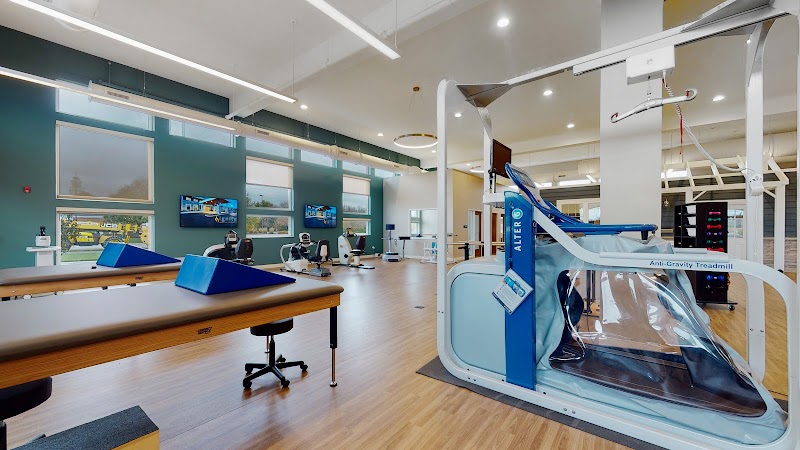
How is Ignite Medical Mchenry Staffed?

CMS rates IGNITE MEDICAL MCHENRY's staffing level at 3 out of 5 stars, which is average compared to other nursing homes. Staff turnover is 48%, compared to the Illinois average of 46%.

What Have Inspectors Found at Ignite Medical Mchenry?

State health inspectors documented 42 deficiencies at IGNITE MEDICAL MCHENRY during 2022 to 2025. These included: 2 Immediate Jeopardy (the most serious level, indicating potential for serious harm or death), 1 that caused actual resident harm, and 39 with potential for harm. Immediate Jeopardy findings are rare and represent the most serious regulatory concerns. They require immediate corrective action.

Who Owns and Operates Ignite Medical Mchenry?

IGNITE MEDICAL MCHENRY is owned by a for-profit company. For-profit facilities operate as businesses with obligations to shareholders or private owners. The facility is operated by IGNITE MEDICAL RESORTS, a chain that manages multiple nursing homes. With 84 certified beds and approximately 78 residents (about 93% occupancy), it is a smaller facility located in MCHENRY, Illinois.

How Does Ignite Medical Mchenry Compare to Other Illinois Nursing Homes?

Compared to the 100 nursing homes in Illinois, IGNITE MEDICAL MCHENRY's overall rating (3 stars) is above the state average of 2.5, staff turnover (48%) is near the state average of 46%, and health inspection rating (3 stars) is at the national benchmark.

What Should Families Ask When Visiting Ignite Medical Mchenry?

Based on this facility's data, families visiting should ask: "What changes have been made since the serious inspection findings, and how are you preventing similar issues?" "Can I visit during a mealtime to observe dining assistance and food quality?" "How do you handle medical emergencies, and what is your hospital transfer rate?" "Can I speak with family members of current residents about their experience?" These questions are particularly relevant given the facility's Immediate Jeopardy citations.

Is Ignite Medical Mchenry Safe?

Based on CMS inspection data, IGNITE MEDICAL MCHENRY has documented safety concerns. Inspectors have issued 2 Immediate Jeopardy citations (the most serious violation level indicating risk of serious injury or death). The facility has a 3-star overall rating and ranks #1 of 100 nursing homes in Illinois. Families considering this facility should ask detailed questions about what corrective actions have been taken since these incidents.

Do Nurses at Ignite Medical Mchenry Stick Around?

IGNITE MEDICAL MCHENRY has a staff turnover rate of 48%, which is about average for Illinois nursing homes (state average: 46%). Moderate turnover is common in nursing homes, but families should still ask about staff tenure and how the facility maintains care continuity when employees leave.

Was Ignite Medical Mchenry Ever Fined?

IGNITE MEDICAL MCHENRY has been fined $62,153 across 1 penalty action. This is above the Illinois average of $33,700. Fines in this range indicate compliance issues significant enough for CMS to impose meaningful financial consequences. Common causes include delayed correction of deficiencies, repeat violations, or care failures affecting resident safety. Families should ask facility leadership what changes have been made since these penalties.

Is Ignite Medical Mchenry on Any Federal Watch List?

IGNITE MEDICAL MCHENRY is not on any federal watch list. The most significant is the Special Focus Facility (SFF) program, which identifies the bottom 1% of nursing homes nationally based on persistent, serious quality problems. Not being on this list means the facility has avoided the pattern of deficiencies that triggers enhanced federal oversight. This is a positive indicator, though families should still review the facility's inspection history directly.