AXIOM HEALTHCARE OF MOUNT VERNON

1700 WHITE STREET, MOUNT VERNON, IL 62864 (618) 242-4075
For profit - Corporation 65 Beds AXIOM HEALTHCARE Data: November 2025 4 Immediate Jeopardy citations
Trust Grade
0/100
#458 of 665 in IL
Last Inspection: December 2024

Within standard 12-15 month inspection cycle. Federal law requires annual inspections.

Overview

Axiom Healthcare of Mount Vernon has received a Trust Grade of F, indicating significant concerns regarding the quality of care provided. With a state rank of #458 out of 665 and a county rank of #4 out of 4 in Jefferson County, this facility is positioned in the bottom half of Illinois nursing homes, suggesting there are better options available nearby. Although the facility is on a trend of improvement, with issues decreasing from 26 in 2024 to 22 in 2025, the overall situation remains serious, as evidenced by the high turnover rate of 74% and fines totaling $374,177, which is higher than 99% of Illinois facilities. Specific incidents of concern include the failure to properly assess residents for the safe use of bed rails, leading to a death, and inadequate emergency care for a resident with diabetes, which also resulted in a fatality. While the facility does have average RN coverage, the serious deficiencies identified highlight significant weaknesses that families should carefully consider.

Trust Score
F
0/100
In Illinois
#458/665
Bottom 32%
Safety Record
High Risk
Review needed
Inspections
Getting Better
26 → 22 violations
Staff Stability
⚠ Watch
74% turnover. Very high, 26 points above average. Constant new faces learning your loved one's needs.
Penalties
✓ Good
$374,177 in fines. Lower than most Illinois facilities. Relatively clean record.
Skilled Nurses
○ Average
Each resident gets 32 minutes of Registered Nurse (RN) attention daily — about average for Illinois. RNs are the most trained staff who monitor for health changes.
Violations
⚠ Watch
59 deficiencies on record. Higher than average. Multiple issues found across inspections.
★☆☆☆☆
1.0
Overall Rating
★☆☆☆☆
1.0
Staff Levels
★☆☆☆☆
1.0
Care Quality
★☆☆☆☆
1.0
Inspection Score
Stable
2024: 26 issues
2025: 22 issues

The Good

  • Full Sprinkler Coverage · Fire safety systems throughout facility
  • No fines on record

Facility shows strength in fire safety.

The Bad

1-Star Overall Rating

Below Illinois average (2.5)

Significant quality concerns identified by CMS

Staff Turnover: 74%

27pts above Illinois avg (46%)

Frequent staff changes - ask about care continuity

Federal Fines: $374,177

Well above median ($33,413)

Significant penalties indicating serious issues

Chain: AXIOM HEALTHCARE

Part of a multi-facility chain

Ask about local staffing decisions and management

Staff turnover is very high (74%)

26 points above Illinois average of 48%

The Ugly 59 deficiencies on record

4 life-threatening 5 actual harm
Apr 2025 2 deficiencies
CONCERN (F) 📢 Someone Reported This

A family member, employee, or ombudsman was alarmed enough to file a formal complaint

Potential for Harm - no one hurt, but risky conditions existed

Infection Control (Tag F0880)

Could have caused harm · This affected most or all residents

**NOTE- TERMS IN BRACKETS HAVE BEEN EDITED TO PROTECT CONFIDENTIALITY** Based on observation, interview, and record review the facility failed to ensure staff donned the required Personal Protective E...

Read full inspector narrative →
**NOTE- TERMS IN BRACKETS HAVE BEEN EDITED TO PROTECT CONFIDENTIALITY** Based on observation, interview, and record review the facility failed to ensure staff donned the required Personal Protective Equipment. The facility also failed to ensure contaminated Personal Protective Equipment was discarded as required after use, failed to separate covid positive residents from covid negative residents, and failed to monitor vital signs of covid positive residents. These failures affected 6 of 6 residents (R1-R6) who were reviewed for infection control practices. These failures also have the potential to affect all 44 residents living in the facility. Findings include: The facility Census Report documents on 3/28/2025 there were 44 residents living in the facility. The Resident Infection Control and Antimicrobial Log dated for March 2025 documents on 3/16/2025 6 residents tested positive for COVID - 19, on 3/17/2025 3 residents tested positive, on 3/18/2025 1 resident tested positive, on 3/19/2025 1 resident tested positive, on 3/21/2025 4 residents tested positive, on 3/24/2024 1 resident tested positive and on 3/26/2025 4 residents tested positive. On 4/1/2025 at 10:55AM, V2 (Director of Nursing/DON) provided an undated March 2025, Covid-19+ list that included residents that were on isolation for Covid and when their isolation was to be completed. At that time V2 stated, I put possibly on these because if they still have symptoms I leave them on isolation. 1. R1's admission Record documents an admission date of 2/28/23 and includes diagnoses of Type 2 Diabetes Mellitus, Major Depressive Disorder, Parkinson's Disease, End Stage Renal Disease, Chronic Atrial Fibrillation, and COVID. MDS (Minimum Data Set) dated 2/7/2025 includes a BIMS (Brief Interview for Mental Status) score of 6 suggesting severe impairment. The Resident Infection Control and Antimicrobial Log documents R1 tested positive for Covid-19 on 3/26/2025 and isolated. The March 2025, Covid-19+ list documents R1's isolation will be completed possibly on 4/3/2025. On 3/28/2025 at 10:10AM, R1 was observed lying in her bed in her room with the door open. Signage of droplet isolation was present with PPE (Personal Protective Equipment) outside the door, all necessary items in the bin except gloves. There was a bin to discard PPE inside the room by the door. R1 noted to be coughing several times during observation. R1 is in a private room. On 4/1/2025 at 2:05PM observed V9 (Certified Nurse Assistant/CNA) walking out of R1's room with only a surgical mask on. The door to the room was noted to have signage for airborne (droplet) isolation with bins noted outside the room with proper PPE equipment. V7 (CNA) was with V9 leaving the room and V7 had on a N95. On 4/1/2024 at 2:07PM, V9 was asked why she only had on a surgical mask and V9 stated R1 is not positive anymore and someone has not taken down the signage for droplet isolation' V9 was asked when she last received training on infection control and Covid training, V9 stated, Not too long ago it seems but I don't know for sure. On 4/1/2025 at 2:07PM, V4 (Registered Nurse/ Resident Care Coordinator) was present for conversation with V9, and stated she did not think R1 was positive for covid. V4 looked back at records and noted R1 tested positive on 3/28/2025 and was negative on 3/27/2025, which is a different date than what is present on the Infection Control Log. On 4/1/2025 at 2:10PM, V7 (CNA) was asked if she had been trained on Infection Control/Covid and V7 stated no but she had only been here a couple of weeks. V7 was asked if she had been advised to change N95 mask after caring for a Covid positive resident, V7 stated No. On 4/1/2025 at 2:45PM, V2 (Director of Nursing) was asked if she expected her staff to change PPE including an N95 mask when they leave a Covid positive room to care for other residents. In reply, V2 stated, Yes, I absolutely expect them to change PPE at the door before leaving the room. V2 was asked if she expected the staff to wear the proper PPE while caring for the Covid positive residents and V2 stated, Yes they must wear the N95's gowns, gloves, and eye protection. V2 was asked if she expected the staff to follow the signage on the door for precautions and V2 stated, Yes I do. 2. R2's admission Record documents R2 admitted to the facility on [DATE] with diagnoses of Osteoarthritis bilateral knees, hypokalemia, muscle weakness, cognitive communication deficit. R2's MDS (Minimum Data Set) dated 3/24/2025 includes a BIMS (Brief Interview for Mental Status) score of 11 suggesting moderate impairment. The Residents Infection Control and Antimicrobial Log documents, R2 tested positive for Covid on 3/26/2025 and isolated. The March 2025, Covid-19+ list documents R2's isolation will complete possibly on 4/2/2025. On 3/28/2025 at 10:30AM observed R2's room with noted droplet isolation signs with bin outside door with all necessary PPE except gloves. R2 was not in her room. Observed a roommate R7 sleeping in bed. Infection Control log documents R7 was positive for Covid on 3/16/2025. The Residents Infection Control and Antimicrobial Log documents, R7 tested positive for Covid on 3/16/2025 and isolated. The March 2025 Covid Positives list did not document when R7 was to come off of isolation. On 3/28/2025 at 10:42AM observed R2 sitting in the dining room with no mask at the dining room table. R2 stated they tested her for Covid and, she was positive. R2 stated she was not offered a mask. R2 remained in the dining room for the lunch meal with other residents present at the table. On 4/1/2025 at 12:17PM observed R2 eating lunch at a table with other residents with no mask present. On 4/1/2025 at 1:03PM, R2 was observed propelling self in wheelchair down the hallway with no mask on. 3. R3's admission Record documents an admission date of 7/28/2022 and includes diagnoses of Atherosclerotic Heart Disease, Depression, Atrioventricular Block, Hypertension Cognitive Communication Deficit, Unspecified Dementia, Anxiety. MDS (Minimum Data Set) dated 1/18/2025, BIMS (Brief Interview for Mental Status) documents resident is unable to complete due to never or rarely understood. The Resident Infection Control and Antimicrobial Log documents R3 tested positive for Covid on 3/21/2025, and isolated. The March 2025, Covid-19+ list documented R3's isolation to be completed on 3/28/2025. On 3/28/2025 at 10:08 AM observed R3's room with signage of droplet precautions on the door with bins with PPE noted outside the door. Three residents R3, R5, and R6 were present in the room at this time. R6 who was alert to person, place, and time, stated, My roommate (pointing at R3) is the one with Covid. R3 was noted to be sitting up in her wheelchair. R3 did not have a mask on, and the curtain was not drawn. R3 was noted to be coughing several times during observation. R6 stated R3 has been eating meals in the room as well. R6 stated, They said we were far enough apart, so we are safe. R3 was not interviewable. The Resident Infection Control and Antimicrobial Log, did not document R5 or R6 had tested positive for Covid. On 3/28/2025 at 11:15AM, V2 was asked why R3 was in a room with 2 residents that are Covid negative, V2 then stated, We were told we don't separate them anymore and the reason is to avoid spreading the virus. V2 was asked what their policy reads and V2 stated I am not sure I would have to review the policy. On 3/28/2025 at 11:30PM, V1 (Administrator) was asked if their policy gave direction to cohort Covid positive residents with Covid negative residents, V1 stated she was told by the Regional Nurse that the residents don't move anymore to try to avoid the spread of Covid-19. On 3/28/2025 at 2:16 PM, V7 CNA was observed walking into R3's room with only a N95 mask on. V7 was then observed going into the resident's bathroom looking in the mirror, no observation of hand hygiene or changing of mask. V7 did not don gloves or a gown while in R3's room. V7 exited the room and went down the hall into another resident's room without changing her mask. 4. R4's admission Record includes an admission date of 4/28/2023 and includes diagnoses of Chronic Obstructive Pulmonary Disease, Chronic Respiratory Failure with Hypoxia, Unspecified Dementia with Anxiety, Hypertension, Cognition Communication Deficit, and Hodgkin's Lymphoma. MDS (Minimum Data Set) dated 3/5/2025 includes a BIMS (Brief Interview for Mental Status) score of 13 suggesting cognitively intact. The Resident Infection Control and Antimicrobial Log documents R4 tested positive for Covid-19 on 3/24/2025 and isolated. The March 2025, Covid-19+ list documents R4's isolation will be completed on 3/31/25. On 4/1/2025 at 12:20PM, R4 was noted to be eating lunch in the dining room with no mask on and was at a table with other residents. On 4/1/2025 at 1:25PM, R4 stated she had Covid but was doing pretty good. R4 stated she has had it a few days and still had a runny nose. R4 was asked if she stays in her room or goes out to the dining room. R4 stated, I have always gone to the dining room, and nobody has said anything. R4 was asked if she wears a mask while out in the halls. R4 stated, No, and nobody has told me I need to either. 5. On 3/28/2025 at 1:10PM the electronic health records (EHR) were reviewed for R1, R2, R3, and R4. These residents records did not include documentation that R1, R2, R3 and R4 had vital signs checked every shift after being diagnosed with Covid. On 4/1/2024 at 11:45AM, V4 (Registered Nurse/ Resident Care Coordinator) stated the vitals should be done every shift for the COVID positive residents and those that are symptomatic. V4 stated the nurses make the list, the CNA's get the vitals, then the nurses get the vitals put into PCC (Point Click Care/electronic records). V4 was asked to see the list and V4 stated, I don't have one made yet. On 3/28/2025 at 2:10PM, V5 RN (Registered Nurse) stated, When a resident test's positive we should move them, if at all possible, to a room by themselves. V5 stated we should be doing vital signs at least every shift for the residents that are positive. V5 was asked if she had vitals for her shift yet and V5 stated, 'No I have not made the list yet. V5 stated the CNA's get the vitals and we put them in. On 3/28/2025 at 2:30PM, V1 was asked about the policy on vital signs and V1 stated, 'I think we are supposed to get the vital signs on the COVID positive residents once a shift. V1 then confirmed that R1, R2, R3, and R4 did not have vital signs done every shift according the EHR. V1 stated she expects the staff to obtain vital signs every shift on the COVID positive residents. Policy titled Infection Control-Interim Covid-19 dated revised 7/24/2023 documents under Guidelines: the following information is only intended to be used as guidelines to address health care concern of Human Corona virus specifically COVID-19. This policy will address prevention, education, screening, surveillance, investigation, and reporting of persons at risk. As this is an evolving situation, frequent updates may be made to these guidelines as recommendations are released by CDC. Process Surveillance: Infection Preventionist or designee will frequently monitor staff compliance with hand hygiene and PPE practices on varied shifts. Immediate actions and education will be provided as needed when concerns noted. Education: Provide staff, residents, families and visitors with education on COVID-19, including transmission and symptoms of COVID as indicated. Educate staff on current infection control and standard precautions and proper PPE selection, use and donning/doffing as indicated. When caring for residents with suspected or confirmed SARS CO V2 infection, an N95 respirator should be worn and the N95 should be removed and discarded after the patient care encounter and a new one should be donned (out on). PPE Use in Red and Yellow Zone: HCP who enters the room of a resident with suspected or confirmed SARS-COV-2 infection should adhere to Standard Precautions and use a NIOSH- approved particulate respirator with N95 filters or higher, gown, gloves, and eye protection. PPE (Personal Protective Equipment) including N95 should be discarded and new applied between residents. In general, residents should be encouraged to wear source control if able until symptoms resolve or, for those who never developed symptoms, until they meet the criteria to end isolation. Management and Care of Residents with Suspected or Confirmed COVID-19 Infection: The recommendations described below (e.g., resident placement, recommended PPE) apply to residents with symptoms of COVID-19 (even before results of diagnostic testing). These residents should not be cohorted with patients with confirmed SARS-COV-2 infection unless they are confirmed to have SARS-COV-2 infection through testing. Place a patient with suspected or confirmed SARS-COV-2 infection in a single room if available, the door should be kept closed (if safe to do so). Monitoring and Assessment: Monitor for signs and symptoms every shift: Fever > 100 degrees Fahrenheit, cough, cold symptoms, new shortness of breath, sore throat, chills, muscle pain, headache, GI upset, nausea/vomiting, diarrhea, new loss of smell/taste.
CONCERN (F) 📢 Someone Reported This

A family member, employee, or ombudsman was alarmed enough to file a formal complaint

Potential for Harm - no one hurt, but risky conditions existed

Deficiency F0882 (Tag F0882)

Could have caused harm · This affected most or all residents

Based on interview and record review, the facility failed to designate an individual as the Infection Preventionist. This failure has the potential to affect all 44 residents living in the facility. F...

Read full inspector narrative →
Based on interview and record review, the facility failed to designate an individual as the Infection Preventionist. This failure has the potential to affect all 44 residents living in the facility. Findings include: On 3/28/2025 at 9:30AM, V2 (Director of Nursing/DON) was interviewed with V1 (Administrator) present. V2 was asked who the infection preventionist was in the facility and V2 stated that V4 (Resident Care Coordinator) was working on getting her certification for Infection Prevention but had not completed it yet and she takes care of the Infection Control stuff. V1 stated I have my Infection Control Preventionist Certification, but I don't use it now that I am the Administrator, I don't think I can do that. V1 stated I don't do anything with the Infection Control Program. On 4/1/2025 at 2:10PM, V4 was asked when she last had Infection Control and Covid training at this facility and V4 stated I have never had training at this facility on either one. V4 stated she has only been employed at the facility since October 2024. V4 stated she has tried to pass the Infection Preventionist certifications test but has been unable to pass. V4 stated she does most of the infection control program but has not provided staff education. V4 stated she does most of the Covid testing for the staff and residents. V4 was unsure of the policies for Infection Control and Covid. The Facility Assessment Tool dated 1/15/2025, documents under section 3.11 We have a certified Infection Control Preventionist nurse that has been trained to track infections and assist in making decisions on exposures and treatments in collaboration with the medical director and their team of nurse practitioners. The policy titled Infection Prevention and Control Program dated 12-5-2024, documents Purpose: to comply with a system for preventing, identifying, reporting, investigating, and controlling infections and communicable diseases for all residents, staff, volunteers, visitors, and other individuals providing service under a contractual arrangement. Guidelines #3 documents The designated Infection Control employee and Quality Assurance Committee is responsible for monitoring the effectiveness of the program and continually improving outcomes. The facility Census Report documents on 3/28/2025 there are 44 residents living in the facility.
Mar 2025 20 deficiencies 3 IJ (1 affecting multiple)
CRITICAL (J) 📢 Someone Reported This

A family member, employee, or ombudsman was alarmed enough to file a formal complaint

Immediate Jeopardy (IJ) - the most serious Medicare violation

Quality of Care (Tag F0684)

Someone could have died · This affected 1 resident

**NOTE- TERMS IN BRACKETS HAVE BEEN EDITED TO PROTECT CONFIDENTIALITY** Based on interview and record review, the facility failed to seek emergency care for a resident with Type 2 Diabetes Mellitus wh...

Read full inspector narrative →
**NOTE- TERMS IN BRACKETS HAVE BEEN EDITED TO PROTECT CONFIDENTIALITY** Based on interview and record review, the facility failed to seek emergency care for a resident with Type 2 Diabetes Mellitus who was experiencing elevated blood sugars too high for accurate readings to be obtained with facility glucose monitoring device for 1 of 3 residents (R16) reviewed for change in condition in a sample of 29. This failure resulted in R16's death with cause of death listed as possible diabetic ketoacidosis. This failure resulted in an Immediate Jeopardy, which was identified to have begun on [DATE] when the facility failed to seek emergency care for R16 who was experiencing high blood sugar readings which lead to R16's death as possible diabetic ketoacidosis. V1 (Administrator), V33 (Regional Reimbursement), and V34 (Regional Clinical Nurse) were notified of the Immediate Jeopardy on [DATE] at 11:35 AM. The surveyor confirmed through observation, interview, and record review that the Immediate Jeopardy was removed, and the deficient practice corrected on [DATE], but the noncompliance remains at Level Two due to additional time to evaluate implementation and effectiveness of training. Findings Include: R16's admission Record documents an admission date of [DATE] with diagnoses of Cerebral Palsy, Type 2 Diabetes Mellitus with Ketoacidosis, without coma, Hyperlipidemia, Hyperkalemia, Epileptic Syndrome, Quadriplegia, Acute Kidney Failure, Chronic Kidney Disease, Microcephaly. R16's MDS (Minimum Data Set) dated [DATE] includes a BIMS (Brief Interview for Mental Status) assessment that suggests BIMS should not be conducted as resident rarely/never understood. R16's MDS documents R16 requires substantial/max assist with oral hygiene, putting on/off footwear, roll from left to right, sit to lying, lying to sitting on side of bed, sit to stand, chair/bed -to- chair transfers, and toilet transfers. R16's MDS documents R16 is dependent upper and lower body dressing. R16's Physician Orders dated [DATE] to [DATE] documents orders for Humalog Kwikpen (insulin) 100 units/3 milliliters, inject 6 units subcutaneous three times a day (8:00AM, 11:00AM, and 4:00PM) with meals. Lantus (insulin) 100 units/milliliters, inject 23 units subcutaneous once daily (8:00AM). Fingerstick glucose monitoring three times a day (8:00AM, 11:00AM, and 6:00PM) with meals with sliding scale insulin including parameters: less than 150 =0 units, 151-200= 2 units, 201-250=4 units, 251-300=6 units, 301-350=8 units, 351-400=10 units, and over 400 give 12 units and call the physician. R16's December medication administration Record (MAR) documents orders for Fingersticks Glucose Monitoring: TID (three times a day) with meals with sliding scale insulin at 8:00AM, 11:00AM, and 6:00PM. The Blood Glucose Monitoring System, User Instruction Manual on page 53 documents your blood sugar is more than 600mg/dl (milligrams per deciliter). Instructions to repeat test with new test strip. If the message shows, again contact your healthcare professional right away. If blood sugar is over 600mg/dl the monitor will read HI. On [DATE] at 11:59AM, V20 (Certified Nurse Assistant/CNA) stated we got R16 up that morning and he was acting ok but seemed tired. As the day progressed, he didn't seem right like yelling at us, so we told the nurse. V19 (Agency Licensed Practical Nurse/LPN) was the nurse, and she checked R16's BS (blood sugar) and it was high. We told the nurse that he needs to be sent out to the hospital, but V19 did not listen and said she was going to try some things first. V20 stated V19 would not listen to the CNA's and the nurse is just temporary and does not know the residents like we do. V20 stated R16 didn't eat much that day. Right before lunch is when R16 started getting worse. V20 stated in the evening V19 kept checking R16's blood sugar and it kept reading high. V20 stated V19 had never worked dayshift before so she did not know how R16 was during the day. On [DATE] at 11:59AM, V19 (LPN) stated she was working the dayshift 6A-6PM on [DATE]. V19 stated she was the charge nurse for R16. V19 stated R16 was mostly fine through the earlier part of the day. V19 stated she really didn't know R16 that well. V19 stated around 3:00-3:30PM the CNA's reported to her that R16 wasn't acting right, and he looked bad. V19 stated she checked R16's blood sugar around 3:30PM and the glucometer just read HI. V19 stated she gave R16, 12 units of regular insulin at this time and called the on-call physician but had to leave a message. V19 stated at 4:00PM she gave 6 more units of regular insulin as scheduled. V19 stated R16 was a little sluggish and was acting tired. V19 stated as she was waiting for the return call from the physician, she called V2 (Director of Nursing/DON) and V2 informed her that this has happened before with R16 and sometimes they send him to the hospital if the physician orders to send to the emergency room. V19 stated that V2 said to just wait on the physician to call back and see what the physician wants to do. V19 was asked if she has had training at the facility on change in condition, blood glucose monitoring such as how high does the glucometers read, and V19 stated she has not had any kind of any training at the facility. V19 stated she had no idea of how high the blood sugar is when it read HI. V19 stated R16's vital signs were within normal limits, and she did not receive a return call from the physician during the remainder of her (day) shift that ended at 6PM. On [DATE] at 2:00PM, V19 stated she was not sure what number she called for the on-call physician on [DATE], it was on a note at the nurse's station. V19 stated she doesn't know about the facility's (electronic communication system) and communication like that. V19 stated, I was advised by V2 to wait for the physician to call back and if V2 would have said send R16 to the ER (Emergency Room), I would have sent him to the ER. V19 stated she gave report to V22 (Agency Registered Nurse/RN) when she came in at 6PM with information about R16's high blood sugars and a call placed to the on-call physician. On [DATE] at 11:04AM, V22 (Agency Registered Nurse/RN) stated she worked on [DATE], 6AM -6PM. V22 stated she received in report that R16 had been running high blood sugars and insulin per orders was given and the on-call physician was called, and a message was left for a return call. V22 stated she went to R16's room around 6:30PM to check on R16, she stated she could arouse R16, and he would answer yes or no to questions. R16's blood sugar was checked at this time and the reading was HI. V22 stated she had put in another call to the on-call physician and left a message. V22 stated she received a call back from a physician around 7:30PM and received orders to give another dose of 12 units of insulin, in addition to the scheduled dose of 6 units and recheck in a little while. V22 said that she was not sure who the physician was that called. V22 stated she did not document the physician's name in the medical record and did not write the orders given to her on the Physician Order Sheet. V22 stated she was the only nurse in the facility for that shift. V22 stated she could arouse R16 at that time and he was unchanged from previous assessment at around 6:30PM. V22 stated she remembers rechecking R16's blood sugar about 45 minutes later, approximately 8:15PM and the blood sugar was down to 488. V22 stated, I thought we were finally going in the right direction with the blood sugar going down. V22 stated, Sometime around 10:00 PM, I was called to R16's room by a CNA, upon entering room R16 was having a hard time breathing, heart rate was irregular, color was bad and R16 was nonresponsive. V22 stated at this time she and the CNA lowered R16 to the floor to prepare for CPR (Cardiopulmonary Resuscitation), when lowering R16 to the floor, R16 stopped breathing. V22 stated CPR was started and help was called for from the other CNA's. When the other CNA entered the room V22 asked her to call 911 and the CNA stated, CNAs are not allowed to call 911, so that CNA took over chest compression and V22 went to call 911 and check R16's chart for code status. V22 stated code status was found and R16 was a DNR (Do Not Resuscitate) so she went to the room and stopped CPR. V22 stated EMS (Emergency Medical Service) arrived and pronounced death around 10:30ish. V22 stated she remembers R16 having a strong sweet fruity smell as they were transferring him to the floor. V22 stated she has had no training at the facility on policies or resources to look up policies. On [DATE] at 1:20PM, V21 (Certified Nurse Assistant/CNA) stated, she came into work on [DATE] at 6:00PM and shortly after getting to work she saw R16. V21 stated R16 was not responding to the staff and his color was not good. V21 described R16's color as not a good color and sort of gray. V21 stated, As the evening went on there really was not many changes with R16. V21 stated, I was working on another hall when I heard someone yell and when I got down there, the nurse was doing chest compressions on R16. When another CNA got in there, she took over chest compressions and the nurse went to check the chart to see if R16 was a DNR or a Full Code. The nurse returned stating R16 was a DNR, so the CPR stopped. When EMS arrived, they checked R16 and stated to leave R16 in the floor until cleared by the coroner. V21 stated, When I got report from the day shift CNA's, the CNA's reported that R16 was not doing good at all and the CNA's tried to get the dayshift nurse to send him to the Emergency Room, but she wanted to try some other things first. V21 stated this was an agency nurse and they do not know the residents like we do. On [DATE] at 4:20PM, V25 (CNA) stated she was working the night R16 passed. V25 stated she worked 6PM -6AM that day. V25 stated she had checked in on R16 a few times and R16 was sleeping. V25 stated when she went in to do bed check on R16 she noted he was gray in color and not responding. V25 stated she was unsure of the time. V25 stated she yelled for help, and everybody came. V25 stated they moved him to the floor and started CPR. V25 stated they did CPR for about 15 minutes until EMS arrived then they stopped CPR. V25 stated R16 had been out to the hospital multiple times in the past because of his blood sugars. On [DATE] at 12:18PM, V2 (DON) stated she remembers the phone call she received from V19 LPN on [DATE]. V2 stated it seems like it was somewhere around 5:00PM. V2 stated V19 was an agency nurse that informed her that R16's blood sugar was reading HI and that she had followed doctor's orders and had given him insulin and was waiting on the physician to call her back. V2 stated she asked how R16 was doing, and the nurse stated his vital signs seemed to be normal. V2 stated the nurse stated she thought he was acting ok to her. V2 stated she told the nurse that if she felt like he needed to be sent out that she could do that or just wait on the physician to call back with orders. V2 was asked if she had investigated R16's death records. V2 stated, I read the nurses notes because she didn't see anything really concerning. V2 stated she talked with the night nurse V22 after R16 passed. V2 stated the night nurse said R16 acted fine at 6:00pm when she arrived at work and then V22 was called to his room later and she called 911. V2 stated she thought V22 had called back the doctor or the doctor called her and order more insulin. V2 stated she had seen where his blood sugar went down a bit after V22 gave the ordered insulin. V2 stated his blood sugar was down in the 400's after that. V2 was asked if she would have sent him out with the high blood sugars, V2 stated, If he was not acting right, I would have. V2 stated his blood sugars reading high meant it was over 500. V2 was asked how high the glucometers reads and V2 stated, I believe 500 or 550 but I would have to read the book on that to make sure. V2 was informed the Owners' Manual to the glucometer states these glucometers read up to 600 then automatically go to read HI. V2 stated Wow! V2 stated she would have sent him out knowing his blood sugar was over 600. V2 stated she feels it was a long time for the physician to get back with the facility and this is unusual, and she would have sent him out. V2 stated R16 had started making a pattern of having DKA (Diabetic Ketoacidosis) and he had been placed in ICU (Intensive Care Unit) with an Insulin drip over the last several months, with the last time was [DATE]. V2 stated R16 was normally very active, talking to the staff, V2 stated he had the mind of a child, and we all loved him. V2 was asked if the (Nurses Agency Staffing Organization) nurses receive any or are required to complete any training at the facility level, V2 stated the only requirement is a valid nurse's license. V2 stated she doesn't like to have agency nurses in her facility working because they don't know the residents usually, but we don't have a choice right now. On [DATE] at 1:45PM, V1 (Administrator), stated she has been employed at the facility for 5 years and she was very familiar with R16. V1 stated she had not investigated R16's death. V1 stated R16 had been sent to the hospital several times for elevated blood sugars, DKA, and R16 would get treated and return. V1 was handed R16's progress notes from the day he expired. V1 was asked to read the progress notes. V1 then stated, I would have sent him out at 488 but I would have sent him out before that when the blood sugar was too high to read on the glucometer. V1 stated she and V15 (Nurse Practitioner/NP) had talked about this after his death and R16's life expectancy was only to live until his 20's, he was in his 50's and he had many health issues. V1 stated the nurse that was working that day was an agency nurse. V1 stated, I would have sent him out and if they would have sent him out when it was high, he would still be alive, but I was very familiar with R16 and knew his medical issues. On [DATE] at 1:50PM, V23 (R16's sister/Power of Attorney) stated R16 was her brother, and he had resided in the facility for a few years. V23 stated up until the last several months the care was good and R16 was thriving, but the last several months had been bad. The facility has a lot of nurses that only work occasionally, and they do not know the residents or how to care for them. V23 stated on [DATE] she came to visit R16 in the afternoon and R16 did not seem himself and seemed very tired. V23 stated she thought maybe he was just sleepy as no staff said anything to her about his blood sugars or anything being wrong. V23 stated, The next thing I knew I got a call between 10:30PM and 11:00PM that my brother had passed. V23 stated R16 was in the hospital recently with Ketoacidosis on [DATE]. V23 stated if R16 doesn't get his insulin right his blood sugars get too high. On [DATE] at 9:25AM, V24 (Medical Director), was asked if he was familiar with R16. V24 stated, That name does not ring a bell, I don't know him. V2 was asked how the on-call services work and V24 stated, The nurses have to use (facility notification system) to reach the nurse practitioner and on weekends from 9PM to 6AM there is a number to call and usually I am the one on call. V24 was asked if he received any calls on [DATE] or after midnight on [DATE], V24 checked his records and personal phone and stated, No I did not. V24 was explained the condition of R16 and his high blood sugars. V24 stated, We can sometimes manage high blood sugars in the facility but if we give treatment and the condition doesn't change then they need to be sent to the hospital. V24 stated he believes the problem is with the nursing staff and some of them only being in the facility a few times. V24 was asked if he thought that hindered communication with physicians and he stated, Yes if they do not know our system. V24 was asked when the last time he made rounds in the facility to see the residents and V24 stated, I do not see the patients, the Nurse Practitioners see the patients and they work through me. I only come per requirement quarterly for the meeting. V24 stated the facility should have done a better job with R16, and I am sorry for his death. V24 stated education needs to be done and corrected. On [DATE] at 12:04PM, V15 (NP) stated she was looking for messages on [DATE] on the call log and on her cell phone and no messages were left and there were no missed calls for this facility for [DATE]. On [DATE] at 2:20PM, a call was placed to the Physician Service office and spoke with the receptionist/secretary (V35) who stated she would send a call log for the date of [DATE] for this facility. The call log was received and did not show that the Physician Service office received any calls from the Facility log on [DATE]. R16's Nurses Notes authored by V19 dated, [DATE] at 5:50PM, documents, right before dinner had started it was time for me to check R16's. I checked his blood sugar, and the monitor said high. So I check it again on another finger and it still said high. I looked at his chart to see his sliding scale, I followed the sliding scale and called the on-call doctor like it stated on his order. I called and left and voicemail for the on-call doctor letting him know what was going on and what he would like for me to do next. I checked R16's vital signs before I called the doctor, and his vital signs were wnl (within normal limits). While waiting on the call back I checked R16's blood sugar again 40 minutes later after given insulin, and it still said high. So, I called the DON and told her what was going on and she said he had issues with his blood sugar being high before. While doing shift change, I informed the on-coming nurse about what was going on and that she should receive a call from the doctor soon. I also charted what was going on, on the shift change sheet. R16's Nurses Notes authored by V22, dated [DATE] at 1:00AM, documents report received at approximately 6PM from the day shift nurse that resident's blood sugar had been running high today and most recent blood sugar reading prior to evening meal read hi on the blood glucose monitoring machine. Dayshift nurse reports calling provider on call for further insulin orders. Call back from PCP (Primary Care Provider) received at approx. 7:30PM with new orders for additional 12 units insulin x 1. Insulin given per orders RUQ (right upper quadrant) abd (Abdomen). At that time resident able to respond yes/no to questions asked. No active distress. Respirations even and unlabored, heart RRR (regular rate and rhythm), BS (Bowel Sounds) per 4 quads. Skin color WNL. Recheck of blood sugar at approx. 8:30PM with result of 488. No change in condition from an hour ago. No acute distress. During med pass CNA's notified this nurse that resident looked terrible. Upon entering resident's room, he was laying in bed color pale resp uneven and labored, fruity/sweet smell odor noted to resident's breath, unresponsive, heart irregular rate and rhythm. V/S (Vital signs) 56/32, 56, 28, 96.2 unable to obtain O2 (Oxygen) sat. Resident moved to the floor in anticipation of CPR if required, while this writer and CNA moved resident to floor, he stopped breathing, chart checked for code status and rescue breaths given. POLST (Physician's Order for Life Sustaining Treatment) form - DNR (Do Not Resucitate). No further breaths given. Emergency responders/fire department arrived at facility at approx. 10:33PM. Time of death 10:33PM. This writer called sister/guardian at 10:35 PM and 11:15, sister returned call to facility and spoke with this nurse with situation relayed. Sister began crying and stated she was glad for being able to see him this morning for a visit and was thankful to all facility staff for care given to brother. On-call after hours MD (medical doctor) called x2 awaiting call back. This nurse called local funeral home and body removed from facility at approximately 12:45AM. R16's [DATE] MAR (Medication Administration Record) documents on [DATE], R16's blood sugar at 8:00AM has numbers that are scribbled out but looks like 200 written beside the scribbles with V19's initials. On [DATE] at 11:00AM, the MAR documents blood sugar of 272 with initials of V19. There was no amount of sliding scale insulin documented to be given at that time, however the scheduled Humalog Kwikpn 6 units at 11:00AM and initialed by V19. On [DATE] 4:00PM, the MAR documents 6 units of Humalog Insulin was given as scheduled and initialed by V19, and at 6:00PM fingerstick glucose monitoring is initialed by V19 and results were scribbled out. On [DATE] at 2:00PM, V19 was asked about the blood glucose monitoring checks being scribbled out on MAR and V19 stated she did not do that. R16's December MAR contains no documentation that 12 units of Humalog insulin were given around 4:00PM on [DATE]. The MAR does document at 7:30PM on [DATE] R16 received 12 units of Humalog due to blood sugar reading Hi on Blood Glucose monitoring machine. R16's State of Illinois Certificate of Death includes a date of death for [DATE], and cause of death Probable Diabetic Ketoacidosis. Time of death 10:33PM. Facility Physician- Family Notification-Change in Condition Policy with a revision date of [DATE], documents in part: The facility will inform the resident; consult with the resident's physician or authorized designee such as Nurse Practitioner; and if known, notify the resident's legal representative or an interested family member when there is: .(B) A significant change in the resident's physical, mental, or psychosocial status (i.e., a deterioration in health, mental, or psychosocial status in either life-threatening conditions or clinical complications); Life-threatening conditions are such things as a heart attack or stroke. Clinical complications are such things as development of a stage II pressure sore, onset or recurrent periods of delirium, recurrent urinary tract infection, or onset of depression. (C) A need to alter treatment significantly (i.e., a need to discontinue an existing form of treatment due to adverse consequences, or to commence a new form of treatment); A need to alter treatment significantly means a need to stop a form of treatment because of adverse consequences (e.g., an adverse drug reaction), or commence a new form of treatment to deal with a problem (e.g., the use of any medical procedure, or therapy that has not been used on that resident before). (D) A decision to transfer or discharge the resident from the facility. The Immediate Jeopardy that began on [DATE] was removed on [DATE] when the facility took the following actions to remove the immediacy: Facility administrator was in-serviced by Regional Reimbursement Consultant on [DATE] on ensuring that glucometer values out of normal range are communicated to the attending physician or authorized designee in a timely, efficient and effective manner. Facility administrator was in-serviced by Regional Reimbursement Consultant on [DATE] on ensuring that licensed nursing personnel will inform the physician or authorized designee with any change in condition of the resident in an effective, timely and efficient manner. Facility administrator was in-serviced by Regional Reimbursement Consultant on [DATE] on medications being administered in accordance with the good nursing principles and practices and only by persons legally authorized to do so and only after they have been properly oriented to the facility's medication distribution system. Facility's administrator in-serviced by Regional Reimbursement Consultant on [DATE] on using nursing judgement to seek emergency treatment when appropriate. Facility Administrator initiated in-servicing on [DATE] for nursing staff on using nursing judgement to seek emergency treatment when appropriate. Facility Administrator initiated in-servicing on [DATE], for all nursing staff, on ensuring glucometer values out of normal range are communicated to the attending physician or authorized designee in a timely, efficient and effective manner to be completed before the start of their next shift. Facility Administrator initiated in-servicing on [DATE], for all nursing staff, on medications being administered in accordance with the good nursing principles and practices and only by legally authorized to do so and only after they have been properly oriented to the facility's medication distribution system, to be completed before the start of their next shift. Facility policy for physician notification has been reviewed by Regional Director of Operations and has been found to be in compliance on [DATE]. Facility completed an audit of all diabetic residents to ensure that their blood sugars are within therapeutic range and a weekly audit will be per formed by the DON or designee weekly for four weeks. Quality Assurance and Performance Improvement (QAPI) plan has been revised to include that the facility will ensure residents experiencing an acute critical situation receive timely emergency care and lacks a process for physician notification and receiving orders in an acute situation. QAPI revisions will be discussed at the next QAPI meeting in [DATE]. Monitoring will be ongoing in the morning Quality Assurance (QA) meeting by the QA team (Administrator, Director of Nursing (DON), Assistant Director of Nursing (ADON), Minimum Data Set (MDS)), the QA team will review the 24-hour report and follow up on any changes in condition to ensure that proper care was received and proper procedures were followed.
CRITICAL (J) 📢 Someone Reported This

A family member, employee, or ombudsman was alarmed enough to file a formal complaint

Immediate Jeopardy (IJ) - the most serious Medicare violation

Deficiency F0698 (Tag F0698)

Someone could have died · This affected 1 resident

**NOTE- TERMS IN BRACKETS HAVE BEEN EDITED TO PROTECT CONFIDENTIALITY** Based on interview and record review, the facility failed to provide safe administration of peritoneal dialysis by qualified tra...

Read full inspector narrative →
**NOTE- TERMS IN BRACKETS HAVE BEEN EDITED TO PROTECT CONFIDENTIALITY** Based on interview and record review, the facility failed to provide safe administration of peritoneal dialysis by qualified trained staff as ordered by a physician for 1 (R22) of 3 residents reviewed for dialysis in the sample of 29. This failure resulted in R22 experiencing severe shortness of breath requiring transfer to local hospital, R22 receiving intubation and mechanical ventilation for respiratory failure to prevent imminent deterioration and further organ dysfunction from hypoxia and hypercarbia. This failure resulted in an Immediate Jeopardy, which was identified to have begun on 10/22/24 at 11:15 AM when V29 (Registered Nurse/RN) and V30 (Licensed Practical Nurse/LPN) manually infused 2.5 liters of dialysate fluid into R22's peritoneal space (totaling approximately 4 liters of dialysate fluid in R22's peritoneal space) causing R22 to experience shortness of breath and be transferred to the hospital for further treatment. This past non-compliance occurred from 10/22/24 to 10/31/24. V1 (Administrator) and V7 (Regional Director of Operations) were notified of the Immediate Jeopardy on 3/18/25 at 4:00 PM. The Surveyor confirmed by observation, interview, and record review that the immediacy was removed on 10/31/24. Findings include: R22's New admission Information documented an admission date of 9/10/24. R22's Cumulative Diagnosis Log documented diagnoses that included sepsis, peritonitis, and dependence on dialysis. R22's Minimum Data Set (MDS) dated [DATE] documented a Brief Interview for Mental Status (BIMS) score of 12, indicating moderate cognitive impairment. On 3/11/25 at 2:45 PM, V33 (Regional Reimbursement) said the facility was not able to produce R22's Care Plans due to a change of ownership and was now unable to access the electronic medical records. On 3/12/25 at 2:14 PM, V2 (Director of Nursing/DON) said when she came into the facility on [DATE] the nursing staff were having some issues with R22's Peritoneal Dialysis (PD) infusion due to the PD cycler alarming through the night. V2 said she was told by V30 (LPN) that due to R22's PD cycler alarming, V30 had called V28 (Dialysis Company Registered Nurse). V2 said around 9:30 AM to 10:00 AM, V28 called the facility requesting to speak with V2 to give new orders for R22. V2 said the facility did not have the bag of dialysate that V28 gave an order for and had to go to the dialysis company to pick up the bag of dialysate. V2 said she returned to the facility and V29 (RN) was the nurse caring for R22. V2 said she gave V29 the order for a 1.5 liter PD manual fill and asked V29 if V29 was familiar with how to set and infuse a PD manual fill because V2 was not familiar with infusing PD solution with gravity. V2 said V29 said she was used to completing PD manual fills and had completed them in the past. V2 said R22 received 2.5 liters of PD dialysate, started to have some shortness of breath, and was sent to the hospital for further evaluation. V2 said she had never completed a PD manual fill of dialysate at that time. V2 said she had received training from the dialysis company for PD but the training only included how to hook a resident up to the PD cycler. On 3/13/25 at 10:13 AM, V30 (LPN) said R22's peritoneal cycler machine messed up. V30 said she called the dialysis company and was unable to fix it when the dialysis company said to come to the dialysis facility to get a bag of dialysate solution for R22. V30 said V2 brought R22's dialysate solution back to the facility. V30 said V29 (RN) asked V30 if V30 could walk V29 through how to put the fluid into R22's peritoneal space. V30 said V2 did not speak to V30 about R22's peritoneal dialysis order when she returned from the dialysis facility. V30 said V29 was the staff that approached her to assist with infusing R22's dialysate fluid. V30 said she did not check R22's orders because R22 was not her patient and V30 was only there to tell V29 how to hook up the manual dialysate tubing to R22 because V29 had not been trained. V30 said she had not received any training by the dialysis company on how to manually fill or drain a peritoneal dialysis patient. V30 said after R22 had been hooked up to the bag of dialysate fluid V29 infused the whole bag (2.5 L). V30 said R22 became short of breath and was transferred to the hospital. V30 said when she was on the phone with the dialysis company earlier in the day the dialysis nurse had not told V30 how much dialysate fluid to infuse. V30 stated the dialysis nurse just said come get a bag to put in. On 3/7/25 at 11:53 AM, V29 (RN) said she was caring for R22 on 10/22/24. V29 said she had received information in report from the night shift nurse R22's Peritoneal Dialysis (PD) cycler had been alarming throughout the night and V29 would need to follow up with the dialysis company to make sure R22's PD cycle had completed and ask if there were any new orders if it hadn't. V29 said she called the dialysis company and told them R22 had trouble with the PD cycler and V30 (LPN) took over the phone call. V29 said V2 came into the facility with a box from the dialysis company and placed it in R22's room. V29 said she was hard of hearing and deaf in one ear. V29 said she did not know what V2 said to her. V29 said she and V30 went to R22's room and V29 hooked R22's PD catheter up to the bag of dialysate and V30 unclamped the tubing infusing R22 with the dialysate. V29 said she was not sure how much dialysate was supposed to be infused. V29 said the dialysate bag was a 2.5-liter bag and if only 1 liter or however much was supposed to be put in was ordered why would V2 not have told the nurse (V29) who was going to be completing the treatment. V29 said after the dialysate was infused into R22, R22 looked like R22 was in fluid overload. V29 said R22 became hypotensive and short of breath with very low blood oxygen saturations. V29 said she put oxygen on R22 and called an ambulance to transport R22 to the hospital. V29 stated I was just observing. I didn't hook (R22) up. I just connected it. (V30) unclamped it and the fluid started going in. V29 said the whole 2.5 liters of dialysate was infused in R22 and no orders were written so V30 could not have known how much to infuse. V29 said she had not received any training on dialysis. V29 said training was completed through the dialysis company and due to V29 being a float nurse from a sister facility no dialysis training was ever offered to V29. V29 said she thought V30 was certified in dialysis. V29 said during the facility's investigation V29 was told R22 was supposed to receive 1.5 liters of the manual fill dialysate solution but nothing was written in R22's medical record. V29 said she had been in communication with V28 (Dialysis Company RN) and V29 had given V28 some of the readings from R22's PD cycler but when V28 started asking more questions she handed the call off to V30. V29 said she was not sure if there were any infusion directions in R22's Medication Administration Record. On 3/14/25 at 4:31 PM, V32 (Nephrologist) said overfilling of dialysate fluids can cause lung problems and discomfort with breathing. V32 said extra fluid in the abdomen pushes on the diaphragm and causes discomfort with breathing and can make it difficult. V32 said he knew R22 and R22 was already compromised respiratory wise as R22 just had pneumonia and had pulmonary edema. V32 said the normal amount of fluid left in the abdomen is 1.5 liters. V32 said the facility is supposed to follow the orders from the dialysis center. V32 said the dialysis center faxes over the orders to the facility and the facility should not be doing dialysis without current orders. V32 said if a nurse does not know how to perform or was never trained in peritoneal dialysis they should not perform the dialysis and should call the dialysis center. On 3/13/25 at 10:42 AM, V36 (Emergency Department Physician) said he was the Physician treating R22 on 10/22/24. V36 said he was not made aware by the facility R22's peritoneal space had been overfilled. V36 said the more fluid in the abdomen would push up on the diaphragm making it difficult to breathe. V36 said R22's CT (Computed Tomography) scan documented moderate volume ascites (fluid in the abdomen). V36 said, looking at R22's CT scan, they called it moderate, but it looks like a lot. V36 said the fluid in R22's abdomen would have made it harder to breath. V36 said R22's CT scan of the lungs did show pneumonia with consolidations in bilateral lungs, but the extra fluid would have made it even harder to breath. R22's dialysis company's Progress Note dated 10/22/24 at 8:30 AM documented in part Patient had been discharged from the hospital on [DATE]. RN unaware of discharge from the hospital back to SNF (Skilled Nursing Facility). (V30/LPN) . called and states 'We are having trouble with the patient's machine. It has been alarming for 20-30 minutes and it has not completed the last fill. The whole treatment is done but it hasn't done the purple bag' Writer advised (V30) to terminate the treatment and instructed to do a manual last fill. Discussed with (V30) supplies that were needed and would need to be picked up from dialysis facility . spoke with (V2/DON). Discussed with her the conversation of the above with (V30). And RN concerned supplies had not been picked up. (V2) then asked about a manual last fill that should be put into the peritoneum. Writer gave instructions at this time. Last fill would be 1.5L or 1500ml. It would not have to be manually drained, that it would drain during the initial drain with treatment this evening . R22's 10/21/24 through 10/22/24 dialysis company's Treatment Summary Report documented a cycler total on 10/22/24 at 8:48 AM of 1552 ml being in R22's peritoneal space. On 3/13/25 at 9:00 AM, V1 (Administrator) said the facility was unable to produce any orders for R22 from the dialysis company. V1 said after reviewing R22's medical record no orders for what peritoneal dialysis solutions were being administered was ever written on R22's September 2024 or October 2024 Physician's Order sheets. V1 said she did not know how staff were completing R22's peritoneal dialysis with no written orders. R22's Physician's Orders documented a 10/22/24 order documenting in part . T.O. (Telephone Order) Administer 1.5 L (Liters) of purple bag . manually. Hold purple bag night of 10/22/24 . R22's Nurse's Notes dated 10/22/24 at 11:15 AM and completed by V2 (DON) documented in part . This nurse received a call from (V28 Dialysis Registered Nurse) at (dialysis company) who gave T.O. to do a manual fill of 1500 ml (1.5L) to (R22). This nurse was instructed to come to (dialysis company) and pick up bag needed for manual fill . R22's Nurse's Note dated 10/22/24 at 11:50 AM completed by V2 documented in part . This nurse returned to facility with dialysis bag needed for manual fill . this nurse placed unopened box in (R22's) room and explained to (R22) what (dialysis company) wanted (V29/RN) floor nurse to do for her next appointment on 10/23/24. This nurse spoke to (V29) about what orders (V28) at (dialysis company) gave and what supplies were brought back . R22's Physician's Orders dated 10/1/24 through 10/31/24 included a 10/22/24 order documenting in part . Administer 1.5 L (1500 ml) of purple bag (dialysate fluid) .manually . No other orders for peritoneal dialysis were documented. R22's Medication Administration Record (MAR) dated 10/1/24 through 10/31/24 documented no orders for peritoneal dialysis other than the 10/22/24 order for 1.5 L manual fill. R22's Nurse's Note dated 10/22/24 at 12:30 PM completed by V29 documented in part .(R22) was doing well this AM had visitor, awake, conversating. No (signs/symptoms) of distress. Was called to room by staff. (R22) was noted to be in respiratory distress (blood oxygen saturation) in the 70's placed on (oxygen at 5 Liters via nasal cannula oxygen saturation) wouldn't go above 81. States 'I can't breath' (Blood pressure) 88/42 . Lung fields sound tight to auscultation . Sending to (hospital emergency department) . R22's Nursing Home to Hospital Transfer Form dated 10/22/24 completed by V29 documented in part . Additional Relevant Information . Just completed (peritoneal dialysis) last bag by gravity she said she feels like her stomach is about to blow up. Unable to breath (blood oxygen saturation) in the 70's. Placed on (5 Liters of oxygen blood oxygen saturation) 70's-81 . R22's Emergency Department Encounter dated 10/22/24 documented in part . presents to the (Emergency Department with) severe shortness of breath . is dusky and diffusely cyanotic (oxygen saturation) 80's on (15 liters of oxygen via non-rebreather) on arrival, panting . abdominal distention noted . repeating help me . (R22) was intubated due to respiratory distress . R22's Progress Notes & Medical Decision Making form dated 10/22/24 documented in part . Seen and assessed on arrival, weak inspiratory effort, dusky and mottled on arrival. Intubated due to severe respiratory failure . R22's hospital Progress Note dated 10/22/24 at 6:00 PM by dialysis nurse documented in part . Initial drain >3900 ml abdomen is no longer firm . Reported (initial drain) volume to primary RN . R22's ICU (Intensive Care Unit) Progress Note dated 10/23/24 documented in part .Assessment and Plan . Pulmonary: Acute hypoxemic respiratory failure: intubated due to respiratory distress. Continue managing the mechanical ventilation for respiratory failure to prevent imminent deterioration and further organ dysfunction from hypoxia and hypercarbia . Renal: . Nephrology is following. ?excessive (sic) dialysate instillation at NH (Nursing Home) as 4L removed overnight . R22's ICU Progress Note dated 10/26/24 documented in part .Assessment . Acute respiratory failure with hypoxia status post intubation on mechanical ventilation, extubated 10/25/24 . R22's hospital Discharge summary dated [DATE] through 10/21/24 documented a 10/21/24 chest Xray documenting in part . Impression: Suggestion of small bilateral pleural effusion with bibasilar atelectasis or pneumonia . The facility's 10/30/24 final report regarding R22's 10/22/24 incident documented in part . On 10/22/24 at approximately (3:00 PM) this administrator was notified that (R22) was noted to be in respiratory distress and was being sent to the (hospital) for evaluation . Investigation reveals that (R22) was connected to the dialysis cycler at approximately (8:00 AM). The cycler continued to alarm, was turned off and (dialysis company) notified. At approximately (11:15 AM) the facility received orders from (dialysis company) for a manual fill of 1.5 L bag. (V2) picked up supplies from (dialysis company) which were (sic) 2.5 L bags. (V29) and (V30) connected (R22) to the manual fill bag at approximately (12:00 PM). At approximately (12:30 PM) (V29) was notified by staff (R22) appeared to be in (respiratory) distress . sent to (hospital) for evaluation . In conclusion, the facility was able to substantiate that (R22) experienced an adverse reaction secondary to receiving a manual fill during peritoneal dialysis . The surveyor confirmed through interview and record review that the facility took the following actions, which were initiated on 10/23/24 and completed on 10/31/24 to remove the Immediate Jeopardy: The contract for dialysis was terminated with the facility 10/31/2024. Facility Administrator (V1) and Director of Nursing (V2) reviewed all the residents at the time of the event and no other residents were receiving PD (peritoneal dialysis) services at the time of the event and no other residents have received PD services since this event. Facility Administrator (V1) and Director of Nursing (V2) were in-serviced by (dialysis company) on manual fill PD on 10/24/2024. Both nurses involved in the event were suspended pending investigation 10/23/2024 and terminated on 10/28/2024. Facility policy for dialysis was reviewed by Regional Director of Operations and found to be in compliance on 10/24/2024. QA (Quality Assurance) meeting was held on 10/24/2024 with (dialysis company) and policies and procedures were reviewed. Administrator or designee will review PD patients weekly times 4 weeks.
CRITICAL (K) 📢 Someone Reported This

A family member, employee, or ombudsman was alarmed enough to file a formal complaint

Immediate Jeopardy (IJ) - the most serious Medicare violation

Deficiency F0700 (Tag F0700)

Someone could have died · This affected multiple residents

**NOTE- TERMS IN BRACKETS HAVE BEEN EDITED TO PROTECT CONFIDENTIALITY** Based on observation, interview and record review, the facility failed to use appropriate alternatives prior to installation of ...

Read full inspector narrative →
**NOTE- TERMS IN BRACKETS HAVE BEEN EDITED TO PROTECT CONFIDENTIALITY** Based on observation, interview and record review, the facility failed to use appropriate alternatives prior to installation of bed rails, adequately assess and monitor residents for risk of injury/entrapment prior to installation, ensure adherence to appropriate dimensions and manufacturer's recommendations, and failed to obtain a physician order for use of bed rails for 6 (R2, R3, R4, R7, R8, R9) of 9 residents reviewed for bed rails in the sample of 29. This failure resulted in R2's death by positional asphyxiation, when R2 was found in the sitting position on the floor beside the bed with legs straight out and head and neck between mattress and bed rail. This failure also has the potential for risk of serious harm/injury and possible death for R3, R4, R7, R8 and R9. This failure resulted in an Immediate Jeopardy, which was identified to have begun on [DATE] when the facility added side rails to R2's bed without proper assessment and installation per manufacturer's recommendations which resulted in R2's death via asphyxiation on [DATE]. V1 (Administrator), V34 (Regional Clinical Director), V16 (Regional Minimum Data Set Coordinator), and V33 (Regional Reimbursement) were notified of the Immediate Jeopardy on [DATE] at 9:57am. The surveyor confirmed through observation, interview, and record review that the Immediate Jeopardy was removed, and the deficient practice corrected on [DATE], but the noncompliance remains at Level Two due to additional time to evaluate implementation and effectiveness of training. Findings include: 1. R2's admission Record documented an admission date of [DATE], and included diagnoses of Parkinson's Disease, Type 2 diabetes mellitus, morbid obesity, dementia, and hydrocephalus. R2's Minimum Data Set (MDS) dated [DATE] documented a Brief Interview for Mental Status (BIMS) score of 7, indicating severe cognitive impairment. Under Functional Abilities and Goals, the MDS documented R2 had no impairment to upper and lower extremity, R2 used a wheelchair (w/c) for mobility, R2 required partial/moderate assistance for eating and oral hygiene, was dependent for toilet hygiene, bath/showers, lower body dressing, putting on and taking off footwear, and personal hygiene, and R2 required substantial/maximal assistance for upper body dressing. Under Cognitive Patterns, the MDS documented R2 exhibited no physical or verbal behaviors, and under Restraints and Alarms, a 0 was entered to indicate not used for bed rails as well as any bed, chair, or other alarm. R2's Baseline Care Plan dated the day of admission ([DATE]) had the following items checked: Assist of 2+ for bed mobility, Assist of 2+ and Dependent for transfer, Ambulation was marked N/A (not applicable), and Assist of 1 and Wheelchair were checked for Locomotion. Under the section titled Identified Safety Risks: Safety Plan of Care, the following boxes were checked: High Risk Fall Assessment, Poor Safety Awareness, Fall History, Gait, Balance, and Weakness. The section titled Enabler/Positioning Device/Positioning Cushion/Alarm/Safety Device Plan of Care is incomplete with nothing checked for any assessments or devices in use. This baseline care plan is blank in the section for any updates and signatures. Problem areas identified on [DATE] included: R2 requires staff assist with ADL's (Activities of Daily Living), R2 is at risk for falls, risk for injury from falls r/t (related to) unsteady gait/Parkinson's/history of falls, R2 is at risk for uncontrolled movement r/t Parkinson's, R2 has impaired cognition, and confusion at times r/t Parkinson's Dementia. Interventions for these identified areas included assist with bed mobility, transfers, bathing/toileting, etc., call light and personal items in reach (all dated [DATE]); Proper Footwear (dated [DATE]) and Pin Alarm (dated [DATE]). This care plan had no documentation addressing the use of side rails for R2. The next Care Plan for R2 documented Focus areas initiated on [DATE] that included R2 was a Full Code, had impaired cognitive function r/t dementia, Parkinson's, and hydrocephalus, and noted R2's Parkinson's affected speech and thought processes. This Care Plan did not include information regarding R2's risk for falls or history of falls and did not include any documentation addressing the use of side rails. The facility document titled Physical Restraint/Enabler Consent has R2's name and a date of [DATE] (date of admission) written in. The Reason for Restraint/Enabler: is documented as 1/2 side rails and the Type of restraint/enabler: is documented as positioning and bed mobility. The consent further states Please be advised all residents using physical restraints/enablers will be assessed for a reduction program. All reductions will be based on the assessment performed by a Licensed Nurse in the facility . The consent is signed by V9 (R2's Power of Attorney/POA) . The facility's [DATE] Fall Log documented R2 had a fall on [DATE] at 10:00AM, location Residents room, root cause is weakness/loss of balance, intervention in place is educated nursing staff to assure patient is wearing proper footwear. The facility's [DATE] Fall Log documented R2 had a fall on [DATE] at 3:30PM. Location resident's room, root cause was attempting to sit on side of bed independently, intervention is orders obtained for pin alarm to person while awake. R2's Bed Rail/Transfer Bar Evaluation dated [DATE] is a two page document with instructions that state to Check all that apply in last 7 days. This document includes handwritten check marks, but also has handwritten Y (yes) and N (No) answers in some of the boxes. Under Medical Need Affecting Bed Mobility/Transfer Safety the following items have a check mark: Weakness, Pain, difficulty moving to a sitting position on the side of the bed, difficulty with balance sitting on bed and/or getting in/out of bed, poor trunk control, difficulty/unable to move legs in bed without device, changes in blood glucose levels, knees buckle, and mattress requires/suggests use of side rails. The following items are marked N for no: Difficulty/Unable to move trunk in bed without device, visual deficit, orthostatic hypotension and/or vertigo, musculoskeletal disorders affecting resident (fractures/contractures, etc.), neurological disorders causing involuntary movements, and history of falls in last 30 days. Under Mental Status Affecting Bed Mobility/Transfer the following items have a check mark: Able to make needs known, fluctuations in level of consciousness and altered/poor cognitive status. N is marked for Able/Willing to participate in bed mobility. Under Alternative Attempted Prior to Bed Rail/Transfer the following items have a check mark: Assisted Transfer, Frequent Staff monitoring/assisted turning and positioning while in bed, and reminders to use call light. The following items are marked N for no: Physical or Occupational Therapy, Restorative Care, Bedside Commode and/or Urinal/Bedpan, periodic assisted toileting, altered bed height, transfer bar and trapeze. Under indications for bed rail/transfer bar, all items are marked N for no and include: bed rails do not appear to be indicated at this time, at least two medical needs exist and two alternatives have been attempted ., resident has been evaluated-does not overhang bed-able to turn comfortably, serves to remind resident to seek help-unaware of physical limits, serves as Enabler - unable to enter or exit bed independently without enabler use, serves as Enabler to promote independence in turning side to side and puling self to lying/sitting and resident expresses desire to have the side rail for security. On the 2nd page under Benefits of Bed Rail/Transfer Bar Use, the following items are checked: Enhanced functional ability-decrease dependence on others for ADL's (Activities of Daily Living), Reduce injury related to random/unpredictable movements during transfers and prevent injury to self or others. Under Entrapment Considerations during use, N for no is marked for the following questions: Is resident at risk for climbing over rails?, Is there a Neurological Disorder causing involuntary movements?, Is Resident combative with care?, Is Resident known to have any thrashing, jerking or unpredictable physical movements that may cause entanglement in bar? Y or yes was answered in response to the following questions: Does the bar prevent resident from exiting bed? (Yes = Restraint-Additional complications may be possible obtain consent-CP (care plan) accordingly) and Does the bar interfere with the resident's access to their own body? (Yes = Restraint-Additional complications may be possible obtain consent-CP accordingly). The bottom of the 2nd page of the evaluation has four sections to indicate quarterly review, each stating The IDT (Interdisciplinary Team) has reviewed the resident's capabilities, needs and preferences in relation to bed rail use and has determined with boxes for the team to choose No Bed Rail Indicated, Benefits of enabler outweigh risks; consent obtained for: Assist Bar: Bilat (bilateral) Rt (right) Lt (left), Full Side Rail: Bilat, Rt, Lt, 1/2 Side Rails: Bilat, Rt, Lt, 1/4 Side Rails: Bilat, Rt, Lt, an area for comments, and an area for staff signature, initials and date. These four sections on R2's evaluation are left blank, therefore incomplete. A second Bed Rail/Transfer Bar Evaluation was completed the next day on [DATE] and some items were answered differently on this evaluation, such as difficulty/unable to move legs in bed without device and knees buckle were both answered N for no. The whole section under Alternative Attempted Prior to Bed Rail/Transfer had no alternatives checked, and Bed rails do not appear to be indicated at this time was checked. The differences under the Benefits of Bed Rail/Transfer Bar Use documents: enhanced safety during ADLS, and reduced potential for falls. Again, the bottom four sections of this evaluation form where the IDT reviews and makes determinations regarding bed rails were left blank with nothing selected and no staff signatures, initials or dates. The local Fire Department incident report documents an EMS (Emergency Medical Services) call with an incident date of [DATE] at 1:04 AM. Under Patient Narrative, the following is documented: Responded to nursing home facility for male patient unresponsive, not breathing. Upon arrival, find [AGE] year-old male supine on floor next to bed. Nursing staff performing chest compressions and ventilations with BVM (bag-valve-mask). Patient is pulseless and apneic. Skin is cold and cyanotic. Cardiac monitor applied showing asystole. Nursing staff reports possible down time 45 minutes or more. Resuscitation efforts discontinued; medical control contacted to confirm. Staff reports patient had been found with most of his body on the floor, with head and upper torso stuck between bed and bed rail. Coroner contacted via dispatch. Cleared scene with nursing staff awaiting communication with coroner. End of Report. R2's Progress Notes dated [DATE] at 3:25AM, documented the following Late Entry: At approximately 0100 (1:00AM), CNA (Certified Nurse Assistant) alert this nurse that resident needed immediate assist. This nurse immediately ran into resident room and saw the resident in a compromised position. Resident appeared to be in sideways sitting position with head between grab bar and mattress. Resident unresponsive and no pulse palpable. Resident lowered to the floor. CPR (Cardiopulmonary Resuscitation) initiated. All staff alerted EMS alerted. This nurse and other nurse continued CPR until EMS arrived. Time of Death 0110 (1:10AM). IDT (Interdisciplinary Team) notified. EMS notified coroner. Family Notified. The Medical Examiner/Coroner Certificate of Death documented R2's date of death was [DATE] and time of death was 1:15AM. Under Cause of Death, Part 1, a. documented Positional Asphyxiation, due to or as a consequence of b. found in a seated position on floor beside bed, due to or as a consequence of c. legs straight out and head and neck between mattress and bed rail. Part 2 lists the following under Enter other significant conditions contributing to death but not resulting in the underlying cause given in Part 1 Diabetes, hypertension, Parkinson's, dementia, and obesity. The manner of death is documented as Accidental with date of injury listed as [DATE], time of injury listed as 1:00AM, and place of injury listed as Nursing Home. The death certificate was certified by V5 (Coroner) on [DATE]. On [DATE] at 11:10 AM, V5 (Coroner) stated he was the one that determined the cause of death for R2. V5 stated he was notified by EMS that the resident (R2) was expired upon arrival and R2 was very cold to touch. V5 stated EMS relayed that the nurses were doing CPR upon their arrival but the efforts were stopped upon assessment due to the condition of R2. V5 stated the EMS estimated R2 had been expired for at least 45 minutes upon their assessment. V5 stated he came to the facility and met with the nurse (V3 - Licensed Practical Nurse/LPN) who was working the night of R2's death. V5 stated V3 demonstrated the position of R2 when V3 entered the room and the position of R2's head in between the mattress and the bedrail. V5 stated the nurse demonstrated the position of R2's body as sitting on the floor with his legs straight out and body turned sideways with head caught in between the mattress and bedrail, which made it difficult to impossible for R2 to breathe. V5 stated R2's cause of death was positional asphyxiation. V5 stated he had the EMS report and has reviewed all records. V5 stated the cause of death was due to R2's head being trapped between the mattress and bedrail causing positional asphyxiation. On [DATE] at 12:56PM V2 (Director of Nursing/DON) was asked who at the facility does the Side Rail assessments and who decides if they are needed. V2 stated she wasn't familiar with Side Rail Assessments, and she was not sure who does them. V2 was asked who obtains the consents and again V2 stated she wasn't sure. V2 was asked if there was documentation regarding alternative interventions attempted prior to implementing side rails or where that documentation would be and V2 stated she was not aware of any such documentation, but she would look for it. V2 was asked if she completed side rail assessments for R2, to which she responded No. V2 stated she is new in the position since October or November of 2024, and she was not sure who does assessments or consents. V2 stated she assumes bed rails are used for bed mobility. On [DATE] at 1:34PM, V1 (Administrator) was asked for the incident/investigation report on R2's incident that occurred on [DATE]. V1 stated we did not do one because we did not think his death was related to a fall or any type of injury. V1 was asked if there was an incident report made on this occurrence and V1 stated no. On [DATE] at 2:20PM, V3 (LPN) stated she was the nurse in charge of R2's care on the morning R2 expired ([DATE]). V3 stated she was an agency nurse but had worked at this facility several times. V3 stated she was summoned to (R2's) room at approximately 1:00AM by V11 (CNA) and the V11 stated R2 was needing assistance. V3 stated when she entered R2's room, he was noted to be in a compromised position. V3 was asked to explain what she meant by that and V3 stated R2 was sitting on his bottom on the floor with his legs stretched out and he was sort of turned with his head lodged between the mattress and handrail. V3 stated R2 did not have a pulse or respirations. V3 stated she and V11 had to lift R2 up to get his head and torso out of the rail so she could lay him flat on the floor to start CPR. V3 stated R2 was cold to touch. V3 stated she had already sent V12 (CNA) to call 911 while she continued CPR. V3 stated when EMS arrived, they stopped the CPR and called the coroner. V3 stated the bed R2 was in was a very old-style bed. V3 stated the siderail present on the bed was the old brown metal ones that mount on the bed and were very big. V3 stated there was a large gap between the mattress and siderail, estimating it was at least a 6-inch gap. V3 stated it was the most horrible thing she has ever seen as a nurse. V3 stated she notified V1 and V2 of R2's incident and his death. V3 stated the staff that were working that night told her R2 has tried to get out of bed numerous times in the past. When questioned if R2 had an alarm, V3 stated she was not aware of an alarm and no alarm was sounding. V3 stated she met with the coroner at the facility a few days after the incident and reenacted the position R2 was in and his condition when she entered the room. V3 stated she knew it was due to his head being stuck between the rail and mattress and it was asphyxiation. On [DATE] at 10:05AM, V1 stated she received a call from V11 at 1:09AM on [DATE] and V11 stated R2 was hanging out of bed gasping for air, and it did not look good. V11 stated CPR was being started. The next call was from V3 at 1:50AM stating R2 had expired. V1 stated when I went in with the coroner for the reenactment, I knew something major had happened. V1 stated I also thought something was up when the coroner kept coming into the facility. V1 stated R2 had a history of throwing his legs out of the bed. V1 was asked what intervention was put into place for R2 throwing his legs out of bed and V1 stated there are no interventions for that, but it is sort of a common thing for people to do that. V1 stated R2 had a clip-on alarm when he was up in his wheelchair. V1 stated R2 would not have had that while in bed. V1 stated the clip-alarm was for a fall intervention. V1 stated R2 had siderails on for positioning, he would help roll himself in bed. V1 stated maintenance puts on the siderails and we do routine checks on siderails. V1 stated I don't know about the gaps on siderails, but maintenance does all of that. V1 stated, R2 had an air mattress on his bed. V1 was asked if she knew the manufacturers recommendation for side rails with the air mattress and V1 stated no, I don't know anything about gaps. V1 was asked what process they use to determine who needs side rails and V11 stated well sometimes the family wants them on so we put them on, and sometimes physical therapy may recommend. V1 said there should be a side rail assessment, consent, and (physician) order completed at the time of installation of siderails. On [DATE] at 12:41PM, V6 (Maintenance Director) stated he is the person that puts on the side rails. V6 was asked who sends him the work order or request for side rails, and V6 stated either a CNA, Nurse, or Administrator just comes and tells him who needs side rails put on. V6 stated he went to other facilities that have closed and got all the side rails he could find as he was told to gather all of them and bring them to this facility. V6 stated these side rails are very old but so are the beds. V6 stated he did not receive any Owner's Manual or specifications on the side rails or beds from the other facilities. V6 stated he had not seen any specs on the beds, side rails, or mattresses in the facility. V6 was asked if he checks the gap when he installs the side rails and V6 stated all I know is that the side rails must be 4 inches from the headboard. V6 was asked what the gap space was for between the side rail and mattress and V6 stated he didn't know anything about that. V6 stated he is told to keep a few vacant beds with side rails installed for any new admissions. V6 was asked if he checks the side rails monthly or routinely and V6 stated I was asked that same question this morning by V1 and I told her I did not know anything about needing to do that, so no I never go check the side rails. I will start doing that from now on. V6 stated I did find a book under my desk that has the logs to check side rails and gaps, but it has not been kept up or has not been done for a long time, the last one done was in 2023. V6 was asked if he remembers putting R2's side rails on and V6 stated No I really don't remember if I did, and chances are they were already on the bed. V6 was asked if he at any time checked R2's siderails and V6 stated No. V6 stated he started the job in October of 2024, and he is learning as he goes. V6 was asked if he could show this surveyor the bed that R2 was last in before he expired and V6 stated No I couldn't be sure as we switch beds all the time. V6 stated he doesn't even recall what type of bed R2 had or what type of side rails were on his bed. On [DATE] at 1:35PM, V2 (DON) stated she got notified by V3 (LPN) that R2 had passed. V2 stated R2 was a full code, and they did CPR but he did not make it. V2 stated V3 reported that R2 was found with no vitals, so they lowered him to the floor and started CPR while V12 (CNA) called 911, then EMS took over and stopped working on R2. V2 stated that V3 said R2's head was against the rail, and he was in a compromised position. It looked to her like R2 may have sat on the side of the bed and slid down onto the floor. She stated he had to be moved away from the rail to get him to the floor. He had an air mattress on the bed at the time. V2 stated R2 did have an order for a pin alarm to be on during hours R2 was awake. V2 said I don't think you use a pin alarm in the bed on residents. The next workday I went in and looked at the room and looked at the progress note and contacted the CNAs to start getting statements. V2 stated she also had to get documents for the coroner. V2 said At this point my opinion is that you really can't strangulate from a siderail. I feel like this was cardiac. I am afraid an event happened prior to him slipping. I have seen him move himself around with no issues. V2 stated she was not sure what type of bed R2 was in at the time he expired. V1 stated, I do know that he had an air mattress on. V2 stated she has never been trained on gap measurements for beds with side rails and did not know that these had to be checked. On [DATE] at 2:32PM, V8 (Registered Nurse/RN - Resident Care Coordinator/RCC) stated she cared for R2 several times. V8 stated R2 had started sitting on the side of bed and trying to get up recently. V8 stated R2's health issues were bad when he first admitted but he was getting much better. R2's wife visited every day but recently she was in the hospital herself. V8 stated she only remembered R2 having one fall. V8 stated I assume he had the siderails because he tried to get out bed, but his side rails were too big, they were just too big for the bed. V8 said the nurses do the siderail assessments and the MDS Coordinator decides if they need siderails. V8 stated side rail consents are in the admission packet, so we automatically get them signed for permission for siderails upon admission in case they ever need side rails. V8 stated she was told by V3 that R2 coded, and it was very unfortunate. V8 stated R2 was alert with confusion and no behaviors or hallucinations. V8 said that daily R2 would constantly throw his legs out (of bed). V8 stated when she worked and R2 would start throwing his legs out of the bed, she would have the staff get him up in his wheelchair. V8 stated she was not aware of R2 having an alarm of any kind. V8 stated there should be side rail assessments completed with a consent and orders before side rails are installed on any resident. On [DATE] at 2:44PM, V9 (Family/Power of Attorney/POA) stated she doesn't remember when or why R2 had bed rails put on his bed. V9 stated no staff ever told her why but she thought it was because R2 kept trying to get out of bed. V9 stated she doesn't ever remember signing a consent for side rails. V9 stated she visited R2 every day. V9 stated she was told of one fall, and they did not tell her of any interventions. V9 stated she asked for an alarm for R2 while in bed because R2 would try to get out of bed. V9 stated R2 had confusion most of the time. V9 was asked if she ever attended a care plan meeting and she replied she was never told of such a meeting, and it would have been nice to have one. V9 stated she just doesn't understand why they had the side rails on except to keep him in the bed. V9 stated the plan was to get R2 back home so she and her daughter could provide care for him at home. On [DATE] at 7:53 PM, V11 (CNA) stated she was working on [DATE] when R2 expired. V11 stated she is the one that found R2. V11 stated she had done a bed check on R2 at 10:00PM, and the next time she went into R2's room was around 1:00AM when she had walked by and seen his feet were not in the bed. V11 stated R2 was constantly throwing his legs out of bed and trying to get up. V11 stated when she entered R2's room at around 1:00AM, she saw him sitting on the floor beside the bed sort of sideways with his neck caught between the bed rail and bed frame. V11 stated it was like he was hung by his neck, but his body was on the ground. V11 stated R2 was not breathing, and she noted he was discolored. V11 stated she ran and got the nurse and she and the nurse had to lift R2 up to get his neck out from the bedrail because it was stuck. V11 stated they finally got him loose and started CPR. V11 was asked if she knew why R2 was out of the bed and V11 stated yes R2 was really wet, and he was poopy too. V11 was asked if anyone else had checked on R2 between 10:00PM and 1:00AM and V11 stated I don't know. V11 stated they really aren't assigned a specific hall; they all just work together. V11 stated she thinks R2 was on a special mattress but doesn't know the name of it. V11 stated there was a big gap between the mattress/bed rail and bed frame and was big enough for his head and neck to fit in and get stuck in. V11 stated R2 has had 1/2 rails on his bed for a long time and they were the big old rails too. V11 stated R2 was confused and did not usually use a call light. V11 didn't know anything about an alarm for R2. V11 stated she called V1 and explained what had happened and she stated she told V1 that R2 was found hung in the side rail and he expired but they were doing CPR. On [DATE] at 8:54 AM, V14 (LPN) stated she was working the morning of [DATE] at the time R2 expired. V14 stated she was summoned to R2's room to assist with CPR for R2. V14 said when she entered the room CPR was in progress and she took over helping the other nurse (V3). V14 stated she didn't notice R2 being extremely cold, but she did notice his color was bad. V14 stated once EMS got there, the paramedics took over and stopped CPR as it was evident R2 was expired. V14 stated she remembered when she stood up her pants were wet from urine that was on the floor from R2. V14 stated she was not familiar with R2 as she has never worked the hall R2 was on. On [DATE] at 8:21AM, V1 stated maintenance had not been checking the specification on the beds, mattresses, or side rails before installation. V1 stated the Side Rail Installation assessment should be done by maintenance prior to installation. V1 stated she does not believe she has the specifications for the beds or bed rails due to the equipment being so old and most of the beds in use came from other facilities that closed. V1 stated she would try to find them but does not know if she will find them as she has never seen them. V1 stated she plans on taking off all side rails in use due to safety. On [DATE] at 8:45AM, V6 (Maintenance Director) stated he does not measure the beds, mattresses, or side rails before installation of side rails. V6 stated he put most of the side rails that are in use on the beds. V6 stated some of the beds he brought from other facilities already had side rails in place, so they just left them on. V6 stated he does not check the weight or height of the residents either. V6 stated he does not have the specifications on the beds, mattresses, or side rails that are in use currently in the facility. V6 stated he brought most of the beds in use from other facilities along with side rails and he did not get the specifications or Owners Manuals on the beds or bed rails. On [DATE] at 9:00AM, V13 (MDS Coordinator) stated she does not do the initial Side Rail Assessments or consents; these are included in the admission packets and the floor nurses do all assessments upon admission. V13 stated she does the quarterly assessments. V13 stated she does the care plans too. V13 stated she doesn't have all the side rails put on the care plans as she is behind and just started mid-November. V13 was asked if she could provide a list of when the siderails were installed on each residents' beds and V13 stated she has never seen a list or log of when the siderails were put in place on any of the residents and without orders it is impossible to determine. On [DATE] at 9:14AM, V12 (CNA) stated she was working the night R2 expired. V12 stated there were 3 CNAs and 2 Nurses working that night. V12 stated she and another CNA were just coming in from a smoke break when V11 (CNA) came running and told them to get to R2's room to help with CPR. V12 stated when she entered the room, R2 was lying on the floor beside the bed and V3 was performing chest compressions. V12 stated she was directed to call 911, so she did and stayed on the phone with the dispatcher until EMS arrived approximately 6 minutes after she called. V12 stated she followed them to the room and after EMS assessed R2 they stopped CPR. V12 was asked when she last saw R2 alive and V12 stated at 10:00PM she helped with a bed check on R2. V12 was asked if she had checked on him in between 10:00PM and 1:00AM and V12 stated No. V12 stated the CNA's usually get bed checks done every 3 hours. V12 was asked how R2 was at 10:00PM and she stated, he was his normal self, confused but very nice. V12 stated R2 was constantly throwing his legs out of bed and trying to get out of bed. On [DATE] at approximately 8:00AM, V1 stated they found where R2's bed was moved to another room. On [DATE] at approximately 10:52 AM, this surveyor and V6 (Maintenance Director) observed the bed that R2 was in at the time he expired. The bed had an air loss mattress on it with metal ½ side rail in place and gaps were observed between the mattress and the side rails. V6 was asked to measure the gap on the left side between the mattress and the side rail (as this was the side of the bed where R2's head/neck was caught). The gap measured approximately 4 ¼ inches. This surveyor then sat on the air mattress on the left side and the gap expanded to 5 inches. This surveyor reached out to grab the left side rail and it was loose and moved outward, so V6 was asked to measure again and noted a 7 1/8-inch gap. R2's Physician Orders dated 10/2024, 11/2024, 12/2024, and 1/2025 had no documented orders for side rails. 2. R3's admission Record documented an admission date of [DATE] and included diagnoses of Ischemic Cardiomyopathy, Depression, Anxiety, Vascular Dementia, and Insomnia. R3's MDS dated [DATE] documented a BIMS score of 2, indicating R3 has severe cognitive impairment. Under Functional Abilities and Goals, the MDS documented R3 was dependent for rolling left to right, the ability to roll from lying on back to left and right side and return to lying on back on the bed, sit to lying, lying to sitting on side of bed, sit to stand, chair/bed-to-chair transfer, toilet transfer and tub/shower transfer. R3 was also dependent for eating, oral hygiene, toileting, shower/bathe, upper body dress[TRUNCATED]
SERIOUS (G) 📢 Someone Reported This

A family member, employee, or ombudsman was alarmed enough to file a formal complaint

Actual Harm - a resident was hurt due to facility failures

Accident Prevention (Tag F0689)

A resident was harmed · This affected 1 resident

**NOTE- TERMS IN BRACKETS HAVE BEEN EDITED TO PROTECT CONFIDENTIALITY** Based on observation, interview and record review, the facility failed to implement new fall interventions for a resident who wa...

Read full inspector narrative →
**NOTE- TERMS IN BRACKETS HAVE BEEN EDITED TO PROTECT CONFIDENTIALITY** Based on observation, interview and record review, the facility failed to implement new fall interventions for a resident who was a high risk for falls for 1 of 3 residents (R25) reviewed for falls in the sample of 29. This failure resulted in R25 being sent to the hospital for a fall that that resulted in a new hyper density in the posterior right globe and swelling/hematoma to the right scalp. Findings include: R25 's document titled admission Record documents R25 was admitted to the facility on [DATE] with diagnoses including Anemia, Chronic Atrial Fibrillation, Chronic Obstructive Pulmonary Disease, History of Falls, Unspecified Dementia, History of Transient Ischemic Attack, Legal Blindness, and Cerebral Infarction without residual deficits. R25's MDS (Minimum Data Set) dated 12/17/24, documents under section C (cognition patterns) that R25 has long term and short-term memory problems, cognitive skills for daily decision-making are marked severely impaired, and no BIMS (Brief Interview for Mental Status) was completed due to resident unable to participate. Section GG documents, functional limitation in range of motion shows impairment on both sides, of lower extremities. R25 has mobility by wheelchair. MDS documents R25 is, upper and lower body dressing, putting on/taking footwear, rolling left and right, sit to lying, and chair-bed-to chair transfer. Section H Bladder and Bowel documents always incontinent of bladder and always incontinent of bowels. Section J health condition, under Fall history/any falls since on Admission/Entry or Reentry or prior assessment, documents R25 has not had any falls since admission/entry or the prior assessment. Number of falls since admission/Entry or Reentry or Prior Assessment is left blank. Section M Skin Condition documents resident is on a turning and repositioning program. Section P Restraints and Alarms documents R25 had no alarms such as bed alarms, chair alarms, floor mat alarm, motion sensor alarm, or wander/elopement alarm. R25's Care Plan documents under Focus, resident is at risk for falls related to cognitive impairment and unaware of safety needs, 3/7/2025 resident unwitnessed fall out of bed, scoop mattress placed on bed, date initiated 7/18/2024, Revision date on 3/13/2025, with same date for canceled. Interventions: Resolved (with no date) ½ side rail to help with bed mobility and improve safety per POA (Power of Attorney) request. The residents call light is within reach and encourage the resident to use it for assistance as needed, anticipate and meet the resident's needs, follow fall policy, observe nonverbal signs of restlessness that may precipitate movement and attempts to stand /walk unattended, OT (Occupational Therapy) to evaluate and treat as ordered, review information on past falls and attempt to determine cause of falls, record possible root cause, after remove any potential causes of possible and up ad lib with 1 assist. R25's Fall Risk Assessment dated 9/16/2024 documents score of 21 which instructions read :10 Points or More= High Risk Score. R25's, 7/17/2024 fall risk assessment documented a score of 24, and R25's 5/21/2024 assessment documented a score of 12. R25's Unwitnessed Fall report dated 3/7/25 documents, at 4:00PM, Incident description: Unwitnessed fall from bed. 4:00PM resident's roommate came to Admin office stating that resident was in the floor next to her bed. Resident was hoyer lifted from floor to bed by nurse and CNA's. Resident is unable to give description. Immediate action: POA (Power of Attorney) declined to send to ER (Emergency Room) to eval and treat. Scoop mattress placed on bed. Neuro checks initiated. Approx 4:00AM on 3/8/2025, resident was sent to ER related to change in condition/change in neuro assessment. Injuries observed at time of incident Bruise to top of scalp and face. Predisposing Environmental Factors is marked none. Predisposing Physiological Factors is marked none. Predisposing Situation Factors is marked none. On 3/14/2025 at 1:20PM, V31(Certified Nurse Assistant/CNA) stated she was working the day R25 had a fall. V31 stated she and V21 had laid R25 down around 2:00PM that afternoon. V31 stated R25 was incontinent of bowel and bladder and required 2 people to transfer because R25's legs were bent. V31 stated R25 did not ever move very much in the bed. V31 stated R25 used to have a small siderail but it was removed recently. V31 stated the rail had been there a long time but R25 had not been able to use the rail for bed mobility for quite some time. V31 stated the rail was there to keep R25 in the bed but it was taken off. V31 stated R25 's family requested that the bed be moved up against the wall as well. V31 stated R25 had fallen one other time a while back but she was unaware of the intervention that was put into place. V31 stated when he had laid R25 down, R25 was facing the wall on her right side, and closer to the wall. V31 said when she entered the room when she heard that R25 had fallen, R25 was lying in the floor in the same position, on her right side with knees bent. V31 stated R25 had her eyes open but was not screaming and yelling like she normally does when someone touches her. V31 stated she has no idea how R25 fell out of bed as she normally never moves. On 3/14/2024 at 2:12PM, V20 (CNA) stated she was working on the day R25 fell. V20 stated she and V31 laid R25 down around 2:00PM and they positioned her on her right side facing the wall and about in the middle of the bed. V20 stated she had never seen R25 move by herself. V20 stated as they were making rounds between 3:30PM -4:00PM to get residents up for supper we found R25 lying on the floor facing the wall on her right side. V20 stated in the past if R25 would get mad she would move her legs from side to side. V20 stated R25 used to have a side rail and her bed against the wall to keep her from falling, but the rail was removed recently. V20 was asked if any other fall interventions were put into place like alarms, lower bed, or a fall mat and V20 stated not that she knew of. V20 stated R25 was not able to get out of bed by herself as her knees were contracted. V20 stated R25 always screamed and yelled when anyone touched her as she did not like to be bothered. V20 stated they summoned the nurse to R25's room and the nurse assessed R25, then R25 was hoyer lifted back to the bed with 2 assists. V20 stated R25 was totally dependent on the staff for all her care. On 3/14/2025 at 2:29PM, R9 who was alert to person, place and time, stated she was in the room on the evening R25 fell out of bed. R9 stated R25 never moved much at all anymore. R9 stated, she was snoozing and reading, remembered looking up and R25 was lying on the floor on her left side facing R9. R9 stated she always tried to check on R25 frequently as she was old. R9 stated she went to tell V1 (Administrator) as fast as she could that R25 was on the floor. R9 stated the nurses came and got the hoyer and lifted her back to bed. R9 stated she believed R25 slipped out of bed, and she couldn't stand at all. On 3/13/2025 at 2:30PM, observed R25 lying in bed on right side, facing the wall, in fetal-like position. At that time the right side of bed was up against the wall with no side rail noted but concave mattress in place. R25 had noted bruising/swelling noted to right eye and right side of head with noted hematoma. R25 was not responding to verbal stimuli. Hospice nurse present at time of observation. R25's document titled Nurses Notes documents on 3/7/2025 at 5:57 PM, resident roommate came out of room and notified CNA that resident was in the floor and had rolled out of bed. Resident was found lying on right side with hematoma to right side of head and swelling and bruising to right eye. Notified POA due to this nurse feeling like resident wound need to go to emergency room for eval due to resident being on Eliquis (blood thinner). POA stated to hold off that he was going to come up here and check on R25. POA showed up about 10 minutes later and stated he did not want her sent to the emergency room at this time. Provider notified. On 3/8/2025 at 2:47 AM, upon taking residents vital signs blood pressure decreased to 92/50, pulse 58, respirations 16, temperature 97.7 and Oxygen saturations at 89-91% room air, resident not responding to blood pressure cuff being applied or tough. Called POA and updated POA on resident's condition, stated we recommend R25 being seen at the Emergency room, possible brain bleed related to blood thinners and fall. POA stated to monitor her and call him back in 1 hour with vital signs after redoing them, will continue to monitor. On 3/8/2025 at 3:40AM, went to check on resident, resident's vital signs are as follows: blood pressure 87/42/ pulse 63, respirations 16, temperature 97.7, oxygen saturations 85% on room air, resident is still not responding to touch. Bruising, swelling remains to right eye and right side of head. Called POA back with new vital signs per POA requested update, had to encourage POA for resident to be seen. POA stated to send R25 to local emergency room for eval and treat. Notified MD on electronic messaging system, called ambulance for transport and called local hospital to give report on R25. On 3/8/2025 at 9:30AM, resident returned to facility from local hospital via ambulance. POA at bedside. CNAs assisted with repositioning resident for comfort. On 3/8/2025 at 9:40AM, Vital signs Oxygen saturations 96% on room air, pulse 86, respirations 24 and blood pressure 98/58. The only medication change/orders when resident came back from local hospital, were to stop taking Eliquis (blood thinner). Bruising and swelling, and hematoma continues to right peri orbital and scalp area. Bruising noted to right hand and bilateral arms and right leg. Resident is on a scoop mattress. POA present at bedside and updated V15 NP (Nurse Practitioner) of readmit. Documents from local hospital titled CT (Computerized Tomography) Head without Contrast dated 3/8/2024 at 6:10AM, documents under Impression: No CT evidence of acute intracranial abnormality. There is new hyper density in the posterior right globe. Can not exclude acute hemorrhage. Recommend ophthalmologic evaluation. Right frontal scalp and right periorbital soft tissue swelling/hematoma. Document titled Nurses Notes dated 3/9/2025 at 7:38PM, spoke with POA about V15 asking if family wanted hospice and POA stated it would be a good idea. POA chose hospice team and to consult tomorrow. Document titled Hospice admission Summary dated 3/11/2025, documents terminal diagnosis of: Cerebral Atherosclerosis with code status documented of DNR (Do Not Resuscitate). Policy titled Fall Prevention Program with revision date of 11-21-2017, documents purpose as: To assure the safety of all residents in the facility, when possible. The program will include ensures which determine the individual needs of each resident by assessing the risk of falls and implantation of appropriate interventions to provide necessary supervision and assistive devices are utilized as necessary. Quality Assurance Program will monitor the program to assure ongoing effectiveness. Section titled Fall/safety interventions may include but are not limited to documents, to inform family of risk factors and reinforce interventions a needed.
CONCERN (D) 📢 Someone Reported This

A family member, employee, or ombudsman was alarmed enough to file a formal complaint

Potential for Harm - no one hurt, but risky conditions existed

Notification of Changes (Tag F0580)

Could have caused harm · This affected 1 resident

**NOTE- TERMS IN BRACKETS HAVE BEEN EDITED TO PROTECT CONFIDENTIALITY** Based on interview, observation, and record review the facility failed to notify the physician of intravenous medications being ...

Read full inspector narrative →
**NOTE- TERMS IN BRACKETS HAVE BEEN EDITED TO PROTECT CONFIDENTIALITY** Based on interview, observation, and record review the facility failed to notify the physician of intravenous medications being unavailable for administration. The facility also failed to notify the physician for residents change in condition for 2 of 3 residents (R1, R16) reviewed for physician notification in a sample of 29. Findings include: 1. R1's document titled admission Record documents an admission date of [DATE]. R1's Order Summary Sheet documents diagnoses of Peritoneal Abscess, Anal Abscess, other specified sepsis, colostomy, hypertension, severe protein-calorie malnutrition, and anemia. R1's Minimum Data (MDS) dated [DATE] documents a Brief Interview for Mental Status (BIMS) score of 15, indicating R1 is cognitively intact. R1's Order Summary Report dated February 2025, documents orders for Vancomycin (antibiotic) intravenous (IV) 1 gm (gram) two times a day for abdominal abscess, order date [DATE], start date [DATE], until [DATE]; and Unasyn (antibiotic) 3gm IV four times a day for abdominal abscess, order date [DATE], start date [DATE], until [DATE]. R1's Medication Administration Record (MAR) documents R1 was to receive IV (Intravenous) Vancomycin 1 gm (Gram) twice a day (Ordered on [DATE]). On [DATE] at 5:00PM the box was coded 9 see progress note, progress note at 5:38 documents medication not available. On [DATE] doses due at 8:00AM and 5:00PM are coded 9 see progress note, only progress note is at 6:18PM with medication not available. The date [DATE] at 5:00PM left blank, and [DATE] at 8:00AM coded 9 see progress note, progress note documents medication not given due to new dose not available. MAR documents a total of 5 missed doses of Vancomycin 1gm. R1's MAR documents R1 was to receive IV Unasyn 3 gm four times a day (Ordered on [DATE]). On [DATE] at 5:00PM and 9:00PM both doses coded 9 see progress note, progress notes medication not available for both doses. On [DATE] at 5:00AM, 11:00AM, 5:00PM, and 9:00PM all coded with 9 see progress notes, progress noted for doses missed at 5:00AM, 11:00AM and 9:00PM documents medication not available. On [DATE] at 5:00AM documents code 9 see progress notes, progress notes medication not available. MAR documents a total of 7 doses missed doses of Unasyn 3gm. R1's Progress Notes dated [DATE] through [DATE] were reviewed for the Physician notification of R1's medications not being administered due to unavailability. There was no documentation noted in R1's Progress Notes of the physician or the Nurse Practitioner (V17) being notified. On [DATE] at 11:20AM, R1 was alert and oriented to person, place, and time. R1 stated he did miss some of his IV (Intravenous) medications when he first admitted . R1 stated the pharmacy did not send them and I missed several doses the first few days and then one day last week I missed a dose due to pharmacy not bringing the medications. On [DATE] at 1:35PM, V2 (Director of Nursing) stated R1 receives IV antibiotics and was admitted with those orders. V2 stated R1 missed some doses the first couple of days because the pharmacy did not get the orders electronically and the medications were not in house. V2 stated she couldn't remember if she notified the doctor or not, but she knows as soon as they arrived the medications were started. V2 stated she thought the meds came in on [DATE] and R1 was admitted on [DATE]. V2 stated the problem was the facility was switching over to electronic records, but she was not aware there still needed to be a phone order faxed over to pharmacy and this is the reason the medications were not in to administer. On [DATE] at 1:58PM, V17 (Nurse Practitioner) stated she received a message on [DATE] to clarify IV medication orders, she instructed the facility to call the Infectious Control Physician at the discharging hospital and get clarifications. V17 stated she received another message shortly after informing her that all IV medications had been clarified and IV medications were to be continued. V17 stated she was not notified that the medications were not administered, or any doses were missed. 2. R16's document titled admission Record documents an admission date of [DATE] with diagnoses of Cerebral Palsy, Type 2 Diabetes Mellitus with Ketoacidosis, without coma, Hyperlipidemia, Hyperkalemia, Epileptic Syndrome, Quadriplegia, Acute Kidney Failure, Chronic Kidney Disease, Microcephaly. R16's MDS (Minimum Data Set) dated [DATE] includes a BIMS (Brief Interview for Mental Status) assessment that suggest BIMS should not be conducted as resident rarely/never understood. MDS documents R16 requires supervision assistance with eating. R16 requires partial/moderate assistance with wheeling manual wheelchair 50 feet with 2 turns and 150 feet. R16 requires substantial/max assist with oral hygiene, putting on/off footwear, roll from left to right, sit to lying, lying to sitting on side of bed, sit to stand, chair/bed -to- chair transfers, and toilet transfers. R16 is dependent for toileting hygiene, shower bathe self, and upper and lower body dressing. On [DATE] at 11:59AM, V19 (Licensed Practical Nurse/LPN) stated she was working the dayshift 6A-6PM on [DATE]. V19 stated she was the charge nurse for R16. V19 stated R16 was fine through the earlier part of the day. V19 stated she really didn't know R16 that well. V19 stated around 3:00PM the CNA's reported to her that R16 wasn't acting right, and he looked bad. V19 stated she checked R16's blood sugar between around 3:00-3:30PM and the glucometer just read HI. V19 stated she gave R16 12 units of regular insulin at this time and called the on-call physician but had to leave a message. V19 stated she also gave the 6 units of regular insulin that is scheduled at 4:00PM. V19 stated R16 was a little sluggish and was acting tired. R16 stated as she was waiting for the return call from the physician, she called V2 (Director of Nursing/DON) and V2 informed her that this has happened before with R16 and sometimes they send him to the hospital if the physician orders to send him. V19 stated, V2 told her just wait on the physician to call back and see what the physician wants to do. V19 was asked if she has had training at the facility on change of condition, blood glucose monitoring (how high does the glucometers read), and V19 stated she has not had any kind of any training at the facility. V19 stated she had no idea of how high the blood sugar is when it read HI. On [DATE] at 2:00PM, V19 stated she was not sure what number she called for the on-call MD on [DATE], it was on a note at the nurse's station. V19 stated she doesn't know about HUCU (Electronic Communication System used by the Facility) and communication like that and she has had no training on any of that stuff. V19 stated again she was advised by V2 to wait for the MD to call back and if she would have said sent to ER (Emergency Room), she would have sent R16 out. On [DATE] at 11:04AM, V22 (Registered Nurse/RN) stated she worked on [DATE], 6AM -6PM. V22 stated she received in report R16 had been running high blood sugars and insulin per orders was given report that the on-call physician was called, and a message was left to return call. V22 stated she went to R16's room around 6:30PM to check on R16, she stated she could arouse R16, and he would answer yes or no to questions. R16's blood sugar was checked at this time and reading was high. V22 stated she had put in another call to the on-call physician and left a message (unsure of what time). V22 stated she received a call back from a physician with orders for 12 units of insulin and recheck in a little while (unsure of physician's name). V22 stated she could arouse R16 at that time and he was unchanged from previous assessment. V22 stated she remembers rechecking R16's blood sugar about 45 minutes later and the blood sugar was down to 488. V22 stated she didn't call the physician back with results. V22 stated, I thought we were finally going in the right direction with the blood sugar going down. V22 stated sometime around 10:00 PM, she was summoned to R16's room by a CNA, upon entering room R16 was having a hard time breathing and heart rate was irregular, color was bad and R16 was nonresponsive. V22 stated at this time she and the CNA lowered R16 to the floor to prepare for CPR (Cardiopulmonary Resuscitation), when lowering R16 to the floor R16 stopped breathing. V22 stated CPR was started and help was called for from the other CNA's. When other CNA entered the room V23 asked her to call 911 and the CNA stated, CNAs are not allowed to call 911. V22 then stated the CNA took over chest compression and V22 went to call 911 and check R16's chart for code status. V22 stated code status was found and R16 was a DNR, so she went to the room and stopped CPR. EMS arrived and pronounced death at 10:30ish. V22 stated she remembers R16 having a strong sweet fruity smell as they were transferring him to the floor. V22 stated she has had no training at the facility on policies or resources to look them up. On [DATE] at 12:04PM, V15 NP (Nurse Practitioner) stated she was looking for messages on [DATE] on the call log and on her cell phone and no messages were left and there were no missed calls for this facility. On [DATE] at 2:20PM, a call was placed to the Physician Service office and spoke with the receptionist/secretary (V35) who stated she would send a call log for the date of [DATE] for this facility. The call log was received and did not show that the Physician Service office received any calls from the Facility log on [DATE]. On [DATE] at 9:25AM, V24 Medical Director stated V2 was asked how the on-call services work and V24 stated, The nurses have to use HUCU to reach the nurse practitioner and on weekends from 9PM to 6AM there is a number to call and usually I am the one on call. V24 was asked if he received any calls on [DATE] or after midnight on [DATE], V24 checked his records and personal phone and stated, No I did not. V24 was explained the condition of R16 and his high blood sugars. V24 stated, We can sometimes manage high blood sugars in the facility but if we give treatment and the condition doesn't change then they need to be sent to the hospital. V24 stated he believes the problem is with the nursing staff and some of them only being in the facility a few times. V24 stated the nurses need to be educated. The facility policy titled Medication Administration General Guidelines (undated) documents, if a dose of regularly scheduled medication is withheld, refused, not available, or given at a time other than the scheduled time, the space provided on the MAR for that dosage is initialed or circled. An explanatory note is entered on the reverse side of the record. If 3 consecutive doses of a vital medication are withheld, refused, or not available the physician is notified. Nursing documents the notification and physician response. The facility policy titled Physician- Family Notification-Change in Condition (revision date of [DATE]) documents Purpose: To ensure that medical care problems are communicated to the attending physician or authorized designee and family/responsible party in a timely, efficient, and effective manner. Guidelines: The facility will inform the resident; consult with the resident's physician or authorized designee such as Nurse Practitioner; and if known, notify the resident's legal representative or an interested family member when there is: (C) A need to alter treatment significantly (i.e., a need to discontinue an existing form of treatment due to adverse consequences, or to commence a new form of treatment). A need to alter treatment significantly means a need to stop a form of treatment because of adverse consequences (e.g., an adverse drug reaction), or commence a new form of treatment to deal with a problem (e.g., the use of any medical procedure, or therapy that has not been used on that resident before).
CONCERN (D) 📢 Someone Reported This

A family member, employee, or ombudsman was alarmed enough to file a formal complaint

Potential for Harm - no one hurt, but risky conditions existed

Pharmacy Services (Tag F0755)

Could have caused harm · This affected 1 resident

**NOTE- TERMS IN BRACKETS HAVE BEEN EDITED TO PROTECT CONFIDENTIALITY** Based on interview, observation, and record review the facility failed to obtain and administer Intravenous medications as order...

Read full inspector narrative →
**NOTE- TERMS IN BRACKETS HAVE BEEN EDITED TO PROTECT CONFIDENTIALITY** Based on interview, observation, and record review the facility failed to obtain and administer Intravenous medications as ordered by the physician to 1 of 3 residents (R1) in a sample of 29. Findings include: R1's document titled admission Record documents an admission date of 1/30/2025. Document titled Order Summary Sheet documents diagnoses of Peritoneal Abscess, Anal Abscess, other specified sepsis, colostomy, hypertension, severe protein-calorie malnutrition, and anemia. R1's Order Summary Report dated February 2025, documents orders for Vancomycin (antibiotic) Intravenous (IV) 1 gm (gram) two times a day for abdominal abscess, order date 1/31/2025, start date 1/31/2025, until 2/14/2025. Unasyn 3gm IV four times a day for abdominal abscess, order date 1/31/2025, start date 1/31/2025, until 2/14/2025. R1's MDS (Minimum Data Set) dated 2/6/2025 includes a BIMS (Brief Interview for Mental Status) score of 15 indicating cognition intact. On 2/13/2025 at 11:20AM, R1 stated he did miss some of his IV medications when he first admitted . R1 stated the pharmacy did not send them and he missed several doses the first few days and then one day last week he missed a dose due to pharmacy not bringing the medications. R1 stated his pain is under control and it is ordered as needed so when he needs a pain pill the nurses always bring it. R1 stated pain was at a 4 at time of interview and stated that is tolerable for him. At this time R1 was lying in bed watching television. Observed IV medication bags hanging on IV pole, bags were empty with 2/13/2025 date on them. Medications had already infused. On 2/14/2025 at 1:35PM, V2 (Director of Nursing) stated R1 receives IV antibiotics and was admitted with those orders. V2 stated R1 missed some doses the first couple of days because the pharmacy did not get the orders electronically and the medications were not in house. V2 stated she couldn't remember if she notified the doctor or not, but she knows as soon as they arrived the medications were started. V2 stated she thought the medications came in on 2/2/2025 and R1 was admitted on [DATE]. V2 stated the problem was the facility was switching over to electronic records, but she was not aware there still needed to be a phone order faxed over to pharmacy and this is the reason the medications were not in to administer. R1's Medication Administration Record (MAR) documents R1 was to receive IV (Intravenous) Vancomycin 1 gm (Gram) twice a day (Ordered on 1/31/2025). On 1/31/2025 at 5:00PM the box was coded 9 see progress note, progress note at 5:38 documents medication not available. On 2/1/2025 doses due at 8:00AM and 5:00PM are coded 9 see progress note, only progress note is at 6:18PM with medication not available. The date 2/3/2025 at 5:00PM left blank, and 2/6/2025 at 8:00AM coded 9 see progress note, progress note documents medication not given due to new dose not available. MAR documents a total of 5 missed doses of Vancomycin 1gm. R1's MAR documents R1 was to receive IV (intravenous) Unasyn 3 gm four times a day (Ordered on 1/31/2025). On 1/31/2025 at 5:00PM and 9:00PM both doses coded 9 see progress note, progress notes medication not available for both doses. On 2/1/2025 at 5:00AM, 11:00AM, 5:00PM, and 9:00PM all coded with 9 see progress notes, progress noted for doses missed at 5:00AM, 11:00AM and 9:00PM documents medication not available. On 2/2/2025 at 5:00AM documents code 9 see progress notes, progress notes medication not available. MAR documents a total of 7 doses missed doses of Unasyn 3gm. R1's Progress Notes dated 2/1/2025 at 2:57PM, documents, [sic] This nurse called pharmacy to check on status of patient's medication being delivered at 2:45PM. Pharmacy rep told this that pharmacist would give call back. [sic] Currently awaiting call back. Author V2. R1's Progress Notes dated 2/1/2025 at 5:25PM documents awaiting order clarification on multiple meds from provider and pharmacy. Author V1. R1's Progress Notes dated 2/15/2025 at 11:18PM documents, this nurse received call back from pharmacy in IV department with pharmacy on 2/1/2025 at 3:20PM. Pharmacy informed this nurse that the IV department does not have access to PCC (Point Click Care) as the regular pharmacy does, that IV medications will need to be sent via telephone order. This nurse asked pharmacy to STAT (without delay) medication once orders were received. This nurse told medication would be STAT delivery once orders received via telephone order/fax. This nurse passed along to nurse working floor, V1 (Administrator) LPN (Licensed Practical Nurse) and V1 faxed order for IV medications to pharmacy on 2/1/2025 approximately 4:00PM. Pharmacy Policy titled Receipt of Interim/STAT/Emergency Deliveries dated with revision date of 8/1/2024. Under subtitle of procedure, #1 Facility should immediately notify pharmacy when facility receives from a physician/prescriber a medication order that may require an interim/stat/emergency delivery. If necessary medication is not contained within facility's interim/stat/emergency supply, and facility determines an interim/stat/emergency delivery is necessary, facility should arrange with pharmacy for one of the following actions: For pharmacy to include the interim/stat/emergency medication in an earlier scheduled delivery or a special delivery as required, or for pharmacy delivery by contract courier, or for pharmacy to arrange for the medication to be dispensed and delivered by a third party pharmacy to ensure timely receipt.
CONCERN (D) 📢 Someone Reported This

A family member, employee, or ombudsman was alarmed enough to file a formal complaint

Potential for Harm - no one hurt, but risky conditions existed

Deficiency F0760 (Tag F0760)

Could have caused harm · This affected 1 resident

**NOTE- TERMS IN BRACKETS HAVE BEEN EDITED TO PROTECT CONFIDENTIALITY** Based on interview, observation, and record review the facility failed to ensure physician's orders were followed for administer...

Read full inspector narrative →
**NOTE- TERMS IN BRACKETS HAVE BEEN EDITED TO PROTECT CONFIDENTIALITY** Based on interview, observation, and record review the facility failed to ensure physician's orders were followed for administering Intravenous medications and insulin to 2 of 3 residents (R1 and R21) reviewed for medications in a sample of 29. Findings include: 1. R1's document titled admission Record documents an admission date of 1/30/2025. Document titled Order Summary Sheet documents diagnoses of Peritoneal Abscess, Anal Abscess, other specified sepsis, colostomy, hypertension, severe protein-calorie malnutrition, and anemia. R1's Order Summary Report dated February 2025, documents orders for Vancomycin (antibiotic) intravenous (IV) 1 gm (gram) two times a day for abdominal abscess, order date 1/31/2025, start date 1/31/2025, until 2/14/2025. Unasyn (antibiotic) 3gm IV four times a day for abdominal abscess, order date 1/31/2025, start date 1/31/2025, until 2/14/2025. R1's MDS (Minimum Data Set) dated 2/6/2025 includes a BIMS (Brief Interview for Mental Status) score of 15 indicating cognition intact. On 2/13/2025 at 11:20AM, R1 stated he did miss some of his IV medications when he first admitted . R1 stated the pharmacy did not send them and he missed several doses the first few days and then one day last week he missed a dose due to pharmacy not bringing the medications. R1 stated his pain is under control and it is ordered as needed so when he needs a pain pill the nurses always bring it. R1 stated pain was at a 4 at time of interview and stated that is tolerable for him. On 2/14/2025 at 1:35, V2 (Director of Nursing/DON) stated R1 receives IV antibiotics and was admitted with those orders. V2 stated R1 missed some doses the first couple of days because the pharmacy did not get the orders electronically and the medications were not in house. V2 stated she couldn't remember if she notified the doctor or not, but she knows as soon as they arrived the medications were started. V2 stated she thought the meds came in on 2/2/2025 and R1 was admitted on [DATE]. V2 stated the problem was the facility was switching over to electronic records, but she was not aware there still needed to be a phone order faxed over to pharmacy and this is the reason the medications were not in to administer. On 2/21/2025 at 1:58PM, V17 (Nurse Practitioner/NP) stated she received a message on 1/30/2025 to clarify R1's IV medication orders, she instructed the facility to call the Infectious Control Physician at the discharging hospital and get clarifications. V17 stated she received another message shortly after informing her that all IV medications had been clarified and IV medications were to be continued. V17 stated she was not notified that the medications were not administered, or any doses were missed. R1's Medication Administration Record (MAR) documents R1 was to receive IV (Intravenous) Vancomycin 1 gm (Gram) twice a day (Ordered on 1/31/2025). On 1/31/2025 at 5:00PM the box was coded 9 see progress note, progress note at 5:38 documents medication not available. On 2/1/2025 doses due at 8:00AM and 5:00PM are coded 9 see progress note, only progress note is at 6:18PM with medication not available. The date 2/3/2025 at 5:00PM left blank, and 2/6/2025 at 8:00AM coded 9 see progress note, progress note documents medication not given due to new dose not available. MAR documents a total of 5 missed doses of Vancomycin 1gm. R1's MAR documents R1 was to receive IV (intravenous) Unasyn (antibiotic) 3 gm four times a day (Ordered on 1/31/2025). On 1/31/2025 at 5:00PM and 9:00PM both doses coded 9 see progress note, progress notes medication not available for both doses. On 2/1/2025 at 5:00AM, 11:00AM, 5:00PM, and 9:00PM all coded with 9 see progress notes, progress noted for doses missed at 5:00AM, 11:00AM and 9:00PM documents medication not available. On 2/2/2025 at 5:00AM documents code 9 see progress notes, progress notes medication not available. MAR documents a total of 7 doses missed doses of Unasyn 3gm. Policy titled Medication Administration General Guidelines no date on document, documents, medications are administered as prescribed in accordance with good nursing principles and practices and only by persons legally authorized to do so. Personnel authorized to administer medications do so only after they have been properly oriented to the facility's medication distribution system (procurement, storage, handling, and administration). Under section for documentation, #6 documents, if a dose of regularly scheduled medication is withheld, refused, not available, or given at a time other than the scheduled time, the space provided on the MAR for that dosage is initialed or circled. An explanatory note is entered on the reverse side of the record. If 3 consecutive doses of a vital medication are withheld, refused, or not available the physician is notified. Nursing documents the notification and physician response. 2. R21's admission Record documents an admission date of 1/29/2025 and discharge date of 3/6/25. R21's admission Record documents diagnoses including CHF (Congestive Heart Failure), malignant neoplasm of prostate, chronic atrial fibrillation, aortic stenosis, muscle wasting and atrophy, cardiomyopathy, Diabetes Mellitus II, hypertension, atrioventricular block, cardiac defibrillation, hyperlipidemia, lymphedema, anemia, vitamin D deficiency, testicular hypofunction, need for assistance with personal care, reduced mobility, insomnia, and shortness of breath. R21's Minimum Data Set (MDS) dated [DATE] documents a Brief Interview for Mental Status (BIMS) score of 12, indicating that R21 has moderate cognitive impairment. Section GG of the same MDS documents that R21 is dependent with toilet hygiene, shower/bathing, rolling left and right, sit to lying, and lying to sitting. R21's Care Plan documents under focus that R21 has Diabetes Mellitus, date initiated 2/6/2025 with a goal of R21 will have minimal complications related to diabetes through the review date, initiated 2/6/2025. Documented interventions include: avoid exposure to extreme heat or cold, and check all of body for breaks in skin and treat promptly as ordered date initiated 2/6/2025. There were no other interventions documented for the focus area of Diabetes Mellitus. On 3/11/2025 at 3:20PM, R21 was interviewed at the new Long Term Care facility where he currently resides. R21 stated the hospital did not send orders for his sliding scale insulin and the staff did not get the orders until the last day (3/6/25). R21 stated he had contacted his endocrinologist during his stay, and she had given orders for the sliding scale to be resumed but the staff never put in the orders. R21 could not recall the date but recalls contacting the endocrinologist and the nurse talked to them on his phone and the nurse was given orders for sliding scale insulin. R21 stated his blood sugars ran high the whole time he was there. R21's Order Summary Report dated 3/21/25 documents orders for the date range of 1/29/25 through 3/31/25. This report documents an order for Insulin Lispro injection solution Pen-injector solution 100 units/milliliter, inject per sliding scale: if 151-200 = 2 units, 201-250 = 4 units, 251-300 = 6 units, 301-350 = 8 units, 351-400 = 10 units, greater than 401 then call MD (physician), subcutaneously before meals and at bedtime for diabetes dated 3/6/25. R21's Order Summary Report documents scheduled routine insulin orders since R21's admission on [DATE] but there are no other orders for Lispro Sliding Scale Insulin documented on this report with an order date prior to 3/6/25. R21's Medication Administration Record (MAR) dated 2/1/2025-2/28/2025 documents, may use readings for Accu-Check's from patient's personal (name of continuous glucose monitoring device) instead of sticking patient's fingers before meals and at bedtime with start date of 2/1/2025. Documented accu checks for R21 started on 2/1 /2025 and range from the lowest blood sugar of 35 to the highest blood sugar of 400. There was no documentation of an order for a sliding scale dose of Lispro Insulin on the February MAR. R21's MAR dated 3/1/2025-3/31/2025 documents blood sugars ranging from 118 - 400. The order for the sliding scale of Lispro Insulin dated 3/6/25 was documented on the March MAR per the Order Summary Report. Per the Centers for Disease Control (CDC) website (https://www.cdc.gov/diabetes/diabetes-testing/index.html) the normal fasting blood sugar is 99 mg/dL (milligrams per deciliter) or below. On 3/11/2025 at 2:22PM, V8 (Registered Nurse/Resident Care Coordinator) stated she remembers caring for R21. V8 stated she was not working when he first admitted on [DATE] but did work a few days after he admitted . V8 remembers fixing the insulin orders because the orders from the hospital were not correct, they did not include discharge orders for the sliding scale insulin. V8 said that R21 said he was supposed to be on sliding scale insulin. V8 stated I remember (R21) was running high, so we got the sliding scale for him added. V8 stated a few days after R21 was admitted , R21 called his Endocrinologist on his personal cell phone, and she received the orders for sliding scale. V8 stated I remember telling the family if I would have been here when he admitted it would have been fixed sooner. V8 said that R21 already had a scheduled order of 3 units either before or at meals. V8 stated she normally doesn't work the hall R21 was resided on, so she didn't know the orders for sliding scale were not completed. On 3/11/2025 at 2:26 PM, V8 was asked to review R21's MAR with this surveyor to see when she wrote the orders for the sliding scale. R21's MAR was reviewed and V8 pointed out the orders, the orders were dated for start date on 3/6/2025, the day of discharge. V8 stated I guess those did not get done back when I thought I put them in. V8 stated she normally doesn't work the hall R21 was resided on, so she didn't know the orders for sliding scale were not completed. On 3/21/2025 at 2:12PM, V2 (Director of Nurses) asked if she was aware that R21 was to have sliding scale insulin, and she stated no. V2 stated there was no order for sliding scale until 3/6/2025. The facility policy titled Medication Administration General guidelines (undated), documents medications are administered as prescribed in accordance with good nursing principles and practices and only by persons legally authorized to do so. Personnel authorized to administer medications do so only after they have neem properly oriented to the facility's medication distribution system. Under Administration it documents medications are administered in accordance with written orders of the prescriber.
CONCERN (E) 📢 Someone Reported This

A family member, employee, or ombudsman was alarmed enough to file a formal complaint

Potential for Harm - no one hurt, but risky conditions existed

ADL Care (Tag F0677)

Could have caused harm · This affected multiple residents

Based on interview, and record review the facility failed to provide assistance with activities of daily living for 4 of 5 residents (R8, R18, R21, R28) reviewed for activities of daily living care in...

Read full inspector narrative →
Based on interview, and record review the facility failed to provide assistance with activities of daily living for 4 of 5 residents (R8, R18, R21, R28) reviewed for activities of daily living care in a sample of 29. Findings include: 1. R8's admission Record documented an admission date of 6/6/24 with diagnoses including: congestive heart failure, type 2 diabetes. R8's 2/14/24 Minimum Data Set (MDS) documented a Brief Interview of Mental Status (BIMS) score of 13, indicating R8 was cognitively intact, and Section GG documented R8 dependent on staff for tub/shower transfer. On 3/5/25 at 3:40 PM, R8 said there had been times the facility was too short staff to assist her with showering. R8 said 2 to 3 weeks prior to this interview it was really bad and she had to go 7 to 9 days without a shower. R8 said about a week prior to this interview R8 needed to use the bathroom and had waited about 2 hours for staff to assist her. R8 stated (V40) was here that day and watched me have to wait. R8 said she was not sure if she had to wait for so long because the mechanical lift battery was dead or because the facility was short staffed. R8 stated have you ever had to sit in a wheelchair for 2 hours needing to poop? R8's GG ADL Documentation from 1/29/25 through 2/28/25 documented R8 received a shower/ bathing on 1/29/25, 2/1/25, 2/12/25, and 2/15/25. On 3/5/25 at 10:18 AM, V40 (Ombudsman) said while she was visiting the facility on 2/27/25 R8 was sitting in her wheelchair in the hallway. V40 said R8 asked her if she could assist R8 to the bathroom and V40 told R8 she could not. V40 said she watch R8 ask every staff that passed R8 to assist her to the bathroom and was told several times I'll get to you in a minute. V40 said she watch R8 ask staff for at least 30 minutes but V40 was not sure how long R8 had been sitting there needing to use the bathroom before V40 arrived. 2. R18's admission Record documented an admission date of 3/7/24 with diagnoses including: muscle wasting and atrophy, severe calorie malnutrition. R18's 2/6/25 MDS documented a BIMS score of 15, indicating R18 was cognitively intact, and R18 required substantial/ maximal assist with shower/ bathing. On 3/5/25 at 3:50 PM, R18 said there was not enough staff to assist her with showering/ bathing. R18 stated we go a long time without showers. R18's GG ADL Documentation from 1/29/25 through 2/28/25 documented R18 received a shower/ bathing on 1/31/25, 2/7/25, 2/18/25, 2/25/25, and 2/28/25. 3. R28's admission Record documented an admission date of 12/3/24 with diagnoses including: muscle wasting and atrophy, diabetes mellitus, dependence on renal dialysis. R28's 2/3/25 MDS documented a BIMS score of 14, indicating R28 was cognitively intact, and R28 required partial/ moderate assistance with shower/ bathing. On 3/4/25 at 1:50 PM, R28 stated you can't get anyone to help you take a shower. R28's GG ADL Documentation from 1/29/25 through 2/28/25 documented R28 received a shower/ bathing on 1/29/25 and 2/1/25. 4. R21's admission Record documented an admission date of 1/29/25 and a discharge date of 3/6/25 with diagnoses including: congestive heart failure, need for assistance with personal care, reduced mobility. R21's 2/5/25 MDS documented a BIMS score of 15, indicating R21 was cognitively intact, and R21 was dependent on staff for shower/ bathing. R21's 2/5/25 MDS documented sit to stand, chair/ bed-to-chair transfer, toilet transfer, and tub/ shower transfer was not attempted due to medical condition or safety concern. On 3/11/25 at 3:20 PM, R21 said the staff were nice, there just wasn't enough of them. R21 said he went long periods of time without a shower but was unable to say how long. R21's GG ADL Documentation from 1/29/25 through 2/28/25 documented R21 received 1 shower/ bathing on 1/30/25. On 3/20/25 at 10:07 AM, V18 (Certified Nursing Assistant/ CNA) said the facility worked with only 2 CNA's and 2 Nurses about 2 days a week on average. V18 said if the facility only had 2 CNA's working on dayshift they could not provide the scheduled showers to residents or provide care for Activities of Daily Living (ADL) to residents in a timely fashion. V18 said the facility only had one battery for the mechanical lift. V18 said if a resident was dependent on the mechanical lift for transfer and the mechanical lift battery was dead the resident would have to wait until it was charged to be transferred. V18 said for past month to month and a half the facility only had one mechanical lift battery. On 3/20/25 at 10:15 AM, V46 (CNA) said she had been working in the facility for a couple weeks. V46 said dayshift was short staff a couple times a week with 2 CNA's and 2 Nurses. V46 said when there were only 2 CNA's working, they could not get the scheduled showers completed and all the necessary tasks completed. V46 said even on days when 3 CNA's were working, they could not get all the necessary tasks completed. V46 said there were supposed to be 4 CNA's on dayshift but that was rare. V46 said if dayshift could not get a resident's scheduled shower completed, they were supposed to pass it on to the nightshift CNA's. V46 said the night shift CNA's had a list of scheduled resident showers too and struggled to get those completed so V46 was unsure how they managed to get day shifts completed as well. V46 said the facility had one mechanical lift battery. V46 said she was told when she started if the mechanical lift battery was dead, and someone needed to be transferred with it she would tell the resident they would have to wait until the battery charged. On 3/6/25 at 9:36 AM, V1 (Administrator) said most of the CNA's and Licensed Nurses worked 12-hour shifts. V1 said the facility required 4 CNA's and 2 Licensed Nurses to work day shift. V1 said the facility worked short staffed more than she would like. V1 said 2 CNA's and 2 Licensed Nurse could not provide assistance with ADLs for all the residents in a timely fashion. V1 said if dayshift could not provide showers to residents during their shift, they should be passing them along to night shift so they can be completed but was not sure they always were completed. V1 said the facility was using agency staff but was not able to get the positioned covered. The facility's 12/12/24 Resident Council meeting minutes documented in part . New (mechanical lift) batteries discussed . response.
CONCERN (F) 📢 Someone Reported This

A family member, employee, or ombudsman was alarmed enough to file a formal complaint

Potential for Harm - no one hurt, but risky conditions existed

Deficiency F0711 (Tag F0711)

Could have caused harm · This affected most or all residents

Based on interview and record review, the facility failed to ensure the physician reviews the resident's plan of care and sign and date orders. This failure has the potential to affect all 50 resident...

Read full inspector narrative →
Based on interview and record review, the facility failed to ensure the physician reviews the resident's plan of care and sign and date orders. This failure has the potential to affect all 50 residents residing in the facility. The findings include: On 3/6/2025 at 10:01AM, V8 (Registered Nurse/Resident Care Coordinator) was asked if the V24 reviews the plan of care of the residents or reviews the physician orders and signs those, V8 stated no, (V15) does all of that. V8 validated the signatures on the physician orders reviewed were the signatures of V15. On 3/6/2025 at 11:08AM, V1 (Administrator) was asked if V24 (Medical Director) reviews the plan of care or signs the Physician Orders for the residents, V1 stated No he does not. V1 stated all of that is done by the V15 (Nurse Practitioner). On 3/6/2024 at 3:05 PM, V16 (Minimum Data Set/Float Nurse) was asked if she could pull up any physician's orders in the Electronic Health Record that were signed by the physician. V16 brought back her computer and had physician's orders that were needing to be signed electronically. V16 stated as you can see there have been no physician orders signed by V24 or other physicians since the facility went with electronic medical records on 1/29/25. On 3/7/2025 at 9:25AM, V24 (Medical Director) was asked when the last time he made rounds in the facility to see the residents and V24 stated I do not see the patients, the Nurse Practitioners see the patients and they work through me. V24 said he only comes per requirement for the quarterly meetings. V24 said that the reimbursement is poor so the nurse practitioners do the rounds. On 3/6/2025 at 1:02PM, V15 stated she signs the physician orders and reviews plan of care for the residents. R4, R8, R9, R11, R12, R16, and R17's paper medical records for October 2024, November 2024, and December 2024 were reviewed, including physician orders. All orders were noted to be signed by the V15 (Nurse Practitioner). There were no progress notes signed by V24 noted in the resident's records. The facility Medical Director Agreement dated 6/1/24 and signed by V24 documents under Article III Services of Physician section (i) Provision of Physician Services including (but not limited to) .(ii) Review of resident's overall condition and program of care at each visit, including medications and treatments; (iii) Documentation of progress notes with signatures; (iv) Frequency of visits, as required; (v) Signing and dating all orders, such as medications, admission orders, and re-admission orders. The 2/12/25 Midnight Census Report documented 50 residents residing in the facility.
CONCERN (F) 📢 Someone Reported This

A family member, employee, or ombudsman was alarmed enough to file a formal complaint

Potential for Harm - no one hurt, but risky conditions existed

Deficiency F0712 (Tag F0712)

Could have caused harm · This affected most or all residents

Based on interview and record review, the facility failed to ensure residents were seen by a physician at least once every 30 days for the first 90 days after admission, and at least once every 60 day...

Read full inspector narrative →
Based on interview and record review, the facility failed to ensure residents were seen by a physician at least once every 30 days for the first 90 days after admission, and at least once every 60 days thereafter. This failure has the potential to affect all 50 residents residing in the facility. Findings include: On 3/6/2025 at 11:08AM, V1 (Administrator) was asked if V24 (Medical Director) makes rounds in the facility. V1 stated No, he comes for the quarterly QA (Quality Assurance) meetings and that is all. V1 stated that V24 said in a QA meeting that he is still within regulations because the Nurse Practitioner sees the residents. On 3/6/2025 at 10:01AM, V8 (Registered Nurse/Resident Care Coordinator) stated she does not make rounds with a physician. V8 stated that V24 (Medical Director) only comes to the facility for quarterly QA meetings. V8 stated she makes rounds with V15 (Nurse Practitioner) every other Thursday, and on the opposite Thursdays she does Telehealth for the residents that need to be seen. On 3/6/2025 at 9:30AM, R11 stated he has been in the facility over a year. R11 stated he has never seen a physician since he has been admitted . R11 stated he has seen V15 (Nurse Practitioner) once in a while. R11 stated I think it is pathetic that the doctor can't come by and check on me. R11 was alert to person, place, and time. On 3/6/2025 at 9:32AM, R18 stated she would be going home tomorrow. R18 stated she was here for therapy after a fall at home. R18 stated her total time stayed was 5 weeks. R18 stated I have never seen a doctor during my stay or a nurse practitioner. R18 was alert to person, place, and time. On 3/6/2025 at 9:35AM, R8 stated I saw (V15) a couple of weeks ago but I have never seen a physician and I don't think they have a doctor. R8 stated all I have seen is an x-ray technician and a Nurse Practitioner. R8 was alert to person, place, and time. On 3/6/2025 at 9:40AM, R19 was asked if she knows the last time she was seen by a physician. R19 stated I haven't seen a doctor since I have been here and I have only seen (V15) once but that was to ask a question, (V15) was not actually here to see me. R19 stated she has been in the facility since October 2024. R19 was alert to person, place, and time. On 3/6/2025 at 9:44AM, R10 stated the last time she was seen by a physician was a long time ago. R10 stated she has been at the facility since September 2024 and has not been seen by a doctor in this facility. R10 stated she has not been seen by the Nurse Practitioner either. R10 was alert to person, place, and time. On 3/6/2025 at 9:48AM, R20 stated he was admitted in November 2024. R20 stated he has not been seen by a physician since he has been at the facility but he was seen a month ago by V15. R20 was alert to person, place, and time. On 3/7/2025 at 9:25AM, V24 (Medical Director) was asked when the last time he made rounds in the facility to see the residents and V24 stated I do not see the patients, the Nurse Practitioners see the patients and they work through me. V24 said he only comes per requirement for the quarterly meetings. V24 said that the reimbursement is poor so the nurse practitioners do the rounds. R4, R8, R9, R11, R16, R12, and R17's paper medical records for October 2024, November 2024, and December 2024 were reviewed. There were no progress notes signed by V24 noted in the resident's records. The facility Medical Director Agreement dated 6/1/24 and signed by V24 documents under Article III Services of Physician section (i) Provision of Physician Services including (but not limited to) . (iv) Frequency of visits, as required. The 2/12/25 Midnight Census Report documented 50 residents residing in the facility.
CONCERN (F) 📢 Someone Reported This

A family member, employee, or ombudsman was alarmed enough to file a formal complaint

Potential for Harm - no one hurt, but risky conditions existed

Deficiency F0713 (Tag F0713)

Could have caused harm · This affected most or all residents

Based on interview and record review, the facility failed to ensure the medical director was available 24 hours a day for emergencies. This failure has the potential to affect all 50 residents residin...

Read full inspector narrative →
Based on interview and record review, the facility failed to ensure the medical director was available 24 hours a day for emergencies. This failure has the potential to affect all 50 residents residing in the facility. The findings include: On 3/4/2025 at 11:59AM, V19 (Licensed Practical Nurse) stated on 12/22/2024 around 3:00PM the CNA's reported to her that R16 wasn't acting right, and he looked bad. V19 stated she checked R16's blood sugar between around 3:00-3:30PM and the glucometer just read HIGH. V19 stated called the on-call physician but had to leave a message. V19 stated as she was waiting for the return call from the physician, she called V2 (Director of Nursing/DON) and V2 informed her that this has happened before with R16 and sometimes they send him to the hospital if the physician orders to send him. V19 stated, V2 told her just wait on the physician to call back and see what the physician wants to do. On 3/6/2025 at 2:00PM, V19 stated she was not sure what number she called for the on-call physician on 12/22/25, it was on a note at the nurse's station. V19 stated she doesn't know about (name of the Electronic Communication System used by the Facility) and communication like that and she has had no training on any of that stuff. V19 stated again she was advised by V2 to wait for the MD to call back and if she would have said sent to ER (Emergency Room), she would have sent R16 out. On 3/6/2025 at 11:04AM, V22 (Registered Nurse) stated she worked on 12/22/2024, 6AM -6PM. V22 stated she received in report that R16 had been running high blood sugars and that the on-call physician was called, and a message was left to return call. V22 stated she went to R16's room around 6:30PM to check on R16, she stated she could arouse R16, and he would answer yes or no to questions. R16's blood sugar was checked at this time and reading was high. V22 stated she had put in another call to the on-call physician and left a message and was unsure of the time. V22 stated she received a call back from a physician with orders for insulin and recheck in a little while but she was unsure of the physician's name. On 3/7/2025 at 9:25AM, V24 (Medical Director) stated his phone has been accidentally silenced, so he hasn't been able to be reached for a couple of days. V24 was asked how the on-call services work and stated, The nurses have to use (name of the Electronic Communication System used by the Facility) to reach the nurse practitioner and on weekends from 9PM to 6AM there is a number to call and usually I am the one on call. V24 was asked if he received any calls on 12/22/2024 or 12/23/2024, V24 checked his records and personal phone and stated, No I did not. The facility Medical Director Agreement dated 6/1/24 and signed by V24 documents under Article III Services of Physician section (i) Provision of Physician Services including (but not limited to) .Availability of physician services 24 hours a day in case of emergency. The 2/12/25 Midnight Census Report documented 50 residents residing in the facility.
CONCERN (F) 📢 Someone Reported This

A family member, employee, or ombudsman was alarmed enough to file a formal complaint

Potential for Harm - no one hurt, but risky conditions existed

Deficiency F0725 (Tag F0725)

Could have caused harm · This affected most or all residents

Based on interview, and record review the facility failed to provide a sufficient level of nursing staff to provide timely assistance with activities of daily living. This failure has the potential to...

Read full inspector narrative →
Based on interview, and record review the facility failed to provide a sufficient level of nursing staff to provide timely assistance with activities of daily living. This failure has the potential to affect all 50 residents residing in the facility. Findings include: On 3/20/25 at 10:07 AM, V18 (Certified Nursing Assistant/ CNA) said the facility worked with only 2 CNA's and 2 Nurses about 2 days a week on average. V18 said if the facility only had 2 CNA's working on dayshift, they could not provide the scheduled showers to residents or provide care for Activities of Daily Living (ADL) to residents in a timely fashion. On 3/20/25 at 10:15 AM, V46 (CNA) said she had been working in the facility for a couple weeks. V46 said dayshift was short staff a couple times a week with 2 CNA's and 2 Nurses. V46 said when there were only 2 CNA's working, they could not get the scheduled showers completed and all the necessary tasks completed. V46 said even on days when 3 CNA's were working, they could not get all the necessary tasks completed. V46 said there were supposed to be 4 CNA's on dayshift but that was rare. V46 said if dayshift could not get a resident's scheduled shower completed, they were supposed to pass it on to the nightshift CNA's. V46 said the night shift CNA's had a list of scheduled resident showers too and struggled to get those completed so V46 was unsure how they managed to get day shifts completed as well. On 3/6/25 at 9:36 AM, V1 (Administrator) said most of the CNA's and Licensed Nurses worked 12-hour shifts. V1 said the facility required 4 CNA's and 2 Licensed Nurses to work day shift. V1 said the facility worked short staffed more than she would like. V1 said 2 CNA's and 2 Licensed Nurse could not provide assistance with CNA's for all the residents in a timely fashion. V1 said if dayshift could not provide showers to residents during their shift, they should be passing them along to night shift so they can be completed but was not sure they always were completed. V1 said the facility was using agency staff but was not able to get the positions covered. 1. On 3/5/25 at 3:40 PM, R8 said there had been times the facility was too short staff to assist her with showering. R8 said 2 to 3 weeks prior to this interview it was really bad and she had to go 7 to 9 days without a shower. R8's admission Record documented an admission date of 6/6/24 with diagnoses including: congestive heart failure, type 2 diabetes. R8's 2/14/24 MDS documented a BIMS score of 13, indicating R8 was cognitively intact. R8's GG ADL Documentation from 1/29/25 through 2/28/25 documented R8 received a shower/ bathing on 1/29/25, 2/1/25, 2/12/25, and 2/15/25. 2. On 3/5/25 at 3:50 PM, R18 said there was not enough staff to assist her with showering/ bathing. R18 stated we go a long time without showers. R18's admission Record documented an admission date of 3/7/24 with diagnoses including: muscle wasting and atrophy, severe calorie malnutrition. R18's 2/6/25 MDS documented a BIMS score of 15, indicating R18 was cognitively intact. R18's GG ADL Documentation from 1/29/25 through 2/28/25 documented R18 received a shower/ bathing on 1/31/25, 2/7/25, 2/18/25, 2/25/25, and 2/28/25. 3. On 3/4/25 at 1:50 PM, R28 stated you can't get anyone to help you take a shower. R28's admission Record documented an admission date of 12/3/24 with diagnoses including: muscle wasting and atrophy, diabetes mellitus, dependence on renal dialysis. R28's 2/3/25 MDS documented a BIMS score of 14, indicating R28 was cognitively intact. R28's GG ADL Documentation from 1/29/25 through 2/28/25 documented R28 received a shower/ bathing on 1/29/25 and 2/1/25. 4. On 3/11/25 at 3:20 PM, R21 said the staff were nice, there just wasn't enough of them. R21 said he went long periods of time without a shower but was unable to say how long. R21's admission Record documented an admission date of 1/29/25 and a discharge date of 3/6/25 with diagnoses including: congestive heart failure, need for assistance with personal care, reduced mobility. R21's 2/5/25 MDS documented a BIMS score of 15, indicating R21 was cognitively intact. R21's GG ADL Documentation from 1/29/25 through 2/28/25 documented R21 received 1 shower/ bathing on 1/30/25. The facility's February 2025 Day Shift CNA Schedule documented 2 CNAs working on the 14, 17, 21, 22, 25, 26, and 28. The facility's undated Facility Assessment Tool documented in part . Staffing plan . Direct care staff . 1:11 ratio Days (total licensed or certified) . 1:11 ratio Evenings . The 2/12/25 Midnight Census Report documented 50 residents residing in the facility.
CONCERN (F) 📢 Someone Reported This

A family member, employee, or ombudsman was alarmed enough to file a formal complaint

Potential for Harm - no one hurt, but risky conditions existed

Menu Adequacy (Tag F0803)

Could have caused harm · This affected most or all residents

Based on observation, interview, and record review the facility failed to provide food in accordance with the planned menus. This failure has the potential to affect all 50 residents residing in the f...

Read full inspector narrative →
Based on observation, interview, and record review the facility failed to provide food in accordance with the planned menus. This failure has the potential to affect all 50 residents residing in the facility. Findings include: On 3/5/25 at 12:03 PM, the noontime meal service was started. The steam table contained a small amount dry plain chicken breast, breaded fish, mashed potatoes, peas, green beans, and the dessert being mandarin oranges. No rolls or bread was being served. The facility's Week at a Glance Week 2 documented Wednesday 3/5/25 noontime meal was planned to be chicken cordon bleu casserole, buttered peas, dinner roll/ margarine, orange sherbert. On 3/5/25 at 1:50 PM, V43 (Cook) was asked why she did not serve the chicken cordon bleu casserole and V43 said she did not have enough chicken or the other ingredients to make it. V43 was asked why no roll was served and V43 said the facility did not have any rolls and was unsure why no bread was served. V43 said why mandarin oranges were served instead of orange sherbet and V43 said the facility did not have any orange sherbet. V43 said the facility would substitute at least one meal a week due to not having enough ingredients to make the planned meal. V43 was asked for the recipes for what was supposed to be served and for what was served and V43 started looking through a binder of recipes. V43 said there was no organization to the recipe binder and was not able to find recipes. On 3/6/25 at 10:13 AM, V45 (Dietary Manager) said the facility ordered deliveries of food twice a week to make the planned menus. V45 said when she placed the food delivery order she was confused and ordered some ingredients for a different week of menus and some ingredients for the right week of menus. V45 said if there were not enough ingredients to make a planned meal, she expected staff to swap the planned meal for a different planned meal on the menus that the facility did have ingredients for and to let her know so she could plan what meals would be served on what days. V45 said she was not sure why V43 had not served rolls with the 3/5/25 noontime meal due to the facility having a whole bag of rolls in the freezer. 2. The facility's Week at a Glance Week 2 documented Wednesday 3/5/25 evening meal was planned to be Italian sausage, sauteed peppers and onions, potato salad, bread/ margarine, and snickerdoodle blondie bars. On 3/5/25 at 2:00 PM, V38 (Cook) said he was making the evening meal. V38 said the facility did not have any potato salad so he was planning to substitute it with mashed potatoes. V38 said the facility did not have any peppers and onions and he was going to substitute it with California vegetable blend. V38 said the facility did not have any eggs so the snickerdoodle blondie bars would have to be substituted for something else. 3. The facility's Diet Spreadsheet Week 3 Day 20 for the 3/14/25 evening meal documented the evening meal was planned to be chicken tenders, BBQ sauce, fresh potato wedges, buttered corn, bread/ margarine. On 3/14/25 at 3:15 PM, V44 (Cook) was placing biscuits on a baking tray. V44 was asked what was going to be served for the evening meal and V44 said she was serving biscuits, gravy, and hashbrowns. V44 was asked why she was not serving the planned meal of chicken tenders, fresh potato wedges, buttered corn, and bread and V44 said the facility did not have enough chicken tenders to feed all the residents and she had been instructed to serve the biscuits and gravy instead. The facility's March 2025 Menu Substitution Log documenting . Date . Item to be replaced . item replaced with . meal . reason . initials . RD (Registered Dietitian) signature . was blank. The facility's February 2025 Menu Substitution Log documented on 2/9/25 Mexican rice was substituted with mashed potatoes and 2/25/25 pulled pork was substituted for with sloppy joe sandwiches due to the facility having no pulled pork. This documented had a note written at the top right corner of the page documenting in part . Sub like items i.e. grain for grain . On 3/5/25 at 2:15 PM, R20 said the food was bad in the facility. R20 said the noontime meal's breaded fish was served cold and did not look good. R20 said he couldn't eat it. R20 said he kept food in his room for meals like this. R20 said the meals served did not make sense like the dietary staff didn't know what they were doing. R20 said the facility did not pass out menus to let residents know what was going to be served and R20 would have to guess what the mystery meat was on his plate. R20's admission Record documented an admission date of 11/25/24 with diagnoses including: cerebral infarction, severe protein calorie malnutrition. R20's 3/4/25 Minimum Data Set (MDS) documented a Brief Interview for Mental Status (BIMS) score of 13, indicating R20 was cognitively intact. On 3/4/25 at 1:50 PM, R28 said the food was terrible. R28 said the facility served the same things all the time. R28 said the residents were served leftovers from the noontime meal for the evening meal a few weeks prior to this investigation. R28 said the always available menu was a joke. R28 said if you don't like what is served the only option is a grilled cheese sandwich because the dietary staff would say they didn't have anything else available. R28's admission Record documented an admission date of with diagnoses including: muscle wasting and atrophy, diabetes mellitus, dependence on renal dialysis. R28's 2/3/25 MDS documented a BIMS score of 14, indicating R28 was cognitively intact. On 3/5/25 at 3:40 PM, R8 said the food did not taste good and there was little variety. R8 said she had heard the facility was trying to spend less money on food and that is why meals had become worse. R8's admission Record documented an admission date of 6/6/24 with diagnoses including: congestive heart failure, type 2 diabetes. R8's 2/14/24 MDS documented a BIMS score of 13, indicating R8 was cognitively intact. On 3/5/25 at 3:50 PM, R18 said she had trouble swallowing and was on a mechanical soft diet. R18 said she was served the same things all the time. R18 said for the noontime and evening meals she was served mashed potatoes every day. R18 said she was only at the facility for rehabilitation and I'm going home soon so I just choke it down until I can get out of here. R18's admission Record documented an admission date of 3/7/24 with diagnoses including: muscle wasting and atrophy, severe calorie malnutrition. R18's 2/6/25 MDS documented a BIMS score of 15, indicating R18 was cognitively intact. The facility's undated Menus policy documented in part . Policy: Menus are planned in advance and are followed as written to meet the needs of the residents . Procedure: . Menus are planned at least fourteen (14) days in advance or per state regulation and posted as per regulation . Menus are served as written unless changed due to an unpopular item on the menu, an item could not be procured, or in the event of a special meal. The Dietary Manager/ Registered Dietitian documents the substitution . The Registered Dietitian should approve the menu substitution/s on the Menu Substitution form . Menus are posted in a central location in the facility . Menus are planned with 6 oz of protein, 6 servings of grains, and 5 fruits/ vegetable servings per day . The 2/12/25 Midnight Census Report documented 50 residents residing in the facility.
CONCERN (F) 📢 Someone Reported This

A family member, employee, or ombudsman was alarmed enough to file a formal complaint

Potential for Harm - no one hurt, but risky conditions existed

Deficiency F0804 (Tag F0804)

Could have caused harm · This affected most or all residents

Based on observation, interview, and record review the facility failed to provide food at palatable temperatures. This failure has the potential to affect all 50 residents residing in the facility. F...

Read full inspector narrative →
Based on observation, interview, and record review the facility failed to provide food at palatable temperatures. This failure has the potential to affect all 50 residents residing in the facility. Findings include: On 3/4/25 at 1:17 PM, the kitchen was toured. The steam table in the kitchen was 3 compartments with no pan in the center compartment and the right compartment had a silver pan that did not appear to be the correct size for the compartment because it did not sit flush with the steam table. On 3/4/25 at 1:25 PM, V37 (Dietary Aide) said a couple months prior to this investigation the steam tables left compartment's water pan had rusted through and started to leak causing the middle compartment to no longer work. V37 said staff had put a large pan over the water pan in the left compartment and continued to use it. V37 said the water pan in the right compartment had fallen through a couple months prior to this investigation and staff had used an oversized pan over what was left of the water pan to be able to put food on the steam table. On 3/4/25 at 1:29 PM, V38 (Cook) said staff would try to keep food on the stove until they were ready to serve and would try to serve as quickly as possible. V38 said with the middle compartment of the steam table not working and the side compartments not working well once the food got cold there was really nothing staff could do about it. V38 said the steam table had been broken since he started on 1/6/25. On 3/5/25 at 12:05 PM a digital metal stemmed thermometer used for taking temperatures for this survey was checked for accuracy using the ice-point method and was accurate within +/- 2 degrees Fahrenheit. On 3/5/25 at 12:22 PM a test tray was requested and was the first tray made and placed on the cart for hall tray delivery. On 3/5/25 at 12:33 PM, the last resident's meal tray was delivered from the cart containing the test tray. The test tray contained a piece of breaded fish, mashed potatoes, peas, and mandarin oranges. When the tray was uncovered the breaded fish's temperature was 110.6 degrees Fahrenheit and when tasted was cold and mushy. On 3/5/25 at 1:50 PM, the noontime meal service was completed. The end of the tongs used to serve the breaded fish were covered with a large amount of moist fish breading. V39 (Dietary Aide) was asked to sample a piece of the breaded fish and confirmed the fish and the breading on the fish were mushy. V39 said V39 would not like to eat anymore of the breaded fish. On 3/5/25 at 10:18 AM, V40 (Ombudsman) said she had spoken with V1 (Administrator) in January of 2025 about several residents having complaints of food being served cold due to the steam table not working. V40 said V1 said she was aware of the steam table being broken but staff were doing the best they could with the broken steam table. V40 said V1 then said the facility did not have the money to fix the steam table. On 3/5/25 at 2:15 PM, R20 said when he received his noontime meal tray the fish was cold and did not look good. R20 said the food was always cold when it arrived to his room. R20 said if it is really bad like today, I ask for something else because cold fish is not appetizing. R20's 3/4/25 Minimum Data Set (MDS) documented a Brief Interview for Mental Status (BIMS) score of 13, indicating R20 was cognitively intact. On 3/5/25 at 2:28 PM, R29 said the food was always cold when he received it in his room. R29 said the fish was cold when he received his noontime meal tray earlier that day. R29's 12/13/24 MDS documented a BIMS score of 10, indicating R29 was moderately cognitively impaired. On 3/5/25 at 3:40 PM, R8 said the food was always cold when it arrived to her room. R8 said she could ask staff to warm the food up but she would have to ask them every time they brought in a meal tray and staff did not have time for that. R8's 2/14/24 MDS documented a BIMS score of 13, indicating R8 was cognitively intact. On 3/5/25 at 3:50 PM, R18 said the food was always cold when it was delivered to her room. R18 said she was only at the facility for rehabilitation and I'm going home soon so I just choke it down until I can get out of here. R18's 2/6/25 MDS documented a BIMS score of 15, indicating R18 was cognitively intact. The facility's 2020 Monitoring Food Temperatures for Meal Service policy documented in part .Monitoring Food Temperature for Meal Service . g. Meals that are served on room trays may be periodically checked at the point of service for palatable food temperatures. Food temperatures of hot foods on room trays at the point of service are preferred to be at 120 (degrees Fahrenheit) or greater to promote palatability for the resident . The 2/12/25 Midnight Census Report documented 50 residents residing in the facility.
CONCERN (F) 📢 Someone Reported This

A family member, employee, or ombudsman was alarmed enough to file a formal complaint

Potential for Harm - no one hurt, but risky conditions existed

Administration (Tag F0835)

Could have caused harm · This affected most or all residents

**NOTE- TERMS IN BRACKETS HAVE BEEN EDITED TO PROTECT CONFIDENTIALITY** Based on interview and record review, the facility failed to investigate and report a resident death to the Department, failed t...

Read full inspector narrative →
**NOTE- TERMS IN BRACKETS HAVE BEEN EDITED TO PROTECT CONFIDENTIALITY** Based on interview and record review, the facility failed to investigate and report a resident death to the Department, failed to seek emergency services for a resident experiencing a change of condition, failed to implement new fall interventions, failed to obtain orders for a resident receiving peritoneal dialysis (PD) along with training staff on emergency PD procedures, failed to maintain communications with facility medical director during off hours, failed to provide routine training to staff, and failed to provide an Administrator the training needed to direct the day to day functions at the facility. The failure has the potential to affect all 50 residents living in the facility. Findings include: The [DATE] Midnight Census Report documented 50 residents residing in the facility. 1. R2's admission Record documents as admission date of [DATE], includes diagnoses of Parkinson's Disease, Type 2 diabetes mellitus, morbid obesity, dementia, and hydrocephalus. R2's Progress Note dated [DATE] at 3:25AM, late entry at approximately 1:00AM, documents CNA (Certified Nurse's Assistant) alert this nurse that resident needed immediate assist. This nurse immediately ran into resident room and saw the resident in a compromised position. Resident appeared to be in sideways sitting position with head between grab bar and mattress. Resident was unresponsive and no pulse palpable. Resident lowered to the floor. CPR (Cardiopulmonary Resuscitation) initiated. All staff alerted (Emergency Medical Services) alerted. This nurse and other nurse continued CPR until EMS arrived. Time of Death 1:10AM. IDT (Interdisciplinary Team) notified. EMS notified coroner. A local Fire Department report documents [DATE] 1:04AM call received. [DATE] at 1:12 AM posture: laying, heart rate 0, respiratory rate 0. 1:13AM 3 lead Echo obtained. Patient (R2) narrative: Responded to nursing home facility for male patient (R2) unresponsive, not breathing. Upon arrival, find [AGE] year-old male supine on floor next to bed. Nursing staff performing chest compressions and ventilations with BVM (bag valve mask). Patient (R2) is pulseless and apneic. Skin is cold and cyanotic. Cardiac monitor applied showing asystole. Nursing staff reports possible down time 45 minutes or more. Resuscitation efforts discontinued; medical control contacted to confirm. Staff reports patient had been found with most of his body on the floor, with head and upper torso stuck between bed and bed rail. Coroner contacted via dispatch. Cleared scene with nursing staff awaiting communication with coroner. End of Report. R2's Medical Examiner/Coroner Certificate of Death dated [DATE], documents date of death [DATE], time of death 1:15AM. The cause of death documents 1 a. Positional Asphyxiation, b. found in a seated position on floor beside bed, c. legs straight out and head and neck between mattress and bed rail. 2. Diabetes, hypertension, Parkinson's, dementia, and obesity. A date of injury is documented as [DATE], time of injury 1:00AM, place of injury, Nursing home. On [DATE] at 1:34PM, V1 (Administrator) was asked if she sent a report on R2's incident on [DATE] to the Department. V1 stated, We did not do one because we did not think his death was related to a fall or any type of injury. V1 then stated she asked her boss if they needed to send a reportable and was told no because his death was not related to a fall or injury. On [DATE] at 9:45AM, V1 asked this surveyor what the regulations were for side rails. This surveyor told V1 she could find that information in the SOM (State Operations Manual). V1 asked what the SOM was. Surveyor explained the SOM is the primary source for survey and certification rules and guidance used in nursing homes. V1 stated she has never seen that book. Surveyor explained it may be on her computer and she should reach out to the Regional Administrator for direction. V1 asked this surveyor if she could supply the death certificate for R2, surveyor advised her to reach out to her resources for that information. On [DATE] at 10:05AM, V1 stated she received a call from V11 at 1:09AM on [DATE] and V11 stated R2 was hanging out of bed gasping for air, and it did not look good. V11 stated CPR was being started. The next call was from V3 at 1:50AM stating R2 had expired. V1 stated when I went in with the coroner for the reenactment, I knew something major had happened. V1 stated I also thought something was up when the coroner kept coming into the facility. V1 stated R2 had a history of throwing his legs out of the bed. V1 was asked what intervention was put into place for R2 throwing his legs out of bed and V1 stated there are no interventions for that, but it is sort of a common thing for people to do that. V1 stated R2 had a clip-on alarm when he was up in his wheelchair. V1 stated R2 would not have had that while in bed. V1 stated the clip-alarm was for a fall intervention. V1 stated R2 had siderails on for positioning, he would help roll himself in bed. V1 stated maintenance puts on the siderails and we do routine checks on siderails. V1 stated I don't know about the gaps on siderails, but maintenance does all of that. V1 stated, R2 had an air mattress on his bed. V1 was asked if she knew the manufacturers recommendation for side rails with the air mattress and V1 stated no, I don't know anything about gaps. V1 was asked what process they use to determine who needs side rails and V1 stated well sometimes the family wants them on so we put them on, and sometimes physical therapy may recommend. 2. R16's admission Record documents an admission date of [DATE] with diagnoses of Cerebral Palsy, Type 2 Diabetes Mellitus with Ketoacidosis, without coma, Hyperlipidemia, Hyperkalemia, Epileptic Syndrome, Quadriplegia, Acute Kidney Failure, Chronic Kidney Disease, Microcephaly. R16's State of Illinois Certificate of Death includes a date of death for [DATE], and cause of death Probable Diabetic Ketoacidosis (DKA). Time of death 10:33PM. On [DATE] at 11:59AM, V19 (Licensed Practical Nurse/LPN) stated she was working the dayshift 6A-6PM on [DATE]. V19 stated she was the charge nurse for R16. V19 stated R16 was mostly fine through the earlier part of the day. V19 stated she really didn't know R16 that well. V19 stated around 3:00PM the CNA's reported to her that R16 wasn't acting right, and he looked bad. V19 stated she checked R16's blood sugar between around 3:00-3:30PM and the glucometer just read HI. V19 stated she gave R16 12 units of regular insulin at this time and called the on-call physician but had to leave a message. V19 stated she also gave the 6 units of regular insulin that is scheduled at 4:00PM. V19 stated R16 was a little sluggish and was acting tired. R16 stated as she was waiting for the return call from the physician, she called V2 (Director of Nursing/DON) and V2 informed her that this has happened before with R16 and sometimes they send him to the hospital if the physician orders to send him. V19 stated, V2 told her just wait on the physician to call back and see what the physician wants to do. V19 was asked if she has had training at the facility on change of condition, blood glucose monitoring (how high does the glucometers read), and V19 stated she has not had any kind of any training at the facility. V19 stated she had no idea of how high the blood sugar is when it read HI. On [DATE] at 2:00PM, V19 stated she was not sure what number she called for the on-call MD on [DATE], it was on a note at the nurse's station. V19 stated she doesn't know about HUCU (Electronic Communication System used by the Facility) and communication like that and she has had no training on any of that stuff. V19 stated again she was advised by V2 to wait for the MD to call back and if she would have said sent to ER (Emergency Room), she would have sent R16 out. On [DATE] at 11:04AM, V22 (Registered Nurse/RN) stated she worked on [DATE], 6AM -6PM. V22 stated she received in report R16 had been running high blood sugars and insulin per orders was given report that the on-call physician was called, and a message was left to return call. V22 stated she went to R16's room around 6:30PM to check on R16, she stated she could arouse R16, and he would answer yes or no to questions. R16's blood sugar was checked at this time and reading was high. V22 stated she had put in another call to the on-call physician and left a message (unsure of what time). V22 stated she received a call back from a physician with orders for 12 units of insulin and recheck in a little while (unsure of physician's name). V22 stated she could arouse R16 at that time and he was unchanged from previous assessment. V22 stated she remembers rechecking R16's blood sugar about 45 minutes later and the blood sugar was down to 488. V22 stated she didn't call the physician back with results. V22 stated, I thought we were finally going in the right direction with the blood sugar going down. V22 stated sometime around 10:00 PM, she was summoned to R16's room by a CNA, upon entering room R16 was having a hard time breathing and heart rate was irregular, color was bad and R16 was nonresponsive. V22 stated at this time she and the CNA lowered R16 to the floor to prepare for CPR (Cardiopulmonary Resuscitation), when lowering R16 to the floor R16 stopped breathing. V22 stated CPR was started and help was called for from the other CNA's. When other CNA entered the room V23 asked her to call 911 and the CNA stated, CNAs are not allowed to call 911. V22 then stated the CNA took over chest compression and V22 went to call 911 and check R16's chart for code status. V22 stated code status was found and R16 was a DNR, so she went to the room and stopped CPR. EMS arrived and pronounced death at 10:30ish. V22 stated she remembers R16 having a strong sweet fruity smell as they were transferring him to the floor. V22 stated she has had no training at the facility on policies or resources to look them up. On [DATE] at 1:45PM, V1 (Administrator), stated she has been employed at the facility for 5 years and she was very familiar with R16. V1 stated she had not investigated R16's death. V1 stated R16 had been sent to the hospital several times for elevated blood sugars, DKA, and R16 would get treated and return. V1 was handed R16's progress notes from the day he expired. V1 was asked to read the progress notes. V1 then stated, I would have sent him out at 488 but I would have sent him out before that when the blood sugar was too high to read on the glucometer. V1 stated she and V15 (Nurse Practitioner/NP) had talked about this after his death and R16's life expectancy was only to live until his 20's, he was in his 50's and he had many health issues. V1 stated the nurse that was working that day was an agency nurse. V1 stated, I would have sent him out and if they would have sent him out when it was high, he would still be alive, but I was very familiar with R16 and knew his medical issues. 3. R25 's document titled admission Record documents R25 was admitted to the facility on [DATE] with diagnoses including Anemia, Chronic Atrial Fibrillation, Chronic Obstructive Pulmonary Disease, History of Falls, Unspecified Dementia, History of Transient Ischemic Attack, Legal Blindness, and Cerebral Infarction without residual deficits. R25's Unwitnessed Fall report dated [DATE] documents, at 4:00PM, Incident description: Unwitnessed fall from bed. 4:00PM resident's roommate came to Admin office stating that resident was in the floor next to her bed. Resident was hoyer lifted from floor to bed by nurse and CNA's. Resident is unable to give description. Immediate action: POA (Power of Attorney) declined to send to ER (Emergency Room) to eval and treat. Scoop mattress placed on bed. Neuro checks initiated. Approx 4:00AM on [DATE], resident was sent to ER related to change in condition/change in neuro assessment. Injuries observed at time of incident Bruise to top of scalp and face. Predisposing Environmental Factors is marked none. Predisposing Physiological Factors is marked none. Predisposing Situation Factors is marked none. On [DATE] at 2:58PM, V1 stated she was the one that R9 came to when R25 had the fall. V1 stated R25 used to have a side rail to keep her from getting out of bed and had her bed up against the wall. These were to keep R25 from falling. V1 stated R25 had several falls before she came to the facility, and she even came to the facility because of a fractured hip. V1 was asked if the side rail and bed up against the wall were fall interventions and V1 stated yes. V1 was asked what intervention were put in place for fall prevention after the side rail was removed, V1 stated We did nothing. V1 was asked if she was aware of R25's fall risk score and level of risk and V1 stated, No. Presented V1 with R25's fall risks assessments from admission with last one being done on the day of fall [DATE] and before that [DATE]. The fall assessments showed R25 had always been a fall risk. V1 stated R25 had not had any other falls since admission other than [DATE]. V1 stated the bed rails were up as a restraint because R25 could not use for bed mobility. V1 stated the son understood all of this but the daughter did not. V1 was asked since the side rail was used to prevent falls did, she feels there should have been another intervention put in place at the time the side rail was removed and V1 stated, It probably should have but we did put in an intervention of a concave mattress after the fall to prevent another fall from occurring. V1 stated she is not sure how R25 fell out of bed because she never moved much at all. V1 stated R25 was not able to use the side rail for bed mobility either. 4. R22's New admission Information documented an admission date of [DATE]. R22's Cumulative Diagnosis Log documented diagnoses that included sepsis, peritonitis, and dependence on dialysis. On [DATE] at 2:45 PM, V33 (Regional Reimbursement) said the facility was not able to produce R22's Care Plans due to a change of ownership and was now unable to access the electronic medical records. On [DATE] at 2:14 PM, V2 (Director of Nursing/DON) said when she came into the facility on [DATE] the nursing staff were having some issues with R22's Peritoneal Dialysis (PD) infusion due to the PD cycler alarming through the night. V2 said she was told by V30 (LPN) that due to R22's PD cycler alarming, V30 had called V28 (Dialysis Company Registered Nurse). V2 said around 9:30 AM to 10:00 AM, V28 called the facility requesting to speak with V2 to give new orders for R22. V2 said the facility did not have the bag of dialysate that V28 gave an order for and had to go to the dialysis company to pick up the bag of dialysate. V2 said she returned to the facility and V29 (RN) was the nurse caring for R22. V2 said she gave V29 the order for a 1.5-liter PD manual fill and asked V29 if V29 was familiar with how to set and infuse a PD manual fill because V2 was not familiar with infusing PD solution with gravity. V2 said V29 said she was used to completing PD manual fills and had completed them in the past. V2 said R22 received 2.5 liters of PD dialysate, started to have some shortness of breath, and was sent to the hospital for further evaluation. V2 said she had never completed a PD manual fill of dialysate at that time. V2 said she had received training from the dialysis company for PD, but the training only included how to hook a resident up to the PD cycler. On [DATE] at 9:00 AM, V1 (Administrator) said the facility was unable to produce any orders for R22 from the dialysis company. V1 said after reviewing R22's medical record no orders for what peritoneal dialysis solutions were being administered was ever written on R22. [DATE] or [DATE] Physician's Order sheets. V1 said she did not know how staff were completing R22's peritoneal dialysis with no written orders. 5. On [DATE] at 10:22AM, V1 was asked how often V24 (Medical Director) is in the facility. V1 stated, He is only here quarterly for QA (Quality Assurance) and then he leaves. V1 was asked if he is the Medical Director, and she stated, Yes. V1 was asked if he makes rounds and she stated, No the Nurse Practitioner makes rounds. V1 was asked if V24 ever reviews plan of care and V1 stated, No. V1 stated the facility is duo-certified, and the Nurse Practitioner sees the Medicare residents when they need to be seen. V1 stated V24 does not make rounds. V1 was asked for a log of doctor visits and V1 stated they do not have a log. On [DATE] at 9:25AM, V24 (Medical Director) stated his phone has been accidentally silenced, so he hasn't been able to be reached for a couple of days. V24 was asked how the on-call services work and stated, The nurses have to use (name of the Electronic Communication System used by the Facility) to reach the nurse practitioner and on weekends from 9PM to 6AM there is a number to call and usually I am the one on call. V24 was asked if he received any calls on [DATE] or [DATE], V24 checked his records and personal phone and stated, No I did not. 6. The facility's in-services provided by V1 Administrator, were reviewed. There was no documentation effective communication training was conducted, that QAPI training was conducted, that Compliance and Ethics training was conducted and there was no documentation of training to meet the resident's behavioral health care needs conducted. The facility's Facility assessment dated [DATE] documents under Staff Training/Education and Competencies to include annual in-service and competencies for all Certified Nursing Assistants. On [DATE] at 3:07 PM, V7 (Regional Director of Operations) stated they did not complete effective communication training with the facility staff, they did not complete QAPI training with the facility staff, they did not complete Compliance and Ethics training with the facility staff, they did not complete training to meet the resident's behavioral health care needs with the facility staff and stated the annual required CNA in-services and competencies were due in [DATE] and were not completed. 7. On [DATE] at 2:50 PM, V1 was questioned about the facility assessment. V1 said she was unsure what the facility assessment was or what its purpose was. V1 said she had not received any training on the facility assessment. V1 said she had not really received any training on her administrative duties at all since taking the position. V1 said she would like to have some training so she could act more independent without having to call a corporate person for everything. On [DATE] at 11:13 AM, V7 (Regional Director of Operations) V7 stated that her license is now hanging at 2 facilities, this one and the sister facility. V7 stated V1 has applied for her temporary license but has only received a letter but the license is not posted yet on the State Agency website. V7 stated she hopes they get posted soon. On [DATE] at 2:40PM, V1 explained she had gotten a letter in January of 2025 that stated congratulations on temporary license, but her license is not posted. V1 stated when she called a few days ago to the licensure board she was told her application was being reviewed. V1 stated she was not sure what was going on but does not know if she is the temporary Administrator or not. V1 stated she was under the impression that V7's license was hanging there until her temporary license was completed. On [DATE] at 11:56 AM, V1 provided her Licensed Nursing Home Administrator's Temporary License by the State of Illinois, Department of Financial and Professional Regulation (IDFPR) documenting an expiration date of [DATE]. The facility's [DATE] Administrator job description documented in part . Summary: The Administrator directs the day to day functions of the facility in accordance with current federal and local guidelines, and regulations that govern nursing facilities to assure that the highest degree of quality care can be provided to our residents at all times . Essential Duties and Responsibilities: . Plan, develop, organize, implement, evaluate, and direct the facility's programs and activities in accordance with guidelines issued by the governing board . Ensure that all employees, residents, visitors, and the general public follow the facility's established policies and procedures . review and check competence of workforce and make necessary adjustments/ corrections as required or that may become necessary . Ensure that physicians are in compliance with facility policies governing the admission, medical treatment, visit requirements, plan of care, orders, etc . Review accident/ incident reports . Ensure that the facility is maintained in a clean and safe manner for resident comfort and convenience by assuring that necessary equipment and supplies are maintained to perform such duties/ services .
CONCERN (F) 📢 Someone Reported This

A family member, employee, or ombudsman was alarmed enough to file a formal complaint

Potential for Harm - no one hurt, but risky conditions existed

Deficiency F0941 (Tag F0941)

Could have caused harm · This affected most or all residents

**NOTE- TERMS IN BRACKETS HAVE BEEN EDITED TO PROTECT CONFIDENTIALITY** Based on interview and record review the facility failed to conduct ongoing training in effective resident care communications f...

Read full inspector narrative →
**NOTE- TERMS IN BRACKETS HAVE BEEN EDITED TO PROTECT CONFIDENTIALITY** Based on interview and record review the facility failed to conduct ongoing training in effective resident care communications for all staff. This failure has the potential to affect all 50 residents residing in the facility. Findings include: The facility's Facility assessment dated [DATE] documents under Staff Training/Education and Competencies to include effective communication training for direct care staff. The facility's in-services provided by V1 Administrator, was reviewed. There is no documentation effective communication training was conducted. On 2/20/25 at 3:07 PM, V7 (Regional Director of Operations) stated they did not complete effective communication training with the facility staff. The 2/12/25 Midnight Census Report documented 50 residents residing in the facility.
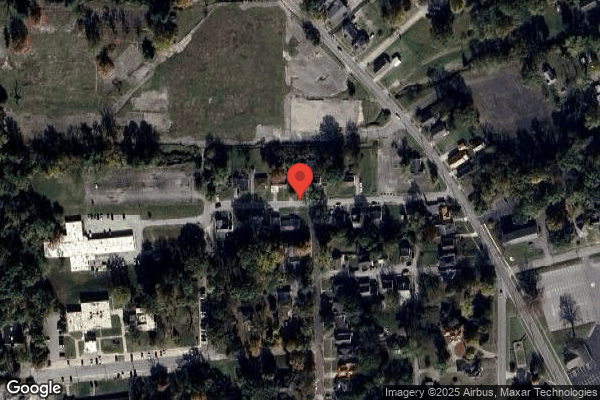
CONCERN (F) 📢 Someone Reported This

A family member, employee, or ombudsman was alarmed enough to file a formal complaint

Potential for Harm - no one hurt, but risky conditions existed

Deficiency F0944 (Tag F0944)

Could have caused harm · This affected most or all residents

Based on interview and record review the facility failed to conduct ongoing training in Quality Assurance and Performance Improvement (QAPI) for all staff. This failure has the potential to affect all...

Read full inspector narrative →
Based on interview and record review the facility failed to conduct ongoing training in Quality Assurance and Performance Improvement (QAPI) for all staff. This failure has the potential to affect all 50 residents residing in the facility. Findings include: The facility's in-services provided by V1 Administrator, was reviewed. There is no documentation QAPI training was conducted. On 2/20/25 at 3:07 PM, V7 (Regional Director of Operations) stated they did not complete QAPI training with the facility staff. The 2/12/25 Midnight Census Report documented 50 residents residing in the facility.
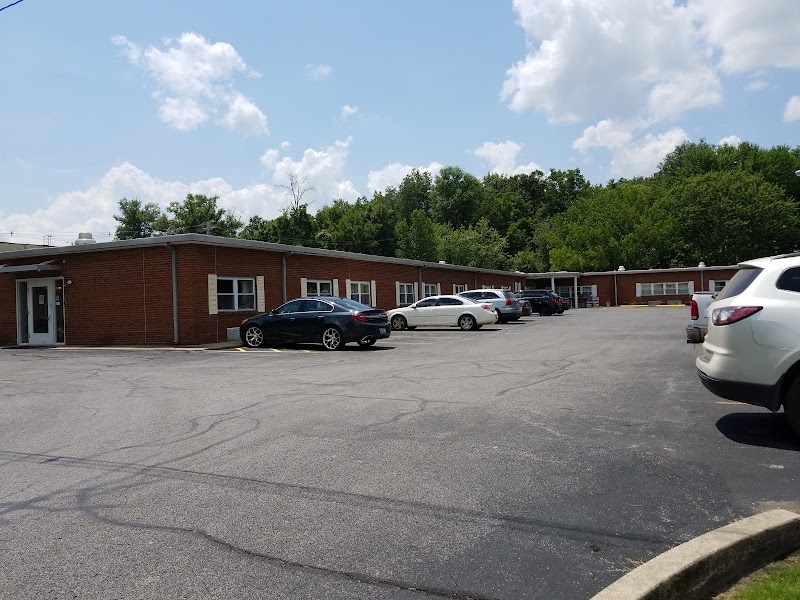
CONCERN (F) 📢 Someone Reported This

A family member, employee, or ombudsman was alarmed enough to file a formal complaint

Potential for Harm - no one hurt, but risky conditions existed

Deficiency F0946 (Tag F0946)

Could have caused harm · This affected most or all residents

Based on interview and record review the facility failed to conduct ongoing training in Compliance and Ethics for all staff. This failure has the potential to affect all 50 residents residing in the f...

Read full inspector narrative →
Based on interview and record review the facility failed to conduct ongoing training in Compliance and Ethics for all staff. This failure has the potential to affect all 50 residents residing in the facility. Findings include: The facility's in-services provided by V1 Administrator, was reviewed. There is no documentation Compliance and Ethics training was conducted. On 2/20/25 at 3:07 PM, V7 (Regional Director of Operations) stated they did not complete Compliance and Ethics training with the facility staff. The 2/12/25 Midnight Census Report documented 50 residents residing in the facility.
CONCERN (F) 📢 Someone Reported This

A family member, employee, or ombudsman was alarmed enough to file a formal complaint

Potential for Harm - no one hurt, but risky conditions existed

Deficiency F0947 (Tag F0947)

Could have caused harm · This affected most or all residents

**NOTE- TERMS IN BRACKETS HAVE BEEN EDITED TO PROTECT CONFIDENTIALITY** Based on interview and record review the facility failed to conduct required in-service training and competencies for Certified ...

Read full inspector narrative →
**NOTE- TERMS IN BRACKETS HAVE BEEN EDITED TO PROTECT CONFIDENTIALITY** Based on interview and record review the facility failed to conduct required in-service training and competencies for Certified Nursing Assistants (CNA). This failure has the potential to affect all 50 residents residing in the facility. Findings include: The facility's Facility assessment dated [DATE] documents under Staff Training/Education and Competencies to include annual in-service and competencies for all Certified Nursing Assistants. The facility's in-services provided by V1 Administrator, was reviewed. There is no documentation the required in-service training and competencies for CNA's was conducted. On 2/20/25 at 3:07 PM, V7 (Regional Director of Operations) stated the annual required CNA in-services and competencies were due in September 2024 and were not completed. The 2/12/25 Midnight Census Report documented 50 residents residing in the facility.
CONCERN (F) 📢 Someone Reported This

A family member, employee, or ombudsman was alarmed enough to file a formal complaint

Potential for Harm - no one hurt, but risky conditions existed

Deficiency F0949 (Tag F0949)

Could have caused harm · This affected most or all residents

Based on interview and record review the facility failed to conduct ongoing training for all staff, to meet the resident's behavioral health care needs. This failure has the potential to affect all 50...

Read full inspector narrative →
Based on interview and record review the facility failed to conduct ongoing training for all staff, to meet the resident's behavioral health care needs. This failure has the potential to affect all 50 residents residing in the facility. Findings include: The facility's in-services provided by V1 Administrator, was reviewed. There is no documentation of training to meet the resident's behavioral health care needs was conducted. On 2/20/25 at 3:07 PM, V7 (Regional Director of Operations) stated they did not complete training to meet the resident's behavioral health care needs with the facility staff. The 2/12/25 Midnight Census Report documented 50 residents residing in the facility.
Dec 2024 14 deficiencies 1 Harm
SERIOUS (G)

Actual Harm - a resident was hurt due to facility failures

Pressure Ulcer Prevention (Tag F0686)

A resident was harmed · This affected 1 resident

**NOTE- TERMS IN BRACKETS HAVE BEEN EDITED TO PROTECT CONFIDENTIALITY** 2. R18's admission Record documents an admission date to the facility of 2/28/23 with diagnoses including type 2 diabetes mellit...

Read full inspector narrative →
**NOTE- TERMS IN BRACKETS HAVE BEEN EDITED TO PROTECT CONFIDENTIALITY** 2. R18's admission Record documents an admission date to the facility of 2/28/23 with diagnoses including type 2 diabetes mellitus with diabetic peripheral angiopathy without gangrene, type 2 diabetes mellitus with diabetic nephropathy, Parkinson's disease, and end stage renal disease. Additional diagnoses include osteomyelitis left heel dated 11/12/24. R18's MDS dated [DATE] documents R18 has a Brief Interview for Mental Status (BIMS) score of 4, which indicates R18 has severe cognitive impairment. This same MDS documents R18 required substantial/maximal assist for roll left to right, sit to lying, and lying to sit, and dependent for sit to stand and transfers, and was at risk for developing pressure ulcers. Section M, Skin Conditions, documents that R18 has 1 unstageable pressure ulcer. R18's current Care Plan documents a Focus area of (R18) has potential /actual impairment to skin integrity r/t (related to) decreased mobility, incont (incontinence) of B&B (Bowel and Bladder) dated 5/06/2024 and currently has an unstageable pressure area to left heel revision date 10/21/2024. This same focus area documents an intervention initiated on 8/15/2024 of Grape (protein) liquid (nutritional protein supplement drink) as ordered. R18's Wound Assessment and Plan dated 11/4/2024 by V18 documented under Wound Onset Date: 2/28/2023, Pressure Injury Stage Upon Completion of Visit: Unstageable (Depth Obscured). Wound Measurement: 6.1 cm. (centimeter) Length x 1.5cm. Width x 0.2 cm. Depth Wound Bed Tissue Composition at Beginning of Visit: 80% Granulation / 20% Eschar R18's Wound Assessment and Plan dated 11/19/2024 by V18 documented under Wound Onset Date: 2/28/2023, Pressure Injury Stage Upon Completion of Visit: Unstageable (Depth Obscured), and Wound Bed Tissue Composition at Beginning of Visit: 20% Granulation / 10% Slough /70% Eschar R18's Wound Assessment and Plan dated 11/26/2024 by V18 documented under Wound Onset Date: 2/28/2023, Pressure Injury Stage Upon Completion of Visit: Unstageable (Depth Obscured), and Wound Bed Tissue Composition at Beginning of Visit: 10% Granulation / 90% Eschar R18's Wound Assessment and Plan dated 12/3/2024 by V18 documented under Wound Onset Date: 2/28/2023, Pressure Injury Stage Upon Completion of Visit: Unstageable (Depth Obscured) and Wound Bed Tissue Composition at Beginning of Visit: 5% Granulation / 95% Eschar R18's Wound Assessment and Plan dated 12/10/2024 by V18 documented under Wound Onset Date: 2/28/2023, Pressure Injury Stage Upon Completion of Visit: 4 (F/Thk (full thickness) Exposed Underlying Structure), Wound Measurement: 6cm. Length x 1 cm. Width x 0.1 cm. Depth. Wound Bed Tissue Composition at Beginning of Visit: 5% Granulation / 95% Eschar On 12/11/2024 at 8:05 AM, V4 (Registered Nurse/RN) stated, the dietary department had been out of protein supplement for some time. V4 stated, R18 had not been getting the protein supplement for at least a few weeks, if not longer. V4 stated, R18's physician had not been notified that R18 had not been getting the ordered supplemental or to request a different protein supplement. On 12/11/24 10:42 AM, V2 (Director of Nursing/DON) stated, the facility had not had any protein supplement since 12/1/2024. V2 stated, there has been some issues in dietary and she is not sure why it had not been ordered. V2 stated, R18 had orders to receive a protein supplement and had not been receiving it since 12/1/2024 to her knowledge. V2 stated, R18 physician had not been notified that the facility had been out of protein supplement or to request a new supplement. On 12/17/2024 at 12:17 PM, V18 (Wound Physician Assistant) stated, she had not been notified via telephone or during her weekly rounds in the facility that R18 had not been receiving their protein supplement. V18 stated, she could not speculate, but in general, protein supplements do aid in promoting wound healing. R18's December 2024 Physician's Order Sheet (POS) documents an order dated 11/14/24 for (High protein supplement) Liquids Sugar Free (SF) Grape take 30 milliliters (mL) by mouth twice daily with an administration time of 0800 (8:00 AM) and 1800 (6:00 PM). R18's November 2024 through December 2024 Medication Administration Record (MAR) documents the order for high protein supplement Sugar Free (SF) Grape take 30 milliliters (ml) by mouth twice daily with an administration time of 0800 (8:00 AM) and 1800 (6:00 PM). The November MAR indicated missed doses 11/5/24 through 12/12/24. The facility policy titled Skin condition Assessment & Monitoring-Pressure and Non-Pressure (revision 6/8/18) documents under Purpose: To establish guidelines for assessing, monitoring and documenting the presence of skin breakdown, pressure injuries and non-pressure skin conditions and assuring interventions are implemented. The facility policy titled Pressure Ulcer Prevention, with a revision date of 1/15/18, documents the Purpose: To prevent and treat pressure sore/pressure injuries. Guidelines: .5. Turn dependent resident approximately every two hours or as needed and position resident with a pillow or pads protecting bony prominence as indicated .9. Pressure reducing (foam) mattresses are used for all residents unless otherwise indicated. Specialty mattresses such as low air loss, alternating pressure, etc. may be used as determined clinically appropriate. Specialty mattresses are typically used for residents who have multiple Stage 2 wounds or one or more Stage 3 or Stage 4 wounds .10. Use pressure reducing pads in chairs (all types) to protect bony prominences for residents identified as Moderate/High/Severe risk .12. Encourage resident to maintain proper nutrition and hydration, providing supplements as ordered and necessary assistance at mealtime as needed. Based on observation, interview, and record review the facility failed to assess, treat, and implement interventions to prevent pressure ulcers for 2 of 3 (R33 and R18) residents reviewed for pressure ulcers in the sample of 24. This failure resulted in R33 developing a Stage 3 pressure ulcer to his right Ischium and R18's left heel pressure wound worsening/declining. The Findings Include: 1. R33's admission record documents an admission date of 7/17/22. This same document includes the following diagnosis: Parkinsonism, Diabetes Mellitus Type 2, Dementia, and other specified nutritional deficiencies. R33's Quarterly Minimum Data Set (MDS) dated [DATE] Section C0700 documents R33 has a short term and long term memory problem conducted by staff. This same MDS Section GG documents that R33 is dependent on staff for toileting, hygiene and bed mobility. Section M0100 of this MDS documents R33 is at risk for developing pressure ulcers/injuries and that he has unhealed pressure ulcer/injury at the time of this assessment. Section H, Bladder and Bowel, documents that R33 always has urinary and bowel incontinence. R33's Braden Scale dated 8/16/24 documents a score of 14, which indicates R33 is at high risk of skin breakdown. R33's Care Plan has a focus area with an initiation date of 7/11/24, that R33 has potential impairment to skin integrity relate to incontinence of bowel and bladder. The goal for this focus area, with an initiation date of 7/11/24, documents that R33 will maintain clean and intact skin by the review date. Documented interventions for this focus area include: Keep skin clean and dry, use lotion on dry skin PRN (as needed), pressure relief device for w/c (wheelchair) and bed, skin risk assessment: Braden Scale weekly x 4 weeks upon admission or readmission and then quarterly and PRN, and weekly skin assessment with documentation. R33's Care Plan also documents a focus area with a revision date of 7/11/24 of the resident has limited physical mobility related to Parkinson's, weakness, and arthritis. The goal, with a revision date of 11/21/24 for this focus area, is that the resident will remain free of complications related to immobility, including contractures, thrombus formation, skin breakdown, fall related injury through the next review date. The interventions for this focus area includes: 1/2 side rails per resident request related to safety, nursing restoratives as ordered, the resident is weight bearing and up as needed with one assist. R33's Wound Assessment and Plan, with a visit date 11/4/24, documented by V24 (Nurse Practitioner) lists a left ischium Stage 3 pressure injury with an onset date of 10/21/24 for the wound that is in the Active/initial phase of treatment. The treatment order included preventative wound recommendations: air mattress and pressure reduction chair cushion, and to offload as tolerated. The same assessment also documents a right ischium Stage 3 pressure injury with an onset date of 10/17/24 with wound measurements of 2.1 cm. (centimenters) Length x 1.7cm. Width x 0.1 cm. Depth. The treatment order is for preventative wound recommendations of air mattress and pressure reduction cushion. A Wound Assessment and Plan, with a visit date of 11/19/24, documented by V24 that a right ischium Stage 3 pressure injury with an onset date of 10/17/24. Treatment order for preventative wound recommendations include an air mattress and a chair pressure reduction cushion. The same assessment also documents a left ischium Stage 3 pressure injury with an onset date of 10/21/24 is healed. Treatment order for preventative wound recommendations include an air mattress and chair pressure reduction cushion. A Wound Assessment and Plan, with a visit date of 11/26/24, documented by V24 that a right ischium Stage 3 pressure injury with an onset date of 10/17/24 is healing. Treatment order for preventative wound recommendation includes an air mattress and chair pressure reduction cushion. A Wound Assessment and Plan, with a visit date of 12/3/24, documented by V18 (Physician Assistant) that a right Stage 3 pressure injury to right Ischium with an onset date of 10/17/24 is stable with measurements of 3.3cm. Length x 2cm. Width x 0.1 cm. Depth. Treatment ordure for preventative wound recommendation includes an air mattress a chair pressure reduction cushion. On 12/12/24 at 2:30 PM, V2 (Director of Nursing) stated that the wound group that comes in weekly leaves their progress notes and orders to be filed in the chart. V2 went on to state that those are considered the physician orders and are to be carried out as noted. On 12/10/24-12/11/24, R33 was observed to be seen on a mattress that was scooped but not an air mattress. On 12/11/24 at 11:30AM, V4 (Registered Nurse) confirmed that this was not an air mattress nor did R33 have an extra pressure relieving cushion on his wheelchair seat. V4 went on to state that she has not seen a cushion in R33's chair ever and this is the scoop mattress he normally has. On 12/10/24, intermittent observations were made of R33 at: 8:30AM, 11:00 AM, 12:00 PM, 2:30 PM and 3:30PM in his wheelchair with no pressure reduction cushion in his wheelchair. On 12/11/24, intermittent observations were made of R33 at: 8:05 am in the dining room eating breakfast in his wheelchair with no pad in his chair, 8:58AM in the hallway by his room in the wheelchair with no pressure reduction pad, 9:30 am in his room in front of the television in his wheelchair with no pressure reduction pad, 9:51 AM in his room in front of television in his wheelchair with no pressure reduction pad, 10:40 AM in his room in front of television in his wheelchair with no pressure reduction pad, 11:05 AM in room in front of television in his wheelchair with no pressure reduction pad, 12:50 PM in dining room in his wheelchair with no pressure reduction pad at table, 1:20 PM by his room in hallway in his wheelchair with no pressure reduction pad, 1:40 PM by his room in hallway in his wheelchair with no pressure reduction pad, 1:53 PM by room in in hallway in his wheelchair with no pressure reduction pad stated that he was got up at 5 am and that is the last time he went to the bathroom and been out of this chair, 2:06 PM took to bingo still in chair, 2:47pm still in bingo and told V2 (Director of Nursing) that R33 had been in the chair since 5 AM with no peri care or repositioning, and 3:03 PM R33 was transferred by mechanical lift to bed and peri care was observed. On 12/17/24 at 1:00PM, V18 (Wound Physician Assistant) stated that she was not aware that R33 did not have the recommended seat cushion or the mattress to promote wound healing. V18 stated that these interventions help off load the weight and aide in wound healing. V18 stated at this time she would expect them to follow the recommendations/doctor orders. On 12/17/24 at 3:00PM, V1 (Administrator) stated that she found a gel pad that fits the wheelchair seat and they will start using that for R33 when he is sitting up in the wheelchair.
CONCERN (D)

Potential for Harm - no one hurt, but risky conditions existed

Transfer Notice (Tag F0623)

Could have caused harm · This affected 1 resident

**NOTE- TERMS IN BRACKETS HAVE BEEN EDITED TO PROTECT CONFIDENTIALITY** Based on interview and record review, the facility failed to notify resident representatives in writing of hospital transfers fo...

Read full inspector narrative →
**NOTE- TERMS IN BRACKETS HAVE BEEN EDITED TO PROTECT CONFIDENTIALITY** Based on interview and record review, the facility failed to notify resident representatives in writing of hospital transfers for 1 (R27) of 2 resident reviewed for hospitalizations in a sample of 24. Findings Include: R27's admission Record documented R27 is [AGE] years old with an Initial admission Date to the facility of 08/27/2021. R27's Nurse's Notes documented on 09/11/2024, that R27 was sent out to the local emergency department for an episode of choking. R27's Nurse's Notes documented on 11/11/2024, that R27 was admitted to the local hospital with a diagnosis of preseptal cellulitis. On 12/13/2024 at 10:09 A.M. V1 (Administrator) stated they do not have the bed hold / notice of discharge on R27 for dates 9/11/2024 and 11/11/2024. V1 stated typically the facility sends the notifications when a resident is sent to the hospital. V1 stated she is not sure why R27's representative was not notified.
CONCERN (D)

Potential for Harm - no one hurt, but risky conditions existed

Deficiency F0625 (Tag F0625)

Could have caused harm · This affected 1 resident

**NOTE- TERMS IN BRACKETS HAVE BEEN EDITED TO PROTECT CONFIDENTIALITY** Based on interview and record review, the facility failed to notify resident representatives in writing of the bed hold policy d...

Read full inspector narrative →
**NOTE- TERMS IN BRACKETS HAVE BEEN EDITED TO PROTECT CONFIDENTIALITY** Based on interview and record review, the facility failed to notify resident representatives in writing of the bed hold policy during resident transfers for 1 (R27) of 2 resident reviewed for hospitalization in the sample of 24. Findings Include: R27's admission Record documented R27 is [AGE] years old with an Initial admission Date to the facility of 08/27/2021. R27's Nurse's Notes documented on 09/11/2024, that R27 was sent out to the local emergency department for an episode of choking. R27's Nurse's Notes documented on 11/11/2024, that R27 was admitted to the local hospital with a diagnosis of preseptal cellulitis. On 12/13/2024 at 10:09 A.M. V1 (Administrator) stated they do not have the bed hold / notice of discharge on R27 for dates 9/11/2024 and 11/11/2024. V1 stated that she is not sure why R27's representative was not notified of the bed hold. V1 stated that it is her expectation for the facility to notify the resident / resident representative as per the regulation. The facility policy titled Bed Hold and Return to Facility with a revision date of 09/16/2017 documented under guidelines The facility bed hold policy will be given to the resident and or resident representative at the time of a transfer from the facility.
CONCERN (D)

Potential for Harm - no one hurt, but risky conditions existed

Assessment Accuracy (Tag F0641)

Could have caused harm · This affected 1 resident

**NOTE- TERMS IN BRACKETS HAVE BEEN EDITED TO PROTECT CONFIDENTIALITY** Based on observation, interview, and record review, the facility failed to ensure the Minimum Data Set (MDS) assessment was accu...

Read full inspector narrative →
**NOTE- TERMS IN BRACKETS HAVE BEEN EDITED TO PROTECT CONFIDENTIALITY** Based on observation, interview, and record review, the facility failed to ensure the Minimum Data Set (MDS) assessment was accurately coded for 1 (R21) of 2 residents reviewed for accuracy of assessments in the sample of 24. Findings Include: R21's admission Record documented R21 is [AGE] years old with an Initial admission Date to the facility of 11/08/2024. Diagnoses listed on this document included Schizophrenia, depression, unspecified dementia, essential hypertension, anxiety disorder and hyperlipidemia. R21's (name of company) Notice of PASRR (Preadmission Screening and Resident Review) Level I Outcome dated 06/04/2024, documented PASRR Level I Determination: Refer for Level II onsite. R21's (name of company) Notice of PASRR Level II Outcome dated 06/06/2024, documented PASRR Determination: level II - excluded from PASRR - Primary Neurocognitive Disorder - No LOC (loss of consciousness). R21's MDS with an Assessment Reference Date of 11/15/2024 documented this MDS as being an admission assessment. Section A1500 Preadmission Screening and Resident Review (PASRR) asked Is the resident currently considered by the state level II PASRR process to have serious mental illness and/or intellectual disability .or a related condition? This question had a 0 marked to indicate the answer No. This same MDS in Section I Active Diagnoses had a checkmark under Psychiatric/Mood Disorder with an X marked for I6000 Schizophrenia, indicating this was an Active diagnosis for R21. On 12/12/2024 at 9:07 A.M. V7 (Licensed Practical Nurse / MDS) stated that she was the nurse who completed the MDS for R21 dated 11/15/2024. V7 stated that she was not aware that R21 had a Level II PASRR. V7 stated that she has only been the MDS nurse for a couple weeks and when she asked who had a Level II she was not told that R21 had one. V7 stated she knows that she has to code that on the MDS. On 12/18/2024 at 10:05 A.M. V2 (Director of Nursing / Registered Nurse) stated it is her expectation for the MDS's to be coded accurately.
CONCERN (D)

Potential for Harm - no one hurt, but risky conditions existed

ADL Care (Tag F0677)

Could have caused harm · This affected 1 resident

**NOTE- TERMS IN BRACKETS HAVE BEEN EDITED TO PROTECT CONFIDENTIALITY** Based on observation, interview, and record review the facility failed to provide toileting assistance to dependent residents fo...

Read full inspector narrative →
**NOTE- TERMS IN BRACKETS HAVE BEEN EDITED TO PROTECT CONFIDENTIALITY** Based on observation, interview, and record review the facility failed to provide toileting assistance to dependent residents for 1 (R33) of 12 residents reviewed for activities of daily living in the sample of 24. Findings Include: R33's admission record documents an admission date of 7/17/22. This same document includes the following diagnoses: Parkinsonism, Diabetes Mellitus Type 2, Dementia, and other specified nutritional deficiencies. R33's Quarterly Minimum Data Set (MDS) dated [DATE] Section C0700 documents R33 has a short term and long term memory problem conducted by staff. This same MDS Section GG documents that R33 is dependent on staff for toileting, hygiene, and bed mobility. Section H, Bladder and Bowel, documents that R33 always has urinary and bowel incontinence. On 12/10/24, intermittent observations were made of R33 at: 8:30AM, 11:00 AM, 12:00 PM, 2:30 PM and 3:30PM in his wheelchair. On 12/11/24, intermittent observations were made of R33 at: 8:05 am in dining room eating breakfast in his wheelchair, 8:58AM in hallway by his room in wheelchair ,9:30 am in his room in front of television, 9:51 AM in his room in front of television in his wheelchair, 10:40 AM in his room in front of television in his wheelchair, 11:05 AM in room in front of television in his wheelchair, 12:50 PM in dining room in his wheelchair with at table, 1:20 PM by his room in hallway in his wheelchair, 1:40 PM by his room in hallway in his wheelchair, 1:53 PM by room in in hallway in his wheelchair and stated that he got up at 5 am and that is the last time he went to the bathroom and was out of his chair. At 2:06 PM, R33 was taken to the dining room to play bingo still in chair, 2:47pm still in bingo and told V2 (Director of Nursing) that R33 had been in the chair since 5 AM with no peri care or repositioning, and 3:03 PM R33 was transferred by mechanical lift to bed and peri care was observed. On 12/11/2024 at 3:17 P.M., V5 CNA (Certified Nurse Assistant/CNA) and V6 (CNA) provided peri care to R33. R33 was rolled to left and the right to remove his clothes and adult brief. R33's adult brief was saturated with foul smelling, orange-brown colored urine. V6 then cleaned R33 with a perineal cleaner. V6 stated that she got R33 up around 7:00 A.M. on 12/11/2024 and did not get a chance to check or change him before she was pulled to go to the other hall and work. V5 stated that she got to work at 11:00 A.M. on 12/11/2024 and did not check him to provide incontinence care before lunch. V6 stated that the adult briefs were moisture wicking and pulled the urine away from the skin. On 12/18/24 at 11:30AM, V1 (Administrator) stated that all residents are to be checked on every two hours to offer toileting or peri care if they are incontinent.
CONCERN (D)

Potential for Harm - no one hurt, but risky conditions existed

Deficiency F0688 (Tag F0688)

Could have caused harm · This affected 1 resident

**NOTE- TERMS IN BRACKETS HAVE BEEN EDITED TO PROTECT CONFIDENTIALITY** Based on observation, interview, and record review the facility failed to implement treatment and services to a resident with li...

Read full inspector narrative →
**NOTE- TERMS IN BRACKETS HAVE BEEN EDITED TO PROTECT CONFIDENTIALITY** Based on observation, interview, and record review the facility failed to implement treatment and services to a resident with limited range of motion to maintain or improve range of motion for 1 of 1 (R33) residents reviewed for positioning and mobility in the sample of 24. Findings Include: R33's admission record documents an admission date of 7/17/22. This same document includes the following diagnoses: Parkinsonism, Diabetes Mellitus Type 2, Dementia, and other specified nutritional deficiencies. R33's Quarterly Minimum Data Set (MDS) dated [DATE] Section C0700 documents R33 has a short term and long term memory problem conducted by staff. This same MDS documents in Section GG that R33 is dependent on staff for toileting, hygiene, showering, lower body dressing, oral hygiene, toilet transfer, chair/bed transfer, roll left and right and bed mobility. Section GG0115 is coded as having impairment on both sides for upper and lower extremities. Section M, Skin Conditions, documents R33 is at risk for developing pressure ulcers/injuries and that he has unhealed pressure ulcer/injury at the time of this assessment. R33's Annual MDS dated [DATE] Section GG documents that R33 is dependent on staff for toileting, hygiene, showering, lower body dressing, oral hygiene, toilet transfer, chair/bed transfer, roll left and right and bed mobility. This same MDS Section GG0115 is coded as having impairment on both sides for upper and lower extremities. R33's care plan documents a focus area a focus area with a revision date of 7/11/24 the resident has limited physical mobility related to Parkinson's, weakness, and arthritis. The goal with a revision date of 11/21/24 for this focus area is that the resident will remain free of complications related to immobility, including contractures, thrombus formation, skin breakdown, fall related injury through the next review date. The interventions for this focus area include: 1/2 side rails per resident request related to safety, nursing restoratives as ordered, the resident is weight bearing and up as needed with one assist. On 12/20/24 at 8:00AM, R33 was observed in his room sitting in his wheelchair with clothing that had spilled food and crumbs all over his shirt and pants. At this time his room was also cluttered with papers and trash items scattered on the floor. R33 was unable at this time to tell me the last time he had changed his clothing. On 12/11/2024 at 3:17 P.M. V5 (Certified Nurse Assistant/CNA) and V6 (CNA) provided peri care to R33. V6 then stated that R33 really needs a restorative program because he is getting stiff. On 12/12/24 at 1:30 PM, R33 was alert to person and stated that he has been up in his wheelchair since 5:00 AM without being repositioned or toileted and was ready to lay down. On 12/13/24 at 1:30PM, V25 (CNA) stated that they have not had a restorative program for two years now in this facility. V25 stated that residents do not get range of motion exercises daily. The Restorative Nursing Program policy with a revision date of 1/4/2019 documents the Purpose: to promote each resident's ability to maintain or regain the highest degree of independence as safely as possible. This includes, but is not limited to, programs in walking/mobility, communication, dressing/grooming, eating/swallowing, transferring, med mobility, splint or brace assistance, amputation care and continence program. each resident will be screened for a restorative nursing upon admission, annually, quarterly, and with any significant change in function each resident involved in a restorative program will have an individualized program with individualized goals and measurable objectives documented on the plan of care.
CONCERN (D)

Potential for Harm - no one hurt, but risky conditions existed

Deficiency F0698 (Tag F0698)

Could have caused harm · This affected 1 resident

Based on observation, interview and record review the facility failed to maintain communication and collaboration with an offsite dialysis center and failed to provide meals as ordered for a resident ...

Read full inspector narrative →
Based on observation, interview and record review the facility failed to maintain communication and collaboration with an offsite dialysis center and failed to provide meals as ordered for a resident receiving dialysis for 1 (R8) of 1 residents reviewed for dialysis in the sample of 24. Findings Include: R8's admission record documents an admission date of 4/19/22. This same document includes the following diagnosis: muscle weakness, end stage renal disease, dependence on renal dialysis. R8's care plan documents a focus area revised on 10/22/24 that R8 needs dialysis related to ESRD (end stage renal disease). The goal for this focus area with the same revision date of 10/22/24 is for R8 to have no signs or symptoms of complications from dialysis through the review date. The interventions for this focus area are as follows: Check and change dressing daily at the access site and document, do not draw blood or take blood pressure in arm with graft, encourage R8 to go to scheduled dialysis appointments, midodrine 10 milligrams as needed, monitor bruit and thrill every shift, monitor vital signs as ordered and as needed, monitor and report and signs or symptoms of infection to access site, monitor and document as needed for signs and symptoms of renal insufficiency/changes in level of consciousness/skin turgor/oral mucosa/hear and lung sounds, monitor any signs or symptoms of bleeding/hemorrhage/bacteremia/septic shock, monitor new/worsening peripheral edema, regular/no added salt diet with double protein three times a day, and work with R8 to relieve discomfort for side effects of the disease and treatment. R8's quarterly MDS (Minimum Date Set) dated 10/11/24 in Section G documents a BIMS (Brief Interview of Mental Status) of 12, indicating that she is cognitively intact. On 12/10/24 at 9:30AM, R8 stated that she no longer has a permanent dialysis access site in her arm and only has the catheter in her chest. R8 stated that only dialysis takes care of her catheter to limit any risk of infection. R8 also stated at this time that she has been ordered by her nephrologist at the dialysis center medication to take with meals about a month ago, but still has not received them. R8 stated that she does not have any type of communication log that she is aware of between the facility and the dialysis center. R8 stated occasionally they will give her things to take to/from dialysis and facility. On 12/11/24 at 10:30 AM, V2 (Director of Nursing/DON) stated that she is unaware of any order for a phosphorous binder currently. V2 stated that she has been on them in the past, but they were discontinued. V2 stated she can look into whether her nephrologist has restarted them. V2 stated that the communication between the facility and dialysis is poor and they have no system set up for regular communication. On 12/11/24 at 11:14 AM, V8 (Dialysis Registered Nurse) stated that the only time the office gets communication from the facility is when they need something from dialysis. V8 stated that the office does not send any type of flow sheet or communication back with resident on a routine basis to/from the facility/dialysis clinic. V8 stated at this time on 11/20/24 they have charted multiple attempts to call the facility to give the new order for the phosphorous binder and stated she faxed the order. V8 stated that no one has followed up to see if the order was received or is being given. On 12/12/24 at 8:45AM, V9 (Dialysis Registered Nurse) provided a copy of R8's patient note from the dialysis clinic that documents, R8 to start Renvela 800mg three times daily with meals, and have a bedtime snack to reduce hypoglycemia. Attempted to call nursing home several times to give orders. Faxed information, and will give report to next nurse. This patient note was documented by V8. On 12/12/24 at 10:00AM, V2 (DON) stated that yesterday the dialysis resent the patient profile sheet via fax that was dated 11/20/24 and the phosphorous binder was ordered and the physician orders are now up to date with the binders on them. The dialysis unit faxed a document titled Patient Profile Worksheet dated 11/20/24 that documents an order from the Nephrologist that stated, Ask nursing home to start Renvela 800mg po (by mouth) 3x (times) daily with meals. R8's November 2024 physician orders do not have include an order for Renvela 800 milligrams (mg) Current December 2024 physician orders have a new order written on 12/11/24 for Renvela 800mg (milligram) by mouth 3 times a day with meals and includes the diet order for regular no added salt diet with double protein three times a day. Observations on 12/12/24 at 8:30 AM were of R8 receiving one slice of bacon. R8 stated at this time that she never gets double meat portions at meals and the only snacks that she receives are things she keeps in her room to eat. Observation on 12/13/24 at 12:30PM, R8 received her lunch tray of a pork fritter with gravy, rice and mixed vegetables. At this time, V11 (cook) confirmed that R8 only received one portion of pork at that meal. V11 also confirmed at this time that R8's meal card had double protein listed on it.
CONCERN (D)

Potential for Harm - no one hurt, but risky conditions existed

Medication Errors (Tag F0758)

Could have caused harm · This affected 1 resident

**NOTE- TERMS IN BRACKETS HAVE BEEN EDITED TO PROTECT CONFIDENTIALITY** Based on interview and record review, the facility failed to implement a gradual dose reductions (GDR) for 1 (R20) of 5 resident...

Read full inspector narrative →
**NOTE- TERMS IN BRACKETS HAVE BEEN EDITED TO PROTECT CONFIDENTIALITY** Based on interview and record review, the facility failed to implement a gradual dose reductions (GDR) for 1 (R20) of 5 residents reviewed for unnecessary medications in the sample of 24. Findings Include: R20's admission Record documented R20 was [AGE] years old with an Initial admission Date to the facility of 04/28/2023. Diagnoses listed are chronic obstructive pulmonary disease, major depressive disorder, unspecified dementia, unspecified atrial fibrillation, essential hypertension, hyperlipidemia, chronic diastolic heart failure and generalized anxiety disorder. R20's Physician's Order with a date of December 2024 documented an order for lorazepam 0.5 mg (milligram) by mouth twice a day. Company Consultant Report dated 05/10/2024 documented under section titled comment, R20 has received Lorazepam 0.5 mg po BID from 10/2023. Please attempt a GDR (gradual dose reduction) to Lorazepam 0.5 mg at bedtime. Under section titled physician's response, a check mark is next to I accept the recommendation above, please implement as written signed by V22 (Nurse Practitioner) on 06/10/2024. Handwritten on the bottom of the form it states POA does not want to decrease medication, initialed by V4 (Registered Nurse/RN) and dated 6/13/2024. R20's Nurse's Note dated 06/13/2024 authored by V4 documented contacted power of attorney in regard to attempt a GDR on R20's Lorazepam. POA does not want to decrease medication. POA wants her to continue taking it as it is ordered. R20's Behavior Tracking Record for January 2024 - November 2024 documented the target behavior for tracking as No Behavior. The form has 0 in the frequency column indicating the resident is not having any behaviors. On 12/18/2024 at 10:33 A.M. V4 (RN) stated that when she called R20's family regarding the gradual dose reduction, the power of attorney did not want the reduction of the Lorazepam. V4 stated as far as she has been taught, if a family doesn't want a medication reduced, the facility does not reduce it. V4 did not notify the physician that the medication was not reduced. Company policy titled Psychotropic Medication - Gradual Dose Reduction with a revision date of 02/01/2018 documented under Gradual Dose Reductions: Residents who use psychotropic drugs shall receive gradual dose reductions and behavior interventions unless clinically contraindicated, in an effort to discontinue or reduce the medication. A gradual dose reduction shall be encouraged at least twice yearly unless previous attempts at reduction have been unsuccessful, or reduction is clinically contraindicated.
CONCERN (D)

Potential for Harm - no one hurt, but risky conditions existed

Deficiency F0760 (Tag F0760)

Could have caused harm · This affected 1 resident

**NOTE- TERMS IN BRACKETS HAVE BEEN EDITED TO PROTECT CONFIDENTIALITY** Based on interview and record review the facility failed to ensure that residents are free from significant medication errors fo...

Read full inspector narrative →
**NOTE- TERMS IN BRACKETS HAVE BEEN EDITED TO PROTECT CONFIDENTIALITY** Based on interview and record review the facility failed to ensure that residents are free from significant medication errors for 1 (R20) of 4 residents reviewed for medication administration in the sample of 24. Findings Include: R20's admission Record documented R20 was [AGE] years old with an Initial admission Date to the facility of 04/28/2023. Diagnoses listed are: chronic obstructive pulmonary disease, major depressive disorder, unspecified dementia, unspecified atrial fibrillation, essential hypertension, hyperlipidemia, and chronic diastolic heart failure. R20's Nurse's Note dated 10/06/2024 authored by V2 (Director of Nursing) documented R20 returned to the facility from being in the hospital. R20 returned with orders to discontinue Eliquis due to R20 having a positive occult blood and anemia. R20's Nurse's Note dated 11/08/2024 authored by V4 (Registered Nurse/RN) documented messaged NP (Nurse Practitioner) related to Eliquis being given this month so far and it was discontinued on 10/06/2024. Corrected on medication administration record and physician order sheets. New order to obtain CBC (Complete Blood Count) on Monday. R20's MAR (Medication Administration Record) with a date of October 2024, documented that Eliquis 5 mg (milligram) by mouth twice daily was given on 10/01/2024, 10/02/2024 and 10/03/2024. On 10/04/2024, 10/05/2025 and 10/06/2024 it is documented as an H indicating that R20 was in the hospital. In the middle of the box for Eliquis it has discontinue on it and a line through the remaining of the month. R20's MAR with a date of November 2024, documented Eliquis 5 mg by mouth twice daily was given from 11/01/2024 - 11/07/2024. There is a line marked through the remainder of the box and discontinued written. On 12/18/2024 at 8:47 A.M. V3 (RN/Assistant Director of Nursing) stated that she is the staff member responsible for checking the new MAR and physician order sheets for the next month. V3 stated that she usually checks the new MAR against the old MAR to make sure the orders are correct. V3 stated that she is not sure how she missed that the Eliquis was discontinued. On 12/18/2024 at 9:00 A.M. V2 (RN/Director of Nursing) stated he was made aware of the medication error by V4 (RN). V2 stated that V4 then notified V21 (Nurse Practitioner) and received new orders for labs. V2 stated that she did not do a medication error report. V2 stated she is not sure why the medication was still in the cart, that it should have been removed when it was discontinued. V2 stated it is her expectation for staff to only give medications that they have an order for. On 12/18/2024 at 9:09 A.M. V4 (RN) stated that she was getting R20's medication ready the morning of 11/08/2024 when she realized that the Eliquis was discontinued. V4 stated that she went back to the chart and looked to make sure that there wasn't a new order for it. V4 stated she then notified V2 and V21 of the medication error. Company policy titled Medication Administration General Guidelines with no date documented under section titled Administration .Medications are administered in accordance with written orders of the prescriber.
CONCERN (D)

Potential for Harm - no one hurt, but risky conditions existed

Infection Control (Tag F0880)

Could have caused harm · This affected 1 resident

**NOTE- TERMS IN BRACKETS HAVE BEEN EDITED TO PROTECT CONFIDENTIALITY** Based on interview, observation and record review the facility failed to follow infection control protocol per current standards...

Read full inspector narrative →
**NOTE- TERMS IN BRACKETS HAVE BEEN EDITED TO PROTECT CONFIDENTIALITY** Based on interview, observation and record review the facility failed to follow infection control protocol per current standards of practice for 2 of 2 residents (R33 and R197) reviewed for infection control practices in the sample of 24. Findings Include: 1. R197's admission Record documented R197 is [AGE] years old with an Initial admission Date to the facility of 11/25/2024. Diagnoses listed on this document included presence of urogenital implants, colostomy status, neurogenic bowel, bladder - neck obstruction, paraplegia, pressure ulcer of sacral region, right hip, right buttock, left buttock, and personal history of transient ischemic attack. R197's Physician Orders with a date of December 2024 document an order for #16 Fr urinary catheter with 5 cc (cubic centimeters) bulb. There is also an order for coccyx pressure injury, loosely pack with gauze moistened with Dakins half strength solution. Cover with calcium alginate and dry dressing daily and as needed. Left hip pressure injury, cleanse wound with normal saline, apply alginate to wound bed and cover with dry dressing daily. Left ischium loosely pack with gauze moistened with Dakins half strength solution. Cover with calcium alginate and dry clean dressing daily and as needed. Right ischium loosely pack with gauze moistened with Dakins half solution. Cover with calcium alginate and a dry dressing daily and as needed. On the initial tour of the facility on 12/10/2024 beginning at 8:30 AM, R197 did not have an enhanced barrier precaution sign outside of his door. On 12/10/2024 a Matrix for Providers (Form CMS 802) was provided by the facility. R197 had a check mark next to pressure ulcer and indwelling catheter. There was no mark under transmission-based precautions. On 12/12/2024 at 2:27 P.M. V3 (Registered Nurse (RN)/Assistant Director of Nursing) brought equipment into room without PPE (Personal Protective Equipment) on to do wound treatments. Neither V25 (Certified Nurse Aide/CNA) nor V3 placed PPE on to come into the room to do wound care. V8 rolled R197 to the right and V3 removed the old dressings. Old dressings had moderate amount of drainage noted. V3 then discarded her gloves, sanitized and put new gloves on. V3 then cleansed the first wound and placed new dressing on,discarded gloves, sanitized hands and put new gloves on. V3 then cleansed the second wound and placed new dressing on, discarded gloves, sanitized hands and placed new gloves on. V3 repeated this process for the other three wounds. V3 then sanitized her hands and exited the room. On 12/18/2024 at 3:13 P.M. V3 stated she did not realize that R197 should have been on enhanced barrier precautions. V3 stated R197 was not on any type of isolation on the day she did the treatment. On 12/12/2024 at 3:00 P.M. V2 stated that R197 should be on enhanced barrier precautions because he has open wounds and a suprapubic catheter. On 12/12/2024 at 4:00 P.M. V2 stated that R197 was now on enhanced barrier precautions. Company policy titled Enhanced Barrier Precautions with a revision date of 05/07/2024 documented EBP (Enhanced Barrier Precautions) are used in conjunction with standard precautions and expand the use of PPE to donning of gown and gloves during high-contact resident care activities that provide opportunities for transfer of MDRO's to staff hands and clothing. EBP are indicated for residents with any of the following: Chronic wounds and/or indwelling medical devices even if the resident is not known to be infected or colonized with an MDRO. 2. R33 admission Record documented R33 is [AGE] years old with an Initial admission Date to the facility of 07/12/2022. Diagnoses listed on this document include parkinsonism, type 2 diabetes mellitus, dementia, and essential hypertension. On 12/11/2024 at 3:00 P.M. V5 (CNA) and V6 (CNA) and V4 (RN) - went into R33's room to provide perineal care and wound treatment. While V5 and V6 were transferring R33 in bed, he started to cough. V6 lifted his head up and he coughed out thick yellow mucous. V4 then looked at R33 and asked him to continue to cough. V4 then went to look at the suction machine and there was no canister or tubing on the suction machine. V4 left the room to go get the proper supplies needed to suction R33. V4 came back a few minutes later and attached the tubing, canister and yankeur. V4 turned on the suction machine on with her left hand and hand the yankeur in her right hand. The suction machine was not working correctly. V4 attempted to move the tubing around and it still would not work. V4 directed V6 to go get V1 (Administrator). V4 then realized the tubing was not connected right, with the yankeur in her right hand she went to readjust the tubing to the right spot and hit the tip of yankeur on the wall. V4 then used the same yankeur to provide oral suction to R33. V4 continued to provide oral suctioning for 3 minutes then placed the yakeur in a glove and put it on the nightstand. On 12/18/2024 at 9:48 A.M. V2 (RN /Director of Nursing) stated it is her expectation if the yankeur hits the wall or becomes contaminated the nurse should throw it away and get a new one. On 12/18/2024 at 10:31 A.M. V4 stated she was not aware that the yankeur hit the wall when she was preparing to suction R33. V4 stated that if she realized she had she would have thrown it away and gotten a new one. On 12/18/2024 at 2:29 P.M. V1 (Administrator) stated the facility does not have a policy on suctioning. V1 stated the facility follows the regulations.
CONCERN (F)

Potential for Harm - no one hurt, but risky conditions existed

Deficiency F0727 (Tag F0727)

Could have caused harm · This affected most or all residents

Based on interview and record review, the facility failed to provide the services of a Registered Nurse (RN) for 8 consecutive hours per day seven days a week. This failure has the potential to affect...

Read full inspector narrative →
Based on interview and record review, the facility failed to provide the services of a Registered Nurse (RN) for 8 consecutive hours per day seven days a week. This failure has the potential to affect all 48 residents living in the facility. Findings Include: The Long-Term Care Facility Application for Medicare and Medicaid document dated 12/10/2024, documents 48 residents residing in the facility. Review of the nursing schedules document that no RN was on shift 4/6/2024, 5/4/2024, 5/12/2024, 6/1/2024, 6/29/2024, 6/30/24, 8/3/2024, 8/4/2024, 8/10/2024, 8/11/2024, 8/17/2024, 8/18/2024, 8/24/2024, 8/25/2024, 8/31/2024, 9/7/204, 9/8/2024, 9/21/2024, 9/22/2024, 9/23/2024, 9/25/2024, 9/26/2024, 9/27/2024, 9/29/2024, 10/1/2024, 11/3/2024, 11/17/2024. On 12/10/24 at 2:17 PM, V2 (Director of Nursing/DON) stated the facility had been having issues with having daily Registered Nurse (RN) coverage. V2 stated, work schedules dated April 1st, 2024 - December 1st, 2024, had multiple days with no 8 hours of daily RN coverage. On 12/10/2024 at 2:23 PM, V4 (Registered Nurse/RN) stated the facility had not had the services of a Registered Nurse (RN) eight hours a day, seven days a week for months. On 12/10/2024 at 2:28 PM, V1 (Administrator) stated she is aware that the facility had been struggling with the services of a Registered Nurse (RN) eight hours a day, seven days a week. The facility policy titled Personnel Policy and Procedure (September 2024) documents under Guidelines step 1 The facility operates in compliance with applicable federal, state, and local laws, regulations and codes with accepted professional standards and principals that apply to professionals. Standards for individual positions may be found with appropriate department staffing patterns in the departmental manuals.
CONCERN (F)

Potential for Harm - no one hurt, but risky conditions existed

Menu Adequacy (Tag F0803)

Could have caused harm · This affected most or all residents

Based on observation, interview and record review the facility failed to prepare food according to planned menu/recipe. This has the potential to affect all 48 residents living in the facility Finding...

Read full inspector narrative →
Based on observation, interview and record review the facility failed to prepare food according to planned menu/recipe. This has the potential to affect all 48 residents living in the facility Findings Include: The Week at a Glance menu documents Chicken Cordon Bleu Casserole for lunch on 12/12/24 and Sweet and Sour Pork for lunch on 12/13/24 On 12/12/24 at 12:30PM, V19 (Family Member) questioned what the standards for the food is in a long term care setting because it is poor quality here. V19 went on to state that that her concern is the food quality is low and that makes it hard for the residents to eat. On 12/12/24 at 12:42PM, V12 (Cook) stated that they did not have the chicken or the ham the recipe called for. V12 stated at this time that they used frozen luncheon style ham and just sliced it up to add to the casserole, and the chicken that was used was chunk chicken that was cooked down and not very visible in the casserole. V12 went on to state that she is unsure of how much protein was added, or if it was enough because the packages of frozen ham lunch meat did not have the packaging label with amount on the bag. V12 stated that the box the meat comes in has the nutrition facts label that was likely thrown away when they put up stock. V12 stated that she is unsure of how much chicken was added to the casserole either because she just used what was left in the bag and it was chunk pieces not chicken breasts as the recipe calls for. V12 stated that she made the recipe for 50 servings. The Chicken Cordon Bleu recipe for 50 servings calls for the following ingredients: 3 pounds 5 ounces of pasta, 16 3/4 each chicken breast (boneless/skinless 4 ounces cooked and 1/2 inch diced), 3 pounds 5 ounces of ham buffet chopped, 3 pounds 5 ounces of Swiss cheese sliced, 2 50 ounce cans of cream of chicken soup, 3 cups 2 Tablespoons of 2% milk, 2/3 cup margarine, 3 cups of bread crumbs, 1 2/3 cups grated parmesan cheese. The directions for assembling/baking the casserole is as follows: 1. Lightly spray pans. 2. [NAME] noodles in lightly salted water; drain well. 3. Layer noodles in pans; top with chicken, ham and Swiss cheese. 4. Mix soup, milk, and sour cream and spoon over noodle/meat/cheese mixture in each pan. 5. Melt margarine and sprinkle in Parmesan cheese and bread crumbs. Sprinkle evenly over the chicken mixture in each pan. 6. Bake approximately 30 minutes until bubbly and the internal temperature reaches 165 degrees Fahrenheit. On 12/13/24 at 12:15PM, V11 (Cook) stated that he had to substitute the sweet and sour pork for a pork fritter with brown gravy because they did not have the right pork and ingredients. At this time V11 stated that he often times has to substitute food items due to not having the correct ingredients available. The Long Term Care Application for Medicare and Medicaid dated 12/10/24, documents that 48 residents reside in the facility.
CONCERN (F)

Potential for Harm - no one hurt, but risky conditions existed

Food Safety (Tag F0812)

Could have caused harm · This affected most or all residents

Based on observation, interview and record review the facility failed to ensure the kitchen was clean and sanitary to prevent cross contamination. This has the potential to affect all 48 residents liv...

Read full inspector narrative →
Based on observation, interview and record review the facility failed to ensure the kitchen was clean and sanitary to prevent cross contamination. This has the potential to affect all 48 residents living in the facility. Findings Include: On 12/10/24 at 7:50AM, during the initial tour of the kitchen the following concerns were noted: The back door was propped open with no screen in place. The kitchen window was open. The window had a screen but the screen had holes in it allowing anything from the outside in. The refrigerator in the store room had a dried spilled puddle that was brown under a bottle of worcestershire sauce that only had loose plastic wrap as a lid and was laying on its side. Milk with a date of 11/10/24 was in the refrigerator crisper drawer in the store room refrigerator. Cups with a clear milky liquid were on the bottom shelf in the door not dated or labeled. Spilled pink puddles were dried on the bottom shelf of the refrigerator. Dried spilled splatters that were yellow in color were on various items inside the refrigerator door in the store room. Temperature logs hanging on the refrigerator were from November 2024 and not filled in for every day of the month. A Bulk sugar bag was open and just rolled up, not secured or in an airtight container. On 12/10/24 at 10:30AM, a cooler was found in the kitchen next to the stove that had cloudy water (no ice) with two bags of diced chicken and a bag of ravioli floating in it. At this time V12 (Cook) stated that she has not used the cooler since she started working her on 11/26/24. On 12/10/24 at 12:30PM, V1 (Administrator) stated that the stationary refrigerator went down on 11/28/24 and the beverage portable cooler was used during this time the refrigerator had to be serviced. V1 went on to state that the door should be closed to kitchen to prevent any rodents or insects. On 12/10/24 at 9:00AM, V1 (Administrator) stated that she had seen the non labeled cups in the refrigerator door last week and wondered what was in them, and that she expects the refrigerators to be wiped down and clean/sanitary. The Food Storage policy dated 2020 documents the Guidelines: Food shall be stored on shelves in a clean, dry area free from contaminates. Food shall be stored at appropriate temperatures and using appropriate methods to ensure the highest level of food safety. Procedure: 1. General storage guidelines to be followed: All food items will be labeled. The label must include the name of the food and the date by which it should be sold, consumed, or discarded .discard food that has passed the expiration date, and discard food that has been prepared in the facility after seven days of storing under proper refrigeration . The Long Term Care Application for Medicare and Medicaid dated 12/10/24, documents that 48 residents reside in the facility.
CONCERN (F)

Potential for Harm - no one hurt, but risky conditions existed

Deficiency F0868 (Tag F0868)

Could have caused harm · This affected most or all residents

Based on record review and interview, the facility failed to hold quarterly Quality Assurance and Performance Improvement (QAPI) meetings. This has the potential to affect all 48 residents residing in...

Read full inspector narrative →
Based on record review and interview, the facility failed to hold quarterly Quality Assurance and Performance Improvement (QAPI) meetings. This has the potential to affect all 48 residents residing in the facility. Findings Include: On 12/12/24 at 9:00 AM, V1 (Administrator) stated she is not able to provide any documentation of minutes or attendance sheets for the facility's quarterly QAPI meetings for January 2024 and April 2024. V1 further stated her employment in the administration role at this facility began in July 2024 and she is not aware if a meeting had been held. During the survey, a review of facility records revealed no documentation quarterly QAPI meetings were held in January 2024 and July 2024. No meeting minutes or attendance sheets were found. The facility was unable to provide reproducible evidence QAPI meetings had been scheduled or occurred. The facility's QAPI Plan revised on 10/24/2022, documents under Standards Committee shall meet at least quarterly to assure activities are performed and identified problems have correction actions taken or an appropriate action plan is developed as indicated. Minutes, related reports, and attendance of the Committee members shall be maintained on file in the Administrator ' s office. The Long-Term Care Facility application for Medicare and Medicaid dated 12/10/2024, documents 48 residents reside in the facility.
Aug 2024 2 deficiencies
CONCERN (F) 📢 Someone Reported This

A family member, employee, or ombudsman was alarmed enough to file a formal complaint

Potential for Harm - no one hurt, but risky conditions existed

Deficiency F0802 (Tag F0802)

Could have caused harm · This affected most or all residents

Based on observation, interview and record review the facility failed to provide a sufficient number of dietay staff to ensure meals are served at the facility designated meal times. This failure has ...

Read full inspector narrative →
Based on observation, interview and record review the facility failed to provide a sufficient number of dietay staff to ensure meals are served at the facility designated meal times. This failure has the potential to affect all 29 residents living in the facility. Findings include: The facility policy revised 6/06 for mealtimes documents breakfast is to be served at 7:00am, Lunch 11:30am, and Supper at 5:00pm. On 08/01/24 the breakfast service was observed. Service began at 7:25am, there were two dietary workers, including the V3, Dietary Manager in kitchen. At 07:35am, there were still several residents without trays. Three residents were served on Styrofoam plates, all residents had Styrofoam bowls. On 08/01/24 the lunch service was observed. Service began at 11:50am, and the first lunch trays were served. At that time there were two dietary workers in the kitchen. At 12:30pm, trays were still coming out a few at a time and people were finished with their meals while other people were still waiting. On 08/05/2024 the first lunch trays were served at 11:42am, there were three dietary workers in the kitchen including the V3, Dietary Manager. On 08/01/2024 at 10:36am, R3 who was alert to person and place stated in the morning breakfast runs a little late sometimes. On 08/01/2024 at 10:42am, R5 who was alert to person, place and time stated supper is the only meal that is on time. On 08/01/2024 at 10:46am, R6 who was alert to person, place and time stated breakfast is always late, but the other meals aren't usually on time either. On 08/01/2024 at 10:57am, V3, Dietary Manager stated she cannot keep staff, they hire people and then they usually do not pass background check. V3 stated that she interviews like crazy and then cannot get anyone to call her back. V3 stated that she uses the Styrofoam bowls because when it is just one or two staff in the kitchen it is the only way that it gets done. On 08/01/2024 at 01:35pm, V6 (Certified Nurse Assistant/CNA) stated meals are late often due to not having adequate kitchen staff. On 08/05/2024 at 12:45pm, V8 (CNA) stated meals can be late sometimes, usually due to lack of kitchen staff. On 08/05/2024 at 02:40pm, V7 (CNA) stated that meals are almost never served on time. V7 stated they are usually waiting on meals to be ready to serve them. On 08/05/2024 at 03:02pm, V2 (Director of Nursing) stated meals are not served on time and they have been cited for it before. V2 stated part of their plan of correction was for her to start coming in at early to assist with passing breakfast, but honestly, the kitchen usually is not even ready when she gets there. A review of the dietary schedule for the month of July, documents four employees total, including the dietary manager that work in the kitchen. The facility's Resident Roster dated 07/31/2024 documents there are 29 residents residing in the facility.
CONCERN (F) 📢 Someone Reported This

A family member, employee, or ombudsman was alarmed enough to file a formal complaint

Potential for Harm - no one hurt, but risky conditions existed

Deficiency F0809 (Tag F0809)

Could have caused harm · This affected most or all residents

Based on observation, interview and record review the facility failed to serve meals at the facility's designated meal times. This failure has the potential to affect all 29 residents living in the fa...

Read full inspector narrative →
Based on observation, interview and record review the facility failed to serve meals at the facility's designated meal times. This failure has the potential to affect all 29 residents living in the facility. Findings include: The facility policy revised 6/06 for mealtimes documents breakfast is to be served at 7:00am, Lunch 11:30am, and Supper at 5:00pm. On 08/01/24 the breakfast service was observed. Service began at 7:25am, there were two dietary workers, including the V3, Dietary Manager in kitchen. At 07:35am, there were still several residents without trays. Three residents were served on Styrofoam plates, all residents had Styrofoam bowls. On 08/01/24 the lunch service began at 11:50am, and the first lunch trays were served. At that time there were two dietary workers in the kitchen. At 12:30pm, trays were still coming out a few at a time and people were finished with their meals while other people were still waiting. On 08/05/2024 the first lunch trays were served at 11:42am, there were three dietary workers in the kitchen including the V3, Dietary Manager. On 08/01/2024 at 10:36am, R3 who was alert to person and place stated in the morning breakfast runs a little late sometimes. On 08/01/2024 at 10:42am, R5 who was alert to person, place and time stated supper is the only meal that is on time. On 08/01/2024 at 10:46am, R6 who was alert to person, place and time stated breakfast is always late, but the other meals aren't usually on time either. On 08/01/2024 at 10:57am, V3, Dietary Manager stated that she uses the Styrofoam bowls because when it is just one or two staff in the kitchen it is the only way that it gets done. On 08/01/2024 at 11:35am, R14 who was alert to person, place and time stated meals come late often. On 08/01/2024 at 01:35pm, V6 (Certified Nurse Assistant/CNA) stated meals are late often due to not having adequate kitchen staff. On 08/05/2024 at 12:45pm, V8 (CNA) stated meals can be late sometimes, usually due to lack of kitchen staff. On 08/05/2024 at 01:35pm, R11 who was alert to person, place and time stated she eats in her room and her meals are never timely. On 08/05/2024 at 02:40pm, V7 (CNA) stated that meals are almost never served on time. V7 stated they are usually waiting on meals to be ready to serve them. On 08/05/2024 at 03:02pm, V2 (Director of Nursing) stated meals are not served on time and they have been cited for it before. V2 stated part of their plan of correction was for her to start coming in at early to assist with passing breakfast, but honestly, the kitchen usually is not even ready when she gets there. The facility's Resident Roster dated 07/31/2024 documents there are 29 residents residing in the facility.
May 2024 4 deficiencies
CONCERN (D) 📢 Someone Reported This

A family member, employee, or ombudsman was alarmed enough to file a formal complaint

Potential for Harm - no one hurt, but risky conditions existed

Investigate Abuse (Tag F0610)

Could have caused harm · This affected 1 resident

**NOTE- TERMS IN BRACKETS HAVE BEEN EDITED TO PROTECT CONFIDENTIALITY** Based on interview and record review, the facility failed to thoroughly investigate and/or initiate investigations on allegation...

Read full inspector narrative →
**NOTE- TERMS IN BRACKETS HAVE BEEN EDITED TO PROTECT CONFIDENTIALITY** Based on interview and record review, the facility failed to thoroughly investigate and/or initiate investigations on allegations of resident to resident abuse and allegations of staff to resident abuse for three residents (R4, R6, R9) reviewed for abuse in a sample of 9. Findings Include: 1. R4's admission Record dated 03/24/2024 documents R4 was admitted to the facility on [DATE] with diagnoses that include Unspecified systolic (congestive) heart failure, chronic obstructive pulmonary disease, essential primary hypertension, type 2 diabetes mellitus, Urinary tract infections, anemia, acquired absence of left leg above the knee. R4's MDS (Minimum Data Set) dated 03/29/24 documents R4 has a BIMS (Brief Interview for Mental Status) score of 12, which indicates a moderate cognitive impairment. On 05/28/2024 at 01:53PM, R4 stated she had an incident on 05/26/2024 with R9. R4 stated after several times of asking R9 to move, he shoved his chair back into her. R4 was observed having a small area of discoloration to her right forearm. R4 stated she reported it to V1. On 05/29/2024 at 10:00am, V1 (Administrator) stated that she did not do an investigation on a resident-to-resident allegation involving R4, because she didn't feel that it warranted one. V1 stated that R4 was threatening to call the police, so she came out to talk to her. R4 stated that she was trying to get past R9 as he was in her way. R4 stated after several times of asking R9 to move, she brushed her arm on his wheelchair. V1 stated she didn't feel like it warranted an investigation and that R4 can be problematic at times. 2. R6's admission Record dated 04/15/2024 documents R6 was admitted to the facility on [DATE] with diagnoses that include end stage renal disease, anemia in chronic kidney disease, type 2 diabetes mellitus, atherosclerotic heart disease of native coronary artery without angina pectoris, chronic diastolic (congestive) heart failure. R6's MDS dated [DATE], documents a BIMS (Brief Interview for Mental Status) of 12, which suggests R6 is moderately cognitively impaired. On 05/30/2024 at 10:27am, R6 stated one evening she had asked V9 (Certified Nursing Assistant/CNA) what was on the snack cart that night. R6 stated that V9 stated she had just got there and had no idea, and asked her, what did she want? R6 told V9 she wasn't sure what was on the cart, but she wanted yogurt. R6 stated that V9 screamed and cursed at her and said to R6 that you knew damn well there wasn't yogurt on the cart anymore. R6 stated that V7 (LPN/Licensed Practical Nurse) asked V9 to leave the room. R6 stated the next day, V1 (Administrator) came to her room and asked what had taken place the night before, R6 asked V1 how she knew, and she stated someone was already waiting at her door this morning. R6 stated that she feels like all of V9's friends think that she reported her, and she did not. R6 stated that when she found out there was an investigation, she did not want to be a part of it because she doesn't want anybody to get in trouble and there are staff who have been treating her differently since this all happened. R6 commented that she told V1 she felt like a whistle blower, and we all know what happens to them, they get shot. R6 stated she did not want anyone to get in trouble, she just wanted to go back to being treated normal. Undated facility abuse investigation involving R6, documents the following findings by V1 (Administrator): On 05/23/2024 at approx 8:15am .(R6) wanted to speak to me . she also complained that she asked for a snack from the snack cart. (V9-CNA) got angry and kept asking what do you want in a mean tone of voice, (R6) said yogurt, (V9) got red faced and yelled that she doesn't have yogurt and that (V7-LPN) had to tell (V9) to leave (R6's) room. (R6) stated .(V9) and (V8-CNA) are the only ones that are always mean. The Others are only mean when (V9) is there. I told (R6) that I would talk to night shift about these issues. Also included in the investigation was the following: it is documented that R6 stated V8 (CNA) is always mean to her. There is no other documentation in this investigation that this statement was investigated any further or that an interview was done with V8. On 05/30/2024 at 02:05pm V1 denied suspending or investigating any other staff besides V9 in regards to findings of abuse investigation initiated on 05/23/2024 involving R6. On 05/29/2024 at 06:33pm, V8 (CNA) stated she had not every witnessed any verbal abuse, residents reporting verbal abuse, or she herself verbally abusing anyone. V8 stated she was interviewed in regards to abuse investigation on 05/23/2024, but that she was not investigated or suspended. 3. Facility abuse investigation initiated on 05/23/2024 involving R4 and R6 documents the following anonymous staff interviews. On 05/25/2024 at 08:00am an anonymous staff interview stated, Has heard staff tell residents that they can't have a shower when they ask for one. Has heard staff talk about leaving a resident in bed, leave someone for last, then leave them in bed for meals. On 05/29/2024 at 02:40pm V1 denied investigating the anonymous interviews any further. She stated she felt they did not warrant an investigation. A facility document titled, Abuse Prevention Program, dated 03/05/09, documents the purpose of this policy is to ensure that the facility is doing all within its control to prevent occurrences of mistreatment, neglect, or abuse of our residents. It further documents this will be done by identifying occurrences and patterns of potential mistreatment; Immediately protecting residents involved in identified reports of possible abuse; Making the necessary changes to prevent future occurrences; and filing accurate and timely investigative reports. Such reports may be made without fear of retaliation. Anonymous reports will also be thoroughly investigated.
CONCERN (D) 📢 Someone Reported This

A family member, employee, or ombudsman was alarmed enough to file a formal complaint

Potential for Harm - no one hurt, but risky conditions existed

Pressure Ulcer Prevention (Tag F0686)

Could have caused harm · This affected 1 resident

**NOTE- TERMS IN BRACKETS HAVE BEEN EDITED TO PROTECT CONFIDENTIALITY** Based on observation, interview, and record review, the facility failed to provide pressure ulcer treatment according to physici...

Read full inspector narrative →
**NOTE- TERMS IN BRACKETS HAVE BEEN EDITED TO PROTECT CONFIDENTIALITY** Based on observation, interview, and record review, the facility failed to provide pressure ulcer treatment according to physicians orders for 1 of 1 resident (R5) reviewed for pressure ulcers in the sample of 9. Findings include: R5's Face Sheet documented an admission Date of 1/20/24 and listed diagnoses including Diabetes Type 2, Anxiety Disorder, Depression, Chronic Obstructive Pulmonary Disease, Chronic Kidney Disease, and Hypertension. R5's Minimum Data Set, dated [DATE] documented R5 has two Stage 2 pressure injuries which were present on admission to the facility. R5's May 2024 Physicians Order Sheet (POS) documented a 5/22/24 order to,Cleanse area to left buttock and sacrum. Pat dry well. Apply zinc barrier cream every (12 hour) shift and as needed. Cleanse right buttock, pat dry well, apply zinc barrier cream to periwound, apply calcium alginate to wound bed, and cover with dry dressing twice daily and as needed. R5's Treatment Administration Record (TAR) documented that from 5/22/24 to 5/28/24, the treatments to R5's left buttock, sacrum and right buttock were only done once daily. On 5/29/24 at 11:20am, V18, Registered Nurse, was observed providing wound care for R5. R5 was noted to have pressure ulcers to both the right buttock and the sacrum, with excoriation noted to the left buttock. On 5/30/24 at 8:30am, V2, Director of Nurses, stated when she was transcribing orders on 5/22/24 from the POS to the TAR she inadvertently wrote the wrong order on the TAR. The facility's Decibitus Ulcer/Pressure Area Policy dated January 2018 documented,4. Notify the Physician for treatment orders. Initiate the Physicians orders on the treatment sheet (TAR).
CONCERN (D) 📢 Someone Reported This

A family member, employee, or ombudsman was alarmed enough to file a formal complaint

Potential for Harm - no one hurt, but risky conditions existed

Deficiency F0692 (Tag F0692)

Could have caused harm · This affected 1 resident

Based on observation, interview, and record review, the facility failed to monitor the food intake for a resident with a history weight loss for 1 of 9 residents (R5) reviewed for weight loss in a sam...

Read full inspector narrative →
Based on observation, interview, and record review, the facility failed to monitor the food intake for a resident with a history weight loss for 1 of 9 residents (R5) reviewed for weight loss in a sample of 9. Findings include: R5's Face Sheet documented an admission Date of 1/20/24 and listed Diagnoses including Diabetes Type 2, Anxiety Disorder, Depression, Hypertenstion, Chronic Obstructive Pulmonary Disease, and Chronic Kidney Disease. R5's Care Plan with an initiation date of 2/7/24 and a revision date of 5/30/24 documented a problem area, of Nutrition: (R5) Has a risk of weight loss related to sometimes preferring not to eat. At times, resident chooses to order foods on his own. R5's 2024 Weight Log documented the following weights: February: 272.5 lb (pounds), March 258lb, April 239.5lb, May 232.5lb. R5's Meal Intake Record for May 2024 contained no documentation on the following dates and times: 5/1/24 and 5/2/24, all three meals; 5/3/24 and 5/4/24, lunch; 5/6/24, breakfast; 5/8/24, supper; 5/10/24, breakfast and lunch; 5/17/24, breakfast and supper; 5/22/24, lunch; and 5/23/24, supper. On 5/28/24 at 12:35pm, V4, Certified Nursing Assistant (CNA) was observed in the dining room documenting the meal intake percentages of residents who had finished eating. V4 stated R5's meal intakes were not documented on 5/1/24 and 5/2/24 as V5, Dietary Manager, is the staff member responsible for putting the new sheets for the month in the binder, and V5 did not do that until 5/3/24. On 5/28/24 at 1:00pm, V3, CNA, stated the CNA's take turns documenting the meal intakes, but nobody is specifically assigned to the task. On 5/29/24 at 9:35am, V5 confirmed she is the staff member responsible for putting the meal intake sheets in the binder. V5 stated in late April of 2024, she had three staff members quit and she had not gotten around to putting the sheets in until 5/3/24. On 5/30/24 at 1:45pm, V2, Director of Nurses, confirmed all meal intakes are to be documented. V2 stated she was going to start assigning specific CNA's for the task of documenting meal intakes. A Meal and Supplement Consumption Documentation Policy dated October 2020 documented,It is the policy of (the facility) that all resident's intake of food and fluids will be documented every meal.
CONCERN (F) 📢 Someone Reported This

A family member, employee, or ombudsman was alarmed enough to file a formal complaint

Potential for Harm - no one hurt, but risky conditions existed

Deficiency F0809 (Tag F0809)

Could have caused harm · This affected most or all residents

Based on observation, interview, and record review, the facility failed to serve meals as per there designated schedule. This has the potential to affect all 27 residents living at the facility. Find...

Read full inspector narrative →
Based on observation, interview, and record review, the facility failed to serve meals as per there designated schedule. This has the potential to affect all 27 residents living at the facility. Findings include: A Meal Time Policy dated June 2006 documented, Meal service begins at: Breakfast 7:00am, lunch 11:30am, Supper 5:00pm. On 5/28/24 at 11:30, lunch service was observed in the dining room. The first tray did not leave the service window until 11:55am. On 5/28/24 at 12:25pm, V5, Dietary Manager, stated breakfast is scheduled at 7:00am, lunch is scheduled at 11:30am, and supper is scheduled at 5:00pm. V5 stated, Meals are usually on time. We try not to be more than 15 minutes late. V5 stated the kitchen currently needs to hire three cross trained staff members, meaning staff who function as both Cooks and Dietary Aids. On 5/28/24 at 1:05pm,V12, Family Member of R9, stated he and his siblings visit R9 at nearly every meal. V12 stated he and his siblings have discussed the fact that all three meals are consistently served late on a daily basis. V12 stated he normally visits at lunch time. V12 stated lunch is supposed to be served at 11:30, but it is usually served from 12:15pm to 12:30pm. V12 stated it makes it difficult for him to schedule around his visits as he never knows when the food will come out, and R9 is a slow eater who has to be fed. On 5/29/24 at 9:10am, R4 was alert and oriented to person, place and time. R4 stated meals are consistently late because there is not enough kitchen staff. On 5/29/24 at 9:35am, V5 stated breakfast was 30 minutes late because she had been the only one working that morning. On 5/29/24 at 9:45am, R6 was alert and oriented to person, place and time. R6 stated all meals are late because the kitchen is short of help. On 5/30/24 at 1:45pm, V2, Director of Nurses, stated all of the facility's 27 residents eat meals from the facility kitchen. A Room Roster dated 5/29/24 documented a total of 27 residents living at the facility.
May 2024 2 deficiencies
CONCERN (D) 📢 Someone Reported This

A family member, employee, or ombudsman was alarmed enough to file a formal complaint

Potential for Harm - no one hurt, but risky conditions existed

Deficiency F0712 (Tag F0712)

Could have caused harm · This affected 1 resident

**NOTE- TERMS IN BRACKETS HAVE BEEN EDITED TO PROTECT CONFIDENTIALITY** Based on interview and record review, the facility failed to ensure the Physician visited and examined residents at least once e...

Read full inspector narrative →
**NOTE- TERMS IN BRACKETS HAVE BEEN EDITED TO PROTECT CONFIDENTIALITY** Based on interview and record review, the facility failed to ensure the Physician visited and examined residents at least once every 30 days for the first 90 days after admission or at least once every 60 days thereafter for 3 of 3 residents (R1, R2 and R3) reviewed for physician services in a sample of 7. The findings include: 1. R1's admission record documents R1 was admitted to the facility on [DATE] and documents R1's primary physician as V3. The same document lists R1's diagnoses in part as unspecified systolic (congestive) heart failure, chronic obstructive pulmonary disease, Type 2 diabetes mellitus with unspecified complications, acquired absence of left leg above knee, peripheral vascular disease, and anxiety disorder. R1's MDS (Minimum Data Set) dated 4/25/24 documents that R1 has a BIMS (Brief Interview of Mental Status) of 12, indicating R1 has mild cognitive impairment. On 5/14/24 at 9:00am, V1(Administrator) said V3 (Medical Director) has not been coming to the facility to see residents for a while. V1 said he will answer calls when needed after hours, when the Nurse Practitioner is not working. V1 said the only progress notes from visits by V3 she can produce for R1 is 6/7/23 and 7/21/23. V1 said there is no other physician notes in R1's chart. On 5/14/24 at 1:30pm, R1 said she has been seen several times by V4 (Nurse Practitioner). R1 said that she usually sees her once a week but usually every other week. R1 said she has not seen V3 in a long time. R1 said she has no complaints about V4 and she is easy for nurses to get a hold of and she follows up. R1 said she likes V4 better than V3. R1 was alert and oriented to person, place and time. 2. R2's admission record documents that R2 was admitted to the facility on [DATE] and lists her primary physician as a physician that is no longer practicing at the facility. The same document notes some of R2's diagnoses as cellulitis of left lower limb, Type 2 diabetes mellitus without complications, unspecified atrial fibrillation, chronic kidney disease, stage 3 unspecified, dysphagia following cerebral infarction, essential (primary) hypertension. R2's MDS dated [DATE] documents that R2 has a BIMS of 14, indicating R2 is cognitively intact. On 5/14/24 1:00pm , V1 said the physician that is listed as R2's primary physician was the previous Medical Director and has not been here since around May 2023. V1 said that V3 is R2's primary physician and the admission record has not been updated. V1 said she can not produce any documents where R2 was seen by V3. On 5/14/24 at 2:00pm, R2 said she has not seen V3 that she knows of. R2 said she has seen the Nurse Practitioner (V4) several times. R2 was alert and oriented to person, place and time. 3. R3's admission record notes that R3 was admitted to the facility on [DATE] and her alternate physician is documented as V3. R2's admission record also lists the previous Medical Director as primary physician. The same document lists R3's diagnoses in part as Parkinson's disease with dyskinesia, with fluctuations, Bipolar disorder, current episode depression, mild or moderate severity, unspecified, unspecified dementia, unspecified severity, without behavioral disturbance, psychotic disturbance, mood disturbance and anxiety. R3's MDS dated [DATE] documents that R3 has a BIMS of 12, indicating R3 has mild cognitive impairment. On 5/14/24 at 1:00pm, V1 said she can not produce any documentation where R3 was seen by V3. V1 said she looked back to 2023 and could not find any notes documenting that R3 was seen by V3. On 5/14/24 at 2:30pm, R3 said she sees the Nurse Practitioner (V4) pretty regularly. R3 said she has not seen V3 lately and can not remember the last time she saw him. R3 was alert and oriented to person, place and time. On 5/14/24 at 2:00pm, V5 (LPN/Licensed Practical Nurse) said there is no physician that rounds on residents, just a Nurse Practitioner. On 5/15/24 at 11:30am, V2 (DON/Director of Nurses) said that V3 has not been to the facility in a long time and she does not remember the last time he was there. On 5/15/24 at 1:30pm, V3 (Physician) said he has not been to the facility in a while. V3 said the facility has not paid him since September 2023. V3 said he takes care of resident's urgent needs and that is it. On 5/15/24 at 12:50pm, V4 (Nurse Practitioner) said she sees the residents at the facility about every other week. V4 said that sometimes she is there weekly depending on the resident's needs. V4 said she works for a private group and works under V8 (Physician) who is out of Chicago. V4 said she has not talked to V3 only once or twice. V4 said she has been coming to the facility for close to a year. V4 said she is licensed in the State of Illinois and so is V8 . The Illinois Department of Financial and Professional Regulation License Look Up for V4 does not document that V4 has Full Practice Authority when checked on 5/14/24. The facility Medical Director Agreement signed by V3 and dated 5/19/23 documents in Article III Services of Physician, Section 30.2 (i) Provision of physician services, including (but not limited to) .(iv) Frequency of visits, as required; and Section 30.4 (d) Ensure the physicians visit residents, provide medical orders, and review a resident's medical condition as required.
CONCERN (F) 📢 Someone Reported This

A family member, employee, or ombudsman was alarmed enough to file a formal complaint

Potential for Harm - no one hurt, but risky conditions existed

Deficiency F0727 (Tag F0727)

Could have caused harm · This affected most or all residents

Based on interview and record review the facility failed to provide 8 hours of daily Registered Nurse (RN) coverage. This has the potential to affect all 27 residents residing in the facility. Findin...

Read full inspector narrative →
Based on interview and record review the facility failed to provide 8 hours of daily Registered Nurse (RN) coverage. This has the potential to affect all 27 residents residing in the facility. Findings Include: On 5/15/24 at 11:00am, V1 (Administrataor) said that they are short on Registered Nurses but it is getting better. V1 said she knows there is times when they did not have the 8 hours a day of coverage. On 5/14/24 at 11:30am, V2 (DON/Director of Nurses) said she is always trying to get more Registered Nurses, but it is better than it was. Review of the nursing staff schedules for March, April and May 2024 documents the facility did not have RN coverage on 3/2/24, 3/30/24, 4/6/24, 5/4/24, and 5/12/24. The facility Midnight Census Report Form dated 5/14/24 documents that 27 residents reside at the facility, with 1 resident in the hospital.
Mar 2024 1 deficiency
CONCERN (E) 📢 Someone Reported This

A family member, employee, or ombudsman was alarmed enough to file a formal complaint

Potential for Harm - no one hurt, but risky conditions existed

Safe Environment (Tag F0584)

Could have caused harm · This affected multiple residents

Based on observation, interview, and record review, the facility failed to ensure the shower room was kept clean clean and sanitary condition for 13 of 17 (R5, R6, R7, R8, R9, R10, R11, R12, R13, R14,...

Read full inspector narrative →
Based on observation, interview, and record review, the facility failed to ensure the shower room was kept clean clean and sanitary condition for 13 of 17 (R5, R6, R7, R8, R9, R10, R11, R12, R13, R14, R15, R16, R17) residents reviewed for environment in the sample of 17. Findings Include: On 3/3/24 at 9:44 AM, what is described as being the main shower room was inspected with V1 (Administrator). A black/brown/reddish substance was observed to the back wall of the shower stall extending from the floor to approximately 1 foot in height and 1 1/2 feet in width. The substance was wiped with a piece of toilet paper, with the substance wiping off on the toilet paper. V1 acknowledged the presence of the substance, and stated staff should be cleaning out the stall in between resident uses. R5 was observed in the shower room, waiting for his shower prior to this inspection. Due to a light malfunctioning, V1 instructed staff to close the shower room down and use the shower on the other hall. On 3/8/24 at 10:52 AM, V1 stated the residents who would potentially use the shower room in question would be those listed under the heading West Hall on the Midnight Census Report for March 7, 2024. This list included R5, R6, R7, R8, R9, R10, R11, R12, R13, R14, R15, R16, R17 On 3/8/24 at 9:15 AM, V7 (Certified Nurse Assistant) stated he has observed a mold appearing substance in the showers on occasion. The undated Physical Plant & Environmental Policy & Guidelines stated, It is of the utmost importance to provide a safe, hospitable, clean and organized facility and grounds to ensure an environment that is conducive to providing the best care, comfort and home-like surroundings for residents.
Jan 2024 1 deficiency 1 Harm
SERIOUS (G) 📢 Someone Reported This

A family member, employee, or ombudsman was alarmed enough to file a formal complaint

Actual Harm - a resident was hurt due to facility failures

Pressure Ulcer Prevention (Tag F0686)

A resident was harmed · This affected 1 resident

**NOTE- TERMS IN BRACKETS HAVE BEEN EDITED TO PROTECT CONFIDENTIALITY** Based on interview and record review, the facility failed to obtain timely wound care orders and implement pressure wound treatm...

Read full inspector narrative →
**NOTE- TERMS IN BRACKETS HAVE BEEN EDITED TO PROTECT CONFIDENTIALITY** Based on interview and record review, the facility failed to obtain timely wound care orders and implement pressure wound treatment for 1 (R3) of 5 residents reviewed for wounds in the sample of 5. This failure resulted in R3 receiving no treatment to pressure wounds on his bilateral buttocks from 12/27/2023 to 1/02/2024 with wounds deteriorating as evidence by an increase in size, staging, and onset of odor. Findings include: Review of R3's New admission Information sheet documents an admission date to the facility as 09/15/2023. The same document listed V9 (Physician) as R3's physician. R3's Cumulative Diagnosis Log (undated) includes diagnoses listed as, but not limited to, of: Urinary Incontinence, moderate intellectual disabilities, drug-induced Parkinson's, chronic obstructive pulmonary disease, and edema. R3's Baseline Care Plan, dated 10/02/2023, documented an entry made on bottom of care plan, dated 1/02/2024, with following note-New Wounds-(contracted wound company) to see, air mattress placed, weekly skin checks, wound care. No previous entries or documentation of communication or wounds was noted. Review of an additional care plan provided by the facility, dated 12/27/2023, with goal and interventions noted on 1/02/2024, for pressure injury/skin breakdown. Although requested from V1, the comprehensive care plan in place prior to 12/27/23 could not be provided. R3's Minimum Data Set (MDS), dated [DATE], documents in section C, Cognitive Patterns, a Brief Interview for Mental Status (BIMS) of 99, indicating that R3 was unable to complete the interview. Additionally, this same MDS documents in section M, Skin Conditions, that R3 is at risk for developing pressure ulcers/injury but has none at this time. R3's Weekly Skin Assessment was documented as being completed on 12/15/23, with no areas of concern documented. R3's nurses note, dated 12/16/2023 at 6:40 PM, documented R3 was vomiting and less responsive than usual. Vomit was cleared from nose and mouth, with R3 not responding. V9 was notified at 6:44 PM and R3 was transferred to local Emergency Department via ambulance for evaluation and treatment. R3's local hospital Discharge summary, dated [DATE], documented an admission to the local hospital as 12/16/2023 to 12/27/2023. Final diagnoses were as follows: 1. Urinary Tract Infection 2. Malnutrition noted. R3's Hospital Transfer Chart in the hospital records document an entry dated 12/17/2023, in which R3 is noted to have pressure injuries to his right and left buttock. The origination date of the pressure injuries to R3's right and left buttock were not documented and could not be determined. R3's Nursing admission Assessment, completed on 12/27/2023, with no time entered and no signature on the documentation, documents, 1 inch by 0.5 inch, stage 2 to right buttock and 1.5 inch by 1 inch, stage 2 to left buttock area. On 1/11/2024 at 12:03pm, V6 stated although her assessments were documented in inches she meant to document in centimeters for wound measurements. This would indicate the final measurements as being 1 centimeter (cm) by 0.5 cm to the right buttock and 1.5 cm by 1 cm to the left buttock. V6 also confirms she was the nursing staff who completed the Nursing admission Assessment, dated 12/27/23. R3's wound pictures from the hospital records, dated 1/07/2024 at 12:47 AM, documented a 5.5 cm by 4 cm wound to the right buttock area, and at 12:51 AM a 4 cm by 3.8 cm wound to the left buttock. These photos were taken by the hospital upon an unrelated re-admission R3 had to the hospital on 1/6/23. R3's (Facility Name) Weekly Wound Tracking, dated January 2024 with a late entry date of 1/02/2024, documented right buttock wound as stage 3, 2 cm by 3 cm, 1 cm depth, moderate drainage and odor noted and left buttock wound as stage 3, 4.6 cm by 3 cm, 1 cm in depth, moderate drainage and odor noted. This same document has an entry for 1/05/2024 with same measurements and no change in drainage and odor from 1/02/2024 documentation. R3's Physician Orders, dated from 1/01/2024 to 1/31/2024, documented the following telephone orders from V9 (Physician) dated 1/2/23: 1. cleanse area on right buttock with normal saline, pat dry. Apply calcium alginate, cover with dry dressing daily and prn (as needed). 2. Cleanse area on left buttock with normal saline. Pat dry. Apply Calcium alginate cover with dry dressing daily and prn. 3. Apply betadine to left lateral foot daily. R3's Physician Orders, dated for 12/1/23 - 12/31/23, noted no wound care orders to R3's buttocks were in place. On 1/10/24 at 10:15 AM, V5 stated she does the wound tracking for the facility. V5 stated R3's cognition varies due to being hard to communicate with, as he is Spanish speaking in nature. V5 stated R3 can understand English, but does not speak it well. V5 stated staff are able to communicate using yes/no and pointing gestures to make needs known. V5 stated all residents receive weekly skin checks by nursing staff assigned to that hall. V5 explained prior to R3's most recent hospitalization, no skin breakdown was present, although occasional redness was treated and resolved with barrier cream. V5 stated on 1/2/24, she was made aware of wounds to R3's buttocks by V7 (Certified Nurse Assistant/CNA). V5 stated that V7 reported that the 2 brown bandages to R3's buttocks smelled so bad that he had to take them off during R3's shower. V5 stated she did not view the bandages as they had been thrown away. V5 stated in reviewing R3's re-admission data to the facility on [DATE], V6 (Licensed Practical Nurse/LPN) was determined to have completed the assessment. V6 documented wounds to both buttocks, although no treatment orders were carried out or physician notification of wounds was noted. V5 stated once she had been made aware, she immediately notified V8 (Advanced Practice Registered Nurse), who made the referral to (contracted wound company). V5 stated she viewed the wounds, which were pressure in nature to both buttocks, with tan, foul smelling drainage. V5 stated it is the policy of the facility that wounds are immediately reported to the physician for treatment orders to be obtained. On 1/10/24 at 10:37 AM, V2 (Director of Nursing) stated R3 only speaks mumbled Spanish, so it's hard to determine his true cognition. V2 stated R3 does not have a history of wounds and was ambulatory in the past, until recently having an overall decline starting around the end of November, where he has routinely been in and out of the hospital and started utilizing a wheelchair. V2 described R3 as being incontinent and developmentally disabled. V2 stated during R3's most recent readmission to the facility from the local hospital, it was brought to nurse's attention on 1/2/24 of R3's presence of wounds to his buttocks by V7. V2 confirmed no wound care orders, no nursing notes, and no physician notification regarding the wounds was in place prior to 1/2/24. V2 acknowledged the untimely wound evaluation, treatment and care provided to R3 upon his return to the facility, and stated a discipline form has been initiated for the nurse (V6) who completed R3's re-admission assessment to the facility on [DATE], notating the presence of wounds, but taking no further action. On 1/10/24 at 10:55 AM, V1(Administrator) stated she would expect residents that have wounds or impaired skin integrity to be evaluated with physician notification for orders and interventions implemented immediately. V1 acknowledges there was a delay in wound care treatment for R3, as R3's wound care had not begun until 1/2/24, when herself and V5 were notified of wounds present to R3. V1 stated a staff education and counseling form has been initiated. On 1/10/24 at 11:20 AM, V7 (Certified Nursing Assistant/CNA) stated he was changing R3 on 1/2/24, and noticed he had foul smelling, visibly soiled, tan/brown bandages, one to each buttock. V7 stated he cannot recall for sure what the dressings were dated. V7 stated he immediately notified V5 that R3's dressings would need changed, in which V5 then expressed she wasn't aware R3 had any wounds. V7 stated he cannot say when the wounds had formed. On 1/10/2024 at 12:15 PM, V5 stated R3 was not seen by (contracted wound company) on 1/2/2024 because the facility had not received orders for R3 to be referred until after (contracted wound company) had left the building for the week, and R3 was transported to the (name of local hospital) on 1/06/2024. On 1/10/24 at 12:26 PM, V6 (Licensed Practical Nurse/LPN) stated she was the nurse who had sent R3 to the hospital for his 12/16/23 hospitalization. V6 described R3 as being lethargic and having emesis. V6 stated she had contacted the physician who ordered R3 to be sent to the local Emergency Department for evaluation. V6 stated R3 had no wounds on his buttocks prior to being transferred to the hospital, and she can say this confidently as he is frequently incontinent during the night, in which she helps assist in his care and views his buttocks routinely. V6 stated she is a newer nurse and confirmed she was the nurse who did R3's re-admission to the facility on [DATE], in which stage 2 pressure wounds were noted to his bilateral buttocks. V6 stated she measured the wounds upon his return, also including depth. V6 stated the wounds did not have any foul odor and the tissue was red in color. V6 stated she documented her wound findings on the nursing home assessment form which is completed upon a resident's admission. V6 stated she then passed on in report the next morning the presence of R3's wounds to V2 (Director of Nursing) or V5 (LPN), stating she cannot remember which one was working. V6 stated she had not contacted the physician for wound care orders because she didn't think it was an urgent matter to disrupt the physician. V6 stated she assumed day shift would contact the physician the next day when she told them in report that R3 had wounds to his buttocks. On 1/10/24 at 1:08 PM, V5 (Licensed Practical Nurse/LPN) stated she was the staff member V6 gave report to upon R3's return from the hospital to the facility on [DATE]. V5 stated no report of R3's wounds was made to her. On 1/10/24 at 3:02 PM, V9 (Physician) stated it would be his expectation to be notified of skin integrity concerns or wounds immediately and have treatment promptly initiated. V9 stated if he was not notified, he would also find it acceptable if the facility notified the wound care physician directly to obtain wound care orders from them. V9 stated he cannot recall if he was notified, but would expect those correspondences to be documented. V9 agreed it is accurate to say that without treatment, a wound has the potential to significantly deteriorate from 12/27/23 - 1/2/24. R3's history of weight loss was also discussed with V9, in which V9 stated nutrition can affect wound healing or formation, but acknowledged, despite nutritional status, determining if a wound is unavoidable is difficult when there is no treatment in place to promote healing. On 1/11/24 at 7:55 AM, V8 (Advanced Practice Registered Nurse) stated she would expect for herself or V9 to be notified of wounds immediately to have interventions and treatment implemented. V8 stated she was notified of wounds present to R3 on 1/2/24, and orders were given at that time for treatment. Review of Supervisor Report of Counsel for V6, dated 1/10/2024, documented a date of occurrence as 12/27/2023, with a description of the occurrence as follows-skin assessment was not signed. No new skin report filled out, no nurse's notes were written, and no treatment orders reviewed for wounds to bottom. No documentation on 24-hour report. Counseling summary for V6 noted for education on skin protocol, how to approach new wounds, when to fill out quality assurance forms, and where to document new wounds. This document was noted to be signed and dated by V6, V1 and V2 on 1/10/24. The facility policy titled, Skin Condition Monitoring with a most recent revision date of 1/18 documented, It is the policy of this facility to provide proper monitoring, treatment, and documentation of any resident with skin abnormalities .1. Upon notification of a skin lesion, wound, or other skin abnormality, the Nurse will assess and document the findings in the nurses notes and complete the QA (Quality Assurance) form for Newly Acquired Skin Condition. 2. The Nurse will then implement the following procedure: a. Notify the physician and obtain treatment order. b. The treatment order will include: 1. Type of treatment. 2. Location of area to be treated. 3. Frequency of how often treatment is to be performed. 4. How area is to be cleansed. 5. Stop date, if needed .4. Documentation of the skin abnormality must occur upon identification and at least weekly thereafter until the area is healed .
Jan 2024 2 deficiencies 1 Harm
SERIOUS (G) 📢 Someone Reported This

A family member, employee, or ombudsman was alarmed enough to file a formal complaint

Actual Harm - a resident was hurt due to facility failures

Deficiency F0692 (Tag F0692)

A resident was harmed · This affected 1 resident

**NOTE- TERMS IN BRACKETS HAVE BEEN EDITED TO PROTECT CONFIDENTIALITY** 2. R1's New admission Information sheet documents R1 was admitted to the facility on [DATE]. R1's January 2024 Physician's Order...

Read full inspector narrative →
**NOTE- TERMS IN BRACKETS HAVE BEEN EDITED TO PROTECT CONFIDENTIALITY** 2. R1's New admission Information sheet documents R1 was admitted to the facility on [DATE]. R1's January 2024 Physician's Order Sheet documents diagnoses including Parkinson's, weakness, diabetes mellitus (DM), dysphagia, altered mental status, and Percutaneous Endoscopic Gastrostomy (PEG) tube. R1's Care Plan, dated 10/10/2022, documents under Nutrition R1 is at risk for alteration in nutrition related to dementia and Parkinson's and may impact resident ability to swallow or feed self. R1's Care Plan documents interventions including follow recommendations of Registered Dietician Licensed Dietician Nutritionist (RD/LDN) and notify RD/LDN of discrepancy of recommendation with resident's preferences or care goals. An intervention, dated 8/3/2023, documents tube feedings were changed to 240 bolus 5x day with 75 mL H2O flush before and after. R1's Report of Monthly Weights and Vitals sheet for 2023 document R1's weights for R1: June- 157 lbs, July- 154.3 lbs, August-151.8 lbs, September- 149.8 lbs, October- 142.4 lbs, November- 137.2 lbs, and December-139.2 lbs, indicating a weight loss of 11% (17.8 lbs) in 6 months. A facility document titled Weekly Weight Monitoring documents the following weights for R1: 10/11/23- 139.8 lbs 10/19/23- 144 lbs 10/25/23- 137 lbs 11/8/23- 135 lbs 11/15/23- 133.2 lbs 11/22/23- 133 lbs 11/30/23- 138.4 lbs 12/4/23- 139 lbs 12/13/23- 141 lbs 12/20/23- 142 lbs 12/27/23- 143 lbs R1's Dietary Notes by V13 (Registered Dietician/ Licensed Dietician Nutritionist), dated 10/27/23, documents current wt (weight) 142.4# (pounds) indicating cont. (continuous) wt loss. BMI (Body Mass Index) 19.0. He is currently on Mechanical Soft with Magic Cup TID (three times a day), whole milk @ (at) meals and continues to receive 240 mL (milliliters) Jevity 1.5 w/ (with) 75 mL water flush before and after 5x/ day (times per day). No signs of intolerance reported. No new labs. Recommended changing formula from Jevity 1.5 to 2 cal (calorie) or Nutren 2.0. Maintain current volume. Continue to monitor and refer to RD as needed. R1's November 2023 Physician's Order Sheet (POS) documents an order dated 11/7/23 (no time documented) of per signed dietary recommendation: change tube feeding to 2 cal or Nurten 2.0, 240 mL with 75 mL water flush before and after. An order clarification written below the previous order on the same POS, also dated 11/7/23 (no time documented), documents, due to recent weight gain continue Jevity 1.5 240 mL 5x/day with 75 mL water flush before and after. R1's weights recorded on the Report of Monthly Weights and Vitals and Weekly Weight Monitoring documentation does not document any weight gain since V13's recommendation was made per the Dietary Notes on 10/27/23. R1's Dietary Notes by V13, dated 11/28/23, documents, current wt 137.2# indicating cont. wt loss. BMI 18.1. Diet to be clarified to NAS (no added salt), CCD (Carbohydrate Controlled Diet), mech (mechanical) soft, nectar thick, whole milk w/ meals, magic cup w/ meals, pleasure foods per resident/ family request, 240 mL Jevity 1.5 w/ 75 mL water before and after 5x/day (times per day) .recommended changing TF (Tube Feeding) formula to 2 cal or Nutren 2.0 per previous recommendation. The November 2023 POS documents a telephone order, dated 11/30/23, from V12 (Nurse Practitioner) for an order clarification for NAS, CCD diet, mechanical soft, nectar thick liquids, Jevity 1.5 bolus peg tube 240 mL 5x/day, 75 mL H2O flush before and after. R1's Dietary Notes by V13,dated 12/6/23, documents, current wt 139.2# indicating significant weight loss x 3 mos (months) and 6 mos. Noted slight gain x 1 month. BMI 18.4. Current diet ordered is NAS, CCD, mechanical soft, nectar liquids, no bread, magic cup TID, whole milk at meals, 240 mL Jevity 1.5 with 75 mL water before and after 5x/day. On 1/5/24 at 10:35am, V13 said she goes to the facility monthly, and V4 gives her a list of resident's weights and a list of residents with significant weight loss. V13 said she is given the monthly weights and not the weekly weights. V13 said she was not given anything regarding weight loss on R3, and R3 was not on her list to be seen when she was at the facility on 12/28/23. V13 said she was told R1 was on the upward side and had gained a few pounds, and that is why they did not change his tube feeding. On 1/3/24 at 12:00pm, V2 (Director of Nursing) said they usually do follow the Dietitian's recommendations and does not know of any reason the physician would not agree with any of the recommendations from the Registered Dietitian. V2 said the nurses get the dietary recommendations from the V4 (Dietary Manager) and sends them to the V11 (Physician) or has V12 (Nurse Practitioner) look at them. On 1/3/24 at 10:30am, V3 (Licensed Practical Nurse) said she is not aware of any dietary recommendations on R1, and R3 and did not contact the physician about this that she is aware of. V3 said if they are not in the chart she did not do it. On 1/4/24 at 11:30 AM, V10 (Licensed Practical Nurse) said she does not recall sending any dietary recommendations on R1 or R3 to V11 (Physician) or V12 (Nurse Practitioner), but if they are not in the chart, she probably did not do it. On 1/4/24 at 3:13pm, V12 said she was not notified of any weight loss on R1 or R3. V12 also said she was not asked about any dietary recommendations made by the Registered Dietician. V12 said she has seen some issues with the facility following recommendations made by the Registered Dietician. On 1/5/24 at 9:43am, V11 (Physician) said he would expect that the facility follow the Registered Dietician's recommendations. V11 said he thinks he was notified of R1 and R3's weight loss, and he thinks he was notified of the Registered Dietician's recommendations. V11 said these notifications could be in a big stack of papers he has not acted on yet. Facility policy titled Resident Weight Monitoring (revised 10/13, 10/14, 3/19) documents in procedure step 5 that If there is an actual significant weight change (i.e. +/- 5% x 1 month, +/- 7.5% x 3 months, +/- 10% x 6 months), the resident/POAHC (power of attorney for healthcare)/family/guardian, physician and dietician are notified. Procedure step 9 documents that The Dietician shall review and document all significant weight changes along with any recommended nutritional interventions in the dietary progress notes in the medical record monthly. Based on observation, interview, and record review, the facility failed to implement interventions and dietary recommendations for residents at risk for altered nutritional status for 2 of 3 residents (R3 and R1) reviewed for nutrition in a sample of 3. These failure resulted in R3 experiencing a significant weight loss of 8.09% in 1 month, and R1 experiencing a significant weight loss of 11% in 6 months. The findings include: 1. R3's New admission Record in the medical record documents R3 was admitted to the facility on [DATE]. R3's January 2024 Physician's Order Sheet documents diagnoses including Ogilive Syndrome, hemiplegia and hemiparesis following cerebral infarction, and dysphagia. R3's MDS (Minimum Data Set), dated 9/8/23, documents a BIMS (Brief Interview of Mental Status) of 10, which indicates R3 has moderate cognitive impairment. R3's Care Plan (start date of 6/8/23) documents a problem area of potential risk for altered nutritional status and/or weight loss. Interventions documented are: monitor weight weekly first 4 weeks after initial admission, monitor weights monthly, report significant changes in weight to MD (Medical Doctor) and RD/LDN (Registered Dietician/Licensed Dietician Nutritionist). A facility document titled Weekly Weight Monitoring documents the following weights for R3: 11/30/23: 136 lbs (pounds) 12/13/23: 141 lbs 12/20/23: 140 lbs 12/27/23 125 lbs This indicates an 8.09% weight loss (11 lbs) in 1 month (11/30/23 to 12/27/23), and a 10.71% weight loss (15 lbs) in 7 days (12/20/23 to 12/27/23). A facility document titled Daily Weight Monitoring documents the following weights for R3: 12/11/23 133.5 lbs 12/12/23 No weight recorded 12/13/23 140.5 lbs 12/14/23 No weight recorded 12/15/23 139 lbs 12/16/23 to 12/19/23 No weights recorded 12/20/23 139.5 lbs 12/21/23 to 12/27/23 No weights recorded 12/28/23 124.5 lbs This indicates a 6.74% weight loss (9 lbs) in 17 days (12/11/23 to 12/28/23), and a 10.75% weight loss (15 lbs) in 8 days (12/20/23 to 12/28/23). R3's Report of Monthly Weights and Vitals documents on 1/2/24, R3's weight was 130.5 lbs. R3's Dietary Quarterly Assessment signed by V4 (Dietary Manager) documents on 8/30/23, R3 weighed 144.4 lbs, and on 12/28/23 R3 weighed 133.5 lbs. This indicates a 7.55% weight loss. R3's Nutritional Assessment dated 11/28/23 documents a recommendation by V13 (RD/LDN) to add nutritional juice drink at meals. There are no other Nutritional Assessments completed by V13 or a Registered Dietician in R3's medical record. There are no orders for V13's recommendation of nutritional juice at meals on the November 2023, December 2023, or January 2024 Physician's Order Sheets. On 1/4/23 at 1:30pm, V4 was asked about the R3's 15 lb weight loss from 12/20/23 to 12/27/23, and said she did not see that. V4 said she was guessing she hit the wrong buttons when entering R3's weight of 124.5 lbs on 12/28/23. V4 said she did not ask V13 to see R3 when V13 came to the facility on [DATE]. V4 said when V13 makes a dietary recommendation, she gives the recommendation to the nurse and they contact the physician for orders. On 1/3/24 at 12:10pm and 1/4/24 at 12:20pm, there were no nutritional juice drinks observed on R3's lunch tray. On 1/4/24 at 12:20pm, R3 was asked if he received nutritional juice drinks with his meals and R3 sated no.
CONCERN (D) 📢 Someone Reported This

A family member, employee, or ombudsman was alarmed enough to file a formal complaint

Potential for Harm - no one hurt, but risky conditions existed

Quality of Care (Tag F0684)

Could have caused harm · This affected 1 resident

**NOTE- TERMS IN BRACKETS HAVE BEEN EDITED TO PROTECT CONFIDENTIALITY** Based on interview and record review, the facility failed to administer bolus enteral feedings as ordered by the physician for 1...

Read full inspector narrative →
**NOTE- TERMS IN BRACKETS HAVE BEEN EDITED TO PROTECT CONFIDENTIALITY** Based on interview and record review, the facility failed to administer bolus enteral feedings as ordered by the physician for 1 of 1 residents (R1) reviewed for enteral feedings in a sample of 3. Findings include: R1's New admission Information sheet documents R1 was admitted to the facility on [DATE]. R1's January 2024 Physician's Order Sheet documents diagnoses including Parkinson's, weakness, diabetes mellitus (DM), dysphagia, altered mental status, and Percutaneous Endoscopic Gastrostomy (PEG) tube. R1's January 2024 Physician Order Sheet documented an order, dated 11/20/23, for enteral feeding of Jevity 1.5 Bolus PEG tube, 240 mL (milliliters) bolus 5x(times)/daily, 75 mL H2O (water) before and after. R1's Care Plan, dated 10/10/2022, documents under Nutrition R1 is at risk for alteration in nutrition related to dementia and Parkinson's and may impact resident ability to swallow or feed self. R1's Care Plan documents interventions including follow recommendations of Registered Dietician/ Licensed Dietician Nutritionist (RD/LDN) and notify RD/LDN of discrepancy of recommendation with resident's preferences or care goals. An intervention, dated 8/3/2023, documents tube feedings were changed to 240 bolus 5x day with 75 mL H2O flush before and after. On 1/3/2024 at 10:00am, R1 said he missed his tube feeding for a couple of days recently. R1 said they ran out. R1's Minimum Data Set (MDS) assessment, dated 9/26/2023, documents a Brief Interview for Mental Status (BIMS) score of 12, indicating R1 has moderate cognitive impairment. R1 was alert to person, place, and time, at the time of interview. The December 2023 Medication Administration Record (MAR) documents circled nurse's initials for the order of the Jevity 1.5 bolus feedings, indicating the PEG tube feeding was not administered, for the following dates and times: 12/27/2023 at 10:00am, 12/27/2023 at 2:00pm, 12/27/2023 at 6:00pm, 12/27/23 at 10:00pm, 12/28/2023 at 6:00am, 12/28/2023 at 10:00am, 12/28/2023 at 2:00pm, 12/28/2023 at 6:00pm, 12/28/23 at 10:00pm, 12/29/2023 at 6:00am, and 12/29/23 at 10:00am. R1's Nurses Notes, dated 12/27/2023 at 10:00am, documents R1 has no tube feeding available but had increased intake at breakfast. A Nurse's Note, dated 12/27/23 at 6:00pm, documents physician and daughter were notified of the situation and continue flushes. A Nurse's Note, dated 12/28/2023 at 3:00pm, documents continue flushes but out of tube feeding. Physician and daughter aware. On 1/3/2024 at 10:15am, V1 (Administrator) said she was the person responsible for ordering all the supplies, including tube feeding supplies. V1 said R1 has never ran out of tube feeding. V1 stated a couple of weeks ago the nurses thought that he had ran out, but they just didn't know where it was, and they later found it in his closet. On 1/3/2024 at 11:30am, V1 stated I told the nurse (V3-Licensed Practical Nurse) to get the order changed to Ensure so that resident didn't miss a feeding. V1 said, I didn't know that they were out of feeding though. On 1/3/2024 at 10:22am, V3 said they ran out of R1's tube feeding, and they had no feeding available to give him. V3 said it was last week when they ran out of R1's feedings. V3 said V1 and V2 (Director of Nursing) attempted to reach out to other facilities to see if they could borrow feeding, but were not able to find any. V3 said she did notify the doctor, nurse practitioner, and the family of there being no tube feeding. At 2:22pm, V3 said the Ensure V1 said they needed to substitute for the Jevity with was a day from expiration and she had already disposed of it, so there was no tube feeding available. V3 said she notified the MD on 12/27/2023 and he said to monitor R1's intake at meals. On 1/4/2024 at 10:05am, V9 (Licensed Practical Nurse) said she has issues with the tube feeding not being available to be given. V9 said there was about 2-3 days R1 had none. V9 said there was also no tube feeding to be given at 10am on 12/29/23. V9 said she looked everywhere, and there was none to be given. V9 said she did not call the physician because she was told V3 had already called about it. V9 stated she had received a call from V8 (Maintenance Director) informing her R1's tube feeding formula had been expedited for overnight delivery, so she should expect the delivery on 12/29/2023. V9 said she was working the day the tube feeding was delivered, which was 12/29/2023. On 1/5/2024 9:43am, V11 (Physician) said he did not receive a call to inform him R1 was out of tube feeding from 12/27/2023 through 12/29/2023. On 1/4/2024 3:13pm, V12 (Nurse Practitioner) said she was not notified R1 was out of tube feeding from 12/27/2023 through 12/29/2023. On 1/5/2024 10:35am, V13 (Registered Dietician) said she was not aware R1 was out of tube feeding formula and did not receive any tube feedings from 12/27/2023 through 12/29/2023. The facility policy titled Enteral Feedings (revision date 2/08) documents, It is the policy of (name of facility corporation) to provide commercially prepared products for enteral feeding via a naso-gastric, G- Tube, J-tube or PEG tube when it is determined that oral feeding are not sufficient to meet physical requirements and the resident/responsible party and physician deem enteral nutritional support is appropriate.
Nov 2023 6 deficiencies 1 IJ
CRITICAL (J)

Immediate Jeopardy (IJ) - the most serious Medicare violation

Menu Adequacy (Tag F0803)

Someone could have died · This affected 1 resident

**NOTE- TERMS IN BRACKETS HAVE BEEN EDITED TO PROTECT CONFIDENTIALITY** Based on interview and record review, the facility failed to provide a mechanically altered diet as ordered for 1 of 4 (R17) res...

Read full inspector narrative →
**NOTE- TERMS IN BRACKETS HAVE BEEN EDITED TO PROTECT CONFIDENTIALITY** Based on interview and record review, the facility failed to provide a mechanically altered diet as ordered for 1 of 4 (R17) residents reviewed for mechanically altered diets in a sample of 35. This resulted in R17 choking on 9/6/23, requiring the Heimlich maneuver, chest compressions, and evaluation in the emergency room, and a subsequent choking episode on 10/28/23, in which the Heimlich maneuver was again required. These failures resulted in an Immediate Jeopardy, which was identified to have begun on 9/6/23, when the facility failed to provide the proper mechanically altered diet as ordered. V1 (Administrator) was notified of the Immediate Jeopardy on 11/20/23 at 2:58 pm. This surveyor confirmed by interview and record review that the Immediate Jeopardy was removed on 11/20/23, but non-compliance remains at Level Two because additional time is needed to evaluate the implementation and effectiveness of the in-service training. Findings include: 1. R17's New admission Information documented an admission date of 11/2/20. R17's Cumulative Diagnosis Log documented diagnoses: anxiety, lewy body dementia, dementia with agitation, and physical deconditioning. R17's Minimum Data Set (MDS), dated [DATE], documented a Brief Interview for Mental Status (BIMS) score of 6, indicating severe cognitive impairment. R17's MDS section G documented limited one person assistance with setup or clean-up assistance with eating. R17's care plan documented an 11/10/20 potential risk for altered nutritional status with a 1/17/21 intervention that R17 must be monitored during meals related to choking hazard. R17's Social Services Interim Treatment Plan, dated 11/2/20, documented, . List perceived weakness based on admission assessment: a choking risk- doesn't appear to take the time to chew properly- must be monitored . R17's 11/29/22 Nutritional Assessment documented R17 was edentulous (no top or bottom teeth). R17's Speech Therapy Daily Treatment Note, dated 4/20/21, documented, . was seen for skilled dysphasia therapy this date during lunch meal with (R17) continuing with trial of mechanical soft solids. (R17) demonstrates adequate mastication and bolus formation given (minimal) verbal cues for use of bite size and rate of modification. Continue with current diet trail of mechanical soft solids R17's August 2023 Physician's Orders documented a 11/1/22 diet order of .Mechanical Soft Solids . Must be monitored at meals (related to) choking . R17's September 2023 Physician's Orders documented a 9/11/23 diet order change to pureed solids and a 9/27/23 diet order change to . (Mechanical) Soft Solids, (Finely Chopped and Heavy Moistened with) No Breads . R17's Skilled Progress Note, dated 9/6/23 at 11:50 am, by V5 (Licensed Practical Nurse/ LPN) documented . sitting in dining room CNA (Certified Nursing Assistant) . noticed (R17) was choking on pizza. (V4, LPN) and other CNAs started the Heimlich (maneuver). (V5, LPN) switched with (V4) and attempted the Heimlich (maneuver) as well. Resident legs started to buckle and lose consciousness. We then lowered (R17) to the ground while 911 was being contacted . started CPR compressions as (V5) went to grab the (ambu-bag). There was pieces of pizza crust retrieved. (R17) regained consciousness as the fire department and police department arrived at 11:55 am . ambulance arrived at 11:57 am and took (R17) to the hospital . On 11/16/23 at 12:27 pm, V4 (LPN) said she was caring for R17 on 9/6/23 during the noon time meal. V4 said she was called by a CNA due to R17 choking. V4 said R17 had been served a whole piece of pizza by Dietary staff. V4 said she and other facility staff had attempted the Heimlich maneuver on R17, and were not able to clear R17's airway. V4 said R17 then lost consciousness and was lowered to the floor and facility staff started chest compressions on R17. V4 said she was able to complete a finger sweep to remove the pizza crust from R17's throat. V4 said by the time Emergency Medical Services (EMS) arrived, R17 had regained consciousness and was transferred to the Emergency Department (ED) for further evaluation. V4 said R17 returned to the facility the same day from the ED. On 11/16/23 at 12:42 pm, V5 (LPN) said she was present on 9/6/23 when R17 choked on a piece of pizza. V5 said R17 was served a whole piece of pizza from Dietary staff. V5 said R17 was sitting in the dining room when R17 choked. V5 said the Heimlich maneuver failed to clear R17's airway and chest compressions had been started, and two pieces of bite sized pizza crust were removed from R17's throat. V5 said R17 had several instances of choking in the past. On 11/16/23 at 12:58 pm, V3 (Dietary Manager) said a piece of pizza was considered mechanically soft. V3 said pizza has always been considered mechanically soft, and no one had ever told her otherwise. On 11/16/23 at 2:50 pm, V3 said there was no difference between the pizza served to residents with regular diet orders and mechanically soft diet orders; all the pizza served was made with a biscuit crust. V3 was asked how thick the pizza crust was supposed to be, V3 responded about half an inch to an inch thick depending on who is cooking. V3 said the pizza served on 9/6/23 to residents with mechanically soft diet orders did not have sausage and was only cheese pizza. On 11/16/23 at 1:47 pm, V7 (Speech Pathologist) said mechanically soft diets should be defined as foods that are soft and fork tender with ground meats. V7 said the texture of the food should have a moist cohesive texture. V7 said she would not expect resident's with orders for mechanically soft diets to receive pizza with crust. V7 said even when using a biscuit mix for the pizza crust, V7 did not feel it would be appropriate for residents with mechanically soft diet orders. On 11/16/23 at 1:56 pm, V8 (Regional Dietitian) said, The facility did not have a recipe for mechanically soft pizza. Dietary staff should ensure the crust of the pizza is soft, the meats are ground, and there is added moisture. V8 was asked how staff were trained to know it is soft enough to be appropriate for mechanically soft diets, V8 responded staff were trained upon hire to know what on the diet spreadsheet is soft enough to serve to residents with mechanically soft diet orders. On 11/16/23 at 2:10 pm, V6 (Social Services Director) said she had made a note on 11/2/20, when R17 was first admitted to the facility, that R17 was at risk for choking to alert staff to cut up R17's food and to monitor for choking. V6 said she expected staff were assisting R17 to cut R17's food into bite sized pieces due to having some difficulty swallowing. V6 said R17 eats very fast, and must be monitored by staff at all times when eating. R17's hospital After Visit Summary, dated 9/6/23, documented, . Diagnoses . Choking episode . Choking due to food in larynx . The facility's Diet Spreadsheet Week 3 documented on 9/6/23 the evening meal was substituted for the noon time meal, and mechanical soft diets should receive cheese pizza with soft crust. The undated facility recipe for Sausage Pizza which included using a biscuit dough crust did not indicate what type of diet it was for, and did not contain any special instructions for mechanically soft diets. R17's Speech Therapy Plan of Care, dated 9/11/23, documented, . Treatment Diagnosis . Dysphagia, Oropharyngeal . was referred to skilled speech therapy by nursing staff following a choking episode on 9/6/23 in which (R17) had to be administered the Heimlich maneuver and was found to have pieces of unchewed food blocking her airway . Diet Level . Prior Level . Mechanical Soft . Current Level . Puree . R17's Speech Therapy Daily Treatment Note documented a 9/14/23 note . (R17) was seen during the evening meal with (R17) receiving a tray of puree solids and thin liquids. (R17) is visibly opposed to current puree diet, making statements such as I'm not eating that and that looks gross. A 9/19/23 note, . (R17) was seen during the noon meal with (R17) receiving a trial of mechanical soft solids (without bread) and thin liquids. (R17) requires supervision through entire meal as impulsive behaviors appear periodically . demonstrates effective bolus formation and swallow initiation, (minimal) to no oral stasis and effective airway protection . A 9/27/23 note, . Staff inservice / education provided regarding diet change and maintenance program to maximize (R17's) safety during (oral) intake while providing (R17) with the safest, least restrictive diet . R17's Nurse's Notes, dated 10/28/23 at 12:45 pm, by V4 (LPN) documented, . began choking at lunch (related to) was given potato wedges for lunch. Able to encourage resident to cough, staff began Heimlich (maneuver) and potato wedge became dislodged and was in side of throat and this scribe was able to remove with finger sweep. Spoke with kitchen (manager) about approved foods for resident based on diet order . On 11/17/23 at 10:11 am, V4 (LPN) said she was caring for R17 on 10/28/23 during the noon time meal. V4 said R17 was served whole potato wedges from the Dietary staff. V4 said R17 was sitting in the dining room when R17 began to cough, then choked on a potato wedge. V4 said she was able to clear R17's airway by completing the Heimlich maneuver. V4 said V4 then went to the kitchen to speak with V3 (Dietary Manager). V4 said she told V3 that R17 should never be served anything like whole potato wedges, due to R17s frequent choking events. V4 said after the potato wedge was cleared from R17's airway, V4 removed the rest of the potato wedges from R17 plate and R17 received mashed potatoes as a replacement. V4 said EMS was not called due to V4 being able to clear R17's airway. On 11/16/23 at 2:50 pm, V3 (Dietary Manager) said the potato wedges served to R17 on 10/28/23 did have a skin on them. V3 said residents with mechanically soft diets should not have been served potato wedges, but instead mashed potatoes. V3 said she did recall speaking with V4 (LPN) about mechanically soft diets, but did not recall the specifics of the conversation due to the conversation happening over two weeks ago. On 11/21/23 at 9:30 am, V7 (Speech Therapist) stated the facility should not have provided the potato wedge to a mechanical soft diet on 10/28/23, unless it was cut up in small pieces and no skin. V7 went on to state she would expect the facility to follow the diet spreadsheet for a mechanical soft diet. If the spreadsheet indicated mashed potatoes, she would expect them to follow the recipe for mashed potatoes. The facility's Diet Spreadsheets Week 2 documented on 10/28/23 the noon time meal mechanical soft diets should have received mashed potatoes to replace the potato wedges. On 11/16/23 at 3:36 pm, V1 (Administrator) said she did not investigate R17's 9/6/23 choking incident because V1 was present, therefore, she had no documentation to provide in addition to what was in the nursing notes for that incident. V1 said she had not completed an investigation on the 10/28/23 incident when R17 choked on a potato wedge due to V1 not having knowledge of the incident until 11/17/23. On 11/21/23 at approximately 2:30 pm just prior to exit, V1 produced a 9/7/23 Quality Improvement Review document that was handwritten by V1 documenting R17's 9/6/23 choking event. The document described R17's 9/6/23 choking event to be different from V4 (LPN) and V5's (LPN) interviews, and documented, . Staff reported resident in DR (dining room) choking. Nurse on duty attending to another resident. (V1) immediately responded. Upon assessment noted resident staring but not talking or coughing. Unable to perform Heimlich (related to) resident size (and) inability to stand long enough. (R17) taken to the floor (and) chest thrusts preformed until food particles able to be observed. Able to extract some of the loose pasty food from airway . CNA present for meal stated pizza product served. Was soft, cut up (and) bread like, food extracted was wet (and) in small little bits . The facility's Therapeutic & Mechanically Altered Diets policy, revised 10/2020, documented, . A mechanically altered diet is a diet specifically prepared to alter the consistency of food in order to facilitate oral intake . 1. A physician's order is written for all diets including therapeutic and mechanically altered diets . 3. The Food Service Manager and/ or dietitian write an extension of the regular diets using the same food when possible. 4. The dietitian approves signs and dates all menus . 8. The facility prepares and serves all therapeutic and mechanically altered diets as planned . The facility's undated Mechanical Soft Diet policy documented vegetables to avoid .most raw or undercooked vegetables and those with tough skins . Fried Vegetables . and grains to avoid as .Breads, rolls, muffins with dry hard crusts . The Immediate Jeopardy that began on 9/6/23 was removed on 11/20/23/23, when the facility took the following actions to remove the immediacy as confirmed through observation, interview, and record review: Immediate actions: 1. For the Resident found to be affected by the alleged deficient practice, the following corrective action has been taken to achieve compliance: A. V3 (Dietary Manager) and V1 (Administrator) reconciled all diets to ensure residents diet orders were current and correct. B. Current Dietary Policy and Procedure for Mechanically Altered Diets was reviewed and found to be current and is being utilized for in-servicing of Dietary staff and additional staff that assist with delivery of meals. C. V1 (Administrator) was in-serviced by the regional team on dietary orders and mechanically altered diets. D. Current Dietary staff was in-serviced by V1 (Administrator) on all residents' dietary orders and mechanically altered diets. E. All other Dietary staff will be in-serviced by V1 (Administrator) on following resident's dietary orders and mechanically altered diets prior to starting their next scheduled shift. F. All staff currently working were in-serviced by V1 (Administrator) on mechanically altered diets and on reading the diet order cards for each resident prior to serving a meal, to ensure that proper diet is being served. G. All staff and Department Managers will be in-serviced by V1 (Administrator) on mechanically altered diets and reading the diet order cards for each resident prior to serving meal, to ensure that proper diet is being provided, prior to starting their next scheduled shift. H. Review of all residents with swallowing guidelines or other feeding recommendations was completed and noted on resident's diet card, if applicable. I. R17's MDS, section GG, was reviewed and updated. J. Removal Plan reviewed and approved by the V11 (Medical Director). 2. The following systematic measures have been implemented to ensure that proper diets are being followed: A. All newly hired Dietary staff will be in-serviced on following individualized plan, menus, and mechanically altered diets. B. V1 (Administrator) or Nurse Manager will monitor all meals for 7 days to ensure the proper diets are being served. Any concerns will be immediately corrected and addressed with employee through additional education. C. V3 (Dietary Manager) will monitor serve out of meals, at various times, 3 times weekly for 1 month to ensure Dietary servers are providing diets as ordered and then randomly, thereafter. 3. As part of the facilities ongoing quality assurance program: A. Any identified break in procedure noted by observations will be addressed immediately. B. Progress and identified problems noted during observations will be discussed during morning QA and action plan developed to prevent further occurrence. C. Compliance will be monitored through the internal QA process.
SERIOUS (G)

Actual Harm - a resident was hurt due to facility failures

Deficiency F0697 (Tag F0697)

A resident was harmed · This affected 1 resident

Based on observation, interview, and record review, the facility failed to anticipate a residents pain and administer as needed pain medication prior to wound care for one resident of one resident (R1...

Read full inspector narrative →
Based on observation, interview, and record review, the facility failed to anticipate a residents pain and administer as needed pain medication prior to wound care for one resident of one resident (R12) reviewed for pain in the sample of 35. This failure resulted in R12, while being repositioned and treated during wound care, crying out in pain and distress. The Findings Include: R12's Face Sheet documented an admission Date of 1/27/22. R12's Cumulative Diagnosis Log documented diagnoses including Diabetes Type 2, Lung Cancer, CVA (Cerebral Vascular Accident) by history, and Dementia. R12's 8/28/23 Minimum Data Set (MDS) documented a Brief Inventory for Mental Status Score of zero, indicating R12 experiences severe deficits in cognition. The same MDS documented in the five days previous to the assessment, R12 experienced non verbal indicators of pain (crying, whining, gasping, moaning or groaning) and facial expressions indicative of pain (grimaces, wincing, wrinkled forehead, furrowed brow, clenched teeth or jaw). R12's Care Plan, dated 10/12/23, documented a problem area,Comfort alteration related to lung cancer, potential for air hunger, and impaired mobility, with a corresponding intervention, Observe for non-verbal indicators of pain. Ask resident if she is in pain, however she may not always be able/willing to give verbal response. Complete pain assessment prn (as needed). Administer pain medication as ordered. On 11/17/23 at 9:11am, V9 and V10, both Licensed Practical Nurses, were observed providing wound care for R12, who was awake but non verbal. R12 was noted to have large stage 4 pressure ulcers to her sacrum and left hip, and an unstageable pressure ulcer to the left ankle. When R12 was repositioned during the procedure and as the wounds were being cleansed, R12 would cry out and whine loudly. When asked if R12 had had any pain medication prior to the procedure, V9 stated she had not given R12 anything for pain prior to the treatment. V9 stated R12's dressings are normally changed in the afternoon and pain medication is given prior to the treatment. V9 stated she would give R12 pain medication after the treatment was over. At the conclusion of the procedure, R12 was positioned to her back and was no longer crying out. V9 was then observed administering the morphine to R12. R12's November 2023 Physicians Order Sheet documented an order for Morphine Sulfate 100 milligrams per milliliter (ml) take 0.5 ml every hour prn (as needed) for moderate to severe pain. R12's November 2023 PRN Medication Administration Record and November 2023 Pain Flow Sheet contained no documentation R12 received morphine on 11/17/23, nor that her pain had been assessed. On 11/21/23 at 9:40am, V2, Director of Nursing, confirmed R12 should have received pain medication prior to the wound care treatment. The facility's Pain Prevention and Treatment Policy, dated 12/7/17, documented, It is the facility's policy to assess for, reduce the incidence of and the severity of pain in an effort to minimize further health problems, maximize ADL( Activities of Daily Living) functioning and enhance the quality of life. Assessment of pain will be completed with changes in the residents condition, self reporting of pain or evidence of behavioral cues indicative of pain and documented in the nurses notes or on the Pain Management Flow Sheet. The Pain Management Flow Sheet will be initiated for those residents with but not limited to routine pain medication, daily pain, and diagnosis that may anticipate pain (for example arthritis, wounds, fractures, etcetera.)
CONCERN (D)

Potential for Harm - no one hurt, but risky conditions existed

Accident Prevention (Tag F0689)

Could have caused harm · This affected 1 resident

**NOTE- TERMS IN BRACKETS HAVE BEEN EDITED TO PROTECT CONFIDENTIALITY** Based on interview, observation, and record review, the facility failed to implement interventions to prevent falls for one resi...

Read full inspector narrative →
**NOTE- TERMS IN BRACKETS HAVE BEEN EDITED TO PROTECT CONFIDENTIALITY** Based on interview, observation, and record review, the facility failed to implement interventions to prevent falls for one resident (R25) of three residents reviewed for falls in the sample of 35. Findings include: R25's Face Sheet documented an admission Date of 7/17/22, and listed diagnoses including Parkinson's Disease, Weakness, and Anemia. R25's Care Plan dated 10/4/23 documented a problem area, Under skilled therapy services for repeated falls, poor safety awareness, and abnormal gait. R25's Fall Risk Assessments, dated 1/9/23, 7/27/23, and 9/2/23 all documented R25 is at high risk for falls. R25's Minimum Data Set, dated [DATE] and 9/26/23, both documented R25 requires extensive assistance from at least one staff member for transfers. On 11/14/23 at 12:07pm, R25 was alert and oriented to self only. Nurses Notes documented the following: 6/4/23: Reported fall by CNA (Certified Nursing Assistant). Resident was trying to attempt to self transfer off toilet to wheelchair. He fell on his bottom. He did not hit his head. Pin alarm was attached. Notified POA (Power of Attorney), Doctor, DON (Director of Nurses) and Administrator. 10/2/23: Resident was sitting on the toilet when CNA stepped away to grab a washcloth and resident grabbed the (toilet side) rails and tried to transfer back to wheelchair and fell on his coccyx. 6.5 by 0.2 (centimeter) scratch/bruise on tailbone. Doctor notified, said to monitor for changes, and (family) notified. No complaints of pain right now. Transferred back to wheelchair with two (staff) assist and gait belt. Quality Care Notes documented the following: 6/5/23: Quality review of fall from 6/4/23 at approximately 3:05pm. Resident was walked to bathroom with restorative (staff) and assisted to toilet. When staff returned to assist off toilet to wheelchair, he was noted sitting on the floor on buttocks. No injuries noted. Resident stated he was trying to transfer self to wheelchair and his knees gave out so he sat on the floor. Resident is alert but forgets safety at times. Resident was wearing non skid socks. Resident is encouraged to call for help before attempting to stand, educated on location of call light and how to use, and monitoring for latent injuries. Team also recommends not leaving resident unattended in bathroom. 10/3/23: Quality Team review of fall to floor in resident bathroom on 10/2/23. Resident experienced a fall to floor while attempting to stand while on toilet. CNA assisted resident to bathroom but resident urinated on floor during transfer. Aid (CNA) engaged pin alarm and stepped away to retrieve wash cloths to clean floor when resident stood without assist and fell onto buttocks. Bruise noted to buttocks. Interventions: Educate staff on not leaving resident alone in the bathroom but instead use call light to trigger help, monitor skin until healed. 15 minute visuals for 72 hours. Team agrees with instructions. On 11/21/23 at 8:49am, V1, Administrator, stated CNAs were all re-educated after the 6/4/23 fall not to leave residents who are a high fall risk, including R25, on the toilet alone. A Fall Prevention Policy. dated 11/10/18. stated,Conduct Fall Assessments on the day of admission, quarterly, and with a change in condition. Fall prevention interventions: 13. Never leave (resident) in bathroom unattended.
CONCERN (D)

Potential for Harm - no one hurt, but risky conditions existed

Medication Errors (Tag F0758)

Could have caused harm · This affected 1 resident

Based on interview and record review, the facility failed to ensure residents were free from unnecessary psychotropic medications for 1 of 5 (R16) residents reviewed for unnecessary medications in a s...

Read full inspector narrative →
Based on interview and record review, the facility failed to ensure residents were free from unnecessary psychotropic medications for 1 of 5 (R16) residents reviewed for unnecessary medications in a sample of 35. The Findings Include: R16's new admission information sheet document an admission date of 4/28/23. A cumulative diagnosis log includes the following diagnosis: anxiety and depression with non date identified, and dementia with behaviors, with a date identified as 4/25/23 and updated 11/16/23. R16's current physician order sheet as of 11/17/23 has an order for Seroquel 25milligram (mg) twice daily. On 11/17/23 at 1:30 am, V1 (Administrator) confirmed the dementia diagnosis for R16 was not on the cumulative diagnosis sheet on 11/16/23, but she sent a request to the physician to add the diagnosis to R16's chart. V1 said she went ahead and added it before the physician responded. V1 stated when the physician responded, he discontinued the medication and did not add any diagnosis, including the dementia with behaviors. R16's current care plan was reviewed, and there was no category for anti-psychotic medications, nor was the medication or behaviors listed in the comprehensive care plan. On 7/18/23 at 2:00 pm, V1 confirmed the care plan did not contain information regarding the anti-psychotic or diagnosis/behaviors to support the Seroquel 25 mg once daily. A pharmacy consultation report, dated 6/29/23, documents: R16 receives an antipsychotic Seroquel, without documentation of diagnosis and adequate indication for use, in the medical record. The recommendations made on this form are as follows: If the antipsychotic order is to continue, please update the medical records to include: 1. the specific diagnosis/indication requiring treatment that is based upon an assessment of the resident's condition and therapeutic goals. 2. a list of symptoms or target behaviors (e.g. hallucinations) including their impact on the resident (e.g. increases distress, presents a danger to the resident or others, interferes with his/her ability to eat) and 3. documentation that other causes (e.g. environmental) and medications have been considered, that individualized non-pharmalogical interventions are in place, and that ongoing monitoring has been ordered. Under the physician's response category it is documented by V11 (Physician) and dated 7/4/23: patient has increased anxiety, depression and received from dementia unit. Patient has been stable with mood since a few weeks after medications straightened out. A pharmacy consultation report, dated 7/31/23, documents R16 receives Seroquel 25 mg twice daily for anxiety and depression since 5/1/23. The recommendations are as follows : CMS (Center for Medicare Services) requires that anti psychotics being used to treat expressions or indications of distress related to dementia be evaluated at least quarterly with documentation regarding continued clinical appropriateness. Dose reduction should occur in modest increments over adequate periods of time to minimize withdrawal symptoms and to monitor symptom recurrence. The Physician response category had the box checked by: I decline the recommendation above because a GDR (gradual dose reduction) is contraindicated for this individual. The resident target symptoms returned or worsened after the most recent GDR attempt in the facility and a GDR attempt at this time is likely to impair the individual's function or increase distressed behavior as documented below. V11 documented that patient is finally stabilized with mood and anxiety leave medications as is. R16's Behavior tracking from May 2023 has no diagnosis or medication listed on the sheet and the target behavior listed as: yelling out/attention seeking. The goal for this behavior is listed as: use a call light vs screaming. The behavior tracking is filled out from May 17, 2023-May 31, 2023. R16 had behaviors listed as occurring daily, with the exception it was not filled out on 5/19/23 and 5/26/23. R16's Behavior tracking for June 2023-August 2023 does not have the diagnosis, the psychotropic medication, the target behavior, goal, or interventions filled out and all months also reflect no behaviors occurring. R16's September 2023 behavior tracking has the diagnosis listed as anxiety, the psychotropic medication listed as Boost/Xanax, the target behavior as: yelling out/attention seeking with a goal of using call light instead of yelling. R16 is showing to have behaviors listed as occurring on 9/1/23 and 9/2/23. R16's October 2023 behavior tracking has the diagnosis as anxiety and psychotropic medication as Boost and Zanax. No goals or interventions are listed on the sheet. No behaviors are listed on the sheet occurring in the month of October. R16's November 2023 behavior tracking has the diagnosis as anxiety and psychotropic medication as boost and zanax. Target behavior has 'No behaviors' written in. The goal and interventions are left blank. No behaviors are documented as occurring 11/1/23-11/16/23.
CONCERN (D)

Potential for Harm - no one hurt, but risky conditions existed

Deficiency F0808 (Tag F0808)

Could have caused harm · This affected 1 resident

Based on interview, observation, and record review, the facility failed to provide nutritional supplements according to Physicians Orders for one residents (R20) of seven residents reviewed for therap...

Read full inspector narrative →
Based on interview, observation, and record review, the facility failed to provide nutritional supplements according to Physicians Orders for one residents (R20) of seven residents reviewed for therapeutic diets in the sample of 35. Findings include: R20's Face Sheet documented an admission Date of 11/30/22, and documented diagnoses including Diabetes and Aortic Stenosis. R20's November 2023 Physicians Order Sheet documented an order for liquid nutritional supplement shakes twice daily. A Registered Dietician Note, dated 9/29/23, documented,noted fortified shake twice daily is ordered. Recommend changing to (trade name liquid nutritional supplement)twice daily due to availability. On 11/14/23 at 12:20pm, R20 was observed eating lunch in the facility's dining room. R20 was alert only to himself. R20's diet card listed, Lunch-(trade name) liquid nutritional supplement. There was no supplement on R20's tray. On 11/16/23 at 9:01am, V3, Dietary Manager, stated when a supplement is ordered twice daily, the supplement is to be given at the meals at which the resident has the best intake. V3 stated she is not sure at which meals R20 is to be getting supplements, but she would check. On 11/17/23 at 8:23am, V3 stated R20 is to be getting supplements at lunch and supper, and confirmed R20 should have received a supplement at lunch on 11/16/23. V3 stated the nutritional supplements were found to be outdated on 11/14/23 and had to be discarded prior to the lunch meal. A Nutrition Supplements and Nourishments Policy, dated October 2023, documented,It is the policy of (the facility) to provide additional calories and/or protein to residents who cannot and/or are not capable of consuming adequate nutrients through their regular meals. 1. The need for a nutritional supplement and/or nourishment should be determined by the physician, nursing staff, dietician, and/or the interdisciplinary team. 2. Nourishments may be part of the therapeutic diet or in addition to a diet. They should be compatible with the resident's diet order and preferences.
CONCERN (F)

Potential for Harm - no one hurt, but risky conditions existed

Food Safety (Tag F0812)

Could have caused harm · This affected most or all residents

Based on observation, interview, and record review, the facility failed to properly date, label, and cover food/drink items once opened; failed to throw out expired supplements; failed to maintain equ...

Read full inspector narrative →
Based on observation, interview, and record review, the facility failed to properly date, label, and cover food/drink items once opened; failed to throw out expired supplements; failed to maintain equipment and food contact surfaces in a safe and sanitary manner; and failed keep door closed to prevent potential pest contamination. This has the potential to affect all 32 residents residing in the facility. The Findings Include: On 11/14/23 at 9:45AM during the initial tour of the kitchen, the following items were found: 1. freezer base was dirty with food debris and papers 2. cheese in plastic bag was not sealed 3. a pitcher of a purple colored liquid was not labeled or dated 4. shredded cheese and ham and a bottle of thousand island dressing was not labeled and dated after being opened 5. mighty shakes best by used day 11/9/23 6. lemonade and water were in the refrigerator not covered or dated 7. two bowls of canned blushing pears were not covered or labeled 8. the back door leading to the outside was left open from 11:10 AM until 11:23AM 9. butter was open on the counter at 9:45 AM until 11:30 AM On 11/14/23 at 10:00 AM, V3 (Dietary Supervisor) stated she would discard the expired items and the items not covered/labeled. On 11/14/23 At 11:23 AM, V3 stated the door should not be left open and went to close it. The policy Refrigerator and Freezer Storage, with a revision date of 10/14, documents, It is the policy of [Company Name] that any item to be placed in the refrigerators and freezers must be covered, and labeled with a date marking system that tracks when to discard perishable foods .7. designated employee to check, pull and throw away any potentially hazardous foods that have been in the refrigerator for 7 days. 8. Use or discard food according to the manufacturer's use by date. The long term care facility application for medicare and medicaid form provided by the facility and dated 11/14/234, documents 32 residents residents reside in the facility
Oct 2022 5 deficiencies
CONCERN (D)

Potential for Harm - no one hurt, but risky conditions existed

Comprehensive Assessments (Tag F0636)

Could have caused harm · This affected 1 resident

**NOTE- TERMS IN BRACKETS HAVE BEEN EDITED TO PROTECT CONFIDENTIALITY** Based on record review and interview, the facility failed to ensure annual assessments were completed timely for 1 of 27 residen...

Read full inspector narrative →
**NOTE- TERMS IN BRACKETS HAVE BEEN EDITED TO PROTECT CONFIDENTIALITY** Based on record review and interview, the facility failed to ensure annual assessments were completed timely for 1 of 27 residents (R1) reviewed for timely annual assessments in a sample of 27. The Findings Include: 1. R1's facility undated New admission Information documents R1 was admitted to the facility on [DATE]. The most recent MDS (Minimum Data Set) found in R1's Clinical Record was a quarterly assessment, dated 4/18/22. On 10/12/22 at 2:30 PM, V4 (RN/Clinical Reimbursement Specialist) confirmed the most recent quarterly MDS completed for R1 was on 4/18/22, and was due for an annual on 7/14/22, and was not completed.
CONCERN (D)

Potential for Harm - no one hurt, but risky conditions existed

Deficiency F0637 (Tag F0637)

Could have caused harm · This affected 1 resident

Based on interview and record review, the facility failed to complete a significant change Minimum Data Set (MDS) for 1 of 8 (R22) residents reviewed for significant change in condition in a sample of...

Read full inspector narrative →
Based on interview and record review, the facility failed to complete a significant change Minimum Data Set (MDS) for 1 of 8 (R22) residents reviewed for significant change in condition in a sample of 27 . Findings include: 1. R22's Face Sheet documented her admission date of 1/27/2022 for right hip fracture. R22's August 2022 Weekly Wound Tracking log documented a stage IV pressure area was present on the sacrum. Date of onset was 1/27/2022. R22's Minimum Data Set (MDS) documented type of assessment was quarterly, dated on 8/5/2022. On section M. skin assessment in part, there was 1 stage 2 pressure ulcer present on admission. The 8/5/2022 MDS did not code a stage IV pressure ulcer was present. There was no significant change MDS assessment documented after 8/5/2022. R22's Physician Orders Sheet (POS) documented, Admit to Hospice. R22's document entitled, Hospice/LTC Coordinated Task Plan of Care Date admitted to Hospice: 9/7/2022. Hospice Diagnosis: Lung Cancer. On 10/14/2022 at 12:53PM, V4, MDS nurse, stated, V3, previous MDS nurse, was out due to illness, and she was covering for the MDS assessments. V4 stated, (R22) should have had a significant change assessment completed 14 days after she admitted to hospice. V4 stated R22's MDS quarterly, dated 8/5/2022, should have coded R22's pressure ulcer a stage IV.
CONCERN (D)

Potential for Harm - no one hurt, but risky conditions existed

Infection Control (Tag F0880)

Could have caused harm · This affected 1 resident

Based on observation, interview, and record review, the facility failed to implement proper hand hygiene during wound care procedures for 1 of 8 (R22) residents reviewed for infection control in a sam...

Read full inspector narrative →
Based on observation, interview, and record review, the facility failed to implement proper hand hygiene during wound care procedures for 1 of 8 (R22) residents reviewed for infection control in a sample of 27. Findings include: 1. R22's Face Sheet documented her admission date of 1/27/2022 for right hip fracture. R22's Physician Orders Sheet (POS), dated on 9/7/2022, documented in part, .wound care to left lateral ankle and sacrum. Cleanse with Normal Saline pat dry with 4 x 4 gauze and cover with foam every 3 days and as needed . R22's POS, dated on 10/3/2022, documented, Cleanse wound to coccyx with normal saline. Pat dry with 4x4 gauze. Apply a nickel thick layer of Thera honey to wound bed. Cover with foam dressing and change ever 2 days or as needed if loose, soiled or saturated with draining. On 10/13/22 at 1:55 PM, V5, Licensed Practical Nurse (LPN), put on gloves to remove R22's left ankle wound dressing. V4 discarded the dressing in the trash. (No hand hygiene performed). V5 then used the same gloved hands to cleanse and reapply the new dressing. (No hand hygiene performed). V5 repositioned R22 with her same gloved hands to prepare her for removal of the coccyx/sacrum dressing, then removed the dressing. (No hand hygiene performed). V5 used the same gloved hands to cleanse the coccyx/sacrum wound with normal saline, measured the wound bed, applied a thin layer of Thera-honey with a cotton tip applicator, and covered the area with a foam dressing. (No hand hygiene performed). V5 discarded the old coccyx/sacrum dressings leaving on the gloves, and proceeded to assist R22 with repositioning. (No hand hygiene performed). V5 used the same gloved hands to open the room door, went to the treatment cart, opened the bottom drawer, and obtained a bleach wipe and clean the scissors. (No hand hygiene was performed). V5 failed to perform 6 hand hygiene opportunities during R22's wound care procedure. On 10/13/22 at 2:15 PM, V5, LPN, stated she did not know why she forgot hand hygiene during the wound care procedure, but usually she would perform hand hygiene before and after each wound treatment. On 10/14/22 at 1:47 PM, V2, Director of Nursing (DON), stated she had recently had a hand hygiene inservices with nursing, and expected nursing to use proper hand hygiene during wound care. V2 stated, (V5) should have used hand hygiene before and after each wound dressing. The undated facility policy entitled, Treatment Protocol Guidelines, documented in part, Always maintain a clean field- sterile if ordered. Wash hands after removing old dressing. Wash hands after removing old dressings, cleansing and before applying new dressings. Sanitizer should be rubbed in for at least 30 seconds.
CONCERN (E)

Potential for Harm - no one hurt, but risky conditions existed

Deficiency F0638 (Tag F0638)

Could have caused harm · This affected multiple residents

**NOTE- TERMS IN BRACKETS HAVE BEEN EDITED TO PROTECT CONFIDENTIALITY** Based on record review and interview, the facility failed to ensure quarterly assessments were completed timely for 5 of 27 resi...

Read full inspector narrative →
**NOTE- TERMS IN BRACKETS HAVE BEEN EDITED TO PROTECT CONFIDENTIALITY** Based on record review and interview, the facility failed to ensure quarterly assessments were completed timely for 5 of 27 residents (R10, R4, R7, R3) reviewed for timely quarterly assessments in a sample of 27. The Findings Include: 1. R10's facility undated New admission Information documents R10 was admitted to the facility on [DATE]. R10's most recent quarterly MDS (Minimum Data Set) found in R10's clinical record was dated 5/14/22. On 10/12/22 at 2:30 PM, V4 (RN/Clinical Reimbursement Specialist) confirmed the most recent quarterly MDS completed for R10 was on 5/14/22. The computer system is showing an MDS was started, but not completed on 8/10/22, when it was due. 2. R4's facility undated New admission Information documents R4 was admitted to the facility on [DATE]. R4's most recent quarterly MDS (Minimum Data Set) found in R4's clinical record was dated 4/21/22. On 10/12/22 at 2:30 PM, V4 (RN/Clinical Reimbursement Specialist) confirmed the most recent quarterly MDS (Minimum Data Set) completed for R4 was on 4/21/22. V4 stated she has started an MDS on 10/12/22. 3. R7's facility undated New admission Information documents R7 was admitted to the facility on [DATE]. R7's most recent quarterly MDS (Minimum Data Set) found in R7's clinical record was dated 5/20/22. On 10/12/22 at 2:30 PM, V4 (RN/Clinical Reimbursement Specialist) confirmed the most recent quarterly MDS (Minimum Data Set) completed for R7 was on 5/20/22. V4 stated the computer system shows that an MDS was started on 8/17/22, but not completed/submitted. 4. R3's facility undated New admission Information' documents R3 was admitted to the facility on [DATE]. R3's most recent quarterly MDS (Minimum Data Set) found in R3's clinical record was dated 4/28/22. On 10/12/22 at 2:30 PM, V4 (RN/Clinical Reimbursement Specialist) confirmed the most recent quarterly MDS (Minimum Data Set) completed for R3 was on 4/28/22. V4 stated at this time, she is here to fill in for the MDS position, due to this person out of work on medical leave. While she is here, she is auditing the MDS's and trying to catch them all up.
CONCERN (F)

Potential for Harm - no one hurt, but risky conditions existed

Food Safety (Tag F0812)

Could have caused harm · This affected most or all residents

Based on observation, interview, and record review, the facility failed to maintain time/temperature controlled foods at proper holding temperatures. This has the potential to affect all 38 residents ...

Read full inspector narrative →
Based on observation, interview, and record review, the facility failed to maintain time/temperature controlled foods at proper holding temperatures. This has the potential to affect all 38 residents residing in the facility. The Findings Include: On 10/11/22 at 9:30 AM during the initial walk through of the kitchen, an external refrigerator temperature gauge was showing a temperature of 52 degrees Fahrenheit. No internal thermometer was found inside the unit by V3 (Dietary Supervisor). V3 stated she would place a thermometer inside now to be checked at a later time to determine internal temperature accurately. V3 went on to state there has not been any known issues to refrigerator, and the current month log all showed temperatures up to date within acceptable range. V3 stated, The staff is finishing breakfast and starting lunch preparation, so it may be a little warmer due to being in and out of the unit a lot. On 10/11/22 at 11:30 AM, the refrigerator was found to have a thermometer placed inside it, and was showing a temperature of 58 degrees Fahrenheit. The contents of the refrigerator included milk that was poured in glasses ready to be placed on resident trays for meal time. V3 was asked to check the temperature of the milk in these glasses, and it was 50 degrees Fahrenheit. V3 confirmed the temperature of the refrigerator and its contents should be under 42 degrees Fahrenheit. V3 instructed her staff to move the milk to a different refrigerator to be held at the proper temperature, and the rest of the contents would be fine if they left the door closed. The remaining contents of the refrigerator included gallon size salad dressing, juices, drinks, and snack foods. When V1 was asked about these items and what temperature they should be stored at, she then instructed her staff to move all items to a different refrigerator until maintenance could service this one. The Resident Census and Conditions Form, dated 10/11/22, documents 38 residents reside in the facility.
Understanding Severity Codes (click to expand)
Life-Threatening (Immediate Jeopardy)
J - Isolated K - Pattern L - Widespread
Actual Harm
G - Isolated H - Pattern I - Widespread
Potential for Harm
D - Isolated E - Pattern F - Widespread
No Harm (Minor)
A - Isolated B - Pattern C - Widespread

Questions to Ask on Your Visit

  • "What changes have you made since the serious inspection findings?"
  • "Why is there high staff turnover? How do you retain staff?"
  • "Can I speak with families of current residents?"
  • "What's your RN coverage like on weekends and overnight?"

Our Honest Assessment

Strengths
  • • Licensed and certified facility. Meets minimum state requirements.
Concerns
  • • Multiple safety concerns identified: 4 life-threatening violation(s), Special Focus Facility, 5 harm violation(s), $374,177 in fines, Payment denial on record. Review inspection reports carefully.
  • • 59 deficiencies on record, including 4 critical (life-threatening) violations. These warrant careful review before choosing this facility.
  • • $374,177 in fines. Extremely high, among the most fined facilities in Illinois. Major compliance failures.
  • • Grade F (0/100). Below average facility with significant concerns.
Bottom line: This facility is on CMS's Special Focus list for poor performance. Consider alternatives strongly.

About This Facility

What is Axiom Healthcare Of Mount Vernon's CMS Rating?

CMS assigns AXIOM HEALTHCARE OF MOUNT VERNON an overall rating of 1 out of 5 stars, which is considered much below average nationally. Within Illinois, this rating places the facility higher than 0% of the state's 100 nursing homes. A rating at this level reflects concerns identified through health inspections, staffing assessments, or quality measures that families should carefully consider.

How is Axiom Healthcare Of Mount Vernon Staffed?

CMS rates AXIOM HEALTHCARE OF MOUNT VERNON's staffing level at 1 out of 5 stars, which is much below average compared to other nursing homes. Staff turnover is 74%, which is 27 percentage points above the Illinois average of 46%. High turnover can affect care consistency as new staff learn residents' individual needs. RN turnover specifically is 60%, which is notably high. RNs provide skilled clinical oversight, so turnover in this role can affect medical care quality.

What Have Inspectors Found at Axiom Healthcare Of Mount Vernon?

State health inspectors documented 59 deficiencies at AXIOM HEALTHCARE OF MOUNT VERNON during 2022 to 2025. These included: 4 Immediate Jeopardy (the most serious level, indicating potential for serious harm or death), 5 that caused actual resident harm, and 50 with potential for harm. Immediate Jeopardy findings are rare and represent the most serious regulatory concerns. They require immediate corrective action.

Who Owns and Operates Axiom Healthcare Of Mount Vernon?

AXIOM HEALTHCARE OF MOUNT VERNON is owned by a for-profit company. For-profit facilities operate as businesses with obligations to shareholders or private owners. The facility is operated by AXIOM HEALTHCARE, a chain that manages multiple nursing homes. With 65 certified beds and approximately 40 residents (about 62% occupancy), it is a smaller facility located in MOUNT VERNON, Illinois.

How Does Axiom Healthcare Of Mount Vernon Compare to Other Illinois Nursing Homes?

Compared to the 100 nursing homes in Illinois, AXIOM HEALTHCARE OF MOUNT VERNON's overall rating (1 stars) is below the state average of 2.5, staff turnover (74%) is significantly higher than the state average of 46%, and health inspection rating (1 stars) is much below the national benchmark.

What Should Families Ask When Visiting Axiom Healthcare Of Mount Vernon?

Based on this facility's data, families visiting should ask: "What changes have been made since the serious inspection findings, and how are you preventing similar issues?" "How do you ensure continuity of care given staff turnover, and what is your staff retention strategy?" "Can you walk me through typical staffing levels on day, evening, and night shifts?" "Can I visit during a mealtime to observe dining assistance and food quality?" These questions are particularly relevant given the facility's Immediate Jeopardy citations, the facility's high staff turnover rate, and the below-average staffing rating.

Is Axiom Healthcare Of Mount Vernon Safe?

Based on CMS inspection data, AXIOM HEALTHCARE OF MOUNT VERNON has documented safety concerns. Inspectors have issued 4 Immediate Jeopardy citations (the most serious violation level indicating risk of serious injury or death). The facility is currently on the Special Focus Facility watch list (a federal program monitoring the lowest-performing 1% of nursing homes nationwide). The facility has a 1-star overall rating and ranks #100 of 100 nursing homes in Illinois. Families considering this facility should ask detailed questions about what corrective actions have been taken since these incidents.

Do Nurses at Axiom Healthcare Of Mount Vernon Stick Around?

Staff turnover at AXIOM HEALTHCARE OF MOUNT VERNON is high. At 74%, the facility is 27 percentage points above the Illinois average of 46%. Registered Nurse turnover is particularly concerning at 60%. RNs handle complex medical decisions and coordinate care — frequent RN changes can directly impact care quality. High turnover means new staff may not know residents' individual needs, medications, or preferences. It can also be disorienting for residents, especially those with dementia who rely on familiar faces. Families should ask: What is causing the turnover? What retention programs are in place? How do you ensure care continuity during staff transitions?

Was Axiom Healthcare Of Mount Vernon Ever Fined?

AXIOM HEALTHCARE OF MOUNT VERNON has been fined $374,177 across 5 penalty actions. This is 10.2x the Illinois average of $36,821. Fines at this level are uncommon and typically indicate a pattern of serious deficiencies, repeated violations, or failure to correct problems promptly. CMS reserves penalties of this magnitude for facilities that pose significant, documented risk to resident health or safety. Families should request specific documentation of what issues led to these fines and what systemic changes have been implemented.

Is Axiom Healthcare Of Mount Vernon on Any Federal Watch List?

AXIOM HEALTHCARE OF MOUNT VERNON is currently an SFF Candidate, meaning CMS has identified it as potentially qualifying for the Special Focus Facility watch list. SFF Candidates have a history of serious deficiencies but haven't yet reached the threshold for full SFF designation. The facility is being monitored more closely — if problems continue, it may be added to the official watch list. Families should ask what the facility is doing to address the issues that led to this status.