MOUNT VERNON COUNTRYSIDE MANOR
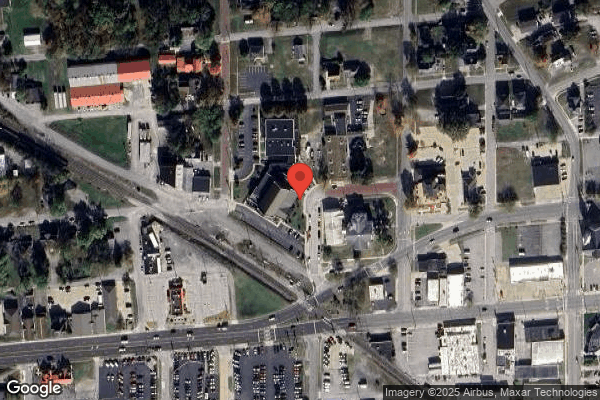
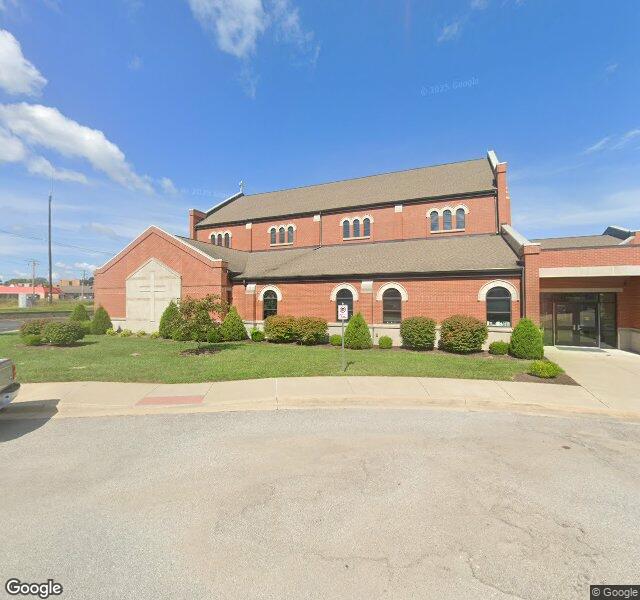
606 EAST IL HWY 15, MOUNT VERNON, IL 62864 (618) 242-1800
For profit - Corporation 91 Beds PALLADIAN HEALTHCARE Data: November 2025
Trust Grade
30/100
#386 of 665 in IL
Last Inspection: January 2025

Within standard 12-15 month inspection cycle. Federal law requires annual inspections.

Overview

Mount Vernon Countryside Manor has received a Trust Grade of F, indicating significant concerns about the quality of care provided. Ranking #386 out of 665 facilities in Illinois places it in the bottom half, and it is #2 out of 4 in Jefferson County, meaning only one local option is better. While the facility is showing improvement, reducing issues from 11 in 2024 to 5 in 2025, staffing remains a concern with a low rating of 1 out of 5 stars and a 48% turnover rate, which is about average for the state. The facility has also accrued $156,553 in fines, which is higher than 83% of Illinois facilities, indicating repeated compliance problems. There are serious and concerning incidents reported, such as a resident experiencing significant weight loss due to inadequate nutritional care and another resident who faced delays in treatment for a urinary tract infection. Furthermore, the facility has failed to properly use PPE when interacting with COVID-positive residents, posing a risk to all 74 residents. While there are some strengths, such as an average health inspection rating, the overall picture suggests that families should carefully consider these issues when researching care options.

Trust Score
F
30/100
In Illinois
#386/665
Bottom 42%
Safety Record
High Risk
Review needed
Inspections
Getting Better
11 → 5 violations
Staff Stability
⚠ Watch
48% turnover. Above average. Higher turnover means staff may not know residents' routines.
Penalties
✓ Good
$156,553 in fines. Lower than most Illinois facilities. Relatively clean record.
Skilled Nurses
⚠ Watch
Each resident gets only 18 minutes of Registered Nurse (RN) attention daily — below average for Illinois. Fewer RN minutes means fewer trained eyes watching for problems.
Violations
⚠ Watch
18 deficiencies on record. Higher than average. Multiple issues found across inspections.
★★☆☆☆
2.0
Overall Rating
★☆☆☆☆
1.0
Staff Levels
★★☆☆☆
2.0
Care Quality
★★★☆☆
3.0
Inspection Score
Stable
2024: 11 issues
2025: 5 issues

The Good

  • Full Sprinkler Coverage · Fire safety systems throughout facility
  • No fines on record

Facility shows strength in fire safety.

The Bad

2-Star Overall Rating

Below Illinois average (2.5)

Below average - review inspection findings carefully

Staff Turnover: 48%

Near Illinois avg (46%)

Higher turnover may affect care consistency

Federal Fines: $156,553

Well above median ($33,413)

Significant penalties indicating serious issues

Chain: PALLADIAN HEALTHCARE

Part of a multi-facility chain

Ask about local staffing decisions and management

The Ugly 18 deficiencies on record

2 actual harm
Feb 2025 1 deficiency
CONCERN (F) 📢 Someone Reported This

A family member, employee, or ombudsman was alarmed enough to file a formal complaint

Potential for Harm - no one hurt, but risky conditions existed

Infection Control (Tag F0880)

Could have caused harm · This affected most or all residents

Based on observation, interview, and record review, the facility failed to utilize PPE (Personal Protective Equipment) per CDC (Centers for Disease Control) guidelines when coming in contact with Covi...

Read full inspector narrative →
Based on observation, interview, and record review, the facility failed to utilize PPE (Personal Protective Equipment) per CDC (Centers for Disease Control) guidelines when coming in contact with Covid positive residents. This has the potential to affect all 74 residents living at the facility. Findings include: On 2/18/25 at 1:00pm, signage to the facility's front entrance read, Community respiratory illness activity is high. Masks are strongly recommended to protect our residents. Notice per IDPH (Illinois Department of Public Health) regulations notice is hereby given that a positive Covid test result has been confirmed (in a) resident. R3's Face sheet documented an admission Date of 1/10/25 and listed diagnoses including Left Fibula Fracture and Hypertension. R3's Physicians Orders for February 2025 documented a 2/13/25 order for droplet/contact isolation due to a positive Covid test result. R12's Face Sheet documented an admission Date of 1/31/25 and listed diagnoses including Parkinson's Disease and Dementia. R12's February 2025 Physicians Orders documented a 2/13/25 order for droplet/contact isolation due to a positive Covid test result. R13's Face Sheet documented an admission Date of 1/23/25 and listed diagnoses including Alzheimer's Dementia and Parkinson's Disease. R13's Physicians Orders for February 2025 documented a 2/13/25 order for droplet/contact isolation due to a positive Covid test result. On 2/19/25 at 8:20am, a sign on R12's door read, Transmission-based droplet contact (isolation) precautions: Respirator (N95) (required) when entering room. V13, Certified Nursing Assistant (CNA) was observed entering the room wearing a gown, gloves, and a surgical mask. On 2/19/25 at 11:05am, V2, Director of Nurses, stated she is the staff member designated as Infection Control Preventionist. V2 stated the facility currently has 5 residents positive for Covid. V2 stated staff should wear a gown, gloves, and an N95 mask into Covid rooms. On 2/19/25 at 1:05pm, V7, family member of R12, stated she is at the facility several hours daily. V7 stated R12 is currently Covid positive. V7 stated when staff provide R12's care, they always wear gloves and a surgical mask but no gown. On 2/19/25 at 1:10pm, a sign on R3's door read, Transmission-based droplet contact (isolation) precautions: Respirator (N95) (required) when entering room. V8, Housekeeper, was observed inside the room removing trash from an isolation barrel. V8 was wearing gloves and a surgical mask but no gown. On 2/19/25 at 1:15pm, a sign on R13's door read, Transmission-based droplet contact (isolation) precautions: Respirator (N95) (required) when entering room. V5, Patient Aid, was observed entering the room with R13's lunch tray. V5 donned a gown and gloves and was wearing a surgical mask. On 2/19/25 at 1:30pm, R3 was alert and oriented to person, place, time, and purpose. R3 stated she is on isolation for Covid. R3 stated when staff provide care, they wear masks and gloves, she is not sure what kind of mask, and sometimes gowns. A Respiratory Illness Policy dated 1/7/25 stated, Infection Prevention and Control: Health care personnel and visitors should adhere to the appropriate precautions when in the presence of a resident with suspected or confirmed respiratory illness. Until the cause of an ARI (Acute Respiratory Illness) outbreak is determined, facilities should use the most protective level of precautions. Transmission based precautions, such as droplet, airborne, and/or contact precautions may be recommended, depending on the type of respiratory virus detected. The table, Recommended precautions for common respiratory viruses, provides a pragmatic approach to transmission based precautions recommended by IDPH (The Illinois Department of Public Health). At a minimum, facilities should follow CDC (Centers for Disease Control) guidelines for the specific type and duration of precautions. Guidance at https://www.cdc.gov/covid/hcp/infection-control/index.html#cdc_infection_control_comm_que-frequently-asked-questions documented, Why does CDC continue to recommend respiratory protection with a NIOSH (National Institute for Occupational Safety and Health) -approved particulate respirator with N95 filters or higher for care of patients with known or suspected COVID-19? CDC ' s guidance to use NIOSH-approved particulate respirators with N95 filters or higher when providing care for patients with suspected or confirmed SARS-CoV-2 (Covid) infection is based on the current understanding of SARS-CoV-2 and related respiratory viruses. Facemasks commonly used during surgical procedures will provide barrier protection against droplet sprays contacting mucous membranes of the nose and mouth, but they are not designed to protect wearers from inhaling small particles. NIOSH-approved particulate respirators with N95 filters or higher, such as other disposable filtering facepiece respirators, powered air-purifying respirators (PAPRs), and elastomeric respirators, provide both barrier and respiratory protection because of their fit and filtration characteristics. The facility's Matrix dated 2/18/25 documented there are 74 residents living at the facility.
Jan 2025 4 deficiencies 1 Harm
SERIOUS (G)

Actual Harm - a resident was hurt due to facility failures

Deficiency F0692 (Tag F0692)

A resident was harmed · This affected 1 resident

**NOTE- TERMS IN BRACKETS HAVE BEEN EDITED TO PROTECT CONFIDENTIALITY** Based on interview and record review the facility failed to implement dietary supplements as ordered for 4 (R39, R44, R45 and R6...

Read full inspector narrative →
**NOTE- TERMS IN BRACKETS HAVE BEEN EDITED TO PROTECT CONFIDENTIALITY** Based on interview and record review the facility failed to implement dietary supplements as ordered for 4 (R39, R44, R45 and R63) of 8 residents reviewed for nutrition in a sample of 36. This failure resulted in R63 experiencing a 7.88 percent weight loss within one month. Findings include: 1. R63's Resident Face Sheet documented an admission date of 3/13/24 with diagnoses including: dementia, underweight, mild protein-calorie malnutrition, muscle wasting and atrophy. R63's 12/13/24 Minimum Data Set (MDS) documented a Brief Interview for Mental Status (BIMS) score of 1, indicating R63 had severe cognitive impairment. R63's Progress Note dated 12/19/24 from V3 (Dietician) documents, Note r/t (related to) wound. Resident has skin tear to R (right) hip/buttock. Wt (Weight) 104# (pounds), usual for resident and stable. Diet order: regular, regular texture, thin liquids. Health shake one daily. Dietary intake is poor to fair. Recommend health shake BID (twice daily) and vit C 1000mg (milligrams) r/t wound healing. R63's Active Physician Orders sheet document Vitamin C 1000 mg once a day with a start date of 1/23/25 and Health shakes twice a day, morning and evening with a start date of 1/23/25. R63's Care Plan documented in part .Problem Start Date: 8/23/23 .Category: Nutritional Status . I am risk for impaired nutrition and hydration related to underweight, poor appetite, vitamin deficiencies, protein calorie malnutrition, electrolyte imbalance, impaired cognition . January 2025: weight loss 7.8% one month and 7.8% loss 3 months . with a approaches documenting in part . Approach Start Date: 8/23/23 . Nutritional supplements/ vitamins as ordered and monitor for side effects . Approach Start Date, 8/29/23 Health Shake daily for nutritional supplement (related to) underweight/ poor intake . R63's Weight Log from 3/13/24 to 1/24/25 documents R63's weight on 12/3/24 as 104 pounds with a BMI (Body Mass Index) of 18.42 and a weight on 1/3/25 as 95.8 pounds with a BMI of 16.97. This weight loss represents a 7.88 percent (severe) weight loss in one month. On 1/23/25 at 9:31 AM, V7 (Dietary Manager) said when a resident has a diet or supplement change, nursing staff will bring the order to dietary staff. V7 said she was unsure how often the V3 (Dietitian) came to the facility to review residents. V7 said V1 (Administrator) was meeting with V3 while V7 was still learning the duties of the Dietary Manager. V7 said she did not receive V3's reports and Nutritional Recommendations, V1 was the staff that would receive them. On 1/23/25 at 9:46 AM, V1 said V3 would send her the Nutritional Recommendations and she would then give them to V7 and V2 (Director of Nursing/ DON). V1 said V2 would print out the Nutritional Recommendations and give them to the resident's medical provider and when they were signed nursing staff would put the order in the Physician Order Set and notify dietary via a diet communication slip. On 1/24/25 at 11:17 AM, V9 (Nurse Practitioner) said a resident with weight loss was at risk to develop significant weight loss if not provided with ordered supplements. On 1/23/25 attempts were made to reach V3 via phone. A voicemail was left and not returned. On 1/24/25 an email was sent to V3 which again resulted in no contact back from V3. 2. R45's face sheet documents an admission date of 5/4/24 and included the following diagnosis: Unspecified severe protein-calorie malnutrition. R45's Nutritional Recommendation dated 12/12/24 by V3 documents, recommended Health shake twice a day related to weight loss. R45's current physician order sheet includes an order with a start date of 1/24/25 for Health Shakes twice daily. R45's care plan has a problem area of: Problem I am risk for impaired nutrition and hydration related to electrolyte imbalances, vitamin deficiencies. An approach to this problem area is a health shake twice a day with a start date of 1/23/24. On 1/22/25 at 2:30 PM, V1 (Administrator) stated that V7 (Dietary Manager) is a new employee and had not been given the list of residents who had dietary recommendations from the December dietary recommendations made by V3. On 1/23/25 at 9:31 AM, V7 (Dietary Manager) provided a list of residents receiving supplements and R39, and R45 were not on the list. On 1/24/25 at 11:28 AM, V9 stated she expected the facility to follow the orders written for dietary supplements and provide them as ordered with meals and/or snacks. 3. R39's face sheet documents an admission date of 9/24/2024. This same document include the following diagnosis: unspecified severe protein-calorie malnutrition. R39's Nutrition Recommendation dated 12/12/24 by V3 documents health shake snack daily related to weight loss. R39's current Physician orders include an order for sugar free health shake daily, once a day- day shift starting 10/22/24 with no end date and a second order for sugar free health shakes twice a day, morning and evening starting 1/23/25. Review of R39's care plan problem: I am risk for impaired nutrition and hydration related to vitamin deficiencies, weakness/fatigue, acid reflux, decreased cardiac function, hypo/hyperglycemia, or poor intake. My appetite is fair to good. The goal for this problem area is: I will be nutritionally stable as evidenced by no significant weight changes through the next review. An approach to this problem area with a start date of 1/24/24 is to provide a sugar free health shake twice a day. 4. R44's Resident Face Sheet documented an admission Date of 8/23/24 and listed diagnoses including Dementia, Hypertension, and Anxiety Disorder. R44's Minimum Data Set, dated [DATE] documented that R44 is severely cognitively impaired, requires partial or moderate assistance for eating, and requires a mechanically altered diet, R44's Care Plan dated 12/20/24 documented a problem area, I am at risk for impaired nutrition and hydration related to poor intake, tearful behavior, decreased activity tolerance, vitamin deficiency, and electrolyte imbalance. R44's January 2025 Physicians Order Sheet documented an order for a regular mechanical soft with thin liquids, and a 1/23/24 order for health shakes three times daily. R44's 12/12/24 Registered Dietician Progress Notes, authored by V3, Registered Dietician, documented, Note related to weight loss, wound. Weight 123lb., significant loss in the past 1 month. Resident's condition has declined, and she was put on palliative care with comfort measures on 11/22/24. Weight loss is related to change in condition and decrease in oral intake. Resident has an open area to right ischium which is being treated. Recommend offer health shake three times daily if resident does not eat meals. There was no documentation in the record to indicate R44 received health shakes from 12/12/24 through 1/23/25. On 1/21/25 at 1:26pm, R44 was alert only to herself. R44 was sitting up in bed with a lunch tray on the overbed table in front of her. R44's plate contained a whole boneless chicken breast which had not been cut up. There was no health shake on the tray. When R44 was asked why she didn't eat the chicken, R44 stated it was too tough. On 1/22/25 at 11:16am, V4, Family Member, stated R44 is weak at times, with a generally poor appetite. V4 stated she has been to visit during meals several times in the past few months and has not witnessed anybody offering a R44 health shake nor has she seen one on her tray. On 1/23/25 at 10:01 AM, V5, Certified Nursing Assistant (CNA) working on the 200 hall, stated R44 was transferred there from the 300 hall yesterday. V5 stated R44 had fed herself breakfast that morning and ate about 50 percent of the meal. V5 stated she did not offer R44 a health shake and was not aware she should have had one. On 01/23/25 at 10:09 AM, V6, CNA working on the 300 hall, stated some days R44 will feed herself, and some days she needs assistance. V6 stated R44 is on a mechanical soft diet. V6 stated she has never given R44 any supplements and doesn't think any were ordered. On 01/23/25 at 11:08 AM, V7, Dietary Manager, stated she was not sure if R44 was supposed to be getting a health shake. V7 stated if R44 was to be offered a health shake due to poor meal intake, the CNAs should notify the kitchen and they would send it along with a snack. On 01/23/25 at 02:31 PM, V1, Administrator, stated there is no documentation of R44 receiving health shakes as V3's 12/12/24 order was overlooked and not implemented. V1 stated on 1/23/25, R44's Primary Care Provider ordered health shakes to be given three times daily regardless of meal intake. On 1/23/25 at 2:31 PM, V1 said none of the Nutritional Recommendations from December of 2024 had been completed. The facility's revised February 2024 Weight Management Program documented in part . 10. The DON or his/her designee will list all residents who have had a weight loss or gain greater than five pounds, poor intake . results will be given to the register dietician (sic) for assessment and recommendations. 11. The DON will then distribute the R.D. (Registered Dietitian) recommendations per wing to the charge nurse. 12. The charge nurse will notify the attending physician of the current resident's condition and of the R.D.'s recommendations and document the physician's order on the physician order sheet and the 24 hour report sheet. 13. The charge nurse will then initiate a Diet Order & Communication form to the Dietary Manager who will chart the change in the dietary progress note and to the MDS Coordinator to update the care plan . A (Trade Name) Supplementation Policy dated November 2017 stated, It is the policy of (the facility) to provide each resident with additional supplementation as ordered by the Physician to promote weight maintenance or gain, to promote skin integrity, or to maintain nutritional status if meal intake is inadequate to meet needs.
CONCERN (D)

Potential for Harm - no one hurt, but risky conditions existed

Deficiency F0688 (Tag F0688)

Could have caused harm · This affected 1 resident

**NOTE- TERMS IN BRACKETS HAVE BEEN EDITED TO PROTECT CONFIDENTIALITY** Based on interview and record review the facility failed to maintain range of motion for 1 (R25) of 1 resident reviewed for decr...

Read full inspector narrative →
**NOTE- TERMS IN BRACKETS HAVE BEEN EDITED TO PROTECT CONFIDENTIALITY** Based on interview and record review the facility failed to maintain range of motion for 1 (R25) of 1 resident reviewed for decreased range of motion in the sample of 36. The findings Include: R25's Face Sheet documented R25 as a [AGE] year-old with an admission date of 08/02/2024 to the facility. Diagnoses listed are chronic respiratory failure, type 2 diabetes mellitus with diabetic neuropathy, morbid obesity, chronic obstructive pulmonary disease, venous insufficiency, chronic systolic congestive heart failure, obstructive sleep apnea, major depressive disorder, essential hypertension, non - pressure chronic ulcer of other part of right lower leg, and atherosclerosis of native arteries of right leg with ulceration of other part of lower leg. R25's Physician's orders with no print date document an order for AROM (Active Range of Motion) 6-7 times per week and Bed Mobility 6-7 times per week. Both orders were discontinued on 01/22/2025. On 01/22/2025 there was a new order for PROM (Passive Range of Motion) to right lower extremity 6-7 times a week. R25's admission MDS (Minimum Data Set) with a date of 08/12/2024 noted that R25 has a BIMS (Brief Interview of Mental Status) of 15 which indicates R25 is cognitively intact. Section GG documents for functional limitation in range of motion that R25 has an impairment on both sides for lower extremity. Section GG for self-care documents that R25 is dependent on toileting, putting on / taking off footwear, lower body dressing, upper body dressing and shower/bathe. Section O of the same MDS documents R25 received 1 day of active range of motion and 0 days of passive range of motion (with a look back period of 7 days). R25's Quarterly MDS dated [DATE], documented in section GG, documents for functional limitation in range of motion that R25 has an impairment on both sides for lower extremity. Section GG for self-care documents that R25 is dependent on toileting, putting on / taking off footwear, lower body dressing, upper body dressing and shower/bathe. Section O of the same MDS documents R25 received 0 days of passive / active range of motion (with a look back period of 7 days). R25's Care Plan with a start date of 10/16/2024 documents a focus area activities of daily living / functional status / rehabilitation potential, I am alert and oriented times 4, I am able to make all my needs / wants known appropriately. I utilize my call light. I have a BIMS of 15. I prefer to remain in bed, I am non-ambulatory and transfer with two assists utilizing a mechanical lift. I am frequently incontinent, and I keep a urinal at bedside. I require substantial to dependent staff assist with bed mobility, dressing, toileting hygiene, and bathing. I have decreased range of motion, mobility, bilateral lower extremity venous insufficiency, chronic pain and respiratory deficits. Interventions listed are active / passive range of motion with care as tolerance, assist with activities of daily living, assist as needed with toileting with start date of 10/16/2024. R25's Behavior Analysis Report with a date range of 08/02/2024 -01/22/2025 documented range of motion was completed on the following dates: 08/12/2024, 08/13/2024, 08/22/2024, 08/26/2024, 10/16-10/19/2024, 10/24/2024, 10/26/2024, 10/31/2024 and 01/14/2025. On 01/22/2025 at 1:37 PM, R25 stated he does not receive range of motion from the facility staff. On 01/22/2025 at 2:20 PM, V13 (Restorative Certified Nurse Aide) stated that R25 does not like to participate in restorative therapy. V13 stated that R25 refuses care. On 01/22/2025 at 2:22 PM, R25 stated that no staff members offer to do range of motion on him. On 01/24/2025 at 1:00 PM, V2 (DON) stated that she changed the order on R25's range of motion from active too passive because the resident needs passive range of motion. Review of facility policy titled Restorative Nursing with a date of August 2023 documented It is the policy of company name to provide restorative nursing which promotes the resident's ability to live as independently and safely as possible. Restorative nursing focuses on achieving and maintaining the optimum level of physical, mental, and psychological function of the resident. 4. Restorative treatments are recorded in the electronic health record.6. Services which are provided at least 15 minutes per day in a 24-hour period are also recorded on the MDS if in the MDS observation period.8. The restorative nurse documents the resident's progress and indicates if the current plan should continue or if the resident should be referred back to therapy for a screen / evaluation.
CONCERN (D)

Potential for Harm - no one hurt, but risky conditions existed

Medication Errors (Tag F0758)

Could have caused harm · This affected 1 resident

**NOTE- TERMS IN BRACKETS HAVE BEEN EDITED TO PROTECT CONFIDENTIALITY** Based on interview and record review the facility failed to ensure residents were free from unnecessary psychotropic medications...

Read full inspector narrative →
**NOTE- TERMS IN BRACKETS HAVE BEEN EDITED TO PROTECT CONFIDENTIALITY** Based on interview and record review the facility failed to ensure residents were free from unnecessary psychotropic medications for 1 (R25) of 5 residents reviewed for unnecessary medications in the sample of 36. The Findings Include: R25's Face Sheet documented R25 as a [AGE] year old with an admission date of 08/02/2024 to the facility. Diagnoses listed are chronic respiratory failure, type 2 diabetes mellitus with diabetic neuropathy, morbid obesity, chronic obstructive pulmonary disease, venous insufficiency, chronic systolic congestive heart failure, obstructive sleep apnea, major depressive disorder, essential hypertension, non - pressure chronic ulcer of other part of right lower leg, and atherosclerosis of native arteries of right leg with ulceration of other part of lower leg. R25's MDS (Minimum Data Set) with a date of 12/03/2024 noted that R25 has a BIMS (Brief Interview of Mental Status) of 15 which indicates R25 is cognitively intact. R25's Orders printed 01/24/2025 documented an order for bupropion 100 mg by mouth daily with a start date of 12/12/2024, and duloxetine 120 mg by mouth daily related to increased depression with a start date of 08/16/2024. R25's Care Plan has a focus area of: I receive an antidepressant medication for diagnosis of depression with an initial date of 08/19/2024. Documented interventions are given bupropion 100mg by mouth daily with a start date of 12/12/2024, duloxetine 120 mg by mouth daily with a start date of 08/19/2024, monitor residents' mood and response to medication with a date of 08/19/2024. Care Plan has a focus area of I am at risk for adverse side effects due to the use of medications with a black box warning with a start date of 10/16/2024. Documented interventions are monitor patient at the start and throughout therapy for any signs of clinical worsening, suicidal ideations, or unusual change in behaviors, behavior tracking per policy with a date of 10/16/2024. R25's Behavior Analysis Report from 08/02/2024 - 01/22/2025 shows no behaviors occurred for the dates listed. R25's document titled Psychotropic Medication Tracking/ GDR Tracking with an initiation date of 08/02/2024 documented on 12/12/2024 to increase bupropion to 100 mg by mouth daily for depression. R25's Progress Note dated 12/12/2024 authored by V11 (Registered Nurse) documented, V12 (Nurse Practitioner) in facility to see resident on 12/11/24. Received the following recommendations: Increase bupropion to 100mg po daily related to increase in irritability over the last 30 days. Resident agreeable. Will monitor x30 days. On 01/24/2025 at 10:23 AM, V1 (Administrator) stated that if the staff do not chart any behaviors, then the report will show no behaviors tracked. V1 stated that the behavior tracking for R25 has no behaviors charted. On 01/24/2025 at 10:27 AM, V5 (Certified Nurse Assistant) stated the behaviors that R25 has is refusing care, peeing in a water cup instead of a urinal, and will urinate in a towel then throw it in the floor. V5 stated she has not seen any crying, irritability, or sadness from R25. On 01/24/2025 at 10:30 AM, V10 (Certified Nurse Assistant) stated that R25 refuses care from staff but she has not seen any signs or symptoms of crying, irritability, or sadness. The facility policy titled Psychotropic Medication Use with a date of December 2018 documented It is the policy of company name that all residents receiving psychotropic medications, be monitored to ensure the least amount of medication is given to treat the diagnosis. This is accomplished through tracking behaviors and effectiveness of interventions.
CONCERN (E)

Potential for Harm - no one hurt, but risky conditions existed

Deficiency F0808 (Tag F0808)

Could have caused harm · This affected multiple residents

**NOTE- TERMS IN BRACKETS HAVE BEEN EDITED TO PROTECT CONFIDENTIALITY** Based on observation, interview, and record review, the facility failed to provide the correct physician's ordered diet and diet...

Read full inspector narrative →
**NOTE- TERMS IN BRACKETS HAVE BEEN EDITED TO PROTECT CONFIDENTIALITY** Based on observation, interview, and record review, the facility failed to provide the correct physician's ordered diet and dietary recommendations for 3 of 12 residents (R5, R26, R44) reviewed for therapeutic diets in the sample of 36. Findings include: 1. R44's Resident Face Sheet documented an admission Date of 8/23/24 and listed diagnoses including Dementia, Hypertension, and Anxiety Disorder. R44's Minimum Data Set, dated [DATE] documented that R44 is severely cognitively impaired, requires partial or moderate assistance for eating, and requires a mechanically altered diet, R44's Care Plan dated 12/20/24 documented a problem area, I am at risk for impaired nutrition and hydration related to poor intake, tearful behavior, decreased activity tolerance, vitamin deficiency, and electrolyte imbalance. R44's January 2025 Physicians Order Sheet documented an order for a regular mechanical soft with thin liquids. R44's Physician Order sheet documents in part, Diet: Regular consistency: mechanical soft. Start date of 11/18/24. On 1/21/25 at 1:26pm, R44 was alert only to herself. R44 was sitting up in bed with a lunch tray on the overbed table in front of her. R44's plate contained a whole boneless chicken breast which had not been cut up. When R44 was asked why she didn't eat the chicken, R44 stated it was too tough. On 1/22/25 at 11:16am, V4, Family Member, stated R44 is weak at times, with a generally poor appetite. V4 stated R44 is to have ground meat. On 01/23/25 at 10:09 AM, V6, CNA working on the 300 hall, stated some days R44 will feed herself, and some days she needs assistance. V6 stated R44 is on a mechanical soft diet. On 01/23/25 at 11:08 AM, V7, Dietary Manager, stated R44 is on a mechanical soft diet and confirmed the meat served to R44 should be ground. A December 2024 Consistency Modified Diets Policy documented, Mechanical soft: This diet is used for patients with limited chewing ability. Food menus include ground moist poultry and meat without bones. 2. R5's face sheet documents an admission date of 12/6/2024. This same document includes the following diagnosis: Diabetes Mellitus, End Stage Renal Disease, and Muscle wasting and atrophy. R5's current month physician orders documents an order with a start date of 1/23/25 of Prostat 30 milliliters (ml) once a day for wound healing. R5's progress note documents on 12/19/2024 V3 (Dietitian) documented weight fluctuates related to fluid status on dialysis. No significant sustained weight loss is noted at this time. Recommend Pro Stat 30 ml daily and zinc sulfate 220 mg daily related to wound healing. R5's care plan documents a problem area of: Problem: I am risk for impaired nutrition and hydration related to poor intake, electrolyte imbalance, vitamin deficiencies, wounds, edema, hyper/hyperglycemia, weakness. The goal for this problem area is: I will be nutritionally stable as evidenced by no significant weight changes through the next review. An approach for this problem area dated 1/24/25 is: ProStat 30mL a day. 3. R26's face sheet documents an admission date of 11/27/2024 with the following diagnosis: moderate protein calorie malnutrition. R26's Nutrition Recommendation by V3 dated 12/12/24 documents at Pro Stat 30 ml daily, Vit C 1000 mg daily and zinc sulfate 220 mg daily for multiple wounds/pressure ulcers. R26's care plan documents a problem area of risk for impaired nutrition and hydration related to poor intake. An approach to this problem area dated 1/10/25 to provide nutritional supplements as ordered. R26's current physician order sheet has an order for health shake daily twice daily with a start date of 1/23/25. On 1/22/25 at 2:30 PM, V1 (Administrator) stated that V7 (Dietary Manager) is a new employee and had not been given the list of residents who had dietary recommendations from the December dietary recommendations made by V3 (Dietician). On 1/23/25 at 2:31 PM, V1 said none of the Nutritional Recommendations from December of 2024 had been completed.
Jun 2024 2 deficiencies
CONCERN (D) 📢 Someone Reported This

A family member, employee, or ombudsman was alarmed enough to file a formal complaint

Potential for Harm - no one hurt, but risky conditions existed

Report Alleged Abuse (Tag F0609)

Could have caused harm · This affected 1 resident

**NOTE- TERMS IN BRACKETS HAVE BEEN EDITED TO PROTECT CONFIDENTIALITY** Based on interview and record review, the facility failed to report an allegation of abuse to the Illinois Department of Public ...

Read full inspector narrative →
**NOTE- TERMS IN BRACKETS HAVE BEEN EDITED TO PROTECT CONFIDENTIALITY** Based on interview and record review, the facility failed to report an allegation of abuse to the Illinois Department of Public Health (IDPH) for 1 of 4 residents (R1) reviewed for abuse in the sample of 6. The findings include: R1's face sheet documents she was admitted to the facility on [DATE]. The same face sheet documents R1's diagnoses to include Unspecified dementia, severe, with agitation, urinary tract infection, site not specified, restlessness and agitation, nutritional deficiency, unspecified, other symptoms and signs concerning food and fluid intake. R1's MDS (Minimum Data Set) dated 5/14/24 documents R1 has a BIMS (Brief Interview of Mental Status) of 04 which indicates R1 has severe cognitive impairment. On 6/11/24 at 10:00am, V1 (Administrator) stated that last night V13 (MDS (Minimum Data Set) coordinator/Care plan coordinator) called her and said she had a CNA (Certified Nurse Assistant) (V3) with her. V13 told V1 that V12 (family member) had came to her and said that a housekeeper had shoved her mom out of her room in her wheelchair and yelled at her. V1 said V3 had told her that (R1) had hit the housekeeper. V3 told V1 that is not what she had told V12 and that she had told her that the housekeeper came out of the room yelling she hit me, she hit me. V1 said she did not do an investigation or report it to IDPH since that is not what happened. On 6/12/24 at 1:30pm, V1 stated she felt the incident with R1, and the housekeeper was not to the level of abuse, and it was handled within minutes, not days apart. V1 said she felt the situation was handled and V12 was satisfied with the outcome. V1 said she did not do an investigation or report it. Facility document labeled Abuse Prevention Program, revision date 9/29/22 documents on page 8 that the allegation shall either be called or faxed into the Regional Public Health Office. Public Health shall be informed that an occurrence of potential mistreatment has been reported and is being investigated and the report shall contain the following information: 1. Name, age, diagnosis and mental status of the resident allegedly abused or neglected. 2. Type of abuse reported (physical, sexual, misappropriation, neglect, verbal or mental abuse). 3. Date, time, location and circumstances of the alleged incident. 4. Any obvious injuries or complaints of injury. 5. Steps the facility has taken to protect the resident. .
CONCERN (D) 📢 Someone Reported This

A family member, employee, or ombudsman was alarmed enough to file a formal complaint

Potential for Harm - no one hurt, but risky conditions existed

Investigate Abuse (Tag F0610)

Could have caused harm · This affected 1 resident

**NOTE- TERMS IN BRACKETS HAVE BEEN EDITED TO PROTECT CONFIDENTIALITY** Based on interview and record review, the facility failed to initiate and conduct a thorough investigation of an allegation of a...

Read full inspector narrative →
**NOTE- TERMS IN BRACKETS HAVE BEEN EDITED TO PROTECT CONFIDENTIALITY** Based on interview and record review, the facility failed to initiate and conduct a thorough investigation of an allegation of abuse for 1 of 4 residents (R1) reviewed for abuse in a sample 6. The findings include: R1's face sheet documents she was admitted to the facility on [DATE]. The same face sheet documents R1's diagnoses to include unspecified dementia, severe, with agitation, urinary tract infection, site not specified, restlessness and agitation, nutritional deficiency, unspecified, other symptoms and signs concerning food and fluid intake. R1's MDS (Minimum Data Set) dated 5/14/24 documents R1 has a BIMS (Brief Interview of Mental Status) of 04 which indicates R1 has severe cognitive impairment. On 6/11/24 at 10:00am, V1 (Administrator) stated that last night V13 (MDS (Minimum Data Set) coordinator/Care plan coordinator) called her and said she had a CNA (Certified Nurse Assistant) (V3) with her. V13 told V1 that V12 (family member) had came to her and said that a housekeeper had shoved her mom out of her room in her wheelchair and yelled at her. V1 said V3 had told her that (R1) had hit the housekeeper. V3 told V1 that is not what she had told V12 and that she had told her that the housekeeper came out of the room yelling she hit me, she hit me. V1 said she did not do an investigation or report it to since that is not what happened. When V1 was asked to provide any documented information on the incident between R1 and the housekeeper V1 provided a document provided written by V1 dated 6/12/24 that documented in part, Timeline for Monday, June 10th, 2024 .5:50 p.m.- V12 approached V13 and reported that (V3) told her that the housekeeper shoved her mother out her room after the resident hit her .This was treated as a grievance and not a reportable matter because it was secondhand information/gossip from the daughter and there was no willful intent . During this investigation V1 could not provide a grievance regarding the incident from June 2024 between R1 and a housekeeper. Facility document labeled Abuse Prevention Program, revised 9/29/22 documents in part, 5. Internal Reporting Requirements and Identification of Allegations .Supervisors shall immediately inform the administrator of all reports of incidents, allegation, or suspicion of potential abuse, neglect, or misappropriation of property. Upon learning of the report, the administrator shall initiate an incident investigation .7. Internal investigation of abuse, neglect or misappropriation allegations and response. a. All incidents will be documented, whether or not abuse occurred, was alleged or suspected. b. Any incident or allegation involving abuse, neglect, or misappropriation will result in an abuse investigation .
Mar 2024 7 deficiencies 1 Harm
SERIOUS (G)

Actual Harm - a resident was hurt due to facility failures

Incontinence Care (Tag F0690)

A resident was harmed · This affected 1 resident

Based on interview and record review, the facility failed to provide timely physician notification of symptoms of a urinary infection and timely collection of specimens for 1 (R22) of 1 resident revie...

Read full inspector narrative →
Based on interview and record review, the facility failed to provide timely physician notification of symptoms of a urinary infection and timely collection of specimens for 1 (R22) of 1 resident reviewed for Urinary Tract Infections in the sample of 60. This failure resulted in R22 experiencing untimely treatment of a Urinary Tract Infections with symptoms of pain and burning expressed by R22 beginning on 2/15/24, with antibiotic treatment not initiated until 2/28/24. Findings Include: R22's face sheet documents an admission date of 12/29/17 to the facility and includes the following diagnoses: major depressive disorder, need for assistance with personal care, and disorder of kidney and ureter. R22's most recent completed MDS (Minimum Data Set) dated 11/7/23 Section C documents a BIMS (Brief Interview of Mental Status) score of 15, indicating that R22 is cognitively intact. Section GG for toileting hygiene, shower/bathe self and personal hygiene are coded as needing substantial/maximal assist. In this same Section GG is coded as being dependent for toilet transfers. On 2/27/24 at 9:00 AM, R22 stated that she has been hurting when she urinates for weeks, and she doesn't understand why they are taking so long to get her medication. R22 stated that they have had to collect two or three samples of her urine in the meantime, and she doesn't know if they are losing it or what but would like this urinary tract infection taken care of. R22 states that she gets infections kind of regularly. R22's progress note entry on 2/15/24 at 6:12 PM, documents that R22 c/o (complained of) pain, burning upon urination and a message was sent to V13 (Nurse Practitioner) and awaiting return orders. The progress note further documents that the POA (Power of Attorney) was aware of c/o (complaints of) and was ok with whatever V13 orders. A progress note dated 2/22/24 documents (R22) c/o pain /discomfort when urinating. Urine obtained for UA (urinalysis) C & S (culture and sensitivity). A Progress note dated 2/27/24 made by V15 (Licensed Practical Nurse)(LPN) documents Received new order to start resident on ceftriaxone 1 gm (gram) daily x 5 days r/t (related to) UTI (Urinary Tract Infection). Resident and POA made aware of new order. A progress note dated 2/28/24 made by V16 (Registered Nurse) documents First dose of ceftriaxone was administered to rt (right) buttock, resident tolerated well. Ceftriaxone was diluted in 2.1 mL (milliliters) of lidocaine per pharmacy direction. (Local Hospital) lab was contacted several times to send over UA results, UA results were never sent x3. On 2/29/24 at 3:00 PM, V2 (Director of Nursing) stated that the initial urine sample was not labeled properly so it had to be redrawn. When they got the culture back, they waited for the sensitivity prior to notify the doctor to get an antibiotic ordered. V2 confirmed at this time no broad spectrum antibiotic was started while waiting for the sensitivity to come back. R22's current physician order sheet for March 2024 has an order with a start date of 2/29/24 for Ceftriaxone 1 gram injection with an end date of 3/4/24. On 3/1/24 at 9:15 AM, V2 stated that R22 had no complaints when V13 (Nurse Practitioner) rounded on her on 2/15/24. R22 must have became symptomatic after seeing V13. The order was obtained on 2/18/24 to collect the urine for a urinalysis and was sent off on 2/19/24. It was determined on 2/19/24 that the collection was not properly labeled and needed to be recollected. The next sample collected was on 2/22/24 and an antibiotic order Ceftriaxone 1 gram daily for 5 days was started on 2/28/24. V2 stated that the nurse did not get the order into the system until after midnight, so the order shows a start date of 2/29/24. V2 went on to state that the lab picks up samples early in the morning prior to 8:00 AM Monday-Friday. V2 stated that the second collection fell on a weekend and if the provider does not order a stat lab they will wait until Monday morning to collect the sample. V2 stated that is what happened with R22 and why the delay occurred with obtaining the second sample and getting the results. V2 provided 24 hour report sheets with the following information for R22. On 2/15/24 R22 has documentation on the 6AM-6PM shift that she is complaining of burning upon urination and that a message was sent for a urinalysis. On 2/16/24 the 6PM-6AM shift documents that faxed communication to (V13) related to burning with urination. Awaiting new orders. On 2/17/24 the 6PM-6AM shift documents burning with urination, awaiting orders. On 2/18/24 the 6PM-6AM shift documents burning with urination, awaiting orders and the 6AM-6PM shift reports new order for urinalysis. On 2/20/24 the 6AM-6PM shift documented urinalysis not labeled and need to redo. On 2/21/24 the 6PM-6AM shift reported need urinalysis. On 2/22/24 6PM-6AM reported need urine, and the 6AM-6PM reported ok urinalysis in fridge. On 2/23/24 6PM-6AM reported the urinalysis in fridge. On 2/24/24 the 6PM-6AM shift reported faxed urinalysis results, awaiting results. A lab report provided documents that the specimen was collected on 2/19/24 and was not labeled. The report advised the facility to collect a new specimen properly labeled with full name, date of birth , and date/time of collection. A patient report from local hospital dated 2/23/24 documents a positive nitrite in the urinalysis and a culture and sensitivity to follow. A lab report dated 2/27/24 documents the culture and sensitivity results of >(greater than) 100,000 CFU (colony forming unit)/ML(milliliters) of Escherichia Coli. On 3/1/24 at 9:05 AM, V13 (Nurse Practitioner) stated that in reviewing documentation, she does not see where she was notified of R22 experiencing burning with urination until 2/18/24, when at that time she gave the order for a Urinalysis with Culture and Sensitivity if indicated. V13 also stated she was never notified of a specimen not being labeled correctly, which resulted in a prolonged collection time with urinary infection symptoms present. V13 stated that it is her expectations that if the facility is not receiving a response via fax, that they should call her for orders and communicate any concerns. V13 acknowledges the untimely collection for the facility obtaining the culture, resulted in delayed treatment to R22. V13 agreed that it is fair to say R22 would have experienced prolonged discomfort with the lack of timely treatment provided. V13 stated her expectations are that if a resident is experiencing symptoms of infection, such as burning with urination, the lab would be ordered to be completed immediately and not that a routine culture would be obtained at just the next available pickup date. An undated antibiotic stewardship policy documents .Procedure: 1. When the nurse suspects that the resident has an infection, the nurse will perform an evaluation of the resident that includes: a. resident signs and symptoms. i. complete set of vital signs ii. interview of resident for symptoms iii. assessment. 2. The nurse will utilize the McGeer Contitutional Criteria infection criteria protocol to determine if it is necessary to treat with antibiotics or if adjustments in therapy need to be made. 3. Notify the physician/practitioner of resident change of condition and evaluation information. The nurse to communicate to physician of infection criteria protocol to treat the respective infection. 4. When diagnostics are ordered by the practitioner, the nurse will contact the lab/radiology to notify of physician order. a. Physician will be notified of results of diagnostics to ensure resident is taking the appropriate antibiotic or if antibiotic needs to be discontinued or changed. 5. If indicated, based upon (identified) criteria, an antibiotic is ordered, the practitioner will identify the diagnosis/indication, the appropriate antibiotic, proper dose, duration and route. a. In the event the prescribing physician orders an antibiotic without identification of infection criteria, the physician will be requested to identify rationale for ordered antibiotic .
CONCERN (D)

Potential for Harm - no one hurt, but risky conditions existed

Comprehensive Assessments (Tag F0636)

Could have caused harm · This affected 1 resident

Based on interview and record review the facility failed to ensure comprehensive assessments were completed timely for 1 of 1 (R30) resident reviewed for comprehensive assessments in a sample of 60. T...

Read full inspector narrative →
Based on interview and record review the facility failed to ensure comprehensive assessments were completed timely for 1 of 1 (R30) resident reviewed for comprehensive assessments in a sample of 60. The Findings Include: R30's face sheet documents an admission date of 11/29/17 and includes the following diagnosis: morbid obesity, history of falling and muscle weakness. A final validation report provided by V1 (Administrator) documents that R30's annual MDS (Minimum Data Set) had a target/due date of 1/17/24. This document had a warning message 'record submitted late'. On 2/28/24 2:03 PM, V8 stated that R30's annual MDS had a target due date of 1/17/24 and it was transmitted and accepted on 2/28/24, which was past the due date.
CONCERN (E)

Potential for Harm - no one hurt, but risky conditions existed

Deficiency F0638 (Tag F0638)

Could have caused harm · This affected multiple residents

Based on interview and record review the facility failed to ensure quarterly assessments were completed timely for 4 of 4 (R5, R32, R38 and R43) residents reviewed for quarterly assessments in a sampl...

Read full inspector narrative →
Based on interview and record review the facility failed to ensure quarterly assessments were completed timely for 4 of 4 (R5, R32, R38 and R43) residents reviewed for quarterly assessments in a sample of 60. The Findings Include: 1. R32's face sheet documents an admission date of 9/20/18 and includes the following diagnosis: unspecified dementia, protein calorie malnutrition, and contracture. On 2/28/24 2:03 PM, V8 (Medicare Coordinator) stated that R32's quarterly MDS had a target due date of 1/10/24 and transmitted and accepted on 2/28/24. A final validation report provided by V1 documents that R30's annual MDS had a target/due date of 1/10/24. This document had a warning message 'record submitted late'. 2. R5's face sheet documents an admit date of 7/12/23 and includes the following diagnosis: muscle weakness, repeated falls, lack of coordination and hypertension. On 2/28/24 2:03 PM, V8 stated that R5's quarterly MDS had a target due date of 1/24/24 and a discharge MDS due on 2/1/24 that have not been completed or transmitted yet. A final validation report provided by V1 documents that R5's annual MDS had a target/due date of 1/24/24. This document had a warning message 'record submitted late'. 3. R38's face sheet documents an admit date of 9/12/19 and includes the following diagnosis: unspecified dementia and cognitive communication deficit. On 2/28/24 2:03 PM, V8 stated that R38's quarterly MDS had a target due date of 1/16/24 and transmitted and accepted on 2/28/23. A final validation report provided by V1 documents that R30's annual MDS had a target/due date of 1/16/24. This document had a warning message 'record submitted late'. 4. R43's face sheet documents an admission date of 10/19/21 and includes the following diagnosis: cognitive communication deficit, diabetes mellitus type 2, and muscle weakness. On 2/28/24 2:03 PM, V8 (Medicare Coordinator) stated that R43's quarterly MDS (Minimum Data Set) had a target due date of 1/17/24 transmitted and accepted on 2/28/24. A final validation report provided by V1 (Administrator) documents that R43's quarterly MDS (Minimum Data Set) had a target/due date of 1/17/24. This document had a warning message 'record submitted late'. On 2/28/24 2:03 PM, V8 stated that they have recently had an employee resign that worked in the MDS office and she has taken over all the MDS assessments and has a calendar of due dates. V8 stated at this time that the above MDS's were submitted today, past the due date.
CONCERN (E)

Potential for Harm - no one hurt, but risky conditions existed

Deficiency F0645 (Tag F0645)

Could have caused harm · This affected multiple residents

Based on interview and record review, the facility failed to complete a PASARR (Preadmission Screening and Resident Review) Level II Screening for 4 (R73, R45, R20, R50) of 4 residents reviewed for PA...

Read full inspector narrative →
Based on interview and record review, the facility failed to complete a PASARR (Preadmission Screening and Resident Review) Level II Screening for 4 (R73, R45, R20, R50) of 4 residents reviewed for PASARR Screening in the sample of 60. Findings Include: 1. R20's Face Sheet documented an initial admission date to the facility as 1/31/24. Diagnoses listed on this form included but were not limited to: Major Depressive Disorder and Bipolar Disorder. R20's Notice of PASRR Level I Screen Outcome dated 1/31/24 documented No Level II Required - No SMI (Serious Mental Illness) . 2. R45's Face Sheet documented an initial admission date to the facility as 5/19/23. Diagnoses listed on this form included but were not limited to: Major Depressive Disorder, Delusional Disorder, Anxiety Disorder, Post-Traumatic Stress Disorder, Auditory Hallucinations . R45's Notice of PASRR Level I Screen Outcome dated 5/19/23 documented No Level II Required - No SMI . 3. R73's Face Sheet documented an initial admission date to the facility as 12/30/23. Diagnoses listed on this form included but were not limited to: Other bipolar disorder, Major Depressive Disorder . R73's Notice of PASRR Level I Screen Outcome dated 12/28/23 documented No Level II Required - No SMI . 4. R50's Face Sheet documented an initial admission date to the facility as 1/4/24. Diagnoses listed on this form included but were not limited to: Bipolar Disorder . R50's Notice of PASRR Level I Screen Outcome dated 1/3/24 documented No Level II Required - No SMI . On 3/1/24 at 11:14 AM, V1 (Administrator) acknowledged the error in the PASARR screenings and that R73, R45, R20, and R50 have all been referred to have the level II completed. V1 stated that the facility is conducting an audit to ensure no other residents are also eligible to have a level II screening. Resident Assessment - Coordination with PASARR Program dated 10/2017, documented This facility coordinates with the preadmission screening and resident review (PASARR) program to ensure that residents are appropriately placed in nursing homes for Long-Term Care.
CONCERN (E)

Potential for Harm - no one hurt, but risky conditions existed

Deficiency F0761 (Tag F0761)

Could have caused harm · This affected multiple residents

**NOTE- TERMS IN BRACKETS HAVE BEEN EDITED TO PROTECT CONFIDENTIALITY** Based on observation, interview, and record review the facility failed to date insulin pens when opened for use and ensure disco...

Read full inspector narrative →
**NOTE- TERMS IN BRACKETS HAVE BEEN EDITED TO PROTECT CONFIDENTIALITY** Based on observation, interview, and record review the facility failed to date insulin pens when opened for use and ensure discontinued medications were disposed of per current standards of practice for 4 of 35 residents (R40, R33, R24, and R71) reviewed for medication storage in the sample of 60. Findings include: On 2/27/2024 at 11:32 AM, the 100-hall medication cart was observed in the presence of V7 (Licensed Practical Nurse, LPN) to have a total of 6 Insulin pens that were not dated. R40 had 2 undated pens including an Aspart (Novolog) insulin pen and a Levemir (Detemir) insulin pen, R33 had 2 undated insulin pens including a Lispro (Humalog) insulin pen and a Lantus (insulin Glargine) insulin pen, R24 had an undated Aspart (Novolog) insulin pen, and R71 had an undated Aspart (Novolog) insulin pen. R40's Face Sheet documented an admission date to the facility as 4/12/2023 with diagnosis including, but not limited to: Type 2 Diabetes, End Stage Renal Disease, mixed Hyperlipidemia, and Hypertension. Current physician orders reviewed with orders for Insulin Aspart per sliding scale, and Insulin Detemir U-100 10 units subcutaneous at bedtime with discontinue date of 5/5/2023. R33's Face Sheet documented an admission date to the facility as 8/10/2023 with diagnosis including, but not limited to: Type 2 Diabetes, Anxiety disorder, hyperlipidemia (unspecified), Parkinson's. R33's Active Orders in the electronic health record (EHR) documents orders for Insulin Lispro (Humalog) pen 100 units per sliding scale dated 8/10/23 and Insulin Glargine (Lantus) 30 units subcutaneous twice daily dated 11/16/23. R24's Face Sheet documented an admission date to the facility as 2/15/2023 with diagnosis including, but not limited to: Type 2 Diabetes, Parkinson's (unspecified), hyperlipidemia (unspecified) and heart disease (unspecified). R24's Active Orders in the electronic health record (EHR) document an order for Novolog FlexPen u100 insulin per sliding scale with a start date of 10/5/23. R71's Face Sheet documented an admission date to facility as 11/22/2023 with diagnosis including, but not limited to long term (current) use of insulin, [NAME] Syndrome, Hypertension, Congestive Heart Failure, Toxic Liver disease. R71's Face Sheet documents a discharge date of 2/12/24. Physician Order Report dated 1/29/24 to 2/29/24 documents and order for Insulin Aspart u100 per sliding scale. On 2/28/2024 at 9:30AM, V11 (Registered Nurse, RN) confirmed that Insulin pens are to be dated when they are opened and to be used within the timeframe specific to that type of Insulin. V11 confirms that she has had training on dating Insulin pens when they are opened. V11 confirmed that if she discovers an Insulin pen that is on the cart that is not dated that she would dispose of and replace the insulin pen. On 2/28/2024 at 10:40 AM, V2 (Director of Nursing) confirmed that she has previously educated all the nurses on the proper technique to dating and disposing of Insulin pens. V2 stated she is in the process of again educating the nursing staff again on proper dating of Insulin pens and checking expiration dates on all stock medications. The facility's pharmacy policy titled Vials and Ampules of Injectable Medications dated 10/25/2014, documents in section F Medication in multi dose vials may be used (until the manufacturer's expiration date/for the length of time allowed by state law according to facility policy/ for thirty days), if inspection reveals no problems during that time. USP (united states Pharmacopeia) recommends discarding multi dose vials (other than some insulins) at 28 days after opening. The same policy includes a document titled Insulin Expiration Dates, dated 2/2019, documents All insulins should be stored in the refrigerator until opening. Once opened or removed from the refrigerator for storage in the medication cart, the insulin should be dated as it will expire in a given time frame per manufacturer: Lantus Vial (insulin glargine) and Solostar Pen, 28 day expiration date after opening or removing from refrigerator, whichever comes first, .Humalog (Lispro) 10mL Vial and 3mL KwikPen, 28 day expiration date, .Levemir 10mL vial, 3mL Flextouch Pen, 42 day expiration date .Novolog (Insulin Aspart) 10mL (milliliter) vial and 3mL Flextouch, 28 day expiration date. The facility policy titled Discontinued Medications (undated) documents All non-scheduled medications discontinued by the physician will be returned to pharmacy for credit if completely unused or will be destroyed in accordance with local, state, and federal regulations. Under the section titled Procedure step #3 it documents that Authorized staff will remove the medication from the medication cart or any other storage area where it is located.
CONCERN (F)

Potential for Harm - no one hurt, but risky conditions existed

Deficiency F0680 (Tag F0680)

Could have caused harm · This affected most or all residents

Based interview and record review the facility failed to ensure the Activity Director had the appropriate qualification to conduct the activity program of the facility. This has the potential to affec...

Read full inspector narrative →
Based interview and record review the facility failed to ensure the Activity Director had the appropriate qualification to conduct the activity program of the facility. This has the potential to affect all 87 residents living in the facility. Findings include: On 2/28/2024 at 9:25 AM, V4 (Activity Director) stated that she has been in the role as Activity Director for 10 months and is not certified at this time. V4's Activity Director's personnel file, revealed a hire date of 2/28/2023 as the Activity Director. There was no evidence in the personnel file to show that V4 was qualified to be the Activity Director. On 2/29/2024 at 2:20 PM, V1 (Administrator) confirmed that V4 does not have Certification in Activities. V1 acknowledged that the Activity Director should be certified or enrolled in the certification classes. V1 stated that V4 is currently signed up for the on-line certification classes as of 2/28/2024. An email provided by V1 dated 2/28/24 documents that V4 was now registered for the Outcome Services (OSI) of Illinois Activity Director Correspondence Course, attached was a copy of the registration form and course description. The Facility's Activity Director Job Description documents in part .Education and experience requirements . The activity director must have the following: Activities Certification preferred; must be eligible and willing to become certified in Illinois if not. The Long Term Care Facility Application for Medicare and Medicaid (CMS Form 671) signed and dated 2/27/24, documents 87 residents reside in the facility.
CONCERN (F)

Potential for Harm - no one hurt, but risky conditions existed

Food Safety (Tag F0812)

Could have caused harm · This affected most or all residents

Based on observation, interview and record review the facility failed to properly store and label food items, failed to maintain the ice machine in a safe and sanitary manner and failed to prevent pot...

Read full inspector narrative →
Based on observation, interview and record review the facility failed to properly store and label food items, failed to maintain the ice machine in a safe and sanitary manner and failed to prevent potential cross contamination of food and food contact areas by staff not wearing hair restraints. This has the potential to affect all 87 residents that reside in the facility. The Findings Include: During the initial tour of kitchen on 2/27/24 at 8:30 AM the following concerns were observed: 1. A package of waffles were found in the walk in cooler not dated and open to air not sealed back up. 2. Margarine spread buckets were open/partially used and not dated or labeled. 3. Yellow shredded cheese was open, and half used not dated or labeled. 4. Lunch meat and cheese slices were wrapped in plastic wrap in smaller packages not in original packaging not dated and not labeled. 5. Styrofoam cups without a handle were found in the bulk sugar, corn meal, bulk thickener. There was also a container of white powder not dated and not labeled. At this time V3 (Dietary Supervisor) stated that all of these items found at initial tour of the kitchen will be discarded. On 2/28/24 at 11:24AM, V5 (Cook) and V6 (Dietary Aide) were observed in the kitchen without hair restraints. At this time V1 (Administrator) stated that the expectation is that hair restraints are to be worn at all times in the kitchen and she instructed them to get a hair restraint on. On 2/29/24 at 11:30 AM, the ice machine in the service hall by the kitchen was found to have a white hard water build up accumulated on the outside of the ice machine and also dripping water down the front causing a rust colored water to be building up on the door that opens to the ice machine. Inside the ice machine black and pink spots were found on the plastic shield where the ice drops down into the holding bin to be then scooped out for use. The Food and Supply Storage policy with a revision date of January 2012 documents in part 4. Prepared foods stored in the refrigerator until service will be covered, labeled and dated with an expiration date 6. All foods will be covered, labeled and dated The Personal Hygiene and Uniform Appearance policy with a revision date of January 2012 states that staff shall report to work in clean uniforms according to the facility uniform policy. Hair nets or hair covering shall be worn while in the kitchen or storage units. The Long Term Care Facility Application for Medicare and Medicaid (CMS Form 671) signed and dated 2/27/24, documents 87 residents reside in the facility.
Jan 2024 2 deficiencies
CONCERN (D) 📢 Someone Reported This

A family member, employee, or ombudsman was alarmed enough to file a formal complaint

Potential for Harm - no one hurt, but risky conditions existed

ADL Care (Tag F0677)

Could have caused harm · This affected 1 resident

**NOTE- TERMS IN BRACKETS HAVE BEEN EDITED TO PROTECT CONFIDENTIALITY** Based on interview, observation, and record review, the facility failed to provide timely ADL (Activities of Daily Living) care ...

Read full inspector narrative →
**NOTE- TERMS IN BRACKETS HAVE BEEN EDITED TO PROTECT CONFIDENTIALITY** Based on interview, observation, and record review, the facility failed to provide timely ADL (Activities of Daily Living) care for dependent residents for 3 of 8 residents (R1, R2, and R3) reviewed for ADL care in the sample of 8. The findings include: 1. R2's Resident Face Sheet documents R2 was admitted to the facility on [DATE]. The same Resident Face Sheet documents some of R2's diagnoses as unspecified nondisplaced fracture of seventh cervical vertebra, unspecified fracture of first thoracic vertebra, Fracture of one rib, right side, chronic respiratory failure with hypercapnia, peripheral vascular disease, Insulin Dependent Diabetes Mellitus. R2's MDS (Minimum Data Set) dated 12/4/23 document in Section C that R2 has a BIMS (Brief Interview of Mental Status) of 14 which indicates R2 is cognitively intact. Section GG of the same MDS documents that R2 has impairment of both sides of upper and lower extremities, is dependent for toileting hygiene (the ability to maintain perineal hygiene, adjust clothes before and after voiding or having a bowel movement), is dependent for toilet transfer (ability to get on and off a toilet or commode). Section H of the same MDS documents that R2 is always incontinent of bowel and bladder. R2's care plan documents a problem area dated 12/11/23 of resident is incontinent of bowel and bladder and is not appropriate for B&B (bowel and bladder) program due to impaired cognitive status. Some of the approaches listed are provide incontinent care as needed, turn and reposition while in bed or chair for comfort and to reduce risk of impaired skin. The same care plan documents a problem area of resident is at risk for skin breakdown or pressure ulcers related to decreased mobility. Some approaches listed are keep linen clean and dry as possible and change when I need it, keep skin clean and dry as possible, provide incontinence care for episodes of incontinence prn (as needed). On 1/16/24 at approximately 11:15am, observations were made of R2's incontinence pad from her right side. There were 2 incontinence pads, a top sheet folded to serve as a turn sheet and a fitted sheet on the bed. The pads and the sheets were soaking wet with urine including R2's gown. There was brown around the edges of the urine on both pads and the sheet. There was also a strong urine odor. On 1/16/24 at approximately 11:15am, V5 (CNA) did not answer when asked if the urine on the incontinence pads and sheets appeared as if it had been there a while due to the brown edges. V2 (DON/Director of Nurses) also came in the room to assist with changing R2 and also did not answer, but shook her head no. V5 said he had been in R2's room around 9:30am but did not change her. R2 said she is not sure and really does not know the last time staff changed her under pads. On 1/16/24 at 1:35pm, R2 said that staff change her quite often and change her during the night if she is awake. 2. R3's Resident Face Sheet documents that R3 was admitted to the facility on [DATE]. The same Face Sheet documents that some of R3's diagnoses are unspecified dementia, severe, without behavioral disturbance, psychotic disturbance, mood disturbance and anxiety, other lymphoid leukemia not having achieved remission, Type 2 diabetes mellitus with hyperglycemia, non-pressure chronic ulcer of other part of right foot with necrosis of muscle-right bottom of foot, non-pressure chronic ulcer of other part of right foot with unspecified severity-right second toe, laceration without foreign body of right buttock. R3's MDS dated [DATE], Section C, documents that R3 has a BIMS of 00 which indicates severe cognitive impairment. The same MDS documents that R3 has impairment on both sides of upper and lower extremities. Section GG of the same MDS documents that R3 is dependent for oral hygiene, toileting hygiene and eating, roll from left and right, and toilet transfers. Section H of the same MDS documents that R3 is always incontinent of bowel and bladder. R3's Physician order report dated 12/1/23-12/31/23 documents that R3 was admitted to a local hospice on 8/24/23. The same physician order report documents an order dated 11/1/23 to wear heel protectors, every shift; day shift Nurse 6:00am, 6:00pm night shift nurse. R3's care plan documents a problem area dated 2/15/23 of resident is at risk for impaired skin integrity r/t (related to) incontinent of B&B (bowel and bladder) and decreased mobility. Some of the interventions listed are: wear heel protectors every shift, provide incontinence care for episodes of incontinence. The same care plan documents a problem area of resident is incontinent of bowel and bladder and is not appropriate for B&B program due to impaired cognitive status. Some listed interventions are to provide incontinent care as needed, turn and reposition while in bed or chair for comfort and to reduce risk of skin impairment. On 1/16/24 at 10:40am, R3 was observed lying in her bed on her left side. R3 was not wearing heel protectors. R3's incontinence pad was soaked with urine that had a brown ring around the edges. R3's eyes were matted with dry, crusty, gold colored matter. R3's lips were observed to be very dry with dried brownish gray colored matter on her lips. R3's tongue was very dry in appearance. R3's breakfast tray was sitting on her dresser by her bed and none of the food/drinks had the covers taken off of them and appeared untouched. R3 was lying there with her eyes closed and did not wake up when attempting to talk to her. On 1/16/24 at 10:40am, V2 (DON/Director of Nurses) said the urine on R3's pad did appear to be fresh. V2 did not answer when asked about the brown ring around the outer edges of the urine on the pad. V2 also did not answer when asked if R3 had been receiving mouth care when shown the brown matter on her lips and dryness. V2 said it was her expectation that residents be checked every 2 hours. When shown R3's breakfast tray that was untouched on R3's dresser, V2 said that sometimes R3 will get up and eat and sometimes she won't. On 1/16/24 at 10:40am, V3 (CNA/Certified Nurse Assistant) said she had not gotten to R3 that morning and she had not changed her since she had been on shift. V3 said she came on shift at 7am. V3 said the girls on night shift had changed her last. V3 said they had gotten busy taking residents to breakfast and then toileting them after and she just had not gotten to her. V3 said the urine on R3's incontinence pads did not appear fresh. V3 said that she did try and feed R3 that morning but R3 would not eat and did not want to wake up to eat. V3 also said she did not know why R3's heel protectors were not on. On 1/16/24 at 10:45am, V4 (CNA) said that R3 did not want to wake up for breakfast and she would not eat. V4 also said the urine on R3's pad did not appear to be fresh. 3. R1's Resident Face Sheet documents that R1 was admitted to facility on 12/6/23 and discharged on 1/8/24 with a status of expired. R1's Face Sheet documents diagnoses including acute respiratory disease, adult failure to thrive, acute cholecystitis, nausea with vomiting, chronic kidney disease, stage 2, chronic atrial fibrillation, muscle weakness, need for assistance with personal care, other abnormalities of gait and mobility, other lack of coordination, unsteadiness on feet, muscle wasting and atrophy, and acute kidney failure. R1's January 2024 Physician's Order Report documents orders dated 1/3/24 to admit R1 to hospice and turn and reposition every 2 hours. R1's hospice consultation note from R1's hospital records date 1/3/24 documents that R1 was admitted to hospice care on 1/3/24 with a terminal diagnosis of COVID 19. The same note documents that R1 is incontinent of bowel and bladder and is unresponsive except to pain. On 1/16/24 at 8:30am, V12 (family member) said that several times during the week of 1/1/24 to 1/8/24 they found R1 in a urine-soaked bed. V12 said the urine on the pad had brown rings around the edges each time. V12 said that R1's heels were never floated off the bed. On 1/17/24 at 11:31am, V9 (hospice nurse) said she sees R3 and did see R1 regularly. V9 said she believes that on 1/7/24, R1 was lying in bed and the incontinence pad had urine with brown around the edges when she arrived. V9 also said that R3 had also been found with incontinence pad with brown edges around the urine. V9 said that staff had not been cleaning R3's eyes and she thinks she ordered baby shampoo washes for R3's eyes to keep them from matting. V9 also said that mouth care should have been done also on R3. On 1/17/24 at 12:45pm, V8 (ADON/Assistant Director of Nursing) said she would not expect any resident to be left in urine and have dark brown edges around the edges on their clothes or incontinence pads. V8 said she would expect a resident to be checked and changed, if necessary, every 2 hours. On 1/17/24 at 2:00pm, V1 (Administrator) said it is her expectation that residents be checked at least every 2 hours and changed if they are wet and that it can be different for each resident. A facility policy titled Toileting with a revision date of July 2014, documents that it is the policy of the facility to ensure all of our resident's toileting needs are met. Check each resident every two hours and change if found incontinent.
CONCERN (F) 📢 Someone Reported This

A family member, employee, or ombudsman was alarmed enough to file a formal complaint

Potential for Harm - no one hurt, but risky conditions existed

Deficiency F0725 (Tag F0725)

Could have caused harm · This affected most or all residents

**NOTE- TERMS IN BRACKETS HAVE BEEN EDITED TO PROTECT CONFIDENTIALITY** Based on interview, observation, and record review, the facility failed to provide sufficient staffing levels to provide care by...

Read full inspector narrative →
**NOTE- TERMS IN BRACKETS HAVE BEEN EDITED TO PROTECT CONFIDENTIALITY** Based on interview, observation, and record review, the facility failed to provide sufficient staffing levels to provide care by considering the number, acuity and diagnoses of the facility's resident population in accordance with the facility assessment. This has the potential to affect all 73 residents residing in the facility. The findings include: R2's Resident Face Sheet documents R2 was admitted to the facility on [DATE]. The same Resident Face Sheet documents some of R2's diagnoses as unspecified nondisplaced fracture of seventh cervical vertebra, unspecified fracture of first thoracic vertebra, Fracture of one rib, right side, chronic respiratory failure with hypercapnia, peripheral vascular disease, Insulin Dependent Diabetes Mellitus. R2's MDS (Minimum Data Set) dated 12/4/23 document in Section C that R2 has a BIMS (Brief Interview of Mental Status) of 14 which indicates R2 is cognitively intact. Section GG of the same MDS documents that R2 has impairment of both sides of upper and lower extremities, is dependent for toileting hygiene (the ability to maintain perineal hygiene, adjust clothes before and after voiding or having a bowel movement), is dependent for toilet transfer (ability to get on and off a toilet or commode). Section H of the same MDS documents that R2 is always incontinent of bowel and bladder. R2's care plan documents a problem area dated 12/11/23 of resident is incontinent of bowel and bladder and is not appropriate for B&B (bowel and bladder) program due to impaired cognitive status. Some of the approaches listed are provide incontinent care as needed, turn and reposition while in bed or chair for comfort and to reduce risk of impaired skin. The same care plan documents a problem area of resident is at risk for skin breakdown or pressure ulcers related to decreased mobility. Some approaches listed are keep linen clean and dry as possible and change when I need it, keep skin clean and dry as possible, provide incontinence care for episodes of incontinence prn (as needed). On 1/16/24 at approximately 11:15am, observations were made of R2's incontinence pad from her right side. There were 2 incontinence pads, a top sheet folded to serve as a turn sheet and a fitted sheet on the bed. The pads and the sheets were soaking wet with urine including R2's gown. There was brown around the edges of the urine on both pads and the sheet. There was also a strong urine odor. On 1/16/24 at approximately 11:15am, V5 (CNA) did not answer when asked if the urine on the incontinence pads and sheets appeared as if it had been there a while due to the brown edges. V2 (DON/Director of Nurses) also came in the room to assist with changing R2 and also did not answer, but shook her head no. V5 said he had been in R2's room around 9:30am, but did not change her. R2 said she is not sure and really does not know the last time staff changed her under pads. On 1/16/24 at 1:35pm, R2 said that staff change her quite often and change her during the night if she is awake. R3's Resident Face Sheet documents that R3 was admitted to the facility on [DATE]. The same Face Sheet documents that some of R3's diagnoses are unspecified dementia, severe, without behavioral disturbance, psychotic disturbance, mood disturbance and anxiety, other lymphoid leukemia not having achieved remission, Type 2 diabetes mellitus with hyperglycemia, non-pressure chronic ulcer of other part of right foot with necrosis of muscle-right bottom of foot, non-pressure chronic ulcer of other part of right foot with unspecified severity-right second toe, laceration without foreign body of right buttock. R3's MDS dated [DATE], Section C, documents that R3 has a BIMS of 00 which indicates severe cognitive impairment. The same MDS documents that R3 has impairment on both sides of upper and lower extremities. Section GG of the same MDS documents that R3 is dependent for oral hygiene, toileting hygiene and eating, roll from left and right, and toilet transfers. Section H of the same MDS documents that R3 is always incontinent of bowel and bladder. R3's Physician order report dated 12/1/23-12/31/23 documents that R3 was admitted to a local hospice on 8/24/23. The same physician order report documents an order dated 11/1/23 to wear heel protectors, every shift; day shift Nurse 6:00am, 6:00pm night shift nurse. R3's care plan documents a problem area dated 2/15/23 of resident is at risk for impaired skin integrity r/t (related to) incontinent of B&B (bowel and bladder) and decreased mobility. Some of the interventions listed are: wear heel protectors every shift, provide incontinence care for episodes of incontinence. The same care plan documents a problem area of resident is incontinent of bowel and bladder and is not appropriate for B&B program due to impaired cognitive status. Some listed interventions are to provide incontinent care as needed, turn and reposition while in bed or chair for comfort and to reduce risk of skin impairment. On 1/16/24 at 10:40am, R3 was observed lying in her bed on her left side. R3 was not wearing heel protectors. R3's incontinence pad was soaked with urine that had a brown ring around the edges. R3's eyes were matted with dry, crusty, gold colored matter. R3's lips were observed to be very dry with dried brownish gray colored matter on her lips. R3's tongue was very dry in appearance. R3's breakfast tray was sitting on her dresser by her bed and none of the food/drinks had the covers taken off of them and appeared untouched. R3 was lying there with her eyes closed and did not wake up when attempting to talk to her. On 1/16/24 at 10:40am, V2 (DON/Director of Nurses) said the urine on R3's pad did appear to be fresh. V2 did not answer when asked about the brown ring around the outer edges of the urine on the pad. V2 also did not answer when asked if R3 had been receiving mouth care when shown the brown matter on her lips and dryness. V2 said it was her expectation that residents be checked every 2 hours. When shown R3's breakfast tray that was untouched on R3's dresser, V2 said that sometimes R3 will get up and eat and sometimes she won't. On 1/16/24 at 10:40am, V3 (CNA/Certified Nurse Assistant) said she had not gotten to R3 that morning and she had not changed her since she had been on shift. V3 said she came on shift at 7am. V3 said the girls on night shift had changed her last. V3 said they had gotten busy taking residents to breakfast and then toileting them after and she just had not gotten to her. V3 said the urine on R3's incontinence pads did not appear fresh. V3 said that she did try and feed R3 that morning but R3 would not eat and did not want to wake up to eat. V3 also said she did not know why R3's heel protectors were not on. On 1/16/24 at 10:45am, V4 (CNA) said that R3 did not want to wake up for breakfast and she would not eat. V4 also said the urine on R3's pad did not appear to be fresh. R1's Resident Face Sheet documents that R1 was admitted to facility on 12/6/23 and discharged on 1/8/24 with a status of expired. R1's Face Sheet documents diagnoses including acute respiratory disease, adult failure to thrive, acute cholecystitis, nausea with vomiting, chronic kidney disease, stage 2, chronic atrial fibrillation, muscle weakness, need for assistance with personal care, other abnormalities of gait and mobility, other lack of coordination, unsteadiness on feet, muscle wasting and atrophy, and acute kidney failure. R1's January 2024 Physician's Order Report documents orders dated 1/3/24 to admit R1 to hospice and turn and reposition every 2 hours. R1's hospice consultation note from R1's hospital records date 1/3/24 documents that R1 was admitted to hospice care on 1/3/24 with a terminal diagnosis of COVID 19. The same note documents that R1 is incontinent of bowel and bladder and is unresponsive except to pain. On 1/16/24 at 8:30am, V12 (family member) said that several times during the week of 1/1/24 to 1/8/24 they found R1 in a urine-soaked bed. V12 said the urine on the pad had brown rings around the edges each time. V12 said that R1's heels were never floated off the bed. On 1/17/24 at 11:31am, V9 (hospice nurse) said she sees R3 and did see R1 regularly. V9 said she believes that on 1/7/24, R1 was lying in bed and the incontinence pad had urine with brown around the edges when she arrived. V9 also said that R3 had also been found with incontinence pad with brown edges around the urine. V9 said that staff had not been cleaning R3's eyes and she thinks she ordered baby shampoo washes for R3's eyes to keep them from matting. V9 also said that mouth care should have been done also on R3. On 1/17/24 at 1:30pm, V3 said she does not feel they have enough staffing. V3 said it is very hard to get everything done with 2 staff on her hall (the 100 hall). On 1/16/24 at 1:15pm, V10 (family member) said he comes to the facility every day around 5:40am. V10 said that R8 is usually already dressed when he arrives. V10 says he does his R8's laundry and has seen where staff have hung her pants over her walker due to being soaking wet. V10 said a while back, R8 told him she pushed her call light and staff came in and told her it wasn't time to get up and left the room. V10 said that R8 was soaked from head to toe. V10 said he feels they do not have enough staff. On 1/16/24 at 8:30am, V12 (family member) said that several times during the week of 1/1/24 to 1/8/24 they found R1 in a urine-soaked bed. V12 said the urine on the pad had brown rings around the edges each time. V12 said that R1's heels were never floated off the bed. A document titled Facility Assessment Tool documents Date(s) of assessment or update of 12/27/23, with a review date of 11/2022 to 10/2023, documents in Section 3.2 Staffing Plan that the total number needed or average or range of Nurse's Aide hours are 1.72-1.92 PPD (per patient day). A handwritten document with no label provided by V1 documents the number of skilled and intermediate residents in the facility and the number of hours of Certified Nurse's scheduled for the dates of 12/7/23 through 1/16/24. On 1/18/24 at 10:37am, V1 confirmed that the numbers listed on the document next to the date were the number of residents receiving skilled and intermediate care and the addition of the two numbers would be the total census for that day. V1 also confirmed that the Nurse's Aide hours scheduled should be divided by the total census for that day to calculate the PPD. The following dates are documented and do not meet the required hours of 1.72-1.92 PPD as documented on the Facility Assessment Tool: 12/7/23 total census (16 + 55) 71, 113.82 total Nurse's Aide hours, 113.82 divided by 71=1.6 hours PPD 12/24/23 total census (12 + 56) 68, 113.76 total Nurse's Aide hours, 113.76 divided by 68=1.67 hours PPD 12/25/23 total census (13+ 55) 68, 115.38 total Nurse's Aide hours, 115.38 divided by 68=1.7 hours PPD 12/28/23 total census (15 + 56) 71, 119.28 total Nurse's Aide hours, 119.28 divided by 71=1.68 hours PPD 1/2/24 total census (14 + 59) 73, hours 122.31 total Nurse's Aide hours, 122.31 divided by 73=1.68 hours PPD 1/3/24 total census (18 + 60) 78, hours 128.50 total Nurse's Aide hours, 128.50 divided by 78=1.65 hours PPD 1/4/24 total census (19 + 61) 80, hours 114.50 total Nurse's Aide hours, 114.50 divided by 80=1.43 hours PPD 1/7/24 total census (19 + 59) 78, hours 120.87 total Nurse's Aide hours, 120.87 divided by 78=1.55 hours PPD 1/8/24 total census (18 + 56) 74, hours 124.91 total Nurse's Aide hours, 124.91 divided by 74=1.69 hours PPD 1/11/24 total census (22 + 55) 77, hours 123.24 total Nurse's Aide hours, 123.24 divided by 77=1.60 hours PPD The facilities working schedules from 11/19/23 through 1/16/24 were reviewed and compared to the Nurse's Aide hours provided by V1. The Resident Council Meeting Minutes dated 12/27/23 documents under Old Business that Residents state the call lights on 100 hall is still an issue with long wait times. Under Nursing it documents Wait times for call lights are still an issue on all shifts. The Resident Council Meeting Minutes dated 11/22/23 documents under Nursing that wait times for call lights are still an issue on all shifts. The Resident Council Meeting Minutes dated 10/25/23 documents under Nursing that 100-200 call lights still an issue with waits but has gotten better. The Resident Council Memorandum dated 10/26/23 documents under Issue that Residents stated call lights (on) 100 and 200 hall all shifts long waits. Has gotten a little better but still wait a long while. Under Response it documents customer service in-service training scheduled. The Resident Council Memorandum dated 10/11/23 documents under Issue that residents stated on 200 hall they are waiting too long with call lights on. This is happening on first and second shift. Under response it documents that rotated staff halls for fresh eyes, verbal counseling during walking rounds to answer call lights timely. Nurses counseled to assist as needed to answer call lights. There were no observations of delayed call light response times made during the survey. On 1/16/24 at 9:45am, V1 said they have 73 residents currently residing in the facility.
Mar 2023 2 deficiencies
CONCERN (D)

Potential for Harm - no one hurt, but risky conditions existed

Accident Prevention (Tag F0689)

Could have caused harm · This affected 1 resident

**NOTE- TERMS IN BRACKETS HAVE BEEN EDITED TO PROTECT CONFIDENTIALITY** Based on interview and record review the facility failed to develop and implement individualized, resident centered intervention...

Read full inspector narrative →
**NOTE- TERMS IN BRACKETS HAVE BEEN EDITED TO PROTECT CONFIDENTIALITY** Based on interview and record review the facility failed to develop and implement individualized, resident centered interventions to reduce falls for 3 of 5 residents (R29, R41, R60) reviewed for falls in a sample of 33. Findings include: 1. According to R60's EHR (Electronic Health Record), R60 was admitted to this facility on 04/18/2022 with diagnoses of Dementia, Chronic Fatigue, Muscle Wasting and Atrophy, Unsteadiness on Feet, Abnormalities of Gait and Mobility, Lack of Coordination and Need for Assistance with Personal Care, among others. According to R60's most recent fall risk assessment, under Observation Tab of EHR and dated 2/3/2023, R60 was assessed as a high risk for falls. According to R60's most recent MDS (Minimum Data Set) dated 12/20/2022, R60's BIMS (Brief Interview for Mental Status) scored a 02 out of a total of 15, indicating R60 has severe cognitive impairment. This same MDS under section G documents R60 needs extensive assistance of 2 or more staff for transferring and extensive assistance of 1 or more staff for walking. R60's EHR under Observation tab documented R60's fall risk assessment (dated 11/28/22) with a score of 25, with a score higher than 13 indicating a High Risk for Falls. R60's care plan documents a Category of Problem as Falls with a start date of 8/3/2022 and interventions of a clutter free environment, call light within reach and remind resident to call for assistance as needed, cues and direct as needed, invite/escort to activities of choice as tolerated as desired, observe for safety, proper footwear, rest periods as needed, and use proper assistive device of a wheelchair/walker as needed (all with implement date of 8/3/2022). According to R60's EHR, R60 had 5 documented falls over the past 4 month. (3/8/23, 2/28/23, 11/28/22, 11/11/22 x2). A review of R60's care plan documented R60's fall occurring on 2/28/23 with the intervention of removing recliner from hallway. No other falls are listed on R60's care plan and no implemented interventions to prevent future falls are documented. On 3/8/2023 at 2:30pm, V8 (Care Plan Coordinator/CPC/Licensed Practical Nurse/LPN) said all falls should be addressed on the resident's careplan with newly developed interventions to prevent future falls. V8 reviewed R60's care plan and agreed it did not address all of R60's falls and lacked interventions to prevent future falls. 2. According to R41's EHR, R41 was admitted to this facility on 10/8/2021 with a diagnosis of Dementia among others. According to R41's most recent fall risk assessment, under the Observation tab and dated 3/6/2023, R41's fall risk is assessed as High Risk with a score of 24, with a score greater than 13 indicating a High Risk for falls. According to R41's most recent MDS dated [DATE], R41's BIMS assessment documented R41 with a score of 0 out of possible 15, indicating R41 has very severe cognitive impairment. R41's care plan documents a Category of Problem as Falls with a start date of 10/19/2022 and interventions of implement exercise program, increase staff supervision, monitor frequently for toileting, have Pharmacist review medications. All have an implementation date of 10/19/2022. According to R41's EHR, R41 had 5 documented falls over the past 4 months (3/5/23, 2/23/23, 2/15/23, 2/9/23, 12/7/22). A review of R41's care plan documented R41 having falls on 3/5/23, 2/23/23 and 2/15/23. The intervention listed for fall dated 3/5/23 is staff supervision, which is supposed to have already been implemented on 10/19/22. No intervention is listed for the fall dated 2/23/23. The intervention listed for fall dated 2/15/23 is to increase pain patch. No other falls are documented on R41's care plan. On 3/8/2023 at 2:30pm, V8 reviewed R41's care plan and agreed that not all falls were addressed and some of the documented interventions were not meaningful and could not prevent future falls for R41. 3. According to R29's EHR, R29 was admitted to this facility on 9/24/2020 with diagnoses of Dementia, Alzheimer, Repeated Falls, Lack of Coordination, Abnormalities of Gait and Mobility, Need for Assistance with Personal Care, Unsteady on Feet, History of Falls and Muscle Wasting and Atrophy at multiple sites, among others. R29's most recent MDS dated [DATE], documents R29's BIMS score of 02 out of 15, indicating R29's has very severe cognitive impairment. This same MDS documents under section G that R29 needs extensive assistance of 2 or more staff for transferring and extensive assistance of 1 staff to walk. R29's EHR under the Observation tab documents R29's fall risk assessment, dated 12/8/22, R29 has a high risk for falls with a score of 21, with a score of 13 or more indicating a high risk for falls. R29's care plan documents a Category of Problem as Falls with a start date of 11/07/2022 and interventions of increased staff supervision, Pharmacist to review medication, and provide toileting as needed, all with an implementation date of 11/07/22. According to R29's EHR, R29's had 7 documented falls over the past 4 months (2/23/23, 2/2/23, 1/10/23, 1/1/23, 12/29/22 x2, 12/3/22). A review of R29's care plan documented R29 having falls on 2/23/23, 2/2/23, 1/1/23 and 12/29/22 along with implemented interventions for these falls. Falls dated 1/10/23,12/29/22 x1, and 12/3/22 are not listed on R29's care plan and all are without interventions implemented. On 3/8/2023 at 2:30pm, V8 reviewed R29's care plan and agreed not all of R29's falls had been addressed in R29's care plan but should have been. On 3/9/2023 at 9:30am, V1 (Administrator) said it was the facility's policy to address all falls in the residents care plan, including meaningful interventions to prevent future falls. V1 reviewed R60, R41 and R29's care plans and agreed several falls had not been addressed. V1 said that V8 would be retrained on care plans by the end of today. A facility policy dated 3/15/2018 and titled Falls Prevention Management documents the following in part, .the program will include measures which determine the individual needs of each resident by assessing the risk of falls and implementation of appropriate intervention .The Care Plan incorporates the following .identification of all risks, addressing each fall, interventions are changed with each fall, and prevention measures.
CONCERN (F)

Potential for Harm - no one hurt, but risky conditions existed

Safe Environment (Tag F0584)

Could have caused harm · This affected most or all residents

**NOTE- TERMS IN BRACKETS HAVE BEEN EDITED TO PROTECT CONFIDENTIALITY** Based on interview, observation, and record review, the facility failed to provide a clean and sanitary environment. This has th...

Read full inspector narrative →
**NOTE- TERMS IN BRACKETS HAVE BEEN EDITED TO PROTECT CONFIDENTIALITY** Based on interview, observation, and record review, the facility failed to provide a clean and sanitary environment. This has the potential to affect all 69 residents living in the facility. Findings include: On 3/7/2023, at 12:15 p.m., observed the 100-hall shower/bathroom and there was a dirty incontinence brief in the corner of a shower stall, feces on the toilet seat, broken shower tile on wall of first shower stall, and a wet mop left in a corner behind the entry door that had a strong, sour odor on it. On 3/8/2023, at 11:05 a.m., observed 300 hall shower room had large pieces of peeling paint in the shower stall with a rough surface for the floor. There are large portions of paint missing on the floor. There are long clumps of hair, approximately 5 inches long on the top and approximately 8 inches long on the bottom, caught in the hinges of the fold down seat in the shower stall. There is no toilet paper in the bathroom. The 200-hall bath/shower room's last shower stall had mold approximately eight inches up on the right-side wall. There was also mold approximately 16 inches up and 8 inches over from the right side on the back wall. The second stall from the back of the room has approximately 12 inches by 12 inches of tile missing on the right side of the wall. There is also mold around that area and there is mold in the grout approximately 16 inches over on the right side of the wall. Along the back wall there is mold along the bottom of the shower stall and in-between the tiles approximately 12 inches up. There is also an area of approximately 6 inches by 2 inches of missing tiles at the entrance to the shower stall. The next shower stall towards the door was not in use. The next shower stall towards the door, has some mold along the bottom towards the middle of the back wall approximately 20 inches up the wall. The 100-hall shower/bathroom continues to have the dirty, incontinence brief in the corner of the shower stall, feces on the toilet seat, broken shower tile on the wall of the first shower stall, and the wet mop left in the corner behind the entry door. On 3/8/2023 at 9:30am, the room belonging to R41 was observed with visible dirt crumbs on the floor, 3 soiled paper food wrappers visible under R41's bed, and unknown spilled substance on the floor in 3 places. The room had a foul odor of strong urine and feces. The private bathroom attached to R41's room was observed with dried feces down the front of the toilet, on the floor and on the wall near the toilet. Two rolls of toilet paper were soaked in yellow-brown liquid, with one on the floor near the toilet and the other inside the trash can. A roll of plastic trash can liners was noted inside the trash can and was unrolled and went from the trash can down inside the toilet with an unknown amount flushed down the toilet. Multiple bits of feces and wet toilet paper were discarded about the bathroom floor. On 3/8/23 at 9:45am, V7 (Certified Nursing Assistant) said she could not tell how long R41's room or bathroom had been dirty and said the facility had trouble with housekeeping staff calling in and missing work. On 3/7/2023, at 10:00 a.m., R12 stated that housekeeping doesn't always clean his room daily. R12 stated that he finds dirt on the floor and dust on his dresser. Per R12's facility document, titled Minimum Data Set (MDS), dated [DATE], section C, Brief Interview of Mental Status (BIMS) score is 8, indicating that R12's cognition is moderately impaired. On 3/8/2023, at 1:00 p.m., R223 stated that housekeeping doesn't always clean her room daily. R223 stated that since her admission on [DATE], her room has not been swept or mopped and her family complains to her about how dirty the floors and her room is. Per R223's facility document, titled Minimum Data Set (MDS), dated [DATE], section C, Brief Interview of Mental Status (BIMS) score is 15, indicating that R223 is cognitively intact. On 3/8/2023, at 1:30 p.m., R14 stated that housekeeping doesn't always clean her room thoroughly. R14 stated that she is a tidy person and ends up cleaning up things herself. R14 stated that her room still looks dirty especially the floors. Per R14's facility document, titled Minimum Data Set (MDS), dated [DATE], section C, Brief Interview of Mental Status (BIMS) score is 8, indicating R14's cognition is moderately impaired. On 3/8/2023, at 3:00 p.m., V1, (Administrator), stated that she is the Acting Housekeeping/Laundry Supervisor at this time and there are 5 full time housekeepers now. V1 stated that the housekeepers work from 7:00 a.m. - 3:30 p.m. and rotate weekend hours between them. V1 stated that after 3:30 p.m., the Certified Nurse's Aides (CNA's) are supposed to help pick up the rooms and clean when needed. V1 stated she is in the process of setting up interviews and that one of the full-time housekeepers may possibly be taking the Housekeeping/Laundry Supervisor position. V1 stated that there is a sign-up sheet for other employees to fill in days needed in housekeeping/laundry. V1 stated the housekeepers use Environmental Protection Agency (EPA) List N approved disinfectants to clean surfaces, floors, and shower rooms. V1 stated that the residents' rooms, hallways, bathrooms, and shower rooms should be cleaned daily. On 3/9/2023, at 8:15 a.m., V10, (Housekeeping), stated that there are usually 2 housekeepers cleaning the building and sometimes there is only 1 housekeeper cleaning the building. V10 stated she works three days a week, from 7:00 a.m. - 3:30 p.m. and rotates weekends. V10 stated there use to be 3 housekeepers daily cleaning the building and it was so much better. V10 stated at that time, there was 1 housekeeper per hall, and we were able to get the building cleaned more thoroughly. On 3/9/2023, at 10:20 a.m., V1 (Administrator), stated that the residents' rooms on 200 Hall have all been stripped and waxed, on the 300 Hall there are three rooms that have been completed, and 100 Hall rooms still need to be completed. V1 stated that every resident room that has been completed has also been painted and blinds replaced. V1 stated that within the next month, the maintenance staff will be coming in at night to strip and wax each hallway. V1 stated that bids have been approved to start fixing the shower rooms. V1 stated they are in the process of locating an outside plumber to come in and they will start on the 100 Hall shower/bathroom first and then work on 200 & 300 Hall shower/bathrooms. The facility document titled, Resident Council Minutes, dated 12/20/2022, documents residents voiced concerns regarding the cleanliness of the facility. Residents voiced that the staff could do better regarding cleanliness. The Resident Council Minutes, dated 1/17/2023, documents residents voiced they believe the issue regarding trashcan liners and cleanliness of the facility still has not been resolved. Residents voiced that the housekeepers do not thoroughly clean their room and forget various steps (sweeping/mopping). The Resident Council Minutes, dated 2/22/2023, documents residents voiced their concerns and opinions regarding the cleanliness of the facility. Residents voiced that the staff could do better regarding cleanliness (all halls). The facility's policy titled, Cleaning Guidelines Environmental Services, under the procedure Horizontal Surfaces documents 1. Surfaces such as tabletops, window ledges, bedside stands, counters, sinks, tubs, shower floors, toilet seats, floors, etc. will be cleaned daily using an EPA approved hospital grade disinfectant - detergent solution. Other Surfaces, 1. Doorknobs, handrails, bath rails, sink handles, etc. will be cleaned at least once daily and more often as needed. This is especially important during an outbreak. 3. Daily damp high dusting will be done to minimize aerosolization of dust particles. The facility's document titled, Resident Census and Conditions of Residents dated 3/6/23 documents 69 residents living in the facility.
Understanding Severity Codes (click to expand)
Life-Threatening (Immediate Jeopardy)
J - Isolated K - Pattern L - Widespread
Actual Harm
G - Isolated H - Pattern I - Widespread
Potential for Harm
D - Isolated E - Pattern F - Widespread
No Harm (Minor)
A - Isolated B - Pattern C - Widespread

Questions to Ask on Your Visit

  • "Can I speak with families of current residents?"
  • "What's your RN coverage like on weekends and overnight?"

Our Honest Assessment

Strengths
  • • Licensed and certified facility. Meets minimum state requirements.
Concerns
  • • Multiple safety concerns identified: 2 harm violation(s), $156,553 in fines, Payment denial on record. Review inspection reports carefully.
  • • 18 deficiencies on record, including 2 serious (caused harm) violations. Ask about corrective actions taken.
  • • $156,553 in fines. Extremely high, among the most fined facilities in Illinois. Major compliance failures.
  • • Grade F (30/100). Below average facility with significant concerns.
Bottom line: Trust Score of 30/100 indicates significant concerns. Thoroughly evaluate alternatives.

About This Facility

What is Mount Vernon Countryside Manor's CMS Rating?

CMS assigns MOUNT VERNON COUNTRYSIDE MANOR an overall rating of 2 out of 5 stars, which is considered below average nationally. Within Illinois, this rating places the facility higher than 0% of the state's 100 nursing homes. A rating at this level reflects concerns identified through health inspections, staffing assessments, or quality measures that families should carefully consider.

How is Mount Vernon Countryside Manor Staffed?

CMS rates MOUNT VERNON COUNTRYSIDE MANOR's staffing level at 1 out of 5 stars, which is much below average compared to other nursing homes. Staff turnover is 48%, compared to the Illinois average of 46%.

What Have Inspectors Found at Mount Vernon Countryside Manor?

State health inspectors documented 18 deficiencies at MOUNT VERNON COUNTRYSIDE MANOR during 2023 to 2025. These included: 2 that caused actual resident harm and 16 with potential for harm. Deficiencies causing actual harm indicate documented cases where residents experienced negative health consequences.

Who Owns and Operates Mount Vernon Countryside Manor?

MOUNT VERNON COUNTRYSIDE MANOR is owned by a for-profit company. For-profit facilities operate as businesses with obligations to shareholders or private owners. The facility is operated by PALLADIAN HEALTHCARE, a chain that manages multiple nursing homes. With 91 certified beds and approximately 77 residents (about 85% occupancy), it is a smaller facility located in MOUNT VERNON, Illinois.

How Does Mount Vernon Countryside Manor Compare to Other Illinois Nursing Homes?

Compared to the 100 nursing homes in Illinois, MOUNT VERNON COUNTRYSIDE MANOR's overall rating (2 stars) is below the state average of 2.5, staff turnover (48%) is near the state average of 46%, and health inspection rating (3 stars) is at the national benchmark.

What Should Families Ask When Visiting Mount Vernon Countryside Manor?

Based on this facility's data, families visiting should ask: "Can you walk me through typical staffing levels on day, evening, and night shifts?" "Can I visit during a mealtime to observe dining assistance and food quality?" "How do you handle medical emergencies, and what is your hospital transfer rate?" "Can I speak with family members of current residents about their experience?" These questions are particularly relevant given the below-average staffing rating.

Is Mount Vernon Countryside Manor Safe?

Based on CMS inspection data, MOUNT VERNON COUNTRYSIDE MANOR has a clean safety record: no substantiated abuse findings (meaning no confirmed cases of resident harm), no Immediate Jeopardy citations (the most serious violation level indicating risk of serious injury or death), and is not on the Special Focus Facility watch list (a federal program monitoring the lowest-performing 1% of nursing homes). The facility has a 2-star overall rating and ranks #100 of 100 nursing homes in Illinois. While no facility is perfect, families should still ask about staff-to-resident ratios and recent inspection results during their visit.

Do Nurses at Mount Vernon Countryside Manor Stick Around?

MOUNT VERNON COUNTRYSIDE MANOR has a staff turnover rate of 48%, which is about average for Illinois nursing homes (state average: 46%). Moderate turnover is common in nursing homes, but families should still ask about staff tenure and how the facility maintains care continuity when employees leave.

Was Mount Vernon Countryside Manor Ever Fined?

MOUNT VERNON COUNTRYSIDE MANOR has been fined $156,553 across 4 penalty actions. This is 4.5x the Illinois average of $34,644. Fines at this level are uncommon and typically indicate a pattern of serious deficiencies, repeated violations, or failure to correct problems promptly. CMS reserves penalties of this magnitude for facilities that pose significant, documented risk to resident health or safety. Families should request specific documentation of what issues led to these fines and what systemic changes have been implemented.

Is Mount Vernon Countryside Manor on Any Federal Watch List?

MOUNT VERNON COUNTRYSIDE MANOR is not on any federal watch list. The most significant is the Special Focus Facility (SFF) program, which identifies the bottom 1% of nursing homes nationally based on persistent, serious quality problems. Not being on this list means the facility has avoided the pattern of deficiencies that triggers enhanced federal oversight. This is a positive indicator, though families should still review the facility's inspection history directly.