NATURE TRAIL HEALTH AND REHAB
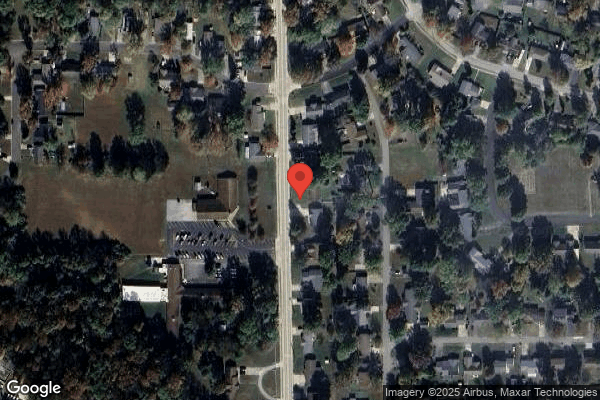
1001 SOUTH 34TH STREET, MOUNT VERNON, IL 62864 (618) 242-5700
For profit - Corporation 74 Beds CREST HEALTHCARE CONSULTING Data: November 2025
Trust Grade
60/100
#170 of 665 in IL
Last Inspection: February 2025

Within standard 12-15 month inspection cycle. Federal law requires annual inspections.

Overview

Nature Trail Health and Rehab has a Trust Grade of C+, indicating it is slightly above average but not exceptional. In Illinois, it ranks #170 out of 665 facilities, placing it in the top half, and #1 out of 4 in Jefferson County, meaning it's the best option locally. However, the facility is trending worse, with issues increasing from 1 in 2024 to 4 in 2025. Staffing is a concern as it received a 2 out of 5 stars rating, although its turnover rate of 35% is better than the state average of 46%, suggesting some stability among staff. Notably, there were serious incidents where a resident suffered significant harm due to improper transfer techniques, highlighting potential risks in care practices. On a positive note, the facility has no fines on record, which indicates compliance with regulations, and it offers average RN coverage. Overall, while there are strengths in some areas, families should be aware of the serious concerns regarding care practices.

Trust Score
C+
60/100
In Illinois
#170/665
Top 25%
Safety Record
Moderate
Needs review
Inspections
Getting Worse
1 → 4 violations
Staff Stability
○ Average
35% turnover. Near Illinois's 48% average. Typical for the industry.
Penalties
✓ Good
No fines on record. Clean compliance history, better than most Illinois facilities.
Skilled Nurses
⚠ Watch
Each resident gets only 29 minutes of Registered Nurse (RN) attention daily — below average for Illinois. Fewer RN minutes means fewer trained eyes watching for problems.
Violations
⚠ Watch
23 deficiencies on record. Higher than average. Multiple issues found across inspections.
★★★★☆
4.0
Overall Rating
★★☆☆☆
2.0
Staff Levels
★★☆☆☆
2.0
Care Quality
★★★★☆
4.0
Inspection Score
Stable
2024: 1 issues
2025: 4 issues

The Good

  • Full Sprinkler Coverage · Fire safety systems throughout facility
  • No fines on record
  • Staff turnover below average (35%)

    13 points below Illinois average of 48%

Facility shows strength in fire safety.

The Bad

Staff Turnover: 35%

11pts below Illinois avg (46%)

Typical for the industry

Chain: CREST HEALTHCARE CONSULTING

Part of a multi-facility chain

Ask about local staffing decisions and management

The Ugly 23 deficiencies on record

2 actual harm
May 2025 1 deficiency
CONCERN (D) 📢 Someone Reported This

A family member, employee, or ombudsman was alarmed enough to file a formal complaint

Potential for Harm - no one hurt, but risky conditions existed

Pharmacy Services (Tag F0755)

Could have caused harm · This affected 1 resident

**NOTE- TERMS IN BRACKETS HAVE BEEN EDITED TO PROTECT CONFIDENTIALITY** Based on observation, interview, and record review, the facility failed to ensure proper and safe administration of medications ...

Read full inspector narrative →
**NOTE- TERMS IN BRACKETS HAVE BEEN EDITED TO PROTECT CONFIDENTIALITY** Based on observation, interview, and record review, the facility failed to ensure proper and safe administration of medications in accordance with facility policy for 2 (R1, R3) of 3 residents reviewed for pharmacy services in the sample of 13. Findings Include: 1. R1's Transfer/Discharge Report documented an admission date of 2/24/2025 and included diagnoses of bradycardia, heart failure, hypertension, type 2 diabetes mellitus with other circulatory complications, weakness and unsteadiness on feet. R1's Minimum Data Set (MDS) assessment dated [DATE] documented a Brief Interview for Mental Status (BIMS) score of 15, which indicates R1 is cognitively intact. R1's Care Plan had no documentation of self-administration of medications being a goal or focus area for R1. V2 (Adult Protective Specialist) stated, she had direct care with R1 for the past year. V2 stated, R1 had been staying at this facility temporarily until another placement could be arranged. V2 stated, she came to visit R1 on 5/23/2025 around 8:00 am in the morning. V2 stated, when she walked into R1's room, she had been lying in her bed, covered up with blankets and a pillow resting over her head. V2 stated, R1 does prefer to sleep this way. V2 stated, when she entered R1's room, she noticed a medicine cup with medications sitting on R1's assistive device chair cushion. V2 stated, she woke R1 up and R1 stated, she did not know they had left her medications for her this morning, but they normally leave her medications for her because she does not like to get up in the mornings and go to the dining room. On 5/29/2025 at 10:57 AM, R1 stated she does get medication administered to her by the facility. R1 stated, the facility nurses will leave her medication, including eye drops at her bedside without telling her they are there. R1 stated, the nurses say she is too hard to wake up in the mornings. R1 stated V2 did come to visit her on 5/23/2025 sometime after 8:00 AM and woke her up. R1 stated, V2 did observe her medications in a medicine cup sitting on her assistive device cushion. R1 stated her nurse that morning was V6 (Registered Nurse/RN), and she did not wake her up to give her the medications. R1 stated, the facility nurses had been leaving her medication at her bedside more frequently than before. On 5/29/2025 at 12:39 PM, V6 (RN) stated she did work R1's hall on 5/23/2025. V6 stated, she did administer R1's medications to her that morning, signed them off in her electronic health record and does not remember leaving them at her bedside table. V6 stated, R1 is very hard to wake up in the mornings. R1's Medication Administration Record (MAR) documented on 5/23/2025 at 8:00 AM fenofibrate oral tablet 160 MG (milligrams) 1 tablet given by mouth one time a day, ferrous sulfate oral tablet 325 1 tablet by mouth one time a day, furosemide tablet 40 MG 1 tablet by mouth one time a day, glycoLax powder 1 scoop by mouth one time a day, losartan potassium oral tablet 100 MG give 1 tablet by mouth one time a day, protonix oral tablet delayed release 20 MG 1 tablet by mouth one time a day, tamsulosin oral capsule 0.4 MG 1 capsule by mouth one time a day, acetaminophen oral tablet 500 MG 2 tablets by mouth two times a day, azelastine ophthalmic solution 0.05 % instill 1 drop in both eyes two times a day, menthol topical analgesic the pain external gel 4% apply to right shoulder/neck and apply to top of feet and ankle topically two times a day, docusate sodium capsule 100 MG 100 mg by mouth two times a day, apixaban tablet 5MG 1 tablet by mouth two times a day, and pregabalin 50 MG 1 tablet by mouth two times a day, administered by V6 (RN). 2. R3's Transfer/Discharge Report documented an admission date of 2/10/2025 and included diagnoses of alzheimer's disease, chronic kidney disease, major depressive disorder, single episode, severe without psychotic features, and essential hypertension. R3's MDS assessment dated [DATE] documented a BIMS score of 11, which indicates moderate cognitive impairment. R3's Care Plan had no documentation of self-administration of medications being a goal or focus area for R3. On 5/29/2025 at 10:27 AM, R3 stated the nurses in the facility will leave her medications on her bedside table for her to take. R3 stated, she has her morning medications sitting in her room on her bedside table right now waiting for her to take them. R3 stated, V4 (Licensed Practical Nurse/LPN) brought them to her earlier this morning but she was not taking them until after she had her cigarette. On 5/29/2025 at 10:35 AM, R3's medication cup was observed on her bedside table with 4 pills in the cup. 1 pill was blue, 1 pill was green, 1 pill was white and round shaped and 1 pill was white and oval shaped. On 5/29/2025 at 10:37 AM, V4 (LPN) stated he did bring R3 her medications at 8:30 AM this morning, sat them on R3's bedside table and left the room. V4 stated, he is unaware if the facility has a policy that states medications cannot be left at the bedside. R3's Medication Administration Record documented on 5/29/2025 at 8:00 AM, amlopidine 10 mg (milligrams) 1 tablet by mouth one time a day, atorvastatin 40mg 1 tablet given in the morning, losartan potassium 100 mg tablet given in the morning, and sertraline 50 mg tablet administered by V4 (Licensed Practical Nurse/LPN). On 5/29/2025 at 10:39 AM, V3 (Director of Nursing/DON) stated, it is her expectation that medication should be administered as ordered and not left at the bedside table for any resident. V3 stated, if a resident is not able to take the medications at that time, then the nurse should take the medication back to the nurse's cart with them. On 5/29/2025 at 10:42 AM, V1 (Administrator) stated, it is her expectation that medications are not left at the bedside table for residents and staff should follow the facility's policy and procedures. The facility Medication Administration Policy/Procedure (revised 9/27/22) documented the purpose was To ensure proper administration of oral medications. Under Policy: Medications will be administered safely to residents within the facility by licensed nurses at the specified time/timeframe, following the recommended administration method and will be documented as required. Under Responsibility, the policy states It is the responsibility of all licensed nursing staff to safely administer medications to residents. The policy further documents: 5. Identify the individual and explain what is to be done .8. Follow the specific instructions listed for each type of medication to be given. Offer adequate fluids with medications .9. Ensure medication has been swallowed before leaving .a. If medication if refused, chart refusal and notify physician and family/power of attorney.
Feb 2025 3 deficiencies 1 Harm
SERIOUS (G)

Actual Harm - a resident was hurt due to facility failures

Accident Prevention (Tag F0689)

A resident was harmed · This affected 1 resident

**NOTE- TERMS IN BRACKETS HAVE BEEN EDITED TO PROTECT CONFIDENTIALITY** Based on interview and record review the facility failed to implement interventions to prevent falls for 1 of 6 (R122) residents...

Read full inspector narrative →
**NOTE- TERMS IN BRACKETS HAVE BEEN EDITED TO PROTECT CONFIDENTIALITY** Based on interview and record review the facility failed to implement interventions to prevent falls for 1 of 6 (R122) residents reviewed for falls in a sample of 55. This failure resulted in R122 falling and sustaining a left intertrochanteric fracture and subsequent hospitalization. The Findings Include: R122's admission Record documents an admission date of 1/8/25 with diagnoses including unspecified dementia, weakness, and atrial fibrillation. R122's admission Record documents a date of discharge og 1/14/25 to a local acute care hospital. R122's Order Summary Report with a print date of 1/31/25 documents an order for a bed alarm and chair alarm every shift with an order date of 1/8/25. R122's Care Plan has a focus area of being at risk for falls and injuries related to weakness, CVA (cerebral vascular accident), and Atrial Fibrillation. The goal for this focus area is to decrease risk of fall and/or minimize injuries form falls for 90 days. The interventions for the focus area include: assist to toilet prior to laying down with an initiation date of 1/13/25, bed and chair alarms in place with an initiation date of 1/8/25, and mat at bedside when in bed date with an initiation date of 1/13/25. R122's Minimum Data Set (MDS) 5 day assessment dated [DATE] Section J documents that R122 did not have a fall prior to admission. This same section documents R122 had one fall with a minor injury and one fall with a major injury after admission. The same MDS Section C documents a Brief Interview of Mental Status (BIMS) score of 11, indicating that he has moderately impaired cognition. R122's Progress Note dated 1/8/25 documents Resident is a high fall risk. New orders received for bed/chair alarm. Alarms in place at this time and functioning properly. R122's Progress Notes dated 1/11/25 document the following: 6:57 PM: notified POA (Power of Attorney), MD (Medical Doctor), and V2 (Director of Nursing/DON) of situation and R122 was being transferred to the local emergency room via EMS (Emergency Management Services) for evaluation. 7:04 PM: Resident had an unwitnessed fall while eating dinner in his room. Resident had small red mark on head back of head, roommate stated he witnessed him hit his head when he fell. Family called, DON notified, MD notified. Report called into (name of local hospital), and EMS notified. Report given to (name of nurse at local hospital), all information passed along and questions answered. EMS arrived as report to (name of local hospital) was finishing up. Resident was transferred via one assist on to gurney. Paperwork given to EMS, all information passed along and questions answered. Resident was secured and loaded into ambulance. R122's Unwitnessed Fall report dated 1/11/25 documents under the incident description: CNA's (Certified Nurse's Assistant) reported to nurse (self) that resident had fallen on the floor. Fall was not witnessed. Roommate stated resident hit head when he fell. Resident stated he was trying to get up but could not state why he was getting up. Resident was hoyered (used a mechanical lift) from floor 3x assist. Resident denied pain, but had a small red bump on head. Sent to hospital due to resident being on blood thinners for precautionary measures due to inability to judge confusion level due to resident's normal cognitive state. Resident stated he was trying to get up but could not remember why. Resident is unsure if he hit his head or not. This same document lists the root cause of the incident: R122 attempted to stand up out of bed unassisted and fell, hitting his head. Intervention is to assist R122 to toilet before assisting to bed. R122's Progress Note dated 1/13/25 at 5:34 PM it is documents: Resident slid out of his bed onto his bedroom floor at 0630 (6:30 AM) this morning. Resident received a head-to-toe assessment. VS (vital signs) and neuro (neurological checks) started per facility protocol. Resident was assisted back into his wheelchair with 2 staff. Resident denied any pain or discomfort at this time. Resident expressed pain and discomfort at approximately 1100 (11:00 AM) of L (left) hip. (MD) was notified and received orders for L hip and pelvic X-ray. Notified (name of mobile X-ray company) and waiting for call back. Resident c/o (complains of) pain to L should while doing PT (Physical Therapy). (MD) notified again, and received orders to add L shoulder to x-ray. Resident had x-ray completed at 1651 (4:51 PM). Awaiting results. Resident is currently resting in his room. R122's Progress Note dated 1/14/25 at 1:01 AM documents that a call was received with x-ray results indicating a left intertrochanteric fracture. A facility Incident Report dated 1/13/25 at 6:30 AM documents that R122 was oriented x1 and had no injury to report. The investigative statement on this report documents that R122 stated he was ready to get in his wheelchair. R122 stated then that he thought he could do it himself, and before he knew it he had slid onto the floor, sitting on his bottom. This report documents under actions: a fall assessment, skin assessment, a pain assessment were completed and diagnostic services ordered. On 1/30/25 at 2:31 PM, V4 (Certified Nurse Assistant/CNA) stated that she was the staff member who found R122 on the fall that occurred on 1/11/25. V4 stated that she heard a loud noise and ran to his room and found him on the floor. V4 stated that there was no fall mat observed in the room and R122 did not have an alarm sounding. V4 went on to state that he would not ever stay still and did not listen to reminders of not getting up to walk alone. V4 stated that she found him close to the doorway, and thinks he was likely getting up to go to the bathroom. V4 stated that he was refusing to want to use a mechanical lift to get up from the floor and did not want to go to the hospital, but she got help from the staff to assess him properly and R11 did go to the emergency room since they were unsure of whether he hit his head. On 1/30/25 at 2:38PM, V7 (CNA) stated on a telephone interview that she was the staff that found R122 on his fall that occurred on 1/13/25. V7 stated that she has just clocked out for the shift but was waiting to let her car warm up when she came back in the facility and walked by R122's room and saw him on the floor. V7 stated that she got staff to assist her with getting him assessed by the nurse and back in his chair. On 1/30/25 at 2:45PM, R44 who is alert to person, place and time stated that he was R122's roommate and the alarm did not sound for either of the falls. R44 stated that he remembers R122 getting up and being all wobbly and that he couldn't do anything to help him because he is unable to walk. On 1/30/25 at 2:55PM, V2 (Director of Nursing) stated that the CNA's check placement and function at the start of each shift of resident's bed/chair alarms. V2 stated that she is unsure why the alarm did not sound after each of the falls. V2 stated that all the alarms at the current time are working. V2 went on to state that the alarm should have been placed both in the chair and in the bed. On 1/30/25 at 2:55 PM, V1 (Administrator) stated that R122 was here a very short time and had a couple of falls. R122 stated that after the second fall he never returned to the facility as planned due to going on hospice and expiring at the hospital. On 1/20/25 at 3:38 PM, V5 (CNA) and V6 (CNA) stated that they check placement and function every shift for alarms. On 01/31/2025 at 12:44 PM, V17 (Licensed Practical Nurse) stated she was the nurse the night of 01/11/2025. V17 stated that she had just started her shift at 6:00 P.M. V17 stated that it had been reported to her that R122 had been restless for day shift and had gotten up and down all day from his bed and chair. V17 stated it was her understanding that R122's baseline is that he is confused. V17 stated that she was alerted by the CNA that R122 had fallen. R122's emergency room provider notes, dated 1/14/24 at 3:37 AM from the local hospital, documents under chief complaint that R122 is from the nursing home and presents with complaint of left hip pain. Per nursing home report patient had a fall this morning x-ray report this evening showing left hip fracture. History is limited by patient's mental status. It is unclear if he had any associated head or neck injury. Differential diagnosis includes likely hip fracture, less likely head or cervical spine injury. The hospital records document CT (Computed Tomography) results for the head and cervical spine dated 1/14/25 are negative for fractures. An Orthopedic Consult dated 1/14/25 documents a recommendation of surgical repair. A Brief Op (Operative) Note dated 1/15/25 documents that R122 had an Open Reduction Internal Fixation of the left hip/ trochanteric (fixation nail) performed.
CONCERN (E)

Potential for Harm - no one hurt, but risky conditions existed

Deficiency F0688 (Tag F0688)

Could have caused harm · This affected multiple residents

**NOTE- TERMS IN BRACKETS HAVE BEEN EDITED TO PROTECT CONFIDENTIALITY** 4. R37's admission Record documents an admission date of 8/29/24 with diagnoses including hemiplegia and hemiparesis following c...

Read full inspector narrative →
**NOTE- TERMS IN BRACKETS HAVE BEEN EDITED TO PROTECT CONFIDENTIALITY** 4. R37's admission Record documents an admission date of 8/29/24 with diagnoses including hemiplegia and hemiparesis following cerebral infarction affecting the left non-dominant side, aphasia following cerebral infarction, and personal history of Transient Ischemic Attack. R37's December 17, 2024 quarterly MDS Section GG documents that under Functional Limitation Range of Motion is impaired on one side for both upper/lower extremity. This same MDS Section O0500 documents zero days of restorative nursing program for active/passive range of motion was completed in a look back period of 7 days. R37's care plan documents a focus area of: R37 has a self-care deficit as evidenced by needing assistance with ADL's related to hemiplegia. The goal for this focus area is: R37 will continue to perform current level of ADL function through review date. The Interventions for this goal include: PT/OT evaluation and treatment as physician orders. R37's OT Evaluation and Plan of Treatment dated 6/20-24-7/30/24 documents under the musculoskeletal assessment that R37 has a contracture of left hand will treat and address the impairment. R37's PT Evaluation and Plan of Treatment dated 6/19/24-7/29/24 documents under the musculoskeletal assessment that R37's left lower extremity range of motion is impaired. On 1/29/25 at 1:52 PM, V8 (Certified Nurse Assistant) stated that she works all three halls on any given day. V8 stated that she tries to work with residents if they have exercises posted in their room, or if she sees that they are having any problems straightening out any joints. V8 stated that not all residents necessarily receive daily active or passive range of motion whether they are receiving therapy services or not. V8 also stated that she doesn't really follow a program when doing any type of exercises, she just tries to work on what they can tolerate. On 1/28/25 at 9:30 AM, R37 who is alert to person, place and time stated that he does not get any type of daily exercises or therapy from the staff, but he would like to. R37 stated that no type of exercises are done on his left hand that he has a brace on it from a previous stroke. R37 stated that he does not usually participate in any of the activities, rather he enjoys being outside when the weather permits. R37's Notice of Discharge From Therapy dated 7/26/24 documents a discharge date from therapy of 7/30/24 and lists that the therapy recommends active range of motion on bilateral lower extremities. On 1/30/25 at 8:30 AM, V1 (Administrator) stated that they get rescreened after 30 days after discharge off therapy. They are not necessarily all receiving a restorative programs, other than group exercise activities and ADL's. On 1/30/25 at 8:32 AM, V3 (Therapy Director) stated that the residents are screened 30 days post discharge off therapy services and then at minimum every quarter on the MDS schedule. V3 went on to state that if there is a decline noticed by any nursing staff they can refer to therapy for a screening at any time. 4. R52's admission record documents an admission date of 8/24/24. This same documents includes the following diagnoses: spondylopathies cervical region, alcohol dependence, and PTSD. Review of R52's current Care Plan has a focus area for self-care deficit as evidence by: R52 needs assistance with ADL's related to complex medical factors. The goal for this focus area is: R52 will participate with ADL's daily and ADL status will improve by target date. Interventions for this focus area include: PT (Physical Therapy) and OT (Occupational Therapy) evaluation and treatment as per physician orders, with an initiations date of 9/16/24. R52's admission MDS dated [DATE] documents in section GG that no impairment on upper extremities and impairment on both sides for lower extremities. R52's Quarterly MDS dated [DATE] Section GG documents no impairment on upper extremities and impairment on both sides on lower extremity. The same MDS Section O0500 documents that he is not receiving any restorative nursing programs active or passive range of motion. R52's PT Evaluation with a certification period of 8/27/24-10/16/24 documents under musculoskeletal system assessment that bilateral lower extremities ROM and strength impaired. R52's Notice of Discharge From Therapy dated 11/4/24 documents a discharge date from therapy of 11/7/24 and that R52 should continue with restorative measures of bilateral upper/lower extremities with therapy exercises and active range of motion written in on the discharge form. Review of R52's current month physician orders does not include any restorative orders. On 1/28/24 at 10:30 AM, R52 who is alert to person, place, and time stated that since he has finished therapy he does not receive any types of exercises. R52 replied no when asked if the staff move his arms/legs/hands daily to ensure his joints are exercised and do not get stiff. R52 stated that he cannot stand, is in bed all the time, and chooses to not attend group activities or eat in the dining room. The facility policy titled Range of Motion with a date of 01/02/2022 documented range of motion exercises is critical to improve and maintain function in the joint and prevent contracture deformity. 1. Verify that there is a physician's order for this procedure. If there is no order for treatment, contact the attending physician to obtain treatment orders .4. Move each joint through its range of motion three times unless otherwise instructed . 3. R3's document titled admission Record documents an admission date 10/5/2005 with diagnoses including Intracranial Injury without loss of consciousness subsequent encounter, Chronic Obstructive Pulmonary Disease, Aphasia, Dysphagia, GERD, Paraplegia, Hypertension, and Contractures of the Right Knee, Left Ankle, Right Ankle, and Right Hip. R3's MDS dated [DATE] documents R3's cognition is severely impaired. Section GG documents under Functional Limited Range of Motion documents that R3 has impairment on both sides for upper and lower extremities and R3 is dependent for toilet hygiene, showers, upper body, and lower body dressing, putting on and taking off footwear, personal hygiene, rolling left to right, lying to sitting on side of bed, chair- chair transfer and toilet/shower transfer. R3's Care Plan documents a Focus area of R3 requires assistance with ADL's (Activity of Daily Living) related to paraplegia contractures, aphasia, pain, enteral feeding, TBI (Traumatic Brain Injury). R3's Goals document R3 will have ADL needs identified and met with staff assistance and interventions while maintaining highest level of independent function possible to review date every 90 days. Documented Interventions include: Head of Bed elevated 30 degrees always except brief ADL care, oral care every shift, provide assistance with required completion of ADL task, and up in specialized wheelchair as tolerated. R3's Occupational Therapy OT Evaluation and Plan of Treatment, authored by V3 (Therapy Director) documents a discharge date from therapy of 12/31/2024 with reason noted of Resident reached maximum potential. Under objective progress/short term goals R3 has a baseline date of 10/25/2024 with a target date of 11/7/2024, the patient will improve right upper extremity elbow hypertonicity with application of elbow extension split to reduce further progressing/development of contracture. On 1/30/2025 at 11:10 AM, V13 (Restorative Certified Nurse Assistant) stated she was the one that does all the restorative programs. V13 stated she does not have written programs and she just does what is needed for the residents. V13 was asked if she follows any guidelines as to how many reps are done on the affected joints, V13 stated no we do not have any guidelines like that. V13 stated she does see R3 on a regular basis for range of motion. V13 stated that R3 loves to be stretched out and by Friday he is usually much looser where he has contractures but then on Monday, we must start the process all over again. V13 was asked how she knew who to see for restorative purposes, V13 stated I usually see who needs to be seen and sometimes physical therapy will tell me to pick someone up after they complete therapy. V13 was asked if therapy gave her a plan of care to follow and she said they will tell me what needs to be done. V13 stated she sees R3 everyday Monday through Friday usually, but she has been off sick, and she doesn't think it was done while she was off sick. V13 stated R3 does not have splints. On 1/28/2025, 1/29/2025, and 1/30/2025, R3 was noted to be up in specialized wheelchair with noted contractures to right upper extremity, right lower extremity, right and left ankles. On 1/31/2025 at 9:45AM, V12 (Certified Nurse Assistant/CNA) stated she does not do PROM for R3, V12 stated the restorative duties are done by the restorative aid. On 1/31/2025 at 9:48AM, V10 (Certified Nurse Assistant/CNA) stated she care for R3 and is not responsible for any type of ROM because the restorative aid does all of that and the restorative CNA is V13. On 1/31/2025 at 2:22PM, V14 (Regional Clinical Director) stated he was not familiar with the Restorative Program and was unsure about the MDS. V14 stated he was not sure about the programs and who wrote the programs. V14 stated he was aware that a lot of companies are moving away from restorative programs due to financial issues. V14 stated there really were not programs written for the residents and most of the residents are on walk to dine programs. V14 stated there are only 2 contractures in the facility that she is aware of. V14 stated there are other residents with splints and devices like that. On 1/31/2025 at 10:15 AM, V13 (Restorative Certified Nurse Assistant) was observed doing PROM on R3 while R3 was in bed. V13 had placed warm compress to right shoulder and right knee. V13 did not do range of motion to right shoulder or right upper extremity. V13 did 5 reps of knee extension to right knee and 5 reps of rotation to right ankle were done. No PROM was completed to left ankle. Based on observation, interview, and record review the facility failed to provide services to increase and/or prevent further decrease of range of motion (ROM) for 5 (R23, R28, R3, R37, and R52) of 5 residents reviewed for decreased range of motion in the sample of 55. Findings Include: 1. R23's admission Record documented R23 as a [AGE] year-old with an admission date to the facility of 03/16/2024. Diagnoses listed are hemiplegia and hemiparesis following cerebral infarction affecting left non-dominant side, other immunodeficiencies, type 2 diabetes mellitus, essential hypertension, lymphedema, generalized anxiety disorder, hyperlipidemia, and embolism and thrombosis of superficial veins of left lower extremity. R23's Order Summary Report with a print date of 01/31/2025 does not document an order for any range of motion or restorative nursing program. R23's Quarterly Minimum Data Set (MDS) dated [DATE] noted that R23's Brief Interview for Mental Status (BIMS) score is 15 which indicates R23 is cognitively intact. Section GG documents for functional limitation in range of motion that R23 has impairment on one side for both upper and lower extremities. Section GG for self-care documents that R23 is dependent for shower/bathing, upper body dressing, lower body dressing, and putting on and taking off footwear. Section O of the same MDS documents R23 received 0 days of range of motion and 0 days of passive range of motion (with a look back period of 7 days.) R23's Care Plan, with a start date of 03/18/2023, documents a focus area of R23's Self-Care Deficit as evidenced by needs assistance with activities of daily living related to left sided weakness. Interventions listed include: encourage the resident to participate to the fullest extent with each interaction and encourage resident to discuss feelings about self-care deficit. The Focus area documents that R23 has hemiplegia/hemiparesis with interventions listed as bowel / bladder program, discuss the residents' concerns and fear, and give medications as ordered. R23's document titled Occupational Therapy (OT) Evaluation and Plan of Treatment dated 09/05/2024 under Musculoskeletal System Assessment documented right upper extremity range of motion within functional limits, left upper extremity impaired, left upper extremity hemiplegia - patient unable to perform active range of motion, but passive range of motion within functional limits for shoulder/elbow/forearm. Increased tone noted in left hand / wrist but 50% gross passive range of motion achieved in digits. Functional limitations as result of contracture left upper extremity hemiplegia contributing to left hand contracture risk and reduced ability to utilize left hand. R23's document titled Notice of Discharge From Therapy dated 10/2/24 documents that resident is to continue with restorative measures with a date of discharge from therapy of 10/4/24. On the bottom of this same form, it documents for R23 to do AROM (Active range of Motion) bilateral upper and lower extremities and utilize the bike for lower extremities. On 01/28/2024 at 10:50 A.M., R23 stated he does not receive any therapy or range of motion from the facility. R23 stated he was supposed to get therapy 3 times a week and he stated he doesn't get it at all. R23 stated he would like to go to therapy to lift weights and ride the bike, but the staff tell him he can't. R23 stated he would like to attempt to walk. R23 stated he feels like he is stiff as a robot. On 01/29/2025 at 1:23 P.M.V15 (Certified Nurse Assistant/CNA) was observed performing AROM to R23's right side. V15 asked resident to open and close hands, asked resident to move his foot up and down, asked resident to open and close his hand, asked resident to open and close arm at the elbow, and asked resident to move his head. There was no range of motion completed to the left side of R23's body. This observation ended at 1:27 P.M. 2. R28's admission Record documented R28 as a [AGE] year-old with an admission date to the facility of 03/16/2024. Diagnoses listed are Parkinson's disease, unspecified dementia, chronic obstructive pulmonary disease, essential hypertension, major depressive disorder, and anxiety. R28's Order Summary Report with a print date of 01/31/2025 does not document an order for any range of motion or restorative nursing program. R28's Quarterly MDS with a date of 01/06/2025 noted that R28's BIMS score is 09 which indicates R28 has moderate cognitive impairment. Section GG documents for functional limitation in range of motion that R28 has impairment on one side for both upper and lower extremities. Section GG for self-care documents that R28 is dependent for oral hygiene, toileting hygiene, shower/bathing, upper body dressing, lower body dressing, and putting on and taking off footwear. Section O of the same MDS documents R28 received 0 days of range of motion and 0 days of passive range of motion (with a look back period of 7 days.) R28's Care Plan documents a focus area of R28 has an activity of daily living self-care performance deficit related to deconditioning. Interventions listed for the focus area include: R28 requires extensive assistance of one staff for bathing, extensive assist of one for turning and repositioning in bed, extensive assist of one for dressing, the resident required mechanical lift with two staff assistance for transfers and physical therapy (PT) / occupational therapy (OT) evaluation and treatment as per physician orders. R28's Occupational Therapy (OT) Evaluation and Plan of Treatment with a start date of 10/12/2023 documented under musculoskeletal system assessment upper extremity range of motion impairment on the right and left. On 01/29/2025 at 1:27 P.M. V15 performed AROM to R28. V15 asked resident to move both feet back and forth, asked resident to wiggle his toes, asked resident to move his legs up and down, asked resident to move his hand up and down, asked resident to move his arms up and down, and asked resident to move his head. Observation ended at 1:31 P.M. with CNA leaving room to go get R28 hot chocolate. On 01/30/2025 at 9:00 A.M., V3 (Physical Therapy Assistant) stated that after the resident is off therapy they leave the facility a restorative plan . V16 stated that the facility does not do PROM (Passive Range of Motion) as restorative therapy. She stated that the facility considers dressing a resident passive range of motion. V16 stated that dressing a resident may not prevent the decline in mobility in some residents. She stated that it all would depend on the resident. On 01/30/2025 at 9:42 A.M., V16 (Licensed Practical Nurse / MDS Nurse) stated that when she was trained to do MDS she was told that she cannot code section O0500 as anything but a 0 because they do not have a structured restorative program.
MINOR (B)

Minor Issue - procedural, no safety impact

Deficiency F0912 (Tag F0912)

Minor procedural issue · This affected multiple residents

**NOTE- TERMS IN BRACKETS HAVE BEEN EDITED TO PROTECT CONFIDENTIALITY** Based on observation, interview, and record review the facility failed to provide the required 80 square feet of floor space per...

Read full inspector narrative →
**NOTE- TERMS IN BRACKETS HAVE BEEN EDITED TO PROTECT CONFIDENTIALITY** Based on observation, interview, and record review the facility failed to provide the required 80 square feet of floor space per resident for 38 of 38 (R2, R16, R55, R8, R19, R5, R35, R20, R17, R50, R51, R26, R12, R43, R30, R31, R14, R1, R62, R56, R3, R48, R25, R41, R11, R24, R60, R40, R59, R61, R23, R46, R28, R18, R58, R47, R52, and R54) residents reviewed for room size in a sample of 55. The findings include: On 01/31/2025 at 9:28 A.M., V1 (Administrator) stated the waived rooms are 100-109, 111, 201-209 and 211, are certified 2 bed rooms, and measure less that 80 square feet per resident. On 01/31/2025 at 9:05 A.M., V9 (Maintenance) measured rooms [ROOM NUMBERS]. rooms [ROOM NUMBERS] measured 12 feet by 12 feet equaling 144 square feet which is approximately 72 square feet per resident bed. V9 stated that 100-109,111 and 201-209, and 211 are all the same size. Each room contained 2 beds, 2 dressers, and 2 nightstands. On 01/31/2025 at 9:10 A.M. R50 and R51 stated they both have no concerns with the room size. R50 and R51 are both alert and orientated to person, place, and time. On 1/31/2025 at 9:15 A.M. R56 stated he has no concerns with the room size. R56 is alert and orientated to person, place, and time. On 1/31/2025 at 9:18 A.M. R11 stated he has no concerns with the room size. R11 is alert and orientated to person, place and time. On 1/31/2025 at 9:20 A.M. R35 stated she has no concerns with the room size. R35 is alert and oriented to person, place and time. The facility daily rooster dated 01/27/2025 documents R2, R16, R55, R8, R19, R5, R35, R20, R17, R50, R51, R26, R12, R43, R30, R31, R14, R1, R62, R56, R3, R48, R25, R41, R11, R24, R60, R40, R59, R61, R23, R46, R28, R18, R58, R47, R52, and R54 reside in rooms 100-109, 111, and 200-209, and 211. Observations of the waived rooms were made from 01/28/2025 - 01/31/2025, showing these rooms provide adequate space to meet the medical and personal needs of these residents. The Resident Council Meeting Minutes from July 2024 through January 2025 documents no concerns regarding the size of resident rooms.
Apr 2024 1 deficiency
CONCERN (D) 📢 Someone Reported This

A family member, employee, or ombudsman was alarmed enough to file a formal complaint

Potential for Harm - no one hurt, but risky conditions existed

Comprehensive Care Plan (Tag F0656)

Could have caused harm · This affected 1 resident

Based on interview and record review the facility failed to ensure a person-centered comprehensive care plan was developed with goals and interventions to address history of substance abuse for 1 (R1)...

Read full inspector narrative →
Based on interview and record review the facility failed to ensure a person-centered comprehensive care plan was developed with goals and interventions to address history of substance abuse for 1 (R1) of 3 residents reviewed for care planning in a sample of 3. Findings include: R1's face sheet documents an admission date of 01/18/24 with diagnosis including: Pulmonary Hypertension, Stimulant use, Unspecified Stimulant - induced Disorder, Other Stimulant Abuse in remission, Tobacco use, Major Depressive Disorder, lower back pain, and Intervertebral Disc Degeneration lumbar region. R1's undated care plan does not contain a Focus area with goal and interventions for the concern area of Stimulant use, Stimulant induced Disorder, or Stimulant Abuse in remission. R1's hospital summary of care dated 01/18/2024 documents a diagnosis of methamphetamine abuse. On 04/15/24 at 3:45 PM, R1 stated he has been a methamphetamine user and has been trying very hard to keep from using. On 04/16/24 at 10:10 AM, V2 (Director of Nursing/DON) stated R1 went out on a community pass on the 9th and signed out, he did not return to the facility until the next morning, the nurse on duty V13 (Registered Nurse/RN) notified V10 (Medical Doctor) that R1 was out overnight. V10 gave an order that when R1 returned to the facility he was to be drug tested. V2 stated V10 knows R1's history with drug use and that is why he ordered the drug screen. V2 stated she believes he discharged from the facility AMA (against medical advice) because how the situation with the drug test was handled and he didn't think it was fair because he called and tried to let the facility know he was having trouble getting back but no one answered the phone. V2 stated, R1 was not told in advance that he would have to drug screen if he did not make it back to the facility before midnight or acted under the influence to her knowledge. On 04/16/24 at 3:45 PM, V10 (Medical Doctor) stated he ordered the drug screening for R1 upon return to the facility due to R1's history of drug use. R1's Physician Order Sheet dated 04/01/24 documents an order dated 04/10/24 stating: Upon arrival to facility do a urine screen: Hold pain meds (medications) until MD (medical doctor) notified of results. On 04/16/24 at 3:30 PM, V6 (Minimum Data Set Coordinator/Care Plan Coordinator) stated she did not know why they did not have anything in R1's care plan relating to R1's history of substance abuse problems. V6 stated they did not have anything care planned for drug screening or community passes, and he did not have a section relating to substance abuse. V6 stated they did not have anything in place to monitor R1 especially when he returned from community passes or if he returned late from a community pass. On 04/16/24 at 12:15 PM, V2 (DON) stated they did not have anything in place on R1's care plan in relation to his past history of drug use including anything with community passes or drug screening and they should have. On 04/16/24 at 1:29 PM, V8 (Licensed Practical Nurse) stated R1 returned to the facility from a community pass when she was on shift. V8 stated R1 came in and was going down the hall to his room and was talking about getting a flat tire and being stranded in the country. V13 (RN) told her there was an order for R1 to drug screen when he returned, so she went to his room and gave him the cup. He was not happy about having to drug screen. On 04/18/24 at 8:58 AM, V1 (Administrator) stated they do not have a care plan policy.
Nov 2023 9 deficiencies
CONCERN (D)

Potential for Harm - no one hurt, but risky conditions existed

Deficiency F0582 (Tag F0582)

Could have caused harm · This affected 1 resident

Based on interview and record review the facility failed to provide a SNF ABN Form (CMS-10055) for 1 of 3 residents (R26) reviewed for Beneficiary Protection Notification in the sample of 59. Findings...

Read full inspector narrative →
Based on interview and record review the facility failed to provide a SNF ABN Form (CMS-10055) for 1 of 3 residents (R26) reviewed for Beneficiary Protection Notification in the sample of 59. Findings include: R26's face sheet documents diagnosis including: Hemiplegia and Hemiparesis following cerebral infarction affecting left non-dominant side, Seizures, Central Pain Syndrome, Lymphedema, Anxiety Disorder, Pseudobulbar Affect, Type 2 Diabetes Mellitus with Hypoglycemia without coma and Morbid Obesity due to Excess Calories. R26's face sheet documents a admission date of 03/16/23. R26's SNF Beneficiary Protection Notification Review form documents a discharge from Medicare Part A services on 11/5/23, prior to exhaustion of his benefit day allotment. This form does not document that a written notice of the resident's potential liability for a non-covered stay (SNFABN - CMS-10055) form was provided to R26 to explain his right to appeal the decision of discharge from Medicare Part A services prior to exhaustion of his benefit days. On 11/16/23 at 11:45 AM, V1 Administrator stated they do not have the form (CMS-10055) for R26, it must have been missed. R26's Clinical records did not contain a CMS-10055 document. On 11/16/23 at 1:40 PM. R26 who was alert to person, place and time stated he does not remember if he received any forms about his therapy days.
CONCERN (D)

Potential for Harm - no one hurt, but risky conditions existed

Comprehensive Care Plan (Tag F0656)

Could have caused harm · This affected 1 resident

Based on interview, observation, and record review the facility failed to develop and implement a person centered comprehensive care plan for tracheotomy care for 1 of 1 residents (R37) reviewed for c...

Read full inspector narrative →
Based on interview, observation, and record review the facility failed to develop and implement a person centered comprehensive care plan for tracheotomy care for 1 of 1 residents (R37) reviewed for care plans in a sample of 59. Findings include: Per R37's EHR (electronic health record) face sheet, R37 was admitted to this facility on 7/13/2021 with pertinent diagnosis of Tracheostomy, Chronic Obstructive Pulmonary Disorder, Dementia with Agitation, Delusional Disorders and Visual Hallucinations. The MDS (Minimum Data Set) for R37 dated 8/28/2023, documents R37 BIMS (Brief Interview for Mental Status) to be 00 out of a total of 15, which indicates R37 has severe cognitive impairment. R37's current physician's order sheet, dated 11/1/2023-11/31/2023, documents R37's doctor ordered R37 to receive tracheostomy care every dayshift and nightshift. R37's current care plan, initiation date of 7/14/2021, documents a focus area for R37 as: (R37) has a tracheostomy r/t (related to) impaired breathing mechanics. The goal for R37 is to have clear and equal breath sounds and R37 will have no abnormal drainage around trach (tracheostomy) site. Interventions listed in R37's care plan to help R37 achieve the goal are documented in part as: Resident performs own trach care. Staff to over see (dated 7/14/2021). On 11/15/2023 at 1:15 pm, V8 (Licensed Practical Nurse/LPN) said he knows R37's care plan says she will perform her own tracheostomy care, however R37 can not perform her own tracheostomy care. V8 said he observed R37 perform her own tracheostomy care, R37 pulled out the tracheostomy cannula, stuck it in her mouth, licked the cannula clean and places the cannula where it goes in her neck. V8 said he has not provided R37 with patient education on providing her own tracheostomy care and he feels R37 does not have the mental capability to be educated due to having dementia and severely impaired cognition. On 11/16/2023 at 12:30 pm, V20 (Social Service Director/Care Plan Coordinator) said she agrees R37 does not have the mental capacity to perform her own tracheostomy care and the intervention of Resident performs her own tracheostomy care with staff to over see is a very inappropriate intervention for R37's tracheostomy care plan. V20 said she does not know why this is listed in place of nursing staff to perform the care. V20 agreed the inappropriate intervention is not patient centered and she will schedule a care plan meeting to get this corrected.
CONCERN (D)

Potential for Harm - no one hurt, but risky conditions existed

Deficiency F0658 (Tag F0658)

Could have caused harm · This affected 1 resident

Based on interview, observation and record review, the facility failed to ensure nursing staff signed off medications they administered by using their own electronic signature and failed to provide tr...

Read full inspector narrative →
Based on interview, observation and record review, the facility failed to ensure nursing staff signed off medications they administered by using their own electronic signature and failed to provide tracheostomy care in accordance with professional standards of practice for 3 of 5 residents (R27, R41, and R37) reviewed for medication administration and tracheostomy care in a sample of 59. Findings include: 1. On 11/15/2023 at 7:50 am, V9 (Licensed Practical Nurse/LPN) said she was sorry she was slow and did not know the resident's medications very well. V9 said this was her first time passing meds (medications) at this facility. V9 said she works for the corporation that owns this facility and goes around to all their facilities helping out. V9 said today she is here at this facility helping out. V9 announced she would be preparing medications to administer to R27. V9 prepared R27's medications, administered the medications to R27 and signed the medications off electronically on R27's electronic MAR (medication administration record). Next, V9 announced she would be preparing medications to administer to R41. V9 prepared R41's medications, administered the medications and signed the medications off electronically on R41's electronic MAR. A review of R27's EHR under electronic MAR (medication administration record) documented the medications V9 (LPN) electronically signed off that she administered to R27, at 7:50 am, on 11/15/23. A review of R41's EHR, under the electronic MAR documented the medications V9 electronically signed off that she gave to R41 at 8:05 am on 11/15/2023. During this review, it was noted that V9 was using V8's (LPN) electronic signature to sign off the medications which erroneously indicated V8 (LPN) was the actual nurse administering the medications to R27 and R41. On 11/15/2023 at 9:10 am, V9 said when she arrived for duty this morning the facility's administration had neglected to provide her with her own electronic signature and access to the resident's EHR. V9 said she was temporarily using V8's until she received her own. On 11/15/2023 at 8:50 am, V1 (Administrator) and V2 (Director of Nursing) were informed of V9 signing off medications using V8's electronic signature. Both agreed V9 should not have been signing off medication administration using another nurse's electronic signature. Both V1 and V2 said it was their expectations for the nurses to administer the resident's medications, safely, correctly, and in accordance with the facility's policies. V1 said she agreed V9 using V8's electronic signature when passing medications was not in accordance with the facility's policy or professional standards of practice. A facility policy, with revision date of 11/21/2020, titled Charting and Documentation under bullet point #7 documents the following: Documentation of procedures and treatments will include care-specific details including: A.) The date and time the procedure/treatment was provided and B.) The name and title of the individual who provided the care. 2. Per R37's EHR (electronic health record) face sheet, R37 was admitted to this facility on 7/13/2021 with perinate diagnosis of Tracheostomy, Chronic Obstructive Pulmonary Disorder and Dementia. The MDS (Minimum Data Set) for R37 and dated 8/28/2023, documents R37 BIMS (Brief Interview for Mental Status) to be 00 out of a total of 15, which indicates R37 has severe cognitive impairment. R37's current physician's order sheet, dated 11/1/2023-11/31/2023, documents R37's doctor ordered R37 is to receive tracheostomy care every dayshift and every nightshift and as needed per nursing staff. On 11/15/2023 at 1:40 pm, V8 (Licensed Practical Nurse/LPN) performed tracheostomy care for R37, with V2 (Director of Nursing/DON) present. After performing hand hygiene, V8 donned non-sterile blue colored gloves from a wall dispenser in R37's room. V8 opened a sterile tracheostomy care kit, removed and set up all the sterile supplies with his non-sterile gloved hands, contaminating all items and placed the supplies on a covered bedside table. V8 then opened the package of sterile gloves that came out of the sterile tracheostomy care kit. V8 removed his blue colored gloves and handled the sterile gloves with his bare hand and touched multiple surfaces of the sterile gloves. V8 then attempted to pull the sterile gloves onto his hand, however the gloves were much too small to fit on V8's hands. V8 ripped the sterile gloves and did not replace the gloves and continued to provide the tracheostomy care with the contaminated and ripped gloves. Next, V8 removed R37's tracheostomy cannula for cleansing. R37's tracheostomy cannula was noted to be a medical grade stainless steel curved tube about four inches long and was crusted inside and out with yellowish brown matter. V8 used the contaminated supplies to clean the tracheostomy cannula. After cleansing, V8 attempted to re-insert the curved metal tracheostomy cannula upside down causing R37 to gag, cough and choke violently. V8 removed the cannula and attempted to insert it again upside down, which caused R37 to gag, choke and cough more violently. Surveyor verbally alerted V2 (DON) of R37's tracheostomy cannula being upside down, but V2 (DON) made no effort to correct V8's actions. V8 then turned the tracheostomy cannula the correct direction and the curved metal cannula slipped immediately into correct placement and R37 quickly recovered from gagging and coughing. V2 (DON) was asked why she did not intervene when surveyor expressed verbal concern about V8 putting in R37's curved metal tracheostomy cannula in upside down and V2 (DON) said I did not see what V8 was doing. V2 (DON) and V8 were asked if tracheostomy care was a sterile procedure and both said I don't know. V8 was asked if he had received tracheostomy care training and he said yes. V8 was asked how often he performs tracheostomy care and V8 said 4-5 times per week. During this tracheostomy care procedure, V8 did not have a stethoscope, never assessed R37's lung sounds and never assessed R37's oxygen levels during or after the procedure. V2 said V8 should have had a stethoscope, should have assessed R37's lung sounds and should have checked R37's oxygen levels after the tracheostomy care was performed. A document titled: In-service Monthly Attendance Form, dated 8/19/2022, Course Title: Trach (Tracheostomy) and Oxygen training with 12 names and signatures was presented as the most recent tracheostomy training received by the nursing staff, including V8. V2 (DON) is listed as the instructor. On 11/15/2023 at 2:15pm, V14 (Corporate Nurse) said Yes, tracheostomy care is supposed to be a sterile procedure and We will re-educate the nursing staff on tracheostomy care procedures and move forward from here. R37's current care plan, initiation date of 7/14/2021, documents a focus area for R37 as: (R37) has a tracheostomy r/t (related to) impaired breathing mechanics. The goal for R37 is to have clear and equal breath sounds and R37 will have no abnormal drainage around trach (tracheostomy) site. Interventions listed in R37's care plan to help R37 achieve the goal are documented in part as: Monitor/document respiratory rate, depth and quality. Check and document every (q) shift/as ordered. A non-dated facility policy titled Tracheostomy Care Procedure, under General Guidelines documents: Aseptic (sterile) technique must be used A.) during cleaning and sterilization of reusable tracheostomy tubes, B.) During all dressing changes . C.) During tracheostomy tube changes, either reusable or disposable. Under Procedure Guidelines documents: Assess resident for respiratory distress: A.) Measure resident's oxygen saturation with pulse oximeter, B.) Listen to lung sounds with a stethoscope, C.) Observe for asymmetrical chest expansion. Maintain sterile field and document the procedure, condition of the site and the resident's response.
CONCERN (D)

Potential for Harm - no one hurt, but risky conditions existed

ADL Care (Tag F0677)

Could have caused harm · This affected 1 resident

Based on interview, observation, and record review, the facility failed to keep a resident requiring assistance with Activities of Daily Living hair clean and well groomed for 1 of 9 residents (R11) r...

Read full inspector narrative →
Based on interview, observation, and record review, the facility failed to keep a resident requiring assistance with Activities of Daily Living hair clean and well groomed for 1 of 9 residents (R11) reviewed for Activities of Daily Living in a sample of 59. Findings include: Per the face sheet in R11's EHR (electronic health record) R11 was admitted to this facility on 6/28/2021 with pertinent diagnosis of Left sided hemiplegia and left sided hemiparesis following a Cerebral Infarction (Stroke ), left sided breast Cancer, Diabetes Mellitus type 2, Poly-Osteoarthritis and Dementia. An MDS (Minimum Data Set) in R11 EHR and dated 11/19/2023, documents R11's BIMS (Brief Interview for Mental Status) as being 03 out of 15 total, which indicates R11 has severe mental impairment and is not interviewable. This same MDS, under section titled H documents R11 is always incontinent of bowels and bladder and under section titled GG documents R11 has impairment to both upper and lower extremities on one side. The Care Plan in R11's EHR with initiation date of 6/29/2021 documents R11 has a Self-care Deficit of: Needs extensive assistance with ADL's (Activities of Daily Living) with goal of care documented as: (R11) will be clean, dry, well groomed and (R11) will participate with ADL's daily and ADL status will improve by target date of 1/30/2024. The care plan documents interventions to achieve R11's self-care deficit goals as: Bathing-One person physical assistance required. On 11/13/2023 at 11:30am, R11 was observed in the facility's dining room waiting for her noon meal to be served. R11 was noted to be appropriately dressed, however R11's hair looked very greasy and had not been recently combed. On 11/14/2023 at 8:45am, R11 was observed in the facility's dining room in her wheelchair. R11 was observed with greasy looking, non-combed hair. At 12:30 pm, R11 was observed in the facility's dining room waiting for her noon meal to be served. R11 was observed with greasy looking, non-combed hair again. A undated facility form titled Shower Schedule documents R11 is scheduled to receive showers on Wednesday and Saturday based on her assigned room number. On 11/15/2023, at 10:30 am, V19 (Licensed Practical Nurse) said residents are to receive two showers per week. V19 said showers are to be documented in the resident's EHR and if residents refuse showers, this information is to be documented in the resident's EHR. On 11/15/2023 at 9:00 am, V2 (Director of Nursing) said showers are not documented in the resident's EHR, but instead are documented on Shower Sheets and kept in the V2's office. V2 said shower refusals are also documented on Shower Sheets and kept in V2's office. Facility documents titled Shower Sheets for R11 documented the following care was given: On 10/4/23 R11 was showered and hair washed On 10/7/23 R11 was given a bed bath On 10/14/23 R11 was given a bed bath On 10/21/23 R11 was given a bed bath On 10/25/23 R11 was given a bed bath On 10/28/23 R11 was given a shower On 11/4/23 R11 was given a shower On 11/11/23, R11 was given a bed bath On 11/16/2023 at 10:00 am, V18 (Certified Nursing Assistant) said if the resident's Shower Sheet says they received a bed bath, then the resident did not get their hair washed. V18 said resident's get their hair washed when they are given a shower. V18 reviewed R11's shower sheets and agreed R11 did not have her hair washed when given a bed bath on 10/7/23, 10/14/23, 10/21/23, 10/25/23 and 11/11/23. V18 said R11 has not had her hair washed since being showered on 11/11/23 which was 5 days ago. V18 said showers or shower refusals are not documented in the resident's EHR, but instead are documented on Shower Sheets and turned into the nursing office. On 11/16/2023 at 10:55 am, V17 (Business Office Manager) reviewed R11's resident funds account and said no funds from R11's account have been used for beauty shop services since before September 6, 2023. On 11/16/2023 at 11:20 am, V1 (Administrator) said the facility has not had beautician services due to not having a person willing to come to the facility since September 18, 2023. 11/15/2023 at 3:00 pm, V2 said she gave the surveyors all the Shower Sheets for R11 that she could locate. A non-dated facility policy titled Bath or Shower Procedure, documents under the section labeled Purpose: The purpose of this procedure is to promote cleanliness, provide comfort to the resident and observe the condition of the resident's skin. Under the section labeled Documentation: Document procedure in the resident's electronic health record. Under the section labeled Reporting: Notify the supervisor if the resident refuses the shower/tub bath or any abnormalities noted to the resident's condition or skin integrity.
CONCERN (D)

Potential for Harm - no one hurt, but risky conditions existed

Respiratory Care (Tag F0695)

Could have caused harm · This affected 1 resident

Based on interview, observation, and record review the facility failed to provide tracheostomy care per facility policy/professional standards of practice and failed to implement a care plan with appr...

Read full inspector narrative →
Based on interview, observation, and record review the facility failed to provide tracheostomy care per facility policy/professional standards of practice and failed to implement a care plan with appropriate interventions to provide tracheostomy care for 1 of 1 resident (R37) reviewed for tracheostomy care in a sample of 59. Findings include: Per R37's EHR (electronic health record) face sheet, R37 was admitted to this facility on 7/13/2021 with perinate diagnosis of Tracheostomy, Chronic Obstructive Pulmonary Disorder and Dementia. The MDS (Minimum Data Set) for R37 and dated 8/28/2023, documents R37 BIMS (Brief Interview for Mental Status) to be 00 out of a total of 15, which indicates R37 has severe cognitive impairment. R37's current physician's order sheet, dated 11/1/2023-11/31/2023, documents R37's doctor ordered R37 is to receive tracheostomy care every dayshift and every nightshift and as needed per nursing staff. On 11/15/2023 at 1:40 pm, V8 (Licensed Practical Nurse/LPN) performed tracheostomy care for R37, with V2 (Director of Nursing/DON) present. After performing hand hygiene, V8 donned non-sterile blue colored gloves from a wall dispenser in R37's room. V8 opened a sterile tracheostomy care kit, removed and set up all the sterile supplies with his non-sterile gloved hands, contaminating all items and placed the supplies on a covered bedside table. V8 then opened the package of sterile gloves that came out of the sterile tracheostomy care kit. V8 removed his blue colored gloves and handled the sterile gloves with his bare hand and touched multiple surfaces of the sterile gloves. V8 then attempted to pull the sterile gloves onto his hand, however the gloves were much too small to fit on V8's hands. V8 ripped the sterile gloves and did not replace the gloves and continued to provide the tracheostomy care with the contaminated and ripped gloves. Next, V8 removed R37's tracheostomy cannula for cleansing. R37's tracheostomy cannula was noted to be a medical grade stainless steel curved tube about four inches long and was crusted inside and out with yellowish brown matter. V8 used the contaminated supplies to clean the tracheostomy cannula. After cleansing, V8 attempted to re-insert the curved metal tracheostomy cannula upside down causing R37 to gag, cough and choke violently. V8 removed the cannula and attempted to insert it again upside down, which caused R37 to gag, choke and cough more violently. Surveyor verbally alerted V2 (DON) of R37's tracheostomy cannula being upside down, but V2 (DON) made no effort to correct V8's actions. V8 then turned the tracheostomy cannula the correct direction and the curved metal cannula slipped immediately into correct placement and R37 quickly recovered from gagging and coughing. V2 (DON) was asked why she did not intervene when surveyor expressed verbal concern about V8 putting in R37's curved metal tracheostomy cannula in upside down and V2 (DON) said I did not see what V8 was doing. V2 (DON) and V8 were asked if tracheostomy care was a sterile procedure and both said I don't know. V8 was asked if he had received tracheostomy care training and he said yes. V8 was asked how often he performs tracheostomy care and V8 said 4-5 times per week. During this tracheostomy care procedure, V8 did not have a stethoscope, never assessed R37's lung sounds and never assessed R37's oxygen levels during or after the procedure. V2 said V8 should have had a stethoscope, should have assessed R37's lung sounds and should have checked R37's oxygen levels after the tracheostomy care was performed. A document titled: In-service Monthly Attendance Form, dated 8/19/2022, Course Title: Trach (Tracheostomy) and Oxygen training with 12 names and signatures was presented as the most recent tracheostomy training received by the nursing staff, including V8. V2 (DON) is listed as the instructor. On 11/15/2023 at 2:15 pm, V14 (Corporate Nurse) said Yes, tracheostomy care is supposed to be a sterile procedure and We will re-educate the nursing staff on tracheostomy care procedures and move forward from here. R37's current care plan, initiation date of 7/14/2021, documents a focus area for R37 as: (R37) has a tracheostomy r/t (related to) impaired breathing mechanics. The goal for R37 is to have clear and equal breath sounds and R37 will have no abnormal drainage around trach (tracheostomy) site. Interventions listed in R37's care plan to help R37 achieve the goal are documented in part as: Resident performs own trach care. Staff to oversee and Monitor/document respiratory rate, depth and quality. Check and document every (q) shift/as ordered with initiation dates of 7/14/2021. The same Care Plan documents a focus are for R37 of (R37) has a self-care deficit as evidenced by: needs assistance with ADL's (Activities of Daily Living) related to deconditioning. Documented interventions include that R37 requires one-person physical assist with personal hygiene and oral/dental care with initiation dates of 7/14/2021. On 11/15/2023 at 1:15 pm, V8 (Licensed Practical Nurse/LPN) said he knows R37's care plan says she will perform her own tracheostomy care, however R37 cannot perform her own tracheostomy care. V8 said he observed R37 perform her own tracheostomy care, R37 pulled out the tracheostomy cannula, stuck it in her mouth, licked the cannula clean and places the cannula where it goes in her neck. V8 said he has not provided R37 with patient education on providing her own tracheostomy care and he feels R37 does not have the mental capability to be educated due to having dementia and severely impaired cognition. On 11/16/2023 at 12:30 pm, V20 (Social Service Director/Care Plan Coordinator) said she agrees R37 does not have the mental capacity to perform her own tracheostomy care and the intervention of Resident performs her own tracheostomy care with staff to oversee is a very inappropriate intervention for R37's tracheostomy care plan. V20 said she does not know why this is listed in place of nursing staff to perform the care. V20 agreed the inappropriate intervention is not patient centered and she will schedule a care plan meeting to get this corrected. A non-dated facility policy titled Tracheostomy Care Procedure, under General Guidelines documents: Aseptic (sterile) technique must be used A.) during cleaning and sterilization of reusable tracheostomy tubes, B.) During all dressing changes . C.) During tracheostomy tube changes, either reusable or disposable. Under Procedure Guidelines documents: Assess resident for respiratory distress: A.) Measure resident's oxygen saturation with pulse oximeter, B.) Listen to lung sounds with a stethoscope, C.) Observe for asymmetrical chest expansion. Maintain sterile field and document the procedure, condition of the site and the resident's response.
CONCERN (D)

Potential for Harm - no one hurt, but risky conditions existed

Pharmacy Services (Tag F0755)

Could have caused harm · This affected 1 resident

Based on observation, interview, and record review, the facility failed to accurately document the administration of medication for 2 of 4 residents (R27 and R41) reviewed for medication administratio...

Read full inspector narrative →
Based on observation, interview, and record review, the facility failed to accurately document the administration of medication for 2 of 4 residents (R27 and R41) reviewed for medication administration in a sample of 59. Findings include: On 11/15/2023 at 7:50 am, V9 (Licensed Practical Nurse/LPN) said she was sorry she was slow and did not know the resident's medications very well. V9 said this was her first time passing meds (medications) at this facility. V9 said she works for the corporation that owns this facility and goes around to all their facilities helping out. V9 said today she is here at this facility helping out. V9 stated she would be preparing medications to administer to R27. V9 prepared R27's medications, administered the medications to R27 and signed the medications off electronically on R27's electronic MAR (Medication Administration Record). Next, V9 stated she would be preparing medications to administer to R41. V9 prepared R41's medications, administered the medications and signed the medications off electronically on R41's electronic MAR. A review of R27's EHR under electronic MAR documented the medications V9 (LPN) electronically signed off that she administered to R27, at 7:50 am, on 11/15/23. A review of R41's EHR, under the electronic MAR documented the medications V9 electronically signed off that she gave to R41 at 8:05 am on 11/15/2023. During this review, it was noted that V9 was using V8's (LPN) electronic signature to sign off the medications which erroneously indicated V8 (LPN) was the actual nurse administering the medications to R27 and R41. On 11/15/2023 at 9:10 AM, V9 said when she arrived for duty this morning the facility's administration had neglected to provide her with her own electronic signature and access to the resident's EHR. V9 said she was temporarily using V8's until she received her own. On 11/15/2023 at 8:50 am, V1 (Administrator) and V2 (Director of Nursing) were informed of V9 signing off medications using V8's electronic signature. Both agreed V9 should not have been signing off medication administration using another nurse's electronic signature. Both V1 and V2 said it was their expectations for the nurses to administer the resident's medications, safely, correctly, and in accordance with the facility's policies. V1 said she agreed V9 using V8's electronic signature when passing medications was not in accordance with the facility's policy or professional standards of practice. A facility policy, with revision date of 11/21/2020, titled Charting and Documentation under bullet point #7 documents the following: Documentation of procedures and treatments will include care-specific details including: A.) The date and time the procedure/treatment was provided and B.) The name and title of the individual who provided the care. A facility policy, with a revision date of 9/27/22, titled Medication Administration Policy/ Procedure under Policy it documents the following: Medications will be administered safely to residents within the facility by licensed nurses at the specified time/ timeframe, following the recommended administration method and will be documented as required. Under bullet point #12 it documents the following: Chart the medication administered on the electronic medication administration record.
CONCERN (D)

Potential for Harm - no one hurt, but risky conditions existed

Unnecessary Medications (Tag F0759)

Could have caused harm · This affected 1 resident

Based on interview, observation and record review, the facility failed to ensure a medication error rate of less than 5%. There were 30 medication passing opportunities with 4 errors, resulting in a 1...

Read full inspector narrative →
Based on interview, observation and record review, the facility failed to ensure a medication error rate of less than 5%. There were 30 medication passing opportunities with 4 errors, resulting in a 13.33% error rate. The errors involved 1 of 4 residents (R27) reviewed during medication administration in the sample of 59. Findings include: On 11/15/2023 at 7:50 am, V9 (Licensed Practical Nurse) she would be preparing meds for R27. V9 gathered R27's medication cards and compared them to the meds listed in R27's EHR (electronic health record) that were to be given and stacked the med cards up together. V9 read the medications out loud and showed the surveyor the med cards before she popped the medication from the medication cards. The medications popped out by V9 to administer to R27 were as follows: Buspirone 5mg (milligram), 2 tabs (tablets), Calcium 600mg, 1 tab, Folic Acid 1 mg, 1 tab, Levetiracetam 1000mg, 1 tab, Potassium 20meq (millequivilants), 1 tab, Omeprazole 20mg, 1 cap (capsule), Multivitamin, 1 tab, Prednisone 10mg, 1.5 tabs, Quetiapine 300mg, 1 tab, Torsemide 20mg, 1 tab, Vitamin D 3000mg, 1 tab, Senna-Docusate Sodium 8.6/50mg, 1 tab, Paxlovid 150/100mg, 2 tabs. All medications are to be taken whole by mouth. V9 electronically signed off the medications, poured some cold water into a small cup and locked the med cart before going into R27's room to administer his medications. R27 orally took all the medications prepared by V9. V9 performed hand hygiene and preceded to prepare medications for the next resident due medications. A review of R27's EHR, under the MAR (Medication Administration Record) documented the medications V9 (LPN) electronically signed off as administered to R27, at 7:50am, on 11/15/23. R27's MAR documented V9 had omitted 3 of R27's prescribed medications, which were Pyridoxine 50mg (Vitamin B6), 1 tab, Polysaccharide Iron complex 150mg, 1 capsule and Ingrezza 40mg, 1 capsule. This same MAR documented R27 was to receive 3 tablets of Paxlovid 150/100mg, however V9 was observed only administering 2 tablets. On 11/15/2023 at 8:50am, V1 (Administrator) and V2 (Director of Nursing) were informed of the medication administration errors made by V9. Both V1 and V2 said it was their expectations for the nurses to administer the resident's medications, safely, correctly and in accordance with professional standards of practice. On 11/15/2023 at 9:00am, V9(LPN) said she reviewed the medications she administered to R27 and found 3 medication she omitted and she was supposed to give 3 tablets of Paxlovid but only gave 2. V9 said after the error was brought to her attention by V2 (DON) she went back and administered the omitted medications correctly. V9 said the omitted medications were in bottles in the top drawer of the med cart and the other medications were in med cards in the med storage drawer and this is how she missed the medications. A facility policy, with a revision date of 9/27/22, titled Medication Administration Policy/ Procedure under Policy it documents the following: Medications will be administered safely to residents within the facility by licensed nurses at the specified time/ timeframe, following the recommended administration method and will be documented as required. Under Oral Medications, step #4 documents compare the medication record with the label to make sure they correlate. If there is a discrepancy, clarify with the physician before giving the medication.
CONCERN (D)

Potential for Harm - no one hurt, but risky conditions existed

Deficiency F0883 (Tag F0883)

Could have caused harm · This affected 1 resident

**NOTE- TERMS IN BRACKETS HAVE BEEN EDITED TO PROTECT CONFIDENTIALITY** Based on interview and record review the facility failed to follow their Pneumococcal Immunization Policy and failed to provide ...

Read full inspector narrative →
**NOTE- TERMS IN BRACKETS HAVE BEEN EDITED TO PROTECT CONFIDENTIALITY** Based on interview and record review the facility failed to follow their Pneumococcal Immunization Policy and failed to provide a Pneumococcal Immunization for 1 of 5 (R42) residents reviewed for Pneumococcal Immunizations in the sample of 59. Findings include: R42's Face Sheet documents an admission date of 03/02/22, a date of birth of [DATE], and diagnosis to include: Type 2 Diabetes Mellitus with Hyperglycemia, Morbid Obesity due to excess calories, Body Mass index 45.0 - 49.9, Anxiety Disorders, Hypothyroidism, Posttraumatic Stress Disorder, Sleep Apnea, Schizoaffective Disorder, Bipolar Type, Diverticulitis of Large Intestine without Perforation or Abscess without bleeding, Panic Disorder, Bipolar Disorder, Hallucinations, Long term use of insulin, History of Transient Ischemic Attack, Cerebral Infarction without residual deficits, Shortness of Breath, Methicillin Resistant Staphylococcus Aureus Infection, Pediculosis due to Pediculus Humanus Capitis, Paralytic Ileus, Chronic Respiratory Failure with Hypercapnia, Hypoxemia, and Polyneuropathy. R42's Minimum Data Set (MDS) dated [DATE] documents a Brief Interview of Mental Status (BIMS) score of 15 indicating, R42 is cognitively intact. R42's, Immunization Audit Report documents: a date of pneumococcal vaccination given on 11/02/13. This report does not document which pneumococcal vaccine was given. R42's, Authorization and Release for Pneumococcal Vaccine dated 03/08/22 documents R42 checked the I accept the authorization and release for Pneumococcal vaccine with R42's signature. This form does not document which pneumoccal vaccine was to be given. On 11/16/23 at 1:15 PM, R42 stated she remembers signing the consent form for the pneumococcal vaccination but does not completely remember if she ever received the vaccination. On 11/16/23 at 12:30, V1 (Administrator) stated, she has brought all the documents on R42 for their pneumococcal vaccinations that she could find. On 11/16/23 at 1:30 PM, V2 (Director of Nursing) stated, she found the consent form for R42 from 03/08/22 that shows she accepted the pneumococcal vaccine but she can not find where she received it and she can not find any other more current consent forms or documentation that she received the vaccination since 11/02/2013. V2 stated, she thought R42 received the vaccination when she was out at the hospital, but she can not find documentation of that. The facility document titled, Standing orders for Administering Pneumococcal vaccines (PCV13 and PPSV23) to Adults dated 01/17 documents: Purpose: To reduce morbidity and mortality from pneumococcal disease by vaccinating all adults who meet the criteria established by the Center for Disease Control and Prevention's Advisory Committee on Immunization Practices. Procedure: 1. Risk-based pneumococcal vaccination: age [AGE] through 64 years with an underlying medical condition or other risk factor as described in the following table: the table's column titled, Category of Underlying Medical Condition or other Risk Factor documents Diabetes Mellitus is a condition that is recommended vaccines of PPSV23 by being marked with an X, with an asterisk under the table documenting: a second dose 5 years after the first dose of PPSV23. 6. Document Vaccination: Document each patient's vaccine administration information and follow up in the following places: Medical record, Personal immunization record card, Immunization information system or registry.
MINOR (B)

Minor Issue - procedural, no safety impact

Deficiency F0912 (Tag F0912)

Minor procedural issue · This affected multiple residents

**NOTE- TERMS IN BRACKETS HAVE BEEN EDITED TO PROTECT CONFIDENTIALITY** Based on observation, interview and record review, the facility failed to ensure that 11 multiple bed resident rooms on the East...

Read full inspector narrative →
**NOTE- TERMS IN BRACKETS HAVE BEEN EDITED TO PROTECT CONFIDENTIALITY** Based on observation, interview and record review, the facility failed to ensure that 11 multiple bed resident rooms on the East hall and 14 multiple bed resident rooms on the South hall provided the required 80 square feet per resident bed for 41 of 41 (R28, R48, R15, R3, R5, R1, R42, R9, R45, R8, R53, R31, R34, R24, R38, R35, R162, R6, R37, R4, R163, R41, R30, R16, R40, R27, R17, R19, R29, R26, R47, R36, R18, R33, R20, R7, R25, R23, R211, R39, and R12) residents reviewed for room size in the sample of 59. Findings include: On 11/13/21 at 2:10 PM, V14 (Regional Registered Nurse) stated, that all waivered rooms measure less than 80 square feet per resident and are Medicaid Certified. The waivered rooms are 100 - 109, 111, 201 - 213, and 215. On 11/16/23 at 2:00 PM, V1 (Administrator) stated, all rooms at the facility are certified for two people. On 11/16/23 at 11:30 AM, V21 (Maintenance) measured room [ROOM NUMBER] and 201 room [ROOM NUMBER] and 201 measured 12 feet by 11 feet equaling 132 square feet which is approximately 66 square feet per resident bed. Each room contained 1 dresser, 1 bed and 1 nightstand. On 11/16/23 at 11:30 AM, R28 stated he does not have any concerns with the room size. R28 is alert and oriented to person, place and time. On 11/16/23 at 11:40 AM, V21 measured rooms 101 - 109, 111, 202 - 209, and 211 measured 12 feet by 11 feet equaling 132 square feet total space which is approximately 66 square feet per resident per room. These rooms contained 1 dresser, 2 beds, and 2 nightstands. There were no concerns observed with space in any of these waivered rooms. On 11/16/23 at 11:43 AM, R42 stated she does not have any concerns with the room size. R42 is alert and oriented to person, place and time. On 11/16/23 at 11:45 AM, R45 stated she does not have any concerns with the room size. R45 is alert and oriented to person, place and time. On 11/16/23 at 11:47 AM, R8 stated he does not have any concerns with the room size. R8 is alert and oriented to person, place and time. On 11/16/23 at 11:50 AM, R34 stated she does not have any concerns with the room size. R34 is alert and oriented to person, place and time. On 11/16/23 at 11:52 AM, R38 stated she does not have any concerns with the rooms size. R38 is alert and oriented to person, place and time. On 11/16/23 at 11:54 AM, R35 stated she does not have any concerns with the rooms size. R35 is alert and oriented to person, place and time. On 11/16/23 at 11:56 AM, R30 stated he does not have any concerns with the rooms size. R30 is alert and oriented to person, place and time. On 11/16/23 at 11:58 AM, R40 stated he does not have any concerns with the rooms size. R40 is alert and oriented to person, place and time. On 11/16/23 at 12:00 PM, R17 stated he does not have any concerns with the rooms size. R17 is alert and oriented to person, place and time. On 11/16/23 at 12:03 PM, R26 stated he does not have any concerns with the rooms size. R26 is alert and oriented to person, place and time. On 11/16/23 at 12:05 PM, V21 measured rooms 210, 212, 213, and 215 measure 12 feet by 13 feet equaling 156 square feet total space which is approximately 78 square feet per resident. These rooms contained 1 dresser, 2 beds and 2 nightstands. There were no concerns observed with space in any of these waivered rooms. On 11/16/23 at 12:07 PM, R47 and R36 stated they do not have any concerns with the rooms size. R47 and R36 are alert and oriented to person, place and time. On 11/16/23 at 12:09 PM, R18 stated he does not have any concerns with the rooms size. R18 is alert and oriented to person, place and time. On 11/16/23 at 12:11 PM, R7 and R25 stated they do not have any concerns with the rooms size. R7 and R25 are alert and oriented to person, place and time. On 11/16/23 at 12:13 PM, R33 and R20 stated they do not have any concerns with the rooms size. R33 and R20 were alert and oriented to person, place and time. On 11/16/23 at 12:17 PM, R23 stated he does not have any concerns with the rooms size. R23 is alert and oriented to person, place and time. The facility Daily Roster, dated 11/12/23, documents R28, R48, R15, R3, R5, R1, R42, R9, R45, R8, R53, R31, R34, R24, R38, R35, R162, R6, R37, R4, R163, R41, R30, R16, R40, R27, R17, R19, R29, R26, R47, R36, R18, R33, R20, R7, R25, R23, R211, R39, and R12 reside in rooms 100 - 109, 111, and 201 - 215. Observations of the waivered room, from 11/13/23-11/16/23, shows these rooms provide adequate space to meet the medical and personal needs of these residents. The Resident Council Meeting Minutes, dated 8/23 through 10/23, documents no complaints regarding the waivered room space.
Nov 2023 1 deficiency 1 Harm
SERIOUS (G) 📢 Someone Reported This

A family member, employee, or ombudsman was alarmed enough to file a formal complaint

Actual Harm - a resident was hurt due to facility failures

Accident Prevention (Tag F0689)

A resident was harmed · This affected 1 resident

**NOTE- TERMS IN BRACKETS HAVE BEEN EDITED TO PROTECT CONFIDENTIALITY** Based on interview, observation and record review the facility failed to utilize a gait belt to safely transfer a resident for 1...

Read full inspector narrative →
**NOTE- TERMS IN BRACKETS HAVE BEEN EDITED TO PROTECT CONFIDENTIALITY** Based on interview, observation and record review the facility failed to utilize a gait belt to safely transfer a resident for 1 of 3 residents (R1) reviewed for transfers in the sample of 3. This failure resulted in R1 experiencing a large hematoma causing acute anemia that resulted in a blood transfusion and a six-night hospital stay. This past non-compliance occurred between 10/27/23 and 10/31/23. Findings include: R1's Face Sheet documents Diagnosis to include: Hemiplegia and Hemiparesis following Cerebral Infarction affecting right dominant side, Aphasia following Cerebral Infarction, Chronic Obstructive Pulmonary Disease, Polyneuropathy, Anxiety Disorder, Contracture Right hand, Acute Pulmonary Edema and Contusion of Right Shoulder. R1's MDS (Minimum data set) dated 08/23/23 section C documents a BIMS (Brief Interview of Mental Status) as 6 indicating cognition level is severely impaired, section GG documents R1's chair/bed to chair transfer as 2 (substantial/maximal assistance) - helper does more than half the effort. Helper lifts, holds trunk or limbs and provides more than half the effort, toilet transfer is documented as 3 (Partial/moderate assistance) - helper does less than half the effort, helper lifts, holds or supports trunk or limbs, but provides less than half the effort. R1's care plan dated 03/11/23 documents: R1 has a self-care deficit as evidenced by: needs (extensive) assistance with ADL's (activities of daily living) related to impaired mobility and cognition, weakness, hemiplegia and CVA (cerebral vascular accident) with an initiated date of 03/01/23 and documents R1 is a 1 assist transfer. R1's PT (Physical Therapy) discharge summary documents: Transfers chair/bed to chair transfer = partial/moderate assistance, dated 10/11/23 by V4 (PT). On 11/06/23 at 10:00 AM, R1 stated, she has a large bruise and it hurts bad. She stated she did not have a fall. R1 indicated it happened during a transfer. R1 started breathing very quickly with short shallow breaths when asked about her bruise. R1 moved the neck of her blouse to show the bruise and then started rubbing it. R1's bruise was dark purple under her right armpit area. The bruise was approximately 10 inches long by approximately 5 inches wide. On 11/08/23 at 2:30 PM, R1 was lying in bed whining while rubbing the bruised area under her arm. When asked if it hurts, she shook her head yes. On 11/08/23 at 9:55 AM, V9 (Family) stated, she saw V3 (Assistant Director of Nursing/ADON) and V7 (Certified Nurse Aide/CNA) transfer R1 inappropriately, the evening of 10/27/23. V9 stated she saw them transfer R1 under her arm. She stated, she heard R1 yell out when they transferred her to her bed. V3 and V7 put her into bed and put her feet up, due to her blood pressure was low. V9 stated, they did not use a gait belt to transfer R1 at that time and she has seen them (staff in general) transfer R1 several times without a gait belt. V9 stated she has had to remind them several times to use a gait belt. V9 stated R1 has a large bruise under her arm along her side to under her breast on her paralyzed side. She also stated R1 also has a knot under her bruise that was a blood clot and they had to give her more blood than usual at the hospital. V9 stated R1 was in the hospital six nights. V9 stated she thought her shoulder looked dislocated but she believes it turned out to be a knot after the X-rays. V9 stated, R1 still has a lot of pain with the injury and rubs it all the time. On 11/08/23 at 3:46 PM, V7 (Certified Nurse Aide/CNA) stated, she and V6 (CNA) took R1 to the bathroom and put her on the toilet on 10/27/23 just after 3:00 PM. Then V6 got busy doing something different so she and V3 (ADON) transferred R1 from the toilet back to her chair, then to her bed. V7 stated they did not use a gait belt. V7 stated V3 was on R1's paralyzed side and held her under her arm and the back of her pants. V7 stated when V3 grabbed her under her arm and transferred her, R1 yelled out in pain. V3 stated she didn't grab her under her armpit but she did. V7 stated, she feels V3 grabbed her harder than she thinks she did. V7 stated, she knows she was on the left side because she was not comfortable with being on her paralyzed side, no one at the facility had given her specific instructions on how to transfer R1 but she knows you are not supposed to mess with the weak side unless you have a gait belt. V7 stated she has never seen anyone use a gait belt with R1 except PT (Physical Therapy). On 11/06/23 at 1:15 PM, V6 (Certified Nurse Aide/CNA) stated on 10/27/23 she did put R1 on the toilet and told V7 (CNA) that she had to go do something else and that R1 was on the toilet. V6 stated, R1 is an easy transfer, she can assist you with the transfer most of the time, she just is paralyzed on her right side due to her stroke. V6 stated she got R1 up for supper but when she was putting R1 to bed after supper she saw the bruise and told V2 (DON). V6 stated a standard transfer would be with a gait belt. On 11/08/23 at 12:15 PM, V3 (Assistant Director of Nursing/ADON) stated, she was working on the floor that day and V7 (CNA) told her that R1 was on the toilet. V7 told her R1 was not acting right and she was clammy. V3 stated she went down to assist V7 with getting R1 off the toilet. They got her off the toilet and she called V10 (Medical Doctor). V3 stated, R1 was not completely unresponsive. R1 had a large BM (bowel movement) on the toilet and thought that could be why she was somewhat unresponsive. They got R1 into bed and raised her feet. R1's blood pressure came up. V3 stated she wanted a pain pill prior to the toilet but they did not give her a pain pill due to her blood pressure being low, around 3:45 PM R1's blood pressure came back up. When they got R1 off the toilet they transferred her with a two-person transfer. V7 was on the right side, R1's weak side. During the transfer from her wheelchair to her bed she was on her weak side and they did not have a gait belt. V3 stated, she used her pants but did not pull on her arm. V3 stated she did not yell out or anything because her blood pressure was low. She doesn't remember how V7 transferred her. On 11/08/23 at 11:30 AM, V5 (Physical Therapy Manager) stated, the standard transfer with residents is with a gait belt. In her opinion R1 should be transferred with a gait belt due to her right-side paralysis, it would just be safer that way. On 11/06/23 at 10:45 AM, V4 (Physical Therapy) stated, a standard transfer is with a gait belt. V4 stated, R1 is an easy transfer if you tell her what you are going to do, you just put the gait belt around her waist area because you don't want it to get too high with her paralysis, and lift, she will assist, she has strength, her balance is just not great and she leans due to the right-side paralysis. On 11/08/23 at 1:45 PM, V2 (Director of Nursing/DON) stated on the evening of 10/27/23 R1 told her her arm was broke and was flopping it up and down. V2 stated, she told her, your arm hasn't worked for years. R1 then started pointing to her shoulder area. V2 asked R1 if her shoulder injury happened today and R1 shook her head yes, when she asked if it was around the time they took her to the bathroom and she shook her head yes. V2 then stated R1 was utilizing hand motions to describe V3 (ADON) and pointed to the area with the bruise. V2 stated V7 (CNA) stated R1 had an episode on the toilet, and that she (V7) and V3 transferred R1. V3 stated, R1 was kind of limp and was not as responsive as usual. V2 stated, V9 (family) was at the facility. V2 stated V9 (family) told her V3 (ADON) transferred R1 and R1 yelled out in pain. V2 stated, if it was her with R1 she would have tried to get a hold of her pants to assist her. V2 stated typically R1 can pretty much stand on her own, but she does have problems with her balance and leaning to the right. V2 stated, the safest way to transfer R1 would be with a gait belt but it was a more urgent situation. V10's MD (Medical Doctor) note dated 11/02/23 at 13:39 (1:39 PM) documents: R1 was recently hospitalized for the following diagnoses: UTI (Urinary tract infection) chest wall hematoma. R1 was recently hospitalized for weakness and diagnosed with UTI along with acute shoulder pain with workup showing no fractures of shoulder or ribs. CT showed a large hematoma of the axilla and anterior chest most likely due to pectoralis muscle tear. Injury uncertain. R1 is still having pain in the area of swelling and nurses note it is hard to gauge her pain because she always has pain. She (R1) points to the right chest as area of pain and withdrawals prior to me touching her. R1's hospital notes document an admission date of 10/27/23 and a discharge date of 11/02/23 with an admitting diagnosis of Anemia. R1's hospital History and Physical dated 10/28/23 documents: Chief Complaint: Right arm injury after lift assistant nursing home. Bruising in the right armpit and discomfort. R1's weight was documented as 135 pounds on 10/28/23. R1's Hospital preliminary report dated 10/27/23 documents: Clinical indication: Per EMS (Emergency Medical Service) pt (patient) (R1) had an episode in which the nursing home is unsure of how but right arm became bruised. Pt (R1) has bruise under right arm. HX (history) of stroke and is normally contracted on this side. V9 (family) at bedside and stated the nursing home pulls on this arm and doesn't use a gait belt and she thinks it is an injury from being pulled on. Limited movement with contracted right arm. R1's Hospital's Preliminary Report section - X-ray shoulder 3 views right shoulder 10/27/23 at 8:10 PM documents: there is a slight superior displacement of the distal right clavicle with respect to the adjacent acromion. The findings are consistent with mild AC joint separation, age indeterminate. R1's hospital notes dated 10/30/23 at 7:29 PM document: Imaging - Results - Other CT (computed tomography) chest wo (without) contrast dated 10/29/23. Indication: Hemorrhage, Unspecified injury of right shoulder and upper arm, sequela, chest pain, and localized swelling, mass and lump, trunk. CT examination of the chest: Indication: [AGE] year-old female nursing home resident, post cerebrovascular accident and right - sided weakness, a fascia, with bruising over the right upper extremity, anemia. Findings: There is a large right subpectoral hematoma, measuring at least 11.9 x 6.1 x 11.8 cm extending caudally from the right anterior shoulder along the right lateral chest wall and axilla. There are edematous changes in adjacent extrathoracic fat, extending into the right upper extremity , not included on these images. Impression: large right subpectoral hematoma with edematous changes extending into the adjacent extrathoracic fat. R1's hospital notes dated 10/29/23 at 4:30 AM document: progress notes lab called with Hgb (hemoglobin) drop 10/27 - 8.3 and now 10/28 - 5.7. Upon looking at admission photo the area around R1's pectoral on the right side is very swollen and firm. R1's hospital Discharge summary dated [DATE] at 1:40 PM documents: Discharge Diagnoses: 1) Acute anemia 2/2 (secondary to) large subpectoral hematoma d/t (due to) shoulder injury prior to admission, 2) Acute Cystitis, 3) HTN (Hypertension), 4) Troponin elevation 2/2 demand ischemia. Hospital Course: Patient (R1) presented with acute blood loss anemia, d/t (due to) subpectoral hematoma. The patient's Eliquis was held and she was given blood transfusion as needed to keep Hgb (hemoglobin) >8, d/t (due to) demand ischemia 2/2 anemia. The patient's hgb (hemoglobin) stabilized after 2 days of holding Eliquis. She was discharged once hgb (hemoglobin) stable. She will hold Eliquis on discharge for 1 week. The facility document titled, Witness Statement dated 10/27/23 documents a witness statement by R1. Statement documents: My arm is broke. Hurts. They, R1 demonstrated placing left hand underneath right axillae while stating hurt, signed per V2 (DON). The facility document titled, Witness Statement dated 10/27/23 documents a witness statement by V7 (Certified Nurse Aide/CNA). It documents: 10/30/23 at 1:56 PM, I V7 took R1 to the bathroom. R1 couldn't stand so I asked V6 (CNA) to help. V6 ended up transferring R1 by herself. I stood in the bathroom until she was done. When she finished I got V3 (ADON) to help me. After getting R1 in her chair she went unresponsive. V3 and I laid her down and put her feet up. R1 started to get better. R1 did scream out during the transfer but I didn't see a bruise until V6 showed me. Signed by V1 (Administrator) with the witness line signed with Via Phone signed and dated 10/30/23. The facility document titled, Witness Statement dated 10/27/23 documents a witness statement by V6 (Certified Nurse Aide/CNA). It documents: 10/30/23 I was asked by V7 (CNA) to transfer R1 to the toilet. R1 helped with the transfer using the left arm and I held on to her pants to secure her and transferred her to the toilet. Signed by V6 dated 10/30/23. The facility document titled, Witness Statement dated 10/27/23 documents a witness statement by V3 (Associate Director of Nursing). Documents: Alerted by CNA (V7) that R1 was clammy and didn't seem right. This nurse investigated to find R1 to be clammy and B/P (blood pressure) low. This nurse (V3) assisted CNA (V7) with transfer of R1 to chair. Alerted the MD. Then assisted the CNA (V7) with changing the resident out of the damp shirt. CNA (V7) then buttoned up shirt and we transferred R1 into bed. Blood pressure being so low had caused this nurse (V3) to hold pain pill R1 had requested and MD notified of this as well. R1 BP came up after this nurse (V3) reassessed R1. This nurse (V3) did not notice a bruise when changing or transferring R1, signed by V3 and dated 10/30/23. The facility document dated 10/27/23 titled, Bruise/Skin Resident: R1: Incident Description: V6 CNA summoned this nurse (V2 DON) to room. Upon entering R1 behind the privacy curtain sitting in wheelchair with blouse off and gown draped across the breast area to cover for privacy. Bruise noted to Right upper anterior arm and right chest to upper rib cage that is in the axilla area. R1 c/o (complaints of) pain to area. Area to chest in this area was also swollen and hard to touch. R1 is contracted to right arm and unable to use. R1 reports bruising is from staff who place their arm underneath her right axillae when transferring. R1 is not a lift assist and able to bear weight. R1 leans to one side so assist is needed by guiding R1 or assisting R1 with balance. The section titled, Resident Description documents: my arm broke. Hurts. R1 demonstrated by placing her good hand Left hand under the right armpit stating like this. R1's Order Summary Report (Physician Order Sheet) documents: Monitor hematoma to R (right) shoulder until resolved every shift for monitoring report any worsening sx (symptoms) to MD V10 (Medical Doctor) dated 11/06/23. The facility document with the subject documented as Transfer Policy dated 05/19/22 documents: Policy: To promote safe transfer for the residents, as well as the staff. Gait belts, Hoyer lifts and/or sit to stand lifts will be used, unless otherwise specified. Responsibility: It is the responsibility of all nursing staff to ensure the use of safe transfer techniques when transferring a resident. Prior to the survey date, the facility took the following actions to correct the deficient practice: A. An Ad Hoc QAPI (Quality Assurance and Performance Improvement) meeting was held with nursing and CNA staff which included the following: Identified Opportunity for Improvement/Deficient Practice: Proper transfer and reporting bruises. 1) Immediate Corrective Action for those affected by the deficient practice: Transfer assessments completed on all residents. Staff education on proper transfer of residents. Care plans reviewed for all residents on transfer status. Staff education on abuse policy with focus on reporting bruising of unknown origin. Skin assessment completed on all residents. 2) Process/Steps to identify others having the potential to be impacted by the same deficient practice: All residents could be affected by the deficient practice. 3) Measures put in to place/systematic changes to ensure the deficient practice does not recur: All licensed nursing staff were educated on transfers. All staff educated on the abuse policy. 4) Plan to monitor performance to ensure solutions are sustained: DON/designee will review twice weekly that skin assessments are completed and then randomly thereafter. All results will be reviewed at the monthly QA meeting and will make revisions as needed to ensure compliance. DON and/or designee will observe 3 residents 3 times weekly and then twice weekly times 2 weeks and then randomly thereafter to audit transfers. All audits will be reviewed in the monthly QA meeting and will make revisions as needed to ensure continued compliance. B. In-service sign in sheets were provided documenting Nursing and CNA staff were trained on the gait belt policy by V1 and V2 on 10/30/23 and 10/31/23. In-service sign in sheets were provided documenting Nursing staff were trained on abuse reporting and abuse of bruises by V1 and V2 on 10/30/23 and 10/31/23. In-service sign in sheets were provided documenting Nursing and CNA staff were trained on the proper transfer of residents with gait belts by V1 and V5 on 10/30/23.
Aug 2023 2 deficiencies
CONCERN (D) 📢 Someone Reported This

A family member, employee, or ombudsman was alarmed enough to file a formal complaint

Potential for Harm - no one hurt, but risky conditions existed

Free from Abuse/Neglect (Tag F0600)

Could have caused harm · This affected 1 resident

Based on interview and record review the facility failed to ensure residents were free of physical abuse for 1 of 3 (R2) residents reviewed for abuse in a sample of 6. Findings include: R1's face sh...

Read full inspector narrative →
Based on interview and record review the facility failed to ensure residents were free of physical abuse for 1 of 3 (R2) residents reviewed for abuse in a sample of 6. Findings include: R1's face sheet documented an admission date of 5/3/23 and diagnoses including: lack of expected normal psychological development in childhood, kidney failure, hypertension, hypothyroidism, dementia. R1's 5/30/23 care plan documented R1 has the potential to be physically aggressive related to hitting another resident with right hand closed fist and 7/12/23 care plan documented has the potential to be physically abusive related to dementia and mental/ emotional illness. R2's face sheet documented an admission date of 2/24/23 and diagnoses including: cerebral infarction, hyperlipidemia, speech disturbances, bipolar disorder, atherosclerotic heart disease. R2's care plan with a revision date of 5/10/23 documented R2 has communication deficits related to a Cerebral Vascular Accident (CVA). The facility's Verification of Incident Investigation/ Administrative Summary completed 7/28/23 documented R2 was sitting in the dining room on 7/24/23 when R1 attempted to take food off R2's plate and R1 punched R2 in the back of the head 5 times. The summary documented V8 (Registered Nurse) said she was able to redirect R1 and separate R1 and R2. The summary documented V8 said R1 did have some aggressive behaviors regarding food. On 7/28/23 at 11:21 AM, V8 said she was standing at the nurse's station on the morning of 7/24/23 with a clear view of the dining room. V8 said R2 was sitting at a table eating breakfast when R1 approached R2 and tried to take a piece of sausage off of R2's plate. V8 said she saw R1 punch R2 in the head. On 7/25/23 at 11:25 AM, V7 (Licensed Practical Nurse/ LPN) said on the morning of 7/24/23 she was standing at the medication cart when she heard staff calling for help in the dining room. V7 said she went to the dining room to assist with separating and assessing R1 and R2. When asked if R1 was physically aggressive V7 stated R1 is not one I would turn my back to. V7 said R1 has become physically aggressive with staff and other residents in the past. V7 said R1 will become physically aggressive over food. On 7/28/23 at 12:27 PM, V2 (Director of Nursing/ DON) said it was the responsibility of the facility to make sure all residents are free from abuse. The facility's 4/18/23 Abuse Policy documented it is the responsibility of all facility staff to assure that all residents remain free from abuse.
CONCERN (D) 📢 Someone Reported This

A family member, employee, or ombudsman was alarmed enough to file a formal complaint

Potential for Harm - no one hurt, but risky conditions existed

Quality of Care (Tag F0684)

Could have caused harm · This affected 1 resident

Based on interview and record review the facility failed to complete serial neurological checks after trauma to the head for 1 of 3 (R2) residents reviewed for quality of care in a sample of 6. Findi...

Read full inspector narrative →
Based on interview and record review the facility failed to complete serial neurological checks after trauma to the head for 1 of 3 (R2) residents reviewed for quality of care in a sample of 6. Findings include: R2's face sheet documented an admission date of 2/24/23 and diagnoses including: cerebral infarction, hyperlipidemia, speech disturbances, bipolar disorder, atherosclerotic heart disease. R2's care plan with a revision date of 5/10/23 documented R2 has communication deficits related to Cerebral Vascular Accident (CVA). The facility's Verification of Incident Investigation/ Administrative Summary completed 7/28/23 documented R2 was sitting in the dining room on 7/24/23 when another resident attempted to take food off R2's plate and punched R2 in the head 5 times. On 8/2/23 at 1:24 PM, V6 (Licensed Practical Nurse/ LPN) said she was the nurse caring for R2 on 7/24/23 when R2 was punched in the head by another resident. V6 said after R2 was separated from the other resident she assessed R2. V6 said she did not see any injury to R2's head and completed a neurological check at that time. V6 said she did not complete serial neurological checks on R2 because she did not see any injury. V6 said she started serial neurological checks on 7/25/23 at 1:25 PM because management told her any resident with head trauma should have serial neurological checks completed. V6 said she was not aware the facility expected serial neurological checks to be completed any time a resident had head trauma. V6 said she did assess R2 later in the day on 7/24/23 for any injury to R2's head because bruising can show up later after trauma has happened. R2's Electronic Medical Record (EMR) documented serial neurological checks were started on 7/25/23 at 1:25 PM. On 8/2/23 at 12:27 PM, V2 (Director of Nursing/ DON) said R2 should have had serial neurological checks started immediately after being punched in the head by another resident. V2 said if R2 had any neurological changes due to the head trauma they would not have been found if the nursing staff were not completing serial neurological checks. V2 said R2 potentially could have had a brain bleed that would have went unnoticed and untreated. On 8/4/23 at 11:42 AM, V6 (Physician) said he expected the facility to complete serial neurological checks after a resident is punched in the head or any other head trauma occurs. The facility's 1/23/23 Change in Condition Protocol documented the facility direct care staff will be trained to recognize subtle but significant changes in residents.
Jul 2023 3 deficiencies
CONCERN (D) 📢 Someone Reported This

A family member, employee, or ombudsman was alarmed enough to file a formal complaint

Potential for Harm - no one hurt, but risky conditions existed

Free from Abuse/Neglect (Tag F0600)

Could have caused harm · This affected 1 resident

**NOTE- TERMS IN BRACKETS HAVE BEEN EDITED TO PROTECT CONFIDENTIALITY** Based on interview and record review the facility failed to prevent abuse for 1 of 2 (R7) residents reviewed for abuse in the sa...

Read full inspector narrative →
**NOTE- TERMS IN BRACKETS HAVE BEEN EDITED TO PROTECT CONFIDENTIALITY** Based on interview and record review the facility failed to prevent abuse for 1 of 2 (R7) residents reviewed for abuse in the sample of 15. Findings Include: R2's admission Record with a print date of 7/13/23 documents R2 was admitted to the facility on [DATE] with diagnoses that include diabetes, kidney failure, peripheral vascular disease, hypertension, dementia, and unspecified lack of expected normal physiological development in childhood. R2's MDS (Minimum Data Set) dated 5/10/23 documents R2 has a BIMS (Brief Interview for Mental Status) score of 12, which indicates a moderate cognitive impairment. R7's admission Record with a print date of 7/13/23 documents R7 was admitted to the facility on [DATE] with diagnoses that include chronic obstructive pulmonary disease, repeated falls, hypertension, post traumatic stress disorder, and Parkinson's Disease. R7's MDS dated [DATE] documents a BIMS score of 05, which indicates a severe cognitive impairment. The facility Report Form- Illinois Department of Public Health (IDPH) Notification dated 5/27/23 documents a physical altercation between R2 and R7. This same form documents the local police, ombudsman, physician, and families were notified of the altercation. The facility Verification of Incident Investigation/Administrative Summary dated 6/1/23 documents under Immediate Action Taken: Investigation immediately implemented .(V1) Abuse Coordinator notified. Risk assessments completed. Trauma/Skin assessments completed on both residents. 15-minute checks for each resident immediately implemented for a minimum of 72 hours. (Name of physician) to see both residents next scheduled rounds The report documents under, Follow Up Actions Taken: Review of resident's medications, treatments, labs. Continued behavioral assessments and contact to physician as needed. Resident Risk and Quality Assurance Committee reviews for tracking and trends, with recommendations as indicated. Resident care plans updated with interventions to address. Through thorough investigation the allegation of resident-to-resident altercation is founded as staff witnessed. (R2) vaguely remembers the altercation and (R7) has no recollection of event at all. Will continue to monitor residents ongoing for any changes in behavior. Both residents were seen by (name of physician) assistant at scheduled rounding. Labs ordered. Residents now on separate halls and remain at baseline with no ill effects from allegation. R2's progress notes document on 5/3/23 that R2 was admitted to the facility. R2's progress notes document assessments with no documentation of physically aggressive behaviors until 5/28/23 when R2's progress notes document, patient observed hitting another patient (R7) that entered his room. Patient (R2) hit the other patient (R7) in the face 3 times with right hand closed fist. Patient (R2) reported he woke me up and it made me mad. Patient (R2) was redirected, and he prepared for bed, he (R2) did not sustain any injuries. R2's progress notes continue to document assessments with no other documentation related to physical aggression until 7/5/2023 when R2's progress notes document, This resident got into an altercation with a staff member, (name of physician) here for rounds and ordered STAT CMP (comprehensive metabolic panel) and CBC (complete blood count). Will monitor resident. On 7/6/23 R2's progress notes document R2 was evaluated by a local psychiatric Physician Assistant. R7's progress notes document on 5/27/23 at 8:36 PM, .patient was observed entering room of another patient, while in his wheelchair and chair alarm on and in place, anti-skid footwear on, observed patient reach toward other patient and the other patient struck him in the face with closed fist 3 times, swelling immediately to patient upper lip and complaints of pain. Patients separated .and assessments completed, family, MD (physician), police and administration notified. R7's progress notes document on 5/28/23 at 5:43 AM, patient has swelling noted to nose and left maxillae region, swelling is same to upper lip, will continue to monitor, per patient pain is 4 out of 10, pain with palpation to area. On 7/12/23 at 8:43 AM, V4 (CNA/Certified Nursing Assistant) stated one day last week (specific day unknown) R2 was in the dining room and was choking. V4 checked on R2 and R2 asked for a drink of water. V4 stated she got R2 a drink of water and R2 then asked for more food. V4 stated R2 was still coughing and had puked. V4 stated she asked R2 to wait a little bit to ensure he was ok before eating more food. V4 stated she sat down by the door and R2 came up to her and was staring at her and then began choking her. V4 stated R2 said I am going to kill this fu**ing bi**h. V4 stated she reported it to V1 (Administrator) and V1 sent V4 home for the rest of the day. V4 stated she was afraid of R2, and she wasn't aware of any other intervention that was implemented after the incident. When asked if that was the first time R2 had been physically aggressive V4 stated R2 had also hit V5 (CNA). On 7/12/23 at 9:36 AM, V5 (CNA) stated she was working during nurse's week and the facility had put food in the staff break room for the staff. V5 stated R2 entered the break room to get food and V5 told R2 he couldn't go in there. V5 stated R2 left the break room and V5 left to answer a call light. V5 stated after responding to the call light she went to the nurse's station to look at the schedule and R2 was at the nurse's station. V5 stated she turned away from the wall where the schedule was located and R2 began to hit her. V5 stated she yelled for help and turned so R2 would hit her back instead of her face. V5 stated all the other staff were assisting residents down the halls and didn't hear her yelling. After R2 stopped hitting her, V5 reported the incident to V21 (RN/Registered Nurse) who stated, Oh, well. V5 stated she then called V1 (Administrator) and reported the incident to her. V5 stated she reported the incident to V17 (LPN/Licensed Practical Nurse) and V17 had her fill out an incident report. V5 stated she had bruises on her arm, jaw, and back. According to https://www.nursingworld.org/ana-enterprise/nurses-month/ nurses' week was 5/8-5/14/23. On 7/12/23 at 2:15 PM, when asked for the incident report V21 filled out, V1 (Administrator) stated she got a call from V5 and was told R2 had come after V5 but didn't know R2 had hit her and didn't receive an incident report from V21. On 7/12/23 2:43 PM, V17 (LPN) stated V5 reported to her she was by the nurse's station and R2 grabbed a hold of her, and it hurt her shoulder. V17 stated V5 asked her opinion on it, and she instructed V5 to call V1 and write a statement. When asked if she assessed V5 for injuries, V17 stated V5 didn't point any injuries out to her. V17 stated she didn't know the date of the incident. On 7/13/23 at 12:52 PM, V21 (RN) stated she was working on the night of the incident with R2 and V5. V21 stated she didn't witness it but V5 reported to her, R2 had knocked her on her arm or pushed her or something. V21 stated she went to R2's room and R2 was laying in his bed, and she asked him if had bothered V5 and he stated he hadn't. V21 stated she told R2 he wasn't supposed to bother them, hit them, or push them, and R2 said, ok. V21 stated V5 reported R2 had pushed her on her arm but V5 didn't appear to have any injuries. When asked if she had V5 fill out an incident report, V21 stated she thought V5 filled out a behavior tracking sheet. When asked if R2 had behavior tracking or a care plan for physical aggression in place at the time of the incident, V21 stated she didn't think so. When asked how V5 appeared that night, V21 stated V5 was upset R2 would do that. On 7/12/23 at 10:45 AM, V13 (MDS Coordinator) stated she was responsible for implementing resident care plans. V13 stated if there was a risk management, she implemented new interventions for behaviors. V13 stated she was aware of R2's physically aggressive behaviors with R7 and with V4 and V5. When asked if she tracked/trended behaviors of physical aggression against staff, V13 stated no one had told her she had to. When asked if there were any new interventions implemented after R2's physical aggression with staff, V13 stated R2 was easily redirected, the incident was discussed in morning meeting and that was where they left it. This indicates R2 had physical aggression during the week of 5/8-5/14/23 with no care plan, interventions, or behavior tracking implemented to prevent further acts of physical aggression. On 7/13/23 at 11:03 AM, V2 (DON/Director of Nurse) stated she was not aware of the incident between V5 (CNA) and R2. V2 stated she was not able to find any documentation related to the incident in R2's medical record. V2 stated she didn't know when behavior tracking started for R2. V2 stated the first time she was aware R2 had behaviors of physical aggression was when R2 hit R7. When asked if R2 had a care plan in place and/or behavior tracking for physical aggression prior to the incident between R2 and R7, V2 stated he did not. When asked what she would have done had she been aware of the incident between V5 and R2, V2 stated she would have spoken with social services, had a meeting with R2's family, put a care plan with interventions in place, had a medication review, called the physician, and obtained lab work. On 7/13/2023 at 11:55 AM, when asked if there were two incidents of R2 having physical aggression with staff, V1 (Administrator) stated she was still questioning the incident with V5. V1 stated when V5 called her she couldn't understand her. V1 stated she told V5 she would call V21 and have her check on R2. V1 stated V21 checked on R2 and R2 was lying in bed, and she was told by V21 there was no incident. V1 stated V5 has been caught in lies and no other staff member heard it or witnessed it, and according to staff, V5 didn't have any marks on her. V1 stated she didn't believe the incident between V5 and R2 occurred. V1 stated she talked with other staff that worked the night of the incident and they didn't see anything. When asked if that was documented anywhere, V1 stated only in her personal notes. When asked who she spoke with V1 stated V21 and she wasn't sure who else. V1 stated it was just odd they didn't have confirmation of the incident. V1 stated, What I believe personally shouldn't hinder the investigation or checking on his (R2) behaviors to make sure he was safe, she was safe, or other team members or residents. When asked what her expectation would be, V1 stated, she would expect there to be some kind of follow up. V1 stated R2 didn't have any behavior tracking, care plan, or interventions in place for physical aggression prior to the peer-to-peer physical aggression between R2 and R7 on 5/27/2023. R2's current undated Care Plan documents a Focus Area of, R2 has potential to be physically aggressive r/t (related to) observed hitting another resident with right hand closed fist. Date Initiated: 5/30/23. This focus area includes the following interventions initiated on 5/30/23, 5/27/23 2036 (8:36 PM) patient observed hitting another patient in the face 3 times with right hand closed fist, he reported the other patient woke him up and it made him mad. Intervention: Residents were separated by a CNA (Certified Nursing Assistant) and assessed .Analyze times of day, places, circumstances, triggers, and what de-escalates .Asses and address for contributing sensory deficits .Assess and anticipate resident's needs: food, thirst, toileting needs, comfort level, body positioning, pain etc .Communication: Provide physical and verbal cues to alleviate anxiety; give positive feedback, assist verbalization of source of agitation, assist to set goals for more pleasant behavior, encourage seeking out of staff member when agitated .Give the resident as many choices as possible about care and activities . R2's current undated Care Plan documents a Focus Area of (R2) is/has potential to be Physically abusive r/t Dementia, Mental/Emotional illness. Date Initiated: 7/12/2023. This focus area includes the following interventions dated 7/12/2023, Administer medications as ordered. Monitor/document for side effects and effectiveness. Assess and anticipate resident's needs: food, thirst, toileting needs, comfort level, body positioning, pain, etc. Assess resident's coping skills and support system. Assess resident's understanding of the situation. Allow time for the resident to express self and feelings towards the situation. Give the resident as many choices as possible about care and activities. Monitor for behavior of physical aggression with peers/staff and document if behavior seen. 7/5/2023 Resident seen by staff standing over team member (V4) with an angry appearance on his face and then he lounged (sic) forward and grabbing her around the neck and choking her with a shake. Intervention: Nurse at nurses station immediately came to aid and assist able to easily redirect W/ (with) verbal cueing. Monitor for pain and provide meds as appropriate. Monitor significant side effects of antipsychotic medications and notify MD (physician) as appropriate . The undated facility Abuse policy documents, This facility affirms the right of our residents to be free from abuse, neglect, exploitation, mistreatment, misappropriation of resident property, and a crime against a resident in the facility. This facility will not tolerate resident abuse or mistreatment or crimes against a resident by anyone including staff members, family members, legal guardians, friends, or other individuals. Definition: Abuse- willful infliction of injury, unreasonable confinement, intimidation, or punishment with resulting physical harm, pain, mental anguish or deprivation of goods or services that are necessary to attain and/or maintain physical, mental, and psychosocial wellbeing. Willful means the individual must have acted deliberately, not that the individual must have intended to inflict injury or harm. Under Establishing a Resident Sensitive Environment, the policy documents, Offenders are identified and appropriately managed to reduce risk .
CONCERN (D) 📢 Someone Reported This

A family member, employee, or ombudsman was alarmed enough to file a formal complaint

Potential for Harm - no one hurt, but risky conditions existed

Incontinence Care (Tag F0690)

Could have caused harm · This affected 1 resident

**NOTE- TERMS IN BRACKETS HAVE BEEN EDITED TO PROTECT CONFIDENTIALITY** Based on interview and record review the facility failed to ensure incontinence care was provided timely for 1 of 3 (R1) residen...

Read full inspector narrative →
**NOTE- TERMS IN BRACKETS HAVE BEEN EDITED TO PROTECT CONFIDENTIALITY** Based on interview and record review the facility failed to ensure incontinence care was provided timely for 1 of 3 (R1) residents reviewed for incontinence care in the sample of 15. Findings Include: R1's admission Record with a print date of 7/13/23 documents R1 was admitted to the facility on [DATE] with diagnoses that include Parkinson's Disease, diabetes, heart failure, dementia, major depressive disorder, weakness, and Alzheimer's disease. R1's MDS (Minimum Data Set) dated 5/30/23 documents R1 has a BIMS (Brief Interview for Mental Status) score of 01, which indicates a severe cognitive deficit. This same MDS documents under Section G that R1 requires one person physical assist for toileting. R1's current undated Care Plan documents a Focus Area of .Self-Care Deficit: As evidenced by: Needs Assistance with ADL's (activities of daily living) related to weakness. Date Initiated: 4/18/2023. The interventions for this focus area include, PT/OT (physical therapy/occupational therapy) evaluation and treatment as ordered per MD (physician) orders. Praise all efforts at self care. Discuss with resident/family/POA (power of attorney) any concerns related to loss of independence,decline, in function. Encourage the resident to use bell to call for assistance. Encourage the resident to participate to the fullest extent possible with each interaction. Encourage the resident to discuss feelings about self-care deficit . On 7/12/23 at 10:45 AM, V13 (MDS Coordinator/LPN-Licensed Practical Nurse) stated V11 (family member) had a care plan meeting at 2:30 PM on 7/11/23 and voiced concerns related to finding R1 with feces on him. V13 stated she was working on the day of the incident. V13 stated she heard V11 ask who R1's CNA (Certified Nursing Assistant) was and heard V9 (CNA) respond that she was. V13 stated she was then asked by an unknown CNA to speak with V11 because V11 was upset. V13 stated V11 reported to her R1 had been incontinent and had feces on him and when she asked who his CNA was, V9 stated she was and kept walking. V13 stated she spoke with V9 (CNA) and told her she needed to make it right with R1 and V11 and to ensure V9 was providing appropriate care. V13 stated she reported the incident to V1 (Administrator) in morning meeting the next day. On 7/12/23 at 11:30 AM, V9 (CNA) stated she was providing care for R1 one day (unknown date) and R1 was extremely tired. V9 stated R1 was already in his chair when she arrived to the facility and she was unable to change him due to a risk of him falling. V9 stated she didn't have another staff member help her with R1 because they were busy on other halls. V9 stated incontinence care should be provided every two hours. When asked how long it had been before R1 was provided incontinence care, V9 stated about 3-4 hours. When asked if she provided incontinence care for R1 at that time, V9 responded, No, R1's wife did. On 7/13/23 at 11:03 AM, V2 (DON/Director of Nurses) stated she was made aware on 7/12/23 of R1 not being provided incontinence care by V9 (CNA). V2 stated she would expect residents would be checked every two hours and assistance provided as needed. On 7/13/2023 at 11:55 AM, V1 (Administrator) stated she hadn't had any complaints/concerns that residents weren't getting provided with incontinence care timely. After this surveyor reviewed, V13 and V9's interviews, V1 stated she was not aware V9 (CNA) was R1's CNA and was supposed to assist R1 with his care. V1 stated she believed V9 should have provided R1 with incontinence care and V11 (family member) should not have had to walk in on R1 like that. The facility Incontinence Care Policy dated 5/16/2022 documents, Purpose: To provide guidelines to all nursing staff for providing proper incontinence care in order to clean (sic) skin clean, dry, free of irritation and odor. Policy: All incontinent residents will receive incontinence care in order to keep skin clean, dry and free of irritation and/or odor. Incontinence care will be provided as required
CONCERN (D) 📢 Someone Reported This

A family member, employee, or ombudsman was alarmed enough to file a formal complaint

Potential for Harm - no one hurt, but risky conditions existed

Deficiency F0740 (Tag F0740)

Could have caused harm · This affected 1 resident

**NOTE- TERMS IN BRACKETS HAVE BEEN EDITED TO PROTECT CONFIDENTIALITY** Based on interview and record review the facility failed to ensure a care plan was initiated, interventions were implemented, an...

Read full inspector narrative →
**NOTE- TERMS IN BRACKETS HAVE BEEN EDITED TO PROTECT CONFIDENTIALITY** Based on interview and record review the facility failed to ensure a care plan was initiated, interventions were implemented, and behaviors were tracked and trended for 1 of 3 (R2) residents reviewed for behaviors of physical aggression in the sample of 15. Findings Include: R2's facility admission Record with a print date of 7/13/23 documents R2 was admitted to the facility on [DATE] with diagnoses that include diabetes, kidney failure, peripheral vascular disease, hypertension, dementia, and unspecified lack of expected normal physiological development in childhood. R2's MDS (Minimum Data Set) dated 5/10/23 documents R2 has a BIMS (Brief Interview for Mental Status) score of 12, which indicates a moderate cognitive impairment. R7's admission Record with a print date of 7/13/23 documents R7 was admitted to the facility on [DATE] with diagnoses that include chronic obstructive pulmonary disease, repeated falls, hypertension, post traumatic stress disorder, and Parkinson's Disease. R7's MDS dated [DATE] documents a BIMS score of 05, which indicates a severe cognitive impairment. On 7/12/23 at 8:43 AM, V4 (CNA/Certified Nursing Assistant) stated one day last week (specific day unknown) R2 was in the dining room and was choking. V4 checked on R2 and R2 asked for a drink of water. V4 stated she got R2 a drink of water and R2 then asked for more food. V4 stated R2 was still coughing and had puked. V4 stated she asked R2 to wait a little bit to ensure he was ok before eating more food. V4 stated she sat down by the door and R2 came up to her and was staring at her and then began choking her. V4 stated R2 said I am going to kill this fu**ing bi**h. V4 stated she reported it to V1 (Administrator) and V1 sent V4 home for the rest of the day. V4 stated she was afraid of R2, and she wasn't aware of any other intervention that were implemented after the incident. When asked if that was the first time R2 had been physically aggressive V4 stated R2 had also hit V5 (CNA). The facility Supervisor Accident Investigation dated 7/5/2023 documents, (V4 -CNA) sitting at front door. Resident (R2) was coughing, looking for drink, got water and drank it, still coughing and started throwing up. (R2) Started staring at her (V4), scared her (V4), (R2) grabbed both hands and choked her (V4) with both hands. The report documents V20 (CNA) as a witness to the event. On 7/12/23 at 3:29 PM, V20 (CNA/Restorative Aid) stated she was in the Human Resource office and V4 was sitting in a chair watching the front door. V20 stated she saw R2 hovering over and giving V4 a weird glare. V20 stated she asked V4 why R2 was looking at her that way and V4 stated she didn't know but she was scared. V20 stated R2 lunged at V4 and used both hands to choke V4. V20 stated she ran towards them and V4's face was turning purple and V4's hands were up in the air. V20 stated she asked R2 what he was doing and R2 stated he was going to kill this fu**ing bi**h. V20 stated she had heard V4 asking R2 if he was choking prior to the incident and then R2 hollering that he wanted more food and V4 told R2 to wait a minute because he was choking. On 7/13/2023 at 11:55 AM, V1 (Administrator) stated on the day of the incident with V4, R2 went up to V4 and was coughing. V1 stated V4 got R2 a drink. V1 stated R2 was still coughing and asked for something to eat and V4 told R2 he didn't need something to eat. V1 stated, V4 proceeded to get bread and bacon from the kitchen and made herself a bacon sandwich. V1 stated that was when R2 reached out and put his hands on her (V4's) neck. V1 stated V4 didn't have any scratches, red marks, bruising on her neck. On 7/12/23 at 9:36 AM, V5 (CNA) stated she was working during nurse's week and the facility had put food in the staff break room for the staff. V5 stated R2 entered the break room to get food and V5 told R2 he couldn't go in the staff break room. V5 stated R2 left the break room and V5 left to answer a call light. V5 stated after responding to the call light she went to the nurse's station to look at the schedule and R2 was at the nurse's station. V5 stated she turned away from the wall where the schedule was located and R2 began to hit her. V5 stated she yelled for help and turned so R2 would hit her back instead of her face. V5 stated all the other staff were assisting residents down the halls and didn't hear her yelling. After R2 stopped hitting her V5 reported the incident to V21 (RN/Registered Nurse) who stated, Oh, well. V5 stated she then called V1 (Administrator) and reported the incident to her. V5 stated she reported the incident to V17 (LPN/Licensed Practical Nurse) and V17 had her fill out an incident report. V5 stated she had bruises on her arm, jaw, and back. According to https://www.nursingworld.org/ana-enterprise/nurses-month/ nurses' week was 5/8-5/14/23. On 7/12/23 at 2:15 PM, when asked for the incident report V21 filled out, V1 (Administrator) stated she got a call from V21 and was told R2 had come after V5 but didn't know R2 had hit her and didn't receive an incident report from V5. On 7/12/23 2:43 PM, V17 (LPN) stated V5 reported to her she was by the nurse's station and R2 grabbed a hold of her, and it hurt her shoulder. V17 stated V5 asked her opinion on it, and she instructed V5 to call V1 and write a statement. When asked if she assessed V5 for injuries, V17 stated V5 didn't point any injuries out to her. V17 stated she didn't know the date of the incident. On 7/13/23 at 12:52 PM, V21 (RN) stated she was working on the night of the incident with R2 and V5. V21 stated she didn't witness it but V5 reported to her, R2 had knocked her on her arm or pushed her or something. V21 stated she went to R2's room and R2 was laying in his bed, and she asked him if had bothered V5 and he stated he hadn't. V21 stated she told R2 he wasn't supposed to bother them, hit them, or push them, and R2 said, ok. V21 stated V5 reported R2 had pushed her on her arm but V5 didn't appear to have any injuries. When asked if she had V5 fill out an incident report, V21 stated she thought V5 filled out a behavior tracking sheet. When asked if R2 had behavior tracking or a care plan for physical aggression in place at the time of the incident, V21 stated she didn't think so. When asked how V5 appeared that night, V21 stated V5 was upset R2 would do that. The facility Report Form- Illinois Department of Public Health (IDPH) Notification dated 5/27/23 documents a physical altercation between R2 and R7. This same form documents the local police, ombudsman, physician, and families were notified of the altercation. The facility Verification of Incident Investigation/Administrative Summary dated 6/1/23 documents under Immediate Action Taken: Investigation immediately implemented .(V1) Abuse Coordinator notified. Risk assessments completed. Trauma/Skin assessments completed on both residents. 15-minute checks for each resident immediately implemented for a minimum of 72 hours. (Name of physician) to see both residents next scheduled rounds The report documents under, Follow Up Actions Taken: Review of resident's medications, treatments, labs. Continued behavioral assessments and contact to physician as needed. Resident Risk and Quality Assurance Committee reviews for tracking and trends, with recommendations as indicated. Resident care plans updated with interventions to address. Through thorough investigation the allegation of resident-to-resident altercation is founded as staff witnessed. (R2) vaguely remembers the altercation and (R7) has no recollection of event at all. Will continue to monitor residents ongoing for any changes in behavior. Both residents were seen by (name of physician) assistant at scheduled rounding. Labs ordered. Residents now on separate halls and remain at baseline with no ill effects from allegation. R2's progress notes document on 5/3/23 R2 was admitted to the facility. R2's progress notes document assessments with no documentation of physically aggressive behaviors until 5/28/23 when R2's progress notes document, patient observed hitting another patient (R7) that entered his room. Patient (R2) hit the other patient (R7) in the face 3 times with right hand closed fist. Patient (R2) reported he woke me up and it made me mad. Patient (R2) was redirected, and he prepared for bed, he (R2) did not sustain any injuries. R2's progress notes continue to document assessments with no other documentation related to physical aggression until 7/5/2023 when R2's progress notes document, This resident got into an altercation with a staff member, (name of physician) here for rounds and ordered STAT CMP (comprehensive metabolic panel) and CBC (complete blood count). Will monitor resident. On 7/6/23 R2's progress notes document R2 was evaluated by a local psychiatric Physician Assistant. R2's Detailed Behavior Tracking Form dated 5/27/23 documents that R2 sat snacks down on dresser and began to hit another resident in the face three times. R2's POC (Point of Care) Response History, Task: Behaviors, documents from 6/13/23 to 7/12/23, R2 had behaviors of grabbing and threatening on 7/5/23. There were no other behaviors documented on this report. There were no other reports prior to the Detailed Behavior Tracking Form dated 5/27/23 and no POC Response History reports prior to the report dated 6/13/23 to 7/12/23 to track R2's behavior . R2's current undated Care Plan documents a Focus Area of, R2 has potential to be physically aggressive r/t (related to) observed hitting another resident with right hand closed fist. Date Initiated: 5/30/23. This focus area includes the following interventions initiated on 5/30/23, 5/27/23 2036 (8:36 PM) patient observed hitting another patient in the face 3 times with right hand closed fist, he reported the other patient woke him up and it made him mad. Intervention: Residents were separated by a CNA (Certified Nursing Assistant) and assessed .Analyze times of day, places, circumstances, triggers, and what de-escalates .Asses and address for contributing sensory deficits .Assess and anticipate resident's needs: food, thirst, toileting needs, comfort level, body positioning, pain etc .Communication: Provide physical and verbal cues to alleviate anxiety; give positive feedback, assist verbalization of source of agitation, assist to set goals for more pleasant behavior, encourage seeking out of staff member when agitated .Give the resident as many choices as possible about care and activities . R2's current undated Care Plan documents a Focus Area of (R2) is/has potential to be Physically abusive r/t Dementia, Mental/Emotional illness. Date Initiated: 7/12/2023. This focus area includes the following interventions dated 7/12/2023, Administer medications as ordered. Monitor/document for side effects and effectiveness. Assess and anticipate resident's needs: food, thirst, toileting needs, comfort level, body positioning, pain, etc. Assess resident's coping skills and support system. Assess resident's understanding of the situation. Allow time for the resident to express self and feelings towards the situation. Give the resident as many choices as possible about care and activities. Monitor for behavior of Physical aggression with peers/staff and document if behavior seen. 7/5/2023 Resident seen by staff standing over team member (V4) with an angry appearance on his face and then he lounged (sic) forward and grabbing her around the neck and choking her with a shake. Intervention: Nurse at nurses station immediately came to aid and assist able to easily redirect W/ (with) verbal cueing. Monitor for pain and provide meds as appropriate. Monitor significant side effects of antipsychotic medications and notify MD (physician) as appropriate . This indicates R2 had a behavior of physical aggression with staff during the week of 5/8-5/14/23 and did not have a care plan, interventions, or behavior tracking implemented to prevent future physical aggression, until after a behavior of physical aggression with R7 on 5/27/23. On 7/12/2023 at 10:31AM, V12 (Social Services) stated she and V13 (MDS Coordinator) were responsible for tracking and trending behaviors. When asked if she had tracked R2's behaviors, V12 stated she had not. When asked how they monitored behaviors to determine if a new intervention needed to be implemented, V12 stated they review the nurse's notes. This surveyor reviewed the incidents of R2 being physically aggressive with staff and V12 stated she wasn't aware of those incidents. V12 stated if she wasn't aware of the behaviors then she couldn't implement new interventions. On 7/12/23 at 10:45 AM, V13 (MDS Coordinator) stated she was responsible for implementing resident care plans. V13 stated if there was a risk management, she implemented new interventions for behaviors. V13 stated she was aware of R2's physically aggressive behaviors with R7 and with V4 and V5. When asked if she tracked/trended behaviors of physical aggression against staff, V13 stated no one had told her she had to. When asked if there were any new interventions implemented after R2's physical aggression with staff, V13 stated R2 was easily redirected, the incident was discussed in morning meeting and that was where they left it. On 7/13/23 at 11:03 AM, V2 (DON/Director of Nurse) stated she was not aware of the incident between V5 (CNA) and R2. V2 stated she was not able to find any documentation related to the incident in R2's medical record. V2 stated she didn't know when behavior tracking started for R2. V2 stated the first time she was aware R2 had behaviors of physical aggression was when R2 hit R7. When asked if R2 had a care plan in place and/or behavior tracking for physical aggression, V2 stated he did not. When asked what she would have done had she been aware of the incident between V5 and R2, V2 stated she would have spoken with social services, had a meeting with R2's family, put a care plan with interventions in place, had a medication review, called the physician, and obtained lab work. On 7/13/2023 at 11:55 AM, when asked if there were two incidents of R2 having physical aggression with staff, V1 (Administrator) stated she was still questioning the incident with V5. V1 stated when V5 called her she couldn't understand her. V1 stated she told V5 she would call V21 and have her check on R2. V1 stated V21 checked on R2 and R2 was lying in bed, and she was told by V21 there was no incident. V1 stated V5 has been caught in lies and no other staff member heard it or witnessed it, and according to staff, V5 didn't have any marks on her. V1 stated she didn't believe the incident between V5 and R2 occurred. V1 stated she talked with other staff that worked the night of the incident and they didn't see anything. When asked if that was documented anywhere, V1 stated only in her personal notes. When asked who she spoke with, V1 stated V21 and she wasn't sure who else. V1 stated it was just odd they didn't have confirmation of the incident. V1 stated, What I believe personally shouldn't hinder the investigation or checking on his (R2) behaviors to make sure he was safe, she was safe, or other team members or residents. When asked what her expectation would be, V1 stated, she would expect there to be some kind of follow up. V1 stated R2 didn't have any behavior tracking, care plan, or interventions in place for physical aggression prior to the peer-to-peer physical aggression between R2 and R7 on 5/27/2023. The facility Behavioral Assessment, Intervention and Monitoring policy dated 3/2019 documents, Policy Statement, 1. The facility will provide, and residents will receive behavioral health services as needed to attain or maintain the highest practicable physical, mental, and psychosocial well-being in accordance with the comprehensive assessment and plan of care. 2. Behavioral symptoms will be identified using facility-approved behavioral screening tools and the comprehensive assessment New onset or changes in behavior will be documented regardless of the degree of risk to the resident or others Cause Identification: 1. The interdisciplinary team will thoroughly evaluate new or changing behavioral symptoms in order to identify underlying causes and address any modifiable factors that may have contributed to the resident's change in condition Management: 1. The interdisciplinary team will evaluate behavioral symptoms in residents to determine the degree of severity, distress and potential safety risk to the resident, and develop a plan of care accordingly. Safety strategies will be implemented immediately if necessary to protect the resident and others from harm .7. Interventions will be individualized and part of an overall care environment that supports physical functional and psychosocial needs, and strives to understand, prevent, or relieve the resident's distress or loss of abilities. 8. Interventions and approaches will be based on a detailed assessment of physical, psychological, and behavioral symptoms and their underlying causes, as well as the potential situational and environmental reasons for the behavior Monitoring: 2. The IDT (Interdisciplinary Team) will monitor the progress of individuals with impaired cognition and behavior until stable. New or emergent symptoms will be documented and reported.
Oct 2022 3 deficiencies
CONCERN (D)

Potential for Harm - no one hurt, but risky conditions existed

Medication Errors (Tag F0758)

Could have caused harm · This affected 1 resident

**NOTE- TERMS IN BRACKETS HAVE BEEN EDITED TO PROTECT CONFIDENTIALITY** Based on interview and record review, the facility failed to attempt a gradual dose reduction of psychotropic medications and fa...

Read full inspector narrative →
**NOTE- TERMS IN BRACKETS HAVE BEEN EDITED TO PROTECT CONFIDENTIALITY** Based on interview and record review, the facility failed to attempt a gradual dose reduction of psychotropic medications and failed to ensure an as needed (PRN) psychotropic medication order does not exceed 14 days for 1 of 3 residents (R20) reviewed for psychotropic medications in a sample of 62. Findings include: The section titled Census in R20's Electronic Health Record (EHR) documents that R20 was admitted to the facility on [DATE]. The section titled Medical Diagnosis documents that R20 has diagnoses including Major Depressive Disorder, Anxiety Disorder, Bipolar Disorder, and Schizoaffective Disorder. R20's Physician's Order Sheet (POS) for January 2022 documents an order for Bupropion Hydrochloride (HCl) (antidepressant) tablet 100 milligram (mg) give 1 tablet by mouth 1 time a day (order date 1/12/22), Clonazepam (benzodiazepine) tablet 1 mg by mouth 2 times a day (order date 1/12/22), and Buspirone HCl (antianxiety) 7.5 mg 1 tablet by mouth 1 time a day (order date 1/12/22). R20's POS for February 2022 documents an order for Haloperidol Decanoate (antipsychotic) 100 mg/ milliliter (ml) solution- inject 1.3.ml intramuscularly at bedtime every 14 days (order date 2/2/22), Haloperidol (antipsychotic) tablet 2 mg by mouth in the morning (order date 1/27/22), and Haloperidol (antipsychotic) tablet 5 mg by mouth every 4 hours as needed (order date 2/8/22). A report from the consulting pharmacy titled Psychotropic & Sedative/ Hypnotic Utilization by Resident dated 4/14/22 documents that an evaluation for a Gradual Dose Reduction (GDR) for Bupropion HCl, Buspirone HCl, Clonazepam, Haloperidol 2mg by mouth in the morning, and Haloperidol Decanoate is due on 8/2022 and a GDR evaluation for the Haloperidol 5mg every 4 hours by mouth as needed (PRN) was due NOW 3/2022. A document from the consultant pharmacy titled Consultant Pharmacist Recommendation to Physician dated 3/20/22 documents a recommendation to discontinue the Haloperidol 5mg PRN or renew the order for 14 days or less. There is no documented response from the physician on the report. A Consultant Pharmacist Recommendation to MD (Medical Doctor) report dated 5/17/22 documents a recommendation and the physician's response to discontinue the PRN order for Haloperidol. R20's Medication Administration Record (MAR) for May 2022 documents that the order for Haloperidol 5mg as needed every 4 hours was discontinued on 5/25/22. R20's Physician's Order Sheet for October 2022 includes the following orders for psychotropic medications: Clonazepam (benzodiazepine) tablet 1 mg by mouth 2 times a day, Haloperidol (antipsychotic) tablet 2 mg give 2 tablets by mouth 2 times per day (order date 7/20/22), Haloperidol Decanoate (antipsychotic) 100 mg/ ml solution- inject 1.3.ml intramuscularly at bedtime every 14 days, Bupropion Hydrochloride (HCl) (antidepressant) tablet 100 mg give 1 tablet by mouth 1 time a day, and Buspirone HCl (antianxiety) 7.5 mg 1 tablet by mouth 1 time a day. February, March, April, and May 2022 MAR's were reviewed. R20 received one dose of Haloperidol 5mg PRN on 2/4/22. No other documented doses administered. On 10/5/22 at 2:25 PM, V3 (Quality Assurance Nurse) said that R20 did have an existing PRN Haloperidol order from February to May but was unsure if R20 had received any doses during that time. V3 said that in late May the facility switched to a different consultant pharmacy and the new consultant pharmacist recommended the discontinuation of the order. V3 said the order was discontinued at that time. V3 said that they did not have any GDR recommendations for any other psychotropic medications that R20 is currently prescribed. All pharmacy reports for monthly medication regimen reviews were requested at this time. On 10/6/22 at 11:00 AM, V2 (Director of Nursing) said that they have the pharmacist's medication regimen reviews from the current consultant pharmacy from May 2022 to September 2022 and there were no recommendations made to attempt a GDR on R20's psychotropic medications. The Pharmacist Medication Regimen Review reports for May 2022 through September 2022 were reviewed and there were no changes recommended in R20's medication regimen. On 10/6/22 at 11:30 AM, V3 said that V3 contacted the previous consultant pharmacy and they had no other recommendations for a GDR on file for R20. V3 said that there were no recommendations to attempt a GDR of R20's psychotropic medications since R20's admission in January. There was no further documentation in R20's medical record to either show a GDR was completed in August of 2022 or to show physician rationale for not completing a GDR for the Bupropion HCl, Buspirone HCl, Clonazepam, Haloperidol 2mg by mouth in the morning, and Haloperidol Decanoate. R20's Care Plan (revision date 10/1/22) documents under the section Focus that R20 is on an anxiolytic related to anxiety, on an antidepressant related to depression, and on an antipsychotic related to bipolar disorder and documents an intervention of attempt GDR when appropriate, ensuring lowest strength is utilized while continuing to adequately treat diagnosis.
CONCERN (D)

Potential for Harm - no one hurt, but risky conditions existed

Menu Adequacy (Tag F0803)

Could have caused harm · This affected 1 resident

**NOTE- TERMS IN BRACKETS HAVE BEEN EDITED TO PROTECT CONFIDENTIALITY** Based on observation, interview and record review, the facility failed to provide the ordered diet for 1 of 17 residents (R26) r...

Read full inspector narrative →
**NOTE- TERMS IN BRACKETS HAVE BEEN EDITED TO PROTECT CONFIDENTIALITY** Based on observation, interview and record review, the facility failed to provide the ordered diet for 1 of 17 residents (R26) reviewed for mechanical soft diets in a sample of 62. Findings include: The section titled Census in R26's Electronic Health Record (EHR) documents that R26 was admitted to the facility on [DATE]. The section titled Medical Diagnosis documents that R26 has diagnoses including dysphagia (oral Phase), dysphagia (oropharyngeal phase), dysphagia and (pharyngoesophageal phase). R26's Physician's Order Sheet for October 2022 documents an order dated 5/19/21 of regular diet, mechanical soft texture, regular consistency. Offer pudding at HS (bedtime), no bread for nutrition. R26's Minimum Data Set (MDS) assessment dated [DATE] in section K- Swallowing/ Nutritional Status documents signs and symptoms of swallowing disorder of loss of liquids/ solids from mouth when eating or drinking, holding food in mouth/cheeks or residual food in mouth after meals, coughing or choking during meals or when swallowing medications, and complaints of difficulty or pain with swallowing. All options are marked indicating that R26 has all signs and symptoms of a swallowing disorder. R26's Care Plan (revision date 8/7/22) documents in the section titled Focus that R26 has a swallowing problem related to coughing or choking during meals or swallowing med. In the section titled Interventions/Tasks it documents Diet: Regular, Mechanical Soft and Offer different alternatives when bread, cake, muffin, pancakes, French toast, waffles, and any other 'bread' items are served. A note from V14 (Dietary Manager) dated 5/12/22 documents that R26 avoids breads due to having chewing/ choking problems with most all breads. The lunch menu for 10/3/22 documents the mechanical soft diet served is ground honey glazed pork loin, roasted vegetables, scalloped potatoes, dinner roll/ margarine, frosted cake, and beverage. On 10/03/22 at 12:35 PM, R26 was observed eating in the dining room. R26 was served ground pork loin, scalloped potatoes, sliced cooked carrots, and a roll. R26 began to cough. V1 (Administrator) was observed pushing R26 in the wheelchair out of the dining room while R26 continued to cough. R26 was observed vomiting in the floor in front of the nurse's station. At 12:45 PM, R26 was observed sitting in wheelchair and continued to cough. A progress noted dated 10/3/22 at 1:16 PM documents that R26 was coughing during lunch with large amount of phlegm being coughed up several times. (R26) is breathing and speaks in between coughing spells. Staff attempting to help resident to deep cough to get the phlegm up but R26 will push staff away not wanting to be bothered. Oxygen saturation (Spo2) 95% within normal limits (WNL). V13 (Medical Director) notified with orders to obtain chest x-ray. A Progress Noted dated 10/3/22 at 3:02 PM, documents that R26 continues to cough up large amounts of phlegm. A Progress Note dated 10/4/22 at 6:56 PM documents lung fields with bilateral congestion on expiration and (V13) updated this am to (R26) current status with no changes from yesterday. Orders received (rec'd) to go ahead with a rapid covid swab. At 7:02 PM, the Progress Note documents the rapid covid swab was negative. On 10/5/22 at 1:30 PM, the chest x-ray report was requested for review from V6 (Licensed Practical Nurse). V6 said that it is not unusual for R26 to get choked and start coughing during meals and it occurs several times a week. An x-ray report for the chest x-ray dated 10/3/22 documents an impression of bibasilar pneumonia. A Progress Note dated 10/5/22 at 5:33 PM documents (V13) here today for weekly rounds, chest x-ray (CXR) review. No new orders. On 10/05/22 at 3:35 PM, V2 (Director of Nursing) said that V13 was notified of R26's chest x-ray results. V2 said that V13 saw R26 this morning and V13 felt like that the pneumonia was not aspiration pneumonia and V13 is choosing not treat it. V2 said that R26 has not varied from R26's baseline and tends to have coughing spells several times per week. On 10/6/22 at 12:30 PM, V13 said that he saw R26 at the facility on 10/5/22 and R26 was stable and had no issues. V13 said that R26 always has some congestion and episodes of coughing. V13 said that R26 showed no changes to her baseline status and showed no symptoms of pneumonia. V13 said that they have had issues with the current x-ray company in the past and does not feel as if the x-ray results were completely accurate. V13 said that since R26 showed no signs of pneumonia or aspirating, V13 was not going to treat R26 at that time. V13 said that V13 told the staff to monitor R26 and to notify V13 if problems arose. On 10/6/22 at 12:30 PM, V13 said that V13 saw R26 at the facility on 10/5/22 and R26 was stable and had no issues. V13 said that R26 had no symptoms of pneumonia and said the x-ray results were not due to R26 aspirating food ingested. On 10/6/22 at 1:35 PM, V12 (Therapy Director) stated that R26 has an esophageal stricture and cannot have bread. V12 said that R26 has an order for a mechanical soft diet with no bread. V12 said that if R26 eats bread, R26 will throw up and begins coughing and producing a lot of phlegm. V12 said that R26 has not had a speech therapy evaluation since 8/31/21. V12 said that they do not have a copy of that evaluation. V12 said they used a different therapy company at that time and do not have access to those records. V12 said that V12 only has a copy of the referral to Speech Therapy dated 8/31/21 but does not have a copy of the Speech Therapy evaluation. The Speech Therapy referral dated 8/31/21 documents the reason for referral is due to R26's exacerbation of dysphagia, coughing/choking during oral intake and decreased oral/ pharyngeal function indicating the need for Speech Therapy to assess/evaluate the least restrictive oral intake and develop and instruct in compensatory strategies.
MINOR (B)

Minor Issue - procedural, no safety impact

Deficiency F0912 (Tag F0912)

Minor procedural issue · This affected multiple residents

**NOTE- TERMS IN BRACKETS HAVE BEEN EDITED TO PROTECT CONFIDENTIALITY** Based on observation, interview, and record review, the facility failed to ensure that 10 multiple bed resident rooms on the 100...

Read full inspector narrative →
**NOTE- TERMS IN BRACKETS HAVE BEEN EDITED TO PROTECT CONFIDENTIALITY** Based on observation, interview, and record review, the facility failed to ensure that 10 multiple bed resident rooms on the 100 hall and 9 multiple bed resident rooms on the 200 hall provided the required 80 square feet per resident bed for 47 residents (R14, R25, R9, R31, R42, R36, R18, R54, R26, R20, R15, R3, R38, R41, R50, R47, R4, R17, R57, R33, R7, R10, R43, R32, R1, R28, R19, R40, R5, R16, R6, R2, R37, R56, R53, R11, R34, R111, R29, R112, R113, R21, R23, R114, R35, R22 and R12) of 47 residents reviewed for room size in the sample of 62. The findings include: On 8/05/2022, at 10:30 AM, V11 (Maintenance Director) measured the rooms on the 100 hall stating the resident rooms 101 through 113 and room [ROOM NUMBER] have 2 beds and provide approximately 75 square feet of floor space per resident bed and the residents who reside in these rooms are R14, R25, R9, R31, R42, R36, R18, R54, R26, R20, R15, R3, R38, R41, R50, R47, R4, R17, R57, R33, R7, R10, R43, R32, R1, and R28. On 8/05/2022, at 10:40 AM, V11 (Maintenance Director) measured the rooms on the 200 hall stating the resident rooms 201 through 213 and 215 have 2 beds and provide approximately 73.5 square feet of floor space per resident bed and the residents who reside in these rooms are R19, R40, R5, R16, R6, R2, R37, R56, R53, R11, R34, R111, R29, R112, R113, R21, R23, R114, R35, R22 and R12. The facility's Midnight Census Sheet dated 8/03/2022 confirmed R14, R25, R9, R31, R42, R36, R18, R54, R26, R20, R15, R3, R38, R41, R50, R47, R4, R17, R57, R33, R7, R10, R43, R32, R1, R28, R19, R40, R5, R16, R6, R2, R37, R56, R53, R11, R34, R111, R29, R112, R113, R21, R23, R114, R35, R22 and R12 reside in the waivered rooms. V11 (Maintenance Director) stated on 8/05/2022 at 11:15 AM, there have been no changes to the waivered rooms, and they continue to be Medicaid certified and less than the required 80 square feet per resident. Observations of the undersized resident rooms throughout the survey from 10/03/2022 through 10/06/2022 found the rooms adequate to meet the medical and personal needs for the residents assigned to these rooms. Resident interviews throughout the survey found no negative comments regarding room size. Interviews on 8/05/2022 between 11:30 AM and 11:45 AM including: R15, R38, R3, R52, R7, R28, R2, R34, R12, R16, R53, R40, and R32 found no negative comments about room size.
Understanding Severity Codes (click to expand)
Life-Threatening (Immediate Jeopardy)
J - Isolated K - Pattern L - Widespread
Actual Harm
G - Isolated H - Pattern I - Widespread
Potential for Harm
D - Isolated E - Pattern F - Widespread
No Harm (Minor)
A - Isolated B - Pattern C - Widespread

Questions to Ask on Your Visit

  • "Can I speak with families of current residents?"
  • "What's your RN coverage like on weekends and overnight?"

Our Honest Assessment

Strengths
  • • No fines on record. Clean compliance history, better than most Illinois facilities.
  • • 35% turnover. Below Illinois's 48% average. Good staff retention means consistent care.
Concerns
  • • Multiple safety concerns identified: 2 harm violation(s), Payment denial on record. Review inspection reports carefully.
  • • 23 deficiencies on record, including 2 serious (caused harm) violations. Ask about corrective actions taken.
Bottom line: Mixed indicators with Trust Score of 60/100. Visit in person and ask pointed questions.

About This Facility

What is Nature Trail Health And Rehab's CMS Rating?

CMS assigns NATURE TRAIL HEALTH AND REHAB an overall rating of 4 out of 5 stars, which is considered above average nationally. Within Illinois, this rating places the facility higher than 99% of the state's 100 nursing homes. This rating reflects solid performance across the metrics CMS uses to evaluate nursing home quality.
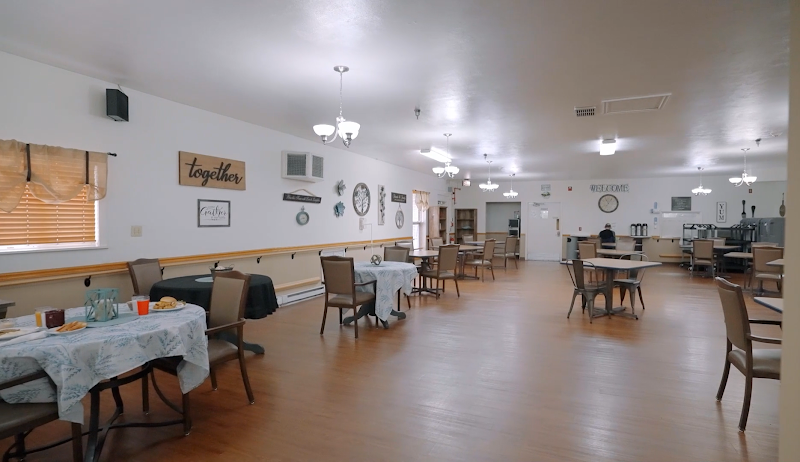
How is Nature Trail Health And Rehab Staffed?

CMS rates NATURE TRAIL HEALTH AND REHAB's staffing level at 2 out of 5 stars, which is below average compared to other nursing homes. Staff turnover is 35%, compared to the Illinois average of 46%. This relatively stable workforce can support continuity of care.

What Have Inspectors Found at Nature Trail Health And Rehab?

State health inspectors documented 23 deficiencies at NATURE TRAIL HEALTH AND REHAB during 2022 to 2025. These included: 2 that caused actual resident harm, 18 with potential for harm, and 3 minor or isolated issues. Deficiencies causing actual harm indicate documented cases where residents experienced negative health consequences.
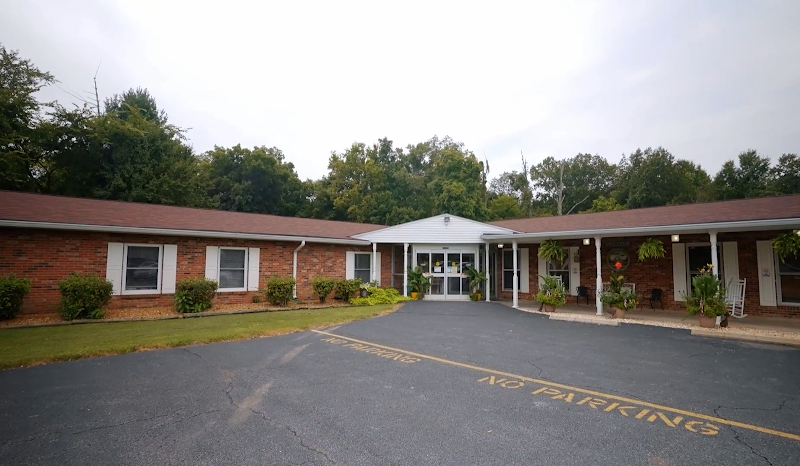
Who Owns and Operates Nature Trail Health And Rehab?

NATURE TRAIL HEALTH AND REHAB is owned by a for-profit company. For-profit facilities operate as businesses with obligations to shareholders or private owners. The facility is operated by CREST HEALTHCARE CONSULTING, a chain that manages multiple nursing homes. With 74 certified beds and approximately 68 residents (about 92% occupancy), it is a smaller facility located in MOUNT VERNON, Illinois.
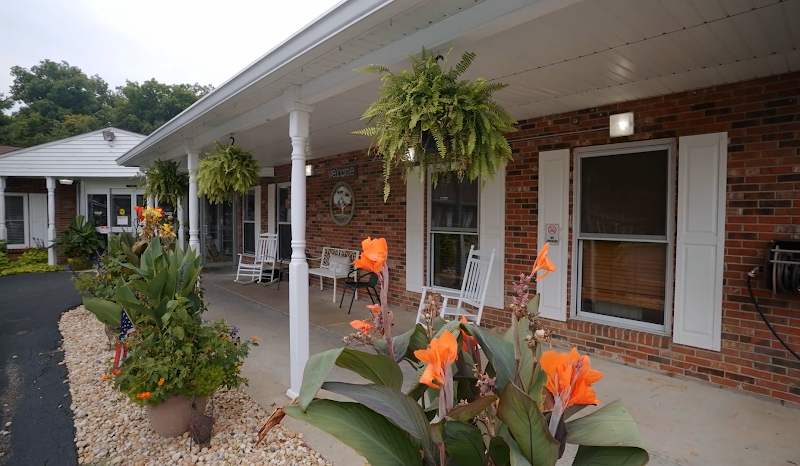
How Does Nature Trail Health And Rehab Compare to Other Illinois Nursing Homes?

Compared to the 100 nursing homes in Illinois, NATURE TRAIL HEALTH AND REHAB's overall rating (4 stars) is above the state average of 2.5, staff turnover (35%) is significantly lower than the state average of 46%, and health inspection rating (4 stars) is above the national benchmark.

What Should Families Ask When Visiting Nature Trail Health And Rehab?

Based on this facility's data, families visiting should ask: "Can you walk me through typical staffing levels on day, evening, and night shifts?" "Can I visit during a mealtime to observe dining assistance and food quality?" "How do you handle medical emergencies, and what is your hospital transfer rate?" "Can I speak with family members of current residents about their experience?" These questions are particularly relevant given the below-average staffing rating.

Is Nature Trail Health And Rehab Safe?

Based on CMS inspection data, NATURE TRAIL HEALTH AND REHAB has a clean safety record: no substantiated abuse findings (meaning no confirmed cases of resident harm), no Immediate Jeopardy citations (the most serious violation level indicating risk of serious injury or death), and is not on the Special Focus Facility watch list (a federal program monitoring the lowest-performing 1% of nursing homes). The facility has a 4-star overall rating and ranks #1 of 100 nursing homes in Illinois. While no facility is perfect, families should still ask about staff-to-resident ratios and recent inspection results during their visit.

Do Nurses at Nature Trail Health And Rehab Stick Around?

NATURE TRAIL HEALTH AND REHAB has a staff turnover rate of 35%, which is about average for Illinois nursing homes (state average: 46%). Moderate turnover is common in nursing homes, but families should still ask about staff tenure and how the facility maintains care continuity when employees leave.

Was Nature Trail Health And Rehab Ever Fined?

NATURE TRAIL HEALTH AND REHAB has no federal fines on record. CMS issues fines when nursing homes fail to meet care standards or don't correct problems found during inspections. The absence of fines suggests the facility has either maintained compliance or corrected any issues before penalties were assessed. This is a positive indicator, though families should still review recent inspection reports for the full picture.

Is Nature Trail Health And Rehab on Any Federal Watch List?

NATURE TRAIL HEALTH AND REHAB is not on any federal watch list. The most significant is the Special Focus Facility (SFF) program, which identifies the bottom 1% of nursing homes nationally based on persistent, serious quality problems. Not being on this list means the facility has avoided the pattern of deficiencies that triggers enhanced federal oversight. This is a positive indicator, though families should still review the facility's inspection history directly.