OREGON LIVING AND REHABILITATION CENTER
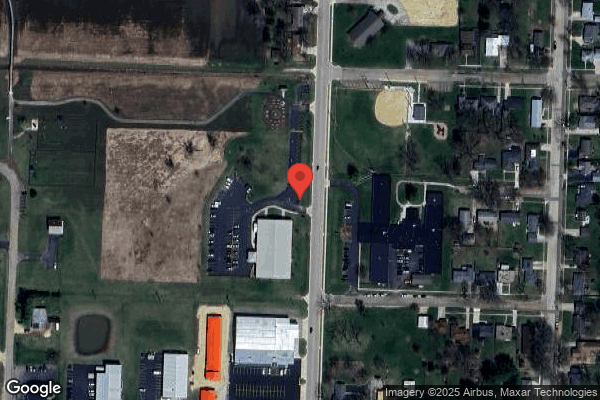
811 SOUTH 10TH STREET, OREGON, IL 61061 (815) 732-7994
For profit - Limited Liability company 104 Beds Independent Data: November 2025
Trust Grade
55/100
#271 of 665 in IL
Last Inspection: July 2024

Within standard 12-15 month inspection cycle. Federal law requires annual inspections.

Overview

Oregon Living and Rehabilitation Center has a Trust Grade of C, which means it falls into the average range-neither particularly good nor bad. It ranks #271 out of 665 facilities in Illinois, placing it in the top half, and #4 out of 6 in Ogle County, indicating only one local option is better. The facility is improving, having reduced its issues from 13 in 2024 to just 1 in 2025. Staffing is a relative strength with a 3/5 star rating and only 35% turnover, which is better than the state average, but RN coverage is concerning since it is lower than 81% of Illinois facilities. While the center has no fines on record, there have been serious safety concerns, including an incident where a resident choked on food that was not prepared correctly for their needs and another where the dishwashing procedures were not followed properly, which could lead to sanitation issues. Overall, the facility has strengths in staffing stability but faces challenges in ensuring adequate RN coverage and safe food preparation.

Trust Score
C
55/100
In Illinois
#271/665
Top 40%
Safety Record
Moderate
Needs review
Inspections
Getting Better
13 → 1 violations
Staff Stability
○ Average
35% turnover. Near Illinois's 48% average. Typical for the industry.
Penalties
✓ Good
No fines on record. Clean compliance history, better than most Illinois facilities.
Skilled Nurses
⚠ Watch
Each resident gets only 29 minutes of Registered Nurse (RN) attention daily — below average for Illinois. Fewer RN minutes means fewer trained eyes watching for problems.
Violations
⚠ Watch
28 deficiencies on record. Higher than average. Multiple issues found across inspections.
★★★☆☆
3.0
Overall Rating
★★★☆☆
3.0
Staff Levels
★★★☆☆
3.0
Care Quality
★★★☆☆
3.0
Inspection Score
Stable
2024: 13 issues
2025: 1 issues

The Good

  • Full Sprinkler Coverage · Fire safety systems throughout facility
  • No fines on record
  • Staff turnover below average (35%)

    13 points below Illinois average of 48%

Facility shows strength in fire safety.

The Bad

3-Star Overall Rating

Near Illinois average (2.5)

Meets federal standards, typical of most facilities

Staff Turnover: 35%

11pts below Illinois avg (46%)

Typical for the industry

The Ugly 28 deficiencies on record

1 actual harm
Feb 2025 1 deficiency
CONCERN (D) 📢 Someone Reported This

A family member, employee, or ombudsman was alarmed enough to file a formal complaint

Potential for Harm - no one hurt, but risky conditions existed

Deficiency F0694 (Tag F0694)

Could have caused harm · This affected 1 resident

**NOTE- TERMS IN BRACKETS HAVE BEEN EDITED TO PROTECT CONFIDENTIALITY** Based on interview and record review the facility failed to ensure a resident's peripheral intravenous access site was flushed f...

Read full inspector narrative →
**NOTE- TERMS IN BRACKETS HAVE BEEN EDITED TO PROTECT CONFIDENTIALITY** Based on interview and record review the facility failed to ensure a resident's peripheral intravenous access site was flushed for 1 of 1 residents (R1) reviewed for intravenous catheters in the sample of 5. The findings include: R1's face sheet showed she was admitted to the facility on [DATE] with diagnoses to include hypertension, systemic sclerosis, chronic heart failure, hepatic failure, atrial fibrillation, and reduced mobility. R1's February 2025 eMAR (electronic Medication Administration Record) showed an order for Sodium Chloride Solution 0.9%, use 10 ml intravenously every 8 hours for flush from 2/1/25 through 2/10/25. This eMAR shows R1's IV flush was not completed on the overnight shift on 2/2/25, 2/3/25, 2/6/25, and 2/7/25. R1's eMAR notes showed these were not completed due to not having an RN (Registered Nurse) available to administer them when they were scheduled. On 2/26/25 at 10:08 AM, V5 LPN (Licensed Practical Nurse) said R1 was on an intravenous push antibiotic that the facility's RN's were taking care of. V5 said, This facility does not allow LPNs to do the flushes. If necessary, they (RNs) would come in . On 2/26/25 at 11:22 AM, V7 LPN said she can not do peripheral line intravenous flushes because the facility does not allow LPN's to administer them. On 2/26/25 at 11:55 AM, V2 DON (Director of Nursing) said, LPNs can not flush here. Typically if we have someone here on an IV antibiotic we try to make sure that it is every 24 hours to make sure we can meet their needs. As far as RN coverage, if there is no RN available, myself or the other RN managers comes in to pick it up and do the IVs. We try to get the flushes at the same time as RN coverage but it doesn't always work out . Some of [R1's] flushes were missed. The ones that were missed were mostly night shift because my night shift RN called off. They should have called the on-call to let them know the RN called off. The on-call would have let us know so that myself or one of our other administrative RNs could come in . The facility's policy and procedure regarding peripheral IV access maintenance and flushing was requested. On 2/26/25 at 1:00 PM, V3 DON said the facility does not have such a policy that covers the maintenance of peripheral IVs. The facility's policy and procedure titled Catheter Insertion and Care with revision date of July 2016 showed, Insertion of Peripheral IV Catheter . Policy: Peripheral IV catheters will be inserted by nurses with demonstrated competency in IV therapy
Dec 2024 1 deficiency
CONCERN (E) 📢 Someone Reported This

A family member, employee, or ombudsman was alarmed enough to file a formal complaint

Potential for Harm - no one hurt, but risky conditions existed

Safe Environment (Tag F0584)

Could have caused harm · This affected multiple residents

**NOTE- TERMS IN BRACKETS HAVE BEEN EDITED TO PROTECT CONFIDENTIALITY** Based on observation, interview, and record review the facility failed to provide a homelike environment for 4 of 4 residents (R...

Read full inspector narrative →
**NOTE- TERMS IN BRACKETS HAVE BEEN EDITED TO PROTECT CONFIDENTIALITY** Based on observation, interview, and record review the facility failed to provide a homelike environment for 4 of 4 residents (R1, R2, R6, R7) reviewed for residents rights in the sample of 8. The findings include: R1's face sheet showed she was admitted to the facility 9/14/22 with diagnoses to include acute respiratory failure with hypoxia, hemiplegia and hemiparesis following cerebrovascular disease, Type 2 diabetes, hypertension, hyperlipidemia, bipolar disorder, and anxiety disorder. R1's facility assessment dated [DATE] showed she has no cognitive impairment. R2's face sheet showed he was admitted to the facility 12/9/22 with diagnoses to include atherosclerotic heart disease, Type 2 diabetes, acute cystitis without hematuria, hyperlipidemia, mood disorder, anxiety disorder, and depression. R2's facility assessment dated [DATE] showed he has no cognitive impairment. R6's face sheet showed he was admitted to the facility 9/1/16 with diagnoses to include epilepsy, abnormalities of gait and mobility, major depressive disorder, peripheral vascular disease, and osteoarthritis. R6's facility assessment dated [DATE] showed he has no cognitive impairment. R7's face sheet showed she was admitted to the facility on [DATE] with diagnoses to include acute kidney failure, hypertension, hyperkalemia, dehydration, and major depressive disorder. R7's facility assessment dated [DATE] showed she has no cognitive impairment. On 12/20/24 at 1:01 PM, R6 said I am the resident council president. We have been asking about a clock in the dining room. You look at the clock to see when the next thing is going to be. They said they haven't replaced it because it has something to do with the scheme of the decorations. We don't know why we can't just get a solid color or something . Someone went and got a small digital clock and put it next to the sink in the corner yesterday but you can't see it. The one that was in there at one time was very big and easy to see. It had fallen off the wall and broke. That was a long time ago. When I took over as resident council president, the previous president had been trying to get a clock in the dining room too. I've been president for over a year now. A long while ago there were two clocks but we just want one. I want to be able to know what time it is, how long before the next activity, how long until a meal, I'm pretty active here and doing things all the time. We discuss this at almost every resident council meeting and we will be discussing it at the next one as well. On 12/20/24 at 10:39 AM, R1 said, . They told us we can't have a clock in the dining room because it doesn't 'fit with the decor'. We really would like one in the dining room but they basically said 'screw you, you aren't getting one' . We [the residents] offered to purchase the clock ourselves but she said no. We want a clock for during meals, during resident council meetings, and during activities . On 12/20/24 at 10:51 AM, R2 said, There is no clock in the dining room because the regional lady said she is not going to repair or replace decorations . we want one in the dining room so we can tell what time it is and know if you need to finish up what you are doing so you can get to an appointment or something. People just like to know what time it is in general. It has been discussed in resident council meetings and the regional lady was there. On 12/20/24 at 1:32 PM, R7 said, We need a clock in the cafeteria. We all talk about needing a clock in the dining room all the time. The person who owns this place thinks its too 'tacky' to have a clock. We talked about it in resident council. There still isn't a clock in there that I know of. We want a clock in there so we can see what time it is. We are in there a long time . we just would like to know what time it is. On 12/20/24 at 1:22 PM, V4 (Activity Aide) said, The residents are always asking what time it is and complain to me that there is no clock in the dining room during activities. I told them they should bring it up in resident council and they have said that they have brought it up before. A resident bumped into it and it fell and broke. It was never replaced and I don't know why. They just want to see the time. If they had a clock in there it would help them with activities. I was here on Wednesday (12/18/24) and that little digital one was not in there. I was off yesterday so when I came in today, I saw one of the other staff members showing a resident that it was there today. On 12/20/24 at 2:35 PM, V1 (Administrator) said she was looking through old resident council meeting notes and she saw the residents were asking about a clock in February 2024. V1 said it was decided at the time (February 2024) that a clock is a decoration and so it would not be replaced. V1 said one of the meetings she has been invited to since she became the administrator (7 months ago) the dining room clock was brought up again but she was unable to recall what was discussed other than that the issue had been resolved. On 12/20/24 at 2:35 PM, V9 (Regional Director of Clinical Operations) who was present during V1 (Administrator's) interview interjected a clock is a decoration and would not be replaced. V9 said the issue of the resident's wanting a clock in the dining room was resolved previously. V9 said it was not resolved to the satisfaction of the residents because there was no clock placed in the dining room. V9 said the resolution was that resident's were told they can ask a staff member what time it is, the facility could assist the resident in obtaining a watch by contacting their power of attorney and requesting a watch, or the residents can go back to their room or another area of the facility and check the time. V9 said the small digital clock was placed in the dining room the day before the surveyor came into the facility. The State of Illinois Residents' Rights for People in Long-Term Care Facilities booklet with revision date of 5/18 showed, . You have the right to . Your facility must provide services to keep your physical and mental health, and sense of satisfaction .
Jul 2024 12 deficiencies
CONCERN (D)

Potential for Harm - no one hurt, but risky conditions existed

Deficiency F0658 (Tag F0658)

Could have caused harm · This affected 1 resident

Based on observation, interview and record review the facility failed to ensure professional standards were met by nursing during medication administration. This failure applies to 1 of 3 residents (R...

Read full inspector narrative →
Based on observation, interview and record review the facility failed to ensure professional standards were met by nursing during medication administration. This failure applies to 1 of 3 residents (R23) observed in the medication pass. The findings include: R23's July 2024 Medication Administration Record (MAR) showed medication orders for R23 as the following: a) Depakote 250 mg (milligrams) Delayed Release, give 250 mg by mouth, two times a day at 8 AM and 8 PM, for depression. b) Lantus insulin 100 unit/ml (milliliter), inject 35 units subcutaneously (SQ), two times a day at 8 AM and 8 PM, for Type 2 Diabetes Mellitus. c) Fiasp insulin, 100 unit/ml, inject 14 units SQ, before meals at 7:30 AM, 11:30 AM, 5:30 PM, for Type 2 Diabetes Mellitus. The MAR showed a second order for R23 to also receive Fiasp insulin, SQ, per sliding scale based on R23's glucose level (if glucose is 100-150, give 2 units; 151-200, give 4 units, 201-250, give 6 units; 251-300, give 8 units), before meals and at bedtime, at 7:30 AM, 11:30 AM, 5:30 PM, 8 PM. d) Norco 5/325 mg, give one tablet, three times a day at 8 AM, 2 PM, 10 PM, for low back pain. e) Pregabalin (Lyrica) 200 mg, give 1 capsule, three times a day at 8 AM, 12 PM, 8 PM, for nerve pain related to diabetic neuropathy. On 7/29/24 at 9:34 AM, V6 (Licensed Practical Nurse/LPN) dispensed R23's morning medications into a cup which included one tablet of Depakote 250 mg (milligrams), one tablet of Lyrica 200 mg, and one tablet of Norco 5/325 mg. As V6 (LPN) dispensed R23's pills, V3 (Wound Nurse) stood next to V6, talking to facility staff as they walked by. V6 (LPN) handed the cup of R23's pills to V3 (Wound Nurse). V6 (LPN) made no attempt to review R23's medications, she had dispensed into the cup, with V3. At 9:37 AM, V3 (Wound Nurse) walked outside to R23 and handed the cup of pills to R23. As R23 was swallowing his pills, V3 (Wound Nurse) checked R23's blood glucose level. The blood glucose machine showed R23's blood glucose level as 260 milligrams/deciliter (mg/dl). V3 (Wound Nurse) then walked back inside the building and reported R23's blood glucose level to V6 (LPN). At 9:42 AM, V6 (LPN) prepped R23's Fiasp insulin pen to administer 22 units of Fiasp insulin. V6 (LPN) prepped R23's Lantus insulin pen to administer 35 units of Lantus insulin. V6 (LPN) made no attempt to double check the dosages of either of R23's insulin pens with V3 (Wound Nurse). V6 (LPN) then handed both of R23's insulin pens to V3 (Wound Nurse). At 9:45 AM, V3 (Wound Nurse) walked back outside to R23 and administered R23's Fiasp and Lantus insulins to R23. On 7/29/24 at 10:56 AM, V3 (Wound Nurse) stated, Normally the nurse that draws up the meds (medications), gives the meds to make sure everything is correct. I was just trying to help out. On 7/30/24 at 9:08 AM, V2 (Director of Nursing) stated, The nurse that draws up any medication is the nurse that must give those meds. That is the only way to be one hundred percent sure of how much med was drawn up and who the med is for. The facility's Insulin Administration policy dated 7/28/23 showed, To provide guidelines for the safe administration of insulin to residents with diabetes . Only the person who draws up the insulin for injection can inject it . The facility's Medication Administration policy dated 7/28/23 showed, The individual administering the medication must check the label to verify the right resident, right medication, right dosage, right time and right method (route) of administration before giving the medication .
CONCERN (D)

Potential for Harm - no one hurt, but risky conditions existed

Accident Prevention (Tag F0689)

Could have caused harm · This affected 1 resident

**NOTE- TERMS IN BRACKETS HAVE BEEN EDITED TO PROTECT CONFIDENTIALITY** Based on observation, interview, and record review, the facility failed to ensure a resident with dysphagia was assessed by spee...

Read full inspector narrative →
**NOTE- TERMS IN BRACKETS HAVE BEEN EDITED TO PROTECT CONFIDENTIALITY** Based on observation, interview, and record review, the facility failed to ensure a resident with dysphagia was assessed by speech therapy after a choking episode and failed to ensure residents were transferred in a safe manner. These failures apply to 3 of 17 residents (R10, R51, R40) reviewed for safety and supervision in the sample of 17. The findings include: 1. R10's admission Record dated 7/29/24 shows R10's diagnoses include, but are not limited to, Parkinsonism, tracheostomy status, gastro-esophageal reflux disease, dysphagia, seizures, and traumatic brain injury. R10's Minimum Data Set, dated [DATE] under the heading Swallowing Disorder, shows R10 has coughing or choking during meals or when swallowing medications. R10's Progress notes dated 3/13/24 at 6:33 PM show R10 was coughing with food in her mouth and three nurses attempted to assist R10 to clear her airway. R10 was getting air through her stoma (tracheostomy) and was finally able to clear her airway. R10 had abnormal lung sounds and was sent to the hospital for evaluation. On 07/30/24 at 8:08 AM, R10 was eating breakfast in the dining room and noted to be coughing during her meal. On 7/30/24 at 8:11 AM, V10, (Speech Language Pathologist/SLP) said R10 was having trouble swallowing and was coughing during meals so nursing referred R10 to ST (speech therapy) in October of 2023. R10 was discharged from ST in November of 2023 with safe swallowing strategies. V10 said R10 has not been seen by ST since she was discharged (from ST) in November of 2023. V10 said she was not aware R10 had a choking episode in March of 2024. V10 said R10 should have been referred to ST to have an evaluation if she had a significant choking episode. V10 said she would have done an evaluation and probably would have ordered a video swallow had she known about R10's choking incident. On 7/31/24 at 10:33 AM, V14, (Licensed Practical Nurse/LPN), said she was summoned to the dining room because R10 was having trouble eating, had a piece of food lodged in her throat and was coughing. V14 said R10 was still able to breathe through her trach and she was eventually able to clear the obstruction by coughing. V14 said she cannot remember if she got a ST evaluation for R10 after she was choking on her food. V14 said if a resident has dysphasia then she would definitely get a ST referral if there was a choking incident. On 7/30/24 at 2:08 PM, V2, (Director of Nursing), said R10 was eating too quickly and she choked on her food. V2 said R10 was coughing and trying to get the food out and was having issues to clear the food on her own. V2 said R10 was sent out to the hospital and evaluated. V2 said R10 did not have any diet changes after she choked and she was not referred back to ST. V2 said R10 has dysphagia and has a history of a trach, with a stoma at this time. The facility's Safety and Supervision of Residents Policy (reviewed 5/17/24) shows when accident hazards are identified, the cause of the hazard shall be evaluated and analyzed to develop strategies to mitigate or remove the hazard to the extent possible. 2. R51's current care plan showed R51 has limited physical mobility and was at risk for falls due to his diagnoses of dementia, muscle weakness, and activity intolerance. The plan showed R51 required staff assistance with use of a gait belt for ambulation and transfers. On 7/29/24 at 12:07 PM, R51 was seated in a recliner in his room as V7 (Certified Nursing Assistant/CNA) stood next to him. A wheeled walker was noted directly in front of R51. V7 (CNA) asked R51 to stand up from his recliner so she could provide R51 with cares as he was incontinent of stool. V7 assisted R51 to standing by holding onto R51's left arm. No gait belt was used to stand R51. Once standing, V7 let go of R51's arm and began providing R51 with incontinence care. No gait belt was placed on R51 as he stood. R51 stood, holding onto his walker. At 12:10 PM, R51 remained standing as V7 continued to provide him with incontinence care. R51 stated, I need to sit soon. My legs are tired. V7 stated, Ok, just give me one more minute. At 12:11 PM, R51 stated, I have to sit. R51 slowly leaned back into the recliner, unassisted by V7. On 7/30/24 at 11:57 AM, V2 (Director of Nursing) stated staff are to use gait belts on residents that require staff assistance to walk and/or transfer. The facility's Safe Lifting and Movement of Residents policy dated 7/28/23 showed, In order to protect the safety and well-being of staff and residents, and to promote quality care, this facility uses appropriate techniques and devices to left and move residents .Gait belts shall be used on residents unless residents are independent with ambulation or contraindicated in the resident's care plan . 3. A Fall During Staff Assist incident report dated 7/10/24 showed R40 was found by a nurse lying on the floor next to his bed. The report showed, CNA (V8) stated she was transferring resident from wheelchair to bed, when sitting the resident on bed, bed rolled away from patient. The report R40 received no injuries from the fall. On 7/30/24 at 10:17 AM, V8 (CNA) stated, I went to transfer (R40) and the bed began to roll as I set him on the bed. I got him on the bed, but he fell forward which made the bed roll even more so I just lowered him to the ground. I made sure the wheels of the wheelchair were locked but I didn't check that the wheels were locked on the bed.
CONCERN (D)

Potential for Harm - no one hurt, but risky conditions existed

Incontinence Care (Tag F0690)

Could have caused harm · This affected 1 resident

Based on observation, interview and record review the facility failed to maintain a resident's urinary catheter tubing and urinary drainage bag below the level of a resident's bladder to prevent infec...

Read full inspector narrative →
Based on observation, interview and record review the facility failed to maintain a resident's urinary catheter tubing and urinary drainage bag below the level of a resident's bladder to prevent infection for 1 of 4 residents (R51) reviewed for urinary catheter care in the sample of 17. The findings include: R51's current care plan showed R51 had a urinary catheter in place due to his diagnoses of urinary incontinence and neuromuscular dysfunction of his bladder. The care plan showed, Position catheter bag and tubing below the level of the bladder . On 7/29/24 at 12:03 PM, R51 was seated in a recliner in his room with V7 (Certified Nursing Assistant/CNA) standing next to R51. V7 held R51's urinary catheter bag at her waist (at the level of R51's head) as R51 attempted to reposition himself in the recliner. An obvious backflow of urine was noted in the catheter tubing, towards R51. On 7/30/24 at 11:57 AM, V2 (Director of Nursing) stated a resident's urinary catheter bag and tubing is to be kept below the level of the resident's bladder so there is no backflow of urine which could cause a UTI (urinary tract infection). The facility's Urinary Catheter Care policy dated 9/29/23 showed, The purpose of this procedure is to prevent catheter-associated urinary tract infections . The urinary drainage bag must be held or positioned lower that the bladder at all times to prevent the urine in the tubing and drainage bag from flowing back into the urinary bladder .
CONCERN (D)

Potential for Harm - no one hurt, but risky conditions existed

Pharmacy Services (Tag F0755)

Could have caused harm · This affected 1 resident

**NOTE- TERMS IN BRACKETS HAVE BEEN EDITED TO PROTECT CONFIDENTIALITY** Based on observation, interview, and record review, the facility failed to ensure residents were monitored during medication adm...

Read full inspector narrative →
**NOTE- TERMS IN BRACKETS HAVE BEEN EDITED TO PROTECT CONFIDENTIALITY** Based on observation, interview, and record review, the facility failed to ensure residents were monitored during medication administration for 2 of 17 residents (R53, R19) reviewed for medication administration in the sample of 17. The findings include: On 7/29/24 at 9:58 AM, R53 was lying in bed in her room. An orange pill was sitting on R53's bedside table in a medicine cup. R53 said the nurse brought her medications, but she doesn't want to take that pill today and she needs to throw it away. R53's admission Record dated 7/29/24 shows R53 was admitted to the facility on [DATE] with a principle admitting diagnosis of dementia. On 7/29/24 at 10:05 AM, R19 was sitting in a chair next to his bed. A pill was in a medicine cup on his bed. R19 said the pill is for the pain in his feet. R19 said the nurse brings his medication in when he is still sleeping and leaves it. R19 said his pain starts in the afternoon, so he will keep it and take it later. R19 said he gets the medication (which he said is Gabapentin) three times a day and staff know he takes them this way. On 7/30/24 at 9:19 AM, V2, (Director of Nursing), said the nurse needs to watch the residents take their medications to make sure they are swallowed. If the resident does not want to take their medications, then the nurse need to document the refusal, if the resident wants to take their medications at a different time, the nurse needs to contact the doctor and have the order changed. V2 said it's not ok to leave medications for the residents to take when they want. The facility's Self-Administration of Medications Policy (reviewed 7/28/23) shows residents have the right to self-administer medications if the interdisciplinary team has determined that it is clinically appropriate and safe for the resident to do so. The staff and practitioner will assess the resident's mental and physical abilities to determine whether self-administering medications is clinically appropriate and document their findings. The facility was not able to provide documentation of an assessment for R19 or R53 regarding self-administration of medications.
CONCERN (D)

Potential for Harm - no one hurt, but risky conditions existed

Drug Regimen Review (Tag F0756)

Could have caused harm · This affected 1 resident

Based on interview and record review the facility failed to respond to the pharmacist's notification that a resident's PRN (as needed) anti-anxiety medication order had no end date. This failure appli...

Read full inspector narrative →
Based on interview and record review the facility failed to respond to the pharmacist's notification that a resident's PRN (as needed) anti-anxiety medication order had no end date. This failure applies to 1 of 5 residents (R6) reviewed for psychotropic medications in the sample of 17. The findings include: R6's Order Summary Report showed a new physician order, dated 4/5/24, for R6 to receive Lorazepam (anti-anxiety medication) 0.5 mg (milligrams), every 4 hours as needed (PRN) for anxiety. The report showed no stop date for the medication. R6's Pharmacy Consultant Medication Regimen Review assessments dated 4/25/24, 5/16/24, and 6/21/24 each showed V17 Consulting Pharmacist repeatedly requested a stop date for R6's PRN Lorazepam order dated 4/5/24. R6's Note to Attending Physician/Prescriber form dated 6/23/24 showed, 3rd request Resident has a PRN psychotropic order, Ativan (Lorazepam) 0.5 mg q4 hours PRN, but does not have criteria in place for use beyond 14 days. The form showed R6's physician renewed the Lorazepam order due to R6's agitation and psychosis. On 7/31/23 at 9:12 AM, V2 (Director of Nursing) stated any pharmacist recommendations noted on a resident's monthly medication review should be implement within 48-72 hours of receiving the recommendations. On 7/31/24 at 11:24 AM, V17 (Consulting Pharmacist) stated any new physician order for a PRN psychotropic medication or anti-anxiety medication needs an end date of fourteen days from the date the prescription is started. V17 stated, After fourteen days, the physician is to evaluate the resident for the need to continue to the medication I would expect that the facility has acted upon my recommendations, that I made on my review, by the time I return to do my next monthly medication review. If I return the next month and my recommendations have not been acted upon, I keep re-issuing the same recommendations. The facility's Psychotropic Medication policy dated 4/9/24 defined Psychotropic medications as a medication that is used for or listed as used for antipsychotic, antidepressant, antimonic, antianxiety, behavior modification, or behavior management purposes. The policy showed, It is the policy of this facility that residents shall not be given unnecessary drugs . The policy showed new PRN orders for psychotropics medications have a time limit of fourteen days. After the fourteen days, the prescribing physician can write a new order for the medication if he/she determines the continued use of the medication is warranted.
CONCERN (D)

Potential for Harm - no one hurt, but risky conditions existed

Medication Errors (Tag F0758)

Could have caused harm · This affected 1 resident

Based on interview and record review the facility failed to ensure as needed (PRN) anti-psychotic medications had a stop date of fourteen days. This applies to 2 of 5 residents (R56, R6) reviewed for ...

Read full inspector narrative →
Based on interview and record review the facility failed to ensure as needed (PRN) anti-psychotic medications had a stop date of fourteen days. This applies to 2 of 5 residents (R56, R6) reviewed for unnecessary medications in the sample of 17. The findings include: 1. R56's Order Summary Report dated 7/30/24 shows lorazepam oral concentrate 2 MG/ML (milligrams per milliliter), give 0.25 mL (milliliters) by mouth every 2 hours as needed for agitation related to unspecified psychosis not due to a substance or known physiological condition. R56's order for lorazepam has a start date of 12/29/23 and does not have a stop date. 2. R6's Order Summary Report showed a new physician order, dated 4/5/24, for R6 to receive Lorazepam (anti-anxiety medication) 0.5 mg (milligrams), every 4 hours as needed (PRN) for anxiety. The report showed no stop date for the medication. R6's Pharmacy Consultant Medication Regimen Review assessments dated 4/25/24, 5/16/24, and 6/21/24 each showed V17 (Consulting Pharmacist) repeatedly requested a stop date for R6's PRN Lorazepam order dated 4/5/24. R6's Note to Attending Physician/Prescriber form dated 6/23/24 showed, 3rd request Resident has a PRN psychotropic order, Ativan (Lorazepam) 0.5 mg q4 hours PRN, but does not have criteria in place for use beyond 14 days. The form showed R6's physician renewed the Lorazepam order due to R6's agitation and psychosis. On 7/31/24 at 11:24 AM, V17 (Consulting Pharmacist) stated any new physician order for a PRN psychotropic medication or anti-anxiety medication needs an end date of fourteen days from the date the prescription is started. V17 stated, After fourteen days, the physician is to evaluate the resident for the need to continue to the medication. The facility's Psychotropic Medication policy dated 4/9/24 defined Psychotropic medications as a medication that is used for or listed as used for antipsychotic, antidepressant, antimonic, antianxiety, behavior modification, or behavior management purposes. The policy showed, It is the policy of this facility that residents shall not be given unnecessary drugs . The policy showed new PRN orders for psychotropics medications have a time limit of fourteen days. After the fourteen days, the prescribing physician can write a new order for the medication if he/she determines the continued use of the medication is warranted.
CONCERN (D)

Potential for Harm - no one hurt, but risky conditions existed

Unnecessary Medications (Tag F0759)

Could have caused harm · This affected 1 resident

Based on observation, interview and record review the facility failed to administer medications on time and as ordered. There were 28 medication administration opportunities with 5 errors resulting in...

Read full inspector narrative →
Based on observation, interview and record review the facility failed to administer medications on time and as ordered. There were 28 medication administration opportunities with 5 errors resulting in a 17.86% error rate. This failure applies to 1 of 3 residents (R23) observed in the medication pass. The findings include: R23's July 2024 Medication Administration Record (MAR) showed medication orders for R23 as the following: a) Depakote 250 mg (milligrams) Delayed Release, give 250 mg by mouth, two times a day at 8 AM and 8 PM, for depression. b) Lantus insulin 100 unit/ml (milliliter), inject 35 units subcutaneously (SQ), two times a day at 8 AM and 8 PM, for Type 2 Diabetes Mellitus. c) Fiasp insulin, 100 unit/ml, inject 14 units SQ, before meals at 7:30 AM, 11:30 AM, 5:30 PM, for Type 2 Diabetes Mellitus. The MAR showed a second order for R23 to also receive Fiasp insulin, SQ, per sliding scale based on R23's glucose level (if glucose is 100-150, give 2 units; 151-200, give 4 units, 201-250, give 6 units; 251-300, give 8 units), before meals and at bedtime, at 7:30 AM, 11:30 AM, 5:30 PM, 8 PM. d) Norco 5/325 mg, give one tablet, three times a day at 8 AM, 2 PM, 10 PM, for low back pain. e) Pregabalin (Lyrica) 200 mg, give 1 capsule, three times a day at 8 AM, 12 PM, 8 PM, for nerve pain related to diabetic neuropathy. On 7/29/24 at 9:18 AM, R23 was seated in a wheelchair in his room. R23 stated, I am waiting to get my meds (medications). They are late. I haven't had any of my morning meds yet. I am sitting here waiting and no one has come. On 7/29/24 at 9:34 AM, V6 (Licensed Practical Nurse/LPN) dispensed R23's morning medications into a cup which included one tablet of Depakote 250 mg (milligrams), one tablet of Lyrica 200 mg, and one tablet of Norco 5/325 mg. V6 (LPN) handed the cup of R23's pills to V3 (Wound Nurse). At 9:37 AM, V3 (Wound Nurse) walked outside to R23 and handed the cup of pills to R23. As R23 was swallowing his pills, V3 (Wound Nurse) checked R23's blood glucose level. The blood glucose machine showed R23's blood glucose level as 260 milligrams/deciliter (mg/dl). V3 (Wound Nurse) then walked back inside the building and reported R23's blood glucose level to V6 (LPN). At 9:42 AM, V6 (LPN) prepped R23's Fiasp insulin pen to administer 22 units of Fiasp insulin. V6 (LPN) prepped R23's Lantus insulin pen to administer 35 units of Lantus insulin. V6 (LPN) then handed both of R23's insulin pens to V3 (Wound Nurse). V6 (LPN) was asked why R23's medications were being administered late, V6 stated, I don't really know these residents on this wing so I'm behind. Yes, (R23's) insulin should have been given to him before he ate breakfast. At 9:45 AM, V3 (Wound Nurse) administered R23's Fiasp and Lantus insulins to R23. As V3 was administering R23's insulin, R23 was asked if he had eaten breakfast, R23 stated, I ate breakfast a while ago. On 7/30/24 at 9:08 AM, V2 (Director of Nursing/DON) stated a resident's blood glucose level should be checked thirty minutes prior to a meal because we want a fasting blood sugar to account for the amount of short acting insulin that should be given. V2 stated all medications should be administered as ordered by a physician. V2 stated medications are to be administered no later than one hour after its scheduled time or the medication administration is considered late. The facility's Medication Administration policy dated 7/28/23 showed, Medications shall be administered in a safe and timely manner, and as prescribed . Medications must be administered in accordance with the orders, including required time frame. Medications must be administered within one (1) hour of their prescribed time, unless otherwise specified .
CONCERN (D)

Potential for Harm - no one hurt, but risky conditions existed

Deficiency F0760 (Tag F0760)

Could have caused harm · This affected 1 resident

Based on observation, interview and record review the facility failed to ensure residents' medications were administered as prescribed to avoid significant medication errors for 2 of 17 residents (R23...

Read full inspector narrative →
Based on observation, interview and record review the facility failed to ensure residents' medications were administered as prescribed to avoid significant medication errors for 2 of 17 residents (R23, R25) reviewed for medication administration errors in the sample of 17. The findings include: 1. R23's July 2024 Medication Administration Record (MAR) showed medication orders for R23 as the following: a) Depakote 250 mg (milligrams) Delayed Release, give 250 mg by mouth, two times a day at 8 AM and 8 PM, for depression. b) Lantus insulin 100 unit/ml (milliliter), inject 35 units subcutaneously (SQ), two times a day at 8 AM and 8 PM, for Type 2 Diabetes Mellitus. c) Fiasp insulin, 100 unit/ml, inject 14 units SQ, before meals at 7:30 AM, 11:30 AM, 5:30 PM, for Type 2 Diabetes Mellitus. The MAR showed a second order for R23 to also receive Fiasp insulin, SQ, per sliding scale based on R23's glucose level (if glucose is 100-150, give 2 units; 151-200, give 4 units, 201-250, give 6 units; 251-300, give 8 units), before meals and at bedtime, at 7:30 AM, 11:30 AM, 5:30 PM, 8 PM. d) Norco 5/325 mg, give one tablet, three times a day at 8 AM, 2 PM, 10 PM, for low back pain. e) Pregabalin (Lyrica) 200 mg, give 1 capsule, three times a day at 8 AM, 12 PM, 8 PM, for nerve pain related to diabetic neuropathy. On 7/29/24 at 9:18 AM, R23 was seated in a wheelchair in his room. R23 stated, I am waiting to get my meds (medications). They are late. I haven't had any of my morning meds yet. I am sitting here waiting and no one has come. On 7/29/24 at 9:34 AM, V6 (Licensed Practical Nurse/LPN) dispensed R23's morning medications into a cup which included one tablet of Depakote 250 mg (milligrams), one tablet of Lyrica 200 mg, and one tablet of Norco 5/325 mg. V6 (LPN) handed the cup of R23's pills to V3 (Wound Nurse). At 9:37 AM, V3 (Wound Nurse) walked outside to R23 and handed the cup of pills to R23. As R23 was swallowing his pills, V3 (Wound Nurse) checked R23's blood glucose level. The blood glucose machine showed R23's blood glucose level as 260 milligrams/deciliter (mg/dl). V3 (Wound Nurse) then walked back inside the building and reported R23's blood glucose level to V6 (LPN). At 9:42 AM, V6 (LPN) prepped R23's Fiasp insulin pen to administer 22 units of Fiasp insulin. V6 (LPN) prepped R23's Lantus insulin pen to administer 35 units of Lantus insulin. V6 (LPN) then handed both of R23's insulin pens to V3 (Wound Nurse). V6 (LPN) was asked why R23's medications were being administered late, V6 stated, I don't really know these residents on this wing so I'm behind. Yes, (R23's) insulin should have been given to him before he ate breakfast. At 9:45 AM, V3 (Wound Nurse) administered R23's Fiasp and Lantus insulins to R23. As V3 was administering R23's insulin, R23 was asked if he had eaten breakfast, R23 stated, I ate breakfast a while ago. On 7/30/24 at 9:08 AM, V2 (Director of Nursing/DON) stated a resident's blood glucose level should be checked thirty minutes prior to a meal because we want a fasting blood sugar to account for the amount of short-acting insulin that should be given. V2 stated, Staff should administer all medications as ordered by the physician. If meds aren't given as prescribed, it could cause a change in the resident's condition. Schedule pain medications should be given at the prescribed time for pain management. V2 stated medications are to be administered no later than one hour after its scheduled time or the medication administration is considered late. 2. R25's January 2024 Controlled Substance record showed a physician order, dated 1/18/24, for R25 to receive Tramadol (pain medication) 50 mg, take one tablet every 6 hours PRN (as needed) for pain. R25's Nursing Note dated 1/29/24 showed V5 (former nurse) administered extra doses of Tramadol to the resident for a total of 4 tablets of 50 mg Tramadol. The note showed R25 was administered 200 mg of Tramadol in total. The note showed R25's physician was notified of the incident. R25 was monitored for serious side effects with no adverse effects noted from the incident. On 7/30/24 at 9:18 AM, V2 (DON) stated, (V5 former nurse) no longer works here. The incident with (R25) was one of the reasons we let (V5) go. (V5) must not have been paying attention when she was preparing (R25's) medications that day because she put 4 pills of Tramadol in the cup to give to (R25). (R25) ended up getting 200 mg of Tramadol. (V5) didn't even realize she had made a mistake until the end of her shift, when she was counting narcotics with the oncoming night nurse. (R25's) Tramadol count was off. The facility's Medication Administration policy dated 7/28/23 showed, Medications shall be administered in a safe and timely manner, and as prescribed . Medications must be administered in accordance with the orders, including required time frame. Medications must be administered within one (1) hour of their prescribed time, unless otherwise specified .
CONCERN (E)

Potential for Harm - no one hurt, but risky conditions existed

Deficiency F0761 (Tag F0761)

Could have caused harm · This affected multiple residents

Based on observation, interview and record review the facility failed to ensure opened, multi-dose vials/bottles of medication, including insulin pens and eye drops, were labeled with expiration dates...

Read full inspector narrative →
Based on observation, interview and record review the facility failed to ensure opened, multi-dose vials/bottles of medication, including insulin pens and eye drops, were labeled with expiration dates for 5 of 5 residents (R15, R23, R41, R59, R14) reviewed for medication storage in the sample of 17. The finding include: R15's July 2024 Order Summary Report showed a physician order for R15 to receive 40 units of Glargine insulin, SQ (subcutaneously), twice a day. R23's July 2024 Order Summary Report showed a physician order for R23 to receive 14 units of Fiasp insulin, SQ, three times a day, before meals. R41's July 2024 Order Summary Report showed physician orders for R41 to receive 100 units of Tresiba insulin, SQ, at bedtime, and 6 units of Lispro insulin, SQ, before meals and at bedtime. R59's July 2024 Order Summary Report showed a physician order for R59 to receive 55 units of Lantus insulin, SQ, twice a day. R14's July 2024 Order Summary Report showed a physician order for R14 to receive one drop of Latanoprost eye drops, to both eyes, once a day at bedtime. On 7/29/24 at 9:50 AM, the 100-wing medication cart of the facility was reviewed with V2 (Director of Nursing/DON). The following medications were found opened, with no identified expiration dates, by this surveyor and V2 (DON): one Glargine insulin pen for R15, one Fiasp insulin pen for R23, one Tresiba insulin pen and one Lispro insulin pen for R41, one Lantus insulin pen for R59, and one bottle of Latanoprost eye drops for R14. V2 (DON) stated insulin pens and bottles of eye drops are to be dated when opened so staff know when the medication expires. The facility's Medication Administration policy dated 7/28/23 showed, The expiration/beyond use date on the medication label must be checked prior to administering. When opening a multi-dose container, the date opened shall be recorded on the container. The facility's Insulin Administration policy dated 7/28/23 showed, Check the expiration date, if drawing from an opened multi-dose vial. If opening a new vial, record expiration date on the vial .
CONCERN (E)

Potential for Harm - no one hurt, but risky conditions existed

Menu Adequacy (Tag F0803)

Could have caused harm · This affected multiple residents

Based on observation, interview, and record review the facility failed to ensure residents receiving a pureed diet received a full four ounce (oz) scoop of pureed hamburger. This applies to 4 of 4 res...

Read full inspector narrative →
Based on observation, interview, and record review the facility failed to ensure residents receiving a pureed diet received a full four ounce (oz) scoop of pureed hamburger. This applies to 4 of 4 residents (R26, R24, R8, R55) reviewed for pureed diets in the sample of 17. The findings include: Facility Diet Type Report shows R26, R24, R8, and R55 receive pureed diets. Facility provided list of residents that use a three-compartment plate shows R26, R24, R8, and R55 receive their pureed meals in a three-compartment plate. On 7/29/24 at 11:59 PM, pureed bread, mashed potatoes, pureed green beans, and pureed hamburger were at the service line for pureed residents. The mashed potatoes, pureed green beans, and pureed hamburgers all had a 4 oz scoop. The pureed bread had a 1 oz scoop. All scoops were the correct sizes. On 7/29/24 between 12:00 PM and 12:45 PM, V15 (Cook) served and plated lunch for the facility. The portion sizes for residents receiving pureed foods in three-compartment plates appeared small. V15 would place the pureed bread and pureed hamburger in one compartment, the pureed green beans in the second compartment, and the mashed potato in the third compartment. On 7/29/24 at 12:58 PM, facility provided test tray of the pureed meal consisted of green beans in one compartment, mashed potatoes in the second compartment, and the pureed bread and pureed hamburger sharing the third compartment. On 7/29/24 at 1:40 PM, V15 said to accommodate putting all four pureed items into the three-compartment plate, V15 put one full scoop of pureed bread and approximately a half scoop of pureed hamburger into the same section. On 7/31/24 at 11:35 AM, V14 (Dietary Manager) said V15 should have provided each resident with one full scoop of pureed hamburger.
CONCERN (E)

Potential for Harm - no one hurt, but risky conditions existed

Infection Control (Tag F0880)

Could have caused harm · This affected multiple residents

2. R10's Face Sheet dated 7/29/24 shows she has a status of having a tracheostomy. R10's Order Summary Report dated 7/29/24 shows orders to cleanse tracheostomy site every shift and as needed. On 7/29...

Read full inspector narrative →
2. R10's Face Sheet dated 7/29/24 shows she has a status of having a tracheostomy. R10's Order Summary Report dated 7/29/24 shows orders to cleanse tracheostomy site every shift and as needed. On 7/29/24 at 9:33 AM, R10 was noted to have a tracheostomy. R10 said she has had a trach (tracheostomy) for over 40 years. There was no signage on R10's door indicating EBP were in place nor was any PPE located outside of R10's room. 3. On 7/29/24 at 9:37 AM, R13 said he sees the wound care doctor every week. There was no signage on R13's door indicating EBP were in place nor was any PPE located outside of R13's room. R13's admission Record dated 7/30/24 shows R13 has a personal history of methicillin resistant staphylococcus aureus infection. R13's Order Summary Report dated 7/30/24 shows he has an open wounds to his medial upper back, left calf and left foot. 4. On 7/29/24 at 9:56 AM R14 was in her room in her wheelchair with a urinary catheter bag hanging on her wheelchair. There was no signage on R14's door indicating EBP were in place nor was any PPE located outside of R14's room. The facility's list of residents on Enhanced Barrier Precautions dated 7/29/24 includes, but is not limited to, R14 for an indwelling catheter, R13 for left lower extremity venous stasis wounds, and R51 for and indwelling catheter. R10 is not included on the list. According to the CDC (Centers for Disease Control and Prevention) website dated 6/28/24 https://www.cdc.gov/long-term-care-facilities/hcp/prevent-mdro/faqs.html?CDC_AAref_Val=https://www.cdc.gov/hai/containment/faqs.html Signs are intended to signal to individuals entering the room the specific actions they should take to protect themselves and the resident. To do this effectively, the sign must contain information about the type of Precautions and the recommended PPE to be worn when caring for the resident. Generic signs that instruct individuals to speak to the nurse are not adequate to ensure Precautions are followed. According to the CDC website (updated 7/12/22) https://www.cdc.gov/hai/containment/PPE-Nursing-Homes.html, residents with wounds (including a tracheostomy) or urinary catheter are to be placed on EBP, regardless of MDRO colonization status. The facility's Infection Control-Enhanced Barrier Precautions Policy (approved 3/29/24) shows, .the facility will implement Enhanced Barrier Precautions for indicated residents who pose risk of transmission. Based on observation, interview and record review the facility failed to implement and follow Enhanced Barrier Precautions (EBP) for 4 of 17 residents (R51, R10, R13, R14) reviewed for infection control in the sample of 17. The findings include: 1. R51's current care plan showed R51 required Enhanced Barrier Precautions related to his urinary catheter. On 7/29/24 at 12:03 PM, this surveyor knocked on R51's door and entered his room. No signage, identifying R51 was on EBP, was noted on or around R51's door. No cart containing PPE (personal protective equipment) was noted by the doorway to R51's room. Upon entrance to the room, R51 was seated in a recliner as V7 (Certified Nursing Assistant/CNA) stood next to R51, holding onto R51's urinary catheter. V7 wore a mask and gloves but had no protective gown on. Once V7 repositioned himself in the recliner, V7 (CNA) left the room to obtain supplies to provide cares to R51 as he was incontinent of a large amount of mushy stool. At 12:07 PM, V7 (CNA) returned to R51's room and began providing incontinence care to R51. V7 wore a mask and gloves as she provided cares to R51 but did not don a protective gown. On 7/30/24 at 11:01 AM, V2 (Director of Nursing) stated R51 is on Enhanced Barrier Precautions due to the urinary catheter he has in place. V2 stated, Residents that have catheters, indwelling medical devices, wounds, a tracheostomy, or pressure injuries should be on EBP. Staff should know if a resident is on EBP because there is an orange dragonfly sign taped next to their name on the door of their room. We don't use actual EBP signs. If a resident is on EBP, staff are to wear a gown, gloves, and a mask when providing cares to that resident. Isolation supplies (PPE) should be in a cart close to the resident's room.
CONCERN (F)

Potential for Harm - no one hurt, but risky conditions existed

Food Safety (Tag F0812)

Could have caused harm · This affected most or all residents

Based on observation, interview, and record review the facility failed to ensure dishes were submerged in the sanitizing sink for at least 60 seconds and failed to ensure sanitized dishes were handled...

Read full inspector narrative →
Based on observation, interview, and record review the facility failed to ensure dishes were submerged in the sanitizing sink for at least 60 seconds and failed to ensure sanitized dishes were handled with clean hands. This has the potential to effect all 66 residents residing in the facility. The findings include: The CMS 671 dated 7/29/24 shows that there are 66 residents residing in the facility. Facility provided Diet Type Report dated 7/30/24 shows that there are no residents that receive a tube feeding and all residents receive food and drinks from the dietary department. 1. On 7/29/24 at 9:27 AM, V12 (Dietary Manager) used a chemical sanitizer test strip on a coffee mug after a cycle through the dish machine and the test strip showed there was no sanitizer being run through the machine. At 9:31 AM, V12 tried a second attempt and the test strip still showed there was no sanitizer being run through the machine. V12 then went to get maintenance to fix the dish machine. If the dish machine cannot be fixed, V12 said that staff will use the three-compartment sink to wash and sanitize the dishes until it gets fixed. On 7/29/24 at 9:35 AM, V16 (Dietary Aide) said the dish machine sanitizer concentration was tested at around 9:15 AM and read 100 parts per million (ppm). On 7/29/24 at 10:06 AM, V12 told V16 to start using the three-compartment sink to get the dishes from breakfast washed. On 7/29/24 at 10:17 AM, V16 began washing four water pitchers with lids in the three compartment sink. After washing and rinsing the first pitcher, V16 dipped it in the third sink filled with sanitizer solution, removed it immediately, and placed it in a rack to dry. V16 did the same thing with the second and third pitchers. With the fourth pitcher, V16 dipped the pitcher twice and removed it from the sanitizer sink and placed it in a rack to dry. When finished with the pitchers, V16 washed the pitcher lids in the first sink, tossed them into the sanitizer sink, and removed them after less than 30 seconds in the sanitizer solution. At 10:29 AM, V16 began to remove the pitchers with lids from the rack to put them away. When V16 grabbed two of the pitcher lids, they fell from V16's hands and into the garbage underneath the three-compartment sink where they were left to dry. V16 proceeded to grab the pitcher lids from the garbage, put the lids into the wash sink, and continued to put away the rest of the sanitized dishes left on the rack without washing her hands. On 7/29/24 at 11:03 AM, V12 said employees should wash their hands before handling sanitized dishes after they have touched or handled the trash. 2. On 7/29/24 at 11:16 AM, V15 (Cook) began to puree food for lunch. V15 started with the hamburgers. At 11:28 AM, V15 finished the pureed hamburgers and brought the food processor container, food processor lid, and food processor blade to the three-compartment sink. V15 first washed and rinsed the food processor container and placed it into the sanitizer solution. V15 then washed and rinsed the lid and the blade and placed them into the sanitizer solution. All items were removed at 11:30 AM and the blade and lid were left in the sanitizer solution for less than 30 seconds. On 7/29/24 at 11:32 AM, V15 began to puree the green beans for lunch. At 11:37 AM, when finished with the green beans, V15 brought the food processor container, food processor lid, and food processor blade to the three-compartment sink. V15 started with washing and rinsing the food processor lid and placing it into the sanitizer solution. V15 then washes and rinses the blade and places it into the sanitizer solution. V15 washed and rinsed the food processor container and then placed it into the sanitizer solution. V15 removed the food processor container after approximately being in the sanitizer solution for ten seconds while all other items remained in the solution for at least one minute. On 7/29/24 at 11:03 AM, V12 said items should be submerged in the sanitizer solution for at least 60 seconds before being removed. Facility Cleaning Dishes - Manual Dishwashing policy dated 5/18/2017 states, . Sanitize dishes: . 3. Place the dishes in the sanitizing sink. Allow to stand according to the manufacturer's guidelines for sanitizer (or see chart below) . The below chart states when quaternary ammonium sanitizer is used, the necessary contact time is per the manufacturer. Product label for the facility sanitizer states, Food Contact Surface Sanitizing Performance: This product is an effective food contact sanitizer in 1 minute at 1 fl. oz. (fluid ounce) per 4 gal. (gallon) of 500 ppm (parts per million) hard water (200 ppm active) on hard non-porous surfaces .
Aug 2023 8 deficiencies 1 Harm
SERIOUS (G)

Actual Harm - a resident was hurt due to facility failures

Deficiency F0805 (Tag F0805)

A resident was harmed · This affected 1 resident

**NOTE- TERMS IN BRACKETS HAVE BEEN EDITED TO PROTECT CONFIDENTIALITY** Based on observation, interview, and record review the facility failed to ensure mechanically altered diets were the appropriate...

Read full inspector narrative →
**NOTE- TERMS IN BRACKETS HAVE BEEN EDITED TO PROTECT CONFIDENTIALITY** Based on observation, interview, and record review the facility failed to ensure mechanically altered diets were the appropriate consistency. This failure resulted in R10 requiring emergency care after choking on pizza. This applies to 1of 19 (R10) residents reviewed for mechanically altered diets in the sample of 19. The findings include: The facility face sheet for R10 shows diagnosis to include chronic obstructive pulmonary disease, dysphagia and history of cerebral infarction. The facility assessment dated [DATE] shows R10 to be cognitively intact and requires limited assistance with eating. The Physician Order Sheet dated April 2023 shows R10 was ordered a mechanical soft texture diet. A nursing progress note dated 4/15/2023 shows R10 was feeding himself his dinner and was heard by staff to be coughing and spitting out mucous and pieces of pizza. The note goes on to show R10 was breathing but his airway sounded constricted, so the Heimlich maneuver was attempted with no success. 911 was called and R10 was taken to the hospital. A second note later that same day shows the emergency room staff reported to the facility the emergency medical services (EMS) team used forceps to remove a piece of pizza from R10's throat and R10's breathing was much better. R10 was being admitted to the hospital for observation. On 8/16/23 at 4:33 PM, V10 Certified Nursing Assistant (CNA) said she was watching the residents eat in the dining room that night. V10 said all the residents received pizza for dinner and the pizza was very crispy and a lot of the residents were needing help getting it cut up so they could chew it. V10 said she heard R10 coughing and was spitting out phlegm and pizza. V10 said R10 told her he was fine, but she went and got the nurse anyway. V10 said it sounded like his airway was obstructed but was still breathing. V10 said the nurse did preform the Heimlich but no food came out. 911 was called and R10 was taken to the hospital. V10 said she talked with the cook that night after the incident and he told her that the pizza got too crispy when he cooked it. On 8/16/23 at 2:14 PM, V9 cook said, I was the cook serving the food that night and R10 was on a mechanical diet. The menu showed to serve the pizza softened. The menu's never say to cut up the mechanical soft meals. I used the convection oven for the pizza, and it crisped it up real nice. In hindsight the pizza was to firm for his needs, I'm used to working in restaurants. On 8/16/23 at 1:28 PM, V3 Dietary Manager (DM) said the facility no longer serves pizza to the residents. V3 said the pizza was too difficult to chew for R10 and should have been cut up for him. On 8/16/23 at 1:44 PM, V5 Dietician said if a resident is on a mechanical soft diet the food should be cut up into small pieces, there is a greater risk of choking for a resident with swallowing difficulty and being served whole foods. The facility kitchen staff should follow the menu and the recipes. On 8/17/23 at 8:40 AM, V12 Speech Therapist said I would expect mechanical soft foods to be ground meats and soft breads, not hard or crunchy. V12 added pizza should be soft doughs, with the meats ground up. The Speech Therapy notes dated 4/10/2023 for R10 shows a recommendation of mechanical soft textures and thin liquids with occasional supervision. The local hospital emergency documentation dated 4/15/2023 shows EMS removed a foreign body with a laryngoscope and forceps from R10's throat. R10 was admitted to the hospital for observation. The follow up Physician note dated 4/24/2023 shows R10 was sent to the hospital on 4/15/2023 for an aspiration event and a foreign body was removed. R10 was treated with antibiotics and evaluated by speech therapy. The facility menu for 4/15/2023 shows pizza was served to the residents. The menu for the residents eating a mechanical soft diet shows moist pizza with ground meat. The recipe for sausage pizza provided to me by the facility shows using biscuit mix, add water and form a crust and place into pans. The directions goes on to show to bake the pizza in a conventional oven.
CONCERN (D)

Potential for Harm - no one hurt, but risky conditions existed

Pressure Ulcer Prevention (Tag F0686)

Could have caused harm · This affected 1 resident

**NOTE- TERMS IN BRACKETS HAVE BEEN EDITED TO PROTECT CONFIDENTIALITY** Based on observation, interview and record review the facility failed to have preventive measures in place or follow the wound c...

Read full inspector narrative →
**NOTE- TERMS IN BRACKETS HAVE BEEN EDITED TO PROTECT CONFIDENTIALITY** Based on observation, interview and record review the facility failed to have preventive measures in place or follow the wound care physician orders for a resident with a stage II pressure ulcer for 1 or 1 residents (R23) reviewed for pressure ulcers in the sample of 19. The findings include: On 8/16/23 at 11:10 AM, V4 (Wound Care Nurse) and V18 LPN (Licensed Practical Nurse) were at R23's bedside to change her pressure ulcer dressing to her left sacral area. V4 turned R23 onto her left side and assisted her to stay in that position. V18 pulled R23's pants and incontinence briefs down and removed a dressing to R23's left coccyx that was bunched up/rolled into itself on one side. The area under the dressing was a slit type wound with redness around the open area. V4 wound nurse stated the area was reddened. V18 changed the dressing. V4 laid R23 onto her back in bed and did not offload the pressure ulcer. R23 did not have an air mattress in place to her bed. V4 stated R23 sits at activities. V4 stated the pressure ulcer interventions they have in place for R23 were to lie her down between meals. V4 stated R23 was pretty good about repositioning. V4 stated when R23 is lying down staff should be turning her every 2 hours, keeping her off her bottom as much as possible. V4 stated staff should keep R23 active and walking around. V4 stated R23 is incontinent so keeping her clean and dry is important. On 8/16/23 at 12:00 and 12:25 PM, R23 was sitting in a regular dining room chair for lunch. At 1:30 PM and 2:50 PM, R23 was sitting on a couch in the activity area but was not participating in any activities. On 8/17/23 at 8:33 AM, R23 was sitting in dining room chair at table with her breakfast in front of her. R23 had pancakes, eggs, cereal, juice, milk and hot cereal in front of her. V19 CNA and V20 CNA were at another table assisting residents with their breakfasts. R23 did not take any bites of food, and no one encouraged her to eat. On 8/17/23 at 8:41 AM V19 CNA left the dining room with a resident. V20 was still present in the dining room and R23 continued to not eat. At 8:44 AM, V19 returned and asked if R23 was done eating. R23 never responded. V19 gave R23 a washcloth to clean her hands but never encouraged her to eat. V19 stated it was okay to head out of the dining room. At 8:51 AM, R23 was still sitting at the dining room table, V20 gave her one bite of pancake and she ate it. V20 walked away to another resident. No other attempts were made to assist R23 with breakfast. R23 left the dining room at 9:00 AM. The August 2023 Weekly Measurements showed R23 had a stage II pressure ulcer to her left buttock. On 7/30/23 it measured 0.3 x 0.5 x 0.2; On 8/6/23 the wound was 0.8 x 0.5 x 0.2. The wound was initially identified 4/18/23 as a MASD (moisture associated skin damage) area. The Wound Doctor's Note dated 8/10/23 for R23 showed she was a new consult for a left sacral pressure area that was a stage II and measured 0.8 x 0.5 x 0.2. The wound had maceration and scant drainage. The Wound Doctor's Recommendations for R23 was a hydrogel and a bordered dressing to be changed daily and as needed. Provide an air mattress overlay and a nutritionist consult. The note stated R23 had malnutrition. The August 2023 Physician Orders for R23 showed, Cleanse open area and pat dry, Apply hydrogel to wound bed on open area to left buttock and cover with silicone foam bordered dressing daily and as needed. There were no orders for an air mattress overlay or a nutritional consult. The Wound Care Plan dated 6/6/23 for R23 showed, R23 is at risk for pressure ulcers/skin breakdown due to decreased tissue perfusion related to diagnoses: hypertension and atherosclerotic heart disease. Chronic aspirin use. R23 is occasionally incontinent of bowel and bladder causing moisture to the skin, poor safety awareness, and impulsive behaviors related diagnosis of dementia. 4/18/23 - MASD to left buttock. Assist to recliner or lay down in between activities and meals as needed. R23 requires pressure reducing mattress to bed. R23's care plan was not updated after she was diagnosed with a stage II pressure ulcer. On 8/17/23 at 8:53 AM V4 (Wound Care Nurse) stated, I haven't seen the wound care doctors notes yet. They get faxed over to me. V4 reviewed the wound care doctor notes dated 8/10/23 for R23 in the miscellaneous tab in the computer. V4 stated those notes were the rounding sheet the doctor does when he comes. V4 stated, I can't really read his writing but what he puts on here for treatments and recommendations are orders and they should be entered as orders. I didn't see that he recommended an air overlay mattress or dietary consult. I am not sure when her last dietary consult was. V4 stated R23's care plan states to put her in a recliner or lay her down. V4 stated R23 won't always stay in bed when they try to lie her down. V4 stated she did not think they could have a recliner for her. V4 stated there wasn't any pressure relieving cushion in place even though R23 sits at activities for long periods. V4 stated R23's care plan should be reviewed and revised to evaluate the effectiveness of the interventions in place. At 9:35 AM, V4 stated the last dietary consult R23 had was 2/22/23. The Face Sheet dated 8/16/23 for R23 showed medical diagnoses including Alzheimer's disease, dementia, hypertension, atherosclerotic heart disease, anemia, adult failure to thrive, major depressive disorder, hyperlipidemia, and traumatic subdural hemorrhage. The MDS (Minimum Data Set) assessment dated [DATE] for R23 showed severe cognitive impairment; extensive assistance needed for dressing and personal hygiene; limited assistance needed for toilet use and bed mobility; supervision for transfers and eating. The facility's Skin Conditions - Wound Policy (4/3/23) showed the purpose of the policy was to identify at risk residents for potential breakdown or ulcerations; to prevent breakdown or ulcerations; and to provide treatment that promotes prevention of ulcerations and healing of existing ulcerations. Risk factors: Resident refusal of some aspects of care; cognitive impairment; under nutrition, malnutrition, and hydration deficits. Skin ulcer prevention: turn and reposition every two hours as appropriate; pressure reduction surfaces for beds, wheelchairs, etc, when appropriate; encourage residents to change position frequently and ambulate as capable.
CONCERN (D)

Potential for Harm - no one hurt, but risky conditions existed

Accident Prevention (Tag F0689)

Could have caused harm · This affected 1 resident

**NOTE- TERMS IN BRACKETS HAVE BEEN EDITED TO PROTECT CONFIDENTIALITY** Based on observation, interview and record review the facility failed to ensure residents were safely positioned in their wheelc...

Read full inspector narrative →
**NOTE- TERMS IN BRACKETS HAVE BEEN EDITED TO PROTECT CONFIDENTIALITY** Based on observation, interview and record review the facility failed to ensure residents were safely positioned in their wheelchairs for 2 of 6 residents (R59 and R19) reviewed for safety and supervision in the sample of 19. The findings include: 1. On 8/15/23 at 10:24 AM, R59 was sitting in a high backed wheelchair without footrests in activity area. R59 had grip socks on both of his feet. V16 CNA (Certified Nursing Assistant) pulled R59's wheelchair back from the table in the activity area and starts to push his wheelchair forward to the bathroom. R59 had his right leg crossed over his left leg and his left foot was dragging across the floor as she pushed his wheelchair. V16 stopped halfway to the bathroom and asked R59 if his feet were off of the floor; they weren't. V16 didn't wait for a reply and continued to push R59 to the bathroom in his wheelchair with the bottom of his foot dragging across the floor. The Face Sheet dated 8/16/23 for R59 showed medical diagnoses including dementia, benign prostatic hyperplasia, neoplasm of bladder, hematuria, major depressive disorder, wandering, unspecified mood disorder, insomnia, gastrointestinal hemorrhage, iron deficiency anemia, gastroesophageal reflux disease, dyskinesia of esophagus, generalized anxiety disorder, lumbar disc degeneration, and restlessness and agitation. The MDS (Minimum Data Set) dated 6/23/23 for R59 showed severe cognitive impairment; extensive assistance needed for bed mobility, transfers, locomotion on unit, dressing, eating, toilet use, and personal hygiene. The Care Plan dated 7/7/23 for R59 showed, The resident has limited physical mobility related to dementia, intervertebral disc degeneration lumber region, and weakness. AMBULATION: R59 requires extensive assistance x 2 staff members for ambulation. R59 requires extensive assistance of 1 staff member for locomotion. The resident is at risk for falls. Confusion, unaware of safety needs, weakness, impulse decision making, forgetfulness, and wandering. Diagnoses: dementia, restlessness/agitation, medication regimen, and anxiety disorder. Anticipate and meet the residents needs as needed. Follow facility fall protocol. The Progress Notes for R59 showed, 8/11/23 - Resident continues to try to stand unassisted and is easily irritable at times. Resident is difficult to redirect.; 7/28/23 - R59 was observed sitting next to his floor mat, on the left side of his bed this evening. He was assisted back to bed by the CNA'S using a mechanical lift; 7/17/23 - This nurse looked over while standing at medication cart and observed resident standing holding onto his wheelchair and fall over onto the floor while holding onto back of wheelchair. R59 fell onto left side, no shortening of legs observed. On 8/16/23 at 11:43 AM, V2 DON (Director of Nursing) stated when staff are pushing residents in a wheelchair they shouldn't be going fast. The resident should have a footrest if staff are pushing the resident and feet are sliding/dragging on the floor. R59 sometimes follows directions and sometimes doesn't. If his feet/foot was sliding across floor or dragging when staff were pushing him, they should have stopped what they were doing and put footrests on or give a pause and see if he could be redirected. R59 is at risk for falling out of his chair. It is a safety problem. R59 could fall forward onto the floor. 2. On 8/15/23 at 9:17 AM, R19 was sitting in a padded wheelchair in common area on the dementia unit. R19 had a mechanical lift sling under her, and her buttocks were positioned towards the end of the seat of the chair. On 08/15/23 at 9:24 AM, V15 (Restorative Aide) wheeled R19 to her room and left her sitting in her padded wheelchair with her buttocks at the end of the seat cushion. R19's right foot was partially hanging off the footrest and her wheelchair was barely tilted at less than 30 degrees. On 8/15/23 at 9:45 AM, V16 CNA was in the room to provide care for R19's roommate and was asked to look at R19's positioning in her chair. V16 stated R19 is contracted so they try to make sure her feet are on the footrest, and they set her farther back in her chair. V16 stated R19 was sitting to far forward and was at risk of falling out of her chair. The Face Sheet dated 8/16/23 for R19 showed medical diagnoses including dementia, hypertension, schizoaffective disorder, major depressive disorder, generalized anxiety disorder, dysphagia, urinary tract infection, gastroesophageal reflux disease, and anemia. The Minimum Data Set, dated [DATE] for R19 showed severe cognitive impairment; extensive assistance for bed mobility, dressing, eating, and personal hygiene; total dependence for transfers, toileting, and bathing. The Care Plan dated 5/31/23 showed R19 is at risk of falls due to Confusion, Dementia, Incontinence, unaware of safety needs, impulse decision making, and Weakness. R19 has an ADL (activities of daily living) self-care performance deficit related to/ Limited ROM, diagnoses: dementia, weakness, confusion, unaware of needs. On 8/16/23 at 11:43 AM, V2 DON (Director of Nursing) stated R19's padded wheelchair should be reclined at 45 degrees unless she is eating. R19's butt should be as far back in the chair as it can be. R19 does have some contractures with her knees so it's a little more difficult. V2 stated if R19's butt was not back far enough she has the potential to slide out of the chair. The facility's Fall Prevention and Management policy (7/28/23) showed, To provide for resident safety and to minimize injuries related to falls; decrease falls and still honor each resident's wishes/desires for maximum independence and mobility. Fall management/safety supervision is an interdisciplinary process designed to develop systems to provide individualized person-centered care. Our resident-oriented approach to safety addresses safety and accident hazards for individual residents: assist the resident in obtaining and/or maintaining their highest level of function and minimize the risk of falls and fall related injuries. It is our belief that a proactive approach is the key to keeping our residents safe and free of injury relating to falls. All staff must observe residents for safety.
CONCERN (D)

Potential for Harm - no one hurt, but risky conditions existed

Respiratory Care (Tag F0695)

Could have caused harm · This affected 1 resident

**NOTE- TERMS IN BRACKETS HAVE BEEN EDITED TO PROTECT CONFIDENTIALITY** Based on observation, interview, and record review, the facility failed to ensure oxygen equipment was stored in a manner to pre...

Read full inspector narrative →
**NOTE- TERMS IN BRACKETS HAVE BEEN EDITED TO PROTECT CONFIDENTIALITY** Based on observation, interview, and record review, the facility failed to ensure oxygen equipment was stored in a manner to prevent cross contamination, failed to document the rate of oxygen administration, and failed to document the rationale and assessment for a resident receiving oxygen for 1 of 1 resident (R5) reviewed for oxygen administration in the sample of 19. The findings include: R5's face sheet shows an [AGE] year-old female with diagnosis of congestive heart failure, hypertension, cardiomegaly, and Type 2 diabetes. On 08/15/23 at 09:04 AM, R5 was in her room in bed. There was an oxygen concentrator (not in use) next to her bed. The oxygen tubing was uncovered and laying over the side of the machine towards the wall. R5 said she had pneumonia about 6 weeks ago and used the oxygen for several days. On 08/17/23 at 09:39 AM V13, Care Plan Nurse said she did not see an oxygen care plan for R5. The purpose of a care plan is to make sure resident's care needs are identified and individual goals, interventions are established to meet their care needs. Basically, their plan of care shows how to take care of them and identifies their needs. V13 reviewed R5's oxygen saturation documentation and the documented use of oxygen. V13 said oxygen should have a care plan if the resident required it to meet their needs. It's part of their care. The lack of a care plan could cause harm to a resident. At 11:25AM, V2 Director of Nursing (DON-Regional Director of Operations) said oxygen tubing should be stored in a manner to prevent cross-contamination to prevent infections. V2 said oxygen tubing is usually stored on the concentrator and tubing is changed weekly on the night shift. V2 said a care plan isn't needed for as needed oxygen. V2 reviewed R5's oxygen use documentation and offered no comment when asked if tubing that was stored for days at a time uncovered in a resident's room and then used would be considered in a manner to prevent cross contamination. V2 noticed R5's documentation showed she was currently on oxygen per nasal cannula. On 8/17/23 at 11:33 AM, R5 was in her room seated in a wheelchair with oxygen being administered at 2 liters per minute via a nasal cannula. This surveyor and V2 went to R5's room. R5 was up in a wheelchair with oxygen being administered at 2 liters by nasal cannula. V2 asked R5 if she was short of breath and R5 said no. V2 could not find documentation to show why R5 was on oxygen today or the other dates in August 2023. R5's 5/25/23 progress note showed a certified nursing assistant reported R5 shaking and groaning, resident also did not eat dinner, nurse entered room and observed resident grunting and in respiratory distress, resident alert and responsive, resident states she feels nauseous and did not feel well. VS assessed: B/P 120/47, P-99, T-100, R-24, O2 -66% on room air. Resident immediately placed on oxygen at 4 liters. Oxygen reassessed and reading 93% nasal cannula, oxygen titrated down to 3 liters and oxygen saturation reading 92% nasal cannula. On call provider notified and ordered breathing treatments, chest x-ray, and COVID test. If no improvement after oxygen and breathing treatments send to the emergency department. R5's 5/26/23 chest x-ray report showed findings may reflect congestive heart failure, multifocal pneumonia or both conditions. Worse compared to 4/11/22. Antibiotics were started and lab work was ordered. The facility's 7/28/23 Oxygen Administration and Storage Policy showed to review the resident's care plan to assess for any special needs. Physician orders shall include flow rate and method of delivery. Nasal cannula tubing may need to be changed more frequently (than weekly). Tubing should be kept clean and off soiled surfaces. If contaminated, tubing shall be replaced. Place Oxygen in Use sign on the outside of the room entrance door. Before administering oxygen, and while the resident is receiving oxygen therapy, assess for the following:1. Signs or symptoms of cyanosis. 2. Signs or symptoms of hypoxia. 3. Signs or symptoms of oxygen toxicity. 4. Vital signs. 5. Lung sounds. 6. Arterial blood gases and oxygen saturation, if applicable; and 7. Other laboratory results if applicable. Turn on the oxygen. Set rate according to physician order. After completing the oxygen set up or adjustment, the following information should be recorded in the resident's medical record: 1. The date and time that the procedure was performed. 2. The name and title of the individual who performed the procedure. 3. The rate of oxygen flow, route, and rationale. 4. The reason for the prn administration. 5. All assessment data obtained before, during, and after the procedure. 6. How the resident tolerated the procedure. R5's does not have an oxygen care plan. R5's physician order sheet showed a 6/17/23 order for oxygen 2 liters per nasal cannula (nc) to maintain saturation above 90%. R5's record showed a 5/2/23 order for supplemental oxygen as needed to maintain oxygen (O2) above 90% related to acute respiratory failure with hypoxia. This order was discontinued 6/15/23. R5's 6/17/23 physician order showed oxygen at 2 liters per liter via nasal cannula above 90%. R5's oxygen saturation record showed the following: 8/1/23 oxygen saturation 93% oxygen via nasal cannula; 8/11/23 oxygen saturation 97% oxygen via nasal cannula; 8/13/23 oxygen saturation 94% oxygen via nasal cannula; 8/14/23 oxygen saturation 94% oxygen via nasal cannula. R5's medical record showed no assessment, rationale, or rate of administration for the oxygen administered 8/1, 8/11, 8/13, 8/14, or 8/17/23 (at the time of observation).
CONCERN (D)

Potential for Harm - no one hurt, but risky conditions existed

Infection Control (Tag F0880)

Could have caused harm · This affected 1 resident

Based on observation, interview and record review the facility failed to prevent cross contamination of resident contact surfaces by not removing gloves and washing hands after providing incontinence ...

Read full inspector narrative →
Based on observation, interview and record review the facility failed to prevent cross contamination of resident contact surfaces by not removing gloves and washing hands after providing incontinence care and before touching anything else in the resident's room for 1 of 3 residents (R45) reviewed for infection control in the sample of 19. The findings include: On 8/15/23 at 9:27 AM, V16 CNA (Certified Nursing Assistant) and V17 CNA were at R45's bedside to provide perineal care. V16 and V17 had gloves on. V16 went to sink to get wet washcloths and sat them on a towel on R45's bed. V17 pulled down right side of R45's pants, turned the resident on her left side and unfastened the incontinence brief. V16 and V17 turned R45 onto her right side, pulled her pants down and removed her incontinence brief. They placed R45 on her back and then finished removing her pants. V16 took wet washcloths and cleaned the left side of R45's groin, folded the washcloth then wiped R45's vaginal area. V16 folded the washcloth and washed the right side of R45's groin. V16 disposed of the washcloth in a bag on her bed. V16 picked up a new washcloth and wiped R45's vaginal area. V16 folded the washcloth and wiped the left side of R45's groin. V16 disposed of the washcloth in a plastic bag. V16 kept the same gloves on, picked up a towel and dried R45's groin and vaginal area. V16 folded the towel over and laid it on R45's bed. R16 did not change her gloves and turned R45 onto her left side and held her in place. V17 washed R45's buttocks and discarded the washcloth in the bag on the bed. V17 kept the same gloves on and dried R45's buttocks with the towel laying on the bed. V16 and V17 never changed their gloves and repositioned R45 onto her back. V16 fixed the pillow under R45's head. V16 picked up the sling and R45's pants from the bed and placed them in her wheelchair. V16 and V17 placed a pillow under R45's lower legs and covered her with her blanket. On 8/15/23 at 9:45 AM, V16 stated they should remove gloves and wash hands after providing care and before touching anything else in the room. V17 stated they should remove gloves and wash hands after care and before touching anything else. V17 stated they are to do this, so they don't contaminate anything; for infection control. The Face Sheet dated 8/16/23 for R45 showed medical diagnoses including dementia, hypertension, hypothyroidism, restlessness and agitation, hyperlipidemia, gastroesophageal reflux disease, generalized anxiety disorder, and major depressive disorder. The MDS (Minimum Data Set) dated 6/6/23 showed severe cognitive impairment; extensive assistance needed for bed mobility; total dependence for transfers, dressing, toilet use, personal hygiene, and bathing. The Care Plan dated 6/13/23 for R45 showed, the resident is dependent on staff for meeting emotional, intellectual, physical, and social needs related to cognitive deficits and physical limitations. R45 has an ADL (activity of daily living) self-care performance deficit related to dementia, confusion, and the inability to properly communicate with the staff at times related to her speaking polish, having an activity intolerance and anxiety. Personal hygiene: R45 requires extensive assistance x 1 staff member for personal hygiene. Toilet use: R45 is totally dependent on 2 staff members for toileting needs. On 8/16/23 at 11:43 AM, V2 DON (Director of Nursing) after providing incontinence care/personal hygiene staff should change their gloves when going from dirty to clean. V2 stated staff should change gloves before touching other items in room so they don't cross contaminate in room. The facility's Glove Use policy (7/2028) showed, in general gloves should be changed when going from contaminated area/source to a clean area. The facility's Perineal Care policy (7/2028) showed, put on gloves. Wash perineal area from front to back. Wash rectal area thoroughly Rinse thoroughly Dry area thoroughly. Remove gloves and discard into designated container. Wash and dry your hands thoroughly. Reposition the bed covers or clothing. Make the resident comfortable.
CONCERN (E)

Potential for Harm - no one hurt, but risky conditions existed

Deficiency F0804 (Tag F0804)

Could have caused harm · This affected multiple residents

Based on observation, interview, and record review the facility failed to ensure pureed food was made in a way to conserve flavor and nutritive value for 10 residents (R1, R2, R9, R10, R19, R20, R25, ...

Read full inspector narrative →
Based on observation, interview, and record review the facility failed to ensure pureed food was made in a way to conserve flavor and nutritive value for 10 residents (R1, R2, R9, R10, R19, R20, R25, R36, R47, R58) on pureed diets. The findings include: The facility's Diet Type Report showed there were 10 residents on pureed diets (R1, R2, R9, R10, R19, R20, R25, R36, R47, R58). On 8/15/23 at 10:57 AM, V6 (Cook) said she was ready to begin the pureed process. V6 had a small, square pan full of peas on the stove. The surveyor asked V6 if the peas were measured. V6 replied, I don't have to measure them. I just know that I need to fill that container to make enough for the 10 pureed diets that I have. V6 did not use a recipe to prepare the pureed food. V6 dumped the entire pan of peas into the blender and turned it on. V6 walked over to the sink with a small stainless steel pitcher and filled it with water. V6 stated, I like to use REALLY hot water to make my pureed food. V6 poured some of the water to the blender, then added more. V6 did not measure the amount of water she was adding to the pea puree. V6 stopped the blender and stated, Oh, they're too runny. I like it to be similar to honey thick liquids. You don't want it running out of the scoop, but also don't want it too firm. V6 grabbed a large shaker of Thickener and shook and unmeasured heap into the pea puree. V6 blended the thickener into the pea puree. The surveyor tasted the peas. They were bland and tasted like thickener. There was no seasoning, butter, or liquid of nutritive value used to make the peas. The surveyor asked V6 if she was going to taste the peas. V6 replied, Nah, I can see the consistency is fine. I don't usually taste the food. I just go by the look. The pureed peas were not measured prior to returning the mixture back to the small, square, stainless steel pan. At 11:14 AM, V6 had another, unmeasured pan of pulled pork. V6 added the pulled pork into the blender. V6 said she already had her hot water ready to use. V6 started the blender and added one small pitcher of plain water to the meat. After blending the meat with the water for a few minutes, V6 said it was hard to tell if the consistency was correct. V6 sampled the puree and stated, It's still gritty. I'm going to get some more hot water. V6 added more hot water to the mixture and blended it longer. The surveyor sampled the pork, and it was bland. The pureed meat was placed back into the pan. V6 did not perform any measurements during the entire puree process. V6 was not using a recipe or instructions for properly mixing pureed food during the process. On 8/15/23 at 12:35 PM, V6 completed the noon meal service and provided the surveyor with a test tray. V3 (Dietary Manager) tasted the pork and peas. V3 said they were very bland. On 8/15/23 at 1:28 PM, V3 (Dietary Manager) entered the conference room with the lunch menu. This menu showed the serving sizes but did not include any recipe for making mechanically altered diets. V3 asked, Is this what you are looking for? The surveyor said no and explained that the recipe of how to make today's pureed food was what was requested. V3 responded, I don't know what that looks like. I don't think I've ever seen one of those before. I'll look in the vendor books and see what I can find. At 2:14 PM, V3 returned with the list of 10 residents on a pureed diet and a large poster for determining how to make pureed food. V3 stated, We don't have any actual recipes. This is all we have. This is the only policy or procedure we have for making pureed food. The surveyor asked how the staff know how to properly prepare pureed food. V3 replied, the cook would measure the servings needed for the number of pureed diets needed. Then add the liquid to the desired texture. The surveyor asked V3, how do the cooks know what liquid to use during the puree process? V3 replied, They should use liquids that maintain nutritive value. I'm not sure why she just used water. She said she was going to use butter and seasoning, but she didn't get around to it. She shouldn't have just used water. Those peas were very bland. I wouldn't want to eat them like that. Once the puree is done, then the cook should use the chart to determine the appropriate scoop size. The surveyor informed V3 that V6 (Cook) did not measure any food or liquid during the process, nor did she use the chart to determine the scoop size. V3 replied, The measurements must be done to ensure the residents are getting the appropriate serving sizes of the food. This chart determines the appropriate scoop size based off the measurements. V3 said for example, V6 should have used the green handled ladle to measure the 10 servings of the peas before she pureed them. V3 said V6 should have measured the food throughout the puree process. On 8/16/23 at 1:40 PM, V5 (Dietician) said she was at the facility once a month but had only been working for the facility a couple months. V5 said the kitchen should have recipes for properly making pureed foods. The facility should be getting the recipes from the food vendor. V5 said she had seen pureed foods done a couple different ways, but measuring the food and portion sizes was imperative to ensuring the resident's nutritional needs are being met. V5 said the cooks should not use plain water to puree food. There is no nutritive value to water and will dilute the nutritive value of the food being pureed. Plain water will also make the food taste bland. The facility should be using the liquid the food is cooked in, milk, or broth. Plain water is not the way to go. The facility's undated Buttered Peas recipe showed a 4 ounce portion size. There was not any information regarding how to properly prepare mechanically altered diets. The facility's Weekly Menu dated 8/13/23 showed the noon meal on 8/15/23 was french onion pork loin, baked sweet potato, green beans, bread, and fruit crisp. The facility's undated Pureed Diet Portion Sizes/Scoops showed, To use the chart, find the number of persons that you are pureeing food for along the left hand column of the table, then find the total cups of pureed food that you prepared along the top row. Follow both the row and column to where they meet, and you will find the correct scoop to portion the pureed food item . The facility's undated Puree Process showed, Step 1: Measure out desired number of servings into container for pureeing. Step 2: Puree the food. Step 3: Add any necessary thickener or appropriate liquid of *nutritive value and flavor to obtain desired consistency. Step 4: Measure the total volume of the food after it is pureed. Step 5. Divide the total volume of the pureed food by the original number of portions (See Puree Scoop Chart). Step 6: Heat or chill the pureed food to safe serving temperatures. *Liquids of nutritive value include: broth, milk, gravy, sauce, reserved cooking liquid. NOT plain water.
CONCERN (F)

Potential for Harm - no one hurt, but risky conditions existed

Deficiency F0727 (Tag F0727)

Could have caused harm · This affected most or all residents

Based on observation, interview, and record review the facility failed to ensure there was a Registered Nurse (RN) working 8 hours a day, 7 days a week. This affects all the residents residing in the ...

Read full inspector narrative →
Based on observation, interview, and record review the facility failed to ensure there was a Registered Nurse (RN) working 8 hours a day, 7 days a week. This affects all the residents residing in the facility. The findings include: The facility's CMS 672 Form dated 8/15/23 showed there were 65 residents residing at the facility. The facility's working schedules for 8/1/20 - 8/20/23 showed there was not an RN working at least 8 hours on the weekend of 8/12/23 and 8/13/23. (V2 (DON - Director of Nursing) was handwritten in on the schedule.) On 8/17/23 at 9:36 AM, V2 (DON) said the facility had an average census of 60-65 residents. V2 said she had not been providing direct resident care, except a 4 hour shift at the end of July. V2 said she was not aware that the DON did not count towards the facility's requirement to have a RN at least 8 hours a day, 7 days a week. V2 said the facility does not have many RNs. The surveyor reviewed the schedule with V2. V2 agreed she was the only RN scheduled on 8/12 and 8/13/23. The facility's Facility Assessment Tool (reviewed 4/27/23) showed, Nursing facilities will conduct, document, and annually review a facility-wide assessment, which includes both their resident population and the resources the facility needs to care for their residents . Part 3: Facility Resources Needed to Provide Competent Support and Care for our Resident Population Every Day and During Emergencies: .Nursing Service: DON 40 hours per week . RN 8 hours per day, will adjust according to resident acuity and needs .
CONCERN (F)

Potential for Harm - no one hurt, but risky conditions existed

Food Safety (Tag F0812)

Could have caused harm · This affected most or all residents

Based on observation, interview, and record review the facility failed to ensure the dishwasher sanitization levels were maintained. This affects all the residents residing in the facility. The findin...

Read full inspector narrative →
Based on observation, interview, and record review the facility failed to ensure the dishwasher sanitization levels were maintained. This affects all the residents residing in the facility. The findings include: The facility's CMS 672 Form dated 8/15/23 showed there were 65 residents residing in the facility. On 8/15/23 at 9:17 AM, V8 (Dietary Aide) was standing at the handwashing station, in the dish room. V8 said she was finishing the breakfast dishes. The surveyor asked if the dishwasher could be tested. V3 (Dietary Manager) walked into the dish room, obtained the chlorine test strips, and waited for the appropriate dish cycle. After the water was released from the dishwasher, V3 dipped the test strip in a small run off area, in the front of the machine. The test strip went from white to a light gray color. V3 stated, Hmmm, that's strange, and obtained another test strip. V3 dipped the test strip in the same water runoff and the result was still light grey. The key on the chlorine test strips showed, Grey = 10PPM; Light Purple = 50; Dark Purple = 100; and Black = 200. V3 stated, Maybe we just need to give it a few minutes. The dishwasher continued to run as we waited. V3 bent down and tilted a translucent white, 5 gallon bucket of liquid. The liquid had a small tube running from the top of the bucket to the dishwasher. The 5 gallon bucket had approximately 1/3 of the liquid remaining. V3 stated, I know there's chlorine because I can see it in there. The machine automatically feeds the chlorine when the dishwasher is running. I'm not sure why it's not testing right. V3 tested the water a third time with the same light grey result (10 PPM of chlorine). V3 replied, It should be much darker than this. It's still not testing correctly. V3 asked V8 (Dietary Aide) if the levels were normal when she tested it this morning. V8 did not answer and looked blankly at V3. The Dish Machine Temperature/Test Strip Log for August 2023 was reviewed and showed that the reading was 10 on the night of 8/14/23. This log showed that the chlorine level had not been tested since then. V3 stated, If the chlorine wasn't testing correctly, then they should have let me know right away. I would have asked Maintenance to take a look at it. If he can't fix it, then we need to call the vendor to take a look. It's important to ensure the chlorine levels are adequate to properly sanitize the dishes but are not too high. Our goal is to keep the sanitization level at 100. At 9:44 AM, V3 said there was a small hole in the tubing, which was preventing the chlorine from entering the dishwasher. It's fixed now. The facility's Cleaning Dishes/Dish Machine Policy dated 2017 showed, All flatware, serving dishes, and cookware will be cleaned, rinsed, and sanitized after each use. The dish machines will be checked prior to meals to assure proper functioning and appropriate temperatures for cleaning and sanitizing.
Jun 2022 6 deficiencies
CONCERN (D)

Potential for Harm - no one hurt, but risky conditions existed

ADL Care (Tag F0677)

Could have caused harm · This affected 1 resident

Based on observation, interview, and record review the facility failed to ensure a resident that requires extensive assistance with activities of daily living (ADLs) was provided with incontinence car...

Read full inspector narrative →
Based on observation, interview, and record review the facility failed to ensure a resident that requires extensive assistance with activities of daily living (ADLs) was provided with incontinence care for one of 13 residents (R10) reviewed for ADLs in the sample of 15. The findings include: R10's MDS (Minimum Data Set) dated 6/21/22 shows R10 is not cognitively intact and requires extensive assistance in toilet use and personal hygiene. R10's Care Plan revised on 12/27/21 shows the resident has an ADL self care performance deficit related to confusion, Lewy body dementia, and impaired balance. R10's Care Plan revised on 4/13/22 shows [R10] has bladder and bowel incontinence. Clean peri-area with each incontinence episode, check at least every two hours and as needed for incontinence. Provide incontinent care. On 6/27/22 at 12:00 PM, V5 CNA (Certified Nursing Assistant) was preparing to take R10 to the dining room for lunch. V5 said she would toilet R10 after the lunch meal. When V5 stood R10 up, there was two large spots of stool on the blanket that R10 was sitting on in her recliner. V5 took R10 to the bathroom. R10 had liquid stool in her incontinence brief from the front to the back. There was liquid stool to R10's front peri area and on R10's right thigh. R10 became teary eyed each time she looked down at the stool on her body. R10 said Ouch when V5 wiped her buttocks. V5 said that R10's buttocks was red. V5 said that R10 was last toileted after breakfast. Breakfast is served between 8:00 AM and 9:00 AM. On 6/28/22 at 1:18 PM, V6 CNA said incontinence care should be done at least every two hours or more. V6 said if incontinence care is not done at least every two, then a resident can experience skin breakdown. The facility's Perineal Care Policy reviewed 6/24/21 shows, The purpose of this procedure are to provide cleanliness and comfort to the resident, to prevent infections and skin irritation, and to observe the resident's skin condition.
CONCERN (D)

Potential for Harm - no one hurt, but risky conditions existed

Incontinence Care (Tag F0690)

Could have caused harm · This affected 1 resident

**NOTE- TERMS IN BRACKETS HAVE BEEN EDITED TO PROTECT CONFIDENTIALITY** Based on observation interview and record review the facility failed to provide incontinence care in a manner to prevent infecti...

Read full inspector narrative →
**NOTE- TERMS IN BRACKETS HAVE BEEN EDITED TO PROTECT CONFIDENTIALITY** Based on observation interview and record review the facility failed to provide incontinence care in a manner to prevent infection to 1 of 13 residents (R54) reviewed for incontinence care in the sample of 15. The findings include: R54's Physician Order Sheet dated 6/22 shows R54 has diagnosis of morbid obesity. R54's facility assessment dated [DATE] show R54 is incontinent of bladder functions. On 06/27/22 at 1:08 PM, V11 (License Practical Nurse-LPN), V12 (Certified Nursing Assistants-CNA) and V7 (CNA) were all in R54's room to provide incontinence care. R54 was saturated with urine that soaked thru her pants. V12 and V7 removed R54's incontinent pad that was fully saturated with urine. V7 took a wet washcloth with soap and water and wiped R54's frontal area twice. R54 has large folds at her frontal/vaginal area and deep groin skin folds. V7 did not separate these folds to thoroughly cleanse R54. Then R54 was turned to her side and V7 cleaned her back area. On 6/27/22 at 1 PM, R54 said she just came from a Doctor's appointment due to having multiple urinary tract infections(UTIs) and needed to figure out what was going on. A document entitled Report of Consultation for R54 dated 6/27/22 show, [AGE] year old who has had history of UTIs every 3 months for the past 2-3 years on et off. R54 has issues with incontinence . On 6/27/22 at 2 PM, V7 said she should clean R54 more thoroughly in between folds and should be from front to back going thru those folds. On 6/28/22 at 1 PM, V9 (License Practical Nurse) said when providing incontinence care, staff should clean the resident thoroughly, get into the creases, the vaginal folds to clean the resident well and to prevent infections. R54's Careplan dated 4/6/21 show, R54 has bladder incontinence related to impaired mobility and diagnosis of Morbid Obesity. Clean peri-area-dependent with toileting. The facility policy entitled Incontinent Care dated 6/24/21 show, Purpose: to provide cleanliness and comfort and to prevent infections and skin irritations. Steps procedure: Wash perineal area wiping from front to back. Separate labia and wash area downward from front to back. Rinse perineum thoroughly using fresh water and clean washcloth. Continue to wash the perineum moving from inside outward to and including thighs .wash rectal area thoroughly wiping from the base of labia towards and extending over the buttocks.
CONCERN (D)

Potential for Harm - no one hurt, but risky conditions existed

Tube Feeding (Tag F0693)

Could have caused harm · This affected 1 resident

**NOTE- TERMS IN BRACKETS HAVE BEEN EDITED TO PROTECT CONFIDENTIALITY** Based on observation, interview, and record review, the facility failed to provide treatment for a resident's percutaneous endos...

Read full inspector narrative →
**NOTE- TERMS IN BRACKETS HAVE BEEN EDITED TO PROTECT CONFIDENTIALITY** Based on observation, interview, and record review, the facility failed to provide treatment for a resident's percutaneous endoscopic gastrostomy tube (PEG) for one of one resident (R12) reviewed for tube feedings in the sample of 15. The findings include: R12's Order Summary Report dated 6/27/22 shows R12 was admitted to the facility on [DATE] with diagnoses including kyphosis, major depressive disorder, adult failure to thrive, dementia, and encounter for attention to gastrostomy. Clean PEG tube site with wound cleanser and apply dry dressing daily and as needed at bedtime was ordered on 5/4/22. On 6/27/22 at 9:27 AM, R12's PEG tube site was reddened and had no dressing in place. V6 CNA said the area was reddened and that she would let R12's nurse know. R12's Care Plan initiated 11/26/21 shows provide local care to PEG tube site as ordered and monitor for signs and symptoms of infections. R12's Nursing Note dated 6/28/22 shows, Met to discuss skin concern on 6/26/22. Blister noted one inch below PEG tube site. [R12] has potential for pressure ulcer development/skin breakdown and impairment to skin integrity related to very limited mobility requiring extensive to total dependence in ADLS [Activities of Daily Living] with being chair fast, fragile skin related to advanced age, and moisture to skin related to bowel and bladder incontinence. On 6/28/22 at 1:24 PM, V11 LPN (Licensed Practical Nurse) said PEG tube sites are usually cleaned with normal saline or soap and water, a dressing depends on if the resident has an order or not. V11 said if there is a dressing ordered, then the dressing should be in place at all times. The facility's Enteral Feeding-Safety Precautions policy dated 6/24/21 shows, Keep the skin around exit site clean, dry and lubricated as necessary. Observe for signs of skin breakdown, infection, and irritation.
CONCERN (D)

Potential for Harm - no one hurt, but risky conditions existed

Respiratory Care (Tag F0695)

Could have caused harm · This affected 1 resident

Based on observation, interview and record review the facility failed to assess and cleanse an open tracheostomy site (stoma) for 1 of 1 resident (R23) reviewed for tracheostomy site care in the sampl...

Read full inspector narrative →
Based on observation, interview and record review the facility failed to assess and cleanse an open tracheostomy site (stoma) for 1 of 1 resident (R23) reviewed for tracheostomy site care in the sample of 15. The findings include: R23's Physician Order Sheet dated 6/22 show R23 has diagnoses that include traumatic brain injury (TBI), seizures and Parkinson's disease. On 06/27/22 at 9:46 AM , R23 was sitting in her wheelchair. R23 was noted to have thick yellow/greenish secretions coming out from an opening in her mid-neck draining down to her chest area. R23 stated I don't like this, it drains after I drink, it bothers me. R23 said she had this (pointing to her neck) for quite some time, and it has been aggravating her. On 6/27/22 at 10 AM, V8 (Wound Nurse) said R23 used to have a tracheostomy that was removed. The trach site has been open all this time. V8 said R23 probably had hot chocolate this morning and it drained in her neck. V8 said nurses should be assessing the area and clean with normal saline. V8 said she remembers that it had been discussed in the past, to surgically close the non-healing trach site, but she does not know why it did not happen. On 6/28/22 at 9 AM, R23 was in her room and was wiping her neck and chest area. R23 pointed to her neck and said no one had checked this pointing to the tracheostomy site. R23's May and June 2022 treatment sheet reviewed with V9 (License Practical Nurse) did not include any treatment for R23's non healing tracheostomy stoma. On 6/28/22 at 1 PM, V9 (LPN) said she is the regular nurse of R23 and does not remember performing any site care to R23's trach stoma. V9 said the trach site drains with thick secretions often. V9 said she tells R23 to wipe the secretions. V9 said she does not do anything and does not apply any dressing to the site. On 6/28/22 at 1:30 PM, V4 (RN Director of Operations) said R23's physician will be updated regarding R23's non healing trach stoma to provide the proper care and treatment. V4 said this fell through the cracks. This has to be followed through. R23's Careplan with a revision date of 6/9/2020 shows R23 has an old tracheostomy site due to history of traumatic brain injury (TBI) with intervention to include: cleanse site every shift with normal saline. Monitor site every shift for s/sx of infection. Notify MD of any concerns.
CONCERN (E)

Potential for Harm - no one hurt, but risky conditions existed

Infection Control (Tag F0880)

Could have caused harm · This affected multiple residents

**NOTE- TERMS IN BRACKETS HAVE BEEN EDITED TO PROTECT CONFIDENTIALITY** Based on observation, interview, and record review, the facility failed to change gloves and perform hand hygiene to prevent cro...

Read full inspector narrative →
**NOTE- TERMS IN BRACKETS HAVE BEEN EDITED TO PROTECT CONFIDENTIALITY** Based on observation, interview, and record review, the facility failed to change gloves and perform hand hygiene to prevent cross contamination for five of 15 residents (R10, R43, R22, R12, R46) reviewed for infection control in the sample of 15. The findings include: 1. R10's MDS Minimum Data Set (MDS) dated [DATE] shows R10 is occasionally incontinent of bowel and bladder. R10's Care Plan initiated 12/27/21 shows R10 has bladder and bowel incontinence and dementia with Lewy Bodies. On 06/27/22 at 12:00 PM, V5 CNA (Certified Nursing Assistant) was assisting R10 to the toilet. Their was stool stain on the blanket that R10 was sitting on. R10's incontinence brief was saturated with a large amount of liquid brown stool. There was liquid stool to R10's front peri area and on her right leg. V5 removed R10's soiled incontinence brief and soiled pants. V5 placed clean pants onto R10's legs and put a clean brief around the bottom of R10's legs. V5 cleansed the loose stool from R10's front peri area, touched R10's pants and gait belt to stand her up. V5 wiped R10's buttocks area of the loose stool and place skin protectant on R10's buttocks. V5 did not change her gloves or perform hand hygiene during the toileting. 2. R43's MDS dated [DATE] shows R43 is always incontinent of bowel and bladder. R43's Care Plan initiated 5/23/22 shows R43 has bladder incontinence related to dementia. On 6/27/22 at 9:47 AM, V6 CNA turned R43 over onto her side and removed R43's incontinence brief. R43's incontinence brief had urine and stool in it. V6 washed R43's buttocks, placed a clean incontinence brief, touched R43's body, clean pants, and mechanical lift sling without changing her gloves or performing hand hygiene. 3. R22's MDS dated [DATE] shows R22 is always incontinent of bowel and bladder. R22's Care Plan initiated 7/23/2020 shows R22 has bowel and bladder incontinence On 6/27/22 at 10:30 AM, V5 CNA washed R22's buttocks area that had a small amount of stool. V5 placed a clean incontinence brief on R22, touched R22's hands and body to help her turn over. V5 did not wash her hands or changed her gloves prior to touching clean items. 4. R12's MDS dated [DATE] shows R12 is always incontinent of urine and bowel. R12's Care Plan initiated 12/7/17 shows R12 is frequently incontinent of bowel & bladder due to Impaired Mobility, Dementia without Behavioral Disturbances, et poor short term memory. On 6/27/22 at 9:27 AM, V5 CNA removed R12's incontinence brief. There was urine in R12's incontinence brief. V5 wiped R12's front peri area, then touched R12's drawer and clean brief. V5 assisted R12 to turn and V5 wiped a small amount of stool from R12's rectum. V5 touched R12's clean brief, R12's clean pants, and R12's body without changing her gloves or performing hand hygiene. 5. R46's MDS dated [DATE] shows R46 is always incontinent of bowel and bladder. R46's Care Plan initiated 3/29/19 shows R46 has bladder and bowel incontinence. On 6/27/22 at 10:10 AM, V5 CNA removed R46's incontinence brief. There was urine and a small amount of stool in the incontinence brief. V5 cleaned R46's buttocks, place a clean incontinence brief on, touched R46's legs and her body to help her turn, and touched R46's clean pants without changing her gloves or performing hand hygiene. On 6/28/22 at 1:18 PM, V6 said hands should be washed and gloves should be changed before placing residents' clean pants on. The facility's Hand Hygiene Policy dated 6/24/21 shows, Proper hand hygiene practices reduce the transmission of pathogenic microorganisms to resident, visitors, and other staff members. All personnel working in the long term care facility are required to wash or sanitize their hands before and after resident contact; after contact with body fluids or excretions, mucous membranes, nonintact skin, or wound dressings: if moving from a contaminated body site to another body site on the same residents. The facility's Glove Use Policy dated 6/24/21 shows, In general gloves should be changed when going from a contaminated area/source to a clean area.
CONCERN (E)

Potential for Harm - no one hurt, but risky conditions existed

Deficiency F0887 (Tag F0887)

Could have caused harm · This affected multiple residents

**NOTE- TERMS IN BRACKETS HAVE BEEN EDITED TO PROTECT CONFIDENTIALITY** Based on interview and record review the facility failed to ensure residents were up to date with their COVID-19 vaccinations, i...

Read full inspector narrative →
**NOTE- TERMS IN BRACKETS HAVE BEEN EDITED TO PROTECT CONFIDENTIALITY** Based on interview and record review the facility failed to ensure residents were up to date with their COVID-19 vaccinations, in accordance with CDC (Centers for Disease Control) guidelines, for 4 of 5 residents (R19, R30, R42, R43) reviewed for immunizations in the sample of 15. The findings include: 1. R19's admission Record printed June 28, 2022, showed R19's date of birth as September 18, 1953 ([AGE] years old). The facility's COVID Vaccine Log 2022 dated June 27, 2022, showed R19 received his first COVID-19 booster shot on November 5, 2021. The log showed R19 had not received any additional booster shots. 2. R30's admission Record printed June 28, 2022, showed R30's date of birth as May 26, 1939 ([AGE] years old). The facility's COVID Vaccine Log 2022 dated June 27, 2022, showed R30 received her first COVID-19 booster shot on November 5, 2021. The log showed R30 had not received any additional booster shots. 3. R42's admission Record printed June 28, 2022, showed R42's date of birth as August 10, 1963 ([AGE] years old). The facility's COVID Vaccine Log 2022 dated June 27, 2022, showed R42 received his first COVID-19 booster shot on November 5, 2021. The log showed R42 had not received any additional booster shots. 4. R43's admission Record printed June 28, 2022, showed R43's date of birth as November 14, 1941 ([AGE] years old). The facility's COVID Vaccine Log 2022 dated June 27, 2022, showed R43 received her first COVID-19 booster shot on November 5, 2021. The log showed R43 had not received any additional booster shots. On June 28, 2022, at 9:50 AM, V4 Regional Director of Operations stated the facility follows CDC guidance in regards to staff and resident COVID-19 vaccination administration. V4 stated R19, R30, R42, and R43 had not been offered or received their second COVID-19 booster shots. The facility's COVID-19 Vaccination policy dated March 28, 2022, showed, Up to date: a person has received all recommended COVID-19 vaccines, including any booster doses when eligible .2. COVID-19 vaccinations will be offered as per CDC and/or FDA (Federal Drug Administration) guidelines unless such immunization is medically contraindicated, the individual truly held religious belief that would preclude them from receiving the vaccine, or the individual has already been immunized during this time period . The CDC guidance titled COVID-19 Vaccines for Long-term Care Residents dated June 24, 2022, showed residents in long term care facilities are considered up to date with their COVID-19 vaccinations when they have received all doses of the primary series and all boosters recommended, when eligible. The CDC guidance also showed residents over the age of 50 and/or anyone immunocompromised should receive the second COVID-19 booster shot four months after receiving the first COVID-19 booster dose.
Understanding Severity Codes (click to expand)
Life-Threatening (Immediate Jeopardy)
J - Isolated K - Pattern L - Widespread
Actual Harm
G - Isolated H - Pattern I - Widespread
Potential for Harm
D - Isolated E - Pattern F - Widespread
No Harm (Minor)
A - Isolated B - Pattern C - Widespread

Questions to Ask on Your Visit

  • "Can I speak with families of current residents?"
  • "What's your RN coverage like on weekends and overnight?"

Our Honest Assessment

Strengths
  • • No fines on record. Clean compliance history, better than most Illinois facilities.
  • • 35% turnover. Below Illinois's 48% average. Good staff retention means consistent care.
Concerns
  • • 28 deficiencies on record, including 1 serious (caused harm) violation. Ask about corrective actions taken.
  • • Grade C (55/100). Below average facility with significant concerns.
Bottom line: Mixed indicators with Trust Score of 55/100. Visit in person and ask pointed questions.

About This Facility

What is Oregon Living And Rehabilitation Center's CMS Rating?

CMS assigns OREGON LIVING AND REHABILITATION CENTER an overall rating of 3 out of 5 stars, which is considered average nationally. Within Illinois, this rating places the facility higher than 99% of the state's 100 nursing homes. This mid-range rating indicates the facility meets federal standards but may have areas for improvement.
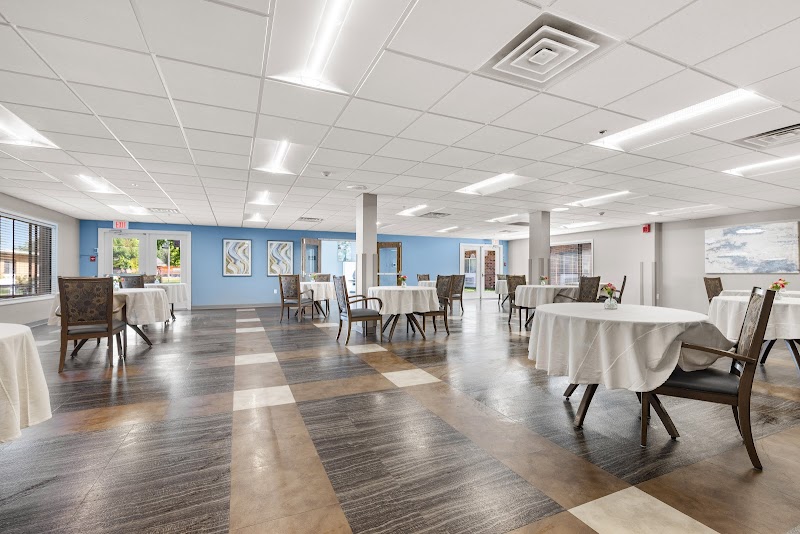
How is Oregon Living And Rehabilitation Center Staffed?

CMS rates OREGON LIVING AND REHABILITATION CENTER's staffing level at 3 out of 5 stars, which is average compared to other nursing homes. Staff turnover is 35%, compared to the Illinois average of 46%. This relatively stable workforce can support continuity of care. RN turnover specifically is 67%, which is notably high. RNs provide skilled clinical oversight, so turnover in this role can affect medical care quality.

What Have Inspectors Found at Oregon Living And Rehabilitation Center?

State health inspectors documented 28 deficiencies at OREGON LIVING AND REHABILITATION CENTER during 2022 to 2025. These included: 1 that caused actual resident harm and 27 with potential for harm. Deficiencies causing actual harm indicate documented cases where residents experienced negative health consequences.
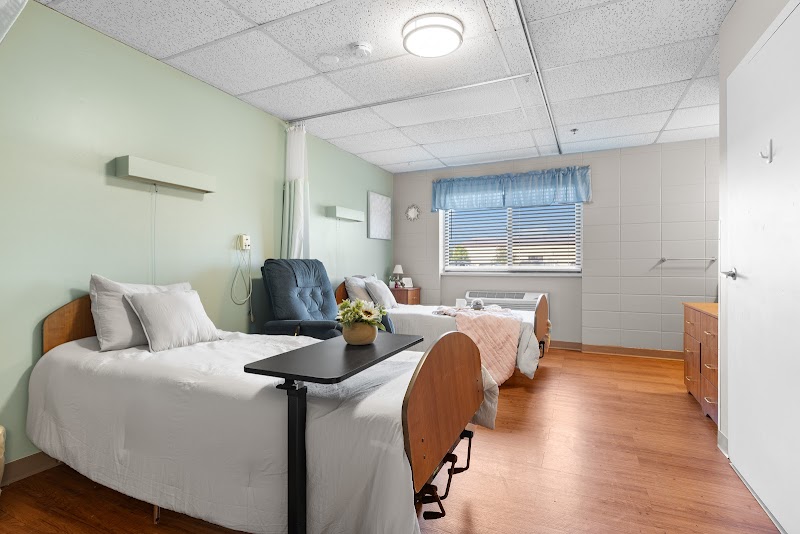
Who Owns and Operates Oregon Living And Rehabilitation Center?

OREGON LIVING AND REHABILITATION CENTER is owned by a for-profit company. For-profit facilities operate as businesses with obligations to shareholders or private owners. The facility operates independently rather than as part of a larger chain. With 104 certified beds and approximately 68 residents (about 65% occupancy), it is a mid-sized facility located in OREGON, Illinois.
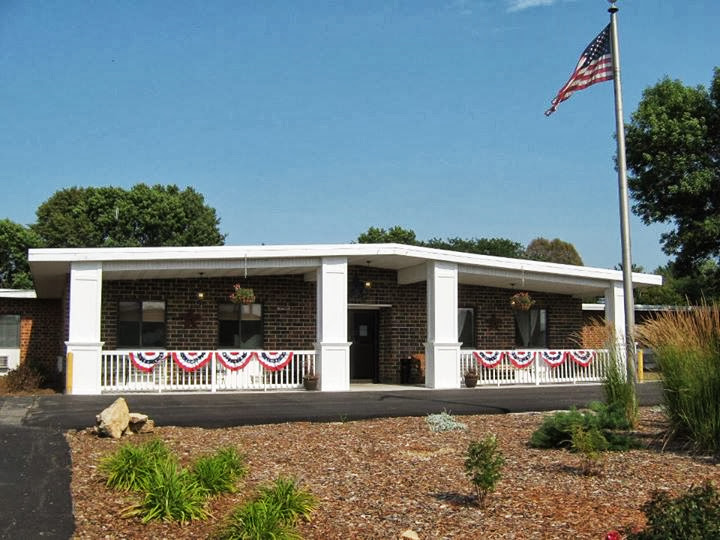
How Does Oregon Living And Rehabilitation Center Compare to Other Illinois Nursing Homes?

Compared to the 100 nursing homes in Illinois, OREGON LIVING AND REHABILITATION CENTER's overall rating (3 stars) is above the state average of 2.5, staff turnover (35%) is significantly lower than the state average of 46%, and health inspection rating (3 stars) is at the national benchmark.

What Should Families Ask When Visiting Oregon Living And Rehabilitation Center?

Based on this facility's data, families visiting should ask: "Can I visit during a mealtime to observe dining assistance and food quality?" "How do you handle medical emergencies, and what is your hospital transfer rate?" "Can I speak with family members of current residents about their experience?"

Is Oregon Living And Rehabilitation Center Safe?

Based on CMS inspection data, OREGON LIVING AND REHABILITATION CENTER has a clean safety record: no substantiated abuse findings (meaning no confirmed cases of resident harm), no Immediate Jeopardy citations (the most serious violation level indicating risk of serious injury or death), and is not on the Special Focus Facility watch list (a federal program monitoring the lowest-performing 1% of nursing homes). The facility has a 3-star overall rating and ranks #1 of 100 nursing homes in Illinois. While no facility is perfect, families should still ask about staff-to-resident ratios and recent inspection results during their visit.

Do Nurses at Oregon Living And Rehabilitation Center Stick Around?

OREGON LIVING AND REHABILITATION CENTER has a staff turnover rate of 35%, which is about average for Illinois nursing homes (state average: 46%). Moderate turnover is common in nursing homes, but families should still ask about staff tenure and how the facility maintains care continuity when employees leave.

Was Oregon Living And Rehabilitation Center Ever Fined?

OREGON LIVING AND REHABILITATION CENTER has no federal fines on record. CMS issues fines when nursing homes fail to meet care standards or don't correct problems found during inspections. The absence of fines suggests the facility has either maintained compliance or corrected any issues before penalties were assessed. This is a positive indicator, though families should still review recent inspection reports for the full picture.

Is Oregon Living And Rehabilitation Center on Any Federal Watch List?

OREGON LIVING AND REHABILITATION CENTER is not on any federal watch list. The most significant is the Special Focus Facility (SFF) program, which identifies the bottom 1% of nursing homes nationally based on persistent, serious quality problems. Not being on this list means the facility has avoided the pattern of deficiencies that triggers enhanced federal oversight. This is a positive indicator, though families should still review the facility's inspection history directly.