POLO REHABILITATION & HCC
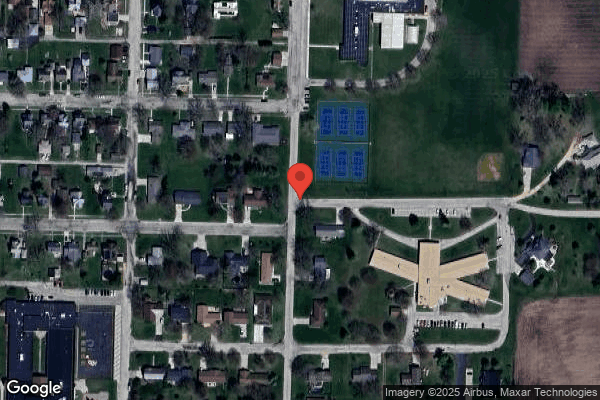
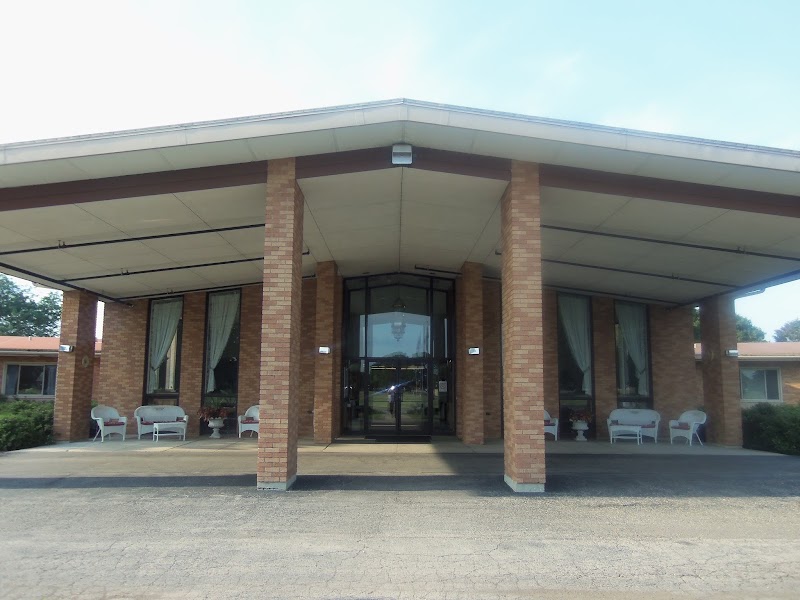
703 EAST BUFFALO, POLO, IL 61064 (815) 946-2203
For profit - Corporation 81 Beds PETERSEN HEALTH CARE Data: November 2025
Trust Grade
60/100
#277 of 665 in IL
Last Inspection: July 2024

Within standard 12-15 month inspection cycle. Federal law requires annual inspections.

Overview

Polo Rehabilitation & HCC has a Trust Grade of C+, which indicates it is slightly above average but not particularly impressive. It ranks #277 out of 665 facilities in Illinois, meaning it is in the top half of the state, but it is only #5 out of 6 in Ogle County, suggesting limited local competition. The facility is improving, as the number of issues reported decreased from 10 in 2023 to 9 in 2024. Staffing is a significant concern, rated at just 1 out of 5 stars, but the turnover rate is excellent at 0%, indicating that employees tend to stay long-term. There were no fines recorded, which is a positive sign. However, there are notable weaknesses. Specific concerns include the lack of a Registered Nurse on duty for sufficient hours, which could impact the care of all residents. Additionally, the facility did not have an Infection Preventionist, which is critical for managing and preventing infections. There were also instances where staff failed to follow proper hand hygiene during resident care, which raises risks for infection spread. Despite some strengths, families should weigh these serious concerns when considering this facility for their loved ones.

Trust Score
C+
60/100
In Illinois
#277/665
Top 41%
Safety Record
Low Risk
No red flags
Inspections
Getting Better
10 → 9 violations
Staff Stability
○ Average
Turnover data not reported for this facility.
Penalties
✓ Good
No fines on record. Clean compliance history, better than most Illinois facilities.
Skilled Nurses
○ Average
RN staffing data not reported for this facility.
Violations
⚠ Watch
29 deficiencies on record. Higher than average. Multiple issues found across inspections.
★★★☆☆
3.0
Overall Rating
★☆☆☆☆
1.0
Staff Levels
★★★★☆
4.0
Care Quality
★★★★☆
4.0
Inspection Score
Stable
2023: 10 issues
2024: 9 issues

The Good

  • 4-Star Quality Measures · Strong clinical quality outcomes
  • Full Sprinkler Coverage · Fire safety systems throughout facility
  • No fines on record

Facility shows strength in quality measures, fire safety.

The Bad

3-Star Overall Rating

Near Illinois average (2.5)

Meets federal standards, typical of most facilities

Chain: PETERSEN HEALTH CARE

Part of a multi-facility chain

Ask about local staffing decisions and management

The Ugly 29 deficiencies on record

Sept 2024 1 deficiency
CONCERN (D) 📢 Someone Reported This

A family member, employee, or ombudsman was alarmed enough to file a formal complaint

Potential for Harm - no one hurt, but risky conditions existed

Pharmacy Services (Tag F0755)

Could have caused harm · This affected 1 resident

**NOTE- TERMS IN BRACKETS HAVE BEEN EDITED TO PROTECT CONFIDENTIALITY** Based on observation, interview, and record review the facility failed to ensure a resident received the physician ordered dosag...

Read full inspector narrative →
**NOTE- TERMS IN BRACKETS HAVE BEEN EDITED TO PROTECT CONFIDENTIALITY** Based on observation, interview, and record review the facility failed to ensure a resident received the physician ordered dosage of medication after an order change which applies to 1 of 4 residents (R2) reviewed for pharmacy services in a sample of 4. The finding include: R2's Facility assessment dated [DATE] showed R2 is a [AGE] year old male resident admitted to the facility on [DATE] with diagnoses which includes depression. R2's discontinued Physician Order sheet printed on 9/16/24 showed R2's Doxepin 10 milligrams (mg) order was changed to Doxepin 5 mg on 3/14/24. No other modifications to R2's Doxepin orders were made until 9/12/24. This form showed R2's Doxepin order was changed from 5 mg to 10 mg on 9/12/24. R2's Progress notes dated 3/14/24 showed R2's physician gave a new order to reduce Doxepin to 5 mg. The facility could use the last of the 10 mg doses until the Veterans Affairs (VA) pharmacy could change the medication which could take up to 10 business days. Progress notes dated 3/15/24 showed the pharmacy requested a new order for Doxepin. Doxepin does not come in 5 mg capsules. Doxepin only comes in 3 mg, 6 mg, or 10 mg capsules. Progress Notes dated 4/29/24 showed the VA pharmacy needed a revised script for Doxepin 5 mg to be given in an elixir form. On 9/17/24 at 11:45 AM, V9 Pharmacy Clinical Manager stated Doxepin does not come in a 5 mg dose. It comes in 3 mg and 6 mg tablets and 10 mg, 25 mg and 50 mg capsules. If it needed to be a 5 mg dose it can be made into a 10 mg per milliliter (ml) elixir (suspension). Which could be given at 0.5 ml for the 5 mg dose. On 9/16/24 at 11:30 AM, V4 Registered Nurse (RN) removed R2's Doxepin bottle from the medication cart and one from storage. Both bottles showed Doxepin 10 mg capsules. V4 stated the medication comes in capsules which could not be cut in half like a tablet. V4 stated if a medication and order do not match we need to contact the physician to verify the order, and possibly hold the dose until we get the correct medication. V4 stated R2's Doxepin has always come in 10 mg capsules. V4 stated R4 has never had a liquid version of Doxepin. On 9/16/24 at 12:35 PM, V5 Licensed Practical Nurse stated R2 has always had 10 mg capsule for his Doxepin dose. V5 stated if a medication does not match the order the physician an pharmacy need to be notified so the order can be verified, and the medication can be changed to the correct dose if needed. R2's undated VA medication list showed R2 received Doxepin 10 milligram (mg) capsules with a last refill date of 7/10/24. On 9/16/24 at 11:45 AM, V2 Director of Nursing stated if a medication order and the medication do not match the physician needs to be contacted to verify the order. The pharmacy also needs to be contacted. In this case the VA provides R2's medications which should have been followed through with for the medication change. V2 stated she was not sure why the when the order changed the medication was not followed up on. The facility's Medication Pass Policy dated 5/2019 showed the five rights for medications administration which includes: verifying the drug against the eMAR (electronic medication administration record) ensuring the label matches the eMAR exactly, and verify the dose in each blister (container) against the eMAR.
Jul 2024 8 deficiencies
CONCERN (D)

Potential for Harm - no one hurt, but risky conditions existed

Free from Abuse/Neglect (Tag F0600)

Could have caused harm · This affected 1 resident

**NOTE- TERMS IN BRACKETS HAVE BEEN EDITED TO PROTECT CONFIDENTIALITY** Based on interview and record review the facility failed to ensure a resident was free from verbal abuse for 1 of 13 residents (...

Read full inspector narrative →
**NOTE- TERMS IN BRACKETS HAVE BEEN EDITED TO PROTECT CONFIDENTIALITY** Based on interview and record review the facility failed to ensure a resident was free from verbal abuse for 1 of 13 residents (R16) reviewed for abuse in the sample of 13. The findings include: On 07/30/24 at 12:42 PM, R16 was in her room up in her wheelchair. R16 said she had room mate and they had recently moved her. R16 said that night that R18 was moved, R18 woke up and started messing with her brief. V6 Certified Nursing Assistant (CNA) came in and told R18 to lay down. R18 told V6 no and called her a B***. R18 said that she (R16) had her phone and went on and on. R16 said she told her that she didn't have her phone. R16 stated R18 she was mad, she is usually quiet and [NAME], but that night she was yelling at me and cussing at me. She called me a B**. If she could walk she would have been right here in my face. The nurse came in, it was at bedtime, and I had just started getting ready for bed. R18 kept on and on still yelling at me. It didn't make sense about the phone. She accused me getting information for the staff to use her account. They called V1 Administrator and she told them to move R18. V6 heard her cussing at me. The way her face looked, like she could kill me. It never looked like that before, it was kind of scary. I know they wouldn't let her hurt me but I was upset, it was intimidating. On 07/30/24 at 01:13 PM, V6 Certified Nursing Assistant (CNA) said she walked into help R16 to bed and R18 said R16 took her cell phone. V6 said she told R18 that is wasn't her phone and R18 said it was and it was her account. V6 said R18 then called her a F**** B*** and a liar and R18 was going to turn her in. V6 said then R18 started calling R16 a F****** B****. V6 stated R18's face was very scary. She kept yelling. I've never seen her act that way before. V6 said she let the nurse know and called V1 Administrator like she is supposed to do for abuse. V6 said she told V1 that R18 was calling R16 a F**** B****. V6 said V1 told her to move R18 to another room and herself and another CNA moved R18. R18's Nursing Progress Note dated 7/26/2024 06:18 shows Resident accused roommate of stealing her phone and her account to her phone putting it in hers. Resident used profanity toward roommate calling her a B***H multiple times. Administration made aware of situation. resident was removed from room and place into another one for the reminder of the night per administration orders. Writer explained to resident she did not have a phone. On 07/30/24 at 12:38 PM, V1 Administrator said the CNA called her and said R18 was yelling at R16 about a phone. V1 said R16 didn't take R18's phone. R18 accused R16 of having her phone, R18 never even had a phone. V1 said she had staff move R18 to another room. The facility's Abuse, Prevention and Prohibition Policy dated 1/24 shows Residents must not be subjected to abuse by anyone, including, but not limited to, facility staff, other residents, consultants or volunteers, staff of other agencies serving the resident, family members or legal guardians, friends, or other individuals. Verbal Abuse is defined as the oral, written, or gestured language that willfully includes disparaging and derogatory terms to resident or their families, or within the hearing distance, regardless of their age, ability to comprehend, or disability. Examples of verbal abuse include but are limited to: threats of harm; saying things to frighten a resident, such as telling a resident that he/she will never be able to see his/her family again.
CONCERN (D)

Potential for Harm - no one hurt, but risky conditions existed

Abuse Prevention Policies (Tag F0607)

Could have caused harm · This affected 1 resident

**NOTE- TERMS IN BRACKETS HAVE BEEN EDITED TO PROTECT CONFIDENTIALITY** Based on interview and record review the facility failed to follow their abuse policy by not identifying, investigating or repor...

Read full inspector narrative →
**NOTE- TERMS IN BRACKETS HAVE BEEN EDITED TO PROTECT CONFIDENTIALITY** Based on interview and record review the facility failed to follow their abuse policy by not identifying, investigating or reporting abuse for 1 of 13 residents (R16) reviewed for abuse in the sample of 13. The findings include: On 07/30/24 at 12:42 PM, R16 was in her room up in her wheelchair. R16 said she had room mate and they had recently moved her. R16 said that night that R18 was moved, R18 woke up and started messing with her brief. V6 Certified Nursing Assistant (CNA) came in and told R18 to lay down. R18 told V6 no and called her a B***. R18 said that she (R16) had her phone and went on and on. R16 said she told her that she didn't have her phone. R16 stated R18 she was mad, she is usually quiet and [NAME], but that night she was yelling at me and cussing at me. She called me a B**. If she could walk she would have been right here in my face. The nurse came in, it was at bedtime, and I had just started getting ready for bed. R18 kept on and on still yelling at me. It didn't make sense about the phone. She accused me getting information for the staff to use her account. They called V1 Administrator and she told them to move R18. V6 heard her cussing at me. The way her face looked, like she could kill me. It never looked like that before, it was kind of scary. I know they wouldn't let her hurt me but I was upset, it was intimidating. R16 said V1 had not come and talked to her about it yet. On 07/30/24 at 01:13 PM, V6 Certified Nursing Assistant (CNA) said she walked into help R16 to bed and R18 said R16 took her cell phone. V6 said she told R18 that is wasn't her phone and R18 said it was and it was her account. V6 said R18 then called her a F**** B*** and a liar and R18 was going to turn her in. V6 said then R18 started calling R16 a F****** B****. V6 stated R18's face was very scary. She kept yelling. I've never seen her act that way before. V6 said she let the nurse know and called V1 Administrator like she is supposed to do for abuse. V6 said she told V1 that R18 was calling R16 a F**** B****. V6 said V1 told her to move R18 to another room and herself and another CNA moved R18. R18's Nursing Progress Note dated 7/26/2024 06:18 shows Resident accused roommate of stealing her phone and her account to her phone putting it in hers. Resident used profanity toward roommate calling her a B***H multiple times. Administration made aware of situation. resident was removed from room and place into another one for the reminder of the night per administration orders. Writer explained to resident she did not have a phone. On 07/30/24 at 12:38 PM, V1 Administrator said the CNA called her and said R18 was yelling at R16 about a phone. V1 said R16 didn't take R18's phone. R18 accused R16 of having her phone, R18 never even had a phone. V1 said she had staff move R18 to another room. V1 said she didn't take the situation as abuse, she looked at it more like dementia like behavior. V1 said she didn't do an investigation or report. The facility's Abuse, Prevention and Prohibition Policy dated 1/24 shows Residents must not be subjected to abuse by anyone, including, but not limited to, facility staff, other residents, consultants or volunteers, staff of other agencies serving the resident, family members or legal guardians, friends, or other individuals.Verbal Abuse is defined as the oral, written, or gestured language that willfully includes disparaging and derogatory terms to resident or their families, or within the hearing distance, regardless of their age, ability to comprehend, or disability. Examples of verbal abuse include but are limited to: threats of harm; saying things to frighten a resident, such as telling a resident that he/she will never be able to see his/her family again. The facility's abuse prohibition program includes the following seven components: Screening, Training, Prevention, Identification, Investigation, Protection, and Reporting/Response.
CONCERN (D)

Potential for Harm - no one hurt, but risky conditions existed

Quality of Care (Tag F0684)

Could have caused harm · This affected 1 resident

Based on observation, interview, and record review the facility failed to obtain treatment orders for non-pressure wounds for 1 of 13 residents (R15) reviewed for quality of care in the sample of 13. ...

Read full inspector narrative →
Based on observation, interview, and record review the facility failed to obtain treatment orders for non-pressure wounds for 1 of 13 residents (R15) reviewed for quality of care in the sample of 13. The findings include: On 07/29/24 at 09:19 AM, R15 was sitting up in his wheelchair in his room. R15's right arm was covered with a protective sleeve that had a small amount of dark red dried blood. R15 said he was not sure what happened to his arm, it happened a few days ago. R15 said he probably bumped it on something. On 07/29/24 at 11:26 PM, R15 was in his room sitting in his wheelchair. R15 still had the protective sleeve on his right arm. R15's legs were edematous and red in color. R15's right lower leg had an undated bandaid in place. R15 lowered the protective sleeve on his right arm and R15 had a pool of blood trapped under a clear occlusive dressing with a stream of blood leaking out the edge of the dressing. R15 said the bandaid had been on his leg for a few days and had not been checked or changed since the nurse put it on. R15 said the bandage on his arm had not been looked at since they put the dressing on it. On 07/30/24 at 9:57 AM, the same dressing was on R15's right arm and the bandaid on R15's leg remained. R15 said no one had looked at either. V2 Director of Nursing removed tegaderm and soaked up the dark red serous blood pool. R15 had a small skin flap intact with serous fluid draining. V2 said R15 is on antibiotics for his leg wound. R15 slowly peeled off the stuck on, undated bandaid on R15's right leg. There was yellow drainage on the bandaid. V2 stated this looks worse. V2 cleaned both wounds and measured the wounds. The arm wound was 1.8 cm long (no measurements were done on the width) and the leg wound was 2.5 cm x 1.5 cm. V2 applied triple antibiotic ointment and an occlusive dressing to both wounds. On 7/30/24 at 12:18 PM, V2 said there is no current treatment orders for R15's wounds. V2 said whoever identifies a wound, should call the doctor and get treatment orders, and should notify me and the family. R15's Physician Orders did not contain orders for R15's right arm skin tear or R15's right leg wound prior to 7/30/24. R15's Progress Note dated 7/25/24 shows small spot on shin; spot of blood, applied bordered gauze and antibiotic ointment, will monitor. R15's Progress Note dated 7/28/24 shows right arm, just below elbow outward facing-skin tear, approximately 1 inch long. resident is unaware of origin; skin flap intact. Tegaderm applied. will continue to monitor. The facility's Wound Assessment Policy dated 3/2021 shows It is the policy of the facility to asses each wound initially either at the time of admission or at the time the wound is identified. This policy does not address treatment of wounds. On 7/31/23 at 12:03 PM, V2 said the facility does not have any wound treatment policies.
CONCERN (D)

Potential for Harm - no one hurt, but risky conditions existed

Pressure Ulcer Prevention (Tag F0686)

Could have caused harm · This affected 1 resident

Based on observation, interview, and record review the facility failed to ensure pressure prevention treatments were completed as ordered for 1 of 2 residents (R12) reviewed for pressure in the sample...

Read full inspector narrative →
Based on observation, interview, and record review the facility failed to ensure pressure prevention treatments were completed as ordered for 1 of 2 residents (R12) reviewed for pressure in the sample of 13. The findings include: On 07/30/24 at 08:55 AM, R12 was sitting up in wheelchair in his room. R12 said the nurse last night said she was going to change the dressings on his bottom but never came back and did them. On 07/30/24 at 09:02 AM, V7 Certified Nursing Assistant assisted R12 to stand and pulled down R12's pants and brief. R12 had a dressing to his right buttock that had yellow drainage, a dressing to his left buttock, and a dressing to his coccyx that all were dated 7/28/24. V7 said the dressings are dated 7/28/24. R12's Physician Orders dated 6/28/24 shows an order treatment to (3) pressure injuries to bilateral buttocks/coccyx areas: Wash gently with mild soap et water. Pat dry. Apply a thin layer of zinc oxide to wound beds. Cover with non-adherent pad . Change daily and PRN every day shift for wound care. On 07/30/24 at 12:18 PM, V2 Director of Nursing said R12's dressings should have been changed per the orders. The facility's Weekly Pressure Ulcer Report dated 7/24/24 shows R12 has a stage 2 pressure to the coccyx, a stage 3 pressure to the right buttocks, and a stage 2 pressure to the left buttocks. The facility's Pressure Ulcer/Pressure Injury Prevention Policy dated 3/22 shows If a pressure ulcer/pressure injury is present, provide treatment to heal it and prevent the development of additional pressure ulcer/injuries.
CONCERN (D)

Potential for Harm - no one hurt, but risky conditions existed

Pharmacy Services (Tag F0755)

Could have caused harm · This affected 1 resident

Based on observation, interview, and record review the facility failed to ensure a residents medications were not expired prior to administering it to the resident which applies to 1 of 13 residents (...

Read full inspector narrative →
Based on observation, interview, and record review the facility failed to ensure a residents medications were not expired prior to administering it to the resident which applies to 1 of 13 residents (R3) reviewed for medication administration in a sample of 13. The findings include: R3's physician order sheet printed on 7/30/24 showed R3's Morphine Sulfate (Concentrate) oral solution 20 milligrams (mg) per milliliter (ml) 0.25 mil by mouth every 1 hour as needed for pain/shortness of breath was ordered on 8/27/23. On 7/29/24 at 11:35 AM, R3's Morphine Sulfate bottle had a pharmacy tag expiration date of 5/25/24 with 5 ml left in the bottle. V8 Registered Nurse confirmed the amount of medication in the bottle. V8 stated medications should not be used after expiration date. On 7/29/24 at 12:00 PM, V2 Director of Nursing stated the nurse/pharmacy should be checking for expired medications. Medications should not be administered after the expiration date. R3's Controlled Substance Record sheets (revised January 2023) showed R3 received 39 doses of Morphine sulfate after the expiration date (5/25/24). These doses were given from 5/30/24 through 7/28/24. The facility's Mediation Storage Policy dated 2022 showed Morphine Sulfate Oral Solutions should be discarded after manufacturer's expiration date unless otherwise indicated.
CONCERN (D)

Potential for Harm - no one hurt, but risky conditions existed

Medication Errors (Tag F0758)

Could have caused harm · This affected 1 resident

Based on interview and record review the facility failed to ensure a residents as needed psychotropic medication had a stop date for 1 of 5 residents (R17) reviewed for psychotropic medications in the...

Read full inspector narrative →
Based on interview and record review the facility failed to ensure a residents as needed psychotropic medication had a stop date for 1 of 5 residents (R17) reviewed for psychotropic medications in the sample of 13. The findings include: R17's Physician Orders show and order dated 7/2/24 for clonazepam 0.25 mg Give 1 tablet by mouth every 8 hours as needed for restlessness/agitation. There is no stop date for the order. R17's Pharmacy Consultation Report dated for 7/18/24 shows R17 has a PRN order for an anxiolytic, which has been in place for greater than 14 days without a stop date. Rationale for Recommendation: CMS requires that PRN orders for non-antipsychotropic psychotropic drugs be limited to 14 days unless the prescriber documents the diagnosed specific condition being treated, the rationale for the extended time period, and the duration for the PRN order. On 07/31/24 at 9:40 AM, V2 Director of Nursing said she faxed the pharmacy recommendations to the doctor and then waits for the response. V2 was not sure if she had got a response back on the latest pharmacy recommendations. The facility's Psychotropic Medication Use Policy dated 9/2022 shows The timeframe for PRN psychotropic medications, which are not antipsychotic medications, will be limited to 14 days unless a longer timeframe is deemed appropriate by the attending physician or the prescribing practitioner.
CONCERN (D)

Potential for Harm - no one hurt, but risky conditions existed

Deficiency F0761 (Tag F0761)

Could have caused harm · This affected 1 resident

Based on observation, interview, and record review the facility failed to ensure controlled medications were secured by a two locked system which applies to 1 of 13 (R3) reviewed for medication storag...

Read full inspector narrative →
Based on observation, interview, and record review the facility failed to ensure controlled medications were secured by a two locked system which applies to 1 of 13 (R3) reviewed for medication storage in a sample of 13. The findings include: On 7/29/24 at 11:35 AM the medication room door was open. This door opens into the dining room area. The nurse was not in the medication room or the dining room at this time. The medication room refrigerator was unlocked. The medication refrigerator contained R3's Morphine Sulfate Oral Solution. R3's physician order sheet printed on 7/30/24 showed R3's order as Morphine Sulfate (Concentrate) oral solution 20 milligrams (mg) per milliliter (ml) 0.25 mil by mouth every 1 hour as needed for pain/shortness of breath. On 7/29/24 at 11:40 AM, V2 Director of Nursing moved the medication cart into the medication room and closed the door. On 7/29/24 at 11:55 AM, V8 Registered Nurse stated the medication room door and refrigerator should be locked. The refrigerator has narcotics in it. On 7/29/24 at 12:00 PM, V2 stated the medication door and refrigerator is supposed to be locked so no one can get into the medications. Narcotics need to have 2 locks.
CONCERN (E)

Potential for Harm - no one hurt, but risky conditions existed

Deficiency F0805 (Tag F0805)

Could have caused harm · This affected multiple residents

Based on observation, interview, and record review, the facility failed to ensure a pureed diet was served with a smooth consistency for five of five residents (R7, R8, R11, R17, R18) reviewed for pur...

Read full inspector narrative →
Based on observation, interview, and record review, the facility failed to ensure a pureed diet was served with a smooth consistency for five of five residents (R7, R8, R11, R17, R18) reviewed for pureed diets in the sample of 13. The findings include: The facility's Diet Type Report dated July 29, 2024 shows R7, R8, R11, R17, and R18 are on pureed diets. On July 29, 2024 at 10:15 AM, V5 [NAME] pureed five salisbury steak patties with beef broth. V5 then added thickener powder. V5 then put the pureed salisbury steak into the oven to keep it warm. V5 said the pureed california vegetables were already pureed. On July 29, 2024 at 11:28 AM, lunch was served off of a steam table to all residents. On July 29, 2024 at 11:43 AM, a pureed test tray was sampled. The pureed vegetables had small chunks and casings in it. The pureed vegetables were not smooth in consistency. The pureed salisbury steak had chunks in it and required chewing. The pureed salisbury steak was not smooth in consistency. At 11:50 AM, V4 Dietary Manager sampled the pureed vegetables. V4 said the vegetables were stringy and not appropriate. V4 did not sample the pureed salisbury steak but said it looks gritty. V4 said that the salisbury steak is a processed meat and it is difficult to puree. V4 said pureed food should be a baby food consistency. V4 said pureed food should be smooth and not gritty. The facility's Puree Basics Fact Sheet dated October 31, 2003 shows, The puree diets are residents who cannot chew food or swallow without difficulty. Food is blended to a mash potato or applesauce consistence and requires no-chewing before they are swallowed.
May 2023 10 deficiencies
CONCERN (D)

Potential for Harm - no one hurt, but risky conditions existed

Resident Rights (Tag F0550)

Could have caused harm · This affected 1 resident

**NOTE- TERMS IN BRACKETS HAVE BEEN EDITED TO PROTECT CONFIDENTIALITY** 2. R2's face sheet printed on 5/3/23 showed diagnosis including but not limited to rhabdomyolysis (severe muscle breakdown), dem...

Read full inspector narrative →
**NOTE- TERMS IN BRACKETS HAVE BEEN EDITED TO PROTECT CONFIDENTIALITY** 2. R2's face sheet printed on 5/3/23 showed diagnosis including but not limited to rhabdomyolysis (severe muscle breakdown), dementia, multiple sclerosis, epilepsy, gastrostomy status, and history of cerebral infarction. R2's facility assessment dated [DATE] showed severe cognitive impairment and requires total staff assistance with bed mobility, transfers, locomotion, dressing, eating, toilet use, and personal hygiene. The same assessment showed R2 is always incontinent of urine and bowel. On 5/2/23 at 9:19 AM, V5 and V11 (Certified Nurse Aides) provided incontinence care to R2 while she was lying in bed. V5 and V11 removed the wet incontinence brief and rolled R2 from side to side while cleansing her. V5 and V11 removed R2's nightgown and put a fresh gown on her. R2 was naked and fully exposed to the window that was next to the bed. The window looked out to the front entry and a set of windows where a group activity was occurring. On 5/4/23 at 8:50 AM, V2 (Director of Nurses) stated window curtains should be closed while personal care is happening. It is especially important because all the resident rooms are on the main floor, and someone can easily see into the rooms. It does not feel good to be naked and exposed. Cognition levels make no difference. The curtains provide dignity and should be pulled closed during all cares. The undated Residents' Rights for People in Long-Term Care Facilities pamphlet (Produced by the Illinois Department of Aging) states: Your medical and personal care are private. Facility staff must respect your privacy when you are being examined or given care. Based on observation, interview, and record review, the facility failed to ensure personal cares were performed in a manner to maintain residents' dignity for 2 of 2 residents (R79, R2) reviewed for dignity in the sample of 13. The findings include: 1. R79's admission Record, printed by the facility on 5/3/23, showed she had diagnoses including Alzheimer's disease with early onset, major depressive disorder, and anxiety disorder. R79's baseline Care Plan dated 4/18/23, showed she was dependent on 2 staff members for toileting and bathing. The assessment showed R79 was dependent on one staff for dressing. On 5/2/23 at 10:32 AM, V15 (Hospice CNA-Certified Nursing Assistant) exited R79's room with R79 sitting in a shower chair. R79 was naked from the waist down. A blanket was on R79's lap, covering her front area and legs. R79's buttocks was not covered and could be clearly seen from the nurse's desk. On 5/4/23 at 9:19 AM, V5 (CNA) said it is important to make sure a resident's body is covered when you are transporting them across the hall for their shower. You should not expose the resident's naked body to maintain their dignity and privacy. On 5/03/23 at 10:04 AM, V5 and V7 (CNA) transferred R79 from her hospice geriatric chair to her bed. V5 and V7 pulled down R79's pants and provided peri care for R79. V5 washed the middle then sides of R79's peri area, then rinsed and dried the same way. V5 and V7 rolled R79 onto her left side and washed, rinsed and dried her buttocks. The curtain in R79's room was wide open the entire time V5 and V7 performed personal care for R79 and the entrance area to the front of the building and parking area was clearly visible. R79 kept trying to pull her pants back up during care. V7 had to ask R79 to hold her hands, so R79 would not try pulling up her pants. On 5/03/23 at 1:42 PM, V5 CNA said she should have closed the curtains in R79's room prior to providing incontinent care for the resident's privacy and dignity. On 5/04/23 at 9:37 AM, V2 DON residents should be covered when they are being transferred down the hall to the shower for their dignity. The resident's curtains should be closed during personal cares for their dignity.
CONCERN (D)

Potential for Harm - no one hurt, but risky conditions existed

Deficiency F0604 (Tag F0604)

Could have caused harm · This affected 1 resident

**NOTE- TERMS IN BRACKETS HAVE BEEN EDITED TO PROTECT CONFIDENTIALITY** Based on observation, interview, and record review the facility failed to identify the use of physical restraints and failed to ...

Read full inspector narrative →
**NOTE- TERMS IN BRACKETS HAVE BEEN EDITED TO PROTECT CONFIDENTIALITY** Based on observation, interview, and record review the facility failed to identify the use of physical restraints and failed to follow their policy for restraints for 2 of 2 residents (R2, R79) reviewed for physical restraints in the sample of 13. The findings include: 1. R2's face sheet printed on 5/3/23 showed diagnosis including but not limited to rhabdomyolysis (severe muscle breakdown), dementia, multiple sclerosis, epilepsy, gastrostomy status, and history of cerebral infarction. R2's facility assessment dated [DATE] showed severe cognitive impairment and requires total staff assistance with bed mobility, transfers, locomotion, dressing, eating, toilet use, and personal hygiene. The same assessment showed R2 is always incontinent. The assessment showed R2 was not using any type of physical restraint. On 5/2/23 at 9:36 AM, R2 was transferred from the bed to her wheelchair using a mechanical lift. V5 and V11 (CNAs-Certified Nurse Aides) reclined the high back wheelchair slightly and clipped a seat belt around R2's waist. At 11:38 AM, R2 was still in the wheelchair with the seat belt clipped across her waist. V5 approached and wheeled R2 down the hall and set her in the front foyer. The seat belt remained clipped around her waist. On 5/2/23 at 12:24 PM, V1 (Administrator) stated there are no restraints used in the building. The facility Matrix for Providers form supplied at entrance did not indicate any physical restraint use for R2 or R79. R2's active physician orders dated 5/3/23 showed an order for: Seat belt in cushion wheelchair. The order had no rationale for the use. R2's working paper chart care plan showed a focus area related to falls. A handwritten intervention dated 10/16/19 (3+ years ago) stated: ok to have seat belt in wheelchair as enable for positioning due to dx of MS (diagnoses of multiple sclerosis). There were no interventions related to release time or monitoring. On 5/3/23 at 11:24 AM, V13 (Nurse Practitioner) stated she was unaware R2 had a seat belt and there was no reason for it. V13 said R2 has severe dementia, requires total care, and absolutely could not remove it herself. V13 said any resident with a restraint requires a physician order, consent, and documentation of why it is needed. V13 said the facility protocol needs to be followed. V13 said she had no knowledge of who ordered the belt use from 2019 and possibly the therapy department would know. At 11:32 AM, V13 observed R2's wheelchair with seat belt and said, Yes, this is definitely not needed. Maybe it just came with the custom wheelchair and staff are using it because it is there. (R2) is always reclined back in her chair so the belt would serve no re-positioning purpose. She does not fall forward or move in the wheelchair. On 5/3/23 at 11:38 AM, V12 (Physical Therapist/Rehab Director) stated R2 tends to lean to the side while in her wheelchair but does have enough lateral support to keep herself upright. R2 does not have a problem rolling forward and the seat belt is not a therapy intervention. R2 does not need a seat belt for positioning in the wheelchair. On 5/4/23 at 8:52 AM, V2 (Director of Nurses) stated a physical restraint is anything that stops movement or freedom for a resident. V2 said she would consider a seat belt a restraint. It stops the resident from moving while in the chair. V2 said a consent and physician order are needed. Routine reassessments are required to ensure the need for use is still there. V2 said the misuse of physical restraints have a high risk of injury and can be undignified for a resident. On 5/4/23 at 9:10 AM, V1 (Administrator) said a restraint is any device that prevents a resident from moving the body. V1 said R2's seat belt is not a restraint because she needs it for re-positioning. V1 was asked who determined it was for repositioning and replied, I don't know. V1 said she has seen R2 and there is no possibility she could remove the belt herself. V1 said there is probably no reason for it. V1 said there should be a consent, assessment for the need, doctors order, quarterly reviews and how it should be used. All those items are important to ensure safety and that it is being used appropriately for the resident. V1 said restraints have the potential to cause entrapment, injury, and emotional stress. On 5/4/23 at 11:33 AM, V1 and V2 stated there was no documentation of R2's seat belt consent, physician order with reason for use, assessments, or attempt to reduce the use. 2. R79's admission Record, printed by the facility on 5/3/23, showed she had diagnoses including Alzheimer's disease with early onset, major depressive disorder, and anxiety disorder. R79's baseline Care Plan dated 4/18/23, showed she was dependent on 2 staff members for toileting and bathing. The care plan showed R79 was dependent on one staff for dressing. The care plan also showed R79 was a high fall risk and had poor safety awareness. The Care plan did not identify a restraint, a lap buddy or a table/tray. On 5/2/23 at 10:23 AM R79 was observed sitting in a low hospice geriatric chair in the common area, by the nurse's station. A tray was attached to the front of R79's geriatric chair. V15 (Hospice CNA-Certified Nursing Assistant) took R79 to give her a shower. After the shower, R79 was placed back into the low hospice geriatric chair and the tray was placed back on the chair. On 5/3/23 R79 was observed sitting in the dining room during the breakfast and lunch meals with the tray attached to her geriatric chair. The only time R79 was observed without the tray attached to her geriatric chair on 5/2/23 and 5/3/23 was when staff were providing incontinent care for her, or she was being provided a shower. On 5/2/23 and 5/3/23 a magazine was seen sitting on R79's tray table for a brief period. The magazine was open on both observations, however R79 was not looking at the magazine, or turning pages in the magazine. On 5/2/23 at 12:18 PM V1 (Administrator) said R79 has the table for activity purposes, she is a very busy person and likes to do things constantly. V1 said R79 is new to the facility and on hospice. V1 said hospice suggested they use the table to allow R79 to keep activities on the table top within reach. On 5/3/23 at 9:43 AM, V18 and V19 (R79's family) said the table attached to her low hospice geriatric chair was new. V19 added that last Wednesday when they came in, there was a cushion that went in front of R79 and under the arms of the chair (lap buddy). Both V18 and V19 said they think the tray table may be due to R79's frequent falls in the previous facility. V19 said R79 fell in the previous facility and had to have hip surgery. V18 said R79 would keep scooting forward and try to get up out of the chair. On 5/03/23 at 1:15 PM, V13 Nurse Practitioner-NP) said the table attached to R79's chair was definitely a restraint. V13 said the table is not the same as a lap buddy pad. V13 said the tray table is a hard table not a padded cushion. V13 said the tray would be a restraint and would need to have an order and a rationale for it. V13 said R79 did not have that when she came in to facility. V13 said a lap buddy pad and a hard tray are not the same thing. On 5/03/23 at 1:33 PM, V12 (Therapy Rehab Director) said R79 was not evaluated by the therapy department. V12 said R79 was on hospice when she was admitted . We did not have anything to do with the table on her chair. On 5/04/23 at 9:30 AM, (Director of Nursing-DON) said R79 would not be able to get out of the chair on her own with the tray. V2 said R79 would not be able to take the tray off. The tray is not a lap buddy pad. V2 said there should be an assessment, an order and a rationale for the restraint use. V2 said there should also be a signed consent for the restraint. R79's Physician's Order Sheet (POS), signed by R79's physician on 4/19/23, showed the following order: 4/25/23 Lap buddy pad may be used for patient comfort. No order for a tray/table restraint was listed on the POS. The Physical Restraint/Enabler Consent document in R79's paper medical record was not filled out and there was a line drawn through the document going from the right side in a downward motion to the left side of the document. The Physical Enabler/Restraint Use/Reduction Evaluation located in R79's paper medical record was not filled out and there were lines on page 2 and page 4 of the forms going from one side of the page down to the other side of the page. The facility was in the process of initiating electronic medical records for the facility. R79's electronic medical record was reviewed. There was no order for a table/tray restraint and no signed consent for the restraint in R79's orders tab, miscellaneous tab, or assessment tab. R79's Medication Record, provided by the facility on 5/4/23, showed Fax out re (regarding) lap buddy order. No information regarding a tray table was listed on R79's Medication Record. R79's Order Summary Report for active orders as of 5/3/23, showed no order for a Geri-chair tray table. R79's Medication Administration Record from 5/1/23-5/31/23 showed no order for a Geri-chair tray table. R79's Hospice Binder contained six pages in the binder: an In-Home Medical Group Order Form for Hospice Evaluation dated 4/14/23, a hospice form showing R79's name, date admitted to hospice and information on when the facility staff should call hospice with their number listed on the form. Another one of the forms provided a list of the Hospice Interdisciplinary Team and their contact numbers. Another form in the binder showed the Procedure for Death of a Hospice Patient in a Nursing Home. Another form was the Hospice' admission Order Set. The admission Order Set did not contain an order for a geri-chair tray table. The last document was the hospice Nursing Progress Notes. The notes did not mention anything about a geri-chair tray table. The facility's policy and procedure titled Physical Restraint/Enabler Policy, with a revision date of 7/24/18, showed Definition of a Physical Restraint: Physical restraints (are) any manual method or physical, or mechanical device, equipment, or material attached or adjacent to the resident's body, which the individual cannot remove easily and which restricts freedom of movement or normal access to his or her body. A device that may constitute a physical restraint may include, but is not limited to: bed rails, self-release waist restraints, soft waist restraints, lap top cushions, vest restraints, Geri-chair with tray table, arm restraints, leg restraints, personal alarms and hand mitts . The policy showed Procedure: 1. Complete Physical Enabler/Restraint Use/Reduction Evaluation. 2. Obtain verbal and/or written consent from resident/legally responsible party (May obtain verbal consent until able to receive written consent). 3. Document in nurse's notes the date, time, and which type of consent obtained prior to physical restraint being applied. 4. Obtain M.D. (Doctor) order for restraint or adaptive device/enabler. The order must include: Specific medical/physical reason, type of restraint/enabler, release and reposition at least every two hours, and when to be used .15. Document in nurse's notes type of restraint being used and resident's response to the physical restraint. 16. Place physical restraint problem on the resident's care plan. The care plan must address the duration, type, and circumstances under which the restraint can be used. 17. After initial documentation, all physical restraints require quarterly documentation regarding the type of physical restraint used, resident's response to the physical restraint, and if any reduction plan has been attempted. 18. Initiate Restraint Elimination/Reductions Program ninety days from application.
CONCERN (D)

Potential for Harm - no one hurt, but risky conditions existed

ADL Care (Tag F0677)

Could have caused harm · This affected 1 resident

**NOTE- TERMS IN BRACKETS HAVE BEEN EDITED TO PROTECT CONFIDENTIALITY** Based on observation, interview, and record review the facility failed to ensure ADL (Activities of Daily Living) care was provi...

Read full inspector narrative →
**NOTE- TERMS IN BRACKETS HAVE BEEN EDITED TO PROTECT CONFIDENTIALITY** Based on observation, interview, and record review the facility failed to ensure ADL (Activities of Daily Living) care was provided for 1 of 1 resident (R19) reviewed for activities of daily living in the sample of 13. The findings include: R19's face sheet printed on 5/3/23 showed diagnoses including but not limited to Huntington's Disease, muscle weakness, insomnia, gastrostomy status, and dysphagia. R19's facility assessment dated [DATE] showed no cognitive impairment and staff assistance needed for bed mobility, transfers, locomotion, dressing, eating, toilet use and personal hygiene. R19's ADL report for April 2023 showed total staff dependence for oral hygiene. On 5/2/23 at 9:52 AM, R19 was seated in a wheelchair in her room. R19 was alert and able to nod yes or no in answer but was non-verbal. R19's teeth, tongue, and lips were covered with a yellowish, crusty substance. R19's call light was lying on the floor, underneath her bed. At 9:55 AM, V5 (Certified Nurse Aide) said R19 can express her needs and uses the call light to ask for help. She needs help with transfers, incontinence care, and basically everything. She is aware of her surroundings and can express her needs with yes or no nods. At 12:28 PM, R19 was in her wheelchair and the call light was still in same position. At 3:20 PM, R19 was in bed and the call light was over her head. On 5/3/23 at 8:56 AM, R19 was asleep in bed. The call light was above her head, next to the pillow. At 11:54 AM, V3 (Registered Nurse) supplied liquid nutrition to R19 via her G-tube. R19's lips, teeth, and tongue were still caked with a yellowish, dried substance. V3 stated she should be getting oral care every shift. It is not getting done. R19 had a terrible lip sore from chapped lips last week and it was likely caused by lack of oral hygiene. V3 said R19 is very alert and just has a speech issue. V3 said R19 uses the call light when she needs assistance with any of her ADLs. The facility was unable to supply any documentation related to oral care being provided to R19. The facility Oral Care/Toothbrushing policy review dated 3/20/23 states: Policy-To provide adequate oral hygiene for all residents. 17. Repeat procedure as frequently as necessary.
CONCERN (D)

Potential for Harm - no one hurt, but risky conditions existed

Pressure Ulcer Prevention (Tag F0686)

Could have caused harm · This affected 1 resident

**NOTE- TERMS IN BRACKETS HAVE BEEN EDITED TO PROTECT CONFIDENTIALITY** Based on observation, interview and record review, the facility failed to document an assessment of a pressure area and develop ...

Read full inspector narrative →
**NOTE- TERMS IN BRACKETS HAVE BEEN EDITED TO PROTECT CONFIDENTIALITY** Based on observation, interview and record review, the facility failed to document an assessment of a pressure area and develop a care plan for 1 of 1 resident (R21) reviewed for pressure ulcers in the sample of 13. The findings include: R21's admission Record, printed by the facility on 5/4/23, showed she was admitted to the facility on [DATE] with diagnoses including anemia, muscle spasm, malignant neoplasm of exocervix (the outer part of the cervix that opens into the vagina), obstructive (a condition in which urine cannot flow, either partially or completely, through the ureter, bladder or urethra due to some type of obstruction) and reflux uropathy (a condition in which the kidneys are damaged by the backward flow of urine into the kidney). R21's facility assessment dated [DATE] showed she was cognitively intact. The assessment showed R21 required extensive assist of two staff members for bed mobility and dressing, extensive assist of one staff member for personal hygiene, and was dependent on two staff members for toileting and transfers. The assessment also showed R21 had a limitation to her range of motion on one side of her upper and lower extremities. On 5/3/23 at 10:53 AM, V3 (Registered Nurse-RN) said R21 had a pressure ulcer on her buttocks. V3 said it started out as a shear and developed into a pressure injury. R21's Skilled Progress Notes from 4/1/23-5/3/23 did not show an assessment of the wound on R21's buttocks. R21's paper chart medical record did not have any assessment of R21's wound on her buttocks. R21's electronic medical record did not have any assessment of a pressure wound to R21's buttocks in the miscellaneous tab, assessment tab, or progress notes tab. The facility's Treatment Administration Record (TAR) binder was reviewed with no assessment for the pressure area on R21's buttocks in the tab marked with R21's name. R21's TAR (located in the binder) showed an order dated 4/20/23, Apply duoderm to left buttock every 72 hours and as needed for dressing failure. No assessment of the left buttocks was listed on the TAR. This surveyor asked V1 (Administrator) for the first assessment and the most recent assessment of the wound to R21's buttocks. On 5/4/23 at 7:50 AM, V6 (Licensed Practical Nurse-LPN/MDS Nurse) was asked to let this surveyor know when she was going to do the dressing change for R21 so an observation of the wound could be done. V6 agreed to the request. At 8:55 AM, V1 (Administrator) was asked to provide the first assessment for R21's pressure injury to her left buttocks, and the most recent assessment. At 10:40 AM, V1 said they were not able to locate any assessments for R21's pressure injury. At 10:48 AM, V6 said she had already changed the dressing for R21 because the dressing had come off. V6 said she assessed the area and updated the doctor. V6 said the order was changed to (barrier cream) and leave open to air, due to the area healing well. At 10:52 AM, V6, V16 and V17 (Certified Nursing Assistants-CNAs) rolled R21 onto her left side. R21 had two small open red areas to her left inner buttocks. When V6 pressed the area lightly, R21 said Ouch. V6 said the area was not healed, but it is healing well. V6's assessment and any written correspondence with R21's doctor on 5/4/21 regarding R21's pressure injury was requested. R21's Order Summary Report, showing active orders as of 5/4/23, showed an order for duoderm CGF (control gel formula) dressing (a flexible, waterproof dressing that forms a gel-like covering used to protect the open area and prevent infection). the order showed Apply to left inner buttock every 3 days and as needed for wound care. All R21's care plans were reviewed with no care plan for risk of skin alteration or pressure injury listed for R21. R21's Progress Note dated 5/4/23 at 10:42 AM, entered by V6, showed: Communication with Physician. pressure area to inner left buttock healing. Wound measures 0.5 centimeters (cm) length x 0.2 cm width. 100% epithelial tissue. Area 100% blanchable. The note showed R21's Physician gave a new order to discontinue duoderm at this time and resume the previous treatment of calmoseptine ointment (barrier cream) to the area every shift. Keep area free of pressure when able. R21's Progress Note dated 5/4/23 at 10:43 AM, entered by V6, showed: Communication with Physician. Pressure area to left inner buttock healing. Previous area of shear. Wound measures 0.2 centimeters (cm) length x 0.3 cm width. 100% epithelial tissue. 100% blanchable. The note showed R21's Physician gave a new order to discontinue the duoderm at this time and resume the previous treatment of calmoseptine ointment (barrier cream) every shift. Keep free of pressure when able. The facility's undated policy and procedure titled Decubitus Care/Pressure Areas showed: the purpose of the policy was to ensure a proper treatment program has been instituted and is being closely monitored to promote the healing of any pressure ulcer, once identified. The Procedure showed: 1. Upon notification of skin breakdown, a Newly Acquired Skin Condition report will be completed and forwarded to the Director of Nurses. 2. The pressure area will be assessed and documented on the Treatment Administration Record (TAR). 3. Complete all areas of the TAR. i) Document size, stage site, depth, drainage, color, odor, and treatment (upon obtaining from the physician). ii) Document the stages of the pressure ulcer as follows: a) Suspected Deep tissue injury .b) Stage I .c) Stage II .d) Stage III .e) Stage IV .iii) Document the color .5. Documentation of the pressure area must occur upon identification and at least once each week on the TAR. The assessment must include: i) Characteristic (i.e., size, shape, depth, color, presence of granulation tissue, necrotic tissue, etc.) ii) Treatment and response to treatment .8. Initiate problem on care plan.
CONCERN (D)

Potential for Harm - no one hurt, but risky conditions existed

Accident Prevention (Tag F0689)

Could have caused harm · This affected 1 resident

**NOTE- TERMS IN BRACKETS HAVE BEEN EDITED TO PROTECT CONFIDENTIALITY** Based on observation, interview, and record review the facility failed to transfer a high fall risk resident safely and failed ...

Read full inspector narrative →
**NOTE- TERMS IN BRACKETS HAVE BEEN EDITED TO PROTECT CONFIDENTIALITY** Based on observation, interview, and record review the facility failed to transfer a high fall risk resident safely and failed to ensure a resident did not hold smoking materials for 2 of 2 residents (R10, R82) reviewed for safety in the sample of 13. The findings include: 1. R10's face sheet printed on 5/3/23 showed diagnoses including but not limited to metabolic encephalopathy, muscle weakness, difficulty walking, unsteadiness on feet, and altered mental status. R10's facility assessment dated [DATE] showed total dependence on staff for transfers and toilet use. The same assessment showed R10 is always incontinent of urine and bowel. R10's Fall Risk assessment dated [DATE] showed a high risk for falls. The facility supplied fall log showed R10 has fallen five times within the last three months. On 5/2/23 at 9:02 AM, V5 and V7 (CNAs-Certified Nurse Aides) entered R10's room and wheeled her to the bathroom. V5 assisted R10 to stand and pivot to the toilet while holding her arm. V5 assisted R10 back into her wheelchair in the same manner after using the toilet. At no time was the gait belt, which was hanging on R10's door, put on her waist. V5 was questioned about the lack of gait belt and said she did not use the belt because there were grab bars in the bathroom. V5 said R10 can stand well without the gait belt so she does not use it for toileting. V5 said if R10 was transferring outside of the room then she would use it. V5 said R10 has had falls in the past but is doing pretty good now so the belt isn't needed. On 5/3/23 at 11:47 AM, V12 (Physical Therapist) said R10 needs help with transfers. Her cognition is not good, and she has poor safety awareness. V12 said gait belts are necessary to prevent falls. V12 said R10 is declining physically and mentally due to her disease processes. On 5/4/23 at 9:00 AM, V2 (Director of Nurses) stated gait belts are used for all resident transfers and ambulation. They are necessary for safety and to reduce falls. Gait belts reduce the chance of a resident being hurt from a fall. V2 said anyone who needs assistance with transfers or ambulation requires a gait belt. The facility Fall Prevention policy revision dated 12/09 states under the fall prevention interventions: 11. Transfer with proper number of assist and gait belt. The facility Transfer Belts/Gait Belts policy revision dated 12/17/12 states under the policy section: GAIT BELTS ARE MANDATORY. 2. R82's face sheet printed on 5/3/23 showed an admission date of 2/28/23 and diagnoses including but not limited to complex febrile convulsions. On 5/2/23 at 3:27 PM, R82 was lying on her stomach in bed and dressed. R82 had three packs of cigarettes on the bed next to her and one pack on her nightstand. R82 was asked where she keeps her lighter and matches and replied, With me. R82 was asked to show this surveyor where she keeps them but closed her eyes and refused to speak. On 5/2/23 at 3:45 PM, R82 was outside smoking while being supervised by V3 (Licensed Practical Nurse). On 5/3/23 at 2:17 PM, V3 (LPN) said we do go out with her (R82) each time she smokes. She needs supervision. We do not hold her lighter or matches at the nurse station. I am not sure where she keeps them, but yesterday she pulled a lighter out of her own pocket. So yes, she is keeping them in her room someplace. At 2:28 PM, V14 (CNA) said R82 does need staff supervision to go outside and smoke. V14 stated R82 has her cigarettes and lighter with her each time he is with her. V14 said she keeps them in her coat pocket. On 5/3/23 at 2:37 PM, R82's chart was reviewed by this surveyor and V2 (DON) for a smoking assessment and care plan for safe smoking. None were located. At 3:02 PM, V1 (Administrator) reviewed R82's chart and was also unable to locate the documents. V1 said the smoking assessment is necessary to ensure a resident is safe to smoke. On 5/4/23 at 9:15 AM, V1 (Administrator) said residents are not allowed to hold their own smoking materials. It is a fire and safety hazard to themselves and others. V1 said R82 does need supervision to smoke and there is no reason she should have smoking items in her room. That is not safe, and the items should be locked in a med room until R82 wants to smoke. The facility supplied a Resident Smoking Assessment for R82 dated 5/3/23 (same day as survey). The assessment showed R82 was permitted to smoke per facility policies and procedures. The undated facility Smoking Policy states under the guidelines section: 2. Residents .may not keep his/her smoking materials.
CONCERN (D)

Potential for Harm - no one hurt, but risky conditions existed

Deficiency F0698 (Tag F0698)

Could have caused harm · This affected 1 resident

**NOTE- TERMS IN BRACKETS HAVE BEEN EDITED TO PROTECT CONFIDENTIALITY** Based on observation, interview, and record review, the facility failed to have an order for dialysis on a resident's Physician'...

Read full inspector narrative →
**NOTE- TERMS IN BRACKETS HAVE BEEN EDITED TO PROTECT CONFIDENTIALITY** Based on observation, interview, and record review, the facility failed to have an order for dialysis on a resident's Physician's Order Sheet (POS) and failed to develop a dialysis care plan for 1 of 1 resident (R 81) reviewed for dialysis in the sample of 13. The findings include: R81's admission Record, printed by the facility on 5/4/23 showed R81 was admitted to the facility on [DATE] and had diagnoses of end stage renal disease, chronic kidney disease, depression, muscle weakness, major depressive disorder, type II diabetes mellitus, and other disorders of electrolyte and fluid balance. R81's facility assessment dated [DATE] showed he was cognitively intact and required extensive assist of two staff members for bed mobility and toileting. The assessment showed R81 was dependent on staff members for transfers, dressing and bathing. The assessment also showed that R81 was receiving dialysis. On 5/2/23 at 1:18 PM, R81 was in his room, sitting in his wheelchair. R81 said he had just got back from having dialysis at an outside facility. R81's Physician's Orders do not show an order for dialysis. R81's Baseline Care plan dated 4/14/23 does not show that R81 receives dialysis and does not list the location of the dialysis center, the days R81 receives dialysis, or the site on R81's body that he receives dialysis through. The Baseline Care Plan does not identify what to monitor for after R81 returns from dialysis, who and when to call if there are any concerns or provide information on any instructions prior to R81 receiving dialysis (i.e., what medications to give prior, what medications to hold prior to dialysis, etc.). On 5/04/23 at 9:40 AM, V2 (Director of Nursing-DON) said if a resident is receiving dialysis, there should be an order located in the Physician's Orders. The order should identify the days for dialysis, the location of dialysis, and what to monitor for post dialysis. V2 said there are things that need to be monitored when they receive dialysis, for their safety. V2 said there should also be a care plan in place for dialysis to guide staff in the care of a dialysis patient. The facility's policy and procedure titled Dialysis, with a review date of 3/17/23, showed the different types of dialysis. The policy that was provided listed things that are important to monitor for in a resident with an access site for dialysis. The policy provided by the facility did not address making sure there is an order for dialysis, including the days dialysis is scheduled. The policy that was provided also did not address developing a care plan for the care of the dialysis patient.
CONCERN (D)

Potential for Harm - no one hurt, but risky conditions existed

Deficiency F0883 (Tag F0883)

Could have caused harm · This affected 1 resident

**NOTE- TERMS IN BRACKETS HAVE BEEN EDITED TO PROTECT CONFIDENTIALITY** Based on interview and record review, the facility failed to ensure residents were offered immunization for influenza and pneumo...

Read full inspector narrative →
**NOTE- TERMS IN BRACKETS HAVE BEEN EDITED TO PROTECT CONFIDENTIALITY** Based on interview and record review, the facility failed to ensure residents were offered immunization for influenza and pneumonia and failed to obtain historical immunization data for 3 of 5 residents (R21, R79, R81) reviewed for immunizations in the sample of 13. The findings include: On 05/03/23 at 03:08 PM, V8 Regional Director of Operations said there were no consents, historical data, or evidence of immunization for pneumonia or influenza being offered for R21, R79, and R81. On 05/04/23 at 08:50 AM, V1 said she it's important to ensure residents have their immunizations or at least offered and up to date. If residents are not immunized there is an increased risk of them becoming ill, an increased for spreading disease, and making them more susceptible to complications of infectious diseases. The residents live in a high risk environment and being immunized decreases their likelihood of getting flu & pneumonia. The resident immunization review in the infection control task revealed the facility had no influenza or pneumonia history, data, or evidence of offering the vaccines to R21, R79, or R81. The facility's 1/23/20 Immunization of Residents Policy showed the facility will offer immunizations and vaccinations that aid in the prevention of infectious diseases. The facility will explain to the resident, resident's guardian or the resident's Durable Power of Attorney for Health Care at the time of admission, the importance of vaccination against common illnesses such as pneumonia and influenza. Verify the date of the last vaccination. Obtain proof of Pneumococcal and Influenza vaccination for residents when able. Assess all newly admitted residents' pneumococcal and influenza vaccination status upon admission and record last known immunization on the resident's immunization record. Offer the PCV13 or PPSV23 (pneumonia vaccines) as indicated utilizing the Pneumococcal vaccination algorithm unless contraindicated. Offer the pneumococcal vaccination within 30 days of admission. The Centers for Disease Control (CDC) and Prevention algorithm showed to administer pneumococcal vaccination to adults age [AGE] and older if no immunocompromising condition present. Adults age [AGE]-64 with specified immunocompromising conditions (including renal failure) were include in another algorithm recommending vaccination. 1. R21's face sheet showed a [AGE] year-old female admitted to the facility on [DATE]. Diagnosis included sepsis, hypertension, malignant neoplasm of exocervix, and obstructive uropathy. R21's physician orders showed a order for influenza and pneumococcal immunization. R21's medical record had no influenza or pneumococcal immunization data. The facility's immunization report had no information on R21's immunization status for flu or pneumonia. 2. R79's face sheet showed a [AGE] year old female admitted to the facility on [DATE]. Diagnosis included Alzheimer's disease, major depressive disorder, anxiety disorder, and hypertension. R79's physician order sheet showed an order for influenza and pneumococcal immunization. R79's medical record had no influenza or pneumococcal immunization data. The facility's immunization report had no information on R79's immunization status for flu or pneumonia. 3. R81's face sheet showed a [AGE] year old male admitted to the facility on [DATE]. Diagnosis included end stage renal disease, depression, hypertension, Type 2 diabetes, repeated falls and benign prostatic hyperplasia. R81's physician order sheet showed an order for influenza and pneumococcal immunization. R81's medical record had an immunization record. The influenza and pneumococcal information was blank. The facility's immunization report had no information on R81's immunization status for flu or pneumonia.
CONCERN (E)

Potential for Harm - no one hurt, but risky conditions existed

Pharmacy Services (Tag F0755)

Could have caused harm · This affected multiple residents

**NOTE- TERMS IN BRACKETS HAVE BEEN EDITED TO PROTECT CONFIDENTIALITY** Based on observation, interview, and record review, the facility failed to ensure controlled medications were reconciled in a ma...

Read full inspector narrative →
**NOTE- TERMS IN BRACKETS HAVE BEEN EDITED TO PROTECT CONFIDENTIALITY** Based on observation, interview, and record review, the facility failed to ensure controlled medications were reconciled in a manner to prevent diversion for 3 of 3 residents (R79, R4, R13) reviewed for medication storage in the sample of 13 and failed to ensure a resident's pain medication was available for use for 1 of 1 resident (R83) reviewed for pain medications in the sample of 13. The findings include: On 05/02/23 at 08:53 AM, during the medication storage task with V3 Registered Nurse (RN) there were three boxes in the medication refrigerator. One box had R79's information on the label and included a sealed 15 milliliter (ml) bottle of morphine sulfate 100 milligrams (mg) per 5 ml oral solution and a sealed 30 ml bottle of lorazepam 2 mg per ml oral solution. Neither bottle had a reconciliation form to show it was controlled and accounted. A second box had R4's information on the label and contained a sealed 5 ml bottle of morphine sulfate 20 mg per ml oral solution and a sealed 5 ml bottle of lorazepam 2 mg per ml oral solution. Neither bottle had a reconciliation form to show it was controlled and accounted. A third box labeled with R13's information contained a sealed bottle of morphine sulfate 100 mg per 5 ml oral solution. This bottle did not have a reconciliation form to show it was controlled and accounted. On 5/2/23 at 9:00 AM, V3 said there aren't any count (reconciliation) sheets for the above medications, and they're not counted each shift. Morphine and lorazepam are both controlled drugs and should be counted. It's important to count controlled medications every shift because otherwise they can disappear and we wouldn't know. V3 said the boxes are comfort kits brought by hospice. On 05/03/23 at 12:56 PM, V1 Administrator said controlled medications should be reconciled to avoid diversion. When a controlled drug comes in, the nurse confirms the quantity, starts a reconciliation sheet and it is confirmed and counted at each shift change and each dose is signed out. The facility's 3/16/23 Controlled Substances Policy showed at the time a controlled substance is delivered, the charge nurse and the delivery person will count the controlled substance together to verify the count. If the controlled substance count is correct, a control sheet for each prescription will be initiated. The control sheet will contain: the residents name, ordering physician's name, issuing pharmacy, name and strength of the drug, quantity received, and date and time received. All schedule II drugs must be administered and recorded on a disposition sheet. The drugs in other schedules deemed necessary for control are placed under the same restrictions as schedule II drugs by the pharmacist. The drugs in schedule II (and those in other schedules which have been restricted and stored in the controlled substances cabinet) will be counted and reconciled by the nurse coming on duty and the nurse that is going off duty. 1. R79's face sheet showed admission to the facility on 4/18/23. R79's diagnosis included Alzheimer's disease, major depressive disorder, anxiety disorder, hypertension, and atrial fibrillation. R79's physician order sheet showed a 4/19/23 order for hospice to evaluate and treat. This physician order sheet does not have a current order for morphine sulfate oral solution or lorazepam oral solution. 2. R4's face sheet showed admission to the facility on 4/20/22. R4's diagnosis included heart failure, Type 2 diabetes, morbid obesity, depression, anxiety disorder, sleep apnea, and chronic obstructive pulmonary disease. R4's physician order sheet showed a 4/3/23 order for hospice to evaluate and treat. This physician order sheet does not have a current order for morphine sulfate oral solution or lorazepam oral solution. 3. R13's face sheet showed admission to the facility on [DATE]. R13's diagnosis included dementia, polyneuropathy, heart failure, major depressive disorder, and hypertension. R13's physician order sheet does not show an order for hospice or morphine sulfate oral solution. 4. R83's admission Record, printed by the facility on 5/3/23, showed she was admitted to the facility on [DATE]. R83's facility assessment dated [DATE] showed she is cognitively intact. On 5/02/23 at 9:40 AM, R83 was sitting in her room. V20 (R83's husband) was also in her room. V20 said the facility still has not received R83's Norco from the pharmacy and they are only able to give her the pain medication because he brought in a bottle that she had prior to coming to the facility. V20 was concerned that the supply he brought into the facility was getting low and the facility still has not received the pain medication from the pharmacy. R83 said she always has pain but the Norco helps with the pain. On 5/02/23 at 10:30 AM, V3 (Registered Nurse-RN) said in order to fill R83's Norco prescription, the pharmacy has to have an e-script. V3 said the facility only has a paper script from the hospital. V3 said she would call the pharmacy and see if they ever received the e-script from the hospital. V3 said she could not get the pain medication out of the C-box (a box containing controlled medications that is provided by the pharmacy) for R83 because there is no e-script. V3 said R83 has been receiving Norco for pain because V20 brought in a bottle of Norco to the facility for her. On 5/02/23 at 1:22 PM, V20 came to the conference room and asked this surveyor what she found out about R83's Norco. This surveyor informed V20 that V1 (Administrator) and V2 (Director of Nursing) were asked to look into it and update him and R83. This surveyor also informed V20 that she had spoken with V3 and she said the pharmacy has to have an e-script in order to fill the Norco and that V3 said she was going to call the pharmacy and see where they were at. ON 5/03/23 at 3:06 PM, V3 said when she (V3) came in on Saturday (4/29/23), R83 had about 5 pills that her husband had brought in for her. V3 showed this surveyor the reconciliation sheet that showed on 4/29/23 there were 6 Norco 5/325 mg pills for R83. V3 said she called the pharmacy and they said they would only accept an e-script from a doctor's office and not a paper script that was sent from the facility. V3 said she called the doctor's office that prescribed the Norco at the hospital and left a message. V3 said it was the weekend so there was no one at the doctor's office. V3 said on Monday the hospital doctor's office called back and said they did not feel comfortable sending an e-script for the Norco because they were the hospitalist that just happened to be working that day at the hospital. V3 said the hospitalist said that it would have to be the facility's doctor that sends an e-script over to the pharmacy. V3 said she called R83's doctor on Tuesday to get an e-script sent to the pharmacy. V3 said she is not sure why the nurse that was on duty Monday did not call the facility's doctor to get the e-script sent on Monday. V3 said she (V3) could have called the facility's doctor on Saturday to get the order for the Norco but she was waiting until she got the declination from the prescribing physician at the hospital. V3 said the facility received R83's Norco from the pharmacy last night (Tuesday 5/2/23). On 5/04/23 at 9:44 AM, V2 (DON) said R83 was admitted to the facility on [DATE] and her Norco 5-325 was delivered to the facility on 5/2/23 in the evening. V2 said that is not acceptable. V2 said with the e-script, the doctor needs to send it to the pharmacy. V2 said knowing it was the weekend, and they were not going to probably be able to contact the physician from the hospital that ordered the pain medication. The nurse on duty should have either called the resident's Primary Care Physician or the facility's Medical Director to have an e-script sent to the pharmacy so R83's medication would have arrived in a timely manner. V2 stated, It is not up to the family to make sure the residents' medications are available. That is all on us. R83's Order Summary Report for active orders as of 5/3/23, showed an active order for Norco 5-325 mg one tablet every 4 hours as needed for pain. That order showed a start date of 5/1/23. R83's April 2023 Medication Administration Record PRN (as needed) Medication Information sheet, dated 4/27/23, showed an order on 4/27/23 for Norco 5-325 mg every 4 hours as needed for pain. R83's Care Plan dated 5/3/23 showed she is taking pain medication related to back pain. R83's Controlled Substance Proof of Use form started with 6 Norco 5-325 milligram (mg) pills documented on the form on 4/30/23. The form showed 10 more Norco 5-325 mg pills were brought in on 5/2/23 when R83 only had 1 Norco left. V3 identified the source of the Norco 5-325 as V20 bringing in for R83. The Pharmacy Delivery Receipt dated 5/2/23 showed 30 Norco 5-325 mg tablets were delivered to the facility at 6:15 PM for R83 on 5/2/23. The facility's undated policy and procedure titled Pharmacy Medication Procurement was reviewed. the facility's Controlled Substances policy and procedure, with a review date of 3/16/23 was reviewed. The facility's policy and procedure titled Conformance with Physician Medication Orders, with a reviewed date of 9/27/17 was reviewed. None of the three previously listed policies addressed what to do if there is a problem or issue getting prescribed medications from the pharmacy (i.e., notify the Director of Nursing, the resident's Physician, or the facility's Medical Director).
CONCERN (F)

Potential for Harm - no one hurt, but risky conditions existed

Deficiency F0727 (Tag F0727)

Could have caused harm · This affected most or all residents

Based on interview, and record review, the facility failed to ensure a Registered Nurse was on duty at least 8 hours a day. This had the potential to affect all 29 facility residents. The findings inc...

Read full inspector narrative →
Based on interview, and record review, the facility failed to ensure a Registered Nurse was on duty at least 8 hours a day. This had the potential to affect all 29 facility residents. The findings include: The facility's 5/3/23 Resident Census and Conditions of the Resident's form showed there were 29 facility residents. On 05/03/23 at 02:27 PM, V10 Licensed Practical Nurse (LPN) said she had been working at the facility since February. V10 said she works part time as needed on Sundays and during the month of April 2023 there were no Registered Nurses (RNs) or Administration staff present. On 05/03/23 at 03:55 PM, V9 LPN said she works as needed and during the month of April 2023 there were no RNs working while she was there. On 05/04/23 at 09:44 AM, V1 Administrator was shown the April 2023 nursing schedule. V1 said you're right and acknowledged there were no RNs scheduled to work any Sunday in April. V1 said she worked 4 hours on a Sunday in April but that doesn't cover all those days. The facility's schedule showed no RNs scheduled to work on 4/2, 4/9, 4/16, 4/23, and 4/30/23.
CONCERN (F)

Potential for Harm - no one hurt, but risky conditions existed

Deficiency F0882 (Tag F0882)

Could have caused harm · This affected most or all residents

Based on interview and record review, the facility failed to have an Infection Preventionist. This failure had the potential to affect all 29 facility residents. The findings include: The facility's ...

Read full inspector narrative →
Based on interview and record review, the facility failed to have an Infection Preventionist. This failure had the potential to affect all 29 facility residents. The findings include: The facility's 5/3/23 Resident Census and Condition of Residents form showed 29 residents in the facility. On 05/03/23 at 09:53 AM, V6 MDS nurse said she was unable to locate her Infection Preventionist (IP) Certificate. At 09:55 AM, V1 Administrator said she could not produce her IP certificate. On 05/04/23 at 08:50 AM, V1 said she it's important to have an IP on staff to monitor and track illnesses trends for infectious diseases, minimize the risk of the spread of infection, and to monitor immunizations to prevent complications. The facility's 4/11/22 Infection Control Surveillance and Monitoring Policy showed the facility shall employ at a minimum, a part-time Infection Control Preventionist. The facility's 3/3/23 Infection Preventionist Job Description showed the Infection Preventionist (IP) is accountable for decreasing the incidence and transmission of infectious diseases between residents, staff, visitors and community. The IP maintains current knowledge of federal, state and local regulations and ensures that the facility leaders are informed of appropriate issues. Understands and complies with infection control, safety and OSHA (Occupational Safety and Health Administration) procedures and regulations. Participates in external reporting to CDC (Centers for Disease Control and Prevention) NHSN (National Healthcare Safety Network) system, and other post acute care specific quality organization. Authority and responsibility for ensuring appropriate intervention and education occurs with staff, volunteers and medical staff when healthcare infection trends, outbreaks or non-compliance to infection control/OSHA are identified.
Feb 2022 10 deficiencies
CONCERN (D)

Potential for Harm - no one hurt, but risky conditions existed

Deficiency F0604 (Tag F0604)

Could have caused harm · This affected 1 resident

**NOTE- TERMS IN BRACKETS HAVE BEEN EDITED TO PROTECT CONFIDENTIALITY** 2. On 2/7/22 at 2:22 PM, V4 CNA (Certified Nursing Assistant) was preparing to transfer R20 into bed from his wheel chair. R20 w...

Read full inspector narrative →
**NOTE- TERMS IN BRACKETS HAVE BEEN EDITED TO PROTECT CONFIDENTIALITY** 2. On 2/7/22 at 2:22 PM, V4 CNA (Certified Nursing Assistant) was preparing to transfer R20 into bed from his wheel chair. R20 was pointing to the seat belt that was fastened over his lap. R20 was motioning to V4 to unfasten his seat belt. R20 was not able to remove the fastened seat belt himself. On 2/8/22 at 12:16 PM, V2 DON (Director of Nursing) was interviewed in regards to the reason for R20's seat belt. V2 said she was not aware that R20 had a seat belt. At 3:34 PM, V2 said she could not find the consent or assessment for R20's seat belt. V2 said the seat belt was care planned. R20's Care Plan started on 1/15/18 shows, [R20] is non ambulatory since having a CVA (cerebrovascular accident). He is wheel chair bound and requires assistance with all ADLS (Activities of daily living) related to right hemiparesis. 10/16/19- Ok to have seat belt in custom wheelchair as enabler for positioning related to diagnosis of CVA with hemiparesis and poor sitting balance. R20's Physician Orders Sheet for 2/22 does not included an order for a seat belt in R20's wheel chair. The facility's Physical Restraint/Enabler Policy revised 7/24/18 shows, To allow residents to be free of physical restraints which are not required to treat the resident's medical symptoms or as a therapeutic intervention. Physical restraints shall not be used for the purpose of discipline or convenience. Physical restraints is any manual method or physical or mechanical device, equipment, or material attached or adjacent to the resident's body, which the individual cannot remove easily and which restricts freedom of movement or normal access to his or her body. A device that may constitute a physical restraint may include, but is not limited to self-release waist restraint. Procedure: Complete physical enabler/restrain use/reduction evaluation. Obtain verbal and/or written consent from resident/legally responsible party. Obtain MD (Medical Doctor) order for restraint or adaptive device/enabler. Place physical restraint problem on the resident's care plan. The care plan must address the duration, type, and circumstances under which the restraint can be used. After initial documentation, all physical restraints require quarterly documentation regarding the type of physical restraint used, resident's response to the physical restraint, and if any reduction plan has been attempted. Based on observation, interview and record review the facility failed to do quarterly assessment for restraints; and failed to obtain a consent for the use of restraints for 2 of 3 residents (R21 and R20) reviewed for restraints in the sample of 14. The findings include: 1. On 2/7/22 at 9:43 AM, R21 was in his room sitting in his wheelchair. R21 has a seat belt secured around R21's waist. R21 stated, I don't know why it's with me, (pointing to the seatbelt) someone has the key to remove this belt, they want me to stay here in this chair, I can't remove this by myself On 2/8/22 at 9:21 AM, R21 was up in his wheelchair in his room with the seat belt secured around his waist. On 2/7/22 at 11:00 AM, V6, License Practical Nurse (LPN) was in R21's room. V6 asked R21 to remove the belt. R21 stated where? here? I don't know! V6 repeatedly gave R21 instructions to remove the belt but R21 was unable to remove the belt as instructed. V6 said R21 has had this seatbelt restraint for years now. R21's Physical Restraint/Enabler consent date was 11/13/19. The reason listed for the physical restraint shows, dementia with poor safety awareness, weakness, impulsive transfers, hallucinations and a history of frequent falls. The Physical Restraint/Enabler also shows, In accordance with State and Federal regulations, the least restrictive form of physical restraint and only for a time that is absolutely necessary treating the resident symptoms. R21's restraint assessment dated [DATE] show the benefits of the seat belt included will help minimize impulsive behaviors and allow extra notification to staff when restless. The risks listed showed increased frustration. There were no other restraint assessments done in R21's medical chart since 11/13/19. R21's latest care plan shows, fall risk injury, poor safety awareness/judgement r/t to dementia with intervention that include: Seat belt alarm in on during rounds to remind resident to ask for assistance prior to transfer. On 2/8/22 at 9:21 am, V2, Director of Nursing (DON) said the seatbelt is to keep R21 in his chair. R21 cannot remove the belt when staff ask, R21 just does it when he wants to do it. V2 also said there has been no quarterly assessment for R21's use of restraint and no reduction attempts for least restrictive device to be used for R21 that she knows of since she's been the DON in the facility (August 2021).
CONCERN (D)

Potential for Harm - no one hurt, but risky conditions existed

ADL Care (Tag F0677)

Could have caused harm · This affected 1 resident

**NOTE- TERMS IN BRACKETS HAVE BEEN EDITED TO PROTECT CONFIDENTIALITY** Based on observation, interview, and record review the facility failed to provide incontinence care for residents who need exten...

Read full inspector narrative →
**NOTE- TERMS IN BRACKETS HAVE BEEN EDITED TO PROTECT CONFIDENTIALITY** Based on observation, interview, and record review the facility failed to provide incontinence care for residents who need extensive assistance, and failed to provide oral care for three of 14 residents (R20, R12, and R17) in the sample of 14. The findings include: 1. On 2/7/22 at 2:22 PM, V4 CNA was performing incontinence care for R20. R20's mechanical lift sling was wet. R20's buttocks and frontal peri area was reddened. V4 did not place any protective cream to R20's buttocks. V4 said staff on third shift got R20 out of bed. R20's Care Plan with a start date of 1/15/18 shows, [R20] is at risk for skin breakdown related to immobility, right hemiparesis with contractures to right hand/wrist, diabetes, and episodes of bladder incontinence. Frequently gets rash like area near coccyx and back of upper thighs. R20's MDS (Minimum Data Set) dated 1/1/22 shows R20 requires extensive assist in bed mobility and total assistance in toilet use and personal hygiene. R20 is always incontinent of stool. 2. On 2/7/22 at 2:58 PM, V4 CNA performed incontinence care to R12. The back of R12's pants were wet and the bottom of R12's shirt was wet. R12's incontinence brief was saturated with dark yellow urine. There was a strong urine smell. R12's buttocks were reddened. There was stool in R12's buttocks. V4 said R12 was last changed before breakfast. R12's MDS dated [DATE] shows R12 is rarely/never understood and R12's cognitive skill for daily decision making is severely impaired. R12 requires total assistance in toilet use and personal hygiene. R12 is always incontinent of bowel and bladder. 3. On 2/7/22 at 10:31 AM, R17 had thick, tan, dry skin to her bottom lip. There were no fluids at R17's bedside. At 12:50 PM, the thick, tan, and dry skin was still noted to R17's lips. V5 RN (Registered Nurse) said the CNAs (Certified Nursing Assistants) perform oral care on the residents. V5 said she did not know when the last time R17 received oral care. R17's MDS dated [DATE] shows R17 is not cognitively intact. R17 receives nutrition via feeding tube and R17 requires total assistance with toilet use and personal hygiene. On 2/9/22 at 9:50 AM, V10 CNA said incontinence care is done every two hours and as needed. Oral care is done in the morning because it is a part of morning care. Oral care is done at least once a shift and as needed. On 2/8/22 at 12:16 PM, V2 DON (Director of Nursing) said incontinence care is done at least every two-three hours. It is important to do incontinence care in order to keep residents' buttocks from breaking down. The facility's Perineal Cleansing policy reviewed 12/17 shows, To eliminate odor; to prevent irritation or infection and to enhance resident's self-esteem. The facility's Oral Care for Unconscious or NPO (nothing by mouth) status resident policy dated 1/2018 shows, To provide adequate oral hygiene for the unconscious or NPO status resident as necessary.
CONCERN (D)

Potential for Harm - no one hurt, but risky conditions existed

Quality of Care (Tag F0684)

Could have caused harm · This affected 1 resident

Based on observation, interview, and record review, the facility failed to ensure a resident's feet were not up against a foot board to prevent redness, and failed to ensure dressings were maintained ...

Read full inspector narrative →
Based on observation, interview, and record review, the facility failed to ensure a resident's feet were not up against a foot board to prevent redness, and failed to ensure dressings were maintained for three wounds for two of 14 residents (R12, R20) reviewed for quality of care in the sample of 14. The findings include: 1. R12's Report of Monthly Weight and Vitals sheet shows R12 is 74 inches long (Over six feet tall). R12's Physician Orders Sheet dated 2/1/22-2/28/22 shows, Float heels while in bed. R12's Progress Notes dated 8/5/21 shows, [R12] is a tall man and could benefit from a longer bed and/or foot board. On 2/7/22 at 12:00 PM, R12's legs were bent and his feet were pressed up against the foot board of his bed. At 2:58 PM, during incontinence care, R12's feet were still pressed up against the foot board of his bed. V4 CNA (Certified Nursing Assistant) said that R12 used to have a longer bed, but something broke on it. On 2/8/22 at 11:51 AM, R12's legs were bent and his feet were pressed up against the foot board of his bed. V20 RN (Registered Nurse) said that the 2nd and 3rd toe on R12's right foot are reddened. On 2/8/22 at 12:12 PM, V2 DON (Director of Nursing) said R12 had a different bed that was about three inches longer, but the was a part that quit working on his bed. V2 said the part has been ordered and in the meantime the facility put R12 into a bariatric bed which is shorter. V2 said R12's previous bed broke sometime last week. V2 said the staff need to keep pulling R12 up in his bed so that his feet aren't up against the foot of his bed. V2 said, I told the staff today to put a blanket at the end of his bed so his feet don't rub on the foot board. On 2/08/22 at 1:17 PM, V21 Maintenance supervisor said R12 head of bed stopped working. V21 said the bed stopped working on 2/1/22 or 2/2/22. V21 said V1 Administrator ordered the new part on 2/3/22. V21 said R12 was given the bariatric bed because R12 needed a longer bed, and a bariatric bed is longer than a standard bed. V21 thought the bariatric bed was 3-4 inches shorter than R12's previous bed. 2. R20's Wound Care Assessment and Individualized Treatment plan shows R20 has a full thickness wound to his left thigh, right thigh, and buttocks. It shows orders for a gauze island dressing to all three wounds changed daily. On 2/7/22 at 2:22 PM, V4 CNA (Certified Nursing Assistant) performed incontinence care to R20. V4 removed three gauze island dressings that were intact to R20's left and right upper thighs and R20's coccyx area. V4 did not notify the nurse at the time. V4 then proceeded to another resident's room to perform incontinence care. R20's Care Plan started 1/15/18 shows, [R20] is at risk for skin breakdown related to immobility, right hemiparesis with contractures to right hand/wrist, diabetes, and episodes of bladder incontinence. Frequently gets rash like area near coccyx and back of upper thighs. Care Plan dated 1/3/19 shows, Treatment per MD (medical doctor). On 2/9/22 at 9:50 AM, V10 CNA said CNAs are not allowed to remove wound dressings. V10 said the nurse should remove the dressing and if the dressing is soiled, V10 reports it to her nurse. On 2/08/22 at 2:09 PM V2 DON said CNAs are only to remove wound dressings if they are no longer intact. If the CNAs remove a dressing, they should tell the nurse as soon as they are done so the nurse can put a new dressing on. The facility's Skin Condition Monitoring policy revised 11/18 shows, It is the policy of this facility to provide proper monitoring, treatment, and documentation of any resident with skin abnormalities. The facility's Preventative Skin Care Policy revised 1/18 shows, It is the facility's policy to provide preventative skin care through repositioning and careful washing, rinsing, drying, and observation of the resident's skin condition to keep them clean, comfortable, well groomed, and free from pressure ulcers.
CONCERN (D)

Potential for Harm - no one hurt, but risky conditions existed

Deficiency F0688 (Tag F0688)

Could have caused harm · This affected 1 resident

Based on observation, interview, and record review the facility failed to ensure a resident with a contracture had a splint applied for one of three residents (R12) reviewed for contractures in the sa...

Read full inspector narrative →
Based on observation, interview, and record review the facility failed to ensure a resident with a contracture had a splint applied for one of three residents (R12) reviewed for contractures in the sample of 14. The findings include: On 2/7/22 at 12:00 PM, R12's right hand was contracted and had no splint in place. At 2:58 PM R12 still did not have a splint in place. On 2/8/22 at 11:51 AM, R12 did not have a splint in place to his right hand. V7 CNA (Certified Nursing Assistant) said R12 has a splint that he uses periodically, but V7 did not know when R12's splint is applied. On 2/8/22 at 12:16 PM, V2 DON (Director of Nursing) said, R12 has a splint that get put on for up to six hours once or twice a day per therapies orders. V2 said therapy does not see R12 anymore but did instruct staff how to put the splint on. Placing the splint should be a part of the CNAs get up plan in the morning. V2 said R12's splint should be placed on in the morning. V2 said there is no way to document that the splint is in place. The staff just know to put it on when they get him [R12] dressed in the morning. There were no orders for the splint placement on R12 in his physician orders or treatment administration record. A note done by V22 COTA (Certified Occupational Therapist Assistant) shows, Hand splint: Position the splint under [R12's] right forearm, wrist, and hand. Apply straps to splint, then wrap with ace wrap. [R12] can wear splint for four hours, twice daily to prevent contractures. R12's Care Plan does not include any information in regard to R12's contractures or splints. On 2/9/22 at 9:00 AM, V2 said she obtained an order on 2/8/22 for R12 splint and placed the order in R12's Treatment Administration Record. The facility's Splints/Appliances policy revised 9/08 shows, A resident who has a contracture, or has a likelihood of developing a contracture, caused by a physical condition and requires further evaluation will be assessed by the Occupational Therapist for a splint/appliance as ordered by the resident's physician. Once the splint is received, the resident's hand/wrist area will be washed, rinsed and dried well before application. The Occupational Therapist will provide nursing with a schedule for the application and removal of the splint, subject to physician order. The program will be identified on the residents care plan including the problem, approaches, and goals.
CONCERN (D)

Potential for Harm - no one hurt, but risky conditions existed

Accident Prevention (Tag F0689)

Could have caused harm · This affected 1 resident

**NOTE- TERMS IN BRACKETS HAVE BEEN EDITED TO PROTECT CONFIDENTIALITY** Based on observation, interview, and record review, the facility failed to reposition residents in a safe manner and failed to e...

Read full inspector narrative →
**NOTE- TERMS IN BRACKETS HAVE BEEN EDITED TO PROTECT CONFIDENTIALITY** Based on observation, interview, and record review, the facility failed to reposition residents in a safe manner and failed to ensure fall prevention interventions were in place to a resident with previous falls and high risk for falls for three of 14 residents (R12, R7, R14) reviewed for safety in the sample of 14. The findings include: 1. R7's Physician Orders dated 2/1/22-2/28/22 shows R7 was admitted to the facility on [DATE] with diagnoses including: Seizures, weakness, multiple sclerosis, neurogenic bladder, and spastic paraparesis. R7's MDS (Minimum Data Set) dated 1/17/22 shows total dependence of two staff for bed mobility. R7's MDS shows that R7 has a limited range of motion to both upper and lower extremities. R7's Care Plan started 2/21/17 shows R7 is at risk for falls related to multiple sclerosis with spastic paraparesis and generalized weakness. R7's Care Plan does not address R7's current ADLs assistance needs. R7's care plan does not reflect that R7 currently uses a mechanical lift for transfers. On 2/7/22 at 1:42 PM, V4 CNA was providing incontinence care to R7. R7 had a difficult time turning onto his right side. There were no other staff members in the room assisting with bed mobility for R7. 2. R12's Fall Risk assessment dated [DATE] shows R12 is a high fall risk. R12's Physician Orders dated 2/1/22-2/28/22 shows R12 was admitted to the facility on [DATE] with diagnoses including: Stroke, daystar, hemiplegia, dysphagia, and fracture dislocation of left ankle. R12's MDS dated [DATE] shows R12 requires extensive assistance of two people for bed mobility and R12 has limited range of motion on one side of his lower extremities. R12's Care Plan started 8/6/21 shows R12 is at risk for falls related to hemiplegia and recent stroke. Use additional assist as needed when resident is not feeling well, feeling weak or dizzy. On 2/7/22 at 2:58 PM, during incontinence care, R12 had a difficult time turning onto his left side. R12's right side was flaccid from a previous stroke. V4 said R12 would be able to turn better with side rails on his bed. 3. R14's Physician Orders dated 2/1/22-2/28/22 shows R14 was admitted to the facility on [DATE] with diagnoses including: Visual hallucinations, depression, glaucoma, dementia, and left hip fracture. R14's Fall Risk assessment dated [DATE] shows R14 is a high risk for falls and has multiple falls. R14's Progress Notes show the most recent fall was 12/13/21. R14's Care Plan dated 7/31/2020 shows, [R14] is at a high risk for falls. Keep call light within reach at all times. Personal Alarm: Laser alarm when in bed; pressure pad alarm in wheelchair or when sitting in recliner. 12/23/2020 Bed pad alarm replaced due to falling out of bed and alarm found to not being in working order. On 2/07/22 at 11:00 AM, R14 was in her reclining chair. There was an alarm device that was on her dresser unplugged. R14's call light was attached to her bed not within reach of R14. On 2/08/22 at 12:16 PM, V2 DON said that R14 does not use a chair alarm. V2 said that R14's call light should be within reach. The facility's Fall Prevention Policy revised 11/10/18 shows, To provide for resident safety and to minimize injuries related to falls; decrease falls and still honor each resident's wishes/desires for maximum independence and mobility. Fall Prevention Interventions: Side rails, personal alarm, pressure alarm for chair, positioning in bed, transfer with proper number of assist and gait belt, call light within reach.
CONCERN (D)

Potential for Harm - no one hurt, but risky conditions existed

Incontinence Care (Tag F0690)

Could have caused harm · This affected 1 resident

**NOTE- TERMS IN BRACKETS HAVE BEEN EDITED TO PROTECT CONFIDENTIALITY** Based on observation, interview, and record review, the facility failed to ensure a urinary indwelling catheter was kept below t...

Read full inspector narrative →
**NOTE- TERMS IN BRACKETS HAVE BEEN EDITED TO PROTECT CONFIDENTIALITY** Based on observation, interview, and record review, the facility failed to ensure a urinary indwelling catheter was kept below the level of the bladder for one of two residents (R20) in the sample of 14. The findings include: R20 Physician Orders dated 2/1/22-2/28/22 shows R20 was admitted to the facility on [DATE] with diagnoses including: Sepsis, kidney stones, right hemiparesis, and urinary tract infection (UTI). On 2/7/22 at 2:22 PM, V4 CNA (Certified Nursing Assistant) lifted R20's urinary drainage bag above the level of R20's bladder while she was pulling the bag through R20's pants. There was dark urine in R20's urinary drainage bag. R20 placed the urinary drainage bag on top of R20's bed while she finished cares. On 2/9/22 at 9:50 AM, V10 CNA said the catheter bag should be kept below the level of the resident's bladder. The facility's Catheter Care policy revised 12/8/10 does not include interventions to keep the urinary drainage bag below the level of the bladder.
CONCERN (D)

Potential for Harm - no one hurt, but risky conditions existed

Medication Errors (Tag F0758)

Could have caused harm · This affected 1 resident

Based on interview and record review the facility failed to to ensure psychotropic medications had a duration end date for 2 of 5 residents (R22, R6) reviewed for unnecessary medications in the sample...

Read full inspector narrative →
Based on interview and record review the facility failed to to ensure psychotropic medications had a duration end date for 2 of 5 residents (R22, R6) reviewed for unnecessary medications in the sample of 5. The findings include: On 02/08/22 AM, at 9:11 AM, review of R22's Physician Order Sheet (POS) show, R22 has an order of : Order date: 1/14/22 - Xanax (anti-anxiety psychotropic medication) 0.25 mg BID as needed for anxiety, no stop date/duration. On 02/08/22 at 08:41 AM, review of R6's POS show R6 has an order of: Order date, 9/9/21-Lorazepam (anti-anxiety psychotropic medication) give 0.25mg every 2 hours as needed for agitation, with no stop date/duration. On 2/8/22 at 12:36 PM, V2 Director Of Nursing (DON) said she knew psychotropic medications need to have stop dates. The facility policy entitled Psychotropic Medication dated 11/17 show, PRN orders for psychotropic medications- time limitations 14 days.
CONCERN (E)

Potential for Harm - no one hurt, but risky conditions existed

Deficiency F0883 (Tag F0883)

Could have caused harm · This affected multiple residents

**NOTE- TERMS IN BRACKETS HAVE BEEN EDITED TO PROTECT CONFIDENTIALITY** Based on interview and record review the facility failed to offer and administer pneumococcal conjugate vaccine (PCV13) and Pneu...

Read full inspector narrative →
**NOTE- TERMS IN BRACKETS HAVE BEEN EDITED TO PROTECT CONFIDENTIALITY** Based on interview and record review the facility failed to offer and administer pneumococcal conjugate vaccine (PCV13) and Pneumococcal polysaccharide vaccine (PPSV23) for 4 of 5 residents (R4, R6, R12 and R17) reviewed for immunizations in the sample of 14. The findings include: 1. R12's Face Sheet shows that he was admitted to the facility on [DATE]. R12's Immunization Record shows, Unknown for Pneumococcal record. On 2/9/22 at 9:30 AM, V2 (Director of Nursing) said that she spoke to R12's Power of Attorney today and they would like vaccine series started. 2. R6's Face Sheet shows that she was admitted to the facility on [DATE]. R6's Immunization Record shows, Unknown for Pneumococcal record. 3. R4's Face Sheet shows that he was admitted on [DATE]. R4's Immunization Record shows that she received PPSV23 on 11/3/20. There is no documentation that she received the PCV13 dose. 4. R17's Face Sheet shows that she was admitted to the facility on [DATE]. R17's immunization Record shows that she received PPSV23 on 10/17/17. There is no documentation that she received PCV13 dose. On 2/7/22 at 1:24 PM, V2 (Director of Nursing) said that a resident's Pneumococcal immunization status is asked upon admission and the resident is offered the vaccine if they have not had it. V2 said that all residents need the PCV13 and PPSV23 vaccine. The Facility's Immunization of Residents Policy revised on 9/2017 shows, Offer the PCV13 and PPSV 23 as indicated utilizing the Pneumococcal vaccination algorithm unless contraindicated .Offer the Pneumococcal vaccination within 30 days of admission .
CONCERN (F)

Potential for Harm - no one hurt, but risky conditions existed

Infection Control (Tag F0880)

Could have caused harm · This affected most or all residents

3. On 2/7/22 at 2:22 PM, V4 CNA (Certified Nursing Assistant) transferred R20 into bed via mechanical lift. The mechanical lift sling was wet. V4 performed incontinence care to R20. V4 wiped and dried...

Read full inspector narrative →
3. On 2/7/22 at 2:22 PM, V4 CNA (Certified Nursing Assistant) transferred R20 into bed via mechanical lift. The mechanical lift sling was wet. V4 performed incontinence care to R20. V4 wiped and dried R20's front side and lifted R20's shirt without changing her gloves or performing hand hygiene. V4 changed her gloves, then wiped the stool from R20's buttocks, dried R20's buttocks, and pulled R20's urinary drainage bag through his pants without changing her gloves or performing hand hygiene. 2. On 2/7/22 at 2:58 PM, V4 CNA performed incontinence care to R12. V4 said R12 was last changed before breakfast. R12's back of his pants and bottom of his shirt were wet. R12's incontinence brief was saturated with dark urine. There was a strong urine smell noted. V4 wiped R12's front peri area, turned R12, wiped the stool from R12's buttocks, touched the clean pad, and touched R12's clean incontinence brief and did not change her gloves or perform hand hygiene. 3. On 2/7/22 at 1:42 PM, V4 performed incontinence care for R7. There was urine in R7's incontinence brief. V4 wiped R7's front peri area, placed a clean depends on the bed, wiped the stool from R7's buttocks, put the clean incontinence brief under R7, and turned R7 onto his back without changing gloves or performing hand hygiene. On 2/08/22 at 12:16 PM, V2 DON (Director of Nursing) said gloves should be changed and hand should be washed prior to touching clean items. The facility's Perineal policy reviewed 12/17 shows, The basic infection control concept for peri-care is to wash from the cleanest to the dirtiest area and remember to change or remove gloves and wash hands when going from working with contaminated items to clean items. The facility's Hand Hygiene policy reviewed 12/7/18 shows, All staff will wash hands, as washing hands as promptly and thoroughly as possible after resident contact and after contact with blood, body fluids, secretions, excretions, and equipment or articles contaminated by them is an important component of the infection control and isolation precautions. Based on observation, interview and record review the facility failed to ensure all staff wearing a N95 mask were medically cleared and fit tested prior to wearing a N95 and failed to ensure N95 masks were worn appropriately to prevent the spread of COVID-19. The facility failed to ensure staff removed their gloves and washed their hands to prevent the spread of infection. This applies to all 29 residents that reside at the facility. The findings include: The Resident Census and Conditions of Residents (Form CMS 672) dated 2/8/22 shows that there were 29 residents residing in the facility. The undated facility provided COVID-19 Positive Staff list shows that an outbreak started on 12/9/21 when an employee tested positive for COVID-19. The undated facility provided COVID-19 Positive Residents lists shows that 17 additional residents tested positive on 12/9/21. 1. On 2/8/22 at 2:00 PM, V12, Certified Nursing Assistant (CNA) had a N95 mask on. V12 had facial hair coming out the bottom of his mask obstruction the seal of the mask. On 2/8/22 at 2:00 PM, V12 said that he has never been fit tested for a N95 mask. On 2/8/22 at 2:04 PM, V10 (CNA) said that she has not been fit tested to use a N95. V10 said that they have multiple kinds and can just pick which one they want to use based on comfort. On 2/8/22 at 2:16 PM, V6 (Licensed Practical Nurse) said that she has never been fit tested to use a N95 mask or did a medical questionnaire or had a medical evaluation. The schedule for 2/8/22 shows that she was taking care of residents on the COVID unit. On 2/8/22 at 2:36 PM, V8 (Regional Director of Clinical Operations) said that she brought a testing supply kit to the facility a couple months ago before their outbreak started. V8 said that V2 (Director of Nursing) said that it has not been done yet. V8 said that it is important for staff to be fit tested and have a medical evaluation to make sure the fit is appropriate to help prevent staff from contracting COVID-19 or spreading it. On 2/9/22 at 9:20 AM, V1 (Vice President of Operations) said that they have had access to fit testing since 2020 so he is not sure why the facility has never done it. The facility's Respiratory Protection Program updated on 12/2020 shows, Employees assigned to jobs/tasks requiring the use of a respirator will: Complete the required questionnaire for medical clearance and participate in a medical examination if necessary. Adhere to facility policies on facial hair to ensure respirator seals properly. Attend training and respirator fit testing as required in the RPP (Respiratory Protection Program). 2. On 2/7/22 at 9:44 AM, V6, License Practical Nurse (LPN) was the nurse working in the Covid Unit. V6 had four residents in the Covid unit and Isolation unit, R3, R19 (both COVID positive) and R4, R77 (both PUI). V6 was wearing a surgical mask under her N95 mask. V6 said she prefers to put her surgical mask first then apply the N95 mask. V6 said that was how she wears her PPE. V6 was also the nurse working in the B wing (non-isolation unit). On 2/7/21 at 12:31 PM, V2 (DON) said it does not matter to her how staff wear their mask, they can put surgical mask under the N95 or over the N95. V2 said she would rather have staff wear a surgical mask and a N95 over it, research has not shown there is a difference. On 2/8/21 at 2:36pm PM, V8 (Regional Nurse) said staff should not put anything under the N95 mask so not to break the seal to prevent the spread the infection particularly COVID-19. A facility document entitled CDC Respirator-On with training date of 3/8/21 show Do not allow anything between your face and the respirator. (N95 Mask).
CONCERN (F)

Potential for Harm - no one hurt, but risky conditions existed

Deficiency F0886 (Tag F0886)

Could have caused harm · This affected most or all residents

**NOTE- TERMS IN BRACKETS HAVE BEEN EDITED TO PROTECT CONFIDENTIALITY** Based on interview and record review the facility failed to test an unvaccinated employee for COVID-19 twice a week as required ...

Read full inspector narrative →
**NOTE- TERMS IN BRACKETS HAVE BEEN EDITED TO PROTECT CONFIDENTIALITY** Based on interview and record review the facility failed to test an unvaccinated employee for COVID-19 twice a week as required for a high community transmission rate. This has the potential to affect all 29 residents that reside at the facility. The findings include: The Resident Census and Conditions of Residents (Form CMS 672) dated 2/8/22 shows that there were 29 residents residing in the facility. The undated facility provided COVID-19 Positive Staff list shows that an outbreak started on 12/9/21 when an employee tested positive for COVID-19. The undated facility provided COVID-19 Positive Residents list shows that 17 additional residents tested positive on 12/9/21. On 2/7/22 at 1:24 PM, V2 (Director of Nursing) said that they are doing twice a week testing on all staff members due to the community transmission rate being high and they are in an outbreak that started on 12/9/21. V2 said that they have had high community transmission since she started at the facility in August. The facility's Staff/Physician/Visitors COVID-19 Vaccination List dated 1/17/22 shows that V11(Certified Nursing Assistant) is unvaccinated. V11's Employee Time Card printed on 2/7/22 shows that she worked 17 times from 11/16/21 to 1/25/22. V11's COVID-19 testing shows that she was tested on [DATE] and not tested again until 1/25/22. V11 had COVID-19 testing on 1/30/22 and no other testing was provided for after 1/30/22. V11's Employee Time Card shows that she worked 2/5/22 and 2/6/22. The facility's undated COVID-19 Positive Staff list does not show that V11 has had COVID-19 within the last 90 days. On 2/8/22 at 9:00 AM, V9 (Staff that keeps track of testing) said that she does not have any other documented testing for V11 between 11/16/21 and 1/25/22. The facility's Testing of Staff and Residents Policy revised on 10/29/21 shows, Routine testing should be based on the Facility County Level of Community Transmission Level of COVID-19 Community Transmission High (Red) Minimum Test Frequency for Unvaccinated Staff Unvaccinated staff twice weekly .
Understanding Severity Codes (click to expand)
Life-Threatening (Immediate Jeopardy)
J - Isolated K - Pattern L - Widespread
Actual Harm
G - Isolated H - Pattern I - Widespread
Potential for Harm
D - Isolated E - Pattern F - Widespread
No Harm (Minor)
A - Isolated B - Pattern C - Widespread

Questions to Ask on Your Visit

  • "Can I speak with families of current residents?"
  • "What's your RN coverage like on weekends and overnight?"

Our Honest Assessment

Strengths
  • • No major safety red flags. No abuse findings, life-threatening violations, or SFF status.
  • • No fines on record. Clean compliance history, better than most Illinois facilities.
Concerns
  • • 29 deficiencies on record. Higher than average. Multiple issues found across inspections.
Bottom line: Mixed indicators with Trust Score of 60/100. Visit in person and ask pointed questions.

About This Facility

What is Polo Rehabilitation & Hcc's CMS Rating?

CMS assigns POLO REHABILITATION & HCC an overall rating of 3 out of 5 stars, which is considered average nationally. Within Illinois, this rating places the facility higher than 99% of the state's 100 nursing homes. This mid-range rating indicates the facility meets federal standards but may have areas for improvement.
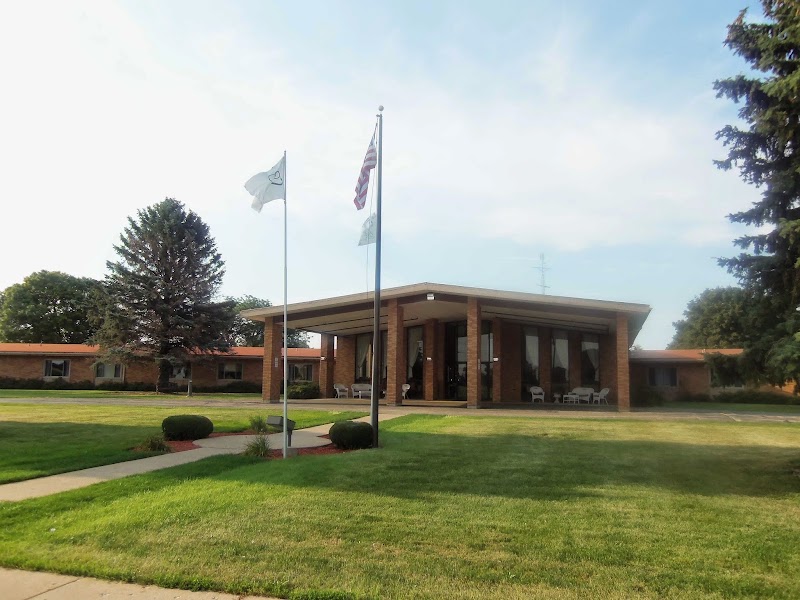
How is Polo Rehabilitation & Hcc Staffed?

CMS rates POLO REHABILITATION & HCC's staffing level at 1 out of 5 stars, which is much below average compared to other nursing homes.

What Have Inspectors Found at Polo Rehabilitation & Hcc?

State health inspectors documented 29 deficiencies at POLO REHABILITATION & HCC during 2022 to 2024. These included: 29 with potential for harm.
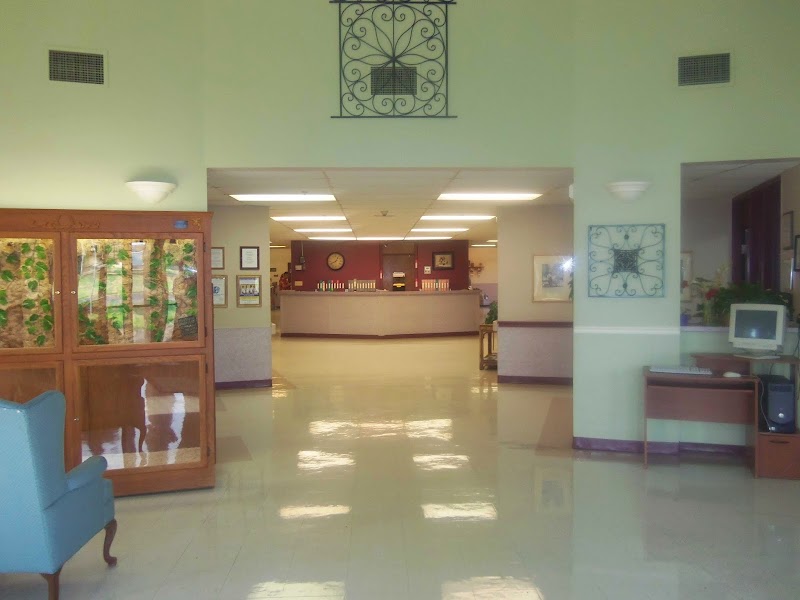
Who Owns and Operates Polo Rehabilitation & Hcc?

POLO REHABILITATION & HCC is owned by a for-profit company. For-profit facilities operate as businesses with obligations to shareholders or private owners. The facility is operated by PETERSEN HEALTH CARE, a chain that manages multiple nursing homes. With 81 certified beds and approximately 0 residents (about 0% occupancy), it is a smaller facility located in POLO, Illinois.

How Does Polo Rehabilitation & Hcc Compare to Other Illinois Nursing Homes?

Compared to the 100 nursing homes in Illinois, POLO REHABILITATION & HCC's overall rating (3 stars) is above the state average of 2.5 and health inspection rating (4 stars) is above the national benchmark.

What Should Families Ask When Visiting Polo Rehabilitation & Hcc?

Based on this facility's data, families visiting should ask: "Can you walk me through typical staffing levels on day, evening, and night shifts?" "Can I visit during a mealtime to observe dining assistance and food quality?" "How do you handle medical emergencies, and what is your hospital transfer rate?" "Can I speak with family members of current residents about their experience?" These questions are particularly relevant given the below-average staffing rating.

Is Polo Rehabilitation & Hcc Safe?

Based on CMS inspection data, POLO REHABILITATION & HCC has a clean safety record: no substantiated abuse findings (meaning no confirmed cases of resident harm), no Immediate Jeopardy citations (the most serious violation level indicating risk of serious injury or death), and is not on the Special Focus Facility watch list (a federal program monitoring the lowest-performing 1% of nursing homes). The facility has a 3-star overall rating and ranks #1 of 100 nursing homes in Illinois. While no facility is perfect, families should still ask about staff-to-resident ratios and recent inspection results during their visit.

Do Nurses at Polo Rehabilitation & Hcc Stick Around?

POLO REHABILITATION & HCC has not reported staff turnover data to CMS. Staff turnover matters because consistent caregivers learn residents' individual needs, medications, and preferences. When staff frequently change, this institutional knowledge is lost. Families should ask the facility directly about their staff retention rates and average employee tenure.

Was Polo Rehabilitation & Hcc Ever Fined?

POLO REHABILITATION & HCC has no federal fines on record. CMS issues fines when nursing homes fail to meet care standards or don't correct problems found during inspections. The absence of fines suggests the facility has either maintained compliance or corrected any issues before penalties were assessed. This is a positive indicator, though families should still review recent inspection reports for the full picture.

Is Polo Rehabilitation & Hcc on Any Federal Watch List?

POLO REHABILITATION & HCC is not on any federal watch list. The most significant is the Special Focus Facility (SFF) program, which identifies the bottom 1% of nursing homes nationally based on persistent, serious quality problems. Not being on this list means the facility has avoided the pattern of deficiencies that triggers enhanced federal oversight. This is a positive indicator, though families should still review the facility's inspection history directly.