PLEASANT VIEW LUTHER HOME
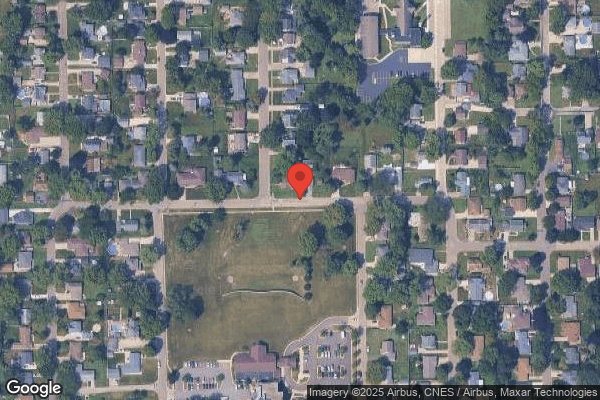
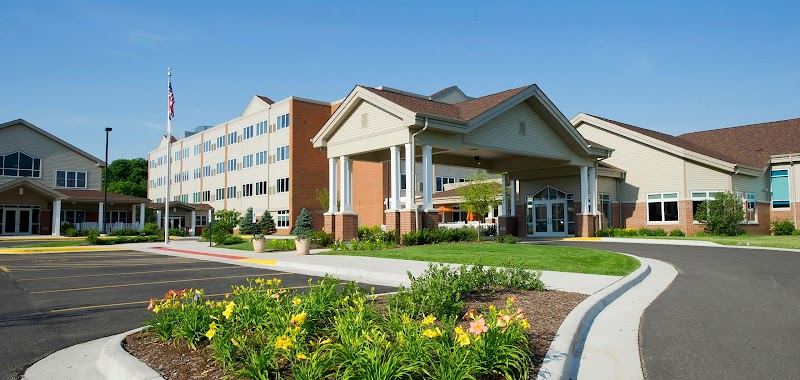
505 COLLEGE AVENUE, OTTAWA, IL 61350 (815) 434-1130
Non profit - Corporation 90 Beds Independent Data: November 2025 1 Immediate Jeopardy citation
Trust Grade
0/100
#276 of 665 in IL
Last Inspection: February 2025

Within standard 12-15 month inspection cycle. Federal law requires annual inspections.

Overview

Pleasant View Luther Home has received a Trust Grade of F, indicating significant concerns regarding their care and operations. With a state rank of #276 out of 665 facilities in Illinois, they are in the top half, but it's important to note that they rank #7 out of 9 in La Salle County, suggesting limited options for families. The facility's trend is worsening, as issues increased from 11 in 2024 to 16 in 2025. Staffing is a relative strength, with a rating of 4 out of 5 stars and a turnover rate of 36%, which is below the state average. However, the facility has faced serious incidents, including a critical failure to protect a resident from sexual abuse, leading to significant trauma, and another incident where a resident suffered a neck fracture after tripping over a wheelchair due to a lack of safety precautions. Overall, while there are some strengths in staffing, the facility has concerning deficiencies that families should carefully consider.

Trust Score
F
0/100
In Illinois
#276/665
Top 41%
Safety Record
High Risk
Review needed
Inspections
Getting Worse
11 → 16 violations
Staff Stability
○ Average
36% turnover. Near Illinois's 48% average. Typical for the industry.
Penalties
○ Average
$103,907 in fines. Higher than 53% of Illinois facilities. Some compliance issues.
Skilled Nurses
✓ Good
Each resident gets 48 minutes of Registered Nurse (RN) attention daily — more than average for Illinois. RNs are trained to catch health problems early.
Violations
⚠ Watch
39 deficiencies on record. Higher than average. Multiple issues found across inspections.
★★★☆☆
3.0
Overall Rating
★★★★☆
4.0
Staff Levels
★★★★★
5.0
Care Quality
★★☆☆☆
2.0
Inspection Score
Stable
2024: 11 issues
2025: 16 issues

The Good

  • 4-Star Staffing Rating · Above-average nurse staffing levels
  • 5-Star Quality Measures · Strong clinical quality outcomes
  • Full Sprinkler Coverage · Fire safety systems throughout facility
  • No fines on record
  • Staff turnover below average (36%)

    12 points below Illinois average of 48%

Facility shows strength in staffing levels, quality measures, fire safety.

The Bad

3-Star Overall Rating

Near Illinois average (2.5)

Meets federal standards, typical of most facilities

Staff Turnover: 36%

10pts below Illinois avg (46%)

Typical for the industry

Federal Fines: $103,907

Well above median ($33,413)

Significant penalties indicating serious issues

The Ugly 39 deficiencies on record

1 life-threatening 5 actual harm
Jun 2025 1 deficiency
CONCERN (D) 📢 Someone Reported This

A family member, employee, or ombudsman was alarmed enough to file a formal complaint

Potential for Harm - no one hurt, but risky conditions existed

Infection Control (Tag F0880)

Could have caused harm · This affected 1 resident

**NOTE- TERMS IN BRACKETS HAVE BEEN EDITED TO PROTECT CONFIDENTIALITY** Based on observation, interview, and record review the facility failed to follow the recommended guidelines to properly treat an...

Read full inspector narrative →
**NOTE- TERMS IN BRACKETS HAVE BEEN EDITED TO PROTECT CONFIDENTIALITY** Based on observation, interview, and record review the facility failed to follow the recommended guidelines to properly treat and disinfect a resident room with suspected bed bugs to prevent the spread of bed bugs for 2 of 3 residents (R1, R2) reviewed for infection control in the sample of 3. The findings include: On 6/27/25 at 9:33 AM, R2 was in him room, sitting in his wheelchair. R2 said the staff reported bed bugs were found in this room on 6/23/25. R2 said they bagged his clothing this time on 6/24/25 (Tuesday) and he moved to another room and came back to his room on 6/26/25. On 6/27/25 at 9:47 AM, R1 was in his wheelchair out of his room on the computer in the lounge area. R1's hair was past his shoulder, long, scraggly, greasy and matted in the back. R1 had a long facial beard approximately 3 inches past his chin. R1 said on 6/23/25, the staff found a bed bug on his blanket near his leg. R1 said he stayed in his room until 6/26/25, when his room was sprayed by a pest exterminator. R1 said when they were treating his room, he was placed in the dining room for several hours. R1 said when he came out of his room on 6/26/25, he did not receive a shower. R1 said about a month ago, they found a bed bug, they took his clothes but left his roommate (R2's) clothes in his closet, this time they bagged both of their clothing. On 6/27/25 at 9:55 AM, R1's top dresser drawer had multiple items including, shirt, multiple pairs of socks, slipper socks, gauze wraps, knee brace, and toiletry items. A pair of shoes were in his armoire and wash bin of personal items located on top of the armoire. There were no items bagged in his room. R2 had personal items stored in drawer and wash bin of personal items on the top of his armoire. On 6/27/25 at 9:57 AM, V4 (Licensed Practical Nurse-LPN) said last month R1's room was being treated for bed bugs. At that time R1 and R2 could not leave the room, until they treated the room and went back to the same room after 3-4 hours. They did not remove all the clothing or items in the drawers at that time. We questioned if the proper treatment was done, but we were told the pest exterminator decides the type of treatment. It was frustrating clearly it was not done properly because another live bed bug was found on 6/23/25. On 6/23/25, staff reported they saw a bed bug on him. We were told the pest exterminator was supposed to come that day to treat the room, but they did not come until 6/26/25. R1 was isolated to his room, and they moved R2 to a different room. On 6/26/25, R1 was out in the common area while his room was being treated. He was supposed to get a shower before leaving his room but that did not happen. On 6/27/25 at 10:06 AM, V5 (Certified Nursing Assistant-CNA) said on 6/23/25, the staff found a bed bug on R1. R1's roommate (R2) refused to go back into that room, and we moved him to different room. R1 was placed on isolation. On 6/24/25, R2 was in the same clothes as the day before and she gave R2 a shower. R1's shower day is on Wednesdays, she worked on Monday, Tuesday and Friday this week. By looks of R1 he did not receive a shower this week. I'm not sure what they did to solve the problem with the bed bugs. She was told R1 should have received a shower before leaving him room. This is horrible for the residents and staff. On 6/27/25 at 1:09 PM, V6 (CNA) said she was R1's CNA on 6/25/25 and 6/26/25. She did not know R1's room had bed bugs; staff did not report anything to her. R1 told me the staff found a bed bug on his blanket on Monday 6/23/25. On 6/26/25, his room was sprayed, and she placed R1 in the dining room. She did not shower him before he left the room. No one educated us on what to do if bed bugs are found. V6 said R1's brother passed away and the family brought his clothing to him and his brother's home had bed bugs, she thinks that's where the bed bug came from. On 6/27/25 at 10:41 AM, V7 (Pest Exterminator) said if bed bugs are found all clothing should be bagged, removed, and laundered. All drawers should be emptied, and he recommends a decontamination room where the resident can go while the room is being treated. The day of treatment the resident should be cleaned before leaving the room. On 6/27/25 at 9:24 AM, V3 (Building Service Director) said about a month ago, R1's room was treated for bed bugs. On 6/23/25, another bed bug was found on R1. R1's room was treated yesterday, and we bagged and removed all of R1 and R2's clothing. V3 said they only bagged clothing and not personal items. V3 said he handles the environmental treatment of bed bugs and V2 (Director of Nursing) handles the clinical side of treatment. V3 said he did not keep a record of timing in May 2025 when bed bugs were found in R1's room. On 6/27/25 at 11:15 AM, V2 (DON) said if bed bugs are found residents should be isolated until the room is treated by the exterminator. Clothing should be bagged, removed, and washed. I don't understand why the resident should be showered before leaving their room. V2 said clothing may be potentially infected with bed bugs and that makes perfect sense. At 1:45 PM, V2 confirmed education was provided to staff on how to handle bed bugs, she was not familiar on the guidelines for treatment of bed bugs. V2 confirmed there was no documentation in R1 and R2's medical records regarding the treatment of bed bugs. R1's electronic health records for May to June 2025 does not show documentation of bed bugs found and the treatment provided. The facility provided a timeline on 6/27/25, it shows on 6/23/25, a bed bug was reported in room [ROOM NUMBER] and clothing items removed (there is no mention of bagging personal items) and 6/26/27 the room was treated. The facility's Treatment for Bed Bugs undated Policy states, Bed bugs can travel in clothing, bags, and can hide in small places, including under carpeting in drawers, light switches, electronic plugs, picture frames, padding, cervices, and screw holds in furniture, mattresses .cell phones, laptops, books. Bed bugs can live for over 1 year without feeding, so they can survive even if a room or apartment is not occupied .Suspected Steps to be taken if bed bugs are suspected or seen: contract with a professional pest control company that will treat the problem with an integrated pest management approach .all actions should be performed in the room to prevent the spread of bed bugs to other rooms. Assist the resident to showered, dress in clothing from the outside the room, including shoes, socks and transfer to another room. Personal belongings, equipment and furnishings including beds should not leave the room until they have been thoroughly inspected and determined to be bed bug free .bag clothing in room in plastic bags, tie bag tightly. Wear PPE (personal protective equipment) including gown, and gloves. Bag everything in the closet, under the bed, in dresser drawers .Shoes and non-washable items should be bagged and left in the room for the professional pest control management.
May 2025 4 deficiencies 1 Harm
SERIOUS (G) 📢 Someone Reported This

A family member, employee, or ombudsman was alarmed enough to file a formal complaint

Actual Harm - a resident was hurt due to facility failures

Accident Prevention (Tag F0689)

A resident was harmed · This affected 1 resident

**NOTE- TERMS IN BRACKETS HAVE BEEN EDITED TO PROTECT CONFIDENTIALITY** Based on observation, interview and record review the facility failed to identify environmental hazards and implement fall preve...

Read full inspector narrative →
**NOTE- TERMS IN BRACKETS HAVE BEEN EDITED TO PROTECT CONFIDENTIALITY** Based on observation, interview and record review the facility failed to identify environmental hazards and implement fall prevention interventions for a resident who has a history of falls. This failure resulted in R1 tripping over a resident's wheelchair, falling and hitting his head on the floor sustaining a C1 (neck) fracture. This applies to 1 of 3 residents (R1) reviewed for safety in the sample of 5. Findings include: R1's Final Incident Report dated 4/14/25 shows (R1) is alert to self only. He requires the assistance of one caregiver to complete activities of daily living. He ambulates with his walker. On 4/10/25, (R1) finished breakfast in the dining room and began ambulating back to his room when he tripped and fell to the ground .(R1) complained of right shoulder pain and head pain. (R1) had a vomiting episode and superficial abrasion to right side of forehead he was transferred to the ER for evaluation. (R1) had imaging performed in the ER that showed a C1 fracture. R1's face sheet shows he is an [AGE] year-old male with diagnoses including Alzheimer's, vascular dementia, type 2 diabetes, muscle weakness and hypertension. R1's Fall Risk assessment dated [DATE] shows he is a HIGH fall risk, has a weak gait and overestimates or forgets limits. On 5/7/25 at 11:53 AM, the dining room table where R1 sat shows a wall behind the chair and a water cooler stand to the left. The space behind the chair was narrow, this surveyor could not walk through the space going forward, this surveyor turned her body to the side to fit through the space. R5 was sitting at the table on the opposite side of the table away from water cooler, she was sitted in a recliner chair with oversized wheels. On 5/7/25 at 9:32 AM, V13 (Certified Nursing Assistant-CNA) said she was R1's CNA on 4/10/25. During the breakfast meal, she was sitting at the back table feeding other residents. R1 was sitting in the middle of the table with one resident to the right of him and R5 was sitting next to him on the left. She heard R1 fall, R1 was laying on the floor on his right side he had a gash to his forehead, and he threw up immediately after falling. R1 was trying to leave the table going from the left side and there was not enough room for him to go through, he tripped over the wheelchair. R5's wheelchair wheels are huge when she sits on the side of the table where the wall is there her there is not enough room to get by. R1 is alert, he self-transfers, we encourage him to use his walker and he can get up independently. On 5/7/25 at 9:55 AM, V12 (CNA) said on 4/10/25 she was in the dining room during the breakfast meal. She was sitting at the table assisting another resident with feeding. R1 was sitting in the middle with one resident to his right and R5 to his left. She saw R1 get up from this table and he stepped over R5's wheelchair, tripped and fell landing on his right side. R1 threw up right away after falling and had a cut on the side of his head. R5's wheelchair wheels stick out a lot in the back, her wheels were almost touching the water cooler located behind her. There was not enough room for him to walk through. R1 is a fall risk and is supposed to use a walker when ambulating, he walks independently. Since the incident we place R5 on the opposite of the table so she's not blocking the space. On 5/7/25 at 11:18 AM, V15 (CNA) said on 4/10/25 she was in the dining room assisting with feeding. R1 tripped leaving the dining room, because R5's wheelchair was in the way. R1 is supposed to use the walker when he gets up but does not like to use it. On 5/7/25 at 10:10 AM, V11 (RN) said on 4/10/25, R1 was in the dining room sitting at the table he was in the middle between two residents. There is a resident (R5) who has a larger wheelchair sitting to his left, R5's wheelchair was positioned at an angle, R1 tried to go over R5's wheelchair and he was not able to get through without stepping over her the wheelchair wheel. R1 fell on his right side hitting his head on the floor, he had a good size abrasion to his forehead. There is wall behind his chair and a water cooler to the left side. R1's walker was against the wall, there was not enough space behind his chair for R1 to use his walker. R1's had numerous falls, he does not pay attention, he shuffles when he walks, is impulsive and gets up by himself. R1 should have been placed at the end of the table where he had room to use his walker when he got up, he used to sit at the end of the table. R1 had a previous incident of tripping over a chair. R1's Fall Incident Reports shows he had a fall on 1/23/25, 2/3/25, and 3/20/25. R1's current care plan initiated on 3/24/23 shows he is at risk for falls related to confusion and history of prior falls. R1's fall interventions include anticipate the needs of the resident, ensure appropriate footwear, resident to use rolling walker for support and balance with all transfers and ambulation, skilled therapy evaluation. The care plan shows the last fall intervention was on 12/20/24. R1's care plan shows he transfers with limited extensive assist. R1's Fall Prevention and Post-Falls Management Policy revised 2025 states, The nursing staff, in conjunction with the attending physician .and other members of the multidisciplinary team, will seek to identify and document resident risk factors for falls and establish a resident-centered falls prevention plan based on relevant assessment information .Fall Risk Factors: environmental factors that contribute to the risk of falls obstacle's in the footpath .the staff will seek to identify environmental factors that may contribute to falling such as lighting or room layout .
CONCERN (D) 📢 Someone Reported This

A family member, employee, or ombudsman was alarmed enough to file a formal complaint

Potential for Harm - no one hurt, but risky conditions existed

Notification of Changes (Tag F0580)

Could have caused harm · This affected 1 resident

Based on interview and record review the facility failed to notify a resident's representative of a change on resident's anti depressant medication to 1 of 5 residents (R2) reviewed for notification o...

Read full inspector narrative →
Based on interview and record review the facility failed to notify a resident's representative of a change on resident's anti depressant medication to 1 of 5 residents (R2) reviewed for notification of change in the sample of 5. Findings include: R2's electronic face sheet printed last 5/7/25 show R2 has diagnoses of dementia and major depressive disorder. The face sheet show V14 (R2's Daughter) is R2's power of attorney (POA). On 5/7/25 at 12PM, V14 said R2's antidepressant medication's dose (Zoloft) was decreased without the facility notifying her. V14 said when she came back from vacation last March 2025, she noticed R2 was being tearful and emotional. V14 said she requested a copy of R2's medication record and found out that R2's dose of Zoloft was decreased from 75 milligrams (mg) to 50 mg. V14 said she did not consent to the dose change. V14 said she informed V4 that she would have not given permission of R2's antidepressant dose decreased. R2's electronic medical record (EMAR) documents that from 12/24 to 1/22/25, R2 was on Zoloft 75 mg. On 1/23/25, R2 was put on Zoloft 50 mg which V14 said she did not consent to. R2 was on 50 mg of Zoloft from 1/23/25 to 3/21/25 (almost 3 months). On 3/22/25, R2 was put back to 75 mg per V14's request. On 4/9/25 and up to present, R2 was now on 100 mg which V14 have also consented. R2's Psychotropic Consent form documents that on 5/31/23 to 3/18/25, R2 was on 75 mg of Zoloft. The form show that V14 signed the consent. On 4/9/25, R2's Zoloft was increased to 100 mg (50 mg in AM and 50 mg in PM) which V14 also consented. The psychotropic form did not show that R2 was put on 50 mg from from 1/23/25 to 3/21/25. The psychotropic form also did not show that V14 consented to the decrease of R2's 50 mg dose. On 5/7/25 at 1:06 PM, V4 (Resource Nurse) said when there is a change of resident's medication, the POA should be notified of the medication changes and a consent should be obtained from the resident or resident's representative.
CONCERN (D) 📢 Someone Reported This

A family member, employee, or ombudsman was alarmed enough to file a formal complaint

Potential for Harm - no one hurt, but risky conditions existed

Grievances (Tag F0585)

Could have caused harm · This affected 1 resident

Based on interview and record review the facility failed to notify a resolution of a grievance to 1 of 5 residents (R2) reviewed for grievances in the sample of 5. Findings include: On 5/6/25 at 1:30 ...

Read full inspector narrative →
Based on interview and record review the facility failed to notify a resolution of a grievance to 1 of 5 residents (R2) reviewed for grievances in the sample of 5. Findings include: On 5/6/25 at 1:30 PM, V14 (R2's POA and daughter) said on 4/16/25 while she was at the facility, she sent an electronic communication (text) with V4 (Resource Nurse) letting her know that she wanted to file a grievance regarding R2. V14 said she arrived at R2's room close to 10AM last 4/16/25. Upon opening R2's door, R2's room was with strong urine odor. R2 was in bed, soaked and wet with urine, R2 had not been gotten up and had not eaten her breakfast. V14 said she wanted V4 to come to R2's room and see what was going on. V14 said she saw V4 in the elevator and said to V4, I hope you are figuring out what happened this morning (with R2) and get back to me. V14 said she had not heard from V4 or any staff from the facility regarding the findings of her grievance regarding R2's issue, it's almost a month now. On 5/6/25 at 10:30 AM, V4 (Resource Nurse) said on 4/16/25 around 10AM, she received a text from V14 (R2's daughter) that she needed her to go to 2nd floor. V14 said V4 sounded upset about R2's care. V4 said when she was at the 2nd floor elevator, she saw V14 and R2. V14 was loud, yelling you need to find out what happened! V4 said she asked V14 if they can discuss in private and to refrain from yelling. V4 said another family member of R2 also called the facility to follow up since R2's POA (V14) was upset of what happened with R2 earlier (R2 was not up for breakfast and R2 was soaked and wet) . V4 said she informed the family member that they are looking into the situation and will educate staff. V4 confirmed that up to this time, she had not spoken to V4 regarding the grievance last 4/16/25. V4 said within 24 hours there should be an update to the grievance resolution. On 5/7/25 at 10:05 AM, V6 (Social Service) said on 4/16/25 she witnessed how V14 was so upset about R2's care. V6 said she filled out R2's grievance form but she did not notify V4 of the facility's response or findings to R2's grievance. R2's grievance/concern form dated 4/16/25 under concern show, Incontinence Care which was signed off by V6 (Social Service) and V1 Administrator. Under Response: (Family member) stated that POA is stressed and wanted to follow up (with)-nurse supervisor, explained all steps to resolve complaint to team members. The grievance response did not include that V14 who is R2's POA was informed of the result of the investigation and resolution of the grievance. On 5/7/25 at 10:15 AM, V1 said they will get hold of V4 (R2's POA) today to give an update of the grievance resolution. The facility policy on Grievance Resolution dated 7/25/24 show, all grievances and complaints filed by a resident/her representative, family member will be investigated and corrective actions will be taken to resolve the grievance. 7. The resident, or person acting on behalf of the resident will be informed of the findings of the investigation as well as the corrective actions recommended within 7 working days of the filing of the grievance or complaint.
CONCERN (D) 📢 Someone Reported This

A family member, employee, or ombudsman was alarmed enough to file a formal complaint

Potential for Harm - no one hurt, but risky conditions existed

ADL Care (Tag F0677)

Could have caused harm · This affected 1 resident

**NOTE- TERMS IN BRACKETS HAVE BEEN EDITED TO PROTECT CONFIDENTIALITY** Based on interview and record review the facility failed to provide incontinence care to a resident that need extensive assist w...

Read full inspector narrative →
**NOTE- TERMS IN BRACKETS HAVE BEEN EDITED TO PROTECT CONFIDENTIALITY** Based on interview and record review the facility failed to provide incontinence care to a resident that need extensive assist with Activities of daily living (ADL) to 1 of 5 residents (R2) reviewed for incontinence care in the sample of 5. Findings include: R2's facility assessment dated [DATE] show R2 is frequently incontinent of urine and need assist with toileting and transfers. On 5/6/25 at 12:30 PM, V14 (R2's daughter) said last 4/16/25 she arrived at the facility almost 10AM. R2's room was permeating with strong urine odor. R2 was still in bed, she was soaked and wet. R2 was trying to get up from bed, her foot was already dangling at the side of the bed. V14 said she was very upset, R2 was not toileted. On 5/7/25 at 2:30 PM, V16 (Certified Nursing Assistant-CNA) said she was R2's CNA the night shift from 4/15/25 going to 4/16/25. R2 went to bed at 11:30 PM. V16 said at around 2:30 AM, she went to R2's room and offered R2 to be toileted but R2 refused. At 7AM, V16 said she did not go and check on R2 again but gave report to V7 (day CNA). V16 said the last time R2 was toileted was at 11:30 PM (4/15/25) when R2 was put to bed. On 5/6/25 at 11:16 AM, V7 (CNA) said on 4/16/25 she came in at 5AM, she was R2's CNA on day shift. V7 said the night shift CNA (V16) gave report that R2 was fine. V7 said she peeked in R2's room at around 6:30ish that morning, R2 was asleep. V7 said she did not check on R2 if she was wet and did not asked R2 if she needed to go to the bathroom. At 7:30 AM, she went again to R2's room, I just opened the door and peeked, [R2] was still asleep. Again, V7 said she did not go and check if R2 was wet and did not offer for R2 to use the bathroom. V7 said at 8:45 AM, she saw the nurse coming out from R2's room so V7 said she did not go to R2's room. V7 said she went on break around 9:15-9:30 AM. V7 said by the time she got back to the floor, R2's daughter (V14) was in R2's room, V14 was very upset that R2 was soaked and wet. On 5/6/25 at 11:54 AM, V8 (CNA) said on 4/16/25 at around 10AM, R2's call light was on. V8 said she went to R2's room, V14, R2's daughter was in the room, R2 was in the bathroom, V14 was very upset, she said R2 was still in bed when she arrived, R2 was soaked and wet with urine. On 5/7/25 at 2:45 PM, V2 (Director of Nursing) said all residents including R2 should be checked and change to keep them dry and prevent skin breakdown. R2's careplan dated 2/24/25 documents R2 has occasional bladder incontinence r/t Confusion, Dementia, Impaired Mobility, will remain free from skin breakdown due to incontinence and brief use. With intervention to include: Approach resident in a manner of lets go to the restroom or lets get changes instead of asking do you need to be changed?
Feb 2025 11 deficiencies
CONCERN (D)

Potential for Harm - no one hurt, but risky conditions existed

Pressure Ulcer Prevention (Tag F0686)

Could have caused harm · This affected 1 resident

Based on observation, interview, and record review the facility failed to perform hand hygiene, glove changes and perform pressure ulcer dressing change in a manner to prevent cross contamination for ...

Read full inspector narrative →
Based on observation, interview, and record review the facility failed to perform hand hygiene, glove changes and perform pressure ulcer dressing change in a manner to prevent cross contamination for one (R48) of four residents reviewed for pressure ulcers in the sample of 38. Findings include: The facility's Infection Prevention and Control Program, dated 7/19/25, documents: Good hand hygiene is a requirement of Standard Precautions. Hand hygiene is performed before and after each care contact for which hand hygiene is indicated by acceptable professional practice, utilizing designated time frames and products. Alcohol based hand rub (ABHR) is the preferred method, however, hands should be washed with soap and water when they are visibly soiled, before or after eating or handling food, after using the restroom and after caring for a resident with known or suspected clostridium Difficile or norovirus infection. Standard Precautions are designed to reduce the risk of transmission of blood borne and other significant pathogens. Standard Precautions apply to all contact with any blood, body fluid, secretion and excretion, except for sweat, from any human being, regardless of diagnosis or presumed infection status. Standard Precautions means that contact with any blood, body fluid, secretion and excretion except for sweat should be avoided. This also includes any items soiled with body substances or fluids. Wear gloves when touching or handling: Blood; All body fluids, secretions, and excretions, except sweat, regardless of whether they contain visible blood; Non-intact skin; Mucous membranes; Surfaces and equipment visibly soiled by these body substances . Gloves should be removed promptly after use and hands should be washed or sanitized to avoid transfer of microorganisms to other individuals or the environment. The facility's Clean Wound Care Treatment Technique, dated 10/11/24, documents guidelines of cleaning a wound and applying dry dressing. These guidelines document the following: Perform hand hygiene and put on PPE, if indicated; Prepare for dressing change; Put on clean, disposable gloves and remove old dressing; After removing dressing, remove gloves and dispose, perform hand hygiene and apply new gloves; Once the wound is cleaned and dry, remove gloves, perform hand hygiene, and apply new gloves; apply treatments with date and time; Remove and discard gloves and perform hand hygiene, remove all remaining equipment and adjust resident position, bed position, remove any remaining PPE and perform hand hygiene. The Order Summary Report for R48, dated 2/28/25, documents the following 1/30/25 physician order as: Coccyx cleanse open area with wound cleanser, pat dry, apply medical honey, calcium alginate, and secure with bordered foam dressing. On 2/27/25 at 9:28 am, V19 RN (Registered Nurse) stated R48 has a small pressure ulcer located in the crease of buttocks coccyx area, treatment is done daily, and R48 goes to the local wound clinic every couple of weeks for follow up. On 2/27/25 at 10:50 am, V18 RN and V19 RN entered R48's room, performed hand hygiene and applied PPE (personal protective equipment). V19 RN set up supplies on an overbed table as V18 RN assisted R48 to stand at her walker. R48 pulled her pants down revealing a superficial open area to R48's buttock crease. V19 RN cleansed R48's coccyx wound. With same soiled gloves V19 RN applied physician ordered ointment, absorbent dressing, and foam dressing. V19 RN removed her soiled gloves and without performing hand hygiene, donned gloves, reached in (V19's) uniform pocket and retrieved a black marker, pulled off the marker cap, signed and dated R48's coccyx wound dressing, and placed marker back into (V19's) uniform pocket. V19 RN then removed her soiled gloves and without performing hand hygiene, applied a new pair of gloves, gathered R48's treatment supplies, placed treatment supplies back into R48's closet, reached back into R48's closet for antiseptic wipe, wiped (V19's) soiled scissors, placed scissors in her uniform pocket, and wiped off the overbed table using same soiled wipe. With same soiled gloved hands V19 RN shoved soiled treatment supplies down into the garbage bag, pulled bag from garbage can and tied it up, and placed new garbage bag. V19 RN proceeded to walk out of R48's room with soiled gloves, carrying garbage in her left hand while pushing overbed table into the hall with her right hand, walked across the hallway, opened and entered the soiled utility room to throw garbage bag away and continued to move overbed table down the hallway into another resident room without performing hand hygiene. On 2/27/25 at 3:00 pm, V2 DON (Director of Nursing) confirmed hand hygiene is to be done in between going from soiled to clean, any time after removing gloves, and V19 RN should not have touched anything in the room with soiled gloves or prior to performing hand hygiene.
CONCERN (D)

Potential for Harm - no one hurt, but risky conditions existed

Respiratory Care (Tag F0695)

Could have caused harm · This affected 1 resident

Based on observation, interview, and record review the facility failed to ensure oxygen tubing and humidifier bottles were dated and changed per policy for two (R25 and R127) of four residents reviewe...

Read full inspector narrative →
Based on observation, interview, and record review the facility failed to ensure oxygen tubing and humidifier bottles were dated and changed per policy for two (R25 and R127) of four residents reviewed for respiratory care in the sample of 38. Findings include: The facility's Oxygen Policy, dated 3/8/24, documents Oxygen tubing will be changed routinely. 1. The current Order Summary Report for R25, documents the following physician orders dated 1/14/25: O2 (oxygen) 1-3 LPM (liters per minute) per nasal cannula continuously to maintain O2 saturation greater than 90% every shift; and to change and label oxygen tubing and humidifier bottle weekly every Sunday night shift. On 2/25/25 at 10:15 am, R25 was sitting up in a wheelchair with oxygen infusing at 1.5 liters via nasal cannula, by way of oxygen concentrator. A humidifier bottle dated 2/16/25 was attached to the concentrator and there was no visible date on R25's oxygen tubing. 2. The current Order Summary Report for R127, documents the following dated physician orders: 2/23/25 O2 at 2 LPM per nasal cannula continuously to maintain O2 saturation greater than 94% every shift, 3 LPM if needed; and 2/21/25 Change and label O2 tubing and humidifier bottle weekly every Sunday night shift. On 2/25/25 at 10:48 am, R127 was sitting up in recliner in her room with oxygen infusing at 2 liters via nasal cannula by way of oxygen concentrator. A humidifier bottle was attached to the concentrator. The humidifier bottle and R127's nasal cannula were undated. On 2/28/25 at 3:00 pm, V2 DON (Director of Nursing) stated oxygen tubing and humidifier bottles are to be dated and changed weekly.
CONCERN (D) 📢 Someone Reported This

A family member, employee, or ombudsman was alarmed enough to file a formal complaint

Potential for Harm - no one hurt, but risky conditions existed

Deficiency F0710 (Tag F0710)

Could have caused harm · This affected 1 resident

**NOTE- TERMS IN BRACKETS HAVE BEEN EDITED TO PROTECT CONFIDENTIALITY** Based on interview and record review, the facility failed to ensure Hospice providers provided the facility with written physici...

Read full inspector narrative →
**NOTE- TERMS IN BRACKETS HAVE BEEN EDITED TO PROTECT CONFIDENTIALITY** Based on interview and record review, the facility failed to ensure Hospice providers provided the facility with written physician orders for one of three residents (R42) reviewed for Hospice services in a sample of 38 residents. Findings include: The Hospice's Agreement for Nursing Facility, Inpatient and Inpatient Respite Services dated [DATE] stated Appendix C Facility Services 1.4 Physician Orders: To the extent permitted by applicable law, rules, and regulations, (Hospice) nurses may receive and transcribe physician orders in the Facility's clinical records for any Residential Hospice Patient. Such physician orders will be countersigned by Facility's Director of Nursing or other Facility nurse. The Physician Orders-Obtaining and Transcribing policy dated [DATE] documented 1. All orders for medications, tests and treatments shall be written on the physician's order form and signed by the physician or physician extender unless entered into EHR (Electronic Health Record). R42's Care Plan documented R42 was admitted to Hospice services on [DATE] with a terminal prognosis related to Advancing Alzheimer's Disease and Severe Protein Malnutrition. R42 expired on [DATE]. On [DATE] at 10:30 AM, V1 (Administrator) stated after R42 expired that the Facility requested R42's Hospice records from the Hospice Agency. V1 stated We didn't have much information (Hospice documentation) in our records. The Hospice record (received post R42's expiration) dated [DATE] documented adjusted meds (medications); [DATE] cut Morphine (medication for pain and restlessness) dose to half 2.5 mg (milligram); [DATE] Aspiration Risk, increase Morphine 0.125 ml (milliliter) every four hours and Morphine 0.125 ml every three hours as needed; [DATE] discontinue oral medications; and [DATE] Morphine every four hours scheduled, as needed Ativan increased to every four hours. R42's Order Summary did not include medication order changes dated [DATE]; did not include an order for Aspiration Risks on [DATE]; did not include an order to discontinue oral medications on [DATE]; nor an order to crush Ativan (antianxiety medication) with instructions on how to administer the medication. The Medication Administration Record dated [DATE] through [DATE] documented R42 received Ativan and Morphine orally [DATE] through [DATE]. On [DATE] at 2:22 PM, V6 (Hospice Nurse) stated R42's Ativan should have been crushed, mixed with water and administered between the gum and cheek for optimal absorption. V6 stated When a resident cannot swallow anymore, the facility nurses should be administering medications between the gum and cheek. Orders are given to the facility nurse's verbally and it's up to them (nurses) to enter the orders into their (facility's) EMR (Electronic Medical Record) and ensure nurses know what routes to use when administering medications. On [DATE] at 11:47 AM, V26 (Registered Nurse) stated Hospice orders are received verbally from the Hospice nurse and the Facility's nurse enterers the order into the Electronic Health Record. V26 stated orders are every once in a while faxed to the facility but rarely and the Hospice Nurses do not leave their Progress Notes or Plan of Cares at the facility. On [DATE] at 12:00 PM, V2 (Director of Nursing) stated the Hospices sometimes write the orders and sometimes verbally give the orders. V2 agreed the facility nurses are taking verbal orders from the Hospice nurses without written documentation of the order and who the prescribing physician was. On [DATE] at 1:28 PM, V5 (Registered Nurse) stated I didn't know to crush (R42's) Ativan and how to administer it. The (physician) orders did not include an order that (R42) was not to have medications orally and we don't have records (Hospice) available to verify what the Hospice has changed. The Hospice nurses do not have access to our records (Electronic Medical Record/EHR). I've entered orders (into the EHR) the Hospice nurse has given me verbally, but I now understand that is not safe. They should be in writing. That's nursing 101.
CONCERN (D)

Potential for Harm - no one hurt, but risky conditions existed

Medication Errors (Tag F0758)

Could have caused harm · This affected 1 resident

Based on interview and record review, the facility failed to document clinical rationale for extending PRN (as needed) psychotropic medication for one (R6) of two residents reviewed for psychotropic m...

Read full inspector narrative →
Based on interview and record review, the facility failed to document clinical rationale for extending PRN (as needed) psychotropic medication for one (R6) of two residents reviewed for psychotropic medications in a sample of 38. Findings include: The facility's Psychotropic Medication Management System policy, dated 10/26/24, documents (Named facility) has developed a system to ensure a resident is not given psychotropic medications unless a comprehensive assessment identifies clear indications and parameters for their use, based upon regulatory compliance and best practice. With administration of a psychotropic medication, the following will be documented: PRN orders are limited to 14 days unless the prescriber believes it is appropriate to extend the order beyond 14 days and documents their rationale in the clinical record and indicates the duration for the PRN order. R6's current Physician Order Statement/POS, dated 2/5/25, documents an order for Alprazolam (psychotropic) oral tablet 0.5mg (milligrams) give one tablet by mouth as needed for Anxiety for 30 Days TID (three times per day). On 2/27/25, at 1:45pm, V16 Licensed Practical Nurse/LPN/Resource Nurse stated We use the 14 days only if there is no stop date. (R6's) order was written by the prescriber to extend out to 30 days instead of 14. When asked if there is a written rationale V16 stated No, it is not written and it is probably so that it doesn't drop off (after 14 days). R6's clinical record does not include a documented rationale for R6's Alprazolam to be extended to 30 days.
CONCERN (D) 📢 Someone Reported This

A family member, employee, or ombudsman was alarmed enough to file a formal complaint

Potential for Harm - no one hurt, but risky conditions existed

Deficiency F0849 (Tag F0849)

Could have caused harm · This affected 1 resident

**NOTE- TERMS IN BRACKETS HAVE BEEN EDITED TO PROTECT CONFIDENTIALITY** Based on interview and record review, the facility failed to ensure the Hospice's coordinated communication and required documen...

Read full inspector narrative →
**NOTE- TERMS IN BRACKETS HAVE BEEN EDITED TO PROTECT CONFIDENTIALITY** Based on interview and record review, the facility failed to ensure the Hospice's coordinated communication and required documents were available and accessible to the facility staff. This deficiency affects three of four residents (R23, R42, R43) reviewed for Hospice care management in a sample of 38 residents. Findings include: The Hospice Agreement for Nursing Facility, Inpatient and Inpatient Respite Care Services dated [DATE] stated 2.1.5 Medical Record Documentation. Facility shall allow (Hospice) access to appropriate medical records and permit the inclusion of (Hospice) care plans and other appropriate documentation in the Patient's Facility medical record. 2.1.7 Plan of Care (Hospice) shall provide Facility with a copy of a Hospice Plan of Care for each Hospice Patient admitted to Facility. Appendix C Facility Services 1.4 Physician Orders: To the extent permitted by applicable law, rules, and regulations, (Hospice) nurses may receive and transcribe physician orders in the Facility's clinical records for any Residential Hospice Patient. The Hospice Services policy dated [DATE] documented coordinated care plans for residents receiving hospice services will include the most recent hospice plan of care as well as the care and services provided by the facility. R42's facility Care Plan documented R42 was admitted to Hospice services on [DATE] with a terminal prognosis related to Advancing Alzheimer's Disease Alzheimer's Disease and Severe Protein Malnutrition. R42 expired on [DATE]. The Facility Matrix documented R23 and R43 were currently receiving Hospice services, and each had a diagnosis of Alzheimer's Disease. On [DATE] at 11:47 AM, R23 and R43's electronic medical nor their Hospice Binder included a Hospice plan of care, prescribers' orders and/or copies of clinical/progress notes. On [DATE] at 12:00 PM, V2 (Director of Nursing) stated Hospice orders are sometimes written and sometimes given verbally. On [DATE] at 10:30 AM, V1 (Administrator) stated I called the Hospice and asked them for (R42's) records. We didn't have much information in our records. On [DATE] at 2:22 PM, V7 (Hospice Registered Nurse) stated the Hospice nurses verbalize new orders or changes in care needs and I don't know if the (Hospice) office gives the facility records but I don't leave my notes at the facility. On [DATE] at 11:47 AM, V26 (Registered Nurse) stated the Hospice binders do not include very much information. Communication is mostly just verbal.
CONCERN (E) 📢 Someone Reported This

A family member, employee, or ombudsman was alarmed enough to file a formal complaint

Potential for Harm - no one hurt, but risky conditions existed

Deficiency F0726 (Tag F0726)

Could have caused harm · This affected multiple residents

Based on interview and record review, the facility failed to ensure facility staff were educated and competent in providing Hospice and End of Life Care for Hospice Residents for nine of nine resident...

Read full inspector narrative →
Based on interview and record review, the facility failed to ensure facility staff were educated and competent in providing Hospice and End of Life Care for Hospice Residents for nine of nine residents (R14, R23, R40, R43, R51, R52, R61, R62, R65) reviewed for Hospice services in a sample of 38 residents Findings include: The Hospice Agreement for Nursing Facility, Inpatient and Inpatient Respite Care Services dated 8/10/16 documented 4.6 Experience and Competence. It and its employees and personnel providing services pursuant to this agreement are (i) familiar with the administrative and patient care needs associated with hospice patients, (ii) competent in the care of terminally ill persons and in recordkeeping, and (iii) otherwise fully capable of performing its and their obligations hereunder in accordance with generally recognized professional standards of care. The facility's current Matrix 802 documents R14, R23, R40, R43, R51, R52, R61, R62, and R65 receive Hospice care. On 2/26/25 at 12:10 PM, V5 (Registered Nurse/ Date of Hire: 5/14/24) and V9 (Licensed Practical Nurse/Date of Hire: 1/15/25) Training Transcripts did not indicate Hospice or End of Life education had been completed. On 2/26/25 at 12:10 PM, V1 (Administrator) stated I thought End of Life training was completed on all new hires, but I don't see that it was assigned or completed for either of these two (V5 and V9) upon their hiring. On 2/27/25 at 1:28 PM, V5 stated she had not received Hospice or End of Life training since her date of hire.
CONCERN (F)

Potential for Harm - no one hurt, but risky conditions existed

Food Safety (Tag F0812)

Could have caused harm · This affected most or all residents

Based on observation, interview, and record review, the facility failed to ensure the staff completely covered hair in a sanitary manner while in the kitchen; failed to ensure food items were stored a...

Read full inspector narrative →
Based on observation, interview, and record review, the facility failed to ensure the staff completely covered hair in a sanitary manner while in the kitchen; failed to ensure food items were stored and labeled with dates and identification, and failed to ensure chemical product was not stored in the facility's Dry Food Storage Room. These failures have the potential to affect 76 of the 77 residents who consume food in the facility. Findings include: The facility's Use of Hair Restraints Policy dated 1/17/25 documents: Culinary employees will practice safe food handling to prevent food borne illness. The organization has strict requirements regarding hair restraints: A. Employees will wear hairnets or ball caps that completely cover the hair while in the kitchen or service food. If hair hangs below the ball cap, a hairnet must be worn. B. Beards and mustaches must be covered with effective hair restraint if longer than one-half inch in length, otherwise neatly trimmed close to the face. The facility's Storage Procedures Policy dated 1/17/25 documents: Food and supplies shall be properly stored to keep foods safe and preserve flavor, nutritive value and appearance. A. Food storage areas are used for food and paper supplies. Chemicals/poisonous items are not stored in food storage area. F. Open packages are labeled, dated and covered. The facility's Date Marking Policy dated 1/17/25, documents: All prepared foods that are stored will be properly dated to ensure food safety. Special Notes: 1. All items should include name of product, and two dates as indicated above. On 2/25/25 at 9:15am, V20 Culinary Services Director was noted in the kitchen with a hair bonnet on with hair not completely covered, tendrils of hair hang down on both sides of her face and the nape of her neck. V21 Dietary Aide was noted wearing a cap while doing dish washing task in the kitchen. V21's hair was not covered at the back of his head and sides of his face. V21 stated that he was given a choice to wear a cap or hairnet, and he chose a cap. V22 Dietary Aide had a hairnet on her head that covered all her hair except the entire bangs at the front of her head. V22 stated that she covered her hair but the bangs slide out when I am working. On 2/25/25 at 9:15am, the kitchen staff stated that all their hair was supposed to be covered while in the kitchen. On 2/25/25 at 11:25am while in the kitchen V23 [NAME] wore a cap; V23's hair showed at the front of his head from underneath the cap and his sideburns and beard were not covered. V23 had a surgical mask on; and wore a beard hairnet that was not in place. The beard hairnet was located beneath his chin. On 2/24/25 at 11:35am, V24 Prep [NAME] did not have his hair completely covered while in the kitchen. At this same time, V20 Culinary Services Director stated, All the hair for the kitchen staff should be covered. On 2/24/25 at 9:25am, a pan of individually wrapped meat loaf portions in the facility's Freezer were not labeled or dated; a half full 50 pound bag of rice in the Dry Food Storage Room was not labeled or dated; a half full pitcher of lemonade with a use by date of 2/24/25 was in the Walk-in Cooler (V20 Culinary Services Director stated that the lemonade should not be in the Walk-in Cooler); a pan of sliced potatoes in the Walk-in Cooler was not labeled or dated, ten containers with sub sandwiches on a rolling cart were not labeled or dated in the Walk-in Cooler; and three medium sized bags of chopped red potatoes in the Walk-in Cooler were not labeled or dated. At this same time, V20 Culinary Services Director stated that labels and dates should be on all the food items. On 2/25/25 at 9:45am, in the facility's Bakery Freezer, a bag of peanut butter cookies and two bags of sugar cookies had no labels or dates. At this time, V25 Kitchen Manager stated, I don't know how old they (cookies) are. On 2/25/25 at 9:50am, a full container of Sanitizer chemical used for dishes was in the facility's Dry Food Storage Room. V25 Kitchen Manager stated that the Sanitizer should not be in the Dry Food Storage Room but should be in the chemical's storage area. The facility's Long-Term Care Facility Application for Medicare and Medicaid (Centers for Medicare and Medicaid Services/CMS 671) Form, dated 2/25/25, documents 77 residents reside in the facility.
MINOR (C)

Minor Issue - procedural, no safety impact

Deficiency F0574 (Tag F0574)

Minor procedural issue · This affected most or all residents

Based on observation, interview, and record review the facility failed to ensure the facility Ombudsman posting was visible to residents residing on the second, third, and fourth floors of the facilit...

Read full inspector narrative →
Based on observation, interview, and record review the facility failed to ensure the facility Ombudsman posting was visible to residents residing on the second, third, and fourth floors of the facility. This has the potential to affect all 77 residents residing in the facility. Findings include: The facility Residents' Rights for People in Long-Term Care Facilities policy and procedure, dated November 2018, documents You have the right to meet with the Long-Term Care Ombudsman, community organizations, social service groups, legal advocates, and members of the general public who come to your facility. On 2/26/25 at 1:42 pm R32 and R33 from the second floor, R72 from the third floor, and R24 and R35 from the fourth floor attended the Resident Group meeting. R24, R32, R33, R35, and R72 stated they are unaware of who the facility Ombudsman is, how to contact the Ombudsman and have not seen an Ombudsman posting on their floors. On 2/26/25 at 3:45 pm, an Ombudsman poster with contact information was posted at the entrance to the facility on the first floor, where no residents reside. On 2/26/25 through 2/27/25 between 10:00 am through 3:30 pm and on 2/28/25 at 8:06 through 8:12 am the second, third, and fourth floors did not have Ombudsman contact information posted for resident view. On 2/25/25 at 11:14 am, V4 Community Ombudsman stated (V4) has not been to the facility for greater than a year, has called and left messages for V14 Activity Director, and V14 does not return her call. On 2/26/25 at 1:30 pm, V14 Activity Director stated V4 Community Ombudsman comes to the facility periodically, talks with residents, but has not been to the Resident Council Meetings. The facility's Long-Term Care Facility Application for Medicare and Medicaid CMS (Centers for Medicare and Medicaid Services) 671 Form, dated 2/25/25, documents 77 residents currently reside in the facility.
MINOR (C)

Minor Issue - procedural, no safety impact

Deficiency F0577 (Tag F0577)

Minor procedural issue · This affected most or all residents

Based on observation, interview, and record review the facility failed to ensure the facility's Survey Binder included all prior survey results conducted by the State Agency and was easily accessible ...

Read full inspector narrative →
Based on observation, interview, and record review the facility failed to ensure the facility's Survey Binder included all prior survey results conducted by the State Agency and was easily accessible to residents. This has the potential to affect all 77 residents residing in the facility. Findings include: The facility Residents' Rights for People in Long-Term Care Facilities policy and procedure documents You have the right to see reports of all inspections by the (State Agency) from the last five years and the most recent review of your facility along with any plan that your facility gave to the surveyors saying how your facility plans to correct the problem. On 2/26/25 at 1:42 pm R32 and R33 from the second floor, R72 from the third floor, and R24 and R35 from the fourth floor attended the Resident Group meeting. R24, R32, R33, R35, and R72 stated they are unaware the facility kept record of State Agency surveys, have not seen this information, and do not know where to locate the Survey Binder. On 2/26/25 at 2:41 pm, The facility Survey Binder was located on the upper level of the receptionist desk, approximately four and half feet from the floor, behind two picture frames. The location of this binder would be difficult, if not impossible for a resident in a wheelchair to see or reach. The last survey in this binder is from 2/22/24. There are no complaint or facility reported incidents included in the binder that were completed on 6/20/24, 9/13/24, 12/20/24, and 2/4/25. On 2/27/25 at 3:00 pm. V1 Administrator confirmed the facility Survey Binder was resting on ledge of the receptionist desk, out of resident view behind two picture frames, and at high level where residents in a wheelchair may not be able to reach. The facility's Long-Term Care Facility Application for Medicare and Medicaid CMS (Centers for Medicare and Medicaid Services) 671 Form, dated 2/25/25, documents 77 residents currently reside in the facility.
MINOR (C)

Minor Issue - procedural, no safety impact

Transfer Notice (Tag F0623)

Minor procedural issue · This affected most or all residents

2. R31's Progress Notes, dated 2/8/25, documents R31 was transferred to the local hospital after a fall with injury. There is no documentation indicating that R31 or R31's representative was given wri...

Read full inspector narrative →
2. R31's Progress Notes, dated 2/8/25, documents R31 was transferred to the local hospital after a fall with injury. There is no documentation indicating that R31 or R31's representative was given written transfer documents at the time of transfer. 3. R127's Progress Notes, dated 2/12/25, documents R127 was transferred to the local hospital for a change in condition. R127's medical record does not indicate R127 or R127's representative was given written transfer documents at the time of transfer. 4. R1's Progress note, dated 3/10/24, documents R1 was transferred to the hospital due to passing a large clot. There is no documentation indicating that R1 or R1's representative was given transfer documents at the time of transfer to the hospital. 5. R6's Progress notes, dated 3/12/24 and 10/4/24, documents R6 was transferred to the hospital for a change in condition. There is no documentation indicating that R6 or R6's representative was given transfer documents at the times of transfer to the hospital. 6. R11's Progress note, dated 5/27/24, documents R11 was transferred to the hospital post fall. There is no documentation indicated that R11 or R11's representative was given transfer documents at the time of transfer to the hospital. On 2/27/25, at 1:06pm, V1 Administrator stated they do not give a written copy of the transfer form to the resident or resident representative. They are notified of transfer verbally. The facility's Long-Term Care Facility Application for Medicare and Medicaid CMS (Centers for Medicare and Medicaid Services) 671 Form, dated 2/25/25, documents 77 residents currently reside in the facility. Based on interview and record review, the facility failed to notify the resident/resident representative of the reason for transfer in writing for six (R1, R5, R6, R11, R31, R127) of six residents reviewed for emergency hospital transfer in a sample of 38. This has the potential to affect all 77 residents residing in the facility. Findings include: The facility's Admission, Transfer and Discharge Policy, dated 12/11/24, documents: 3. Notice of Transfer: Before a facility transfers or discharges a resident, the facility must- a. Notify the resident and the resident's representative(s) of the transfer or discharge and the reasons for the move in writing and in a language and manner they understand. 1. R5's Electronic Medical Records documentation indicated that R5 was sent to the hospital on 5/23/24. There was no documentation indicating that R5 or R5's representative was given transfer documents at the time of transfer to the hospital.
MINOR (C)

Minor Issue - procedural, no safety impact

Deficiency F0625 (Tag F0625)

Minor procedural issue · This affected most or all residents

2. R31's Progress Notes, dated 2/5/25, documents R31 was transferred to the local hospital after a fall with injury. There is no documentation indicating that R31 or R31's representative was given a c...

Read full inspector narrative →
2. R31's Progress Notes, dated 2/5/25, documents R31 was transferred to the local hospital after a fall with injury. There is no documentation indicating that R31 or R31's representative was given a copy of the facility's Bed Hold policy and procedure at the time of transfer to the hospital. 3. R127's Progress Notes, dated 2/12/25, documents R127 was transferred to the local hospital due to a change in condition. There is no documentation indicating that R17 or R127's representative was given a copy of the facility's Bed Hold policy and procedure at the time of transfer to the hospital. On 2/27/25 at 9:16 am, R127 stated she did not receive any bed hold paperwork when she went out to the local hospital. 4. R1's Progress note, dated 3/10/24, documents R1 was transferred to the hospital due to passing a large clot. There is no documentation indicating that R1 or R1's representative was given a copy of the Bed Hold Policy at the time of transfer to the hospital. 5. R6's Progress notes, dated 3/12/24 and 10/4/24, documents R6 was transferred to the hospital for a change in condition. There is no documentation indicating that R6 or R6's representative was given a copy of the Bed Hold Policy at the times of transfer to the hospital. 6. R11's Progress note, dated 5/27/24, documents R11 was transferred to the hospital post fall. There is no documentation indicated that R11 or R11's representative was given a copy of the Bed Hold Policy at the time of transfer to the hospital. On 2/26/25, at 3:15pm, V14 Social Security Director/SSD stated that the residents only sign a bed hold contract upon admission and not with each hospital transfer/discharge. V14 was unable to produce any bed hold notifications. The facility's Long-Term Care Facility Application for Medicare and Medicaid CMS (Centers for Medicare and Medicaid Services) 671 Form, dated 2/25/25, documents 77 residents currently reside in the facility. Based on interview and record review the facility failed to provide a copy of the Bed Hold Policy for six (R1, R5, R6, R11, R31, R127) of six residents reviewed for emergency hospital transfer in the sample of 38.This has the potential to affect all residents that currently reside in the faclity. Findings include: The facility's Bed Hold Policy-Healthcare Policy, dated 12/4/20, documents: Notice of Bed Hold and readmission Policy will be provided before hospitalization or leave. A second notice will be provided to resident at time of transfer or within 24 hours of emergency. 1. R5's Electronic Medical Records documentation indicated that R5 was sent to the hospital on 5/23/24. There was no documentation indicating that R5 or R5's representative was given a copy of the Bed Hold Policy at the time of transfer to the hospital.
Dec 2024 3 deficiencies 1 IJ
CRITICAL (J) 📢 Someone Reported This

A family member, employee, or ombudsman was alarmed enough to file a formal complaint

Immediate Jeopardy (IJ) - the most serious Medicare violation

Free from Abuse/Neglect (Tag F0600)

Someone could have died · This affected 1 resident

**NOTE- TERMS IN BRACKETS HAVE BEEN EDITED TO PROTECT CONFIDENTIALITY** Based on observation, interview, and record review the facility failed to protect a demented resident (R1) from sexual abuse by ...

Read full inspector narrative →
**NOTE- TERMS IN BRACKETS HAVE BEEN EDITED TO PROTECT CONFIDENTIALITY** Based on observation, interview, and record review the facility failed to protect a demented resident (R1) from sexual abuse by R2 with dementia and a known history of pacing, wandering, disrobing, and violence/aggression towards staff/others. This failure resulted in R2 placing his hand down R1's pants and performing repeated aggressive up and down sexual type motions. This failure resulted in R1 feeling frightened and requiring hospital examination where a minor tear near R1's vagina was noted. This failure has the potential to affect R1 and other dementia residents residing in the facility. This failure resulted in an Immediate Jeopardy. While the immediacy was removed on 12/18/24 the facility remains out of compliance at Severity Level 2 as additional time is needed to evaluate the implementation and effectiveness of the facility's removal plan and quality assurance monitoring. Findings include: The Immediate Jeopardy began on 12/12/24 at 7:15pm when the facility failed to protect a demented resident (R1) from alleged sexual abuse by R2. The facility's Abuse and Neglect of a Resident policy, last revised 6/16/23, documents Policy Statement: The resident has the right to be free from abuse, neglect, misappropriation of resident property, and exploitation. This includes but is not limited to freedom from corporal punishment, involuntary seclusion and any physical or chemical restraint not required to treat the resident's symptoms. Definitions: Abuse: The willful infliction of injury, unreasonable confinement, intimidation, or punishment resulting in physical harm, pain, or mental anguish. Abuse also includes deprivation by an individual, including caretaker, of goods or services that are necessary to attain or maintain physical, mental and psychosocial well-being. Instances of abuse of all residents irrespective of any mental or physical condition, cause physical harm, pain or mental anguish. It includes verbal abuse, sexual abuse, physical abuse, and mental abuse including abuse facilitated or enabled through the use of technology. Sexual Abuse - is non-consensual sexual contact of any type with a resident, including but not limited to, assault, rape, or sexual harassment. Examples are: exhibitionism by the service provider, forcing the individual receiving services to view pornographic material, intimate touching of the individual receiving services by the service provider during bathing, molesting the individual receiving services. Capacity and Consent - residents have the right to engage in consensual sexual activity. However, anytime the facility has reason to suspect that a resident may not have the capacity to consent to sexual activity, the facility will take steps to ensure that the resident is protected from abuse. These steps will include evaluating whether the resident has the capacity to consent to sexual activity. Policy Implementation: Procedures for Detection and Prevention: 5. Establishment of a Resident Sensitive Environment and Prevention: The facility will establish a safe environment that supports, to the extent possible, a resident's consensual sexual relationship and have policies and protocols in place for preventing sexual abuse. The Residents' Rights for People in Long Term Care facilities, undated, documents Your right to safety - You must not be abused, neglected, or exploited by anyone - financially, physically, verbally, mentally or sexually. R1's Minimum Data Set/MDS, dated [DATE], documents R1 is severely cognitively impaired. R1's current Face sheet documents R1 has diagnoses including but not limited to Alzheimer's Disease with late onset; Anxiety Disorder; Depression; Unspecified Dementia, mild, with Agitation. R1's current Care Plan documents R1 has impaired cognitive function/dementia or impaired thought processes related to Dementia. R2's MDS, dated [DATE], documents R2 is moderately cognitively impaired. R2's current Face sheet documents R2 has diagnoses including but not limited to Vascular dementia, Unspecified dementia, Anxiety disorder, and Major Depression disorder. R2's current Care plan includes but is not limited to a focus of (R2) uses psychotropic medications related to Behavior management and an intervention including but not limited to Monitor/record occurrence of target behavior symptoms such as pacing, wandering, disrobing, inappropriate response to verbal communication, violence/aggression towards staff/others, etc. The facility's Alleged Abuse incident report, dated 12/12/24, documented by V1 Administrator CNA (Certified Nursing Assistant) (V4) was performing beginning of shift rounds and entered (R2's) room. (R2) was seen lying in bed behind (R1). Both residents had their clothing on. (R2) had his hand in (R1's) pants. (V4) CNA separated both residents and walked (R1) back to her room. During separation, (R1) stated to (V4) 'thank you I was so scared - he is so much older than me.' (R1) was unable to recall any further details. Mental Status - oriented to person. The local police department report, dated 12/12/24, documents V13 local police officer was called to the facility for an incident between two residents (R1 and R2). This report documents the following: (V4 CNA) advised she was doing routine room checks at approximately (7:20pm). (V4) said upon entering (R2's) room, (V4) observed (R2) and (R1) lying on the bed together in a 'spooning position', with (R2) laying behind (R1) facing the same direction. (V4) said she saw (R2's) hand down the front of (R1's) pants and appeared to be using his fingers to enter (R1) aggressively. (V4) said she then separated them both and returned (R1) to (R1's) room. (V4) said while asking (R1) if she was okay, (V4) said (R1) appeared afraid and told (V4) 'Thank you so much. He was older than me.' (V4) said (V4) asked for additional staff because (R2) became upset and kept trying to enter (R1's) room again. (V4) said approximately one month ago (V4) walked into (R2's) room and observed (R2) attempting to pull the shirt off (R1) before (V4) intervened. (V4) said (V4) reported this to the nurse (V5 Registered Nurse/RN) on the floor and was concerned since (R2's) and (R1's) rooms are only two doors away from each other. V12 (R1's Family Nurse Practitioner's/FNP) note, dated 12/13/24, documents History of Present Illness: (R1), [AGE] year-old female is seen today for follow-up dementia and vaginal abrasion. I was notified by social worker at nursing home that (R1) was found yesterday evening by a staff member having a sexual experience with another resident. The patient was brought to the emergency department due to concerns for sexual assault. (R1) reported no recollection of the encounter. The reports and emergency room were reviewed. The patient and her son who is the Power of Attorney/POA declined a SANE (Sexual Assault Nurse Examiner) exam. The exam did reveal a 0.5 cm vaginal abrasion. (R1) was discharged back to the unit following the examination. (R1) is in her room this morning with a CNA (Certified Nursing Assistant). (R1) has no recollection of this encounter. (R1) reports some pain and burning in her mouth. Oral mucosa is dry and erythematous. There are no open lesions or abrasions noted. (R1) otherwise offers no information regarding the history of this visit. F03.C0 - Unspecified dementia, severe, without behavioral disturbance, psychotic disturbance, mood disturbance, and anxiety: Patient seen for follow-up of dementia. No recollection of recent sexual encounter, raising concerns about capacity to consent. V12's (R2's FNP) note, dated 12/13/24, documents the following: R2 is a [AGE] year-old male seen in the office for follow-up dementia and weakness. V12 was notified by V3 Social Service Director/Abuse Officer that an incident had occurred last night where V4 found R2 with his hand down another resident's pants (R1) in a sexual manner. On 12/13/24, at 1:40pm, R1 ambulated into R1's room and sat in a chair. This writer noted that R2's room is two doors down from and on the same hall as R1's room. R1 answered questions in a quiet voice by stating the following: R1 has no friends here or enemies. Has no gentleman friend. Feels safe. Denies being touched inappropriately. When R2's name was mentioned R1 said she's known R2 a long time, that they are the same age and we have just stayed on as friends. It is better than being married. I shouldn't say that. He is nice and I like him but not to go too far. He holds my hand but no more than that. R1 denies ever lying in bed with R2 and quietly stated I don't want that. Denies ever being intimate with R2 and stated, I think of him as one of my best friends. On 12/13/24, at 2:00pm, R2 was in his room. R2 answered questions by the following: When asked if he liked living here, he said there are too many rules. R2 confirmed he knows R1 and that R1 is his girlfriend and has been since R2 got here. R2 confirmed R1 was in R2's room last night in bed with him. R2 denied any inappropriate touching and stated I don't think she'd let me get in her pants. I tried. R2 confirmed that a staff member came in. R2 said the staff member was mad and said out. R2 thinks the staff member was mad because it is their rule. R2 could not state what rule he was referring to. R2 denies doing anything wrong. R2 denies having any other girlfriends but R1. I like everything about her. I think she chose me. R2 confirmed that R1 has been in his room before and other than last night. On 12/13/24, at 2:50pm, V4 CNA stated the following: Last night I got in to work at 7:05pm, got report and cart ready. I started room checks about 7:15pm. (R1's) is the first room and she wasn't in there, but she is a wanderer. I kept going and got to (R2's) room. When I opened (R2's) door they (R1 and R2) were in a like a spooning position. They were facing the door and (R1) was in front with (R2) behind (R1). One of his hands was holding (R1's) shoulder under (R2's) neck. (R2's) right hand was down (R1's) jeans in the front. (R2) was making some pretty aggressive motions and it was like (R2) was penetrating (R1). (R1) looked very scared with wide eyes and holding herself very tightly like hugging herself. (R2's) expression was just focused. (R2) did not stop when I walked in. As I led (R1) out (R2) started following us and into (R1's) room. (R2) got kind of aggressive and was refusing to go back into his room. (R1) said 'thank you so much, I was so scared - he is much older than me.' It happened before about a month or so ago. I had opened the door to (R2's) room during room checks and I saw (R1's) breasts were exposed, (R1's) shirt was up and (R2's) pants were zipped down. On 12/17/24, at 2:18pm, V5 Registered Nurse/RN stated that during nursing shift report V4 and V9 CNAs came in and reported that V4 walked in and saw (R1) laying on the bed in (R2's) room; (R2) had his hands down (R1's) pants and (R2's) hand was moving. On 12/17/24, at 2:20pm, V5 RN stated there was another time when R2 had his shorts unbuttoned with R1 alone in (R2's) room. That was told to me, but I don't remember the exact details. It was not definitive of sexual activity. They (R1 and R2) had a semi-romance and would hold hands. V5 confirmed that if they had not been walked in on it could have led to more. Who knows how many episodes we may not have encountered. On 12/17/24, at 4:03pm, V4 CNA verified that the prior incident (when R1's shirt was up and R2's pants were unzipped) had occurred the night V4 worked a half shift with V5 RN on 9/1/24. V4 stated (V5 RN) has a different thought process on residents doing these things and in (V5's) mind (V5) thinks (R1 and R2) can consent. Maybe I should have known (V5) would not have taken it seriously. On 12/18/24, at 7:15am, V9 CNA confirmed that on 12/12/24 V4 CNA came up to V9 and said that R2 had his hands down R1's pants. V9 stated that after they were separated R2 was agitated. V9 said I asked what was going on and (R2) said 'I just want to be with her.' On 12/18/24, at 9:05am, V1 Administrator stated (as far as the incident last week 12/12/24), I was told that (V4 CNA) had walked into (R2's) room doing rounds. (V4) found (R1) and (R2) lying in bed together. That (R2) was behind (R1) both with clothing on but (R2's) hand was in (R1's) pants. V1 denied any awareness of the 9/1/24 incident between R1 and R2. On 12/20/24, at 11:15am, V1 Administrator produced the facility's Final Report dated 12/20/24. This report documents The facility finds resident to resident contact was substantiated. Consent is unable to be determined based on the cognition of both residents. Neither resident is able to recall an event has taken place nor has expressed harm, pain, or mental anguish, therefore the facility cannot definitively substantiate abuse at this time. The facility will take the course of higher scrutiny and act as if abuse has been substantiated. On 12/18/2024 at 10:30am V1 was notified of the Immediate Jeopardy. On 12/20/2024 it was confirmed through interview, observation and record review that the facility took the following actions to remove the Immediate Jeopardy: 1. A head-to-toe assessment was completed on R1 and 1:1 monitoring was initiated for R2. 2. Local police were contacted. 3. R1 was sent out to the local hospital for evaluation and returned from the hospital with findings of a vaginal abrasion. 4. R2 was maintained on 1:1 monitoring. 5. Head-to-toe assessments were completed for each female resident residing on the memory care unit with no findings. 6. Further staff interviews conducted with those who worked on the memory care unit with no findings of sexual abuse between R1 or R2 or any other residents. 7. 12/16/24 R1 was moved to a new room on a different floor. 8. 12/18/24 Care plan training for IDT (Interdisciplinary Team) for care planning requirements for actual/potential resident to resident abuse completed. 9. 12/18/24 Care plan updates completed on R1 and R2. 10. 12/18/24 Head to toe assessments conducted on all residents for signs and symptoms of abuse. 11. 12/18/24 Completion of the trauma abuse screening assessments on all residents to assess for signs and symptoms of abuse. 12. 12/13/24 - 12/18/24 training took place on utilizing the Abuse and Neglect of a resident policy which includes exploitation and the prevention, detection and reporting expectations for all types of abuse. Training of all staff to be completed 12/18/24 in person, or a call to that team member. Administrator was in-serviced by Regional Operations Director. Any team member who has not completed the training will not be able to work until training is completed. 13. Administrator or designee will randomly interview four residents four times a week for any potential abuse allegations for one month; then three days a week for one month; then two times per month for three months. 14. Administrator or designee will interview four staff members four times a week for one month to verify their understanding of the identification and reporting of abuse requirements then four staff member two times a month for three months. 15. Results from the interviews will be reviewed by the QAPI (Quality Assessment and Performance Improvement) Committee on a regular basis for any additional recommendations.
CONCERN (D) 📢 Someone Reported This

A family member, employee, or ombudsman was alarmed enough to file a formal complaint

Potential for Harm - no one hurt, but risky conditions existed

Abuse Prevention Policies (Tag F0607)

Could have caused harm · This affected 1 resident

**NOTE- TERMS IN BRACKETS HAVE BEEN EDITED TO PROTECT CONFIDENTIALITY** Based on observation, interview, and record review the facility failed to implement their abuse prevention program to screen, pr...

Read full inspector narrative →
**NOTE- TERMS IN BRACKETS HAVE BEEN EDITED TO PROTECT CONFIDENTIALITY** Based on observation, interview, and record review the facility failed to implement their abuse prevention program to screen, protect, and report allegations of sexual abuse for two (R1 and R2) of three residents reviewed for abuse in the sample of three. Findings include: The facility's Abuse and Neglect of a Resident policy, last revised 6/16/23, documents Policy Statement: The resident has the right to be free from abuse, neglect, misappropriation of resident property, and exploitation. Definitions: Sexual Abuse is non-consensual sexual contact of any type with a resident, including, but not limited to, assault, rape, or sexual harassment. Examples are: exhibitionism by the service provider, forcing the individual receiving services to view pornographic material, intimate touching of the individual receiving services by the service provider during bathing, molesting the individual receiving services. Capacity and Consent - residents have the right to engage in consensual sexual activity. However, anytime the facility has reason to suspect that a resident may not have the capacity to consent to sexual activity, the facility will take steps to ensure that the resident is protected from abuse. These steps will include evaluating whether the resident has the capacity to consent to sexual activity. 5. Establishment of a Resident Sensitive Environment and Prevention: The facility will establish a safe environment that supports, to the extent possible, a resident's consensual sexual relationship and have policies and protocols in place for preventing sexual abuse. All residents will be assessed for risk factors for predisposition to abuse upon admission and will be screened for abuse & neglect in the quarterly social Service Assessment Interview. 6. Protection of Residents: The facility will take steps to prevent mistreatment while the investigation is underway. Residents who allegedly mistreated another resident will be removed from contact with that resident during the course of the investigation. The accused resident's condition shall be immediately evaluated to determine the most suitable therapy, care approaches and placement considering his or her safety, as well as the safety of other residents and associates of the facility. 7. Internal Reporting: If a resident is alleging abuse or neglect (physical, sexual, verbal, emotional, mental), the team member receiving the complaint will immediately notify their direct supervisor and the Coordinator of Abuse Prevention. The Coordinator of Abuse and Prevention will maintain a log of all abuse and neglect allegations and investigations. The Residents' Rights for People in Long Term Care facilities, undated, documents Your right to safety - You must not be abused, neglected, or exploited by anyone - financially, physically, verbally, mentally or sexually. R1's Minimum Data Set/MDS, dated [DATE], documents R1 is severely cognitively impaired and independently ambulatory. R1's current Care Plan documents R1 has impaired cognitive function/dementia or impaired thought processes related to Dementia. R1's Progress note, dated 4/30/24, documents Spoke to (R1's Power of Attorney/POA) regarding a witnessed event that occurred on 4/28/24 around 8pm in which a male resident (R2) was attempting to lay in bed with (R1). Education to staff regarding frequent rounding and utilizing CNA (Certified Nursing Assistant) workstation that is closer to their rooms. R1's clinical record does not include any screenings for abuse and neglect since admission on [DATE]. R2's MDS, dated [DATE], documents R2 is moderately cognitively impaired and independently ambulatory. R2's current Care plan documents R2 has target behavior symptoms such as pacing, wandering, disrobing, inappropriate response to verbal communication, violence/aggression towards staff/others, etc. R2's clinical record does not include any screenings for abuse and neglect since admission on [DATE]. The local police department report, dated 12/12/24, documents V13 local police officer was called to the facility for an incident between two residents (R1 and R2). This report documents the following: (V4 Certified Nursing Assistant/CNA) advised she was doing routine room checks at approximately (7:20pm). (V4) said upon entering (R2's) room, (V4) observed (R2) and (R1) lying on the bed together in a 'spooning position', with (R2) laying behind (R1) facing the same direction. (V4) said she saw (R2's) hand down the front of (R1's) pants and appeared to be using his fingers to enter (R1) aggressively. (V4) said approximately one month ago (V4) walked into (R2's) room and observed (R2) attempting to pull the shirt off (R1) before (V4) intervened. (V4) said (V4) reported this to the nurse (V5 Registered Nurse/RN) on the floor and was concerned since (R2's) and (R1's) rooms are only two doors away from each other. On 12/13/24, at 1:45pm, R1 and R2's resident rooms are located two doors apart on the same hall of the same floor (Dementia unit) of the facility. R1 and R2 were each in their respective rooms. A CNA workstation is located next to R1's room. On 12/13/24, at 1:58pm, this writer and R1 walked out of her room and down the hall. R2 ambulated towards us with a staff member. R2 smiled and reached out his hand towards R1. R1 reached out her hand and they swept hands as they passed each other, both residents smiling. This writer asked R1 if that was R2 and R1 said yes. R1 stated He's a nice guy but that's as far as it goes. On 12/13/24, at 2:55pm, V4 CNA stated It happened before about a month or so ago. I had opened the door to (R2's) room during room checks and I saw (R1's) breasts were exposed, (R1's) shirt was up and (R2's) pants were zipped down. I told the nurse which was (V5 Registered Nurse/RN). I was never asked about this incident by anyone or asked to write a statement or anything. I thought they would have moved their rooms or done preventative measures. Typically, the CNA sits at the other desk so then there is no one over there (CNA station next to R1's room) and they have the corner to themselves. On 12/13/24, at 3:42pm, V10 CNA stated We do know they (R1 and R2) are very friendly with each other. They sit together with others around. They walk around in early evening. If we see them going into a room together, we are to go and open the doors. We can't watch the doorways all the time. If doing cares on others we wouldn't know if they went into each other's room. On 12/17/24, at 9:30am, V6 Registered Nurse/RN stated At night when I leave (R1) is out at the nurses' station on the other side. The one by her door is the CNA station. It is not frequently used. On 12/17/24, at 11:08am, V3 Social Service Director/SSD/Abuse Coordinator stated, If there had been prior exposure of bare skin/genitals/private areas to one another it should have been reported to me; it was not. On 12/17/24, at 2:20pm, V5 RN confirmed there was another time when R2 had his shorts unbuttoned with R1 alone in R2's room. That was told to me, but I don't remember the exact details. V5 does not recall being told that R1's breasts being exposed. They (R1 and R2) had a semi-romance and would hold hands. V5 confirmed that if they had not been walked in on it could have led to more. Who knows how many episodes we may not have encountered. V5 confirmed V5 did not report this to V3 SSD/Abuse Coordinator. On 12/17/24, at 4:03pm, V4 CNA stated I had told (V5) that (R2's) slacks were unbuttoned and unzipped and (R1's) shirt was up. (R2's) hands were at (R1's) elbows, standing and facing each other in the middle of (R2's) room. (V5) went and talked to each of the residents and was in the middle of med pass. I think it should have been reported to the Abuse Coordinator. Maybe a room change could have been done. They are known wanderers. I realized when the second incident happened, and I reported to (V5) (both times), that nothing had happened. Maybe I should have known (V5) wouldn't have taken it seriously. I didn't think (V5's) view would get in the way of (V5) reporting. On 12/18/24, at 9:05am, V1 Administrator stated (V3 SSD/Abuse Coordinator) and (V14 Resident Life Director) had conversations with both (R1 and R2's) families back in April when they (R1 and R2) were seen sitting on a bed together. Families were contacted then just to let them know that they were being friendly with each other. At that time, we were encouraging them to be out in common areas and we educated staff to use the CNA workstation outside R1's room. V1 stated that allegations are to be reported to V3 and V1. V1 confirmed the incident between R1 and R2 in which R2's pants were unzipped and R1's breasts were exposed was not reported to V1 or V3 at the time the incident occurred. On 12/19/24, at 1:25pm, V1 Administrator verified there are no abuse and neglect screenings or quarterly Social Service assessments including trauma/abuse since R1 and R2's admissions. V1 verified their policy stating that abuse neglect screening is to be done on admission then quarterly. V1 confirmed R1 and R2's rooms are two doors apart and have been for some time and that R1 was moved to another hall on 12/16/24, four days after the second incident that occurred on 12/12/24.
CONCERN (D) 📢 Someone Reported This

A family member, employee, or ombudsman was alarmed enough to file a formal complaint

Potential for Harm - no one hurt, but risky conditions existed

Report Alleged Abuse (Tag F0609)

Could have caused harm · This affected 1 resident

**NOTE- TERMS IN BRACKETS HAVE BEEN EDITED TO PROTECT CONFIDENTIALITY** Based on observation, interview, and record review, the facility failed to identify and report a potential allegation of residen...

Read full inspector narrative →
**NOTE- TERMS IN BRACKETS HAVE BEEN EDITED TO PROTECT CONFIDENTIALITY** Based on observation, interview, and record review, the facility failed to identify and report a potential allegation of resident to resident (R1 and R2) sexual abuse to the Abuse Coordinator for three residents reviewed for Abuse in a sample of three. Findings include: The facility's Abuse and Neglect of a Resident policy, last revised 6/16/24, documents, Policy Statement: The resident has the right to be free from abuse, neglect, misappropriation of resident property, and exploitation. Sexual Abuse - is non-consensual sexual contact of any type with a resident, including but not limited to, assault, rape, or sexual harassment. Examples are: exhibitionism by the service provider, forcing the individual receiving services to view pornographic material, intimate touching of the individual receiving services by the service provider during bathing, molesting the individual receiving services. Capacity and Consent - residents have the right to engage in consensual sexual activity. However, anytime the facility has reason to suspect that a resident may not have the capacity to consent to sexual activity, the facility will take steps to ensure that the resident is protected from abuse. These steps will include evaluating whether the resident has the capacity to consent to sexual activity. Policy Implementation: Procedures for Detection and Prevention: 4. Training: Training for new and existing staff and in-service training for nurse aides in the following topics may include: Identifying what constitutes abuse, neglect, misappropriation of resident property. Recognizing signs of abuse, neglect, exploitation, and misappropriation of resident property. Reporting abuse, neglect, exploitation, and misappropriation of resident property, including injuries of unknown sources, and to whom and when staff and others must report their knowledge related to any alleged violation without fear of reprisal. 7. Internal Reporting: If a resident is alleging abuse or neglect (physical, sexual, verbal, emotional, mental), the team member receiving the complaint will immediately notify their direct supervisor and the Coordinator of Abuse Prevention. The Coordinator of Abuse and Prevention will maintain a log of all abuse and neglect allegations and investigations. The local police department report, dated 12/12/24, documents V13 local police officer was called to the facility for an incident between two residents (R1 and R2). This report documents the following: (V4 Certified Nursing Assistant/CNA) advised she was doing routine room checks at approximately (7:20pm). (V4) said upon entering (R2's) room, (V4) observed (R2) and (R1) lying on the bed together in a 'spooning position', with (R2) laying behind (R1) facing the same direction. (V4) said she saw (R2's) hand down the front of (R1's) pants and appeared to be using his fingers to enter (R1) aggressively. This report continues to state (V4) said approximately one month ago (V4) walked into (R2's) room and observed (R2) attempting to pull the shirt off (R1) before (V4) intervened. (V4) said (V4) reported this to the nurse (V5 Registered Nurse/RN) on the floor and was concerned since (R2's) and (R1's) rooms are only two doors away from each other. R1's Minimum Data Set/MDS, dated [DATE], documents R1 is severely cognitively impaired and independently ambulatory. R1's current Care Plan documents R1 has impaired cognitive function/dementia or impaired thought processes related to Dementia. R2's MDS, dated [DATE], documents R2 is moderately cognitively impaired and independently ambulatory. R2's current Care plan documents R2 has target behavior symptoms such as pacing, wandering, disrobing, inappropriate response to verbal communication, violence/aggression towards staff/others, etc. On 12/13/24, at 1:45pm, R1 and R2's resident rooms are located two doors apart on the same hall of the same floor (Dementia unit) of the facility. R1 and R2 were each sitting in their respective rooms. On 12/13/24, at 2:55pm, V4 CNA stated It happened before about a month or so ago. I had opened the door to (R2's) room during room checks and I saw (R1's) breasts were exposed, (R1's) shirt was up and (R2's) pants were zipped down. I told the nurse which was (V5 Registered Nurse/RN). I was never asked about this incident by anyone or asked to write a statement or anything. I thought they would have moved their rooms or done preventative measures. V4 continued to state that about an hour and a half after the incident V5 asked V4 if it looked like R1 was enjoying it. We got into a disagreement about it. She (V5 RN) said she had just had an in-service about sexuality and Dementia. (V5) was claiming that it was okay as long as they are enjoying it. I did not back down. They tell us to tell the nurses immediately if we suspect an allegation of abuse. V4 is unaware of who the Abuse Coordinator is. On 12/17/24, at 2:20pm, V5 RN confirmed there was another time when R2 had his shorts unbuttoned with R1 alone in R2's room. That was told to me, but I don't remember the exact details. V5 does not recall being told that R1's breasts being exposed. They (R1 and R2) had a semi-romance and would hold hands. V5 confirmed that if they had not been walked in on it could have led to more. Who knows how many episodes we may not have encountered. V5 confirmed V5 did not report this to V3 Social Service Director/Abuse Coordinator. I think they both know if it is welcomed or unwelcomed .I don't think it is up to me if they can consent or not. I think they are able to decide what their feelings are and for both it is hard to express it verbally. Me personally if I saw they were enjoying it I would talk to (V3 Social Service Director/Abuse Coordinator) and talk to the family about it and speak to each in a group, families and (V3) to allow them to have a chance to enjoy this last [NAME] in their life if that is what they want. They are able to communicate their feelings. A few months ago (R1) was holding hands with (R2) and I asked (R1) if (R1) had anything going on with (R2) and (R1) said 'yes, but don't tell anyone.' I never did until now. I am not going to be the one to decide if they can have a romance. Dementia sexuality training is to give them their space if they are able to consent. They both do have dementia and in different ways. They are both progressing and at a higher level of dementia than when they came in. I am just saying that they would be able to relay whether or not it is their will or against their will. I believe they could say if a hug is welcomed or unwelcomed and all the other activities too. We shouldn't tell them to go in a room and do that - it is not their capacity. It is a human nature behavior. They still have feelings even though they have dementia. I did not report the buttons being down and (R1) being with (R2); they were already separated. It was not definitive of sexual activity. On 12/17/24, at 4:03pm, V4 CNA was able to verify that the prior (first known) incident (when R1's shirt was up and R2's pants were unzipped) had occurred the night V4 worked with a half shift with V5 RN on 9/1/24. V4 stated It happened at the beginning of the shift after dinner. I worked 4-9 and it was somewhere between 6-8pm. I am sure I told (V5 RN). I had told (V5) that (R2's) slacks were unbuttoned and unzipped and (R1's) shirt was up. (R2's) hands were at (R1's) elbows, standing and facing each other in the middle of (R2's) room. (V5) went and talked to each of the residents and was in the middle of med pass. I think it should have been reported to the Abuse Coordinator. Maybe a room change could have been done. They are known wanderers. I realized when the second incident happened, and I reported to (V5) (both times) that nothing had happened. Since they weren't touching, I wasn't sure if I would have been interviewed. This would be classified as a behavior, so we report to the nurse. It depends on the circumstance, what's happening. (V5) has a different thought process on residents doing these things and, in her mind, she thinks they can consent. I don't think it is okay and they can't consent. Maybe I should have known (V5) wouldn't have taken it seriously. I didn't think (V5's) view would get in the way of (V5) reporting. On 12/18/24, at 7:15am, V9 CNA stated, I always go to the nurse and expect them to call the higher ups. On 12/18/24, at 9:05am, V1 Administrator stated the staff are to report allegations of possible abuse to V1 and V3 Social Service Director/SSD/Abuse Coordinator. V3 is the immediate contact and if they can't get her then call (V1). We train to contact us immediately .A CNA should not assume the nurse is going to call us. V1 confirmed V1 was unaware of the first incident (on 9/1/24). If (V5 RN) would have reported this incident to (V1 or V3), it would have definitely alerted us to have more eyes on them and more discussion with the families. It would not necessarily have warranted an investigation. If we had known it happened and it was reported to us then we would have been on higher alert. V1 stated (as far as the incident last week on 12/12/24) I was told that (V5 CNA) had walked into (R2's) room doing rounds. (V5) found (R1) and (R2) lying in bed together. That (R2) was behind (R1) both with clothing on but (R2's hand was in (R1's) pants. V1 confirmed R1 and R2 are not able to consent. Not anyone with dementia is fully able to consent. They might be able to at one moment then change their mind a minute later. They wouldn't realize what they are doing. I don't feel like anyone with dementia could fully consent without being consistent. V1 stated V1 was unaware of the 9/1/24 incident and said I feel like it would have been a behavior but not reportable. No behaviors are appropriate especially when they don't know what they are doing. The facility's reportable incidents for the past three months did not include any other abuse allegations or incident reports between R1 and R2 besides the incident from 12/12/24. The facility's Final Report, dated 12/20/24, documents The facility finds resident to resident contact was substantiated. Consent is unable to be determined based on the cognition of both residents. Neither resident is able to recall an event has taken place nor has expressed harm, pain, or mental anguish, therefore the facility cannot definitively substantiate abuse at this time. The facility will take the course of higher scrutiny and act as if abuse has been substantiated.
Jun 2024 1 deficiency 1 Harm
SERIOUS (G) 📢 Someone Reported This

A family member, employee, or ombudsman was alarmed enough to file a formal complaint

Actual Harm - a resident was hurt due to facility failures

Accident Prevention (Tag F0689)

A resident was harmed · This affected 1 resident

**NOTE- TERMS IN BRACKETS HAVE BEEN EDITED TO PROTECT CONFIDENTIALITY** Based on interview and record review, the facility failed to ensure resident safety during assisted ambulation for one (R1) resi...

Read full inspector narrative →
**NOTE- TERMS IN BRACKETS HAVE BEEN EDITED TO PROTECT CONFIDENTIALITY** Based on interview and record review, the facility failed to ensure resident safety during assisted ambulation for one (R1) resident of four reviewed for falls in a sample of four. This failure resulted in R1 receiving a fractured femur followed by a decline in condition and subsequent death. Findings include: The facility's Falls Prevention and Post-Falls Management policy, dated [DATE], documents Policy: The nursing staff, in conjunction with the attending physician, consultant pharmacist, therapy staff, and other members of the multidisciplinary team, will seek to identify and document resident risk factors for falls and establish a resident-centered falls prevention plan based on relevant assessment information. This policy also states Resident-Centered Approaches to Fall Risk Assessment: 5. The staff, with the support of the attending physician, will evaluate functional and psychological factors that may increase fall risk, including ambulation, mobility, gait, balance, Excessive motor activity, activities of daily living (ADL) capabilities, activity tolerance, continence, and cognition. The facility's Gait Belt/Transfers policy, dated [DATE], documents All staff members who assist resident to transfer or ambulate will be required to use a gait belt during these procedures. In implementing this policy, the following shall apply .B. Gait belt must be used with all assisted transfer or ambulating procedure. R1's current Physician Order Sheet/POS documents diagnoses including but not limited to Alzheimer's Disease with late onset, General Anxiety Disorder, Chronic Kidney Disease, Muscle Weakness (generalized), and Displaced Intertrochanteric Fracture of Left Femur. R1's Minimum Data Set/MDS assessment, dated [DATE], documents R1 with moderately impaired cognition, requiring partial/moderate assistance for ambulation of 10 feet and 50 feet with two turns, and substantial/maximum assistance to walk 150 feet. R1's Fall Risk Assessment, dated [DATE], documents R1 as a moderate risk for falling. R1's Facility Reported Incident, dated [DATE], documents Resident was ambulating with CNA (Certified Nursing Assistant) and wheeled walker when she tripped over her feet. Sent to ER (Emergency Room) for evaluation, found to have left hip fracture. R1's Hospital records include an x-ray of R1's left hip with pelvis, dated [DATE], with a radiology report that documents Impression: 1. Intertrochanteric fracture of the left femur as described. On [DATE], at 2:41pm, V3 Registered Nurse/RN stated the following: That day I remember it was dinner time around 6pm and I was on the other side in the other dining room. I heard some commotion on the other side, so I ran over to the other dining room. Then I saw (R1) on the floor. So, I assessed (R1) and then noticed she had limited movement on her left side. That night she was talking but had pain. I had asked (V4 Certified Nursing Assistant/CNA) what happened. There was one other person in dining room at the time. (V4) was the one walking with (R1). (V4) said (R1) was walking and (R1) tripped over the little threshold portion of the floor between the carpet and flooring. I asked more questions like was she by her and she said yes. Then later one of the CNAs (does not recall name) said (V4) was on her phone. Once we got (R1) in the chair we noticed she couldn't put weight on her leg. I asked (R1) what happened. (R1) is very outspoken. (R1) said something along the lines of 'She wasn't walking with me. She was on her phone.' I saw that (R1) did not have a gait belt on. (R1) was a one assist with stand-by so (V4) probably should have had one (gait belt) on her. (R1) just had her walker. On [DATE], at 3:42pm, V2 Director of Nursing stated I know (R1) did walk most times to the dining room with a CNA. Not sure if (V4 CNA) used a gait belt. I know that is our standard. That is what is expected. I don't remember asking (V4) if she used one. On [DATE], at 2:15pm, V4 CNA stated that R1 tripped over a rubber piece of the floor while V4 was walking with R1 to the dining room. V4 stated I did not have a gait belt on her at that time. I should have, but for the most part she was independent, and she was coming out the door and I didn't grab it quick enough, and we just kept going. This writer asked V4 what V4 could have done differently that might have prevented the fall and V4 stated Obviously used a gait belt. R1's clinical record documents the following: Progress Note, dated [DATE], states R1 returned from the hospital after surgery for her fractured femur; R1 has confusion, which was a new level of impaired cognition, and now requires cueing. Progress Note, dated [DATE], stated R1 was lethargic and unable to take medication. Physician Order Sheet/POS documents an order, dated [DATE], for R1 to be admitted to Hospice. Progress Note, dated [DATE], documents R1 expired with family at her bedside. R1's Death Certificate documents cause of death: Aspiration Pneumonia due to Congestive Hypertensive Cardiovascular Disease; Significant Conditions Contributing to Death: Fracture of the Femur due to a fall and Chronic Kidney Disease. On [DATE], at 10:20am, V7 (R1's physician) stated the following: No question about it that (R1's) fall with fracture exacerbated her decline and subsequent death. She was so frail. V7 also stated With her age, long bone fracture, and a surgical procedure, (R1's) mortality risk was high within the first six months for complications, including death. Even without surgery her risks were high.
Apr 2024 1 deficiency
CONCERN (D) 📢 Someone Reported This

A family member, employee, or ombudsman was alarmed enough to file a formal complaint

Potential for Harm - no one hurt, but risky conditions existed

Report Alleged Abuse (Tag F0609)

Could have caused harm · This affected 1 resident

Based on interview and record review, the facility failed to immediately report allegations of Employee to Resident Physical Abuse to the Administrator/Abuse Coordinator for one (R1) resident reviewed...

Read full inspector narrative →
Based on interview and record review, the facility failed to immediately report allegations of Employee to Resident Physical Abuse to the Administrator/Abuse Coordinator for one (R1) resident reviewed for abuse in a sample of three. Findings include: The facility's Abuse and Neglect of a Resident Policy, dated 6/16/23 documents: 6. Protection of Residents: Team members of this facility who have been accused of mistreatment will be removed from resident contact immediately until the administrator or designee has reviewed the results of the investigation. Team members accused of possible mistreatment shall not complete the shift as a direct care provider to residents. 7. Internal Reporting: If a resident is alleging abuse or neglect (physical, sexual, verbal, emotional, mental), the team member receiving the complaint will immediately notify their direct supervisor and the Coordinator of Abuse Prevention. Facility's Initial Report to State Department on R1 dated 3/27/24 documents: (V1 Administrator) of (Facility) was notified on 3/27/24 by (V5 Certified Nursing Assistant/CNA) of conversation between her and (V6 Certified Nursing Assistant/CNA). V5 CNA stated that V6 CNA told her that (V6 CNA) punched (R1) in the stomach. V6 CNA was placed on administrative leave immediately and investigation was initiated. Facility's Final Report to State Department on R1 dated 4/3/24 documents: V5 CNA recalled V6 CNA stated, I'm not getting abused, I punched her (R1) in the stomach. On 4/17/24 at 9:30am, V5 Certified Nursing Assistant/CNA stated that on 3/26/24 at approximately 4:45pm during mealtime, staff were passing drinks to residents in dining room, stated that she indicated to V6 CNA that V5 had been having a little difficulty with R1 due to R1's behaviors. V5 CNA indicated that V6 CNA stated, 'It's okay, (R1) was aggressive and combative at one time, and (V6) punched (R1) in the stomach and she shut up.' V5 CNA stated that V6 CNA was very blunt in tone. V5 CNA stated that both she and V6 CNA finished their shifts on 3/26/24. On 4/17/24 at 9:30am, V5 CNA stated that she did not immediately notify anyone; that when she was leaving work on 3/26/24 at 7:12pm, she texted (V9 Clinical Scheduler's) phone at work regarding this incident. Stated that V9 Clinical Scheduler got the message the next morning on 3/27/24 and informed V5 CNA. At this same time, V5 CNA stated, I know we are supposed to report abuse immediately; did not call the Administrator, it being my second day of work--just a little scared of calling (V1 Administrator). Felt more comfortable texting V9 Clinical Scheduler--had texted her before. Did not think to text someone else. During orientation, they told us to notify someone right away. On 4/17/24 at 10:00am, V9 Clinical Scheduler stated that V5 CNA texted the scheduling phone which is left at the office after V9 leaves work; stated that staff should not be using that phone if they need immediate responses. V9 stated, Policy for reporting alleged abuse to, if you see something, report to nurse immediately. I got the message the next morning on 3/27/24 between 7 and 7:30, then let (V2 Director of Nursing/DON and V1 Administrator) know. We have to report alleged abuse right away, definitely to your nurse immediately. On 4/16/24 at 2:40pm, V2 Director of Nursing/DON stated that V1 Administrator was notified on 3/27/24. Stated that staff were supposed to report abuse concerns to (V1 Administrator) immediately according to their Abuse Policy. At this same time, V2 DON stated, Anytime there is suspected abuse or neglect, V1 as the Administrator, she is to be first notified immediately when there is alleged abuse.
Jan 2024 5 deficiencies 1 Harm
SERIOUS (G)

Actual Harm - a resident was hurt due to facility failures

Pressure Ulcer Prevention (Tag F0686)

A resident was harmed · This affected 1 resident

**NOTE- TERMS IN BRACKETS HAVE BEEN EDITED TO PROTECT CONFIDENTIALITY** Based on interview, observation and record review, the facility failed to perform skin risk assessments, implement additional pr...

Read full inspector narrative →
**NOTE- TERMS IN BRACKETS HAVE BEEN EDITED TO PROTECT CONFIDENTIALITY** Based on interview, observation and record review, the facility failed to perform skin risk assessments, implement additional pressure relieving interventions after a change in condition, and identify a pressure ulcer prior to its status worsening to a Stage III for one of three residents (R9) reviewed for pressure ulcers in the sample of 38. This failure resulted in R9's pressure ulcer worseing without new interventions implemented. Findings Include: The facility's Pressure Injury Prevention policy (revised 01/10/24) documents the following: The community must ensure that : A resident with pressure ulcers receives necessary treatment and services, consistent with professional standards of practice, to promote healing, prevent infection, and prevent new ulcers from developing. This policy also documents, Each resident is formally assessed for risk of developing pressure injuries using the Braden Scale completed upon admission, quarterly, significant changes, and after developing pressure injury. This same policy documents, Inspect the skin when performing or assisting with personal cares or ADLs (activities of daily living.); Evaluating condition of skin (skin color, moisture, temperature, integrity, and turgor) at least weekly, or more often if indicated, such as when the resident is using a medical device that may cause pressure. This policy also documents, Care Plan documentation: Care Plan will be revised quarterly and as needed. R9's medical record documents R9 was admitted to the facility on [DATE] with a Stage III pressure ulcer present on her sacrum, and physician orders are in place for daily wound care and dressing changes to R9's sacral wound This same medical record documents R9 developed a Stage III pressure ulcer on the right side of her lower thoracic area (middle back) on 08/22/23. R9's current Physician's Orders document the following Physician's Order for R9's lower thoracic pressure ulcer: Lower back - cleanse with wound cleaner, pat dry, cover with bordered gauze every night shift every Tuesday, Thursday, and Saturday. R9's Braden Scale for Predicting Pressure Sore Risk Assessment (dated 06/28/23) documents a score of 17, indicating R9 is at risk for pressure ulcer development. R9's next Braden Scale for Predicting Pressure Sore Risk Assessment was not completed until 12/01/23 and also documents a score of 17, indicating R9 is at risk for pressure ulcer development. R9's monthly Treatment Administration Record (dated 07/2023 - 01/2024) documents R9 has received weekly skin checks during this time frame. R9's Treatment Administration Record (dated August 2023) documents R9 received a skin check on the following days: 08/01/23, 08/08/23, 08/15/23, 08/22/23 and 08/29/23. R9's Wound Evaluation (dated 08/22/23) documents a Stage III pressure ulcer (full-thickness skin loss) measuring 2.5 cm (centimeters) by 2.5 cm by 0.1 cm with the presence of slough tissue was discovered on the right side of R9's lower thoracic area. According to the Pressure Ulcer Prevention & Prevention Treatment Clinical Practice Guideline, Slough tissue: Soft, moist, devitalized (avascular) tissue. It may be white, yellow, tan or green, and it may be loose or firmly adherent. (www.npuap.org). R9's care plan documents, (R9) has actual impairment to skin integrity of both ankles and sacrum. All were present on admission. This current care plan has no mention of R9's current right lower thoracic area Stage III pressure ulcer, or R9's risk for skin impairment. On 01/31/24 at 09:55 AM, R9 was lying in bed covered with a blanket watching television. R9 smiled and stated she would be getting her shower soon, I am going to get my hair washed today. V4 (Care Plan/Minimum Data Set Coordinator/Wound Nurse) entered R9's room to provide wound care to R9's pressure ulcers. V4 removed the current dressing in place to R9's right lower thoracic area, and an oval-shaped red, open area approximately 3 cm (centimeters) by 2 cm was present with areas of eschar (brown scabbed) tissue present . V4 cleansed R9's pressure ulcer with wound cleanser and applied a new dressing. On 01/31/24 at 11:00 AM, V4 (Care Plan Coordinator/Wound Nurse) stated that R9's Braden Scale Assessments were not completed quarterly as directed by the facility's Pressure Ulcer Prevention policy. V4 stated R9 had a change in condition around the time her pressure ulcer developed and was admitted under the care of hospice services shortly after. V4 verified no Braden Scale Assessment was completed at that time. V4 also confirmed that no additional pressure relieving interventions were implemented at the time of R9's decline. V4 then stated that R9 should have been considered a high risk for pressure ulcer development, since R9 had a Stage III pressure ulcer on her sacrum upon admission. V4 stated that R9 should have been receiving daily skin checks, and the development of R9's right lower thoracic area pressure ulcer that had progressed to Stage III upon discovery could have been avoided or discovered before progressing to a Stage III if daily skin checks were being completed, Someone should have seen it while (R9) was receiving daily cares. V4 also confirmed that R9's current care plan had no mention of R9's lower thoracic area pressure ulcer.
CONCERN (D)

Potential for Harm - no one hurt, but risky conditions existed

Deficiency F0558 (Tag F0558)

Could have caused harm · This affected 1 resident

Based on Observation, Interview and Record Review, the facility failed to answer a resident's call light in a timely manner for one of one resident (R34) reviewed for accommodation of needs in the sam...

Read full inspector narrative →
Based on Observation, Interview and Record Review, the facility failed to answer a resident's call light in a timely manner for one of one resident (R34) reviewed for accommodation of needs in the sample of 38. Finding include: The facility's Resident Call System policy, dated 5/15/23, documents It is the policy of the community to ensure all residents and patients have access to a system by which they can alert the staff to their needs and that staff respond in a timely manner to their request. It is the expectation that all call lights will be answered in a timely manner. The facility's Resident Council minutes, dated 1/16/24, document residents who attended the meeting voiced concerns with call light times. These minutes document Residents state they are waiting for long times after putting call lights on but delayed on the system itself. Residents are afraid if an emergency arises they won't be assisted in time. R34's current Care Plan, dated 1/31/24, documents (R34) is a risk for falls related to weakness due to hip fracture and history of prior falls. Interventions: Be sure the resident's call light is within reach and encourage the resident to use it for assistance as needed. The resident needs prompt response to all requests for assistance. On 1/29/24 at 10:50 AM, R34's call light above her room was red (alarm indicated). Continuous observation done of R34's call light and room. No staff went in or out of the room from 10:50 AM-11:15 AM. At 11:10 AM R34 was observed sitting on the toilet in her bathroom. R34 could not recall how long her call light had been on but did state she had been waiting a long time. R34 stated I pulled the cord because I am done and want to get off the toilet. But I've had to sit here a while waiting. On 1/29/24 at 11:12 AM, V7 (Registered Nurse) and V8 (Registered Nurse) were both sitting in the nurses station of R24's hallway. Both nurses denied knowing that R34's call light was going off and stated they don't know where the nursing assistants are at this time, or whether or not they are aware the light is alarming. On 1/29/24 at 11:15 AM, V7 and V8 entered R34's room to respond to her call light (25 minutes after it was observed to be alarming). On 1/31/24 at 1:20 PM, V2 (Director of Nursing) stated Call lights should be answered prompt within reason. 20 or more minutes is definitely too long to wait.
CONCERN (D)

Potential for Harm - no one hurt, but risky conditions existed

Comprehensive Care Plan (Tag F0656)

Could have caused harm · This affected 1 resident

2. R53's current Physician Order Sheet, dated 1/31/24, documents R53 has an order for Oxygen at four liters per minute, via nasal cannula, continuously to maintain Oxygen saturation of greater than 90...

Read full inspector narrative →
2. R53's current Physician Order Sheet, dated 1/31/24, documents R53 has an order for Oxygen at four liters per minute, via nasal cannula, continuously to maintain Oxygen saturation of greater than 90 percent for a diagnosis related of Chronic Obstructive Pulmonary Disease with Exacerbation. On 1/30/24 at 10:20 AM, R53 was sitting in his bed watching television. R53 had humidified Oxygen flowing through tubing in his nose. R53 stated he wears oxygen all the time. R53's current care plan, dated 1/31/24, does not document a plan of care for R53's Oxygen use. On 1/31/24 at 11:25 AM, V4 (Care Plan/ Minimum Data Set assessment coordinator) stated Oxygen is not on (R53's) care plan and it should be. He should have one for that. I am not sure why it's not there. Based on interview and record review the facility failed to develop a comprehensive care plan for chronic urinary tract infections, antibiotic and oxygen use for two residents (R21 and R53) of 18 reviewed for comprehensive care plans in a sample of 38. Findings include: The facility's Person-Centered Care Plan (Baseline and Comprehensive) policy, revised 11/28/23, documents the baseline plan of care includes, but not limited to: Identification of resident areas of needs, problems, strengths, goals, life history and preferences. 1. R21's Physician Order Sheet, dated 1/24/24, documents to take Nitrofurantoin Oral Capsule (antibiotic) 100mg (milligrams) by mouth two times a day for a urinary tract infection for 14 days. R21's urinalysis, dated 1/24/24, indicates that R 21 currently has a urinary tract infection. R21's current care plan does not have any goals or interventions to address R21's chronic, UTI's, (Urinary Tract Infections) or antibiotic use. On 1/31/24 at 10:20am, V4, Registered Nurse, Minimum Data Set/Care plan/Wound Care, stated that R21 has had chronic UTI's within the last year. V4 verified that R21 should have a care plan in place for the chronic UTI's and the antibiotic use. V4 verified that R21's Evaluation of progress toward goals. care plan in place does not address the chronic UTI's and antibiotic use.
CONCERN (D)

Potential for Harm - no one hurt, but risky conditions existed

Deficiency F0688 (Tag F0688)

Could have caused harm · This affected 1 resident

2. On 1/30/24 at 10:20 AM, R53 was in his room laying in bed. R53 lifted his left arm with his right hand to show his dialysis port and stated he cannot move it on it's own. R53's left lower extremity...

Read full inspector narrative →
2. On 1/30/24 at 10:20 AM, R53 was in his room laying in bed. R53 lifted his left arm with his right hand to show his dialysis port and stated he cannot move it on it's own. R53's left lower extremity is amputated below the knee. R53's current Care Plan, dated 1/31/24, documents R53 has a diagnosis of Hemiplegia and Hemiparesis following non-traumatic subarachnoid hemorrhage affecting left dominant side (Paralysis of the left side of the body following bleeding in the brain). This same Care Plan documents R53 has a plan of care for Passive Range of Motion to the left upper extremity. R53's Range of Motion (ROM) documentation, dated 1/1/24-1/31/24 does not document that any ROM has been provided to R53 for the last 30 days. The same form documents Amount of minutes spent providing Range of Motion (passive). No Data Found. On 1/31/24 at 11:50 AM, V2 (Director of Nursing) confirmed R53 has left sided paralysis and that the documentation for R53's January ROM is blank, indicating R53 has not received any ROM for the past 30 days. V2 stated I am not sure why that is. We have improvements to make with out Restorative and ROM programming. We lost a lot of those programs and we are trying to get them back. Based on Observation, Interview and Record Review the facility failed to ensure a range of motion program was in place for a resident with functional limitations in range of motion for two of three residents (R36 and R53) reviewed for range of motion in the sample of 38. Findings include: The facility's Restorative Nursing Services policy (revised 12/19/23) documents the following: Restorative nursing care consists of nursing interventions that may or may not be accompanied by formalized rehabilitation services. The components of a restorative program may include goals on range of motion (active and passive), splint and brace, bed mobility, transfer, walking, dressing or grooming, eating or swallowing, amputation/prosthesis care and communication. 1. R36's current medical record documents R36's diagnoses to include: Cerebral Palsy, History of Falling, Need for Assistance with Personal Care, and Generalized Muscle Weakness. R36's Minimum Data Set Assessment (dated 11/14/23), Section GG, Functional Limitation in Range of Motion documents the following: R36 has impairment on one side of her upper extremities; and R36 has impairment on both sides of her lower extremities. R36's Physician's Orders document R36 was discharged from physical therapy on 09/05/23, and was discharged from occupational therapy on 10/20/23. R36's medical record documents R36 is currently participating in the following restorative programs: transfers, and eating/swallowing. R36's medical record has no documentation of any type of range of motion programming in place. On 01/29/24 at 10:45 AM, R36 was sitting in a wheelchair watching television. R36's arms appeared to held close to her body, and R36 could not fully extend her arms when reaching for a box of facial tissue on a nearby table. On 01/31/24 at 09:45 AM, V2 (Director of Nursing) stated the facility does not complete any type of range of motion/contracture assessment, Therapy conducts assessments when a resident is receiving therapy services. Our restorative/range of motion program is on our radar. It kind of went out the wayside with COVID-19 and all of the agency use. (R36) is not receiving range of motion exercises, and she would be one that would benefit from them. On 01/31/24 at 11:00 AM, V4 (Care Plan/Minimum Data Set Coordinator) stated, We don't really have a restorative program at this time. We needed to start from the ground up. Now that we have gotten agency out of the building, we can hire for restorative. (R36) should be receiving range of motion exercises.
CONCERN (D)

Potential for Harm - no one hurt, but risky conditions existed

Medication Errors (Tag F0758)

Could have caused harm · This affected 1 resident

3. On 1/29/24 at 11:15 AM, R34 was sitting in her room interacting with and being cared for by V7 (Registered Nurse) and V8 (Registered Nurse). R34 was somewhat confused with conversation. R34 was not...

Read full inspector narrative →
3. On 1/29/24 at 11:15 AM, R34 was sitting in her room interacting with and being cared for by V7 (Registered Nurse) and V8 (Registered Nurse). R34 was somewhat confused with conversation. R34 was not displaying any behaviors. R34's current Physician Order Sheets, dated 1/31/24, documents R34 has an order for Seroquel (antipsychotic medication) 50 milligrams, take one tablet by mouth at bedtime for depression/ mood swings. This order has a start date of 12/29/23. R34's Psychotropic Consent, dated 12/29/23 documents R34 is being administered Seroquel 50 milligrams every day for the symptoms of Labile moods and Agitation and a diagnosis of Alzheimer's/ Anxiety/ Depression. R34's Psychiatry note, dated 12/13/23 documents Patient was seen in her room at the request of staff for worsening symptoms of anxiety. She (R34) reports feeling just tired. She denies daytime drowsiness and reports good sleep at night. Per staff patient recently completed COVID isolation. Patient is mildly confused, states I am upset because I missed Christmas dinner. I am upset because I am here. There are no reports of AVH (Audio-visual hallucinations), SI (Suicidal ideation's), HI (Homicidal ideation's). R34's current care plan, dated 1/31/24, documents (R34) has a mood problem related to diagnosis of depression and anxiety and uses mediation to help with mood control. This care plan does not document that R34 receives the antipsychotic medication Seroquel or any goals, warnings, tasks or interventions for taking the medication. On 1/30/24 at 1:15 PM, R34 was observed sitting quietly in her room in a wheelchair. R34 was not exhibiting any behaviors. R34's Behavior Monitoring and Intervention sheet for January 2024, documents R34 is being monitored for a variety of generic anxiety/psychosocial behaviors such as: grabbing, hitting, kicking, cursing, expressing frustration, screaming, disruptive sounds, throwing, agitated, anxious, spitting, rummaging, entering others room, public sexual acts and repetitive motions. R34's behavior progress notes for December 2023 and January 2024 document R34 has had some episodes of anger towards her spouse, yelling, crying and agitation. Throughout theses notes no behaviors of psychosis are documented. On 1/31/24 at 10:30 AM, V9 (Registered Nurse/ Psychotropic medication nurse) stated The behaviors we track are canned generic behaviors. When they come to us from the hospital we just track for whatever behaviors are pertinent at that time. The nurses on the floor add the behavior categories for the residents, they all pull up and you can click if they exhibit any. They are not targeted to each resident. On 1/31/24 at 11:30 AM, V4 (Care Plan/ Minimum Data Set assessment coordinator) stated I don't see where the Psychotropic medication Seroquel has been care planned (for R34) and it should be. On 1/31/24 at 1:06 PM, V2 (Director of Nursing) confirmed R34 does not have a Psychotic diagnosis to warrant the use of an antipsychotic medication. V2 stated (R34's) behaviors are yelling out, mostly related to her husband. He was here then went to Assisted Living and then she would make accusations that he's cheating on her and she would be upset with him. (R34) mostly has the yelling and aggression towards him. I don't know if she's had any specific psychotic behaviors. Based on (observation), interview, and record review, the facility failed to provide justification for the use of an antipsychotic medication and create a care plan for the use of an antipsychotic medication for R34, failed to attempt a gradual dose reduction for an antipsychotic medication for R51 and failed to identify specific target behaviors to warrant the use of an antipsychotic medication for (R34, R47 and R51) three of five residents reviewed for antipsychotics in the sample of 38. Findings Include: The facility policy, Psychotropic Medication Management System, dated (revised) 10/26/2022 directs staff, (The facility) has developed a system to ensure a resident is not given psychotropic medications unless a comprehensive assessment identifies clear indications and parameters for their use, based upon regulatory compliance and best practices. Behavior Management: (the facility) is committed to provide necessary behavioral, mental and/or emotional health care and services to each resident. Behavioral monitoring is initiated on all residents who exhibited behaviors in the past and all residents who are taking any psychotropic medications of any classification whether scheduled or as needed basis. Behavioral monitoring involves identifying behaviors, the number of behavioral episodes, success of interventions (whether pharmacological or non-pharmacological intervention), the number of PRN (as needed) psychotropic used and any side effects from psychotropic medication. 1. R47's current Physician Order Sheet, dated January 2024, includes the following diagnoses: Dementia, Psychosis, Anxiety and Depression. Also included are the following medications: Risperidone 1.5 MG (milligrams) by mouth twice daily. R47's (facility) Psychotropic Consent Form, dated 3/28/2022 documents, Risperidone 1 MG by mouth twice daily. This medication is being administered for the following symptoms: Psychotic Disturbance, Anxiety as related to the following diagnos(es): Dementia, Psychotic Disturbance. This same for includes the following update, 9/8/22 New dosage of same medication is 1.5 MG very 12 hours. On 01/31/24 at 1:15 P.M., V9/Licensed Practical Nurse/Psychotropic Nurse confirmed that R47's behavior tracking listed off a large quantity of generic behaviors that are not specific to R47. V9 stated (R47) does not have any targeted, resident specific behaviors that we monitor. 2. On 1/29/24 at 9:45am R51 was sitting in his chair sleeping. At 11:45am, R51 in the main dining area, quiet and cooperative. R51's Physician order sheet documents for R51 to take Quetiapine 100mg (milligrams) daily at 11:00am. This form documents to take Quetiapine 150mg daily at 7:00pm, for a diagnosis of Parkinson's. R51's Behavior Monitoring and Interventions Reports, dated 11/1/23 through 1/30/24, has no adverse behaviors documented. R51's medical record does not have a gradual dose reduction documented. R51's current care plan documents that pharmacy to consider dosage reductions when clinically appropriate at least quarterly. On 1/30/24 at 10:30am, V9, Licensed Practical Nurse/Psychotropic Nurse, stated that R51's family refuses to allow the facility to attempt psychotropic medication dose reductions. V9 verified that R51 does not have any adverse behaviors. V9 verified that an Antipsychotic medication dose reduction has not been attempted since he has been residing in the facility. On 1/31/24 at 2:30pm, V2, Director of Nursing, stated that R51's family will not allow the facility to attempt a gradual dose reduction on R51's psychotropic medications. V2 also verified that R51 does not exhibit any adverse behaviors.
Jan 2024 1 deficiency 1 Harm
SERIOUS (G) 📢 Someone Reported This

A family member, employee, or ombudsman was alarmed enough to file a formal complaint

Actual Harm - a resident was hurt due to facility failures

Accident Prevention (Tag F0689)

A resident was harmed · This affected 1 resident

**NOTE- TERMS IN BRACKETS HAVE BEEN EDITED TO PROTECT CONFIDENTIALITY** Based on interview and record review, the facility failed to ensure resident safety during van transport for one (R1) of four re...

Read full inspector narrative →
**NOTE- TERMS IN BRACKETS HAVE BEEN EDITED TO PROTECT CONFIDENTIALITY** Based on interview and record review, the facility failed to ensure resident safety during van transport for one (R1) of four residents reviewed for falls in a sample of three. This failure resulted in a 5th metacarpal fracture of R1's hand. Findings include: R1's current clinical record documents R1 is cognitively intact, and has diagnoses including generalized muscle weakness, low back pain, history of falls, and a left artificial hip joint (since 05/2023). R1's Incident note, dated 11/21/23, by V9, Licensed Practical Nurse/LPN, documents Resident slid from w/c (wheelchair) while exiting transport van. Small abrasion to forehead. Bleeding stopped and no c/o (complaint of) pain elsewhere. Neuros (neurological signs) WNL (within normal limits). On blood thinner. Witnessed by (V4, CNA/Certified Nursing Assistant). Ambulance call for transport to ER (Emergency Room) further evaluation. R1's Incident note, dated 11/21/23, by V8, LPN, documents Resident returned from (named ER/Emergency Room) due to fall. CT (Computerized Tomography) was normal. Multiple abrasions on left hand/knuckles, right kneecap, and top of head. No complaint of pain. R1's Medication Administration Record/MAR, dated November 2023, documents, Monitor laceration to top of scalp, left hand/knuckles and left kneecap - report any redness, warmth, or drainage to NP (Nurse Practitioner) or MD (Medical Director) every shift for monitoring for 7 days. Start date 11/22/23. D/C (Discontinue) Date 11/24/23. R1's Radiology Report, date of service 11/24/23, documents, Hand 2V (two views), Left Results: There is a fracture involving the 5th metacarpal with minimal callus and mild displacement. There is associated soft tissue swelling .Conclusion: Left hand fracture as described. This radiology report documents a report date of 11/25/23 at 1:02 AM. R1's written Physician Progress Notes, dated 11/27/23, documents Needs a brace for left hand - 5th metacarpal fracture. Please schedule and appointment with orthopedics for left hand fracture and was noted by V5, Registered Nurse/RN on 11/27/23 a 1:24 PM. R1's Physician Progress Note, dated 11/28/23 and signed by V11n R1's physician, documentsn Diagnosis and all orders for this visit: Closed displaced fracture of neck of fifth metacarpal bone of left hand, initial encounter. History of Present Illness: Fell during transport, injured right (left) hand. Had an x-ray at the facility that shows a metacarpal fracture right (left) hand. R1's discharge instructions, dated [DATE], documents, Follow up with ortho (orthopedics) and keep splint on nwb (no weight bearing) to left hand. This document is signed by R1 and e-signed by V8, LPN. On 01/10/24, at 10:07 AM, V10 R1's family member stated R1's left hand was fractured in two places after his last fall on 11/21/23. V10 stated R1's left hand is his prominent hand and he can't do anything with a brace on. At this time, V10 confirmed (R1) is seeing an orthopedic doctor and had a second x-ray which showed that one bone is healing, but the other one isn't. On 01/10/24, at 3:07 PM, V4, CNA/Transportation Driver, stated the following: I picked (R1) up from hospital (on 11/21/23). When we pulled up to the front door entrance, I lowered the ramp down. I told (R1) to keep his feet up so we could get him down, and he said 'yeah yeah' sarcastically. When we started going down slowly he started to try to put his hands on the wheels to try to help and I said 'no no gotta keep your hands up.' As soon as I said that he put his feet down where the end of the ramp met the ground. Then he fell forward and fell on his forehead. The first point of contact was his head. V4 continued to state, During the wheelchair going down residents have to keep their feet up. He didn't have any footrests or a bag on the back of his wheelchair. I am prn (work as needed) and not sure if he was supposed to have footrests on his wheelchair. He needed constant reassurance to keep his feet up. If residents are unable to keep feet up at times you might have to incline them up so their foot pedals aren't hitting against the ramp. I did not tilt him back. Regardless if able to keep feet up or not everyone should have footrests on their wheelchairs. He could keep his feet up, but wanted to help. If he would have had footrests, he would have had his feet up, and I would have only had to watch his hands which were easier to stop and less likely to incur injury. I am not the typical transport person and was filling in for (V7, Main Transportation Driver). On 01/11/24, at 9:19 AM, V7, Main Transportation Driver/CNA, stated V7 does the training for the van and their bus. V7 stated, I show them how to manually lower the ramp on the van. I tell them to line it (the wheelchair) up with the ramp and to go slow. I ask the resident to keep their hands on their lap and their feet on the foot pedals. We have foot pedals for every wheelchair. They should have them on during transport, but some do refuse. (If refuse) I definitely tell them they will have to keep their feet up and watch that they do. When going down the ramp, I have them lift their feet up. I have transported (R1) before and no problems. I know he self propels and will put his feet down, so I have to watch for it. He might have refused the pedals that day. I don't know why there weren't foot pedals on that day since I wasn't here. (R1) probably put his feet down .The safety of our residents is number one priority. It is important to watch their hands and feet and go slow. On 01/11/24, at 3:30 PM, V2, Director of Nursing/DON, stated, A couple of different possibilities (that may have caused R1's hand fracture) - he did land on his left side when he was with therapy. It was the only fall he specifically landed on the left side. The last fall during the transport, I was told he landed more face first and got the abrasions. The radiology report doesn't say it is acute. I am not sure when if first occurred. The Nurse Practitioner documented left hand edema but no pain on 11/24/23. During the fall, it was reported to me that he did not have footrests on the wheelchair. He self propelled often, so don't believe he had them on. At this time, V2 confirmed it is the transportation driver's responsibility to keep residents safe during transfer. V2 stated it is not V2's expectation for residents to self-propel out of the van. On 01/11/24, at 4:06 PM, V11 R1's physician stated, I looked at the films at that visit. I agree the quality of the film isn't great. It is not possible to know whether it (the fracture) is new or old. (R1) was asymptomatic enough to have no concern about his hand. He had no complaint of pain only swelling when Nurse Practitioner ordered the x-ray. My sense is that it is subacute whether than acute. I can not be certain of when the fracture occurred, but it most likely happened with a fall. The facility's Wheelchair Leg Rests policy, dated 8/5/23, documents, Policy Statement: It is the intent of this policy to allow residents/patients to be transported safely in wheelchairs. To this end, wheelchairs will be equipped with leg rests that fit the wheel chair properly and are accessible for use at all times. Procedure: 3. Wheelchair leg rests are to be in position on the wheelchair in the following situations: a. The patient is being propelled by employees, family members, volunteers, therapists, etc .5. General safety precautions when using wheelchair leg rests: c. Once the patient is seated in the wheelchair, make certain the footrests are lowered and secured with the resident's feet in place before releasing the brakes and moving the wheelchair. The facility's Job Description Certified Nursing Aide, undated, documents Primary Responsibilities: Use proper techniques for resident escort and transfer. The facility's Falls Prevention and Post-Falls Management policy, dated 8/8/23, documents, Resident-Centered Approaches to Fall Risk Assessment: 8. In conjunction with the attending physician, staff will identify and implement relevant interventions (for example hip padding or treatment of osteoporosis, as applicable) to try to minimize serious consequences of falling. The facility's van Installation Instructions manual, undated, documents Other items to consider when determining floor anchorage placement: Tiedowns should have a clear path from floor anchorages to the wheelchair frame without infringing on any parts of the wheelchair (E.g. (for example) footrests). This Instruction manual includes numerous photos of a manikin sitting in a wheelchair. All of the photos show the manikin's feet resting on the wheelchair footrests.
Nov 2022 12 deficiencies 1 Harm
SERIOUS (G)

Actual Harm - a resident was hurt due to facility failures

Accident Prevention (Tag F0689)

A resident was harmed · This affected 1 resident

**NOTE- TERMS IN BRACKETS HAVE BEEN EDITED TO PROTECT CONFIDENTIALITY** Based on observation, interview, and record review the facility failed to use proper transfer technique, identify root cause, an...

Read full inspector narrative →
**NOTE- TERMS IN BRACKETS HAVE BEEN EDITED TO PROTECT CONFIDENTIALITY** Based on observation, interview, and record review the facility failed to use proper transfer technique, identify root cause, and ensure fall interventions were provided and implemented for resident falls for two (R19 and R32) of eight residents reviewed for falls in the sample of 27. These failures resulted in R32 having pain and sustaining a lumbar fracture. Findings include: The facility Fall Reduction Protocol, Revised 1/5/2021, documents Policy Statement: The intent of the requirement is to ensure the facility provides an environment that is free from accident hazards over which the facility has control and provides supervision and assistive devices to each resident to prevent avoidable accidents. This includes: Identifying hazard(s) and risk(s); Evaluating and analyzing hazard(s) and risk(s); Implementing interventions to reduce hazard(s) and risk(s); and Monitoring for effectiveness and modifying interventions when necessary. Procedures following fall . includes the completion of . E. Review and Update Plan of Care. 1. The current Care Plan for R32 includes the following diagnoses: Muscle weakness, Wedge compression fracture of fourth lumbar vertebra, Urinary retention, and Chronic Respiratory Failure with Hypoxia. Congestive heart failure, and Supraventricular Tachycardia. This same Care Plan documents R32 is a high risk for falls related to confusion, gait/balance problems, poor communication/comprehension, and unaware of safety needs. This Care Plan includes the following interventions: Anticipate and meet the resident's needs. Be sure the resident's call light is within reach, encourage use and answer promptly. For no apparent acute injury, determine and address causative factors of the fall. Review information on past falls and attempt to determine cause of falls. Record possible root causes. Alter/remove any potential causes if possible. Educate resident/family/caregivers/IDT (Interdisciplinary Team) as to causes. If resident is a fall risk, initiate fall risk precautions. The Quarterly MDS (Minimum Data Set) Assessment for R32, dated 10/22/22, documents R32 with impaired cognition with periods of wandering behavior, requires extensive assist of two staff for bed mobility, transfers, dressing and toileting and requires total assist of two for bathing. This same MDS documents R32 has functional limitations in range of motion to both upper and lower extremities. The Fall Risk Evaluations for R32, dated 7/1/22, 7/14/22, 7/29/22, and 8/3/22 all document R32 is At Risk for falls. R32's Fall Risk Evaluation, dated 9/5/22 documents NA (not applicable) for risk of falling. All of these evaluations document R32 with history of falls during last three months, balance problem while standing and walking and requires assistive device for gait and balance. R32's un-witnessed fall reports dated 7/8/22, 7/11/22, and 7/14/22 document R32 had falls. These reports did not document a root cause or intervention to prevent further falls. R32's un-witnessed fall reports dated 7/29/2022, 8/23/2022, 9/5/2022 and 9/28/2022 document R32 had falls. These reports do not document a root cause for the falls. The #70 Un-Witnessed fall report for R32, dated 7/2/22 at 2:30 am, documents Resident found lying on the floor, right side of bed. Resident was laying on his right side with right arm under head, left arm at side and both legs extended out in front of him. Resident stated, I rolled out of bed. This report documents R32 received an abrasion to left elbow and front of left knee and bruise to left elbow. This investigative report does not include a completed root cause analysis or fall intervention to prevent further falls. The #104 Un-witnessed fall report for R32, dated 8/3/22 at 1:20 pm, documents Staff member alerted resident was observed laying on floor, he was on L (left) side, skin tear to R (right) forearm . Call light was on floor next to w/c (wheelchair), it was not on . There were numerous papers and newspapers on the bed he was attending to during cleansing of wound and dressing of wound. Other documentation included Footwear was on but one shoe not tied up, off heel upon observation and assessment. This investigative report does not include a completed root cause analysis or fall intervention to prevent further falls. The #114 Un-witnessed fall report for R32, dated 8/7/22 at 9:00 am, documents Resident observed on floor. Res unable to give description. This report documents R32 received a skin tear to his left elbow. This investigative report does not include a completed root cause analysis or fall intervention to prevent further falls. The #173 Un-witnessed fall report for R32, dated 9/25/22 at 11:45 pm, documents Entering room resident was found laying up against wall behind door. Right shoulder resting on floor, back up against wall and legs extended out in front of him. Resident stated, 'I was going out to put the mail on the chair.' This report documents R32 received a skin tear to the back of his left hand. This investigative report does not include a completed root cause analysis or fall intervention to prevent further falls. The #209 Un-witnessed fall report for R32, dated 10/25/22 at 11:30 pm, documents Resident was found on the floor next to the bed at 2330 (11:30pm) (Urinary) catheter is pulled out with missing tip. Resident is sent to ER (emergency room) for potential injury in the urinary tract. This investigative report does not include a completed root cause analysis or fall intervention to prevent further falls. The Skilled Nursing Visit for R32, dated 9/28/22 documents R32 was seen by V17 PCP (Primary Care Physician). V17 PCP documented (R32) stumbled and fell while (at facility). Within 48 hours began having more severe lumbosacral pain. History of lumbar stenosis with previous laminectomy (back surgery) May 2022. Imaging here suggested mild compression deformity L1 that is probably acute on CT scan. Patient's pain was reasonably well controlled with Tylenol alone, though at times he had some spasms of pain. Gabapentin low-dose to be added for pain control in addition to Tylenol. (Family) at the bedside and (Family) was brought up-to-date on diagnosis, prognosis, treatment plan. (R32) will return to the facility in improved condition. Assessment by problem: 1. Vertebral fracture, mild compression deformity L1 vertebrae, with good pain control with Tylenol at present though he has spasms of pain at times. Scheduled Tylenol 650 mg qid (four times a day). Add Gabapentin 100 mg TID (three times a day). Return to the nursing facility and begin PT/OT. The Skilled Nursing Visit for R32, dated 10/27/22 documents R32 was seen by V16 APRN (Advance Practice Registered Nurse). V16 documented R32 was admitted to the local hospital from [DATE] to 9/28/22 for a closed compression fracture of L1 (first vertebra of lumbar spine) after a fall. (R32) was sent to (local) ER with c/o (complaints of) back pain after a recent fall. Found to have an acute compression deformity of L4 with grade 1 (mild degree) retrolisthesis (vertebra slip backward on one another and graded 1-4 based on percentage of backward displacement) at L3-L4. CT (computed tomography) showed no evidence of instability. Started on Gabapentin and scheduled Tylenol due to occasional pain spasms in back. History of laminectomy in May 2022 due to lumbar stenosis. discharged back to (facility) for rehab (rehabilitation). Assessment/Plan: documents Compression fracture: Conservative treatment, PT/OT (Physical and Occupational therapy), Continue scheduled Tylenol and Gabapentin. Consider starting Fosamax (treats bone loss) for osteoporosis. On 11/01/22 at 11:35 AM, R32 was lying in bed on his back, head of bed elevated, mats on the floor to both sides of R32's bed. R32's bed was elevated in a high position up off the floor, R32 sat up on the side of the bed, looked toward the open bedroom door, yelled out for help and then laid back down on his bed. There were no staff noted near R32's room or in the hallway at this time. On 11/02/22 at 09:21 AM, R32 was lying in bed on his left side with blue and purple bruising to his left forearm and left healing with a healing skin tear to his left elbow. R32 stated I fell down a while ago. I don't know how many times. On 11/3/22 at 11:50 AM, R32 was lying in bed on his right side with his eyes closed. R32's call light was behind R32, hanging over the headboard out of R32's reach. The floor mats were not on the floor next to R32's bed. The floor mats were folded up and in between the dresser and the closet in R32's room. On 11/4/22 at 10:00 AM V2 DON/Director of Nursing confirmed that R32 was a high risk for falls, mats should have been on the floor next to R32's bed, R32's bed should have been lowered to the floor, and R32's fall investigations did not include a completed root cause analysis or did not have a fall intervention put into place to prevent further falls. V2 also confirmed R32 did complain of back pain after his fall on 9/25/22 and R32 was sent to the local hospital and returned with a diagnosis of lumbar fracture. 2. The Diagnosis Report for R19 includes the following diagnoses for R19: Fracture of lower end of left tibia, Open wound left lower leg, History of falling, and Morbid obesity. The Witnessed fall report #154 for R19, dated 9/16/22 at 1:48 pm, documents Two nurse's aides were assisting to get resident up in w/c (wheelchair) for physical therapy. Resident stated she didn't want to have the mechanical lift for transfer. Stated she's been using the slide board approved by PT (Physical Therapy). While resident was transferring, she wasn't properly on the slide board for her transfer. The nurses aides lowered her to the floor. Resident didn't hit her head and left leg was supported. Resident description: Resident stated she was transferring into w/c with slide board and wasn't properly on the slide board for transfer. This report documents R6 RN/Registered Nurse prepared the fall report and V7 CNA/Certified Nursing Assistant, and V8 CNA witnessed the fall. On 11/02/22 at 10:37 AM, R19 was lying in bed with a metal surgical rod extending out of her left leg. R19 stated she fell at home, broke her leg, came to the facility for therapy and is not to bear any weight on her left leg. R19 stated on 9/16/22 the staff were transferring her with a sliding board, weren't listening to her, the wheelchair wasn't positioned right, and she ended up on the floor. On 11/03/22 at 11:41 AM, R19 stated I haven't used the sliding board since I fell. The staff use the mechanical lift to get me up. Only Therapy uses the sliding board with me. On 11/03/22 at 2:05 PM V7 CNA stated on 9/16/22 V7 and V15 CNA were transferring R19 from her bed to her wheelchair with a sliding board. V7 stated she told R19 she didn't feel good about using the sliding board to transfer R19 but R19 kept saying therapy said she could use it and cleared her to use it. After R19's fall, V7 stated that (V7) asked V8 PT/Physical Therapist about using the sliding board and V8 PT said he did not release R19, and we should be using the mechanical lift. V7 CNA stated R19 was not sitting right on the board, has an air mattress and moved too fast, and was lowered to the floor. On 11/03/22 at 2:10 PM V6 RN stated she was the Nurse for R19 on the day R19 fell. V6 RN stated the CNA's used a transfer sliding board, on R19's air mattress, and R19 started sliding before V7 and V15 (CNA's) were ready and they had to lower R19 to the floor. On 11/03/22 at 2:19 PM, V8 (PT) stated therapy has been working with R19 on sliding board transfers in therapy only and no one should have been transferring her with the sliding board except therapy. Sliding boards are not to be used on air mattresses and R19 should have been a mechanical lift for transfers. On 11/3/22 at 2:30 pm, V2 DON/Director of Nursing confirmed V7, and V15 CNA's should not have been using a sliding board while transferring R19 from her bed to the wheelchair.
CONCERN (D)

Potential for Harm - no one hurt, but risky conditions existed

Grievances (Tag F0585)

Could have caused harm · This affected 1 resident

Based on interview and record review the facility failed to investigate and document facility grievances with resolution for two (R3 and R19) of two residents reviewed for Grievances in the sample of ...

Read full inspector narrative →
Based on interview and record review the facility failed to investigate and document facility grievances with resolution for two (R3 and R19) of two residents reviewed for Grievances in the sample of 27. Findings include: The facility Grievance Resolution Policy and Procedure, dated 1/24/17, documents 1) The Administrator has assigned the responsibility of grievance investigation management to the Social Services Director. The Administrator should review the subject matter of each grievance as a potential abuse and neglect episode. 2) Grievances may be verbalized or submitted in writing by the resident or advocate to any member of the facility staff. If verbalized, the individual receiving the grievance shall report the grievance to his/her manager and/or complete the Concern Follow Up form, and forward to the Social Services Manager. If the grievance is submitted in writing, the written document should be attached to the Concern Follow Up Form . 4) Upon receipt of a grievance, the Social Service Manager will investigate the allegations. If the grievance form is used it shall include the following: a) The date the grievance was received. b) The person filing the report. c) The room number of resident or phone number of advocate filing grievance. d) The date of occurrence. e) The steps taken to investigate the grievance. f) A summary of the pertinent findings or conclusions regarding the resident's concerns. g) A statement as to whether the grievance was confirmed or not confirmed. h) Any corrective action taken or to be taken by the facility as a result of the grievance. 5) The Social Services Manager will direct the grievance to the Administrator for review and signature. 1. On 11/2/22 at 10:35 am, R19 stated she spoke with administration and reported having to wait too long for her call light to be answered and missing her therapy appointment. R19 stated it continues to happen. The facility 2022 Grievance Log, documents on 10/7/22, R19 filed a grievance titled Call Light Response/Missing Apt (appointment). Action taken is documented as Reported to DON. The Resolved date is documented as 10/8/22. There is concern form and no further documentation regarding R19's grievance. 2. On 11/1/22 at 11:38 am, R3 stated a week or so ago he reported to a Nurse of having to wait for two hours for staff to answer his call light and no one has asked him about it. The facility 2022 Grievance Log, documents on 11/1/22 R3 filed a grievance titled Night shift call light response. Action taken is documented as Investigation initiated. The Resolved date is documented as ongoing. There is no further documentation regarding R3's grievance. On 11/2/22 at 11:15 am, V1 Administrator stated V4 SSD/Social Service Director is responsible for investigating the resident grievances and logging them. V1 Administrator and V2 DON/Director of Nursing stated they were unaware of any call light concerns for R3 and R19. On 11/4/22 at 11:00 am, V4 SSD stated when a resident files a grievance she goes and talks with the resident. If she is able to fix the concern, she fixes it. If the resident concern is call lights, she reports it to V2 DON/ Director of Nursing and gets V2 DON involved. V4 SSD stated the only documentation she has for grievances is the log. V4 SSD confirmed there is no other documentation or investigation documentation regarding resident grievances.
CONCERN (D)

Potential for Harm - no one hurt, but risky conditions existed

Deficiency F0655 (Tag F0655)

Could have caused harm · This affected 1 resident

Based on interview and record review, the facility failed to fully develop baseline Care Plans for two (R65 and R229) of 18 residents reviewed for Care Plans in a sample of 27. Findings include: The ...

Read full inspector narrative →
Based on interview and record review, the facility failed to fully develop baseline Care Plans for two (R65 and R229) of 18 residents reviewed for Care Plans in a sample of 27. Findings include: The facility's Person-Centered Care Plan (Baseline and Comprehensive) policy, dated 11-28-17, documents Person-centered care means to support the resident in making their own choices and, having control over their daily lives. In implementing this policy, the following shall apply: Nursing staff will develop a baseline plan of care within 48 hours of a resident's admission that will be in place until a comprehensive plan of care is developed per their OBRA (Omnibus Budget Reconciliation Act) guidelines .The baseline care plan will include instructions necessary to provide person-centered care of the resident and meet professional standards of quality care. 1. The Baseline Plan of Care includes, but not limited to: a. Nursing admission Evaluation (attached) with the Initial Care Needs section completed. If using the electronic health care record, the baseline plan of care will be completed electronically. b. Initial goals based on admission orders. c. Physician orders .i. Address resident health and safety concerns, such as: Elopement, Fall Risk. 1. R65's admission Minimum Data Set/MDS assessment, dated 5-26-22, documents R65 requires extensive assist to total dependence on staff for all activities of daily living (ADLs). This assessment also documents ADLs are triggered as new with decision (yes) to be placed on R65's Care Plan. R65's baseline Care Plan does not include any focus or interventions for Activities of Daily Living/ADLs. 2. R229's admission MDS assessment, dated 10-14-22, documents R229 requires extensive assist for all ADLs (except eating). This assessment also documents ADLs are triggered as new with decision (yes) to be placed on R229's Care Plan. R229's baseline Care plan does not include any focus or interventions for ADLs. On 11-04-22, at 2:30 pm, V5 Care Plan Coordinator stated that ADLs should be on all residents' baseline Care Plans.
CONCERN (D)

Potential for Harm - no one hurt, but risky conditions existed

Deficiency F0657 (Tag F0657)

Could have caused harm · This affected 1 resident

3) Current Physician's Order Summary indicates R44 was admitted to the facility 6/28/21 with diagnoses including Castleman's Disease and Lymphedema. On 11/1/22 at 10:15am R44 was in bed, both legs and...

Read full inspector narrative →
3) Current Physician's Order Summary indicates R44 was admitted to the facility 6/28/21 with diagnoses including Castleman's Disease and Lymphedema. On 11/1/22 at 10:15am R44 was in bed, both legs and feet were edematous. Elastic bandages were noted on R44's bedside stand - still in new packaging. R44 stated that the nurse comes at 4am to put the wraps on his legs but didn't come today. On 11/3/22 at 2:35pm elastic wraps were in place on both of R44's legs. Care plan not updated for Impaired Circulation secondary to Castleman's Disease and Lymphedema until 11/2/22. Interventions do not include frequency how often skin and edema is to be checked. On 11/4/22 at 1pm V5, Care Plan Coordinator stated that R44's care plan should have been specific to the Lymphedema and the edema to his legs and feet. Based on observation, interview, and record review the facility failed to revise resident care plans for three (R19, R32, and R44) of 18 residents reviewed for care planning in the sample of 27. Findings include: The facility Person-Centered Care Plan policy and procedure, revised 11/28/17, documents (The facility defines care conferencing/planning as: Anytime members of the IDT (Interdisciplinary Team) review or modify the resident's plan of care based on assessment, exchange of information and problem solving in order to better meet the needs of residents, address new problems and/or issues, and respond to individual preferences, care conference/planning has occurred. This same policy documents resident Care Plans will be Reviewed and revised by the interdisciplinary team after each assessment, including both the comprehensive and quarterly review assessments. Interdisciplinary Care Plan meetings are held weekly, and new residents are included in this conference within 21 days of admission. Each resident is evaluated weekly at the pre-meeting and care plan may be updated at any time. The Care Plan can be amended at any time by any member of the IDT. 1. On 11/1/22 at 9:21 am, R32 stated he has fallen and doesn't know how many times. The facility Investigative Fall Reports for R32 document R32 had falls on July 2, 8, 11, 14, and 29 2022; August 3, 7, and 23 2022; September 5, 25, and 28 2022; and October 25, 2022. R32's current Care Plan documents R32 is a high risk for falls related to Confusion, gait/balance problems, poor communication/comprehension, and unaware of safety needs. R32's Care Plan does not include falls occurring or initiated interventions for R32's 7/11/22, 7/14/22, 8/3/22, 9/28/22 or 10/25/22. R32's Care Plan was revised 56 days after R32's 8/23/22 fall on 10/18/22. On 11/4/22 at 11:05 am, V2 DON confirmed R32's Fall Care Plan was not revised to include all R32's falls and interventions from July 2022 through October 2022, does not include R32's lumbar fracture after R32's 9/25/22 fall and confirmed R32's Care Plan was revised on 10/18/22, 56 days after R32's 8/23/22 fall. 2. On 11/02/22 at 10:37 am, R19 stated she fell on the floor during a sliding board transfer on 9/16/22. R19 stated after the fall therapy told her she is not to be using the sliding board for transfers. The facility Investigative Fall Report for R19, documents on 9/16/22 at 1:48 pm, R19 was lowered to the floor during an improper sliding board transfer. On 11/03/22 at 2:19 PM V8 PT/Physical Therapist stated therapy staff has been working on sliding board transfers with R19 only in therapy and R19 should have been transferred with the mechanical lift. R19's current Care Plan does not document R19's fall on 9/16/22 and does not include a new intervention being initiated for R19 until thirteen days later on 9/29/22. This same Fall Care Plan does not document R19's transfer status to not use a sliding board for transfers and to use only mechanical lift for transfers. On 11/4/22 at 10:55 am, V2 DON/Director of Nursing confirmed R19's Care Plan was not revised until 9/29/2, thirteen days after R19's fall and does not include that R19 should be transferred with mechanical lift only.
CONCERN (D)

Potential for Harm - no one hurt, but risky conditions existed

ADL Care (Tag F0677)

Could have caused harm · This affected 1 resident

**NOTE- TERMS IN BRACKETS HAVE BEEN EDITED TO PROTECT CONFIDENTIALITY** Based on observation, interview, and record review the facility failed to ensure residents were well-groomed for two (R65 and R2...

Read full inspector narrative →
**NOTE- TERMS IN BRACKETS HAVE BEEN EDITED TO PROTECT CONFIDENTIALITY** Based on observation, interview, and record review the facility failed to ensure residents were well-groomed for two (R65 and R229) of two residents reviewed for Activities of Daily Living/ADLs in a sample of 27. Findings include: The facility's Activities of Daily Living policy, dated 11-28-17, documents Objective: Residents will be provided with the necessary care and services to ensure that a resident's abilities in activities of daily living do not diminish unless circumstances of the individual's clinical condition demonstrate that such diminution was unavoidable. A resident who is unable to carry out activities of daily living will receive the necessary services to maintain good nutrition, grooming, personal and oral hygiene .Policy Statement/Standard: Based on the comprehensive assessment of a resident and consistent with the resident's needs and choices, the facility will provide the necessary care and services to ensure that a resident's abilities in activities of daily living do not diminish unless circumstances of the individual's clinical condition demonstrate that such diminution was unavoidable. This includes ensuring that a resident is given the appropriate treatment and services to maintain or improve his or her ability to carry out the activities of daily living, including: a. Hygiene (bathing, dressing, grooming, and oral care . 1. On 11-01-22, at 3:00 pm, R65 is in bed with facial whiskers. At this time, R65 stated I get shaved about once a month. I would like it to be sooner, but they are busy. I shaved every day at home. On 11-03-22, at 9:34 am, R65 is in bed with more than a five o'clock shadow of whiskers to R65's face. R65 stated Maybe they'll get to it today. On 11-3-22, at 1:41 pm, R65 is in bed still unshaved. R65's Minimum Data Set/MDS assessments, dated 5-26-22 and 10-24-22, document R65 requires extensive assist x two person physical assist for personal hygiene. 2. On 11-1-22 at 10:25 am and 11-3-22 at 1:41 pm, R229 sat in a wheelchair with facial whiskers. R229's MDS, dated [DATE], documents R229 requires extensive assist x two-person physical assist for personal hygiene. On 11-03-22, at 1:41 pm, V6 Registered Nurse/RN confirmed R65 and R229 need to be shaved and stated They do shaves with am care but at times in afternoon. They were busy getting two ready for early appointments.
CONCERN (D)

Potential for Harm - no one hurt, but risky conditions existed

Pressure Ulcer Prevention (Tag F0686)

Could have caused harm · This affected 1 resident

Based on observation, interview and record review the facility failed to provide pressure relieving interventions for one resident (R12) with unstageable pressure wounds to both heels of three residen...

Read full inspector narrative →
Based on observation, interview and record review the facility failed to provide pressure relieving interventions for one resident (R12) with unstageable pressure wounds to both heels of three residents reviewed for pressure wounds in the sample of 27. Findings include: Facility Policy/Skin Integrity Pressure Ulcers Pressure Injury dated/revised 12/4/17 documents: The facility will: Implement, monitor, and modify interventions to attempt to stabilize, reduce or remove the underlying risk factors and if a Pressure Ulcer/Pressure Injury is present provide treatment to heal and prevent the development of additional pressure injury/ulcers. Prevention measures to consider: Elevate heels - floatation heel boots or pillows. Current Physician Order Report indicates R12 was admitted to the facility 4/30/22 with diagnose that include Peripheral Vascular Disease and Diabetes Mellitus. Physician Wound Evaluation and Management Summary dated 10/25/22 indicates R12 has both left and right heel pressure wounds. Left heel wound is documented as Full thickness and Unstageable - due to necrosis with Etiology: Pressure. Duration of left heel wound is greater than 22 days. Wound Summary also indicates surgical debridement of the left heel wound was performed on 10/25/22 To remove necrotic tissue and establish margins of viable tissue. Wound Summary indicates treatment plan and recommendations to Float heels in bed; Off-load wound. Right heel wound is documented as Partial thickness/Stage 2 with Etiology: Pressure and duration greater than 22 days. Wound Summary indicates treatment plan and recommendations to Off-load wound; float heels in bed. Wound Summary indicates wound progress of left heel wound as Deteriorated. On 11/03/22 at 9:15am R12 was in bed waiting for wound treatment to both heels. R12's legs and feet were both edematous/swollen. V3, ADON (Assistant Director of Nursing)/Wound Care Nurse removed R12's right foot sock exposing a dark red/purple/black wound on R12's right outer, lateral heel. At that time V3 stated that the right heel wound didn't look good and stated she was going to notify the physician that the treatment may need to be changed. R12's left outer heel (slightly lateral) wound was noted with a brown/black center, outer peri-wound was white/gray macerated ridged tissue. The center of the wound extended through multiple layers of skin. Eschar covering the base of the wound obscured the actual wound depth. At that time R12 stated he did not have the heel wounds prior to admission to the facility and both wounds are painful when he walks. V9, CNA (Certified Nurse Assistant) and V10, CNA assisted R12 out of bed after the wound treatment. Both V9 and V10 stated that R12 does not sleep in his bed at night instead R12 sleeps in a recliner chair in the television area and naps in the same recliner chair during the day. V10 stated that R12 usually sits in his recliner after lunch approximately 1:30 pm until time to get ready for dinner approximately 4 pm. On 11/3/22 at 1:45 pm R12 was visualized in a reclining position in a large recliner chair - with chair footrest in the raised position. R12's feet were positioned directly on the footrest and making direct contact with the area of the heel wounds. R12 was visualized in the same chair in the same position until 2:15 pm. On 11/3/22 at 3pm R12 was noted to be sleeping in the same recliner chair with feet/heels in the same position. Continual observations of R12 were made from 3pm until 4 pm. R12 remained sleeping in the recliner chair with no self-positioning movements/changes and no attempt by staff - at any time - to off-load or adjust R12's heels from the recliner footrest. On 11/3/22 at 4:10 pm V3 was questioned about R12 sleeping in the recliner chair. V3 stated that she was unaware until this morning that R12 slept in a recliner chair and not his bed. At that time V3 acknowledged that R12's heel wounds appeared to be in direct contact with the recliner footrest and should be off-loaded He definitely needs his heels off of there. V3 stated R12's heels should be off-loaded no matter where he sleeps or rests. On 11/3/22 at 4:15 pm V3 returned to the television area and was holding two foam boots and stated the boots were in R12's closet and should be wearing them. At that time, V9, CNA stated that R12 does not wear the boots because they don't fit, and they don't stay on. V9 stated (R12) does sleep in the recliner all night, not in his bed. We usually don't put anything under (R12's) feet - But it is a good idea. Current Physician Order Summary Report order initiated on 5/6/22 indicates Bilateral heel boots on in bed every night shift. Treatment Administration Records dated 10/1/22 through 11/3/22 indicates R12 has the heel boots on in bed every night. Progress Note dated 10/9/22 at 11 am indicates Noted in recliner. Progress Note dated 10/16/22 at 2:17 am indicates (R12) resting comfortably in his recliner per his preference. Current Care Plan does not include pressure ulcer problem or interventions and does not address that R12 sleeps in a recliner chair and not in a bed. On 11/4/22 at 11:37 am V3, Wound Care Nurse stated she is a Wound Certified Nurse and acknowledged that alleviating pressure from a pressure wound is crucial for wound healing.
CONCERN (D)

Potential for Harm - no one hurt, but risky conditions existed

Deficiency F0692 (Tag F0692)

Could have caused harm · This affected 1 resident

Based on observation, interview and record review that facility failed to ensure daily weights were obtained for a dialysis resident as per physician order for one (R65) of one resident reviewed for d...

Read full inspector narrative →
Based on observation, interview and record review that facility failed to ensure daily weights were obtained for a dialysis resident as per physician order for one (R65) of one resident reviewed for dialysis in a sample of 27. Findings include: On 11-01-22, at 11:42am, R65 sat in the dining room and stated that he goes to dialysis on Mondays, Wednesdays, and Fridays. R65's current Physician Order Sheet/POS documents an order for dialysis M-W-F, dated 9-30-22 and daily weights, dated 10-20-22. This same POS includes a diagnosis of ESRD (End Stage Renal Disease). R65's current Care Plan includes R65 is a nutritional risk related to .history of weight variance, significant weight change; at risk for malnutrition; diagnosis of ESRD (End Stage Renal Disease), on HD (hemodialysis); Interventions include to weigh at same time of day and record. R65's Weights and Vitals Summary, dated 11-4-22, does not include any weights on these dates: 10-20-22, 10-22-22, 10-23-22, 10-24-22, 10-28-22, 10-29-22, 10-30-22, 10-31-22, 11-1-22, 11-3-22, or 11-4-22. On 11-4-22, at 4:30 pm, V2 Director of Nursing/DON confirmed R65's weights were not being done daily as ordered and stated there are no further weights for R65.
CONCERN (D)

Potential for Harm - no one hurt, but risky conditions existed

Pharmacy Services (Tag F0755)

Could have caused harm · This affected 1 resident

Based on observation, interview, and record review, the facility failed to ensure narcotics were signed out immediately after administered for one (R19) of seven residents reviewed for Medication Admi...

Read full inspector narrative →
Based on observation, interview, and record review, the facility failed to ensure narcotics were signed out immediately after administered for one (R19) of seven residents reviewed for Medication Administration. Findings include: The facility's Controlled Substance Procedure, dated 3-3-21, documents Procedure: D. Administration: 1. Follow pharmacy policy for medication administration. 2. When administering controlled medications: a. Record administration on the individual count sheet and in electronic medication administration record (eMAR/electronic Medication Administration Record). On 11-03-22, at 1:13 pm during Medication Administration, V6 and V14 Registered Nurses/RN's counted narcotics in V14's cart since V14 just came on shift at 1pm. V6 read the amount of narcotics from the narcotic count sheets and V6 agreed to the amount on the pill packs. During this time, V6 stopped to sign out two medications on R19's narcotic count sheets. On 11-03-22, at 1:23 pm, V6 stated that V6 gave R19 Percocet and Adderall at 8:30 or 9:00 am. V6 stated They (narcotics) are supposed to be signed out right after I give them, but was I distracted by the Nurse Practitioner and didn't. On 11-04-22, at 1:22 pm, V2 Director of Nursing/DON stated that the nurses are to sign out narcotics in the narcotic record and in e-MAR (electronic Medication Administration Record) right away when given.
CONCERN (D)

Potential for Harm - no one hurt, but risky conditions existed

Medication Errors (Tag F0758)

Could have caused harm · This affected 1 resident

Based on observation, interview and record review the facility failed to have an appropriate indication for use/diagnosis, failed to identify specific behaviors to monitor, and failed to obtain consen...

Read full inspector narrative →
Based on observation, interview and record review the facility failed to have an appropriate indication for use/diagnosis, failed to identify specific behaviors to monitor, and failed to obtain consent to administer an antipsychotic for three residents (R12, R27, R129) receiving an antipsychotic medication in the sample of 27. Findings include: Facility Policy/Psychotropic Medication Management System dated/revised 10/26/22 documents: Behavior Monitoring involves identifying behaviors, the number of behavior episodes, success of interventions (whether pharmacologic or non-pharmacologic intervention), the number of prn (as needed) psychotropic used, and any side effects from psychotropic medication. Prior to administration of a psychotropic medication, the following must be documented: Any new anti-psychotic medication order will be discussed and reviewed by the IDT (Interdisciplinary Team); an appropriate supporting diagnosis as an indication for use; target behaviors will be identified with supporting documentation; environmental modifications and non-pharmacological approaches and Consent for the medication - either verbal or written consent from the resident or the resident's responsible party will be obtained prior to administration. Information regarding the possible side effects, risks and benefits will be discussed with the resident and/or the resident's responsible party. Plan of care will include treatment goals, evaluation of any precipitating factors in the resident's environment, and any non-pharmacologic interventions. Nurses' notes must be descriptive regarding resident's behaviors (hitting, spitting, wandering) including non-pharmacological interventions used to calm resident (toileting, ambulating, fluids, pain management). 1) Current Physician Order Sheet indicates R12 was initially admitted to the facility 4/30/22 with diagnoses that included Anxiety Disorder and Major Depressive Disorder. Physician's Orders indicate Seroquel (antipsychotic) 25mg (milligrams) twice daily for Schizoaffective (unspecified) was initially ordered on 5/24/22; changed to 50mg daily for anxiety/depression on 10/1/22 and changed on 11/1/22 to 25mg daily for Major Depressive Disorder and Generalized Anxiety Disorder. Current Care Plan indicates R12 has impaired cognitive function/Dementia or impaired thought processes related to Developmentally Delayed. Care Plan also indicates R12 is Legally Blind. Care Plan indicates R12 uses psychotropic medications related to behavior management. Care Plan does not indicate what type of psychotropic medication, target behaviors or non-pharmacologic interventions. Current Comprehensive Assessment indicates R12 is cognitively intact, does not exhibit hallucinations or delusions, does not reject care and does not display physical or verbal behaviors. MAR (Medication Administration Record) 10/1/22 to 11/3/22 indicates the following behaviors are being monitored for R12 every shift: itching, picking at skin, restlessness, agitation, hitting, increase in complaints, biting, kicking, spitting, foul language, elopement, stealing, delusions, hallucinations, psychosis, aggression, refusal of care. Order instructions are to document Y if monitored and none of the above was observed and N if monitored and any of the above was observed. MAR daily documentation indicates on both Day and Night shifts a check mark - not a Y or an N is displayed for each shift, therefore no indication of actual behaviors are documented. Progress Notes indicate the following: 11/2/22 5:47pm Refusing to get into recliner to elevate legs, demanding of staff. 10/4/22 2:43pm PCP (Primary Care Physician) disagrees with pharmacy consultant request to decrease R12's Seroquel. On 11/1/22 R12 was off the unit for part of the day at a outdoor activity. On 11/2/22 and 11/3/22 R12 was seen in the dining room during noon meal. On 11/3/22 R12 was observed during a wound treatment and later in the afternoon sleeping in a recliner chair in the television area. No behaviors were observed at any of the observed times - R12 was able to make his needs known appropriately and accepting of all care given and offered. R12's medical record has multiple diagnosis listed to justify the use of Seroquel, no specific target behaviors and no care plan implemented for the use of an antipsychotic medication. 2) Current Physician's Order Sheet indicates R27 was admitted to the facility 1/20/22 with diagnoses that include COVID-19, Right Hip Fracture and Muscle Weakness. Order Sheet indicates Seroquel (antipsychotic) 25mg daily for Dementia with Psychotic Features was ordered on 9/23/22. MAR (Medication Administration Record) 10/1/22 to 11/3/22 indicates the following behaviors are being monitored for R27 every shift: itching, picking at skin, restlessness, agitation, hitting, increase in complaints, biting, kicking, spitting, foul language, elopement, stealing, delusions, hallucinations, psychosis, aggression, refusal of care. Order instructions are to document Y if monitored and none of the above was observed and N if monitored and any of the above was observed. MAR daily documentation indicates on both Day and Night shifts a check mark - not a Y or an N is displayed for each shift, therefore no indication of actual behaviors are documented. Progress Notes dated 9/23/22 indicates R27 was agitated all day and into evening. readmitted into facility on 9/21/22. New order for Seroquel 25mg for Dementia on 9/23/22. Progress Notes indicate the following: 10/1/22 at 9:35am R27 Irritable, argumentative. 10/5/22 at 2:16pm Yelling and swearing at staff, punching and pinching staff with cares. 10/13/22 at 7:22 Behaviors extreme today. (R27) hitting, punching, pinching - attempt to bite staff. Nonstop yelling out for help or cares then refusing help, would not leave clothes on at all. Did manage to get his flu and COVID vaccine. 10/24/22 at 12:42pm Yelling out, removing clothing and brief. At 7:30pm Yelling out in dining room and in room. Tearing off clothes, ripping off brief and urinating on floor. Staff received a call from R27 son (who is a nurse) and feels that R27's pain is not controlled. 10/25/22 at 7:21pm Behaviors improved today with exception of digging nails into staff when staff trying to get out of bed in morning. No yelling out today - kept resident on schedule with pain medication. Current Care Plan indicates R27 has impaired cognitive function/Dementia or impaired thought processes related to disease process. No current care plan was implemented to address the administration of an antipsychotic medications, specific target behaviors or any justification for the use of an antipsychotic medication. On 9/4/22 V2, DON (Director of Nursing) stated that there is no consent for the Seroquel for R27. V2 stated that R27's family was notified but an actual consent was not obtained. V2 stated we were actually getting rid of the unnecessary (psychotropic) medications, then the position was vacant and now it's falling apart. 3. The Order summary Report for R129 documents a Physician Order, dated 10/27/22 for Queitapine Fumarate (antipsychotic) oral tablet 25 mg. Give 25 mg by mouth every 24 hours as needed for agitation. Take 1 tablet by mouth nightly as needed for Other (agitation). On 11/1/22 at 11:25 am, 11/2/22 at 9:10 am, and 11/3/22 at 1:30 pm, R129 was alert and oriented to person, place, and time, was sitting upright in bed with no agitated behaviors. On 11/2/22 at 9:10 am, R129 denied having any anxiety or agitated emotions. The Electronic Health Record for R129, dated 10/27/22 through 11/3/22 does not include a clinical indication for the use of an Antipsychotic. On 11/4/22 at 2:30 pm, V2 DON/Director of Nursing stated R129 was admitted to the facility with the Physician order for Queitapine PRN (as needed) for agitation. V2 DON confirmed R129 does not have a clinical diagnosis for the use of the Antipsychotic Queitapine and that the order is PRN (as needed) and should have been discontinued.
CONCERN (E)

Potential for Harm - no one hurt, but risky conditions existed

Deficiency F0558 (Tag F0558)

Could have caused harm · This affected multiple residents

Based on observation, interview, and record review, the facility failed to ensure resident call devices were within reach and answered timely for five (R3, R10, R19, R32, and R230) of 18 residents rev...

Read full inspector narrative →
Based on observation, interview, and record review, the facility failed to ensure resident call devices were within reach and answered timely for five (R3, R10, R19, R32, and R230) of 18 residents reviewed for call devices in a sample of 27. Findings include: The facility's Resident Call System, dated 5-5-14, documents: Policy Statement: It is the policy of the community to ensure all resident and patients have access to a system by which they can alert the staff to their needs and that the staff respond in a timely manner to their request. 1. The resident or patient shall be positioned in the room so the call light is within reach at all times .2. Responding to call lights: a. It is the expectation that all call lights will be answered in a timely manner. b. All staff are responsible for responding to call lights as they pass a room with a call light on. If the resident or patient has a nursing need, the staff member will alert someone on the nursing staff. On 11-04-22, at 1:06pm, V2 Director of Nursing/DON stated that the expectation is for call lights to be answered within five minutes.; call device should always be within their reach. 1. On 11-2-22, at 10:47am, R10 sat in a wheelchair beside R10's bed. R10's call device was clipped to R10's chair on the other side of R10's bed and out of reach. On 11-2-22, at 10:50am, V6 Registered Nurse/RN confirmed R10's call device is out of reach and shouldn't be. On 11-3-22, at 8:25 am, R10 sat in a reclining chair eating breakfast. R10's call device was clipped to R10's bed and out of reach. At this time R10 stated I was sitting here trying to figure out how to do it. How to get myself out of this mess. I have to wait for someone to come. On 11-03-22, at 8:30 am, V6 RN confirmed the call device was out of R10's reach and should be attached to R10's chair when R10 is in the chair. R10's current Care Plan documents R10 is at risk for falls and includes an intervention of making sure call light is within reach and encourage to use prn (as needed). (R10) needs prompt response to all requests for assistance. 2. On 11-3-22, at 8:34 am, R230 sat in a wheelchair in R230's room. R230's call device was clipped to R230's bed and out of reach. On 11-3-22, at 8:35 am, R230 stated I can't reach it. I would have to yell for help and had to do it before. I am so uncomfortable in this chair. On 11-3-22, at 8:38 am, R6 RN confirmed call light is not within R230's reach and should be. 3. On 11/3/22 at 11:50 AM, R32 was lying in bed and R32's call light was behind R32, hanging over the headboard out of R32's reach. On 11/3/22 at 2:12 pm, V6 RN confirmed R32's call light should be within his reach. On 11/4/22 at 11:00 am, V2 DON confirmed R32 is a high risk for falls and R32's call light should be within his reach at all times. The Current Care Plan for R32, documents R32 is a high risk for falls and Be sure the resident's call light is within reach and encourage the resident to use it for assistance as needed. The resident needs prompt response to all requests for assistance. Educate resident on importance of fusing the call light when he wishes to get out of bed, staff to answer promptly. Reminders to call for assistance when needing to use the restroom. 4. On 11/01/22 at 11:38 AM R3 stated he needs help with getting up and going to the bathroom. R3 stated one night the agency staff were sitting right outside R3's room talking. R3 turned his call light on, and they (staff) came in his room two hours later. R3 stated he reported this to one of the Nurses. On 11/2/22 at 2:07 pm, V4 SSD/Social Service Director stated she spoke with R3 this morning and R3 told her about his concern with his call light not being answered for two hours. V4 stated R3 was unable to state what day this happened or who the staff were. V4 stated she checked the facility Call Light Response report and there were no response times for R3 over thirty minutes. V4 also stated she has not had any other complaints. On 11/4/22 at 1:10 pm, V2 DON pulled up the facility Call Light Response report on her laptop for R19 for the dates of 10/1/22 through 11/4/22 and confirmed staff did not respond to R3's call light within five minutes and between fifteen to thirty-minutes multiple times after R3's call light was activated. 5. On 11/02/22 at 10:35 am, R19 stated, I need them to help me with everything, mostly bringing me water and helping me wash my lower body and bottom. They come in at night, shut my light off and don't even ask me what I need, just shut the light off. On 11/4/22 at 11:00 am, V4 SSD provided the facility 2022 Grievance Log. This log documents R19 filed a grievance on 10/7/22 for call light response time. V4 SSD stated if a resident files a grievance she goes and talks with residents and asks questions. V4 stated if she can fix the concern she does. V4 stated if it is a call light issue, she would tell V2 DON and get V2 DON involved. V4 SSD stated R19 complained that her call light wasn't answered timely, and she was late for an appointment. V4 SSD stated the issue was resolved and she has not had any other complaints. On 11/4/22 at 1:15 pm, V2 DON pulled up the facility Call Light Response report on her laptop for R19 for the dates of 10/1/22 through 11/4/22 and confirmed staff did not respond to R19's call light within five minutes and between fifteen to thirty minutes multiple times after R19's call light was activated.
CONCERN (E)

Potential for Harm - no one hurt, but risky conditions existed

Comprehensive Care Plan (Tag F0656)

Could have caused harm · This affected multiple residents

Based on interview and record review the facility failed to fully develop resident Comprehensive Care Plans for six (R3, R12, R19, R27, R30, and R32) of 18 residents reviewed for Care Plans in a sampl...

Read full inspector narrative →
Based on interview and record review the facility failed to fully develop resident Comprehensive Care Plans for six (R3, R12, R19, R27, R30, and R32) of 18 residents reviewed for Care Plans in a sample of 27. Findings include: The facility's Person-Centered Care Plan (Baseline and Comprehensive) policy, dated 11-28-17, documents Person-centered care means to support the resident in making their own choices and, having control over their daily lives. In implementing this policy, the following shall apply: Nursing staff will develop a baseline plan of care within 48 hours of a resident's admission that will be in place until a comprehensive plan of care is developed per their OBRA (Omnibus Budget Reconciliation Act) guidelines .The baseline care plan will include instructions necessary to provide person-centered care of the resident and meet professional standards of quality care. 1. The Baseline Plan of Care includes, but not limited to: a. Nursing admission Evaluation (attached) with the Initial Care Needs section completed. If using the electronic health care record, the baseline plan of care will be completed electronically. b. Initial goals based on admission orders. c. Physician orders .i. Address resident health and safety concerns, such as: Elopement, Fall Risk .2. The Comprehensive Person-centered care plan is in accordance with professional standards of practice and includes the resident's choices. The Comprehensive Plan of Care begins upon admission and evolves into a formal plan of care which will include coordination of recommendations of the PASARR screen, Discharge Planning, and Advanced Directives. The plan of care addresses the following: a. Identification of resident areas of needs, problems, strengths, goals, life history and preferences. b. Measurable goals as determined by the resident and/or family and IDT (Interdisciplinary Team). c. Approaches to meet identified goals. d. Identification of assigned discipline(s) responsible for approaches. e. Evaluation of progress toward goals. 1. R30's Nurse Practitioner visit summary, dated 8-16-22, documents R30 has a diagnosis of Atrial Fibrillation and is currently being treated for DVT (deep vein thrombosis) of left lower extremity with plan to continue Xarelto (anti-coagulant). R30's current care plan does not include any focus or interventions for anticoagulant therapy. On 11-04-22, at 2:30 pm, V5 Care plan Coordinator stated that R30's care plan should include anticoagulant therapy. 5) Current Physician's Order Sheet indicates R27 was admitted to the facility 1/20/22 with diagnoses that include COVID-19, Right Hip Fracture and Muscle Weakness. Order Sheet indicates Seroquel (antipsychotic) 25mg daily for Dementia with Psychotic Features was ordered on 9/23/22. Current Care Plan indicates R27 has impaired cognitive function/Dementia or impaired thought processes related to disease process. No care plan was developed/implemented to address the administration of an antipsychotic medication, specific target behaviors or any justification for the use of an antipsychotic medication. 6) Physician's Orders indicate Seroquel (antipsychotic) 25mg (milligrams) twice daily for Schizoaffective (unspecified) was initially ordered on 5/24/22; changed to 50 mg daily for anxiety/depression on 10/1/22 and changed on 11/1/22 to 25mg daily for Major Depressive Disorder and Generalized Anxiety Disorder. Current Care Plan indicates R12 has impaired cognitive function/Dementia or impaired thought processes related to Developmentally Delayed. Care Plan also indicates R12 is Legally Blind. Care Plan indicates R12 uses psychotropic medications related to behavior management. No care plan was developed/implemented to address the administration of an antipsychotic medication, specific target behaviors or any justification for the use of an antipsychotic medication. On 11/4/22 at 1:00 pm V5, Care Plan Coordinator stated that the care plan should indicate specific psychotropic medication and the specific target behaviors to be monitored. 7) Physician Wound Evaluation and Management Summary dated 10/25/22 indicates R12 has both left and right heel pressure wounds. Left heel wound is documented as Full thickness and Unstageable - due to necrosis with Etiology: Pressure. Duration of left heel wound is greater than 22 days. Wound Summary also indicates surgical debridement of the left heel wound was performed on 10/25/22 To remove necrotic tissue and establish margins of viable tissue. Wound Summary indicates treatment plan and recommendations to Float heels in bed; Off-load wound. Right heel wound is documented as Partial thickness/Stage 2 with Etiology: Pressure and duration greater than 22 days. Wound Summary indicates treatment plan and recommendations to Off-load wound; float heels in bed. Wound Summary indicates wound progress of left heel wound as Deteriorated. On 11/3/22 Both V9, CNA (Certified Nurse Assistant) and V10, CNA stated that R12 does not sleep in his bed at night instead R12 sleeps in a recliner chair in the television area and naps in the same recliner chair during the day. V10 stated that R12 usually sits in his recliner after lunch approximately 1:30 pm until time to get ready for dinner approximately 4 pm. Current Care Plan does not include development/implementation of a pressure ulcer problem or interventions and does not address that R12 sleeps in a recliner chair and not in a bed. On 11/4/22 at 1:00 pm V5, Care Plan Coordinator stated that the Wound Care Nurse was responsible for developing and updating the care plan for wounds. 2. The Order Summary Report for R3, dated October 2022, includes the following diagnoses: Metabolic Encephalopathy, Urinary Tract Infection, Paroxysmal Atrial Fibrillation, Atherosclerotic Heart Disease, Malignant Neoplasm of Prostate, Muscle Weakness, Polyosteoarthritis, Bladder Neck Obstruction, Neuromuscular Dysfunction of Bladder, and Gout. This same Order Summary Report lists the following Physician Orders obtained: 9/16/22 O2 (oxygen) saturation PRN (as needed) as needed. 9/16/22 Change and label O2 tubing and humidifier weekly; keep in bag when not in use every night shift, every Sunday. 9/16/22 Continue same dose of Coumadin. 11/3/22 Coumadin 10 mg (milligrams), Give 10 mg by mouth one time a day every Thursday and Give 5 mg by mouth one time a day every Mon, Tue, Wed, Fri, Stat, Sun (Monday, Tuesday, Wednesday, Friday, Saturday, and Sunday) for anticoagulant. On 11/1/22 at 11:38 am, there was an oxygen concentrator in R3's room. R3 stated sometimes he uses the oxygen. R3 also stated he has been on a blood thinner before he came into the facility and needs help with his daily cares and going to the bathroom. The current Care Plan for R3, does not indicate an ADL, Anticoagulant or Oxygen Care Plan was initiated. On 11/04/22 at 2:21 pm, V5 MDS/Care Plan Coordinator stated all residents should have an ADL Care Plan and confirmed R3 did not have an ADL or Anticoagulant Care Plan initiated and did not have an Oxygen Care Plan initiated until 11/2/22. 3. The admission MDS (Minimum Data Set) Assessment for R19, dated 9/8/22, documents R19 requires extensive assistance of two staff for transfers, bathing, dressing, personal hygiene, toileting and bathing. The November Order Summary Report for R19 includes the following Physician orders: 10/22/22 O2 (oxygen) 2 LPM (liters per minute) NC (nasal cannula) at night to maintain O2 saturation > (greater than) 90% every night shift for keep Sats (saturations) greater than 88 related to Chronic Obstructive Pulmonary Disease. On 11/02/22 at 10:35 AM R19 stated she needs help with everything including getting on and off the bed pan, washing lower body and buttock, getting dressed, and transfers to and from bed and chair. R19 also stated, I have an order for oxygen at night On 11/04/22 at 2:22 pm, V5 MDS/Care Plan Coordinator stated all residents should have an ADL Care Plan and confirmed R19 did not have an ADL or Oxygen Care Plan initiated. The current Care Plan for R19 does not indicate an ADL or Oxygen Care Plan was initiated. 4. The Quarterly MDS for R32, dated 9/20/22, documents R32 requires extensive assist of two staff for bed mobility, transfers, dressing, and toileting and requires limited assist of two staff for personal hygiene and total assist of two staff for bathing and supervision and set up help of one staff for eating. The current Care Plan for R32 does not indicate an ADL Care Plan was initiated. On 11/04/22 at 2:21 pm, V5 MDS/Care Plan Coordinator stated all residents should have an ADL Care Plan and confirmed R32 did not have an ADL Care Plan initiated.
CONCERN (F)

Potential for Harm - no one hurt, but risky conditions existed

Food Safety (Tag F0812)

Could have caused harm · This affected most or all residents

Based on observation, interview and record review the facility failed to ensure chemical dishwasher sanitization test strips were not expired, failed to dry dishes before stacking and failed to pre-cl...

Read full inspector narrative →
Based on observation, interview and record review the facility failed to ensure chemical dishwasher sanitization test strips were not expired, failed to dry dishes before stacking and failed to pre-clean dishes prior to sending through the dishwasher machine. This failure has the potential to affect all 72 residents in the facility. Findings include: Federal Form Resident Census and Conditions Report dated 11/1/22 indicates 72 residents in the facility. Food Surface Contact/Sanitization Policy/Procedure (Undated) documents: The dish machine will be checked prior to each meal period to ensure that it is functioning properly. 4. Dish Machine sanitation levels are critical to ensuring equipment and utensils are properly sanitized, when you have a low temperature/chemical-based dish machine. At the beginning of each meal, document if the sanitation level is correct to ensure compliance in the dishwasher. 6. Cleaning is defined as physically removing visible food or soil from surfaces with the aid of a detergent, water and some muscle power. Dish Room procedures: 8. Follow manufacturer's instructions regarding the use and maintenance of equipment and use of chemicals for cleaning and sanitizing food surfaces. 10. Utensils, pans, and all dishware are to be air dried, or they are stored in a self-draining position on designated drying racks. On 11/1/22 at 10:30 am V11, Dietary Director stated the dish machine is a Low Temp Dishwasher with chemical (chlorine cleaning). On 11/2/22 at 9:45 am/10 am V12, Dietary Aide (DA) was taking wet dishes out of the racks coming out of the dish machine. V12 stated he had not yet tested the chlorine solution with the test strip. V12 then took the bottle of test strips off the top of the dish machine and placed the strip onto a fork and sent the strip thru the dish machine. The test strip came out white, V12 then compared the strip against the strip container which had colors of light green to dark green concentration results. V11 stated The strip should at least be light green/100ppm (parts per million) however these are not the strips I usually use. As wet dishes were coming out of the dish machine, random dishes were coming out with solid food pieces and matter stuck to the dishes. V12 was taking these dishes out of the racks and setting them back in the dish scraper area to be put back through the machine. V12 was asked if that many dishes should be coming out with solid food matter still on the dishes and V12 responded No, she's not spraying and wiping them down enough. A few minutes later V11, Dietary Director came and stated that the test strips V12 used were not the right test strips to use and brought a different container of test strips. V11 placed the strip on a fork and sent it through the dish machine. The test strip came out very pale lavender - almost completely white. V11 stated that the concentration was less than 250ppm - which is the least it should be. V11, Director stated the dishwasher maintenance company was out last week to reconnect the solution hoses and she was not sure if they messed with the solution concentration. V11 stated she was going to call the company to see if they could come back out to check the chemical solution. On 11/2/22 at 10 am wet dishes were coming out of the dish machine and random dishes were coming out with solid food pieces and matter stuck to the dishes. V12 was taking these dishes out of the racks and setting them back in the dish scraper area to be put back through the machine. V12 was asked if that many dishes should be coming out with solid food matter still on the dishes and V12 responded No, she's not spraying and wiping them down enough. V13, Dietary Aide was the scraper, sprayer of the dishes before sending them through the dish machine. V13 was shown a small dessert dish that came out of the machine clean however the dish actually had several areas of dark brown food still on the inside of the dish. V13 stated I'm supposed to rinse more .I'm sorry. At the same time, V12 was taking wet dishes out of the rack and stacking the plates still wet. There were two stacks of plates - 26 plates high and one partial stack. V12 stated that the fan would dry the plates. There was a large fan above the dishes that was blowing in the general direction of the stacked dishes. Also, one rack of clean wet bowls and clean wet cups. V11, Director was then shown the stack of wet plates and stated that the dishes/plates are not supposed to be stacked until they are dry. The plates should be left in the rack until dry and that there was no way the stacked plates could dry - even with a fan blowing on them. On 11/2/22 at 12:30pm V11, Director stated that the technician came right away and reported the problem was with the test strips used to test the chlorine solution in the dishwasher. Kitchen Sanitizing Maintenance Company service communication dated 11/2/22 at 12:44 pm indicates that the sanitizer strips were expired and worked when technician used own test strips. On 11/3/22 at 2:15 pm V11, Director stated that she wasn't aware that test strips had expiration dates that would affect their reliability. V11 stated the staff were also unaware that the test strips could expire and had been using the expired strips. V11 also stated staff have been shown how to soak and rinse dishes before sending them through the dish machine. There should not be visible food on the dishes before or after going through the dish machine.
Understanding Severity Codes (click to expand)
Life-Threatening (Immediate Jeopardy)
J - Isolated K - Pattern L - Widespread
Actual Harm
G - Isolated H - Pattern I - Widespread
Potential for Harm
D - Isolated E - Pattern F - Widespread
No Harm (Minor)
A - Isolated B - Pattern C - Widespread

Questions to Ask on Your Visit

  • "What changes have you made since the serious inspection findings?"
  • "What safeguards are in place to prevent abuse and neglect?"
  • "Can I speak with families of current residents?"
  • "What's your RN coverage like on weekends and overnight?"

Our Honest Assessment

Strengths
  • • 36% turnover. Below Illinois's 48% average. Good staff retention means consistent care.
Concerns
  • • Multiple safety concerns identified: Federal abuse finding, 1 life-threatening violation(s), 5 harm violation(s), $103,907 in fines, Payment denial on record. Review inspection reports carefully.
  • • 39 deficiencies on record, including 1 critical (life-threatening) violation. These warrant careful review before choosing this facility.
  • • $103,907 in fines. Extremely high, among the most fined facilities in Illinois. Major compliance failures.
  • • Grade F (0/100). Below average facility with significant concerns.
Bottom line: This facility has a substantiated abuse finding. Extreme caution advised. Explore alternatives.

About This Facility

What is Pleasant View Luther Home's CMS Rating?

CMS assigns PLEASANT VIEW LUTHER HOME an overall rating of 3 out of 5 stars, which is considered average nationally. Within Illinois, this rating places the facility higher than 99% of the state's 100 nursing homes. This mid-range rating indicates the facility meets federal standards but may have areas for improvement.
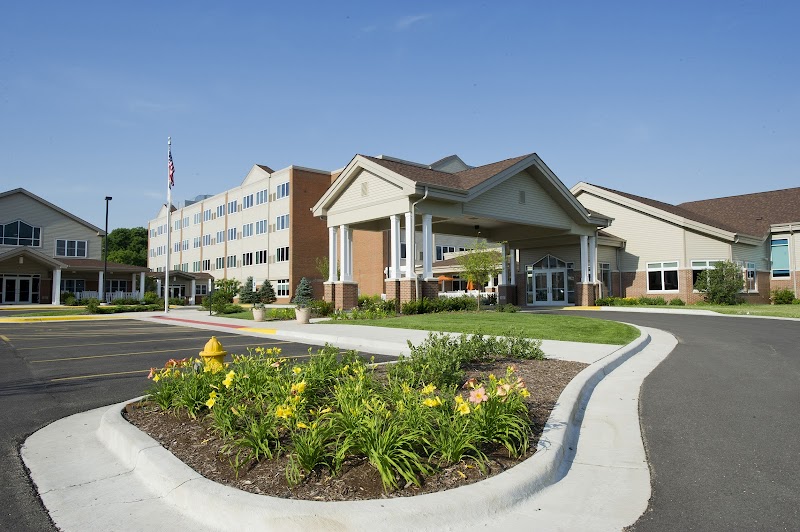
How is Pleasant View Luther Home Staffed?

CMS rates PLEASANT VIEW LUTHER HOME's staffing level at 4 out of 5 stars, which is above average compared to other nursing homes. Staff turnover is 36%, compared to the Illinois average of 46%. This relatively stable workforce can support continuity of care.

What Have Inspectors Found at Pleasant View Luther Home?

State health inspectors documented 39 deficiencies at PLEASANT VIEW LUTHER HOME during 2022 to 2025. These included: 1 Immediate Jeopardy (the most serious level, indicating potential for serious harm or death), 5 that caused actual resident harm, 29 with potential for harm, and 4 minor or isolated issues. Immediate Jeopardy findings are rare and represent the most serious regulatory concerns. They require immediate corrective action.
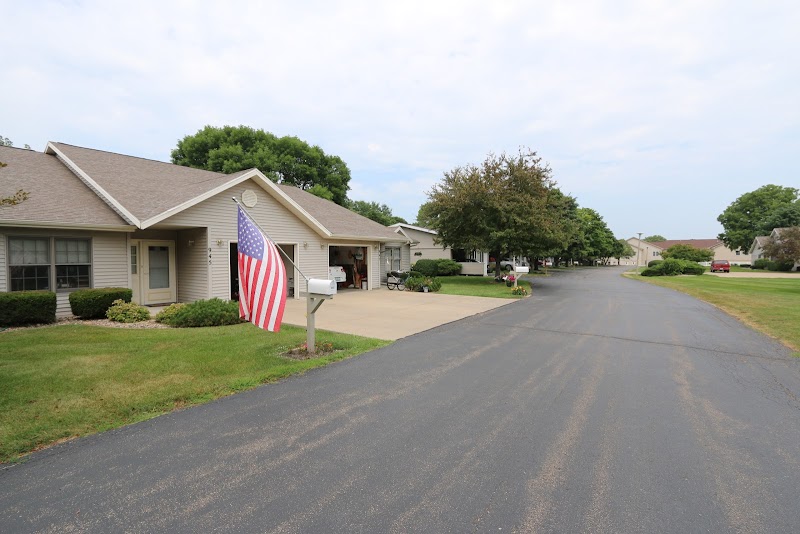
Who Owns and Operates Pleasant View Luther Home?

PLEASANT VIEW LUTHER HOME is owned by a non-profit organization. Non-profit facilities reinvest revenue into operations rather than distributing to shareholders. The facility operates independently rather than as part of a larger chain. With 90 certified beds and approximately 69 residents (about 77% occupancy), it is a smaller facility located in OTTAWA, Illinois.
How Does Pleasant View Luther Home Compare to Other Illinois Nursing Homes?

Compared to the 100 nursing homes in Illinois, PLEASANT VIEW LUTHER HOME's overall rating (3 stars) is above the state average of 2.5, staff turnover (36%) is significantly lower than the state average of 46%, and health inspection rating (2 stars) is below the national benchmark.

What Should Families Ask When Visiting Pleasant View Luther Home?

Based on this facility's data, families visiting should ask: "What changes have been made since the serious inspection findings, and how are you preventing similar issues?" "What safeguards and monitoring systems are in place to protect residents from abuse or neglect?" "Can I visit during a mealtime to observe dining assistance and food quality?" "How do you handle medical emergencies, and what is your hospital transfer rate?" These questions are particularly relevant given the facility's Immediate Jeopardy citations and the substantiated abuse finding on record.

Is Pleasant View Luther Home Safe?

Based on CMS inspection data, PLEASANT VIEW LUTHER HOME has documented safety concerns. The facility has 1 substantiated abuse finding (meaning confirmed case of resident harm by staff or other residents). Inspectors have issued 1 Immediate Jeopardy citation (the most serious violation level indicating risk of serious injury or death). The facility has a 3-star overall rating and ranks #1 of 100 nursing homes in Illinois. Families considering this facility should ask detailed questions about what corrective actions have been taken since these incidents.

Do Nurses at Pleasant View Luther Home Stick Around?

PLEASANT VIEW LUTHER HOME has a staff turnover rate of 36%, which is about average for Illinois nursing homes (state average: 46%). Moderate turnover is common in nursing homes, but families should still ask about staff tenure and how the facility maintains care continuity when employees leave.

Was Pleasant View Luther Home Ever Fined?

PLEASANT VIEW LUTHER HOME has been fined $103,907 across 4 penalty actions. This is 3.0x the Illinois average of $34,118. Fines at this level are uncommon and typically indicate a pattern of serious deficiencies, repeated violations, or failure to correct problems promptly. CMS reserves penalties of this magnitude for facilities that pose significant, documented risk to resident health or safety. Families should request specific documentation of what issues led to these fines and what systemic changes have been implemented.

Is Pleasant View Luther Home on Any Federal Watch List?

PLEASANT VIEW LUTHER HOME is not on any federal watch list. The most significant is the Special Focus Facility (SFF) program, which identifies the bottom 1% of nursing homes nationally based on persistent, serious quality problems. Not being on this list means the facility has avoided the pattern of deficiencies that triggers enhanced federal oversight. This is a positive indicator, though families should still review the facility's inspection history directly.