La Bella of Rochelle
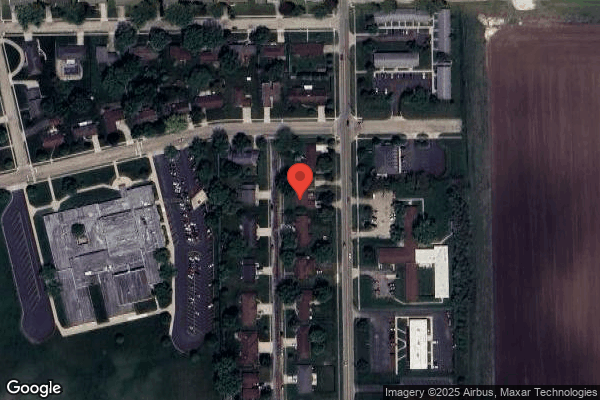
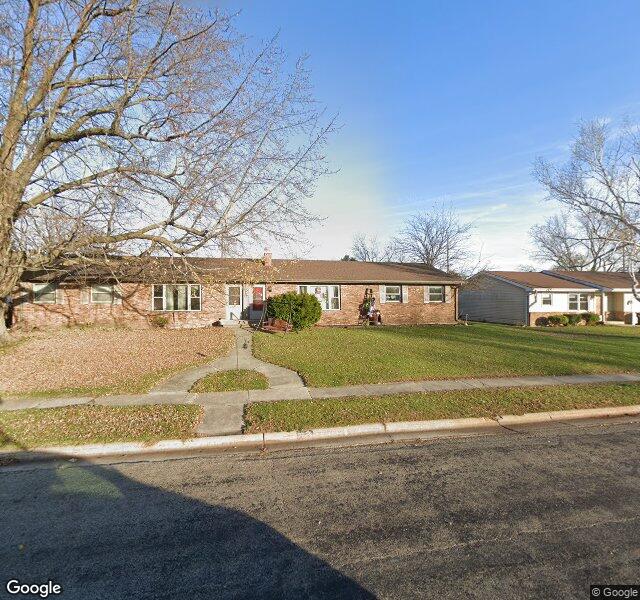
1021 CARON ROAD, ROCHELLE, IL 61068 (815) 562-4047
For profit - Corporation 74 Beds Independent Data: November 2025 3 Immediate Jeopardy citations
Trust Grade
0/100
#573 of 665 in IL
Last Inspection: March 2025

Within standard 12-15 month inspection cycle. Federal law requires annual inspections.

Overview

La Bella of Rochelle has received a Trust Grade of F, indicating significant concerns about the quality of care provided, which is among the lowest possible ratings. The facility ranks #573 out of 665 in Illinois, placing it in the bottom half of nursing homes statewide, and #6 out of 6 in Ogle County, meaning there is only one local option that is better. Although the facility has shown some improvement in its trend, reducing issues from 33 in 2024 to 18 in 2025, there are still serious concerns, including a concerning total of $509,401 in fines, which is higher than 99% of Illinois facilities, suggesting ongoing compliance issues. Staffing is a relative strength with a turnover rate of 0%, but they received a poor 1/5 star rating overall, indicating that many aspects of care are lacking. Specific incidents include a resident being transferred without the required assistance, risking falls, and a failure to maintain essential CPAP equipment for residents, which could affect their respiratory health.

Trust Score
F
0/100
In Illinois
#573/665
Bottom 14%
Safety Record
High Risk
Review needed
Inspections
Getting Better
33 → 18 violations
Staff Stability
○ Average
Turnover data not reported for this facility.
Penalties
⚠ Watch
$509,401 in fines. Higher than 91% of Illinois facilities. Major compliance failures.
Skilled Nurses
✓ Good
Each resident gets 45 minutes of Registered Nurse (RN) attention daily — more than average for Illinois. RNs are trained to catch health problems early.
Violations
⚠ Watch
73 deficiencies on record. Higher than average. Multiple issues found across inspections.
★☆☆☆☆
1.0
Overall Rating
★☆☆☆☆
1.0
Staff Levels
★☆☆☆☆
1.0
Care Quality
★☆☆☆☆
1.0
Inspection Score
Stable
2024: 33 issues
2025: 18 issues

The Good

  • Full Sprinkler Coverage · Fire safety systems throughout facility
  • No fines on record

Facility shows strength in fire safety.

The Bad

1-Star Overall Rating

Below Illinois average (2.5)

Significant quality concerns identified by CMS

Federal Fines: $509,401

Well above median ($33,413)

Significant penalties indicating serious issues

The Ugly 73 deficiencies on record

3 life-threatening 7 actual harm
May 2025 3 deficiencies
CONCERN (F) 📢 Someone Reported This

A family member, employee, or ombudsman was alarmed enough to file a formal complaint

Potential for Harm - no one hurt, but risky conditions existed

Deficiency F0801 (Tag F0801)

Could have caused harm · This affected most or all residents

Based on observation, interview and record review the facility failed to employee a qualified dietary staff member to oversee the operations of the kitchen. The facility failed to ensure residents' nu...

Read full inspector narrative →
Based on observation, interview and record review the facility failed to employee a qualified dietary staff member to oversee the operations of the kitchen. The facility failed to ensure residents' nutritional assessments were completed, in-person, by a qualified dietary staff member. These failures have the potential to affect all 51 residents in the facility. The findings include: The Facility Data Sheet dated 5/5/25 showed 51 residents resided in the facility. A facility list dated 5/5/25 showed V3 Dietary Manager was hired as the facility's dietary manager on 7/1/23. On 5/5/25 at 7:47 AM, V3 Dietary Manager and V4 Dietary Aide were the only kitchen staff, in the building, preparing and plating breakfast trays for the residents. On 5/5/25 at 8:26 AM, V3 Dietary Manager stated she had never received her certification in dietary management or food service. V3 stated she had taken the online dietary management course three times but was unsuccessful at passing the certification test. V3 stated she had never enrolled in any college courses. V3 stated no staff member in the facility was currently a certified dietary manager or certified food service manager. V3 stated she was responsible for completing quarterly nutritional assessments on residents. On 5/5/25 at 12:15 PM, V10 Registered Dietician (RD) stated she was hired as the RD at the facility on 2/25/25. V10 stated she did not know V3 Dietary Manager had never been certified in the role. V10 RD stated, I am 100% remote. I am only consulting for them (facility) and don't go into the facility. They call me when they need me. V10 RD stated she had never been in the facility's kitchen, was unaware of the day-to-day operations of the kitchen, and had never provided the kitchen staff with any education. V10 stated she is responsible for completing admission and significant change nutritional assessments on residents however she never does these assessments in-person. V10 stated, I do these assessments remotely. I don't assess residents in-person. I don't interview the residents when doing these assessments. I talk to staff and get their input when doing the assessments. On 5/5/25 at 2:00 PM, V11 Consultant and V2 Director of Nursing (DON) each stated they were aware V3 Dietary Manager had never become certified in her role. V11 Consultant stated he was unaware V10 Registered Dietician worked only remotely for the facility and had never been in the facility. On 5/5/25 at 4:15 PM, V10 Registered Dietician was asked why it was important for a facility to employ a certified dietary manager of certified food service manager, V10 stated, The certification makes sure the dietary manager knows what they are doing in the kitchen. It makes sure they know how to maintain sanitization and safety in the kitchen. On 5/5/25 at 2:50 PM, V2 DON stated the facility did not have a job description and/or a policy on the roles of a certified dietary manager or registered dietician.
CONCERN (F) 📢 Someone Reported This

A family member, employee, or ombudsman was alarmed enough to file a formal complaint

Potential for Harm - no one hurt, but risky conditions existed

Deficiency F0802 (Tag F0802)

Could have caused harm · This affected most or all residents

Based on observation, interview and record review the facility failed to provide sufficient dietary staff to carry out the necessary functions of the food service. The facility failed to ensure dietar...

Read full inspector narrative →
Based on observation, interview and record review the facility failed to provide sufficient dietary staff to carry out the necessary functions of the food service. The facility failed to ensure dietary staff had the required certifications to provide food service to residents. These failures have the potential to affect all 51 residents in the facility. The findings include: The Facility Data Sheet dated 5/5/25 showed 51 residents resided in the facility. A facility list dated 5/5/25 showed V3 Dietary Manager was hired as the facility's dietary manager on 7/1/23. The list showed the following hire dates for all kitchen/dietary staff: V4 Dietary Aide on 3/16/22 V6 [NAME] on 7/3/23 V7 [NAME] on 3/3/25 V8 Dietary Aide on 7/11/24 V9 [NAME] on 10/21/15 On 5/5/25 at 7:47 AM, V3 Dietary Manager and V4 Dietary Aide were the only kitchen staff, in the building, preparing and plating breakfast trays for the residents. V3 placed each resident's food on Styrofoam plates and/or bowls. V3 stated, We are using paper plates for breakfast because my cook didn't show up this morning. I don't have enough staff to run the dishwasher when we are done. We usually have three kitchen staff here for breakfast service. On 5/5/25 at 8:26 AM, V3 Dietary Manager stated she had never received her certification in dietary management or food service. On 5/5/25 at 12:04 PM, V2 Director of Nursing (DON) stated V6 Cook, V7 Cook, and V8 Dietary Aide were currently employed as facility dietary staff but had not obtained their Food Handler Certifications. On 5/5/25 at 4:15 PM, V10 Registered Dietician stated it is necessary for dietary staff to have their Food Handler Certification to ensure the staff know what they are doing in the kitchen, especially when is comes to safety and sanitation . On 5/5/25 at 2:50 PM, V2 DON stated the facility did not have a policy on sufficient and competent dietary staff. The facility had no policies on the role of a Certified Dietary Manager or Food Handler Certification.
CONCERN (F) 📢 Someone Reported This

A family member, employee, or ombudsman was alarmed enough to file a formal complaint

Potential for Harm - no one hurt, but risky conditions existed

Menu Adequacy (Tag F0803)

Could have caused harm · This affected most or all residents

Based on observation, interview and record review the facility failed to ensure a breakfast menu was followed. This failure has the potential to affect all 51 residents in the facility. The findings...

Read full inspector narrative →
Based on observation, interview and record review the facility failed to ensure a breakfast menu was followed. This failure has the potential to affect all 51 residents in the facility. The findings include: The Facility Data Sheet dated 5/5/25 showed 51 residents resided in the facility. The facility's breakfast menu dated 5/5/25 showed the following menu of hot or cold cereal, scrambled eggs, (1) Danish roll, mandarin oranges, milk, and assorted juices. On 5/5/25 at 7:47 AM-8:20 AM, V3 Dietary Manager and V4 Dietary Aide were the only kitchen staff, in the building, preparing and plating breakfast trays for the residents. V3 Dietary Manager placed the food on plates as V4 served the prepared plates to the residents in the dining room. No mandarin oranges were served to any residents. No mandarin oranges were noted on the prep tray as an option to serve to residents. On 5/5/25 at 9:27 AM, V3 Dietary Manager stated mandarin oranges were not served to any residents at breakfast because she forgot they were on the menu. On 5/5/25 at 2:50 PM, V2 Director of Nursing stated the facility did not have a policy on following menus.
Apr 2025 2 deficiencies
CONCERN (D) 📢 Someone Reported This

A family member, employee, or ombudsman was alarmed enough to file a formal complaint

Potential for Harm - no one hurt, but risky conditions existed

Pressure Ulcer Prevention (Tag F0686)

Could have caused harm · This affected 1 resident

Based on observation, interview, and record review the facility failed to ensure the prescribed wound treatment was provided to a resident with stage 4 pressure ulcer. This applies to 1 of 3 (R4) resi...

Read full inspector narrative →
Based on observation, interview, and record review the facility failed to ensure the prescribed wound treatment was provided to a resident with stage 4 pressure ulcer. This applies to 1 of 3 (R4) residents reviewed for wounds in the sample of 5. The findings include: On 4/14/25 at 10:55 AM, R4 was observed lying in bed. On 4/14/25 at 10:24 AM, V2 (DON) said she was informed R4's packing strips for his wound treatment were running low on Thursday (4/10/25). She placed the order for the gauze packing strips (iodoform) and deliveries come on Thursday. She asked V4 (Wound Nurse) the wound nurse to call the physician to obtain new orders to pack the wound. V2 said she does not know if V4 obtained new treatment orders and they do not have an inventory process for supplies. On 4/14/25 at 10:52 AM, V4 (Wound Nurse) said the floor nurses provide the wound treatments and she rounds with the wound physician. V4 said they have packing strips for R4's wound. This surveyor and V4 checked the wound treatment cart. The treatment cart did not not have R4's gauze packing strips (iodoform). V4 checked the nursing supply room, there were no gauze packing strips found. V4 stated, we must be out then. Nursing should report when they are low on supplies and the wound physician should be notified to obtain new wound treatment orders. V4 confirmed she did not contact the wound physician for new treatment orders. On 4/14/25 at 10:55 AM, V5 (LPN-Licensed Practical Nurse) said she changed R4's wound dressing today. She did not use the gauze packing strips because they did not have any. V4 told me to use alginate 4x4 dressing for the packing. Is there something wrong. They have been out of the packing strips for several days. She usually works nights and is not familiar how the process works for re-ordering supplies. R4's Wound Physician Progress notes dated 3/28/25 shows R4 has a stage 4 pressure ulcer to the left ischium full thickness measuring 0.4 cm (centimeters) x 0.2 cm x 2.2 cm with undermining 1.8 cm at 7 o'clock with light serous drainage. R4's Physician Order Sheets shows orders to wound site left ishium-cleanse area with dakins 0.125%, apply skin prep to peri wound, pack wound with iodoform 5% packing strips, apply zinc oxide to excoriated peri wound and cover with bordered gauze. The facility's Vendor Invoice form shows order placed on 4/14/25 for gauze packing strips. The facility's Pressure Injury Prevention Guidelines Policy states, To prevent the formation of avoidable pressure injuries and to promote healing of existing pressure injuries, it is he policy of this facility to implement evidence based interventions for all residents who are assessed at risk or who have a pressure injury present compliance with interventions will be documented in the medical record for residents who have a pressure injury present: treatment of medications administration records .
CONCERN (D) 📢 Someone Reported This

A family member, employee, or ombudsman was alarmed enough to file a formal complaint

Potential for Harm - no one hurt, but risky conditions existed

Deficiency F0825 (Tag F0825)

Could have caused harm · This affected 1 resident

**NOTE- TERMS IN BRACKETS HAVE BEEN EDITED TO PROTECT CONFIDENTIALITY** Based on observation, interview and record review the facility failed to provide physical therapy treatments for a resident admi...

Read full inspector narrative →
**NOTE- TERMS IN BRACKETS HAVE BEEN EDITED TO PROTECT CONFIDENTIALITY** Based on observation, interview and record review the facility failed to provide physical therapy treatments for a resident admitted for skilled services. This applies to 1 of 3 (R1) residents reviewed for rehab services in the sample of 5. The findings include: R1's face sheet shows he is a [AGE] year old male admitted on [DATE], with diagnoses including embolism and thrombosis of the lower extremities, chronic atrial fibrillation, diabetes mellitus, hypertension, COPD, CHF, and peripheral vascular disease. On 4/14/25 at 8:46 AM, R1 was observed sitting in his wheelchair with mechanical lift sling under him. R1 said they transfer him using the mechanical lift. R1 said his right leg is weak and he can stand but is not ambulating. R1 said get me the hell out of here. R1 said he's been here for about one month and is not receiving physical therapy five days a week. R1 said he has Medicare A they cover 120 days of skilled care. R1 said he came to the facility after having a blood clot in his right leg and was walking prior to his hospitalization. R1 said he came to facility to receive therapy so he can go home. On 4/14/25 at 10:24 AM, V2 (DON) said physical therapy staff are usually here every day because we have residents who should have therapy daily. R1 is supposed to be receiving therapy daily, R1 reported concerns about therapy and she spoke with V9 (Director of Therapy). V9 reported he is not always cooperative. On 4/14/25 at 12:02 PM, V10 (Physical Therapist) said today is her first time at the facility and works as prn (as needed) and she is not familiar with the residents. V10 said V9 can answer questions and asked to call him to assist with any questions. V9 was interviewed he said residents should receive therapy as ordered. V9 said R1 should be receiving therapy five days a week and he did his therapy on 4/11/25 (Friday). R1 was able to stand but not able to ambulate, he was a max assist with transfers and recommended the staff use the mechanical lift for transfers for safety. V9 said he did not want to answer if R1 was receiving his therapy five days a week without reviewing his medical records. V9 said there were multiple times when therapy staff were a no call no show and residents did not receive therapy on those days. On 4/14/25 at 12:13 PM, V10 reviewed R1's therapy notes and confirmed he did not receive physical therapy five days a week. V10 said there has been staffing issues with this facility and that's why she is here today. R1's Physician Order Sheets dated April 2025 shows orders for Physical Therapy(PT)/Occupational Therapy (OT) evaluation .I certify skilled nursing services (SNF) are required to be given on an inpatient SNF basis of this residents need for skilled care on a continuing basis for the condition, for which he was receiving inpatient hospital services prior to his transfer .skilled services PT/OT. R1's Physical Therapy Evaluation and Plan of Treatment Certification Period: 3/20/25-4/29/25 shows his plan of treatment for physical therapy is 5 times a week to improve strength, balance, actively tolerance and safety, independence with transfers, bed mobility and ambulation following recent hospitalization following abdominal aneurysm. R1's Physical Therapy Service Log for March 20, 2025 and April 12, 2025 (3 weeks) shows he received three therapy sessions per week (two physical therapy treatments were not provided).
Mar 2025 1 deficiency
CONCERN (D) 📢 Someone Reported This

A family member, employee, or ombudsman was alarmed enough to file a formal complaint

Potential for Harm - no one hurt, but risky conditions existed

Deficiency F0573 (Tag F0573)

Could have caused harm · This affected 1 resident

Based on interview and record review the facility failed to provide medical records to a resident's guardian/power of attorney for healthcare (POA) upon verbal and written request for 1 of 3 residents...

Read full inspector narrative →
Based on interview and record review the facility failed to provide medical records to a resident's guardian/power of attorney for healthcare (POA) upon verbal and written request for 1 of 3 residents (R1) reviewed for the right to access medical records in the sample of 3. The findings include: A Letters of Guardianship form dated 9/30/2020 showed V6 was appointed R1's legal guardian. A Power of Attorney for Healthcare (POA) form dated 4/15/2015 showed V6 was appointed R1's POA. R1's current care plan showed R1 was cognitively impaired related to her diagnoses of mild intellectual disability, bipolar disorder, and schizophrenia. On 3/24/25 at 4:44 PM, V6 (R1's Guardian/POA) stated she had been asking V1 Administrator for copies of (R1's) medical records for her restorative cares and oral cares for awhile now. At least since February (2025). V6 stated she asked V1 Administrator, via email in February 2025, to email her a release of information form for her to complete to request these medicals records but he never sent me one. V6 stated she again verbally requested copies of R1's restorative and oral cares medical records during R1's care plan meeting on 3/12/25 but still had not received the records. Emails dated 2/12/25, between V6 (R1's Guardian/POA) and V1 Administrator, showed V6 asked V1, twice, to email her a release of information form for her to complete to obtain copies of R1's restorative and oral cares medical records. R1's care plan note dated 3/12/25 showed a care plan meeting for R1 was attended by V1 Administrator, V2 Director of Nursing (DON), V6 (R1's Guardian/POA), V3 Social Services, V4 Registered Nurse (RN), and V5 Ombudman. The note showed V6 requested documentation related to R1's restorative and oral cares during the meeting. On 3/25/25 at 9:25 AM, V1 Administrator stated a resident or their legal representative may get copies of medical records after a written form (release of information form) is completed to request these medical records. V1 stated V6 (R1's Guardian/POA) had requested access to R1's restorative and oral cares medical records during the care plan meeting on 3/12/25 but, she asked for QA (quality assurance) documentation. I couldn't give her that due to confidentiality. V1 denied ever receiving an email from V6 requesting he send her a release of information form for her to complete to obtain copies of R1's medical records. On 3/25/25 at 8:00 AM, V5 Ombudsman stated V6 (R1's Guardian/POA) has been requesting documentation of restorative care and oral cares for a few month from (V1 Administrator). V5 stated V6 did not ask for QA documentation during R1's care plan meeting on 3/12/25. V5 stated V6 did ask for copies of R1's medical records related to restorative and oral cares during the meeting. On 3/25/25 at 9:41 AM, V4 RN stated in R1's care plan meeting, (V6) wanted documentation showing restorative and oral cares for (R1). I don't recall her asking for a QA spreadsheet. (V6) just requested to see some of the documentation from the medical record that showed she was getting these cares . The facility's Release of Medical Records policy dated August 2024 showed, Medical records will be released with a valid request and in accordance with state and federal laws . Upon request to access or obtain copies of the medical record, the facility should review the authorization to ascertain access rights to that person. Authority to access or release records is only granted by the resident or the resident's legal representative . The resident's record is accessible to him/her within 72 hours (excluding weekends and holidays) notice, following an oral or written request. The resident is encouraged to review the record in the presence of the attending physician or a representative of the facility. The resident may have designated a legal representative who can exercise the same rights as the resident. The resident or his/her legal representative may receive a copy of his/her record within 5 working days after the request has been made .
Mar 2025 12 deficiencies 3 Harm
SERIOUS (G)

Actual Harm - a resident was hurt due to facility failures

Pressure Ulcer Prevention (Tag F0686)

A resident was harmed · This affected 1 resident

**NOTE- TERMS IN BRACKETS HAVE BEEN EDITED TO PROTECT CONFIDENTIALITY** Based on interview and record review the facility failed to ensure a pressure injury was identified prior to becoming a stage th...

Read full inspector narrative →
**NOTE- TERMS IN BRACKETS HAVE BEEN EDITED TO PROTECT CONFIDENTIALITY** Based on interview and record review the facility failed to ensure a pressure injury was identified prior to becoming a stage three. This failure resulted in R31 developing a stage three pressure injury to his left ischium that had light serous drainage. This applies to 1 of 1 residents (R31) reviewed for pressure injuries in the sample of 18. The findings include: R31's Face sheet dated 3/5/25 shows R31 has diagnoses including, but not limited to: cerebral palsy, major depressive disorder, epilepsy, anxiety, schizoaffective disorder, paraplegia, hypokalemia, gastro-esophageal reflux disease (GERD), hyperkalemia, encephalopathy, hypertension, and hyperlipidemia. R31's Face sheet also shows that R31 was admitted to the facility on [DATE]. R31's Admission/readmission Nursing Evaluation form dated 12/1/23 shows R31 requires dependence upon staff to shower/bathe, get dressed, move from a seated position to lying position, move from a lying position to a sitting position, and R31's skin was normal with no noted pressure injuries. R31's Braden Scale form dated 12/1/23 shows R31 had a score of 15, indicating R31 is at high risk of developing a pressure injury. R31's Braden Scale form states R31 does not have any stage 2, 3, or 4 pressure wounds present in the last 7 days and no pressure wounds have been resolved in the last 90 days. R31's Order Summary Report shows R31 has an order for daily skin check with a start date of 12/5/23. R31's Skin Only Progress Note dated 1/28/24 states, Skin warm & dry, skin color WNL (within normal limits), mucous membranes moist, turgor normal. No current skin issues noted at this time. R31's quarterly Braden Scale form dated 2/8/24 shows R31 had a score of 15. R31's Braden Scale form also states R31 does not have any stage 2, 3, or 4 pressure wounds present in the last 7 days and no pressure wounds have been resolved in the last 90 days. R31's Initial Wound Evaluation and Management Summary form dated 5/24/24 states, Patient present with a wound on his left ischium . Stage 3 pressure wound of the left ischium full thickness. Exudate: Light Serous . The measurements upon this initial examination were as follows: length of 1.2 centimeters (cm), width of 1.5 cm and a depth of 0.2 cm with a total surface area of 1.80 cm squared. The facility could not provide any other documentation between 2/8/24 and 5/24/24 indicating any skin abnormalities were found prior to 5/24/24. R31's Wound Evaluation and Management Summary form dated 2/28/25 shows R31's pressure wound of the left ischium is now a stage 4. The measurements upon this examination were as follows: length of 0.4 cm, width of 0.3 cm and a depth of 2.2 cm with a total surface area of 0.12 cm squared. On 3/3/25 at 12:13 PM and again at 1:08 PM, R31 was seen lying on his back with the head of the bed at an approximate 45-degree angle. On 3/5/25 at 10:51 AM, V17 Registered Nurse (RN) said R31 is dependent upon staff for all care. On 3/5/25, V3 (Infection Preventionist Nurse/RN) was attempted to be contacted by phone and was unable to be reached. On 3/5/25 at 1:54 PM, V2 (Director of Nursing) said nursing staff will complete a head-to-toe assessment upon admission and note any skin discrepancies. V2 also said nursing staff should at minimum complete a skin check at least weekly. Certified nursing assistants (CNAs) will complete a shower sheet and document any potential skin issues and bring the form to the nurse when completed. V2 said it is the expectation that staff should find skin concerns prior to it developing into a stage 3 pressure wound so the facility can provide treatment before it develops further. On 3/5/25 at 2:26 PM, V18 (Wound Doctor) said if the staff taking care of R31 during showering and incontinence care are paying attention and trying and looking at the skin, it should be easier to identify before a stage 3. V18 said the progression of the development of a stage 3 pressure wound is that the skin will first start to turn red. After the redness, the skin will become blanchable (skin that turns pale when pressure is applied to it and returns to normal color when pressure is released). The next phase would include the top layer of skin coming off. After the top layer of skin comes off, you can start to see the subcutaneous tissue below it start to show. When the subcutaneous layer shows, that is when you now have a stage 3 pressure wound. In a perfect world, the staff providing showers and incontinence care should be able to capture these stages as they occur.
SERIOUS (G)

Actual Harm - a resident was hurt due to facility failures

Deficiency F0692 (Tag F0692)

A resident was harmed · This affected 1 resident

**NOTE- TERMS IN BRACKETS HAVE BEEN EDITED TO PROTECT CONFIDENTIALITY** 3. R5's Nutrition/Dietary note dated 2/8/25 written by V12 (Former Dietitian) recommended trying adding an appetite stimulant an...

Read full inspector narrative →
**NOTE- TERMS IN BRACKETS HAVE BEEN EDITED TO PROTECT CONFIDENTIALITY** 3. R5's Nutrition/Dietary note dated 2/8/25 written by V12 (Former Dietitian) recommended trying adding an appetite stimulant and increasing the daily oral nutrition supplement shake from once daily to BID (two times per day). R5's Order Summary Report dated 3/5/25 shows R5 is to receive an oral nutrition supplement shake once daily with a start date of 2/6/25. There are no additional orders showing supplementation was ever increased after V12's recommendations. On 3/5/25 at 10:56 AM, V16 (Registered Dietitian) said R5 experienced a significant weight change before V16 started working at the facility. V12's nutrition notes show the significant weight change was addressed at the time the weight change occurred. V16 said R5 has remained weight stable for about one month but V16 would hope that any recommendations made by V16 or other Dietitians would be followed and implemented. 4. On 3/4/25 the morning breakfast service was observed between 8:10 AM and 8:35 AM. No residents including R34 were given any supplements with their trays. R34's 1/20/25 Dietary note written by V12 (former Dietician) shows that R34 had a significant weight loss of 13.7 lbs. 10% in 6 months and he should receive mighty shakes 2 times a day. R34's electronic medication administration summary shows that the mighty shakes should be given with breakfast at 8:00 AM and with dinner at 5:00 PM. A diet list of residents on nutritional supplements was provided during the breakfast service on 3/4/24 by V7 (Dietary Manager). The provided list shows R34 should receive mighty shakes twice a day. On 3/4/25 at 9:30 AM, R34 said, I have lost a lot of weight here, they used to give those shakes but I haven't gotten one in months. On 3/5/25 at 10:54 AM, V16 (Dietician) said I would hope residents get the supplements as ordered. The purpose of nutritional supplements is to prevent additional weight loss and for weight stabilization. The facility provided Weight Monitoring policy last revised on 10/2024 shows unintended weight loss may indicate a nutritional problem and the facility will implement and assess interventions to prevent and stabilize weight loss. Based on observation, interview, and record review the facility failed to ensure supplements were served and failed to obtain weekly weights for four of eight residents (R18, R24, R5, R34) reviewed for nutrition in the sample of 18. This failure resulted in R18 experiencing a significant weight loss. The findings include: 1. R18's admission Record dated March 4, 2025 shows he was admitted to the facility on [DATE] with diagnoses including paranoid schizophrenia, ataxia, dystonia, major depressive disorder, chronic pain syndrome, and cognitive communication deficit. R18's Order Summary Report dated March 4, 2025 shows a diet order started May 1, 2023 for general diet, double protein at breakfast and magic cup twice daily. An order for mighty shake four times a day was started on December 19, 2023. Monthly weights was entered to start January 4, 2024. R18's Weights Summary shows on January 9, 2025 R18 weighed 140.2 and on February 1, 2025 R18 weighed 123.7 pounds, which is a weight loss of 16.5 pounds or 11.8 % in one month. R18's Nutrition/Dietary noted dated February 8, 2025 shows, Resident with a weight loss of 16.5 pounds in one month or 11.8%. Body mass index is 18.3=underweight. Currently on a general regular diet with double protein at breakfast, shakes four times daily, magic cup twice a day .Suggest weekly weight x 4 to assure weight accuracy and three day calorie count. R18's Weights Summary shows that R18 was weighed on February 25, 2025 and February 26, 2025. There were no weekly weights documented for R18. On March 5, 2025 at 8:05 AM, R18 was sitting in the dining room eating breakfast. R18 did not have magic cup or a mighty shake with his meal. On March 5, 2025 at 10:37 AM, V7 Dietary Manager said R18 gets double protein. V7 said she did not know that R18 was supposed to get mighty shakes four times per day. On March 5, 2025 at 10:58 AM, V16 Dietitian said she has not seen or assessed R18 yet. V16 said she was notified of R18's weight loss and that R18 was on her list to see this week. R18's Care Plan initiated July 28, 2023 shows R18 has a nutritional problem or potential nutritional problem of low weight related to lack of nutrients and provide and serve supplements as ordered. 2. On 3/3/25 at 12:30 PM, R24 was in her room eating lunch. R24 had a barbecue sandwich, coleslaw, bag of chips and a piece a cake for her meal. R24 did not have any yogurt with her meal. On 3/4/25 at 8:12 AM, R24 was in the dining room for breakfast. R24 was served cream of wheat, 3 pancakes, a sausage, milk and orange juice. R24 was not served yogurt. On 3/4/25 at 8:12 AM, V7 (Dietary Manager) said that all nutritional supplements that a resident is ordered to receive is on a list that is posted in the kitchen and should be provided during meals. V7 said that they do not have any residents with an order for super cereal (fortified cereal). On 3/4/25 at 8:44 AM, V7 said that R24 is supposed to get yogurt with every meal, but it wasn't put in the computer right so she has not been getting it. R24's Dietary Note dated 12/18/24 shows, Resident with weight loss of 22.8# in a month or 13%. Resident is on diuretics which may account for some of weight loss. Intakes recently decreased. Intakes 26 to 100%. Resident with set up and supervision at meals. Resident on a General regular texture diet with thin liquids, magic cup daily, yogurt at meals. Weight 149.5 # and BMI = 22. Suggest add super cereal and weekly weights R24's Weights and Vitals Summary printed on 3/4/25 shows that her weight was 172.3 pounds on 11/2/24 and on 12/3/24 she was 149.5 pounds (13% loss in 1 month). R24 was weighed again on 1/9/25, 2/16/25 and 2/25/25. R24's Physician's Order Sheet printed on 3/4/25 shows an order dated 4/11/23 for, General diet. Regular texture, Yogurt with meals .magic cup daily . There is no orders for weekly weights or supercereal. The facility provided Nutritional Supplement list printed 3/3/25 does not have R24 on the list to receive any nutritional supplements. R24's Meal Ticket shows that she likes hot cereal and yogurt. The meal ticket does not document any nutritional supplements that need to be provided.
SERIOUS (G)

Actual Harm - a resident was hurt due to facility failures

Deficiency F0883 (Tag F0883)

A resident was harmed · This affected 1 resident

**NOTE- TERMS IN BRACKETS HAVE BEEN EDITED TO PROTECT CONFIDENTIALITY** Based on interview and record review, the facility failed to offer the influenza vaccine at the start of influenza season for tw...

Read full inspector narrative →
**NOTE- TERMS IN BRACKETS HAVE BEEN EDITED TO PROTECT CONFIDENTIALITY** Based on interview and record review, the facility failed to offer the influenza vaccine at the start of influenza season for two of nine residents (R40, R4) reviewed for Influenza Vaccines in the sample of 18. This failure contributed to the facility experiencing an Influenza Outbreak and the hospitalization of R40 and R4. The findings include: 1. R40's admission Record shows she was admitted to the facility on [DATE] with diagnoses including diabetes mellitus, anxiety disorder, major depressive disorder, bipolar disorder, and chronic pain. R40's MDS (Minimum Data Set) dated December 23, 2024 shows she is cognitively intact. R40's Progress Notes dated December 18, 2024 shows she was admitted to the local hospital with pneumonia and influenza A. R40's Hospital Records dated December 19, 2024 shows her admitting diagnoses were influenza A, pneumonia of right lower lobe due to infectious organism, and chronic obstructive pulmonary disorder exacerbation. R40 had new prescriptions for tamiflu (antiviral for influenza), prednisone (steroid), and levofloxacin (antibiotic). On March 5, 2025 at 11:40 AM, R40 said she did not remember what symptoms she was having when she got sent to the hospital. I was too out of it. R40 said she was not offered the influenza vaccine before she went to the hospital but would have taken the influenza vaccine if she was offered it. R40 said she received the influenza vaccine after she came back from the hospital. V19 RN (Registered Nurse) was nearby during this interview. V19 said she was the nurse that sent R40 to the hospital. V19 said she sent R40 to the hospital because R40 was having shortness of breath and coughing. V19 said the facility did not have the rapid result influenza tests. V19 said it was faster to send R40 to the hospital. V19 said R40 was diagnosed with influenza while at the hospital, but V19 suspected R40 had influenza while R40 was still at the facility. V19 said the facility usually administers the influenza vaccine in September, but V19 did not know why it was not administered until January this year. V19 said, I thought that was odd. R40's Vaccine Administration Record for the influenza vaccine shows that she signed the consent on December 30, 2024. The vaccine was administered to R40 on January 21, 2025. 2. R4's admission Record dated March 4, 2025 shows she was admitted to the facility on [DATE] with diagnoses including generalized anxiety disorder, asthma, personality disorder, chronic obstructive pulmonary disease, acute and chronic respiratory failure, morbid obesity, and personal history of Covid-19. R4's Order Summary Report shows an order for may have annual flu vaccine with consent entered February 8, 2024. R4's local hospital records dated December 26, 2024 shows she was admitted to the hospital with influenza A. R4's Health Status Note dated December 29, 2024 shows, Contact and droplet isolation continues. Resident states she isn't feeling as bad as she did when she first went into the hospital. Resident states, 'I was feeling really bad before.' R4's Vaccine Administration Record-Immunization Consent Form 2024-2025 shows R4 signed the consent to received the influenza vaccine on December 30, 2024. The vaccine was administered on January 21, 2025. On March 5, 2025 at 11:33 AM, R4 said she had shortness of breath for about a week. R4 said she was sent to the hospital because it was not getting better. R4 said she got breathing treatments and steroids in the hospital. R4 said she got the influenza vaccine when she came back to the facility. R4 said the influenza vaccine was not offered before she went into the hospital. R4 said she would have taken the influenza vaccine prior to going to the hospital if the facility offered it. On March 4, 2025 at 12:56 AM, V2 DON (Director of Nursing) and V3 Infection Control Preventionist were interviewed together. V2 and V3 stated they both share the duties of the facilities Infection Control Program. V2 said she became the facility's DON in December 2024. V2 said the previous administrator was in charge of the immunizations. V2 said the influenza vaccine was given to the residents on January 21, 2025. V3 said the previous DON did not order the influenza vaccine at the beginning of the season. It fell through the cracks. V3 said the current administrator ordered the influenza vaccine that was administered in January 2025. V2 said the facility's influenza outbreak began December 13, 2024. V2 said there was a total of ten residents that had influenza. V2 DON said no residents were hospitalized with influenza. (R40 and R4 were hospitalized with influenza symptoms) On March 5, 2025 at 1:52 AM, V24 Director of Local Health Department said she got an email from the previous administrator at the facility reporting the influenza outbreak in December 2024. V24 said she assumed the facility gave their residents the influenza vaccine at the beginning of the influenza season in September/October due to the report of the influenza outbreak being in December. V24 said influenza vaccines can be given as early as September. V24 said that's when the influenza vaccine should be given, at the start of the season in September/October. V24 said there was no influenza vaccine shortage. In fact, we had a surplus of the influenza vaccine left over. V24 said. The facility's Influenza Congregate Setting Outbreak Log shows ten residents were positive for influenza from December 13, 2024-January 8, 2025. Only one resident was vaccinated with the influenza vaccine during the current influenza season, and that was when the resident was at a previous facility. R4's most recent vaccination date was 2023 and R40 was vaccinated January 27, 2024. The facility's Influenza Vaccination Policy revised January 2025 shows, It is the policy of this facility to minimize the risk of acquiring, transmitting or experiencing complication from influenza by offering out residents, staff members, and volunteer workers annual immunization against influenza. Influenza vaccinations will be routinely offered annually from October 1st through March 31st unless such immunization is medically contraindicated, the individual has already been immunized during the this period, or refuses to receive the vaccine. Additionally, influenza vaccinations will be offered to residents upon availability of the seasonal vaccine until influenza is no longer circulating in the facility's geographic area.
CONCERN (D)

Potential for Harm - no one hurt, but risky conditions existed

Deficiency F0578 (Tag F0578)

Could have caused harm · This affected 1 resident

**NOTE- TERMS IN BRACKETS HAVE BEEN EDITED TO PROTECT CONFIDENTIALITY** Based on interview and record review the facility failed to ensure a resident's advanced directive to be a full code was ordered...

Read full inspector narrative →
**NOTE- TERMS IN BRACKETS HAVE BEEN EDITED TO PROTECT CONFIDENTIALITY** Based on interview and record review the facility failed to ensure a resident's advanced directive to be a full code was ordered for 1 of 18 residents (R103) reviewed for advanced directives in the sample of 18. The findings include: R103's Hospital Discharge summary dated [DATE] shows, Resuscitation Status at discharge: Full Code R103's Physician's Order Sheet printed on 3/4/25 shows an order dated 2/24/25 for DNR (Do not Resuscitate). On 3/4/25 at 1:00 PM, R103 said that he wants to be resuscitated. R103 stated, I am not sure where the talk about being a DNR came from, in the hospital, they almost lost me a couple times. On 3/4/25 at 12:01 PM, V3, Registered Nurse (RN) said that R103's hospital paperwork said DNR so she put the order in the computer. V3 said that she did not notify social services of the change because he came back very late from the hospital. On 3/4/25 at 1:33 PM, V9 (RN) said that in an emergency, she would determine a resident's code status by looking at the order in the resident's electronic medical record. On 3/5/25 at 1:33 PM, V4 (Social Services) said that she spoke to R103 and he still wants to be a full code. R103's Minimum Data Set assessment dated [DATE] shows that his cognition is intact. The facility's Resident's Rights Regarding Treatment and Advanced Directives revised on 10/2024 shows, It is the policy of this facility to support and facilitate a resident's right to request, refuse, and/or discontinue medical or surgical treatment and to formulate an advance directive On admission, the facility will determine if the resident has executed an advance directive, and if not, determine whether the resident would like to formulate an advance directive.
CONCERN (D)

Potential for Harm - no one hurt, but risky conditions existed

ADL Care (Tag F0677)

Could have caused harm · This affected 1 resident

**NOTE- TERMS IN BRACKETS HAVE BEEN EDITED TO PROTECT CONFIDENTIALITY** Based on observation, interview and record review the facility failed to ensure a resident who is dependent on staff for Activit...

Read full inspector narrative →
**NOTE- TERMS IN BRACKETS HAVE BEEN EDITED TO PROTECT CONFIDENTIALITY** Based on observation, interview and record review the facility failed to ensure a resident who is dependent on staff for Activities of Daily Living (ADLs) received incontinence care in a timely manner for 1 of 18 residents (R33) reviewed for ADLs in the sample of 18. The findings include: R33's Minimum Data Set assessment dated [DATE] shows that her cognition is impaired, is dependent on staff for toilet hygiene and is incontinent of urine and stool. On 3/3/25 at 11:55 AM, V22 and V23, Certified Nursing Assistants (CNAs) provided incontinence care to R33. R33's incontinence brief was saturated with urine and stool. R33's buttock was reddened. R33's sheet and shirts were wet from urine. On 3/3/25 at 11:55 AM, V23 said that she last checked R33 around 6:20 AM and she was not wet so did not provide incontinence care to her. V23 said that R33 did not want to get up for breakfast so she let her stay in bed. V23 said that she did not have time to check her again until 11:45 AM. V23 said that she did not had time to check her because it has been really busy. On 3/4/25 at 12:01 PM, V3 (Registered Nurse) said that incontinent residents should be checked and changed every two hours. R33's current Incontinence Care Plan shows, The resident uses disposable briefs. Change around Q (every) 2 hours and prn (as needed). The facility's Activities of Daily Living (ADLs) Policy revised 5/2024 shows, A resident who is unable to carry out activities of daily living will receive the necessary services to maintain good nutrition, grooming, and personal and oral hygiene.
CONCERN (D)

Potential for Harm - no one hurt, but risky conditions existed

Quality of Care (Tag F0684)

Could have caused harm · This affected 1 resident

**NOTE- TERMS IN BRACKETS HAVE BEEN EDITED TO PROTECT CONFIDENTIALITY** Based on observation, interview and record review the facility failed to ensure a cholecystostomy drain had a dressing order in ...

Read full inspector narrative →
**NOTE- TERMS IN BRACKETS HAVE BEEN EDITED TO PROTECT CONFIDENTIALITY** Based on observation, interview and record review the facility failed to ensure a cholecystostomy drain had a dressing order in place and failed to ensure ace wraps were applied for treatment of lower extremity edema as ordered for 2 of 18 residents (R40 and R103) reviewed for quality of care in the sample of 18. The findings include: 1. On 3/3/25 at 9:59 AM, V3 (Registered Nurse) changed a dressing to R103's cholecystostomy drain site. V3 said that he did not come back from the hospital with dressing orders for the drain but she has been doing it when she does his other dressing change to his abdominal wound. On 3/4/25 at 12:01 PM, V3 said that if a resident admits with a wound and no orders for dressing changes, the nurse should speak to the physician to obtain orders. V3 said that once the orders are received, they should be placed in the electronic medical record so the staff know when the dressing is supposed to be performed. V3 said that the nurse does the dressing changes based on the order. R40's Hospital Discharge summary dated [DATE] shows, Wound Care: Cholecystostomy drain management: flush drain with 10 ml (milliliters) of normal saline daily. There was no documentation regarding dressing changes to the drain site. R40's February and March Treatment Administration Record does not document that R40's dressing was changed between 2/24/25 and 3/2/25. 2. R40's Minimum Data Set assessment dated [DATE] shows that her cognition is intact. On 3/3/25 at 9:30 AM, R40 was sitting on the side of her bed. R40's bilateral legs were swollen. R40's legs were not wrapped with ace wraps. R40 said that they never apply support stockings or wraps to help with her edema in her legs but she wished that they did. On 3/4/25 at 12:01 PM, V3 (Registered Nurse) said that R40 has an order for ace wraps for her legs due to edema to be put on in the AM and taken off in the PM. V3 said that R40 currently has +2 edema to her legs. R40's Physician's Order Sheet shows an order dated 9/16/24 for, ACE wraps to BLE (bilateral lower extremities) every morning and at bedtime for edema.
CONCERN (D)

Potential for Harm - no one hurt, but risky conditions existed

Accident Prevention (Tag F0689)

Could have caused harm · This affected 1 resident

**NOTE- TERMS IN BRACKETS HAVE BEEN EDITED TO PROTECT CONFIDENTIALITY** Based on observation, interview, and record review, the facility failed to ensure fall prevention interventions were in place fo...

Read full inspector narrative →
**NOTE- TERMS IN BRACKETS HAVE BEEN EDITED TO PROTECT CONFIDENTIALITY** Based on observation, interview, and record review, the facility failed to ensure fall prevention interventions were in place for two of 18 residents (R28, R31) reviewed for safety in the sample of 18. The findings include: 1. R28's admission Records dated March 5, 2025 shows he was admitted to the facility on [DATE] with diagnoses including major depressive disorder, depression, and acquired absence with right and left leg below the knee. R28's Fall assessment dated [DATE] shows he has a moderate risk of falling. On March 3, 2025 at 10:24 AM, R28 said he has been waiting for a better wheel chair from the facility for a long time. R28 said the locks on his wheel chair do not work. R28 said the wheel chair still moves. R28 said he is able to self transfer himself out of his bed into the wheel chair. R28 said he ended up on the floor one day because he was transferring himself from his bed into his wheel chair and the wheel chair rolled, I ended up on the floor. R28 placed the locks on his wheel chair and his chair was still able to freely moved. R28 has a bilateral below the knee amputation. R28's Progress Notes dated February 3, 2025 shows R28 was found on the floor. R28 told staff that he slid off of his wheel chair. 2. R31's Facesheet dated 3/5/25 shows R31 has diagnoses including, but not limited to: cerebral palsy, major depressive disorder, epilepsy, anxiety, schizoaffective disorder, paraplegia, hypokalemia, gastro-esophageal reflux disease (GERD), hyperkalemia, encephalopathy, hypertension, and hyperlipidemia. R31's Morse Fall assessment dated [DATE] shows that R31 has a history of falls and is noted as a moderate risk for falling. R31's Care Plan shows R31 is at risk for falls and R31's call light rope should be within reach. R31's care plan also shows R31 had a fall on 1/18/25. On 3/3/25 at 12:13 PM and again at 1:08 PM, R31 was lying in bed with the head of the bed elevated approximately 45 degrees and R31's call light rope was positioned behind the head of R31's bed and out of reach for R31. On 3/5/25 at 10:51 AM, V17 (RN) said call light ropes will typically be attached to a resident's bed sheet via an alligator clip at the end of the call light rope. V17 said the call light rope should be within reach any time a resident is in bed. V17 said R31 is dependent upon staff and should have the call light rope within reach. If the call light rope is not within reach, a resident, including R31, cannot call for help when needed and could lead to potential falls.
CONCERN (D)

Potential for Harm - no one hurt, but risky conditions existed

Pharmacy Services (Tag F0755)

Could have caused harm · This affected 1 resident

Based on observation, interview and record review the facility failed to ensure medications were available and administered as ordered and failed to ensure residents were supervised while administerin...

Read full inspector narrative →
Based on observation, interview and record review the facility failed to ensure medications were available and administered as ordered and failed to ensure residents were supervised while administering medications for 2 of 18 residents (R23, R49) reviewed for pharmacy services in the sample of 18. The findings include: 1.) R23's Medication Administration Summary and Physicians Order Summary (POS) both show R23 should receive Buspirone (anti-anxiety medication) 5 mg. (milligrams) at noon. On 3/3/25 at 12:20 PM during noon medication pass, V9 (Registered Nurse/ RN) was preparing medications for R23. There was no Buspirone in the medication cart so V9 checked in the convenience box in the medication room and was not able to find the medication. V9 said more then likely the medication is still on the way to the facility and had not yet arrived from the pharmacy. V9 said medications are considered on time if they are administered one hour before or after the scheduled time. On 3/3/25 at 1:45 PM, V9 verified with the surveyor that the medication had not come and she was not able to administer R23's dose of Buspirone 5 mg. 2.) On 3/4/25 at 10:40 AM, a Albuterol inhaler was sitting on top of R49's nightstand. R49 said yes they give that to me and leave it here so I can take it when I need it for shortness of breath. I used it last night. On 3/4/25 at 1:11 PM, V9 (RN) reviewed R49's POS and MAR and verified that R49 does not have an order to self administer her inhaler or to keep it at her bedside. V9 said especially with the nature of the facility being psychiatric residents should not have medications left for them to administer they should be supervised. On 3/4/25 R49's POS and MAR both show an active order effective 2/11/25 for an Albuterol inhaler 2 puffs every 4 hours as needed for shortness of breath or wheezing. Both also show that an order was obtained on 3/4/25 for the Albuterol inhaler to be kept at the bedside, after the medication had already been left at her bedside and self administered. The facility provided Medication Administration Policy last revised on 7/2024 shows that medications should be administered according to standards of practice including the correct dosage and time. The policy also shows that residents should be observed during medication administration.
CONCERN (D)

Potential for Harm - no one hurt, but risky conditions existed

Drug Regimen Review (Tag F0756)

Could have caused harm · This affected 1 resident

Based on interview and record review the facility failed to ensure monthly pharmacy recommendations were carried out. This applies to 1 of 5 residents (R31) reviewed for drug regimen reviews in the sa...

Read full inspector narrative →
Based on interview and record review the facility failed to ensure monthly pharmacy recommendations were carried out. This applies to 1 of 5 residents (R31) reviewed for drug regimen reviews in the sample of 18. The findings include: R31's Facesheet dated 3/5/25 shows R31 has diagnoses including, but not limited to: cerebral palsy, major depressive disorder, epilepsy, anxiety, schizoaffective disorder, paraplegia, hypokalemia, gastro-esophageal reflux disease (GERD), hyperkalemia, encephalopathy, hypertension, and hyperlipidemia. R31's Consultation Report for R31's monthly medication regimen review dated 1/15/25 states, [R31] has not had an assessment of kidney function with the past 6 months. Please monitor a serum creatinine on the next convenient lab day and at least every 6 months thereafter. On 3/5/25 at 11:12 AM, V2 (Director of Nursing) was shown a copy of the monthly medication regimen review recommendation forms and V2 stated V2 has never seen it before and doesn't do anything with them. V2 indicated maybe V20 (Regional Nurse) might be following through with the monthly pharmacy recommendations. On 3/5/25 at 12:07 PM, V20 said that V2 is the one that is supposed to follow up with the monthly pharmacy recommendations. V20 said the current facility ownership change occurred in November 2024. V20 said until two weeks ago (from 3/5/25), V20, V2, and the facility did not have log on credentials for the pharmacy portal where the monthly pharmacy recommendations were being sent. R31's last performed comprehensive metabolic panel is dated 3/29/24, which includes serum creatinine levels. The facility was unable to provide any additional, more recent lab results for R31.
CONCERN (D)

Potential for Harm - no one hurt, but risky conditions existed

Room Equipment (Tag F0908)

Could have caused harm · This affected 1 resident

**NOTE- TERMS IN BRACKETS HAVE BEEN EDITED TO PROTECT CONFIDENTIALITY** Based on observation, interview, and record review, the facility failed to maintain patient care equipment in safe operating con...

Read full inspector narrative →
**NOTE- TERMS IN BRACKETS HAVE BEEN EDITED TO PROTECT CONFIDENTIALITY** Based on observation, interview, and record review, the facility failed to maintain patient care equipment in safe operating condition for three of 18 residents (R28, R4, R19) reviewed for safe equipment in the sample of 18. The findings include: 1. R28's admission Records dated March 5, 2025 shows he was admitted to the facility on [DATE] with diagnoses including major depressive disorder, depression, and acquired absence with right and left leg below the knee. On March 3, 2025 at 10:24 AM, R28 said he has been waiting for a better wheel chair from the facility for a long time. Look at this! The tires are coming off! The rubber on R28's wheels on his wheel chair was worn and pieces were missing. The rubber of the wheel was coming off of the metal wheel. R28 said the locks on his wheel chair do not work. R28 said the wheel chair still moves. R28 said he is able to self transfer himself out of his bed into the wheel chair. R28 said he ended up on the floor one day because he was transferring himself from his bed into his wheel chair and the wheel chair rolled, I ended up on the floor. R28 placed the locks on his wheel chair and his chair was still able to freely moved. R28 had no legs from his knees down. The facility's Grievance/Complaint Report dated January 29, 2025 filed by R28 shows, Requesting a new wheel chair, since his does not lock. Comments: Wheel chair will be looked at by maintenance. 2. R4's admission Record dated March 4, 2025 shows she was admitted to the facility on [DATE] with diagnoses including generalized anxiety disorder, asthma, personality disorder, chronic obstructive pulmonary disease, acute and chronic respiratory failure, morbid obesity, and personal history of Covid-19. On March 3, 2025 at 8:57 AM, R4 said, My wheel chair doesn't have brakes, but I am careful. This wheel chair is not comfortable. I have asked for a new wheel chair before. R4 then locked her wheel chair and was able to still moved the wheel chair forwards and backwards. 3. R19's admission Record dated March 5, 2025 shows she was admitted to the facility on [DATE] with diagnoses including bipolar disorder, anxiety disorder, malnutrition, cellulitis of right and left lower limb, peripheral autonomic neuropathy, and epilepsy. R19's Care Plan initiated June 8, 2023 shows R19 has impaired physical mobility related to necrotizing diagnosis bilateral in lower extremities and weakness as evidenced by use of a wheel chair. On March 3, 2025 at 11:33 AM, R19 said she is in the wheel chair because she broke her hip in the past. R19 said the locks on her wheel chair do not work R19 said V11 maintenance has tightened her brakes in the past, but they still don't work. R19 placed the brakes on her wheel chair and R19 was able to move her wheel chair forwards and backwards. The arm rests on R19's wheel chair was worn and ripped. On March 5, 2025 at 9:07 AM, V11 Maintenance said he performed an audit on all of the residents' wheel chairs on March 4, 2025. V11 said he adjusted R19's brakes, R4 needed new brakes order, so V11 got them ordered. V11 said R28 got a new wheel chair. The facility's Resident Rights policy dated 2024 shows, The resident has the right to be treated with respect and dignity, including: The right to reside and receive services in the facility with reasonable accommodation of resident needs and preferences. The resident has a right to a safe, clean, comfortable and homelike environment, including but not limited to receiving treatment and supports for daily living safely.
CONCERN (F)

Potential for Harm - no one hurt, but risky conditions existed

Food Safety (Tag F0812)

Could have caused harm · This affected most or all residents

Based on observation, interview, and record review the facility failed to ensure the dish machine was plumbed per code to prevent cross-contamination. This has the potential to effect all residents re...

Read full inspector narrative →
Based on observation, interview, and record review the facility failed to ensure the dish machine was plumbed per code to prevent cross-contamination. This has the potential to effect all residents residing in the facility. The findings include: The Centers for Medicare and Medicaid form 671 dated 3/3/25 shows there are 49 residents residing in the facility. On 3/3/25 at 9:23 AM, two dietary aides were using the dish machine to clean dishes. V7 (Dietary Manager) grabbed the test strips to test the dish machine sanitizer concentration. When V7 was attempting to get the sanitizer concentration, this surveyor noticed the water in the sink to the left of the dish machine had backed up water that continued to rise with food debris floating in the water. The dish machine water level was also rising as the water in the sink rose. Observation of the plumbing for the sink and dish machine showed that the pipe coming from the dish machine for the dish machine waste water was plumbed in line with the adjacent sink with a garbage disposal attached to the sink and then the pipe ended in a grease trap that was lying on the floor. Where the pipe entered the grease trap there was a back pitch, pitching away from the grease trap. There was also a water leak in the junction pipes joining the garbage disposal to the main waste water drain from the dish machine. V7 could not recall the last time the grease trap had been emptied and that V7 has never been in charge of calling to get it emptied or serviced. On 3/3/25 at 9:30 AM, V13 (Dietary Aide) said the sink and dish machine have been backing up for a while and they were told that maintenance was waiting on a part to fix the leak coming from the garbage disposal. V13 said the kitchen staff have been using the dish machine the whole time when the machine was backing up. On 3/3/25 at 10:19 AM, V14 (Dietary Aide) has been working at the facility for approximately three months and the dish machine has been backing since V14 started. V14 said when the sink and machine start to back up with food debris and water, V14 will remove as much food debris as possible, allow some water to drain, and will continue using the dish machine. On 3/3/25 at 9:41 AM, V7 said the water level in the dish machine appeared higher than normal and V7 believed it was because of the backup in the plumbing. V7 said the dish machine leak and backup were worse on 3/3/25 than it ever was previously. V7 said the issue has been going on since December 2024 and V7 told V11 (Maintenance), V1 (Administrator), and V7 also told the previous administrator of the facility. On 3/3/25 at 10:23 AM, V7 said no plumber had been called to look at and fix the leak and backing up water. On 3/3/25 at 10:37 AM, V11 did not know the last time the grease trap was emptied and V11 thought V7 was the one who called to have it emptied and serviced. V11 also confirmed that no plumbers had been out to the facility to assess the concerns with the dish machine and the dish machine plumbing. V11 acknowledged that the sink would back up and fill with waste water and stated when this occurs, V11 would go into the kitchen with a plunger to force the water and food debris down the pipe. On 3/4/25 at 2:32 PM, V1 said he started on 1/28/25 and during daily and weekly audits, V7 would express V7's concerns about the dish machine to V1. V1 was not aware what was mechanically wrong with the dish machine but recommended to V7 and the dietary staff to stop using the dish machine until it was fixed. V1 said the kitchen staff should have been using the 3-compartment sink to wash and sanitize all dishes. On 3/5/25 at 9:50 AM, V15 (Licensed Plumber) said the drain line is pitched improperly and the plumbing from the dish machine into the grease trap (which includes the junction with the sink/garbage disposal) was not up to the plumbing code. V15 said to bring it to code, V15 will have to re-route the drain line on the dish machine to prevent cross-contamination since it is in line with the garbage disposal. Plumbing Quote provided by the V15 for the facility, dated 3/5/25, states, Special garbage disposal install (must be ordered) and repipe drain line going into grease trap. Fixing leak and back pitch. Bringing sink up to code for health department.
CONCERN (F)

Potential for Harm - no one hurt, but risky conditions existed

Infection Control (Tag F0880)

Could have caused harm · This affected most or all residents

2. On 3/3/25 at 9:59 AM, R103's door to his room did not have an Enhanced Barrier Precautions (EBP) sign located on or near it. R103 was laying in bed and had a large open wound on his abdomen and a d...

Read full inspector narrative →
2. On 3/3/25 at 9:59 AM, R103's door to his room did not have an Enhanced Barrier Precautions (EBP) sign located on or near it. R103 was laying in bed and had a large open wound on his abdomen and a dressing on his cholecystostomy drain site. R103 had a urinary catheter in place. V3 (Registered Nurse) performed a wound vac dressing change to R103's wound on his abdomen and a dressing change to his cholecystostomy drain site. V3 did not have a gown on during the dressing changes. On 3/4/25 at 12:01 PM, V3 said that any resident with a wound, ostomy, catheter or feeding tube should be on EBP and staff should wear gloves and a gown when providing care to that specific area. R103's Care Plan shows, Implementation of Enhanced Barrier Precaution due to has an indwelling medical device of a foley catheter and wound vac to abdomen and cholecystomy drain to right upper abdomen/chest region Ensure PPE and alcohol based hand rub are readily and accessible use enhanced barrier protection during high contact care activities such as .wound care. Based on observation, interview, and record review the facility failed to track and trend resident illnesses failed to ensure the required PPE (Personal Protective Equipment) was worn when providing care to a resident on enhanced barrier precautions (EBP), and failed to ensure EBP signs were posted outside of residents' rooms. This failure has the potential to affect all 49 residents residing in the facility. The findings include: 1. The Facility's Resident Census and Conditions form dated March 3, 2025 shows the facility census was 49. The facility's Resident Illness Tracking and Trending Log was requested on March 4, 2025. There were no tracking and trending resident illnesses logs. On March 4, 2025 at 11:58 AM, V2 DON (Director of Nursing) and V3 Infection Control Preventionist said they did not have a way to track and trend resident illnesses. V2 and V3 said the only illnesses that are tracked are influenza, covid, and pneumonia. V2 DON said, I did not know I had to do that. 3. R9's active Care Plan shows Enhanced Barrier Precautions (EBP) were initiated for R9 on 2/4/25 since he has an indwelling urinary catheter. The Care Plan also shows that PPE (Personal Protective Equipment) should be readily accessible and staff should wear PPE when providing direct high contact care to R9. On 3/3/25 at 9:30 AM, R9 was observed laying in bed. There was no EBP sign posted outside of his door and no PPE bin outside of his room. On 3/3/25 at 12:27 PM, a PPE bin and EBP sign was noted to be outside of R9's room. V9 (Registered Nurse) was asked why the sign and bin had not been present earlier. V9 said the facility had ended a covid outbreak awhile back and resident rooms were changed around and when the outbreak was cleared someone took all the signs down and put the bins away, so they put the EBP signs and PPE bins back out today. The facility provided Enhanced Barrier Precautions policy implemented 4/2024 shows Enhanced Barrier Precautions (EBP) is an infection control intervention to reduce transmission of multidrug- resistant organisms and staff should use gowns and gloves during high contact resident care activities. The policy identifies that EBP should be implemented for residents with wounds, and indwelling medical devices including urinary catheters and PPE should be worn when providing cares including dressing, bating, transferring, providing hygiene, changing linens. changing briefs and toileting, when doing dressing changes or device cares including handling urinary catheters.
Dec 2024 3 deficiencies
CONCERN (D) 📢 Someone Reported This

A family member, employee, or ombudsman was alarmed enough to file a formal complaint

Potential for Harm - no one hurt, but risky conditions existed

Deficiency F0573 (Tag F0573)

Could have caused harm · This affected 1 resident

Based on observation, interview and record review the facility failed to ensure a resident's representative had access to the resident's medical records to 1 of 3 residents (R1) reviewed for medical r...

Read full inspector narrative →
Based on observation, interview and record review the facility failed to ensure a resident's representative had access to the resident's medical records to 1 of 3 residents (R1) reviewed for medical record in the sample of 3. The findings include: On 12/9/24 at 9:30 AM, while this surveyor was at the facility with V1 (Administrator), V3 (R1's sister/guardian) was also at the facility and asked V1 (Administrator), Have you had a chance to get me a copy of (R1's) records about her bruise to her left forehead? V1 responded to V3, No I have not.I will have a nurse to do that for you. At 9:40 AM, V3 said this is the 3rd time she had requested access to R1's medical record from V1. On 11/29/24 when she discovered R1's bruise to the left side of R1's forehead, V3 said she asked V1 and the V4 (Registered Nurse/RN) what happened to R1. V3 said she worries when R1 has bruised her head since R1 was on a blood thinner. V3 said up to now, there has been no response from V1 on how to go about to get a copy of R1's records. At 10:10 AM, V1 initially said this was the first time V3 made a request of R1's medical records. Later, V1 said when families and residents request a copy of their medical records they should be provided with the proper paperwork to be able to get a copy of the records. At 1:00 PM, V1 confirmed that V3 had not been provided the request form and that she will do that the next time she sees V3 at the facility. The facility policy on Release of Medical Records dated 11/2024 shows, Medical records will be released with a valid request and in accordance with state and federal laws.
CONCERN (D) 📢 Someone Reported This

A family member, employee, or ombudsman was alarmed enough to file a formal complaint

Potential for Harm - no one hurt, but risky conditions existed

Investigate Abuse (Tag F0610)

Could have caused harm · This affected 1 resident

Based on observation, interview and record review the facility failed to investigate a bruise with an unknown origin to 1 of 3 residents (R1) reviewed for injury of unknown origin in the sample of 3. ...

Read full inspector narrative →
Based on observation, interview and record review the facility failed to investigate a bruise with an unknown origin to 1 of 3 residents (R1) reviewed for injury of unknown origin in the sample of 3. The findings include: On 12/9/24 at 9:40 AM, R1 was sitting in her wheelchair, a fading bruise, yellowish greenish in color, was noted on the left side of R1's forehead. V3 (R1's sister/guardian) said that on 11/29/24, she noticed the bruise on the left side of R1's forehead. V3 said she wheeled R1 to where V1 (Administrator) and V4 (Registered Nurse/RN) were by the nurses' station and showed V1 and V4 the bruise and asked them what happened to R1. V3 said she worries when R1 develops any bruise because R1 is on blood thinners. V3 said she was not made aware of the bruise and wanted to see R1's medical record regarding the bruise. V3 said in October (2024), R1 had a bruise due to a fall but that was the right side of R1's forehead, this time it was on the left side of R1's forehead and she wanted to know how this bruise happened. R1's progress notes in November 2024 were reviewed and did not show any documentation regarding R1's bruise to the left side of her forehead. On 12/9/24 at 12:10 PM, V2 (R1's Physician) said when a resident is on a blood thinner and hits their head or develops a bruise, they are sent out to be evaluated. On 12/9/24, at 1:10 PM, V4 (Registered Nurse/RN) said she cannot recall V3 telling her of R1's bruise to the left side of her forehead. V4 said she thought it was the same bruise from R1's fall in October (2024), but the bruise was on the right side at that time. V4 said the left side bruise should have been assessed and R1's doctor and family notified of the bruise. On 12/9/24 at 1:30 PM, V1 said when V3 notified her of R1's bruise, she was told by staff that it was the same bruise (right side of the forehead) from R1's fall in October 2024. V1 said the bruise was now on the opposite side (R1's left side of forehead). V1 said no investigation was done but an investigation would be started that day and a report would be sent to the state agency. V1 did not provide a policy regarding Injuries of Unknown Origin during this investigation.
CONCERN (F) 📢 Someone Reported This

A family member, employee, or ombudsman was alarmed enough to file a formal complaint

Potential for Harm - no one hurt, but risky conditions existed

Deficiency F0727 (Tag F0727)

Could have caused harm · This affected most or all residents

Based on interview and record review the facility failed to ensure the facility has a fulltime Director of Nursing (DON). This failure affects all residents residing at the facility. The findings incl...

Read full inspector narrative →
Based on interview and record review the facility failed to ensure the facility has a fulltime Director of Nursing (DON). This failure affects all residents residing at the facility. The findings include: The Facility Data Sheet dated 12/9/24 show there are 52 residents residing in the facility. On 12/9/24 at 8:15 AM, both V4 (Registered Nurse/RN) and V5 (RN) said they have not had a DON since November 1, 2024 when the new company took over. Both V4 and V5 said they have just been calling (V1- Administrator) for any issues including nursing issues. Both V4 and V5 said the new company has a Nurse Consultant (V7) but (V7) had only been at the facility for maybe a couple of times since November 1, 2024. Both V4 and V5 were aware that V1 is not a nurse. At 8:25 AM, V6 (MDS/RN) said she was an RN but she was not the (DON) designee. V6 stated, No one has asked me to be the DON designee. The nurses are used to calling (V1-Administrator) for any issues, including nursing issues. On 10:10 AM, V1 (Administrator) said since the new corporation took over (November 1, 2024), the facility has had no DON (more than a month ago). V1 said she has been dealing with all the issues at the facility including nursing issues, but she was not a nurse. V1 said it was hard without a DON. V1 said last week she spoke with V7 (Regional Nurse) about how to proceed with this issue. V1 said during the Risk Management meeting, it was discussed that V6 will have to help with nursing but V6 is not the DON designee. V1 said she will talk to V6 today hoping she will agree to be the DON designee. The job description of a Director of Nursing provided by the facility shows, The Director of Nursing- Planning, organizing, developing and directing the overall operations of the Nursing Services Department in accordance with local, state, and federal standards and regulations established facility policies and procedures and as maybe directed by the Administrator and the Medical Director to provide appropriate care and services to the residents.
Dec 2024 5 deficiencies
CONCERN (D) 📢 Someone Reported This

A family member, employee, or ombudsman was alarmed enough to file a formal complaint

Potential for Harm - no one hurt, but risky conditions existed

Transfer Requirements (Tag F0622)

Could have caused harm · This affected 1 resident

**NOTE- TERMS IN BRACKETS HAVE BEEN EDITED TO PROTECT CONFIDENTIALITY** Based on interview and record review the facility failed to document the residents reason for discharge and failed to obtain phy...

Read full inspector narrative →
**NOTE- TERMS IN BRACKETS HAVE BEEN EDITED TO PROTECT CONFIDENTIALITY** Based on interview and record review the facility failed to document the residents reason for discharge and failed to obtain physician documentation before discharging a resident for 2 of 3 (R10, R9) residents reviewed for discharge in the sample of 10. The findings include: 1. The facility's (Not part of medical record) Physical Aggression Initiated Report on R10 dated 11/20/24 shows writer observed resident agitated and yelling in hallway to staff members, writer and staff members asked if resident was alright writer ask resident if he needed assistance with anything trying to calm resident down with tone. writer observed resident grab object and throw towards staff while stating I missed on purpose resident is observed to have verbal aggression towards staff members while throwing objects directly onto staff member stating I'm going to kill them writer observed resident reach back with a closed fist and hit staff in eye resident continued yelling and pacing all resident near by was removed to safety writer phoned 911 resident was sent out. On 11/25/24 at 10:31 AM, V1 (Administrator) said R10 was having behaviors and R10 had punched her in her right eye. V1 said 911 was called and R10 was sent to the hospital. V1 said she left to seek medical attention herself and did not know if V11 (Registered Nurse) called the physician or not. V1 said V11 should have charted why R10 was being transferred. V1 said there should be physician orders to discharge in the medical record. R10's Physician Orders do not contain an order for discharge to hospital. R10's Progress Notes contains no documentation regarding resident being transferred to the hospital on [DATE], nor any physician documentation regarding the reason for transfer. On 11/25/24 at 11:45 AM, a message was left with V11, with no return phone call. On 11/25/24 at 12:12 PM, a message was left with V19 (R10's Primary Physician) with no return phone call. The facility's Transfer and Discharge Policy dated 11/2024 shows document assessment findings and other relevant information regarding the transfer in the medical record. 2. On 11/25/24 at 1:12 PM, V1 said R9 was transferred to another facility. V1 said there was an agency nurse on duty that day and she was not sure if V19 (R9's Primary Physician) was called for discharge orders and did not see any orders. R9's Physician Orders do not contain an order for discharge to another facility. On 11/25/24 at 12:12 PM, a message was left with V19 (R9's Primary Physician) with no return phone call. On 11/25/24 at 1:37 PM, V17 (Social Services) said she was told V19 was notified but did not know for sure if V11 got discharge orders for R9. The facility's Transfer and Discharge Policy dated 11/2024 shows Obtain physicians' orders for transfer or discharge and instructions or precautions for ongoing care. The nurse caring for the resident at the time of discharge is responsible for ensuring the Discharge Summary is complete and includes: A final summary of the residents status. Supporting documentation will include evidence of the resident's or resident representative's verbal or written notice of intent to leave the facility, a discharge plan, and documented discussion with the resident and /or resident representative.
CONCERN (D) 📢 Someone Reported This

A family member, employee, or ombudsman was alarmed enough to file a formal complaint

Potential for Harm - no one hurt, but risky conditions existed

Transfer Notice (Tag F0623)

Could have caused harm · This affected 1 resident

Based on interview and record review the facility failed to notify a resident's guardian and the Ombudsman of a resident's involuntary discharge for 1 of 3 residents (R10) reviewed for discharge in th...

Read full inspector narrative →
Based on interview and record review the facility failed to notify a resident's guardian and the Ombudsman of a resident's involuntary discharge for 1 of 3 residents (R10) reviewed for discharge in the sample of 10. The findings include: The facility's (Not part of medical record) Physical Aggression Initiated Report on R10 dated 11/20/24 shows writer observed resident agitated and yelling in hallway to staff members, writer and staff members asked if resident was alright writer ask resident if he needed assistance with anything trying to calm resident down with tone. writer observed resident grab object and throw towards staff while stating I missed on purpose resident is observed to have verbal aggression towards staff members while throwing objects directly onto staff member stating I'm going to kill them writer observed resident reach back with a closed fist and hit staff in eye resident continued yelling and pacing all resident near by was removed to safety writer phoned 911 resident was sent out. On 11/25/24 at 10:31 AM, V1 (Administrator) said on 11/20/24, R10 was having behaviors and R10 had punched her in her right eye. V1 said 911 was called and R10 was sent to the hospital. On 11/25/24 at 11:02 AM, V1 (Administrator) said the facility had decided they weren't going to take R10 back on Thursday (11/21/24) and she told the hospital when they called on Saturday (11/23/24) that they were not going to take R10 back. On 11/25/24 at 11:28 AM, V9 (R10's Guardian) said the hospital told her on Sunday (11/24/25) the the facility was not going to take R10 back. V9 said the facility has not called her to let her know and she was very upset that they won't take R10 back. V9 said the facility needs to give her notice. On 11/25/24 at 1:12 PM, V1 said she had not notified V15 (Ombudsman) or V9 of R10's involuntary discharge. On 11/25/24 at 2:11 PM, V15 (Ombudsman) said she was not notified of R10's involuntary discharge. V15 said she should be notified of any discharge. R10's Progress Notes do not contain documentation that V9 or V15 were notified that R10 was not going to be admitted back to the facility. The facility's Transfer and Discharge Policy dated 11/2024 shows In situations where the facility had decided to discharge the resident while the resident is still hospitalized , the facility will send a notice of discharge to the resident and resident representative before the discharge, and must also send a copy of the discharge notice to a representative of the Office of State Long-Term Care Ombudsman. Notice to the Ombudsman will occur at the same time the notice of discharge is provided to the resident and resident representative.
CONCERN (D) 📢 Someone Reported This

A family member, employee, or ombudsman was alarmed enough to file a formal complaint

Potential for Harm - no one hurt, but risky conditions existed

Safe Transfer (Tag F0626)

Could have caused harm · This affected 1 resident

**NOTE- TERMS IN BRACKETS HAVE BEEN EDITED TO PROTECT CONFIDENTIALITY** Based on interview and record review the facility failed to allow a resident to return to the facility after a hospital stay and...

Read full inspector narrative →
**NOTE- TERMS IN BRACKETS HAVE BEEN EDITED TO PROTECT CONFIDENTIALITY** Based on interview and record review the facility failed to allow a resident to return to the facility after a hospital stay and failed to document the reason for the refusal for 1 of 3 residents (R10) reviewed for discharge in the sample of 10. The findings include: The facility's (Not part of medical record) Physical Aggression Initiated Report on R10 dated 11/20/24 shows writer observed resident agitated and yelling in hallway to staff members, writer and staff members asked if resident was alright writer ask resident if he needed assistance with anything trying to calm resident down with tone. writer observed resident grab object and throw towards staff while stating I missed on purpose resident is observed to have verbal aggression towards staff members while throwing objects directly onto staff member stating I'm going to kill them writer observed resident reach back with a closed fist and hit staff in eye resident continued yelling and pacing all resident near by was removed to safety writer phoned 911 resident was sent out. On 11/25/24 at 10:31 AM, V1 (Administrator) said R10 was having behaviors and R10 had punched her in her right eye. V1 said 911 was called and R10 was sent to the hospital. R10's Progress Notes contains no documentation regarding resident being transferred to the hospital on [DATE], nor any physician documentation regarding the reason for transfer or the reason R10 is not being allowed to re-admit to the facility. On 11/25/24 at 12:12 PM, a message was left with V19 (R10's Primary Physician) with no return phone call. On 11/25/24 at 11:02 AM, V1 (Administrator) said the facility had decided they weren't going to take R10 back on Thursday (11/21/24) based on safety concerns and she told the hospital when they called on Saturday (11/23/24) that they were not going to take R10 back. On 11/25/24 at 11:24 AM, V1 said she had not started any involuntary discharge paperwork for R10 yet she was waiting for corporate. V1 said there was no documentation on R10's not being able to return to the facility. On 11/25/24 at 11:28 AM, V9 (R10's Guardian) said the hospital told her on Sunday (11/24/25) the the facility was not going to take R10 back. V9 said the facility has not called her to let her know and she was very upset that they won't take R10 back. On 11/25/24 at 1:46 PM, V10 (Hospital Nurse) said she called the facility on Saturday (11/23/24) that R10 could be discharged on a safely plan and did not require acute placement and the facility staff said he was not coming back. V10 said she spoke with V1 on Sunday (11/24/24) and was told R10 was not welcome back to the facility. V10 said she has not received any involuntary discharge paperwork for R10. The facility's Transfer and Discharge Policy dated 11/2024 shows In situations where the facility initiates discharge while the residents still in the hospital following and emergency transfer, the facility will have evidence that the resident's status at the time the resident seeks to return to the facility meets one of the specified exemptions- a. The transfer or discharge is necessary for the resident's welfare and the residents needs cannot be met in the facility.
CONCERN (D) 📢 Someone Reported This

A family member, employee, or ombudsman was alarmed enough to file a formal complaint

Potential for Harm - no one hurt, but risky conditions existed

Deficiency F0660 (Tag F0660)

Could have caused harm · This affected 1 resident

**NOTE- TERMS IN BRACKETS HAVE BEEN EDITED TO PROTECT CONFIDENTIALITY** Based on interview and record review the facility failed to implement discharge planning for 1 of 3 residents (R9) reviewed for ...

Read full inspector narrative →
**NOTE- TERMS IN BRACKETS HAVE BEEN EDITED TO PROTECT CONFIDENTIALITY** Based on interview and record review the facility failed to implement discharge planning for 1 of 3 residents (R9) reviewed for discharge in the sample of 10. The findings include: On 11/25/24 at 1:12 PM, V1 (Administrator) said R9 was transferred to another facility. V1 said V14 (Ombudsman) talked to R9 and came out to us and said the resident wanted to transfer to another facility. V1 said she spoke with R9 and he said he had family close by that facility. On 11/25/24 at 1:52 PM, V14 (Ombudsman) said she was at the facility and talked to R9. V14 said R9 said he wanted to transfer to a facility closer to his family. V14 said she told the facility staff but there was no discharge planner at the facility that day. V14 said V18 (Agency Registered Nurse) was working and she didn't know anything about discharging a resident. On 11/25/24 at 2:02 PM, V18 (Agency Registered Nurse) said on 11/8/24 she had been at lunch and when she returned, R9 was headed out the door transferring to another facility. V18 said V14 had talked to R9 and said he wanted to go to another facility. V18 was not sure what discharge arrangements had been made or what R9's discharge needs were. V18 said she was not sure V11 (Registered Nurse) had called the doctor or called and gave a report to the accepting facility. On 11/25/24 at 11:45 AM, a message was left with V11 with no return call. On 11/25/24 at 1:37 PM, V17 (Social Services) said there was no discharge planning done for R9, he had just admitted to the facility on [DATE]. V17 said there had been no interdisciplinary team meeting to discuss R9's discharge needs. V17 said on 11/8/24, she was told that R9 wanted to be transferred and she helped arrange the transfer to the other facility. R9's Progress Notes on 11/25/24 from V17 shows resident discharged from facility at 12:00 PM via facility's transportation van. Physician notified. Resident will be admitted to another facility. There are no progress notes regarding R9's discharge plan or needs. R9's Progress Note on 11/25/24 from V11 (Registered Nurse) shows discharged . The facility's Transfer and Discharge Policy dated 11/2024 shows Anticipated Transfers or Discharges: Orientation for transfer or discharge must be provided and documented to ensure safe and orderly transfer of discharge from the facility.
CONCERN (D) 📢 Someone Reported This

A family member, employee, or ombudsman was alarmed enough to file a formal complaint

Potential for Harm - no one hurt, but risky conditions existed

Deficiency F0661 (Tag F0661)

Could have caused harm · This affected 1 resident

Based on interview and record review the facility failed to ensure a resident's discharge summary was complete for 1 of 3 residents (R9) reviewed for discharge in the sample of 10. The findings includ...

Read full inspector narrative →
Based on interview and record review the facility failed to ensure a resident's discharge summary was complete for 1 of 3 residents (R9) reviewed for discharge in the sample of 10. The findings include: On 11/25/24 at 1:12 PM, V1 Administrator said R9 was transferred to another facility. V1 said the Ombudsman talked to R9 and came out to us and said the resident wanted to transfer to another facility. V1 said she spoke with R9 and he said he had family close by that facility. On 11/25/24 at 1:52 PM, V14 (Ombudsman) said she was at the facility and talked to R9. V14 said R9 said he wanted to transfer to a facility closer to his family. V14 said she told the facility staff but there was no discharge planner at the facility that day. V14 said V18 (Agency Registered Nurse) was working and she didn't know anything about discharging a resident. On 11/25/24 at 2:02 PM, V18 (Agency Registered Nurse) said on 11/8/24 she had been at lunch and when she returned, R9 was headed out the door transferring to another facility. V18 said V14 had talked to R9 and said he wanted to go to another facility. V18 was not sure what discharge arrangements had been made or what R9's discharge needs were. V18 said she was not sure V11 (Registered Nurse) had called the doctor or called and gave a report to the accepting facility. V18 said R9's paper chart and his medications were sent them with R9 to the other facility. On 11/25/24 at 11:45 AM, a message was left with V11 with no return call. On 11/25/24 at 1:37 PM, V17 (Social Services) said on 11/8/24, she was told that R9 wanted to be transferred and she helped arrange the transfer to the other facility. R9's Progress Notes on 11/25/24 from V17 shows resident discharged from facility at 12:00 PM via facility's transportation van. Physician notified. Resident will be admitted to another facility. R9's Progress Note on 11/25/24 from V11 (Registered Nurse) shows discharged . This same note does not contain documentation of R9's status, that the physician was notified by the nurse, that R9's medications were reconciled, or that report was called to the oncoming facility. R9's electronic medical record does not contain a discharge summary for R9's transfer to another facility on 11/8/24. The facility's Transfer and Discharge Policy dated 11/2024 shows A member of the interdisciplinary team completes relevant sections of the Discharge Summary. The nurse caring for the resident at the time of discharge is responsible for ensuring the Discharge Summary is complete and includes, but not limited to, the following: i. A recap of the resident's stay that includes diagnoses, course of illness/treatment or therapy, and pertinent labs, radiology and consultation results. ii. A final summary of resident status iii. Reconciliation of all pre-discharged medications with the resident's post-discharge medications(both prescribed and over the counter). iv. A post discharge plan of care that is developed with the participation of the resident, and there resident's representative which will assist the resident to adjust to his or her new living environment.
Nov 2024 2 deficiencies 1 Harm
SERIOUS (G) 📢 Someone Reported This

A family member, employee, or ombudsman was alarmed enough to file a formal complaint

Actual Harm - a resident was hurt due to facility failures

Quality of Care (Tag F0684)

A resident was harmed · This affected 1 resident

**NOTE- TERMS IN BRACKETS HAVE BEEN EDITED TO PROTECT CONFIDENTIALITY** Based on interview and record review the facility failed to assess and identify a change in condition for a resident after a fal...

Read full inspector narrative →
**NOTE- TERMS IN BRACKETS HAVE BEEN EDITED TO PROTECT CONFIDENTIALITY** Based on interview and record review the facility failed to assess and identify a change in condition for a resident after a fall. This failure resulted in a delay in identifying and obtaining treatment for R2's right hip fracture. This applies to 1 of 4 residents (R2) reviewed for injuries in the sample of 5. The findings include: R2's face sheet shows she has diagnoses including: Schizoaffective Disorder Bipolar Type, unspecified abnormalities of gait and mobility, unspecified dementia, and mild intellectual disabilities. R2's care plan shows she has altered mood and thought process relative to Bipolar disease and dementia, she is at risk for falls due to poor safety awareness and she requires staff assistance with her Activities of Daily Living (ADL's) including toileting and transfers. R2's Nursing Progress Notes includes a late entry documented by V15 (Registered Nurse/RN) that shows that R2 had a fall on 11/13/24 at 6:15 AM. R2 was in the dining room sitting and had a fall transferring herself from her wheelchair into a chair and fell on the floor. The Nursing Progress Note shows that staff assisted R2 to get off the floor and she was placed in a wheelchair and there was no skin concern noted at the time. The note additionally shows that R2 had been agitated at the time and nursing staff were attempting to calm her down. The next documentation or assessment in R2's Nursing Progress notes is on 11/14/24 at 5:46 PM, and it shows that R2 was not feeling well and remained in her room getting up out of bed into a wheelchair for a short period only. There is no documented assessment of R2's skin or any check from the fall on 11/13/24. On 11/15/24 at 2:53 AM, R2's Nursing Progress Notes documented by V14 (Licensed Practical Nurse/LPN) show that R2 was yelling out in pain with movement and one leg is shorter than the other and she was having right leg/hip pain. R2 was immediately sent to a local emergency room (ER) for evaluation and treatment. R2's hospital records show she was admitted to the hospital on [DATE] and diagnosed with a comminuted impacted right femoral neck (hip) fracture with swelling and a hematoma noted. R2 underwent a surgical procedure to repair her hip fracture. R2's hospital records show the facility had informed them that R2 had a fall on 11/11/24 but did not report to them fall on 11/13/24. R2's November 2024 Medication Administration Record (MAR) shows she received scheduled Tylenol for pain daily at 5:00 PM. R2's MAR has a pain scale assessment which shows on 11/13/24 her pain was a 5 but on 11/14/24 it is documented as a 0 on a 1-10 scale. On 11/18/24 at 10:10 AM, V15 (RN) said she was called to the dining room on 11/13/24 because R2 had a fall and was on the floor. V15 said she and another staff person whom she could not recall, lifted R2 up and put her in her wheelchair. V15 said she lifted up R2's skirt and looked at her skin but she did not see anything, and R2 was manic and agitated but did not complain of pain to her. V15 denied that anyone reported to her on 11/13/24 or 11/14/24 that R2 had begun complaining of her legs hurting. V15 said it is protocol to chart for 72 hours after a fall, and she thinks she checked R2 on 11/14/24 but did not document any body assessment. V15 said R2 is not someone who would be able to get herself off the floor without staff assistance unless she had something to hold on to and pull herself up. On 11/18/24 at 10:30 AM, R4 said he was in the dining room sitting near R2 when R2 had her fall on both days 11/11/24 and 11/13/24. R4 said R2 was mad and yelling out that day on 11/13/24 and did not want to sit in a wheelchair so she tried to transfer herself and fell. R4 said R2 fell on her side and landed on her hip. R4 said staff came immediately and helped her up into her wheelchair. On 11/18/24 at 10:50 AM, V6 (Certified Nursing Assistant/CNA) said she was caring for R2 on 11/13/24 after her fall until 6:00 PM. V6 said after the fall R2 was complaining of her legs hurt and she did not want to go to the dining room to eat because of it. V6 said she did not report R2's complaint to the nurse because it was typical for her, and she assumed it was because she was up in her wheelchair. On 11/18/24 at 12:36 PM, V16 (CNA) said she worked from midnight of 11/13/24 until 6:00 AM on 11/14/24 and cared for R2. V16 said R2 was still up in her wheelchair when she came on her shift. V16 said R2 would not let her put her to bed and she stayed in her chair overnight with her leg propped up on her bed. V16 did not see R2's hip or leg but R2 was complaining of her leg hurting. V16 said she and another CNA stood R2 briefly to change her underpants and sat her right back down. V16 said she did not tell the night nurse about R2 being up or complaining of her legs hurting because she assumed the nurse knew. V16 also said she was not aware that R2 had a fall on 11/13/24 or she would have went and told the nurse that R2 would not go to bed and her legs hurt. On 11/18/24 at 11:23 AM, V11 (CNA) said R2 was lackluster on 11/14/24 and she did not want to get out of bed. She was having trouble bearing weight when they transferred her, and she kept saying her legs hurt. V11 said R2 did not want to eat lunch and was whining during a transfer and having a hard time bearing weight. V11 said R2 was also incontinent at the dining table and that was not usual for her. V11 said she notified the day nurse V15 of the changes for R2 and her complaining of her leg hurting. V11 said she did not notice any bruising or issue with R2's hip. On 11/18/24 at 10:57 AM, V12 (CNA) said she worked overnight 11/14/24 into the morning of 11/15/24 and provided care to R2. V12 said she and another CNA took R2 to the bathroom and R2 was having a hard time standing so she got her into bed and pulled her pants down to look at her legs and hip and noticed her hip was not right it didn't seem to be in place, so she went and immediately got V14 (LPN) who sent R2 to the ER. On 11/18/24 at 1:09 PM, V14 (LPN) said she could hear R2 yell out when the CNAs were turning her so she went to the room. She assessed R2 and noticed that R2's right leg was rotated in, and she suspected R2 had a broken hip. V14 said she was not aware that R2 had a fall on 11/13/24 she was only aware of the fall on 11/11/24. V14 said after a fall the protocol is for the resident to be reassessed every shift for 72 hours. On 11/18/24 at 1:30 PM, V9 (R2's Physician) said he was notified that R2 had a fall on 11/13/24 but was not notified that she had a change in condition including trouble with weight bearing and complaining of leg pain. V9 said he would have had R2 sent to the ER for evaluation had he been notified sooner. V9 said a fall is consistent with the type of fracture R2 has. V9 said R2 could have been able to still transfer if she put the bulk of her weight on the other leg but this fracture would be painful. V9 said R2 complains of a lot of things and pain is a common complaint of hers. V9 said with no other clear evidence or reason it is likely R2 hip fracture is from her fall on 11/13/24. V9 also said it is likely she did not yet having any bruising to her hip so staff may not have seen any. V9 said he would expect the facility to follow protocol and if they are supposed to assess for 72 hours after a fall, they should be doing that. The facility provided Fall Prevention and Management Policy last reviewed on 1/2024 shows after a fall nurses should document on the resident for 3 days after to include physical assessments including range of motion, pain, vital signs, and any new interventions that will be implemented post fall. The same policy also states the Director of Nursing or designee will read the reports and nurses notes and make sure all supporting documentation is in the medical record.
CONCERN (D) 📢 Someone Reported This

A family member, employee, or ombudsman was alarmed enough to file a formal complaint

Potential for Harm - no one hurt, but risky conditions existed

Incontinence Care (Tag F0690)

Could have caused harm · This affected 1 resident

Based on observation, interview, and record review, the facility failed to provide incontinence care for a resident (R1) with a recent urinary tract infection. This applies to 1 of 3 residents reviewe...

Read full inspector narrative →
Based on observation, interview, and record review, the facility failed to provide incontinence care for a resident (R1) with a recent urinary tract infection. This applies to 1 of 3 residents reviewed for infections in the sample of 3. The findings include: R1's electronic face sheet printed on 11/18/24 showed R1 has diagnoses including but not limited to paranoid schizophrenia, dementia with behaviors, hypertension, chronic cystitis, dysphagia, and urinary tract infection. R1's care plan dated 11/7/24 showed, (R1) has bladder incontinence related to impaired mobility, weakness, and poor cognition .check around every 2 hours and as required for incontinence. Wash, rinse, and dry perineum . R1's hospital record/laboratory records dated 11/8/24 showed, R1 was diagnosed with a urinary tract infection. On 11/18/24 at 9:31AM, R1 stated, I have to go to the bathroom. V3 (Certified Nursing Assistant-CNA) stated, We can't take residents who use a mechanical lift to the toilet, they just go to the bathroom in their pants. I last changed (R1's) incontinence brief at 6AM when I came in today. V3 then took her bare hand and grabbed the front of R1's incontinence brief and stated she was not wet. V4 (CNA) and V3 then got R1 up and dressed for the day and did not provide any incontinence or perineal care. On 11/18/24 at 12:24PM, V4 stated (R1) has been up in her chair since you watched us get her up earlier (9:31AM). We have not laid her down or changed her incontinence brief. On 11/18/24 at 12:53PM, V4 and V6 (CNA's) provided incontinence care for R1. R1's incontinence brief had minimal urine in the front of the brief and a large amount of foul-smelling urine located in the back R1's incontinence brief. On 11/18/24 at 11:40AM, V5 (Registered Nurse) stated, All residents that are incontinent should be offered some way of being toileted, whether it be a bed pan or the actual toilet. We cannot just tell a resident to go in their pants as that is a dignity issue. (R1) is incontinent of urine and should get a check and change at least every 2 hours to ensure the resident's skin remains clean and dry. (R1) has a strong history of urinary tract infections so she needs diligent incontinence care and should not be sitting in urine as that could increase her risk for developing further infections. The facility's undated policy titled, Perineal Care showed, The purposes of this procedure are to provide cleanliness and comfort to the resident, to prevent infections and skin irritation, and to observe the resident's skin condition .
Oct 2024 1 deficiency
CONCERN (D) 📢 Someone Reported This

A family member, employee, or ombudsman was alarmed enough to file a formal complaint

Potential for Harm - no one hurt, but risky conditions existed

Accident Prevention (Tag F0689)

Could have caused harm · This affected 1 resident

**NOTE- TERMS IN BRACKETS HAVE BEEN EDITED TO PROTECT CONFIDENTIALITY** Based on observation, interview and record review the facility failed to ensure a resident with severe cognitive impairment, poo...

Read full inspector narrative →
**NOTE- TERMS IN BRACKETS HAVE BEEN EDITED TO PROTECT CONFIDENTIALITY** Based on observation, interview and record review the facility failed to ensure a resident with severe cognitive impairment, poor safety awareness and a history of elopement was supervised in the facility courtyard after the door alarm did not sound and R4 exited the building. This applies to 1 of 3 residents (R4) reviewed for safety and supervision in the sample of 10. The findings include: R4's Face Sheet dated 10/2/24 shows that R4 has diagnoses including Disorders of the Brain, Adjustment Disorder with Anxiety, Mild Neurocognitive Disorder Due to Known Physiological Condition without Behavioral Disturbance, Epilepsy, Restlessness and Agitation and Dementia. R4's Progress Notes dated 3/3/24 state, Resident left through south C hall exit. CNA (Certified Nursing Assistant) and RN (Registered Nurse) attempted to bring resident back into facility, but resident refused and became aggressive with staff. RN called 911 as RN followed patient two blocks from facility. Police officers called ambulance who then escorted patient to hospital to be evaluated R4's Progress Notes dated 4/28/24 state, Patient eloped out of the activity south exit, jumped the fence and made it to the other side. Staff returned pt back to facility pt continues on 15 min. checks. Staff observing pt at all times from a distance. Patient becomes agitated when staff follow him. Patient seen sitting near exit doors. Frequent redirection required . R4's Progress Notes dated 7/28/24 state, Resident left the building through C hall door. Resident did not want to come back inside because of the nice breeze resident did get physical with the CNA but eventually walked back into the building with therapeutic communication. PRN (as needed) medication given, POA (Power of Attorney) called and resident was able to speak with his son. R4's Progress notes dated 8/24/24 state, Resident was seen by another resident leaving courtyard. Peer notified a nurse and staff was able to keep eyes on resident and redirect resident back into facility. Resident's POA and MD (Medical Doctor) notified. Admin and DON notified. Continue plan of care. On 10/3/24 at 11:35 AM V14 (RN) stated He likes to run and kind of play tag. He wants us to chase him and he thinks it is funny He got on the roof from a second story window at the last facility he was at. That is what his son told us. We wondered from the beginning why they sent someone with a high risk for elopement to an unlocked facility . He is not safe on his own. He has no idea where he is. He says when he's gonna (sic) go, he's just gonna (sic) go He has a sitter now- he gets some supervised time in the courtyard. One time he ran out the front door and was running around the parking lot. We saw him that time. He hasn't done anything for a while. On 10/2/24 at 2:23 PM V5 (RN) stated, (R4) used to wander more and he got out the door on the other end of the building (7/28/24). (V7- CNA) was here and he stayed with him as soon as we caught up to him. (R4) did not want to come back inside. When the alarm went off, we went running and we saw him in the Hospice parking lot (next to facility)- which is right next door. We have an alarm on the courtyard door too and they just-- maybe 3 weeks ago put a new alarm on the door because the one was not working. I am not aware of him ever getting too far. On 10/2/24 at 2:25 PM V7 (CNA) stated, (R4) went out the C wing door (July 28, 2024). He was in the Hospice Parking Lot. We were able to redirect him to the building but he did not want to come inside. We were with him the whole time. We just tried to give him space. Never heard of him getting far away from the building. For him we just try to redirect, do 1 on 1- often have staff outside in the courtyard or in his hall or we direct him to activities. He is very pleasant and easy to get along with. On 10/2/24 at 11:30 AM V6 (RN) stated, (R4) has been really good lately but he is the one I would be more concerned about. He can be redirected and I think he knows more than he looks like he knows . His son visits occasionally and I wonder sometimes if he isn't a trigger for him trying to leave. We do 15 minute checks on (R4). (R4) I think would just keep going. On 10/2/24 at 2:42 PM V1 (Administrator) stated, . (R4) is on 15 minutes checks. (R4) can run- fast. All the doors are alarmed since the IJ we check them all the time. The care plan should say if high exit seeking then increase to 1 to 1. We are working on discharge for him to a locked facility but we are waiting on the family to go and tour the facility and give us the ok to transfer. Some residents can be alone in the courtyard- (R4) is not one of them. On 10/2/24 at about 2:45PM, V1 stated, the courtyard was locked, and staff had to go around the building to get to the resident. They had to go out the front door and go around the building. On 10/3/24 at 9:35 AM V13 (Maintenance Director) stated, One time a week I check the door alarms. Usually on Wednesdays. About a month ago the courtyard door was not sounding. I do not have an invoice for that repair but I had to call a guy to come out. It was a big repair and I think it had something to do with the speaker. I did my check on Wednesday and either Thursday or Friday the staff on nights reported to me that it was not working. I looked at it and I called the guy on August 19th (Monday). He told me he would either be out the end of that week or early the next week. I would say the repair was done sometime between the 21st and the 28th of August. The keypad was also added at that time. On 10/3/24 at 10:27 AM V1 (Administrator) confirmed that the keypad was put on the courtyard door on August 29th. On 10/4/24 at 12:10 PM V15 (R4's Physician) stated, (R4) must be in a supervised community. He is different every time I see him. Sometimes he has his head under the covers and won't talk to me and sometimes he is very talkative. He has very unpredictable behaviors and should not be out in the courtyard alone. I think it has been a little while since he tried to leave but at first it was quite often. R4's care plan dated 2/27/24 states, The resident has wandering behaviors and may demonstrate a risk for leaving facility unattended/elopement related to impaired safety awareness. Resident wanders aimlessly. The interventions include: Every 15 minute checks (revised on 4/29/24). R4's care plan dated 6/19/24 states, Resident exhibits/has exhibited in past a tendency to seek to leave facility and wander near exits. Specific behavior exhibited< exit seeking and trying to leave facility unattended.>Related diagnoses/condition <dementia>. The Interventions include: 1:1 monitoring until able to DC to locked/secured unit related to elopement attempts (Initiated 8/24/24). R4's Minimum Data Set, dated [DATE] shows that R4 has Severe Cognitive Impairment. R4's Wandering-Elopement Evaluation Scales dated 5/28/24 and 8/28/24 shows that R4 is High Risk to Wander/Exit Seek. The undated facility policy entitled Elopement states, It is the policy of (corporation) to provide a secure environment in which residents incapable of responsibility for self are protected from wandering outside the facility unattended. This is achieved primarily through door alarms and individual triggering devices.
Sept 2024 1 deficiency
CONCERN (E) 📢 Someone Reported This

A family member, employee, or ombudsman was alarmed enough to file a formal complaint

Potential for Harm - no one hurt, but risky conditions existed

Deficiency F0659 (Tag F0659)

Could have caused harm · This affected multiple residents

**NOTE- TERMS IN BRACKETS HAVE BEEN EDITED TO PROTECT CONFIDENTIALITY** Based on observation, interview and record review, the facility failed to ensure that residents' medications were delivered by i...

Read full inspector narrative →
**NOTE- TERMS IN BRACKETS HAVE BEEN EDITED TO PROTECT CONFIDENTIALITY** Based on observation, interview and record review, the facility failed to ensure that residents' medications were delivered by individuals who have the skills, knowledge and proper licensure for 8 of 14 residents (R1-R6, R13 and R14) reviewed for medication administration in the sample of 14. The findings include: 1. R1's admission Record, provided by the facility on 9/26/24, showed he had diagnoses including, but not limited to, chronic embolism and thrombosis of deep veins of left lower extremity (chronic blood clots), bipolar disorder, depression, hypertension, cerebral infarction (stroke), chronic pain syndrome, anxiety disorder, and suicidal ideation. R1's facility assessment dated [DATE] showed he was cognitively intact. R1's care plan initiated on 12/7/23 showed he had allergies to certain medications. R1's Order Summary Report, printed by the facility on 9/26/24, showed orders for pain medications, anticoagulant medications, depression medications, anxiety medications, and antipsychotic medications. R1's September 2024 MAR (Medication Administration Record) showed these medications were administered on 9/20/24. 2. R2's admission Record, provided by the facility on 9/26/24, showed he had diagnoses including, but not limited to, major depressive disorder, suicidal ideations, acquired absence of left and right leg below the knees, diabetes mellitus, and hypertension. R2's facility assessment dated [DATE] showed he is cognitively intact. R2's care plan initiated on 6/16/23, showed he requires the use of psychotropic medications used to manage mood and/or behavior issues. The care plan showed administer anti-depressant medication as ordered. R2's Order Summary Report, provided by the facility on 9/26/24, showed orders including two medications for depression, medications for pain, medications for diabetes, and medications for hypertension. R2's September 2024 MAR showed these medications were administered on 9/20/24. 3. R3's admission Record, provided by the facility on 9/26/24, showed she had diagnoses including, but not limited to, bipolar II disorder, pyoderma gangrenosum, hypertension, diabetes mellitus, anxiety disorder, major depressive disorder, epilepsy, and mild persistent asthma. R3's facility assessment dated [DATE] (provided when surveyor requested the most recent facility assessment-attached to survey) showed she was cognitively intact. R3's facility assessment dated [DATE] showed she was cognitively intact. R3's care plan initiated on 11/8/23 showed she uses psychotropic medications related to disease process of depression and bipolar II disorder. The care plan showed administer psychotropic medications as ordered by physician. R3's Order Summary Report, provided by the facility on 9/26/24, showed she had orders including an antipsychotic medication, an antianxiety medication, two medications for pain, and a medication for insomnia. R3's September 2024 MAR showed these medications were administered on 9/20/24. On 9/26/24 at 8:26 AM, R2 said the previous Friday (9/20/24) someone other than a nurse was passing medications to the residents. R2 said the person letting them do it should know better because it was V2 (Director of Nursing-DON). R2 said V2 would get the medications ready and put them in a medicine cup, then give them to V3 (Dietary Manager) to pass to the residents. R2 said V3 (Dietary Manager) was the one that gave him his medications around noon on Friday 9/20/24. On 9/26/24 at 8:39 AM, V4 (Certified Nursing Assistant-CNA) said she saw V3 (Dietary Manager) passing medications to the residents on 9/20/24. V4 said there was a new nurse working, she thinks it was an agency nurse. V4 said V3 was grabbing the medication cups off the medication cart and passing the medications to the residents. V4 said she heard V5 (MDS Coordinator) tell V3 that she should not be doing that. V4 said V3 also stayed overnight with a different new nurse and the residents were asking why V3 was passing medications to the residents. During confidential resident interviews with R5 and R6 (who were cognitively intact) on 9/26/24 at at 8:49 AM, R5 said she had seen staff that were not nurses passing medications to the residents. R5 said she was not sure what their name was, but they were not one of the nurses that were working. R6 said the lady from the kitchen was passing residents their medications on Friday (9/20/24). R6 said the lady from the kitchen brought her medications into her. On 9/26/24 at 8:59 AM, R4 said she saw one of the kitchen staff passing medications in the last week or so. R4 identified V3 (Dietary Manager) as the kitchen staff that was passing medications to the residents. R4 said V3 gave her medications to her and to other residents. On 9/26/24 at 9:03 AM, R1 said V3 (Dietary Manager) gave him his medications on 9/20/24. R1 said V3 was helping V2 (DON) pass medications to the residents. On 9/26/24 at 9:17 AM, V5 (MDS Coordinator) said V3 was passing medications to the residents on 9/20/24. V5 said she went up to V3 (Dietary Manager) and told her that she (V3) knew better than that. V5 said she reported it to V2 (DON) when V2 came in around 9:00 AM that morning. On 9/26/24 at 10:25 AM, R3 said V3 (Dietary Manager) was passing medications to residents. R3 said V3 gave her (R3) her medications on Friday (9/20/24) when V2 (DON) was working as the floor nurse. R3 said V2 was preparing the medications and V3 was passing the medications to the residents. R3 said V3 also brought her medications during the night recently as well but she could not remember which day it was. On 9/26/24 at 12:41 AM, V6 (CNA) said she worked on 9/20/24 during the day shift. V6 said she saw V3 (Dietary Manager) passing medications to the residents on 9/20/24. V6 said V2 (DON) was working as the floor nurse and V3 was helping her by giving the residents their medications. On 9/26/24 at 2:06 PM, V1 (Administrator) said she spoke with about 10 residents. V1 said 4 of them said their medications were provided by V3 (Dietary Manager). V1 said she spoke with V3, and she said she was showing the nurse where the residents were. V1 said she spoke with V2 (DON) and she said she would never give approval to anyone that was not a nurse to pass medications. V1 said she had left several messages with V12 (Agency Nurse) and has not received a return call. V1 said V2 told her that she got in touch with V12 and V12 said she did not allow another employee to provide medications to the residents. V1 said she spoke with the facility's corporate staff, and as of right now, they cannot determine if V3 did pass medications or not. On 9/26/24 at 4:30 PM, V7 (CNA) said he worked the PM shift on 9/20/24. V7 said he saw V3 (Dietary Manager) passing medications to the residents during his shift on 9/20/24. V7 said there was an agency nurse (V12) working that shift. V7 said that is the first time he has ever worked with V12. V7 said V13 (CNA) was working on 9/20/24 on the same shift as him, and she saw V3 passing medications to the residents too. V12 said V13 asked him why V3 was passing medications to the residents. V7 said he saw V3 pass medications to R3, R13 and R14. This surveyor tried calling to speak with V13. V13's voicemail was full. This surveyor was not able to speak with V13. R1-R3's diagnoses, progress notes for the last three months, most recent facility assessments, physician's orders, and care plans were reviewed. R1-R3's facility assessments showed they were cognitively intact. The facility's policy and procedure, Medication Administration, with a review date of 6/24/2021, showed Medications shall be administered in a safe and timely manner, and as prescribed. The policy showed 1. Only persons licensed or permitted by this state to prepare, administer and document the administration of medications may do so.
Sept 2024 2 deficiencies 1 Harm
SERIOUS (G) 📢 Someone Reported This

A family member, employee, or ombudsman was alarmed enough to file a formal complaint

Actual Harm - a resident was hurt due to facility failures

Deficiency F0697 (Tag F0697)

A resident was harmed · This affected 1 resident

**NOTE- TERMS IN BRACKETS HAVE BEEN EDITED TO PROTECT CONFIDENTIALITY** Based on interview and record review the facility failed to treat a resident's pain as ordered by the physician. This applies to...

Read full inspector narrative →
**NOTE- TERMS IN BRACKETS HAVE BEEN EDITED TO PROTECT CONFIDENTIALITY** Based on interview and record review the facility failed to treat a resident's pain as ordered by the physician. This applies to one of three residents (R1) in the sample of three reviewed for pain. This failure resulted in R1 saying that being without his pain medications affects him both physically and emotionally. R1 said he was feeling shaky and nauseated. The findings include: The facility face sheet shows R1 was admitted to the facility for diagnoses to include spinal stenosis, bipolar disorder, and depression. The facility assessment dated [DATE] shows R1 to be cognitively intact. The Physician Order Sheet for September 2024 for R1 shows an order for Norco oral tablet one tablet by mouth four times a day for back pain. On 9/12/24 at 9:40 AM, V3 (Registered Nurse/RN) said when she worked on Tuesday 9/3/24, R1 was out of his prescribed pain medication Norco. V3 said a new prescription was needed from the Physician in order to get the medication from the pharmacy. V3 said she began this process right away, but the faxes were not going through to the Physician. On 9/12/24 at 10:20 AM, V1 (Administrator) said when she came to work that Tuesday 9/3/24 and heard R1 was out of his pain medications and had been for a few days, she called the Physician's office herself to try and get the situation resolved. V1 said the faxes were not going through to the Physician's office. On 9/12/24 at 10:40 AM, V2 (Director of Nursing/DON) said R1 came to her on Tuesday 9/3/24 and told her he had been without his pain medications since Sunday 9/1/24. V2 said R1 appeared anxious and tired when he came to talk to her. V2 said she could not find any documentation that shows the nurses tried to get a refill of R1's pain medication until she came in on Tuesday 9/3/24. V2 said the nurses should be requesting the prescription from the Physician and getting the new order to the pharmacy before the resident runs out of a medication. V2 said there must be very poor communication between the nurses for this to have happened. On 9/12/24 at 11:30 AM, R1 said on the Friday before Labor Day he asked the nurse if he had enough Norco to get through the holiday weekend and was told he did. R1 said then on Sunday the nurse told him he had run out of Norco. R1 said on Tuesday he spoke with the DON and the Administrator and told them he had not had any of pain meds since Sunday, and they told him the nurses could get the medications out of the convenience box. R1 said he heard the DON tell V3 (RN) to get him a Norco from the convenience box, but no one ever did. None of the nurses offered to. R1 said being without his pain medications affects him both physically and emotionally. R1 said he was feeling shaky and nauseated by the time he finally got the pain medication on Wednesday. On 9/12/24 at 12:25 PM, V6 (RN) said she had given the last Norco to R1 on 9/1/24 at 5:00 PM and she was not sure if a refill had been requested so she passed the information on to the next shift. The controlled substance proof of use forms for R1's Norco dated 8/16/24 shows the last Norco was given on 9/1/24 at 5:00 PM. The controlled substance proof of use form dated 9/4/24 for R1 shows a dose of Norco was given at 11:58 PM to R1. R1 missed 12 doses of his prescribed pain medication. The nursing progress notes dated from 9/1/24 to 9/4/24 shows the Norco was not given due to the medication being on order. The care plan for R1 with a revision date of 4/8/24 shows R1 is prescribed pain medications due to back pain and the interventions include administer prescribed pain medications. The facility policy with a review date of 6/24/21 for medication administration shows medications shall be administered in a safe and timely manner as prescribed. The facility said they do not have a policy for pain when one was requested.
CONCERN (D) 📢 Someone Reported This

A family member, employee, or ombudsman was alarmed enough to file a formal complaint

Potential for Harm - no one hurt, but risky conditions existed

Pharmacy Services (Tag F0755)

Could have caused harm · This affected 1 resident

**NOTE- TERMS IN BRACKETS HAVE BEEN EDITED TO PROTECT CONFIDENTIALITY** Based on interview and record review the facility failed to timely reorder a controlled substance pain medication that the pharm...

Read full inspector narrative →
**NOTE- TERMS IN BRACKETS HAVE BEEN EDITED TO PROTECT CONFIDENTIALITY** Based on interview and record review the facility failed to timely reorder a controlled substance pain medication that the pharmacy required a new prescription from the physician. This failure resulted in a delay in obtaining a prescription from the physician and the resident missing up to 12 doses of this medication. This applies to one of three residents (R1) in the sample of three reviewed for pain medications. The findings include: The facility face sheet shows R1 was admitted to the facility for diagnoses to include spinal stenosis, bipolar disorder, and depression. The facility assessment dated [DATE] shows R1 to be cognitively intact. The Physician Order Sheet for September 2024 for R1 shows an order for Norco oral tablet one tablet by mouth four times a day for back pain. On 9/12/24 at 11:30 AM, R1 said on the Friday before Labor Day he asked the nurse if he had enough Norco to get through the holiday weekend and was told he did. R1 said then on Sunday the nurse told him he had run out of Norco. R1 said on Tuesday he spoke with the DON (Director of Nursing) and the Administrator and told them he had not had any of pain meds since Sunday, and they told him the nurses could get the medications out of the convenience box. R1 said he heard the DON tell V3 (Registered Nurse/RN) to get me a Norco from the convenience box, but no one ever did. None of the nurses offered to. R1 said being without his pain medications affects him both physically and emotionally. R1 said he was feeling shaky and nauseated by the time he finally got the pain medication on Wednesday. On 9/12/24 at 9:40 AM, V3 (RN) said she was working that Tuesday 9/3/24 when R1 was out of his pain medication. V3 said she sent a fax request to the Physician for a new prescription to be sent to the pharmacy but was having trouble with the fax machine and had called the Physician office numerous times trying to get the pain medications for R1. V3 said she offered R1 a Norco from the convenience box, but he refused needing it. V3 said there are so many steps to getting a pain medication from the convenience box and they didn't have a current order anyway to get one out. V3 said a refill request should have been sent out when R1 was down to 3-4 pain pills left. On 9/12/24 at 9:50 AM, V4 (RN) said they must have an order for the Norco to get one from the convenience box. A request to the pharmacy for a refill should be started when there are 3-4 doses left of a medication. V4 said there are so many steps to getting a medication from the convenience box. On 9/12/24 at 12:00 PM, V5 (RN) said she worked 8/30/24, the Friday before Labor Day weekend. V5 said R1 had pain medication when she was working and did not have any conversations for R1 regarding his need to reorder his Norco. V5 said she did not make any attempts to get a new prescription for the Norco. On 9/12/24 at 12:25 PM, V6 (RN) said she gave R1 his last dose of Norco on 9/1/24 and said she wasn't aware if anyone had reached out to the Physician for a refill, so she passed it along in her report to the next nurse. V6 said R1 had told her V5 had requested the refill but she wasn't sure it was done. On 9/12/24 at 10:20 AM, V1 (Administrator) said when she came to work that Tuesday 9/3/24 and heard R1 was out of his pain medications and had been for a few days, she called the Physician office herself to try and get the situation resolved. V1 said the faxes were not going through to the Physician office. V1 said once the facility had a current order for the pain medication, one could be given to R1 from the convenience box. On 9/12/24 at 10:40 AM, V2 (DON) said R1 came to her on Tuesday 9/3/24 and told her he had been without his pain medications since Sunday 9/1/24. V2 said she immediately began taking steps to get the pain medication here to the facility. V2 said the pharmacy needed a new prescription for the Norco from the Physician for them to be able to dispense the Norco or to give a code to the nurses to get a Norco from the convenience box. V2 said she could not find any documentation that shows the nurses tried to get a refill of R1's pain medication until she came in on Tuesday. V2 said the nurses should be requesting the prescription from the Physician and getting the new order to the pharmacy before the resident runs out of a medication. V2 said there must be very poor communication between the nurses for this to have happened. The controlled substance proof of use forms for R1's Norco dated 8/16/24 shows the last Norco was given on 9/1/24 at 5:00 PM. The controlled substance proof of use form dated 9/4/24 for R1 shows a dose of Norco was given at 11:58 PM to R1. R1 missed 12 doses of his prescribed pain medication. The nursing progress notes dated from 9/1/24 to 9/4/24 shows the Norco was not given due to the medication being on order. A controlled medication prescription was signed by the provider on 9/3/24. The care plan for R1 with a revision date of 4/8/24 shows R1 is prescribed pain medications due to back pain and the interventions include administer prescribed pain medications. The facility policy with a review date of 6/24/21 for medication administration shows medications shall be administered in a safe and timely manner as prescribed.
May 2024 11 deficiencies
CONCERN (D)

Potential for Harm - no one hurt, but risky conditions existed

Deficiency F0583 (Tag F0583)

Could have caused harm · This affected 1 resident

Based on observation, interview, and record review the facility failed to provide a window covering or provide a window covering in good repair for 3 of 4 residents (R35, R40 & R46) reviewed for priva...

Read full inspector narrative →
Based on observation, interview, and record review the facility failed to provide a window covering or provide a window covering in good repair for 3 of 4 residents (R35, R40 & R46) reviewed for privacy in the sample of 16. The findings include: 1. On 5/21/24 at 9:23 AM, R35 and R40 were roommates, and they did not have a window blind. Their window looked outside onto the facility grounds. On 5/21/24 at 9:23 AM, R40 was unable to answer questions regarding her blinds. On 5/21/24 at 9:23 AM, R35 stated she could not recall how long the blinds had been missing from her window; however, she believed it had been since she arrived in her room. R35 stated, I would like a blind. We have no privacy. Staff can see there is no blind in the window. R35's Electronic Health Record showed she had been in her room since November 2023. On 5/22/24 at 2:06 PM, V3 Maintenance Director stated he was not aware of the missing blind and he did not have a work order to replace the blind. On 5/22/24 at 2:06, while V3 was assessing the missing window in R35 and R40's room, a resident was outside the window watering plants and looked in the resident's window. On 5/22/24 at 2:26 PM, V2 DON stated, window coverings are important for resident privacy. The Illinois Long-Term Care Ombudsman Program Resident Rights for People in Long-Term Care Facilities showed, You have a right to privacy and confidentiality of your personal and medical records. Your medical and personal care are private. Facility staff must respect our privacy when you are being examined or given care. 2. On 5/21/24 at 9:40 AM, R46 was missing several sections of his miniblinds. On 5/21/24 at 9:40 AM, R46 said The blind has been missing slats for a long time. When I change clothes, it's kind of hard to have privacy. On 5/22/24 at 2:06 PM, V3 stated he was not aware of the missing slats in R46's blinds. Based on observation, interview, and record review the facility failed to provide a window covering or provide a window covering in good repair for 3 of 4 residents (R35, R40, & R46) reviewed for privacy in the sample of 16. The findings include: 1. On 5/21/24 at 9:23 AM, R35 and R40 were roommates, and they did not have a window blind. Their window looked outside onto the facility grounds. On 5/21/24 at 9:23 AM, R40 was unable to answer questions regarding her blinds. On 5/21/24 at 9:23 AM, R35 stated she could not recall how long the blinds had been missing from her window; however, she believed it had been since she arrived in her room. R35 stated, I would like a blind. We have no privacy. Staff can see there is no blind in the window. R35's Electronic Health Record showed she had been in her room since November 2023. On 5/22/24 at 2:06 PM, V3 (Maintenance Director) stated he was not aware of the missing blind and he did not have a work order to replace the blind. On 5/22/24 at 2:06, while V3 was assessing the missing window in R35 and R40's room, a resident was outside the window watering plants and looked in the resident's window. On 5/22/24 at 2:26 PM, V2 (Director of Nursing/DON) stated, window coverings are important for resident privacy. The Illinois Long-Term Care Ombudsman Program Resident Rights for People in Long-Term Care Facilities showed, You have a right to privacy and confidentiality of your personal and medical records. Your medical and personal care are private. Facility staff must respect our privacy when you are being examined or given care. 2. On 5/21/24 at 9:40 AM, R46 was missing several sections of his miniblinds. On 5/21/24 at 9:40 AM, R46 said The blind has been missing slats for a long time. When I change clothes, it's kind of hard to have privacy. On 5/22/24 at 2:06 PM, V3 stated he was not aware of the missing slats in R46's blinds.
CONCERN (D)

Potential for Harm - no one hurt, but risky conditions existed

Free from Abuse/Neglect (Tag F0600)

Could have caused harm · This affected 1 resident

Based on observation, interview, and record review the facility failed to ensure a resident was free from abuse for 1 of 2 residents (R45) reviewed for abuse in the sample of 16. The findings include:...

Read full inspector narrative →
Based on observation, interview, and record review the facility failed to ensure a resident was free from abuse for 1 of 2 residents (R45) reviewed for abuse in the sample of 16. The findings include: The facility incident report form documents the alleged event occurred on 5/15/24 and was between R45 and R54. The same document shows both residents to be cognitively intact. R45 had medical diagnosis of bipolar, depression, anxiety disorder and suicidal ideations. R54 had diagnoses of schizoaffective disorder, and generalized anxiety disorder. R45's nursing progress note of 5/15/24 documents he had an altercation with another resident at approximately 6:30 PM. Residents were separated and redirected. R45 was assessed for injuries, lip laceration and bleeding noted on right lower lip. Resident said he was okay. On 5/21/24 at 12:20 PM, R45 said R54 used to live across the hallway from his room. R45 said R54 came into his room asking for smokes, crack, and lighters. He told him No and asked him to leave his room. R45 said as R54 was leaving his room, he turned around and sucker punched him in the face. R45 said his lip was swollen and had a bruise on his eye. R45 said there was no staff around at the time, another resident on the hallway went to get help and separated the two of them. On 5/21/24 at 12:30 PM, R45 was observed to have a bruise on his upper lip and small bruised area around his left eye. On 5/23/24 at 12:22 PM, V1 (Administrator) said she completed the abuse investigation and after speaking with both residents she determined R54 went into R45's room uninvited and asked him for smokes and drugs. When R54 was leaving the room, he turned and hit R45 in the face causing a swollen lip and redness around his eye. She said R54 is alert and knows what he is doing, and willfully hit R45. The facility's 11/28/16 Abuse Prevention Program documents this facility affirms the right of our residents to be free from abuse. Abuse: Abuse is the willful injection of injury, unreasonable confinement, intimidation, or punishment with resulting physical harm, pain, or mental anguish. Willful, as used in this definition of abuse, means the individual must have acted deliberately, not that the individual must have intended to inflict injury or harm.
CONCERN (D)

Potential for Harm - no one hurt, but risky conditions existed

Quality of Care (Tag F0684)

Could have caused harm · This affected 1 resident

**NOTE- TERMS IN BRACKETS HAVE BEEN EDITED TO PROTECT CONFIDENTIALITY** Based on observation, interview, and record review the facility failed to provide wound care as ordered by the wound care physic...

Read full inspector narrative →
**NOTE- TERMS IN BRACKETS HAVE BEEN EDITED TO PROTECT CONFIDENTIALITY** Based on observation, interview, and record review the facility failed to provide wound care as ordered by the wound care physician, failed to identify a wound on a resident's foot, and failed to document details regarding a resident's death. This applies to 2 of 3 residents (R46, R10) reviewed for non-pressure wound care in the sample of 16 and 1 resident (R56) outside of the sample reviewed for death. The findings include: 1. R10's admission Record (Face Sheet) showed an original admission date of [DATE] with diagnoses to include diabetes type 2, schizophrenia, and dementia. On [DATE] at 10:51 AM, R10 was in bed and on top of his right foot was an open wound with no dressing. The wound was the size of a pea, and the wound bed was dark purple. A 1 inch by 1 inch area surrounding the open wound was also dark purple. When asked about the wound, R10 waved his hands in a motion indicating the wound was no concern, he then grabbed a bottle of roll on deodorant and applied deodorant to the top of the wound. R10's [DATE] Treatment Administration Record (TAR) showed a weekly skin check intervention to be done every Tuesday on the day shift. As of [DATE] at 9:00 AM, R10's [DATE] weekly skin check was not documented as being done. R10's [DATE] TAR was requested on [DATE] at 4:00 PM. The provided TAR showed R10's [DATE] weekly skin check was documented as being done and it was clear' (No skin issues.) R10's TAR showed no treatment orders for wounds to his right foot. On [DATE] at 1:50 PM, V14 (Registered Nurse) stated R10 is diabetic and weekly skin checks are especially important for diabetics due to decreased circulation and increased time for wound healing. V14 said diabetics often have decreased sensation in their extremities making it difficult for them to detect if they have skin issues. V14 said she was not aware of any open wound or skin issues for R10. On [DATE] at 1:56 PM, V14 removed R10's sock on his right foot. The wound now appeared almost black instead of a dark purple, otherwise the wound appeared as it did on [DATE]. The wound was not covered. V14 said she was not aware of this wound. On [DATE] at 2:23 PM, V2 (Director of Nursing/DON) stated the purpose of weekly skin checks is to find and treat skin issues before they progress too far. V2 said weekly skin checks are especially important for diabetic residents because they often have decreased circulation, and prolonged wound healing. V2 said it's important to find the wounds as early as possible so treatments can be initiated. V2 said she was not aware of any wounds on R10. R10's Care Plan showed The resident has Diabetes Mellitus .Check all of body for breaks in skin and treat promptly as ordered by doctor. 2. R46's face sheet showed an original admission date of [DATE] with diagnoses of diabetes, Methicillin Resistant Staphylococcus Aureus (MRSA, a multi drug resistant bacterial infection), kidney disease, and peripheral vascular disease. On [DATE] at 10:54 AM, V14 (Registered Nurse) began wound care for R46's left heel wound. R46 was in his room and in his wheelchair. V14 removed his sock, the dressing was not covering his wound and had migrated up his leg. V14 cut and removed R46's old dressing. V14 removed her outer pair of gloves then washed R46's wound with normal saline (salt water). R46 then applied a collogen dressing (promotes wound healing) an absorbent pad and then a gauze wrap. On [DATE] at 11:25 AM, V14 stated she did use normal saline to cleanse R46's foot. V14 said R46 was just taken out of isolation for MRSA in the left heel wound. V14 said, while reviewing the most recent wound assessment from [DATE], the order does say to use a sodium hypochlorite (bleach) and water solution to cleanse the wound. V14 said the solution she used was normal saline. R46's [DATE] and [DATE] Specialty Physician Wound Evaluation and Management Summary (Physician Wound Assessment) showed sodium hypochlorite should be used to wash the wound. R46's May Treatment Administration Record showed several orders to cleanse the left heel with normal saline. None of the treatments show an order to cleanse with sodium hypochlorite solution. On [DATE] at 11:56 AM, V2 (DON) stated normal saline is not a substitute for sodium hypochlorite solution. V2 said staff should be using sodium hypochlorite and R46's TAR should reflect this. V2 said the sodium hypochlorite treatment would help treat and kill the MRSA in R46's wound. 3. R56's face sheet documents he was admitted to the facility on [DATE] with multiple diagnoses including sleep apnea, cardiac arrhythmia, and implantable cardiac defibrillator. The same record shows he was discharged on [DATE]. R56's [DATE] POLST (Practitioner Orders for Life-Sustaining Treatment) form shows he opted to be a full code, attempt resuscitation. The nursing progress note of [DATE] at 6:15 AM, notes V16 (Licensed Practical Nurse/LPN) discovered patient upon med pass, deceased , no pulse, no breathing, attempted CPR to no avail. Notified MD (Medical Doctor), POA (Power of Attorney), Admin (Administrator), DON (Director of Nursing), Coroner. No further documenting was noted for R56 regarding the location and assessment of resident appearance or skin temperature, time of physician notification, time of death, 911 notification, or disposition of the body. The Police Department command log shows a call came in from the facility on [DATE] at 6:26 AM for a DOA (Dead on Arrival) resident. The patient care report shows V16 called and reported she found R56 supine in bed. Obvious rigor mortis, lividity and cyanosis were noted. V16 stated she found him that way around 5:28 AM and she had attempted CPR. The emergency crew placed R56 on lead (heart monitor) to confirm the death. On [DATE] at 1:24 PM, V16 stated there were two CNAs (Certified Nursing Assistants) on duty and she was the only nurse. V16 said R56 was fine when he went to bed, he always kept to himself. At nighttime he wore a mask to help his breathing and was independent with taking care of his own needs. She said on [DATE] she went to give him medications at 5:30 AM, and he was gone, really gone. Rigor (stiffness) had set in, and in her career, she had not seen anyone so far gone. He was cold to touch. V16 said she found him sitting on the side of the bed and it appeared he had fallen over. His feet were off the side of the bed and his torso was on the side of the bed, to the left. He was positioned on the end of the bed, and he was not wearing his mask. She said when she approached him, she knew something was not right. When trying to get vital signs and assess him, that is when she realized he was gone. She tried to move him into a position to do CPR, as she assumed he was a full code since he was so young. When trying to move him, his body was stiff and would not bend, it was stuck in the same position he was on the side of the bed, and when attempting a chest compression, he was solid, and CPR was not going to be effective. V16 said she also could not get his eyes and mouth shut. She called the physician and reported the details of R56's assessment and was told to pronounce the death and call the mortician and follow protocol. V16 said she should have documented who was notified and describe the observations of R56 and the assessment as she had just described. V16 said she should have documented how she found him, and he was in stiff in rigor. On [DATE] at 8:39 AM, V2 (DON) said she did receive a call from V16 reporting R56 had expired. V2 said there should be documentation of 911 being called, and how the resident appeared, an assessment. V2 reviewed the nursing progress note of [DATE] and said there should be more of a description of what V16 observed, the note was very improper documentation. The [Facility] Health Care Companies Nursing Documentation Guidelines: Accident/Incident documentation: 1. the circumstances surrounding the accident/incident. 2. Where the incident took place 3. Date and time the accident/incident occurred. 7. The condition of the resident 9. All pertinent observations. Death of a Resident Documentation: 1. Pertinent information before death. 2. Date and time of death. 3. Name of physician notified and when notified and order to release body to mortuary. 4. Document who and if the coroner was notified. 5. Time family notified and by whom and person's name. 6. Name of funeral home notified and by whom. 7. Time the resident is picked up by the Funeral Home. 8. When and to whom the resident is released. 9. Disposition of medications and the amount of medications. 10. Disposition of residents' personal belongings.
CONCERN (D)

Potential for Harm - no one hurt, but risky conditions existed

Respiratory Care (Tag F0695)

Could have caused harm · This affected 1 resident

**NOTE- TERMS IN BRACKETS HAVE BEEN EDITED TO PROTECT CONFIDENTIALITY** Based on observation, interview, and record review, the facility failed to ensure a resident's respiratory care equipment was st...

Read full inspector narrative →
**NOTE- TERMS IN BRACKETS HAVE BEEN EDITED TO PROTECT CONFIDENTIALITY** Based on observation, interview, and record review, the facility failed to ensure a resident's respiratory care equipment was stored and administered in a manner to prevent cross contamination for 1 of 2 residents (R1) reviewed for respiratory care in the sample of 16. The findings include: R1's face sheet showed a [AGE] year-old male with diagnosis of respiratory failure, influenza A infection (3/27/24), chronic obstructive pulmonary disease, shortness of breath, anxiety disorder, and schizoaffective disorder. On 05/21/24 at 10:33 AM, R1 was in bed. There was an oxygen concentrator on the floor next to the bed. The concentrator was running at 2 liters and the nasal cannula tubing attached to the machine was on the floor. R1's oxygen tubing was dated 5/8/24. There was a nebulizer mask on top of R1's bedside table. It was not covered and was in direct contact with the furniture. The nebulizer tubing was dated 5/10/24. R3 (R1's roommate) put his call light on to notify staff R1 didn't have his oxygen on. V7 (Certified Nursing Assistant/CNA) entered R1's room and closed the door and exited within 2 minutes. R1's oxygen was off the floor and in his nostrils. The nasal cannula tubing was dated 5/8/24. On 05/22/24 at 08:10 AM, V7 (CNA) said she did not realize R1's nasal cannula was on the floor when she put it back on him yesterday. V7 said R3 put his call light on to have someone put R1's oxygen back on him. At 12:09 PM, V2 (Director of Nursing/DON), said oxygen tubing and nebulizer masks should be changed weekly. It's important to change the tubing for infection control, to prevent breakage of tubing, and make sure it's functioning properly. It's important to store respiratory equipment covered to prevent infection. You shouldn't put a nasal cannula in a resident's nose after picking it up from the floor. The respiratory equipment should be placed in a baggie to seal it to prevent cross contamination. R1's physician order sheet showed a 3/27/24 order for continuous oxygen at 2 liters (l) per nasal cannula (NC) related to respiratory failure and chronic obstructive pulmonary disease. Another 3/27/24 order showed to change the oxygen tubing every Monday. R1's 4/1/24 physician order showed to administer a medicated breathing treatment four times daily related to chronic obstructive pulmonary disease. R1's medication administration record (MAR) showed he received the nebulizer treatments as ordered in May 2024. This MAR showed R1 received a dose at on 5/21/24 at 7:00 AM. The facility's 3/19 oxygen therapy policy showed to check that equipment is functioning properly and assure that mask or cannula is securely and comfortably in place. Change oxygen tubing/mask/cannula on a weekly basis. The facility's 10/07 Nebulizer Therapy policy showed to store equipment in a plastic bag.
CONCERN (D)

Potential for Harm - no one hurt, but risky conditions existed

Pharmacy Services (Tag F0755)

Could have caused harm · This affected 1 resident

**NOTE- TERMS IN BRACKETS HAVE BEEN EDITED TO PROTECT CONFIDENTIALITY** Based on observation, interview, and record review the facility failed to date a vial of insulin when it was opened for 1 of 1 r...

Read full inspector narrative →
**NOTE- TERMS IN BRACKETS HAVE BEEN EDITED TO PROTECT CONFIDENTIALITY** Based on observation, interview, and record review the facility failed to date a vial of insulin when it was opened for 1 of 1 resident (R14) reviewed for insulin. The findings include: R14's admission record documents he was admitted to the facility on [DATE] with multiple diagnoses including Type 2 Diabetes Mellitus with hyperglycemia (high blood sugar). R14's May 2024 order summary report shows an order for insulin aspart 100 units/ml per sliding scale. On 5/22/24 at 1:10 PM, the A wing cart was observed to have a vial of insulin for R14, and the vial had no date noted when it was opened. The discontinue date was listed as 6/13/24. On 5/22/24 at 1:15 PM, V6 (Registered Nurse) said when a vial of insulin is opened it should be dated and discarded after 28 days. She said the vial for R14 only has the discard date, and the nurse should have noted the date it was opened. She said she could only assume it was 28 days prior to the 6/13/24 date listed, no way to know for sure. On 5/23/24 at 8:36 AM, V2 (Director of Nursing) said when a vial of insulin is opened, it should be dated, and then discarded after 28 days. Both the open date and the discard date should be noted on the bottle of insulin. The storage and disposal of insulin aspart information insert documents opened vials of insulin can be stored for 28 days at room temperature or in the refrigerator, then discard.
CONCERN (D)

Potential for Harm - no one hurt, but risky conditions existed

Menu Adequacy (Tag F0803)

Could have caused harm · This affected 1 resident

Based on observation, interview, and record review the facility failed to serve all menu items to a resident on a puree diet. This applies to 1 of 1 resident (R22) reviewed for puree diet in the sampl...

Read full inspector narrative →
Based on observation, interview, and record review the facility failed to serve all menu items to a resident on a puree diet. This applies to 1 of 1 resident (R22) reviewed for puree diet in the sample of 16. The findings include: On 05/21/24 at 11:20 AM, V5 (Cook) prepared pureed Salisbury steak and carrots as V4 (Dietary Manager) supervised. No bread serving was pureed. On 5/21/24 at 12:15 PM, R22 was observed being fed his pureed lunch meal. No pureed bread or substitute was offered or available to him. Residents on diets other than puree were served bread. On 05/22/24 at 08:58 AM, V4 said R1 was the only resident on a pureed diet. V4 said she talked with the dietician yesterday and was told she should have served R1 bread yesterday. I was mixed up. On 05/23/24 at 10:27 AM, V4 said bread should have been served to R1 on 5/21/24 because it was on the menu and everyone else got it. If a menu item is not served, you need to substitute it with a comparable food item. V18 (Dietician) was unavailable for interview. V18 was called twice with no return call. The 5/21/24 facility menu showed lunch included Salisbury steak, carrots, and bread. The facility's 6/06 Standardized Recipe policy showed recipes will be available for all items prepared to ensure consistency in nutrients, flavor and appearance of food served. The facility recipe for pureed Salisbury steak, carrots, and bread was reviewed. The facility 10/12 Method of Pureeing Food policy showed residents that are on pureed diets receive food that is prepared in a manner to enhance intake and provide consistency of preparation. Serve puree bread or crackers either cold or hot. The facility's 10/17 Meals policy showed meals shall be nutritionally balanced and planned. The menu includes food choices that allow a resident to choose foods that will meet the requirement of a therapeutic diet as ordered by the resident's physician. The menu shall meet the basic food pattern for a general diet for an adult following the recommendations of the Food and Nutrition Board, National Academy of Sciences. Temporary changed to the menu shall follow the substitution policy. R1's physician order sheet showed regular diet, pureed texture.
CONCERN (D)

Potential for Harm - no one hurt, but risky conditions existed

Food Safety (Tag F0812)

Could have caused harm · This affected 1 resident

Based on observation, interview, and record review, the facility failed to wash and sanitize food preparation equipment in between food items for 1 of 1 resident (R22) reviewed for puree diet in the s...

Read full inspector narrative →
Based on observation, interview, and record review, the facility failed to wash and sanitize food preparation equipment in between food items for 1 of 1 resident (R22) reviewed for puree diet in the sample of 16. The findings include: On 05/21/24 at 11:20 AM, V5 (Cook) placed a serving of prepared Salisbury steak in the food processor. After pureeing the meat and plating, V4 (Dietary Manager) took the food canister and rinsed it under the faucet and returned it to the processor stand. V5 added a serving of carrots to the food processor, processed it and plated the food. The food processing canister was not washed or sanitized between the meat and vegetable food items. At 12:15 PM, R22 was observed being fed his pureed Salisbury steak and carrots. On 05/22/24 at 08:58 AM, V4 said R1 was the only resident on a pureed diet. V4 said she talked with the dietician yesterday and was told the food processing container should have been sanitized after each item was pureed. I was mixed up. On 05/23/24 at 10:27 AM, V4 said it's important to wash and sanitize the food processing container between food items because not doing so can cause cross contamination of the foods. The National Sanitation Foundation (NSF) 10/6/21 [NAME] Paper Showed food preparation, handling and processing areas can easily become contamination risks if improperly cleaned and sanitized.
CONCERN (E)

Potential for Harm - no one hurt, but risky conditions existed

Deficiency F0883 (Tag F0883)

Could have caused harm · This affected multiple residents

**NOTE- TERMS IN BRACKETS HAVE BEEN EDITED TO PROTECT CONFIDENTIALITY** Based on interview and record review the facility failed to ensure residents were provided influenza and pneumococcal immunizati...

Read full inspector narrative →
**NOTE- TERMS IN BRACKETS HAVE BEEN EDITED TO PROTECT CONFIDENTIALITY** Based on interview and record review the facility failed to ensure residents were provided influenza and pneumococcal immunizations as required. This applies to 3 of 3 residents in the sample (R46, R51, R20) reviewed for immunization in the sample 16 and 2 residents outside of the sample (R21, R54). The findings include: On 5/23/24 at 12:41 PM, V1 (Administrator) said, the administrator before her did not do a good job of tracking immunization. V1 said, I've been trying to find pneumonia information to know what immunizations the residents had and what they can have. V1 said, no screening and eligibility has been done, and vaccines have not been administered. V1 said vaccine refusal forms are not available for review. On 5/23/24 at 1:37 PM, V2 (Director of Nursing) said, she oversees influenza and pneumonia vaccines and V1 oversees COVID vaccines. V2 said, R46, R51, R20, R21 and R54 could have had Prevnar 23 but it was not offered. V2 said she is unsure if those residents were offered and refused or just were not offered. R20's Face Sheet shows she was admitted on [DATE]. Her electronic medical records show she was given the influenza vaccine on 1/27/24 but has no record of any pneumonia vaccinations. All immunization records were requested but not received. R21's Face Sheet shows she was admitted on [DATE]. Her electronic medical records show she was offered the influenza vaccine on 1/27/24 but declined. No record of any pneumonia vaccinations. All immunization records were requested but not received. No refusal form found. R46's Face Sheet shows he was admitted on [DATE]. His electronic medical records show he was given the influenza vaccine on 1/27/24 but has no record of any pneumonia vaccinations. All immunization records were requested but not received. R51's Face Sheet shows he was admitted on [DATE]. His electronic medical records show he has no information about the influenza, or pneumonia vaccinations. All immunization records were requested but not received. R54's Face Sheet shows he was admitted on [DATE]. His electronic medical records show he was given the influenza vaccine on 11/1/23 but has no record of any pneumonia vaccinations. All immunization records were requested but not received. The 09/2017 policy and procedure on immunization of residents shows the facility will offer immunizations and vaccinations that aid in the prevention of infectious diseases unless medically contraindicated or otherwise ordered by the resident's attending physician or the facility's medical director. The policy shows that the facility will explain to the resident, resident's guardian, or the resident's Durable Power of Attorney for Health Care, at the time of admission and at the start of the recognized mass immunization period, the importance of vaccination against common illnesses such as pneumonia and influenza. The facility will obtain a written order for the vaccination by the physician .obtain permission from the resident/guardian .verify date of last vaccination, obtain proof of previous Pneumococcal and Influenza vaccination for residents when able .Offer the PCV13 or PPSV23 as indicated utilizing the Pneumococcal vaccination Algorithm. The policy shows the facility will offer influenza immunization annually from October 1st thru March 31st unless contraindicated .
CONCERN (E)

Potential for Harm - no one hurt, but risky conditions existed

Deficiency F0887 (Tag F0887)

Could have caused harm · This affected multiple residents

**NOTE- TERMS IN BRACKETS HAVE BEEN EDITED TO PROTECT CONFIDENTIALITY** Based on interview and record review the facility failed to ensure residents were provided COVID vaccinations as required. This ...

Read full inspector narrative →
**NOTE- TERMS IN BRACKETS HAVE BEEN EDITED TO PROTECT CONFIDENTIALITY** Based on interview and record review the facility failed to ensure residents were provided COVID vaccinations as required. This applies to 3 of 3 residents in the sample (R46, R51, R20) reviewed for COVID immunization in the sample 16, and 2 residents outside of the sample (R21, R54). The findings include: On 5/23/24 at 12:41 PM, V1 (Administrator) said, the administrator before her did not do a good job of tracking any immunization, and since she started, I've been trying to find COVID information to know what immunizations the residents had and what they can have. V1 said, no screening and eligibility has been done, and COVID vaccines have not been administered and refusal forms not available for review. On 5/23/24 at 1:37 PM, V2 (Director of Nursing) said, she oversees influenza and pneumonia vaccines and V1 oversees COVID vaccines. R20's Face sheet shows she was admitted on [DATE]. Her electronic medical records show no past or present COVID vaccination records. All immunization records were requested but not received. R21's Face sheet shows she was admitted on [DATE]. Her electronic medical records show no past or present COVID vaccination records. All immunization records were requested but not received. R46's Face sheet shows he was admitted on [DATE]. His electronic medical records show no past or present COVID vaccination records. All immunization records were requested but not received. R51's Face sheet shows he was admitted on [DATE]. His electronic medical records show no past or present COVID vaccination records. All immunization records were requested but not received. R54's Face sheet shows he was admitted on [DATE]. His electronic medical records show no past or present COVID vaccination records. All immunization records were requested but not received. The COVID vaccine Policy and Procedure (revised 11/7/22) shows the COVID-19 vaccination will be offered to all residents. The facility will educate all residents on the benefits and risk of the vaccine, and the facility will maintain documentation of all vaccination information in the medical records. The 09/2017 policy and procedure on immunization of residents shows the facility will offer immunizations and vaccinations that aid in the prevention of infectious diseases unless medically contraindicated or otherwise ordered by the resident's attending physician or the facility's medical director.
CONCERN (E)

Potential for Harm - no one hurt, but risky conditions existed

Deficiency F0924 (Tag F0924)

Could have caused harm · This affected multiple residents

**NOTE- TERMS IN BRACKETS HAVE BEEN EDITED TO PROTECT CONFIDENTIALITY** Based on observation, interview, and record review the facility failed to ensure a resident corridor had a section of handrail i...

Read full inspector narrative →
**NOTE- TERMS IN BRACKETS HAVE BEEN EDITED TO PROTECT CONFIDENTIALITY** Based on observation, interview, and record review the facility failed to ensure a resident corridor had a section of handrail in place. This applies to 6 of 6 residents (R35, R46, R33, R10, R1, R40) reviewed for handrails in the sample of 16 and 8 residents (R37, R2, R34, R9, R54, R48, R12, R24) outside of the sample. The findings include: The facility provided list on 5/23/24 showed R35, R46, R33, R10, R1, R40, R37, R2, R34, R9, R54, R48, R12, and R24 lived on B hall. On 5/21/24 at 12:21 PM there was a missing section of handrail between room [ROOM NUMBER] and 21. The wall showed a broken handrail bracket and an indentation on the wall where the second handrail bracket had been. On 5/22/24 at 3:33 PM, V3 (Maintenance Director) stated, while looking at the missing section of handrail, he was not aware of the missing handrail. V3 stated he began his employment at the facility in February 2024 and he believed the handrail had been missing prior to his start date. V3 stated handrails are important for resident safety and resident mobility. V3 stated residents will ambulate and use the handrail for stability and residents in wheelchairs will use the handrail to pull themselves down the hallway. On 5/23/24 on 9:16 AM, V1 (Administrator) stated all the residents on the B hall can walk or propel themselves in their wheelchair.
CONCERN (F)

Potential for Harm - no one hurt, but risky conditions existed

Infection Control (Tag F0880)

Could have caused harm · This affected most or all residents

Based on interview and record review the facility failed to have interventions in place to mitigate the growth and spread of legionella and failed to maintain logs of interventions. This has the poten...

Read full inspector narrative →
Based on interview and record review the facility failed to have interventions in place to mitigate the growth and spread of legionella and failed to maintain logs of interventions. This has the potential to affect all residents in the facility. The findings include: The CMS 671 shows 52 residents resides in the facility. On 5/23/24 at 12:41 PM, V1 (Administrator) said V3 (Maintenance Director) oversees Legionella management. V1 said the facility has not done any Legionella testing. On 5/23/24 at 1:16 PM, V3 said he doesn't know what legionella is or how to prevent it. V3 said he was never trained in legionella mitigation and didn't know he oversaw it. V3 said he has no logs showing he is doing mitigation efforts, except for random weekly water temperatures. The facility's Legionella policy and procedure showed the facility will establish and maintain a Water Management Program designed to provide a safe, sanitary, and comfortable environment and to help prevent the development and transmission of pathogens in the water system such as Legionella. The policy showed the Legionella Manager will identify and assess the risk of Legionella in the water systems, devise a scheme for eliminating or controlling the risk, manage the risk, selection and training of competent personnel and keep up to date records. The same document showed interventions for Legionella mitigation includes annual cleaning of water heaters and thermostatic mixing valves, disassemble shower heads, clean, and disinfect quarterly, clean and replace faucet aerators quarterly, check hot and cold-water temps weekly, flush toilets, run taps and shower heads not in use weekly, and have the water system inspected, maintained, and cleaned annually.
Apr 2024 3 deficiencies
CONCERN (D) 📢 Someone Reported This

A family member, employee, or ombudsman was alarmed enough to file a formal complaint

Potential for Harm - no one hurt, but risky conditions existed

Notification of Changes (Tag F0580)

Could have caused harm · This affected 1 resident

Based on observation, interview and record review, the facility failed to notify a resident's family/contact person regarding two falls and the resident being sent to a local hospital for evaluation f...

Read full inspector narrative →
Based on observation, interview and record review, the facility failed to notify a resident's family/contact person regarding two falls and the resident being sent to a local hospital for evaluation for 1 of 3 residents (R5) reviewed for resident injury in the sample of 12. The findings include: R5's admission Record, provided by the facility on 4/4/24, showed she had diagnoses including schizophrenia, delusional disorder, anxiety disorder, major depressive disorder, restlessness, and agitation. R5's care plans, provided by the facility on 4/4/24, showed she has a history of falls and receives anticoagulant medication. On 4/2/24 at 8:05 AM, a local EMS (Emergency Medical Services) vehicle was parked by the front entrance of the facility. R5 was being taken out of the building on a gurney and placed into the EMS vehicle. V1 (Administrator) identified R5 as the resident being placed in the EMS vehicle and said that was the second fall she had this morning. At 10:50 AM, R5 returned to the facility via ambulance. R5 was seen twice on 4/2/24 sounding the exit alarms and having to be redirected back into the building by staff. R5's 4/2/24 Progress notes documented at 6:19 AM, showed R5 was observed sitting on the floor in her room next to her nightstand. Goose egg to back left head. R5's 4/2/24 Progress notes showed R5 had another fall at 7:50 AM in her room. The note showed R5 had an unwitnessed fall in the middle of her room at approximately 7:50 AM. Patient states that she doesn't know how it happened, but she is now on the floor and cannot move. The note showed R5 was assessed and due to the nature of the fall and R5 receiving anticoagulant therapy, R5 was sent to the ED (emergency department) for evaluation and treatment per doctor's orders. R5's Progress Notes from her 6:19 AM and 7:50 AM fall did not show that R5's family was notified of the two falls, or of being sent out to a local emergency department (ED) to be evaluated. On 4/3/24 at 3:38 PM, V13 (R5's sister-in-law) said the facility had not informed her of R5 having two falls, or of being sent out to a local ED. V13 said she is the family's contact person for R5. On 4/3/24 at 3:46 PM, V3 (Registered Nurse) said she did not notify R5's family regarding her two falls, or of being sent out to the hospital. On 4/3/24 at 4:45 PM, V2 (Director of Nursing) said she would expect the nurses to notify the resident's family when a resident has a fall, and when the resident is sent out to the hospital. The facility's policy and procedure titled Emergency Care showed the following procedures shall be executed to facilitate quality emergency care .7. Notify the resident's responsible party and/or family member of incident.
CONCERN (D) 📢 Someone Reported This

A family member, employee, or ombudsman was alarmed enough to file a formal complaint

Potential for Harm - no one hurt, but risky conditions existed

Quality of Care (Tag F0684)

Could have caused harm · This affected 1 resident

Based on observation, interview and record review, the facility failed to ensure a resident on anticoagulant therapy was sent out to a local hospital for evaluation after having a fall with a head inj...

Read full inspector narrative →
Based on observation, interview and record review, the facility failed to ensure a resident on anticoagulant therapy was sent out to a local hospital for evaluation after having a fall with a head injury for 1 of 3 residents (R5) reviewed for resident injury in the sample of 12. The findings include: On 4/2/24 at 8:05 AM, R5 was seen being taken out of the building on a gurney and placed in an EMS (Emergency Medical Services) ambulance vehicle. V1 (Administrator) identified the resident as R5 and said that R5 had two falls that morning. R5's progress notes showed her first fall on 4/2/24 was around 6:19 AM. The note showed R5 had a goose egg on the left back side of her head. R5's 4/2/24 progress notes showed R5 had an unwitnessed fall in the middle of her room at approximately 7:50 AM. Patient states that she doesn't know how it happened, but she is now on the floor and cannot move. The note showed R5 was assessed and due to the nature of the fall and R5 receiving anticoagulant therapy, R5 was sent to the ED (emergency department) for evaluation and treatment per doctor's orders. R5's admission Record, provided by the facility on 4/4/24, showed she had diagnoses including schizophrenia, delusional disorders, anxiety disorder, major depressive disorder, restlessness and agitation, and other hemorrhagic disorder due to intrinsic circulating anticoagulants, antibodies, or inhibitors. R5's Medication Review Report, printed by the facility on 4/4/24, showed she receives Eliquis 5 mg twice daily for a history of pulmonary embolism. R5's care plans, provided by the facility on 4/4/24, showed she has a history of falls and receives anticoagulant medication. R5's After Visit Summary from the local hospital's emergency department showed a CT of R5's cervical spine, and a CT of her head or brain was performed. R5 was diagnosed with a closed head injury. On 4/3/24 at 5:15 PM, V12 (R5's Physician's Nurse) said she spoke with V18 (R5's Physician) and V18 said the protocol is for a resident to go to the hospital if they have a head injury and are receiving blood thinners (anticoagulants).
CONCERN (D) 📢 Someone Reported This

A family member, employee, or ombudsman was alarmed enough to file a formal complaint

Potential for Harm - no one hurt, but risky conditions existed

Deficiency F0761 (Tag F0761)

Could have caused harm · This affected 1 resident

**NOTE- TERMS IN BRACKETS HAVE BEEN EDITED TO PROTECT CONFIDENTIALITY** Based on observation, interview, and record review, the facility failed to ensure medications were stored in a locked medication...

Read full inspector narrative →
**NOTE- TERMS IN BRACKETS HAVE BEEN EDITED TO PROTECT CONFIDENTIALITY** Based on observation, interview, and record review, the facility failed to ensure medications were stored in a locked medication cart or in a locked medication room for 2 (R4 & R8) of 11 residents reviewed in the sample of 12. The findings include: The facility data sheet, provided by the facility on 4/2/24, showed 54 residents resided in the facility. On 4/2/24 at 8:55 AM, four tubes and one container of prescribed topical creams were on R8's nightstand, in her and R4's room. The four tubes were nystatin cream (an antifungal cream used to treat a fungal or yeast infection), two tubes of triamcinolone acetonide cream (a topical cream used to manage and treat various conditions such as atopic dermatitis, contact dermatitis such as poison ivy, eczema, herpetiform psoriasis, subacute cutaneous lupus erythematosus, seasonal allergic rhinitis, among other conditions), a tube of hydrocortisone cream (a topical medication used to reduce the swelling, itching and redness in a variety of skin conditions). The tube of nystatin cream had R4's name on the tube. One of the tubes of triamcinolone acetonide had R8's name on the label, and the other tube of triamcinolone acetonide cream had R7's name on the label. The tube of hydrocortisone cream had R8's name on the label. The container of CP SSD/mycologic zinc (an antifungal/antibacterial cream) had R6's name on the label. R8's name was written in marker on the lid to the container. The lids for the four tubes were off and sitting on R8's nightstand. R8's admission Record, provided by the facility on 4/4/24, showed she had diagnoses including dementia, schizophrenia and major depressive disorder. R8's comprehensive facility assessment dated [DATE] showed she had moderate cognitive impairment. R4's (R8's roommate) admission Record, provided by the facility on 4/4/24, showed she had diagnoses including major depressive disorder, restlessness and agitation, and cerebral infarction (stroke). R4's facility assessment dated [DATE] showed R4 was not able to complete the assessment. R4's facility assessment dated [DATE] showed R4 had severe cognitive impairment. On 4/2/24 at 9:08 AM, V3 (Registered Nurse) said We just leave the tubes out because we use them so often. V3 said I know we should not leave them out. V3 said all the medications on R8's nightstand are all used on R8. V3 was informed that some of the names on the labels are for different residents. V3 confirmed that some of the medications were for other residents. V3 was asked if it was acceptable to use another resident's medication on a different resident than it was prescribed for. V3 said Absolutely not. On 4/3/24 at 4:47 PM, V2 (Director of Nursing) said it is not acceptable to leave medications in a resident's room. V2 said medications should be locked in the medication cart. V2 said it is not acceptable to use one resident's medications for another resident. V2 said the facility must be accountable for the residents' medications, adding, it is their medications, their property.
Feb 2024 2 deficiencies 1 Harm
SERIOUS (G) 📢 Someone Reported This

A family member, employee, or ombudsman was alarmed enough to file a formal complaint

Actual Harm - a resident was hurt due to facility failures

Deficiency F0697 (Tag F0697)

A resident was harmed · This affected 1 resident

**NOTE- TERMS IN BRACKETS HAVE BEEN EDITED TO PROTECT CONFIDENTIALITY** Based on interview and record review the facility failed to obtain physician orders to ensure a resident received his pain medic...

Read full inspector narrative →
**NOTE- TERMS IN BRACKETS HAVE BEEN EDITED TO PROTECT CONFIDENTIALITY** Based on interview and record review the facility failed to obtain physician orders to ensure a resident received his pain medication. This failure resulted in R1 missing 41 days and 123 potential doses and experiencing uncontrolled pain. This applies to 1 of 3 residents (R1) reviewed for pain in the sample of 3. The findings include: R1's face sheet shows he was admitted to the facility on [DATE] with diagnoses including chronic embolism and thrombosis of the left lower extremity, bipolar disorder, depression, and chronic pain syndrome. R1's 1/4/24 Minimum Data Set shows he is cognitively intact with no memory impairments. R1's current care plan shows he has chronic pain due to medical conditions including spinal stenosis, and leg pain. Interventions to his care plan show pain medications should be administered as ordered and his physician should be notified of interventions not effective to manage pain. R1's care plan also shows he has a history of polysubstance abuse and drug seeking behaviors. On 2/28/24 at 8:17 AM, R1 said, I have chronic pain from a previous car accident that caused me to have back surgery and hardware in my back. I also developed blood clots in my left leg and had a stent put in that needs to now be removed. I have a lot of pain to my back and left leg into my groin area. The former Medical Director (V3) stopped seeing me in December and fired me from being his patient. Since then, I had no primary care physician, until yesterday, to prescribe my pain medication that was recommended by the pain clinic in January. The psychiatric Nurse Practitioner (V8) prescribed me Xanax to help with anxiety and withdrawal symptoms when my oxycodone was stopped. I told everyone I could I needed my pain medication ordered and would ask if they found me a new doctor yet, and I would hear from the Administrator (V1) we are working on it. R1 said I have pain every day and no pain medication to take beside Tylenol, and that doesn't even touch the pain. A Physician Progress Note for R1 completed by V3 on 12/18/23 with a date of service of 12/7/23 states, This will be our final visit with (R1). He continues to request more pain medication as, we have told him before, we will cover his pain medication until he is seen by the pain clinic as he and others in the facility had suspected malfeasance with regarding to handling of his pain medication and the medications of others. Although it is not proven, there may have been buying and selling of pain medication as well. Regardless, we tried to discuss this, and unfortunately, this was in a public location. (R1) became extremely agitated and repeatedly told me to, F*** off. He could not be reasoned with and seemed to be relieved that I had informed him I would no longer be providing his care and I did not think we could have a working relationship. We will not be seeing him in person again, I will certainly cover his medical issues until he finds a new physician or 30 days have elapsed. R1's nursing progress notes show the following: 1/4/24- 12:45 PM- Nursing Note shows R1 expressed concerns to V7 (Registered Nurse/RN) that his pain medication no longer had refills. V7 made a pain clinic appointment for R1 for 1/17/24. 1/8/24- 1:11 PM- Nursing Note shows R1 was complaining of body aches, nausea, and anxiety due to his pain medication prescription running out. Orders were received from V8 for Xanax to manage these symptoms. A pain consultation report completed on 1/17/24 by an outside pain management physician for R1 shows R1 has pain rated a 6/10 on the pain scale and described as throbbing and sharp with numbness and tingling. The symptoms worsen when R1 stands, walks, and lays in bed. The report shows R1 has pain from blot clots in his left leg and from a car accident resulting in back surgery in 2022. The recommendations include continue hydrocodone-acetaminophen 10-325 mg 1 tablet by mouth 3 times a day. R1's 1/17/24 Nursing Note shows the facility was aware and documented the recommendation for hydrocodone-acetaminophen to be ordered. R1's January 2024 medication administration record (MAR) shows his last dose of oxycodone-acetaminophen 10-325 milligrams (mg.) was given on 1/7/24. R1's MAR lists the medication is on hold from 1/9/24 through 1/27/24 and discontinued on 1/30/24. R1's February 2024 MAR and Physician Order Summary shows there were no active orders entered for the recommended hydrocodone-acetaminophen (Norco) until 2/27/24. Between 1/17/24 and 2/27/24 when the prescription was sent in for R1's pain medication, 41 days had passed, and he missed out on a possible 123 doses of Norco. On 2/28/24 at 9:20 AM, V5 (Registered Nurse/RN) said it is true that R1 was without a primary care physician (PCP) because V3 booted him and did not re-order his pain medications. V5 said since R1 did not have a new primary care physician there was no doctor to send the prescription for the recommended Norco to obtain the medication for R1. V5 said the facility has a new medical director who sent over the prescription for R1 just yesterday. On 2/28/24 at 9:25 AM, V6 (RN) said the facility administration was very well aware of R1 not having a PCP (Primary Care Physician) to issue the prescription for his pain medication. V6 said R1 complained of pain and constantly asked for his pain medication on schedule around the clock. On 2/28/24 at 10:53 AM, V2 (Director of Nursing/DON) said she has worked at the facility for about a month and was alerted a couple weeks after she started about the issue with R1 not having a PCP to prescribe his pain medication so she called the pain management company to see if they would send the prescription over but they would not order it because they just consult and give recommendations. On 2/28/24 at 11:23 AM, V3 was interviewed by phone and said he stopped seeing R1 due to an issue when R1 became belligerent telling him to F*** off. V3 said he repeatedly told the facility he won't just leave R1 hanging and will re-order his medications until they find him a new PCP within reason. V3 said he does not recall the facility contacting him to order R1's pain medication after his prescription ran out. V3 also said he also would have given the prescription for the pain medication that the pain clinic had recommended had the facility asked him. V3 said unfortunately R1 does have valid pain and will experience lifelong pain and without pain medications his pain level will increase, and withdrawal could happen if the medications are just stopped. V3 said he believes R1 does need the pain medication. On 2/28/24 at 12:50 PM, V1 (Administrator) said V3 is no longer the facility Medical Director. A new Medical Director (V9) took over the care of the residents including R1, and she was able to get him to send the prescription over for R1's pain medication on 2/27/24. On 2/28/24 at 1:45 PM, V7 (RN) said she did try to contact V3 to see if he would re-order R1's pain medication after his prescription ran out. She said she did not contact him after the pain clinic appointment because V3 had made it clear R1 was no longer his patient. V7 said she thinks most of the nursing staff at the facility dismiss R1's pain because they see him as a drug seeker, but she read his medical history and believes his pain is valid and he needs medication for it. V7 said she personally told the facility administration about R1 not having a prescription for his pain medication multiple times. On 2/28/24 at 2:10 PM, V8 (Psychiatric Nurse Practitioner) said she was aware of the concern with R1's pain medication running out because she was contacted about increased anxiety and some withdrawal concerns, so she gave orders for Xanax for these symptoms. V8 said she is not able to prescribe narcotics to residents that needs to be done by his PCP which he did not have at the time. The facility provided Pain Assessment and Management policy revised March 2015 shows the goal of pain management is to develop interventions consistent with the resident needs to help control pain. A physician should establish a treatment regimen and medications should be administered as ordered.
CONCERN (D) 📢 Someone Reported This

A family member, employee, or ombudsman was alarmed enough to file a formal complaint

Potential for Harm - no one hurt, but risky conditions existed

Deficiency F0710 (Tag F0710)

Could have caused harm · This affected 1 resident

**NOTE- TERMS IN BRACKETS HAVE BEEN EDITED TO PROTECT CONFIDENTIALITY** Based on interview and record review the facility failed to ensure a resident's medical care was being overseen by a primary car...

Read full inspector narrative →
**NOTE- TERMS IN BRACKETS HAVE BEEN EDITED TO PROTECT CONFIDENTIALITY** Based on interview and record review the facility failed to ensure a resident's medical care was being overseen by a primary care physician. This applies to 1 of 3 residents (R1) reviewed for physician services in the sample of 3. The findings include: R1's face sheet shows he was admitted to the facility on [DATE] with diagnoses including chronic embolism and thrombosis of the left lower extremity, bipolar disorder, depression, and chronic pain syndrome. R1's 1/4/24 Minimum Data Set shows he is cognitively intact with no memory impairments. R1's care plan shows he has a history of inappropriate behaviors and will yell at staff/peers when he becomes agitated. On 2/28/24 at 8:17 AM, R1 said, The former Medical Director (V3) stopped seeing me in December and fired me from being his patient. Since then, I had no primary care physician, until yesterday, to prescribe my pain medication or oversee my care and monitor my Heparin that I take for blood clots. I told everyone I could I needed my pain medication ordered and would ask if they found me a new doctor yet, and I would hear from the Administrator (V1) we are working on it. A Physician Progress Note for R1 completed by V3 on 12/18/23 with a date of service of 12/7/23 states, This will be our final visit with (R1). He continues to request more pain medication as, we have told him before, we will cover his pain medication until he is seen by the pain clinic as he and others in the facility had suspected malfeasance with regarding to handling of his pain medication and the medications of others. Although it is not proven, there may have been buying and selling of pain medication as well. Regardless, we tried to discuss this, and unfortunately, this was in a public location. (R1) became extremely agitated and repeatedly told me to, F*** off. He could not be reasoned with and seemed to be relieved that I had informed him I would no longer be providing his care and I did not think we could have a working relationship. We will not be seeing him in person again, I will certainly cover his medical issues until he finds a new physician or 30 days have elapsed. R1's nursing progress notes show the following: 1/4/24- 12:45 PM- Nursing Note shows R1 expressed concerns to V7 (Registered Nurse/RN) that his pain medication no longer had refills and he did not have a physician to prescribe it now. Physician progress notes were provided and the last documented note that R1 had a primary care physician (PCP) visit was with V3 on 12/7/23. On 2/28/24 at 9:20 AM, V5 (RN) said it is true that R1 was without a (PCP) because V3 booted him and did not re-order his pain medications. V5 said the facility has a new medical director who sent over the prescription for R1 just yesterday. On 2/28/24 at 9:25 AM V6 (RN) said the facility administration was very well aware of R1 not having a PCP to see him or get orders from. On 2/28/24 at 10:53 AM, V2 (Director of Nurses/DON) said she has worked at the facility for about a month and was alerted a couple weeks after she started about the issue with R1 not having a PCP. On 2/28/24 at 11:23 AM, V3 was interviewed by phone and said he stopped seeing R1 due to an issue when R1 became belligerent telling him to F*** off. V3 said he repeatedly told the facility he won't just leave R1 hanging and will re-order his medications until they find him a new PCP within reason. V3 said he would ask the facility when he came in if they found R1 a new doctor yet. V3 said there are other measures the facility could have taken if they could not find a doctor to see him there, like send him out to a doctor's office for an appointment. On 2/28/24 at 12:50 PM, V1 (Administrator) said V3 is no longer the facility Medical Director. A new Medical Director (V9) took over the care of the residents including R1 and will be in to see the residents she believes on 3/22/24. The facility provided policy titled The Role and Responsibilities of The Medical Director in The Nursing Home states, The physician medical director should: exercise medical and clinical leadership and provide for the total medical and psychosocial needs of the resident, including admission, transfer, discharge planning, range of services available to residents, emergency procedures, and frequency of physician visits in accordance with resident needs.
Feb 2024 1 deficiency
CONCERN (D) 📢 Someone Reported This

A family member, employee, or ombudsman was alarmed enough to file a formal complaint

Potential for Harm - no one hurt, but risky conditions existed

Medical Records (Tag F0842)

Could have caused harm · This affected 1 resident

Based on observation, interview, and record review the facility failed to ensure that a resident's medical record was complete with documentation from outside services the resident was receiving. This...

Read full inspector narrative →
Based on observation, interview, and record review the facility failed to ensure that a resident's medical record was complete with documentation from outside services the resident was receiving. This applies to 1 of 3 residents (R1) reviewed for medical records in the sample of 3. The findings include: On 2/8/24 at 9:30 AM R1 stated, I go to a therapist in town. Her name is (V11 Physical Therapist). My sister takes me, or she has a driver take me. I can walk with the walker but not without therapy. I can do it real good now. Make sure you tell my sister that I am doing real good. On 2/8/24 at 1:30 PM V2 (Director of Nursing) stated, I have no idea who she goes to for therapy. The CNAs do the restorative programs, and they document them under tasks. I really have nothing to do with restorative therapy. We have never heard from the physical therapist and never seen any of the paperwork. On 2/8/24 at 12:37 PM V6 (Registered Nurse/Minimum Data Set/Restorative) stated, She goes to a therapist in the community once or twice a week and I think we should be better about getting the notes from the therapy, but we don't have any of it. I have asked for it and somehow it does not get to the chart. We need better communication, like even monthly communication to see what they are seeing and doing with her. On 2/13/24 at 10:20 AM V10 (Therapy Office Manager) stated, She has been coming to us for quite some time, on and off. The most recent eval is from January 2023. The physician that ordered it is not affiliated with the (nursing home) facility. We can provide the notes, but we have to get (V9 R1's sister) to sign off on them and then we can only give the documents to her. She has never asked us to do that. I know the facility called last week and wanted us to send them some documents, but we need to get the release for medical records signed by (V9) first. On 2/8/24 R1's medical record was reviewed for documents related to the therapy she was receiving. No documentation was available in R1's paper medical record or electronic medical record.
Jan 2024 2 deficiencies
CONCERN (D) 📢 Someone Reported This

A family member, employee, or ombudsman was alarmed enough to file a formal complaint

Potential for Harm - no one hurt, but risky conditions existed

Quality of Care (Tag F0684)

Could have caused harm · This affected 1 resident

**NOTE- TERMS IN BRACKETS HAVE BEEN EDITED TO PROTECT CONFIDENTIALITY** Based on interview and record review the facility failed to monitor and assess a non-pressure wound for 1 of 2 residents (R1) re...

Read full inspector narrative →
**NOTE- TERMS IN BRACKETS HAVE BEEN EDITED TO PROTECT CONFIDENTIALITY** Based on interview and record review the facility failed to monitor and assess a non-pressure wound for 1 of 2 residents (R1) reviewed for wounds in the sample of 11. The findings include: R1's admission record shows she was admitted to the facility on [DATE] with multiple diagnoses including sepsis and pyoderma gangrenosum (auto-immune skin disorder). The facility quarterly assessment of 11/23/23 documents she cognitively intact. The 11/1/23 wound clinic reports document R1 was seen on 8/25/23 and 11/1/23. On 1/10/24 at 3:45 PM, V2 (Director of Nursing/DON) stated R1 does not see the in-house wound physician and goes to the outside clinic, and she has only been seen on these 2 dates and has no pending appointments. On 1/10/24 at 8:30 AM, V5 (Registered Nurse/RN) said R1 was transferred out to the local hospital yesterday because of her legs. She said R1's legs were probably infected. She has an auto-immune disorder that is almost like a flesh-eating disease. She has wounds from her knees down to her feet. V5 said R1 has been in and out of the hospital throughout her entire stay in the facility and the last time she returned with wound dressing orders, they were to change the dressings every 5 days. V5 said R1 does not see the wound physician that comes in weekly, she goes out to an outside clinic but does not know when she was last seen or when she is scheduled. R1's TAR (Treatment Administration Record) for December 2023 shows an order for wound care: clean bilateral lower extremities gently with normal saline except for area of dead tissue. Place mepilex Ag wrap with ace (wrap). Change every 5 days and as needed. The treatments were completed on 12/17/23, 12/22/23 and 12/27/23. The nursing progress notes for 12/17/23 and 12/22/23 do not document any wound assessment, or the dressing change. The notes for 12/27/23 do not show any measurements of the wound, wound location, or the treatment completed. A review of the assessments shows no weekly wound assessments. On 1/10/24 at 3:11 PM, V2 said the nurses are completing the dressing changes every 5 days. They should be documenting any changes to the wound and noting the size and appearance of the wound itself. The notes should include any drainage, and measurements. The notes would be in the progress notes or any skin assessment. V2 reviewed R1's record and said she only had a skin assessment on admission, and there are no weekly assessments for the leg wounds. On 1/10/24 at 3:21 PM, V5 said with each dressing change a progress note should be completed and include the wound appearance, any odor, and measurements. She said that would be done at the clinic, but if she is not going to the clinic then no one is doing the assessment/measurements. The facility's 1/02 policy for skin condition monitoring documents the facility is to provide proper monitoring, treatment, and documentation of any resident with skin abnormalities. 4. Documentation of the skin abnormality must occur upon identification and at least weekly thereafter until the area is healed. Documentation of the area must include the following: a. Characteristic 1. size 2. shape 3. depth 4. color 5. Presence of granulation tissue or necrotic tissue b. treatment and response to treatment.
CONCERN (F) 📢 Someone Reported This

A family member, employee, or ombudsman was alarmed enough to file a formal complaint

Potential for Harm - no one hurt, but risky conditions existed

Infection Control (Tag F0880)

Could have caused harm · This affected most or all residents

Based on observation, interview, and record review, the facility failed to ensure staff who tested positive for Covid-19 were not allowed to work, and failed to ensure testing was completed for all st...

Read full inspector narrative →
Based on observation, interview, and record review, the facility failed to ensure staff who tested positive for Covid-19 were not allowed to work, and failed to ensure testing was completed for all staff and residents when a positive case was identified. This failure has the potential to affect all the residents in the facility. The findings include: The facility data sheet, provided by the facility on 1/10/24, showed 53 residents resided in the facility. On 1/10/24 at 11:48 AM, V11 (Certified Nursing Assistant/CNA) said the facility had an outbreak of Covid-19 about a month and a half prior. V11 said she came to work and found out that some of the residents had tested positive for Covid-19. V11 was asked if she was tested after the outbreak was identified, and V11 said she was not tested, she was just told to wear a mask. V11 said that V13 (the facility's previous Administrator) also had her come to work when she (V11) had tested positive for Covid-19. V11 said she tested positive on Monday, 12/18/23 and texted V13 to see what she should do. V11 showed this surveyor the text messages between herself and V13 in which she sent V13 a picture of 2 Covid-19 self-tests that were positive on 12/18/23. V11 texted V13 letting her know that she thinks she may be positive for Covid-19 and was checking to see if she should come into work or not. The texts showed V11 said she did not want to call off work that day because she needed the money. The texts showed V13 asked V11 how long she had been sick and V11 told her since the previous Thursday (12/14/23, four days earlier) V13 replied to V11 telling V11 that she can come to work and to just wear a mask. V11 said she did go into work, and she wore a surgical mask, not an N95 mask. V11 said the facility did not perform outbreak testing on the staff or the residents after she reported her positive test results to V13 on 12/18/23. On 1/10/24 at 12:12 PM, V2 (Director of Nursing/DON) said the facility had an outbreak of Covid-19 from mid-November through the end of November. V2 said there have not been any positive cases since then. V2 said the facility tested the staff and residents twice weekly and there were no more cases. At 3:25 PM, V5 (Registered Nurse/RN) said there were no positive Covid-19 cases in the facility in December 2023. V5 said if a staff member tests positive, they should stay home and not work for 5 days. The facility's Covid-19 testing logs were requested upon entrance and again when interviewing V2 at 12:12 PM. At 1:22 PM, V1 (Administrator) said they did not have any testing logs to provide. V1 said he spoke with V14 (Regional Clinical Director of Operations) and she said nothing was sent to her. V1 said they were not able to find the testing logs, adding if they are at the facility, they are not readily accessible. V1 said the facility has been cited for F880 (Infection Control) at almost every survey. V1 said he terminated V13 (Previous Administrator) because she was not doing what she was supposed to be doing. V1 said since the outbreak in November, no residents or staff have had symptoms or tested positive for Covid-19. This surveyor informed V1 of the interview with V11 in which she said V13 had her work while she was positive for Covid-19 and no outbreak testing was done. At 1:35 PM, V1 said he spoke with V11 and V11 pretty much told him the same thing. V1 said V13 told V11 to wear a mask and work. V1 said he had no knowledge of this because V13 was the Administrator at the time. V1 said he would have handled it differently. V1 said if anyone tested positive, the facility would have gone into outbreak and followed the facility's policy. V11 would not have been allowed to work until either 10 day went by, or she tested negative on day 5 and day 7. V11's Individual Employee Timecard was reviewed from 12/18/23-12/27/23 showing V11 worked the following days and times: 12/18/23 from 2:10 PM-10:13 PM. On 12/19/23 from 5:56 AM-2:04 PM, was off for an hour and returned to work from 3:20 PM-6:22 AM the following morning (12/20/23). 12/22/23 from 12:54 PM-10:05 PM 12/23/23 from 6:00 AM-2:00 PM 12/24/23 from 5:57 AM-2:09 PM 12/25/23 from 6:09 AM-2:02 PM 12/26/23 from 6:03 AM-2:47 PM and 12/27/23 from 11:49 AM-4:13 PM. The document provided by the facility on 1/10/24 showing the positive Covid-19 cases since November 2023 showed: 6 residents tested positive on 11/10/23; 3 residents tested positive on 11/14/23; 1 resident tested positive on 11/19/23; and 1 resident tested positive on 11/21/23. The document showed no further positive cases. The facility's policy and procedure titled Testing of Staff and Residents, with a revision date of 11/7/22, showed Testing of Staff with Covid-19 Symptoms or Exposure .1. Staff displaying symptoms of Covid-19, must be tested immediately and be restricted from working pending the results of the test .3. If a staff member is asymptomatic and has a positive antigen test, the staff member should be tested at day 5 and if negative again on day 7. If antigen tests are negative on day 5 and day 7, the staff member may return to work. The facility's policy titled Testing of Staff and Residents in Response to an Outbreak, with a revision date of 11/7/22, showed :1. Upon notification of a single new case of facility associated Covid-19 infection in any staff member or resident, all staff and residents should have a series of three viral tests. The first test should be completed, not earlier than 24 hours from time of exposure, if negative repeat testing 48 hours after initial test and if negative after the second test, repeat testing in another 48 hours (This will usually be days 1, 3, and 5 with the date of exposure being day 0). If no further cases of Covid-19 are identified, then no further testing is required. 2. If additional Healthcare personnel (HCP) and/or residents test positive during the initial outbreak testing, then residents and staff should be retested every 3-7 days until testing identifies no new cases of Covid-19 involving HCP or residents for a period of 14 days since the most recent positive result.
Nov 2023 1 deficiency
CONCERN (F) 📢 Someone Reported This

A family member, employee, or ombudsman was alarmed enough to file a formal complaint

Potential for Harm - no one hurt, but risky conditions existed

Infection Control (Tag F0880)

Could have caused harm · This affected most or all residents

Based on observation, interview, and record review, the facility failed to utilize appropriate personal protective equipment (PPE) in COVID positive resident rooms, failed to utilize PPE during a faci...

Read full inspector narrative →
Based on observation, interview, and record review, the facility failed to utilize appropriate personal protective equipment (PPE) in COVID positive resident rooms, failed to utilize PPE during a facility-wide COVID-19 outbreak, failed to display isolation precaution signage outside resident rooms for residents currently on transmission-based precautions (TBP), and failed to monitor residents who are COVID-19 positive. These failures apply to 9 of 9 residents (R1, R2, R3, R4, R5, R6, R7, R8, R9) reviewed for COVID-19 infection in the sample of 11 and has the potential to affect all residents. The findings include: On 11/16/23 at 8:58AM, Upon entrance to the facility there were no signs on the entrance to the facility indicating there were any COVID-19 positive residents or staff in the facility. On 11/16/23 at 8:59AM, the Surveyor entered the facility and immediately observed V10 (Certified Nursing Assistant/CNA) and V4 (Registered Nurse/RN) who were not wearing a mask or other face covering. On 11/16/23 at 9:13AM, V10 and V4 came to the nurse's station, each wearing an N95 mask. V4 stated there are currently COVID-19 positive residents in the facility but she is unsure of exactly how many. On 11/16/23 at 9:39AM, V5 (RN) stated, We currently have 9 COVID positive residents in the building right now. All staff are to be wearing an N95 mask throughout the facility and when we go in a COVID positive room, we are to wear an N95 but other than that we can decide what other PPE we want to use. The facility doesn't make us wear anything we don't want to. They leave it up to us. If we are providing care, we technically should be wearing a gown, gloves, and eye protection. On 11/16/23 at 9:45AM, V6 (Social Service Director) provided the COVID positive resident list that showed R1, R3, R4, R6, R8, and R9 tested positive for COVID-19 on 11/10/23 and R2, R5, and R7 tested positive for COVID-19 on 11/14/23. On 11/16/23 from 9:56AM-10:05AM, observations were made throughout the facility and showed R1-R9's rooms had no transmission-based precaution signs on or near their doorways and no PPE located outside of their rooms for staff to apply prior to entering their rooms. On 11/16/23 at 10:31AM, V7 (Housekeeper) was in R3's room providing cleaning services. V7 had an N95 mask and gloves on. V7 did not have a gown or eye protection on. V7 came out of R3's room to move to the next resident room without performing any hand hygiene or changing her N95 mask. V7 stated she is unsure if R3 is COVID positive or not because she thought all the COVID positive residents were on a different hallway. V7 stated the staff are to wear an N95 mask, gown, gloves, and eye protection in all the COVID positive resident rooms. On 11/16/23 at 11:10AM, V5 (RN) stated, I usually keep an eye on the COVID positive residents, but we don't have any set times or requirements for assessments or vitals on these residents. I would do an assessment if something was wrong but if they are stable, I don't do anything differently. I have been gone for a week, so I am still trying to remember who all of the positive residents are. R1-R9's electronic medical records were reviewed and showed all residents had received only 1 COVID-19 assessment since being diagnosed as COVID-19 positive. On 11/16/23 at 11:38AM, V8 (CNA) stated, Whenever we go into a COVID positive resident room, we have to wear an N95 mask but other than that it's whatever we are comfortable with. The facility doesn't make us wear gowns, gloves, eye protection. (V8 had an N95 mask on with one strap around the top of her head and no bottom strap. The N95 mask was open at the bottom with an approximate 1-inch gap between V8's chin and the N95 mask.) On 11/16/23 at 11:51AM, V9 (CNA) entered R4's room with an N95 mask, gown, and gloves on. V9 did not have any eye protection on and did not change her N95 mask when exiting R4's room. V9 stated she is supposed to wear eye protection in a COVID positive room, but she can't see with the eye protection on, so she doesn't wear it. V9 stated the staff leave the PPE on the linen carts in each hallway because there aren't enough bins to put outside of all 9 resident rooms for PPE. On 11/16/23 at 11:54AM, V8 (CNA) entered R6's room with an N95 mask only covering her mouth and did not apply any gown, gloves, or eye protection. R6 was heard coughing with a productive cough from the hallway. V8 observed surveyor out in the hallway and pulled her N95 over her nose and applied gloves while in R6's room. V8 did not apply a gown or eye protection while in R6's room. On 11/16/23 from 12:02PM-12:09PM, observations were made of V10 (CNA) going in and out of R1-R9's room to deliver the resident's noon meal trays. V10 entered each COVID positive room with only an N95 mask on. V10 did not apply a gown, gloves, or eye protection prior to entering any COVID positive resident rooms, did not change his N95 mask, and did not perform hand hygiene prior to entering or exiting R1-R9's rooms. V10 stated, We have a report of what residents are COVID positive, so we don't need the signs. We only have to wear an N95 mask when we go into the positive rooms. We get to decide if we wear a gown and gloves. I don't ever use eye protection because we don't need it. On 11/16/23 at 12:16PM, V5 (RN) walked into R3's room only wearing an N95 mask. V5 administered R3's medications and then exited R3's room. V5 did not change her N95 mask or wear a gown, gloves, and eye protection into R3's room. On 11/16/23 at 12:47PM, V1 (Administrator) stated, We do have an infection preventionist, but she is out of the country until 11/18/23 and our Director of Nursing is Interim and floats to other facilities within our company, so I have been handling this most recent COVID-19 outbreak. There were 2 staff members that stated they felt weird and when they tested, they were positive. We then tested the whole facility (staff & residents). 6 residents then tested positive on 11/10/23 (R1, R3, R4, R6, R8, R9). I reported the outbreak to the local health department, and they asked if we needed any supplies or anything and asked if we had policies in place and to follow those policies and keep them updated with any new positives. I did ask staff to put isolation signs on the doors and there should be a sign on the front door. In a COVID+ room the staff are to be wearing an N95 mask, gowns, gloves, face shields. N95 mask should be changed if not covered with a surgical mask. If covered with a surgical mask, then surgical mask should be removed. The way that we have the halls set up the PPE should be accessible near the resident's rooms that are on TBP. All staff should be performing hand hygiene before entering and exiting the room to prevent the transmission of infections. Full PPE is still required even if you are just entering the room to deliver meal trays and medications. When staff are out in the facility, they should be wearing the N95 masks because we are in outbreak status. This should all be common sense at this point, but I see that it is not. I am currently out of the facility with COVID myself and assumed that staff were carrying out their responsibilities as if I was in the building but now, I know they are not, and this could lead to a larger outbreak, or we may not even get out of outbreak status if they aren't following our COVID-19 protocol. The facility's policy titled, COVID-19 Control Measures revised on 5/19/23 showed, Purpose: To prevent transmission of the COVID-19 Virus and to control outbreaks .Respiratory Hygiene/Cough Etiquette/Hand Hygiene/PPE 2. All healthcare providers (HCP) are to perform hand hygiene upon entrance to the facility, prior to entering a resident room, when exiting a resident's room and after direct contact with residents or potentially contaminated surfaces. 3. In the event of a facility outbreak, all HCP must wear an N95 and eye protection when caring for all resident and/or are in an area where they may encounter residents, until testing indicates that no further cases are present .Aerosol Generating Procedures 3. HCP are to wear N95 masks and eye protection when facility is in outbreak. Additional PPE is to be utilized (gowns/gloves) when caring for residents with suspected or confirmed COVID-19 .Monitoring and Surveillance-Residents 1. Initiate Empiric transmission-based precautions (TBP) for residents with respiratory symptoms. 2. Evaluate all residents daily when a resident or HCP has been confirmed positive for COVID-19 or is suspected of having COVID-19. 3. Increase monitoring of temperature, respirations, and pulse oximetry to every 4 hours for residents that test positive for COVID-19 .
Nov 2023 1 deficiency
CONCERN (D) 📢 Someone Reported This

A family member, employee, or ombudsman was alarmed enough to file a formal complaint

Potential for Harm - no one hurt, but risky conditions existed

Pressure Ulcer Prevention (Tag F0686)

Could have caused harm · This affected 1 resident

**NOTE- TERMS IN BRACKETS HAVE BEEN EDITED TO PROTECT CONFIDENTIALITY** 2. The facility face sheet for R1 shows diagnosis to include alcohol induced chronic pancreatitis, alcoholic liver disease and t...

Read full inspector narrative →
**NOTE- TERMS IN BRACKETS HAVE BEEN EDITED TO PROTECT CONFIDENTIALITY** 2. The facility face sheet for R1 shows diagnosis to include alcohol induced chronic pancreatitis, alcoholic liver disease and type 2 diabetes. The facility assessment dated [DATE] shows R1 to be cognitively impaired and required maximum assistance with activities of daily living. The same assessment shows R1 to have two stage two pressure ulcers present on admission and is considered as high risk for pressure ulcer development. The admission assessment dated [DATE] shows three pressure ulcers to R1. One stage one to his coccyx, one stage two to his left buttock and one stage two to his sacrum. No measurements are given of the wounds and a note shows wounds not measured due to wounds being covered by a foam dressing. The Physician Order Sheets (POS) dated October 2023 shows no orders for wound care. An order for the wounds was obtained on 11/1/23 to wash the areas with soap and water or with wound cleanser. Cover the wounds with sterile border gauze. The October 2023 and the November 2023 Treatment Administration Record (TAR) does not show any orders for wound care. The nursing progress notes for R1 does not show any wound measurements or wound assessments during his stay in the facility. The pressure ulcer care plan for R1 was not initiated until 11/1/23. (15 days after admission with pressure ulcers.) On 11/7/23 at 10:10 AM, V2 (DON) said she was the nurse that admitted R1 to the facility on [DATE]. V2 said she received report from the hospital and was told R1 was hospice and had 5 areas of pressure. V2 said she was told since he was hospice, no treatments for the wounds were in place. V2 said she was not aware of any treatments orders for R1's pressure wounds and if any were present, a nurse must have failed to communicate this with the staff. On 11/7/23 at 10:25 AM, V5 (RN) said she realized R1 did not have any orders for the wounds he had, so she called hospice and got them. V5 said she wrote the order she received but did not put it on the TAR stating there wasn't room, and all the staff would know what to do. On 11/7/23 at 12:50 PM, V1 (Administrator) said she expects the staff to complete orders for wound care. The facility policy with a revision date of 1/2018 for decubitus care/pressure areas shows it is the policy of this facility to ensure a proper treatment program has been instituted and is being closely monitored to promote the healing of any pressure ulcer. 2. the pressure areas will be assessed and documented on the TAR or the wound documentation record. 3. Document the size, stage, site, depth, drainage, color, odor, and treatments. 4. Notify the physician for treatment orders. 5. Documentation of the pressure area must occur upon identification and as least once each week on the TAR or wound documentation form. The Skin condition monitoring policy with a revision date of 1/2018 shows it is the policy of this facility to provide proper monitoring, treatment, and documentation of any resident with skin abnormalities. 1. Upon notification of any skin abnormality, the nurse will assess and document the findings. 2. Notify the physician and obtain a treatment order. 3. Any skin abnormality will have a specific treatment order until the area is healed. 4. Documentation of the skin abnormality must occur upon identification and at least weekly .4b. treatment and response to treatment.4c. prevention techniques that are in use for the resident. The Preventative skin care policy with a revision date of 1/2018 shows, 2. staff on every shift and as necessary will provide skin care. 7. pillows and or blankets may be used between 2 skin surfaces or to slightly elevate bony prominences/pressure areas off the mattress. Pressure relieving devices may be used to protect heels and elbows. Based on observation, interview and record review the facility failed to complete a dressing change as ordered by a Physician and failed to have off-loading interventions in place. The facility also failed to obtain an order for dressing changes on a resident upon admission, and failed to assess and document on a resident's wounds. This applies to 2 of 3 residents (R1 and R3) reviewed for pressure wounds in a sample of 9. The findings include: 1. R3's admission Record shows his diagnoses includes Type 2 diabetes mellitus with foot ulcer (left heel), major depression, anxiety, and mood disorder. On 11/7/23 at 9:15 AM, R3 was in bed. R3's heels were directly on his bed without heel boots on or have his heels elevated off the mattress. R3 had a regular mattress not a low air loss mattress. When R3 pulled the blanket off his feet he had grippy socks on, over the dressing on his left foot. A large amount of reddish drainage could be seen under his left heel on the bed sheet. R3's room had a foul odor. On 11/7/23 at 9:20 AM, R3 said, he knows his room smells, and says the nurses didn't do his dressings for 2 days. R3 said, he doesn't refuse to have his wound dressing done. R3 said they have a heel boot in a drawer, but they don't always put it on. On 11/7/23 at 11:15 AM, V5 (Registered Nurse/RN) performed a dressing change on R3's left heel. When V5 removed R3's grippy sock from his left foot, the dressing had moved halfway off the wound. The dressing was initialed and dated 11/4/23 with V5's initials, indicating that the dressing had not been done for 2 days. V5 said the room smells. V5 said she hasn't worked since 11/4/23 and does not know why the dressing hasn't been completed since then. V5 said she sees R3's heels are not elevated and says that they should be to aid in the healing of his wound. V5 said, it is her expectation that the CNAs (Certified Nursing Assistants) tell her if the dressing is leaking drainage. On 11/7/23 at 2:20 PM, V2 (Director of Nursing/DON) said dressings should be completed as ordered by the Physician. V2 said she was working the floor on 11/6/23 and was supposed to do R3's dressing. V2 said R3 was aggressive with her that day and when she was about to do R3's dressing he felt ill and put it in her report for the night nurse to do. On 11/7/23 at 1:15 PM, V6 (CNA) said if she saw a dressing that was leaking drainage onto the bed linens, she would tell the Nurse right away and then change the bed linens. R3's POS (Physician Order Sheet) shows R3's dressing is to be changed every day and as needed. R3's 9/30/23 MDS (Minimum Data Set) shows that R3 is at risk for developing pressure ulcers. R3 has no orders to use a heel boot or to elevate his heels while in bed.
Oct 2023 1 deficiency
CONCERN (D) 📢 Someone Reported This

A family member, employee, or ombudsman was alarmed enough to file a formal complaint

Potential for Harm - no one hurt, but risky conditions existed

Accident Prevention (Tag F0689)

Could have caused harm · This affected 1 resident

**NOTE- TERMS IN BRACKETS HAVE BEEN EDITED TO PROTECT CONFIDENTIALITY** Based on observation, interview, and record review the facility failed to supervise a resident with a physician's order for 24/7...

Read full inspector narrative →
**NOTE- TERMS IN BRACKETS HAVE BEEN EDITED TO PROTECT CONFIDENTIALITY** Based on observation, interview, and record review the facility failed to supervise a resident with a physician's order for 24/7 observation. This applies to one of four residents (R11) reviewed for safety/supervision in the sample of 11. The findings include: On 10/27/23 at 9:30 AM, R11 was observed leaving the building unattended by staff through the A wing exit door. The alarm for the door sounded and a nurse was observed going to the end of the hall to bring R1 back into the building. At 11:00 AM the same day, R11 was observed wandering the halls in the facility without any shoes or socks on, and no staff present with him. R11 was observed walking up and down the halls, standing at the exit doors, and entering other resident rooms. Later that same day, at 12:30 PM, R11 was observed wandering in the dining room after the other residents had finished eating. No staff were present. R11 was picking up leftover food from other residents' plates and eating it as he continued to wander unsupervised. The nursing staff were observed sitting at the nursing station while R11 wandered the facility by himself. The facility face sheet for R11 shows him to have a diagnosis of dementia and was admitted to the facility on [DATE]. The facility admission wandering-elopement evaluation scale dated 10/19/23 shows R11 can walk on his own, cannot follow instructions, and has a history of wandering. The same scale also shows R11 wandered to the end of the A wing hall and pushed open the door within 15 minutes of arriving to the facility. R11 was considered a high risk to wander and exit seeking. A nursing note dated 10/26/23 for R11 shows R11 had eloped from the building 6 times in the last half hour, the resident almost made it out to the curb while the staff were running after him to come back. The same note shows the Physician was notified and an order for a sitter was received and the Administrator was notified. The Physician orders for R11dated 10/26/23 shows an order for sitter needed 24/7 for safety and several elopements from the facility. On 10/27/23 at 1:30 PM, V5 CNA (Certified Nursing Assistant) said she has seen R11 try and leave the building at least 6 times today. V5 said the facility does not have enough staff present to do this. On 10/27/23 at 12:55PM, V2 RN (Registered Nurse) said the facility does not have the staff to provide 1:1 care to R11. V2 said R11 had tried to leave the facility at least 20 times the day before. On 10/27/23 at 1:00PM, V1 Administrator said the nursing staff were to get an order for a 1:1 for R11 but she was uncertain if it had been obtained. When told an order had been obtained, V1 said she had not been notified and she expects the staff to be doing a 1:1 observation of R11 for his safety. The facility care plan for R11 dated 10/25/23 (6 days after R11 was determined to be at risk for wandering and elopement) shows residents risk for wandering and exit seeking. No new interventions were added after numerous attempts of R11 trying to leave the facility. The undated facility policy for elopement prevention shows to provide a safe and secure environment for all residents. To ensure this process the staff will assess all residents for the potential for elopement. Determination of risk will be assigned for each individual resident and interventions for prevention be established in the plan of care to minimize the risk for elopement.
Sept 2023 3 deficiencies 2 IJ
CRITICAL (J) 📢 Someone Reported This

A family member, employee, or ombudsman was alarmed enough to file a formal complaint

Immediate Jeopardy (IJ) - the most serious Medicare violation

Safe Transfer (Tag F0626)

Someone could have died · This affected 1 resident

Based on interview and record review the facility failed to permit a resident to return to the facility after an acute hospitalization for 1 of 3 residents (R1) reviewed for discharge. The findings i...

Read full inspector narrative →
Based on interview and record review the facility failed to permit a resident to return to the facility after an acute hospitalization for 1 of 3 residents (R1) reviewed for discharge. The findings include: R1's electronic health record documents R1 had been residing at the facility since 7/28/2014. R1's 8/9/23 nursing note entered at 2:01 PM documents, Resident called [Mental Health Suicide Crisis Line] and stated she wanted to self-harm herself. Nurse did not know this until cops came in and stated that a resident had called. Resident did not show any self-harming signs or symptoms or nor did she state any discomfort or distress. Shortly, ambulance came as well, and she was transported via ambulance at around 7 PM. Vitals were all within normal range. At around 9:30 PM, a crisis worker [from acute mental health services] called stating that resident will remain at ER (emergency room) until they find placement for her. Faxed over information to her (face sheet and admission sheet) told her info on POA (Power of Attorney). Told her that her parents are heavily involved in her care. [Mental Health Crisis worker] stated she would call them and tell them the situation and the conversation that went on when resident called the hotline. [V11] RN (Registered Nurse) stated this afternoon that resident will be going to Indiana for 5 days, and that most likely be transferred to [a long-term care facility near her mother]. Representative from [the long-term care facility near R1's mother] came in and [V11] told her [R1] was at hospital. Per [V11] the representative went to [the local acute care hospital] to interview resident. R1's acute behavioral care hospital documentation dated 8/31/23 showed, . 11:00 AM, Asking when she would be discharged . No other issues. R1's acute behavioral care hospital documentation dated 8/30/23 showed, 6:00 PM, [R1] is alert and oriented x 3. She can follow commands and make needs known. She had no behaviors . R1's complete medical record showed no documentation regarding R1's discharge from the facility aside from her note regarding being sent to the hospital. On 9/1/23 at 2:05 PM, V5 (Acute Behavioral Health Hospital Social Worker) said R1 came to their facility with suicidal ideation and was planning on discharging to [a long-term care facility near her parents]. V5 said she called the [long term care facility near R1's parents] and they said they had accepted her prior to her admission at their behavior health hospital but that they had changed their mind based off R1's hospitalization. V5 said she contacted the facility, and they told her she is beyond the 10-day bed hold and they were not taking her back. V5 said R1 is stable and has been cleared for return to the facility. V5 said she spoke with both V1 and V2 on the phone on Monday (8/28/23) and they said R1 had fired her doctor at the facility and does not have a bed there. On 9/5/23 at 12:35 PM, V4 (Social Services Director) said he does not typically get involved in resident discharges from the facility. V4 said if it is a discharge, they are aware of the MDS (Minimum Data Set) nurse would be taking care of that. V4 said R1 went to a psychiatric facility in Indiana, and he thought another facility was going to take R1 after that so she could be closer to her parents, but that facility decided not to take her. V4 said the other facility did not say why changed their mind on admitting R1. V4 said R1 was well beyond her 10-day bed hold when the hospital tried to send her back to the facility so they could not take her. V4 said, [R1] hasn't been happy here and fired her doctor. We thought maybe a fresh start would be good for her. Once a resident is out of the building it is out of our hands and goes straight through [V1] I was told we weren't taking her back. She didn't want [the facility physician] to take of her so she has to go someplace else. R1's 8/28/23 Behavior Health Hospital note showed, . 8/15 stable for discharge . Discharge Plan: social work will work on safe discharge. Pending placement?? . On 9/5/23 at 12:47 PM, V1 Administrator said R1 went out of the facility on 8/9/23 when she called 911 herself and said she wanted to be evaluated. V1 said the Social Services Director and the MDS nurse were working on getting her transferred out because she had fired her doctor at the facility . V1 said they were looking elsewhere because she could not go without having a doctor. V1 said they were in contact with the facility that R1 was going to be transferred to and the last she heard she had been accepted. V1 said the facility has not refused to take R1 back. V1 said they do have a 10-day bed hold policy and that if the facility is at full capacity, they can only hold the bed for 10 days but that if they send someone out and it takes more than 10 days to get them stabilized, they can make an agreement with the hospital to take them back. On 9/5/23 at 1:50 PM, V1 said she thinks she has pieced together what happened and that she was in the room for the conversation on the phone between V2 DON and V5 (the behavioral hospital social worker). V1 said she educated her staff now regarding the policy for taking residents back after a hospitalization. V1 said she educated her staff that they must accept the resident back if the facility is not at full capacity. V1 said she thinks this must have just been a miscommunication. The facility's policy and procedure titled Bed Hold Guarantee Policy with revision date of 8/1/17 showed, Upon leaving this facility for admission to a hospital or for a therapeutic leave, a resident shall be guaranteed a bed in this facility upon return if: 1. The resident's condition is such that he/she is appropriate for the level of care provided by the facility, and 2. A Medicaid eligible resident was into in the hospital or on leave for more than 10 consecutive days; . If a resident in an Intermediate Care Facility leaves the facility for admission to the hospital and requires Skilled Care (Medicare) upon discharge, they will not be able to return to the Intermediate Care Facility. This facility strives to ensure that each Medicaid resident, who is discharged to an acute care setting or takes a therapeutic leave, has a bed reserved for his/her return. Beds shall be held for 10 days for hospitalization and therapeutic leave for Medicaid recipients .A Medicaid resident, whose hospitalization or therapeutic leave exceeds the 10-day bed-hold period, may return to their previous room if available or immediately upon the first availability of a bed in a semi-private room . If the facility determines that a resident who was transferred with an expectation of returning to the facility cannot return to the facility, the facility must comply with 42 CFR, Sec 483.15(c). The facility's undated Transfer and Discharge Policy and Procedure showed, It is the policy of [the facility] not to transfer or discharge a resident unless: 1. The transfer or discharge is necessary to meet the resident's welfare, and the resident's welfare cannot be met in the facility .
CRITICAL (J) 📢 Someone Reported This

A family member, employee, or ombudsman was alarmed enough to file a formal complaint

Immediate Jeopardy (IJ) - the most serious Medicare violation

Respiratory Care (Tag F0695)

Someone could have died · This affected 1 resident

**NOTE- TERMS IN BRACKETS HAVE BEEN EDITED TO PROTECT CONFIDENTIALITY** Based on interview and record review the facility failed to provide consistent ongoing monitoring of oxygen saturation for a res...

Read full inspector narrative →
**NOTE- TERMS IN BRACKETS HAVE BEEN EDITED TO PROTECT CONFIDENTIALITY** Based on interview and record review the facility failed to provide consistent ongoing monitoring of oxygen saturation for a resident with a history of respiratory failure for 1 of 3 residents (R3) reviewed for respiratory care. This failure resulted in R3 experiencing respiratory distress requiring hospitalization and mechanical ventilation for breathing on 8/19/23 and on 8/31/23. The findings include: R3's face sheet showed she was admitted to the facility on [DATE] with diagnoses to include acute on chronic respiratory failure with hypercapnia, acute on chronic diastolic congestive heart failure, essential hypertension, obstructive sleep apnea, acute on chronic respiratory failure with hypoxia, bipolar disorder, hyperlipidemia, asthma, morbid obesity, and schizophrenia. R3's facility assessment dated [DATE] showed she has no cognitive impairment and requires extensive assistance of staff for most cares. R3's July 2023 Physician Order sheet showed, Order Date: 6/27/23, Titrate O2 to keep sats at 90% via nasal cannula as needed for shortness of breath and low O2 sats. R3's August 2023 TAR (Treatment Administration Record) showed, Titrate O2 to keep sats at 90% via nasal cannula as needed for shortness of breath and low O2 sats. R3's Care Plan initiated 6/27/23 showed, Refusal of treatment. The resident is noncompliant with medical treatment . Educate the resident on importance of obtaining vital signs to ensure her health and safety . Monitor the resident's well-being every 15 minutes for signs and symptoms of distress . R3's Care Plan initiated 8/18/23 showed, Alteration in breathing pattern/oxygenation . Monitor O2 stats and report changes in lung sounds, breathing patterns, and LOC (level of consciousness). R3's Care Plan initiated 8/23/23 showed, Recent hospitalization for possible drug interaction. Decrease in oxygenation . Monitor for signs of distress. Monitor vital signs every shift, before and after smoking, and as needed . R3's 8/18/23 Behavior Note entered at 9:29 AM showed, Resident continues to refuse medications and continues to refuse to wear oxygen while in bed. Resident educated on the importance of following MD (physician) orders. Will continue to reapproach resident to give medications and provide treatments as ordered. Will continue plan of care. R3's 8/18/23 Nursing Note entered at 10:02 AM showed, Resident displays difficulty breathing as exhibited by pursed lip breathing, and use of abdominal muscles. Resident has a wet, productive cough. Resident has been refusing her medications frequently from this RN (Registered Nurse). BP (blood pressure) is 130/90 and O2 89% on RA (room air). Resident breath sounds are diminished in all lobes. Resident state she does not want to go to the hospital, MD notified Will continue current plan of care. R3's 8/18/23 Nursing Note entered at 5:42 PM showed, Resident found unresponsive when staff passing out dinner hall trays. RN assessed resident. Resident was in bed, with HOB elevated at 45-degree angle with O2 continuously at 4L per NC (nasal cannula). Resident appears to have apneic breathing. Pupils sluggish, but reactive. Resident nonresponsive to sternal rub, radial and pedal pulse weak but present Unable to obtain BP and O2 saturation prior to EMS (Emergency Medical Services) arrival . R3's electronic health record showed no evidence of ongoing monitoring between 10:02 AM and R3 being found unresponsive at 5:42 PM. R3's Acute Care Hospital Discharge documents showed, . admission Date: 8/19/23, discharge date : [DATE], Primary Discharge Diagnosis: Acute on Chronic Hypoxic and Hypercapnic Respiratory Obstructive sleep apnea, Acute on chronic diastolic CHF (Congestive Heart Failure), NSTEMI (acute cardiac event) likely demand ischemia from hypoxia, AKI (Acute Kidney Injury), Pneumonia . Details of Hospital Stay, Presenting Problem/History of Present Illness: Unresponsiveness . Acute on Chronic Hypoxic and Hypercapnic Respiratory Obstructive sleep apnea, Required intubation (mechanical breathing support) . R3's 8/22/23 Nursing Note showed, Readmit to facility at 1800 (6:00 PM) today . Oxygen at 2L/NC to keep sats above 90% as soon as she arrived, she stated she wasn't going to wear the oxygen unless she wanted to . Will continue to monitor. R3's 8/31/23 Nursing Note entered at 11:20 AM showed, This nurse sent out resident. CNA (Certified Nursing Assistant) reported to nurse that resident was not her usual self. This nurse went to resident's room and noticed resident was very confused and did a set of vitals. Vitals were 127/92, pulse 100, RR 20, pulse ox 97% on 4L NC . When nurse asked resident questions, resident could not answer or had slurred speech. Called ambulance and called [acute care hospital] nurse to give report . R3's 8/31/23 Nursing Progress Note entered at 3:22 PM showed, Called [acute care hospital] for update on resident. They stated hospital transferred her to [higher acuity hospital]. She was intubated. RN stated CO2 was 108 and was retaining O2 [SIC] . R3's Acute Care Hospital documents showed on 8/31/23, . Acute on chronic respiratory failure with hypoxia/hypercapnia, Asthma with acute exacerbation, Acute on chronic diastolic heart failure, Obesity hypoventilation syndrome, Patient was intubated prior to transfer . Pulmonary/Critical Care Consultation Note . Ventilator Day 1. Mechanically ventilated as of 8/31/23 . Patient Status: . The patient suffers from life threatening illness and is clinically unstable . R3's electronic health record showed no evidence of monitoring R3 between 8/22/23 and her return to the acute care hospital on 8/31/23. On 9/5/23 at 1:23 PM, V6 CNA (Certified Nursing Assistant) said R3 would refuse to wear her oxygen because she did not like it. V6 said the last couple of weeks R3 has been asking her to put the oxygen on. V6 said it was like someone finally got through to her that she needed to use it. On 9/6/23 at 11:18 AM, V10 RN (Registered Nurse) said the day she sent R3 out (8/31/23) a CNA had alerted her that R3 was not acting right. V10 said she had gone into R3's room [ROOM NUMBER] times that day. V10 said R3 was usually on her call light throughout the morning but she wasn't that day. V10 said this wouldn't be abnormal for R3 if she had been up through the night. V10 said she got her equipment and went down to R3's room. V10 said when checked R3's vitals her oxygen saturation was 99% and it is never 99%. V10 said since she was not acting right, and her oxygen saturation was too high for her she wanted her to go to the hospital for evaluation. On 9/5/23 at 2:30 PM, V3 RN said the second time R3 was sent out she was intubated. V3 said she sent R3 out to the hospital the time before (8/18/23). V3 said R3 had been refusing to wear her oxygen that day. V3 said she had talked to R3 about what it means to be a full code and what she would have to do to her if she stopped breathing. V3 said R3 agreed to go lay down in her room. V3 said 3 or 4 hours later she had to send her out to the hospital. V3 said the nurses are supposed to check R3's oxygen saturation every shift. V3 said on the day she sent R3 out there was no time to get a set of vitals. On 9/6/23 at 4:04 PM, V2 DON (Director of Nursing) said she does not know much about R3's oxygen saturation levels. V2 said she knows the nurses do try to watch her oxygen and put it on. V2 said monitoring R3's oxygen saturations and vitals are very important for R3 because she has had to be intubated a couple times. R3 said when the nurses monitor the resident's oxygen saturations, they would document those findings in the vitals tab of the electronic record or the nursing progress notes. On 9/6/23 at 5:22 PM, V12 (Medical Director) said he has been providing care for R3 at the facility. V12 said he would expect the facility to monitor R3's oxygen saturation levels routinely. V12 said R3's oxygen saturation levels should be monitored every shift due to her ongoing respiratory issues to keep an eye on her current status. R3's weights and vitals tab showed R3's oxygen saturation was only documented twice between 8/22 and 9/5/23. R3's 9/5/23 admission Summary showed, Resident returned to [long term care facility] . Staff to keep SpO2 above 88% .Resident to be closely monitored and is placed on 15-minute checks . The facility's policy with review date of 3/19 showed, Oxygen Therapy, Policy: Oxygen (O2) is administered to promote adequate oxygenation and provide relief of symptoms of respiratory distress .
CONCERN (D) 📢 Someone Reported This

A family member, employee, or ombudsman was alarmed enough to file a formal complaint

Potential for Harm - no one hurt, but risky conditions existed

Accident Prevention (Tag F0689)

Could have caused harm · This affected 1 resident

**NOTE- TERMS IN BRACKETS HAVE BEEN EDITED TO PROTECT CONFIDENTIALITY** Based on interview and record review the facility failed to complete a fall investigation and failed to put new interventions in...

Read full inspector narrative →
**NOTE- TERMS IN BRACKETS HAVE BEEN EDITED TO PROTECT CONFIDENTIALITY** Based on interview and record review the facility failed to complete a fall investigation and failed to put new interventions in place for fall prevention for a resident with a history of falls for 1 of 3 residents (R2) reviewed for safety and supervision. The findings include: R2's face sheet showed he was admitted to the facility 3/22/23 with diagnoses to include focal traumatic brain injury with loss of consciousness of 30 minutes or less, dysphagia, seizures, paralytic ileus, personality disorder, foot drop, essential hypertension, major depressive disorder, insomnia, and moderate intellectual disabilities. R2's facility assessment dated [DATE] showed he has mild cognitive impairment and requires extensive assistance from staff for most cares. R2's 7/19/23 nursing progress note showed, Resident was in the dining room and tried to grab something off of the floor. While leaning over resident fell over in his wheelchair. Resident's safety helmet was on. Resident complains of pain and was moaning after the fall but did not verbalize pain by talking. No signs of injury noted. Resident had no open areas and no other areas of concern. this nurse waiting until EMT's arrive to move resident, vitals were stable . 911 called immediately, MD (physician) made aware and okay with resident going to ER. Administrator notified of the fall. Many witnesses observed the fall and stated he was trying to grab an object off of the floor. R2's 7/27/23 nursing progress note showed, Resident has history of falls out of bed and wheelchair and trying to self-transfer to and from bed to wheelchair. Side rail on bed may help facilitate him being successful in transfers. Will inform care plan coordinator. R2's 8/9/23 nursing progress note showed, Staff informed nurse of resident on floor. Resident stated he tried to get into his wheelchair and missed thus falling on bedside table then to the floor hitting his head on the bedroom door Alert and able to communicate his needs. Report given to [acute care hospital emergency department] and paperwork sent with him to hospital via ambulance. R2's 8/23/23 nursing progress note showed, Resident had a witnessed fall by licensed staff at 12:18. Resident was not bleeding. Nurse took vitals at that time . Sent resident via ambulance at 12:25. Gave report to ER nurse. Administrator, DON (Director of Nursing) and MD notified. Contacted POA (Power of Attorney). R2's 8/31/23 nursing progress note showed, CNA (Certified Nursing Assistant) reported that resident was on the floor at 12:08. Resident attempted transferring himself out of bed. He was told earlier to use call light. Resident states he hit his head (left side). Ran vitals and resident has a bruise on left side of head . Sent resident to [acute care hospital] via ambulance . R2's care plan initiated on 6/30/23 showed, Resident has risk factors that require monitoring and intervention to reduce potential for self-injury. Risk factors include poor balance and mobility, hemiparesis, seizure disorder, tremors/jerking movements of limbs. Related diagnoses/condition/history includes history of traumatic brain injury. Other resident specific information, he has very poor sitting balance. History of putting himself onto the floor when mad or angry. History of noncompliance with turning and positioning. Refuses to lay down at night, sometimes staying up very late. [R2] is able to transfer himself to a sitting position on the floor. He will engage in this behavior during times when he is angry, attention seeking, impulsive, bored, joking around, etc. Guardian is aware and is agreeable that he is able to set himself on the floor as he desires. Soft helmet to be worn while up in wheelchair . The only update to R2's care plan showed on 8/2/23, Educated resident to use call light to ask for staff assistance with moving television to better viewing. No updates were found for R2's 7/19/23, 7/27/23, 8/9/23, 8/23/23, or 8/31/23 incidents. On 9/5/23 at 1:43 PM, V7 CNA (Certified Nursing Assistant) said R2 requires fall precautions with the biggest one being transfers. V7 said R2 will throw himself of bed and out of the wheelchair. On 9/5/23 at 2:30 PM, V3 RN (Registered Nurse) said if a fall occurs on her shift she should do an assessment, check for injuries, get a set of vitals, and complete a quality-of-care form. V3 said she does not do fall investigations; it would just be a fall report on her shift. On 9/6/23 at 4:04 PM, V2 DON (Director of Nursing) said after a fall she would expect the staff to care for the patient first and determine if injury has occurred. V2 said the nurse should do an assessment and determine if they have hit their head. V2 said the nurse should enter a progress note regarding the fall, complete an event note with details of the fall, and start a report in Risk Management. V2 said she provided a book for the nurses that shows all the documents they need to complete because the nurses are still learning the new electronic health record software. V2 said V1 (Administrator) is the one who completes the fall investigation because V1 will not allow her (V2) to do them. V2 said she is not familiar with the steps V1 takes to complete a fall investigation. V2 said after a fall they should discuss new interventions and the care plan would be updated by the care plan nurse. On 9/5/23 at 2:20 PM, V1 Administrator said she has been struggling with her DON not keeping up with things. V1 said V2 should be doing the fall investigations but V1 has been trying to maintain fall logs as well due to the issues she has been having. V1 said she was not aware of R2's 7/19/23 fall incident. V1 said the nurse on the floor should complete an incident report and an assessment in the electronic record when a fall occurs. V1 said she could provide no fall investigations into R2's falls. (The only post fall event notes found in R2's record was dated 8/31/23.) The facility's fall policy revised 11/10/2018 showed, Fall Prevention, Policy: To provide resident safety and to minimize injuries related to falls; decreases falls, and still honor each resident's wishes/desires for maximum independence and mobility 5. Immediately after any resident fall the unit nurse will assess the resident and provide any care of treatment needed for that resident. A fall huddle will be conducted with staff on duty to help identify circumstances of the event and appropriate interventions. 6. The unit nurse will place documentation of the circumstances of a fall in nurses notes or on an AIM for Wellness form along with any new intervention deemed to be appropriate at the time. The unit nurse will also place any new intervention on the CNA assignment worksheet. 7. Report all falls during the morning Quality Assurance meetings Monday through Friday. All falls will be discussed in the Morning Quality Assurance meeting and any new interventions will be written on the care plan .
Aug 2023 1 deficiency
CONCERN (E) 📢 Someone Reported This

A family member, employee, or ombudsman was alarmed enough to file a formal complaint

Potential for Harm - no one hurt, but risky conditions existed

Deficiency F0567 (Tag F0567)

Could have caused harm · This affected multiple residents

Based on interview and record review the facility failed to provide a resident access to their personal funds. This applies to 4 of 7 residents (R1, R5, R6, R7) reviewed for personal funds in the samp...

Read full inspector narrative →
Based on interview and record review the facility failed to provide a resident access to their personal funds. This applies to 4 of 7 residents (R1, R5, R6, R7) reviewed for personal funds in the sample of 7. The findings include: On 8/9/23 at 8:50 AM, R1 stated she is supposed to get $30 a month. R1 stated when R1asks the staff if R1 can have her money, they say no. On 8/9/23 at 10:34 AM, R5 stated at the end of May was the last time she was able to receive her money. The previous staff who was doing the banking got sick and no longer works at the facility. We're supposed to have banking days, but we have not had them since she left. R5's Trust Fund Transaction History from provided on 8/9/23 shows the last withdrawal was on 5/31/23. On 8/9/23 at 10:43 AM, R6 said he has not been able to get access to his money. On 8/9/23 at 10:47 AM, V3 (Social Services) said residents have been complaining about not having access to their personal funds. V3 referred this concern to V1 (Administrator). On 8/9/23 at 11:40 AM, V1 said the business office staff member left in June due to health issues. After she left the residents have not had accessed to their personal funds. I need a second reliable staff signature to make withdrawals from the bank. I have sent several emails to the corporate office regarding this concern with no response. I also do not have petty cash to use on the residents. The petty cash was used to wash the laundry when the pipes went bad. Residents have been asking for their funds, but I don't have the money to give them. I've been keeping a record of which residents have requested money. On 8/9/23 at 11:50 AM, a sign was posted on V1's (Administrator) door. No Banking Today. The facility's undated list of residents who requested money shows R1, R5, R6, and R7 are on the list. The facility's undated Resident Funds Policy and Procedure Policy states, The facility recognizes the resident's right to manage his/her own financial affairs and does not require the resident to deposit their personal funds with the facility. However, upon written authorization of a competent resident will hold, safeguard, manage and account for personal monies deposited with the facility .All funds shall be held in an interest bearing, pooled Resident Trust Account .In this manner the resident will have access to his/her monies in the same day .The facility shall appoint a qualified designee who will be responsible for maintaining resident funds upon written authorization. The facility Administrator will have ultimate oversight over all aspects of the handling of the resident trust and resident funds .
Jul 2023 12 deficiencies 1 IJ
CRITICAL (J)

Immediate Jeopardy (IJ) - the most serious Medicare violation

Respiratory Care (Tag F0695)

Someone could have died · This affected 1 resident

**NOTE- TERMS IN BRACKETS HAVE BEEN EDITED TO PROTECT CONFIDENTIALITY** Based on observation, interview and record review the facility failed to ensure residents on CPAP (Continuous Positive Airway P...

Read full inspector narrative →
**NOTE- TERMS IN BRACKETS HAVE BEEN EDITED TO PROTECT CONFIDENTIALITY** Based on observation, interview and record review the facility failed to ensure residents on CPAP (Continuous Positive Airway Pressure) had equipment that was maintained and face masks they could wear and tolerate. The facility also failed to maintain a clean oxygen concentrator filter for 1 of 1 resident (R9) reviewed for oxygen in the sample of 15 and one resident (R23) outside of the sample. The findings include: 1. The Physician Orders dated July 2023 for R23 showed, CPAP - wear at bedtime as the resident tolerates/allows. Observe the resident every 4 hours while in use. Cleanse mask as needed after each use every shift related to chronic obstructive pulmonary disease. On 7/20/23 at 9:08 AM, V16 LPN (Licensed Practical Nurse) stated they used to have someone come in to fit (CPAP) masks. V16 stated she doesn't know when the last time they came in. V16 stated R23 doesn't have straps for the mask he wears for his CPAP in order to keep it on his face. V16 stated they can't get parts or straps for the mask. V16 stated R23 holds his mask on his face. V16 stated R23 must be okay when he sleeps because he is pretty good at holding the face mask. V16 stated he has shortness of breath at night when he lays down and needs the CPAP to breathe. On 7/20/23 at 9:15 AM, R23 was in bed on his right side holding the end of the plastic tube that was attached to his CPAP machine up to his face while trying to sleep. The rubber face mask was laying on his night stand. The straps to hold R23's face mask were stretched out and torn; they were not able to be used. R23 stated he can't use the face mask because its broke. R23 stated he would like to have straps on his face mask so it would hold the mask on. R23 stated he feels better and sleeps better when he wears the mask. R23 stated the mask and straps have been broke for over 6 months and no one will fix it. R23 stated the staff are aware of the problem. On 7/20/23 at 9:35 AM, V1 (Administrator) stated she maintains the appointment log for residents. V1 stated she and V15 (Driver/Scheduler) talk about residents appointments. If the resident needs their CPAP mask fitted, replaced, repaired or something to do with the CPAP staff should let her or V15 know so they can make an appointment. V1 stated she did not know anything about any problems with R23's CPAP. V1 stated If there is a problem it should be documented in the chart in the nurses notes and an appointment is needed that day or the very next day. On 7/20/23 at 12:24 PM, V2 DON (Director of Nursing) stated she did not know when the last time anyone was in for residents with CPAP. The Face Sheet dated 7/20/23 for R23 showed diagnoses including chronic obstructive pulmonary disease, diabetes mellitus, atrial fibrillation, hypertension, anemia, acute kidney failure, muscle weakness, osteoarthritis, and secondary parkinsonism. The MDS (Minimum Data Set) assessment dated [DATE] for R23 showed no cognitive impairment. The Care Plan dated 7/20/23 for R23 did not show a plan in place for the use of CPAP. The facility's policy for CPAP/BiPAP (3/8/13) showed the purpose of CPAP was to augment breathing, treat sleep disorders, and to decrease the work of breathing. The equipment needed was the CPAP unit, nondisposable corrugated tubing, mask (nasal mask/nasal pillows/full face mask), whisper swivel if not built into mask, and head strap or cap. All orders must include the type of unit, pressure settings, delivery device, and frequency of therapy. Procedure - assemble circuit: connect headgear to delivery device; connect whisper swivel mask, if applicable. Connect delivery device to the resident. Make sure there are no air leaks. Assure the pressure level is maintained. Assure that the resident can tolerate use of equipment and that they are not having any difficulty breathing. 2. On 7/18/23 at 9:45 AM, R9 was sitting in her wheelchair in her room. R9 had an oxygen concentrator at her bedside with a dirty filter filled with a thick gray substance. R9 stated she wears oxygen every day at night and when she sleeps. There was a CPAP machine on her nightstand with wipes piled on top of the machine. On 7/19/23 at 9:19 AM, R9 was in bed asleep with oxygen on via a nasal cannula. The oxygen concentrator filter was was dirty with a gray build up on the black filter. R9's CPAP was on the nightstand with disposable wipes on top of the machine. On 7/20/23 at 8:33 AM, V5 RN (Registered Nurse) was asked to review R9's oxygen and CPAP orders in her electronic medical record. V5 stated there wasn't an order for the oxygen and R9 has been on it a long time. V5 stated she thought R9 was to be on oxygen as needed to keep her oxygen saturation above 95%. V5 stated there was an order for CPAP but no parameters were entered with the order. looked in R9's paper chart and stated she did not see an order for oxygen or her CPAP. The Physician Orders dated July 2023 for R9 showed on 4/17/23 and order was entered into system for CPAP at bedtime. On 7/20/23 at 8:44 AM, R9 was laying in bed, asleep with oxygen on via a nasal cannula. R9's CPAP machine was on her nightstand with the tubing and mask on the floor. R9 stated she hasn't been wearing the CPAP because they are supposed to be getting her a new mask. R9 stated she can't stand the mask she has. R9 stated she has been without her CPAP about 6 months. R9 stated she doesn't like the full face mask; R9 stated she couldn't tolerate it. R9 stated she told the nurse that she needed a different mask but nothing has been done. R9 stated she would wear her CPAP if she had a different mask because it helps her breathe and makes her feel better. On 7/20/23 at 9:08 AM, V16 LPN (Licensed Practical Nurse) stated back in March 2023 before they had electronic medical records the doctor gave an order for oxygen as needed to keep oxygen saturation above 90%. V16 stated the order never got transferred into the electronic medical record and it should be in there. V16 stated there was no paperwork for the order or a standing order. V16 stated the oxygen should be at 2 liters per nasal cannula to keep oxygen saturation above 90% as needed. V16 stated this should show up on the resident's treatment sheet along with monitoring of her oxygen saturation. V16 stated R9's CPAP settings are not on the TAR (treatment administration records). V16 stated they used to have someone come in to fit masks. V16 stated she doesn't know when the last time they came in. V16 stated she thought R9 didn't wear her mask because she didn't want to and maybe because of her behaviors. V16 stated she did not know R9 wanted a new mask for her CPAP; that should have been communicated and documented in R9's chart. V16 stated R9 has shortness of breath and needed the CPAP when she lays down so she can breathe. On 7/20/23 at 9:35 AM, V1 (Administrator) stated she maintains the appointment log for residents. V1 stated she and V15 (Driver/Scheduler) talk about residents appointments. If the resident needs their CPAP mask fitted, replaced, repaired or something to do with the CPAP staff should let her or V15 know so they can make an appointment. V1 stated she did not know anything about any problems with R9's CPAP. V1 stated If there is a problem it should be documented in the chart in the nurses notes and an appointment is needed that day or the very next day. On 7/20/23 at 12:50 PM, V1 stated she did not know how often the nurse's clean the filters on the oxygen concentrators. V1 stated she has never seen one being cleaned and the concentrators are rentals. The Face Sheet dated 7/20/23 for R9 showed medical diagnoses including chronic obstructive pulmonary disease, hypertension, diabetes mellitus, anxiety, and muscle weakness. The MDS dated [DATE] for R9 showed no cognitive impairment. The TAR (Treatment Administration Record) dated July 2023 for R9 showed nurses were signing off at 8:00 PM every night that her CPAP was administered. The most current Care Plan for R9 was dated 4/11/23 and showed R9 utilizes CPAP for sleep apnea, does experience insomnia, is obese, and sleeps with the head of her bed up. The goal for CPAP was that R9 would be able to tolerate the CPAP and understand the need for CPAP over the next 90 days. An intervention put in place was to evaluate the comfort and tolerance to the device and mask.
SERIOUS (G)

Actual Harm - a resident was hurt due to facility failures

Pressure Ulcer Prevention (Tag F0686)

A resident was harmed · This affected 1 resident

**NOTE- TERMS IN BRACKETS HAVE BEEN EDITED TO PROTECT CONFIDENTIALITY** 2. On 7/18/23 at 9:43 AM, R20 self-ambulated from her room to the activity room. R20's Face Sheet dated 7/19/23 showed diagnoses...

Read full inspector narrative →
**NOTE- TERMS IN BRACKETS HAVE BEEN EDITED TO PROTECT CONFIDENTIALITY** 2. On 7/18/23 at 9:43 AM, R20 self-ambulated from her room to the activity room. R20's Face Sheet dated 7/19/23 showed diagnoses to include, but no limited to: schizoaffective disorder, irritable bowel syndrome, depression, mood disorder, anxiety, hypertension, emphysema, vascular dementia, generalized muscle weakness, and aphasia. R20's Nursing Home Discharge/Transfer Communication form dated 6/7/23 showed R20 had redness to her coccyx. R20's Braden Scale (a measure of potential for skin breakdown) dated 6/13/23 showed a score of 19 = Moderate Risk. R20's Progress Note dated 6/19/23 at 10:09 AM, showed R20 complained of pain to the right side of her bottom. The resident is alert and oriented. A Stage II pressure ulcer was noted on her right buttock. The resident is able to ambulate with walker to dining room. This note stated, Will consult wound doctor for further treatment. Will continue to monitor for progression of PI (pressure injury). This note did not contain a detailed assessment of R20's wound. There were no measurements or descriptions or the wound bed, peri-wound area, or drainage. R20's EMR did not contain any additional Skin Assessment from 6/19/23 - 6/29/23. (A complete wound assessment wasn't documented until R20 was seen by the wound doctor on 6/30/23). R20's Physician Order Sheet dated 7/19/23 showed an order for, Per Wound MD. Clean with wound cleanser. Place Xeroform on wound. Place Island gauze. Offload/reposition every 2 hours. Limit sitting time, no more than 60 minutes per meal. One time a day for Wound treatment (right bottom). The order was dated 6/20/23. The wound doctor's documentation was not available in the EMR. V1 (Administrator) had to print all wound documents. The first assessment completed by the wound doctor or R20's right, upper, medial buttock was dated 6/30/23 (11 days after the pressure ulcer was identified). This document showed R20 had a Stage 2 Pressure Ulcer measuring 1.4 x 2.4 x 0.2 cm. The wound duration was greater than 12 days. On 7/20/23 at 10:13 AM, V2 (DON - Director of Nursing) stated a new skin wound should be fully assessed and documented by the nurse working when the wound is found. V2 said a full assessment of the wound would answer all the questions the EMR asks in the EMR. The surveyor clarified that would include: the size of the wound, type of wound, wound appearance, peri-wound appearance, and presence of drainage. V2 replied, Yea, I guess. V2 said the full assessment of R20's wound should be entered in a progress note or Skin Assessment. R20 should have had an initial assessment completed that day (6/19/23). The initial assessment is an important tool to assist in the treatment plan. It helps the nurse determine if the wound is improving or deteriorating. V2 said their is no official Wound Care Nurse at the facility. V2 stated, [The EMR system] is very new and I don't think most of them (the nurses) know where to chart things yet. The facility's Decubitus Care/Pressure Areas Policy (revised 1/18) showed, It is the policy of this facility to ensure a proper treatment program has been instituted and is being closely monitored to promote the healing of any pressure ulcer . Procedure: 1. Upon notification of skin breakdown, the QA form for Newly Acquired Skin Condition will be completed and forwarded to the Director of Nurses. 2. The pressure area will be assessed and documented on the Treatment Administration Record or the Wound Documentation Record. 3. Complete all areas of the Treatment Administration Record or Wound Documentation Record. i). Document size, stage, site, depth, drainage, color, odor, and treatment (upon obtaining from the physician) . 5. Documentation of the pressure area must occur upon identification and at least once each week on the TAR or Wound Documentation Form. The assessment must include: i) Characteristic (i.e. size, shape, depth, color, presence of granulation tissue, necrotic tissue, etc.) . Based on observation, interview and record review the facility failed to provide initial assessments, treatments and preventative measures for two of four residents (R108 & R20) reviewed for pressure in the sample of 15. This failure resulted in a resident (R108) with a DTI (deep tissue injury) not being provided any offloading to her heels or treatment to her left heel after being seen by a wound care physician on 7/14/23. The findings include: 1. On 7/18/23 at 2:48 PM, R108 was asleep and laying on her side in bed. R108's legs were crossed and she did not have any offloading devices in place to her feet/heels. R108's left heel was visible and there was a quarter size black spot on her left heel. On 7/19/23 at 8:17 AM, R108 was laying in bed on her back. Her heels were resting on the mattress. V9 CNA (Certified Nursing Assistant) and V13 CNA were at the bedside to transfer R108 to her wheelchair. R108 had a quarter size black spot to her left heel. R108 stated she doesn't have boots or pillows placed under her heels to keep them off the mattress. V9 CNA stated, R108 has blankets she can put under her heels. The Re- admission summary dated [DATE] at 5:38 PM for R108 showed she arrived by stretcher, from the hospital to the facility. R108 was alert and oriented to person and place but was confused. R108 had a deep tissue injury to her left heel. The Skin/Wound Note dated 7/12/23 at 5:43 PM showed, Deep tissue injury noted to left heel. Will be referring resident to wound MD (medical doctor). No further concerns at this time. No other wound assessment was done to include the description or measurements of the wound. The Wound Care Physician documentation dated 7/14/23 for R108, that was not in her medical record, showed she had an unstageable DTI of the left heel that was pressure and measured 3.0 x 3.0 x not measurable in cm (centimeters). The dressing and treatment plan included the following: offload the wound; float heels in bed; reposition per facility protocol; turn side to side in bed every 1-2 hours if able. Skin prep to the left heel daily. The Physician Orders dated July 2023 for R108 did not show any treatment orders for the DTI to her left heel. The TAR (Treatment Administration Record) dated July 2023 for R108 did not show any treatment or offloading of her left heel being completed since the doctor ordered it on 7/14/23. The treatment for skin prep to R108's heel wasn't added to her TAR until 7/19/23. The order to float heels while in bed to offset pressure and promote wound healing to the left heel DTI. Reposition every 2 hours was not added to R108's TAR until 7/19/23. On 7/19/23 at 1:02 PM, V4 RN (Registered Nurse) stated, the facility didn't have a wound care nurse but has a wound care doctor that comes in on Fridays at 5:00 AM and does wound rounds. V4 stated the wound doctor does the measurements, assessments and the documentation for wounds. V4 stated he puts the information and his orders in his notes and faxes them to the facility. V4 stated his notes are also accessible through V1 (Administrator) email. V4 stated the nurse that works on Friday enters the orders. No one else does wound assessments or measurements. Any resident in the facility with a wound is seen by the wound doctor. The floor nurse's do the treatments that are ordered and should be on the TAR. V4 stated she did not do a treatment for R108's ankle wound today. V4 stated there should be an order that goes on the treatment sheet so the nurse's know what treatment needs to be done. V4 stated she did not see an order for any treatment for R108; it was not on the treatment sheet. V4 stated no treatments have been done for R108's left heel. V4 stated R108's heels should be offloaded for prevention of wounds and for healing of the pressure area. On 7/20/23 at 10:05 AM, V2 DON (Director of Nursing) stated the last time she saw R108 was Saturday night (7/15/23) when she worked third shift. V2 stated she knew R108 had a wound to her left heel. V2 stated residents are seen weekly by the wound doctor on Friday mornings. V2 stated they get the doctor's assessments, measurements and orders from his website. V2 stated she thinks the wound doctor faxes his notes to the facility. V2 stated the wound doctor's treatment plan are orders and are to be entered into the electronic medical record as orders. V2 stated after the orders are entered it will cross over and show up on the resident's MAR and TAR so the orders can be completed. V2 stated its important to follow the doctor's so there is not further injury to the pressure ulcer and to help it heal. V2 stated she was not aware that the orders were not being done and stated they need to be followed. V2 stated staff should be encouraging offloading to help R108's DTI heal. On 07/19/23 at 1:10 PM, V4 went to R108's room and confirmed resident's heels were not offloaded and stated the resident had a DTI to her left heel. The Face Sheet dated 7/19/23 for R108 showed diagnoses including schizophrenia, bipolar disorder, hypertension, hyperlipidemia, asthma, morbid obesity, and insomnia. The MDS (Minimum Data Set) dated 6/14/23 for R108 showed no cognitive impairment; extensive assistance needed for bed mobility, transfers, dressing, toilet use, and personal hygiene. The Care Plan dated 6/27/23 for R108 did not show any plan in place regarding a DTI (deep tissue injury) to her heel. R108's Care Plan showed she will have no new open areas caused by pressure or friction for the next 90 days. There were no interventions for offloading, repositioning or treatment to her left heel DTI. The facility's Decubitus Care/Pressure Areas policy (1/2018) showed, It is the policy of this facility to ensure a proper treatment program has been instituted and is being closely monitored to promote healing of any pressure ulcer. Procedure: 1. Upon notification of skin breakdown, the QA form for Newly Acquired Skin Condition will be completed and forwarded to the Director of Nurses. 2. The pressure area will be assessed and documented on the Treatment Administration Record or the Wound Documentation Record. 3. Complete all areas of Treatment Administration Record or the Wound Documentation Record. Document size, stage, site, depth, drainage, color, odor, and treatment (upon obtaining from the physician). Notify the physician for treatment orders. The physician's orders should include: type of treatment; frequency treatment is to be performed; how to cleanse, if needed; site of application; initiate physician order on treatment sheet. Documentation of the pressure area must occur upon identification and at least once each week on the TAR or Wound Documentation Form. The assessment must include: Characteristic (i.e. size, shape, depth, color, presence of granulation tissue, necrotic tissue, etc). Treatment and response to treatment.
CONCERN (D)

Potential for Harm - no one hurt, but risky conditions existed

Deficiency F0578 (Tag F0578)

Could have caused harm · This affected 1 resident

**NOTE- TERMS IN BRACKETS HAVE BEEN EDITED TO PROTECT CONFIDENTIALITY** Based on interview and record review the facility failed to ensure resident advanced directives were consistent throughout the m...

Read full inspector narrative →
**NOTE- TERMS IN BRACKETS HAVE BEEN EDITED TO PROTECT CONFIDENTIALITY** Based on interview and record review the facility failed to ensure resident advanced directives were consistent throughout the medical chart for 1 of 3 residents (R20) reviewed for advanced directives in the sample of 15. The findings include: R20's Face Sheet dated [DATE] showed diagnoses to include, but no limited to: schizoaffective disorder, irritable bowel syndrome, depression, mood disorder, anxiety, hypertension, emphysema, vascular dementia, and aphasia. R20's Physician Order Sheet dated [DATE] showed an order for R20 to be a Full Code. This order was entered on [DATE]. R20's IDPH POLST (Practitioner Order for Life-Sustaining Treatment) Form signed by the physician on [DATE] showed R20 elected Do Not Attempt Resuscitation/DNR. On [DATE] at 3:17 PM, V4 (RN - Registered Nurse) said the facility no longer documents paper charts. They switched to the EMR (Electronic Medical Record). V4 said the facility just transitioned in [DATE] and the hard charts are still locked in V8's office (MDS Coordinator/RN). The surveyor asked V4 where the residents' advance directives were located. V4 said there should be an order in the EMR, so the code status will show on the top banner with the resident's information. V4 said she was not sure where the POLST forms are kept now. On [DATE] at 9:42 AM, V7 (Social Services Director) said during the admission process he reviews advanced directives with the residents. Some of the residents come with their paperwork already in order and we just review it. V7 said he has a POLST binder and tries to code them Green = Full Code and Red = DNR. V7 opened the POLST binder. R20's POLST was printed on Red paper and showed DNR was selected. This is my reference book. V7 said the nurses had their own advanced directive information for the residents. On [DATE] at 10:13 AM, V2 (DON - Director of Nursing) said social services obtains the resident's advanced directives upon admission. If the resident came from the hospital, then they will usually have advanced directives in place. V2 stated, We can't scan them (POLST forms) into [the EMR]. Corporate told us that we can't scan anything into the Miscellaneous tab. I don't know why. We are still working on the process. I'm not sure exactly where social services is keeping the POLSTs. I think they may be in the paper charts. (The paper charts are locked in V8's office). As soon as the paperwork (POLST) is completed, then [the EMR] should be updated. The POLST form should match the order in [the EMR]. The surveyor informed V2 that R20's POLST showed DNR, but the EMR showed Full Code. V2 replied, It shouldn't be like that. That could be a problem. V2 said in an emergency situation the nurses are supposed to check the advanced directives in the EMR. If the information is incorrect, then they could go against the resident's wishes. On [DATE] at 11:48 AM, V1 (Administrator) was notified of the discrepancy with R20's POLST and EMR orders. V1 replied, I was wondering if that would be a problem. I know she wanted to be a DNR. We sat with her and her sister to discuss advanced directives. R20 wanted to be a DNR. Those were her wishes. The facility's Advance Directive Policy (reviewed [DATE]) showed, The Patient Self Determination Act states that individuals have the right to make their own decisions, and to formulate advance directives to serve as decisions when the individual is incapacitated. It is the policy of this facility to honor the resident's wishes as expressed in the advanced directives regarding medically indicated treatments whenever possible. This facility shall take all steps necessary to comply with state and federal legislation relating to advance directives. Procedure: .4. Any decision made by the resident shall be indicated in the chart in a manner easily understood by all staff. Advanced directives specifying full code/Attempt Resuscitation/CPR, or the absence of determination shall be recorded as a Full Code. Those residents indicating Do Not Attempt Resuscitation/DNR shall be recorded as a DNR.Code status shall also be recorded on the resident's Physician Order Sheet .
CONCERN (D)

Potential for Harm - no one hurt, but risky conditions existed

Report Alleged Abuse (Tag F0609)

Could have caused harm · This affected 1 resident

**NOTE- TERMS IN BRACKETS HAVE BEEN EDITED TO PROTECT CONFIDENTIALITY** Based on observation, interview, and record review the facility failed to report an allegation of theft to the state agency for ...

Read full inspector narrative →
**NOTE- TERMS IN BRACKETS HAVE BEEN EDITED TO PROTECT CONFIDENTIALITY** Based on observation, interview, and record review the facility failed to report an allegation of theft to the state agency for 1 of 1 residents (R29) reviewed for abuse in the sample of 15. Findings include: On 7/18/23 at 12:09 PM, R29 was self-propelling her wheelchair in her room. R29 said she has been at the facility for 3 months and people keep stealing her stuff. R29's room has numerous belongings, taking up most of the double room. There were not any of R29's personal belongings stored on the empty bed in the room. R29 had large, plastic totes with pad locks on them. R29 was wearing a chain around her neck with several keys on it. R29 stated, My debit cards were stolen and charges were made by someone else. First I told [V1, Administrator], then [V8, MDS Coordinator], then [V7, Social Services Director], but they acted like they didn't give a (expletive). There was no investigation. Everyone should have been interviewed. I reported it to [the debit card company]. There were charges from (a cash application). I had never heard of that (mobile payment service) in my life. I had never used it before those charges started. I'm supposed to be getting some money returned from those charges. R29 reported that someone was making frequent withdrawals using (mobile payment service). R29 said she was unsure who took her debit cards, but she knows she had them at the facility and now they are missing. On 7/20/23 at 12:41 PM, R29 was sitting up in bed. R29 said no one has interviewed her about the allegation of stolen debit cards and charges made to the account, since the surveyor reported the allegation of theft (reported at 2:50 PM on 7/18/23). R29 stated, I told [V1, Administrator] and everyone else in charge about the (mobile payment service) charges. I tell everyone that will listen, but no one does anything. R29 said she will try to find her bank statements. R29 stated, The charges started within days of my debit cards going missing. I had those cards when I came back to the facility. They are trying to say my family took them. NO! I had them here. They're trying to find any excuse they can not to deal with the issue. I'm not trying to get anyone in trouble. I just want this to be taken seriously. At 1:50 PM, R29 had bank statements from February 2023 - June 2023. R29 replied, They have copies. They wouldn't give them to you? Of course not! See they aren't taking this seriously! R29 said she reported the stolen debit cards to V1 (Administrator) in May, but noticed on her bank statement that there were fraudulent charges. That's when I reported it to the credit card company. R29 said she did end up canceling that credit card and getting a new one. R29's Face Sheet dated 7/19/23 showed diagnoses to include, but no limited to: COPD (chronic obstructive pulmonary disease), heart failure, diabetes, generalized anxiety disorder, and schizoaffective disorder. R29's facility assessment dated [DATE] showed R29 was cognitively intact; had no delusions or rejection of care; and required supervision for most ADLs (Activities of Daily Living). The facility Grievance/Complaint Report form dated 5/16/23 showed, Resident (R29) approached staff about lost/stolen debit card. Admin asked how long, resident stated maybe a couple of days. Resident notified that card is locked and to please look for the new card in the mail. This document showed, Method of Correction or Disposition of Complaint: sweep of building, investigation initiated. Card locked. Replacement on the way. Bank statements to resident. This document showed it was still pending. The Date Closed was not completed. The surveyor requested the investigation of the theft allegation multiple times. The facility's investigation of R29's allegations of theft on 5/16/23 was not received. R29 provided a letter dated 6/6/23 from the debit card company that showed, The Fraud Services Department has started an investigation into your claim dated 6/6/23 in the amount of $150. R29 provided bank statements for February - June 2023. The February, March, and April 2023 statements do not have any (mobile payment service) transactions. The May 2023 bank statement showed a total of $150 in transactions with (mobile payment service), starting 5/12/23. The June 2023 statement showed a total of $150 in transactions from 6/2/23 - 6/3/23. The facility's Initial Report to the state agency was sent on 7/18/23 at 10:14 PM (almost 8 hours after the surveyor reported the allegations and over 2 months since R29's initial allegation). On 7/18/23 at 2:50 PM, V1 (Administrator) had provided the last 6 months of abuse allegations for review. There was no investigation or report for R29's theft allegation in May. The surveyor asked V1 if these were the only abuse allegations and V1 replied, Yes. The surveyor asked if there were any allegations of theft in the last 3 months and V1 replied, No. The surveyor asked if any resident's were missing their debit cards and V1 replied, Oh, you're talking about [R29]. V1 said R29 reported that her card was missing in May. V1 said a sweep was done of the building, but the debit card was not located. V1 said we do have a couple dementia residents that like to wander and take things. V1 stated, I interviewed the dementia residents, but they denied taking it. I advised her (R29) to cancel the card and get a new one. I did not report her allegation to the state agency. She is alert and oriented. If a credit card was stolen, then it would be misappropriation and I should have filed a report. V1 said R29 did say something to her about the (mobile payment service), but none of the staff members use (mobile payment service) here. On 7/20/23 at 8:54 AM, V8 (MDS Coordinator) stated, A while back she (R29) mentioned she couldn't find or misplaced her debit card. I asked her if it was misplaced or lost. She just repeated, It's missing, it's missing. She said she took care of it. She said it was locked and had a new one coming. We encourage the residents to leave their money and/or credit cards with the Business Office, so it's secure. I'm not sure if she lost money or if someone used the card. On 7/20/23 at 9:09 AM, V7 (Social Services Director) said any allegation of theft or abuse should be reported to V1 (Administrator) right away. V7 stated, Then I try to get all the details from the resident. We usually look for the item. She is completely alert and oriented. She is pretty independent. I remember [V1, Administrator] telling me about R29's allegation, but I don't remember when it was. I'm not sure what happened. On 7/20/23 at 10:05 AM, V6 (Social Services Assistant/CNA) stated, I guess [R29's] debit card went missing back in May, but I didn't hear about it until like a month later. She never really said much to me about it being stolen. The only thing she said to me was that she locked it and ordered a new one. She asked me to watch for it in the mail. [V1, Administrator] talked to me about it, but I don't' remember when. On 7/20/23 at 11:24 AM, V9 (CNA) said R29 goes out of the building a lot and likes to shop. V9 stated, I remember hearing something about a debit card in May. [R29] was asking me if we got the mail and was her debit card in it? I didn't know anything was stolen. On 7/20/23 at 12: 31 PM, V11 (CNA) stated, I heard her say something about a missing debit card in passing. I don't really understand what she is saying . It was a month or two ago. We did look in her room for a debit card. We may have searched some other rooms too. We have a couple residents that wander and take things. V11 said she recently started using (mobile payment service). V11 said she was not interviewed about missing debit card. The facility's Abuse Policy (revised 11/28/16) showed, The facility affirms the right of our residents to be free from abuse, neglect, misappropriation of resident property, and exploitation as defined below . The purpose of this policy is to assure that the facility is doing all that is within its control to prevent occurrences of mistreatment, exploitation, neglect or abuse of our residents. This will be done by: .Establishing an environment that promotes resident sensitivity, resident security and prevention of mistreatment, exploitation, neglect, and abuse of residents and misappropriation of resident property . Procedures for reporting of potential incidents of abuse, neglect, exploitation or misappropriation of resident property . Misappropriation of resident property means the deliberate misplacement, exploitation, or wrongful, temporary, or permanent use of a resident's belongings or money without the resident's consent . III. Establishing a Resident Sensitive Environment . Concern Identification and Follow-up. Resident and family concerns will be recorded, reviewed, addressed, and responded to using the facility's concern identification procedures . VII. External Reporting of Potential Abuse: 1. Initial reporting of allegations. The facility must ensure that all alleged violations involving mistreatment, exploitation, neglect or abuse, including injuries of unknown source, misappropriation of resident property, and reasonable suspicion of a crime, are reported immediately to the administrator of the facility and to other officials in accordance with State law through established procedures . A written report shall be sent to the Department of Public Health .
CONCERN (D)

Potential for Harm - no one hurt, but risky conditions existed

Investigate Abuse (Tag F0610)

Could have caused harm · This affected 1 resident

**NOTE- TERMS IN BRACKETS HAVE BEEN EDITED TO PROTECT CONFIDENTIALITY** Based on observation, interview, and record review the facility failed to ensure an allegation of theft was thoroughly investiga...

Read full inspector narrative →
**NOTE- TERMS IN BRACKETS HAVE BEEN EDITED TO PROTECT CONFIDENTIALITY** Based on observation, interview, and record review the facility failed to ensure an allegation of theft was thoroughly investigation for 1 of 1 residents (R29) reviewed for abuse in the sample of 15. The findings include: On 7/18/23 at 12:09 PM, R29 was self-propelling her wheelchair in her room. R29 said she has been at the facility for 3 months and people keep stealing her stuff. R29's room has numerous belongings, taking up most of the double room. There were not any of R29's personal belongings stored on the empty bed in the room. R29 had large, plastic totes with pad locks on them. R29 was wearing a chain around her neck with several keys on it. R29 stated, My debit cards were stolen and charges were made by someone else. First I told [V1, Administrator], then [V8, MDS Coordinator], then [V7, Social Services Director], but they acted like they didn't give a (expletive). There was no investigation. Everyone should have been interviewed. I reported it to [the debit card company]. There were charges from a (mobile payment service). I had never heard of that (mobile payment service) in my life. I had never used it before those charges started. I'm supposed to be getting some money returned from those charges. R29 reported that someone was making frequent withdrawals using (mobile payment service). R29 said she was unsure who took her debit cards, but she knows she had them at the facility and now they are missing. On 7/20/23 at 12:41 PM, R29 was sitting up in bed. R29 said no one has interviewed her about the allegation of stolen debit cards and charges made to the account, since the surveyor reported the allegation of theft (reported at 2:50 PM on 7/18/23). R29 stated, I told [V1, Administrator] and everyone else in charge about the (mobile payment service) charges. I tell everyone that will listen, but no one does anything. R29 said she will try to find her bank statements. R29 stated, The charges started within days of my debit cards going missing. I had those cards when I came back to the facility. They are trying to say my family took them. NO! I had them here. They're trying to find any excuse they can not to deal with the issue. I'm not trying to get anyone in trouble. I just want this to be taken seriously. At 1:50 PM, R29 had bank statements from February 2023 - June 2023. R29 replied, They have copies. They wouldn't give them to you? Of course not! See they aren't taking this seriously! R29 said she reported the stolen debit cards to V1 (Administrator) in May, but noticed on her bank statement that there were fraudulent charges. That's when I reported it to the credit card company. R29 said she did end up canceling that credit card and getting a new one. R29's Face Sheet dated 7/19/23 showed diagnoses to include, but no limited to: COPD (chronic obstructive pulmonary disease), heart failure, diabetes, generalized anxiety disorder, and schizoaffective disorder. R29's facility assessment dated [DATE] showed R29 was cognitively intact; had no delusions or rejection of care; and required supervision for most ADLs (Activities of Daily Living). The facility Grievance/Complaint Report form dated 5/16/23 showed, Resident (R29) approached staff about lost/stolen debit card. Admin asked how long, resident stated maybe a couple of days. Resident notified that card is locked and to please look for the new card in the mail. This document showed, Method of Correction or Disposition of Complaint: sweep of building, investigation initiated. Card locked. Replacement on the way. Bank statements to resident. This document showed it was still pending. The Date Closed was not completed. The surveyor requested the investigation of the theft allegation multiple times. The facility's investigation of R29's allegations of theft on 5/16/23 was not received. R29 provided a letter dated 6/6/23 from the debit card company that showed, The Fraud Services Department has started an investigation into your claim dated 6/6/23 in the amount of $150. R29 provided bank statements for February - June 2023. The February, March, and April 2023 statements do not have any (cash application) transactions. The May 2023 bank statement showed a total of $150 in transactions with (mobile payment service), starting 5/12/23. The June 2023 statement showed a total of $150 in transactions from 6/2/23 - 6/3/23. On 7/18/23 at 2:50 PM, V1 (Administrator) had provided the last 6 months of abuse allegations for review. There was not an investigation or report for R29's theft allegation in May. The surveyor asked V1 if these were the only abuse allegations and V1 replied, Yes. The surveyor asked if there were any allegations of theft in the last 3 months and V1 replied, No. The surveyor asked if any resident's were missing their debit cards and V1 replied, Oh, you're talking about [R29]. V1 said R29 reported that her card was missing in May. V1 said a sweep was done of the building, but the debit card was not located. V1 said we do have a couple dementia residents that like to wander and take things. V1 stated, I interviewed the dementia residents, but they denied taking it. I advised her (R29) to cancel the card and get a new one. She is alert and oriented. She does not want me handling her finances. If a credit card was stolen, then it would be misappropriation and I should have filed a report and thoroughly investigated it. V1 said R29 did say something to her about the (mobile payment service), but none of the staff members use (mobile payment service) here. The surveyor asked V1 if she had seen an charges to R29's account and V1 said no. The surveyor asked V1 for the theft allegation investigation, including written statements from staff, timelines, or anything in writing related to the allegation on 5/16/23. The requested documents were not provided by the facility. On 7/20/23 at 8:54 AM, V8 (MDS Coordinator) stated, A while back she (R29) mentioned she couldn't find or misplaced her debit card. I asked her if it was misplaced or lost. She just repeated, It's missing, it's missing. She said she took care of it. She said it was locked and had a new one coming. We encourage the residents to leave their money and/or credit cards with the Business Office, so it's secure. I'm not sure if she lost money or if someone used the card. On 7/20/23 at 9:09 AM, V7 (Social Services Director) said any allegation of theft or abuse should be reported to V1 (Administrator) right away. V7 stated, Then I try to get all the details from the resident. We usually look for th item. She is completed alert and oriented. She is pretty independent. I remember [V1, Administrator] telling me about R29's allegation, but I don't remember when it was. I'm not sure what happened. On 7/20/23 at 10:05 AM, V6 (Social Services Assistant/CNA) stated, I guess [R29's] debit card went missing back in May, but I didn't hear about it until like a month later. She never really said much to me about it being stolen. The only thing she said to me was that she locked it and ordered a new one. She asked me to watch for it in the mail. [V1, Administrator] talked to me about it, but I don't' remember when. On 7/20/23 at 11:24 AM, V9 (CNA) said R29 goes out of the building a lot and likes to shop. V9 stated, I remember hearing something about a debit card in May. [R29] was asking me if we got the mail and was her debit card in it? I didn't know anything was stolen. On 7/20/23 at 12: 31 PM, V11 (CNA) stated, I heard her say something about a missing debit card in passing. I don't really understand what she is saying . It was a month or two ago. We did look in her room for a debit card. We may have searched some other rooms too. We have a couple residents that wander and take things. V11 said she recently started using (mobile payment service). V11 said she was not interviewed about missing debit card. On 7/20/23 at 12:38 PM, V18 (Housekeeper) said she had worked at the facility 26 years. V18 said she was not interviewed regarding R29's missing debit card. V18 said she has had a couple days off, maybe that's why she wasn't aware. The surveyor informed her that it happened in May 2023. V19 replied, Oh no, I don't remember anything about that. The facility's Abuse Policy (revised 11/28/16) showed, The facility affirms the right of our residents to be free from abuse, neglect, misappropriation of resident property, and exploitation as defined below . The purpose of this policy is to assure that the facility is doing all that is within its control to prevent occurrences of mistreatment, exploitation, neglect or abuse of our residents. This will be done by: .Establishing an environment that promotes resident sensitivity, resident security and prevention of mistreatment, exploitation, neglect, and abuse of residents and misappropriation of resident property . Implementing systems to investigate all reports of possible abuse; exploitation, neglect, abuse of residents and misappropriation of resident property; promptly and aggressively, and making the necessary changes to prevent future occurrences . III. Establishing a Resident Sensitive Environment . Concern Identification and Follow-up. Resident and family concerns will be recorded, reviewed, addressed, and responded to using the facility's concern identification procedures . VI. Internal Investigation of Allegations and Response: .1. Appointing an Investigator: . the person in charge of the investigation will obtain a copy of any documentation relative to the incident and follow the Resident Protection Investigation Procedures. 2. Following Resident Protection Investigation Procedures The facility's Resident Protection Investigation Paths - Option 4: Possible Theft (revised 11/28/16) showed, Determine whether a missing item is theft/misappropriation. All missing items need to be investigated in accordance with the facility's missing items protocol There a two specific instances where theft should be considered: The theft value of a piece of property. Any missing money, jewelry, watches, or large fixed property such as TVs should be considered and treated as a possible theft, until there are clear indications that the property was mislaid or lost by means other than theft .
CONCERN (D)

Potential for Harm - no one hurt, but risky conditions existed

Accident Prevention (Tag F0689)

Could have caused harm · This affected 1 resident

Based on observation, interview and record review the facility failed to ensure a resident was safe when a sling for a mechanical lift was applied and when the resident was up her motorized wheelchair...

Read full inspector narrative →
Based on observation, interview and record review the facility failed to ensure a resident was safe when a sling for a mechanical lift was applied and when the resident was up her motorized wheelchair for 1 of 5 residents (R108) reviewed for safety and supervision in the sample of 15. The findings include: On 7/18/23 at 11:14 AM R108 was sitting in her extra large/bariatric motorized wheelchair outside on the patio where residents smoke. R108 is morbidly obese and was trying to get her motorized wheelchair through the door to get back into the facility. R108 got stuck in the doorway and the wheels of her wheelchair were spinning on a mat at the doorway. The rug was getting bunched up and caught behind the front wheels of her wheelchair. R108 kept spinning her wheels; she couldn't move forward or backward. R108 was yelling for a Nurse Aide (NA) to help her. V12 CNA (Certified Nursing Assistant) was outside with the other residents that were behind R108 on the patio. V11 CNA came to the doorway, saw what was going on, and went to get the nurse. V11 CNA came back with V20 RN (Registered Nurse) who said they would have to get the mechanical lift. V20 went outside and moved the rug around under R108's wheelchair, had R108 go forward and pushed on her chair. R108 went through the doorway. The throw rug/mat was shredded and V20 told staff to throw it away because it was a safety hazard. V12 CNA stated the rug had a few rips on it before R108 went outside but then her chair shredded the rug. V12 stated its a safety concern for R108 going out there and going through the doorway because she doesn't listen. V12 stated she doesn't know what they would do if R108 fell out of her wheelchair outside; maybe call the fire department for help. V12 wasn't sure the mechanical lift would go low enough to the ground to get R108 up. On 7/19/23 at 8:17 AM, R108 was in bed on her back and her upper right side of her back was hanging off the side of the bed. V9 CNA and V13 CNA were at bedside having difficulty connecting the sling to the mechanical lift bar. V9 was pushing the right side of R108's body while pulling on the left side of R108's body so V13 could connect the sling to the mechanical lift. Once the sling was in place they lifted R108 up with the mechanical lift. The bottom of the sling under R108 was covered in white powder as was the resident's abdomen and clothing. R108 was lowered into her motorized wheelchair with the powder coated side of the sling on top of the seat of the chair. R108 stated she had powder all over that she puts on herself to keep her skin from sticking together. R108 was asked about the incident on 7/18/23 when she got stuck in the doorway when she came in from a smoking break. R108 stated she didn't know what happened. R108 stated she had a hard time getting through the door, her chair got stuck and she was yelling for the CNA. On 7/19/23 at 9:48 AM, R108 ran into the medication cart at the entrance of A hall. R108 stated the controller for her wheelchair was really touchy lately. R108 stated she ran into the door yesterday when she was coming inside from the patio. On 7/19/23 at 10:04 AM, V9 CNA stated R108 was just weighed and her weight was 511 pounds. V9 stated R108 likes to dump powder all over herself when she is in bed. V9 stated R108's bed will be covered in powder. V9 stated she wasn't aware that there was powder on the bottom of R108's sling. V9 stated she didn't think about the powder on the bottom of the sling and that could be slippery and an accident hazard. On 7/20/23 at 9:55 AM, V1 (Administrator) stated the powder on the bottom of R108's mechanical lift sling could cause her sling to become slippery and she could fall/slip out of her chair. V1 stated if R108 falls out of the chair they have to call the fire department to help get her up. V1 stated the bariatric lift doesn't go low enough to the ground to get R108 off the floor. V1 stated R108 is very wide and she hangs out the sides of her sling. V1 stated R108's wheelchair is very heavy and weighs about 500 pounds on its own. V1 stated she knew R108 got stuck coming through the door and ran into a medication cart. V1 stated when R108 got stuck coming through the door, the normal instinct if you run over something is to stop. Staff should have told her to stop. If R108 runs over someones foot it could break it. V1 stated there are safety concerns for not only her but other staff and residents. The current Care Plan for R108 was dated 4/11/23 and showed no care plan in place for her motorized wheelchair, safety or potential for falling. The Face Sheet dated 7/19/23 for R108 showed diagnoses including schizophrenia, bipolar disorder, hypertension, hyperlipidemia, asthma, morbid obesity, and insomnia. The MDS (Minimum Data Set) dated 6/14/23 for R108 showed no cognitive impairment; extensive assistance needed for bed mobility, transfers, dressing, toilet use, and personal hygiene. The facility's Motorized Wheelchairs policy (6/2007) showed each resident will be evaluated for the need and safe use of motorized wheelchairs. The policy did not show how often the evaluation would be done or safety measures that should be in place when a motorized wheelchair is used.
CONCERN (D)

Potential for Harm - no one hurt, but risky conditions existed

Deficiency F0697 (Tag F0697)

Could have caused harm · This affected 1 resident

Based on observation, interview and record review the facility failed to ensure pain management was provided for a resident in pain from his hemorrhoids for 1 of 2 residents (R105) reviewed for pain i...

Read full inspector narrative →
Based on observation, interview and record review the facility failed to ensure pain management was provided for a resident in pain from his hemorrhoids for 1 of 2 residents (R105) reviewed for pain in the sample of 15. The findings include: On 7/18/23 at 9:32 AM, V11 CNA (Certified Nursing Assistant) was in R105's room providing incontinence care for the resident. V11 was cleaning feces off of R105's anus and buttocks. R105 complained of pain; he stated his butt hurt. V11 stated she would put the barrier cream on his buttocks and anus and let the nurse know about his hemorrhoid. V11 put a new incontinence brief on the resident, pulled up his blankets and left the room. The nurse never came down to his room. R105 stated he has had the hemorrhoid for couple weeks. R105 stated his butt hurts and the pain keeps him awake at night. R105 stated the nurses should know about it because he has been telling them about it. The Physician Orders for R105 showed on 7/13/23 Anusol HC cream was ordered to be applied to the affected area topically as needed for hemorrhoids, twice a day as needed. The TAR (Treatment Administration Record) dated July 2023 for R105 showed the Anusol-HC cream 2.5% was ordered 7/13/23 and no doses had been given since it was ordered. On 7/19/23 at 2:32 PM, V4 RN (Registered Nurse) stated R105 has an as needed order for Anusol for his hemorrhoid pain. V4 stated R105 did not receive any doses of the topical medication on 7/18/23. V4 stated she worked on 7/18/23 as his nurse and no one told her that he was having pain because of his hemorrhoids. V4 stated if she had known, she would have given the medication. V4 stated R105 has not received and doses of the Anusol cream. On 7/19/23 at 3:01 PM, V1 (Administrator) stated the CNA should have let the nurse know that R105 complained of pain. R105's pain should have been assessed and medication given as ordered. The care plan dated 7/8/23 for R105 showed R105 was complaining of rectal pain and reported he has a diagnosis of hemorrhoids. The goal of the care plan was R105 would have no reports of rectal pain through the next ninety days. The interventions were as follows: Assist R105 with peri care after bowel movements. Frequently reposition in bed. Provide chair cushion to eliminate pressure while in wheelchair. Encourage resident to lie down an hour after eating to reduce pressure. R105's Face Sheet dated 7/19/23 showed medical diagnoses including hypothyroidism, polyosteoarthritis, repeated falls, anemia, transient ischemic attacks, pneumonia, difficulty walking, muscle weakness, and cerebral infarction. The facility's Pain Prevention & Treatment policy (12/7/2017) showed, Pain Management - the assessment of pain and if appropriate, treatment in order to assure the needs of residents who experience problems with pain are met. Assessment of pain will be completed with changes in the resident's condition, self reporting of pain or evidence of behavioral cues indicative of the presence of pain and documented in the nurses notes or on the Pain Management Flow Sheet. This will include, but is not limited to, date, rating, treatment intervention and resident response.
CONCERN (E)

Potential for Harm - no one hurt, but risky conditions existed

Infection Control (Tag F0880)

Could have caused harm · This affected multiple residents

Based on observation, interview and record review the facility failed to sanitize the blood glucose meter between the residents to prevent the spread of infections. This applies to 9 residents (R9, R1...

Read full inspector narrative →
Based on observation, interview and record review the facility failed to sanitize the blood glucose meter between the residents to prevent the spread of infections. This applies to 9 residents (R9, R12, R15, R20, R23, R28, R29, R50, R108) in the sample of 15 and 5 residents (R16, R18, R24, R25, R26) outside the sample reviewed for infection control. The findings include: On 7/18/23 at 11:00 AM, V4 Registered Nurse (RN) was observed checking a blood glucose level on R50. When V4 was finished she took an alcohol wipe and wiped the glucometer off. V4 said the facility is currently out of the bleach wipes she usually uses to clean the glucometer with. V4 said she was not aware if more had been ordered. On 7/20/23 at 10:15 AM, V5 RN said she cleans the blood glucose meter with alcohol wipes after each resident use. V5 said she was not aware of what the bleach wipes were. On 7/20/23 at 11:30 AM, V1 Administrator said the blood glucose meter must be cleaned with bleach wipes to properly sanitize it between the residents to prevent the spread of infections. The facility provided a list of of residents who currently use the blood glucose meter R9, R12, R15, R20, R23, R28, R29, R50, R108, R16, R18, R24, R25, R26. The glucometer manufactures cleaning instructions shows the glucometer can be cleaned with alcohol wipes, but this will not disinfect the glucometer. The facility policy dated 4/3/23 for cleaning and disinfecting of glucometer shows the blood glucose meter will be cleaned between each resident test to avoid cross contamination issues. 1. Cleaning and disinfecting with a bleach disposable wipe will be completed each time the blood glucose meter is used .
CONCERN (E)

Potential for Harm - no one hurt, but risky conditions existed

Safe Environment (Tag F0921)

Could have caused harm · This affected multiple residents

Based on observation, interview, and record review the facility failed to ensure a resident shower room was maintained in a safe condition. This failure affects 11 residents (R25, R12, R35, R27, R4, R...

Read full inspector narrative →
Based on observation, interview, and record review the facility failed to ensure a resident shower room was maintained in a safe condition. This failure affects 11 residents (R25, R12, R35, R27, R4, R30, R11, R3, R28, R6, R20) that use the specific shower room. The findings include: On 7/18/23 at 9:36 AM, the shower R25's hall was inspected. The shower was recently cleaned and R27 was self-propelling his wheelchair toward the shower room. The shower room has partial walls that separate the toilet and dressing area from the shower. The shower floor consisted on 1 inch, square tiles. There were 3 large areas of tile missing from the shower floor, making the floor uneven and a potential safety hazard. There was an irregular shaped area of tiles missing around the drain. There was a irregular shaped area of missing tiles that was 4 tiles by 4 tiles, this entire area had a a gray/black, fuzzy appearance on the exposed ground. There was another irregular shaped area that was 2 tiles x 4 tiles with an additional row of 2 tiles missing. There were over 20, 1-inch square tiles missing from the shower floor. On 7/19/23 at 9:27 AM, R25 was sitting in her custom wheelchair. R25's left arm was tightly bent at a 90 degree angle and her elbow and tight to her body. R25's fingers were flexed in toward the palm of her hand and her wrist was bent at a 90 degree angle. R25 stated, I had a stroke and now my arm is stuck in this position. I can't really move my left leg. It's stuck like this too. I take a shower. R25 said she transferred into a shower chair, taken into the shower area, and the CNAs (Certified Nursing Aides) provide her shower. R25 said the shower room is small and the floor is uneven. R25 said there are several tiles missing from the shower floor and it's been like that for a while. R25 said it the missing tiles make it bumpy and she gets worried she might fall out of the shower chair. On 7/19/23 at 1:20 PM, V1 (Administrator) said the facility does not currently have Maintenance. When asked who Maintenance questions should be directed to, V1 replied, I can try to answer or we can call [V14 (Maintenance for a sister facility)]. V1 said she was aware that numerous tiles were missing in the shower room on R25's hallways. V1 stated, I put in a petty cash request to repair it, but I need someone to come fix it, in addition to other issues. It's a safety issue, the (shower) chair could get caught in there and the resident could fall. It's pretty bad. I want to completely remove the small tiles in the showers. I do realize there is mold under the missing tiles. V1 provided an undated list of residents that use the shower. This list included R25, R12, R35, R27, R4, R30, R11, R3, R28, R6, and R20. The facility's undated Facility Maintenance and Preventative Service Policy showed, It is the policy of the facility that maintenance follow preventative maintenance procedures for routine services and ensure proper working condition of mechanical equipment within the facility, ensure building is maintained for safety of staff and residents, routine upkeep of facility rooms, hallways and shower rooms, and ensure life safety checks are completed as required .
CONCERN (F)

Potential for Harm - no one hurt, but risky conditions existed

Menu Adequacy (Tag F0803)

Could have caused harm · This affected most or all residents

Based on observation, interview and record review the facility failed to serve all items listed on the menu. This applies to all 55 residents in the facility. The findings include: The Centers for Med...

Read full inspector narrative →
Based on observation, interview and record review the facility failed to serve all items listed on the menu. This applies to all 55 residents in the facility. The findings include: The Centers for Medicare and Medicaid Services (CMS) 672 dated 7/18/23 shows there are 55 residents in the facility. On 7/18/23 at 12:00 PM, the residents were served their lunch by V3 [NAME] and Dietary Manager. The menu for lunch showed Salisbury steak, mashed potatoes, brown gravy, carrots, bread and ice cream. The residents were not served the bread for this meal. On 7/18/23 at 12:40 PM, V3 said, I don't serve bread at lunch because they got toast with breakfast and are having a deli sandwich for supper, which would be 6 servings of bread in one day. On 7/19/23 at 2:00 PM, V1 Administrator said V3 promised her she would not change the menu anymore. She was told it's important to follow the menu so the residents get the food prescribed for them. The residents could lose weight if not served all the food listed on the menu. On 7/20/23 at 12:22 PM, V19 Dietician said the menus are to be followed to ensure the residents get their dietary needs met.
CONCERN (F)

Potential for Harm - no one hurt, but risky conditions existed

Food Safety (Tag F0812)

Could have caused harm · This affected most or all residents

Based on observation, interview and record review the facility failed to cool leftovers in a safe manner to prevent food bourne illness. This applies to all residents in the facility. The findings in...

Read full inspector narrative →
Based on observation, interview and record review the facility failed to cool leftovers in a safe manner to prevent food bourne illness. This applies to all residents in the facility. The findings include: The Centers for Medicare and Medicaid Services (CMS) 672 dated 7/18/23 shows there are 55 residents in the facility. On 7/18/23 at 9:31 AM, leftovers observed in the refrigerator included chicken and rice dated 7/17/23, roast pork dated 7/12/23 and Chicken [NAME] dated 7/15/23. On 7/18/23 at 12:40 PM, V3 [NAME] and Dietary Manager said the facility does not do cooling logs. V3 said she just leaves the food on the counter to cool and then checks the temperature before placing it in the refrigerator. V3 said the temperature should be the same at the refrigerator temperature. On 7/19/23 at 2:00 PM, V1 Administrator said proper cooling is important to prevent bacteria from entering into the food and getting the residents sick. On 7/20/23 at 12:22 PM, V19 Dietician said cooling needs to be completed for all leftovers and meats cooked ahead of time to prevent bacteria from developing and causing a food born illness. The facility policy dated 3/18/23 for food cooling shows food will be cooled properly to prevent the outbreak of food bourne illnesses. Hot foods will be cooled to the proper temperature using a two stage cooling process. Stage 1 cool foods from 135 degrees to 70 degrees within 2 hours. Stage 2 cool foods from 70 degrees to 41 degrees or below within 4 hours. If the food has not cooled to 70 degrees or below within the first 2 hours, the food needs to be thrown out or reheated one time only to 165 degrees for 15 seconds. The cooling process will start over .
CONCERN (F)

Potential for Harm - no one hurt, but risky conditions existed

Deficiency F0925 (Tag F0925)

Could have caused harm · This affected most or all residents

Based on observation, interview, and record review the facility failed to effectively manage flies throughout the facility. This applies to all 55 residents residing in the facility. The findings incl...

Read full inspector narrative →
Based on observation, interview, and record review the facility failed to effectively manage flies throughout the facility. This applies to all 55 residents residing in the facility. The findings include: On 7/18/23 at 9:39 AM, R10 was self-propelling his wheelchair about his room. There were several flies buzzing around the room. Throughout the interview, flies landed on R10's face and arms. R7 (R10's roommate) had a open urinal with dark yellow urine inside it. The urinal did not have a lid on it and was hooked to the garbage can. The flies landed on the inside of R7's used urinal, flew around the room, and landed on R10's arms and face. R10 swatted at the flies repeatedly, eventually loudly signing and say, UGH! I need a flyswatter! These flies are so annoying! R7 was on his bed and the flies continually landed on his face and arms. R7 was grunting and swatting at the flies. On 7/18/23 at 9:52 AM, R35 was self-propelling his wheelchair from his room toward the nurses' station. R35 stopped in the hall to speak with the surveyor. R35 had urinary catheter tubing coming from the right leg of his shorts and going under his seat, into a privacy bag. R35 had bilateral heel boots in place. During this interview, flies were landing on R35's catheter tubing, then flying onto his face and walking around. R35 shook his head to get the flies off. The flies continued to land on R25's arms and legs. R35 said the flies are always like this and very annoying. On 7/18/23 at 10:01 AM, R28 was lying on her left side, asleep in bed with four flies around her and in her room. R28 said she didn't know what was up with all the flies. On 7/18/23 at 10:17 AM, R50 was sitting in his wheelchair in the hall, drinking a cup of coffee. R50 was waiting for housekeeping to clean his room. R50 stated, I don't know what's going on around here but they are actually cleaning. R50 had a couple flies around him and he stated, That's another thing the flies are terrible here. They need to hang up some fly strips. I have to wrap up like a mummy just to get some sleep at night. On 7/19/23 at 10:27 AM, R50 was sleeping in bed with his blankets wrapped tightly around him. On 7/18/23 at 11:28 AM, R36 was self-propelling his wheelchair with a flyswatter tucked in the front of his shift. On 7/18/23 at 12:09 PM, R29 was sitting up in her wheelchair, self-propelling around her room. R29's door was closed and R29 requested the door be closed. R29 stated, I have to keep the flies out. I went to the stores and bought these little electronic bug zappers and try to keep my doors open. That's one of the reasons I don't go to lunch. They leave everything open and those nasty flies are landing on everything. Do you know how nasty flies are? And how much disease and germs they can drop just by flying near you. No thank you! I just keep to myself. I've been here 3 months and this is one of the worse facilities I've every stayed in my life. And, honey I've been in my fair share. I have issues and have been in and out of nursing facility for over 10 years. This is the worst!. On 7/18/23 at 12:15 PM, residents were eating lunch in the main dining room. Residents were swatting their food when the flies would land on the food. They were swatting in the air at the flies and looked aggravated. The noon meal consisted of Salisbury steak, mashed potatoes and gravy. On 7/19/23 at 9:27 AM, R25 was sitting in her custom wheelchair. R25 said she had a stroke and her left side was affected and she had minimal movement, if any. During this interview, flies were landing on R25's face and arms. R25 swatted at the flies with her right arm. R25 sighed and stated, Oh my God! The files are terrible this year! The are driving me nuts! I need flyswatter. I don't know what the deal is. On 7/19/23 at 8:35 AM, V9 (CNA - Certified Nursing Aide) said there were a lot of flies in the building. On 7/19/23 at 1:09 PM, V1 (Administrator) said the flies are really bad this year. V1 stated, We have fly swatters and take turns swatting them. My solution was sticky hangers, but I was told I can't use those. We try to keep the door shut. In summer they like to prop the doors open and the flies come right in. V1 said the facility does have a Pest Control company, but they don't spray anything for flies. They were here 2 months ago. V1 said the facility purchased 3 bug lights, but they haven't been very effective. The facility's undated Insect and Pest Control Policy showed, It is the policy of [the corporation] to contract with a duly licensed exterminating service to protect and/or control against infestations of insects and rodents. A preventative treatment, both interior and exterior, shall be applied at least monthly. Treatments will be applied more often if required 1. This facility maintains an on-going pest control program to ensure that the building is kept free of insects and rodents . The Centers for Medicare and Medicaid Services (CMS) 672 dated 7/18/23 shows there are 55 residents in the facility.
Jun 2023 1 deficiency
CONCERN (D) 📢 Someone Reported This

A family member, employee, or ombudsman was alarmed enough to file a formal complaint

Potential for Harm - no one hurt, but risky conditions existed

Report Alleged Abuse (Tag F0609)

Could have caused harm · This affected 1 resident

Based on interview and record review the facility failed to notify the state agency for an allegation of verbal abuse for 1 of 6 residents (R1) reviewed for abuse in the sample of 6. The findings incl...

Read full inspector narrative →
Based on interview and record review the facility failed to notify the state agency for an allegation of verbal abuse for 1 of 6 residents (R1) reviewed for abuse in the sample of 6. The findings include: On 6/29/23 at 10 AM, V11 (Infection Control Nurse/Registered Nurse) said she was working on Sunday, 6/25/23. At around four in the afternoon, she heard R5 yelling for help as R1 and R2 were fighting. V11 said she ran to R1 and R2's room (both were roommates). R1 and R2 were sitting in their own beds on each side of the room and not near each other. Both looked upset but denied hitting each other. On 6/29/23 10:30 AM, R5 said he was passing by R1 and R2's room and saw R2 yelling at R1. R1 was upset and tearful being yelled at. R5 said he yelled out for help in case they hit each other. On 6/28/23 at 2 PM V1 (Administrator) said she came at the facility on Sunday 6/25/23 at around 6:30 PM because of an allegation of verbal abuse towards R1 from R2. R1 was supposed to move to another room but she refused and preferred to stay with R2. V1 said every time a resident (R1) feels unsafe due to another resident (R2) that is abuse and needs to be investigated. V1 said she did not report this allegation of verbal abuse to the state agency. V1 said she thought it was in her outbox in her electronic mail (email), but it was not. V1 said all allegation of abuse should be reported to the state agency as soon as possible. The facility policy entitled Abuse Prevention Program dated 11/28/16 under External Reporting of Potential Abuse show, 1. Initial Reporting of Allegations, The facility must ensure that all alleged violations involving mistreatment, exploitation, neglect or abuse including injuries of unknown source, misappropriation of resident's property and reasonable suspicion of crime are reported immediately to the administrator of the facility and to other officials in accordance with State law through established procedures. If the events that cause the reasonable suspicion result in serious bodily injury or suspected criminal sexual abuse, the report shall be mad to at least one law enforcement agency or jurisdiction and IDPH immediately after forming the suspicion (bit no later than two hours after forming the suspicion), Otherwise, the report must be made not later than 24 hours after forming the suspicion.
Nov 2022 2 deficiencies
CONCERN (D) 📢 Someone Reported This

A family member, employee, or ombudsman was alarmed enough to file a formal complaint

Potential for Harm - no one hurt, but risky conditions existed

Free from Abuse/Neglect (Tag F0600)

Could have caused harm · This affected 1 resident

**NOTE- TERMS IN BRACKETS HAVE BEEN EDITED TO PROTECT CONFIDENTIALITY** Based on observation, interview and record review the facility failed to ensure that a resident's property was not distributed t...

Read full inspector narrative →
**NOTE- TERMS IN BRACKETS HAVE BEEN EDITED TO PROTECT CONFIDENTIALITY** Based on observation, interview and record review the facility failed to ensure that a resident's property was not distributed to and used by other residents. This applies to 1 of 3 residents (R1) reviewed for misappropriation of property in a sample of 3. The findings include: On 11/21/22 at 10:00 AM R1 was lying on her stomach in bed. R1 was able to raise up on her elbows and talk to the surveyor. R1 was dressed in a T-shirt but had no pants on. R1 stated, I don't have any clothes- my daughter threw them all out when I left that room at her house. The lady (V5-Insurance Representative) told me she brought me some, but I have never seen them. I am not going to talk about something that I have never seen. I am supposed to be getting an electric wheelchair this week. I have it marked on my calendar. It is not bothering me to be in my room or in the bed because I know I will be leaving the bed real soon. I haven't seen outside since last Thanksgiving. I've been in the bed for over a year. (R1 was admitted to the facility on [DATE]). I don't know what the facility even looks like. On 11/21/22 at 9:30 AM V3 (Social Service Director) stated, (V5) brought some clothes in for (R1) but the stuff she brought was too small. (R1) weighs about 625 lbs. and needs about a 6X in clothing. That is not easy to find. The stuff we got for her from (Sister Facility) is stretchy and most are about a 4x. (R1) does not get out of bed. We have a wheelchair ordered for her and it should be here this week. She never got out of bed at home either. She was evaluated by therapy and then the company came in to fit her for the motorized chair. When that comes in, we are going to get a bariatric (Mechanical) lift from our DME company and then we will be able to get her out of bed. At 1:30 PM V3 stated, I was not here when (V5) came in. When I got back, I had an email from (V5), and she told me to get in touch with her when I got back. I talked to (V5) and told her that the clothes were too small for (R1), so they were distributed to other residents within the facility. (V5) said had she known that the clothes did not fit R1, then there were a few things she would have taken back. I told (V5) that since they had already been distributed it would be really hard to get the clothes back from the residents now. She seemed okay with it then. On 11/21/22 at 2:00PM V4 (Registered Nurse/RN) stated, I was working the day (V5) brought in the clothes. She brought in a bag of about 12 items. Mostly shirts with like 2 pairs of pants. They ranged in sizes from large to 3x- nothing that would fit (R1). Another CNA and I distributed them to the other residents. We never took them down to (R1). When (V5) dropped them off she told us she didn't want (R1) to know who donated them to her. She never said anything about what to do if they didn't work for (R1). It was a week or so later that (V3) told me who (V5) was, and he questioned me about the clothes. Even then I did not know there was a problem with passing out the clothes to other residents. We just gave them to people that they would fit- people that needed them. I was told (V5) was donating them to (R1) and I told her Thank you. (V3) told me (V5) was mad because she thought the clothes had just disappeared because (R1) never got them. (V5) should have been more specific with what she wanted us to do if the clothes didn't fit (R1). She didn't know me, and I didn't know her so she should have communicated that better. R1's Minimum Data Set of 10/23/22 shows that R1 has only mild cognitive impairment. The facility policy entitled Abuse Prevention Program Revised on 11/28/2016, Page 17 states, Misappropriation of resident property means the deliberate misplacement, exploitation or wrongful, temporary or permanent use of resident's belongings or money without the resident's consent.
CONCERN (D) 📢 Someone Reported This

A family member, employee, or ombudsman was alarmed enough to file a formal complaint

Potential for Harm - no one hurt, but risky conditions existed

Deficiency F0813 (Tag F0813)

Could have caused harm · This affected 1 resident

Based on interview and record review the facility failed follow their policy allowing residents to bring in, store, and reheat perishable foods from outside sources. This applies to 2 of 3 residents (...

Read full inspector narrative →
Based on interview and record review the facility failed follow their policy allowing residents to bring in, store, and reheat perishable foods from outside sources. This applies to 2 of 3 residents (R1 and R2) reviewed for food from outside sources in a sample of 3. The findings include: On 11/21/22 at 10:00 AM R1 stated loudly as she was upset, My daughter brought her in some Croissant sandwiches with eggs and sausage and (V1 Administrator) took them from me and told me I was not able to heat them in the microwave. Then she told me I couldn't eat them cold. This was after a CNA (Certified Nurse Assistant) told me I could and so my daughter brought them and now they say I can't. Those cost me over $10.00. R1's Progress Notes dated 11/9/22 state, Resident requested to speak to Administrator after resident and resident's daughter was educated on not allowing perishable snacks. Resident was witnessed yelling at Administrator. Administrator calmly reeducated resident and walked out of the room after continuing being yelled at. Resident's behaviors continue. On 11/21/22 at 10:20 AM V1(Administrator) stated, The residents are not allowed to microwave food or store perishable food for sanitation reasons. We have a closet that they can store non-perishable foods that are brought in but they do not have refrigerators in their rooms so they can't have perishable foods. R1's daughter took the sandwiches home with her. We have food here for the residents to eat and the refrigerators in the kitchen are for the facility food, not the residents. We have 50 residents, and we don't have the space to store food for everyone. The freezer space is a problem and when R1 wanted to eat all the sandwiches at once that is a problem too. On 11/21/22 at 11:30 AM, R2 stated, Sometimes my parents bring food in, and we will just sit outside and eat it. They have brought it in with permission and I will sit and eat with them. I am not allowed to store anything in the refrigerator. They say I am not allowed. That would be really nice if we could, but they say no. I had a refrigerator at one time here many years ago, but they told us now that the health department says we can't have them. I want it to store healthy food like cheese and cottage cheese and fruit, but we are not allowed. The facility policy entitled Food from Outside Sources/ Personal Food Storage revised on 4/2017 states, All residents have the right to accept food brought to the facility by any visitors ., Other food or beverages may be stored in facility refrigerators, freezers or resident's personal room refrigerators. and Food and beverages will be labeled with the resident's name, food item and date. These foods and /or beverages will be placed on a designated tray/shelf.
Understanding Severity Codes (click to expand)
Life-Threatening (Immediate Jeopardy)
J - Isolated K - Pattern L - Widespread
Actual Harm
G - Isolated H - Pattern I - Widespread
Potential for Harm
D - Isolated E - Pattern F - Widespread
No Harm (Minor)
A - Isolated B - Pattern C - Widespread

Questions to Ask on Your Visit

  • "What changes have you made since the serious inspection findings?"
  • "Can I speak with families of current residents?"
  • "What's your RN coverage like on weekends and overnight?"

Our Honest Assessment

Strengths
  • • Licensed and certified facility. Meets minimum state requirements.
Concerns
  • • Multiple safety concerns identified: 3 life-threatening violation(s), 7 harm violation(s), $509,401 in fines, Payment denial on record. Review inspection reports carefully.
  • • 73 deficiencies on record, including 3 critical (life-threatening) violations. These warrant careful review before choosing this facility.
  • • $509,401 in fines. Extremely high, among the most fined facilities in Illinois. Major compliance failures.
  • • Grade F (0/100). Below average facility with significant concerns.
Bottom line: This facility has 3 Immediate Jeopardy findings. Serious concerns require careful evaluation.

About This Facility

What is La Bella Of Rochelle's CMS Rating?

CMS assigns La Bella of Rochelle an overall rating of 1 out of 5 stars, which is considered much below average nationally. Within Illinois, this rating places the facility higher than 0% of the state's 100 nursing homes. A rating at this level reflects concerns identified through health inspections, staffing assessments, or quality measures that families should carefully consider.

How is La Bella Of Rochelle Staffed?

CMS rates La Bella of Rochelle's staffing level at 1 out of 5 stars, which is much below average compared to other nursing homes.

What Have Inspectors Found at La Bella Of Rochelle?

State health inspectors documented 73 deficiencies at La Bella of Rochelle during 2022 to 2025. These included: 3 Immediate Jeopardy (the most serious level, indicating potential for serious harm or death), 7 that caused actual resident harm, and 63 with potential for harm. Immediate Jeopardy findings are rare and represent the most serious regulatory concerns. They require immediate corrective action.

Who Owns and Operates La Bella Of Rochelle?

La Bella of Rochelle is owned by a for-profit company. For-profit facilities operate as businesses with obligations to shareholders or private owners. The facility operates independently rather than as part of a larger chain. With 74 certified beds and approximately 49 residents (about 66% occupancy), it is a smaller facility located in ROCHELLE, Illinois.

How Does La Bella Of Rochelle Compare to Other Illinois Nursing Homes?

Compared to the 100 nursing homes in Illinois, La Bella of Rochelle's overall rating (1 stars) is below the state average of 2.5 and health inspection rating (1 stars) is much below the national benchmark.

What Should Families Ask When Visiting La Bella Of Rochelle?

Based on this facility's data, families visiting should ask: "What changes have been made since the serious inspection findings, and how are you preventing similar issues?" "Can you walk me through typical staffing levels on day, evening, and night shifts?" "Can I visit during a mealtime to observe dining assistance and food quality?" "How do you handle medical emergencies, and what is your hospital transfer rate?" These questions are particularly relevant given the facility's Immediate Jeopardy citations and the below-average staffing rating.

Is La Bella Of Rochelle Safe?

Based on CMS inspection data, La Bella of Rochelle has documented safety concerns. Inspectors have issued 3 Immediate Jeopardy citations (the most serious violation level indicating risk of serious injury or death). The facility has a 1-star overall rating and ranks #100 of 100 nursing homes in Illinois. Families considering this facility should ask detailed questions about what corrective actions have been taken since these incidents.

Do Nurses at La Bella Of Rochelle Stick Around?

La Bella of Rochelle has not reported staff turnover data to CMS. Staff turnover matters because consistent caregivers learn residents' individual needs, medications, and preferences. When staff frequently change, this institutional knowledge is lost. Families should ask the facility directly about their staff retention rates and average employee tenure.

Was La Bella Of Rochelle Ever Fined?

La Bella of Rochelle has been fined $509,401 across 7 penalty actions. This is 13.3x the Illinois average of $38,173. Fines at this level are uncommon and typically indicate a pattern of serious deficiencies, repeated violations, or failure to correct problems promptly. CMS reserves penalties of this magnitude for facilities that pose significant, documented risk to resident health or safety. Families should request specific documentation of what issues led to these fines and what systemic changes have been implemented.

Is La Bella Of Rochelle on Any Federal Watch List?

La Bella of Rochelle is not on any federal watch list. The most significant is the Special Focus Facility (SFF) program, which identifies the bottom 1% of nursing homes nationally based on persistent, serious quality problems. Not being on this list means the facility has avoided the pattern of deficiencies that triggers enhanced federal oversight. This is a positive indicator, though families should still review the facility's inspection history directly.