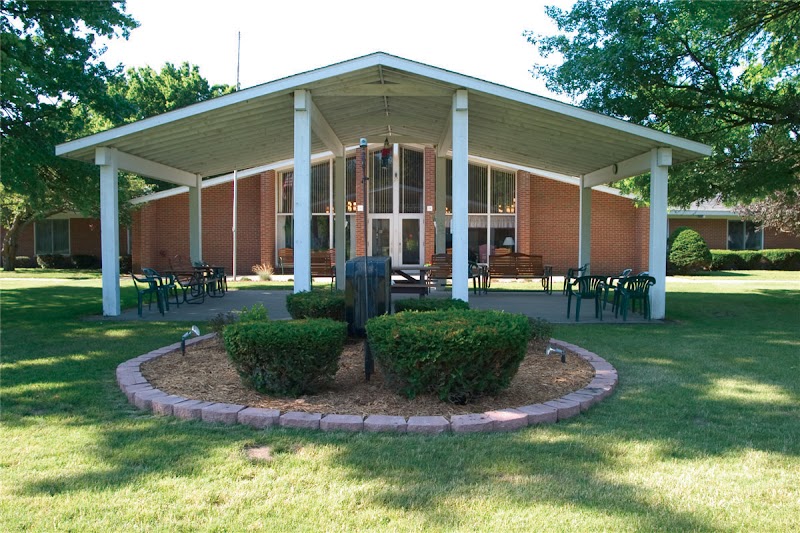
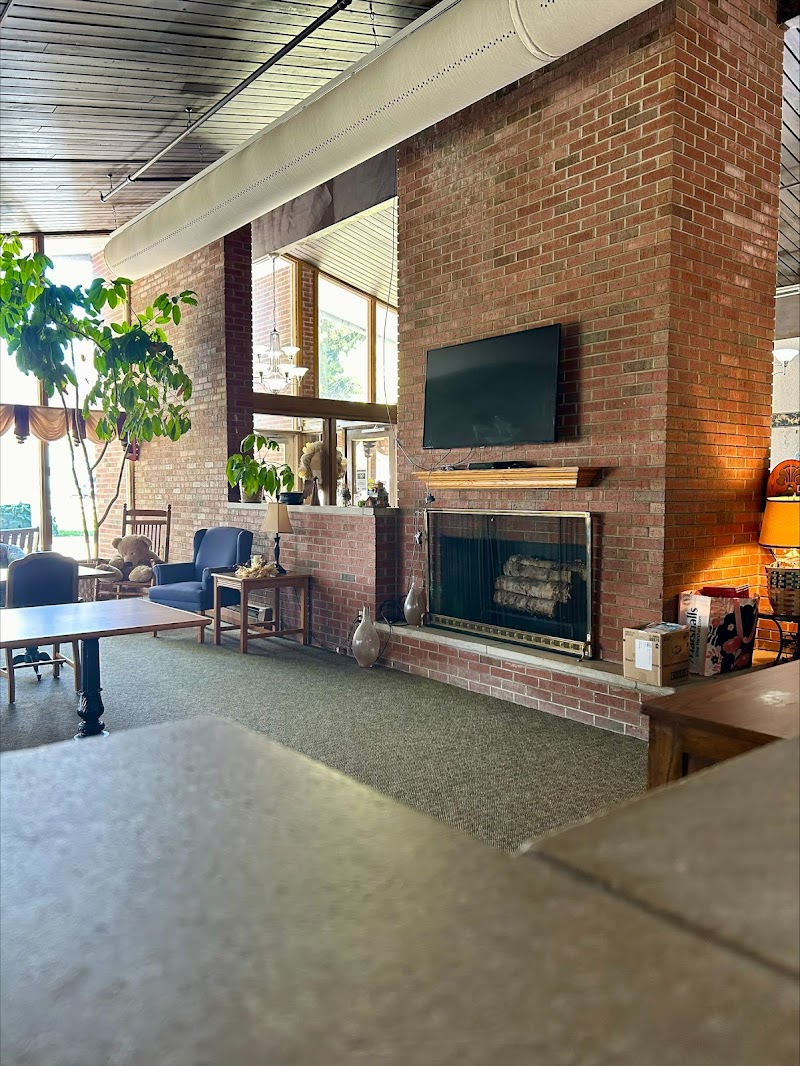
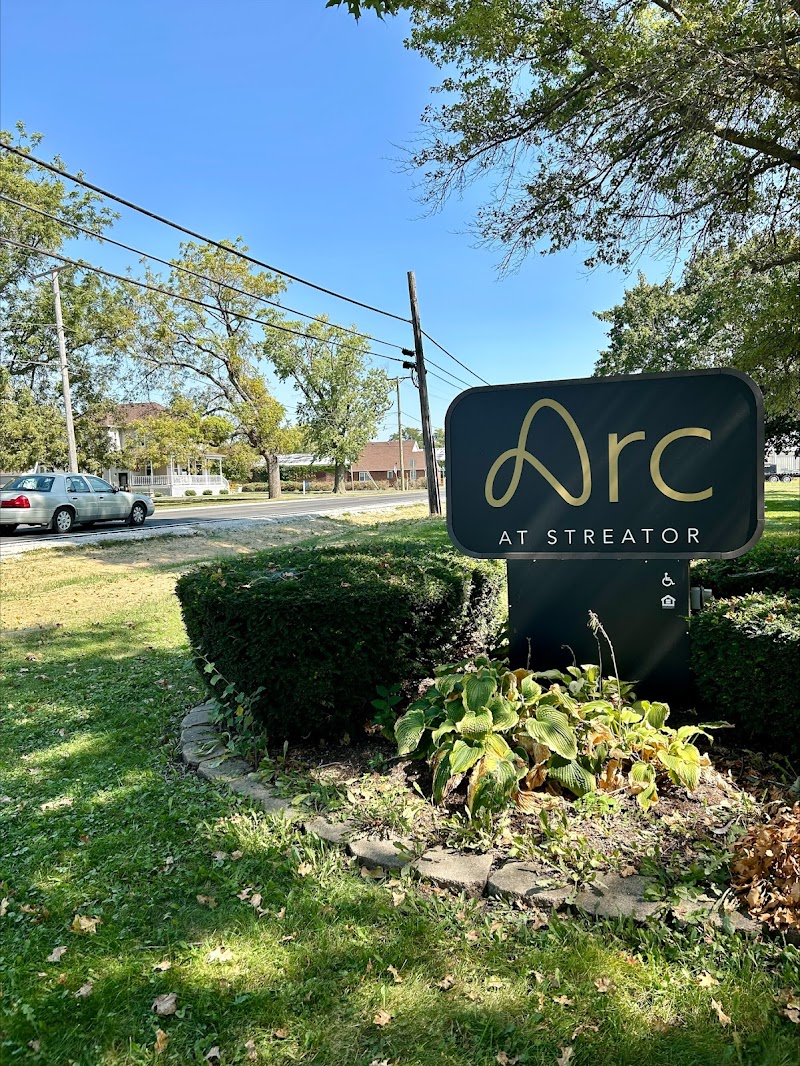
ARC AT STREATOR

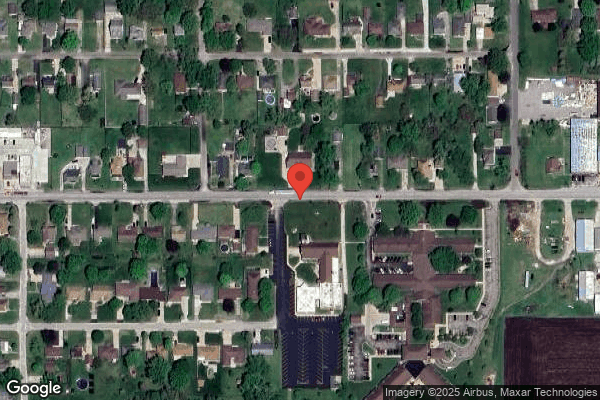
1525 EAST MAIN STREET, STREATOR, IL 61364 (815) 672-4516
For profit - Limited Liability company 130 Beds ARCADIA CARE Data: November 2025
Trust Grade
65/100
#108 of 665 in IL
Last Inspection: April 2025

Within standard 12-15 month inspection cycle. Federal law requires annual inspections.

Overview

ARC at Streator has a Trust Grade of C+, indicating it is slightly above average but not outstanding. It ranks #108 out of 665 nursing homes in Illinois, placing it in the top half of facilities in the state, and #4 out of 9 in La Salle County, meaning only three local options are better. The facility is improving, with issues decreasing from 8 in 2024 to 5 in 2025. Staffing is a weakness, rated at 2 out of 5 stars, but with a turnover rate of 33%, it is better than the Illinois average. While there have been no fines, which is a positive sign, there were serious incidents, such as a resident falling multiple times without appropriate interventions and another resident suffering a fracture due to inadequate support while walking. Additionally, there was a concern regarding the sanitation of dishware in the kitchen, which could potentially affect all residents. Overall, families should weigh these strengths and weaknesses when considering this facility for their loved ones.

Trust Score
C+
65/100
In Illinois
#108/665
Top 16%
Safety Record
Moderate
Needs review
Inspections
Getting Better
8 → 5 violations
Staff Stability
○ Average
33% turnover. Near Illinois's 48% average. Typical for the industry.
Penalties
✓ Good
No fines on record. Clean compliance history, better than most Illinois facilities.
Skilled Nurses
○ Average
Each resident gets 39 minutes of Registered Nurse (RN) attention daily — about average for Illinois. RNs are the most trained staff who monitor for health changes.
Violations
⚠ Watch
17 deficiencies on record. Higher than average. Multiple issues found across inspections.
★★★★☆
4.0
Overall Rating
★★☆☆☆
2.0
Staff Levels
★★★☆☆
3.0
Care Quality
★★★★☆
4.0
Inspection Score
Stable
2024: 8 issues
2025: 5 issues

The Good

  • Full Sprinkler Coverage · Fire safety systems throughout facility
  • No fines on record
  • Staff turnover below average (33%)

    15 points below Illinois average of 48%

Facility shows strength in fire safety.

The Bad

Staff Turnover: 33%

13pts below Illinois avg (46%)

Typical for the industry

Chain: ARCADIA CARE

Part of a multi-facility chain

Ask about local staffing decisions and management

The Ugly 17 deficiencies on record

2 actual harm
Jun 2025 1 deficiency
CONCERN (D) 📢 Someone Reported This

A family member, employee, or ombudsman was alarmed enough to file a formal complaint

Potential for Harm - no one hurt, but risky conditions existed

Free from Abuse/Neglect (Tag F0600)

Could have caused harm · This affected 1 resident

**NOTE- TERMS IN BRACKETS HAVE BEEN EDITED TO PROTECT CONFIDENTIALITY** Based on observation, interview, and record review the facility failed to ensure a resident was free of abuse from another resid...

Read full inspector narrative →
**NOTE- TERMS IN BRACKETS HAVE BEEN EDITED TO PROTECT CONFIDENTIALITY** Based on observation, interview, and record review the facility failed to ensure a resident was free of abuse from another resident. This applies to 2 of 7 residents (R1, R2) reviewed for abuse in the sample of 7. The finding include: The Facility Reported Final Incident Report dated 6/4/25 states, (R1) came up to (R2) and lightly hit her left cheek with an open hand. (R1) does not recall why he did this but stated he did not hit her. (R2) does not recall the incident . On 6/27/25 at 9:14 AM R1 was ambulating in the hallway with his wheeled walker. R1 had slow but steady gait. R1 was dressed in flannel pants, a t-shirt, and tennis shoes. R1 approached nearly everyone he saw in the hallway asking if they had any candy. R1 was slow to respond at times and just looked at the surveyor when spoken to. On 6/27/25 at 10:50 AM, R2 was seated in a reclining wheelchair, placed in front of the bird aviary. R2 startled as the surveyor approached her but then smiled as the surveyor introduced herself. R2 did not answer questions when asked. R2 just smiled. On 6/27/25 at 10:00 AM, V5 (Certified Nursing Assistant/CNA) stated, I was bringing (R2's) roommate out of the room and (R2) was sitting in the hallway with her eyes closed. (R1) was standing over her and he had his hand raised to her and I told him to stop, and he slapped her across the face anyway. It was hard enough that I heard it but there were no red marks on (R2). She kind of jerked/startled - like anyone would do because her eyes were closed and then she held her face. I told him to go to his room and then V4 (Licensed Practical Nurse/LPN) came down and walked him to his room. I have never known (R1) to hit another resident, but he has hit staff before. He walks around the facility, some days he just stays in his room. On 6/27/25 at 10:10 AM V4 (LPN) stated, The girls came up to me right away. They said he just walked up to her and open handed slapped her on the face. It was totally unprovoked. We separated them. I called V1 (Administrator) and she said to do 15 minutes checks on both of them. It was the strangest thing. (R2) can't recall anything. She had no signs of pain, no crying or sadness. When I ask her about it, she just smiles. (R1) just said I don't know. I have never seen him touch another resident. He gets agitated and irritable with staff. He's more difficult if he doesn't know you. The old (R1) is pleasant and friendly and then 2 hours later he can be completely different. He loves snacks and candy. (R1) likes to sit on the couch up front. He doesn't like activities. He likes to get up early in the morning. There was no after effect for (R2). R1's Progress Notes dated 5/30/25 state, At approximately 7:30 AM, (R1) was walking down hallway, stopped, and went to hit resident on the face. (R1) made contact with resident's left cheek. (R1) was removed from area and taken to room. When asked why he did that, he stated I don't know. Administrator notified immediately. All parties notified. (R1) placed on 15-minute visual checks. R2's Progress Notes dated 5/30/25 state, At approximately 7:30 AM, (R1) was walking down hallway, stopped, and went to hit (R2) on the face. (R1) made contact with (R2's) left cheek. (R1) was removed from area and taken to room. When asked why he did that, he stated I don't know. (R2) was assessed with no injuries noted. Emotional support given. Administrator notified immediately. All parties notified. (R2) placed on 15-minute visual checks. R1's Minimum Data Set assessment dated [DATE] shows that R1 has severe cognitive impairment. R2's Minimum Data Set assessment dated [DATE] shows that R2 also has severe cognitive impairment. The facility policy entitled Abuse Prevention and Reporting dated 9/2024 states, The facility affirms the right of our residents to be free from abuse, neglect, exploitation, misappropriation of property, deprivation of goods and services by staff or mistreatment.
Apr 2025 4 deficiencies
CONCERN (D)

Potential for Harm - no one hurt, but risky conditions existed

Deficiency F0578 (Tag F0578)

Could have caused harm · This affected 1 resident

**NOTE- TERMS IN BRACKETS HAVE BEEN EDITED TO PROTECT CONFIDENTIALITY** Based on observation, interview, and record review, the facility failed to ensure the electronic health record included a life s...

Read full inspector narrative →
**NOTE- TERMS IN BRACKETS HAVE BEEN EDITED TO PROTECT CONFIDENTIALITY** Based on observation, interview, and record review, the facility failed to ensure the electronic health record included a life sustaining treatment order for one (R16) of 32 residents reviewed for advanced directives in a sample of 48. Findings include: R16's Physician Order for Life Sustaining Treatment (POLST), dated [DATE], was scanned into the electronic health record under the miscellaneous tab which documented R16 did not want to be resuscitated although requested selective treatment options. R16's electronic medical record did not include a physician's order for life sustaining treatment. On [DATE] at 2:00 PM, R16 stated she gave the facility her signed POLST, dated [DATE], and stated I don't want to go on one of those breathing machines, or have them beat on me. On [DATE] at 2:30 PM, V2 (Director of Nursing) stated staff find a resident's code status by the CPR (Cardiopulmonary Resuscitation) List posted at the Nurse's station. The CPR List updated on [DATE] was posted at the nurse's station for the 300, 400 and 500-hall. V2 stated the list was not the most recent list. On [DATE] at 3:00 PM, V25 (Registered Nurse) stated and demonstrated in the electronic health record where she would look for a resident's code (resuscitation) status if needed in an emergency. The code status is generated by the physician's order and would be displayed on each screen next to the resident's name. V25 confirmed R16's code status was not displayed, and there was not a physician's order and should have been. V25 stated she would not rely on the CPR list posted at the nurse's station and stated the postings were not always up to date.
CONCERN (E)

Potential for Harm - no one hurt, but risky conditions existed

Safe Environment (Tag F0584)

Could have caused harm · This affected multiple residents

**NOTE- TERMS IN BRACKETS HAVE BEEN EDITED TO PROTECT CONFIDENTIALITY** Based on interview and record review, the facility failed to ensure hot water was available for six of fourteen residents (R16, ...

Read full inspector narrative →
**NOTE- TERMS IN BRACKETS HAVE BEEN EDITED TO PROTECT CONFIDENTIALITY** Based on interview and record review, the facility failed to ensure hot water was available for six of fourteen residents (R16, R18, R21, R198, R199, and R200) reviewed for homelike environment in the sample of 48. Findings include: Resident Council Meeting Minutes, dated 1/31/25, documents Six months no hot water (300-hall) having to go to 500-hall to shower; dated 2/28/25 Hot water still [NAME] (300-hall) and still having to go to other halls; and dated 3/28/25 documents The water is still cool down the SW (Southwest) hall (300-hall), and turned (water) on for 20 min (minutes) and still cold. On 4/22/25 at 11:55 AM, R18 stated there was only cold water coming from the sink faucet. On 4/23/25 at 1:15 PM, R16 stated I can't wash my face in my room (due to the cold water). The aides run down the hall and bring warm water to us just so we can clean up. I can't take a shower unless I go over to the 500-hall. Why am I paying $1800 a month to live here when I don't have hot water? I've been independent my whole life and it's disgusting that I can't get a washcloth and warm water. On 4/23/25 at 2:08 PM, R199 stated the water is always cold in the morning. On 4/23/25 at 2:08 PM, R198 stated there is not hot water. On 4/23/25 at 2:10 PM, R21 stated the water is cold in the morning. On 4/22/25 at 11:30 AM, V17 (Certified Nursing Assistant/CNA) stated R16, R18, R21, R198, R199, and R200 had no hot water in their rooms. V17 stated the aides must go to the rooms in the middle of the hall and take buckets of hot water down to those rooms that only had cold water. Maintenance told us to just let them know when the water was cold and they will do something, but they are not here at 5:30 AM when we start cleaning residents up. On 4/24/25 at 10:30 AM, V18 (CNA) stated early in the morning there is no hot water on the 300 hall, and this morning she had to go down the middle of 300-hall to get hot water for the residents. On 4/24/25 at 10:40 AM, V19 (CNA on the 300 hall) stated there is no hot water in the morning. On 4/24/25 at 12:00 PM, V20 (Maintenance Director) stated water temperatures are taken at different times of the day although not in the mornings when he gets to the facility. At this time, V20 verified hot water temperatures had not been checked in R16, R18, R21, R198, R199, or R200's room. On 4/24/25 at 11:35 AM, V1 (Administrator) stated the water heaters were replaced a few months ago and was unaware that R16, R18, R21, R198, R199, and R200 did not have hot water.
CONCERN (E)

Potential for Harm - no one hurt, but risky conditions existed

Infection Control (Tag F0880)

Could have caused harm · This affected multiple residents

Based on observation, interview, and record review, the facility failed to follow Enhanced Barrier Precautions/EBP policy and procedures (R348 and R71) and failed to sanitize a lift between resident u...

Read full inspector narrative →
Based on observation, interview, and record review, the facility failed to follow Enhanced Barrier Precautions/EBP policy and procedures (R348 and R71) and failed to sanitize a lift between resident use for (R45 and R70) for four of 20 residents reviewed for infection control in a sample of 48. Findings include: The facility's EBP policy and procedure, dated 4/2024, documents EBP: recommendations now include use of EBP for residents with chronic wounds or indwelling medical devices during high-contact resident care activities regardless of their multidrug-resistant organism status. Personal Protective Equipment (PPE) of gown and gloves are to be used by personnel when providing direct care. Standard Precautions must be followed with all cares. Additionally, gown and gloves must be worn when providing the following cares: Dressing, Bathing/Showering, Providing Hygiene, Changing Linens, Incontinence Care, Medical Device Care, or Wound Care. A sign will be posted on the door to notify the resident is on EBP to notify family and visitors. The facility's Enhanced Barrier Precaution sign, which is placed on a resident's door, includes the following instructions in large, bold print: STOP-ENHANCED BARRIER PRECAUTIONS. EVERYONE ENTERING MUST: Clean their hands before entering and when leaving the room. PROVIDERS AND STAFF MUST ALSO: Wear gloves and a gown for the following High-Contact Resident Care Activities: Providing Hygiene, Wound Care: any skin opening requiring a dressing. Facility Cleaning and Sanitizing-Wheelchairs and Other Medical Equipment, dated 11/2012, documents Equipment and devices used by more than one resident will be cleaned and sanitized between each use. Nursing Assistants shall be responsible for cleaning and sanitizing the devices/equipment. 1. R348's current physician orders, dated 4/1/25, documents to cleanse R348's coccyx wound, apply calcium alginate, and cover with a bordered foam nightly until healed. R348's current care plan for April 2025 does not document that R348 is to be in EBP. On 4/23/25 at 1:35 PM, R348 was lying in bed without an EBP (Enhanced Barrier Precaution) sign posted on R348's door. On 4/23/25 at 3:45 PM, V14 (LPN/Licensed Practical Nurse) and V6 (ICP/Infection Control Preventionist) entered R348's bedroom without a gown to perform a pressure ulcer treatment to R348's coccyx. Upon removal of the old coccyx wound dressing, a moderate amount of tannish drainage was noted. V6 stated Her wound is very wet and has lots of drainage. On 4/23/25 at 4:05 PM, V6 stated R348 admitted with the pressure ulcer to her coccyx, and We don't require full PPE for her; if it were a chronic, repeat wound, or there was infection we would put her in EBP. On 4/24/25 at 3:30 PM, V5 (Assistant Director of Nursing) stated the facility does not follow Enhanced Barrier Precautions for all residents with open pressure ulcers per their policy. 2. R71's Medical Record documents R71's diagnoses include the following: Peripheral Vascular Disease; Congestive Heart Disease; a history of Myocardial Infarction (heart attack); and Hypertensive Heart and Chronic Kidney Disease with Heart Failure. R71's Nursing Progress Notes, dated 4/24/25 at 3:18PM, documents the following: Skin: Wound: skin concerns noted. Resident has treatable wounds. Cardiac: Edema present all (extremities) LLE>RLE (Left Lower Leg more than Right Lower Leg) 4+ (plus) very deep pitting edema. On 4/24/25 at 1:10PM there was an 8 X 10 sign on R71's door designating Enhanced Barrier Precautions were in place. At this time, R71 was calm, alert and responsive, and lying in bed. R71's lower legs were very edematous, with 4+ pitting edema present and compression wraps in place to both legs. At this same time, V7 (RN/Registered Nurse) and V15 (LPN/Licensed Practical Nurse) entered R71's room to perform wound care and dressing changes to R71's lower legs. V7 and V15 did not put on protective gowns prior to entering R71's room. V7 verified R71's lower legs are extremely edematous and is weeping fluid. V7 removed R71's ace wraps and padded dressings from both lower legs and verified the padded dressings were soiled with drainage from R71's edematous and weeping lower legs. V7 then cleansed both edematous lower legs and replaced with clean padded dressings and compression wraps to R71's lower legs. No protective gowns or masks were worn by V7 or V15 at any time during wound cares for R71. On 4/25/24 at 9:40AM, V6 (IP and Wound Nurse) stated EBP/Enhanced Barrier Precautions should be initiated when a resident has Any lines, catheters, or chronic wounds. V6 stated only residents with chronic wounds and infected wounds are placed in EBP. V6 stated draining wounds are only under Enhanced Barrier Precautions if the drainage is not contained by the dressing. V6 stated R71 should be under EBP due to the urinary catheter and the weeping legs. V6 also stated EBP requires staff to wear gown and gloves, and Masks are not required- only with spraying wound cleanser and any aerosolized procedures or tasks. On 4/25/25 at 11:05AM, V2 (DON/Director of Nursing) stated she did not know which PPE/Personal Protective Equipment staff should be wearing when entering a resident's room to perform wound care or personal cares when under Enhanced Barrier Precautions. V2 then brought one of the laminated 8 x 10 EBP signs which is placed on the resident's door when EBP is in place and stated staff providing wound cares should wear a protective gown per the EBP signage. 3. On 04/22/25 at 11:05 AM, V17 (Certified Nursing Assistant) was observed to enter R45's room, removed a mechanical lift sling from the machine, place the mechanical lift sling on R45, and then transferred R45 to the bathroom and placed her on the toilet with the sling and the mechanical lift in place. V17 assisted R45 with peri care and dressing, then transferred R45 back to her chair using the mechanical lift, and then removed the sling and placed the sling on top of another sling which was draped over the push handles. V17 removed the mechanical lift from the room without sanitizing the lift or the two slings which were in R45's bathroom during toileting. The mechanical lift was immediately taken into R70's room by V17 and given to V19 (CNA) who then used the same sling and lift to take R70 to bathroom for toileting. The mechanical lift sling and lift were used during toileting on R45 and R70 without sanitizing the lift or the slings between use. On 4/24/25 at 11:30 PM, V1 (Administrator) agreed equipment or devices used by more than one resident should be cleaned and sanitized between each use.
CONCERN (F)

Potential for Harm - no one hurt, but risky conditions existed

Food Safety (Tag F0812)

Could have caused harm · This affected most or all residents

Based on observation, interview, and record review, the facility failed to ensure their dishware was safely sanitized per their policy. This failure has the potential to affect all residents who consu...

Read full inspector narrative →
Based on observation, interview, and record review, the facility failed to ensure their dishware was safely sanitized per their policy. This failure has the potential to affect all residents who consume meals prepared by the facility with a current census of 96 residents. Findings include: Facility Resident Census Roster and Facility Matrix/802, dated 4/22/25, documents 96 residents reside in the facility. Facility Kitchen Sanitation Manual, dated 2/2022, documents Fixed equipment, utensils and equipment too large to be cleaned in sink compartments will be washed manually or cleaned with a pressure spray method, rinsed and then sanitized by spraying or swabbing with a chemical sanitizer. The chemical sanitizing solution should have chemical strength of Quaternary ammonia-200 ppm (parts per million). On 4/22/25 at 10:49 AM, V22 (Dietary Cook) demonstrated the procedure for testing the facility sanitizing solution's Quaternary ammonia level utilizing their test strips which resulted at a 400 or greater parts per million. At that same time, V22 verified their test strips result was greater than 400, and stated the sanitizing solution should result between 200 and 400 ppm. On 4/24/25 at 9:30 AM, V23 (Dietary Manager) stated the sanitizing solution Quaternary ammonia test should read at 200 ppm.
Dec 2024 1 deficiency 1 Harm
SERIOUS (G) 📢 Someone Reported This

A family member, employee, or ombudsman was alarmed enough to file a formal complaint

Actual Harm - a resident was hurt due to facility failures

Accident Prevention (Tag F0689)

A resident was harmed · This affected 1 resident

Based on interview and record review the facility failed to provide supervision and implement fall interventions for a resident at risk for falls for one resident (R1) of three reviewed for falls in a...

Read full inspector narrative →
Based on interview and record review the facility failed to provide supervision and implement fall interventions for a resident at risk for falls for one resident (R1) of three reviewed for falls in a sample of three. This failure resulted in R1 sustaining multiple falls and acquiring a displaced fracture of the left lesser trochanter. Findings include: The facility's Fall Prevention Program, dated 10/2024, documents the facility is to assure the safety of all residents in the facility, when possible. The program will include measures which determine the individual needs of each resident by assessing the risk of falls and implementation of appropriate interventions to provide necessary supervision and assistive devices are utilized as necessary. R1's Fall Risk Assessment, dated 11/19/24, documents that R1 is at risk for falls. R1's Comprehensive Incident Fall Assessment, dated 11/8/24, documents that R1 was sitting on the floor next to her bed. R1 stated that she was trying to go to breakfast. R1 didn't realize it was bedtime. This form documents that safety interventions are already in place. No new fall interventions were implemented. R1's Comprehensive Incident Fall Assessment, dated 11/10/24, documents that R1 was sitting on the floor with her back against her roommate's recliner. R1 stated that she was walking out of the bathroom without her walker or wheelchair, tripped over the catheter bag. R1's skin assessment documents a skin tear 3.7cm (Centimeters) on her right shin and a 5cm by 1.1cm skin tear on her right forearm. No new immediate fall interventions were put into place. R1's Comprehensive Incident Fall Assessment, dated 11/12/24 at 10:15am, documents that R1 was yelling out for help. R1 was sitting on her buttocks on the floor upon entering the room. R1 stated that she was getting up for lunch and fell. R1's call light was off. R1's wheelchair with her catheter bag was next to R1. R1 sustained a 2cm by 2cm lump and a bruise to her left forehead. R1 also sustained a 0.5cm by 0.2cm bruise to her left elbow and a 4cm by 4cm skin tear to her left lower extremity. R1's fall intervention was to keep R1 within nurses' sight. R1's Comprehensive Incident Fall Assessment, dated 11/30/24 at 11:00am, documents that V5 (Registered Nurse/RN), and V6 (RN) and V7 (Licensed Practical Nurse/LPN), were at the southwest nurses' station when they heard a loud yell, upon exited the nurses' station, R1 was noted lying on her back on the floor in the middle of the southeast hallway. Upon assessment R1 was eliciting pain to her left hip area with movement. R1 was able to move all other extremities without difficulty. R1's left hip was maintained in a neutral position, denies pain everywhere except her left hip. V11 (R1's Power of Attorney) was notified and requested that R1 be sent to the emergency room for an evaluation. R1's left hip/left femur x-rays, dated 11/30/24 at 1:23pm, documents an acute minimally displace fracture involving the left femur lesser trochanter with suggestion of extension through the femoral neck. R1 will be transferred to another hospital for further management. R1's Hospital Course/Reason for Admission, dated 12/5/24, documents that R1 had a left hip fracture, status post left hip cephalomedullary nailing on 12/2/24. R1's Progress Notes, dated 12/5/24, documents that R1's left hip has three incisions with staples 13 in one, 6 in another and 5 in the third. R1's incision remains well approximated with no signs and symptoms of infection. On 12/18/24 at 9:00am, V5 (RN) stated that attempts were made to keep R1 within sight while she is up in the chair. V5 stated that R1 was following staff down the hall, while they were doing care. V5 was not sure why R1 was left alone in the hall. On 12/18/24 at 9:30am, V8 (Certified Nursing Assistant/CNA), stated that she was in a room providing assistance to another, when she heard R1 yell. V8 stated that she ran out and R1 was on the floor. V5, V6 and V7 were already running to R1. V8 stated that R1 was attempting to get up and down most of the morning. V8 also stated that R1 was confused, mumbling for a few days prior to her fall. V8 stated that staff try to sit with R1, but it is hard to do when staff are on breaks, and call lights are going off. V8 verified that she was the only one CNA on the floor at the time of the fall. V8 also stated that V5, V6 and V7 were at the nurses' station for report and shift change. On 12/18/24 at 10:10am, V6 (RN) stated that she was at the nurses' station and heard R1 yell. V8 stated that R1 was on the floor in front of her wheelchair. V6 stated that when R1 is anxious, attempts are made to keep her at the nurses' station and within arm's reach. V6 verified that R1 was unable to be redirected. On 12/18/24 10:20am, V2 (Director of Nursing) stated that R1's Fall Risk Assessment, dated 11/19/24, is inaccurate. V2 verified that R1 was a high risk for falls. On 12/18/24 at 10:45am, V9 (CNA) stated that R1 was wandering everywhere on the day she fell. V9 verified that she was on break at the time of R1's incident. V9 verified that during breaks there is only one CNA on the unit to answer call lights and provide care.
May 2024 5 deficiencies
CONCERN (D)

Potential for Harm - no one hurt, but risky conditions existed

Deficiency F0645 (Tag F0645)

Could have caused harm · This affected 1 resident

**NOTE- TERMS IN BRACKETS HAVE BEEN EDITED TO PROTECT CONFIDENTIALITY** Based on observation, interview, and record review the facility failed to perform PASARR (Preadmission Screening and Annual Resi...

Read full inspector narrative →
**NOTE- TERMS IN BRACKETS HAVE BEEN EDITED TO PROTECT CONFIDENTIALITY** Based on observation, interview, and record review the facility failed to perform PASARR (Preadmission Screening and Annual Resident Review) Level I or Level II screenings for two (R10 and R55) of three residents reviewed for PASARR's in the sample of 43. Findings include: The facility's Preadmission Screening and Annual Resident Review (PASARR) policy and procedure, dated 3/2024, documents Procedure: 1. admission and readmission a. The facility will participate in or complete the Level I screen for all potential admission regardless of payer source to determine if the individual meets the criterion of mental disorder SMI/SMD (Sever Mental Illness/Severe Mental Disorder), intellectual disability (ID) or related condition. b. Based upon the Level I screen, if an individual is determined to meet the above criterion, the facility will refer the potential admission to the State PASARR representative for the Level II screening process. c. Upon completion of the Level II screen, the facility will review the screen recommendations and determine the facility's ability to provide the specialized services outlined. The facility's Action Summary of resident payer source, documents R10 and R55. 1. The Face Sheet for R10, documents R10 was admitted to the facility on [DATE] with the following diagnoses: Major Depressive Disorder, Psychosis, Bipolar Disorder, Dementia with Behavioral Disturbance. R10's EHR (Electronic Health Record) does not include a PASARR Level I screening or a PASARR Level II having been completed. 2. The Face Sheet for R55, documents R55 admitted to the facility on [DATE] with the following diagnoses: Major Depressive Disorder, Post-Traumatic Stress Disorder, Vascular Dementia, and Anxiety Disorder. R55's EHR (Electronic Health Record) does not include a PASARR Level I screening or a PASARR Level II having been completed. On 5/29/24 at 2:00 pm, V10 (Social Service Director) stated the facility does not do PASARR screenings or level II's for the (specified payor source) residents because the (specified payor source) is paying their bills and V10 does not have any PASARR screenings for R10 or R55. On 5/31/24 at 11:45 am, V1 (Administrator) confirmed all residents admitting to the facility are required to have a PASARR Level I screening completed and a Level II if needed.
CONCERN (D)

Potential for Harm - no one hurt, but risky conditions existed

Deficiency F0657 (Tag F0657)

Could have caused harm · This affected 1 resident

3. R45's Wound Evaluation and Management Summary, dated 5/23/2024, documents the following: R45 has a wound to mid right upper back and left coccyx. R45's Skin-other skin condition report, dated 4/11/...

Read full inspector narrative →
3. R45's Wound Evaluation and Management Summary, dated 5/23/2024, documents the following: R45 has a wound to mid right upper back and left coccyx. R45's Skin-other skin condition report, dated 4/11/2024, documents R45 has an area to left gluteal fold and an area on right upper mid back. R45's care plan, dated 3/13/2024, documents R45 has an actual skin impairment to the left gluteal fold and right upper mid back. On 5/30/2024 at 2:30PM V7 (Wound Nurse) stated, R45 does not have a wound to the left gluteal fold. The area R45 has is on the left coccyx. I need to write out the correct sites on the care plan and I will fill out telephone orders with the correct sites for the physician to sign. This will correct everything else. Based on observation, interview, and record review the facility failed to revise comprehensive care plans to reflect resident condition and cares for 3 (R45, R53 and R58) of 22 residents reviewed for care planning in the sample of 43. Findings include: The facility's Skin Condition Assessment and Monitoring - Pressure and Non-Pressure dated 11/2023, documents the following: The resident's care plan will be revised as appropriate, to reflect altercation of skin integrity, approaches, and goals for care. The facility's Comprehensive Care Plan policy and procedure, dated 11/2023, documents The care plan should be revised on an ongoing basis to reflect changes in the resident and the care that the resident is receiving. On 5/31/24 at 11:50 am, V2 (Director of Nursing/DON) and V1 (Administrator) confirmed Resident Care Plans are to be revised and updated to reflect resident condition and cares as they come up. 1. The Face Sheet for R53 includes the following diagnoses: Neurocognitive Disorder with Lewy Bodies, Dementia with Mood Disorder, Cerebral Ischemia, Major Depressive Disorder, Psychophysiological Insomnia, Anxiety Disorder, Parkinson's Disease, Chronic Obstructive Pulmonary Disease, Spinal Stenosis, Psychosis, Dementia, and Cognitive Communication deficit. On 5/28/24 at 10:00 am, R53 was noted lying in a low bed with a dry steri-strip to the bridge of his nose and dried skin tears to R53's left second toe and right elbow. The current Order Summary Report for R53 documents the following Physician Orders as dated: 5/14/24 Monitor right elbow, open to air, every shift until healed. 5/14/24 Monitor area to left second toe, open to air, every shift daily until healed. 5/22/24 Monitor steri-strips to skin tears on bridge of nose. Replace as needed every shift. The Comprehensive Incident Fall Assessments for R53, dated 5/22/24, 5/6/24, 4/2/24, 2/5/23, 2/2/24, 1/18/24, 12/6/23 and 9/10/23 document R53's falls, investigation, and interventions. The current Care Plan for R53 does not include the root cause analysis interventions for R53's falls on 9/10/23, 12/6/23, 2/2/24, 2/5/24, and 5/22/24 that were added to prevent R53 from further falls. This same Care Plan does not include R53 wounds, treatments or monitoring of R53's right 2nd toe, bridge of nose, and right elbow. 2. The Face Sheet for R58 includes the following diagnoses: Chronic Congestive Heart Failure, Chronic Peripheral Venous Insufficiency, Atrial Fibrillation, Acidosis, Cognitive Communication Deficit, Stage 3 Chronic Kidney Disease, Generalized Edema, Disorder of the skin and Subcutaneous Tissue, Morbid Obesity, Disorder of Kidney and Ureter, Atrial Flutter, and Lymphedema. On 5/28/24 at 9:50 am, a sign was posted on the wall of R58's room that stated R58 is on a 1500 ml (milliliter) fluid restriction. On 5/28/24 at 9:54 am, R58 stated I am supposed to be on a 1500 ml fluid restriction because of my heart. I am not supposed to drink a lot. I drink what they bring me. My family brings stuff for me sometimes. On 5/28/24 at 10:26 am, R58 was sitting up in a wheelchair complaining of butt crack pain when he sits up too long and skin irritation and stinging to his groin area. On 5/30/24 at 10:03 am, R58 was lying in bed on his right side with buttocks and coccyx areas bright red and moist with flaky layers of skin missing from various areas. R58 stated he sweats a lot, had skin problems at home, and a nurse had to come and do a treatment. On 5/30/24 at 10:05 am, V11 (Licensed Practical Nurse/LPN) stated the facility Wound Nurse believes this is a fungal issue due moisture of R58 sweating and the treatment ordered has not helped and is going to have the wound doctor assess R58's buttock area. On 5/29/24 at 2:45 pm, V12 (Registered Nurse/RN) stated R58 is non-compliant with his fluid restriction and R58's family and doctor are aware. R58's family brings in bottles of stuff for R58 to drink. R58 has been educated as to why his fluids are being restricted but he does not care and does what he wants. V12 RN stated, I try to make sure that I document when he is non-compliant. The Progress Note for R58, dated 5/6/24, 5/16/24 and 5/23/24 document skin wounds to R58's rectal crease and coccyx as MASD (moisture-associated skin damage). The current Order Summary for R58, documents the following dated Physician Orders: 5/11/24 Zinc oxide cream to both right and left buttocks every shift and every two hours as needed; 5/11/24 Cleanse perineal area and abdominal fold, pat dry, apply zinc cream every shift and as needed for gaulding; 5/11/24 Clean open area to rectal crease, pat dry, and apply zinc barrier cream every shift until healed; and 4/17/24 Weekly skin assessment every evening shift every Wednesday. The current Order Summary Report for R58, documents a Physician Order as: 4/1/24 Monitor Intake: Fluid restriction 1500 ml every shift related to Chronic Systolic CHF (Congestive Heart Failure). This same Care Plan does not document R58's non-compliance with the fluid restriction or the need to educate R58 and R58's family. The current Care Plan for R58, documents I am at risk for a skin impairment related to aging, disease process, decreased mobility, and Diabetes. This Care Plan does not include R58's current skin concerns, monitoring, or care. This same Care Plan does not include R58's Fluid Restriction or monitoring.
CONCERN (D)

Potential for Harm - no one hurt, but risky conditions existed

Accident Prevention (Tag F0689)

Could have caused harm · This affected 1 resident

Based on observation, interview and record review, the facility failed to maintain water temperatures in a range to prevent scalding burns, for one of four residents (R1) reviewed for accidents/superv...

Read full inspector narrative →
Based on observation, interview and record review, the facility failed to maintain water temperatures in a range to prevent scalding burns, for one of four residents (R1) reviewed for accidents/supervision, in a sample of 43. Findings include: The facility policy, Bathing- Shower and Tub dated 03/2024 directs staff, Purpose: To ensure resident's cleanliness to maintain proper hygiene and dignity. Turn on water and ensure that water is at a comfortable and safe temperature. Temperature should be 100- 110 degrees Fahrenheit. On 5/28/24 at 10:28 A.M., R1 was at the sink in (R1's) room washing her hands. At that time R1 stated, Be careful when you wash your hands, the water gets very, very hot. At that time an observation of the water coming from the sink in R1's room was very hot to the touch. On 5/29/24 at 9:26 A.M., The water temperature at the sink in (R1's) room was very hot to the touch. At that time a request for V9 (Maintenance Director) to check the water temperature with a thermometer was made. At 9:43 A.M., a check of the water temperature in (R1's) room with V9 documents the temperature at 113 degrees. At that time V9 stated, What's the temperatures for the water supposed to be? Should I turn them back? That water felt pretty hot. It could burn a resident or staff member. On 5/29/24 at 10:20 A.M., a review of the facility Hot Water Log Temperatures provided by V9 document resident room water temperatures from 9/7/23 until 5/24/24 range between 115-124 degrees on the facility 200 hall. At that time, V9 confirmed the hot water temperatures in the resident rooms on 200 hall was too hot and needed to be turned back to prevent scalding burns.
CONCERN (F)

Potential for Harm - no one hurt, but risky conditions existed

Food Safety (Tag F0812)

Could have caused harm · This affected most or all residents

Based on observation, interview, and record review the facility failed to prepare food in a sanitary manner/environment for all residents residing in the facility. This failure has the potential to af...

Read full inspector narrative →
Based on observation, interview, and record review the facility failed to prepare food in a sanitary manner/environment for all residents residing in the facility. This failure has the potential to affect all 91 residents residing in the facility. Findings include: The Long-Term Care Facility Application for Medicare and Medicaid, form CMS (Central Management Services) 671, dated 5/28/24, documents there are currently 91 residents residing in the facility. The Facility Dietary Cleaning Schedule Policy, revised 9/2023, documents: there will be a written, comprehensive cleaning schedule posted and monitored to maintain the cleanliness and sanitation of the food service department; the Food Service Manager is responsible for developing a cleaning schedule for the Department and he/she will monitor the compliance and overall cleanliness and sanitation of the department; the cleaning schedule will include each piece of equipment, specific position assigned to complete the task, frequency of cleaning (i.e., after each use, daily, weekly) and the method and agents to be used for cleaning will be written for each task; and a cleaning schedule will be posted and employees will initial and date tasks when completed. On 5/28/24 at 9:35 am, the Facility top oven, of the dual oven system, was not working and the working bottom oven had a moderate amount of built-up dried debris/food on the oven handles, a moderate amount of yellow/brown/black grease build up on the bottom of the oven, and debris/food on the bottom of the oven and handles. The exterior door and door handle, on the bottom oven, had a moderate amount of dried debris/food. On 5/28/24 at 9:35 am, two knife storage wall mounts had a moderate amount of debris/dust on the interior and exterior base of the storage unit. On 5/30/24 at 11:24 am, the Facility top oven, of the dual oven system, was not working and the working bottom oven had a moderate amount of built-up dried debris/food on the oven handles, a moderate amount of yellow/brown/black grease build up on the bottom of the oven, and debris/food on the bottom of the oven and handles. On 5/30/24 at 11:24 am, two knife storage wall mounts had a moderate amount of debris/dust on the interior and exterior base of the storage unit. The exterior door and door handle, on the bottom oven, had a moderate amount of dried debris/food. On 5/28/24 and 5/30/24, Facility Cleaning Schedules could not be provided by the Facility. On 05/29/24 at 9:30 am, V6 (Laundry Aide), without hair protection/hair net, walked into the kitchen, past the unprepared food (raw/frozen vegetables) on the preparation table and retrieved soiled dish towels and Resident clothing protectors, and walked out of the kitchen, past the food preparation table, to exit the Kitchen. On 5/28/24 at 9:40 am, V5 (Dietary Cook) stated, The top oven does not work, we had it fixed a week ago, but now it is broken again, so we only use the bottom oven. These (ovens and knife wall mount) have not been cleaned in a long while. We have not had a cleaning schedule in the past, but we are supposed to be starting a new cleaning schedule. All staff that enter the Kitchen should be wearing a hair net.
MINOR (C)

Minor Issue - procedural, no safety impact

Deficiency F0577 (Tag F0577)

Minor procedural issue · This affected most or all residents

Based on observation, interview, and record review the facility failed to ensure the survey results were readily available for residents and family representatives to review. This failure has the pote...

Read full inspector narrative →
Based on observation, interview, and record review the facility failed to ensure the survey results were readily available for residents and family representatives to review. This failure has the potential to affect all 91 residents residing in the facility. Findings include: The facility's Resident Rights policy and procedure, dated 2/2024, documents Notice of resident rights will be provided upon admission to the facility. These rights include the resident's right to: examine survey results. The Residents' Rights for People in Long-Term Care Facilities, dated 11/2018, documents You have the right to see reports of all inspections by the (State Agency) from the last five years and the most recent review of your facility along with any plan that your facility gave to the surveyors saying how your facility plans to correct the problem. On 5/28/24 between 9:00 am and 4:00 pm there was no posting of the survey results in the facility and no prior survey results were readily available for residents and resident representatives to review found in the facility. On 5/29/24 at 9:14 am, during the resident group meeting, R7, R17, R19, R22, R27, and R41 stated they were unaware of survey results being in the facility or available for them to read. On 5/29/24 at 9:45 am, a white binder was located on top of the receptionist desk, face down, at the height of approximately four feet, out of the reach of residents and no signage posted as to where the survey results binder could be located. On 5/29/24 at 12:50 pm, V1 (Administrator) stated she just put the facility's prior survey results binder at the front receptionist desk because she found it in a cabinet and I know it's supposed to be where the residents can find it. I am going to educate everyone on Friday during the Resident Council meeting. The Long-Term Care Facility Application for Medicare and Medicaid, dated 5/28/24, and signed by V1 documents 91 residents currently reside in the facility.
Mar 2024 1 deficiency 1 Harm
SERIOUS (G) 📢 Someone Reported This

A family member, employee, or ombudsman was alarmed enough to file a formal complaint

Actual Harm - a resident was hurt due to facility failures

Accident Prevention (Tag F0689)

A resident was harmed · This affected 1 resident

Based on interview and record review the facility failed to ensure that a resident was assisted to the bathroom in a safe manner. This failure resulted in R2's legs giving out, requiring her to be low...

Read full inspector narrative →
Based on interview and record review the facility failed to ensure that a resident was assisted to the bathroom in a safe manner. This failure resulted in R2's legs giving out, requiring her to be lowered to the floor by staff and resulting in a right closed displaced spiral distal femoral shaft fracture on 1/14/24. This applies to 1 of 4 residents (R2) reviewed for safety in a sample of 4. The findings include: R2's Incident Report dated 1/14/24 at 6:40 AM states, Aide came to this nurse with report that while walking resident to the restroom- she stated legs/knees were giving out- aide stated she lowered resident to the floor. Upon my visual- resident lying in restroom on the floor, right side. Denies any new injury/pain. Does complain of pain to right shoulder and hip, which resident has frequently. No visual new injury. Stated her legs were giving out and the aide lowered her to the floor. R2's Progress Notes dated 1/14/24 state, 9:23 AM, Resident lying in bed on left side complaining of extreme pain to right leg. Resident requesting repositioning but crying out in pain when assisted. Resident unable to sit up in bed with assistance. Some swelling noted to right femur, no redness or bruising . Orders given for stat X-rays to Right hip and pelvis and Right femur. (Portable) X-ray called. Tech is delayed due to weather conditions but will call when closer. 11:27 AM Resident requested to go to hospital due to extreme pain without relief. POA notified and consented to transfer resident to hospital via ambulance. Ambulance called. EMTs transporting resident to hospital at approximately 11:20 AM. 3:02 PM- Resident being transferred to (Larger local hospital) d/t non-displaced spiral fracture to shaft of right femur. On 3/4/24 at 9:55 AM R2 was sitting in her recliner in her room. R2 appeared clean and well groomed. R2 was alert and pleasant and somewhat sarcastic. R2 stated, I can walk with the walker, but I have to have help. I have to call them. I am just following the rules. My leg gets tired more easily now. R2 was asked how she fell on 1/14/24. R2 stated, I had just finished scrubbing in the bathroom and I came out and I went down real easy. It wasn't like a big fall or a big hurt or anything. The x-ray showed the fracture of my leg. I didn't have surgery or anything. I don't remember if I was in the hospital or not. I'm okay now. On 3/4/24 at 10:55 AM V4 (Certified Nursing Assistant/CNA) stated, (R2) had her slipper socks on and I used a gait belt. As we were walking from the bed to the bathroom, she said her legs felt weak and I told her 'a couple more steps' and then she started to go down. I went down first, and my leg hit the floor before she did. I lowered her to the floor. I asked her if she was ok, and she said she was and then I ran to get the nurse. When we moved her to try to get her up, she complained of pain to her right leg and was not able to roll over to her other side. We used a (mechanical lift) to get her off the floor and she was crying in a lot of pain. Then I heard that she went out and I thought it is just not possible with the way I put her on the floor. R2's Orthopedic Consultation Note dated 1/14/24 states, Admitting Diagnosis: Trauma. Assessment: Right closed displaced spiral distal femoral shaft fracture. Recommendations: The patient and her POA (Power of Attorney) do consent to orthopedic treatment that will consist of right femur retrograde intramedullary nail fixation with possible open reduction internal fixation On 3/4/24 at 3:16 PM V10 (Registered Nurse at Ortho Clinic) stated, V7 (R2's Orthopedic MD) is a locum and he does not work out of this office- he just takes call for us. I know on 1/16/24, V2 (Director of Nurses/DON) from (facility), called here and spoke to our PA (Physician's Assistant). So, I can read you the note from that call. (V2) was claiming that the mechanism of the fall could not have resulted in the type of injury that (R2) had. So, the PA spoke to V7, and this is the note she wrote that says that V7 said that the spiral fracture is from trauma and not pathological in nature. A document dated 1/16/24 that V10 faxed to Surveyor from the Orthopedic Office reads, I (PA) spoke with (V7) about this patient and received advice. Upon his consultation on 1/14/24, history obtained by the ED (Emergency Department) was that (R2) had experienced an unwitnessed fall, the patient was a poor historian. He also said that patient's family was unsure of mechanism of injury since the incident was unwitnessed. Her injury could have been due to a twist-and-fall, leading to a spiral fracture pattern. Osteopenic bone can fracture this way with a twisting injury. There is no concern for pathologic origin of the femur fracture. On 3/4/24 at 1:15 PM V6 (Director of Therapy) stated, (R2) has been here a long time. Before the fall the last time, we worked with her was in October. She had had a general decline and we picked her up again in therapy. At that time, she required a sit to stand. In therapy she would participate well but she was not consistent enough to release her to pivot transfer with nursing. So, she needed to be a sit to stand with nursing. On October 25 she could ambulate 10 ft, but she was not consistent enough for us to release her to nursing for them to ambulate with her. She still required the use of the sit to stand. We considered a (Full mechanical lift) for her, but she didn't like it, so we told her then if you don't want to use the (full mechanical lift) then you have to hold on to the sit to stand. Therapy makes the recommendations and if there is a change in condition then we would screen the resident again. She could stand pivot, but her consistency was variable. She was what we call a self- limiting individual- when she says she wants to sit, she will just sit, and she expects that you are going to be there with a chair, or you are going to throw yourself on the floor to catch her. She is anxious at times but sometimes she just doesn't want to walk, and she doesn't decide before she starts, she decides right in the middle of the walk that she is done. Even in therapy we usually walked her with 2 people and always a wheelchair behind her. R2's current care plan shows an intervention dated 10/20/23 stating, Will initiate placing sign in room reminding staff resident is a stand/pivot transfer only with no ambulation. On 3/4/24 at 2:35 PM V2 (Director of Nursing) stated, As far as I am concerned the care plan should be accurate. We update their transfer status quarterly and as needed.
Jan 2024 1 deficiency
CONCERN (D) 📢 Someone Reported This

A family member, employee, or ombudsman was alarmed enough to file a formal complaint

Potential for Harm - no one hurt, but risky conditions existed

Notification of Changes (Tag F0580)

Could have caused harm · This affected 1 resident

**NOTE- TERMS IN BRACKETS HAVE BEEN EDITED TO PROTECT CONFIDENTIALITY** Based on interview and record review, the facility failed to notify a resident's Power of Attorney and Physician timely of a res...

Read full inspector narrative →
**NOTE- TERMS IN BRACKETS HAVE BEEN EDITED TO PROTECT CONFIDENTIALITY** Based on interview and record review, the facility failed to notify a resident's Power of Attorney and Physician timely of a resident's refusal to wear a CPAP/Continuous Positive Airway Pressure therapy and failed to notify a resident's Power of Attorney when the CPAP therapy was discontinued for one of three residents (R1) reviewed for CPAP therapy in the sample of four. Findings include: The facility's Medication and Treatment Refusal Policy dated August 2023 states. Incidents related to a resident's refusal of medication and/or treatment must be recorded in resident's medical record. f. The fate and time the physician was notified as well as the physician's response: If resident continually refuses medication and/or treatment, i.e., two or more consecutive times for three days, Administrator and the Attending Physician notified. The facility's Physician-Family Notification-Change in Condition Policy dated August 2023 states, Purpose: To ensure that medical care problems are communicated to the attending physician or authorized designee and family/responsible party in a timely, efficient, and effective manner. Responsibility: Licensed Nursing Personnel/Social Services. Guidelines: The facility will inform the resident; consult with the resident's physician or authorized designee such as Nurse Practitioner; and if known, notify the resident's legal representative or an interested family member when there is: C. A need to alter treatment significantly. The facility's CPAP (Continuous Positive Airway Pressure) Therapy Policy dated November 2023 states, Purpose: Continuous Positive Airway Pressure is used to treat obstructive sleep apnea. The goals of this therapy include improve ventilation; improve quality of sleep, decrease hospitalizations; improve cognitive function; improve oxygen saturation during sleep; decrease work of breathing; and improve lung compliance. R1's Face Sheet documents R1 admitted to the facility on [DATE] with a diagnosis to include but not limited to: Obstructive Sleep Apnea and documents V7 as R1's Power of Attorney for Health Care. R1's Order Summary Report dated 7/31/23-12/31/23 documents orders for: Apply CPAP at bedtime related to Obstructive Sleep Apnea; CPAP Settings at 12; Follow-Up appointment on 12/20/23 at the (Name of Provider) where R1 was followed; and Remove CPAP in the morning related to Obstructive Sleep Apnea. R1's Treatment Administration Record/TAR dated 8/1/23-8/31/23 states, Apply CPAP at bedtime related to Obstructive Sleep Apnea. This same TAR documents R1 refused the CPAP treatment on the following dates: 8/13/23; 8/18/23; 8/22/23; 8/24/23; 8/25/23; 8/27/23-8/31/23. R1's Treatment Administration Record/TAR dated 9/1/23-9/30/23 states, Apply CPAP at bedtime related to Obstructive Sleep Apnea. This same TAR documents R1 refused the CPAP treatment on the following dates: 9/1/23; 9/4/23-9/7/23; 9/9/23; and 9/10/23. On 9/2/23, the box is blank with no documentation as to whether the CPAP was applied or not. R1's Health Status Note on 9/9/23 states, Message to NP/Nurse Practitioner (unknown) to update that (R1) refuses to wear (R1's) CPAP most nights. R1's Health Status Note on 9/11/23 states, Due to (R1) frequently refusing to wear CPAP, N.O. (new order) received from MD (unknown) to DC (discontinue) CPAP at this time. Will arrange for pickup. As of 1/11/24, R1's Nursing Notes dated 8/1/23-9/30/23 did not contain documentation of the following: V13 (R1's Nurse Practitioner) was notified of R1's refusals to wear R1's CPAP therapy prior to 9/9/23; V7 (R1's Power of Attorney) was notified of R1's refusals to wear R1's CPAP therapy; or that V7 was notified that R1's CPAP therapy was discontinued. On 1/10/24 at 2:02 PM, V7 (R1's Power of Attorney) denied ever being notified that R1 was refusing to wear R1's CPAP or when R1's CPAP was discontinued. V7 stated, (R1) was wearing (R1's) CPAP for his sleep apnea. (R1's) CPAP machine records data throughout the night when (R1) uses the machine. We take that data to the (Name of Provider), and they make changes to (R1's) CPAP machine's settings accordingly. If I had known (R1) was refusing to wear (the CPAP machine), I could have talked to (R1) and encouraged him to wear it because it's important. I didn't know it had been discontinued until I tried getting the data off the machine before (R1's) appointment and the facility told me the CPAP had been discontinued 'months ago'. On 1/10/24 at 11:01 PM, via telephone call due to third shift hours, V9 (Registered Nurse) stated that V9 never saw R1 wear R1's CPAP. V9 stated R1 preferred R1's home machine and would not wear the facility's provided CPAP machine. V9 stated the facility allowed R1 to use R1's home mask, but R1 would continue to refuse. V9 denied ever notifying V7 (R1's Power of Attorney), V13 (R1's Nurse Practitioner) or V14 (R1's Physician) of R1's refusals. On 1/11/24 at 12:18 PM, V3 (Assistant Director of Nursing) verified no documentation could be provided documenting the following: V7 (R1's Power of Attorney) was ever notified of R1's refusals to wear R1's CPAP; V7 being notified when R1's CPAP was discontinued; or that V13 (R1's Nurse Practitioner) or V14 (R1's Physician) were notified of R1's refusals to wear R1's CPAP prior to 9/9/23. At this time, V3 verified V7 wasn't notified and should have been and that V13 or V14 should have been notified sooner.
Nov 2023 2 deficiencies
CONCERN (D) 📢 Someone Reported This

A family member, employee, or ombudsman was alarmed enough to file a formal complaint

Potential for Harm - no one hurt, but risky conditions existed

Notification of Changes (Tag F0580)

Could have caused harm · This affected 1 resident

Based on observation, interview, and record review, the facility failed to notify the Power of Attorney/family of a stage three pressure ulcer for one (R3) of three residents reviewed for pressure ulc...

Read full inspector narrative →
Based on observation, interview, and record review, the facility failed to notify the Power of Attorney/family of a stage three pressure ulcer for one (R3) of three residents reviewed for pressure ulcers in a sample of three. Findings include: Facility Skin Condition Assessment and Monitoring- Pressure and Non-Pressure, last revised 6/2018, documents The purpose is to establish guidelines for assessing, monitoring and documenting the presence of skin breakdown, pressure injuries and other non-pressure skin conditions and assuring interventions are implemented. Facility Pressure Injury and Skin Condition Assessment, last revised 1/2018, documents Each resident will be observed for skin breakdown daily during care and on assigned bath day by the CNA/Certified Nurse Aide. Changes shall be promptly reported to the charge nurse who will perform the detailed assessment. At the earliest sign of a pressure injury or other skin problem, the resident, legal representative, and attending physician will be notified. R3's Treatment Administration Record/TAR, dated 10/1-10/31/23, has an order dated 10/7/23 for R3's right heel pressure ulcer. R3's 10/7/2023 Weekly Skin Observation report documents Resident has a new skin concern. Type of skin concern: open area with bloody discharge. Located to Right heel - open area, approximate 4 x 2.5cm/centimeters. Treatments include cleansed with wound cleaner, applied collagen pad, and covered with bordered bandage. Resident does not complain of pain, interventions include Pain Assessment completed. Family was notified of new condition on ___ (blank). New orders. This form has no documentation R3's family/legal representative/POA (Power of Attorney) was notified. On 11/15/23 at 10:50am, V13 (R3's POA) stated I know (R3) has wounds occasionally, but I didn't know he had one for the past five weeks on his heel. I live in Texas, at one point I was told he had a wound on his leg not his heel, and I would expect to be notified.
CONCERN (D) 📢 Someone Reported This

A family member, employee, or ombudsman was alarmed enough to file a formal complaint

Potential for Harm - no one hurt, but risky conditions existed

Report Alleged Abuse (Tag F0609)

Could have caused harm · This affected 1 resident

**NOTE- TERMS IN BRACKETS HAVE BEEN EDITED TO PROTECT CONFIDENTIALITY** Based on interview and record review, the facility failed to follow their abuse policy and report a bruise of unknown origin to ...

Read full inspector narrative →
**NOTE- TERMS IN BRACKETS HAVE BEEN EDITED TO PROTECT CONFIDENTIALITY** Based on interview and record review, the facility failed to follow their abuse policy and report a bruise of unknown origin to the abuse coordinator and Power of Attorney/family for one (R1) of three residents reviewed for abuse in a sample of three. Findings include: Facility Abuse Prevention and Reporting-Illinois, last revised 10/2022, documents Employees are required to report any incident to the administrator immediately. Injuries of Unknown Source: An injury should be classified as an injury of unknown source when both of the following conditions are met: The source of the injury was not observed, or the source of the injury could not be explained by the resident; and the injury is suspicious because of the location of the injury. The person gathering facts will document the injury, and notification to the resident's responsible party. The (state) agency will be notified. Facility Skin Condition Assessment and Monitoring, last revised 6/2018, documents Bruises: A bruise is an impact site on the skin's surface over subcutaneous or deeper tissues. On the skin's surface, bruises undergo progressive color changes before they fade away. 0-2 days: red, swollen, tender; 2-5 days: blue; 5-7 days: green. R1's medical record documents R1 was admitted on [DATE], went to the hospital 11/6/23, returned 11/11/23, and on 11/12/23 R1 went back to the hospital where he is currently. R1's Weekly Skin Observation, dated 11/3/23, documents (R1) has a new skin concern. Type of skin concern: Bruising. Located to Right shoulder (front) - 6.5cm x 5.5cm/centimeters dark purple bruising, Other (specify) - right inner armpit area, 16 cm x 7.5 cm dark purple bruising, Left elbow - 4 cm x 5 cm dark purple bruising. MD was notified of new condition on 11/03/2023, family was notified of new condition on _________(blank). On 11/14/23 at 2:35pm, V1 (Administrator) said I am not aware of any bruising of unknown origin to (R1). I am the abuse coordinator and I have given you all the abuse/investigations I have done (no investigation for R1's bruising). The staff are to report to me and if I am not available, they report to their nurse or other management. I have not been told anything of any concerns with (R1) having bruising. On 11/14/23 at 3:38pm, V10 (Licensed Practical Nurse/LPN) stated I made a skin report on (R1) as just an assessment, I asked (R1) if he had blood drawn or fell and he said he didn't think so, my abuse coordinator is the administrator, and I did not know I needed to notify the administrator of unknown bruising or injury of unknown origin. I did not notify the family and I should have. On 11/14/23 at 3:50pm V9 (R1's Power of Attorney/family) stated I was not notified of any bruising to (R1) on 11/3/23. (R1) went into the hospital on [DATE] so I am not sure where the bruising would have come from prior to the hospital. I was not notified and if there were any concerns with abuse I would like to know and be notified. On 11/15/23 at 11:15am V1 (Administrator) stated Once I found out about the concern yesterday on (R1), I called the nurse and educated her, and reported it to the (state). I am investigating this.
May 2023 1 deficiency
CONCERN (E) 📢 Someone Reported This

A family member, employee, or ombudsman was alarmed enough to file a formal complaint

Potential for Harm - no one hurt, but risky conditions existed

Deficiency F0760 (Tag F0760)

Could have caused harm · This affected multiple residents

Based on interview and record review, the facility failed to follow policy and procedure to ensure accurate delivery of medications for five of eight residents (R4 - R8) reviewed for medications in th...

Read full inspector narrative →
Based on interview and record review, the facility failed to follow policy and procedure to ensure accurate delivery of medications for five of eight residents (R4 - R8) reviewed for medications in the sample of eight. Findings include: The facility's Medication Administration policy (revised 01/11/10) documents the following: It is the policy of this facility to accurately administer medication following physician's order. This same policy documents under the section titled 'Procedure', Compare (medication) label with Medication Administration Record. On 05/01/23, V2 (Director of Nursing) provided a copy of the facility's undated form titled, 'The Five Rights.' V2 explained this is an informative form that staff can access at any time on the facility's resource website. V2 stated it is expected that staff follow 'The Five Rights' when administering medications. 'The Five Rights' form documents the following: Right Resident: Prior to preparing medication, verify the resident's identity. A photo is available on the eMAR (electronic Medication Administration Record). Another staff member who is familiar with the resident may be consulted to verify identity. Also, call the resident by name. Right Drug: Verify each drug against the eMAR. Ensure the label matches the eMAR exactly. If the resident requires the medication be crushed, can the drug be crushed? Right Dose: Verify the dose in each blister against the eMAR (e.g., It is possible pharmacy dispensed two 50 milligram tablets to obtain the 100-milligram dose ordered). Right Route: Verify the route against the eMAR. Is it: oral, rectal, ophthalmic, otic, nasal, topical, IM (intramuscular), SQ (subcutaneous), per G-Tube (gastric tube), etc.? Right Time: Administer each medication as instructed on the eMAR and within timeframe established by the facility. Timing is important for many medications. Be aware of directions like pc (after meals), ac (before meals), or with meals. 1. Medication Error Report (dated 01/27/23) documents V8 (Registered Nurse) administered Xanax 0.125 mg (milligrams) to R4 at 4:00 PM without an order in place for the medication. This same form documents under the section titled 'Description of Error', Did not look at the MAR (Medication Administration Record) before giving the medication. This same form documents under the section titled, 'Measures taken to prevent the recurrence of similar error(s): Will follow MAR as orders do change frequently. On 05/02/23 at 12:00 PM, V8 confirmed committing this medication error and stated that she didn't check the medication card against the MAR prior to administration. Medication Error Report (dated 02/14/23 and 02/16/23) documents V8 administered Xanax 0.5 mg to R4 on 02/14/23 and 02/16/23, instead of the correct ordered dose of Xanax 0.125 mg. On 05/02/23 at 12:11 PM, V8 confirmed administering the incorrect dose of Xanax to R4 on both 02/14/23 and 02/16/23 and stated that she did not check the medication card against R4's current MAR. On 05/03/23 at 10:00 AM, V14 (Consultant Pharmacist) stated the following: If a person received an increase in Xanax, they can display increased sedation and drowsiness. 2. Medication Error Report (dated 02/13/23) documents V8 administered Novolog Insulin 22 units subcutaneously to R5 instead of Glargine Insulin 25 units. This same form documents under the section titled 'Measures taken to prevent the recurrence of similar error(s):', Double-check medication with order. On 05/02/23 at 12:04 PM, V8 confirmed committing this medication error and stated, I should have double-checked the insulin syringe with the MAR. On 05/03/23 at 10:04 AM, V14 (Consultant Pharmacist) stated the following: Novolog Insulin is faster acting than Glargine, so Novolog will drop someone's blood sugar much faster. If a person received Novolog Insulin instead of Glargine, they would need their blood sugars monitored frequently to ensure their blood sugar does not drop too low. 3. Medication Error Report (dated 04/29/23) documents V8 administered Ritalin 10 mg to R6 instead of Ultram 50mg. This same form documents under the section titled 'Description of Error:', Gave wrong med. On 05/02/23 at 12:18 PM, V8 confirmed making this medication error and stated, I didn't pull the card out of the drawer when I dispensed the pill. I should have checked the medication card against the MAR. On 05/03/23 at 10:07 AM, V14 (Consultant Pharmacist) stated the following: Ritalin is a stimulant. If this was given in the evening, it could cause insomnia. If the resident was supposed to receive Ultram, but received Ritalin, they may have remained awake in discomfort since they did not receive their Ultram. 4. Medication Error Report (dated 03/23/23) documents V9 (Registered Nurse) administered R7 two Norco 5/325mg tablets, forgot to initial the MAR when they had been administered, and V13 (Licensed Practical Nurse) then administered two more tablets approximately two hours later. On 05/01/23 at 12:10 PM, V2 (Director of Nursing) stated that V9 received verbal counseling to ensure she charts all medications she administers. On 05/03/23 at 10:10 AM, V14 (Consultant Pharmacist) stated the following: Receiving that much Norco at once could cause drowsiness and sedation, or impaired cognition. A person who received a dose like this would need to be monitored until the effects of the medication have worn off. 5. Medication Error Report (dated 04/19/23) documents V9 administered Xanax 0.125mg to R8 instead of Tramadol 25mg. This same form documents under the section titled 'Measures taken to prevent the recurrence of similar error(s):', Education provided to cross-reference (medication) card to computer (MAR). On 05/01/23 at 12:10 PM, V2 (Director of Nursing) stated that V9, pulled out the wrong medication card. (V9) should have double-checked the card against the MAR. On 05/03/23 at 10:15 AM, V14 (Consultant Pharmacist) stated, The staff should always be checking the medication card against the MAR, which is standard of practice. They should also be verifying the right resident, right drug, right dose, right route, and right time. Some of the errors discussed could have been prevented if these measures were being exercised.
Mar 2023 1 deficiency
CONCERN (D)

Potential for Harm - no one hurt, but risky conditions existed

Deficiency F0699 (Tag F0699)

Could have caused harm · This affected 1 resident

**NOTE- TERMS IN BRACKETS HAVE BEEN EDITED TO PROTECT CONFIDENTIALITY** Based on interview and record review the facility failed to assess, identify potential triggers,and failed to provide specific p...

Read full inspector narrative →
**NOTE- TERMS IN BRACKETS HAVE BEEN EDITED TO PROTECT CONFIDENTIALITY** Based on interview and record review the facility failed to assess, identify potential triggers,and failed to provide specific personalized interventions for one (R47) of one resident reviewed for mood and behavior in a sample of 22. Findings include: Facility Policy & Procedure for Culturally Competent Trauma Informed Care Policy, dated 10/2022, documents: it is the policy that Residents who are trauma survivors receive culturally competent, transformed care; Resident experiences and preferences will be taken into account in an effort to eliminate or mitigate triggers that could cause re-traumatization; Trauma results from an even, series of events or set of circumstances that is experienced by an individual as physically or emotionally harmful or life-threatening and that has lasting adverse effects on the individual's functioning and mental, physical, psychosocial or spiritual well-being; Trauma Informed Care is an approach to delivering care that involves understanding, recognizing and responding to the effects of all types of trauma; the Facility will assess the resident upon admission for history of trauma as well as their cultural preferences. The Facility will utilize a multitude of tools to accomplish this task including Post Traumatic Stress Disorder/PTSD screening tool, the Minimum Data Set, history tools, the physical and Social Service Assessment, etc.; the PTSD screening tool shall be completed annually and thereafter; if the Resident or Representative decline to complete a screening tool, it shall be documented in the resident record and if trauma is noted for a Resident that declines to complete an assessment tool, staff will work to assess for interventions that could avoid re-traumatization; triggers must be identified that could re-traumatize the Resident; the Interdisciplinary Team will work with Resident, as well as family, if indicated; and the Care Plan and interventions will be reviewed as needed or at least quarterly. R47's Progress Note Report, dated 3/9/23, documents that R47 admitted to the facility on [DATE] and has diagnoses including Post Traumatic Stress Disorder. R47's current Care Plan documents, on 11/15/22: War Exposure and that R47 has suffered a traumatic life event and declines services and intervention at this time. R47's Medical Record does not document a PTSD Screening Tool, PTSD Assessments, monitoring of PTSD or identified triggers. On 3/9/23, at 1:22 pm, V1 (Administrator) stated, Screening for PTSD should be done on admission and annually. I do not see that any screenings were completed and there was not documentation in (R47's) chart for any PTSD behaviors or triggers.
Understanding Severity Codes (click to expand)
Life-Threatening (Immediate Jeopardy)
J - Isolated K - Pattern L - Widespread
Actual Harm
G - Isolated H - Pattern I - Widespread
Potential for Harm
D - Isolated E - Pattern F - Widespread
No Harm (Minor)
A - Isolated B - Pattern C - Widespread

Questions to Ask on Your Visit

  • "Can I speak with families of current residents?"
  • "What's your RN coverage like on weekends and overnight?"

Our Honest Assessment

Strengths
  • • No fines on record. Clean compliance history, better than most Illinois facilities.
  • • 33% turnover. Below Illinois's 48% average. Good staff retention means consistent care.
Concerns
  • • 17 deficiencies on record, including 2 serious (caused harm) violations. Ask about corrective actions taken.
Bottom line: Mixed indicators with Trust Score of 65/100. Visit in person and ask pointed questions.

About This Facility

What is Arc At Streator's CMS Rating?

CMS assigns ARC AT STREATOR an overall rating of 4 out of 5 stars, which is considered above average nationally. Within Illinois, this rating places the facility higher than 99% of the state's 100 nursing homes. This rating reflects solid performance across the metrics CMS uses to evaluate nursing home quality.

How is Arc At Streator Staffed?

CMS rates ARC AT STREATOR's staffing level at 2 out of 5 stars, which is below average compared to other nursing homes. Staff turnover is 33%, compared to the Illinois average of 46%. This relatively stable workforce can support continuity of care.

What Have Inspectors Found at Arc At Streator?

State health inspectors documented 17 deficiencies at ARC AT STREATOR during 2023 to 2025. These included: 2 that caused actual resident harm, 14 with potential for harm, and 1 minor or isolated issues. Deficiencies causing actual harm indicate documented cases where residents experienced negative health consequences.

Who Owns and Operates Arc At Streator?

ARC AT STREATOR is owned by a for-profit company. For-profit facilities operate as businesses with obligations to shareholders or private owners. The facility is operated by ARCADIA CARE, a chain that manages multiple nursing homes. With 130 certified beds and approximately 99 residents (about 76% occupancy), it is a mid-sized facility located in STREATOR, Illinois.

How Does Arc At Streator Compare to Other Illinois Nursing Homes?

Compared to the 100 nursing homes in Illinois, ARC AT STREATOR's overall rating (4 stars) is above the state average of 2.5, staff turnover (33%) is significantly lower than the state average of 46%, and health inspection rating (4 stars) is above the national benchmark.

What Should Families Ask When Visiting Arc At Streator?

Based on this facility's data, families visiting should ask: "Can you walk me through typical staffing levels on day, evening, and night shifts?" "Can I visit during a mealtime to observe dining assistance and food quality?" "How do you handle medical emergencies, and what is your hospital transfer rate?" "Can I speak with family members of current residents about their experience?" These questions are particularly relevant given the below-average staffing rating.

Is Arc At Streator Safe?

Based on CMS inspection data, ARC AT STREATOR has a clean safety record: no substantiated abuse findings (meaning no confirmed cases of resident harm), no Immediate Jeopardy citations (the most serious violation level indicating risk of serious injury or death), and is not on the Special Focus Facility watch list (a federal program monitoring the lowest-performing 1% of nursing homes). The facility has a 4-star overall rating and ranks #1 of 100 nursing homes in Illinois. While no facility is perfect, families should still ask about staff-to-resident ratios and recent inspection results during their visit.

Do Nurses at Arc At Streator Stick Around?

ARC AT STREATOR has a staff turnover rate of 33%, which is about average for Illinois nursing homes (state average: 46%). Moderate turnover is common in nursing homes, but families should still ask about staff tenure and how the facility maintains care continuity when employees leave.

Was Arc At Streator Ever Fined?

ARC AT STREATOR has no federal fines on record. CMS issues fines when nursing homes fail to meet care standards or don't correct problems found during inspections. The absence of fines suggests the facility has either maintained compliance or corrected any issues before penalties were assessed. This is a positive indicator, though families should still review recent inspection reports for the full picture.

Is Arc At Streator on Any Federal Watch List?

ARC AT STREATOR is not on any federal watch list. The most significant is the Special Focus Facility (SFF) program, which identifies the bottom 1% of nursing homes nationally based on persistent, serious quality problems. Not being on this list means the facility has avoided the pattern of deficiencies that triggers enhanced federal oversight. This is a positive indicator, though families should still review the facility's inspection history directly.