La Bella of Woodstock
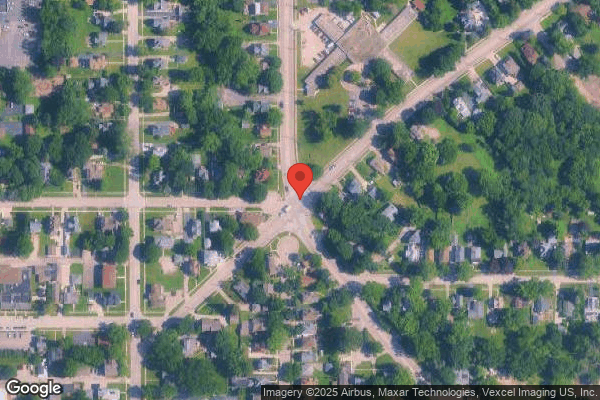

309 MCHENRY AVENUE, WOODSTOCK, IL 60098 (815) 338-1700
For profit - Individual 115 Beds Independent Data: November 2025 2 Immediate Jeopardy citations
Trust Grade
0/100
#574 of 665 in IL
Last Inspection: June 2025

Inspected within the last 6 months. Data reflects current conditions.

Overview

La Bella of Woodstock received a Trust Grade of F, indicating significant concerns about their care and operations. They rank #574 of 665 facilities in Illinois, placing them in the bottom half statewide and #10 out of 10 in McHenry County, meaning there are no better local options. The facility's situation is worsening, with issues increasing from 22 in 2024 to 29 in 2025. Staffing is a major concern, with a low rating of 1 out of 5 stars and a turnover rate of 66%, significantly higher than the state average of 46%. Additionally, they face alarming fines totaling $377,915, which is higher than 96% of Illinois facilities, suggesting ongoing compliance problems. Although they have better RN coverage than 82% of state facilities, critical incidents have occurred, including a failure to protect residents from sexual abuse and inadequate supervision that allowed a cognitively impaired resident to exit the building unsupervised. Overall, the facility has serious weaknesses that families should carefully consider.

Trust Score
F
0/100
In Illinois
#574/665
Bottom 14%
Safety Record
High Risk
Review needed
Inspections
Getting Worse
22 → 29 violations
Staff Stability
⚠ Watch
66% turnover. Above average. Higher turnover means staff may not know residents' routines.
Penalties
✓ Good
$377,915 in fines. Lower than most Illinois facilities. Relatively clean record.
Skilled Nurses
✓ Good
Each resident gets 51 minutes of Registered Nurse (RN) attention daily — more than average for Illinois. RNs are trained to catch health problems early.
Violations
⚠ Watch
66 deficiencies on record. Higher than average. Multiple issues found across inspections.
★☆☆☆☆
1.0
Overall Rating
★☆☆☆☆
1.0
Staff Levels
★★★☆☆
3.0
Care Quality
★☆☆☆☆
1.0
Inspection Score
Stable
2024: 22 issues
2025: 29 issues

The Good

  • Full Sprinkler Coverage · Fire safety systems throughout facility
  • No fines on record

Facility shows strength in fire safety.

The Bad

1-Star Overall Rating

Below Illinois average (2.5)

Significant quality concerns identified by CMS

Staff Turnover: 66%

20pts above Illinois avg (46%)

Frequent staff changes - ask about care continuity

Federal Fines: $377,915

Well above median ($33,413)

Significant penalties indicating serious issues

Staff turnover is elevated (66%)

18 points above Illinois average of 48%

The Ugly 66 deficiencies on record

2 life-threatening 8 actual harm
Aug 2025 2 deficiencies
CONCERN (D) 📢 Someone Reported This

A family member, employee, or ombudsman was alarmed enough to file a formal complaint

Potential for Harm - no one hurt, but risky conditions existed

Deficiency F0604 (Tag F0604)

Could have caused harm · This affected 1 resident

**NOTE- TERMS IN BRACKETS HAVE BEEN EDITED TO PROTECT CONFIDENTIALITY** Based on observation, interview, and record review, the facility failed to ensure a resident (R11) was free from restraints. Thi...

Read full inspector narrative →
**NOTE- TERMS IN BRACKETS HAVE BEEN EDITED TO PROTECT CONFIDENTIALITY** Based on observation, interview, and record review, the facility failed to ensure a resident (R11) was free from restraints. This applies to 1 of 1 resident's reviewed for restraints in the sample of 11.The findings include:R11's electronic face sheet printed on 8/6/25 showed R11 has diagnoses including but not limited to chronic respiratory failure, heart failure, history of falls, bipolar disorder, and unsteadiness on feet.R11's facility assessment dated [DATE] showed R11 has moderate cognitive impairment and does not utilize restraints.On 8/6/25 at 12:15PM, V12 (Licensed Practical Nurse) assisted R11 into his bed and put the half side rail down on the left side of the bed. (The bed rail is positioned so it covers the middle of the bed and R11's bed is pushed against the wall on the right side).On 8/6/25 at 12:17PM, V13 (Certified Nursing Assistant) stated, We always put the siderail down for (R11) to help with positioning and so he knows to ask for help to get up. If he did try to get up, he would have to scoot all the way to the end of the bed to try and get up because of how the rail is on his bed.On 8/6/25 at 2:00PM, V14 (Minimum Data Set Nurse-MDS) stated, I do the restorative MDS for the GG section and the 3 assessments that go with it (Functional ability, bowel and bladder, and the side rail assessment). (R11) does have 1/2 side rails on each side of his bed. I assessed him for side rails for bed mobility-not for restraints. He can't put them down independently to sit on the edge of the bed. I didn't have any training on restorative nursing; I just watched someone else do it at my old building. I'm not technically the restorative nurse; I just do the assessments and MDS for restorative. We don't have a restorative nurse. Surveyor then accompanied V14 to R11's room to observe side rail positioning. V14 stated, The way that (R11's) rail is right now in the down position, it is a restraint because he cannot get out of the bed on either side of the bed. V14 also stated that R11 would have to climb over the rail or scoot to the edge of the bed to get out which would pose a risk for harm.On 8/6/25 2:23PM, V3 (Director of Nursing) stated, (R11) does self-transfers from the chair to the bed but he never wants to get out of bed so it wouldn't really be an issue for his bed rail to be down. He could technically scoot all the way to the end of the bed and go around the rail, but I guess that wouldn't be the safest option. He would never try to climb over the rail so that's not a realistic scenario with him. I think with his rails they are supposed to be kept up so that he can use them for positioning. He normally lays on his back, but he will occasionally use them just to get off his back for a few seconds. He should have a physician's order for the rails and there should be documentation of anything we have tried previously but his aren't used for falls, they are for mobility. (R11's physician's order showed no order for R11 to utilize side rails for bed mobility or positioning).The facility's policy titled, Proper Use of Bed Rails dated 8/2024 showed, It is the policy of this facility to utilize a person-centered approach when determining the use of bed rails. Appropriate alternative approaches are attempted prior to installing or using bed rails. If bed rails are used, the facility ensure correct installation, use, and maintenance of the rails .5. The facility will assess to determine if the bed rail meets the definition of a restraint. A bed rail is considered to be a restraint if the bed rail keeps a resident from voluntarily getting out of bed in a safe manner due to his/her physical or cognitive inability to lower the bed rail independently.The facility's policy titled, Restraint Policy dated 3/2025 showed, Physical Restrain refers to any manual method or physical or mechanical device, material, or equipment attached or adjacent to the resident's body that the individual cannot remove easily which restricts freedom of movement or normal access to one's body. Physical restraints may include, but are not limited to .Using bed rails to keep the resident from voluntarily getting out of bed .
CONCERN (D) 📢 Someone Reported This

A family member, employee, or ombudsman was alarmed enough to file a formal complaint

Potential for Harm - no one hurt, but risky conditions existed

Accident Prevention (Tag F0689)

Could have caused harm · This affected 1 resident

**NOTE- TERMS IN BRACKETS HAVE BEEN EDITED TO PROTECT CONFIDENTIALITY** Based on observation, interview, and record review, the facility failed to ensure 2 residents (R8,R11) had fall prevention measu...

Read full inspector narrative →
**NOTE- TERMS IN BRACKETS HAVE BEEN EDITED TO PROTECT CONFIDENTIALITY** Based on observation, interview, and record review, the facility failed to ensure 2 residents (R8,R11) had fall prevention measures in place. This applies to 2 of 3 resident's reviewed for fall prevention in the sample of 11.The findings include:1) R8's electronic face sheet printed on 8/6/25 showed R8 has diagnoses including but not limited to metabolic encephalopathy, schizoaffective disorder, anxiety disorder, restlessness and agitation, and major depressive disorder.R8's facility assessment dated [DATE] showed R8 has severe cognitive impairment, has not had any falls since admission to the facility, and does not utilize alarms while in her bed or chair.R8's fall risk assessment dated [DATE] showed R8 is a high fall risk.The facility's Incident Report Log as of 8/5/25 showed R8 has experienced 11 falls within the past 3 months at the facility.On 8/5/25 at 12:53PM, R8 was in her bed laying on her right-side sleeping. R8's alarm clip was hanging on the mattress next to her bed on the floor and was not clipped to R8. V12 (Licensed Practical Nurse) stated, (R8) is a very high fall risk. She needs the mattress next to her bed at all times and she also has orders for a bed and chair alarm. When she is in bed, she has a pressure pad alarm and when she is up in her chair she uses the clip alarm. (V12 confirmed R8 has orders for both alarms). V12 went into R8's room with surveyor and confirmed R8 did not have the alarm clipped to her nor did she have a pressure pad alarm underneath her. V12 stated, It's not beneficial if the clip isn't connected because it won't alert staff that she's trying to get up. During the same observation, R8's call light was draped over the back of the head of her bed where R8 was unable to reach it. V12 stated R8 rarely uses her call light but she should have it available in case she needs something.On 8/6/25 at 2:23PM, V3 (Director of Nursing) stated, I was informed before dinner yesterday that (R8) has apparently been removing her clip alarm on her own. We switched her over to a pressure alarm last night so that she can't unclip her alarm, but she will probably just pull this one out from under her. I don't know how else to prevent falls for her. If there is an order for staff to be putting a clip alarm on, then that's what they should have been doing but I'm pretty sure she took it off herself. (Surveyor was unable to find any documentation relating to R8 removing her clip alarm aside from an 8/5/25 entry after surveyor observed R8 in bed without the alarm clipped on her and staff were interviewed).The facility's policy titled, Fall Risk assessment dated 08/2025 showed, It is the policy of this facility to provide an environment that is free from accident hazards over which the facility has control and provides supervision and assistive devices to each resident to prevent avoidable accidents .5. Monitor the effectiveness of the care plan interventions, and modify the interventions as necessary, in accordance with current standards of practice .2) R11's electronic face sheet printed on 8/6/25 showed R11 has diagnoses including but not limited to chronic respiratory failure, heart failure, unsteadiness on feet, and history of falls.R11's facility assessment dated [DATE] showed R11 has moderate cognitive impairment and does not utilize alarms or bed rails.R11's care plan revised on 10/11/23 showed, (R11) is at risk for falls related to dementia and limited physical mobility .bed alarm placed on bed, floor mat next to bed .R11's physician's orders dated 1/30/23 showed, Bed alarm placement.On 8/6/25 at 12:12PM, V12 was in R11's room and told him she would have staff assist him to bed. Surveyor observed R11 transfer himself to his bed without staff assistance. V12 went back into R11's room, assisted him to lay down, put his side rail down, and left the room. Surveyor went into R11's room, visualized his pressure alarm on his bed and the alarm box was not blinking indicating the alarm was functioning. On 8/6/25 at 12:17PM, V13 (Certified Nursing Assistant) stated, (R11) doesn't use a bed alarm. His bed alarm must be as needed. The nurse didn't tell us if he needed it. I don't even really know him that well so can't tell you much. Surveyor went into R11's room with V13 who verified that R11's bed alarm was not turned on or functioning). V13 stated, All residents that are at risk for falls should have their preventative measures in place at all times to hopefully prevent them from falling.On 8/6/25 at 2:10PM, V12 stated, According to (R11's) orders, he does use a bed alarm, but I didn't know that. Surveyor went into R11's room with V12 who confirmed R11's bed alarm was not on and turned it on in front of surveyor. The bed alarm then beeped which V12 indicated that meant the alarm has been turned on and was blinking to show functionality.On 8/6/25 at 2:23PM, V3 (Director of Nursing) stated, I don't think (R11) uses an alarm at all. I guess if he has an order he should have had it on to prevent falls, but I don't think he is a high fall risk. He hasn't had a fall recently, but I know he self-transfers from the chair to the bed which I suppose could put him at risk for falls if he isn't supposed to be doing it alone.The facility's policy titled, Fall Prevention Program dated 11/2024 showed, Each resident will be assessed for fall risk and will receive care and services in accordance with their individualized level of risk to minimize the likelihood of falls .3. The nurse will indicate the residents fall risk and initiate interventions on the resident's baseline care plan, in accordance with the resident's level of risk .6. High risk protocols .c. provide additional interventions as directed by the resident's assessment .
Jul 2025 2 deficiencies
CONCERN (D) 📢 Someone Reported This

A family member, employee, or ombudsman was alarmed enough to file a formal complaint

Potential for Harm - no one hurt, but risky conditions existed

Investigate Abuse (Tag F0610)

Could have caused harm · This affected 1 resident

Based on observation, interview, and record review the facility failed to have evidence that R4's alleged allegations were thoroughly investigated for 1 of 6 residents (R4) reviewed for abuse in the s...

Read full inspector narrative →
Based on observation, interview, and record review the facility failed to have evidence that R4's alleged allegations were thoroughly investigated for 1 of 6 residents (R4) reviewed for abuse in the sample of 6. The findings include:On 07/23/2025 at 12:22PM, R4 was lying in bed on his left side with eyes closed. On 07/23/2025 at 12:22PM, R4 said, the staff have been giving me a hard time when I call for help. I went to the bathroom; the staff gave me a hard time due to them getting off work soon. I told the administrator. V5 CNA's-Certified Nursing Assistant told me she did not want to come in my room to provide care. I told her to shut her mouth. She started walking down the hallway cussing. I watch the security video with the administrator yesterday. It showed V5 CNA walking down the hallway. The video did not have sound at the time, V1 may not have turned the volume on.On 07/23/2025 at 12:30PM, V1 Administrator was not in the facility.On 07/28/2025 at 8:37AM, V1 Administrator said, I will call you back. On 07/28/2025 at 11:19AM, V4 Nurse Consultant said, V1 Administrator has been removed from his position; I attempted to obtain information about R4 and V5 CNA from V1 last Wednesday (07/23/25) after I was told about the incident. On 07/23/25 and on 07/28/25 The facility was not able to provide documentation or verbal confirmation to show R4's allegation of verbal abuse was investigated.V5 CNA was not available at the time of the survey. The facility's Abuse Policy dated 11/2024 shows, Verbal Abuse means the use of oral, written or gestured communication or sounds that willfully includes disparaging and derogatory terms to residents or their families, or within their hearing distance regardless of their age, ability to comprehend, or disability. Alleged Violation is a situation or occurrence that is observed or reported by . resident .but has not yet been investigated and, if verified, could be indication of noncompliance with the Federal requirements .Written procedures for investigations include . Providing complete and thorough documentation of the investigation.
CONCERN (D) 📢 Someone Reported This

A family member, employee, or ombudsman was alarmed enough to file a formal complaint

Potential for Harm - no one hurt, but risky conditions existed

Accident Prevention (Tag F0689)

Could have caused harm · This affected 1 resident

**NOTE- TERMS IN BRACKETS HAVE BEEN EDITED TO PROTECT CONFIDENTIALITY** Based on observation, interview, and record review the facility failed to ensure R1 did not leave the facility unsupervised, thi...

Read full inspector narrative →
**NOTE- TERMS IN BRACKETS HAVE BEEN EDITED TO PROTECT CONFIDENTIALITY** Based on observation, interview, and record review the facility failed to ensure R1 did not leave the facility unsupervised, this applies to 1 of 6 residents (R1) reviewed for supervision in the sample of 6.The findings include: R1'S Minimum Data Set, dated [DATE] shows, R1 has a moderate cognitive impairment. On 07/23/2025 at 9:00AM, R1 was lying in bed. R1 sat up on the side of the bed. R1 then moved her wheelchair into position, engaged the left and right brake, stood to her feet, and sat herself down in the wheelchair. On 07/23/2025 at 9:00AM, R1 said, I can move myself in my wheelchair using my arms and legs. I am not able to move quickly. On 07/23/2025 at 11:30AM, V4 Nurse Consultant said, after R1 was found outside we initiated 1:1 monitoring and then applied a bracelet to her arm. When R1 gets close to the doors that lead outside an alarm will go off. On 07/23/2025 at 12:53PM, V2 DON-Director of Nursing said, the front door alarm went off around 9:30PM. There is no receptionist at the front door during that time. R1 went outside alone.On 7/23/2025 at 1:15PM, V3 CNA-Certified Nursing Assistant said, it was not the door alarm that alerted the staff. There was a visitor that recognized R1 should not be outside the building at night. The staff heard the visitor ringing the doorbell, that is when they found R1 outside the facility.V6 CNA's written statement dated 07/18/25 at 9:30PM, shows, the doorbell was rang by a concerned citizen that a patient was outside. I told one of the patients to get the nurse and I went outside to bring the patient back in.V6 CNA was not available for comment during the survey. R1's Elopement Investigation Timeline dated 07/18/2025 shows, at 9:22PM, R1was wearing a night gown and carrying a bag of belongings. At 9:23PM, R1 exited the facility. At 9:30PM, a visitor rang the doorbell. At 9:34PM, R1 was brought back inside the facility by V6 CNA.
Jul 2025 4 deficiencies
CONCERN (D) 📢 Someone Reported This

A family member, employee, or ombudsman was alarmed enough to file a formal complaint

Potential for Harm - no one hurt, but risky conditions existed

Deficiency F0602 (Tag F0602)

Could have caused harm · This affected 1 resident

**NOTE- TERMS IN BRACKETS HAVE BEEN EDITED TO PROTECT CONFIDENTIALITY** Based on interview and record review the facility failed to ensure a resident's funds were safeguarded and free from misappropri...

Read full inspector narrative →
**NOTE- TERMS IN BRACKETS HAVE BEEN EDITED TO PROTECT CONFIDENTIALITY** Based on interview and record review the facility failed to ensure a resident's funds were safeguarded and free from misappropriation. This applies to 2 of 3 residents (R4, R5) reviewed for misappropriation in the sample of 5. The findings include:(1.) R4's Minimum Data Set (MDS) dated [DATE], shows that R4 is cognitively intact.On 7/14/25 at 9:06 AM, R4's bedside drawer had a latch attached, allowing the top drawer to be locked by a pad lock. There was not a pad lock on the drawer at this time. The back panel of R4's bedside drawer was originally fastened with nails. However, at this time, the back panel of R4's bedside drawer was still half off, allowing access into R4's bedside drawer through the back. On 7/14/25 at 9:06 AM, R4 said after returning from a day out on pass with family on a Saturday in June, R4 noticed that R4's bedside drawer had been pulled away from the wall and a plastic shoebox containing compact discs and a compact disc player was on the floor behind the bedside drawer. R4 thought nothing of it that evening and asked staff to help pick up the items and move the bedside drawer back to the wall. The next morning, R4 noticed that the bag where R4 keeps R4's money in the top, locked drawer had been ripped in half and all of R4's money, except for approximately $25 in bills, was gone. R4 said there was approximately between $200 and $300 in the bag. R4 spoke with V10 (Social Services Director), V13 (Business Office Manager), and V1 (Administrator) about the incident the Monday after it happened and R4 requested the facility not to contact the local police or R4's husband. R4 said she doesn't exactly recall when the money could have been taken but indicated that whoever took it knew that R4 likes to sit outside while at the facility and that R4 had left the faciity on 6/21/25 to visit family. R4 typically carries R4's key to the lock in R4's purse, which is on R4 at all times. R4 said approximately three years prior, R4 had two separate instances where someone took money from R4's purse while R4 was sleeping. Ever since then, R4 had requested and been locking away R4's money in the top drawer of R4's bedside drawers using a padlock to keep it locked. R4 said only a handful of employees at the facility knew R4 had money in the top drawer. R4's Resident Sign In/Out Sheet shows that R4 signed out of the facility on 6/21/25 at 12:00 PM and returned the same day at 7:44 PM. R4's Progress Note dated 6/23/25, written by V10 (Social Services Director) states R4 informed V10 of the missing money and that V1 (Administrator) was made aware. On 7/14/25 at 11:02 AM, V13 (Business Office Manager) said she started working at the facility on January 27th, 2025. Since V13 has worked at the facility, V13 has known R4 to always keep R4's money in the top drawer of R4's bedside drawers, locked with a lock and key. V13 said R4's husband gives R4 spending money once a month and R4 keeps the money in the locked top drawer. V13 also corroborated that multiple certified nursing assistants knew where R4 kept R4's money. After the incident, V13 spoke with R4 who entrusted R4 to hold onto the remaining money as well as all of the loose change that was in R4's top drawer. On 7/14/25 at 10:26 AM, V1 said it's difficult to remove the back panel of the bedside drawer and whoever did it must have had a tool to remove the back. (2.) R5's MDS dated [DATE], shows R5 is cognitively intact.On 7/14/25 at 9:50 AM, R5 was unable to recall when it happened, but R5 told staff that R5's wallet with approximately $45 had gone missing from R5's room. R5 last saw R5's wallet in the top drawer of R5's bedside drawer. R5 saidV11 (R5's Family Member) gives R5 money every month and R5 would keep that money in the wallet in the bedside drawers. R5's Progress Note dated 6/23/25, written by V10 shows that R5 told V10 about the missing money and wallet. On 7/14/25 at 12:37 PM, V11 confirmed that V11 would give R5 approximately $25 to $30 every month and R5 would keep the money in the wallet in the bedside drawer. V11 said the facility indicated that it was believed the wallet and money were stolen based upon it happening around the same time that R4's money was found to be taken. Facility Abuse, Neglect and Exploitation policy dated 11/2024 states, It is the policy of this facility to provide protections for the health, welfare and rights of each resident by developing and implementing written policies and procedures that prohibit and prevent abuse, neglect, exploitation and misappropriation of resident property . Misappropriation of Resident Property means the deliberate misplacement, exploitation, or wrongful, temporary or permanent, use of a resident's belongings or money without the resident's consent.
CONCERN (D) 📢 Someone Reported This

A family member, employee, or ombudsman was alarmed enough to file a formal complaint

Potential for Harm - no one hurt, but risky conditions existed

Report Alleged Abuse (Tag F0609)

Could have caused harm · This affected 1 resident

Based on interview and record review the facility failed to report an allegation of abuse to the state agency. This applies to 3 of 3 residents (R1, R4, R5) reviewed for abuse in the sample of 5. The ...

Read full inspector narrative →
Based on interview and record review the facility failed to report an allegation of abuse to the state agency. This applies to 3 of 3 residents (R1, R4, R5) reviewed for abuse in the sample of 5. The findings include:(1.) On 7/14/25 at 12:00 PM, R1 said approximately three months ago, R1 lost his wallet in the facility. R1 stated the facility found the wallet in laundry, but when it was returned, R1 noticed there was a $100 bill missing from inside the wallet. Nothing else was removed or misplaced from R1's wallet. R1 said everybody knew the money was missing, including V10 (Social Services Director). R4 requested the facility to not contact the local police or R4's husband regarding the missing money.On 7/14/25 at 1:38 PM, V1 (Administrator) said he believes the incident regarding R1's lost money and wallet happened prior to V1 started working at the facility in April. V1 said V1 heard about the incident a few weeks ago when V1 heard staff talking about the incident in the hallway. V1 states he spoke with R1 and laundry employees, but V1 never completed a formal investigation and never, himself, sent a report to the state agency, believing that it had already been done. V1 never confirmed whether the allegation had been reported to the state agency.(2.) On 7/14/25 at 9:06 AM, R4 said a few weeks ago, towards the end of June, R4 left the facility to go out on pass to visit family on a Saturday at around noon. R4 returned to the facility on the same day at approximately 8:00 PM. When R4 returned, R4 noticed R4's bedside drawer pulled out from the wall and a plastic shoe box containing compact discs and a compact disc player was on the ground, behind R4's bedside drawer. R4 had staff pick up the items from the ground and push the bedside drawer back. When R4 looked into the locked top drawer, R4 noticed the bag that R4 keeps R4's money in was torn in half, R4's money was missing except for approximately $25, and R4 noticed the back of the bedside drawer had been removed to access the locked top drawer. R4 told facility staff the following Monday morning, including V1, V10, and V13 (Business Office Manager). On 7/14/25 at 10:26 AM, V2 (Director of Nursing) and V1 said there were a couple residents who complained of missing money recently, including R4 and R5. V1 said V10 wrote everything about the incident into R4's electronic medical records.(3.) On 7/14/25 at 9:50 AM, R5 could not recall when, but stated some time in June, R5 noticed R5's wallet with money (approximately $45) went missing from the top drawer of R5's bedside drawer. R5 said the drawer was not locked, but nobody knew it was there. R5 told V1 and other staff about the missing money. R5 also stated that the police were never called for this incident.On 7/14/25 at 10:26 AM, V2 (Director of Nursing) said V2 has not sent any reports to the state agency regarding missing money since 6/12/25.As of 7/14/25, the facility was unable to provide documentation showing R1, R4, and R5's allegations of missing money had been reported to the state agency.On 7/14/25 at 1:38 PM, V1 said V1 told corporate that even if as little as 50 cents gets reported missing to V1, V1 will be sending a report to the state agency from now on.Facility Abuse, Neglect, and Exploitation policy dated 11/2024 states, It is the policy of this facility to provide protections for the health, welfare and rights of each resident by developing and implementing written policies and procedures that prohibit and prevent abuse, neglect, exploitation and misappropriation of resident property . 1. Reporting of all alleged violations to the Administrator, state agency, adult protective services and to all other required agencies (e.g., law enforcement when applicable) within specified timeframes: a. Immediately, but not later than 2 hours after the allegation is made, if the events that cause the allegation involve abuse or result in serious bodily injury .
CONCERN (D) 📢 Someone Reported This

A family member, employee, or ombudsman was alarmed enough to file a formal complaint

Potential for Harm - no one hurt, but risky conditions existed

Investigate Abuse (Tag F0610)

Could have caused harm · This affected 1 resident

Based on interview and record review the facility failed to ensure allegations of misappropriation were thoroughly investigated. This applies to 3 of 3 residents (R1, R4, R5) reviewed for abuse in the...

Read full inspector narrative →
Based on interview and record review the facility failed to ensure allegations of misappropriation were thoroughly investigated. This applies to 3 of 3 residents (R1, R4, R5) reviewed for abuse in the sample of 5. The findings include:(1.) On 7/14/25 at 12:00 PM, R1 said approximately three months ago, R1 lost R1's wallet. R1 said it was later found in the laundry and was returned to R1, but was missing a $100 bill. R1 notified staff of the missing money, but R1 said R1 has not been reimbursed for the missing money. Facility resident council minutes for April 2025 shows that a resident mentioned they were missing money during laundry. The resident council minutes also show that R1 was in attendance for the April meeting. (2.) On 7/14/25 at 9:06 AM, R4 said after returning from a day out on pass with family on a Saturday in June, R4 noticed that R4's bedside drawer had been pulled away from the wall and a plastic shoebox containing compact discs and a compact disc player was on the floor behind the bedside drawer. R4 thought nothing of it that evening and asked staff to help pick up the items and move the bedside drawer back to the wall. The next morning, R4 noticed that the bag where R4 keeps R4's money in the top, locked drawer had been ripped in half and all of R4's money, except for approximately $25 in bills, was gone. R4 said there was approximately between $200 and $300 in the bag. R4 spoke with V10 (Social Services Director), V13 (Business Office Manager), and V1 (Administrator) about the incident the Monday after it happened and R4 requested the facility not to contact the local police or R4's husband. R4's progress note dated 6/23/25, written by V10, shows V10 gathered preliminary information from R4, spoke with the local ombudsman, and reviewed a portion of the cameras.On 7/14/25 at 10:26 AM, V1 said all the information regarding the investigation for R4's incident was written as a progress note in the electronic medical records. On 7/14/25 at 10:40 AM, V10 said she only spoke to a few employees that had worked on Saturday, 6/21/25, but V10 did not retain copies or documentation of the interviews. The only documentation V10 completed was the progress note in the electronic medical records. V10 was unsure if V1 had conducted any interviews or conducted an investigation. (3.) On 7/14/25 at 9:50 AM, R5 said R5 could not recall exactly when, but R5 told staff that R5's wallet containing approximately $45 was taken from the top drawer of R5's bedside drawer. R5 said the drawer was not locked. R5 also said the local police were never contacted regarding the incident. R5's progress note dated 6/23/25, written by V10, shows V10 searched R5's room for the missing wallet and money, but the items were not found. There are no indications that V10 had conducted an investigation. On 7/14/25 at 10:26 AM, V2 (Director of Nursing) and V1 said the only documentation regarding investigations for R4 and R5's missing items were written by V10 into the electronic medical records. As of 7/14/25, the facility was unable to provide further documentation showing the facility completed and/or conducted investigations into any of the three allegations for R1, R4, and R5. Facility Abuse, Neglect, and Exploitation policy dated 11/2024 states, . A. An immediate investigation is warranted when suspicion of abuse, neglect or exploitation, or reports of abuse, neglect or exploitation occur. B. Written procedures for investigations include: 1. Identifying staff responsible for the investigation; 2. Exercising caution in handling evidence that could be used in a criminal investigation (e.g., not tampering or destroying evidence); 3. Investigating different types of alleged violations; 4. Identifying and interviewing all involved persons, including the alleged victim, alleged perpetrator, witnesses, and others who might have knowledge of the allegations; 5. Focusing the investigation on determining if abuse, neglect, exploitation, and/or mistreatment has occurred, the extent, and cause; and 6. Providing complete and thorough documentation of the investigation.
CONCERN (D) 📢 Someone Reported This

A family member, employee, or ombudsman was alarmed enough to file a formal complaint

Potential for Harm - no one hurt, but risky conditions existed

Accident Prevention (Tag F0689)

Could have caused harm · This affected 1 resident

Based on observation, interview and record review the facility failed to ensure a resident was transferred safely using a mechanical lift for 1 of 3 residents (R1) reviewed for safety in the sample of...

Read full inspector narrative →
Based on observation, interview and record review the facility failed to ensure a resident was transferred safely using a mechanical lift for 1 of 3 residents (R1) reviewed for safety in the sample of 5.The findings include:On 7/14/25 at 10:05 AM, R1 was sitting in his wheelchair in the dining room. R1 had a raised discolored area on his right posterior forearm. R1 said that he had a fall while being transferred from his bed to the wheelchair with a mechanical lift. R1 said that there was only one aide in the room when he fell. R1 said that the lift tipped over and landed on the aide. R1 said that he went to the hospital right afterwards and got an X-ray of his right arm and a scan of his head. R1's Nurse Practitioner Note dated 7/1/25 at 11:40 AM shows, Patient seen and examined today per nursing request for a witnessed fall. Per CNA (Certified Nursing Assistant), patient being lifted by Hoyer (mechanical) lift then sling tipped to the side and patient fell on the floor. DON (Director of Nursing) reports patient had loss of consciousness and awoke only after stimuli, shaking patient. 911 called. Upon arrival in the room, observed patient in right side-lying position on the floor w/ head supported by a pillow towards the door threshold.On 7/14/25 at 11:27 AM, V3, Certified Nursing Assistant (CNA) said that she was transferring R1 from his bed to the wheelchair when the mechanical lift tipped over and fell. V3 said that she was doing the transfer by herself because they were busy that day. V3 said that she attached R1's sling to the lift and lifted him from the bed. V3 said that as she was pulling him away from the bed, the lift legs got stuck and the lift began to tip. V3 said that when the lift tipped over, she ended up underneath R1. On 7/14/25 at 2:06 PM, V4 (Licensed Practical Nurse) said that she was doing medication pass in the hallway when she heard a loud clatter, so she rushed down the hall to find the source. V4 said that she went by R1's room and saw R1, the mechanical lift, and the CNA on the floor. V4 said that R1's head was in the doorway and his feet were towards the bed. V4 said that he was not near his bed at all, he was in the middle of the room and the mechanical lift legs were parallel to the bed. V4 said that the only staff member in the room was V3 and she was under R1 by his head. V4 said that V3 did not come and ask her for help with the transfer.On 7/14/25 at 2:27 PM, V2 (Director of Nursing) said that she responded to the incident with R1 on 7/1/25. V2 said that when she went into the room, R1 was laying on the floor on his right side. V2 said that his pulse oximetry was reading 59% and for a moment he was unresponsive. V2 said that the nurse practitioner came and assessed him right away and they decided to send him out to the hospital for an evaluation due to his unresponsiveness and low oxygen saturation. V2 said that after the fall she did an investigation into what happened. V2 said that V3 told her that she was the only CNA in the room when the mechanical lift tipped over. V2 said that mechanical lift transfers should always be done with two staff members for the resident's safety. V2 said that V3 also felt that the mechanical lift was broken. V2 said that the lift was a rented bariatric lift. V2 said that she looked at the lift and found that the boom of the lift was wobbly so she had removed it from the facility and had the rental company come pick it up. R1's Electronic Health Record shows that he weighed 324 pounds on 6/3/25. R1's Hospital After Visit Summary dated 7/1/25 shows diagnoses of: contusion of right forearm and head injury. R1's Kardex as of 7/14/25 does not document his transfer status.The facility's Safe Resident Handling/Transfers Policy revised on 10/2024 shows, It is the policy of this facility to ensure that residents are handled and transferred safely to prevent or minimize risks for injury and provide and promote a safe, secure and comfortable experience for the resident.Two staff members must be utilized when transferring residents with a mechanical lift.
Jul 2025 1 deficiency
CONCERN (D) 📢 Someone Reported This

A family member, employee, or ombudsman was alarmed enough to file a formal complaint

Potential for Harm - no one hurt, but risky conditions existed

Deficiency F0558 (Tag F0558)

Could have caused harm · This affected 1 resident

**NOTE- TERMS IN BRACKETS HAVE BEEN EDITED TO PROTECT CONFIDENTIALITY** Based on observation, interview, and record review, the facility failed to ensure a resident's needs were accommodated by not as...

Read full inspector narrative →
**NOTE- TERMS IN BRACKETS HAVE BEEN EDITED TO PROTECT CONFIDENTIALITY** Based on observation, interview, and record review, the facility failed to ensure a resident's needs were accommodated by not assisting a resident with obtaining a replacement motorized wheelchair for one of five residents (R1) reviewed for accommodation of needs in the sample of five.The findings include:R1's admission Record shows he was admitted to the facility on [DATE] with diagnoses including hemiplegia affecting right dominant side, major depressive disorder, anxiety disorder, restless legs syndrome, nicotine dependence (cigarettes), and chronic venous hypertension with ulcer of right lower extremity.R1's Care Plan revised on January 11, 2025 shows R1 has been noted with behaviors of self-propelling his wheel chair backwards in order to get to his destinations. R1's Care Plan initiated November 18, 2024, shows R1 has limited physical mobility, the resident is non weight bearing and provide supportive care, assistance with mobility as needed, and document assistance as needed. R1's provider visit note done by V6 Nurse Practitioner (NP) dated February 14, 2025, shows, Face to Face for durable medical equipment (DME) for electric wheelchair for medical necessity completed. Patient has history of cervical disc disorder with myelopathy and has utilized an electric wheelchair for the past eight years. Patient predominantly wheelchair bound, non-ambulatory. However, his electric wheelchair is broken, and patient has been utilizing a standard manual wheelchair with difficulty. Patient has a right-hand contracture with right upper extremity weakness and unable to utilize right hand to self-propel wheelchair. Patient states 'I cannot self-propel the wheelchair with on the left hand because I go around in circles.' Patient utilizes his left foot to push his manual wheelchair backwards as he also has a right lower extremity weakness and cannot self-propel the manual wheelchair forward. Patient has mobility limitations that significantly impair his ability to participate in daily living which cannot be sufficiently resolved by a manual wheelchair. An electric wheelchair will significantly improve the patient's ability to participate in mobility related activities of daily living. Patient has agreed to use the electric wheelchair regularly and reports being able to control the joystick with his left hand as he has been doing for the past eight years. An electric wheelchair will promote his quality of life and it is in my opinion that the DME equipment mentioned is reasonable and necessary.R1's Adverse Benefit Determination letter from his insurance company dated March 25, 2025 shows his request for coverage of wheelchair component or accessory, not otherwise specified was denied due to Your medical record shows your current power wheelchair is two years old (12/2022). The notes do not show: the type of damages to the chair that cannot be fixed, it is not clear that these damages are due to normal wear and tear or are consistent with the age of the chair. The notes do not show that it would be more cost effective to replace the power wheelchair versus repair. The request is denied. Please talk to your provider about this.R1's Appeal Acknowledgement letter dated April 25, 2025, shows, We receive your appeal on April 24, 2025, for denial of a power wheelchair and parts. [Insurance Company] will review your appeal and send a written decision to you and, if applicable, your authorized representative on or before May 14, 2025.R1's Psychiatric Follow up visit note dated June 24, 2025, shows, Patient voiced concern about his electric wheelchair missing. Thought content: Concerned about missing electric wheelchair, no suicidal ideation, no homicidal ideation, no self-harm urges, no aggressive urges, no evidence of delusional thought, no auditory hallucination, no visual hallucination, and no evidence of psychosis.On July 7, 2025, at 10:21 AM, there was an electric wheelchair in R1's room. R1 was sitting in a manual wheelchair. R1 said he did not know whose electric wheelchair was that was in his room. R1 said it doesn't even work. R1 said he doesn't know what happen to his motorized wheelchair when he moved to the current facility. R1 said he heard someone threw it away. R1 said he had been in a motorized wheelchair for years prior to coming to this current facility. R1 said he has to wheel himself backwards in a manual wheelchair because that is the only way his legs will work. R1 said a motorized wheelchair would help him get around much better. On July 7, 2025, at 11:15 AM, V3 Social Services Director said R1's electric wheelchair was in storage. V3 said she thought R1's motorized wheelchair was thrown away when the previous administrator was at the facility and going through the storage shed. V3 said therapy was in touch with the DME company trying to get R1 a new motorized wheelchair. V3 said the request was denied and the therapy department appealed the denial. V3 said the therapy person that was working on the motorized wheelchair request is no longer working for the facility.On July 7, 2025, at 11:25 AM, V4 Maintenance Director said he worked at the facility for three years, when the previous administrator terminated V4. V4 said the previous administrator and V4 placed R1's motorized wheelchair in the shed when R1 was admitted to the facility because there was not enough room in R1's room. V4 said the previous administrator is no longer at the facility and the facility asked V4 to come back to work at the facility. V4 said he was gone from the facility for eight months and when he came back, he began to clean out the facility's storage shed. V4 said he found two motorized wheelchairs in the shed and took a picture of one of them to show R1. V4 said R1 said the motorized wheelchair in the picture was his. V4 said he brought the motorized wheelchair into R1's room and plugged it in to charge, but it would not charge so it does not work. V4 said R1 has been asking for his motorized wheelchair since he was admitted to the facility. On July 7, 2025, at 1:48 PM, V2 Director of Nursing (DON) said she has worked at the facility for the last two months. V2 said that R1's motorized wheelchair was gone before she started working at the facility. V2 said something happened to R1's motorized wheelchair, but she doesn't know what happened to it. V2 said the facility was looking into purchasing a new motorized wheelchair for R1 since they could not find his original one. V2 said R1's motorized wheelchair issue has been brought up in the department heads daily meetings. On July 7, 2025, at 2:18 PM, V5 Business Office Manager said she started working at the facility in January 2025. V5 said R1 transferred to her facility from another facility when it closed. V5 said the facility was trying to replace R1's motorized wheelchair but it was $30,000. V5 said there was several electric wheelchairs in the shed that were donated. V5 said the previous administrator cleaned out the facility's storage shed. V5 said that R1 stays in his wheelchair and does not get into bed due to PTSD from childhood trauma. V5 said the wound care nurse mentioned that R1 would benefit from a different chair due to his wounds on his buttocks and feet. V5 said therapy said R1 would benefit from getting back into his motorized wheelchair so therapy put in a request to get a new motorized wheelchair back in March 2025. V5 said the facility got a denial letter dated April 25, 2025, from the insurance company and that's the last of the communication. V5 said the motorized wheelchair never got followed up since April because the therapist left the facility, and the facility got a new administrator. V5 said the request kind of got brushed aside. V5 said the motorized wheelchair that is currently in R1's room is not R1's. V5 said she believes it is a different resident's that got a new motorized wheelchair and donated his old one. V5 said that motorized wheelchairs are customized to each resident. An email communication dated April 7, 2025, between V7 previous physical therapist shows she was made aware that the facility threw out R1's motorized wheelchair.The facility's Resident Rights Policy revised November 2024 shows, The resident has the right to be informed of, and participate in, his or her treatment, including: The right to receive the services and/or items included in the plan of care. The resident has the right to be treated with respect and dignity, including: The right to retain and use personal possessions, including furnishings, and clothing, as space permits, unless to do so would infringe upon the rights or health and safety of other residents. The right to reside and receive services in the facility with reasonable accommodation of resident needs and preferences, except when to do so would endanger the health or safety of the resident or other residents.
Jun 2025 10 deficiencies
CONCERN (D)

Potential for Harm - no one hurt, but risky conditions existed

Resident Rights (Tag F0550)

Could have caused harm · This affected 1 resident

Based on observation, interview, and record review, the facility failed to ensure a resident was treated with dignity while being fed for 1 of 20 residents (R41) reviewed for resident rights in the sa...

Read full inspector narrative →
Based on observation, interview, and record review, the facility failed to ensure a resident was treated with dignity while being fed for 1 of 20 residents (R41) reviewed for resident rights in the sample of 20. The findings include: On 6/2/25 at 11:49 AM, V11, Certified Nursing Assistant (CNA) was standing up feeding R41 lunch in the dining room. On 6/3/25 at 12:37 PM, V2, Director of Nursing (DON), said when staff is feeding a resident, they should sit down with the resident at eye level and have a conversation with the resident. V2 said it's important to provide social interaction and make the interaction more pleasant. The facility's Promoting/Maintaining Resident Dignity During Mealtimes Policy (implemented 5/2025) shows it is the practice of the facility to treat each resident with respect and dignity and care for each resident in a manner that enhances her quality of life. All staff members involved in providing feeding assistance to residents promote and maintain resident dignity during mealtimes. All staff will be seated while feeding a resident.
CONCERN (D)

Potential for Harm - no one hurt, but risky conditions existed

ADL Care (Tag F0677)

Could have caused harm · This affected 1 resident

**NOTE- TERMS IN BRACKETS HAVE BEEN EDITED TO PROTECT CONFIDENTIALITY** Based on observation, interview, and record review the facility failed to ensure residents fingernails were clean and trimmed fo...

Read full inspector narrative →
**NOTE- TERMS IN BRACKETS HAVE BEEN EDITED TO PROTECT CONFIDENTIALITY** Based on observation, interview, and record review the facility failed to ensure residents fingernails were clean and trimmed for 2 of 20 residents (R47, R27) reviewed for Activities of Daily Living care in the sample of 20. The findings include: 1.) On 06/02/25 at 1:34PM, R47 was sitting in the hall. R47 had scratches to his forehead, right eye orbit, and left temple area. R47's right middle, ring, and small fingers was contracted. R47's fingernails extended past the tip of his fingers. On 06/02/25 at 1:34PM, R47 was asked, do you like your fingernails long? R47 responded, No. On 06/02/25 at 1:40 PM, V10 CNA-Certified Nursing Assistant said, when R47 becomes anxious he tends to scratch himself, he has scratches all over his body. R47's Minimum Data Set, dated [DATE], shows, R47 is dependent on staff for personal hygiene. Staff does all of the effort. Resident does none of the effort to complete the activity. 2.) On 6/2/25 at 9:45 AM, and again on 6/3/25 at 8:58 AM, R27 was observed and had very long nails with black debris underneath them on both hands. On 6/3/25 at 12:19 PM, V8 (CNA) said nail care is done for residents on their shower days but since R27 is diabetic the nurses should be the ones to cut his fingernails. R27's current care plan shows he has a memory impairment and requires extensive staff assistance with his Activities of Daily Living (ADL's) A policy on nail care was requested on 6/3/25 from V2 (Director of Nursing) but was not able to be provided.
CONCERN (D)

Potential for Harm - no one hurt, but risky conditions existed

Quality of Care (Tag F0684)

Could have caused harm · This affected 1 resident

Based on observation, interview, and record review the facility failed to ensure a resident with congestive heart failure (CHF) had weights done as ordered for 1 of 2 residents (R14) reviewed for qual...

Read full inspector narrative →
Based on observation, interview, and record review the facility failed to ensure a resident with congestive heart failure (CHF) had weights done as ordered for 1 of 2 residents (R14) reviewed for quality of care in the sample of 20. The findings include: R14's Face Sheet printed on 6/3/25 listed heart failure as a diagnosis. R14's Physician Progress Note dated 5/25/25 showed R14, .suffers from congestive heart failure. The same note showed R14 had no worsening of lower extremity edema. On 06/02/25 at 11:12 AM, R14 was sitting at the edge of the bed. R14's pant legs ended mid shin. R14 did not have socks on and was wearing slippers. R14 had what appeared to be edema to both legs. R14's Order Summary Report printed on 06/03/25 showed an order for daily weights and to notify the health care provider if there was an increase of more than two pounds and the weights were being done for edema. The order had a start date of 5/5/25. R23's Medication Administration Record for May 2025 showed a recorded weight on 5/6/25, 5/20/25, and 5/27/25. R23's Monthly Weight Report printed on 6/3/25 showed a recorded weight done on 5/6/25. The facility was unable to provide any other weights for May 2025. On 06/03/25 at 11:49 AM, V12 (Registered Nurse) said for a resident with CHF weights are done to monitor for fluid overload.
CONCERN (D)

Potential for Harm - no one hurt, but risky conditions existed

Pressure Ulcer Prevention (Tag F0686)

Could have caused harm · This affected 1 resident

Based on observation, interview, and record review the facility failed to ensure pressure relieving interventions were in place for a resident at risk for pressure injuries for 1 of 2 residents (R54) ...

Read full inspector narrative →
Based on observation, interview, and record review the facility failed to ensure pressure relieving interventions were in place for a resident at risk for pressure injuries for 1 of 2 residents (R54) reviewed for pressure injuries in the sample of 20. The findings include: R54's Braden Scale for Predicting Pressure Score Risk done on 04/11/25 showed R54 was at risk for developing pressure injuries. R54's Order Summary Report printed on 6/3/25 showed an order for and air mattress while in bed. On 06/02/25 at 09:12 AM and at 2:05 PM, R54 was in bed. Hanging on the foot of the bed was an air mattress pump. The power switch was not lit up and in the off position. On 06/03/25 at 08:13 AM and at 11:47 AM, R54 was in bed. Hanging on the foot of the bed was air mattress pump. The power switch was not lit up and in the off position. On 06/03/25 at 11:56 AM, V13 (Certified Nursing Assistant) was asked by the survey if R54's air mattress pump was on. V13 looked at R54's pump and said the air mattress pump was off. V13 said the air mattress pump is an intervention to help prevent pressure injuries.
CONCERN (D)

Potential for Harm - no one hurt, but risky conditions existed

Deficiency F0688 (Tag F0688)

Could have caused harm · This affected 1 resident

**NOTE- TERMS IN BRACKETS HAVE BEEN EDITED TO PROTECT CONFIDENTIALITY** Based on observation, interview and record review the facility failed to identify and assess a resident's contracted left hand. ...

Read full inspector narrative →
**NOTE- TERMS IN BRACKETS HAVE BEEN EDITED TO PROTECT CONFIDENTIALITY** Based on observation, interview and record review the facility failed to identify and assess a resident's contracted left hand. The facility also failed to ensure a resident's wheelchair was the appropriate fit to allow him to sit comfortably in the chair. This applies to 1 of 6 residents (R37) reviewed for range of motion and mobility in a sample of 20. The findings include: On 6/2/25 at 10:17 AM R37 stated that the facility took his wheelchair and gave him a high back wheelchair that he can't propel himself in and is not comfortable and he gets stuck in the hallway for long periods of time. R37 stated he did not know why they changed his wheelchair, but he does not like this one. On 6/3/25 at 9:19 AM R37 was transferred from his bed to his high back reclining wheelchair using a mechanical lift. R37's left hand was in a closed position with his fingernails pressing into the palm of his hand. R37 was asked if he could straighten his fingers on his left hand and R37 stated, I used to have a ball that I would hold on to. Using his right hand, R37 was able to partially open up his left fingers. R37 stated, They are so tight. On 6/4/25 at 8:35 AM V16 (Physical Therapy Assistant) stated, I do believe he did have a splint- things somehow get lost around here. V16 explained that splints are ordered by OT (Occupational Therapy) and she would have to check with them. At 10:33 AM V16 stated, (R37) did not come to the facility with a splint- he was within functional limits when we looked at him for OT. We have never received a referral for him to be looked at for a brace. He doesn't like the chair because he doesn't fit in the chair that we got him- that was a conversation we had with the old Administration. We recommended the chair- they ordered a couple (High back) chairs, and they were all the same size. He is too tall for the chair and when he sits in it his knees are bent up. He doesn't have good trunk control and can't be in a regular chair like he was. He thinks he can do things like he used to but he can't. Even a high back wheelchair causes him to lean forward too much. He thinks he can propel himself around the facility, but he still has a tendency to lean too much to the left. They really haven't been getting him up because he doesn't like the chair because he doesn't fit in it. On 6/4/25 at 10:59 AM V2 (Director of Nursing) stated, We have an informal (restorative) program at best. The residents have a lot of opportunities for restorative built in throughout the day. I enjoy restorative and am certified as a restorative nurse and so it would be me or a nurse supervisor that will be taking over the program. We have not had a restorative nurse in the last 5 weeks that I have been here. The caregivers are doing the upper extremities with dressing. Some of the residents are walking so they are documenting that the lower extremity ROM is being done. The CNAs are doing the programs. Overseeing progress is my responsibility at this time. (R37) used to have a ball- bright yellow if I recall. I just heard about it today and OT is looking at him today. I was not aware of his wheelchair being too small for him, but I will look into that too. R37's Face Sheet shows that he was admitted to the facility on [DATE] with diagnoses including Epilepsy and Epileptic Syndromes, History of Transient Ischemic Attacks and Cerebral Infarction without residual deficits and Type 2 Diabetes. R37's Minimum Data Set of April 1, 2025, shows that R37 has one sided Functional Limitation in Range of Motion. R37's Physical Therapy and Occupational Therapy Discharge Summary, both dated 5/12/25- do not address R37's contracted left hand or the use of the high back wheelchair. R37's current Care Plan shows does not address R37's contracted hand, need for a splint/ball and does not address R37's need for a high back wheelchair.
CONCERN (D)

Potential for Harm - no one hurt, but risky conditions existed

Deficiency F0692 (Tag F0692)

Could have caused harm · This affected 1 resident

Based on observation, interview, and record review the facility failed to ensure dietitian's recommendations were implemented and failed to ensure a dietary supplement was given to a resident. This ap...

Read full inspector narrative →
Based on observation, interview, and record review the facility failed to ensure dietitian's recommendations were implemented and failed to ensure a dietary supplement was given to a resident. This applies to 2 of 5 residents (R23 and R27) reviewed for weight loss in the sample of 20. The Findings include: 1.) R23's Weight Summary report printed on 6/4/25 showed the following weights: 173.2 pounds on 4/17/25, 169 pounds on 5/14/25, and 167.6 pounds on 6/3/25. R23's Nutrition/Dietary Note dated 4/17/25 indicated the dietitian recommended to add double portions to breakfast with the goal of stabilizing R23's weight and allowing weight gain. R23's Nutrition/Dietary Note dated 5/22/25 indicated the dietitian recommended adding a house supplement to be given twice a day. R23's Order Summary Report printed in 6/3/25 did not indicate orders for double portions at breakfast or a house supplement. The same document showed an order that R23 may receive calorie, protein, and/or nutrient supplements per the dietitian's recommendation. R23's meal ticket printed on 6/4/25 did not indicate he was to receive double portions with breakfast. On 06/04/25 at 10:39 AM, V17 (Dietitian) said R23's weight was trending downward. V17 said she recommended double portions at breakfast and a house supplement for R23. V17 added that she could not enter orders at the facility, therefore her recommendations are sent to the Administrator, Director of Nursing, and kitchen staff to be implemented. 2.) R27's 12/6/24 Dietary note completed by V17 (Registered Dietician) shows R27 is on dialysis for renal failure, had recently been hospitalized and was having poor meal intake. On 11/5/24 R27 weighed 156.9 pounds and on 12/3/24 he weighed 142.5 pounds a 14.4 pound 9.2% weight loss in one month. R27's note shows she added a dietary supplement of Magic Cup daily at lunch. (R27's weight since has stabilized). R27's active Physician Order Summary shows he should receive a Magic Cup daily at lunch. On 6/3/25 at 11:48 AM, V9 (Licensed Practical nurse/LPN) said R27 can feed himself and he does receive supplements. On 6/3/25 the noon meal service was observed. At 11:52 PM, V8 (Certified Nursing Assistant) took R27's meal tray into his room. There was no Magic Cup on R27's meal tray even though his meal card indicated he should have a magic cup on the tray. R27 never received the Magic Cup with his meal. On 6/3/25 at 12:10 PM, V6 (Cook) said the facility does have Magic Cup in stock and the kitchen staff should be putting them on the resident meal trays when they come out of the kitchen. On 6/4/25 at 10:46 AM, V17 said R27 had a significant weight loss which was identified in December 2024, and she added a magic cup for a supplement for R27. V17 said she has not discontinued the supplement and R27 should still be receiving his magic cup daily at lunch for extra calories and protein. The facility provided not dated Weight Monitoring policy shows interventions should be initiated and implemented to maintain acceptable nutrition goals.
CONCERN (D)

Potential for Harm - no one hurt, but risky conditions existed

Deficiency F0698 (Tag F0698)

Could have caused harm · This affected 1 resident

Based on interview and record review the facility failed to follow dialysis recommendations for daily weights for 1 of 2 residents (R27) reviewed for dialysis in the sample of 20. The findings include...

Read full inspector narrative →
Based on interview and record review the facility failed to follow dialysis recommendations for daily weights for 1 of 2 residents (R27) reviewed for dialysis in the sample of 20. The findings include: R27's face sheet shows he has diagnoses including: End Stage Renal Disease, Dependence on Renal Dialysis, and Dementia. A Health Status Note completed by V15 (Registered Nurse) on 5/21/25 at 9:14 PM, shows that R27 had gone out to dialysis and returned at 3:55 PM. The note also states, Per dialysis they would like pt (patient) on a 1200 CC fluid restriction and daily weights. R27's active Physician Order Summaries show the dialysis recommended daily weights was added into the active orders on 5/21/25. R27's Electronic Medical Record (EMR's) Weight Summary report and Medication Administration Record Summary (MAR) show he was weighed on 5/24/25 with no additional recorded weights after that date. On 6/3/25 at 11:48 AM, V9 (Licensed Practical Nurse/LPN) said R27 is weighed via a mechanical lift scale and does not refuse to be weighed. V9 said R27 goes to dialysis 3 times a week and she believes dialysis had called the facility to ask for daily weights for R27 because they were concerned about a weight gain and fluid overload. On 6/3/25 at 1:10 PM, V2 (Director of Nursing) said the facility had recently gotten all new scales due to some inconsistency with weights on the old scales. V2 said there is also an issue with weights from the MAR not transferring over to the Weight Summary report. V2 verified there was a hospice recommendation for R27 to have daily weights and that order was not carried over to the MAR to be completed.
CONCERN (D)

Potential for Harm - no one hurt, but risky conditions existed

Infection Control (Tag F0880)

Could have caused harm · This affected 1 resident

3.On 06/02/25 at 1:32 PM, V10 CNA-Certified Nursing Assistant emptied R47's indwelling urinary catheter bag. V10 CNA did not wear a gown when emptying the urinary collection bag. R47's room door had a...

Read full inspector narrative →
3.On 06/02/25 at 1:32 PM, V10 CNA-Certified Nursing Assistant emptied R47's indwelling urinary catheter bag. V10 CNA did not wear a gown when emptying the urinary collection bag. R47's room door had a sign that showed, Enhanced Barrier Precautions. Staff must wear gloves and a gown when providing care for a resident with a urinary catheter. On 06/04/25 at 10:05 AM, V2 DON-Director of Nursing said, residents with indwelling urinary catheters are on EBP-Enhanced Barrier Precautions. There is a chance of being splashed by urine when emptying the urinary catheter bag, gloves and a gown should be worn. We also provide face shields to protect the staff's eyes. The facility's Enhanced Barrier Precautions dated 04/2024 shows, Implementation of Enhanced Barrier Precautions: Make gowns and gloves available immediately near or outside of the resident's room. Note: face protection may also be needed if performing activity with risk of splash or spray. PPE-Personal Protective Equipment for enhanced barrier precautions is only necessary when performing high-contact care activities High-Contact resident care activities include .urinary catheters Based on observation, interview, and record review, the facility failed to ensure staff changed their gloves and performed hand hygiene after providing incontinence care, failed to handle medications without contaminating them, and failed to ensure gowns were worn during care for residents on enhanced barrier precautions. These failures affected 3 of 20 residents (R34, R63, and R47) reviewed for infection prevention in the sample of 20. The findings include: 1. On 6/2/25 at 10:35 AM, V10 and V11, Certified Nursing Assistants (CNAs), went in to change, dress, and get R34 out of bed. V11 used gloved hands to wipe R34's frontal perineal area, then they rolled her to the right and V11 wiped R34's backside. Without changing her gloves or performing hand hygiene, V11 proceeded to put a clean brief on R34 and then go to the closet and take out clothes for R34 to wear. V11 put R34's clothes and shoes on, transferred her with a mechanical lift to her wheelchair, and pushed buttons to adjust R34's wheelchair. On 6/3/25 at 12:37 PM, V2, Director of Nursing (DON), said staff need to change their gloves after providing incontinence care. The facility's Hand Hygiene Policy (revised 11/2024) shows the use of gloves does not replace hand hygiene. If your task requires gloves, perform hand hygiene prior to donning gloves, and immediately after removing gloves. Hand hygiene is indicated and will be performed after assistance with personal body functions and after handling items potentially contaminated with body fluids, secretions, or excretions. 2. During the morning medication pass beginning on 06/03/25 at 8:30 AM, V9, Licensed Practical Nurse (LPN) was observed during her medication administration for R34 and R63. V9 dispensed each medication from the bottles of medication directly into her bare hands or popped each pill out of the medication card into her bare hand, then placed the pill(s) into the medication cup. V9 did not perform hand hygiene before, after or between dispensing and administering R34 and R63's medications. On 6/3/25 at 12:37 PM, V2 said staff should not handle pills with their bare hands to prevent cross contamination. If a medication needs to be in the nurse's hand, the nurse should wear gloves. The facility's Medication Administration Policy (revised 11/2024) shows medications are administered in a manner to prevent contamination or infection. The nurse should remove medication from the source, taking care not to touch medication with bare hands.
CONCERN (D)

Potential for Harm - no one hurt, but risky conditions existed

Deficiency F0883 (Tag F0883)

Could have caused harm · This affected 1 resident

Based on interview and record review the facility failed to have documentation that residents received or refused the pneumococcal vaccine for 2 of 5 residents (R11 and R28) reviewed for immunizations...

Read full inspector narrative →
Based on interview and record review the facility failed to have documentation that residents received or refused the pneumococcal vaccine for 2 of 5 residents (R11 and R28) reviewed for immunizations in the sample of 20. The findings include: R11 and R28's immunization records printed on 6/3/25 did not indicate they received or declined the pneumococcal vaccine On 06/03/25 at 11:28 AM, V2 (Director of Nursing) said the facility did not have documentations indicating R11 or R28 received or declined the pneumococcal vaccine. The immunization policy was requested on 6/3/25 and the facility could not provide the policy prior to exiting the facility on 6/4/25.
CONCERN (E)

Potential for Harm - no one hurt, but risky conditions existed

Deficiency F0605 (Tag F0605)

Could have caused harm · This affected multiple residents

Based on interview and record review the facility failed to ensure an as needed psychotropic medication order had a stop date for 4 of 5 residents (R49,R175,R16,R54) reviewed for chemical restraints i...

Read full inspector narrative →
Based on interview and record review the facility failed to ensure an as needed psychotropic medication order had a stop date for 4 of 5 residents (R49,R175,R16,R54) reviewed for chemical restraints in the sample of 20. The findings include: 1.R49 Physician's Order shows, lorazepam 0.5 milligram give 1 tablet by mouth every 4 hours as needed for anxiety. Start date 04/28/2025, no stop date or duration provided. 2.R175 Physician's Order shows, lorazepam 1 milligram give 1 tablet by mouth every 8 hours as needed for anxiety/restlessness/agitation. Start 05/22/2025, no stop date or duration provided. 3. R54's Face Sheet printed on 6/3/25 showed R54 had a diagnosis of anxiety. R54's Order Summary Report printed on 6/3/25 showed an order for lorazepam (anxiety psychotropic medication) to be given as needed. The order had a start date of 5/13/25. There was no duration or stop date for the medication. 4. R16's Face Sheet printed on 6/3/25 showed R16 had a diagnosis of anxiety. R16's Order Summary Report showed an order for lorazepam to be given as needed. The order had a start date of 5/14/25. There was no duration or stop date for the medication. On 06/03/25 at 11:32 AM, V2 (Director of Nursing) said as needed psychotropic medications should have a stop date. The facility's Use of Psychotropic Medication(s) policy with a revised date of 3/25 showed as needed (PRN) orders for psychotropic medications shall be limited to no more than 14 days unless for attending physician believes it is appropriate to extend the order beyond the 14 days and indicate a specific duration.
May 2025 1 deficiency
CONCERN (D) 📢 Someone Reported This

A family member, employee, or ombudsman was alarmed enough to file a formal complaint

Potential for Harm - no one hurt, but risky conditions existed

Pharmacy Services (Tag F0755)

Could have caused harm · This affected 1 resident

Based on interview and record review the facility failed to administer medications at the scheduled times for 1 of 3 residents (R1) reviewed for pharmacy services in the sample of 3. The findings incl...

Read full inspector narrative →
Based on interview and record review the facility failed to administer medications at the scheduled times for 1 of 3 residents (R1) reviewed for pharmacy services in the sample of 3. The findings include: R1's Face Sheet dated 5/5/25 showed R1 was diagnosed with congestive heart failure and lymphedema. A facility assessment done on 3/5/25 showed R1's mental status was intact. R1's orders showed an order for bumetanide (water pill) and potassium to be given twice a day. On 5/5/25 at 10:00 AM, R1 said his morning medications were late on 5/1/25 and 5/4/25 by nearly 3 hours. R1's Medication Admin Audit Report for 5/1/25 showed the morning doses of R1's bumetanide and potassium were scheduled for 7:30 AM. The document showed the medications were administered at 10:15 AM (2 hours and 45 minutes late). The medications were signed off by V6 (Licensed Practical Nurse). R1's Medication Admin Audit Report for 5/4/25 showed the morning doses of R1's bumetanide and potassium were scheduled for 7:30 AM. The bumetanide was signed off as administered at 9:35 AM (2 hours and 5 minutes late). R1's potassium was signed off as administered at 10:36 AM (3 hours and 6 minutes late). The medications were signed off by V6. On 5/5/25 at 10:49 AM, V6 said R1 can be verbally abusive towards her. V6 said on days she works R1's hallway she will have a nurse manager pass R1's medications or will wait for another manager to go with her to pass the medications. V6 said on 5/1/25, V7 (Wound Care Nurse) went with her to pass the medications and on 5/4/25, V8 (Activities Manager) went with her to pass the medications. On 5/5/25 at 11:01 AM, V7 could not recall what time she went with V6 to administer R1's medications on 5/1/25. On 5/5/25 at 11:45 AM, V8 said on 5/4/25 he went with V6 to R1's room around 9:30 AM, so V6 could administer R1's medications. On 5/5/25 at 1:14 PM, V2 (Director of Nursing) said the facility has scheduled times to administer medications. V2 added that medications should be given one hour before or after the scheduled administration time. The facility's Medication Administration policy with a reviewed date of 11/2024 showed medications were to be administered within 60 minutes prior to or after scheduled times.
Apr 2025 2 deficiencies 1 Harm
SERIOUS (G) 📢 Someone Reported This

A family member, employee, or ombudsman was alarmed enough to file a formal complaint

Actual Harm - a resident was hurt due to facility failures

Free from Abuse/Neglect (Tag F0600)

A resident was harmed · This affected 1 resident

**NOTE- TERMS IN BRACKETS HAVE BEEN EDITED TO PROTECT CONFIDENTIALITY** Based on interview and record review, the facility failed to ensure residents were free of mental abuse for 2 of 3 residents (R1...

Read full inspector narrative →
**NOTE- TERMS IN BRACKETS HAVE BEEN EDITED TO PROTECT CONFIDENTIALITY** Based on interview and record review, the facility failed to ensure residents were free of mental abuse for 2 of 3 residents (R1 and R2) reviewed for abuse in the sample of 3. This failure resulted in R1 suffering undue, ongoing anxiety and contributed to his leaving the facility and made R2 feel badly. The findings include: On 4/29/25 at 10:17 AM, R1 said he has lived in the facility for over two years but is transferring to another facility later today due to the abusive environment. R1 said on one particular Sunday, V3, Regional Director of Operations/Former Administrator, came into the facility, rounded up all of the staff and lined them up in the hall. R1 said V3 began to walk up and down the line of employees yelling at them and pointing his finger at them. R1 said V3 was reprimanding these adults, these professionals and it was terrible, demeaning, and unprofessional. R1 said he felt upset and intimidated. R1 said the incident upset him immensely, and he was totally and completely stressed out. R1 said V3 had no regard for the feelings of anyone else who was around or witnessed the incident. R1 said during this interview, he became so anxious just talking about it, he had to turn up his oxygen. On 4/29/25 at 11:19 AM, R2 said V3 saw some unmade beds and he lined the Certified Nursing Assistants (CNAs) up in the hallway and yelled at them like a drill sergeant. R2 said it made him feel horrible when V3 would reprimand staff in front of everyone, it is inhumane. On 4/29/25 at 9:58 AM, V4, Licensed Practical Nurse (LPN), said she remembers a weekend when V3 came in and said they were having an in-service. V4 said V3 lined up all the nurses and CNAs in the hallway and was yelling at them. V4 said there were residents around and they were concerned as to why they were all in trouble. V4 said she doesn't remember exactly what was said during this incident because there have been many interactions like that. V4 said R1 asked what it was all about, but V4 said she felt it was pretty evident and the whole incident speaks for itself. V4 said R1 was upset about the incident and how V3 approached things. V4 said V3 would call staff out right in front of everyone and a lot of residents are on edge about how things are handled by V3. V4 said V3 leads with fear. V4 said R1 is transferring to another facility today because of V3's management of the facility. On 4/29/25 at 12:21 PM, V5, LPN, said on a Sunday, 12/1/24 around 10:30 AM, V3 had all the staff lined up in the hall out in front of the dining room. V5 said V3 called it an in-service, but he just started talking down to the staff like they were children. V5 said there were residents present during this incident. V5 said she reached out to one of the managers to look at the cameras because of this incident. V5 said V3 is very authoritative and does not like it when any staff say anything to him. On 4/29/25 at 1:55 PM, V3 said he would conduct in-services with all the staff lined up in the hall and residents could be present and overhear them. V3 said types of abuse include emotional and psychological abuse. On 4/30/25 at 9:40 AM, V9, Business office Manager, said she had a good rapport with R1, and he told her he had seen V3 line up staff members and go down the line one by one yelling at them. V9 said R1 chose to transfer to another facility due to incidences happening with staff over the course of his stay. V9 said R1 was one of the most beloved residents in the facility by staff and other residents. V9 expressed fear of losing her job if management found out what she has reported during this interview. R1's admission Record dated 4/30/25 shows he was admitted to the facility on [DATE]. R1's diagnoses include, but are not limited to, panic disorder (episodic paroxysmal anxiety) and adjustment disorder with mixed anxiety and depressed mood. R1's Minimum Data Set, dated [DATE] shows R1 is cognitively intact and has no behaviors. R1's current care plan provided by the facility shows R1 demonstrates significant mood distress related to recent medical conditions and previous trauma. R1 has potential for anxiety related to traumatic life event. Interventions include establishing trust with the resident and providing a calming and reassuring environment to help lessen or relieve anxiety and promote a feeling of safety. R2's admission Record dated 4/30/25 shows R2 was admitted to the facility on [DATE]. R2's diagnoses include, but are not limited to, personality disorder, dysthymic disorder, bipolar disorder, and generalized anxiety disorder. R2's Minimum Data Set, dated [DATE] shows R2 is cognitively intact and has no behavioral symptoms or behaviors which are potential indicators of psychosis. R2's current care plan provided by the facility shows R2 has a mental disorder and interventions to help R2 maintain the highest practicable physical, mental, and psychosocial well being are to provide an environment and atmosphere that is conducive to mental and psychosocial well-being. R2 has potential for anxiety related to traumatic life event. Interventions include establishing trust with the resident and providing a calming and reassuring environment to help lessen or relieve anxiety and promote a feeling of safety. The facility's Abuse, Neglect, and Exploitation Policy (revised 11/2024) shows the facility will provide protection for the health, welfare, and rights of each resident by implementing procedures that prevent abuse. The Illinois Long-Term Care Ombudsman Program Residents' Rights for People in Long-Term Care Facilities booklet (Revised 11/18) shows residents must not be mentally abused by anyone.
CONCERN (D) 📢 Someone Reported This

A family member, employee, or ombudsman was alarmed enough to file a formal complaint

Potential for Harm - no one hurt, but risky conditions existed

Report Alleged Abuse (Tag F0609)

Could have caused harm · This affected 1 resident

Based on interview and record review the facility failed to ensure an incident of verbal abuse was reported to the state agency. This applies to 2 of 3 residents (R1000, R1001) reviewed for abuse in t...

Read full inspector narrative →
Based on interview and record review the facility failed to ensure an incident of verbal abuse was reported to the state agency. This applies to 2 of 3 residents (R1000, R1001) reviewed for abuse in the sample of 3. The findings include: On 6/11/25 at 9:25 AM, V2 (Director of Nursing) said on the morning of 6/9/25, R1001 was being assisted back to R1001's room when R1001 became verbally aggressive, shouting at staff using foul language and using racial slurs. V2 said as R1001 passed R1000's doorway, R1001 and R1000 exchanged words leading to R1001 calling R1000 a fat*ss and R1001 was being nasty towards R1000. V2 said the incident was not reported to the state agency and she felt the incident was more of a verbal altercation and not verbal abuse. On 6/11/25 at 1:15 PM, V1 (Administrator) said he was initially unaware of the altercation on 6/9/25 between R1000 and R1001 and believed the incident talked about with V2 at 9:25 AM was a previous incident. V1 also talked with R1000 about the incident and said that R1000 did believe the incident was verbally abusive and not just a verbal altercation. Facility Abuse, Neglect, and Exploitation policy dated 11/2024 states, . 1. Reporting of all alleged violations to the Administrator, state agency, adult protective services and to all other required agencies (e.g., law enforcement when applicable) within specified timeframes: a. Immediately, but not later than 2 hours after the allegation is made, if the events that cause the allegation involve abuse or result in serious bodily injury .
Mar 2025 2 deficiencies
CONCERN (D) 📢 Someone Reported This

A family member, employee, or ombudsman was alarmed enough to file a formal complaint

Potential for Harm - no one hurt, but risky conditions existed

Free from Abuse/Neglect (Tag F0600)

Could have caused harm · This affected 1 resident

Based on interview and record review the facility failed to ensure a resident was free from verbal abuse from another resident. This applies to 2 of 4 residents (R5 and R6) reviewed for abuse in the s...

Read full inspector narrative →
Based on interview and record review the facility failed to ensure a resident was free from verbal abuse from another resident. This applies to 2 of 4 residents (R5 and R6) reviewed for abuse in the sample of 6. The findings include: R6's Face Sheet dated 3/31/25 shows R6 has diagnoses that include, but are not limited to: adjustment disorder with mixed anxiety and depressed mood and other specified depressive episodes. R5's Care Plan initiated 10/23/24 shows that R5 has a history of becoming verbally aggressive towards staff. On 3/31/25 at 1:35 PM, V9 (Certified Nursing Assistant- CNA) said towards the end of V9's shift on Saturday, 3/29/25, V9 was providing care to another resident when V9 entered the hallway and saw R5's call light on. Without going to R5's room, V9 asked R5 what R5 needed and R5 responded saying R5 needed water. V9 acknowledged R5's request and told R5 that V9 will get R5 water when V9 finished caring for the resident V9 was working with. When V9 finished and exited the other resident's room, V9 saw that R5's call light was no longer on and had believed the other CNA working the hall had responded to R5's request so V9 did not get R5 water. On 3/31/25 at 11:12 AM, R5 said around 7:00 PM on 3/29/25, R5 put on R5's call light to request for water and ice from the CNA. R5 said at approximately 7:05 PM, V9 called to R5 saying V9 would be with R5 in a minute. At that time, R5 said R5 turned off the call light because V9 had acknowledged V9 would help R5. R5 said no staff returned to check on R5 and at 8:00 PM, R5 turned the call light back on. At 8:45 PM, V9 had returned to R5's room inquiring what R5 needed. It was at this time that R5 began arguing and yelling at V9 for not getting R5 water and R5 yelled get the f*ck out of here and threw a plastic cup with water in it at V9. After V9 exited the room, R5 heard R6 yell from another room for R5 to shut up, go to bed and to respect the staff. R5 said he responded to R6 telling R6 to shut the f*uck up, you f*cking b*tch and also called R6 a fat b*tch. On 3/31/25 at 1:15 PM, R6 said after hearing R5 throw what sounded like a cup and seeing V9 exit R5's room with water on V9's back, R6 began yelling at R5 to be respectful towards staff and R6 tried explaining to R5 that V9 was not R5's assigned CNA for that shift. R6 said R5 responded by saying, shut up, you f*cking b*tch. Mind your own business, fat ass. R6 said R5 continued to yell at staff, but this was the end of their verbal exchange. R6 said after this verbal altercation with R5, R6 felt frustrated, mad, and was scared that R5 would come into R6's room via R5's wheelchair. R6 requested R6's anxiety medication from V10 (RN) and R6 felt better after the medication administration. On 3/31/25 at 1:52 PM, V10 said after V9 exited R5's room, V10 entered R5's room with V11 (CNA) who responded to R5's needs. V10 said R5 was still verbally aggressive and aggravated. V10 exited R5's room after attending to R5's needs and immediately entered R6's room to assess R6. V10 said that was when R6 requested an anxiety medication from V10 and it was provided. V10 said shortly after the altercation, V10 called V2 and V1 (Administrator) and notified them of the situation. R5 and R6's incident Progress Note dated 3/29/25 shows V10 described the altercation between R5 and R6 as verbal abuse. On 3/31/25 at 2:45 PM, V6 (Nurse Practitioner) said if a resident were to feel threatened or scared, V6 would need to assess the resident and see if there were an overall psychological impact. V6 would ask the resident if they felt safe or if they would like to see other professionals for psychological care. Facility Abuse, Neglect and Exploitation policy dated 11/2024 states, It is the policy of this facility to provide protections for the health, welfare and rights of each resident by developing and implementing written policies and procedures that prohibit and prevent abuse, neglect, exploitation and misappropriation of resident property Verbal Abuse means the use of oral, written or gestured communication or sounds that willfully includes disparaging and derogatory terms to residents or their families, or within their hearing distance regardless of their age, ability to comprehend, or disability.
CONCERN (D) 📢 Someone Reported This

A family member, employee, or ombudsman was alarmed enough to file a formal complaint

Potential for Harm - no one hurt, but risky conditions existed

Report Alleged Abuse (Tag F0609)

Could have caused harm · This affected 1 resident

Based on interview and record review the facility failed to ensure an allegation of resident to resident verbal abuse was immediately reported to the administrator, and reported to the state agency. T...

Read full inspector narrative →
Based on interview and record review the facility failed to ensure an allegation of resident to resident verbal abuse was immediately reported to the administrator, and reported to the state agency. This applies to 2 of 4 residents (R5 and R6) reviewed for abuse in the sample of 6. The findings include: On 3/31/25 at 1:35 PM, V9 (Certified Nursing Assistant- CNA) said on Saturday, 3/29/25 during V9's shift, R5 got verbally and physically aggressive towards V9 which turned into R5 and R6 engaging in a verbal altercation. This verbal altercation resulted in R5 calling R6 a f*ucking b*tch and a fat b*tch. V9 said after leaving the facility after V9's shift ended, V9 sent V2 (Director of Nursing) a text message informing V2 about the altercation involving V9 and R5. V9 did not notify V2 of the details about R5 and R6. On 3/31/25 at 1:52 PM, V10 (RN) said after talking with and assessing R5 and R6 and providing R6 with anxiety medication, V10 called V1 (Administrator) and V2 and informed them of the incident. V10 did not provide V1 and V2 with all of the specific words that were used between R5 and R6 and just told V1 and V2 that R5 and R6 were shouting at one another. R5 and R6's incident Progress Note dated 3/29/25 shows V10 described the altercation between R5 and R6 as verbal abuse. On 3/31/25 at 10:30 AM, both V1 and V2 said staff did not notify them of the severity of the altercation between R5 and R6 and that the incident was not reported to the state agency yet. On 3/31/25 at 3:31 PM, V1 said V1 is the abuse coordinator and V10 should have notified V1 of all of the specifics regarding the verbal altercation between R5 and R6. V1 said if V10 notified V1 about all of the specifics, V1 would have immediately notified the state agency and conducted an initial investigation. V1 also said if staff are unsure if an incident is considered abuse, staff should provide V1 with all relevant information so V1 can determine whether the incident rises to the level of abuse or not. On 3/31/25 at 2:45 PM, V6 (Nurse Practitioner) said V6 had not been notified by the facility about the verbal incident involving R5 and R6. V6 said if a resident were to feel threatened or scared, V6 would need to assess the resident and see if there were an overall psychological impact. V6 would ask the resident if they felt safe or if they would like to see other professionals for psychological care. Facility provided email receipt to the state agency shows the initial incident report wasn't provided to the state agency until 3/31/25. Facility Abuse, Neglect and Exploitation policy dated 11/2024 states, It is the policy of this facility to provide protections for the health, welfare and rights of each resident by developing and implementing written policies and procedures that prohibit and prevent abuse, neglect, exploitation and misappropriation of resident property Reporting/Response . 1. Reporting of all alleged violations to the Administrator, state agency, adult protective services and to all other required agencies (e.g., law enforcement when applicable) within specified timeframes: a. Immediately, but not later than 2 hours after the allegation is made, if the events that cause the allegation involve abuse or result in serious bodily injury, or b. Not later than 24 hours if the events that cause the allegation do not involve abuse and do not result in serious bodily injury.
Mar 2025 4 deficiencies 2 Harm
SERIOUS (G) 📢 Someone Reported This

A family member, employee, or ombudsman was alarmed enough to file a formal complaint

Actual Harm - a resident was hurt due to facility failures

Free from Abuse/Neglect (Tag F0600)

A resident was harmed · This affected 1 resident

**NOTE- TERMS IN BRACKETS HAVE BEEN EDITED TO PROTECT CONFIDENTIALITY** Based on observation, interview, and record review the facility failed to ensure a resident that was on an oral anticoagulant me...

Read full inspector narrative →
**NOTE- TERMS IN BRACKETS HAVE BEEN EDITED TO PROTECT CONFIDENTIALITY** Based on observation, interview, and record review the facility failed to ensure a resident that was on an oral anticoagulant medication (blood thinner) was free from physical abuse. This applies to 2 of 3 residents (R12, R13) reviewed for abuse in the sample of 15. This failure resulted in R12 complaining of 5/10 sharp pain to right parietal and temporal area during head examination. The findings include: 1. The facility's Final Abuse Investigation dated 3/18/25 documents on 3/16/25, (R12) reported that (R13) allegedly hit her on the head (R12) reported that she was backing out of the common area with her wheelchair and mistakenly ran into (R13) and (R13) hit her. R13's face sheet shows R13 is a [AGE] year-old male with diagnosis including bipolar, paranoid schizophrenia, schizoaffective disorder, unspecified mood (affective) disorder, anxiety, disorders of and psychosocial development. R12's progress notes printed 3/18/25 at 3:16pm in part documents diagnosis of chronic respiratory failure with hypoxia, vitamin deficiency unspecified, obstructive sleep apnea, gastro-esophageal reflux disease without esophagitis, essential hypertension, other chronic pain, obstructive hypertrophic cardiomyopathy, adjustment disorder with mixed anxiety and depressed mood, presence of left artificial hip joint, muscle weakness and chronic obstructive pulmonary disease unspecified. On 3/18/25 at 9:00 AM, V1 (Administrator) said an allegation of physical abuse was reported on 3/16/25. R12 and R13 were in the dining room, R12 was backing up in her wheelchair and bumped into R13. V1 confirmed R13 hit on R12 the head. On 3/18/25 at 9:27 AM, R12 was in her room lying in her bed. She said, Oh there was an incident. She was in the dining room during the noon meal on 3/16/25. She said she was backing up from her wheelchair and accidentally bumped into R13. R13 who gets easily angered punched me on the right side of my head with a closed fist several times. I've heard of him hitting others and I don't know why they don't do something. He clobbered me and he's a hazard. She said there was no staff in the dining room at the time and R15 witnessed what happened. An egg size bump to the back right side of R13's head was palpated. R13 said it's sore and it hurt. She said she doesn't think R13 belongs in this facility, he's not right. They used to have someone with him all the time, I don't know what happened to that. Sometimes we are understaffed. On 3/18/25 at 11:33 AM, R13 was observed self-propelling himself in his wheelchair in the hallways. He was disheveled, unkempt, with a strong body odor. He was alert to self and unable to answer questions appropriately. On 3/18/25 at 1:24 PM, R15 said she was in the dining room on 3/16/25. They were at the table finishing lunch, R13 was trying to pass R12. He was ramming his wheelchair into her wheelchair. R12 said give me a minute and R13 started ramming his wheelchair harder into R12. R12 was backing up in her wheelchair and accidentally bumped into R13. R13 stood up from his wheelchair and hit her on the head with his fist several times. He was going to swing another time and he fell back into his wheelchair. He then left the dining room. There was no staff in the dining room at the time, they were taking residents back to their rooms after lunch. On 3/18/25 at 12:13 PM, V5 (Social Services) said R13 hit R12 in the head while in the dining room on 3/16/25. R13 could not recall the incident. Hitting another resident is physical abuse. V12's (Nurse Practitioner) progress note dated 3/17/25 documents in part (R12) is alert and oriented, per nursing request (to see resident) after another resident hit (R12) in the head on 3/16/25. (R12) reports backing up her wheelchair and accidently into another resident. (R12) stated, he hit me in the head several times. Bleeding precautions from OAC (oral anticoagulant). C/o (complains of) 5/10 sharp pain to right parietal and temporal area during head examination. Patient taking Eliquis 5mg po (orally) BID (twice a day) and educated on bleeding precautions. Will order neuro checks q (every) 4 hrs (hours) x 24hrs and will re-evaluate. Will order cold compress 20 minute duration over right parietal/scalp pain q shift and PRN (as needed) until pain resolved. Anxious while discussing incident on 3/16/25 and in the setting of pain. The facility's witness statement by V15 (Registered Nurse) on duty and V16 (Certified Nursing Assistant) said they did not witness the incident. The facility's Abuse Policy reviewed 11/2024 states, It is the policy of this facility to provide protections for the health, welfare and rights of each resident by developing and implementing written policies and procedures that prohibit and prevent, abuse, neglect .abuse means the willful infliction of injury .willful means the individual must have acted deliberately physical abuse includes but not limited to hitting, slapping, punching, biting, and kicking .
SERIOUS (G) 📢 Someone Reported This

A family member, employee, or ombudsman was alarmed enough to file a formal complaint

Actual Harm - a resident was hurt due to facility failures

Deficiency F0692 (Tag F0692)

A resident was harmed · This affected 1 resident

Based on observation, interview, and record review the facility failed to ensure dietitian recommendations for an increased tube feeding order were carried out. This failure resulted in R8 experiencin...

Read full inspector narrative →
Based on observation, interview, and record review the facility failed to ensure dietitian recommendations for an increased tube feeding order were carried out. This failure resulted in R8 experiencing a significant weight loss of 13.9% in 6 months. This applies to 1 of 3 residents (R8) reviewed for weight loss in the sample of 15. The findings include: R8's Face sheet dated 3/18/25 shows R8 has diagnoses that include but are not limited to: dysphagia following cerebral infarction, acute metabolic acidosis, and abnormal weight loss. On 3/17/25 at 12:23 PM, R8 was lying in bed with the head of bed elevated approximately 30 degrees. R8 was not receiving a bolus feed at that time. R8 showed some signs of muscle wasting on his collar bones and cheeks. R8 was unable to make his needs known verbally but was able and willing to provide a thumb up for a yes and a thumb down for a no. When asked if they provided a bolus feed via syringe through his percutaneous endoscopic gastrostomy (PEG) tube two times that day, the resident gave a thumbs up. R8's Weights and Vitals Summary dated 3/18/25 shows R8's current weight is 149 pounds (lbs) and was taken on 3/15/25. R8's six-month weight taken on 9/18/24 shows R8 weighed 173 lbs. This is a difference of 24 pounds, or 13.9%. R8's Nutrition/Dietary Note dated 12/31/24 shows V4 (Registered Dietitian) recommended to increase R8's feeding to a different formula and volume which would provide an additional 90 calories to promote weight gain. R8's discontinued physician's order report does not show this recommendation was ever updated and R8 continued on the lower calorie formula until 3/7/25, when it was discontinued. On 3/18/25 at 3:25 PM, V4 stated she has been seeing R8 since R8's admission to the facility. V4 sees R8 at least twice monthly, or more, and writes a progress note at least once monthly. V4 is unsure of the accuracy of R8's admission weight and believes R8 to have a more accurate usual body weight around 158 lbs. V4 said even with that information, R8 is down 10 pounds from that, and it is a concern. V4 stated R8 is reliant on his tube feeding for all his nutrition. V4 said she has changed formulas, changed bolus volumes, and has even attempted to provide R8 with a continual tube feeding with no success on preventing V4's weight loss. V4 said all formulations were calculated to provide 100% of R8's daily needs and should have at a minimum provided R8 with weight stability and possibly even gradual weight gain. V4's goal for R8 is for gradual weight gain and to prevent further weight loss. Facility Weight Monitoring policy dated 10/2024 states, Based on the resident's comprehensive assessment, the facility will ensure that all residents maintain acceptable parameters of nutritional status, such as usual body weight or desirable body weight range .
CONCERN (D) 📢 Someone Reported This

A family member, employee, or ombudsman was alarmed enough to file a formal complaint

Potential for Harm - no one hurt, but risky conditions existed

Accident Prevention (Tag F0689)

Could have caused harm · This affected 1 resident

**NOTE- TERMS IN BRACKETS HAVE BEEN EDITED TO PROTECT CONFIDENTIALITY** Based on observation, interview, and record review the facility failed to supervise a resident who wanders and has physical aggr...

Read full inspector narrative →
**NOTE- TERMS IN BRACKETS HAVE BEEN EDITED TO PROTECT CONFIDENTIALITY** Based on observation, interview, and record review the facility failed to supervise a resident who wanders and has physical aggressive behaviors towards others. This applies to 2 of 15 residents (R12, R13) reviewed for safety in the sample of 15. The findings include: 1. R13's face sheet shows he is a [AGE] year-old male with diagnosis including bipolar, paranoid schizophrenia, schizoaffective disorder, unspecified mood (affective) disorder, anxiety, disorders of and psychosocial development. The facility's Final Abuse Investigation dated 3/18/25 documents on 3/16/25, (R12) reported that (R13) allegedly hit her on the head (R12) reported that she was backing out of the common area with her wheelchair and mistakenly ran into (R13) and (R13) hit her. The Final report shows (R12) stated staff members were in the dining room monitoring them all along and this happened before the staff could stop (R13). (R12) stated the staff separated (R13) from her .residents who witnessed this allegation stated, (R12) ran into R13 with her wheelchair and (R13) hit (R12) .residents who witnessed this allegation stated the staff were in the dining room . resolution . staff will continue to monitor the residents activity/dining room to prevent future incidents. V15 (Registered Nurse/RN) and V16 (Certified Nursing Assistant/CNA) written statements dated 3/16/25 shows they did not witness the incident. On 3/18/25 at 9:27 AM, R12 was in her room lying in her bed. She said, Oh there was an incident. She was in the dining room during the noon meal on 3/16/25. She said she was backing up from her wheelchair and accidentally bumped into R13. R13 who gets easily angered punched me on the right side of my head with a closed fist several times. I've heard of him hitting others and I don't know why they don't do something. He clobbered me and he's a hazard. She said there was no staff in the dining room at the time and R15 witnessed what happened. An egg size bump to the back right side of her head was palpated, she said, it's sore and it hurt. She said she doesn't think R13 belongs in this facility, he's not right. They used to have someone with him all the time, I don't know what happened to that. Before this he was not supposed to be in our dining room. On 3/18/25 at 11:33 AM, a sign posted outside of the dining room highlighted in yellow Attention all staff/CNAs There must be at lease 1-CNA in the dining room at all times during the following mealtimes, breakfast, lunch, and dinner. R12 was sitting in her wheelchair in the dining room with R15. R13 was observed in the hallway outside of the dining room self-propelling in his wheelchair. R12 said there he is in the hall. She told the staff You better get him if comes in. At 11:37 AM, R13 entered the dining room, R12 stated, here he comes, he's coming. Staff told R13 he has to go to the other dining room. At 11:42 AM, R13 was in the hallway sitting in his wheelchair going up and down the halls. At 11:51 PM, he remained in the hallway. At 12:00 PM, he yelled HEY when a staff member passed him by. At 1:38 PM, R13 remained in the hallway with no staff observing him self-propelling the halls. At 2:30 PM, R13 was sitting in the dining room during the bingo activity with several residents in the same area. On 3/18/25 at 1:24 PM, R15 said she was in the dining room on 3/16/25. They were at the table finishing lunch, R13 was trying to pass R12. He was ramming his wheelchair into R12's wheelchair. R12 said give me a minute and R13 started ramming his wheelchair harder into R12. R12 was backing up in her wheelchair and accidentally bumped into R13. R13 stood up from his wheelchair and hit her on the head with his fist several times. He then left the dining room. There was no staff in the dining room at the time. They were taking residents back to their rooms after lunch. R15 said R13 is still wandering the facility, that makes me uncomfortable, he used to have a one to one, and he's not supposed to be in either dining rooms because of his behaviors, he's supposed to eat in his room. Unfortunately, we don't enough staff, just seeing him makes me nervous. On 3/18/25 at 10:55 AM, V7 (CNA) said R13 is combative, he has unpredictable behaviors. He wanders and use to have a 1:1, now he's not. She was R13's CNA on 3/16/25 when the incident happened. She was not in the dining room, R13 usually eats his meals in his room, because he eats better in his room. I don't know why he was over in the dining room he likes to hang out there. He does not need any special monitoring. He can wander throughout the facility. On 3/18/25 at 11:52 AM, V6 (Licensed Practical Nurse/LPN) said R13 has a history of schizophrenia, he had behaviors including agitation, anxiety and heard of him getting physical with other residents. He is alert to self. R13 likes to wander we constantly have to check on him and R13 needs to be supervised. On 3/18/25 at 12:13 PM, V5 (Social Services) said R13 has behaviors including physical behaviors with residents and staff. We are trying to find a more appropriate place for him, have sent several referrals to many psych facilities and we keep on getting denied due to his behaviors. He has his own room, he is followed by psych, at one time he had a one-to-one sitter for safety, he should be monitored by staff every 15 minutes. On 3/18/25 at 2:00 PM, V2 (Director of Nursing/DON) said R13 came from a psych facility, we have been looking for placement for him after his first physical behavior with another resident. R13 gets agitated, he gets easily provoked, very resistant with cares. Staff should keep an eye on him, checking to see where he is, he has difficulty focusing. We try not to put him in super crowed area, he likes to spend time in his room. He has been on special monitoring, but not anymore. Most of the residents do know him, and certain residents will not go where he is. Having less stimulus around him works best, he does not do well in large settings. We wander and we don't want to restrict him, she heard about the incident on 3/16/25 from another nurse working that day. An agency nurse was R13's nurse that day, she said she did not know about the incident. R13 was sent out on 3/16/25 for his behaviors and returned to the facility. R13's Psychiatry Progress note dated 2/3/25 documents chief complaint altered mood and behavior, aggression. (R13) was sent to ER on [DATE] due to behaviors of physical and verbal aggression returning the same day. His psychiatric condition has required constant monitoring and intervention with ongoing challenges in medication and compliance and behavior management. R13's current care plan shows he has behavioral symptoms related to schizophrenia, bipolar, mood and anxiety disorder, these behaviors are manifested by increased agitation, poor impulse control, and becoming physically aggressive with residents and staff. The care shows he eats all meals in the main dining room rather than 300 dining room apart from resident he had altercation from (11/15/24-had a physical altercation with another resident) .provide 15-minute checks to monitor behaviors. The care plan shows on he had physical altercations with staff on 11/18/24 and 12/13/24. The care plan does not show any new interventions implemented since 11/15/24.
CONCERN (D) 📢 Someone Reported This

A family member, employee, or ombudsman was alarmed enough to file a formal complaint

Potential for Harm - no one hurt, but risky conditions existed

Pharmacy Services (Tag F0755)

Could have caused harm · This affected 1 resident

Based on interview and record review the facility failed to ensure a resident received their medications. This applies to 1 of 1 resident (R2) reviewed for medications in the sample of 15. The findin...

Read full inspector narrative →
Based on interview and record review the facility failed to ensure a resident received their medications. This applies to 1 of 1 resident (R2) reviewed for medications in the sample of 15. The findings include: R2's Face sheet shows R2 has diagnoses that include but are not limited to; acute combined systolic (congestive) and diastolic (congestive) heart failure, acute and chronic respiratory failure, lymphedema, hypertension, anemia, and hypokalemia. On 3/17/25 at 9:25 AM, R2 said V10 (Licensed Practical Nurse/LPN) doesn't provide his diuretic and potassium pills at the correct time, and he frequently gets delayed medications. R2 also stated that his legs were no longer weeping fluid, the fluid in his legs has decreased, and he no longer needs to wear tight bandages on his legs. On 3/18/25 at 9:35 AM, V10 (LPN) said for roughly a month or longer, V10 stopped caring for R2 when V10 worked, because R2 would get verbally aggressive towards V10 and use racial slurs against V10. V10 is no longer comfortable providing care for R2 and does not provide V10 medications. V10 said the nurse that is working another unit or V2 (Director of Nursing) will typically provide R2 with R2's medications when V10 works on R2's unit. V10 said the nurse who provides R2 with R2's medication will sign the medication administration record (MAR) after it is provided. R2's January 2025 MAR shows R2 did not receive his morning diuretic and potassium medications on 1/28/25, 1/30/25, and 1/31/25. R2's February 2025 MAR shows R2 did not receive his morning diuretic and potassium medications on 2/4/25, 2/6/25, 2/7/25, 2/8/25, 2/11/25, 2/13/25, and 2/23/25. R2's March 2025 MAR shows R2 did not receive his morning diuretic and potassium medications on 3/9/25. Facility nursing schedule for January, February, and March of 2025 shows V10 (LPN) worked on R2's unit on each of the days that R2 had medications not given. On 3/18/25 at 9:35 AM, V10 said if a medication is not signed off in the MAR, it can be interpreted that the medication was not provided. On 3/18/25 at 12:53 PM, V14 (LPN) said she works with V10 every once in a while and will sometimes provide R2 with R2's medication and will sign the MAR when that happens. V14 said it does not happen every time V14 works with V10. On 3/18/25 at 11:38 AM, V2 (Director of Nursing) said she knows that V10 does not provide R2 his medications because of the behaviors R2 exhibits towards V10. V2 said when she is at the facility, she will provide R2 his medications and will sign the MAR when that happens. On 3/18/25 at 10:37 AM, V11 (Nurse Practitioner) said she was not aware or ever notified that there were times that R2 was not receiving his diuretic or his potassium medications. V11 said she saw R2 on 1/30/25, 2/5/25, and again on 3/13/25 and R2 exhibited no signs of shortness of breath or fluid overload and R2 even expressed to V11 that he feels like he has lost weight. V11 said R2 should have been receiving his medications as ordered.
Mar 2025 1 deficiency
CONCERN (E) 📢 Someone Reported This

A family member, employee, or ombudsman was alarmed enough to file a formal complaint

Potential for Harm - no one hurt, but risky conditions existed

Resident Rights (Tag F0550)

Could have caused harm · This affected multiple residents

Based on interview and record review the facility failed to ensure residents were treated with respect and dignity for 7 of 9 residents (R1, R3, R4, R6, R7, R8, R9) reviewed for resident rights in the...

Read full inspector narrative →
Based on interview and record review the facility failed to ensure residents were treated with respect and dignity for 7 of 9 residents (R1, R3, R4, R6, R7, R8, R9) reviewed for resident rights in the sample of 9. The findings include: On 3/4/25 at 10:13 AM, R1 stated she told staff that she did not want a specific agency CNA (Certified Nurse Aide) caring for her anymore. R1 said the CNA had a bad attitude, spoke in a loud tone, and did not change her wet briefs quick enough. R1 said she told V3 (CNA Scheduler) about the request. R1 said the same aide was in her room about two weeks later and helping her roommate. R1 said the overnight aides are lazy and ignore her call light. On 3/4/25 at 10:50 AM, R3 stated she only trusts facility staff to care for her. R3 said the agency CNAs tell her to mind her own business if she complains. R3 said they speak rudely, don't know how to listen, and call her bossy. R3 said she has seen agency CNAs get reported and then they are still allowed to come back to the facility. On 3/4/25 at 12:48 PM, R4 said a CNA yelled at him when he asked where his socks were at. On 3/4/25 at 12:58 PM, R6 said the agency CNAs have a bad attitude and it is obvious they don't want to be there. R6 stated it is usually the overnight aides. They complain about the building and say bad things about the management. On 3/4/25 at 1:00 PM, R7 and R8 were interviewed together. R7 and R8 said staff aides are great, but agency staff is a different story. They act like they do not want to be there. They talk very fast and rude. They use a mad tone in the middle of the night and act like they don't want to help. Agency nurses can be the same way. R7 and R8 said the nurses answer in a rude tone whenever they ask questions about medications. On 3/4/25 at 1:22 PM, R9 (resident council president) stated there are complaints about agency staff at almost every monthly meeting. R9 said residents are reporting they use rude and inappropriate tones. R9 said the agency staff get mad when a resident goes to find them to get help. R9 said it did improve for a while but is still going on now. On 3/4/25 at 10:38 AM, V7 (CNA) stated agency staff get put on a DNR (do not return) list if there are complaints or concerns with their job performance. V7 said she has seen an agency CNA be put on the list, yet still work in the facility. On 3/4/25 at 11:02 AM, V3 (CNA scheduler) said she has had complaints from R1 related to agency staff. V3 said the complaints are about long call light wait times and lack of attention. On 3/4/25 at 1:33 PM, V1 (Administrator) stated there was an issue a few weeks ago with an agency CNA being put on the DNR list for attendance issues. V1 said the same aide mistakenly got scheduled to work after that. V1 said it is important underperforming aides do not return or the same problems could continue. The facility's resident council minutes were reviewed for the last six months. Complaints related to staff treatment were noted in four of the six months. Complaints included: would like nurses and CNAs to be more attentive, some nurses have bad attitudes and talk down to residents, nursing staff is too loud overnight, overnight CNAs not helping, being on phones, long wait times and sleeping, CNA concerns of lack of helpfulness, one CNA lazy and meanspirited, agency not doing anything and always on their phone. The facility supplied Nursing Home Residents' Rights policy (undated) states: Residents of nursing homes have rights that are guaranteed to them under Federal and State laws. The laws require nursing homes to treat each resident with dignity and respect and care for each resident in an environment that promotes and protects their rights.
Dec 2024 1 deficiency
CONCERN (D) 📢 Someone Reported This

A family member, employee, or ombudsman was alarmed enough to file a formal complaint

Potential for Harm - no one hurt, but risky conditions existed

Transfer Requirements (Tag F0622)

Could have caused harm · This affected 1 resident

**NOTE- TERMS IN BRACKETS HAVE BEEN EDITED TO PROTECT CONFIDENTIALITY** Based on interview and record review the facility failed to ensure facility-initiated discharge documentation was included in th...

Read full inspector narrative →
**NOTE- TERMS IN BRACKETS HAVE BEEN EDITED TO PROTECT CONFIDENTIALITY** Based on interview and record review the facility failed to ensure facility-initiated discharge documentation was included in the resident's medical record for 1 of 5 residents (R1) reviewed for resident discharge documentation in a sample of 5. The findings include: R1's Facility assessment dated [DATE] showed R1 is a sixty-six-year-old, cognitively intact resident. This assessment showed R1 was admitted to the facility on [DATE] with diagnoses which included seizures, foot drop, post-traumatic osteoarthritis, anxiety, post-traumatic stress disorder, and hypertension. R1's Physician Orders dated 12/11/24 showed no physician order for R1's discharge/transfer out of the facility. On 12/11/24 at 2:30 PM, R1 stated the facility did not talk to me about discharging until the day I was sent out. They told me they found me placement in a facility and got sent out later that night. R1's Progress Notes, Social Services Notes, Primary Care Notes, and Psychiatric Notes showed no summary or discussions of discharge plans for R1's discharge prior to 11/13/24. On 12/11/24 at 10:40 AM, V1 Administrator stated at the time R1 was discharged V5 (previous Administrator) was the administrator. R1 was transferred to another facility so he did not need a thirty day notice. R1's Progress notes dated 11/13/24 showed R1 met with V10 (R1's Parole Agent) and V4 Social Services Director. During this encounter R1 was told He can no longer stay at this facility and will have to move to another place by the following day. On 12/11/24 at 12:15 PM, V10 stated R1 did violate his parole criteria while he was staying at the facility. V10 stated he met with R1 on several occasions regarding his parole criteria. V10 stated discharging or transferring out of the facility was not a requirement if [R1] violated his parole parameters. V10 stated he gave [R1] documentation during his admission if he had any other parole infractions he would need to go back to jail. V4's Email Referral printed on 12/11/24 showed R1's referral was forwarded to R1's new facility on 11/13/24 at 11:03 AM. No other referrals were presented for R1 during the investigation. R1's Progress note dated 11/13/24 at 9:58 PM showed R1 left the facility at 8:40 PM. This is less than 10 hours after the referral was sent to new facility. On 12/11/24 at 3:20 PM, V12 (R1's Nurse Practitioner) stated she was not notified of R1's discharge (11/13/24) until V12 entered the facility on 11/15/24 to round on residents.
Sept 2024 1 deficiency
CONCERN (D) 📢 Someone Reported This

A family member, employee, or ombudsman was alarmed enough to file a formal complaint

Potential for Harm - no one hurt, but risky conditions existed

Deficiency F0688 (Tag F0688)

Could have caused harm · This affected 1 resident

**NOTE- TERMS IN BRACKETS HAVE BEEN EDITED TO PROTECT CONFIDENTIALITY** Based on observation, interview and record review the facility failed to provide an ankle brace and hand splint for residents wi...

Read full inspector narrative →
**NOTE- TERMS IN BRACKETS HAVE BEEN EDITED TO PROTECT CONFIDENTIALITY** Based on observation, interview and record review the facility failed to provide an ankle brace and hand splint for residents with limited range of motion. This applies to 2 of 3 residents (R1, R6) reviewed for splints/devices in the sample of 7. The findings include: 1. R1's face sheet shows she is a [AGE] year-old female with diagnoses including hemiplegia and hemiparesis following nontraumatic intracerebral hemorrhage affecting the right dominant side, fibromyalgia, history of falls, muscle weakness, other specified disorders of muscle, torus fracture of lower end of right fibula. On 9/9/24 at 9:42 AM, R1 was observed in her room sitting in her electric wheelchair. Her right foot was positioned outward towards the right on the wheelchair's foot board. R1 said she is supposed to have an ankle brace months ago. R1 said, V2 (Assistant Administrator) said he ordered the brace, and it was coming for several weeks. First, he said it was sent to the wrong facility and the previous maintenance staff was going to pick it up. When the maintenance staff returned to the facility, she asked where the brace was and he said, 'what brace?' V2 has been lying about the brace. R7 (R1's roommate/husband) said he has asked V2 about his wife's brace and V2 said it's coming, he has waited outside of V2's office to talk to him, but V2 said is too busy to talk. On 9/9/24 at 11:19 AM, V4 (Director of Rehab) said therapy assesses the need for orthotic device or splint. V4 said, We notify [V2] of the type of device needed for the resident and the facility purchases it. [R1] was in therapy we recommend an ankle brace for walking; she has foot drop, and the brace will assist with stability and alignment of the extremity. When [R1] receives the ankle brace we can pick her back up in therapy for ambulation. She knows [R1] has been waiting for the brace for a while. [R1] was discharged from therapy in March 2024. [R1] has asked me about the brace, and she followed up with [V2] and he knows about [R1's] brace recommendation. If [R1] does not have the ankle brace she cannot walk. On 9/9/24 at 11:44 AM, V7 (Certified Nursing Assistant-CNA) said R1 is alert and oriented, she used to walk with therapy and does not have a brace for her leg. On 9/9/24 at 12:42 PM, V2 (Assistant Administrator) said therapy notifies V2 if residents need any splints/devices. V2 said, I don't remember getting a recommendation for (R1). We always follow the orders and recommendations made. V2 said he had no knowledge about R1's brace. R1's therapy note dated 3/4/24 documents right ankle brace for improve ankle stability during ambulation. R1's current care plan dated through January 2024 shows she is alert and oriented, has hemiplegia/hemiparesis related to stroke affecting right side with interventions for PT/OT evaluate and treat as ordered. R1's care plan does not include the use of the right ankle brace. 2. R6's face sheet shows he is a [AGE] year-old male with diagnoses including nontraumatic acute subdural hemorrhage, dysphagia following cerebral infarction, encounter for gastrostomy, repeated falls and cardiomegaly. On 9/9/24 at 11:43 AM, R6 was observed in the hallway next to the nurse's station in a reclining chair. His right hand was closed resting on his stomach. R6 was not able to answer questions. On 9/9/24 at 11:19 AM, V4 said R6 is newer resident who sustained stroke. V4 said she has made the recommendation for right resting hand splint and notified V2 about the splint. V4 is still waiting for R6's resting hand brace. R6 was discharged from therapy until the brace is received. Braces/Splints help prevent the further decline of contractures/mobility. V4 notified V2 about the R6's brace on 8/22/24 (18 days ago). On 9/9/24 at 12:42 PM, V2 said he is aware of R6's hand splint and does not have the splint as of today. R6's Occupational Therapy note dated 8/22/24 documents recommendation for right hand splint, V2 and V3 (Director of Nursing) made aware. R6's Occupational Therapy note dated 8/27/24 documents awaiting resting hand splint, V2 made aware to order splint. The facility did not provide a policy for splints/orthotic devices.
Jul 2024 6 deficiencies 2 IJ (1 affecting multiple)
CRITICAL (J) 📢 Someone Reported This

A family member, employee, or ombudsman was alarmed enough to file a formal complaint

Immediate Jeopardy (IJ) - the most serious Medicare violation

Accident Prevention (Tag F0689)

Someone could have died · This affected 1 resident

**NOTE- TERMS IN BRACKETS HAVE BEEN EDITED TO PROTECT CONFIDENTIALITY** Based on observation, interview, and record review the facility failed to provide supervision for R12, a severely cognitively im...

Read full inspector narrative →
**NOTE- TERMS IN BRACKETS HAVE BEEN EDITED TO PROTECT CONFIDENTIALITY** Based on observation, interview, and record review the facility failed to provide supervision for R12, a severely cognitively impaired resident and failed to provide progressive intentions to address R12's exit seeking behavior. This failure resulted in R12 exiting the building on 6/27/24 around 4:15 PM, walking across a small gravel area to the end of a driveway (approximately 75 feet) and attempting to step onto the street, a two lane highway with a speed limit of 30 mph. This applies to 1 of 3 residents (R12) reviewed for safety and supervision in the sample of 22. The Immediate Jeopardy began on 6/24/24 when R12 first exited the facility without staff supervision. V20 (Corporate Nurse), V1 (Assistant Administrator) and V2 (Director of Nursing) were notified of the Immediate Jeopardy on 7/10/24 at 11:50 AM. The surveyor confirmed by observation and interview that the Immediate Jeopardy was removed on 7/10/24, but noncompliance remains at Level Two because additional time is needed to evaluate the implementation and effectiveness of the in-service training. The findings include: On 7/5/24 at 11:30 AM V8 (Registered Nurse/RN) stated, There was a dementia resident (R12) and her husband (R20) was being admitted to the facility that day so they moved (R12) over to the 300 hall. They are both (non-English) speaking and don't really speak or understand English. He is deaf. I got no report from anyone and (R12) is a handful. She (R12) went out the door on the 400 wing and the alarm was going off. There is no wander guard on that door. She speaks no English and has severe dementia. The assigned CNA (Certified Nursing Assistant) was outside with the smokers down the 100 wing, so I was the only staff on the floor. I ran for the alarm, and I got to her just as she stepped off the curb onto Route 47. I remember I stepped in front of a gray sedan and about 3 other cars behind that one and I could feel the exhaust from the cars. I got her off the street and had to really coax her up the sidewalk where her husband and a therapist were standing. Her husband had to convince her to come back in. That day I punched in at 2:45 PM. She (R12) went out the door between 4:00 PM and 4:20 PM and I punched out at 4:25 PM and I quit. No one should have to experience that. When I came back in (V1-Assistant Administrator) and (V2- Director of Nursing) were standing by the fish tank and they were smiling. There was nothing about that situation to smile or laugh about. It was terrifying! (V8 was sobbing). On 7/5/24 at 12:15 PM V1 (Assistant Administrator) stated, She (R12) attempted to get out the door, but staff was right there and brought her right back in. I do not have an incident report because nothing happened. On 7/5/24 at 1:50 PM V12 (Housekeeping Supervisor) stated, I was coming down the 100/200 hall and I heard the alarm going off in the dining room. (R16) was standing in the doorway of the dining room and said, 'someone went out the door'. I went out the door and saw that the gate (about 75 feet to the left of the patio) was open so I went that way. There was a bunch of staff out there (in the smoking area) and they got (V12) right there by the dumpster. V11 (MDS Coordinator) was one of them. She (R12) has the Wander guard on, and the alarm was going off. Then on the 300 wing I was here for that one too. She (R12) tried to get out that door and all I saw from inside was the nurse trying to get her back in the door. I don't know who the nurse was. The alarm was going off and I was at the beginning of the hall and (R12's) husband was inside the door. I have never seen him trying to leave, just (R12). Both of those times were last week - very close together. Surveyor then walked with V12 out the dining room door, through the gate and around the building to the 300 wing door. V12 showed Surveyor which door he saw R12 being brought in through (different hall than the incident V8 described). The hallway door opens to a side walk that goes straight out to the highway approximately 50 feet from the door to the street (Route 47). On 7/5/24 V18 (Maintenance) was asked to measure the distance from the curb to the threshold of the door at the end of the 300 wing- V18 reported the distance as 37 feet, 11 inches (straight line down the sidewalk from the door to the street (Route 47). On 7/5/24 at 2:30 PM R12 was observed at the end of the 300 wing with 3 staff surrounding her. Then a 4th staff member approached. V16 (RN) speaks R12's language and was trying to communicate with R12. V16 stated that R12 was saying that 'we all need to just love each other, and everyone should be very happy and very good to each other'. R12 wanted to go out the door but staff were blocking the door. V1 (Assistant Administrator) stated that V17 (CNA) was the CNA that was present when R12 tried to elope. The 3 CNAs were asked a question and turned away from R12 for a few seconds. R12 quickly exited the door and set off the alarm. Three staff including V16 (speaking in R12's language) were able to get R12 back into the building. R12 was upset and did not want to go to her room. R12's husband was anxious due to R12 being so upset. V16 walked R12's husband out of the area into the small dining room to allow R12 to calm down. On 7/5/24 at 2:45 PM V17 (CNA) asked about the incident when R12 got out the 300 door. V17 stated, She (R12) got to the door and the restorative aid and I caught her and brought her back in. It was one day last week. She never really got out the door. On 7/5/24 at 2:52 PM V1 stated, I am 100% telling you that never happened (incident described by V8). I was here and she did not get out that door. On 7/8/24 at 11:25 AM V11 (LPN/MDS/Care Plan Coordinator) stated, (R12), when she first came was scared and very disoriented and she exited the building. It was reported that the alarm was going off. I was outside smoking and when I saw her head by the dumpster, (V12-Housekeeping Supervisor) was following her. I met her at the dumpster and got her back in the building. That was the first time. The second incident I was in the hall by the employee entrance. I didn't see a lot but V8 was mad and she kind of threw her keys at (V20- Corporate Nurse) and she was swearing. I don't know which door (R12) went out. (R20), (R12's) husband, helped to bring her back in. We moved her from (100 wing) to the 300 wing and we thought it would be good for them to be together and the family wanted them together on the 300 wing because it looks nicer. When (R20) got here he thought he should be in the (100 wing) with her since he had been visiting her for a few days prior. (R12) didn't recognize (R20) and was very agitated that there was a man in her room. I know the doors down there go straight to the street and I thought of that, but we thought if she was in the middle of the hall, it would be better than the end of one of the other halls, due to the need for a private bathroom. No place here is perfect for them. We are checking on her frequently and she pretty much goes where her husband goes. I am not aware of her trying to get out on Friday. On 7/8/24 at 12:50 PM V1 stated, I've been speaking to family of (R12) and hoping to maybe find her a new facility with a locked dementia unit if things did not calm down. I had the same thought as well about putting her on the 300 wing, but it was due to the bathroom situation and the only other rooms are at the ends of the halls, right by the doors. At least this way she is in the middle of the hall. We didn't know she was an elopement risk on admission. Our admission person is fairly new. Initially I think we could handle her, but I don't think we knew the extent of her wandering. We have been monitoring her more closely and monitoring the exit seeking behavior. We will be calling them to schedule a care plan. On 7/8/24 at 1:30 PM V2 (Director of Nursing) stated, The day with (R12) I was in a meeting with my door closed and I got a call from (V8) and she was frantic. V8 said, She went out the door! I asked her if the alarm went off and she said yes, it is going off now. V2 said, I could not hear it in my office. (V8) had gotten the resident back inside but (V8) was going off the wall and then she left. I spoke with V14 (Occupational Therapist) that was there too and she told me what happened. (V8) was at the medication cart at the nurse's station and she saw (R12) walking down the hall and she said to the (V14), 'she is going to go out that door'. (R12) went out the door and (V8) went after her and got her and brought her back in. Surveyor then walked with V2 to the 400 wing door and from the door V2 showed Surveyor where R12 was found. V2 said, (V14) said she saw them about 2-3 steps from the street ( Route 47). After that we did 15-minute monitoring for 3 days and we talked to the family about hiring a private caregiver. They said they would try to come in more often. They (R12 and R20) started having lunch in the small dining room but sometimes he seems to aggravate her. The Wander guard has been on the whole time. We got referrals for both of them at the same time, but they came in a few days apart. The family wanted them to room together, and we only had the room on the 300 hallway available. On 7/9/24 at 12:10 PM V3 (RN) stated, (R12) is very sweet and very forgetful. I took the verbal report from the hospital, but she came on PM shift. It was a Sunday (6/23/24) when I finally met her. She speaks some English, but she had a Wander Guard from day one. No one has ever asked us to remove it. I had no issues with elopement from her. I heard she would go out or open doors on the 300/400 wings. I don't know if she ever got out. I believe the hospital told me she is mobile and always looking for her husband, very confused. They said the reason she came to the hospital was because she was found outside in the middle of the night in her nightgown and no shoes on. V3 said, (V8) left because of them- they moved to the 300 wing, and she didn't know them and then she tried to leave. On 7/9/24 at 4:10 PM V14 (Occupational Therapist) stated, I was at the nurse's station and the wife (R12) and husband (R20) were standing there. She (R12) was moving from the other wing, and he (R20) had just gotten there to the facility. (R12) started walking down the 400 wing and the nurse (V8) said, 'she is going to go out that door, isn't she?' (V8) stayed at her cart and did not try to stop (R12). Then the alarm went off and the nurse sprinted down the hall towards the door. When I got there, I saw (V8) had (R12) by the arm and was trying to walk with her back to the building. They were in the driveway about a foot or 2 from the street. The husband was with me, and we got (R12) in the door and the (V8) was on the phone yelling at someone. (V8) waved me to close the door and she went around and came in another door. (V8) was very unprofessional and was yelling and swearing. She had left her medication cart open when she went down the hall and she was freaking out about that. R12's Progress Notes dated 6/24/24 state, At approximately 1600 (4:00 PM), (R12) attempted to exit facility without an authorized attendant. Wander guard alarm system sounded, and staff responded. Resident was redirected easily. Ambulatory with Rolling Walker. Alert, verbally responsive. (Non-English) speaking with understanding of English. Resident stated she was looking for husband. Reassured resident. Notified NP (Nurse Practitioner) /DON/Admin (Administrator). R12's Progress Notes dated 6/26/24 state, (R12) was recently admitted to (Facility) with a dx: Alzheimer's disease. (R12) is alert, however, has confusion due to dx: Alzheimer's Disease. (R12) hearing and vision seems to be adequate. She walks independently around the facility. (R12) is at risk for elopement and has to be monitored by staff . Progress Notes dated 6 /27/24 at 5:21 PM (written by V2) state, Resident is A/O x 1, ambulates by self and with no assistive devices. Resident has a wander guard in place. At approximately 4:20 PM the resident attempted to exit the facility through unit 400 exit door. The resident was observed in the hallway by the NOD (Nurse on Duty), the NOD was going to the resident when the alarm sounded, as the resident opened the door and stepped out. The resident was in full view of the staff at all times. The NOD redirected the resident back into the facility. Administration sat with resident until calm. Resident is placed on 15-minute monitoring x 3 days and will have psych re-eval. PCP, POA made aware. Son will come tonight to speak and visit with resident. Progress Notes dated 6/28/24 at 9:15 AM state, Alarm was sounding, resident and husband was observed ambulating outside of dining room doors unattended. Writer redirected back into facility, educated they cannot go outside unattended. Resident and husband are now sitting in the small dining room together. R12's Care Plan dated 6/24/24 states, The resident has impaired cognitive function/dementia or impaired thought processes related to Dementia. At risk for elopement: Wander guard in place: 6/21/24- Wander guard alarmed due to attempt to exit. 6/27/24- Wander guard alarmed due to attempt to exit. R12's Care Plan dated 6/27/24 states, Impaired safety awareness Interventions include: Monitor exit seeking behavior. R12's Wandering Risk assessment dated [DATE] shows R12 scored a 14 (11 or above= High Risk to Wander) R12's Wandering Risk assessment dated [DATE] shows R12 scored a 7 (0-8=Low risk) The facility policy entitled Elopements and Wandering Residents dated 3/2024 states, This facility ensure that residents who exhibit wandering behavior and/ or are at risk for elopement receive adequate supervision to prevent accidents and receive care in accordance with their person-centered plan of care addressing the unique factors contributing to wandering and elopement risk. Elopement occurs when a resident leaves the premises or a safe area without authorization (i.e., and order for discharge or leave of absence) and/ or any necessary supervision to do so. The Immediate Jeopardy that began on 6/24/24 was removed on 7/10/24 when the facility took the following actions to remove the immediacy. The facility implemented the following corrective action/abatement plan after a meeting was conducted by the appropriate members of the Quality Assurance Performance Improvement (QAPI) Committee held on 7/10/24 at 12:15 PM. 1) Corrective actions which will be accomplished for those residents found to be affected by the deficient practice. - R12 has a wander guard on her ankle. R12 has been placed on 15 minute checks. R12's care plan has been updated to reflect the current interventions to address her exit seeking behavior. 2) How the facility will identify other residents having the potential to be affected by the same deficient practice. - The DON, Designee(S) and /or MDS Coordinator(S) will re-evaluate residents at risk for wandering/elopement using an elopement risk assessment tool. - Residents determined to be at risk for elopement will have had their care plans updated to reflect elopement risk if indicated. - The facility has a list/photos of residents that are high risk for elopement that is kept at every nurse's station, the receptionist desk and every manager's office. - The QAPI committee reviewed the facility's elopement policy to determine if any revisions needed to be made. The facility determined the policy did not need changes. 3) The measures the facility will take or systems the facility will alter to ensure that the problem will be corrected and will not recur. 1) The facility initiated in-service training for all staff on 7/10/24, this training will continue with all other staff prior to reporting for their shift. All training will be conducted by the Director of Clinical Excellence (V20) and (V2) Director of Nursing. This training includes: 1) Residents identified to be at risk of elopement 2) Wandering/Elopement Policy 3) Door Alarm Policy 4) Daily Door Alarm checks to ensure proper functioning 5) Wander Guard Checks 6) Steps to take when a resident has increased wandering behavior 2) The facility Maintenance Director inspected all door alarms on 7/10/24 to ensure that they were in proper working order. 3) New hires will receive education on wandering, elopement and resident safety by the DON, Director of Social Services or designee(s). 4) The DON or designee will audit new admissions for elopement risk and ensure appropriate interventions are in place. 4) Quality Assurance plans to monitor facility performance to make sure that corrective actions are achieved and are permanent. 1) A facility created quality assurance tool will be implemented and used by the Administrator or designee weekly for a month, then monthly for 3 months, then quarterly for 1 year. This monitoring will continue until November 10, 2024. This tool will monitor that the facility is following the door alarm policy and the elopement policy The results of this tool will be reviewed during the facilities Quality Assurance Performance Improvement meetings Any issues identified will be immediately addressed.
CRITICAL (K) 📢 Someone Reported This

A family member, employee, or ombudsman was alarmed enough to file a formal complaint

Immediate Jeopardy (IJ) - the most serious Medicare violation

Free from Abuse/Neglect (Tag F0600)

Someone could have died · This affected multiple residents

I. Based on observation, interview and record review the facility failed to ensure female residents were protected from sexual abuse by male residents. This resulted in R4 placing his penis on R11's k...

Read full inspector narrative →
I. Based on observation, interview and record review the facility failed to ensure female residents were protected from sexual abuse by male residents. This resulted in R4 placing his penis on R11's knee and telling her to touch it on 5/26/24, and R18 touching R21's breast on 7/5/24, R17's breast on 7/5/24 and R1's breast on 7/7/24. This applies to 6 of 14 residents (R1, R4, R11, R17, R18, R21) reviewed for sexual abuse in the sample of 22. The Immediate Jeopardy began on 5/26/24 when R4 placed his penis on R11's leg and told her to touch it. V1 (Assistant Administrator), V2 (Director of Nursing) and V20 (Corporate Nurse) were notified of the Immediate Jeopardy on 7/10/24 at 11:35 AM. The surveyor confirmed by observation, interview and record review that the Immediate Jeopardy was removed on 7/10/24, but noncompliance remains at Level Two because additional time is needed to evaluate the implementation and effectiveness of the in-service training. The findings include: 1. On 7/3/24 at 9:55 AM V3 (Registered Nurse/RN) stated, I heard that he (R4) was being inappropriate with a female resident, and he was moved from the 300 wing to the 100 wing. That was a few months ago. I am not sure of any of the details, it happened on PM shift. On 7/5/24 at 11:30 AM, V8 (Registered Nurse/RN) stated, I was doing my 8:00 PM med pass and (R11) was shaking and crying and very upset. I went in and asked her what was wrong, and she told me her and (R4) had eaten dinner together in the dining room. (R4) followed her back to her room and came in her room and pulled his penis out and put it on her leg and told her to touch it. She excused herself and went into the bathroom and through to the other room and told (R14) that she 'needed the CNA (Certified Nursing Assistant) now' and (R14) got the CNA to remove (R4) from the room. I don't know who the CNA was, and I don't think (R11) ever told the CNA what had happened. I notified (R2 - Director of Nursing/DON) but I didn't notify (V1- Assistant Administrator) because he doesn't answer his phone after dark. I charted all of it and it should be there. The social worker who is no longer there moved (R4) to the other wing the next day. I was told he had been verbally sexually inappropriate with CNAs prior to that - especially the young pretty ones. When I went and talked to (R4) he said, 'It is not like we had sex or anything, tell her to get over it. On 7/8/24 at 9:00 AM R14 stated, A man came into (R11's) room and she was scared. She never said what he did but she was really scared. On 7/8/24 at 12:50 PM, V1 (Assistant Administrator) stated, I heard that (R4) went into the wrong room by accident. We look for things that might explain the behaviors, talk to the MD, Psych, check them for a UTI. I did not do an investigation on (R4) and (R11). On 7/8/24 at 1:30 PM, V2 (Director of Nursing/DON) stated, (R4) had gone into (R11's) room and put his hand on her knee. She left the room and went through the bathroom and had a CNA get him out of her room. Then he was moved to a different unit. I did not do any investigation of the incident- I don't know if (V1) did. On 7/9/24 at 11:30 AM V24 (Occupational Therapy Assistant-Director of Therapy) stated, R11 is alert and oriented with some cognitive deficits. I would generally believe what she had to say. Her decision making and her future expectations may be a little off, but I have not known her to fabricate stories. While (R4) was with therapy he opened up his brief and asked one of the therapists to play with it. (R4) was also touching himself during this session. He also made some other inappropriate comments to the speech therapist, and she wasn't sure if it was from his dementia or what it was. On 7/9/24 at 2:30 PM R11 was sitting in her room and agreed to talk to Surveyor and V20 (Corporate Nurse) together. R11 was well groomed with her O2 nasal cannula hanging on the arm of her chair. R11 stated that she had some memory loss while she was in the hospital (7/2/24- 7/8/24). R11 was asked if she had every been touched, felt unsafe, had any wandering residents in her room or was scared of any residents here at the facility. R11 stated no. R11 was asked by V20 if she thought she would remember if she had been touched by a male resident and R11 stated yes, she thought she would remember that. R11's Progress Notes dated 5/26/24 state, During 2000 (8:00 PM) med pass this writer was told by resident (R11) that a male peer (R4) entered her room after dinner, she states he touched her right knee and placed his hands inside his pants. (R11) got up from chair and went into the bathroom to her neighbor (R14) who called for a CNA to remove him from the room, however she did not share what happened with CNA, (R11) verbalized that she is shook up but she is ok, (V2) and (V1) notified. R4's Progress Notes dated 5/26/24 state, Writer asked resident if he was in a female room, and he responded, Well it's not like we had sex, tell her to calm down. Writer instructed resident that all social visits must take place in the dining room, he verbalized agreement, (V2) and (V1) notified. R4's care plan initiated on 5/1/24 states, Resident has been displaying inappropriate sexual behavior: Resident noted touching his private area while not in a private area. 2. The facility reported incident dated 7/6/24 states, Staff member (V19- Social Worker) received a call from the (V22 - Ombudsman) at approximately 2:30 PM, informing the facility that (R17), with a BIMS (Basic Interview for Mental Status) of 11 and diagnosis for schizoaffective disorder, unspecified dementia with behavioral disturbances and anxiety, called him stating that she (R17) was sexually assaulted by (R18). (R18) has a diagnosis of unspecified Dementia without behavior disturbances. (R17) stated that (R18) was making faces at her and touched her left breast on top of her clothes while sitting in the dining room. She (R17) told (V22) that this happened yesterday (7/5/24). The facility was informed today (7/6/24). Doctor and families of both residents were notified. (R18) was placed on 15 min(ute) checks while awake. R18 was offered to go to the hospital for a rape kit. The (City) police were notified. Investigation initiated. On 7/8/24 at 11:25 AM V11 (LPN/MDS/Care Plan Coordinator) stated, I was here on Saturday and just before 3:00 PM (R17) reported to (V19) that (R18) had been making faces at her and had touched her left breast. We called (R20), the corporate nurse and she called her boss. We immediately put (R18) on 15-minute checks. (R17) was a little unclear about what day this had happened, but she agreed to go to the hospital to be checked. We called the police, and they came and spoke with (R18) in Spanish, and we came up with the solution that he should just not touch anyone. This happened on Saturday, so I do not have access to the cameras. Then he was accused on Sunday of touching (R1). He (R18) is not alert and oriented at all and he is only Spanish speaking. His family says he (R18) used to dig in the couches for cigarettes and that is what they think he is doing now is looking for cigarettes. We are hoping to have a care plan this week to figure out what to do. I am not sure is he knows what he is doing. I don't know anything about (R21) being touched, but (R21) likes (R18) and she used to say that (R17) was her boyfriend. On 7/8/24 at 12:50 PM V1 (Assistant Administrator) stated, Yesterday, I spoke with the resident (R17), and she said that (R18) was making faces at her and then touched her left breast. No one else was in the dining room at the time. She called (V22) and then I spoke to (V22), and he said this is not the first time (R17) has made allegations like this. I spoke with the (R17) and the nurses. The cameras are not working right now. The whole system is down and has been for over a week. Someone is supposed to be coming out today. We think one of the storms might have taken it out. We immediately put (R18) on 15-minute checks and now he is on 1 to 1. It is costing me a fortune, but we have to keep our residents safe. The second incident (R19) was yelling and screaming in the dining room and saying, He's touching her, he's touching her! When (V3) walked in they (R1 and R18) were not within reach of each other and (R19) told her that she saw him (R18) touching her (R1's) arm and chest. (R1) is in a chair with a very high back and from where (R19) was sitting we don't know how she could see anything and (V3) (RN) asked her that. We are still doing an investigation and working with the family to try to find alternate placement for him. I am not aware of any incident with (R18) and (R21) but he will be one on one until we figure out what to do with him. On 7/8/24 at 1:50 PM V19 (Social Worker) stated, I was here when (R17) called (V22) and then (V22) called me. I told the staff on the floor and contacted (R1) and (V20- Corporate Nurse) and began investigating right away. V22 told me that (R17) had reported a sexual assault and that (R18) had made faces at her and then touched her left breast. (V22) also said that (R17) tends to fabricate stories like this. When I talked to (R17) she said many people have talked to her and she doesn't really remember the details of what happened. No one else was in the dining room when this happened. I've seen (R18) going towards female residents before but we just need to remind him not to touch anyone. I interviewed (R18) but he has no recollection of touching anyone. On 7/9/24 at 1:20 PM V20 (Corporate Nurse) stated, (V19) got a call from the (V22) about (R17) and (R18). (R17) claimed she was sexually assaulted and that (R18) had touched her breast. We contacted the family and the physician and (the State Agency). Then we sent her out for a rape kit at the hospital. I do my rounds when I am here and try to get to know the residents as much as I can. (R18) is a very quiet man always in the dining room and often trying to leave the activity. No one has voiced any concerns to me about him touching female residents. We put him on 15-minute checks. On Sunday I was made aware of (R18) getting close to (R1) - on the 15-minute checks. (R19) was screaming and yelling and the nurse (V3) intervened immediately. I have never seen him propel himself so I can't say for sure that he can. He was put on 1 on 1's and had to get more staff to do that. We did a complete body assessment on (R1) and contacted the family and the physician. The (City) police had come for (R17) so we called and let them know about this one as well. We have set a care plan with the family. We can't provide 1 on 1 care all the time but under these circumstances we have to keep our residents safe. The cameras have not been working for some time- probably due to construction. I am not aware of any issues with (R4) and (R11). If staff see something they let us know and we take it very seriously. I am not in charge of the investigation, but I am there to say, did we do this? did we do that? On 7/10/24 at 9:55 AM V22 (Ombudsman) stated, (R17) called me and told me that (R18) attempted to provoke her, he stuck out his tongue, and made faces at her and when she didn't respond he grabbed her breast. (R17) told the nurse - but she didn't think it was going to be investigated and wanted to make sure it was, so she called me. (R17) has recanted things in the past but people recant things for a variety of reasons, that doesn't mean it didn't happen. Maybe they don't want to deal with it anymore or whatever. I still believe them when they say it happened. On 7/10/24 at 11:05 AM, R17 stated, We were in the dining room, but I don't remember what time of day it was. I don't know if there were others in the dining room or not. He (R18) was sticking his tongue out and wiggling his tongue at me and then he got in front of me, and he put his hand on my left breast. I told him to 'cut it out' and he stopped. I reported it to staff, but I don't remember who it was. I saw him groping another lady the next day in the dining room. He goes all over in his wheelchair. R17's Progress Notes dated 7/6/24 state, Patient returned from hospital following evaluation. No new orders upon return. Patient assisted in bed in comfortable position with call light within reach. Patient given dinner upon arrival. Will continue to monitor. R17's Progress Notes dated 7/8/24 state, This writer interviewed (R17) in the privacy of her room concerning her sexual abuse claim. (R17) states, I've been asked several times about this. It happened a few days ago and I can't remember all that happened. (R17) seemed to be in good spirits, however, seemed more concerned with the bed control to adjust her bed during our conversation. (R17) is alert and oriented X 2-3. She has a diagnosis of Unspecified. Dementia, Unspecified Severity, with other behavioral disturbances, Other Schizoaffective disorders, anxiety disorder, Other specified depressive episodes. Writer will follow up with (R17) later in the day to see if (R17) recalls incident. R18's Current Care Plan does not show any focus areas related to resident-to-resident sexual abuse or inappropriate touching of others by R18. R18's Progress Notes dated 7/8/24 state, Writer interviewed (R18) at chair side in a private area with a CNA present to translate. Writer asked (R18) is he recalled inappropriately touching any female residents within the past few days. (R18) responded with the statement, I don't remember. This writer conducted a BIMS assessment with (R18) today. (R18 scored a 7 out of 15 on the BIMS.) (R18) has a diagnosis of Dementia. (R18) is currently on a one to one with staff monitoring each shift to ensure that (R18) is not exhibiting any inappropriate behaviors. 3. The facility reported incident dated 7/7/24 states, It was reported to the (V1- Assistant Administrator) that (R19) was yelling and screaming in the dining room to staff that resident (R18) may have touched (R1). Per (V3-Registered Nurse/RN) upon arrival, she questioned (R19) as to how she could have witnessed anything from the angle she was sitting at. (R3) completed body assessment. No noted distress to (R1). However, investigation still initiated and is ongoing. Per policy, ombudsman, police, doctor and family members all notified. Final report due in 5 business days. On 7/8/24 at 2:10 PM V3 (RN) stated, I was at the cart on Sunday in the morning around breakfast and I heard yelling from the dining room. It was (R19) and she was yelling, he is touching her, he is touching her! I walked in and I saw (R1) and (R18) and they were not close enough to be touching. (R1's) back was to (R19) and she is in the big chair so I am not sure how (R19) could have seen anything. We separated them and I took (R1) to the nurse's station and the other nurse took (R18). We contacted everyone (Administration) and put him on 1-1. We have had some problems with him in the past, but it is usually just looking for cigarettes. (R18) has always gravitated towards (R21) and (R1) but I have not seen him touch them before. I make sure he doesn't when I am here. He (R18) likes to go out and smoke and he is always looking for people with cigarettes. (R4 and R11) I was here for the aftermath of that and heard that (R4) had wandered into (R11's) room so they moved him to my hall. I heard (R4) frightened her and (R4) had touched (R11) and (R11) was very scared. So, they moved (R4). On 7/11/24 at 10:20 AM R19 stated, The little man with the hat (R18) I saw him touching (R1) he was rubbing her arm and then up and was rubbing her breast. I was sitting at the table, facing the window and she was at the round table. I don't know how she responded because I started hollering to try to get help. R1's Face Sheet shows that R1 has diagnoses including Early Onset Alzheimer's Disease and Malnutrition. R1 is not interviewable. 4. On 7/5/24 at 8:00 AM Resident (R21) was sitting outside the dining room. R21 was approached by R18, who pulled up alongside of (R21) and started to touch her arm. V15 (RN) intervened right away and pulled (R18) away from (R21) and told him not to touch her. On 7/8/24 at 9:30 AM R16 stated, On Saturday morning about 5:30 AM I saw (R18) out by the nurse's station, and he had his hand under (R21's) shirt. I told him (R18), 'what are you doing, stop doing that!' He doesn't speak English, so I told him in Spanish, and he stopped. (R18) touches (R21) and (R1) all the time. On 7/9/24 at 3:15 PM R21 stated, I just think, they don't mean anything by it. The guys here are really nice. My right breast has been hurting for a little while and I told the nurse about it. I always think, what did I do? or did I do something to him? (Unable to say who him is) How did he hit me? I never had anything like this before, then I got the pain. I think to myself, what did I do? R21's Face Sheet shows that (R21) has diagnoses including Alzheimer's Disease, Malnutrition, Anxiety and Depressed Mood. The Immediate Jeopardy that began on 5/26/24 was removed on 7/10/24 when the facility took the following actions to remove the immediacy. The facility implemented the following abatement plan after a meeting was conducted by the appropriate members of the Quality Assurance Performance Improvement (QAPI) Committee help on 7/10/24 at 12:15 PM. 1) Corrective actions which will be accomplished for those residents found to be affected by the deficient practice. R18 has been on 1:1 since 7/7/24. R4's room was immediately changed to the other side of the facility. R4 has been place on 15 min checks. R11, R17, R21, and R1 will be provided counseling per Social Service Director to ensure the feel safe in the facility. Any resident with known sexual behaviors will have a care plan in place with interventions to prevent incidents of resident to resident abuse. All allegations of resident to resident sexual abuse will be investigated and all behaviors will be documented in the resident's medical record. 2) How the facility will identify other residents having the potential to be affected by the same deficient practice. All female residents had the potential to be affected by this deficient practice. Any resident that is named in the abuse allegation, no matter the circumstances, will be immediately placed on 1:1 until the completion of the investigation. The facility will interview all cognitive resident on 7/10/24, beginning at 1:00PM, to see if any resident has been inappropriate with them or had they witness any resident being inappropriate with other residents. The interviews will be conducted by (V2-Director of Nursing) and (V20- Corporate Nurse). All interviews will be documented. The QAPI committee reviewed the facility's policy on Abuse and Neglect to determine if any revisions needed to be made. It was determined that no revisions needed to be made. 3) The measures the facility will take or systems the facility will alter to ensure that the problem will be corrected and will not recur. The facility will initiate in-service training for all staff in the building on 7/10/24, this training will continue with all other staff prior to reporting for their shift. All training will be conducted by the facility Director of Clinical Excellence (V20) and/or the Director of Nursing (V2). All training will be completed on 7/10/24. This training includes: 1) Abuse and Neglect Policy a. What are the eight types of abuse? b. Who do you report abuse or neglect to? c. Who is the abuse coordinator? d. Abuse or Neglect should be immediately reported to the abuse coordinator, do no wait to report. e. All allegations of abuse should be reported to law enforcement. f. All residents will be examined by a physician following an allegation of sexual or physical abuse of any type. g. All staff members that are named in the abuse complaint will be immediately suspended until the outcome of the investigation. h. Appropriate interventions will be put in place for residents that are named in the complaints. i. A thorough investigation will be conducted after an allegation of abuse or neglect. Steps in this investigation will include: a) Prior to the investigation being initiated, any staff member named in the allegation will be suspended. b) The physician, Medical Director, and the family will be notified c) Law enforcement will be notified of abuse d) Medical care will be provided as indicated, if sexual abuse is alleged, the resident will be sent to the hospital for examination. e) Review the completed documentation forms f) Review the resident's medical record to determine events leading up to the incident g) Interview the person reporting the incident h) Interview any witnesses to the incident i) Interview the resident (As medically appropriate) j) Interview the resident's attending physician as needed to determine the resident's current level of cognitive function and medical condition. The investigation will continue regardless of the resident's cognitive status. k) Interview all staff members (on all shifts) during the period of the alleged incident l) Interview the resident's roommate, family members and visitors m) Interview other residents to whom the accused employee provides care or services n) Review all events leading up to the alleged incident o) IDPH will be notified p) If investigation has been concluded and new information becomes available, an addendum will be sent to IDPH and other concerns parties. 4) Quality Assurance plans to monitor facility performance to make sure that corrective actions are achieved and are permanent. 1) The facility will conduct pre-employment screening of employees and pre-admission screening of residents. This will be monitored to ensure completion by the Director of Clinical Excellence (V20) or designee, monthly for 3 months, then quarterly for 1 year, this monitoring will continue until November 10, 2024. 2) All newly hired staff will be in serviced prior to working the floor on the facility abuse and neglect policy. This will be monitored to ensure completion by the Director of Clinical Excellence, (V20) or Designee, monthly for 3 months, then quarterly for 1 year, this monitoring will continue until November 10, 2024. 3) All staff members will be in serviced on the abuse and neglect policy monthly for 3 months, then quarterly for 1 year. This in-service schedule will continue until November 10, 2024. Staff will be in serviced in person by the facility Administrator or DON (V1 or V2), if a staff member is unable to attend the in-service due to vacation or illness, they will be in serviced prior to working the floor on their next shift. This will be monitored for completion by the Director of Clinical Excellence, (V20) or designee, monthly for 3 months, then quarterly for 1 year, this monitoring will continue until November 10, 2024. 4) The director of Clinical Excellence (V20) will review all abuse and neglect investigations monthly to ensure that the facility abuse policy was followed. 5) All abuse and neglect allegation/investigations will be reviewed by the facility's Quality Assurance Performance Improvement committee until November 10, 2024. Any issues identified will be immediately corrected and additional training will be provided as indicated. 6) A facility created quality assurance tool will be implemented and used by the Administrator (V1), or designee weekly for a month, then monthly for 3 months, then quarterly for 1 year, this monitoring will continue until November 10, 2024. The results of this tool will be reviewed during the facility Quality Assurance Improvement meetings until November 10, 2024. Any issues identified will be immediately addressed. II. Based on interview and record review the facility failed to protect a resident from sexual abuse by another resident. This applies to 1 of 14 residents (R22) reviewed for sexual abuse in the sample of 22. The findings include: The facility reported incident dated 7/10/24 states, On 7/10/24 at approximately 5:15 PM it was reported to the (V20- Director for Clinical Excellence/Corporate Nurse) while conducting interviews of residents on if they experienced any inappropriate behaviors towards them by other residents, (R22) stated no. As (V20) walked out of the room, the (R22) then stated actually 'yes, (R18) touched my breast on Thursday 7/4/24.' Upon initial investigation it was discovered that this allegation was actually on Friday 7/5/24 as staff that she said was working in the facility that day, was in fact not. (R18) is currently on 1:1 supervision. Family, MD and ombudsman of both residents were notified. Investigation initiated. Final report due in 5 days. On 7/11/24 at 10:00 AM R22 stated, It was during the day in the dining room. I was sitting there and (R18) was trying to hold my hand so I was going to let him- I was just trying to be nice. Next thing I know he was moving his hand up my arm inside my sleeve and he grabbed my left boob. I told him to 'quit it!' and then V23 (Activity Director) came and rolled (R18) away from me. I don't think I told anyone else. This has never happened before, and it won't ever happen again. I hope (R18) has not done this to other residents. On 7/11/24 at 10:15AM V23 stated, I was walking back to the office and (R18) was sitting next to (R22) in the hall outside the dining room. She said he touched her boob, and I took (R18) away and told him in Spanish don't touch. I told either (V11- MDS Coordinator) or (V2- Director of Nursing), I don't remember which one. I have seen him get close to other residents and he likes to touch their arm or hand. Never seen anything inappropriate. I am still trying to acclimate to my new position and didn't know I was supposed to do anything else. R22's Progress Notes dated 7/11/24 state, Writer was informed of recent accusation. Res(ident) alert, oriented x3. Writer informed resident of body assessment needed. Skin dry, intact. NO redness, bruising, discoloration, swelling. Ongoing tx (treatment) to right heel in place. Writer informed resident of needing to inform POA (Power of Attorney) of occurrence and resident stated she did not want POA informed. Will speak with resident later this shift for follow up.
SERIOUS (H) 📢 Someone Reported This

A family member, employee, or ombudsman was alarmed enough to file a formal complaint

Actual Harm - a resident was hurt due to facility failures

Administration (Tag F0835)

A resident was harmed · This affected multiple residents

Based on observation, interview and record review the facility failed to ensure that the facility was administered in a manner to protect the health and well-being of the residents who reside in the f...

Read full inspector narrative →
Based on observation, interview and record review the facility failed to ensure that the facility was administered in a manner to protect the health and well-being of the residents who reside in the facility. This applies to 7 of 22 residents (R1, R4, R11, R12, R17, R17, R21) reviewed for administration in the sample of 22. The findings include: The IDPH (Illinois Department of Public Health) Facility Data Sheet filled out and signed by V1 (Assistant Administrator) dated 7/3/24 lists V25 as the facility Administrator. On 7/11/24, the facility provided a copy of V25's license showing he is a Licensed Nursing Home Administrator. On 7/8/24 at 4:15 PM, V25 introduced himself to Surveyor for the first time. (Survey Entrance date 7/3/24). V25 stated, I am here every Monday. I have another facility that I own. We had the opportunity to take this place over when they had some problems. Surveyor explained that there were some very serious concerns in the survey so far. V25 said, These are just allegations, not substantiated allegations. Did you see the tape on the wall in the dining room? We are getting 120 inch interactive screen with a gaming system. I am trying to really amp up the activity programing and make this a light and fun environment for the residents. On 7/11/25 the facility presented a copy of the last Quality Assurance Meeting Attendance Sheet undated but shown to cover QAPI (Quality Assurance and Performance Improvement) for April, May and June 2024. V25 was not present for this meeting. During this survey, exited on 7/15/24, the facility was cited for two areas of Immediate Jeopardy related to resident safety and supervision and resident to resident sexual abuse. The facility was also cited for other concerns related to abuse reporting and investigation. The Immediate Jeopardy concerns were presented to V1 (Assistant Administrator), V2 (Director of Nursing) and V20 (Director of Clinical Excellence/Corporate Nurse) around 11:30 AM on 7/10/24, V25 was not present. On 7/11/24 at 1:00 PM, all concerns were reviewed with V20, including concerns related to lack of Administration in the facility. V20 stated, I don't have anything to say about that. The facility Administrator job description, Copyright 2023 states, Position Purpose: Leads, guides and directs the operations of the healthcare facility in accordance with local, state and federal regulations, standards and established facility policies and procedures to provide appropriate care and services to residents.
CONCERN (D) 📢 Someone Reported This

A family member, employee, or ombudsman was alarmed enough to file a formal complaint

Potential for Harm - no one hurt, but risky conditions existed

Report Alleged Abuse (Tag F0609)

Could have caused harm · This affected 1 resident

Based on interview and record review the facility failed to ensure that staff report an allegation of resident to resident sexual abuse to the Administrator or designee. This applies to 2 of 14 reside...

Read full inspector narrative →
Based on interview and record review the facility failed to ensure that staff report an allegation of resident to resident sexual abuse to the Administrator or designee. This applies to 2 of 14 residents (R22 and R18) reviewed for abuse in the sample of 22. The findings include: The facility reported incident dated 7/10/24 states, On 7/10/24 at approximately 5:15 PM it was reported to the (V20- Director for Clinical Excellence/Corporate Nurse) while conducting interviews of residents on if they experienced any inappropriate behaviors towards them by other residents, (R22) stated no. As (V20) walked out of the room, the (R22) then stated actually 'yes, (R18) touched my breast on Thursday 7/4/24.' Upon initial investigation it was discovered that this allegation was actually on Friday 7/5/24 as staff that she said was working in the facility that day, was in fact not. (R18) is currently on 1:1 supervision. Family, MD and ombudsman of both residents were notified. Investigation initiated. Final report due in 5 days. On 7/11/24 at 10:00 AM R22 stated, It was during the day in the dining room. I was sitting there and (R18) was trying to hold my hand so I was going to let him- I was just trying to be nice. Next thing I know he was moving his hand up my arm inside my sleeve and he grabbed my left boob. I told him to 'quit it!' and then V23(Activity Director) came and rolled (R18) away from me. I don't think I told anyone else. This has never happened before, and it won't ever happen again. I hope (R18) has not done this to other residents. On 7/11/24 at 10:15AM V23 stated, I was walking back to the office and (R18) was sitting next to (R22) in the hall outside the dining room. She said he touched her boob, and I took (R18) away and told him in Spanish don't touch. I told either (V11- MDS Coordinator) or (V2- Director of Nursing), I don't remember which one. I have seen him get close to other residents and he likes to touch their arm or hand. Never seen anything inappropriate. I am still trying to acclimate to my new position and didn't know I was supposed to do anything else. On 7/5/24 V2 was on vacation and not present in the facility. On 7/11/24 at 11:50 AM V11 stated, I was never told by any staff about (R18) touching (R22). Had I been told about (R22) being touched I would have flipped my lid. She is one of my residents, I talk to her all the time. I would have expected her to say something. The facility policy entitled Abuse, Neglect and Exploitation dated 9/2023 states, The facility will have written procedures that include: 1. Reporting of all alleged violations to the Administrator, state agency, adult protective services and to all other required agencies within specific time frames: Immediately, but not later than 2 hours after the allegations made, if the events that cause the allegation involve abuse or result in serious bodily injury .
CONCERN (D) 📢 Someone Reported This

A family member, employee, or ombudsman was alarmed enough to file a formal complaint

Potential for Harm - no one hurt, but risky conditions existed

Investigate Abuse (Tag F0610)

Could have caused harm · This affected 1 resident

Based on interview and record review the facility failed to investigate an allegation of resident to resident sexual abuse. This applies to 1 of 14 residents (R11 and R4) reviewed for abuse in the sam...

Read full inspector narrative →
Based on interview and record review the facility failed to investigate an allegation of resident to resident sexual abuse. This applies to 1 of 14 residents (R11 and R4) reviewed for abuse in the sample of 22. The findings include: On 7/5/24 at 11:30 AM, V8 (Registered Nurse) stated, I was doing my 8:00 PM med pass and (R11) was shaking and crying and very upset. I went in and asked her what was wrong, and she told me her and (R4) had eaten dinner together in the dining room. (R4) followed her back to her room and came in her room and pulled his penis out and put it on her leg and told her to touch it. She excused herself and went into the bathroom and through the to the other room and told (R14) that she 'needed the CNA (Certified Nursing Assistant) now' and (R14) got the CNA to remove (R4) from the room. I don't know who the CNA was, and I don't think (R11) ever told the CNA what had happened. I notified (R2- Director of Nursing/DON) but I didn't notify (V1- Assistant Administrator) because he doesn't answer his phone after dark. I charted all of it and it should be there. The social worker who is no longer there moved (R4) to the other wing the next day. I was told he had been verbally sexually inappropriate with CNAs prior to that- especially the young pretty ones. When I went and talked to (R4) he said, 'It is not like we had sex or anything, tell her to get over it.' R11's Progress Notes dated 5/26/24 state, During 2000 (8:00 PM) med pass this writer was told by resident that a male peer (R4) entered her room after dinner, she states he touched her right knee and placed his hands inside his pants. (R11) got up from chair and went into the bathroom to her neighbor (R14) who called for a CNA to remove him from the room, however she did not share what happened with CNA, (R11) verbalized that she is shook up but she is ok, V2 (DON) and (V1) Administrator notified. R4's Progress Notes dated 5/26/24 state, Writer asked resident if he was in a female room, and he responded, Well it's not like we had sex, tell her to calm down. Writer instructed resident that all social visits must take place in the dining room, he verbalized agreement, DON and Administrator notified. On 7/8/24 at 12:50 PM, V1 (Assistant Administrator) stated, I heard that (R4) went into the wrong room by accident. We look for things that might explain the behaviors, talk to the MD, Psych, check them for a UTI. I did not do an investigation on (R4) and (R11). On 7/8/24 at 1:30 PM, V2 (Director of Nursing) stated, (R4) had gone into (R11's) room and put his hand on her knee. She left the room and went through the bathroom and had a CNA get him out of her room. Then he was moved to a different unit. I did not do any investigation of the incident- I don't know if (V1) did. The facility policy entitled Abuse, Neglect and Exploitation dated 9/2023 states, An immediate investigation is warranted when suspicion of abuse, neglect or exploitation, or reports of abuse, neglect or exploitation occur.
CONCERN (E) 📢 Someone Reported This

A family member, employee, or ombudsman was alarmed enough to file a formal complaint

Potential for Harm - no one hurt, but risky conditions existed

Abuse Prevention Policies (Tag F0607)

Could have caused harm · This affected multiple residents

Based on interview and record review the facility failed to follow their Abuse Policy by not ensuring that staff reported an allegation of sexual abuse to the Administrator and by not investigating an...

Read full inspector narrative →
Based on interview and record review the facility failed to follow their Abuse Policy by not ensuring that staff reported an allegation of sexual abuse to the Administrator and by not investigating an allegation of sexual abuse. This applies to 4 of 14 residents (R4, R11, R18 and R22) reviewed for abuse in the sample of 22. The findings include: The facility policy entitled Abuse, Neglect and Exploitation dated 9/2023 states, It is the policy of this facility to provide protection for the health, welfare and rights of each resident by developing and implementing written policies and procedures that prohibit and prevent abuse, neglect and exploitation and misappropriation of resident property. This policy also defines sexual abuse as non-consensual sexual contact of any type with a resident and lists the 8 components of abuse prevention as Screening, Employee Training, Prevention of Abuse, Neglect and Exploitation, Identification of Abuse Neglect and Exploitation, Investigation of Alleged Abuse, Neglect and Exploitation, Protection of Residents, Reporting/Response and Coordination with QAPI (Quality Assurance and Performance Improvement). The facility reported incident dated 7/10/24 states, On 7/10/24 at approximately 5:15 PM it was reported to the (V20- Director for Clinical Excellence/Corporate Nurse) while conducting interviews of residents on if they experienced any inappropriate behaviors towards them by other residents, (R22) stated no. As (V20) walked out of the room, the (R22) then stated actually 'yes, (R18) touched my breast on Thursday 7/4/24.' Upon initial investigation it was discovered that this allegation was actually on Friday 7/5/24 as staff that she said was working in the facility that day, was in fact not. (R18) is currently on 1:1 supervision. Family, MD and ombudsman of both residents were notified. Investigation initiated. Final report due in 5 days. On 7/11/24 at 10:15 AM V23 (Activity Director) stated, I was walking back to the office and (R18) was sitting next to (R22) in the hall outside the dining room. She said he touched her boob, and I took (R18) away and told him in Spanish don't touch. I told either (V11- MDS Coordinator) or (V2- Director of Nursing/DON), I don't remember which one. I have seen him get close to other residents and he likes to touch their arm or hand. Never seen anything inappropriate. I am still trying to acclimate to my new position and didn't know I was supposed to do anything else. On 7/5/24, V2 (DON) was on vacation and not present in the facility. On 7/11/24 at 11:50 AM V11 stated, I was never told by any staff about (R18) touching (R22). Had I been told about (R22) being touched I would have flipped my lid. She is one of my residents, I talk to her all the time. I would have expected her to say something. R11's Progress Notes dated 5/26/24 state, During 2000 (8:00 PM) med pass this writer was told by resident that a male peer (R4) entered her room after dinner. She states he touched her right knee and placed his hands inside his pants. (R11) got up from chair and went into the bathroom to her neighbor (R14) who called for a CNA (Certified Nursing Assistant) to remove him from the room, however she did not share what happened with the CNA, (R11) verbalized that she is shook up but she is ok, DON (V2) and Administrator (V1) notified. R4's Progress Notes dated 5/26/24 state, Writer asked resident if he was in a female room, and he responded, Well it's not like we had sex, tell her to calm down. Writer instructed resident that all social visits must take place in the dining room, he verbalized agreement, DON and Administrator notified. On 7/8/24 at 12:50 PM, V1 (Assistant Administrator) stated, I heard that (R4) went into the wrong room by accident. We look for things that might explain the behaviors, talk to the MD, Psych, check them for a UTI. I did not do an investigation on (R4) and (R11).
May 2024 12 deficiencies 1 Harm
SERIOUS (G)

Actual Harm - a resident was hurt due to facility failures

Accident Prevention (Tag F0689)

A resident was harmed · This affected 1 resident

**NOTE- TERMS IN BRACKETS HAVE BEEN EDITED TO PROTECT CONFIDENTIALITY** 2. On 5/13/24 at 10:11 AM R30 was in his room drinking a soda out of the can and a plate of pureed food was on his over bed tabl...

Read full inspector narrative →
**NOTE- TERMS IN BRACKETS HAVE BEEN EDITED TO PROTECT CONFIDENTIALITY** 2. On 5/13/24 at 10:11 AM R30 was in his room drinking a soda out of the can and a plate of pureed food was on his over bed table. On 5/14/24 at 1:19 PM, V7, Speech Language Pathologist, said she is seeing R30 for dysphagia. V7 said R30 is on a pureed diet with nectar thick liquids. V7 said R30 cannot have any carbonated beverages as they create too many bubbles and create a lot of gas which makes aspiration more likely. V7 said if R30 aspirates, It's pretty much a pneumonia right there. V7 said R30 is definitely not safe on any thin liquid, he needs to be well-monitored. R30's admission Record dated 5/14/24 shows his diagnoses include, but are not limited to, dementia, cerebral infarction (stroke), muscle weakness, edema of the larynx, and Alzheimer's disease. R30's Order Summary Report dated 5/14/24 shows R30's current ordered diet is pureed texture with nectar consistency. R30's Physician Progress Note dated 5/10/24 at 3:49 PM shows R30 was downgraded to a pureed diet and nectar thick liquids. 3. On 5/13/24 at 10:21 AM, R75 said he can go out to smoke by himself whenever he wants. R75 took his cigarettes and lighter and began wheeling down the hallway in his wheelchair. On 5/13/24 at 10:52, R75 was outside smoking unattended. R75's admission Record dated 5/14/24 shows R75 was admitted to the facility on [DATE] with the following diagnoses: Multiple Sclerosis, muscle weakness, lack of coordination, abnormal posture, cognitive communication deficit, need for assistance with personal care, hypothyroidism, type 2 diabetes, chronic pain syndrome and hypertension. R75's Minimum Data Set, dated [DATE] shows R75 has impairment on both sides of his upper extremities (shoulder, elbow, wrist, hand) and lower extremities (hip, knee, ankle, foot) and requires partial/moderate assistance with eating, oral hygiene, upper body dressing, and personal hygiene. R75's current care plan provided by the facility does not address safety and/or cigarette smoking. As of 9:00 AM on 5/14/24, R75 did not have a Smoking Evaluation completed. On 5/13/24 at 1:19 PM, V11, Social Services Director, said she does the assessment for smoking/vaping safety for all residents who smoke to determine safety while smoking unsupervised upon admission and quarterly. The facility's Vaping Safety Policy (undated) shows, A Smoking/Vaping Safety Assessment will be completed to determine the level of assistance and supervision needed .the plan of care shall reflect the results of this assessment. This assessment will be completed upon admission . 4. On 05/13/24 at 10:47 AM, R38 was in bed. There was an air mattress on R38's bed. The air mattress pump was plugged into a power strip. R38's bed was also plugged into the power strip. The power strip was attached to the bed frame with tape and zip ties. 5. On 05/13/24 at 10:28 AM, R4 had an air mattress on her bed. The air mattress was plugged into a power strip that was on the floor between R4's bed and wall. 6. On 05/13/24 at 09:37 AM, R17 had an air mattress. The air mattress pump was plugged into a power strip that was on the floor under R17's bed. On 05/14/24 at 12:07 PM, V6 (Maintenance) said medical equipment such as beds and air mattress pumps should be plugged into a wall outlet and not a power strip. V6 said medical equipment can not be plugged into a power strip because of the required amperage of the equipment and the amperage of the power strip. Based on observation, interview and record review the facility failed to ensure a resident's safety when in bed and failed to put interventions in place to protect a resident from injury. This failure resulted in R27 sustaining a fractured right ankle on 3/2/24. The facility also failed to ensure a resident ordered to have nectar thick liquids was not given thin liquids, failed to assess a resident for safety when smoking, and failed to ensure that medical equipment was not plugged into power strips in 3 resident rooms. This applies to 6 of 18 residents (R27, R30, R75, R38, R4 & R17) reviewed for safety and supervision in the sample of 18. The findings include: 1. The facility's undated initial incident report for R27 states, On 3/2/2024, at approximately 7:00 PM, (R27) was in her room in her Broda chair resting comfortably, no agitation or discomfort noted by staff. When the CNA (V19) came into the room shortly after to render care, noted (R27) on the floor next to her bed. The nurse (V18) was immediately notified and assessed the resident. At this time, the resident was alert, complete body assessment was rendered with no visible injuries noted and ROM was at her baseline. There was no verbal or non-verbal indicators of pain or discomfort. Vital signs were within her normal. The NP, POA, and DON were notified. On 3/3/2024, at approximately 8:30 am, the nurse on duty noted edema to the right ankle and pain with minimal movement. The NP was notified, and an x-ray was ordered. The x-ray results stated, possible incomplete fracture of the medial malleolus with follow up for confirmation. The NP and POA, were notified. The DON was notified on 3/4/2024. The NP ordered to secure the right ankle with ACE wrap until an immobilizer could be placed, as the resident is non-ambulatory. The DON contacted (X-Ray Company) on 3/4/2024, to confirm the result. The DON was instructed by the radiologist to repeat the x-ray, as the result was inconclusive. The POA was notified and requested the resident to be sent out to ED for further evaluation and x-ray. NP was made aware and with an order to send resident out to ED for further evaluation, per POA request. Resident sent out to ED per NP order and POA request. Resident returned to facility with a 3 view, x-ray result for non dislocated fracture of the right ankle. Investigation initiated and ongoing. R27's Progress Notes dated 3/2/24- (Entered on 3/4/24) states, CNA reported that he was assisting resident to bed. CNA stated that he left resident in Broda to retrieve a gown. When CNA reentered room, CNA observed resident lying on floor. LOC and ROM appropriate to baseline. Resident is nonverbal, however, no nonverbal signs of pain witnessed. Skin assessment was negative for any new injuries. Writer was notified. Writer assessed resident, no injuries noted, and no c/o pain. POA notified. NP and DON notified. BP 118/61 P 71 R 16. Will continue to monitor. R27's Nurse Practitioner Progress Note dated 3/4/24 states, Patient is 64 y.o. woman with PMH (Past Medical History) of CAD (coronary artery disease), CHF (Congestive Heart Failure), hypertension, Presence of defibrillator, hypothyroidism, Alzheimer's with agitation and behavioral disturbances, depression/anxiety, Difficulty swallowing/dysphagia/anorexia. The patient suffers from acute and chronic medical/psychiatric illnesses which contributes to the patient's need for 24/7 assistance and skilled nursing care. Per nursing report, patient had a fall on 3/2/24. Initially, per nursing report, patient presented with no apparent injuries and no c/o pain. However, on the next day, patient started to c/o pain to right ankle and developed edema. Xray was ordered. Xray results came back on Sunday night with impression of possible R ankle/medial malleolus incomplete fracture. Immobilizer STAT and non-weight bearing were ordered after results review. This morning, this PCP (Primary Care Physician) collaborated with primary MD on the plan of care. Collaborated and discussed plan of treatment with DON. Patient is non ambulatory. She needs immobilizer and follow up with Ortho asap. Patient would need another Xray for fracture confirmation. Also, discussed with DON that POA needs to decide if he wants pt to be treated at the facility or wants her to be sent to ED for eval. According to DON, she communicated with POA, and POA decided that he wants patient to be sent out. Upon today's assessment, patient is found resting comfortable in her Broda chair with no s/s of pain or discomfort. She does have edema to right ankle. no bruising or discoloration, and no s/s suggestive of impaired circulation. Patient will be sent out to ED for trauma/injury evaluation. R27's X-ray dated 3/5/24 shows that R27 has an obliquely oriented non-displaced fracture through the base of the medial malleolus. On 5/14/24 at 1:25PM V2 (Director of Nursing) stated, (R27) was in her chair. We have to lay her back because she wiggles a lot in her chair. I've seen her do it. One time she did it we did get her a new chair because the brake did not engage, and she slid forward in the chair. It was an agency nurse and CNA when she fell- we are trying to get their phone numbers for you. On 5/16/24 at 10:40 AM, V19 (CNA) stated, I had just transferred her to the bed. It was in low position, like below my knees and I left the room to get her a gown because I was going to give her a bed bath. I was out of the room for only a few seconds and when I came back in her roommate told me she was on the floor. It was almost like someone flipped her out of the bed. Her head was at the foot of the bed. She seemed alright when we put her back in the bed. She rolled ok as I gave her a bed bath and I didn't see any bruising on her. It was 4 of us, 3 CNAs and the agency nurse (V18) that put her back to bed. The other nurse wouldn't come in the room because she said it wasn't her patient. I remember she walked half way down the hall and then she turned around. I don't remember seeing a floor mat in her room. That was my first time there and I have worked there, and I have been back about 3 times since then. I didn't know anything about her broken ankle. R27's care plan dated 11/18/23 states, (R27) had an actual fall related to sliding out of Broda chair. 2/11/24-fall out of Broda chair, 3/2/24- fall out of Broda chair, 5/2/24- fall rolled from low bed. Interventions added after the fall on 3/2/24 include: Keep bed in lowest position while in bed, monitor resident's movements while in Broda chair as resident becomes restless at times, While in Broda chair, (R27 will be supervised by staff and Make frequent positioning checks while (R27) is in the Broda chair. On 5/13-5/15 a phone number for V18 (RN) was requested from the facility. The Nursing Agency was also called with request for R18's phone number. Both the facility and the Agency were unable to provide a phone number, therefore an interview with V18 could not be conducted. The facility's undated final Investigation Report regarding R27's fall states, Per investigation the (facility) staff have explained the resident is noted to become fidgety at times and she changes her position in the chair frequently, as this can happen quickly, nursing has been instructed and interventions have been placed for the resident to be supervised by nursing/CNA, at all times while in the Broda chair .
CONCERN (D)

Potential for Harm - no one hurt, but risky conditions existed

Deficiency F0578 (Tag F0578)

Could have caused harm · This affected 1 resident

**NOTE- TERMS IN BRACKETS HAVE BEEN EDITED TO PROTECT CONFIDENTIALITY** Based on interview and record review, the facility failed to ensure a resident's code status was assessed and documented for 1 o...

Read full inspector narrative →
**NOTE- TERMS IN BRACKETS HAVE BEEN EDITED TO PROTECT CONFIDENTIALITY** Based on interview and record review, the facility failed to ensure a resident's code status was assessed and documented for 1 of 18 residents (R75) reviewed for advanced directives in the sample of 18. The findings include: As of 5/15/24 at 1:00 PM, R75s Electronic Medical Record (EMR) shows nothing under Code Status in the heading section. R75's admission Record dated 5/14/24 shows R75 was admitted to the facility on [DATE] and his diagnoses include, but are not limited to, Multiple Sclerosis, muscle weakness, lack of coordination, abnormal posture, cognitive communication deficit, diabetes, hypertension, chronic pain syndrome, hypothyroidism, and need for assistance with personal care. R75's Order Summary Report dated 5/14/24 shows no order for a code status. R75's EMR has no Advanced Directives forms. R75's current care plan provided by the facility does not address advanced directives. On 5/15/24 at 10:17 AM, V23, Licensed Practical Nurse, said she will look at the heading on a resident's EMR for their code status. V23 said there should be a physician's order for the resident's code status, as well. The facility was unable to provide Advanced Directives paperwork for R75.
CONCERN (D) 📢 Someone Reported This

A family member, employee, or ombudsman was alarmed enough to file a formal complaint

Potential for Harm - no one hurt, but risky conditions existed

Free from Abuse/Neglect (Tag F0600)

Could have caused harm · This affected 1 resident

**NOTE- TERMS IN BRACKETS HAVE BEEN EDITED TO PROTECT CONFIDENTIALITY** Based on interview and record review the facility failed to ensure a male resident did not expose his private areas to female re...

Read full inspector narrative →
**NOTE- TERMS IN BRACKETS HAVE BEEN EDITED TO PROTECT CONFIDENTIALITY** Based on interview and record review the facility failed to ensure a male resident did not expose his private areas to female residents while outside on the smoking patio. This applies to 2 of 18 residents (R8 & R279) reviewed for abuse in the sample of 18. The findings include: R279's EMR (Electronic Medical Record) shows that R279 was admitted to the facility on [DATE] with diagnoses including Morbid Obesity, Nicotine Dependence, Atrial Fibrillation, Chronic Obstructive Pulmonary Disease, Congestive Heart Failure, Peripheral Vascular Disease and Anxiety Disorder. R279 was discharged to another facility on 4/5/24. On 5/14/24 at 1:05 PM R8 stated, (R279) was very sexually perverted. I saw his private organ. He let it hang out outside and then he would come in leave it is hanging out when he was going down the hall. Then he molested a helpless little old lady. He did it twice. The first time he got reprimanded for it and then he did it again. Both times he was touching her breast. About one month in between. That was (R27). It was in the large dining room. Everyone knows about it. I never actually saw it. I got in trouble for calling him a pervert- I was told I could think it, but I couldn't say it out loud. He was restricted from the patio because of his because of his behaviors of exposing himself and peeing outside. On 5/14/24 at 12:50 PM V11 (Social Service Director) stated, He (R279) went to a facility in Chicago, due to behavioral issues with other residents. He was smoking all the time in the dining room and in his room and urinating outside. He was fully aware of his actions and fully cognitive. He kept exposing himself outside- urinating so we restricted him from going outside with everyone else. He could go to the patio on the 100 wing. He was segregated to that hall. The other residents didn't like him, and they knew he wasn't supposed to be outside on the patio, so they all started yelling when he came out. (R8) was offended by his actions. He had no behaviors towards other residents- he was agreeable to the move to another facility. He was also seen watching pornography in his room- prior to me starting and his roommate complained that he was masturbating a lot. Before I started, he was watching porn on the public computer and didn't care who saw him. I talked to him about the masturbation, and he was moved twice because of his behaviors. R279's Progress Notes dated 9/17/23 state, Writer outside with another resident for supervised smoking when this resident (R279) took out his penis in front of 3 female peers and passed urine under second table onto patio, writer stated this behavior was inappropriate and to please stop, (R279) responded I don't care.Writer was then informed by 2 of the 3 residents that this is a daily occurrence, writer notified his assigned nurse. Progress Notes dated 12/13/23 state, (R279) was at the nursing station when he called the CNA. The CNA walked up to the resident and the resident states, come to my room and I will make it worth your while. Progress Notes dated 1/10/24 state, Currently, (R279) needs to be monitored by staff around female residents due to inappropriate behaviors. Progress Notes dated 1/31/24 state, (R279) noted to be touching himself while watching porn extremely loud with roommate in room. Explained to roommate about appropriateness and to wear headphones. Progress Notes dated 3/8/24 state, Peer (R8) came to this writer to report that the resident took his penis out in her presence on the 100 hall patio. Discussion with resident revealed that he was passing urine. Writer explained that there are two bathrooms on the 100 hall available for residents to use. Resident agreeable to recommendation. Progress Notes dated 3/22/24 state, Writer was made aware of (R279) exposing genitals to urinate x 2. Writer reached out to NP for a clinical/medication review. Will be placed on psych NP's list to be seen on the next visit. On 5/14/24 at 1:25 PM, V2 (Director of Nursing) stated, (R279) is no longer here. At times he would go out to smoke, and he would expose himself. He was called out on it a couple of times and he said he wouldn't do it again, but it didn't stop. On 5/14/24 at 1:15 PM, V17 (LPN) stated, (R279) was a smoker, non-compliant with showers. He was only supposed to smoke at end of the 100 wing and he was smoking in the dining room and in his room. He was also exposing himself and peeing outside. Most of the other residents complained of him peeing outside while they were out there. On 5/14/24 at 2:10 PM V15 (LPN- MDS Coordinator) stated, I have known (R279) since he was first admitted here. They said he touched someone; I believe it was (R27). They looked at the camera and didn't see anything. I think it came from the other residents; they didn't like him. He urinated outside and they didn't like that. They didn't feel he was to their caliber of people. He was easy to pick on. He urinated outside, he didn't just expose himself. On 5/14/24 at 3:08 PM V1(Administrator) stated, (R279) had a lot of behaviors. He had a lot of incidents smoking, indecent exposure on the patio. He was moved to different rooms, no touching of other residents that I am aware of. R279's Care Plan dated 3/21/24 states, The resident demonstrates behaviors symptoms concerning inappropriate personal boundaries due to: He has a diagnoses of depression and Anxiety. These behavioral symptoms are manifested by: He is displays inappropriate behaviors as he will urinate outside because he forgets to use the washroom before he goes outside to smoke. He is alert and able to make his needs and wants known. The Interventions include: Staff need to be assertive when interacting with person's who do not respect boundaries. It is important to: (A) establish clear boundaries, (B) reinforce the boundaries, do not waiver, do not show flexibility, enforce strict limits, (C) communicate how to set these limits with fellow staff members and (D) communicate how to handle this behavior to residents who are approached by peers who do not respect boundaries. The undated facility policy titled Abuse, Neglect and Mistreatment Prevention Program Facility Procedures states, The facility desires to prevent abuse, neglect, mistreatment and theft by establishing a resident sensitive and resident secure environment. This will be accomplished by a comprehensive quality management approach involving the following: Concern identification and follow-up, Environmental assessment, resident assessment, Pattern assessment and Staff supervision. The Resident Assessment section states, As part of the resident social history evaluation and MDS assessment, staff will identify resident with increased vulnerability for abuse, neglect, mistreatment or who have needs and behaviors that might lead to conflict. Through the care planning process, staff will identify any problems, goals and approaches which would reduce the chances of abuse, neglect and mistreatment for these residents. Staff will continue to monitor goals and approaches on a regular basis.
CONCERN (D) 📢 Someone Reported This

A family member, employee, or ombudsman was alarmed enough to file a formal complaint

Potential for Harm - no one hurt, but risky conditions existed

Abuse Prevention Policies (Tag F0607)

Could have caused harm · This affected 1 resident

Based on interview and record review the facility failed to follow their Abuse Policy by not ensuring that staff report an allegation of sexual abuse to the Administrator and by not investigating an a...

Read full inspector narrative →
Based on interview and record review the facility failed to follow their Abuse Policy by not ensuring that staff report an allegation of sexual abuse to the Administrator and by not investigating an allegation of sexual abuse. This applies to 2 of 18 residents (R27 & R279) reviewed for abuse in a sample of 18. The finding include: On 5/14/24 an allegation of sexual abuse was given to a surveyor from an anonymous complainant. The allegation stated, On April 3 there was an incident verbally reported (but not charted) that (R279) sexually assaulted a mute, cognitively impaired resident, (R27). (V1- Administrator) and several managers reviewed the video footage (behind closed doors), and it was determined that a sexual assault had occurred. On 5/14/24 at 1:25PM, V2 (Director of Nursing) stated, (R279) is no longer here. At times he would go out to smoke, and he would expose himself. He was called out on it a couple of times and he said he wouldn't do it again, but it didn't stop. He didn't ever verbalize anything sexual towards staff or other residents. There was an issue with one resident (R27), and they thought that he (R279) had touched her. (R27) was in the hallway in her chair and he wheeled passed her and stopped. We moved (R279) to a different hallway after that. We checked the cameras and there was nothing seen. That was over a month ago. It was just one time as far as I know. He left here to another SNF (Skilled Nursing Facility) due to his behaviors. On 5/15/24 at 12:45 PM V16 (Psych Nurse Practitioner) stated, I have been at the facility for 7 years and have seen (R279) on and off the entire time he was there. He was never on any psych medications, but I would do some mental health check-ins. He always denied any mental health concerns. He always said he didn't have any issues. He didn't get along with others and was not well liked by other residents. The facility requested I see him- they said they had already done a reportable and contacted the police. They had reviewed the video and because of the angle of the camera they couldn't really tell if he touched her (R27) or not (an elderly woman with dementia that couldn't defend herself). But they had done everything they needed to do on their end. I expected to go in and him to tell me No, no, no, I didn't do it, but he said yes he had - I didn't ask him specifically what he did because all I had was hearsay from the staff from the other residents. He told the police that he didn't do anything. The cameras were not very helpful. I told him he knows he has to keep his hands to himself. He said he knew, and he said it wouldn't happen again. The facility was trying to find new placement for him at that time. I didn't document the date of the incident, but I know it was at least a few weeks before my visit (2/28/24). My previous visit with him was in September 2023. I am not aware of a second incident (4/2/23). They didn't report anything to me. I am surprised that there is no documentation regarding the incident (in February). (V1) and (V15) reported the first incident to me and then I went and saw him. That is why I was there. V16's Progress Note dated 2/28/24 at 11:10 AM states, Patient seen for follow-up. He (R279) is seen up in his wheelchair, dressed and moving about the facility. Resident concerns about an inappropriate interaction with another resident. Patient admits he was wrong and will not act in this way again. Facility has reported his behavior . On 5/14/24 at 3:08 PM V1(Administrator) stated, (R279) had a lot of behaviors. He had a lot of incidents smoking, indecent exposure on the patio. He was moved to different rooms, no touching of other residents that I am aware of. I didn't know about an allegation of him touching another resident (R27). We were working on discharge for a while. I was the one working on getting him to another facility. It must be a coincidence that he left the day after the reported incident (Resident discharged on 4/5/24)- I didn't know there was an incident. I don't remember watching any video of him touching another resident. If incidents are reported, then we go back and watch the video- maybe a theft or something like that. No one came to me to tell me anything- I am the abuse coordinator. But I don't know anything. On 5/14/24 V1 was asked to provide copies of all abuse investigations in the facility in the last 6 months (December 2023- May 2024). Five abuse investigations were presented and none of them were regarding R279 and R27. The undated facility policy entitled Abuse, Neglect and Mistreatment Prevention Program Facility Procedures states, Employees are required to report any incident, allegation or suspicion of potential abuse, neglect or mistreatment they observe, hear about or suspect to the administrator or an immediate supervisor who must then immediately report it to the administrator. This policy also states, All incidents will be documented, whether or not abuse occurred, was alleged or suspected. Any incident or allegation involving abuse or mistreatment will result in an abuse investigation. For any other incident involving suspicion of abuse, neglect or mistreatment, the administrator will appoint a person to gather further facts prior to making a determination to conduct an abuse investigation.
CONCERN (D) 📢 Someone Reported This

A family member, employee, or ombudsman was alarmed enough to file a formal complaint

Potential for Harm - no one hurt, but risky conditions existed

Report Alleged Abuse (Tag F0609)

Could have caused harm · This affected 1 resident

Based on interview and record review the facility failed to report an allegation of sexual abuse to the administrator and to the State Agency. This applies to 2 of 18 residents (R27 & R279) reviewed ...

Read full inspector narrative →
Based on interview and record review the facility failed to report an allegation of sexual abuse to the administrator and to the State Agency. This applies to 2 of 18 residents (R27 & R279) reviewed for abuse in the sample of 18. The findings include: On 5/14/24 an allegation of sexual abuse was given to a surveyor from an anonymous complainant. The allegation stated, On April 3 there was an incident verbally reported (but not charted) that (R279) sexually assaulted a mute, cognitively impaired resident, (R27). (V1- Administrator) and several managers reviewed the video footage (behind closed doors) and it was determined that a sexual assault had occurred. On 5/14/24 at 1:25PM, V2 (Director of Nursing) stated, (R279) is no longer here. At times he would go out to smoke, and he would expose himself. He was called out on it a couple of times and he said he wouldn't do it again, but it didn't stop. He didn't ever verbalize anything sexual towards staff or other residents. There was an issue with one resident (R27) and they thought that he had touched her. (R27) was in the hallway in her chair and he wheeled passed her and stopped. We moved (R279) to a different hallway after that. We checked the cameras and there was nothing seen. That was over a month ago. It was just one time as far as I know. He left here to another SNF (Skilled Nursing Facility) due to his behaviors. On 5/14/24 at 1:15 PM, V17 (LPN) stated, (R279) was a smoker, non-compliant with showers. He was only supposed to smoke at end of the 100 wing and he was smoking in the dining room and in his room. He was also exposing himself and peeing outside. I was told something about him and (R27) but it did not happen on my shift. (R27) was too be monitored by staff at all times since she is not verbal. (R279) was here for many years and there was nothing really specific said about the incident. Most of the other residents complained of him peeing outside while they were out there. On 5/14/24 at 2:10 PM V15 (LPN- MDS Coordinator) stated, I have known (R279) since he was first admitted here. They said he touched someone; I believe it was (R27). They looked at the camera and didn't see anything. I think it came from the other residents; they didn't like him. He urinated outside and they didn't like that. They didn't feel he was to their caliber of people. He was easy to pick on. He urinated outside, he didn't just expose himself. (The next day) I was explaining to (R27) that nothing would happen to her but there was no evidence that (R279) ever touched her. Then (R279) left the next day. It was his choice to leave but I am not sure if he chose the other facility or not. On 5/15/24 at 10:19 AM V14 (RN) stated, I heard about it (R279 touching R27) when I came in. I heard that he was trying to touch someone- he wasn't my patient that day. Sometimes nurses from the 100 wing come over and help on the 400 wing. I heard he would be leaving because of his behavior. On 5/15/24 at 12:45 PM V16 (Psych Nurse Practitioner) stated, I have been at the facility for 7 years and have seen (R279) on and off the entire time he was there. He was never on any psych medications, but I would do some mental health check-ins. He always denied any mental health concerns. He always said he didn't have any issues. He didn't get along with others and was not well liked by other residents. The facility requested I see him- they said they had already done a reportable and contacted the police. They had reviewed the video and because of the angle of the camera they couldn't really tell if he touched her or not (an elderly woman with dementia that couldn't defend herself) But they had done everything they needed to do on their end. I expected to go in and him to tell me No, no, no, I didn't do it but he said yes he had - I didn't ask him specifically what he did because all I had was hearsay from the staff from the other residents. He told the police that he didn't do anything. The cameras were not very helpful. I told him he knows he has to keep his hands to himself. He said he knew, and he said it wouldn't happen again. The facility was trying to find new placement for him at that time. I didn't document the date of the incident, but I know it was at least a few weeks before my visit (2/28/24). My previous visit with him was in September 2023. I am not aware of a second incident (4/2/23). They didn't report anything to me. I am surprised that there is no documentation regarding the incident (in February). (V1) and (V15) reported the first incident to me and then I went and saw him. That is why I was there. V16's Progress Note dated 2/28/24 at 11:10 AM states, Patient seen for follow-up. He is seen up in his wheelchair, dressed and moving about the facility. Resident concerns about an inappropriate interaction with another resident. Patient admits he was wrong and will not act in this way again. Facility has reported his behavior . On 5/14/24 at 3:08 PM V1 (Administrator) stated, (R279) had a lot of behaviors. He had a lot of incidents smoking, indecent exposure on the patio. He was moved to different rooms, no touching of other residents that I am aware of. I didn't know about an allegation of him touching another resident (R27). We were working on discharge for a while. I was the one working on getting him to another facility. It must be a coincidence that he left the day after the reported incident (Resident discharged on 4/5/24)- I didn't know there was an incident. I don't remember watching any video of him touching another resident. If incidents are reported, then we go back and watch the video- maybe a theft or something like that. No one came to me to tell me anything- I am the abuse coordinator. But I don't know anything. On 5/15/24 at 3:08 PM V1 stated After racking my brain I did recall an incident of looking at the cameras regarding (R279). I found an incident report in the soft file. It was reported to me that (R279) was getting too close to (R27) but there was no sexual abuse. Our residents are involved and let us know (R279) was getting close to (R27). This happened sometime in March. We did look at cameras. I don't know anything about an incident in April. On 5/15/24 at 3:05PM an undated type written piece of paper was presented to the survey Team. This document states, It was reported to the administrator around March that (R279) was shuffling very close to (R27's) chair. No allegation that any touching occurred was reported to the administrator. The administrator and DON check(ed) the cameras to ensure resident's safety and touching was seen on the camera. The Administrator spoke to the resident and let him know that he was not to be in that hall as his room was on the other side of the facility and there were no common areas on that side for him to be in. The nurse checked (R27) for any signs of duress or markings nothing noted. (R279) is noted to be non-compliant with staff direction and staff will continue to monitor his behavior. Administrator began working on discharge a few months prior due to resident's non-compliance. Discharge expected within a few weeks. Until discharge staff will monitor closely. On 5/14/24 V1 was asked to provide copies of all abuse allegations/investigations in the facility in the last 6 months (December 2023- May 2024). Five abuse investigations were presented and none of them were regarding R279 and R27. The undated facility policy entitled Abuse, Neglect and Mistreatment Prevention Program Facility Procedures states, Employees are required to report any incident, allegation or suspicion of potential abuse, neglect or mistreatment they observe, hear about or suspect to the administrator or an immediate supervisor who must then immediately report it to the administrator. This policy also states, The administrator or designee will review the report. The administrator or designee is then responsible for forwarding a final written report of the results of the investigation and of any corrective action taken to the Department of Public Health within five working days of the reported incident.
CONCERN (D) 📢 Someone Reported This

A family member, employee, or ombudsman was alarmed enough to file a formal complaint

Potential for Harm - no one hurt, but risky conditions existed

Investigate Abuse (Tag F0610)

Could have caused harm · This affected 1 resident

**NOTE- TERMS IN BRACKETS HAVE BEEN EDITED TO PROTECT CONFIDENTIALITY** Based on interview and record review the facility failed to investigate an allegation of sexual abuse. This applies to 2 of 18 ...

Read full inspector narrative →
**NOTE- TERMS IN BRACKETS HAVE BEEN EDITED TO PROTECT CONFIDENTIALITY** Based on interview and record review the facility failed to investigate an allegation of sexual abuse. This applies to 2 of 18 residents (R27 & R279) reviewed for abuse in the sample of 18. The findings include: On 5/14/24 an allegation of sexual abuse was given to a surveyor from an anonymous complainant. The allegation stated, On April 3 there was an incident verbally reported (but not charted) that (R279) sexually assaulted a mute, cognitively impaired resident, (R27). (V1- Administrator) and several managers reviewed the video footage (behind closed doors) and it was determined that a sexual assault had occurred. R279's EMR (Electronic Medical Record) shows that R279 was admitted to the facility on [DATE] with diagnoses including Morbid Obesity, Nicotine Dependence, Atrial Fibrillation, Chronic Obstructive Pulmonary Disease, Congestive Heart Failure, Peripheral Vascular Disease and Anxiety Disorder. R279 was discharged to another facility on 4/5/24. R27's EMR shows that she was admitted to the facility on [DATE] with diagnoses including Heart Failure, History of Falls, Generalized Anxiety and Alzheimer's Disease with Early Onset. R27 was observed throughout the survey on 5/13-5/15 sitting in her Broda chair in the dining room. R27 did not speak when approached. R27 is dependent for all care. On 5/14/24 at 1:25 PM, V2 (Director of Nursing) stated, (R279) is no longer here. At times he would go out to smoke, and he would expose himself. He was called out on it a couple of times and he said he wouldn't do it again, but it didn't stop. He didn't ever verbalize anything sexual towards staff or other residents. There was an issue with one resident (R27) and they thought that he had touched her. (R27) was in the hallway in her chair and he wheeled passed her and stopped. We moved (R279) to a different hallway after that. We checked the cameras and there was nothing seen. That was over a month ago. It was just one time as far as I know. He left here to another SNF (Skilled Nursing Facility) due to his behaviors. On 5/14/24 at 1:15 PM, V17 (LPN) stated, (R279) was a smoker, non-compliant with showers. He was only supposed to smoke at end of the 100 wing and he was smoking in the dining room and in his room. He was also exposing himself and peeing outside. I was told something about him and (R27) but it did not happen on my shift. (R27) was too be monitored by staff at all times since she is not verbal. (R279) was here for many years and there was nothing really specific said about the incident. Most of the other residents complained of him peeing outside while they were out there. On 5/14/24 at 2:10 PM V15 (LPN- MDS Coordinator) stated, I have known (R279) since he was first admitted here. They said he touched someone; I believe it was (R27). They looked at the camera and didn't see anything. I think it came from the other residents; they didn't like him. He urinated outside and they didn't like that. They didn't feel he was to their caliber of people. He was easy to pick on. He urinated outside, he didn't just expose himself. (The next day) I was explaining to (R27) that nothing would happen to her but there was no evidence that (R279) ever touched her. Then (R279) left the next day. It was his choice to leave but I am not sure if he chose the other facility or not. On 5/15/24 at 10:19 AM V14 (RN) (Worked PM shift on 4/3/24) stated, I heard about it (R279 touching R27) when I came in. I heard that he was trying to touch someone- he wasn't my patient that day. Sometimes nurses from the 100 wing comes over and help on the 400 wing. I heard he would be leaving because of his behavior. On 5/15/24 at 11:05 AM V10 (LPN) (Worked day shift on 4/3/24) stated, Not aware of him touching anyone. He was non-compliant at times. He would go out to smoke and use the bathroom outside. I never observed any other behaviors. Never heard about him touching anyone. On 5/15/24 at 12:45 PM V16 (Psych Nurse Practitioner) stated, I have been at the facility for 7 years and have seen (R279) on and off the entire time he was there. He was never on any psych medications, but I would do some mental health check-ins. He always denied any mental health concerns. He always said he didn't have any issues. He didn't get along with others and was not well liked by other residents. The facility requested I see him- they said they had already done a reportable and contacted the police. They had reviewed the video and because of the angle of the camera they couldn't really tell if he touched her or not (an elderly woman with dementia that couldn't defend herself) But they had done everything they needed to do on their end. I expected to go in and him to tell me No, no, no, I didn't do it but he said yes, he had - I didn't ask him specifically what he did because all I had was hearsay from the staff from the other residents. He told the police that he didn't do anything. The cameras were not very helpful. I told him he knows he has to keep his hands to himself. He said he knew, and he said it wouldn't happen again. The facility was trying to find new placement for him at that time. I didn't document the date of the incident, but I know it was at least a few weeks before my visit (2/28/24). My previous visit with him was in September 2023. I am not aware of a second incident (4/2/23). They didn't report anything to me. I am surprised that there is no documentation regarding the incident (in February). (V1- Administrator) and (V15- LPN MDS Coordinator) reported the first incident to me and then I went and saw him. That is why I was there. V16's Progress Note dated 2/28/24 at 11:10 AM states, Patient seen for follow-up. (R279) is seen up in his wheelchair, dressed and moving about the facility. Resident concerns about an inappropriate interaction with another resident. Patient admits he was wrong and will not act in this way again. Facility has reported his behavior . On 5/14/24 at 3:08 PM V1(Administrator) stated, (R279) had a lot of behaviors. He had a lot of incidents smoking, indecent exposure on the patio. He was moved to different rooms, no touching of other residents that I am aware of. I didn't know about an allegation of him touching another resident (R27). We were working on discharge for a while. I was the one working on getting him to another facility. It must be a coincidence that he left the day after the reported incident (Resident discharged on 4/5/24)- I didn't know there was an incident. I don't remember watching any video of him touching another resident. If incidents are reported, then we go back and watch the video- maybe a theft or something like that. No one came to me to tell me anything- I am the abuse coordinator. But I don't know anything. On 5/15/24 at 3:08 PM V1 stated, After racking my brain I did recall an incident of looking at the cameras regarding (R279). I found an incident report in the soft file. It was reported to me that (R279) was getting too close to (R27) but there was no sexual abuse. Our residents are involved and let us know (R279) was getting close to (R27). This happened sometime in March. We did look at cameras. I don't know anything about an incident in April. On 5/15/24 at 3:05 PM an undated typed written piece of paper was presented to the survey team. This document states, It was reported to the administrator around March that (R279) was shuffling very close to (R27's) chair. No allegation that any touching occurred was reported to the administrator. The administrator and DON check(ed) the cameras to ensure resident's safety and no touching was seen on the camera. The Administrator spoke to the resident and let him know that he was not to be in that hall as his room was on the other side of the facility and there were no common areas on that side for him to be in. The nurse checked (R27) for any signs of duress or markings nothing noted. (R279) is noted to be non-compliant with staff direction and staff will continue to monitor his behavior. Administrator began working on discharge a few months prior due to resident's non-compliance. Discharge expected within a few weeks. Until discharge staff will monitor closely. On 5/14/24 V1 was asked to provide copies of all abuse allegations/investigations in the facility in the last 6 months (December 2023- May 2024). Five abuse investigations were presented and none of them were regarding R279 and R27. The undated facility policy titled Abuse, Neglect and Mistreatment Prevention Program Facility Procedures states, All incidents will be documented, whether or not abuse occurred, was alleged or suspected. Any incident or allegation involving abuse or mistreatment will result in an abuse investigation. For any other incident involving suspicion of abuse, neglect or mistreatment, the administrator will appoint a person to gather further facts prior to making a determination to conduct an abuse investigation.
CONCERN (D)

Potential for Harm - no one hurt, but risky conditions existed

Deficiency F0658 (Tag F0658)

Could have caused harm · This affected 1 resident

Based on observation, interview, and record review the facility failed to implement Physician Ordered treatments for 2 of 18 residents (R50, R179) reviewed for physician orders in the sample of 18. T...

Read full inspector narrative →
Based on observation, interview, and record review the facility failed to implement Physician Ordered treatments for 2 of 18 residents (R50, R179) reviewed for physician orders in the sample of 18. The findings include: 1.On 05/13/24 at 9:43 AM, R50 was lying in bed. There was a sign on wall that shows, COMPRESSION STOCKING ON IN AM OFF AT BEDTIME. Abdominal binder on when up. R50 was not wearing his compression stockings. On 05/14/24 at 9:10AM, R50 was not wearing compression socks. On 05/13/24 at 9:43AM, R50 stated, I wear the compression stockings to help with circulation. On 05/14/24 at 9:12AM, V10 LPN-Licensed Practical Nurse said, the nurses or the CNA-Certified Nursing Assistant will put the socks on. When the physician order is AM, it means between 8:00AM, to 9:00AM. R50's Physician Order dated 04/16/2023 at 2:18PM, shows, compression stockings on in AM off in PM for hypotension. The facility's Applying Anti-emboli Stockings dated 10/2010 shows, the purpose of this procedure is to improve venous return to the heart, to improve arterial circulation to the feet, to minimize edema to the legs and feet, and to prevent complication associated with deep vein thrombosis and pulmonary embolism. R50's current Care Plan interventions initiated 04/16/2023 shows, the Resident has hypotension: Compression stocking on day shift off at bedtime. 2. On 05/13/24 at 12:05PM, R179's door was closed. R179 was lying with the head of the bed at a 45-degree angle. R179's puree breakfast with thickened fluids was on the overbed table was less than 25% consumed. R179 had a tan and pink tinged pureed food on the chest area of his gown. A sign on R179's bedside table shows, Vegetarian Mechanical Soft Diet. R179's Nutrition-Amount Eaten dated 05/13/24 shows, Breakfast 0-25%. On 05/15/24 at 8:47AM, V25 RN-Registered Nurse read R179's Physician Order and said, R179's weight should have been done on 05/11/2024. I do not know who is responsible for obtaining resident weights. On 05/15/24 at 9:57AM, V12 CNA-Certified Nursing Assistant said, the nurse provides a list of residents that need to be weighed for the day. R170's Weight Record shows, 05/04/2024 99.6 pounds. 05/15/2024 shows, 85.8 pounds negative 13.8 percent change. No other weights were documented. R179's Physician's Order dated, 05/03/2024 shows, Weekly weights x 4 weeks then monthly every day shift starting on Tuesday (05/07/2024) for 4 weeks. The facility's Consulting Physician/Practitioner Orders policy dated 01/2024 shows, the attending physician shall authenticate orders for the care and treatment of assigned residents.
CONCERN (D)

Potential for Harm - no one hurt, but risky conditions existed

Quality of Care (Tag F0684)

Could have caused harm · This affected 1 resident

Based on observation, interview, and record review the facility failed to ensure treatment orders were administered as ordered for 1 of 18 residents (R28) reviewed for quality of care in the sample of...

Read full inspector narrative →
Based on observation, interview, and record review the facility failed to ensure treatment orders were administered as ordered for 1 of 18 residents (R28) reviewed for quality of care in the sample of 18. The findings include: On 5/13/24 at 9:30 AM, R28 had a dressing to the top of his head initialed and dated 5/10. The dressing was soiled with drainage saturating about one half of the dressing. On 5/13/24 at 11:55 AM, V9, Registered Nurse, said the wound care nurse does the wound treatments, as ordered, but if a resident's dressing comes off or becomes soiled, the nurse caring for the resident will need to change/replace the dressing. V9 said the nurse initials and dates the dressing after completing the treatment. R28's Order Summary Report dated 5/14/24 shows orders dated 3/28/24 as follows: Scalp lesion: cleanse with normal saline solution, cover with calcium alginate, then island dressing every other day and every six hours as needed for soiled/missing dressing. The facility's Wound Treatment Management Policy (revised 6/23) shows wound treatments will be provided in accordance with physician orders, including the cleansing method, type of dressing, and frequency of dressing change.
CONCERN (D)

Potential for Harm - no one hurt, but risky conditions existed

Deficiency F0688 (Tag F0688)

Could have caused harm · This affected 1 resident

**NOTE- TERMS IN BRACKETS HAVE BEEN EDITED TO PROTECT CONFIDENTIALITY** Based on observation, interview, and record review, the facility failed to ensure residents wore their prescribed orthotic devic...

Read full inspector narrative →
**NOTE- TERMS IN BRACKETS HAVE BEEN EDITED TO PROTECT CONFIDENTIALITY** Based on observation, interview, and record review, the facility failed to ensure residents wore their prescribed orthotic devices (splints) and failed to ensure residents were provided with a restorative program for 3 of 3 residents reviewed for range of motion in the sample of 18. The findings include: 1. On 5/13/24 at 10:08 AM, R25 was in his wheelchair in the hall. R25 had no brace on his right hand. On 5/14/24 at 8:36 AM R25 again had no brace to his right hand. On 5/14/24 at 9:26 AM, V13, Director of Rehab, said R25 has a hand splint for his right hand to prevent contractures. V13 said R25 is supposed to wear the splint during the day, and it can be off at night. V13 said if a resident does not wear their brace, they risk loss of mobility, pain, swelling, and contractures. V13 said R25 should have a care plan to include range of motion (ROM). V13 said if therapy recommends restorative therapy for residents, they discuss it in the care plan meeting, as there is no restorative nurse in the facility. V13 said there is no designated restorative program in the facility. R25's admission Record dated 5/14/24 shows his diagnoses include, but are not limited to, hemiplegia and hemiparesis following non-traumatic subarachnoid hemorrhage affecting right dominant side, Alzheimer's disease, and diabetes. R25's Order Summary Report dated 5/14/24 shows an active order for a resting hand splint to the right upper extremity to be put on in the morning and removed at bedtime. R25's current care plan provided by the facility shows he is to be on a restorative walking program which includes active ROM. R25's Medication Administration Record and Treatment Administration Record for 5/1/24 to 5/31/24 do not show R25's ordered hand splint. No documentation was provided that nursing staff attempted to apply R25's hand splint each morning. The facility was unable to provide documentation showing R25 is receiving restorative therapy. The facility's Restorative Nursing Program dated 1/2024 shows it is the policy of the facility to provide maintenance and restorative services designed to maintain or improve a resident's abilities to the highest practicable level. The Restorative Nurse and restorative aides receive additional training on restorative nursing program activities. 2. R35's EMR (Electronic Medical Record) shows that she was last admitted to the facility on [DATE] with diagnoses including Dementia with other behavioral disturbance, Multiple Sclerosis and Hemiplegia and Hemiparesis following Cerebral Infarction affecting Right Dominant Side. On 5/13/24 at 11:03 AM R35 was sitting in her wheelchair in her room. R35 was noted to have a contracted right hand, in a closed fist like position. R35 was able to open and close it using her left hand on command. R35 stated she did not have a splint for her hand. R35 stated that she asks them to massage her hand at night, but no one will do it. On 5/14/24 at 9:33 AM, V13 (Certified Occupational Therapist- Director of Therapy) stated that R35 has never been seen by therapy and does not currently have any therapy programming. On 5/14/24 at 2:10 PM V15 (LPN-MDS Coordinator) stated, There is no dedicated restorative nurse since at least September 1st when (New facility owners) took over, but (other facility owners) didn't have one either. I assisted with the assessments last year and the CNAs do the Range of Motion (ROM). We put little gingerbread men up near the head of their beds to show which limbs needed the ROM. On 5/13/24 at 1:05 PM V20 (CNA) stated, We move their legs around and arms when we get them dressed. R35's EMR shows no restorative/ range of motion programs on her care plan or CNA documentation page. 3. R29's EMR (Electronic Medical Record) shows that R29 was last admitted to the facility on [DATE] with diagnoses including History of Traumatic Brain Injury, Dysphagia and Gastrostomy. R29's current care plan shows a focus dated 3/29/21 stating High Risk for Contractures related to decreased mobility. Interventions for this focus include: Observe for pain or discomfort, changes in skin color and temp. Never ranging past point of resistance, maintain proper body alignment using pillows, Trochanter rolls or any other appropriate orthotic device as needed, and provide turning and repositioning per schedule. Another focus area dated 3/29/21 states, Transfer skills impaired related to history of traumatic brain injury. The interventions for this focus area include: Cue resident/hand over hand prompting to use grab bars for support, Cueing reminder to call for assistance with transfers. (Resident transfers with a mechanical lift). Another focus area dated 4/27/23 states, (R29) is receiving Passive Range of Motion due to potential for contracture/ weakness to right/left upper/lower extremities related to: Brain injury- Hypoxic. Provide 2 sets of 10-15 reps within functional range as tolerated. R29's EMR shows no documentation of Passive Range of Motion being completed and no assessments of R29's abilities, progression or decline in range of motion.
CONCERN (D)

Potential for Harm - no one hurt, but risky conditions existed

Deficiency F0692 (Tag F0692)

Could have caused harm · This affected 1 resident

Based on observation, interview, and record review the facility failed to ensure a resident with insidious weight loss received a dietary intervention of ice cream with lunch for 1 of 6 residents (R71...

Read full inspector narrative →
Based on observation, interview, and record review the facility failed to ensure a resident with insidious weight loss received a dietary intervention of ice cream with lunch for 1 of 6 residents (R71) reviewed for nutrition in the sample of 18. The findings include: R71's weight summary showed R71 weighed 166 pounds on 3/5/2024 and 157.5 pounds on 5/7/2024 (8.5 pound weight loss). R71's Order Summary Report showed an order that R71 may receive calorie, protein and/or nutrient supplements per dietician recommendation. R71 had an active order per dietician's recommendation for ice cream with lunch and dinner. R71's Nutrition/Dietary Note dated 11/9/2023 showed R71 was to get ice cream with lunch and dinner for additional calories and protein. On 05/13/24 at 12:53 PM, R71 was in his room. V5 (Certified Nursing Assistant) was assisting R71 to eat. R71 did not have ice cream on his meal tray. V5 confirmed R71 did not receive ice cream with his lunch on 5/13/24. On 5/14/24 at 12:48 PM, V3 (Dietician) said R71 had lost weight (insidious) but had not triggered for a significant weight loss. V3 said the order for ice cream with lunch and dinner was an old order and she added a house supplement because V3 was not getting the ice cream. On 5/14/24 at 1:12 PM, V4 (Dietary Manager) said for a resident to receive ice cream with lunch and dinner it would need to be on the resident's meal card. R71's meal card for 5/13/24 did not indicate he was to receive ice cream with lunch and dinner.
CONCERN (D)

Potential for Harm - no one hurt, but risky conditions existed

Respiratory Care (Tag F0695)

Could have caused harm · This affected 1 resident

Based on observation, interview, and record review, the facility failed to ensure the oxygen humidifier bottle was changed every 72 hours for 1 of 5 residents (R30) reviewed for respiratory care in th...

Read full inspector narrative →
Based on observation, interview, and record review, the facility failed to ensure the oxygen humidifier bottle was changed every 72 hours for 1 of 5 residents (R30) reviewed for respiratory care in the sample of 18. The findings include: On 5/13/24 at 10:11 AM, R30 was in his wheelchair in his room. R30 had his oxygen tubing in his nares and the oxygen humidifier bottle was dated 2/8/24. On 5/14/24 at 3:08 PM, V10, Licensed Practical Nurse, said residents' oxygen tubing and humidifier bottle is supposed to be changed every week, usually on Sundays, by the nurse. R30's Order Summary Report dated 5/14/24 shows an active order for R30 to receive oxygen at 2-3 liters/minute per nasal cannula as needed for shortness of breath. The facility's Oxygen Administration Policy dated 1/2024 shows the oxygen humidifier bottle is to be changed every 72 hours.
CONCERN (D)

Potential for Harm - no one hurt, but risky conditions existed

Infection Control (Tag F0880)

Could have caused harm · This affected 1 resident

Based on observation, interview, and record review, the facility failed to ensure a resident on Transmission Based Precautions had signage outside his room to indicate the isolation precautions for 1 ...

Read full inspector narrative →
Based on observation, interview, and record review, the facility failed to ensure a resident on Transmission Based Precautions had signage outside his room to indicate the isolation precautions for 1 of 18 residents (R28) reviewed for infection prevention in the sample of 18. The findings include: On 5/13/24 at 1:37 PM, R28's room had no signage displayed to indicate he was on isolation precautions of any kind. On 5/14/24 at 8:15 AM, R28's room had no signage displayed to indicate he was on isolation precautions of any kind. On 5/14/24 at 9:20 AM, V12, Certified Nursing Assistant, said she knows when a resident is on isolation because residents on isolation have a sign on their door showing they are on isolation. V12 said the sign tells what Personal Protective Equipment (PPE) should be worn in the room. R28's admission Record dated 5/14/24 shows R28 has an unspecified open wound of his scalp, an unspecified open wound of his right lower leg, and need for assistance with personal care. R28's Order Summary Report dated 5/14/24 shows R28 has an active order for Enhanced Barrier Precautions (EBP) per policy as needed for wounds that require a dressing. The facility's Transmission-Based (Isolation) Precautions Policy dated 4/2024 shows, Signage that includes instructions for use of specific PPE will be placed in a conspicuous location outside the resident's room .the CDC category of transmission-based precautions (e.g., contact, droplet, enhanced barrier, or airborne) or instructions to see the nurse before entering will be included in the signage.
Feb 2024 1 deficiency
CONCERN (D) 📢 Someone Reported This

A family member, employee, or ombudsman was alarmed enough to file a formal complaint

Potential for Harm - no one hurt, but risky conditions existed

Accident Prevention (Tag F0689)

Could have caused harm · This affected 1 resident

**NOTE- TERMS IN BRACKETS HAVE BEEN EDITED TO PROTECT CONFIDENTIALITY** Based on observation, interview, and record review the facility failed to ensure the alarms on 2 of 7 exit doors were functional...

Read full inspector narrative →
**NOTE- TERMS IN BRACKETS HAVE BEEN EDITED TO PROTECT CONFIDENTIALITY** Based on observation, interview, and record review the facility failed to ensure the alarms on 2 of 7 exit doors were functional. This applies to 3 of 3 residents (R5, R8, R9) reviewed for elopement risk in the sample of 9. The findings include: 1. On 2/27/24 at 9:45 AM, this surveyor was able to open the emergency exit door at the end of the 400 hall and exit the building without the alarm sounding. On 2/27/24 at 1:22 PM, this surveyor was able to open the emergency exit door in the 300 conference room located at the end of the 300 hall and exit the building without the alarm sounding. Facility provided list of residents at risk for elopement shows that R5, R8, and R9 are at risk for elopement. R5's Elopement Risk Evaluation dated 11/15/23 shows R5 has purposeful exit seeking behavior and is at risk for elopement. R5's Behavior Note dated 11/10/23 at 4:13 PM states, resident eloped out the 300 emergency exit door, second registered nurse (RN) was able to redirect resident back into building, resident is very agitated stated that he was going to California. R5's Minimum Data Set Section GG dated 2/8/24 shows R5 does not use a wheelchair and can walk 150 feet with supervision or touching assistance. 2. R8's Elopement Risk Evaluation dated 10/6/23 shows R8 has purposeful exit seeking behavior and is at risk for elopement. R8's Behavior Note dated 10/23/23 at 10:35 PM states, Resident eloped x 2 pushed front door alarm sounded off resident redirected multiple times. Will continue to monitor. 3. R9's REST-Wandering Risk assessment dated [DATE] shows R9 has a history of wandering. On 2/28/24 at 9:48 AM, R9 walked without an assistive device from R9's room, down the 400 hall, and halfway down the 300 hall before staff intervened. On 2/27/24 at 1:22 PM, V3 (Director of Nursing) stated that the alarm in the 300 conference room was ineffective. On 2/28/24 at 9:54 AM, V16 (Maintenance Director) said the emergency exit door alarms are checked daily. V16 will push the door to make sure it cannot be opened from the outside when shut. V16 then pulls the pin from the alarm to make sure that it sounds. V16 does not open the door to determine the effectiveness of the alarm. V16 did not install the door alarms and they were installed before V16's hire date of 4/17/23. Facility Resident Alarms policy dated 1/15/24 states, . Wander/elopement alarms . In addition, this includes alarms on exit doors that alert staff when door is either opened or a resident with a wander guard is attempting to exit the door When alarms are utilized, additional monitoring shall be provided, including but not limited to: . ii. Verifying alarms are working properly.
Feb 2024 1 deficiency
CONCERN (D) 📢 Someone Reported This

A family member, employee, or ombudsman was alarmed enough to file a formal complaint

Potential for Harm - no one hurt, but risky conditions existed

Deficiency F0563 (Tag F0563)

Could have caused harm · This affected 1 resident

**NOTE- TERMS IN BRACKETS HAVE BEEN EDITED TO PROTECT CONFIDENTIALITY** Based on interview and record review the facility failed to honor a resident's right to have a visitor by informing a visitor th...

Read full inspector narrative →
**NOTE- TERMS IN BRACKETS HAVE BEEN EDITED TO PROTECT CONFIDENTIALITY** Based on interview and record review the facility failed to honor a resident's right to have a visitor by informing a visitor that visiting hours ended at 8:00 PM. This applies to 1 of 3 residents (R1) reviewed for resident rights in the sample of 3. The findings include: R1's face sheet showed R1 was [AGE] years old and had the following diagnoses: osteomyelitis (bone infection), diabetes, high blood pressure, and history of cancer. On 1/31/24 at 12:56 PM, V6 (Social Worker) described R1 as alert and oriented and aware of what was going on. On 1/31/24 at 8:15 AM, R1 said on 1/28/24 V4 (R1's sister) was visiting him and staff wanted her to leave by 8:00 PM because that was when visiting hours ended. R1 said V4 left because visiting hours were ending, and he wanted V4 to stay longer. R1 said he was visiting with V4 in his room and he did not have a roommate. On 1/31/24 at 12:33 PM, V4 said on 1/28/24 V8 (Register Nurse) informed her visiting hours were from 8:00 AM - 8:00 PM and she had to leave by 8:00 PM. V4 said she left the facility around 8:00 PM because visiting hours were ending. V4 said the facility did not offer an alternative location to visit R1 beside his room. On 1/31/24 at 11:15 AM, V2 (Director of Nursing) said the nurse misinformed V4 that visiting hours ended at 8:00 PM. V2 said they do not have set visiting hours. On 1/31/24 at 1:15 PM, V3 (Assistant Administrator) said the nurse was under the impression visitors had to leave at 8:00 PM and that R1 could not have visitors after 8:00 PM. V3 said that was not the case and V4 could have stayed. V3 said the nurse was misinformed. On 1/31/24 at 4:50 PM, V8 said she informed V4 that R1 could not have visitors in his room after 8:00 PM. R1's progress note dated 1/28/24 at 8:20 PM, showed V4 was informed of the facility's policy of no visitors in resident rooms after 8:00 PM. The facility's Resident Right to Access and Visitation policy with a revised date of 9/2023 showed, It was the policy of this facility to support and facilitate the resident's right to receive visitors of their choosing, at the time of their choosing, subject to the resident's right to deny visitation when applicable and in a manner that does not impose on the rights of other residents .Resident's family members are not subject to visiting hour limitations or other restrictions not imposed by the resident, with the exception of reasonable clinical and safety restrictions, placed by the facility according to CDC guidelines, and/or local health department recommendations. In the policy there was no mention that residents could not have visitors in their rooms after 8:00 PM.
Nov 2023 3 deficiencies
CONCERN (D) 📢 Someone Reported This

A family member, employee, or ombudsman was alarmed enough to file a formal complaint

Potential for Harm - no one hurt, but risky conditions existed

Free from Abuse/Neglect (Tag F0600)

Could have caused harm · This affected 1 resident

**NOTE- TERMS IN BRACKETS HAVE BEEN EDITED TO PROTECT CONFIDENTIALITY** Based on interview and record review the facility failed to ensure a resident was free from verbal and mental abuse for 1 of 5 r...

Read full inspector narrative →
**NOTE- TERMS IN BRACKETS HAVE BEEN EDITED TO PROTECT CONFIDENTIALITY** Based on interview and record review the facility failed to ensure a resident was free from verbal and mental abuse for 1 of 5 residents (R1) reviewed for abuse in the sample of 5. The findings include: R1's Minimum Data Set assessment dated [DATE] shows R1's cognition is intact. On 11/28/23 at 9:33 AM, R1 said the other day (11/20/23) he went to the nurses station to get his medication from V3 (Registered Nurse/RN). R1 said he then went back a short while later to ask if he had received his as needed medication. R1 said he did not remember the name of it but it started with a 'T. R1 said V3 then said, I can't keep getting up and down, up and down. R1 said V3 stated, How am I supposed to give you a medication if you don't even know the name of it. R1 said he has Alzheimer's Disease and has trouble remembering things. R1 said at time he said to her, Why are you b**ching at me? R1 said at one point, V3 got very upset and started yelling at him and told R1 he could not call her a b**ch. R1 said V3 then went to the medication cart and started slamming things around. R1 said he then asked her if she found the medication and she started yelling at him again about him not having a job, he doesn't pay her salary and she is not his personal nurse. R1 said V3 then said she was not taking care of him for the rest of the night. R1 said it made him feel like a piece of crap second class loser. R1 said he felt V3 was calling him a welfare, poor boy. R1 stated, She was verbally abusive to me. R1 said V4 (RN) was at the nurses station as well and heard everything. On 11/28/23 at 11:45 AM, V4 (RN) said he was at the nurse's station sitting about four feet away from V3 when the incident happened. V4 said R1 came up to the nurse's station and had some medication questions and then V3 and R1 started exchanging words. V4 said he could not understand much due to V3's accent. V3 said they both were very upset and loud with each other. V4 said R1 said something like, I'm not b**ching on you and V3 interpreted it the wrong way. V4 said he did hear V3 yelling something about working there and taxes but he didn't really understand. V4 stated, I felt [V3] didn't want to be disturbed or something. V4 said he does not feel it was appropriate to interact with the residents the way V3 was interacting with R1. V4 stated, You don't scream at a resident. On 11/28/23 at 1:59 PM, R2 said the other day she was in her room and could hear V3 yelling at another resident. R2 said it was very loud and V3 probably woke up the whole hallway. On 11/28/23 at 12:30 PM, V9 (Ombudsman) said R1 called him on 11/20/23 around 8:00 PM. V9 said R1 was very upset and said the nurse was yelling at him and degrading him. V9 said he has spoken to R1 recently and R1 is still very upset about the situation that happened. On 11/28/23 at 1:19 PM, V7 (Previous Administrator) said R1 came to her office on 11/21/23 and told V7 about the incident that happened between R1 and V3. V7 said she spoke to V3 and V3 said she raised her voice a tad bit after R1 called her a fat b**ch. V7 said there was something about taxes/salary that was said but she did not want to comment on it because she didn't understand. On 11/28/23 at 11:40 AM, V5 (Licensed Practical Nurse) said verbal abuse would include: belittling, calling names or yelling/screaming at a resident. V5 said all residents should be treated with respect and if they call you a bad name, it should just be ignored. The facility's Abuse, Neglect and Exploitation Policy dated 9/2023 shows, Abuse means the willful infliction of injury, unreasonable confinement, intimidation, or punishment with resulting physical harm, pain or mental anguish .Mental abuse includes, but is not limited to, humiliation, harassment, threats of punishment or deprivation Verbal abuse means use of oral, written or gestured communication or sounds willfully includes disparaging and derogatory terms to residents .Prevention .Identifying, correcting and intervening in situations in which abuse, neglect, exploitation, and/or misappropriation of resident property is more likely to occur with the deployment of trained and qualified, registered, licensed, and certified staff on each shift in sufficient numbers to meet the needs of the residents, and assure the staff assigned have knowledge of the individual residents' care needs and behavioral symptoms.
CONCERN (D) 📢 Someone Reported This

A family member, employee, or ombudsman was alarmed enough to file a formal complaint

Potential for Harm - no one hurt, but risky conditions existed

Report Alleged Abuse (Tag F0609)

Could have caused harm · This affected 1 resident

Based on interview and record review the facility staff failed to immediately report an allegation of abuse to the administrator and the State Survey Agency for 1 of 5 residents (R1) reviewed for abus...

Read full inspector narrative →
Based on interview and record review the facility staff failed to immediately report an allegation of abuse to the administrator and the State Survey Agency for 1 of 5 residents (R1) reviewed for abuse in the sample of 5. The findings include: On 11/28/23 at 9:33 AM, R1 said the other day (11/20/23) he went to the nurses station to get his medication from V3 (Registered Nurse/RN). R1 said he then went back a short while later to ask if he had received his as needed medication. R1 said he did not remember the name of it but it started with a 'T. R1 said V3 then said, I can't keep getting up and down, up and down. R1 said V3 stated, How am I supposed to give you a medication if you don't even know the name of it. R1 said he has Alzheimer's Disease and has trouble remembering things. R1 said at time he said to her, Why are you b**ching at me? R1 said at one point, V3 got very upset and started yelling at him and told R1 he could not call her a b**ch. R1 said V3 then went to the medication cart and started slamming things around. R1 said he then asked her if she found the medication and she started yelling at him again about him not having a job, he doesn't pay her salary and she is not his personal nurse. R1 said V3 then said she was not taking care of him for the rest of the night. R1 said it made him feel like a piece of crap second class loser. R1 said he felt V3 was calling him a welfare, poor boy. R1 stated, She was verbally abusive to me. R1 said V4 (RN) was at the nurses station as well and heard everything. R1 said he reported the incident to V7 (Previous Administrator) the next morning. R1 said he told V7 V3 was yelling at him and degrading him. On 11/28/23 at 11:45 AM, V4 (RN) said he was at the nurse's station sitting about four feet away from V3 when the incident happened. V4 said he does not feel it was appropriate to interact with the residents the way V3 was interacting with R1. V3 stated, You don't scream at a resident. V4 said he did not report the incident to anyone. On 11/28/23 at 1:19 PM, V7 (Previous Administrator) said R1 came to her office on 11/21/23 and told her that V3 got offensive with him and got kinda loud. V7 said she did not report the allegation to the State Survey agency because it was not reportable. V7 said she spoke to V3 and V3 said she raised her voice a tad bit after he called her a fat b**ch. V7 said there was something about taxes/salary was said but she did not want to comment on it because she didn't understand. On 11/28/23 at 11:40 AM, V5 (Licensed Practical Nurse) said verbal abuse would include: belittling, calling names or yelling/screaming at a resident. V5 said all abuse should be reported immediately to the Director of Nursing and Administrator. On 11/28/23 at 2:16 PM, V6 (Assistant Administrator) said verbal abuse would include saying anything to a resident would insult them or raising your voice to them. V6 said abuse should be immediately reported to the administrator. V6 said once an allegation of abuse is reported to the Administrator, the facility should immediately report the allegation to the state survey agency and start an investigation. All allegations of abuse in the last month were requested by this surveyor and there was no documentation of the incident took place between R1 and V3 provided. The facility's Abuse, Neglect and Exploitation Policy dated 9/2023 shows, Reporting of all alleged violations to the administrator, state agency, adult protective services and to all other required agencies .within the specific timeframes: Immediately, but not later than 2 hours after the allegation is made, if the events cause the allegation involve abuse .
CONCERN (D) 📢 Someone Reported This

A family member, employee, or ombudsman was alarmed enough to file a formal complaint

Potential for Harm - no one hurt, but risky conditions existed

Investigate Abuse (Tag F0610)

Could have caused harm · This affected 1 resident

Based on interview and record review the facility staff failed to investigate an allegation of abuse and protect the resident from further abuse while the investigation is in progress for 1 of 5 resid...

Read full inspector narrative →
Based on interview and record review the facility staff failed to investigate an allegation of abuse and protect the resident from further abuse while the investigation is in progress for 1 of 5 residents (R1) reviewed for abuse in the sample of 5. The findings include: On 11/28/23 at 9:33 AM, R1 said the other day (11/20/23) he went to the nurses station to get his medication from V3 (Registered Nurse/RN). R1 said he then went back a short while later to ask if he had received his as needed medication. R1 said he did not remember the name of it but it started with a 'T. R1 said V3 then said, I can't keep getting up and down, up and down. R1 said V3 stated, How am I supposed to give you a medication if you don't even know the name of it. R1 said he has Alzheimer's Disease and has trouble remembering things. R1 said at time he said to her, Why are you b**ching at me? R1 said at one point, V3 got very upset and started yelling at him and told R1 he could not call her a b**ch. R1 said V3 then went to the medication cart and started slamming things around. R1 said he then asked her if she found the medication and she started yelling at him again about him not having a job, he doesn't pay her salary and she is not his personal nurse. R1 said V3 then said she was not taking care of him for the rest of the night. R1 said it made him feel like a piece of crap second class loser. R1 said he felt V3 was calling him a welfare, poor boy. R1 stated, She was verbally abusive to me. R1 said V4 (RN) was at the nurses station as well and heard everything. R1 said he reported the incident to V7 (Previous Administrator) the next morning. R1 said he told V7 that V3 was yelling at him and degrading him. On 11/28/23 at 11:45 AM, V4 (RN) said he was at the nurse's station sitting about four feet away from V3 when the incident happened. V4 said he does not feel it was appropriate to interact with the residents the way V3 was interacting with R1. V3 stated, You don't scream at a resident. V4 said today was the first time he explained his side of what had happened. V3 said V7 did not ask V4 about what had happened. On 11/28/23 at 1:59 PM, R2 said the other day she was in her room and could hear V3 yelling at another resident. R2 said it was very loud and V3 probably woke up the whole hallway. On 11/28/23 at 1:19 PM, V7 (Previous Administrator) said R1 came to her office on 11/21/23 and told her that V3 got offensive with him and got kinda loud. V7 said she did not report the allegation to the State Survey agency because it was not reportable. V7 said she did speak to V3 and V3 did say she raised her voice a tad bit after he called her a fat b**ch. V7 said there was something about taxes/salary was said but she did not want to comment on it because she didn't understand. V7 said she spoke to V3 about the incident but did not interview any other staff members or residents about the incident. On 11/28/23 at 2:16 PM, V6 (Assistant Administrator) said verbal abuse would include saying anything to a resident would insult them or raising your voice to them. V6 said abuse should be immediately reported to the administrator. V6 said once an allegation of abuse is reported to the Administrator, the facility should immediately report the allegation to the state survey agency and start an investigation. V6 said if the allegation involves a specific staff member, the staff member should be suspending pending the investigation results. The facility schedule shows V3 worked the 200 Hall (R1's hall) on 11/20/23 starting at 3:00 PM until 11/21/23 at 7:30 AM and then worked again on the 200 Hall on 11/21/23 at 3:00 PM until 11/22/23 at 7:30 AM. All allegations of abuse in the last month were requested by this surveyor and there was no documentation of the incident took place between R1 and V3 provided. The facility's Abuse, Neglect and Exploitation Policy dated 9/2023 shows, An immediate investigation is warranted when suspicion of abuse, neglect or exploitation, or reports of abuse, neglect or exploitation occur .Identifying and interviewing all involved persons, including the alleged victim, alleged perpetrator, witnesses, and other who might have knowledge of the allegations .Protection of Resident The facility will make efforts to ensure all residents are protected from physical and psychosocial harm, as well as additional abuse, during and after the investigation. Examples include .Responding immediately to protect the alleged victim and integrity of the investigation Room or staffing changes, if necessary, to protect the resident(s) from the alleged perpetrator Providing emotional support and counseling to the resident during and after the investigation, as needed .
Sept 2023 1 deficiency
CONCERN (E) 📢 Someone Reported This

A family member, employee, or ombudsman was alarmed enough to file a formal complaint

Potential for Harm - no one hurt, but risky conditions existed

Safe Environment (Tag F0584)

Could have caused harm · This affected multiple residents

Based on observation and interview the facility failed to ensure residents' shower was maintained comfortable and homelike for 4 of 11 residents (R1, R2, R5, and R8) reviewed for safe, clean, comforta...

Read full inspector narrative →
Based on observation and interview the facility failed to ensure residents' shower was maintained comfortable and homelike for 4 of 11 residents (R1, R2, R5, and R8) reviewed for safe, clean, comfortable homelike environment in the sample of eleven. The finding include: On 09/11/23 at 8:54AM, R2 said, there is mold in the 300-hall shower. On 09/11/23 at 12:11PM, the 300-hall shower had a mottling of black, white, light brown, pink color in the corners where the shower floor and shower walls meet. On 09/11/23 at 12:11PM, V3 Housekeeping said, I have sprayed bleach on the area and scrubbed it, the color will not come off. On 09/11/23 at 12:28PM, V4 Maintenance said, I have not received any complaints about dark or black caulk around the shower. I get work orders on items that I need to attend to. Any staff member can fill out a work order. Residents usually have the receptionist fill out the work order. We do have lime build up. The water softener is not working. On 09/11/23 V6 CNA-Certified Nursing Assistant provided a list of residents that used the 300-hall shower. The list shows R1, R2, R5, and R8 use the 300 hall shower.
Apr 2023 7 deficiencies 1 Harm
SERIOUS (G)

Actual Harm - a resident was hurt due to facility failures

Incontinence Care (Tag F0690)

A resident was harmed · This affected 1 resident

**NOTE- TERMS IN BRACKETS HAVE BEEN EDITED TO PROTECT CONFIDENTIALITY** 3. R6's face sheeted printed on 4/13/23 showed diagnoses including but not limited to diabetes mellitus with chronic kidney dise...

Read full inspector narrative →
**NOTE- TERMS IN BRACKETS HAVE BEEN EDITED TO PROTECT CONFIDENTIALITY** 3. R6's face sheeted printed on 4/13/23 showed diagnoses including but not limited to diabetes mellitus with chronic kidney disease, neuromuscular dysfunction of the bladder, and chronic respiratory failure with hypoxia. R6's facility assessment showed no cognitive impairment and extensive staff assistance needed for dressing, toilet use, personal hygiene, and transfers. R6's April 2023 physician's order summary showed an order started on 12/8/21 for a suprapubic catheter and a second order started on 3/23/23 for catheter care every shift. The same order summary showed an order started on 4/4/23 for doxycycline hyclate (antibiotic) 100 milligrams every morning and at bedtime for 10 days. On 4/11/23 at 11:56 AM, R6 said she has a UTI (urinary tract infection) and is being treated for it with an antibiotic. At 1:25 PM, V9 (Certified Nurse Aide) donned a pair of gloves and got supplies to empty R6's urinary drainage bag. V9 opened the drainage tube and wiped it off with several peri wipes (incontinence wipes). V9 allowed the urine to flow into a collection beaker and again wiped the tubing off with the peri wipes. V9 reinserted the tubing back into the closure device. V9 preformed peri care to R6 and placed the drainage bag on the mattress, near the foot of the bed. R6 was rolled several times from side to side while the bag remained on top of the bed. At 1:45 PM, V7, V8, and V9 (Certified Nurse Aides) transferred R6 from the bed to a wheelchair using a mechanical lift. R6's drainage bag was held above the bladder several times during the transfer. On 4/13/23 at 10:06 AM, V9 said we need to wipe the tubing with alcohol pads or peri wipes. Either one is okay to use. It is important to cleanse the tubing properly to prevent UTIs or bladder infections. Drainage bags should remain below the level of the bladder during care. If it is above the stomach, urine can drain the wrong way and hurt the resident. Germs could travel up the tubing and get into the bladder. On 4/13/23 at 10:14 AM, V2 (Director of Nurses) said the aides should be using alcohol wipes to cleanse catheter tubing before and after emptying the bag. It is important to remove contamination or anything it potentially touched at emptying. Peri wipes should not be used. It does not have the sanitization properties that alcohol has. There is the potential for bacteria to travel back up and into the bladder, causing UTIs. V2 said the bags should be always below the level of the bladder. Placing them on the foot of bed is not low enough. Staff should be keeping it below the bladder at transfers also. V2 verbally confirmed R6 was currently on an antibiotic to treat a urinary tract infection. The facility Urinary Drainage Bag-Emptying policy revision dated 4/2005 states: 2. The bag must always hang below the level of the bladder to prevent the flow of urine back into the bladder and to allow gravity to flow. The policy further states under the procedure section: 5. Unclamp the spout and drain the urine. Use the alcohol pad to wipe off the spout. Re-clamp the spout and replace it in the holder. Rational: Decreased the amount of bacteria left on the spout after opening to empty. 2. R22's admission Record, printed by the facility on 4/13/23, showed he had diagnoses including paraplegia, Alzheimer's disease, schizoaffective disorder, anxiety disorder and neuromuscular dysfunction of bladder. R22's facility assessment dated [DATE] showed he had moderately impaired cognition (BIMS score of 11). The assessment showed R22 had an indwelling catheter and he was dependent on staff for toileting and dressing. R22's Order Summary Report for active orders as of 4/13/23 showed an order for an indwelling urinary catheter. R22's ADL (activities of daily living) plan of care, with a revision date of 1/15/21, showed he has an ADL self-care deficit related to paraplegia, anxiety disorder, contracture of unspecified knee, and chronic pain. The plan of care showed R22 requires total dependence of one staff for toileting. R22's Indwelling Suprapubic Catheter plan of care, with a revision date of 1/15/21, showed he had an indwelling suprapubic catheter related to neuromuscular dysfunction of bladder and paraplegia. On 4/11/23 at 1:45 PM, V17 (Certified Nursing Assistant-CNA) was emptying R22's urinary drainage bag. V17 was having difficulty closing the lock on the tubing for the urinary drainage bag, to stop the flow of urine into the cylinder that she was emptying the urine into for disposal. The spout at the end of the tubing was immersed in the urine as it was overflowing from the cylinder. After emptying the cylinder and emptying more urine from the urinary drainage bag into the cylinder, V17 reattached the tubing to the urinary drainage bag without disinfecting the end of the tubing. On 4/12/23 at 1:36 PM, V17 (CNA) said she should have used alcohol to clean the end of the tubing after emptying the catheter bag, to prevent infection. On 4/12/23 at 1:46 PM, V16 (CNA) said after emptying a catheter bag, the tubing should be cleaned with alcohol before closing and reconnecting the tubing to the bag. On 4/12/23 at 3:12 PM, V2 (Director of Nursing-DON) said the catheter tubing should have been cleaned with alcohol before closing the tubing and reconnecting it back to the catheter bag for infection control. The facility's policy and procedure titled Urinary Drainage Bag-Emptying, with a revision date of 4/2005, showed the purpose of the policy was to empty the resident's urinary drainage bag without contamination, and measure and record amount of intake/output record. The policy showed 3. Bacteria grows rapidly inside the urinary drainage bag. If urine from the drainage bag is allowed to flow back into the bladder, it can cause a bladder infection which can travel up the urinary system to the kidneys .8. Make sure that the drainage spout and the tubing are kept off of the floor . The procedure showed 4. Detach the spout and point it into the center of the measuring container, not letting the tubing touch the sides of the container (to prevent contamination of the tubing). 5. Unclamp the spout and drain the urine. Use the alcohol pad to wipe off the spout, Re-clamp the spout and replace it in the holder . The rationale listed on the procedure for step 5 was that it decreases the amount of bacteria left on the spout after opening to empty. Based on observation, interview, and record review the facility failed to keep an indwelling urinary catheter bag below the level of the bladder, clean the end to the drain on the catheter bag, and ensure a secure device was in place for 3 of 3 residents (R59, R22, & R6) reviewed for catheters in the sample of 19. This failure resulted in R59 sustaining trauma to the tip of his penis. The findings include: 1. On 4/12/23 at 9:10 AM, R59 was sitting up in bed and had a urinary catheter drainage bag attached to the lower side of his bed. R59 stated V11 LPN (Licensed Practical Nurse) had just recently started putting an anchor on the catheter tubing. R59 stated he doesn't want his catheter to get pulled out on accident. On 4/12/23 at 9:30 AM, V11 LPN (Licensed Practical Nurse) stated R59 has had urogenital damage because the tape that was supposed to secure the catheter tubing kept pulling and coming off. V11 stated it didn't stick to R59's skin like it should. V11 stated the secure tape for the catheter tubing was not efficient enough to keep catheter tubing in place and caused damage to the end of the penis. V11 stated next month R59 must have surgery to get a suprapubic because of the damage. V11 stated she went and bought a different secure device for R59's catheter two weeks go with her own money. V11 stated she told the facility about it and they couldn't order them for some reason. V11 stated she helps the CNA's with care and she does wound care. V11 stated there were times when she would come in and nothing would be in place to secure the catheter. V11 stated R59's catheter has been pulled out before. On 4/12/23 at 9:46 AM, V11 LPN went into R59's room and he did not have a device in place to secure the catheter tubing. V11 stated the catheter secure device they have used doesn't work very well to keep the tubing anchored and comes off. R59 stated his catheter has been pulled out before and has caused damage to his penis. On 4/12/23 at 1:42 PM, V2 DON (Director of Nursing) stated catheter tubing should be anchored so the tubing doesn't tug or get pulled out and cause trauma. V2 stated she did not know there was any problem with R59 and his catheter until V11 brought it to her attention two weeks ago. V2 stated V11 had her go into R59's room and showed her R59 did not have anything in place to anchor his catheter tubing. V2 stated R59's urinary meatus was torn and the tubing wasn't anchored. V2 stated that she and V11 discovered together that the anchor device they used for R59 was not working for him. V2 stated she went online shopping to start looking for a different device but did not purchase anything else to anchor R59's catheter. V2 stated she didn't make any changes to secure the catheter tubing. V2 stated, I see I should have done that. V13's Progress Note dated 3/27/23 for R59 showed she saw him that day related to his chronic indwelling urinary catheter with urogenital trauma; urology referral. V13's note stated the tip of R59's penis was excoriated and splitting. V13 discussed the need for a urology appointment and the possibility of a suprapubic catheter. On 4/13/23 at 12:20 PM, V13 NP (Nurse Practitioner) stated R59 had a catheter in and that was what caused the trauma to his penis. V13 stated she did not know how consistent they were with anchoring R59's catheter tubing. V13 stated, It is standard procedure and common sense to anchor the catheter tubing. I would expect it to be utilized for safety to prevent injuries to the ureter and bladder. I saw him when the injury was noticed and assessed him. I ordered a urology consult for placement of a suprapubic catheter because of the trauma and to prevent future trauma. The trauma didn't just happen overnight. I can't say 100 percent that the trauma was because the tubing wasn't secured but it could have contributed to it. The admission Record for R59 printed on 4/12/23 showed diagnoses including cervical spinal cord injury, muscle weakness, need for assistance with personal care, C5 - C7 incomplete quadriplegia, hypertension, stage 4 pressure ulcer of the sacrum, and neuromuscular dysfunction of the bladder. The Care Plan dated 10/17/22 for R59 with a target date of 7/12/23 The MDS (Minimum Data Set) dated 1/20/23 for R59 showed no cognitive impairment; total dependence on staff for bed mobility, transfers, and toilet use. Extensive assistance needed for dressing and bathing. The facility's Catheter Care policy (7/14/21) showed, evaluate need for catheter securement device and implement if indicated.
CONCERN (D)

Potential for Harm - no one hurt, but risky conditions existed

Resident Rights (Tag F0550)

Could have caused harm · This affected 1 resident

**NOTE- TERMS IN BRACKETS HAVE BEEN EDITED TO PROTECT CONFIDENTIALITY** Based on interview and record review the facility failed to ensure call lights were being answered in a timely manner for 2 of 2...

Read full inspector narrative →
**NOTE- TERMS IN BRACKETS HAVE BEEN EDITED TO PROTECT CONFIDENTIALITY** Based on interview and record review the facility failed to ensure call lights were being answered in a timely manner for 2 of 2 residents (R7 & R67) reviewed for dignity in the sample of 19. The findings include: 1. On 4/11/23 at 1:56 PM, R7 stated she must wait 45 minutes for her call light to be answered and receive assistance. R7 stated she must wait so long to be taken to the bathroom that she will wet herself. R7 stated it makes her feel awful and she cries about it. R7 stated this usually happens in the morning. R7 stated she will put her call light on in the morning and sometimes falls asleep while waiting for it to be answered. R7 stated staff will turn off the call light and leave and never ask her what she needed. R7's roommate (R46 - resident council president) was present and stated she has seen staff come in, turn off the call light and just leave without asking R7 what she needed. R7 stated it gets so bad that she will wet herself and she doesn't know how to fix the problem. The admission Record printed on 4/13/23 for R7 showed diagnoses including acute respiratory failure, chronic obstructive pulmonary disease, muscle weakness, type 2 diabetes mellitus, morbid obesity, heart failure, localized edema, hypothyroidism, and hypertension. R7's Care Plan with a target date of 6/23/23 showed she had impaired transfers skills related to muscle weakness, tremor, lack of coordination, muscle wasting, atrophy, abnormalities of gait and mobility. Assist resident with toilet transfer and clothing management during toileting. Extensive assistance with transfers. The MDS (minimum Data Set) dated 4/1/23 for R7 showed no cognitive impairment; extensive assistance needed for bed mobility, dressing, toilet use, and bathing. On 4/12/23 at 1:42 PM, V2 DON (Director of Nursing) stated staff should answer a resident's call light as soon as possible. If a staff member sees a call light on then they should respond right away. If they can't help the resident right then they should tell the resident they will be back in a timeframe to help them. The staff then should come back and see what the resident needed. It is not okay to answer the call light, and just shut it off and not ask what they need. It is not okay for a resident to wet themselves while waiting too long for help. Waiting 45 - 50 minutes for a call light to be answered would be waiting too long. The resident would get up on their own if they could get to the bathroom in time so they didn't wet themselves. If they could have done it themselves then they would. It is a dignity issue and an increased risk for skin breakdown. 2. On 4/11/23 at 10:14 AM R367 was sitting up in bed with a hospital type gown on. R367 stated she was just admitted to the facility after having hip surgery and was there for rehabilitation. R367 stated it takes staff between 20 - 50 minutes to answer the call light. R367 stated if she waits too long, she will just take herself to the bathroom. R367 stated she did that last night and she fell but did not hurt herself. R367 stated she is still waiting to get dressed this morning. R367 stated she came to the facility to get help but never knows when she will receive help. R367 stated she wasn't going to stay at the facility if they are not going to help her. The Resident Information Sheet dated 4/13/23 for R367 showed she was admitted to the facility on [DATE] and had diagnoses including osteoporosis and a displaced intertrochanteric fracture of the left femur (left hip fracture). R367's Physician Orders printed on 4/13/23 showed she had orders for physical therapy including manual therapy, gait training, and group therapy. The interim Care Plan dated 4/12/23 for R367 showed she was a new admission that required assistance with her care and therapy. R367's care plan showed she has an activity of daily living self-care performance deficit. R367 required assistance by staff for toilet use and transfers. The Care Plan did not specify what assistance was needed or how many people needed for toileting and transfers. The interim Care Plan for R367 showed she had limited physical mobility - ambulation. R367's interim Care Plan did not show how much assistance was needed for ambulation or the number of staff to assist her. R367's Social Service Note dated 4/12/23 showed she had no cognitive impairment, was able to make her needs known, and had no difficulty communicating. The facility's Dignity policy (5/1/22) showed the facility shall promote care for residents in a manner and in an environment that maintains or enhances each resident's dignity and respect in full recognition of his or her individuality. Staff shall carry out activities in a manner which assists the residents to maintain and enhance his/her self-esteem and self-worth.
CONCERN (D)

Potential for Harm - no one hurt, but risky conditions existed

ADL Care (Tag F0677)

Could have caused harm · This affected 1 resident

**NOTE- TERMS IN BRACKETS HAVE BEEN EDITED TO PROTECT CONFIDENTIALITY** 2. R23's admission Record, printed by the facility on 4/12/23, showed she had diagnoses including Alzheimer's disease with early...

Read full inspector narrative →
**NOTE- TERMS IN BRACKETS HAVE BEEN EDITED TO PROTECT CONFIDENTIALITY** 2. R23's admission Record, printed by the facility on 4/12/23, showed she had diagnoses including Alzheimer's disease with early onset, altered mental status and generalized anxiety disorder. R23's facility assessment dated [DATE] showed she had severe cognitive impairment (BIMS score of 7) and was dependent on staff for dressing, toileting, and personal hygiene. The assessment also showed R23 was always incontinent of bowel and bladder. R23's ADL (activities of daily living) care plan showed she had an ADL self-care performance deficit related muscle wasting and atrophy and altered mental status. On 4/11/23 at 12:37 PM, V16 and V17 (Certified Nursing Assistants-CNAs) were providing incontinence care for R23. V16 removed R23's urine soaked pants, brief and the soiled mechanical lift sling that was under R23. R23 was laying on her right side. V16 walked out to get a clean sling and pants for R23. V17 used wet wipes to clean R23. V17 only cleaned the area she could get to while R23 was laying on her right side with her legs together. V17 did not clean R23's pubic area or her front peri-area around her urethra and groin areas. V16 re-entered the room and grabbed wet wipes. V16 only cleaned the same area on R23 that V17 had cleaned. V16 did not clean R23's pubic area or her front peri-area, near her urethra or groin areas. V16 and V17 rolled R23 onto her back to put a new incontinent brief on her. V16 and V17 put pants on R23 and a clean sling under R23, then transferred her back to her reclining geriatric chair. On 4/12/23 at 1:36 PM, V17 said they should have cleaned R23's front pubic and urethral area to prevent infection and skin breakdown. On 4/12/23 at 1:46 PM, V16 said R23's pubic and urethral area should have been cleaned, adding She could get an infection. On 4/12/23 at 3:12 PM, V2 (Director of Nursing-DON) said staff should thoroughly clean a resident's front peri-area and their buttocks after incontinence to prevent a UTI (urinary tract infection), skin breakdown, and for the resident's comfort. The facility's 10/20/14 policy and procedure titled Perineal Care showed Additional Guidelines for Female Residents: 1. Wash the outer skin folds of the vagina. Gently pull labia back from the thigh and wash carefully in the skin folds. Always wipe from front to back, toward the anus. Repeat on the opposite side using separate sections of the cloth/wipe. 2. separate labia with one hand to expose the urethral opening and the vaginal opening. With the other hand, wash area from front to back, from pubic area to rectum, in one smooth stroke. use a separate section of the cloth/wipe for each stroke. Cleanse thoroughly around the inner folds and vaginal opening . The facility's 1/1/2021 policy and procedure titled Activities of Daily Living showed 4. A resident who is unable to carry out activities of daily living will receive the necessary services to maintain good nutrition, grooming, and personal and oral hygiene. Based on observation, interview, and record review the facility failed to ensure a resident received a bath/shower weekly and complete cleansing of a resident's peri-area was done after an incontinence episode for 2 of 2 residents (R25 & R23) reviewed for activities of daily living in the sample of 19. The findings include: 1. On 4/11/23 at 10:28 AM, V6 CNA (Certified Nursing Assistant) Supervisor and V10 CNA were at R25's bedside. R25 was disheveled and had greasy hair. R25 was upset and crying. R25 stated she was in isolation for a couple of weeks because she had a UTI (urinary tract infection) and she didn't get a shower. V6 and V10 stated when a resident is on isolation the get bed baths. R25 stated she did not get a bed bath for two weeks. V6 stated residents were to get showers or bed baths twice per week. The shower/bathing schedule depends on the room the resident is in. V6 and V10 stated they did not know why R25 did not receive a bed bath. V6 stated skin sheets were done with showers and bed baths. Once the skin sheets are filled out they are placed in a basket at the nurses desk for review because skin problems are documented on the forms. After that, they are scanned into the resident's record by the person at the front desk. V6 stated R25 would be going back to her original room today on another hall because R25 is no longer on isolation. R25 stated that she had a rash from not getting bathed. R25 stated she felt disgusting and dirty. R25 stated she wanted a shower. R25 stated she asked V6 and V10 to give her a shower today. R25 stated they told her it wasn't her day for a shower and they don't have time to give her a shower. R25 stated she told them she hasn't been bathed in two weeks. On 4/11/23 at 10:35 AM there wasn't any shower sheets in the basket at the nurses desk. V18 was working at the front desk. V1 (Administrator) came out of her office that was located near the front desk. V1 asked V18 if he had any shower sheets to scan into the residents medical record. V18 stated he was up to date on scanning; it was all done. V18 stated shower sheets should be in the resident's medical record. V1 confirmed there weren't any shower sheets at nurses station to be scanned. V1 stated the skin sheet/shower sheet would either be in the basket or in the residents chart. On 4/11/23 at 10:39 AM, R25's medical record showed the last shower/bath sheet that was scanned into her medical record was dated 3/15/23. On 4/11/23 at 10:41 AM, V6 R25's showers/bed baths should have been done on Wednesday and Saturday in the AM while she was on the 400 hall. When R25 was on the 100 hall her showers would have been done on Monday and Thursdays in the PM. On 4/11/23 R25's electronic medical record was reviewed for the CNA task documentation for bathing and this task was not signed off as being completed in the last 30 days. The admission Record printed on 4/12/23 for R25 showed medical diagnoses including morbid obesity, left upper arm contracture, epilepsy, type 2 diabetes mellitus, hyperlipidemia, hypertension, paroxysmal atrial fibrillation, transient ischemic attack, cerebral infarction, absence of left leg below knee, left sided hemiplegia and hemiparesis. The Minimum Data Set, dated [DATE] for R25 showed extensive assistance was needed for bed mobility and bathing. No cognitive assessment documented. The Nurse Practitioner's Note dated 4/10/23 for R25 showed she is alert and oriented. The Care Plan with a target date of 7/10/23 for R25 showed she has an activity of daily living self-care performance deficit. R25 is totally dependent on 1 staff to provide a shower twice per week and as necessary. On 4/12/23 at 1:42 PM, V2 DON (Director of Nursing) stated residents are to get showers/baths twice per week. V2 stated staff should document on the skin sheet when a bath/shower is done and then scanned into the medical record. V2 stated staff can also document that it was done under the point of care tasks. V2 stated any refusals of a bath/shower would be documented on the skin sheet. The facility's Bathing policy (no date) showed residents are to be bathed or showered at least once per week. More frequent showering is given as needed.
CONCERN (D)

Potential for Harm - no one hurt, but risky conditions existed

Accident Prevention (Tag F0689)

Could have caused harm · This affected 1 resident

**NOTE- TERMS IN BRACKETS HAVE BEEN EDITED TO PROTECT CONFIDENTIALITY** Based on observation, interview, and record review, the facility failed to supervise a resident with seizure-like activity when ...

Read full inspector narrative →
**NOTE- TERMS IN BRACKETS HAVE BEEN EDITED TO PROTECT CONFIDENTIALITY** Based on observation, interview, and record review, the facility failed to supervise a resident with seizure-like activity when the resident was outside smoking. The facility also failed to transfer a resident to a shower chair in a safe manner. This applies to 2 of 9 residents (R46, R25) reviewed for safety and supervision in the sample of 19. The findings include: R46's admission Record, printed by the facility on 4/12/23, showed she had diagnoses including bipolar disorder, major depressive disorder, generalized anxiety disorder, paranoid schizophrenia, obsessive compulsive disorder, PTSD, and dissociative and conversion disorder. R46's facility assessment dated [DATE] showed R46 was cognitively intact (BIMS score of 15). On 4/11/23 at 12:04 PM, R8 came in from the outside smoking area and informed this surveyor that R46 had just had a seizure while they were outside smoking. R8 said one of the other residents (a male was all she would say) held R46's head while she was having the seizure, so she did not hit her head, because she was sliding out of her wheel chair. R8 said R7 (another resident) opened the door and yelled for help. R8 said no staff were outside in the smoking area when the incident happened. On 4/11/23 at 12:30 PM, R46 was in her room sitting on her bed. R46 identified R62 as the resident that held her head during her seizure. R46 said she does not really recall what happened. At 12:33 PM, R62 said they were outside smoking and R7 (R46's roommate) noticed that R46 was getting ready to have a seizure. R62 said R7 told him to go hold her head. R62 said he went behind R46 and held her head. R62 said R46 was sliding out of the wheelchair so he kept holding her head. R62 said R46 slid out of her motorized wheelchair onto the ground. R62 said R46 did not hit her head. R62 said R7 called for help and three staff came out and checked R46 out. R62 said there were no staff out there with them prior to the incident. On 4/12/23 at 3:23 PM, DON said she faxed the hospital where R46 had the EEG done to try to get the results. V2 said she checked her email today and has not received anything yet. V2 said R46 is not showing normal post ictal (after seizure) symptoms and they are not sure if it is behaviors or not. V2 agreed that if R46 is being tested to see if she is having seizures, and is on medication for seizures, she is probably not safe to go out to smoke without staff being out there with her. On 4/13/23 at 8:35 AM, V1 (Administrator) said the facility has put some precautions in place for R46, like she is not able to go off of the premises on a pass because facility staff are not able to help her if she is not on the premises. V1 said R46 said she thinks some of the episodes are anxiety related. V1 said when staff talk to her about her needing staff supervision while smoking it causes increased anxiety to R46 because she wants to be able to go out and smoke whenever she wants to. V1 said R46's roommate is with her when she goes out to smoke. V1 said she agrees that it is not the other residents' responsibility to keep R46 safe, adding, it is a risk versus benefit thing. V1 said R46 has agreed to the risk of going out to smoke without staff present and they do not want to take that right away from her. On 4/13/23 at 11:11 AM, V15 (Registered Nurse-Agency) said she is familiar with R46. V15 said she has not witnessed one of R46's seizures, but she has been working another hall when R46 had an episode. V15 said she had a conversation with R46 before she started having seizures. V15 said it might have been in February or Early March. V15 said she was working the overnight shift. V15 said R46 told her that she thinks she was starting to feel the way she used to when she was having seizures. V15 said she asked R46 to stay with her. V15 said R46 did not have any seizure during that overnight shift, but the next day or two days later, she had a seizure-like episode. V15 said R46 said she can feel them coming on. V15 said she would say if the seizure-like episodes persist that she should not go out without staff. V15 said R46 is taking medication right now to help reduce the likelihood of the seizures. On 4/13/23 at 11:29 AM, V10 (Certified Nursing Assistant-CNA) stated, If you were to ask me if (R46) was safe, prior to knowing that she was on the ground after a seizure, I would have said that I felt she was safe going out to smoke without staff. V10 added, But knowing she is having seizures changes that, with seizures you never know when they are going to happen. On 4/13/23 at 11:36 AM, V3 (Wound Nurse/RN) said R46 is alert and oriented and aware of her surroundings. V3 said she has witnessed R46 after one of her episodes. V3 said once in the front lobby and once on the back porch. V3 said both times R46 came out of her chair. V3 said being that she (R46) is alert and oriented, she feels R46 can make her own decisions. V3 said she (R46) can make that decision knowing she has that issue. On 4/13/23 at 12:29 PM, V13 (Nurse Practitioner) said she discussed patient safety with R46 and recommended supervision. V13 said she was talking with R46 about having staff with when smoking. V13 said she can only recommend. V13 said R46 usually slides on the floor during the episodes. V13 said R46 has had over 4 episodes. V13 said the idea was that if she goes outside someone needs to monitor her. V13 said R46 said she understood that but she became anxious and said she did not want to have supervision with smoking. V13 said R46 told her that she did not think it was seizures, that it was due to anxiety. V13 said R7 (R46's roommate) goes out with her when she smokes. R46's Smoking plan of care showed she could smoke unsupervised. The care plan also showed two new interventions added on 4/12/23 (during this survey) Resident will dispose of her cigarette if she feels an aura or seizure and report to staff, and Resident will use buddy system when smoking. Prior to these new interventions, the last intervention added to R46's smoking care plan was on 1/3/23. R46's Smoking Evaluation completed on 4/12/23 showed resident will smoke using a buddy system and dispose of her cigarette if she feels an aura or seizure coming on and report to staff. R46's Progress notes were reviewed from 3/1/23-4/11/23 showing R46 having a seizure-like episode on 3/6/23, two on 3/7/23, 3/11/23, 3/21/23, and 4/11/23. All these seizure-like episodes resulted in R46 slipping out of her motorized wheelchair and onto the ground. The facility's 11/20/17 Smoking Guidelines policy showed, The facility shall establish and maintain safe resident smoking practices. The policy showed 4. Any smoking-related privileges, restrictions, and concerns (for example, need for supervision, storage of smoking materials .) shall be noted on the care plan, and all personnel caring for the resident shall be alerted to these issues .7. The staff will review the status of the resident's smoking privileges periodically, and consult with the DON (V2) or the Director of Social Services. Resident's ability to smoke safely will be reassessed at a minimum of at least quarterly. 2. On 4/11/23 at 10:41 AM, V6 CNA (Certified Nursing Assistant) Supervisor and V10 CNA placed a mechanical lift sling under R25. V6 and V10 placed a shower chair next to R25's bed. They did not lock the wheels on the shower chair. V6 and V10 used the mechanical lift to transfer R25 from her bed to the shower chair. As V6 and V10 lowered R25 into the shower chair, the shower chair was moving, and tipping backwards. On 4/11/23 at 10:50 AM, V6 CNA stated the wheels on the shower chair should have been locked. V6 stated she forgot to lock the wheels. V6 stated it was important to lock the wheels so the chair doesn't tip when transferring. V6 stated locking the wheels was for the resident's safety. On 4/12/23 at 1:42 PM, V2 DON (Director of Nursing) stated the shower chair should be locked when transferring a resident into the chair. V2 stated this is to be done to prevent the chair from rolling or tipping and the resident falling out of the chair. V2 stated the shower chair should be locked for the resident's safety. The admission Record printed on 4/12/23 for R25 showed medical diagnoses including morbid obesity, left upper arm contracture, epilepsy, type 2 diabetes mellitus, hyperlipidemia, hypertension, paroxysmal atrial fibrillation, transient ischemic attack, cerebral infarction, absence of left leg below knee, left sided hemiplegia and hemiparesis. The MDS dated [DATE] for R25 showed total dependence of two staff for transfers and toilet use. The Care Plan dated 7/6/21 for R25 with a target date of 7/10/23 showed she had an activity of daily living self-care performance deficit, her transfer skills were impaired, and she was at risk for falls. The facility's Resident Handling Policy (no date) showed, explain the procedure to the resident prior to transfer of resident; position chair with brakes locked.
CONCERN (D)

Potential for Harm - no one hurt, but risky conditions existed

Respiratory Care (Tag F0695)

Could have caused harm · This affected 1 resident

Based on observation, interview, and record review the facility failed to ensure oxygen was administered as prescribed. This applies to 1 of 2 residents (R57) reviewed for oxygen use in the sample of ...

Read full inspector narrative →
Based on observation, interview, and record review the facility failed to ensure oxygen was administered as prescribed. This applies to 1 of 2 residents (R57) reviewed for oxygen use in the sample of 19. The findings include: R57's admission Record, printed 4/13/23 shows his diagnoses to include acute respiratory failure, personal history of COVID-19, heart failure, muscle weakness and cognitive communication deficit. R57's 12/20/22 MDS (Minimum Data Set) shows he needs extensive assistance with all his ADL's (Activities of daily living). The same MDS shows his is moderately cognitively impaired. On 4/11/23 at 9:44 AM, R57 was sitting in wheel chair and had his O2 (oxygen) on his nose using a nasal cannula. R57's O2 canister's dial was indicating it was empty (needle at the bottom of the dial, in the red zone). On 4/11/23 at 9:50 AM, V8, (Activity Director), asks R57 if he wants to attend an activity and R57 started to self propel himself out room slowly with his portable O2 canister's dial indicating it was empty. On 4/11/23 at 12:21 PM, V9 CNA (Certified Nursing Assistant) assists R57 to bed. The O2 dial needle was in the red, indicating it was empty. On 4/11/23 at 12:21 PM, V9 said R57's O2 should be always running. V9 confirmed that the O2 tank was empty. V9 said, she will alert the Nurse when she is done caring for R57. On 4/11/23 at 12:44 PM, V3 RN (Registered Nurse) verified R57's O2 tank was empty. V3 said, R57 should always have his O2 on, and the canister needs to be checked by the staff every morning to ensure it is full and running. On 4/12/23 at 8:58 AM, R57's O2 canister's dial was in the red zone again. V9 looked at the canister and said it was empty. On 4/13/23 at 9:13 AM, V3 RN said, the portable O2 tanks should be checked by the CNA's and a nurses staff routinely. V3 said, whenever the resident is getting up out of bed, the staff should be lifting the tank upward and looking at the dial. If it remains in the red zone, it is empty. V3 said, staff should be refilling it right away. V3 said, R57 needs his O2 running continuously to prevent shortness of breath. On 4/13/23 at 9:23 AM, V2 DON (Director of Nursing) said, it is important for supplemental oxygen to be running as ordered. V2 said the process is to watch the gauge and see if it is getting low. If it is, refill or get a fresh tank. V2 said, there is the potential for the resident to desaturate and not get enough oxygen, which could lead to a compromised respiratory level and the resident could get confused. V2 said, the portable tanks should be checked every morning. R57's 1/18/23 POS (Physician Order Sheet) shows R57 may have oxygen supplementation via nasal cannula at (2-3) liters/minute as needed. To maintain spO2 at greater than 90%. The undated Oxygen Therapy Procedure shows, oxygen is a drug administered with a Physician order for specific therapeutic benefits. Oxygen is prescribed by a Physician to provide therapeutic relief of documented hypoxemia/hypoxia. R57 does not have an oxygen care plan. A Policy and Procedure for checking the O2 canisters was requested but not received.
CONCERN (D)

Potential for Harm - no one hurt, but risky conditions existed

Infection Control (Tag F0880)

Could have caused harm · This affected 1 resident

**NOTE- TERMS IN BRACKETS HAVE BEEN EDITED TO PROTECT CONFIDENTIALITY** Based on observation, interview, and record review, the facility failed to provide incontinent care in a manner to prevent infec...

Read full inspector narrative →
**NOTE- TERMS IN BRACKETS HAVE BEEN EDITED TO PROTECT CONFIDENTIALITY** Based on observation, interview, and record review, the facility failed to provide incontinent care in a manner to prevent infection and failed to clean urine from the floor and from a non-skid pad to prevent cross contamination for 3 of 3 residents (R27, R23 and R22) reviewed for infection control in the sample of 19. The findings include: 1. R27's admission Record, printed by the facility on 4/12/23, showed he had diagnoses including cerebral palsy, anxiety disorder, and adjustment disorder with depressed mood. R27's facility assessment dated [DATE] showed he was dependent on staff for bed mobility, transfers, toileting, dressing and personal hygiene. The assessment showed R27 had a limitation in range of motion to his bilateral upper and lower extremities. R27's ADL (activities of daily living) plan of care, with a target date of 6/27/23, showed he is totally dependent on staff for toileting and personal hygiene. R27's incontinence plan of care, with a target date of 6/27/23, showed he is incontinent of bladder related to cerebral palsy, generalized weakness and anxiety. On 4/11/23 at 12:58 PM, V16 and V17 (Certified Nursing Assistants-CNA) transferred R27 from his motorized wheelchair to his bed via a mechanical sling lift, to provide incontinent care for R27. After removing R27's pants and wet brief, V16 used a few wet wipes and wiped R27's right groin, left groin and then wiped over the opening at the tip of R27's penis. V16 grabbed a few more wipes and repeated the same process. Both times, V16 used the same wipes, and the same section of the wipes to clean R27's groin areas and then the opening to his penis. On 4/12/23 at 1:36 PM, V17 (CNA) said V16 should not have wiped R27's groin areas and then the opening to his penis because it could introduce bacteria into the body and cause an infection. On 4/12/23 at 1:46 PM, V16 said he should not have used the same wipes to clean the groin area and then the opening to R27's penis. It could introduce bacteria into the body and cause an infection. On 4/12/23 at 3:12 PM, V2 (Director of Nursing-DON) said V16 should have used a different wipe for each area, and definitely used a clean wipe for the opening of the penis to prevent cross-contamination and to prevent introducing bacteria into the body. The facility's 10/20/14 policy and procedure titled Perineal Care showed Additional Guidelines for Male Residents: 1. Wash the tip of penis starting at the urethral opening. If the resident is not circumcised, retract the foreskin to expose the urethral opening. Using circular movements, cleanse from the opening outwards. Discard cloth/wipe and repeat with a clean cloth down the shaft until the penis is clean. 2. Wash the scrotum. Lift and pay particular attention to any skin folds. 3. If soap is used, rinse thoroughly. 4. Dry areas thoroughly. 2. R23's admission Record, printed by the facility on 4/12/23, showed she had diagnoses including Alzheimer's disease with early onset, altered mental status and generalized anxiety disorder. R23's facility assessment dated [DATE] showed she had severe cognitive impairment (BIMS score of 7) and was dependent on staff for dressing, toileting and personal hygiene. The assessment also showed R23 was always incontinent of bowel and bladder. R23's ADL (activities of daily living) care plan showed she had an ADL self-care performance deficit related muscle wasting and atrophy and altered mental status. On 4/11/23 at 12:37 PM, V16 and V17 (CNAs) transferred R23 from her reclining geriatric chair to her bed, using a mechanical sling lift, to provide incontinence care for R23. As V16 and V17 were raising R23 up and moving her towards the bed, the non-skid material on the reclining geriatric chair was visibly wet and there was a puddle in the middle of the non-stick material. After transferring R23 into the bed. V16 removed R23's pants which had a large wet area in the seat of the pants. The sling that was used to transfer R23 was also wet. V16 and V17 provided incontinent care for R23 and put clean pants on her, A clean sling was placed under R23 and at 12:53 PM, she was transferred back into the reclining geriatric chair. The soiled non-skid material was not dried and disinfected prior to placing R23 back into the geriatric chair. The puddle in the middle of the non-skid material was still visible. On 4/12/23 at 1:36 PM, V17 said the non-skid material should have been cleaned and disinfected if it was wet with urine, to prevent cross-contamination. On 4/12/23 at 1:46 PM, V16 said the non-skid material should have been cleaned and disinfected to prevent cross-contamination, adding, I did not even think about that. On 4/12/23 at 3:12 PM, V2 (Director of Nursing-DON) said V16 and V17 should have disinfected the non-skid material on R23's chair before putting her back in it, to prevent cross-contamination. 3. R22's admission Record, printed by the facility on 4/13/23, showed he had diagnoses including paraplegia, Alzheimer's disease, schizoaffective disorder, anxiety disorder and neuromuscular dysfunction of bladder. R22's facility assessment dated [DATE] showed he had moderately impaired cognition (BIMS score of 11). The assessment showed R22 had an indwelling catheter and he was dependent on staff for toileting and dressing. R22's Order Summary Report for active orders as of 4/13/23 showed an order for an indwelling urinary catheter. R22's ADL (activities of daily living) plan of care, with a revision date of 1/15/21, showed he has an ADL self-care deficit related to paraplegia, anxiety disorder, contracture of unspecified knee, and chronic pain. The plan of care showed R22 requires total dependence of one staff for toileting. R22's Indwelling Suprapubic Catheter plan of care, with a revision date of 1/15/21, showed he had an indwelling suprapubic catheter related to neuromuscular dysfunction of bladder and paraplegia. On 4/11/23 at 1:45 PM, V17 (Certified Nursing Assistant-CNA) was emptying R22's urinary drainage bag. V17 was having difficulty closing the lock on the tubing for the urinary drainage bag, and the urine was overflowing from the cylinder onto the floor. V17 used the wet paper towels that the urine spilled onto to wipe the floor. V17 emptied the cylinder into the toilet and returned to empty the rest of the urine into the cylinder container. V17 used the paper towels that she brought with her to finish emptying the container to wipe the floor again. The floor was still visibly wet. V17 did not dry the area thoroughly or disinfect the area on the floor. V16 (CNA) entered the room to assist V17 with transferring R22 to bed and providing care for R22. While transferring R22 from his wheelchair to his bed, and while providing care for R22, V16 and V17 were observed stepping in the urine-soiled area that was still on the floor. On 4/12/23 at 1:36 PM, V17 said she should have cleaned up all the urine on the floor and disinfected the area to prevent cross-contamination. V17 said When you step in it you can transfer it to other areas of the building. On 4/12/23 at 1:46 PM, V16 said if urine gets on the floor, it should be wiped up and the area disinfected to prevent cross-contamination. On 4/12/23 at 3:12 PM, V2 (Director of Nursing-DON) said if urine spills on the floor, staff should first try to wipe it all up and then disinfect the area with disinfectant wipes to prevent cross-contamination. The facility's 2019 policy and procedure titled Blood and Body Fluid Spill Clean Up showed Blood and other potential infectious materials must be immediately cleaned and disinfected to prevent potential transmission of blood-borne pathogens.
CONCERN (E)

Potential for Harm - no one hurt, but risky conditions existed

Deficiency F0688 (Tag F0688)

Could have caused harm · This affected multiple residents

**NOTE- TERMS IN BRACKETS HAVE BEEN EDITED TO PROTECT CONFIDENTIALITY** Based on observation, interview, and record review, the facility failed to ensure residents with contractures or who were at ris...

Read full inspector narrative →
**NOTE- TERMS IN BRACKETS HAVE BEEN EDITED TO PROTECT CONFIDENTIALITY** Based on observation, interview, and record review, the facility failed to ensure residents with contractures or who were at risks of developing contractures received range of motion for 5 of 6 residents (R27, R22, R56, R23 and R59) reviewed for range of motion in the sample of 19. The findings include: 1. R27's admission Record, printed by the facility on 4/12/23, showed he had diagnoses including cerebral palsy, anxiety disorder, and adjustment disorder with depressed mood. R27's facility assessment dated [DATE] showed he was dependent on staff for bed mobility, transfers, toileting, dressing, and personal hygiene. The assessment showed R27 had a limitation in range of motion to his bilateral upper and lower extremities. R27's plan of care. with a target date of 6/27/23, showed he requires passive range of motion (PROM) exercises to his extremities related to limited mobility and contractures to his upper and lower extremities. The plan of care showed R27 would participate in PROM exercise to bilateral lower extremities for a minimum of 15 minutes a day, 6 days a week to improve/maintain functional ROM (range of motion) and/or resolve/prevent pain of contracture. R27's risk for contractures plan of care, with a target date of 6/27/23, showed he had a high risk for contractions related to decreased mobility and PROM should be done daily. On 4/11/23 at 12:58 PM, V16 and V17 (Certified Nursing Assistants-CNAs) transferred R27 from his motorized wheelchair to his bed. R27 had contractures to bilateral legs. At 1:20 PM, R27 said staff do not do range of motion exercises with him. 2. R22's admission Record, printed by the facility on 4/13/23, showed he had diagnoses including paraplegia, Alzheimer's disease, schizoaffective disorder, anxiety disorder and neuromuscular dysfunction of bladder. R22's facility assessment dated [DATE] showed he had moderately impaired cognition (BIMS score of 11). The assessment showed R22 was dependent on staff for toileting and dressing and had a functional limitation to both of his lower extremities. R22's ADL (activities of daily living) plan of care, with a revision date of 1/15/21, showed he has an ADL self-care deficit related to paraplegia, anxiety disorder, contracture of unspecified knee, and chronic pain. R22's Order Summary Report for active orders as of 4/13/23, showed R22 may participate in nursing restorative program as indicated. R22's plan of care with a target date of 6/25/23, showed he requires passive range of motion exercises to lower extremities related to paraplegia and contracture of unspecified knee. The plan of care showed R22 will participate in PROM to be completed by RNA/CNA 15 reps (repetitions) to bilateral upper and lower extremities daily and PRN (as needed). R22's Potential for Contractions plan of care, with a target date of 6/25/23, showed R22 had a potential for contractions to his left and right upper extremities and actual contractions to his left and right lower extremities. The plan of care showed R22 would participate in a program to BUE (bilateral upper extremities) with two pound dowel rod. 4 sets of 15 reps, shoulder, elbows, wrist for 15 minutes a day, 6 days a week. On 4/11/23 at 1:45 PM, V17 was in R22's room emptying his urinary drainage bag. R22 was sitting in his wheelchair with his legs extended out forward in front of him. V16 entered the room and V16 and V17 transferred R22 from his wheelchair to his bed via a mechanical sling lift. Both of R22's feet were contracted in a dropped position. 3. R56's admission Record, printed by the facility on 4/13/23, showed he had diagnoses including cerebral infarction (stroke) and muscle weakness. R56's Order Summary Report for active orders as of 4/13/23, showed R56 may participate in nursing restorative programs as indicated. R56's plan of care with a target date of 6/3/23, showed he had left-sided weakness due to a stroke. R56's facility assessment dated [DATE] showed he is cognitively intact (BIMS score of 13) and had a functional limitation to his range of motion on his left upper and lower extremities. The assessment showed R56 requires extensive assist of staff for bed mobility, transfers, toileting, personal hygiene and bathing. On 4/11/23 at 10:08 AM, R56 was lying in bed in his room. R56 was alert and oriented. R56 said he could not raise his left foot off the bed. R56 said he cannot move his left side due to having a stroke. R56 said staff do not do range of motion (ROM) exercises with him. 4. R23's admission Record, printed by the facility on 4/12/23, showed she had diagnoses including Alzheimer's disease with early onset and altered mental status. R23's facility assessment dated [DATE] showed she had severe cognitive impairment (BIMS score of 7) and was dependent on staff for bed mobility, transfers, eating, dressing, toileting and personal hygiene. The assessment showed R23 had a limitation to her range of motion on one side of her upper extremities. R23's ADL (activities of daily living) care plan showed she had an ADL self-care performance deficit related muscle wasting and atrophy and altered mental status. R23's potential for contractures care plan, with a target date of 7/2/23, showed she has the potential for/or actual contractions, and weakness to her right and left, upper and lower extremities. The plan of care showed R23 would be provided AROM (active range of motion) by staff: 3 sets of 15 reps of active range of motion to her upper and lower extremities. R23's risk for contracture care plan, with a target date of 7/2/23 showed she had a high risk for contractures related to decreased mobility. R23's Limited Physical Mobility plan of care, with a target date of 7/2/23, showed, resident will participate in restorative program AROM to the upper/lower extremities on the right and left side for a minimum of 15 minutes a day, 6 days a week. On 4/11/23 at 12:37 PM, V16 and V17 (CNAs) transferred R23 from her reclining geriatric chair to her bed via a mechanical sling lift to provide care. R23 provided very little assistance with turning and repositioning during care. On 4/12/23 at 12:20 PM, V16 (CNA) said other than getting the residents dressed and the activity department doing exercises with the residents he is not aware of any other restorative program in place. V16 said he thought getting them dressed counts. V16 said he does not do 15 reps for each movable joint for any of the residents. On 4/13/23 at 9:02 AM, V7 (MDS Coordinator/Restorative Nurse) said R27 is on a restorative program. V7 pulled up R27's restorative program in the task tab in R27's electronic record and said there were only 2 times in the last 14 day look back period that ROM was marked as done for R27. V7 said R27 is not receiving physical or occupational therapy at this time. V7 said she has talked to the CNAs repeatedly regarding charting whether ROM was completed, whether it was done or not. V7 pulled up R22's restorative program in the task tab of his electronic charting and said R22 had no data in the tasks tab to show whether AROM was done or not. V7 said it looked like the only ones charting were the CNAs that worked the overnight shifts, and they were charting that it was not done because the residents would be sleeping. V7 said R56 started working with therapy on 4/7/23. At 9:10 AM, V7 was asked to pull up any restorative program that was in place for R56 prior to him starting therapy on 4/7/23. V7 looked in the tasks tab for R56 and did not see any restorative program. V7 said sometimes it is built in with their cares. V7 opened the dressing tab in R56's task tab and the only boxes checked were that the activity did not occur. V7 looked in R56's grooming tab-no data other than activity did not occur. V7 then looked in R23's clicked on the restorative link in the task tab for R23 and said there is no data for her AROM entered into her electronic record under the task tab. V7 looked in R23's bed mobility link- no data in tasks tab. V7 said R27, R22, R23 and R56 should all be receiving ROM, 100% without question to prevent further contractures. 04/13/23 09:25 AM, V14 (Director of Rehab) said the last time R27 was in therapy was 6/22/22-7/12/22, after a hospital stay, he was in OT (Occupational Therapy), V14 said PT (Physical Therapy) only evaluated him, did not pick him up. At 9:32 AM, V14 said the last time they evaluated R22 he did not want any therapy. V4 said they (therapy department) did not make any recommendations for a restorative program because he did not receive PT. V14 said she was not aware of the last time R22 received therapy. At 9:34 AM, V14 said R56 is currently in therapy-we recently evaluated him on 4/7/22. V14 said R56 is working with PT. V14 said R56 reported that he was getting weaker. He showed a decline with his strength which affected his mobility in bed, his sitting balance, and transfers. V14 said the last time he was seen by PT prior to that was on 6/6/22. V14 said recommendations for his restorative program after discharging from PT were for AROM (active range of motion) with his RLE (right lower extremity) and active assist with his LLE (left lower extremity). At 9:40 AM, V14 said R23 has not received therapy in a while. V14 said the last time was on 2/10/21 (discharge date from therapy). V14 said recommendations for restorative program for R23 would have been a transfer and bed mobility program. At 9:48 AM, V14 said if a resident has a limitation to their range of motion, it is important for them to be on a restorative program to prevent contractures, maintain strength, joint mobility and function. The facility's 2013 Restorative Nursing Policy and Procedure showed the program description and rationale was to promote each resident's ability to maintain or regain the highest degree of independence as safely possible. To promote each resident's highest practicable level of mental, physical, and psychosocial functioning. To prevent further loss of independence. To promote wellness and prevent debilitation. Includes, but is not limited to programs in walking/mobility, dressing and grooming, eating and swallowing, transferring, bed mobility, communication, range of motion, splint or brace assistance, amputation/prosthesis care, and continence programs. The policy showed each resident will be screened for restorative nursing upon admission, annually, and with any significant change in function. Appropriateness for a restorative program will be determined by the interdisciplinary team as needed and/or may be determined as a continuation of care following a course of physical, occupational, or speech therapy .documentation of the interventions and the resident's response will be completed with each implementation. Each resident's progress will be evaluated at least quarterly and will be documented at least monthly. 5. On 4/12/23 at 9:10 AM, R59 was sitting up in bed with an over the bed tray table in front of him. R59 had offloading boots in place. R59 stated he was paralyzed from the chest down. R59 stated he doesn't get any help with range of motion. R59 stated he had therapy at the facility that stopped and he has not had any ROM (range of motion) exercises done since then. R59 stated he can do range of motion to his upper body but not to his legs. R59 he would like ROM done because he needs it and stated his legs are getting more contracted. R59 stated he is paralyzed from an accident so he can't do the ROM to his legs on his own. R59 stated V11 LPN (licensed Practical Nurse) will try to do it when she can a couple of days per week. R59 stated no one else provides range of motion. R59 stated he was not aware of any restorative programs in place for him. On 4/12/23 at 9:30 AM, V11 LPN stated R59 was supposed to have ROM done by the CNA's. V11 stated she will try to do ROM for R59 but isn't always able to do it. V11 stated she will document the progress notes when she does ROM for R59. V11 stated R59 would love to have ROM done daily and is supposed to have it done daily. V11 stated R59's therapy stopped about 3 months ago and restorative exercises were to be done. V11 stated the CNA's don't document in the computer when ROM is provided for R59. V11 stated she can't remember the last time the CNA's have done ROM for R59. V11 stated she is only able to provide ROM for R59 twice a week. V11 stated R59 is becoming more contracted. On 4/12/23 at 1:20 PM, V1 (Administrator) stated R59's name was not on the list of residents that receive ROM and restorative programs. V1 stated when a resident comes off therapy, they will see who needs restorative programs. V1 stated people that are at risk of contractures would be on restorative to keep them mobile and to prevent them from getting contractures. V1 stated she did not know if the restorative program was on a resident's care plan. V1 stated if she was doing the care plan, she would put a restorative plan in there. V1 stated CNA's document in the task section in the point of care charting in the computer when they have completed restorative exercises/programs. V1 stated R59 was a resident that needed ROM and restorative services. V1 stated it would be done every day when he was getting dressed. On 4/12/23 at 1:42 PM, V2 DON (Director of Nursing) stated restorative programs were done as a collaborative approach between herself, V6 CNA supervisor, and the MDS (Minimum Data Set Coordinator. V2 stated they have a list of residents on restorative services. V2 stated residents that run out of therapy were placed on restorative programs because they still needed some type of therapy. V2 stated a paralyzed resident would need restorative services to keep any mobility they have and to prevent contractures. V2 stated R59 was a candidate for restorative services. V2 stated it should be signed off in the point of care in the computer when ROM and restorative programs were completed. V2 stated a residents care plan should show the restorative plan the resident has if one was in place. On 4/12/23 at 2:02 PM, V1 (Administrator) stated R59 had therapy when he came here and then it was discontinued by his insurance. V1 stated the CNA's were educated on doing ROM when they provide care. V1 stated R59 did not have a formal program put in place for restorative and he should have. Restorative should have been provided for him daily. On 4/13/23 at 10:15 AM, V14 (Director of Rehabilitation Services) stated R59 was on therapy and it stopped in December 2022 with recommendations for restorative programs. V14 stated she talked to R59 and he was able to do ROM to his upper body but not his lower body. V14 stated R59 needed PROM to his lower body. V14 stated nursing staff would be the one to implement the restorative program and document when it is done. V14 stated she knew that nursing was aware that R59 needed to have restorative done. V14 stated when R59 was done with therapy in December 2022, that was when restorative services and PROM (passive range of motion) to his lower extremities should have been put in place. V14 stated in February 2023, R59 asked about having physical therapy again because he wanted exercises done to his legs. V14 stated they all got together informally about it because what R59 was asking for was PROM to lower extremities so restorative services. V14 stated PROM to R59's bilateral lower extremities was important to prevent contractures. The task documentation in the electronic medical record for R1 was reviewed on 4/12/23 with a look back period for the last 30 days. There wasn't a ROM program in place for R59. The admission Record for R59 printed on 4/12/23 showed diagnoses including cervical spinal cord injury, muscle weakness, need for assistance with personal care, C5 - C7 incomplete quadriplegia, hypertension, stage 4 pressure ulcer of the sacrum, and neuromuscular dysfunction of the bladder. The Physician Orders for R59 dated 4/12/23 showed, May participate in nursing restorative programs as indicated. The Care Plan dated 10/17/22 for R59 with a target date of 7/12/23 did not show any restorative program for PROM in place. The MDS (Minimum Data Set) dated 1/20/23 for R59 showed no cognitive impairment; total dependence on staff for bed mobility, transfers, and toilet use. Extensive assistance needed for dressing and bathing. Impairment of functional ability to both sides for upper and lower extremities. The Restorative Nursing Policy & Procedure (no month/2013) showed the program description and rationale was to promote wellness and prevent debilitation. Each resident will be screened for restorative nursing upon admission, annually, and with any significant change in function. Appropriateness for a restorative program will be determined by the interdisciplinary team as needed and/or may be determined as a continuation of care following a course of physical, occupational, or speech therapy. Licensed nursing personnel supervise the restorative programs. Each resident involved in a restorative program will have an individualized program with individualized goals and measurable objectives documented on the plan of care. Documentation of the interventions and the resident's responses will be completed with each implementation. Each resident's progress will be evaluated at least quarterly and will be documented at least monthly. Procedure: review therapy screen or evaluation. Identify residents who currently have splints/braces or previous range of motion programs or those that have actual or potential limitations with ROM and/or pain. Develop an individualized program based on the resident's restorative needs and include the restorative program on the care plan.
Mar 2023 1 deficiency 1 Harm
SERIOUS (G) 📢 Someone Reported This

A family member, employee, or ombudsman was alarmed enough to file a formal complaint

Actual Harm - a resident was hurt due to facility failures

Accident Prevention (Tag F0689)

A resident was harmed · This affected 1 resident

**NOTE- TERMS IN BRACKETS HAVE BEEN EDITED TO PROTECT CONFIDENTIALITY** Based on observation, interview, and record review the facility failed to ensure a dependent resident was transferred safely wit...

Read full inspector narrative →
**NOTE- TERMS IN BRACKETS HAVE BEEN EDITED TO PROTECT CONFIDENTIALITY** Based on observation, interview, and record review the facility failed to ensure a dependent resident was transferred safely with a total lift machine for 1 of 3 residents (R2) reviewed for safety in the sample of 11. This resulted in a strap of the full body sling, snapping and R2 falling to the floor and experiencing a pelvic fracture. This Past Non-Compliance lasted from February 4, 2023, to February 9, 2023. Past noncompliance - no plan of correction required. The findings include: The facility's Incident Report Form dated 2/5/23 showed R2 experienced a fall with a fracture on 2/4/23 at 10:30 AM. This report showed R2 was alert and oriented and can express her needs. R2 had an acquired left leg amputation and is non-ambulatory, requiring the use of a mechanical lift for transfers. On 2/4/23 at approximately 10:30 AM, 2 CNA's (later identified as V5 and V8) were transferring R2 from her bed to her motorized wheelchair. R2 was lifted above the bed and began to turn the lift towards the motorized wheelchair. At that time, the strap under her right leg ripped causing her to fall to the floor, landing on her buttocks. R2 was complaining of pain in her lower back and left knee area. R2 went to the emergency room and returned to the facility with a diagnosis of a pelvic fracture. R2's Facesheet dated 3/1/23 showed she had diagnoses to include, but not limited to: left-sided hemiplegia and hemiparesis; morbid obesity; contracture of left arm; epilepsy; diabetes; hyperlipidemia; depressive episodes; anxiety; high blood pressure; coronary artery disease; COPD (chronic obstructive pulmonary disease); stroke; and left below the knee amputation. R2's facility assessment dated [DATE] showed R2 was cognitively intact; had no behaviors of rejection of care; and was totally dependent on two staff members for transfers. R2's Health Status Note dated 2/4/23 at 10:32 AM showed, CNA reported to the nurse resident fell during transfer via (mechanical) lift. Per two CNAs, the sling snapped during the transfer. Resident slid off from the full lift sling feet first and fell on her buttock per the CNA. Resident denied hitting her head. Assessment conducted and completed. V/S (Vital signs) BP 171/85, HR 85, RR 20, T 97.9, Sp02 96% on room air . The writer called V29 (Nurse Practitioner), R2's POA, and 911. R2 was transferred to the emergency room. R2's Nurses Note dated 2/5/23 at 6:36 AM showed R2 complained to the CNAs, during cares, that she had pelvic pain with turning. R2 was given Tylenol 650 mg. R2's Nurses Note dated 2/5/23 at 2:15 PM showed R2 remained in bed this shift and requested Tramadol for pain in her tailbone. R2's Provider Note dated 2/6/23 at 5:16 PM showed R2 was being transferred with the mechanical lift on 2/4/23, the lift strap broke, and she fell on the floor. R2 complained of left knee and hip pain and was sent to the emergency room. The CT scan of the chest, abdomen, and pelvis showed a fracture of the left pubic ramus. R2 reports pain in her left lower back/hip, which exacerbates with movement/turning to left and rates 9/10 (1-10, 10 is worst pain felt) with movement. R2 takes Tramadol (opiate pain medication) and Tylenol for pain control. R2 reports that she is in pain, even after taking Tramadol. This document showed, .Assessment/Plan: fall with fracture of left pubic ramus on 2/4/23. Had long conversation with patient's daughter/POA. She agrees to start the following pain management: Norco 5-325 mg . Give 1 tablet by mouth at bedtime for severe pain, post fall for 7 days. Robaxin (muscle relaxant) 750 mg three times a day for low back pain for 7 days . R2's Care Plan revised 9/29/21 showed R2 had impaired transfer skills. R2's Care Plan revised 2/6/23 showed R2 had pain related to pelvic fracture. R2's pain was aggravated by movement. On 3/2/23 at 9:54 AM, R2 was lying on her in bed and said she was staying in bed until around 12:30 PM. R2 stated, I have pain everywhere, but it's worse on my left side because they dropped me from that lift. It was awful and scary. V8 and V5 (CNAs) were the ones helping me. They were getting me out of bed to my chair. The sling was old, [NAME], and faded. Now they have all new ones since I fell. My chair was down the end of my bed. They put the sling under me and lifted me off the bed. Then they started to move the me over towards the chair, then I was on the floor. I'm not even sure what happened. It happened so fast and I screamed. I landed on my left stump area first, then my butt. I had pain right away. I'm not sure what the CNAs did after that. I was in shock. The male nurse came in and wanted the CNAs to get me back to bed, but they refused. They said that they couldn't move me. Then the ambulance came to get me and I went to the hospital. I stayed on the floor until the ambulance came. The hospital did a bunch of tests and said that I cracked my pelvis. I never heard of that before. It hurt so bad and there isn't much they can do for it. I just have to let it heal on it's own and take pain medication. I don't think that's fair. My roommate (R7) saw it happen. I don't know about R8. I have sharp pain at a 7 most of the time. The muscle relaxant seems to help the most. Now I guess, the slings are assigned to us. It wasn't like that before I fell. On 3/1/23 at 10:31 AM, V8 (CNA) said she and V8 (CNA) were getting R2 up for the day. They used the mechanical lift to get R2 out of bed and everything seemed okay. V8 stated, I was controlling the lift and V5 (CNA) was down by the chair. We lifted R2 off the bed and started to turn toward the chair. It all happened so fast after that. The strap by her right leg ripped. It was scary. The sling had fuzzies on it from the dryer. She fell immediately and hit her butt. I don't remember what R2 was saying because of what happened. I've never had that happen to me before. V5 (CNA) notified V6 (Agency RN) and he came and checked her. She went to the hospital and came back later that day. She was being cooperative with the transfer and we did everything we should have; the sling just broke. On 3/1/23 at 10:43 AM, V5 (CNA) said he and V8 were transferring R2 with the mechanical lift. We had R2 lifted of the bed and were turning toward the chair when the strap (bottom strap by her right leg) snapped in the middle. V5 stated, I was surprised it snapped. As soon as all her weight was in the sling and the momentum of turning toward the chair. I assume the momentum of the movement is what made the strap snap. It snapped right tin the center of the loop. I've never seen that happen before. Once it snapped, she fell and landed on her butt, in a seated position. V8 (CNA) stayed with R2 and I went to notify the nurse (V6). She said she was in pain, scared, and wanted to go to the hospital. The ambulance picked her up and she seemed better when she came back (to the facility). On 3/1/23 at 11:42 AM, V6 (Agency RN) said the V5 (CNA) told him that he and V8 (CNA) were transferring R2 with the mechanical lift, the strap broke, and she fell to the ground. V6 stated, I went into the room immediately and did an assessment. She seemed to be in quite a bit of pain so I called 911 right away. V6 said R2 was in a seated position, on the floor. R2 had a left below the knee amputation, but that's the side she hit on the ground. She was crying. Her roommate saw everything and stated, One minute she was in the lift. Then next minute she wasn't. V6 stated, The CNAs showed me the sling. It snapped on the right side, by where R2's legs/feet would be. She came back from the hospital and I gave her some Tramadol for the pain. R2 had a fracture from the fall. I haven't seen a sling snap like that. On 3/1/23 at 9:41 AM, V1 (Nurse Consultant/Assistant Administrator) stated, The loops of the slings can pick up lint. It can be hard to tell if the sling just had lint on it or if it was frayed. If they don't remove the lint to inspect the sling, then it could impede the inspection. We decided to stop drying the slings and purchased a large drying rack. On 3/1/23 at 1:28 PM, R4 said he hates the mechanical lift. R4 stated, The first time I was in that thing it hurt my neck and the second time it hurt my back. It felt like it just dropped me down on the bed. Those old slings looked awful. I wouldn't be surprised (if one broke). On 3/1/23 at 1:44 PM, R5 was sitting up in a custom wheelchair, using his laptop. R5 had a new full body lift sling underneath him. R5 stated, They just got new slings a couple weeks ago and it's better now. I was concerned with the other ones. They looked frayed and worn on the straps. They got rid of all those old ones. The slings have various straps to adjust the angle of the lift and I always told them not to use the green strap on me. I told them to use a different one because you could tell the green one wasn't good. On 3/1/23 at 2:23 PM, R7 (R2's roommate) said she saw the whole thing. R7 stated, I saw R2 in the lift, then she fell real fast. I heard all the commotion too. I heard, Oh s***! Oh s***! I'm didn't see the strap break, but I heard the commotion. R2 was crying and in pain. She went to the hospital and came back. On 3/2/23 at 10:11 AM, V13 (Laundry) entered the laundry room where there were 2 large washers and dryers. There were hooks by the door, with lift slings drying. The surveyor asked V13 what the dryer temperature is. V13 replied, I'm not sure, but V14 (Laundry) will know. V14 walked into the room and stated, Both dryers are set at 190 degrees (Fahrenheit). V14 stated, We were hang drying the slings for a while, but the hooks kept coming out. So, I would put them in the dryer until they were just damp, then remove the slings. Both dryers reach 190 degrees. Now we aren't drying the slings at all. V13 put some new hooks up and we hang dry all the slings. When we were drying the slings, they would collect lint all over them, especially on the straps. And we were not removing the lint. I guess it interfered with the sling inspections. V14 indicated that the washer and dryer nearest the doorway were used to launder the slings. The surveyor asked V14 if they write down their sling inspections. V14 walked across the hall, to the folding room and stood in front of bulletin board. V14 looked at the bulletin board and stated, I used to have a form that I would complete with my inspections, but I haven't been writing them down lately. V14 said the facility replaced all their slings a couple weeks ago. V14 stated, I can't remember the last time we ordered new slings before this batch arrived (in mid-February). On 3/2/23 at 10:48 AM, V15 (CNA Supervisor) said the CNAs should inspect the sling before each use to ensure resident safety and make sure the equipment is working properly. V15 said prior to R2's fall from the lift (2/4/23), the CNAs were supposed to inspect the slings with each use and laundry inspected the slings when they laundered them. V15 stated, I don't know if there were any other inspections completed. I'm not even sure how many slings we had. We did order new slings. Now, I'm checking the new slings weekly. I complete an audit tool and write the date the sling was initiated, meaning the day the sling was put into service. I'm not sure when the old slings were put into service. (The surveyor showed V15 the monthly audit tools and the date initiated was blank for November and December 2022 and January 2023.) I wouldn't know when the sling went into service by looking at these audit tools. The new forms include more information because the manufacturer of the slings suggested slings be replaced after 6 months of normal wear and tear. On 3/2/23 at 12:16 PM, V20 (Case Manager for Sling Manufacturer) said the facility should follow the deterioration log for proper laundering and inspection of the slings. V20 said the slings can deteriorate by the way the facility launders the sling; if any harsh chemicals are utilized to clean the slings; and if they are not washed on the gently cycle. V20 said the full body sling is made of plastic fibers and the high heat can problematic. The high heat will break down the fibers. V20 said with normal wear and tear at a facility, the sling will likely lose integrity after 6 months of normal wear and tear. On 3/2/23 at 2:50 PM, V29 (Nurse Practitioner) said she was called by V6 (Agency RN) on 2/4/23 and notified that R2 had fallen from the lift and was in pain. V6 told me that R2 wanted to go to the hospital. V29 said she gave the orders to send R2 to the hospital for evaluation. R2 returned later that day and the emergency room diagnosed a pubic ramus fracture (pelvic fracture). V29 stated, I don't remember if V6 told me the sling broke. I became aware of the sling breaking when I rounded at the facility on Monday. V29 said R2's fracture must heal naturally and the facility will do their best to control her pain. V29 said falling from the lift, approximately 3-4 feet caused R2's pelvic fracture. On 3/2/23 at 3:05 PM, V2 (Director of Nursing - DON) said she was not working when R2 fell, but she was notified that R2's lift sling had snapped. V2 said the staff reported that R2 was in the full body sling and had been lifted from the bed. V5 and V8 (CNAs) were starting to turn R2 toward the chair when the strap snapped and R2 fell 3-4 feet to the floor and landed on her buttocks. R2 was sent to the emergency room and came back later that day with a diagnosis of a pelvic fracture. V2 stated, V22 (Dietary Manager) was the MOD (Manager On Duty) on 2/4/23. V22 removed R2's sling from circulation and inspected the other slings. On Monday I saw R2's sling and the strap had snapped right in the center. It split right where the weight would have been the greatest on the strap. The facility's Monthly Sling Inspection Logs dated 11/16/22, 12/16/22 and 1/13/23 showed slings numbered 1-18. The Date Initiated: was blank on all three forms. The updated Monthly Sling Inspection Logs dated 2/17/23 and 2/24/23 showed that 9 slings were inspected and were put into circulation on 2/10/23. The facility's Monthly Sling Inspection Log dated 2/21/23 and 2/28/23 showed 20 new were assigned directly to residents and put into circulation on 2/14/23. The surveyor requested a Mechanical Lift Policy. The facility reported they follow the manufacturer's recommendations and instructions for safe lift transfers. The undated Sling Manufacturer's Guideline for Identifying Deteriorated Slings showed, Accelerated Deterioration from Bleach, High Temperature Wash or Drying. Slings, especially the loop straps that have been damaged from being laundered in unsuitable conditions (bleach, high heat wash or dry) may appear to be in good condition but the actual tensile strength of the material may be compromised an pose a safety risk and should not be sued for lifting a patient or resident . (The Manufacturer) slings have been designed and tested for laundry wash conditions of 170 degrees Fahrenheit and air dry or dry at low temperatures . Care instructions in the sling label should always be followed . Causes of Deterioration Due to Laundry Conditions: .2. Temperature or high heat damage. This can occur if slings are left in the dryer for too long or dried at excessive heat. The slings are made from plastic fibers and do not absorb as much water and require less drying time than other laundry of natural fiber and fabric. 3. Mechanical/Wash Action can contribute to the accelerated deterioration of the slings, especially if they have been subjected to the above conditions. Slings should be washed using a gentle cycle to minimize excessive agitation and internal fiber abrasion. The undated Sling Manufacturer's Full Body Sling Instructions Manual showed, .Carefully inspect the sling before each use for wear and damage to seams, fabric, straps, and strap loops. Torn, cut, frayed or broken slings can fail, resulting in serious bodily injury to the user. Use only slings that are in good condition. Discard and destroy old, unusable slings . Washing instructions: 1. Machine wash warm or cold. a. Maximum washing temperature 185 degrees F. b. Wash at 160 degrees F for 3 minutes. c. Wash at 145 degrees F for 10 minutes. d. Air dry or tumble dry at cool or very low temperature . After each laundering (in accordance with the instructions on the sling), inspect sling(s) for wear, tears, and loose stitching. Bleached, torn, cut, frayed, or broken slings are unsafe and could result in injury. Discard immediately . Useful life of this product is six months from date of purchase under normal use, heavy or excessive washing may reduce useful life of the product . Prior to the survey date of 3/1/23, the facility took the following actions to correct the non-compliance. 1. Inspect each Hoyer sling for torn/worn/frayed or unstable material. Completed 2/4/23. 2. Review laundering process for issues. Completed 2/4/23. 3. Install area away from vents for Hoyer slings to air dry. Completed 2/7/23. 4. Educate laundry personnel on inspecting straps and removing lint that impedes inspection and air-drying slings. Completed 2/5/23. 5. Perform mechanical lift competencies of the 2 CNAs involved in event. Completed 2/5/23. 6. Conduct mechanical lift competencies for all remaining CNAs. Completed 2/5/23. 7. Review manufacturer's guidelines to ensure all components are met. Completed 2/5/23. 8. Review Monthly sling audits for compliance. Completed 2/5/23. 9. Interview CNAs to identify any issues they have encountered. Completed 2/5/23. 10. Conduct RCA (Root Cause Analysis) to identify issue/corrective action or enhancements to system. Completed 2/4/23. 11. Impromptu QAPI meeting for input and review. Medical Director involved and reviewed RCA and approves plan. Completed 2/4/23. 15. All slings were replaced. Completed 2/9/23.
Jan 2023 3 deficiencies 1 Harm
SERIOUS (G) 📢 Someone Reported This

A family member, employee, or ombudsman was alarmed enough to file a formal complaint

Actual Harm - a resident was hurt due to facility failures

Deficiency F0760 (Tag F0760)

A resident was harmed · This affected 1 resident

Based on interview and record review the facility failed to ensure a resident (R1) was properly identified prior to administering medications to prevent a significant medication error. This failure re...

Read full inspector narrative →
Based on interview and record review the facility failed to ensure a resident (R1) was properly identified prior to administering medications to prevent a significant medication error. This failure resulted in R1 receiving another resident's (R2) antihypertensive (high blood pressure) medications in which R1 subsequently required emergency medical intervention and hospitalization. This past noncompliance occurred from December 10, 2022 to December 13, 2022. This failure applies to 1 of 5 residents (R1) reviewed for medication errors in the sample of 9. The findings include: R1's current care plan showed R1 had diagnoses including Down Syndrome, congestive heart failure, encephalopathy, and seizures. The care plan showed R1 had no diagnosis of hypertension. The care plan showed R1 was severely cognitively impaired. R1's Medication Incident report dated December 10, 2022 showed R1 was, inadvertently given three medications that would lower blood pressure around 8:00 AM. The report showed R1 was administered three antihypertensive medications, metoprolol, hydrochlorothiazide, and lisinopril that were prescribed to/for R2. The report showed, Approximately 9:30 AM, Patient was visibly lethargic .Blood pressure was 92/58. RN (registered nurse) called Emergency Services to transport out .Approximately 9:40 AM, Emergency Services arrived at facility . R1's hospital records dated December 10, 2022 showed R1 was admitted to the hospital with a diagnosis of hypotension (low blood pressure) secondary to incorrect administration of antihypertensive medication. The records showed R1 was discharged back to the facility on December 12, 2022. On January 3, 2023 at 10:48 AM, V5 Agency Nurse stated, It was my first day working in that facility (12/10/22). I didn't realize there were two residents (R1/R2) on that wing with the same first name. Around 8:00 AM, I gave (R1) all of (R2's) morning medications which included metoprolol, hydrochlorothiazide, and lisinopril. I didn't know the residents. Around 8:20 AM, I realized I gave (R1) the wrong medications. I didn't verify the right medication for the right resident . By 9:20 AM, (R1's) blood pressure was dropping. By 9:30 AM, (R1) was more lethargic. His blood pressure and pulse were dropping so I called 911 . On January 3, 2023 at 12:10 PM, V6 Nurse Practitioner stated V5 Agency Nurse notified her of the medication error involving R1 on December 10, 2022. V6 Nurse Practitioner stated, (R1) has a history of low blood pressure, not high blood pressure, so his blood pressures tend to run lower .Giving those three medications (metoprolol, hydrochlorothiazide, lisinopril) can be detrimental to a person. They could cause a person's blood pressure and heart rate to drop which could cause that person to pass out and become unresponsive . On January 3, 2023 at 10:15 AM, V2 Acting Administrator stated the medication error involving R1 was caused by V5 Agency Nurse not verifying she was giving the right medication to the right patient. The facility's Medication Administration-General Guidelines policy dated December 2019 showed, Right resident, right drug, right dose, right route and right time, are applied for each medication being administered. A triple check of these 5 Rights is recommended at three steps in the process of preparation of a medication for administration: (1) when the medication is selected, (2) when the dose is removed from the container, and finally (3) just after the dose is prepared and the medication is put away .8) Residents are identified before medication is administered using (two) methods of identification. Methods of identification include: a. Checking photograph attached to medical record. b. Calling resident by name (except in residents with cognitive impairment). c. Having resident verify his/her name. d. If necessary, verifying resident identification with other facility personnel . Prior to the survey date of 1/3/23, the facility took the following actions to correct the noncompliance on 12/13/22: 1. Moved (R1) to a different hall. 2. Conducted a root cause analysis. 3. Performed a QAPI meeting to discuss plan of action. 4. In-serviced nursing regarding medication administration. 5. Conducted audits of resident profiles and updated EMAR (electronic medical records) resident pictures. 6. Facility called Agency (nursing) and requested they do not send V5 Agency Nurse back to the facility. 7. Med pass observations conducted. 8. The facility enhanced the orientation of the facility for Agency Nurses. 9. The facility will try not to have residents with the same first name on the same hall.
CONCERN (E) 📢 Someone Reported This

A family member, employee, or ombudsman was alarmed enough to file a formal complaint

Potential for Harm - no one hurt, but risky conditions existed

Safe Environment (Tag F0584)

Could have caused harm · This affected multiple residents

**NOTE- TERMS IN BRACKETS HAVE BEEN EDITED TO PROTECT CONFIDENTIALITY** Based on observation, interview, and record review the facility failed to provide a clean and homelike environment for the resid...

Read full inspector narrative →
**NOTE- TERMS IN BRACKETS HAVE BEEN EDITED TO PROTECT CONFIDENTIALITY** Based on observation, interview, and record review the facility failed to provide a clean and homelike environment for the residents. This failure applied to 5 residents (R2, R6, R7, R8, and R9) out of 9 residents sampled for housekeeping services. The findings include: The Facility Data Sheet, dated January 3, 2023, showed a resident census of 65 residents. On January 3, 2023, an initial tour of the facility was conducted with observations of housekeeping concerns noted as the following: -Faint stains from food and liquids were noted on the floors throughout the facility. -On January 3, 2023, at 9:50 AM, a brown stained, wet towel lay on the floor in the 100-wing shower room. Dried brown stains were noted to toilet seat in the 100-wing shower room. The entire floor the bathroom was wet. -On January 3, 2023, at 9:18 AM, R6 was seated in her room (room [ROOM NUMBER]). The garbage container next to R6's bed was full. R6 stated, I have to take my garbage out when it's full or it doesn't usually get emptied. The general uncleanliness around here is not ideal living conditions. Honestly, it's the worst possible living conditions for someone like me who is pretty independent. -On January 3, 2023, at 10:04 AM, R2 and R7 were in their room (room [ROOM NUMBER]). R8, roommate of R2 and R7, was not in the room. A large bag of bird seed was noted on the floor by R8's bed (bed between R2 and R7's bed). A large hole was noted in the bag of seed with seeds spilling out onto middle of the floor of R2, R7's, and R8's room. R7 pointed to the seeds on the floor and stated, I can't stand this. R2 stated, That bird seed is my roommate's (R8). It's been spilled on the floor for a while now. We need more staff to help clean. -On January 3, 2023, at 10:07 AM, R9 was lying in bed (room [ROOM NUMBER]). Spider webs were noted on the ceiling and walls directly above the head of R9's bed. A plastic spoon and fork lay on the floor next to R9's bed. R9 stated, This place could be a lot cleaner. -On January 3, 2023, at 9:23 AM, V7 Housekeeping stated, I just started here 2 weeks ago. I know the maintenance guy walked out last week. My responsibilities include housekeeping and laundry. I have a hard time getting it all done. We don't really have enough staff to get it all done due to the amount of cleaning we have to do. -On January 3, 2023, at 10:15 AM, V3 Acting Administrator stated, We have 2 housekeepers scheduled during the day. We don't always have a housekeeper on the evening shift. We never have a housekeeper on the night shift. I have concerns with the lack of housekeeping staff too. We have trouble getting housekeeping staff. Our department heads are trying to help with cleaning in the facility. The facility's Housekeeping Policy (undated) showed the facility will provide, sufficient housekeeping personnel, appropriate equipment and adequate supplies to maintain the facility in an orderly, sanitary, safe and homelike environment.
CONCERN (F) 📢 Someone Reported This

A family member, employee, or ombudsman was alarmed enough to file a formal complaint

Potential for Harm - no one hurt, but risky conditions existed

Safe Environment (Tag F0921)

Could have caused harm · This affected most or all residents

Based on observation, interview, and record review the facility failed to ensure the facility's physical environment was appropriately maintained to provide the residents with a safe, functional, and ...

Read full inspector narrative →
Based on observation, interview, and record review the facility failed to ensure the facility's physical environment was appropriately maintained to provide the residents with a safe, functional, and sanitary living environment. This failure had the potential to affect all 65 residents in the facility. The findings include: The Facility Data Sheet dated January 3, 2023, showed a resident census of 65 residents. -On January 3, 2023, an initial tour of the facility was conducted with observations made of environmental concerns as the follows: Multiple areas of missing or torn wallpaper were noted in the hallways of each wing (100, 200, 300, 400) of the facility. Paint on the doors of multiple resident rooms throughout the facility was chipped and peeling, revealing multiple layers of old paint. Ceiling tiles throughout the facility were stained and peeling. Multiple skylights throughout the facility had peeling or chipped paint noted around the frames of the windows. -On January 3, 2023, at 9:45 AM, a large area of peeling, bubbling wallpaper was noted on the wall of the hallway between the dialysis room and shower room of the 400-wing. The baseboard on the wall between the dialysis and shower room was detached from the wall, laying loose and propped up against the wall. -On January 3, 2023, at 9:50 AM, a tiled sitting area next to the 100-wing shower, was missing a 24-inch x 12-inch area of wall tile, exposing the internal wall and studs of the bathroom wall. -On January 3, 2023, at 10:05 AM, the hallway ceiling tiles revealed multiple areas of dried water stains and small areas of black mold speckled throughout the tiles. -On January 3, 2023, at 9:18 AM, R6 was seated in her room. Chipped, peeling paint was noted to the south wall of R6's room and to R6's bathroom door. R6 stated, The peeling walls . around here are not ideal living conditions. Honestly, it's the worst possible living conditions for someone like me who is pretty independent. -On January 3, 2023, at 10:07 AM, R9 was lying in bed. Chipped paint was noted to the walls of R9's room. On January 3, 2023, at 10:15 AM, V3 Acting Administrator stated, My maintenance director walked out last week .The wallpaper in the facility has not had anything done to it since it was put up 10 years ago during the remodel .We have had leaks in the roof, around the skylights, in the past .
Understanding Severity Codes (click to expand)
Life-Threatening (Immediate Jeopardy)
J - Isolated K - Pattern L - Widespread
Actual Harm
G - Isolated H - Pattern I - Widespread
Potential for Harm
D - Isolated E - Pattern F - Widespread
No Harm (Minor)
A - Isolated B - Pattern C - Widespread

Questions to Ask on Your Visit

  • "What changes have you made since the serious inspection findings?"
  • "What safeguards are in place to prevent abuse and neglect?"
  • "Why is there high staff turnover? How do you retain staff?"
  • "Can I speak with families of current residents?"
  • "What's your RN coverage like on weekends and overnight?"

Our Honest Assessment

Strengths
  • • Licensed and certified facility. Meets minimum state requirements.
Concerns
  • • Multiple safety concerns identified: Federal abuse finding, 2 life-threatening violation(s), 8 harm violation(s), $377,915 in fines, Payment denial on record. Review inspection reports carefully.
  • • 66 deficiencies on record, including 2 critical (life-threatening) violations. These warrant careful review before choosing this facility.
  • • $377,915 in fines. Extremely high, among the most fined facilities in Illinois. Major compliance failures.
  • • Grade F (0/100). Below average facility with significant concerns.
Bottom line: This facility has a substantiated abuse finding. Extreme caution advised. Explore alternatives.

About This Facility

What is La Bella Of Woodstock's CMS Rating?

CMS assigns La Bella of Woodstock an overall rating of 1 out of 5 stars, which is considered much below average nationally. Within Illinois, this rating places the facility higher than 0% of the state's 100 nursing homes. A rating at this level reflects concerns identified through health inspections, staffing assessments, or quality measures that families should carefully consider.

How is La Bella Of Woodstock Staffed?

CMS rates La Bella of Woodstock's staffing level at 1 out of 5 stars, which is much below average compared to other nursing homes. Staff turnover is 66%, which is 20 percentage points above the Illinois average of 46%. High turnover can affect care consistency as new staff learn residents' individual needs.

What Have Inspectors Found at La Bella Of Woodstock?

State health inspectors documented 66 deficiencies at La Bella of Woodstock during 2023 to 2025. These included: 2 Immediate Jeopardy (the most serious level, indicating potential for serious harm or death), 8 that caused actual resident harm, and 56 with potential for harm. Immediate Jeopardy findings are rare and represent the most serious regulatory concerns. They require immediate corrective action.

Who Owns and Operates La Bella Of Woodstock?

La Bella of Woodstock is owned by a for-profit company. For-profit facilities operate as businesses with obligations to shareholders or private owners. The facility operates independently rather than as part of a larger chain. With 115 certified beds and approximately 71 residents (about 62% occupancy), it is a mid-sized facility located in WOODSTOCK, Illinois.

How Does La Bella Of Woodstock Compare to Other Illinois Nursing Homes?

Compared to the 100 nursing homes in Illinois, La Bella of Woodstock's overall rating (1 stars) is below the state average of 2.5, staff turnover (66%) is significantly higher than the state average of 46%, and health inspection rating (1 stars) is much below the national benchmark.

What Should Families Ask When Visiting La Bella Of Woodstock?

Based on this facility's data, families visiting should ask: "What changes have been made since the serious inspection findings, and how are you preventing similar issues?" "What safeguards and monitoring systems are in place to protect residents from abuse or neglect?" "How do you ensure continuity of care given staff turnover, and what is your staff retention strategy?" "Can you walk me through typical staffing levels on day, evening, and night shifts?" These questions are particularly relevant given the facility's Immediate Jeopardy citations, the substantiated abuse finding on record, the facility's high staff turnover rate, and the below-average staffing rating.

Is La Bella Of Woodstock Safe?

Based on CMS inspection data, La Bella of Woodstock has documented safety concerns. The facility has 1 substantiated abuse finding (meaning confirmed case of resident harm by staff or other residents). Inspectors have issued 2 Immediate Jeopardy citations (the most serious violation level indicating risk of serious injury or death). The facility has a 1-star overall rating and ranks #100 of 100 nursing homes in Illinois. Families considering this facility should ask detailed questions about what corrective actions have been taken since these incidents.

Do Nurses at La Bella Of Woodstock Stick Around?

Staff turnover at La Bella of Woodstock is high. At 66%, the facility is 20 percentage points above the Illinois average of 46%. High turnover means new staff may not know residents' individual needs, medications, or preferences. It can also be disorienting for residents, especially those with dementia who rely on familiar faces. Families should ask: What is causing the turnover? What retention programs are in place? How do you ensure care continuity during staff transitions?

Was La Bella Of Woodstock Ever Fined?

La Bella of Woodstock has been fined $377,915 across 6 penalty actions. This is 10.3x the Illinois average of $36,858. Fines at this level are uncommon and typically indicate a pattern of serious deficiencies, repeated violations, or failure to correct problems promptly. CMS reserves penalties of this magnitude for facilities that pose significant, documented risk to resident health or safety. Families should request specific documentation of what issues led to these fines and what systemic changes have been implemented.

Is La Bella Of Woodstock on Any Federal Watch List?

La Bella of Woodstock is not on any federal watch list. The most significant is the Special Focus Facility (SFF) program, which identifies the bottom 1% of nursing homes nationally based on persistent, serious quality problems. Not being on this list means the facility has avoided the pattern of deficiencies that triggers enhanced federal oversight. This is a positive indicator, though families should still review the facility's inspection history directly.