VALLEY HI NURSING HOME
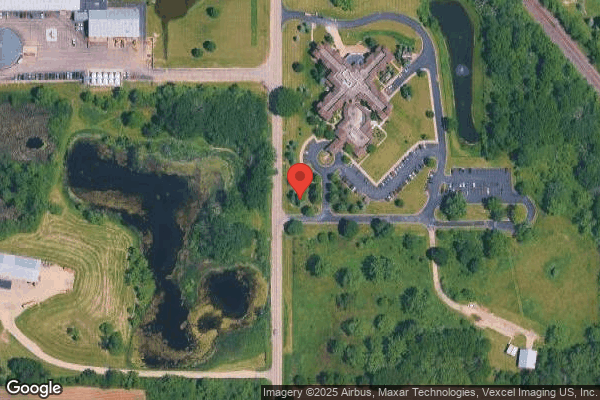
2406 HARTLAND ROAD, WOODSTOCK, IL 60098 (815) 338-0312
Government - County 128 Beds Independent Data: November 2025 1 Immediate Jeopardy citation
Trust Grade
38/100
#293 of 665 in IL
Last Inspection: March 2024

Within standard 12-15 month inspection cycle. Federal law requires annual inspections.

Overview

Valley Hi Nursing Home has received a Trust Grade of F, indicating significant concerns about its care quality. It ranks #293 out of 665 facilities in Illinois, placing it in the top half but still reflecting serious issues. The facility's trend is worsening, with reported problems increasing from 5 in 2023 to 15 in 2024. Staffing is a notable strength, with a perfect score of 5/5 and a turnover rate of 38%, which is better than the state average. However, it has been fined $65,556, which is average but still raises concerns about compliance. Specific incidents of concern include a resident with swallowing difficulties being left with improper food and drink choices that could lead to aspiration risks, and the facility failing to properly label and discard expired medications, affecting several residents. Additionally, there were lapses in vaccination documentation for some residents, suggesting potential oversights in preventive care. While staffing is strong, these weaknesses in care practices could be concerning for families considering this home for their loved ones.

Trust Score
F
38/100
In Illinois
#293/665
Top 44%
Safety Record
High Risk
Review needed
Inspections
Getting Worse
5 → 15 violations
Staff Stability
○ Average
38% turnover. Near Illinois's 48% average. Typical for the industry.
Penalties
✓ Good
$65,556 in fines. Lower than most Illinois facilities. Relatively clean record.
Skilled Nurses
✓ Good
Each resident gets 72 minutes of Registered Nurse (RN) attention daily — more than 97% of Illinois nursing homes. RNs are the most trained staff who catch health problems before they become serious.
Violations
⚠ Watch
28 deficiencies on record. Higher than average. Multiple issues found across inspections.
★★★☆☆
3.0
Overall Rating
★★★★★
5.0
Staff Levels
★★★☆☆
3.0
Care Quality
★★☆☆☆
2.0
Inspection Score
Stable
2023: 5 issues
2024: 15 issues

The Good

  • 5-Star Staffing Rating · Excellent nurse staffing levels
  • Full Sprinkler Coverage · Fire safety systems throughout facility
  • No fines on record
  • Staff turnover below average (38%)

    10 points below Illinois average of 48%

Facility shows strength in staffing levels, fire safety.

The Bad

3-Star Overall Rating

Near Illinois average (2.5)

Meets federal standards, typical of most facilities

Staff Turnover: 38%

Near Illinois avg (46%)

Typical for the industry

Federal Fines: $65,556

Above median ($33,413)

Moderate penalties - review what triggered them

The Ugly 28 deficiencies on record

1 life-threatening
Apr 2024 1 deficiency
CONCERN (D) 📢 Someone Reported This

A family member, employee, or ombudsman was alarmed enough to file a formal complaint

Potential for Harm - no one hurt, but risky conditions existed

Grievances (Tag F0585)

Could have caused harm · This affected 1 resident

Based on interview and record review the facility failed to resolve a grievance/concern verbalized by a resident's POA (power of attorney) for 1 of 3 residents (R1) reviewed for grievances in the samp...

Read full inspector narrative →
Based on interview and record review the facility failed to resolve a grievance/concern verbalized by a resident's POA (power of attorney) for 1 of 3 residents (R1) reviewed for grievances in the sample of 3. The findings include: R1's care plan dated 3/12/24 showed R1 was cognitively impaired due to her diagnosis of dementia. The care plan showed R1 was at risk for falls due to her impaired cognition, impulsivity, weakness and poor safety awareness. A progress note for R1, dated 12/4/23, showed, POA must be notified at time of event of any change in condition or any care item added to the care plan. R1's fall incident report dated 3/23/24 showed R1 sustained an unwitnessed fall in the bathroom. R1 received no injuries from the fall. The report showed V10 (R1's POA) was not notified of R1's fall until 4/2/24. On 4/8/24 at 11:33 AM, V10 (R1's POA) stated, My concerns with a lack of communication from the facility have been going on for months. I have had multiple conversations and sent emails back and forth with (V1 Administrator) about the lack of communication from the facility. We had a care plan meeting, via phone, in December (2023) with (V1 Administrator), (V2 Assistant Administrator), and (V3 Director of Nursing/DON) on the call. I told them then that I was to be notified, day or night, if (R1) has any falls or changes in condition. I get a call on April 2nd (2024) from someone asking me if I knew (R1) had fallen on March 23rd. No one had told me a thing. I had just visited (R1) on Easter and no one said a word. On 4/8/24 at 12:50 PM, V9 Licensed Practical Nurse stated, I review all of the accident and incident reports in the facility. I saw that (R1) had a fall on 3/23/24 but didn't see any documentation that (V10 R1's POA) had been notified of the fall so I called her. (V10) was very upset no one had called her. She went from crying to yelling. She said she was so sick of the lack of communication from us. On 4/8/24 at 11:45 AM, V2 Assistant Administrator stated she attended R1's care plan meeting, via phone, on 12/4/23. V2 stated V10 (R1's POA) expressed her concerns related to a lack of communication from the facility during the meeting. V2 stated, (V10) was upset about the lack of communication. She was upset that she was not notified in real time when things were happening with (R1). That is when she said we are to call her immediately, day or night, if (R1) falls or has a change in condition. We dropped the ball with this one. (R1) had a fall on 3/23/24 and we didn't notify (V10) until 4/2/24. V2 stated grievances can be filed, verbally or in writing, by a resident or resident's family. V2 stated grievances should be resolved as soon as possible. On 4/8/24 at 12:04 PM, V1 Administrator stated he also attended R1's care plan meeting, via phone, on 12/4/23. V1 stated V10 (R1's POA) voiced her concerns about a lack of communication from the facility during the meeting. V1 stated, (V10) did say she wanted to be called immediately if anything happened with (R1), day or night. The facility's Resident Grievance Policy dated 1/2018 showed, It is the policy of (the facility) to address all resident and/or family concerns as quickly as possible and as best as possible .
Mar 2024 14 deficiencies 1 IJ
CRITICAL (J)

Immediate Jeopardy (IJ) - the most serious Medicare violation

Accident Prevention (Tag F0689)

Someone could have died · This affected 1 resident

**NOTE- TERMS IN BRACKETS HAVE BEEN EDITED TO PROTECT CONFIDENTIALITY** 5. R9's Speech Therapy Evaluation and Plan of Treatment dated 3/15/24 states, Patient referred to SLP (speech language pathologi...

Read full inspector narrative →
**NOTE- TERMS IN BRACKETS HAVE BEEN EDITED TO PROTECT CONFIDENTIALITY** 5. R9's Speech Therapy Evaluation and Plan of Treatment dated 3/15/24 states, Patient referred to SLP (speech language pathologist) due to new onset of signs/symptoms of dysphagia and risk for aspiration causing change in swallowing abilities related to dementia . Self Feeding = Patient requires assistance, to address in treatment plan . R9's Physician's Orders form (no date) shows R9's Dietary Order is general, honey thick, mechanical soft. R9's Dietary Order states, Needs 1:1 (one-to-one). Alternate solids/liquids. Small bites/drinks. No straws. Upright 90 degrees. Multiple swallows. On 3/19/24 at 8:37 AM, R9 was lying in bed with the head of the bed elevated approximately 45 degrees. On R9's bedside table, within R9's reach, was a breakfast tray with a half full bowl of cereal with thin 1% milk in it, a half full carton of thin 1% milk, and a half full cup of thin apple juice. Staff was not present. On 3/19/24 at 12:40 PM, the first floor kitchenette did not have any honey thickened milk but it did have honey thick juice and honey thick water. On 3/19/24 at 12:43 PM, V4 (Dietary Manager) showed this surveyor a full case of honey thick milk in the dry storage area in the main kitchen. V4 said even if staff run out of honey thick milk at the point of service, staff know to run to the kitchen and grab what is needed. V4 also said that there are thickening packets available in each kitchenette if staff need to thicken beverages at the point of service. On 3/19/24 at 11:44 AM, V4 said any resident ordered to receive honey thick liquids should never receive thin apple juice or thin 1% milk. If served thin liquids, their risk for aspiration, choking, or food in lungs can increase. V4 also said that a certified nursing assistant (CNA) should never leave that room if they require one-to-one assistance with meals. The tray should have been picked up and removed after finishing assisting R9 with feeding. There should be no food or drink in front of them and left with them if they are one-to-one and no staff are present. Facility Dining Room Seating, Swallow Protocol and Supervision Policy dated 2/2023 states, . Residents identified as 1:1 or close supervision cannot eat or drink in their rooms without a refusal of treatment. Swallow Precaution Status Definitions: 1:1- CPR certified CNA or nurse sitting at the table that only focuses on one resident. Staff member cannot leave the table while the resident is eating. No food or drinks set at the table until the designated staff member serves the resident's tray. 6. R59's Event Report dated 2/28/24 states, Resident is impulsive, forgetful, confused d/t (due to) UTI (urinary tract infection), just returned from hospital yesterday. On 3/20/24 at 4:01 PM, V11 (LPN) said on 2/27/24 at approximately 9:15 AM, V11 prepared a small plastic pill cup (2 tablespoons in volume) with approximately one-half tablespoon of calmoseptine cream. After dispensing the cream into the pill cup, V11 went into R59's room and placed the cup down, waiting for R59 to return from breakfast. The pill cup with the cream in it was left unattended in R59's room. While waiting for R59 to return to the room, V11 was called to two different rooms back to back to send two residents out to the local hospital to receive emergency care. When V11 returned to R59's room, R59 was already taken for therapy. On 3/19/24 at 1:54 PM, V19 (Occupational Therapist) said on 2/27/24 at approximately 9:00 AM, V19 went to R59's room to get her ready for therapy. R59 was found in her wheelchair and V19 noticed something white on R59's lips and inside of R59's mouth. V19 asked R59 if she had taken her medicine and R59 could not recollect. V19 then called the unit secretary to let them know about the incident and the unit secretary informed the unit nurse. V18 (CNA) then came to the therapy room and returned R59 to R59's room. On 3/19/24 at 11:33 AM, V18 said on 2/27/24 at approximately 9:45 AM, V18 used a washcloth with warm water and a sponge to rinse out R59's mouth to remove the remaining cream. V18 said V59 had a pinkish white film coated on R59's teeth and all inside of R59's mouth. On 3/20/24 at 4:01 PM, V11 said after realizing that R59 had potentially ingested the cream that was left in R59's room, V11 went into R59's room and found the plastic pill cup of cream in R59's trash can. The cup looked as if a finger was used to scoop out the cream. V11 said R59 was recently placed on an antibiotic for a new diagnosis of a urinary tract infection. Due to the infection, V11 said that R59 was more confused and forgetful compared to R59's baseline. V11 called poison control with V15 (RN) and poison control said to monitor R59 for nausea, vomiting, and diarrhea. V11 said R59 did not experience any nausea, vomiting, or diarrhea throughout the rest of V11's shift. V11 said the cup with cream should not have been left in R59's room unattended. On 3/19/24 at 1:27 PM, V2 (Director of Nursing) said that ointments or treatments for confused residents shouldn't be left unattended. It is recommended that the task is completed while you are in there with the resident. 4. On 3/19/2024 at 11:45AM, V17 Home Health Aide said she was transferring R48 with the assistance of V14 - Certified Nursing Assistant. V17 said the full mechanical lift started to tip and R48 bumped her head on the lift, no bleeding or bruising noted. On 3/19/2024 at 1:40PM, V14 said he was helping V17 with a full mechanical lift transfer and the lift started to tip and R48 bumped her head on the cross bar of the lift, no bleeding or bruising noted at that time. On 3/19/2024 at 12:27PM, V7 Licensed Practical Nurse (LPN)/ Rehab Coordinator said if the lift is used correctly, it should not tip over or start to tip over. R48's Care Plan, revised on 1/23/2024 states . At this time R48 needs max asst with adl's (activities of daily living). Transfers with total mechanical, w/c pushed by staff, and ambulation is not feasible at this time. 3. On 03/19/24 at 09:24 AM V27, R17's daughter, said she was not happy because her mom, R17, got hit with a (mechanical) lift. V27 said she was called and informed R17 had a mark under her eye from the incident on a Tuesday (1/8/24) and when she arrived to the facility on Saturday (1/13/24) to visit R17, R17 had a huge black eye. V27 said she worried R17's facial bone could be fractured and asked for an x-ray to be done. V27 said during this visit with R17 (on 1/13/24) R17 wanted to go back to bed. V27 said when the CNAs came in to transfer R17 to bed, they were not watching what they were doing and they hit R17 with the main bar of the lift again. On 3/18/24 at 2:22 PM, V21, CNA, said she along with another CNA were transferring R17 with the mechanical lift (on 1/8/24). V21 said the footrest of R17's wheelchair got caught on the leg of the mechanical lift, so when the lift was lowered, the wheelchair came down fast and R17 came forward and bumped her head on the lift. V21 said, That was my error. V21 said R17 did bruise up and have swelling, but she did not go to the hospital. On 3/20/24 at 10:41 AM, V22, CNA, said she was one of the CNAs assisting R17 to transfer from her wheelchair to her bed (on 1/13/24) with the full mechanical lift. V22 said they began moving the lift toward R17's wheelchair and did it slightly too quickly; we definitely could have done it a little slower and they bumped R17's head with the scale box on the lift. V22 said it was definitely user error on our part. On 3/20/24 at 11:20 AM, V30, CNA, said she was assisting to help transfer R17 from her wheelchair to bed with the full mechanical lift (on 1/13/24). V30 said they were getting R17 hooked up to the lift and were trying to maneuver it and I guess we were not careful enough and not watching and we bumped R17's head with the weight box on the lift. R17's Minimum Data Set (MDS) dated [DATE] shows she has severe cognitive impairment. R17's current Care Plan (edited 3/20/24) shows R17 sustained a bruise to her face below her left eye measuring 5 cm (centimeters) by 2 cm due to an incident with a full mechanical lift of 1/8/24. The same care plan shows R17 was bumped on her forehead with a mechanical lift machine when staff were giving care. The same care plan shows R17 requires extensive assistance with ADLs (activities of daily living) and two staff member for transfers with a mechanical lift. Based on observation, interview, and record review the facility failed to ensure residents were served food at a safe temperature. This failure resulted in R273 spilling hot soup and receiving full thickness burns on his right forearm and abdomen. The facility failed to safely transfer residents with a mechanical lift. The facility failed to ensure medications were stored in a safe manner away from a cognitively impaired resident. The facility also failed to ensure residents at risk for choking were supervised during meal times and provided thickened liquids as prescribed. This applies to 6 of 18 residents (R17, R9, R51, R52, R53 & R273) reviewed for safety and supervision in the sample of 18. The failure to ensure safe food temperatures resulting in R273 sustaining a burn due to hot foods resulted in an Immediate Jeopardy. The Immediate Jeopardy began on 6/5/23 when the facility failed to ensure residents were served soup at a safe temperature to prevent burns. V1 Administrator was notified of the Immediate Jeopardy on 3/19/24. This surveyor confirmed by observation, interview and record review that the Immediate Jeopardy was removed on 3/20/24 however, noncompliance remains at a Level Two because additional time is needed to evaluate the implementation and effectiveness of the in-service training and staffing levels. The findings include: 1. On 3/19/24 at 11:46 AM, the soup on the second floor was measuring 181.7 degrees Fahrenheit (F). R52's facility event report dated 6/5/23 shows, Hot soup during lunch was spilled on resident's right hand and leg. R52's progress note dated 6/5/23 shows, During lunch time resident was served hot soup. Bowl slipped from universal worker's hand and was spilled on resident's right hand and lap . V4 Dietary Manager's statement for R52's event shows, he saw V5 Resident Aide (universal worker) trip and spill hot soup on R52. He heard R52 yell that she was burning and hot. On 3/20/24, V4 Dietary Manager confirmed his statement. On 3/20/24 at 9:01 AM, R52 stated, she remembered when soup was spilled on her. She didn't know what happened but that hot soup was spilled on her. It was very hot. I cried a lot because it hurt. She also stated, you have to let the soup sit and cool down because it is boiling hot before you can eat it. R52's Minimum Data Set, dated [DATE] shows, she is cognitively intact. On 3/19/24 at 1:05 PM, V4 Dietary Manager stated, they have not done anything different after R52 had hot soup spilled on her. The minimum temperature of the soup is kept at least 165 degrees F. R273's facility event report dated 11/6/23 shows, spilled hot soup during lunch on right arm. R273's progress notes dated 11/6/23 at 1:04 PM shows, Resident continues to refuse to get up from the bed to his wheelchair for meals. During lunch time he spilled hot soup on his right arm. Arm painful and red . The same progress notes at 11:48 PM shows, Received report about resident soup incident . Observed a blister on resident right side of the abdomen. R273's progress notes dated 11/7/23 at 2:35 PM shows, Observed fluid filled blister on the anterior of the right upper arm and open area approximate 7 cm (centimeter) x 5.5 cm partial thickness. Resident c/o (complain of) pain on the site . R273's wound doctor evaluation and management summary dated 11/13/23 shows, he has a full thickness burn wound of the right, upper, medial arm measuring 5.0 x 7.1 x 0.1 cm (length x width x depth). Additional wound detail: Area of partial, deep-partial and likely some full thickness thermal burn from where pt (patient) spilled coffee on himself. There is nothing documented about the burn on his abdomen. R273's wound doctor evaluation and management summary dated 11/20/23 shows, he has a full thickness burn wound of the right, upper, medial arm measuring 5.0 x 5.1 x 0.1 cm and a full thickness burn wound of the right, lower abdomen measuring 4.1 x 1.3 x 0.1 cm. On 3/20/24 at 10:49 AM, V6 Wound Care Nurse stated, R273 had between 2nd and 3rd degree burns on his forearm and abdomen. On 3/20/24 at 6:05 PM, V37 Advanced Practice Registered Nurse (APRN) stated, she was aware of R237 spilling hot soup on himself and obtaining full thickness burns to his right arm and abdomen. The expectation would be not to serve soup that is too hot for residents to eat. 185 degree F soup is too hot to serve to residents. On 3/19/24 at 1:19 PM, V4 stated, he did not have temperature logs for the soup. They are taking the temperatures of the soup but not logging them. The facility did not provide any food temperature logs for the soup. The facility's food temperatures policy dated 2017 shows, Policy: The temperatures of all food items will be taken and properly recorded prior to service of each meal. Procedure: 1. b. Hot food items may not fall below 135 degrees F after cooking, unless it is an item which is to be rapidly cooled to below 41 degrees F and reheated to at least 165 degrees F prior to serving. Caution should be taken to avoid serving food and liquids at temperatures that are too hot to avoid the risk of burns. The facility presented an abatement plan to remove the immediacy on 3/19/24. The survey team reviewed the abatement plan and was unable to accept the plan to remove the immediacy. The abatement plan was returned to the facility for revisions. The facility presented a second revised abatement plan on 3/19/24. The survey team reviewed the abatement plan and was still unable to accept the plan to remove the immediacy. The abatement plan was returned to the facility for revisions. The facility presented a third abatement plan on 3/20/24. The survey team reviewed the abatement plan and was still unable to accept the plan to remove the immediacy. The abatement plan was returned to the facility for revisions. The facility presented a fourth abatement plan on 3/20/24 and the survey team accepted the abatement plan on 3/20/24. The Immediate Jeopardy that began on 6/5/23 was removed on 3/20/24 when the facility took the following actions to remove the immediacy. 1. Facility Dietary Director updated the daily meal temp log to include soup temperatures; completed during survey and initiated with dinner 3/19/24. 2. Facility dietary staff were immediately retrained on the procedure for taking meal temps at every meal, using the new log, and the appropriate ranges before the start of their next shift, this will be completed by the facility Dietary Director starting with staff currently on shift and will be completed by 3/30/24 3. Facility Administrator will review and update the facility policy for food temperatures, will send to the facility RD for approval by 3/22/24 a. Policy will be updated to reflect soup temperatures between 135 degrees to 150 degrees Fahrenheit to ensure soups are delivered to resident's at a safe temperature 4. Facility Dietary Director and Dietician will conduct a dietary department training on food safety, including proper food temperature monitoring and the updated policy after adoption; completed by 3/22/24 5. Facility Assistant Administrator will hold an emergency dietary QA meeting on 3/20/24 that will be attended by all dietary staff; the medical director was invited to attend either in person or via phone 6. Facility Administrator notified the Medical Director of the IJ on 3/19/24 and invited him to the emergency QA meeting 7. Facility Dietary Director will provide the Quality Assurance Committee with a monthly summary report identifying any food temps outside of policy range for 6 months or longer if determined necessary by the Committee 2. R273's facility event report dated 9/20/23 shows, Two CNA's (V38 & V39 Certified Nursing Assistants) had pt (patient) on the [mechanical lift] and bumped his head creating two skin tears on top of cranium . Measurement of Injury: 1.8 x 1.3 cm and 1x1 cm. Evaluation: On 9/20/23, resident was being transferred in [mechanical lift] and upon being lowered into chair, resident hit his head against pad on the lift and two skin tears were obtained . Nurse did immediate re-education with two CNAs on how to lower lift without bumping chair. On 3/20/24 at 9:15 AM, V39 CNA stated, V38 and her were transferring R273 from his bed to the wheelchair when he bumped his head on the mechanical lift. He hit his head on the cross bar of the mechanical lift. R273 had 2 open areas on the top of his head. The facility's transfer and positioning policy dated 5/2017 shows, 6. EZ lift (mechanical lift)- when someone is an EZ lift that means they cannot bear weight and are totally dependent for transfers . The most important thing to remember with the EZ lift is that the bars spin sideways and back and forth as well as around, so use extreme caution when moving the lift around the resident .
CONCERN (D)

Potential for Harm - no one hurt, but risky conditions existed

Quality of Care (Tag F0684)

Could have caused harm · This affected 1 resident

Based on observation, interview, and record review, the facility failed to ensure a non-pressure sacral wound was treated, as ordered, for 1 of 5 residents (R370) reviewed for non-pressure wounds in t...

Read full inspector narrative →
Based on observation, interview, and record review, the facility failed to ensure a non-pressure sacral wound was treated, as ordered, for 1 of 5 residents (R370) reviewed for non-pressure wounds in the sample of 18. The findings include: On 3/18/24 at 9:36 AM, R370 said she has a wound to her bottom and staff have been applying cream to the area. On 3/18/24 at 9:38 AM, V24, Certified Nursing Assistant (CNA), took R370 to the bathroom. R370 had no dressing to her sacrum. On 3/18/24 at 9:49 AM, V6, Wound Care Nurse, said she saw documentation in the wound book showing R370 has an open area to her bottom, but R370 is not seeing the wound doctor at this time. R370 was back in her bed and said her bottom hurts. R370 had an open wound to her sacrum. V6 cleaned the wound with normal saline, measured the wound, then applied barrier cream. On 3/20/24 at 10:18 AM, V6 said R370's sacral wound is not a pressure ulcer, but she will have the wound care doctor see it this upcoming Monday. R370's Physician Order Report for the dates 2/18/24 through 3/18/24 shows a treatment order was placed on 3/15/24 for R370's sacral wound. The order shows R370's sacral wound is to be washed with soap and water, patted dry, and then Hydrogel is to be applied to the wound base and covered with a bordered foam dressing every three days and as needed when it becomes soiled or removed. On 3/20/24 at 9:01 AM, V26, Licensed Practical Nurse (LPN), said a wound should always have a dressing if one is ordered. V26 said if she came across a wound without a dressing, the nurses are responsible to replace the dressing.
CONCERN (D)

Potential for Harm - no one hurt, but risky conditions existed

Incontinence Care (Tag F0690)

Could have caused harm · This affected 1 resident

Based on observation, interview, and record review the facility failed to ensure a catheter drainage bag was maintained below the level of the bladder for 1 of 1 residents (R49) reviewed for catheters...

Read full inspector narrative →
Based on observation, interview, and record review the facility failed to ensure a catheter drainage bag was maintained below the level of the bladder for 1 of 1 residents (R49) reviewed for catheters in the sample of 18. The findings include: On 3/18/24 at 1:54 PM, V23 and V24, CNAs (certified nursing assistants) were using a mechanical lift to transfer R49 from his wheelchair to his bed. V23 and V24 hung R49's catheter bag on the sling strap above R49 as they raised R49 with the lift. Once R49 was lying in bed, V23 told V24 to set R49's catheter drainage bag on his bed where it remained as they provided a bed bath. On 3/19/24 at 1:25 PM, V25, CNA, said the catheter drainage bag should be positioned lower than the bladder so urine does not go back up in the bladder. If urine backflows back into the bladder, the resident could get a urinary infection, chronic kidney disease, and neuromuscular bladder dysfunction. R49's Face Sheet printed 3/20/24 shows his diagnoses include, but are not limited to, quadriplegia, diabetes mellitus type 2, chronic kidney disease, and neuromuscular bladder dysfunction. The facility's Foley Catheter Care Policy (revised 3/2016) shows the urinary catheter drainage bag should be kept lower than the bladder.
CONCERN (D)

Potential for Harm - no one hurt, but risky conditions existed

Pharmacy Services (Tag F0755)

Could have caused harm · This affected 1 resident

**NOTE- TERMS IN BRACKETS HAVE BEEN EDITED TO PROTECT CONFIDENTIALITY** Based on observation, interview, and record review the facility staff failed to ensure a resident took all medications during me...

Read full inspector narrative →
**NOTE- TERMS IN BRACKETS HAVE BEEN EDITED TO PROTECT CONFIDENTIALITY** Based on observation, interview, and record review the facility staff failed to ensure a resident took all medications during medication administration. This applies to 1 of 3 (R48) reviewed for medication administration in the sample of 18. The findings include: 1. On 3/19/2024 at 8:29AM, V16 License Practical Nurse (LPN) prepared the medications for R48's medication administration. V16 placed the pills into a medication cup and dissolved the Miralax into a cup of water. V16 went to administer the medications to R48 at 8:40AM. V16 watched the resident take her pills and left the cup of water with MiraLAX on the resident's breakfast table in the dining room. R48 did not drink the MiraLAX and water. V16 was observed talking to other residents on the opposite side of the dining room from R48 while the MiraLAX was still sitting next to R48. At 8:51AM the MiraLAX in water was [NAME] sitting on the table next to R48, untouched by the resident. On 3/19/2024 at 8:51AM, Surveyor asked V16 about the MiraLAX sitting on the table near R48. V16 then returned to R48's table and asked her if she was going to take her MiraLAX and R48 refused the medication. V16 said he normally leaves MiraLAX for R48 with her and comes back to check on her later. On 3/19/2024 at 1:27PM, V2 Director of Nursing (DON) said staff should stay with resident during medication administration. V2 said medications should not be left near the resident on the table because someone else could take them. The facility's Medication Pass Guidelines policy, dated 4/19, states . watch the resident swallow all medications. Do NOT leave any meds with the resident to take later. before going to the next resident, double-check that all medications have been administered for that pass time.
CONCERN (D)

Potential for Harm - no one hurt, but risky conditions existed

Medication Errors (Tag F0758)

Could have caused harm · This affected 1 resident

Based on interview and record review the facility failed to ensure PRN (as needed) anti-anxiety (psychotropic) medications had a duration/end date. This applies to 2 of 5 (R53, R63) reviewed for unnec...

Read full inspector narrative →
Based on interview and record review the facility failed to ensure PRN (as needed) anti-anxiety (psychotropic) medications had a duration/end date. This applies to 2 of 5 (R53, R63) reviewed for unnecessary medications in the sample of 18. The findings include: On 3/19/2024, R53's Orders show resident has an active order since 7/18/2023 for lorazepam give 0.5mg/0.25mL PO (by mouth) Q (every) 2 hours PRN (as needed) for anxiety, agitation, or restlessness, with no stop date. On 3/19/2024, R63's Orders show resident has an active order since 2/27/2024 for lorazepam give 0.5mg tab PO Q 4 hours PRN for anxiety, with no stop date. On 3/20/2024 at 9:58AM, V2 Director of Nursing (DON) said PRN psychotropic and antipsychotic medications should have a 14 day stop date. The facility's Procedure for Psychotropic Medication Evaluation policy reviewed 3/2022 states . PRN medications psychotropic medications . will be limited to 14 days.
CONCERN (D)

Potential for Harm - no one hurt, but risky conditions existed

Deficiency F0804 (Tag F0804)

Could have caused harm · This affected 1 resident

Based on observation, interview, and record review the facility failed to serve pureed barbecue beef brisket at safe temperatures. This applies to 3 of 3 residents (R46, R28, R10) reviewed for pureed ...

Read full inspector narrative →
Based on observation, interview, and record review the facility failed to serve pureed barbecue beef brisket at safe temperatures. This applies to 3 of 3 residents (R46, R28, R10) reviewed for pureed diets in the sample of 18. The findings include: R46's lunch meal ticket for 3/18/24 shows that R46 received pureed barbecue beef brisket. R28's lunch meal ticket for 3/18/24 shows that R28 received pureed barbecue beef brisket. R10's lunch meal ticket for 3/18/24 shows that R10 received pureed barbecue beef brisket. On 3/18/24 at 11:59 AM, V20 (Cook) took food temperatures before plating lunch. The pureed barbecue beef brisket was at 130°F. This surveyor repeated the temperature to V20 and V20 confirmed the pureed barbecue beef brisket was at 130°F. V20 did not bring the pureed barbecue beef brisket back to the kitchen to be reheated prior to service. Facility provided temp log for the second floor kitchenette dated 3/17/24 shows the pureed entree was at 157°F; a different temperature than what was confirmed during service by V20. On 3/19/24 at 11:44 AM, V4 (Dietary Manager) said that foods should be greater than 135°F prior to service. If it is not at 135°F, staff should bring the food item back to the kitchen and quickly reheat the item to an internal temperature of 165°F. If the food item is not reheated and is below 135°F, the food could grow bacteria and increase the risks of food borne illness. Facility Food Temperatures policy from 2017 states, . 1. All hot food items must be cooked to the appropriate internal temperatures, held and served at a temperature of at least 135°F . b. Hot food items may not fall below 135°F after cooking, unless it is an item which is to be rapidly cooled to below 41°F and reheated to at least 165°F prior to serving.
CONCERN (D)

Potential for Harm - no one hurt, but risky conditions existed

Deficiency F0805 (Tag F0805)

Could have caused harm · This affected 1 resident

Based on observation, interview, and record review the facility failed to provide pureed barbecue beef brisket in a smooth, pudding-like consistency for residents requiring a pureed diet. This applies...

Read full inspector narrative →
Based on observation, interview, and record review the facility failed to provide pureed barbecue beef brisket in a smooth, pudding-like consistency for residents requiring a pureed diet. This applies to 3 of 3 residents (R46, R28, R10) reviewed for pureed diets in the sample of 18. The findings include: R46's lunch meal ticket for 3/18/24 shows that R46 received pureed barbecue beef brisket. R28's lunch meal ticket for 3/18/24 shows that R28 received pureed barbecue beef brisket. R10's lunch meal ticket for 3/18/24 shows that R10 received pureed barbecue beef brisket. On 3/18/24 at 12:58 PM, facility provided test tray of pureed barbecue beef brisket, pureed squash, and pureed chicken noodle soup was evaluated. The pureed barbecue beef brisket was not smooth and required chewing. On 3/18/24 at 1:10 PM, V4 (Dietary Manager) said before testing the pureed barbecue beef brisket that he could already tell it was not a proper consistency. V4 said that it was stringy and not the proper consistency. The proper consistency for pureed food items is completely smooth, no chunks, and similar to a mashed potato consistency. If residents on a pureed diet receive food that is not at the correct consistency, those residents increase their risk of choking. Facility National Dysphagia Diet Level 1 Pureed policy (no date) states, The dysphagia pureed diet (also known as NDD Level 1) is the least advanced of the texture modified diets. It provides foods that are pureed, homogeneous, and cohesive. The foods should be a semi-solid smooth consistency. No chewing or bolus formation is required. All foods must be pureed or be naturally pudding-like.
CONCERN (D)

Potential for Harm - no one hurt, but risky conditions existed

Deficiency F0825 (Tag F0825)

Could have caused harm · This affected 1 resident

Based on interview and record review, the facility failed to evaluate a resident for Physical Therapy (PT) after receiving an order to start PT for 1 of 5 residents (R17) reviewed for rehab/therapy in...

Read full inspector narrative →
Based on interview and record review, the facility failed to evaluate a resident for Physical Therapy (PT) after receiving an order to start PT for 1 of 5 residents (R17) reviewed for rehab/therapy in the sample of 18. The findings include: On 03/19/24 at 09:24 AM V27, R17's daughter, said the facility did not start therapy when the neurologist ordered it in October of 2023; they never started it until December 2023. On 3/19/24 at 11:33 AM, V7, Rehab Coordinator, said the physician can order therapy for a resident if they see a decline or would like an evaluation. V7 said when a resident comes back from their doctor's appointment, they send a packet with the resident and the nurse enters the orders and a copy of the order is given to her. V7 said all therapy will begin with an evaluation and therapy should start the evaluation within a week of it being ordered. V7 said delaying a therapy evaluation/treatment by two months could potentially contribute to a decline in the resident's function. R17's Neurologist's Progress Notes dated 10/4/23 shows he recommends dedicated physical therapy for lower extremity strengthening and balance with order provided on her facilities (sic) ordering sheet. R17's neurologist placed an order to Start therapy which is dated 10/4/23 at 2 PM and shows it was noted by staff on 10/5/23. R17's Order History dated 3/20/24 shows no order to evaluate and treat for PT until 12/15/23. R17's PT Evaluation & Plan of Treatment shows it was conducted on 12/23/23.
CONCERN (D)

Potential for Harm - no one hurt, but risky conditions existed

Deficiency F0847 (Tag F0847)

Could have caused harm · This affected 1 resident

Based on interview and record review the facility failed to ensure the facility's binding arbitration agreement was explained to a resident in a form and manner that the resident could understand for ...

Read full inspector narrative →
Based on interview and record review the facility failed to ensure the facility's binding arbitration agreement was explained to a resident in a form and manner that the resident could understand for 2 of 3 residents (R274, R59) reviewed for binding arbitration agreements in the sample of 18. The findings include: 1. R274's binding arbitration agreement dated 3/6/24 showed the agreement was signed by R274. On 3/19/24 at 12:26 PM, R274's binding arbitration agreement, dated 3/6/24, was reviewed by R274 and this surveyor. The agreement showed R274 initialed and/or signed each area of the binding arbitration agreement. When this surveyor handed the agreement to R274 for her to review, R274 stated, You will have to read this to me. I am legally blind. I can't read it. When this surveyor started to read the agreement to R274, R274 stated, No one read this part to me before! (V8 Concierge) just told me to sign it. If someone had read that to me, I would have never signed that. I thought I was signing my admission stuff. On 3/19/24 at 12:30 PM V8 Concierge stated she reviews the binding arbitration agreements with residents when they are admitted . V8 stated, I went over the agreement with (R274). I didn't know she was blind. I didn't read it all to her. She probably shouldn't have signed it. 2. R59's binding arbitration agreement dated 3/4/24 showed the agreement was signed by R59. On 3/19/24 at 12:33 PM, R59's signed binding arbitration agreement, dated 3/4/24, was reviewed with R59. R59 began reading the agreement. R59 stated, I didn't realize I was signing this. I didn't know what I was signing. I wouldn't have signed this. I thought this was part of the admission paperwork. On 3/20/24 at 10:41 AM, V1 Administrator stated the facility did not have a policy on binding arbitration agreements.
CONCERN (D)

Potential for Harm - no one hurt, but risky conditions existed

Deficiency F0883 (Tag F0883)

Could have caused harm · This affected 1 resident

**NOTE- TERMS IN BRACKETS HAVE BEEN EDITED TO PROTECT CONFIDENTIALITY** Based on interview and record review the facility failed to screen for and administer influenza (flu) and pneumococcal immunizat...

Read full inspector narrative →
**NOTE- TERMS IN BRACKETS HAVE BEEN EDITED TO PROTECT CONFIDENTIALITY** Based on interview and record review the facility failed to screen for and administer influenza (flu) and pneumococcal immunizations to residents for 2 of 5 residents (R64, R19) reviewed for influenza and pneumococcal immunizations in the sample of 18. The findings include: 1. R64's Resident Face Sheet showed R64 was admitted to the facility on [DATE]. Influenza and Pneumococcal Vaccine Consent forms dated 11/6/23 for R64 showed R64's POA (power of attorney) gave consent for R64 to receive both vaccinations. R64's Preventative Health Care Record Form printed 3/19/24 showed R64 did not receive the influenza vaccination until 3/19/24. The form also showed R64 last received a pneumococcal vaccine (PPSV23) on 1/10/13 which showed R64 was eligible to receive an additional pneumococcal vaccine (PCV 20). R64's medication administration records dated 10/30/23-3/19/24 were reviewed and showed R64 had yet to receive a pneumococcal vaccination in the facility. 2. R19's Resident Face Sheet showed R19 was admitted to the facility on [DATE]. R19's vaccination records dated 3/3/20-3/19/24 showed R19 was screened for the need to receive a pneumococcal vaccine on 3/3/20. The records showed R19's POA refused the pneumococcal vaccine on 3/3/20 because he felt R19 was up-to-date on the vaccination at that time. The records showed R19 last received a pneumococcal vaccine (Prevnar 13) on 5/11/17 which showed R19 was currently eligible to receive an additional pneumococcal vaccine (PCV 20). The records showed no documentation that R19 had been re-screened for the vaccination, from 2022-3/18/24, while residing in the facility. On 3/19/24 at 9:00 AM, V9 Infection Preventionist stated residents are screened upon admission to receive the pneumococcal vaccine. V9 stated, If a new admission consents to the pneumococcal vaccine, we order the specific one they need, and administer it once it's delivered from pharmacy. We don't really have a process in place to annually check if our long term residents become eligible or need an additional pneumococcal vaccine. V9 stated, We offer the flu vaccination to our residents upon admission and then yearly between the months of October to March. V9 stated, We must have missed (R64). I don't know why he didn't get his vaccines after he consented in November (2023). (R19) should have been reassessed for her need for a pneumococcal booster. The facility's Pneumonia Vaccinations Policy dated 7/2023 showed, The vaccinations will be offered and administered to all qualifying residents. The Pneumococcal Vaccines will be re-offered annually to those who refuse. The facility's Influenza Vaccination Policy (undated) showed, Each resident or resident's legal representative be offered an influenza immunization annually unless medically contraindicated or resident has already been immunized during the time period of October 1 through March 31 or refused the vaccine. Upon admission, the Admissions Designee will ask resident or resident's legal representative if resident would like to receive the influenza vaccine annually .
CONCERN (D)

Potential for Harm - no one hurt, but risky conditions existed

Room Equipment (Tag F0908)

Could have caused harm · This affected 1 resident

**NOTE- TERMS IN BRACKETS HAVE BEEN EDITED TO PROTECT CONFIDENTIALITY** Based on interview and record review the facility failed to ensure resident care equipment was in safe working order. This appli...

Read full inspector narrative →
**NOTE- TERMS IN BRACKETS HAVE BEEN EDITED TO PROTECT CONFIDENTIALITY** Based on interview and record review the facility failed to ensure resident care equipment was in safe working order. This applies to 2 of 18 residents (R24 & R37) reviewed for safe operating equipment in the sample of 18. The findings include: 1. R37's facility event report dated January 11, 2024 shows, mechanical lift failure R37 already lying on bed. Evaluation Notes: On 1/11/24 an incident involving the mechanical lift occurred. After completion of a [mechanical lift] to bed was complete, the lift began to self lower on top of resident's right shoulder . [mechanical lift] was taken out of service for maintenance. R37's progress notes dated January 11, 2024 shows, At 8:30 p.m. while CNAs were transferring her (R37) into bed with easy lift, they had completed transfer, R37 was lying on bed the aides were unhooking sling from bars of lift there was a loud bang sound and lift lowered onto R37 with bar of lift pressing into her right shoulder . On March 19, 2024 at 9:32 AM, R37 stated, something was wrong with the mechanical lift. It just fell on her right shoulder. She did not have any injuries. On March 19, 2024 at 9:38 AM, V7 Rehabilitation Director stated, the motor malfunctioned on the mechanical lift. It made a clicking noise and then dropped down on R37. On March 19, 2024 at 9:51 AM, V28 Certified Nursing Assistant (CNA) stated, her and another CNA were transferring R37 back to bed. They had her over the bed when they heard a clicking noise and the mechanical lift just dropped on R37. She heard it was a motor malfunction. The facility's mechanical work order dated January 12, 2024 shows, The lift is taken out of service. Can not make lift fail per trouble. V3 Assistant Administrator is having manufacture come in to look over lift under warrantee . 1/18/2024- Lifts are being repaired by vender. R37's Minimum Data Set, dated [DATE] shows, she is cognitively intact. 2. R24's progress notes dated January 31, 2024 shows, CNA came and called the writer. Writer helping other resident next room. Resident was on the floor leaning back at the wheelchair. CNA and resident told the writer that while transferring from the toilet to the wheelchair the chair moved away. The chair was locked but the right lock was ineffective . R24's event details dated January 31, 2024 shows, On 1/31/24 R24 was guided to the floor when transferring from toilet to wheelchair. Brakes on wheelchair were locked but the right lock was not functioning properly causing the chair to move when transferring which resulted in fall. On 1/31/24 maintenance was notified via maintenance log to fix resident's brake. On March 20, 2024 at 8:31 AM, V40 CNA stated, she was transferring R24 from the toilet to her wheelchair. R24 went to sit in the chair but the chair turned and she had to guide R24 to the ground. The wheelchair was locked but the right lock was broken. R24 did not have any injuries. The facility's maintenance logs shows, 2/1/2024- please fix r (right) hand break of her wheelchair. 2/1/24- readjusted/tighten both brakes on wheel chair The facility's management policy/procedure (not date) shows, Policy Statement: This policy establishes a Preventive Maintenance Program to ensure that all county equipment is inspected and tested on a monthly, quarterly, semi-annual or annual basis .
CONCERN (D)

Potential for Harm - no one hurt, but risky conditions existed

Deficiency F0940 (Tag F0940)

Could have caused harm · This affected 1 resident

Based on interview, and record review the facility failed to provide mechanical lift training to facility staff using lifts for resident's requiring mechanical lifts for transfers. This applies to 1 o...

Read full inspector narrative →
Based on interview, and record review the facility failed to provide mechanical lift training to facility staff using lifts for resident's requiring mechanical lifts for transfers. This applies to 1 of 1 (R48) reviewed for training requirements. On 3/19/2024 at 11:45AM, V17 Home Health Aide said she had not received any training on the Hoyer lifts from the facility. V17 said she was transferring [R48] with the assistance of V14 - Certified Nursing Assistant. V17 said the Hoyer lift started to tip and [R48] bumped her head on the lift, no bleeding or bruising noted. On 3/19/2024 at 12:27PM, V7 Licensed Practical Nurse (LPN)/ Rehab Coordinator said she does not believe [V17] received Hoyer lift training. V7 said training is offered and those people working that day receive training. V7 said the facility is responsible for Hoyer lift training. On 3/19/2024 at 1:27PM, V2 Director of Nursing (DON) said staff using a Hoyer lift should be trained on the lift. R48's Care Plan, revised on 1/23/2024 states . At this time [R48] needs max asst with adl's. Transfers with total mechanical, w/c pushed by staff, and ambulation is not feasible at this time. The facility failed to provide in-service training on Hoyer lifts with [V17's] name on the list.
CONCERN (E)

Potential for Harm - no one hurt, but risky conditions existed

Deficiency F0761 (Tag F0761)

Could have caused harm · This affected multiple residents

Based on observation, interview and record review the facility failed to ensure opened, multi-dose vials of medication, including inhalers and gels, were labeled with expiration dates. The facility fa...

Read full inspector narrative →
Based on observation, interview and record review the facility failed to ensure opened, multi-dose vials of medication, including inhalers and gels, were labeled with expiration dates. The facility failed to discard an expired medication. These failures apply to 5 of 5 residents (R23, R12, R41, R19, R31) reviewed for medication storage in the sample of 18. The findings include: 1. R23's March 2024 Prescription Order form showed R23 was prescribed an Albuterol Sulfate inhaler, 90 mcg (micrograms), inhale 2 puffs, twice a day. On 3/18/24 at 9:36 AM, a second floor medication cart was reviewed with V11 Licensed Practical Nurse (LPN). One opened, undated, albuterol inhaler, prescribed to R23, was found in the top drawer of the cart. V11 LPN stated, She (R23) gets that (inhaler) twice a day. It should be dated when opened so we know when it expires. I think inhalers are good for 90 days when opened. 2. R12's prescription order dated 10/26/21 showed R12 was prescribed Latanoprost 0.005% eye drops, one drop to each eye, once a day for her glaucoma. The order showed a bottle of the eye drops expired 42 days after being opened. R41's March 2024 Prescription Order form showed R41 was prescribed an Albuterol Sulfate inhaler, 90 mcg (micrograms), inhale 2 puffs, every 4 hours as needed. R19's March 2024 Prescription Order form showed R19 was prescribed an Albuterol Sulfate inhaler, 90 mcg (micrograms), inhale 2 puffs, every 4 hours as needed. R31's March 2024 Prescription Order form showed R31 was prescribed Oragel 3x Toothache/Gum Gel, to be applied twice a day. On 3/18/24 at 9:40 AM, a second floor medication cart was reviewed with V12 LPN. The following opened/not dated or expired medications were found: a. One opened, undated bottle of Latanoprost eye drops prescribed to R12. b. One opened, undated albutrol inhaler prescribed to R41. c. One opened albuterol inhaler, dated 10/1/23, prescribed to R19. d. One opened, undated tube of Oragel prescribed to R31. At 9:45 AM, V12 LPN stated she was unsure as to when inhalers expire once opened. On 3/19/24 at 10:17 AM, V2 Director of Nursing stated all medications need to be dated when opened so staff know when the medications expire. V2 stated, Most medications expire 28 days from the day they are opened. Inhalers expire 30 days from the day they are opened. The facility's Medication Pass Guidelines policy dated 4/2019 was reviewed and showed to check each medication's expiration date prior to administration. The policy showed no guidance in regards to dating medications once opened. The policy did not specify the expiration dates of oral gels or albuterol inhalers once opened.
CONCERN (E)

Potential for Harm - no one hurt, but risky conditions existed

Deficiency F0887 (Tag F0887)

Could have caused harm · This affected multiple residents

**NOTE- TERMS IN BRACKETS HAVE BEEN EDITED TO PROTECT CONFIDENTIALITY** Based on interview and record review the facility failed to screen for and offer the COVID-19 immunization to residents for 4 of...

Read full inspector narrative →
**NOTE- TERMS IN BRACKETS HAVE BEEN EDITED TO PROTECT CONFIDENTIALITY** Based on interview and record review the facility failed to screen for and offer the COVID-19 immunization to residents for 4 of 5 residents (R64, R38, R59, R65) reviewed for the COVID-19 immunization in the sample of 18. The findings include: 1. R64's Resident Face Sheet showed R64 was admitted to the facility on [DATE]. R64's Preventative Health Record form printed 3/19/24 showed no documentation of R64 receiving any doses of the COVID-19 vaccination. R64's admission records and progress notes dated 10/30/24-3/18/24 showed no documentation R64 was ever screened for or offered the COVID-19 vaccine while in the facility. A progress note for R64, dated 3/19/24 at 11:12 AM, showed, Left message for POA (power of attorney) regarding consent for COVID vaccine, awaiting return call. 2. R38's Resident Face Sheet showed R38 was admitted to the facility on [DATE]. R38's Preventative Health Record form printed 3/18/24 showed R38 last received a dose of the COVID-19 vaccination on 12/16/21. R38's admission records and progress notes dated 12/28/23-3/19/24 showed no documentation R38 was ever screened for and/or offered the COVID-19 vaccine while in the facility. A progress note for R38, dated 3/20/24, showed, Spoke with resident regarding eligibility for COVID vaccine. Discussed benefits of the vaccine. Resident gave consent for the vaccine. 3. R59's Resident Face Sheet showed R59 was admitted to the facility on [DATE]. R59's Preventative Health Record form printed 3/18/24 showed R59 last received a dose of the COVID vaccine on 3/25/21. R59's admission records and progress notes date 3/1/24-3/19/24 were reviewed and showed R59 was not screened for or offered a COVID-19 vaccine until 3/19/24 at 10:50 AM. 4. R65's Resident Face Sheet showed R65 was admitted to the facility on [DATE]. R65's admission records and progress notes dated 1/27/24-3/19/24 were reviewed and showed R65 was not screened for or offered a COVID-19 vaccine until 3/19/24 at 10:08 AM. On 3/19/24 at 9:00 AM, V9 Infection Preventionist (IP) stated residents are screened for the need to receive the COVID-19 vaccine/boosters upon admission to the facility. V9 stated, We screen them on admission. If they need the vaccine, we educate them on the vaccine, and get them signed up for the next COVID vaccine clinic. We don't have a consent form for the COVID vaccine. If a resident wants the vaccine, we document the education and the consent in a progress note. Nursing then notifies me if the resident wants the vaccine. On 3/19/24 at 9:30 AM, V9 IP stated she was unable to find any documentation that R64, R38, R59, or R65 had been screened for and offered the COVID-19 vaccine while in the facility. The facility's COVID-19 Response Plan dated 6/2023 showed the facility will make the vaccine available to all employees and residents who wish to receive the vaccine and subsequent boosters .
Feb 2023 5 deficiencies
CONCERN (D)

Potential for Harm - no one hurt, but risky conditions existed

Deficiency F0602 (Tag F0602)

Could have caused harm · This affected 1 resident

**NOTE- TERMS IN BRACKETS HAVE BEEN EDITED TO PROTECT CONFIDENTIALITY** Based on observation, interview, and record review the facility failed to prevent the theft of $40 from a resident's wallet. Thi...

Read full inspector narrative →
**NOTE- TERMS IN BRACKETS HAVE BEEN EDITED TO PROTECT CONFIDENTIALITY** Based on observation, interview, and record review the facility failed to prevent the theft of $40 from a resident's wallet. This applies to 1 of 3 residents (R54) reviewed for abuse in the sample of 20. The findings include: R54's Face Sheet showed she was admitted to the facility on [DATE] with diagnoses to include: reduced mobility, artificial hips, and a traumatic fracture. (No dementia or psychiatric diagnoses listed.) R54's 1/3/23 Minimum Data Set (MDS) showed she was cognitively intact with a brief interview for mental status (BIMS) score of 15 out of 15. On 2/09/23 at 9:30 AM, V14 Certified Nursing Assistant said, I heard through the grape vine that she (R54) had money go missing. She is alert, oriented, and reliable. On 2/7/23 at 11:28 AM, R54 was in her room and she was using a wheelchair to self-propel herself about her room. R54's room was clutter free and well decorated. R54, as well as all residents of the second floor, had her own free-standing closet with drawers. R54's free-standing closet was next to her bed and could not be mistaken for her roommate's closet. R54's roommate, (R64) was on the opposite side of her room and she had her own free standing closet. Between R54 and her roommate, was a curtain. On 2/07/23 at 11:28 AM, R54 stated .I had $40 dollars taken out of my wallet. I had two $20's and two $5's, they took the two 20's and left the [NAME]. R54 stated her son was going to take her shopping, so earlier that week she had withdrawn $50 from her account. R54 said, when her son arrived, she removed her purse from the closet, opened her wallet, and noticed the two $20 bills were gone. R54 said she had the money for about 5 days; however, she had not verified it was in her wallet since the day she had withdrawn it from her account. R54 said purchase any items or services from the time she withdrew the money to the time her son arrived. R54 stated she believed whoever took the two $20 bills left the $5 bills to make the theft less suspicious. On 2/9/23 at 12:38 PM, R54 repeated her story as stated above without discrepancies. R54 stated when she withdrew her money from she put all $50 in her wallet, the wallet went in her purse, and her purse went in her closet. R54 stated she did not do anything different with the two $20 bills as compared to the two $5. R54 stated after she reported the money was missing the facility searched her room and they were unable to locate the money. R54 stated she believed someone stole her money. R54 said this incident Breaks my heart; it breaks my trust. R54 said, So now I don't get money out until my son is in the building. On 2/8/23 at 2:57 PM, V2 Assistant Administrator stated she did not report this incident to the local health department or the police. (No initial and final incident report available, requested all documents available for missing resident funds.) The facility provided the following document following a request for missing money investigations. Nurse reported that [R54, room number withheld] was missing $40 from her wallet on 11/11/22 at 8:42 AM via email. Assistant Administrator started investigating concern. Room was searched by social services but missing money was not found. Front Desk confirmed that resident withdrew $50 on 11/4/22 out of the trust account. She stated she had (2) $20 and (2) $5. Resident stated that money was taken out to pay back her son. Called Son and he did not see the money on her person . The facility staff training dated 1/13/23 showed, I wanted to make you all aware that [the facility] has received 3 reports of missing money from residents from the 2nd floor . On 2/9/23 at 11:06 AM, V2 stated theft is abuse. V2 stated the facility was not able to determine what happened to R54's money. The facility's Resident Abuse and Neglect Policy revised 7/2019 showed Misappropriation of Resident's Property means the deliberate misplacement, exploitation, or wrongful temporary or permanent use of resident's belongings or money without the resident's consent. The policy shows the facility strictly prohibits misappropriation of resident property and all staff are trained on hire regarding this policy.
CONCERN (D)

Potential for Harm - no one hurt, but risky conditions existed

Report Alleged Abuse (Tag F0609)

Could have caused harm · This affected 1 resident

**NOTE- TERMS IN BRACKETS HAVE BEEN EDITED TO PROTECT CONFIDENTIALITY** Based on observation, interview and record review the facility failed to report to the local health department and local law enf...

Read full inspector narrative →
**NOTE- TERMS IN BRACKETS HAVE BEEN EDITED TO PROTECT CONFIDENTIALITY** Based on observation, interview and record review the facility failed to report to the local health department and local law enforcement the reasonable suspicion of resident theft. This applies to 3 of 3 residents (R54, R64, & R283) reviewed for abuse in the sample of 20. The finding include: 1. R54's Face Sheet showed she was admitted to the facility on [DATE] with diagnoses to include: reduced mobility, artificial hips, and a traumatic fracture. (No dementia or psychiatric diagnoses listed.) R54's 1/3/23 Minimum Data Set (MDS) showed she was cognitively intact with a brief interview for mental status (BIMS) score of 15 out of 15. On 2/7/23 at 11:28 AM, R54 was in her room and she was using a wheelchair to self-propel herself about her room. R54's room was clutter free and well decorated. R54, as well as all residents of the second floor, had her own free-standing closet with drawers. R54's free-standing closet was next to her bed and could not be mistaken for her roommate's closet. R54's roommate, (R64) was on the opposite side of her room and she had her own free standing closet. Between R54 and her roommate, was a curtain. On 2/07/23 at 11:28 AM, R54 stated .I had $40 dollars taken out of my wallet. I had two $20's and two $5's, they took the two 20's and left the [NAME]. R54 stated her son was going to take her shopping, so earlier that week she had withdrawn $50 from her account. R54 said, when her son arrived, she removed her purse from the closet, opened her wallet, and noticed the two $20 bills were gone. R54 said she had the money for about 5 days; however, she had not verified it was in her wallet since the day she had withdrawn it from her account. R54 said purchase any items or services from the time she withdrew the money to the time her son arrived. R54 stated she believed whoever took the two $20 bills left the $5 bills to make the theft less suspicious. On 2/9/23 at 12:38 PM, R54 repeated her story as stated above without discrepancies. R54 said, when she reported the money missing, she was not reporting she had lost the money, she was reporting the money was stolen. On 2/8/23 at 2:57 PM, V2 Assistant Administrator stated she did not report this incident to the local health department or the police. The facility staff training dated 1/13/23 showed, I wanted to make you all aware that [the facility] has received 3 reports of missing money from residents from the 2nd floor . On 2/9/23 at 11:06 AM, V2 stated theft is abuse. V2 stated the facility was not able to determine what happened to R54's money. V2 stated she only reports theft if the facility is able to substantiate the abuse. V2 stated she does not consider a resident reporting missing money as an allegation of abuse unless it is determined the money was stolen. V2 stated the facility is required to report allegations of abuse. On 2/9/23 at 11:57 AM, V1 Administrator stated he would report to the local health department if a resident was missing $100 but if they are only missing $10 or $15, I don't know. Our policy doesn't have a dollar amount to report to [the local health department.] V1 said, if a resident is confused he is not certain he would report missing money. The facility's Resident Abuse and Neglect Policy revised 7/2019 showed Misappropriation of Resident's Property means the deliberate misplacement, exploitation, or wrongful temporary or permanent use of resident's belongings or money without the resident's consent. The policy showed, Immediately or within 24 hours of receiving an allegation of abuse, neglect, or misappropriation of resident's property may have occurred, the administrator will send an initial report of the matter to the [local health department.] The policy showed, Certain incidents involving abuse, neglect, mistreatment, misappropriation of property .will also be reported to local law enforcement officials . 2. R64's Face sheet showed an admission date of 3/20/22 with diagnoses to include strokes and difficulty speaking. R64's 12/21/22 Minimum Data Set (MDS) showed moderate cognitive impairment with a brief interview for mental status score of 12 out 15. On 2/07/23 at 11:28 AM, R64 (R54's roommate) stated in addition to R54 missing $40 she was missing $10 as well. R64 said when R54 reported the missing $40 she checked her wallet. R54 said she had $14; a $10 bill and (4) $1 bills. R54 said someone took her $10 bill and left the (4) $1 bills. R64 said she had the money for 3-4 months and she was not certain the last time she verified she had the money. The facility's Missing Resident Items List 2023 showed on 11/11/22 R64 reported $10 was missing, her room was searched, and the money was not found. On 2/8/23 at 2:57 PM, V2 Assistant Administrator stated she did not report this incident to the local health department or the police. 3. R283's Face Sheet showed an admission date of 9/6/22 with diagnoses to include Parkinson's, stroke, and weakness. R283's 9/27/22 Minimum Data Set (MDS) showed she was cognitively intact with a brief interview for mental status score of 15 out of 15. On 2/08/23 at 12:59 PM, R283 stated approximately a month prior she had $20 taken from her coin purse, then a week later another $20 taken from the same purse, and then on Sunday 2/5/23 she had $10 taken. R283 said the facility searched for the money but it was never found. R283 stated she told V6 Registered Nurse about the missing money. V6 stated no one from administration spoke to her about the missing $10. The facility's Missing Resident Items List 2023 showed, on 1/1/23, the facility was aware that R283 had reported $40 was missing. The report did not show she was missing another $10. On 2/09/23 at 8:43 AM, V6 stated she was notified about the missing money. V6 stated she was unable to locate the money. On 2/08/23 at 2:57 PM, V2 Assistant Administrator stated she did not report any of R283's missing money to the local health department or local law enforcement.
CONCERN (D)

Potential for Harm - no one hurt, but risky conditions existed

Investigate Abuse (Tag F0610)

Could have caused harm · This affected 1 resident

**NOTE- TERMS IN BRACKETS HAVE BEEN EDITED TO PROTECT CONFIDENTIALITY** Based on observation, interview, and record review the facility failed to identify allegations of theft as being allegations of ...

Read full inspector narrative →
**NOTE- TERMS IN BRACKETS HAVE BEEN EDITED TO PROTECT CONFIDENTIALITY** Based on observation, interview, and record review the facility failed to identify allegations of theft as being allegations of abuse and then failed to conduct a complete investigation of abuse. This applies to 3 of 3 residents (R54, R64, & R283) reviewed for abuse in the sample of 20. The finding include: 1. R54's Face Sheet showed she was admitted to the facility on [DATE] with diagnoses to include: reduced mobility, artificial hips, and a traumatic fracture. (No dementia or psychiatric diagnoses listed.) R54's 1/3/23 Minimum Data Set (MDS) showed she was cognitively intact with a brief interview for mental status (BIMS) score of 15 out of 15. On 2/7/23 at 11:28 AM, R54 was in her room and she was using a wheelchair to self-propel herself about her room. R54's room was clutter free and well decorated. R54, as well as all residents of the second floor, had her own free-standing closet with drawers. R54's free-standing closet was next to her bed and could not be mistaken for her roommate's closet. R54's roommate was on the opposite side of her room and she had her own free standing closet. Between R54 and her roommate, is a curtain. On 2/07/23 at 11:28 AM, R54 stated .I had $40 dollars taken out of my wallet. I had two $20's and two $5's, they took the two 20's and left the [NAME]. R54 stated her son was going to take her shopping, so earlier that week she had withdrawn $50 from her account. R54 said when her son arrived she removed her purse from the closet, opened her wallet, and noticed the two $20 bills were gone. R54 said she had the money for about 5 days; however, she had not verified it was in her wallet since the day she had withdrawn it from her account. R54 said during the time from when she withdrew the money to her son arriving at the facility; she did not purchase any items from the facility and she did not have her hair done. R54 stated she believed whoever took the two $20 bills left the $5 bills to make the theft less suspicious. On 2/9/23 at 12:38 PM, R54 said, when she reported the money missing, she was not reporting she had lost the money, she was reporting the money was stolen. On 2/8/23 at 2:57 PM, all investigations for misappropriation of resident property were requested. On 2/9/32 at 8:15 AM, following the request for misappropriation documents, the facility provided a Missing Resident Items List 2023; and a stack of papers to include staff training for resident abuse, an email chain regarding missing money for R54, R64, & R283, and summaries of what the facility knew regarding the missing money for R54, R64, & R283. The papers provided did not include any resident interviews or staff witness statements. The papers included training signed by the facility's staff. The training was dated 1/13/23 On 2/09/23 at 11:06 AM, V2 Assistant Administrator stated when the staff signed the training they were asked if they knew about missing resident money. (Training was two months after R54's money was missing.) V2 stated any staff and resident interviews should be documented and collected into a single location for review. V2 stated she did not have any resident interviews regarding R54's missing money. On 2/9/23 at 11:57 AM, V1 Administrator stated he would expect if a resident was missing money, an investigation would be conducted. V1 stated an investigation would include interviewing staff as well as residents in the surrounding area. V1 stated that would include residents a few doors up and down from the resident making the allegation. V1 stated interviewing residents is important to determine the possible extent of the abuse and to attempt to corroborate the resident's statements. (These interviews were not provided.) The facility's Resident Abuse and Neglect Policy revised 7/2019 showed Misappropriation of Resident's Property means the deliberate misplacement, exploitation, or wrongful temporary or permanent use of resident's belongings or money without the resident's consent. The policy did not state an investigation should be initiated, however, the policy referenced an investigation in regards to suspension of staff pending an investigation and notification of authorities of abuse following the results of an investigation. 2. R64's Face sheet showed an admission date of 3/20/22 with diagnoses to include strokes and difficulty speaking. R64's 12/21/22 Minimum Data Set (MDS) showed moderate cognitive impairment with a brief interview for mental status score of 12 out 15. On 2/07/23 at 11:28 AM, R64 (R54's roommate) stated in addition to R54 missing $40 she was missing $10 as well. R64 said when R54 reported the missing $40 she checked her wallet. R54 said she had $14; a $10 bill and (4) $1 bills. R54 said someone took her $10 bill and left the (4) $1 bills. R64 said she had the money for 3-4 months and she was not certain the last time she verified she had the money. The facility's Missing Resident Items List 2023 showed on 11/11/22 R64 reported $10 was missing, her room was searched, and the money was not found. On 2/9/32 at 8:15 AM, following the request for misappropriation documents, the facility provided a Missing Resident Items List 2023; and a stack of papers to include staff training for resident abuse, an email chain regarding missing money for R54, R64, & R283, and summaries of what the facility knew regarding the missing money for R54, R64, & R283. The papers provided did not include any resident interviews or staff witness statements. The papers included training signed by the facility's staff. The training was dated 1/13/23 On 2/09/23 at 11:06 AM, V2 Assistant Administrator stated when the staff signed the training they were asked if they knew about missing resident money. (Training was two months after R64's money was missing.) V2 stated any staff and resident interviews should be documented and collected into a single location for review. V2 stated she did not have any resident interviews regarding R64's missing money. 3. R283's Face Sheet showed an admission date of 9/6/22 with diagnoses to include Parkinson's, stroke, and weakness. R283's 9/27/22 Minimum Data Set (MDS) showed she was cognitively intact with a brief interview for mental status score of 15 out of 15. On 2/08/23 at 12:59 PM, R283 stated approximately a month prior she had $20 taken from her coin purse, then a week later another $20 taken from the same purse, and then on Sunday 2/5/23 she had $10 taken. R283 said the facility searched for the money but it was never found. R283 stated she told V6 Registered Nurse about the missing money. V6 stated no one from administration spoke to her about the missing $10. The facility's Missing Resident Items List 2023 showed, on 1/1/23, the facility was aware that R283 had reported $40 was missing. The report did not show she was missing another $10. On 2/09/23 at 8:43 AM, V6 stated she was notified about the missing money. V6 stated she was unable to locate the money. V6 stated she did not report the missing money to her supervisor or administration. On 2/9/32 at 8:15 AM, following the request for misappropriation documents, the facility provided a Missing Resident Items List 2023; and a stack of papers to include staff training for resident abuse, an email chain regarding missing money for R54, R64, & R283, and summaries of what the facility knew regarding the missing money for R54, R64, & R283. The papers provided did not include any resident interviews or staff witness statements. The papers included training signed by the facility's staff. The training was dated 1/13/23 On 2/09/23 at 11:06 AM, V2 Assistant Administrator stated when the staff signed the training they were asked if they knew about missing resident money. (Training was two weeks after R283's money was missing.) V2 stated any staff and resident interviews should be documented and collected into a single location for review. V2 stated she did not have any resident interviews regarding R283's missing money. V2 said, I was not made aware of [R283] missing $10 and I would expect to be notified. I would expect to be notified so we could start an investigation to see if staff are taking the money. In general, the investigation is to determine that residents are safe and staff are following policy. possible extent of the abuse and to determine if the abuse happened. The investigation would be documented, collected, and reviewed by a singular person.
CONCERN (D)

Potential for Harm - no one hurt, but risky conditions existed

Deficiency F0760 (Tag F0760)

Could have caused harm · This affected 1 resident

**NOTE- TERMS IN BRACKETS HAVE BEEN EDITED TO PROTECT CONFIDENTIALITY** Based on observation, interview, and record review the facility failed to follow physician orders by administering insulin to a ...

Read full inspector narrative →
**NOTE- TERMS IN BRACKETS HAVE BEEN EDITED TO PROTECT CONFIDENTIALITY** Based on observation, interview, and record review the facility failed to follow physician orders by administering insulin to a resident experiencing a low blood sugar level and failed to follow facility standing orders for treating low blood sugars for 1 of 1 resident (R35) reviewed for medications. The findings include: R35's face sheet showed he was admitted to the facility on [DATE] with diagnoses to include palliative care, acute respiratory disease, Type 2 diabetes mellitus with ketoacidosis without coma, anxiety disorder, atrial fibrillation, and history of malignant neoplasm of bronchus and lung. R35's facility assessment dated [DATE] showed he has severe cognitive impairment and requires extensive assist for most cares. R35's December 2022 eMAR (electronic Medication Administration Record) showed glucose levels as follows: 12/9/22 at 7:30 AM, 46 mg/dl; 12/9/22 at 4:30 PM, 50 mg/dl; 12/10/22 at 7:30 AM, 39 mg/dl; 11:30 AM, 61 mg/dl; 4:30 PM, 51 mg/dl; 9:00 PM, 49 mg/dl; 12/12/22 at 7:30 AM, 61 mg/dl; 9:00 PM, 64 mg/dl; 12/15/22 at 7:30 AM, 51 mg/dl; and 12/17/22 at 7:30 AM, 46 mg/dl. The same December 2022 eMAR showed, Levemir U-100 Insulin, Amount to administer: 10 units . hold if blood sugar is below 150 . The eMAR showed on 12/9/22 when R35's blood sugar was 75 mg/dl (outside of the parameters for receiving insulin) his insulin was still administered. There was no documentation of R35 receiving any form of glucose gel or glucose injection on R35's medication administration record. There was no evidence found in R35's complete medical record showing any glucose gel or glucose injection being given. R35's 12/9/22 nursing note entered at 9:07 AM showed, Call place to [Primary Care Physician] to update regarding resident blood sugars are between 40-57. Resident unable to arouse to take any medications, eat, or drink. Attempted to provide orange juice, resident unable to drink. Tongue hanging out side of mouth and drooling. [Primary Care Physician] advised to reach out to hospice for further orders. R35's 12/10/22 nursing note entered at 1:13 PM showed, Morning blood sugar was at 39 and resident is kind of semi awake, tried giving some liquid but won't even sip on the straw, tried multiple times with no avail. Hospice was updated and was told the hospice nurse will be here today. Also POA was updated and was here in 30 minutes. Lorazepam 0.25 was given around 10 AM due to respiratory grunting . R35's 12/14/22 nursing note entered at 9:01 AM showed, Went into residents room to do blood glucose check. Resident slouched over to side in bed, responsive to name, non verbal but did groan in response. Blood sugar at 7:30 AM was 46. Due to being responsive, gave glass of orange juice with sugar. Drank slowly and with no issue. Blood sugar at 7:45 was 58, recheck at 8:15 AM was 70 . On 2/09/23 at 12:18 PM, V9 RN (Registered Nurse) said, Whether or not a resident on hospice is treated for low blood sugars is dependent upon the doctor. It all depends on the doctor, they determine that. On 2/09/23 at 1:02 PM, V3 DON (Director of Nursing) said there is no difference in the treatment of hypoglycemia for a resident on hospice services verses a resident not on hospice. V3 said hospice patients would receive treatment for low blood sugars. V3 said the facility does not have IM (Intramuscular) glucagon but they do have the glucose gel. V3 said they would not just let them go with a low blood sugar. V3 said the standing orders for the facility would be for the glucose gel and she would have expected them to use the glucagon gel. V3 said they should get the blood sugar up and then notify the doctor. V3 said they need to treat the patient because if they don't treat the patient they could go unresponsive and into a coma. The facility policy and procedure revised February 2014 showed, Treatment of Hypoglycemia, Preface: Typically hypoglycemia is defined as blood glucose levels that are less than 70 mg/dl (Some medical literature suggests 20-50 mg/dl as true hypoglycemia.) Serious or prolonged hypoglycemia can have devastating consequences such as: delirium, confusion, coma, or even death. Some patients may be extremely sensitive to glucose levels of 65, while others may function normally as low as 40 mg/dl. Therefore, stepwise treatment should be based on glucose levels and patient symptomatic presentation, in order to provide adequate treatment. Purpose: The purpose of this is the enable staff to quickly and adequately respond to episodes of hypoglycemia (low blood sugar). According to the position statement published by the American Diabetes Association: Nutrition Recommendations and Interventions for Diabetes, individuals with an episode of hypoglycemia should be treated with 15-20 G Glucose. Procedure: 1. If hypoglycemia occurs, and the patient remains conscious and able to swallow, a readily available source of glucose should be given, such as (but not limited to): 3-4 glucose tablets or glucose paste/gel . 2. If the resident is unconscious, NPO (nothing by mouth) and blood sugar is less than 50 mg/dl. Administer Glucagon 1 mg IM injection or Subcutaneous STAT (immediate) (located in pharmacy emergency box) and notify the physician by phone . 7. Nursing staff shall document interventions and results accordingly. The facility's policy and procedure revised May 2013 showed, Blood Glucose Monitoring and Physician Notification Policy The nurse shall perform a physical assessment of all residents to assist in determining the accuracy of a critical result of glucose measurement . Nurses will provide appropriate intervention when blood glucose level is below or above parameters ordered by physician. Nurse will notify physician regarding blood glucose level; below 70 and greater than 400; and intervention provided and outcome . Procedure: . The licensed nurse will notify the attending or on call physician whenever a resident blood sugar result falls below 70 or greater than 400. The licensed nurse will not hold insulin unless an order from the physician is obtained .
CONCERN (E)

Potential for Harm - no one hurt, but risky conditions existed

Incontinence Care (Tag F0690)

Could have caused harm · This affected multiple residents

**NOTE- TERMS IN BRACKETS HAVE BEEN EDITED TO PROTECT CONFIDENTIALITY** 3. On [DATE] at 10:44 AM, inside of the medication cart there was a urinary catheter insertion tray with an expiration date of 0...

Read full inspector narrative →
**NOTE- TERMS IN BRACKETS HAVE BEEN EDITED TO PROTECT CONFIDENTIALITY** 3. On [DATE] at 10:44 AM, inside of the medication cart there was a urinary catheter insertion tray with an expiration date of 05-01-2022 and a urinary catheter with an expiration date of 04-2020. On [DATE] at 2:21 PM, there were expired supplies located in the supplies storage room on the first floor. The expired supplies were as follows: 1) Six urinary catheter insertion trays with an expiration date of [DATE], 2) Two 16 fr (French), 30 ml urinary catheters with an expiration date of [DATE], 3) Five 16 fr, 5-10 ml urinary catheters with an expiration date of [DATE], 4) Eleven 20 fr, 30 ml urinary catheters with an expiration date of [DATE], 5) Four 18 fr, 20 ml urinary catheters with an expiration date of [DATE], 6) One 16 fr, 5 ml urinary catheter with an expiration date of 10/2020, 7) Three 16 fr, 10 ml urinary catheters with an expiration date of [DATE], 8) Eleven 18 fr, 30 ml urinary catheters with no expiration date, 9) One 20 fr, 30 ml urinary catheter with no expiration date, 10) Four 16 fr, 30 ml urinary catheters with no expiration date, 11) Twelve 12 fr, 30 ml urinary catheters with no expiration date. On [DATE] at 2:40 PM, V4 RN (Registered Nurse) stated that the staff use supplies from the supplies storage room on the first floor for procedures. On [DATE] at 3:15 PM, V3 DON (Director of Nursing) stated that supply clerks remove the expired items and replace with newer supplies. V3 stated that the normal practice is for the supply clerk to replace items once, every week. On [DATE] at 1:17 PM, V8 RN (Infection Preventionist) stated that the expiration date on a sterile sealed product means the sterility and the integrity of the product is guaranteed until that date. V8 stated that if an expired item is used beyond that date for a resident, it could cause potential harm or infection. V8 stated that urinary catheter with expired date should not be used on residents as it places the resident at risk for UTI (Urinary Tract Infection). V8 stated that using an expired urinary catheter insertion tray on a resident would put that resident at risk for UTI. On [DATE] at 1:30 PM, V3 DON stated that the expiration date on a sterile sealed product guarantee the sterility of the product until that date and if used beyond that date, it could cause potential harm of infection. V3 stated that if urinary catheter with an expired date is used on a resident, it potentially places that resident at risk for UTI. V3 stated that if a urinary catheter insertion tray with an expired date is used on a resident, it potentially places that resident at risk for UTI. The facility matrix for providers which was provided on [DATE] showed R19, R65, R68 and R141 all had indwelling urinary catheters 2. R65's face sheet showed he was admitted to the facility on [DATE] with diagnoses to include a history of urinary tract infection, quadriplegia, heart failure, and dysphagia. R65's facility assessment dated [DATE] showed he has no cognitive deficits and requires total assist from staff for all cares. R65's care plan initiated [DATE] showed, Urinary Incontinence, [R65] was admitted with a foley catheter for retention . Will remain free from urinary tract infection and injury related to foley . Foley care every shift . On [DATE] at 11:36 AM, V11 CNA and V12 CNA were providing catheter care for R65. R65 had a significant amount of sediment visible in the catheter tubing and a small amount of dark urine in the drainage bag. As V11 was providing care she took the catheter bag off the bed rail and set it up on the bed. Urine was visibly backflowing up the catheter tubing toward R65. On [DATE] at 12:18 PM, V9 RN (Registered Nurse) said, The catheter bag should not be on the bed, or above the level of the bladder, unless she (V11) forgot, because she did ok when she did catheter care with me. The reason to keep it below the level of the bladder is for the flow of the output and to prevent infection. The facility's policy with revision date of 3/2016 showed, Foley Catheter Care; Policy: It is the policy of the facility that catheter care will be provided to all residents with indwelling catheters at least every shift and as needed due to soiling with feces or when it is deemed necessary by the nurse The catheter and drainage bag should be kept as closed system with the drainage bag kept lower than the bladder to allow drainage by gravity . Based on observation, interview and record review the facility failed to ensure catheter drainage bags and tubing were not laying on the floor or bed. The facility failed to ensure expired catheter supplies were removed from use for 4 of 4 residents ( R19, R65, R69 & R141) reviewed for catheters in the sample of 20. The findings include: 1. On [DATE] at 10:15 AM, V5 CNA (Certified Nursing Assistant) had R141 on the toilet in the bathroom to have a bowel movement. V5 washed, rinsed and dried R141's anal area and buttocks when R141 was done using the bathroom. V5 pulled up R141's incontinence brief and pants. V5 transferred R141 to her wheelchair. R141's indwelling urinary catheter bag was under her wheelchair without a cover in place. V5 wheeled R141 into her bedroom and placed a tray table in front of her. R141's catheter bag was folded over under her wheelchair and partially laying on the floor. R141 had catheter tubing laying on the floor. V5 stated the only catheter care she provides is emptying of the drainage bag. V5 stated she wipes the end of the drain on the catheter bag with alcohol after she empties the bag. On [DATE] at 10:15 AM, V4 RN (Registered Nurse) stated the catheter bag should be to dependent drainage and should be positioned below the level of the bladder. V4 stated the drainage bag should be inside of another bag. V4 stated the drainage bag and tubing should not touch the floor or be on the floor because of the chance for an infection; people with catheters are prone to infection. On [DATE] at 1:20 PM, V3 DON (Director of Nursing) stated when staff provide catheter care they should wipe the tubing down and away from the residents. V3 stated the same procedure should be used to dry the tubing. V3 stated this should be done three times per day, basically each shift and as needed if the tube becomes contaminated with stool etc. V3 stated the drainage bags should be in a bag and not touching the floor. The tubing should not touch the floor. This is important because of infection control. The Face Sheet printed on [DATE] for R141 showed diagnoses including hydronephrosis with renal and ureteral calculus obstruction, personal history of urinary tract infections, presence of urogenital implants, other fluid overload, congestive heart failure, syncope and collapse, orthostatic hypotension, weakness, type 2 diabetes mellitus, old myocardial infarction, anxiety and major depressive disorder. The Physician Orders for February 2023 for R141 showed, Urinary catheter: indwelling urinary catheter size 18 french, 30 ml; Urinary catheter for treatment of obstructive uropathy; Catheter care every shift - days (7:30 AM - 3:30 PM), PM's (3:30 PM - 11:30 PM), nights (11:30 PM - 7:30 AM). R141's Care Plan showed it was last reviewed and revised on [DATE] and R141 was admitted with a long term indwelling urinary catheter. The diagnoses listed were acute kidney injury and urinary tract infection. The only intervention in place on R141's catheter care plan was to do catheter care every shift. The facility's Foley Catheter Care policy (3/16) showed catheter drainage bags are to be covered at all times using bag covers. The policy did not have any procedures for cleaning of the residents tubing or keeping the drainage bag and tubing off of the floor.
Jan 2022 8 deficiencies
CONCERN (D)

Potential for Harm - no one hurt, but risky conditions existed

Quality of Care (Tag F0684)

Could have caused harm · This affected 1 resident

**NOTE- TERMS IN BRACKETS HAVE BEEN EDITED TO PROTECT CONFIDENTIALITY** Based on observation, interview, and record review, the facility failed to identify, report, and assess a new open wound and the...

Read full inspector narrative →
**NOTE- TERMS IN BRACKETS HAVE BEEN EDITED TO PROTECT CONFIDENTIALITY** Based on observation, interview, and record review, the facility failed to identify, report, and assess a new open wound and the facility failed to ensure medication wipes were not left at the bedside for one of 22 residents (R42) reviewed for wound care and services in the sample of 22. The findings include: R42's Physician Order Report shows R42 was admitted to the facility on [DATE] with diagnoses including: Parkinson's disease, morbid obesity, major depressive disorder, and urinary tract infections. An order for calmoseptine ointment to sacrum dated 7/25/21; Document findings of skin check on shower sheet. R42's Skin Risk Assessment with pressure ulcer risk dated 1/24/22 shows R42 is at risk of developing pressure injuries. R42's Tissue Tolerance Test Documentation dated 1/18/22 shows R42 had non blanchable redness to her coccyx after being off of the area for two hours. (No changes in skin treatment since 7/25/21). On 1/24/22 at 1:03 PM, R42 was transferred from her wheel chair to bed. V10 CNA (Certified Nursing Assistant) performed incontinence care to R42. V10 wiped a moderate amount of stool from R42's buttocks. There was an open area smaller than a dime size to R42's coccyx area. V10 and V12 CNA said that R42 has been in the wheel chair since about 9:30 AM. R42 said, I have pain there when I sit in my chair. On 1/25/22 at 1:10 PM, V9 Wound care nurse said, residents' skin is assessed on shower days and is documented on the residents shower sheets. If a new wound is found then the nurse notifies V9 with the new wound and V9 assesses the wound. At 1:53 PM, V9 assessed R42's new open area to R42's coccyx area. V9 said she was not aware of the open area to R42's coccyx area. R42's shower sheet dated 1/11/21 (possible error to year) shows R42's skin was intact. On 1/25/21, R42 had redness on her buttocks. Neither shower sheet was signed by the charge nurse. R42's Wound Evaluation done by V9 dated 1/25/22 shows, R42 has an abrasion to her sacrum that measures 1/3 cm (Centimeters) X 1.2 cm. The wound has 80% granulation tissue and 20% slough. A referral was made to the wound care doctor. R42's Care Plan last edited 12/02/21 shows, [R42] continues to be at risk for pressure ulcer formation related to diabetes, incontinence and decreased ability to relieve pressure independently. Skin is intact. On 1/26/22 at 11:24 AM, V3 DON (Director of Nursing) said residents' skin should be assessed every time residents are washed up or showered. V3 said skin abnormalities should be listed on shower sheets and the CNAs should report open areas to the nurse and then that gets reported to the wound care nurse so she can assess it. The facility's undated Tissue Tolerance Testing Policy shows, If the area has persistent non-blanchable redness, warmth to the touch or induration, initiate a wound assessment form, notify the physician and power of attorney of a stage one pressure injury. 2. R42's Physician Order Report dated 12/24/21-01/24/22 shows an order for medicated hemorrhoid pads. Special instructions: As needed every brief change, leave in place in brief, diagnosis: hemorrhoids as needed. On 1/24/22 at 1:03 PM, there was a container of medicated hemorrhoidal wipes at V10's bedside. R42 has external hemorrhoids noted to her rectum. V10 CNA (Certified Nursing Assistant) took a wipe from this container and placed it in R42's gluteal cleft. (Not on R42's hemorrhoids). V10 said that R42 likes these wipes placed on her hemorrhoids because they make R42 feel better. V10 said, But R42 doesn't have any. and R42 said that she did have hemorrhoids. On 1/26/22 at 11:24 AM, V3 DON (Director of Nursing) said hemorrhoid wipes should not be kept at resident's bedside unless they have pass a self administration assessment. V3 said R42 would not be able to self administer hemorrhoidal wipes. V3 said the nurse should be applying the medicated wipes. R42's Treatment Administration History shows the medicated hemorrhoidal wipes were not documented as given in the month of January. The facility's Medication Administration Policy dated April 2013 shows, Medication may not be left at bedside without MD (Medical Doctor) order and documentation of understanding and compliance.
CONCERN (D)

Potential for Harm - no one hurt, but risky conditions existed

Incontinence Care (Tag F0690)

Could have caused harm · This affected 1 resident

**NOTE- TERMS IN BRACKETS HAVE BEEN EDITED TO PROTECT CONFIDENTIALITY** Based on observation, interview, and record review the facility failed to provide peri-care in a manner to prevent urinary tract...

Read full inspector narrative →
**NOTE- TERMS IN BRACKETS HAVE BEEN EDITED TO PROTECT CONFIDENTIALITY** Based on observation, interview, and record review the facility failed to provide peri-care in a manner to prevent urinary tract infections for one of four residents R42 reviewed for incontinence care in the sample of 22. The findings include: R42's Physician Order Report shows R42 was admitted to the facility on [DATE] with diagnoses including: Parkinson's disease, morbid obesity, major depressive disorder, and urinary tract infections (UTIs). The report shows an order for macrobid 100 mg (Milligrams) twice daily for ten days for urinary tract infection. On 1/24/22 at 1:03 PM V10 CNA (Certified Nursing Assistant) removed R42's incontinence brief. There was urine and a moderate amount of soft stool in R42's incontinence brief. V10 used a wet wash cloth to wipe R42's buttock area. V10 wiped the stool from R42's buttock, folded the wash cloth, wiped R42's buttock again, folded the wash cloth, and continued to fold the wash cloth two more times. There was stool visible on the other side of the wash cloth. On 1/26/22 at 11:24 AM, V3 DON (Director of Nursing) said the wash cloth should not be folded during incontinence care with stool. The facility's Pericare Policy and Procedure dated 3/16 shows, Pericare will be provided to residents in the am, hs, whenever soiled, and as needed. Purpose: To keep resident's skin clean, to help prevent UTI's, infections and skin breakdown, to prevent resident from having bodily odors and to promote the resident's dignity. Change wash cloth as needed.
CONCERN (D)

Potential for Harm - no one hurt, but risky conditions existed

Deficiency F0692 (Tag F0692)

Could have caused harm · This affected 1 resident

**NOTE- TERMS IN BRACKETS HAVE BEEN EDITED TO PROTECT CONFIDENTIALITY** Based on observation, interview, and record review, the facility failed to ensure interventions to prevent weight loss were impl...

Read full inspector narrative →
**NOTE- TERMS IN BRACKETS HAVE BEEN EDITED TO PROTECT CONFIDENTIALITY** Based on observation, interview, and record review, the facility failed to ensure interventions to prevent weight loss were implemented for one of nine residents (R15) reviewed for weight loss in the sample of 22. The findings include: R15's Physician Order Report dated 1/26/22 shows R15 was admitted to the facility on [DATE] with diagnoses including: Heart disease, dementia, and diabetes. Diet: Magic Cup dietary to provided at lunch and dinner 11:00 AM and 5:00 PM ordered on 6/22/21. On 12/01/2021, R15 weighed 127.7 pounds. On 01/01/2022, R15 weighed 119.6 pounds which is a 6.34% weight loss. On 1/25/22 at 11:53 AM during the lunch meal, R15 had water, regular chips, toast, butter, jelly, coffee, and soup on her meal tray. The was no supplement (Magic Cup/ice cream) on R15's meal tray. R15's Care Plan edited 7/18/21 shows, Ensure 237 ml (milliliters) daily, two cal 90 mls daily, and magic cup at lunch and dinner. Provide prescribed diet. R15's Progress Note dated 10/21/21 shows, Observed in dining room and does not always complete meals. Ensure ordered 237 ml daily as well as Magic Cup at lunch and dinner which has stabilized further weight loss. On 1/26/22 at 10:47 AM, V11 Registered Dietitian said she comes to the facility weekly to assess residents. V11 said when residents experience weight loss, she makes the recommendations and the nurses get the order from the doctor. V11 said some interventions that are used for weight loss are magic cup, super cereal, 2-cal, ensure, and extra food. V11 said if she makes recommendations and the doctor orders them, then staff should be following them. V11 said the food service manager ensures residents are getting the dietary supplements. V11 said magic cup should be on the residents' meal cards. R15's Meal Card did not contain an intervention of Magic Cup. The facility's Supplements policy dated 2017 shows, Nutritional supplements will be provided as ordered to clients whose nutrient needs may be increased.
CONCERN (D)

Potential for Harm - no one hurt, but risky conditions existed

Drug Regimen Review (Tag F0756)

Could have caused harm · This affected 1 resident

Based on interview and record review, the facility failed to act upon the pharmacist's recommendation made on a monthly medication regimen review for two consecutive months for 1 of 5 residents (R53) ...

Read full inspector narrative →
Based on interview and record review, the facility failed to act upon the pharmacist's recommendation made on a monthly medication regimen review for two consecutive months for 1 of 5 residents (R53) reviewed for pharmacy services in the sample of 22. The findings include: 1. R53's Pharmacist Recommendations to Prescriber/Physician dated 12/13/2021 and 1/18/2022 showed a recommendation of, may we attempt a trial reduction of this mediation to pantoprazole 20mg once daily before food? R53's Physician Order Report from January 2022 showed on 1/6/2022 an order for pantoprazole 40 milligrams PO by mouth daily one hour before breakfast was initiated. On 1/26/2022 at 10:50AM V3 (Director of Nursing) said the recommendations on the Medication Regimen Review (MRR) for R53's pantoprazole had not been addressed yet by the physician. The facility's Medication Regimen Reviews (MRR) Scheduled and Interim policy with a copyright date of 2005-2022, states The Consultant Pharmacist shall review the medication regime of each resident on a regular basis. Any findings noted will be reported to the Director of Nursing (or designee), who in turn will report to the prescribing physician and medical director.
CONCERN (D)

Potential for Harm - no one hurt, but risky conditions existed

Medication Errors (Tag F0758)

Could have caused harm · This affected 1 resident

Based on interview and record review, the facility failed to ensure PRN (as needed) anti-anxiety (psychotropic) medication had a duration/end date for 1 of 5 residents (R44) reviewed for unnecessary m...

Read full inspector narrative →
Based on interview and record review, the facility failed to ensure PRN (as needed) anti-anxiety (psychotropic) medication had a duration/end date for 1 of 5 residents (R44) reviewed for unnecessary medications in the sample of 22. The findings include: 1. R44's Physician Order Report from January 2022 showed an order initiated on 8/27/2021 for alprazolam (anti-anxiety medication) 0.5 milligram twice a day as needed. There was no duration/end date for the medication. On 1/27/2022 at 10:15 AM, V3 (Director of Nursing) said after the initial 14-day period from the original order the end date is left blank on the reordered medication , it should have been reviewed to make sure that it's necessary. The facility's Antipsychotic Drug Use Policy doesn't address a duration/end date for PRN psychotropic medications.
CONCERN (D)

Potential for Harm - no one hurt, but risky conditions existed

Deficiency F0761 (Tag F0761)

Could have caused harm · This affected 1 resident

Based on observation, interview, and record review, the facility failed to dispose of an expired multi-dose medication vial and failed to label the multi dose vial with the correct expiration date for...

Read full inspector narrative →
Based on observation, interview, and record review, the facility failed to dispose of an expired multi-dose medication vial and failed to label the multi dose vial with the correct expiration date for one of 22 residents (R42) reviewed for medications in the sample of 22. The findings include: On 1/24/22 at 11:54 AM, there was a multi dose insulin vial for R42 that had an open date of 12/14/21 and an expiration date of 1/14/22 (31 days after opening). V17 RN (Registered Nurse) said opened insulin is good for 30 days. V17 retrieved a new insulin vial but put an expiration date of 2/24/22. (31 days after opening). On 1/26/22 at 11:24 AM, V3 DON (Director of Nursing) said insulin vials should the open date and nurse should know when the vials are expired. V3 said insulin vials are good for 30 days after opening. The facility's Medication Administration Policy dated April 2013 shows, Discontinued and expired medications must be removed from the medication cart and refrigerator. The facility's Use of Multi-Dose Vials (MDVs) policy dated 3/18 shows, To provide for the appropriate use and disposal of injectable medications packaged by the manufacturer in multi dose vials. The opened and beyond use dates will be noted and initialed at the time the vial cap is removed. In general, MDVs may be used for 28 days after the initial opening of the vial, unless the manufacturer specifies a longer or shorter duration of use. If the vial has been opened longer than 28 days, or has expired per the manufacturer's expiration date, it should no longer be used and should be discarded in a sharps container and a new vial of medication should be obtained.
CONCERN (E)

Potential for Harm - no one hurt, but risky conditions existed

Accident Prevention (Tag F0689)

Could have caused harm · This affected multiple residents

**NOTE- TERMS IN BRACKETS HAVE BEEN EDITED TO PROTECT CONFIDENTIALITY** 3. On 01/24/22 at 11:27 AM V7, CNA, was observed bringing R25 from the bathroom to her wheelchair via a sit to stand (mechanical...

Read full inspector narrative →
**NOTE- TERMS IN BRACKETS HAVE BEEN EDITED TO PROTECT CONFIDENTIALITY** 3. On 01/24/22 at 11:27 AM V7, CNA, was observed bringing R25 from the bathroom to her wheelchair via a sit to stand (mechanical) lift. V7 did not have any assistance. R25 said she cannot stand on her own and they have to use the lift. R25 said one CNA helps her transfer with the lift. On 01/24/22 at 12:56 PM, V7 answered R25's call light. R25 was in the bathroom sitting on commode alone, hooked to the sit to stand lift. V7 raised R25 from the commode using the mechanical lift and provided peri-care. Then, R25 used the lift alone to transfer R25 out of bathroom to the wheelchair in the room. On 01/24/22 at 01:00 PM, V7 said she was trained on how to use the mechanical lifts. V7 said they recommend two people to operate the lifts, but we don't have enough staff. On 01/25/22 at 01:45 PM, V6, Rehab Coordinator, said staff is instructed on use of the mechanical lifts, including the sit to stand lift, upon hire and annually. V6 said they are instructed to always use two people to operate the lifts. R25's Care Plan (last reviewed 11/15/21) shows R25 transfers with a sit to stand lift and continues to be at risk for falls. R25's MDS (Minimum Data Set) dated 11/11/21 shows R25 requires extensive assistance with transfers and toilet use by two or more persons physical assist. R25's Fall Risk Assessment (completed 1/17/22) shows R25's Total Fall Risk score is a 10 and a score of 10 or higher represents a high risk for falls. The facility's Transfer and Positioning Policy (updated 5/2017), shows the sit to stand lift .You need two people to operate this lift . 4. On 01/24/22 at 11:36 AM, V7 transferred R6 to the commode from her wheelchair. V7 did not use a gait belt and held on to R6's waist of her pants. A gait belt was hanging next to V7's wardrobe, but was not utilized. R6's MDS (dated 1/5/22) shows R6 requires extensive assistance with transfers and toilet use by one person physical assist. R6's Care Plan (last reviewed 1/10/22) shows R6 will transfer to all surfaces with assist of one and remains at risk for falls due to weight bearing limitations. R6's Fall Risk Assessment (completed 1/24/22) shows R6's Total Fall Risk score is a 10 and a score of 10 or higher represents a high risk for falls. 5. R5's Minimum Data Set assessment dated [DATE] shows that she requires extensive assistance of one person for transfers and is not steady when moving on and off of the toilet. R5's Care Plan shows an intervention of Provide assistance with transfers. On 1/24/22 at 12:58 PM, V15 (Registered Nurse) brought R5 into the bathroom to assist her to the toilet. R5 had a knee brace on her left leg and no shoe on. Without a gait belt applied to R5, V15 helped R5 stand from her wheelchair by pulling on her pants. R5 was very unsteady when she stood up. R5 said, Oh, boy' as she stood. R5 was guided to sit on the toilet. When R5 was done, V15 helped her stand and told her to hold onto the bar next to the toilet. R5 kept letting go of the bar and trying to help pull her pants up. R5 appeared very unsteady. On 1/25/22 at 11:35 AM , V6 (Rehab Coordinator) said that since R5's fall, she is has been a one person assist for transfers. V6 said that gait belts are required for all assisted transfers for the safety of the resident and staff. The facility's Transfer and Positioning Policy dated 5/2017 shows, Staff must use a gait belt in all transfers and ambulation unless the set sheets say that resident is independent. Gait belts are not an option. It is in our policy to use them for your safety and the safety of our residents. Based on observation, interview, and record review the facility failed to feed and transfer residents in a safe manner for five of twenty-two residents (R5, R6, R11, R25, R46) reviewed for safety in the sample of 22. The findings include: 1. On 01/24/22 at 12:00 PM, at the noon meal, R11 was being spoon fed a pureed diet by V13 Accounting Assistant. On 01/26/22 at 9:20 AM, V2 Assistant Administrator said R11 took the Resident Attendant class. V2 said Resident Attendants are not allowed to feed residents that require 1:1 assistance with eating, anyone with specialized diet, or anyone with swallow precautions. On 01/26/22 at 10:55 AM, V11 Dietician stated R11 is on pureed diet due to trouble swallowing, that's why she needs 1:1 assistance. R11's Physician Orders dated 10/13/22 shows R11 has diagnoses of Parkinson's disease, vascular dementia, hemiplegia and hemiparesis following cerebral infarction, and a diet order general, pureed diet, 1:1 supervision, swallow precautions. The facility's Resident Attendants List dated 8/2021 shows V13 is a Resident Attendant and Residents that need 1:1 assistance at meals will not be assigned a Resident Attendant. 2. On 01/24/22 at 12:50 PM, R46 was assisted to the bathroom by V14 Certified Nursing Assistant (CNA). V14, without using a gait belt, helped R46 stand up and pivot. V46's legs were shaky while standing. V14 stated to R46 your legs are wobbly today, stand up all the way and then V14 pulled R46's pants down and had R46 sit on the toilet. When R46 was done, V14, again without a gait belt, had R46 stand up while V14 performed peri care and pulled up R46's brief and pants. V14 then had R46 pivot and sit down in her wheelchair. R46's Fall Risk assessment dated [DATE] shows R46 has diagnoses of Alzheimer's, dementia, Parkinson's disease and is a high risk for falls. R46's Care Plan for falls shows Can stand to transfer but has balance issues. Has Parkinson's Disease which could affect gait and balance as well as endurance which could put her at risk for falls.
CONCERN (E)

Potential for Harm - no one hurt, but risky conditions existed

Infection Control (Tag F0880)

Could have caused harm · This affected multiple residents

2. On 1/24/22 at 1:03 PM, V10 CNA (Certified Nursing Assistant) performed incontinence care to R42's front peri area, turned R42 to her side, and proceeded to clean a moderate amount of stool from R42...

Read full inspector narrative →
2. On 1/24/22 at 1:03 PM, V10 CNA (Certified Nursing Assistant) performed incontinence care to R42's front peri area, turned R42 to her side, and proceeded to clean a moderate amount of stool from R42's buttocks. V10 touched R42's skin, the clean incontinence brief, and R42's bed, did not change her gloves or perform hand hygiene. On 1/26/22 at 11:24 AM V3 DON (Director of Nursing) said, gloves should be changed after cleaning dirty items and before touching clean items. The facility's Hand Washing Policy and Procedure revised 5/2013 shows, Hand washing is recognized as the most basic yet most effective means of preventing and controlling the spread of infection. The purpose of hand washing in health care facilities is to remove contaminants that have been acquired by recent contact with infected residents or environmental sources. Personnel who have contact with resident excretions, secretions, or blood either directly or through contaminated articles may acquire contaminants. Hand washing is indicated after touching a source that is likely to be contaminated, such as bedpans, urinals, emesis basins, soiled linens, waste receptacles, soiled dishes, thermometers, etc. After touching excretions (feces, urine, or material soiled with them). Before and after changing an incontinent residents, and after handling soiled linens/laundry and before handling clean linens/clothes. Based on observation, interview, and record review the facility failed to encourage social distancing and masks during an outbreak to prevent the spread of COVID-19; also failed to ensure staff removed their gloves and washed their hands to prevent cross-contamination during incontinence care. This applies to 10 of 22 residents (R4, R5, R11, R23, R24, R35, R42, R46, R51 and R57) reviewed for infection control in the sample of 22. The findings include: 1. The facility provided email dated 1/25/22 shows that the county transmission rate was high on 1/12/22, 1/20/22 and 1/25/22. The facility provided Line List for COVID-19 Outbreaks in Long Term Care Facilities shows that their outbreak started on 10/26/21. The facility provided list dated 1/24/22 shows that R11 is unvaccinated. On 1/24/22 at 11:09 AM, R4, R5, R11, R23, R24, R35, R46, R51 and R57 were all in the dining room. They were seated around two 4 foot tables that were pushed together. They were not six feet apart. None of the residents had a mask on. They were singing Happy Birthday song. On 1/24/22 at 11:09 AM, V16 (Activity Aide) said the activity started at 10:15 AM and all residents participated. V16 said they did the activities of balloon ball and sing-a-long. On 1/25/22 at 2:00 PM, V5 (Infection Preventionist) said they have been in outbreak status since October of 2021. V5 said activities are being done in smaller groups and the residents should social distance by being at least six feet apart and should wear a mask outside of their room regardless of their vaccination status. V5 said they follow the CDC (Center for Disease Control) and the local health departments guidance. On 1/26/22 at 9:39 AM, V1 (Administrator) said they do not have a specific policy for social distancing and mask usage during activities but it should be in their COVID Policy. The facility's COVID-19 (Novel Coronavirus 2019) Response Plan revised on 11/23/21 discusses social distancing and mask usage regarding re-admissions and visitations but does not discuss social distancing during other activities. The CDC Infection Control Guidance dated 9/21/21 shows, Source control and physical distancing (when physical distancing is feasible and will not interfere with provision of care) are recommended for everyone in a healthcare setting. This is particularly important for individuals, regardless of their vaccination status, who live or work in counties with substantial to high community transmission .
Understanding Severity Codes (click to expand)
Life-Threatening (Immediate Jeopardy)
J - Isolated K - Pattern L - Widespread
Actual Harm
G - Isolated H - Pattern I - Widespread
Potential for Harm
D - Isolated E - Pattern F - Widespread
No Harm (Minor)
A - Isolated B - Pattern C - Widespread

Questions to Ask on Your Visit

  • "What changes have you made since the serious inspection findings?"
  • "Can I speak with families of current residents?"
  • "What's your RN coverage like on weekends and overnight?"

Our Honest Assessment

Strengths
  • • 38% turnover. Below Illinois's 48% average. Good staff retention means consistent care.
Concerns
  • • Multiple safety concerns identified: 1 life-threatening violation(s), $65,556 in fines, Payment denial on record. Review inspection reports carefully.
  • • 28 deficiencies on record, including 1 critical (life-threatening) violation. These warrant careful review before choosing this facility.
  • • $65,556 in fines. Extremely high, among the most fined facilities in Illinois. Major compliance failures.
  • • Grade F (38/100). Below average facility with significant concerns.
Bottom line: Trust Score of 38/100 indicates significant concerns. Thoroughly evaluate alternatives.

About This Facility

What is Valley Hi's CMS Rating?

CMS assigns VALLEY HI NURSING HOME an overall rating of 3 out of 5 stars, which is considered average nationally. Within Illinois, this rating places the facility higher than 99% of the state's 100 nursing homes. This mid-range rating indicates the facility meets federal standards but may have areas for improvement.
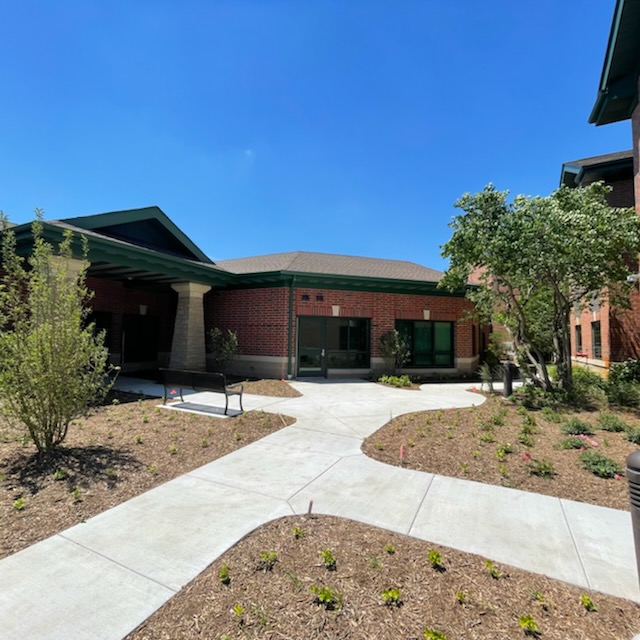
How is Valley Hi Staffed?

CMS rates VALLEY HI NURSING HOME's staffing level at 5 out of 5 stars, which is much above average compared to other nursing homes. Staff turnover is 38%, compared to the Illinois average of 46%. This relatively stable workforce can support continuity of care.

What Have Inspectors Found at Valley Hi?

State health inspectors documented 28 deficiencies at VALLEY HI NURSING HOME during 2022 to 2024. These included: 1 Immediate Jeopardy (the most serious level, indicating potential for serious harm or death) and 27 with potential for harm. Immediate Jeopardy findings are rare and represent the most serious regulatory concerns. They require immediate corrective action.
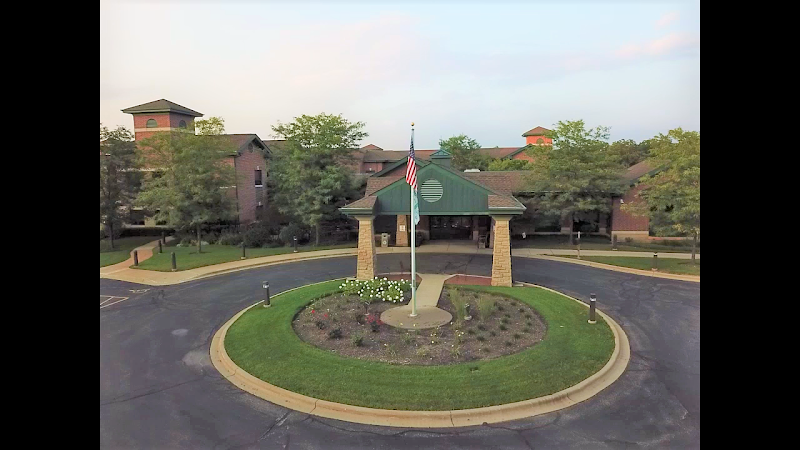
Who Owns and Operates Valley Hi?

VALLEY HI NURSING HOME is owned by a government entity. Government-operated facilities are typically run by state, county, or municipal agencies. The facility operates independently rather than as part of a larger chain. With 128 certified beds and approximately 82 residents (about 64% occupancy), it is a mid-sized facility located in WOODSTOCK, Illinois.
How Does Valley Hi Compare to Other Illinois Nursing Homes?

Compared to the 100 nursing homes in Illinois, VALLEY HI NURSING HOME's overall rating (3 stars) is above the state average of 2.5, staff turnover (38%) is near the state average of 46%, and health inspection rating (2 stars) is below the national benchmark.

What Should Families Ask When Visiting Valley Hi?

Based on this facility's data, families visiting should ask: "What changes have been made since the serious inspection findings, and how are you preventing similar issues?" "Can I visit during a mealtime to observe dining assistance and food quality?" "How do you handle medical emergencies, and what is your hospital transfer rate?" "Can I speak with family members of current residents about their experience?" These questions are particularly relevant given the facility's Immediate Jeopardy citations.

Is Valley Hi Safe?

Based on CMS inspection data, VALLEY HI NURSING HOME has documented safety concerns. Inspectors have issued 1 Immediate Jeopardy citation (the most serious violation level indicating risk of serious injury or death). The facility has a 3-star overall rating and ranks #1 of 100 nursing homes in Illinois. Families considering this facility should ask detailed questions about what corrective actions have been taken since these incidents.

Do Nurses at Valley Hi Stick Around?

VALLEY HI NURSING HOME has a staff turnover rate of 38%, which is about average for Illinois nursing homes (state average: 46%). Moderate turnover is common in nursing homes, but families should still ask about staff tenure and how the facility maintains care continuity when employees leave.

Was Valley Hi Ever Fined?

VALLEY HI NURSING HOME has been fined $65,556 across 1 penalty action. This is above the Illinois average of $33,734. Fines in this range indicate compliance issues significant enough for CMS to impose meaningful financial consequences. Common causes include delayed correction of deficiencies, repeat violations, or care failures affecting resident safety. Families should ask facility leadership what changes have been made since these penalties.

Is Valley Hi on Any Federal Watch List?

VALLEY HI NURSING HOME is not on any federal watch list. The most significant is the Special Focus Facility (SFF) program, which identifies the bottom 1% of nursing homes nationally based on persistent, serious quality problems. Not being on this list means the facility has avoided the pattern of deficiencies that triggers enhanced federal oversight. This is a positive indicator, though families should still review the facility's inspection history directly.