BEAUMONT REHABILITATION AND HEALTHCARE CENTER
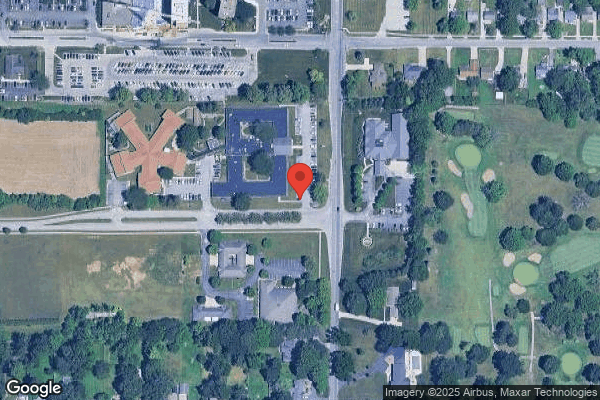
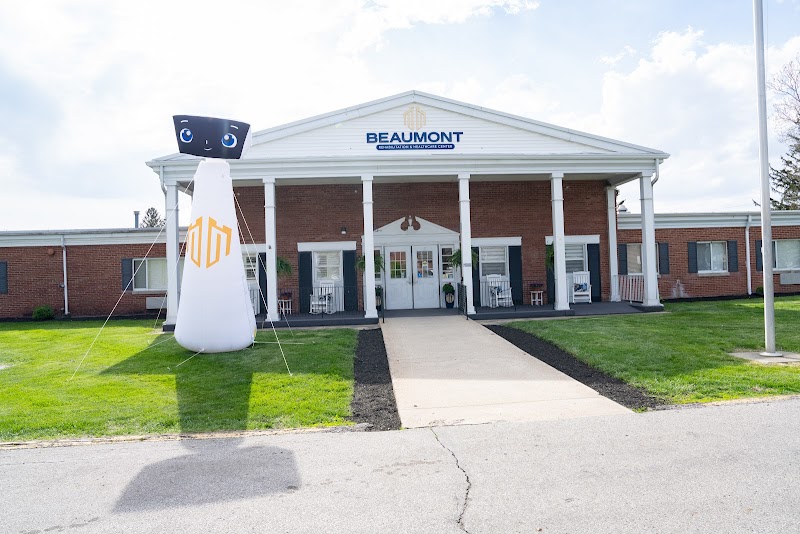
1345 N MADISON AVE, ANDERSON, IN 46011 (765) 644-2888
For profit - Corporation 200 Beds CASTLE HEALTHCARE Data: November 2025 1 Immediate Jeopardy citation
Trust Grade
13/100
#422 of 505 in IN
Last Inspection: July 2024

Within standard 12-15 month inspection cycle. Federal law requires annual inspections.

Overview

Beaumont Rehabilitation and Healthcare Center has received a Trust Grade of F, indicating significant concerns about its quality of care. Ranking #422 out of 505 facilities in Indiana places it in the bottom half, and it is the lowest-ranked facility in Madison County. Although the facility is showing improvement, with issues decreasing from 15 in 2024 to 2 in 2025, it still has a poor overall rating of 1 out of 5 stars for staffing and 2 out of 5 for health inspections. Staffing is an area of concern due to lower RN coverage than 97% of Indiana facilities, and the staff turnover rate is average at 54%. While the facility has not incurred any fines, there have been serious incidents, including a resident who suffered a major head injury after being improperly assisted during bed mobility, and another resident who did not receive adequate pain management for a healing shoulder injury, impacting their mobility and quality of life. Overall, families should weigh these significant weaknesses against the few strengths before making a decision.

Trust Score
F
13/100
In Indiana
#422/505
Bottom 17%
Safety Record
High Risk
Review needed
Inspections
Getting Better
15 → 2 violations
Staff Stability
⚠ Watch
54% turnover. Above average. Higher turnover means staff may not know residents' routines.
Penalties
✓ Good
No fines on record. Clean compliance history, better than most Indiana facilities.
Skilled Nurses
⚠ Watch
Each resident gets only 16 minutes of Registered Nurse (RN) attention daily — below average for Indiana. Fewer RN minutes means fewer trained eyes watching for problems.
Violations
⚠ Watch
36 deficiencies on record. Higher than average. Multiple issues found across inspections.
★☆☆☆☆
1.0
Overall Rating
★☆☆☆☆
1.0
Staff Levels
★★★★☆
4.0
Care Quality
★★☆☆☆
2.0
Inspection Score
Stable
2024: 15 issues
2025: 2 issues

The Good

  • 4-Star Quality Measures · Strong clinical quality outcomes
  • Full Sprinkler Coverage · Fire safety systems throughout facility
  • No fines on record

Facility shows strength in quality measures, fire safety.

The Bad

1-Star Overall Rating

Below Indiana average (3.1)

Significant quality concerns identified by CMS

Staff Turnover: 54%

Near Indiana avg (46%)

Higher turnover may affect care consistency

Chain: CASTLE HEALTHCARE

Part of a multi-facility chain

Ask about local staffing decisions and management

The Ugly 36 deficiencies on record

1 life-threatening 3 actual harm
Aug 2025 1 deficiency 1 IJ
CRITICAL (J) 📢 Someone Reported This

A family member, employee, or ombudsman was alarmed enough to file a formal complaint

Immediate Jeopardy (IJ) - the most serious Medicare violation

Accident Prevention (Tag F0689)

Someone could have died · This affected 1 resident

**NOTE- TERMS IN BRACKETS HAVE BEEN EDITED TO PROTECT CONFIDENTIALITY** Based on record review and interview, the facility failed to implement interventions of two staff for bed mobility for a depende...

Read full inspector narrative →
**NOTE- TERMS IN BRACKETS HAVE BEEN EDITED TO PROTECT CONFIDENTIALITY** Based on record review and interview, the facility failed to implement interventions of two staff for bed mobility for a dependent resident (Resident B) to prevent a fall from bed when the resident rolled from the bed during care and struck their head on a nightstand, resulting in a major head injury and hospitalization in the Intensive Care Unit (ICU). (Resident B) This deficient practice was corrected on 7/29/25, prior to the start of the survey, and was therefore past noncompliance. Findings include:Resident B's clinical record was reviewed on 7/30/2025 at 10:00 a.m. Diagnoses included chronic obstructive pulmonary disease (COPD), type 2 diabetes, dementia, stage 2 chronic kidney disease, atherosclerotic heart disease, anxiety, depressive disorder, hydrocephalus (buildup of fluid in brain) and aortocoronary bypass. Resident B admitted to the facility on [DATE] from another skilled facility.Review of the admission observation, dated 7/17/2025, indicated the resident required partial to moderate assistance for rolling left to right.A care plan, dated 7/17/2025, indicated the resident required two-person assistance for bathing and dressing. The resident required a mechanical lift for transfers and a wheelchair for mobility.An admission fall risk assessment, dated 7/17/2025, indicated the resident was alert and oriented to person, place and time. The resident had no falls within the past 30 days. The resident was chair bound and was not able to perform function for gait/balance.A physical therapy evaluation and treatment plan, dated 7/21/2025, indicated the resident was dependent for bed mobility. An occupational therapy evaluation and plan of treatment, dated 7/21/2025, indicated the resident was dependent for bed mobility.A facility self-reported incident, dated 7/26/2025, indicated during care, a CNA assisted Resident B in positioning onto her side. The resident rolled off the bed and her head made contact with the nightstand located next to the bed. The resident appeared to have a change in her level of consciousness. The charge nurse was called, and the resident was sent to the hospital for evaluation and treatment. A small laceration to the back of the head with a scant amount of blood was noted. Upon arrival, the resident was noted to have new onset of atrial fibrillation with RVR (rapid ventricular response) and was placed in observation. A progress note, dated 7/25/2025 at 7:48 p.m., indicated the resident was accidentally rolled out of the bed. She hit her head on the dresser next to the bed. 911 was called and the resident was sent to the hospital. The incident was witnessed by the aide in the room (CNA 3) and the resident was unconscious for a couple of minutes.A progress note, dated 7/26/2025 at 5:21 p.m., indicated when the aide was assisting the resident, the resident got too close to the side of the bed and rolled onto the floor, hitting her head on the dresser. She had a bump on the left front side of her head and a small opening on the back of her head with some bleeding. Pressure was applied to stop the bleeding. She was also placed on her side and was assessed. Neurological assessment was completed and she was alert and oriented to person and time.The facility investigation of the fall included a written statement, dated 7/25/2025, from CNA 3 who indicated that while she provided incontinence care to Resident B, she rolled the resident onto her side and continued with the care. During the process, the resident unexpectantly rolled further and fell from the bed and hit her head. A written statement, dated 7/25/2025, from LPN 1 indicated she heard CNA 3 yell from Resident B's room. When she arrived, the resident was on the floor and was unconscious for a few minutes. The resident was turned to her side and pressure was applied to the back of her head due to bleeding. The resident was able to communicate after a few minutes. Vital signs included temperature 98.3, blood pressure 147/78, heart rate 102 beats per minute and respirations 22 per minute. The resident had an oxygen saturation of 94% and complained of head pain where her head had been struck. 911 was called and the resident was transported to the hospital for evaluation and treatment. A head CT (radiology study), dated 7/25/2025, indicated a small amount of traumatic left frontal subarachnoid hemorrhage (bleeding in space between brain and membrane). No subdural or epidural (other layers of the skull and brain) hematoma. No parenchymal hemorrhage. Ventricles are stable in size. No skull fracture. IMPRESSION: 1. Small amount of traumatic left frontal subarachnoid hemorrhage. No skull fracture.The Emergency Department provider note, dated 7/25/2025, indicated Resident B presented with complaints of a fall at the nursing home, hitting the back of her head on the nightstand. She stated she was not sure why she fell. She was normally non-ambulatory and used a wheelchair. Reported she had a headache. Denied lightheadedness or dizziness. Denied dyspnea (shortness of breath). Denied chest pain. Denied nausea or vomiting. She was without fever, tachycardic (rapid heart rate) with heart rate in the 100s, normotensive (normal blood pressure), with oxygen saturation stable on room air. Head CT demonstrated a small amount of traumatic left frontal subarachnoid hemorrhage with no skull fracture. Neurosurgery was consulted and recommended admission to ICU for close neurological monitoring and repeat head CT in the morning.A Pulmonary admission note, dated 7/26/2025, indicated Resident B was not ambulatory at baseline and mobilized with a wheelchair. She presented to the hospital following a fall where she hit the back of her head to the nightstand. On arrival, she had a small subarachnoid hemorrhage. Unfortunately, this progressed on CT scan this morning with expansion of subarachnoid hemorrhage along with new intracranial hemorrhage as mentioned below. Neurosurgery evaluated and recommended CT angiogram as well as repeat CT head later today. Patient will be initiated on Keppra (seizure medication) for moderate to severe TBI (traumatic brain injury). She was in A-fib with RVR. She had an expanding intracranial hemorrhage and remained at risk for brain herniation (shifting). She had garbled speech. She was also weak on her right side. Repeat CT of the head showed new expansile 2.9 x 3.7 x 3.8 centimeter left frontal intraparenchymal hematoma and enlargement of adjacent left cerebellar hemorrhage. Mild new mass effect (pushing) on the left ventricle (cavity inside brain). No midline shift. Chronic ventriculomegaly with ventriculostomy catheter (shunt) in place. She was also in A-fib on Cardizem (heart medication) and amiodarone (heart medication) infusion.A head CT, dated 7/26/2025, indicated the following: FINDINGS: Left frontal parenchymal hematoma has increased in size measuring 4.0 x 3.8 cm, previously 3.5 x 2.8 cm. No definite change in the adjacent subarachnoid blood. There is likely trace intraventricular hemorrhage layering within the occipital horns on axial 27. Ventricles remain stable in overall size. No midline shift.An inpatient ICU note, dated 7/26/2025 at 7:00 p.m. indicated Resident B's right arm was flaccid (unable to move on own). An ICU consult note, dated 7/29/2025, indicated Resident B remained weak on her right side, but was more awake. She followed simple commands. Her speech remained garbled. During an interview on 7/30/2025 at 3:45 p.m., the facility's Occupational Therapist indicated Resident B was dependent for mobility and transfers upon admission and required 2-person assistance. During an interview on 7/30/2025 at 2:35 p.m., facility CNA 2 indicated Resident B required two-person assistance. CNA 2 provided care for the resident on 7/25/2025. The evening shift CNA had called out and CNA 2 was asked to stay until 8:00 p.m. She indicated she could not stay any later, it was already 6:30 p.m. The facility pulled an aide from another unit and CNA 2 clocked out. CNA 2 indicated the last time she saw Resident B was at approximately 5:45 p.m. and the resident was clean and dry. CNA 2 worked day shift 6:00 a.m. to 6:00 p.m.During an interview on 7/30/2025 at 12:32 p.m., CNA 3 indicated on 7/25/2025 she was pulled to the resident's unit from her usual assignment. She indicated she was not familiar with this unit. The only report she received from the off-going CNA was that everyone had been checked and changed. The nurse on the unit, LPN 1, told her Resident B had been waiting for a long time for incontinent care. CNA 3 gathered supplies and went to assist the resident. There was no pad on her bed and the bed was soiled. Resident B indicated to the CNA that she needed help to roll over. While assisting the resident to roll over, the resident proceeded over the side of the bed, striking her head on the nightstand. The CNA immediately yelled for help. The resident was sent to the hospital for evaluation and treatment due to cognitive changes and a head laceration. CNA 3 indicated she was unaware the resident required two people for assistance. She indicated she did not look at the Kardex (care summary in the health record) or the CNA assignment sheet prior to initiating care.During an interview on 7/30/2025 at 1:20 p.m., CNA 5 indicated the facility utilized assignment sheets and Kardex to communicate the specific needs of the residents. CNA 5 would also talk to the nurse for updates on any changes related to resident care and condition.During an interview on 7/30/2025 at 3:37 p.m., CNA 6 indicated the facility utilized assignment sheets and Kardex to communicate the specific needs of the residents.During an interview on 7/30/2025 at 3:53 p.m., LPN 7 indicated the specific resident needs were usually communicated through verbal reports. However, if a verbal report could not be given, then the facility utilized assignment sheets and Kardex to communicate the specific needs of the residents.During an interview on 7/31/2025 at 3:14 p.m., the DON indicated the use of assignment sheets was new and prior to the assignment sheet, the facility used Kardex which got resident specific information from the care plan. A CNA assignment sheet for 7/25/25 was not available for review. Review of a current undated Certified Nursing Assistant job description was provided by the DON on 8/1/2025 at 12:17 p.m., and indicated the following:Summary: The Certified Nursing Assistant (CNA) is responsible for providing resident care and support in all activities for daily living and ensures the health, welfare and safety of al residents. Essential Duties and Responsibilities: .Provide assistance in ambulating, turning, and positioning residents.Review of the current Indiana Nurse Aide Curriculum (Updated 3/21/2014), retrieved from https://www.in.gov/health/ltc/aide-training-and-certification/cna/nurse-aide-training-programs indicated the following: .Lesson #8 Title Activities of Daily Living (Positioning/Turning, Transfers).C. Role of the Nurse Aide. 5. Review care plan a. Know what position is safe for the resident. The deficient practice was corrected on 7/29/25 after the facility implemented a systemic plan that included the education of staff regarding the facility's resident lift and transfer policy, reviewed other residents who required assistance with bed mobility and transfers, and planned for Quality Assurance activities to mitigate risk of reoccurrence of the deficient practice. This citation relates to complaints 2572704 and 2574936.3.1-45(2)
Apr 2025 1 deficiency
CONCERN (E) 📢 Someone Reported This

A family member, employee, or ombudsman was alarmed enough to file a formal complaint

Potential for Harm - no one hurt, but risky conditions existed

Deficiency F0883 (Tag F0883)

Could have caused harm · This affected multiple residents

Based on interview and record review, the facility failed to provide current education on influenza vaccines and to obtain current influenza vaccination consents for 4 of 6 residents reviewed for immu...

Read full inspector narrative →
Based on interview and record review, the facility failed to provide current education on influenza vaccines and to obtain current influenza vaccination consents for 4 of 6 residents reviewed for immunizations. (Resident D, E, G, and H) Findings include: 1. Resident D's clinical record was reviewed on 4/2/25 at 11:53 a.m. Diagnoses included type 2 diabetes, hypertension, history of traumatic brain injury, depression, cerebral infarction, obstructive and reflux uropathy, anemia, chronic kidney disease, anxiety, and dementia. A review of the resident's immunization record indicated the influenza vaccination consent form was signed and dated on 10/10/23 and was administered on 10/1/24. Education related to the risk and benefits of the influenza vaccine was dated 8/6/21. The consent for the pneumococcal vaccine was signed and dated 10/10/23. The pneumococcal vaccine was administered on 6/26/23. The consent for the COVID -19 vaccine was signed and dated 10/10/23. The COVID-19 booster was administered on 10/28/24. 2. Resident E's clinical record was reviewed on 4/3/25 at 11:00 a.m. Diagnoses included schizophrenia, anemia, hypothyroidism, osteoporosis, and hyperlipidemia. A review of the resident's immunization record indicated the consent for the RSV (respiratory syncytial virus) vaccination was signed and dated 10/11/23 and was administered on 10/1/24. Education related to the risk and benefits of the influenza vaccine was dated 8/6/21 and was administered on 10/2/24. 3. Resident G's clinical record was reviewed on 4/3/25 at 10:47 a.m. Diagnoses included cerebrovascular attack, coronary artery disease, depression, hypertension, and hyperlipidemia. A review of the immunization record indicated the influenza vaccine was administered on 10/1/24. The clinical record lacked a signed and dated consent form. Education related to the risk and benefits of the influenza vaccine was dated 8/6/21. The pneumococcal vaccination consent form was signed and dated 9/14/23 and was administered on 10/28/24. The COVID-19 vaccination consent form was signed and dated 9/14/23 and was administered on 10/28/24. 4. Resident H's clinical record was reviewed on 4/3/25 at 11:21 a.m. Diagnoses included schizophrenia, depression, dementia, hypertension, and hyperlipidemia. A review of the immunization record indicated the influenza vaccine was administered at a hospital on 9/27/24 and documented on the vaccine consent form. The influenza vaccine was administered in the facility on 10/2/24. The administration record lacked the dose and location of placement. Education related to the risk and benefits of the influenza vaccination was dated 8/6/21. The consent for the COVID-19 vaccine vaccination was dated and signed 10/7/24. The record lacked any documentation that the vaccine was administered or refused. During an interview on 4/2/25 at 1:33 p.m., the Regional Clinical Consultant and the Infection Control Provider (ICP) indicated the facility had not educated residents and/or their families on the risk and benefits of the influenza vaccine using the most current information from the Department of Health and Human Services Center for Disease Control and Prevention. All residents and/or families were given consents for vaccinations every year. The facility did not know why consents for the 2024-2025 influenza season were not provided. A current facility policy, dated 3/8/2017, indicated it was retrieved from the CMS (Centers for Medicare and Medicaid Services) manual titled, Pneumococcal Immunization, provided by the ICP on 4/3/25 at 10:37 a.m. indicated the following: .Before offering the pneumococcal immunization, each resident or the resident's legal representative will be provided education regarding the benefits and potential side effects of the immunization. The resident's medical record includes documentation that indicates, at a minimum, the following: Documentation that the resident and/or resident's legal representative was provided education regarding the benefits and potential side effects of influenza immunization; and that the resident either received or did not receive the pneumococcal immunization due to medical contraindication or refusal A current facility policy, dated 5/21/2024, titled Influenza Vaccine Policy, provided by the Regional Clinical Consultant, indicated the following: Procedure: 2. Influenza vaccinations will be routinely offered annually from October 1st through March 31st unless such immunization is medically contraindicated, the individual has already been immunized during the time period, or refuses to receive the vaccine. 5. Prior to the administration of the influenza vaccine, the person receiving the immunization, or his/her legal representative, will be provided a copy of CDC's current vaccine information statement relative to the influenza vaccination. 6. The vaccine information statements (VIS) will, as appropriate, be supplemented with visual presentations or oral explanations to assist vaccine recipients in understanding the benefits and potential side effects of the influenza vaccine. 7. Individuals receiving the influenza vaccine, or their legal representative, will be required to sign a consent form prior to the administration of the vaccine. The completed, signed and dated record will be filed in the individual's medical record or the staff's medical file if completed by the facility. 9. The resident's medical record or staff's medical file will include documentation that the resident and/or the resident's representative was provided education regarding the benefits and potential side effects of immunization, and that the resident received or did not receive the immunization due to medical contraindication or refusal 3.1-18(a)
Jul 2024 13 deficiencies
CONCERN (D)

Potential for Harm - no one hurt, but risky conditions existed

Grievances (Tag F0585)

Could have caused harm · This affected 1 resident

**NOTE- TERMS IN BRACKETS HAVE BEEN EDITED TO PROTECT CONFIDENTIALITY** Based on interview and record review, the facility failed to resolve and respond to resident grievances in a timely manner for 3...

Read full inspector narrative →
**NOTE- TERMS IN BRACKETS HAVE BEEN EDITED TO PROTECT CONFIDENTIALITY** Based on interview and record review, the facility failed to resolve and respond to resident grievances in a timely manner for 3 of 3 residents reviewed for choices. (Residents 30, 33, and 81) Findings include: 1. During an interview on 6/26/24 at 3:31 p.m., Resident 30 indicated he went to dialysis at 5:30 a.m. on Mondays, Wednesdays, and Fridays each week. Sometimes dietary staff was not there before he left with transportation for his appointment. He was not served breakfast, nor packed a breakfast, to take with him to dialysis. Due to his lack of breakfast, he had spoken to a [NAME] and the current Dietary Manager (DM) week after week until approximately a month ago when he finally gave up because no one resolved his concerns. He even suggested some simple solutions such as fresh fruit like grapes and bananas. As a result, he went to dialysis without breakfast. Approximately two months ago, he spoke with the Administrator yet it was not resolved. Resident 30's clinical record was reviewed on 6/26/24 at 4:10 p.m. Diagnoses included end stage renal disease with dependence on renal dialysis and depression. A current order, dated 4/4/23, included a liberalized renal/carbohydrate controlled diet, regular texture, thin liquids consistency with large protein portions. A current order, dated 2/28/23, included dialysis treatments three times a week on Monday, Wednesday, and Friday with transportation pick up time 5:00 a.m. A quarterly Minimum Data Set (MDS) assessment, dated 5/7/24, indicated the resident was cognitively intact. Rejection of care behaviors were not exhibited during the assessment period. The resident required set up or clean up assistance for eating. A current care plan, dated 7/5/23, indicated the resident has an altered nutritional status related to increased protein needs related to end stage renal disease with dialysis and wound healing. Interventions included the following: coordinate care with the dialysis clinic as needed(7/5/23), diet as ordered, provide meals, snacks, and fluids based on the resident food preferences and physician orders (7/5/23). During an interview on 6/28/24 at 1:30 p.m., Resident 30 was seated in a wheelchair outside at the front entrance of the facility. He indicated he had recently returned from dialysis. A breakfast tray was not provided prior to going to dialysis on this date, nor a packed breakfast, and he was very tired. During an interview on 6/28/24 at 1:53 p.m., [NAME] 17 indicated she was the first dietary staff to arrive in the mornings. She typically arrived around 5:00 a.m., but she did not work every day. Some of the other dietary staff members, when scheduled the early shift, did not arrive until 5:30 a.m. She was familiar with Resident 30 and he met her at times on Fridays when she arrived in the morning. He had stopped at the kitchen and requested a banana before he left today for his appointment. She did not have any bananas. The resident had voiced concerns on different occasions to her regarding breakfast and that the kitchen never had any of the fruit he requested for breakfast. She had reported these concerns to the DM and expected the DM would follow up on his concerns. The resident had not said anything else to her about his concerns regarding breakfast in about a month, so she assumed his concerns were resolved. At times, the resident was gone for his dialysis appointment before the dietary staff arrived. On those days, he had not been served a breakfast. A long time ago, she thought it had been over a year, the evening dietary staff prepared a meal tray for him and put it in the refrigerator on the unit so he could have breakfast before he went to dialysis. When they went to a contracted meal service, they discontinued making those trays in the evening. They had not corrected all the concerns the contracted service had changed. She thought they needed to resume making those meal trays in the evening so the resident would have a meal in the unit refrigerator before he left for his early appointments. During an interview on 6/28/24, at 2:10 p.m., the DM indicated he was not aware of any days the resident was not able to get breakfast. Staff had not reported to him when they did not have the items the resident requested for breakfast. He had not completed a grievance for the resident's concerns. Concerns for preferences would not warrant a grievance, but a grievance was necessary if a resident did not receive their meals. During an interview on 7/2/24 at 12:36 p.m., CNA 21 indicated she was familiar with Resident 30's care. The resident typically ate 100% of his breakfast on the days he did not have dialysis. 2. During an interview on 6/24/25 at 4:26 p.m., Resident 33 indicated the dietary staff kept serving her items from her dislikes list to include carrots, rice, and oatmeal. This happened on a frequent basis even though she had reported this to staff. When a dietary item was sent back, it took a long time to get a replacement back. She had received oatmeal on her tray several times in just the last few days. During an observation on 6/27/24 at 1:30 p.m., the resident was sitting on her bed with her meal tray in front of her on her overbed table. The meal card on her tray listed the following dislikes: rice, carrots, and oatmeal. Resident 33's clinical record was reviewed on 6/27/24 at 5:17 p.m. She admitted to the facility on [DATE]. Diagnoses included heart failure, chronic obstructive pulmonary disease, and depression. An admission MDS assessment, dated 5/17/24, indicated the resident was cognitively intact. The resident required set- up assistance from staff for eating. The clinical record lacked a care plan for preferences and dislikes. Review of the grievance forms/ logs lacked any indication the resident had any grievances completed for receiving dietary items frequently on her dislikes list. During an interview on 6/28/24, at 10:08 a.m., Resident 33 indicated she had reported her concerns about getting her dislikes served on her meal tray to several female nurses, but she did not know their names because the nurses rotated frequently. The facility had not followed up with her to let her know what was being done to correct her concern regarding the regular receipt of dislikes on her meal tray. During an interview on 6/28/24 at 10:54 a.m., CNA 14 indicated Resident 33 had reported concerns that she had received oatmeal on her tray on multiple occasions. He had reported these concerns to the dietary staff and also reported to the ADON a couple of weeks ago. The resident was still getting the oatmeal intermittently on her meal tray in the mornings. He tried to intercept and correct the issue himself when he was on duty, but he did not work every day. During an interview on 7/2/24 at 11:57 a.m., the ADON indicated staff had not reported any concerns to her regarding regular receipt of dislikes on their dietary tray. No one reported to her, but she heard there was a problem with some residents not getting the large portion sizes as ordered. Staff usually wrote down and reported dietary concerns to the dietary staff. Concerns may be reported to any staff member and should have been placed through the grievance process for resolution when the concerns were made known. During an interview on 7/2/24 at 12:16 p.m., the SSD indicated she recalled a resident had concerns related to getting hot cereal on their tray rather than cold cereal. She could not recall which resident reported this concern or the date. It had been since January, not recently. On most occasions she would have put this through the grievance process. Lack of placing these concerns in the grievance process prevented a tracking method for resolution. No staff or residents had reported concerns with portion sizes or failure to receive breakfast prior to dialysis to her. Concerns could have been reported to any staff, but the SSD was responsible for tracking all grievances. The department manager in which the grievance was issued completed the initial follow-up with the person who reported the concern. The SSD was required to complete the final resolution with the date and time when the resolution/satisfaction was reviewed with the resident on the grievance form. These were not always completed. 3. During an interview on 6/24/24 at 3:17 p.m., Resident 81 indicated her only concern was the repetitive receipt of her dietary dislikes that were listed on her meal card, and a lack of large portions for her meals. Her meal card clearly listed her dislikes of asparagus, beans, fish, and pears, as well as need for large portions. The list was disregarded or not read when they filled the meal trays. She had received fish, beans, and pears on a regular basis (when it was on the menu) and got small portions at least three days every week. She had fish every day it was on the menu except once in the last month. She had what appeared to be a teaspoon of mixed vegetables. Sometimes when she asked for more, it was because she got small portions, but the facility wouldn't have any more food to offer her. She had reported the portion size and dietary dislike concerns to multiple aides who delivered her meals over the last couple of months. She had also reported it to the the SSD approximately one month ago. Resident 81's clinical record was reviewed on 6/26/24 at 4:18 p.m Diagnosis included chronic obstructive pulmonary disease. A current physician order, dated 1/18/24, included large protein portions with meals to aid in wound healing. A quarterly MDS assessment, dated 4/19/24, indicated the resident was cognitively intact. She required set- up assistance for eating. A current care plan, dated 1/18/24, indicated the resident had altered nutritional status and an increased protein needs related to chronic obstructive pulmonary disease. Interventions included large protein portions with meals (1/18/24) and provide meals, snacks, and fluids based on the residents food preferences and physician orders (1/18/24). During an interview on 6/28/24 at 1:11 p.m., the resident's meal tray was delivered. The meal tray contained one and one half cheeseburgers on her tray. She indicated she had never received large protein portions when she received a sandwich until today. The portion sizes she found on her meal tray on this date was great. She had reported her dietary concerns to any staff she thought would listen to her without success. She had even reported it to the SSD approximately one month ago, but no one had responded to her concerns with a plan for resolution. During an interview on 6/28/24 at 1:36 p.m., CNA 15 indicated, approximately three weeks ago, Resident 81 reported concerns due to a lack of large portions sizes. During that time, she was able to get her additional food. She did not typically have time to write out the grievance forms but she reported concerns verbally to the nurse, unit manager, and the SSD. Review of facility grievances lacked indication of the concern related to portion sizes. During an interview on 6/28/24 at 4:11 p.m. , CNA 19 indicated residents on the intermediate units frequently received dislikes on their meal trays. Running to the kitchen delayed the aides to complete their tasks such as passing other meal trays and providing care. Staff who had concerns reported to them should have completed a grievance form or reported the concern to the Administrator so he could complete the grievance form. During an interview on 6/28/24 at 3:23 p.m., the SSD indicated the grievance log contained all facility grievances, completed and unresolved, from 1/1/24 to 6/28/24. During an interview on 7/2/24 at 2:19 p.m., the SSD indicated she had reviewed the grievance log and did not have any grievances of her own or any provided to her regarding the above mentioned concerns that were reported to staff members. A current, undated, facility policy titled Grievances and Concerns, provided by the DON on 7/1/24 at 11:29 a.m., indicated the following: .Policy . It is the Policy of this Facility to thoroughly investigate all Resident and family grievances/concerns including but not limited to his/her treatment, medical care . etc. The resident/family has a right to file a grievance and can do so without fear of reprisal or mistreatment. Procedure: . 2. Any staff member may assist a Resident or family member in completing the Facility form. 3. Completed Grievance/Concern Forms will be given to the Social Service Department. The Social Service Department will route the Grievance/Concern Form to the appropriate department within 24-48 hours. 4. A prompt investigations will be completed and documented by the appropriate staff member on the facility's Grievance/Concern Form . 6. The Social Service Director will be responsible for logging all Resident and family Grievances in the Facility Grievance Log. 7. Within 5 working days of the date the Grievance/Concern Form was filed, the Resident and/or family member shall be informed orally of the results of the investigation. Copies of the completed Grievance/Concern Form may be given to Residents and/or family members as deemed appropriate by the Facility management 3.1-7(a)
CONCERN (D) 📢 Someone Reported This

A family member, employee, or ombudsman was alarmed enough to file a formal complaint

Potential for Harm - no one hurt, but risky conditions existed

Report Alleged Abuse (Tag F0609)

Could have caused harm · This affected 1 resident

Based on interview and record review, the facility failed to report an allegation of resident abuse to the Indiana State Department of Health (IDOH) for 1 of 4 residents reviewed for allegations of ab...

Read full inspector narrative →
Based on interview and record review, the facility failed to report an allegation of resident abuse to the Indiana State Department of Health (IDOH) for 1 of 4 residents reviewed for allegations of abuse. (Resident C) Finding includes: Resident C's clinical record was reviewed on 6/26/24 at 9:06 a.m. Current diagnosis included anxiety, depression, and dementia. A 4/24/24, significant change, Minimum Data Set Assessment (MDS) indicated the resident was severely cognitively impaired, wandered daily during the assessment period, and did not reject care during the assessment period. A 6/6/24 Nursing Note, signed by RN 22, indicated on 6/6/24 at 5:35 a.m.,Resident C had experienced a confusing night. The resident had been observed walking down the hall with no clothes on. RN 22 got the resident dressed Resident C was standing in their room attempting to to walk through the wall. The resident was hard to redirect, but the writer was able to get them to the side of the bed. The writer had to pull the back of the resident's pants to guide her to the bed to sit down before falling. The writer laid the resident down. Resident C was a two person assist, but the aide did not assist. A facility Grievance/Complaint Resolution Report, dated 6/6/24, indicated CNA 23 had filed a concern regarding RN 22 being rough with Resident C during care. The five documented staff interviews that accompanied the investigation of the grievance/complaint form all consisted of the same question, Have you ever witnessed or heard about [RN 22's name] abusing residents. During an interview on 6/28/24 at 9:00 a.m., the Administrator indicated he had not reported the 6/6/24 grievance concern to IDOH as an allegation of abuse. The reporting CNA had indicated the RN held down the residents hands when she resisted care. The Administrator felt abuse and rough handling were just a matter of verbiage. The nurse was always a good nurse, and after the Administrator looked into the situation, he didn't report to IDOH because he didn't think it was abuse. During an interview on 7/2/24 at 10:20 a.m., CNA 23 indicated she had reported an allegation of abuse to the Administrator on 6/6/24. She had been concerned regarding RN 22's treatment of Resident C. She had informed the Administrator that RN 22 had yelled at the resident, grabbed her arm, pulled her by the back of her pants, and swung her forcefully to the bed. The resident fell to the bed very hard. The resident started crying and RN 22 cursed at her about being a cry baby. She had also given the Administrator a written statement of her allegation. She was making an allegation of abuse when she notified the Administrator. She felt she had witnessed abuse because the nurse had yelled at the resident to sit down, grabbed her arm, swung her forcefully but the back of her pants, caused her to fall hard unto the bed and cry, then cursed her for being a cry baby. She believed there was no confusion that she was alleging abuse. During an interview on 7/2/24 at 11:25 a.m., the Administrator indicated he had never received a written statement from CNA 23 regarding the 6/6/24 allegation with Resident C. When the CNA called, she did say abuse. After he (the Administrator) talked to the CNA, he decided it wasn't abuse. CNA 23 had never voiced an allegation to him regarding pulling the resident by the back of her pants and her falling to the bed or the nurse yelling or pulling her arm. During an interview on 7/2/24 at 2:24 p.m., RN 22 indicated she had been informed that an employee had alleged she had abused Resident C around 6/6/24. She didn't remember the exact allegation. She did speak to the Administrator about the allegation. She thought it was about flailing arms during care. There may have been a second allegation too. She didn't remember. A current, 5/12/23, facility policy titled, Abuse and Incident Reporting to IDOH , which was provided by the DON on 7/1/24 at 10:55 a.m., indicated the following: It is the policy of this facility to report and submit abuse and incidents to the Indiana State Department of Health in compliance with federal regulations .Time frames for reporting: Immediately, but no later than 2 hours-suspicion of a crime with serious bodily injury or allegations of abuse. This citation relates to complaint IN00436566. 3.1-28(c)
CONCERN (D) 📢 Someone Reported This

A family member, employee, or ombudsman was alarmed enough to file a formal complaint

Potential for Harm - no one hurt, but risky conditions existed

Investigate Abuse (Tag F0610)

Could have caused harm · This affected 1 resident

Based on observation, interview, and record review, the facility failed to develop and implement a safety plan (regarding 15 minute monitoring checks) to prevent resident to resident abuse for a resid...

Read full inspector narrative →
Based on observation, interview, and record review, the facility failed to develop and implement a safety plan (regarding 15 minute monitoring checks) to prevent resident to resident abuse for a resident with a diagnosis of dementia and a history of intrusive wandering. This deficient practice resulted in the resident being hit in the face, choked, and relocated to a new dementia unit. (Resident E) Finding includes: Review of a 6/14/24 facility reported incident indicated the following: During an resident to resident event on 6/14/24, Resident E wandered into Resident F's room and was going through Resident F's belongings. Resident F popped Resident E in the mouth several times, resulting in Resident E having a red chin and a little cut on his lip. Both resident's had dementia and resided on a secured dementia unit. On 6/14/24, following the event, the facility implemented the preventative measures of separating the residents, Social Services spoke with Resident F about not hitting, and Resident E was placed on 15- minute checks. Review of a 6/15/24 facility reported incident indicated the following: Resident F reported he had put his hands around Resident E's neck because he had entered his room and was going through his belongings. Following the event, the facility had implemented these preventative measures of the residents were kept apart and Resident E was moved to the other dementia care unit within the same facility. During a confidential interview, it was indicated Resident E had recently been involved in two resident to resident altercations within a 24-hour period of time. The first event had occurred on 6/14/24. Resident E had wandered into another resident's room and was touching the other residents belongings. The other resident had hit Resident E in the face and busted his lip. Resident E had a history of roaming into others rooms. The facility was aware he had this behavior. To protect Resident E from future harm, the facility indicated they would put Resident E on 15-minute checks for his own safety. One day later, Resident E had once again entered the same resident's room and this time the other resident attempted to choke him. They did not know how this could have happened if the resident was on 15-minute checks. They did not feel the 15-minute checks were completed. After the second event, the facility decided Resident E needed to be moved to the other dementia unit for his own safety. Resident E had resided in the same unit for over a year and it was all he knew. The move felt like a punishment to the resident; he had to move when it was the other resident was aggressive. Since the move to the new unit, the resident had been in two different rooms, which was unsettling to the resident. During an observation on 6/24/24 at 2:20 p.m., Resident E was in the dining/activity room walking and touching furniture. During an observation on 6/26/24 at 10:41 a.m., the resident was seated at a table in the dining/activity area. During an observation on 6/27/29 at 9:50 a.m., the resident was seated away from the activity occurring in the dining activity area. During an observation on 6/27/29 at 2:20 p.m., the resident was seated in a recliner in the TV lounge with his feet up. Resident's E's clinical record was reviewed on 6/26/24 at 9:27 a.m. Current diagnoses included dementia, anxiety, depression and Alzheimer's disease. The resident resided on the secured dementia unit. The clinical record lacked indication of 15-minute monitoring checks as part of the facility's preventative measures implemented following the 6/14/24 resident to resident altercation. A 5/9/24, quarterly, Minimum Data Set (MDS) assessment indicated the resident was severely cognitively impaired and wandered daily during the assessment period. A 2/7/24, annual, most current full, MDS indicated the resident was severely cognitively impaired and wandered daily during the assessment period. The resident had a current care plan problem/need related to resident will rummage thru other residents belongings and the resident had behaviors of agitation, wandering, and taking others belonging. This problem originated 9/19/2023. Approaches to this problem included attempt to redirect resident when exhibiting behaviors, and redirect resident as necessary. The resident had a current care plan problem/need regarding being at risk for impaired safety. Approaches to this problem included distract resident when wandering. A 6/6/2024 at 11:38 a.m. Nurses Note indicated the resident was roaming in hallways and into others rooms per his baseline and was easily redirected. A 6/12/2024 at 11:22 a.m. Nurses Note indicated the resident continued to roam in and out of rooms, and take items and put them in other rooms or in his pants. A 6/14/2024 at 1:54 p.m. Nurses Note indicated the resident was seen by another resident going through there belongings in the closet. The resident was then hit on the left side of his chin and lip was busted by another resident. The two residents were separated at time of report. The physician and family were notified of the situation. A 6/15/2024 at 8:10 p.m. Nurses Note indicated the resident had a poor interaction with another resident when the other resident reported that he put his hands around Resident E's throat, because this resident was rifling thru the other residents belongings. The residents were immediately separated and Resident E initially rated his pain 2/10 on a [pain] scale, but after a few minutes was reassessed and his pain rating was zero. This resident was moved to the other locked unit to prevent any further interactions between the two residents. A 6/18/2024 at 11:25 a.m. Nurses Note indicated the resident continued to wander in and out of rooms on the new unit. A 6/19/2024 at 12:39 a.m., Nurses Note indicated the resident continued to wander in and out of rooms and was not able to be redirected. The resident was placed in another room for the night. A 6/19/2024 at 11:32 a.m., Social Services Late Entry Note indicated the resident was again moved to a different room. During an interview on 6/27/24 at 9:41 a.m., CNA 25 indicated she had never monitored Resident E on a 15-minute checking schedule. During an interview on 6/27/24 at 9:42 a.m., QMA 26 indicated she had never monitored Resident E on 15-minute checking schedule. During an interview on 6/27/24 at 11:40 a.m., the DON indicated Resident E was not placed on 15-minute monitoring following the 6/14/24 resident to resident altercation. During an interview on 6/27/24 at 3:03 p.m., QMA 29 indicated Resident E wandered and entered other resident's rooms. A current, 2/29/21, facility policy titled Behavior Crisis, provided by Corporate Nursing Consultant 7 on 6/28/24 at 1:00 p.m., indicated the following: .Behavior Crisis: is defined as a situation in which the resident is considered to be a significant danger to self or others. The crisis may or may not have been exhibited in the past . 1. Implement measures to provide safety to residents and others as pertinent . A current, 5/12/23, facility policy titled Abuse and Incident Reporting to IDOH, provided by the DON on 7/1/24 at 10:55 a.m., indicated the following: .Instructions for Submitting an Incident Report . i. Preventive measure taken while the investigation is in process .Interventions implemented or corrective action plan This citation relates to complaint IN00436913 and IN00436778. 3.1-28(d)
CONCERN (D)

Potential for Harm - no one hurt, but risky conditions existed

Deficiency F0638 (Tag F0638)

Could have caused harm · This affected 1 resident

Based on record review and interview, the facility failed to ensure timely completion of Quarterly Minimum Data Set (MDS) assessments every three months for 4 of 4 reviewed for timely assessment. (Res...

Read full inspector narrative →
Based on record review and interview, the facility failed to ensure timely completion of Quarterly Minimum Data Set (MDS) assessments every three months for 4 of 4 reviewed for timely assessment. (Residents 22, 35, 60, 73) Findings include: 1. Resident 22's clinical record was reviewed on 6/26/24 at 1:05 p.m. Current diagnosis included left sided hemiplegia following a cerebral infarction, major depressive disorder, and repeated falls. The resident had a Quarterly MDS assessment, with the Assessment Reference Date (ARD) of 11/11/23 which was completed on 11/29/23. The assessment was completed 4 days late. The resident had a Quarterly MDS assessment, with the ARD of 5/10/24 which was completed on 5/27/24. The assessment was completed 3 days late. 2. Resident 35's clinical record was reviewed on 6/28/24 at 10:05 a.m. Current diagnosis included hypertension, chronic obstructive pulmonary disease, and bipolar disorder. The resident had a Quarterly MDS assessment, with the ARD of 5/15/24 which was completed on 6/10/24. The assessment was completed 11 days late. 3. Resident 60's clinical record was reviewed on 6/26/24 at 2:15 p.m. Current diagnosis include chronic obstructive pulmonary disease, spinal stenosis, and chronic pain. The resident had a Quarterly MDS assessment, with the ARD of 11/28/23 which was completed on 12/18/23. This assessment was completed 5 days late. The resident had a Quarterly MDS assessment, with the ARD of 2/28/24 which was completed on 3/22/24. This assessment was completed 1 day late. 4. Resident 73's clinical record was reviewed on 6/27/24 at 1:08 p.m. Current diagnosis included chronic obstructive pulmonary disease, atrial fibrillation, and emphysema. The resident had a Quarterly MDS assessment, with the ARD of 5/15/24 which was completed on 6/10/24. This assessment was completed 13 days late. During an interview, on 6/27/24 at 2:53 p.m., the MDS Coordinator indicated her team utilized the Resident Assessment Instrument (RAI) manual online for properly managing the MDS tasks. The work was split up between herself and a co-worker. She indicated the above listed assessments were completed late. According to the current RAI manual, retrieved from https://www.cms.gov/files/document/finalmds-30-rai-manual-v11811october2023.pdf, on 7/3/24 at 10:01 a.m., indicated the following: . The Quarterly MDS completion date must be no later than 14 days after the assessment reference date (ARD) . 3.1-31(d)(3)
CONCERN (D)

Potential for Harm - no one hurt, but risky conditions existed

MDS Data Transmission (Tag F0640)

Could have caused harm · This affected 1 resident

Based on record review and interview, the facility failed to ensure timely submission of Minimum Data Set (MDS) assessments for 1 of 1 resident reviewed for assessment submission. (Resident 104) Findi...

Read full inspector narrative →
Based on record review and interview, the facility failed to ensure timely submission of Minimum Data Set (MDS) assessments for 1 of 1 resident reviewed for assessment submission. (Resident 104) Findings include: Resident 104's closed clinical record was reviewed on 6/26/24 at 10:43 a.m. Clinical diagnosis included sepsis, congestive heart failure, and diabetes mellitus. The clinical record indicated the resident discharged from the facility on 4/4/24. The resident had a Discharge MDS assessment with the Assessment Reference Date (ARD) of 4/4/24, which was completed on 4/18/24. This assessment was completed on time, but electronically transmitted for submission on 6/24/24. The assessment was transmitted 68 days late. During an interview, on 6/27/24 at 2:53 p.m., the MDS Coordinator indicated the assessment transmission task was split between herself and her offsite corporate consultant. This discharge assessment was missed in error during the transmission process. Once this error was discovered, the assessment was transmitted electronically immediately. She utilized the online Resident Assessment Instrument (RAI) manual for guidance as the MDS Coordinator. Review of the current the RAI manual, retrieved from https://www.cms.gov/files/document/finalmds-30-rai-manual-v11811october2023.pdf, on 7/3/24 at 10:01 a.m., indicated the following: . The Discharge assessment transmission date is no later than the MDS completion date plus 14 days
CONCERN (D)

Potential for Harm - no one hurt, but risky conditions existed

Deficiency F0657 (Tag F0657)

Could have caused harm · This affected 1 resident

Based on interview and record review, the facility failed to schedule, hold, and invite resident representatives to care plan meetings, held in conjunction with the assessment process for 3 of 4 resid...

Read full inspector narrative →
Based on interview and record review, the facility failed to schedule, hold, and invite resident representatives to care plan meetings, held in conjunction with the assessment process for 3 of 4 residents reviewed for the provision of care plan meetings. (Residents E, F, & 92) Findings include: During a confidential interview with a resident representative, the representative indicated they were the party who was responsible for decision making and direction of the resident's care. The resident did not make independent decisions. The facility had not held a care plan meeting thus far in 2024. Their resident resided on one of the two secured dementia units. 1. Resident F's clinical record was reviewed on 6/26/24 at 9:34 a.m. Current diagnoses included dementia, anxiety, and psychotic mood disturbance. The resident resided on a secured dementia unit. The resident had an annual Minimum Date Set (MDS) assessment completed on 5/23/24. The resident also had a quarterly MDS assessment completed on 3/22/24. The resident additionally had a quarterly MDS assessment completed on 12/21/23. The clinical record indicated the most current care plan meeting was held on 6/21/23. The clinical record lacked documentation of a care plan meeting held in conjunction with the 5/23/24, 3/22/24, and 12/21/23 assessments. 2. Resident 92's clinical record was reviewed on 6/26/24 at 9:39 a.m. Current diagnoses included delusional disorder, dementia, and anxiety. The resident resided on the secured dementia unit. The resident had a quarterly MDS assessment completed on 5/30/24. The resident also had a quarterly MDS assessment completed on 2/28/24. The clinical record indicated the most current care plan meeting was held on 1/12/24. The clinical record lacked documentation of a care plan meeting held in conjunction with 5/30/24 and 2/28/24 assessments. 3. Resident's E's clinical record was reviewed on 6/26/24 at 9:27 a.m. Current diagnoses included dementia, anxiety, depression and Alzheimer's disease. The resident resided on the secured dementia unit. The resident had a quarterly MDS assessment completed on 5/9/24. The resident also had a quarterly MDS assessment completed on 2/7/24. The clinical record indicated the most current care plan meeting was held on 1/18/24. The clinical record lacked documentation of a care plan meeting held in conjunction with 5/9/24 and 2/7/24 assessments. During an interview on 7/1/24 at 9:08 a.m., the Dementia Unit Manager indicated he was the individual responsible for scheduling, inviting, and leading care plan meets for residents who resided on the secured dementia units. There had been difficulties scheduling and holding care plan meetings due to the new frequency of the MDS assessments. He did not have any information regarding care plan meetings since January 2024 for Residents E, F and 92. These three residents had not had formal care plan meetings since January 2024 or prior. A current, undated, facility policy titled Care Plans Protocol, provided by the DON on 7/1/24 at 9:56 a.m., indicated Care Plan meeting will be held within 7 days of the completion date [MDS] . Meetings will occur on set day and time (no excuse for not having a care plan meeting). 3.1-35(c)(1)
CONCERN (D)

Potential for Harm - no one hurt, but risky conditions existed

Quality of Care (Tag F0684)

Could have caused harm · This affected 1 resident

**NOTE- TERMS IN BRACKETS HAVE BEEN EDITED TO PROTECT CONFIDENTIALITY** Based on observation, interview, and record review, the facility failed to ensure the completion of physician ordered wound care...

Read full inspector narrative →
**NOTE- TERMS IN BRACKETS HAVE BEEN EDITED TO PROTECT CONFIDENTIALITY** Based on observation, interview, and record review, the facility failed to ensure the completion of physician ordered wound care treatments to promote healing of an abrasion for 1 of 2 residents reviewed for skin conditions. (Resident 83) Finding includes: Resident 83's clinical record was reviewed on 6/27/24 at 10:22 a.m. Diagnoses included an abrasion of the left foot, subsequent encounter, weakness, and unsteadiness on feet. A physician's order, dated 6/5/25, indicated to clean with Dakins (wound cleanser), apply collagen (wound treatment) to open area, and cover with foam and secure with elastic bandage to left outer foot topically every evening shift for wound healing. This order was discontinued on 6/12/24. A current physician order, dated 6/25/24, indicated to cleanse the left outer foot with Dakins (wound cleanser), apply collagen (wound treatment) to the open area and skin preparation to the tissue surrounding the wound, secure with bordered dressing every night shift on Tuesdays, Thursdays, and Saturdays for wound healing and as needed for soilage or displacement. Review of the treatment administration record for June 2024 lacked completion of wound treatments for the resident on the following dates and shifts: a. 6/5/24 - evening b. 6/7/24 - evening c. 6/9/24 - evening d. 6/10/24 - evening e. 6/14/24 - night shift The clinical record lacked indication why the resident's left lateral foot abrasion treatments were not completed. A quarterly Minimum Data Set, dated [DATE], indicated the resident was cognitively intact. She used a wheelchair for mobility. The resident required moderate assistance for toileting and limited assistance for transfers. Skin conditions included a foot infection. A current care plan, dated 7/14/23, indicated the resident was at risk for impaired skin integrity with a left outer foot abrasion. Interventions included the following: treatment per physician orders (1/12/24) and wound consult as needed (1/12/24). A wound assessment, dated 2/17/24, indicated the left outer foot- abrasion full thickness measured 1.5 centimeters (cm) length (L) by 2 cm width (W) x 0.1 cm depth (D) with moderate drainage. A wound assessment, dated 6/25/24, indicated the left outer foot abrasion measured 1 cm L by 1 cm W by 0.5 cm D with moderate drainage. During a wound observation on 6/27/24 at 3:39 p.m., accompanied by LPN 12, Resident 83 had a wound to the left lateral foot, which was open and slightly smaller than the tip of an eraser. The size of the wound was consistent with the recent wound assessment. A small amount of serous drainage was noted on the removed dressing. During an interview with the resident, she indicated the abrasion was due to her running over her own foot with a wheelchair. During an interview on 6/28/24 at 3:58 p.m., LPN 18 indicated documentation should not have been left blank on several shifts in the treatment administrator record (TAR). Wound treatments should have been completed as ordered. There was no way to show the treatment had been administered when it was left blank. During an interview on 6/28/24 at 4:50 p.m., the DON indicated treatment/wound care orders should have been completed as ordered by the physician to promote healing of a wound. A current facility policy, dated 12/1/23 and titled Physician Services and Orders, provided by Corporate Nurse Consultant 7 on 7/1/24 at 3:07 p.m., indicated the following: .POLICY: It is the policy of the facility to ensure that the medical care of each resident is supervised by a physician. The facility will provide care and services related to physician services in accordance with State and Federal regulations. PROCEDURE: . 11. All physician orders will be followed as prescribed and if not followed, the reason shall be recorded in the the resident's medical record during that shift 3.1-37(a)
CONCERN (D)

Potential for Harm - no one hurt, but risky conditions existed

Pressure Ulcer Prevention (Tag F0686)

Could have caused harm · This affected 1 resident

**NOTE- TERMS IN BRACKETS HAVE BEEN EDITED TO PROTECT CONFIDENTIALITY** Based on observation, interview, and record review, the facility failed to provide wound care treatment and care as ordered to p...

Read full inspector narrative →
**NOTE- TERMS IN BRACKETS HAVE BEEN EDITED TO PROTECT CONFIDENTIALITY** Based on observation, interview, and record review, the facility failed to provide wound care treatment and care as ordered to promote healing of a pressure injury for 1 of 3 residents reviewed for pressure injuries. (Resident 70) Finding includes: Resident 70's clinical record was reviewed on 6/26/24 at 4:20 p.m. Diagnoses included unspecified atrial fibrillation, weakness, chronic pain, and other abnormalities of gait and mobility. A physician order, dated 4/11/24, indicated to clean buttock with normal saline, apply Santyl (wound treatment for debridement) to open area, skin prep surrounding the wound area, and cover with a bordered dressing every evening shift for wound healing. This order was discontinued on 6/4/24. A current physician order, dated 6/4/24, indicated to clean buttock with normal saline apply santyl to the open area, skin prep the surrounding wound area and cover with bordered dressing every shift for wound healing. Review of the treatment administration record for May and June 2024 indicated wound treatments were not completed on the following dates and shifts: a. 5/5/24 - evening shift b. 5/10/24 - evening shift c. 5/12/24 - evening shift d. 5/25/24 - evening shift e. 5/27/24 - evening shift f. 6/9/24 - night shift g. 6/10/24 - day and night shift h. 6/22/24 - day and night shift The clinical record lacked indication of why the resident's right buttock treatments were not completed. A significant change Minimum Data Set (MDS), dated [DATE], indicated the resident was cognitively intact. He required moderate assistance from staff to roll left and right and maximal assistance for toileting and transfers. The resident exhibited occasional urinary incontinence and frequent bowel incontinence. He had one unstageable pressure injury due to coverage of wound bed by slough or eschar. It was not present on admission. Interventions included pressure injury care. A current care plan, dated 2/9/24, indicated the resident had impaired skin integrity related to an unstageable right buttock pressure injury. Interventions included the following: treatments per physician orders (2/22/24), low air loss mattress (3/14/24), and treatment as prescribed by wound care (2/15/24). A current care plan, dated 2/9/24, indicated the resident had chronic condition with risk for discomfort, complications, or decline related to a displaced intertrochanteric fracture of the left femur, subsequent encounter for closed fracture with routine healing. Interventions included enhanced barrier precautions as posted (4/30/24). A wound assessment, dated 2/22/24, indicated a new right buttock stage 2 pressure injury (partial thickness skin loss with exposed dermis) measured 3.5 centimeters (cm) length (L) by 2.5 cm width (W) by 0.1 cm depth (D). A provider progress note, dated 3/19/24, indicated the resident's right buttock stage 2 wound evolved to an unstageable pressure injury (obscured full-thickness skin and tissue loss) upon readmission from the hospital. A wound note, dated 6/13/24, indicated the right buttock unstageable pressure injury measured 1.9 cm L by 1.8 cm W by 0.1 cm D and was acquired in-house. A wound note, dated 6/25/24, indicated the right buttock unstageable pressure injury was improving with delayed wound closure. The wound measurement was 2.0 cm L by 1.5 cm W by 0.1 cm D. The skin and wound note indicated, on 5/21/24, the provider spoke with the resident and wound nurse about assessing the resident and debridement two times a week to increase healing, due to a lag in healing time. On 5/28/24 the wound was stable and debrided (dead tissue removed). On 6/13/24, the wound remained stalled with slough in place. During a wound observation on 6/27/24 at 2:38 p.m., LPN 12 and CNA 13 entered the resident's room for wound care. LPN 12 used gloved hands and removed a moderately soiled dressing, dated 6/25/24, from the resident's right buttock. The nurse confirmed the dressing was dated 6/25/24. The dressing had not been changed on 6/26/24. During an interview on 6/28/24 at 3:58 p.m., LPN 18 indicated the resident's clinical record lacked indication of the ordered treatment being completed on several shifts in the treatment administrator record (TAR). It was unacceptable to not complete the treatments as ordered. There was no way to show the treatment had been administered when it was left blank. During an interview on 6/28/24 at 4:40 p.m., the DON indicated treatment/wound care orders should have been completed as ordered by the physician to promote healing of a wound. A current facility policy, dated 11/2023 and titled Treatment/Service to Prevent/Heal Pressure Ulcers, provided by the DON on 7/1/24 at 1:45 p.m., indicated the following: .INTENT: It is the policy of the facility to ensure it identifies and provides needed care and services that are resident centered, in accordance with the resident's preferences, goals for care and professional standards of practice that will meet each resident's physical, mental, and psychosocial needs. PROCEDURE: 1. The facility will ensure that based on the comprehensive Assessment of a resident: . b. A resident with pressure ulcers receives necessary treatment and services, consistent with professional standards of practice, to promote healing, prevent infection and prevent new ulcers from developing 3.1-40(a)(2)
CONCERN (D)

Potential for Harm - no one hurt, but risky conditions existed

Respiratory Care (Tag F0695)

Could have caused harm · This affected 1 resident

Based on observation, record review, and interview the facility failed to follow physician orders related to oxygen administration for 2 of 4 residents reviewed for respiratory care. (Residents 60 and...

Read full inspector narrative →
Based on observation, record review, and interview the facility failed to follow physician orders related to oxygen administration for 2 of 4 residents reviewed for respiratory care. (Residents 60 and 73) Findings include: 1. During an observation on 6/24/24 at 11:23 a.m., Resident 60 was seated upright in bed with a nasal cannula in place. The oxygen concentrator was set to 4 liters per minute. On 6/24/24 at 2:17 p.m., Resident 60 was observed slumped down in her bed with her nasal cannula in place. The oxygen concentrator was set to 4 liters per minute. On 6/25/24 at 10:25 a.m., Resident 60 was observed lying in bed with her nasal cannula in place. The oxygen concentrator was set to 4 liters per minute. On 6/26/24 at 11: 11 a.m., Resident 60 was lying in bed, with her head elevated and her nasal cannula in place. The oxygen concentrator was set to 4 liters per minute. On 6/26/24 at 3:22 p.m., Resident 60 was slumped down in her bed with her nasal cannula in place. The oxygen concentrator was set to 3.5 liters per minute. Resident 60's clinical record was reviewed on 6/26/24 at 2:15 p.m. Her diagnoses included chronic obstructive pulmonary disease (COPD), acute bronchitis, unspecified asthma, and chronic pain. Resident 60's current physician orders, dated 4/23/23, indicated continuous oxygen at 2-3 liters per minute by nasal cannula for shortness of breath. An admission Minimum Data Set (MDS) assessment, dated 8/28/23, indicated she required oxygen. A current respiratory care plan, initiated on 8/21/23, indicated the resident is at risk for discomfort, complications, and decline related to COPD. The interventions included was to provide oxygen per physicians orders and elevate the head of the bed for comfort measures. During an interview, on 6/27/24 at 12:41 p.m., the Family Tree Unit Manager indicated Resident 60's oxygen concentrator was set to 3.5 liters, instead of between 2 and 3 liters. The nurse on shift was to ensure the residents oxygen was set to the correct liters per the physicians orders. 2. During an observation on 6/24/24 at 11:12 a.m., Resident 73 was lying in bed watching television, with his nasal cannula in place. He indicated his oxygen should be set on 2 liters per minute. The oxygen concentrator was set to 3 liters per minute. On 6/25/24 at 10:37 a.m., Resident 73 was fully dressed, lying in his bed with his nasal cannula in place. The oxygen concentrator was set to 3 liters per minute. On 6/26/24 at 11:14 a.m., Resident 73 was lying in bed with his nasal cannula in place. The oxygen concentrator was set to 3 liters per minute. On 6/27/24 at 12:09 p.m., Resident 73 was seated in his bed with his nasal cannula in place. The oxygen concentrator was set to 3.5 liters per minute. Resident 73's clinical record was reviewed on 6/27/24 at 1:08 p.m. His diagnoses included COPD, emphysema and unspecified atrial fibrillation. Resident 73's current physicians orders, dated 4/5/22, indicated the resident may use oxygen at 2 liters per minute by nasal cannula 24/7. A quarterly MDS assessment, dated 5/15/24, indicated the resident required oxygen. A current respiratory care plan, initiated 6/8/23, indicated the resident was at risk for discomfort, complications, and decline related to COPD and emphysema. The interventions included were to provide oxygen per physicians orders and elevate the head of the bed for comfort measures. During an interview on 6/27/24 at 12:18 p.m., LPN 32 indicated the nurse on staff was responsible for checking the oxygen concentrator and ensure they were set as ordered by the physician. During an interview on 7/1/24 at 2:58 p.m., the DON indicated the expectation for the nursing staff is to ensure the physician orders were being followed. Review of a current facility policy, dated 12/1/23 and titled Physician Services and Orders, provided by Corporate Nurse Consultant 7 on 7/1/24 at 3:07 p.m., indicated the following: .11. All physician orders will be followed as prescribed and if not followed, the reason shall be recorded in the resident's medical record during the shift 3.1-47(a)(6)
CONCERN (D)

Potential for Harm - no one hurt, but risky conditions existed

Deficiency F0761 (Tag F0761)

Could have caused harm · This affected 1 resident

**NOTE- TERMS IN BRACKETS HAVE BEEN EDITED TO PROTECT CONFIDENTIALITY** Based on observation and interview, the facility failed to ensure insulin (a medication to treat diabetes mellitus) vials were d...

Read full inspector narrative →
**NOTE- TERMS IN BRACKETS HAVE BEEN EDITED TO PROTECT CONFIDENTIALITY** Based on observation and interview, the facility failed to ensure insulin (a medication to treat diabetes mellitus) vials were dated when opened and disposed of when expired for 2 of 6 carts reviewed for medication storage. (Rehab hall cart and 400 hall cart) Findings include: During a medication storage observation of the 400 hall cart, accompanied by LPN 33 on [DATE] at 9:23 a.m., the following was observed: One open vial of Lispro (rapid-acting) insulin, dated [DATE]; the vial was approximately half full. One open vial of Glargine (long-acting) insulin, dated [DATE]; the vial was approximately half full. One open vial of Lispro (rapid-acting) insulin, dated [DATE]; the vial was approximately half full. During an interview at the time of the observation, LPN 33 indicated she thought insulin was good for 30 days, but if a nurse was unsure how long medication was good for, she should ask the unit manager or another staff member. The insulins dated [DATE], [DATE], and [DATE] were expired and should no longer be used. There were 3 residents on the 400 hall that utilized insulin medication. During a medication storage observation of the Rehab hall cart, accompanied by LPN 9, on [DATE] at 9:47 a.m., the following was observed: Two opened undated vials of Lispro insulin. One opened undated vial of Lantus (long-acting) insulin. During an interview at the time of the observation, LPN 9 indicated she was unaware of when the vials were opened and she had not given insulin to the residents on her shift. Two residents on the Rehab hall utilized insulin medication. During an interview on [DATE] at 11:10 a.m., LPN 10 indicated opened insulin vials were good for 30 days. During an interview on [DATE] at 11:54 a.m., LPN 32 indicated insulin was good for 30 days. The narcotics book, stored on all medication carts, contained a Product Expiration Dates page with information with about medications and when to dispose of them. The expired insulin on the 400 hall cart should be disposed of. During an interview on [DATE] at 9:51 a.m., the Family Tree Unit Manager indicated insulin was good for 28 days and should be dated when opened. A current facility document, revised 5/23 and titled Product Expiration Dates, provided by the DON on [DATE] at 11:41 a.m., indicated the following: .Room temperature expiration date for insulin vials is 28 days . A current facility policy, revised 11/22 and titled Labeling and Storage of Medication/Biologicals, provided by the DON on [DATE] at 11:41 a.m., indicated the following: . Facility staff should record the date opened on the medication container when the medication has a shortened expiration date once opened 3.1-25(j) 3.1-25(k)
CONCERN (D)

Potential for Harm - no one hurt, but risky conditions existed

Infection Control (Tag F0880)

Could have caused harm · This affected 1 resident

Based on observation, interview, and record review, the facility failed to follow infection prevention and control procedures during wound care related to Enhanced Barrier Precautions (EBPs) for 2 of ...

Read full inspector narrative →
Based on observation, interview, and record review, the facility failed to follow infection prevention and control procedures during wound care related to Enhanced Barrier Precautions (EBPs) for 2 of 5 resident reviewed for skin impairments. (Residents 70 and 83) Findings include: During an observation on 6/24/24 at 11:02 a.m., Resident 70's door was closed with an Enhanced Barrier Precaution sign noted on the left side of the door. A personal protective equipment (PPE) canister was to the left of the door just outside the resident door. The sign was readily visible and indicated to use hand hygiene, a gown, and gloves for all high contact resident care to include wound care. During a wound observation and interview on 6/27/24 at 2:38 p.m., LPN 12 and CNA 13 entered Resident 70's Enhanced Barrier Precaution room with the sign visible to the left side of the door along with the personal protective equipment canister. They both performed hand washing, donned gloves, then LPN 12 set everything up for wound care. LPN 12 used gloved hands and removed the moderately soiled dressing from the resident's right buttock. CNA 13 was there to assist with the wound care. Neither LPN 12 nor CNA 13 donned a gown. Throughout wound care, both LPN 12 and CNA 13 leaned up against the resident's mattress with their unprotected clothing. The wound bed on the right buttocks was covered with slough and consistent with the last wound assessment measurements and description. Resident 70's clinical record was reviewed on 6/26/24 at 4:20 p.m. A current physician order, dated 4/25/24, included the following: Enhanced Barrier Precaution Isolation for high contact resident activity. Gown and glove use was required for dressing, bathing/showering, transferring, changing linens, providing hygiene, changing briefs, or assisting with toileting, device care or use (central line, urinary catheter, feeding tube, tracheostomy), or wound care every shift. During an observation on 6/24/24 at 11:59 a.m., Resident 83's room had an Enhanced Barrier Precaution sign noted to the left of her door. Upon entry to the room, the Personal Protective Equipment (PPE) canister was located behind the door in a canister. Resident 83's clinical record was reviewed on 6/27/24 at 10:22 a.m. A current physician's order, dated 4/25/24, included the following: Enhanced Barrier Precaution Isolation for high contact resident activity. Gown and glove use was required for dressing, bathing/showering, transferring, changing linens, providing hygiene, changing briefs, or assisting with toileting, device care or use (central line, urinary catheter, feeding tube, tracheostomy), or wound care every shift. During a wound observation on 6/27/24 at 3:39 p.m., LPN 12 approached Resident 83's room with an Enhanced Barrier Precaution sign hung on the left side of the resident's door. The sign indicated high contact care such as wound care required hand hygiene, a gown, and gloves. Upon entry to the resident's room, LPN 12 washed her hands. She donned gloves for wound care but did not wear a gown for the wound care. Upon removal of the dressing, the wound to the left lateral foot was open and slightly smaller than the tip of an eraser with a discernable depth. A small amount of serous drainage was noted on the removed dressing. During an interview on 6/27/24 at 4:00 p.m., LPN 12 indicated Residents 70 and 83's rooms had EBP signage on the doors, readily visible prior to entry to the rooms. She had just performed wound care with both of these residents without the use of a gown in either room. She was uncertain if both of the residents were listed for use of EBPs during wound care or if the sign was posted for their roommates. During an interview on 6/27/24 at 4:10 p.m., LPN 10 indicated any high contact care for residents with open wounds required the use of EBPs. Required personal protective equipment (PPE) included proper hand hygiene, gown, and glove use. Wound care was considered high contact care. During an interview on 6/27/24 at 4:14 p.m., CNA 13 indicated she was uncertain what PPE should have been worn for EBPs and when EBPs should have been utilized or implemented. She had just assisted with wound care in Resident 70's room with an EBP sign on the door. She had not worn a gown during the wound care. She then read the EBP sign on the door and indicated she should have worn a gown in addition to her gloves during the wound care for Resident 70. During an interview on 6/27/24 at 4:19 p.m., LPN 12 indicated both Resident 70 and Resident 83 had orders for EBPs. She had not worn a gown during wound care for Resident 70 and Resident 83 on this date. EBPs required a gown and gloves use for high contact care such as wound care. During an interview on 7/1/24 at 2:50 p.m., the DON indicated EBPs should have been followed by all staff during wound care. The facility followed physician's orders as it was a nursing standard of practice. A current undated facility policy, titled Enhanced Barrier Precautions, provided by Corporate Nurse Consultant 7 on 7/1/24 at 8:45 a.m., indicated the following: Policy Statement . Enhanced barrier precautions (EBPs) are utilized to prevent the spread of multi-drug resistant organisms . Policy Interpretation and Implementation 1. Enhanced barrier precautions (EBPs) are used as an infection prevention and control intervention to reduce the spread of multi-drug resistant organisms (MDROs) to residents. 2. EBPs employ targeted gown and glove use during high contact resident care activities when contact precautions do not otherwise apply. a) Gloves and gown are applied prior to performing the high contact resident care activity . 3) Examples of high-contact resident care activities requiring the use of gown and gloves for EBPs include: . h) wound care 3.1-18(b)(2)
CONCERN (E)

Potential for Harm - no one hurt, but risky conditions existed

Pharmacy Services (Tag F0755)

Could have caused harm · This affected multiple residents

Based on record review and interview, the facility failed to ensure shift to shift narcotic reconciliation was completed for 6 of 6 carts reviewed for medication storage of 11 total medication and tre...

Read full inspector narrative →
Based on record review and interview, the facility failed to ensure shift to shift narcotic reconciliation was completed for 6 of 6 carts reviewed for medication storage of 11 total medication and treatment carts. (Rehab cart, Intermediate back cart, 400 hall cart, 500 hall cart, 200 hall cart and 300 hall cart) Findings include: 1. During a medication storage observation of the 400 hall cart, accompanied by LPN 33, on 6/26/24 at 9:23 a.m., the Controlled Substances Check Form record was reviewed and the following dates lacked shift to shift reconciliation of controlled substances: In June 2024- 6/1, 6/2, 6/3, 6/4, 6/5, 6/6, 6/7, and 6/8 on all three shifts, 6/10 on evening and night shifts, 6/11 on day and evening shifts, 6/12 from 6:00 p.m.- 10:00 p.m. and night shift, 6/13 on day shift and 2:00 p.m. - 6:00 p.m., and night shift 6/17 on day shift and 2:00 p.m.- 6:00 p.m., 6/18 on evening and night shift, 6/19 on day shift, 6/21 on day shift and night shift, 6/22 on all three shifts, 6/24 on night shift, 6/25 on all three shifts. 2. During a medication storage observation of the 500 hall cart, accompanied by LPN 34, on 6/26/24 at 9:23 a.m., the Controlled Substances Check Form record was reviewed and the following dates lacked shift to shift reconciliation of controlled substances: In June 2024- 6/2 on day shift, 6:00 p.m. - 10:00 p.m., and night shift, 6/4 from 6:00 p.m. - 10:00 p.m., and night shift 6/5 on evening shift and night shift, 6/6 on night shift, 6/8 on evening and night shift, 6/9 on all three shifts, 6/10 on all three shifts, 6/11 on night shift, 6/12 on all three shifts, 6/13 on all three shifts, 6/14 on day and evening shifts, 6/16 on all three shifts, 6/18 on all three shifts, 6/20 on day and night shifts, 6/23 on all three shifts, 6/24 on all three shifts, 6/25 on all three shifts. 3. During a medication storage observation of the Rehab hall cart, accompanied by LPN 9, on 6/26/24 at 9:47 a.m., the Controlled Substances Check Form record was reviewed and the following dates lacked shift to shift reconciliation of controlled substances: In June 2024- 6/6 on night shift, 6/19 on day shift and 2:00 p.m. - 6:00 p.m., 6/23 on night shift, 4. During a medication storage observation of the 200 hall cart, accompanied by QMA 20, on 6/26/24 at 10:03 a.m., the Controlled Substances Check Form record was reviewed and the following dates lacked shift to shift reconciliation of controlled substances: In June 2024- 6/2 on all three shifts, 6/3 on day shifts and 2:00 p.m. - 6:00 p.m., 6/4 from 6:00 p.m. - 10:00 p.m., 6/5 on evening shift, 6/6 on evening and night shifts, 6/8 on day shift and from 2:00 p.m. - 6:00 p.m., 6/9 from 6:00 p.m.- 10:00 p.m. and night shift, 6/10 on all three shifts, 6/12 on evening and night shifts, 6/13 on evening and night shifts, 6/14 from 11:00 p.m. - 6:00 a.m., 6/15 on night shift, 6/18 on night shift, 6/19 on night shift, 6/20 on night shift, 6/24 on evening and night shifts, 6/25 on evening shift. 5. During a medication storage observation of the Intermediate back hall cart, accompanied by LPN 10, on 6/26/24 at 11;10 a.m., the Controlled Substances Check Form record was reviewed and the following dates lacked shift to shift reconciliation of controlled substances: In June 2024- 6/2 on day shift and 2:00 p.m. - 6:00 p.m., 6/7 on evening shift, 6/9 from 2:00 p.m. - 6:00 p.m., 6/10 on day shift and 2:00 p.m. - 6:00 p.m., 6/12 from 2:00 p.m. - 6:00 p.m., 6/14 on day shift, 6/15 on day shift, 6/17 on night shift, 6/18 from 6:00 p.m. - 10:00 p.m. and night shift, 6/19 from 12:00 a.m. - 6:00 a.m., 6/21 from 6:00 p.m. - 10:00 p.m. and night shift, 6/22 on night shift, 6/23 from 6:00 p.m. - 10:00 p.m., 6/25 on evening and night shift, 6. During a medication storage observation of the 300 hall cart, accompanied by LPN 35, on 6/26/24 at 11:24 a.m., the Controlled Substances Check Form record was reviewed and the following dates lacked shift to shift reconciliation of controlled substances: In June 2024- 6/1 on day and evening shifts, 6/2 on night shift, 6/4 on evening shift, 6/5 on evening shift, 6/6 from 2:00 p.m. - 6:00 p.m., 6/8 on day shift, 6/13 from 2:00 p.m. - 6:00 p.m., 6/14 on night shift, 6/15 from 12:00 p.m. - 2:00 p.m., 6/20 from 2:00 p.m. - 6:00 p.m., 6/23 on night shift, 6/25 from 2:00 p.m. - 6:00 p.m., During an interview, on 6/26/24 at 10:19 a.m., the Family Tree Unit Manager indicated the expectation was for the nursing staff to sign the Controlled Substances Check Form at the start and end of each shift. She was not sure why this task was not being completed as expected. During an interview, on 6/26/24 at 10:13 a.m., the DON indicated all nurses were to sign the narcotic counts sheets for persons taking over the cart and the person leaving the cart. A lack of signature and incomplete counts was a risk for drug diversion. A current, undated, facility policy titled, Narcotic Nurse to Nurse Reconciliation, provided by the DON on 7/1/24 at 3:45 p.m., indicated the following: . When keys to secured storage area occur between 2 applicable licensed staff there will be a count that is completed to validate the items are accurate Each reconciliation will require: 1. Two signatures (on coming and off going) . 3.1- 25(b)(3)
CONCERN (E)

Potential for Harm - no one hurt, but risky conditions existed

QAPI Program (Tag F0867)

Could have caused harm · This affected multiple residents

Based on record review and interview, the facility failed to develop and implement approaches to correct identified deficient practices and audits to measure success of Performance Improvement Plans (...

Read full inspector narrative →
Based on record review and interview, the facility failed to develop and implement approaches to correct identified deficient practices and audits to measure success of Performance Improvement Plans (PIP) as part of the Quality Assurance and Performance Improvement (QAPI) program. Findings include: During an interview, on 6/26/24 at 10:14 a.m., the DON indicated she had started Performance Improvement Plan (PIP) for an identified concern at the facility, such the failure of nurses to sign in and out to acknowledge reconciliation of the narcotic medication at the change of shift. She indicated the completion date for her PIP was 9/13/24. A current facility PIP guide, provided by the DON on 6/26/24 at 10:14 a.m., indicated the start date as 6/13/24 for nurses not signing in and out on the record of accepting narcotic responsibilities. The plan or tasks to be completed included a review of sign in/sign out sheets, a staff in-service, and Clean Fridays audits were to be initiated. The staff in-service was held on 6/13/24. The facility nursing staff was verbally re-educated on 6/26/24. During an interview, on 7/2/24 at 3:00 p.m., the DON indicated she did not have any audit tools, additional documentation, or evidence to provide to support the implementation of approaches listed on the PIP guidance tool. The Family Tree Unit Manager was doing reviews of the medication cart narcotics binders on Fridays, but the DON had not created the Clean Fridays tool as of yet. She indicated on the review dates listed, she would analyze the audit tools and complete the sections measuring the outcome of the action plan. Review of a current facility policy, titled, Quality Assurance and Performance Improvement, dated 11/23, and provided by the Administrator following the Entrance Conference on 6/24/24, indicated the following: . Maintain documentation and demonstrate evidence of its ongoing QAPI program that meets the requirements of this section. This may include but is not limited to systems and reports demonstrating system identification, reporting, investigation, analysis, and prevention of adverse events; and documentation demonstrating the development, implementation, and evaluation of corrective actions or performance improvement activities . Cross reference F755. Cross reference F761. 3.1-52(b)(2)
Apr 2024 2 deficiencies
CONCERN (D) 📢 Someone Reported This

A family member, employee, or ombudsman was alarmed enough to file a formal complaint

Potential for Harm - no one hurt, but risky conditions existed

Report Alleged Abuse (Tag F0609)

Could have caused harm · This affected 1 resident

**NOTE- TERMS IN BRACKETS HAVE BEEN EDITED TO PROTECT CONFIDENTIALITY** Based on interview and record review, the facility failed to report an allegation of misappropriation of property within require...

Read full inspector narrative →
**NOTE- TERMS IN BRACKETS HAVE BEEN EDITED TO PROTECT CONFIDENTIALITY** Based on interview and record review, the facility failed to report an allegation of misappropriation of property within required timeframe to the Indiana Department of Health for 1 of 3 residents reviewed for misappropriation. (Resident C) Finding includes: Resident C's clinical record was reviewed on 4/4/24 at 1:12 p.m. Diagnoses included displaced intertrochanteric fracture of the left femur, subsequent encounter for closed fracture with routine healing, alcohol abuse, difficulty in walking, and weakness. An admission Minimum Data Set (MDS) assessment, dated 2/11/24, indicated the resident was cognitively intact. A Nurse's Note, dated 3/4/24 at 6:55 p.m., indicated the resident was transferred to the hospital emergency room for lethargy. The clinical record lacked information on any personal items sent to the hospital with the resident. A Nurse's Note, dated 3/4/24 at 11:22 p.m., indicated the resident was admitted to the hospital. During an interview on 4/4/24 at 4:40 p.m., Resident C's representative indicated the resident admitted to the facility on [DATE] with his telephone, charger and his glasses. The resident representative visited every other day at the facility. The resident had his phone and glasses every day during visits prior to his transfer to the hospital the evening of 3/4/24 via emergency medical services (EMS). The resident's representative met the resident in the emergency room on 3/4/24, where he asked for his phone and his glasses. On 3/5/24, the resident representative stopped by the facility to pick up the resident's glasses and phone to deliver them to the resident in the hospital. When the resident representative arrived at the facility on 3/5/24, the Administrator provided the resident's glasses and charging cord for his phone. He told the resident's representative he was unable to find the resident's phone. The resident's representative contacted EMS and they indicated the resident did not have a phone with him during transport. After inappropriate messages were received by family from the residents missing telephone on 3/6/24, the resident's representative determined the phone was stolen. On 3/6/24, the resident's representative contacted the Administrator via phone and told him the phone was stolen from the facility when the resident was sent to the hospital. The Administrator indicated the staff member on duty during the resident's transfer reported the resident's phone was sent to the hospital with the resident. Between 3/6/24 and 3/22/24, the facility had not provided an update on an investigation, nor let the resident's representative know what they planned to do about the resident's stolen phone. The phone was not returned, nor replaced, by the facility. As a result, the family contacted the phone service provider and tracked the resident's stolen phone. A police report was initiated and the device was tracked to the residence of CNA 3 on 3/22/24. On 3/22/24, the resident's representative contacted the facility and indicated the police were involved and the phone had been tracked to CNA 3's residence. The Administrator indicated the staff member was removed from duty pending an investigation. Review of the facility completed investigation on 4/4/24 at 2:07 p.m., indicated the resident's phone was reported lost on 3/4/24 during the resident's hospital transfer. The alleged misappropriation was reported to the Indiana Department of Health on 3/22/24. The report lacked detail of communication held between the Administrator and the resident representative alleging the phone had changed from lost to stolen prior to 3/22/24. Review of the police report on 4/5/24 at 9:56 a.m., provided by the Police Department, indicated the police went to CNA 3's residence and began a theft investigation of the resident's phone. During an interview on 4/5/24 at 3:22 p.m., the Administrator indicated the resident was transferred to the hospital on 3/4/24 due to a change in condition. The resident's representative came to the facility on 3/5/24 to pick up the resident's glasses and phone. The Administrator found the resident's glasses and phone charger, but he was unable to find the phone. He told the resident representative they usually send those with the residents when they go to the hospital, but he would ask a staff who was with the resident on 3/4/24 what happened to the resident's phone. He asked CNA 3 because he was there when the resident transferred to the hospital. The CNA reported the phone was sent with the resident. He did not complete the facility reportable incident report for alleged misappropriation until he was contacted by the family representative on 3/22/24, when the police were involved, and the phone was tracked to CNA 3's residence. During an interview on 4/5/24 at 4:31 p.m., the Administrator indicated he received a call from the resident representative on 3/6/24. The resident representative indicated the phone had been stolen from the facility and the family had received inappropriate messages from the resident's stolen phone. That is when the facility became aware there was an allegation of misappropriation of property. The facility should have reported the allegation of misappropriation on 3/6/24. A current facility policy, revised 6/13/18, titled Abuse Prevention and Reporting - Indiana, provided by the DON on 4/5/24 at 1:27 p.m., indicated the following: Guidelines: The resident has the right to be free from abuse, neglect, misappropriation of resident property, and exploitation . Timing of Reporting: All alleged violations involving abuse, neglect, exploitation or mistreatment, including injuries of unknown source and misappropriation of resident property, are reported immediately, but not later than 2 hours after the allegation is made, if the events that cause the allegation involve abuse or result in serious bodily injury; or not later than 24 hours if the events that cause the allegation do not involve abuse and do not result in serious bodily injury, to the the administrator of the facility and to other officials (including to the State Survey Agency and adult protective services where state law provides for jurisdiction in long term care facilities) in accordance with State law through established procedures. The facility will follow the ISDH Incident Reporting Policy criteria This citation relates to Complaints IN00431082 and IN00431111. 3.1-28(c)
CONCERN (D) 📢 Someone Reported This

A family member, employee, or ombudsman was alarmed enough to file a formal complaint

Potential for Harm - no one hurt, but risky conditions existed

Investigate Abuse (Tag F0610)

Could have caused harm · This affected 1 resident

**NOTE- TERMS IN BRACKETS HAVE BEEN EDITED TO PROTECT CONFIDENTIALITY** Based on interview and record review, the facility failed to thoroughly investigate an allegation of misappropriation of residen...

Read full inspector narrative →
**NOTE- TERMS IN BRACKETS HAVE BEEN EDITED TO PROTECT CONFIDENTIALITY** Based on interview and record review, the facility failed to thoroughly investigate an allegation of misappropriation of resident property for 1 of 3 residents reviewed for misappropriation. (Resident C) Finding includes: During an interview on 4/4/24 at 10:42 a.m., the Administrator was requested to provide the complete investigation files for any abuse/misappropriation investigations held in the last 30 days. Resident C's clinical record was reviewed on 4/4/24 at 1:12 p.m. Diagnoses included displaced intertrochanteric fracture of the left femur, subsequent encounter for closed fracture with routine healing, alcohol abuse, difficulty in walking, and weakness. An admission Minimum Data Set (MDS) assessment, dated 2/11/24, indicated the resident was cognitively intact. He required moderate assistance for transfers, toileting, and dressing. A Nurse's Note, dated 3/4/24 at 6:55 p.m., indicated the resident was transferred to the hospital emergency room for lethargy. The clinical record lacked information on any personal items sent to the hospital with the resident. A Nurse's Note, dated 3/4/24 at 11:22 p.m., indicated the resident was admitted to the hospital. During an interview on 4/4/24 at 1:45 p.m., the Administrator was requested to provide a copy of the complete facility investigation. Review of the facility completed investigation on 4/4/24 at 2:07 p.m., indicated the investigation began on 3/22/24. The resident's phone was reported lost on 3/4/24 during the resident's hospital transfer. The report lacked detail of the communication held between the Administrator and the resident representative alleging the phone had changed from lost to stolen prior to 3/22/24. The investigation included the following: an interview with the resident's representative who had reported the allegation to the police on 3/22/24, an interview with the police officer on 3/22/24, an interview with the alleged perpetrator via telephone on 3/22/24, an in-service regarding misappropriation of resident property and money on 3/23/24, and twelve other resident interviews on 3/28/24. The investigation lacked interviews of other staff members. During an interview on 4/4/24 at 4:40 p.m., Resident C's representative indicated the resident admitted to the facility on [DATE] with his telephone, charger and his glasses. The resident representative visited every other day at the facility. The resident had his phone and glasses every day during visits prior to his transfer to the hospital the evening of 3/4/24 via emergency medical services (EMS). The resident's representative met the resident in the emergency room on 3/4/24, where he asked for his phone and his glasses. On 3/5/24, the resident representative stopped by the facility to pick up the resident's glasses and phone to deliver them to the resident in the hospital. When the resident representative arrived at the facility on 3/5/24, the Administrator provided the resident's glasses and charging cord for his phone. He told the resident's representative he was unable to find the resident's phone. The resident's representative contacted EMS and they indicated the resident did not have a phone with him during transport. After inappropriate messages were received by family from the residents missing telephone on 3/6/24, the resident's representative determined the phone was stolen. On 3/6/24, the resident's representative contacted the Administrator via phone and told him the phone was stolen from the facility when the resident was sent to the hospital. The Administrator indicated the staff member on duty during the resident's transfer reported the resident's phone was sent to the hospital with the resident. Between 3/6/24 and 3/22/24, the facility had not provided an update on an investigation, nor let the resident's representative know what they planned to do about the resident's stolen phone. The phone was not returned, nor replaced, by the facility. As a result, the family contacted the phone service provider and tracked the resident's stolen phone. A police report was initiated and the device was tracked to the residence of CNA 3 on 3/22/24. On 3/22/24, the resident's representative contacted the facility and indicated the police were involved and the phone had been tracked to CNA 3's residence. The Administrator indicated the staff member was removed from duty pending an investigation. Review of the police report on 4/5/24 at 9:56 a.m., provided by the Police Department, indicated the police went to CNA 3's residence and began a theft investigation of the resident's phone. Review of the schedule for 3/4/24, provided by the facility, indicated CNA 3 was assigned to the resident's unit from 2:00 p.m. to 10:00 p.m. the evening the resident was transferred to the hospital. During an interview on 4/5/24 at 8:51 a.m., the Administrator indicated they did not have surveillance up and running during the alleged misappropriation between 3/4/24 to 3/6/24, so he was unable to include surveillance footage in his investigation. During an interview on 4/5/24 at 10:18 a.m., the DON indicated she would check into the lack of staff interviews in the facility's investigation. Confidential interviews were held during the survey and indicated the following: Employee # 8 indicated they were not asked any questions regarding residents' missing items, suspicions of misappropriation by other staff members, requested to provide any statements, nor included in an investigation of misappropriation in the last month. Employee # 9 indicated they were not asked any questions regarding residents' missing items, suspicions of misappropriation by other staff members, requested to provide any statements, nor included in an investigation of misappropriation in the last month until today. Employee #6 indicated they were not asked any questions regarding residents' missing items, suspicions of misappropriation by other staff members, requested to provide any statements, nor included in an investigation of misappropriation in the last month. Employee #7 indicated they were not asked any questions regarding residents' missing items, suspicions of misappropriation by other staff members, requested to provide any statements, nor included in an investigation of misappropriation in the last month. Employee #5 indicated they were not asked any questions regarding residents' missing items, suspicions of misappropriation by other staff members, requested to provide any statements, nor included in an investigation of misappropriation in the last month until today. During an interview on 4/5/24 at 11:00 p.m., the Administrator indicated staff interviews were not in the investigation file provided. Seven hand-written staff interviews, without staff signatures, were provided at this time and dated 3/28/24. During an interview on 4/5/24 at 12:59 p.m., the resident indicated he admitted to the facility with his phone and charger. He did not see anyone take his phone, but he left his phone on the night stand on the left side of his bed when he went to the hospital about a month ago. He was very sick and thought it was safe to leave his phone on the night stand. He asked his family to get his phone from the facility and she looked everywhere. He was without a phone for approximately 2 weeks. His phone was not returned, nor replaced. The facility had not communicated with him to let him know what they planned to do about his phone. During an interview on 4/5/24 at 3:22 p.m., the Administrator indicated the resident was transferred to the hospital on 3/4/24 due to a change in condition. The resident's representative came to the facility on 3/5/24 to pick up the resident's glasses and phone. The Administrator found the resident's glasses and phone charger, but he was unable to find the phone. He told the resident representative he would ask the staff who was with the resident on 3/4/24 regarding the status the resident's phone. He asked CNA 3 because he was there when the resident was transferred. The CNA reported the phone was sent with the resident. He did not start the investigation for alleged misappropriation until he was contacted by the family representative on 3/22/24 when she told him the police was involved and the phone was tracked to CNA 3's residence. During an interview on 4/5/24 at 4:12 p.m., the Administrator indicated investigations of abuse/misappropriation should include interviews with the involved parties, interviews of other residents, and interviews with other staff members who worked at the time of the alleged event and worked with the alleged perpetrator. A current facility policy, revised 6/13/18, titled Abuse Prevention and Reporting - Indiana, provided by the DON on 4/5/24 at 1:27 p.m., indicated the following: .Guidelines: The resident has the right to be free from abuse, neglect, misappropriation of resident property, and exploitation . Investigation Procedures: The appointed investigator will, at minimum, attempt to interview the person who reported the incident, anyone likely to have direct knowledge of the incident and the resident, if interviewable. Any written statements that have been submitted will be reviewed, along with any pertinent medical records or other documents. Residents to whom the accused has regularly provided care, and employees with whom the accused has regularly worked, will be interviewed to determine whether any one has witnessed any prior abuse, neglect, exploitation, mistreatment or misappropriation of resident property by the accused individual This citation relates to Complaints IN00431082 and IN00431111. 3.1-28(d)
Dec 2023 1 deficiency 1 Harm
SERIOUS (G) 📢 Someone Reported This

A family member, employee, or ombudsman was alarmed enough to file a formal complaint

Actual Harm - a resident was hurt due to facility failures

Deficiency F0697 (Tag F0697)

A resident was harmed · This affected 1 resident

Based on observation, interview, and record review, the facility failed to effectively monitor and treat pain for a resident with severe cognitive impairment with a healing dislocated and fractured le...

Read full inspector narrative →
Based on observation, interview, and record review, the facility failed to effectively monitor and treat pain for a resident with severe cognitive impairment with a healing dislocated and fractured left shoulder for 1 of 1 resident reviewed for pain. (Resident F) This resulted in Resident F having impaired mobility and poor quality of life as evidenced by not leaving his bed per his usual routine. Finding includes: During an observation on 12/27/23 at 12:59 p.m., Resident F was lying in bed with the head of the bed elevated, positioned on his back, unclothed. His eyes were open and he was picking at his incontinent brief with his right hand. His legs were making small movements against the sheets of the bed. During an observation on 12/27/23 at 4:00 p.m., the resident was lying flat in bed, positioned on his back with a hospital gown draped over his right arm. His head was back, his mouth was open, and he was grimacing. He was making small movements with his right arm. During an observation on 12/28/23 at 11:50 a.m., accompanied by QMA 2, Resident F was observed lying flat in bed, positioned on his back with a positioning wedge lying next to his left side. His eyes and mouth were open. The resident lacked verbal response when spoken to, but made eye contact. QMA 2 moved the resident to his right side to place the wedge beneath his left side. The resident began moving his right arm and bilateral legs and grimacing. QMA 2 indicated he had declined in the past week and a half. He previously was walking about the hallways, eating in the dining room, and talking. He indicated it was difficult to dress and turn the resident for incontinent care because of the pain in his left shoulder and arm. He had reported the resident's pain to the nurses. Resident F's clinical record was reviewed on 12/27/23 at 10:07 a.m. Diagnoses included Alzheimer's disease, Parkinson's disease, psychotic disorder with hallucinations, anxiety disorder, and depression. An admission Minimum Data Set (MDS) assessment, dated 9/25/23, indicated the resident had severe cognitive impairment, clear speech, and was usually understood and could understand others. He required limited assistance of one staff member for bed mobility, transfer, toileting and hygiene. He required supervision for walking, dressing and eating, and was steady when moving from a seated position to standing, walking and turning his body. Resident F's comprehensive care plan, revised on 10/2/23, indicated he had chronic conditions with risk for discomfort, complications, or decline. Interventions included assess for verbal and non-verbal signs and symptoms relating to pain: grimacing, guarding, crying, moaning, increased anxiety. Medications were to be given per physician order, and staff were to monitor for increased weakness or unsteadiness. A nursing progress note, dated 12/16/23 at 10:50 a.m., indicated the resident had been complaining of pain in his left shoulder and left hip. The physician ordered X-rays of both locations on 12/16/23. An Interdisciplinary Team (IDT) note, dated 12/16/23 at 11:00 a.m., indicated the resident had fallen on 12/13/23 and placed himself on the floor on 12/15/23. He had complained of pain to his left shoulder and left hip on 12/16/23. A nursing progress note, dated 12/16/23 at 5:06 p.m., indicated the X-ray obtained of the resident's left shoulder showed a dislocation and a displaced, comminuted fracture of the humeral head. The resident was sent to the hospital emergency room for treatment. The resident's current physician's orders included acetaminophen (to treat pain) 650 mg (milligram), one tablet every four hours as needed for general discomfort (12/20/23) and perform a pain assessment every shift for pain management (9/21/23). Resident F's electronic Medication Administration Record (eMAR) for December 2023, indicated the following: Acetaminophen was administered on 12/20/23 at 10:34 p.m., 12/21/23 at 7:59 p.m., 12/22/23 at 6:09 a.m., and 12/25/23 at 8:16 a.m. The outcome for each administration was indicated as effective. Review of the December 2023 eMAR pain level assessment orders indicated the following: There was no morning pain assessment completed for 12/5/23, 12/11/23, 12/12/23, 12/17/23, 12/19/23, 12/21/23, 12/26/23 and 12/27/23. There was no evening pain assessment completed for 12/8/23, 12/12/23, 12/13/23, 12/17/23, and 12/25/23. The clinical record indicated pain levels for the resident were documented under the vitals section and included the following: a pain rating of seven on 12/27/23 at 7:00 a.m., a rating of five on 12/26/23 at 7:17 a.m., a rating of seven on 12/21/23 at 10:07 a.m., and a rating of four on 12/15/23, 12/16/23, and 12/17/23. The record lacked indication of interventions being offered for pain relief. During an interview on 12/28/23 at 10:27 a.m., the DON indicated the resident was in pain. They had attempted to weigh him this morning, but he was moaning. She felt his pain may be why he had not gotten out of bed and was recently spitting out his medications. He did have acetaminophen ordered for pain, but the staff had not been providing doses. The documentation of pain ratings should be completed with a numerical value and should be completed each shift. During a phone interview on 12/28/23 at 10:42 a.m., CNA 3 indicated the resident had a drastic change in the last couple weeks. He had previously been walking around and talking. The resident had not been the type to lay around in bed all the time and she felt he was having pain. A current facility policy, revised 11/22, titled, Pain Management Program, provided by the DON on 12/28/23 at 1:35 p.m., indicated the following: .Purpose: To establish a program which can effectively manage pain to remove adverse physiologic and physiological effects of unrelieved pain and to develop an optimal pain management plan to enhance healing and promote physiological and psychological wellness Definition: .When the resident is unable to describe pain, physical signs such as grimacing, body posturing/protecting, vital sign changes, and changes in behavior and mood will be used to determine the present {SIC} of pain The pain management components: Documentation of pain assessment and monitoring .Assessment of non-verbal residents for signs and symptoms of pain .Standard: 1. Pain assessment protocol will be initiated under any of the following situations: a. Any indication of pain based on the pain assessment performed for each resident at the time of admission and with any condition change and/or incident associated with the potential of pain d. A change in resident condition occurs to require pain control This citation relates to complaint IN00424249. 3.1-37(a)
Nov 2023 1 deficiency
CONCERN (D) 📢 Someone Reported This

A family member, employee, or ombudsman was alarmed enough to file a formal complaint

Potential for Harm - no one hurt, but risky conditions existed

Deficiency F0744 (Tag F0744)

Could have caused harm · This affected 1 resident

**NOTE- TERMS IN BRACKETS HAVE BEEN EDITED TO PROTECT CONFIDENTIALITY** Based on interview and record review, the facility failed to document and monitor behaviors and develop and implement a plan of ...

Read full inspector narrative →
**NOTE- TERMS IN BRACKETS HAVE BEEN EDITED TO PROTECT CONFIDENTIALITY** Based on interview and record review, the facility failed to document and monitor behaviors and develop and implement a plan of care with targeted behavioral interventions for a cognitively impaired resident for 1 of 3 residents reviewed for behaviors. (Resident C) Findings include: The clinical record for Resident C was reviewed on 11/13/23 at 7:14 a.m. Diagnoses included Alzheimer's disease, anxiety disorder, depressive disorder, and Parkinson's disease. The resident was admitted on [DATE]. A 9/25/23, admission, Minimum Data Set (MDS) assessment indicated he was severely cognitively impaired. Review of a facility self-reportable, dated 10/30/23, indicated during morning care, Resident C bit CNA 1 on the hand, breaking the skin and causing the hand to bleed. Review of the clinical record indicated lack of documentation and/or monitoring for known behaviors. During an interview on 11/13/23 at 8:08 a.m., LPN 2 indicated the resident reported to her that he was hit by a big black man. LPN 2 immediately reported the allegation to the Administrator. LPN 2 indicated the resident had been known to be resistant to care by staff. During an interview on 11/13/23 at 9:59 a.m., the Memory Care Social Service Director (SSD) indicated the resident had demonstrated aggressive behaviors towards staff for the past two weeks during a.m. and evening care. These behaviors were noticed prior to the incident with CNA 1. There should have been a care plan in place with interventions. The behaviors should have also been documented in the clinical record to be monitored. During an interview on 11/13/23 at 10:50 a.m., CNA 1 indicated they were providing A.M. care for the resident. During the care, the resident's shirt tangled around their neck. CNA 1 attempted to put a hand between the shirt and the resident's neck when the resident bit their hand, causing it to bleed. During an interview on 11/13/23 at 11:38 a.m., the Director of Nursing indicated all behaviors should be documented in the clinical record. Behaviors should also be monitored on the Medication Administration Record. The facility failed to document and monitor the resident's behaviors. The facility also failed to develop and implement a care plan for the targeted behaviors. A current policy, dated 11/1/21, titled Incident and Accidents and provided by the DON on 11/13/23 at 11:38 a.m., indicated the following: An 'incident' is defined as any happening, not consistent with the routine operation of the facility, that does not result in bodily or property damage. Physical or mental mistreatment (abuse - actual or suspected) of a resident is considered an 'incident' whether or not actual injury occurred. An 'accident is defined as any happening, not consistent with the routine operation of the facility that results in bodily injury other than abuse. An incident/accident report will be completed for 6. All unexpected events that occur that cause actual or potential harm to a resident or employee A current policy, dated 11/2/21, titled Behavior and Psychoactive management Program and provided by the DON on 11/13/23 at 11:38 a.m., indicated the following: Facility's Behavior management Program will consist of: 6. Planning and implementing appropriate interventions into the resident's plan of care. A current, undated policy titled Care Plans Protocol provided by the DON on 11/13/23 at 11:38 a.m., indicated the following: Establishing and updating Care Plans The care plan should be revised on and on-going basis to reflect changes in the resident and the care the resident is receiving. Acute changes and order changes should be addressed on the care plan and are the responsibility of staff nurses to establish, revise, or discontinue care plan goal or interventions (i.e. acute orders - antibiotic, IV, new drugs, change in orders, change in treatments, fall intervention, etc.) This citation relates to Complaint IN00420764. 3.1-37(a)
Apr 2023 7 deficiencies
CONCERN (D)

Potential for Harm - no one hurt, but risky conditions existed

Deficiency F0561 (Tag F0561)

Could have caused harm · This affected 1 resident

Based on observation, interview, and record review, the facility failed to provide showers according to the resident's preferences for 1 of 3 residents reviewed for choices. (Resident 26) Finding incl...

Read full inspector narrative →
Based on observation, interview, and record review, the facility failed to provide showers according to the resident's preferences for 1 of 3 residents reviewed for choices. (Resident 26) Finding includes: During an interview on 4/23/22 at 11:27 a.m., Resident 26 was resting in her bed with her eyes closed. Her hair was disheveled. She indicated she required staff assistance with her activities of daily living due to numbness in her bilateral hands and the need for a mechanical lift to get out of bed. Staff had provided bed baths, but she felt trapped in her bed and she wanted to get a shower rather than a bed bath. She was unaware of which days of the week she was scheduled to get a shower because she had not been offered a shower. She spoke with a CNA about getting a shower on the shower bed, about two to three weeks ago. When she asked other CNAs about using the shower bed, they were unaware of what she referred to. The resident's family had also contacted the facility about the condition of her hair. Resident 26's clinical record was reviewed on 4/25/23 at 4:17 p.m. Diagnoses included heart failure, abnormal posture, muscle wasting and atrophy of multiple sites, chronic pain, depression, and anxiety. A quarterly Minimum Data Set (MDS) assessment, dated 4/6/23, indicated the resident was cognitively intact. She did not exhibit rejection of care behaviors during the assessment period. She required total dependence on staff members for bed mobility, transfers, dressing, toileting, personal hygiene, and bathing. Bathing did not occur during the assessment period. She was always incontinent of bowel and bladder. A current care plan for self-care deficit, last revised 8/19/22, indicated the resident needed assistance related to weakness, malaise, and chronic pain. Interventions included one person assistance for bathing and a mechanical lift required for transfers. The resident's care plan lacked information regarding the resident's bathing preference. Review of the bathing task for March 2023 and April 2023 indicated the resident preferred a shower rather than a bed bath. Bed baths were provided on the following dates: 3/1/23, 3/4/23, 3/8/23, 3/11/23, 3/18/23, 3/25/23, 4/1/23, 4/5/23, 4/8/23, 4/12/23, 4/15/23, 4/19/23 and 4/22/23. Showers were not provided to the resident during March 2023 and April 2023. A facility shower reference sheet indicated the resident's showers were scheduled for Wednesdays and Saturdays. During an interview on 4/27/23 at 11:06 a.m., LPN 8 indicated she was uncertain if the facility had a shower bed. During an interview on 4/27/23 at 11:10 a.m., LPN 8 indicated the facility had a shower bed on the Intermediate Unit. The shower bed would not fit well in the Family Tree Unit shower room and allow privacy. Any resident who needed the shower bed to get a shower according to their preferences could be taken to the Intermediate Unit shower room, as long as they were covered well for privacy during transport. During an interview on 4/27/23 at 11:53 a.m., LPN 10 indicated a resident who preferred to have a shower with the inability to get in a regular shower chair, could be offered a shower bed to get a shower. Residents had the right to choose their preferred type of bathing. During an interview on 4/27/23 at 11:56 a.m., CNA 9 indicated she never used the shower bed for any residents. The facility had a reclining shower chair, as well as a shower bed. Resident 26 might be a good candidate for the reclining shower chair. She had given the resident bed baths and not offered the resident a shower in the reclining shower chair because she had previously refused to get up. The resident had refused to get up in her high backed reclining wheelchair. During an observation on 4/27/23 at 12:15 p.m., the resident was in bed with wet hair. She indicated she had not been offered a shower. The Beautician had just came to her room and washed her hair on this date. She really wanted to get in the shower rather than getting a bed bath in her bed. She had refused to get in her high backed reclining wheelchair because it made her feel trapped, but she had not refused to get out of bed for a shower. During an interview on 4/27/23 at 12:18 p.m., LPN 8 indicated the resident had improved since March when her pain was managed better. She also started eating. She had previously refused to get up in her Broda chair and believed the aides had not offered her showers because they did not realize she felt like getting up for showers. During an interview on 4/27/23 at 2:46 p.m., the DON indicated the residents had the right to choose their type of bathing. She indicated the resident had a preference for showers indicated in the medical record and should have been offered showers. A current, undated, facility document titled STATEMENT OF RESIDENTS' RIGHTS INTRODUCTION, provided by the Administrator on 4/23/23 at 9:45 a.m., indicated the following: .The facility shall insure that all residents are afforded their right to a dignified existence, self-determination, respect, full recognition of their individuality, consideration and privacy in treatment and care for personal needs and communication with and access to persons and services inside and outside the facility. The facility shall protect and promote the rights of each resident, and shall encourage and assist each resident in the fullest possible exercise of these rights 3.1-3(u)
CONCERN (D)

Potential for Harm - no one hurt, but risky conditions existed

Pressure Ulcer Prevention (Tag F0686)

Could have caused harm · This affected 1 resident

Based on observation, interview, and record review, the facility failed to ensure pressure relieving boots were in place as ordered for 1 or 1 residents reviewed for pressure ulcers. (Resident 85) Fin...

Read full inspector narrative →
Based on observation, interview, and record review, the facility failed to ensure pressure relieving boots were in place as ordered for 1 or 1 residents reviewed for pressure ulcers. (Resident 85) Findings include: During an observation, on 4/24/23 at 9:10 a.m., Resident 85 was awake, lying in bed without socks or pressure relieving boots. His heels were not floated in the bed. On 4/25/23 at 10:22 a.m., the resident was lying on his back in bed, without pressure relieving boots applied or his heels floated. On 4/26/23 at 9:32 a.m., the resident was observed lying in bed on his right side, facing the window. He was without pressure relieving boots and his heels were not floated. Resident 85's clinical record was reviewed on 4/24/23 at 3:03 p.m. Diagnoses included, Alzheimer's disease, lumbar fracture, muscle wasting, and diabetes mellitus type 2. A significant change (MDS) minimum data set assessment, dated 2/25/23, indicated the resident was cognitively intact, required extensive assistance with bed mobility, dressing, eating, and toileting, and was at risk for impaired skin integrity. A current order, dated 4/7/23, indicated to apply pressure relieving boots to resident's bilateral lower extremities. A wound note, dated 4/21/23 at 4:31 p.m., indicated the resident had a new Stage 1 (observable, pressure-related alteration of intact skin with non-blanchable redness of a localized area usually over a bony prominence; may include changes in skin temperature, tissue consistency and/or sensation) pressure wound to his left ankle, measuring 2.0 cm (centimeter) length x 3.5 cm width. The note included preventative measures to float heels while in bed with use of pressure relieving boots. A current care plan, initiated on 4/7/23, for pressure ulcers indicated the resident required assistance with turning, repositioning, and was on hospice for end of life care. The interventions included to float heels, encourage resident to wear pressure relieving boots, encourage resident to reposition as able, and to provide offloading to ulcer site. A current Kardex report, provided by the DON on 4/27/23 at 10:20 a.m., indicated to float heels and encourage resident to wear pressure relieving boots. During an interview on 4/26/23 at 9:32 a.m., CNA 17 indicated she was unaware of any wounds or treatments for Resident 85. During an interview on 4/26/23 at 11:35 a.m., LPN 18 indicated she had done a treatment to Resident 85's ankle, but she was not aware of an order for pressure relieving boots. 3.1-40(a)(1)
CONCERN (D)

Potential for Harm - no one hurt, but risky conditions existed

Deficiency F0849 (Tag F0849)

Could have caused harm · This affected 1 resident

Based on observation, interview, and record review, the facility failed to ensure there was timely communication maintained between the facility and the hospice provider for 1 of 1 residents reviewed ...

Read full inspector narrative →
Based on observation, interview, and record review, the facility failed to ensure there was timely communication maintained between the facility and the hospice provider for 1 of 1 residents reviewed for hospice services. (Resident 85) Findings include: Resident 85's clinical record was reviewed on 4/21/23 at 3:03 p.m. Diagnoses included Alzheimer's disease, muscle wasting, and chronic pain. The resident was admitted to hospice services on 2/23/23. A current care plan, initiated 2/23/23, indicated the resident received hospice services. Interventions included, hospice staff to collaborate with the facility to provide comfort care for the resident through the next review period. During a review of the hospice documentation on 4/26/23, the binder lacked any communication log notes from the nursing staff since 3/29/23. The last documentation of a nursing visit was dated 4/3/23. During an interview, on 4/26/23 at 11:00 a.m., LPN 3 indicated communication between facility staff and hospice staff occurred through the hospice binder. She indicated the binder was not up-to-date, and she was not sure the last time hospice staff had visited the resident. A review of a current policy and service agreement, titled, Nursing Facility Hospice Service Agreement, provided by the Administrator on 4/27/23 at 11:54 a.m., indicated the following: .Services to be provided by Hospice .Manner of Communication: All communications between the Hospice and Nursing Facility pertaining to the care and services provided to the Resident Patient shall be documented in the Residents Patient's clinical record
CONCERN (D)

Potential for Harm - no one hurt, but risky conditions existed

Infection Control (Tag F0880)

Could have caused harm · This affected 1 resident

Based on observation and interview, the facility failed to ensure staff completed hand hygiene during medication administration for 1 of 3 staff observed during medication administration. (QMA 5) Find...

Read full inspector narrative →
Based on observation and interview, the facility failed to ensure staff completed hand hygiene during medication administration for 1 of 3 staff observed during medication administration. (QMA 5) Findings include: During a medication administration observation on 4/26/23 at 8:53 a.m., QMA 5 was observed preparing medications for Resident 60. She failed to sanitize her hands prior to pulling the residents medications from the medication cart and while handling the medication cup. She placed her right index finger inside the cup when setting it on top of the medication cart. She did not sanitize her hands prior to, or after, administering the medications to the resident. At 9:07 a.m., QMA 5 began to prepare medications for Resident 83. She obtained a medication cup using her index finger and thumb to hold the cup, with her index finger inside the cup. Following preparation of the medication, she placed her right hand, with her palm resting on the top of the medication cup, to move them to the resident's room and administered the medication. QMA 5 went to the back up medication supply to obtain an ordered medication that was not in the medication cart. She placed the medication into a medication cup and at no time did she sanitize her hands. She administered the medication to the resident. During an interview on 4/26/23 at 12:37 p.m., the DON indicated the QMA should sanitize her hands before and after administration of medication. The medication cups should be handled on the outside and not touching the palm of the hand during transport to the resident. A current facility policy, revised 11/2022, titled Medication Administration, and provided by the Corporate Nurse Consultant on 4/26/23 at 12:45 p.m., indicated the following: .INTENT: It is the policy of the facility to ensure that appropriate infection prevention and control measures are taken to prevent the spread of infection in accordance with State and Federal Regulations, and national guidelines .PROCEDURE: 1. Hand hygiene is performed prior to handling any medication 3.1-18(l)
CONCERN (F)

Potential for Harm - no one hurt, but risky conditions existed

Deficiency F0802 (Tag F0802)

Could have caused harm · This affected most or all residents

Based on observation, interview, and record review, the facility failed to ensure dietary staff were competent to perform kitchen essential duties. This deficient practice had the potential to impact ...

Read full inspector narrative →
Based on observation, interview, and record review, the facility failed to ensure dietary staff were competent to perform kitchen essential duties. This deficient practice had the potential to impact 118 of 119 residents. Findings include: During an interview on 4/23/23 at 9:23 a.m., [NAME] 16 indicated the Dietary Manager quit a week prior. The Administrator managed the kitchen due to the vacancy. During an observation on 4/25/23 at 11:33 a.m., the Maintenance Director indicated he had filled in as the Dietary Supervisor for the last three days. The kitchen was not kept in a sanitary manner. Staff should have completed a cleaning log check-off each day to ensure the kitchen cleaning was done each day, but it had not been done. He was unable to provide the kitchen cleaning logs. A bottom shelf on the table to the left of the sink remained with significant various food debris, where clean food trays were stored up on their edge. The bottom panel off of the range remained in the floor with brown thick baked on debris. The steam table remained with dried food spatters on the sides of the steam table and brown residue around the knobs on the sides. The double convection oven remained with thick black food debris inside on the top and bottom. Baked-on food was on the inside and outside of the convection oven doors. The inside of the microwave had dried food debris inside. The four food delivery carts were soiled and had a thick light pink fluffy substance around the inside bottom ledges of the food tray carts, with dried splashed and food particles on the ledges where the food trays sat. He noticed how dirty the food carts were on 4/24/23. The carts needed to be power washed. Freezer B remained with a sticky dirty floor, six dessert cups on the floor, two expired and damaged dessert cups on the lower rack, and a deteriorated sticky box on the floor under the rack. The freezer should have been kept clean, free of items on the floor, and free of damaged or expired products. During an interview on 4/25/23 at 12:06 p.m., [NAME] 15 indicated the last dietary manager had not required staff to document any scheduled kitchen cleaning and the frequency in which it was done. Damaged or expired dietary products should have been disposed of immediately when damaged or expired. During an interview on 4/26/23 at 9:35 a.m., Dietary Aide 14 indicated [NAME] 16 trained him when she had time, but they were always low staffed and very busy, so she did not have a lot of time to spend with him for training. No one trained him to check the dishwasher temperatures or the sanitizer solution in the rinse cycle with the sanitizer test strips. He was unaware what temperature was required for the wash and rinse cycle on the dishwasher. He would know if the temperature was not appropriate based on how warm the dishes felt when he removed them from the dishwasher. During an interview on 4/26/23 at 9:46 a.m. Dietary Aide 13 indicated [NAME] 16 provided her training. She did not remember training for checking the dishwasher temperature or dishwasher sanitizer with strips. She was unaware of the frequency in which these items should have been done. Review of the current facility Food Service Employee Orientation Checklist, provided by the Human Resources Director on 4/26/23 at 10:46 a.m., indicated it lacked information regarding dishwasher temperature monitoring, dishwasher sanitizer monitoring, or any associated logs. Review of [NAME] 16's Food Service Employee Orientation Checklist indicated her 2/14/23 checklist was not completed until eight months after her hire date. [NAME] 16 then trained Dietary Aide 13 on 2/23/23 and Dietary Aide 14 on 3/17/23. A current facility policy, dated 9/1/21, titled General Food and Nutrition Services, and provided by the Maintenance Director on 4/26/23 at 12:01 p.m., indicated the following: .STANDARD: All food preparation areas, food service areas, and dining areas will be maintained in a clean and sanitary condition. GUIDELINE: 1. The Dining Services Director will ensure that the kitchen is maintained in a clean and sanitary manner . 2. The Dining Services Director will ensure that all employees are knowledgeable in the proper procedures for cleaning and sanitizing of all food service equipment and surfaces . 4. The Dining Services Director will ensure that a routine cleaning schedule is in place for all cooking equipment, food storage areas, and surfaces A current policy, dated 9/1/21, titled QRT Warewashing, provided by the Maintenance Director on 4/26/23 at 12:01 p.m., indicated the following: Standard: All dishware, service ware, and utensils will be cleaned and sanitized after each use. Guidelines: 1. The Dining Services staff will be knowledgeable in the proper technique for processing dirty dishware through the dish machine, and proper handling of sanitized dishware. 2. All dish machine water temperature will be maintained in accordance with manufacturer recommendations . 3. Temperature and/or sanitizer concentration logs will be completed, as appropriate Cross reference F812. 3.1-20(h)
CONCERN (F)

Potential for Harm - no one hurt, but risky conditions existed

Food Safety (Tag F0812)

Could have caused harm · This affected most or all residents

Based on observation, interview, and record review, the facility failed to ensure food was prepared, stored, and distributed in a safe and sanitary manner. This deficient practice had the potential to...

Read full inspector narrative →
Based on observation, interview, and record review, the facility failed to ensure food was prepared, stored, and distributed in a safe and sanitary manner. This deficient practice had the potential to impact 118 of 119 residents who recieved meals from the facility kitchen. Findings include: During an interview on 4/23/23 at 9:23 a.m., [NAME] 16 indicated the Dietary Manager quit a week prior. The Administrator managed the kitchen due to the vacancy. During a kitchen observation on 4/23/23 at 9:23 a.m., the following was observed: a. Dried food was noted baked on the sides of the steam tables and around the temperature adjustment knobs on the side of the steam table with a brown appearance. b. Inside the free standing refrigerator, a package of unidentified lunch meat was opened and wrapped in plastic wrap on the second shelf. It lacked an opened date. c. Inside the microwave, dried food was splattered on the top, bottom, and sides. d. A shelf under the food preparation table, to the left of the sink, had moderate scattered food debris where clean food trays were stored on their side. e. Another food preparation table, to the right of Freezer B, contained moderate scattered debris on the bottom shelf where wraps were stored. f. A metal panel, from below the oven doors on the range, rested on the floor in front of the oven with baked-on brown residue. g. The double convection oven was in use during the observation. The insidev bottom of the double ovens were heavily soiled with thick, black, baked-on food residue. Baked-on brown splatters were on the inside of the oven door glass, causing it to be very difficult to see through the glass. The doors of the oven had baked-on brown splatters around the stainless portion. h. Walk-In Freezer B contained a vanilla ice cream dessert cup on the floor, just inside the freezer door, and to the left. On the floor underneath the racks were three vanilla dessert cups, two chocolate dessert cups and one orange dessert cup with product dates unable to be visualized. The floor was sticky with a significantly deteriorated box stuck to the floor in the freezer under the rack. A damaged chocolate dessert cup, best by date 2/15/23, was upside down on the bottom shelf of the freezer, with chocolate ice cream exposed to contaminants. An orange sherbet dessert cup, best by date 1/6/23, was sticky and upside down on the bottom shelf of the freezer. i. Two food delivery carts contained dried food debris on the inside of the racks where the food trays rested. The inside walls had dried splashes noted on each side. A thick, dried, pink - colored residue was on the front bottom ledge of both carts. j. The dishwasher was cycled. The wash cycle temperature was 108 degrees Fahrenheit. The rinse cycle was 120 degrees. The dishwasher temperature log and sanitizer log for April hung on the clean dish racks to the right of the dishwasher and lacked any documentation for the month of April 2023. During an interview on 4/23/23 at 9:48 a.m., [NAME] 16 indicated the panel from the bottom of the range fell off approximately one week ago. The panel contained a brown baked-on residue. During an interview on 4/23/23 at 9:53 a.m., [NAME] 16 indicated they used the double convection oven to cook in and maintain food temperatures each day. During an interview on 4/23/23 at 10:39 a.m., Dietary Aide 13 indicated she was unaware if the dishwasher was a high or low temperature dishwasher. She was operating the dishwasher and had done so for the past month and a half. She was not aware she should have checked the dishwasher temperatures, or tested the dishwasher sanitizer. She had never documented the dishwasher temperatures, nor used the strips to test the dishwasher during the rinse cycle. During an interview on 4/23/23 at 10:44 a.m., Dietary Aide 14 indicated he also operated the dishwasher. The sanitizer and rinse aid buckets connected to the low temperature dishwasher were empty during the observation. The facility was completely out of the rinse aide and sanitizer solution. He was unable to find any test strips to check the sanitizer levels anywhere. He continued to wash the dishes and stack them on the clean dish rack to the right of the dishwasher without the use of any sanitizer. Dietary Aide 14 knew the machine had been out of sanitizer for the last hour. He was unaware they were out of test strips to test the dishwasher and had not notified anyone they had run out. He was unaware if the dishes he stacked on the clean shelf in the last hour would be recleaned and sanitized before residents were served meals on the dishes. Training had not been provided to check or log the dishwasher sanitizer during the rinse cycle nor the dishwasher temperatures. The April dishwasher logs had not been completed any days in April. During an interview on 4/23/23 at 10:49 a.m., the Administrator indicated he sent someone to get sanitizer testing strips and sanitizer, but he was not aware the sanitizer was completely empty for the dishwasher. Dishes should have been rewashed and sanitized. During an observation on 4/25/23 at 11:33 a.m., the Maintenance Director indicated he had filled in as the Dietary Supervisor for the last three days. The kitchen was not kept in a sanitary manner. Staff should have completed a cleaning log check-off each day to ensure the kitchen cleaning was done each day, but it had not been done. He was unable to provide the kitchen cleaning logs. A bottom shelf on the table to the left of the sink remained with significant various food debris, where clean food trays were stored up on their edge. The bottom panel off of the range remained in the floor with brown thick baked on debris. The steam table remained with dried food spatters on the sides of the steam table and brown residue around the knobs on the sides. The double convection oven remained with thick black food debris inside on the top and bottom. Baked-on food was on the inside and outside of the convection oven doors. The inside of the microwave had dried food debris inside. The four food delivery carts were soiled and had a thick light pink fluffy substance around the inside bottom ledges of the food tray carts, with dried splashed and food particles on the ledges where the food trays sat. He noticed how dirty the food carts were on 4/24/23. The carts needed to be power washed. Freezer B remained with a sticky dirty floor, six dessert cups on the floor, two expired and damaged dessert cups on the lower rack, and a deteriorated sticky box on the floor under the rack. The freezer should have been kept clean, free of items on the floor, and free of damaged or expired products. During an observation on 4/25/23 at 11:53 a.m., the Maintenance Director indicated the low temperature dishwasher wash cycle was 112 degrees and the rinse cycle was 120 degrees. It should have been a minimum of 120 degrees for both cycles. Sanitizer test strips were not available to test the sanitizer in the rinse cycle. The dishwasher temperature log and sanitizer log remained blank for the month of April. He was unable to determine if the sanitizer levels or temperatures were within acceptable parameters for the month of April because it was not documented. This was the manner in which the facility determined if dishes were maintained in a sanitary manner to serve food. He indicated this had the potential to impact all of the resident who ate meals prepared in the kitchen. During an interview on 4/25/23 at 12:06 p.m., [NAME] 15 indicated the last dietary manager had not required staff to document any scheduled kitchen cleaning and the frequency in which it was done. Damaged or expired dietary products should have been disposed of immediately when damaged or expired. During an interview on 4/26/23 at 9:35 a.m., Dietary Aide 14 indicated [NAME] 16 trained him when she had time, but they were always low staffed and very busy, so she did not have a lot of time to spend with him for training. No one trained him to check the dishwasher temperatures or the sanitizer solution in the rinse cycle with the sanitizer test strips. He was unaware what temperature was required for the wash and rinse cycle on the dishwasher. He would know if the temperature was not appropriate based on how warm the dishes felt when he removed them from the dishwasher. During an interview on 4/26/23 at 9:46 a.m. Dietary Aide 13 indicated [NAME] 16 provided her training. She did not remember training for checking the dishwasher temperature or dishwasher sanitizer with strips. She was unaware of the frequency in which these items should have been done. A current facility policy, dated 9/1/21, titled General Food and Nutrition Services, and provided by the Maintenance Director on 4/26/23 at 12:01 p.m., indicated the following: .STANDARD: All food preparation areas, food service areas, and dining areas will be maintained in a clean and sanitary condition. GUIDELINE: 1. The Dining Services Director will ensure that the kitchen is maintained in a clean and sanitary manner . 2. The Dining Services Director will ensure that all employees are knowledgeable in the proper procedures for cleaning and sanitizing of all food service equipment and surfaces . 4. The Dining Services Director will ensure that a routine cleaning schedule is in place for all cooking equipment, food storage areas, and surfaces A current facility policy, dated 11/20/21, titled Resident food - Safe Storage, provided by the Corporate Environmental Manager on 4/26/23 at 9:50 a.m., indicated the following: .Purpose: To ensure that resident food items are stored in a manner that is sanitary and safe for consumption and to prevent contamination and spoilage. Guidelines: .Food items, condiments and liquids that are in the original containers shall follow the expiration date on the container . Food items, condiments and liquids that are not in the original containers should be discarded 3 days after the date labeled on the container . Foods which are outdated or are not labeled and dated shall be discarded daily when cleaning A current policy, dated 9/1/21, titled QRT Warewashing, provided by the Maintenance Director on 4/26/23 at 12:01 p.m., indicated the following: Standard: All dishware, service ware, and utensils will be cleaned and sanitized after each use. Guidelines: 1. The Dining Services staff will be knowledgeable in the proper technique for processing dirty dishware through the dish machine, and proper handling of sanitized dishware. 2. All dish machine water temperature will be maintained in accordance with manufacturer recommendations . 3. Temperature and/or sanitizer concentration logs will be completed, as appropriate 3.1-21(i)(3)
MINOR (C)

Minor Issue - procedural, no safety impact

Safe Environment (Tag F0584)

Minor procedural issue · This affected most or all residents

**NOTE- TERMS IN BRACKETS HAVE BEEN EDITED TO PROTECT CONFIDENTIALITY** Based on observation, interview, and record review, the facility failed to maintain floors in a clean, well-maintained condition...

Read full inspector narrative →
**NOTE- TERMS IN BRACKETS HAVE BEEN EDITED TO PROTECT CONFIDENTIALITY** Based on observation, interview, and record review, the facility failed to maintain floors in a clean, well-maintained condition, replace transition threshold strips, maintain paint integrity on door frames and handrails, and ensure wallpaper was affixed to the wall for 6 of 6 halls/units observed (100 Intermediate, 100 medicare, 200, 300, 400 and 500 halls). This deficient practice had the potential to impact 119 of 119 residents. Findings include: During an environmental tour, accompanied by the Environmental Services Director (ESD), on 4/27/23 from 10:57 a.m. to 11:20 a.m., environmental concerns regarding, floor cleanliness, missing transition threshold strips, paint chipped on door frames and handrails, and wallpaper not being affixed to the wall were identified as follows: a. The following locations were missing threshold transition strips were two different styles of flooring joined together. This resulted in gaps were dust and debris had collected: Resident rooms 314, 311, 314, 315, 307, 520, 521, 519, 517, and 516. The area where the 300 hall joined the center atrium of the Family Tree Unit, The two 200 hallway doorways to the dining area and the door to the TV lounge, The area where the 400 hall joined the center atrium of the Family Tree Unit, and The area where the hall leading to the Family Tree Dining Room joined the atrium. b. The following locations had a heavy gray build-up in the door jams and/or thresholds as follows: The 300 hall door which exited to the courtyard, Resident rooms 317, 313, 137, 207, 206, 407, 419, 420, 519 and 520, The area where 200 hall joined the center atrium of the Family Tree Unit, The 200 hallway courtyard exit door, The area where the 500 hall joined the center atrium of the Family Tree Unit, and All doorways in the long hallway which connected the Family Tree Unit with the Main Area of the facility. c. The following locations had chipped and/or missing floor tile, allowing dust and debris to collect: The doorways to resident rooms [ROOM NUMBER], The hallway leading from the atrium into the Family Tree Dining Room where the two types of flooring met, The Family Tree Dining Room running off the far north pillar, and The intersection of the 100 Medicare, 100 Hall Intermediate, and Kitchen Hallway. d. The following locations had floor drain caps which sat lower than the floor, allowing for a dip to be corrected. The dip collected dust and debris and was deep enough to catch a small wheel or walker tip: The 300 hallway outside the dining area, and The 200 hallway outside the dining area. e. The following locations had door frames with multiple chips in the paint: Resident rooms 122, 137, 124, 142, 144, 148, 151, 152, 156, 157, and 170, The beauty shop, and The 100 hall intermediate dining room. f. The following location had hand rails with multiple missing paint chips: The handrails throughout the long hallway, which connected the Family Tree Unit with the Main Area of the facility. h. The following areas had wallpaper hanging loose from the wall with exposed drywall: Resident rooms [ROOM NUMBERS], on the wall beside the bathroom door. During an interview on 4/27/23 at 11:20 a.m., the ESD indicated the floors and/or door jams throughout the facility needed attention. The handrails in the long connecting hall had multiple chips. There were many chips on the door frames in the 100 units. It appeared the threshold transition strips had come loose and were not replaced. During an interview on 4/27/23 at 12:13 p.m., the ESD indicated any facility staff member could fill out a paper work order for any area of the facility that needed repair. He also indicated those with computer access could use a computerized form to file the same concern. During an interview on 4/27/23 at 11:55 a.m., the Maintenance Assistant indicated there were transition threshold floor strips in the equipment room, which had been there since November 2022 or earlier. The facility did paint touch ups one day a week, on Wednesdays. They could not do the whole building in one day due to size. Approximately one hall could be touched up each week. An undated, facility document titled, Daily Cleaning Assignments, provided by the ESD on 4/27/23 at 11:56 a.m., indicated the following: .Daily Task-Baseboards/Floors . An undated, untitled, facility document, provided by the ESD on 4/27/23 at 11:56 a.m., labeled as a check list for deep cleaning, indicated the following: .Floor, Cove Base, Corners & Edges, Hard floors 3.1-19(f)
Mar 2023 2 deficiencies
CONCERN (D) 📢 Someone Reported This

A family member, employee, or ombudsman was alarmed enough to file a formal complaint

Potential for Harm - no one hurt, but risky conditions existed

Safe Environment (Tag F0584)

Could have caused harm · This affected 1 resident

**NOTE- TERMS IN BRACKETS HAVE BEEN EDITED TO PROTECT CONFIDENTIALITY** Based on observation and interview, the facility failed to maintain the kitchen door frames in a safe manner, failed to secure a...

Read full inspector narrative →
**NOTE- TERMS IN BRACKETS HAVE BEEN EDITED TO PROTECT CONFIDENTIALITY** Based on observation and interview, the facility failed to maintain the kitchen door frames in a safe manner, failed to secure a personal refrigerator placed on a five drawer dresser in a resident room, and failed to maintain wall coverings in resident rooms in good repair. Findings include: 1. During an initial walk-through of the kitchen, on 3/6/23 at 9:21 a.m., the metal door frame by the dishroom was observed to be rotting, approximately 10 inches up from the floor. The door frame had visible rust, with loose flaking noted, and the frame was loosened from the wall. The hallway door frame was observed to be rusted almost completely through at floor level, and continuing up approximately five inches. During an interview, on 3/7/23 at 11:27 a.m., the Administrator indicated he had become aware of the rusted door frames a couple weeks ago. Someone had come to provide a quote for replacement, but he had not heard back from them. He had no documentation from the potential provider. 2. During an initial walk-through of the facility, on 3/6/23 at 9:21 a.m., a personal refrigerator was observed in room [ROOM NUMBER], next to the bed by the window. The refrigerator was placed on top of a five drawer dresser. The refrigerator and dresser top were approximately the same width, and neither were secured to the wall. This led to potential for the refrigerator to be pulled off the dresser when opened. During a walk through with the Administrator, on 3/7/23 at 10:47 a.m., the refrigerator in room [ROOM NUMBER] was observed. The Administrator confirmed it was not secured to the wall, and was easily moveable on the dresser top. 3. During the same walk-through with the Administrator, on 3/7/23 at 10:47 a.m., rooms [ROOM NUMBER] had wallpaper observed peeling away from the wall around the heating and air wall unit, under the windows. The Administrator indicated he was unaware of the peeling wallpaper. No policies were provided by the facility prior to exit. This Federal tag relates to complaint IN00400108. 3.1-19(a)(4)
CONCERN (D) 📢 Someone Reported This

A family member, employee, or ombudsman was alarmed enough to file a formal complaint

Potential for Harm - no one hurt, but risky conditions existed

Food Safety (Tag F0812)

Could have caused harm · This affected 1 resident

Based on observation, record review, and interview, the facility failed to ensure canned foods were stored in a safe manner and failed to maintain a sanitary environment for plating resident servings ...

Read full inspector narrative →
Based on observation, record review, and interview, the facility failed to ensure canned foods were stored in a safe manner and failed to maintain a sanitary environment for plating resident servings during observations of the facility kitchen. Findings include: During the initial tour of the kitchen on 3/6/23 at 9:21 a.m., the dry food storage area included the following; 1. A six pound and 12 ounce can of sweet potatoes had a dent in the seam of the lid. 2. A can without a label had a dent in the seam near the lid. 3. A 105 ounce can of diced mixed fruit had a dent in the seam. During an interview, on 3/6/23 at 9:40 a.m., the Dietary Manager indicated dented cans should not be used, should be removed from the food storage area, and they did not have a policy related to dented cans. 4. During a follow-up tour of the kitchen, on 3/7/23 at 10:42 a.m., [NAME] 7 placed cut pieces of sheet cake onto individual serving plates. An uncovered trash receptacle was adjacent to her and gnats swarmed over the trash receptacle. The Dietary Manager indicated, at the time of the observation, he was aware of the gnats. Review of a current facility policy, titled, Housekeeping Guidelines, undated and provided by the Administrator on 3/7/23 at 11:25 a.m., indicated the following: .4. Pest control service will be monitored by the housekeeping personnel, and pesticides used will be in compliance with federal, state, and local laws. Housekeeping personnel shall report any problems or needs concerning pest control to the Administrator and contact will be made to the outside service No additional information was provided prior to exit. This Federal tag relates to complaint IN00399161. 3.1-19(f)(4)
Jan 2023 2 deficiencies
CONCERN (D) 📢 Someone Reported This

A family member, employee, or ombudsman was alarmed enough to file a formal complaint

Potential for Harm - no one hurt, but risky conditions existed

Report Alleged Abuse (Tag F0609)

Could have caused harm · This affected 1 resident

Based on record review and interview, the facility failed to report injuries from a fall that required a hospital intervention for 1 of 1 resident reviewed for reporting to the State Agency (Resident ...

Read full inspector narrative →
Based on record review and interview, the facility failed to report injuries from a fall that required a hospital intervention for 1 of 1 resident reviewed for reporting to the State Agency (Resident C). Findings include: Resident C's clinical record was reviewed on 1/17/23 at 11:22 a.m. Diagnoses included cognitive communication deficit, muscle weakness, hemiplegia and hemiparesis following cerebral infarction affecting right dominant side, history of falling, and epilepsy, unspecified, not intractable, without status epilepticus. A nurses note, dated 10/17/22 at 10:57 p.m., indicated Resident C was found on the floor in front of the wheelchair and the bed with a wound to his forehead, a laceration 3 cm (centimeters) long x 2 cm wide x 0.1 cm deep and a blood pool in front of him. 911, the medical group, DON, and Unit Manager were notified. He was sent to the emergency room. A nurses note, dated 10/18/22 at 12:46 a.m., indicated he was admitted to ICU (Intensive Care Unit) due to a right contusion of the right hemisphere, as well as UTI (Urinary Tract Infection). The DON was notified. A nurses note, dated 10/22/22 at 4:29 p.m., indicated he returned to the facility from the local hospital. He continued on an antibiotic and started on an anticonvulsant. There was a new order to hold his blood thinners until 11/3/22 due to the head injury. He had a laceration to his right forehead and had four sutures, to be removed in 10 days. During an interview with the Administrator, on 1/17/23 at 1:42 p.m., he provided the incident paperwork that was reported to IDOH (Indiana Department of Health) on 1/17/23 and indicated the incident was not reported at the time of 10/17/22. He was on vacation, the DON was at an offsite meeting, and the person responsible for reporting was also out of town. Review of a current facility policy, from IDOH for reporting to the State Agency with the effective dates of 12/8/22 - 12/8/23 and provided by the AIT (Administrator in Training), on 1/18/23 at 1:35 p.m., indicated the following: .B. Types of Incidents Reportable Under Federal and State Rules .10. Major accidents a. Required to report examples included but are not limited to . 3.1-28(e)
CONCERN (D) 📢 Someone Reported This

A family member, employee, or ombudsman was alarmed enough to file a formal complaint

Potential for Harm - no one hurt, but risky conditions existed

Pressure Ulcer Prevention (Tag F0686)

Could have caused harm · This affected 1 resident

Based on observation, interview, and record review, the facility failed to implement interventions for a resident with two SDTIs (Suspected Deep Tissue Injuries) for 2 of 3 residents reviewed for faci...

Read full inspector narrative →
Based on observation, interview, and record review, the facility failed to implement interventions for a resident with two SDTIs (Suspected Deep Tissue Injuries) for 2 of 3 residents reviewed for facility-acquired pressure ulcers (Resident B). Findings include: Resident B's clinical record was reviewed on 1/17/23 at 9:22 a.m. Diagnoses included seizures, other malaise, and bipolar disorder, current episode mixed, major depressive disorder, recurrent severe without psychotic features and weakness. Her current orders included the following: a. Multi-vitamin daily started on 11/10/22. b. Ensure twice daily for wound healing started on 1/6/23. c. Santyl Ointment apply to right buttocks topically one time a day for wound cleanse with wound cleaner, pat dry, skin prep wound edges, apply Santyl to wound bed, cover with bordered foam dressing, change daily and PRN (as needed) soilage/dislodgement and apply to right buttock topically every 12 hours as needed for wound healing, for soilage or dislodgement started on 1/9/23. d. House barrier cream to coccyx/sacrum every shift for wound prevention started on 1/8/23. e. Coat entire left and right heel and right fifth toe head with skin prep every shift for wound healing started on 12/30/22. f. Offloading boots to bilateral feet at all times for wound prevention started on 1/8/23. An 11/21/22, admission, MDS (Minimum Data Set) indicated she was cognitively intact. She required extensive assistance for bed mobility, dressing, toilet use and personal hygiene. She required total assistance for transfers. She was at risk for developing pressure ulcers. She had pressure reducing devices to her bed and chair. She used a wheelchair for mobility. A pressure ulcer risk assessment, dated 11/30/22, indicated she was at a high risk for developing pressure ulcers. Her current care plans included: She had potential for impaired skin integrity related to (blank) initiated on 11/9/22. Her interventions, initiated on 11/9/22, were pressure redistribution mattress to bed and provide diet as ordered. She had actual pressure ulcers on her left heel, right heel, right ear, and buttock. She required assist of two with turning and repositioning initiated on 12/29/22 and revised on 1/9/23. Her goal was the wound(s) would show signs of improvement through next review. The interventions included provide offloading of ulcer site initiated on 12/29/22. She was non-compliant with ADL (Activities of Daily Living) care, repositioning, calling for assistance and allowing staff assistance She refused care initiated on 1/9/23. Her goal was that she would verbalize understanding of consequences of non-compliance through review date. Her interventions were initiated on 1/9/23 and included accept residents right to refuse, and show respect for resident's decisions, discuss with resident his/her objections, reasons, fears, ideas, give positive feedback and reinforcement for resident's compliance, inform resident about risks of non-compliance and offer as many alternatives as possible for resident to choose from. The Matrix for Providers, provided by the wound nurse, on 1/17/23 at 9:58 a.m., indicated Resident B had a SDTI (Purple or maroon localized area of discolored intact skin or blood-filled blister due to damage of underlying soft tissue from pressure and/or shear. The area may be preceded by tissue that is painful, firm, mushy, boggy, warmer or cooler as compared to adjacent tissue.) to her right and left heel, a Stage 2 pressure ulcer (Partial thickness loss of dermis presenting as a shallow open ulcer with a red, pink wound bed, without slough. May also present as an intact or open/ruptured serum-filled blister.) to her ear and an untraceable pressure ulcer (Full thickness tissue loss in which the base of the ulcer is covered by slough (yellow, tan, gray, green or brown) and/or eschar (tan, brown or black) in the wound bed.) to her right buttock. A nurses note, dated 12/12/22 at 10:12 a.m., indicated Resident B had a DTI area to her right heel that measured 3.6 cm (centimeters) L (long) x 1.4 cm W (wide) and to her left heel which measured 1 cm L x 0.7 cm W. The skin was intact. Skin prep and Prevalon boots were applied. The PCP and wound nurse were notified and waiting on any new orders. A NP (Nurse Practitioner) note, dated 12/16/22 at 7:55 a.m., indicated new DTI had developed since her last visit to the facility. Prevalon boots were in place. The assessment/plan was skin prep every shift and offload heels. A new skin concern pressure assessment, dated 12/29/22, indicated she had a facility acquired SDTI to her right heel that measured 2 cm L x 3.7 cm W, and was the first observation of the pressure area. The current interventions that were in place were air/specialty mattress, turning and repositioning, incontinence care and barrier cream as needed. Her predisposing risk factors were complex medical conditions and refusal of care. A new skin concern pressure assessment, dated 12/29/22 at 11:01 a.m., indicated she had a facility acquired SDTI to her left heel which measured 1 cm L x 1.2 cm W, and was the first observation of the pressure area. There were no current interventions documented. She had another new skin concern pressure assessment, dated 12/29/22 at 11:19 a.m., to indicate the SDTI to her left heel measured 1.5 cm L x 1.3 cm W. A NP note, dated 12/30/22 at 10:45 a.m., indicated Prevalon boots were in place. The assessment/plan was skin prep every shift and offload heels. A NP note, dated 1/6/23 at 8:10 a.m., indicated Prevalon boots were in place. The assessment/plan was skin prep every shift and offload heels. A NP note, dated 1/13/23 at 12:13 p.m., indicated Prevalon boots were in place. The assessment/plan was skin prep every shift and offload heels. During an interview with the Wound Nurse, and the AIT (Administrator in Training) present, on 1/18/23 at 9:21 a.m., she indicated Resident B didn't eat a whole lot, she did not like to be on her left side and like to lay on her right side if they could get her to turn. She was super content to lay in her bed. She would work the offloading boots off of her feet. She refused to go to therapy. She was on a low air loss mattress and offloading boots prior to the areas on her heels. The wound NP saw her weekly. She was started on Ensure for wound healing. The AIT indicated she did not see an intervention started on or around 12/12/22 or 12/16/22. According to the MAR (Medication Administration Record) skin prep was started on 12/30. During an interview with the AIT, on 1/18/23 at 11:17 a.m., she indicated that skin prep was considered a nursing measure and an order did not have to be put into the computer. As a nurse, they would just know to apply the skin prep without prompting from the medical record. During an interview with LPN 23, on 1/18/23 at 11:20 a.m., she indicated she would not put skin prep on a resident without an order. She would get the order from the doctor first. During an interview with LPN 45, on 1/18/23 at 11:26 a.m., she indicated if she had found a resident with a SDTI, she would check the treatments to see if the resident already had an order. She would measure the wound and call the doctor, the unit manager and the wound nurse. She would not put anything on the wound without an order. During an interview with LPN 20, on 1/18/23 at 1:43 p.m., she indicated skin prep was a nursing measure for a SDTI. She would also check with the NP to make sure that it was an appropriate treatment for the resident and then put the order in so the next nurse would know. During an interview with LPN 33, on 1/18/23 at 1:45 p.m., she indicated for a SDTI, she might use skin prep or heel boots, but she would contact the doctor or wound nurse. The next nurse would know about the treatment during report and there would be an order for skin prep or heel boots. During an interview with CNA 22, on 1/18/23 at 1:48 p.m., she indicated she would know if a resident had pressure relieving boots if they were already in the resident's room and if they were not in place, she would put them on the resident. The nurse would relay to her, what interventions were in place for the resident. During an interview with LPN 17, on 1/18/23 at 1:55 p.m., she indicated she was not aware if skin prep was a nursing measure. She knew some facilities had standing orders, but was not aware of it at this facility. She would get an order from the doctor or NP and put the order into the computer. Review of current, 1/2022 facility policy titled, Procedure: Skin Assessment: New Onset and Ongoing Until Healed, provided by the AIT on 1/18/23 at 1:35 p.m., indicated the following: .4. The Charge Nurse will ensure that the order is implemented and review the need for new interventions to the current care plan. 5. The IDT (Interdisciplinary Team) will ensure the plan of care is updated . 7. Areas identified after admission will be documented on the applicable skin assessment Pressure Review of a current, 1/2022 facility policy titled, Procedure: Wound Interventions, provided by the AIT on 1/18/23 at 1:35 p.m., indicated the following: 7 .Routine Care/Interventions may include but are not limited to .preventative measures such as the application of skin prepping This Federal Tag relates to complaint IN00399012. 3.1-40(1) 3.1-40(2)
Dec 2022 1 deficiency
CONCERN (D) 📢 Someone Reported This

A family member, employee, or ombudsman was alarmed enough to file a formal complaint

Potential for Harm - no one hurt, but risky conditions existed

Abuse Prevention Policies (Tag F0607)

Could have caused harm · This affected 1 resident

Based on interview and record review, the facility failed to ensure staff (CNA 2) immediately reported suspected verbal abuse and/or mistreatment of residents (Resident C, G and H) to the Administrato...

Read full inspector narrative →
Based on interview and record review, the facility failed to ensure staff (CNA 2) immediately reported suspected verbal abuse and/or mistreatment of residents (Resident C, G and H) to the Administrator. Findings include: 1. The clinical record for Resident C was reviewed on 12/7/2022 at 1:20 p.m. Diagnoses included, but were not limited to, COVID 19, diabetes type 2, cerebrovascular infarction and acute kidney failure. 2. The clinical record for Resident G was reviewed on 12/8/2022 at 10:00 a.m. Diagnoses included, but were not limited to, aphasia, cerebral palsy, cerebrovascular accident, hemiplegia/hemiparesis, and depression. 3. The clinical record for Resident H was reviewed on 12/8/2022 at 10:28 a.m. Diagnoses included, but were not limited to, arthritis, urinary tract infection, and anemia. During a review of a facility investigation for abuse, CNA (Certified Nursing Aide) 2 indicated on 11/24/2022 he witnessed RN 1 being verbally abusive to Resident G and Resident H. In a written statement, CNA 2 indicated RN 1 told both residents to shut up and ignored their call lights. The statement was dated 11/28/2022, four days after the incident. During an interview, on 12/8/2022 at 11:23 a.m., CNA 2 indicated they reported to the Administrator the allegation of abuse on 11/28/2022, after they witnessed a repeated behavior by RN 1 involving Resident C. During an interview, on 12/8/2022 at 12:00 p.m., the Administrator indicated CNA 2 informed him of the allegations on 11/28/2022. Review of a current undated policy, provided by the Infection Preventionist on 12/7/2022 at 11:03 a.m., titled Abuse, Neglect, and Misappropriation of Resident Property indicated the following: . Policy Interpretation and Implementation .1. The staff will not commit verbal, mental, sexual or physical abuse, including punishment or involuntary seclusion. 8. The facility will ensure that all allegations of mistreatment, neglect or abuse, including injuries of unknown source are reported immediate to the Administrator of the facility and to other officials in accordance with state law through established procedures (Including to the State survey and certification agency). The Administrator and/or other officials shall notify ISDH in accordance with ISDH Guidelines This Federal tag relates to complaint IN00395685. 3.1-28(c)
Mar 2022 5 deficiencies 2 Harm
SERIOUS (G)

Actual Harm - a resident was hurt due to facility failures

Quality of Care (Tag F0684)

A resident was harmed · This affected 1 resident

B1. During an observation on 3/14/22 at 11:06 a.m., Resident D was seated in her wheelchair and positioned in the doorway of her room on the 400 unit playing bingo. She was noted with excessive edema ...

Read full inspector narrative →
B1. During an observation on 3/14/22 at 11:06 a.m., Resident D was seated in her wheelchair and positioned in the doorway of her room on the 400 unit playing bingo. She was noted with excessive edema on her bilateral lower extremities and a dressing noted to her right lower leg. No wraps were in place during the observation. During an observation on 3/15/22 at 9:15 a.m., Resident D sat in her recliner with her bilateral lower extremities wrapped with excessive edema. Her legs were not elevated during the observation. During an observation on 3/17/22 at 12:19 p.m., Resident D sat in her recliner in her room with ace wraps on her edematous bilateral lower extremities. Her oxygen was on via nasal canula and her legs were not elevated during the observation. During an observation on 3/18/22 at 2:30 p.m., the resident sat in her wheelchair in her room. Her bilateral lower extremities were wrapped and remained with excessive edema. The right ace wraps was wet on the lower leg near the ankle and her legs were not elevated. Resident D's clinical record review was completed on 3/22/22 at 10:47 a.m. Diagnoses included, but were not limited to the following: cellulitis of right lower limb, morbid obesity due to excess calories, and lymphedema, not elsewhere classified. The clinical record lacked an order for daily weights. Medications included but were not limited to the following: Metolazone (diuretic) 5 milligram by mouth one time a day every 3 days related to cellulitis of right lower limb. The order started on 3/17/22 and completed on 3/19/22. There was a discrepancy with the frequency when compared to the provider progress note. Review of a Nurse Practitioner's progress note, dated 3/16/22, indicated the resident had returned from the emergency room with complaints of increased edema in her bilateral legs with increased weeping in the right leg. Physical exam indicated 3 + edema in the left ankle and foot and 4+ edema in the right ankle and foot. The documented plan indicated to add metolazone for 5 days due to increased edema and discomfort and daily weights related to fluid overload. Documentation indicated the plan was communicated with facility staff and placed in the charts on 3/16/22. An active order, dated 3/10/22, indicated monthly weights and vitals were ordered. Review of the electronic Medication Administration Record, dated March 2022, indicated the Metolazone order was completed with only one dose administered. Review of documented weights indicated the last weight was obtained on 3/1/22. A care plan for activities of daily living, revised 6/8/21, indicated indicated the resident required assistance with activities of daily living related to physical limitation, weakness, decreased mobility, schizophrenia, and chronic obstructive pulmonary disease. Interventions included, but were not limited to, resident required assistance of 1 staff member for toileting, transfers, bed mobility, and locomotion in the manual wheelchair for long distances. A care plan for cardiac, initiated 3/16/2022, indicated the resident was at risk for cardiac issues related to hypertension, atherosclerosis and peripheral vascular disease. Interventions included, but were not limited to the following: weights per policy and notify provider of significant losses or gains; observe for edema, weight gain, and adventitious lungs sounds and report to provider as needed. A care plan for diuretic, initiated 3/16/22, indicated the resident is at risk for adverse effects related to daily diuretic use. Interventions included, but were not limited to, administer diuretic medications as ordered. A Nurse's Note, dated 3/19/22 at 11:29 p.m., indicated the resident received pain medication as a result of reported leg pain. A Nurse's Noted, dated 3/20/22 at 3:44 a.m., indicated the residents legs continued to drain clear fluid and the resident was administered pain medication due to her screaming and yelling about her leg. A Nurse's Note, dated 3/20/22 at 8:39 p.m., indicated the resident complained of leg pain and received pain medication. A Nurse's Note, dated 3/21/22 at 5:44 a.m., indicated the resident complained of pain and burning to her right lower leg. The resident continued with serous drainage from the right leg. During an observation on 3/22/22 at 2:00 p.m., Resident D sat in her wheelchair in the hallway across from the nursing office with continued excessive edema noted in her bilateral lower extremities. Her oxygen was on via nasal canula. During an interview on 3/22/22 at 2:13 p.m., Licensed Practical Nurse (LPN 15) indicated all residents with daily weights show up in the electronic Medication Administration Record where the Nurse is alerted when the daily weight is required. She indicated the nurse is required to ensure daily weights are obtained and documented. During an interview on 3/22/22 at 2:18 p.m., LPN 12 indicated she was assigned to the 400 unit on this date and none of the resident on this unit required daily weights. She indicated an order would be in the resident's chart if they required daily weights. During an interview on 3/22/22 at 2:33 p.m., LPN 12 indicated Resident D had significant edema noted in her bilateral lower extremities. LPN 12 indicated the electronic clinical record lacked an order for daily weights and still had an active order for monthly weights. She indicated there was a discrepancy in the orders noted on the provider progress noted from 3/16/22 and daily weights had not been obtained according to the providers written order in the progress note. During an interview on 3/22/22 at 2:53 p.m., LPN 4 indicated daily weights were not obtained as ordered by the provider on 3/16/22 and the order was not updated for weights. During an interview on 3/22/22 at 4:15 p.m., LPN 4 indicated there was a discrepancy between the order entered in the the electronic Medication Administration Record for Metolozone (diuretic for edema) and the plan indicated in the Nurse Practitioner's progress note dated 3/16/22. She indicated the discrepancy should have been recognized during the 24 hour report meeting between the unit managers and clarified with the Nurse Practitioner immediately. She was uncertain how this was missed. A current policy, titled Weights, provided by LPN 4 on 3/22/22 at 4:44 p.m., indicated the following: GUIDELINES: Resident should be routinely weighed on the same type of scale . The scale should be tested to ensure it is in calibration as required 2. Resident identified as .risk may be weighed weekly or . per physician order . 7. Weekly weight may be discontinued ., as determined by the . Physician A policy, dated 1/1/14, titled CHANGE IN CONDITION PHYSICIAN NOTIFICATION/PHYSICIAN ORDERS/OVERVIEW GUIDELINES, provided by LPN 4 on 3/22/22 at 4:44 p.m., indicated the following: .All significant changes in resident status are thoroughly assessed and physician notification is based on assessment findings and is to be documented in the medical record. 2. Medical care problems are communicated to the attending physician in a timely, concise, and thorough manner NURSE RESPONSIBILITIES . The nurse should not hesitate to contact the attending physician at any time for a problem which in his or her judgement requires immediate medical intervention NURSING DOCUMENTATION . A. Any calls to or from physician will be documented in the nurse's notes indicating information conveyed and received. B. All orders taken from the physician or his/her office, the Physician's Assistant or Nurse Practitioner. C. The nurse receiving telephone verbal orders should write it on the 24 Hour Report. D. Acute and subacute problems are to be communicated shift-to-shift by verbal report and highlighting or discussing the problems listed on the 24 Hour Shift Report to facilitate communication and Quality Assessment and Improvement follow-up This Federal tag relates to complaint IN00371487. 3.1-37(a) Based on record review and interview, the facility failed to transfer a resident to the hospital for care following resident representative's request and physical decline resulting in resident diagnosis of sepsis for 1 of 4 closed records reviewed. (Resident B) This deficient practice resulted in Resident B being hospitalized for sepsis (blood poisoning). The facility also failed to provide care and treatment for a resident with edema for 1 of 1 residents reviewed for daily weights. (Resident D) Findings include: 1. During a phone interview on 3/15/22 at 1:19 p.m., the resident's family member indicated the resident was admitted to the facility following a hospitalization after a stroke and COVID-19 infection. He had a catheter and in the past was susceptible to urinary tract infections in the past. The family member was concerned when a change in the resident's condition was noticed upon viewing a video taken. After viewing the video, she requested the resident be sent to the hospital on 1/20/22. The facility refused to send him to the hospital. The facility indicated they would obtain a urine sample to be tested. The family member indicated she knew something was wrong and wanted the resident evaluated in the emergency department, but the staff refused. During a phone interview on 3/17/22 at 10:00 a.m., another family member they indicated his mother was the decision maker and resident representative. He knew that the family member from the previous interview had requested the resident be sent to the emergency room because of his worsening condition at the nursing facility. The family was concerned due to his history of frequent urinary tract infections. The family had been having difficulty getting information about his previous medical tests and X-rays. This family member felt the facility was not addressing the families concerns regarding the resident's decline. He had not requestedthe resident be sent to the emergency room, but was aware the family member from the previous interview and another family member had requested this several times. The staff had continually indicated to family that the resident was comfortable and being cared for without providing details regarding his care. The resident's admission Packet, dated 1/8/22, indicated the resident's spouse as resident representative The spouse had signed on behalf of the resident on all admission documentation. The clinical record for Resident B was reviewed on 3/15/22 at 1:31 p.m. Diagnoses included, but were not limited to, cerebral infarction (stroke), acute respiratory failure, COVID-19, Alzheimer's disease, chronic heart failure, and cognitive communication deficit. An admission Minimum Data Set (MDS) assessment, dated 1/14/22, indicated the resident had severe cognitive impairment, required extensive assistance of staff for activities of daily living, required supplemental oxygen, had an indwelling catheter, and required a feeding tube for nourishment. A nursing note, dated 1/9/22 at 8:23 a.m., indicated the resident had arrived to the facility with an order for Macrobid for UTI (urinary tract infection). The note indicated the resident was allergic to Macrobid and the on call physician service was notified and the facility was awaiting clarification from the provider. A provider message system record was provided by the Administrator on 3/18/22 at 10:58 a.m., and included, but was not limited to, an undated message from the facility staff with the following message timed 1:55 p.m.: On (Resident B), please contact wife. The family is concerned that he does not have an antibiotic for UTI and pneumonia. I have asked for an antibiotic for him twice but it gets denied. Please call and explain to this family why he is not getting an antibiotic. Thank you. A reply was received at 3:07 p.m., from the nurse practitioner indicating he had talked to the spouse regarding appropriate use of antibiotics. She understands. A nursing note, dated 1/20/22 at 3:54 p.m., entered by LPN 6, indicated the following: This writer received request from staff to call pt's wife, who wants him sent to the hospital. Pt {patient} examined by this writer and found him to be resting comfortably and in no distress. Vitals are stable as noted: B/P {blood pressure} 121/54, T {temperature} 98.2, P [pulse] 82, R [respirations] 18, O2 [oxygen saturation] 95% on room air. Lungs are clear and equal bilaterally there is a wet cough noted. Abd [abdomen] soft and non-tender w/[with] positive bowel sounds in all quadrants Foley catheter patent and draining clear, yellow fluid with scant amount of mucous thread. Pt's rash on his face is much improved and he has been shaved this shift. Wounds are treated per orders and are improving. Reported all the above to DON [Director of Nursing] and MD [Medical Doctor] on call. Received order from MD to keep pt in facility as there is no medical reason to send him out. Reported all the above to pt's wife. Pt's wife stated 'but I just feel like he's going down, and I watched the video my son took of him, he looks awful, and he sounds like he has a death rattle.' This writer attempted to reassure the wife that he was safe and improving and that he does have a cough, but that it was not a death rattle. This writer also reported to the wife the MD's order that the pt had no medical reason to go to the hospital. The wife then accused this writer of lying about pt's symptoms and wanting to keep him to make the facility money. This writer again tried to reassure the wife that he was stable and improving, that this writer was not lying, and that he did not need to go to the hospital. The wife then said 'this is not over!' and hung up the phone. Reported all the above to DON. A physician's order, dated 1/20/22, indicated a urine sample was to be collected for culture to rule out a urinary tract infection. The clinical record indicated the urine sample was collected on 1/21/22 at 3:45 p.m. A lab result for urinalysis, dated 1/24/22 at 12:02 p.m., indicated a positive result for a urinary tract infection. During an interview on 3/22/22 at 4:35 p.m., LPN 3 indicated the result from 1/24/22 was the only result received from the laboratory and he had no information of a preliminary result being received at the facility. He had checked the lab portal and the electronic health record and was unable to locate a preliminary urinalysis report. A change of condition progress note, dated 1/25/22 at 7:21 p.m., indicated the resident had an altered level of consciousness, shortness of breath, labored breathing, cough, abnormal lung sounds, and decreased urine output. A nursing progress note, dated 1/25/22 at 9:05 p.m., indicated an order was received from the provider to send the resident to the hospital for evaluation and treatment of the urinary tract infection. Review of hospital clinical documentation, dated 1/25/22 at 9:53 p.m., included, but was not limited to: Patient here from extended care facility for urinary tract infection and pneumonia. Family stated patient's condition had been deteriorating and they wanted him to be evaluated at the emergency department. Patient arrived at the emergency department with fever and wet cough. Family just aware of urine results today and he had been started on clindamycin for his pneumonia on 1/20/22. The clinical impression was indicated as sepsis and urinary tract infection. Patient was treated in the emergency room with intravenous (IV) fluids, IV Rocephin (an antibiotic), and IV Azithromycin (an antibiotic). The resident was admitted to the hospital for continued inpatient management for urinary tract infection with sepsis. During an interview on 3/18/22 at 10:35 a.m., the Administrator indicated the resident's spouse got very excited and the staff had worked with the resident's children to help mom. The spouse had seen the video the son had taken and she asked for the resident to be sent out emergency room. The physician felt it would be worse for the resident to go out to the hospital due to COVID-19. He indicated the facility had listed the son as the responsible party with the facility and the spouse the emergency contact. An emergency contact can request resident to be sent to the emergency room, but ultimately, given the circumstances with her difficulty with the transition of her husband's condition, the responsible party would be the decision maker. The facility did not have a physician's order to send the resident to the emergency room and the resident had been evaluated by a provider on 1/19/22, 1/20/22, and again on 1/21/22. A document titled, Resident Rights, revised 2/19/21, provided by the Administrator on 3/17/22 at 12:08 p.m., included, but was not limited to, the following: Residents' Rights .B. Residents have the right to a dignified existence, self-determination, and communication with and access to persons and services inside and outside the facility. Resident's have the right to exercise their rights as a resident of the facility and as a citizen or resident of the United States. 3.1(a)(1)
SERIOUS (G)

Actual Harm - a resident was hurt due to facility failures

Incontinence Care (Tag F0690)

A resident was harmed · This affected 1 resident

**NOTE- TERMS IN BRACKETS HAVE BEEN EDITED TO PROTECT CONFIDENTIALITY** Based on observation, interview and record review, the facility failed to ensure proper indwelling urinary catheter care was pro...

Read full inspector narrative →
**NOTE- TERMS IN BRACKETS HAVE BEEN EDITED TO PROTECT CONFIDENTIALITY** Based on observation, interview and record review, the facility failed to ensure proper indwelling urinary catheter care was provided on each shift, to prevent infection in a resident dependent for activities of daily living, for 1 of 3 residents reviewed for urinary tract infections. (Resident C) This deficiency resulted in a hospitalization of Resident C for a urinary tract infection with sepsis. Findings include: During an interview at the time of observation on 3/14/22 at 3:51 p.m., Resident C indicated he was dependent on staff to provide catheter care and other activities of daily living due to his immobility. He indicated he required a continuous urinary catheter and staff typically cleaned his catheter insertion site a couple of times each week. He indicated staff have never cleaned his urinary catheter insertion site every shift. Resident C indicated he had a recent hospitalization that lasted one week for a urinary tract infection and he remained on intravenous antibiotic therapy for treatment. A double lumen Peripherally Inserted Central Catheter (PICC) line was observed in the resident's upper right arm. Resident C indicated he had a suprapubic catheter prior to his hospitalization and it was removed during his hospitalization and a Foley catheter was anchored prior to readmission to the facility on 3/6/22. During an observation on 3/14/22 at 4:12 p.m., Resident C's urinary catheter drainage bag was hung on his bed frame and contained 500 milliliters of clear yellow urine. During an observation on 3/17/22 at 12:22 p.m., the resident was observed in bed watching television with the urinary catheter collection bag hung on the resident's bed frame. Clear yellow urine was noted in the urinary collection bag and tubing. During an observation on 3/17/22 at 12:41 p.m., a staff member was at the bedside of Resident C and fed him his meal. Resident C's clinical record was reviewed on 3/18/22 at 3:31 p.m. Diagnoses included, but were not limited to the following: quadriplegia unspecified, neuromuscular dysfunction of bladder, unspecified and urinary tract infection, site not specified. The clinical record lacked an active order for Foley catheter care. An order started on 12/28/21 and discontinued on 2/27/22 was as follows: Suprapubic catheter: 22 French, 10 milliliter balloon to gravity drainage. A quarterly Minimum Data Set, dated [DATE], indicated Resident C did not exhibit any rejection of care behaviors and he required total dependence of staff members for transfers, toileting, personal hygiene, and bathing. He required extensive physical assistance of 2 staff members for bed mobility, had an indwelling catheter and always had bowel incontinence. A care plan for activities of daily living, revised on 2/17/21, indicated the resident required assistance with activities of daily living related to quadriplegia. Interventions included, but were not limited to, dependence on 2 staff members for toileting, bathing and bed mobility. A care plan for antibiotic therapy, initiated 3/7/22, indicated the resident required antibiotic therapy related to infection. Interventions included, but were not limited to, administer antibiotic medication as ordered by the physician. A care plan for incontinence, revised on 3/11/21, indicated the resident was incontinent of bowel, had an indwelling catheter, and at risk for complications due to incontinence, need for assistance, urinary retention and frequent urinary tract infections. Interventions included, but were not limited to the following: observe, document and notify the Medical Doctor as needed for signs and symptoms of urinary tract infections such as fever, dysuria, hematuria or foul smelling urine. A care plan for indwelling catheter, revised 3/14/222, indicated the resident required an indwelling catheter related to neurogenic bladder. Interventions included, but were not limited to the following: provide catheter care and empty catheter every shift and as needed and keep Foley catheter anchored to thigh for security and to prevent trauma. Medications included, but were not limited to the following: Invanz Solution reconstituted 1 gram (antibiotic) daily intravenously for 9 days for sepsis and was dated 3/7/22. Orders included, but were not limited to the following: a. Cleanse suprapubic catheter with soap and water, dry, apply barrier cream and then apply a split gauze two times a day and as needed. This order originated on 12/28/21 and discontinued on 1/27/22. Review of the electronic Medication Administration Record and Treatment Administration Record from 1/1/22 to 1/31/22 lacked documentation of the suprapubic catheter care as ordered on the following dates: 1/3/22, 1/9/22, 1/14/22, 1/16/22, 1/19/22 and 1/24/22. b. Cleanse suprapubic catheter with normal saline, apply calcium alginate, split gauze and change daily and as needed for wound to suprapubic site. This order originated on 1/27/22 and discontinued on 2/27/22. Review of the electronic Medication Administration Record and Treatment Administration Record from 1/1/22 to 2/28/22 lacked documentation of the suprapubic catheter care as ordered on the following dates: 1/30/22, 2/22/22 and 2/24/22. c. Foley catheter: 16 French, 10 milliliter balloon to gravity drainage. This order originated on 3/14/22. A Nurse's Note, dated 2/27/22 at 9:19 a.m., indicated the resident was sent to the emergency room for evaluation and treatment due to the resident's request and a change in condition. The resident had an elevated temperature, hematuria noted in indwelling urinary drainage bag, output noted in brief, shaking, and bilateral upper and lower extremity edema. A Nurse's Note, dated 2/27/22 at 12:58 p.m., indicated Resident C was admitted to the hospital with a urinary tract infection and sepsis. Review of Resident C's hospitalization Patient Summary Report and Discharge Instructions, indicated Resident C admitted to the hospital on [DATE] with a diagnosis of urinary tract infection and sepsis. His temperature was initially 103 degrees, pulse was 122, lactic acid 5.2 and a white blood cell count of 25.2 . His suprapubic urinary catheter was removed and a Foley catheter was placed. The urine culture was positive for Escherichia coli. Resident C was discharge back to the skilled nursing facility on 3/6/22 with a PICC line and intravenous antibiotic orders for sepsis. A Nurse's Note, dated 3/6/22 at 4:21 p.m., indicated the resident returned to the facility at this time after an acute hospitalization related to a urinary tract infection with sepsis. A PICC line was noted in the right upper extremity for continued intravenous antibiotic therapy. An anchored Foley catheter was placed at the hospital. Review of a Nurse Practitioner's note, dated 3/8/22 indicated the resident recently returned from the hospital with treatment for urinary tract infection with sepsis. Review of a Nurse's Note, dated 3/8/22 at 2:43 p.m., indicated the resident continued with a Foley catheter and intravenous antibiotic therapy. Review of a Nurse's Note, dated 3/13/22 at 5:22 a.m., indicated Resident C continued with a Foley catheter and intravenous antibiotic therapy. Review of the electronic Medication Administration Record and Treatment Administration Record for the month of March 2022 lacked an order or documentation of Foley catheter care. Review of the point of care catheter documentation, completed by the Certified Nurse's Aides for the month of March 2022 and provided by Licensed Practical Nurse on 3/21/22 at 4:46 p.m., lacked catheter care documentation for every shift on the following dates: 3/7/22, 3/8/22, 3/10/22, 3/11/22, 3/12/22, 3/14/22, 3/15/22, 3/16/22, 3/17/22, 3/19/22 and 3/20/22. During an interview at the time of observation on 3/21/22 at 1:23 p.m., Resident C indicated no one had performed urinary catheter care on this date and he consented to a urinary catheter care observation. The resident was in his bed slightly turned to his left side. The indwelling catheter drainage bag was not attached to the bed frame or visible during the observation. During an interview on 3/21/22 at 1:32 p.m., Certified Nurse's Aide (CNA) 13 indicated the CNA's documented all of their urinary catheter care in the electronic point of care charting. During an interview and observation on 3/21/22 at 1:42 p.m., Licensed Practical Nurse (LPN) 14 indicated catheter care orders were in the electronic medical record for residents that had urinary catheters. She indicated residents with urinary catheters were expected to have an order for catheter care and the Nurses had to sign off to ensure that catheter care had been completed as ordered. She was unable to find an active order for catheter care in Resident C's clinical record and indicated as a result, the electronic Medication Administration Record lacked an area to sign them off. She indicated Resident C had a recent hospitalization for a urinary tract infection with sepsis so she was unsure why his electronic medical record lacked an order for urinary catheter care. LPN 14 indicated CNA's were able to complete the Foley catheter care and Nurses were required to oversee urinary catheter care had been done and was charted in the electronic medical record . She indicated the suprapubic urinary catheter care was completed and documented only by the nurses since CNA's were not qualified for suprapubic catheter care. During an observation on 3/21/22 at 1:55 p.m., upon entry to Resident C's room an unknown staff member emptied the resident's urinary catheter drainage bag and then hung it on the frame of the bed once it was emptied. During an interview at the time of observation on 3/21/22 at 1:59 p.m., urinary catheter care was completed for Resident C in his bed by CNA 13 and LPN 14. During the observation, CNA 13 performed hand hygiene, donned gloves, asked the resident for consent to perform urinary catheter care, pulled the resident's linens and unsoiled brief away from the resident's body, then used a disposable personal cleansing cloth and wiped the catheter tubing from the catheter insertion site and moved in a motion away from the body. She immediately repeated the same motion with the same soiled cloth 2 more times with the same disposable personal cleansing cloth. During an interview with CNA 13 at the time of the catheter care observation, she indicated she always used the disposable personal cleansing cloths on the residents' urinary catheter tubing in this manner before she continued the urinary catheter care with soap and water. CNA 13 used a clean cloth with soap and water and cleaned at the insertion site and moved outward from the insertion site then followed with the same motion using a clean rinse cloth and dried in the same motion with a towel. A catheter securement device was not secured to the resident's leg nor applied during the observation. The resident's previously worn unsoiled brief was placed back on the resident prior to leaving the resident's bedside. During the catheter care observation, Resident C held a conversation with LPN 14 who stood at the bedside during catheter care and indicated he had some questions he would like answered by LPN 4 and requested LPN 14 to communicate that information with LPN 4 when the urinary catheter observation was completed. During an interview on 3/21/22 at 2:07 p.m., following catheter care, Resident C indicated, That was the first time catheter care was perform like that since I returned to the facility from my recent hospitalization. He indicated he wanted to speak with LPN 4 about the frequency in which the staff should have provided the urinary catheter care like he received during the observation because staff have not been doing it like that. During an interview at the time of observation on 3/21/22 at 2:15 p.m., LPN 4 indicated indwelling urinary catheter care should have been performed each shift. She indicated an order for indwelling urinary catheter care should have been in Resident C's chart and must have been missed when he returned from his recent hospital stay. She indicated Resident C had a recent diagnosis of urinary tract infection with sepsis with his recent hospitalization. She indicated urinary catheter care was an important component of infection prevention in residents with an indwelling urinary catheter. LPN 4 indicated the resident had a suprapubic catheter prior to his discharged to the hospital on 2/27/22. He returned to the facility on 3/6/22 with a Foley catheter from his hospitalization. Upon review of the electronic Medication Administration Record and Treatment Administration Record along with LPN 4, she indicated suprapubic catheter care was not documented as ordered prior to the resident's hospitalization and she did not have a way to ensure the tasks were completed without the documentation. LPN 4 indicated Nurses and Unit Managers were responsible to ensure indwelling catheter care was completed and documented in the residents electronic medical record. During an interview on 3/21/22 at 2:35 p.m., LPN 4 indicated the resident's physician orders for urinary catheter care should have been followed. During an interview on 3/21/22 at 4:00 p.m., LPN 4 indicated Resident C was dependent on staff for activities of daily living. During an interview at the time of observation of the electronic Medication Administration Record and the Treatment Administration Record along with LPN 4 on 3/21/22 at 4:20 p.m., she indicated she could not see documentation of indwelling urinary catheter care completed for Resident C on all shifts since he returned to the facility on 3/6/22. During an interview on 3/22/22 at 9:44 a.m., Resident C indicated the difference in catheter care during the observation on 3/21/22 was that they actually cleaned the catheter at the insertion site. He indicated. The staff usually do not touch my penis and scrub the catheter where it goes into my body. Instead, they usually clean around my penis and avoid where it enters my body. He indicated when he spoke with LPN 4 on 3/21/22, she indicated staff were supposed to provide urinary catheter care every shift. He indicated he only received urinary catheter care 1 time on 3/21/22 and he felt it was done due to the requested urinary catheter care observation and as a result of the survey process because no additional catheter care was provided on second shift or night shift. An undated policy, titled Policy for Suprapubic Catheter Care, provided by the Executive Director on 3/22/22 at 11:45 a.m., indicated the following: It is the policy of this facility that all resident with suprapubic catheters will receive catheter care at the site of insertion at least daily to prevent irritation and possible infection. Procedure for Suprapubic Catheter Care .Gently cleanse abdominal insertion site and catheter with warm, soapy water in concentric circles working down the tube away from the insertion site. Rinse in the same manner and dry gently. Remove gloves and wash hands or use alcohol-based hand rub. Apply clean gloves. Apply clean dressing as ordered and secure with tape as needed Document care given and observation about the condition of insertion site A current policy, titled Policy for Foley Catheter Care, provided by LPN 4 on 3/21/22 at 4:46 p.m., indicated the following: It is the policy of this facility that residents will be provided with catheter care twice daily and as needed as soiling occurs. It will include a thorough cleansing of the perineal and catheter-meatal areas using soap and water . Procedure for Foley Catheter Care .The catheter-meatal junction is a significant portal of entry for bacteria in to the urinary tract, potentially causing urinary tract infections. Therefore, it is most important that the perineum, catheter-meatal junction, and tubing be kept clean and free from fecal contamination This Federal tag relates to complaint IN00371487 3.4-41(a)(2)
CONCERN (D)

Potential for Harm - no one hurt, but risky conditions existed

Resident Rights (Tag F0550)

Could have caused harm · This affected 1 resident

Based on interview and record review, the facility failed to honor a resident representative's request to transfer resident to the emergency room due to concern for resident's condition for 1 of 3 rec...

Read full inspector narrative →
Based on interview and record review, the facility failed to honor a resident representative's request to transfer resident to the emergency room due to concern for resident's condition for 1 of 3 records reviewed for closed records. (Resident B) Findings include: During a phone interview on 3/15/22 at 1:19 p.m., the resident's family member indicated the resident was admitted to the facility following a hospitalization after a stroke and COVID-19 infection. The resident had a catheter and was susceptible to urinary tract infections in the past. The family member was concerned when she noticed a change in the resident's condition upon viewing a video taken by another family member and requested the resident be sent to the hospital on 1/20/22. The facility refused to send him to the hospital but indicated they would obtain a urine sample to be tested. The family member indicated she knew something was wrong and wanted him evaluated in the emergency department, but the staff refused. During a phone interview on 3/17/22 at 10:00 a.m., another resident family member indicated his mother was the decision maker and resident representative. The family member knew the other family member had requested the resident be sent to the emergency room because of his worsening condition after his admission to the facility. The family was concerned due to his history of frequent urinary tract infections. The family had been having difficulty getting information about his previous tests and X-rays. This family member felt the facility was not addressing the families concerns regarding the resident's decline. The family member had not requested the resident be sent to the emergency room, but he was aware other family members had several times. The staff had continually indicated to family that the resident was comfortable and being cared for without providing details regarding his care. The resident's admission Packet, dated 1/8/22, indicated the resident's spouse as resident representative, who signed on behalf of the resident on all admission documentation. The clinical record for Resident B was reviewed on 3/15/22 at 1:31 p.m. Diagnoses included, but were not limited to, cerebral infarction (stroke), acute respiratory failure, COVID-19, Alzheimer's disease, chronic heart failure, and cognitive communication deficit. An admission Minimum Data Set (MDS) assessment, dated 1/14/22, indicated the resident had severe cognitive impairment, required extensive assistance of staff for activities of daily living, required supplemental oxygen, had an indwelling catheter, and required a feeding tube for nourishment. A nursing note, dated 1/20/22 at 3:54 p.m., entered by LPN 6, indicated the following: This writer received request from staff to call pt's wife, who wants him sent to the hospital. Pt examined by this writer and found him to be resting comfortably and in no distress. Vitals are stable as noted: B/P 121/54, T 98.2, P 82, R 18, O2 95% on room air. Lungs are clear and equal bilaterally there is a wet cough noted. Abd soft and non-tender w/ positive bowel sounds in all quadrants. PPP +2X4. HRRR. Tube feeding running at 77ml/hr with no residual, placement checked via auscultation and found to be normal. Foley catheter patent and draining clear, yellow fluid with scant amount of mucous thread. Pt's rash on his face is much improved and he has been shaved this shift. Wounds are treated per orders and are improving. Reported all the above to DON and MD on call. Received order from MD to keep pt in facility as there is no medical reason to send him out. Reported all the above to pt's wife. Pt's wife stated but I just feel like he's going down, and I watched the video my son took of him, he looks awful, and he sounds like he has a death rattle. This writer attempted to reassure the wife that he was safe and improving and that he does have a cough, but that it was not a death rattle. This writer also reported to the wife the MD's order that the pt had no medical reason to go to the hospital. The wife then accused this writer of lying about pt's symptoms and wanting to keep him to make the facility money. This writer again tried to reassure the wife that he was stable and improving, that this writer was not lying, and that he did not need to go to the hospital. The wife then said this is not over! and hung up the phone. Reported all the above to DON. A review of clinical documentation, dated 1/25/22 at 9:53 p.m., received from the receiving hospital on 3/17/22 at 9:30 a.m., included, but was not limited to, Patient here from extended care facility for urinary tract infection and pneumonia. Family stated patient's condition had been deteriorating and they wanted him to be evaluated at the emergency department. Patient arrived at the emergency department with fever and wet cough. Family just aware of urine results today and he had started on clindamycin for his pneumonia on 1/20/22. The clinical impression was indicated as sepsis and urinary tract infection. During an interview on 3/18/22 at 10:35 a.m., the Administrator indicated the resident's spouse got very excited and the staff had worked with the resident's children to help mom. The spouse had seen the video the son had taken and she asked for the resident to be sent out emergency room. The physician felt it would be worse for the resident to go out to the hospital due to COVID-19. He indicated the facility had listed the son as the responsible party with the facility and the spouse the emergency contact. An emergency contact can request resident to be sent to the emergency room, but ultimately, given the circumstances with her difficulty with the transition of her husband's condition, the responsible party would be the decision maker. The facility did not have a physician's order to send the resident to the emergency room, so the resident was not sent out to the hospital. A document titled, Resident Rights, revised 2/19/21, provided by the Administrator on 3/17/22 at 12:08 p.m., included, but was not limited to, the following: Residents' Rights .B. Residents have the right to a dignified existence, self-determination, and communication with and access to persons and services inside and outside the facility. Resident's have the right to exercise their rights as a resident of the facility and as a citizen or resident of the United States. This Federal tag relates to complaint IN00371487. 3.1-3(a)(1)
CONCERN (D)

Potential for Harm - no one hurt, but risky conditions existed

Medication Errors (Tag F0758)

Could have caused harm · This affected 1 resident

Based on observation, interview, and record review, the facility failed to ensure residents who received psychotropic medications had clinical indications for use and care plans related to the use of ...

Read full inspector narrative →
Based on observation, interview, and record review, the facility failed to ensure residents who received psychotropic medications had clinical indications for use and care plans related to the use of the medications for 2 of 5 residents reviewed for psychotropic medication use (Residents 40 and 48). Findings Include: 1. Resident 40's clinical record was reviewed on 03/15/22 at 11:54 a.m. Current diagnoses included, but were not limited to,encephalopathy, unspecified dementia with behavioral disturbances, and insomnia. The resident's current physician's orders included the following psychotropic medication, Risperdal 0.5 mg (an antipsychotic medication) give one tablet by mouth one time daily for prophylaxis related to encephalopathy. This order originated 3/19/22. The resident's February and March 2022 medication administration record included a behavior documentation section which indicated: a. Behavior Tracking: Document # [number] of episodes of mood swings, mania, other mood disturbances, or altered mental status. If YES, Chart Behavior Note . Every shift related to unspecified dementia with behavioral disturbance . This tracking originated 12/28/21. b. Target Behavior: exit seeking. At the end of each shift mark frequency-How often behavior occurs & intensity . This tracking originated 12/28/21. c. Target Behavior: Verbal or physical aggression-At the end of each shift, mark frequency-How often behavior occurred & Intensity-How resident responded to re-direction . This tracking originated 12/28/21. Review of the February and March 2022 (3/1/22 to 3/21/22) tracking on the medication administration record contained only one entry of displayed behaviors during the one and 1/2 month period. There was an entry of 2 episodes of mood swings, mania, other mood disturbances documented on night shift in 3/13/22. The behavior with a narrative description was not charted anywhere else in the clinical record regarding the 2 indicated events. A 2/25/22, Annual, Minimum Data Set assessment indicated the resident was moderately cognitively impaired, had displayed no maladaptive behaviors during the assessment period, and he took an antipsychotic medication 7 of 7 days of the assessment period. The resident's clinical record lacked care plans regarding: a. mood swing, mania, or other mood disturbances, b. encephalopathy, c. physical/verbal aggression. During an observation on 3/14/22 at 11:55 a.m., the resident was walking with a staff member into the dining room for lunch. He was calm and was not displaying any maladaptive behaviors. During an observation on 3/16/22 at 1:32 p.m., the resident was ambulating in the hallway. He was calm and was not displaying any maladaptive behaviors. During an interview on 3/2/22 at 4:25 p.m., the Corporate Nurse Consultant indicated the facility did not have any documentation or an explanation regarding why the the resident was started on Risperidal on 3/19/22. Nor did the facility have any narrative/descriptive behavior charting for the two episodes of mood swing, mania, or other behaviors tracked on the behavior tracking record. In addition the facility did not have any other documentation of maladaptive behaviors associated with an antipsychotic medication. Lastly the resident did not have care plans for mood swing, mania, or other mood disturbances, or encephalopathy, or physical/verbal aggression. 2. Resident 48's clinical record was reviewed on 3/21/22 at 10:00 a.m Current diagnoses included, but were not limited to, anxiety disorder, delusional disorder, insomnia, and dementia with behavioral disturbances. The resident's current physician's orders included the following psychotropic medications: a. Lorazepam Concentrate 2 MG/ML (an antianxiety medication)- give 0.5 mg sublingually three (3) times daily for anxiety. This order originated 2/15/22. This dosage was a decrease from the previous dosage. b. Seroquel 100 mg (an antipsychotic medication)- give 1 tablet 2 times daily for agitation. This order originated 1/25/22. This medication was an increase dosage from the previous dose. c. Citalopram hydrobromide (Celexa) 20 mg (an antidepressant medication)- give 1 tablet 2 times daily for anxiety and depression. This dosage originated 12/28/21. The resident's February and March 2022 medication administration record included a behavior documentation section which indicated: a. Antipsychotic Behavior Tracking: Document # [number] of episodes of mood swings, mania, other mood disturbances, or altered mental status. If YES, Chart Behavior Note . Every shift related to unspecified dementia with behavioral disturbance . This tracking originated 12/28/21. b. Antipsychotic Behavior Tracking: Document # [number] of delusions and/or hallucinations during each shift. If YES, Chart Behavior Note . This tracking originated 12/28/21. c. Behavior Tracking: Document # of episodes of behaviors such as intrusive memories, avoidance, negative changes in thinking and mood changes, changes in physical and emotional reactions. If YES, Chart Behavior Note . d. Behavior Tracking: Document # of episodes of restlessness, anger, agitation, or other mood disturbances. If YES, Chart Behavior Note . Review of the February and March 2022 (3/1/22 to 3/21/22) tracking on the medication administration record contained only one entry of displayed behaviors during the one and 1/2 month period. There were no entries in March 2022. There were three shifts of entries for delusions/hallucinations 2/12/22- 12:00 p.m. shift, 2/12/22-4:00 p.m. shift, and 2/27/22- 8:00 p.m. shift. There were two (2) shifts of entries for intrusive memories 2/12/22-12:00 p.m. shift, and 2/18/22-8:00 a.m. shift. The behavior with a narrative description was not charted anywhere else in the clinical record. The clinical record lacked any documentation of maladaptive behaviors on 2/12/22. Progress notes for 2/18/22 at 9:41 a.m. and 10:33 a.m., indicated the resident was upset regarding an actual event of her family member dropping off guardianship papers and feelling as if the family was mean to her placing her in a locked dementia facility. A progress note on 2/27/22 at 8:34 p.m., indicated the resident was pacing and wanted to smoke and was calling for her son. The 2/27/22 note lacks any documentation that the resident was delusional or hallucinating or indication that she was hearing or seeing anything that was not present or expressing any false beliefs. The resident's clinical record lacked care plans regarding: a. anxiety, b. delusional disorders, c. depression d. behavioral disturbances, e. delusions and/or hallucinations f. antianxiety use, g. antipsychotic use, h. antidepressant use. A 12/26/21, Quarterly, Minimum Data Set assessment indicated the resident was severely cognitively impaired, rejected care and wandered during the assessment period, and received an antipsychotic, antianxiety and antidepressant 7 of 7 days of the assessment period. During an observation on 3/14/22 at 11:45 a.m., the resident was in her room resting in her bed. She was calm and not displaying any maladaptive behaviors. During an observation on 3/16/22 at 1:32 p.m., the resident was walking by her bed in her room. She was calm and not displaying any maladaptive behaviors. During an interview on 3/21/22 at 2:05 p.m.,with the Administrator, Executive Director and Corporate Nurse Consultant the facility administration indicated the following: The resident was a past smoker and sometimes desired to smoke. The resident did not have any additional documentation of behaviors associated with psychoactive medication use. The resident did not have care plans regarding anxiety, delusional disorders, depression, behavioral disturbances,delusions and/or hallucinations, antianxiety use, antipsychotic use, or antidepressant use. A current, 11/2/2020, facility policy titled, Behavior and Psychoactive Management Program, which was provided by the Executive Director on 3/22/22 at 11:45 a.m., indicated the following: Facility's Behavior Management Program will consist of: .3. Monitoring the resident's behavior(s) to establish patterns, determine intensity and behavior frequency, and identify the specific ('targeted) behavior(s) that are distressing to the resident which are decreasing the residents quality of life . 7. Evaluating the effectiveness of Pharmacological and non-pharmacological interventions.\ 3.1-4(b)
CONCERN (D)

Potential for Harm - no one hurt, but risky conditions existed

Deficiency F0761 (Tag F0761)

Could have caused harm · This affected 1 resident

**NOTE- TERMS IN BRACKETS HAVE BEEN EDITED TO PROTECT CONFIDENTIALITY** Based on observation and interview, the facility failed to discard expired insulin vials for 1 of 3 medication carts observed an...

Read full inspector narrative →
**NOTE- TERMS IN BRACKETS HAVE BEEN EDITED TO PROTECT CONFIDENTIALITY** Based on observation and interview, the facility failed to discard expired insulin vials for 1 of 3 medication carts observed and failed to ensure secure storage of medications with loose pills observed in the medication cart drawers for 2 of 3 medication carts observed for medication storage. Findings include: 1. During observation of the Intermediate B medication cart on [DATE] at 10:36 a.m., accompanied by LPN 11, the following was observed: a. Loose pills in the top and bottom drawers. b. A vial of Lispro Insulin (to treat diabetes) with an opened date of [DATE]. LPN 11 indicated it was approximately 3/4 full. c. A vial of Lispro Insulin with an opened date of [DATE]. LPN 11 indicated it was approximately 1/2 full. During an interview at the time of the observation, LPN 11 indicated there should not be loose pills in the drawers and the two insulin vials should have been discarded after 28 days. 2. During an observation of the 400 hall medication cart on [DATE] at 1:59 p.m., accompanied by LPN 12, loose pills were observed in the middle drawer. During an interview at the time of the observation, LPN 12 indicated there should not be loose pills in the drawer. A current facility policy, undated, titled, Medication Storage, Labeling and Expiration Dates, provided by LPN 3 on [DATE] at 3:09 p.m., included, but was not limited to, the following: PROCEDURE: .2. Facility should ensure that medications and biologicals are stored in an orderly manner in the cabinets, drawers, carts .4. Facility should ensure that medications and biologicals that: .(2) have been retained longer than recommended by manufacturer or supplier guidelines; .are stored separate from other medications until destroyed or returned to the supplier. 3.1-25(o)
Understanding Severity Codes (click to expand)
Life-Threatening (Immediate Jeopardy)
J - Isolated K - Pattern L - Widespread
Actual Harm
G - Isolated H - Pattern I - Widespread
Potential for Harm
D - Isolated E - Pattern F - Widespread
No Harm (Minor)
A - Isolated B - Pattern C - Widespread

Questions to Ask on Your Visit

  • "What changes have you made since the serious inspection findings?"
  • "Can I speak with families of current residents?"
  • "What's your RN coverage like on weekends and overnight?"

Our Honest Assessment

Strengths
  • • No fines on record. Clean compliance history, better than most Indiana facilities.
Concerns
  • • Multiple safety concerns identified: 1 life-threatening violation(s), 3 harm violation(s). Review inspection reports carefully.
  • • 36 deficiencies on record, including 1 critical (life-threatening) violation. These warrant careful review before choosing this facility.
  • • Grade F (13/100). Below average facility with significant concerns.
Bottom line: Trust Score of 13/100 indicates significant concerns. Thoroughly evaluate alternatives.

About This Facility

What is Beaumont Rehabilitation And Healthcare Center's CMS Rating?

CMS assigns BEAUMONT REHABILITATION AND HEALTHCARE CENTER an overall rating of 1 out of 5 stars, which is considered much below average nationally. Within Indiana, this rating places the facility higher than 0% of the state's 100 nursing homes. A rating at this level reflects concerns identified through health inspections, staffing assessments, or quality measures that families should carefully consider.
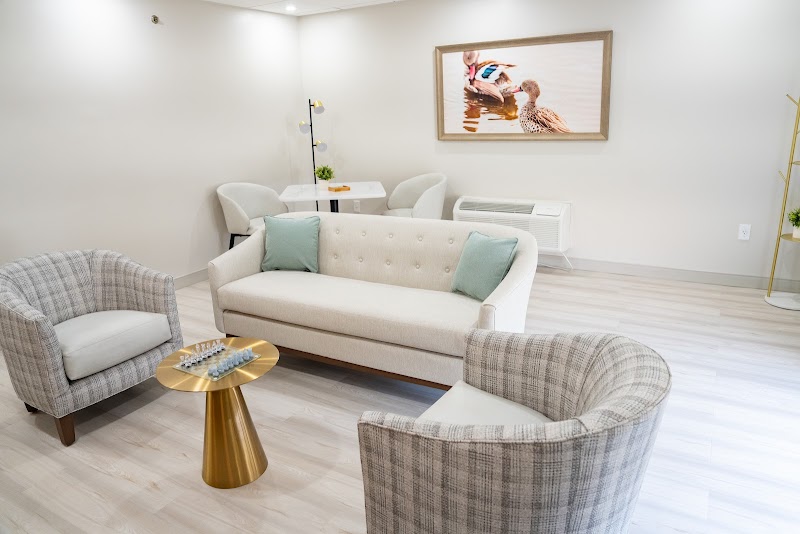
How is Beaumont Rehabilitation And Healthcare Center Staffed?

CMS rates BEAUMONT REHABILITATION AND HEALTHCARE CENTER's staffing level at 1 out of 5 stars, which is much below average compared to other nursing homes. Staff turnover is 54%, compared to the Indiana average of 46%.

What Have Inspectors Found at Beaumont Rehabilitation And Healthcare Center?

State health inspectors documented 36 deficiencies at BEAUMONT REHABILITATION AND HEALTHCARE CENTER during 2022 to 2025. These included: 1 Immediate Jeopardy (the most serious level, indicating potential for serious harm or death), 3 that caused actual resident harm, 31 with potential for harm, and 1 minor or isolated issues. Immediate Jeopardy findings are rare and represent the most serious regulatory concerns. They require immediate corrective action.
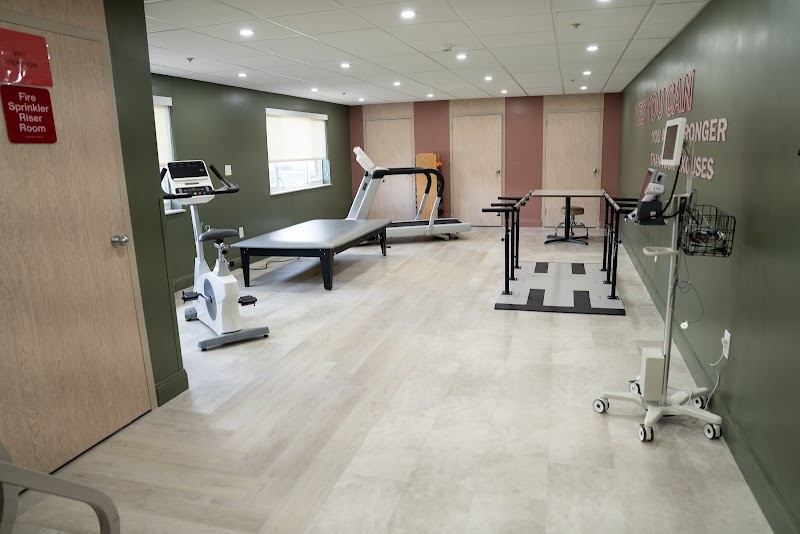
Who Owns and Operates Beaumont Rehabilitation And Healthcare Center?

BEAUMONT REHABILITATION AND HEALTHCARE CENTER is owned by a for-profit company. For-profit facilities operate as businesses with obligations to shareholders or private owners. The facility is operated by CASTLE HEALTHCARE, a chain that manages multiple nursing homes. With 200 certified beds and approximately 111 residents (about 56% occupancy), it is a large facility located in ANDERSON, Indiana.
How Does Beaumont Rehabilitation And Healthcare Center Compare to Other Indiana Nursing Homes?

Compared to the 100 nursing homes in Indiana, BEAUMONT REHABILITATION AND HEALTHCARE CENTER's overall rating (1 stars) is below the state average of 3.1, staff turnover (54%) is near the state average of 46%, and health inspection rating (2 stars) is below the national benchmark.

What Should Families Ask When Visiting Beaumont Rehabilitation And Healthcare Center?

Based on this facility's data, families visiting should ask: "What changes have been made since the serious inspection findings, and how are you preventing similar issues?" "Can you walk me through typical staffing levels on day, evening, and night shifts?" "Can I visit during a mealtime to observe dining assistance and food quality?" "How do you handle medical emergencies, and what is your hospital transfer rate?" These questions are particularly relevant given the facility's Immediate Jeopardy citations and the below-average staffing rating.

Is Beaumont Rehabilitation And Healthcare Center Safe?

Based on CMS inspection data, BEAUMONT REHABILITATION AND HEALTHCARE CENTER has documented safety concerns. Inspectors have issued 1 Immediate Jeopardy citation (the most serious violation level indicating risk of serious injury or death). The facility has a 1-star overall rating and ranks #100 of 100 nursing homes in Indiana. Families considering this facility should ask detailed questions about what corrective actions have been taken since these incidents.

Do Nurses at Beaumont Rehabilitation And Healthcare Center Stick Around?

BEAUMONT REHABILITATION AND HEALTHCARE CENTER has a staff turnover rate of 54%, which is 8 percentage points above the Indiana average of 46%. Moderate turnover is common in nursing homes, but families should still ask about staff tenure and how the facility maintains care continuity when employees leave.

Was Beaumont Rehabilitation And Healthcare Center Ever Fined?

BEAUMONT REHABILITATION AND HEALTHCARE CENTER has no federal fines on record. CMS issues fines when nursing homes fail to meet care standards or don't correct problems found during inspections. The absence of fines suggests the facility has either maintained compliance or corrected any issues before penalties were assessed. This is a positive indicator, though families should still review recent inspection reports for the full picture.

Is Beaumont Rehabilitation And Healthcare Center on Any Federal Watch List?

BEAUMONT REHABILITATION AND HEALTHCARE CENTER is not on any federal watch list. The most significant is the Special Focus Facility (SFF) program, which identifies the bottom 1% of nursing homes nationally based on persistent, serious quality problems. Not being on this list means the facility has avoided the pattern of deficiencies that triggers enhanced federal oversight. This is a positive indicator, though families should still review the facility's inspection history directly.