BETHANY POINTE HEALTH CAMPUS
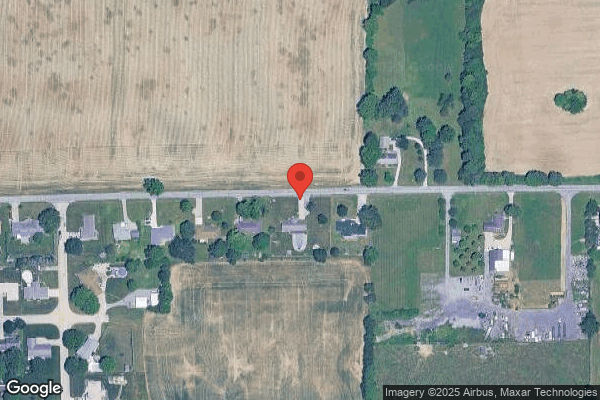
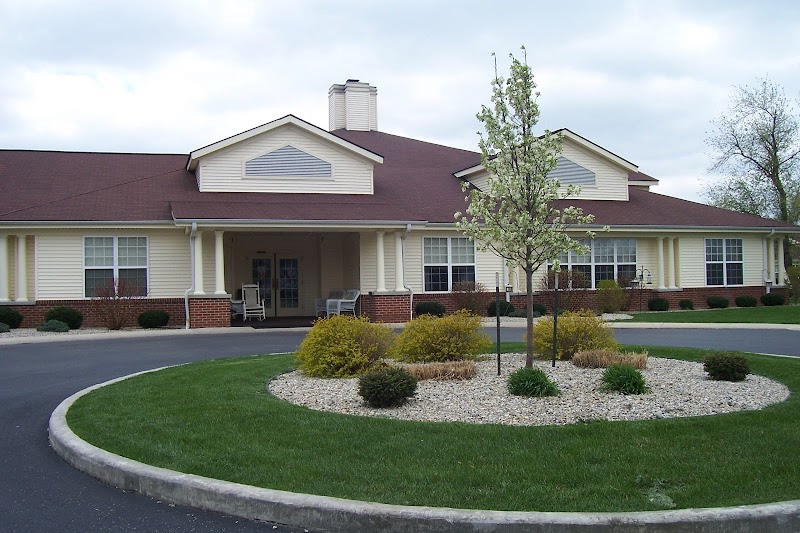
1707 BETHANY RD, ANDERSON, IN 46012 (765) 622-1211
For profit - Limited Liability company 74 Beds TRILOGY HEALTH SERVICES Data: November 2025
Trust Grade
90/100
#11 of 505 in IN
Last Inspection: May 2025

Inspected within the last 6 months. Data reflects current conditions.

Overview

Bethany Pointe Health Campus has an impressive Trust Grade of A, which indicates excellent quality care and is highly recommended. It ranks #11 out of 505 facilities in Indiana, placing it in the top half, and is the best option among the 11 nursing homes in Madison County. However, the facility's trend is concerning as it has worsened from 2 issues in 2024 to 4 in 2025. Staffing is a strength with a rating of 4 out of 5 stars and a turnover rate of 44%, which is below the state average, meaning staff are generally stable. Notably, there have been some issues, including a failure to provide meaningful activities for residents with dementia and a lack of supervision for a resident during a medical appointment, which raises concerns about care quality. Overall, while there are several strengths, families should be aware of these recent issues.

Trust Score
A
90/100
In Indiana
#11/505
Top 2%
Safety Record
Low Risk
No red flags
Inspections
Getting Worse
2 → 4 violations
Staff Stability
○ Average
44% turnover. Near Indiana's 48% average. Typical for the industry.
Penalties
✓ Good
No fines on record. Clean compliance history, better than most Indiana facilities.
Skilled Nurses
✓ Good
Each resident gets 66 minutes of Registered Nurse (RN) attention daily — more than 97% of Indiana nursing homes. RNs are the most trained staff who catch health problems before they become serious.
Violations
⚠ Watch
12 deficiencies on record. Higher than average. Multiple issues found across inspections.
★★★★★
5.0
Overall Rating
★★★★☆
4.0
Staff Levels
★★★★★
5.0
Care Quality
★★★★☆
4.0
Inspection Score
Stable
2024: 2 issues
2025: 4 issues

The Good

  • 4-Star Staffing Rating · Above-average nurse staffing levels
  • 5-Star Quality Measures · Strong clinical quality outcomes
  • Full Sprinkler Coverage · Fire safety systems throughout facility
  • No fines on record
  • Staff turnover below average (44%)

    4 points below Indiana average of 48%

Facility shows strength in staffing levels, quality measures, fire safety.

The Bad

Staff Turnover: 44%

Near Indiana avg (46%)

Typical for the industry

Chain: TRILOGY HEALTH SERVICES

Part of a multi-facility chain

Ask about local staffing decisions and management

The Ugly 12 deficiencies on record

May 2025 4 deficiencies
CONCERN (D)

Potential for Harm - no one hurt, but risky conditions existed

Deficiency F0628 (Tag F0628)

Could have caused harm · This affected 1 resident

Based on record review and interview, the facility failed to provide bed hold policy notifications to the resident and/or their representative for 2 of 2 residents reviewed for hospitalizations. (Resi...

Read full inspector narrative →
Based on record review and interview, the facility failed to provide bed hold policy notifications to the resident and/or their representative for 2 of 2 residents reviewed for hospitalizations. (Resident 30 and 53) Findings include: 1. During an interview on 5/6/25 at 4:25 p.m., Resident 30 indicated he was sent out for a hospitalization approximately one month ago. The facility did not provide him with any bed hold paperwork. Resident 30's clinical record was reviewed on 5/7/25 at 1:43 p.m. Diagnoses included heart failure, fluid overload, and pneumonia. A 2/19/25, admission, Minimum Data Set (MDS) assessment indicated Resident 30 was cognitively intact. A 3/27/25, discharge, MDS assessment indicated the resident discharged with a return anticipated. Review of a notice of transfer/discharge form, dated 3/27/25, indicated Resident 30 was discharged to the hospital. The form indicated the facility must attach a copy of the facility's bed hold policy. The clinical record lacked a bed hold notice or indication it was offered to the resident. A nurse's note, dated 3/27/25 at 4:14 p.m., indicated all appropriate documentation was sent with emergency personnel. A nurse's note, dated 3/28/25 at 8:53 a.m., indicated the resident was admitted to the hospital for acute respiratory failure and chronic obstructive pulmonary disease exacerbation. 2. Resident 53's clinical record was reviewed on 5/7/25 at 4:21 p.m. Diagnoses included nonrheumatic aortic valve stenosis, pulmonary hypertension, and acute post-hemorrhagic anemia. A 12/26/24, admission, Minimum Data Set (MDS) assessment indicated Resident 53 was cognitively intact. A 1/3/25, discharge, MDS assessment indicated the resident discharged with a return anticipated. Review of a notice of transfer/discharge form, dated 1/3/25, indicated the resident was discharged to the hospital. The form indicated the facility must attach a copy of the facility's bed hold policy. A nurse's note, dated 1/3/25 at 12:56 p.m., indicated the notice of transfer and bed hold forms were completed. The clinical record lacked indication of who received the bed hold form. During an interview on 5/12/25 at 11:50 a.m., RN 6 indicated the notice of transfer form and the bed hold policy were usually given to the resident and the emergency personnel when a resident was discharged to the hospital. The information was required to be documented in the resident's progress notes. During an interview on 5/12/25 at 4:29 p.m., LPN 4 indicated the notice of transfer form and the bed hold policy were provided to the emergency personnel to be taken to the hospital when a resident was sent out to the hospital. Copies were not provided to anyone else. All of the information regarding a discharge was required to be documented in the progress notes of the resident's clinical record. She was unaware of any other place in which the information was documented. During an interview on 5/13/25 at 9:48 a.m., the Administrator indicated both Resident 30 and Resident 53's clinical record did not have the bed hold policy attached to the notice of transfer/discharge. During an interview on 5/13/25 at 10:22 a.m., the DON indicated the bed hold policies were not in Resident 30 and Resident 53's clinical record because she threw them in the trash when she scanned the notice of transfer/discharge into the residents' clinical records. A current facility policy, revised on 11/18/16, titled Bed Hold Policy, provided by the Executive Director on 5/12/25 at 2:18 p.m., indicated the following: POLICY . The campus will properly inform residents in advance of their option to make bed-hold payments as well as the amount of the facility's charge to hold a bed . PURPOSE . To establish a policy and procedure following state and federal guidelines as it pertains to resident notification 3.1-12(a)(6)(A)(i)
CONCERN (D)

Potential for Harm - no one hurt, but risky conditions existed

Accident Prevention (Tag F0689)

Could have caused harm · This affected 1 resident

Based on observation, interview, and record review, the facility failed to ensure a resident with cognitive impairment was provided supervision and not left unattended while awaiting a medical appoint...

Read full inspector narrative →
Based on observation, interview, and record review, the facility failed to ensure a resident with cognitive impairment was provided supervision and not left unattended while awaiting a medical appointment for 1 of 2 residents reviewed for supervision to prevent accidents. (Resident 25) Finding includes: During an interview on 5/7/25 at 10:56 a.m., Resident 25's family member indicated her loved one, who required supervision due to dementia, was transported by the facility transport to the hospital in mid-April for a scheduled medical procedure. The resident was left at the hospital without facility or family supervision. The resident's family became aware because a family friend saw the resident at the hospital waiting area and spoke to one of the resident's children. The family members acted quickly and got a family member to the location to stay with the resident during her medical procedure. The resident being unsupervised greatly concerned the family because she did not make safe choices. Had the resident been feeling better, this could have been a serious matter. The family member expressed their concern with the facility. The facility indicated they had believed a family member was meeting the resident at the appointment. Resident 25's clinical record was reviewed on 5/8/25 at 9:26 a.m. Current diagnoses included, Alzheimer's disease, anxiety, depression, and psychotic disturbance. A 4/26/25, quarterly, Minimum Data Set (MDS) assessment indicated the resident was severely cognitively impaired and had Alzheimer's disease. A current 4/29/24, care plan problem/need indicated the resident had impaired or reduced safety awareness due to dementia. The goal for this problem was the resident will remain safe and not injure self secondary to impaired decision making. Approaches to this problem/need included: Determine if decisions made by the resident endanger the resident or others. Intervene if necessary (4/29/24), and observe for exit seeking behaviors, wandering into unsafe areas and entering other resident rooms un-invited (4/29/24). A current, 4/19/24, care plan problem/need indicated the resident was at risk of elopement. Approaches to this problem/need included redirect away from doors/exit as needed (4/19/24) and monitor for wandering triggers (4/19/24). During an interview on 5/8/25 at 3:39 p.m., the Transport Driver indicated he had transported Resident 25 to the hospital for testing on 4/11/25. He had been informed by one of the leaders of the dementia unit, he did not remember which one, that the resident's family would meet the resident at the hospital. When he arrived at the designated area of the hospital, the receptionist called the resident by name and said something about her family meeting her there. He did not see or speak to a family member. He left the resident there to chat with the receptionist and left to provide transportation to another resident. When he arrived back later that day to pick the resident up following the appointment, the family was there and he had no idea there had been any problem. When a family member was not scheduled to meet a resident at an appointment, either he or a CNA stayed with the resident. He was aware he was not to leave residents without a representative there. During this trip, the receptionist calling the resident by name and talking about family coming made him feel he was leaving them safe until the family arrived. Review of a facility Grievance Log entry dated 4/11/25, provided by the Administrator on 5/8/25 at 1:52 p.m., indicated Resident 25's family had called to express a concern that their loved one had been left at an appointment without a family member present to supervise them. The grievance indicated the driver was educated to never leave a memory care resident at any appointment if their family had not arrived. The form indicated the grievance was resolved on the same date. During observations on 5/6/25 at 10:56 a.m. and 5/7/25 at 9:36 a.m., Resident 25 was seated in an activity on the secured dementia unit. During an interview on 5/9/25 at 9:57 a.m., the Administrator indicated the facility did not have a policy regarding transportation of residents.
CONCERN (D)

Potential for Harm - no one hurt, but risky conditions existed

Deficiency F0757 (Tag F0757)

Could have caused harm · This affected 1 resident

**NOTE- TERMS IN BRACKETS HAVE BEEN EDITED TO PROTECT CONFIDENTIALITY** Based on observation, interview, and record review, the facility failed to ensure residents who received psychoactive medication...

Read full inspector narrative →
**NOTE- TERMS IN BRACKETS HAVE BEEN EDITED TO PROTECT CONFIDENTIALITY** Based on observation, interview, and record review, the facility failed to ensure residents who received psychoactive medications had gradual dose reductions or statements of clinical contraindication and had identified and documented targeted behavioral systems for the use of psychotropic medications for 2 of 5 residents reviewed for unnecessary medication. (Residents 13 and 34) Findings includes: 1. Resident 13's clinical record was reviewed on [DATE] at 9:22 a.m. Current diagnoses included delusional disorders, chronic diastolic (congestive) heart failure, morbid (severe) obesity due to excess calories, and obstructive sleep apnea. Current medication orders included sertraline (an antidepressant) 100 milligrams (mg) give one tablet daily ([DATE]), quetiapine (an antipsychotic) 25 mg give one tablet at bedtime ([DATE]), and trazodone (an antidepressant) 50 mg give one tablet at bedtime ([DATE]). A [DATE], pharmacy Consultant Report recommended a dosage reduction for either the trazodone 50 mg or Seroquel 25 mg, as both had been in place since [DATE]. The medications were used for sleep and hallucination/delusions at nighttime. The report indicated to please evaluate symptoms and determine if a trial gradual dose reduction is appropriate. If a gradual dose reduction was clinically contraindicated, please document resident specific rationale to continued dosing. The physician response to this recommendation was marked as I decline. Written on the response to recommendation line was Continue as ordered. The form lacked a statement of contraindication that included a risk-benefit analysis. A current care plan, dated [DATE], indicated Resident 13 demonstrated altered behaviors including hallucinations. Interventions included medications as ordered ([DATE]), monitor residents mood, affect, and behavior during care ([DATE]), and redirect as needed ([DATE]). A current care plan, dated [DATE], indicated the resident demonstrated altered behaviors including delusions. Interventions included medications as ordered ([DATE]), monitor residents behavior during care ([DATE]), and observe for behavioral triggers and causal relationships to medical changes ([DATE]). The resident's care plans lacked identified targeted behaviors, including delusions or hallucinations for the use of antipsychotic medications and targeted symptoms for the use of an antidepressant medication. Review of the resident's medication administration record for [DATE] to [DATE] indicated targeted behaviors were marked at the end of each shift with delusions having occurred eight (8) times and hallucinations having occurred twelve (12) times over the three (3) month period. The documentation lacked resident-specific delusions and/or hallucinations. A [DATE] nurse practitioner progress note indicated the resident had severe obstructive sleep apnea and was not compliant with the use of a continuous positive airway pressure (CPAP) machine which to led to episodes of hypercapnia (too much carbon dioxide in the blood stream), hallucinations, and an increased heart rate. This had led to delusions and hospitalization. The resident had responded nicely to quetiapine 25 mg at night and to continue the sertraline 75 mg daily as the residents anxiety had been stable. The resident would be appropriate for reduction at the next recommendation. A [DATE], quarterly, Minimum Data Set (MDS) assessment indicated the resident had moderate cognitive impairment, had no hallucinations, delusions, or behaviors, and a gradual dose reduction of antipsychotic medication had not been attempted since the previous assessment. On [DATE] at 11:01 a.m., Resident 13 was seen fully dressed and self propelling her wheel chair down the hallway. On [DATE] at 10:55 a.m., Resident 13 was seated on the edge of the bed. She indicated she was sleepy and had just woken up. On [DATE] at 11:39 a.m., Resident 13 was lying in bed, crying. She indicated she was feeling sad and would let the staff know if she needed any assistance. On [DATE] at 9:36 a.m., Resident 13 was calmly lying in bed watching television. During an interview on [DATE] at 3:01 p.m., CNA 7 indicated Resident 13 had mentioned seeing children in her room and feeling anxious. The resident was easy to redirect. During an interview on [DATE] at 3:09 p.m., the Infection Preventionist indicated Resident 13 reported seeing people, especially children running around her room and tried to talk to them. During an interview on [DATE] at 3:11 p.m., LPN 9 indicated Resident 13 had talked about hearing and seeing children in her room. During an interview on [DATE] at 3:15 p.m., the DON indicated Resident 13 had seen bugs on her windows, blinds and floor. Resident 13 talked to children not present in her room. The resident's hallucinations tended to come and go, and were not consistent. The resident went periods of time without any complaints or concerns. The DON indicated she was aware the resident's clinical record did not have specific information or documentation related to the hallucinations and delusions. 2. Resident 34's clinical record was reviewed on [DATE] at 11:49 p.m. Diagnoses included unspecified dementia without behavioral disturbance, psychotic disturbance, mood disturbance, and anxiety, need for assistance with personal care, and essential (primary) hypertension. Current medication orders included amitriptyline (an antidepressant) 10 mg give one tablet at bedtime ([DATE]), duloxetine (an antidepressant) 60 mg give one table at bedtime for depression ([DATE]), and quetiapine (an antipsychotic) 25 mg, give one tablet at bedtime ([DATE]). Previous medication orders, discontinued on [DATE], included amitriptyline 10 mg, give one tablet in the morning and one tablet at bedtime ([DATE]), and quetiapine 25 mg give one-half tablet at bedtime ([DATE]). A [DATE] pharmacy Consultant Report indicated Resident 34 received multiple medications that were due for a dosage reduction evaluation: duloxetine 60 mg at bedtime, amitriptyline 10 mg at bedtime, and quetiapine 12.5 mg in the morning and 25 mg at bedtime. The report indicated to please evaluate signs and symptoms of depression and delusions and determine if a trial gradual dose reduction is appropriate at this time. If the dose reduction was clinically contraindicated, please document resident specific rationale. The physician response to this recommendation was marked as I decline. Written on the response to recommendation line was risk outweighs benefit. The form lacked a statement of contraindication that included a risk-benefit analysis. A current care plan, dated [DATE], indicated Resident 34 demonstrated altered behaviors including delusions, for example the family was not there. Interventions included medications as ordered ([DATE]), monitor resident's behaviors with all care ([DATE]), and psych services as needed ([DATE]). A current care plan, dated [DATE], indicated the resident presented with diagnoses of delusional disorder, depression, and anxiety. Interventions included medications as ordered ([DATE]), observe mood, affect, and behaviors with care ([DATE]), and titrate medication to the lowest effective dose ([DATE]). The resident's care plans lacked identified targeted behaviors, delusions, or hallucinations for the use of the antidepressant or antipsychotic medications. Review of the resident's medication administration record for February 1, 2025 to February 28, 2025 indicated targeted behaviors were marked at the end of each shift with delusions having occurred eleven (11) times during the month. The documentation lacked resident-specific delusions. A [DATE], annual, Minimum Data Set (MDS) assessment indicated Resident 34 had severe cognitive impairment and had not experienced hallucinations, delusions, or behaviors. A [DATE], nurse practitioner progress note indicated to continue medications for delusional disorder and depression. Continue to monitor mood, appetite, and sleep patterns. On [DATE] at 10:51 a.m., Resident 34 was seated calmly in her wheel chair near the end of her bed. On [DATE] at 10:53 a.m., Resident 34 was lying quietly in bed facing the window. On [DATE] at 11:40 a.m., Resident 34 was lying in bed and indicated she was sleepy as she had stayed awake late watching some television. On [DATE] at 9:40 a.m., Resident 34 was lying quietly in bed watching the television. During an interview, on [DATE] at 3:01 p.m. CNA 7 indicated Resident 34 has not mentioned experiencing any hallucinations or delusions recently. On [DATE] at 3:09 p.m., the Infection Preventionist indicated Resident 34 had packed up her belongings thinking she was going to be moving soon. The resident would try to take the belongings of her room mate. On [DATE] at 3:11 p.m., LPN 9 indicated Resident 34 had not mentioned feeling anxious or having any hallucinations or delusions. On [DATE] at 3:13 p.m., the DON indicated Resident 34 would complain of seeing small children in her room and needing to go help her parents, whom are both deceased . The resident experienced most of her delusions in the evening. She was aware the resident's clinical record did not have specific information or documentation related to the hallucinations and delusions. Resident 34's daughter was very involved with her care and had previously refused to accept gradual dose reductions in July and November of 2024. The medical director and the DON had spoken with the daughter and explained the need for trial dose reductions and was able to get the daughter to allow the medication changes made in the current month of May. A facility policy, revised [DATE], titled, Psychotropic medication use and gradual dose reduction guidelines, provided by the DON on [DATE] at 10:24 a.m., indicated the following: .To ensure every effort is made for residents receiving psychoactive medications to obtain the maximum benefit with minimal unwanted side effects through appropriate use, evaluation and monitoring by the interdisciplinary team . 1. Residents shall receive psychotropic medications only if designated medically necessary by the prescriber, with appropriate diagnosis or documentation to support its usage. The medical necessity will be documented in the resident's medical record and in the care planning process .4. Efforts to reduce dosage or discontinue psychotropic medications will be ongoing, as appropriate. 5. A gradual dose reduction (GDR) will be attempted for two (2) separate quarters (with at least one month between attempts) per the physician's recommendation. Gradual dose reduction must be attempted annually thereafter, unless medically contraindicated. 6. Gradual dose reductions will be documented on the appropriate event in the EHR 3.1-48(a) 3.1-48(b)
CONCERN (D)

Potential for Harm - no one hurt, but risky conditions existed

Deficiency F0883 (Tag F0883)

Could have caused harm · This affected 1 resident

Based on record review and interview, the facility failed to offer and educate residents regarding pneumococcal vaccines per the Center for Disease and Control (CDC) guidance for 2 of 5 residents revi...

Read full inspector narrative →
Based on record review and interview, the facility failed to offer and educate residents regarding pneumococcal vaccines per the Center for Disease and Control (CDC) guidance for 2 of 5 residents reviewed for infection control. (Resident 17 and 18) Finding includes: 1. Resident 17's clinical record was reviewed on 5/7/25 at 1:40 p.m. Diagnoses included unspecified dementia with other behavioral disturbances, unspecified injury of head, subsequent encounter, and hypertension. The admission date was 5/10/23. A 3/14/24, significant change, Minimum Data Set (MDS) assessment indicated the resident had severe cognitive impairment. Review of the resident's vaccinations included the following: The resident had a historical administration of Pneumovax 13 (pneumococcal) on 11/16/16, prior to admission to the facility. A Pneumococcal Vaccine Consent Form, dated 5/10/23, indicated the resident was provided education and declined administration. The clinical record lacked any other offerings of the Pneumococcal vaccine since 2023. 2. Resident 18's clinical record was reviewed on 5/8/25 at 12:38 p.m. Diagnoses included unspecified paraplegia, elevated white blood cell count, and neuromuscular dysfunction of the bladder. The admission date was 4/4/22. A 3/8/25, quarterly, Minimum Data Set (MDS) assessment indicated the resident was cognitively intact. Review of the resident's vaccinations included the following: The resident had a historical administration of Pneumovax 13 on 9/29/20, prior to admission to the facility. A Pneumococcal Vaccine Consent Form, dated 4/4/22, indicated the resident was provided education and declined administration. The clinical record lacked any other offerings of the Pneumococcal vaccine since 2022. During an interview, on 5/12/25 at 11:01 a.m., the Infection Preventionist indicated she offers the Influenza, COVID-19, and Pneumococcal vaccinations on admission. The facility utilized consent/declination forms for the vaccinations offered. She only offered the Influenza and COVID-19 vaccinations annual thereafter. She indicated she followed the Center for Disease and Control (CDC) guidance. A facility policy, revised 7/12/23, titled, Guidelines for Influenza, Pneumococcal, and COVID-19, provided by the Executive Director on 5/6/24 shortly after entrance conference, indicated the following: The purpose of this policy is to: To establish an immunization program that facilitates providing education to residents and resident representative allowing them to make an informed decision regarding immunization and to follow through per their decision to receive or not to receive immunization unless medically contraindicated .6. Each resident will be offered, unless medically contraindicated, or already vaccinated, a pneumococcal vaccine per attending physician's orders .12. Pneumococcal vaccinations per CDC recommendations . 3.1-18(b)(5)
Jun 2024 2 deficiencies
CONCERN (D)

Potential for Harm - no one hurt, but risky conditions existed

Respiratory Care (Tag F0695)

Could have caused harm · This affected 1 resident

Based on observation, interview, and record review, the facility failed to properly monitor the use of oxygen, maintain oxygen equipment, and follow physician orders for oxygen therapy for 1 of 3 resi...

Read full inspector narrative →
Based on observation, interview, and record review, the facility failed to properly monitor the use of oxygen, maintain oxygen equipment, and follow physician orders for oxygen therapy for 1 of 3 residents reviewed for respiratory care. (Resident 5) Finding includes: During an observation on 6/12/24 at 11:17 a.m., Resident 5 was in bed asleep with oxygen on via nasal cannula. The nasal cannula was connected to the oxygen concentrator and set at four liters per minute. The humidification canister, dated 5/25/24, was below the low line on the canister with no bubbling for humidification due to the low level. When the resident awoke, he indicated he was not feeling well and the nurse was aware. During an observation on 6/13/24 at 12:12 p.m., the resident was asleep in bed with his oxygen on via nasal cannula. The nasal cannula was connected to the oxygen concentrator and set at four liters per minute. The humidification canister, dated 5/25/24, was empty. During an interview on 6/13/24 at 12:16 p.m., the resident was in bed, lethargic, with his oxygen on via nasal cannula at four liters per minute. During an interview at the same time, RN 3 indicated the resident's humidification canister was dated 5/25/24, oxygen set a four liters, and he was not receiving humidification because the canister was empty. The canister should be kept full and was required to be changed monthly or as needed to ensure the resident's humidification was maintained. Resident 5's clinical record was reviewed on 6/13/24 at 4:55 p.m. Diagnoses included, chronic obstructive pulmonary disease (COPD), pneumonia, heart failure and ischemic cardiomyopathy. A physician order, dated 2/21/23, indicated continuous oxygen at two liters per minute via nasal cannula, may titrate to maintain oxygen saturation above 92%. This order was discontinued on 6/14/24. A physician order, dated 6/14/24, indicated continuous oxygen at three liters per minute via nasal cannula, may titrate to maintain oxygen saturation above 92%. A current physician's order, dated 6/15/24, indicated continuous oxygen at four liters per minute via nasal cannula, may titrate to maintain oxygen saturation above 92 %. A current physician's order, dated 6/14/24, indicated doxycycline hyclate (antibiotic) 100 milligram (mg) capsule by mouth twice daily. A quarterly Minimum Data Set assessment, dated 3/11/24, indicated the resident had severe cognitive impairment. He required maximal staff assistance for toileting, dressing, hygiene, and mobility. A current care plan, last reviewed on 3/13/24, indicated the resident was at risk for potential complications related to congestive heart failure. Interventions included the following: administer oxygen per the physician order (12/22/21) and observe for and report complications as needed (12/22/21) A current care plan, last reviewed on 3/13/24, indicated the resident was at risk for potential complications related to COPD. Interventions included the following: administer oxygen per physician orders (12/22/21), monitor the oxygen saturation via pulse oximetry as ordered (12/22/21), and observe and report signs of respiratory distress (12/22/21). The clinical record lacked any provider notification of an increased need for oxygen titration on 6/12/24 and 6/13/24. A nurse's noted, dated 6/14/24 at 10:45 p.m., indicated the resident received treatment for pneumonia. During an observation on 6/17/24 at 2:39 p.m., the resident was seated in a wheelchair in his room. The left prong of the nasal cannula was in his right nare and the right prong of the nasal cannula to the right side of his nose. The resident was lethargic. The oxygen concentrator was turned off and the nasal cannula was connected to his portable oxygen tank, hung on the back of his wheelchair. The gauge of the tank indicated the portable oxygen tank was empty. During an interview at the time of observation on 6/17/24 at 2:40 p.m., RN 4 indicated the resident's nasal cannula was connected to an empty portable oxygen concentrator on the back of his wheelchair, so the resident was not receiving any oxygen. She turned on the concentrator and set the oxygen at three liters per minute and applied the nasal cannula to both nares. She indicated she needed to obtain the pulse oximeter, and returned to the resident's room at 2:42 p.m. When assessed, the resident's oxygen saturation was 89 %. She exited the room to check the resident's oxygen order, returned, and indicated that it was continuous oxygen via nasal cannula at four liters per minute. She entered back into the resident's room at 2:43 p.m. and adjusted the concentrator to four liters per minute. The resident's oxygen saturation was 92 % upon re-assessment. During an interview on 6/17/24 at 2:45 p.m., RN 4 indicated the resident's nasal cannula should have been connected to the oxygen concentrator when the resident was in their room. A portable oxygen tank did not last very long when a resident received four liters of oxygen per minute. During an interview on 6/17/24 at 3:20 p.m., CNA 8 indicated portable oxygen tanks should have been refilled to ensure the resident did not run out of oxygen. The resident was dependent on staff to manage and monitor the resident's continuous oxygen. Staff were required to fill the portable tanks when the residents were taken out of their room. The resident should have been placed back onto to his oxygen concentrator to ensure the portable tank did not run out. During an interview on 6/18/24 at 2:24 p.m., the Corporate Nurse Consultant indicated oxygen humidity should be used based on the order. Physician orders for continuous oxygen should have been followed to ensure a resident did not run out of oxygen. Residents on portable tanks should have been switched over to the oxygen concentrator when they were brought back to their room to avoid a lack of continuous oxygen. During an interview on 6/18/24 at 2:39 p.m., the Corporate Nurse Consultant indicated oxygen humidification was used for orders of oxygen at four liters per minute and as needed. Nurse's were expected to use nursing judgement regarding the oxygen orders that lacked a specific parameter for titration. Residents with COPD may not be appropriate for oxygen to be titrated higher than 2-3 liters per minute. The nurses should have notified the physician each time there was a need for them to titrate a resident's oxygen because this was considered a change in condition. During an interview on 6/19/24 at 9:29 a.m., LPN 7 indicated she thought oxygen orders with titration to maintain specific oxygen saturations could be titrated as high as 6 liters per minute. Oxygen orders should have included how high the oxygen could have been titrated. During an interview on 6/19/24 at 9:33 a.m., LPN 5 indicated oxygen could have been titrated as high as 5 liters per minute. If an oxygen order did not include a range for titration, then the physician should have been notified to obtain parameters because each resident had different requirements for oxygen based on their diagnoses. A current facility policy, dated 12/31/23, titled Respiratory Equipment, provided by the Administrator on 6/17/24 at 4:58 p.m., indicated the following: .SOP [standard operating procedure] DETAILS . 1. The following equipment and supplies will be necessary when performing this procedure. a. Appropriate equipment/supplies necessary for ordered therapy . 2. Oxygen Administration . c. May use prefilled disposable humidifier bottles . h. Change prefilled humidifier when water level becomes low A current facility policy, dated 12/31/23, titled Guidelines for Medication Orders, provided by the Administrator on 6/17/24 at 4:58 p.m., indicated the following: .PURPOSE . To establish uniform guidelines in the receiving and recording of medication orders. PROCEDURES . 6. Oxygen orders a. When recording oxygen orders specify: 1. The rate of flow, route and rationale (i.e.: O2, 2 L/min per nasal cannula PRN [as needed] for SOB [shortness of breath] 3.1-47(a)(6)
CONCERN (E)

Potential for Harm - no one hurt, but risky conditions existed

Deficiency F0744 (Tag F0744)

Could have caused harm · This affected multiple residents

**NOTE- TERMS IN BRACKETS HAVE BEEN EDITED TO PROTECT CONFIDENTIALITY** Based in observation, interview, and record review, the facility failed to offer dementia services for residents residing on a d...

Read full inspector narrative →
**NOTE- TERMS IN BRACKETS HAVE BEEN EDITED TO PROTECT CONFIDENTIALITY** Based in observation, interview, and record review, the facility failed to offer dementia services for residents residing on a dementia unit to enhance quality of life regarding sensory items and purposeful activities for 4 of 4 residents reviewed for dementia services (Resident 19, 17, 10, and 34). Findings include: During a confidential interview an employee indicated the staff had been concerned about the lack of meaningful and purposeful activities and events on the dementia care unit. During an interview on 6/17/24 at 10:24 a.m., LPN 5, who was the charge nurse on the dementia unit, indicated she did not know who the dementia unit director was. She indicated she had herself had training to be a Legacy Leader, which was a leadership role on the unit. During observations of the special care dementia unit on 6/12/24, 6/13/24, 6/17/24, and 6/18/24 the following concerns regarding meaningful programing, offering a stimulating environment, and purpose activities at the residents cognitive levels were made: During an observation on 6/12/24 at 11:10 a.m., nine residents were seated at the long dining table located in the conjoined TV lounge/dining activity unit. The residents were facing the table as if prepared to dine. The residents did not have sensory materials, such as books, magazines, puzzles, games, art materials, and/or manipulative devices. A staff member did not interact with the residents or offer conversation. The residents sat in this area from 11:10 a.m. to 11:30 a.m. facing the table without being offered a sensory materials and/or a purposeful or meaningful pursuit. At 11:10 a.m., Resident 17 was seated in a wheelchair. His eyes were closed. He was leaning to the left. At 11:10 a.m.,. Resident 34 was moving restlessly and rubbed another resident's back. A staff member moved him in his wheelchair farther down the table. At 11:10 a.m., Resident 10 sat at the table with her eyes closed and her head back. At 11:10 a.m., Resident 19 sat in his wheelchair at the table facing forward and looking straight ahead. At 11:30 a.m., Resident 34 attempted to stand and was instructed to sit down by a staff member. During this time residents did not interact with each other, staff, or their environment. At no time on 6/12/24 were the staff observed offering any sensory materials, such as books, magazines, puzzles, games, art materials, and/or manipulative devices to the residents. Although some supplies sat on top of a cabinet, sensory items where not placed in common areas for residents to obtain themselves during the observations. During an observation on 6/13/24 from 9:47 a.m. to 10:10 a.m., a small group of residents were seated in a circle in the TV area on the dementia unit. Activity Assistant 9 was speaking with the residents. Present in the circle were Resident 17, Resident 34, Resident 10, and Resident 19. Activity Assistant 9 read to the residents about receiving and sending a message in a bottle. She told a story about receiving a bottle with a message and writing a reply to the sender. She asked lengthy questions which required multiple word responses. She asked questions which required abstract reasoning, such as what do you think is the most important thing we should tell the sender? She did not restructure questions to adjust for dementia and severe cognitive impairment. Residents did not answer the questions. She did not have any visual or tactile devices to fit the them. The residents had nothing to touch or observe in conjunction with the message in a bottle activity. Occasionally another resident, who was very verbal, did talk. He did not answer the asked questions. Residents in attendance looked around, closed their eyes, touched the floor, sat with their head titled far forward resting their chin on their chest. The residents did not activity participate in the activity. The residents did not passively participate and observe the event. During an observation on 61/13/24 from 10:14 a.m. to 10:59 a.m., the following food related activity was offered. At 10:14 a.m., Activity Assistant 9 began reading a recipe and talking about cooking. By 10:22 a.m., a group of residents was escorted to the dining room table for a cooking activity. Residents, 19, 17, 10, and 34 were in the group of residents. From 10:22 a.m. to 10: 57 a.m., (35 minutes) the residents sat at the table awaiting the cooking activity. No sensory or diversionary materials were provided during the 35 minute wait. During the 35 minute wait, Activity Assistant 9 left the area multiple times to get ingredient and cooking supplies. At 10:49 a.m., Activity Assistant 9 indicated she need to leave the area once again to get parchment paper. At 10:57 a.m., Activity Assistant 9 stated We can officially get started. During the 35 minutes of waiting Resident 34 pushed himself away from the table multiple times and was pushed back to the table by direct care staff. At 10:59 a.m., (37 minutes after they were seated at the table) Activity Assistant 9 began to ask and assist residents to add ingredients to a bowl. At no time on 6/13/24 were the staff observed offering any sensory materials, such as books, magazines, puzzles, games, art materials, and/or manipulative devices to the residents. Although some supplies sat on top of a cabinet, sensory items where not placed in common areas for residents to obtain by themselves during the observations. During an observation on 6/17/24 from 9:30 a.m., to 9:56 a.m., a balloon and landmark activity was observed. At 9:30 a.m., Residents 19, 17, and 34 were involved in a game of balloon ball. All three residents were attempting to participate in the ball game. At 9:35 a.m., Activity Assistant 9 indicated balloon ball was over and it was time to begin another event. At 9:37 a.m., Activity Assistant 9 began to read to the three residents about landmarks. Residents 19, 17, and 34, who had been activity attempting balloon ball, did not reply to questions. Residents 19 and 17 closed their eyes and stopped interacting. By 9:39 a.m., Resident 10 had been escorted to join the group. Shortly after joining the group, Resident 10 closed her eyes. Activity Assistant 9 began to show the residents photos on a iPad device. The iPad device was approximately 8 inches by 10 inches. She moved the iPad from resident to resident. She held the iPad from 10 inches to 2 feet from the resident. She asked questions that required abstract thought and reasoning, such as, Do you know what this landmark is named and/or where it is? She did not adjust the questions for cognitive limitations. There were no tactile or sensory materials to compliment the activities. Another resident repeated words she said. He did not converse on topic. Residents 19, 17, 10, and 34 did not activity participate in the activity, nor did the residents passively observe the activity by watching the event. During an observation on 9/17/24 from 9:57 a.m. to 10:08 a.m., Activity Assistant 9 read local news aloud. As she read the news, one resident looked at her. One restless resident, Resident 17, held her hand. No residents asked or answered questions during the news paper reading. The residents did not show signs of either active or passive participation. During an observation on 9/17/24 at 10:08 a.m., Residents were escorted to the large table in the adjoined dining area. The Activity Assistant indicated we will talk about what you all would like for Happy Hour Snacks. A group of residents which included Residents 19, 17, 10 and 34 were moved to the table. They were all seated at the table as if awaiting a meal. Activity Assistant 9 indicated she needed ingredient to make cookies and left the area. She went to the adjoined kitchen and looked in cabinets as the residents sat at the table. At 10:15 a.m., the activity assistant offered the residents some chocolate chips. Residents were offered fluids by direct care staff. At 10:19 a.m., Activity Assistant 9 indicated she would get a piece of paper then they could get to business. She said they could put cookies together while writing their snack list. She then began asking what snacks the residents liked. The residents did not answer. She did not ask yes or no questions, she repeated the question, what do you like. At about 7 minutes without answers, she began listed food and asking if they liked it. One talkative resident responded. Residents 19, 17, 10 and 34 did not participate in the conversation. At 10:22 a.m., she began to place ingredients in measuring cups and ask residents if they'd like to pour the item into the mixing bowl. After asking three residents, who did not pour the items in the bowl, she poured all the ingredients in herself. The residents did not watch the food preparation. Residents 19, 17, 10, and 34 alternated between restless movement, looking about, and sitting with their eyes closed and head down. At 10:34 a.m., the activity assistant was again talking about Happy Hour snacks. She talked about snacks with only one resident responding until 10:47 a.m. On 6/17/24 from 1:39 p.m. to 2:52 p.m., (1 hour and 13 minutes), no structured activities were offered on the unit. At 1:51 p.m., LPN 5 attempted to adjust the TV to a program for the residents to watch. She made some phone calls for assistance. At 1:58 p.m., the TV was working and turned to The [NAME] Hillbillies. Resident 34 did watch the TV. No other residents participated in TV viewing. At no time on 6/17/24 were the staff observed offering any sensory materials, such as books, magazines, puzzles, games, art materials, and/or manipulative devices to the residents. Although some supplies sat on top of a cabinet, sensory items where not placed in common areas for residents to obtain by themselves during the observations. During an observation on 6/18/14 from 9:08 a.m. to 9:30 a.m., the following was noted: At 9:09 a.m., Resident 19 was escorted to the TV/Lounge area. At 9:14 a.m., two residents were in the TV area and Activity Assistant 9 began a breathing exercise activity. She began the event by reading a lengthy explanation of how deep breathing can benefit an individual. She read about stress reduction and respiratory function. She did not modify or adjust the information to meet the residents cognitive functioning levels. She asked the residents to place their right hands on their chest and left hand on their belly. She did not assist the residents to place their hands on their chest or belly, nor identify right and left. At 9:16 a.m., a nurse entered the area and assisted the residents to identify their right and left and place their hands in the correct locations. Resident 19 was offered assistance with hand placement. None of the residents in attendance took a deep breath or exhaled slowly when instructed. At 9:23 a.m., the Activity Assistant attempted some modification to the breathing exercise and told residents they did not need to use their hands, they would just breath in and out. At 9:26 a.m., Resident 10 was taken to join the breathing activity. None of the residents were taking deep breaths and exhaling when instructed. This event ended at 9:30 a.m. Although they did leave their hands on the chest or belly for a few moments, when placed their by staff, no resident actively participated in the activity. The residents did not passively participate by watching the activity assistant who was demonstrating deep breathing. During an observation on 6/18/24 at 9:30 a.m., Activity Assistant 9 began to open multiple drawers looking through each drawer as if searching for an item. While she looked, she spoke to residents about a matching game. At 9:32 a.m., the Activity Assistant placed approximately 36 cards face down on a 3 foot wide circular table. The cards were large playing cards of approximately 3 inches by 5 inches in size. Residents were placed around the table. Residents 19 and 10 were in attendance. The activity assistant instructed the residents to flip over two cards and try to find a match. The first resident chose two Jacks; one [NAME] of diamonds and one [NAME] of clubs. The activity assistant indicated it was close but not the same suit so it wasn't a match. During this time she indicated she was not very familiar with cards. Until 9:45 a.m., residents tried to reach cards only being able to touch one or two cars in front of them. The cards placed down in the center were out of reach approximately two feet from the resident. There continued to be 36 cards to remember and choose. At 9:45 a.m., Activity Assistant 9 indicated there had been zero matches thus far. She indicated the residents were playing with a standard deck of playing cards. She then indicated she was unaware that there was only on card of each value in each suit, she had not been aware there was no way for a match to occur. During an interview on 6/18/24 at 9:47 a.m., Activity Assistant 9 indicated she had not had the needed matching pieces for the scheduled matching event and she had used a deck of playing cards as a substitute. The activities she offered were from the facility's Life Loop computer app. She was supposed to stick to the list. Even if residents were actively involved in something they liked such as balloon ball, she was supposed to stick to the list and move on. She was unsure how she would modify the activities to meet the resident needs and cognitive status. During an observation 6/18/24 at 9:59 a.m., the residents were escorted to the table and sat in a manner as if ready to dine. The Activity Assistant indicated they would make biscuits soon but she needed to get the supplies. Residents 19, 17, 10, and 34 were seated at the table. The activity assistant did not have her supplies gathered for the cooking event. She was away from the unit from 9:59 a.m. until after 10:10 a.m., when she was seen standing outside the main kitchen. At no time on 6/18/24 were the staff observed offering any sensory materials, such as books, magazines, puzzles, games, art materials, and/or manipulative devices to the residents. Although some supplies sat on top of a cabinet, sensory items where not placed in common areas for residents to obtain by themselves during the observations. During an interview on 6/18/24 at 10:02 a.m., LPN 5, who was the Legacy Leader /charge nurse on the dementia unit, indicated the majority of the residents on the unit no longer could identify their right from their left, required simple instructions and directions, could not usually reach an item placed two feet in front of them, and could not keep track of 36 matching items. The round table in the TV area was not a good choice for activities due to its lower height and size. Some of the residents were very hard of hearing and visually impaired and those issues should be considered when interacting with the residents. During an interview on 6/18/24 at 10:11 a.m., the Administrator, who also served as the Dementia Unit Director, indicated the program on the dementia unit should establish a daily rhythm for the residents. There was a calendar and Life Loop was also a computer program. She did not know if residents who were severely cognitively impaired could match 34 to 36 cards during a memory game. She did not know if the current residents could identify their right and left. The program should be followed to keep the daily rhythm even if residents were actively involved and enjoying and event. She was unsure what was meant regarding modifying or adjusting offered activities based on resident participation and cognition. There was a Legacy Leader on the unit to offer guidance and direction. 1. Resident 10's clinical record was reviewed on 6/13/24 at 3:31 p.m. Current diagnoses included unspecified dementia, psychotic disturbance, mood disturbance, anxiety, and cognitive communication deficit. The resident had a current 6/2024 physician's order to reside on a secured dementia care unit. This order originated 5/2/23. A, 5/5/24, quarterly, Minimum Data Set (MDS) assessment indicated the resident was severely cognitively impaired and had visual impairment. An, 11/3/23, annual MDS assessment indicated used a wheelchair for mobility and her responsible party believed it was very important for the resident to enjoy her favorite music, to be up to day on the news, to be activity involved with groups of people, to be involved in her favorite activities, and to be involved in religious activities. The resident had a current, 5/13/24, care plan problem/need regarding the need to engage in meaningful activities. The resident had a current, 5/13/24, care plan problem/need regarding limited verbal communication. Approaches to this problem included ask yes and no questions to clarify. The resident had a current, 5/13/24,care plan problem/need regarding impaired cognition and short term memory impairment. Approaches to this problem included assess the degree of hearing ability and encourage to participate in activities of enjoyment. The resident had a current, 5/13/24, care plan problem/need regarding hearing loss. The resident had a current, 5/13/24, care plan problem/need regarding visual impairment. The resident had a current, 5/13/24, care plan problem/need regarding a significant severe cognitive deficits. Approaches to this problem included ask yes and no questions, encourage reminiscing, and reorient resident to activity and task as needed. 2. Resident 17's clinical record was reviewed on 6/13/24 at 2:56 p.m. Current diagnoses included Alzheimer's disease and dementia in other diseases classified elsewhere with behavioral disturbance. The resident had a current 6/2024 physician's order to reside on a secured dementia care unit. This order originated 12/1/21. A 5/16/24, quarterly, MDS assessment indicated the resident was severely cognitively impaired and had moderately impaired vision and hearing. A 2/14/24, significant change, MDS assessment indicated the resident's responsible party believed it was very important for him to be in group activities and he used a wheelchair for mobility. The resident had a current, 5/28/24, care plan problem/need regarding a sever cognitive deficit. Approaches to this problem included ask resident yes or no questions encourage reminiscing activities. The resident had a current, 5/28/24, care plan problem/need regarding the importance of engaging in activities. The resident had a current, 5/28/24, care plan problem/need regarding impaired cognition and short term memory impairment. Approaches to this problem included to assess hearing and visual ability and encourage participation in activities of enjoyment. 3. Resident 34's clinical record was reviewed on 6/13/24 at 3:06 p.m. Current diagnoses included frontotemporal neurocognitive disorder and delusional disorders. The resident had a current 6/2024 physician's order to reside on a secured dementia care unit. This order originated 3/18/24. A 5/8/24, quarterly, MDS assessment indicated the resident was severely cognitively impaired. A 10/19/23, annual MDS assessment indicated the resident used a wheelchair for mobility, and his family believed going outside in the fresh air was very important to him. The resident had a current, 5/17/24, care plan problem/need regarding long term memory loss. The resident had a current, 5/17/24, care plan problem/need regarding impaired decision making. Approaches to this problem included simplify tasks, segment steps or tasks, offer step by step instructions. The resident had a current, 5/17/24, care plan problem/need regarding cognitive impairment and short term memory loss. Approaches to this problem included assess hearing and visual functioning and encourage participation in activities. The resident had a current, 5/17/24, care plan problem/need regarding severe cognitive impairment. Approaches to this problem included encourage reminiscing activities, encourage resident to make simple decisions, ask yes/no questions, and reorient resident to activity and task. 4. Resident 19's clinical record was reviewed on 6/13/24 at 2:53 p.m. Current diagnoses included unspecified dementia, psychotic disturbance, mood disturbance, and anxiety. The resident had a current 6/2024 physician's order to reside on a secured dementia care unit. This order originated 9/15/20. A 4/29/24, quarterly, MDS assessment indicated the resident was severely cognitively impaired and had moderately impaired vision and hearing. A 1/2/24, annual, MDS assessment indicated the resident believed it was very important to hear news and go outside for fresh air. He used a wheelchair for mobility. The resident had a current, 4/23/24, care plan problem/need regarding the need to engage in meaningful activities. The resident had a current, 4/23/24, care plan problem/need regarding impaired cognition and short term memory impairment. Approaches to this problem included assess hearing and visual ability, and encourage participation in activities. The resident had a current, 4/23/24, care plan problem/need regarding short term memory impairment. Approaches to this problem included encourage participation in activities The resident had a current, 4/23/24, care plan problem/need regarding limited verbal communication. Approaches to this problem included ask yes or no questions. The resident had a current, 4/23/24, care plan problem/need regarding the need to reside on a secured dementia unit. Approaches to this problem included encourage involvement in daily programming. An Alzheimer's/ Dementia Special Care Unit State Form 48896, completed by the facility and submitted on 12/12/23, indicated the following: .Type of Training Required or Provided . Alzheimer's disease, dementia, stages of disease . Create an appropriate and safe environment . Techniques for communication . Using activities to improve quality of life . Which of the following therapeutic methods are used in the program/unit? Art Therapy . Exercise . Recreational therapy . Music therapy . Message . Pet Therapy . Reminiscence therapy The June 2024 Legacy Lane activity calendar , provided by the Administrator on 6/18/24 at 12:06 p.m., indicated dementia unit activities should be offered in the following categories: Artisans, Circle of Friends, Community Connections, Creative Cooking, Daily Rhythm, Expressive Arts, Gathering of Friends, Generations, Group Games, Inspirations, Just the Guys, Keeping is Sharp/reminisce, Life Long Learning, Mindful Movements, Music to my Ears, Out and About, Signature Events, and Vitality. An undated, facility policy title, Legacy Lane LEA Hours Guide, provided by the Administrator in 6/18/24 at 12:06 p.m., indicated the following: .Objective: Life Enrichment team member dedicated to leading Daily Rhythms 4 hours/day, 7 days a week on Legacy lanes Benefits .increase Resident engagement and improve family satisfaction 3.1-37(a)
Oct 2023 1 deficiency
CONCERN (D) 📢 Someone Reported This

A family member, employee, or ombudsman was alarmed enough to file a formal complaint

Potential for Harm - no one hurt, but risky conditions existed

Comprehensive Care Plan (Tag F0656)

Could have caused harm · This affected 1 resident

Based on record review and interview, the facility failed to develop and implement a care plan for targeted behaviors for 1 of 3 residents reviewed for care plans. (Resident C) Findings include: The...

Read full inspector narrative →
Based on record review and interview, the facility failed to develop and implement a care plan for targeted behaviors for 1 of 3 residents reviewed for care plans. (Resident C) Findings include: The clinical record for Resident C was reviewed on 10/30/23 at 10:32 a.m. Diagnoses included depression, anxiety, encephalopathy, acute kidney failure, right bundle-branch block, paroxysmal atrial fibrillation, hemiplegia and hemiparesis, convulsions, and obsessive-compulsive disorder. Review of a Point of Care History, dated 7/23/23-7/28/23, indicated on 7/25/23 at 5:17 a.m., CNA 1 charted the following: Resident yelled at top of his lungs THE WHOLE night Cause [sic] other residents to be in and out of sleep. Review of a written statement by CNA 1, dated 7/24/23, indicated Resident C had screamed all night worse than normal. Review of a progress note, dated 7/25/23 at 5:15 p.m., indicated the resident was tearful. He did not like the care he received the night before, and was worried that no one would provide care the next time he had a request. Review of the facility self- reportable, dated 7/25/2023, indicated the resident's care plans were reviewed and updated as needed. Review of the resident's clinical record indicated a lack of a care plan or individualized interventions for targeted behaviors, such as yelling. During an interview on 10/31/23 at 11:12 a.m., the Administrator indicated Resident C had known behaviors, such as yelling out. The resident would become anxious if he did not get what he wanted right away, and yelled out. During an interview on 10/31/23 at 11:28 a.m., LPN 2 indicated Resident C liked a lot of attention. The staff were aware of his yelling behaviors. CNA 1 was not available for interview during the survey. This citation relates to Complaint IN00420416.
Jun 2023 2 deficiencies
CONCERN (D)

Potential for Harm - no one hurt, but risky conditions existed

Grievances (Tag F0585)

Could have caused harm · This affected 1 resident

Based on interview and record review, the facility failed to resolve resident grievances regarding the provision of showers for 1 of 1 residents reviewed for resolution of grievances (Resident 5). Fin...

Read full inspector narrative →
Based on interview and record review, the facility failed to resolve resident grievances regarding the provision of showers for 1 of 1 residents reviewed for resolution of grievances (Resident 5). Findings include: During an interview on 5/30/23 at 10:59 a.m., Resident 5 indicated she only had three showers this month. The staff always just cleaned her up when she was seated in the bathroom (considered a partial bed bath). She wanted her hair washed as well. Her daughter kept a record of her showers. During a interview on 5/31/23 at 9:54 a.m., Resident 5's daughter indicated the resident got a shower yesterday, which resulted in four showers for the month. She had spoken to the DON. They switched her schedule from third to first shift, in order for her to have a shower before breakfast. Her mother had refused a shower on two occasions, because of the timing. They would get her up, cleaned up and dressed, then wanted to offer a shower later. She was too fatigued to do the dressing, undressing, and redressing process twice. She had approached the DON several times, who said she would look into it or take care of it. The problem had yet to be resolved. Resident 5's clinical record was reviewed on 5/31/23 at 2:54 p.m. Current diagnosis included Parkinson's disease, major depressive disorder and muscle weakness. A 4/28/23, annual, Minimum Data Set assessment (MDS) indicated the resident was cognitively intact, did not reject care, and required total assistance from staff for bathing. Review of the electronic medical record bath and shower records for 3/1/23 to 5/31/23, and shower sheets documents, provided by the Administrator on 6/5/23 at 2:22 p.m., indicated the resident had received 15 showers during the three month period. During an interview on 6/5/23 at 1:26 p.m., with both the Administrator and DON, the DON indicated she had been the individual involved with Resident 5 and their family's concerns with shower frequency. Review of a Resident Concern Log, provided by the Administrator on 6/5/23 at 2:22 p.m., indicated the resident had expressed concerns on 2/3/23 regarding shower frequency during the Resident Council meeting. The resident's shower schedule was changed on 2/6/23 and the issue was resolved. No follow-up regarding the satisfaction or success of the solution was documented on the form. Review of the Resident Concern Log for March, April, and May 2023, indicated no entries of Resident 5's concerns regarding the frequency of showers. During an interview on 6/6/23 at 10:35 a.m., the DON indicated she had not been aware Resident 5 was still unsatisfied with the frequency of her showers. A formal plan or care plan had not been developed to ensure the satisfaction with shower frequencies. She had not set a goal of two showers a week for the resident. Her goal had been to improve from the two showers a month the family stated the resident had received in February. No one had specifically audited the resident's shower records to see if the facility had reached a successful resolution. A previous nurse, who was being trained to be a DON, had audited showers in general. She had no documentation of follow-up with the family or resident. She had no documentation of audits for resolution. A current, 12/31/22, facility policy titled Resident Concern Process, provided by the Administrator on 6/6/23 at 10:56 a.m., indicated the following: .Take steps to correct the problem. Make the problem their own by following up to make sure it is resolved and stays resolved 3.1-7(a)(2)
CONCERN (D)

Potential for Harm - no one hurt, but risky conditions existed

Pharmacy Services (Tag F0755)

Could have caused harm · This affected 1 resident

Based on record review and interview, the facility failed to obtain and administer ordered medications, available from the facility EDK (emergency drug kit), for 1 of 5 residents reviewed for unnecess...

Read full inspector narrative →
Based on record review and interview, the facility failed to obtain and administer ordered medications, available from the facility EDK (emergency drug kit), for 1 of 5 residents reviewed for unnecessary medications. (Resident 19) Findings include: Review of Resident 19's clinical record was completed on 5/31/23 at 2:38 p.m. Diagnoses included hypertensive heart disease with heart failure, atrial fibrillation, chronic obstructive pulmonary disease, hypothyroidism, and restless leg syndrome. Review of physician's orders and the resident's electronic administration record (eMAR) for February 2023 indicated a medication was not available for administration as follows: a. The evening doses on 2/13/23 and 2/14/23 of amoxicillin-pot clavulanate (an antibiotic) 875-125 mg (milligram), twice daily for acute bronchitis. Review of the resident's eMAR for March 2023 indicated a medication was not available for administration as follows: a. The 3/27/23 morning dose of Eliquis (to thin the blood) 5 mg, twice daily. b. The 3/27/23 dose of levothyroxine (to treat hyperthyroidism) 50 mcg (microgram), one tablet daily. Review of physician's orders and the resident's eMAR for April 2023 indicated a medication was not available for administration as follows: a. The 4/12/23 morning dose of Eliquis 5 mg. b. The 3/27/23 dose of potassium chloride (to treat hypokalemia) extended release 10 meq (milliequivilants), two tables at bedtime. c. The 4/27/23 mid-morning dose of torsemide (a diuretic) 20 mg, two tables twice daily. Review of physician's orders and the resident's eMAR for May 2023 indicated a medication was not available for administration as follows: a. The 5/18/23 dose of gabapentin (to treat nerve pain) 100 mg, three tablets at bedtime. A review of the facility EDK inventory list, provided by the Administrator on 6/5/23 at 11:48 a.m., indicated it included the following medications: amoxicillin clavulanate 875-125 mg tablets, Eliquis 2.5 mg tablets, gabapentin 300 mg, levothyroxine 25 mcg tablets, potassium chloride extended release 10 meq capsules, and torsemide 20 mg tablets. During an interview on 6/5/23 at 10:13 a.m., the DON indicated if a medication was unavailable in the medication cart, the EDK should be accessed to obtain medication if available. During an interview on 6/6/23 at 10:38 a.m., LPN 3 indicated if a medication was not available in the medication cart, the overflow medication supply should be checked for unavailable medications. If the medication was not in overflow, she would obtain it if available, from the EDK or, if not, call the pharmacy to see about a delivery and to assure the medication had been ordered. During an interview on 6/6/23 at 11:08 a.m., LPN 5 indicated when a medication was not present in the medication cart, it should be pulled from the EDK. If the EDK did not have the medication available, the pharmacy should deliver the medication immediately or with the next delivery as appropriate. A current facility policy, revised 11/18, titled Medication Administration-General Guidelines, provided by the Administrator on 6/5/23 at 11:48 a.m., indicated the following: Policy: .The facility has sufficient personnel and a medication distribution system to ensure safe administration of medications without unnecessary interruptions A. Preparation .11. If a medication with a current, active order cannot be located in the medication cart/drawer, other areas of the medication cart, medication room and facility (e.g., other units) are searched, if possible. If the medication cannot be located after further investigation, the pharmacy is contacted or medication may be removed from the emergency drug supply. 3.1-25(a)
May 2023 1 deficiency
CONCERN (D) 📢 Someone Reported This

A family member, employee, or ombudsman was alarmed enough to file a formal complaint

Potential for Harm - no one hurt, but risky conditions existed

Pharmacy Services (Tag F0755)

Could have caused harm · This affected 1 resident

Based on interview and record review the facility failed to process and implement physician treatment orders for 1 of 3 residents reviewed for physician orders (Resident D). Findings include: Residen...

Read full inspector narrative →
Based on interview and record review the facility failed to process and implement physician treatment orders for 1 of 3 residents reviewed for physician orders (Resident D). Findings include: Resident D's clinical record was reviewed on 5/15/23 at 11:11 a.m. Diagnoses included allergic rhinitis, asthma, uncomplicated, atelectasis, dependence on supplemental oxygen, and cough. Her medications for August and September 2022 included fluticasone propionate spray (nasal steroid) 50 mcg (microgram)/actuation one spray to each nares daily, albuterol sulfate aerosol inhaler (bronchodilator) 90 mcg/actuation two puffs inhalation three times daily and every four hours as needed, montelukast (respiratory anti-inflammatory medication) 10 mg (milligram) daily and oxygen at 3 liters per nasal cannula continuously. She had a signed progress note from her pulmonologist, dated 8/31/22, and scanned into her electronic health record on 10/22/22 and 11/20/22. The progress note indicated the following was to be started on 8/31/22: a. Add humidity to her oxygen. b. Trelegy Elipta 100 mcg-62.5 mcg-25 mcg powder for inhalation (inhaled maintenance steroid) one puff daily. (The note indicated the prescriptions were sent to the facility.) b. Restart baby aspirin 81 mg daily. c. She was on fluticasone once daily. The plan was to increase fluticasone to two sprays twice daily. (The note indicated the order was sent to the facility.) During an interview with pulmonologist office LPN 44, on 5/17/23 at 9:37 a.m., she indicated the scripts were normally sent to the long term care facilities. The Trelegy, aspirin, and the changes for fluticasone were to be started on 8/31/22. During an interview with LPN 15, on 5/17/23 at 10:21 a.m., she indicated she would review the notes from the doctor's office, and depending on what the medication orders were, she would put them in the computer. If she did not understand the orders, she would go to another nurse. During an interview RN 33, on 5/17/23 at 10:34 a.m., she indicated the pulmonologist orders would be towards the end of the progress note. She would put the orders in the computer system, sign and date the progress note, and scan it into the chart. At times, Resident D's paperwork did not always come back to the facility with her and they would either have to contact the doctor or the daughter to get it. During an interview with the DON, on 5/17/23 at 10:55 a.m., she indicated when a resident came back from an appointment the nurses should look through everything and input the orders. Sometimes they would receive faxes and anyone could scan them into the chart. This may have resulted in the nurses never even seeing Resident D's progress notes. When they received the notes, they should be reviewed, orders inputted into the computer, and if there were questions, they should reach out to the doctors' office and put in a progress note. A current facility policy, dated 12/31/22, titled Guidelines for Medication Orders, provided by the Executive Director, on 5/17/23 at 11:48 a.m., indicated the following: .4. Medication orders a. When recording medication orders specify: 1. The type, route, dosage, frequency, strength of the medication and reason for order This Federal tag relates to Complaint IN00403665.
Nov 2022 1 deficiency
CONCERN (D) 📢 Someone Reported This

A family member, employee, or ombudsman was alarmed enough to file a formal complaint

Potential for Harm - no one hurt, but risky conditions existed

Abuse Prevention Policies (Tag F0607)

Could have caused harm · This affected 1 resident

Based on interview and record review, the facility failed to report suspicions of emotional abuse (CNA 1 and CNA 2), by another staff member (RN 3) of 1 resident (Resident B), immediately to the facil...

Read full inspector narrative →
Based on interview and record review, the facility failed to report suspicions of emotional abuse (CNA 1 and CNA 2), by another staff member (RN 3) of 1 resident (Resident B), immediately to the facility Administrator per the facility policy. Findings include: The clinical record for Resident B was reviewed on 11/17/2022 at 9:58 a.m. Diagnoses included, but were not limited to, displaced fracture of right shoulder, multiple fractures of ribs, right side, pleural effusion, dementia and type 2 diabetes mellitus. During an interview, on 11/17/2022 at 1:33 a.m., CNA 1 (Certified Nursing Aide) indicated on the morning of 11/10/2022, Resident B was found on the floor of his room. RN 3 asked CNA 1 and CNA 2 to help get the resident back into bed. CNA 1 indicated RN 3 told the resident This is why I don't f ____ (profanity) like you. CNA 1 indicated she told RN 3 to leave the room. CNA 1 indicated she completed her shift, which had ended at 6:00 a.m. She returned to the facility after 3:00 p.m. and reported the incident to the Administrator and the Staffing Coordinator. During an interview, on 11/17/2022 at 11:44 a.m., the Staff Development Coordinator indicated CNA 1 reported inappropriate behavior by RN 3. The report was made on 11/10/2022 at approximately 4:00 p.m. CNA 1 reported RN 3 had told Resident B, This is why I don't like you. During an interview, on 11/17/2022 at 12:26 p.m., RN 3 indicated she had found Resident B on the floor in his room around 5:00 a.m. She and CNA 1 were able to return the resident to his bed. RN 3 denied making any inappropriate statements to the resident. During an interview, on 11/17/2022 at 12:49 p.m., CNA 2 indicated she assisted had CNA 1 and RN 3 with getting Resident B off the floor and back into his bed. While providing resident care, CNA 2 heard RN 3 make an inappropriate statement to the resident. CNA 2 indicated she did not report the incident to anyone. During an interview, on 11/17/2022 at 2:40 p.m., the Administrator indicated the investigation was on going. It was the expectation of the facility for all suspected and actual abuse allegations be reported to the Administrator immediately. CNA 1 and CNA 2 should have reported the incident immediately. Review of a current policy, dated 8/29/2019, titled Abuse and Neglect Procedural Guidelines indicated the following: . d. Identification . ii. Any person with knowledge or suspicion of suspected violations shall report immediately, without fear of reprisal. iii. The Shift Supervisor or Manager is identified as responsible for initiating and/or continuing the reporting process, as follows: iv. IMMEDIATELY notify the Executive Director This Federal tag relates to complaint IN00394562. 3.1-28(c)
Nov 2022 1 deficiency
CONCERN (D) 📢 Someone Reported This

A family member, employee, or ombudsman was alarmed enough to file a formal complaint

Potential for Harm - no one hurt, but risky conditions existed

Accident Prevention (Tag F0689)

Could have caused harm · This affected 1 resident

Based on observation, interview and record review, the facility failed to ensure safe mechanical lift transfers for 1 of 2 residents reviewed. (Resident B) Findings include: Resident B's clinical reco...

Read full inspector narrative →
Based on observation, interview and record review, the facility failed to ensure safe mechanical lift transfers for 1 of 2 residents reviewed. (Resident B) Findings include: Resident B's clinical record was reviewed on 11/2/22 at 9:33 a.m. Diagnoses included, but were not limited to, hemiplegia and hemiparesis following unspecified cerebrovascular disease affecting right non-dominant side, other chronic pain, muscle weakness (generalized), difficulty in walking, not elsewhere classified, other abnormalities of gait and mobility, other lack of coordination, age-related physical debility, and unspecified displaced fracture of surgical neck of right humerus and subsequent encounter for fracture with routine healing. His orders included hydrocodone-acetaminophen (narcotic pain reliever) 7.5-325 mg, one tablet twice daily and two tablets at bedtime, 1/2 bedrails for bed mobility and to aid in transfers, quarterly lift assessment on the 27th of every third month and sling to his right arm for four to six weeks. An 8/16/22, quarterly, MDS (Minimum Data Set) assessment indicated he was moderately cognitively impaired. He required extensive assistance of two staff members for bed mobility, transfers and toilet use. He had an impairment to one side of his upper and lower extremity. A quarterly lift assessment, dated 6/2/22, indicated a sit to stand lift was recommended for transfers. The clinical record lacked a quarterly lift assessment after 6/2/22. A CNA care sheet, updated on 9/29/22 and provided by the ED (Executive Director), on 11/3/22 at 1:42 p.m., indicated the resident transferred with the sit to stand lift and used two staff members for transfers. An 8/30/22 revised care plan for ADL's (Activity of Daily Living), indicated that the resident had an impairment in functional status regarding transfers, bed mobility, toileting, related to right hemiplegia. His interventions included may use side rails as an enabler to assist with bed mobility created on 8/21/20. The care plan did not included the use of a sit to stand lift. A new intervention for Hoyer lift with transfers created on 11/2/22. An undated and unsigned, Investigation Summary for an incident date of 10/16/22, indicated Resident B experienced increased weakness, resulting in his affected side foot, to slip while in mechanical sit to stand lift. There were no complaints of pain. On 10/16, he complained of pain to his right arm. The NP (Nurse Practitioner) was notified, and new orders were received for an x-ray. Pain medication was administered and effective. The immediate action steps taken were that he was assessed for injuries, staff were interviewed, the physician and the resident representative was notified. He had a BIMS (Brief Interview for Mental Status) of 11(moderately cognitive impaired) and his pain level was moderate. The timeline of event was 10/12 - he was transferred via sit to stand lift, right foot slipped off the lift. There were no complaints of pain or discomfort. 10/16 - he complained of pain to his right arm. The NP was notified with new orders received for x-ray. 10/17 - he was sent to ER (Emergency Room) for an evaluation/treatment for right humeral neck fracture. He returned from the hospital with a sling in place, orders to wear it for four to six weeks, and follow up with orthopedics. Pain management was in place and effective. The report indicated critical factors *key points campus defense of situation was he was being transferred per plan of care, equipment was being utilized per manufacturer guidelines. The summary of the investigation was he was being transferred per plan of care when his arm slipped during transfer. He did not complain of pain until 10/16/22. The NP was notified and new orders were received. New interventions for therapy to evaluate and treat as indicated and to utilize hoyer lift for transfers. A nurses note, completed by the ADON and recorded as a late entry, on 10/17/22 at 4:48 p.m. and dated for 10/12/22 at 12:46 p.m., indicated nursing was notified the resident's affected arm and leg had slipped off the sit to stand lift. He was placed in bed. A pain assessment was completed and he denied pain. A skin assessment was completed with no new areas noted. A NP note, recorded as a late entry on 10/18/22 at 12:17 a.m. and dated for 10/14/22 at 12:17 a.m., indicated the resident was seen 10/18/22 for an acute visit for right arm pain. Nursing had asked the Nurse Practitioner to see the resident due to complaints of right arm pain, his stroke residual arm. He often had pain but reported it had become worse about 24 hours ago. He was being transferred from his chair to his bed with an assistive device and his footing slipped a bit. He did not fall or significantly break plane of position. There was no impact anywhere in his body. He had always been very protective of his arm due to exaggerated sensation of skin when moving his arm. He did allow the NP to move his arm up and there was no resistance or pain at the shoulder. His radial and brachial pulses were palpable. His arm was warm and capillary refill was brisk. There was no increased swelling. His arm was moveable at the elbow without resistance. His wrist was stiff and finger flaccid but joints stiff as well. His wrist did not produce pain when moved. He reported that the pain had improved today as compared to yesterday. He did allow the NP to elevate his arm on a pillow. He reported the pain was about a 3/10 and it was mostly in the forearm area. He did report that when he turned over and used his left arm to turn, he was not able to tell if his right arm moved appropriately. He felt that he may had his right arm positioned in a bad spot when he turned but did not realize it due to not having feeling. He currently took one Norco (pain reliever) every a.m. and two Norco at night, he had been on this regimen for years. A midday dose would be added. The NP advised that it would be best to go ahead and x-ray his arm just to be sure there was no pathological type of fracture. He often refused recommended interventions and declined this recommendation as well. This was discussed with nursing who would be with him the whole weekend and advised, if he complained of any increased pain or guarding to reinforce recommendation for x-ray. If necessary, the NP would reach out to his daughter for compliance. On 10/15/22 at 8:21 p.m., he was up and participating in his normal routine, he denied any complaints of pain or discomfort thus far. On 10/16/22 at 3:23 p.m., he complained of pain to his right arm (shoulder, elbow, forearm, upper arm, and hand) and refused to get out of bed. The NP was made aware and new orders were received to obtain an x-ray to his right arm to include shoulder, elbow, upper arm, forearm, and hand. A mobile x-ray company was made aware and awaiting the arrival of the technician. Routine pain medication was given with some relief. A patient report from the mobile x-ray company, dated 10/16/22, indicated the impression of the right arm x-ray was an acute fracture of humerus neck. A NP note, recorded as a late entry on 10/18/22 at 12:42 a.m. and dated for 10/17/22 at 12:41 a.m., indicated he was seen for a fracture of the proximal neck of his right humerus. He developed pain and complained about it initially to the NP last Friday. He denied any type of fall, particularly no impact fall and staff confirmed this. He had hemiparesis of the right arm. He declined recommendation for an x-ray at that time. He stated that the pain had improved over the past few days. The NP discussed with nursing who would be present and caring for him over the weekend to notify if pain developed and reinforce the recommendation for an x-ray. If declining an x-ray continued, to reach out to his daughter to encourage him to allow for an x-ray. He did, in fact, develop more pain, particularly with attempts to reposition and did allow for an x-ray that showed a humerus neck fracture. He was sent to the ER for evaluation due to lack of provoking event to warrant fracture. He was seen in the ER and in review of notes appeared to be error in report of events. ER notes stated that he fell while being transferred. Specifically, that he fell due to being transferred with the assistance of one nurse when he required two. This was inaccurate. He was never transferred by nursing. He was assisted using a transfer device that was always operated by one nurse/aide. He was never manually transferred, even by two people, due to discomfort in manual transfer and the risk for injury. He reported last week he was being transferred with an assistive device and one nursing assistant trained on the device and his foot slightly slipped. There was no significant brake in plane of position, no impact, no hyper extension occurred. No manual under the arm transfer by one or two staff members has occurred. Transfers only occur with assistance of transfer device with one trained nursing aide per regulations. He did report reduced sensation on the right side. Based on the location of the fracture, it was believed this was secondary to osteoporosis/osteopenia of an aged epiphyseal plate and atrophy of surrounding muscle and tissue. NP would continue with plans to splint the arm and have him follow up with orthopedics and add vitamin D as he did have worsening renal function. Vitals remained stable. His pain was controlled with Norco. A hospital x-ray of right humerus minimal two views, dated 10/17/22 at 12:50 p.m., indicated the findings were a humeral neck fracture which was minimally displaced. There was no obvious soft tissue swelling or defect. The impression indicated minimally displaced humeral neck fracture. On 10/17/22 at 4:43 p.m., the facility was notified of the x-ray result. The NP, DHS (Director of Health Services), ED and POA (Power of Attorney) was notified. POA requested the resident to be sent to ER, the resident was agreeable. On 10/17/22 at 5:00 p.m., the resident returned from the ER evaluation. An x-ray was completed with confirmed proximal humeral neck fracture. His right arm was placed in a sling and new orders were received to repeat imaging in four to six weeks. He was to wear a sling for four to six weeks and to follow-up with the primary care doctor or orthopedic specialist. An IDT (Interdisplinary Team) note, dated 10/18/22 at 9:40 a.m., indicated MDS and DHS met to discuss the resident's pain and musculoskeletal event. He previously was transferred with a sit to stand lift and the right affected arm and leg slipped off of the lift. He denied pain at the time, a few days later, he was complained of pain on his right affected side, x-rays were completed, the results returned of right humeral neck fracture. He was sent to the ER and returned with a sling in place. The intervention was that he to be transferred with hoyer lift. Nursing would continue to monitor. The NP and family were aware. During an observation of Resident B, on 11/2/22 at 10:45 a. m., he was observed lying in bed with his right arm in a sling. During an interview, QMA 5 on 11/2/22 at 1:21 p.m. indicated CNA 9 was getting Resident B up with the sit to stand lift. She saw his call light on. When she went to answer the call light CNA 9 she was coming out of his room to get help and they met at the doorway to his room. She observed Resident B hanging in the sling and she told CNA 9 they had to get him out of the sling. They got the sling off and lowered the resident to the floor. The sling was pulled high up under his underarms. His right side was affected and he tried to hang on with his left arm. There should be two staff members. They lowered him to the floor, went to get more help and could got him into his wheelchair. It took four staff members, CNA 9, herself and two other CNAs to get him up. CNA 9 was transferring him from his bed to his recliner. He did not complain of any pain at that time. Her nurse (LPN 12) was not on the unit, so she told her as soon as she could. She told the nurse on the opposite hall and the nurse did not assess him before they got him up off the floor. She normally would have had the nurse assess him before they got him up. During an interview with CNA 9, on 11/2/22 at 1:33 p.m., she indicated she was transferring Resident B from his bed to his recliner and as she was moving him from the bed to the recliner his right foot on his affected side slid from the sit to stand lift. She put his right foot back onto the lift. He started to move around because he was afraid he was going to fall, moved his left leg, then it slipped off the lift and then his right leg slipped off the lift again. The sling was up under his armpits. He was hanging by the lift pad, his knees were bent and his feet were touching the ground. She asked the resident's roommate to turn on the call light and no one came. She started to go out of the room to get help, when QMA 5 came to the door. QMA 5 indicated it was better that they lowered him to the floor in the lift. They lowered the lift down as far as it would go and removed the lift pad from around him. A nurse did not assess him before they lifted him from the floor. It took four staff members to lift him off the floor and get the resident into his recliner. He did not complain of any pain. He should have been transferred with two people. She transferred him by herself because he had been asking for about an hour to get up, he was impatient, and no one was able to help her so she decided to get him up by herself. He didn't say he was in pain and was telling them to hurry up, so she assumed he was in pain. During an interview with LPN 12, on 11/2/22 at 3:42 p.m., she indicated she was not aware of the incident until the next day. During an interview on 11/3/22 at 1:24 PM, CNA 7 and CNA 13 indicated it was required for them to use two staff members with the sit to stand lifts and they should always strapped the resident legs to the lift. During a follow up interview with QMA 5, on 11/3/22 at 1:52 p.m., she indicated Resident B's feet were off the sit to stand lift when she entered his room, she did not remember unhooking the straps for his legs from the lift and she didn't think he had them on. During an interview the ADON on 11/3/22 at 2:04 p.m., indicated Resident B did not start complaining of pain until the weekend. She believed she found out about the incident on Monday, 10/17/22 but couldn't be 100% certain. The resident did have a pain event completed on the 16th. She was aware there was only one CNA who transferred him. According to the manufactures guidelines they could use one staff member for the mechanical lifts. If they chose to use a second person, then it was the facility's preference. A review of the User Instruction Manual for the sit to stand lift was provided by the Executive Director, on 11/3/22 at 2:42 p.m. The manual was ambiguous to the specifications related to assistance needed for transfers while using the mechanical lift. A current policy titled, Guidelines for Resident Utilizing a Lift, provided by the Executive Director, on 11/3/22 at 1:42 p.m., indicated the following: Procedures .1. The Lift Evaluation will be completed quarterly by nurse if device is used .3. All devices are safe to be used by one staff member per manufactures guidelines. Staff should seek the assistance of a second staff person for those residents' care planned for assistance of two with the lifting device or as needed for safe handling This Federal tag relates to complaint IN00392796. 3.1-45(a)(1)
Understanding Severity Codes (click to expand)
Life-Threatening (Immediate Jeopardy)
J - Isolated K - Pattern L - Widespread
Actual Harm
G - Isolated H - Pattern I - Widespread
Potential for Harm
D - Isolated E - Pattern F - Widespread
No Harm (Minor)
A - Isolated B - Pattern C - Widespread

Questions to Ask on Your Visit

  • "Can I speak with families of current residents?"
  • "What's your RN coverage like on weekends and overnight?"

Our Honest Assessment

Strengths
  • • Grade A (90/100). Above average facility, better than most options in Indiana.
  • • No major safety red flags. No abuse findings, life-threatening violations, or SFF status.
  • • No fines on record. Clean compliance history, better than most Indiana facilities.
  • • 44% turnover. Below Indiana's 48% average. Good staff retention means consistent care.
Concerns
  • • 12 deficiencies on record. Higher than average. Multiple issues found across inspections.
Bottom line: Generally positive indicators. Standard due diligence and a personal visit recommended.

About This Facility

What is Bethany Pointe Health Campus's CMS Rating?

CMS assigns BETHANY POINTE HEALTH CAMPUS an overall rating of 5 out of 5 stars, which is considered much above average nationally. Within Indiana, this rating places the facility higher than 99% of the state's 100 nursing homes. This rating reflects solid performance across the metrics CMS uses to evaluate nursing home quality.

How is Bethany Pointe Health Campus Staffed?

CMS rates BETHANY POINTE HEALTH CAMPUS's staffing level at 4 out of 5 stars, which is above average compared to other nursing homes. Staff turnover is 44%, compared to the Indiana average of 46%. This relatively stable workforce can support continuity of care.

What Have Inspectors Found at Bethany Pointe Health Campus?

State health inspectors documented 12 deficiencies at BETHANY POINTE HEALTH CAMPUS during 2022 to 2025. These included: 12 with potential for harm.
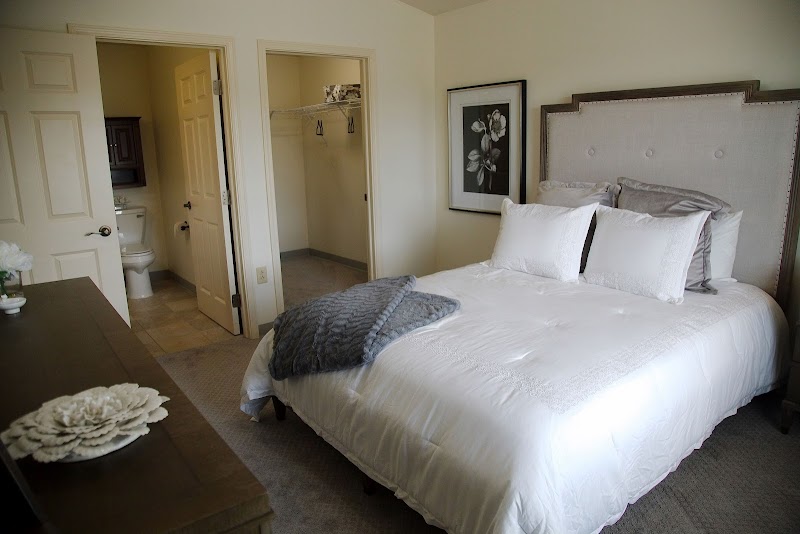
Who Owns and Operates Bethany Pointe Health Campus?

BETHANY POINTE HEALTH CAMPUS is owned by a for-profit company. For-profit facilities operate as businesses with obligations to shareholders or private owners. The facility is operated by TRILOGY HEALTH SERVICES, a chain that manages multiple nursing homes. With 74 certified beds and approximately 55 residents (about 74% occupancy), it is a smaller facility located in ANDERSON, Indiana.
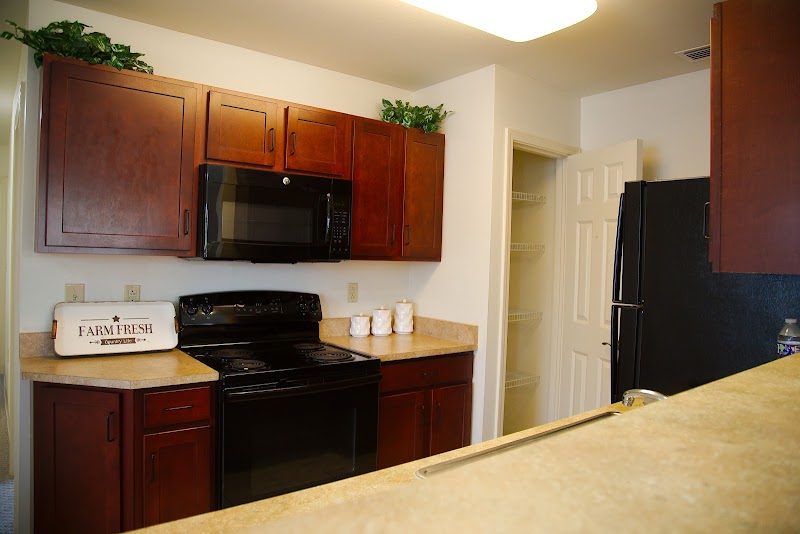
How Does Bethany Pointe Health Campus Compare to Other Indiana Nursing Homes?

Compared to the 100 nursing homes in Indiana, BETHANY POINTE HEALTH CAMPUS's overall rating (5 stars) is above the state average of 3.1, staff turnover (44%) is near the state average of 46%, and health inspection rating (4 stars) is above the national benchmark.

What Should Families Ask When Visiting Bethany Pointe Health Campus?

Based on this facility's data, families visiting should ask: "Can I visit during a mealtime to observe dining assistance and food quality?" "How do you handle medical emergencies, and what is your hospital transfer rate?" "Can I speak with family members of current residents about their experience?"

Is Bethany Pointe Health Campus Safe?

Based on CMS inspection data, BETHANY POINTE HEALTH CAMPUS has a clean safety record: no substantiated abuse findings (meaning no confirmed cases of resident harm), no Immediate Jeopardy citations (the most serious violation level indicating risk of serious injury or death), and is not on the Special Focus Facility watch list (a federal program monitoring the lowest-performing 1% of nursing homes). The facility has a 5-star overall rating and ranks #1 of 100 nursing homes in Indiana. While no facility is perfect, families should still ask about staff-to-resident ratios and recent inspection results during their visit.

Do Nurses at Bethany Pointe Health Campus Stick Around?

BETHANY POINTE HEALTH CAMPUS has a staff turnover rate of 44%, which is about average for Indiana nursing homes (state average: 46%). Moderate turnover is common in nursing homes, but families should still ask about staff tenure and how the facility maintains care continuity when employees leave.

Was Bethany Pointe Health Campus Ever Fined?

BETHANY POINTE HEALTH CAMPUS has no federal fines on record. CMS issues fines when nursing homes fail to meet care standards or don't correct problems found during inspections. The absence of fines suggests the facility has either maintained compliance or corrected any issues before penalties were assessed. This is a positive indicator, though families should still review recent inspection reports for the full picture.

Is Bethany Pointe Health Campus on Any Federal Watch List?

BETHANY POINTE HEALTH CAMPUS is not on any federal watch list. The most significant is the Special Focus Facility (SFF) program, which identifies the bottom 1% of nursing homes nationally based on persistent, serious quality problems. Not being on this list means the facility has avoided the pattern of deficiencies that triggers enhanced federal oversight. This is a positive indicator, though families should still review the facility's inspection history directly.