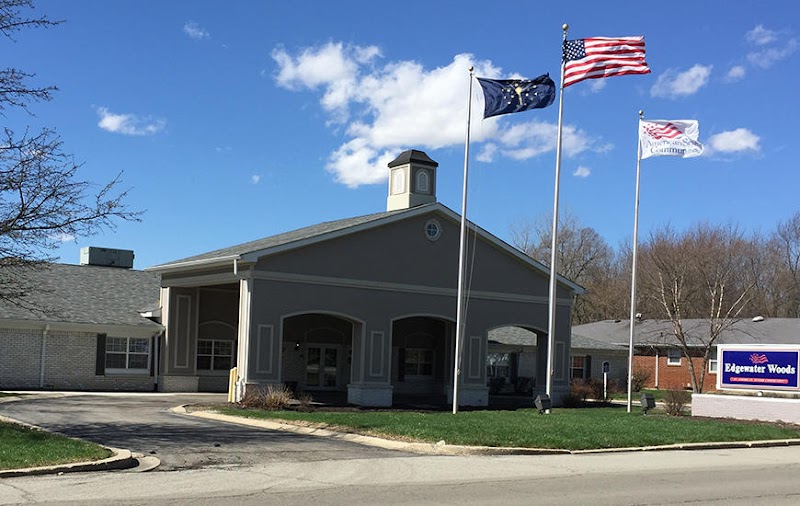
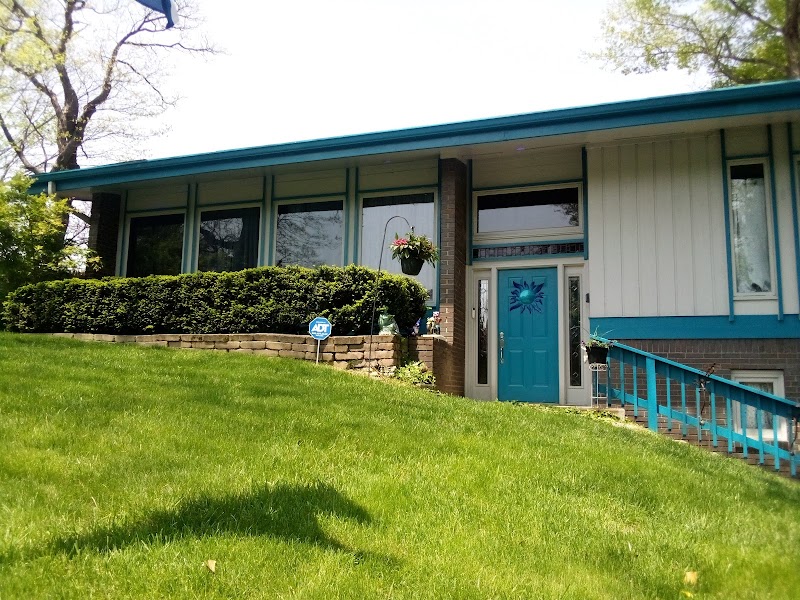
EDGEWATER WOODS

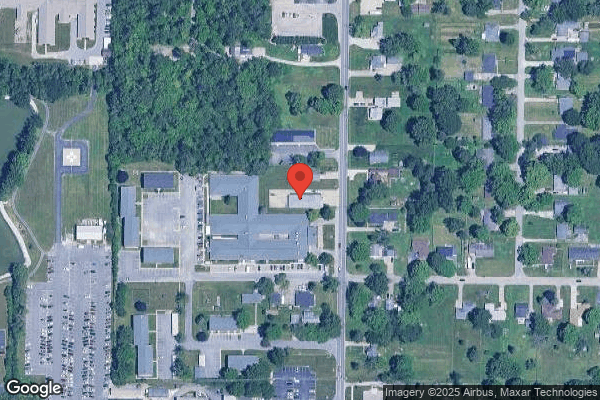
1809 N MADISON AVE, ANDERSON, IN 46011 (765) 644-0903
Non profit - Other 81 Beds AMERICAN SENIOR COMMUNITIES Data: November 2025
Trust Grade
85/100
#29 of 505 in IN
Last Inspection: February 2025

Within standard 12-15 month inspection cycle. Federal law requires annual inspections.

Overview

Edgewater Woods in Anderson, Indiana, has a Trust Grade of B+, which indicates it is above average and recommended for families considering care options. It ranks #29 out of 505 facilities in Indiana, placing it in the top half, and #2 out of 11 in Madison County, meaning only one local facility is rated higher. However, the facility's trend is worsening, with issues increasing from 1 in 2024 to 7 in 2025. Staffing is rated 2 out of 5 stars, which is below average, with a turnover rate of 43%, slightly better than the state average. Notably, there were no fines recorded, which is a positive sign. On the downside, there are concerning incidents, such as the misuse of residents' benefits by staff members, which affected three residents. Additionally, there were failures in hand hygiene practices during laundry delivery, potentially risking infection for many residents. Lastly, some physically dependent residents were not provided adequate dressing assistance, compromising their dignity. Overall, while Edgewater Woods has some strengths, particularly in its high quality measures and no fines, families should be aware of these significant weaknesses.

Trust Score
B+
85/100
In Indiana
#29/505
Top 5%
Safety Record
Low Risk
No red flags
Inspections
Getting Worse
1 → 7 violations
Staff Stability
○ Average
43% turnover. Near Indiana's 48% average. Typical for the industry.
Penalties
✓ Good
No fines on record. Clean compliance history, better than most Indiana facilities.
Skilled Nurses
⚠ Watch
Each resident gets only 19 minutes of Registered Nurse (RN) attention daily — below average for Indiana. Fewer RN minutes means fewer trained eyes watching for problems.
Violations
⚠ Watch
14 deficiencies on record. Higher than average. Multiple issues found across inspections.
★★★★★
5.0
Overall Rating
★★☆☆☆
2.0
Staff Levels
★★★★★
5.0
Care Quality
★★★★☆
4.0
Inspection Score
Stable
2024: 1 issues
2025: 7 issues

The Good

  • 5-Star Quality Measures · Strong clinical quality outcomes
  • Full Sprinkler Coverage · Fire safety systems throughout facility
  • No fines on record
  • Staff turnover below average (43%)

    5 points below Indiana average of 48%

Facility shows strength in quality measures, fire safety.

The Bad

Staff Turnover: 43%

Near Indiana avg (46%)

Typical for the industry

Chain: AMERICAN SENIOR COMMUNITIES

Part of a multi-facility chain

Ask about local staffing decisions and management

The Ugly 14 deficiencies on record

Aug 2025 3 deficiencies
CONCERN (D) 📢 Someone Reported This

A family member, employee, or ombudsman was alarmed enough to file a formal complaint

Potential for Harm - no one hurt, but risky conditions existed

Incontinence Care (Tag F0690)

Could have caused harm · This affected 1 resident

Based on interview and record review, the facility failed to ensure a resident's catheter was anchored according to the physician's orders for 1 of 3 residents reviewed for catheters. (Resident C) Fin...

Read full inspector narrative →
Based on interview and record review, the facility failed to ensure a resident's catheter was anchored according to the physician's orders for 1 of 3 residents reviewed for catheters. (Resident C) Findings include: Resident C's closed clinical record was reviewed on 8/27/25 at 3:36 p.m. Diagnoses included infection and inflammatory reaction due to indwelling urethral catheter, subsequent encounter, other obstructive and reflux uropathy, urinary tract infection, and benign prostatic hyperplasia with lower urinary tract symptoms. Physician orders included cefpodoxime (antibiotic) 200 milligrams (mg) every 12 hours for urinary tract infection (7/25/25 - 7/27/25), levofloxacin (antibiotic) 500 mg daily (7/30/25 - 8/5/25), trospium (for overactive bladder) 20 mg twice a day (7/24/25), Foley catheter: 16 French 5-10 milliliter (mL) bulb (7/25/24 - 7/30/25), Foley catheter: 18 French 10 mL bulb (7/30/25), If resident does not void in six hours anchor foley catheter (7/29/25 - 7/30/25), and May use 18 French catheter to re-anchor until a 16 French 10 mL is available (7/29/25). An admission Minimum Data Set (MDS) assessment, dated 7/30/25, indicated the resident was cognitively intact. He required substantial/maximal staff assistance with toileting and showering hygiene. He required partial/moderate staff assistance with transferring to the toilet and the tub. He had an indwelling catheter and was frequently incontinent of bowels. His primary medical condition was infection and inflammatory reaction due to indwelling urethral catheter, subsequent encounter. A care plan for urinary tract infection (UTI) (created and last reviewed/revised 7/24/25) had a goal that the resident will be free from symptoms of UTI. Approaches included administering antibiotic as ordered, assisting with incontinence care, and observing for continued or worsening symptoms of UTI such as acute dysuria (painful urination), fever, costovertebral angle pain or tenderness, suprapubic pain, hematuria, worsening incontinence, urgency, and frequency. A care plan for UTI prophylaxis related to foley removal (created and last reviewed/revised 7/30/25) had a goal that the resident will be free from symptoms of UTI. Approaches included administering antibiotic as ordered, assisting with incontinence care, and observing for continued or worsening symptoms of UTI such as acute dysuria (painful urination), fever, costovertebral angle pain or tenderness, suprapubic pain, hematuria, worsening incontinence, urgency, and frequency. A care plan for the resident required an indwelling catheter related to other obstructive and reflux uropathy (created and last reviewed/revised 8/5/25) had a goal that resident will have catheter care managed appropriately as evidenced by; Not exhibiting signs of urinary tract infection or urethral trauma. Approaches included avoid obstructions in the drainage, change catheter per physician order, provide assistance for catheter care, and use 18 French 10 mL foley catheter per physician order. A urology procedure visit report, dated 7/29/25, signed by the urologist on 7/29/25 at 11:26 a.m., indicated the resident's catheter was removed. A nursing progress note, dated 7/29/25 at 12:42 p.m., indicated the resident had been seen by the urologist that morning and returned with new orders. The staff nurse had the packet from the urologist. Family was aware of the appointment and the new orders sent back with the resident. A nursing progress note, dated 7/29/25 at 2:07 p.m., indicated the resident was seen by the urologist and returned with new orders. A nursing progress note, dated 7/29/25 at 5:06 p.m., indicated the resident had not voided. The resident requested the catheter to be re-anchored after supper. A grievance report, dated 7/29/25 at 8:25 p.m., indicated the resident representative emailed the Administrator regarding concern that the resident's catheter had not been re-anchored. The Administrator called the charge nurse at 8:32 p.m. on 7/29/25. The charge nurse indicated the resident had refused to have the catheter re-anchored earlier and wanted to wait until after dinner. The ordered catheter size was not available, and she had to wait to get an order from the nurse practitioner. The new order was received, and the catheter was placed at approximately 8:45 p.m. A nursing progress note, recorded on 7/30/25 at 3:04 a.m., dated 7/29/25 at 8:44 p.m., indicated the nurse went to see if the resident was ready to have his catheter anchored. He did not have any urinary output. An order for a 16 French 10 mL bulb catheter was ordered which was not available. The nurse practitioner was notified and gave an order for the resident to use an 18 French 10 mL bulb coude (type of catheter). The catheter was anchored with an immediate return of urine. The resident received an as needed pain medication at 8:12 p.m. prior to catheterization, had a fentanyl patch in place, and received routine acetaminophen to manage pain. The resident voiced no concerns. The physician's report, signed at 11:26 a.m., indicated the catheter was removed. The late entry nursing progress note, on 7/30/25 at 3:04 a.m., and the grievance report, on 7/29/25 at 8:25 a.m., indicated the catheter was re-anchored at approximately 8:45 a.m. The physician's order indicated to anchor a foley catheter if the resident did not void in six hours. The time between urinary catheter removal and re-anchoring of the urinary catheter was over nine hours. During an interview, on 8/29/25 at 11:05 a.m., RN 5 indicated when a urinary catheter was removed, the resident should go no longer than eight hours to void. She would follow the physician's orders on what actions should be taken if the resident did not void. If the correct size of the catheter was not available, she would use a smaller size catheter and get an order from the physician. Catheter supplies were kept in the large storeroom or sometimes in the tiny storeroom where a few supplies are also stored. The Scheduler was responsible for ordering and ensuring medical supplies were available. During an interview, on 8/29/25 at 11:51 a.m., the Unit Manager indicated when a resident had a foley catheter removed she would follow the physician's orders. She would expect the resident would need to have a catheter anchored in eight hours if the resident had not voided. During an interview, on 8/29/25 at 12:00 p.m., the Scheduler indicated she tried to keep one of every size of catheter in stock at the facility. They discussed in morning meeting when a new admission came in what needs the resident had such as sizes of catheters, feeding tubes, and tracheostomy supplies. During an interview, on 8/29/25 at 1:46 p.m., the DON indicated when a catheter was removed, per standard practice, the resident would need to be catheterized in eight hours or per the physician's orders if the resident did not void. The resident had declined the catheter earlier, and the nurse had to get a new order because she did not have the correct catheter size. She was uncertain if the nurse could not find the correct size catheter or if it was not available. During an interview, on 8/29/25 at 2:43 p.m., the DON indicated she had procedure steps for catheter care and emptying a urinary drainage bag. The facility did not have any additional policies for urinary catheters. According to the National Library of Medicine website from the National Institutes of Health (NIH) accessed on 8/29/25 at https://www.ncbi.nlm.nih.gov/books/NBK596722/, .When removing an indwelling urinary catheter, it is considered a standard of practice to document the time and track the time of the first void. This information is also communicated during handoff reports. If the patient is unable to void within 4-6 hours and/or complains of bladder fullness, the nurse determines if incomplete bladder emptying is occurring according to agency policy. The ANA [American Nurses Association] has made the following recommendations to assess for incomplete bladder emptying: The patient should be prompted to urinate. If urination volume is less than 180 mL, the nurse should perform a bladder scan to determine the post-void residual. A bladder scan is a bedside test performed by nurses that uses ultrasonic waves to determine the amount of fluid in the bladder. If a bladder scanner is not available, a straight urinary catheterization is performed. This citation relates to Intake 2582493. 3.1-41(a)(2)
CONCERN (D) 📢 Someone Reported This

A family member, employee, or ombudsman was alarmed enough to file a formal complaint

Potential for Harm - no one hurt, but risky conditions existed

Deficiency F0697 (Tag F0697)

Could have caused harm · This affected 1 resident

**NOTE- TERMS IN BRACKETS HAVE BEEN EDITED TO PROTECT CONFIDENTIALITY** Based on interview and record review, the facility failed to provide physician ordered pain medication in a timely manner for 1 ...

Read full inspector narrative →
**NOTE- TERMS IN BRACKETS HAVE BEEN EDITED TO PROTECT CONFIDENTIALITY** Based on interview and record review, the facility failed to provide physician ordered pain medication in a timely manner for 1 of 3 residents reviewed for admission. (Resident C) Finding includes:Resident C's closed clinical record was reviewed on 8/27/25 at 3:26 p.m. Diagnoses included rheumatoid arthritis, polyneuropathy, post-laminectomy syndrome (syndrome after spinal surgery characterized by persistent or worsening pain, numbness, tingling, and weakness in the legs or back), and chronic pain due to trauma. Physician orders included fentanyl (opiate pain medication) patch 75 mcg (micrograms)/hour every other day (7/25/25), hydromorphone (opiate pain medication) 4 milligrams (mg) every four hours as needed (PRN) for moderate pain (7/24/25), ibuprofen (anti-inflammatory medication) 600 mg three times a day (7/25/25), acetaminophen (Tylenol) 650 mg every four hours PRN (as needed) for mild pain (7/24/25), and acetaminophen every four hours (7/24/25). An admission Minimum Data Set (MDS) assessment, dated 7/30/25, indicated the resident was cognitively intact. He received a scheduled pain medication and a PRN pain medication. He complained of frequent moderate pain that frequently affected his therapy, sleep, and day-to-day activities. A care plan for pain (created and last reviewed/revised on 7/29/25) had a goal that the resident will be free from adverse effects of pain. The approaches included administering medications as ordered, documenting effectiveness of medications, and notifying the physician if pain is unrelieved and/or worsening. A hospital discharge summary which included medications administered, dated 7/23/25, indicated the resident had last received a PRN hydromorphone on 7/23/25 at 12:05 p.m. The resident face sheet indicated he was admitted on [DATE] at 6:57 p.m. A nursing progress note, dated 7/23/25 at 6:57 p.m., edited by the nurse on 7/24/25 at 10:10 a.m. because more data was available, (recorded on 7/24/25 at 10:08 a.m.), indicated the resident arrived at the facility. The resident complained of pain and discomfort that shift and had an order for hydromorphone and a fentanyl patch. Placement of the patch on the resident's left arm was verified by two nurses. The resident complained of pain, but the medications had not yet been delivered. The nurse notified the pharmacy and confirmed orders. The pharmacy indicated the orders were sent out and should be there soon. Resident was made aware. Acetaminophen was offered and administered. The resident was told when the pharmacy arrived with the medications, the nurse would check on the resident to see if he needed stronger pain medications. The resident voiced understanding and voiced no other concerns. A nursing progress note, dated 7/24/25 at 12:50 a.m. (recorded as late entry on 7/25/25 at 12:14 p.m.), indicated the pharmacy delivered stat medications at that time. A nursing progress note, dated 7/24/25 at 2:30 a.m. (recorded as late entry on 7/25/25 at 12:21 p.m.), indicated the resident pressed his call light at that time and a PRN medication was administered with no concerns voiced. The nurse told the resident when the medication arrived the staff had checked on the resident, and the resident appeared to be resting peacefully. She waited until he woke up and pressed the call light for the PRN pain medication. The resident replied he had taken a little nap. A nursing progress note, dated 7/24/25 at 6:57 a.m., indicated the resident arrived at the facility. The resident complained of pain and discomfort that shift and had an order for hydromorphone and a fentanyl patch. Placement of the patch on the resident's left arm was verified by two nurses. The residents complained of pain, but the medications had not yet been delivered. The nurse notified the pharmacy and confirmed orders. The pharmacy indicated the orders were sent out and should be there soon. The resident was made aware. Acetaminophen was offered and administered. The resident was told when the pharmacy arrived with the medications, the nurse would check on the resident to see if he needed stronger pain medications. The resident voiced understanding and voiced no other concerns. The medication administration record for 7/2025 was reviewed. The PRN (as needed) medications given as mentioned in the 7/23/25 note on the resident's admittance were not documented. The first documented given dose of PRN hydromorphone indicated the resident took the medication at 6:53 a.m. with a pain rating of 8 on a 1 to 10 scale. A narcotic count sheet indicated the hydromorphone was received on 7/24/25 at 12:50 a.m. and given at 2:30 a.m. The resident routinely took between four and six PRN hydromorphone daily to manage pain from 7/24/25 through 7/29/25. During a phone interview, on 8/28/25 at 11:09 AM, Resident C's representative indicated the resident had called the resident representative on the night he was admitted . The resident indicated he was in pain. He told the resident representative the facility did not have his medications, and no one would help him. He asked the resident representative to help him and bring his medications from home. During an interview, on 8/29/25 at 11:19 a.m., LPN 7 indicated when a resident was admitted , the orders were transcribed, and everything not in the emergency drug kit was ordered stat (immediately). She expected to get all medications within four hours. If the resident was in pain and the ordered pain medication was not available, she would call the physician to see if could get something else until the ordered medication was available. During an interview, on 8/29/25 at 11:28 a.m., RN 5 indicated for a newly admitted resident, she ordered from the pharmacy the medications that were not in the emergency drug kit. The medications were supposed to arrive within four hours after ordering. If the resident was requesting a pain medication and it was not in the emergency drug kit, then she would call the physician and get a temporary order for a different pain medication until the original ordered medication was available. During an interview, on 8/29/25 at 11:51 a.m., the Unit Manager indicated for a newly admitted resident, she utilized the emergency drug kit and then called the pharmacy for everything else to be sent stat. When the medications were ordered stat, they came within four hours. If the ordered pain medication for the resident was requested and not available, she would call the nurse practitioner and get an alternative medication to give that was available in the emergency drug kit. During an interview, on 8/29/25 at 1:56 p.m., the DON indicated when the facility received a new admission, anything that was in the emergency drug kit would not be sent out stat to the facility. Anything not in the emergency drug kit would be sent by the next morning. She did not believe the medications were received the night the resident was admitted . If the resident needed a pain medication, she would call the pharmacy to have the pain medication sent stat. If the resident had another pain medication would try to use that first to see if the other pain medication would help. She indicated if the resident were on hydromorphone, she did not expect acetaminophen would be effective to manage the pain. The physician should be notified to see what should be done. A current facility policy, last revised 7/2024, provided by the DON on 8/29/25 at 12:17 p.m., titled Pain Management Policy, indicated the following: .It is the policy of American Senior Communities to provide the necessary care and services to attain or maintain the highest practicable physical, mental, and psychosocial wellbeing, including pain management.Residents are assessed for pain upon admission.Interviewable Resident - Pain medications will be prescribed and given based upon the intensity of the pain as follows using the verbal descriptive, numerical scale (1-10) or Wong-Baker FACES Scale.SEVERE = (6-8).Documentation of administration of ordered PRN pain medication will be documented on the Electronic Medication Administration Record (EMAR). This citation relates to Intake 2582493. 3.1-37(a)
CONCERN (E) 📢 Someone Reported This

A family member, employee, or ombudsman was alarmed enough to file a formal complaint

Potential for Harm - no one hurt, but risky conditions existed

Deficiency F0602 (Tag F0602)

Could have caused harm · This affected multiple residents

**NOTE- TERMS IN BRACKETS HAVE BEEN EDITED TO PROTECT CONFIDENTIALITY** Based on interview and record review, the facility failed to protect residents from misappropriation when residents' Institution...

Read full inspector narrative →
**NOTE- TERMS IN BRACKETS HAVE BEEN EDITED TO PROTECT CONFIDENTIALITY** Based on interview and record review, the facility failed to protect residents from misappropriation when residents' Institutional Special Needs Plan (ISNP) benefits were utilized by a staff member for purposes other than the individual resident's benefit for 3 of 3 residents reviewed for misappropriation of property (Resident D, Resident E, and Resident F). This deficient practice was corrected on 7/18/25, prior to the start of survey, and was therefore past noncompliance. Findings include: 1. Resident E's clinical record was reviewed on 8/28/25 at 11:21 a.m. Diagnoses included aphasia following cerebral infarction, cognitive communication deficit, and expressive language disorder. A quarterly Minimum Data Set (MDS) assessment, dated 6/4/25, indicated the resident was severely cognitively impaired. A progress note, dated 6/23/25 at 1:28 p.m., indicated the resident's representative was notified of a discrepancy with the resident's ISNP card and funds. The facility verified transactions and adjusted as needed for reconciliation. 2. Resident F's clinical record was reviewed on 8/28/25 at 1:39 p.m. Diagnoses included severe intellectual disabilities, unspecified dementia, cognitive communication deficit, other symptoms and signs involving cognitive functions and awareness, encephalopathy, and developmental disorder of speech and language. A quarterly MDS, dated [DATE], indicated the resident was severely cognitively impaired. A progress note, dated 6/23/25 at 1:30 p.m., indicated the resident's representative was notified of a discrepancy with the resident's ISNP card and funds. The facility verified transactions and adjusted as needed for reconciliation. 3. Resident D's clinical record was reviewed on 8/28/25 at 2:29 p.m. Diagnoses included metabolic encephalopathy. A quarterly MDS, dated [DATE], indicated the resident was moderately cognitively impaired. A progress note, dated 6/23/25 at 1:31 p.m., indicated the resident's guardian was notified of a discrepancy with the resident's ISNP card and funds. The facility verified transactions and adjusted as needed for reconciliation. During an interview, on 8/28/25 at 1:45 p.m., the Administrator indicated when the facility credit card was accessed to buy supplies for the activities department, it was noticed that several of the residents' ISNP accounts had zero balances, which was unusual. The Administrator was alerted and began an investigation. The Administrator discovered the Activities Director used multiple resident ISNP cards to purchase items for the activities program. She used the residents' individual ISNP benefits cards to purchase items for the facility. The Administrator indicated she believed the Activities Director did not think about what she was doing and had no intent to take anything from the residents' ISNP benefits. A review of the investigation file, provided by the Administrator on 8/28/25 at 2:26 p.m., indicated the following: According to the Timeline, the following occurred: On 6/17/25 at 1:30 p.m., the Business Office Manager informed the Administrator there was a concern with Resident D's ISNP benefits card. The transaction was identified that the Activities Director had gone to the grocery on that date to shop for the residents' needs. The Administrator spoke with the Activities Director about the expenses, asked her (Activities Director) to make a note of which resident to whom each item belonged and where the item was stored. The Activities Director indicated she had put all the items on one transaction and must have utilized the wrong residents' benefits cards for the items. She did not know why she had not done individual transactions for each resident. The Activities Director indicated the residents' items were labeled, then later indicated the items still needed to be labeled for the residents. The Activities Director indicated the items had been purchased for Residents D, H, J, and K. A discrepancy was found in what was purchased on the receipt versus what the residents received. The Business Office Manager and the Administrator searched the activity room and storage room for the missing items. On 6/18/25, the Administrator completed an audit of the items at the facility from the grocery store receipt. A facility interview, on 6/18/25 with Activity Assistant 4, indicated she had assisted the Activity Director remove groceries from the Activity Director's car on 6/10/25. Too much was in the car to tell if any groceries were left in the car. The Activity Director brought in five bags of groceries that she said were for her (Activity Director) dinner. Popsicles were in one of the bags; the Activity Director had indicated the popsicles were on sale. She saw the Activity Director drink a bottle of Dr Pepper. The Activity Director delivered some items to the residents and told Activity Assistant 4 the remaining items went towards Bingo prizes and some baking activities. On 6/18/25, the Activity Director told Activity Assistant 4 she was suspended, gave Activity Assistant 4 a black marker, and asked her to label some items in the supply room. She reviewed the items on the list that were purchased. She did not recall seeing the missing items on the activity cart on the day she unloaded the groceries. She recognized the missing popsicles and bottle of Dr Pepper as items that were in the Activity Director's bags she took home. An undated facility interview with the Business Office Manager indicated the Activity Director had gone to the grocery store to get drinks and snacks for the residents. When the Activity Director returned, she indicated should had forgotten the receipt and would need to look it up on her phone. She told the Activity Director she needed the receipt to track purchases An undated facility interview with the Activity Director indicated, when asked what items she purchased for Resident E, she had bought items for his birthday party. Later, she indicated she had purchased items for Resident D, H, J, and K. She had not purchased any items for Resident E. She indicated she was not thinking, had purchased all the items on one transaction, and should have purchased the items on separate transactions for each resident. She must have accidentally used Resident E's ISNP benefits card. The cards had gotten out of order. She wrote down the names of the residents for whom each item was purchased. An undated facility interview with Resident J indicated she had received a six pack of Sprite and cheese puffs. She had not asked for any additional items, nor had she received any additional items. An undated facility interview with Resident H indicated he had received some sodas and crackers. He had not asked for any additional items, nor had he received any additional items. An undated facility interview with Resident K indicated she had received a six pack of Diet Coke and a bag of [NAME] cups. She had not asked for any additional items, nor had she received any additional items. An undated facility interview with Resident D indicated she had not asked for any items that week, nor had she received any items that week. An accounting of the items purchased on the receipt indicated a total of 85 items were purchased. Fifty-five items were located in the activity room or the storage room. Nine items were located in the residents' rooms, or the residents indicated the items had been received. Twenty-one items from the receipt were not located. On 6/18/25, the Activity Directory brought in three items that had not been previously located. Review of transactions (ISNP card charges) included in the facility investigation indicated: Resident E had $150.00 charged to card on 6/10/25 at 11:46 a.m. The starting balance on the card was $150.00 with a remaining balance of $0.00. Resident F had $150.00 charged to card on 6/10/25 at 11:47 a.m. The starting balance on the card was $150.00 with a remaining balance of $0.00. Resident D had $83.39 charged to card on 6/10/25 at 11:47 a.m. The starting balance on the card was $150.00 with a remaining balance of $66.61 Total charges at the grocery store on 6/10/25 were $383.39. ($150.00 + $150.00 + $83.29 = $383.39) During a phone interview, on 8/29/25 at 9:41 a.m., the Activity Director indicated, on the shopping trip on 6/10/25, she had everything rung up on one transaction. She had realized when the cashier rang them up, she should have separated the transactions. She didn't want it to be a hassle for the cashier. She used three different residents' ISNP cards to purchase the items. She took the items purchased back to the facility, gave them to the residents, put them in the refrigerator or storage for items that were a bulk purchase. She gave the Administrator the receipt. She marked who received the specific items and where the additional items were stored. The right people may not have received what items they were supposed to have received. The facility did not tell her what items were not found. She was fired for basically stealing food, though she did not steal anything. During an interview, on 8/29/25 at 11:46 a.m., Activity Assistant 4 indicated the former Activity Director went to the grocery store by herself. She did not know what items were purchased by the Activity Director. The items had not been labeled with residents' names and had been used for all the residents as far as she knew. The Activity Director had put names on the items in the refrigerator. She had not noticed the Activity Director using anything that belonged to the residents. The ISNP benefits card program was new to the facility. During an interview, on 8/29/25 at 2:08 p.m., the Administrator indicated when a resident was eligible for ISNP benefits, they were enrolled, and they received a grocery benefits card. The program was new to the facility. The benefits were to be used for items the residents wanted, or if the resident was cognitively unable to make decisions, then the resident's representative could assist with spending those benefits. The Business Office Manager kept the cards in her office for the residents' cards that were at the facility. The Activity Director had taken the facility credit card to get supplies for activities that day. Since she was buying items for the residents, she also took the residents' ISNP benefits cards to make purchases for those residents. After the incident with the cards, the ISNP benefit cards were stored in the business office safe. The cards must be signed out. An accounting for products purchased are required by the provision of a receipt. She in-serviced all the staff on the abuse policy as a whole, then focused on resident purchases and misappropriation of property. The staff were in-serviced on who to notify when a resident requests items. Social Services and the Business Office Manager was permitted to purchase items for the residents. The three residents affected were reimbursed. The investigation file, provided by the Administrator on 8/28/25 at 2:26 p.m., contained copies of checks for Resident D for $83.39 and Resident E for $150.00. A petty cash withdrawal receipt for Resident F for $150.00 was provided with an account statement that showed the resident's account had been credited with a cash payment of $150.00. An in-service sign in sheet for abuse/neglect/misappropriation of property for 6/19/25 was included. The in-service sheet contained 62 staff signatures. During an interview, on 8/29/25 at 2:35 p.m., the Administrator indicated she had discussed the incident at the facility Quality Assurance and Performance Improvement (QAPI) meeting. The facility had a QAPI meeting every other month A facility QAPI tool provided by the Administrator on 8/29/25 at 2:49 p.m., indicated under the Quality Assurance information for abuse prohibition measures - a misappropriation of property incident had been substantiated. No trends were identified. All staff were educated on abuse/misappropriation of property policy. The system for the ISNP benefit cares was discussed. Social Services and the Business Office Manager were permitted to use the benefit cards for the residents. The Business Office Manager tracked the receipts. The representative for the Provider Partners Health Plan (PPHP) will come to the facility monthly and check the members' accounts.The deficient practice was corrected on 7/18/25 after the facility implemented a systemic plan that included the education of staff regarding the facility's abuse and misappropriation of property policy, interviewed and/or assessed other residents for abuse, completed an Interdisciplinary Team (IDT) review of the incident, and planned for Quality Assurance activities to mitigate reoccurrence of the deficient practice. A current facility policy, last revised 6/2023 and provided by the DON on 8/28/25 at 4:10 p.m., titled Abuse Prohibition, Reporting, and Investigation, indicated the following: It is the policy of American Senior Communities to provide each resident with an environment that is free from abuse, neglect, misappropriation of resident property, and exploitation.Misappropriation of Resident Funds or Property - Deliberate misplacement, exploitation, or wrongful, temporary, or permanent use of a resident's property or money without the resident's consent. This citation relates to Intake 1630260. 3.1-28(a)
Jun 2025 1 deficiency
CONCERN (D) 📢 Someone Reported This

A family member, employee, or ombudsman was alarmed enough to file a formal complaint

Potential for Harm - no one hurt, but risky conditions existed

Deficiency F0553 (Tag F0553)

Could have caused harm · This affected 1 resident

Based on interview and record review, the facility failed to ensure resident representatives of cognitively impaired residents were invited to participate in care plan processes for 2 of 3 residents r...

Read full inspector narrative →
Based on interview and record review, the facility failed to ensure resident representatives of cognitively impaired residents were invited to participate in care plan processes for 2 of 3 residents reviewed for notifications. (Resident B and Resident D) Findings include: 1. Resident B's clinical record was reviewed on 6/9/25 at 9:20 a.m Diagnoses included dementia, depressive episodes, gastric ulcer, migraine, gastro-esophageal reflux disease, scoliosis, dysphagia, and hypothyroidism. A quarterly MDS (Minimal Data Set) assessment, dated 3/26/25, indicated the resident was severely cognitively impaired. A care plan summary dated 1/10/25, indicated Resident B was in attendance for the meeting. No resident representative was listed in attendance. No resident representative was listed as being invited to the summary. A Care Plan Summary dated 3/26/25, indicated Resident B was in attendance for the meeting. No resident representative was listed in attendance. No resident representative was listed as being invited to the summary. Progress notes, dated December 2024 through April 2025, lacked documentation for notification or invitation of the resident's responsible party to the care plan meetings. 2. Resident D's clinical record was reviewed on 6/9/25 at 11:00 a.m. Diagnoses included Parkinson's disease, schizophrenia, gastro-esophageal reflux disease, and hypertension. A quarterly MDS assessment, dated 4/2/25, indicated the resident was severely cognitively impaired. A care plan summary dated 1/24/25, indicated Resident D was in attendance for the meeting. No resident representative was listed in attendance. No resident representative was listed as being invited to the summary. A care plan summary dated 3/17/25, indicated Resident D was in attendance for the meeting. No resident representative was listed in attendance. No resident representative was listed as being invited to the summary. A care plan summary dated 4/2/25, indicated Resident D was in attendance for the meeting. No resident representative was listed in attendance. No resident representative was listed as being invited to the summary. Progress notes, dated January 2025 through April 2025, lacked documentation for notification or invitation of the resident's responsible party to the care plan summaries. During an interview on 6/9/25 at 11:20 a.m., the Social Services Director (SSD) indicated care conferences were documented in the electronic record. She documented resident representative invitations in the progress notes. During an interview on 6/9/25 at 11:36 a.m., the SSD indicated if an invitation to the care plan summary was not sent to the resident/resident representative, she called the them to schedule the meeting. If the resident representative could not attend the meeting, she would offer for them to attend over the telephone. She would document the conversation in the progress notes. During an interview on 6/10/25 at 10:56 a.m., the DON indicated resident representatives/residents should be notified about the care plan summaries. If the resident is cognitively intact, they could decide if they want family to attend the meeting. There should be something documented in the clinical record saying they were present or declined to attend the meeting. The DON indicated the process for notifications and scheduling care plan summaries needed to be reviewed. During an interview on 6/10/25 at 11:46 a.m., Resident D's representative indicated she was not invited to a care plan summary meeting. A current facility policy, dated 8/2023 and titled IDT Comprehensive Care Plan Policy provided by the SSD on 6/9/25 at 11:46 a.m., indicated the following: Procedure: Resident , resident's representative, or others as designated by resident will be invited to the care plan review. The care plan review may be conducted face to face, via phone conference, video conference, or through written communication per resident and/or representative preference. A current undated copy of Resident Rights was provided by the SSD on 6/10/25 at 10:00 a.m., and indicated the following: Free Choice The resident has the right to Participate in planning care and treatment or changes in care and treatment unless adjudged incompetent or otherwise found to be incapacitated under state law This citation relates to Complaint IN00459983. 3.1-3(n)(3)
Mar 2025 1 deficiency
CONCERN (D) 📢 Someone Reported This

A family member, employee, or ombudsman was alarmed enough to file a formal complaint

Potential for Harm - no one hurt, but risky conditions existed

Quality of Care (Tag F0684)

Could have caused harm · This affected 1 resident

Based on interview and record review, the facility failed to provide transportation to a medical procedure appointment as previously arranged for 1 of 3 residents reviewed for transportation concerns,...

Read full inspector narrative →
Based on interview and record review, the facility failed to provide transportation to a medical procedure appointment as previously arranged for 1 of 3 residents reviewed for transportation concerns, resulting in the resident missing the appointment. (Resident C) Findings include: Resident C's clinical record was reviewed on 3/19/25 at 12:09 p.m Diagnoses included emphysema, hemiplegia and hemiparesis following cerebral infarction affecting right dominant side, atherosclerotic heart disease of native coronary artery, angina pectoris, diabetes mellitus with diabetic neuropathy, peripheral vascular disease with arterial ulcers to bilateral lower extremities, hypertension, and alcohol abuse. The most recent quarterly MDS (Minimal Data Set) assessment, dated 11/27/25, indicated the resident was cognitively intact. The resident required substantial to maximum assistance for toilet hygiene, lower body dressing, putting on/taking off footwear, chair to bed/chair transfers, toilet transfers, and shower transfers. Method of mobility was a wheelchair. A care plan, dated 11/8/24, indicated the resident had skin impairment as evidenced by arterial wounds noted to the left lateral foot, 4th toe of left foot, and right great toe. On 12/24/24, an arterial wound was noted to the right great toe. Interventions included vascular follow up with physician, dated 12/12/24, off loading boots- encourage off loading pillows while in bed if boot refused. A care plan, dated 12/10/24, indicated the resident made choices with potential risk. The staff were to educate resident regarding the risk and mitigate the risk as possible. The resident refused showers and care. Interventions included revisiting options as needed, provide resident with education regarding risk and benefits of choices. The January 2025 Medication Administration Record indicated, on 1/20/25, the resident missed an appointment scheduled for 7:00 a.m. The appointment was for a stent placement to treat the peripheral vascular disease. The method of transport was documented as the facility bus. A progress note, dated 1/17/25 at 11:28 a.m., indicated the resident had an appointment scheduled for 1/20/25 for a medical procedure. The resident needed to arrive at the hospital at 7:00 a.m. for pre-operative testing. Pre-operative medication orders were received. A progress note, dated 1/20/25 at 8:20 a.m., indicated the resident's scheduled procedure was missed due to a transportation conflict. The physician's office was called in an attempt to reschedule the appointment for later that same day. The facility waited for a call back from the physician office. A progress note, dated 1/20/25 at 3:48 p.m., indicated a call was received from the physician office with a rescheduled appointment for 1/31/25 at 9:00 a.m. (11 days later). During an interview on 3/19/25 at 3:14 p.m., LPN 1 indicated, on the morning of 1/20/25, the facility called and informed the DON that Transport Driver 5 did not report for work to transport the resident to the 7:00 a.m. appointment nor did they call into the facility. The DON and LPN 1 made multiple unsuccessful attempts to call Transport Driver 5. The facility did not have a back up plan for transportation. Transport Driver 5 no longer worked at the facility and was unavailable for interview. During an interview on 3/20/25 at 10:30 a.m., the DON indicated, on 1/20/25, the transport driver had a family emergency. The facility did not have a back up driver. During an interview on 3/20/25 at 11:20 a.m., the Administrator indicated Transporter Driver 5's employment was terminated on 2/22/25. During an interview on 3/20/25 at 11:23 a.m., RN 2 indicated, on 1/20/25, the resident was supposed to be picked up at 6:00 a.m. At 6:15 a.m., RN 2 became concerned that no one had come to get the resident. RN 2 called LPN 1 and the DON and informed them of the concern. There were not many transport services in the area, and there had not been enough time to contact one. The appointment was eventually rescheduled. A current policy, dated 8/2011, and last revised 7/2023, titled, ASC Facility Transpiration Guidelines, was provided by the DON on 3/20/25 at 12:43 p.m. The policy included the following: Transportation will be provided by the facility bus/van for residents going to and from physician appointments (local) when no other option is available. Outside transport should be the chosen option prior to utilizing facility van for physician and/or other medical related appointments This citation relates to complaint IN00455522. 3.1-37(b)
Feb 2025 2 deficiencies
CONCERN (D)

Potential for Harm - no one hurt, but risky conditions existed

Incontinence Care (Tag F0690)

Could have caused harm · This affected 1 resident

Based on observation, interview, and record review, the facility failed to ensure urinary output was monitored as ordered and abnormalities reported to the provider for 1 of 2 residents reviewed for u...

Read full inspector narrative →
Based on observation, interview, and record review, the facility failed to ensure urinary output was monitored as ordered and abnormalities reported to the provider for 1 of 2 residents reviewed for urinary catheters. (Resident 8) Finding includes: On 2/10/25 at 11:35 a.m., Resident 8 was asleep in her bed with her catheter hung on the left side of her bed. Urine in the catheter drainage tube was observed to be milky-white. During an interview on 2/11/25 at 11:22 a.m., Resident 8 indicated she was unaware of any current treatment for infections. The urine in the urinary catheter tubing was cloudy and yellow. Resident 8's clinical record was reviewed on 2/11/25 at 2:40 p.m. Diagnoses included dementia of unspecified severity, neuromuscular dysfunction of the bladder, pyuria, stage 4 chronic kidney disease, and moderate protein-calorie malnutrition. A quarterly Minimum Data Set (MDS) assessment, dated 1/9/25, indicated the resident had moderate cognitive impairment. She was dependent on staff assistance for toileting, bathing, dressing, personal hygiene, turning and transfers. The resident had an indwelling urinary catheter and was always incontinent of bowel. She had been on an antibiotic during the assessment period. A current care plan, dated 6/6/18, indicated the resident was at risk for potential infection related to a supra-pubic urinary catheter due to neurogenic bladder and urinary retention. Interventions included, provide assistance for catheter care (6/6/18) and report signs of a urinary tract infection which included concentrated urine (6/6/18). A current care plan, dated 6/5/18, indicated the resident was at risk for unintentional weight loss related to dementia and frequent urinary tract infections. Interventions included a nutritional shake at lunch (2/7/25). A current physician order, dated 4/7/24, indicated the resident had a supra-pubic catheter. A current physician order, dated 4/7/24, indicated nursing was required to document the catheter output every shift. Review of the resident catheter urine outputs for January 2025 and February 2025 indicated urinary output was not recorded on day shift for 1/12/25, 1/26/25, and 2/9/25. Urinary output was not documented on night shift on 1/15/25, 1/20/25, 1/29/25, and 2/3/25. During an observation on 2/12/25 at 10:43 a.m., the resident was in bed. The urinary catheter drainage tubing contained cloudy yellow urine with a moderate amount of sediment. During an observation on 2/14/25 at 9:23 a.m., the resident was in bed. The urinary catheter tubing contained cloudy yellow urine with a small amount of sediment. During a catheter care observation on 2/14/25 at 9:33 a.m., CNA 7 entered Resident 8's room and washed her hands. Gloves were donned and the undated urinal was picked up from the back of the toilet in the resident's restroom with her left hand. A towel was placed on the floor underneath the urinary drainage bag, with her right hand, to serve as a barrier. The spigot of the urinary catheter drainage bag was removed from the holder using her right gloved hand. While she pressed the button and drained the urine from the bag, the spigot tip of the catheter touched the walls of the urinal three different times. Once emptied, she used her right hand to place the spigot back into the holder on the outside of the urinary catheter bag. The spigot was not cleansed at any time during the observation. The urinal contained 100 milliliters of concentrated cloudy yellow urine. A gown was not worn at any time during the catheter care observation. During an interview at the time of observation, CNA 7 indicated the urine she emptied from the resident's catheter was cloudy, thick, and yellow. She was required to report the thick cloudy urine to the nurse. During an interview on 2/14/25 at 9:42 a.m., CNA 7 indicated it was the CNAs' duty to empty the residents' urinary catheters. They were required to report the urine amount, color and clarity to the nurse. The nurse charted the outputs in the residents' clinical records. The CNAs had a place in the electronic clinical record in which they could chart a description of the urine. She had worked on 2/12/25. She emptied the resident's catheter that day and she had not noticed the resident's urine to be cloudy and thick when she worked earlier in the week prior to 2/14/24. She had not reported any concerns with the description of the resident urine on 2/12/25. CNAs were required to report a description of any urine abnormalities to the nurse. Urine abnormalities included cloudiness, mucous, foul odors, or blood. Abnormal findings were required to be reported to the nurse immediately. The facility required the staff to also document the exact amount of urine output. They would not have a way to determine if the resident had adequate urine output without the documentation of the exact output. During an interview on 2/14/25 at 12:07 a.m., LPN 10 indicated urinary catheter outputs should have been obtained every shift as ordered and documented in the Treatment Administration Record (TAR). If a resident did not have any urinary output on a shift, it should have been documented in the nurses notes. She had provided care for the resident on 2/12/25 and no one had reported any abnormalities to the resident's urine. She indicated the resident was known for frequent urinary tract infections. Typically, the resident only wanted to drink coffee. The resident's urine was typically a thicker consistency and frequently cloudy with sediment. The CNAs were required to report any urine abnormalities to the nurse, which would be documented in the nurses notes. When the urine description was not documented, one did not have a way to identify when the urine had changed. During an interview on 2/14/25 at 1:05 p.m., the DON indicated urinary catheter outputs should have been completed as ordered every shift. She was unable to provide documentation of the resident's urine output on all the above mentioned dates in January and February 2025. She was unable to provide a policy regarding urinary catheter maintenance or urinary outputs. During an interview on 2/14/25 at 2:03 p.m., the DON indicated she was unable to find anything in the resident clinical record regarding the resident's typical urine description. The resident had not received any diagnostic urine testing from 2/10/25 to 2/14/25 related to abnormal urinary signs or symptoms. When a resident had a urinary change, it should have been charted in the resident's nurse's notes. A skills competency document, last reviewed 2/2023, titled Emptying Urinary Drainage Bag, provided by the DON on 2/14/25 at 1:18 p.m., indicated the following: Procedure Steps: .2. Perform hand hygiene. 3. [NAME] gloves. 4. Unhook the emptying spout from its holder on the urinary drainage bag. 5. Position the graduated container underneath the emptying spout. 6. Unclamp the emptying spout and allow all the urine to drain into the graduated container, being sure to avoid touching the tip of the spout with hands, side of the container, or the floor. Note: If the spout touches container immediately cleanse with alcohol pads. Cleanse in a circular motion from approximately 1/4 inch from spout end downward. Do not repeat motion, unless using a new alcohol pad. 7. Re-clamp the empty spout after all urine had drained. 8. Wipe the emptying spout with an alcohol wipe and return to its holder. 9. Measure and record amount of urine. 10. Dispose of urine, clean and return graduated container to plastic bag in bathroom or designated area if semi-private room. 11. Remove gloves. 12. Perform hand hygiene. 13. Document pertinent information 3.1- 41(a)(2)
CONCERN (E)

Potential for Harm - no one hurt, but risky conditions existed

Infection Control (Tag F0880)

Could have caused harm · This affected multiple residents

**NOTE- TERMS IN BRACKETS HAVE BEEN EDITED TO PROTECT CONFIDENTIALITY** A. Based on observation and interview, the facility failed to utilize infection prevention and control practices related to hand...

Read full inspector narrative →
**NOTE- TERMS IN BRACKETS HAVE BEEN EDITED TO PROTECT CONFIDENTIALITY** A. Based on observation and interview, the facility failed to utilize infection prevention and control practices related to hand hygiene during laundry delivery. This deficiency had the potential to affect 69 of 70 residents who received facility laundry services. B. Based on observation, interview, and record review, the facility failed to utilize infection prevention and control practices related to enhanced barrier precautions (EBP) during care for residents at higher risk for infection with an indwelling urinary catheter or a feeding tube, for 3 of 5 residents reviewed for infection control. (Residents 8, 10, and 9) Findings include: A1. During a continuous observation on 2/10/25 from 10:24 a.m. to 10:29 a.m., Laundry Attendant 9 pushed the laundry rack onto the Golden Orchard Unit with the curtains in place over the clothing rack. Without performing hand hygiene and using both hands, she opened the curtain on the clothing rack and removed clothing on hangers from the clothing rack. The curtain was placed back over the clothing on the rack. She entered room [ROOM NUMBER], opened the closet in the room closest to the door with her bare hand, and placed the clothing on hangers in the closet as she touched the fabric. Laundry Attendant 9 closed the closet door with her hands. Then, she exited room [ROOM NUMBER], opened the curtain on the clothing rack with both hands, and removed more clothing on hangers. The curtain on the clothing rack was placed back down over the cart. Then she entered room [ROOM NUMBER], opened the closet door closest to the door with the handle, and placed the clothing on the hangers in the closet as she touched the fabric. She exited room [ROOM NUMBER], opened the clothing rack curtain with both hands, removed more clothing on hangers, and placed the curtain back over the clothing rack. Then she entered room [ROOM NUMBER], opened the closet door with the handle, and placed the clothing on hangers in the closet as she touched the fabric. Laundry Attendant 9 closed the closet door with her hands. She exited room [ROOM NUMBER], lifted the curtain on the clothing rack with both hands, and removed more clothing on hangers. The curtain on the clothing rack was placed back down over the cart. Then she entered room [ROOM NUMBER], opened the closet door with the handle, and placed the clothing on the hangers in the closet as she touched the fabric. Laundry Attendant 9 closed the closet door with her hands. She exited room [ROOM NUMBER], grabbed hold of the linen cart with both hands, and went on down the hallway. Hand hygiene was not performed at any time during the continuous observation. During a continuous observation on 2/12/25 from 11:49 a.m. to 11:52 a.m., Laundry Attendant 8 pushed the clothing rack down the hallway on the 300 Unit. She opened the covered clothing rack, removed clothing on hangers, and entered room [ROOM NUMBER]. Once in the room, Laundry Attendant 8 used her left hand to open and close the closet near the window. She moved to the closet closest to the door in room [ROOM NUMBER], opened the closet door with her left hand, and placed the clothing on hangers in the closet with her right hand as she touched the fabric. Laundry Attendant 8 closed the closet door and exited room [ROOM NUMBER]. She lifted the curtain on the clothing rack with both hands, and removed more clothing on hangers with her left hand. Then Laundry Attendant 8 entered room [ROOM NUMBER], used her right hand to open the closet door near the window, closed the window closet door, then opened the closet near the door. She hung the clothing on the hangers in the closet with her right hand that touched the fabric. Then she exited room [ROOM NUMBER], opened the clothing rack curtain with both of her hands as she moved on down the hallway. She removed more clothing from the rack on hangers with her right hand and entered room [ROOM NUMBER]. She opened the closet near the door with her left hand, hung the clothes on hangers in the closet with her right hand, and closed the closet door with her left hand. Laundry Attendant 8 stopped and asked a staff member about a specific resident. She picked up a blanket from the clothing rack with both hands as she touched the top and bottom of the blanket, then placed it back on the clothing rack stacked against the stack of clean blankets. She then removed more clothes on hangers with her left hand and entered room [ROOM NUMBER]. She opened the closet near the door with her right hand and hung the clothes in the closet with her left hand as she touched the fabric. Up to this point of the continuous observation, Laundry Attendant 8 had not used any hand hygiene throughout the observation. Another staff member motioned for her to use hand hygiene. She utilized alcohol based hand rub as she exited room [ROOM NUMBER] and prior to touching the curtain on the clothing rack. During an interview on 2/12/25 at 11:54 a.m., Laundry Attendant 8 indicated she should have used hand hygiene when she went into each of the resident's rooms during the continuous laundry delivery observation, but she had not used hand hygiene. During an interview on 10/14/25 at 10:31 a.m., the Infection Preventionist indicated hand hygiene was required upon exiting one room and prior to the entrance of another room when laundry was delivered. The facility had current residents who were positive for COVID-19, Influenza A, and Clostridium difficile (a bacteria found in the gastrointestinal tract). A lack of hand hygiene was a potential risk for transmission of infections. During an interview on 2/14/25 at 3:05 p.m., the Laundry Supervisor indicated all of the laundry attendants delivered clean laundry to all the units in the building. Hand hygiene was required upon entry to each room, after a resident's personal items were touched, and upon exit of each room. This included the laundry delivery process. Laundry staff were required to follow standard and isolation precautions just like the nursing staff. This prevented the spread of germs from the residents' personal items. During an interview on 2/14/25 at 3:35 p.m., the DON indicated 69 residents received laundry services from the facility. B1. During an interview on 2/11/25 at 11:22 a.m., Resident 8 was in bed. The urine in the urinary catheter tubing was cloudy and yellow. An enhanced barrier precautions (EBP) sign was hung above the resident's head of bed. Resident 8's clinical record was reviewed on 2/11/25 at 2:40 p.m. Diagnoses included dementia of unspecified severity, neuromuscular dysfunction of the bladder, pyuria, stage 4 chronic kidney disease, and moderate protein-calorie malnutrition. A current physician order, dated 4/7/24, indicated the resident had a supra-pubic catheter. A quarterly Minimum Data Set (MDS) assessment, dated 1/9/25, indicated the resident had moderate cognitive impairment. She was dependent on staff assistance for toileting, bathing, dressing, personal hygiene, turning and transfers. The resident had an indwelling urinary catheter and was always incontinent of bowel. The resident had been on a antibiotic during the assessment period. A current care plan, dated 4/11/24, indicated the resident was at risk of transferring or being colonized with a multi-drug resistant organism (MDRO) and required enhanced barrier precautions due to a suprapubic catheter. Interventions included, enhanced barrier precautions (4/11/24) and a gown and gloves were required prior to high contact resident care activities (4/11/24). A current care plan, dated 6/6/18, indicated the resident was at risk for potential infection related to a supra-pubic urinary catheter due to neurogenic bladder and urinary retention. Interventions included, provide assistance for catheter care (6/6/18) and report signs of a urinary tract infection (UTI) which included concentrated urine (6/6/18). During a catheter care observation on 2/14/25 at 9:33 a.m., CNA 7 entered the resident's EBP room and washed her hands. Gloves were donned and the undated urinal was picked up from the back of the toilet in the resident's restroom with her left hand. A towel was placed on the floor underneath the urinary drainage bag, with her right hand, to serve as a barrier. The spigot of the urinary catheter drainage bag was removed from the holder using her right gloved hand. While she attempted to press the button to drain the urine from the bag, the spigot of the catheter touched the walls of the urinal three different times. Once emptied, she used her right hand to place the spigot back into the holder on the outside of the urinary catheter bag. The spigot was not cleansed at any time during the observation. The urinal contained 100 milliliters of concentrated cloudy yellow urine. CNA 7 did not don a gown during the catheter care observation. During an interview at the time of observation on 2/14/25 at 10:15 a.m. CNA 7 indicated she would have to check into the specifics for EBP. She assumed a sign would have been on the door when a resident required enhanced barrier precautions. She would not have typically touched the tip of the urinary catheter spigot on the urinal when the catheter was emptied, but it slipped in her hand. The spigot should have been cleansed with a disinfectant wipe, but she had not cleansed it during the catheter care observation. She walked into the resident's room and indicated she had not previously seen the EBP sign that remained over the head of the bed. She had not worn a gown during the catheter observation. She expected the EBP signs to be on the door of the resident's room rather than in the resident's room above the head of the bed. During an interview on 2/14/25 at 10:31 a.m., the Infection Preventionist indicated residents were required to have EBP when they had urinary catheters, feeding tubes, and chronic wounds. The facility required staff to wear a gown and gloves for EBP. High contact care included manipulation of a urinary catheter or feeding tube. A urinary catheter drainage bag spigot that touched the canister when it was emptied, increased the resident's risk for an infection. During an interview on 2/14/25 at 1:05 p.m., the DON indicated the facility was unable to provide a policy regarding urinary catheter maintenance. B2. During observation on 2/10/25 at 11:03 a.m., Resident 10 had an enhanced barrier precaution (EBP) sign hung on the wall beside her bed. During a continuous observation on 2/10/25 from 11:26 a.m. to 11:29 a.m., the resident self propelled a wheelchair for half of the hallway length, with her urinary catheter bag hung below her wheelchair and dragging the floor. QMA 3 assisted the resident for the remainder of the hallway into the dining room. During an observation on 2/10/25 at 2:14 p.m., the resident's catheter bag hung from under her wheelchair and touched the floor. Resident 10's clinical record was reviewed on 2/13/25 at 10:22 a.m. Diagnoses included dementia, urinary tract infection, and chronic obstructive pyelonephritis. A physician's order, dated 1/20/25, included cefazolin (antibiotic) 2 gram intravenously every 12 hours for UTI (discontinued on 1/23/25). A current physician's order, dated 02/12/2025, included cephalexin (antibiotic) 500 mg by mouth every 12 hours for UTI. An admission Minimum Data Set (MDS) assessment, dated 1/13/25, indicated the resident had severe cognitive impairment. The resident was dependent on staff assistance for toileting and personal hygiene. The resident required a urinary catheter and was always incontinent of bowel. A current care plan, dated 1/7/25, indicated the resident required an indwelling urinary catheter due to obstructive uropathy. Interventions included do not allow tubing or any part of the drainage system to touch the floor, provide assistance for catheter care, and store collection bag inside a protective dignity pouch. A current care plan, dated 1/7/25, indicated the resident was at risk of transferring or becoming colonized with an MDRO and required enhanced barrier precautions due to an indwelling catheter. Interventions included enhanced barrier precautions, use standard precautions including hand hygiene in addition to EBP, and wear gown and gloves prior to high contact resident care activities. During an observation on 2/13/25 11:53 a.m., the resident's catheter bag was covered with an open bottom dignity covering. The resident's urinary collection bag was hung under her wheelchair. The catheter bag touched the floor from the opening at the bottom of the dignity covering. During a catheter care observation on 2/14/25 at 9:53 a.m., CNA 11 placed several clean towels directly on the bed linens of the resident's bed. Hand hygiene was performed prior to her putting on gloves. With gloved hands, she entered the bathroom where the water faucets were turned on and off. She exited the bathroom wearing the same gloves. She used her left gloved hand to operate the resident's bed remote to lower the resident's head of bed. She then used both of her gloved hands to move the contaminated towel from the foot of the bed to be utilized as a barrier between the resident's urinary catheter and bed linens. With her gloved hands she unfastened the resident's incontinent brief and noted that resident had been incontinent of bowel. Without changing gloves, she adjusted the urinary catheter tubing and then went over to the resident's closet. Using her gloved hands, she opened the closet door and retrieved a clean incontinence brief from packaging on the lower shelf of the closet. Once back at the resident's bedside, and without changing gloves, she began to cleanse the resident's groin area. She rolled the resident to her left side and provided bowel incontinence care. She placed the dirty wash cloths in a trash bag at the foot of the bed. After removing the soiled incontinence brief, she rolled it up and placed it directly on the bed linens at foot of bed. She then cleansed the resident's catheter tubing. She placed the resident on her back . She then removed her gloves. Without performing hand hygiene, she put on another pair of gloves. With gloved hands, she opened the top drawer of the night stand and went through the drawer, indicating that she was looking for cream to apply to the resident, but could not locate it. The CNA removed her gloves and left the resident's room. She returned with the Infection Preventionist (IP). Both staff members put on gloves. The IP applied cream to resident's buttocks and indicated there was a compromised area. CNA 11 then completed the rest of the resident's catheter care. Neither CNA 11 nor the IP donned a gown during high contact care. During an interview on 2/14/25 10:09 a.m., CNA 11 indicated when a resident was on isolation there was a cart outside of the residents room and instructions were posted on the door. She had seen an EBP sign previously, but needed to ask her nurse what it meant exactly. EBP was used for catheters and wounds. EBP meant staff should have worn a gown and gloves, and sometimes a mask. She was required to wear a gown when she emptied urine from a urinary drainage bag. Only gloves were required to be worn when providing incontinence and catheter care. A resident on EBP should have had a cart with gowns and isolation supplies available. During an interview on 2/14/25 02:25 p.m., RN 4 indicated that a urinary catheter drainage bag required a dignity cover. When a urinary collection bag touched the floor, the bag was considered contaminated and a new bag applied. B3. During an observation on 2/12/25 at 10:10 a.m., Resident 9 had an EBP sign hung on the wall beside her bed. A personal protective equipment (PPE) cart and trash can was located inside the resident's room by the door. During a medication administration observation on 2/13/25 at 1:12 p.m., RN 5 wore gloves when he administered a feeding tube medication to the resident. The RN did not don a gown. Resident 5's clinical record was reviewed on 2/13/25 at 1:57 p.m. Diagnoses included congenital cerebral cysts-schizencephaly, gastrostomy status, and epilepsy. A current care plan, dated 4/11/24, indicated that the resident was at risk of transferring or becoming colonized with an MDRO and required enhanced barrier precautions. Interventions included enhanced barrier precautions and wear gown and gloves prior to high contact resident care activities. During an interview on 2/13/25 at 2:29 p.m., RN 5 indicated that EBP would be used for residents who had wounds, an ostomy, feeding tube, or tracheostomy. EBP procedures were new for the company. EBP included a gown, gloves, and hand hygiene before and after giving specific care. He should have gowned up when he gave a feeding tube medication. A current facility policy, last revised 12/2021, titled Laundry/Linen, provided by the DON on 2/14/25 at 1:18 p.m., included the following: Purpose of Policy: To ensure the proper care and handling of linen and laundry to prevent the spread of infection. Policy: The laundry and nursing staff shall handle, store, process, and transport linen appropriately to prevent the spread of infection, in resident-care areas and in the laundry facility A skills competency document, last reviewed 2/2023, titled Emptying Urinary Drainage Bag, provided by the DON on 2/14/25 at 1:18 p.m., indicated the following: Procedure Steps: .2. Perform hand hygiene. 3. [NAME] gloves. 4. Unhook the emptying spout from its holder on the urinary drainage bag. 5. Position the graduated container underneath the emptying spout. 6. Unclamp the emptying spout and allow all the urine to drain into the graduated container, being sure to avoid touching the tip of the spout with hands, side of the container, or the floor. Note: If the spout touches container immediately cleanse with alcohol pads. Cleanse in a circular motion from approximately 1/4 inch from spout end downward. Do not repeat motion, unless using a new alcohol pad. 7. Re-clamp the empty spout after all urine had drained. 8. Wipe the emptying spout with an alcohol wipe and return to its holder. 9. Measure and record amount of urine. 10. Dispose of urine, clean and return graduated container to plastic bag in bathroom or designated area if semi-private room. 11. Remove gloves. 12. Perform hand hygiene. 13. Document pertinent information A current facility document, undated, titled Enhanced Barrier Precautions (EBP) Education, provided by the DON on 2/14/25 at 1:18 p.m., indicated the following: How will I identify someone in Enhanced Barrier Precautions (EBP): 1. They will have a sign posted in their room, on their side of the room in which they reside . What are the high contact activities that require the use of a gown and gloves by all residents in Enhanced Barrier Precautions: 1. Dressing 2. Bathing/showering 3. Transferring . 6. Changing briefs or assisting with toileting 7. Device care or use . Before providing care to a resident with Enhanced Barrier Precautions (EBP): 1. Perform hand hygiene. 2. Correctly put on gown and gloves. Gown before gloves. 3. After care, throw away gown and gloves. Remove gloves first. Roll gown away from you. 4. Perform hand hygiene. 5. Finish all steps before moving on to another resident A current facility policy, last revised on 5/2023, titled Infection Prevention and Control Program Policy, provided by the DON on 2/14/25 at 1:18 p.m., indicated the following: POLICY: The facility shall . maintain infection prevention and control program (IPCP) designed to provide a safe, sanitary, and comfortable environment and help prevent the development and transmission of communicable diseases and infections . GOALS: The goals of the infection prevention and control program are to: . 5. Maintain compliance with state and federal regulations relate to infection prevention and control 3.1-18(l) 3.1-18(b)(2)
Mar 2024 1 deficiency
CONCERN (D)

Potential for Harm - no one hurt, but risky conditions existed

Infection Control (Tag F0880)

Could have caused harm · This affected 1 resident

Based on observation, interview, and record review, the facility failed to assure staff handled medications in a sanitary manner and performed hand hygiene during a medication administration observati...

Read full inspector narrative →
Based on observation, interview, and record review, the facility failed to assure staff handled medications in a sanitary manner and performed hand hygiene during a medication administration observation on the [NAME] Lane Unit. Findings include: During a medication administration observation on the [NAME] Lane unit, on 3/21/24 at 8:48 a.m., RN 2 was preparing medications for a resident. She punched six capsules from the medication card into her bare hand. She opened each capsule with bare hands and emptied the contents into a medication cup. She proceeded to administer the medication to the resident with other crushed medications. RN 2 did not sanitize her hands following administration. At 8:59 a.m., RN 2 prepared an as needed pain pill for a resident and administered the medication. She failed to sanitize her hands. At 9:01 a.m., RN 2 prepared medications for a resident and administered the medications. Upon returning to the medication cart, LPN 3 spoke with RN 2 regarding sanitizing her hands. RN 2 performed hand hygiene using an alcohol based hand rub. During the observation, RN 2 indicated she should have been sanitizing her hands between preparing medications for residents. She indicated gloves should have been worn when opening capsules to administer medications ordered to be crushed. A current facility policy, revised 7/2023, titled, Medication Administration, provided by the DON on 3/22/24 at 3:15 p.m., indicated .Procedure Steps: .5. Medications are opened without contaminating A current facility policy, revised 5/2023, titled, Infection Prevention and Control Program Policy, provided by the Administrator following entrance conference on 3/22/24, indicated .Policy: The facility shall establish and maintain infection prevention and control program (IPCP) designed to provide a safe, sanitary, and comfortable environment and help prevent the development and transmission of communicable diseases and infections Goals: .5. Maintain compliance with state and federal regulations related to infection prevention and control 3.1-18(l)
Apr 2023 6 deficiencies
CONCERN (D)

Potential for Harm - no one hurt, but risky conditions existed

ADL Care (Tag F0677)

Could have caused harm · This affected 1 resident

Based on observation, interview, and record review, the facility failed to ensure a dependent resident received assistance to mail care for 1 of 2 residents review for activities of daily living (Resi...

Read full inspector narrative →
Based on observation, interview, and record review, the facility failed to ensure a dependent resident received assistance to mail care for 1 of 2 residents review for activities of daily living (Resident 27). Findings include: During an interview on 3/31/23 at 10:19 a.m., Resident 27's family member indicated the resident was often in need of nail care. His nails were often uneven, jagged, and had dark debris under most nails. This issue was concerning to the family because the resident required assistance for hand washing and nail care. The family would often do nail care during their visits because they were concerned with long unclean hands and nails. He ate items like bread or sandwiches, using his unclean hands. The resident was observed in his wheelchair, in the hallway, with long, uneven nails during the following dates and times: 3/31/23 at 1:18 p.m., 4/3/23 at 9:30 a.m., 4/3/23 at 10:07 a.m., and 4/3/23 at 11:24 a.m. During an interview on 4/4/23 at 11:40 a.m., the resident's family member was in the resident's room with the resident, providing nail care. The family member used a nail care orange stick, running it under the resident's nails, and removing thick brown residue from under each nail. The family member displayed a paper towel with nail clippings and additional dark debris. She indicated this was the condition of the resident's nails of concern to her. The resident had seizures on a frequent bases and when he fell or hit a limb, he would often hit his hands and break nails, and required nail care when this occurred. During an observation on 4/4/23 at 12:22 p.m., following nail care by family, Resident 27 was eating a grilled cheese sandwich with his hands. Resident 27's clinical record was reviewed 3/31/23 at 1:30 p.m. Current diagnoses included severe intellectual disabilities, epilepsy, cerebral palsy, and dementia. The resident had a current, 2/2/23, care plan problem/need regarding the risk for decline in activities of daily living. The goal for this problem was for the resident to be neat, clean, and dressed appropriately. A current, 1/17/23, significant change, Minimum Date Set (MDS) assessment indicated the resident was severely cognitively impaired, displayed no maladaptive behaviors during the assessment period, and required staff assistance for all activities of daily living, including bathing and grooming. During an interview on 4/5/23 at 8:49 a.m., LPN 5, who was working on Resident 27's unit, indicated CNAs should do nail care during showers, unless the resident was diabetic, then the nurse would provide nail care. Resident 27 was not diabetic. During an interview on 4/5/23 at 9:00 a.m., CNA 6, who indicated she routinely worked on Resident 27's unit, indicated CNAs didn't usually do nail care, most nail care was done by activities staff, unless the resident was diabetic. A current, 3/2012, facility policy, titled Fingernail Care, provided by the DON on 4/5/23 at 9:53 a.m., indicated the following: .7. Soak resident's hands and pat dry .9. Clean under nails with orange stick. 10. Clip fingernails straight across, then file in a curve 3.1-38(a)(3)
CONCERN (D)

Potential for Harm - no one hurt, but risky conditions existed

Respiratory Care (Tag F0695)

Could have caused harm · This affected 1 resident

Based on observation, record review, and interview, the facility failed to follow physicians orders related to oxygen administration for a dependant resident for 1 of 2 residents reviewed for respirat...

Read full inspector narrative →
Based on observation, record review, and interview, the facility failed to follow physicians orders related to oxygen administration for a dependant resident for 1 of 2 residents reviewed for respiratory care (Resident 55). Findings include: During an observation on 3/31/23 at 9:12 a.m., the resident was noted to be sleeping soundly with the head of the bed at a 30 degree angle. The oxygen concentrator supply to her tracheostomy site was set at 4.5 liters per minute. On 4/3/23 at 9:10 a.m. she was observed lying on her back with the head of bed under 30 degrees. The oxygen concentrator supply to her tracheostomy site was set at 4.5 liters per minute. During an observation of tracheostomy care on 4/3/23 at 1:18 p.m., Nurse 4 removed the resident's oxygen mask and provided suction. After the nurse completed this task, he reapplied the oxygen mask but did not verify the oxygen settings. On 4/4/23 at 9:50 a.m. she was observed in her Broda (high-backed reclining wheelchair) chair at the side of her bed. The oxygen liter flow was at 4.5 liters per minute. Resident 55's clinical record was reviewed on 3/31/23 at 10:33 a.m. Her diagnoses included anoxic brain damage, cognitive communication deficit, muscle weakness, acute respiratory failure, shortness of breath, and tracheostomy status. The MDS (Minimum Date Set), dated 1/1/23, indicated that she required total assistance for bed mobility, bathing, and personal hygiene. Current physician orders, dated 12/14/22, indicated oxygen at 2-3 liters per minute via tracheostomy, continuous. A respiratory care plan, dated 6/14/21, indicated she was at risk for impaired gas exchange related to acute respiratory failure and tracheostomy status. The approaches included administer oxygen as ordered, monitor oxygen saturation rates as needed/ordered, and assess vital signs and lung sounds as needed. During an interview, on 4/4/23 at 10:36 a.m., the DON indicated the resident's oxygen could have been titrated up by staff. Review of a current, undated facility policy, titled Oxygen Concentrator, provided by the DON on 4/5/23 at 10:15 a.m., indicated . Procedure 1. Verify and understand the physician's order. 2. Know the flow rate and duration of use .9. Adjust the flow meter control knob to the flow setting prescribed by the physician. The graduated line of the meter should be aligned with the center of the floating ball 3.1-47(a)(6)
CONCERN (D)

Potential for Harm - no one hurt, but risky conditions existed

Deficiency F0761 (Tag F0761)

Could have caused harm · This affected 1 resident

**NOTE- TERMS IN BRACKETS HAVE BEEN EDITED TO PROTECT CONFIDENTIALITY** Based on observation, interview, and record review, the facility failed to ensure insulin pens were labeled with open dates and ...

Read full inspector narrative →
**NOTE- TERMS IN BRACKETS HAVE BEEN EDITED TO PROTECT CONFIDENTIALITY** Based on observation, interview, and record review, the facility failed to ensure insulin pens were labeled with open dates and the expiration date for 1 of 2 carts reviewed for medication storage and labeling (Moving Forward cart 1). Findings include: During an observation, accompanied by LPN 7 on [DATE] at 1:38 p.m., the Moving Forward medication cart 1 included the following: A Levemir Flex pen had been opened, and the insulin pen did not indicate the date it had been opened, nor the date it would expire. LPN 7 indicated the pen contained 50 units. An Aspart insulin pen had been opened, and the pen did not indicate the date it had been opened, nor the date it would expire. LPN 7 indicated the pen was full. A Victoza pen had been opened, and the pen did not indicate the date it had been opened, nor the date it would expire. LPN 7 indicated the pen contained 13 units. A Glargine insulin pen had been opened, and the pen did not indicate the date it had been opened, nor the date it would expire. LPN 7 indicated the pen contained 30 units. A Humalog KwikPen had been opened, and the pen did not indicate the date it had been opened, nor the date it would expire. LPN 7 indicated the pen contained 200 units and the resident was no longer receiving this medication. A Humalog KwikPen had been opened, and the pen did not indicate the date it had been opened, nor the date it would expire. LPN 7 indicated the pen contained 10 units and the resident was no longer receiving this medication. Review of the current facility policy, titled Storage and Expiration of Medications, Biologicals, Syringes and Needles, with the latest revision date of [DATE] and provided by the DON on [DATE] at 2:13 p.m., indicated the following: .5. Once any medication or biological package is opened, Facility should follow manufacturer/supplier guidelines with respect to expiration dates for opened medications. Facility staff should record the date opened on the medication container when the medication has a shortened expiration date once opened .16. Facility should destroy or return all discontinued, outdated/expired or deteriorated medications or biologicals in accordance with the Pharmacy return/destruction guidelines or other Applicable Law 3.1-25(j)
CONCERN (E)

Potential for Harm - no one hurt, but risky conditions existed

Resident Rights (Tag F0550)

Could have caused harm · This affected multiple residents

Based on observation, interview, and record review, the facility failed to provide dressing assistance to physically dependent residents with developmental disabilities, to protect each resident's dig...

Read full inspector narrative →
Based on observation, interview, and record review, the facility failed to provide dressing assistance to physically dependent residents with developmental disabilities, to protect each resident's dignity while sleeping, for 4 of 4 residents reviewed for dignity (Residents 5, 6, 9 and 43). Findings include: 1. During observations on the following dates and times, Resident 5 was in bed without any clothing (such as a shirt, t-shirt, pajama top or hospital gown), exposing his chest and torso, as follows: 3/31/23 at 10:15 a.m., 3/31/23 at 1:16 p.m., 4/3/23 at 9:33 a.m., 4/0/23 at 10:07 a.m., 4/3/23 at 11:23 a.m., 4/3/23 at 1:01 p.m., 4/3/23 at 1:48 p.m., 4/3/23 at 2:51 p.m., 4/4/23 at 9:10 a.m., 4/4/23 at 9:58 a.m., 4/4/23 at 10:44 a.m., 4/4/23 at 11:39 a.m., 4/4/23 at 2:39 p.m., and 4/5/23 at 8:45 a.m. No clothing was observed as removed and in the resident's bed or in the surrounding area, during any of the above observations. Resident 5's clinical record was reviewed 4/05/23 at 10:28 a.m. Current diagnoses included legally blind, intellectual disabilities, epilepsy, deaf-nonspeaking, depression, and cerebral palsy. The resident had a current, 7/29/22, physician's order for a continuous feeding by g-tube. The resident had a current, 3/30/23, physician's order to receive no food orally. The resident had a current, 11/22/2010, care plan/problem/need regarding the resident's inability to complete ADLs due to intellectual disabilities. Approaches to this problem included anticipate wants and needs. The resident had a current, 11/22/2010, care plan/problem/need regarding being mute and unable to communicate wants and needs. Approaches to this problem included staff to anticipate needs. A current, 3/20/23, annual, Minimum Date Set (MDS) indicated the resident was severely cognitively impaired, was non-speaking, required staff assistance for all activities of daily living including dressing, displayed no maladaptive behaviors during the assessment period, and was rarely or never understood. The clinical record lacked a plan of care or documentation regarding the resident desiring/needing to sleep without clothing to the upper body. 2. During observations on the following dates and times, Resident 6 was in bed without any clothing (such as a shirt, t-shirt, pajama top or hospital gown), exposing his chest and torso, as follows: 3/30/23 at 11:17 a.m., 3/31/23 at 10:10 a.m., 3/31/23 at 1:15 p.m., 4/3/23 at 9:32 a.m., 4/3/23 at 10:06 a.m., 4/3/23 at 11:22 a.m., 4/3/23 at 12:58 p.m., 4/3/23 at 1:47 p.m., 4/3/23 at 2:50 p.m., 4/4/23 at 9:08 a.m., 4/4/23 at 10:00 a.m., 4/4/23 at 10:43 a.m., 4/4/23 at 11:38 a.m., 4/4/23 at 2:35 p.m., 4/4/23 at 2:38 p.m., and 4/5/23 at 8:44 a.m. No clothing was observed as removed and in the resident's bed or in the surrounding area, during any of the above observations. Resident 6's clinical record was reviewed 3/31/23 at 1:33 p.m. Current diagnoses included spastic quadriplegic cerebral palsy, depression, and anxiety. The resident had a current, 7/21/22, physician's order for feeding by g-tube two times per day. The resident had a current, 7/1/19, physician's order for no food orally. The resident had a current, 6/29/29, care plan/problem/need regarding requiring assistance with all activities of daily living. Approaches to this problem included Assist with dressing/grooming/hygiene as needed . A 2/15/23, quarterly, MDS assessment indicated the resident was severely cognitively impaired, did not speak, displayed no maladaptive behaviors during the survey process, was dependent on staff for all activities of daily living including dressing and was rarely or never understood. The clinical record lacked a plan of care or documentation regarding the resident desiring/needing to sleep without clothing to the upper body. 3. During observations on the following dates and times, Resident 9 was in bed without any clothing (such as a shirt, t-shirt, pajama top or hospital gown), exposing his chest and torso, as follows: 3/31/23 at 1:16 p.m., 4/3/23 at 9:33 a.m., 4/3/23 at 10:07 a.m., 4/3/23 at 11: 30 a.m., 4/3/23 at 1:00 p.m., 4/3/23 at 2:51 p.m., 4/4/23 at 9:10 a.m., and 4/4/23 at 9:58 a.m. No clothing was observed as removed and in the resident's bed or in the surrounding area during any of the above observations. Resident 9's clinical record was reviewed 3/31/23 at 1:41 p.m. Current diagnoses included dementia, Down syndrome, anorexia, epilepsy, and dysphasia. The resident had a current, 1/22/21, care plan/problem/need regarding requiring assistance with activities of daily living. A 2/19/23, significant change, Minimum Date Set (MDS) assessment indicated the resident was severely cognitively impaired and required staff assistance with all activities of daily living including dressing. The clinical record lacked any documentation of the resident refusing clothing, did not desire clothing in bed, or removing clothing. 4. During observations on the following dates and times, Resident 43 was in bed without any clothing (such as a shirt, t-shirt, pajama top or hospital gown), exposing his chest and torso, as follows: at 11:17 a.m., 3/31/23 at 10:10 a.m., 3/31/23 at 1:14 p.m., 4/3/23 at 9:32 a.m., 4/3/23 at 10:06 a.m., 4/3/23 at 11:21 a.m., 4/3/23 at 12:58 p.m., 4/3/23 at 1:47 p.m., 4/3/23 at 2:50 p.m., 4/4/23 at 9:08 a.m., 4/4/23 at 9:59 a.m., 4/4/23 at 10:42 a.m., 4/4/23 at 11:37 a.m., 4/4/23 at 2:37 p.m., and 4/5/23 at 8:43 a.m. No clothing was observed removed and in the residents bed or in the surrounding area during any of the above observations. Resident 43's clinical record was reviewed 3/31/23 at 1:28 p.m. Current diagnoses included dementia, Down syndrome, anxiety and epilepsy. The resident had a current, 6/14/18, care plan/problem/need requiring assistance with activities of daily living. Approaches to this problem included, Assist with dressing/grooming/hygiene as needed . A current, 3/21/23, quarterly, MDS assessment indicated the resident was severely cognitively impaired, had unclear speech, had no maladaptive behaviors during the assessment period, and required assistance of staff for all activities of daily living including dressing. The clinical record lacked any documentation of the resident refusing clothing, did not desire clothing in bed, or removing clothing. During an interview on 4/05/23 at 8:49 a.m., LPN 5 indicated there were no residents on the unit who had a bed rest order or any medical reason to not be out of bed. During an interview on 4/5/23 at 8:53 a.m., the Life Path Unit Manager ( the unit for residents which provides services for residents with development/intellectual disabilities) indicated there were no residents on the unit with bed rest orders or who could not get out of bed. The staff may not get residents out of bed or dressed because they felt overwhelmed and unable to get everything done. The Administrator had been aware that dependent residents were frequently not out of bed. However, the problem had not yet been corrected. No residents on the unit had orders or care plans to only wear briefs when in bed. During an interview on 4/05/23 at 9:00 a.m., CNA 6 indicated most of the CNAs had a habit of not putting clothes on Resident's 5, 6,9, and 43 when in bed. She had been told these four residents did not like clothing. However, there was no guidance on the CNA assignment sheet to say not to put sleeping clothes on them. Residents 5, 6, 9, and 43 all appeared to need more things to do, like activities, when they were out of bed, in order to stay up and happy. During a confidential interview, a staff member indicated heavy - care residents might not be assisted to get out of bed when there was a call in and staffing was tight. A current, 2/2010, facility policy, titled, AM [morning care] which was provided by the DON on 4/5/23 at 9:53 a.m., indicated: .Assist resident with dressing, including applying make-up and/or jewelry as requested 3.1-3(a)
CONCERN (E)

Potential for Harm - no one hurt, but risky conditions existed

Deficiency F0568 (Tag F0568)

Could have caused harm · This affected multiple residents

Based on observation, interview, and record review, the facility failed to manage resident funds using acceptable accounting principals (Residents 6 and 27). This deficient practice had the potential ...

Read full inspector narrative →
Based on observation, interview, and record review, the facility failed to manage resident funds using acceptable accounting principals (Residents 6 and 27). This deficient practice had the potential to impact 16 of 16 residents with diagnoses of intellectual/developmental disabilities, for whom the facility managed funds. Findings include: A current, 4/3/23, facility document titled, Trial Balance, provided by the Business Office manager on 4/3/23 at 2:50 p.m., indicated the facility managed resident funds for 54 of the facility's residents. Sixteen of the 54 residents for whom the facility managed funds resided on the unit designated to address the needs of individuals with development and/or intellectual disabilities. A review of four individual resident funds were reviewed with the Business Office Manager on 4/4/23 at 10:10 a.m. The last two quarterly statements (7/1/22 to 9/30/22 and 10/1/22 to 12/30/22) and March 20 2023 were reviewed for individual withdrawals for Social Events. The Social Events charges billed were reviewed and lacked corresponding receipts and reconciliation as follows: 1. Resident 6: 7/6/22- Social Event-$25.00 8/3/22-Social Events- $10.00 10/5/22-Social Events--$10.00 10/25/22-Social Events-$20.00 11/15/22-Social Events-$50.00 12/21/22-Social Events-$10.00 3/9/23-Social Event -$4.00 3/17/23-Social Events-$10.00 2. Resident 27: 9/2/22-Social Events-$25.00 9/14/22-Social Events-$50.00 11/10/22-Social Events-$30.00 During an interview on 4/4/23 at 10:15 a.m., the Business Office Manager indicated she did not believe she had a receipt for each Social Event withdrawal to each resident account. Residents would go on outings with their OBRA (socialization and mental stimulation services offered for residents with intellectual/developmental disabilities) services provider. The facility would have the OBRA service provider sign for the money. The facility did not have the OBRA provider provide a receipt, observe any items purchased, or have the change from the outing returned to the resident account for each outing. The OBRA provider would sometimes keep receipts and change for a month. The facility did not reconcile the receipts with the money taken to ensure all resident funds were recorded and accurately accounted. She did received various receipts from the OBRA provider throughout the month. During the interview, the Business Office Manager provided various receipts for the time periods above, but she could not reconcile the receipts to the dates of withdrawal and the amount taken. The facility did not have any system to ensure each withdrawal was balanced out to provided accountability for each dollar withdrawn by an outside service provider. Residents 6 and 27 had special needs/developmental disabilities and did not make decisions for themselves. Other residents received OBRA services for their developmental disability and the same system was used for them. She had been handling resident funds for two years and this was the method she was taught when she began managing the funds. Her consultant had identified a problem with OBRA services withdrawals on 3/7/23 and indicated changes should be made moving forward. She had made changes after 3/7/23 but her changes were not to develop a system to ensure reconciliation of every Social Event OBRA withdrawal with a corresponding receipt, visual proof of items purchased, and/or the receipt of returned funds to ensure accountability for all money received. During an interview on 4/4/23 at 11:27 a.m., the Business Office Manager indicated after review all receipts for the above Social Events for Residents 6 and 27, she was still unable to reconcile the total accountability for all funds received. A current, 2/2019, facility policy titled Resident Trust Funds Policy, provided by the Business Office Manager on 4/4/23 at 4:00 p.m., indicated the following: .6. The Business Office Manager during the next business day will reconcile each resident's account based on the withdrawals A Resident Census and Conditions of Residents (CMS -672 form), completed by the facility on 3/30/23, indicated 16 of the facility's 70 residents had intellectual and/or developmental disabilities. 3.1-3(v)(1)
CONCERN (E)

Potential for Harm - no one hurt, but risky conditions existed

Deficiency F0679 (Tag F0679)

Could have caused harm · This affected multiple residents

Based on observation, interview, and clinical record review, the facility failed to provide an out of room activities program to encourage mental stimulation and socialization for developmentally/inte...

Read full inspector narrative →
Based on observation, interview, and clinical record review, the facility failed to provide an out of room activities program to encourage mental stimulation and socialization for developmentally/intellectually disabled residents for 3 of 3 dependent residents reviewed for activities programing (Residents 5, 6, and 43). Findings include: 1. Resident 5's clinical record was reviewed 4/05/23 at 10:28 a.m. Current diagnoses included legally blind, intellectual disabilities, epilepsy, deaf-nonspeaking, depression, and cerebral palsy. The resident had a current physicians orders for (7/29/22) continuous feeding by g-tube, (2/12/15) activity level up ad lib (as much and as often as desired), (12/7/15) transfer with a mechanical lift and the assistance of 2 staff members, and (5/24/19) resident to be up in custom wheelchair. The resident had a current, 11/22/10, care plan/problem/need regarding the resident being hearing impaired, deaf, and mute. The resident had a current, 6/27/11, care plan/problem/need regarding Resident appears to enjoy the warmth of sunlight for tactile stimulation. Approaches to this problem included sit near window for sunlight. The resident had a current, 5/20/23, care plan problem/need regarding depression. Approaches to this problem included, Encourage activities of interest. A current, 3/20/23, annual, Minimum Date Set (MDS) indicated the resident was severely cognitively impaired, was non-speaking, required staff assistance for all activities of daily living including dressing, displayed no maladaptive behaviors during the assessment period, and was rarely or never understood. The clinical record lacked any documentation of the resident refusing any activities during the previous three- month period. Review of the activity attendance record for Resident 5 for March 5, 2023 to April 5, 2023 indicated the following: a. He attended zero out of room activities during this one month period. b. He attended zero group activities during this period. c. He was provided two in-room one to one activities each week. This totaled nine activities offered in one month. d. Five of nine documented activities were related to physical care or environmental care required by the resident: 3/10/23- turned music on for him and changed bed, 3/13/23-cleaned up his room for him, 3/17/23- clip his nails & groomed, 3/24/23- changed his bed & groomed him, and 3/30/23-talked with him and groomed him. During observations on the following dates and times Resident 5 was in bed, in his room and not engaged in any activities: 3/31/23 at 10:15 a.m., 3/31/23 at 1:16 p.m., 4/3/23 at 9:33 a.m., 4/3/23 at 10:07 a.m., 4/3/23 at 11:23 a.m., 4/3/23 at 1:01 p.m., 4/3/23 at 1:48 p.m., 4/3/23 at 2:51 p.m., 4/4/23 at 9:10 a.m., 4/4/23 at 9:58 a.m., 4/4/23 at 10:44 a.m., 4/4/23 at 11:39 a.m., 4/4/23 at 2:39 p.m., and 4/5/23 at 8:45 a.m. The resident was not observed out of his room, or engaged in activity programing at any time during the survey process. 2. Resident 6's clinical record was reviewed 3/31/23 at 1:33 p.m. Current diagnoses included spastic quadriplegic cerebral palsy, depression, and anxiety. The resident had a current physician's orders for (7/21/22) feeding by g-tube two times per day, (7/1/19) no food orally, (11/10/22) up ad lib with mechanical lift and assist of two staff, and (7/3/19) title in space wheelchair. The resident had a current, 7/1/19, care plan/problem/need regarding altered mood state/depression. The resident had a current, 7/22/19, care plan problem/need regarding both a long and short term memory deficit. Approaches to this problem included, Engage resident in activities of interest and stimulation. The resident had a current, 7/22/19, care plan problem/need needing assistance to start and completed activities and enjoying being around animals, peers, watching sports and being outside in nice weather. A current, 2/15/23, quarterly, MDS assessment indicated the resident was severely cognitively impaired, did not speak, displayed no maladaptive behaviors during the survey process, was dependent on staff for all activities of daily living including dressing, and was rarely or never understood. The clinical record lacked documentation regarding the resident refusing any activities during the previous three month period. Review of the activity attendance record for Resident 5 for March 5, 2023 to April 5, 2023 indicated the following: a. He attended zero out of room activities during this one month period. b. He attended zero group activities during this period. c. He was provided two in room one to one activities each week. This totaled nine activities offered in one month. d. Four of nine documented activities were related to physical care or environmental care required by the resident: 3/3/23- cleaned his room and talked to him, 3/10/23- clipped nails, 3/17/23- clean his closet and 3/20/23- gave a bed bath and changed bedding. During observations on the following dates and times, Resident 5 was in bed in his room and not engaged in any activities: 3/30/23 at 11:17 a.m., 3/31/23 at 10:10 a.m., 3/31/23 at 1:15 p.m., 4/3/23 at 9:32 a.m., 4/3/23 at 10:06 a.m., 4/3/23 at 11:22 a.m., 4/3/23 at 12:58 p.m., 4/3/23 at 1:47 p.m., 4/3/23 at 2:50 p.m., 4/4/23 at 9:08 a.m., 4/4/23 at 10:00 a.m., 4/4/23 at 10:43 a.m., 4/4/23 at 11:38 a.m., 4/4/23 at 2:35 p.m., 4/4/23 at 2:38 p.m., and 4/5/23 at 8:44 a.m. The resident was not observed out of his room or engaged in activity programing at any time during the survey process. 3. Resident 43's clinical record was reviewed 3/31/23 at 1:28 p.m. Current diagnoses included dementia, Down's syndrome, anxiety and epilepsy. The resident had a current physician's orders for (3/30/23) bolus feeding by g-tube five times a day, (7/10/18) transfer with mechanical lift and assistance of two staff, and (1/21/19) up ad lib in custom wheelchair. The resident had a current, 8/1/19, care plan/problem/need a risk for depression and altered mood. Approaches to this problem included to encourage participation in activities if interest. The resident had a current, 7/3/18, care plan problem/need regarding the risk of psychosocial distress due to placement in a facility at a young age. Approaches to this problem included, assist and encourage participation in activities of interest. A current, 3/21/23, quarterly, MDS assessment indicated the resident was severely cognitively impaired, had unclear speech, had no maladaptive behaviors during the assessment period, and required assistance of staff for all activities of daily living including dressing. The clinical record lacked any documentation of the resident refusing to participate in activities at any time during the previous three month period. Review of the activity attendance record for Resident 5 for March 5, 2023 to April 5, 2023 indicated the following: a. He attended zero out of room activities during this one month period. b. He attended zero group activities during this period. c. He was provided two in room one to one activities each week. This totaled nine activities offered in one month. d. Three of eight documented activities were related to physical care or environmental care required by the resident: 3/13/23- gave him a message and changed his bedding, 3/17/23- clipped nails, and 3/20/23- cleaned room. During observations on the following dates and times, Resident 43 was in bed in his room as follows: 3/30/23 at 11:17 a.m., 3/31/23 at 10:10 a.m., 3/31/23 at 1:14 p.m., 4/3/23 at 9:32 a.m., 4/3/23 at 10:06 a.m., 4/3/23 at 11:21 a.m., 4/3/23 at 12:58 p.m., 4/3/23 at 1:47 p.m., 4/3/23 at 2:50 p.m., 4/4/23 at 9:08 a.m., 4/4/23 at 9:59 a.m., 4/4/23 at 10:42 a.m., 4/4/23 at 11:37 a.m., 4/4/23 at 2:37 p.m., and 4/5/23 at 8:43 a.m. The resident was not observed out of his room or engaged in activity programing at any time during the survey process. During an interview on 4/5/23 at 8:49 a.m., LPN 5 indicated there were no residents on the unit who had a bed rest order or any medical reason to not be out of bed. During an interview on 4/5/23 at 8:53 a.m., the Life Path Unit Manager ( the unit for residents which provided services for residents with development/intellectual disabilities) indicated there were no residents on the unit with bed rest orders or who could not get out of bed. The staff may not get residents out of bed or dressed because they felt overwhelmed and unable to get everything done. The Administrator had been aware that dependent residents are frequently not out of bed. However the problem had not yet been corrected. During an interview on 4/5/23 at 9:00 a.m., CNA 6 indicated Residents 5, 6, and 43 all appeared to need more things to do, like activities, when they were out of bed in order to stay up and happy. During a confidential interview, a staff member indicated heavy care residents might not be gotten out of bed when there was a call-in and staffing was tight. A current, 1/06, facility policy titled Activities, provided by the DON on 4/5/23 at 9:53 a.m., indicated the following: .It is the policy of the facility to provide for an ongoing program of activities designed to meet the interests and the physical, mental, and and psychosocial well-being of each resident 3.1-33(a)
Understanding Severity Codes (click to expand)
Life-Threatening (Immediate Jeopardy)
J - Isolated K - Pattern L - Widespread
Actual Harm
G - Isolated H - Pattern I - Widespread
Potential for Harm
D - Isolated E - Pattern F - Widespread
No Harm (Minor)
A - Isolated B - Pattern C - Widespread

Questions to Ask on Your Visit

  • "Can I speak with families of current residents?"
  • "What's your RN coverage like on weekends and overnight?"

Our Honest Assessment

Strengths
  • • Grade B+ (85/100). Above average facility, better than most options in Indiana.
  • • No major safety red flags. No abuse findings, life-threatening violations, or SFF status.
  • • No fines on record. Clean compliance history, better than most Indiana facilities.
  • • 43% turnover. Below Indiana's 48% average. Good staff retention means consistent care.
Concerns
  • • 14 deficiencies on record. Higher than average. Multiple issues found across inspections.
Bottom line: Generally positive indicators. Standard due diligence and a personal visit recommended.

About This Facility

What is Edgewater Woods's CMS Rating?

CMS assigns EDGEWATER WOODS an overall rating of 5 out of 5 stars, which is considered much above average nationally. Within Indiana, this rating places the facility higher than 99% of the state's 100 nursing homes. This rating reflects solid performance across the metrics CMS uses to evaluate nursing home quality.

How is Edgewater Woods Staffed?

CMS rates EDGEWATER WOODS's staffing level at 2 out of 5 stars, which is below average compared to other nursing homes. Staff turnover is 43%, compared to the Indiana average of 46%. This relatively stable workforce can support continuity of care.

What Have Inspectors Found at Edgewater Woods?

State health inspectors documented 14 deficiencies at EDGEWATER WOODS during 2023 to 2025. These included: 14 with potential for harm.

Who Owns and Operates Edgewater Woods?

EDGEWATER WOODS is owned by a non-profit organization. Non-profit facilities reinvest revenue into operations rather than distributing to shareholders. The facility is operated by AMERICAN SENIOR COMMUNITIES, a chain that manages multiple nursing homes. With 81 certified beds and approximately 70 residents (about 86% occupancy), it is a smaller facility located in ANDERSON, Indiana.

How Does Edgewater Woods Compare to Other Indiana Nursing Homes?

Compared to the 100 nursing homes in Indiana, EDGEWATER WOODS's overall rating (5 stars) is above the state average of 3.1, staff turnover (43%) is near the state average of 46%, and health inspection rating (4 stars) is above the national benchmark.

What Should Families Ask When Visiting Edgewater Woods?

Based on this facility's data, families visiting should ask: "Can you walk me through typical staffing levels on day, evening, and night shifts?" "Can I visit during a mealtime to observe dining assistance and food quality?" "How do you handle medical emergencies, and what is your hospital transfer rate?" "Can I speak with family members of current residents about their experience?" These questions are particularly relevant given the below-average staffing rating.

Is Edgewater Woods Safe?

Based on CMS inspection data, EDGEWATER WOODS has a clean safety record: no substantiated abuse findings (meaning no confirmed cases of resident harm), no Immediate Jeopardy citations (the most serious violation level indicating risk of serious injury or death), and is not on the Special Focus Facility watch list (a federal program monitoring the lowest-performing 1% of nursing homes). The facility has a 5-star overall rating and ranks #1 of 100 nursing homes in Indiana. While no facility is perfect, families should still ask about staff-to-resident ratios and recent inspection results during their visit.

Do Nurses at Edgewater Woods Stick Around?

EDGEWATER WOODS has a staff turnover rate of 43%, which is about average for Indiana nursing homes (state average: 46%). Moderate turnover is common in nursing homes, but families should still ask about staff tenure and how the facility maintains care continuity when employees leave.

Was Edgewater Woods Ever Fined?

EDGEWATER WOODS has no federal fines on record. CMS issues fines when nursing homes fail to meet care standards or don't correct problems found during inspections. The absence of fines suggests the facility has either maintained compliance or corrected any issues before penalties were assessed. This is a positive indicator, though families should still review recent inspection reports for the full picture.

Is Edgewater Woods on Any Federal Watch List?

EDGEWATER WOODS is not on any federal watch list. The most significant is the Special Focus Facility (SFF) program, which identifies the bottom 1% of nursing homes nationally based on persistent, serious quality problems. Not being on this list means the facility has avoided the pattern of deficiencies that triggers enhanced federal oversight. This is a positive indicator, though families should still review the facility's inspection history directly.