RAWLINS HOUSE HEALTH & LIVING COMMUNITY
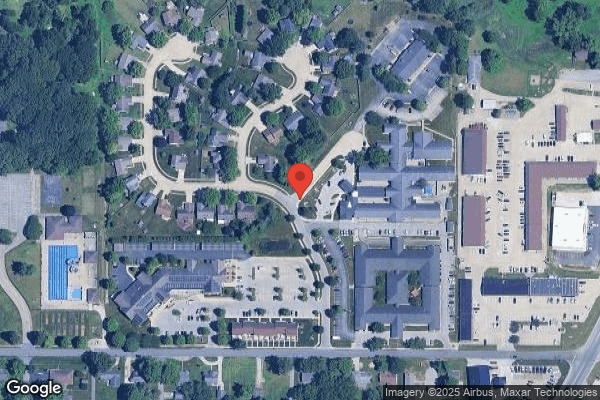
300 J H WALKER DR, PENDLETON, IN 46064 (765) 778-7501
Government - County 110 Beds CARDON & ASSOCIATES Data: November 2025
Trust Grade
90/100
#85 of 505 in IN
Last Inspection: September 2024

Within standard 12-15 month inspection cycle. Federal law requires annual inspections.

Overview

Rawlins House Health & Living Community has received an A trust grade, which means it is considered excellent and highly recommended for care. Ranking #85 out of 505 facilities in Indiana places it in the top half, while its #3 rank out of 11 in Madison County indicates that only two local options are better. The facility's trend is stable, with the same number of issues reported in both 2023 and 2024. Staffing is rated at 4 out of 5 stars, and while the turnover rate of 53% is average, the facility has good RN coverage, exceeding 92% of other Indiana facilities. On the downside, there have been concerns regarding food preferences not being honored for residents and issues with medication storage, suggesting areas for improvement in resident care. However, it is noteworthy that the facility has no fines on record, indicating compliance with regulations.

Trust Score
A
90/100
In Indiana
#85/505
Top 16%
Safety Record
Low Risk
No red flags
Inspections
Holding Steady
4 → 4 violations
Staff Stability
⚠ Watch
53% turnover. Above average. Higher turnover means staff may not know residents' routines.
Penalties
✓ Good
No fines on record. Clean compliance history, better than most Indiana facilities.
Skilled Nurses
✓ Good
Each resident gets 52 minutes of Registered Nurse (RN) attention daily — more than average for Indiana. RNs are trained to catch health problems early.
Violations
○ Average
10 deficiencies on record. Average for a facility this size. Mostly minor or procedural issues.
★★★★★
5.0
Overall Rating
★★★★☆
4.0
Staff Levels
★★★★★
5.0
Care Quality
★★★★☆
4.0
Inspection Score
Stable
2023: 4 issues
2024: 4 issues

The Good

  • 4-Star Staffing Rating · Above-average nurse staffing levels
  • 5-Star Quality Measures · Strong clinical quality outcomes
  • Full Sprinkler Coverage · Fire safety systems throughout facility
  • No fines on record

Facility shows strength in staffing levels, quality measures, fire safety.

The Bad

Staff Turnover: 53%

Near Indiana avg (46%)

Higher turnover may affect care consistency

Chain: CARDON & ASSOCIATES

Part of a multi-facility chain

Ask about local staffing decisions and management

The Ugly 10 deficiencies on record

Sept 2024 4 deficiencies
CONCERN (D)

Potential for Harm - no one hurt, but risky conditions existed

Deficiency F0761 (Tag F0761)

Could have caused harm · This affected 1 resident

**NOTE- TERMS IN BRACKETS HAVE BEEN EDITED TO PROTECT CONFIDENTIALITY** Based on observation and interview, the facility failed to appropriately date stored medications, discard expired insulin vials,...

Read full inspector narrative →
**NOTE- TERMS IN BRACKETS HAVE BEEN EDITED TO PROTECT CONFIDENTIALITY** Based on observation and interview, the facility failed to appropriately date stored medications, discard expired insulin vials, and label medications with resident information in 4 of 5 medication carts observed for medication storage. (South 1 medication cart, South treatment cart, North medication cart, and North treatment cart) Findings include: 1. During a medication storage observation of the South 1 medication cart, accompanied by RN 11 on [DATE] at 1:45 p.m., the following was observed: One Lantus Solostar (insulin glargine) injection pen, with approximately 150 units remaining, lacked an open date. RN 11 indicated the insulin pen should have an open date written on the label. 2. During a medication storage observation of the South treatment cart, accompanied by LPN 12, on [DATE] at 1:55 p.m., the following items were observed: a. One tube of Biofreeze (a topical pain relief cream/gel), partially labeled with the last name of a discharged resident. b. One medium sized tube of hydrocortisone cream 1% (used to treat skin conditions that cause redness, swelling, rashes, and itching) without resident identifiers. c. One large tube of skin protectant cream without resident identifiers. d. One large tube of Eucerin Skin Calming Itch Soothing Cream, partially labeled with the last name of a discharged resident. e. One medium sized tube of Aspercreme (a topical pain relief cream/gel) without resident identifiers. During that same time, LPN 12 indicated she was unaware these multi-use skin treatments should be labeled. The treatments were used for more than one resident. Some of the tubes had the names of discharged residents on them. 3. During a medication storage observation of the North medication cart, accompanied by RN 4, on [DATE] at 1:55 p.m., the following was observed: a. One Humalog (insulin) Kwikpen with approximately 120 units remaining, lacked an open date. b. One Novolog (insulin) Flexpen with approximately 160 units remaining, with an open date of [DATE]. c. One Levermir (insulin) Flexpen with approximately 250 units remaining, with an open date of [DATE]. During an interview, at the time of the observation, RN 4 indicated all insulin pens should be dated when opened, and insulin was good for 28 days. RN 4 indicated neither expired insulin pen should be used to provide resident medication. 4. During a medication storage observation of the North treatment cart, accompanied by RN 5, on [DATE] on 2:03 p.m., the following was observed: a. One tube of triple antibiotic (to treat infection) ointment, maximum strength without resident identifiers. b. One tube of Medihoney (to treat wounds) wound gel without resident identifiers. c. One tube of hemorrhoid treatment ointment without resident identifiers. d. One tube of Triad (to treat wounds) wound cream without resident identifiers. During an interview, at the time of the observation, RN 5 indicated medications arrived in large packages and resident identifier information should be written on the separate tubing or bottles. A current, undated, facility policy, titled, Drug Storage, provided by the Administrator on [DATE] at 4:05 p.m., indicated the following: . All expired, damaged and/or contaminated medications are removed from resident care areas and stored separately from medications available for administration A current, undated, facility skills validation sheet, provided by the Administrator on [DATE] at 12:30 p.m., indicated the following: .5. Check for date opened, expiration date . A current, undated, facility policy, titled, Medication Labeling, provided by the Administrator on [DATE] at 12:15 p.m., indicated the following: .All labeling of prescriptions filled . will be the responsibility of the dispensing pharmacist and will be consistent with State and Federal requirements . Over the counter medications used for a specific resident must identify that resident and have an appropriate pharmacy label applied 3.1-25(j) 3.1-25(k)
CONCERN (D)

Potential for Harm - no one hurt, but risky conditions existed

Infection Control (Tag F0880)

Could have caused harm · This affected 1 resident

**NOTE- TERMS IN BRACKETS HAVE BEEN EDITED TO PROTECT CONFIDENTIALITY** Based on observation, interview, and record review, the facility failed to follow infection prevention and control procedures du...

Read full inspector narrative →
**NOTE- TERMS IN BRACKETS HAVE BEEN EDITED TO PROTECT CONFIDENTIALITY** Based on observation, interview, and record review, the facility failed to follow infection prevention and control procedures during wound care related to Enhanced Barrier Precautions (EBPs) for 1 of 2 resident reviewed for skin impairments. Findings include: During an observation on 9/5/24 at 1:15 p.m., Resident 100 was lying in bed. On the wall by the window, a small plastic container holding personal protective equipment (PPE) and an orange sign indicated EBP lying on top of the container. Resident 100's clinical record was reviewed on 9/6/24 at 10:48 a.m. Diagnoses included wedge compression fracture of first thoracic vertebra, dementia in other diseases classified elsewhere, and age-related physical debility. Resident 100's current physician's order, dated 8/28/24, indicated cleanse coccyx wound with normal saline, pat dry, apply Xeroform (to treat wounds), and cover with Alleyvn (foam dressing) daily and as needed for spoilage and displacement. A precautions care plan, dated 8/19/24, indicated Resident 100 required enhanced barrier precautions related to a wound. Approaches included the following: apply gown and gloves for high contact activities and wound care, and provide family, staff, and resident education as needed. A pressure ulcer care plan, dated 8/20/24, indicated an unavoidable stage 2 (partial thickness loss of dermis) pressure wound to the sacrum. Approaches included the following: administer treatment as ordered, assist resident with turning and repositioning, and family and resident education. A Wound Note, dated 9/2/24, indicated a stage 2 pressure ulcer (an open sore that can appear as a blister, abrasion, or shallow crater in the skin) measuring 0.5 centimeters (cm) by 0.5 cm (the size of a pea). The wound was improving, the tissue remained fragile, and was unable to blanch effectively. During a wound care observation on 9/6/24 at 10:50 a.m., LPN 10 and LPN 13 entered Resident 100's room. On the wall, above the head of the resident's bed, was an orange sign that indicated EBP. The resident was lying in a low bed. LPN 10 deposited wound treatment supplies on a towel-covered bedside table. LPN 10 and LPN 13 completed hand washing and donned gloves. LPN 10 removed the previous dressing, dated 9/5/24. The dressing had minimal yellow colored drainage. LPN 10 cleaned the wound using normal saline, patted the area dry with gauze, removed her dirty gloves, and completed hand hygiene using hand sanitizer. LPN 13 was asked to exit the room to gather additional supplies needed. LPN 13 removed her gloves and completed hand hygiene utilizing hand sanitizer. LPN 10 donned clean gloves and applied the ordered treatment to the wound bed and applied the appropriate dressing on top of the treatment. LPN 13 returned with towels and a brief and donned gloves. LPN 10 and LPN 13 changed the resident's brief and did peri-[NAME] care. Neither LPN 10 or LPN 13 donned a gown during the wound care observation. During an interview, on 9/6/24 at 10:50 a.m., LPN 10 and LPN 13 both indicated they should have worn gowns during the wound care treatment. LPN 13 further indicated EBP's were to protect residents and others from infections. During an interview, on 9/9/24 at 4:03 p.m., the Administrator indicated he was advised only chronic wounds over 3 months required EBP and his staff were not required to wear gowns during the previous wound care observation. During an interview, on 9/9/24 at 4:21 p.m., the DON indicated EBP was for the protection of residents, families, and staff to prevent the spread of infection. She indicated EBP was utilized for chronic wounds and any skin opening requiring a dressing. A current facility policy, revised 4/1/24, titled, Enhanced Barrier Precautions Policy and Procedure, provided by the Administrator, on 9/9/24 at 4:05 p.m., indicated the following: . EBP is used in conjunction with standard precautions and expand the use of PPE to donning gown and gloves during high-contact resident care activities .Use of EBP is indicated for residents with: .Any skin opening requiring a dressing 3.1-18(l)
CONCERN (E)

Potential for Harm - no one hurt, but risky conditions existed

Menu Adequacy (Tag F0803)

Could have caused harm · This affected multiple residents

**NOTE- TERMS IN BRACKETS HAVE BEEN EDITED TO PROTECT CONFIDENTIALITY** Based on observation, interview and record review, the facility failed to ensure menus were followed for 4 of 4 residents review...

Read full inspector narrative →
**NOTE- TERMS IN BRACKETS HAVE BEEN EDITED TO PROTECT CONFIDENTIALITY** Based on observation, interview and record review, the facility failed to ensure menus were followed for 4 of 4 residents reviewed for receiving diets/menus as ordered (Residents 45, 10, 42 and 60). Findings include: A current facility document titled Week at a Glance, provided by Administrator following the entrance conference on 9/3/24, indicated the following: Lunch Menu 9/6/24 Lunch: Tomato Basil Soup- 6 oz Saltine crackers- I pack Ultimate grilled cheese sandwich -1 sandwich Breaded green beans- 4 oz Ranch dressing -2 oz Pineapple tidbits ½ cup. A current facility document titled Spring/Summer, 2024 Diet Guide Sheet, provided by the Certified Dietary Manager (CDM) on 9/6/24 at 12:15 p.m., indicated the following diet types were menued to receive lunch as follows: Regular Diet Tomato Basil Soup- 6 ounces Saline Crackers- 1 pack Ultimate grilled cheese sandwich -1 sandwich Breaded [NAME] Beans - 4 ounces Ranch dip -2 ounces Pineapple tidbits - ½ cup Mechanical Soft Diet Tomato Basil Soup- 6 ounces Saline Crackers- 1 pack Ultimate grilled cheese sandwich -1 sandwich Breaded [NAME] Beans - 4 ounces Ranch dip -2 ounces Pineapple crushed- ½ cup Finger Foods Tomato Basil Soup- 6 ounces- in a mug Ultimate grilled cheese sandwich -1 sandwich Breaded [NAME] Beans - 4 ounces Ranch dip -2 ounces Pineapple tidbits - ½ cup During a lunch meal service observation of the secured dementia unit dining room [ROOM NUMBER]/6/24 from 11:56 a.m. to 12:40 p.m., not all residents were being served tomato soup, nor was another soup or alternate to tomato soup, offered. Residents 45, 10, 42 and 60 were not served tomato soup, another soup, or an alternate for tomato soup. During an interview on 9/6/24 at 12:14 p.m., [NAME] 9, who was dipping up portions and serving the meal trays on the dementia unit, indicated there was no alternate soup nor was she aware of any alternate for the tomato soup. She only served the items listed on the resident's meal tickets. The items on the meal ticket were the items the resident had selected for the meal. She did not know who completed the resident's selections or how they were selected. During an interview on 9/6/24 at 12:15 p.m., the CDM indicated there was no alternate soup for tomato soup, nor a substitute for tomato soup. The select menu system did not call for a replacement if not selected by the resident. She had no information regarding who selected the meals for the residents on the dementia unit. It could be the family, the resident themselves might have chosen, or the staff who knew what the resident liked might have chosen for them. The facility did not have an approach to ensure the caloric values from the menu were received if the meal ticket did not selection did not meet the menus values. During an interview on 9/6/24 at 12:18 p.m., LPN 10 indicated residents with orders for finger food diets did not have soup because they could spill it. During an observation on 9/6/24 at 12:20 p.m., Resident 45 was eating in the dining room on the secured dementia unit. She had a grilled cheese sandwich and no tomato soup, other soup, or alternate for tomato soup. She indicated she liked tomato soup. During an observation on 9/6/24 at 12:25 p.m., Resident 60 was eating in the dining room on the secured dementia unit. She had a grilled cheese sandwich and no tomato soup, other soup, or alternate for tomato soup. She indicated she liked tomato soup. During an observation on 9/6/24 at 12:27 p.m., Resident 42 was eating in the dining room on the secured dementia unit. She had a grilled cheese sandwich and no tomato soup, other soup, or alternate for tomato soup. She indicated she liked tomato soup. During an observation on 9/6/24 at 12:29 p.m., Resident 10 was eating in the dining room on the secured dementia unit. She had a grilled cheese sandwich and no tomato soup, other soup, or alternate for tomato soup. She indicated she liked soup and would enjoy some soup, but she did not like tomato soup. During an interview on 9/6/24 at 12:40 p.m., RD 7 (registered dietitian) indicated 235 calories was a fair estimate of the calories contained in six ounces of tomato soup. 1. Resident 45's clinical record was reviewed on 9/9/24 at 9:46 a.m. Current diagnoses included mixed dementia, psychotic disturbance, mood disturbance, anxiety, mixed receptive-expressive language disorder, vitamin deficiency, and cognitive communication deficit. The resident had a current September 2024 physician's order for a regular diet. This order originated 5/18/23. This resident had a current, September 2024, physician's order to reside on a secured dementia unit. A 7/4/24, quarterly, Minimum Data Set (MDS) assessment indicated the resident was severely cognitively impaired. The resident had a current care plan problem need related to nutrition risk due to dementia. This problem originated 5/19/23. Approaches to this problem included serve a regular diet as ordered. The resident had a current care plan problem need related to vitamin deficiency. This problem originated 6/5/23. Approaches to this problem included to serve a diet as ordered by the physician. During an interview on 9/9/24 at 2:32 p.m., Resident 45's responsible party indicated they had never been asked to complete a select menu for their resident. They had never been asked anything about their resident's food preferences. It would be a good idea to get their input about food likes. The resident loved grilled cheese and tomato soup. 2. Resident 10's clinical record was reviewed on 9/6/24 at 9:02 a.m Current diagnoses included dementia with psychotic disturbances, mixed receptive-expressive language disorder, and depression. The resident had a current September 2024 physician's order for a diet mechanical soft texture with ground meat, with nectar thickened liquids diet. This order originated 6/24/24. This resident had a current, September 2024, physician's order to reside on a secured dementia unit. A 6/12/24, quarterly, MDS assessment indicated the resident was cognitively intact. The resident had a current care plan problem need related to nutritional risk. This problem originated 3/29/24. Approaches to this problem included to serve a diet as ordered. During an interview on 9/4/24 at 10:39 a.m. Resident 10 indicated she was often times very confused. During an interview on 9/9/24 at 3:47 p.m., Resident 10's responsible party indicated the resident did like soup, but not tomato soup. At this point in time, most days the resident could state what they would like to eat. The facility had never asked them about resident food preferences and select menus. They believed their input would be helpful. 3. Resident 42's clinical record was reviewed on 9/9/24 at 9:52 a.m. Current diagnoses included Alzheimer's disease expressive language disorder, vitamin deficiency, anxiety and depression. The resident had a current September 2024 physician's order for a finger foods diet. This order originated 6/22/23. This resident had a current, September 2024, physician's order to reside on a secured dementia unit. A 7/16/24, quarterly, MDS assessment indicated the resident was severely cognitively impaired. The resident had a current care plan problem need related to nutritional risk due to dementia. This problem originated 4/14/23. Approaches to this problem included serve diet per physician's orders. During an interview on 9/9/24 at 2:25 p.m., Resident 42's responsible party indicated the facility had never asked them to choose a select menu for their resident. They had often times told people the resident liked peanut butter and jelly, bananas, and yogurt. The resident was so advanced in their illness that they should maybe be asked each meal, at the time of the meal what they would like to eat. A good idea would be to offer them an item and see if they liked it that day. 4. Resident 60's clinical record was reviewed in 9/9/24 at 9:49 a.m. Current diagnoses included dementia severe with psychotic disturbance, anxiety, vitamin deficiency, and mixed expressive-receptive language disorder. The resident had a current September 2024 physician's order for a diet. a regular diet. This order originated 2/15/24. This resident had a current, September 2024, physician's order to reside on a secured dementia unit. A 6/24/24, significant change, MDS assessment indicated the resident was severely cognitively impaired. The resident had a current care plan problem need related to nutritional risk related to dementia. This problem originated 6/22/20. Approaches to this problem included serve diet as ordered. The resident had a current care plan problem need related to a risk for weight loss due to dementia. This problem originated 6/11/20. Approaches to this problem included serve diet per order. During an interview on 9/9/24 at 1:26 p.m., the Administrator indicated the facility's select menu system did not indicate who made the selections for the residents selected meal ticket. On the dementia unit, many families chose. The system did not address if residents who had dementia or memory impairment had not chosen an alternate for food items. The residents chose their alternate when they made their selections. During an interview on 9/9/24 at 1:49 p.m., RD 6 indicated the facilities system did not indicate who made the selections on the resident select menu. Their was no system to ensure residents who could not make their wants and needs known had their likes and dislikes honored. There was not a system for ensure alternatives were offered to residents with dementia. A current facility policy titled, Meal Service, dated 2012 and provided by the Administrator on 9/10/24 at 11:10 a.m. indicated the following: .Individual Substitutions .Policy: The Dining Services Department strives to meet the preferences of residents. Substitutions are available to individual residents as listed on the planned menu and through a standard stock to substation alternatives A current facility policy titled, Nutrition and Clinical Care, dated 2012 and provided by the Administrator on 9/10/24 at 12:34 p.m. indicated the following: .Diet Orders .Policy: Diet orders are written by the physician based on the medical needs and physical capabilities of the resident. They follow the approved diet manual and the regimens included in the menu program 3.1-20(i)(4)
CONCERN (E)

Potential for Harm - no one hurt, but risky conditions existed

Deficiency F0806 (Tag F0806)

Could have caused harm · This affected multiple residents

Based on observation, interview, and record review, the facility failed to ensure resident food preferences were reviewed and honored for 4 of 4 residents reviewed for food preferences (Residents 45, ...

Read full inspector narrative →
Based on observation, interview, and record review, the facility failed to ensure resident food preferences were reviewed and honored for 4 of 4 residents reviewed for food preferences (Residents 45, 10, 42 and 60). Findings include: 1. During an observation on 9/6/24 at 12:20 p.m., Resident 45 was eating in the dining room on the secured dementia unit. She had a grilled cheese sandwich and no tomato soup, other soup, or alternate for tomato soup. She indicated she liked tomato soup. During an interview on 9/9/24 at 2:32 p.m., Resident 45's responsible party indicated they had never been asked to complete a select menu for their resident. They had never been asked anything about Resident 45's food preferences. It would be a good idea to get their input about food likes. The resident loved grilled cheese and tomato soup. Resident 45's clinical record was reviewed on 9/9/24 at 9:46 a.m. Current diagnoses included mixed dementia, psychotic disturbance, mood disturbance, anxiety, mixed receptive-expressive language disorder, vitamin deficiency, and cognitive communication deficit. The resident had a current September 2024 physician's order for a regular diet. This order originated 5/18/23. This resident had a current, September 2024, physician's order to reside on a secured dementia unit. A 7/4/24, quarterly, Minimum Data Set (MDS) assessment indicated the resident was severely cognitively impaired. The resident had a current care plan problem need related to nutrition risk due to dementia. This problem originated 5/19/23. Approaches to this problem included provide resident with food and snacks they enjoy. The clinical record lacked indication of the resident's food preferences and/or food likes or dislikes. 2. During an observation on 9/6/24 at 12:25 p.m., Resident 60 was eating in the dining room on the secured dementia unit. She had a grilled cheese sandwich and no tomato soup, other soup, or alternate for tomato soup. She indicated she liked tomato soup. Resident 60's clinical record was reviewed in 9/9/24 at 9:49 a.m. Current diagnoses included dementia severe with psychotic disturbance, anxiety, vitamin deficiency, and mixed expressive-receptive language disorder. The resident had a current September 2024 physician's order for a diet. a regular diet. This order originated 2/15/24. This resident had a current, September 2024, physician's order to reside on a secured dementia unit. A 6/24/24, significant change, MDS assessment indicated the resident was severely cognitively impaired. The resident had a current care plan problem need related to nutritional risk related to dementia. This problem originated 6/22/20. Approaches to this problem included honor food preferences. The resident had a current care plan problem need related to a risk for weight loss due to dementia. This problem originated 6/11/20. Approaches to this problem included honor resident's food preferences. The clinical record lacked indication of the resident's food preferences and/or food likes or dislikes. 3. During an observation on 9/6/24 at 12:27 p.m., Resident 42 was eating in the dining room on the secured dementia unit. She had a grilled cheese sandwich and no tomato soup, other soup, or alternate for tomato soup. She indicated she liked tomato soup. During an interview on 9/9/24 at 2:25 p.m., Resident 42's responsible party indicated the facility had never asked them to choose a select menu for their resident. They had never been asked about the resident's food preferences. They had often times told people the resident liked peanut butter and jelly, bananas, and yogurt. The resident was so advanced in their illness that they should maybe be asked each meal, at the time of the meal what they would like to eat. A good idea would be to offer them an item and see if they liked it that day. Resident 42's clinical record was reviewed on 9/9/24 at 9:52 a.m. Current diagnoses included Alzheimer's disease expressive language disorder, vitamin deficiency, anxiety and depression. The resident had a current September 2024 physician's order for a finger foods diet. This order originated 6/22/23. This resident had a current, September 2024, physician's order to reside on a secured dementia unit. A 7/16/24, quarterly, MDS assessment indicated the resident was severely cognitively impaired. The resident had a current care plan problem need related to nutritional risk due to dementia. This problem originated 4/14/23. Approaches to this problem included honor residents food preferences and involve family in plan of care. The clinical record lacked indication of the resident's food preferences and/or food likes or dislikes. 4. During an observation on 9/6/24 at 12:29 p.m., Resident 10 was eating in the dining room on the secured dementia unit. She had a grilled cheese sandwich and no tomato soup, other soup, or alternate for tomato soup. She indicated she liked soup and would enjoy some soup, but she did not like tomato soup. During an interview on 9/9/24 at 3:47 p.m., Resident 10's responsible party indicated the resident did like soup and did not like tomato soup. At this point in time, most days the resident could state what they would like to eat. The facility had never asked them about the resident's food preferences or a select menu. They believed their input would be helpful. Resident 10's clinical record was reviewed on 9/6/24 at 9:02 a.m Current diagnoses included dementia with psychotic disturbances, mixed receptive-expressive language disorder, and depression. The resident had a current September 2024 physician's order for a diet mechanical soft texture with ground meat, with nectar thickened liquids diet. This order originated 6/24/24. This resident had a current, September 2024, physician's order to reside on a secured dementia unit. A 6/12/24, quarterly, MDS assessment indicated the resident was cognitively intact. The resident had a current care plan problem need related to nutritional risk. This problem originated 3/29/24. Approaches to this problem included honor resident's food dislikes, and provide the resident's with food and snacks which they enjoy. The clinical record lacked indication of the resident's food preferences and/or food likes or dislikes. During an interview on 9/4/24 at 10:39 a.m. Resident 10 indicated she was often times very confused. A current facility document titled Week at a Glance, provided by the Administrator following the entrance conference on 9/3/24, indicated the following: Lunch Menu 9/6/24 Lunch: Tomato Basil Soup- 6 oz Saltine crackers- I pack Ultimate grilled cheese sandwich -1 sandwich Breaded green beans- 4 oz Ranch dressing -2 oz Pineapple tidbits ½ cup. During the lunch meal service observation on the secured dementia unit dining room on 9/6/24 from 11:56 a.m. to 12:40 p.m., not all residents were being served tomato soup nor was another soup or alternate to tomato soup being offered. Residents 45, 10, 42 and 60 were not served tomato soup, another soup or an alternate for tomato soup. During an interview on 9/6/24 at 12:14 p.m., [NAME] 9, who was dipping up portions and serving the meal trays on the dementia unit, indicated there was no alternate soup nor was she aware of any alternate for the tomato soup. She only served the items listed on the resident's meal tickets. The items on the meal ticket were the items the resident had selected for the meal. She did not know who completed the resident's selections or how they were selected. During an interview on 09/06/24 at 12:15 p.m., the Certified Dietary Manager (CDM) indicated she had no information regarding who selected the meals for the residents on the dementia unit. It could be the family, the resident themselves might have chosen, or the staff who knew what the resident liked might have chosen for them. The facility did not interview the residents and/or their families about their food likes and dislikes. During an interview on 9/9/24 at 1:26 p.m., the Administrator indicated the facility's select menu system did not indicate who made the selections for the residents selected meal ticket. The facility did not interview residents and/or their families about food likes/dislikes or food preferences. The select menu was supposed to identify the likes and dislikes. The select menu system did not identify who made the selections for the resident nor when the selection were made. During an interview on 9/9/24 at 1:49 p.m., RD 6 indicated the facility's system did not indicate who made the selections on the resident select menu. Their was no system to ensure residents who could not make their wants and needs known had their likes and dislikes honored. There was not a system for ensure alternatives were offered to residents with dementia. A current facility policy titled Resident Food Preference, dated 7/2017 and provided by Administrator on 9/9/24 at 4:05 p.m., indicated the following: .Individual food preferences will be assessed upon admission and communicated to the interdisciplinary team . 1. Upon the resident's admission (or within twenty- four (24) hours after his/her admission) the Dietitian or nursing staff will identify a resident's food preference. 2. When possible staff will interview the resident directly to determine current food preferences based on history and life patterns related to food and mealtimes A current facility policy titled Meal Service, dated 2012 and provided by the Administrator on 9/10/24 at 11:10 a.m., indicated the following: .Policy: The Dining Services Department strives to meet the preferences of residents. Substitutions are available to individual residents as listed on the planned menu and through a standard stock to substation alternatives
Jul 2023 3 deficiencies
CONCERN (D)

Potential for Harm - no one hurt, but risky conditions existed

Deficiency F0554 (Tag F0554)

Could have caused harm · This affected 1 resident

2. During an observation on 7/26/23 at 2:18 p.m., Resident 315 had an albuterol (to treat asthma/COPD) rescue inhaler and a Trelegy Ellipta (to treat asthma/COPD) inhaler on his bedside table. On 7/2...

Read full inspector narrative →
2. During an observation on 7/26/23 at 2:18 p.m., Resident 315 had an albuterol (to treat asthma/COPD) rescue inhaler and a Trelegy Ellipta (to treat asthma/COPD) inhaler on his bedside table. On 7/27/23 at 9:13 a.m., he was observed with an albuterol rescue inhaler and a Trelegy Ellipta inhaler on his bedside table. On 7/27/23 at 1:38 p.m., he was observed with an albuterol rescue inhaler and a Trelegy Ellipta inhaler on his bedside table. Resident 315's clinical record was reviewed on 7/27/23 at 11:03 a.m. His diagnosis included chronic obstructive pulmonary disease (COPD), chronic respiratory failure, and COVID-19. A physicians order, dated 7/21/23, indicated albuterol sulfate inhaler 90 microgram (mcg); administer two puffs by inhalation, every six hours as needed (PRN). A physicians order, dated 7/22/23, indicated Trelegy Ellipta inhaler; 100-62.5-25 mcg; administer one puff by inhalation, once a day, upon rising between 7:00 a.m.- 11:00 a.m. Resident 315's physicians orders lacked an order for self administration, and the resident's clinical record lacked a self administration assessment or a self administration care plan. During an interview, on 7/26/23 at 2:18 p.m., the resident indicated the nurse practitioner was aware he had these medications at his bedside. He took the albuterol for his rescue inhaler and the Trelegy was for him to take at night before bed. During an interview, on 7/27/23 at 1:50 p.m., the DON indicated for a resident to have medications at bedside, the facility would need to complete a self administration assessment and obtain a physician's orders. She indicated that Resident 315's medication was left at his bedside to prevent his medications from being on the nursing cart since he was positive for COVID-19. Review of a current, revised December 2012, policy, titled Administering Medications, provided by the Corporate Nurse Consultant on 7/27/23 at 3:25 p.m., indicated the following: .Policy Interpretation and Implementation .24. Residents may self-administer their own medications only if the Attending Physician, in conjunction with the Interdisciplinary Care Planning Team, has determined that they have the decision making capacity to do so safely 3.1-11(a) Based on observation, interview, and record review, the facility failed to evaluate residents for self-administration of medications prior to leaving medications unattended at the bedside for 2 of 7 residents reviewed for infection control. (Residents 255 and 315) Findings include: 1. During an interview at the time of a random observation on 7/24/23 at 11:18 a.m., Resident 39's family member came out of the resident's room with a medication cup that contained two pills. She indicated these pills were left on the resident's overbed table and she didn't know what the medications were for because the resident was also uncertain which medications were left in the medication cup. She took the medications to the nurse's station and gave them to an unknown male staff member, who indicated he would get the resident's nurse. During an interview on 7/24/23 at 2:50 p.m., a resident representative indicated he had been in the resident's room this morning when the nurse brought the resident her medications. The nurse administered part of the resident's medication, placed the medication cup with the last two pills on the resident's overbed table, then left the room to retrieve some chocolate milk. The resident representative had followed the nurse to get the chocolate milk. The nurse did not return immediately to the room to administer the remaining medications. The nurse returned to the room after a family member went to the nurse's station and asked about the medications left in the resident's room. During an interview on 7/24/23 at 4:06 p.m., LPN 5 indicated she left two pills at the resident's bedside on the overbed table this morning when she left the room to get the resident some chocolate milk. She would not typically leave medications in the resident's room while she retrieved other items, but she planned to come right back to the resident's room. Medications should not have been left unattended at the resident's bedside. Resident 255's clinical record was reviewed on 7/25/23 at 3:24 p.m. Diagnoses included oral phase dysphasia, essential primary hypertension and gastro-esophageal reflux disease without esophagitis. The clinical record lacked an order to self-administer medications, an intra-disciplinary team (IDT) note regarding medication self-administration, and a self-medication administration assessment prior to the interview with LPN 5 on 7/24/23. An admission Minimum Data Set (MDS) assessment, dated 7/20/23, indicated the resident had moderate cognitive impairment. A current care plan, dated 7/21/23, indicated the resident was unable to independently perform late loss activities of daily living. Interventions included the following: monitor for swallowing issues, report any issues, and provide assistance and encouragement. During an interview on 7/28/23 at 11:32 a.m., the DON indicated the following items should have been in place before medications were left at the resident's bedside: medication self-administration assessment, the IDT meeting note, and the physician's agreement for medication self-administration.
CONCERN (D)

Potential for Harm - no one hurt, but risky conditions existed

Comprehensive Care Plan (Tag F0656)

Could have caused harm · This affected 1 resident

Based on interview and record review, the facility failed to develop and/or implement a comprehensive care plan regarding communication for a resident with hearing loss for 1 of 21 residents review fo...

Read full inspector narrative →
Based on interview and record review, the facility failed to develop and/or implement a comprehensive care plan regarding communication for a resident with hearing loss for 1 of 21 residents review for care plan development and implementation. (Resident 3) Finding Includes: During an interview on 7/24/23 at 3:42 p.m., Resident 3 indicated she had been evaluated for hearing aides and had not heard any update regarding them. Many times, when she received care from staff, she had to ask them to repeat themselves. On Wednesdays, she played piano to accompany a gentleman who came to the facility and sang. It became difficult to hear the hymn number he announced and she had to ask him to repeat the number. She felt frustrated when she had to ask him to repeat himself. She missed most of the conversations at lunch because the female resident she sat with had a soft voice. She was anxious to receive her hearing aids and not have to ask everyone to repeat themselves. Resident 3's clinical record was reviewed on 7/25/23 at 3:28 p.m. Diagnoses included Parkinson's disease, major depressive disorder, and anxiety disorder. An audiologist's assessment, completed on 2/23/23, indicated the resident had complained of newly decreased ability to hear. The clinical findings of the assessment indicated a moderate to profound hearing loss to the resident's left ear and moderate to severe hearing loss in the resident's right ear. Recommendations for the attending physician and/or nursing staff included, to use slow, clear speech using visual cues when communicating and to favor the resident's right ear. Hearing aids were recommended for both ears and impressions for the hearing aids were obtained. The resident's care plan lacked any plan regarding resident's hearing deficit or to address the resident's hearing loss while awaiting the delivery of hearing aids. During an interview on 7/26/23 at 11:42 a.m., the Social Services Director (SSD) indicated he had become frustrated with the provider due to the lack of a delivery date. He had reached out several times to request a status of the resident's hearing aids and had not been given an estimated date of delivery. He understood the resident's anxiety regarding the lengthy wait for delivery. During an interview on 7/26/23 at 2:27 p.m., CNA 4 indicated she was not aware the resident was hard of hearing. She had not noticed difficulty during Resident 3's care, but was familiar with care for those who were hard of hearing. On 7/31/23 at 11:36 a.m., the Administrator provided a copy of the current, revised 12/2016, facility policy titled, Care Plans, Comprehensive Person-Center. The policy indicated the following: .Policy Interpretation and Implementation .8. The comprehensive, person-centered care plan will: .g. Incorporate identified problem areas; .10. Identifying problem areas and their causes, and developing interventions that are targeted and meaningfulto [sic] the resident, are the endpoint of the interdisciplinary process 3.1-35(a)
CONCERN (D)

Potential for Harm - no one hurt, but risky conditions existed

Pressure Ulcer Prevention (Tag F0686)

Could have caused harm · This affected 1 resident

Based on observation, record review, and interview, the facility failed to follow a physician's order for bilateral pressure relief boots for a dependant resident for 1 of 3 residents reviewed for pre...

Read full inspector narrative →
Based on observation, record review, and interview, the facility failed to follow a physician's order for bilateral pressure relief boots for a dependant resident for 1 of 3 residents reviewed for pressure ulcers. (Resident 100) Finding includes: During an observation on 7/25/23 at 9:22 a.m., Resident 100 was laying in bed, barefoot, with a bandage dated 7/25 to the top and left side of his left foot. His heels rested on the bed and no pressure relief boots were in place. On 7/26/23 at 9:19 a.m., he was observed laying in bed wearing socks and his heels rested on the bed. He had no pressure relief boots on. On 7/27/23 at 8:30 a.m., he was observed sitting up in bed, barefoot, with his heels rested on the bed. He had no pressure relief boots on. Resident 100's clinical record was reviewed on 7/26/23 at 2:35 p.m. His diagnoses included fracture to unspecified part of neck of left femur, unspecified fracture of left tibia, unspecified fracture of shaft of left fibula, and unspecified fracture of T11-T12 vertebra. A MDS (Minimum Data Set) assessment, dated 6/22/23, indicated he required extensive assistance with bed mobility and transfers. Walking did not occur. He had current physician's orders (5/31/23) to elevate/offload heels while in bed as tolerated and (6/1/23) for bilateral heel float boots when in bed. A review of the electronic medication administration record (eMAR) for July 1, 2023- July 27, 2023 indicated Resident 100 wore his bilateral heel float boots daily. During an interview on 7/26/23 at 2:03 p.m., the resident indicated he had not worn pressure relief boots to his feet in weeks and there were no boots for his feet in his room. During an interview on 7/27/23 at 2:04 p.m., RN 3 indicated Resident 100 did not have boots on and refused to wear them. When treatments were refused, staff were to document refusals in the clinical record and report to the physician. During an interview on 7/27/23 at 2:36 p.m., the DON indicated Resident 100 used to wear bilateral pressure relief boots when first admitted to the facility, but no longer wore them. She should have discontinued his order for pressure relief boots. Review of a current facility policy, effective 4/3/17 and titled Protocol for Following Physician Orders, provided by the Corporate Nurse Consultant on 7/27/23 at 3:51 p.m., indicated the following: .Procedure: All licensed staff will verify and follow the physician orders as written. If for any reason, the physician order cannot be followed, the professional will contact the physician for further instructions. Care Plan: The resident's plan of care will reflect the physicians orders and direction for the resident's plan of care 3.1-40(a)(2)
Jul 2023 1 deficiency
CONCERN (D) 📢 Someone Reported This

A family member, employee, or ombudsman was alarmed enough to file a formal complaint

Potential for Harm - no one hurt, but risky conditions existed

Quality of Care (Tag F0684)

Could have caused harm · This affected 1 resident

Based on interview and record review, the facility failed to document, monitor, and notify the physician regarding a medication error event for 1 of 1 resident reviewed for IV (intravenous) medication...

Read full inspector narrative →
Based on interview and record review, the facility failed to document, monitor, and notify the physician regarding a medication error event for 1 of 1 resident reviewed for IV (intravenous) medications (Resident C). Findings include: Resident C's clinical record was reviewed on 7/11/23 at 10:20 a.m. Diagnoses included osteomyelitis, hyperkalemia, essential (primary) hypertension and chronic kidney disease, stage 3. Her physician orders included cefepime (antibiotic) in dextrose 5% piggyback 1gm/50 ml gram/milliliter via IV every 12 hours, 1 liter of normal saline at 75 ml/hr (milliliters/hour) immediately on 6/13/23, and vancomycin (antibiotic) 1000 mg via IV every 12 hours at 10:00 a.m. and 10:00 p.m. A nurse practitioner progress note, dated 6/14/23, indicated per nursing, the vancomycin was administrated quicker than the one hour administration time due to an IV pump error. No adverse effects were noted from the vancomycin. Repeat labs were ordered and were pending. No rash was noted. She denied any swallowing issues. Continue to monitor closely. She did not appear to be in any distress. A nurse practitioner progress note, dated 6/15/23, indicated STAT (immediate) labs were ordered due to IV antibiotic infusion. Her kidney function improved. No adverse side effects noted on exam from vancomycin administration and she did not appear in any distress. Her clinical record lacked nursing documentation, monitoring, and immediate notification to the physician of the vancomycin being infused quicker than an hour, or when the event had occurred. During an interview with LPN 23, on 7/11/23 at 1:17 p.m., she indicated Resident C's vancomycin infused faster than normal, although she was not aware of how fast it infused. She called the pharmacy and verified the settings on the IV pump, but she thought the IV pump malfunctioned. She pulled the IV pump from Resident C's room and retrieved the house IV pump for her next IV antibiotic. The nurse practitioner was made aware. During an interview with the Nurse Consultant, on 7/12/23 at 10:28 a.m., she indicated LPN 23 did not document the IV incident in Resident C's clinical record. During an interview with the Nurse Consultant, on 7/12/23 at 12:04 p.m., she indicated LPN 23 did not complete an incident report regarding the IV incident. Upon further review, the incident took place on 7/12/23. A current facility policy, titled Adverse Consequences and Medication Errors, revised 2/14 and provided by the Nurse Consultant, on 7/12/23 at 12:04 p.m., indicated the following: .Policy Interpretation and Implementation .13. The Attending Physician is notified promptly of any significant error or adverse consequence. a. The physician's orders are implemented, and the resident is monitored closely for 24 to 72 hours or as directed .15. The following information is documented in an incident report and in the resident's clinical record: a. Factual description of the error or adverse consequence. b. Name of physician and time notified. c. Physician's subsequent orders. d. Resident's condition for 24 to 72 hours or as directed This Federal tag relates to Complaint IN00411619 and IN00411859. 3.1-37(a)
Jun 2022 2 deficiencies
CONCERN (D)

Potential for Harm - no one hurt, but risky conditions existed

Respiratory Care (Tag F0695)

Could have caused harm · This affected 1 resident

Based on observation, interview and record review, the facility failed to ensure a resident's ordered continuous positive airway pressure (CPAP) machine mask fit properly for use (Resident 85), and an...

Read full inspector narrative →
Based on observation, interview and record review, the facility failed to ensure a resident's ordered continuous positive airway pressure (CPAP) machine mask fit properly for use (Resident 85), and an order and care plan were in place for a CPAP machine (Resident 79) for 2 of 3 residents reviewed for respiratory services. Findings include: 1. A clinical record review for Resident 85 was completed on 6/15/22 at 9:41 a.m. Diagnoses included, but were not limited to, Parkinson's disease, chronic obstructive pulmonary disease (COPD), and obstructive sleep apnea. During an interview on 6/13/22 at 2:17 p.m., Resident 85 indicated she had an order to wear a CPAP at night, but her mask had not fit her for awhile and she was unable to use her machine. She had attempted to wear it several times, but was unable to tolerate it. A current physician's order, dated 2/25/20, indicated resident was to wear a CPAP machine at bedtime. The order indicated the resident applied the device herself. A care plan, edited 5/26/22, indicated the resident had potential for respiratory distress related to COPD, asthma, and history of bronchitis. Interventions included, but were not limited to, C-PAP per physician's order. A care plan, edited on 5/26/22, indicated the resident required the use of a CPAP machine related to sleep apnea and refused to wear the device at times. Interventions included, but were not limited to, resident will use CPAP as order by physician. A review of the resident's electronic treatment administration record for June 2022, indicated the resident had refused to wear her CPAP machine on 6/7/22 with a nursing comment of Res states mask is all wrong will not wear. The record indicated the resident refused to wear her CPAP machine on 6/11/22, 6/12/22, and 6/13/22 without indication of reason for refusal. During an interview on 6/15/22 at 3:18 p.m., RN 5 indicated she works frequently with the resident and was unaware that the reason for her refusal to wear her CPAP was due to her mask not fitting correctly. A respiratory therapy progress note, dated 6/16/22 at 11:08 a.m., indicated the resident was refitted with a large mask. During an interview on 6/17/22 at 8:47 a.m., the resident indicated someone came to her room on 6/16/22 and had fitted her with a new mask and indicated to her that her current mask had been too small. She indicated she slept very well last night and had no issues with her device. She felt better this morning. 2. The clinical record for Resident 79 was reviewed on 6/15/22 at 9:21 a.m. Diagnoses included, but were not limited to, respiratory failure with hypoxia and obstructive sleep apnea. During observation and interview in the resident's room on 6/13/22 at 9:58 a.m., a CPAP machine was observed on the resident's night stand. She indicate she used it each night. The resident's record lacked a physician's order or care plan for a CPAP machine. During an interview on 6/13/22 at 10:32 a.m., the Director of Nursing (DON) indicated the resident applies her machine herself at bedtime. She had not realized the resident's clinical record lacked a physician's order or care plan for the resident's CPAP machine. A current facility policy, dated May 2015, titled, Non-Invasive Ventilation, provided by the Administrator on 6/17/22 at 2:38 p.m., included, but was not limited to, the following: Procedure .1. Verify physician's orders .18. Reassess mask for proper fit and minimal leaks. 3.1-47(a)(6)
CONCERN (D)

Potential for Harm - no one hurt, but risky conditions existed

Menu Adequacy (Tag F0803)

Could have caused harm · This affected 1 resident

Based on observation, interview and record review, the facility failed to ensure menus were followed for 4 of 4 residents with pureed diets reviewed for following menus. (Residents 72, 9, 45 and 7). F...

Read full inspector narrative →
Based on observation, interview and record review, the facility failed to ensure menus were followed for 4 of 4 residents with pureed diets reviewed for following menus. (Residents 72, 9, 45 and 7). Finding include: A current, undated, facility document titled, Week-At-A-Glance, which was provided by the Administrator on 6/13/22 at 10:00 a.m. indicated the following: Wednesday Lunch: Herb Lemon Chicken Au Gratin Potatoes Key [NAME] Vegetables Cherry Cobbler Bread Lemonade Coffee Margarine. Review of the 6/15/22, facility Diet Guide Sheet (menu portion size guide), which was provided by the Administrator in 6/15/22 at 1:13 p.m., indicated the following: Pureed diets- 2 ounces of pureed bread. During a 6/15/22 (Wednesday) 12:17 p.m. to 12:45 p.m. lunch meal observation, the following concerns were identified: a. During an observation on 6/15/22 at 12:19 p.m., Resident 72 was served a pureed meal which lacked pureed bread. b. During an interview on 6/15/22 at 12:22 p.m., Dietary Aide 4, who was serving the meals on the secured dementia unit, indicated she did not know if there was pureed bread on the steam table. She indicated she was serving either pureed potatoes or pureed bread and she didn't know which she was serving. c. During an interview on 6/15/22 at 12:23 p.m., the Dietary Manager indicated the pureed bread had not been prepared in error. It was currently being prepared and would be served. d. During an observation and interview on 6/15/22 at 12:33 p.m., CNA 8 indicated Resident 72 had never been served any additional item after she was served her initial tray. The CNA indicated the resident was now done eating. No pureed bread was observed on the tray or in an additional bowl. e. During an observation on 6/15/22 at 12:41 p.m., Resident 9 had been served a pureed meal with no pureed bread being served. At this time, the resident had left the dining room indicating their meal was complete. f. During an observation on 6/15/22 at 12:41 p.m., Resident 7 had been served a pureed meal with no pureed bread being served. At this time, the resident had left the dining room indicating their meal was complete. g. During an observation on 6/15/22 at 12:42 p.m., Resident 45 had been served a pureed meal with no pureed bread being served. At this time, the resident had left the dining room indicating their meal was complete. h. During an observation and interview on 6/15/22 at 12:43 p.m., with the Administrator and Dietary Manager. Both individuals looked at the meal trays and indicated Residents 9, 45, and 7 had not been served the pureed bread as the menu indicated. Both indicated the residents who were served meal trays prior to the pureed bread being placed on the serving line should have been served their bread when it came to the serving line. Both indicated an error had been made. 1. Resident 72's clinical record was reviewed on 6//16/22 at 12:28 p.m. Current diagnoses included, but were not limited to, diabetes mellitus, Feeding difficulties- unspecified, dementia, and dysphasia. The resident had a current, 4/21/22, order for a pureed diet. The resident had a current, 5/19/22, care plan problem need regarding a risk for weight loss related to dementia. An approach to this problem was to serve a diet as ordered. The resident had a 5/10/22, Quarterly, Minimum Data Set (MDS) assessment which indicated the resident was rarely or never understood, required extensive assistance to eat, and required a mechanical altered diet. 2. Resident 9 clinical record was reviewed on 6/16/22 at 12:49 p.m. Current diagnoses included, but were not limited to, Alzheimer's disease, anxiety, and dysphasia. The resident had a current, 11/1/21, order for a pureed diet. The resident had a current, 6/2/22, care plan problem need regarding nutritional risk do to dysphasia. An approach to this problem was diet as ordered. The resident had a current, 5/2/22, Quarterly, MDS assessment which indicated the resident was rarely or never understood, required extensive assistance to eat, and required a mechanical altered diet. 3. Resident 45 clinical record was reviewed on 6/16/22 at 11:56 a.m Current diagnoses included, but were not limited to, dementia, diabetes mellitus, and anxiety. The resident had a current, 4/14/22, order for a pureed diet. The resident had a current, 2/16/22, care plan problem need regarding nutritional risk do to recurring a pureed diet. An approach to this problem was diet as ordered. The resident had a current, 4/11/22, Annual, MDS assessment which indicated the resident was rarely or never understood, required extensive assistance to eat, and required a mechanical altered diet. 4. Resident 7 clinical record was reviewed on 6/16/22 at 11:36 a.m Current diagnoses included, but were not limited to, dementia, and dysphasia. The resident had a current, 11/1/21, order for a pureed diet. The resident had a current, 3/18/22, care plan problem need regarding a risk for weight loss. An approach to this problem was diet as ordered. The resident had a current, 6/3/22, Quarterly, MDS assessment which indicated the resident was severely cognitively impaired, required extensive assistance to eat, and required a mechanical altered diet. A current, 2012, facility policy, titled Meal Service, which was provided by the Administrator on 6/17/2022 at 10:42 a.m., indicated the following: Policy: Tray set-up for meal service is consistent. .7. Trays are monitored for accuracy by the 'checker'. 3.1-20(i)(1)
Understanding Severity Codes (click to expand)
Life-Threatening (Immediate Jeopardy)
J - Isolated K - Pattern L - Widespread
Actual Harm
G - Isolated H - Pattern I - Widespread
Potential for Harm
D - Isolated E - Pattern F - Widespread
No Harm (Minor)
A - Isolated B - Pattern C - Widespread

Questions to Ask on Your Visit

  • "Can I speak with families of current residents?"
  • "What's your RN coverage like on weekends and overnight?"

Our Honest Assessment

Strengths
  • • Grade A (90/100). Above average facility, better than most options in Indiana.
  • • No major safety red flags. No abuse findings, life-threatening violations, or SFF status.
  • • No fines on record. Clean compliance history, better than most Indiana facilities.
Concerns
  • • No significant concerns identified. This facility shows no red flags across CMS ratings, staff turnover, or federal penalties.
Bottom line: Generally positive indicators. Standard due diligence and a personal visit recommended.

About This Facility

What is Rawlins House Health & Living Community's CMS Rating?

CMS assigns RAWLINS HOUSE HEALTH & LIVING COMMUNITY an overall rating of 5 out of 5 stars, which is considered much above average nationally. Within Indiana, this rating places the facility higher than 99% of the state's 100 nursing homes. This rating reflects solid performance across the metrics CMS uses to evaluate nursing home quality.

How is Rawlins House Health & Living Community Staffed?

CMS rates RAWLINS HOUSE HEALTH & LIVING COMMUNITY's staffing level at 4 out of 5 stars, which is above average compared to other nursing homes. Staff turnover is 53%, compared to the Indiana average of 46%.

What Have Inspectors Found at Rawlins House Health & Living Community?

State health inspectors documented 10 deficiencies at RAWLINS HOUSE HEALTH & LIVING COMMUNITY during 2022 to 2024. These included: 10 with potential for harm.

Who Owns and Operates Rawlins House Health & Living Community?

RAWLINS HOUSE HEALTH & LIVING COMMUNITY is owned by a government entity. Government-operated facilities are typically run by state, county, or municipal agencies. The facility is operated by CARDON & ASSOCIATES, a chain that manages multiple nursing homes. With 110 certified beds and approximately 99 residents (about 90% occupancy), it is a mid-sized facility located in PENDLETON, Indiana.

How Does Rawlins House Health & Living Community Compare to Other Indiana Nursing Homes?

Compared to the 100 nursing homes in Indiana, RAWLINS HOUSE HEALTH & LIVING COMMUNITY's overall rating (5 stars) is above the state average of 3.1, staff turnover (53%) is near the state average of 46%, and health inspection rating (4 stars) is above the national benchmark.

What Should Families Ask When Visiting Rawlins House Health & Living Community?

Based on this facility's data, families visiting should ask: "Can I visit during a mealtime to observe dining assistance and food quality?" "How do you handle medical emergencies, and what is your hospital transfer rate?" "Can I speak with family members of current residents about their experience?"

Is Rawlins House Health & Living Community Safe?

Based on CMS inspection data, RAWLINS HOUSE HEALTH & LIVING COMMUNITY has a clean safety record: no substantiated abuse findings (meaning no confirmed cases of resident harm), no Immediate Jeopardy citations (the most serious violation level indicating risk of serious injury or death), and is not on the Special Focus Facility watch list (a federal program monitoring the lowest-performing 1% of nursing homes). The facility has a 5-star overall rating and ranks #1 of 100 nursing homes in Indiana. While no facility is perfect, families should still ask about staff-to-resident ratios and recent inspection results during their visit.

Do Nurses at Rawlins House Health & Living Community Stick Around?

RAWLINS HOUSE HEALTH & LIVING COMMUNITY has a staff turnover rate of 53%, which is 7 percentage points above the Indiana average of 46%. Moderate turnover is common in nursing homes, but families should still ask about staff tenure and how the facility maintains care continuity when employees leave.

Was Rawlins House Health & Living Community Ever Fined?

RAWLINS HOUSE HEALTH & LIVING COMMUNITY has no federal fines on record. CMS issues fines when nursing homes fail to meet care standards or don't correct problems found during inspections. The absence of fines suggests the facility has either maintained compliance or corrected any issues before penalties were assessed. This is a positive indicator, though families should still review recent inspection reports for the full picture.

Is Rawlins House Health & Living Community on Any Federal Watch List?

RAWLINS HOUSE HEALTH & LIVING COMMUNITY is not on any federal watch list. The most significant is the Special Focus Facility (SFF) program, which identifies the bottom 1% of nursing homes nationally based on persistent, serious quality problems. Not being on this list means the facility has avoided the pattern of deficiencies that triggers enhanced federal oversight. This is a positive indicator, though families should still review the facility's inspection history directly.