COUNTRYSIDE MANOR HEALTH & LIVING COMMUNITY
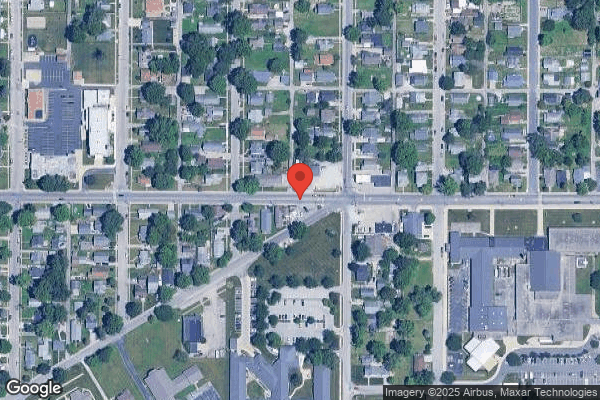
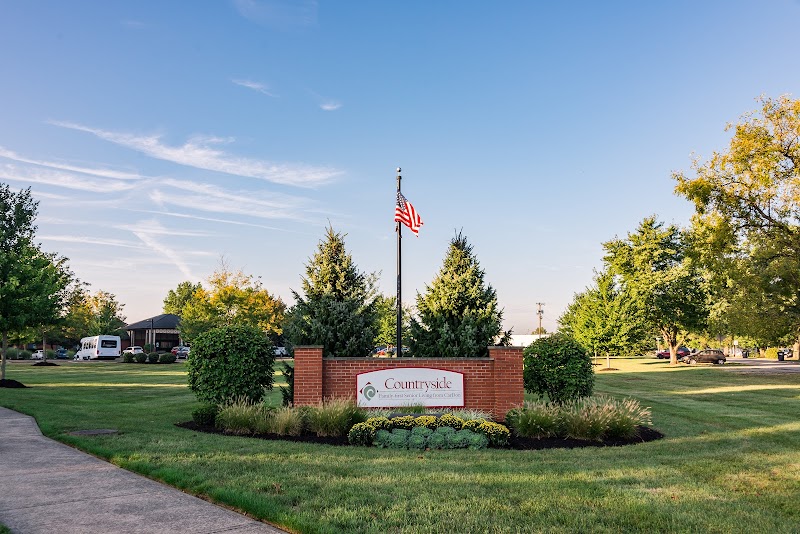
205 MARINE DR, ANDERSON, IN 46016 (765) 649-4558
Government - County 109 Beds CARDON & ASSOCIATES Data: November 2025
Trust Grade
75/100
#136 of 505 in IN
Last Inspection: January 2025

Within standard 12-15 month inspection cycle. Federal law requires annual inspections.

Overview

Countryside Manor Health & Living Community in Anderson, Indiana has a Trust Grade of B, indicating it is a good choice and solid option among nursing homes. The facility ranks #136 out of 505 in the state, placing it in the top half, and #4 out of 11 in Madison County, meaning only three local facilities are rated higher. The trend is stable, with the same number of issues reported in both 2024 and 2025. Although staffing is below average with a rating of 2/5 stars, the turnover is relatively low at 38%, which is better than the state average. The facility has no fines on record, which is a positive sign. However, there have been some concerning incidents, such as residents reporting long wait times for call light responses averaging up to an hour, and there were failures in notifying residents about Medicare non-coverage. Additionally, residents indicated they were not educated on how to file grievances, suggesting that communication could be improved. Overall, while there are strengths in the lack of fines and a stable trend, the facility must address its staffing issues and enhance resident communication and care processes.

Trust Score
B
75/100
In Indiana
#136/505
Top 26%
Safety Record
Low Risk
No red flags
Inspections
Holding Steady
3 → 3 violations
Staff Stability
○ Average
38% turnover. Near Indiana's 48% average. Typical for the industry.
Penalties
✓ Good
No fines on record. Clean compliance history, better than most Indiana facilities.
Skilled Nurses
○ Average
Each resident gets 30 minutes of Registered Nurse (RN) attention daily — about average for Indiana. RNs are the most trained staff who monitor for health changes.
Violations
⚠ Watch
17 deficiencies on record. Higher than average. Multiple issues found across inspections.
★★★★☆
4.0
Overall Rating
★★☆☆☆
2.0
Staff Levels
★★★★☆
4.0
Care Quality
★★★★☆
4.0
Inspection Score
Stable
2024: 3 issues
2025: 3 issues

The Good

  • 4-Star Quality Measures · Strong clinical quality outcomes
  • Full Sprinkler Coverage · Fire safety systems throughout facility
  • No fines on record
  • Staff turnover below average (38%)

    10 points below Indiana average of 48%

Facility shows strength in quality measures, fire safety.

The Bad

Staff Turnover: 38%

Near Indiana avg (46%)

Typical for the industry

Chain: CARDON & ASSOCIATES

Part of a multi-facility chain

Ask about local staffing decisions and management

The Ugly 17 deficiencies on record

Apr 2025 1 deficiency
CONCERN (D) 📢 Someone Reported This

A family member, employee, or ombudsman was alarmed enough to file a formal complaint

Potential for Harm - no one hurt, but risky conditions existed

Comprehensive Care Plan (Tag F0656)

Could have caused harm · This affected 1 resident

**NOTE- TERMS IN BRACKETS HAVE BEEN EDITED TO PROTECT CONFIDENTIALITY** Based on interview and record review, the facility failed to ensure staff followed resident care plan interventions and facility...

Read full inspector narrative →
**NOTE- TERMS IN BRACKETS HAVE BEEN EDITED TO PROTECT CONFIDENTIALITY** Based on interview and record review, the facility failed to ensure staff followed resident care plan interventions and facility protocol while utilizing a mechanical lift during a transfer of a dependent resident for 1 of 4 residents reviewed for accidents. (Resident B) Findings include: Resident B's clinical record was reviewed on 4/11/25 at 10:40 a.m. Diagnoses included hemiplegia and hemiparesis following cerebrovascular disease affecting right dominant side, diabetes mellitus, hypertension, dysphagia, and chronic kidney disease. The most current Significant Change Minimum Data Set (MDS) assessment, dated 3/18/25, indicated the resident was depended for toileting hygiene, shower/bathe self, upper body dressing, lower body dressing, putting on/taking off footwear, chair/bed-to-chair transfer, and tub/shower transfer. A current care plan titled CNA Assignment Sheet Resident has specific needs related to their care, dated 11/09/22, had an intervention dated 11/09/22, of the resident is assisted with two person assist and hoyer (mechanical) [lift] with transfers. This intervention was last edited on 2/10/25. Review of a facility self- reportable, dated 2/9/25 indicated, on 2/8/25, the resident experienced pain and heard a popping sound. An x-ray was obtained and determined a subtle nondisplaced supercondylar fracture of the right elbow. The reportable did not mention any staff member or situation that may have been involved. A progress note, dated 2/7/25 at 9:34 p.m., indicated the resident complained of pain in the right shoulder while CNAs were utilizing a mechanical stand up lift for resident transfer to the bed. Range of motion resulted in no pain. The resident complained of pain while the shoulder was stationary. The facility investigation included an Administrator interview statement by QMA 1, dated 2/8/25, that indicated they had attempted to transfer the resident with the mechanical stand up lift without assistance of another staff member. The resident complained of pain in the right shoulder and the QMA immediately terminated the transfer and sought out assistance from CNA 2. The QMA informed LPN 3 of the resident's pain. QMA 1 was not available for interview during the survey on April 11, 2025 . Review of an Administrator interview statement by CNA 2, dated 2/10/25, indicated QMA 1 had requested assistance transferring the resident. When CNA 2 arrived to the resident's room, the resident was complaining of shoulder pain. QMA 1 and CNA 2 transferred the resident to a wheelchair and then to the bed. During the transfer, the resident did not complain. Once the resident was in bed they indicated the shoulder felt better while they were in bed. During an interview on 4/11/25 at 1:52 p.m., CNA 2 indicated QMA 1 had the resident in the lift before she requested her assistance. The resident said the QMA had put her in the stand up lift and her shoulder started hurting. QMA 1 put her back in the recliner and when CNA 2 came into the room, the resident was hooked up to the lift but was already in her recliner. I never saw [NAME] operate the lift or anything. CNA 2 indicate the resident preferred the stand up lift. CNA 2 indicated staff were supposed to have two people when operating any mechanical lift, as it had always been that way. During an interview on 4/11/25 at 3:16 p.m., CNA 4 indicated the resident required a mechanical lift because it became too difficult to stand. The resident used to use her left hand to hang on to the rails, but she could not do that any longer. CNA 4 had never used a stand-up lift for the resident's transfers, as she would feel safer using the mechanical lift. During an interview on 4/11/25 at 3:33 p.m., the DON indicated staff should always use two persons for any mechanical lifts. The facility did not have a policy dedicated to mechanical lift safety. A current copy of staff education related to mechanical lift transfers was provided by the DON on 4/11/25 at 2:00 p.m The education indicated the following: .REMINDER .All mechanical equipment such as Hoyer Lift or Stand Up Lift MUST be utilized with the assistance of at least 2 people. You cannot use these by yourself. Failure to comply will result in disciplinary action. This is for the resident and associate's safety .You must check your assignment sheets to verify resident transfer status. Theses can be found on the iPads. If you need assistance with this, please notify your supervisor or ADON (name). Do not solely go off what the resident or staff tell you. Verify by reviewing the assignment sheet. This citation relates to complaint IN00453043. 3.1-37(a)
Jan 2025 2 deficiencies
CONCERN (D)

Potential for Harm - no one hurt, but risky conditions existed

Pressure Ulcer Prevention (Tag F0686)

Could have caused harm · This affected 1 resident

**NOTE- TERMS IN BRACKETS HAVE BEEN EDITED TO PROTECT CONFIDENTIALITY** Based on observation, interview, and record review, the facility failed to ensure completion of wound care treatment as ordered ...

Read full inspector narrative →
**NOTE- TERMS IN BRACKETS HAVE BEEN EDITED TO PROTECT CONFIDENTIALITY** Based on observation, interview, and record review, the facility failed to ensure completion of wound care treatment as ordered to promote healing of a pressure injury for 1 of 3 residents reviewed for pressure injuries. (Resident 63) Finding Includes: Resident 63's clinical record was reviewed on 12/30/24 at 11:04 a.m. Diagnoses included an unspecified fracture of lower end of right femur, unspecified disorder of the skin and subcutaneous tissue, and end stage renal disease. A quarterly Minimum Data Set (MDS) assessment, dated 11/8/24, indicated the resident did not have any pressure injuries, was occasionally incontinent of bowel and bladder, required partial staff assistance for bed mobility, and did not transfer to utilize the toilet. A current care plan, dated 11/13/24, indicated Resident 63 was at risk for skin breakdown. Interventions included to assist with bed mobility (11/23/24), turn and reposition per resident's needs (11/13/24), and monitor skin for signs of breakdown (11/13/24). The clinical record lacked a care plan for pressure injury. A current physician order, dated 11/13/24, indicated to apply Resinol (a skin protectant and topical analgesic) to affected areas on each buttocks twice daily, upon rising and at bedtime. A wound management note, dated 12/4/24, indicated an abrasion to the coccyx measuring 1.0 centimeter (cm) length by 1.0 cm width. A late entry wound management note, dated 12/11/24 and initiated on 12/27/24, indicated an abrasion to the coccyx measuring 1.0 cm length by 1.0 cm width. The clinical record lacked additional wound management notes for the coccyx abrasion. A Skin Integrity Event, dated 12/7/24, indicated a pressure injury to the coccyx, measuring 0.5 cm length by 0.3 cm width by 0.1 cm depth. A current physician order, dated 12/7/24, indicated to clean the upper coccyx wound with normal saline and apply Medi-honey (to treat wounds) to wound bed and cover, daily on the day shift. A progress note, dated 12/25/24, indicated Resident 63 had a continued treatment to the coccyx wound. During a wound observation, on 12/31/24 at 2:16 p.m., LPN 2 and RN 3 entered the resident's room for wound care. LPN 2 and RN 3 utilized hand sanitizer and donned appropriate personal protective equipment (PPE). The resident independently rolled onto her right side. The coccyx wound was uncovered. LPN 2 applied Resinol to the open area, directly on a bony prominence, roughly the size of a #2 pencil eraser, circular, with a white edged open area. LPN 2 did not measure the area. The resident's buttocks had no visible redness. This observation is inconsistent with the previous wound management note dated 12/11/24. During an interview, at the time of the wound observation, LPN 2 indicated the DON had looked at the wound earlier that morning. The DON removed the dressing, measured the wound, and planned to document the wound was healed. Resident 63 indicated the DON had been in her room earlier and did measure her coccyx wound. During an interview, on 12/31/24 at 2:47 p.m., the DON indicated she saw Resident 63 today, removed her coccyx dressing and measured her wound. The current measurements were 0.2 cm length by 0.2 cm width with no depth, (roughly the size of a pencil point). The cream utilized by LPN 2 was just a barrier cream. The DON was not aware of the Medi-honey order. The staff member that completed the original skin integrity event and medication order was on vacation and unable to be reach by phone. The DON indicated the staff completed weekly skin assessments and but only completed Skin Integrity Events for new open areas. A current facility policy, revised on 1/29/21, titled, Skin Risk Policy, provided by the DON on 1/3/25 at 11:25 a.m., indicated the following: [NAME] & Associates, Inc. and its members are committed to providing quality care to our residents which includes identifying residents who are at risk for compromised skin integrity and preventing the development or worsening of skin issues . Addition interventions to prevent development or worsening of wounds/open area include: . Obtaining and following MD prevention/treatment order . A current facility policy, dated 4/3/17, titled, Protocol for Following Physician Orders, provided by the DON on 1/3/25 at 9:12 a.m., indicated the following: It is the policy of [NAME] and associates that we will provide the appropriate physician prescribed care to the residents in our communities .All licensed staff will verify and follow the physician orders as written. 3.1-40
CONCERN (D)

Potential for Harm - no one hurt, but risky conditions existed

Infection Control (Tag F0880)

Could have caused harm · This affected 1 resident

**NOTE- TERMS IN BRACKETS HAVE BEEN EDITED TO PROTECT CONFIDENTIALITY** Based on observation, interview, and record review, the facility failed to follow infection prevention and control procedures re...

Read full inspector narrative →
**NOTE- TERMS IN BRACKETS HAVE BEEN EDITED TO PROTECT CONFIDENTIALITY** Based on observation, interview, and record review, the facility failed to follow infection prevention and control procedures related to contact isolation (additional precautions used when standard precautions may not be enough to stop the spread of infection) precautions for 2 of 3 resident reviewed for transmission-based precautions. (Resident 61 and 227) Finding includes: 1. During an observation, on 12/27/24 at 2:09 p.m., Resident 227 was lying in bed and indicated she had been in the facility for roughly five days. She was going to the gym for therapy. On the door to Resident 227's room was an orange Contact Precautions sign, and three (3) signs with directions on putting on and taking off personal protective equipment (PPE). The PPE was hanging on the door inside plastic dividers. The dividers contained gowns, gloves, face masks, and face shields. During an observation, on 12/30/24 at 2:19 p.m., Resident 227 was being propelled in her wheelchair down the hallway towards her room, by PTA 4. PTA 4 and Resident 227 entered the room together. PTA 4 situated Resident 227 in her wheelchair at the foot of the bed, off to the side. PTA 4 retrieved wheelchair foot pedals from inside the room and using her bare hands attached them to the wheelchair. PTA 4 asked the resident to remain in her wheelchair for 20 more minutes and attached the call light to the mechanical lift pad underneath the resident. Resident 227 remained seated in the wheelchair. Resident 227 indicated she thought she needed to have a bowel movement and was not going to be able to wait until staff could help her. PTA 4 straightened the residents bed sheets. Without washing her hands, PTA 4 donned a gown and gloves. PTA 4 indicated she couldn't find a bed pad in the room. PTA 4 doffed the gown and gloves and exited the room. PTA 4, using her soiled hands, utilized the key pad to open the storage closet door across the hall. While in the hallway, PTA 4 was stopped by visitors wanting to exit, and walked the visitors to the exit doors at the end of the hallway. PTA 4, using her soiled hands, utilized the key pad to open the exit doors at 2:27 p.m. No hand washing or hand sanitization was observed at any time during these activities. During an observation, on 12/30/24 at 2:35 p.m., CNA 5 entered the room to answer the call light for Resident 227. Resident 227 asked for a tissue, the CNA grabbed the box of tissues on the dresser by the door and placed them on the resident's bedside table. CNA 5 moved the bedside table from the head of the bed to the foot of the bed, directly beside the resident as she sat bedside in her wheelchair. The resident requested assistance in getting back into bed. CNA 5 indicated she couldn't find bed pads in the room. CNA 5 exited the room and with her soiled hands, utilized the key pad to open the supply closet. CNA 5 removed two bed protection pads and closed the supply closet door. CNA 5 re-entered Resident 227's room and placed the pads onto her bed. CNA 5 indicated she would get the mechanical lift and someone to help her. CNA 5 exited the room. CNA 5 did not don PPE, nor performed hand sanitization or hand washing during these activities. During an interview, at the time of the observation, CNA 5 indicated the isolation sign required staff to wear PPE when entering a resident's room. This isolation sign could have been for different reasons and these reasons could have been found in the residents clinical record. Resident 227's clinical record was reviewed on 12/30/24 at 2:34 p.m. Diagnoses included recurrent enterocolitis due to Clostridium difficile (a germ that causes diarrhea and colitis [an inflammation of the colon] and can be life-threatening), unspecified diarrhea, and pneumonitis due to inhalation of food and vomit. A current physicians order, dated 12/13/24, indicated to follow contact isolation with meals, activities, therapy. All services must be provided in room with isolation precautions followed. An admission Minimum Data Set (MDS), dated [DATE], indicated Resident 227 had a diagnosis of Clostridium difficile and was dependant on staff for personal and toileting hygiene and toilet transfers. A current care plan, dated 12/13/24, indicated the resident required contact isolation related to a diagnosis of Clostridium difficile. Interventions included provide contact isolation supplies (i.e. personal protective equipment etc.) and to provide staff, resident, and family education regarding contact isolation precautions as needed. During an interview, on 12/30/24 at 3:03 p.m., PTA 4 indicated when therapy staff worked with Resident 227 in the resident's room, they would wear a gown and gloves. When Resident 227 was brought to the gym, the staff did not wear PPE since the condition was able to be contained. During an interview, on 12/30/24 at 3:58 p.m., LPN 2 indicated contact precautions were used when a resident had an infection or open wound and the facility needed to prevent the spread of this infection. Resident 227 had a diagnosis of Clostridium difficile. This diagnosis required staff to wear PPE while in the resident's room and utilize soap and water for handwashing after exiting the resident room. 2. During an observation, on 12/30/24 at 10:48 a.m., Resident 61's room had an orange contact precautions sign, and three (3) signs with directions on putting on and taking off PPE. The PPE was hanging on the door inside plastic dividers. The dividers contained gowns, gloves, face masks, and face shields. During an observation, on 12/31/24 at 8:58 a.m., two staff members entered a room to deliver lunch meal trays. CNA 7 placed a tray to the bedside table of the resident farthest from the door. LPN 6 placed a tray onto the bedside table of Resident 61, closest to the door. LPN 6 utilized the resident's bed remote to lift the head of the bed to 90 degrees. LPN 6 placed her right hand on the right side grab bar attached to the resident's bed as she set up the lunch tray for Resident 61. CNA 7 and LPN 6 did not don PPE nor perform hand sanitization or hand washing upon exiting. During an interview, at the time of the observation, LPN 6 indicated she should have paid closer attention to the sign and recognized the difference between an Enhanced Barrier Precautions sign and the Contact Precautions signs. She and CNA 7 should have donned gowns and gloves prior to entering the room and when leaving should have doffed the PPE and washed their hands with soap and water immediately. Resident 61's clinical record was reviewed on 12/31/24 at 8:55 a.m. Diagnoses included Enterocolitis due to Clostridium difficile, unspecified diarrhea, and end stage renal disease. A current physician order, dated 12/27/24, indicated to follow contact isolation with meals, activities, and therapy. All services must be provided in room with isolation precautions followed. A quarterly Minimum Data Set (MDS), dated [DATE], indicated Resident 61 was incontinent of bowel and bladder and dependent on staff for toileting hygiene and showering. The resident did not transfer to utilize the toilet. A current care plan, dated 12/27/24, indicated the resident required contact isolation related to a diagnosis of Clostridium difficile. Interventions included provide contact isolation supplies (i.e. personal protective equipment etc.) and to provide staff, resident, and family education regarding contact isolation precautions as needed. During an interview, on 1/3/25 at 10:00 a.m., the Therapy Supervisor indicated a resident with a Clostridium difficile diagnosis or the possibility of Clostridium difficile could go to the therapy gym. The staff checked to ensure the resident was wearing a clean brief and the resident's clothing was clean. When therapy was completed, the staff utilized a 1:10 bleach solution to clean all the equipment used. If the resident become incontinent during the therapy session, the therapy session ended and the resident was returned to their room immediately. During an interview, on 1/3/25 at 11:45 a.m., UM 9 indicated when a resident had a diagnosis or had signs and symptoms of Clostridium difficile, they were placed in contact precautions to prevent the spread of infections. The staff were educated on how to enter and exit rooms with contact precautions. The signs and PPE were placed on the appropriate resident doors. Staff would don PPE prior to entering the room, when the care was completed, the staff removed the PPE inside the room, opened the door, and then used soap and water to wash their hands. The hand washing would take place inside the resident room as long as the outside door had been opened. The staff would utilize soap and water to wash their hands outside the room as well. The resident specific reason for contact precautions would be found in the resident medical record, but this information would also be exchanged during the walking rounds performed from shift to shift. Isolation precautions had been covered in facility in-services. During an interview, on 1/3/25 at 12:55 p.m., the DON indicated the expectation for staff was for the isolation precautions to be followed. When a resident had a diagnosis of Clostridium difficile, they would require contact isolation precautions and those included utilizing soap and water for handwashing. The information was covered in facility in-services. The last all staff in-service was in April 2024. The facility had started another staff education after the observations during the current survey. The facility followed the Contact Precautions policies and procedure found on the Centers for Disease Control and Prevention (CDC) website. An online reference titled, Transmission Based Precautions (4/3/24), retrieved on 1/6/25 from https://www.cdc.gov/infection-control/hcp/basics/transmission-based-precautions.html indicated the following: . Use personal protective equipment (PPE) appropriately, including gloves and gown. Wear a gown and gloves for all interactions that may involve contact with the patient or the patient's environment. Donning PPE upon room entry and properly discarding before exiting the patient room is done to contain pathogens . A facility policy, reviewed 1/2024, titled, Clostridioides Difficile (C-Diff) Policy, provided by the DON on 12/31/24 at 1:46 p.m., indicated the following: .A resident with a suspected or known active care of C-Diff that has been confirmed must be placed in contact isolation because C-Diff is transmitted by direct and indirect contact. This means the resident and the environment can cause others to contract the same infection . 3.1-18(b)(2) 3.1-18(l)
Sept 2024 1 deficiency
CONCERN (D) 📢 Someone Reported This

A family member, employee, or ombudsman was alarmed enough to file a formal complaint

Potential for Harm - no one hurt, but risky conditions existed

Investigate Abuse (Tag F0610)

Could have caused harm · This affected 1 resident

**NOTE- TERMS IN BRACKETS HAVE BEEN EDITED TO PROTECT CONFIDENTIALITY** Based on interview and record review, the facility failed to thoroughly investigate an allegation of misappropriation of residen...

Read full inspector narrative →
**NOTE- TERMS IN BRACKETS HAVE BEEN EDITED TO PROTECT CONFIDENTIALITY** Based on interview and record review, the facility failed to thoroughly investigate an allegation of misappropriation of resident property for 1 of 3 residents reviewed for misappropriation. (Resident B) Finding includes: Review of a facility investigation, on 9/9/24 at 3:20 p.m., indicated a statement signed on 8/2/24 by the Regional Marketing Consultant of a conversation held with the resident B's Family Member 2. It indicated Family Member 2 reported money was stolen from a plastic envelope out of the resident's purse in her nightstand. The statement lacked information regarding when it was identified missing, to whom it was reported, and who reported it missing prior to 8/2/24. The statement was not signed by Family Member 2. Five staff Abuse Allegation Questionnaires were included, but were not completed by direct staff members who were on duty when the alleged theft was reported. The investigation lacked how much money was reported missing, names or statements from staff who received the initial alleged reports of the resident's missing money on 8/1/24, indication of a timeline of events, nor a summary of the investigation. During an interview on 9/9/24 at 4:02 p.m., the Administrator indicated he was uncertain of the date and times he was notified of the allegation regarding the resident's missing money. He then indicated LPN 3 notified him sometime in the evening of 8/1/24 via telephone that the resident's Family Member 2 reported they could not find a gold envelope containing $300.00 that was missing from the resident's purse. The Administrator did not have a statement or interview from LPN 3 in the investigation file. He was the one responsible for completing a thorough investigation of the alleged misappropriation. The staff he questioned had never seen the resident with the envelope nor any money in her room. He did not have a statement/interview from Resident B because she was not interviewable. He did not have a statement/interview with the resident's representative because he felt the Regional Marketing Consultant had obtained all the information he would have asked during an interview. The resident's Family Member 2, who reported the misappropriation, was readily available in the building visiting her family member every day. He was unaware of any time frame of how long the money was missing. The Administrator notified the Police Department of the missing money on 8/2/24 and was provided an incident number but was uncertain if they ever came to the facility for a report. During an interview on 9/9/24 at 4:56 p.m., the DON indicated the provided copy of the facility's investigation of Resident B's alleged misappropriation included the entire investigation. Resident B's clinical record was reviewed on 9/10/24 at 12:58 p.m The resident admitted to the facility on [DATE]. Diagnoses included dependence on renal dialysis, unspecified atrial fibrillation, and anxiety. An admission Minimum Data Set (MDS) assessment, dated 7/22/24, indicated the resident was cognitively intact. She required moderate assistance with transfers and utilized a motorized wheelchair for mobility. Review of an Inventory of Personal Items, completed on 7/29/24 (14 days after admission), indicated the resident had a purse. The section that indicated to describe all contents in the purse/wallet was left blank. The clinical record lacked indication of the allegation of misappropriation of the resident's money from admission to discharge from the facility. Review of the police report, dated 8/2/24 at 10:54 a.m., provided by the Police Department, indicated the Administrator reported a resident advised him of missing money and did not want a report taken at this time. The amount of money was not included. During an interview on 9/10/24 at 3:06 p.m., LPN 3 indicated she was working on the 300 Unit on days shift on an unknown date when Family Member 2 reported Resident B had missing money in a specified amount. She thought she had made a progress note in the clinical record. LPN 3 was unable to recall how much money Family Member 2 alleged was missing from the shiny envelope that was in the resident's purse in her bottom drawer. The resident had been out of her room a large portion of the day getting her shower, attending activities, and then left for an appointment. Family Member 2 came to the facility before the resident returned from her appointment, but she was uncertain where Family Member 2 had been prior. RN 7, who also worked on the 300 unit that shift, told her she had observed the resident's family member go into the resident's room prior to the resident returning to the facility and reported the missing money. LPN 3 called the Administrator immediately when Family Member 2 reported the missing money. LPN 3 reported the details about alleged misappropriation of money to include the above mentioned details and the amount of money reported missing at the time. The Administrator instructed her to look everywhere for the resident's missing money and leave him a statement so he could do further follow-up. The Administrator did not tell her to get statements from anyone else. She went into the resident's room with the resident and Family Member 2 and the resident told her she usually took her purse with her for appointments, but she left in the facility that day because she was in a rush. LPN 3 was in a conversation with Family Member 3 on the phone while with the resident and Family Member 2 to ask how much money the resident had when Family Member 3 brought the resident money on Monday of that week. Family Member 3 provided a detailed description to LPN 3 of the amount the resident had when he brought the resident additional money and how much total money the resident had when he left the facility. LPN 3 could not recall those specific amounts since it had been quite some time, but it did not align with the amount of money Family Member 2 reported missing. After Family Member 3 discussed the amount of money the resident should have had in her envelope, Family Member 2 changed the amount of money she previously stated was missing. LPN 3 was uncertain if she had provided a statement for the investigation. During a telephone interview on 9/10/24 at 4:06 p.m., RN 7 indicated she was uncertain of the date, but she was working the day Resident B's $300.00 was reported missing by Family Member 2 to another nurse at the nurse station on the 300 Unit. Family Member 2 described the money was in Resident B's purse in the bottom drawer in her room. She had observed Family Member 2 entering Resident B's room twice before the resident returned to her room from an appointment that day. Family Member 2 had also changed her story about the amount of money missing on different times she came to the nurse station. RN 7 had been in the resident's room a couple of times to pick up the resident's meal trays that day because everyone assisted with meal trays throughout the unit. She mentioned this information when the other nurse at the nurse station called and spoke with the Administrator. No one had asked her to provide a statement/interview for an investigation of the alleged misappropriation. She worked on the 300 unit on a regular basis and Resident B nor any of her family members had reported they brought any money to the resident nor asked her to add any money to the resident's Personal Inventory Sheet. The resident's Personal Inventory Sheet lacked any listed money. RN 7 had not seen the resident with any money nor had the resident mentioned having any money with her when she had provided her care. She described Resident B's relationship with her family members tumultuous when they visited. During a telephone interview on 9/10/24 at 4:33 p.m., the Regional Marketing Consultant indicated Resident B's Family Member 2 was very chatty, so she provided a statement of what she heard Family Member 2 mention. Family Member 2 reported Resident B had money that was missing and there had been a time in the past when Resident B accused Family Member 3 of taking something that showed up later. The Regional Marketing Consultant could not recall any details about how much money was reported missing. During an interview on 9/11/24 at 1:15 p.m., LPN 4 indicated Resident B never mentioned anything in her purse until one day (uncertain of the date) on days shift, while in the resident's room, the resident reported to LPN 4 a gold envelope that contained money was missing from her purse. The resident had not seen anyone take it nor named anyone she thought may have taken it. She did not provide an amount of money that was missing. LPN 4 indicated she called the Administrator and reported the above information the resident reported to her. The Administrator told her he would look into it. LPN 4 could not recall if she was asked to provide a statement, but she would definitely have provided one if Administration requested one. She was uncertain if she had made any documentation in the resident's clinical record of the reported missing money. During an interview on 9/11/24 at 3:40 p.m., the Administrator indicated typically the individual who reported alleged misappropriation and the individual in which they reported to should have been included in an alleged misappropriation facility investigation. He had not requested additional pertinent information from the individual who reported the missing money. An investigation regarding missing money should have included how much money was reported missing. He did not have a reason for omitting staff interviews/statements who were knowledgeable of the situation for a complete and thorough investigation of alleged misappropriation. He followed the facility policy regarding the investigation of alleged misappropriation. A current facility policy, revised 6/4/19, titled Abuse, Neglect, and Misappropriation Prohibition and Prevention Policy, provided by the Administrator on 9/9/24 at 10:55 a.m., indicated the following: .POLICY STATEMENT . It is the policy . to provide each resident with an environment that is free from verbal, sexual, physical, and mental abuse, corporal punishment, involuntary seclusion and misappropriation of their property . No person under employment . shall knowingly: .d. Withhold information from law enforcement or other investigative agencies . III. 1. Preventing resident abuse is a primary concerns for this Community. It is our goal to achieve and maintain an abuse free environment. 2. Our abuse prevention/intervention program includes, but is not limited to, the following: . s. Thoroughly investigating each allegation regardless of source or credibility of information . V. ABUSE INVESTIGATIONS .1. Should an incident or suspected incident of . misappropriation of resident property be reported, the Administrator or designee . will appoint a member of management to investigate the alleged incident while retaining ultimate responsibility for ensuring a timely and thorough investigation .3. The individual conducting the investigation will, at minimum: .c. Interview the person(s) reporting the incident; d. Interview any witnesses or potential witnesses to the incident including staff, residents and visitors; e. Interview the resident (as medically appropriate); .g. Interview staff (on all shifts) who have had contact with the resident before, during, and immediately after the period of the alleged incident; .i. Interview the resident's . family members, and visitors; .l. Review all events leading up to the alleged incident and create a timeline . 6. The following guidelines will be used when conducting interviews: .c. The interview will be documented and, as appropriate, followed up with a written statement from the individual interviewed . 9. The known facts of each situation will be considered objectively in making decisions that best protect the residents and ensure ongoing Community operations . 12. The results of the investigation will be recorded and kept in a file for review This citation relates to Complaints IN00440157. 3.1-28(d)
Jun 2024 2 deficiencies
CONCERN (D) 📢 Someone Reported This

A family member, employee, or ombudsman was alarmed enough to file a formal complaint

Potential for Harm - no one hurt, but risky conditions existed

Report Alleged Abuse (Tag F0609)

Could have caused harm · This affected 1 resident

**NOTE- TERMS IN BRACKETS HAVE BEEN EDITED TO PROTECT CONFIDENTIALITY** Based on interview and record review, the facility failed to report an incident of a resident leaving the facility and the facil...

Read full inspector narrative →
**NOTE- TERMS IN BRACKETS HAVE BEEN EDITED TO PROTECT CONFIDENTIALITY** Based on interview and record review, the facility failed to report an incident of a resident leaving the facility and the facility being unsure of her whereabouts for 1 of 1 resident reviewed for an unusual occurrence. (Resident C) Findings include: Resident C's clinical record was reviewed on 6/24/24 at 10:27 a.m. Diagnoses included unspecified severe protein-calorie malnutrition, adult failure to thrive, difficulty in walking, type II diabetes mellitus without complications, history of falling, attention and concentration deficit following other cerebrovascular disease, and other speech and language deficits following other cerebrovascular disease. Orders included insulin lispro (short acting) insulin per sliding scale three times daily, metformin (treat diabetes) 750 mg twice daily, mirtazapine (treat depression) 7.5 mg daily, acetaminophen (treat pain) 1000 mg three times daily, and cleanse coccyx wound with wound cleanser, pat dry, apply Medihoney (for wound healing) to wound bed and cover with a foam dressing every Monday, Wednesday and Friday. An admission Minimum Data Set (MDS) assessment, dated 6/5/24, indicated the resident was severely cognitively impaired. She required the assistance of two staff members for bed mobility, transfers and toilet use. She was frequently incontinent of bowel and bladder. She had two emergency contact relatives. She did not have a Power of Attorney (POA) or guardian. A nurses note, dated 6/20/24 at 1:58 a.m., indicated Resident C returned from the hospital at 1:30 a.m. via private automobile, accompanied by a family member. Resident C was treated for hyperglycemia (high blood sugar) and an altered mental status. The hospital administered insulin at 9:45 p.m., due to her blood sugar being over 400 mg/dL. She was assisted to her room, provided peri care and changed into a nightgown. Vital signs were obtained, and a head-to-toe assessment was completed with no new injuries or skin issues found. A social service note, dated 6/20/24 at 10:42 a.m., indicated the social worker met with Resident C for a psychosocial visit in the common area as she watched TV and ate breakfast. Resident C was asked how she was doing, and she stated good. She was able to carry a conversation and was very pleasant. A nurses note, dated 6/20/24 at 11:41 a.m., indicated Resident C stated she was afraid due to the incident that happened the day prior and asked staff not to hurt her. She was ensured she would not be hurt intentionally in the building by anyone. The clinical record lacked indication as to why the resident had been at the hospital, or when/how she had left the facility. During an interview with Resident C's Emergency Contact 2, on 6/24/24 at 11:22 a.m., he indicated on 6/19/24 around 3:30 p.m. to 4:00 p.m., a family member took Resident C out of the facility and intended to keep her. The family member told CNA 17 that she was going to take Resident C and CNA 17 realized something was wrong and reported it. Resident C was taken to the hospital because her blood sugar had spiked. The hospital released her between 1:00 a.m. to 1:30 a.m. and she came back to the facility. During an interview with the Administrator, on 6/24/24 at 12:19 p.m., he indicated Resident C's family member came into the facility on 6/19/24 and visited Resident C in the activity room for 5 to 10 minutes. The family member was going to take Resident C to her room but went to the parking lot instead. Another resident, sitting outside, saw the family member struggling to get Resident C into her car and let the receptionist know. The receptionist called the nurses station and CNA 17 was sent up front to help. CNA 17 asked Resident C's family member how long she was going to be gone and if she signed out. The family member indicated they were going for a drive a would be right back, which prompted CNA 17 to tell the ADON. The facility tried to contact the other family members and let them know that this family member had taken Resident C out of the building, and they indicated she was not supposed to leave with that family member. The facility contacted the family member who took Resident C in her car, and she indicated she had no intention of bringing Resident C back to the facility. The ADON called the police per the family request. He did not report the incident to the Indiana Department of Health because Resident C was with a family member. At the current time, no one was allowed to take Resident C out of the building until a POA was established. During an interview with CNA 17, on 6/24/24 at 2:02 p.m., she indicated around 4:00 p.m., on 6/19/24, Receptionist 9 called the nurses station to assist Resident C into the family member's car. CNA 17 went outside to the family member's car. The family member indicated her shoes were slippery and she couldn't get Resident C into the car. Resident C pointed to the facility and indicated she was going home. CNA 17 assisted Resident C into the car. The family member indicated to Resident C you don't have to take this sh-- anymore or sit in the activity room watching the f---king [NAME] of Hazard. CNA 17 observed that Resident C had been incontinent and she was wet. She asked the family member if she would like the CNA to provide care and the family member indicated she would change the residents' brief when she got her home. CNA 17 walked back into the facility and reported what the family member said to Receptionist 9 and the Director of Marketing and Admissions. During an interview with the Director of Marketing and Admissions, on 6/24/24 at 2:52 p.m., she indicated she had been in her office and CNA 17 was going out to the parking lot to assist Resident C in getting in a car. The person had taken Resident C from the activity room and took her outside. The way the family member took the resident outside and the comments about how she could take better care of the resident at home alerted her to do something about that person taking Resident C. Initially, they were not sure who had taken Resident C. They went back to Resident C's room to see if her belongings were still in her room, and they were. On her nightstand was a name and telephone number, so they looked up the name on social media and CNA 17 indicated that was the same person she helped get Resident C into her car. If it wasn't for finding the name and phone number on Resident C's nightstand, they would not had known who Resident C left with. She had seen a cognitive decline in Resident C since she was admitted to the facility. Herself, Receptionist 9 and the ADON called her two emergency contact relatives and the Administrator, who came to the facility. The ADON called the police. The police were able to identify the car Resident C left in, through video footage at a gas station, but the license plate did not match the car. A current facility policy, titled Incident Reporting Policy for Indiana Communities, indicated the following: .B. The following incidents must be reported to the Indiana State Department of Health as soon as possible after an allegation is made or the incident occurred, but minimally must be reported within 24 hours .4. Occurrences that directly threaten the welfare, safety, or health of a resident .d. Elopement of a resident .ii. Whose whereabouts had been unknown or whose return to the Community involves law enforcement or emergency personnel This citation relates to Complaint IN00437112. 3.1-28(c)
CONCERN (D) 📢 Someone Reported This

A family member, employee, or ombudsman was alarmed enough to file a formal complaint

Potential for Harm - no one hurt, but risky conditions existed

Deficiency F0761 (Tag F0761)

Could have caused harm · This affected 1 resident

Based on observation, interview, and record review, the facility failed to ensure medication carts were kept locked when unattended, and failed to ensure proper labeling of medications for 2 of 3 cart...

Read full inspector narrative →
Based on observation, interview, and record review, the facility failed to ensure medication carts were kept locked when unattended, and failed to ensure proper labeling of medications for 2 of 3 carts observed for medication storage on the 200 Hall. Findings included: On 6/24/24 at 3:12 p.m., the two medication carts on the Southeast 2 unit were observed to be unlocked and unattended by staff. Residents were observed in the hallways and in the lounge area at this time. During an interview on 6/24/24 at 3:17 p.m., RN 1 indicated the nurse (LPN 2) responsible for the medication cart had stepped off the unit. She indicated the nurse also had the keys for the 2nd (overflow) medication cart. The overflow medication cart contained oral pills. The top drawer contained oral pills (identified as 19 melatonin (supplement for sleep) and 8 potassium chloride 10 meq) without resident indicators. RN 1 indicated she did not know why theses medications were not in a box with a resident's name or identifiers. During an interview on 6/24/24 at 3:22 p.m., LPN 2 she would normally lock the medication cart when she walked away from it. The top drawer of the medication cart contained breathing treatments, nasal sprays, eye drops, oral pills, insulin pen needles and lancets. Drawers 2-7 included all oral medications (pills). The 8th drawer (bottom drawer) contained patches, liquids, breathing treatments. The top drawer to the right contained insulin pens. The second drawer contained locked narcotic drawer. The 3rd drawer down on the right contained various liquid medications and powdered medications. The bottom drawer on the right contained povidone iodine solution (skin antiseptic) and cleaning wipes. A current undated policy, titled Drug Storage, and provided by the Administrator on 6/24/24 at 4:14 p.m., indicated the following: .Medications are dispensed in containers that meet or exceed official standards. These containers will be stored orderly in a secured area accessible to pharmacy personnel and to licensed nursing personnel designated by the facility per resident care policies. Procedure 3. Only licensed nurses, pharmacy personnel, and those lawfully authorized to administer medications (such as medication aides) are allowed access to medications. Medication rooms, carts, and medication supplies are locked or attended by persons with authorized access 3.1-25(m)
Dec 2023 6 deficiencies
CONCERN (D)

Potential for Harm - no one hurt, but risky conditions existed

Pharmacy Services (Tag F0755)

Could have caused harm · This affected 1 resident

Based on observation, interview, and record review, the facility failed to ensure narcotics were reconciled per facility policy for 2 of 3 medication carts reviewed for medication storage. (41 South c...

Read full inspector narrative →
Based on observation, interview, and record review, the facility failed to ensure narcotics were reconciled per facility policy for 2 of 3 medication carts reviewed for medication storage. (41 South cart and 41 North cart) Findings include: 1. During a medication storage observation of the 41 South cart, accompanied by LPN 6 on 12/4/23 at 11:10 a.m., the Nurse's Narcotic Sign In/Out Sheet record was reviewed and the following dates lacked shift to shift reconciliation of controlled medications: In November 2023- 11/2 on day and evening shifts, 11/3 on day shift, 11/4 on night shift, 11/8 on day and night shifts, 11/13 on night shift, 11/15 on day and evening shifts, 11/16 on day and evening shifts, 11/18 on evening and night shifts, 11/19 on day shift, and 11/30 on day shift. 2. During a review of the 41 North cart, Nurse's Narcotic Sign In/Out Sheet record, provided by the DON on 12/4/23 at 12:10 p.m., the following dates lacked shift to shift reconciliation of controlled medications: In November 2023- 11/1 on day shift, 11/4 on all three shifts, 11/5 on day shift, 11/10 on day shift, 11/11 on day shift, 11/12 on day shift, 11/14 on evening shift, 11/16 on day shift, 11/18 on evening and night shifts, 11/19 on day shift, 11/23 on evening shift, 11/26 on day shift, and 11/29 on day shift. During an interview on 12/4/23 at 12:07 p.m., the DON indicated the expectation of the nursing staff was the narcotic sign in/sign out sheet to be completed at any time the medication cart keys change hands. An undated, current facility policy titled Controlled Substance Reconciliation, provided by the Corporate Nurse Consultant on 12/4/23 at 12:45 p.m., indicated the following: .1. Each facility should verify the quantity of controlled substance(s) on hand as well as the number of accompanying count sheets at the end of each nursing shift 3.1-25(b)(3)
CONCERN (D)

Potential for Harm - no one hurt, but risky conditions existed

Deficiency F0761 (Tag F0761)

Could have caused harm · This affected 1 resident

Based on observation and interview, the facility failed to appropriately label medications brought in to the facility by the resident or resident family and stored in the medication cart in 1 of 3 med...

Read full inspector narrative →
Based on observation and interview, the facility failed to appropriately label medications brought in to the facility by the resident or resident family and stored in the medication cart in 1 of 3 medication carts. (34 South Hall medication cart) Findings include: On 12/4/23 at 11:30 a.m., during observation of the 34 South Hall medication cart, accompanied by LPN 5, the following was observed: a. Four bottles of Omega XL 300 mg (milligram) (dietary supplement), lacked a resident name or pharmacy label. b. On bottle of D3 5000 units (vitamin supplement), lacked a resident name or pharmacy label. c. Sleep XL (dietary supplement), lacked a resident name or pharmacy label. During an interview at the time of observation, LPN 5 indicated there was no resident name or prescribing information on the bottles. Review of current, undated facility policy titled, Medication Labeling, provided by the Nurse Consultant on 12/4/23 at 12:34 p.m., indicated the following: .Procedure .8. Over the counter medications used for a specific resident must identify that resident and have an appropriate pharmacy label applied 3.1-25(j)
CONCERN (E)

Potential for Harm - no one hurt, but risky conditions existed

Deficiency F0565 (Tag F0565)

Could have caused harm · This affected multiple residents

Based on interview and record review, the facility failed to resolve resident council concerns related to call lights being turned off prior to assistance and long call light wait times. (Residents 2,...

Read full inspector narrative →
Based on interview and record review, the facility failed to resolve resident council concerns related to call lights being turned off prior to assistance and long call light wait times. (Residents 2, 9, 10, 16, 20, 38, 49, 54 and 73) Findings include: During the Resident Council meeting on 11/29/23 at 2:35 p.m., Residents 2, 9, 10, 16, 20, 38, 49, 54 and 73 indicated the wait for call lights to be answered was long, and staff would turn off the call light without completing care. During an interview on 11/27/23 at 10:58 a.m., Resident 67 indicated the call light wait time ranged from 1 to 2 hours, with the average being around an hour. During review of the resident council minutes, on 11/28/23 at 9:57 a.m., the following was observed: The 8/23/23 minutes indicated residents were concerned about the call light issues not being addressed, and the resident council meeting was the only place to voice a grievance. The record lacked a facility follow-up. The 9/25/23 minutes indicated residents were concerned about staff turning call lights off prior to providing care and long call light wait times of over an hour. The record lacked a facility follow-up. The 10/25/23 minutes indicated residents were concerned about long call light wait times. Resident 10 indicated wait times over 1 hour. The record lacked a facility follow- up. During an interview on 12/1/23 at 2:03 p.m., the Social Services Director (SSD) indicated she had not received grievance forms from the resident council meetings, as Resident Council concerns were handled during the meetings. During an interview on 12/1/23 at 2:55 p.m., the Administrator indicated the facility did not have a call light time log or any print out indicating call light response times. During an interview on 12/4/23 at 10:56 a.m., the Activities Director (AD) indicated she utilized the Resident/Family Concern/Grievance Form, when resident council members present concerns during the meeting. She provided the Administrator with these forms for review and completion. During an interview on 12/4/23 at 10:59 a.m., the Administrator indicated the resident council grievances or concerns were not documented on grievance forms, and the concerns voiced in the resident council meetings were handled immediately and documented on the Resident Council Minutes forms. A current, revised 12/06, facility admission policy, provided by the Administrator on 11/30/23 at 11:46 a.m., titled Resident Council, indicated the following: .7. A Resident Council Response Form will be utilized to track issues and their resolution. The facility department related to any issues will be responsible to address the item(s) of concern 3.1-3(1)
CONCERN (E)

Potential for Harm - no one hurt, but risky conditions existed

Deficiency F0582 (Tag F0582)

Could have caused harm · This affected multiple residents

**NOTE- TERMS IN BRACKETS HAVE BEEN EDITED TO PROTECT CONFIDENTIALITY** Based on interview and record review, the facility failed to provide notification of Medicare non-coverage for 3 of 3 residents ...

Read full inspector narrative →
**NOTE- TERMS IN BRACKETS HAVE BEEN EDITED TO PROTECT CONFIDENTIALITY** Based on interview and record review, the facility failed to provide notification of Medicare non-coverage for 3 of 3 residents reviewed for beneficiary protection notifications. (Resident 68, 185, and 71) Findings include: On 11/28/23 at 2:25 p.m., the SNF (Skilled Nursing Facility) Beneficiary Protection Notification Review Forms were reviewed, and indicated the following: 1. Resident 68 had admitted to the facility on [DATE] under Medicare Part A Skilled Services. The last covered day of Part A Services was 8/5/23. The resident remained in the facility. The clinical record lacked both Skilled Nursing Facility Advance Beneficiary Notice of Non-coverage (SNF ABN) and the Notice of Medicare Non-coverage (NOMNC) notices. 2. Resident 185 had admitted to the facility on [DATE] under Medicare Part A Skilled Services. The last covered day of Part A Services was 10/12/23. The resident discharged home on [DATE]. The clinical record lacked a NOMNC notice. 3. Resident 71 had admitted to the facility on [DATE] under Medicare Part A Skilled Services. The last covered day of Part A Services was 10/31/23. The resident remained in the facility. The clinical record lacked both SNF ABN and the NOMNC notices. During an interview on 11/30/23 at 1:47 p.m., the Social Services Director (SSD) indicated the residents 68 and 71 should have received the SNF ABN and NOMNC form, and a NOMNC form should have been provided to Resident 185. Review of Beneficiary Notices Really Can Be Understood (April 6, 2021), retrieved on 12/5/23 at 12:31 p.m. from the American Association of Post-Acute Care Nursing (AAPACN) website indicated the following: .The Basics Under federal and state laws, Medicare beneficiaries have rights while residing in the nursing home, to help ensure that a beneficiary receives the care and services they need. One of these rights is to be informed when care and services will most probably not be covered by their Medicare benefits. The nursing home must inform the resident of the decision to end skilled care and the option to appeal 3.1-4(f)(2) 3.1-4(f)(3)
CONCERN (E)

Potential for Harm - no one hurt, but risky conditions existed

Grievances (Tag F0585)

Could have caused harm · This affected multiple residents

Based on record review and interview, the facility failed to educate resident council members on the facility grievance process. (Residents 9, 16, 20, 38, 54, and 73) Findings include: During the Resi...

Read full inspector narrative →
Based on record review and interview, the facility failed to educate resident council members on the facility grievance process. (Residents 9, 16, 20, 38, 54, and 73) Findings include: During the Resident Council meeting on 11/29/23 at 2:30 p.m., residents 9, 16, 20, 38, 54, and 73 indicated they did not know the grievance process or how to file a grievance. During a record review on 11/28/23 at 9:57 a.m., the resident council binder lacked a record of grievances filed. During an interview on 11/30/23 at 9:25 a.m., the Administrator indicated there were no grievances from the resident council meetings and the Social Services Director (SSD) was the facility's grievance designee. During an interview on 12/1/23 at 2:03 p.m., the SSD indicated she has not received grievance forms from the resident council meetings, as Resident Council concerns were handled during the meetings. During an interview on 12/4/23 at 10:56 a.m., the Activities Director (AD) indicated she utilized the Resident/Family Concern/Grievance Form, when resident council members present concerns during the meeting. She provided the Administrator with these forms for completion. During an interview on 12/4/23 at 10:59 a.m., the Administrator indicated the resident council grievances or concerns were not documented on grievance forms, and the concerns voiced in the resident council meetings were handled immediately and documented on the Resident Council Minutes forms. A current, revised 12/06, facility admission policy, provided by the Administrator on 11/30/23 at 11: 46 a.m., titled Resident Council, indicated the following: .b. Assisting in the development of resident grievance and complaint procedures; . 7. A Resident Council Response Form will be utilized to track issues and their resolution 3.1-7(b)
CONCERN (E)

Potential for Harm - no one hurt, but risky conditions existed

Comprehensive Assessments (Tag F0636)

Could have caused harm · This affected multiple residents

Based on record review and interview, the facility failed to ensure comprehensive assessments were completed per the Resident Assessment Instrument (RAI) specified timeline. (Resident 63, 38, 47, 79 a...

Read full inspector narrative →
Based on record review and interview, the facility failed to ensure comprehensive assessments were completed per the Resident Assessment Instrument (RAI) specified timeline. (Resident 63, 38, 47, 79 and 287) Findings include: 1. Resident 63's clinical record was reviewed on 11/28/23 at 2:10 p.m. Current diagnosis included acute renal failure, aphasia, and dysphagia. The resident had a 10/17/23 significant change Minimum Data Set (MDS). The assessment was signed by the MDS Coordinator on 11/08/23 (22 days after the assessment date). This resulted in the assessment being signed eight days late. During an interview on 12/4/23 at 10:57 a.m., the MDS Coordinator indicated Resident 63's MDS was signed late due to the lack of an MDS assistant during that time period and the inability to complete all tasks in a timely manner. 2. Resident 38's clinical record was reviewed on 11/28/23 at 2:14 p.m. Current diagnosis included end stage renal disease, complete traumatic amputation of left lower leg, and diabetes mellitus. The resident was readmitted to the facility 9/25/23. The resident had a 9/28/23 admission MDS which was not signed until 10/18/23 (20 days after the assessment date). The signature was six days later than the required 14 day period. During an interview on 12/4/23 at 10:58 a.m., the MDS Coordinator indicated she had needed assistance completing all the tasks of the MDS process due to the loss of her assistant. At times during that time period, MDS assessments were signed late. 3. Resident 47's clinical record was reviewed on 11/30/23 at 9:09 a.m. Current diagnosis included unspecified cerebral infarction, influenza virus with other respiratory manifestations, attention and concentration deficit following other cerebrovascular disease, memory deficit following other cerebrovascular disease, and obstructive and reflux uropathy. The resident had a 10/19/23 admission MDS which was not signed until 11/7/23 (20 days after the assessment date). The signature was six days later than the required 14 day period. 4. Resident 79's clinical record was reviewed on 11/30/23 at 11:24 a.m. Current diagnosis included cellulitis of left lower limb, Methicillin Resistant Staphylococcus Aureus (MRSA) infection as the cause of diseases classified elsewhere, and morbid (severe) obesity due to excess calories. The resident had a 10/30/23 admission MDS which not signed until 11/9/23 (16 days after the assessment date). The signature was two days later than the required 14 day period. 5. Resident 287's clinical record was reviewed on 11/30/23 at 2:08 p.m. Current diagnosis include acute and chronic respiratory failure with hypoxia, weakness, other chronic pain and chronic obstructive pulmonary disease with (acute) exacerbation (COPD). The resident has a 11/13/23 admission MDS which was not signed until 11/29/23 (17 days after the assessment date). The signature was three days later than the required 14 day period. During an interview on 11/30/23 at 3:56 p.m., the MDS Coordinator indicated she utilized the RAI manual found online and was aware some of the assessments where completed late. She was the only employee in this role and required an assistant to be able to complete the MDS tasks on time. Review of the current online RAI manual (November 23, 2023) retrieved from www.cms.gov on 12/5/23 indicated the following: .MDS completion date no later than the 14th calendar day from the assessment reference date (ARD) 3.1-31(d)(1)
Oct 2022 5 deficiencies
CONCERN (D)

Potential for Harm - no one hurt, but risky conditions existed

Transfer Notice (Tag F0623)

Could have caused harm · This affected 1 resident

Based on record review and interview, the facility failed to provide notice of transfer to residents or their representative for 2 of 4 residents reviewed. (Resident 20, and Resident 33) Findings inc...

Read full inspector narrative →
Based on record review and interview, the facility failed to provide notice of transfer to residents or their representative for 2 of 4 residents reviewed. (Resident 20, and Resident 33) Findings include: 1. A review of Resident 20's clinical record was completed on 10/3/22 at 2:10 p.m. He was transferred to the emergency room on 8/18/22 for aggressive and uncooperative behaviors. He was admitted with a urinary tract infection. There was no record of transfer/discharge information having been given to the resident or his legal representative at the time of the transfer. 2. A review of Resident 33's clinical record was completed on 9/28/22 at 2:22 p.m. He was transferred to the emergency room on 9/19/22 due to low hemoglobin blood level as reported by the dialysis provider. There was no record of transfer/discharge information being provided to the resident or his legal representative at the time of transfer. During an interview on 10/3/22 at 2:18 p.m., the Director of Nursing (DON) indicated the record lacked transfer/discharge information for Resident's 20 and 33 related to their transfers to the emergency room. She indicated the information should have been completed. A current facility policy, dated 6/4/19, titled, Discharge Planning, provided by the Corporate Nurse Consultant on 9/30/22 at 4:24 p.m., included, but the following: Policy Interpretation and Implementation: XIV. If a resident is discharged to the care of another health care entity such as a hospital , the community shall providde the receiving entitiy with the following F. All other necessary information to ensure a safe and effective transistion of care. 3.1-12(a)(21)
CONCERN (D)

Potential for Harm - no one hurt, but risky conditions existed

Deficiency F0661 (Tag F0661)

Could have caused harm · This affected 1 resident

Based on interview and record review, the facility failed to develop a discharge summary to ensure a safe discharge and continuity of care for 2 of 3 residents reviewed. (Resident 58 and Resident 60) ...

Read full inspector narrative →
Based on interview and record review, the facility failed to develop a discharge summary to ensure a safe discharge and continuity of care for 2 of 3 residents reviewed. (Resident 58 and Resident 60) Findings include: 1. Resident 58's clinical record review was completed on 9/30/22 at 11:37 a.m. The resident was discharged on 8/5/22. Diagnoses included, but were not limited to the following, syncope and collapse, chronic kidney disease stage 3, long term (current) use of anticoagulants, need for assistance with personal care and age-related cognitive decline. The clinical record lacked a discharge summary and discharge instructions. An order, dated 8/3/22, indicated to discharge the resident with physical therapy, occupational therapy, and home health care. A Nurse's Note, dated 8/5/22, indicated the resident discharged home with his daughter. A care plan to return home after rehabilitation, dated 7/12/22, indicated the resident would have discharge arrangements made prior to the discharge date . Interventions included, resident would have services or equipment arranged prior to/upon discharge per physician order. During an interview on 9/30/22 at 11:18 a.m. the Director of Nursing (DON) indicated the discharge summary and discharge instructions were under observations in the clinical record. During an interview on 9/30/22 at 3:08 p.m., the DON indicated she did not know of any other location to find the discharge summary and discharge instructions. A copy of the resident's discharge summary and discharge instructions were requested at this time. During an interview on 9/30/22 at 3:35 p.m., the Registered Nurse (RN) Consultant indicated the resident's discharge summary was not developed and the clinical record lacked a discharge summary or discharge instructions. A second request was made for the resident's discharge summary and discharge instructions. Further documentation was not provided. During an interview on 9/30/22 at 4:20 p.m., the RN Consultant indicated since the discharge summary and discharge instructions were not in the clinical record, the facility did not have a record of what documents were provided at discharge. During an interview on 10/3/22 at 11:01 a.m. the RN Consultant indicated the resident did not discharge against medical advice. 2. Resident 60's clinical record review was completed on 9/30/22 at 9:49 a.m. The resident was discharged on 8/11/22. Diagnoses included, but were not limited to, encounter for surgical aftercare following surgery on the digestive system, type 2 diabetes mellitus with hyperglycemia, hyperlipidemia, essential hypertension, difficulty in walking, not elsewhere classified, pain, unspecified and vitamin deficiency, unspecified. The clinical record lacked a discharge order, discharge summary, and discharge instructions. Review of a Social Service Note, dated 8/11/22 at 11:31 a.m., indicated the resident was discharging home with his sister and father on 8/11/22. The planned discharge time was 4:00 p.m. A Nurse's Note, dated 8/11/22 at 5:47 p.m., indicated the resident was discharged . A care plan to return home independently after rehabilitation, dated 8/8/22, indicated the resident would have discharge arrangements made prior to the discharge date . Interventions included the resident would have services or equipment arranged prior to/upon discharge per physician order. During an interview on 9/30/22 at 3:08 p.m., the DON indicated the discharge summary and discharge instructions were not availabe for review. A copy of the resident's discharge summary and discharge instructions were requested at this time. During an interview on 9/30/22 at 3:35 p.m., the Register Nurse (RN) Consultant indicated the resident's discharge summary was not developed and the clinical record lacked a discharge summary or discharge instructions. A second request was made for the resident's discharge summary and discharge instructions. Further documentation was not provided. During an interview on 9/30/22 at 4:20 p.m., the RN Consultant indicated since the discharge summary and discharge instructions were not in the clinical record, the facility did not have a record of what documents were provided at discharge. During an interview on 10/3/22 at 11:01 a.m. the RN Consultant indicated the resident did not discharge against medical advice and the clinical record lacked an order to discharge the resident. A current policy, titled Discharge Planning, provided by the RN Consultant on 9/30/22 at 4:24 p.m., indicated the following: . I. When the community anticipates a resident's discharge to a private residence . a discharge summary and a post-discharge plan will be developed which will assist the resident to adjust to his or her living environment. II. The discharge summary will include a recapitulation of the resident's stay at this community and a final summary of the resident's status at the time of the discharge in accordance with established regulations . XIII. A copy of the following will be provided to the resident and any receiving provider and a copy will be filed in the resident's medical records: A. An evaluation of the resident's discharge needs; B. The post-discharge plan; and C. The discharge summary 3.1-36(a) 3.1-36(b)
CONCERN (D)

Potential for Harm - no one hurt, but risky conditions existed

Tube Feeding (Tag F0693)

Could have caused harm · This affected 1 resident

Based on interview and record review, the facility failed to assist a resident with oral intake of meals for 1 of 1 resident reviewed with tube feeding. (Resident 17) Finding includes: Resident 17's c...

Read full inspector narrative →
Based on interview and record review, the facility failed to assist a resident with oral intake of meals for 1 of 1 resident reviewed with tube feeding. (Resident 17) Finding includes: Resident 17's clinical record was reviewed on 9/28/22 at 2:28 p.m. Diagnoses included, but were not limited to, dementia, dysphagia, history of stroke, moderate protein-calorie malnutrition, and attention to gastrostomy. A CNA (Certified Nursing Assistant) Assignment Sheet, dated 9/28/22, provided by the Corporate Nurse Consultant on 9/28/22 at 3:20 p.m., indicated the resident had a prescribed diet of regular food with pureed texture and nectar thick liquids and indicated the resident was to be fed per staff. A quarterly Minimum Data Set (MDS) assessment, dated 7/21/22, indicated the resident had severe cognitive impairment, had no rejection of care, required extensive assistance of one staff for eating, had a feeding tube and mechanically altered diet, and received 26-50% of total calories through her feeding tube. The resident had a health care plan, revised 9/8/22, with an indicated problem of, resident receives a tube feeding with pureed diet. Goals included, but were not limited to, provide pureed diet and tube feeding and encourage compliance. A Registered Dietician Assessment, dated 8/5/22, indicated the resident had a current diet order for a regular diet, pureed texture, nectar-thick liquids and tube feeding. The average percent of oral intake was recorded as less than 50%. Interventions included, but were not limited to, continue to encourage oral food and fluid intake. Review of the resident's intakes for meals, indicated Nothing-By-Mouth (NPO) for the following meals: a. Breakfast on 9/28/22, 9/25/22, 9/23/22, 9/23/22, 9/16/22, 9/9/22, 8/31/22, 8/15/22, 8/14/22, and 8/8/22. b. Lunch on 9/25/22, 9/23/22, 8/31/22, 8/15/22, 8/14/22, and 8/8/22. c. Dinner on 9/4/22, 8/15,22, 8/14/22, and 8/13/22. During an interview on 9/29/22 at 9:32 a.m., CNA 3 indicated she did not feed Resident 17 by mouth every meal because she has her tube feedings also and sometimes pockets food in her mouth. When the resident's family fed her, she would enter the amount consumed for the resident's intake. When she entered NPO she was indicating the resident was not assisted to eat by her. During an interview on 9/29/22 at 9:36 a.m., the Assistant Director of Nursing (ADON) indicated the resident should have been offered assistance with every meal. She had been educating CNA's on proper documentation. She indicated NPO should only be documented when a resident was unable or ordered to have nothing by mouth. Resident 17 was to be offered oral intake as well as tube feeding. A current facility policy, revised 3/2018, titled, Activities of Daily Living (ADL), Supporting, provided by the Director of Nursing (DON) on 10/3/22 at 3:50 p.m., included, but was not limited to, the following: Policy Statement Residents will be provided with care, treatment and services as appropriated to maintain or improve their ability to carry out activities of daily living (ADLs) . Policy Interpretation and Implementation .2. Appropriate care and services will be provided for residents who are unable to carry out ADLs independently, with the consent of the resident and in accordance with the plan of care, including appropriate support and assistance with: .d. Dining (meals and snacks . 3.1-37(a)
CONCERN (D)

Potential for Harm - no one hurt, but risky conditions existed

Deficiency F0698 (Tag F0698)

Could have caused harm · This affected 1 resident

2. Resident 33's clinical record was reviewed on 9/28/22 at 2:22 p.m. Current diagnoses included, but were not limited to, end stage renal disease and hyperkalemia (elevated potassium blood level). T...

Read full inspector narrative →
2. Resident 33's clinical record was reviewed on 9/28/22 at 2:22 p.m. Current diagnoses included, but were not limited to, end stage renal disease and hyperkalemia (elevated potassium blood level). The resident had a physician's order dated 7/28/22 for the resident to receive dialysis on Monday, Wednesday and Friday. A current health care plan, dated 5/31/22 and revised 9/2/22, indicated the resident received hemodialysis due to end stage renal disease. The clinical record for August and September 2022, indicated the resident left the facility to received dialysis 20 times as follows: 8/3/22, 8/8/22, 8/10/22, 8/12/22, 8/17/22, 8/19/22, 8/22/22, 8/24/22, 8/29/22, 8/31/22, 9/2/22, 9/9/22, 9/12/22, 9/14/22, 9/19/22, 9/21/22, 9/23/22, 9/26/22, 9/28/22 and 9/30/22. The clinical record lacked communication documents from the resident's dialysis provider for the 19 of the 20 days listed above. A review of a Nurse Practitioner progress note, dated 9/19/22, indicated the resident's dialysis provider reported the resident had severe anemia with a hemoglobin blood level of 5.9. The provider indicated the resident had a hemoglobin of 6.1 on Monday, 9/12/22 with a repeat hemoglobin of 5.9 on Wednesday 9/14/22. The facility had not been notified. The resident was sent to the emergency department for evaluation and treatment regarding his low blood hemoglobin levels. During an interview on 10/03/22 at 3:26 p.m., the DON indicated the resident's dialysis provider had not sent information back with the resident. The staff completed a pre-assessment and sent the information with the resident. The provider had called before to inform staff the resident did not complete his dialysis cycle or had been sent to emergency room, but the facility doid not receive any information in writing regarding his treatments. A current facility policy, dated 6/4/19, titled, Hemodialysis Policy, provided by the DON on 10/3/22 at 4:09 p.m., included, but was not limited to, the following: Policy Statement [Facility] will ensure that residents who require dialysis receive such services, consistent with professional standards of practice, the comprehensive person-centered care plan, and the individual resident's goals and preferences. 3.1-37(a) Based on observation and interview, the facility failed to develop and implement a method of communication with the dialysis provider for 2 of 2 residents reviewed with dialysis services (Resident 15 and Resident 33). Findings include: 1. Resident 15's clinical record was reviewed on 10/3/22 at 2:20 p.m. Current diagnoses included, but were not limited to, end stage renal disease, acquired absence of kidney, hypertension, dependence on renal dialysis, and diabetes mellitus. The resident had a physician's order dated 7/13/22 for dialysis at (Resident 15's dialysis provider's business name) at 11:00 a.m. on Monday, Wednesday, and Friday. The resident had a current care plan problem/need regarding the need for hemodialysis due to end stage renal disease. This care plan was originated 7/19/22. The clinical record for August and September 2022 indicated the resident left the facility to received dialysis 24 days as follows: 9/30/22, 9/28/22, 9/21/22, 9/19/22, 9/16/22, 9/14/22, 9/12/22, 9/9/22, 9/5/22, 9/2/22, 8/31/22, 8/29/22, 8/26/22, 8/24/22, 8/22/22, 8/19/22, 8/17/22, 8/15/22, 8/12/22, 8/10/22, 8/8/22, 8/5/22, 8/3/22, and 8/1/22. The clinical record lacked communication documents from the resident's dialysis provider for the 24 days listed above. During an interview on 10/3/22 at 3:25 p.m., the DON indicated the facility did not have any communication forms completed by Resident 15's dialysis provider during the months of August and September 2022. She indicated the facility would call the dialysis provider if they believed they needed additional information, but there was not a routine standard method of communication completed by the dialysis provider to ensure continuity of care. A current, undated, facility document titled SNF Dialysis Services Agreement, which was provided by the DON on 10/3/22 at 3:57 p.m., indicated the contracted was established with the dialysis provider where Resident 15 received services. The contract included, but was not limited to the following: D, Mutual Obligation 1. Collaboration of Care. Both partied shall ensure that there is documented evidence of collaboration of care and communication between the Nursing facility and ESRD Dialysis Unit.
CONCERN (D)

Potential for Harm - no one hurt, but risky conditions existed

Deficiency F0777 (Tag F0777)

Could have caused harm · This affected 1 resident

**NOTE- TERMS IN BRACKETS HAVE BEEN EDITED TO PROTECT CONFIDENTIALITY** Based on interview and record review, the facility failed to obtain a physician ordered chest X-ray in a timely manner, resultin...

Read full inspector narrative →
**NOTE- TERMS IN BRACKETS HAVE BEEN EDITED TO PROTECT CONFIDENTIALITY** Based on interview and record review, the facility failed to obtain a physician ordered chest X-ray in a timely manner, resulting in a three-day delay in starting treatment for infection for 1 of 3 residents reviewed. (Resident 40) Finding includes: A clinical record review for Resident 40 was completed on 9/28/22 at 2:09 p.m. Diagnoses included, but were not limited to, shortness of breath, respiratory failure, and anxiety disorder. A nurse progress note, dated 8/5/22 at 5:11 p.m., indicated, this nurse came into res [resident's] room, res has been sleeping all day, only eaten and drinking a little, res felt hot, temp [temperature] 100.9, o2 [oxygen saturation] was 78% on room air, lung sounds wheezy, NP [nurse practitioner] and son notified, N/O [new order] for UA [urinalysis] and chest X-ray. During an interview on 9/30/22 at 2:57 p.m., the Director of Nursing (DON) indicated the chest X-ray had been ordered on 8/5/22 at 3:31 p.m. and canceled on 8/5/22 at 3:31 p.m. She had not been able to determine why the X-ray had been canceled. A nurse practitioner (NP) progress note, dated 8/8/22, indicated the resident had been seen due to not feeling well with a cough, low pulse, low-grade fever and reports of some hypoxia (low oxygen level) over the weekend. The resident had been placed on supplemental oxygen. The chest X-ray that had been ordered on 8/5/22 had not been completed. A nursing progress note, dated 8/8/22 at 11:08 a.m., indicated the NP had been in to see Resident 40 and had given an order for STAT (immediate) chest x-ray, STAT lab work and breathing treatments. A NP progress note, dated 8/9/22, indicated the chest X-ray result included increased central congestion and increased infiltrates. (abnormal substance accumulated in tissues). The resident's chest x-ray was concerning for perihilar pneumonia. The resident was started on two oral antibiotics. A current facility policy, dated 6/6/19, titled, Diagnostic Services, provided by the Corporate Nurse Consultant on 10/4/22 at 11:22 a.m., included, but was not limited to, the following: Policy Statement It is the policy of [NAME] & Associates, Inc. and its member Communities to provide each resident with the clinical laboratory, radiology, and other diagnostic services required to meet their needs and according to their physician's orders Procedures: .8. Orders for diagnostic services will be promptly carried out as instructed by the physician's order. 3.1-49(j)(2)
Understanding Severity Codes (click to expand)
Life-Threatening (Immediate Jeopardy)
J - Isolated K - Pattern L - Widespread
Actual Harm
G - Isolated H - Pattern I - Widespread
Potential for Harm
D - Isolated E - Pattern F - Widespread
No Harm (Minor)
A - Isolated B - Pattern C - Widespread

Questions to Ask on Your Visit

  • "Can I speak with families of current residents?"
  • "What's your RN coverage like on weekends and overnight?"

Our Honest Assessment

Strengths
  • • No major safety red flags. No abuse findings, life-threatening violations, or SFF status.
  • • No fines on record. Clean compliance history, better than most Indiana facilities.
  • • 38% turnover. Below Indiana's 48% average. Good staff retention means consistent care.
Concerns
  • • 17 deficiencies on record. Higher than average. Multiple issues found across inspections.
Bottom line: Generally positive indicators. Standard due diligence and a personal visit recommended.

About This Facility

What is Countryside Manor Health & Living Community's CMS Rating?

CMS assigns COUNTRYSIDE MANOR HEALTH & LIVING COMMUNITY an overall rating of 4 out of 5 stars, which is considered above average nationally. Within Indiana, this rating places the facility higher than 99% of the state's 100 nursing homes. This rating reflects solid performance across the metrics CMS uses to evaluate nursing home quality.
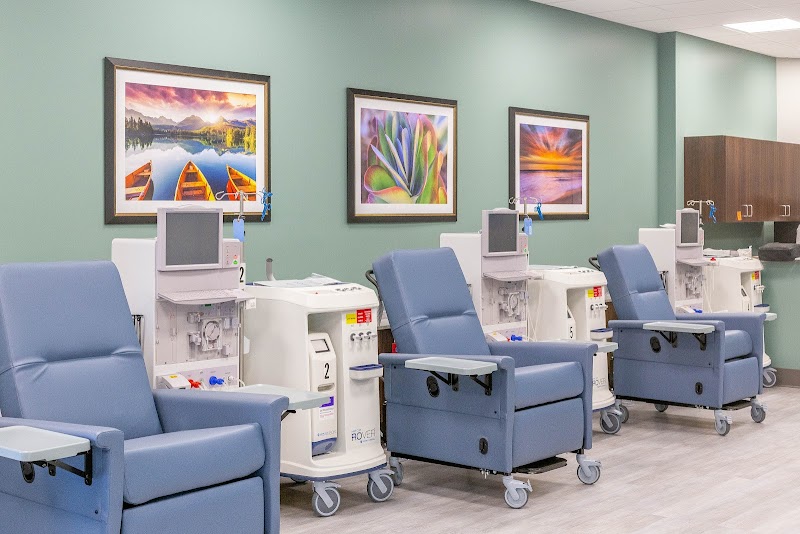
How is Countryside Manor Health & Living Community Staffed?

CMS rates COUNTRYSIDE MANOR HEALTH & LIVING COMMUNITY's staffing level at 2 out of 5 stars, which is below average compared to other nursing homes. Staff turnover is 38%, compared to the Indiana average of 46%. This relatively stable workforce can support continuity of care.

What Have Inspectors Found at Countryside Manor Health & Living Community?

State health inspectors documented 17 deficiencies at COUNTRYSIDE MANOR HEALTH & LIVING COMMUNITY during 2022 to 2025. These included: 17 with potential for harm.
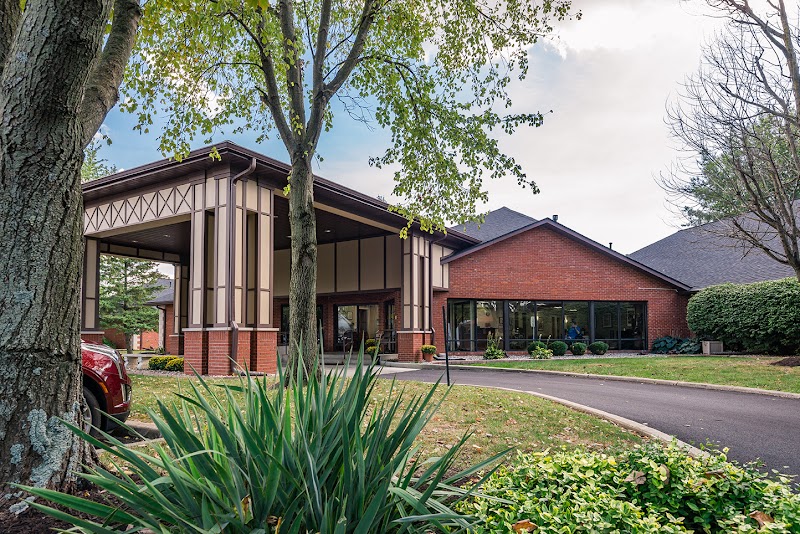
Who Owns and Operates Countryside Manor Health & Living Community?

COUNTRYSIDE MANOR HEALTH & LIVING COMMUNITY is owned by a government entity. Government-operated facilities are typically run by state, county, or municipal agencies. The facility is operated by CARDON & ASSOCIATES, a chain that manages multiple nursing homes. With 109 certified beds and approximately 82 residents (about 75% occupancy), it is a mid-sized facility located in ANDERSON, Indiana.
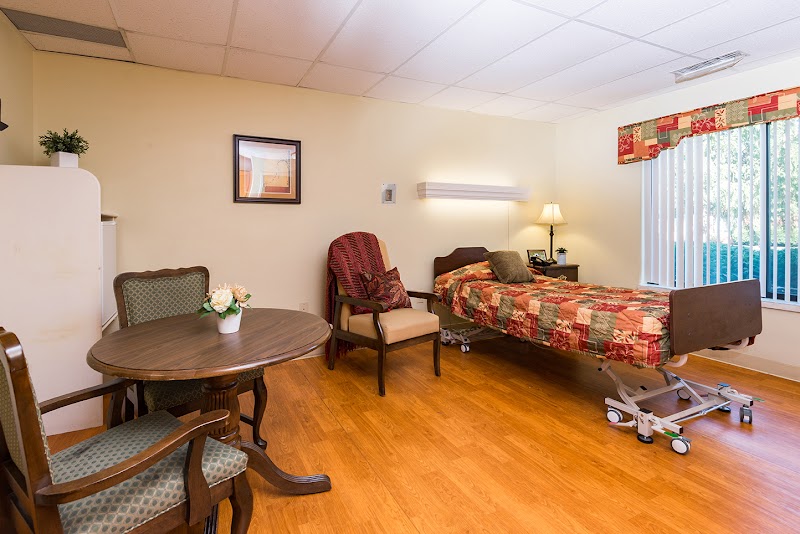
How Does Countryside Manor Health & Living Community Compare to Other Indiana Nursing Homes?

Compared to the 100 nursing homes in Indiana, COUNTRYSIDE MANOR HEALTH & LIVING COMMUNITY's overall rating (4 stars) is above the state average of 3.1, staff turnover (38%) is near the state average of 46%, and health inspection rating (4 stars) is above the national benchmark.

What Should Families Ask When Visiting Countryside Manor Health & Living Community?

Based on this facility's data, families visiting should ask: "Can you walk me through typical staffing levels on day, evening, and night shifts?" "Can I visit during a mealtime to observe dining assistance and food quality?" "How do you handle medical emergencies, and what is your hospital transfer rate?" "Can I speak with family members of current residents about their experience?" These questions are particularly relevant given the below-average staffing rating.

Is Countryside Manor Health & Living Community Safe?

Based on CMS inspection data, COUNTRYSIDE MANOR HEALTH & LIVING COMMUNITY has a clean safety record: no substantiated abuse findings (meaning no confirmed cases of resident harm), no Immediate Jeopardy citations (the most serious violation level indicating risk of serious injury or death), and is not on the Special Focus Facility watch list (a federal program monitoring the lowest-performing 1% of nursing homes). The facility has a 4-star overall rating and ranks #1 of 100 nursing homes in Indiana. While no facility is perfect, families should still ask about staff-to-resident ratios and recent inspection results during their visit.

Do Nurses at Countryside Manor Health & Living Community Stick Around?

COUNTRYSIDE MANOR HEALTH & LIVING COMMUNITY has a staff turnover rate of 38%, which is about average for Indiana nursing homes (state average: 46%). Moderate turnover is common in nursing homes, but families should still ask about staff tenure and how the facility maintains care continuity when employees leave.

Was Countryside Manor Health & Living Community Ever Fined?

COUNTRYSIDE MANOR HEALTH & LIVING COMMUNITY has no federal fines on record. CMS issues fines when nursing homes fail to meet care standards or don't correct problems found during inspections. The absence of fines suggests the facility has either maintained compliance or corrected any issues before penalties were assessed. This is a positive indicator, though families should still review recent inspection reports for the full picture.

Is Countryside Manor Health & Living Community on Any Federal Watch List?

COUNTRYSIDE MANOR HEALTH & LIVING COMMUNITY is not on any federal watch list. The most significant is the Special Focus Facility (SFF) program, which identifies the bottom 1% of nursing homes nationally based on persistent, serious quality problems. Not being on this list means the facility has avoided the pattern of deficiencies that triggers enhanced federal oversight. This is a positive indicator, though families should still review the facility's inspection history directly.