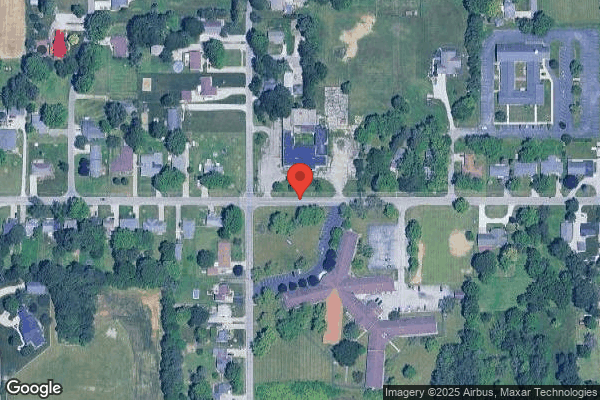
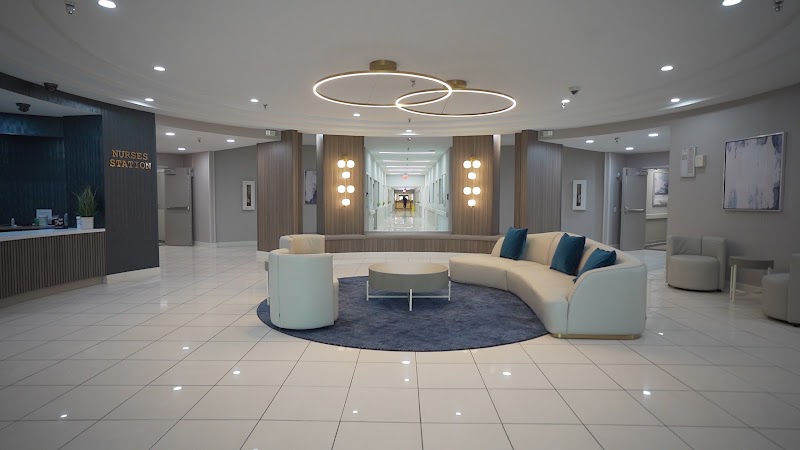
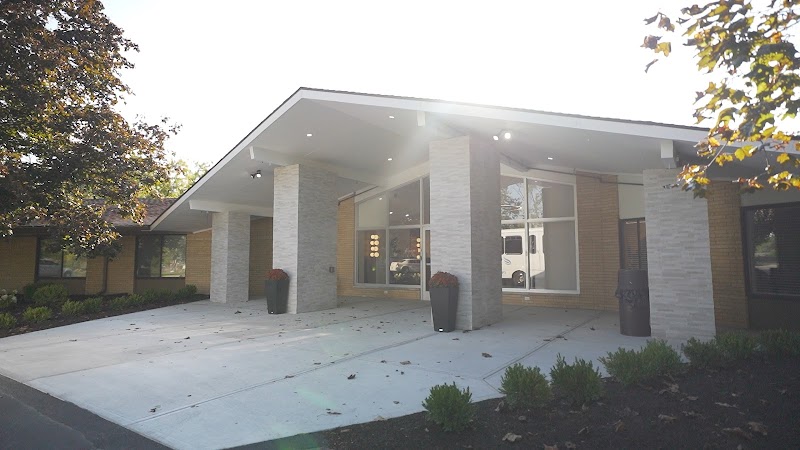
ENVIVE OF ANDERSON

1821 LINDBERG RD, ANDERSON, IN 46012 (765) 649-2532
For profit - Limited Liability company 97 Beds ENVIVE HEALTHCARE Data: November 2025
Trust Grade
43/100
#342 of 505 in IN
Last Inspection: July 2024

Within standard 12-15 month inspection cycle. Federal law requires annual inspections.

Overview

Envive of Anderson has a Trust Grade of D, indicating below-average performance with some concerning issues. They rank #342 out of 505 nursing homes in Indiana, placing them in the bottom half of facilities in the state, and #10 out of 11 in Madison County, meaning only one local option is better. The facility is showing an improving trend, reducing issues from 6 in 2024 to just 1 in 2025. Staffing is a weak point, with a low rating of 1 out of 5 stars and a turnover rate of 51%, which is average for Indiana. The home has also incurred $8,390 in fines, which is higher than 81% of facilities in the state and suggests ongoing compliance problems. In terms of RN coverage, they provide less than 83% of Indiana facilities, which could lead to missed health concerns. Specific incidents noted include a serious issue where a resident with diabetes missed insulin doses without proper documentation, which could lead to health complications. Another concern was the failure to ensure that some residents could go outside as desired for fresh air, impacting their quality of life. While there are strengths, such as a 5-star rating for quality measures, families should weigh these alongside the noted weaknesses when considering this facility.

Trust Score
D
43/100
In Indiana
#342/505
Bottom 33%
Safety Record
Moderate
Needs review
Inspections
Getting Better
6 → 1 violations
Staff Stability
⚠ Watch
51% turnover. Above average. Higher turnover means staff may not know residents' routines.
Penalties
○ Average
$8,390 in fines. Higher than 71% of Indiana facilities. Some compliance issues.
Skilled Nurses
⚠ Watch
Each resident gets only 23 minutes of Registered Nurse (RN) attention daily — below average for Indiana. Fewer RN minutes means fewer trained eyes watching for problems.
Violations
⚠ Watch
33 deficiencies on record. Higher than average. Multiple issues found across inspections.
★★☆☆☆
2.0
Overall Rating
★☆☆☆☆
1.0
Staff Levels
★★★★★
5.0
Care Quality
★★☆☆☆
2.0
Inspection Score
Stable
2024: 6 issues
2025: 1 issues

The Good

  • 5-Star Quality Measures · Strong clinical quality outcomes
  • Full Sprinkler Coverage · Fire safety systems throughout facility
  • No fines on record

Facility shows strength in quality measures, fire safety.

The Bad

2-Star Overall Rating

Below Indiana average (3.1)

Below average - review inspection findings carefully

Staff Turnover: 51%

Near Indiana avg (46%)

Higher turnover may affect care consistency

Federal Fines: $8,390

Below median ($33,413)

Minor penalties assessed

Chain: ENVIVE HEALTHCARE

Part of a multi-facility chain

Ask about local staffing decisions and management

The Ugly 33 deficiencies on record

1 actual harm
May 2025 1 deficiency
CONCERN (E) 📢 Someone Reported This

A family member, employee, or ombudsman was alarmed enough to file a formal complaint

Potential for Harm - no one hurt, but risky conditions existed

Resident Rights (Tag F0550)

Could have caused harm · This affected multiple residents

**NOTE- TERMS IN BRACKETS HAVE BEEN EDITED TO PROTECT CONFIDENTIALITY** Based on interview and record review, the facility failed to ensure residents were afforded the opportunity to go outside per th...

Read full inspector narrative →
**NOTE- TERMS IN BRACKETS HAVE BEEN EDITED TO PROTECT CONFIDENTIALITY** Based on interview and record review, the facility failed to ensure residents were afforded the opportunity to go outside per their preference, weather permitting, for 4 of 4 residents reviewed for resident rights. This deficient practice had the potential to impact 17 of 59 resident who were unable to go outside with out supervision. Findings include: 1. Resident B's clinical record was reviewed on 5/19/25 at 10:07 a.m. Diagnoses included chronic respiratory failure with hypoxia, chronic pulmonary disease, congestive heart failure, morbid obesity, overactive bladder, anemia, and depression. The most current admission MDS (Minimum Data Set) assessment, dated 3/19/25, indicated the resident was cognitively intact. The resident identified going outside to get fresh air when the weather was good as being very important to them. During an interview on 5/19/25 at 10:32 a.m., Resident B indicated she was unable to go outside without someone taking her. She liked going outside if the weather is nice and would go outside more if it were offered to her. 2. Resident C's clinical record was reviewed on 5/19/25 at 2:44 p.m. Diagnoses included dementia, anxiety, hypertension, history of falling, and metabolic encephalopathy. The most current admission MDS assessment, dated 9/13/24, indicated the resident was moderately cognitively impaired. The resident identified going outside to get fresh air when the weather was good as being very important to them. During the survey, the resident was admitted to the hospital and unable to be interviewed. 3. Resident D's clinical record was reviewed on 5/20/25 at 9:50 a.m. Diagnoses included chronic obstructive pulmonary disease, hypertension, depressive disorder with severe psychotic symptoms, schizoaffective disorder, and anxiety. The most current admission MDS, dated [DATE], indicated the resident was cognitively intact. The resident identified going outside to get fresh air when the weather was good as being very important to them. During an interview on 5/20/25 at 11:00 a.m., Resident D indicated she could go out to smoke with the other residents, but could not go outside without supervision. The resident indicated they would like to go sit outside in the front, but couldn't go by themselves. 4. Resident E's clinical record was reviewed on 5/20/25 at 10:00 a.m. Diagnoses included non-traumatic brain dysfunction, dementia, and hypertension. The most current admission MDS, dated [DATE], indicated the resident was cognitively intact. The resident identified going outside to get fresh air when the weather was good as being very important to them. During an interview on 5/20/25 at 8:45 a.m., LPN 2 indicated the residents who were allowed to sign themselves out could if they wanted to sit outside in front of the facility. The residents who could not sign themselves out could only go out if someone was available to watch them. On the weekends, there was no receptionist, so residents may not be able to go outside. During an interview on 5/19/25 at 8:42 p.m., LPN 3 indicated if there is no staff available to watch the residents, they couldn't go outside. During an interview on 5/20/25 at 10:34 a.m., RN 1 indicated the residents who smoke could go out for smoke breaks. There was also a group of residents who could sign themselves out and sit in front of the facility from 8:00 a.m. to 8:00 p.m. While the residents sat out front, the receptionist could watch them. On the weekends, the activity staff would sometimes take residents outside. During an interview on 5/20/25 at 10:44 a.m., Resident E indicated she went outside to sit if there was someone to watch her. She would tell staff she wanted to go outside, and if they were available, she would go. The resident indicated she would like to go outside more if it was nice outside, but staff were not available. During an interview on 5/20/25 at 11:34 a.m., the Activity Director indicated residents who smoked went out three times a day. The last smoke break was at 6:30 p.m. From Monday through Friday, the receptionist was stationed near the front lobby and could watch the residents who were cognitively intact enough to be outside without staff present. On the weekend, the cognitively intact residents signed themselves out to go out and sit on the patio (front of facility). There was a list of residents at the front of the facility. For all other residents, if there was a staff member who could sit with them outside, they tried to accommodate that to the best of the facility's ability. Not all residents could go as they pleased for safety reasons. A facility list of residents/instruction sheet who were allowed to sign themselves out to sit in front of the facility, dated 5/7/25, was provided on 5/20/25 at 10:58 a.m. by the DON. The sheet indicated the following: Residents must sign out to sit on the front porch when staff are not present! Residents must stay on the front porch only and no SMOKING ALLOWED! 8 P.M. ALL RESIDENTS MUST COME BACK IN THE BUILDING PER MANAGEMENT! There were 42 residents listed on the document. The list also contained a list of residents who were at risk for elopement. There were 6 residents listed under the heading * Attention staff these residents can not be outside unattended* The list also contained a list of five residents with guardians. This citation relates to complaint IN00456647. 3.1-3(a)(1)
Dec 2024 1 deficiency
CONCERN (D) 📢 Someone Reported This

A family member, employee, or ombudsman was alarmed enough to file a formal complaint

Potential for Harm - no one hurt, but risky conditions existed

Pharmacy Services (Tag F0755)

Could have caused harm · This affected 1 resident

Based on record review and interview, the facility failed to ensure medications were received from pharmacy in accordance with policy to ensure the safe handling of narcotics. Findings include: Revi...

Read full inspector narrative →
Based on record review and interview, the facility failed to ensure medications were received from pharmacy in accordance with policy to ensure the safe handling of narcotics. Findings include: Review of a facility reportable, dated 11/25/24, indicated on 11/24/24, LPN 1 received medications from the pharmacy and did not secure a pill card of tramadol (opiod analgesic) immediately or properly. This deficient practice resulted in the 30 pill card becoming missing. Review of a written statement by LPN 1, provided by the facility, indicated on 11/24/24 at approximately 8:30 p.m., medications from the pharmacy were delivered to the facility. LPN 1 placed the 30 pill card of Tramadol (opiod analgesic) in the nurses' station, unsupervised. After checking the number of medications against the medications on the list, LPN 1 became distracted and placed the card of tramadol on the back of the desk in the nurses' station. As he continued with task throughout the shift, LPN 1 failed to realize the Tramadol had not been properly secured in the locked narcotic drawer of the medication cart. LPN 1 did not realize the medication were not present until the morning medication administration pass. LPN 1 was not available for interview during the survey. During an interview on 12/3/3/24 at 7:46 a.m., LPN 2 indicated medications from the pharmacy were checked and the nurse signed off receipt. If there were narcotics for another medication cart, the medications should be locked up in a cart until they could be delivered to the proper cart. Medications should never be left unsupervised. During an interview on 12/3/24 at 9:30 a.m., the DON indicated LPN 1 had received a medication delivery from the pharmacy. LPN 1 reported he had gotten distracted before he could put away the medications and left a card of tramadol at the nurses station. The card contained 30 pills. When LPN 1 returned to the nurses station, the medications were gone. The DON indicated medications should never be left at the nurses station. If something were to happen and he was unable to put all of the medications away, he should have locked them in the bottom of the medication cart. A current undated policy titled Controlled Medication-Ordering & Receipt was provided by the DON on 12/3/24 at 9:30 a.m. The policy indicated the following: 6. Medications listed in Schedule II, are stored under double lock in a locked cabinet or safe designed for that purpose, separated from all other medications. Alternatively, in a unit dose system, Scheduled III, IV, and V medications may be kept with other medications in the cart. In some States all controls must be secured in the lock box located in the medication cart if so, the State regulation will supersede. 7. The medication nurse on duty maintains possession of a key to controlled medications. The Director of Nursing keeps back-up keys to all medication storage areas, including those for controlled medications. This citation relates to Complaint IN00447984. 3.1-25(n)
Jul 2024 4 deficiencies
CONCERN (D)

Potential for Harm - no one hurt, but risky conditions existed

Deficiency F0568 (Tag F0568)

Could have caused harm · This affected 1 resident

Based on interview and record review, the facility failed to manage Resident Funds in accordance with acceptable accounting principles for 1 of 4 residents reviewed for management of Resident Funds. (...

Read full inspector narrative →
Based on interview and record review, the facility failed to manage Resident Funds in accordance with acceptable accounting principles for 1 of 4 residents reviewed for management of Resident Funds. (Resident 29) Findings include: A review of the facility's Resident Funds was completed on 7/24/24 at 3:55 p.m. The Business Office Manager provided a Resident Funds Trial Balance sheet. The facility managed personal resident funds for 37 residents. Resident 29 was listed with two separate accounts; account B had a current negative balance of $2,911.47 and account C had a current negative balance of $15.16. Resident 29's account B Resident Funds record indicated the following: On 11/1/23, the resident's account balance was $0.53. On 11/13/23, a personal check was credited for the amount of $3,000.00. On 11/13/23, a care cost auto withdrawal for the amount of $2,948.00. On 11/17/23, a return deposit item for the amount of $3,000.00. On 11/17/23, a return deposit item fee for the amount of $16.00. On 11/30/23, a personal check was credited for the amount of $ 3,300.00 On 11/20/23, a care cost auto withdrawal for the amount of $3,248.00. Resident 29's resident fund account B balance on 12/1/23 was in the negative of $2,911.47. During an interview, on 7/24/24 at 3:35 p.m., the Corporate Business Office Consultant indicated Resident 29 had a returned check in November 2023, and this resulted in the account having a negative balance. The check was covered a few weeks later. Care cost withdrawals were automated and deducted after deposits were made and a second care cost charge was made in error for November 2023. Additionally, the funds had been deposited into an inappropriate account for medical expenses. The facility Business Office Manager corrected this in December 2023, resulting in two accounts for Resident 29. During an interview, on 7/25/24 at 1:07 p.m., the Business Office Manager and Corporate Business Office Consultant indicated they had reached out by electronic mail (e-mail) to the third party billing company in December 2023 about the inappropriate charges, but had not received any response. The Business Office Manager did not send follow-up e-mails related to the inappropriate charges. The Corporate Business Office Consultant indicated she had spoken with a representative of the third party billing by phone on 7/24/24, and the charge error would be refunded no later than 7/25/24. A current facility policy, dated 10/23, titled, Resident Funds Management System, provided by the Regional Nurse Consultant, on 7/25/24 at 2:54 p.m., indicated the following: .Established to manage resident funds by following acceptable accounting principles Audits on resident accounts will occur monthly. LTC (consulting partners) and BOM will both audit accounts to ensure liabilities are paid monthly 3.1-6(e)
CONCERN (D)

Potential for Harm - no one hurt, but risky conditions existed

Deficiency F0694 (Tag F0694)

Could have caused harm · This affected 1 resident

**NOTE- TERMS IN BRACKETS HAVE BEEN EDITED TO PROTECT CONFIDENTIALITY** Based on observation, interview, and record review, the facility failed to ensure protective Peripherally Inserted Central Cathe...

Read full inspector narrative →
**NOTE- TERMS IN BRACKETS HAVE BEEN EDITED TO PROTECT CONFIDENTIALITY** Based on observation, interview, and record review, the facility failed to ensure protective Peripherally Inserted Central Catheter (PICC) dressings were intact and changed as ordered for 1 of 6 residents reviewed for infection control. (Resident 151) Finding includes: During an observation on 7/22/24 at 2:51 p.m., to the left of the door, Resident 151's room indicated Enhanced Barrier Precautions. The resident was accompanied back to her room from the therapy room by an unknown staff member with an intravenous (IV) pole on her right side. Her single lumen PICC on her right upper arm was connected to the IV tubing and the PICC dressing was visible and loose from the skin around the top half of the dressing. During an interview on 7/22/24 at 3:58 p.m., Resident 151 indicated her PICC dressing was loose and had not been changed since before admission to the facility. The PICC dressing to her right upper arm was dated 7/16/24. The facility staff last administered her antibiotic through the PICC line on 7/22/24 at 2:30 p.m. and had not offered to change the PICC dressing. Resident 151's clinical record was reviewed on 7/23/24 at 4:31 p.m. The resident admitted to the facility on [DATE]. Diagnoses included cellulitis of the left upper limb and sepsis due to streptococcus group A (bacteria type). A current physician order, dated 7/18/24, included cefazolin sodium solution (antibiotic)- administer 2 grams intravenously every eight hours for bacteremia (infection). A current physician order, dated 7/17/24, included a PICC line IV dressing change every seven days and as needed. Review of the Treatment Administration Record (TAR) included IV antibiotic administration every eight hours from 7/22/24 through 7/24/24. The clinical record lacked evidence of PICC line dressing changes during the above mentioned times while the dressing was non-occlusive. An admission Minimum Data Set (MDS) assessment, dated 7/23/24, indicated the resident was cognitively intact. The resident received specialized services including IV medication and IV access. A current care plan, dated 7/18/24, indicated the resident had sepsis due to left upper arm cellulitis with a PICC line in the left upper arm. Interventions included the following: administer medications per orders, IV assessments as indicated, and treatments as ordered. A nurse's note, dated 7/25/24, indicated the resident's PICC was in the right upper arm. During an observation on 7/24/24 at 9:56 a.m., Resident 151 exited her room, walked down the 300 unit hallway into the main lobby, and continued to the activity room for an activity. The PICC line dressing to her right upper arm was visible and loose, with the top of the dressing hanging down midway. The dressing was dated 7/16/24. During an observation on 7/24/24 at 11:00 a.m., Resident 151 stood in the main lobby area. The PICC line dressing remained to her right upper arm, dated 7/16/24. During an IV administration observation on 7/24/24 at 2:25 p.m., RN 6 indicated she had just changed the resident's right upper arm PICC dressing because it was loose and hanging down the resident's arm. The resident received IV antibiotics several times a day and last received it on 7/24/24 at approximately 6:00 a.m. The PICC line dressing was ordered to be changed weekly and as needed when the dressing was loose. During an interview on 7/24/24 at 4:44 p.m., the DON indicated PICC line dressings should be changed every seven days or immediately when the dressing was not occlusive. PICC line dressings should be assessed to ensure they were occlusive each time the staff administered the resident's IV antibiotic. Non-occlusive PICC line dressings were an infection prevention and control concern. A current facility policy, revised March 2022, titled Central Venous Catheter Care and Dressing Changes, provided by the DON on 7/24/24 at 5:13 p.m., indicated the following: Purpose .The purpose of this procedure is to prevent complications associated with intravenous therapy, including catheter-related infections that are associated with contaminated, loosened, soiled, or wet dressings . General Guidelines 1. Perform site care and dressing change at established intervals or immediately if the integrity of the dressing is compromised [e.g., damp, loosened or visibly soiled] 3.1-47(a)(2)
CONCERN (D)

Potential for Harm - no one hurt, but risky conditions existed

Deficiency F0761 (Tag F0761)

Could have caused harm · This affected 1 resident

**NOTE- TERMS IN BRACKETS HAVE BEEN EDITED TO PROTECT CONFIDENTIALITY** A. Based on observation and interview, the facility failed to ensure insulin pens were labeled with appropriate resident identif...

Read full inspector narrative →
**NOTE- TERMS IN BRACKETS HAVE BEEN EDITED TO PROTECT CONFIDENTIALITY** A. Based on observation and interview, the facility failed to ensure insulin pens were labeled with appropriate resident identifier information on 1 of 3 carts reviewed for medication storage. (Front treatment cart) B. Based on observation and interview, the facility failed to ensure that expired vaccinations were disposed of timely for 1 of 1 medication rooms reviewed for medication storage. (Front medication room) Findings include: A. During a medication storage observation of the front treatment cart, accompanied by RN 6, on [DATE] at 9:31 a.m., the following were observed without resident identifiers or directions: One Humalog Kwikpen (insulin), dated [DATE], containing 130 units. One Humalog Kwikpen, dated [DATE], containing 220 units. One Humalog Kwikpen, dated [DATE], containing 150 units. One undated Humalog Kwikpen, containing 120 units. During an interview, at the time of the observation, RN 6 indicated she was unsure how long the unlabeled pens had been in the treatment cart, and the pens should have resident identifier information labels. There were 6 different residents who received insulin from the front treatment cart. B. During a medication storage observation of the front medication room, accompanied by RN 6, on [DATE] at 9:37 a.m., two boxes of Influenza Vaccine, containing 10 pre-filled single use dose syringes, with expiration dates of [DATE] and [DATE], were stored in the refrigerator. During an interview, at the time of the observation, RN 6 indicated these vaccines were expired, should not be given to residents, and should be disposed of promptly. A current facility policy, dated 2020, titled Medication Labels, provided by the Regional Nurse Consultant on [DATE] at 3:36 p.m., indicated the following: .1. Each prescription medication label includes: Resident's name, specific direction for use, including route of administration .strength of medication, physician's name, date medication is dispensed, quantity, expiration date, name, address, and telephone number of PharmcareUSA, prescription number . A current facility policy, dated 2020, titled Medication Storage in the Facility, provided by the regional Nurse Consultant on [DATE] at 2:54 p.m., indicated the following: .13. Outdated, contaminated, or deteriorated medications and those in containers that are cracked, soiled, or without secure closures are immediately removed from stock . 3.1-25(k) 3.1-25(o)
CONCERN (D) 📢 Someone Reported This

A family member, employee, or ombudsman was alarmed enough to file a formal complaint

Potential for Harm - no one hurt, but risky conditions existed

QAPI Program (Tag F0867)

Could have caused harm · This affected 1 resident

Based on observation, interview, and record review, the facility failed to implement corrective and preventive actions to ensure systemic issues related to resident funds, medication labeling, and med...

Read full inspector narrative →
Based on observation, interview, and record review, the facility failed to implement corrective and preventive actions to ensure systemic issues related to resident funds, medication labeling, and medication expiration were identified and quality assessment and performance improvement (QAPI) plans were implemented to prevent deficiencies from re-occurring. Findings include: On 7/25/24 at 3:13 p.m., the Administrator provided a QAPI action plan, dated 5/17/24. The root cause analysis indicated medication carts and rooms were not routinely inspected to ensure removal of expired medications. The concern included medication carts and rooms with expired medications. Action items of the plan included: the front medication room would be inspected with expired medications removed and destroyed. The actual completion date was 5/16/24. The back unit medication room was to be inspected with expired medications destroyed and lacked a completion date. An additional action plan indicated the medication rooms would be inspected weekly for four weeks from 5/23/24 through 6/20/24 and then weekly for two months from 6/27/24 through 8/22/24. During an interview on 7/26/24 at 4:28 p.m., the Administrator indicated the QAPI team met monthly and had last met on 6/28/24. The QAPI meeting agenda/ minute notes from that meeting addressed compliance issues noted on the last ISDH annual survey from 7/14/23. The included action plan development indicated the DON would perform the medication room and medication cart audits. At the same time, the Chief Operating Officer indicated he was unable to provide any audits related to acceptable accounting principles to manage resident funds. Survey Plan of Correction (POC) Audit tools for May, June, and July 2024 were provided by the Chief Operating Officer on 7/26/24 at 5:20 p.m. No identified concerns were indicated on the audit sheets. Comments on all three audits included: Any adjustments will be made as needed to ensure on-going compliance. Review of an undated current facility policy titled, Quality Assurance and Performance Improvement (QAPI) Plan, provided by the Administrator on 7/23/24 at 9:18 a.m., indicated the following: .The objectives of the QAPI Plan are to: . 3. Provide structure and processes to correct identified quality and/ or safety deficiencies; 4. Establish and implement plans to correct deficiencies .7 . as a basis for demonstrating that there is an effective ongoing program Cross reference F568. Cross reference F761. 3.1-52(b)(2)
Mar 2024 1 deficiency
CONCERN (D) 📢 Someone Reported This

A family member, employee, or ombudsman was alarmed enough to file a formal complaint

Potential for Harm - no one hurt, but risky conditions existed

Investigate Abuse (Tag F0610)

Could have caused harm · This affected 1 resident

Based on interview and record review, the facility failed to report an allegation of abuse to the State Agency in the required timeframe, and failed to complete a thorough investigation of the allegat...

Read full inspector narrative →
Based on interview and record review, the facility failed to report an allegation of abuse to the State Agency in the required timeframe, and failed to complete a thorough investigation of the allegation of abuse for 1 of 3 residents reviewed for abuse. (Resident D) Findings include: The clinical record for Resident D was reviewed on 3/14/24 at 3:21 p.m. Diagnoses included history of a stroke, left side hemiplegia, bipolar disorder, anxiety disorder and depression. An admission Minimum Data Set (MDS) assessment, dated 2/9/24, indicated the resident had moderate cognitive impairment. The resident had no hallucinations or delusions, rejection of care, and had no physical or verbal behaviors. Review of a facility self reportable, dated 3/6/24, indicated on 3/1/24, Resident D alleged a staff member had physical contact with his face. The resident had called the police. The nurse who assessed the resident noted no marks on their face and no evidence of physical contact of any kind. A pain assessment was performed. A follow up report was submitted on 3/12/24 and indicated that due to the resident's inability to provide consistent statements the allegation was determined to be unsubstantiated. The clinical record lacked a progress note regarding the incident on 3/1/24 or a pain assessment. Review of an undated witness statement completed by LPN 3 and included in the facility's investigation documents, indicated the Administrator was called to notify him of the resident's statement that the resident had been struck on his face by a staff member. During an interview on 3/15/24 at 10:07 a.m., the Administrator indicated staff had contacted him the evening of 3/1/24, but had said nothing about the resident's allegation of being struck. He was unaware the outcome of the facility's investigation, which was started on 3/6/24. During an interview on 3/15/24 at 12:50 p.m., QMA 2 indicated she heard LPN 3 talking with the Administrator regarding the resident's allegation that he had been struck in the face. During an interview on 3/14/24 at 3:21 p.m., Resident D indicated, following a smoke break, he had the cigarette tackle box on his lap and was returning it to the nurse's station after being asked to by a staff member. Another staff member accused him of taking it. He became upset and began to cuss. Another staff member came up behind him and hit him on the right side of his face from behind his wheelchair. He had waited for the Administrator to come and talk with him, but on 3/5/24, he went to the Social Services Director and the Administrator to ask about the incident. The Administrator indicated he had not seen anything on the surveillance cameras. During an interview on 3/15/24 at 8:45 a.m., the Administrator indicated he was unsure how to access the information on the surveillance cameras and did not have the password to access stored footage. During an interview on 3/15/24 at 9:36 a.m., the DON indicated the allegation of abuse report had not been completed until 3/6/24 because she had not been aware of any incident taking place. She had taken a verbal confirmation from the nursing staff that all assessments had been completed the evening of the incident on 3/1/24, but had failed to check the electronic health record for the information. She had not reviewed the staff written statements prior to submitting the report to the State Agency. During an interview on 3/15/24 at 1:18 p.m., the Corporate Nurse Consultant indicated the facility was unable to access the stored footage on the surveillance cameras at this time. A current facility policy, dated 9/2022, titled, Resident Abuse, Neglect and Exploitation Procedural Guidelines, provided by the DON on 3/15/24 at 9:36 a.m., indicated the following: .Purpose: Envive Healthcare (EHC) has developed and implemented processes, which strive to ensure the prevention and reporting of suspected or alleged resident abuse and neglect. Procedures: .4 f. Investigation i. The Executive Director is accountable for investigation and reporting.iv. Identifying and interviewing all involved persons, including the alleged victim, alleged perpetrator, witnesses, and others who might have knowledge of the allegations v. Focusing the investigation on determining if abuse, neglect, exploitation, and/or mistreatment has occurred, the extent, and cause. vi. Providing complete & thorough documentation of the investigation This citation relates to Complaint IN00430011. 3.1-28(d)
Sept 2023 1 deficiency
CONCERN (D) 📢 Someone Reported This

A family member, employee, or ombudsman was alarmed enough to file a formal complaint

Potential for Harm - no one hurt, but risky conditions existed

Free from Abuse/Neglect (Tag F0600)

Could have caused harm · This affected 1 resident

Based on record review and interview, the facility failed to prevent staff to resident abuse (CNA 1 and Resident C) for 1 of 3 residents reviewed for abuse. Findings include: During an interview on ...

Read full inspector narrative →
Based on record review and interview, the facility failed to prevent staff to resident abuse (CNA 1 and Resident C) for 1 of 3 residents reviewed for abuse. Findings include: During an interview on 9/18/2023 at 12:36 p.m., Resident C indicated CNA 1 transported her from her room to the shower room while she was only wearing a bra. CNA 1 did not provide any covering of her exposed body parts. The resident told the CNA to stop, but the CNA did not stop, and told the resident they were almost to the shower room. The clinical record for Resident C was reviewed on 9/19/2023 at 9:05 a.m Diagnoses included chronic pain syndrome, cardiomyopathy, type 2 diabetes with diabetic neuropathy, Bell's Palsy, rheumatoid arthritis, depressive disorder and hypertensive heart disease. Review of the most current quarterly Minimum Data Set (MDS) assessment, dated 7/11/2023, indicated the resident was cognitively intact. During an interview on 9/19/2023 at 10:57 a.m., the Activity Director indicated she was coming out of the laundry room when she saw and heard Resident C yelling at CNA 1 because she could feel herself being naked as he was pushing her in a shower chair to the shower room. The only thing the resident was wearing was a bra. The Activity Director said the incident was inappropriate. She followed them to the shower room, and CNA 1 left. She called the Director of Nursing (DON) and provided the resident with a shower. The Activity Director indicated the resident was visibly upset and crying. During an interview on 9/19/2023 at 11:33 a.m., the DON indicated she was in a meeting and received a call from the Activity Director, requesting her to come to the 400 Hall shower room. When she arrived to the shower room, Resident C told her CNA 1 had pushed her down the hallway with nothing on. The resident was wearing a sports bra but nothing else. The Activity Director told her she had heard the resident yelling for CNA 1 to stop. The resident was upset. The DON went to the Administrator and reported the incident. CNA 1 came with her and told the Administrator he had transported the resident to the shower room without cover and the resident had told him to stop. CNA 1 indicated he had a lapse in judgement. Review of a current policy, dated 9/2022, titled Resident Abuse, Neglect and Exploitation Procedural Guidelines indicated the following: Purpose .Envive Healthcare (EHC) has developed and implemented processes, which strive to ensure the prevention and reporting of suspected or alleged=ed resident abuse and neglect. This Federal tag relates to Complaint IN00417071. 3.1-27(a)(1)
Jul 2023 9 deficiencies
CONCERN (D)

Potential for Harm - no one hurt, but risky conditions existed

Deficiency F0637 (Tag F0637)

Could have caused harm · This affected 1 resident

Based on record review and interview, the facility failed to complete a significant change assessment after a significant weight loss for 1 of 4 residents reviewed for nutrition (Resident 20). Finding...

Read full inspector narrative →
Based on record review and interview, the facility failed to complete a significant change assessment after a significant weight loss for 1 of 4 residents reviewed for nutrition (Resident 20). Findings include: The clinical record for Resident 20 was reviewed on 7/13/23 at 9:31 a.m. Diagnosis included end stage renal disease on hemodialysis, vitamin D deficiency, zinc deficiency, anemia, and diabetes mellitus type 2. The resident had a quarterly MDS (minimum data set), dated 3/3/23, which indicated a 5 percent weight loss. A skin assessment weekly and PRN (as needed) document, dated 7/3/23, indicated she experienced weight decline of 4.4 percent loss at 30 days, 11.3 percent loss at 90 days, and 12.7 percent loss at 180 days. She had a decrease in albumin and phosphates, likely related to poor appetite and poor intakes. A current nutrition care plan, dated 7/3/23, indicated significant weight loss on 4/23, 5/23, 6/23, and 7/23. The quarterly MDS assessment, dated 7/6/23, indicated a 5 percent weight loss. A nutrition note, dated 7/7/23 at 7:20 p.m., indicated the resident experienced a significant weight loss at 30 days, 90 days, and 180 days. During an interview on 7/13/23 at 3:05 p.m., the DON indicated the dietitian consultant came in once a week and she did not recall being directed to complete a significant change assessment for Resident 20's weight loss. She utilized the electronic medical record lookback report and the RAI (Resident Assessment Instrument) manual as the policy and procedures for completing MDS assessments. She had access to the online manual. The weight loss listed above would require the completion of a significant change assessment. Review of the current online RAI manual (April 25, 2023), retrieved from www.cms.gov on 7/16/23, indicated the following: . emergence of unplanned weight loss problem (5 % change in 30 days or 10 % change in 180 days) . 3.1-31(d)(1)
CONCERN (D)

Potential for Harm - no one hurt, but risky conditions existed

Respiratory Care (Tag F0695)

Could have caused harm · This affected 1 resident

Based on observation, record review, and interview, the facility failed to obtain a physicians order related to oxygen administration for 1 of 2 resident reviewed for respiratory care (Resident 27). F...

Read full inspector narrative →
Based on observation, record review, and interview, the facility failed to obtain a physicians order related to oxygen administration for 1 of 2 resident reviewed for respiratory care (Resident 27). Findings include: During an observation on 7/10/23 at 9:45 a.m., Resident 27 was sitting upright in bed with her nasal cannula in place. The oxygen concentrator was set at 4 liters per minute. On 7/11/23 at 9:20 a.m., she was observed sitting up in bed with her nasal cannula in place. The oxygen concentrator was set at 4 liters per minute. On 7/12/23 at 9:24 a.m., she was observed sleeping while sitting upright in her bed with her nasal cannula in place. The oxygen concentrator was set at 4 liters per minute. On 7/13/23 at 9:54 a.m., she was observed sitting up in bed, eating breakfast with her nasal cannula in place. The oxygen concentrator was set at 4 liters per minute. Resident 27's clinical record was reviewed on 7/12/23 at 11:40 a.m. Her diagnoses included chronic obstructive pulmonary disease, congestive heart failure, chronic respiratory failure with hypoxia or hypercapnia, morbid obesity, and emphysema. The MDS (Minimum Data Set) assessment, dated 5/9/23, indicated she required the use of oxygen. Resident 27's current physician orders lacked an order for oxygen. During an interview, on 7/11/23 at 9:20 a.m., the resident indicated her oxygen concentrator should be set on 3 liters per minute. During an interview, on 7/12/23 at 11:22 a.m., RN 7 indicated she was not able to locate a physician order for oxygen and was not sure why, since the resident required oxygen while up. Review of a current, 12/2022 policy, titled Physician Orders, provided by the AVP of Clinical services on 7/13/23 at 3:48 p.m., indicated the following: .Policy Interpretation and Implementation. 1. The Charge Nurse will maintain medication order and receipt records. 2. The medication order/receipt record shall contain: .c. Name, quantity ordered, and strength of the drug; d. Name and title of person placing the order 3.1-47(a)(6)
CONCERN (D)

Potential for Harm - no one hurt, but risky conditions existed

Pharmacy Services (Tag F0755)

Could have caused harm · This affected 1 resident

Based on interview and record review, the facility failed to ensure narcotic reconciliation counts were completed and acknowledged for 2 of 3 medication carts reviewed. (500 Unit and 600 Unit medicati...

Read full inspector narrative →
Based on interview and record review, the facility failed to ensure narcotic reconciliation counts were completed and acknowledged for 2 of 3 medication carts reviewed. (500 Unit and 600 Unit medication carts) This deficiency had the potential to affect 31 residents who received medications from the 500 Unit and 600 Unit medication carts of 49 residents in the facility. Findings include: During an interview on 7/13/23 at 9:37 a.m., the Qualified Medication Aide (QMA) 8 indicated she had not completed the Shift to Shift Narcotic Verification Log when she began her shift for the day at 6:00 a.m. Narcotic count and log completion were required by the Nurses and QMAs at the beginning and end of each shift. During a review of the Shift to Shift Narcotic Log for the 600 Unit cart, along with QMA 8, she indicated the log lacked completion of the form with signatures on several different dates from 7/7/23 to 7/13/23. Review of the 600 Unit Shift to Shift Narcotic Count Verification Log from 7/7/23 to 7/13/23 indicated a lack of the following information: a. 7/10/23 Day shift- count completion b. 7/10/23 Night shift - Oncoming Shift Signature c. 7/11/23 Day shift- Oncoming and Offgoing Shift Signatures and count completion d. 7/11/23 Evening shift - Offgoing Shift Signature e. 7/12/23 Evening shift - count completion f. 7/13/23 Day shift - Oncoming Shift Signature During an interview on 7/13/23 at 10:08 a.m., Registered Nurse (RN) 7 indicated she had not completed the Shift to Shift Narcotic Verification Log when she began her shift for the day on 7/13/23. Narcotic count and log completion were required by the Nurses and QMAs at the beginning and end of each shift. During a review of the Shift to Shift Narcotic Log for the 500 Unit cart along with RN 7, she indicated the log lacked completion of the form with signatures on several different dates from 7/7/23 to 7/13/23. Review of the 500 Unit Shift to Shift Narcotic Count Verification Log from 7/7/23 to 7/13/23 indicated a lack of the following information: a. 7/8/23 Night shift- Oncoming Shift Signature and count completion b. 7/9/23 Day shift - Offgoing Shift Signature c. 7/10/23 Day shift- Offgoing Shift Signature and count completion d. 7/10/23 Evening shift - count completion e. 7/11/23 Night shift - Offgoing Shift Signature f. 7/12/23 Evening shift - count completion g. 7/13/23 Day shift - Oncoming Shift Signature and count completion During an interview on 7/14/23 at 3:33 p.m., the DON indicated Shift to Shift Narcotic Count Verification Logs should have been completed by the oncoming and offgoing staff member at the beginning and end of each shift. Signatures were required on the logs during the reconciliation process. A current, undated facility policy titled Controlled Medications - Administration, provided by the Administrator on 7/13/23 at 11:30 a.m., indicated the following: .Medications included in the Drug Enforcement Administration [DEA] classification as controlled substances are subject to special handling, storage, disposal, and record keeping in the facility, in accordance with federal and state laws and regulations . Procedure . 8. At each shift change, a physical inventory of all controlled medications is conducted by two licensed nurses and/or one nurse and a CMA, QMAP, Med Tech or equivalent and is documented on an audit record . 9. Current controlled medication accountability records and audits records are kept on the medication cart 3.1-25(e)(2) 3.1-25(e)(3)
CONCERN (E)

Potential for Harm - no one hurt, but risky conditions existed

Deficiency F0565 (Tag F0565)

Could have caused harm · This affected multiple residents

Based on interview, record review, and observation, the facility failed to resolve Resident Council concerns related to laundry services and housekeeping services. Findings include: 1. During a Reside...

Read full inspector narrative →
Based on interview, record review, and observation, the facility failed to resolve Resident Council concerns related to laundry services and housekeeping services. Findings include: 1. During a Resident Council interview, on 7/12/23 at 2:00 p.m., residents in attendance indicated they had voiced multiple concerns related to laundry services and missing clothing items as follows: Resident 40 indicated she had multiple shirts missing, which she labeled herself. Some had been returned damaged. Her items had not been replaced. Resident 9 indicated she had missing socks, even after she labeled them herself. Resident 8 indicated he had missing shirts. Review of the 3/29/23, 4/27/23, and 5/22/23 meeting minutes indicated concerns with laundry not being delivered or returned, and missing clothing items. An official grievance was completed for housekeeping and laundry for the 3/29/23 concerns. During an interview, on 7/13/23 at 3:16 p.m., Laundry Aide 16 indicated there was not a formal document for missing items and the housekeeping supervisor would let staff know if residents were looking for missing items. Residents would tell her if they were missing items as she delivered clean laundry. There was no process for identifying clothing, other than by word of mouth. At the time of the interview, there were two racks and two carts of lost and found items observed. 2. During the Resident Council interview, on 7/12/23 at 2:00 p.m., members indicated the following: a. 6 of 6 residents indicated they had voiced concerns related to facility and room cleanliness. b. 6 of 6 residents indicated the shower rooms on the 500 and 600 halls were not clean, and smelled badly. c. 6 of 6 residents indicated the dining rooms were not cleaned. d. 3 of 6 residents indicated they had cleaned their own bathrooms, because staff had not done so. e. 2 of 6 residents indicated the hallway carpet was nasty, dirty, and smells. Resident 40 indicated she utilized the shower room on the 600 hall. The shower room was dirty, smelled bad, and had a slow drain. She had cleaned up the shower room before she used it for her showers. Review of the 3/29/23, 5/22/23, and 6/29/23 meeting minutes indicated the resident council members had voiced concerns with resident rooms not being cleaned. Review of the Grievance Log, provided by the Administrator on 7/14/23 at 3:10 p.m., indicated grievances were filed for room cleanliness on the following dates: 2/21/23, twice on 2/22/23, 3/16/23, 6/22/23, and 6/29/23. The log indicated a resolution was reported to the person who had voiced the concern and a resolution had been agreed upon by the reporter and the facility. During an interview on 7/14/23 at 9:47 a.m., the Administrator indicated the current turn over of the management positions in the facility made interviewing previous staff members involved with grievances unattainable. A current facility policy, dated 8/23/22, titled Resident Concerns and Grievances, provided by the Administrator on 7/14/23 at 3:10 p.m., indicated the following: .Policy . Each resident has the right to: file grievance orally or in writing; file a grievance anonymously, and to obtain a written decisions regarding his or her grievance . Procedure .Definition: a grievance is any written or verbal concern by a resident, relative, or any other representative relating to resident care or the quality of services provided The Executive Director/Grievance Official will ensure appropriate corrective action is taken in accordance with State law if the alleged violation of the resident's rights confirmed by the facility . P. Resident Council .We will make all reasonable efforts to address any issues voiced by the residents at these meetings Cross reference F584 3.1-3(l)
CONCERN (E) 📢 Someone Reported This

A family member, employee, or ombudsman was alarmed enough to file a formal complaint

Potential for Harm - no one hurt, but risky conditions existed

Deficiency F0568 (Tag F0568)

Could have caused harm · This affected multiple residents

Based on interview and record review, the facility failed to manage Resident Funds in accordance with acceptable accounting principles regarding reconciliation of withdrawals with corresponding receip...

Read full inspector narrative →
Based on interview and record review, the facility failed to manage Resident Funds in accordance with acceptable accounting principles regarding reconciliation of withdrawals with corresponding receipts and failure to provide quarterly statements to residents and/or their representative for 4 of 4 residents reviewed for management of Resident Funds (Residents B, C, D, & E) Findings include: 1. A review of resident funds began on 7/11/23 at 9:57 a.m. The Corporate Business Office Manager (C-BOM) provided the following information at this time: a. The facility managed personal Resident Funds for 40 residents and consisted of both current and discharged residents. Residents B, C, D, & E were included on the list of residents for whom the facility managed funds. b. discharged residents were anticipated to return or had yet to have their accounts closed. 2. Resident B's Resident Funds record indicated the following: a. A withdrawal of $500.00 for Personal Needs with a Date of Service of 3/31/23, was made to the resident account. The resident funds accounting record lacked a receipt related to this transaction. b. The resident funds record lacked any documentation of a quarterly statement being provided to the resident and/or their representative. During an interview on 7/14/23 at 11:00 a.m., the C-BOM indicated banking records indicated a facility employee had cashed the $500.00 check identified as Personal Needs for Resident B. There was no corresponding receipt to reconcile with this check having been cashed. During an interview on 7/14/23 at 11:26 a.m., the Activity Director indicated she had cashed a check for $500.00 for Resident B and given the $500.00 cash to the previous BOM. The check had been cashed in March or April. The previous BOM told her the resident needed to do a spend down for Medicaid eligibility. She herself had not purchased any items for the resident. 3. Resident C's Resident Funds record indicated the following: a. A withdrawal of $100.00 for Resident Advance Cash, with a Date of Service of 4/27/23, was made to the resident's account. The resident funds accounting record lacked a receipt related to this transaction. b. The resident funds record lacked any documentation of a quarterly statement being provided to the resident and/or their representative. 4. Resident D's Resident Funds record indicated the following: a. A withdrawal of $300.00 for Personal Needs,with a Date of Service of 3/31/23, was made to the resident account. The resident funds accounting record lacked a receipt related to this transaction. b. A withdrawal of $100.00 for Resident Advance Cash, with a Date of Service of 6/6/23 was made to the resident account. The resident funds accounting record lacked a receipt related to this transaction. c. The resident funds record lacked any documentation of a quarterly statement being provided to the resident and/or their representative. 5. Resident E's Resident Funds record indicated the following: a. A withdrawal of $2,000.00 for Personal Needs, with a Date of Service of 3/31/23 was made to the resident account. The resident funds accounting record lacked a receipt related to this transaction. b. A withdrawal of $10.00 for Resident Advance Cash, with a Date of Service of 4/14/23 was made to the resident account. The resident funds accounting record lacked a receipt related to this transaction. c. A withdrawal of $20.00 for Resident Advance Cash, with a Date of Service of 4/25/23, was made to the resident account. The resident funds accounting record lacked a receipt related to this transaction. d. The resident funds record lacked any documentation of a quarterly statement being provided to the resident and/or their representative. During an interview on 7/12/23 at 5:25 p.m., the C-BOM, who was covering as temporary Business Office Manager (BOM) for the facility, indicated the facility had terminated the previous BOM on 7/3/23, due to poor job performance. The facility could not provide any documentation of quarterly statements having been provided for the previous two quarters. During an interview on 7/14/23 at 12:45 p.m., the C-BOM indicated she had not been able to directly audit the previous BOM at this facility. The tasks she managed were too large for direct oversight. She had corresponded via email and directed the previous BOM to complete her required duties. Confidential interviews were conducted during the survey. During a confidential interview with a resident representative, they indicated they had no idea what the resident's current resident funds balance was. They had not been informed the resident was reaching their resource limit at any time during the previous six months. They had not received any money from the facility to spend down the resident's resources during the year 2023. During a confidential interview, a resident indicated they had not received quarterly statements in about a year. Review of a current, 12/2022 facility policy, titled Resident Funds, provided by the C-BOM on 7/13/23 at 2:04 p.m., indicated the following: .2. Individual accounting ledgers are maintained in accordance with generally accepted accounting principles and include: .d. The date and amount of each deposited and withdrawal; e. The name of the person who accepted or withdrew funds; f. The balance after each transaction; g. Receipts for charges imposed the facility; and .5. Individual accounting records are made available to the resident through quarterly statements and upon requests This finding relates to complaint IN00412464. 3.1-6(g) 3.1-6 (e)
CONCERN (E)

Potential for Harm - no one hurt, but risky conditions existed

Deficiency F0569 (Tag F0569)

Could have caused harm · This affected multiple residents

Based on interview and record review, the facility failed to notify residents and/or their representative when the resident was within two hundred dollars ($200.00) of the state Medicaid resource limi...

Read full inspector narrative →
Based on interview and record review, the facility failed to notify residents and/or their representative when the resident was within two hundred dollars ($200.00) of the state Medicaid resource limit of two thousands dollars ($2,000.00) for 3 of 4 of residents reviewed for management of Resident Funds. (Residents B, D, & E) Findings include: 1. A resident funds review began on 7/11/23 at 9:57 a.m. The Corporate Business Office Manager (C-BOM) provided the following information at that time: a. The facility managed personal Resident Funds for 40 residents and consisted of both current and discharged residents. b. discharged residents were anticipated to return or had yet to have their accounts closed. c. Six of the accounts had funds in excess of $1,800.00. Residents B, D, & E where included in the list of six with funds in excess of the Medicaid resource limits. 2. Resident B's Resident Funds information indicated a 7/3/23 balance of $2,222.61 (This balance was in excess of the Medicaid resource limit). The funds balance had been in excess of the Medicaid resource limit since the 5/1/23 OPENING BALANCE of $1,851.86. The resident received Medicaid benefits. 3. Resident D's Resident Funds information indicated a 7/3/23 balance of $1,984.39 (This balance was in excess of the Medicaid resource limit). The funds balance had been in excess of the Medicaid resource limit since the 5/1/23 OPENING BALANCE of $1,984.39. The resident received Medicaid benefits. 4. Resident E's Resident Funds information indicated a 7/3/23 balance of $2,143.75. (This balance was in excess of the Medicaid resource limit). The funds balance had been in excess of the Medicaid resource limit since the 5/1/23 OPENING BALANCE of $2,011.77. The resident received Medicaid benefits. During an interview on 7/12/23 at 5:25 p.m., the C-BOM indicated the facility had no evidence of having provided notice of reaching a resource limit for any resident for the last year. Confidential interviews were conducted during the survey. During a confidential interview, a resident representative indicated they had no idea what the resident's current resident funds balance was, and they had not been informed the resident was reaching their resource limit at any time during the previous six months. A current, 12/22, facility policy, titled Resident Funds, provided by the C-BOM on 7/13/23 at 2:04 p.m., indicated the following : .6. A representative of the business office will inform the resident: a. If the balance in his/her personal funds account reaches $200 (two-hundred dollars) less than the resident's SSI limit; and b. That if the amount in the account (plus the resident's other non-exempt resources) reach the SSI recourse limit for one person, the person may lose eligibility for Medicaid or SSI 3.1-6(h)
CONCERN (E)

Potential for Harm - no one hurt, but risky conditions existed

Safe Environment (Tag F0584)

Could have caused harm · This affected multiple residents

**NOTE- TERMS IN BRACKETS HAVE BEEN EDITED TO PROTECT CONFIDENTIALITY** Based on observation, interview, and record review, the facility failed to maintain the resident environment in a clean, comfort...

Read full inspector narrative →
**NOTE- TERMS IN BRACKETS HAVE BEEN EDITED TO PROTECT CONFIDENTIALITY** Based on observation, interview, and record review, the facility failed to maintain the resident environment in a clean, comfortable, and homelike manner for 4 of 6 nursing units (200 hall, 400 hall, 500 hall, and 600 hall) and common areas. Findings include: 1. Random facility observations indicated the following concerns: a. On 7/10/23 at 9:42 a.m., there was a strong urine smell at the 500 and 600 hall nurses station. b. On 7/10/23 at 9:42 a.m., the floors of rooms 501, 502, 503, and 504 were soiled and did not appear to have been mopped recently. Each had multiple dark black scuff marks approximately 6 to 10 inches in length and approximately ½ inch thick. c. On 7/10/23 at 10:03 a.m., the white tile in the main hallway, stretching from the lobby, public restrooms, through the dining room, and to the surrounding 500/600 Unit nurses station, was scattered with debris. The debris was heavier approximately 2 inches from the walls. Multiple areas of scattered brown/black dried spots were in the main hallway, both sides of the dining areas surrounding tables, and surrounding the 500/600 unit nurses station. The dried spots on the white tile were approximately the size of a nickel and highly visible on the white tile. d. During an observation on 7/10/23 at 10:19 a.m., room [ROOM NUMBER]'s floor tile was heavily soiled with brown and black spots throughout. A medical glove and two pieces of cookie wafer were on the floor. A large, brown, dried spill surrounded the resident's trash can. The floor was sticky. The toilet in the adjoined restroom contained a prominent brown ring in the toilet bowl. During an observation on 7/10/23 at 1:04 p.m., room [ROOM NUMBER]'s floor remained heavily soiled and unchanged from the previous observation. During an observation on 7/11/23 at 12:10 p.m., room [ROOM NUMBER]'s floor remained with dirt and debris. The cookie wafer was not on the floor, but the brown residue from the cookie wafer remained on the floor. When walked on, the floor was sticky. The toilet in the resident's room remained with a brown ring. During an observation on 7/12/23 at 10:27 a.m., room [ROOM NUMBER]'s floor was clean. Her toilet remained unchanged from the previous observation. During an observation and interview on 7/13/23 at 11:30 a.m., Housekeeper 15 indicated room [ROOM NUMBER]'s toilet contained an obvious brown ring in the toilet bowl. Housekeeper 15 assisted from another facility in the corporation on 7/11/23 and 7/13/23. When she arrived on 7/11/23, the toilets were not cleaned to the standard she was accustomed too. Additionally, resident room floors were sticky. She had not found any cleaning supplies out of stock. Floors throughout the building should have been swept and mopped every day. Public restrooms should have been cleaned 2-3 times each day. Resident restrooms should have been cleaned daily to include toilets, sinks, and floors. Carpet in the hallways should be cleaned weekly. During an observation and interview on 7/13/23 at 11:50 a.m., Housekeeper 15 indicated she had finished cleaning room [ROOM NUMBER]'s toilet and the brown ring was removed. The toilet was crisp white. Housekeeper 15 indicated all toilets, whether in use or not, were required to be cleaned each day. She had not been made aware of any problematic rooms that required any additional cleaning. e. On 7/10/23 at 12:50 p.m., the main hallway had black and brown stains on white tile approximately 1 cm to 1.6 cm in size between the dining rooms. f. During an observation on 7/10/23 at 1:25 p.m., Resident 6's white floor tile in his room was visibly soiled with dull brown/black appearance. The floor was sticky when walked upon. During an interview, Resident 6 indicated the facility did not keep his restroom and floors clean and this made his shoe stick to floor from the dirt. The toilet in his room had dark brown residue around the back of the toilet seat. Observation indicated the rim of the toilet contained hair, dust, and splattered brown residue. [NAME] splatters were on the sticky floor in the resident's restroom, surrounding the toilet. He indicated they only cleaned his room and restroom one to two times each week. During an observation on 7/11/23 at 11:41 a.m., Resident 6's soiled floors and restroom remained unchanged from the observation on 7/10/23. Resident 6 indicated he was showered in the 600 Unit shower room across from his room. g. On 7/10/23 at 1:26 p.m., resident room [ROOM NUMBER] had dark black scuff marks all over the floor by the resident's bed and recliner. Each scuff was approximately 6 to 12 inches in length. The scuffs were dark black and approximately ½ inch thick. The bottom of the overbed table had a sticky yellow residue. h. During an observation on 7/10/23 at 2:50 p.m., resident room [ROOM NUMBER] had a dead black bug the size of a raisin on the floor in front of the bookshelf. The floor near the head of the bed had a large brown soiled area the size of a soccer ball, against the wall. A black residue was along the bottom of the widow frame, at the windowsill, and beside the resident's bed. During an observation on 7/12/23 at 12:37 p.m., room [ROOM NUMBER] remained with a large brown soiled area on the floor near the head of the bed against the wall. Black residue remained along the bottom frame of the window. i. During an observation on 7/10/23 at 4:07 p.m., the 600 Unit shower room had three coves (one toilet cove and two shower coves) Upon entering the room, a musty odor was observed. The toilet was not functioning and displaced from the wax ring. The floor in the shower room contained a large clump of hair and dirt, scattered debris, plastic wrap, various trash, a medication cup, a broken lid off of a soap bottle, and wet paper underneath the shower chair in the first shower cove. Black and pink residue was along the floor where it met the wall on all sides. Black residue, the width of eight floor tiles, was along the floor in the main part of the shower room. The entry to the first shower cove had three tiles missing from the floor up the wall. Black residue was noted where the tiles were missing. The second shower cove was not functional, as it did not have a shower head or faucet. Small gnat-sized dead bugs were all over the floor under the shower chairs. The drain grate was partially off of the drain with 1/4 of the drain cover plugged with hair and dirt. The shower bed contained a rolls of bags, three loose gloves, a washcloth, and a shave cream lid. j. During an observation on 7/10/23 at 4:30 p.m., the nickel sized brown dried spills on the white tile around the 500/600 Unit Nurse's station, in the hallway through the dining room to the front lobby, and in the dining room remained. In the dining room, residents were being served their supper. k. On 07/11/23 at 09:00 a.m., there were cracked tiles in the hallway between the dining areas. Large brown and black stains, approximately 1 cm to 1.6 cm in size, were present on the white square tiles in front of nurse station between 500 and 600 halls. l. On 7/11/23 at 9:04 a.m., in room [ROOM NUMBER], the floor was sticky, had food crumbs, and black scruff marks throughout. Each scuff was approximately 6 to 10 inches in length. The scuffs were dark black and approximately ½ inch thick. The closet door was broken and hanging incorrectly off the track. m. On 7/12/23 at 9:13 a.m., in room [ROOM NUMBER], the floor was sticky and black scruff marks throughout. Each scuff was approximately 6 to 10 inches in length. The scuffs were dark black and approximately ½ inch thick. The closet door was broken and remained hanging incorrectly off the track. n. On 7/11/23 at 9:10 a.m., in room [ROOM NUMBER], the floor had approximately 12 brown stains, approximately 1 cm to 1.6 cm in size and black scuff marks. Each scuff was approximately 6 to 10 inches in length. The scuffs were dark black and approximately ½ inch thick. o. On 07/12/23 at 9:14 a.m., in room [ROOM NUMBER], the floor had black scuff marks, each scuff was approximately 6 to 10 inches in length and were dark black and approximately ½ inch thick, and brown sticky areas measuring approximately 1 cm to 1.6 cm in size. p. On 7/11/23 at 9:13 a.m., in room [ROOM NUMBER], the floor was sticky and had black scuff marks all over the floor. Each scuff was approximately 6 to 10 inches in length. The scuffs were dark black and approximately ½ inch thick. q. On 7/11/23 at 9:18 a.m., in room [ROOM NUMBER], the floor had approximately 10 red-brown stains, measuring approximately 1 cm to 1.6 cm in size at the bedside. r. On 7/11/23 at 9:41 a.m., in room [ROOM NUMBER], the floor was sticky and had five large gouges to wall at head of bed. Each gouge was approximately 4 to 6 inches in length and approximately ½ inch thick. s. On 7/11/23 at 10:46 a.m., the 500 hall shower room was very warm and smelled of strong chemicals. The sink hung crooked on wall, and there was dirty grout in both shower areas. The ceiling light was missing, and electrical wires and plugs were exposed. t. On 7/11/23 at 12:35 p.m., Certified Nurse's Aide (CNA) 9 delivered a meal tray to room [ROOM NUMBER]. The floor had dark brown spots throughout the room. When she stepped onto the resident's floor, each step of her shoes made a loud popping noise as they stuck to the floor. u. On 7/12/23 at 9:37 a.m., the main lobby focal piece, with a platform painted pink, was covered with dirty footprints. v. On 7/12/23 at 11:14 a.m., room [ROOM NUMBER] had a sticky floor with black scuffs and stained tiles. Each scuff was approximately 6 to 10 inches in length. The scuffs were dark black and approximately ½ inch thick. w. On 7/13/23 at 9:19 a.m., there was a strong urine smell in 500 hallway. Approximately 12 dead brown bugs the size of large almonds were located on the floor at emergency exit on the end of 500 hallway. The carpet throughout the area was stained. The common area between the 500 and 600 halls had approximately 10 dead black bugs, measuring the size of almonds. The bugs were located behind the brown fabric couch. x. During an observation on 7/14/23 at 10:34 a.m. the hallway through the main dining room contained multiple black and brown spots, ranging from 1 cm to 1.6 cm in size. The dining area to left side of the hallway had several similar sized spots of black, brown, and red on white tile. There was a strong urine smell at nurse station for the 500 and 600 halls. The dead bugs remained at end of the 500 hall. 2. Resident interviews indicated the following concerns: a. During an interview on 7/10/23 at 2:36 p.m., Resident 5 indicated the floors in her room were rarely or never cleaned. She had contacted her family member who brought her cleaning supplies for her to clean the floors herself and motioned to a broom and Swifer style wet dust mop resting against her closet. The bathrooms needed to be cleaned better and more frequently than they were done. b. During an interview on 7/10/23 at 2:45 p.m., Resident 17 indicated his room had gnats and bugs. The 600 Unit shower room had mold and gnats, and the shower was gross and he would not shower in there. c. During an interview on 7/12/23 at 4:09 p.m., Resident 17 indicated he had reported his concerns about bugs and concerns about black mold and gnats in the 600 Unit shower room to the Housekeeping Supervisor and the DON. This was reported when he changed rooms in April of 2023. The shower room had black mold and a piece of feces in the floor of the shower. d. During an interview on 7/11/23 at 9:33 a.m., Resident 25 indicated there was a hole in the shower room on the 600 hall, where the floor met the wall. She was concerned about mold starting there ,and this is where she went to shower. e. During an interview on 7/11/23 at 9:34 a.m., Resident 29 looked at the floor in their room and indicated what are these marks all over my floor? My floor needs cleaned. During the interview, the flooring was observed to be covered in long black streaks. 3. Facility staff were interviewed during the survey process and provided the following information and concerns regarding the environment and cleanliness: a. During an interview on 7/12/23 at 10:35 a.m., CNA 10 indicated she had just assisted a resident in the 600 Unit shower room. The shower room normally had the black and pink residue which remained in the shower during the observation. The shower had not been clean. She had not been instructed to stop using the 600 Unit shower room. She thought the drain screen was off to help the water drain better, but she could see hair and dirt in the drain screen. The toilet had been off to the side for approximately 1 month and was gone now. CNA 10 noticed the resident rooms had not been getting cleaned properly for the last month. She reported dirty floors that were sticky and toilets were not getting cleaned to the Housekeeping Supervisor. b. During an interview on 7/12/23 at 4:53 p.m., CNA 19 indicated she worked all of the units. She indicated for the past 3 and a half months, the facility had ongoing problems with a lack of floor cleanliness and toilet cleanliness throughout the whole building. The cleanliness of the 600 Unit shower was an ongoing problem and the shower room was in poor repair, with an inoperable toilet and broken tiles. Three residents had reported concerns to her regarding the cleanliness of their floors and restrooms. When she reported it to the the Housekeeping Supervisor, he told her he was aware of the concerns because he was short on staff. c. During an interview on 7/12/23 at 4:32 p.m., QMA 20 indicated residents had reported concerns to her regarding the lack of sweeping and mopping the floors and the lack of toilet cleaning. She indicated these concerns were reported to an unidentified interim Administrator who planned to discuss it with housekeeping. d. During an interview on 7/13/23 at 10:02 a.m., CNA 18 indicated the building cleanliness was repulsive, and the building needed to be taken better care of, as it was dirty and not cleaned enough. There were bugs that looked like cockroaches. e. During an interview on 7/14/23 at 1:30 p.m., the Administrator indicated the facility environment cleanliness was not acceptable. f. During an interview on 7/14/23 at 3:28 p.m., LPN 6 indicated he found the lack of cleanliness in the 200 Unit medication storage room to be embarrassing. Review of a a current facility policy, dated 8/2022, titled Homelike Environment, and provided by the Administrator on 7/14/23 at 9:30 a.m., indicated the following: .Policy Statement . Residents are provided with a safe, clean, comfortable and homelike environment and encouraged to use their personal belongings to the extent possible. Policy Interpretation and Implementation . 2. The facility staff and management shall maximize, to the extent possible, the characteristics of the facility that reflect a personalized homelike setting. These characteristics include: a. Clean, sanitary and orderly environment . f. Pleasant, neutral scents Cross reference F565. 3.1-19(f) 3.1-19(f)(4)
CONCERN (E)

Potential for Harm - no one hurt, but risky conditions existed

Deficiency F0761 (Tag F0761)

Could have caused harm · This affected multiple residents

Based on observation and interview, the facility failed to securely and hygienically store drugs, biologicals, and nursing supplies on the 400, 500, and 600 nursing units. Findings include: During a ...

Read full inspector narrative →
Based on observation and interview, the facility failed to securely and hygienically store drugs, biologicals, and nursing supplies on the 400, 500, and 600 nursing units. Findings include: During a random observation on 7/13/23 at 9:04 a.m., the 500/600 Unit treatment cart was unlocked and unattended at the 500/600 Unit Nurse's Station. Three unidentified residents were near the treatment cart, in a common area adjacent to the Nurse's Station. The Nursing Supply Closet door at the 500/600 Unit Nurse's Station was ajar and unattended by staff. It had a sign on the door that indicated the door was to remain locked at all times. During a random observation on 7/13/23 at 9:20 a.m., the 500/600 Unit treatment cart and the 500/600 Unit Nursing Supply Closet door remained unlocked and unattended. During an interview on 7/13/23 at 9:22 a.m., Qualified Medication Aide (QMA) 8 indicated the treatment cart and nursing supply closet should not have been left unlocked and unattended by staff. The Nursing Supply Closet contained briefs, medicine cups, razors, shave cream, mouthwash, toothpaste, creams, and other activity of daily living supplies. During a random observation on 7/13/23 at 9:30 a.m., the 500/600 Unit treatment cart contained various insulins, lancets, glucometers, prescription creams for treatments, wound care supplies, and wraps. During a medication storage observation on 7/13/23 at 9:37 a.m., the 600 Unit medication cart contained 29 loose pills in the bottom of the second drawer on the right side. The bottom of the 3rd drawer on the right side contained 2 loose pills. During an interview, at the time of the observation, QMA 8 indicated medications should not be loose in the medication cart. She should have checked the cart for loose medications at shift change when she took over the 600 Unit medication cart at 6:00 a.m., but it was not done. During a medication storage observation on 7/13/23 at 10:08 a.m., the 500 Unit medication cart contained 5 loose pills in the bottom of the second drawer on the left side of the cart. During an interview, at the time of observation, RN 7 indicated medications should not be loose in the medication carts and should be destroyed. She had not checked for loose pills in the 500 Unit medication cart on this date. During an observation on 7/14/23 at 2:48 p.m., the 200/300/400 Unit Medication Storage Room was in an unsanitary condition, with a spilled chocolate nutritional shake on the floor. The liquid was also spilled on boxes piled in the corner to the right of the door entrance. The pile in the corner contained a soiled insulin safety syringes box, and 6 unopened pen needle boxes. The remainder of the floor was very soiled with scattered spills and debris. During an interview with LPN 6, he indicated the floor was not maintained in a clean manner and items should not be stored on the floor. During an interview on 7/14/23 at 2:49 p.m., the DON indicated the Medication Storage Room on the 200 Unit was not maintained in a clean manner. During an interview on 7/14/23 at 3:33 p.m., the DON indicated loose medications should have been removed from the medications carts. Treatment carts and Nursing Supply Closets were required to be kept locked when they were unattended. A current, undated, facility policy titled Medication Storage in the Facility, provided by the Administrator on 7/13/23 at 11:30 a.m., indicated the following: .Policy .Medications and biologicals are stored safely, securely, and properly . Procedure . 2.Medication rooms, carts, and medication supplies are locked or attended by persons with authorized access .13. Outdated, contaminated, or deteriorated medication and those in containers that are cracked, soiled, or without secure closures are immediately removed from stock, disposed of according to the procedures for medication destruction, and reordered from the pharmacy, if a current order exists. 14. Medication storage areas are kept clean, well lit, and free of clutter 3.1-25(j) 3.1-25(m) 3.1-19-(aa)(3)
CONCERN (F)

Potential for Harm - no one hurt, but risky conditions existed

Infection Control (Tag F0880)

Could have caused harm · This affected most or all residents

**NOTE- TERMS IN BRACKETS HAVE BEEN EDITED TO PROTECT CONFIDENTIALITY** B. During an interview on 7/14/23 at 11:13 a.m., the Maintenance Supervisor indicated he did a monthly review of the drain line ...

Read full inspector narrative →
**NOTE- TERMS IN BRACKETS HAVE BEEN EDITED TO PROTECT CONFIDENTIALITY** B. During an interview on 7/14/23 at 11:13 a.m., the Maintenance Supervisor indicated he did a monthly review of the drain line and ice machines but did not document this information on any forms. He tried to remember when he last completed each task. He did not know when the last water sample was sent out for (legionella and/or water born pathogen) testing, or if it was indicated. The new administration had started the process to utilize a computerized environmental auditing tool for streamlining and documentation of maintenance, testing, and cleaning. During an interview on 7/14/23 at 12:06 a.m., the DON and AVP (Assistant [NAME] President of Corporate Clinical Services) indicated no resident had signs or symptoms of legionella infection. The AVP of clinical services indicated the city of [NAME] did test the water during the last annual survey. In a follow-up interview on 7/14/23 at 12:27 p.m., the Maintenance Supervisor indicated he did not have a written plan for water management or a schedule for identifying and monitoring possible opportunistic pathogens in the facility water system. The 100 hallway was under construction and those water lines could possibly hold water and accumulating pathogens. He had not been in the area of the hallway for weeks. A current facility policy, dated 5/2023, titled Water Borne Pathogen Prevention Policy, and provided by the Administrator on 7/14/23 at 3:10 p.m., indicated the following: .Policy: Facilities will utilize preventative measures to ensure inspection, cleaning and disinfection is completed for specific equipment to reduce the risk of legionella bacteria and other water-borne pathogens. Procedure: 1. The facility will conduct a risk assessment to identify where legionella and other opportunistic waterborne pathogens could grow and spread in facility water system .6. Cleaning and testing protocols will be followed and reported during the QAPI meeting, and what corrective actions were taken if needed As of the time of exit on 7/14/23 at 5:30 p.m., a water-borne pathogen prevention plan had not yet been provided by the facility. 3.1-18(a) 3.1-18(b)(2) A. Based on record review and interview, the facility failed to implement a water-borne pathogen prevention plan. This deficient practice had the potential to impact 49 of the 49 facility residents. B. Based on observation, interview, and record review, the facility failed to utilize infection prevention and control strategies regarding implementation of transmission-based precautions for a resident with an antibiotic-resistant bacterial infection for 1 of 6 residents reviewed for infection control. (Resident 12) Findings include: A. During an observation on 7/10/23 at 10:37 a.m., no resident rooms on the 600 Unit had Transmission Based Precaution (TBP) signs posted. Readily available Personal Protective Equipment (PPE) was not observed in the 600 Unit hallway. During an observation on 7/11/23 at 12:18 p.m., no resident rooms on the 600 Unit had TBP signs up, and there was no readily available PPE. Resident 12's clinical record was reviewed on 7/11/23 at 4:43 p.m. Diagnoses included history of urinary tract infections and benign prostatic hyperplasia with lower urinary tract symptoms. A physician order, dated 5/9/23, indicated contact isolation due to ESBL (extended spectrum beta-lactamase) in the urine. A urine culture result, dated 2/10/23, indicated the resident was positive for ESBL. A quarterly Minimum Data Set, dated [DATE], indicated the resident had mild cognitive impairment. He required extensive assistance of two staff members for bed mobility, transfers, toileting, personal hygiene, and bathing. The resident was always incontinent of urine. A current care plan, dated 5/13/23, indicated the resident required contact isolation due to a a Multi-Drug Resistant Organism (ESBL) in the urine. Interventions included the following: instruct family/visitors/caregivers to wear a disposable gown and gloves during physical contact with the resident. Discard PPE in appropriate receptacle and wash hands before leaving the room and utilize isolation precautions as ordered. During an observation on 7/12/23 at 12:34 p.m., no resident rooms on the 600 Unit had TBP signs up, and there was no readily available PPE During an observation on 7/14/23 at 3:10 p.m., no resident rooms on the 600 Unit had TBP signs up, and there was no readily available PPE. During an interview on 7/14/23 at 3:12 p.m., Qualified Medication Aide (QMA) 4 indicated she was familiar with the resident's on the 600 unit. None of the residents on the the 600 unit were in any transmission based precautions, such as contact isolation or enhanced barrier precautions. Gowns were not required to provide care for any residents on the 600 Unit. During an interview on 7/14/23 at 3:17 p.m., Certified Nurse's Aide (CNA) 5 indicated she was familiar with the residents on the 600 Unit. None of the residents on the 600 unit were on specific precautions such as contact precautions or enhanced barrier precautions. When residents required specific precautions, a sign was placed on the resident's door to tell the required precautions, as well as a canister for PPE outside the resident's room in the hallway. Otherwise, the PPE was locked in a closet up front. A key would have to be obtained to access the PPE if it wasn't outside the resident's room. All urinals on the 600 unit could be emptied without wearing a gown. During an interview on 7/14/23 at 3:33 p.m., the DON indicated Resident 12 was in contact isolation precautions for ESBL in the urine. The facility should have had the following things in place: a contact isolation sign on his room door, a PPE canister outside his room with readily available PPE, and staff should have worn a gown and gloves to provide his care. Contact precautions should have been implemented by the DON or any other nurse if she was not in the building. Failure to place a resident in contact isolation as indicated was a risk for spreading infection to other residents. A current facility policy, dated 8/2022, titled Personal Protective Equipment, and provided by the Assistant [NAME] President of Clinical Operations on 7/14/23 at 4:27 p.m., indicated the following: .Policy Interpretation and Implementation 1. Personnel who perform tasks that may involve exposure to blood/body fluids are provided appropriate personal protective equipment [PPE] . 3. Not all tasks involve the same risk of exposure, or the same risk of exposure, or the same kind or extent of protection. The type of PPE required for a task is based on: a. The type of transmission-based precaution . 4.PPE required for transmission-based precautions is maintained outside and inside the resident's room . 7. Visitors and residents who are asked to comply with transmission-based precautions are educated on the proper use of PPE and provided with equipment
May 2023 1 deficiency
CONCERN (E) 📢 Someone Reported This

A family member, employee, or ombudsman was alarmed enough to file a formal complaint

Potential for Harm - no one hurt, but risky conditions existed

Quality of Care (Tag F0684)

Could have caused harm · This affected multiple residents

Based on observation, interview and record review, the facility failed to ensure insulin was administered timely according to physician orders, for 3 of 4 residents reviewed for medication administrat...

Read full inspector narrative →
Based on observation, interview and record review, the facility failed to ensure insulin was administered timely according to physician orders, for 3 of 4 residents reviewed for medication administration. (Residents C, D, and E) Findings include: Confidential interviews were conducted during the course of the survey. A confidential interview indicated residents had reported delayed medication administration to a staff member twice a week, every week. Some residents were getting medications extremely late. The interim ADON and the Corporate RN 10 had been made aware of these concerns. A confidential interview indicated the medication administration pass was delayed on this date due to a call in. Everyone had to wait on LPN 3 to get the medication cart keys on the days when LPN 3 worked. This had taken up to one and one half hours some days. They were uncertain what caused a regular delay for LPN 3. QMAs obtained the blood sugars, but did not administer insulin. Some nurses had to be reminded to administer the insulin. The blood sugars had been delayed by a QMA on this date. A confidential interview indicated a resident reported delayed insulin administration to two QMAs about two weeks ago. This continued to be a problem as recent as 5/10/23, and had been a problem for months. Corporate RN 10 had been made of aware of these concerns, but the insulin was still administered up to two hours late, three to four times a week. They had not reported it to other management because another QMA had previously reported insulin administration concerns to Corporate RN 10 and received a lot of backlash. The insulin was not refused by residents. Instead, the insulin had been requested from the nurse due to the significant delay. LPN 4 regularly administered the insulin late during their scheduled shifts. A confidential interview indicated Resident D's blood glucose results were sometimes high. The high blood glucose results were reported to the nurse, per protocol. During an interview on 5/11/23 at 10:54 a.m., RN 9 indicated she normally passed medications in the morning between 8:00 a.m. and 9:00 a.m. for the 500 unit and 600 unit. She still had to pass her medications for the 500 unit for the day. She was behind because she had to administer insulin for the whole building. During an interview on 5/11/23 at 11:47 a.m., QMA 8 indicated she had worked five shifts with LPN 4. LPN 4 had only administered insulin to one resident during those five shifts. She had worked with other nurses who administered the insulin. QMA 8's shift started at 6:00 a.m., but the third shift nurse was delayed turning the medication cart over to the next shift until 7:00 a.m. to 8:00 a.m. She was not able to get her medications administered in a timely manner. During an interview on 5/11/23 at 12:29 p.m., the DON indicated insulin was normally stored in the medication cart on the front hall. During an interview on 5/11/23 at 12:50 a.m., the DON indicated QMAs did not administer insulin. She needed the keys from the QMA to get into the medication room to get an insulin pen for a resident. During a medication observation on 5/11/23 at 12:57 p.m., Resident C was pulled from therapy for the administration of the resident's scheduled and sliding scale lispro insulin (rapid acting insulin). 1. Resident C's clinical record was reviewed on 5/11/23 at 4:29 p.m. Diagnoses included type two diabetes mellitus with diabetic retinopathy and glaucoma. A current, 12/8/22 physician order indicated lispro insulin 100 units/milliliter - inject subcutaneously per sliding scale daily before meals. It was scheduled for 7:00 a.m., 11:30 a.m., and 4:30 p.m. A current, 4/27/23 physician order indicated insulin lispro 100 units/milliliter - inject 25 units subcutaneously daily with meals. It was scheduled for 7:30 a.m., 12:00 p.m., and 5:00 p.m. Hold insulin for blood sugar less than 150. The insulin was to be given in addition to sliding scale coverage. A current, 2/3/23 physician order included insulin glargine (long acting insulin) 100 units/milliliter - inject 50 units daily at bedtime (scheduled for 9:00 p.m.). Review of the Medication Administration Audit Report from 4/20/23 to 5/11/23 indicated the insulin glargine had been administered at the following times: a. 4/27/23 at 11:09 p.m. b. 4/29/23 at 11:16 p.m. c. 5/01/23 at 3:26 a.m. (for 4/30/23) d. 5/01/23 at 11:35 p.m. e. 5/04/23 at 12:30 a.m. (for 5/3/23) f. 5/05/23 at 3:41 a.m. (for 5/4/23) g. 5/07/23 at 12:12 a.m. (for 5/6/23) h. 5/10/23 at 5:39 p.m. (for 5/10/23) The resident's insulin glargine was not administered on 5/2/23 and 5/7/23. A quarterly Minimum Data Set assessment, dated 2/17/23, indicated the resident was cognitively intact. Rejection of care behaviors were not exhibited during the assessment period. The resident required extensive assistance with activities of daily living. She received insulin injections seven out of seven days in the assessment period. 2. Resident D's clinical record was reviewed on 5/11/23 at 11:10 a.m. Diagnosis included type two diabetes mellitus with hyperglycemia. A 4/14/23 physician order indicated detemir insulin (long acting insulin) 100 units/milliliter - inject 18 units subcutaneously two times a day. It was scheduled for 9:00 a.m. and 9:00 p.m. This order was discontinued on 5/3/23. A current, 5/3/23 physician order indicated insulin detemir 100 units/milliliter - inject 20 units subcutaneously two times a day. It was scheduled for 9:00 a.m. and 9:00 p.m. A current, 3/30/23 physician order included insulin lispro - inject subcutaneously per sliding scale daily before meals and at bedtime. It was scheduled for 7:00 a.m., 11:30 a.m., 4:30 p.m., and 9:00 p.m. Review of the resident's Medication Administration Record indicated the resident's insulin detemir, and lispro sliding scale, scheduled to be administered at 9:00 p.m., was not administered on 5/1/23 and 5/2/23. Blood glucose results were not documented on the above mentioned dates and times. Review of the Medication Administration Audit Report from 4/20/23 to 5/11/23 indicated the resident's insulin detemir was scheduled to be administered to the resident each day at 9:00 p.m. The insulin was not administered according to the physician order on the following dates and times: a. 4/20/23 at 6:00 p.m. b. 4/21/23 at 10:19 p.m. c. 4/24/23 at 4:00 a.m. (for 4/23/23) d. 4/27/23 at 2:26 a.m. (for 4/26/23) e. 4/28/23 at 2:26 a.m. (for 427/23) f. 4/28/23 at 4:32 p.m. g. 4/29/23 at 11:04 p.m. h. 5/1/23 at 3:23 a.m. (for 4/30/23) i. 5/4/23 at 12:22 a.m. (for 5/3/23) j. 5/5/23 at 3:39 a.m. (for 5/4/23) k. 5/5/23 at 4:35 p.m. l. 5/7/23 at 12:08 a.m. (for 5/6/23) m. 5/7/23 at 10:26 p.m. n. 5/11/23 at 10:24 p.m. Review of the Medication Administration Audit Report from 4/20/23 to 5/11/23 indicated the insulin lispro was scheduled to be administered to the resident each day at 9:00 p.m. The insulin was not administered according to the physician order on the following dates and times: a. 4/23/23 at 2:18 a.m. (for 4/22/23) b. 4/24/23 at 4:00 a.m. (for 4/23/23) c. 4/24/23 at 10:44 p.m. d. 4/27/23 at 2:25 a.m. (for 4/26/23) e. 4/28/23 at 2:27 a.m. (for 4/27/23) f. 4/28/23 at 4:32 p.m. g. 4/29/23 at 11:04 p.m. h. 5/1/23 at 3:22 p.m. (for 4/30/23) i. 5/4/23 at 12:22 a.m. (for 5/3/23) j. 5/5/23 at 3:38 a.m. (for 5/4/23) k. 5/5/23 at 4:35 p.m. l. 5/7/23 at 12:08 a.m. (for 5/6/23) m. 5/7/23 at 10:26 p.m. n. 5/11/23 at 10:21 p.m. On 4/24/23 at 7:13 a.m., the resident's blood sugar was 421. The clinical record lacked action taken related to the blood sugar result being out of parameters. On 4/28/23 at 12:04 p.m., the resident's blood sugar was 451. The clinical record lacked action taken related to the blood sugar result being out of parameters. On 5/2/23 at 11:23 a.m., the resident's blood sugar was 500. The clinical record lacked action taken related to the blood sugar result being out of parameters. An admission Minimum Data Set assessment, dated 4/6/23, indicated the resident was cognitively intact. The resident required limited assistance with activities of daily living. 3. During an observation on 5/11/23 at 12:50 p.m. the DON administered Resident E's insulin aspart (rapid acting insulin). The resident indicated she ate most of her food. Resident E's clinical record was reviewed on 5/11/23 at 2:29 p.m. Diagnoses included type two diabetes mellitus with other diabetic kidney complications and end stage renal disease. A current, 10/24/22 physician order indicated insulin detemir 100 units/milliliter - inject 25 units subcutaneously at bedtime. It was scheduled for 9:00 p.m. A current, 1/26/23 physician order indicated insulin lispro - inject subcutaneously per sliding scale before meals and at bedtime. It was scheduled for 7:00 a.m., 11:30 a.m., 4:30 p.m., and 9:00 p.m. Review of the resident's Medication Administration Record indicated the resident's insulin detemir and lispro sliding scale, scheduled to be administered at 9:00 p.m., was not administered on 5/1/23, 5/2/23, and 5/7/23. The resident's blood glucose not measured on the above mentioned dates and times. Review of the Medication Administration Audit Report from 4/20/23 to 5/11/23 indicated the resident's insulin detemir was scheduled to be administered to the resident each day at 9:00 p.m. The insulin was not administered according to the physician order on the following dates and times: a. 4/24/23 at 3:58 a.m. (for 4/23/23) b. 4/24/23 at 10:41 p.m. c. 4/28/23 at 2:30 a.m. (for 4/27/23 d. 4/29/23 at 11:05 p.m. e. 5/4/23 at 12:14 a.m. (for 5/3/23) f. 5/5/23 at 3:36 a.m. (for 5/4/23) g. 5/7/23 at 12:03 a.m. (for 5/6/23) h. 5/9/23 at 10:56 p.m. Review of the Medication Administration Audit Report from 4/20/23 to 5/11/23 indicated the resident's insulin lispro was scheduled to be administered to the resident each day at 9:00 p.m. The insulin was not administered according to the physician order on the following dates and times: a. 4/24/23 at 3:58 a.m. (for 4/23/23) b. 4/28/23 at 2:29 a.m. (for 4/27/23 c. 4/29/23 at 11:05 p.m. d. 5/4/23 at 12:14 a.m. (for 5/3/23) e. 5/5/23 at 3:36 a.m. (for 5/4/23) f. 5/7/23 at 12:04 a.m. (for 5/6/23) g. 5/9/23 at 10:56 p.m. A quarterly Minimum Data Set assessment, dated 4/22/23, indicated the resident was cognitively intact. During an interview on 5/11/23 at 3:33 p.m., Resident E indicated she did not always receive her insulin. She had more problems with her insulin administration when they had one nurse responsible for insulin for the whole building. During an interview on 5/11/23 at 4:32 a.m., the ADON indicated she was aware residents had voiced concerns of late insulin administration. She had found Medication Administration Records that lacked documentation. She had received complaints regarding LPN 4's lack of insulin administration. She did not have any verification the medications were administered if they were not documented in the clinical record. Two or three of the residents reported they had not received their insulin. The staff were required to report blood sugars out of parameters and were to record the action taken in the clinical record. During an interview on 5/11/23 at 4:54 p.m., the DON indicated she was aware of two residents who complained they had not received their insulin. During an interview on 5/12/23 at 10:32 a.m., LPN 4 indicated, at the beginning of May, she had discussed timely medication administration with the previous Administrator, Corporate RN 10 and the ADON. It was not acceptable practice to have any blanks on the Medication Administration Record. Even if a medication was not administered, it should have documentation in the clinical record indicating why the medication was not administered. Anyone could report concerns to any staff member to be submitted through the grievance process. These should be placed on a grievance form and submitted to the manager on duty. Department heads were required to follow up on all resident concerns. During an interview on 5/12/23 at 11:35 a.m., LPN 3 indicated a resident had reported concerns with timely medication administration approximately one week ago. He was uncertain if he had reported this concern to management staff. Medications should have been administered between an hour before to an hour after the scheduled medication time. In the last couple of weeks, his medication administration was delayed. He had administered medications late for approximately 10 residents on four different dates. He had not properly documented late medication administration in the residents' medical record. During an interview on 5/12/23 at 3:51 p.m., RN 10 indicated she had been monitoring the medication administration documentation. A QMA had reported concerns regarding a lack of insulin administration. The clinical records lacked timely medication administration for Residents C, D, and E. Medications should have been administered according to the physician orders. Blood sugars outside of parameters should have been reported to the physician. The clinical record should contain documentation of the action taken. A current facility policy, dated 12/2022, titled Medication Administration, provided by the Assistant Clinical Operations Manager on 5/12/23 at 3:40 p.m., indicated the following: .Policy .Medications will be administered in a safe and effective manner. The guidelines in this policy apply to all medications. This includes Registered Nurses, Licensed Practical Nurses and Qualified Medication Aides A current facility policy, dated 8/2022, titled Blood Glucose Monitoring, provided by the Assistant Clinical Operations Manager on 5/12/23 at 3:40 p.m., indicated the following: .POLICY . It is the policy of this facility to monitor and treat any hypoglycemic or hyperglycemic event . Procedure . A resident with blood glucose greater than call orders requires an assessment for symptoms of hyperglycemia. Document assessment in nursing progress notes and notify MD immediately . Blood glucose results will be documented on the Capillary Blood Glucose Monitoring Tool or on the medication administration record Review of a National Library of Medicine article titled When Should You Take Your Medicines?, retrieved from www.ncbi.nlm.nih.gov indicated the following: .When taken once a day, Levemir [detemir], a long-acting insulin, is supposed to be taken with your last meal or at bedtime. This serves to provide better blood glucose control while sleeping Review of patient information retrieved from www.humalog.com indicated the following: .Humalog [lispro] is a fast-acting insulin that starts working faster and works for a shorter period of time than regular human insulin. Humalog is taken within 15 minutes before eating or right after eating a meal This Federal tag relates to Complaints IN00407090 and IN00407500. 3.1-37(a)
Mar 2023 2 deficiencies
CONCERN (D) 📢 Someone Reported This

A family member, employee, or ombudsman was alarmed enough to file a formal complaint

Potential for Harm - no one hurt, but risky conditions existed

Deficiency F0685 (Tag F0685)

Could have caused harm · This affected 1 resident

**NOTE- TERMS IN BRACKETS HAVE BEEN EDITED TO PROTECT CONFIDENTIALITY** Based on observation, interview, and record review, the facility failed to ensure a resident who wore glasses, and had a history...

Read full inspector narrative →
**NOTE- TERMS IN BRACKETS HAVE BEEN EDITED TO PROTECT CONFIDENTIALITY** Based on observation, interview, and record review, the facility failed to ensure a resident who wore glasses, and had a history of ear wax build-up, received optometry and ENT (ear, nose, throat) services for 1 of 3 residents reviewed for vision and hearing services (Resident B). Findings include: During an interview on 3/20/23 at 12:14 p.m., Resident B indicated she had a history of ear wax build-up, which was often uncomfortable and impacted her hearing. She was supposed to see an ear doctor but had not been able to see one. She had asked about seeing the ear doctor regularly. Recently, the Social Services Director had told her insurance didn't cover ear doctor services. In addition, she wore eye glasses and needed an eye exam and new glasses. Once again, the Social Services Director told her insurance wouldn't cover an eye exam and eyeglasses. This information confused her because her Medicaid insurance had not changed and had always covered eye glasses and the ear doctor. Resident B's clinical record was reviewed on 3/20/23 at 1:25 p.m. The resident was admitted to the facility on [DATE]. Current diagnosis included diabetes mellitus, depression, and anxiety. A resolved, 8/3/22, physician's order indicated Debrox (to soften ear wax) solution 6.5%, instill 10 drops in both ears two times a day related to impacted cerumen in both ears. A resolved, 8/5/22, physician's order indicated to flush ears with warm water to remove impacted ear wax, one time only for impacted ear wax. A resolved, 8/11/22, physician's order indicated carbamide peroxide solution 6.5% instill 10 drops in both ears two times a day related to impacted cerumen. A resolved, 8/11/22, previous physician's order indicated to irrigate bilateral ears on Friday, 8/19/22, one time only related to impacted cerumen of the ears. The resident had a current, 8/25/22, physician's order to refer patient to ENT [Ears Nose and Throat doctor] d/t [due to] wax occlusion in bilateral ears. The resident also had a current, 6/21/22, physician's order for May be seen by audiology, dentist, optometry, podiatry, and/or psych. A 3/3/23, modified annual, Minimum Data Set (MDS) assessment, indicated the resident was cognitively intact and wore eye glasses. A current, 6/1/22, care plan problem/need indicated the resident had impaired visual function and required the use of corrective lenses. The clinical record lacked documentation of the following: a. The resident had seen an ENT since the 8/25/22 order, b. The resident had seen an optometrist since the 6/21/22 order, c. Any attempt to schedule an appoint with an ENT or optometrist. A facility document titled [Name of a provider] Audiology Group Schedule, provided by the DON on 3/20/23 at 11:10 a.m., indicated the audiology provider had last provided services in the facility on 3/1/23. An untitled facility document, provided by the DON on 3/30/23 at 11:10 a.m., indicated the optometrist had been scheduled to be in the facility on 11/22/22 to see residents with vision needs. A facility facsimile cover page regarding the podiatrist schedule, provided by the DON on 3/30/23 at 11:10 a.m., indicated the podiatrist had been scheduled in the facility on 2/13/23. During an interview on 3/20/23 at 1:40 p.m., the Director of Nursing indicated the facility had no record of the resident seeing an ENT or optometrist since her admission. In addition, there was no record the resident's insurance would not cover such services. The Social Services Director had left without notice and the facility could not locate any information she had obtained regarding the resident's request to see an ENT or optometrist. The resident should have been seen by an ENT as ordered on 8/25/22. In addition, the resident should have seen an optometrist if she believed her vision had changed. This finding relates to Complaint IN00404198. 3.1-39(a) 3.1-39(b)
CONCERN (D) 📢 Someone Reported This

A family member, employee, or ombudsman was alarmed enough to file a formal complaint

Potential for Harm - no one hurt, but risky conditions existed

Deficiency F0687 (Tag F0687)

Could have caused harm · This affected 1 resident

**NOTE- TERMS IN BRACKETS HAVE BEEN EDITED TO PROTECT CONFIDENTIALITY** Based on interview and record review, the facility failed to ensure a resident, who had a diagnoses of diabetes, had her foot ca...

Read full inspector narrative →
**NOTE- TERMS IN BRACKETS HAVE BEEN EDITED TO PROTECT CONFIDENTIALITY** Based on interview and record review, the facility failed to ensure a resident, who had a diagnoses of diabetes, had her foot care needs addressed for 1 of 3 residents reviewed for podiatry services (Resident B). Findings include: During an interview on 3/20/23 at 12:14 p.m., Resident B indicated she was diabetic and needed her toe nails trimmed. She had asked to see a podiatrist. Recently, the Social Services Director had told her insurance wouldn't cover podiatry services. She had been confused with this information because she had Medicaid insurance, and it had covered nail care in the past. The facility staff should not or could not cut her nails because she was diabetic. She could not cut her own nails because she was over weight and could not bend and reach them. Resident B's clinical record was reviewed on 3/20/23 at 1:25 p.m. The resident was admitted to the facility on [DATE]. Current diagnosis included diabetes mellitus, depression, morbid obesity, anxiety, and plantar fascial fibromatosis. The resident had a current, 6/21/22, physician's order May be seen by audiology, dentist, optometry, podiatry, and/or psych. A 3/3/23, modified annual, Minimum Data Set (MDS) assessment indicated the resident was cognitively intact. A current, 3/16/23, care plan problem/need indicated the resident had diabetes mellitus. An approach to this problem was inspect feet daily for open areas, sores, pressure areas, blisters, edema or redness. The clinical record lacked documentation of the following: a. The resident seeing a podiatrist since the 6/21/22 order, b. Any attempt to schedule an appoint with a podiatrist. A facility facsimile cover page regarding the podiatrist schedule, provided by the DON on 3/30/23 at 11:10 a.m., indicated the podiatrist had been scheduled in the facility on 2/13/23. During an interview on 3/20/23 at 1:40 p.m., the Director of Nursing indicated the facility had no record of the resident seeing podiatrist since her admission. In addition, there was no record the resident's insurance would not cover such services. The Social Services Director had left without notice and the facility could not locate any information she had obtained regarding the resident's request to see a podiatrist. In addition, the resident should have seen the podiatrist because she was diabetic and requested nail care. This finding relates to Complaint IN00404198. 3.1-4(a)(7)
Jan 2023 3 deficiencies
CONCERN (D) 📢 Someone Reported This

A family member, employee, or ombudsman was alarmed enough to file a formal complaint

Potential for Harm - no one hurt, but risky conditions existed

Safe Environment (Tag F0584)

Could have caused harm · This affected 1 resident

Based on observation and interview, the facility failed to ensure linens were kept clean and in good condition. Findings include: During an observation, on 1/23/23 from 9:40 a.m. through 10:33 a.m., t...

Read full inspector narrative →
Based on observation and interview, the facility failed to ensure linens were kept clean and in good condition. Findings include: During an observation, on 1/23/23 from 9:40 a.m. through 10:33 a.m., the 100 hall and 600 hall linen cart in each of the shower rooms had several washcloths, towels, and fitted sheets that were discolored, thread bare, and stained. During an interview, on 1/23/2023 at 9:47 a.m., Resident G indicated the bedding was often stained and did not appear clean. Upon observation of the resident's bed, the fitted sheet appeared stained and the pillow case was discolored and stained. During an interview, Employee 1 indicated the linens in the shower rooms were ready for resident use and did not appear clean - I would not use those. I would get better ones. During an interview, Employee 2 indicated the facility linens were not in good shape. During an interview, on 1/23/2023 at 3:41 p.m., the Administrator indicated the facility did not have a policy for discarding linens in ill repair. If linens were stained or ripped, they should be thrown away. The facility had a meeting every Monday and would discuss what supplies needed to be ordered, including linens. During an interview, on 1/23/2023 at 12:31 p.m., Housekeeper 3 indicated the linens had not been cleaned/rinsed sufficiently by the nursing staff. Staff were not rinsing stool and other body fluids adequately and by the time the soiled linen gets to laundry, they were already stained. The housekeeper indicated the chemicals used to clean the linens were not strong enough and the facility had been looking into purchasing different cleaning chemicals. During an interview, on 1/24/2023 at 11:00 a.m., the Maintenance Supervisor indicated he was standing in as the supervisor until a new one was hired. He had been informed the corporation was looking into using a different chemical for cleaning the linens. This Federal tag relates to Complaints IN00399287. 3.1-19 (g)(5)
CONCERN (D) 📢 Someone Reported This

A family member, employee, or ombudsman was alarmed enough to file a formal complaint

Potential for Harm - no one hurt, but risky conditions existed

Food Safety (Tag F0812)

Could have caused harm · This affected 1 resident

Based on observation and interview, the facility failed to ensure the kitchen was maintained in a sanitary manner during two observations of the kitchen. This deficient practice had the potential to a...

Read full inspector narrative →
Based on observation and interview, the facility failed to ensure the kitchen was maintained in a sanitary manner during two observations of the kitchen. This deficient practice had the potential to affect all residents receiving meals from the facility kitchen. Findings include: During the initial observation of the facility kitchen with the Dietary Manager, on 1/23/23 at 9:38 a.m., the following was observed: 1. To the right of the three-compartment sink were two shelves, with a trash can pushed up against the shelves. The top shelf contained clear storage containers face down on the shelf liner and a white plastic storage container with lids in it. The shelf had brown debris and crumbs scattered across and under the shelf liner. The white plastic storage container with lids in it had a brown substance spilled on the outside of it. The bottom shelf contained a slow cooker holder and a basket, which also had brown debris scattered on and under the shelf liner. The Dietary Manager indicated the clear storage containers were used for leftovers and the lids were for juices. 2. The food preparation counter area, at eye level, had scattered brown and black spatters across the wall from the coffee maker and extended the length of the preparation counter. A black substance had run down the wall above the coffee maker. The Dietary Manager indicated it was from the morning and previous night, and they would normally clean it as part of their closing the kitchen on the evening shift. 3. Two shelves to the right under the preparation table, had brown debris scattered on both shelves. On the bottom shelf, a steel rectangle-shaped pan had brown crumbs and debris in it. The Dietary Manager indicated they stored disposable lids for the bowls in it. 4. To the right of the steam table, two lower shelves contained serving trays. There were brown crumbs on both shelves and the bottom shelf had red scattered debris on it. The Dietary Manager pulled out the top stack of trays and indicated it also needed cleaned. 5. The microwave counter next to the stove had a drawer with a variety of food scoopers. There were crumbs and brown debris scattered throughout the drawer, along with a discolored sweetener packet. The Dietary Manager pulled out the drawer and indicated it needed cleaned. The Dietary Manager indicated they followed the kitchen cleaning schedule on the wall at the food preparation area. A review of the posted cleaning schedule, at the time of the observation, indicated the following: a. On Mondays and Fridays, the AM aide was to wipe down the counters and shelves. b. On Tuesdays and Fridays, the PM cook was to clean the triple sink counter and area. c. On Thursdays, the AM cook was to clean the microwave. During a follow up visit to the kitchen, on 1/23/23 at 11:20 a.m., the following was observed: 1. Three dustpans, one placed inside the other, were up against the shelves holding storage containers near the three-compartment sink. 2. Inside the microwave was brown splatter on the sides and the door. On the inside top of the microwave was a significant amount of dark brown and black splatter. The Dietary Manger indicated it needed to be cleaned. Review of a current facility policy, dated 12/22, titled Kitchen Sanitation, and provided by the Administrator on 1/23/23 at 11:20 a.m., indicated the following: .Policy Statement: The food service area shall be maintained in a clean and sanitary manner .2. All utensils, counters, shelves and equipment shall be kept clean .17. The Food Service Manager will be responsible for scheduling staff for regular cleaning of kitchen This Federal Tag relates to complaint IN00399788. 3.1-21(i)(3)
CONCERN (E) 📢 Someone Reported This

A family member, employee, or ombudsman was alarmed enough to file a formal complaint

Potential for Harm - no one hurt, but risky conditions existed

Pharmacy Services (Tag F0755)

Could have caused harm · This affected multiple residents

Based on record review and interview, the facility failed to ensure resident's blood sugars were monitored and insulin was administered per order for 5 of 5 residents reviewed for insulin administrati...

Read full inspector narrative →
Based on record review and interview, the facility failed to ensure resident's blood sugars were monitored and insulin was administered per order for 5 of 5 residents reviewed for insulin administration (Residents B, C, D, E, and F). Findings include: On 1/23/23 at 11:04 a.m., the Administrator provided a list of 19 residents that were insulin dependent in the facility. 1. Resident B's clinical record was reviewed on 1/23/23 at 10:54 a.m. Diagnoses included type 2 diabetes mellitus with diabetic neuropathy, end stage renal disease, dependence on renal dialysis, morbid (severe) obesity due to excess calories, and long term (current) use of insulin. Review of his January 2023 MAR (Medication Administration Record) indicated the following: a. An order for Novolog solution (short acting insulin) inject per sliding scale if his blood sugar was 71 - 149 = 0 units; 150 - 190 = 1 unit; 191 - 230 = 2 units; 231 - 270 = 3 units; 271 - 310 = 4 units; 311 - 350 = 5 units. The clinical record lacked indication the insulin was given as ordered on 1/3 at 11:30 a.m., 1/7 at 11:30 a.m., and 1/8 at 11:30 a.m. and 4:30 p.m. b. An order for Levemir solution (long-acting insulin), inject 10 units subcutaneously at bedtime. The clinical record lacked indication the insulin was given on 1/4, 1/6, 1/11, 1/12, 1/13, 1/21 and 1/22. 2. Resident C's clinical record was reviewed on 1/23/23 at 11:17 a.m. Diagnoses included, acute on chronic diastolic (congestive) heart failure, type 2 diabetes mellitus with diabetic nephropathy and morbid (severe) obesity due to excess calories. Review of her January 2023 MAR indicated the following: a. An order for blood sugar checks every morning before breakfast at 6:00 a.m The clinical record lacked indication blood sugars were checked on 1/7 and 1/10. b. An order for insulin detemir solution (long-acting insulin) inject 5 units subcutaneously one time daily. The clinical record lacked indication the insulin was given on 1/6, 1/9 and 1/20. c. An order for blood sugar checks before meals and at bedtime. The clinical record lacked indication blood sugars were checked at 9:00 p.m. on 1/1, 1/4, 1/5, 1/6, 1/12, 1/16, 1/17, 1/19 and 1/20. 3. Resident D's clinical record was reviewed on 1/23/23 at 11:36 a.m. Diagnoses included type 2 diabetes mellitus with diabetic neuropathy, morbid (severe) obesity with alveolar hypoventilation and acute kidney failure. Review of her January 2023 MAR indicated the following: a. An order for insulin glargine-yfgn solution (long-acting insulin), inject 70 units subcutaneously twice daily. The clinical record lacked indication the insulin was given at 9:00 a.m. on 1/20 or at 9:00 p.m. on 1/17, 1/9, 1/20 and 1/23. b. An order for Levemir solution inject 40 units subcutaneously twice daily. The clinical record lacked indication the insulin was given at 9:00 a.m. on 1/6 and 1/9 or at 9:00 p.m. on 1/1, 1/10 and 1/12. c. An order for insulin lispro solution (fast acting insulin) inject 25 units subcutaneously three times daily. The clinical record lacked indication the insulin was given on 1/6 at 7:00 a.m., 11:00 a.m. and 5:00 p.m., on 1/9 at 7:00 a.m. and 11:00 a.m. or 1/12 at 5:00 p.m. d. An order for insulin lispro solution inject per sliding scale with meals three times daily if her blood sugars were 0 - 149 = 0 unit; 150 - 199 = 2 units; 200 - 249 4 units; 250 - 299 = 6 units; 300 - 349 = 8 units; 350 - 399 = 10 units; 400 - 450 = 12 units. The clinical record lacked indication her blood sugars were checked on 1/2 at 11:00 a.m., on 1/6 at 7:00 a.m., 11:00 a.m. and 5:00 p.m., on 1/9. at 7:00 a.m. and 11:00 a.m., or 1/12 at 5:00 p.m. e. An order for insulin lispro solution, inject 25 unit with meals. The clinical record lacked indication the insulin was given on 1/20 at 7:30 a.m. and 12:00 p.m. f. An order for insulin lispro, inject per sliding scale before meals if her blood sugars were 0 - 149 = 0 unit; 150 - 199 = 2 units; 200 - 249 4 units; 250 - 299 = 6 units; 300 - 349 = 8 units; 350 - 399 = 10 units; 400 - 450 = 12 units. The clinical record lacked indication her blood sugars were checked on 1/20 at 7:00 a.m. and 11:30 a.m. g. An order to check blood sugar before meals and at bedtime. The clinical record lacked indication her blood sugars were checked on 1/1, 1/6, 1/17, 1/19 and 1/20 at 9:00 p.m. 4. Resident E's clinical record was reviewed on 1/23/23 at 4:35 p.m. Diagnoses included paranoid schizophrenia, type 2 diabetes mellitus with diabetic cataract and diabetic polyneuropathy. Review of his January 2023 MAR indicated the following: a. An order for insulin detemir solution, inject 15 units subcutaneously at bedtime. The clinical record lacked indication the insulin was given on 1/1, 1/6, 1/12, 1/16, 1/17, 1/19 and 1/20. b. An order for blood sugar checks before meals and at bedtime three times daily. The clinical record lacked indication his blood sugars were checked on 1/20/23 at 4:30 p.m. and on 1/1, 1/6, 1/12, 1/19 and 1/20 at 9:00 p.m. c. An order for Novolog solution, inject per sliding scale before meals and at bedtime if blood sugars were 70 - 150 = 0 unit; 151 - 200 = 2 units; 201 - 250 = 4 units; 251 - 300 = 6 units; 301 - 350 = 8 units; 351 - 400 = 10 units. The clinical record lacked indication his blood sugars were checked on 1/1 at 9:00 p.m., 1/4 at 9:00 p.m. 1/6 at 7:00 a.m., 11:30 a.m., 4:30 p.m. and 9:00 p.m., 1/9 at 11:30 a.m., 1/12 at 9:00 p.m., 1/17 at 9:00 p.m., 1/19 at 9:00 p.m. and 1/20 at 11:30 a.m., 4:30 p.m. and 9:00 p.m. 5. Resident F's clinical record was reviewed on 1/24/23 at 9:28 a.m. Diagnoses included cognitive communication deficit, morbid (severe) obesity with alveolar hypoventilation, and long term (current) use of insulin. Review of his January 2023 MAR indicated the following: a. An order for basaglar solution (long-acting insulin), inject 18 units subcutaneously at bedtime. The clinical record lacked indication the insulin was given on 1/2, 1/4, 1/5, 1/6, 1/12, 1/16, 1/17, 1/19 and 1/20. b. An order for insulin aspart solution (short acting insulin), inject per sliding scale subcutaneously before meals if his blood sugar was 0 - 149 = 0 unit; 150 - 190 = 1 unit; 191 - 230 = 2 units; 231 - 270 = 3 unit; 271 - 310 = 4 units; 311 - 350 = 5 units. The clinical record lacked indication the insulin was given on 1/6 at 7:00 a.m., 11:30 a.m. and 4:30 p.m., or at 11:30 a.m. on 1/9, 1/16 and 1/20. The blood sugar check before meals and at bedtime indicated his blood sugar was 222 on 1/6 at 7:00 a.m., 344 at 11:30 a.m. and 233 at 4:30 a.m. His blood sugar at 11:30 a.m. on 1/9 was 184, 1/16 was 225 and 1/20 was 248. c. An order for Insulin aspart solution inject 7 units subcutaneously with meals. The clinical record lacked indication the insulin was given on 1/2 at 12:00 p.m., 1/6 at 7:30 a.m., 12:00 p.m. and 5:00 p.m., 1/9 at 7:30 a.m. and 12:00 p.m., 1/16 at 7:30 a.m. and 12:00 p.m. and on 1/20 at 7:30 a.m. and 12:00 p.m. d. An order for blood sugar checks before meals and at bedtime The clinical record lacked indication blood sugars were checked on 1/2, 1/4, 1/5, 1/6, 1/12, 1/16, 1/17, 1/19 and 1/20 at 9:00 p.m. During an interview with the DON, on 1/23/23 at 3:15 p.m., she indicated some of the QMAs were insulin certified but were not allowed to give insulin in the facility. There were times when she was the only nurse in the building with a bunch of QMAs. The QMAs would take the blood sugars and the nurse would do the insulins. If medication were not given, it should be documented in the chart. She worked the floor/cart, or she covered the QMAs, just about every day. During an interview with the Nursing Department Scheduler, on 1/24/23 at 1:21 p.m., she indicated staffing for nursing depended on the census and the Administrator and DON would give her direction. The DON dealt with the staffing related to acuity because it was outside of her scope. The DON would tell her what to staff. They would normally staff a nurse and QMA up front, the QMA would pass medications on the 100 hall and the nurse would pass medications on the 200 and the 400 hall because they were the lighter halls. The nurse would also complete treatments and give insulins. On the back side of the facility, she would normally staff a nurse and a QMA. The QMA would pass medications on the 500 and 600 hall. The nurse would complete the treatments, give insulins, and assist the nurse up front. December had been hard to staff and they had used a lot of agency. Agency typically called off a lot. They had a daily staffing meeting at 9:00 a.m. and looked at schedule. They would post the holes on an online staffing application weeks in advance, then go to agency to have them pick up. Review of a current facility policy, dated 2020 and titled Subcutaneous Injection Administration, and provided by the Administrator on 1/23/23 at 3:42 p.m., indicated the following: .Procedure .22 .document medication administration with initials in appropriate space on the Medication Administration Record (MAR) or enter into electronic medical record This Federal Tag relates to complaint IN00399265. 3.1-25(b)(3)
Aug 2022 10 deficiencies 1 Harm
SERIOUS (G)

Actual Harm - a resident was hurt due to facility failures

Quality of Care (Tag F0684)

A resident was harmed · This affected 1 resident

**NOTE- TERMS IN BRACKETS HAVE BEEN EDITED TO PROTECT CONFIDENTIALITY** 2. The clinical record for Resident B was reviewed on 8/26/22 at 10:26 a.m. Diagnoses included, but were not limited to, diabete...

Read full inspector narrative →
**NOTE- TERMS IN BRACKETS HAVE BEEN EDITED TO PROTECT CONFIDENTIALITY** 2. The clinical record for Resident B was reviewed on 8/26/22 at 10:26 a.m. Diagnoses included, but were not limited to, diabetes mellitus type II and history of stroke. A health care plan, dated 3/7/22, indicated the resident had diabetes mellitus and was a risk for complications. Interventions included, but were not limited to, diabetes medication as ordered by doctor. Review of the electronic medication administration record (eMAR) for the month of June, included, but was not limited to the following: a. Insulin Detemir Solution (to treat diabetes) 100 units per ML (milliliter). Inject 10 units at bedtime for diabetes. The order was dated 5/21/22. The eMAR indicated no insulin required on 6/4/22, and lacked an entry of administration for 65/22. The clinical record lacked documentation regarding the missed insulin administration. b. Admelog SoloStar Solution (to treat diabetes) 100 units per ML. Inject per sliding scale, three times daily with meals: 80-149 = 0 units, 150-190= 2 units, 191-230 = 4 units, 231-270 = 6 units, 271-310 = 8 units, and 311-350 = 10 units. The order was dated 4/12/22. The eMAR indicated on 6/10/22 at 12:00 p.m., the resident's blood sugar was 168. The record indicated no insulin required. A current facility policy, revised April 2019, titled, Administering Medications, provided by the Nurse Consultant on 8/26/22 at 2:57 p.m., included, but was not limited to, the following: Policy Interpretation and Implementation 4. Medications are administered in accordance with prescriber orders .22. The individual administering the medication initials the resident's MAR {Medication Administration Record} on the appropriate line after giving each medication and before administering the next ones. 3. During an interview on 8/22/22 at 10:23 a.m., Resident G indicated she had a surgical wound on her right upper thigh due to necrotizing fasciitis and had a wound vac (appliance to treat open wounds) applied to the area. She indicated two agency nurses that worked over the past weekend, 8/13/22 and 8/14/22, had neglected my wound and it's infected again. She reported that her wound vac had stopped working and the nurses had not done anything for her. The wound vac remained in place all weekend without working. During an interview on 8/25/22 at 2:20 p.m., RN 1 indicated Resident G's wound vac stopped working the weekend of 8/13/22 and 8/14/22. The agency nursing staff working the 500 hall failed to notify the physician or the Director of Nursing and had not removed the wound vac and place a wet-to-dry dressing. On 8/15/22, RN 1 arrived to work and was informed by the resident that the wound vac had stopped working over the weekend and was not taken care of by the nursing staff. RN 1 removed the wound vac. She indicated the wound was warm, red, and swollen. The resident had a temperature. She called the nurse practitioner and received an order for an antibiotic and immediate (STAT) lab work, and reapplied the wound vac. The wound vac had difficulty remaining sealed due to the increased swelling. Prior to weekend the residents wound was managed and improving. Resident G's clinical record was reviewed on 8/28/22 at 1:44 p.m. Diagnoses included, but were not limited to, necrotizing fasciitis of the right upper leg, diabetes mellitus type 2, and nicotine dependence/cigarettes. A physicians order, dated 7/30/22, and discontinued 8/18/22, indicated to cleanse right thigh wound with hibiclens, then pack with lightly moistened kerlix, secure with kerlix and apply mesh briefs or other snug fitting garment to secure dressing for comfort. Do not use tape. A skilled charting note, dated 8/12/22 included, but was not limited to, Wound vac in place to R {right} upper thigh/groin wound and functioning appropriately. The clinical record lacked an order physician notification regarding the wound vac during the weekend of 8/13/22 and 8/14/22. A skilled charting note, dated 8/16/22, indicated the resident's temperature was 100.6. A nurses note, dated 8/16/22 at 7:35 a.m., indicated the resident was tearful and reporting right lower extremity pain to touch. Her temperature was 100.6. Facility physician was contacted provided the following orders: a. STAT labs including complete blood count and comprehensive metabolic profile. b. Keflex (antibiotic) 500 mg (milligram), every 8 hours for 7 days. A nurses note, dated 8/16/22 at 12:10 p.m., indicated the resident had no fever following Tylenol administration. The resident's wound vac had to be changed three times in the last 24 hours. During an interview on 8/25/22 at 3:00 p.m., the Director of Nursing indicated the agency nurses who worked the weekend of 8/13/22 and 8/14/22 should have reported the wound vac had not been functioning to the physician or herself, but she had not been contacted. During an interview on 8/26/22 at 9:40 a.m., the Wound Care Physician indicated she had not been notified of the wound vac malfunction on the weekend of 8/13/22-8/14/22 or the need for antibiotics due to increased swelling and redness, until her follow-up visit on 8/19/22 when she performed wound rounds at the facility. She updated wound orders at that time to include wet-to-dry dressing orders in case the wound vac failed. 4. The clinical record for Resident F was reviewed on 8/24/22 at 10:19 a.m. Diagnoses included, but were not limited to, diastolic congestive heart failure, shortness of breath and edema. The resident admitted to the facility on [DATE]. A current physician's order, dated 5/5/22, indicated the resident was to be weighed weekly for four weeks, then monthly and as needed. A current health care plan, dated 5/9/22, indicated the resident had altered cardiovascular status related to hypertension. Interventions included, but were not limited to, monitor/document/report as needed any changes in lung sounds on auscultation, edema, and changes in weight. The clinical record indicated the following weights: a. On 5/4/22 (on admission), the resident weighed 279 pounds. b. On 5/24/22, the resident weighed 291.9 pounds, a 12.9 pound gain (4.62%) in 20 days. c. On 7/5/22 315.5 pounds, a 23.6 pound gain (8.08%) in 42 days and a gain of 36.5 pounds (13.08%) in two months. d. On 8/2/22 316.7 pounds, a 37.7 pound gain (13.51%) in three months. The clinical record lacked physician notification of the weight gains. During an interview on 8/29/22 at 2:35 p.m., the Director of Nursing (DON) indicated resident had an order for weekly weights x 4, then monthly and results were not present in the medical record. The facility progress notes lacked notification of physician notification of weight gains. A current facility policy, revised 8/2022, titled, Resident Change of Condition, provided by the Nurse Consultant on 8/30/22 at 11:02 a.m., included, but was not limited to, the following: Policy It is the policy of this facility that all changes in the resident's condition will be communicated to the physician and family/responsible party, and that appropriate, timely, and effective intervention takes place. This Federal tag relates to Complaints IN00388147. 3.1-37(a) 3.1-37(b) Based on observation, interview, and record review, the facility failed to clarify an insulin order, administer needed insulin, and monitoring blood sugar levels, for a resident with a diagnoses of insulin dependent diabetes mellitus who also received hemodialysis. This deficient practice resulted in the resident experiencing 19 days without insulin administration or blood sugar monitoring and a blood sugar reading of greater than 500 (five hundred) and being admitted to the hospital. The facility also failed to administer insulin as ordered; failed to maintain a wound vac as ordered. This deficient practice resulted in redness and swelling at the wound site and increased pain for the resident; The facility also failed to obtain weights as ordered for a resident with congestive heart failure for 4 of 15 residents reviewed for provision of nursing services. (Residents E, B, G and F) Findings include: 1. During an 8/29/22, 3:41 p.m., interview Resident E's spouse indicated the resident was an insulin dependent diabetic and received renal dialysis. She had received insulin daily at home. While at home, she received Lantus at a set amount and Humolog per sliding scale daily. After his wife had been at the facility approximately 19 days he realized he had never seen her have any blood sugar checks or receive any insulin. He continued that although his wife has confusion, she was at times reliable. When he asked his wife if they checked her blood sugar, she indicated no. He then on 8/27/22 (a Saturday) went to the nurse at the station and told them he was concerned his wife had not had accu-checks since admission. He further indicated the nurse at the station told him they would let the doctor know, however nothing would most likely be done until Monday because it was a weekend. This troubled him and he considered what he should do. The next morning 8/28/22, he brought his wife her blood sugar monitoring device from home and checked her blood sugar. His wife tested at a blood sugar level of 560 on the home device. He promptly got a nurse who check the resident's blood sugar and obtained a result of 500 and some. The facility notified the doctor and the resident was given 10 units of insulin immediately. The resident was put on insulin daily that day 8/28/22, 19 days after her admission. He indicated the facility only became aware of the problem with no insulin being given and no blood sugar test after he brought the error to the facility's attention. Resident E's clinical record was reviewed on 8/29/22 at 1:39 p.m. Current diagnoses included, but were not limited to, end stage renal disease, insulin dependent diabetes mellitus, diabetic retinopathy, dependence on renal dialysis, long term use of insulin, and hallucinations. The record indicated the resident was admitted to the facility on [DATE]. An 8/28/2022 ,11:15 a.m., Nurses Note indicated Resident's husband to front Nurses station visibly upset states that he checked his wife's blood sugar with her home glucometer because he thought it might be high due to her behavior. Per the Resident's husband her blood sugar was 560. Writer to Resident's room and observed Resident sitting up in wheelchair with eyes open, noted to be very pleasant and cooperative with staff. Resident able to tell Writer her name, date of birth and Husband's name, unable to tell Writer month or year or where she was which is baseline for Resident. Speech is clear and easily understood. No signs or symptoms of hyperglycemia noted. Writer used facility glucometer to check blood sugar at this time and obtained an accu-check reading of 506. Vital signs 133/65, 70, 18, 98.0, 18. No signs or symptoms of distress noted. Writer returned to Nurses station and contacted the On Call Practitioner and received new orders for Humalog 100 unit/ml solution 10 units to be administered subcutaneously x1 dose NOW. Staff to perform accu-check 1 hour after administration of Humalog 10 unit x1 dose NOW. If blood sugar continues to be over 400 contact Practitioner on call for further orders. New order received for accu-checks before meals and at bedtime with Humalog sliding scale as directed. Writer to Resident's room immediately with Humalog 10 units and administered subcutaneously to the right upper extremity. Resident tolerated well. Resident's husband in room and made aware of all new orders. Resident's husband expressed appreciation for the quick actions of the facility. Call light is within easy reach. Will continue to monitor. An 8/28/2022, 12:15 p.m. Nurses Note indicated Writer to Resident's room to perform follow up accu-check. Resident is sitting in wheelchair with lunch tray in front of her eating. Writer advised Resident again of new order and requested permission to perform accu-check, which Resident allowed without incident. Blood sugar noted to be 392 at this time. Vital signs obtained 130/60, 66, 17, 97.9, 96% on room air. Resident is not noted to be exhibiting signs or symptoms of hyperglycemia at this time. No signs or symptoms of distress noted. Call light is within easy reach. The resident had a current, 8/28/22, physician's order for: HumaLOG Solution 100 UNIT/ML (Insulin Lispro) Inject as per sliding scale: if 0 - 69 Notify Practitioner; 70 - 150 = 0 Units; 151 - 200 = 2 Units; 201 - 250 = 4 Units; 251 - 300 = 6 Units; 301 - 350 = 8 Units; 351 - 400 = 10 Units; 401+ 401+ Notify Practitioner, subcutaneously before meals and at bedtime for Hyperglycemia. Resident E's medication administration record from 8/8/22 to 8/27/22 indicated the resident did not receive any insulin or accu-checks for this nineteen (19) day period of time. The resident had the following blood sugar results recorded in her record after the 8/28/22 10:45 a.m. result of 506:| 8/28/22, 12:03 p.m.-392 8/28/22, 4:25 p.m.-258 8/28/02, 10:01 p.m.-400 8/29/22, 10:06 a.m.-275 The resident had a current 8/16/22, care plan problem/need regarding a diagnosis of diabetes mellitus and a risk for complications. Approaches to this need included diabetes medication as ordered and monitor for hyperglycemia. The resident had an 8/12/22 (this test was completed after 3 days without receiving insulin) Hemoglobin A1C (cumulative blood sugar test) laboratory test result of 6.5 High, range 4.8-5.9%. An 8/8/22 hospital discharge summary indicated the resident was to continue these medications which have not changed .Send copy of sliding scale commonly known as Humalog insulin. Last time this was given was August 8, 2022, 12:21 p.m. The resident had an 8/4/22, hospital progress note which indicated the following: ,,,Active Problems: .Type 2 diabetes mellitus with diabetic peripheral angiopathy without gangrene, with long -term current use of insulin .Mild nonproligerative diabetic retinopathy of both eyes associated with type 2 diabetes mellitus ESRD [end stage renal disease] . Assessment /Plan: .5, Diabetes mellitus, insulin dependent. The patient will be placed on Humalog weight-based sliding scale, and we would defer any long-acting insulin at present. blood sugar 154, 244 . Resident progress notes from her 8/8/22 admission to 8/30/22 included, but were not limited to the following: a. An 8/9/2022, 1:15 p.m., Incident Note indicated Nurse called to pt room by CNA with report pt [patient] laying on floor. When arrived, pt laying on R side next to bed. Pt A&O x 3, [alert and oriented times 3] stated she was getting out of bed to make breakfast and slid of the side to the floor . b. An 8/9/2022, 10:02 p.m., Skilled Charting Note General Assessment indicated, Resident lethargic has slept most of the shift. c. An 8/13/2022, 10:15 a.m., Skilled Charting Note General Assessment indicated, Resident is alert and oriented to person with confusion to time, place and situation noted. Speech is mumbling in nature, incoherent at times, tangential thought processes noted, does not answer questions appropriately if at all. Staff has replaced resident's oxygen via nasal cannula multiple times this shift, as Resident continues to choose to remove cannula d. An 8/27/2022, 1:19 a.m., Skilled Charting Note General Assessment indicated Delusions present. Resident noted climbing out of bed around on matt & floor staff & writer assisted resident back into bed several time throughout the night. resident noted digging bowel from her brief laying bowel onto floor into individual groupings naming them & having conversation with each group of bowel. staff attempted several times to clean bowel off resident & under nails the resident refused care. e. An 8/28/2022, 3:38 a.m., Behavior Note indicated, Resident alert with baseline confusion. no s/s of pain or distress at this time. resident crawled out of bed & witnessed crawling down the hall. writer & staff assisted resident into wheel chair took her to foyer area activity & snacks provider to resident. resident allowed staff at that time to provide nail care. resident is happy & without behaviors at this time. f. An 8/30/2022, 6:00 a.m., Nurses Note Incomplete Documentation [late entry] indicated Resident lethargic during patient care. Resident easily aroused when called by name. Assisted resident with daily ADLS and breakfast set up. Resident goes into a deeper sleep where there is snoring present. Writer verbally calls out to resident by name, resident responds without issue. Writer checks BS d/t resident being a diabetic. Bs [blood sugar]WNLs [within normal limits] (around 240) coverage was given. Resident sent to dialysis where she became unresponsive, Resident sent to [name] hospital for evaluation and was later admitted . During an observation on 8/25/22 at 9:06 a.m., Resident E was in her room seated in a wheelchair, eyes closed, chin to chest. The resident's husband continually poked her in the arm and asked in a loud voice for her to open her eyes and look at him. The resident would occassionally stir slightly, but did not open her eyes. During an 8/29/22, 4:00 p.m., interview, the DON indicated the facility did not administer insulin to Resident from 8/8/22 to 8/28/22 when the problem was identified by her spouse. The facility was looking into the issue to prevent future concerns. A professional resource titled Hyperglycemia in diabetes found at the Mayo Clinic web site https://ww.mayoclinic,org/disease-conditions/hyperglycemia/symptoms-causes/syc-20373631 indicated the following: Long-term Complications keeping blood sugar in a healthy range can help prevent many diabetes-related complications. Long-term complications of hyperglycemia that isn't treated include: Cardiovascular disease Nerve damage (neuropathy) Kidney damage (diabetic nephropathy) or kidney failure Damage to blood vessels of the retina (diabetic retinopathy) that could lead to blindness' Feet problems caused by damaged nerves or poor blood flow that can lead to serious skin infection, ulcerations and, in some cases, amputation Bone and joint problems Teeth and gum infection .If blood sugar raises very high or if blood sugar levels are not treated, it can lead to two serious conditions. Diabetic ketoacidosis .when fat is broken down for energy in the body, it produces toxic acids called ketones If it isn't treated, diabetic ketoacidosis can lead to a diabetic coma that can be life threatening . Hyperosmolar hyperglycemic state .if you develop this condition, your body can't use either glucose or fat for energy can lead to life-threatening dehydration and coma. A current, 8/2022, facility policy titled, Nursing Admission/Return admission Policy and Procedure, which was provided by the RN Consultant on 8/30/22 at 9:29 a.m., indicated the following: 2. The admission nurse must review the pre-admission assessment, history and physical, hospital discharge summary, fall history, urinary continence prior to admission, usual bowel pattern, date of last BM, and physician orders . Physician orders: 1. Upon admission, physician orders must be obtained. 2. Transcribe the admission orders from the original orders sent from the hospital or physician's office. A current 8/2022, facility policy titled, Blood Glucose Monitoring, indicated the following: If the resident has not received specific blood glucose call parameters the physician will be notified of any blood glucose less that 70 or greater than 400.
CONCERN (D)

Potential for Harm - no one hurt, but risky conditions existed

Deficiency F0578 (Tag F0578)

Could have caused harm · This affected 1 resident

**NOTE- TERMS IN BRACKETS HAVE BEEN EDITED TO PROTECT CONFIDENTIALITY** Based on interview and record review, the facility failed to ensure a resident's clinical record, care plan, and orders accurate...

Read full inspector narrative →
**NOTE- TERMS IN BRACKETS HAVE BEEN EDITED TO PROTECT CONFIDENTIALITY** Based on interview and record review, the facility failed to ensure a resident's clinical record, care plan, and orders accurately reflected his chosen advanced directive/code status for 1 of 4 residents reviewed for the right to formulate an advanced directive (Resident 24). Findings include: Resident 24's clinical record was reviewed on [DATE] at 1:51 p.m. Current diagnoses included, but were not limited to, bladder cancer, chronic obstructive pulmonary disease, and diabetes mellitus. The resident had a current, [DATE], order for hospice services. An [DATE] physician's recapitulation of orders indicated the resident was a full code, which was in conflict with the resident's advanced directives. The resident also had a POST form - Physician Orders For Scope or Treatment (advanced directive), dated [DATE], which indicated the resident had chosen to be DNR- Do Not Attempt Resuscitation (no CPR) . The resident had a current [DATE], care plan need which indicated he desired to be a full code (attempt resuscitation), in conflict with his POST form/advanced directive. The resident profile sheet, located in the resident's clinical record, indicated he was a full code, which was in conflict with his advanced directives. During an interview, on [DATE] at 10:21 a.m., the DON indicated a resident's code status should be listed on their profile in the clinical record. She indicated she had identified not all code statuses were correct and up to date. She additionally indicated Resident 24's profile page,care plan, and orders did not match his decision listed on his POST form for DNR. During an interview, on [DATE] at 11:04 a.m., LPN 8 indicated the resident's code status (request regarding resuscitation) was listed on their profile sheet. The LPN indicated she would check the profile sheet in the resident's electronic clinical record and follow the resident's choice, which was listed there. During an interview, on [DATE] at 11:07 a.m., RN 1 indicated a resident's code status was listed on the resident's profile sheet. She would review the resident's profile page and follow the instructions regarding resuscitation. A current, 8/2022 facility policy titled Self Determination of Care, provided by the RN Consultant on [DATE] at 11:02 a.m., indicated the following: .1. Residents have the right to participate in their medical care and refuse medications and treatment or have care choices . 2. Documentation pertaining to a resident's care decision shall include, as a minimum: Open a Self Determination of Care Observation form in the Electronic Record . b. The resident's response and reason(s) for denial or choice A current undated facility document, contained in the admission Packet, titled Indiana Resident Rights & Facility Responsibilities, provided by the Administrator on [DATE] at 10:10 a.m., indicated the following: .(4) Provide written information to each resident concerning the following: . (ii) formulate advanced directives . (5) Document in the resident's clinical record whether the resident has executed an advances directive and include a copy of such directive in the clinical record 3.1-4(f)(4)(A)(ii)
CONCERN (D)

Potential for Harm - no one hurt, but risky conditions existed

Comprehensive Assessments (Tag F0636)

Could have caused harm · This affected 1 resident

**NOTE- TERMS IN BRACKETS HAVE BEEN EDITED TO PROTECT CONFIDENTIALITY** Based on interview and record review, the facility failed to ensure Minimum Data Set (MDS) assessments were completely and accur...

Read full inspector narrative →
**NOTE- TERMS IN BRACKETS HAVE BEEN EDITED TO PROTECT CONFIDENTIALITY** Based on interview and record review, the facility failed to ensure Minimum Data Set (MDS) assessments were completely and accurately completed for 2 of 2 resident's reviewed for accurate MDS admission assessments (Residents 97 & E). Findings include: 1. Resident 97's clinical record was reviewed on 8/24/22 at 12:03 p.m. Current diagnosis included but were not limited to, schizoaffective disorder, schizophrenia, anxiety, and hallucinations. The resident was admitted to the facility on [DATE]. Review of an 8/8/22, Admission/Medicare 5 day, Minimum Data Set (MDS) assessment indicated section C-Cognitive Patterns-Brief Interview for Mental Status nor section D-Mood/Resident Mood Interview were not completed. Progress notes during the MDS assessment period included, but were not limited to, the following: a. An 8/8/2022 3:47 a.m., Skilled Charting Note indicated, Resident has no c/o [complaints of] pain. They are alert. Oriented to person. Oriented to place. Oriented to time. No change in cognitive status. No behaviors observed this shift No new orders today. Resident is A&O able to voice wants & needs with clear speech. denies pain/discomfort. resident had no complications/exacerbations to any medical diagnosis this shift. call light within reach. b. An 8/7/2022, 8:48 p.m., Skilled Charting Note indicated, Resident has no c/o pain. They are alert. Oriented to person. Oriented to place. Oriented to time. No change in cognitive status. No behaviors observed this shift.[name] is receiving skilled care for: Cardiovascular conditions, Endocrine conditions, Resident noted to have an extensive psychiatric history with diagnosis of Schizoaffective disorder, bipolar disorder, Schizophrenia, Anxiety/Depression and Hallucinations. Resident is currently noted to be pleasant and cooperative with staff. Speech is clear and easily understood, is able to make wants and needs known without difficulty. No hallucinations/delusions or delirium noted at this time. c. An 8/6/2022, 3:31 p.m., Skilled Charting Note indicated- They are alert. Oriented to person. Oriented to place. Oriented to time. No change in cognitive status. No behaviors observed this shift. Resident is currently noted to be pleasant and cooperative with staff. Speech is clear and easily understood, is able to make wants and needs known without difficulty. No hallucinations/delusions or delirium noted at this time. d. An 8/6/2022, 10:20 a.m. Skilled Charting Note indicated Resident is currently noted to be pleasant and cooperative with staff. Speech is clear and easily understood, is able to make wants and needs known without difficulty. No hallucinations/delusions or delirium noted at this time.Resident exhibiting symptoms of anxiety/depression.Speech is clear and easily understood, is able to make wants and needs known without difficulty. During an interview, on 8/26/22 at 1:03 p.m., the DON indicated Resident 97's 5-Day MDS assessment sections C and D were not completed due to the facility not having a Social Services Director during this period of time. 2. Resident E's clinical record was reviewed on 8/29/22 at 1:39 p.m. Current diagnoses included, but were not limited to, end stage renal disease, insulin dependent diabetes mellitus, diabetic retinopathy, dependence on renal dialysis, long term use of insulin, and hallucinations. The record indicated the resident was admitted to the facility on [DATE]. Review of an 8/12/22, Admission/Medicare 5-day, MDS assessment indicated section C-Cognitive Patterns-Brief Interview for Mental Status nor section D-Mood/Resident Mood Interview were not completed. Progress notes during the MDS assessment period included, but were not limited to, the following: a. An 8/9/2022, 10:02 p.m., Skilled Charting Note indicated, Resident has no c/o pain. They are alert. Oriented to person. Oriented to place. No change in cognitive status. No behaviors observed this shift. b. An 8/9/2022 ,1:15 a.m., Incident Note indicated, Nurse called to pt [patient] room by CNA with report pt laying on floor. When arrived, pt laying on R [right] side next to bed. Pt A&O x 3 [alert and orients times 3], stated she was getting out of bed to make breakfast and slid of the side to the floor. c. An 8/8/2022, 9:54 p.m., admission Summary indicated, New resident admitted to room .this shift. DNR status. Resident is confused at baseline, but is alert x2 to self and location. Resident is incontinent of bowel and bladder, wears briefs. Foley catheter pulled prior to admission, has not voided yet. Orders per discharging provider ok to anchor foley if no post void for 24 hours. Bladder scanned at 7:30 pm and was 0. Resident has a hx of heart failure, COVID, Parkinson's and stroke on July 30. Resident has hemodialysis with a R sided subclavian port. head to toe completed. Heart sounds normal, no abnormal sounds heard. Lung sounds slightly diminished . During an interview on 8/30/22 at 10:03 a.m., the DON indicated Resident E's 5 Day MDS assessment section C and D were not completed due to the facility not having a Social Services Director during this period of time. Review of a current, 8/2022, facility policy titled MDS Assessments, provided by the DON on 8/30/22 at 12:34 p.m., indicated the following: .The MDS coordinator and IDT [Intra disciplinary team] will complete Medicare MDS assessments following the guidelines for documentation a completion as outlined 3.1-31(c)(3) 3.1-31(c)(7) 3.1-31(c)(12)
CONCERN (D)

Potential for Harm - no one hurt, but risky conditions existed

Deficiency F0645 (Tag F0645)

Could have caused harm · This affected 1 resident

**NOTE- TERMS IN BRACKETS HAVE BEEN EDITED TO PROTECT CONFIDENTIALITY** Based on interview and record review, the facility failed to ensure PASRR (Preadmission Screening and Resident Review) assessmen...

Read full inspector narrative →
**NOTE- TERMS IN BRACKETS HAVE BEEN EDITED TO PROTECT CONFIDENTIALITY** Based on interview and record review, the facility failed to ensure PASRR (Preadmission Screening and Resident Review) assessments were completed for 1 of 3 residents reviewed for PASRR assessments (Resident 3). Findings include: Resident 3 was admitted to the facility on [DATE] from another nursing home. She had a Level of Care Determination assessment completed on [DATE], with approval for 120 days of skilled nursing care for a short term stay. The approval end date was [DATE]. Review of Resident 3's clinical record was completed on [DATE] at 3:10 p.m. Diagnoses included, but were not limited to, schizoaffective disorder, anxiety and major depressive disorder. During an interview on [DATE] at 11:22 a.m., the Administrator indicated he was aware the short term Level of Care (LOC) had expired and a PASRR screening had not been completed. The resident was on a list of those in need of these assessments. The facility Social Service Director had left employment with the facility and had not completed the applications. Review of a current facility policy titled, Indiana PASRR, revised 8/2022 and provided by the Director of Nursing (DON) on [DATE] at 12:55 p.m., indicated the following: .SNF {Skilled Nursing Facility} to SNF Transfer .For patient's transferring to your center from another SNF request the Level I and Level of Care outcome letters from the current SNF 3.1-16(d)(1)(A) 3.1-16(d)(1)(B)
CONCERN (D)

Potential for Harm - no one hurt, but risky conditions existed

Accident Prevention (Tag F0689)

Could have caused harm · This affected 1 resident

B. Resident G's clinical record was reviewed on 8/28/22 at 1:44 p.m. Diagnoses included, but were not limited to, necrotizing fasciitis and nicotine dependence/cigarettes. The resident had an 8/5/22 c...

Read full inspector narrative →
B. Resident G's clinical record was reviewed on 8/28/22 at 1:44 p.m. Diagnoses included, but were not limited to, necrotizing fasciitis and nicotine dependence/cigarettes. The resident had an 8/5/22 care plan which indicated her desire to use tobacco products. Interventions included, but were not limited to, complete a smoking assessment. During an interview, on 8/26/22 at 2:30 p.m., the Nurse Consultant indicated the facility had not completed a smoking assessment for Resident G. The assessment should have been completed on admission. Review of a current facility policy, revised July 2017, titled Smoking Policy-Residents, and provided by the Nurse Consultant on 8/26/22 at 2:57 p.m., indicated the following: .Policy Interpretation and Implementation .6. The resident will be evaluated on admission to determine if he or she is a smoker or non-smoker. If a smoker, the evaluation will include: .d. Ability to smoke safely with or without supervision (per a completed Safe Smoking Evaluation) 7. The staff shall consult with the Attending Physician and the director of Nursing Services to determine if safety restrictions need to be placed on a resident's smoking privileges based on the Safe Smoking Evaluation 3.1-45(a)(1) 3.1-45(a)(2) A. Based on observation, interview, and record review, the facility failed to assess a newly admitted resident for the risk of elopement (Resident 97). B. Based on observation, interview, and record review, the facility failed to complete smoking assessments for a resident who smoked for 2 of 2 residents reviewed for accidents (Resident G). Findings include: A. During a random observation, on 8/22/22 11:36 a.m., Resident 97 was walking in the hallway pulling a rolling suitcase. During a random observation, on 8/23/22 at 8:25 a.m., facility staff were noted walking about the facility grounds, looking around in all directions. Resident 97's clinical record was reviewed on 8/24/22 at 12:03 p.m. Current diagnosis included but were not limited to, schizoaffective disorder, schizophrenia, anxiety, and hallucinations. The resident had been admitted to the facility within the previous 30 days. An 8/8/22, Admission/Medicare 5-day, Minimum Data Set (MDS) assessment did not have sections Section C-Cognitive Patterns-Brief Interview for Mental Status or section D-Mood/Resident Mood Interview completed. A Late Entry Nurses Note, dated for 8/23/2022 at 8:15 a.m., indicated the following: At approximately 8:15 am resident was able to exit facility through side door, staff was alerted to door alarm and responded immediately. Resident was noted in back parking lot, staff had resident in sight and was able to maintain safety until other staff arrived and was able to return resident back to facility with out incident/injury. This writer performed skin assessment and found no new areas. Notified family, provider, and HFA [Healthcare Facility Administrator]. Order received to place resident on 1:1 and to contact adult psych unit for evaluation. An 8/25/2022 at 8:08 p.m., Behavior Note indicated the following: Resident attempted to exit building down 200 hall. Staff was with her and able to eventually redirect her, but resident did push on door, triggering alarm. Door did not open, resident was with staff the entire time. ED, DON notified. Review of progress notes dated 8/4/22 to 8/23/22 (when the resident exited the building and staff followed) indicated, but were not limited to, the following: a. An 8/21/2022 at 4:27 p.m., Skilled Charting Note indicated, Resident exhibiting symptoms of anxiety/depression Noted to have an extensive psychiatric history with diagnosis of Schizoaffective disorder, schizophrenia, bipolar depression, depression and anxiety and hallucinations. Resident noted to frequently be talking to herself or carrying on a conversation with someone who isn't there. b. An 8/21/2022 at 12:59 p.m., Skilled Charting Note indicated, Noted to have an extensive psychiatric history with diagnosis of Schizoaffective disorder, schizophrenia, bipolar depression, depression and anxiety and hallucinations. Resident noted to frequently be talking to herself or carrying on a conversation with someone who isn't there. c. An 8/20/2022 at 5 :41 p.m., Behavior Note indicated, Resident noted to be sitting in chair in common area of main lobby by herself. Resident is noted to be carrying on a conversation with herself, answering herself using a different tone of voice. Conversation is not noted to be 'violent or heated' in nature. Resident is not exhibiting signs or symptoms of distress related to or during said conversation. Will continue to monitor. d. An 8/20/2022 at 4:46 p.m., Skilled Charting Note indicated, Resident exhibiting symptoms of anxiety/depression . Noted to have an extensive psychiatric history with diagnosis of Schizoaffective disorder, schizophrenia, bipolar depression, depression and anxiety and hallucinations. Resident noted to frequently be talking to herself or carrying on a conversation with someone who isn't there. e. An 8/20/2022 at 11:17 a.m., Skilled Charting Note indicated Resident exhibiting symptoms of anxiety/depression .Resident noted to frequently be talking to herself or carrying on a conversation with someone who isn't there. f. An 8/18/2022 at 9:18 a.m. note titled COMMUNICATION - with Physician indicated Situation: Resident complaining of auditory hallucinations. She states she hears the business office manager calling her 'in my head' calling her to come to the office. Background: Resident has diagnosis of schizophrenia, schizoaffective disorder, and anxiety . Resident is agitated, expressing frustration, stomping across the lobby of the facility. She comes to business office multiple times daily, expressing that she is hearing the manager calling her .Recommendations: New order from psych NP [Nurse Practitioner] to increase olanzapine [an anti-psychotic medication] to 10 mg [every night], .Psych NP will see her on 8/24/22 if she is still admitted . g. An 8/16/2022 at 9:11 a.m., Behavior Note indicated, BOM [Business Office Manager] reports resident has been coming in and out of her office repeatedly over the last few days. Reports she consistently states to the BOM she is reporting to her per the BOM request. BOM states she did not request her to come to her office. Resident pulling her suitcase around stating she is ready to leave when she is allowed to. Resident does not show exit seeking behaviors. h. An 8/15/2022 at 11:06 p.m., Skilled Charting Note indicated, The resident has behavior regulation deficits. The resident needs extra time with conversations .Res has been observed talking to herself and answering as well. Although resident has been seen sitting near the entrances and doors she has never been reported or witnessed in attempting to exit or open the exterior doors of the building. i. An 8/15/2022 at 10:11 p.m., Skilled Charting Note indicated Resident exhibiting symptoms of anxiety/depression. j. An 8/14/2022 at 6:25 p.m., Skilled Charting Note indicated Resident noted to frequently be talking to herself or carrying on a conversation with someone who isn't there. Is noted to frequently sit by the doors, as though waiting on someone, but makes no attempts to open doors or leave. Resident's daughter visited this evening. Notable decrease in 'behaviors listed above' noted. k. An 8/14/2022 at 9:56 a.m., Skilled Charting Note indicated, Resident exhibiting symptoms of anxiety/depression .Resident noted to frequently be talking to herself or carrying on a conversation with someone who isn't there. Is noted to frequently sit by the doors, as though waiting on someone, but makes no attempts to open doors or leave. l. An 8/12/2022 at 11:50 p.m., Skilled Charting Note indicated, Resident wondered up & down the halls this shift with rolling suitcase does not seem to be exit seeking, seems pleasant & happy to be here at this facility. resident is laying in her bed at this time. call light within reach. m. An 8/7/2022 at 8:48 p.m., Skilled Charting Note indicated, Resident exhibiting symptoms of anxiety/depression . The resident's admission assessment had a section of the assessment labeled elopement assessment and was left blank. The clinical record lacked an elopement risk assessment completed anytime from admission through 8/23/22, when the resident exited the facility. The record lacked a care plan for potential elopement risk, including the resident pulling her suit case or sitting near the door for long periods of time. Review of a current, 3/2019 facility policy titled, Wandering and Elopement, provided by the RN Consultant on 8/26/2022 at 12:57 p.m., indicated the following: .The facility will identify residents who are at risk of unsafe wandering and strive to prevent harm while maintaining the least restrictive environment for residents .1. If identified as at risk for wandering, elopement, or other safety issues, the resident's care plan will include stratifies and interventions to maintain the resident's safety
CONCERN (D)

Potential for Harm - no one hurt, but risky conditions existed

Deficiency F0698 (Tag F0698)

Could have caused harm · This affected 1 resident

2. Resident 17's clinical record was reviewed on 8/29/22 at 10:08 a.m. Diagnoses included, but were not limited to, end stage renal disease and dependence on renal dialysis. The record indicated the r...

Read full inspector narrative →
2. Resident 17's clinical record was reviewed on 8/29/22 at 10:08 a.m. Diagnoses included, but were not limited to, end stage renal disease and dependence on renal dialysis. The record indicated the resident went for dialysis treatments every Tuesday, Thursday, and Saturday. A Minimum Data Set (MDS) assessment, dated 7/29/22, indicated the resident received dialysis and was cognitively intact. A review of the resident's dialysis binder, used to communicate between the facility and the dialysis provider, lacked documentation of dialysis visits since 8/11/22 (visits on 8/13/22, 8/18/22, 8/20/22, 8/23/22, 8/25/22, and 8/27/22). A current facility policy titled Dialysis,revised 8/2022 and provided by the Director of Nursing on 8/29/22 at 12:38 p.m., indicated the following: .Purpose .To provide communication to Dialysis Providers and monitoring of resident receiving dialysis. Procedures .4. A report (may be written or verbal) shall be requested from the Dialysis Provider that will alert the community regarding: a. Tolerance to procedure, b. vitals signs, c. medications administered, d. other information deemed necessary for ongoing provision of care 3.1-37(a) Based on interview and record review, the facility failed to provided pre- and post-dialysis nursing services and/or maintain a dialysis communication for 2 of 3 residents reviewed for dialysis care (Residents 2 and 17). Findings include: 1. During an interview, on 8/23/22 at 10:00 a.m., Resident 2 indicated she believed she received dialysis on Tuesday, Thursday and Saturday. However, if today was Tuesday, she didn't think she went today. She then indicated she was confused about her dialysis day. Resident 2's clinical record was reviewed on 8/25/22 at 11:26 a.m. Current diagnoses included, but were not limited to, diabetes mellitus, end stage renal disease, and Alzheimer's disease. The resident had the following current physicians orders related to renal dialysis: Res [resident] receives Dialysis M/W/F [Monday/Wednesday/Friday] at [provider's name and address] resident is transported via [hospice provide] pick up at 5:30 a.m. This order originated 8/3/2022. Apply lidocaine cream provided by dialysis center to left fistula and wrap with plastic wrap one time a day every Monday, Wednesday and Friday. The Lidocaine cream is in dialysis bag. This order originated 5/25/22 and the scheduled days of the week were the resident's current dialysis days. Obtain vital signs and write in dialysis book every night shift every Tuesday, Thursday, Sunday for Dialysis. This order originated 4/25/22. The days of the week for the assessment did not reflect the resident's current dialysis days. Post-Dialysis: Assess thrill/bruit. [an assessment to monitor for heavy bleeding from dialysis] Chart + if present and - if absent. Notify dialysis center if absent. Assess access site and document N for normal, B for s/sx [signs/symptoms] bleeding, or I for s/sx infection and notify dialysis for bleeding or s/sx infection. Assess cognition and document A for alert, C for confused, or D for disoriented. every day shift every Monday, Wednesday, Friday for dialysis This order originated 5/13/22 and the days of the week reflected the residents current dialysis days. Pre-Dialysis: Assess thrill/bruit. Chart + if present and - if absent. Notify dialysis center if absent. Assess access site (SPECIFY LOCATION/TYPE) and document N for normal, B for s/sx bleeding, or I for s/sx infection and notify dialysis for bleeding or s/sx infection. Assess cognition and document A for alert, C for confused, or D for disoriented. every night shift every Tuesday, Thursday, Sunday for dialysis. This order originated 5/13/22 and the days of the week listed did not reflect the resident's current dialysis days. Review of the resident's medication and treatment/assessment administration record for 8/1/22 through 8/24/22 indicated the following: a. The resident's Pre-Dialysis Assessment was listed to be completed on Tuesday, Thursday and Sunday (in conflict with the resident's current dialysis days). The record was blank or had the code to see progress notes for all days of the month. The clinical record lacked indication Pre-Dialysis Assessments had been completed at any time during the month of August 2022. b. Lidocaine-Prilocain Cream (a topical pain medication), to be applied topically at the dialysis site and cover with plastic wrap before the resident leaves for dialysis on Tuesday, Thursday, and Sunday. These days were in conflict with the resident's current dialysis schedule of Monday, Wednesday and Friday. The topical pain medication was not documented as administered on Monday, Wednesday or Friday at any time during August 2022. The pain medication was documented as having been administered 9 days when the resident did not receive dialysis during August 2022: 8/4/22, 8/7/22, 8/11/22, 8/14/22, 8/16/22, 8/18/22, 8/21/22 and 8/23/22. The medication and treatment administration notes from 8/1/22 to 8/25/22 indicated the resident did not receive a treatment/assessment because it was not the resident's dialysis days: a. Thursday, 8/25/2022 at 4:50 a.m. Orders - Administration Note: Pre-Dialysis: Assessment was not completed. Res [resident] does not attend dialysis on this date. b. Tuesday, 8/23/2022 at 4:05 a.m., Orders - Administration Note: Pre-Dialysis: Assessment was not completed. Res does not have dialysis on this date. c. Sunday, 8/21/2022 at 5:51 a.m., Orders - Administration Note: Pre-Dialysis: Assessment was not completed. Resident has dialysis Monday morning. d. Friday, 8/18/2022 at 4:06 a.m., Orders - Administration Note: Pre-Dialysis: Assessment was not completed. No dialysis on this date. e. Tuesday, 8/16/2022 at 7:24 a.m., Orders - Administration Note: Pre-Dialysis: Assessment was not completed. Resident does not have dialysis on this date. f. Sunday, 8/14/2022 at 5:22 a.m., Orders - Administration Note: Pre-Dialysis: Assessment was not completed. Res does not have dialysis on this date. g. Thursday, 8/11/2022 at 8:21 a.m., Orders - Administration Note: Pre-Dialysis: Assessment was not completed, Res is not scheduled for dialysis on this date. h. Tuesday, 8/9/2022 at 8:10 a.m., Orders - Administration Note: Pre-Dialysis: Assessment was not completed. Res does not receive dialysis this date. The record lacked documentation of attempts made to clarify or change the assessment to the correct days. Review of Resident 2's dialysis log for 7/25/22 to 8/24/22 contained only three communication log sheets of 11 to 13 scheduled dialysis appointments. The resident had declined dialysis on 8/8/22. During an interview, on 8/25/22 at 2:13 p.m., the DON indicated when a nurse discovered the resident was scheduled to receive a topical pain medication, pre-dialysis assessments and or post dialysis assessment on a day which conflicted with their dialysis days, the nurse should seek a clarification order in order to ensure the medication and treatment record reflected the correct days. She indicated the nurses had not done so when they identified the contradiction. The facility had no assessments to provide for the days that were blank on the medication and treatment record. The was no documentation to show the resident received her topical pain medication prior to dialysis. There were no additional dialysis communication forms available for the period of time from 7/25/22 to 8/24/22.
CONCERN (D)

Potential for Harm - no one hurt, but risky conditions existed

Deficiency F0726 (Tag F0726)

Could have caused harm · This affected 1 resident

Based on observation and interview, the facility failed to ensure staff was trained to properly to manage a physician prescribe wound vacuum for 1 of 1 residents reviewed for non-pressure skin conditi...

Read full inspector narrative →
Based on observation and interview, the facility failed to ensure staff was trained to properly to manage a physician prescribe wound vacuum for 1 of 1 residents reviewed for non-pressure skin conditions. (Resident G) Findings included: During an interview, on 8/22/22 at 10:23 a.m., Resident G indicated she had a surgical wound on her right upper thigh due to necrotizing faciitis and had a wound vacuum (appliance to treat open wounds) applied to the area. She indicated two agency nurses had worked over the past weekend, 8/13/22 and 8/14/22, and had neglected my wound and it's infected again. She reported her wound vacuum had stopped working and the nurses had not done anything for her. The non-functioning wound vacuum had remained in place all weekend. During an interview, on 8/25/22 at 2:20 p.m., RN 1 indicated Resident G's wound vacuum stopped working the weekend of 8/13/22 and 8/14/22. The agency nursing staff working the hall failed to notify the physician or the Director of Nursing and had not removed the wound vacuum and placed a wet-to-dry dressing. On 8/15/22, RN 1 arrived to work and was informed by the resident that the wound vacuum had stopped working over the weekend and was not taken care of by the nursing staff. RN 1 removed the wound vacuum and the wound was warm, red, and swollen. The resident had a temperature. She called the nurse practitioner and received an order for an antibiotic and immediate (STAT) lab work, and reapplied the wound vacuum. The wound vacuum had difficulty remaining sealed due to the increased swelling. The weekend prior, the resident's wound was managed and improving. Resident G's clinical record was reviewed on 8/28/22 at 1:44 p.m. Diagnoses included, but were not limited to, necrotizing fasciitis of the right upper leg, diabetes mellitus type 2, and nicotine dependence/cigarettes. A physicians order, dated 7/30/22 and discontinued 8/18/22, indicated to cleanse right thigh wound with hibiclens, then pack with lightly moistened kerlix, secure with kerlix and apply mesh briefs or other snug fitting garment to secure dressing for comfort. Do not use tape. The clinical record lacked an order regarding the wound vacuum during the weekend of 8/13/22 and 8/14/22. A skilled charting note, dated 8/12/22 indicated, but was not limited to, Wound vac in place to R {right} upper thigh/groin wound and functioning appropriately. A skilled charting note, dated 8/16/22, indicated the resident's temperature was 100.6. A nurses note, dated 8/16/22 at 7:35 a.m., indicated the resident was tearful and reporting right lower extremity pain to touch. Her temperature was 100.6. The physician was contacted and provided the following orders: a. STAT labs including complete blood count and comprehensive metabolic profile. b. Keflex (antibiotic) 500 mg (milligram), every 8 hours for 7 days. A nurses note, dated 8/16/22 at 12:10 p.m., indicated the resident's wound had to be changed three times in the last 24 hours. During an interview, on 8/26/22 at 9:40 a.m., the Wound Care Physician indicated she had not been notified of the wound vac malfunction on the weekend of 8/13/22-8/14/22 or the need for antibiotics due to increased swelling and redness, until her follow-up visit on 8/19/22 when she performed wound rounds at the facility. During an interview on 8/30/22 at 12:55 p.m., the DON indicated there was no orientation provided or required for agency staff working in the facility. No policy was provided prior to exit of survey. NOT IN STATE RULE
CONCERN (D)

Potential for Harm - no one hurt, but risky conditions existed

Deficiency F0744 (Tag F0744)

Could have caused harm · This affected 1 resident

**NOTE- TERMS IN BRACKETS HAVE BEEN EDITED TO PROTECT CONFIDENTIALITY** Based on observation, interview, and record review, the facility failed to identify and monitor targeted behaviors or develop no...

Read full inspector narrative →
**NOTE- TERMS IN BRACKETS HAVE BEEN EDITED TO PROTECT CONFIDENTIALITY** Based on observation, interview, and record review, the facility failed to identify and monitor targeted behaviors or develop non-chemical interventions for the reduction or elimination of antipsychotic medications for 1 of 1 residents reviewed for dementia services (Resident 45). Findings include: During an observation on 8/23/22 at 10:23 a.m., Resident 45 was asleep in bed, facing the window. During an observation on 8/25/22 at 9:36 a.m., the resident was in bed in his room. The room was dark. The TV was on. During an observation on 8/26/22 at 9:19 a.m., the resident was resting calmly in bed. During an observation on 8/30/22 at 1:36 p.m., the resident was resting calmly in bed. During random observations on 8/22/22, 8/23/22, 8/24/22, 8/25/22, 8/26/22, 8/29/22 and 8/30/22, the resident was not observed displaying maladaptive behaviors. Resident 45's clinical record was reviewed on 8/25/22 at 10:29 a.m. Diagnoses included, but were not limited to, Alzheimer's disease, delirium, chronic kidney disease, and dementia with behavioral disturbances. The resident was admitted to the facility on [DATE]. The resident had a current, 8/1/22, physician's order for ziprasidone (anti-psychotic) 40 mg- take 1 tablet two times daily for Alzheimer's disease and dementia with behavioral disturbances. An 8/5/22 Medicare 5-Day Minimum Data Set (MDS) assessment indicated the resident was severely cognitively impaired, received an antipsychotic daily, and had not displayed any maladaptive behaviors during the assessment period. The clinical record lacked any documented maladaptive behaviors since admission, lacked documentation of any identified targeted behavior being treated by the antipsychotic medication. He had a current, 8/8/22, care plan problem/need regarding delusions related to Alzheimer's disease and delirium. Approaches to this problem included, but were not limited to, Behavior Monitoring Program as indicated. He had a current, 8/8/22, care plan problem/need regarding the use of an antipsychotic medications and is at risk for complications. Approaches to this problem included, but were not limited to, monitor/record occurrence of for target behavior symptoms and document per facility protocol. The record lacked any resident specific non-chemical interventions for psychotic or maladaptive behaviors. During an interview, on 8/25/22 at 10:11 a.m., the DON indicated the facility had not identified targeted behaviors being treated with the antipsychotic medication, nor was there a method of behavior monitoring in place. She indicated she believed the resident was placed on the medication in the hospital due to delirium. She believed the medication had not been identified as an antipsychotic upon admission. Review of a current facility policy titled, Behavior Assessment/Monitoring, dated August 2022, provided by the RN Consultant on 8/30/22 at 12:18 p.m., indicated the following: .The facility will provide and residents will receive behavioral health services as needed to attain the highest practicable physical, mental and psychosocial well-being . 6. The facility will comply with regulatory requirements related to the use of medications to manage behavioral changes . a. Appropriate assessment and treatment of behavioral symptoms requires differentiating between behavioral symptoms that can be managed by treating underlying factors, and those that cannot. .Interventions and approaches will be based on a detailed assessment . d. Targeted and individualized interventions . 10. When medications are prescribed for behavioral symptoms, documentation will include: . b. Potential underlying causes for behavior. e. Specific target behaviors and expected outcome 3.1-37(a)
CONCERN (D)

Potential for Harm - no one hurt, but risky conditions existed

Unnecessary Medications (Tag F0759)

Could have caused harm · This affected 1 resident

Based on observation, interview and record review, the facility failed to administer medications according to manufacturers guidelines and as ordered by the physician, resulting in an 8.33% medication...

Read full inspector narrative →
Based on observation, interview and record review, the facility failed to administer medications according to manufacturers guidelines and as ordered by the physician, resulting in an 8.33% medication error rate (Resident 4 and 39). Findings include: 1. During a medication administration observation, on 8/25/22 at 9:06 a.m., RN 1 prepared medications for Resident 4, including a hydroxyzine hydrochloride 50 mg tablet, and administered the medication. She then asked the resident if she wanted her nervous pill and the resident indicated she did. The nurse removed another hydroxyzine hydrochloride 50 mg tablet and prepared to administer the medication to the resident. During an interview, at the time of the observation, RN 1 indicated she had not realized she had already administered the hydroxyzine hydrochloride, as she usually gave the medication without checking, because Resident 4 continually requested the medication each morning. She should not have administered an as needed medication prior to assessing the resident's need for the medication. RN 1 then obtained a Levemir FlexTouch pen, applied a new needle, and dialed a dose of five units. During an interview, at the time of the observation, RN 1 indicated she had not been educated regarding the need to prime the insulin needle. She proceeded to press the administration button dispensing the five units with the pen pointed down towards the floor. She indicated she was unsure how many units to perform the priming procedure with, so she just used what was there. She dialed five units again and proceeded to administer the medication to the resident. Review of Resident 4's clinical record indicated the following orders: hydroxyzine hydrochloride (a medication to treat anxiety) 50 mg (milligram), one tablet every 24 hours as needed for anxiety and Levemir FlexTouch (insulin pen to treat diabetes), administer five units one time a day for diabetes mellitus. During an interview on 8/25/22 at 10:49 a.m., the Director of Nursing (DON) indicated she was unaware of a procedure to prime a needle on an insulin pen. She provided documentation, titled, Levemir FlexTouch, which indicated the following: .For each injection: 1. Select a dose of 2 units .3. With the pen pointing up, tap the insulin to move the air bubbles to the top. 4. Press the button all the way in and make sure insulin comes out of the needle .5. Check that the dose counter shows 0 after the safety test 2. During a medication administration observation, on 8/26/22 at 8:38 a.m., QMA 9 prepared medications to administer to Resident 39 and then handed the resident a fluticasone propionate suspension bottle. The resident inserted the tip into her right nostril and pumped the applicator two times while breathing in through her nose. The resident switched to her left nostril and pumped the applicator two times while breathing in through her nose. Review of Resident 39's clinical record indicated the following physician's order: fluticasone propionate suspension (to treat seasonal allergies) 50 mcg/act (micrograms per action) one spray in each nostril daily for allergic rhinitis. During an interview with QMA 9 at the time of administration, she indicated she was unsure if the resident had been assessed for self-administration of medication for the nasal spray. During an interview on 8/26/22 at 2:30 p.m., the Nurse Consultant indicated the resident had not been assessed for self-administration of the nasal spray. Review of a current facility policy titled, Administering Medications, revised April 2019 and provided by the Nurse Consultant on 8/26/22 at 2:57 p.m., indicated the following: .Policy Interpretation and Implementation .10. The individual administering the medication checks the label THREE (3) times to verify .right dosage 27. Residents may self-administer their own medications only if the Attending Physician, in conjunction with the Interdisciplinary Care Planning Team, has determined that they have the decision-making capacity to do so safely 3.1-48(c)(1)
CONCERN (E)

Potential for Harm - no one hurt, but risky conditions existed

Transfer Notice (Tag F0623)

Could have caused harm · This affected multiple residents

Based on interview and record review, the facility failed to provided written transfer and discharge notice and notify the Ombudsman of discharges/transfers for 4 of 4 residents reviewed for transfer ...

Read full inspector narrative →
Based on interview and record review, the facility failed to provided written transfer and discharge notice and notify the Ombudsman of discharges/transfers for 4 of 4 residents reviewed for transfer and discharge notice (Residents 24, 21, 27 and 26). Findings include: 1. Resident 21's clinical record was reviewed on 8/25/22 at 10:39 a.m. Current diagnosis include, but were not limited to chronic obstructive pulmonary disease (COPD) and diabetes mellitus. Review of Minimum Data Set (MDS) assessment records indicated the resident was discharged from the facility with an anticipated return on 4/5/22 and 6/6/22. The clinical record lacked documentation of the resident or their representative being given a transfer and discharge notice for the 4/5/22 and 6/6/22 hospitalizations. 2. Resident 24's clinical record was reviewed on 8/22/22 at 1:51 p.m. Current diagnoses included, but were not limited to, bladder cancer, chronic obstructive pulmonary disease, and diabetes mellitus. Review of Minimum Data Set (MDS) assessment records indicated the resident was discharged from the facility with an anticipated return on 6/6/22 and 6/18/22. The clinical record lacked documentation of the resident or their representative being given a transfer and discharge notice for the 6/6/22 and 6/18/22 hospitalizations. 3. Resident 26's clinical record was reviewed on 8/22/22 at 1:51 p.m. Current diagnoses included, but were not limited to, diabetes mellitus and end stage renal disease. Review of Minimum Data Set (MDS) assessment records indicated the resident was discharged from the facility with an anticipated return on 6/11/22. The clinical record lacked documentation of the resident or their representative being given a transfer and discharge notice for the 6/11/22 hospitalization. 4. Resident 27's clinical record was reviewed on 8/23/22 at 11:26 a.m. Current diagnoses included, but were not limited to, schizophrenia and seizure disorder. Review of Minimum Data Set (MDS) assessment records indicated the resident was discharged from the facility with an anticipated return on 4/12/22 and 6/13/22. The clinical record lacked documentation of the resident or their representative being given a transfer and discharge notice for the 4/12/22 and 6/13/22 hospitalizations. During an interview, on 8/29/22 at 11:33 a.m., the DON indicated the facility had no transfer discharge notice paperwork, nor verification of Ombudsman notification of discharge, for any of the 2022 hospitalizations for Resident 21, 24, 26 or 27. A current, 8/2022, facility policy titled Hospital Discharge/Transfer, provided by the DON on 8/30/22 at 1:10 p.m., indicated the following: .Nursing will complete an emergency transfer observation and attach copies of .Notice of Transfer/Discharge 3.1-12(a)(6)(A)
Understanding Severity Codes (click to expand)
Life-Threatening (Immediate Jeopardy)
J - Isolated K - Pattern L - Widespread
Actual Harm
G - Isolated H - Pattern I - Widespread
Potential for Harm
D - Isolated E - Pattern F - Widespread
No Harm (Minor)
A - Isolated B - Pattern C - Widespread

Questions to Ask on Your Visit

  • "Can I speak with families of current residents?"
  • "What's your RN coverage like on weekends and overnight?"

Our Honest Assessment

Strengths
  • • Licensed and certified facility. Meets minimum state requirements.
Concerns
  • • 33 deficiencies on record, including 1 serious (caused harm) violation. Ask about corrective actions taken.
  • • Grade D (43/100). Below average facility with significant concerns.
Bottom line: Trust Score of 43/100 indicates significant concerns. Thoroughly evaluate alternatives.

About This Facility

What is Envive Of Anderson's CMS Rating?

CMS assigns ENVIVE OF ANDERSON an overall rating of 2 out of 5 stars, which is considered below average nationally. Within Indiana, this rating places the facility higher than 0% of the state's 100 nursing homes. A rating at this level reflects concerns identified through health inspections, staffing assessments, or quality measures that families should carefully consider.

How is Envive Of Anderson Staffed?

CMS rates ENVIVE OF ANDERSON's staffing level at 1 out of 5 stars, which is much below average compared to other nursing homes. Staff turnover is 51%, compared to the Indiana average of 46%. RN turnover specifically is 71%, which is notably high. RNs provide skilled clinical oversight, so turnover in this role can affect medical care quality.

What Have Inspectors Found at Envive Of Anderson?

State health inspectors documented 33 deficiencies at ENVIVE OF ANDERSON during 2022 to 2025. These included: 1 that caused actual resident harm and 32 with potential for harm. Deficiencies causing actual harm indicate documented cases where residents experienced negative health consequences.

Who Owns and Operates Envive Of Anderson?

ENVIVE OF ANDERSON is owned by a for-profit company. For-profit facilities operate as businesses with obligations to shareholders or private owners. The facility is operated by ENVIVE HEALTHCARE, a chain that manages multiple nursing homes. With 97 certified beds and approximately 59 residents (about 61% occupancy), it is a smaller facility located in ANDERSON, Indiana.

How Does Envive Of Anderson Compare to Other Indiana Nursing Homes?

Compared to the 100 nursing homes in Indiana, ENVIVE OF ANDERSON's overall rating (2 stars) is below the state average of 3.1, staff turnover (51%) is near the state average of 46%, and health inspection rating (2 stars) is below the national benchmark.

What Should Families Ask When Visiting Envive Of Anderson?

Based on this facility's data, families visiting should ask: "Can you walk me through typical staffing levels on day, evening, and night shifts?" "Can I visit during a mealtime to observe dining assistance and food quality?" "How do you handle medical emergencies, and what is your hospital transfer rate?" "Can I speak with family members of current residents about their experience?" These questions are particularly relevant given the below-average staffing rating.

Is Envive Of Anderson Safe?

Based on CMS inspection data, ENVIVE OF ANDERSON has a clean safety record: no substantiated abuse findings (meaning no confirmed cases of resident harm), no Immediate Jeopardy citations (the most serious violation level indicating risk of serious injury or death), and is not on the Special Focus Facility watch list (a federal program monitoring the lowest-performing 1% of nursing homes). The facility has a 2-star overall rating and ranks #100 of 100 nursing homes in Indiana. While no facility is perfect, families should still ask about staff-to-resident ratios and recent inspection results during their visit.

Do Nurses at Envive Of Anderson Stick Around?

ENVIVE OF ANDERSON has a staff turnover rate of 51%, which is 5 percentage points above the Indiana average of 46%. Moderate turnover is common in nursing homes, but families should still ask about staff tenure and how the facility maintains care continuity when employees leave.

Was Envive Of Anderson Ever Fined?

ENVIVE OF ANDERSON has been fined $8,390 across 1 penalty action. This is below the Indiana average of $33,163. While any fine indicates a compliance issue, fines under $50,000 are relatively common and typically reflect isolated problems that were subsequently corrected. Families should ask what specific issues led to these fines and confirm they've been resolved.

Is Envive Of Anderson on Any Federal Watch List?

ENVIVE OF ANDERSON is not on any federal watch list. The most significant is the Special Focus Facility (SFF) program, which identifies the bottom 1% of nursing homes nationally based on persistent, serious quality problems. Not being on this list means the facility has avoided the pattern of deficiencies that triggers enhanced federal oversight. This is a positive indicator, though families should still review the facility's inspection history directly.