NORTHVIEW HEALTH AND LIVING
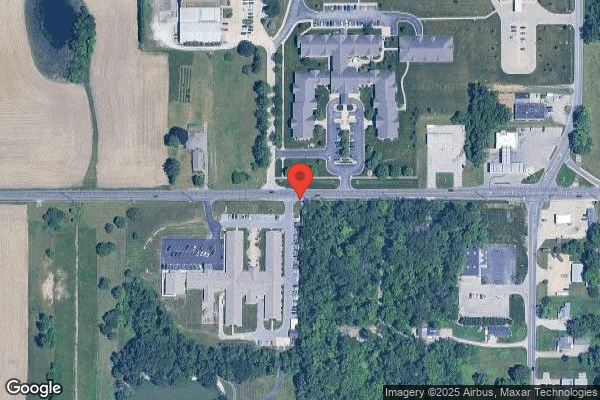

1235 W CROSS ST, ANDERSON, IN 46011 (765) 203-2409
Non profit - Other 94 Beds Independent Data: November 2025
Trust Grade
75/100
#172 of 505 in IN
Last Inspection: February 2025

Within standard 12-15 month inspection cycle. Federal law requires annual inspections.

Overview

Northview Health and Living in Anderson, Indiana has a Trust Grade of B, indicating it is a good choice for families, though there is room for improvement. It ranks #172 out of 505 facilities in Indiana, placing it in the top half, and #5 out of 11 in Madison County, meaning only a few local options are better. However, the facility's trend is worsening, with reported issues increasing from 4 in 2024 to 6 in 2025. Staffing is a positive aspect, with a 4 out of 5-star rating and a turnover rate of 35%, which is lower than the state average. On the downside, there were concerning incidents such as staff failing to wear proper gowns for residents in isolation, and a resident struggling to eat without adequate assistance. Additionally, the facility has less RN coverage than 85% of Indiana facilities, which could impact care. Fortunately, they have not incurred any fines, indicating a lack of compliance issues.

Trust Score
B
75/100
In Indiana
#172/505
Top 34%
Safety Record
Low Risk
No red flags
Inspections
Getting Worse
4 → 6 violations
Staff Stability
○ Average
35% turnover. Near Indiana's 48% average. Typical for the industry.
Penalties
✓ Good
No fines on record. Clean compliance history, better than most Indiana facilities.
Skilled Nurses
○ Average
Each resident gets 31 minutes of Registered Nurse (RN) attention daily — about average for Indiana. RNs are the most trained staff who monitor for health changes.
Violations
⚠ Watch
17 deficiencies on record. Higher than average. Multiple issues found across inspections.
★★★★☆
4.0
Overall Rating
★★★★☆
4.0
Staff Levels
★★★★☆
4.0
Care Quality
★★★★☆
4.0
Inspection Score
Stable
2024: 4 issues
2025: 6 issues

The Good

  • 4-Star Staffing Rating · Above-average nurse staffing levels
  • 4-Star Quality Measures · Strong clinical quality outcomes
  • Full Sprinkler Coverage · Fire safety systems throughout facility
  • No fines on record
  • Staff turnover below average (35%)

    13 points below Indiana average of 48%

Facility shows strength in staffing levels, quality measures, fire safety.

The Bad

Staff Turnover: 35%

11pts below Indiana avg (46%)

Typical for the industry

The Ugly 17 deficiencies on record

Feb 2025 6 deficiencies
CONCERN (D)

Potential for Harm - no one hurt, but risky conditions existed

Resident Rights (Tag F0550)

Could have caused harm · This affected 1 resident

Based on observation, interview, and record review, the facility failed to ensure a resident's dignity was maintained during dining by providing assistance with their meal. (Resident 49) Findings incl...

Read full inspector narrative →
Based on observation, interview, and record review, the facility failed to ensure a resident's dignity was maintained during dining by providing assistance with their meal. (Resident 49) Findings include: During a dining observation on 2/21/25 at 12:32 p.m., Resident 49 struggled to get food on her fork. She held the fork upside down and tried to get a bite of a cookie. She attempted to take a bite, and tried again as there was no food on the fork. At 12:46 p.m., CNA 9 asked the resident if she was okay. The resident nodded yes, and continued to unsuccessfully try to get food on her fork. The rest of her food was uneaten and out of her reach. At 12:49 p.m., CNA 9 helped her turn the utensil around and the resident was able to get a few bites of beans into her mouth. The plate with collard greens, fried potatoes, and cornbread remained out of Resident 49's reach. The resident coughed following a bite of beans and CNA 9 told her to take a drink. The drink was not within reach. The resident tried to reach the chocolate pudding, but it was out of reach. At 1:03 p.m., CNA 9 moved the pudding closer to the resident. The lunch plate remained out of the resident's reach. During an interview with CNA 9, on 2/21/25 at 1:11 p.m., she indicated she moved food closer to Resident 49 when it was necessary. She thought a divided plate might have been helpful because the resident had a tendency to eat one thing at a time. During an observation on 2/24/25 at 12:40 p.m., Resident 49 had her fork in the correct position and her lunch plate was within reach. Her drinks were out of reach. She held the fork just beneath her chin, not taking a bite. At 12:44 p.m., an unidentified staff member sat down and assisted her with her lunch. During an observation on 2/25/25 at 12:06 p.m., Resident 49 was sitting in a wheelchair alone at a dining table. At 12:39, her meal was delivered and a staff member cut up a baked sweet potato. Her drinks were not within reach. She repeatedly reached towards her plate, with no silverware in hand. She touched the food with her fingers, then withdraw her hand. At 12:43, she peeled off a piece of sweet potato skin, then tried to flick it off her finger. She tried to eat some of the potato with her finger, without success. She pointed at the sweet potato. At 12:45 p.m., she reached for her pudding, touched the bowl, then lowered her hand. At 12:46, LPN 7 offered a fork to the resident and helped her get a bite of the sweet potato. LPN 7 stood next to the resident, offered her a drink, and continued to assist her for approximately five minutes. LPN 7 remained standing throughout. At 12:51 p.m., LPN 7 ceased assisting her with her meal. Resident 49 made attempts to get food on her fork, dropped the fork, and was given a clean fork by LPN 7. The resident's attempts to get a bite of food were unsuccessful. At 12:54 p.m., CNA 9 gave the resident a drink and offered her a bite of food. At 12:56 p.m., CNA 9 returned to another resident to assisted with their lunch. Resident 49 continued to attempt to use the fork to eat her meal without success. During an interview with LPN 7, on 2/25/25 at 2:30 p.m., she indicated she wondered if Resident 49 was having trouble seeing. Usually, the resident fed herself, but was not doing well at lunch and seemed to be distracted. During an interview with the Assistant Director of Nursing (ADON), on 2/25/25 at 2:38 p.m., she indicated Resident 49 might have been experiencing a problem with depth perception. She was going to notify staff. During an interview with CNA 8, on 2/25/25 at 2:39 p.m., she indicated Resident 49's need for assistance had increased. The resident sometimes got her utensils confused and was a very slow eater. Sometimes, the staff took the resident's plate to her unit and she finished eating there. Resident 49's clinical record was reviewed on 2/24/25 at 2:45 p.m. Diagnoses included type 2 diabetes mellitus, hypertension, major depressive disorder, and unspecified dementia, unspecified severity, with anxiety. Current physician orders included health shake once daily at lunch for weight loss, fortified food program with meals, regular diet, regular texture, regular/thin consistency, as tolerated; caregivers may cut meats bite-sized (7/12/23). A 10/2/24, quarterly, Minimum Data Set (MDS) assessment indicated Resident 49 required partial to moderate assist for eating, including the ability to use suitable utensils to bring food and/or liquid to the mouth and swallow food and/or liquid once the meal was placed before the resident. A 12/30/24 quarterly MDS assessment indicated the resident required substantial/maximal assist for eating - including the ability to use suitable utensils to bring food and/or liquid to the mouth and swallow food and/or liquid once the meal is placed before the resident. A current care plan for activities of daily living (ADL) self care performance deficit, initiated on 7/28/22, indicated the resident needed substantial to dependent assist for toileting, bed mobility, transfers, and set-up for eating and drinking, all related to weakness or debility. One goal of the ADL focus was the resident would feed herself at each meal through the next review date. Eating interventions included the resident will be able to hold cup, feed self, eat finger foods independently, and encourage the resident to participate to the fullest extent possible with each interaction. The care plan did not include revisions indicated by the 12/30/24 quarterly MDS assessment which identified the resident's need for substantial/maximal assist for eating. A current care plan, initiated 8/3/22, indicated the resident had a nutritional problem or potential for nutritional problems related to type 2 diabetes mellitus, dementia, hypertension, hypercholesterolemia, hypothyrodism, and a vitamin D deficiency. The resident required total assistance, and refused to eat. Meal intakes were inadequate to her nutritional needs and required supplementation. Interventions included maintenance of weight without significant changes through next review, monitor nutritionally related labs as needed/referred, obtain and evaluate weights as ordered/per policy and/or at minimum, monthly. Notify the physician, dietitian and family of any significant changes. Provide medications and adaptive equipment as ordered. A fortified food program was initiated on 6/17/24, as well as a daily health shake supplement. Monitor and record intake, and offer meal substitutions as needed. The care plan did not include revisions indicated by the 12/30/24 quarterly MDS assessment which identified the resident's need for substantial/maximal assist for eating. A current care plan for a restorative program, initiated on 10/17/22, for active range of motion to all extremities related to a risk for decline in strength and range of motion, post therapy, and dementia. Interventions included encouraging the resident to participate in exercise group and praise her efforts. Give directions slowly and repeat to ensure the resident understands. A restorative nursing program assessment, dated 2/19/25 at 4:21 p.m., indicated the resident was receiving active range of motion (ROM) therapy for bilateral upper extremities (BUD). The plan of care did not include receiving therapy for eating/dining. A 9/2024 facility policy, titled Care Plan Revisions Upon Status Change, provided by the ADON on 2/25/25 at 4:01 p.m., indicated the following: Policy Explanation and Compliance Guidelines: .2) Procedure for reviewing and revising the care plan when a resident experiences a status change: a) Upon identification of a change in status, the nurse will notify the MDS Coordinator, the physician, and the resident representative, if applicable. b) The MDS Coordinator and the Interdisciplinary Team will discuss the resident condition and collaborate on intervention options .d) The care plan will be updated with the new or modified interventions 3.1-35(d)(2)(B)
CONCERN (D)

Potential for Harm - no one hurt, but risky conditions existed

Transfer Notice (Tag F0623)

Could have caused harm · This affected 1 resident

Based on record review and interview, the facility failed to provide notifications of discharges to the Long-Term Care Ombudsman for 2 of 4 residents reviewed for hospitalizations. (Resident 53 and 30...

Read full inspector narrative →
Based on record review and interview, the facility failed to provide notifications of discharges to the Long-Term Care Ombudsman for 2 of 4 residents reviewed for hospitalizations. (Resident 53 and 30) Findings include: 1. Resident 53's clinical record was reviewed on 2/21/25 at 11:48 a.m. Diagnoses included heart failure, change of fatty liver, generalized muscle weakness, unsteadiness on feet, and need for assistance with personal care. A discharge Minimum Data Set (MDS) assessment, dated 12/18/24, indicated the resident discharged with a return anticipated. A Nurse's note, dated 12/18/24 at 6:46 p.m., indicated the resident was transported to the hospital for evaluation due to lethargy. A Nurse's note, dated 12/28/24 at 3:52 p.m., indicated the resident returned from the hospital and was readmitted to the facility. 2. Resident 30's clinical record was reviewed on 2/24/25 at 2:58 p.m. Diagnoses included dementia, generalized muscle weakness, unsteadiness on feet, and need for assistance with personal care. A discharge MDS assessment, dated 1/12/25, indicated the resident discharged with a return anticipated. Review of a discharge transfer form, dated 1/12/24, indicated the resident was discharged to the hospital due to an elevated pulse, high fever, and lethargy. A Nurse's note, dated 1/12/25 at 12:32 p.m., indicated the resident was admitted to the hospital. An entry MDS assessment, dated 1/14/25, indicated the resident returned to the facility. During an interview on 2/25/25 at 10:15 a.m., the Social Services Director (SSD) indicated on the first Monday of each month she ran the Admission/Discharge report, saved it to the desktop, and utilized the Ombudsman link to submit the Ombudsman notifications for resident transfers and discharges. Once completed, she printed off confirmation and kept it in a binder. She ran the Discharge report again and indicated Resident 53 and Resident 30 were not on the discharge report utilized for the Ombudsman notifications. She was unaware of any other report she could have utilized. She believed the way Resident 53 and Resident 30 were placed in census prevented them from showing on the discharge report. The census was done by the admission Coordinator. During an interview on 2/25/25 at 10:27 a.m., the admission Coordinator indicated the Hospital Tracking Report should have been referenced to ensure other payer sources were accounted for in the discharge process. On 2/29/25 at 9:20 a.m., the ADON indicated a provided facility discharge report, dated from 12/1/24 to 12/31/24, was utilized by the facility for Ombudsman notification. The report lacked Residents 53 and 30's name and discharge information. A current facility document, undated, titled Notice of Discharge to Ombudsman, provided by the Administrator on 2/25/25 at 12:10 p.m., indicated the following: . Emergency Transfer . When a resident is temporarily transferred on an emergency basis to an acute care facility, a notice of transfer must be provided to the resident and resident representative as soon as practicable before the transfer. Copies of notices for emergency transfers must also still be sent to the ombudsman, but they may be sent when practicable, such as in a list of residents on a monthly basis 3.1-12(a)(6)(A)(iv)
CONCERN (D)

Potential for Harm - no one hurt, but risky conditions existed

ADL Care (Tag F0677)

Could have caused harm · This affected 1 resident

Based on observation, interview, and record review, the facility failed to provide assistance and cuing with dining to maximize residents' current abilities for 2 of 2 residents reviewed for activitie...

Read full inspector narrative →
Based on observation, interview, and record review, the facility failed to provide assistance and cuing with dining to maximize residents' current abilities for 2 of 2 residents reviewed for activities of daily living (ADLs). (Residents 49 and 223) Findings include: During a dining observation on 2/21/25 at 12:32 p.m., Resident 49 struggled to get food on her fork. She held the fork upside down and tried to get a bite of a cookie. She attempted to take a bite, and tried again as there was no food on the fork. At 12:46 p.m., CNA 9 asked the resident if she was okay. The resident nodded yes, and continued to unsuccessfully try to get food on her fork. The rest of her food was uneaten and out of her reach. At 12:49 p.m., CNA 9 helped her turn the utensil around and the resident was able to get a few bites of beans into her mouth. The plate with collard greens, fried potatoes, and cornbread remained out of Resident 49's reach. The resident coughed following a bite of beans and CNA 9 told her to take a drink. The drink was not within reach. The resident tried to reach the chocolate pudding, but it was out of reach. At 1:03 p.m., CNA 9 moved the pudding closer to the resident. The lunch plate remained out of the resident's reach. During an interview with CNA 9, on 2/21/25 at 1:11 p.m., she indicated she moved food closer to Resident 49 when it was necessary. She thought a divided plate might have been helpful because the resident had a tendency to eat one thing at a time. During an observation on 2/24/25 at 12:40 p.m., Resident 49 had her fork in the correct position and her lunch plate was within reach. Her drinks were out of reach. She held the fork just beneath her chin, not taking a bite. At 12:44 p.m., an unidentified staff member sat down and assisted her with her lunch. During an observation on 2/25/25 at 12:06 p.m., Resident 49 was sitting in a wheelchair alone at a dining table. At 12:39, her meal was delivered and a staff member cut up a baked sweet potato. Her drinks were not within reach. She repeatedly reached towards her plate, with no silverware in hand. She touched the food with her fingers, then withdraw her hand. At 12:43, she peeled off a piece of sweet potato skin, then tried to flick it off her finger. She tried to eat some of the potato with her finger, without success. She pointed at the sweet potato. At 12:45 p.m., she reached for her pudding, touched the bowl, then lowered her hand. At 12:46, LPN 7 offered a fork to the resident and helped her get a bite of the sweet potato. LPN 7 stood next to the resident, offered her a drink, and continued to assist her for approximately five minutes. LPN 7 remained standing throughout. At 12:51 p.m., LPN 7 ceased assisting her with her meal. Resident 49 made attempts to get food on her fork, dropped the fork, and was given a clean fork by LPN 7. The resident's attempts to get a bite of food were unsuccessful. At 12:54 p.m., CNA 9 gave the resident a drink and offered her a bite of food. At 12:56 p.m., CNA 9 returned to another resident to assisted with their lunch. Resident 49 continued to attempt to use the fork to eat her meal without success. During an interview with LPN 7, on 2/25/25 at 2:30 p.m., she indicated she wondered if Resident 49 was having trouble seeing. Usually, the resident fed herself, but was not doing well at lunch and seemed to be distracted. During an interview with the Assistant Director of Nursing (ADON), on 2/25/25 at 2:38 p.m., she indicated Resident 49 might have been experiencing a problem with depth perception. She was going to notify staff. During an interview with CNA 8, on 2/25/25 at 2:39 p.m., she indicated Resident 49's need for assistance had increased. The resident sometimes got her utensils confused and was a very slow eater. Sometimes, the staff took the resident's plate to her unit and she finished eating there. Resident 49's clinical record was reviewed on 2/24/25 at 2:45 p.m. Diagnoses included type 2 diabetes mellitus, hypertension, major depressive disorder, and unspecified dementia, unspecified severity, with anxiety. Current physician orders included health shake once daily at lunch for weight loss, fortified food program with meals, regular diet, regular texture, regular/thin consistency, as tolerated; caregivers may cut meats bite-sized (7/12/23). A 10/2/24, quarterly, Minimum Data Set (MDS) assessment indicated Resident 49 required partial to moderate assist for eating, including the ability to use suitable utensils to bring food and/or liquid to the mouth and swallow food and/or liquid once the meal was placed before the resident. A 12/30/24 quarterly MDS assessment indicated the resident required substantial/maximal assist for eating - including the ability to use suitable utensils to bring food and/or liquid to the mouth and swallow food and/or liquid once the meal is placed before the resident. A current care plan for activities of daily living (ADL) self care performance deficit, initiated on 7/28/22, indicated the resident needed substantial to dependent assist for toileting, bed mobility, transfers, and set-up for eating and drinking, all related to weakness or debility. One goal of the ADL focus was the resident would feed herself at each meal through the next review date. Eating interventions included the resident will be able to hold cup, feed self, eat finger foods independently, and encourage the resident to participate to the fullest extent possible with each interaction. The care plan did not include revisions indicated by the 12/30/24 quarterly MDS assessment which identified the resident's need for substantial/maximal assist for eating. A current care plan, initiated 8/3/22, indicated the resident had a nutritional problem or potential for nutritional problems related to type 2 diabetes mellitus, dementia, hypertension, hypercholesterolemia, hypothyrodism, and a vitamin D deficiency. The resident required total assistance, and refused to eat. Meal intakes were inadequate to her nutritional needs and required supplementation. Interventions included maintenance of weight without significant changes through next review, monitor nutritionally related labs as needed/referred, obtain and evaluate weights as ordered/per policy and/or at minimum, monthly. Notify the physician, dietitian and family of any significant changes. Provide medications and adaptive equipment as ordered. A fortified food program was initiated on 6/17/24, as well as a daily health shake supplement. Monitor and record intake, and offer meal substitutions as needed. The care plan did not include revisions indicated by the 12/30/24 quarterly MDS assessment which identified the resident's need for substantial/maximal assist for eating. A current care plan for a restorative program, initiated on 10/17/22, for active range of motion to all extremities related to a risk for decline in strength and range of motion, post therapy, and dementia. Interventions included encouraging the resident to participate in exercise group and praise her efforts. Give directions slowly and repeat to ensure the resident understands. A restorative nursing program assessment, dated 2/19/25 at 4:21 p.m., indicated the resident was receiving active range of motion (ROM) therapy for bilateral upper extremities (BUD). The plan of care did not include receiving therapy for eating/dining. 2. Resident 223's clinical record was reviewed on 2/21/25 at 9:38 a.m. Diagnoses included benign prostatic hyperplasia without lower urinary tract symptoms, chronic kidney disease, anxiety disorder, dementia in other diseases classified elsewhere, unspecified severity, with mood disturbance, and type 2 diabetes mellitus. A 2/12/25 admission MDS assessment indicated the resident required extensive assistance with transfers, toileting, and eating/drinking. A current care plan for activity of daily living self-care performance deficit indicated he needed substantial/maximal assistance for toileting, bed mobility, transfers, and set-up/partial assistance for eating and drinking. The resident would feed himself 50% of each meal and staff would assist him when he could not feed himself. A progress note, dated 2/7/25 at 8:17 a.m., indicated the resident required maximum to dependent assistance with bed mobility, eating, toileting, and transfers. A progress note, dated 2/13/25 at 2:45 p.m., indicated the resident required minimum to moderate assistance on most tasks. During an observation on 2/21/25 at 10:41 a.m., Resident 223 lay flat in his bed. His breakfast tray sat on the bedside table with over half of the food remaining. During a dining observation on 2/24/25 at 12:44 p.m., Resident 223 drank some water from his lunch tray, but did not eat the food. He intermittently slept. No staff approached the resident to cue him or assist him with lunch. At 12:55 p.m., CNA 10 approached the resident and asked if he was ready to go. Seventy-five percent of the meal remained on the plate. The CNA did not ask him if he would like something else to eat before assisting him to the activities room. During an observation on 2/25/25 at 12:09 p.m., Resident 223 was assisted into the dining room by staff and provided a clothing protector. At 12:18 p.m., drinks were offered. At 12:29 p.m., the resident took a drink of milk and played with the napkin. At 12:34 p.m., his lunch plate was delivered and set-up. He took a bite of the sweet potato at 12:37 p.m. He struggled to get food on his fork. He looked around the room and leaned far over his plate to get a bite. At 12:49 p.m., his cauliflower was half-eaten, and two thirds of his sweet potato remained. There was no staff interaction with Resident 223 after his plate was delivered. During an interview with CNA 10 on 2/25/25 at 10:53 a.m., she indicated Resident 223 was often confused. A current facility policy, titled Activities of Daily Living, and provided by the ADON on 2/25/25 at 4:00 p.m., indicated the following: .Policy: Based on the comprehensive assessment of a resident and consistent with the resident's needs and choices, the facility must provide the necessary care and services to ensure that a resident's abilities in activities of daily living do not diminish unless circumstances of the individual's clinical condition demonstrates that such diminution was unavoidable. The facility must provide care and services in accordance with regulations for the following activities of daily living .Dining - eating, including meals and snacks .A resident who is unable to carry out activities of daily living receives the necessary services to maintain good nutrition 3.1-38(a)(2)(D)
CONCERN (D)

Potential for Harm - no one hurt, but risky conditions existed

Accident Prevention (Tag F0689)

Could have caused harm · This affected 1 resident

Based on record review and interview, the facility failed to implement a fall intervention to prevent further falls for 1 of 3 residents reviewed for falls. (Resident 53) Finding includes: Resident 5...

Read full inspector narrative →
Based on record review and interview, the facility failed to implement a fall intervention to prevent further falls for 1 of 3 residents reviewed for falls. (Resident 53) Finding includes: Resident 53's clinical record was reviewed on 2/21/25 at 11:48 a.m. Diagnoses included heart failure, change of fatty liver, generalized muscle weakness, unsteadiness on feet, need for assistance with personal care, depression and anxiety. Current orders included clopidogrel bisulfate (anti-platelet) 75 milligrams (mg) 75 mg by mouth once daily, trazodone hydrochloride (insomnia) 50 mg administer 25 mg by mouth at bedtime, tramadol (opioid pain reliever) 50 mg by mouth every six hours as needed and metoprolol succinate (blood pressure and heart rate) extended release 50 mg by mouth twice a day, staff may use the mechanical lift for transfers with the assistance of two staff members (11/25/24), apply a pull tab alarm to the chair every shift (2/3/25), apply the off-loading boot to the resident's right heel every shift when he is in the wheelchair (2/20/25). An annual Minimum Data Set (MDS) assessment, dated 11/28/24, indicated the resident was cognitively intact. He had a functional limitation in range of motion in both lower extremities. The resident was dependent on staff assistance for toileting, bathing, transfers, dressing lower extremities, donning and doffing of footwear, and sit to stand mobility. He had two or more falls with no injury since his last assessment. A significant change MDS assessment, dated 1/13/25, indicated the resident had an altered level of consciousness that fluctuated. He used the wheelchair for mobility. The resident was dependent on staff assistance for eating, toileting, bathing, dressing, personal hygiene, transfers, repositioning, and donning and doffing of footwear. He did not have any falls since admission or his prior assessment. A current care plan for activities of daily living self-care performance deficit, dated 6/19/23, indicated the resident was dependent on staff assistance for toileting, bed mobility, and transfers. Interventions included the following: the resident required two staff participation with transfers and a mechanical lift (6/19/23), the resident required one to two staff participation with transfers (9/25/23), the resident required one to two staff participation with transfers, may use the mechanical lift (7/3/24), the resident required two staff participation with transfers and the mechanical lift (11/26/24). A current fall care plan, dated 8/14/23, indicated the resident had falls on 6/7/24, 10/2/24, 10/7/24, and 2/2/25. Interventions included the following: non-skid socks in place (10/28/23), chair alarm to wheelchair (initiated on 1/29/24 and removed on 11/20/24), two person assistance from staff for transfers (10/2/24), staff educated on the need to follow the care guides (10/8/24), and placed alarm in chair (2/3/25). An Interdisciplinary Team (IDT) note, dated 6/7/24 at 7:45 a.m., indicated the resident had a witnessed fall when a CNA attempted to transfer the resident from the bed to the wheelchair without the use of a gait belt. Socks and shoes were on the resident's feet at the time of the fall. The resident lost his balance, fell forward onto the floor, and hit his head on the floor, which resulted in a reddened area. The resident had participated in therapy due to weakness and decline in activities of daily living. The immediate intervention was staff education regarding gait belt assistance with all assisted transfers. A fall risk assessment, dated 6/7/24, indicated the resident was at high risk for falls. A nurse's note, dated 10/2/24 at 5:15 p.m., indicated the resident had a witnessed fall when he was assisted by a CNA to transfer from the bed to the wheelchair. The resident's knees buckled due to weakness and he was lowered to the floor. A gait belt was in use. The resident had his shoe on his left foot and the boot ordered to his other foot. No injuries were found during the assessment. A new order was received for the resident to have two staff member assistance. The resident representative, provider, and management were notified. An IDT note, dated 10/2/24 at 5:15 p.m., indicated the resident was on therapy case load for a decline in activities of daily living when the resident was lowered to the floor on 10/2/24 at 5:15 p.m. The IDT team agreed the resident required two staff member assistance. A fall risk assessment, dated 10/2/24, indicated the resident was at high risk for falls. A Nurse's note, dated 10/7/24 at 1:53 p.m., indicated the resident had a witnessed fall when he was assisted by a CNA to transfer from the wheelchair to the bed with a gait belt in use. The resident had a non-skid sock on his left foot and the right foot was bare. The resident became weak and was lowered to the floor during the transfer. No injuries were identified during the assessment. The immediate interventions included the CNA was re-educated to follow the CNA Care Guide. The resident representative and provider were notified. An IDT note, dated 10/7/24 at 1:30 p.m. indicated the resident was lowered to the floor on 10/7/24 by a CNA who attempt to transfer the resident from the wheelchair to the bed. The resident began to lean back while standing and the CNA eased the resident to the floor. When the nurse entered the room, the resident was upright on the floor parallel with the bed. His right foot was bare because the CNA removed the off-loading boot prior to the transfer. The CNA stood next to the resident with the gait belt grasped. The wheelchair was behind the resident with the brakes locked. The CNA was given re-education for failure to follow the CNA Care Guide that listed the resident as a two staff member transfer. The IDT agreed with the plan of care. A fall risk assessment, dated 10/7/24, indicated the resident was at high risk for falls. During an interview on 2/25/25 at 2:27 p.m., CNA 6 indicated Resident 53 required assistance from two staff members for transfers. The resident had fallen earlier this month on her shift. The resident was in his wheelchair when she went to lunch. Just as she returned from lunch, she found him on the floor when she went to answer a call light. He was on the floor in his room on his stomach and his wheelchair was beside him. No alarms were sounding when she found him on the floor. His non-skid socks were on his feet. She could not recall any other fall interventions in place when she found him on the floor. CNAs were required to use the CNA Care Guides and followed them for reference every shift. She had a CNA Care Guide in her pocket and provided a copy of the current CNA Care Guide from the Nurses station. Review of the CNA Care Guide on 2/25/25 at 2:29 p.m., indicated Resident 53 was a fall risk. In the Equipment Assist column, it indicated the resident used a wheelchair and mechanical lift. The form lacked how many staff were required to provide assistance for the resident's transfers. Four other residents were listed on the form with a mechanical lift and indicated two staff members were required to provide assistance for these residents. During an interview on 2/25/25, at 2:47 p.m., LPN 5 indicated Resident 53 had been a high fall risk for quite some time. She believed she was on duty when an aide lowered him to the floor back in October. She did not recall all of the details, but only one aide was present for the transfer during the fall. Education was provided to the aide who lowered the resident to the floor. She was unable to recall what fall interventions were in place when the resident was lowered to the floor on her shift in October. Around July/August of 2024, the resident required one to two person staff assistance. The resident had declined since then and required a mechanical lift and two person staff assistance now. When a resident had a fall, nursing was required to find the root cause of the fall and implement a fall intervention immediately, to prevent further falls. Once a fall intervention was implemented, it remained in place and should have been followed. The care plan interventions did not carry forward on the CNA Care Guides. Instead, management manually updated the CNA Care Guides. They tried to update them the date the intervention change occurred. During an interview on 2/25/25 at 3:02 p.m., the ADON indicated she was unable to provide copies of the CNA Care Guides for 10/2/24, 10/7/24, and 2/2/25, as the updates were saved in place of the previous dates. Once care plan interventions were developed, they should have been followed until they were discontinued. When the resident was lowered to the floor by one staff member on 10/2/24, the immediate fall intervention included two person assistance. On 10/7/24 the resident was lowered to the floor again by one staff member. The staff member was educated due to a failure to implement the fall intervention developed on 10/2/24 to prevent further falls. A current facility policy, dated 10/2017, titled Comprehensive Care Plans, provided by Unit Manager 11 on 2/25/25 at 4:15 p.m., indicated the following: Policy: It is the policy of this facility to develop and implement a comprehensive person-centered care plan for each resident, consistent with resident rights, that includes measurable objectives and timeframes to meet a resident's medical, nursing, and mental and psychosocial needs and ALL services that are identified in the resident's comprehensive assessment and meet professional standards of quality A current facility policy, dated 10/2017, titled Fall Prevention Program, provided by the ADON on 2/25/25 at 4:20 p.m., indicated the following: Policy: Each resident will be assessed for fall risk and will receive care and services in accordance with their individualized level of risk to minimize the likelihood of falls. Definitions: A fall is an event in which an individual unintentionally comes to rest on the ground, floor, or other level, but not as a result of an overwhelming external force . The event may be witnessed, reported, or presumed when a resident is found on the floor or ground, and can occur anywhere . Policy Explanation and Compliance Guidelines: . 3. The nurse will indicate . the resident's fall risk and initiate interventions 3.1-35(g)(1) 3.1-45(a)
CONCERN (D)

Potential for Harm - no one hurt, but risky conditions existed

Pharmacy Services (Tag F0755)

Could have caused harm · This affected 1 resident

**NOTE- TERMS IN BRACKETS HAVE BEEN EDITED TO PROTECT CONFIDENTIALITY** Based on observation and interview, the facility failed to appropriately label and date medications for 3 of 5 carts reviewed fo...

Read full inspector narrative →
**NOTE- TERMS IN BRACKETS HAVE BEEN EDITED TO PROTECT CONFIDENTIALITY** Based on observation and interview, the facility failed to appropriately label and date medications for 3 of 5 carts reviewed for medication storage. (100 hall medication cart #1, 100 hall medication cart #2, and 100 hall respiratory cart) Findings include: During a medication storage observation on [DATE] at 10:13 a.m., accompanied by LPN 15, the 100 hall medication cart #1 had an opened and undated vial of insulin lispro. The vial was 3/4 full. LPN 15 indicated insulin should be labeled with an opened date. On [DATE] at 10:23 a.m., accompanied by QMA 13, the 100 hall medication cart #2 had an opened and undated insulin glargine (Quikpen) with 4 units remaining. QMA 13 indicated the insulin was supposed to be dated when opened. On [DATE] at 12:11 p.m., accompanied by QMA 13, the 100 hall respiratory cart was observed with the following: albuterol sulfate (bronchodilator) HFA inhaler with an expiration date of [DATE] lacked an open date; albuterol sulfate HFA inhaler with an expiration date of [DATE] lacked an open date; fluticasone/umeclidinium/vilanterol powder (inhaled medication) breath activated, 100 mcg/6.2 mcg/25 mcg, with an expiration date of 6/2026 lacked an open date; albuterol sulfate HFA with an expiration date of [DATE] lacked an open date and was expired; ipratropium-albuterol (bronchodilator) solution 0.5-2.5 mg/3 mL, with an expiration date of [DATE] lacked an open date; albuterol 108 mcg/act HFA inhaler with an expiration date of [DATE] lacked an open date. QMA 13 indicated she dated inhalers when opened. She was not allowed to provide nebulizer treatments. During an interview with the Respiratory Therapist on [DATE], at 9:21 a.m., she indicated both inhalers and nebulizer ampules should have been dated when opened. Manufacturer expiration dates were on the packages. During an interview with Unit Manager 11, on [DATE] at 12:37 p.m., she indicated insulin, eye drops, and inhalers should be dated when opened. If staff found undated medications, they could ask other staff when the medication was opened. If unsuccessful, those medications should not have been used and staff should have disposed of them properly. If a medication was expired, it should have been appropriately disposed. Staff should have notified the pharmacy to update them on the status of any expired or undated, open medications. A current facility policy, titled Medication Administration - Labeling of Medication, was provided by the ADON on [DATE] at 10:30 a.m., and indicated the following: Policy - To ensure that the facility, in coordination with the licensed pharmacist, provide for accurate labeling to facilitate safe administration of medications and consideration of precautions in accordance with the currently accepted professional principles .3) Multi-dose medication vials/devices should be labeled with the date opened/accessed 3.1-25(o)
MINOR (C)

Minor Issue - procedural, no safety impact

Staffing Information (Tag F0732)

Minor procedural issue · This affected most or all residents

Based on observation, interview, and record review, the facility failed to post complete nurse staffing information daily for residents and visitors. This had the potential to affect 70 of 70 resident...

Read full inspector narrative →
Based on observation, interview, and record review, the facility failed to post complete nurse staffing information daily for residents and visitors. This had the potential to affect 70 of 70 residents in the facility. Finding includes: During an observation on 2/19/25 at 4:00 p.m., the facility nurse staffing, dated 2/19/25, was posted on a bulletin board in the main hallway across from the dining room. The posting lacked the facility census for the day. During an observation on 2/20/25 at 2:55 p.m., the facility nurse staffing, dated 2/20/25, was posted on the bulletin board in the main hallway across from the dining room. The posting lacked the facility census for the day. Staffing, dated 2/20/25, was posted as follows for the individual shifts: First Shift: Registered Nurse - one at 8 hours Licensed Practical Nurse - three at 8 hours Qualified Medication Aide - two at 8 hours Certified Nurse Aide - nine at 7.5 hours Total Hours: 113.5 (inaccurate- totals 115.5) Second Shift: Registered Nurse - one at 4 hours Licensed Practical Nurse - three at 8 hours Qualified Medication Aide - two at 4 hours Certified Nurse Aide - eight at 7.5 hours Total Hours: 100 (inaccurate- totals 96) Third Shift: Registered Nurse - blank Licensed Practical Nurse - two at 8 hours, one at 4 hours Qualified Medication Aide - one at 8 hours Certified Nurse Aide- four at 7.5 hours Total Hours: 58 During an observation on 2/21/25 at 4:18 p.m., the facility nurse staffing, dated 2/20/25, remained posted on the bulletin board in the main hallway across from the dining room. The posting lacked the facility census. The nurse staffing hours worked and totals for the licensed nurses and certified aides were not updated for the current date and remained as listed above. During an interview on 2/21/25 at 4:31 p.m., the Business Office Manager indicated the staffing posting was still from 2/20/25. The Scheduler typically did the daily nurse staffing posting. It had not been updated for the current date because she was not working. She was unaware who was assigned to post the staffing in her absence. The daily nurse staffing was always posted in the same location each day, on the bulletin board across from the dining room, by her office. During an interview on 2/21/25 at 4:34 p.m., the Administrator indicated the nurse staffing should have been posted in the morning for the current day. The posting remained unchanged from the staffing posted on 2/20/25. The Scheduler was off work and the duties had not been reassigned to someone else. She indicated the staffing posted each day lacked the facility census on the form. A current facility policy, dated 10/2017, titled Nurse Staffing Posting Information, provided by the Administrator on 2/24/25 at 10:15 a.m., indicated the following: Policy: It is the policy of this facility to make nurse staffing information readily available in a readable format to residents, staff, and visitors at any given time. Policy Explanation and Compliance Guidelines: 1. The Nurse Staffing Sheet will be posted on a daily basis and will contain the following information: a. Facility name b. The current date c. Facility's current resident census d. The total number and actual hours worked by the following categories of licensed and unlicensed nursing staff directly responsible for resident care per shift: i. Registered Nurses ii. Licensed Practical Nurses/Licensed Vocational Nurses iii. Certified Nurse Aides 2. The facility will post the Nurse Staffing Sheet at the beginning of each shift. 3. The information posted will be: a. Presented in a clear and readable format. b. In a prominent place readily accessible to residents, staff, and visitors
Mar 2024 4 deficiencies
CONCERN (D)

Potential for Harm - no one hurt, but risky conditions existed

Pressure Ulcer Prevention (Tag F0686)

Could have caused harm · This affected 1 resident

**NOTE- TERMS IN BRACKETS HAVE BEEN EDITED TO PROTECT CONFIDENTIALITY** Based on observation, interview, and record review, the facility failed implement interventions to prevent the development of a ...

Read full inspector narrative →
**NOTE- TERMS IN BRACKETS HAVE BEEN EDITED TO PROTECT CONFIDENTIALITY** Based on observation, interview, and record review, the facility failed implement interventions to prevent the development of a pressure injury during a change in condition (Resident 56) and failed to assess and develop interventions to promote healing of pressure injuries (Resident 37) for 2 of 5 residents reviewed for pressure injuries. Findings include: 1. During an observation, on 3/20/24 at 9:49 a.m., Resident 56 was resting in his bed, with the head of the bed elevated. During an observation, on 3/20/24 at 10:04 a.m., the resident was lying in bed with heel protector boots on. The resident pointed to his right foot and indicated he had a bad area that turned into a hole. The resident's clinical record was reviewed on 3/22/24 at 9:45 a.m. Diagnoses included arteriosclerotic heart disease of the native coronary artery with unstable angina pectoris (thickening or hardening of the arteries where the heart does not get enough blood flow and oxygen), hypertensive heart disease with heart failure (heart disease developed over years of high blood pressure), type 2 diabetes mellitus, need for assistance with personal care, foot drop of right foot (difficulty lifting the front part of foot), and pressure-induced deep tissue damage of the right heel. Current physician orders included apply skin protectant wipes to both heels every shift (6/19/23), cleanse right heel with normal saline, pat dry. Apply house skin cream to right foot and heel. Apply skin protectant wipes to wound bed every shift and as needed for soilage or displacement (3/13/24), Pressure reducing/relieving, redistributing cushion to chair every shift (6/19/23), and pressure reducing/relieving, redistributing mattress to bed every shift (6/19/23), and heel protector boots (soft boots with a cushioned bottom that float heels off the surface of the mattress) to be worn at all times when resident is resting in bed every shift (11/20/23). A quarterly Minimum Data Set (MDS) assessment, completed on 11/16/23, indicated the resident was cognitively intact. He required substantial to maximal assistance with lower body dressing, putting on and taking off footwear, rolling left and right, moving from sitting to lying position, and moving from lying to sitting position. He was at risk for developing pressure injuries. A care plan for potential for skin impairment was initiated on 6/19/23. The interventions included pressure relieving/reducing mattress to protect the skin while in bed (6/19/23), encourage good hydration and nutrition (6/19/23), and treatments as ordered (6/19/23). A progress note, dated 11/17/23 at 5:18 p.m., indicated the resident was seen for an acute visit of Coronavirus infection (COVID-19), presence of heart failure, chronic kidney disease, diabetes mellitus, and hypertension. The resident's symptoms were beginning to minimize. He continued to receive oxygen support. A progress note, dated 11/20/23 at 2:26 p.m., indicated an area was found to the right heel. The area measured 4.4 centimeters (cm) length (L) by 5.8 cm width (W). The area was an intact fluid filled blister with a deep purple color. A care plan for skin impairment, initiated on 6/19/23, indicated the resident had a deep tissue injury to the right heel on 11/20/23. The interventions included heel protector boots as ordered (12/20/23). A consultant wound assessment performed on 12/6/23 indicated the area was a pressure injury, was unstageable, and measured 4.0 cm L by 6.0 cm W. The wound bed tissue composition was 100% eschar (dead tissue). A consultant wound assessment performed on 1/31/24 indicated the pressure injury was a stage 3 (a full skin thickness loss with depth to the subcutaneous tissue) and measured 3.0 cm L by 3.0 cm W. The wound bed tissue composition was 100 % epithelial (thin layer of tissue that covers structures in the body). A consultant wound assessment performed on 3/20/24 indicated the pressure injury was a stage 3 and measured 1.5 cm L by 1.4 cm W by less than 0.1 cm depth. The wound bed tissue composition was 100 % epithelial. During an observation, on 3/21/24 at 3:20 p.m., LPN 9 removed the resident's heel protector boots and dressing to the resident's right heel. The pressure injury was the size of the diameter of an AA battery. The wound bed was beefy red. During an interview, on 3/25/24 at 3:44 p.m., CNA 15 indicated when the resident had COVID-19 he continued to get up in his wheelchair. She did not remember him requiring more assistance at that time. During an interview, on 3/25/24 at 4:47 p.m., LPN 9 indicated the resident's pressure injury developed just prior to going to the hospital. He had COVID-19 at that time and was a little weaker. 2. During an observation and interview on 3/19/24 at 11:20 a.m., Resident 37 was asleep in bed, on a low air loss mattress, laying on his back. He indicated he had wounds on his buttocks that were painful. He had them for quite awhile, although he was uncertain of the length of time. He required staff's assistance for mobility in bed, transfers, and for toileting. Resident 37's clinical record was reviewed on 3/21/24 at 4:37 p.m. Diagnoses included, personal history of transient ischemic attack, stage 2 pressure ulcer of the right buttocks, stage two pressure ulcer of the left buttocks, iron deficiency anemia, and need for assistance with personal care. A current physician order, dated 1/5/24, indicated to apply barrier cream to both gluteal/buttocks, perineal area, coccyx/sacrum every shift for prevention and protection. A current physician order, dated 1/8/24, included a low air loss mattress for wounds. A physician order, dated 1/10/24, included Pro Stat (supplement for wound healing) 30 milliliters by mouth twice daily. A physician order, dated 1/10/24, indicated the following: cleanse the left and right buttock with normal saline, pat dry, apply Anasept gel (wound treatment), cover with a superabsorbent polymer (SAP) dressing, and change daily and as needed. This order was discontinued on 1/17/24. A physician order, dated 1/17/24, indicated the following: cleanse the left and right buttock with normal saline, pat dry, apply Anasept gel to the open wound bed, apply skin barrier cream to the remainder area, cover with a SAP dressing, and change daily and as needed. This order was discontinued on 1/24/24. A physician order, dated 1/24/24, indicated the following: cleanse the right buttock with normal saline, pat dry, apply Calcium Alginate (wound treatment used for partial and full thickness draining wounds) to open wound beds, cover with SAP dressing, and change daily and as needed. This order was discontinued on 2/7/24. A physician order, dated 2/7/24, indicated the follow: cleanse the right buttocks with normal saline, pat dry, apply Silvasorb (wound treatment) gel to open wound beds, cover with SAP dressing, and change daily and as needed. This order was discontinued on 2/14/24 A physician order, dated 2/14/24, indicated the following: cleanse the bilateral buttocks with normal saline, pat dry, apply Silvasorb gel to open wound beds, apply Xeroform (wound treatment) to bleeding areas, cover with an SAP dressing, and change daily and as needed. This order was discontinued on 2/28/24. A physician order, dated 2/28/24, indicated the following: cleanse the bilateral buttocks with normal saline, pat dry, apply Calcium Alginate AG, cover with an SAP dressing, and change daily and as needed. This order was discontinued on 3/13/24. A physician order, dated 3/13/24, indicated the following: cleanse the bilateral buttocks with normal saline, pat dry, apply calcium alginate, cover with an SAP dressing, and change daily and as needed. This order was discontinued on 3/20/24. A current physician order, dated 3/20/24, indicated the following: cleanse the bilateral buttocks with normal saline, pat dry, apply Silvasorb to the wounds, and cover with a foam dressing daily and as needed. A quarterly Minimum Data Set, dated [DATE], indicated the resident was cognitively intact. He required substantial/maximal assistance with toileting, bathing, and lower body dressing. He required moderate assistance for transfers and rolling left and right in bed. The resident had an indwelling catheter and frequent bowel incontinence. He was at risk for pressure ulcers and had two unhealed stage 2 pressure ulcers (partial thickness loss presenting as a shallow crater/wound). A current care plan for self care performance deficit, dated 1/5/24, indicated the resident required assistance with activities of daily living. Interventions included the following: the resident required assistance of one to two staff members to reposition and turn in bed(1/5/24), the resident required skin inspections daily for any redness, open areas, scratches, cuts, bruises (1/5/24), any skin changes were required to be reported to the Nurse (1/5/24), and the resident required assistance of one staff member for toileting (1/5/24). A current care plan for skin impairment, dated 1/5/24, indicated the resident had a left and right buttock pressure injury upon admission. Interventions included the following: the resident required a low air loss mattress as ordered (1/8/24), treatment as ordered (1/8/24), notification to the provider if the wound was not healing or had signs of infection (1/8/24). A progress note, dated 1/6/24, indicated the provider's skin assessment identified an area to the coccyx and top of the head. The record lacked measurement of these areas. The note lacked indication of wounds to the left and right buttocks. A Nurse's Note, dated 1/11/24 at 9:53 p.m. indicated the resident continued with open areas to bilateral buttocks with deep purple discoloration. The areas were tender with increased facial grimacing and moaning with bed mobility and incontinence care. The resident reported relief when he was placed on his side for bedtime care. The clinical record lacked wound assessments of the left and right buttocks indicating a description and measurements of wounds prior to the initial assessment on 1/10/24. A review of weekly skin assessments indicated the following: On 1/10/24, an initial wound assessment of the right buttock indicated the resident had a stage 2 pressure injury measuring 2.5 centimeters (cm) length, 2.0 cm width, and less than 0.1 cm depth. It had minimal exudate. The wound onset date was 1/5/24. On 1/10/24, an initial wound assessment of the left buttock indicated the resident had a stage 2 pressure injury measuring 3.5 cm length, 3.0 cm width, and less than 0.1 cm depth. It had minimal drainage. The wound onset date was 1/5/24. On 1/17/24, a weekly wound assessment of the right buttock indicated the resident had a healing stage 2 pressure injury measuring 1.5 cm length, 1.0 cm width, and less than 0.1 cm depth. It had minimal drainage. On 1/17/24, a weekly wound assessment of the left buttock indicated the resident had a healing stage 2 pressure injury measuring 0.5 cm length, 0.5 cm width, and less than 0.1 cm depth. On 1/24/24, a weekly wound assessment of the right buttock indicated the resident's stage 2 pressure injury was healed. An initial assessment of the right buttock, dated 1/24/24, indicated the resident had moisture associated skin damage with moderate drainage. The assessment lacked a wound measurement. On 1/24/24, a weekly wound assessment of the left buttock indicated the resident's stage 2 pressure ulcer to the left buttock was healed. On 1/31/24, a weekly wound assessment indicated the resident was not seen during wound rounds due to a procedure. A skin assessment was not completed. On 2/7/24, an initial wound assessment of the bilateral buttocks indicated the resident had moisture associated skin damage with moderate drainage and redness. The assessment lacked a wound measurement. The weekly wound assessments of the resident's bilateral buttocks from 2/14/24 to 3/20/24 lacked wound measurements. The wound was documented as healing moisture associated skin damage with varying amounts of drainage. During an interview on 3/21/24 at 5:00 p.m., the resident was sitting up in his wheelchair in his room and indicated his buttocks were very sore when sitting up in his wheelchair, due to the wounds he had on his buttocks. During an interview on 3/22/24 at 4:53 p.m., the resident indicated he was uncertain what caused the wounds on his buttocks. During an interview on 3/22/24 at 5:00 p.m., CNA 5 indicated she had provided the resident's care approximately a month ago. The resident had a urinary catheter and wounds on his buttocks at that time. Pressure relief interventions during that time included a low air loss mattress. During an interview on 3/25/24 at 12:30 p.m., LPN 13 indicated the resident was very cooperative and compliant with his care. During a wound observation on 3/25/24 from 3:11 p.m. to 3:35 p.m., the resident was laying on his back in bed upon entry to the resident's room. LPN 10 provided moderate assistance to turn the resident onto his left side. A SAP dressing, dated 3/24/24, was removed from the bilateral buttocks pressure injuries by LPN 3. It contained scant serosanguineous drainage. Both LPN 3 and LPN 10 told the resident his wounds looked much better. The resident had an open, circular wound, approximately the size of a nickel coin, on his left buttock. The right buttock also had an open, circular wound, approximately the size of a nickel coin. Both of the wounds presented with a beefy red wound base and both had discernable depths, but were not measured during the observation. The surrounding skin on each buttock was pale and fragile. The wounds were cleaned and Silvasorb was applied to the open wound bases. A clean SAP heart shaped dressing was applied to cover both wounds. LPN 10 turned the resident onto to his back. When LPN 3 and LPN 10 moved him up in bed and put pillows under his head, the resident grimaced and indicated his buttocks were painful. LPN 3 offered the resident pain medication. The resident was not offered repositioning with pillows in a manner to relieve the pressure to his buttock area. Both LPN 3 and LPN 10 left the room with the resident in supine position. During an interview at the time of observation, LPN 10 indicated the wounds were previously categorized as moisture associated skin damage covering the resident's entire bilateral buttocks. This had decreased in size, but the stage of the wounds had worsened. During an interview on 3/25/24 at 3:40 p.m., LPN 3 indicated the resident's bilateral buttocks wounds had improved over time, but the nickel-sized open pressure areas to the left and right buttocks were not moisture associated skin damage. Instead, they were, at minimum, stage 2 pressure injuries. During an interview on 3/25/24 at 3:50 p.m., LPN 3 indicated the resident's wounds to his buttocks were present on admission 1/5/24, healed out on 1/24/24, and then reopened on 2/7/24. During an interview on 3/25/24 at 4:54 p.m., LPN 9 indicated she accompanied the Wound Nurse Practitioner during wound rounds on a regular basis. The resident's bilateral buttocks wounds had never completely healed. Instead, the documentation was changed to moisture associated skin damage, which is why the documentation indicated the wounds were healed. Wound categorization should not be downgraded. The facility had not identified a change to the resident's bilateral buttock wounds category prior to the wound observation during survey. During an interview on 3/25/24 at 4:55 p.m., the Corporate Nurse Consultant indicated wounds should not be down graded from the initial assessment as they heal. All wounds were required to have measurements during the assessments to identify any change in the wound. Notifications should have been made immediately when a change in the wound was identified. Review of an undated, NPIAP Pressure Injury Stages, document was retrieved on 3/26/24 from the National Pressure Injury Advisory Panel website at https://npiap.com/page/PressureInjuryStages. The guidance included the following: .The updated staging system staging system includes the following definitions: Pressure Injury: A pressure injury is localized damage to the skin and underlying soft tissue usually over a bony prominence or related to a medical or other device. The injury can present as intact skin or an open ulcer and may be painful. The injury occurs as a result of intense and/or prolonged pressure or pressure in combination with shear . Stage 2 Pressure Injury: Partial-thickness skin loss with exposed dermis . Partial-thickness loss of skin with exposed dermis. The wound bed is viable, pink or red, moist, and may also present as an intact or ruptured serum-filled blister. Adipose (fat) is not visible and deeper tissues are not visible. Granulation tissue, slough and eschar are not present. These injuries commonly result from adverse microclimate and shear in the skin over the pelvis and shear in the heel. This stage should not be used to describe moisture associated skin damage (MASD) A current facility policy, dated 7/26/21, provided by the Administrator on 3/25/24 at 5:25 p.m., titled Wound Program Policy and Procedures, indicated .Nursing staff will employ preventative measures to successfully manage skin integrity of those residents who are identified to be at risk .When a wound/rash is found, if identified by non-licensed personnel, the resident's nurse will be notified immediately. This nurse is responsible to do a wound/skin interruption assessment on the affected area, chart this, notify the MD/NP, get treatment orders, and notify the family. Additionally, as part of that review, the facility wound nurse (designee in their absence), should also assess wound, and ensure the care plan is congruent with the plan of care to be established .Charting Parameters for any wound will include: . 2. Wound dimensions: Length x Width x Depth .10. If the wound is a pressure injury, or has a pressure injury component, it must be staged according to the current National Pressure Ulcer Advisory Panel (NPUAP) guidelines 11. Reverse staging of pressure injuries is not permitted for clinical charting 3.1-40(a)(1) 3.1-40(a)(2)
CONCERN (D)

Potential for Harm - no one hurt, but risky conditions existed

Deficiency F0692 (Tag F0692)

Could have caused harm · This affected 1 resident

Based on observation, record review, and interview, the facility failed to monitor weights and implement additional interventions to prevent further loss for a resident's weight loss for 1 of 2 reside...

Read full inspector narrative →
Based on observation, record review, and interview, the facility failed to monitor weights and implement additional interventions to prevent further loss for a resident's weight loss for 1 of 2 residents reviewed for nutrition (Resident 22). Finding includes: During an observation, on 3/21/24 at 12:08 p.m., the resident was sitting up in bed. A meal tray was delivered to the resident. The chicken included in the meal was not cut up by the staff. During an observation, on 3/21/24 at 12:12 p.m., a staff member checked on the resident and assisted her with cutting up her chicken. During an observation, on 3/21/24 at 12:16 p.m., the resident ate her meal without difficulty. She indicated the meal was good. The resident's clinical record was reviewed on 3/21/24 at 9:04 a.m. Diagnoses included dementia, Alzheimer's disease, hypothyroidism, gastro-esophageal reflux disease, hypothyroidism, and depressive disorder. Current physician orders included regular diet with regular texture and health shakes with lunch and dinner (5/30/19), health shakes twice a day to maintain weight with lunch and dinner (8/2/23), weekly weight for four weeks for weight loss (3/3/24), levothyroxine sodium (thyroid medication) 75 mcg (micrograms) daily (1/30/24), and venlafaxine extended release (anti-depressant) 37.5 mg every other day (4/22/22). The 2/9/24 quarterly Minimum Data Set (MDS) assessment indicated the resident was moderately cognitively impaired. She required set up or clean up assistance with eating. She had a weight gain of 5% or more in a month or gain of 10% or more in 6 months and was on a physician prescribed weight gain regimen. A current care plan, initiated on 6/4/19, included the following interventions: monitor/record/report to physician as needed signs and symptoms of malnutrition emaciation (abnormally thin), muscle wasting, significant with loss: 3 pounds in one week, greater than 5 percent in one month, greater than 7.5 percent in 3 months and greater than 10 percent in 6 months (8/17/21) and registered dietician to evaluate and make diet change recommendations as needed (6/17/19). The resident's weight record was reviewed. The resident's weight, in pounds, was as follows: 142.6 on 9/1/23, 143.6 on 10/1/23, no weight obtained in 11/2023, 138.2 on 12/5/23, 124.4 on 1/17/24, 130.6 on 1/18/24, 136.6 on 2/1/24, 130.0 on 3/1/24, 130.6 on 3/8/24, and 128.8 on 3/15/24. From 12/5/23 to 1/18/24 the resident lost 5.5 percent of her weight. From 10/1/23 to 3/15/23 the resident lost over 10 percent of her weight. A nutritional risk assessment was completed on 1/2/24. The dietician utilized the 12/5/23 weight of 138.2 as reference and indicated the resident's oral intakes were likely adequate to meet needs. No significant weight change for 180 days. A nutritional risk assessment was completed on 2/8/24. The dietician utilized the 1/17/24 weight of 124.4 and the 2/1/24 weight of 136.6 as reference and indicated the resident had a significant weight gain. A progress note by the Nurse Practitioner (NP), dated 1/24/24 at 6:19 p.m., indicated the resident was seen for weight loss in the presence of hypothyroidism, gastroesophageal reflux disease, and medication change. The resident's weight decreased after a recent acute illness of influenza at the end of the year with symptoms now resolved. As of 1/18/24 the resident had a significant weight loss over the last 6 weeks, weight down 7.6 pounds, and more significantly over the last 90 days, weight down 13 pounds. Her weight historically hovered around 140 pounds for most of 2023. The assessment/plan requested nursing to increase weight monitoring to weekly, repeat laboratories on Monday, and use supplementation and dietitian's direction. A progress note by the NP, dated 1/30/24 at 8:51 a.m., indicated the resident was seen for weight loss. Labs were reviewed. The assessment/plan for abnormal weight loss indicated the weight was trending down in the presence of recent acute illness and iatrogenic (dosage of thyroid medicine is too high) hyperthyroidism. Levothyroxine (for thyroid) was decreased, adequate and consistent intakes were to be encouraged, and dietician to follow with supplementation. A progress note, dated 3/3/24 at 1:49 p.m., indicated the NP ordered weekly weights related to weight loss. The clinical record did not reflect an active order for weekly weights had been implemented following the 3/3/24 exam. During an interview, on 3/25/24 at 10:26 a.m., LPN 18 indicated the NPs typically wrote their own orders after a resident visit. During an interview, on 3/25/24 at 10:33 a.m., LPN 13 indicated the NP came to the facility three times a week. He went over his orders verbally with the nurse on duty for the specific resident he saw. During an interview, on 3/25/24 at 4:05 p.m., the ADON checked the paper chart for a telephone order for the weekly weights requested on 1/24/24 by the NP. She indicated an order had not been written for weekly weights. She indicated the progress notes are often put in after the NP leaves and not reviewed for orders since he writes them himself and goes over them with the nurse. Weekly weights were initiated 3/3/24. During an interview, on 3/25/24 at 4:07 p.m., the Nurse Consultant indicated the dietician's most recent assessments were on 1/2/24 and 2/9/24. The resident had an unplanned weight loss in the past 180 days. During an interview, on 3/25/24 at 4:18 p.m., the ADON indicated she did not remember the resident coming up for the nutritional risk program. She was unable to find a weight for November and was uncertain why it had not been completed. During an interview, on 3/25/24 at 4:26 p.m., LPN 10, who kept the list for the nutritional at risk program, indicated the resident had not been on her list for weight gain or weight loss in January of 2024. A current facility policy, dated 7/26/21 and provided by the Administrator on 3/25/24 at 5:25 p.m., titled Weight Monitoring Policy and Procedure, indicated .Significant unintended changes in weight (loss or gain) or insidious weight loss (gradual unintended loss over a period of time [)], may indicate a nutritional problem .Suggested Weight Schedule .Residents with weight loss - weekly .all others monthly .Weights shall be reviewed weekly by an interdisciplinary team that should include at least dietary and nursing . The Registered Dietician or Dietary Manager should be consulted to assist with interventions; actions are recorded in the nutrition progress notes .Observations pertinent to the resident's weight status should be recorded in the medical record as appropriate 3.1-46(a)(2)
CONCERN (D)

Potential for Harm - no one hurt, but risky conditions existed

Deficiency F0761 (Tag F0761)

Could have caused harm · This affected 1 resident

Based on observation and interview, the facility failed to ensure medication/treatment carts were free of loose medication in 2 of 4 medication carts observed for medication storage. (Rosewood 1 medic...

Read full inspector narrative →
Based on observation and interview, the facility failed to ensure medication/treatment carts were free of loose medication in 2 of 4 medication carts observed for medication storage. (Rosewood 1 medication cart and Rosewood 2 medication cart) Findings include: During a medication storage observation, accompanied by LPN 12, on 3/25/24 at 3:39 p.m., the Rosewood 1 medication cart was observed to have 1.5 small, round, white pills loose in the bottom of the 3rd drawer. During the same observation, the Rosewood 2 cart had 3 loose pills in the bottom of the 2nd drawer, including 1 large, oblong, yellow pill, 1 small, round, white tablet, and 1 small, round, orange tablet. The 3rd drawer had 7 loose medications in the bottom, including 3 brown and tan capsules, 2 medium, round, white tablets, 1 small, round, white tablet, and 1 small, round, tan tablet. The 4th drawer had 4 loose pills in the bottom, including 1 large, oblong, brown pill, 1 medium, round, white pill, 1 very small, round, white pill, and 1 small, round, white pill. During an interview with LPN 12, at the same time as the observation, he indicated he would discard any loose pills, if found, according to facility policy. During an interview with LPN 14, on 3/24/24 at 6:27 p.m., she indicated the Rosewood 1 medication cart contained medications for 15 residents. The Rosewood 2 medication cart contained medications for 15 residents. A current facility policy titled Facility Drug Product Storage Requirements, revised on 2/22/22, and provided by the Corporate Nurse Consultant on 3/25/24 at 5:39 p.m., indicated the following: .Policy: To ensure proper and efficient conditions of storage for all drugs and drug products, providing safe and compliant drug distribution to facility residents. Procedure: All drug products, regardless of storage device used, will be stored under the proper conditions defined by Federal and State regulations to provide at a minimum .4) Be maintained in a clean and orderly condition 3.1-25(j)
CONCERN (E)

Potential for Harm - no one hurt, but risky conditions existed

Infection Control (Tag F0880)

Could have caused harm · This affected multiple residents

Based on observation, interview, and record review, the facility failed to implement infection prevention strategies related to enhanced barrier precautions and medication administration for 2 of 4 re...

Read full inspector narrative →
Based on observation, interview, and record review, the facility failed to implement infection prevention strategies related to enhanced barrier precautions and medication administration for 2 of 4 residents reviewed for transmission-based precautions (Resident 23 and 56) and 1 of 4 residents observed for medication administration (Resident 23). Findings include: 1. During an interview, on 3/19/24 at 11:57 a.m., RN 11 indicated a resident in the building was in contact isolation for an acute case of Candida auris (a fungal infection that may cause severe illness and develop resistance to treatment). During an interview, on 3/20/24 at 10:04 a.m., Resident 56 indicated the staff sometimes did not put on gowns when assisting him with dressing and washing. During an observation, on 3/21/24 at 9:38 a.m., CNA 16 put on gloves, entered Resident 56's room, and answered the call light. She spoke with the resident's roommate then to the resident. She closed the door. She did not apply a gown. An orange sign with stop signs on the door titled Enhanced Barrier Precautions, indicated EVERYONE MUST: Clean their hands, including before entering and when leaving the room. PROVIDERS AND STAFF MUST ALSO: Wear gloves and a gown for the following High- Contact Resident Care Activities. Dressing, Bathing/Showering, Transferring, Changing Linens, Providing Hygiene, Changing briefs or assisting with toileting, Device care or use: central line, urinary catheter, feeding tube, tracheostomy; Wound Care: any skin opening requiring a dressing. A yellow container, hung on the wall beside the resident's door, contained personal protective equipment (PPE). During an interview, on 3/21/24 at 9:45 a.m., CNA 16 indicated she assisted Resident 56 from his wheelchair to the bathroom and utilized a gait belt during the transfer. For enhanced barrier precautions (EBP), she would have put a gown on for his roommate because he had a wound she thought. She did not have to wear a gown for Resident 56. Because some of the residents were different, she asked what the residents needed when she received report. The resident's clinical record was reviewed on 3/22/24 at 9:45 a.m. Diagnoses included pressure-induced deep tissue damage of the right heel. Current physician orders included enhanced barrier precautions due to a wound (6/20/23). 2. During an observation, on 3/19/24 at 4:19 p.m., Resident 23 sat in her wheelchair in her room watching television. No signage was posted on her door. During an observation, on 3/20/24 at 11:22 a.m., the resident sat in her wheelchair. She had a bandage on her right lower leg. During an interview, at the same time, the resident indicated she had received seven stitches in her leg, and the nurses thought it was infected now. No signage was posted on her door. During an observation, on 3/21/24 at 10:39 a.m., the resident sat in her wheelchair in her room watching television. No signage was posted on her door. During an observation, on 3/21/24 at 3:02 p.m., the resident sat in her wheelchair in her room and looked at papers on her bedside table. An enhanced barrier precautions sign was posted on her door. A three-drawer chest was placed beside her door containing personal protective equipment. The resident's clinical record was reviewed on 3/22/24 at 11:49 a.m. Current physician orders included enhanced barrier precautions for wound (3/21/24). A progress note, dated 3/7/24 at 11:36 a.m., indicated the resident had surgical incision to lower extremities. Dressings were changed to the areas and a scant amount of serosanguineous (thin, pink, and watery fluid containing red blood cells) drainage was noted from both shins. A progress note, dated 3/13/24 at 9:47 a.m., indicated the treatment was performed on the resident's right lower leg. The old dressing contained sanguineous (bloody) drainage. A progress note, dated 3/15/24 at 9:43 a.m., indicated the right lower leg wound had a moderate amount of serosanguineous drainage. A progress note, dated 3/20/24 at 4:17 p.m., indicated a moderate amount of yellow/green drainage was noted from the right lower leg wound. The surgeon was notified, and the treatment was changed. During a wound observation, on 3/22/24 at 3:19 p.m., LPN 9 removed a dressing from resident's right lower leg. The wound center was brown. The edges of the wound had scant amount of active bleeding when the wet to dry dressing was removed. The wound was the size of a half dollar. During an interview, on 3/22/24 at 4:10 p.m., LPN 9 indicated the wound had gotten worse, prompting the surgeon to change the order on 3/20/24. During an interview, on 3/22/24 at 4:10 p.m., the ADON, who also served as the Infection Preventionist (IP), indicated the wound originally was red like a burn and was not open. When the wound began to worsen, a new treatment was received and that was when enhanced barrier precautions were initiated. She was unaware the resident had been having drainage from the wound days before the treatment was changed and the resident was put on EBP. A wound with drainage was open. People with wounds, g-tubes, catheters, colostomies, IVs, and urinary catheters should be in enhanced barrier precautions to protect the resident in which they provide direct care from getting any type of infection. PPE should be worn in EBP rooms when direct care was being provided for the site or reason the resident required EBP. The facility had been doing EBP a long time prior to having Candida auris in the building. EPB signage was placed on the doors of residents who required EPB and indicated the PPE that should be worn. During an interview, on 03/22/24 at 4:38 p.m., the ADON indicated the facility did not have a specific policy regarding enhanced barrier precautions. The facility followed the CDC guidelines regarding enhanced barrier precautions. A copy of the signage placed on the EBP rooms was provided on 3/22/24 at 4:41 p.m. by the ADON. 3. Resident 23's clinical record was reviewed on 3/22/24 at 10:51 a.m. A physician order, dated 3/20/24, included Tobramycin (antibiotic eye drops) solution 0.3% - instill two drops in the left eye four times a day for infection. During a random medication administration observation on 3/22/24 at 9:07 p.m., LPN 17 opened the top drawer of the medication cart and took Resident 23's Tobramycin eye drop canister out of the drawer. It was stored in the top drawer of the Dogwood 1 Unit medication cart, in a compartment along with six other residents' eye drops. The canister was placed on the medication cart without a barrier. The eye drop bottle was not removed from the canister prior to entering the resident's room. After preparation of the all the resident's medications, LPN 17 performed alcohol based hand rub and donned a gown, gloves, and a mask. She picked up the eye drop canister with her gloved hands. During an interview on 3/22/24 at 9:25 a.m., LPN 17 indicated the resident was in enhanced barrier precautions due to wounds. The resident also had an infection in her left eye. During an observation on 3/22/24 from 9:31 a.m. to 9:35 a.m., LPN 17 entered the resident room with a cup of pills in the left hand and the closed canister in the right hand. She set the cup of pills onto the resident's meal tray, which was sitting on the edge of the overbed table. The overbed table was not cleaned upon entry to the room. The canister of eye drops was placed directly against the overbed table surface, in front of the resident, and without the use of a barrier. She removed the canister lid with her left hand and placed it upside down on the overbed table. After the resident took her pills, LPN 17 took the bottle of eye drops out of the canister with her right hand and removed the lid to the eye drop bottle with her left hand. She placed the lid right-side-up directly against the overbed table. Hand washing was not performed prior to administering the resident's eye drops and clean gloves were not donned. She used her left gloved hand to pull down the residents left bottom eye lid and used the right hand to instill the 2 drops. With her left hand she placed the cap back on the eye drop bottle without cleaning the lid. The bottle was placed back into the canister, gloves doffed, lid placed back on the canister, and the canister moved to the television stand without a barrier in the resident's room. LPN 17 washed her hands with soap and water, doffed her gown and mask, picked up the eye drop canister off of the resident's television stand, and exited the resident's room. Without cleaning the eye drop canister or performing hand hygiene, she unlocked the medication cart and placed the eye drop canister back into the top drawer compartment along with six other resident's eye drops. LPN 17 then locked the medication cart and walked towards the nurses' station. During an interview on 3/22/24 at 9:51 a.m., LPN 17 indicated she did not remove the eye drop bottle from the canister prior to entering the resident room. A barrier was not used in the resident's room on the overbed table prior to setting the canister and the lid directly against the contaminated surface. The canister for the eye drops nor the lid to the eye drop bottle was cleaned prior to placing it back on the eye drop bottle and into the medication cart where it shared a compartment in the top drawer along with six other resident's eye drops. This was an infection prevention and control concern due to possible contamination. During an interview on 3/22/24 at 4:11 p.m., the Infection Preventionist indicated during medication administration, a barrier should have been used on the resident's overbed table prior to setting a medication canister on the overbed table. The medication lid should have been cleaned prior to placing the lid back on the medication bottle and the canister should have been cleaned prior to placing it back into the medication cart with other resident's eye drops. During an interview on 3/25/24 at 6:20 p.m., the Corporate Nurse Consultant indicated 14 residents had medications stored in the Dogwood 1 Unit medication cart. The CDC website for implementation of PPE, last updated 7/12/22, accessed on 3/26/24 at 3:04 p.m. at https://www.cdc.gov/hai/pdfs/containment/PPE-Nursing-Homes-H.pdf., indicated .Nursing home residents with wounds and indwelling medical devices are at especially high risk of both acquisition of and colonization with MDROs . The use of gown and gloves for high-contact resident care activities is indicated, when Contact Precautions do not otherwise apply, for nursing home residents with wounds and/or indwelling medical devices regardless of MDRO colonization . Examples of high-contact resident care activities requiring gown and glove use for Enhanced Barrier Precautions include: Dressing, Bathing/showering, Transferring, Providing hygiene Changing linens, Changing briefs or assisting with toileting, Device care or use: central line, urinary catheter, feeding tube, tracheostomy/ventilator, Wound care: any skin opening requiring a dressing A current facility policy, dated 5/20/22, titled Ophthalmic Drop Administration, provided by the Infection Preventionist on 3/22/24 at 4:41 p.m., indicated the following: Policy: To establish guidelines for correctly administering ophthalmic drop medication(s) according to State and Federal regulations, manufacturer's guidelines and physician/prescriber order(s) . Procedure: . 2) Perform hand hygiene per facility policy . 5) Apply clean gloves . 9) Remove cap taking care to avoid touching dropper tip, place cap upright on barrier or clean, dry surface .20) Re-cap bottle after administration and discard barrier A current facility policy, dated 10/2017, titled Infection Control Program, provided by the DON on 3/19/24 at 12:30 p.m., indicated the following: Policy: The Infection Prevention and Control Program is based on the Individual Facility Assessment and follows the accepted National Standards. All staff engaged in direct patient care shall be instructed in correct techniques and be familiar with our facilities established infection control policies and procedures. The primary purpose of this policy is to prevent the spread of infections through identification of infectious agents requiring isolation. Policy Explanation and Compliance Guidelines: 1. Our Infection Preventionist serves as a consultant to our staff on infectious diseases, patient room placement, implementing of isolation precautions, staff and patient exposures, and epidemiological investigations of exposures of infectious diseases to patients, staff and outbreak investigations and education. 2. Our RNs and LPNs supervise our direct care staff in daily activities to: assure appropriate precautions/techniques are observed, assess the patient's isolation needs, initiate appropriate precautions in accordance with our established policies and current CDC infection Control Isolation Guidelines 3.1-18(b)(2) 3.1-18(l)
Dec 2023 3 deficiencies
CONCERN (D) 📢 Someone Reported This

A family member, employee, or ombudsman was alarmed enough to file a formal complaint

Potential for Harm - no one hurt, but risky conditions existed

Free from Abuse/Neglect (Tag F0600)

Could have caused harm · This affected 1 resident

Based on observation, interview, and record review, the facility failed to protect the resident's right to be free from physical abuse by staff. (Resident D and CNA 12) Findings include: Review of Res...

Read full inspector narrative →
Based on observation, interview, and record review, the facility failed to protect the resident's right to be free from physical abuse by staff. (Resident D and CNA 12) Findings include: Review of Resident D's clinical record was completed on 12/20/23 at 10:42 a.m. Diagnoses included Type 2 diabetes mellitus, essential hypertension, anxiety disorder, and blindness. An Indiana Report Form, dated 10/27/23 at 11:26 a.m., indicated a nurse heard Resident D crying. The resident was distraught. When asked why she was upset, the resident was quoted to say That girl, she grabbed me and hurt me! The nurse assessed the resident and was able to help her calm down. The report indicated CNA 12 was identified, clocked out, and sent home pending an investigation. A progress note, dated 10/23/23 at 5:27 a.m., indicated the resident was visibly upset and crying out. The resident complained of bilateral wrist pain and bilateral leg pain. Her vital signs were stable. A skin assessment was performed by the nurse on duty (LPN 16). The nurse notified the Nurse Practitioner. During an interview, on 12/20/23 at 10:21, the resident was in her bed listening to Christmas music. The resident indicated staff did not treat her kindly. She had been struck by a staff member, but the staff member had been terminated. A signed written statement by CNA 12, dated 10/26/23, indicated she went to Resident D's room to change her. The resident refused and insisted CNA 12 get out of her room. The resident did not want to be changed. The CNA continued the process of getting the resident changed. She told the resident she had to change her because she did not want on-coming staff to find Resident D wet. CNA 12 indicated the resident complied at that time. A signed written statement by LPN 16, dated 10/26/23 at 5:23 a.m., indicated she found Resident D crying during the morning medication pass. When asked what was wrong, the resident indicated that girl, she grabbed me and hurt my wrists, my legs are all banged up. They just hurt me. Why do you let people treat me like that? I didn't want her in here anymore! The LPN indicated the resident was bawling and in a panicked state. The LPN indicated CNA 12 had told the resident they would go out to breakfast together if she would agree to let the CNA change her. A signed written statement by LPN 10, dated 10/29/23, indicated the resident reported to her that she had to fight someone who was trying to give her a bed bath. Even after telling the CNA no, the CNA continued to change her. The resident indicated she was forced to be changed. The resident also indicated she was hit and scratched several times. LPN 10 indicated the resident had several scratches on her right knee and rear right thigh. An undated investigation note, indicated CNA 12 verified she had gone ahead and cleaned the resident, even though the resident asked her not to. A care plan, dated 10/4/23, indicated Resident D, at times, refused medications, treatments, appointments, and care. Interventions included going back later to try again. Another intervention was to provide a different staff member. It was advised to use two staff members when providing care for Resident D. During an interview with the Administrator, on 12/21/23 at 12:06 p.m., she indicated CNA 12 was concerned the next shift staff would be unhappy with her if she did not change Resident D. Care was supposed to be in pairs. CNA 12 had gone in alone to provide care for Resident D. The CNA went in without another staff member and provided care. CNA 12 was not available for interview and could not be reached by phone. A current facility policy, dated 4/2017, titled Abuse, Neglect and Exploitation, provided by the Administrator on 12/21/23 at 12:00 p.m., indicated the following: .It is the policy of the Essential Senior Health and Living that each resident has the right to be free from verbal, sexual, physical and mental abuse, corporal punishment, exploitation, and involuntary seclusion. The resident has the right to be free from mistreatment, neglect and misappropriation of property. Residents must not be subject to abuse by anyone, including, but not limited to; facility staff, other residents, consultants, or volunteers, staff of other agencies serving the resident, family members, legal guardians, friends, or other individuals This citation relates to Complaint IN00420648. 3.1-27(a)(b)
CONCERN (D) 📢 Someone Reported This

A family member, employee, or ombudsman was alarmed enough to file a formal complaint

Potential for Harm - no one hurt, but risky conditions existed

Report Alleged Abuse (Tag F0609)

Could have caused harm · This affected 1 resident

Based on record review and interview, the facility failed to ensure staff reported an injury of unknown origin to the Administrator immediately, which delayed the submission of the incident within the...

Read full inspector narrative →
Based on record review and interview, the facility failed to ensure staff reported an injury of unknown origin to the Administrator immediately, which delayed the submission of the incident within the required timeframe to the State Agency for 1 of 3 facility reported incidents reviewed. (Resident E) Findings include: The clinical record for Resident E was reviewed on 12/19/23 at 12:51 p.m. Diagnoses included chronic obstructive pulmonary disease, long term use of antithrombotics/antiplatelets, and stage 4 pressure ulcer of the sacral region. Review of the facility self reportable, dated 11/27/23, indicated on 11/25/23 staff noted a bruise (injury of unknown origin) on the neck of the resident. On 11/26/23 the bruise was reported as large and reported to the Administrator. The Administrator submitted the reportable to the State Agency on 11/27/23 at 11:45 a.m. During an interview on 12/19/23 at 12:47 p.m., Resident E indicated she had a bruise on her neck, but did not know how she got it. During an interview on 12/19/23 at 1:00 p.m., the Transporter indicated on 11/24/23 the resident was transported via the facility van to an offsite appointment. The Transporter indicated the resident did not complain of any pain or discomfort outside of the usual. No bruising was noted. The resident transported via wheelchair and the seat belts for wheelchair seat belts secured the resident around the waist and not across the body. During an interview on 12/19/23 at 1:13 p.m., CNA 3 indicated assisting with transporting the resident via the facility van to an offsite appointment. They did not see any bruising at the time of transport. The resident transported via wheelchair and the wheelchair seat belts go around the waist and not across the body. During an interview on 12/20/23 at 11:24 a.m., the Administrator indicated the bruising should have been reported to her immediately, on 11/24/23, when it was first noted. The Administrator was not notified of the injury of unknown origin until the evening of 11/26/23, a Sunday, and it was not reported until 11/27/23, Monday morning. During an interview on 12/20/23 at 2:22 p.m., LPN 5 indicated CNA 6 informed her of the bruising on Saturday 11/25/23. The resident was assessed. LPN 5 finished the medication administration pass and then forgot about the bruising. The next day, Sunday 11/25/23, she remembered the bruising and reported it. LPN 5 indicated she should have been reported the incident immediately. During an interview on 12/20/23 at 3:09 p.m., CNA 6 indicated she found bruising on the left side of resident's neck on 11/25/23 during morning care. The resident did not know how the bruising occurred. CNA 6 indicated she immediately reported the bruising to LPN 5. A current facility policy, dated 5/20/2016 and provided by the Administrator on 12/18/23 at 3:00 p.m., titled Abuse, Neglect And Exploitation indicated the following: Compliance Guidelines: 1. The Abuse Coordinator in the facility is the Director of Nursing, Administrator, or facility appointed designee. Report allegations or suspected abuse, neglect of exploitation immediately to Administrator Other Officials in accordance with State Law State Survey and Certification agency though established procedures IV. Identification of Abuse, Neglect, And Exploitation The facility will consider factors indicating possible abuse, neglect, and/or exploitation of residents, including, but not limited to, the following possible indicators: Physical marks such as bruises or patterned appearances such as a handprint, belt or ring mark on a resident's body Physical injury of a resident, of unknown origin This citation relates to Complaint IN00422735. 3.1-28(c)
CONCERN (D) 📢 Someone Reported This

A family member, employee, or ombudsman was alarmed enough to file a formal complaint

Potential for Harm - no one hurt, but risky conditions existed

Investigate Abuse (Tag F0610)

Could have caused harm · This affected 1 resident

Based on interview and record review, the facility failed to thoroughly investigate an injury of unknown origin for 1 of 3 facility reported incidents reviewed. (Resident E) Findings include: The clin...

Read full inspector narrative →
Based on interview and record review, the facility failed to thoroughly investigate an injury of unknown origin for 1 of 3 facility reported incidents reviewed. (Resident E) Findings include: The clinical record for Resident E was reviewed on 12/19/23 at 12:51 p.m. Diagnoses included chronic obstructive pulmonary disease, long term use of antithrombotics/antiplatelets, and stage 4 pressure ulcer of the sacral region. Review of the facility self reportable, dated 11/27/23, indicated on 11/25/23 staff noted a bruise (injury of unknown origin) on the neck of the resident. On 11/26/23 the bruise was reported as large and reported to the Administrator. The Administrator submitted the reportable to the State Agency on 11/27/23 at 11:45 a.m. The report indicated the bruise was caused by the use of an across the body seat belt used in the facility van for resident transport. Review of a progress note, dated 11/20/23 at 9:44 p.m., indicated Skin Status, open areas, wounds, drainage, drains, tubes, swelling, pain, bruises,dressings.: coccyx treatment in place. prn [as needed] pain medication given, effective. bruising in various stages of healing. no new issues at this time. Review of a progress note, dated 11/26/23 at 5:30 p.m., indicated CNA was preforming [sic] AM care. Noted deep purple bruising on resident's L [left] neck/shoulder area. Reported on 11/26/23 but staff noticed on 11/25/23. IDT [Interdisciplinary Team] went to eval the resident on 11/27/23 and spoke to resident who stated she did not know how it happened. The bruise appears to have the same shape and size as a seat belt. Resident recently went out in facility van and was wearing seatbelt on the noted side of bruise. Review of a progress note, dated 12/4/23 at 10:56 p.m., indicated Skin Status, open areas, wounds, drainage, drains, tubes, swelling, pain, bruises,dressings.: Dressing to coccyx is C/D/I [clean, dry and intact], no shadow drainage noted. Bruising remains to L side of neck et [and] shoulder, patchy, purple et red in color. Review of a progress noted, dated 12/5/23 at 10:41 p.m., indicated Skin Status, open areas, wounds, drainage, drains, tubes, swelling, pain, bruises,dressings.: Dressing to coccyx is C/D/I, no shadow drainage noted. Bruising remains to L side of neck et shoulder, patchy, purple et red in color. During an interview on 12/19/23 at 12:47 p.m., Resident E indicated she had a bruise on her neck but did not know how she got it. During an interview on 12/19/23 at 1:00 p.m., the Transporter indicated on 11/24/23 the resident was transported via the facility van to an offsite appointment. The Transporter indicated the resident did not complain of any pain or discomfort outside of the usual. No bruising was noted. The resident transported via wheelchair and the seat belts for wheelchair seat belts secures the resident around the waist and not across the body. During an interview on 12/19/23 at 1:13 p.m., CNA 3 indicated assisting with transporting the resident via the facility van to an offsite appointment. They did not see any bruising at the time of transport. The resident transported via wheelchair and the wheelchair seat belts go around the waist and not across the body. During an interview on 12/19/23 at 1:13 p.m., CNA 3 indicated assisting with the transport of the resident. The resident used a wheelchair and seat belts go around the waist and not across the body. During the exit conference on 12/21/23 at 1:37 p.m., the Administrator, Director of Nursing and the Assistant Director of Nursing indicated they had discussed the injury of unknown origin (bruises) during a meeting and it had been determined the bruises came from the use of an across the body seat belt. The facility determined the incident happened during transport of the resident to an offsite appointment. They did not inspect the van to see if there were across the body seat belts used for wheelchair residents. They did ask staff and were told there were across the body seat belts in the van and were told yes. No further information was provided prior to exit from the facility. This citation relates to Complaint IN00422735. 3.1-28(d)
Apr 2023 1 deficiency
CONCERN (D) 📢 Someone Reported This

A family member, employee, or ombudsman was alarmed enough to file a formal complaint

Potential for Harm - no one hurt, but risky conditions existed

Accident Prevention (Tag F0689)

Could have caused harm · This affected 1 resident

Based on interview and record review, the facility failed to provide adequate supervision to prevent elopement for 1 of 3 residents reviewed for elopement (Resident B). Findings include: Review of a...

Read full inspector narrative →
Based on interview and record review, the facility failed to provide adequate supervision to prevent elopement for 1 of 3 residents reviewed for elopement (Resident B). Findings include: Review of a facility self reportable, dated 4/21/2023, indicated on 4/20/2023 at 7:02 p.m., Resident B was found by a visitor in the parking lot of the facility attempting to get into a parked car. The resident exited the facility at approximately 6:45 p.m. and was returned to the facility at 7:20 p.m. The resident was outside the facility, unsupervised, for approximately 35 minutes. The clinical record for Resident B was reviewed on 4/26/2023 at 9:40 a.m. Diagnoses included, depression, hallucinations, severe vascular dementia, and anxiety. The admission Minimum Data Set (MDS) assessment, dated 4/18/2023, indicated the resident displayed behaviors to include wandering and delusions. A statement written by RN 7, dated 4/20/2023, indicated at approximately 7:10 Resident B attempted to exit the facility through the front door. The wander guard alarm sounded and the resident was noted sitting in a wheelchair and pushing buttons on the front door code box. The resident was redirected back to the unit and the fire doors were closed. The resident was self propelling himself up and down the hallways on the unit. At approximately 7:20 p.m., a CNA from another unit stated a visitor said there had been a gentleman in a wheelchair in the front parking lot, and they appeared to be confused. The CNA was able to redirect the resident back into the facility through the front door and returned the resident to the appropriate unit. During an interview on 4/26/2023 at 12:07 p.m., RN 7 confirmed her written statement. During an interview and observation on 4/26/2023 at 9:43 a.m., the Administrator indicated Resident B exited the facility through the therapy exit door. The exit door at the end of the 300 hall led to a hallway with the therapy exit door, which then led to the outside (west parking lot). The therapy exit door had a 15 second delayed alarm, but no wander guard alarm installed. The resident was familiar with the facility, as their late spouse had previously resided at the facility. During an interview on 4/26/2023 at 10:53 a.m., CNA 1 indicated after the resident was returned to the facility, he stated he as looking for his wife. During an interview on 4/26/2023 at 11:04 a.m., NA 2 indicated they had been outside with another resident. A visitor approached NA 2 and stated there was a confused man in the parking lot. NA 2 found Resident B in a wheelchair next to a vehicle and attempting to remove his alarm clip. The resident was easily redirected back into the facility. During an interview on 4/26/2023 at 11:18 a.m., the interim Maintenance Director indicated, to his knowledge, the therapy gym door had never had a wander guard alarm installed prior to the incident. During an interview on 4/26/2023 at 11:24 a.m., agency QMA 4 indicated the resident had attempted to exit the facility from the front door. QMA 4 heard the alarm. The resident was redirected back to the unit. The staff closed the double fire doors so the resident would not be tempted to exit from the front doors again. The resident was not agitated or upset. She was told the resident was found in the parking lot. She had not heard the door alarm on the 300 hall. QMA 4 asked the resident how he got out of the facility and the resident responded, I went out the back door. During an interview on 4/27/2023 at 10:49 a.m., LPN 8 indicated she observed the resident attempting to remove the clip alarm while she was getting report. The resident was self propelling himself to different doors. The resident went to the front door and the wander guard alarm went off. The resident was brought back to the unit. LPN 8 was not aware of when he got out of the facility. Review of a current policy dated 5/10/2019, titled Elopements and Wandering Residents and provided by the Administrator on 4/26/23 at 10:28 a.m., indicated the following: Policy: Residents will be assessed for elopement risk on admission and throughout their stay by the interdisciplinary care planning team. The facility is equipped with door locks/alarms to help avoid elopements. Elopement occurs when a resident leaves the premises or a safe area without authorization and/or any necessary supervision to do so A copy of the door alarms check log was not provided by the facility. No further information was provided. This Federal tag relates to Complaint IN00406982. 3.1-45(a)(2)
Apr 2023 3 deficiencies
CONCERN (D)

Potential for Harm - no one hurt, but risky conditions existed

Grievances (Tag F0585)

Could have caused harm · This affected 1 resident

Based on observation, interview, and record review, the facility failed to respond to, and resolve, resident care concerns regarding dining assistance in a timely manner for 1 of 3 residents reviewed ...

Read full inspector narrative →
Based on observation, interview, and record review, the facility failed to respond to, and resolve, resident care concerns regarding dining assistance in a timely manner for 1 of 3 residents reviewed for nutrition. (Resident 8) Finding includes: During an interview, on 4/10/23 at 3:33 p.m., Resident 8 was in bed in her room. She was tearful, and indicated she was blind and needed to be fed her meals. However, the facility would not give her meal assistance. She preferred to have her meals in her room. She felt it took so much for her to get to the dining room because she had to be transferred with a mechanical lift. She had experienced a weight loss since she admitted to the facility. She was probably only getting a fourth of each meal because she dropped her food all over herself when she tried to eat without assistance. At times, she had refused meals because she got frustrated when she got food all over the place. It was necessary for her to use her fingers to eat, as she had trouble using silverware due to her lack of vision. She had made staff aware of her preference of being assisted in her room. They told her she would have to eat in the dining room to receive assistance. She had asked various staff members to feed her and her representative had spoken to management on multiple occasions about staff assistance with her meals, but it was not resolved. Resident 8's clinical record was reviewed on 4/11/23 at 2:34 p.m. Diagnoses included, blindness in one eye, low vision in the other eye, anxiety disorder, and major depressive disorder. Current physician orders included Pristiq (depression) extended release 24 hour tablet 50 milligrams (mg) once daily, buspirone (anxiety) hydrochloride 7.5 mg once daily, very high calorie nutritional drink(for weight loss) 237 milliliters (ml) daily, and regular diet with pureed texture with the exception of regular fruit loops, may have pleasure foods that are not pureed. A quarterly Minimum Data Set (MDS) assessment, dated 1/19/23, indicated the resident was cognitively intact. She required extensive assistance for bed mobility, total dependence for toileting and personal hygiene, limited assistance of 1 staff member for eating, and transfers did not occur. A current care plan, revised 11/1/22, indicated the resident received psychotropic medications related to major depressive disorder. Interventions included the following: observe, record, and report refusal to eat, difficulty swallowing, depression, loss of appetite, and weight loss. A current care plan, revised 1/4/22, indicated the resident required a mechanically therapeutically altered diet. Interventions included the following: adaptive equipment - soups in mug with lid (8/24/21), assist with feeding and cueing for meals (1/4/22), and provide supplement as ordered ( 8/24/21). A current care plan, revised 2/25/22, indicated the resident was at risk for potential alteration of nutrition related to blindness, major depressive disorder, and significant weight loss 9/2022. Interventions included the following: assist for eating and drinking (2/25/22), and honor preferences (2/25/22). Review of the meal assistance task indicated in the time frame from 3/31/23 to 4/13/23, the resident had independently fed herself for four meals and only received supervision for four meals. A Nurse's Note, dated 3/27/23 at 7:44 a.m., indicated the resident's vision was severely impaired. A Dietary Note, dated 4/4/23 at 9:12 p.m., indicated the resident had prior weight loss. During an observation on 4/12/23 at 11:32 a.m., Nurse Aide (NA) 3 placed the resident's lunch tray on her overbed table, in front of her, and removed the lids from the bowls. The resident was not offered any further assistance, and the NA left the room. The resident had her eyes closed and did not eat her meal. During an interview on 4/12/23 at 4:26 p.m., the resident was in bed in her room. She got tearful and indicated staff had not offered any help, and she had not eaten anything for lunch. During an interview on 4/12/23 at 4:35 p.m., CNA 11 indicated she did not regularly work on the 100 unit. She referenced the CNA Assignment Sheets to determine any specific activity of daily living needs for each resident. Review of the current CNA Assignment Sheet indicated it lacked any specific meal assistance listed for Resident 8. During an observation on 4/13/23 at 8:28 a.m., the resident was in bed, with her breakfast tray in front of her, wearing a soiled clothing protector. Here eyes were open and her hands were on her tray. She had two empty bowls in front of her on the tray, and two untouched bowls behind them. She had a small amount of milk left in one cup. No one had assisted the resident with her breakfast during the observation. During an observation on 4/13/23 at 8:35 a.m., CNA 12 knocked on the door and asked the resident if she was done with her breakfast tray. She did not offer to assist the resident with the two bowls full of food, nor did she ask if she was aware of the remaining food on her tray. During an interview on 4/13/23 at 10:19 a.m., the resident indicated she fed herself her breakfast on this date without assistance. She was unaware who brought her breakfast tray. They told her she would have to feed herself. She had only received a bowl of oatmeal and a bowl of dry fruit loop cereal on her breakfast tray, along with her drink. If other food was on her tray, she was unaware of it. During a continuous meal observation on 4/13/23 from 11:28 a.m. to 12:28 p.m., NA 3 delivered the resident's lunch tray. NA 3 removed the lids from her food, told the resident to start eating her meal, and told her she would be back later to check on her. NA 3 had not described what was on her tray, nor where each item was located on her tray before she exited the resident's room. At 11:34 a.m., the resident's representative entered the room. The resident attempted to find items on her tray to eat and was observed reaching out into the air above the meal tray in an attempt to find the food. Her representative gave commands on where to move her hands (such as up, down, left, and right) to locate the items on her lunch tray. She asked her representative what items were on her lunch tray. The representative picked up each bowl on the lunch tray and smelled the food so she could tell the resident what was in each bowl before she ate them. While eating, her clothing protector became soiled. By 11:42 a.m., all of the meal trays on the 100 unit were delivered. No staff returned to the resident's room to assist her with her meal. On 4/13/23 at 12:15 p.m., CNA 8 knocked on the door and asked to pick up the meal trays. No meal assistance was offered at any time during the 4/13/23 lunch observation. During an interview, at the time of observation on 4/13/23 at 11:54 a.m., the resident's representative indicated the resident was 90% blind, and needed staff assistance with her meals. She had spoken with the Administrator on multiple occasions regarding the resident's lack of meal assistance in her room. She had spoken with the Administrator approximately six weeks ago and again one month ago, regarding the resident's lack of meal assistance. She had also brought this to the facility's attention prior to the above mentioned dates. The representative was unable to stand and assist the resident with her meals due to her own medical condition. She had been to the facility during meals and witnessed the resident with a clothing protector on at meals. Food was all over the clothing protector because the resident had not received any meal assistance. No one had contacted her with a response to her concerns regarding any resolution or actions taken to resolve the concerns. During an interview on 4/13/23 at 12:07 p.m., the resident indicated the Administrator had not spoken to her about her lack of meal assistance. Review of the Dietary Order Sheet, located on her lunch tray on 4/14/23, indicated the resident ate in her room and required feeding assistance with breakfast, lunch, and dinner. During an interview on 4/13/23 at 4:30 p.m., CNA 4 indicated she would know if any resident needed meal assistance by referencing the CNA Assignment Sheet for the units. She looked at her CNA Assignment Sheet and it lacked meal assistance information for Resident 8. The resident should have assistance with all of her meals. Any resident or representative's concerns could be reported to any staff member. All concerns were reported to the nurse, and the nurse would handle the concerns with the proper department. The staff members were not required to fill out any specific form for concerns. During an interview on 4/14/23 at 10:39 a.m., Nurse Aide 3 indicated she was not aware the resident required meal assistance with each meal. The CNA Assignment Sheet was the reference tool used to determine if a resident needed assistance. The sheet lacked information that the resident required assistance with her meals. The resident had impaired vision and had asked to be fed. The resident should have been told where the dietary items were on her tray when the meal was delivered. The resident had been open to receive meal assistance when offered. During an interview on 4/14/23 at 11:09 a.m., LPN 2 indicated the resident required meal assistance for all of her meals. During an interview on 4/14/23 at 11:26 a.m., the Administrator indicated anyone was able to bring a concern to the grievance process. The concerns could be voiced to any staff member. The concerns were then required to be reported to the Administrator or SSD. A concern form was then completed by the Administrator or the SSD and distributed to the proper department. Once it was addressed, a response was given to the person who reported the concern. Though there was not a set timeline, the concerns were usually addressed within 24 to 48 hours. A review of the grievance log on 4/14/23 at 11:35 a.m., lacked any concerns regarding the resident's need for meal assistance. During an interview on 4/14/23 at 11:42 a.m. the Social Services Assistant indicated the resident's representative had reported concerns regarding the resident's lack of meal assistance. A concern form had not been completed. She lacked documentation of follow-up on the concern. During an interview on 4/14/23 at 11:45 a.m., the Social Service Director indicated concern forms were not documented in the grievance log regarding the resident's lack of meal assistance. During an interview on 4/14/23 at 11:53 a.m., the Administrator indicated the resident's representative reported she had concerns on 4/13/23, and approximately a couple of weeks prior, regarding a lack of meal assistance for the resident. The resident was unable to feed herself well due to poor vision. The Administrator had not completed a concern form for the mentioned dates and put the concern through the grievance process. The concern action and resolution response would have been provided to the resident representative if it had been placed through the grievance process. A current policy, dated 11/22/16, titled Resident and Family Grievances, provided by the Social Services Director on 4/14/23 at 12:06 p.m., indicated the following: .Policy: Residents and their family members may voice grievances to the facility or other entity that hears grievances without discrimination or reprisal and without fear of discrimination or reprisal. The facility will make prompt efforts to resolve grievances. Policy Explanation and Compliance Guidelines: .2. The Grievance Official is responsible for overseeing the grievance process: receiving and tracking grievances through to their conclusion; leading any necessary investigations by the facility; maintaining the confidentiality of all information associated with grievances; issuing written grievance decisions to the resident; and coordinating with state and federal agencies as necessary in light of specific allegations 3.1-7(a)(1) 3.1-7(a)(2)
CONCERN (D)

Potential for Harm - no one hurt, but risky conditions existed

Deficiency F0657 (Tag F0657)

Could have caused harm · This affected 1 resident

Based on interview and record review, the facility failed to ensure residents were invited to care plan meetings for 1 of 1 resident reviewed for care plan participation. (Resident 10) Findings includ...

Read full inspector narrative →
Based on interview and record review, the facility failed to ensure residents were invited to care plan meetings for 1 of 1 resident reviewed for care plan participation. (Resident 10) Findings include: During an interview on 4/10/23 at 10:27 a.m., Resident 10 indicated she had not been invited to a care plan meeting in a long time. She used to always attend the meeting, and would attend if invited. Resident 10's clinical record was reviewed on 4/11/23 at 1:58 p.m. Current diagnoses included anxiety, depression, and schizoaffective disorder-bipolar type. A current, 3/15/23, annual Minimum Data Set (MDS) assessment indicated the resident was cognitively intact and did not reject care during the assessment period. The most current 3/15/23 Interdisciplinary Team (IDT) Note, related to care plan meetings, did not indicate if the resident had been invited and/or chose not to attend. The clinical record lacked any documentation of the resident being invited to her care plan meeting in the last quarter. The most current care plan note to address the resident's invitation to a care plan meeting or refusal to attend, was dated 11/11/20. During an interview on 4/13/23 at 3:46 p.m., the Social Services Assistant indicated the Social Service Director invited every resident to their care plan meeting; however, there was no documentation of said invitation. During an interview on 4/13/23 at 3:53 p.m., the Social Services Director indicated she invited residents personally to care plan meetings, but did not have any documentation of the invitation. She believed social service notes or IDT care plan notes would include the invitation and response. When informed Resident 10's record lacked such documentation, she indicated it must not have been documented. She had no other information to provide regarding invitations to care plan meetings. A current, 11/22/2016, facility policy titled, Care Planning-Resident Participation, provided by the Administrator on 4/14/23 at 10:38 a.m., indicated the following: .The facility will inform the resident/resident representative .of his or her rights regarding planning and implementing care . The facility will encourage and assist the resident and/or resident representative to participate in choosing care and treatment .The facility will discuss the plan of care with the resident .and allow them to see the care plan .The facility will obtain a signature from the resident and/or representative after discussion or viewing of the care plan 3.1-35(c)(2)(C)
CONCERN (D)

Potential for Harm - no one hurt, but risky conditions existed

Accident Prevention (Tag F0689)

Could have caused harm · This affected 1 resident

Based on observation, interview, and record review, the facility failed to ensure a resident who was at risk for falls and had a history of falls, had their individualized fall intervention in place f...

Read full inspector narrative →
Based on observation, interview, and record review, the facility failed to ensure a resident who was at risk for falls and had a history of falls, had their individualized fall intervention in place for 1 of 3 residents reviewed for fall prevention. (Resident 49) Findings include: Resident 49's clinical record was reviewed on 4/11/23 at 2:43 p.m. Current diagnoses included dementia, anxiety, Parkinson's Disease, and repeated falls. The resident had a current, 9/30/22, physician's order for a bed alarm, check functioning and placement each shift and a current, 9/30/22, physician's order for a chair alarm, check placement every shift. A current, 3/31/23, quarterly, Minimum Date Set (MDS) assessment indicated the resident was severely cognitively impaired, displayed no maladaptive behaviors during the assessment period, required staff assistance to transfer from one seated position to another, was totally dependent on staff assistance for purposeful locomotion, used a wheelchair for mobility, used a chair alarm daily, and could only stabilize when standing if she had assistance from staff. A current care plan problem/need, which originated 1/23/23, indicated I have had falls (enter dates of each fall below) 1/21/23, 2/19/23 witnessed fall, 3/01/23. Approaches to this problem included, change alarm to a sensory alarm. Date initiated: 3/2/23. A current care plan problem/need, which originated 10/3/22, indicated the resident had Parkinson's Disease. An approach to this problem included, Monitor for risk of falls. Date initiated: 10/3/22. A current care plan problem/need, which originated 9/30/22, indicated the resident was at risk for falls. An approach to this problem included, Review information on past falls and attempt to determine cause of falls. Record possible root causes. Alter or remove any potential causes if possible. Date initiated: 9/30/22. A 2/19/23 at 3:15 p.m., Occurrence Note indicated the root cause of the occurrence was the resident was wandering and became stuck on furniture in the lounge before self-transferring to the floor. A 2/19/23 at 9:38 p.m., Occurrence Note indicated the cord to the chair alarm had been shortened to prevent a recurrence of falls. The root cause of the occurrence was the resident was confused and attempted to self-transfer. They had poor safety awareness and the cord on the chair alarm was too long. A 3/1/23 at 1:30 p.m., IDT (Inter Disciplinary Team) Note indicated the resident attempted to self transfer to the couch. The alarm was not sounding. The resident alarm was replaced with a sensory alarm. A 3/1/23 at 1:30 p.m., Occurrence Note indicated an unwitnessed fall with an alarm in place, but not working. The resident was found near a couch in the lounge on the floor. At this time, the alarm was changed in their wheelchair to a sensor alarm. A 3/1/23, current Morse Fall Risk Assessment, indicated the resident was at high risk for falls and needed Implement High Risk Fall prevent interventions. The clinical record lacked an order for a sensor alarm to the resident's Broda chair/wheel chair. Resident 49 was observed in her wheelchair with a clip alarm, as opposed to a sensor alarm, as follows: On 4/10/23 at 11:45 a.m., the resident was seated on a Broda chair (a specialized high back wheelchair) in the lounge. She had a clip alarm attached by a string/cord to the resident's top. On 4/11/23 at 9:13 a.m., the resident was in the lounge. The resident was seated on a Broda chair with a clip alarm attached to her shirt. On 4/11/23 at 9:32 a.m., the resident was in the lounge. The resident was seated on a Broda chair with a clip alarm attached to her shirt. On 4/12/23 at 10:10 a.m., the resident was in the lounge seated in a Broda chair with a clip alarm attached to the back of her shirt via a string. She periodically leaned very far forward pulling the string very taut. On 4/12/23 at 10:16 a.m., the resident bent over far forward to look in the cabinet under the TV. The alarm was pulled very tightly. Her thighs were far forward off of the Broda chair. On 4/12/23 at 10:18 a.m., the residents remained in front of the TV. Her chair was parallel with the TV stand touching the TV stand. Her clip chair alarm sounded. Unidentified staff arrived promptly. They adjusted the resident's seating and placed her farther back in her chair, with her back against the chair back. The staff member did not assist the resident in moving her Broda chair to an area where she could move freely. On 4/12/23 from 10:27 a.m. to 10:36 a.m., the resident remained in front of the TV stand. She moved back and forth and rocked in her Broda chair. She often appeared to be caught up on the handle of the cabinet. She rocked, moved a few inches back and forth, and bent over far forward, pulling the clip alarm string very tight. On 4/12/23 at 10:36 a.m., the resident appeared to the caught on the handle of the TV stand/cabinet. She kept trying to move. She would move backwards hitting the handle of the Broda chair on the wall then forward dragging the side of the chair against the handle. She eventually got to the side of the cabinet and turned half facing the wall. She appeared unable to move freely. She sat the the side of her chair making contact with the TV stand, rocking her chair back and forth. On 4/12/23 at 10:38 a.m., a staff member wheeled another resident in the lounge and seated the residents close to Resident 49. Resident 49 sat 3/4 of the way facing the wall, with the side of her chair against the TV stand. She was moving back and forth, approximately three inches, back and forth repeatedly. The staff member did not interact with Resident 49 in any manner, nor assist her to move freely when she appeared unable to move herself. On 4/12/23 at 10:43 a.m., the resident was now almost totally facing the wall and approximately one inch from the wall. A staff member entered the lounge to to help another resident. She looked at Resident 49 and stated, what you doing honey? She offered no assistance to Resident 49 after asking the question, and left the area. On 4/12/23 at 10:48 a.m., the resident worked her Broda chair backwards and was no longer facing the wall with her chair against the stand. She was once again in front of the TV and parallel to the stand. She rocked and moved with her chair against the front of the stand and against the handle once more. On 4/12/23 at 10:54 a.m., the resident was in front of the TV alternating between rocking and bending far forward. She did not appear to be able to move her chair at this time. On 4/12/23 from 10:54 a.m. to 11:05 a.m., the resident moved restlessly in front of TV. She rocked and bent far forward. On 4/12/23 at 11:05 a.m., a staff member entered the lounge, and helped another resident. Resident 49 was still in front of TV restlessly moving, bending and rocking. The staff member offered Resident 49 no assistance. On 4/12/23 at 11:08 a.m., a staff member entered the lounge and wheeled the resident away from TV cabinet and assisted her to face the TV. At this time, the resident was leaning far forward and the alarm clip cord was pulled very tight. The staff member then assisted and encouraged her to lean farther back in her chair. The assistance was offered 40 minutes (10:18 a.m.) after her alarm sounded and she was assisted to lean back in her chair, however was not assisted to relocate the an area where she could move freely. On 4/12/23 at 11:16 a.m , the resident was facing the TV. She leaned far forward, causing the cord of the clip alarm to be pulled tight. She leaned back and the tension reduced on the cord at 11:21 a.m. On 4/13/23, from 9:00 a.m. to 9:37 a.m., the resident was seated in the lounge in a Broda chair with a clip alarm attached to her top. On 4/13/23 at 3:31 p.m., the resident was seated in her Broda chair in the lounge with a clip alarm attached to her top. On 4/14/23 from 9:27 a.m. to 10:16 a.m., the resident was seated in the lounge in her Broda chair with a clip alarm attached to her top. During an interview on 4/12/23 at 1:48 p.m., NA 3 and CNA 10 indicated they reference the CNA Care Guide to know what assistance and protective devices a resident required for safety and mobility. Review of an untitled and undated document, provided by NA 3 and CNA 10 on 4/12/23 at 1:48 p.m., indicated Resident 49 used a wheelchair and required a pressure [sensor] alarm bed and chair . During an interview on 4/13/23 at 3:41 p.m., CNA 4 indicated Resident 49 was wearing a clip style alarm. During an observation and interview on 4/14/23 at 9:37 a.m., LPN 2 indicated Resident 49 had a clip alarm attached by a cord and clipped to her top. She also had the cord for a sensor alarm attached to her chair, however there was no alarm box attached. During an interview on 4/14/23 at 10:57 a.m., both the DON and ADON indicated Resident 49 should have a sensor alarm when she was seated in her Broda chair. The sensor alarm was care planned and identified by the Interdisciplinary Team as a fall prevention intervention. If Resident 49 or any other resident appeared to be caught on furniture, the resident should be assisted to move. Staff should monitor the resident's location and movements to reduce fall risks. All new interventions should have orders, if indicated, and be put on the CNA Care Guide to ensure proper devices were in place. A current, 7/22/21, facility policy titled, Fall policy and procedure, provided by the Administrator on 4/14/23 at 110:08 a.m., indicated the following: .The Nurse and the immediate staff on the unit will do a post fall huddle .to determine the root cause of the fall and an intervention will be put in place. The information will be placed on the 24-hour report, the 'CNA Care Guide' and the EMR [electronic medical record] in risk management, the Occurrence note 3.1-45(a)
Understanding Severity Codes (click to expand)
Life-Threatening (Immediate Jeopardy)
J - Isolated K - Pattern L - Widespread
Actual Harm
G - Isolated H - Pattern I - Widespread
Potential for Harm
D - Isolated E - Pattern F - Widespread
No Harm (Minor)
A - Isolated B - Pattern C - Widespread

Questions to Ask on Your Visit

  • "Can I speak with families of current residents?"
  • "What's your RN coverage like on weekends and overnight?"

Our Honest Assessment

Strengths
  • • No major safety red flags. No abuse findings, life-threatening violations, or SFF status.
  • • No fines on record. Clean compliance history, better than most Indiana facilities.
  • • 35% turnover. Below Indiana's 48% average. Good staff retention means consistent care.
Concerns
  • • 17 deficiencies on record. Higher than average. Multiple issues found across inspections.
Bottom line: Generally positive indicators. Standard due diligence and a personal visit recommended.

About This Facility

What is Northview Health And Living's CMS Rating?

CMS assigns NORTHVIEW HEALTH AND LIVING an overall rating of 4 out of 5 stars, which is considered above average nationally. Within Indiana, this rating places the facility higher than 99% of the state's 100 nursing homes. This rating reflects solid performance across the metrics CMS uses to evaluate nursing home quality.

How is Northview Health And Living Staffed?

CMS rates NORTHVIEW HEALTH AND LIVING's staffing level at 4 out of 5 stars, which is above average compared to other nursing homes. Staff turnover is 35%, compared to the Indiana average of 46%. This relatively stable workforce can support continuity of care.

What Have Inspectors Found at Northview Health And Living?

State health inspectors documented 17 deficiencies at NORTHVIEW HEALTH AND LIVING during 2023 to 2025. These included: 16 with potential for harm and 1 minor or isolated issues.

Who Owns and Operates Northview Health And Living?

NORTHVIEW HEALTH AND LIVING is owned by a non-profit organization. Non-profit facilities reinvest revenue into operations rather than distributing to shareholders. The facility operates independently rather than as part of a larger chain. With 94 certified beds and approximately 69 residents (about 73% occupancy), it is a smaller facility located in ANDERSON, Indiana.

How Does Northview Health And Living Compare to Other Indiana Nursing Homes?

Compared to the 100 nursing homes in Indiana, NORTHVIEW HEALTH AND LIVING's overall rating (4 stars) is above the state average of 3.1, staff turnover (35%) is significantly lower than the state average of 46%, and health inspection rating (4 stars) is above the national benchmark.

What Should Families Ask When Visiting Northview Health And Living?

Based on this facility's data, families visiting should ask: "Can I visit during a mealtime to observe dining assistance and food quality?" "How do you handle medical emergencies, and what is your hospital transfer rate?" "Can I speak with family members of current residents about their experience?"

Is Northview Health And Living Safe?

Based on CMS inspection data, NORTHVIEW HEALTH AND LIVING has a clean safety record: no substantiated abuse findings (meaning no confirmed cases of resident harm), no Immediate Jeopardy citations (the most serious violation level indicating risk of serious injury or death), and is not on the Special Focus Facility watch list (a federal program monitoring the lowest-performing 1% of nursing homes). The facility has a 4-star overall rating and ranks #1 of 100 nursing homes in Indiana. While no facility is perfect, families should still ask about staff-to-resident ratios and recent inspection results during their visit.

Do Nurses at Northview Health And Living Stick Around?

NORTHVIEW HEALTH AND LIVING has a staff turnover rate of 35%, which is about average for Indiana nursing homes (state average: 46%). Moderate turnover is common in nursing homes, but families should still ask about staff tenure and how the facility maintains care continuity when employees leave.

Was Northview Health And Living Ever Fined?

NORTHVIEW HEALTH AND LIVING has no federal fines on record. CMS issues fines when nursing homes fail to meet care standards or don't correct problems found during inspections. The absence of fines suggests the facility has either maintained compliance or corrected any issues before penalties were assessed. This is a positive indicator, though families should still review recent inspection reports for the full picture.

Is Northview Health And Living on Any Federal Watch List?

NORTHVIEW HEALTH AND LIVING is not on any federal watch list. The most significant is the Special Focus Facility (SFF) program, which identifies the bottom 1% of nursing homes nationally based on persistent, serious quality problems. Not being on this list means the facility has avoided the pattern of deficiencies that triggers enhanced federal oversight. This is a positive indicator, though families should still review the facility's inspection history directly.