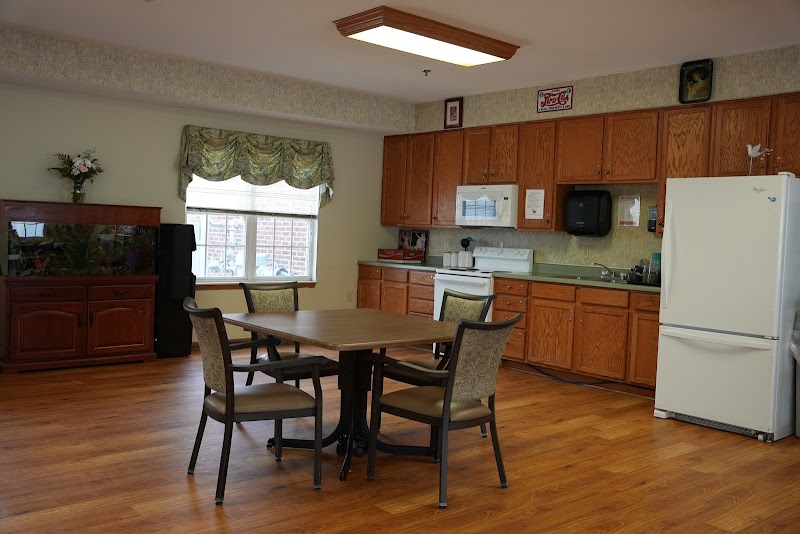
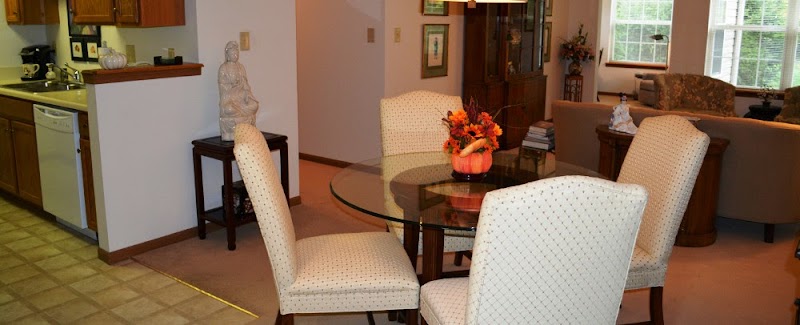
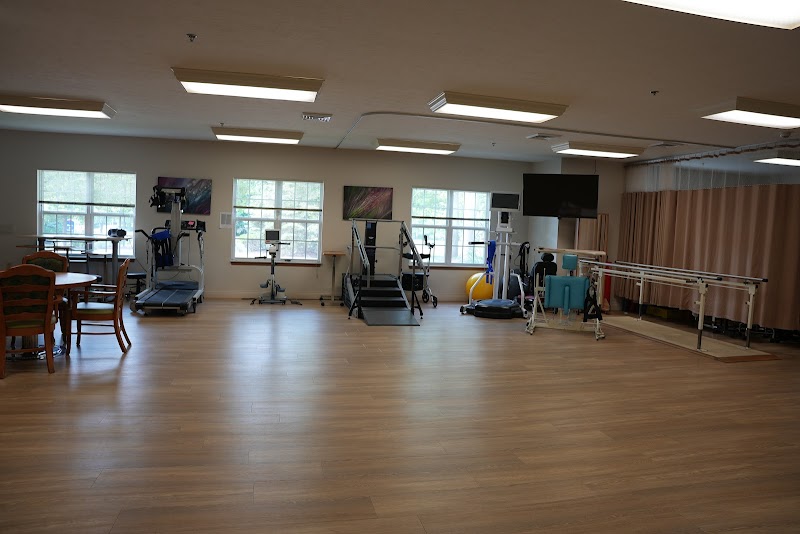
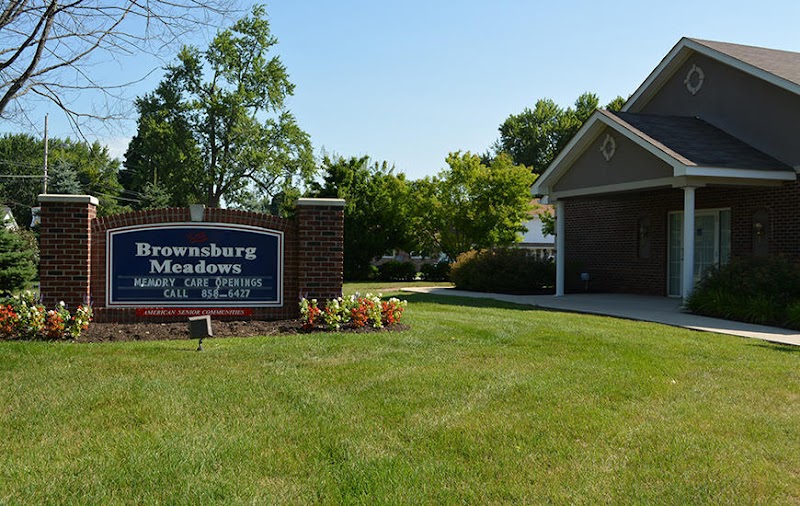
BROWNSBURG MEADOWS

2 E TILDEN, BROWNSBURG, IN 46112 (317) 852-8585
Government - County 147 Beds AMERICAN SENIOR COMMUNITIES Data: November 2025
Trust Grade
50/100
#222 of 505 in IN
Last Inspection: April 2025

Within standard 12-15 month inspection cycle. Federal law requires annual inspections.

Overview

Brownsburg Meadows has a Trust Grade of C, which means it is average-middle of the pack for nursing homes. It ranks #222 out of 505 facilities in Indiana, placing it in the top half, but only #4 out of 9 in Hendricks County, indicating that only three local facilities are better. Unfortunately, the trend is worsening, with the number of issues increasing from 7 in 2024 to 9 in 2025. Staffing is a relative strength with a 3/5 rating and a turnover rate of 38%, which is better than the Indiana average of 47%. While the facility has not incurred any fines, which is positive, there have been serious incidents, such as a resident falling during a transfer due to improper technique, resulting in a fracture, and a failure to timely identify and document bruising on another resident. Additionally, there were concerns about a resident bleeding through his bandage without receiving timely care. Overall, families should weigh these strengths and weaknesses carefully when considering Brownsburg Meadows.

Trust Score
C
50/100
In Indiana
#222/505
Top 43%
Safety Record
Moderate
Needs review
Inspections
Getting Worse
7 → 9 violations
Staff Stability
○ Average
38% turnover. Near Indiana's 48% average. Typical for the industry.
Penalties
✓ Good
No fines on record. Clean compliance history, better than most Indiana facilities.
Skilled Nurses
○ Average
Each resident gets 40 minutes of Registered Nurse (RN) attention daily — about average for Indiana. RNs are the most trained staff who monitor for health changes.
Violations
⚠ Watch
24 deficiencies on record. Higher than average. Multiple issues found across inspections.
★★★☆☆
3.0
Overall Rating
★★★☆☆
3.0
Staff Levels
★★★★★
5.0
Care Quality
★★☆☆☆
2.0
Inspection Score
Stable
2024: 7 issues
2025: 9 issues

The Good

  • 5-Star Quality Measures · Strong clinical quality outcomes
  • Full Sprinkler Coverage · Fire safety systems throughout facility
  • No fines on record
  • Staff turnover below average (38%)

    10 points below Indiana average of 48%

Facility shows strength in quality measures, fire safety.

The Bad

3-Star Overall Rating

Near Indiana average (3.1)

Meets federal standards, typical of most facilities

Staff Turnover: 38%

Near Indiana avg (46%)

Typical for the industry

Chain: AMERICAN SENIOR COMMUNITIES

Part of a multi-facility chain

Ask about local staffing decisions and management

The Ugly 24 deficiencies on record

2 actual harm
Sept 2025 1 deficiency 1 Harm
SERIOUS (G) 📢 Someone Reported This

A family member, employee, or ombudsman was alarmed enough to file a formal complaint

Actual Harm - a resident was hurt due to facility failures

Accident Prevention (Tag F0689)

A resident was harmed · This affected 1 resident

Based on observation, interview, and record review, the facility failed to ensure a resident was mechanically transferred using proper technique, resulting in harm when a resident had a fall resulting...

Read full inspector narrative →
Based on observation, interview, and record review, the facility failed to ensure a resident was mechanically transferred using proper technique, resulting in harm when a resident had a fall resulting in an avulsion fracture at the tip of the distal fibula for 1 of 3 residents reviewed for falls with injury (Resident D). Findings include: A Facility Reported Incident (FRI), dated 8/30/25 at 4:39 p.m., indicated on 8/29/25 Resident D was being assisted with a transfer out of her wheelchair by Certified Nursing Assistant (CNA) 10 when the resident began to experience pain in her right foot. The resident was gently lowered to the floor. On 8/31/25 Resident D was diagnosed with a probable subacute nondisplaced demineralized medial cuneiform (bones between the toes and ankle) fracture. The resident's activity level was upgraded to include non-weight bearing on the right lower extremity (RLE), and total mechanical lift for all transfers. On 9/3/25 at 2:28 p.m., Resident D was observed in a wheelchair (WC) at bedside, wearing a controlled ankle motion boot (CAM boot - a specialized walking boot designed for injuries to the foot, ankle and lower leg) on her right foot that extended to her knee, and her call light had been activated. The resident indicated she was waiting for staff to come and help change her brief. An unidentified staff member was observed entering the resident's room with a Hoyer lift (a mechanical device with a sling used to lift and transfer a resident from one surface to another) and indicated she would return with help. On 9/3/25 at 2:35 p.m., Resident D indicated, on 8/29/25, CNA 10 who was a new CNA and who had not been assigned to her care before, had responded to her call light for assistance. During the process of hooking the resident to a standup mechanical lift, the CNA had not properly strapped the resident to the lift, and ultimately the resident had been on the floor with pain in her right foot. Resident D had been to an orthopedic appointment on 9/3/25, and the orthopedic physician had confirmed she had a fractured bone located on the outside of her right foot. The physician had explained, when her foot had been twisted and bent at an odd angle, the ligaments had stretched so far that the bone was pulled away from the other bone. Resident D's clinical record was reviewed on 9/3/25 at 2:30 p.m. Diagnoses on Resident D's profile included osteopenia (low bone mineral density), osteoporosis (decreased bone mass and density), paraparesis (partial loss of motor function in both lower legs), monoplegia (paralysis or weakness) of the right lower limb, dependence on a wheelchair, and obesity (body mass index [BMI] over 33.0). A quarterly Minimum Data Set (MDS) assessment, completed on 6/11/25, assessed the resident as being cognitively intact. The resident required substantial/maximum assistance for bed mobility, was dependent on staff for transfers, and did not walk. A WC was used for mobility. There was no documentation of falls in the six months prior to the assessment. A care plan, dated 3/19/23, indicated Resident D required assistance with activities of daily living (ADLs) to include bed mobility and transfers. An approach, dated 9/28/23, indicated two people assist with transfers with use of a stand-up lift. A physical therapy (PT) discharge note, dated 2/12/25, indicated Resident D had multiple long-term goals to include, but not limited to: to safely perform WC to bed or WC to toilet transfers using assistive equipment with minimum assistance of one person, safely transition from supine to sitting position with minimum assistance of one person, and to improve bed mobility from supine to sitting position with maximum assistance of one person. These goals were not achieved due to the resident reaching maximum rehab potential. The clinical impression indicated PT services were discontinued due to the resident reaching her maximum rehab potential and would require maximum assistance of one to two people for bed mobility and stand up lift. A nursing progress note, dated 8/29/25 at 4:42 p.m., indicated the nurse was called to Resident D's room by CNA 10, and when she entered the resident's room, she observed the resident on the floor. CNA 10 stated that she was transferring the resident but had to lower her to the floor when Resident D started complaining about her leg hurting. A care plan for resident falls was updated on 8/29/25 to include resident to use passive mechanical lift for all transfers. A physician's order for activity level, dated 8/30/25, indicated up ad lib (as wanted or requested) with total mechanical lift with assistance of two members to wheelchair, and non- weight bearing (NWB) to the right foot. Mobile x-ray diagnostics reports included,a. On 8/29/25 at 7:33 p.m., concern for a nondisplaced medial cuneiform fracture.b. On 8/30/25 at 3:26 p.m., an addendum was added to include, there was a minimally displaced fracture of the first cuneiform bone.c. On 8/30/25 at 4:39 p.m., an addendum was added to include, there was a slight step off medial aspect cuneiform, margins not sharp. Subacute fracture cannot be excluded. Stress type injury cannot be excluded.d. On 9/2/25 at 1:03 a.m., images of the right foot demonstrate normal osseous alignment. No definite fracture, including the medial cuneiform. An orthopedic physician report, dated 9/3/25, indicated Resident D presented today for evaluation of her right foot and ankle. Last Friday, the resident was in a standing hoyer (sic) lift which got tangled around her foot and ankle causing pain and discomfort. She had a fairly significant amount of swelling, and she was then placed in a CAM boot which had made her ankle feel better and she had noted significant improvement in the swelling. Resident D was assessed for a nondisplaced distal avulsion fracture (a bone injury that occurs when a strong force pulls a tendon or ligament away from the bone, taking a small piece of bone with it) of the right fibula. Findings indicated radiographs of the right foot and ankle were obtained on 9/3/25 and reviewed. Review of these radiographs revealed a small avulsion fracture at the tip of the distal fibula that was nondisplaced. Also noted, a healed distal fibula fracture in anatomic alignment. The plan indicated the physician discussed the etiology of her pain and treatment plan, continued use of a CAM boot that would likely be required for 2 to 4 weeks, 2 daily skin checks around the foot and ankle for any breakdown, and return to the physician as needed. A pain specialist progress note, dated 9/4/25 at 2:18 p.m., indicated Resident D had been seen on rounds that day after a fall that resulted in right foot/ankle pain, and right shoulder pain. The resident indicated she had a fall on 8/29/25 and was seen at the orthopedic clinic where imaging demonstrated an avulsion fracture, and ortho was managing the resident conservatively with a CAM boot. Additionally, the resident reported exacerbation of right shoulder pain after a failed hoyer (sic) transfer. The plan indicated RTC tendinopathy (rotator cuff tissue connecting muscle to bone had become inflamed) as well as biceps tendonitis which was new. The physician would re-order diclofenac gel (used to decrease inflammation) and a lidocaine patch (used to relieve nerve pain) for the right shoulder/bicep tendon. Orders would also be placed for Resident D to have a repeat injection at the next visit pending further progress. CNA 10's job specific orientation record indicated she was hired on 7/30/25. Validation skills for day 2 that included mechanical lift and stand-up lift, were signed by the Staff Development Coordinator (SDC) as completed on 8/10/25. A handwritten note indicated the employee was a little timid and was instructed on ways to ask for help, and to never do anything she was nervous about. A Mechanical Lift/Hoyer Lift Safety protocol, signed by CNA 10 on 7/30/25, indicated, .1. I understand that all mechanical lifts, including hoyer lifts require the use of 2 trained people to operate safely.3. I understand that if I operate a mechanical lift by myself, I am subject to disciplinary action up to and including termination. 4. I understand that if I operate a mechanical lift by myself and an injury to a resident occurs, I may be reported to the nurse aide registry, Attorney General, and/or law enforcement for investigation of negligent care.8. I understand that I must follow the manufacturer's guidelines for the specific mechanical lift that is utilized. During an interview on 9/3/25 at 10:49 a.m., the Assistant Director of Nursing Services (ADNS) indicated Resident D was alert and oriented to person, place, and time. The resident required a mechanical lift for transfers to an electric WC, where she drove herself around the facility ad lib. On 8/29/25 around 4:30 p.m., Resident D was being transferred from her bed into her chair with the assistance of CNA 10, and when maneuvering the resident's body, the resident began complaining of pain and she told the aide to put her down. The lift only lowered a resident down far enough to be in a sitting position, so the aide had to manually lower the resident the rest of the way onto the floor. The transfer with only one new CNA had somehow gone wrong and resulted in the resident having a fracture. Nurse Practitioner (NP) 13 ordered x-rays for 8/29/25, 8/30/25, and 9/2/25 that were completed with differing results, and an orthopedic consult was scheduled for 9/3/25. During an interview on 9/3/25 at 2:35 p.m., Resident D indicated she had been utilizing a stand-up lift for transfers since her admission 2 years ago. On 8/29/25, CNA 10 had responded to her need to have her brief changed. The entire process was not done correctly, from not making sure the torso belt was tight enough to support her, the CNA seemed flustered when told she'd have to hurry as the resident was slipping and the CNA hit the wrong control button, and the CNA attempted to transfer the resident by herself instead of getting assistance due to the resident being a big girl and the CNA being a tiny little thing who had difficulty maneuvering the resident in the lift. Resident D indicated x-rays had been taken in-house three times after the incident, all with different results. CNA 10 was new to the facility, very sweet, and was just attempting to help, but due to not having a second CNA as a spotter like she was supposed to, the resident ultimately ended up with a fractured foot. The resident indicated she had little strength in her right leg/foot and hoped being NWB would not cause her to lose what strength she had in her left leg that allowed for her to use the stand-up lift versus a Hoyer lift. During an interview on 9/4/25 at 3:20 p.m., Resident D indicated on 8/29/25 CNA 10 had come to change the resident's brief. The resident explained the process of utilizing the stand-up lift so the resident could be stood up, and while standing within the straps of the lift, her brief could be changed. CNA 10 made mistakes when she did not have the torso belt/strap tight enough, and she did not strap the resident's legs so her feet would remain in position on the lift platform. When the CNA stood the resident, the torso belt/strap started slipping and ended up under the resident's armpits. The resident then prompted CNA 10 to hurry up the process as the resident was slipping. Instead of pushing the button to raise the resident up higher so she could sit back onto the seat of the WC, the CNA accidentally pushed the wrong button and the lift went down. The resident ended up in a crouched position with her right foot off the platform and bent at an odd angle under her. At that point, the resident could not reach the handgrips and could not stand herself back up. CNA 10 swung the resident around with the intent of placing her onto the bed, but the resident had slipped too far down to sit onto the bed. At that point the resident told the CNA she had to go get help. The CNA went to the doorway to summon help, and other staff came immediately. The resident could not stand back up and staff had to put her onto the floor. The resident indicated she saw the pain physician 9/4/25 for her right shoulder that hurt, and he told her she potentially had messed up her rotator cuff when suspended by the belt/straps under her arms, and he would be ordering occupational therapy (OT) for the shoulder. A physical therapy (PT) evaluation had been ordered to assess her legs, more specifically to help retain her ability to stand and bear weight on her left leg. During an interview on 9/4/25 at 11:00 a.m., the Director of Nursing Services (DNS) indicated in her opinion Resident D had not been injured with a mechanical lift or during the lift process, she had already been standing when the safety belt slipped, and she complained of foot pain. The manufacturer's general information for the mechanical lift indicated the lift could be used with one staff member, although it was the facility protocol to use two staff members when transferring residents with mechanical lifts. During an interview on 9/4/25 at 1:19 p.m., a representative from the Orthopedic physician's office indicated Resident D had been seen by the Orthopedic physician on the day prior and diagnosed with a newly acquired acute avulsion fracture (a break in the bone that occurred when a piece of bone was pulled away from the main part of the bone by a strong force from a ligament or tendon) at the tip of the distal fibula, that was nondisplaced. This was a separate finding from a prior healed distal fibula fracture in anatomic alignment that was also viewed on the x-ray. On 9/4/25 at 11:00 a.m., the DNS provided a printout of the manufacturer's general information for the stand-up mechanical lift, undated. The information indicated passive and active series lifts were designed for safe usage with one caregiver. There were circumstances such as obesity of the patient that may dictate the need for a two-person transfer. It was the responsibility of each facility and medical professional to determine if a one or two-person transfer was more appropriate, based on the task, patient load, environment, capability, and skill level of the staff member. On 9/4/25 at 2:56 p.m., the ADNS provided a Fall Management Policy, dated 6/25, and indicated the policy was the one currently being used by the facility. The policy indicated, A fall is defined as unintentionally coming to rest on the ground, floor, or other lower level.3. A care plan will be developed at the time of new move-ins with care plan interventions to address the resident specific fall risk factors.5. The resident specific fall risk factors will be communicated to the assigned caregiver utilizing the resident profile or the CNA assignment sheet. This citation relates to Intakes 2566173, 2603419, and 2606522. 3.1-45(a)(2)
Apr 2025 7 deficiencies
CONCERN (D)

Potential for Harm - no one hurt, but risky conditions existed

Deficiency F0624 (Tag F0624)

Could have caused harm · This affected 1 resident

Based on observations, interviews, and record review, the facility failed to ensure a safe and orderly discharge from the facility for 1 of 1 residents (Resident 118) reviewed for transfers and discha...

Read full inspector narrative →
Based on observations, interviews, and record review, the facility failed to ensure a safe and orderly discharge from the facility for 1 of 1 residents (Resident 118) reviewed for transfers and discharges. Findings include: On 4/21/25 at 9:58 a.m. Resident 118 was observed as she lay in bed. There was a catheter drainage bag hanging on the side of the bed, with a small amount of dark yellow urine in the tubing. Resident 118 indicated that she was unhappy with her stay at the facility, and she wanted to leave. She did not know why she had a catheter, and she complained of being constipated for a week. On 4/24/25 11:04 a.m. Resident 118's medical record was reviewed. She was a rehabilitation resident whose diagnoses included but were not limited to malignant neoplasm of the larynx (throat cancer), constipation, and urinary tract infection (UTI). A progress note, dated 4/21/25 at 1:38 p.m., indicated an unidentified staff member was walking past the nurses' station when Resident 118 and her family member walked by with a couple of bags with them. They indicated Resident 118 was going on a leave of absence (LOA), to go to CVS pharmacy to pick up her prescriptions that someone called in for her. The resident's family member signed her out in the LOA binder and said he was bringing her back after they were done. The note indicated the resident then mouthed to the unidentified staff member I'm leaving this place! A progress note, dated 4/21/25 at 9:55 p.m., indicated an unidentified staff member received report that Resident 118 was on LOA with her family member and had not returned at that time. A progress note, dated 4/22/25 at 12:14 a.m., indicated Resident 118 remained LOA at that time. According to the LOA book, Resident 118 signed out on 4/21/25 at 12:00 p.m. A progress note, dated 4/22/25 at 5:54 a.m., indicated Resident 118 remained LOA, though the Residents' personal vehicle remained in the facility parking lot. A progress note, dated 4/22/25 at 2:52 p.m., indicated Resident 118 remained out on LOA. The facility had attempted to contact Resident 118 and the resident's family member twice with no success, but voicemails were left. Resident 118 had a Brief Interview for Mental Status (BIMS) score of 15 (indicating her cognitive function was intact). The note indicated the facility left a voice mail with Anthem Medicaid (the resident's insurance) to make them aware that the resident had been out for more than 24 hours. The note indicated Resident 118 was to be discharged from the facility Against Medical Advice (AMA) at that time. The record lacked any additional information related to the resident's discharge, her belongings, or the disposition of her medications. During an interview on 4/24/25 at 1:35 p.m. the Assistant Director of Nursing (ADON) indicated Resident 118 went LOA on 4/21/25 and ultimately left AMA on 4/24/25 at 12:00 p.m. The ADON indicated she saw the resident return to the facility to get her belongings and leave but did not pay enough attention to see whether Resident 118 still had her catheter in or not. During an interview on 4/25/25 at 12:45 p.m., the Executive Director (ED) indicated a few staff members saw Resident 118 get her belongings, get in her car, and leave the facility. He indicated no AMA or discharge paperwork was signed and he was unsure if anyone attempted to talk to her or if she had her catheter in or not. During an interview on 4/25/25 at 1:00 p.m. the Director of Nursing (DON) indicated she called Resident 118's family member during the facilities morning meeting on 4/22/25, she indicated she talked to him and begged him to bring the resident back so they could care for her. The resident's family member indicated he would figure things out but never called the DON back. The DON indicated Registered Nurse (RN) 13, the unit manager for the unit Resident 118 was residing on, gave the resident discharge information and education on her catheter as the resident was walking out the door. During an interview on 4/25/25 at 1:15 p.m. RN 13 indicated Resident 118 showed up to the facility, saying she's getting out of here. She indicated the resident went into her room and gathered her things with her family member. At that point RN 13 indicated upper management was supposed to take over and handle discharge and education. RN 13 indicated even if a resident discharged AMA they should have still given that resident discharge instructions and education on catheter care. On 4/24/25 at 1:35 p.m. the ADON provided a copy of a current facility policy titled, Discharge Against Medical Advice dated 10/2022. This policy indicated, .documentation in the medical record should indicate the facility staff attempted to provide other options to the resident and inform the resident of potential risks of leaving AMA .4. Facility staff will document in the medical record the options offered risks explained and information given to the resident/representative. Documentation will be completed on the discharge against medical advice observation in matrix .5. Every effort should be made to give the resident/representative as much information as possible to assist in a safe transition .6. The discharge against medical advice observation and accompanying information should be reviewed with the resident/representative. If the resident/representative refuse the review, that must be noted on the observation. The resident/representative will also sign the observation indicating their understanding of the information 3.1-12(a)(21)
CONCERN (D) 📢 Someone Reported This

A family member, employee, or ombudsman was alarmed enough to file a formal complaint

Potential for Harm - no one hurt, but risky conditions existed

Deficiency F0655 (Tag F0655)

Could have caused harm · This affected 1 resident

Based on observations, interviews and record reviews, the facility failed to ensure a newly admitted resident, (Resident C) had a baseline care plan in place to address his immediate medical needs for...

Read full inspector narrative →
Based on observations, interviews and record reviews, the facility failed to ensure a newly admitted resident, (Resident C) had a baseline care plan in place to address his immediate medical needs for a new surgical wound upon his admission for 1 of 3 new admission records reviewed. Findings include: 1. On 4/21/25 at 9:50 a.m. Resident C's wife was observed as she left the hall and stopped a nurse to ask about her husband's leg. She indicated to the unidentified nurse that his leg was still bleeding and had gotten all over his sheets. On 4/21/25 at 10:32 a.m., Resident C was observed as he laid in bed. He had a left below the knee amputation (BKA) which was wrapped up however, he had bleed through the dressing and bandage. A folded sheet had been placed under his soiled dressing and there was a moderate amount of bright red stains on the white sheet as well. Resident C indicated, he admitted to the facility on Friday the 18th. Everything had been find at the hospital after his amputation, but shortly after he arrived to the facility, he noticed he started bleeding through the bandage. He and his wife, (who was also a resident) had talked to several staff member, but he still had not had a dressing change. On 4/23/25 at 9:15 a.m., Resident C was observed. His bandage remained dry and intact, and he indicated he had not needed it changed since the bleeding seemed to have stopped. On 4/23/25 at 8:50 a.m. Resident C's medical record was reviewed. He was a newly admitted resident for aftercare following a left BKA with a history of atherosclerosis of native arteries of extremities with gangrene, (a condition where hardened plaque buildup in the arteries of the legs and feet leads to poor blood flow and tissue death [gangrene]). and peripheral vascular disease ([PVD] a condition where blood flow to the extremities, primarily legs and feet, is restricted due to narrowed or blocked blood vessels). The record lacked a baseline care plan for his immediate medical needs related to his left BKA. On 4/24/25 at 10:40 a.m., the Regional Nurse Consultant (RNC) provided a copy of current facility policy titled, IDT Baseline Care Plans, revised 4/2018, and indicated, baseline care plans should be added to the Care Plans upon admission to provide orders and interventions which were critical for the first 48 hours after admission. The policy indicated, It is the policy of this facility that each resident will have an interdisciplinary baseline care plan developed within 48 hours of admission the baseline care plan will be developed in collaboration with the resident, family and/or representative and direct care staff to incorporate findings based on the admission assessment, observations, interviews, and resident preferences. The baseline care plan will include resident centered goals and interventions relative to resident needs and preferences to promote the resident's highest level of functioning including medical, nursing, mental and psychosocial needs procedure: baseline care plans will be opened in matrix and initiated within 48 hours of admission to the facility by the admitting nurse in collaboration with the interdisciplinary team the baseline care plan will include but is not limited to the following colon the residents initial goals for care instructions . the Baseline Care Plan will include, but not limited to the following . the resident's immediate health and safety needs, physician's orders
CONCERN (D)

Potential for Harm - no one hurt, but risky conditions existed

Deficiency F0657 (Tag F0657)

Could have caused harm · This affected 1 resident

Based on observation, interview and record review, the facility failed to ensure a resident (Resident 87) received care plan revisions to implement new goals and/or approaches to address her diabetic ...

Read full inspector narrative →
Based on observation, interview and record review, the facility failed to ensure a resident (Resident 87) received care plan revisions to implement new goals and/or approaches to address her diabetic management for 1 of 5 residents reviewed for unnecessary medications. Findings include: On 4/22/25 at 9:00 a.m., Resident 87 was observed in bed. A over-bed table with a breakfast tray was observed in front of her, but Resident 87 indicated she did not want to eat her breakfast. Resident 87 indicated she did not like the food and because of her diabetes, there were certain things she could or could not eat. On 4/23/25 at 10:16 a.m., Resident 87's medical record was reviewed. She was a long-term care resident with diagnoses which included, but were not limited to diabetes mellitus type II (a blood sugar disorder) and kidney failure. A nursing progress note, dated 2/21/25 at 10:14 p.m., indicated, Resident 87 had refused all evening medications and refused to have her blood glucose checked. She was asked three separate times but remained adamant about her refusal. An interdisciplinary team (IDT) progress note, dated 3/4/25 at 9:20 a.m., reviewed Resident 87's recent refusals of evening medications and blood sugar checks. Her refusal was attributed to delusions of contracting an illness due to sharing a room. She was provided assurance and staff showed her infection prevention tasks. A nursing progress note, dated 4/6/25 at 9:04 p.m., indicated, Resident 87 refused insulin that shift. She stated she felt she did not need to take medication. Resident 87 continued to refuse her insulin but took her oral medication. A nursing progress note, dated 4/15/25 at 11:51 p.m., indicated, Resident 87 had received her scheduled insulin, but refused to eat her dinner and refused to eat any snacks. Her blood sugar level was taken and was 152. A nursing progress note, dated 4/19/25 at 5:18 a.m., indicated, Resident 87 refused to have her blood sugar checked and refused her scheduled insulin. She stated, she didn't need to have her blood sugar checked and she felt like she didn't need any insulin. The resident was reminded of the importance of taking her insulin and getting her blood sugars checked. She had a care plan dated 8/21/24 which indicated, she was at risk for adverse effects of hyperglycemia/hypoglycemia (high/low blood sugar) related to use of glucose lowering medication and/or diagnosis of diabetes mellitus. This care plan, and her full care plan set, lacked revision to include her history of behaviors for refusing her medications, insulin and meal schedules for her diabetic management On 4/24/25 at 10:40 a.m., the Regional Nurse Consultant (RNC) provided a copy of current facility policy titled, IDT Comprehensive Care Plan Policy, revised 8/2023. The policy indicated, It is the policy of this facility that each resident will have an interdisciplinary comprehensive person-centered care plan developed and implemented based on the Resident Assessment Instrument (RAI) process. The care plan must include measurable goals and resident specific interventions based on the resident's needs and preferences to promote the resident's highest level of functioning including medical, nursing, mental, and psychosocial well-being . care plan problems, goals, and interventions must be reviewed and revised by the interdisciplinary team periodically and following completion of each MSDS assessment 3.1-35(d)
CONCERN (D)

Potential for Harm - no one hurt, but risky conditions existed

Accident Prevention (Tag F0689)

Could have caused harm · This affected 1 resident

Based on observation and interview, the facility failed to prevent the potential for accidents when medications were left bedside with residents without self-administration assessments for 2 of 2 rand...

Read full inspector narrative →
Based on observation and interview, the facility failed to prevent the potential for accidents when medications were left bedside with residents without self-administration assessments for 2 of 2 random observations (Residents 78 and 118), and when a nurse was observed leaving medications unattended on top of the medication cart during a medication pass observation which had the potential to affect 2 of 2 residents in the hallway when the medication was unattended. Findings include: 1. On 4/20/25 at 9:46 a.m. Resident 78 was observed sitting up in his wheelchair. On his bedside table was a clear cup and inside there were 7 pills ranging in color and size. Resident 78 indicated he had not taken them yet because he had an upset stomach. He indicated the nurse left them there for him to take. A record review was completed. Resident 78 had the following diagnoses which included but were not limited to cerebral infarction (stroke), type 2 diabetes, difficulty swallowing, hyperlipidemia, and hypertension. On 4/23/25 at 1:30 p.m., the Director of Nursing (DON) indicated Resident 78 lacked a self-administration assessment and the nurse should not have left the medications at bedside. 2. On 4/21/25 at 9:58 a.m., Resident 118 was observed as she laid in bed. As the resident explained that she had been constipated for the last week, she pulled a bottle of Dulcolax (an over the counter stool softener) out of her purse. On 4/24/25 at 11:04 a.m., Resident 118's medical record was reviewed. She was a rehabilitation resident whose diagnoses included but were not limited to malignant neoplasm of the larynx (throat cancer), constipation and Urinary Tract Infection (UTI). On 4/24/25 at 10:30 a.m., the Assistant Director of Nursing (ADON) indicated Resident 118 did not have a self-administration assessment and should not have any medications at bedside. 3. On 4/24/25 at 8:15 a.m., Registered Nurse (RN) 6 was observed as she passed medications. When preparing medications for a resident she separated the residents blood pressure medication from all the other medications and put it in its own medication cup. When taking the medications to the resident RN 6 left the medication cup with the blood pressure medication in it on top of the medication cart unattended. At the time the medication was left unattended there were two unidentified residents in the hallway. A policy titled, Storage and Expiration Dating of Medications and Biologicals was provided by the Assistant Director of Nursing (ADON) on 4/24/25 at 1:35 p.m. It indicated, .Facility should not administer/provide bedside medications or biologicals without a physician/prescriber order and approval by the interdisciplinary team and facility administration . 3.1-45(a)
CONCERN (D)

Potential for Harm - no one hurt, but risky conditions existed

Medical Records (Tag F0842)

Could have caused harm · This affected 1 resident

Based on observations, interviews and record review the facility failed to ensure the medical record reflected accurate documentation of a pressure injury for a resident for 1 of 25 residents reviewed...

Read full inspector narrative →
Based on observations, interviews and record review the facility failed to ensure the medical record reflected accurate documentation of a pressure injury for a resident for 1 of 25 residents reviewed for accurate documentation (Resident 16). Findings include: On 4/22/25 at 10:15 a.m., Resident 16 was observed as he lay in bed. He was pleasantly confused at times, but he could answer most questions appropriately. He had a pressure-relieving boot on his right heel and another pressure-relieving boot was on the floor at the foot of the bed. On 4/24/25 at 1:35 p.m., Resident 16's medical record was reviewed. He was a long-term care resident whose diagnoses included but were not limited to Type 2 Diabetes and Urinary Tract Infections (UTI). A progress note, dated 11/15/24 at 10:35 p.m., indicated Resident 16 arrived at the facility in a wheelchair with bilateral edema in his lower extremities and a pressure ulcer on his right heel. A progress note, dated 3/16/25 9:59 p.m., indicated Resident 16 had a dressing changed to his right heel ulcer. An admission assessment, dated 11/15/24, indicated Resident 16 had a pressure ulcer on his right heel. A weekly skin assessment, dated 11/26/24, indicated Resident 16 had open areas on his left foot. A weekly skin assessment, dated 12/3/24, indicated Resident 16 had open areas on his left foot with eschar (a hardened crust of black or brown dead tissue, that forms over a wound). A weekly skin assessment, dated 12/10/24, indicated Resident 16 had open areas on his left heel. A weekly skin assessment, dated 12/24/24, indicated Resident 16 had open areas on his heel, it did not specify which heel. A weekly skin assessment, dated 12/31/24, indicated Resident 16 had open areas on his heel, it did not specify which heel. A weekly skin assessment, dated 1/14/25, indicated Resident 16 had open areas on his heel, it did not specify which heel. A weekly skin assessment, dated 1/28/25, indicated Resident 16 had open areas on his left heel. A weekly skin assessment, dated 3/4/25, indicated Resident 16 had open areas on his left, it did not specify where the open areas were located. An admission assessment, dated 3/13/24, indicated Resident 16 had a pressure ulcer on his right heel. In an interview on 4/24/25 at 12:00 p.m., Registered Nurse (RN) 11 indicated Resident 16 has a pressure ulcer on his right heel only. In an interview on 4/25/25 at 11:00 a.m., the Director of Nursing (DON) indicated Resident 16 did not have open areas anywhere but his right heel. She indicated that the skin assessments that say he had a wound on his left heel were incorrectly charted and she was going to have the nurses who charted incorrectly fix the mistakes. On 4/24/25 at 1:35 p.m. the Assistant Director of Nursing (ADON) provided a copy of a current facility policy titled, Documentation Guidelines for Nursing dated 7/2024. The policy indicated, .Purpose: to accurately document in an organized manner all information related to the resident in the medical record 3.1-50(f)
CONCERN (E) 📢 Someone Reported This

A family member, employee, or ombudsman was alarmed enough to file a formal complaint

Potential for Harm - no one hurt, but risky conditions existed

Quality of Care (Tag F0684)

Could have caused harm · This affected multiple residents

**NOTE- TERMS IN BRACKETS HAVE BEEN EDITED TO PROTECT CONFIDENTIALITY** B. On [DATE] at 9:50 a.m. Resident C's wife was observed as she left the hall and stopped a nurse to ask about her husband's le...

Read full inspector narrative →
**NOTE- TERMS IN BRACKETS HAVE BEEN EDITED TO PROTECT CONFIDENTIALITY** B. On [DATE] at 9:50 a.m. Resident C's wife was observed as she left the hall and stopped a nurse to ask about her husband's leg. She indicated to the unidentified nurse that his leg was still bleeding and had gotten all over his sheets. On [DATE] at 10:32 a.m., Resident C was observed as he laid in bed. He had a left below the knee amputation (BKA) which was wrapped up however, he had bleed through the dressing and bandage. A folded sheet had been placed under his soiled dressing and there was a moderate amount of bright red stains on the white sheet as well. Residnet C indicated, he admitted to the facility on Friday the 18th. Everything had been find at the hospital after his amputation, but shortly after he arrived to the facility, he noticed he started bleeding through the bandage. He and his wife, (who was also a resident) had talked to several staff member, but he still had not had a dressing change. On [DATE] at 10:44 a.m., Registered Nurse (RN) 12 indicated, he had not seen Resident C yet, but had been alerted that his bandage had bled through, so he was going to put a PRN (as needed) dressing in place since his bandage was soaked through. On [DATE] at 10:47 a.m., Resident C's physician's orders were reviewed and revealed no dressing/treatment orders schedule or as needed for his left BKA. On [DATE] at 8:55 a.m., Resident C was observed. He remained in bed and his dressing was observed soiled with bright red drainage. He indicated, he bled through his dressing and it seemed that the wound would not stop bleeding. On [DATE] at 1:33 p.m., Resident C was observed. He had a new bandage which appeared to be dry and intact. Resident C indicated, it seemed like it was under control now. On [DATE] at 9:15 a.m., Resident C was observed. His bandage remained dry and intact, and he indicated he had not needed it changed since the bleeding seemed to have stopped. On [DATE] at 8:50 a.m. Resident C's medical record was reviewed. He was a newly admitted resident for aftercare following a left BKA with a history of atherosclerosis of native arteries of extremities with gangrene, (a condition where hardened plaque buildup in the arteries of the legs and feet leads to poor blood flow and tissue death [gangrene]). and peripheral vascular disease ([PVD] a condition where blood flow to the extremities, primarily legs and feet, is restricted due to narrowed or blocked blood vessels). On [DATE] at 12:26 p.m., the Infection Preventionist (IP) provided a copy of Resident C's hospital discharge summary and instructions. The hospital record was dated [DATE] and indicated, continue daily dressing changes, wash with soap/water and pat dry. May leave open to air if no drainage and clean environment versus dry dressing. Staples to remain 4-6 weeks A physician's order for treatment and dressing to his left BKA was not placed in the order set until [DATE]. Resident C's Treatment Administration Record (TAR) was reviewed from his admission on [DATE] until [DATE] and revealed no treatments or wound dressings had been administered over the weekend after his admission. A late nursing progress note was added to his record on [DATE] at 3:16 p.m., (dated effective for [DATE] at 3:04 p.m.) which indicated, .changed wound dressing to resident's left BKA with a pressure wrap. His wound was bleeding out from the previous dressing onto his bed sheets. Wound has some staples still remaining, the oozing of blood was coming from one of the staples On [DATE] at 10:22 a.m., the Infection Preventionist (IP) provided a copy of current facility policy titled, Nursing Admission/Return admission Policy and Procedure), revised 7/2024. The policy indicated, .Upon admission, physician orders must be obtained. Transcribe the admission orders from the original orders sent from the hospital or physician's office C. A confidential interview during the survey indicated Resident B was taken to the hospital were they found two Nitroglycerin (ointment or skin patch is used to prevent angina [chest pain] caused by coronary artery disease [CAD]) patches on the resident. On [DATE] at 1:38 p.m., Resident B's medical record was reviewed. She had been a long-term care resident who resided on the secured memory care unit with diagnoses which included, but were not limited to, Alzheimer's disease (an irreversible and degenerative brain disease which affects memory and cognition) hypertension (high blood pressure) and heart failure. She was discharged to the hospital on [DATE] and did not return to the facility. A nursing progress note, dated [DATE] at 1:10 p.m., indicated, Resident B's family requested she be sent to the ER for assessment and evaluation after a fall earlier that morning. Resident B was transferred to the hospital, but returned the same day with no major injuries or infections. On [DATE] at 11:35 a.m., the Director of Nursing (DON) provided a copy of a hospital emergency room (ER) summary from [DATE]. The ER summary indicated, .she did have 2 nitroglycerin patches on, one of them was expired At the time of her hospitalization on [DATE] she had an order for the following, nitroglycerin patch 24 hour; 0.2 mg/hr; Amount to Administer: 0.2 mg/ hr; transdermal every 12 hours. The order included specific instructions to place ON 12 hours during the day (y) OFF 12 hours at night A nursing progress note dated [DATE] at 3:23 p.m., indicated, Resident B had a Nitro patch on her left shoulder from yesterday. It was removed and replaced with a new patch on left shoulder. The note lacked documentation the physician had been notified. The physician's order active for her Nitro patch on [DATE] indicated specific instructions to remove the old patch at bedtime. Resident B's comprehensive care plan was reviewed and lacked implementation and/or revision to include person-centered goals and interventions related to her heart failure and the use of a nitro transdermal patch. On [DATE] at 9:50 a.m., the Director of Nursing (DON) provided a copy of a nursing in-service. The DON indicated that Resident B's family was upset when she returned to the facility and told the administrator (ADM) that two Nitro patches were on her back. The ADM told the DON, and the DON conducted an in-service and audit to correct the issue. The DON indicated they conducted the in-service and audits at the time they were made aware on [DATE]. The DON indicated, there was no specific policy, but it was basic nursing standards of care to follow physician's orders as written and to update the care plans with interventions as needed. The in-service material and audit tools were reviewed but had not been initiated until [DATE]. On [DATE] at 10:40 a.m., the Regional Nurse Consultant (RNC) provided a copy of current facility policy titled, IDT Comprehensive Care Plan Policy, revised 8/2023. The policy indicated, It is the policy of this facility that each resident will have an interdisciplinary comprehensive person-centered care plan developed and implemented based on the Resident Assessment Instrument (RAI) process. The care plan must include measurable goals and resident specific interventions based on the resident's needs and preferences to promote the resident's highest level of functioning including medical, nursing, mental, and psychosocial well-being . care plan problems, goals, and interventions must be reviewed and revised by the interdisciplinary team periodically and following completion of each MSDS assessment This citation relates to Complaint IN00456348. 3.1-37 A. Based on record review and interview, the facility failed to obtain resident weights as ordered for 2 of 2 residents reviewed for weights (Resident 74 and 107). B. Based on observations, interview and record review, the facility failed to ensure a newly admitted resident, (Resident C) had physician's orders in place and treatments rendered for a new surgical wound upon his admission for 1 of 5 residents reviewed for quality of care. C. Based on record review and interview the facility failed to ensure a resident's (Resident B) physician's ordered were followed to apply and remove a transdermal medication patch for 1 of 5 residents reviewed for quality of care. Findings include: A1. On [DATE] at 11:04 a.m., a record review was completed for Resident 74. She had the following diagnoses which included but were not limited to dementia, hyperlipidemia (high cholesterol), depression, and insomnia. She had an order, dated [DATE], to obtain her weight weekly on Monday. Her weight was not obtained on [DATE], [DATE] and [DATE]. She had a care plan dated [DATE] that indicated she was at risk for unintentional weight loss related to dementia. The goal indicated she would be free from significant weight changes. A2. On [DATE] at 10:30 a.m., a record review was completed for Resident 107. He had the following diagnoses which included type 2 diabetes mellitus, congestive heart failure (CHF), hyperlipidemia, mild cognitive impairment, and difficulty in walking. Resident 107 had an order, dated [DATE], to obtain daily weight for CHF daily and to notify the physician if there was a weight gain of 3 pounds a day or 5 pounds in a week. Resident's [DATE] medication administration record (MAR) was reviewed. He was missing weights for the following dates: [DATE], [DATE], [DATE], [DATE], [DATE], [DATE], [DATE], [DATE], [DATE], [DATE], [DATE], [DATE], [DATE], and [DATE]. Resident's [DATE] MAR was reviewed. He was missing the following weights: [DATE], [DATE], [DATE], [DATE], [DATE], [DATE], [DATE], and [DATE]. On [DATE] at 1:45 p.m. the Regional Nurse Consultant (RCS) provided an updated MAR for Resident 107. The MAR was complete with indications that he refused his weight. This was added after the weight concerns had been brought to her attention. He had a care plan dated [DATE] which indicated he had the potential for impaired gas exchange related to respiratory failure, his head of bed is elevated while lying, CHF, oxygen use. On [DATE] his care plan was updated indicating he refuses to be weighed at times. This information was added after weights were brought to management's attention. On [DATE] at 2:00 p.m., during an interview with the Director of Nursing (DON), she indicated they need to do a better job at recording refusals. She wanted to continue with daily weights because Resident 107 had a new diagnosis of CHF. A policy titled, Resident Weight Monitoring with a date of 9/2024 was provided by the DON on [DATE] at 9:29 a.m. It indicated, .It is the policy of this facility to weigh residents no less than monthly or per physician orders. Residents may exercise their right to refuse to be weighed .
CONCERN (E)

Potential for Harm - no one hurt, but risky conditions existed

Deficiency F0761 (Tag F0761)

Could have caused harm · This affected multiple residents

**NOTE- TERMS IN BRACKETS HAVE BEEN EDITED TO PROTECT CONFIDENTIALITY** Based on observations and interviews, the facility failed to date insulin and eye drops when opened and failed to remove expired...

Read full inspector narrative →
**NOTE- TERMS IN BRACKETS HAVE BEEN EDITED TO PROTECT CONFIDENTIALITY** Based on observations and interviews, the facility failed to date insulin and eye drops when opened and failed to remove expired tuberculin serum and insulin from the refrigerator for 3 of 6 medication carts and 2 of 4 medication rooms. Findings include: On [DATE] at 1:03 p.m., 200 hall medication cart was observed. Resident 282 had an insulin pen dated [DATE]. Resident 281 had a vial of folic acid inside the refrigerator on 200-hall that was undated. The 300-hall medication cart was observed. Resident 25 had a NovoLog insulin pen undated, and glargine insulin pen undated. Resident 86 had an insulin pen Semglee with no date to indicate when it was opened. Resident 38 had a bottle of brimodine 0.2% with no date to indicate when it was opened. The 300-hall medication room was observed. Inside the refrigerator was a vial of tuberculin serum that had a date of [DATE] on it. The 400-hall back medication cart was observed. Resident 1 had a insulin pen glargine with no date to indicate when it was opened. On [DATE] at 11:32 a.m., during an interview with the Director of Nursing (DON), she indicated they had been auditing the carts to ensure items had dates on them. A policy titled Storage and Expiration Dating of Medications and Biologicals was provided by the Assistant Director of Nursing (ADON) on [DATE] at 1:35 p.m. It indicated, .Facility should ensure medications and biologicals that 1) have an expired date on the label .Once any medication or biological package is opened, the facility should follow manufacturer/suppliers guidelines with respect to open dates for opened medications . 3.1-25(j) 3.1-25(m) 3.1-25(n)
Jan 2025 1 deficiency
CONCERN (D) 📢 Someone Reported This

A family member, employee, or ombudsman was alarmed enough to file a formal complaint

Potential for Harm - no one hurt, but risky conditions existed

Deficiency F0694 (Tag F0694)

Could have caused harm · This affected 1 resident

**NOTE- TERMS IN BRACKETS HAVE BEEN EDITED TO PROTECT CONFIDENTIALITY** Based on observation, interview, and record review, the facility failed to manage Peripherally Inserted Central Catheter (PICC) ...

Read full inspector narrative →
**NOTE- TERMS IN BRACKETS HAVE BEEN EDITED TO PROTECT CONFIDENTIALITY** Based on observation, interview, and record review, the facility failed to manage Peripherally Inserted Central Catheter (PICC) line dressing changes for a resident receiving intravenous (IV) antibiotics to treat extradural and subdural abscesses for 1 of 2 residents reviewed for PICC line dressing changes (Resident C). Findings include: During an interview on 1/22/25 at 10:41 a.m., a resident representative indicated Resident C had been admitted to the facility from a local hospital on [DATE] with orders to change his PICC line dressing weekly, but the facility did not have his PICC line dressing changed until close to discharge over 3 weeks later. The resident representative indicated they had repeatedly taken their concerns to the Infection Preventionist nurse and floor nurses. They had even brought up their concerns during a care plan meeting on 11/19/24 with a picture of his dressing dated 10/28/24 from the hospital and the PICC dressing coming loose around the edges as proof, but the facility did not change the residents dressing until 11/25/24. Resident C's record was reviewed on 1/21/25 at 1:45 p.m. Diagnoses on Resident C's profile included, but not limited to, external and subdural abscess (pus collections located outside the body and between the outer layer and middle layer of meninges surrounding the brain), osteomyelitis of vertebra of the lumbosacral region (rare spinal infection that can cause severe back pain, fever, and bone death), and elevated white blood count (indicative of an infection). An admission MDS (Minimum Data Set) assessment, completed on 11/4/24, assessed Resident C as having the ability to make himself understood and to understand others. A BIMS (brief interview for mental status) score 15 out of 15 indicated he was cognitively intact. The resident had open lesions other than ulcers, rashes, or cuts, had IV access to include a PICC, and was receiving IV antibiotics. A local hospital PICC line insertion procedure report, dated 10/28/24 at 9:30 a.m., indicated a PICC line was inserted by RN 12 with a transparent occlusive dressing applied. Physician orders, dated 10/30/24, indicated a. The nurse was to initial every shift the PICC/midline site was free of warmth, redness, or swelling b. Vancomycin (anti-infective/antibacterial agent) recon solution (reconstituted with sodium chloride solution) infuse 1.5 gram piggyback IV once daily. A physician's order, dated 10/31/24, indicated change the PICC/Midline dressing every 7 days with transparent dressing. The MAR (medication administration record), dated October 2024, indicated the dressing change scheduled for 10/31/24 had no documentation the PICC/Midline dressing had been changed. On 11/1/24 LPN (Licensed Practical Nurse) 9 documented not administered, last changed on 10/28/24, will reschedule. The resident record lacked documentation the PICC line dressing was changed within the following 13 days, or that the physician was notified of the missed order. A physician's order dated 11/13/24, indicated change the PICC/Midline dressing every 7 days with transparent dressing. The dressing changes were scheduled for 11/13/24 and 11/20/24. A MAR, dated November 2024, indicated, a. On 11/13/24 LPN 10 documented as having changed the PICC dressing. b. On 11/20/24 LPN 11 documented as not having changed the PICC dressing as it was changed earlier that day. The resident record lacked documentation the dressing had been changed earlier that day. A nursing progress note, dated 10/29/24 at 10:54 p.m., indicated Resident C was admitted to the facility after having been treated for a complicated abscess related to an epidural. A care plan dated 10/30/24, indicated Resident C had a PICC line and was at risk for infection and complications. The goal was for the resident to be free from complications associated with the IV access. Approaches dated 11/19/24 included changing the dressing as ordered, and keeping the site clean and dry. During an interview with the Infection Preventionist nurse, on 1/22/25 at 12:05 p.m., she indicated Resident C was admitted to the facility on [DATE] with orders to change his PICC line dressing weekly. Upon review of the resident record, she indicated the PICC line dressing was first documented as having been changed on 11/13/24 and again on 11/19/24, there was no documentation the dressing was changed within the first 2 weeks of admission. On 11/1/24 LPN 9 documented the dressing had been changed in the hospital before discharge therefore she had not changed the dressing as ordered on 10/30/24 and she would write new orders. LPN 9 wrote a new order for the PICC line dressing change but wrote the order wrong with the start date as 11/13/24. The Infection Preventionist nurse indicated, on 11/19/24, the resident representative texted her at home voicing concerns about the resident's dressing having peeled back on the edge and thought it needed changed. The Infection Preventionist nurse contacted the charge nurse at the facility and the dressing was changed. She was not sure if the PICC line dressing had been changed again before the resident was discharged to home. During an interview on 1/24/25 the ADNS (Assistant Director of Nursing Services) indicated the night shift nurses were responsible for changing IV/PICC line dressings. In the situation with Resident C, the nurse just forgot to re-write the order when the resident was admitted . On 1/22/25 at 12:05 p.m., the Infection Preventionist provided a Peripherally Inserted Central Catheter (PICC) management nurse policy and procedure-skills validation form, dated 9/2012, and indicated the form was the one currently being used by the facility. The nurse policy and procedure - validation form indicated, All PICCs are maintained by nursing associates trained in the care and management .Dressing and securement device is to be changed every 7 days or PRN [pro re nata -as the situation arises] using sterile technique .PICC insertion site should be assessed every eight hours for signs of redness, edema, pain, drainage or venous cord [red or hard outline of vein tracing upward on upper arm] . This citation relates to Complaint IN00449240. 3.1-47(a)
Jul 2024 1 deficiency
CONCERN (E) 📢 Someone Reported This

A family member, employee, or ombudsman was alarmed enough to file a formal complaint

Potential for Harm - no one hurt, but risky conditions existed

Safe Environment (Tag F0584)

Could have caused harm · This affected multiple residents

Based on interview, observation, and record review, the facility failed to ensure residents' rooms and bathrooms were cleaned daily and the residents' shower rooms were kept clean and uncluttered for ...

Read full inspector narrative →
Based on interview, observation, and record review, the facility failed to ensure residents' rooms and bathrooms were cleaned daily and the residents' shower rooms were kept clean and uncluttered for 3 of 4 shower rooms observed. This had the potential to affect 136 of 136 residents who resided in the facility. Findings include: During an interview Resident B's family member, on 7/9/24 at 10:36 a.m., indicated housekeeping services were not provided on a regular basis. On 7/10/24 at 10:17 a.m., Resident F's family member indicated she visited her husband daily. The resident's room and bathroom were not cleaned routinely. She had complained about the uncleaned room and bathroom previously, in March 2024, during a care plan meeting and had filed a grievance, on 6/3/2024, about the cleanliness of the resident's room. The next day, on 6/4/24, the room and bathroom were cleaned. Now, on the floor, there was dirt, dust, debris and the toilet in the bathroom was also dirty. Resident F and his roommate, Resident H, were bedridden and did not use the toilet, but occasionally the residents' wives used the toilet. It had been a couple of weeks since the room and bathroom had been cleaned. The resident's bed had food crumbs and dirt debris underneath his bed and on the floor throughout the resident's room and bathroom. The daily routine cleaning of the resident's room and bathroom would be nice. On 7/10/24 at 11:10 a.m., the Executive Director (ED) was observed mopping the 300-hallway. The ED indicated his floor technician had called in sick today and the ED had seen the 300-hallway had dust and debris on it, so he decided to mop it himself. The residents' rooms and bathrooms should be cleaned daily. Resident F's and Resident H's room and bathroom, on 7/10/24 at 11:59 a.m., were observed with paper debris and dust on the floor and under the beds and the toilet was not cleaned. On 7/10/24 at 12:32 p.m., Resident H and his wife were observed in the main dining room for the lunch meal. Resident H's wife indicated she visited with her husband daily and the resident's room and bathroom were not cleaned daily. During an interview with the Housekeeping Supervisor, on 7/10/24 at 2:55 p.m., she indicated housekeeping staff had no set schedule for cleaning, but each housekeeper had room assignments for every day. All the residents' rooms and bathrooms should be cleaned daily, but she did not have enough staff, with one housekeeper on vacation and two others had quit about three weeks ago. She had three new housekeepers coming on, but one just had started yesterday and the other two were still in processing. All the residents' rooms and bathrooms should be cleaned daily. On 7/1/24, she had spoken to the housekeeper for Resident F's and Resident H's room and there had been a miscommunication between the staff and the residents' room got missed for a couple of weeks and did not get cleaned. During an environmental tour with the Housekeeping Supervisor, on 7/10/24 at 3:15 p.m., the 200 front-hall shower room was observed crowded with 13 wheelchairs, a rolling walker, a bariatric toilet riser chair, a standard size toilet riser, soiled towels, and soiled wash cloths, with paper debris, dirt, soap suds, and standing water on the floor. The Housekeeping Supervisor indicated she was unsure why the shower room was so crowded with equipment. The night shift staff were supposed to clean and store the equipment appropriately and not store all the equipment in the shower room. Staff were supposed to take the soiled towels and washcloths to the soiled utility room after completing a resident's shower. The shower room should be cleaned, including swept and mopped daily. During an environmental tour with the Housekeeping Supervisor, on 7/10/24 at 3:24 p.m., the 200 back-hall shower room was observed messy with a used drinking cup at the sink, a dirty toilet, an overflowing trash container, paper debris and dirt on the floor throughout the shower room, a 2 oz bottle of shampoo, a container of clinical prevent silicone cream, a soiled towel, and a used soiled shower chair. The Housekeeping Supervisor indicated staff were supposed to clean the shower room daily, clean the shower chairs after each use, and should have bagged the used bath towel and placed the bag in the linen barrel container. On 7/10/24 at 3:32 p.m., during the environmental tour with the Housekeeping Supervisor, the 300-hall shower room was observed with paper debris and dirt on the shower room floor, a soiled with stool bariatric shower chair, a shower chair placed over the toilet, a soiled mirror, and 2 bottles of shampoo/body wash. The Housekeeping Supervisor indicated staff should have cleaned the shower chairs after every use and the floor should have been swept and mopped. She had deep-cleaned this shower room and the 200-hall back shower room herself, on 7/8/24. The shower room floor and shower stall were dirty and should have been cleaned, swept, and mopped daily. During the environmental tour with the Housekeeping Supervisor, on 7/10/24 at 3:41 p.m., the 400-hall shower room was observed with paper debris and dirt on the floor and an uncleaned toilet with brown smears on the toilet seat. The Housekeeping Supervisor indicated the housekeeping staff had not gotten to the 400-hall shower room today. On 7/10/24 at 3:56 p.m., during the environmental tour with the Housekeeping Supervisor, the 100-hall shower room was observed with a soiled and broken shower seat chair and was soiled with dirt and grime buildup around and on the toilet. The Housekeeping Supervisor, on 7/10/24 at 4:15 p.m., indicated she did not have a deep cleaning schedule for the shower rooms, but the housekeeping staff were assigned to clean daily the shower room along with their assigned residents' rooms listed on the daily hall cleaning assignment sheets. On 7/10/24 at 4:55 p.m., the ED indicated if a resident or family member had a concern, they could complete a grievance form, which are located at the front desk, at the nurses' stations, or tell a staff member who would complete a grievance form for them and share the concern with the Interdisciplinary leadership team (IDT). When the ED and IDT received a concern, they discussed the concern in the daily morning meetings and figured out a plan to resolve the concern and put a system in place to prevent the reoccurrence of the concern. During an interview, on 7/10/24 at 5:25 p.m., Resident J indicated the facility's shower rooms on the 200-hall were filthy dirty. She had been at the facility for three weeks and had been taking sink baths in her bathroom, because the shower rooms were so dirty and with dirty shower chairs, dirty floors. The shower rooms were unkept and not cleaned. Resident J was admitted to the facility with open wounds on her feet and did not want to risk an infection from the uncleaned shower rooms. A couple weeks ago, she was with the ED and told him how unkept and filthy the shower room was. Her room nor bathroom had not been cleaned in a couple of weeks. On 7/10/24 at 4:10 p.m., the Housekeeping Supervisor provided and identified an undated document as a current facility policy, titled Cleaning Guideline (And other pertinent guidelines). The policy indicated, .Daily Resident Rooms: .Clean and disinfect restroom, replenish soap paper towels and toilet tissue, clean/disinfect horizontal surfaces including commonly touch items, clean over bed light and bedside table, remove refuse/clean container/replace liner, sweep and mop floor vacuum carpet if applicable .(Each hall housekeeper should do a minimum of one resident room deep clean including disinfection of mattresses and bed frame per day to assure that all rooms have been deep cleaned each month. Quality control inspection checklist must be filled out and turned into supervisor. Missed rooms will be scheduled for the next day or as assigned) .Daily extra duties for resident rooms and all common areas: .Monday: High dust room including bathroom, wall hangings, TV's, and ceilings .Tuesday: Wipe down walls where apparent dirt, food debris, etc. is apparent, clean lower doors, clean refuse cans .Wednesday: Clean shelves and furniture (chairs) .Thursday: Wipe down cove base, edging and corner where accessible .Friday: Window treatments including window blinds, and clean/dust windowsill and heating a/c unit, dust personal effects .Monthly: Verify that all rooms have been deep cleaned .Bi-annually: All privacy curtains washed (or as visually soiled or after isolation precautions have ended). A log sheet should be made to validate completion This citation relates to complaint IN00438334. 3.1-9(a) 3.1-19(f)
Feb 2024 6 deficiencies 1 Harm
SERIOUS (G)

Actual Harm - a resident was hurt due to facility failures

Quality of Care (Tag F0684)

A resident was harmed · This affected 1 resident

**NOTE- TERMS IN BRACKETS HAVE BEEN EDITED TO PROTECT CONFIDENTIALITY** Based on observation, interview, and record review, the facility failed to identify bruising timely and failed to accurately doc...

Read full inspector narrative →
**NOTE- TERMS IN BRACKETS HAVE BEEN EDITED TO PROTECT CONFIDENTIALITY** Based on observation, interview, and record review, the facility failed to identify bruising timely and failed to accurately document a new skin area on her chest for 1 of 1 residents reviewed for hospice and end of life services (Resident 4). Findings include: On 2/19/24 at 11:50 a.m., Resident 4 was initially observed. There was a large irregularly shaped bruise on the middle of her left upper arm. It was dark purple and green, with a raised bump in the middle of the bruise. A second more faded bruise was observed on her upper left shoulder as well. Resident 4 indicated she did not know what happened, and it was a little tender as she touched the area. During an interview on 2/21/24 at 1:26 p.m., Unit Manager (UM) 28 indicated, any new skin issues, open areas or bruises should be documented in the Resident's record as a new skin event, and followed up with a progress note and wound referral. At that time, UM 28 reviewed Resident 4's record skin events and progress notes but indicated there was no documentation related to a bruise on her left arm. On 2/21/24 at 1:30 p.m., Resident 4 was observed with UM 28. Upon observation, UM 28 indicated she was not aware of the bruised area, and suspected it was from Resident 4 having leaned against her side rail. UM 28 indicated she would open a new skin event and have the Wound Nurse assess the area. On 2/21/24 at 1:34 a.m., Certified Nursing Aide (CNA) 32 entered Resident 4's room. CNA 32 indicated the resident had the bruise for several days and the Hospice nurse was in the day before and had noticed it too, but they did not know how Resident 4 got it. A hospice note dated 2/20/24 indicated, RN [Registered Nurse] assessment, hypotensive [low blood pressure] not eating, sleeping majority day, comfort meds order put in . The note lacked documentation of the bruised area to the resident's arm. Hospice notes from the previous visits on the 14th, 8th and 6th also lacked documentation of the bruised area on her arm. On 2/26/24 at 8:30 a.m., Resident 4 was observed with CNA 31. At that time, a new skin issue was noted on the middle of her chest. Resident 4 indicated her chest hurt from where she scratched it. The area was observed to be irregularly shaped, scratched raw and the wound edges were patchy and red. During an interview on 2/27/24 at 9:00 a.m., LPN 29 indicated she was not aware of a new skin issue on her back, just the raw area on her chest and preventative foam on her coccyx. On 2/27/24 at 9:03 a.m., a new skin event was reviewed with UM 28 indicated. The event indicated a new area to Resident 4's upper back. UM 28 indicated she had not seen the area, but it might have come from when the aides were turning or repositioning her. With Resident 4's permission her upper back was observed with UM 28. There were no skin issues noted. UM 28 indicated, the skin even must have been incorrectly documented and meant to have been an assessment of her chest. On 2/21/24 at 11:51 a.m., Resident 4's medical record was reviewed. She was a long-term care resident with diagnoses which included, but were not limited to, acute on chronic diastolic (congestive) heart failure, chronic respiratory failure with hypoxia (shortness of breath), permanent atrial fibrillation (irregular heart beat), occlusion and stenosis of right carotid artery, Bifascicular block (a bifascicular block delays or stops electrical signals between the left and right bundle branches of the heart (fascicles) which affects the heart's lower pumping chambers (ventricles), and causes it to pump too slowly or out of rhythm (arrhythmia), and pulmonary hypertension (high blood pressure). The most recent comprehensive Minimum Data Set (MDS) assessment was a significant change MDS dated [DATE]. The MDS indicated, Resident 4 was cognitively intact with a BIMS (brief interview for mental status) score of 15/15. A review of Resident 4's Hospice binder, scanned in Hospice notes, Events, Observations and nursing progress notes, lacked documentation of the bruise to her left arm and shoulder. A new skin event dated, 2/26/24 at 8:18 p.m., indicated, cleanse skin tear to right upper back with normal saline, pat dry and apply xeroform and cover with bordered gauze dressing. On 2/22/24 at 9:15 a.m., the Executive Director (ED) provided a copy of current facility policy titled, Skin Management Program, revised 2/2022. The policy indicated, It is the policy of American Senior Communities to ensure that each resident receives care, consistent with professional standards of practice . procedure for wound prevention . Any skin alteration noted by direct care givers during daily care and/or shower days must be reported to the licensed nurse for further assessment to include but not limited to bruises, open areas, redness, skin tears, blisters, and rashes. The licensed nurse is responsible for assessing all skin altercations by the direct caregivers on the shift reported . the wound nurse/designee will be notified of altercations in skin integrity . the wound nurse/designee will complete further evaluation of the wounds identified and complete the appropriate skin evaluation on the next business day 3.1-37(a)
CONCERN (D)

Potential for Harm - no one hurt, but risky conditions existed

Accident Prevention (Tag F0689)

Could have caused harm · This affected 1 resident

**NOTE- TERMS IN BRACKETS HAVE BEEN EDITED TO PROTECT CONFIDENTIALITY** 4. On 2/19/24 at 10:43 a.m., Resident 88's room was observed through the open door. A bottle of 3 milligram (mg) Melatonin table...

Read full inspector narrative →
**NOTE- TERMS IN BRACKETS HAVE BEEN EDITED TO PROTECT CONFIDENTIALITY** 4. On 2/19/24 at 10:43 a.m., Resident 88's room was observed through the open door. A bottle of 3 milligram (mg) Melatonin tablets (used to treat insomnia) were observed on the Resident's bedside table, unsecured and unsupervised. On 2/19/24 at 11:15 a.m., Resident 88's room was observed. The bottle of Melatonin remained unattended at bedside. On 2/19/24 at 11:00 a.m., Resident 88's medical record was reviewed. Resident 88 was a long-term care resident who had diagnoses which included, but were not limited to, myasthenia gravis (an autoimmune disorder resulting in muscle weakness), Parkinson's disease (a nervous system disorder resulting in tremors and weakness), and insomnia. Resident 88's comprehensive care plans were reviewed and lacked provisions to include his preference and/or ability to store his own medications at bedside. Resident 88 did not have a current physician order to store and/or administer his own medication. The record lacked documentation of a self-medication administration assessment. During an interview on 2/19/24 at 11:33 a.m., the Director of Nursing (DON) indicated, Resident 88 should not have a bottle of Melatonin at his bedside and the Melatonin bottle had been removed by a licensed staff member. A current policy, titled, Storage and Expiration Dating of Medications, Biologicals, dated 7/21/22, was provided by the Executive Director (ED), on 2/23/24 at 8:55 a.m. A review of the policy indicated, Facility should ensure that only authorized Facility staff .should have possession of the keys, access cards, electronic codes, or combinations which open medication storage areas . On 2/23/24 at 8:55 a.m., the Executive Director (ED) provided a copy of the current facility policy titled, 5.3 Storage and Expiration Dating of Medications and Biologicals, revised 7/21/22. The policy indicated, Facility should not administer/provide bedside medications or biologicals without a Physician/Prescriber order and approval by the Interdisciplinary Care Team and Facility administration. The facility should store bedside medications or biologicals in a locked compartment within the resident's room. 3.1-45(a) Based on observation, interview, and record review, the facility failed to ensure medications and wound cleanser were secure and not found in an unlocked memory care (MC) linen closet for 18 of 28 residents who resided in the MC unit. The facility failed to ensure medications were not found in resident's rooms without self-administration assessments for 4 of 4 residents reviewed for self-administration assessments (Resident 27, 68, 190, and 88). Findings include: 1 On 2/19/24 at 10:34 a.m., the MC linen closet was observed to be unlocked. Unlabeled and opened containers of nystatin topical powder (treats fungal skin infections), Calmoseptine (barrier skin cream), and an almost full 8 ounce bottle of wound cleanser were found in the room. On 2/19/24 at 11:00 a.m., Licensed Practical Nurse (LPN) 9 indicated the MC linen closet should have been locked. She indicated the nystatin powder, Calmoseptine, and wound cleanser should have been locked up because a memory care resident could have come in the linen closet and ingest it. She indicated they should have been thrown away because they were not labeled with resident's name. On 2/21/24 at 10:51 a.m., Resident 84 and Resident 76 were observed to be wandering in the MC unit. On 2/21/24 at 12:00 p.m., the MCSS provided care plans for MC residents who wander. The intrusively wandering care plans included: Residents 105, 56, 84, 69, 89, 42, and 76. The residents with wandering care plans included: Residents 43, 132, 71, 114, 116, 147, 130, 26, 44, 83, and 112. On 2/22/24 at 11:17 a.m., the Memory Care Support Specialist (MCSS) indicated he did not know for whom the nystatin powder and Calmoseptine was ordered. He indicated every door with a key pad should have been locked, including the linen closet. The current resident's hygiene bins were kept in the supply room in the spa. A month ago, hygiene bins were reorganized. On 2/23/24 at 1:40 p.m., the Director of Nursing (DON) indicated the expectation was for the doors to be locked in MC. 2. On 2/23/24 10:54 a.m., Resident 27's and Resident 68's prescription medications were observed in Resident 27's room on a table against the wall. Resident 27's prescription medication was a zinc oxide paste skin protectant, with no resident name, label, or pharmacy information. Resident 68's prescription medication, dated 1/22/24, was hydrophilic wound dressing. The prescription label indicated it was Triad Wound Dressing Paste. The tube was observed to be almost empty. Her orders were reviewed. Barrier cream to buttocks every shift, as needed. Her skin care assessment indicated there were no wound types identified. On 2/23/24 at 11:12 a.m., Resident 68 indicated she was admitted on [DATE]. She indicated she had no skin treatments or skin conditions. She was not aware of a prescription for Triad wound care paste. Her orders were reviewed: Triad Wound Dressing, apply a thin layer to the buttocks, every shift. Her skin care assessment indicated there were no wound types identified. On 2/23/24 at 11:26 a.m., Licensed Practical Nurse (LPN) and Certified Wound Care nurse (WCC) 10 indicated the house barrier cream was zinc oxide paste and should have had Resident 27's name on it. She indicated the Triad Wound cream for Resident 68 should not have been in Resident 27's room. She indicated she was confused because Resident 68 was not on Triad Wound cream. On 2/23/24 at 11:29 a.m., WCC 10 indicated Resident 27's Triad Wound cream was discontinued on 2/15/24 and started on barrier cream. The Triad cream should not have been in her room. She would order for Resident 68 a tube of Triad Wound cream since it was physician ordered. She would get a new container of barrier cream for Resident 27. On 2/23/24 at 11:39 a.m., Registered Nurse (RN) 24 indicated he did not apply any cream found in her room to Resident 27 and both creams should have been locked up in the treatment cart. On 2/23/24 at 1:41 p.m., the Director of Nursing (DON) the medications should have been kept in a secure location. 3 On 2/19/24 at 2:29 p.m., two eye medications were observed in Resident 190's room. She indicated the print was so small she was unable to read the labels. The bottles were observed to be shaped differently. The eye drop medications were BromSite (for treatment of inflammation and prevention of pain in patients undergoing cataract surgery) and Systane (treats dry, irritated eyes). Her medical record was reviewed. She had a physician's order for Systane, one drop in both eyes daily. She did not have an order for BromSite. She did not have a self-administration assessment or care plan for BromSite or Systane. On 2/22/24 at 10:35 a.m., BromSite and Systane were observed to still be in her room. On 2/22/24 10:36 a.m., the Regional Clinical Support indicated she did not know Resident 190 had medications in her room. The resident did not have an order for BromSite or a self-administration assessment for either medication. She would go into her room and collect the medications. On 2/26/24 at 12:13 p.m., Resident 190 record was reviewed. A physician's order, dated 2/22/24, BromSite, give 1 drop in each eye daily. A care plan, dated 2/22/24, indicated Resident 190 chose to self-administer BromSite eye drops with a goal for her a safely self-administer the medication. A self-administration assessment, dated 2/22/24, indicated it was safe for her to administer BromSite and systane. On 2/23/24 at 1:41 p.m., the DON indicated the staff should be following the self-administration policy.
CONCERN (D)

Potential for Harm - no one hurt, but risky conditions existed

Deficiency F0698 (Tag F0698)

Could have caused harm · This affected 1 resident

Based on interview and record review, the facility failed to ensure a resident, (Resident 70) who had recent medication adjustments and fluctuating blood pressures, received timely documentation from ...

Read full inspector narrative →
Based on interview and record review, the facility failed to ensure a resident, (Resident 70) who had recent medication adjustments and fluctuating blood pressures, received timely documentation from his Dialysis center after treatment sessions to ensure continuity of and to prevent the potential for complications related to post-Dialysis change of condition for 1 of 1 resident reviewed for Dialysis. Findings include: On 2/22/24 at 10:12 a.m., Resident 70's medical record was reviewed. He was a long-term care resident who had diagnoses which included, but were not limited to, end-stage renal disease and was dependent on renal dialysis and hypertensive heart disease. Resident 70's nursing progress notes were reviewed and revealed recurrent fluctuating blood pressures and the need for administration of as needed medications (PRN), which included, but were not limited to: a. 1/10/24 at 3:25 a.m., Resident BP checked and was at 179/106. PRN clonidine administered. Writer re-checked BP later and was 154/96. Resident stable and resting at this time. Will continue to monitor progress b. 1/15/24 at 3:26 a.m., Resident BP checked was at 168/105, Clonidine 0.1 mg was administered to good effect, same re-checked was at 147/85, resident is resting in his room c. 1/26/24 at 10:36 p.m., This evening's blood pressure reading was 126 / 82 d. 1/31/24 at 10:24 p.m., This evening Blood Pressure: 93 / 58 e. 2/2/24 at 6:09 a.m., the Qualified Medication Aide [QMA] called writer due to Resident's blood pressure [BP] was 195/116, writer reassessed Resident and noted BP to be lower but still high, PRN clonidine administered. BP re-checked an hour later and BP back down to 147 / 67 f. 2/3/24 at 12:05 a.m., BP was 195/92. Administered clonidine as ordered PRN and effective for reducing BP to 142/86 g. 2/6/24 at 10:26 p.m., The Resident continues care with continuous blood pressure monitoring after clonidine 0.1 milligram [mg] administration, close vitals are measured every hour, the initial blood pressure was 182/94, dropped to 172/96 . The recent blood pressure is 143/100. The Resident is stable and does not show any concern h. 2/21/24at 9:27 a.m., The Resident's vital signs were taken for his dialysis appt and was at 195/105 on his right arm, he was sitting and at rest at 9:05 a.m., PRN Clonidine 0.1 mg was given per PRN orders. BP rechecked at 9:17 a.m. and was 182/99. No chest pain, SOB, dizziness, headaches A nursing progress note, dated 7/19/23 at 8:34 p.m., indicated, .Resident returned from dialysis center at 5 p.m. with his communication binder not filled out. Informed the Unit Manager about this and she will reach out tomorrow to the center During an interview on 2/22/24 at 10:41 a.m., Registered Nurse (RN) 35 indicated, facility staff should contact the dialysis center if Resident 70 returned without his log filled out, then follow up with a progress note. Resident 70's Dialysis Event Logs was reviewed for the month of February and revealed the following: An Event was opened on the 5th but lacked documentation of a return assessment. The record lacked documentation of Dialysis Event assessments for the following days; the 2nd, 7th, 9th, 14th, 16th, and 21st. Resident 70's Dialysis binder was reviewed for the month of February and revealed, the Communication Tool had not filled out upon the completion of his Dialysis session by the Dialysis Nurse for the following dates: the 2nd, 5th, 12th, 14th and the 21st. The record lacked documentation that the facility's receiving nurse contacted the Dialysis center for follow up. During an interview on 2/22/24 at 1:03 p.m., the Director of Nursing (DON) indicated they had been having trouble getting the Dialysis center to fill out his post Dialysis logs. At that time, the Medical Record Coordinator (MRC) just called about once a week, or at the end of the month to request a copy of his full Run-Sheets to be faxed over and scanned in. Resident 70's scanned in Run-Sheets were reviewed. There were no scanned in Run-Sheets for the month of February. The latest set of Run-Sheets was from the month of January and included the following out of range observations: On 1/3/24 an out-of-range pre-BP was recorded at 189/104, his post weight was recorded out-of-range at 73.4 Kilograms (KG) and an out-of-range Interdialytic weight gain (IDWG- the result of salt and water intake between hemodialysis sessions). On 1/5/23 an out-of-range post-BP was recorded at 162/94. On 1/8/24 an out-of-range pre-BP was 182/106 and his post-BP was out-of-range at 162/91. On 1/10/24 an out-of-range pre-BP was 185/106. On 1/17/24 his post-weight was out-of-range at 71.0 KG. On 1/19/24 an out-of-range pre-BP was recorded at 196/97 and his post-BP was 177/93. On 2/22/24 at 2:45 p.m., the DON provided a copy of current facility policy titled, Dialysis Care, revised 11/2017. The policy indicated, .ongoing assessment of the resident's condition and monitoring for complications before and after dialysis treatments received at a certified dialysis facility . ongoing assessment and oversight of the resident before, during and after dialysis treatments for complications . ongoing communication and collaboration with the dialysis facility regarding dialysis care and services . A dialysis even will be initiated in EMR [electronic medical record] to include time of transfer and completed on return to the unit . the nurse in charge at time of return will review paperwork for new orders and/or notes accompanying the resident 3.1-37(a)
CONCERN (D)

Potential for Harm - no one hurt, but risky conditions existed

Food Safety (Tag F0812)

Could have caused harm · This affected 1 resident

Based on observation, interview, and record review, the facility failed to provide appropriate hand hygiene while assisting residents with eating for 2 of 2 days of dining observations. (Resident 44, ...

Read full inspector narrative →
Based on observation, interview, and record review, the facility failed to provide appropriate hand hygiene while assisting residents with eating for 2 of 2 days of dining observations. (Resident 44, 89, 42, 76, 110, 84, 42, and 56). Findings include: On 2/19/24 at 12:33 p.m., Qualified Medication Aide (QMA) 14 was observed to cut up Resident 95's food, did not wash or gel her hands and provided food for Resident 44. On 2/19/24 at 12:35 p.m., the Memory Care Support Specialist (MCSS) was observed to move a dining room chair with his bare hands, did not wash or gel his hands, and provided food and cut-up food for Resident 89. On 2/19/24 at 12:36 p.m., QMA 14 provided Resident 42's food, she did not wash or gel her hands, and provided food for Resident 76, and without washing or gelling her hands, provided food for Resident 110. On 2/19/24 at 12:46 p.m., Licensed Practical Nursing (LPN) 16 pulled up a dining room chair with her bare hands, did not wash or gel her hands, then assisted Resident 84 with eating. On 2/19/24 at 12:51 p.m., QMA 14 left the dining room table while assisting Resident 42 with eating. When she returned to the table, she pulled the dining room chair up to the table with her bare hands, did not wash or gel and continued to assist Resident 42 with eating. On 2/19/24 at 12:57 p.m., Certified Nursing Aide (CNA) 15 left the dining room table while assisting Resident76 with eating. When she returned to the table, she pulled the dining room chair up to the table with her bare hands, did not wash or gel and continued to assist Resident 76 with eating, On 2/19/24 at 1:01 p.m., LPN 16 completed assisting Resident 84 with eating, she did not wash or gel, then provided a drink to Resident 56. On 2/20/24 at 12:33 p.m., QMA 17 was observed to pull up a dining room chair to the table with her bare hands. She did not wash or gel her hands before assisting Resident 110 with eating. She left the table and returned with two straws, she put one straw in an unidentified resident's drink and provided one for Resident 110. On 2/22/24 at 11:20 a.m., the MCSS indicated his expectation was for the staff to keep their hands clean. They should use their foot to pull the chair up to the table. On 2/23/24 at 1:45 p.m., the Director of Nursing (DON) indicated if the staff contaminated their hands, they should perform hand hygiene. A current policy, titled, Hand Hygiene Policy, dated 12/2021, was provided by the Executive Director (ED), on 2/23/24 at 8:55 a.m. A review of the policy indicated, .to provide a standardized approach to Hand hygiene to reduce or minimize the transmission of infection from potential microorganism on the hands of all employees .Healthcare personnel should sue an alcohol-based hand rub or wash with soap and water for the following clinical indications .immediately before touching a resident .after touching a resident or the resident's immediate environment 3.1-21(i)(3)
CONCERN (D)

Potential for Harm - no one hurt, but risky conditions existed

Room Equipment (Tag F0908)

Could have caused harm · This affected 1 resident

Based on observation and interview, the facility failed to ensure all mechanical equipment was kept in safe operating condition for 1 of 1 observation of the laundry service area. Findings include: O...

Read full inspector narrative →
Based on observation and interview, the facility failed to ensure all mechanical equipment was kept in safe operating condition for 1 of 1 observation of the laundry service area. Findings include: On 2/23/24 at 11:00 a.m., during a routine observation of the laundry service area, soiled linen was in an uncovered barrel. Housekeeping Supervisor acknowledged all soiled linen was to be covered. Clean clothes were bagged and lying on the floor in the soiled linen area. The Housekeeping Supervisor indicated the items were clothes which had been placed there by the nurse aides and the clothing needed to be labeled. She indicated it was ok for the linen to be on the floor because it was in bags. A laundry rack containing clean unbagged linens was uncovered. Observation of the dryer lint traps indicated dryer number 3 had a minimal amount of lint. Dryers number 1 and 2 contained a large amount of lint in the lint traps. Review of the lint trap cleaning log dated, February 2024, lacked documentation of cleaning from 1am to time of observation. The housekeeping Supervisor acknowledged the documentation log was not completed for 2/23/24. Housekeeping aide 22 indicated the laundry personnel cleaned dryer vents every hour. Housekeeper 23 indicated she had cleaned the dryer vents at 6:00 a.m. on 2/23/24 and acknowledged she had not signed the log as being completed. On 2/23/2024 at 12:16 p.m., the Infection Preventionist Nurse (IP Nurse) provided a document titled, Laundry/Linen, dated 2/2012, and indicated it was the policy currently being used by the facility. The policy indicated, .Policy .To ensure the proper care and handling of linen and laundry to prevent the spread of infection, in resident -care areas and in the laundry facility .3. Laundry area: General .e. Scheduled daily cleaning (laundry staff) and routine cleaning (housekeeping) .4. Laundry area: Soiled linen .b. Keep soiled linen covered in container until ready to load into machine .Cover clean linen carts/racks On 2/23/2024 at 12:17 p.m., the IP Nurse provided a document, titled, Safety -Dryer Operation dated 8/17 and revised on 12/21, and indicated it was the policy currently being used by the facility. The policy indicated, .Lint screens must be cleaned after EVERY load, or hourly, under normal shift operation. Lint trap logs filled out accordingly and retained by supervisor 3.1-19(bb)
CONCERN (E)

Potential for Harm - no one hurt, but risky conditions existed

Deficiency F0761 (Tag F0761)

Could have caused harm · This affected multiple residents

**NOTE- TERMS IN BRACKETS HAVE BEEN EDITED TO PROTECT CONFIDENTIALITY** Based on observation and interview, the facility failed to properly label medications with dates when they were opened and faile...

Read full inspector narrative →
**NOTE- TERMS IN BRACKETS HAVE BEEN EDITED TO PROTECT CONFIDENTIALITY** Based on observation and interview, the facility failed to properly label medications with dates when they were opened and failed to dispose of expired insulin for 3 of 5 medication room observed and 3 of 6 medication carts observed. Findings include: 1. On [DATE] 10:01 a.m., RN 27 provided an escort to check medication rooms and medication carts for labeling and dating of medications. Upon observation of the 200 Front medication room, a bottle of tuberculin serum was found rolling around in the door of the refrigerator. The multi-dose vial lacked a date to indicate when it was opened. 2. On [DATE] at 10:12 a.m., the 300-medication cart was observed. a. Resident 17 had a bottle of refresh eye drops (a lubricant for the eyes). The bottle was not opened and a label on the bottle indicated to refrigerate. b. Resident 96 had a bottle of ipratropium 0.3% spray for the nose (used for runny and nasal stuffiness) lacked a date when opened. c. Resident 72 had a bottle of fluticasone prop 50 mcg spray (used for allergies). It lacked a date to indicate when it was opened. d. Resident 52 had a bottle of erythromycin 0.5% eye drops (an antibiotic for the eye). It lacked a date to indicate when it was opened. e. Resident 25 had a bottle of prednisolone ac 1% eye drops (used for inflammation of the eye). It lacked a date to indicate when it was opened. 3. On [DATE] at 10:30 a.m., the 200 back-hall-medication cart was observed. a. Resident 117 had an insulin pen, glargine-yfg 100 unit/ml (used for diabetes). It was dated [DATE] and was in use longer than the expiration date. b. Resident 61 had an inhaler, anoro ellipta, 62.5-25mcg 700SE (used for breathing problems) on the medication cart with no dated to indicate when it was opened. c. Resident 74 had an albuterol suf hfa 90mcg inhaler (used for breathing problems lacked a date to indicate when it was opened. d. Resident 28 had trelegy ellipta 200-62.5-25 inhaler (used was present and lacked a date to indicate when it was opened. 4. On [DATE] at 10:50 a.m., the 400 B hall-medication cart was observed. a. Resident 23 had anor ellipta 62.5-25mcg inhaler on the medication cart. It lacked a date to indicate when it was opened. b. Resident 2 had albuterol suf hfa 90mcg on the medication cart. It lacked a date to indicate when it was opened. A policy titled, Storage and Expiration of Medications, Biologicals, Syringes and Needles, was provided by the RCS (Regional Clinical Support) on [DATE] at 10:50 a.m. The policy indicated, .Once any medication or biological package it opened, facility should follow manufacturer/supplier guidelines with respect to expiration dated for opened medications. Facility staff should record the date opened on the medication container when the medication has a shortened expiration date once opened 3.1-25(j) 3.1-25(m) 3.1-25(n)
Jun 2023 1 deficiency
CONCERN (D) 📢 Someone Reported This

A family member, employee, or ombudsman was alarmed enough to file a formal complaint

Potential for Harm - no one hurt, but risky conditions existed

Quality of Care (Tag F0684)

Could have caused harm · This affected 1 resident

**NOTE- TERMS IN BRACKETS HAVE BEEN EDITED TO PROTECT CONFIDENTIALITY** A. Based on observation, interview, and record review, the facility failed to ensure a resident was assessed prior to being move...

Read full inspector narrative →
**NOTE- TERMS IN BRACKETS HAVE BEEN EDITED TO PROTECT CONFIDENTIALITY** A. Based on observation, interview, and record review, the facility failed to ensure a resident was assessed prior to being moved after a fall and failed to ensure appropriate first aide after an accident on the facility bus for 1 for 3 residents reviewed for falls (Resident B). B. Based on interview and record review, the facility failed to get an x-ray in a timely manner for 1 for 3 residents reviewed for falls (Resident D). Findings include: A. On [DATE] at 10:03 a.m., Resident B's record was reviewed. His diagnoses included, but were not limited to, complication of vascular prosthetic device, presence of artificial heart valve, myocardial infarction (heart attack), chronic kidney disease, chronic osteomyelitis (bone infection), cirrhosis of liver (progressive liver disease), tobacco use, and hypertension (high blood pressure). His anticoagulant medications included aspirin 81 milligrams (mg) daily due to vascular prosthetic device, clopidogrel 75 mg tablet daily due to presence of prosthetic heart valve, and enoxaparin 40 mg daily injection. A fall care plan goal, target dated [DATE], indicated the goal would be for Resident B's fall risk factors to be reduced in an attempt to avoid significant fall related injury. The facility Medical Director note, dated [DATE], indicated Resident B had a complex medical history prior to coming to the facility. He was on IV antibiotics due to a post-surgical infection acquired in the hospital. A nursing progress note, on [DATE] at 2:15 p.m., the Wound Care Coordinator (WCC) 5 indicated Resident B was in route to the facility from a physician's appointment. Resident B fell forward out of the wheelchair and landed on his hands and knees on the bus floor. The fall was witnessed by the bus driver. Resident B and Bus Driver 7 both indicated he did not hit his head. First aide was provided, and Resident B was assisted getting back into his wheelchair. The WCC 5 assessed Resident B upon his arrival to the facility He was alert and oriented x 3 (person, place, and time). He was able to provide a verbal statement of the incident. He sustained the following injuries: hematoma with skin tears to the left elbow, skin tear to his left pinky finger, skin tear with bruising to his right thumb, skin tear with bruising to right posterior forearm, and bruising to the right elbow. Resident B voiced discomfort to his left elbow, he stated pain was from the bruising. An elbow sling was provided to his left arm as a precaution. He continued to move his left arm despite being educated to keep it immobile. First aide was provided on the facility bus after the incident by the bus driver. WCC 5 removed the dressings placed by the bus driver and cleansed the skin tears. Steri-strips were applied and wrapped with kerlix and secured in place. The family was notified of the incident and requested Resident B be sent to the emergency room (ER) for evaluation. He was transported by a local ambulance company. His physician was notified. An Interdisciplinary Team (IDT) note, dated [DATE] at 1:05 p.m., was written by the Assistant Director of Nursing (ADON). She indicated Resident B had new wound/skin injury on his right elbow with bruising and skin tear 3 centimeters (cm) by (x) 3 cm. Skin tear to his right posterior forearm of 5 cm x 2 cm. A skin tear to his right thumb 5 cm x 2.5 cm. His left pinky finger was 2 cm x 1.5 cm. A skin tear with hematoma (bruise) to his left elbow of 12 cm x 8 cm. His left elbow was swollen, and he was in pain. She indicated his seat belt was applied per facility staff on the bus. The IDT determination was Resident B removed his seat belt while he was being transported on the bus. He fell forward from his wheelchair when the bus came to a stop. Resident B was educated on not removing his seat belt mid-transfer. First aide was administered at the time of his injuries, then Resident B was sent to the ER for evaluation and treatment per family request. The resident, his family members, and his physician/nurse practitioner were notified. A second IDT note with further information, dated [DATE] at 2:00 p.m., indicated Resident B was admitted to the hospital. Resident B's hospital records, dated [DATE], were reviewed. ER documents indicated Resident B arrived with multiple abrasions and skin tears throughout bilateral forearms and fingers. Resident had a S4 sacral fracture and a forearm laceration. The ER documents indicated a laceration repair, location not indicated, on [DATE] at 11:55 a.m., where an 8 cm simple, macerated (softened skin tissue due to a dressing) wound was reapproximated (brought together) with 7 sutures. During an interview, on [DATE] at 10:30 a.m., the Transportation Coordinator indicated she scheduled all resident's needs for transportation. She indicated her office was right behind the receptionist area. When the receptionist received a call about Resident B being injured on the bus due to a fall after a sudden stop, she told Bus Driver 7 to call 911 immediately. Bus Driver 7 should have called 911 and waited for them to arrive, then the resident could have refused care from EMS. The Transportation Coordinator indicated she was CPR (cardiopulmonary resuscitation) and First Aide certified and her knowledge was to call 911 and not to move the resident. She indicated Resident B refused emergency services, and asked Bus Driver 7 to not call 911. Bus Driver 7 indicated Resident B was bleeding. Again, Resident B refused 911 services. She told Bus Driver 7 to get the first aid kit and wrap him up the best you can, bring him back to the facility, and the wound nurse would be on standby to receive him. The Transportation Coordinator observed Resident B was in his locked and anchored wheelchair with his safety belt on his waist and across his chest. Resident B was bleeding from his arms. Resident B appeared relaxed, he did not moan or groan, the only thing he said was he wanted off the bus. The Wound Care Coordinator (WCC) 5 did not come on the bus to assess the resident before Bus Driver 7 and the Transportation Coordinator moved him into the facility. Resident B was asking for his phone. It was found on the floor of the bus. Resident B was moved into the facility as WCC 5 was arriving at the front of the building. The Transportation Coordinator indicated she probably should have left Resident B in place on the bus and let the WCC 5 nurse enter the van to access him. She indicated that after Resident B was being taken care of by WCC 5. She went out with Bus Driver 7 to clean up the bus. There was a lot of blood. Resident B had quite a few wounds. During an interview, on [DATE] at 11:42 a.m., WCC 5 indicated she was notified by the Director of Nursing (DON) that a resident was injured on the facility bus. She grabbed immediate items she would need to care for his wounds: 4 x 4 gauze, kerlix, saline, wound cleanser, skin prep, and steri-strips. Resident B met her at the front door. She did not know the resident had had a fall, the DON indicated the resident was injured on the bus and wound need wound care. She immediately accessed him at the entrance. She was alerted the resident fell out of the wheelchair. The most of his injuries were on the left arm. She removed the gauze and kerlix dressings. She didn't know how many dressings were removed. His wounds were measured on his bilateral (both) arms, cleansed, and she applied steri-strips and dry dressings. A hematoma on his left arm was in the elbow region. He had other bruising, mostly on his bilateral arms, but had some bruising on a hand. He was provided a left arm sling and probably needed an x-ray. Once she was finished with the dressings. She did a full assessment of his range of motion (ROM) and a neurological assessment. During an interview, on [DATE] at 12:20 p.m., Bus Driver 7 indicated he was the only bus driver on [DATE]. The Bus Driver 7 indicated he had a green light and had to make a sudden stop because just before an ambulance entered the intersection, it flipped on its red lights and sirens. He made an abrupt stop and swerved. He heard something go boom. He immediately turned around and Resident B was on the floor of the bus. He rushed back to him and said he was going to call 911. Resident B refused the offer of 911 twice. He observed blood on Resident B. The resident indicated to just let me lay here because it took 2 staff members to move him. Bus Driver 7 indicated to the resident he was strong enough to lift him. The resident used his legs, and they took baby steps to get to the wheelchair. He moved the resident into the wheelchair and the chair did not move at all. After the resident was in the wheelchair, Bus Driver 7 called his boss, Activity Director (AD) 11. She indicated for him to call 911 and get the resident to the hospital. Bus Driver 7 asked the resident if he could take him directly to the ER since he did not want an ambulance because he needed checked out. He offered to take him to the hospital twice. Resident B refused all attempts at EMS and ER care. Bus Driver 7 indicated there was a lot of blood. The resident had a lot of blood on himself and Bus Driver 7. Resident B indicated he was okay. The resident's main focus was to get him back to the facility. Bus Driver 7 managed Resident B's wounds by using the gauze from the first aid kit. He covered the wounds to stop the bleeding. He indicated he had the first aid classes. His main thought was to stop the bleeding. He was nervous but saw no bruises on Resident B's face and didn't feel like he needed to call 911. He put the dressings on Resident B while he was down on the bus floor because he was bleeding furiously. During an interview, on [DATE] at 2:50 p.m., the DON indicated the Executive Director (ED) called her to indicate Resident B had an accident on the bus. He was refusing to go to the hospital He had injures on his arms and skin tears. The facility bus was bringing him back here to the facility. In general terms, he was okay and was talking. The DON called WCC 5 and had her meet the resident up at the front of the facility. She called the family members but was unable to reach either of them. During an interview, on [DATE] at 8:38 a.m., Licensed Practical Nurse (LPN) 9 indicated Resident B was non-compliant. On [DATE], WCC 5 rolled Resident B to the nurses' station. He was still bleeding from the elbow. He had blood on his clothes and elbow. He was on a video call with his family. He told his family he was in an accident and the family wanted him to go to the ER. The resident was only on the unit for about 5 minutes, in that time LPN 9 gave him an oxycodone 5 mg tablet because he said he was in pain. He indicated he was aching all over and in excruciating pain. During a second interview, [DATE] at 11:13 a.m., Bus Driver 7 indicated to lift the Resident he got behind him and put his arms under Resident B's arms and wrapped them around his shoulders. Bus Driver 7 indicated he sat in the wheelchair first, asked the resident to raise his legs up, and told him to push up. Bus Driver 7 pivoted and was able to get Resident B into the chair. It took three attempts to get him in the chair. He buckled him because he knew the wheelchair was stable. Bus Driver 7 indicated he did not remember all of the transportation policy. On [DATE] at 9:49 a.m., the ED provided Bus Driver 7's First Aid CPR AED certification. The certificate indicated it expired 4/2019. The ED indicated the First Aid did not expire. Bus Driver 7 was CPR and First Aide trained prior to coming to the facility. During an interview, on [DATE] at 10:16 a.m., the AD 11 indicated bus drivers were shown how to use the First Aid kit. She told them to get gauze out, and always elevate the wounds. Bus Driver 7 called her and told her Resident B slid out of his wheelchair. Bus Driver 7 indicated he did not want 911. She told him to get the first aid kit, apply pressure to the area of the arm. Bus Driver 7 indicated he had spoken with Receptionist 10, and he needed nursing at the front of the building. The WCC 5 texted her and indicated she was going to take care of it. She indicated she did not keep up with CPR and First Aide certification for bus drivers. On [DATE] at 11:02 a.m., the AD 11 provided more information regarding the first aide training she provided for the bus drivers. It indicated the location of the first aid kit. Items inside and how to use them, like sterile bandages for applying pressure and the Stop the Bleed kit, with the instructions inside the kit. On [DATE] at 11:20 a.m., a bus driver job description was provided by the ED. It indicated, .The Bus Driver has a primary responsibility with ensuring the health, safety and welfare of the residents while transporting to and from activities outside the community .CPR and First Aide certification preferred On [DATE] at 3:08 p.m., the DON indicated if there was an injured on the facility bus, they should be directed to seek EMS, in conjunction with and honoring the resident's rights. A current policy, titled, ASC Facility Bus/Van Transportation Guidelines, dated 7/2013, was provided by the ADON, on [DATE] at 9:04 a.m. A review of the document indicated, .Seat belt are required to be worn by driver and passenger(s) .911 must be called immediately for any resident requiring medical attention .Any injury must be reported to the facility ED/DNS immediately A current policy, titled, Resident Rights, dated 11/16, was provided by the ADON, on [DATE] at 9:04 a.m. A review of the document indicated, .All staff members recognize the rights of residents at all times and residents assume their responsibilities to enable personal dignity, wellbeing, and proper delivery of care B. On [DATE] at 10:53 a.m., Resident D's record was reviewed. Her diagnoses included, but were not limited to, Alzheimer's disease (degeneration of the brain), dementia (persistent loss of intellectual function), and hypertension (high blood pressure). Her Brief Interview of Mental Status (BIMS) score indicated she had severely impaired cognition. A fall care plan, dated [DATE], indicated Resident D was at risk for falls due to a history of falls, age, and high risk medication use. The interventions were reviewed. No new intervention was added after the [DATE] fall with left femur (thigh bone) fracture as advised by the IDT progress note, dated [DATE] at 2:09 p.m. A hospice care plan, dated [DATE], indicated Resident D required hospice and would experience death with dignity and physical comfort as the disease allowed. A nursing progress note, dated [DATE] at 12:06 p.m., indicated at approximately 8:20 a.m., Resident D was noted to be lying on her left side on the floor yelling out for help. The resident had been trying to self-transfer from her bed to her wheelchair. Resident D immediately complained of left hip pain. Pain was noted with passive range of motion, no bruising was noted. Skin tears observed to left pinky finger and ring finger knuckle. The Director of Nursing (DON) and hospice made aware. The resident's family was made aware. A new order for Morphine 20 mg/mL (milligram per milliliter) oral concentrate indicated to give 0.25 milliliters (mL) by mouth every 4 hours as needed for pain or shortness of breath. An x-ray was ordered by hospice for her left upper leg and hip. Her x-ray was not performed during this shift. Scheduled Tylenol was administered. A nursing progress note, dated [DATE] at 11:40 a.m., indicated her left upper leg and hip x-ray had not been performed during this shift. Per hospice they used their own radiologist who would perform the imaging. A nursing progress note, dated [DATE] at 10:45 p.m., more than 38 hours after Resident D's fall, indicated the x-ray technician came in for the hip film. The interpretation was still pending. An Interdisciplinary Team (IDT) progress note, dated [DATE] at 2:09 p.m., indicated the x-ray results were received and showed an acute left femoral fracture. The physician and family were notified. The resident was not sent to the ER for evaluation and treatment. Short term interventions were put in place at the time of the fall: Assist resident with a.m. care, position for comfort, and offer and assist resident to get up before the breakfast meal was served. Orders and care plan updated. A nursing progress note, dated [DATE] at 2:06 a.m., indicated the fall intervention were in place per plan of care. A nursing progress note, dated [DATE] at 1:46 p.m., indicated the hospice nurse gave a new order for Norco (narcotic pain reliever) 10-325 mg scheduled every 6 hours. On [DATE] at 9:59 a.m., the DON indicated Resident D did not get her care plan updated because after her fall, the risk factor of why she fell were eliminated. After her fall on [DATE], she became bedfast (confine to bed) because of the femur fracture. At an unknown date and time, the Assistant Director of Nursing (ADON) indicated, regarding the delay in Resident D's x-ray, the facility had made a procedural change. The facility was to get their own x-rays. Hospice could get their own x-ray too. A current policy, titled, IDT Comprehensive Care Plan Policy, dated 10/19, was provided by the ADON, on [DATE] at 10:33 a.m. A review of the document indicated, .Care plan problems, goals, and interventions will be updated based on changes in resident assessment/condition, resident preferences or family input A current policy, titled, Fall management Policy, dated 8/22, was provided by the ADON, on [DATE] at 10:33 a.m. A review of the document indicated, .A fall event will be initiated as soon as the resident has been assessed and cared for. The report must be completed in full in order to identify possible root causes of the fall and provide immediate intervention This Federal tag related to Complaint IN00410354. 3.1-37(a)
Apr 2023 5 deficiencies
CONCERN (D)

Potential for Harm - no one hurt, but risky conditions existed

Comprehensive Care Plan (Tag F0656)

Could have caused harm · This affected 1 resident

**NOTE- TERMS IN BRACKETS HAVE BEEN EDITED TO PROTECT CONFIDENTIALITY** Based on observation, interview, and record review, the facility failed to ensure care plans were in place for 2 of 22 residents...

Read full inspector narrative →
**NOTE- TERMS IN BRACKETS HAVE BEEN EDITED TO PROTECT CONFIDENTIALITY** Based on observation, interview, and record review, the facility failed to ensure care plans were in place for 2 of 22 residents reviewed for care plans (Resident 119 and 184). Findings include: On 3/31/23 at 2:20 p.m., Resident 119's medical chart was reviewed. A new facility diagnosis, dated 2/3/23, indicated, other seizures. Further diagnoses were dementia progress degeneration of the brain), chronic obstructive pulmonary disease (COPD), chronic kidney disease (CKD), history of multiple falls with fractures: sacrum, rubs, proximal right femur, weakness, history of falling, abnormalities of gait and mobility, unsteadiness on feet, and reduced mobility. A nursing progress note, dated 1/31/23 at 10:23 p.m., Licensed Practical Nurse (LPN) 15 indicated Resident 119 was sitting at a table at 6:48 p.m., when she observed the resident begin to actively seizure, noting her arms and legs stiffen and her body convulse (involuntary contraction of the muscles). Her head tilted back, her face flushed, and her eyes rolled back. The resident initially did not respond to verbal or tactile stimuli. The total time of active convulsing was 30-45 seconds. LPN 15 gently shook the resident's shoulders and the resident responded with garbled speech with her eyes rolled back. Within a few seconds, the resident was able to speak clearly and accurately. She stated her full name and date of birth . Her vitals were stable, except her oxygen saturation was 87% on room air. LPN 15 observed the resident appear to lose consciousness again for a few seconds on two additional occasions. The resident exhibited body stiffening, her head tilted back, and eyes rolled back. The estimated time of each of these incidents were 3-5 seconds. Two CNAs entered the dining room and stayed at resident's side while LPN 15 retrieved an oxygen concentrator and applied 2 LPM (liters per minute) of oxygen via nasal cannula (NC). The NP and DON were notified of findings and order received per NP to call 911 and send Resident 119 to the emergency room (ER) if her daughter was in agreement. LPN 15 called Resident 119's daughter who confirmed she did want her mother to be seen at the ER. Resident 119 had 3 additional episodes in which her head [neck] went flaccid and her eyes rolled back for approximately 3-5 seconds. Emergency Medical Technicians (EMT) arrived and were provided all pertinent paperwork including her code status form. Resident 119 was transported via ambulance to the ER, Called ER and gave report. Daughter called stating she was at the hospital with her mother and would update staff with the findings. Records from the local hospital Emergency Department (ED) indicated Resident 119 was admitted for seizures. She apparently had episodes that lasted 5 -30 seconds and was reported as, eyes rolling back, whole body shaking, with consciousness between episodes. Unsure of how many seizures she had at the facility. In the ED she had an x-ray notable for fracture of the sacrum, acute or sub-acute and 3rd and 4th right rib fractures. She was given Keppra, 1 L (liter) of normal saline (NS). There was a concern for cystitis. She was given gentamycin and ampicillin. Neurology was consulted. The one time medication of levetiracetam (Keppra) was given IV push on 1/31/23 at 8:50 p.m. New onset seizures of uncertain etiology (origin), seizure precautions, and neurology consulted. The hospital assessment/plan indicated, seizure, with, .potentially contributing etiologies to include chronic microvascular changes and dementia, UTI may have contributed to altered mental status but unlikely to have significantly increased her seizure risk and .get brain MRI (internal imaging) Hospital records, dated 2/2/23, indicate on physical exam indicated patient was frail and weak, more awake than yesterday. Her assessment/plan indicated seizure. Suspicious for recent new onset seizures, being seen by neurology, currently on seizure precautions as well as Keppra. The Inpatient Discharge Instructions indicated her diagnoses included, but were not limited to, anemia, B12 deficiency, coronary artery disease, COPD, dementia, difficulty walking, hypertension, and seizure. Educational materials were provided for the resident of, .Seizure: New Onset with Unknown Cause (Adult) .You have had a seizure. A seizure happens when a surge of random, uncontrolled electrical activity occurs in the brain. A seizure can have many causes. Often it's not possible to figure out the exact cause of a seizure from a single exam You might need other tests. Having 1 seizure doesn't mean that you will continue to have seizures, It doesn't mean that you have epilepsy. But until you doctor knows the cause the your seizure, you are at risk for another seizure. Having 1 seizure without a know cause put you at higher risk of having another seizure, especially in the next 2 years A Nurse Practitioner's progress note, on 2/6/23 at 2:13 p.m., indicated Resident 119 was being seen for an Acute/Medically Necessary visit, after readmission to the facility for medical management. Resident was seen today for review and medical management after recent return to the facility. Resident 119 was sent out for 'seizure-like activity' and was being treated for UTI at time of transfer. The hospital reported she was worked up for Seizure of unknown origin, UTI and rib fractures. The hospital discharge instruction indicated to stop some of her chronic medications: bupropion 150 mg daily (antidepressant), Marinol 2.5 mg twice daily (treats nausea, vomiting, appetite loss), quetiapine 25 mg twice daily (antipsychotic), Incruse Ellipta 62.5 mcg daily (respiratory inhaler) and Ventolin HFA 90 mcg 2 puffs four times a day as needed (respiratory inhaler). The hospital added in an additional 25mg of Sertraline (antidepressant) daily. Resident was in wheelchair, pleasant and cooperative remains a high fall risk, no side effects from recent medication changes noted. Assessed to evaluate and review medical records in order to direct medical care. Neurological issues were memory problems. In my judgement, as the physician/provider, the care provided today required professional assessment, planning, management, or monitoring. The Nurse Practitioner progress notes, dated 1/31/23 and 3/6/23, before and after the note written on 2/6/23 did not mention any information regarding the new onset of seizures or risk of seizure plan of care. Resident 119's care plan, dated 3/25/23, indicated she was at risk for falls due to repeated falls and resulting in right rib fractures, sacral fracture, urinary tract infection (UTI), right hip fracture, history of incarcerated (trapped and swollen) inguinal (groin) hernia, small bowel obstruction, dementia, anemia, coronary artery disease (CAD), chronic obstruction pulmonary disease (COPD), hyperlipidemia (HLD), hypertension (HTN), prolonged QT interval (heart rhythm disorder), pulmonary nodule, chronic kidney disease (CKD), history of tobacco use, history of transient ischemic attack (TIA) (stroke), prediabetes, osteoarthritis (OA), degenerative disc disease (DDD), and depression. Factors contributing to her fall risk include a history of falls, residents' age, incontinence, use of high risk medications, need for assistance with mobility, cognitive deficits, impulsive, history of wearing house shoes from previous home setting (with slippery soles). The nursing approaches included, but were not limited to, staff assist resident with standing when restless and/or attempting to self-transfer, increased general supervision of resident during activities and meals, assist resident with toileting and keep pathways free of clutter. The at risk fall care plan did not mention the resident was at risk for seizures or had a history of seizures at any time. Seizures were not mentioned under the problem, goal, or approaches. All care plans were reviewed. The facility did not have an at risk for seizures or a history of new onset seizures care plan. Resident 119's other care plans were reviewed. They did not mention the resident was at risk for seizures or had a history of new onset seizures. a. Resident was at risk for skin breakdown due to repeated falls, dated 2/22/23. b. Resident was at risk for insomnia with diagnosis of insomnia, dated 2/6/23. c. Resident was experiencing delusions, including a mechanical cat being a real cat, dated 1/10/23. d. Resident became resistant and combative with incontinence care, dated 12/21/22. e. Resident refused showers and care, dated 12/9/23. f. Resident became verbally aggressive due to believing another room was hers and other resident had same first name as this resident. She went into other resident's rooms, dated 12/5/23. g. Resident packed up belongings in suitcase and carry them around at times when exit seeking, dated 11/30/22. h. Resident enjoyed the following types of activities: Cards, music, socialization, work related tasks, dated 11/30/22. i. Resident was at risk for elopement per the Elopement Risk Assessment as evidenced by a dementia diagnosis and exit seeking behaviors, dated 11/30/22. j. Resident's return to the community was not feasible due to her need for 24 hour care due to dementia. The resident's discharge goal is to remain in the facility, dated 11/30/22. k. Resident was at risk for signs and symptoms of anxiety (worried facial expressions, repetitive movements, shortness of breath, nausea, sweating, tremors, irritability, insomnia, reports of anxiety, etc.). Resident had a diagnosis of dementia, dated 11/30/22. l. Resident was at risk for signs and symptoms of depression (sad facial expression, withdraw, decreased appetite, tearfulness, insomnia, verbalization of depression, etc). Resident has a diagnosis of dementia, dated 11/30/22. m. Resident resided on a secured memory care unit related to diagnosis of of dementia. Physician had determined resident was clinically appropriate to reside on secured unit, dated 11/30/22. n. Resident exhibits cognitive impairment as evidenced by a Brief Interview for Mental Status (BIMS) score less than 13. Resident was severely impaired, dated 11/30/22. o. Resident/legal representative had formulated an advanced directive, dated 11/28/22. p. Resident was at risk for bleeding/bruising related to use of aspirin (ASA), dated 11/28/22. r. s. Resident was at risk for alteration in mood status: depression/depressive symptoms due to placement in nursing facility, loss of independence, dated 11/28/22. t. Resident was at risk for ineffective tissue perfusion, dated 11/28/22. u. Resident was at risk for impaired gas exchange, dated 11/28/22. v. Resident was at risk for adverse side effects related to use of psychotropic medication, dated 11/28/22. x. Resident had upper dentures, at risk for complications, dated 11/28/22. y. Resident was at risk for constipation due to: decrease mobility, medications, dated 11/28/22. z. Resident was at risk for pain, dated 11/28/22. aa. Resident was at risk for fluid imbalance, dated 11/28/22. bb. Resident required assistance with toileting, dated 11/28/22. cc. The resident's life story details, dated 11/28/22. dd. Resident Strengths: Strong-willed, opiniated, hardworking, caring, and compassionate, dated 11/28/22. ee. Resident did actively exit seek, dated 11/28/22. ff. Resident had nutritional risk due to dementia and malnutrition, dated 11/24/22. gg. Resident was at risk for skin breakdown due to repeated falls, dated 11/24/22. hh. Resident required assistance with activities of daily living (ADL) including bed mobility, transfers, eating and toileting, related to debility with repeated falls, 11/24/22. ii. Resident required assistance and/or monitoring for AM/PM care, nutrition, hydration, and elimination, dated 11/24/22. During an interview, on 4/4/23 at 10:45 a.m., the ADON indicated Resident 119 had a seizure of 1/31/23. She went to the hospital on 1/31/23, and returned 2/3/23. Once she went to the hospital there was an incidental finding of an acetabular fracture and rib fractures. During an interview, on 4/4/23 at 11:30 a.m., regarding whether Resident 119 should have had a seizure (or risk of seizure) care plan, the MDS Coordinator (MDSC) indicated there were no follow-up orders and no medications after her hospital stay. This information was confirmed by the Nurse Practitioner's (NP) note on 2/6/23. Safety measures were in place in the fall care plan. The concern was to prevent injuries and the fall care plan did that. The IDT (Interdisciplinary Team) indicated there was no seizure care plan needed because the hospital discharge (DC) paperwork indicated seizure-like activity. The DC summary did have a diagnosis of seizure, but when talking to the NP for this facility during the follow-up she stressed it was seizure-like activity. The facility felt like the fall care plan identified the risks appropriately. The resident did not fall with this event that sent her to the hospital. When someone would have a seizure, one thing is to prevent injuries, and assuming one would fall with a seizure. The facility is not monitoring for seizure activity. The quarterly MDS assessment, dated 2/17/23, indicated she was diagnosed with a seizure disorder or epilepsy. During an interview, on 4/4/23 at 11:48 a.m., the DON indicated the first hospital ordered follow-up for the seizure-related MRI was completed. The second MRI was scheduled. During an interview, on 4/4/23 at 12:52 p.m., the MDSC indicated after reading through the NP and physician notes and noticed NP and physician did not have a diagnosis of seizures. She indicated she called the NP, NP indicated she and the physician believe the resident did not have a new diagnosis of seizures. MDSC obtained a verbal order from the NP to discontinue the diagnosis of seizures in the resident's medical record and removed the active diagnosis of seizures on the quarterly MDS assessment, dated 2/17/23. On 4/4/23 at 11:17 a.m., the Minimum Data Set (MDS) was reviewed. The quarterly assessment, dated 2/17/23, indicated Resident 119 had a seizure disorder or epilepsy. On 4/4/23 at 1:01 p.m., the MDSC indicated she was deleting the diagnosis of seizures after talking with NP 16. On 4/4/23 at 2:28 p.m., the ADON indicated the facility had 2 residents with seizure activity in the Memory Care area. 2. On 3/30/23 at 10:52 a.m., Resident 184's record was reviewed. A physician's order, dated 3/17/23, indicated the resident was a Full Code status. No advanced directive (code status) care plan was observed. His diagnoses included, but were not limited to, chronic obstruction pulmonary disease (constriction of the airways and difficulty/discomfort in breathing), congestive heart failure (chronic condition where the heart does not pump blood as well as it should), and obstructive sleep apnea (intermittent airflow blockage during sleep). No POST form (Physician Orders for Scope of Treatment) was observed. During an interview, on 4/3/23 at 9:56 a.m., Resident 184 indicated his advanced directive was that he wanted resuscitation. During an interview, on 4/3/23 at 10:03 a.m., the Director of Nursing (DON) reviewed Resident 184's chart. She indicated she was not seeing an advanced directive (code status) care plan. He was admitted on [DATE]. During an interview, on 4/3/23 at 11:21 a.m., the MDS Coordinator indicated Resident 184 did not have a code care plan. One was started 4/3/23. A current policy, titled, Advanced Directive Policy, dated 2/2020, was provided by the Director of Nursing, on 4/3/23 at 2:00 p.m. A review of the policy indicated, the facility will follow the resident's plan of care to reflect the resident's preferences as expressed in the Directive, in accordance with state law 3.1-35(a) 3.1-35(b)(1)
CONCERN (D) 📢 Someone Reported This

A family member, employee, or ombudsman was alarmed enough to file a formal complaint

Potential for Harm - no one hurt, but risky conditions existed

Quality of Care (Tag F0684)

Could have caused harm · This affected 1 resident

**NOTE- TERMS IN BRACKETS HAVE BEEN EDITED TO PROTECT CONFIDENTIALITY** Based on observations, interview and record review, the facility failed to ensure a resident who had a history of chronic venous...

Read full inspector narrative →
**NOTE- TERMS IN BRACKETS HAVE BEEN EDITED TO PROTECT CONFIDENTIALITY** Based on observations, interview and record review, the facility failed to ensure a resident who had a history of chronic venous ulcers and wound infections received interventions to prevent new areas from re-opening and becoming infected for 1 of 5 residents reviewed for nursing services (Resident C), and the facility failed to ensure a resident received a routine lab and complaints of acute pain noted on her Dialysis communication log were addressed for 1 of 5 residents reviewed for nursing services (Resident E). Findings include: 1. During a confidential interview, it was indicated, Resident C had been in a car accident in which her legs had been run over. She had broken her left ankle in three places and had bad road rash on her right leg. Before the accident she had struggled with poor circulation and sores, but the accident made it worse. She came for rehabilitation and had been going out-patient to a wound clinic for her legs. At the end of January, her leg wounds had healed, and she no longer required out-patient wound care, and the Brownsburg Meadows took over her leg care. Not long after they took over, Resident C developed new wounds. It was indicated when family visited they always found her in her wheelchair, and they had to help get her into her recliner to elevate her legs Upon the family's return from vacation a few weeks later, Resident C was found without her compression stocking on, and several new wounds had developed. It was indicated, her legs looked awful, she had loose wrapped in place at times that were soaked with drainage. There were several large blisters, and her legs were red and tender The family arranged to have her taken back to the out-patient wound clinic the following day. When Resident C arrived to the wound clinic, they told her she needed to go directly to the emergency room (ER). So Resident C went to the ER where she was admitted and it was determined she had cellulitis (bacterial skin infection that causes redness, swelling, and pain in the infected area of the skin) and Methicillin-resistant Staphylococcus aureus (MRSA, an infection that is difficult to treat because of resistance to some antibiotics. Staph infections-including those caused by MRSA-can spread in hospitals, other healthcare facilities, MRSA infection in her wounds). During an interview on 3/30/23 at 11:38 a.m., Resident C was observed in her room. She sat upright in her wheelchair (WC). There was a personal recliner next to her bed. She was neat, clean, and odor free. Although she wore long pants, they pulled up at her ankles so that stocking/wraps were observed in place to both her legs. When asked what happened to her legs and why they were wrapped, Resident C sighed deeply and chuckled slightly, she indicated, my legs are a mess. She indicated, after a car accident, the sores on her legs had gotten worse and were always giving her problems. She indicated, they are much better now, but she still has some pain associated with the sores and swelling. When asked if she ever liked to lay down in bed or elevate her legs in her recliner, Resident C indicated sometimes, but it was hard to get staff to help her transfer since she could not stand on her own. Throughout the survey week, Resident C was observed seated in her WC and not utilizing her recliner or bed to elevate her legs. On 3/30/23 at 2:13 p.m., Resident C was observed. She remained seated in her WC, in her room as she watched T.V. On 3/31/23 at 12:29 p.m., Resident C was observed. She was seated in her WC and rummaged through her dresser drawers. On 3/31/23 at 2:45 p.m., Resident C was observed. She was seated in her WC and watched T.V. On 4/3/23 at 9:58 a.m., Resident C was observed. She was seated in her WC and rummaged through her dresser drawers. She had an envelope and greeting card and indicated she was looking for a pen. On 4/3/23 at 2:34 p.m., Resident C was observed. She remained in her WC. She pushed herself slightly back in forth, in almost a rocking motion. On 4/4/23 at 10:15 a.m., Resident C was observed being assisted into the shower room by a Certified Nursing Assistant (CNA). On 4/4/23 at 11:20 a.m., Resident C was observed seated in her WC in her room. Her hair was damp from her recent shower, and she indicated, she enjoyed her shower and felt very good. On 3/31/23 at 12:30 p.m., Resident C's medical record was comprehensively reviewed. She was a long-term care resident with diagnoses which included, but were not limited to, chronic peripheral vascular disease (PVD, a circulatory condition in which narrowed blood vessels reduce blood flow to the limbs), heart failure and cellulitis. A nursing progress note, dated 1/26/23 at 3:47 p.m., Resident C had been to her out-patient wound appointment. Upon return, her wraps had been changed and the areas had all been healed, therefore, the facility was to resume Resident C's edema management. She had a physician order dated 1/26/23 for weekly skin observations to be completed on Wednesdays. The record lacked documentation that weekly skin observations had been completed 2/8/23, 2/15/23, and 2/22/23. On 2/6/23 the Nurse Practitioner, (NP) conducted a fall follow-up visit and although her skin was noted to be fragile, with pedal pulse palpable (PPP, which means a pulse can be detected on the top of the foot), the NP did not review and or assess Resident C's skin beneath her compression wraps. During the same visit, the NP gave new order to start Resident C on an antibiotic medication for indications of a urinary tract infection (UTI). A nursing progress note, dated 2/13/23 at 11:18 p.m., indicated Resident C's 2-layer wraps had been changed, although there was no indication of the condition of her skin at the time of the treatment. A Skin Sweep tool was dated 2/20/23. The sheet indicated Resident C's leg wraps were in place, there were no new areas of concern noted on the sheet, and interventions currently in place were barrier cream at bedside, WC cushion in place and at least 2 pillows on bed. A new skin even was opened on 2/20/23 which indicated, impaired skin integrity to LLE (left lower extremity). The area measured 4 cm (centimeters) long by 3 cm wide. The area was bright red, and a new order was placed to cleanse skin impairment to LLE with normal saline, pat dry and apply skin prep to the peri wound then apply Medihoney pad and cover with foam dressing, and to change 2 times a week with a 2 layer wrap. During an interview with the Director of Nursing (DON) and Wound Nurse (WN) present, on 4/4/23 at 11:27 a.m., the WN provided a copy of a nursing progress note. The progress note was a late-recorded note created 4/4/23 at 10:13 a.m. but dated effective for 2/20/23. The note indicated, Resident C's 2-layer wraps had been changes and in doing so, a skin tear with discoloration was noted to the LLE. Resident C indicated she bumped it when getting into bed. The NP was notified and placed new orders for treatments. Resident C was encouraged to elevate her bilateral lower extremities when at rest, either in bed or in her recliner. On 2/22/23 the NP visited Resident C for a regularly scheduled medical review. The note indicated, [Resident C] seen today for review and medical management . she has multiple comorbidities that increase her risk of complications, thus routine review is deemed necessary to evaluate . goes to outside wound for treatment with bil [bilateral] LE wraps in place . nursing does not report acute complaints/concerns The NP note indicated Resident C was still utilizing an out-patient wound clinic even though the facility had resumed treatments after 1/26/23 and the NP note did not mention/review the new area/skin tear noted on her leg from 2/20/23. A nursing progress note, dated 2/24/2at 4:27 p.m., indicated, that during an assessment of Resident C's LLE the area was red, warm and tender with moderate serosanguinous drainage. The NP was notified, and a new order was placed for Keflex (an antibiotic medication) for cellulitis. On 2/25/23 the interdisciplinary Team (IDT) to discuss Resident C's skin impairments on her LLE, a bruise to her left buttocks and a rash to her upper buttocks. A late-entry NP note was dated effective for 2/27/23, but was note was not recorded until 3/8/23 at 4:38 p.m. It was an acute visit for follow-up related to Resident C's cellulitis. The NP note still indicated Resident C was seen by an out-patient wound clinic for her chronic wounds, even though the facility had taken over treatment of her edema since 1/26/23. A weekly skin check was conducted on 3/1/23 and noted chronic edema and venous stasis to her BLEs. On 3/2/23 four new skin events were opened as Resident C acquired new open areas as follows: a. right medial lower leg which measured 6.5 cm long by 4.7 cm wide and 0.1 cm deep. b. left lateral lower leg which measured 1.6 cm long by 3.0 cm wide. c. left lower shin which measured 1.5 cm long by 3.1 cm wide by 0.1 cm deep. d. left lateral posterior calf which measured 3.2 cm long by 8.1 cm side and 0.1 cm deep. Interventions/treatments for the area was to continue compressions and encourage elevation. Resident C's current comprehensive care plans were reviewed. The care plan lacked documentation/revision to encourage Resident C to elevate her legs. A nursing progress note, dated 3/5/23 at 3:38 p.m., indicated, Resident C's family member raised concerns about the new BLE wounds. Resident C's BLE were being treated for cellulitis and had completed a course of antibiotics. Her BLE both still has redness but were not warm to touch. There was noted tenderness on the sites with open areas and 2 blisters (both leaking) and a small open wound on LLE. Skin prep was being applied on blisters they were covered with alginate dressing and ABD pad. Medihoney was being applied on open wound. The daughter indicated she would take Resident C to the wound clinic. A hospital summary record dated 3/6/23 indicated, Resident C was treated for a wound infection.Patient who presented to the IU [NAME] ED [emergency department] sent from wound clinic for evaluation of BLE wounds & cellulitis. History obtained from pt's [patient], pt's family at bedside and EMR [electronic health record]. She has a history of BLE wounds following trauma from a MVC [motor vehicle crash] about 1 year ago. Those wounds completely healed per daughter, but she had continued to follow with out-patient PT [physical therapy] wound for compression wrapping for chronic BLE edema. About 4 weeks ago, her ECF [extended care facility] took over management of her LE wrapping. Daughter states things seemed to be going ok at first, but when she and her husband returned from an out of town trip on 3/2/23, the patient had BLE redness and open wounds for which she was told the patient had just completed a 5 day course of Keflex for infected wounds/cellulitis . pt's legs were not wrapped at the time and she does believe they had had them wrapped for at least the 5 days prior. Since 3/2/23, pt's legs have looked worse each day with worsening redness and wounds. The facility eventually wrapped her legs, but family noted that pt was having yellow serous drainage from her wounds which were soaking through the dressings. Daughter made an appointment with [NAME] PT [physical therapy] wound for today and after evaluation in the wound clinic, pt was sent to the ED for further management. Pt endorses pain in her bilateral lower legs and was as mild nausea without emesis She was admitted to the hospital with a primary diagnosis of BLE cellulitis with infected venous stasis ulcers/open wounds, although sepsis was rules out, she was found to have staph MRSA and Acinetobacter. During an interview with the DON and the WN on 4/4/23 at 11:27 a.m., the DON indicated Resident C had chronic wounds and used antibiotics long enough to have developed a resistance. The DON indicated the facility completed treatments as ordered and had encourage Resident C to consider a 2-gram sodium diet to reduce her sodium intake, but she and her family had declined. Further, the new areas on her legs also coincided with a UTI and there was no way to determine where the infection came from since she had been in the hospital and went out-patient to the wound clinic. On 4/3/23 at 12:45 p.m., the DON provided a copy of current facility policy titled, Skin Management Program, revised 5/2022. The policy indicated, It is the policy of American Senior Communities to ensure that each resident receives care, consistent with professional standards of practice, to prevent pressure ulcers and does not develop pressure ulcers unless the individual's clinical condition demonstrates that they were unavoidable; and a resident with pressure ulcers receives necessary treatment and services, consistent with profession standards of practice to promote healing, prevent infection and prevent new ulcers from developing . interventions to prevent wounds from developing and/or promote healing will be initiated based upon the individual's risk factors . a plan of care will be initiated to include resident specific risk factors and contributing factors with appropriate interventions implemented 2. On 3/31/23 at 2:00 p.m., Resident E's closed record was reviewed. She was a long-term care resident who had resided in the facility since 2016. At the time of her discharge on [DATE] she had active diagnoses which included, but were not limited to, end stage renal disease and dependence on Dialysis, hypertensive (high blood pressure) heart disease with heart failure, and Alzheimer's. A nursing progress note, dated 3/2/23 at 6:11 p.m., indicated, Resident E's levothyroxine (a medicine used to treat an underactive thyroid gland) was increased to 200 mcg (micrograms). Side effects of levothyroxine can include, but is not limited to, difficult or labored breathing, fast, slow, irregular, pounding, or racing heartbeat or pulse, (which are similar symptoms of a panic attack). A nursing progress note, dated 3/4/23 at 10:04 p.m., indicated, Resident E had an episode of oxygen desaturation that morning. She stated that she had a panic attack. Her oxygen saturation was check and was at 99% with supplemental oxygen at 2 L (liters) per minutes. No further respiratory distress or shortness of breath was noted. The record lacked documentation of what her desaturated oxygen level was and lacked documentation that the physician had been notified of the episode. Resident E had a physician's order for routine labs with instructions to collect a full CBC (complete blood count), CMP (comprehensive metabolic panel) and TSH (thyroid stimulating hormone) on the 1st Friday of March, June, September and December. She had a physician's order to check her Dialysis binder upon her return from appointments. The corresponding lab should have been collected on 3/1/23 but was collected a week later on 3/7/23. The lab results, (which were received on 3/9/23, after Resident E was transferred to the hospital) indicated early signs of infection as her white blood cell (WBC) count was 25.7 and her neutrophils, (a type of white blood cell that helps the body fight infection) was also high at 96.5. On 3/6/23 Resident E attended her schedule Dialysis appointment. A Dialysis Communication log indicated her vital signs were within normal limits, bruit and thrill were present in her fistula. Upon her return, the corresponding Dialysis Communication Log indicated, Resident E showed signs of increased anxiety and complained of left shoulder blade pain. When the nurse completed a set of vital signs, as ordered by the physician, her blood pressure (BP) was noted to be 87/54. The record lacked documentation the Communication Log had been reviewed by the nurse. The record lacked documentation the physician was notified of her increased anxiety and acute pain in her shoulder, and her low BP. On 3/8/23 Resident E attended her scheduled Dialysis appointment. A Dialysis Communication log indicated her vital signs were within normal limits, bruit and thrill were present in her fistula. Upon Resident E's return to the facility, she was not unloaded from the ambulance, instead the facility nurse was called to come assess Resident E in the ambulance as she had experienced a change of condition in route. A nursing progress note, dated 3/8/23 at 1:17 p.m., indicated EMS (emergency medical staff) called facility for nurse to assess resident upon arrival from dialysis. Writer assessed Resident while on EMS truck. Resident was noted with clammy skin, tachycardia (rapid heart rate), hypoxia (low oxygen saturation) and she was slow to respond. She feels off. Her vital sings indicated her heart rate was 167, blood pressure was 97/72, respirations were 37 and staff was unable to obtain an oxygen saturation level. She was immediately sent to the ER for evaluation and treatment. A corresponding Dialysis Communication Log (which was not reviewed by the nurse as Resident E was sent directly to the hospital) indicated, Resident E had complained of right shoulder and back pain, which had increased in the previous days with a note to please eval! On 4/3/23 at 11:43 a.m., a nursing progress note was created late and placed with an effective date for 3/8/23 at 1:35 p.m., which indicated, the Dialysis center had notified the facility via a phone call that Resident E was not looking good and that she was having shoulder pain with no concerns of distress. Her vital signs were not out of range during treatment but upon arrival to the facility, EMS transport had nurse assess resident while still in ambulance. The nurse instructed EMS to take her to the ER. During an interview on 4/3/23 at 12:33 p.m., the Assistant Director of Nursing (ADON) indicated she put a late note in because she forgot to add it the day of but remembered that the Dialysis center had called to let the facility know that Resident E wasn't feeling good. She had been going to that Dialysis center for a long time and they knew her well, so the ADON expressed concern about why they would have sent her back to the facility in that condition. When the ADON called back to ask why, the center indicated she was not like that when she left Dialysis, that she must have had a change of condition during the ambulance ride. When she left the Dialysis center, she only complained of being a little more tired than usual. The ADON indicated, they would have sent her to the hospital when she returned from Dialysis anyway, since they had just received her lab results while she was out, and the lab indicated signs of infection. During the survey entrance conference on 3/29/23 at 10:06 a.m., a copy of the facilities current policy for Dialysis was requested and provided. The policy was titled, Dialysis Care, revised 11/2017. The policy indicated, It is the policy of American Senior Communities to ensure that residents requiring dialysis receive such services, consistent with professional standards of practice, the comprehensive person-centered care, and the residents' goals and preferences. The facility will assure that each resident receives care and services for the provision of hemodialysis and/or peritoneal dialysis consistent with profession standards of practice . the nurse in charge at the time of return will review paperwork for new orders and/or notes accompanying the resident On 4/3/23 at 12:45 p.m., the DON provided a copy of current facility policy titled, Resident Change of Condition Policy, revised 11/2018. The policy indicated, It is the policy of this facility that all changes in resident conditions will be communicated to the physician and family/responsible party, and that appropriate, timely, and effective intervention takes place On 4/3/23 at 12:45 p.m., the DON provided a copy of current facility policy titled, Labs and Diagnostics, revised 11/2017. The policy indicated, It is the policy of American Senior Communities to provide or obtain laboratory and diagnostic services to meet the needs of its residents. The facility is responsible for the quality and timeliness of the services This Federal tag related to Complaint IN00404071. 3.1-37(a)
CONCERN (E)

Potential for Harm - no one hurt, but risky conditions existed

Respiratory Care (Tag F0695)

Could have caused harm · This affected multiple residents

Based on observations, interviews, and record review, the facility failed to ensure respiratory equipment was stored properly to prevent the potential for cross contamination and infection for 3 of 11...

Read full inspector narrative →
Based on observations, interviews, and record review, the facility failed to ensure respiratory equipment was stored properly to prevent the potential for cross contamination and infection for 3 of 11 residents reviewed for respiratory equipment/services and supplies (Residents 108, 334, and 184). Findings include: 1. During an observation on 3/29/23 at 9:57 a.m., Resident 108 was lying in his bed. He was alert. He had a Bi-pap machine sitting on his nightstand. The mask was not inside a protective bag. Resident 108 indicated he wore the mask 50% of the time and not all the time because the mask did not fit properly. He indicated he was not assessed for the fitting of his mask, now he was stuck with two masks that did not fit. He indicated his orders were for generic settings and not specific for him. A comprehensive record review was completed for Resident 108. He had the following diagnoses, but no limited to obstructive sleep apnea, neuromyelitis, type 2 diabetes, acute transverse myelitis in demyelinating disease of the central nervous system, pressure ulcer of sacrum, essential hypertension, atrial fibrillation, chronic embolism, gastro-esophageal reflux disease (GERD) and hyperlipidemia. 2. During an observation on 3/29/23 at 10:24 a.m., Resident 334 was lying on her right side in bed. She had a CPAP machine sitting on her nightstand with a mask and tubing. The mask was not inside a protective bag. A comprehensive record review was completed on 3/31/23 at 2:52 p.m. She had the following diagnoses, but not limited to anemia, coronary artery disease, hypertension, gastro-esophageal reflux disease (GERD), renal insufficiency, diabetes mellitus, hyperlipidemia, arthritis and osteoporosis. 3. During an interview, on 3/30/23 at 10:02 a.m., Resident 184 indicated he wore oxygen (O2) as needed. He indicated he went to Indianapolis yesterday and they brought the portable O2 just in case. On 3/30/34 at 10:03 a.m., Resident 184's portable O2 canister was observed behind his bedside table, attached to it was a nasal cannula (NC) draped across the chair. It was not bagged. An O2 concentrator was observed behind the bedside table, it was attached to his CPAP (method of respiratory therapy when air is pumped into the lungs during spontaneous breathing). The CPAP mask and tubing were still connected. The mask was not bagged, and the tubing was draped over the bedside mobility rail. On 3/31/23 9:28 a.m., Resident 184's CPAP mask and tubing were observed draped over the mobility bar hanging in the air, The mask was not bagged. The NC tubing attached to the portable O2 was draped over the chair with the NC touching the floor. On 4/3/23 at 12:10 p.m., Resident 184's record was reviewed. The physician order, dated 3/30/23, indicated to provide O2 at 2 L per nasal cannula, as needed, for O2 levels below 90%. A care plan, dated 3/17/23, indicated Resident 184 had the potential for impaired gas exchange related to chronic obstruction pulmonary disease (constriction of the airways and difficulty/discomfort in breathing), congestive heart failure (chronic condition where the heart does not pump blood as well as it should), and obstructive sleep apnea (intermittent airflow blockage during sleep). It included to administer O2 as ordered. On 4/3/23 at 11:47 a.m., the DON indicated the NC and CPAP masks should have been bagged. They should have all been bagged. On 4/4/23 at 2:26 p.m., the Assistant Director of Nursing (ADON) indicated the facility had 11 residents who were on oxygen and 9 resident who used CPAPs. A current policy, titled, Oxygen Therapy and Devices, with no date, was provided by the Director of Nursing (DON), on 4/3/23 at 10:59 a.m. A review of the policy indicated, .Oxygen Devices .place in a labeled bag when not is use 3.1-47(a)(6)
CONCERN (E)

Potential for Harm - no one hurt, but risky conditions existed

Deficiency F0757 (Tag F0757)

Could have caused harm · This affected multiple residents

Based on record review and interview, the facility failed to include an indication for use of medications for 3 of 5 residents reviewed for unnecessary medications (Resident 108, 90, and 127). Findin...

Read full inspector narrative →
Based on record review and interview, the facility failed to include an indication for use of medications for 3 of 5 residents reviewed for unnecessary medications (Resident 108, 90, and 127). Findings include: 1. A comprehensive record review was completed for Resident 108. He had the following diagnoses, but no limited to neuromyelitis, type 2 diabetes, acute transverse myelitis in demyelinating disease of the central nervous system, pressure ulcer of sacrum, essential hypertension, atrial fibrillation, chronic embolism, gastro-esophageal reflux disease (GERD) and hyperlipidemia. Resident 108 had orders for the following medications. The medications did not include an appropriate indication for usage. a.) Benadryl (diphenhydramine hcl) 25mg capsule every 6 hours/PRN (as needed) for encounter for other specified aftercare. b.) Cholecalciferol (vitamin D3) 1,250 mcg (50,000 unit) capsule, once a day on the fourth Friday of the month for encounter for other specified aftercare. c.) Clorpactin WCS-90 (oxycholorosene sodium) reconstituted solution at bedtime Monday and Thursday, special instructions: dilute with sterile water, catheter irrigation, instill 100ml over 5 minutes for encounter for other specified aftercare. d.) Ferrous gluconate 240mg (27mg iron) tablet twice a day for encounter for other specified aftercare. e.) Flonase Allergy Relief (fluticasone propionate) 50mcg/actuation spray suspension once a day to each nare for encounter for other specified aftercare. f.) Lipitor 40mg tablet once daily for encounter for other specified aftercare. g.) Lubricant eye drops (carboxymethylcellulose sodium) 1 drop to both eyes at bedtime for encounter for other specified aftercare. h.) Metoprolol tartrate 25mg tablet two times daily for encounter for other specified aftercare i.) Pantoprazole 40mg tablet, delayed release, 40mg one time daily for encounter for other specified aftercare. j.) Pregabalin 200mg capsule two times daily for encounter for other specified aftercare. k.) Saccharomyces boulardi 250mg capsule two times daily for encounter for other specified aftercare. l.) Thera M Plus (ferrous fumarate) (multivit-iron-fa-calcium-mins) 9mg iron 400mcg tablet one time daily for encounter for other specified aftercare. m.) Topamax (topiramate) 25mg tablet one time daily for encounter for other specified aftercare. n.) Torsemide 20mg tablet one time daily for encounter for other specified aftercare. o.) Xarelto 20mg at bedtime for encounter for other specified aftercare p.) Ascorbic acid (vitamin C) 500mg tablet one time daily for encounter for other specified aftercare. q.) Lyrica (pregabalin) 150mg capsule one time daily for encounter for other specified aftercare. 2. A comprehensive record review was completed for Resident 90 on 3/31/23 at 1:59 p.m. She had the following diagnoses, but not limited to type 2 diabetes, sepsis, bipolar disorder, migraine unspecified, not intractable without status migrainosus, pain disorder, hyperlipidemia, essential hypertension, shortness of breath, and personal history of diabetic foot ulcer. Resident 90 had the following medication orders. The medications did not include an appropriate indication for usage. a.) Atorvastatin 20mg tablet at bedtime for encounter for other specified aftercare. b.) Brilinta (ticagrelor) 90mg tablet two times daily for encounter for other specified aftercare. c.) Colace (docusate sodium) 100mg capsule at bedtime for encounter for other specified aftercare. d.) Fenofibrate micronized 134mg capsule once a day for encounter for other specified aftercare. e.) Furosemide 40mg tablet one time per day for encounter for other specified aftercare. f.) Gabapentin 100mg capsule four times per day with 800mg to equal 900mg for encounter for other specified aftercare. g.) Methadone 10mg/5ml solution, 120ml oral one time daily for encounter for other specified aftercare. h.) Nicotine 21mg/24hr patch one time daily for encounter for other specified aftercare. i.) Silver sulfadiazine 1% cream one time daily as needed for other encounter for other specified aftercare. 3. A comprehensive record review was completed for Resident 127 on 3/31/23 at 2:17 p.m. She had the following diagnoses, but not limited to iron deficiency anemia, type 2 diabetes, chronic obstructive pulmonary disease (COPD), schizophrenia, unspecified mood disorder, anxiety disorder, depression, essential hypertension, heart failure, hyperlipidemia, and shortness of breath. Resident 127 had the following medication orders. The medications did not include an appropriate indication for usage. a.) Amlodipine 10mg tablet one time daily for encounter for other specified aftercare. b.) Atorvastatin 20mg tablet one time daily for encounter for other specified aftercare. c.) Cholecalciferol (vitamin D3) 1,250mcg (50,000 unit) capsule one time daily on Thursday for other specified aftercare. d.) Ferrous sulfate 325mg (65mg iron) tablet one time daily on Monday, Wednesday, and Friday. e.) Gabapentin 600mg three times daily for encounter for other specified aftercare. f.) Loratadine 10mg tablet one time daily for encounter for other specified aftercare. g.) Metformin 500mg tablet extended release 24-hour one time daily for encounter for other specified aftercare. h.) Miralax (polyethylene glycol 3350) 17 gram/dose powder one time daily for encounter for other specified aftercare. i.) Wixela inhub (fluticasone propion-salmeterol) 250-50mcg/dose blister with device two times daily for encounter for other specified aftercare. j.) Biofreeze (menthol) 4% gel topical as needed for encounter for other specified aftercare. During an interview with the MDS Coordinator on 4/3/23 at 11:10 a.m., she indicated she adds the diagnosis to the resident's chart, then Medical Records assigns the diagnoses to the medication orders. During an interview with Medical Records on 4/3/23 at 11:30 a.m., she indicated she will add the diagnoses to the orders, and they were behind due to COVID-19. A policy titled, New Orders for Non-Controlled Substances, was provided by the DNS (Director of Nursing Services) on 4/3/23 at 9:00 a.m., it indicated, .facility should ensure medication orders include medication name, strength, dose, route, frequency, and indication for use (to reduce medication errors), and stop order, or administration parameters, if any 3.1-48(a)(1) 3.1-48(a)(2) 3.1-48(a)(3) 3.1-48(a)(4) 3.1-48(a)(5) 3.1-48(a)(6)
CONCERN (E)

Potential for Harm - no one hurt, but risky conditions existed

Food Safety (Tag F0812)

Could have caused harm · This affected multiple residents

Based on observation, interview, and record review, the facility failed to ensure staff used appropriate hand hygiene while assisting residents with eating for 4 of 5 residents requiring assistance wi...

Read full inspector narrative →
Based on observation, interview, and record review, the facility failed to ensure staff used appropriate hand hygiene while assisting residents with eating for 4 of 5 residents requiring assistance with eating in the memory care area (Resident 20, 34, 47, and 65) Findings include: On 3/29/23 at 12:57 p.m., Certified Nursing Aide (CNA) 7 was observed standing while assisting Resident 20 with her lunch. On 3/29/23 at 1:07 p.m., CNA 7 was assisting two residents with eating, Resident 20 and 65. She was observed touching Resident 20's clothing by rubbing her arm, then without hand washing, she used the same hand to provide several bites of food for Resident 65. On 3/29/23 at 1:09 p.m., CNA 7 was again observed to rub Resident 20's arm, then provided bites to Resident 65. She was observed using the same hand as she went back to forth while assisting Resident 20 and 65 with eating. On 3/29/23 at 1:11 p.m., CNA 6 was observed assisting two resident with eating, Resident 34 and 47. She was observed to provide several bites of food to Resident 47, then without hand washing and using the same hand, assisted Resident 34 with her soup. On 3/29/23 at 1:12 p.m., CNA 7 provided a drink to Resident 20, then using the same hand gave a bite to Reside 65, then back to Resident 20. On 3/29/23 at 1:14 p.m., CNA 6 moved Resident 34's bowl of peaches in the spider-like grip, then with hand hygiene she returned to assist Resident 47 with eating. On 3/29/23 at 1:17 p.m., CNA 7 gave several bites to Resident 65, another bite to Resident 20. She goes back and forth between residents; she had bare hands and was not hand washing or gelling between residents. On 3/29/23 at 1:20 p.m., CNA 6 was assisting Resident 47 with eating. Resident 34 was reaching for a touching the unused food dishes of Resident 47. CNA 6 moved Resident 34's dishes farther away from Resident 34. She did not complete hand hygiene or hand gel before she continued to assist Resident 47 with eating. During an interview, on 3/29/23 at 1:24 p.m., CNA 7 indicated since they had so many resident to feed, they fed two resident at a time because it was easier. During an interview, on 3/29/23 at 1:28 p.m., Licensed Practical Nurse (LPN) 5 indicated the two activity staff that would normally help with assisting residents with eating were not here now, that was why they had 2 CNAs assisting 4 residents with eating at the same time. During an interview, on 3/29/23 at 2:18 p.m., CNA 6 indicated when she assisted residents with eating she would use one hand for one resident and one hand for the other resident. During an interview, on 3/30/23 at 9:44 a.m., the Director of Nursing (DON) indicated the staff assisting resident with eating should have assigned one hand to assisting one resident and the other hand to assisting the other resident. No cross contamination was allowed. A current policy, titled, Hand Hygiene in the Dining Room, dated 11/22, was provided by the DON, on 4/3/23 at 9:00 a.m. A review of the policy, indicated, .During meal service, use an alcohol based hand rub .after touching a resident 3.1-21(i)(3)
Jan 2023 2 deficiencies
CONCERN (D) 📢 Someone Reported This

A family member, employee, or ombudsman was alarmed enough to file a formal complaint

Potential for Harm - no one hurt, but risky conditions existed

Deficiency F0552 (Tag F0552)

Could have caused harm · This affected 1 resident

Based on observation, interview, and record review, the facility failed to ensure a resident (Resident B) had the right to participate in her treatment plan according to her preferences for 1 of 3 res...

Read full inspector narrative →
Based on observation, interview, and record review, the facility failed to ensure a resident (Resident B) had the right to participate in her treatment plan according to her preferences for 1 of 3 residents reviewed for Resident's Rights. Findings include: During a confidential interview, it was indicated, Resident B's family was out of town when they were contacted and asked about giving Resident B an annual Flu shot and a COVID-19 booster. Her family indicated Resident B received her flu shot every year but requested that her vaccinations not be administered until they returned from vacation so that they could be close in case of any adverse reactions. Resident B had experienced adverse reactions to vaccines in the past. Resident B had an extensive psychiatric history which included psychotic manic episodes that were triggered by vaccinations, certain medications, steroids, etc. The family wished to be close enough to assist the staff if the vaccination triggered a manic attack, and/or go with her to the hospital if an adverse reaction occurred. When the family called to check on Resident B while they were still out of town, Resident B indicated her arm was sore because she had gotten the flu shot. Resident B had asked for staff to wait for her family's return but was told, oh they don't know what they are talking about. Fortunately, Resident B had not had a bad reaction, but it was still upsetting because both the family and Resident B had requested to wait but staff had given the flu vaccine anyway. During an interview on 1/10/23 at 11:05 a.m., Resident B was observed in her room. She sat in a recliner chair beside her bed. She was neat, clean, odor free and able to answer questions appropriately. When asked about her flu and COVID-19 vaccines, Resident B indicated she had been given the flu shot while her family was out of town. When staff came with the needle, she asked the nurse to wait a couple days until her daughter returned from vacation. But the nurse indicated, oh she doesn't know any better, and gave the shot anyway. Resident B indicated it did not make her mad, but her arm had been sore and that made her anxious. On 1/10/23 at 10:20 a.m., Resident B's medical record was reviewed. She was a long-term care resident with diagnoses which included, but were not limited to, Parkinson's disease, dementia (in other diseases classified elsewhere, unspecified severity), with other behavioral disturbance, generalized anxiety, and recurrent major depressive disorder. An annual Minimum Data Set (MDS) assessment, dated 10/27/22, indicated Resident B was cognitively intact, and it was very important to her that her family was involved in her care. She had a comprehensive care plan, initiated 8/19/21, which indicated she had been determined to have a mental illness and per the Pre-admission Screen and Record Review (PASRR) Level II review. The diagnoses related to this determination were anxiety disorder and unspecified psychosis. Interventions for this plan of care included, but were not limited to, having her family involved in her care. She had a comprehensive care plan, initiated 8/2/21, which indicated she was at risk for experiencing symptoms of anxiety i.e., fidgety, restless, shortness of breath and she could self-report feeling anxious. Interventions for this plan of care included, but were not limited to, discuss with family which was identified as most important to her. She had a comprehensive care plan, initiated 5/17/21, which indicated she had strong family and spiritual support, and she was encouraged to continue to use those strengths. She had a comprehensive care plan, initiated 8/27/21, which indicated she had behavioral issues such as refusing showers, daily living care, and meals at times. Interventions for this plan of care included but were not limited to the fact that her family was very supportive, staff were to update family and family would provide support to staff for encouragement to allow personal care. An Influenza Vaccination Consent, dated 10/5/22, indicated, verbal OK [family member's name], and signed by Registered Nurse (RN) 7. A review of Resident B's Medication Administration Record (MAR) revealed RN 7 the flu administered the vaccine on 10/19/22. A grievance had been filed on Resident B's behalf, dated 10/14/22. The grievance indicated, .daughter requested flu and covid vaccine not be given until daughter was back from vacation this week due to extensive psych history. Flu vaccine was given 10/19/22. The Director of Nursing (DON), and the nursing department head reviewed the grievance and the indicated, .no covid or flu shot given while family not there. During an interview on 1/10/23 at 1:45 p.m., the DON indicated she was not aware that the flu shot had been given. Resident B specifically liked her daughter to be involved with her care because she would often get nervous or anxious. The DON indicated Resident B was alert and oriented and able to make her own decisions, so consent for the flu vaccine should have been given to her first. Consent for vaccinations was often resident-specific, and Resident B very much preferred to have her family involved. During an interview on 1/10/23 at 1:40 p.m., the Administrator indicated it was his expectation that if a resident was able to speak for themselves and were of sound mind, they would have the right to participate in their plan of care. In order to do that the interdisciplinary team took each resident's personalities into consideration because they had different needs. Staff were to have conversations around residents' preferences and adjust resident's care plans as needed and follow the resident's plan of care. On 1/10/23 at 2:55 p.m., the Administrator provided a copy of current facility policy titled, Resident Rights, revised 11/2016. The policy indicated, .this document informs each resident/responsible party of his/her rights and responsibilities regarding medical care while a resident at the facility . facility must ensure that the resident can exercise his or her rights without interference The Administrator indicated the facility followed Federal and State regulations. This Federal tag relates to Complaint IN00398857. 3.1-3(n)(3)
CONCERN (D) 📢 Someone Reported This

A family member, employee, or ombudsman was alarmed enough to file a formal complaint

Potential for Harm - no one hurt, but risky conditions existed

Deficiency F0726 (Tag F0726)

Could have caused harm · This affected 1 resident

Based on observation, interview, and record review, the facility failed to ensure staff had sufficient knowledge and competency to administer medication for 3 of 4 resident reviewed for medication adm...

Read full inspector narrative →
Based on observation, interview, and record review, the facility failed to ensure staff had sufficient knowledge and competency to administer medication for 3 of 4 resident reviewed for medication administration (Resident E, F, and G). Findings include: 1. On 1/10/23 at 9:35 a.m., Qualified Medication Aide (QMA) 8 was observed while pulling medication from the medication cart for Resident E. She looked for metoprolol (treats high blood pressure) 25 milligrams (mg), ordered to give daily, but it was not in the cart. She indicated it ran out yesterday. She was not observed to inform License Practical Nurse (LPN) 9 who was available to assist her to get it from the Emergency Drug Kit (EDK). On 1/10/23 at 11:08 a.m., QMA 8 administered Resident E's medications. She had not told the nurse of the missing medication and did not give the metoprolol 25 mg as ordered by the physician. On 1/10/23 at 11:17 a.m., LPN 9 realized QMA 8 did not have Resident E's metoprolol at 9:35 a.m. LPN 9 indicated to QMA 8 she should have informed the nurse prior to giving him his medications at 11:08 a.m. LPN 9 indicated she could have gotten it from the EDK and she reminded QMA 8 to be sure to take his blood pressure to determine if he could have the blood pressure medication according to the physician's order. 2. On 1/10/23 at 9:48 a.m., QMA 8 removed the medication punch cart for tizanidine (treats muscle spasms) 2 mg for Resident E. It indicated to give 2 mg at bedtime. She removed the tablet form the punch card into the medication cup. She indicated she did not check the physician's order with the medication punch card before she popped the tablet into the medication cup. She indicated she needed to work on that aspect of resident medication administration. A review of Resident E's Medication Administration Record (MAR) indicated he was to have tizanidine 2 mg twice a day from 7 a.m. to 11:00 a.m. and 7:00 p.m. to 11:00 p.m. A second physician's order on the MAR indicated he was to have tizanidine 2 mg at bedtime 7:00 p.m. to 11:00 p.m. The tizanidine was ordered twice from 7:00 p.m. to 11:00 p.m. Nursing initials were noted on the MAR indicating the medication was administered in the morning and twice from 7:00 p.m. to 11:00 p.m. 3. On 1/10/23 at 9:52 a.m., QMA 8 pulled medications for Resident F. She had an order for furosemide (diuretic) 40 mg, once daily. As QMA punched it out of the card, it broke in half. Half went into the medication cup and half landed to top of the medication cart. She disposed to both of those pills. She successfully punched one whole tablet into the medication cup on her second try. She indicated there was another half pill stuck in the punch card after someone had tried to punch a whole pill in the medication cup. She left the half pill in the punch card and replaced it in medication cart. 4. On 1/10/23 at 10:08 a.m., QMA 8 started pulling medications for Resident G. She had 2 physician's orders for Zoloft (treats depression) and three different medication punch cards. One punch card did not have an order for it. The first physician's order indicated to give Zoloft 100 mg, the amount to administer, once a day, give with 50 mg (1 ½ tablets) to equal 175 mg. The second physician's order indicated to give Zoloft 50 mg, amount to administer 75 mg, once a day, give with 100 mg to equal 175 mg daily. The first card QMA 8 pulled from the medication cart indicated, on the pharmacy punch card, Zoloft 50 mg, give 50 mg daily with 100 mg and 25 mg to equal 175 mg. The second card pulled indicated Zoloft 100 mg, give with 50 mg plus 25 mg to equal 175 mg. The third card pulled indicated Zoloft 25 mg, give with 100 mg plus 50 mg to equal 175 mg. No pill was given from this punch card. She was observed putting the following in the medication cup: one 100 mg tablet, one 50 mg tablet, and ½ of a 50 mg tablet. On 1/10/23 at 10:22 a.m., LPN 9 indicated there was not an order for the Zoloft 25 mg. On 1/10/23 at 10:23 a.m., QMA 8 indicated the physician's order was only 150 mg. During an interview, on 1/10/23 at 2:07 p.m., the Director of Nursing (DON) indicated Resident E's tizanidine dose was correct and the metoprolol was given. Resident F's Zoloft order was written correctly, and the right dose was given, and she would find and remove the furosemide ½ tablet left in the punch card in the medication cart. A current policy, titled, 6.0 General Dose Preparation and Medication Administration, dated 12/1/07, provided by the DON, on 1/10/23 at 9:45 a.m. A review of the policy indicated, .Facility staff should not split tablets .The pharmacy should be contacted to provide the correct dose .Verify each time a medication is administered that it is the correct medication, at the correct dose, at the correct route, at the correct rate, at the correct time, for the correct resident .Confirm that the MAR reflects the most recent medication order .Administer medication within timeframes This Federal tag relates to Complaint IN00398857. 3.1-14(i)
Understanding Severity Codes (click to expand)
Life-Threatening (Immediate Jeopardy)
J - Isolated K - Pattern L - Widespread
Actual Harm
G - Isolated H - Pattern I - Widespread
Potential for Harm
D - Isolated E - Pattern F - Widespread
No Harm (Minor)
A - Isolated B - Pattern C - Widespread

Questions to Ask on Your Visit

  • "Can I speak with families of current residents?"
  • "What's your RN coverage like on weekends and overnight?"

Our Honest Assessment

Strengths
  • • No fines on record. Clean compliance history, better than most Indiana facilities.
  • • 38% turnover. Below Indiana's 48% average. Good staff retention means consistent care.
Concerns
  • • 24 deficiencies on record, including 2 serious (caused harm) violations. Ask about corrective actions taken.
  • • Grade C (50/100). Below average facility with significant concerns.
Bottom line: Mixed indicators with Trust Score of 50/100. Visit in person and ask pointed questions.

About This Facility

What is Brownsburg Meadows's CMS Rating?

CMS assigns BROWNSBURG MEADOWS an overall rating of 3 out of 5 stars, which is considered average nationally. Within Indiana, this rating places the facility higher than 0% of the state's 100 nursing homes. This mid-range rating indicates the facility meets federal standards but may have areas for improvement.

How is Brownsburg Meadows Staffed?

CMS rates BROWNSBURG MEADOWS's staffing level at 3 out of 5 stars, which is average compared to other nursing homes. Staff turnover is 38%, compared to the Indiana average of 46%. This relatively stable workforce can support continuity of care.

What Have Inspectors Found at Brownsburg Meadows?

State health inspectors documented 24 deficiencies at BROWNSBURG MEADOWS during 2023 to 2025. These included: 2 that caused actual resident harm and 22 with potential for harm. Deficiencies causing actual harm indicate documented cases where residents experienced negative health consequences.

Who Owns and Operates Brownsburg Meadows?

BROWNSBURG MEADOWS is owned by a government entity. Government-operated facilities are typically run by state, county, or municipal agencies. The facility is operated by AMERICAN SENIOR COMMUNITIES, a chain that manages multiple nursing homes. With 147 certified beds and approximately 129 residents (about 88% occupancy), it is a mid-sized facility located in BROWNSBURG, Indiana.

How Does Brownsburg Meadows Compare to Other Indiana Nursing Homes?

Compared to the 100 nursing homes in Indiana, BROWNSBURG MEADOWS's overall rating (3 stars) is below the state average of 3.1, staff turnover (38%) is near the state average of 46%, and health inspection rating (2 stars) is below the national benchmark.

What Should Families Ask When Visiting Brownsburg Meadows?

Based on this facility's data, families visiting should ask: "Can I visit during a mealtime to observe dining assistance and food quality?" "How do you handle medical emergencies, and what is your hospital transfer rate?" "Can I speak with family members of current residents about their experience?"

Is Brownsburg Meadows Safe?

Based on CMS inspection data, BROWNSBURG MEADOWS has a clean safety record: no substantiated abuse findings (meaning no confirmed cases of resident harm), no Immediate Jeopardy citations (the most serious violation level indicating risk of serious injury or death), and is not on the Special Focus Facility watch list (a federal program monitoring the lowest-performing 1% of nursing homes). The facility has a 3-star overall rating and ranks #100 of 100 nursing homes in Indiana. While no facility is perfect, families should still ask about staff-to-resident ratios and recent inspection results during their visit.

Do Nurses at Brownsburg Meadows Stick Around?

BROWNSBURG MEADOWS has a staff turnover rate of 38%, which is about average for Indiana nursing homes (state average: 46%). Moderate turnover is common in nursing homes, but families should still ask about staff tenure and how the facility maintains care continuity when employees leave.

Was Brownsburg Meadows Ever Fined?

BROWNSBURG MEADOWS has no federal fines on record. CMS issues fines when nursing homes fail to meet care standards or don't correct problems found during inspections. The absence of fines suggests the facility has either maintained compliance or corrected any issues before penalties were assessed. This is a positive indicator, though families should still review recent inspection reports for the full picture.

Is Brownsburg Meadows on Any Federal Watch List?

BROWNSBURG MEADOWS is not on any federal watch list. The most significant is the Special Focus Facility (SFF) program, which identifies the bottom 1% of nursing homes nationally based on persistent, serious quality problems. Not being on this list means the facility has avoided the pattern of deficiencies that triggers enhanced federal oversight. This is a positive indicator, though families should still review the facility's inspection history directly.