WATERS OF CHESTERFIELD SKILLED NURSING FACILITY
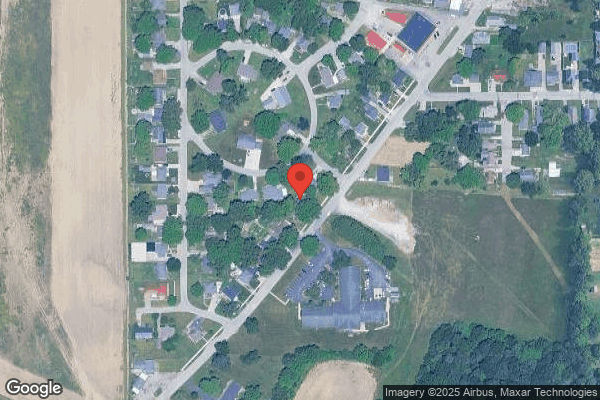

524 ANDERSON RD, CHESTERFIELD, IN 46017 (765) 378-0213
For profit - Limited Liability company 60 Beds INFINITY HEALTHCARE CONSULTING Data: November 2025
Trust Grade
65/100
#303 of 505 in IN
Last Inspection: January 2025

Within standard 12-15 month inspection cycle. Federal law requires annual inspections.

Overview

The Waters of Chesterfield Skilled Nursing Facility has a Trust Grade of C+, indicating it is slightly above average, but not exceptional. It ranks #303 out of 505 facilities in Indiana, placing it in the bottom half, and #8 out of 11 in Madison County, meaning only a few local options are better. The facility's trend is worsening, with the number of issues increasing from 5 in 2024 to 6 in 2025. Staffing is a concern, receiving just 1 out of 5 stars, with a turnover rate of 50%, which matches the state average but suggests instability. On a positive note, the facility has no fines on record, indicating compliance with regulations, and it boasts excellent quality measures with a 5 out of 5 star rating. However, there are serious concerns about food safety practices, as an inspector noted instances of improper food handling, such as a staff member using contaminated gloves while serving food. Additionally, care plans for several residents were found to lack measurable goals or necessary revisions, potentially compromising individualized care. Overall, while there are strengths, particularly in quality measures and a lack of fines, families should be aware of the significant weaknesses in staffing and care planning.

Trust Score
C+
65/100
In Indiana
#303/505
Bottom 40%
Safety Record
Low Risk
No red flags
Inspections
Getting Worse
5 → 6 violations
Staff Stability
⚠ Watch
50% turnover. Above average. Higher turnover means staff may not know residents' routines.
Penalties
✓ Good
No fines on record. Clean compliance history, better than most Indiana facilities.
Skilled Nurses
○ Average
Each resident gets 36 minutes of Registered Nurse (RN) attention daily — about average for Indiana. RNs are the most trained staff who monitor for health changes.
Violations
⚠ Watch
18 deficiencies on record. Higher than average. Multiple issues found across inspections.
★★★☆☆
3.0
Overall Rating
★☆☆☆☆
1.0
Staff Levels
★★★★★
5.0
Care Quality
★★★☆☆
3.0
Inspection Score
Stable
2024: 5 issues
2025: 6 issues

The Good

  • 5-Star Quality Measures · Strong clinical quality outcomes
  • Full Sprinkler Coverage · Fire safety systems throughout facility
  • No fines on record

Facility shows strength in quality measures, fire safety.

The Bad

3-Star Overall Rating

Near Indiana average (3.1)

Meets federal standards, typical of most facilities

Staff Turnover: 50%

Near Indiana avg (46%)

Higher turnover may affect care consistency

Chain: INFINITY HEALTHCARE CONSULTING

Part of a multi-facility chain

Ask about local staffing decisions and management

The Ugly 18 deficiencies on record

May 2025 1 deficiency
CONCERN (D) 📢 Someone Reported This

A family member, employee, or ombudsman was alarmed enough to file a formal complaint

Potential for Harm - no one hurt, but risky conditions existed

Grievances (Tag F0585)

Could have caused harm · This affected 1 resident

Based on observation, interview, and record review, the facility failed to make prompt efforts to resolve a grievance for a resident requesting a vegetarian diet for 1 of 1 resident reviewed for conce...

Read full inspector narrative →
Based on observation, interview, and record review, the facility failed to make prompt efforts to resolve a grievance for a resident requesting a vegetarian diet for 1 of 1 resident reviewed for concerns related to specialized diet (Resident B). Findings include: Resident B's clinical record was reviewed on 5/30/25 at 11:00 a.m. Current diagnoses included hypothyroidism, gastro-esophageal reflux disease, and hypertension. The resident was admitted to the facility in February 2025. The resident had a 2/25/25 physician's order for a general diet-regular textured- vegetarian diet (revised 3/12/25). An Admission/re-admission Assessment, opened on 2/24/25 and locked on 2/27/25, indicated the resident required a regular vegetarian diet. A 3/1/25, quarterly, Minimum Data Set (MDS) assessment indicated the resident was cognitively intact. A 5/22/25 quarterly dietary assessment, completed by the Registered Dietician, contained no dietary pretences nor mention of the resident's desire for a vegetarian diet. The clinical record lacked a formalized care plan to address a dietary preference for a vegetarian diet nor the approaches to ensure this diet was provided. A 5/1/25 at 11:26 a.m., Care Plan Meeting Progress Note indicated the facility's leadership, the resident, the resident's family, the Ombudsman, the Registered Dietitian, the Dietary Manager, and the Therapy Director had meet to discuss the resident and family's concerns with the dietary department and the food provided for the resident's dietary needs. New interventions and recommendations decided upon were: therapy to evaluate for a weighted spoon, dietary to go over the menu with the resident and then dietary to prepare ahead for substitutions, and dietary to go over food preferences with the resident. During an interview on 5/30/25 at 10:57 a.m., the Social Service Director indicated the facility had held a care plan meeting with Resident B and her family in an effort to resolve concerns they had with the resident's vegetarian diet. The family had been unhappy with the dietary department and there had been some conflict. During an interview on 5/30/25 at 12:18 p.m., Resident B indicated she ate a vegetarian diet due to her personal religious convictions. When she admitted to the facility, she told them she was a vegetarian. The facility didn't do a good job serving vegetarian items. She ate eggs, dairy, and peanut butter a lot. Her family brought in non-meat protein for her. The facility even burnt the items the family brought. The meals were not good. There was a recent meeting with everyone present where her diet was discussed. The facility had been doing better since then. Since the meeting, was served food she could eat without repeats and burnt food. The Ombudsman's response to a 5/30/25 email indicated Resident B and her family had been dissatisfied with the vegetarian food options offered to the resident and the preparation of the food. The family indicated it was an ongoing issue since admission. The resident, her family, and the facility had been unable to resolve this concern. In an effort to meet the resident's needs, the family had purchased plant-based protein for the resident. The Ombudsman attended the care plan meeting at the beginning of the month and a plan to address the resident's grievance and concern was developed. During an interview on 5/30/25 at 12:01 p.m., the Dietary Manager indicated he had been made aware Resident B desired a vegetarian diet within 24 hours of the resident's admission. At that time, he ensured she received items they had on hand such as cheese, other dairy, and peanut butter. The information used in the dietary department did not become a part of the resident's clinical record and the dietary department did not have access to the electronic clinical record to develop a multidisciplinary plan of care. He had recently attended the care plan meeting to address the resident's dietary concerns. The facility, resident, and family had developed a plan to resolve the concerns the family had about the resident's vegetarian diet. During an observation 5/30/25 at 12:33 p.m., Resident B was served a pasta dish with plant-based hamburger like protein in it. After being assured the protein was plant based, the resident indicated the meal was fine for her dietary needs. The resident began to eat her meal. During an interview on 5/30/25 at 12:42 p.m., the Administrator indicated the facility had not been aware of the resident desired a vegetarian diet at the time of admission because it hadn't been in the hospital paperwork. During an interview on 5/30/25 at 1:05 p.m., the DON indicated the facility did not have a formalized care plan regarding the resident's desire for a vegetarian diet until 5/30/25. A plan to address the resident's dietary pretences had been developed at the recent care plan meeting. The facility had not been aware of the resident's dietary preference upon admission. An untitled facility document, dated 4/29/25, signed Social Services Director indicated the following: .contacted [name and relationship] in regards concerns she had with dietary . She also stated that she has spoken to the Administrator, D.O.N., and A.D.O.N. and nothing has been resolved . A current, undated facility policy titled, How to file a grievance or complaint, provided by the Administrator on 5/30/25 at 10:40 a.m., indicated the following: .All complaints, grievances, concerns, and general questions are reviewed .the party filing the concern will be informed of the results of the investigation, recommendations, if any, and actions contemplated The deficient practice was corrected by May 1, 2025, prior to the start of the survey, and was therefore past noncompliance. The facility had completed a care plan meeting and developed and implemented a plan to correct the resident's dissatisfaction with her vegetarian diet. The resident indicated the plan had been successful in addressing her dietary concerns. This citation relates to Complaint IN00458362. 3.1-7(b)
Jan 2025 5 deficiencies
CONCERN (D)

Potential for Harm - no one hurt, but risky conditions existed

Resident Rights (Tag F0550)

Could have caused harm · This affected 1 resident

**NOTE- TERMS IN BRACKETS HAVE BEEN EDITED TO PROTECT CONFIDENTIALITY** Based on observation, interview, and record review, the facility failed to develop and provide a menu to encourage intake and pr...

Read full inspector narrative →
**NOTE- TERMS IN BRACKETS HAVE BEEN EDITED TO PROTECT CONFIDENTIALITY** Based on observation, interview, and record review, the facility failed to develop and provide a menu to encourage intake and promote dignity for residents who received a pureed diet for 3 of 3 residents who received pureed diets. (Residents 1, 16, and 7) Findings include: A current Facility menu, item and portion size guide (spread sheets) for lunch on Thursday 1/9/25 indicated the following meals were menued to be served: Regular Diet: BBQ chicken wings, herb roasted potatoes, broccoli florets, chilled peaches, and a dinner roll. The Pureed Diet was menued to receive all of the above items in pureed form. During a lunch meal observation on 1/9/25 from 12:00 p.m. to 12:36 p.m., the following food items were served: Regular diet trays were served breaded chicken nuggets/boneless chicken wings with a side of BBQ sauce, steamed broccoli florets, roasted herbed potatoes, and pudding as a substitute for peaches. During an interview on 1/9/25 at 12:25 p.m., the Acting Dietary Manager (ADM) indicated pudding was a substitute for peaches due to availability. Residents 1, 16, and 7 were served pureed grilled chicken, mashed potatoes, and a pureed vegetable blend. During an interview on 1/9/25 at 12:30 p.m., the ADM indicated he hadn't followed the recipes and menus because he didn't have the time. Review of portion size guide and food type menus (spread sheets) for the week of 1/5/25 to 1/12/25 identified the following concerns regarding lack of variety and/or the failure to serve residents with pureed diets the same meal as other residents, when possible, as follows: a. 4 of 7 days had a menu for pureed diets to receive pureed buttered carrots: 1/5/25 lunch, 1/9/25 dinner, 1/10/25 lunch, and 1/11/25 dinner. On 1/5/25 the pureed buttered carrots were served as salad when the regular diet was Caesar salad. On 1/9/25 the pureed buttered carrots were served as a vegetable when the regular diet was mixed vegetables. On 1/10/25 the pureed buttered carrots were served as a vegetable when the regular diet was peas and carrots. On 1/11/25 the pureed buttered carrots were served when the regular diet was mixed vegetables. b. Pureed pork was menued to be served for both lunch and dinner on 1/10/25. On 1/10/25 lunch all diet types were menued to receive roast pork. On 1/10/25 dinner, regular diets were to receive Kielbasa when pureed diets were menued for pureed pork, resulting in the same meat being served twice in day. c. Apple sauce with cinnamon was menued to be served for pureed diets for both lunch and dinner on 1/8/25. On 1/8/25 at lunch, the regular diet was apple crisp and the pureed diet was apple sauce. On 1/8/8/25 at dinner, all diet types were menued to receive apple sauce. d. Pureed ranch pasta salad was menued to be served for pureed diets two days in a row 1/6/25 and 1/7/25. e. Vegetable juice was menued to be served 3 of 7 days of the week: 1/5/25 dinner, 1/8/25 dinner, and 1/12/25 dinner On 1/5/25 at dinner, vegetable juice was served as a salad to pureed diets when regular diets were served [NAME] slaw. On 1/8/25 at dinner, regular diets were served house garden salad and pureed diets were menued to be served vegetable juice. On 1/12/25 at dinner, pureed diets were menued to receive vegetable juice when regular diets were served tossed salad. f. Mashed potatoes were menued to be served 4 meals during the week: 1/6/25 lunch, 1/9/25 dinner, 1/11/25 breakfast and dinner. On 1/6/25 at lunch all diet types were menued to receive mashed potatoes. On 1/9/25 at dinner, pureed diets were menued to receive mashed potatoes when regular diets were served potato chips. On 1/11/25 at breakfast, pureed diets were menued to receive mashed potatoes when regular diets were menued to receive hash brown potatoes. On 1/11/25 at dinner, all diets were menued to receive mashed potatoes. This resulted in those residents who received pureed diets being menued to receive mashed potatoes two times in one day. Resident 1's clinical record was reviewed on 1/10/25 at 10:14 a.m. Current diagnoses included TIAs (Transient Ischemic Attack), dysphasia, major depressive disorder, and delusional disorder. The resident had a current physician's order for a pureed diet. The diet order originated 12/29/2024. An 11/12/24, annual, MDS indicated the resident was severely cognitively impaired. The resident had a current, 11/13/24, care plan problem/need regarding being at nutritional risk. Resident 16's clinical record was reviewed on 1/10/25 at 10:16 a.m. Current diagnoses included diabetes mellitus, hypertension, and dysphasia. The resident had a current physician's order for a pureed diet. This order originated 11/25/2024. An 11/15/24, quarterly, MDS indicated the resident was severely cognitively impaired. The resident had a 11/6/2024, care plan problem/need regarding nutritional risk. Resident 7's clinical record was reviewed on 1/10/25 at 10:19 a.m. Current diagnoses included congestive heart failure, chronic kidney disease, and gastro-esophageal reflux disease. The resident had a current physician's order for a pureed diet. The order originated 9/19/2023. A 12/26/24, quarterly, MDS indicated the resident was severely cognitively impaired. The resident had a current,10/6/2024, care plan problem/need regarding nutritional risk. A current, 1/7/25, facility policy titled, Resident Rights, provided by the Administrator following the entrance conference on 1/7/25, indicated: .The resident has the right to a dignified existence, self-determination . A facility must protect and promote the right of each resident A current, 4/5/24, facility policy titled Menus, provided by the Administrator on 1/9/25 ay 3:15 p.m., indicated .Menus shall provide a variety of foods and indicate standard portions at each meal. Menus shall be varied for the same day of consecutive weeks 3.1-3(a)
CONCERN (D)

Potential for Harm - no one hurt, but risky conditions existed

Deficiency F0582 (Tag F0582)

Could have caused harm · This affected 1 resident

Based on record review and interview, the facility failed to provide the appropriate 48-hour notification of Medicare A Non-coverage for 2 of 2 residents reviewed for Beneficiary Notifications. (Resid...

Read full inspector narrative →
Based on record review and interview, the facility failed to provide the appropriate 48-hour notification of Medicare A Non-coverage for 2 of 2 residents reviewed for Beneficiary Notifications. (Residents 37 & 38) Findings include: On 1/8/25 at 1:23 p.m., the SNF (Skilled Nursing Facility) Beneficiary Protection Notification Review Forms were reviewed for Residents 37 and 38, and indicated the following: 1. Resident 37 was admitted to Medicare Part A Skilled Services on 7/24/24. The last covered day of Part A services was 9/10/24. The Skilled Nursing Facility Advance Beneficiary Notice of Non-Coverage (SNF ABN) and SNF Notice of Medicare Non-Coverage (NONMC) were reviewed with the resident's representative and signed on 9/10/24. A 9/9/24, Detailed Explanation of Non-coverage form indicated Resident 37 had reached the maximized functional potential for physical and speech therapy. 2. Resident 38 was admitted to Medicare Part A Skilled Services on 8/13/24. The last covered day of Part A services was 9/11/24. The SNF ABN and SNF NONMC were reviewed with the resident's representative and signed on 9/10/24. A 9/10/24,Detailed Explanation of Non-coverage form indicated Resident 38 had reached the maximized functional potential for physical, occupational, and speech therapy. During an interview, on 1/10/25 at 9:34 a.m., LPN 3 indicated she was the Social Service Director at the time. The process for when a resident was discharged from any therapy service was for the therapy department to notify the Social Service department of the last day of covered services. She indicated there were times when she was not given the full two days advanced notice before services ended. The resident representatives needed to review and sign the NOMNC and ABN forms and this was sometimes difficult to complete. She aimed to complete this on the same day as she was notified by therapy. During an interview, on 1/13/24 at 10:35 a.m., Speech Therapist (SLP) 4 indicated the therapy discharge forms were filled out a week in advance and provided to the Social Services (SS) and Minimum Data Set (MDS) departments. SLP 4 indicated the facility had a weekly Medicare A meeting where the residents on caseload were discussed and any upcoming discharges were reviewed. The SS and MDS departments attended these meetings. An undated, current facility policy, titled, Advanced Beneficiary Notices, provided by the Administrator on 1/13/25 at 10:51 a.m., indicated the following: .It is the policy of the facility to follow the Medicare requirements for issuing Advanced Beneficiary Notices and Notices of Non-coverage of services as defined in the Medicare Claim Processing manual, Chapter 30 . The SFN ABN must be issued Prior to receiving the non-covered care . The Notice/Form will be completed per the CMS guidelines by a facility designee .The Center of Medicare and Medicaid Services (CMS) require a Notice of Medicare Non-coverage (NONMC) Notice to be issues to Medicare Beneficiaries who are receiving Services from the skilled nursing facility to inform them that their Medicare covered services are ending .The NOMNC will be issues to the Traditional Medicare A Beneficiaries or the authorized representative, 2 days prior to the Medicare coverage ending when the Beneficiary has days remaining 3.1-4(f)(3)
CONCERN (D)

Potential for Harm - no one hurt, but risky conditions existed

Quality of Care (Tag F0684)

Could have caused harm · This affected 1 resident

Based on record review and interview, the facility failed to notify the physician as ordered for changes in daily weights for 1 of 1 resident reviewed for weight loss/gain. (Resident 5) Finding includ...

Read full inspector narrative →
Based on record review and interview, the facility failed to notify the physician as ordered for changes in daily weights for 1 of 1 resident reviewed for weight loss/gain. (Resident 5) Finding includes: Resident 5's record was reviewed on 1/9/25 at 2:24 p.m. Diagnoses included heart failure, hypertension, and unspecified edema. Physician's orders included, but were not limited to, a. Monitor 1600 millimeter (mL) fluid restriction daily, 360 mL per meal. The order was dated 11/21/24. b. Take daily weight and notify the physician for an increase of 3 pounds (lbs) in 24 hours or an increase of 5 lbs in 7 days. The order was dated 11/22/24. c. Give one torsemide (a diuretic) 40 milligrams (mg) tablet twice daily for edema. The order was dated 11/29/24. Review of the resident's documented weights, included, but were not limited to, the following: a. On 12/24/24, the resident's weight was 362.6 pounds. On 12/23/24, the resident's weight was 353.0 pounds. This was an increase of 9.6 pounds in 24 hours. The record lacked a physician notification regarding weight gain. b. On 12/27/24, the resident's weight was 362.0 pounds. On 12/26/24, the resident's weight was 347.2 pounds. This was an increase of 14.8 pounds. The record lacked a physician notification regarding weight gain. c. On 12/31/24, the resident's weight was 360.6 pounds. On 12/30/24, the resident's weight was 354.0 pounds. This was an increase of 6.6 pounds. The record lacked a physician notification regarding weight gain. A care plan, dated 9/20/24, related to congestive heart failure risks and complications included, but was not limited to, the following interventions: Fluid restriction as ordered, medications as ordered, and monitor for signs and symptoms of an exacerbation. During an interview, on 1/13/24 at 11:17 a.m., LPN 5 indicated the weights and physician notifications were documented in the electronic medical record. During an interview, on 1/13/24 at 11:54 a.m., the DON indicated the weights were documented in the vitals section of the electronic medical record. This resident was being seen weekly by the Nurse Practitioner (NP) since she was aware of his weight fluctuations. She indicated she was not able to locate documentation indicating the physician or NP were notified of weight gain as ordered. A current facility policy, dated 6/18/23, titled, Guidelines for physician orders-(following physician orders), provided by the Administrator on 1/13/25 at 1:32 p.m., indicated the following: .4. All physician orders received pertaining to the resident will be implemented and followed throughout the course of the resident's stay in the facility as the orders are received 3.1-37(a)
CONCERN (D)

Potential for Harm - no one hurt, but risky conditions existed

Deficiency F0761 (Tag F0761)

Could have caused harm · This affected 1 resident

**NOTE- TERMS IN BRACKETS HAVE BEEN EDITED TO PROTECT CONFIDENTIALITY** Based on observation and interview, the facility failed to ensure insulin (a medication to treat diabetes mellitus) vials were d...

Read full inspector narrative →
**NOTE- TERMS IN BRACKETS HAVE BEEN EDITED TO PROTECT CONFIDENTIALITY** Based on observation and interview, the facility failed to ensure insulin (a medication to treat diabetes mellitus) vials were dated when opened and disposed of when expired for 1 of 2 carts reviewed for medication storage. (200 hall cart) Finding includes: During a medication storage observation of the 200 hall cart, accompanied by RN 6 on [DATE] at 10:22 a.m., the following was observed: One open vial of Lantus (long-acting) insulin, dated [DATE]; the vial contained approximately 40 units. One open vial of Lantus (long-acting) insulin, undated; the vial contained approximately 260 units. One open vial of Novolog (rapid-acting) insulin, undated; the vial contained approximately 200 units. During an interview at the time of the observation, RN 6 indicated insulin was good for 28 days and the insulin dated [DATE] was expired and should no longer be used. The undated insulin pens had one or more doses used and should have been dated when opened. During an interview, on [DATE] at 11:37 a.m., the DON indicated insulin pens should be dated when opened and discarded when expired. The expiration date for insulin is 28 days after it's been opened. A current facility policy, dated [DATE], provided by the DON on [DATE] at 11:37 a.m., indicated the following: .3. Upon opening for the first time, the insulin pen will have a date sticker applied. This will be done by the nurse. The date will reflect the date the seal was broken for use .6. Insulin pens will be considered expired after 28 days and up to 45 days depending on the manufacturer's instructions---after they are opened, no matter the amount of insulin remaining in the pen 3.1-25(j) 3.1-25(k)
CONCERN (F)

Potential for Harm - no one hurt, but risky conditions existed

Food Safety (Tag F0812)

Could have caused harm · This affected most or all residents

Based on observation, interview and record review, the facility failed to ensure food was prepared and served under safe and sanitary conditions. This deficient practice had the potential to impact 39...

Read full inspector narrative →
Based on observation, interview and record review, the facility failed to ensure food was prepared and served under safe and sanitary conditions. This deficient practice had the potential to impact 39 of 39 facility residents. Finding include: During a lunch meal service observation on 1/9/25 from 12:00 p.m. to 12:40 p.m. the following concerns regarding food handling, food distribution, hand washing, glove use, and prevention of cross contamination were made: The Acting Dietary Manager (ADM) was wearing gloves on both hands. He began meal services, touching meal tickets, meal trays, bowls, counter tops, lids, utensils, napkin wrapped silverware, and the food contact surface of plates with his gloved hands. He picked up cooked chicken nuggets/boneless chicken wings with his contaminated gloves and placed the chicken on meal plates. At 12:04 p.m., he left the kitchen through the rear door by the refrigerators and freezers. He touched the door handle with his gloved hands. He returned carrying dinner rolls in bags. With his soiled gloved hands, he touched the bag of the dinner rolls. He tore the bread bag open. He placed 5 dinner rolls on trays. With the same soiled gloves he returned to the process of touching meal tickets, meal trays, napkin wrapped silverware, bowls, counter tops, lids, utensils, and the food contact surface of plates with his gloved hands. He then picked up chicken nuggets/boneless chicken wings and rolls with his contaminated gloves and placed the food items on meal plates. At 12:10 p.m., he left the serving area. Wearing the same contaminated gloves, he touched counter tops, cabinet fronts, cabinet handles, the refrigerator, obtained a bag of broccoli, and obtained a steam table pan. With the same contaminated gloved hands, he opened the broccoli and placed the broccoli in the steam table pan. He touched the broccoli with his soiled gloved hands and rearranged the broccoli in the pan. He knocked a small black triangular object from the table and retrieved it from the floor using his contaminated gloved hands. He then used his soiled gloves to open the steamer and place the broccoli inside. After placing the broccoli in the steamer, he returned to the steam table again touching items with his contaminated gloved hands. He returned to touching, meal tickets, meal trays, napkin wrapped silverware, bowls, counter tops, lids, utensils, and the food contact surface of plates with his gloved hands. He picked up chicken nuggets/boneless chicken wings and rolls with his contaminated gloves and placed the food items on meal plates. He began to occasionally pick up roasted potatoes with his soiled gloves and place them on the meal tray as well. At 12:15 p.m., he left the serving area once again, he checked potatoes in the oven. He touched the potatoes with his contaminated gloved hands as if checking for tenderness. He then returned to the steam table area. With his soiled gloved hands, he returned to touching meal tickets, meal trays, napkin wrapped silverware, bowls, counter tops, lids, utensils, and the food contact surface of plates. He picked up chicken nuggets/boneless chicken wings and rolls with his contaminated gloves and placed the food items on meal plates. Occasionally, he pick up roasted potatoes with his soiled gloves and placed them on the meal tray as well. At 12:17 p.m., he left the food service area, he went to the oven and food prep area in the kitchen. He placed a new pan of broccoli on the steam table. He took a pan to the dish room. He used the spray hose at the three compartment sink to spray down the pan. He stuck his contaminated gloved hands in a sink of sudsy water. He removed his gloves and threw them away. He then pulled gloves from his pocket or apron and placed them on his now bare hands. He did not wash his hands prior to putting on the new pair of gloves. He returned to the steam table and began serving with the newly applied gloves. He returned to using the same process of serving as he had previously. He touched meal trays, meal tickets, bowls, food service contact surfaces of plates, napkin wrapped silverware, chicken nuggets, rolls, and roasted potatoes. At 12:19 p.m., he broke apart large pieces of broccoli using his contaminated gloves and placed the broccoli on meal plates. At 12:20 p.m., he drank from his water bottle while wearing his contaminated gloves. He then wiped his mouth on the back of his gloved hand and returned to the steam table area. With his soiled gloved hands, he returned to touching meal tickets, meal trays, napkin wrapped silverware, bowls, counter tops, lids, utensils, and the food contact surface of plates. He picked up chicken nuggets/boneless chicken wings and rolls with his contaminated gloves and placed the food items on meal plates. He also occasionally pick up roasted potatoes with his soiled gloves and place them on the meal tray as well. Periodically, he broke large broccoli with his contaminated gloved and placed the smaller pieces on meal trays. At 12:25 p.m., he brushed meal tickets off the counter onto the floor. He picked the meal tickets up from the floor using his contaminated gloved hands. Using his soiled gloved hands, he returned to serving meals touching food, dishes and utensils in the same manner he had been using since 12:00 p.m. At 12:27 p.m., with his soiled gloved hands, he took off his ball cap, smoothed the cap, and re-applied it. He returned to meal services using his contaminated gloves to once again touch food, dishes, and utensils. At 12:28 p.m., he took all the food off a standard plate using his contaminated gloves. He placed all the food he had removed on a divided plate and served the meal to a resident. At 12:30 p.m., he left the food service area and went to the stove. With his contaminated gloved hands, he removed roasted potatoes from the oven. He then used his soiled gloved hands and a steam table lid to pour and scrape roasted potatoes off a cooking sheet into a steam table pan. During the lunch meal service from 12:00 p.m. to 12:40 p.m., every chicken nugget and roll served was placed on a meal plate was done using contaminated gloves. During an interview on 1/9/25 at 12:36 p.m., the Acting Dietary Manager (ADM) indicated he should have used tongs to serve the chicken and rolls, but if he had done so it would take too long to serve them. He did not believe he had contaminated his gloves at any time during meal service. During an interview on 1/9/25 at 1:45 p.m., the Director of the contracted dietary food services company indicated the ADM should have used utensils to served food. The use of gloves instead of utensil increased the risk for cross contamination. A current, undated policy titled, Food Handling, provided by the Administrator on 1/9/25, at 3:15 p.m., indicated prepared food items will be served with serving utensils so as to avoid hand contamination. A current, undated facility policy titled Glove Use, provided by the Administrator on 1/9/25 at 3:15 p.m., indicated 2. Staff will use clean barriers such as single-use gloves, tongs, deli paper, and spatulas when handling food. 3. Gloved hands are considered a food contact surface that can get contamination or soiled. If used single use gloves shall be used for only one task (such as working with ready to eat food or with raw animal food), used for no other purpose, and discarded when damaged or soiled, or when interruptions occur in operation. 4. Hands are to be washed when entering the kitchen and before putting on the single-use gloves (before beginning work with food) and after removing single use gloves.6. Gloves are just like hands. They get soiled/anytime a contaminated surface is touched, the gloves must be changed, and the hands must be washed. A current, undated facility policy, titled, Handwashing, provided by the Administrator in 1/9/25 at 3:15 p.m., indicated the following: .When to wash hands: a. When entering the kitchen at the start of a shift. b. After touching bare human body parts . .e After .eating or drinking. f. After handling soiled equipment or utensils. g. During food preparation 3.1-21(i)(1)
Jan 2024 5 deficiencies
CONCERN (D)

Potential for Harm - no one hurt, but risky conditions existed

Deficiency F0692 (Tag F0692)

Could have caused harm · This affected 1 resident

Based on record review, interview, and observation, the facility failed to assess a resident at risk for nutritional decline and weight loss and failed to implement weight loss interventions for 1 of ...

Read full inspector narrative →
Based on record review, interview, and observation, the facility failed to assess a resident at risk for nutritional decline and weight loss and failed to implement weight loss interventions for 1 of 3 resident reviewed for nutrition. (Resident 27) Findings include: The clinical record for Resident 27 was reviewed on 1/17/24 at 2:43 p.m. Diagnosis included nontraumatic subdural hemorrhage, essential hypertension, and Alzheimer's disease with early onset. Current physician's orders included pureed diet (may have oatmeal) (4/23/21) and house shake with meals for supplement- Give one container/serving by mouth, record percentage consumed (1/26/23). The resident's monthly weight record indicated the following: On 9/6/23 the resident weighed 131.6 pounds. On 10/1/23 the resident weighed 132.1 pounds. On 1/5/24 the resident weighed 117.0 pounds. (A loss of 15.1 pounds since the resident's last recorded weight 3 months prior.) The monthly weight record lacked a weight for November 2023 and December 2023. The resident's clinical record lacked a dietary progress note since he had resumed monthly weights in September 2023, after hospice services were discontinued. A current nutrition risk care plan, updated 8/11/23, indicated the resident was at increased risk of malnutrition. The care plan interventions included the following: 2 Cal (a nutritional supplement) with meals, Remeron (an antidepressant) for appetite stimulant, and monitor weights. During an interview, on 1/19/23 at 9:30 a.m., the DON indicated the resident recently been removed from hospice services and weights were re-started when this occurred in August. She was not able to locate weights taken in November 2023. The facility had a COVID-19 outbreak in December 2023 and there were no weights taken for residents during that month. The resident's weight loss was discovered with the weight taken on January 5th, 2024. During an observation and interview, on 1/22/24 at 1:11 p.m., Resident 27 was seated in the cafeteria, being assisted with his meal by a nursing staff member. The lunch plate contained pureed chicken and mashed potatoes. There was one cup containing fruit punch and one cup containing tea. The resident meal card indicated a pureed diet and had symbols (a picture of silverware and the letter S on a cup) printed at the top. The DON, seated across from Resident 27, indicated she was not sure what the symbols on the top of this meal card meant. During an interview on 1/22/24 at 1:13 p.m., the Dietary Manager indicated the symbols at the top of meal cards indicated any specialty items to be delivered with each meal. The letter S on the cup indicated the resident was to receive a supplement with this meal. During a follow-up interview on 1/22/24 at 2:30 p.m., the DON indicated the facility had run out of pre-packaged house shakes and the kitchen was making those individually for residents. During an interview, on 1/19/24 at 11:42 a.m., the DON indicated there was not a specific weight loss or nutrition policy, and the facility utilized the Skin and Weight Assessment Team, or S.W.A.T. Program, to manage weight concerns. This program was a meeting to review the clinical record and consider potential issues or situations impacting individual resident appetite. 3.1-46(a)(1)
CONCERN (D)

Potential for Harm - no one hurt, but risky conditions existed

Deficiency F0804 (Tag F0804)

Could have caused harm · This affected 1 resident

Based on observation, interview, and record review, the facility failed to ensure food was palatable for 5 of 5 residents interviewed in the Resident Council group interview. Findings included: During...

Read full inspector narrative →
Based on observation, interview, and record review, the facility failed to ensure food was palatable for 5 of 5 residents interviewed in the Resident Council group interview. Findings included: During a meal service observation on 1/16/24 at 12:05 p.m., one hall tray cart had been prepared and sent to the halls for distribution. During an interview on 1/16/24 at 12:10 p.m., the dietary manager indicated he had forgotten to take food temperatures before serving the meals. During a meeting with the Resident Council group on 1/18/24 at 10:23 a.m., the following food - related concerns were expressed: 5 of 5 residents indicated hot food was served cold three times a week or more. The food being cold made it not enjoyable to eat. 4 of 5 residents indicated vegetables were overcooked and mushy three times a week or more. The fifth resident indicated they did not eat vegetables and therefore did not have an opinion. 5 of 5 residents indicated the food was bland, flat or without flavor three times a week or more. 5 of 5 residents indicated meat was hard, overcooked, or dry three times a week or more. The residents would talk about their displeasure with the food regularly, but nothing seemed to change. Food temperature logs for January 2024 were requested for review on 1/18/24 at 1:25 p.m. During an interview on 1/18/24 at 1:27 p.m., the Dietary Manager indicated the food temperature log had many holes and blanks. During an interview on 1/18/24 at 1:30 p.m., the Dietary Manager indicated he did not have a method to ensure food satisfaction. He walked around the dining room and asked residents about their meal. The food temperature log for January 2024 had no temperatures recorded for 28 of 54 meals served. During an interview with the Administrator on 1/18/24 at 3:40 p.m., she indicated the facility did not have a method to assess and review for food satisfaction. The facility did not have a policy for food satisfaction. 3.1-21(a)(2)
CONCERN (E)

Potential for Harm - no one hurt, but risky conditions existed

Comprehensive Care Plan (Tag F0656)

Could have caused harm · This affected multiple residents

Based on interview and record review, the facility failed to ensure care plans had measurable goals and individualized approaches for 4 of 14 residents reviewed for care plan development (Residents 44...

Read full inspector narrative →
Based on interview and record review, the facility failed to ensure care plans had measurable goals and individualized approaches for 4 of 14 residents reviewed for care plan development (Residents 44, 45, 4, and 19) Findings include: 1. Resident 44's clinical record was reviewed on 1/18/24 at 11:15 a.m. Current diagnoses included anxiety disorder, insomnia, hypertension, malaise, and acquired absence of right leg above the knee. An 11/2/23, quarterly, Minimum Data Set (MDS) assessment indicated the resident had no cognitive limitation, understood others and was understood by others, and displayed no maladaptive behaviors during the assessment period. The resident had a current, 11/2/23, care plan problem/need regarding insomnia. The goal to this problem was to achieve 6-8 hours of restful sleep. During an interview on 1/19/24 at 10:20 a.m., the Social Services Designee (SSD) indicated the facility did not have a method to measure restful sleep. 2. Resident 45's clinical record was reviewed on 1/17/24 at 11:25 a.m. Current diagnoses included lupus, bipolar disorder, schizophrenia, depression, and anxiety. An 11/29/23, admission, Minimum Data Set (MDS) assessment indicated the resident had no cognitive limitations, had self-reported moderate depression, understood others and was understood by others, used antipsychotic/ antidepressant and antianxiety medications daily, believed it was important to make decisions about her daily life, and displayed no maladaptive behaviors during the assessment period. The resident had a current, 11/28/23, care plan problem/need regarding at risk for behavioral disturbance due to a diagnosis of schizophrenia. A goal for this problem was the resident will have no episodes of behavior related to the diagnosis daily. The identified behaviors associated with the resident's schizophrenia were not identified in the care plan or within the resident's clinical record. The goal was not assessed to identify if the resident displaying no episodes of the major mental illness schizophrenia was an obtainable or a medically appropriate goal. The resident had a current,11/25/23, care plan problem/need regarding a diagnosis of bipolar disorder. A goal for this problem was the resident will be free from signs and symptoms of bipolar disorder. The identified behaviors associated with the resident's bipolar disorder were not identified in the care plan or within the resident's clinical record. The goal was not assessed to identify if the resident displaying no episodes of the major mental illness bipolar disorder was an obtainable or medically appropriate goal. The resident had a current, 11/28/23, care plan problem/need regarding a diagnosis of depression and a risk of decline in mood. The goal for this problem was to have no decline in mood daily. How to identify a decline in mood associated with depression was not listed in the care plan or in the clinical record. The resident had a current, 11/25/23, care plan problem/need regarding the potential to express signs and symptoms of anxiety. The goal for this problem was Resident will verbalize feelings appropriately and will demonstrate effective coping behaviors. The care plan did not address the resident's decline to use in house psychiatric services. The care plan and clinical record lacked definition of how the resident would verbalize feeling appropriately or demonstrate effective copying behaviors. During an interview with the Administrator, Director of Nursing, Assistant Director of Nursing and Social Services Designee on 1/19/24 at 3:45 p.m., the Administrator indicted Resident 45's plan of care lacked means to define the ability to reach the resident's goals. 3. Resident 4's clinical record was reviewed on 1/17/24 at 11:33 a.m. Current diagnosis included Alzheimer's disease, major depressive disorder, anxiety disorder, and unspecified psychosis. A 12/16/23, quarterly, Minimum Data Set (MDS) assessment indicated the resident had mild cognitive limitations, understood others and was understood by others, had moderate self-reported depression, received antipsychotic medication, antianxiety medication, and antidepressant medication daily, and displayed no maladaptive medications during the assessment period. The resident had a current, 5/31/22, care plan problem/need regarding cognitive impairment due to dementia. An approach to this problem was Unless hard of hearing talk softly in a normal tone. This approach originated 2/28/22. The resident had a current, 5/31/22, care plan problem/ need, regarding anxiety. A goal to this problem was, will accept reassurance during periods of anxiety upon immediate staff intervention. The resident had a current, 6/23/22, care plan problem/need regarding attention seeking. A goal to this problem was, I will have a reduction in episodes of manipulative behaviors. The resident had a current, 3/13/23, care plan problem/need regarding mood decline due to depression. A goal to this problem was Will have no decline in mood daily. The resident had a current, 3/13/23, care plan problem/need regarding a risk of behavioral disturbances related to a psychotic disorder. A goal to this problem was to have no episodes to behavior related to this diagnosis. The resident had a current 3/13/23, care plan problem/need regarding anxiety. A goal for this problem was to have a decline in episodes of anxious behavior. During an interview on 1/19/24 at 3:45 p.m., the Administrator indicated the above goals were not measurable or well defined. Approaches should be individualized, such as the facility should be aware if the resident could hear. 4. Resident 19's clinical record was reviewed on 11/17/24 at 11:31 a.m. Current diagnosis included bipolar disorder, major depressive disorder, and diabetes mellitus. A 12/2/23, quarterly, Minimum Data Set (MDS) assessment indicated the resident did not have cognitive limitations, had self-reported moderate depression, understood others and was understood by others, received an antidepressant medication, and displayed no maladaptive behaviors during the assessment period. The resident had a current, 3/1/23, care plan problem/need regarding a diagnosis of bipolar. The goal for this problem was to be free of signs and symptoms of bipolar and depression. The resident had a current, 3/1/23, care plan problem regarding anxiety. The goal for this problem was to demonstrate increased control over anxious behaviors as evidenced by [left blank with no added information]. During an interview with the Administrator, Director of Nursing, Assistant Director of Nursing and Social Services Designee on 1/19/24 at 3:45 p.m., the Administrator indicated there should not be blanks in the care plan, the goals, or the approaches. The residents goals were not measurable. A current, undated, facility policy, titled Baseline Care Plan Assessment/ Comprehensive Care Plan, which was provided by the Administrator in 1/22/24 at 12:57 p.m., indicated: .using the 'Person Centered' plan of care approach for each resident that includes measurable objectives 3.1-35(a)
CONCERN (E)

Potential for Harm - no one hurt, but risky conditions existed

Deficiency F0657 (Tag F0657)

Could have caused harm · This affected multiple residents

Based on interview and record review, the facility failed to review and revise care plans for 1 of 14 resident reviewed for care plan revision (Resident 4). Findings include: Resident 4's clinical rec...

Read full inspector narrative →
Based on interview and record review, the facility failed to review and revise care plans for 1 of 14 resident reviewed for care plan revision (Resident 4). Findings include: Resident 4's clinical record was reviewed on 1/17/24 at 11:33 a.m. Current diagnosis included Alzheimer's disease, major depressive disorder, anxiety disorder, and unspecified psychosis. A 12/16/23, quarterly, Minimum Data Set (MDS) assessment indicated the resident had mild cognitive limitations, understood others and was understood by others, had moderate self-reported depression, received antipsychotic medication, antianxiety medication, and antidepressant medication daily, and displayed no maladaptive medications during the assessment period. The resident had a current, 5/31/22, care plan problem/need regarding cognitive impairment due to dementia. An additional approach to this visit was for the SSD to visit weekly and as needed. This approach originated 2/28/22. The resident had a current, 2/27/22, care plan problem/need depression, which contained a 6/23/22 note which indicated the resident stated she would be better off dead. An approach to this problem was Fifteen minutes checks (11/22/22). The resident had a current, 5/31/22, care plan problem/ need, regarding anxiety. An approach to this problem was Offer talk therapy During an interview with the Administrator, Director of Nursing, Assistant Director of Nursing and Social Services Designee on 1/19/24 at 3:45 p.m., the Administrator indicated the above care plan approaches had not been reviewed and revised. The Social Service Director indicated she was unaware of the weekly visit. All three managers indicated the psychiatric services provider named had not provided services in the facility for years. A current, undated, facility policy, titled Baseline Care Plan Assessment/ Comprehensive Care Plan, which was provided by the Administrator in 1/22/24 at 12:57 p.m., indicated: .As the resident remains in the Nursing Home, additional changes will be made to the resident's plan of care .The Comprehensive Care Plan will be reviewed and updated every quarter . 3.1-35(e)
CONCERN (E)

Potential for Harm - no one hurt, but risky conditions existed

Deficiency F0745 (Tag F0745)

Could have caused harm · This affected multiple residents

Based on observation, interview, and record review, the facility failed to offer medically related social services to residents with a diagnosis of a major mental illness in relation to behavior monit...

Read full inspector narrative →
Based on observation, interview, and record review, the facility failed to offer medically related social services to residents with a diagnosis of a major mental illness in relation to behavior monitoring, behavior management, updating care plans, and provision of personalized care for mental and behavioral health for 4 of 4 residents reviewed for provision of medically related social services (Residents 44, 45, 4 and 19) Findings include: 1. During a resident group interview on 1/17/24 at 10:30 a.m., Resident 44 indicated he suffered from insomnia and liked to sleep whenever he can. Staff woke him up for showers and such. When he said no he'd rather sleep, they say he refused care. During an interview on 1/22/23 at 11:08 a.m., Resident 44 indicated he had never told the facility he wanted to sleep at night. He had told the facility he wanted to sleep whenever he could sleep. Resident 44's clinical record was reviewed on 1/18/24 at 11:15 a.m. Current diagnosis included anxiety disorder, insomnia, hypertension, malaise, and acquired absence of right leg above the knee. A 10/28/23 , Social Services Evaluation indicated the resident desired to return home with home health after rehabilitation. The January 2024 Treatment Administration Record indicated the resident had behavior monitoring each shift for anxiety, ineffective coping skills, and resistance to care. Resident specific information describing what behavioral symptoms the resident displayed when anxious or displaying ineffective copying skills were not included in the behavior monitoring record. Ten approaches to redirect the monitored behaviors were listed on the behavior monitoring record. The approaches were not resident specific and were as follows: attempt redirection, snack, fluid offered, activity for diversion, toileting, change in environment, pain assessment, offer nap/rest period, provide comfort measures, and other with no resident specific approaches listed. An 11/2/23, quarterly, Minimum Data Set (MDS) assessment indicated the resident had no cognitive limitation, understood others and was understood by others, and displayed no maladaptive behaviors during the assessment period. The resident had a current, 11/7/23, care plan problem/need regarding displayed behavioral symptoms related to: poor and/or ineffective coping skills, manifested by refusal of care. The resident was on a behavior management program. An 11/7/23 approach to this problem was to conduct an evaluation of behavioral symptom(s) to determine what strengths, abilities & needs are communicated via the behaviors. The resident had a current, 11/2/23, care plan problem/need regarding insomnia. The goal to this problem was to achieve 6-8 hours of restful sleep. Approaches to this problem included to encourage the resident not to take naps during the day. During an interview on 1/18/24 at 3:40 p.m., the Administrator indicated many of the care plans discussed were not personalized and did not have measurable goals. During an interview on 1/19/24 at 10:20 a.m., the Social Services Designee (SSD) indicated the facility had a behavior monitoring system, but she was unaware of a behavior management plan for any resident. She had a list of residents who required behavior monitoring. There were not resident specific approaches to managing the behaviors. She did not keep a system that contained specific behavioral events or the dates and times they were displayed. There was not a system which indicated resident specific approaches to manage behaviors. She had not completed an evaluation of the resident's sleeping patterns or needs, nor spoken to him about it. She had the times he went to bed at night and arose in the morning when at home. She had not completed a behavioral evaluation as mentioned in the plan of care. 2. Resident 45's clinical record was reviewed on 1/17/24 at 11:25 a.m. Current diagnosis included lupus, bipolar disorder, schizophrenia, depression, and anxiety. A 12/27/23 PASARR Level II report indicated the resident needed help thinking through and completing tasks at time and need supportive counseling services from facility staff. An 11/29/23, Social Service Evaluation, indicated the resident was alert and oriented, and had been admitted to the facility for planned long term placement. The resident desired a short term placement to return living with her family, and these conflicting goals needed to be addressed during the next care plan meeting. A Consent for Services form indicated the resident declined in house psychiatric services on 10/24/23. The resident had previously seen a psychiatric services provider when living at home. The resident's stay at the facility would be short term and she would return to her previous provider upon discharge. The current January 2024 Treatment Administration Record indicated the resident had behavior monitoring each shift for anxiety, depression, tearfulness, self isolation, and resistance to care. Resident specific information describing what behavioral symptoms the resident displayed when anxious or depressed was not included in the behavior monitoring record. Ten approaches to redirect the monitored behaviors were listed on the behavior monitoring record. The approaches were not resident specific and were as follows: attempt redirection, snack, fluid offered, activity for diversion, toileting, change in environment, pain assessment, offer nap/rest period, provide comfort measures, and other with no resident specific approaches listed. An 11/29/23, admission, Minimum Data Set (MDS) assessment indicated the resident had no cognitive limitations, had self-reported moderate depression, understood others and was understood by others, used antipsychotic/ antidepressant and antianxiety medications daily, believed it was important to make decisions about her daily life, and displayed no maladaptive behaviors during the assessment period. The resident had a current, 11/28/23, care plan problem/need regarding at risk for behavioral disturbance due to a diagnosis of schizophrenia. A goal for this problem was the resident will have no episodes of behavior related to the diagnosis daily. The identified behaviors associated with the resident's schizophrenia were not identified in the care plan or within the residents clinical record. The goal was no episodes of the major mental illness schizophrenia. The record lacked an assessment as to whether this was an obtainable or a medically appropriate goal. The resident had a current, 11/25/23, care plan problem/need regarding a diagnosis of bipolar disorder. A goal for this problem was the resident will be free from signs and symptoms of bipolar disorder. The identified behaviors associated with the resident's bipolar disorder were not identified in the care plan or within the resident's clinical record. The goal was not assessed to identify if the resident displaying no episodes of the major mental illness bipolar disorder was an obtainable or medically appropriate goal. The resident had a current, 11/28/23, care plan problem/need regarding a diagnosis of depression and a risk of decline in mood. The goal for this problem was to have no decline in mood daily. How to identify a decline in mood associated with depression was not listed in the care plan or in the clinical record. The resident had a current, 11/25/23, care plan problem/need regarding the potential to express signs and symptoms of anxiety. The goal for this problem was Resident will verbalize feelings appropriately and will demonstrate effective coping behaviors. An approach to this problem was May refer resident to mental health services including consultation with psychiatrist and psychotherapy services. The care plan did not address the resident's decline to use in house psychiatric services. The resident's clinical record lacked definition of how to verbalize feeling appropriately or demonstrate effective copying behaviors. During an interview with the Administrator, Director of Nursing, Assistant Director of Nursing and Social Services Designee on 1/19/24 at 3:45 p.m., they indicated they were not aware of the facility identifying specific behavioral signs and symptoms of anxiety and depression, or if the goal of no signs or symptoms of schizophrenia was medically appropriate for Resident 45. No information regarding care planning, social services, and psychosocial needs was provided by the time of exit on 11/21/23 at 2:30 p.m. 3. During an interview on 1/17/24 at 10:15 a.m., Resident 4 indicated she often times was down or blue. Resident 4's clinical record was reviewed on 1/17/24 at 11:33 a.m. Current diagnosis included Alzheimer's disease, major depressive disorder, anxiety disorder, and unspecified psychosis. A 12/16/23, quarterly, Minimum Data Set (MDS) assessment indicated the resident had mild cognitive limitations, understood others and was understood by others, had moderate self-reported depression, received antipsychotic medication, antianxiety medication, and antidepressant medication daily, and displayed no maladaptive medications during the assessment period. The resident had a current, 5/31/22, care plan problem/need regarding cognitive impairment due to dementia. An approach to this problem was Unless hard of hearing talk softly in a normal tone. An additional approach to this visit was for the SSD to visit weekly and as needed. These approaches originated 2/28/22. The resident had a current, 2/27/22, care plan problem/need depression, which contained a 6/23/22 note which indicated the resident stated she would be better off dead. Approaches to this problem included, Fifteen minutes checks (11/22/22). The resident had a current, 5/31/22, care plan problem/ need, regarding anxiety. A goal to this problem was, will accept reassurance during periods of anxiety upon immediate staff intervention. An approach to this problem was Offer talk therapy care as allowed or desired. The resident had a current, 6/23/22, care plan problem/need regarding attention seeking. A goal to this problem, I will have a reduction in episodes of manipulative behaviors. The resident had a current, 3/13/23, care plan problem/need regarding mood decline due to depression. A goal to this problem was Will have no decline in mood daily. The resident had a current, 3/13/23, care plan problem/need regarding a risk of behavioral disturbances related to a psychotic disorder. A goal to this problem was to have no episodes to behavior related to this diagnosis. The resident had a current 3/13/23, care plan problem/need regarding anxiety. A goal for this problem was to have a decline in episodes of anxious behavior. Resident 4 was observed in her room, watching TV, talking with visitors, and interacting with her roommate on 1/17/24 at 9:37 a.m., 1/17/24 at 1:46 p.m., and 1/18/24 at 9:29 a.m. During an interview on 1/19/24 at 3:45 p.m., the Administrator indicated approaches for 2022 should be reviewed and revised with care plan review. The resident was not on 15-minute checks and had not been on 15 minute checks since 2022. Care plan goals should be measurable and many of the care plan goal which were discussed could not be measured. Care plans should be personalized to the resident and should identify such issues as if the resident could hear. No information regarding care planning, social services, and psychosocial services were provided by the time of exit on 11/21/23 at 2:30 p.m. 4. Resident 19's clinical record was reviewed on 11/17/24 at 11:31 a.m. Current diagnosis included bipolar disorder, major depressive disorder, and diabetes mellitus. A 12/2/23, quarterly, Minimum Data Set (MDS) assessment indicated the resident did not have cognitive limitations, had self-reported moderate depression, understood others and was understood by others, received an antidepressant medication, and displayed no maladaptive behaviors during the assessment period. A 1/11/24, PASARR Level II report indicated the resident had trouble remembering things and needed help making decisions, does not really look forward to anything but visits with family and friends, and need supportive counseling from nursing home staff. The resident had a current, 3/1/23, care plan problem/need regarding a diagnosis of bipolar. The goal for this problem was to be free of signs and symptoms of bipolar and depression. The resident had a current, 3/1/23, care plan problem regarding anxiety. The goal for this problem was to demonstrate increased control over anxious behaviors as evidenced by [left blank with no added information]. An approach to this problem included teaching the resident anxiety/stress management techniques including meditation or relaxation tapes. The resident was resting quietly in his room on 1/17/24 at 1:36 p.m. and 1/18/24 at 9:27 a.m. During an interview with the Administrator, Director of Nursing, Assistant Director of Nursing and Social Services Designee on 1/19/24 at 3:45 p.m., they indicated they would check into what Resident 19's specific signs of bipolar and depression were, if no signs of these diseases was a measurable and achievable goal, and what meditation techniques the resident used. No additional information was provided prior to time of exit on 11/21/23 at 2:30 p.m. A current, undated, facility document titled Behavior Monitoring provided by the SSD on 1/19/23 at 10:09 a.m., indicated .All new admits will get a Target Behavior Monitoring log on admission . A current, undated, facility policy titled Social Service Behavioral Monitoring, provided by the SSD on 1/19/24 at 10:09 a.m., indicated: .The Social Service team will review the current Plan of Care and Social Service Comprehensive Assessment .Mood/Behavioral problems .Behavioral Management Program .The Social Services caseworker will update the care plan with new interventions . 3.1-34(a)
Nov 2023 1 deficiency
CONCERN (D) 📢 Someone Reported This

A family member, employee, or ombudsman was alarmed enough to file a formal complaint

Potential for Harm - no one hurt, but risky conditions existed

Deficiency F0825 (Tag F0825)

Could have caused harm · This affected 1 resident

**NOTE- TERMS IN BRACKETS HAVE BEEN EDITED TO PROTECT CONFIDENTIALITY** Based on interview and record review, the facility failed to obtain therapy services in a timely manner for a resident who was a...

Read full inspector narrative →
**NOTE- TERMS IN BRACKETS HAVE BEEN EDITED TO PROTECT CONFIDENTIALITY** Based on interview and record review, the facility failed to obtain therapy services in a timely manner for a resident who was admitted following a stroke for 1 of 3 resident reviewed for admission to facility. (Resident B) Findings include: The clinical record for Resident B was reviewed on 11/21/23 at 9:24 a.m. Diagnoses included history of stroke, hemiplegia (paralysis) affecting dominant right side, dysphagia following stroke, and metabolic encephalopathy. He was admitted to the facility on [DATE], following an acute hospital stay for the treatment of a stroke. An admission MDS (Minimum Data Set) assessment, dated 9/23/23, indicated the resident was severely cognitively impaired, was dependent for activities of daily living (ADLs), and had difficulty swallowing. A physician's order, dated 9/16/23, indicated PT (physical therapy), OT (occupational therapy), and ST (speech therapy) evaluation on admission, readmission, and/or as needed; may evaluate and treat if appropriate. A Physician Note, dated 9/19/23, indicated the resident was on a pureed diet and was to be starting PT/OT in the facility and would transition to long term care. A Progress Note, dated 9/25/23, indicated the Resident's family requested information regarding therapy services being provided to resident. Staff indicated the facility covered the cost for the therapy screens, but the resident would have to wait until turning age [AGE] in January to be covered financially through Medicare for therapy services. A Patient Summary Report from the discharging acute care hospital, dated 9/16/23, indicated based on clinical judgement, the resident would benefit from skilled placement for therapies upon discharge. An Occupational Therapy Evaluation and Plan of Treatment, dated 9/17/23, indicated the resident had significant deficits in communication, right upper and lower extremities movements, and functional mobility that were all impacting his ability to participate in basic daily activities. Resident required skilled OT services to increase ADLs, assess needs for adaptations, increase safety awareness, improve rehabilitation potential, increase functional activity tolerance and facilitate sitting tolerance and postural control in order to enhance the resident's quality of life. OT was recommended for five times per week for four weeks. A Physical Therapy Evaluation and Plan of Treatment, dated 9/18/23, indicated skilled physical therapy services were warranted to assess safe ambulatory pattern with the least restrictive assistive device, improve balance, increase functional activity tolerance, increase lower extremity range of motion and strength, minimize falls, enhance rehabilitation potential and promote safety awareness in order to enhance the resident's quality of life. PT was recommended for five times per week for four weeks. A Speech Therapy Evaluation and Plan of Treatment, dated 9/19/23, indicated resident would significantly benefit from skilled speech therapy to improve his ability to communicate his wants and needs either verbally or non-verbally or both. The resident would benefit from dysphagia therapy to improve his chewing and swallowing function and improve his intake amounts to decrease risk of malnutrition, dehydration, and weight loss. ST was recommended for two times per week for four weeks. During an interview on 11/21/23 at 11:24 a.m., the COTA (Certified Occupational Therapy Assistant) indicated the evaluations for therapy had been submitted to the payer source for approval and declined sometime around 9/21/23. He did not have any documentation regarding the decline for services. The facility's corporate office and the resident's family were consulted. No further therapy was provided until another re-evaluation and request through the payer source on 10/16/23, 10/17/23, and 10/19/23. These requests were declined. He felt the resident would have benefited from timely therapy. During an interview on 11/21/23 at 10:48 a.m., the Administrator indicated the facility tried to obtain authorization for therapy services, but the residents payer source declined. She reached out to her corporate office via telephone calls and had no documentation of the discussions and requests. She again reached out to the corporate office on 10/30/23 following the re-evaluations in October and received permission to provide limited therapy services for the resident. She felt the facility should have communicated more timely with the corporate office to obtain therapy for the resident after the first evaluation was declined. The facility has no policy regarding therapy services. This citation relates to Complaint IN00419585. 3.1-23(a)(1)
Mar 2023 1 deficiency
CONCERN (D) 📢 Someone Reported This

A family member, employee, or ombudsman was alarmed enough to file a formal complaint

Potential for Harm - no one hurt, but risky conditions existed

Infection Control (Tag F0880)

Could have caused harm · This affected 1 resident

**NOTE- TERMS IN BRACKETS HAVE BEEN EDITED TO PROTECT CONFIDENTIALITY** Based on interview and record reviews, the facility failed to properly prevent/contain COVID-19 by permitting an employee to wor...

Read full inspector narrative →
**NOTE- TERMS IN BRACKETS HAVE BEEN EDITED TO PROTECT CONFIDENTIALITY** Based on interview and record reviews, the facility failed to properly prevent/contain COVID-19 by permitting an employee to work in the kitchen with symptoms of COVID-19 during a facility outbreak of COVID-19 (Dietary [NAME] 9). Findings include: During an interview with Dietary [NAME] 9, on 3/14/23 at 11:31 a.m., she indicated she had tested positive for COVID-19 on 3/7/23. On Sunday 3/5/23, she was vomiting at the facility and tested negative while working. She went home early because she could not keep anything down. On Monday 3/6/23 she came to work with a headache, head cold, cough, sore throat and thought she just had a cold and worked her entire shift. On Tuesday 3/7/23 she did a home test, and it was positive. She called the facility and they had her come in and test again. She tested positive at the facility and she was sent home. Dietary [NAME] 9's schedule and timesheet indicated the following: On 3/5/23, she was scheduled to work from 12:00 p.m. to 8:00 p.m. She clocked in at 11:45 a.m. and clocked out at 6:30 p.m. On 3/6/23, she was scheduled to work from 12:00 p.m. to 8:00 p.m. She clocked in at 11:45 a.m. and clocked out at 7:15 p.m. Review of the LTC (Long Term Care) Respiratory Surveillance Line List, indicated Dietary [NAME] 9's symptoms onset was 3/5/23. She had a fever, cough, myalgia (body aches) and a runny nose. She was tested on [DATE] and was positive for COVID-19. Her symptoms resolution date was 3/12/23. During an interview with the ADON and the Administrator, on 3/15/23 at 3:26 p.m., the ADON indicated Dietary [NAME] 9, had an episode of vomiting over the weekend. When she called on Tuesday morning 3/7/23, she indicated to her that she felt a little better, but didn't feel good Monday night into Tuesday morning. She had tested herself for COVID-19 on Tuesday morning at home and read the results after five minutes. She had indicated there were two lines on the test and thought she was positive. She was supposed to be at the facility that evening for work. She told Dietary [NAME] 9 to come in and get tested prior to her shift, so she came into the lobby and tested positive right away. She was sent home. During a follow up interview with Dietary [NAME] 9, on 3/15/23 at 3:50 p.m., she indicated on Sunday 3/5/23, she had started not to feel well at home, but she came to work and after the first time she had vomited, she went to the nurse and asked to be tested because she had vomited. She tested negative. She returned to work and vomited two more times outside in the lawn. She called the Dietary Manager and told him how she felt, asked him if she served supper and then cleaned up after herself, would she be able to leave early. He told her that would be ok. She thought she had the flu bug because her COVID-19 test results were negative. On Monday 3/6/23, she came back to work with headache, cough, and thought it was a head cold, she contacted the Dietary Manager to tell him how she was feeling. He indicated to her that she would be ok to work, so she worked the shift. On 3/6/23, everyone was told to wear an N95 mask. On Tuesday 3/7/23, she woke up and felt like something had ran her over, she did a home test, and it was positive. She called the ADON and told her about the home test and the ADON indicated to her that the tests were not the same and come to the facility to be tested. She went to the facility around 10:30 a.m. and tested positive. On 3/15/23 at 2:53 p.m., the ADON indicated they did not have a policy for monitoring staff symptoms or illness, as they followed the CDC guidelines for Strategies to Mitigate Healthcare Personnel Staffing Shortages. This Federal tag relates to complaint IN00403926. 3.1-18(b)(6)
Jan 2023 5 deficiencies
CONCERN (D)

Potential for Harm - no one hurt, but risky conditions existed

Quality of Care (Tag F0684)

Could have caused harm · This affected 1 resident

Based on record review and interview, the facility failed to obtain daily weights per physician's order, and failed to notify the physician of weight gain per physician's ordered parameters for 1 of 1...

Read full inspector narrative →
Based on record review and interview, the facility failed to obtain daily weights per physician's order, and failed to notify the physician of weight gain per physician's ordered parameters for 1 of 1 resident's reviewed for edema. (Resident 35) Findings include: Resident 35's clinical record was reviewed on 1/10/23 at 11:20 a.m. Diagnoses included heart failure and acute respiratory failure. An admission Minimum Data Set (MDS) assessment, dated 12/29/22, indicated the resident was cognitively intact, had no verbal or physical behaviors, and no rejection of care. Current physician's orders, included the following: Resident to be weighed daily after voiding and before breakfast or medications with same clothing, each day. The staff was to notify the physician of a two pound weight gain in one day and a four pound weight gain in five days (12/24/22). Resident was to be weighed daily for 14 days then switch to weekly weights (12/28/22). Resident to wear oxygen at two liters per minute (LPM), continuously. Staff may remove for showers and beauty shop visits as needed (12/22/22). A review of the resident's clinical records for weights for December 2022, indicated the following: On 12/24/22, 12/25/22, and 12/29/22, the resident refused to be weighed. On 12/30/22, the resident's weight was 313.2. On 12/31/22, the resident's weight was 317.8, a 4.6 pound weight gain in one day. A nursing progress note, dated 12/31/22, at 9:33 a.m., indicated the resident complained of shortness of breath and her oxygen saturation level was 85% with the resident wearing oxygen at 2 LPM using a nasal cannula. The resident indicated to the nurse the previous day her oxygen was set at 4 LPM due to her shortness of breath. The nurse increased her oxygen level to 3 LPM and her oxygen saturation level increased to 94%. The progress note lacked any indication of the physician being notified of the resident's 4.6 pound weight gain, or her decreased saturation level on the prescribed 2 LPM oxygen rate. A review of the resident's clinical record for weights for January 2023, indicated the following: The record lacked a recorded weight for 1/2/23, 1/6/23, 1/8/23, 1/9/23, 1/11/23, and 1/12/23 as well as indication of resident refusal. During an interview, on 1/11/23 at 10:18 a.m., the Administrator indicated the staff were not obtaining daily weights as ordered by the physician or notifying the physician of weight gains included with the order. The resident should have been weighed daily. Review of a current, undated, facility policy titled, Physician Orders-(Following Physician Orders), provided by the Administrator on 1/12/23 at 2:04 p.m., indicated the following: .Policy: It is the policy of the facility to follow the orders of the physician 3.1-37(a)
CONCERN (D)

Potential for Harm - no one hurt, but risky conditions existed

Deficiency F0692 (Tag F0692)

Could have caused harm · This affected 1 resident

Based on record review and interview, the facility failed to ensure recommended weight loss interventions had been implemented and monitored for acceptance for 1 of 3 residents reviewed for nutrition....

Read full inspector narrative →
Based on record review and interview, the facility failed to ensure recommended weight loss interventions had been implemented and monitored for acceptance for 1 of 3 residents reviewed for nutrition. (Resident 20) Findings include: Resident 20's clinical record was reviewed on 1/10/23 at 2:02 p.m. Diagnosis included abnormal weight loss. Current physician orders included a mechanical soft diet, weekly weights and mirtazapine (anti-depressant used off-label at times for appetite stimulation) 7.5 mg (milligram). A 12/14/22, quarterly, MDS (Minimum Data Set) assessment indicated he had moderate cognitive impairment and required limited assistance with eating. A current care plan, initiated date 9/3/20 and revised on 11/13/22, indicated he was at nutritional risk related to body mass index less than 22, decreased appetite,recent hospitalization, multiple dislikes/intolerances, difficulty chewing, depression, edentulous, gastroparesis, swallow disorder- difficulty or pain pain swallowing, illness, pain; history of pressure injury, history of not drinking minimum of 1500 milliliter daily and on 11/8/22 new weight loss. Interventions included serve four ounces of house supplement at breakfast and serve four ounces of house supplement at lunch, both initiated on 11/8/22. A progress note, dated 11/8/22 at 2:03 p.m., indicated a current weight of 200.1 lbs (pounds), which reflected a 7.7 pound weight loss since the prior month. House-shakes had been added at breakfast and lunch and weekly weights started. A progress note, dated 11/29/22 at 5:25 p.m., indicated a 2.8 lbs weight loss since prior week. House shakes were offered at supper, in addition to breakfast and lunch. The clinical record lacked a physician order for house-shake supplements. A Dietary Progress Note, dated 1/6/23 at 1:36 p.m., indicated a current weight of 188.6 lbs, which reflected a 9.2% weight loss in 90 days. Meal intake was usually 50-100%. A Dietary Progress Note, dated 1/13/23 at 1:22 p.m., indicated mirtazapine 7.5 mg at bedtime had recently been added. During an interview, on 1/13/23 at 10:06 a.m., C.N.A. 7 indicated the resident did not receive dietary supplements such as house shakes. During an interview, on 1/13/23 at 10:08 a.m., LPN 5 indicated the resident's appetite varied. He usually ate in his room and did not receive dietary supplements of house shakes. During an interview, on 1/13/23 at 10:24 a.m., the Administrator indicated the house supplement was not written as an order and should have been. Without the physician order, there was no way to monitor for intake. Review of a current, undated, facility policy, titled S.W.A.T. PROGRAM (SKIN AND WEIGHT ASSESSMENT TEAM), and provided by the Administrator on 1/13/23 at 11:00 a.m., indicated the following: .5. Interventions determined by the team will be recorded on the individual resident monitoring record form .Physician orders will be obtained as warranted .7. The S.W.A.T. meeting will also discuss and review the list of residents currently receiving nutritional supplements monthly 3.1-46(a)(1)
CONCERN (D)

Potential for Harm - no one hurt, but risky conditions existed

Respiratory Care (Tag F0695)

Could have caused harm · This affected 1 resident

Based on observation, record review, and interview, the facility failed to place humidification on oxygen concentrator machines for resident comfort for 3 of 4 residents reviewed for respiratory care....

Read full inspector narrative →
Based on observation, record review, and interview, the facility failed to place humidification on oxygen concentrator machines for resident comfort for 3 of 4 residents reviewed for respiratory care. (Residents 4, 8 and 33) Findings include: 1. During an interview, on 1/9/23 at 10:10 a.m., Resident 4 indicated she wanted to get rid of her oxygen because it dried her nose out so badly and was uncomfortable. During an observation at the time of the interview, the oxygen concentrator had the nasal cannula tubing directly connected to the machine, without any humidification source present. Resident 4's clinical record was reviewed on 1/11/23 at 10:24 a.m. Diagnoses included multiple sclerosis, edema, and heart failure. A current physician's order, dated 12/27/22, indicated to change the oxygen tubing, humidifier, and nebulizer equipment weekly. 2. During an observation, on 1/11/23 at 11:57 a.m., Resident 8's oxygen concentrator was without humidification present on the concentrator. Resident 8's clinical record was reviewed 1/12/23 at 1:51 p.m. Diagnoses included Parkinson's disease, asthma, and heart disease. A current physician's order, dated 12/3/22, indicated the resident was to have oxygen at 1 to 3 liters per minute per nasal cannula as needed for shortness of breath. 3. During an observation, on 1/12/23 at 10:19 a.m., Resident 33's oxygen concentrator was without humidification present on the concentrator. Resident 33's clinical record was reviewed on 1/13/23 at 10:31 a.m. Diagnoses included pneumonia, asthma, chronic obstructive pulmonary disease, and heart failure. A current physician's order, dated 11/15/22, indicated to change the oxygen tubing, humidifier, and nebulizer equipment weekly. During an interview, on 1/12/23 at 2:15 p.m., the Administrator indicated she had previously thought the humidification bottles had been back-ordered by suppliers, but had found some bottles in a storage room. She had not realized the concentrators lacked humidification. Review of a current, undated, facility policy titled, Oxygen Administration Guidelines, provided by the Administrator on 1/11/23 at 11:50 a.m., indicated the following: .II. Equipment Required .c. Humidifier (if indicated) .III. Procedure .c. Implementation .ii. Apply oxygen device to oxygen tubing and attach end of tubing to humidified oxygen source adjusted to prescribed flow rate 3.1-47(a)(6)
CONCERN (D)

Potential for Harm - no one hurt, but risky conditions existed

Drug Regimen Review (Tag F0756)

Could have caused harm · This affected 1 resident

Based on record review and interview, the facility failed to ensure consultant pharmacist recommendations had been presented to the physician for review, and consideration for order changes, for 2 of ...

Read full inspector narrative →
Based on record review and interview, the facility failed to ensure consultant pharmacist recommendations had been presented to the physician for review, and consideration for order changes, for 2 of 5 residents reviewed for unnecessary medications. (Residents 3 and 18) Findings include: 1. Resident 3's clinical record was reviewed on 1/10/23 at 1:30 p.m. Diagnosis included GERD (Gastro-Esophageal Reflux Disease. Current physician orders included omeprazole (proton-pump inhibitor) 20 mg (milligram), one tablet once a day at 5:00 a.m. for GERD, ordered on 2/26/22. A Pharmacist Consultant Note, dated 12/15/22 at 6:04 p.m., indicated a medication regimen review had been performed and the report given to the DON. A review of the pharmacist consultant medication record review, dated 12/15/22, indicated the following recommendation: the resident continued on omeprazole 20 mg daily, started on 2/27/22. Long-term use of proton pump inhibitors was a concern in the healthcare community due to possible adverse effects. The de-prescribing process involves slow withdrawal, dose reduction, or discontinuation of medications, with the goal of decreasing polypharmacy and inappropriate medication use, improved outcomes. Please consider discontinuation of omeprazole 20 mg daily and start famotidine (antihistamine and antacid) 20 mg twice a day for six weeks or omeprazole 20 mg every other day for 14 days then 20 mg as needed daily for 30 days. The clinical record lacked indication of prescriber review of the recommendation. 2. Resident 18's clinical record was reviewed on 1/10/23 at 2:35 p.m. Diagnoses included, but were not limited to, dementia, major depression, and delusion disorder. Current physician orders included the following: Depakote (an anticonvulsant used to treat certain mental illness as well) DR (delayed release) 125 mg (milligrams), one two times daily in the morning and at bedtime, on Monday, Tuesday, Thursday, Friday and Saturday, for mood stabilization related to intermittent mood outbursts. Hold on Wednesday and Sunday. The order was dated 2/24/22. Zoloft (to treat depression) 25 mg, daily on Monday, Tuesday, Thursday, Friday, and Saturday for depression. The order was dated 10/13/22. A Psychotropic Medication Note to Physician/Prescriber, dated 11/28/22, indicated a recommendation for a dose reduction of the resident's Depakote 125 mg daily on Tuesday, Thursday, and Saturday; hold Monday, Wednesday, Friday, and Sunday. The clinical record lacked indication of prescriber review of the recommendation. A Psychotropic Medication Note to Physician/Prescriber, dated 12/15/22, included a recommendation for a dose reduction of the resident's Depakote 125 mg daily on Tuesday, Thursday, and Saturday; hold Monday, Wednesday, Friday, and Sunday. The clinical record lacked indication of prescriber review of the recommendation. During an interview, on 1/12/23 at 10:19 a.m., the Administrator indicated the pharmacy recommendations for December 2022 were not reviewed by the prescriber(s). She was unsure when the recommendations had last been reviewed, as the documentation was no longer in the facility and may have been shredded. Review of a current, undated, facility policy titled, Policy and Procedure-Pharmacy Recommendations, provided by the Administrator on 1/12/23 at 2:04 p.m., indicated the following: .Policy: .3. The DON [Director of Nursing] will coordinate through the nursing department, the notification of physicians of the recommendations received from the Pharmacy Consultant's report. This process will begin within 72 hours of the receipt of the Pharmacy Consultant's report 6. A response as to the action to be taken regarding the Pharmacy Consultant's recommendation will be documented within 7 days of the receipt of the recommendation 3.1-25(i)
MINOR (B)

Minor Issue - procedural, no safety impact

Deficiency F0582 (Tag F0582)

Minor procedural issue · This affected multiple residents

**NOTE- TERMS IN BRACKETS HAVE BEEN EDITED TO PROTECT CONFIDENTIALITY** Based on record review and interview, the facility failed to complete a Notice of Medicare Non-Coverage (NOMNC) notification for...

Read full inspector narrative →
**NOTE- TERMS IN BRACKETS HAVE BEEN EDITED TO PROTECT CONFIDENTIALITY** Based on record review and interview, the facility failed to complete a Notice of Medicare Non-Coverage (NOMNC) notification for 1 of 2 residents reviewed for beneficiary notifications. (Resident 89) Findings include: During the Beneficiary Protection Notification Review task on 1/10/23, the facility lacked indication of Resident 89 having been provided a NOMNC prior to discharge. Review of Resident 89's clinical record indicated a discharge from the facility on 12/28/22, following admission for rehabilitation from an acute care hospital on [DATE]. During an interview, on 1/10/23 at 1:18 p.m., the MDS Coordinator (MDS) indicated she had spoken with the Social Services Director (SSD) who confirmed the resident did receive and sign a NOMNC, but he had shredded his copy. The MDS Coordinator did not have a copy of the form. Review of a current facility policy, revised 11/2018, titled Policy and Procedure Advanced Beneficiary Notices, provided by the Administrator on 1/11/23 at 11:50 a.m., indicated the following: .Procedure for issuing a NOMNC (Notice of Medicare Non-Coverage)/(CMS 10123) .12. A copy of the Notice will be stored in the Electronic Health Record System. A copy can also be maintained in the Resident's Financial File 3.1-4(f)(3)
Understanding Severity Codes (click to expand)
Life-Threatening (Immediate Jeopardy)
J - Isolated K - Pattern L - Widespread
Actual Harm
G - Isolated H - Pattern I - Widespread
Potential for Harm
D - Isolated E - Pattern F - Widespread
No Harm (Minor)
A - Isolated B - Pattern C - Widespread

Questions to Ask on Your Visit

  • "Can I speak with families of current residents?"
  • "What's your RN coverage like on weekends and overnight?"

Our Honest Assessment

Strengths
  • • No major safety red flags. No abuse findings, life-threatening violations, or SFF status.
  • • No fines on record. Clean compliance history, better than most Indiana facilities.
Concerns
  • • 18 deficiencies on record. Higher than average. Multiple issues found across inspections.
Bottom line: Mixed indicators with Trust Score of 65/100. Visit in person and ask pointed questions.

About This Facility

What is Waters Of Chesterfield Skilled Nursing Facility's CMS Rating?

CMS assigns WATERS OF CHESTERFIELD SKILLED NURSING FACILITY an overall rating of 3 out of 5 stars, which is considered average nationally. Within Indiana, this rating places the facility higher than 0% of the state's 100 nursing homes. This mid-range rating indicates the facility meets federal standards but may have areas for improvement.

How is Waters Of Chesterfield Skilled Nursing Facility Staffed?

CMS rates WATERS OF CHESTERFIELD SKILLED NURSING FACILITY's staffing level at 1 out of 5 stars, which is much below average compared to other nursing homes. Staff turnover is 50%, compared to the Indiana average of 46%.

What Have Inspectors Found at Waters Of Chesterfield Skilled Nursing Facility?

State health inspectors documented 18 deficiencies at WATERS OF CHESTERFIELD SKILLED NURSING FACILITY during 2023 to 2025. These included: 17 with potential for harm and 1 minor or isolated issues.

Who Owns and Operates Waters Of Chesterfield Skilled Nursing Facility?

WATERS OF CHESTERFIELD SKILLED NURSING FACILITY is owned by a for-profit company. For-profit facilities operate as businesses with obligations to shareholders or private owners. The facility is operated by INFINITY HEALTHCARE CONSULTING, a chain that manages multiple nursing homes. With 60 certified beds and approximately 38 residents (about 63% occupancy), it is a smaller facility located in CHESTERFIELD, Indiana.

How Does Waters Of Chesterfield Skilled Nursing Facility Compare to Other Indiana Nursing Homes?

Compared to the 100 nursing homes in Indiana, WATERS OF CHESTERFIELD SKILLED NURSING FACILITY's overall rating (3 stars) is below the state average of 3.1, staff turnover (50%) is near the state average of 46%, and health inspection rating (3 stars) is at the national benchmark.

What Should Families Ask When Visiting Waters Of Chesterfield Skilled Nursing Facility?

Based on this facility's data, families visiting should ask: "Can you walk me through typical staffing levels on day, evening, and night shifts?" "Can I visit during a mealtime to observe dining assistance and food quality?" "How do you handle medical emergencies, and what is your hospital transfer rate?" "Can I speak with family members of current residents about their experience?" These questions are particularly relevant given the below-average staffing rating.

Is Waters Of Chesterfield Skilled Nursing Facility Safe?

Based on CMS inspection data, WATERS OF CHESTERFIELD SKILLED NURSING FACILITY has a clean safety record: no substantiated abuse findings (meaning no confirmed cases of resident harm), no Immediate Jeopardy citations (the most serious violation level indicating risk of serious injury or death), and is not on the Special Focus Facility watch list (a federal program monitoring the lowest-performing 1% of nursing homes). The facility has a 3-star overall rating and ranks #100 of 100 nursing homes in Indiana. While no facility is perfect, families should still ask about staff-to-resident ratios and recent inspection results during their visit.

Do Nurses at Waters Of Chesterfield Skilled Nursing Facility Stick Around?

WATERS OF CHESTERFIELD SKILLED NURSING FACILITY has a staff turnover rate of 50%, which is about average for Indiana nursing homes (state average: 46%). Moderate turnover is common in nursing homes, but families should still ask about staff tenure and how the facility maintains care continuity when employees leave.

Was Waters Of Chesterfield Skilled Nursing Facility Ever Fined?

WATERS OF CHESTERFIELD SKILLED NURSING FACILITY has no federal fines on record. CMS issues fines when nursing homes fail to meet care standards or don't correct problems found during inspections. The absence of fines suggests the facility has either maintained compliance or corrected any issues before penalties were assessed. This is a positive indicator, though families should still review recent inspection reports for the full picture.

Is Waters Of Chesterfield Skilled Nursing Facility on Any Federal Watch List?

WATERS OF CHESTERFIELD SKILLED NURSING FACILITY is not on any federal watch list. The most significant is the Special Focus Facility (SFF) program, which identifies the bottom 1% of nursing homes nationally based on persistent, serious quality problems. Not being on this list means the facility has avoided the pattern of deficiencies that triggers enhanced federal oversight. This is a positive indicator, though families should still review the facility's inspection history directly.