ELWOOD HEALTH AND LIVING
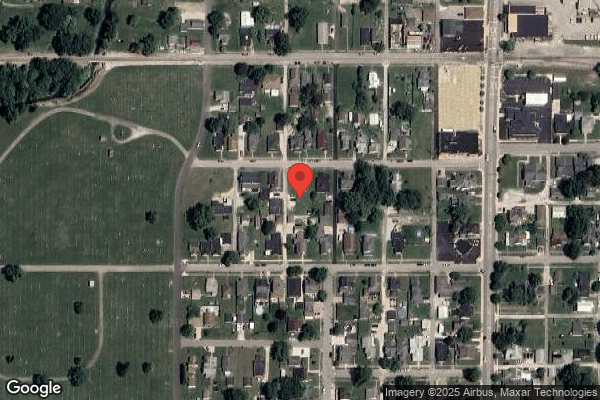

2300 PARKVIEW LN, ELWOOD, IN 46036 (765) 203-2672
Non profit - Corporation 85 Beds Independent Data: November 2025
Trust Grade
65/100
#237 of 505 in IN
Last Inspection: February 2025

Within standard 12-15 month inspection cycle. Federal law requires annual inspections.

Overview

Elwood Health and Living has a Trust Grade of C+, which indicates that the facility is slightly above average but not exceptional. It ranks #237 out of 505 nursing homes in Indiana, placing it in the top half of state facilities, and #7 out of 11 in Madison County, meaning only one local option is better. The facility is improving, with the number of issues decreasing from 8 in 2024 to 5 in 2025. Staffing is considered a strength, with a rating of 4 out of 5 stars and a turnover rate of 38%, which is below the state average. However, there are concerns about RN coverage, as it is lower than 98% of Indiana facilities, which means there may be less oversight for resident care. Specific incidents reported include a failure to properly test the dishwasher used for cleaning dishes, which could affect the sanitation of meals for residents. Additionally, some residents have been experiencing consistently cold water in their bathrooms, which had not been resolved for several months. Lastly, issues with unsafe environmental conditions were noted, such as a countertop that was not properly maintained and posed a risk for residents needing support. While the facility has strengths in staffing and is showing improvement in overall issues, these specific concerns should be carefully considered by families.

Trust Score
C+
65/100
In Indiana
#237/505
Top 46%
Safety Record
Low Risk
No red flags
Inspections
Getting Better
8 → 5 violations
Staff Stability
○ Average
38% turnover. Near Indiana's 48% average. Typical for the industry.
Penalties
✓ Good
No fines on record. Clean compliance history, better than most Indiana facilities.
Skilled Nurses
⚠ Watch
Each resident gets only 23 minutes of Registered Nurse (RN) attention daily — below average for Indiana. Fewer RN minutes means fewer trained eyes watching for problems.
Violations
⚠ Watch
16 deficiencies on record. Higher than average. Multiple issues found across inspections.
★★★☆☆
3.0
Overall Rating
★★★★☆
4.0
Staff Levels
★★★★☆
4.0
Care Quality
★★★☆☆
3.0
Inspection Score
Stable
2024: 8 issues
2025: 5 issues

The Good

  • 4-Star Staffing Rating · Above-average nurse staffing levels
  • 4-Star Quality Measures · Strong clinical quality outcomes
  • Full Sprinkler Coverage · Fire safety systems throughout facility
  • No fines on record
  • Staff turnover below average (38%)

    10 points below Indiana average of 48%

Facility shows strength in staffing levels, quality measures, fire safety.

The Bad

3-Star Overall Rating

Near Indiana average (3.1)

Meets federal standards, typical of most facilities

Staff Turnover: 38%

Near Indiana avg (46%)

Typical for the industry

The Ugly 16 deficiencies on record

Feb 2025 5 deficiencies
CONCERN (D)

Potential for Harm - no one hurt, but risky conditions existed

Deficiency F0744 (Tag F0744)

Could have caused harm · This affected 1 resident

**NOTE- TERMS IN BRACKETS HAVE BEEN EDITED TO PROTECT CONFIDENTIALITY** Based on observation, interview, and record review, the facility failed to ensure residents with dementia did not receive anti-p...

Read full inspector narrative →
**NOTE- TERMS IN BRACKETS HAVE BEEN EDITED TO PROTECT CONFIDENTIALITY** Based on observation, interview, and record review, the facility failed to ensure residents with dementia did not receive anti-psychotic medications without indication and individualized interventions for behavior expressions were implemented for 2 of 5 residents reviewed for dementia care (Resident 33 and Resident 61). Findings include: 1. During an observation, on 2/10/25 at 3:50 p.m., Resident 33 walked with a shuffling gait in the activity/dining area with his hands in his pockets. He was encouraged by a staff member to participate in an activity and was assisted to sit in a chair. On 2/12/25 at 10:09 a.m., Resident 33 shuffled up and down the hall with his hands in his pockets. On 2/12/25 at 12:40 a.m., Resident 33 talked nonsensically to his tablemate while sitting at a dining table. He moved food around on his plate, then poured water on it. He put small pieces of his pie in his water glass with his fork, then he ate small bites of the pie from his water glass. On 2/14/25 at 3:39 p.m., Resident 33 was lying in bed with his eyes closed. Resident 33's clinical record was reviewed on 2/13/25 at 2:03 p.m. Diagnoses included personal history of other mental and behavioral disorders, anxiety disorder, unspecified, primary insomnia, unspecified symptoms and signs involving cognitive functions and awareness, depression, unspecified, unspecified dementia, unspecified severity, with anxiety, and unspecified dementia, unspecified severity, with psychotic disturbance. A physician's order for quetiapine fumarate 12.5 mg daily was started on 7/13/21 and was discontinued on 8/31/24. Current physician's orders included venlafaxine (antidepressant) 75 milligrams (mg) daily (started 12/17/24), melatonin (sleep aid) 3 mg daily at bedtime (started 3/25/21), and quetiapine fumarate (antipsychotic) 25 mg daily (started 9/18/24). A quarterly Minimum Data Set (MDS) assessment, dated 9/12/24, indicated the resident was severely cognitively impaired. The resident did not experience hallucinations or delusions during the assessment period. The resident did not exhibit behavioral symptoms during the assessment period. The resident did not reject care or wander during the assessment period. An annual MDS assessment, dated 1/23/25, indicated the resident was severely cognitively impaired. The resident did not experience hallucinations or delusions during the assessment period. The resident did not exhibit behavioral symptoms during the assessment period. The resident did not reject care or wander during the assessment period. A current care plan, initiated on 3/30/21 and revised on 1/19/23, indicated the resident had impaired cognitive function and/or thought processes related to diagnoses of dementia and physical behaviors related to not understanding a situation or his peers' behavior who have dementia. He believed what he saw on television. Interventions included the following: Keeping the resident's routine consistent and try to provide consistent caregivers as much as possible to decrease confusion (3/30/21) and providing a homelike environment (3/30/21). A current care plan, initiated on 4/20/21 and revised on 11/27/22, indicated the resident refused care at times. The resident picked at his food and declined to eat very much. Interventions included the following: Attempting to use a different staff member if the resident was uncomfortable with the current staff (4/20/21), educating the resident on the importance of care the staff were trying to provide (7/27/21), reapproaching the resident at a later time (4/20/21), and allowing the resident to assist with his care, by soaping up the wash cloth and handing it to him (10/15/24). A current care plan, created on 6/17/21 and revised on 5/2/24, indicated the resident may urinate/defecate in inappropriate places at times (trash can, dining room floor, dresser drawer). The resident stuck things in his pocket (i.e. butter knife) as if he is carrying a comb. He had a history of carrying a brush in his pocket. Interventions included the following: Assisting the resident with toileting before bed (11/25/24), assessing the resident for pain (initiated 6/17/21 and revised on 4/14/22), encouraging the resident to toilet frequently (initiated 6/17/21 and revised on 4/14/22), observing the resident meal tray after meals for all utensils (3/6/24), providing one on one reassurance and assistance (initiated 4/13/22 and revised on 6/28/22), and showing the resident the bathroom (initiated 6/17/21 and revised 4/14/22). A current care plan, created on 3/10/22 and revised on 1/23/23, indicated the resident may be verbally aggressive and may threaten to smack staff, cause harm to someone, talk about guns, and threaten to punch a peer. Interventions included the following: Assessing the resident for an unmet need (3/10/22), assessing the resident for pain (3/10/22), ensuring the resident is safe and ceasing interaction (3/10/22), redirecting the resident with conversation and activities he enjoys (3/10/22), and using a different caregiver if possible (3/10/22). A current care plan, created 12/26/22 and revised on 1/24/25, indicated the resident had threatened to hit staff and peers when he got agitated. He would raise his hand and shake it. He had not hit any peers. Interventions included the following: Allowing the resident to wash his own private parts assisting with putting soap on wash cloth and handing it to the resident and explaining what to do (7/3/24), allowing the resident to be up out of bed a bit before providing care when possible (1/10/25), assessing resident for a need that might be contributing to his behavior (12/26/22), redirecting the resident with activities such as listening to music he prefers like Elvis and Buddy [NAME] (11/21/24), intervening to make sure the resident and his peers are safe (12/26/22), walking away if resident is being physically aggressive with staff (11/8/23), and walking away from the resident and reapproaching after several minutes (6/10/24). A current care plan, created and initiated on 9/17/24, indicated the resident walked up and down the hallway and hits the rails, the wall, and the nurse's cart. Interventions included the following: assess the resident for pain when he is hitting things (9/17/24), distract the resident with snack such as cookies and chocolate milk and cokes (initiated 9/17/24 and revised 1/23/25), the resident likes to listen to music and dance to the music this will redirect him at times (9/17/24), and try to distract the resident with activities of his choice when he is walking up and down the hall hitting things (9/17/24). A current care plan, created and initiated 10/1/24, indicated the resident had a diagnosis of unspecified psychosis and took an antipsychotic medication for behaviors related to this condition. Interventions included the following: Giving medication as ordered from physician (10/1/24), the resident enjoys Buddy [NAME] and Elvis Presley's music. Playing music for resident while being redirected from behaviors. (initiated 10/1/24 and revised 1/24/25), notifying the physician if the resident is having increased behaviors (10/1/24), and redirecting the resident from behaviors by engaging him in activities of his choice. He enjoys ball toss and listening and dancing to music (10/1/24). A current care plan, created 10/23/24 and revised 2/13/25, indicated the resident may take other residents' food and drinks in the dining room and will sometimes swat at staff. Interventions included the following: Moving the resident to another table (10/23/24), giving the resident's drinks to him in a clear cup (10/23/24), and offering to refill the drink if the resident drinks all of his drink (initiated 10/23/24 and revised 1/2/25). A current care plan, created and initiated on 11/26/24, indicated the resident receives psych services. Interventions included the following: Acting as a liaison between the facility, the resident, the psych personnel, and the family (11/26/24), encouraging the resident to express his feelings to the psych personnel (11/26/24), and introducing the resident to the psych personnel (11/26/24). A current care plan, created 1/23/23 and revised on 1/23/23, indicated the resident had a decline in mental status related to dementia. Interventions included the following: Allowing the resident to voice his concerns and reassure him (2/7/25), assisting the resident with tasks as needed (1/23/23), and redirecting the resident as appropriate (1/23/23). A current care plan, created 12/17/24 and revised 12/17/24, indicated the resident had depression and received an antidepressant. Interventions included the following: Allowing the resident to express his feelings and provide emotional support as needed (12/17/24), giving medications as ordered (gradual dose reduction as appropriate) (12/17/24), and notifying the physician if the depression worsened or did not get better (12/17/24). A current care plan, created 1/23/23 and revised on 5/2/24, indicated the resident walked about the unit and sometimes into other residents' rooms. He sometimes wandered and whistled because he forgot where his room was located related to his dementia. Interventions included the following: Allowing the resident to wander in a safe and unobtrusive way (1/23/23), encouraging the resident to participate or remain with the group providing him with structure (1/23/23), and engaging the resident in a functional appropriate exercise and activities. Keep the resident occupied in meaningful time pursuits (1/23/25). A progress note, dated 8/17/24 at 4:01 a.m., indicated Resident 33 was assisted to the bathroom. The resident started to get agitated and started to push staff while staff were providing bowel incontinence care. A Behavior Note, dated 8/19/24 at 8:57 p.m., indicated the resident growled, cussed, hit, pushed, and grabbed during a shower. Interventions attempted included played music, talked with the resident, approached the resident by different staff, and redirected the resident. The interventions were not successful. A Social Service Note, dated 8/20/24 at 1:37 p.m., indicated the resident had several behaviors that quarter including urinating and defecating in an inappropriate place and hitting staff during care. The resident had not experienced hallucinations or delusions during that quarter. A Behavior Note, dated 8/20/24 at 7:22 p.m., indicated the resident hit, kicked, pushed, grabbed, made loud disruptive noises, threatened others, and used foul language during personal care. Interventions included talked to the resident and finished his care. A Behavior Note, dated 8/23/24 at 7:18 p.m., indicated the resident was found lying in a female resident's bed watching television. He was redirected to the dining area for breakfast. A Behavior Note, dated 8/23/24 at 7:39 a.m., indicated the resident attempted to punch the CNA twice when the CNA tried to redirect the resident from urinating in the hall. The resident was redirected and encouraged to allow care. A Behavior Note, dated 8/23/24 at 12:27 p.m., indicated the resident punched the wall, the medication carts, and the handrails. The resident was redirected. A Behavior Note, dated 8/25/24 at 10:02 a.m., indicated the resident urinated on the doors, the walls, and the bedside tables. He defecated in peers' closets, cussed, and tried to hit staff during care. The need to use the bathroom and perineal care triggered the behaviors. Interventions included talking with the resident which was unsuccessful and providing care and leaving the resident alone was successful. A Behavior Note, dated 8/25/24 at 5:00 p.m., indicated the resident paced the hall, pushed bedside tables and wheelchairs down the hallway, hit the walls as he paced the hall. He yelled and threatened staff. The resident was given snacks and toileted. The staff walked with him. The interventions were unsuccessful. A Behavior Note, dated 8/26/24 at 8:44 a.m., indicated the resident pulled back his fist towards the CNA who was providing his care. The provision of care triggered the behavior. The CNA disengaged with the resident and offered care at a later time. The resident was redirected. A Behavior Note, dated 8/26/24 at 3:53 p.m., indicated the resident was found in a female resident's bed eating candy he found in the room. The resident became agitated with attempts to redirect. The resident was redirected and offered a different snack. A Behavior Note, dated 8/26/24 at 4:30 p.m., indicated the resident was aggressive and combative with care. He hit the CNA during care. He was redirected, and staff disengaged when he became aggressive. A Nurses Note, dated 8/30/24 at 5:56 p.m., indicated the resident urinated on the floor in the hall. The resident drew his fist when the staff attempted to redirect. A Behavior Note, dated 8/31/24 at 6:26 a.m., indicated the resident threatened staff, pulled back his fist at staff, and cursed at staff. The staff talked to the resident to intervene. A Behavior Note, dated 9/1/24 at 5:14 a.m., indicated the resident went into other residents' rooms. The resident became aggressive and held his fist up when the CNA attempted to redirect him. A Behavior Note, dated 9/3/24 at 12:17 p.m., indicated the resident wandered into other residents' rooms and urinated in trash cans and on different items in peers' rooms. The resident urinated in his closet, in the office, and in the lounge. Interventions included toileted the resident before and after meals and toileted the resident when he wandered. The interventions were not successful. A Behavior Note, dated 9/3/24 at 2:49 p.m., indicated the resident pushed hard on the exit door. He shook the door and told the staff he was trying to fix it. The staff talked with the resident and gave him a snack and coke. A Behavior Note, dated 9/4/24 at 9:39 a.m., indicated the resident threatened to kill the staff and swung at the staff. The staff were cleaning urine out of his closet which triggered the behavior. The staff talked with the resident and was unsuccessful at stopping the behavior. The cease of interaction with the resident was successful. A Behavior Note, dated 9/4/24 at 9:50 a.m., indicated the resident tried to hit staff with a lotion bottle. The CNA attempted to toilet the resident, and the resident picked up a lotion bottle and attempted to hit her with it. He told her to shut up and get out of there. The resident exited the shower room. The ceasing of interaction with the resident was a successful intervention. A Behavior Note, dated 9/6/24 at 11:08 a.m., indicated the resident paced throughout the hall and into other residents' rooms. He pushed on the exit doors repeatedly. He hit his fist against the wall, the handrails, and the medication carts while he walked in the hall. He refused care. The resident was redirected and reapproached after refusals of care. He participated in an exercise activity on the unit. He was offered snacks and drinks. He was encouraged with toileting. A Behavior Note, dated 9/8/24 at 5:53 p.m., indicated the resident threatened to hit and kill staff. The resident was digging in the trash, and a staff member told him to not do that and tried to redirect the resident. The resident then tried to swing at the staff member and told her he was going to kill her. Talking with the resident was unsuccessful for changing the behavior. Redirecting the resident was somewhat successful for changing the behavior. A Behavior Note, dated 9/9/24 at 9:56 a.m., indicated the resident attempted to kick the staff member and threatened to kill the staff member when a bladder scan on the resident was attempted. The intervention was to disengage with the resident. A Behavior Note, dated 9/9/24 at 5:27 p.m., indicated the resident pulled on the handrails in the hall. The resident was redirected with ice cream, drinks of choice and meal intake encouragement. A Behavior Note, dated 9/11/24 at 6:33 p.m., indicated the resident walked around with his drink. He was about to tilt and dump his drink on another resident when the CNA attempted to help him straighten his cup, the resident pulled away from the CNA and dropped the cup on the floor. When the CNA started to pick up the cup, the resident pushed the CNA out of the way. The staff attempted to talk to the resident to explain they were trying to help, this was unsuccessful to deescalate the behavior. The resident was left alone and walked away, which was a successful intervention to deescalate the behavior. A Social Service Note, dated 9/12/24 at 8:30 a.m., indicated the resident had several behaviors since the last assessment. He had hit, cursed, and threatened staff. He urinated in inappropriate places and took other residents' belongings. He had no hallucinations or delusions. A Behavior Note, dated 9/16/24 at 12:12 p.m., indicated the resident hit the nursing staff during care. He kicked the CNA while his wet pants were changed. He threatened to kill the staff. He was redirected and reassured while care was provided. A Behavior Note, dated 9/16/24 at 6:24 p.m., indicated the resident paced in and out of rooms. He removed papers from the wall and hit carts and the handrails. When the resident was questioned, he verbalized he was in pain. The resident was redirected. Activities and meal intake was encouraged. The resident was assisted to bed. A Physician's Progress Note, dated 9/17/24 at 2:04 p.m., indicated the resident was being seen for an acute visit due to ongoing behaviors. The nursing staff had reported concerns about the safety of the staff, the resident, and the other residents. The resident was on lorazepam 0.5 mg twice a day and buspirone 10 mg twice a day. Buspirone was recently increased on 8/27/24. There had been an ongoing concern the behaviors could be due to pain. The nursing staff reported the resident occasionally admitted to lower extremity pain. The resident took scheduled acetaminophen twice a day since last year. He also had an order for acetaminophen as needed which was not taken very often. Assessment/Plan - For unspecified dementia, unspecified severity, with other behavioral disturbance the resident was having significant anxiety, agitation, and aggression. The resident had an increase in buspirone with not much changes. The resident did seem to have components of delusions and paranoia. It was difficult to assess for hallucinations. The physician suspected the changes were related to psychosis related to the progression of dementia. He started a trial of quetiapine. He also suspected a component of traumatic brain injury with apparent cognitive fluctuations and thought the quetiapine would help that component. Quetiapine 25 mg daily was ordered. A Nurses Note, dated 9/17/24 at 2:24 p.m., indicated a new order for quetiapine 25 mg daily was received. The physician requested a psychological evaluation. A Behavior Note, dated 9/18/24 at 7:39 p.m., indicated the resident grabbed the staff and squeezed their hands hard. He cursed and hit the walls. The staff redirected and talked to the resident. A Behavior Note, dated 9/22/24 at 1:44 p.m., indicated the resident raised his fist behind another resident's back. The aide intervened. The resident then tried to go into another resident's room. The aide tried to get him to come out of the room, and the resident doubled his fist and told the aide he was going to kill the aide. The resident acted like his abdomen was bothering him. Interventions included distraction and one on one. A Nurses Note, dated 9/23/24 at 9:00 a.m., indicated the recent verbalizations and nursing assessments indicated the resident was in pain. The nurse practitioner ordered tramadol 25 mg twice a day. A Behavior Note, dated 9/23/24 at 3:14 p.m., indicated the resident raised his hand toward another resident when another resident touched him to get his attention. He was redirected. A Behavior Note, dated 9/23/24 at 5:24 p.m., indicated the resident hit the walls and medication carts. He paced. He was redirected, offered food and fluids, and medication. A General Progress Note, dated 9/24/24 at 6:40 p.m., indicated the resident went into another resident's room. He had a bowel movement on the floor and stepped in it. He got feces all over the room. He urinated on the floor by the bed and the other resident's shoes by the bed. He tore the toilet paper holder off the wall. He then put his hand inside the ice chest and got a piece of ice. A Behavior Note, dated 9/25/24 at 10:42 a.m., indicated the resident tried to karate chop the staff during care when his clothes were being changed. A Behavior Note, dated 9/26/24 at 7:21 a.m., indicated the resident started to squeeze the CNAs hands, hit and kick them while they changed his brief. A Nurses Note, dated 9/30/24 at 12:20 p.m., indicated the resident's buspirone was to be gradually reduced from 10 mg bid to 5 mg bid for 7 days, then to 5 mg daily for 7 days, then to 5 mg every other day for 7 days, then discontinue. A Behavior Note, dated 10/4/24 at 12:47 p.m., indicated the resident poured chocolate milk on another resident. Then, he attempted to pour milk on other residents as the staff intervened. The resident was trying to get himself between the dining chairs and the window. Other residents were seated in those chairs, eating lunch. The resident was redirected. A General Progress Note, dated 10/4/24 at 7:30 p.m., indicated the resident urinated in the corner by the double doors and walked into other residents' rooms. When the staff attempted to redirect the resident he tried to hit them. A Behavior Note, dated 10/5/24 at 12:22 p.m., indicated the resident was physically and verbally aggressive during care. Ceasing of the interaction with the resident was successful to deescalate the behavior. A General Progress Note, dated 10/8/24 at 6:30 p.m., indicated the resident looked like he was going to urinate in the hallway, and the staff member took him to toilet him. The resident hit the staff member on the shoulder during the care A Behavior Note, dated 10/9/24 at 12:36 p.m., indicated the resident wandered into other residents' rooms, destroyed the other residents' items and threw them in the trash. He banged his head on the bathroom door. He punched and hit the staff member while the staff member tried to redirect the resident out of the other residents' rooms. The staff member ceased interaction with the resident, and the resident calmed down. A Social Service Note, dated 10/9/24 at 3:40 p.m., indicated the resident was seen by the physician regarding the increased behaviors. He received a new order to increase the tramadol to three times a day. A General Progress Note, dated 10/16/24 at 6:30 p.m., indicated the resident urinated in the hall by the double doors. The aide attempted to assist him to the bathroom, and he began urinating on the floor. A General Progress Note, dated 10/18/24 at 5:53 p.m., indicated the resident tried to hit and kick the staff and called them names during toileting and changing of his clothes A Behavior Note, dated 10/18/24 at 6:19 p.m., indicated the resident got into another resident's bed. He yelled and threatened the staff when they tried to get him out of the bed. The staff talked to the resident. The behavior stopped when the staff got the resident to his own bed. A Social Service Note, dated 11/21/24 at 1:19 p.m., indicated the resident had several behaviors in the past quarter. He cursed at staff, hit staff during care, hit the walls as he walked down the wall, hit a peer when he stepped on his foot, threw milk in a peer's face, got into other residents' beds, and urinated in inappropriate places. He experienced no hallucinations or delusions during the quarter. A Social Service Note, dated 1/23/25 at 12:41 p.m., indicated the resident had multiple behaviors during the quarter. He hit the walls and medication carts, urinated in the hallways, bent the staff's fingers back, wandered in and out of other residents' rooms, and was combative with care. He had no delusions or hallucinations in the quarter. During an interview, on 2/14/25 at 9:22 a.m., QMA 11 indicated the resident had mentioned a fire the other day which was new. She did not know what he meant. Usually, he just became agitated during care. He generally just walked back and forth a lot. They met his needs the best they could. They gave him snacks and tried to redirect him. During an interview, on 2/14/25 at 2:14 p.m., CNA 16 indicated his psychosis was shown in his behaviors. Most of his aggression was with his care or also when the staff redirected him. He did not like showers. He tried to lie in other residents' beds. When assisting him with toileting, the staff did care in pairs (they use two people at least). The resident would occasionally walk by a wall and punch it. When the staff talked throughout his care telling him each step of the way, that seemed to help with his agitation. During an interview, on 2/14/25 at 3:51 p.m., the Unit Manager indicated the resident's dementia had progressed significantly in the last six to eight months and had become more violent. His psychotic behaviors are throwing milk at others, mostly the staff. Everyday he changed. The staff were having him sleep in and wake up naturally and that seemed to help some. She assisted with his care, and sometimes he was fine then other times he swatted at her. When the resident was admitted he took quetiapine. The medication had been reduced then discontinued a few years ago. All of sudden recently, it seemed like his dementia had gotten worse and his agitation had gotten worse. During an interview, on 2/14/25 at 4:24 p.m., the Social Services Director (SSD) indicated the resident had started on quetiapine because he had a lot of behaviors like aggression towards staff, especially during care. He had been on quetiapine when he was admitted . The facility had tried other medications, but they were not helping control his aggressive behaviors towards others. During an interview, on 2/17/25 at 4:31 p.m., the DON indicated the medical director had ordered the quetiapine for the resident. She knew the resident had increased aggression. 2. During an observation, on 2/10/25 at 10:44 a.m., Resident 61 ambulated in the hall wearing his coat and carrying a drink. During an observation, on 2/12/25 at 8:33 a.m., Resident 61 stood in the doorway of his room. He had a pull-up brief on his right hand, wore his coat, and was looking around. His speech was nonsensical. During an observation, on 2/13/25 at 3:54 p.m., Resident 61 ambulated in the hall with his hands in his pockets. He walked by the entrance doors with no attempt to leave. During an observation, on 2/14/25 at 11:34 a.m., Resident 61 was ambulating in his room. His roommate told the resident that he was not going to see well with those glasses because they were his (the roommate's). During an observation, on 2/14/25 at 3:21 p.m., Resident 61 was standing up in his room, looking at the bed. Resident 61's clinical record was reviewed on 2/13/25 at 2:45 p.m. Diagnoses included anxiety disorder, unspecified, cerebral infarction, unspecified, dementia in other diseases classified elsewhere, unspecified severity, with anxiety, delusional disorders, unspecified psychosis not due to a substance or known physiological condition and hallucinations, unspecified. Current physician's orders included ciprofloxacin (antibiotic) 500 milligrams (mg) twice a day for urinary tract infection (UTI) for 7 days (started 2/11/25), lorazepam (antianxiety) 1 mg at bedtime daily (started 11/26/24), quetiapine fumarate (antipsychotic) 12.5 mg twice a day (started 2/4/25), and quetiapine fumarate 12.5 mg every 24 hours as needed for hallucinations, delusions, and paranoia until 2/18/25 (started 2/12/25). An admission 8/9/24 Minimum Data Set (MDS) indicated the resident was cognitively intact. He had no delusions, hallucinations, behaviors, wandering, or rejection of care during the assessment period. A significant change 12/2/24 MDS indicated the resident was moderately cognitively impaired. He had no delusions, hallucinations, behaviors, wandering, or rejection of care during the assessment period. The resident's behavior status was the same as the prior assessment. A quarterly 12/28/24 MDS assessment indicated the resident was cognitively intact. He had no delusions, hallucinations, behaviors, wandering, or rejection of care during the assessment period. A current care plan, initiated 8/7/24, indicated the resident had impaired cognitive function or impaired thought processes related to dementia. Interventions included discussing concerns about confusion (8/7/24), disease process and nursing home placement (8/7/24), needing supervision with all decision-making (8/7/24), and keeping routine consistent with consistent caregivers as much as possible in order to decrease confusion (8/7/24). A current care plan, initiated 8/7/24 and revised on 1/21/25 indicated the resident had a diagnosis of delusional disorder, hallucinations, and psychosis. The resident took an anti-psychotic medication for those diagnoses. At home the resident would see things in the yard that weren't there. He often at the facility talked about things and saw things that did not make sense or were not present. Interventions included allowing adequate time to voice feelings and frustrations (8/7/24), never arguing with the resident about delusions/hallucinations (8/7/24), and providing psychological services as ordered (8/7/24). A current care plan, initiated 8/7/24, indicated the resident had a diagnosis of anxiety disorder and took an anti-anxiety medication for increased anxiety, pacing, fidgeting, and voicing increased anxiety/shakiness. Interventions included allowing adequate time to voice feelings and frustrations (8/7/24), reducing the medication as ordered (8/7/24), and observing and reporting increased signs and symptoms of anxiety to the physician (such as fidgety, wandering, statements of feeling anxious, shaking, shortness of breath, and change in appetite/sleep) (8/7/24). A current care plan, initiated 1/8/25, indicated the resident used psychotropic medications related to hallucinations and delusions. The goals were to remain free of drug related complications, including movement disorder, discomfort, hypotension, gait disturbance, constipation/impaction or cognitive/behavioral impairment through the review date and to reduce the use of psychoactive medications through the review date (both initiated 1/8/25). Interventions included consulting with pharmacy, considering by physician of dosage reduction when clinically appropriate and observing and recording of target behavior symptoms (pacing, wandering, disrobing, inappropriate response to verbal communication, violence/aggression towards staff/others) and document per facility protocol (1/8/25). A current care plan, initiated 1/21/25, indicated the resident frequently packed his belongings and asked when/where he was supposed to be going to. He rummaged through his roommate's belongings at times. Interventions included offering the resident the activity of conversation to redirect him from behavior (he enjoys talking about his past work as a policeman/mayor, he enjoys going outside when the weather is nice) (1/21/25), offering the resident a snack or drink (he likes suckers) (1/21/25), and offering the resident to call his son (1/21/25). A current care plan, initiated 1/21/25, indicated the resident wandered in the hallways with no concrete destination. Interventions included assessing the resident for basic needs, assessing the resident for pain, offering the resident an activity to occupy time, and offering to call the resident's son (1/21/25). A Nurses Note, dated 11/23/24 at 4:14 p.m., indicated the resident was in his room packing his bags and packing his roommate's items with his belongings. The resident was agreeable to putting the roommate's belonging back after the staff talked with the resident. A Behavior Note, dated 11/2[TRUNCATED]
CONCERN (D)

Potential for Harm - no one hurt, but risky conditions existed

Medication Errors (Tag F0758)

Could have caused harm · This affected 1 resident

**NOTE- TERMS IN BRACKETS HAVE BEEN EDITED TO PROTECT CONFIDENTIALITY** Based on observation, interview, and record review, the facility failed to ensure an antipsychotic medication was not initiated ...

Read full inspector narrative →
**NOTE- TERMS IN BRACKETS HAVE BEEN EDITED TO PROTECT CONFIDENTIALITY** Based on observation, interview, and record review, the facility failed to ensure an antipsychotic medication was not initiated without indication for 1 of 5 residents reviewed for unnecessary medications. (Resident 15) Findings include: Resident 15's clinical record was reviewed on 2/17/25 at 9:32 a.m. Diagnoses included generalized anxiety disorder, alcohol dependence (in remission), hypertension, sedative, hypnotic, or anxiolytic dependence (uncomplicated), cognitive communication deficit, and unspecified dementia (unspecified severity - with other behavioral disturbance). A quarterly MDS, dated [DATE], indicated the resident had active diagnoses of anxiety, depression, and a psychotic disorder (other than schizophrenia). Current orders included buspirone (anti-anxiety) 5 mg tablet give 1 tablet by mouth three times a day, tramadol (opiate pain reliever) 50 mg tablet give 1 tablet by mouth every 8 hours as needed, quetiapine fumarate (anti-psychotic) 25 mg give 1 tablet by mouth at bedtime, and behavior assessment to be performed every shift due to psychotropic medications. A current, 3/20/22, care plan indicated the resident had a diagnosis of insomnia. She had daytime tiredness, irritability, depression and/or anxiety. Interventions included gradual dose reductions (GDRs) as ordered, medications as ordered, observe for signs and symptoms of adverse reactions to medications and notify they physician of any concerns, provide a relaxing environment for the resident, and psych services as ordered. A current, 3/30/22, care plan indicated a diagnosis of generalized anxiety disorder, described as persistent worrying or anxiety about a number of areas that were out of proportion to the impact of the events, restlessness, fatigue, crying, verbal behaviors, difficulty concentrating, irritability, multiple health complaints, and tearfulness. The resident worried about her husband and daughter when unable to reach them by phone. Interventions included medications as ordered, the nurse(s) were to assess health complaints, observe and document resident for signs and symptoms of increased anxiety, offer medications for health complaints when available, provide a calm, relaxing environment for resident, and provide reflective listening and reassurance to the resident. A current, 3/30/22, care plan indicated a diagnosis of major depressive disorder, described as feelings of sadness, tearfulness, emptiness or hopelessness, fatigue, lack of energy, loss of appetite or overeating, loss of interest, and lack of concentration. Interventions included allowing the resident time to voice feelings and frustration, GDRs as ordered, medications as ordered, observe the resident for signs and symptoms of increased depression (and document), and observe for signs and symptoms of adverse reactions to medications as listed on the behavior/intervention monthly flow record. A current, 3/30/22, care plan indicated the resident had the potential for increased signs and symptoms of depression related to her diagnoses of depression, alcohol dependence, and depression assessment indicators. Interventions included allowing the resident to vent her feelings, using good listening techniques, encourage family and social interactions, encourage involvement in daily needs and concerns, monitor for signs and symptoms of depression, provide a caring and structured environment and routine, and use supportive words and reassurance during contact with the resident. A current, 3/30/22, care plan indicated the resident had a history of making negative statements, i.e., stating she wished to disappear, wanted to harm herself (but then stated she just wanted God to kill her), wished she were dead, and wanted to die because her stomach hurt. She indicated she was Catholic and would never harm herself. She often had those ideations during times of pain or when requesting more pain medications. Interventions included assessing the resident for pain, assisting the resident to call her family members, medications as ordered for depression, observe any changes in mood, appetite, change in sleep patterns, or any increased verbalizations of being depressed or blue, and provide reflective listening and reassurance to the resident. A current, 3/30/22, care plan indicated the resident exhibited anxious verbalizations, i.e., yelling out continuously, even with redirection, and crying out loudly that she was dying. Interventions included introducing the resident to peers with similar interests, offer a small conversation to help calm and reassure the resident, and offer a back rub or repositioning. A current, 9/28/22, care plan indicated the resident had impaired cognitive function or impaired thought processes related to a dementia diagnosis. The resident needed supervision with all decision making. Interventions included keeping her routine consistent and provide consistent care givers as much as possible, in order to decrease confusion. A current, 9/28/22, care plan indicated the resident had a diagnosis of alcohol and sedative/hypnotic/anxiolytic dependence. Interventions included offering validation, empathy, and listening techniques, identifying triggers that led to urges of alcohol use, observe and report to the physician any changes in mood (withdrawal) or urges to use alcohol. A current, 7/17/23, care plan indicated the resident had a diagnosis of psychosis. She took antipsychotic medications related to the following behaviors - pain, constipation, multiple health conditions, money, yelling out, statements that she was dying because her stomach hurt, uncontrollable sobbing, calling 911 frequently, and verbal aggression towards the staff and her roommate. Interventions included GDRs as ordered, medications as ordered, observe for signs and symptoms of adverse reactions to medications as listed on the behavior/intervention monthly flow record, observe for side effects of medications and notify physician of any concerns, and psych services as ordered. A behavior note, dated 4/13/24 at 5:24 p.m., indicated the resident had been walking around the building with her roommate. During resident care, she told the nurse she needed her pain pill. The nurse explained it was not yet time for the pill. The nurse offered acetaminophen instead. The resident argued that it was time for her pain pill. The nurse tried to explain why the pain pill could not be given but the resident continued to argue with the nurse. The behavior assessment indicated the resident was irritated. A behavior note, dated 5/10/24 at 10:21 a.m., indicated the resident refused to get out of bed. A nursing progress note, dated 12/1/24 at 11:49 a.m., indicated the resident requested pain medication. She wanted to go to the emergency room to get some good meds. The resident yelled that she wanted to die. She had no plans to hurt herself. She was placed on 15 minute checks at that time. A social service progress note, dated 1/14/25 at 9:11 a.m., indicated the resident was on buspirone two times and day for anxiety and quetiapine 25 mg once daily at bedtime for depression. The resident had no behaviors since 5/10/24. A physician's progress note, dated 1/29/25 at 2:36 p.m., indicated the resident was seen to follow up on hip pain. The resident had complained of pain in her right hip and threatened to call 911. She wanted to go to the hospital. The pain radiated from her right hip into her leg. The pain medication was not helping. The resident was repositioned at that time. A nursing progress note, dated 2/5/25 at 2:36 p.m., indicated the resident was upset because her pain medication was not helping her pain. The nurse practitioner discontinued her narcotic pain medication at that time and started the resident on acetaminophen (Tylenol) 1000 mg, three times a day and tramadol 50 mg, three times a day as needed. A behavior progress note, dated 2/11/25 at 9:40 a.m., indicated the resident refused to go to a doctor's appointment. She had been sick all night and did not want to go to the appointment. Her behavior was described as upset and anxious. A physician's progress note, dated 2/11/25 at 3:43 p.m., indicated the resident was not feeling well and stated she was a ball of nerves. She denied having concerns about anything in particular. She refused to go to an outside doctor's appointment that day and denied having any pain. The resident's buspirone was increased to three times a day. During an interview with CNA 14, on 2/17/25 at 11:19 a.m., she indicated Resident 15 would often have her call light going off every few minutes, complaining of pain. Even when told she was not due for a medication, she would continue to ask the nurse for pain medication. She would follow the nurse around, sometimes into other resident's rooms. During an interview with the Activities Assistant (AA), on 2/17/25 at 11:22 a.m., she indicated the resident cried sometimes because she was lonely or did not feel well. No hallucinations or delusions were observed by the AA. The resident often complained of pain. During an interview with QMA 15, on 2/17/25 at 11:24 a.m., she indicated the resident had good and bad days. Interventions were implemented but did not always work. When interventions were unsuccessful, the staff would document the behavior. Most often, the behavior was related to pain. The resident had never said anything about hearing voices or seeing things that were not there. During an interview with the Director of Nursing (DON), on 2/17/25 at 4:42 p.m., she indicated most of Resident 15's behaviors were complaints of pain. She would sometimes say she felt like she was losing her mind. The resident had a long history of addiction. A summary of the black box warning for quetiapine, retrieved from https://www.nami.org/about-mental-illness/treatments/mental-health-medications/types-of-medication/quetiapine-seroquel/ on 2/18/25 at 12:08 p.m., indicated the following: .Increased Mortality in Elderly Patients with Dementia Related Psychosis - When used for dementia related psychosis in elderly patients, both first generation (typical) and second generation (atypical) antipsychotics are associated with an increased risk of mortality A current facility policy, with a revision date of 10/2022, and titled Psychotropic Medication Policy, was provided by the Administrator on 2/17/25 at 1:30 p.m. The policy indicated the following: .Behavioral interventions are individualized, non-pharmacological approaches to care that are provided as part of a supportive physical and psychosocial environment, directed toward understanding, preventing, relieving, and/or accommodating a resident's distress or loss of abilities, as well as maintaining or improving a resident's mental, physical or psychosocial well-being .Expressions or indications of distress refers to a person's attempt to communicate unmet needs, discomfort, or thoughts that he or she may not be able to articulate. The expressions may present as crying, apathy, or withdrawal, or as verbal or physical actions such as pacing, cursing, hitting, kicking, pushing, scratching, tearing things, or grabbing others .Medication Management: .The facility will ensure to the extent possible that the following are met regarding medication management .Selection of medications(s) based on assessing relative benefits and risks to the individual resident .Evaluation of a resident's physical, behavioral, mental, and psychosocial signs and symptoms, to identify the underlying cause(s), including adverse consequences of medications .The facility will ensure each resident's clinical record contains the following: 1) Indication and clinical need for medication .Additionally, the facility will ensure when administering psychotropic medication, the following is met: Giving psychotropic medications only when necessary to treat a specific diagnosed and documented condition .Residents must not receive any medications which are not clinically indicated to treat a specific condition. The medical record must show documentation of the diagnosed condition for which a psychotropic medication is prescribed .Facility shall not use these types of brain altering medications .unless there is documented clinical indication for the use .The facility will use extreme caution in utilizing antipsychotic medications in the elderly. The following will be considered prior to initiation of antipsychotic medication: Behavioral symptoms present a danger to the resident or others 3.1-48(a)(4)
CONCERN (D)

Potential for Harm - no one hurt, but risky conditions existed

Infection Control (Tag F0880)

Could have caused harm · This affected 1 resident

Based on observation, interview, and record review, the facility failed to ensure staff implemented transmission based precautions for 2 of 8 residents reviewed for infection control. (Residents D and...

Read full inspector narrative →
Based on observation, interview, and record review, the facility failed to ensure staff implemented transmission based precautions for 2 of 8 residents reviewed for infection control. (Residents D and Resident 62) Findings include: Resident 62's clinical record was reviewed on 2/10/25 at 1:38 p.m. Diagnoses included osteomyelitis of vertebra, thoracic region, cerebral infarction, COVID-19, depression, and cognitive communication deficit. Physician orders, dated 2/5/25 at 2:00 p.m., indicated transmission based (droplet) precautions were to be observed for 9 days for COVID-19. All services were to be received in his room. On 2/10/25 at 10:47 a.m., a sign on Resident 62's door indicated the resident was on droplet precautions. The Certified Occupational Therapy Assistant (COTA) exited the room wearing a surgical mask and glasses. The COTA indicated she would remove personal protective equipment (PPE) when exiting a room. She would replace the N-95 mask with a surgical mask. Her personal glasses were not covered by protective eyewear because she was not able to see well with goggles over her glasses. Resident D's clinical record was reviewed on 2/10/25 at 2:18 p.m. Diagnoses included hypothyroidism, anxiety, chronic combined systolic and diastolic heart failure, and bipolar disorder. Physician orders, dated 2/3/25 at 10:00 p.m., indicated droplet precautions were to observed for 10 days. The resident tested positive for COVID-19. All services were to be received in her room. On 2/11/25 at 10:40 a.m., an Activities Assistant was observed entering Resident D's room. A sign on the door indicated the resident was on droplet precautions. The Activities Assistant donned a gown and a surgical mask. She did not don gloves or protective eyewear. During an interview, at the time of the observation, the Activities Assistant indicated staff should don gloves, a gown, an N-95 mask, and protective eyewear. She forgot to wear the goggles. During an interview with Nurse Assistant 5, on 2/11/25 at 10:59 a.m., she indicated staff should wear a gown, mask, and protective eyewear when entering the room of a resident diagnosed with COVID-19. During an interview with the Certified Nursing Assistant Coordinator, on 2/11/25 at 11:03 a.m., she indicated staff should wear protective eyewear, a mask, an N-95 mask, gloves, and gown when entering the room of a resident diagnosed with COVID-19. Even if staff wore glasses, they should put protective eyewear over the glasses. During an interview with CNA 7, on 2/11/25 at 11:07 a.m., she indicated staff should wear gloves, a gown, an N-95 mask, and protective eyewear when entering the room of a resident diagnosed with COVID-19. Staff wearing glasses should also don protective eyewear over them. During an interview with LPN 10 on 2/11/25 at 1:34 p.m., she indicated staff should wear a gown, an N-95 mask, protective eyewear, and gloves when entering the room of a resident diagnosed with COVID-19. Goggles should be worn over eyeglasses. A current 7/5/21 facility policy, titled Transmission Based Precautions Infection Control, provided by the Administrator on 2/17/25 at 4:35 p.m., indicated the following: .It is the policy of (the facility) to take appropriate precautions to prevent transmission of infectious agents. Transmission based precautions are for resident's who are known or suspected to be infected or colonized with infectious agents, including certain epidemiologically important pathogens, which require additional control measures to effectively prevent transmission. These precautions are to be used in adjunct with standard precautions .Droplet Precautions .a) Intended to prevent transmission of pathogens spread through close respiratory or mucous membrane contact with respiratory secretions (respiratory droplets that are generated by a resident who is coughing, sneezing, talking, or singing) .d) Healthcare personnel must wear a mask (surgical, N-95, approved KN95, or respirator when appropriate) 3.1-18(a)
CONCERN (E) 📢 Someone Reported This

A family member, employee, or ombudsman was alarmed enough to file a formal complaint

Potential for Harm - no one hurt, but risky conditions existed

Safe Environment (Tag F0584)

Could have caused harm · This affected multiple residents

**NOTE- TERMS IN BRACKETS HAVE BEEN EDITED TO PROTECT CONFIDENTIALITY** Based on observation, interview, and record review, the facility failed to maintain water temperatures at a comfortable level fo...

Read full inspector narrative →
**NOTE- TERMS IN BRACKETS HAVE BEEN EDITED TO PROTECT CONFIDENTIALITY** Based on observation, interview, and record review, the facility failed to maintain water temperatures at a comfortable level for 4 of 7 residents reviewed for comfortable water temperatures on the 300 Hall. (Residents C, D, E, F) Findings include: On 2/10/25 at 11:28 a.m., the following was observed: The hot water in room [ROOM NUMBER]'s bathroom sink reached a temperature of 96.8 degrees Fahrenheit (F) after it ran for five minutes. The hot water in room [ROOM NUMBER]'s bathroom sink reached a temperature of 100 degrees F after it ran for three minutes. During an interview, on 2/10/25 at 2:20 p.m., Resident E indicated the water from her bathroom sink was always cold, even after letting the water run for a while. It had been like that for the last 3-4 months. During an interview, on 2/11/25 at 10:32 a.m., Resident C indicated the water from her bathroom sink was cold all the time. During an observation, on 2/11/25 at 10:35 a.m., the hot water in Resident C's bathroom sink was turned on, and after letting the water run for three minutes, the water was lukewarm to touch. During an interview, on 2/11/25 at 10:59 a.m., Nurse Assistant 5 indicated some residents had complained of cold water in their bathrooms. Some rooms only had lukewarm even after running the water for a while. During an interview, on 2/11/25 at 11:03 a.m., the CNA Coordinator indicated residents had been complaining of cold water in their bathroom sinks. Further down the 300 hall you went, the colder the water was. She had to turn the water on and walk away for a while, so the water had time to warm up. She had waited over 20 minutes to get hot water in some of the resident rooms. Maintenance had been notified regarding the water being cold. During an interview, on 2/11/25 at 11:07 a.m., CNA 7 indicated the bathroom sink water in room [ROOM NUMBER] only ever got lukewarm. You needed to let the water run a while before it would get warm. Maintenance had been notified regarding the cold water down the 300 hall. During an interview, on 2/12/25 at 1:22 p.m., the Maintenance Supervisor indicated residents had complained about lack of hot water toward the end of 300 hall. He had performed temperature checks and the water did get above 100 degrees F. The other day, room [ROOM NUMBER] took eight minutes to get hot water. He told staff members, in order to get hot water, they needed to let the water run a while. Weekly water temperature audit logs were obtained from the Maintenance Supervisor on 2/12/25 at 2:25 p.m., and indicated the following: 2/11/25: room [ROOM NUMBER] was 118 degrees F room [ROOM NUMBER] was 115 degrees F room [ROOM NUMBER] was 111 degrees F room [ROOM NUMBER] was 109 degrees F The water temperature audit logs did not indicate how long the water had run to reach those temperatures. 2/4/25: room [ROOM NUMBER] was 114 degrees F room [ROOM NUMBER] was 116 degrees F room [ROOM NUMBER] was 109 degrees F The water temperature audit logs did not indicate how long the water had run to reach those temperatures. 1/23/25: room [ROOM NUMBER] was 116 degrees F room [ROOM NUMBER] was 117 degrees F room [ROOM NUMBER] was 114 degrees F The water temperature audit logs did not indicate how long the water had run to reach those temperatures. During an observation, on 2/13/25 beginning at 2:57 p.m. and ending at 3:28 p.m., accompanied by the Maintenance Supervisor, the following hot water temperatures were obtained: The hot water in room [ROOM NUMBER]'s bathroom sink reached 97.8 degrees F after the water ran for 15 minutes. The hot water in room [ROOM NUMBER]'s bathroom sink reached 97.7 degrees F after the water ran for 6 minutes. Upon returning to room [ROOM NUMBER], the hot water in the bathroom sink reached over 100 degrees after four minutes. Upon returning to room [ROOM NUMBER], with the water still running, the water reached 100 degrees F after running for over seven minutes. During an interview, on 2/13/25 at 2:59 p.m., the Maintenance Supervisor indicated he had a plumber in the building earlier that morning to discuss adding a recirculating pump to the end of 300 hall to help with hot water circulation. During an interview, on 2/17/25 at 2:23 p.m., the Administrator indicated they did not have a facility policy regarding environment and hot water. This citation relates to Complaints IN00449079, IN00449973, and IN00452205. 3.1-19(f)(5)
CONCERN (E) 📢 Someone Reported This

A family member, employee, or ombudsman was alarmed enough to file a formal complaint

Potential for Harm - no one hurt, but risky conditions existed

Safe Environment (Tag F0921)

Could have caused harm · This affected multiple residents

**NOTE- TERMS IN BRACKETS HAVE BEEN EDITED TO PROTECT CONFIDENTIALITY** Based on observation and interview, the facility failed to provide a safe and comfortable environment for 3 of 4 residents revie...

Read full inspector narrative →
**NOTE- TERMS IN BRACKETS HAVE BEEN EDITED TO PROTECT CONFIDENTIALITY** Based on observation and interview, the facility failed to provide a safe and comfortable environment for 3 of 4 residents reviewed for homelike environment. (Resident C, Resident D and Resident 42) Findings include: Resident D's clinical record was reviewed on 2/12/25 at 10:38 a.m. Diagnoses included type 2 diabetes mellitus, chronic kidney disease, muscle weakness, and abnormality of gait and mobility. During an interview, on 2/12/25 at 12:09 p.m., Resident D indicated maintenance would be replacing her countertop. She used the countertop to help herself balance during transfers. They had not fixed the countertop at that time, as they had to order a new one. During a room observation, on 2/12/25 at 12:17 p.m., room [ROOM NUMBER]'s bathroom countertop was pulling away from the wall. It had a small gap between the backsplash and the wall. The countertop moved downward when pressure was placed on top of it. During an interview, on 2/12/25 at 1:17 p.m., Resident D indicated she went to get up from the toilet, twisted her knee wrong and was able to lower herself down to the floor. She used the loose countertop to get herself off the floor. She always transferred on her own. An Interdisciplinary Team (IDT) progress note, dated 2/10/24 at 1:29 p.m., indicated Resident D reported she attempted a self-transfer from the toilet to her wheelchair, lost her balance, and fell to one knee. The resident reported she was able to get herself back into her wheelchair and was not injured. Her bathroom was assessed and non-skid strips were in front of the toilet, there was a grab bar on the right-hand side of toilet, and a toilet seat riser. Her countertop was beginning to deteriorate and was loose when pressure was applied to the top of the counter. Resident D reported that she used the countertop to balance herself during transfers and felt that movement may have contributed to her fall. A maintenance request was put in for her countertop to be replaced. During an interview, on 2/12/25 at 1:22 p.m., the Maintenance Supervisor indicated he had Resident D's bathroom countertop in his office since Monday, it was just a matter of getting the time to install it. The countertop needed the hole cut out for the sink to drop in. He felt it was late last week when he was notified that her bathroom countertop was loose. He was unable to restructure/brace the existing countertop due to ADA guidelines. 2. During an interview, on 2/11/25 at 10:32 a.m., Resident C indicated she had paint missing from her walls where she and her roommate's bed were rubbing up against the wall, causing it to scrape into the drywall. She had complained to the maintenance department regarding wanting her room fixed and repainted. It had been like that for the last four months. During an observation, at the time as the interview, Resident C's room had numerous areas just above the bed, where the bed frame had scrapped into the drywall causing small holes and paint to be missing. During an interview, on 2/12/25 at 1:22 p.m., the Maintenance Supervisor indicated Resident C had asked previously when her walls would be fixed. He spoke with Resident C weekly regarding painting her walls. He wasn't able to put a timeframe on when it would be fixed, as he has other issue that need fixed with a higher level of severity. A random observation of the 300 hall, on 2/12/25 at 11:09 a.m., indicated the following: room [ROOM NUMBER] had missing paint and gouges of missing drywall, above the resident's bed. A large area, approximately the size of an index cared, of missing paint and the top layer of drywall was missing around the door frame of the soiled utility room. 3. During an observation, on 2/17/25 at 1:56 p.m., Resident 42's window sill behind her bed's headboard had a hole approximately the size of an index card and approximately one inch deep. It was covered with plastic and paper tape that was peeling off. During an interview, on 2/17/25 at 1:58 p.m., QMA 11 indicated the area had been there since January 2025. She had not reported it to maintenance, and she was unsure if anyone else had reported it. During an interview, on 2/17/25 at 1:59 p.m., LPN 12 indicated the area in Resident 42's window sill had been there for at least a month. She was uncertain if it had been reported to maintenance. During an interview, on 2/17/25 at 2:04 p.m., the Maintenance Supervisor indicated he was just notified on Friday regarding the residents window sill. He thought he had a board to fix it but needed to get a bigger board. During an interview, on 2/17/25 at 2:23 p.m., the Administrator indicated they did not have a facility policy regarding environment. This citation relates to Complaints IN00449079, IN00449973, and IN00452205. 3.1-19(e)
Sept 2024 1 deficiency
CONCERN (D) 📢 Someone Reported This

A family member, employee, or ombudsman was alarmed enough to file a formal complaint

Potential for Harm - no one hurt, but risky conditions existed

Deficiency F0761 (Tag F0761)

Could have caused harm · This affected 1 resident

Based on observation, interview, and record review, the facility failed to limit medication access to authorized personnel for 1 of 2 residents reviewed for medication storage. (Resident B) Findings i...

Read full inspector narrative →
Based on observation, interview, and record review, the facility failed to limit medication access to authorized personnel for 1 of 2 residents reviewed for medication storage. (Resident B) Findings include: On 9/18/24 at 10:50 a.m., Resident B was observed in her room. During the observation, the DON indicated the resident did not keep any medications in the room. The DON asked the resident if she had any medications in the room and the resident responded that she did not. The DON and the Administrator indicated there was one instance when the resident's family had brought in an injectable migraine medication, Imitrex (trade name of the medication), also known as sumatriptan succinate (generic name of the medication). The facility provided the sumatriptan succinate, but both the resident and family insisted the generic version of the medication did not work. The Administrator indicated Resident B's family had been informed they were not permitted to inject the resident with the medication, nor bring the medication into the facility from an outside source. The facility had the medication on hand and the supply should come from the facility's medication cart. Resident B's clinical record was reviewed on 9/18/24 at 11:15 a.m. The resident had diagnoses, including but not limited to, Amyotrophic Lateral Sclerosis (ALS or Lou GehrigsDisease, a fatal neurological disorder), dysphagia (difficulty swallowing), depression, anxiety, and severe migraines. A behavior note, dated 9/4/24 at 4:03 a.m., indicated a nurse had located a syringe of Imitrex in the bottom drawer of a small white dresser in the resident's room. The resident became agitated when she had to help the nurse locate the key for a lock-box where the medication was stored. During an interview with LPN 3 on 9/18/24 at 12:18 p.m., she indicated Resident B kept Imitrex in the bottom drawer of her dresser, next to the mini-fridge. It was in a lock-box. The nurse had a key for the lock-box on a keyring stored in the front 200 Hall medication cart. The key was kept in that cart because it contained other medications for Resident B. During an interview with Resident B's family member on 9/18/24 at 1:06 p.m., she indicated the generic brand of the medication did not work for the resident. She had brought in the Imitrex for the last few months because the medication had to be kept in the resident's room. The DON had agreed to put the medication under lock and key. The lock-box was provided by the facility. The mother did not keep a key and was not concerned about the lock-box being stolen from the resident's room. She would pick up the medication from the pharmacy, take it to the facility, and place it in the lock-box. She would access a key, hidden in the room on a shelf near the resident's perfumes, open the box, place the medication in the box, lock it, and return the key to it's hiding place. All the nurses knew where to find the hidden key. During an observation on 9/18/24 at 1:23 p.m., accompanied by the DON and Administrator, Resident B indicated there was a key to a lock-box in her room. The key was where the resident's family had indicated. The DON found the key and assured the resident the lock-box would not be taken from her. She took the key from the resident's room. After retrieving the key and leaving the room, the DON indicated she was never aware of either the lock-box or the key in the resident's room. She did not understand why a key in the room would be necessary since the nurse's had a key on the medication cart keyring. The lock-box could belong to the facility, but she had no information or documentation to indicate it had been provided to the resident or the resident's mother. A current facility policy, dated 5/22/22, and titled Medication and Biological Storage Requirements, provided by the Administrator on 9/19/24 at 10:33 a.m., indicated the following: .In accordance with state and federal laws, and manufacturer or supplier recommendations, the facility must store all medications and biologicals in compartments or storage rooms under proper temperature controls and permit only authorized personnel to have access to the keys .2) The facility is required to secure all medications in a locked storage area and to limit access to only authorized or licensed personnel consistent with state or federal requirements and professional standards of practice This citation relates to Complaint IN00442861. 3.1-25(m)
Apr 2024 4 deficiencies
CONCERN (D)

Potential for Harm - no one hurt, but risky conditions existed

Pressure Ulcer Prevention (Tag F0686)

Could have caused harm · This affected 1 resident

During an observation on 4/17/24 at 8:52 a.m., Resident 24 was laying on his back in his bed. His knees were slightly bent, falling outwards, and his feet were rolled out, resting on his ankles. The ...

Read full inspector narrative →
During an observation on 4/17/24 at 8:52 a.m., Resident 24 was laying on his back in his bed. His knees were slightly bent, falling outwards, and his feet were rolled out, resting on his ankles. The resident was observed in the same position on the following dates and times: 4/17/24 at 9:54 a.m., 4/17/24 at 10:54 a.m., 4/18/24 at 9:00 a.m., and 4/18/24 at 10:02 a.m. Resident 24's clinical record was reviewed on 4/17/24 at 8:45 a.m. Diagnoses included, but were not limited to, type 2 diabetes mellitus, congestive heart failure, non-Alzheimer's dementia, and coronary artery disease. A quarterly Minimum Data Set (MDS) assessment, dated 2/11/24, indicated Resident 24 was severely cognitively impaired was dependent on staff for toileting, dressing, transferring, rolling left to right, and showering/bathing. The resident was at risk for developing pressure ulcers. A current physician's order, dated 2/6/24 at 2:00 p.m., indicated preventative skin assessments to be performed every evening shift. A current physician's order, dated 4/10/24, at 8:00 a.m., indicated a foam dressing was to be applied to the left ankle daily until healed. A progress note, dated 1/11/24 at 5:56 p.m., indicated a new wound alert for a reddened area on the left ankle. No measurements were documented. The wound received immediate treatment of a foam dressing application. A progress note, dated 4/2/24 at 8:25 p.m., indicated a stage 1 pressure wound (Intact skin with a localized area of non-blanchable redness) to the left ankle. The wound was measured as 1 cm length x 1 cm width and pink in color. During an interview with RN 6 on 4/18/24 at 10:07 a.m., she indicated there was no wound on the resident's left ankle. During an observation, on 4/18/24 at 11:07 a.m., the DON checked for a dressing on the resident's left ankle. There was a dressing present, dated 4/11/24. The DON indicated the order for the foam dressing had been put into the clinical record incorrectly. This resulted in the dressing not being changed since the order had been put in on 4/10/24. She did not know how the wound and/or dressing were missed during daily preventative skin assessments. A current, undated facility policy, provided by the DON on 4/19/24 at 3:11 p.m , titled Wound Care Program, indicated .Nursing staff will employ preventative measures to successfully manage skin integrity of those resident who are identified to be at risk .When a wound/rash is found, if identified by non-licensed personnel, the resident's nurse will be notified immediately. This nurse is responsible to do a wound/skin interruption assessment on the affected area, chart this, notify the MD/NP, get treatment orders, and notify the family .Charting Parameters for any wound will include: . 2. Wound dimensions: Length x Width x Depth .6. The condition of the wound margins .10. If the wound is a pressure injury, or has a pressure injury component, it must be staged according to the current National Pressure Ulcer Advisory Panel (NPUAP) guidelines Weekly follow ups by the wound nurse and or designee (primary care nurse) should be completed on any open wounds . 3.1-40(a)(1) 3.1-40(a)(2) Based on observation, interview, and record review, the facility failed to identify a pressure injury and implement interventions to promote healing (Resident 115) and failed to implement an ordered treatment (Resident 24) for pressure injury for 2 of 4 residents reviewed for pressure injuries. (Residents 115 and 24) Findings include: During an interview, on 4/16/24 at 9:30 a.m., Resident 115 sat in a wheelchair in her room and indicated she had painful sores on her bottom. During an interview, on 4/17/24 at 10:05 a.m., the resident sat in a wheelchair in her room, crying. She indicated she wanted to go back to bed because her bottom was sore, and she hurt all over. During an observation, on 4/17/24 at 2:22 p.m., the resident sat in a wheelchair in her room. During a wound observation, on 4/18/24 at 10:57 a.m., a ladybug-sized wound, with a depth slightly greater than a pencil tip, was present to Resident 115's inner left gluteal area. The wound bed had a small amount of yellow tissue and the edges were rolled. Resident 115's record was reviewed on 4/19/24 at 11:32 a.m. Diagnoses included type 2 diabetes mellitus, muscle weakness (generalized), need for assistance with personal care, other abnormalities of gait and mobility, and depression. The current physician orders included, but were not limited to, clean open area to left inner gluteal with normal saline. Pat dry. Apply house barrier cream to periwound (area around the wound). Apply antimicrobial wound gel to wound bed and cover with foam dressing. Change every other day and as needed for open area to left gluteal. Change for soilage/displacement (4/18/24). An admission, 4/11/24, Minimum Data Set (MDS) assessment indicated Resident 115 was cognitively intact and dependent on staff for toileting hygiene, showering/bathing, upper and lower body dressing, putting on footwear, and personal hygiene. She required substantial/maximal assistance to roll left and right, moving from sitting to lying position, and from lying to sitting position. The resident was at risk for a pressure injury and did not have unhealed pressure injuries. A current care plan, initiated 3/22/24 and revised 4/18/24, indicated the resident had a potential for impairment to the skin integrity related to impaired mobility, incontinence and admitted with moisture-associated skin damage (MASD). On 4/18/24, the resident had a stage 3 pressure injury (full-thickness loss of skin, in which subcutaneous fat may be visible in the ulcer) to the left inner gluteal area. Interventions included daily skin checks with care and report new areas to nurse (3/27/24). A consultant wound assessment and plan note, dated 4/10/24, indicated the resident was admitted back from the hospital with MASD from occasional incontinence. Wound care was ordered as follows: Cleanse wound with normal saline or sterile water. Apply zinc and antifungal powder to wound bed and cover with clean dry foam dressing every day and as needed. A nurses note, dated 4/10/24 at 2:45 p.m., indicated the resident was seen by the wound consultant and a new order was received for treatment to MASD area on bilateral buttocks. A nurses note, dated 4/16/24 at 1:44 p.m., indicated a skin sweep was completed. Treatment continued to the MASD are on bilateral buttocks. A nurses note, dated 4/18/24 at 9:25 a.m., indicated a new wound was identified during morning care. The wound measured 1.0 cm (centimeter) long by 0.8 cm wide by 0.3 cm deep. The wound bed was pink/red. The center of the wound had a slightly yellow discoloration with scant amount of serous (clear to yellow) fluid. The wound margins had epibole (rolled wound edges). During an interview, on 4/18/24 at 10:57 a.m., RN 6 indicated the area was new to Resident 115's buttock and had appeared overnight. The resident had MASD prior to having the wound. During an interview, on 4/18/24 at 11:17 a.m., RN 6 indicated she did Resident 115's treatment to the left gluteal area the prior day and did not see the complete area. She had applied barrier cream to the wound, but had not completely wiped off the old barrier cream, so she was unable to see the wound bed. During an interview, on 4/19/24 at 10:36 a.m., CNA 7 indicated the sore on Resident 115's buttock was worse today than the last time she saw it a couple of weeks ago. The resident was turned onto her sides if she was comfortable with it, but was not always comfortable with rolling on her sides. During an interview, on 4/19/24 at 11:53 a.m., LPN 8 indicated when the resident was first admitted , she had wounds on her bottom. When the resident came back from the hospital, she had an open area on her buttock. During an interview, on 4/19/24 at 2:32 p.m., the DON indicated she had asked about the resident's open area on 4/15/24. The staff had told her it was closed. The rolled edges to the wound would indicate the area had been there longer than overnight.
CONCERN (D)

Potential for Harm - no one hurt, but risky conditions existed

Accident Prevention (Tag F0689)

Could have caused harm · This affected 1 resident

Based on observation, interview, and record review, the facility failed to provide adequate supervision and implement resident-specific interventions to prevent a fall resulting in a fracture for 1 of...

Read full inspector narrative →
Based on observation, interview, and record review, the facility failed to provide adequate supervision and implement resident-specific interventions to prevent a fall resulting in a fracture for 1 of 5 residents reviewed for falls. (Resident 22) Finding includes: During an observation, on 4/15/24 at 11:18 a.m., Resident 22 was lying in bed in a low position with a mat on the floor. During an observation, on 4/17/24 at 9:55 a.m., the resident was lying in a low bed, with the head of the bed up and a mat on the floor next to the bed. During an observation, on 4/18/24 at 2:57 p.m., the resident was lying in a low bed, with the head of the bed up and a mat on the floor next to the bed. Resident 22's record was reviewed on 4/18/24 at 9:04 a.m. Diagnoses included unsteadiness on feet, muscle weakness, repeated falls, unspecified abnormalities of gait and mobility, history of falling, chronic pain, generalized anxiety disorder, and dementia. Physician orders included, but were not limited to, alprazolam 0.5 mg (anti-anxiety) three times a day for anxiety (12/12/23), duloxetine 60 mg (anti-depressant) two times a day for chronic pain syndrome (12/6/23), gabapentin 300 mg (nerve medication) two times a day for chronic pain syndrome (12/6/23), furosemide 20 mg (water pill) daily for edema (swelling) (12/13/23), and quetiapine fumarate 25 mg (anti-psychotic) daily at bedtime for delusional disorders (initiated 1/30/24 and discontinued 3/21/24). A 12/12/24, admission, Minimum Data Set (MDS) assessment indicated Resident 22 was moderately cognitively impaired. The resident required substantial/maximal assistance with toileting hygiene, showering/bathing, putting on/taking off footwear, and personal hygiene. The resident required partial/moderate assistance with upper and lower body dressing. The resident required partial/moderate assistance to roll left to right, move from sitting to standing, move from lying to sitting on the side of the bed, chair to bed and bed to chair transfers and toilet transfers. The resident was frequently incontinent of bowel and bladder. A 3/13/24, quarterly, MDS assessment indicated Resident 22 was moderately cognitively impaired. The resident required substantial/maximal assistance with toileting hygiene, showering/bathing, and upper and lower body dressing. The resident was dependent on staff for putting on/taking off footwear and personal hygiene. The resident required substantial/maximal assistance to roll left and right, move from lying to sitting on the side of bed, move from sitting to standing, chair to bed and bed to chair transfers, and transfers to the toilet. The resident was frequently incontinent of bowel and bladder. She had one fall with no injury and one fall with major injury since the prior assessment. A current fall care plan, initiated on 12/6/23 and revised on 12/11/23, indicated the resident was at risk for falls related to muscle weakness, history of falls and impaired mobility. Interventions included anticipate and meet the resident's needs (12/6/23), be sure the resident's call light is within reach and encourage the resident to use it for assistance as needed (12/6/23), and fall mat to bedside when in bed per family request (3/28/24). A nurses note, dated 12/20/23 at 1:57 p.m., indicated the resident had been increasingly lethargic throughout the shift and was unable to concentrate once awakened. Hospice discontinued a hydrocodone (opiate pain medication) order and started tramadol 50 mg (opiate pain medication) twice a day. A nurses note, dated 1/17/24 at 6:35 p.m., indicated the resident's roommate called staff to the room. According to the roommate the resident slid out of bed from a seated position on the side of the bed. The resident was found on the floor with her back against the bedside. She indicated she was going to the bathroom. X-rays for the left shoulder and both hips were ordered. A nurses note, dated 1/18/24 at 2:00 a.m., indicated the X-ray results were received with no obvious or acutely displaced fractures. An Interdisciplinary Team (IDT) note, dated 1/19/24 at 1:48 p.m., indicated the 1/17/24 fall was reviewed. The resident had been sitting on the side of her bed when she attempted to stand and slid to the floor. She was found sitting upright next to the bed. The resident had also recently been diagnosed with COVID-19 and had been slightly weaker than baseline. An intervention was initiated to have the staff complete more frequent rounding on the resident. A current care plan, initiated 1/21/24, indicated the resident had a fall on 1/17/24. The intervention was more frequent rounding (1/21/24). A nurses note, dated 2/15/24 at 6:20 a.m., indicated a housekeeper witnessed Resident 22 fall while trying to get up on her own. The resident lost her balance and fell backward. The nurse found Resident 22 on the floor, beside the bed, with her head under the bed. The resident's bed was found soaked, and she was in a puddle of urine. The resident indicated she was getting up to go to the bathroom. Staff were educated on needing to take the resident to the toilet frequently. The resident was known to hold urine until taken to the toilet and could not always let needs be known. A nurses note, dated 2/15/24 at 3:41 p.m., indicated X-ray results had been received and concluded there was an acute appearing acromion (shoulder) fracture to the left side. An IDT note, dated 2/22/24 at 9:04 a.m., indicated the fall on 2/15/24 was reviewed. Staff present at the time of fall reported Resident 22 was heavily incontinent of urine at the time, and the resident had reported she was attempting to go to the bathroom. The IDT spoke with the staff who worked prior to the fall. The staff indicated they were under the impression that the resident used her call light, and would ask for assistance with bathroom needs, as this was her normal previously when she resided in another part of the building. Staff indicated they did not know the resident would attempt to toilet herself. A facility investigation of the 2/15/24 fall, provided by the Administrator on 4/18/24 at 2:42 p.m., indicated staff had assisted the resident's roommate at 5:00 a.m. The resident was asleep at the time. Staff indicated they had not returned to the room to check on Resident 22, as staff was waiting for the resident to turn on her call light. The staff were educated on how some residents do not use call lights to get assistance for their needs and intentional rounding should be performed every two hours. A CNA assignment sheet, provided by LPN 10 on 4/19/24 at 10:19 a.m., indicated the resident required assistance of 1 to 2 persons and frequent rounding. During an interview, on 4/19/24 at 10:12 a.m., CNA 9 indicated she was uncertain what frequent rounding meant. She checked on the resident every two hours to see if she needed to go to the bathroom. During an interview, on 4/19/24 at 10:36 a.m., CNA 7 indicated she did not know what frequent rounding meant on the CNA assignment sheet. During an interview, on 4/19/24 at 11:06 a.m., CNA 11 indicated she was not sure what frequent rounding meant. She looked at the CNA assignment sheet and indicated it meant to check on the resident frequently. She was not sure if there was an exact time frame, but she tried to look at the resident when she walked up and down the hall. First thing in the morning and if the resident seemed agitated, she would offer to take her to the bathroom. During an interview, on 4/19/24 at 2:23 p.m., the DON indicated the definition of frequent rounding meant more frequently than every two hours. When the staff walked down the hall, they should be looking specifically at the residents who fall. A current policy, revised on 7/22/21, provided by the DON on 4/19/24 at 3:11 p.m., titled Fall policy and procedure, indicated .All falls, regardless of injury, will be reviewed the following morning, during normal business hours by the Interdisciplinary Team (IDT) to determine if the fall process was followed and an appropriate intervention was put in place 3.1-45(a)(2)
CONCERN (D)

Potential for Harm - no one hurt, but risky conditions existed

Incontinence Care (Tag F0690)

Could have caused harm · This affected 1 resident

Based on observation, interview, and record review, the facility failed to provide incontinence care in a hygienic manner for 1 of 3 residents reviewed for urinary tract infections (UTIs) (Resident 11...

Read full inspector narrative →
Based on observation, interview, and record review, the facility failed to provide incontinence care in a hygienic manner for 1 of 3 residents reviewed for urinary tract infections (UTIs) (Resident 115). Finding includes: During a perineal care (washing of the genitals and rectal areas) observation, on 4/18/24 at 10:57 a.m., Resident 115 was laying on her back in the bed. CNA 9 washed under the resident's abdomen and thigh creases. Using the same washcloth, the CNA next washed Resident 115's labia from back to front. The CNA repeated the same steps, in the same order, with another washcloth to rinse the same areas. Resident 115's record was reviewed on 4/21/24 at 8:32 a.m. Diagnoses included type 2 diabetes mellitus and need for assistance for personal care. The current physician orders included a urinalysis with culture and sensitivity (urine testing for infection) to be collected via in and out catheter for dysuria and altered mental status (4/18/24) and nitrofurantoin (antibiotic) 100 mg two times a day for five days for UTI (4/21/24). An admission, 4/11/24, Minimum Data Set (MDS) assessment indicated the resident was dependent on the staff for toileting hygiene, showering/bathing, and personal hygiene. She required substantial/maximal assistance to roll left and right, move from sitting to lying position, and lying to sitting position. The resident was frequently incontinent of bowel and bladder. A care plan, initiated 3/22/24, indicated the resident may be incontinent of urine. Interventions included check and change as needed (3/22/24) and provide perineal care after incontinence episode (3/22/24). A nurses note, dated 4/17/24 at 11:33 a.m., indicated a urinary specimen for a U/A C&S was collected. During an interview, on 4/18/24 at 11:12 a.m., CNA 9 indicated she had washed the resident from back to front, and should have washed the resident from front to back, when performing incontinence care. She thought because she was standing towards the resident's head she got mixed up. During an interview, on 4/18/24 at 11:17 a.m., RN 8 indicated she had noticed during the incontinence care the resident had been wiped from back to front, and should have been wiped from front to back. During an interview, on 4/19/24 at 2:36 p.m., the DON indicated CNA 9 had told her she had performed perineal care incorrectly. The CNA should have washed, rinsed, and dried the resident's perineal area from front to back. A nurses note, dated 4/20/24 at 2:50 p.m., indicated the facility had received the urine culture results and was awaiting a return call from the physician. A nurses note, dated 4/21/24 at 1:55 p.m., indicated the physician had ordered an antibiotic for the urinary culture results. A care plan, initiated 4/21/24, indicated the resident was on antibiotic therapy for UTI. A current facility policy, revised on 4/1/19, provided by the DON on 4/19/24 at 3:14 p.m., titled Peri care Policy, indicated . 8. For female residents, separate the labia., a. Wash with soapy washcloth, from front to back, using the clean area of the washcloth with each stroke. b. Rinse area, moving from front to back, using the clean area of the washcloth for each stroke. c. Dry area moving from front to back, using a blotting motion with the towel 3.1-41(a)(2)
CONCERN (D)

Potential for Harm - no one hurt, but risky conditions existed

Unnecessary Medications (Tag F0759)

Could have caused harm · This affected 1 resident

**NOTE- TERMS IN BRACKETS HAVE BEEN EDITED TO PROTECT CONFIDENTIALITY** Based on observation, interview, and record review, the facility failed to properly administer medications as ordered by the phy...

Read full inspector narrative →
**NOTE- TERMS IN BRACKETS HAVE BEEN EDITED TO PROTECT CONFIDENTIALITY** Based on observation, interview, and record review, the facility failed to properly administer medications as ordered by the physician. There were 26 opportunities with 2 errors, resulting in a 7.69% medication administration error rate. These errors involved 2 of 6 residents observed for medication administration. (Residents 31 and 50) Findings include: 1. During an observation of medication administration for Resident 31, on [DATE] at 11:24 a.m., QMA 5 prepared the following medication to administer: Insulin Aspart (to treat diabetes), 2 units. The insulin vial was dated [DATE] for the opened date. QMA 5 administered the 2 units of insulin for Resident 31 in the lower left quadrant of her abdomen. 2. During an observation of medication administration for Resident 50, on [DATE] at 11:26 a.m., QMA 5 prepared the following medication to administer: NovoLOG (Insulin Aspart), 1 unit, the insulin vial was dated [DATE] for the opened date. QMA 5 administered the 1 unit of insulin for Resident 50 in her left forearm. During an interview, at the time of observation, QMA 5 indicated the dates on the insulin vials were [DATE] and [DATE], and most insulin expired 28 days after opening. Resident 31's clinical record was reviewed on [DATE] at 12:05 p.m., current physician's orders for the resident included: Insulin Aspart Injection Solution (Insulin Aspart), Inject as per sliding scale: if 150 - 200 = 2 units; 201 - 250 = 4 units; 251 - 300 = 6 unit; 301 - 350 = 8 units; 351 - 400 = 10 units, subcutaneously before meals and at bedtime for Diabetes. Call MD for Blood Sugar less than 60 or above 400. Resident 50's clinical record was reviewed on [DATE] at 12:05 p.m., current physician's orders for the resident included: NovoLOG Injection Solution 100 UNIT/ML (milliliter) (Insulin Aspart), Inject as per sliding scale: if 151 - 200 = 1 unit; 201 - 250 = 2 units; 251 - 300 = 3 units; 301 - 350 = 4 units; 351 - 400 = 5 units; 401 - 450 = 6 units, subcutaneously before meals for diabetes. During an interview, on [DATE] at 3:36 p.m., the DON indicated the Product Expiration Dates guidelines were kept on the medication carts and QMA 5 should not have given NovoLOG or Aspart insulin with an opened date greater than 28 days from day of administration. A current facility document, revised [DATE], titled, Product Expiration Dates, provided by the Corporate Nurse Consultant, on [DATE] at 3:19 p.m., indicated the following: .Insulin vials at room temperature expiration date is 28 days A current facility policy, approved [DATE], titled, Insulin Preparation and Administration, provided by the Corporate Nurse Consultant, on [DATE] at 3:19 p.m., indicated the following: .Procedure .7) Insulin Vial Procedure .b. Check insulin vial to ensure correct type and check expiration date 3.1-48(c)(1)
Apr 2024 1 deficiency
CONCERN (D) 📢 Someone Reported This

A family member, employee, or ombudsman was alarmed enough to file a formal complaint

Potential for Harm - no one hurt, but risky conditions existed

Resident Rights (Tag F0550)

Could have caused harm · This affected 1 resident

Based on observation, interview, and record review, the facility failed to ensure staff treated a resident with respect and dignity for 1 of 3 residents reviewed for abuse. (Resident B) Findings inclu...

Read full inspector narrative →
Based on observation, interview, and record review, the facility failed to ensure staff treated a resident with respect and dignity for 1 of 3 residents reviewed for abuse. (Resident B) Findings include: Resident B's clinical record was reviewed on 4/1/24 at 10:19 a.m. Diagnoses included morbid (severe) obesity due to excess calories, anxiety disorder, and depression. Her physicians orders included escitalopram oxalate (treat depression) 10 mg daily. A 12/22/23, significant change MDS (Minimum Data Set) assessment indicated she was cognitively intact. She required extensive assistance of one staff member for bed mobility and toilet use. Her care plan indicated she enjoyed when staff used terms of endearment with her (sugar, honey, darling, etc.) (11/16/23). Her interventions included encourage her to express other preferences (11/16/23) and honor her preferences (11/16/23). Review of her nurses notes indicated the following: On 3/12/24 at 2:30 p.m. (created on 3/13/24 at 8:34 a.m.), the resident reported to a CNA that on the prior shift, a CNA had called her a name that hurt her feelings and she didn't appreciate. The Administrator and the nurse manager followed up with her. She was upset that CNA called her a heifer. As she retold the story, she added freaking or f---ing in front of heifer. An investigation was initiated. She said she was upset after the incident, but nursing staff indicated she had no distress. She would be observed for changes in mood, sleep patterns and meal intake. On 3/13/24 at 12:57 p.m., she indicated she was fine, and she had no other concerns. She held a general conversation about her family and an upcoming doctor's appointment. On 3/18/24 at 2:58 p.m., she did not appear to have any changes in mood, psychosocial well-being, meal intake, sleep patterns, or activity participation. She appeared to be in a good mood and smiled during the conversation. When she retold last week's incident, it appeared to change each time she retold the incident to a different staff member. During an interview with CNA 34, on 4/1/24 at 10:29 a.m., she indicated Resident B told her that she had her call light on. LPN 5 answered her call light to give her a pain pill, but she needed incontinent care. The nurse gave her a pain pill and provided the care. Then, CNA 21 came in and called her a f---ing heifer because she had just been in her room to see if she needed anything. While Resident B was telling CNA 34 about the incident, CNA 21 came into Resident B's room to pass ice water. CNA 21 said she didn't call her a f---ing heifer, she called her a freaking heifer. Resident B was upset, she wanted to lose weight and she got mad at the nurses because she wasn't losing more weight. Resident B told her it hurt her feelings and she was afraid to say something. Resident B also told CNA 13 about the incident and CNA 13 reported it to the Administrator. CNA 34 felt like it was abuse and she wouldn't use that kind of language with the residents. She didn't report it and should have reported it to the Administrator right away. She was educated on reporting abuse immediately. During an interview with Resident B, on 4/1/24 at 11:03 a.m., she was observed crying and indicated she had just had a loud conversation with her family member on the phone. She didn't have any concerns with staff members, until three to four weeks ago. Between 2:00 a.m. and 2:30 a.m., she turned on her call light, the nurse came to her room with a pain pill, but she just needed changed. The nurse gave her a pain pill and changed her. Then CNA 21 came into her room and said, You f---king heifer, I was just in here! The word heifer went straight through her, she couldn't tolerate that word. She told her she was not a heifer. She indicated she struggled with her weight, and she laid there and cried the rest of the night. CNA 21 had called her tubby and chunky monkey in the past or while she rolled her in bed, she would say to her, get your big butt over here. She waited until morning and told CNA 34 what had happened. She asked her what she should do, if she should report it or leave it alone because she was afraid of CNA 21, she was as big as she was. About that time, CNA 21 came in her room and said she supposed she was telling CNA 34 about calling her a heifer, she didn't call her a f---king heifer, she called her a freaking heifer. It absolutely hurt her feelings, and still hurt her feelings. During an interview with CNA 13, on 4/1/24 at 2:14 p.m., she indicated Resident B told her around lunchtime (between 11:00 a.m. and 1:00 p.m.) that CNA 21 walked in her room and called her a f---ing heifer after the nurse had provided care on third shift. She immediately told Unit Manager 3 and she directed her to go to the Administrator. During an interview with CNA 21, on 4/1/24 at 2:18 p.m., she indicated she went into Resident B's room between 10:00 p.m. and 10:30 p.m., she was sleeping. The nurse answered her call light while she was in another room. She went to Resident B's room and said to her Hey you heifer, you were snoozing away. They talked about things and before she left her room, she told her if she needed anything to call. Then CNA 34 was in her room and when she walked in, she said to CNA 34 that she couldn't believe she said I called her a freaking heifer, she did not say the word f---king or freaking to Resident B. She just said heifer. Resident B wanted to lose weight, but she was not referring to a cow or referencing her weight. She didn't intend it to hurt her feelings. She even called her children heifers. It was normal for her and Resident B to joke around. During an interview with the Social Service Director, on 4/1/24 at 4:11 p.m., she indicated when she followed up with Resident B after the incident. For the most part she was fine, but when she brought up the incident, she was acting upset. Her story changed a little each time, she changed the wording, at first, CNA 21 called her a f---ing heifer, then a freaking heifer, then a heifer. Resident B was the joking type. During an interview with the Administrator, with the DON and Unit Manger 3 present, on 4/1/24 at 4:21 p.m., she indicated CNA 34 knew about the incident sooner, but didn't report it. The incident was reported around 1:30 p.m. When she and Unit Manager 3 interviewed Resident B, she was upset about being called heifer. She was focused on her weight loss. Heifer wasn't a good word to use. A current facility policy dated 4/1/19 and titled Promoting/Maintaining Resident Dignity, was provided by the Administrator, on 4/1/24 at 4:12 p.m., indicated the following: .It is the practice of this facility to promote care for residents in a manner and in an environment that maintains or enhances each resident's dignity and respect. Compliance Guidelines .10. Speak respectfully to residents 3.1-3(t) This citation relates to Complaint IN00430395.
Jan 2024 2 deficiencies
CONCERN (D) 📢 Someone Reported This

A family member, employee, or ombudsman was alarmed enough to file a formal complaint

Potential for Harm - no one hurt, but risky conditions existed

Investigate Abuse (Tag F0610)

Could have caused harm · This affected 1 resident

Based on interview and record review, the facility failed to conduct a thorough investigation of an injury (fracture) of unknown origin to determine a root cause (Resident B). Findings include: The c...

Read full inspector narrative →
Based on interview and record review, the facility failed to conduct a thorough investigation of an injury (fracture) of unknown origin to determine a root cause (Resident B). Findings include: The clinical record for Resident B was reviewed on 1/29/24 at 10:00 a.m. Diagnoses include restless leg syndrome, osteoarthritis, cerebral aneurysm, transient cerebral ischemic attack, dysphagia, psychotic disorder with hallucinations, type 2 diabetes with diabetic neuropathy, anxiety, delusions, Alzheimer's Disease, and vascular dementia. The most recent Quarterly Minimum Data Set (MDS) assessment, dated 11/7/23, indicated the resident required extensive assistance for bed mobility and transfers. The resident was severely cognitively impaired. Review of the clinical record indicated the resident had a current, 1/2/24 care plan for alteration in musculoskeletal status related to fracture of the right heel. Interventions included encourage, supervise, and assist the resident, with the use of supportive devices as recommended; avoid weight bearing to right foot until healed; ice pack to right foot for 10 minutes 3 times daily; refer resident to orthopedics. Review of a progress note, dated 1/2/24 at 4:17 a.m., indicated LPN 1 indicated while applying compression stockings, a bruise and dry skin area to the right heel and outer foot were observed. The area was bleeding. The nurse applied skin prep and a dressing to the area. The physician was not notified. Review of a late entry progress note, dated 1/2/24 at 6:00 a.m., LPN 1 observed discoloration to the right heel and a dry skin area at the back of the heel. Skin prep and a foam dressing were applied. Review of a progress noted, dated 1/2/24 at 8:52 a.m., indicated during report, LPN 1 was informed that Resident B's right ankle presented with discoloration and an open area above the heel. RN 2 assessed the area and determined it appeared to be an open blister that had started draining. Dark scattered bruising was noted around the ankle. The nurse informed the NP and an orders for a STAT x-ray as well as new treatment orders were obtained. Review of the x-ray results of the right ankle, dated 1/2/24 at 1:08 p.m., indicated an acute avulsion fracture off the dorsal posterior calcaneus (heel bone). Review of the facility investigation indicated the investigation lacked staff interview, assessments and interviews of other residents, or staff education. During an interview on 1/29/24 at 2:45 p.m., the DON and Administrator indicated the facility did not have any further information related to the investigation. Review of the current CDC guidance for investigations indicated the following: .GUIDANCE Facility's Investigation of Alleged Violations For all alleged violations of abuse, neglect, exploitation, misappropriation of resident property, exploitation, and mistreatment, including injuries of unknown source, the surveyor reviews whether the facility maintains evidence that all alleged violations are thoroughly investigated. There is no specific investigation process that the facility must follow, but the facility must thoroughly collect evidence to allow the Administrator to determine what actions are necessary (if any) for the protection of residents. Depending upon the type of allegation received, it is expected that the investigation would include, but is not limited to: Conducting observations of the alleged victim, including identification of any injuries as appropriate, the location where the alleged situation occurred, interactions and relationships between staff and the alleged victim and/or other residents, and interactions/relationships between resident to other residents; Conducting interviews with, as appropriate, the alleged victim and representative, alleged perpetrator, witnesses, practitioner, interviews with personnel from outside agencies such as other investigatory agencies, and hospital or emergency room personnel; Conducting record review for pertinent information related to the alleged violation, as appropriate, such as progress notes (Nurse, social services, physician, therapist, consultants as appropriate, etc.), financial records, incident reports (if used), reports from hospital/emergency room records, laboratory or x-ray reports, medication administration records, photographic evidence, and reports from other investigatory agencies This citation relates to Complaints IN00426284 and IN00425232. 3.1-28(d)
CONCERN (D) 📢 Someone Reported This

A family member, employee, or ombudsman was alarmed enough to file a formal complaint

Potential for Harm - no one hurt, but risky conditions existed

Accident Prevention (Tag F0689)

Could have caused harm · This affected 1 resident

Based on interview and record review, the facility failed to investigate a fall resulting in fracture to determine root cause and identify individualized interventions to prevent further falls (Reside...

Read full inspector narrative →
Based on interview and record review, the facility failed to investigate a fall resulting in fracture to determine root cause and identify individualized interventions to prevent further falls (Resident C). Findings include: The clinical record for Resident C was reviewed on 1/29/24 at 11:36 a.m. Diagnoses include dementia, repeated falls and osteoarthritis. The most recent Quarterly Minimum Data Set (MDS) assessment, dated 12/29/23, indicated the resident required touch assistance for walking and partial moderate assistance for transfers. The resident was severely cognitively impaired. Review of the clinical record indicated the resident had a current, 12/27/23 care plan for an actual falls on 11/10/23 12/26/23 1/16/24,dated 11/10/23. The intervention for the fall on 12/26/23 was more frequent rounding. Review of a progress note, dated 1/16/24 at 5:20 p.m., indicated Resident C sustained an unwitnessed fall. The resident was found sitting on the bathroom floor. The resident denied pain and was assessed for injuries. No injuries were found. Review of a progress note, dated 1/16/24 at 5:41 p.m. indicated the resident started complaining of left hip. The physician was in the facility to see the resident. An order for a STAT left hip x-ray was obtained. Review of the left hip x-ray results, dated 1/16/24 at 9:38 p.m., indicated an acute right femoral neck fracture. A repeat x-ray or CT was recommended. Review of a time line written by the DON, dated 1/16/24, indicated the resident had an unwitnessed fall and was sent to the hospital after the initial x-ray recommended additional imaging. The family declined surgical interventions. Review of the facility investigation indicated the investigation lacked staff interview, assessments and interviews of other residents, or staff education. During an interview on 1/29/24 at 2:45 p.m., the DON and Administrator indicated the facility did not have any further information related to the investigation. Review of an Agency for Healthcare Research and Quality training titled Falls Prevention and Management retrieved from https://www.ahrq.gov/patient-safety/settings/long-term-care, indicated the following: .Once the resident's condition has been addressed, it is important to investigate the circumstances in which the fall took place. Try to notice and list everything that may have contributed to the fall, including the resident's individual risk factors, environmental factors, and factors in care or equipment. Then you need to document what you have found This citation relates to Complaints IN00426284 and IN00425232. 3.1-45(a)
May 2023 3 deficiencies
CONCERN (D)

Potential for Harm - no one hurt, but risky conditions existed

Deficiency F0637 (Tag F0637)

Could have caused harm · This affected 1 resident

Based on record review and interview, the facility failed to ensure a significant change in a resident's status was included in a MDS (Minimum Data Set) assessment for 1 of 2 residents reviewed for MD...

Read full inspector narrative →
Based on record review and interview, the facility failed to ensure a significant change in a resident's status was included in a MDS (Minimum Data Set) assessment for 1 of 2 residents reviewed for MDS assessment (Resident 31). Findings include: During an interview, on 5/9/23 at 1:34 p.m., Resident 31's representative indicated the resident received hospice services. Resident 31's clinical record was reviewed on 5/12/23 at 10:07 a.m. Diagnosis included Alzheimer's disease, secondary malignant neoplasm of unspecified site, malignant related fatigue, and malignant neoplasm of ascending colon. A physician's order, dated 6/16/22 at 11:06 a.m., indicated hospice was to evaluate and treat. The resident's, 6/6/22, admission MDS (Minimum Data Set) assessment did not include hospice services. A 7/5/22 MDS assessment indicated hospice services. The clinical record did not include a significant change MDS assessment to reflect hospice services had started. A current care plan, dated 6/20/22, indicated the resident received hospice services related to colon cancer diagnosis. During an interview, on 5/12/23 at 2:04 p.m., the Clinical Support Nurse indicated the resident did not admit with hospice services and a significant change MDS assessment had not been completed. During an interview, on 5/12/23 ay 2:08 p.m., the MDS Coordinator indicated the RAI (Resident Assessment Instrument) manual was used as reference for completion of MDS assessments. Review of the Long-Term Care Facility Resident Assessment Instrument 3.0 User's Manual, version 1.17.1, dated October 2019, identified an SCSA as a Significant Change in Status Assessment and indicated the following: .An SCSA is required to be performed when a terminally ill resident enrolls in a hospice program 3.1-31(d)(1)
CONCERN (D)

Potential for Harm - no one hurt, but risky conditions existed

Assessment Accuracy (Tag F0641)

Could have caused harm · This affected 1 resident

**NOTE- TERMS IN BRACKETS HAVE BEEN EDITED TO PROTECT CONFIDENTIALITY** Based on record review and interview, the facility failed to accurately complete a resident assessment in the MDS (Minimum Data ...

Read full inspector narrative →
**NOTE- TERMS IN BRACKETS HAVE BEEN EDITED TO PROTECT CONFIDENTIALITY** Based on record review and interview, the facility failed to accurately complete a resident assessment in the MDS (Minimum Data Set) for 1 of 2 residents reviewed for MDS assessment (Resident 65). Findings include: During a closed record review, on 5/12/2023 at 3:28 p.m., Resident 65 was admitted on [DATE] and discharged on 3/15/2023. Resident 65's MDS assessment dated [DATE] was coded as discharged - Return Anticipated. Discharge Instructions dated 3/14/2023 indicated Resident 65 discharged to home, with continued therapy services at the facility. Review of a physician's order, dated 3/14/23, indicated May discharge to home on 3/15/2023. During an interview on 5/12/2023 at 11:35 a.m., the MDS Coordinator indicated Resident 65 should have been coded as Discharge - Return Not Anticipated. Review of the Long-Term Care Facility Resident Assessment Instrument 3.0 User's Manual, Version 1.17.1, dated October 2019, indicated the following: .Legally, it is an attestation of accuracy with the primary responsibility for its accuracy with the person selecting the MDS item response
CONCERN (F)

Potential for Harm - no one hurt, but risky conditions existed

Food Safety (Tag F0812)

Could have caused harm · This affected most or all residents

Based on observation, record review, and interview, the facility failed to ensure the low-temperature dishwasher was tested daily for wash temperature and sanitation levels. Of the facility's 59 resid...

Read full inspector narrative →
Based on observation, record review, and interview, the facility failed to ensure the low-temperature dishwasher was tested daily for wash temperature and sanitation levels. Of the facility's 59 residents, this deficient practice had the potential to affect 58 residents who received meals from the kitchen. Findings include: During a kitchen observation, on 5/8/2023 at 7:12 a.m., accompanied by the Dietary Manager, the sanitation log for the low-temperature dishwasher was incomplete. Only the May 1, 2023 and May 2, 2023 temperatures and sanitation levels were documented, and both were initialed by three different staff members. The Dietary Manager indicated the log was supposed to be completed three times daily, and she regularly reminded staff to keep log current. The Dietary Manager attempted to test the low-temperature dishwasher, but indicated she did not know how to perform the test. She was unsure whether or not the strips she used were the correct strips. She could not complete test and would need to get her regular staff member to perform the test at a later time. During an interview on 5/11/2023 at 11:00 a.m., Dishwasher 5 indicated she regularly tested the low-temperature dishwasher, but she was not consistent about logging the testing of the dishwasher for sanitation and temperature. On 5/11/2023 at 11:11 a.m., the Dietary Manager indicated she relied on Dishwasher 5 to operate and test the low-temp dishwasher. They would also be relied upon to train new staff to operate and test the dishwasher. Review of a current facility policy, titled Dish Machine Policy, dated January 1, 2022 and provided by the Dietary Manager on 5/9/23 at 10:30 a.m., indicated the following: .Objectives: 1) Understand high temperature vs low temperature dish machines. 2) Understand how dishes are sanitized correctly. 3) Follow the manufacturer's instructions 3.1-21(i)(3)
Understanding Severity Codes (click to expand)
Life-Threatening (Immediate Jeopardy)
J - Isolated K - Pattern L - Widespread
Actual Harm
G - Isolated H - Pattern I - Widespread
Potential for Harm
D - Isolated E - Pattern F - Widespread
No Harm (Minor)
A - Isolated B - Pattern C - Widespread

Questions to Ask on Your Visit

  • "Can I speak with families of current residents?"
  • "What's your RN coverage like on weekends and overnight?"

Our Honest Assessment

Strengths
  • • No major safety red flags. No abuse findings, life-threatening violations, or SFF status.
  • • No fines on record. Clean compliance history, better than most Indiana facilities.
  • • 38% turnover. Below Indiana's 48% average. Good staff retention means consistent care.
Concerns
  • • 16 deficiencies on record. Higher than average. Multiple issues found across inspections.
Bottom line: Mixed indicators with Trust Score of 65/100. Visit in person and ask pointed questions.

About This Facility

What is Elwood Health And Living's CMS Rating?

CMS assigns ELWOOD HEALTH AND LIVING an overall rating of 3 out of 5 stars, which is considered average nationally. Within Indiana, this rating places the facility higher than 0% of the state's 100 nursing homes. This mid-range rating indicates the facility meets federal standards but may have areas for improvement.

How is Elwood Health And Living Staffed?

CMS rates ELWOOD HEALTH AND LIVING's staffing level at 4 out of 5 stars, which is above average compared to other nursing homes. Staff turnover is 38%, compared to the Indiana average of 46%. This relatively stable workforce can support continuity of care.

What Have Inspectors Found at Elwood Health And Living?

State health inspectors documented 16 deficiencies at ELWOOD HEALTH AND LIVING during 2023 to 2025. These included: 16 with potential for harm.

Who Owns and Operates Elwood Health And Living?

ELWOOD HEALTH AND LIVING is owned by a non-profit organization. Non-profit facilities reinvest revenue into operations rather than distributing to shareholders. The facility operates independently rather than as part of a larger chain. With 85 certified beds and approximately 69 residents (about 81% occupancy), it is a smaller facility located in ELWOOD, Indiana.

How Does Elwood Health And Living Compare to Other Indiana Nursing Homes?

Compared to the 100 nursing homes in Indiana, ELWOOD HEALTH AND LIVING's overall rating (3 stars) is below the state average of 3.1, staff turnover (38%) is near the state average of 46%, and health inspection rating (3 stars) is at the national benchmark.

What Should Families Ask When Visiting Elwood Health And Living?

Based on this facility's data, families visiting should ask: "Can I visit during a mealtime to observe dining assistance and food quality?" "How do you handle medical emergencies, and what is your hospital transfer rate?" "Can I speak with family members of current residents about their experience?"

Is Elwood Health And Living Safe?

Based on CMS inspection data, ELWOOD HEALTH AND LIVING has a clean safety record: no substantiated abuse findings (meaning no confirmed cases of resident harm), no Immediate Jeopardy citations (the most serious violation level indicating risk of serious injury or death), and is not on the Special Focus Facility watch list (a federal program monitoring the lowest-performing 1% of nursing homes). The facility has a 3-star overall rating and ranks #100 of 100 nursing homes in Indiana. While no facility is perfect, families should still ask about staff-to-resident ratios and recent inspection results during their visit.

Do Nurses at Elwood Health And Living Stick Around?

ELWOOD HEALTH AND LIVING has a staff turnover rate of 38%, which is about average for Indiana nursing homes (state average: 46%). Moderate turnover is common in nursing homes, but families should still ask about staff tenure and how the facility maintains care continuity when employees leave.

Was Elwood Health And Living Ever Fined?

ELWOOD HEALTH AND LIVING has no federal fines on record. CMS issues fines when nursing homes fail to meet care standards or don't correct problems found during inspections. The absence of fines suggests the facility has either maintained compliance or corrected any issues before penalties were assessed. This is a positive indicator, though families should still review recent inspection reports for the full picture.

Is Elwood Health And Living on Any Federal Watch List?

ELWOOD HEALTH AND LIVING is not on any federal watch list. The most significant is the Special Focus Facility (SFF) program, which identifies the bottom 1% of nursing homes nationally based on persistent, serious quality problems. Not being on this list means the facility has avoided the pattern of deficiencies that triggers enhanced federal oversight. This is a positive indicator, though families should still review the facility's inspection history directly.