GLENBROOK REHABILITATION & SKILLED NURSING CENTER
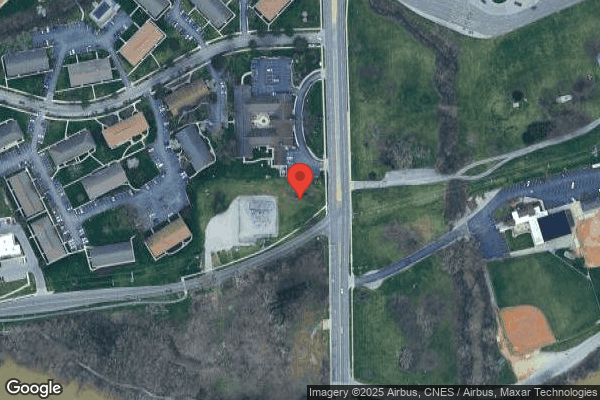
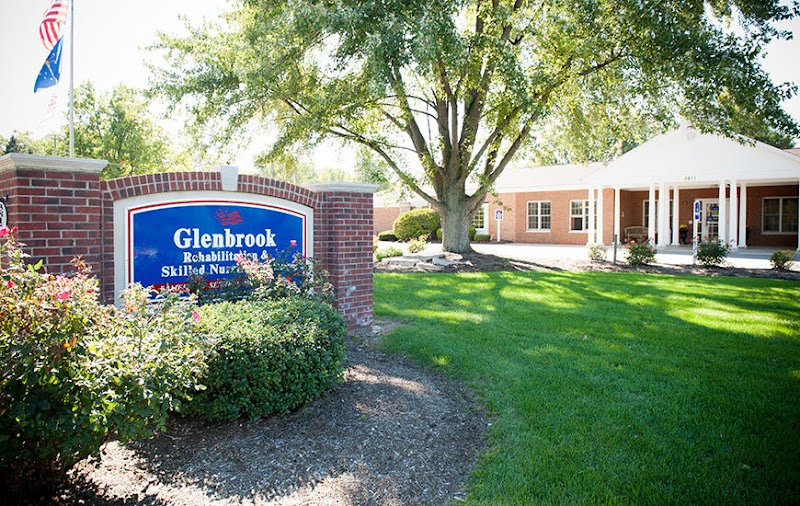
3811 PARNELL AVE, FORT WAYNE, IN 46805 (260) 482-4651
For profit - Corporation 82 Beds AMERICAN SENIOR COMMUNITIES Data: November 2025
Trust Grade
80/100
#38 of 505 in IN
Last Inspection: October 2024

Within standard 12-15 month inspection cycle. Federal law requires annual inspections.

Overview

Glenbrook Rehabilitation & Skilled Nursing Center has received a Trust Grade of B+, indicating that it is above average and recommended for families considering nursing home options. The facility ranks #38 out of 505 nursing homes in Indiana, placing it in the top half of all state facilities, and #6 out of 29 in Allen County, meaning only five local options are better. While the facility shows an improving trend with the number of issues decreasing from three in 2024 to one in 2025, it still has notable weaknesses, such as a concerning staff turnover rate of 65%, significantly above the state average. Recent inspector findings include a serious incident where a resident developed severe pressure injuries due to inadequate care, as well as concerns about the misappropriation of a resident's property by a staff member and issues with the availability of self-catheterization supplies. Despite these concerns, the facility has no fines on record and offers good quality measures, indicating strengths alongside its challenges.

Trust Score
B+
80/100
In Indiana
#38/505
Top 7%
Safety Record
Moderate
Needs review
Inspections
Getting Better
3 → 1 violations
Staff Stability
⚠ Watch
65% turnover. Above average. Higher turnover means staff may not know residents' routines.
Penalties
✓ Good
No fines on record. Clean compliance history, better than most Indiana facilities.
Skilled Nurses
✓ Good
Each resident gets 43 minutes of Registered Nurse (RN) attention daily — more than average for Indiana. RNs are trained to catch health problems early.
Violations
○ Average
9 deficiencies on record. Average for a facility this size. Mostly minor or procedural issues.
★★★★★
5.0
Overall Rating
★★☆☆☆
2.0
Staff Levels
★★★★★
5.0
Care Quality
★★★★☆
4.0
Inspection Score
Stable
2024: 3 issues
2025: 1 issues

The Good

  • 5-Star Quality Measures · Strong clinical quality outcomes
  • Full Sprinkler Coverage · Fire safety systems throughout facility
  • No fines on record

Facility shows strength in quality measures, fire safety.

The Bad

Staff Turnover: 65%

19pts above Indiana avg (46%)

Frequent staff changes - ask about care continuity

Chain: AMERICAN SENIOR COMMUNITIES

Part of a multi-facility chain

Ask about local staffing decisions and management

Staff turnover is elevated (65%)

17 points above Indiana average of 48%

The Ugly 9 deficiencies on record

1 actual harm
Apr 2025 1 deficiency
CONCERN (D) 📢 Someone Reported This

A family member, employee, or ombudsman was alarmed enough to file a formal complaint

Potential for Harm - no one hurt, but risky conditions existed

Deficiency F0602 (Tag F0602)

Could have caused harm · This affected 1 resident

Based on interview and record review, the facility failed to the ensure residents were free from misappropriation of property for 1 of 5 residents reviewed (Resident B). Findings include: Resident B...

Read full inspector narrative →
Based on interview and record review, the facility failed to the ensure residents were free from misappropriation of property for 1 of 5 residents reviewed (Resident B). Findings include: Resident B's record was reviewed on 4/10/25 at 12:45 PM. Resident B no longer resided in the facility. A report, dated 3/24/25, provided by the Administrator on 4/10/25 at 12:42 PM indicated Certified Nurse Aide (CNA) 3 was suspected of theft. A file was provided by the Administrator on 4/10/25 at 12:42 PM. The file included the following statements: Housekeeping Supervisor's statement, dated 3/25/25, indicated Housekeeping Aide 4 reported an allegation of theft on 3/23/25. The statement indicated Housekeeping Aide 4, on 3/19/25, observed CNA 3 search the pockets of Resident B's clothes, found his wallet and removed $27 of cash. Housekeeping Aide 4's statement, dated 3/24/25, indicated she observed CNA 3 search the pockets of Resident B's clothes, found a wallet with $27 of cash. Housekeeping Aide 4 indicated CNA 3 asked if there were any cameras in the laundry room. Housekeeping Aide 4 indicated she was unaware of any cameras. Housekeeping Aide 4 then indicated CNA 3 indicated I can use this money for gas, then observed CNA 3 put the $27 cash in her pocket. An Administrator and Housekeeper Supervisor statement, dated 3/24/25, indicated CNA 3 was interviewed by the Administrator and the Housekeeping Supervisor on 3/24/25. The statement indicated CNA 3 searched the pockets of Resident B's clothes but denied the allegation of taking Resident B's money out of his wallet. In an interview, on 4/10/25 at 12:38 PM, CNA 2 indicated personal items, including money should be not taken from a resident. CNA 2 indicated when stealing was observed, she reported the incident to the Director of Nursing (DON) and/or the Administrator. CNA 2 indicated if neither the DON or Administrator were available, she would report to the Charge Nurse. A policy, undated, titled Abuse: Zero Tolerance, was provided by the Administrator on 4/10/25 at 12:42 PM. The policy indicated taking or borrowing money from a resident was considered a form of abuse. The policy indicated the facility had a zero tolerance of any form of abuse. This finding relates to Complaint IN00456068. 3.1-28(a)
Oct 2024 2 deficiencies
CONCERN (D)

Potential for Harm - no one hurt, but risky conditions existed

Incontinence Care (Tag F0690)

Could have caused harm · This affected 1 resident

**NOTE- TERMS IN BRACKETS HAVE BEEN EDITED TO PROTECT CONFIDENTIALITY** Based on record review and interviews, the facility failed to ensure safety of intermittent self-catheterization for 1 of 1 resi...

Read full inspector narrative →
**NOTE- TERMS IN BRACKETS HAVE BEEN EDITED TO PROTECT CONFIDENTIALITY** Based on record review and interviews, the facility failed to ensure safety of intermittent self-catheterization for 1 of 1 resident reviewed (Resident 31). Findings include: In an interview on 10/7/24 at 10:33 AM, Resident 31 indicated she had difficulty getting supplies to perform self-catheterization. Resident 31 indicated she was receiving the catheters from the purchasing person who shared an office with the activity director. Resident 31 indicated due to her difficulty getting catheters as needed she was washing them out with bleach or vinegar and then rinsing them several times and using them up to seven times in one day. She indicaated sometimes she would reuse them again the next day as well. Resident 31 indicated she used the same 14fr (French) 5-inch catheter 5 to 7 times per day since March of 2024 to perform self-catheterization when her bladder was full. Resident 31 indicated prior to the intermittent self-catheterization she had an anchored foley catheter. Resident 31 indicated the facility did not offer or ask her to demonstrate her ability to perform self-catheterization. Resident 31 indicated the facility was aware of her performing intermittent self-catheterization as they were the ones inconsistently providing the catheters. Resident 31 indicated the facility was aware of the frustration of running out of catheters and need for a more ready supply. Resident 31's record review began on 10/8/24 at 12:28PM. Resident 31 was admitted on [DATE]. Resident 31's diagnoses included lung disease, below the knee amputation, and neuromuscular dysfunction of the bladder. Resident 31's MDS (Minimum Data Set) assessment dated [DATE] was as follows: Section C-Cognitive Function BIMS (Brief Interview of Mental Status) score was 15 on 9/24/24. A score of 15 indicated intact mental status. Section E-Behavior indicated no behavioral symptoms were exhibited. Section H-Bladder and Bowel indicated there were no indwelling or intermittant self-catheterizations. This assessment further indicated occasional incontinence of bowel and bladder without a toileting program in place. Resident 31 had physician orders for a foley catheter 16fr from 2/23/24 to 3/31/24. Resident 31 had care orders for the foley catheter as well. There were no orders for straight catheter between 4/1/24 and 10/8/24. Resident 31's current undated care plan did not indicated a problem for intermittent self-catheterization. Resident 31's record did not include any teaching or assessment for intermittant self-catheterization documented between 4/1/24 and 10/8/24. A physician progress note, dated 9/25/24 at 7:42 AM, with a review of systems did not include intermittent self-catheterization. A formal grievance was filed by Resident 31 dated 6/12/24 with the nature of concern stated as inability to get small briefs and catheters as required. The review and action taken indicated the DON spoke with Resident 31 to explain the facility did not have orders for intermittent self-catheterization therefore catheters were not ordered, and Resident 31 was to use the toilet independently. Comments indicated Resident 31 was happy the facility would provide catheters and briefs and supplies were given. The grievance was signed as resolved by the Administrator. There were no follow up orders or notes in Resident 31's medical record related to self-catheterization. A formal grievance was filed by Resident 31 dated 9/14/24 with the nature of concern stated as the inability to have the correct size of briefs and catheters as needed. The review and action taken was discussed in morning meeting with consensus to have the scheduler order specific briefs and catheters for Resident 31. A discussion was held with Resident 31 to determine exactly the brief and catheter she preferred. Comments indicated Social Services confirmed the scheduler ordered briefs and informed the resident the facility would follow up when the catheter and brief supplies were delivered. Concern and grievance were resolved was checked off by the Administrator on 9/18/24. There was no order for intermitted self-cauterization in Resident 31's medical record. No teaching or assessment of ability to perform self-catheterization. There was no indication the acting physician was aware of resident performing intermittent self-catheterization. In an interview on, 10/8/24 at 2:38 PM, the Director of Nursing (DON) indicated Resident 31 was admitted with an indwelling catheter and had been performing intermittent self-catheterization since the indwelling catheter was discontinued at a doctor's appointment in March. The DON was unable to determine when the resident last saw a urologist or had an assessment to ensure proper technique or teaching to understand the importance of care. The DON was unaware Resident 31 was cleaning catheters with bleach and reusing the catheter. In an interview, on 10/9/24 at 9:38 AM, the DON indicated she discussed with Resident 31 the need to use a new catheter each time she performed self- catheterization. Resident 31 purchased the bleach she was using on an outing. The DON discussed with Resident 31 her preference of catheter, technique, and the need to for recording of output. The DON offered and the resident refused a urology appointment. The DON completed a Self-Administration assessment related to intermittent self-catheterization for Resident 31 dated 10/8/24. The DON indicated she was last seen by Lutheran urology in 2022.The DON care planned and obtained a physician's order for Resident 31 to perform intermittent self-catheterization. The DON provided an in-service log, dated 10/8/24, instructing Certified Nursing Assistants ( CNA ) and housekeeping to remove any cleaning products from residents' rooms when seen and discuss with management immediately. There was no policy provided regarding intermittent self-catheterization, reusing catheters, or cleaning catheters between uses. A policy titled, Indwelling Urinary Catheter detailing sterile technique was provided by the Administrator on 10/9/24 at 1:45PM. 3.1-41(a)(1)
CONCERN (D)

Potential for Harm - no one hurt, but risky conditions existed

Deficiency F0698 (Tag F0698)

Could have caused harm · This affected 1 resident

**NOTE- TERMS IN BRACKETS HAVE BEEN EDITED TO PROTECT CONFIDENTIALITY** Based on interview and record review, the facility failed to ensure proper assessments and to maintain consistent communication ...

Read full inspector narrative →
**NOTE- TERMS IN BRACKETS HAVE BEEN EDITED TO PROTECT CONFIDENTIALITY** Based on interview and record review, the facility failed to ensure proper assessments and to maintain consistent communication with the dialysis team for 1 of 2 residents reviewed (Resident 10). Findings include: Resident 10's record was reviewed on 10/10/24 at 10:21 AM. Diagnoses included end stage kidney disease, diabetes and heart failure. Resident 10's Quarterly Minimum Data Set (MDS) dated [DATE], indicated Resident 10's Brief Interview for Mental Status (BIMS) was 15 (no cognitive impairment). The MDS indicated Resident 10 required dialysis treatments. A physician order, dated 10/27/17, indicated Resident 10 was to receive dialysis every Tuesday, Thursday and Saturday. Resident 10's weight was to be obtained every day upon return from dialysis. A physician order, dated 9/3/24, indicated the nursing staff was to include documentation using a Dialysis Event form upon Resident 10's return from dialysis every Tuesday, Thursday and Saturday. The physician order included special instructions for the form to be complete. The form was to include Resident 10's blood pressure and their dialysis assessment. Resident 10's Care Plan, dated 8/8/16, indicated Resident 10 was at risk for fluid overload, bleeding and infection due to receiving hemodialysis. The target goal was Resident 10 would not have complications related to hemodialysis through 12/18/24. Interventions included monitoring Resident 10's fluid intake and blood pressure. Other interventions included monitoring for symptoms of excess fluid volume such as weight gain, shortness of breath and high blood pressure. A Dialysis Center Communication Tool, dated 9/3/24, indicated Resident 10's pre dialysis weight was 325 pounds. The post dialysis weight section was blank. A Dialysis Center Communication Tool, dated 9/5/24, indicated Resident 10's post dialysis weight was 372.9 pounds. The pre dialysis weight section was blank. A Dialysis Center Communication Tool, dated 9/10/24, indicated Resident 10's pre dialysis weight was 322 pounds. The post dialysis weight section was blank. A Dialysis Center Communication Tool, dated 9/12/24, indicated Resident 10's pre dialysis weight was 319 pounds. Resident 10's post dialysis weight was 312.4 pounds. A Dialysis Center Communication Tool, dated 9/17/24, indicated Resident 10's pre dialysis weight was 320.5 pounds. Resident 10's post dialysis weight was 312.4 pounds. A Dialysis Event, dated 9/24/24 at 9:47 PM, indicated appropriate paperwork was sent with the Resident 10 to dialysis. The event indicated return paperwork was not reviewed. A progress note, dated 9/24/24 at 9:49 PM, indicated Resident 10 had returned from dialysis. Resident 10 had been transferred to bed with a mechanical lift. Resident 10's dressing to their left arm was dry and intact. Resident 10 had taken their medications and were on 2 liters of oxygen. The note did not indicate Resident 10 had been weighed. A Dialysis Event, dated 9/26/24 at 10:53 AM, indicated appropriate paperwork had been sent with Resident 10 to dialysis. The event indicated return paperwork had been reviewed for new orders and any required follow-up. Resident 10's record did not include return paperwork, or a Dialysis Center Communication Tool dated 9/26/24. Resident 10's record did not include a progress note dated 9/26/24. Resident 10's record did not include a pre or post dialysis assessment dated [DATE]. A Dialysis Event, dated 9/28/24 at 2:26 PM, indicated appropriate paperwork had been sent with Resident 10 to dialysis. The event indicated return paperwork was not reviewed. Resident 10's record did not include return paperwork, or a Dialysis Center Communication Tool dated 9/28/24. Resident 10's record did not include a progress note dated 9/28/24. Resident 10's record did not include a pre or post dialysis assessment dated [DATE]. A Dialysis Event, dated 10/1/24 at 2:26 PM, indicated appropriate paperwork had been sent with Resident 10 to dialysis. The event indicated return paperwork had been reviewed for new orders and any required follow-up. Resident 10's record did not include return paperwork, or a Dialysis Center Communication Tool dated 10/1/24. Resident 10's record did not include a progress note dated 10/1/24. Handwritten documentation, dated 10/1/24, noted at the bottom of a Dialysis Center Communication Tool, dated 9/17/24, indicated Resident 10's pre dialysis weight had been 319 pounds, and their post dialysis weight had been 312.4 pounds. Resident 10's record did not include a Dialysis Event dated 10/5/24. Resident 10's record did not include a Dialysis Center Communication Tool dated 10/5/24. Resident 10's record did not include a progress note dated 10/5/24. Resident 10's record did not include a pre or post dialysis assessment dated [DATE]. A progress note, dated 10/7/24 at 4:46 PM, indicated Resident 10 had reported a productive cough. The resident was on 2 liters of oxygen and their oxygen level was 90 percent (90 to 100 is normal). Wheezes were heard throughout Resident 10's lungs. Resident 10's Covid-19 test had been negative. A progress note, dated 10/7/24 at 4:53 PM, indicated Resident 10's physician ordered a chest x-ray, breathing treatments and cough syrup. A progress note, dated 10/8/24 at 9:35 AM, indicated Resident 10's oxygen levels had been decreasing and they had been transferred to the emergency department for slightly labored breathing. A progress note, dated 10/9/24 at 8:00 AM, indicated Resident 10 had been admitted to the hospital due to fluid overload and was currently intubated (a tube placed in the airway to provide mechanical breaths). In an interview on 10/10/24 at 2:15 PM, the Regional Nurse Consultant indicated a pre and post dialysis assessment should be obtained for each dialysis treatment. The Regional Nurse Consultant indicated the dialysis treatment center performed post dialysis assessments. The Regional Nurse Consultant indicated the facility was responsible for communication with the dialysis treatment center. The Regional Nurse Consultant indicated the facility should have requested documentation from the dialysis treatment center. A current facility policy, dated 11/17, provided by the Administrator, on 10/10/24 at 2:10 PM, indicated the facility would provide ongoing assessment and monitoring for complications before and after dialysis. The policy indicated the facility would maintain ongoing collaboration and communication with the dialysis treatment center. The policy indicated the facility recommended dialysis residents should be kept on alert charting to monitor complications such as signs of fluid overload, pain, change in condition and access site. 3.1-37(a)
Jul 2024 1 deficiency 1 Harm
SERIOUS (G) 📢 Someone Reported This

A family member, employee, or ombudsman was alarmed enough to file a formal complaint

Actual Harm - a resident was hurt due to facility failures

Pressure Ulcer Prevention (Tag F0686)

A resident was harmed · This affected 1 resident

**NOTE- TERMS IN BRACKETS HAVE BEEN EDITED TO PROTECT CONFIDENTIALITY** Based on interview and record review, the facility failed to ensure services were effectively provided a resident admitted witho...

Read full inspector narrative →
**NOTE- TERMS IN BRACKETS HAVE BEEN EDITED TO PROTECT CONFIDENTIALITY** Based on interview and record review, the facility failed to ensure services were effectively provided a resident admitted without pressure-related skin impairment and identified to be risk to develop pressure injuries to prevent the development of a pressure injury for 1 of 1 resident reviewed for pressure injuries. (Resident M) This deficient practice resulted in Resident M developing a facility-acquired stage two pressure injury on the left buttock that deteriorated to an unstageable pressure injury with infection that required debridement twice, and facility-acquired stage two pressure injuries on the coccyx and right buttock, and a facility-acquired stage one pressure injuries on the right hip. The resident required acute care treatment for wound infection and a new facility-acquired unstageable pressure ulcer was identified on the left upper buttock by hospital staff upon admission. Findings include: On 7/29/24 at 1:17 P.M., Resident M's record was reviewed. Diagnoses included, but were not limited to, hemiplegia on the right side, memory deficits, chronic obstructive pulmonary disease, dementia, and chronic smoker of cigarettes. A quarterly MDS, dated [DATE], indicated Resident M was independent with mobility in his wheelchair and had no pressure areas. An untimed Occupational Therapy (OT) Discharge summary, dated [DATE], indicated the resident had received therapy from 1/11/24 to 4/3/24 for assessment of upper extremity strength, functions, wheelchair mobility and propulsion. At discharge, the resident was able to propel his wheelchair with modified supervision for short distances at a time, he required extra time for verbal cues, and encouragements and prompts to correctly use both upper extremities to propel the wheelchair. He was able to utilize hallway rails as needed to assist in wheelchair mobility. He had no issues with sliding or falling out of the wheelchair and was being discharged from OT due to reaching his maximal potential with skilled services. A nurse progress note, dated 4/5/24 at 3:44 p.m., indicated a referral was sent to therapy due to the resident requiring assistance of three staff members to transfer from his wheelchair to bed, inability to use a stand-up lift for transfers, and slouching forward to the right side when up in his wheelchair. There was no care plan revision implemented to address the need for assistance with positioning. No re-assessment of pressure risk was completed. There were no progress notes between 4/3 and 4/8 to indicate a reason for the change in transfer abilities or positioning, any intervention revisions, or interventions initiated. On 4/8/24 at 10:02 a.m., a physician order was obtained for use of a Broda Chair (a chair able to be tipped back to prevent slouching and leaning which required staff assistance to propel). There were no progress notes between 4/8 and 4/11 to indicate the facility had addressed the PI risk or begun monitoring for pressure injury. A therapy screen, dated 4/11/2024 at 8:42 a.m., indicated Resident M had a functional change condition and would be evaluated for Physical Therapy related to transfers and lower extremity strengthening. The clinical record did not include was no documentation the therapy screen had been completed between 4/11/24 and 6/10/24. A Wound Management report, completed by the facility wound nurse and dated 4/16/24 at 12:14 p.m., indicated Resident M had a pressure ulcer observed on his left buttock (wound 1) identified on 4/16/24. The wound measured 1.6 cm (centimeters) by 0.8 cm by a depth of 0.1 cm. There was a light amount of serous (clear) drainage and the wound tissue was covered with 100% epithelial tissue (cells that line the external surface of the body). An undated IDT (Interdisciplinary Team) progress note indicated the resident had a Stage II (Partial thickness loss of dermis presenting as a shallow open ulcer with a red-pink wound bed, without slough or bruising) pressure ulcer to his left buttock. He had no pain or signs of infection. Contributing factors to the wound development were pressure, moisture, and an increase in incontinence. A treatment order was obtained on 4/16/2024 for the left buttock wound to be cleansed with soap and water, patted dry, Medihoney applied and covered with a bordered gauze. Woundsource.com defined Medihoney as a wound dressing designed to remove necrotic (dead) tissue and an aid to wound healing for pressure areas with partial to full thickness tissue involvement. The National Pressure Injury Advisory Panel (NPIAP) website (npiap.com) indicated Stage II pressure injuries are partial thickness injuries with exposed dermal layer (middle layer of skin between the epidermis and other tissue layers), granulation is not present. Stage III pressure injuries are full thickness skin injuries, adipose (fat), granulation (new skin cells) tissues are often present, and the area may have necrotic tissue present. Woundsource.com defined Medihoney as a wound dressing designed to remove necrotic (dead) tissue and an aid to wound healing for pressure areas with partial to full thickness tissue involvement. There was no documentation in the clinical record to indicate an assessment for further pressure injury risk was completed, a care plan developed, or interventions were initiated in response to the discovery of the wound between 4/16/2024 and 4/21/2024. A Wound Management report, dated 4/22/24 at 12:49 p.m., indicated wound on his left buttock continued with no change in measurements. The IDT progress note indicated the resident's wound was stable and staff were to continue to encourage him to lie down between meals. He had no complaints of pain and no changes were made to the treatment of the wound. The report did not include documentation of specific characteristics of the wound bed. There was no documentation in the clinical record to indicate an assessment for further pressure injury risk was completed, a care plan developed, or interventions were initiated related to the facility-acquired pressure injury on the left buttock between 4/22/2024 and 4/29/2024. A Wound Management report, dated Monday 4/29/24 at 1:42 p.m., indicated the resident refused to lie down to have his wound assessed. There was no documentation to indicate further attempts were made to assess the wound. The care plan was not updated with the resident's refusal of care. The April 2024 Treatment Administration Record (TAR) indicated the treatment for the left buttock wound was not administered in accordance with the physician order on 10 of 16 day shifts between 4/16/24 and 4/30/24. There was no indication in the documentation the resident had been reapproached to attempt wound care during the missed times. The progress notes, dated 4/16/24 through 4/30/24, did not indicate documentation of any attempts made to complete treatments at a different time, nor attempts made to determine cause of the refusals. Resident M was visited by the medical NP on 4/22/24. Progress notes were completed without mention of the resident's wound to his left buttock or refusals of care. A physician visit progress note, dated 5/2/24 at 7:36 a.m., indicated the resident was seen for a chronic care visit. The note indicated the resident had no recent falls, blood pressure was elevated, and should be re-checked by nursing. The resident's weight was stable; and he appeared comfortable with mild chronic pain to his right foot/ankle. The note didn't indicate the resident had a pressure wound to his left buttock nor refusals of treatment by the resident. A Wound Assessment Report by the Wound NP, dated Friday 5/3/24 at 7:21 a.m., indicated the resident was being seen for a new skin and wound consult. He had a stage II wound to his left ischium/buttock (curved bone forming the base of each half of the pelvis). It measured 4 cm by 2 cm by depth of 0.1 cm and had 100% epithelial tissue covering it with a scant amount of serous drainage. There were no changes made to the treatment. Preventative Measures were to continue pressure reduction and turning and repositioning precautions. The resident was incontinent of bowel and bladder and staff were to use barrier creams after providing thorough skin care for each incontinent episode as well as briefs to manage moisture. The report didn't indicate the wound NP had been notified or aware of the resident's refusals nor his unavailability for wound care on the day shift. A Wound Management report, dated Monday 5/6/24 at 4:27 p.m., indicated the wound on Resident M's left buttock measured 4 cm by 2 cm by 0.1 cm. Contributing factors related to the wound decline were the resident seated in the chair for extended periods of time. Staff were to encourage him to turn and reposition every two hours and a request was made to therapy for a different cushion to his chair. He had no complaints of pain and no changes were made to the treatment of the wound. Resident M's refusals of care were not noted in the report. A Wound Management report, dated Monday 5/13/24 at 2:26 p.m., indicated the assessment had not been completed due to resident's refusal and not wanting to lie down. There were no changes made to the care plan between 4/16/24 and 5/3/24 to assess the resident's refusal of wound care, changes to timing of wound care per his preferences, pain related to the wound and with treatments, or effects of use of Broda chair such as dependency on staff for ambulation and increased need for assistance with shifting his weight while up in the chair. There were no request/referral documentation for therapy to provide a different cushion for his Broda chair. There were no interventions or descriptions of the wound documented in the clinical record between 5/6/24 and 5/13/24. A Wound Assessment Report by the Wound NP, dated Friday 5/17/24 at 10:02 a.m., indicated the resident's wound was unable to be evaluated on this day due to the resident not being in his room at the time of the visit. There was no indication the resident was reapproached or aware the wound NP was there to see him. There were no interventions or descriptions of the wound documented in the clinical record between 5/13/24 and 5/16/24. A Wound Management report, dated Monday 5/20/24 at 8:30 a.m., indicated the resident's wound was unable to be evaluated on this day due to the resident not being in his room at the time of the visit. A Registered Dietician review, dated 5/20/24 at 9:44 a.m., indicated the resident received a regular diet and was eating and drinking well. He had an open area to his left buttock, was provided a multi-vitamin, double eggs and meat for breakfast and a protein snack at bedtime. He was meeting his nutritional needs with interventions in place. His weight had been down the past 3 months but was not a significant weight change. His BMI was within normal range for his age. A medical NP progress note, dated 5/20/24 at 10:34 a.m., indicated the resident was seen for pain management and reported his pain was well controlled with his current pain medication Xtampza (an extended release opioid given the resident every 12 hours routinely for pain). The medication appeared to be effective in controlling his chronic pain and would continue on the medication. There was no documentation regarding the resident's wound or refusals of wound treatment. A Care Plan Summary form, dated 5/22/24 at 8:51 a.m., indicated the resident's care and care plan was reviewed following a significant change MDS assessment. Neither Resident M nor his POA were at the meeting. There was no documentation the resident or POA were invited or had any concerns. The goal for the resident was to remain within the facility, utilizing a Broda chair. The Care Plan Summary form did not indicate the resident had a new pressure wound to the left buttock, had any refusals of wound treatments or pressure reducing interventions such as lying down between meals. The May 2024 TAR indicated the treatment for the left buttock wound was not administered in accordance with the physician order on 12 of 24 day shifts and on 1 of 24 night shifts between 5/1/24 and 5/24/24. There was no indication in the documentation the resident had been reapproached to attempt wound care during the missed times. A significant change MDS (Minimum Data Set) assessment, dated 5/10/24, indicated the resident had severely impaired cognition. He had several mood indicators, present nearly every day. This included: little interest or pleasure in doing things, feeling down, depressed, or hopeless, trouble falling or staying asleep, and poor appetite. The MDS indicated he had no refusals of care, was dependent on two staff for mechanical lift transfers in and out of bed and was dependent on 1 staff for mobility in his wheelchair, and he was always incontinent of bowel and bladder. The MDS indicated the resident had a new facility acquired stage II wound on the left buttock. Care plans, reviewed and revised on 5/22/24, indicated the following: -Impaired skin integrity: the resident had an open area to the left buttock with contributing factors of incontinence, stroke with right side hemiplegia, shearing, behaviors, and non-compliant with wound care/medications. The goal was for the wound to heal and be free from signs of complications. Interventions were: assess for pain/treat as ordered and notify MD (Medical Doctor) of worsening/unrelieved pain, assess wound weekly documenting measurements and description, encourage resident to eat at least 75%, labs as ordered, notify MD of worsening or no change in wound or signs of infection, observe for signs of infection: redness, pain, drainage, malodorous drainage, fever, increase in size/depth of wound, pressure reducing cushion to chair, pressure reducing mattress on bed, RD (Registered Dietician) to assess routinely, supplements as ordered, turn and reposition every 2 hours, and wound healing vitamins and treatment as ordered. The care plan did not address the resident's noncompliance or provide interventions to prevent pressure ulcer development, deterioration or provide pressure relief to the left buttock. -At risk for further skin breakdown in the current pressure area on the left buttock due to hemiplegia, dementia, and chronic pain. The care plan indicated he was at moderate risk, according to the Braden Scale for Predicting Pressure Sore Risk, due to a slighted limited ability to respond to pressure related discomfort, occasionally moist skin, being chairfast and only able to make occasional slight changes in body position, nutrition probably inadequate, only occasional acceptance of a dietary supplement when offered, and potential problem with friction and shear when being assisted to reposition. The goal was to be free from skin breakdown. Interventions included: assess and document skin condition weekly, as needed and house barrier cream to be used as needed. The care plan did not address the resident's increased risk due to noncompliance or provide interventions to prevent pressure ulcer development, deterioration or provide pressure relief to the left buttock. -Nutritional status: at risk for altered nutrition and unintentional weight change due to varied meal intakes, chronic disease, and pressure area to left buttock. The goal was for the resident to maintain his current weight without significant weight changes although gradual long-term weight loss to his UBWR (usual body weight range) was acceptable (UBWR=175-180 pounds). Interventions included: provide diet as ordered-regular, double eggs and meat with breakfast. -The resident required assistance with his ADL's (activities of daily living) bed mobility, transfers, eating and toileting. Interventions included: Assist with ambulation as needed utilizing a Broda chair. The care plan did not address the increased risk of pressure area related to the Broda chair or provide interventions to prevent pressure ulcer development, deterioration or provide pressure relief to the left buttock. A Wound Assessment Report by the Wound NP, dated Friday 5/24/24 at 7:11 a.m., indicated the resident was seen for continued evaluation of a wound on his left buttock. The wound had worsened and was unstageable (Pressure ulcers that have eschar [tan, black, or brown] or slough [yellow, tan, gray, green or brown] tissue present such that the anatomic depth of soft tissue damage cannot be visualized or palpated in the wound bed). The wound measured 2 cm by 1.5 cm by 0.1 cm. The wound base was covered with 25% slough and 75% eschar, the wound edges were attached, periwound had scarring, and there was no drainage. Treatment orders were changed to applying Santyl (chemical removal of dead tissue) followed by bordered gauze, then change daily. The resident's risk for complications was moderate due to decreased mobility, disease comorbidities, incontinence of urine and stool, and impaired nutrition. The Wound NP report didn't indicate the resident missed wound treatments at times due to being unavailable or refusing treatment. A physician order, dated 5/24/24, was for the left buttock wound to be cleansed with soap and water, patted dry and Santyl (a wound dressing designed to remove necrotic tissue) applied and covered with bordered gauze 2 times per day which were scheduled to be done between 2:00 p.m. - 10:00 p.m. and again, between 10:00 p.m. - 6:00 a.m. The May 2024 TAR indicated the treatment for the left buttock was not administered in accordance with physician order on 4 of 24 day shifts and on 2 of 24 night shifts between 5/2/24 and 5/31/24. There was no indication in the documentation the resident had been reapproached to attempt wound care during the missed times. The clinical record did not include documentation, between 4/16/24 and 5/24/24, to indicate the facility-acquired pressure wound bed included necrotic tissue. There were no further assessments, progress notes or care plans regarding the left buttock wound between 5/22/24 and 5/24/24. A Wound Management report, dated Monday 5/27/24, indicated the residents facility-acquired unstageable pressure wound had worsened in size; now measured 2 cm by 1.5 cm by 0.1 cm and the wound bed was covered with necrotic tissue. Contributing factors related to wound worsening were pressure and the resident refusing to lay down between meals. The new intervention was a change in the wound treatment. There were no new interventions to provide pressure relief to the left buttock added to the care plan. On 5/30/24 at 9:57 a.m., the resident was seen by the medical NP for chronic care management with a left buttock wound and chronic pain. The resident had a left buttock wound with treatment currently in place. Staff were to reposition the resident to alleviate pressure and potentially reduce pain. Wound care would be provided to promote healing and prevent infection. His nutritional status would be monitored to ensure adequate intake for wound healing. The note didn't indicate the medical NP had been notified of the resident's refusal of care or his being unavailable for wound treatments to be completed as ordered. A Wound Assessment Report by the Wound NP, dated Friday 5/31/24 at 6:49 a.m., indicated the resident was seen for the pressure wound on his left ischium. The wound measured 2.2 cm by 3 cm by 0.1 cm and was unstageable. The wound bed was covered with 75% slough, 25% eschar and had a scant amount of serous drainage. The wound was mechanically debrided (physical removal of necrotic tissue) with use of a scalpel and forceps. 100% of the wound was debrided of necrotic tissue. New recommendations were to continue to treat the wound with Santyl, obtain low air loss mattress, and cushion for the wheelchair. His risk for complications remained moderate. The note didn't indicate the wound NP had been notified of the resident's refusal of care or of his being unavailable for wound treatments to be completed as ordered. There were no new interventions added to the care plan to provide pressure relief to the left buttock after deterioration was identified. A TAR, dated June 2024, indicated physician orders, dated 5/24/24 and discontinued 6/10/24, were for the left buttock wound to be cleansed with soap and water, patted dry and Santyl applied and covered with bordered gauze 2 times per day which were scheduled to be done between 2:00 p.m. - 10:00 p.m. and again, between 10:00 p.m. - 6:00 a.m. The TAR indicated the treatments had not been completed as ordered between 2:00 p.m. - 10:00 p.m. on 6/1 and 6/2/24. There was no indication in the documentation the resident was reapproached to attempt wound care during the missed times. A Wound Management report, dated Monday 6/3/24 at 7:09 p.m., indicated the residents wound measured 2.2 cm by 3 cm by 0.1 cm. It was unstageable due to slough and eschar and had light serous drainage. There was no IDT note completed or new interventions put in place. There were no interventions or descriptions of the wound documented in the clinical record between 5/27/24 and 6/3/24. A Wound Assessment Report by the Wound NP, dated Friday 6/7/24 at 7:30 a.m., indicated the resident was seen for follow up care to his pressure wound to his left ischium (wound 1). Santyl for enzymatic debridement had been used, revealed more depth and necrotic tissue to the wound. The report indicated the Wound NP was still unable to get the true depth of the wound. The wound was unstageable and measured 2.2 cm by 3.6 cm by depth of 3.1 cm with a moderate amount of serosanguineous (blood and liquid) drainage. The wound bed was covered with 75% slough and 25% eschar with scarring at the periwound. The wound was mechanically debrided with use of a scalpel and forceps. 100% of the wound was debrided of necrotic tissue. Nursing staff were given detailed ulcer care instructions and asked to monitor the ulcer for signs or symptoms of prolonged bleeding and debridement intolerance. The plan was to cleanse the wound with 0.125% Dakins solution (topical antiseptic to treat and prevent infections in wounds); apply Santyl and Dakins moistened fluffed gauze to base of the wound; secure with a bordered gauze dressing and change daily. Recommendations were to continue ongoing pressure reduction and turning/repositioning precautions per protocol. All prevention measures were discussed with the staff at the time of the visit. Resident M's risk for complications remained moderate. The note didn't indicate the wound NP had been notified of the resident's refusal of care or pressure reducing interventions. There were no other assessments between 4/16/24 and 6/7/24 to show the facility re-assessed the resident's risk to develop additional pressure wounds. A Wound Management report, dated Friday 6/7/24 at 10:36 a.m., indicated Resident M had new wounds observed. He had a stage II pressure ulcer on his coccyx (wound 2) which measured 2 cm by 1.5 cm by 0.1 cm with light serous drainage. He had a stage II wound to his right buttock (wound 3) which measured 2 cm by 2.5 cm by 0.1 cm and had serous drainage. A third unstaged pressure wound (wound 4) was observed on his right hip which measured 5.5 cm by 6.5 cm with no depth and was red in color. There was no documentation in progress notes or management reports completed to indicate the physician, medical NP, wound NP, or family had been notified of the new wounds or treatment orders obtained when the wounds were observed on 6/7, nor any follow up on 7/8 or 6/9/24. There was no documentation completed on the resident's wounds, pain, or adherence to implementation of pressure reducing interventions on 6/8 or 6/9/24. The TAR, dated June 2024, did not indicate the wound treatment ordered by the wound NP on 6/7/24 to cleanse the wound with 0.125% Dakins solution followed by Santyl and Dakins moistened fluffed gauze to base of the wound, secure with a bordered gauze dressing and change daily was initiated between 6/7/24 and 6/10/24 to show the treatment was completed as ordered. A nurse progress note, dated 6/10/24 at 11:24 a.m., indicated Resident M had been transported to the hospital per EMS at family request due to pressure areas. Hospital emergency room records, dated 6/10/24 at 12:11 p.m., indicated the resident was seen in the emergency room for multiple pressure ulcers and evaluation of two pressure ulcers which had worsened. EMS reported the resident had increased pain and upon arrival in ER. The coccyx ulcer (wound 2) on the left showed full skin and tissue loss with possible tunneling and eschar over the wound base with potential surrounding cellulitis. He was started on intravenous antibiotics, blood work was obtained and a CAT (X rays using a computer to define bones and soft tissues) scan ordered. He had no signs of secondary infection at the time of assessment. A hospital CAT scan, completed on 6/10/24 at 4:05 p.m. indicated the resident had a large soft tissue ulcer along his left posterior soft tissues with overlying edema (swelling) and a questionable midline ulcer over his coccyx. The CAT scan could not rule out a bone infection where the ulcers were located and MRI was to be considered for further evaluation but not done due to presence of metal in his body from an old injury. Wound Physician assessment indicated complete healing of the wounds could be attempted with routine follow up but potential to heal was poor. Factors which likely contribute to non-healing included lack of adequate off-loading when seated and supine, recurrent infection, repeated unintentional trauma, lack of adequate nutrition, dementia, and inability to offload with contractures present. Pressure wounds, documented on 6/10/24 with photographs and measurements, observed in the emergency room, were further evaluated on 6/11/24 by the wound care consultant. The left ischium (wound 1) pressure wound-last documented on and measured by the facility wound NP on 6/7/24-measured 3 cm by 4 cm with unknown depth due to the wound being open but covered with eschar. A pressure injury to the mid-sacral/coccyx (wound 3) area-identified at the facility on 6/7/24 with no treatment ordered and measuring 2 cm by 1.5 cm by 0.1 cm-was a stage II wound which was moist, open and measured 1.5 cm by 1 cm by depth of 0.3 cm with a small amount of tan drainage with a faint odor. A pressure injury to his lateral right hip (wound 4) wound -identified at the facility on 6/7/24, as an abrasion which measured 5.5 cm by 6.5 cm-presented as a stage II wound that measured 6.7 cm by 7.5 cm. The wound was open with slough and moderate tan/brown drainage which had a faint foul odor. An unstageable pressure injury to the residents left upper buttock (wound 5), which was present upon admission but not identified by the facility, measured 0.5 cm by 1 cm and was dry and covered with eschar. The resident remained in the hospital for 9 days and was discharged to a long term care facility located nearer to family. The Hospital note did not include sufficient information to determine wound 3 on the right buttock was assessed. An Indiana Department of Health complaint intake, dated 7/16/2024, indicated Resident M had been neglected and subsequently developed multiple pressure ulcers. This resulted in hospitalization of treatment of his wounds. On 7/29/24 at 10:29 A.M., Resident M's POA (Power of Attorney) was interviewed. They indicated the resident had been hospitalized 9 days for treatment of his pressure ulcers developed at the facility. Following hospitalization, the resident was moved to a different nursing home closer to the POA. On 7/29/24 at 2:21 P.M., Nurse 2 was interviewed. She indicated when residents refused a wound treatment, she would ask why they were refusing, ask if there was a better time for the treatment to be done, reapproach them, ask about pain, hunger, thirst, or try and have another nurse complete the treatment. -At 2:24 P.M., Nurse 3 was interviewed. The TAR indicated Resident M usually refused to have wound treatment completed by Nurse 3. The nurse indicated she asked residents three times and when they refused a treatment, she documented it in the nurse progress notes and let the Director of Nursing Services (DNS) know. There was no documentation available for review regarding Resident M's refusals or the notification of the DNS. -At 2:26 P.M., the DNS indicated staff should reapproach a resident later when they refuse a treatment and notify the physician for continued refusals. When asked about the physical therapy evaluation, on 4/11/24, and new order for the Broda chair, the DNS indicated the physical therapy referral had not been completed as recommended. No reason was given related to the therapy assessment of the Broda chair. On 7/30/24 at 10:53 A.M., the DNS, Administrator, and RDCS (Regional Director of Clinical Services) were interviewed. The DNS indicated the resident resided in the facility since 2019 and never had any wounds/pressure areas. She indicated the resident had been declining with weight loss and little appetite. Resident M frequently refused care and preferred to stay in his chair all day so he could smoke during smoke times. When asked, the DNS indicated the POA was aware of the resident's refusals of care though there wasn't documentation completed about the refusals. There was no documentation to indicate attempts were made to offer different times for wound care according to his preferences. The DNS, Administrator, and RDCS agreed the POA hadn't been notified of the residents new wounds identified on 6/7/24, but the NP had been made aware despite lack of documentation. The DNS indicated the resident's care plan indicated the resident had a pressure ulcer and was non-compliant with wound care/medications; however, there were no interventions put in place to address his refusals. There was no documentation to indicate attempts had been made to alter the times his treatments were scheduled so he would agree to lie down between meals and gotten back up for smoke breaks. There was no documentation the POA or resident had been notified of the consequences of refusing wound care and potential for further skin breakdown to occur. On 7/30/24 at 11:11 A.M., the SSD (Social Service Director) was interviewed. She indicated refusal of care, was documented in the progress notes or on forms titled new and worsening behaviors and communication forms which were available in the record for staff to complete. She indicated she would get involved with refusals of care when it became a problem but provided no further clarification on what was considered a problem. She reviewed progress notes, new and worsening behavior forms and communication forms for April, May, and June 2024 and indicated there had been no documentation of the resident refusing care. She indicated she wasn't aware of the resident's refusals which had impacted his wound care. On 7/30/24 at 11:22 A.M., the wound care nurse was interviewed. She indicated managers reviewed wounds in their daily morning meetings including the progress of wound healing. She would complete wound measurements and observations on Fridays with the Wound NP as she did her rounds, then would document the visit, wound measurements, and interventions on the Monday following the Friday visit. When asked, she was unsure why the order for Dakins solution, ordered on 6/7/24, hadn't been documented on the TAR and started immediately. The wound nurse indicated she wrote down the assessment of the Wound NP to complete her documentation. A current facility policy, titled Skin Management Program, was provided on 7/30/24 at 10:53 A.M., which stated: It's the facility policy to ensure . a resident with pressure ulcers receives necessary treatment and services, consistent with professional standards of practice to promote healing, prevent infection and prevent new ulcers from developing .Procedure for Alteration in Skin Integrity-Pressure and Non-Pressure: Alterations in skin integrity will be reported to the MD/NP, the resident and/or resident representative as well as to direct care staff. Treatment order will be obtained from MD/NP .A plan of care will be initiated to include resident specific risk factors and contributing fa[TRUNCATED]
Oct 2023 2 deficiencies
CONCERN (D)

Potential for Harm - no one hurt, but risky conditions existed

Quality of Care (Tag F0684)

Could have caused harm · This affected 1 resident

**NOTE- TERMS IN BRACKETS HAVE BEEN EDITED TO PROTECT CONFIDENTIALITY** Based on interview and record review the facility failed to ensure resident assessment was completed after a change in statusfor...

Read full inspector narrative →
**NOTE- TERMS IN BRACKETS HAVE BEEN EDITED TO PROTECT CONFIDENTIALITY** Based on interview and record review the facility failed to ensure resident assessment was completed after a change in statusfor 1 of 2 residents reviewed. (Resident 3). Findings include: Resident 3's record was reviewed on 10/10/23 at 10:53 am. Diagnoses included cerebral palsy, neurogenic bladder, obstruction of the bladder and reflux of urine. Resident 3 had been admitted to the hospital on [DATE] and returned to the facility on [DATE]. Resident 3's current quarterly Minimum Data Set (MDS) dated [DATE] indicated their Basic Interview for Mental Status (BIMS) score was 8 (cognitively impaired). The MDS indicated the resident did not exhibit signs of pain. The MDS indicated Resident 3 had not been administered pain medication. The MDS indicated Resident 3 had a urinary catheter. Resident 3's current care plan for an indwelling urinary catheter dated 6/21/21 with a goal date of 11/2/23 indicated the resident had a risk of infection due to catheter usage. Interventions included monitoring and reporting nausea, vomiting, abdominal pain and low back pain. A progress note dated 9/18/23 at 6:01 AM indicated Resident 3 felt constipated. The resident's abdomen was soft and non-tender. A progress note dated 9/19/23 at 10:12 AM indicated Resident 3 had vomited on 9/18/23. There was no note of the characteristics or an assessment of the resident's abdomen. A physician order dated 9/20/23 indicated Resident 3 was to have an x-ray of their kidneys, ureter and bladder (KUB). A physician order dated 9/20/23 indicated Resident 3 was to have blood collected for a complete blood count (CBC) and a basic metabolic panel (BMP). A progress note dated 9/20/23 at 11:33 AM indicated Resident 3 was to have a KUB completed STAT (urgently). A progress note dated 9/20/23 at 3:15 PM indicated Resident 3 had been moaning and was medicated for pain. The progress note indicated the resident's urinary catheter was irrigated with 60 milliliters (ml) of acetic acid and was draining. The progress note indicated Resident 3 was awaiting IV placement and a KUB. The progress note did not indicate where the resident's pain was located. The progress note did not include an assessment of thier abdomen or note the characteristics of the urine. Resident 3's vital sign record for September 2023 indicated the resident's vital signs had been assessed on 9/14/23 and 9/21/23. There were no vital signs documented related to the residents complaints of pain or vomiting episode. Resident 3's Medication Administration Record (MAR) dated September 2023 indicated on 9/20/23 at 6:33 the resident had not been administered their medications due to severe abdominal pain. The MAR indicated on 9/20/23 at 6:34 PM the resident had not received an evening snack due to severe abdominal pain. The MAR indicated Resident 3 had been medicated for pain on 9/17/23. The MAR indicated Resident 3 had been medicated for back pain on 9/18/23 at 7:59 PM. The MAR indicated Resident 3 had been medicated for nausea on 9/18/23 at 10:44 PM. Resident 3's record did not indicate an assessment was completed for the resident's episodes of pain or nausea. A physician order dated 9/21/23 indicated Resident 3 was to have an intravenous (IV) catheter placed for hydration. A progress note dated 9/22/23 at 3:10 PM indicated a significant change in Resident 3's condition had been identified. The progress note did not include a resident assessment of theri pain, abdominal status or the characteristics of thier urine. A progress note dated 9/22/23 at 10:07 PM indicated Resident 3's urinary catheter had been irrigated and was draining. There was no documentation of the characteristics of the resident's urine. A progress note dated 9/23/23 at 3:05 PM indicated Resident 3 had vomited that morning when taking their medications. The progress note did not include a resident assessment of abdominal status or pain. A progress note dated 9/24/23 at 4:25 PM indicated Resident 3 reported they had vomited blood. The progress note indicated the resident was nauseated, had abdominal distension, severe abdominal pain and kidney pain. The progress note indicated Resident 3 was transferred to the hospital. A progress note dated 9/25/23 at 3:42 PM indicated the Nurse Practitioner (NP) reviewed Resident 3's KUB, CBC and BMP results. A progress note dated 10/5/23 at 3:36 PM indicated Resident 3 had been hospitalized due to a urinary tract infection and constipation. A hospital laboratory report dated 9/24/23 at 10:01 PM indicated Resident 3's urine was turbid (cloudy). The laboratory report indicated the resident's urine contained 2+ bacteria, 31-50 white blood cells and 3+ leukocyte esterase. The presence of bacteria, white blood cells and leukocyte esterase in a catheter urine sample are indicative of a UTI ([NAME] et. al., 2022). Resident 3's hospital Discharge summary dated [DATE] at 2:53 PM indicated while hospitalized , the resident had completed a course of antibiotics for a UTI. In an interview on 10/10/23 at 2:45 PM Registered Nurse (RN) 4 indicated symptoms of a urinary tract infection could include nausea, vomiting, abdominal pain and kidney pain. RN 4 indicated a urine test could have been analyzed at the facility. RN 4 indicated an assessment should be completed upon a resident who had vomited. RN 4 indicated a resident assessment should include vital signs and general condition. RN 4 indicated the facility did not have a policy related to when a resident assessment is necessary or when an assessment should be reported to the physician. In an interview on 10/11/23 at 9:41 AM the Director of Nursing (DON) indicated Resident 3's IV had been placed to assist the resident in having a bowel movement. The DON indicated the reference to a significant change in the progress note dated 9/22/23 at 3:10 PM had been entered by the MDS team but a significant change assessment could not be located. The DON indicated they were unaware of when the NP was notified of the resident's STAT x-ray results or blood tests due to the NP notification log had been shredded. The DON indicated there would be no reason to call the NP for negative results. The DON indicated they were aware the resident had continued to have symptoms. The DON indicated Resident 3's symptoms were not constant as there had been progress notes reflective of the resident's comfort. The DON indicated a urine test had not been performed due to the resident having had clear yellow urine. The DON indicated nausea, vomiting, back pain and abdominal pain could be signs of a UTI. The DON indicated a resident assessment should be completed when a resident experienced vomiting. The DON indicated the assessment should include the resident's vital signs. The DON indicated Resident 3's urinary catheter had been routinely flushed with acetic acid due to sediment and mucous in the urine. The DON indicated the presence of a urinary catheter and frequent catheter irrigations could have increased Resident 3's risk of contracting a UTI. The DON indicated Resident 3 had not been diagnosed with a UTI at the hospital. The DON indicated Resident 3 had been treated with an antibiotic at the hospital as a precautionary measure and a UTI had been ruled out. In an interview on 10/11/23 at 10:11 AM RN 3 indicated the facility did not have a policy for urine testing. RN 3 indicated physician order for urine tests were requested based on a resident's assessment and signs of a UTI. RN 3 indicated a resident assessment should include vital signs, general condition and the presence or absence of pain. RN 3 indicated nausea, vomiting, abdominal pain and back pain could be signs of a UTI. RN 3 indicated the presence of a urinary catheter could increase a resident's risk of UTI. A current policy dated 11/2018 provided by RN 4 indicated the licensed nurse would document all symptoms and unusual signs in the medical record and promptly notify the attending physician. The policy indicated the licensed nurse would continue assessment and documentation every shift until the resident's condition had stabilized. 3.1-37
CONCERN (D)

Potential for Harm - no one hurt, but risky conditions existed

Deficiency F0742 (Tag F0742)

Could have caused harm · This affected 1 resident

**NOTE- TERMS IN BRACKETS HAVE BEEN EDITED TO PROTECT CONFIDENTIALITY** Based on observation, interview and record review the facility failed to monitor behaviors, assure staff awareness of behaviors ...

Read full inspector narrative →
**NOTE- TERMS IN BRACKETS HAVE BEEN EDITED TO PROTECT CONFIDENTIALITY** Based on observation, interview and record review the facility failed to monitor behaviors, assure staff awareness of behaviors and revise the care plan for behaviors for 1 of 2 residents reviewed. (Resident 33). Findings include: In an interview on 10/5/23 at 11:16 AM Resident 33 indicated they were not interested in the facility's organized activities. Resident 33 made a sexually inappropriate gesture during the interview. Resident 33's record was reviewed on 10/5/23 at 2:39 PM. Diagnoses included diabetes, malnutrition, left lower leg amputation, a wound to the sacrum, chronic pain syndrome, and insomnia. A review of Resident 33's current quarterly Minimum Data Set (MDS dated [DATE]) indicated their Basic Interview for Mental Status (BIMS) score was 12 (cognitively intact). Resident 33's current care plan for trauma dated 5/3/23 with a goal date of 9/20/23 indicated the resident had a risk for traumatization due to childhood sexual trauma. Interventions included encouragement to meet with a counselor, establishment of open communication and resident/family input in development and revision of the resident's care plan. Resident 33's care plan for behaviors dated 10/3/23 with a goal date of 1/3/24 indicated the resident would masturbate while staff was performing care. Interventions included notification of behaviors to all staff and behavioral health providers, resident education related to inappropriate behaviors and completion of a new and/or worsening behavior assessment. A psychiatry progress note dated 9/27/23 indicated Resident 33 had been evaluated for chronic insomnia. The progress note indicated Resident 33 made sexually inappropriate comments and gestures towards the Psychiatric Nurse Practitioner (NP). The progress note indicated the NP notified the facility staff of Resident 33's inappropriate behavior. The progress note indicated the resident's family history had been reviewed and there had been no contributing family history to the resident's current presentation. The progress note did not indicate the NP had been aware of Resident's history of childhood sexual trauma. A psychotherapy progress note date 8/11/23 indicated Resident 33 was referred to psychotherapy services due to symptoms of depression. The progress note indicated the resident displayed symptoms of grief, loss, sadness and social isolation. The progress note indicated the resident's family history had been reviewed and there had been no contributing family history to the resident's current presentation. The progress note did not indicate the NP had been aware of Resident 33's history of childhood sexual trauma. A psychotherapy progress note date 10/5/23 indicated Resident 33 was referred to psychotherapy services due to symptoms of depression. The progress note indicated the resident displayed symptoms of anxiety and inappropriate verbal boundaries. The progress note indicated the resident's family history had been reviewed and there had been no contributing family history to the resident's current presentation. The progress note did not indicate the provider had been aware of Resident 33's history of childhood sexual trauma. The progress note did not indicate the provider had been aware of the resident's new onset of sexually inappropriate behaviors. In an interview on 10/6/23 at 3:04 PM Social Service Director (SSD) 7 indicated Resident 33's inappropriate sexual behavior was new. The SSD 7 indicated Resident 33 had denied traumatic events and did not present any signs of trauma at the time of admission. SSD 7 indicated Resident 33 was evaluated by the psychiatric NP on 10/5/23. SSD 7 indicated they had been unable to locate the psychiatric NP's visit note for 10/5/23. SSD 7 indicated Resident 33 had been speaking with a counselor for the last couple of weeks, but no behavior monitoring or tracking for prebehavior triggers had been initiated. SSD 7 indicated they were unaware of any events that could have prompted the counselor visits. SSD 7 indicated they were unaware of any triggers that would lead to Resident 33 presenting with inappropriate sexual behaviors. SSD 7 indicated the resident's care plan entry on 5/3/23 related to trauma had been prompted by the resident's sister having stated the resident had been sexually abused as a child. In an interview on 10/10/23 at 2:15 PM the Administrator indicated Resident 33's sexually inappropriate behavior on 9/27/23 was thought to be a single episode. The Administrator indicated Resident 33 had denied traumatic events upon admission. The Administrator indicated the loss of a limb and living in a vehicle could be traumatic. In an interview on 10/10/23 at 2:17 PM SSD 6 indicated the resident's root cause for sexual behavior had been determined to be boredom. SSD 6 indicated the facility was addressing Resident 33's sexually inappropriate behavior by allowing the psychiatric NP to evaluate and identify further root causes for the new behavior. SSD 6 indicated there were no clear interventions due to Resident 33's inappropriate behaviors having been so recent. SSD 6 indicated the psychiatric NP believed the inappropriate behavior was an isolated event. The SSD 6 indicated child sexual abuse could be a possible cause for Resident 33's display of inappropriate sexual behavior. In an interview on 10/10/23 at 10/10/23 at 3:20 PM Licensed Practical Nurse (LPN) 2 indicated the behavior binder contained safety check forms and individual resident behaviors to be aware of. LPN 2 indicated there were no behavior tracking forms in the binder for Resident 33. LPN 2 indicated a verbal report of behaviors was relayed to the nursing staff. Review of the behavior binder on 10/10/23 at 3:23 PM indicated the binder contained behavior care plans that included mental illnesses, abnormal behaviors and histories of trauma. The binder did not contain Resident 33's behavior care plan for a history of trauma or inappropriate sexual behavior. In an interview on 10/10/23 at 3:23 PM an anonymous Certified Nurse Aide (CNA) indicated they referred to the behavior binder to determine if behaviors were new or established behaviors. The CNA indicated they were familiar with Resident 33. The CNA indicated they were not aware of Resident 33's display of behaviors. The CNA indicated they did not have access to the resident's care plans in the computer. In an interview on 10/10/23 at 3:30 PM RN 3 indicated the CNAs referred to the behavior binders to make themselves aware of behaviors that were being monitored. RN 3 indicated Resident 33 had been exhibiting inappropriate behaviors for approximately 2 weeks. RN 3 was unable to locate Resident 33's behavior sheet in the binder. RN 3 indicated SSD 7 generally placed the behavior care plans in the binder. In an interview on 10/11/23 at 10:28 AM the Administrator indicated Resident 33's trauma history had been added to the care plan. The Administrator indicated the staff could refer to the resident's care plans. A current policy dated 10/2022 provided by the Administrator indicated the plan of care would be routinely evaluated and revised. 3.1-43(a)(1)
Dec 2022 3 deficiencies
CONCERN (D)

Potential for Harm - no one hurt, but risky conditions existed

Quality of Care (Tag F0684)

Could have caused harm · This affected 1 resident

**NOTE- TERMS IN BRACKETS HAVE BEEN EDITED TO PROTECT CONFIDENTIALITY** 2. During an observation on 11/28/22 at 11:43 AM, Resident 311 was observed lying in bed with a cervical collar over her mouth. ...

Read full inspector narrative →
**NOTE- TERMS IN BRACKETS HAVE BEEN EDITED TO PROTECT CONFIDENTIALITY** 2. During an observation on 11/28/22 at 11:43 AM, Resident 311 was observed lying in bed with a cervical collar over her mouth. Resident 311's nose was about one centimeter above the chin plate of the cervical collar. During an interview on 11/28/22 at 11:45 AM, Licensed Practical Nurse (LPN) 2, indicated she was not sure how to adjust the collar and would get therapy to assist. Occupational Therapist (OT) 3 came into the room on 11/28/22 at 11:50 AM and indicated the resident was not on his caseload and he did not know her. He indicated he would check with a facility nurse. Registered Nurse (RN) 4 assisted LPN 2 to adjust the collar. After the adjustment, the collar was angled to the right. LPN 2 indicated Resident 311's chin should rest evenly on the chin plate, and she was unable to achieve that position completely. During an observation on 11/28/22 at 1:41 PM, Resident 311 was observed with her chin below the chin plate of the collar. Nurse Consultant 5 came into the room and indicated he would adjust the collar. During an interview on 11/28/22 at 3:04 PM, the Administrator indicated no specific training on cervical collar application had been done. A record review conducted on 11/28/22 at 2:10 PM indicated Resident 311 had diagnoses including spondylosis without myopathy or radiculopathy, cervical region, cerebral vascular accident, and chronic systolic heart failure. The Minimum Data Set (MDS) dated [DATE] indicated Resident 311 was cognitively impaired and unable to be interviewed. A physician's order dated 11/2/22 indicated the cervical collar should be off for meals, then reapplied. No records reviewed indicated refusal of cervical collar care. No facility policy specific to cervical collar application was available for review. 3.1-37 Based on observation, interview, and record review the facility failed to implement treatments as ordered for 2 of 2 residents reviewed. (Residents 35 and 311). Findings include: 1. On 11/30/22 at 11:50 AM, Resident 35 was observed ambulating in the hall without an assistive device. The resident walked with a shuffling gait. He had swelling to both feet and ankles. The resident was not wearing compression wraps. A record review on 11/30/22 at 9:45 AM indicated the resident's diagnoses included traumatic brain injury, seizure disorder, hypertension, hemiplegia, non-Alzheimer's dementia, depression, and psychotic disorder. A quarterly Minimum Data Set (MDS) assessment dated [DATE] indicated the resident had no cognitive deficit. A physician order dated 11/7/22 indicated the resident was to have compression wraps applied on each leg from his toes to his knees every morning and removed every evening related to edema. The resident's care plan indicated the resident was at risk for ineffective tissue perfusion related to hypertension. A goal dated 5/16/22 indicated the resident was to maintain adequate tissue perfusion as evidenced by no edema. An intervention dated 5/16/22 indicated the resident was to be observed for edema and the presence of edema was to be documented. The resident's care plan did not include compression wraps to his lower legs as an intervention to control edema. A medication administration record (MAR) dated 11/1/11 through 11/30/22 indicated compression wraps had been applied to the resident's lower legs daily. During an interview on 12/1/22 at 12:12 PM Resident 35 indicated he did not recall compression wraps being utilized recently. During an interview on 12/1/22 at 3:09 PM Licensed Practical Nurse (LPN) 1 indicated the nurse was responsible for applying compression wraps. She indicated the resident often refuses the compression wraps. She viewed the MAR and indicated she had signed the compression wraps before applying. She indicated the MAR should not be signed until the wraps were applied. During an interview on 12/2/22 at 9:24 AM, the Health Facility Administrator (HFA) indicated the resident frequently removed the compression wraps. During an interview on 12/2/22 at 9:31 AM, the Director of Nursing indicated she was aware LPN 1 had signed the MAR prior to applying the resident's compression wraps. She indicated the MAR should be signed after the application was completed. She indicated the resident often refused the compression wraps. She indicated she was aware no refusals were being documented in the MAR. During an interview on 12/2/22 at 11:26 AM, the HFA indicated the facility did not have a policy for compression wraps. A current policy titled Resident Refusal of Medications/Treatments provided by the HFA on 12/2/22 at 11:26 am indicated refusal of treatments would be documented in the MAR.
CONCERN (D)

Potential for Harm - no one hurt, but risky conditions existed

Respiratory Care (Tag F0695)

Could have caused harm · This affected 1 resident

**NOTE- TERMS IN BRACKETS HAVE BEEN EDITED TO PROTECT CONFIDENTIALITY** Based on observation, interview and record review, the facility failed to ensure oxygen tubing was changed in 2 of 2 residents r...

Read full inspector narrative →
**NOTE- TERMS IN BRACKETS HAVE BEEN EDITED TO PROTECT CONFIDENTIALITY** Based on observation, interview and record review, the facility failed to ensure oxygen tubing was changed in 2 of 2 residents reviewed (Resident 51 and Resident 54). Findings include: 1. During an interview with Resident 51 on 11/28/22 at 9:44 AM, Resident 51 indicated a staff member came in and changed the oxygen tubing attached to his bedside concentrator that morning, but it had been a long time since the tubing attached to portable tanks had been changed. Resident 51 indicated he had lived in the facility for 6 months and this was the third time any of his tubing had been changed since admission. The nasal cannula attached to his bedside oxygen concentrator was dated 11/28/22. The tubing attached to his portable oxygen tank attached to his chair was not dated. The tubing attached to a green cylinder tank was not dated. During a record review conducted on 11/28/22 at 10:31 AM a Minimum Data Set (MDS) dated [DATE] indicated Resident 51 had diagnoses including chronic obstructive pulmonary disease (COPD), respiratory failure, and sleep apnea. The MDS indicated Resident 51 had a Brief Interview for Mental Status (BIMS) score of 15/15. He was cognitively intact and able to be interviewed. A physician's order dated 9/20/22 indicated oxygen was ordered to be administered at 2 liters per minute by nasal cannula and tubing should be changed weekly on Sundays. 2. During an observation on 11/28/22 at 02:18 PM, Resident 54 was observed seated in her wheelchair in the hallway with a nasal cannula in place attached to a portable oxygen tank. The nasal cannula attached to the portable oxygen tank for Resident 54 was not dated. During an observation on 11/29/22 at 9:10 AM, the nasal cannula attached to Resident 54's portable tank was not dated. During an observation on 11/30/22 at 10:12 AM, the nasal cannula attached to Resident 54's portable tank was not dated. During a record review on 11/30/22 at 11:16 AM, an MDS dated [DATE] indicated Resident 54 had diagnoses including [NAME]-[NAME] syndrome, obstructive sleep apnea, and chronic respiratory failure with hypoxia. The MDS indicated Resident 54 was rarely able to make herself understood and was not interviewable. A physician's order dated 10/22/22 indicated oxygen should be administered at 2 liters per minute by nasal cannula and tubing should be changed weekly on Sundays. An MAR dated 11-2022 indicated on 11-6-22 the oxygen tubing and humidifier were changed. During an interview with Licensed Practical Nurse (LPN) 2 on 11/28/22 at 9:56 AM, she indicated tubing should be replaced weekly and as needed and it should be dated when changed. She indicated she was unable to tell how long the undated tubing had been in place as it was not dated. A current policy, undated, title Oxygen Therapy and Devices indicated a nasal cannula used for oxygen delivery should be changed weekly and as needed. 3.1-47(a)(6)
CONCERN (D)

Potential for Harm - no one hurt, but risky conditions existed

Deficiency F0726 (Tag F0726)

Could have caused harm · This affected 1 resident

**NOTE- TERMS IN BRACKETS HAVE BEEN EDITED TO PROTECT CONFIDENTIALITY** Based on observation, interview, and record review, the facility failed to ensure staff were educated regarding cervical collar ...

Read full inspector narrative →
**NOTE- TERMS IN BRACKETS HAVE BEEN EDITED TO PROTECT CONFIDENTIALITY** Based on observation, interview, and record review, the facility failed to ensure staff were educated regarding cervical collar care for 1 of 1 resident reviewed (Resident 311). Findings include: During an observation on 11/28/22 at 11:43 AM, Resident 311 was observed lying in bed with a cervical collar over her mouth. Resident 311's nose was about one centimeter above the chin plate of the cervical collar. During an interview on 11/28/22 at 11:45 AM, Licensed Practical Nurse (LPN) 2, indicated she was not trained on use and adjustment of the cervical collar, was not sure how to adjust the collar, but would get therapy to assist. During an interview on 11/28/22 at 11:45 AM, Registered Nurse (RN) 4 indicated she did not have any training on cervical collar application, but she would attempt to help. Occupational Therapist (OT) 3 came into the room on 11/28/22 at 11:50 AM. OT 3 indicated the resident was not on his caseload and he does not know her. He said he would check with a nurse. OT 3 did not provide any verbal or physical assistance to RN 4 and LPN 2 as they adjusted the collar. On 11/28/22 at 11:55 AM when RN 4 and LPN 2 finished, the collar was observed angled to the right. LPN 2 indicated that was the best she could do but she understood the chin should rest evenly on the chin plate. During an observation on 11/28/22 at 1:41 PM, Resident 311 was observed with her chin beneath the chin plate of the cervical collar. Nurse Consultant 5 came into the room and indicated he would adjust the collar. A record review on 11/28/22 at 2:10 PM indicated Resident 311 had diagnoses including spondylosis without myopathy or radiculopathy, cervical region, cerebral vascular accident, and chronic systolic heart failure. A Minimum Data Set (MDS) dated [DATE] indicated Resident 311 was cognitively impaired and unable to be interviewed. A physician's order dated 11/2/22 indicated the cervical collar should be off for meals, then reapplied. During an interview on 11/28/22 at 3:04 PM, the Administrator indicated no training specific to cervical collar application had been done. He indicated there was no specific policy for cervical collar application.
Understanding Severity Codes (click to expand)
Life-Threatening (Immediate Jeopardy)
J - Isolated K - Pattern L - Widespread
Actual Harm
G - Isolated H - Pattern I - Widespread
Potential for Harm
D - Isolated E - Pattern F - Widespread
No Harm (Minor)
A - Isolated B - Pattern C - Widespread

Questions to Ask on Your Visit

  • "Why is there high staff turnover? How do you retain staff?"
  • "Can I speak with families of current residents?"
  • "What's your RN coverage like on weekends and overnight?"

Our Honest Assessment

Strengths
  • • Grade B+ (80/100). Above average facility, better than most options in Indiana.
  • • No fines on record. Clean compliance history, better than most Indiana facilities.
Concerns
  • • 9 deficiencies on record, including 1 serious (caused harm) violation. Ask about corrective actions taken.
  • • 65% turnover. Above average. Higher turnover means staff may not know residents' routines.
Bottom line: Generally positive indicators. Standard due diligence and a personal visit recommended.

About This Facility

What is Glenbrook Rehabilitation & Skilled Nursing Center's CMS Rating?

CMS assigns GLENBROOK REHABILITATION & SKILLED NURSING CENTER an overall rating of 5 out of 5 stars, which is considered much above average nationally. Within Indiana, this rating places the facility higher than 99% of the state's 100 nursing homes. This rating reflects solid performance across the metrics CMS uses to evaluate nursing home quality.
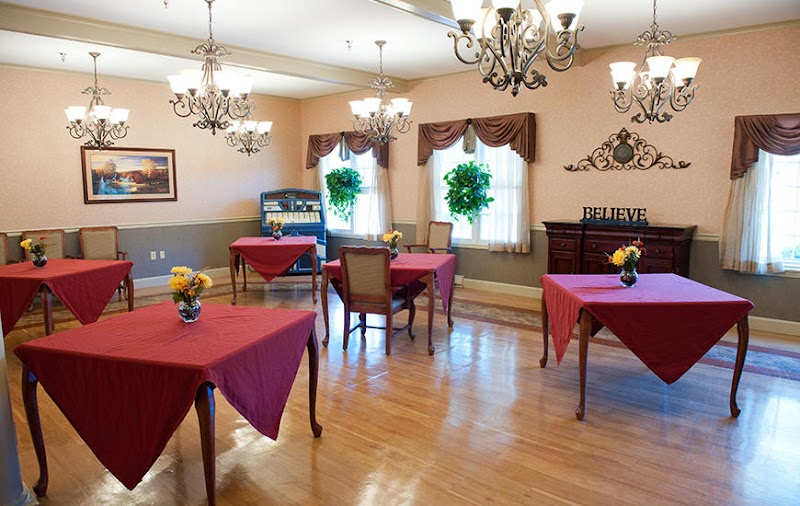
How is Glenbrook Rehabilitation & Skilled Nursing Center Staffed?

CMS rates GLENBROOK REHABILITATION & SKILLED NURSING CENTER's staffing level at 2 out of 5 stars, which is below average compared to other nursing homes. Staff turnover is 65%, which is 19 percentage points above the Indiana average of 46%. High turnover can affect care consistency as new staff learn residents' individual needs.

What Have Inspectors Found at Glenbrook Rehabilitation & Skilled Nursing Center?

State health inspectors documented 9 deficiencies at GLENBROOK REHABILITATION & SKILLED NURSING CENTER during 2022 to 2025. These included: 1 that caused actual resident harm and 8 with potential for harm. Deficiencies causing actual harm indicate documented cases where residents experienced negative health consequences.
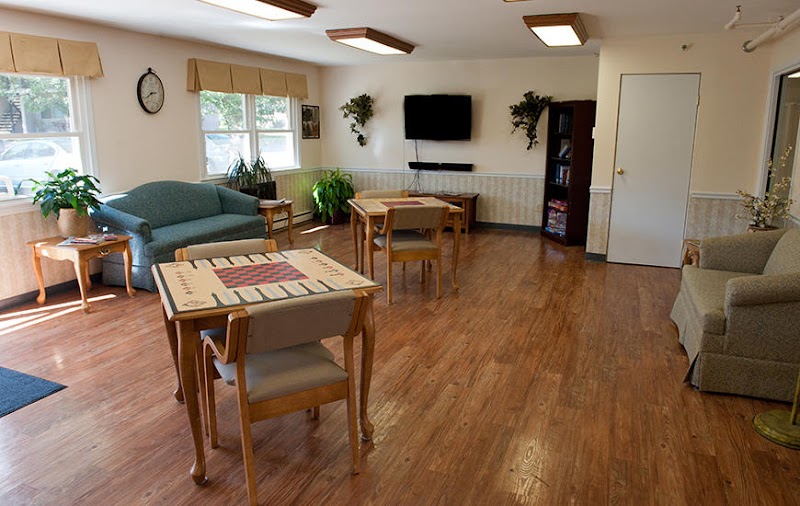
Who Owns and Operates Glenbrook Rehabilitation & Skilled Nursing Center?

GLENBROOK REHABILITATION & SKILLED NURSING CENTER is owned by a for-profit company. For-profit facilities operate as businesses with obligations to shareholders or private owners. The facility is operated by AMERICAN SENIOR COMMUNITIES, a chain that manages multiple nursing homes. With 82 certified beds and approximately 52 residents (about 63% occupancy), it is a smaller facility located in FORT WAYNE, Indiana.
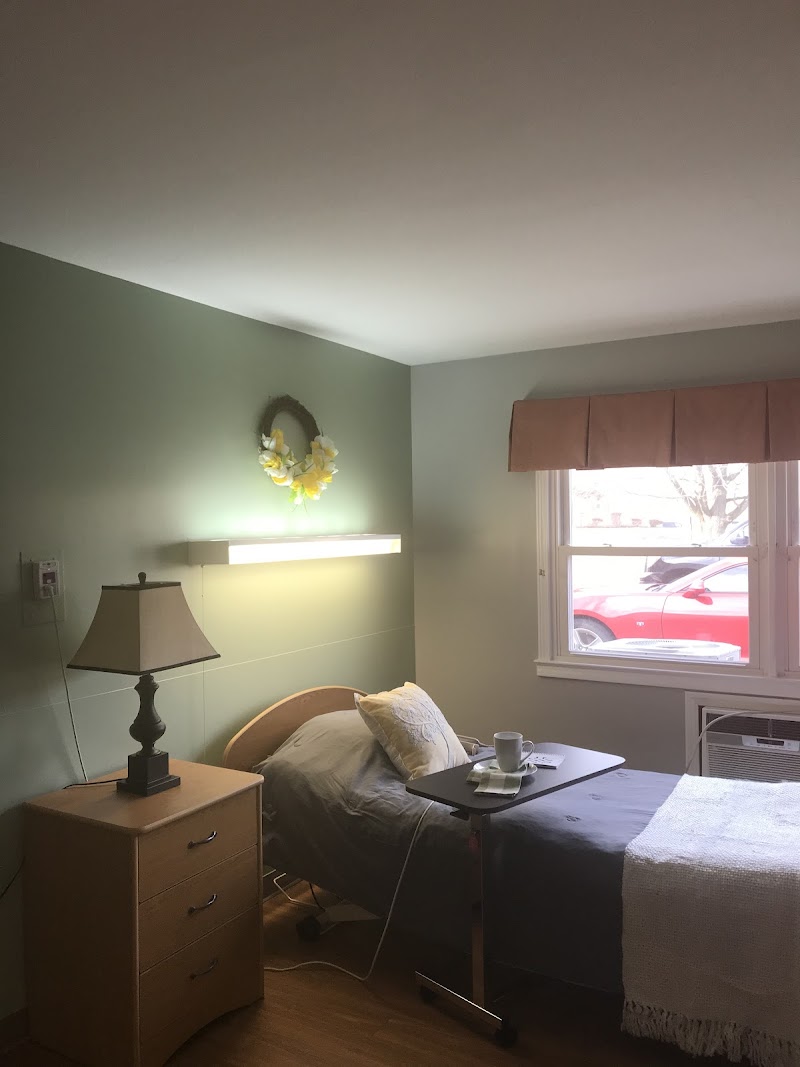
How Does Glenbrook Rehabilitation & Skilled Nursing Center Compare to Other Indiana Nursing Homes?

Compared to the 100 nursing homes in Indiana, GLENBROOK REHABILITATION & SKILLED NURSING CENTER's overall rating (5 stars) is above the state average of 3.1, staff turnover (65%) is significantly higher than the state average of 46%, and health inspection rating (4 stars) is above the national benchmark.

What Should Families Ask When Visiting Glenbrook Rehabilitation & Skilled Nursing Center?

Based on this facility's data, families visiting should ask: "How do you ensure continuity of care given staff turnover, and what is your staff retention strategy?" "Can you walk me through typical staffing levels on day, evening, and night shifts?" "Can I visit during a mealtime to observe dining assistance and food quality?" "How do you handle medical emergencies, and what is your hospital transfer rate?" These questions are particularly relevant given the facility's high staff turnover rate and the below-average staffing rating.

Is Glenbrook Rehabilitation & Skilled Nursing Center Safe?

Based on CMS inspection data, GLENBROOK REHABILITATION & SKILLED NURSING CENTER has a clean safety record: no substantiated abuse findings (meaning no confirmed cases of resident harm), no Immediate Jeopardy citations (the most serious violation level indicating risk of serious injury or death), and is not on the Special Focus Facility watch list (a federal program monitoring the lowest-performing 1% of nursing homes). The facility has a 5-star overall rating and ranks #1 of 100 nursing homes in Indiana. While no facility is perfect, families should still ask about staff-to-resident ratios and recent inspection results during their visit.

Do Nurses at Glenbrook Rehabilitation & Skilled Nursing Center Stick Around?

Staff turnover at GLENBROOK REHABILITATION & SKILLED NURSING CENTER is high. At 65%, the facility is 19 percentage points above the Indiana average of 46%. High turnover means new staff may not know residents' individual needs, medications, or preferences. It can also be disorienting for residents, especially those with dementia who rely on familiar faces. Families should ask: What is causing the turnover? What retention programs are in place? How do you ensure care continuity during staff transitions?

Was Glenbrook Rehabilitation & Skilled Nursing Center Ever Fined?

GLENBROOK REHABILITATION & SKILLED NURSING CENTER has no federal fines on record. CMS issues fines when nursing homes fail to meet care standards or don't correct problems found during inspections. The absence of fines suggests the facility has either maintained compliance or corrected any issues before penalties were assessed. This is a positive indicator, though families should still review recent inspection reports for the full picture.

Is Glenbrook Rehabilitation & Skilled Nursing Center on Any Federal Watch List?

GLENBROOK REHABILITATION & SKILLED NURSING CENTER is not on any federal watch list. The most significant is the Special Focus Facility (SFF) program, which identifies the bottom 1% of nursing homes nationally based on persistent, serious quality problems. Not being on this list means the facility has avoided the pattern of deficiencies that triggers enhanced federal oversight. This is a positive indicator, though families should still review the facility's inspection history directly.