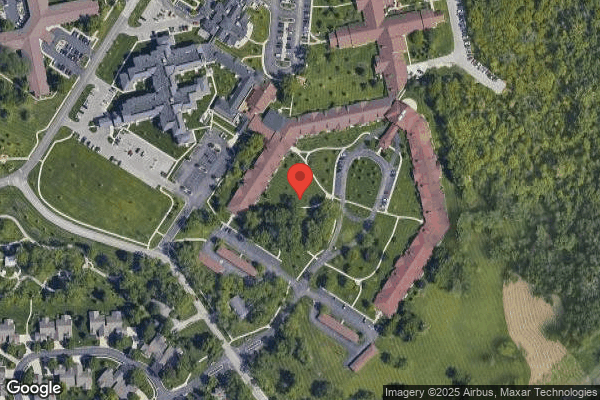
HOOSIER VILLAGE

9875 CHERRYLEAF DR, INDIANAPOLIS, IN 46268 (317) 873-3349
Non profit - Corporation 24 Beds BHI SENIOR LIVING Data: November 2025
Trust Grade
75/100
#56 of 505 in IN
Last Inspection: May 2025

Inspected within the last 6 months. Data reflects current conditions.

Overview

Hoosier Village in Indianapolis has a Trust Grade of B, indicating it is a good choice among nursing homes, though it’s not the top tier. It ranks #56 out of 505 facilities in Indiana, placing it in the top half, and #2 out of 46 in Marion County, meaning only one other local option is better. The facility appears to be improving, with the number of reported issues decreasing from 5 to 3 over the past year. Staffing is a concern, with a turnover rate of 81%, much higher than the state average of 47%, though the site does have more registered nurse coverage than 97% of Indiana facilities, which is a positive sign. While there have been no fines, the inspector noted some concerning incidents, such as insufficient monitoring of high-risk medications for several residents and improper medication storage practices, which could pose risks to residents' safety.

Trust Score
B
75/100
In Indiana
#56/505
Top 11%
Safety Record
Low Risk
No red flags
Inspections
Getting Better
5 → 3 violations
Staff Stability
⚠ Watch
81% turnover. Very high, 33 points above average. Constant new faces learning your loved one's needs.
Penalties
✓ Good
No fines on record. Clean compliance history, better than most Indiana facilities.
Skilled Nurses
✓ Good
Each resident gets 102 minutes of Registered Nurse (RN) attention daily — more than 97% of Indiana nursing homes. RNs are the most trained staff who catch health problems before they become serious.
Violations
⚠ Watch
15 deficiencies on record. Higher than average. Multiple issues found across inspections.
★★★★★
5.0
Overall Rating
★★★★☆
4.0
Staff Levels
★★★★★
5.0
Care Quality
★★★★☆
4.0
Inspection Score
Stable
2024: 5 issues
2025: 3 issues

The Good

  • 4-Star Staffing Rating · Above-average nurse staffing levels
  • 5-Star Quality Measures · Strong clinical quality outcomes
  • Full Sprinkler Coverage · Fire safety systems throughout facility
  • No fines on record

Facility shows strength in staffing levels, quality measures, fire safety.

The Bad

Staff Turnover: 81%

34pts above Indiana avg (46%)

Frequent staff changes - ask about care continuity

Chain: BHI SENIOR LIVING

Part of a multi-facility chain

Ask about local staffing decisions and management

Staff turnover is very high (81%)

33 points above Indiana average of 48%

The Ugly 15 deficiencies on record

May 2025 3 deficiencies
CONCERN (D)

Potential for Harm - no one hurt, but risky conditions existed

Comprehensive Care Plan (Tag F0656)

Could have caused harm · This affected 1 resident

Based on observation, interview, and record review, the facility failed to develop and implement a comprehensive, person-centered care plan related to falls, intrusive wandering, and elopement for 1 o...

Read full inspector narrative →
Based on observation, interview, and record review, the facility failed to develop and implement a comprehensive, person-centered care plan related to falls, intrusive wandering, and elopement for 1 of 5 residents (Resident 5) reviewed for care plan implementation. Findings include: On 5/5/25 at 11:04 a.m. Resident 5 was observed as he was walking into his room after his shower. He had a wander guard (a bracelet sensor used to prevent elopement) on his right wrist. Resident 5's son indicated his father had advanced Alzheimer's and was on hospice. On 5/7/25 at 10:33 a.m. Resident 5's medical record was reviewed. He was a long-term care resident whose diagnoses included but were not limited to Alzheimer's disease and dementia. A fall risk evaluation note, dated 3/29/25, indicated the Resident had 1 to 2 falls in the past three months. A nursing progress note, dated 4/1/25, indicated Resident 5 was observed walking out an exit door. An unknown staff member followed the Resident outside and asked where he was going. He explained he was trying to find a group that gets together weekly but was not sure where to go. The unknown staff member notified the nurse and was given a wander guard to put on the Resident. A health status note, dated 4/11/25, indicated at 10:55 a.m. Resident 5 had a fall. He was found face down on the floor by the A-wing nurse's station, with his hands between the floor and his forehead. The note indicated another staff member saw him lose his footing and tried to get to him in time before he fell, but was unable to get to him in time. A behavior note, dated 4/14/25, indicated the resident refused to go to his room and was attempting to enter other residents' rooms and administrative offices. A health status note, dated 4/22/25, indicated Resident 5 was restless, pacing and going into other residents' rooms after dinner. A behavior note, dated 4/30/25, indicated Resident 5 was wandering, going into other residents' rooms, moving things out of his room to the hallway, and exit seeking. A health status note, dated 5/1/25, indicated Resident 5 was up throughout the night intermittently roaming the halls indicated he had work to do. The note indicated the Resident walked to the front doors and tried to go outside. Resident 5's care plans were reviewed and lacked documentation of a care plan with interventions related to falls, elopement, or intrusive wandering. On 5/9/25 at 9:50 a.m., the Director of Nursing (DON) provided a copy of a current facility policy titled, Comprehensive Care Plans, undated. This policy indicated, . it is the policy of this facility to develop and implement A comprehensive person-centered care plan for each resident . other factors identified by the interdisciplinary team or in accordance with the residence preferences will also be addressed in the plan of care . 3. The comprehensive care plan will describe at minimum the following: . e. Resident specific interventions that reflect the resident's needs 3.1-35(a)
CONCERN (D)

Potential for Harm - no one hurt, but risky conditions existed

Deficiency F0657 (Tag F0657)

Could have caused harm · This affected 1 resident

Based on observation and record review, the facility failed to review and revise a care plan for 1 of 5 residents (Resident 9) reviewed for care plan revision. Findings include: On 5/5/25 at 11:04 a....

Read full inspector narrative →
Based on observation and record review, the facility failed to review and revise a care plan for 1 of 5 residents (Resident 9) reviewed for care plan revision. Findings include: On 5/5/25 at 11:04 a.m., Resident 9 was observed as he was walking out of the bathroom with his son. The Resident's son indicated his father had advanced Alzheimer's disease and would often forget his walker when he got up to go to the bathroom. On 5/7/25 at 12:02 p.m., Resident 9's medical record was reviewed. He was a long-term care resident whose diagnoses included but were not limited to displaced fracture of the base of the femur neck and an unspecified fall. An admission summary note, dated 2/20/25, indicated Resident 9 had a left hip fracture, was able to walk with assistance by staff, was alert to person but not to place or time, he was confused and needed to be cued. An incident note, dated 2/23/25, indicated an unknown Certified Nursing Assistant (CNA) notified an unknown Licensed Practical Nurse (LPN) that the CNA observed Resident 9 on the floor next to his bed on floor mat. Resident 9 stated he was trying to go to the restroom. An incident note, dated 2/25/25, indicated an unknown CNA found Resident 9 on the floor of his bedroom. The resident indicated he had to go to the bathroom. An incident note, dated 2/28/25, indicated Resident 9 was found next to the toilet sitting on the floor. A behavior note, dated 3/1/25, indicated an unknown staff member witnessed Resident 9 walking without his walker attempting to go to the bathroom. A behavior note, dated 3/2/25, indicated an unknown staff member overheard Resident 9 talking loudly in his room. Upon investigation, Resident 9 was observed as he sat at the foot of his bed, grabbing his walker. He indicated he had to urinate right now. An incident note, dated 3/4/25, indicated Resident 9 was observed as he sat in the restroom doorway on the floor. The resident walked himself to the restroom without assistance or assistive devices. A behavior note, dated 3/6/25, indicated an unknown staff member witnessed Resident 9 up walking with walker. When the unknown staff member asked the resident what he was doing, the resident indicated he had to urinate. A behavior note, dated 3/7/25, indicated Resident 9 was observed as he attempted to transfer himself. The resident indicated he needed to go to the bathroom. A health status note, dated 3/12/25, indicated Resident 9 was heard talking to himself in his room. Upon entering the room, the Resident was observed as he attempted to walk unassisted to the bathroom. A behavior note, dated 3/16/25, indicated Resident 9 was heard talking to himself in his room. The Resident was observed as he attempted to walk by himself to the bathroom. A behavior note, dated 3/30/25, indicated Resident 9 was observed as he walked by himself out into the hallway with the use of his walker. The Resident indicated he was trying to park his walker out in the common area. An unknown staff member offered to assist the resident to the bathroom and the resident accepted. A health status note, dated 4/2/25, indicated an unidentified CNA observed Resident 9 as he sat on the floor against the closet cabinets. He indicated he was trying to walk to the bathroom. A behavior note, dated 4/13/25, indicated Resident 9 was observed as he was seated on the edge of his bed, attempting to get up to go to the bathroom. The resident indicated he needed to urinate. A behavior note, dated 4/18/25, indicated Resident 9 was attempting to walk by himself to the bathroom. A care plan titled, Falls, indicated Resident 9 was at risk for falls. The care plan was initiated 2/21/25 and it was last revised 4/29/25. The interventions for this care plan were as follows: anticipate the needs of the resident dated 2/21/25, Be sure the residents call light is within reach and encourage the resident to use it for assistance as needed. The resident needs prompt response to all requests for assistance. Dated 2/21/25, encourage limited soda consumption in evening. Dated 2/26/25, encourage resident to get ready for bed prior to day shift departure. Dated 4/3/25, encourage resident to toilet with assistance upon arising, before and after meals and as needed. Dated 2/24/25, Encourage resident to wear appropriate nonskid footwear when ambulating or mobilizing in wheelchair. Dated 2/21/25, encourage to keep walker to be kept within Resident 9's reach. Dated 4/30/25, follow facility fall protocol. Dated 2/21/25, offer 1 on 1 activities to keep resident in sight as needed. Dated 4/30/25, evaluate and treat as ordered or as needed. Dated 2/21/25. Upon review of the rest of Resident 9's care plans, there was no care plan that indicated anything about the Residents bathroom habits or his tendency to walk without assistance or his walker. 3.1-35(c)(1)
CONCERN (D)

Potential for Harm - no one hurt, but risky conditions existed

Incontinence Care (Tag F0690)

Could have caused harm · This affected 1 resident

Based on observations, interviews and record reviews, the facility failed to complete the proper testing to confirm an infection was present before putting a resident (Resident 5) on an antibiotic. Th...

Read full inspector narrative →
Based on observations, interviews and record reviews, the facility failed to complete the proper testing to confirm an infection was present before putting a resident (Resident 5) on an antibiotic. This deficient practice affected 1 of 1 Resident's reviewed for bowel and bladder concerns. Findings include: On 5/7/25 at 10:33 a.m. Resident 5's medical record was reviewed.He was a long-term care resident whose diagnoses included but were not limited to Alzheimer's disease and dementia. A health status note, dated 3/29/25, indicated Resident 5 had a foley (an anchored urinary catheter). A health status note, dated 4/1/25, indicated Resident 5 pulled out his catheter around 3:40 a.m. A health status note, dated 4/2/25, indicated Resident 5 started an antibiotic today for a Urinary Tract Infection (UTI). Resident 5's laboratory results were reviewed, and it was found that there was no urinalysis (UA) or culture and sensitivity (CNS) done on this resident. On 5/7/25 at 1:20 p.m. the Health Care Administrator provided copies of hospice notes for Resident 5. A hospice note, dated 4/1/25, indicated Resident 5's son indicated the resident pulled out his foley catheter early that morning. The note indicated at the time of that note the Resident was complaining of pain when urinating. The catheter was not replaced. The note indicated Resident 5's son was concerned about a possible UTI. There was no strong odor to urine, and no color change to urine at that time. The hospice note indicated the resident's son was educated on pain with trauma. The resident's son indicated he would like to talk with the case manager about potentially getting a urine sample if the nurse felt it was needed. A hospice note, dated 4/2/25, indicated Resident 5 had no longer complained of painful urination and there were no signs of pain or distress. The note indicated a new order for Macrobid (an antibiotic used to treat UTIs) was received for possible UTI. The note indicated the writer reviewed that the pain was most likely from the resident pulling out his catheter. During an interview on 5/7/25 at 1:25 p.m., the Director of Nursing (DON) indicated hospice put Resident 5 on an antibiotic after the Resident pulled his catheter out. She indicated that no UA or CNS was completed before, during or after putting the resident on an antibiotic. During the survey entrance conference on 5/5/25 at 9:15 a.m., a copy of the facility's infection prevention and control program was requested and provided by the Administrator. The policy was undated and titled, Antibiotic Stewardship Program. The policy indicated, It is the policy of this facility to implement an Antibiotic Stewardship Program as part of the facility's overall infection prevention and control program. The purpose of the program is to optimize the treatment of infections while reducing the adverse events associated with antibiotic use . nursing staff shall assess residents who are suspected to have an infection and notify the physician. Laboratory testing shall be in accordance with current standards of practice 3.1-41(a)(1)
Mar 2024 5 deficiencies
CONCERN (D)

Potential for Harm - no one hurt, but risky conditions existed

Deficiency F0655 (Tag F0655)

Could have caused harm · This affected 1 resident

**NOTE- TERMS IN BRACKETS HAVE BEEN EDITED TO PROTECT CONFIDENTIALITY** Based on interview and record review, the facility failed to ensure a baseline care plan was developed within 48-hours of admiss...

Read full inspector narrative →
**NOTE- TERMS IN BRACKETS HAVE BEEN EDITED TO PROTECT CONFIDENTIALITY** Based on interview and record review, the facility failed to ensure a baseline care plan was developed within 48-hours of admission for 1 of 4 residents reviewed for new admission. (Resident 216) Findings include: On 3/19/24 at 12:31 p.m., a comprehensive record review was completed for Resident 216. Resident 216 was a long-term care resident who had diagnoses which included, but were not limited to, displaced fracture of left femur, displaced fracture of left humerus and Alzheimer's disease. Resident 216 was admitted to the facility on [DATE]. Resident 216's baseline care plan was reviewed and had not been initiated until 3/16/24. During an interview on 3/20/24 at 9:33 a.m., the Director of Nursing (DON) and Executive Director (ED) indicated the admitting nurse was responsible for initiation of a resident's baseline care plan within 48-hours of admission. The DON and ED indicated the baseline care plan should include information pertinent for the resident's immediate health needs. On 3/20/24 at 11:09 a.m., the DON provided the current policy titled, Care Plans - Baseline, revised 3/2022. The policy indicated, A baseline plan of care to meet the resident's immediate health and safety needs is developed for each resident within forty-eight (48) hours of admission .
CONCERN (D)

Potential for Harm - no one hurt, but risky conditions existed

Deficiency F0657 (Tag F0657)

Could have caused harm · This affected 1 resident

Based on interview and record review, the facility failed to ensure a resident's comprehensive care plan was revised to meet their wishes for advance directive planning for 1 of 2 residents reviewed f...

Read full inspector narrative →
Based on interview and record review, the facility failed to ensure a resident's comprehensive care plan was revised to meet their wishes for advance directive planning for 1 of 2 residents reviewed for advance directives. (Resident 8) Findings include: On 3/18/24 at 2:07 p.m., a record review was completed for Resident 8. She had diagnoses which included, but were not limited to, type 2 diabetes mellitus (a blood sugar disorder), essential hypertension (high blood pressure), and congestive heart failure. Resident 8 had a care plan, dated 12/20/23, which indicated her code status was full code. An Out of Hospital form, dated 2/8/24, and indicated Resident 8 elected to have an order for do not resuscitate (DNR). The record lacked documentation that her care plan was revised to match her updated wishes to change her code status from a full code to a DNR. During an interview on 3/19/24 at 11:00 a.m., the Director of Nursing (DON) indicated she confirmed with Resident 8 that she no longer wished to be a full code. The DON changed Resident 8's care plan and provided a copy of the revision. On 3/20/24 at 11:00 a.m., the DON provided a copy of the current, but undated facility policy titled, Care Plans, Comprehensive Person-Centered. The policy indicated, .The care plan process will: Incorporate the resident's personal and cultural preferences in developing the goals of care 3.1-35(c) 3.1-35(l)
CONCERN (D)

Potential for Harm - no one hurt, but risky conditions existed

Accident Prevention (Tag F0689)

Could have caused harm · This affected 1 resident

Based on observation, interview, and record review, the facility failed to prevent the potential for accidents by ensuring medications were not left at resident's bedsides for 2 of 4 residents reviewe...

Read full inspector narrative →
Based on observation, interview, and record review, the facility failed to prevent the potential for accidents by ensuring medications were not left at resident's bedsides for 2 of 4 residents reviewed for self-administration of medications (Residents 168 and 169). Findings include: 1. During an observation on 3/18/24 at 11:19 a.m., Resident 168 was lying in bed. She had nystop powder (used to treat yeast infections) and fluticasone (used to treat allergies) at her bedside. On 3/20/24 at 12:21 p.m., a record review was completed for Resident 163. She had diagnoses which included, but were not limited to, anxiety, hypotension (low blood pressure), chronic pain, mood disorder, and chronic obstructive pulmonary disease (COPD). The record lacked documentation of a physician's order, or assessment of the resident's ability to store and/or administer her own medications at bedside. 2. During an observation on 3/18/24 at 11:25 a.m., Resident 169 was sitting in her recliner. She had salonpas (used to treat pain), biofreeze (used to treat pain), and ketoconazole shampoo at her bedside. On 3/20/24 at 1:51 p.m. a record review was completed. She had diagnoses which included, but were not limited to, hypertension, overactive bladder, gastro-esophageal reflux disease (GERD), osteoporosis (OP), and unspecified protein-calorie malnutrition. The record lacked documentation of physician's orders for the observed medications at her bedside. The record lacked documentation of an assessment or physician order to store and/or administer her medications at bedside. During an interview with the Director of Nursing (DON) on 3/20/24, she indicated the medications should not be at bedside. She indicated there was no policy for medications at bedside and provided a medication self-administration assessment for Resident 169. 3.1-45(a)
CONCERN (D)

Potential for Harm - no one hurt, but risky conditions existed

Respiratory Care (Tag F0695)

Could have caused harm · This affected 1 resident

Based on observation and interview, the facility failed to date and bag respiratory equipment to protect residents from potential infections for 2 of 3 residents observed (Resident 3 and 168). Findin...

Read full inspector narrative →
Based on observation and interview, the facility failed to date and bag respiratory equipment to protect residents from potential infections for 2 of 3 residents observed (Resident 3 and 168). Findings include: 1. During an observation on 3/18/24 at 11:03 a.m., Resident 3 was observed sitting up in his recliner. He had a nebulizer machine with a mask and oxygen per nasal cannula at 2 liters per minute. The respiratory equipment was not dated or bagged. During an observation on 3/19/24 at 9:50 a.m., Resident 3 was observed sitting up in his recliner. He was observed to have an oxygen tank with oxygen tubing and a nebulizer machine with tubing and a mask attached. He had oxygen at 2 liters per minute. The respiratory equipment was not dated or bagged. On 3/20/24 at 12:29 p.m. a record review was completed. Resident 3 had the following diagnoses which included, but were not limited to, presence of a cardiac pacemaker, gastro-esophageal reflux disease (GERD), hyperlipidemia, hypertension, hallucinations, glaucoma, vascular dementia, type 2 diabetes mellitus, congestive heart failure, and anxiety. Resident had an order, dated 3/20/24, for oxygen at 2 liters per minute. He had an order to change oxygen tubing weekly dated 2/22/24. 2. During an observation on 3/18/24 at 11:19 a.m., Resident 168 was lying in bed. She had a nebulizer machine with a mask and tubing that were not bagged or dated. During an observation on 3/19/24 at 10:02 a.m., Resident 168 was observed lying in bed. Her nebulizer mask was attached with tubing to the machine. It was not bagged and was not dated. On 3/20/24 at 12:21 p.m., a record review was completed for Resident 163. She had the following diagnoses which included but were not limited to anxiety, hypotension, hyperlipidemia, chronic pain, mood disorder, chronic obstructive pulmonary disease (COPD), hypertension, and sleep apnea. Resident 168 had an order for budesonide 0.5 mg/2 ml suspension (a medication inhaled for COPD), inhale 1 vial per nebulizer twice daily for COPD. Her record lacked a care plan for COPD. During an interview with RN 46, she indicated there was missing documentation for Resident 168's nebulizer equipment should be changed one time weekly on Wednesday. RN 46 indicated if it was not charted in the electronic medical record (eMAR) then it was not completed. RN 46 indicated she planned to change the equipment today. She indicated she already updated orders for resident's with respiratory equipment because there were some missing orders in the resident's records. A policy titled, Departmental (Respiratory Therapy)-Prevention of Infection, dated November 2011, was provided by the Director of Nursing (DON) on 3/20/24 at 2:37 p.m. It indicated, .Store the circuit in plastic bag, marked with date and resident's name, between uses and discard the administration 'set up' every 7 days 3.1-47(a)(6)
CONCERN (D)

Potential for Harm - no one hurt, but risky conditions existed

Deficiency F0761 (Tag F0761)

Could have caused harm · This affected 1 resident

Based on observations and interview, the facility failed to store medications appropriately for 2 of 8 residents reviewed for medication storage (Residents 3 and 217) and 1 of 1 medication storage roo...

Read full inspector narrative →
Based on observations and interview, the facility failed to store medications appropriately for 2 of 8 residents reviewed for medication storage (Residents 3 and 217) and 1 of 1 medication storage room observed and 1 of 1 medication cart observed. Findings include: 1. Resident 3 had a bottle of Centrum (a vitamin) on the medication cart. It lacked a label indicating instructions for use. He had a bottle of Travoprost 0.004% (used to treat glaucoma) with no date to indicate when it was opened. He had a bottle of saline nasal spray 0.65% (used to treat stuffy nose) with no date to indicate when it was opened. 2. The skilled medication room had a vial of tuberculin (used to test for tuberculosis (TB) with no date to indicate when it was opened. 3. Resident 217 had a bottle of gugilipid (used as a supplement) with no label on the bottle. On 3/22/24 at 12:24 p.m., a policy titled, Medication Labeling and Storage dated February 2011, was provided by the Director of Nursing (DON). It indicated, .multi-dose vials that have been opened or accessed are dated and discarded within 28 days unless the manufacturer specifies a shorter or longer dated for the open vial and .Medication labeling, the medication label includes at a minimum, a.) medication name (generic and/or brand), b.) prescribed dose, c.) strength, d.) expiration date, e.) resident's name, f.) route of administration; and g.) appropriate instructions and precautions 3.1-25(j) 3.1-25(m) 3.1-25(n)
May 2023 7 deficiencies
CONCERN (D)

Potential for Harm - no one hurt, but risky conditions existed

Deficiency F0655 (Tag F0655)

Could have caused harm · This affected 1 resident

Based on observation, interview, and record review, the facility failed to ensure baseline care plans were accurately completed for the immediate needs of resident medications monitoring for 2 of 5 re...

Read full inspector narrative →
Based on observation, interview, and record review, the facility failed to ensure baseline care plans were accurately completed for the immediate needs of resident medications monitoring for 2 of 5 residents reviewed for baseline care plans (Residents 2 and 117). Findings include: 1. On 5/9/23 at 10:34 a.m., Resident 2 was observed. He laid in bed and several small, irregular-shaped bruises were noted to his hand and forearms. He indicated he bruised easily. On 5/11/23 at 11:00 a.m., Resident 2's medical record was reviewed. He had active diagnoses which included, but were not limited to, atherosclerotic coronary artery heart disease (plaque buildup in the wall of the arteries that supply blood to the heart) and duodenitis (inflammation of the lining of the duodenum) with bleeding and chronic pain disease. He had physician's orders for the following black box medications: a. A black-box narcotic pain medication: Oxycontin, 10 milligrams (mg) twice a day. b. A black-box narcotic pain medication: Oxycodone-Acetaminophen 7.5mg-325mg c. A black box medication used to treat high blood pressure: Valsartan 80mg (a medication that works by blocking the action of certain natural substances that tighten the blood vessels, allowing the blood to flow more smoothly and the heart to pump more efficiently). His baseline care plan dated 4/26/23 lacked documentation of his regularly scheduled black-box medication use. Black-box warnings were the strictest type of warning the U.S. Food & Drug Administration (FDA) gives a medication. The purpose was to bring attention to the major risks of a medication for additional supervision and monitoring of side effects and potential drug interactions. 2. On 5/9/23 at 11:08 a.m., Resident 117 was observed. She sat upright in a cushioned chair. Several areas of bruising were noted to her hands and forearms, and when asked about it, she indicated, her skin was paper thin, and she bruised very easily. On 5/10/23 at 2:00 p.m., Resident 117's medical record was reviewed. She had active diagnoses which included, but were not limited to, hemiplegia and hemiparesis following cerebral infarction (muscle weakness/paralysis following a stroke), chronic congestive heart failure and chronic kidney disease. Her hospital discharge list of medications indicated she should continue taking Xarelto (an anticoagulant medications) 15 mg (milligrams). A nursing progress note, dated 4/30/23 at 6:56 a.m., indicated, .Resident is a new admit following a short stay at the hospital where she was diagnosed with stroke A baseline care plan, dated 4/30/23 at 1:41 p.m., lacked documentation of Resident 117's anticoagulant medication, name, dose or frequency, therefore, also lacked documentation of monitoring parameters. A physician's order, dated 5/2/23, for Xarelto 15 mg daily was noted, but the physician orders also lacked documentation of anticoagulant medication monitoring. Resident 117's comprehensive care plans were reviewed. Although there was a care plan, which indicated Resident 117 was at risk for bleeding, the care plan was not revised to include person-centered documentation of her medication, dose, instructions and what, or how often to monitor for side effects. During an interview on 5/11/23 at 10:20 a.m., the DON indicated, baseline care plans were an important step of the admission process to ensure the most immediate needs of the resident are met, which includes noting high risk medications. At this time, she provided a copy of current facility policy titled, Care Plans- Baseline, revised 12/2016. The policy indicated, .To assure that the resident's immediate care needs are mend and maintained, a baseline care plan will be developed withing forth-eight (48) hours of the resident's admission . The interdisciplinary team will review the healthcare practitioner's orders (e.g., dietary needs, medication, routine treatments, etc.) and implement a baseline care plan to meet the resident's needs immediate care needs including, but not limited to: . physician orders
CONCERN (D)

Potential for Harm - no one hurt, but risky conditions existed

Deficiency F0657 (Tag F0657)

Could have caused harm · This affected 1 resident

**NOTE- TERMS IN BRACKETS HAVE BEEN EDITED TO PROTECT CONFIDENTIALITY** Based on observations, interview, and record review, the facility failed to ensure comprehensive care plans were reviewed/revise...

Read full inspector narrative →
**NOTE- TERMS IN BRACKETS HAVE BEEN EDITED TO PROTECT CONFIDENTIALITY** Based on observations, interview, and record review, the facility failed to ensure comprehensive care plans were reviewed/revised in a timely manner to support person-centered approaches for resident first care. This deficient practice had the potential to effect 3 of 7 residents reviewed for care plans, (Residents 2, 5 and 117). Findings include: 1. On 5/9/23 at 10:34 a.m., Resident 2 was observed. He laid in bed and several small, irregular-shaped bruises were noted to his hand and forearms. He indicated he bruised easily. On 5/11/23 at 11:00 a.m., Resident 2's medical record was reviewed. He had active diagnoses which included, but were not limited to, atherosclerotic coronary artery heart disease (plaque buildup in the wall of the arteries that supply blood to the heart) and duodenitis (inflammation of the lining of the duodenum) with bleeding and chronic pain disease. He had physician's orders for the following black box medications: a. A black-box narcotic pain medication: Oxycontin, 10 milligrams (mg) twice a day. b. A black-box narcotic pain medication: Oxycodone-Acetaminophen 7.5mg-325mg c. A black box medication used to treat high blood pressure: Valsartan 80mg (a medication that works by blocking the action of certain natural substances that tighten the blood vessels, allowing the blood to flow more smoothly and the heart to pump more efficiently). Black-box warnings were the strictest type of warning the U.S. Food & Drug Administration (FDA) gave a medication. Its purpose was to bring attention to the major risks of a medication for additional supervision and monitoring of side effects and potential drug interactions. His comprehensive care plans were reviewed and lacked person-centered revisions for monitoring the above high-class meds. 2. On 5/9/23 at 2:23 p.m., Resident 5 was initially observed. She was seated in a cushioned chair with her feet on the ground. Her ankles were observed to be swollen and the tops of her ankle socks were observed to be tight. When asked about her swelling and if her socks were too tight, she indicated it was normal, she took medication for the edema, but she did not like it because it make her need to use the restroom often. On 5/11/23 at 1:48 p.m., Resident 5 was observed in the main activity room. She was seated upright in a regular wheelchair and her feet rested on foot pedals and were observed to be covered with regular socks, and no shoes at that time. At that time, Resident 5 indicated she was not very happy because the previous night had been difficult. Her stomach had been upset, and she needed to use the restroom, and after dinner she often needed to use the bathroom more often because of her, water pills. Although the aide came right away to get her to the bathroom, Resident 5 indicated, they left me on the [NAME] forever. She was afraid to get back into the wheelchair herself because she did not want to fall, like before. On 5/11/23 at 11:45 a.m., Resident 5's medical record was reviewed. She admitted to the facility on [DATE] after an acute hospital stay and treatment for pneumonia. She had active diagnoses which included, but were not limited to, respiratory failure, heart failure, unspecified dementia and idiopathic neuropathy. She had a physician's order for Lasix (a diuretic medication) 20 mg (milligrams) dated 4/17/23. She had a physician's order for Lyrica (a controlled substance used to treat nerve pain) 25 mg dated 4/17/23. Her comprehensive care plans were reviewed and lacked person-centered revision to include goals and interventions to address her diagnosis of dementia. Her plan of care lacked revision for new fall interventions after a fall. Her plan of care lacked revision to include goals and interventions for maintaining and monitoring a diuretic medication. Her plan of care lacked revision to include goals and intervention for maintaining and monitoring a controlled substance. 3. On 5/9/23 at 11:08 a.m., Resident 117 was observed. She sat upright in a cushioned chair. Several areas of bruising were noted to her hands and forearms, and when asked about it, she indicated, her skin was paper thin, and she bruised very easily. On 5/10/23 at 2:00 p.m., Resident 117's medical record was reviewed. She had active diagnoses which included, but were not limited to, hemiplegia and hemiparesis following cerebral infarction (muscle weakness/paralysis following a stroke), chronic congestive heart failure, and chronic kidney disease. Her hospital discharge list of medications indicated she should continue taking Xarelto (an anticoagulant medications) 15 mg (milligrams). Resident 117 experienced potential signs/symptoms related to anticoagulant use and was hospitalized twice after she had critical value labs related to her hemoglobin (HGB- low hemoglobin can be a sign/symptom of blood loss due to injury or illness). A nursing progress note, dated 5/8/23 at 2:12 p.m., indicated, Resident 117 had a critical lab value for her hemoglobin (HGB) at 6.9, and a new order was obtained to send her to the Emergency Department (ED) for evaluation and possible blood transfusion. A nursing progress note, dated 5/8/23 at 7:15 p.m., indicated, Resident 117 returned from the hospital. She had only been given intravenous fluids, but had not required a blood transfusion, as her HGB results at the hospital were 7.9. A nursing progress note, dated 5/10/23 at 2:07 p.m., indicated, Resident 117 has another critical HGB lab value at 6.6. A new order was obtained to send her to the ED for a possible transfusion. She had a physician's order, dated 5/2/23, for Xarelto 15 mg daily was noted, but the physician orders lacked documentation of anticoagulant medication monitoring. Resident 117's comprehensive care plans were reviewed. Although there was a care plan, which indicated Resident 117 was at risk for bleeding, the care plan was not revised to include person-centered documentation of her medication, dose, instructions and what, or how often to monitor for side effects. Further, Resident 117 began to exhibit increased signs/symptoms of anxiety and confusion such that a wander guard was placed on her ankle for resident safety as indicated by the following: A new physician's order was obtained on 5/2/23 to place a wanderguard on Resident 117's left ankle. On 5/2/23 nursing progress notes indicated, Resident 117's experienced an increase in anxiety and confusion and a Wanderguard was placed on her leg for resident safety as she made continued statements about wanting to go home. A nursing progress note dated 5/2/23 at 7:12 p.m., indicated, .She had followed the nurse, was observed walking around the nurse's station and into an empty room and her goal was to figure out a way to get to her home . She was unable to comprehend about her needs of being here A nursing progress note dated 5/6/23 at 12:14 a.m., indicated, .remains confused per baseline Her most recent minimum data set (MDS) assessment was dated 5/3/23 and lacked indication that Resident 117 had exhibited symptoms of wandering in the 7-day look back period. Her comprehensive care plan lacked revision to includer person-centered approaches to address the use of a wanderguard. Resident 117 had a physician's order for a do not resuscitate, (DNR) advance directive status. This physician's order matched her Physician's Scop of Treatment (POST) form. A comprehensive care plan for Resident 117 had been added to honor her wishes for a DNR, however, the intervention was revised on 5/2/23 to change her code status to a full code. During an interview on 5/11/23 at 10:20 a.m., the DON indicated, Resident 117's care plan should have been revised immediately to include the use of a wanderguard and that she did not know why the care plan for her code status had been changed, but it was incorrect and should match the physician's order. On 5/11/23 at 10:20 a.m., the DON provided a copy of current facility policy title, Care Plans, Comprehensive Person-Centered, revised 12/2016. The policy indicated, A comprehensive, person-centered care plan that includes measurable objectives and timetables to meet the resident's physical, psychosocial and functional needs is developed and implemented for each resident . assessments of residents are ongoing and care plans are revised as information about the resident and the residents' conditions change On 5/11/23 at 10:20 a.m., the DON provided a copy of current facility policy title, Elopement Prevention & Intervention, dated 10/7/22. The policy indicated, .Residents who are assessed to be at-risk for elopement will have a wanderguard bracelet attached to their ankle . the interdisciplinary team will develop and implement a place of care to protect residents who are assessed to be at-risk, or otherwise demonstrate exit seeking behavior 3.1-35(d)(2)(B)
CONCERN (D)

Potential for Harm - no one hurt, but risky conditions existed

Accident Prevention (Tag F0689)

Could have caused harm · This affected 1 resident

Based on observation, interview, and record review, the facility failed to ensure medications were not left at bedside of a resident with confusion for 1 of 2 residents reviewed for accidents (Residen...

Read full inspector narrative →
Based on observation, interview, and record review, the facility failed to ensure medications were not left at bedside of a resident with confusion for 1 of 2 residents reviewed for accidents (Resident 117). Findings include: During a random observation on 5/11/23 at 5/11/23 at 9:40 a.m., Resident 117 was observed in her room. She sat on the edge of her bed, and on over-the-bed side table was set in front of her. An individual pill cup was observed on the bedside table. 8 unidentified tablets/capsules were observed in the cup. Resident 117 indicated she did not know what they pills were, she just took what the nurse gave her. Resident 117 could not remember if she was supposed to have already taken the pills, or if she was supposed to wait. Licensed Practical Nurse, (LPN) 10 entered the room and indicated, she put the cup down for Resident 117, but had to leave the room to assist another resident. Resident 117's medical record was reviewed on 5/10/23 at 2:00 p.m. She had active diagnoses which included, but were not limited to, hemiplegia and hemiparesis following cerebral infarction (muscle weakness/paralysis following a stroke), chronic congestive heart failure and chronic kidney disease. On 5/2/23 nursing progress notes indicated, Resident 117's experienced an increase in anxiety and confusion and a Wanderguard was placed on her leg for resident safety as she made continued statements about wanting to go home. A nursing progress note, dated 5/2/23 at 7:12 p.m., indicated, .She had followed the nurse, was observed walking around the nurse's station and into an empty room and her goal was to figure out a way to get to her home . She was unable to comprehend about her needs of being here A nursing progress note dated 5/6/23 at 12:14 a.m., indicated, .remains confused per baseline During an interview on 05/11/23 10:42 a.m., the DON indicated, medications should not be left by the bedside. If the nurse needed to respond to another resident, they should take the remaining pills out of the room. On 5/11/23 at 1:30 p.m., the DON provided a copy of current facility policy, titled, Administering Medications, revised 12/2012. The policy indicated, .Medications shall be administered in a safe and timely manner, and as prescribed 3.1-45(a)
CONCERN (D)

Potential for Harm - no one hurt, but risky conditions existed

Tube Feeding (Tag F0693)

Could have caused harm · This affected 1 resident

Based on observation, interview, and record review, the facility failed to ensure appropriate care and maintenance of a G/J tube (gastrostomy-jejunostomy) for 1 of 1 resident reviewed for enteral feed...

Read full inspector narrative →
Based on observation, interview, and record review, the facility failed to ensure appropriate care and maintenance of a G/J tube (gastrostomy-jejunostomy) for 1 of 1 resident reviewed for enteral feeding (Resident 167). Findings include: During a medication administration observation on 5/11/23 at 3:02 p.m., Licensed Practical Nurse, (LPN) 10 went into Resident 167's room to administer his ordered medications. LPN 10 washed her hands, donned gloves and obtained needed supplies. LPN 10 checked the Resident for tube placement by using her stethoscope. She used a piston syringe and pulled back on the syringe to check for residual, none was noted. LPN 10 administered Resident 167's medications. She finished by flushing his gastrostomy tube with 30 mL (milliliters) of water and then flushed his jejunostomy with 30 mL of water. A comprehensive record review was completed for Resident 167 on 5/11/23 at 4:03 p.m. Resident 167 had the following diagnoses, which included, but were not limited to GERD (gastro-esophageal reflux disease), BPH (benign prostatic hyperplasia), weakness, hearing loss, insufficient sleep syndrome, unspecified fall, and unspecified displaced fracture of seventh cervical vertebra. A review of Resident 167's orders was completed. His order indicated to flush 100 ml of water via pump 9:00 p.m.-9:00 a.m. and flush with 10-30 ml of water before and after medication pass via g-tube. The order lacked documentation for the maintenance of his j-tube. The medications and Jevity were ordered to be administered via g-tube. Resident's record lacked an order to check for residual prior to administering medications, fluids and nutrition via tube. A policy was not provided at the time of survey exit. 3.1-44(a)(l)
CONCERN (D)

Potential for Harm - no one hurt, but risky conditions existed

Infection Control (Tag F0880)

Could have caused harm · This affected 1 resident

Based on observation, interview, and record review, the facility failed to ensure appropriate hand hygiene was performed during a treatment procedure for 1 of 1 resident (Resident 167) observed for Mo...

Read full inspector narrative →
Based on observation, interview, and record review, the facility failed to ensure appropriate hand hygiene was performed during a treatment procedure for 1 of 1 resident (Resident 167) observed for Moisture-Associated Skin Damage (MASD). Findings include: On 5/10/23 at 11:06 a.m., a MASD treatment procedure was observed. Upon entrance into Resident 167's room, Licensed Practical Nurse (LPN) 10 failed to perform hand hygiene. Once in the room, LPN 10 closed the blinds for privacy and donned a pair of gloves without performing hand hygiene. She removed an old dressing from the resident's feeding tube site and failed to perform hand hygiene before replacing a new dressing. Next, Resident 167 stood up and faced his recliner so that LPN 10 could access the areas of MASD located on his left and right buttocks. The area was observed to be red with some chaffing and Resident 167 indicated the area burned. LPN 10 cleansed the area with a gauze pad and normal saline. After she cleansed the area, she failed to perform hand hygiene. She applied Neosporin ointment to the area with a gloved finger. When she was done, LPN 10 removed her gloves and failed to perform hand hygiene. During an interview at the end of the treatment, LPN 10 indicated she had not washed her hands because she was nervous during the observation and forgot. During an interview on 5/10/23 at 12:17 p.m., the Director of Nursing (DON) indicated LPN 10 should have performed hand hygiene upon entering and exiting the resident's room, as well as in between soiled and clean treatment, and in between treatment sites. A policy titled Handwashing/Hand Hygiene was provided by the DON (Director of Nursing) on 5/12/23 at 9:45 a.m. It indicated, .Use an alcohol-based hand rub containing at least 62% alcohol; or, alternatively, soap (antimicrobial or non-antimicrobial) and water for the following situations: before and after direct contact with residents, before handling clean or soiled dressings, gauze pads, etc., after contact with a resident's skin, and after removing gloves 3.1-18(b)(2)
CONCERN (E)

Potential for Harm - no one hurt, but risky conditions existed

Deficiency F0757 (Tag F0757)

Could have caused harm · This affected multiple residents

**NOTE- TERMS IN BRACKETS HAVE BEEN EDITED TO PROTECT CONFIDENTIALITY** Based on observation, interview, and record review, the facility failed to ensure residents received appropriate monitoring for ...

Read full inspector narrative →
**NOTE- TERMS IN BRACKETS HAVE BEEN EDITED TO PROTECT CONFIDENTIALITY** Based on observation, interview, and record review, the facility failed to ensure residents received appropriate monitoring for potential side effects related to their use of high risk medications for 4 of 5 residents reviewed for unnecessary medications (Residents 1, 168, 2 and 117). Finding include: 1. On 5/11/23 at 9:48 a.m., resident 1's discharge record was reviewed. She had diagnoses which included, but were not limited to, cerebral infarction (stoke), hypertension (high blood pressure), anxiety, hypothyroidism (underactive thyroid), repeated falls, back pain, and hyperlipidemia (higher than normal count of lipid cells). The Pharmacist completed a review of Resident 1's medications upon admission on [DATE] and recommended the nursing staff to monitor for drug-to-drug interactions for Resident 1's use of bupropion, (an antidepressant medication), and metoprolol (a medication used to treat high blood pressure). The recommendation indicated, bupropion may cause an increase in potential side effects of the metoprolol, and the metoprolol needed to be monitored for potential adverse reactions, which could include, but were not limited to, bradycardia and hypotension, during co-administration with bupropion. 2. On 5/10/23 at 1:22 p.m., Resident 168's medical record was reviewed. She had diagnoses which included, but were not limited to, aftercare following joint replacement surgery, disorder of the autonomic nervous system, hypertensive chronic kidney disease, atrial fibrillation (irregular heartbeat), anemia (low red blood cells), polyneuropathy (nerve numbness/pain/tingling), hyperlipidemia, hypertension, insomnia, and muscle weakness. Resident 168 was prescribed Eliquis (an anticoagulant medication) oral tablet 2.5mg two times daily as a blood thinner. The record lacked documentation for monitoring parameters for the potential adverse effects of the medication, which could include, bleeding gums, bruising easily, nosebleeds and increase risk of bleeding. During an interview on 5/11/23 at 11:23 a.m., Director of Nursing, (DON) indicated, residents were monitored for medication side effects but there were no specific to monitor for adverse effects to high risks medications. The DON indicated she received the pharmacy request on 5/11/23 when she called the pharmacy to request the Pharmacist's comments upon initial admission review for irregularities. 3. On 5/9/23 at 10:34 a.m., Resident 2 was observed. He laid in bed and several small, irregular-shaped bruises were noted to his hand and forearms. He indicated he bruised easily. On 5/11/23 at 11:00 a.m., Resident 2's medical record was reviewed. He had active diagnoses which included, but were not limited to, atherosclerotic coronary artery heart disease (plaque buildup in the wall of the arteries that supply blood to the heart) and duodenitis (inflammation of the lining of the duodenum) with bleeding and chronic pain disease. He had physician's orders for the following black box medications: a. A black-box narcotic pain medication: Oxycontin, 10 mg twice a day. b. A black-box narcotic pain medication: Oxycodone-Acetaminophen 7.5mg-325mg c. A black box medication used to treat high blood pressure: Valsartan 80mg (a medication that works by blocking the action of certain natural substances that tighten the blood vessels, allowing the blood to flow more smoothly and the heart to pump more efficiently). Black-box warnings are the strictest type of warning the U.S. Food & Drug Administration (FDA) gives a medication. Its purpose is to bring attention to the major risks of a medication for additional supervision and monitoring of side effects and potential drug interactions. His physician's orders lacked documentation or instructions to monitor for the side effects of the above high-class drugs. His comprehensive care plans were reviewed and lacked person-centered revisions for monitoring the above high-class meds. 4. On 5/9/23 at 11:08 a.m., Resident 117 was observed. She sat upright in a cushioned chair. Several areas of bruising were noted to her hands and forearms, and when asked about it, she indicated, her skin was paper thin, and she bruised very easily. On 5/10/23 at 2:00 p.m., Resident 117's medical record was reviewed. She had active diagnoses which included, but were not limited to, hemiplegia and hemiparesis following cerebral infarction (muscle weakness/paralysis following a stroke), chronic congestive heart failure and chronic kidney disease. Her hospital discharge list of medications indicated she should continue taking Xarelto (an anticoagulant medications) 15 mg (milligrams). A nursing progress note, dated 4/30/23 at 6:56 a.m., indicated, .Resident is a new admit following a short stay at the hospital where she was diagnosed with stroke Resident 117 experienced potential signs/symptoms related to anticoagulant use and was hospitalized twice after she had critical value labs related to her hemoglobin (HGB- low hemoglobin can be a sign/symptom of blood loss due to injury or illness). A nursing progress note, dated 5/8/23 at 2:12 p.m., indicated, Resident 117 had a critical lab value for her hemoglobin (HGB) at 6.9, and a new order was obtained to send her to the Emergency Department (ED) for evaluation and possible blood transfusion. A nursing progress note, dated 5/8/23 at 7:15 p.m., indicated, Resident 117 returned from the hospital. She had only been given intravenous fluids, but had not required a blood transfusion, as her HGB results at the hospital were 7.9. A nursing progress note, dated 5/10/23 at 2:07 p.m., indicated, Resident 117 has another critical HGB lab value at 6.6. A new order was obtained to send her to the ED for a possible transfusion. She had a physician's order dated 5/2/23 for Xarelto 15 mg daily was noted, but the physician orders lacked documentation of anticoagulant medication monitoring. Resident 117's comprehensive care plans were reviewed. Although there was a care plan, which indicated Resident 117 was at risk for bleeding, the care plan was not revised to include person-centered documentation of her medication, dose, instructions and what, or how often to monitor for side effects. During an interview on 5/11/23 at 3:37 p.m., the DON indicated, she was not aware the medications did not have monitoring orders, but high-class drugs should be monitored in order to ensure no ill or unwanted side effects occurred. On 5/11/23 at 10:20 a.m., the Director of Nursing (DON) provided a copy of current facility policy titled, Medication Monitoring and Management, dated 4/2017. The policy indicated, In order to maintain the resident's highest level of practicable functioning and to prevent and minimize adverse consequences related to medication therapy, the facility establishes monitoring standards for certain medications to promote safe and effective use of the medications 3.1-48(a)(3)
CONCERN (E)

Potential for Harm - no one hurt, but risky conditions existed

Deficiency F0761 (Tag F0761)

Could have caused harm · This affected multiple residents

Based on observation, interview and record review, the facility failed to properly store medications in 2 of 3 medication rooms and failed to ensure appropriate labeling was placed on a bottle of over...

Read full inspector narrative →
Based on observation, interview and record review, the facility failed to properly store medications in 2 of 3 medication rooms and failed to ensure appropriate labeling was placed on a bottle of over-the-counter vitamins for 1 of 7 residents reviewed for storage (Resident 168). Findings include: During a medication administration observation on 5/12/23 at 8:59 a.m., LPN 10 pulled a bottle of Ocuvite Eye Multivitamins out of the medication cart. The bottle indicated the resident's name (Resident 168) and a date the bottle was opened. It lacked the directions for use. At that time, LPN 10 indicated Resident 168 brought the medication from home. She indicated she was unaware the medication required a label with the directions for use. Medication Room on A wing was observed on 5/10/23 at 2:30 p.m. LPN 10 indicated the temperature log was last checked on 5/8/23. There was a bottle of lorazepam in the refrigerator. The lorazepam belonged to an unidentified resident. The bottle was sent on 12/16/22. The bottle was opened with no open date. A bottle of tuberculin serum was observed in the refrigerator. It lacked an open date on the bottle. LPN 10 indicated she would let the DON (Director of Nursing) know. Medication Room B was observed on 5/10/23 at 2:50 p.m. LPN 24 removed the medications from the refrigerator. Observed a bottle of tuberculin with some writing on the bottle but it was illegible. A bottle of lorazepam was observed opened with no date. The bottle belonged to an unidentified resident. The lorazepam was sent on 4/28/23 from Grandview Pharmacy. A bottle of lorazepam was observed sitting in a drinking cup with a EDK (Emergency Drug Kit) slip indicating the lorazepam was withdrawn from the EDK on 5/9/23. The cup had a name written on it. The bottle lacked a label to include a resident's name and directions for use. A bottle of lorazepam belonging to an unidentified resident was observed to be opened. It lacked a date when the bottle was opened. A bottle of lorazepam was observed belonging to an unidentified resident. The bottle was sent from the pharmacy on 3/29/23. The bottle lacked an open date to indicate when it was opened. A bottle of lorazepam belonging to an unidentified resident was opened and lacked a date to indicate when it was opened. The bottle was sent from the pharmacy on 12/2/22. A bottle of lorazepam belonging to an unidentified resident was observed to be opened and it lacked an open date. The bottle was sent from the pharmacy on 1/12/23. A policy titled, Storage of Medications was provided by the DON (Director of Nursing) on 5/12/23 at 9:43 a.m. It indicated, .Drug containers that have missing, incomplete, improper, or incorrect labels are returned to the pharmacy for proper labeling before storing. Discontinued, outdated, or deteriorated drugs or biologicals are returned to the dispensing pharmacy or destroyed 3.1-25(j) 3.1-25(m) 3.1-25(n)
Understanding Severity Codes (click to expand)
Life-Threatening (Immediate Jeopardy)
J - Isolated K - Pattern L - Widespread
Actual Harm
G - Isolated H - Pattern I - Widespread
Potential for Harm
D - Isolated E - Pattern F - Widespread
No Harm (Minor)
A - Isolated B - Pattern C - Widespread

Questions to Ask on Your Visit

  • "Why is there high staff turnover? How do you retain staff?"
  • "Can I speak with families of current residents?"
  • "What's your RN coverage like on weekends and overnight?"

Our Honest Assessment

Strengths
  • • No major safety red flags. No abuse findings, life-threatening violations, or SFF status.
  • • No fines on record. Clean compliance history, better than most Indiana facilities.
Concerns
  • • 15 deficiencies on record. Higher than average. Multiple issues found across inspections.
  • • 81% turnover. Very high, 33 points above average. Constant new faces learning your loved one's needs.
Bottom line: Generally positive indicators. Standard due diligence and a personal visit recommended.

About This Facility

What is Hoosier Village's CMS Rating?

CMS assigns HOOSIER VILLAGE an overall rating of 5 out of 5 stars, which is considered much above average nationally. Within Indiana, this rating places the facility higher than 99% of the state's 100 nursing homes. This rating reflects solid performance across the metrics CMS uses to evaluate nursing home quality.

How is Hoosier Village Staffed?

CMS rates HOOSIER VILLAGE's staffing level at 4 out of 5 stars, which is above average compared to other nursing homes. Staff turnover is 81%, which is 34 percentage points above the Indiana average of 46%. High turnover can affect care consistency as new staff learn residents' individual needs. RN turnover specifically is 82%, which is notably high. RNs provide skilled clinical oversight, so turnover in this role can affect medical care quality.

What Have Inspectors Found at Hoosier Village?

State health inspectors documented 15 deficiencies at HOOSIER VILLAGE during 2023 to 2025. These included: 15 with potential for harm.

Who Owns and Operates Hoosier Village?

HOOSIER VILLAGE is owned by a non-profit organization. Non-profit facilities reinvest revenue into operations rather than distributing to shareholders. The facility is operated by BHI SENIOR LIVING, a chain that manages multiple nursing homes. With 24 certified beds and approximately 12 residents (about 50% occupancy), it is a smaller facility located in INDIANAPOLIS, Indiana.

How Does Hoosier Village Compare to Other Indiana Nursing Homes?

Compared to the 100 nursing homes in Indiana, HOOSIER VILLAGE's overall rating (5 stars) is above the state average of 3.1, staff turnover (81%) is significantly higher than the state average of 46%, and health inspection rating (4 stars) is above the national benchmark.

What Should Families Ask When Visiting Hoosier Village?

Based on this facility's data, families visiting should ask: "How do you ensure continuity of care given staff turnover, and what is your staff retention strategy?" "Can I visit during a mealtime to observe dining assistance and food quality?" "How do you handle medical emergencies, and what is your hospital transfer rate?" "Can I speak with family members of current residents about their experience?" These questions are particularly relevant given the facility's high staff turnover rate.

Is Hoosier Village Safe?

Based on CMS inspection data, HOOSIER VILLAGE has a clean safety record: no substantiated abuse findings (meaning no confirmed cases of resident harm), no Immediate Jeopardy citations (the most serious violation level indicating risk of serious injury or death), and is not on the Special Focus Facility watch list (a federal program monitoring the lowest-performing 1% of nursing homes). The facility has a 5-star overall rating and ranks #1 of 100 nursing homes in Indiana. While no facility is perfect, families should still ask about staff-to-resident ratios and recent inspection results during their visit.

Do Nurses at Hoosier Village Stick Around?

Staff turnover at HOOSIER VILLAGE is high. At 81%, the facility is 34 percentage points above the Indiana average of 46%. Registered Nurse turnover is particularly concerning at 82%. RNs handle complex medical decisions and coordinate care — frequent RN changes can directly impact care quality. High turnover means new staff may not know residents' individual needs, medications, or preferences. It can also be disorienting for residents, especially those with dementia who rely on familiar faces. Families should ask: What is causing the turnover? What retention programs are in place? How do you ensure care continuity during staff transitions?

Was Hoosier Village Ever Fined?

HOOSIER VILLAGE has no federal fines on record. CMS issues fines when nursing homes fail to meet care standards or don't correct problems found during inspections. The absence of fines suggests the facility has either maintained compliance or corrected any issues before penalties were assessed. This is a positive indicator, though families should still review recent inspection reports for the full picture.

Is Hoosier Village on Any Federal Watch List?

HOOSIER VILLAGE is not on any federal watch list. The most significant is the Special Focus Facility (SFF) program, which identifies the bottom 1% of nursing homes nationally based on persistent, serious quality problems. Not being on this list means the facility has avoided the pattern of deficiencies that triggers enhanced federal oversight. This is a positive indicator, though families should still review the facility's inspection history directly.