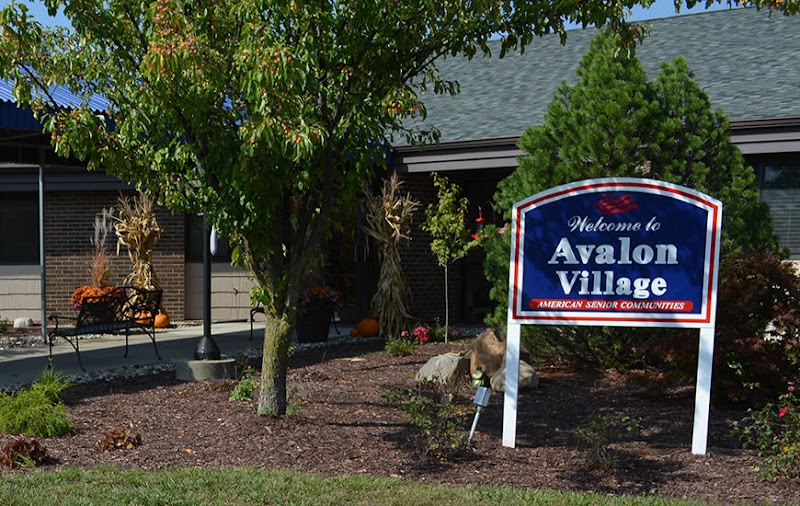
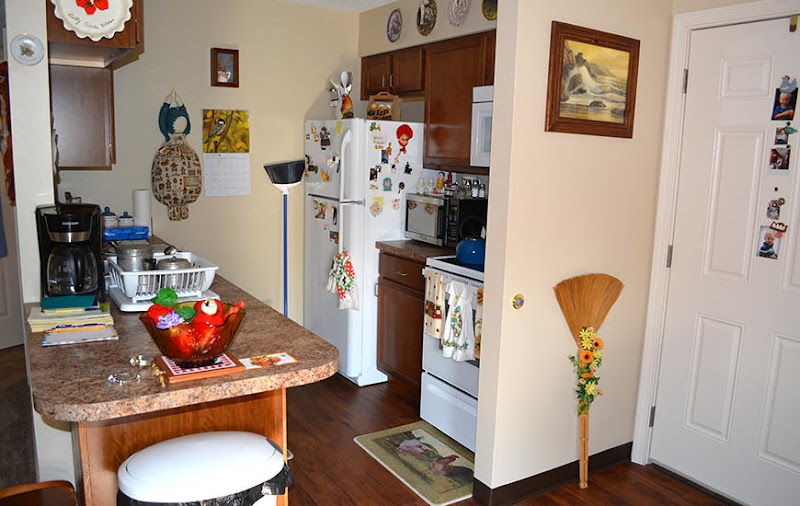
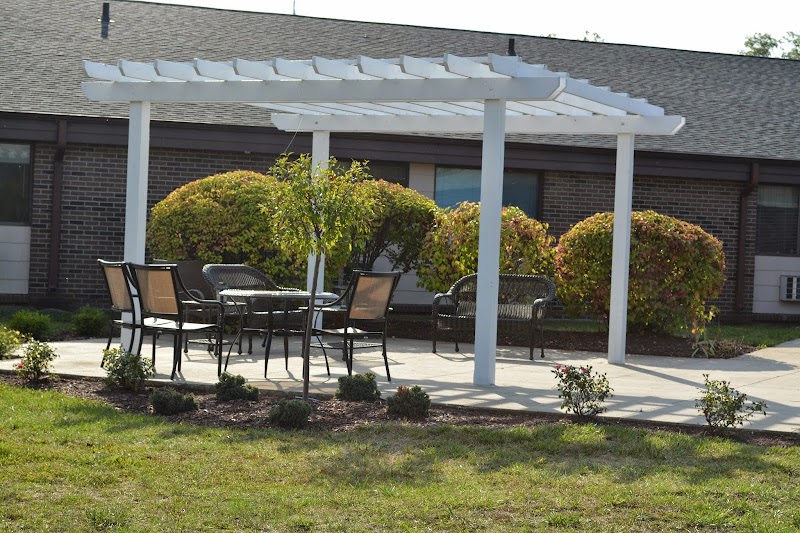
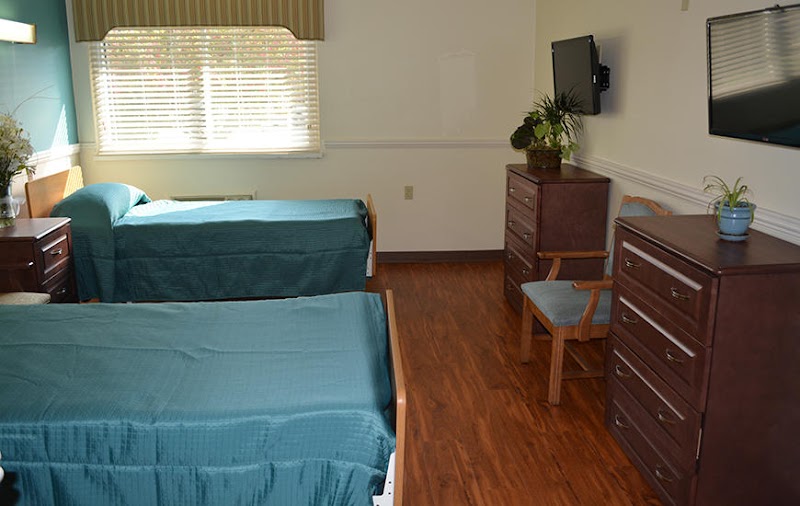
AVALON VILLAGE

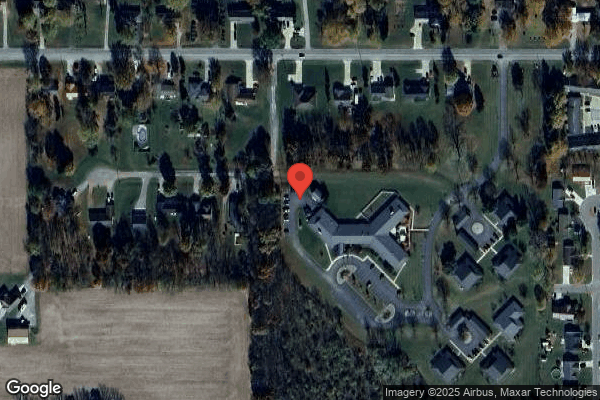
200 KINGSTON CIR, LIGONIER, IN 46767 (260) 894-7131
Government - County 67 Beds AMERICAN SENIOR COMMUNITIES Data: November 2025
Trust Grade
78/100
#120 of 505 in IN
Last Inspection: November 2024

Within standard 12-15 month inspection cycle. Federal law requires annual inspections.

Overview

Avalon Village in Ligonier, Indiana has a Trust Grade of B, indicating it is a good option for families seeking care for their loved ones. Ranked #120 out of 505 facilities in Indiana, they are in the top half, and #3 out of 5 in Noble County, suggesting only two local options are better. The facility is improving, with issues decreasing from 11 in 2023 to just 5 in 2024. While staffing received a below-average rating of 2 out of 5 stars, their turnover rate is a low 27%, which is significantly better than the state average of 47%. Fortunately, they have incurred no fines, which is a positive sign. However, there are some concerning incidents, such as a resident being left exposed in a hospital gown without staff assistance and failures in providing necessary nephrostomy care for two residents. Additionally, there was an incident where a nurse dropped medication on the cart and did not follow proper disposal guidelines. Overall, while there are strengths in their trust score and low fines, families should be aware of the staffing issues and specific care shortcomings.

Trust Score
B
78/100
In Indiana
#120/505
Top 23%
Safety Record
Low Risk
No red flags
Inspections
Getting Better
11 → 5 violations
Staff Stability
✓ Good
27% annual turnover. Excellent stability, 21 points below Indiana's 48% average. Staff who stay learn residents' needs.
Penalties
✓ Good
No fines on record. Clean compliance history, better than most Indiana facilities.
Skilled Nurses
○ Average
Each resident gets 33 minutes of Registered Nurse (RN) attention daily — about average for Indiana. RNs are the most trained staff who monitor for health changes.
Violations
⚠ Watch
16 deficiencies on record. Higher than average. Multiple issues found across inspections.
★★★★☆
4.0
Overall Rating
★★☆☆☆
2.0
Staff Levels
★★★★★
5.0
Care Quality
★★★☆☆
3.0
Inspection Score
Stable
2023: 11 issues
2024: 5 issues

The Good

  • 5-Star Quality Measures · Strong clinical quality outcomes
  • Low Staff Turnover (27%) · Staff stability means consistent care
  • Full Sprinkler Coverage · Fire safety systems throughout facility
  • No fines on record
  • Staff turnover is low (27%)

    21 points below Indiana average of 48%

Facility shows strength in quality measures, staff retention, fire safety.

The Bad

Chain: AMERICAN SENIOR COMMUNITIES

Part of a multi-facility chain

Ask about local staffing decisions and management

The Ugly 16 deficiencies on record

Nov 2024 4 deficiencies
CONCERN (D)

Potential for Harm - no one hurt, but risky conditions existed

Incontinence Care (Tag F0690)

Could have caused harm · This affected 1 resident

**NOTE- TERMS IN BRACKETS HAVE BEEN EDITED TO PROTECT CONFIDENTIALITY** Based on observation, interview and record review, the facility failed to ensure nephrostomy care was provided for 2 of 2 reside...

Read full inspector narrative →
**NOTE- TERMS IN BRACKETS HAVE BEEN EDITED TO PROTECT CONFIDENTIALITY** Based on observation, interview and record review, the facility failed to ensure nephrostomy care was provided for 2 of 2 residents reviewed (Resident 5 and Resident 41). Findings include: 1. Resident 5's record was reviewed on 11/1/24 at 10:51 AM. Diagnoses included chronic kidney disease and neuromuscular dysfunction of the bladder. Resident 5's Minimum Data Set (MDS), dated [DATE], indicated Resident 5's Quarterly Brief Interview for Mental Status (BIMS) score was 15 (no cognitive impairment). The MDS indicated Resident 5 had an indwelling urinary catheter. A physician order, dated 3/14/22, indicated the nephrostomy urine collection bags were to be changed monthly and as needed. A physician order, dated 7/29/22, indicated the nephrostomy tubes should be irrigated with 10 milliliters of normal saline every shift. A physician order, dated 10/2/24, indicated nephrostomy output should be recorded every shift. Resident 5's physician orders did not include directions for cleansing the nephrostomy tube sites or applying a dressing to the nephrostomy tube sites. Resident 5's Care Plan, dated 1/26/23, indicated the resident had bilateral nephrostomy tubes. The target goal was for nephrostomy care to be managed appropriately through 1/10/25. Interventions included avoidance of catheter obstruction, resident education related to infection control and encouragement of fluids. Resident 5's Care Plan, dated 2/26/24, indicated the resident was at risk for loud angry outbursts related to nephrostomy tube discomfort when the nephrostomy tubes were bumped into. Resident 5 became angry when the staff did not follow her demands of pulling on the nephrostomy tubes. The target goal was for the resident to not be distressed or cause others to become distressed through 1/10/25. Interventions included soaking the dressing and tape prior to removal, assessing pain related to the nephrostomy tubes, research and clarify best practice for nephrostomy tube care, utilizing an appropriate device to reduce movement of nephrostomy tubes, offering the resident the choice of sitting elsewhere and offering pain medications. Resident 5's Care Plan did not include nephrostomy tube insertion site care such as cleansing or applying a dressing to the areas. A progress note, dated 6/6/24 at 9:06 PM, indicated Resident 5 had been transferred to the hospital due to a nephrostomy tube being pulled out. A progress note, dated 6/15/24 at 7:30 PM, indicated Resident 5 returned from the hospital on antibiotics for a urinary tract infection (UTI). A progress note, dated 7/6/24 at 9:34 PM, indicated Residnet 5 had been transferred to the hospital due to their left nephrostomy tube being loose. Resident 5 had refused having the bandages at their nephrostomy tube sites changed. A progress note, dated 7/11/14 at 1:21 PM, indicated Resident 5 had reported itching on their lower back near their nephrostomy tube dressings. A progress note, dated 7/14/24 at 2:57 AM, indicated Residnet 5 was transferred to the hospital due to their left nephrostomy tube being out. A progress note, dated 10/10/24 at 1:22 AM, indicated Residnet 5 had completed antibiotic therapy for a UTI. A progress note, dated 10/25/24 at 2:44 PM, indicated Resident 5 was on antibiotics for a UTI. The note indicated bandages were in place on the nephrostomy tube sites. The wound nurse had evaluated Resident 5's back. No open areas were noted. Resident 5 was scratching at their skin while the NP was examining their skin. Bandages were in place at nephrostomy tube sites. Resident 5 complained of itching. Lotion was applied. The staff should encourage the resident to not scratch skin and ask staff for assistance. A hospital Discharge summary, dated [DATE], indicated the nephrostomy tube insertion sites should be cleansed every day with soap and water. The summary indicated the dressing around the nephrostomy tubes should be changed about every 3 days or as needed when the dressing becomes wet or soiled. 2. On 11/1/24 at 9:55 AM, Resident 41 was observed lying on the bed in their room with a urinary collection bag on their lap. A urinary collection bag was observed lying on the bed. Resident 41 indicated they had a urinary bladder catheter and a left nephrostomy tube. Resident 41 indicated it was their preference to have the collection bags with them instead of hanging from the bed. Resident 41's record was reviewed on 11/1/24 at 10:15 AM. Diagnoses included chronic kidney disease and obstruction of urinary tract. Resident 41's Quarterly Minimum Data Set, (MDS) dated [DATE], indicated Resident 41's Brief Interview for Mental Status (BIMS) score was 13 (no cognitive impairment). The MDS indicated the resident had an indwelling catheter. A physician order, dated 4/15/24, indicated Resident 41's nephrostomy tube drainage bag was to be changed monthly. A physician order, dated 4/15/24, indicated Resident 41's nephrostomy tube output was to be recorded every shift. Resident 41's physician orders did not include directions for cleansing the nephrostomy tube sites or applying a dressing to the nephrostomy tube sites. A progress note, dated 4/13/24 at 11:41 AM, indicated Resident 41 had been transferred to the hospital due to their nephrostomy tube being damaged. A progress note, dated 5/16/24 at 1:50 PM, indicated Resident 41 had been transferred to the hospital due to their nephrostomy tube being dislodged. A progress note, dated 5/27/24 at 1:58 PM, indicated Resident 41 had been transferred to the hospital due to their nephrostomy tube sutures being out. A progress note, dated 7/12/24 at 5:40 PM, indicated Resident 41 had been transferred to the hospital due to their nephrostomy tube being dislodged. In an interview on 11/6/24 at 12:22 PM, Registered Nurse (RN) 3 indicated they were not aware of Resident 5 and Resident 41 having physician orders for nephrostomy tube care. RN 3 indicated they were not familiar with applying dressings to nephrostomy tube sites. In an interview on 11/6/24 at 1:04 PM, the Director of Nursing (DON) indicated they did not know if Resident 5 and Resident 41 had physician orders for nephrostomy tube site care. In an interview on 11/6/24 at 2:05 PM, the Administrator indicated they understood the concern related to providing care to nephrostomy tube sites, infection prevention and damage to the nephrostomy tubes. A current facility policy, dated 5/11 and revised 12/12, provided by the DON on 11/4/24 at 1:45 PM, indicated the facility would verify physician orders for nephrostomy tube care. The policy indicated the nephrostomy tube sites would be cleansed with normal saline, covered with sterile gauze or transparent dressing as directed by the physician. 3.1-41(a)(1)
CONCERN (D)

Potential for Harm - no one hurt, but risky conditions existed

Pharmacy Services (Tag F0755)

Could have caused harm · This affected 1 resident

**NOTE- TERMS IN BRACKETS HAVE BEEN EDITED TO PROTECT CONFIDENTIALITY** Based on observation, interview, and record review the facility failed to ensure medication disposition guidelines were followed...

Read full inspector narrative →
**NOTE- TERMS IN BRACKETS HAVE BEEN EDITED TO PROTECT CONFIDENTIALITY** Based on observation, interview, and record review the facility failed to ensure medication disposition guidelines were followed for 1 of 5 residents reviewed (Resident 11). Findings include: During medication pass observation on 11/1/24 at 9:07 AM, Registered Nurse (RN) 3 prepared medication for Resident 11. During the preparation, RN 3 dropped a duloxetine 60 mg capsule on top of the medication cart. RN 3 picked up the capsule with ungloved fingers, placed it in the medication cup along with other medications due to be given that morning and administered them to Resident 11. During an interview on 11/1/24 at 9:25 AM, Licensed Practical Nurse (LPN) 2 indicated dropped pills should be placed in drug buster (a liquid chemical used to dissolve medications and render them unusable). She indicated drug buster should be available in the medication room. During an observation on 11/1/24 at 9:26 AM, LPN 2 opened all cabinets in the medication room and no drug buster was found. The 300-hall medication cart was inspected with LPN 2 and no drug buster was found in the cart. During an observation on 11/1/24 at 9:40 AM, the 200-hall medication cart was inspected with RN 3. No drug buster was observed in the cart. During an interview on 11/1/24 at 9:41 AM, RN 3 indicated he placed the capsule in the cup because he kept a clean medication cart. He indicated he should not have touched the pills with his ungloved fingers. He indicated the capsule should probably have been placed in the sharps container. He indicated the sharps container was the facility's method of disposing of discontinued or contaminated medications. Resident 11's record was reviewed on 11/4/24 at 2:10 PM. Diagnoses included major depressive disorder, chronic obstructive pulmonary disease, and dementia. Resident 11's current annual Minimum Data Set (MDS) dated [DATE] indicated their Basic Interview for Mental Status (BIMS) score was 15 (cognitively intact). Physician orders dated 3/23/24 indicated duloxetine 60 milligram delayed release capsule should be given daily for major depressive disorder. In an interview on 11/4/24 at 2:09 PM, The Director of Nursing (DON) indicated nurses should dispose of dropped medications in drug buster which was kept in the medication room. She indicated she did not know why drug buster was not available in the medication room. A current policy dated 4/30/24 provided by the DON on 11/4/24 at 2:04 PM, indicated medications should not come into contact with any surface except for the medication cup. The policy also indicated facility staff should avoid touching medication with bare hands when opening unit dose packaging. The policy indicated facility staff should discard medications immediately after contamination. A current policy dated 7/1/24 provided by the DON on 11/4/24 at 2:04 PM indicated approved disposal methods for medications included the following: 1) Removing medications from their dispensing containers, placing them in a plastic bag or container and adding a substance rendering the medication unusable. 2) Packing in a sealed container clearly labeled Medication for Destruction and storing in a locked area until it is picked up by a licensed waste disposal company. 3) Facility approved, commercially available, drug disposal kits. 3.1-25(o)
CONCERN (D)

Potential for Harm - no one hurt, but risky conditions existed

Medical Records (Tag F0842)

Could have caused harm · This affected 1 resident

**NOTE- TERMS IN BRACKETS HAVE BEEN EDITED TO PROTECT CONFIDENTIALITY** Based on observation, interview, and record review the facility failed to ensure a wound assessment was accurately recorded for ...

Read full inspector narrative →
**NOTE- TERMS IN BRACKETS HAVE BEEN EDITED TO PROTECT CONFIDENTIALITY** Based on observation, interview, and record review the facility failed to ensure a wound assessment was accurately recorded for 1 of 11 residents reviewed (Resident 15). Findings include: During a wound care observation on 11/4/24 at 9:41 AM, Resident 15 was observed lying on his right side with a heavily padded heel boot secured with a Velcro closure. Licensed Practical Nurse (LPN) 4 held Resident 15's foot up about 6 inches off the bed. LPN 5 removed Resident 15's heel boot. Resident 15 had a gauze dressing wrapped around his right foot covering his ankle and up to the base of his toes. The dressing was secured with a piece of tape dated 11/3/24. LPN 5 removed the dressing from his right ankle, placing it in a plastic bag on the bed next to his left leg and performed wound care, assessment and application of a new dressing. Resident 15's record was reviewed on 10/31/24 at 11:03 AM. Diagnoses included peripheral vascular disease, type 2 diabetes mellitus with diabetic nephropathy, and essential hypertension. Resident 15's current quarterly Minimum Data Set (MDS) dated [DATE] indicated his Basic Interview for Mental Status (BIMS) score was 15 (cognitively intact). The MDS indicated Resident 15 had a venous stasis ulcer. Resident 15's current care plan titled Resident has impaired skin integrity . indicated the resident had a problem of wounds on the right anterior ankle, with a goal date of 1/10/25. Interventions included observe for signs of infection: redness, pain, drainage, malodorous drainage, fever, increase in size/depth of wound and document. Physician orders dated 10/25/24 indicated Resident 15's ankle wound should be cleansed with soap and water, an application of HydroFera Blue, cut to size should be applied to the wound, covered with an abdominal (a thick padded, absorbent wound covering) pad and wrapped with Kerlix (roll gauze, used to wrap around a limb) daily. Progress notes, documented by Registered Nurse (RN) 3, dated 11/4/24 at 9:24 AM indicated venous ulcers to the right ankle continued, treatment was in place, there was a moderate amount of drainage and no signs or symptoms of infection. The note indicated surrounding tissue was of normal color for the resident. In an interview on 11/4/24 at 12:37 PM, LPN 5 indicated the dressing she had removed from Resident 15's right foot earlier that morning had been dated 11/3/24. She indicated the dressing was changed daily and no other employee had changed the dressing that day. In an interview on 11/4/24 at 12:44 AM, RN 3 indicated he did not perform any assessments on Resident 15's wounds. He indicated he had recorded LPN 5's assessment. He was unable to account for how he obtained wound assessment information prior to the time of LPN 5's wound assessment that day. During an interview on 11/6/24, the Regional Nurse Consultant indicated there was no policy for accurate documentation available for review. 3.1-50(a)(2)
CONCERN (D)

Potential for Harm - no one hurt, but risky conditions existed

Infection Control (Tag F0880)

Could have caused harm · This affected 1 resident

**NOTE- TERMS IN BRACKETS HAVE BEEN EDITED TO PROTECT CONFIDENTIALITY** Based on observation, interview, and record review the facility failed to ensure infection control practices were implemented re...

Read full inspector narrative →
**NOTE- TERMS IN BRACKETS HAVE BEEN EDITED TO PROTECT CONFIDENTIALITY** Based on observation, interview, and record review the facility failed to ensure infection control practices were implemented regarding hair restraint during wound care for of 1 of 11 residents reviewed (Resident 15). Findings include: During a wound care observation on 10/4/24 at 9:41 AM, Resident 15 was observed lying on his right side. Licensed Practical Nurse (LPN) 4 held Resident 15's foot up about 6 inches off the bed while LPN 5 removed Resident 15's dressing from his right ankle, placing it in a plastic bag on the bed next to his left leg. LPN 5 leaned her head down to observe the wounds on the inner aspect of the right foot and ankle. LPN 5's shoulder length hair was not restrained and touched Resident 15's bedding and the top of the plastic bag containing the soiled dressing. LPN 5's hair touched the bedding and plastic bag during the loosening of a patch of HydroFera blue wound treatment (an antibacterial wound care application), during the cleansing of the wound, during the wound assessment, and during the application of the wound treatment. No attempt to restrain the hair was made. Resident 15's record was reviewed on 10/31/24 at 11:03 AM. Diagnoses included peripheral vascular disease, type 2 diabetes mellitus with diabetic nephropathy, and essential hypertension. Resident 15's current quarterly Minimum Data Set (MDS), dated [DATE], indicated his Basic Interview for Mental Status (BIMS) score was 15 (cognitively intact). The MDS indicated Resident 15 had a venous stasis ulcer. Resident 15's current care plan titled at risk for transferring or colonized with MDRO (multi-drug-resistant organism) . indicated the resident had a problem of a chronic wound requiring a dressing, with a goal date of 1/10/25. Interventions included use standard precautions including hand hygiene in addition to EBP. Physician orders, dated 10/25/24, indicated Resident 15's ankle wound should be cleansed with soap and water, an application of HydroFera Blue, cut to size should be applied to the wound, covered with an abdominal (a thick padded, absorbent wound covering) pad and wrapped with Kerlix (roll gauze, used to wrap around a limb) daily. In an interview, on 11/4/24 at 1:20 PM, the Administrator indicated hair should be restrained and should not touch residents or objects. A current policy, undated, titled Dress Code, provided by the Administrator on 11/4/24 at 1:21 PM indicated hair should be kept neat and should not touch objects or residents. 3.1-18(a)
Jul 2024 1 deficiency
CONCERN (D) 📢 Someone Reported This

A family member, employee, or ombudsman was alarmed enough to file a formal complaint

Potential for Harm - no one hurt, but risky conditions existed

Accident Prevention (Tag F0689)

Could have caused harm · This affected 1 resident

Based on observation, interview and record review, the facility failed to ensure fall interventions were followed for 1 of 3 residents reviewed for accidents (Resident J). Findings include: On 7/11/24...

Read full inspector narrative →
Based on observation, interview and record review, the facility failed to ensure fall interventions were followed for 1 of 3 residents reviewed for accidents (Resident J). Findings include: On 7/11/24 at 11:38 A.M., Resident J's record was reviewed. Diagnoses included dementia, Alzheimer's disease with late onset, and generalized anxiety disorder. A quarterly MDS (Minimum Data Set) assessment, dated 5/14/24, indicated the resident had severely impaired cognition with fluctuating behaviors of inattentiveness and disorganized thinking. She had no verbal or physical behaviors and no rejection of care. She required maximal assistance with her activities of daily living. A care plan, revised 7/1/24, indicated Resident J was at risk for falls with a goal of reducing her fall risk factors to avoid significant fall related injuries. An intervention, dated 12/27/2022 was for 2 persons to assist with transfers via the hoyer mechanical lift. A physician order, dated 5/31/24, was for the resident to be transferred with the mechanical lift and assistance of 2 staff members. A Fall Event form, dated 6/27/24 at 9:04 p.m., indicated Resident J had a fall with laceration to the back of her head. The CNA (Certified Nurse Aid) had been transferring the resident with the hoyer lift when the resident became restless and slid out of the hoyer pad. A late entry progress note, dated 6/27/24 at 9:25 p.m., indicated the CNA reported he'd tried to catch the resident from falling to the floor but in doing so, she had hit her head on the bedside table. The resident's wound was assessed and treated and the resident given Tylenol for complaints of a headache. Staff interviews conducted on 7/11/24 were: -11:55 A.M., the PTA (Physical Therapy Assistant) 8, COTA (Certified Occupational Therapy Assistant) 9 and Restorative CNA 10 indicated staff were to have 2 staff members present when transferring residents with the mechanical hoyer lift and stand up lifts. -12:02 P.M., CNA 3 indicated staff were to use 2 staff when transferring residents with the hoyer mechanical lift. They recently completed training on use of mechanical lifts and were reminded in a staff meeting yesterday, 7/10/24, of the importance of using the mechanical lift correctly and with 2 staff for resident safety. -12:40 P.M., CNA 4 indicated they had recently completed training on use of the mechanical lifts and need for 2 staff present when transferring residents for safety. -12:42 P.M., Nurse 6 indicated nurses were to monitor use of mechanical lifts and ensure there was always 2 staff members present when using the lifts. On 7/11/24 at 1:00 P.M., 2 CNA's were observed in Resident J's room with the mechanical hoyer lift and indicated they were going to assist the resident to lay down. They indicated 2 staff had to be present when transferring a resident using the hoyer lift. -At 1:20 P.M., the resident was observed lying on her back in bed with eyes opened. When questioned, she indicated she had no pain from her fall and was alright. On 7/11/24 at 1:39 P.M., the Administrator was interviewed. She indicated, during the facility's fall investigation, the IDT (Interdisciplinary Team) had determined, Resident J had been transferred with the hoyer lift and 1 CNA rather than the required 2 staff members when she slid out of the hoyer lift and bumped her head on the bedside table. The facility's policy required 2 staff members to be present when transferring residents using the mechanical hoyer or stand up lifts. The past non-compliance deficiency began on 6/27/24 and deficient practice corrected on 7/10/24 after the facility in-serviced all CNA's on safe use of mechanical lifts according to the facility's Mechanical Lift skills competency checklist and facility policy which required 2 staff to be present when transferring residents using the lifts; held inservices on 7/10/24 for all staff which included education on the facility policy to use 2 staff when using mechanical lifts; and conducted daily audits to ensure compliance with safe mechanical lift transfers. This tag relates to Complaint IN00436657. 3.1-45(a)
Nov 2023 6 deficiencies
CONCERN (D)

Potential for Harm - no one hurt, but risky conditions existed

Deficiency F0558 (Tag F0558)

Could have caused harm · This affected 1 resident

**NOTE- TERMS IN BRACKETS HAVE BEEN EDITED TO PROTECT CONFIDENTIALITY** Based on observation, interview, and record review the facility failed to ensure an adaptive call light was available and within...

Read full inspector narrative →
**NOTE- TERMS IN BRACKETS HAVE BEEN EDITED TO PROTECT CONFIDENTIALITY** Based on observation, interview, and record review the facility failed to ensure an adaptive call light was available and within reach for 1 of 15 residents reviewed (Resident 30). Findings include: During an observation on 11/12/23 at 10:13 AM, Resident 30 was observed lying in bed in her room. Resident 30 had severe contractures of her bilateral upper arms. Her elbows were bent at a tight angle and her hands were in a tight fist position. Her hands were positioned near her face. Her call light cord was observed against the wall behind the bed. The call light activation handle was observed lying on the floor. The call light was observed to be a standard call light. Resident 30 indicated she could not reach her call light. During an interview on 11/12/23 at 10:35 AM, Certified Nurse Aide (CNA) 4 indicated the call light should be within Resident 30's reach. CNA 4 placed the call light on resident's upper torso. When asked to have Resident 30 demonstrate activation of her call light, CNA 4 placed the call light near Resident 30's right hand. Resident 30 indicated she was unable to activate the call light with her hand and needed to use her mouth to activate the call light. CNA 4 placed the call light on Resident 30's lower lip and Resident 30 attempted to activate the call light without success. During an observation and interview on 11/12/23 at 11:38 AM, Resident 30 was observed lying in bed in the same position as observed earlier that morning. A soft touch call light with a gripper back was observed lying on Resident 30's lower abdomen. When asked to activate her call light, Resident 30 indicated she could not reach it. The Minimum Data Set (MDS) Coordinator indicated Resident 30 would not be able to reach the call light where it was positioned. The MDS Coordinator placed the call light near her right hand and then under the left side of her chin. Resident 30 made movements in attempt to activate the light without success. During an observation on 11/15/23 at 2:59 PM, A grey angled pressure activated call device was placed resting below the left side of Resident 30's chin. Resident 30 could then activate the call light. Resident 30's record was reviewed on 11/13/23 at 2:45 PM. Diagnoses included spastic quadriplegic cerebral palsy, contracture of the right hand, contracture of the left hand, contracture of muscle, multiple sites, other reduced mobility, and need for assistance with personal care. A review of Resident 30's current quarterly Minimum Data Set (MDS) dated [DATE] indicated her Basic Interview for Mental Status (BIMS) score was 12 (mild cognitive impairment). The MDS indicated Resident 30 hand contractures of both upper extremities and was totally dependent in rolling back and forth in the bed. A review of Resident 30's current care plan titled Resident is at risk for falls .dated 6/1/22 indicated Resident 30 was at risk for falls with a goal date of 1/25/24. Interventions included call light in reach. Another problem titled resident utilized adaptive call light .dated 11/12/23 indicated Resident 30 utilized an adaptive call light with a goal date of 2/12/23. Interventions included a soft touch call pad initiated on 11/12/23. A document titled Activity Detail Report dated 11/1/23 to 11/14/23 was received from the Social Worker on 11/14/23 at 2:03 PM. The Social Worker indicated the document detailed all activations of the call light in the noted time frame. Call light use was recorded on 11/12/23 at 2:19 PM and 11/13/23 at 4:28 AM. No records of call light use prior to 11/12/23 2:19 PM were recorded on the call light system. A review of a physical therapy evaluation and plan of care from the dates of 10/10/23 to 11/8/23 indicated Resident 30 had contractures. These limited her functional abilities. The evaluation and plan of care did not address Resident 30's ability to use her call light. A review of an occupational therapy evaluation and plan of care from the dates of 4/22/23 to 6/17/23 indicated Resident 30 had contractures limiting her functional abilities. The evaluation and plan of care did not address Resident 30's ability to use her call light. A current policy, titled Resident Rights, undated, provided by the Director of Nursing on 11/15/23 at 1:11 PM indicated residents have the right to reasonable accomodations of needs. In an interview on 11/16/23 at 11:34 AM the Administrator indicated the facility did not have a policy for call lights or use of adaptive call lights. 3.1-3(v)(1)
CONCERN (D)

Potential for Harm - no one hurt, but risky conditions existed

Deficiency F0561 (Tag F0561)

Could have caused harm · This affected 1 resident

**NOTE- TERMS IN BRACKETS HAVE BEEN EDITED TO PROTECT CONFIDENTIALITY** Based on observation, interview, and record review the facility failed to ensure self-determination of visitors for 2 of 15 resi...

Read full inspector narrative →
**NOTE- TERMS IN BRACKETS HAVE BEEN EDITED TO PROTECT CONFIDENTIALITY** Based on observation, interview, and record review the facility failed to ensure self-determination of visitors for 2 of 15 residents reviewed (Resident 30 and Resident 35). Findings include: 1) During an observation on 11/12/23 at 10:13 AM, Resident 30 was observed lying in bed in her room. Resident 35 was observed standing beside her bed speaking nonsensically to Resident 30 and dancing to music playing on her radio. Resident 30 had severe contractures of her bilateral upper arms. Her elbows were bent at a tight angle and her hands were in a tight fist position. Her hands were positioned near her face. Her call light cord was observed against the wall behind the bed. The call light activation handle was observed lying on the floor. Resident 30 indicated she could not reach her call light. Resident 30 indicated Resident 35 had not touched her, but she did not invite him into the room and his presence made her uncomfortable. She indicated he had been in her room the prior night also. Resident 30's record was reviewed on 11/13/23 at 2:45 PM. Diagnoses included spastic quadriplegic cerebral palsy, contracture of the right hand, contracture of the left hand, contracture of muscle, multiple sites, other reduced mobility, and need for assistance with personal care. A review of Resident 30's current quarterly Minimum Data Set (MDS) dated [DATE] indicated her Basic Interview for Mental Status (BIMS) score was 12 (mild cognitive impairment). The MDS indicated Resident 30 hand contractures of both upper extremities and was totally dependent in rolling back and forth in the bed. A review of Resident 30's current care plan titled psychosocial well-being dated 6/1/23 indicated she had a problem of a history of sexual abuse, with a goal date of 1/25/24. Interventions included ensure resident has a sense of emotional and physical safety. A current care plan titled Resident is at risk for falls .dated 6/1/22 indicated Resident 30 was at risk for falls with a goal date of 1/25/24. Interventions included call light in reach. 2) Resident 35's record was reviewed on 11/15/23 at 1:31 PM. Diagnoses included Diagnoses included Alzheimer's disease with late onset, cognitive communication deficit, and generalized anxiety disorder. A review of Resident 35's current quarterly Minimum Data Set (MDS) dated [DATE] indicated his Basic Interview for Mental Status (BIMS) score was 3 (cognitively impaired). Resident 35's care plan titled Resident is at risk for intrusive wandering .indicated Resident 35 had a problem of entering the wrong room with a goal date of 2/1/24. Approaches included providing 1:1 attention and conversation as needed. In an interview on 11/14/23 at 2:23 PM, Licensed Practical Nurse (LPN) 5 indicated staff tried to keep a close eye on Resident 35 when he was up walking in the halls to keep him from going in other resident's rooms. A current policy, titled Resident Rights, undated, provided by the Director of Nursing on 11/15/23 at 1:11 PM indicated residents have the right to choose to receive or deny visitors. 3.1-3(u)3
CONCERN (D)

Potential for Harm - no one hurt, but risky conditions existed

Deficiency F0699 (Tag F0699)

Could have caused harm · This affected 1 resident

**NOTE- TERMS IN BRACKETS HAVE BEEN EDITED TO PROTECT CONFIDENTIALITY** Based on observation, interview and record review the facility failed to ensure direct care staff was made aware of the identifi...

Read full inspector narrative →
**NOTE- TERMS IN BRACKETS HAVE BEEN EDITED TO PROTECT CONFIDENTIALITY** Based on observation, interview and record review the facility failed to ensure direct care staff was made aware of the identified triggers for a resident with a history of trauma for 1 of 2 residents reviewed. (Resident 48) Findings include: On 11/12/23 at 11:59 AM, Resident 48 was observed ambulating with bare feet in the hallway . Resident 48 had their arms folded tightly across their chest. Resident 48's lips were turned downward at the corners. Resident 48 grabbed a container of applesauce from a medication cart and clutched the container to their chest. A Certified Nurse Aide (CNA) was overheard stating the resident was combative. Resident 48's record was reviewed on 11/14/23 at 10:33 AM. Diagnoses included hallucinations, unspecified dementia with psychotic disturbances and anxiety disorder. Resident 48's current Comprehensive Minimum Data Set (MDS) dated [DATE] indicated the resident had severe cognitive impairment. The MDS indicated Resident 48's communication was rarely or never understood. The MDS indicated Resident 48 had exhibited behavioral symptoms such as hitting self, scratching self, pacing, rummaging, public sexual acts, disrobing in public, throwing or smearing food or bodily wastes, screaming and making disruptive sounds daily. The MDS indicated Resident 48 exhibited behaviors of wandering and refusal of care less than daily. A Social Services assessment dated [DATE] at 10:06 AM indicated Resident 48 had experienced trauma in their life. The assessment indicated Resident 48 may feel uncomfortable around males. The assessment indicated loud noises were a trigger that made Resident 48 feel unsafe or stressed. A current care plan focus of mood state dated 9/27/23 and revised on 11/14/23 indicated Resident 48 had a history of sexual abuse trauma and was at risk of re-traumatization, feeling unsafe / untrusting and/or distressed. The goal was to eliminate or reduce triggers that may cause re-traumatization by 12/27/23. Interventions included encouragement of socialization, communication, physical safety, emotional safety, family participation in the care plan as the resident's daughter held a PhD in psychology. The care plan did not include resident specific identified triggers of loud noises and males. These triggers could cause Resident 48's re-traumatization. The care plan did not include Resident 48's behaviors of refusal of care or combativeness. Resident 48's record did not include documentation of behavioral tracking. A physician order dated 9/21/23 indicated Resident 48 may receive psychiatric services. A progress note entered by Male Nurse 1 dated 9/22/23 at 1:46 PM indicated Resident 48 had multiple episodes of violence against the staff. Resident 48 had hit and scratched 5 staff members. Resident 48 had attempted to bite the male nurse. The progress note indicated it had taken 4 staff members to get Resident 48 into the shower room. A progress note dated 9/23/23 at 8:45 AM indicated Resident 48 had struck staff members while resisting care. A progress note dated 9/25/23 at 1:59 PM indicated Resident 48 disliked direct care, had been combative towards the staff and was unable to understand their environment. The progress note indicated Resident 48's care plan had been updated and interventions were revised as applicable. A progress note entered by Male Nurse 2 dated 9/26/23 at 11:16 AM indicated Resident 48 had bitten a staff member. A progress note dated 10/2/23 at 2:57 PM indicated Resident 48's son in law had no insight to any approaches that could help settle the resident during episodes of restlessness and wandering. A progress note entered by Male Nurse 1 dated 10/20/23 at 8:09 AM indicated they had been unable to assess Resident 48 after they had fallen due the resident being combative. A progress note dated 11/3/23 at 4:15 PM indicated Resident 48 had displayed increased agitation and restlessness after having had a shower. A Behavioral Health Monthly Review (review) dated 11/10/23 at 12:51 PM indicated Resident 48 had not had any new or worsening behaviors. The review indicated the resident had a high risk for restlessness and difficulty understanding their present environment. The review indicated Resident 48's care plan had been updated with effective interventions. A progress note dated 11/14/23 at 2:40 PM indicated Resident 48's daughter declined facility counseling services for the resident. The progress note indicated the resident's other daughter had a PhD in counseling and would assure Resident 48 would have counseling services as needed. In an interview on 11/14/23 at 3:42 PM the Social Service Director (SSD) indicated Resident 48 did not receive a Trauma Informed Care assessment upon admission d/t the resident's daughter was a PhD at a counseling service and was qualified to treat the resident. The SSD indicated Resident 48's daughter had declined the Trauma Informed Care assessment twice. The SSD indicated they did not know how the direct care staff were made aware of resident specific behaviors. The SSD indicated they would have to ask the Director of Nursing (DON). In an interview on 11/15/23 at 2:40 PM the DON indicated the facility no longer used behavior tracking forms. The DON indicated new or worsening behaviors were documented in the progress notes. The DON indicated they were unaware of how direct care staff knew resident specific behaviors were new or worsening. In an interview on 11/15/23 at 2:42 PM the SSD indicated they collected behavior information from all sources. The SSD indicated new or worsening behaviors were recorded in the progress notes and they read all progress notes. The SSD indicated they used a monthly behavior template to document behaviors in the progress notes. The SSD indicated there was no behavior information located at the nurse station. The SSD indicated they were unaware of how direct care staff knew resident specific behaviors were common, new or worsening. In an interview on 11/15/23 at 2:44 PM Resident 48's daughter indicated the resident became agitated and combative when water was sprayed directly on them. The daughter indicated Resident 48 had bitten a staff member during a shower. The daughter indicated they had made the staff member aware of Resident 48's preference of not having water sprayed directly on them. The daughter indicated the staff member now sprays water onto wash clothes instead of placing the resident under the water stream and the resident has not become agitated during showers provided by that particular staff member. The daughter indicated Resident 48 became fearful and nervous around men and became anxious when they heard loud noises. In an interview on 11/16/23 at 11:45 AM CNA 2 indicated their resident assignment sheets did not include specific resident behaviors or interventions. CNA 2 indicated there was no information for resident specific behaviors or interventions at the nurse station. CNA 2 indicated they were to verbally report observed behaviors to the nurse. CNA 2 indicated they were unaware of how to determine specific behaviors of new residents. CNA 2 indicated they were unaware of how to determine if a resident's behavior was common, new or worsening. A current policy dated 2/20 provided by the DON on 11/14/23 at 12:50 PM indicated each resident would be screened for trauma during the Social Services Assessment upon admission. The policy indicated the plan of care would be routinely evaluated to determine if the interventions had been effective in reducing the impact of identified triggers that may cause re-traumatization.
CONCERN (D)

Potential for Harm - no one hurt, but risky conditions existed

Deficiency F0740 (Tag F0740)

Could have caused harm · This affected 1 resident

**NOTE- TERMS IN BRACKETS HAVE BEEN EDITED TO PROTECT CONFIDENTIALITY** Based on observation, interview and record review the facility failed to ensure behavioral care plan interventions were followed...

Read full inspector narrative →
**NOTE- TERMS IN BRACKETS HAVE BEEN EDITED TO PROTECT CONFIDENTIALITY** Based on observation, interview and record review the facility failed to ensure behavioral care plan interventions were followed for 1 of 5 residents reviewed. (Resident 35) Findings include: During an observation on 11/12/23 at 10:13 AM, Resident 30 was observed lying in bed in her room. Resident 35 was observed standing beside her bed speaking nonsensically to Resident 30 and dancing to music playing on her radio. Resident 35 placed Resident 30's trash can on top of her overbed table and pushed it around the room while mumbling non-sensical words. Resident 35 walked out to the hallway and grabbed a hoyer (a large mechanical device used to lift dependent residents) lift device that was sitting in the hallway and began pushing it down the hallway. An unidentified CNA approached Resident 35 and redirected him away from the hoyer lift device. Resident 35's record was reviewed on 11/15/23 at 1:31 PM. Diagnoses included Diagnoses included Alzheimer's disease with late onset, cognitive communication deficit, and generalized anxiety disorder. A review of Resident 35's current quarterly Minimum Data Set (MDS) dated [DATE] indicated his Basic Interview for Mental Status (BIMS) score was 3 (cognitively impaired). A review of progress notes dated 11/4/23 at 4:25 AM indicated Resident 35 had wandered into a female resident's room, laid down in the extra bed in the room and attempted to pull down his brief and urinate on the floor. Resident 35's care plan titled Behavioral Symptoms, initiated 8/16/23, with a goal date of 2/1/24 was reviewed. The care plan indicated the following problems: 1. 8/15/23 at 12:00 noon increased agitation as evidenced by verbal aggression toward staff; 2. 8/15/23 at 1:00 PM following lunch and returning to room, physical agitation toward staff with physical combativeness; 3. 8/16/23 slapped nurse's hand when attempting to replace cervical collar; 4. 8/22/23 sexual comment to staff; 5. Escalated emotional response to staff including being aggressive and holding on to a staff's shirt collar; 6. 9/10/23 wandered into another resident's room wearing only a brief and gripper socks; 7. 9/12/23 Sexual proposition of female staff; 8. 9/14/23 Physical aggression and inappropriate speech toward staff; 9. 10/9/23 Physically combative toward staff. Approaches included creating a safe space for the resident to move self about while promoting safety and maintaining staff supervision and increased supervision by staff as needed. Resident 35's care plan titled Resident is at risk for intrusive wandering .indicated Resident 35 had a problem of entering the wrong room with a goal date of 2/1/24. Approaches included providing 1:1 attention and conversation as needed. In an interview on 11/14/23 at 2:23 PM, Licensed Practical Nurse 5 indicated staff tried to keep a close eye on Resident 35 when he is up walking in the halls to keep him from going in other resident rooms. In an interview on 11/15/23 at 11:45 AM CNA 2 indicated they provided direct care to the residents according to resident care assignment sheets. CNA 2 indicated resident behaviors were not included on the resident care assignment sheets. CNA 2 indicated when an unusual behavior was observed, the behavior was verbally reported to the nurse. CNA 2 indicated they were unaware of how to determine when resident behaviors were common for the specific resident. CNA 2 indicated they were not aware of a behavior tracking method. A current policy titled Behavior Management, last revised 8/22 provided by the Director of Nursing on 11/15/23 at 1:08 PM indicated the interdisciplinary team should review all behaviors having potential for risks to others including intrusive wandering and the direct care staff should be educated as to the interventions for residents reviewed by the interdisciplinary team. 3.1-37(a)
CONCERN (D)

Potential for Harm - no one hurt, but risky conditions existed

Deficiency F0745 (Tag F0745)

Could have caused harm · This affected 1 resident

**NOTE- TERMS IN BRACKETS HAVE BEEN EDITED TO PROTECT CONFIDENTIALITY** Based on observation, interview and record review the facility failed to ensure resident specific, non-pharmacological intervent...

Read full inspector narrative →
**NOTE- TERMS IN BRACKETS HAVE BEEN EDITED TO PROTECT CONFIDENTIALITY** Based on observation, interview and record review the facility failed to ensure resident specific, non-pharmacological interventions were attempted for 1 of 2 residents reviewed. (Resident 48) Findings include: On 11/12/23 at 11:59 AM, Resident 48 was observed ambulating in the hallway with bare feet. Resident 48 had their arms folded tightly across their chest. Resident 48's lips were turned downward at the corners. Resident 48 grabbed a container of applesauce from a medication cart and clutched the container to their chest. A Certified Nurse Aide (CNA) was overheard stating the resident was combative. Resident 48's record was reviewed on 11/14/23 at 10:33 AM. Diagnoses included hallucinations, unspecified dementia with psychotic disturbances and anxiety disorder. Resident 48's current Comprehensive Minimum Data Set (MDS) dated [DATE] indicated the resident had severe cognitive impairment. The MDS indicated Resident 48's communication was rarely or never understood. The MDS indicated Resident 48 had exhibited behavioral symptoms such as hitting self, scratching self, pacing, rummaging, public sexual acts, disrobing in public, throwing or smearing food or bodily wastes, screaming and making disruptive sounds daily. The MDS indicated Resident 48 exhibited behaviors of wandering and refusal of care less than daily. A Social Services assessment dated [DATE] at 10:06 AM indicated Resident 48 had a history of trauma and may feel uncomfortable around males. The assessment indicated loud noises were a trigger that made Resident 48 feel unsafe or stressed. A current care plan focus of mood state dated 9/27/23 indicated Resident 48 had a risk of signs and symptoms of anxiety such as wandering, restlessness, agitation, worried facial expressions, irritability, tremors, insomnia, nausea, sweating, shortness of breath and sweating with a goal target date of 12/27/23. The care plan focus did not address Resident 48's identified stressors of loud noises and being around men. A current care plan focus of mood state dated 9/27/23 and revised on 11/14/23 at 3:25 PM indicated Resident 48 had a history of sexual abuse and was at risk of feeling unsafe, untrusting and/or distressed. The goal was to eliminate or reduce triggers that may cause re-traumatization by 12/27/23. Interventions included encouragement of socialization, communication, physical safety, emotional safety, family participation in the care plan as the resident's daughter holds a PhD in psychology. The care plan did not include resident specific identified triggers of loud noises and men that could cause Resident 48 to become distressed. The care plan did not include Resident 48's behaviors of refusal of care or combativeness. A physician order dated 9/21/23 indicated Resident 48 may receive psychiatric services. A progress note entered by Male Nurse 1 dated 9/22/23 at 1:46 PM indicated Resident 48 had multiple episodes of violence against the staff. Resident 48 had hit and scratched 5 staff members. Resident 48 had attempted to bite the male nurse. The progress note indicated it had taken 4 staff members to get Resident 48 into the shower room. A progress note dated 9/23/23 at 8:45 AM indicated Resident 48 had struck staff members while resisting care. A progress note dated 9/25/23 at 1:59 PM indicated Resident 48 disliked direct care, had been combative towards the staff and was unable to understand their environment. The progress note indicated Resident 48's care plan had been updated and interventions were revised as applicable. A progress note entered by a Male Nurse 1 dated 9/26/23 at 11:16 AM indicated Resident 48 had bitten a staff member. A progress note dated 9/26/23 at 3:29 PM indicated Resident 48 had continued to be restless, agitated and combative with the staff. A progress note dated 9/27/23 at 9:20 AM indicated Resident 48 had benefitted from a new topical anti-anxiety medication. A physician order dated 9/27/23 indicated Resident 48 was to be administered lorazepam (anti-anxiety medication) 1 milligram by rubbing onto the resident's skin twice daily. A progress note dated 10/2/23 at 2:57 PM indicated Resident 48's son in law had no insight to any approaches that could help settle the resident during episodes of restlessness and wandering. A progress note entered by Male Nurse 2 dated 10/20/23 at 8:09 AM indicated they had been unable to assess Resident 48 after they had fallen due the resident being combative. A progress note dated 11/3/23 at 4:15 PM indicated Resident 48 had displayed increased agitation and restlessness after having had a shower. A Behavioral Health Monthly Review (review) dated 11/10/23 at 12:51 PM indicated Resident 48 had not had any new or worsening behaviors. The review indicated the resident had a high risk for restlessness and difficulty understanding their present environment. The review indicated Resident 48's care plan had been updated with effective interventions. A progress note dated 11/14/23 at 2:40 PM indicated Resident 48's daughter had declined facility counseling services. The progress note indicated the resident's other daughter had a PhD in counseling and would assure Resident 48 would have counseling services as needed. In an interview on 11/14/23 at 3:42 PM the Social Service Director (SSD) indicated the resident's daughter had a PhD at a counseling service and was qualified to treat the resident. The SSD indicated they were not aware of the need to identify specific triggers or stressors that had preceded the resident's behaviors. The SSD indicated they did not know how the direct care staff were made aware of resident specific stressors or behaviors. The SSD indicated they would have to ask the Director of Nursing (DON). There were no notes to indicate psychiatric services had been obtained for the resident. In an interview on 11/15/23 at 2:40 PM the DON indicated the facility no longer used behavior tracking forms. The DON indicated new or worsening behaviors were documented in the progress notes. The DON indicated they were unaware of Resident 48's specific stressors that could lead to behaviors. The DON indicated they were unaware of how direct care staff knew resident specific behaviors were new or worsening. In an interview on 11/15/23 at 2:42 PM the SSD indicated they collected behavior information from all sources. The SSD indicated new or worsening behaviors were recorded in the progress notes and they read all progress notes. The SSD indicated they used a monthly behavior template to document behaviors in the progress notes. The SSD indicated there was no behavior information located at the nurse station. The SSD indicated they were unaware of how direct care staff knew resident specific behaviors were common, new or worsening. The SSD indicated she was unaware of any psychiatric services notes. In an interview on 11/15/23 at 2:44 PM Resident 48's daughter indicated the resident became agitated and combative when water was sprayed directly on them. The daughter indicated Resident 48 had bitten a staff member during a shower. The daughter indicated they had made the staff member aware of Resident 48's preference of not having water sprayed directly on them. The daughter indicated the staff member now sprays water onto wash clothes instead of placing the resident under the water stream and the resident has not become agitated during showers provided by that particular staff member. The daughter indicated Resident 48 became fearful and nervous around men and became anxious if they heard loud noises. The daughter did not indicate the facility had sought psychiatric services for the resident from the family member. In an interview on 11/16/23 at 11:45 AM CNA 2 indicated their resident assignment sheets did not include specific resident behaviors or interventions. CNA 2 indicated there was no information for resident specific behaviors or interventions at the nurse station. CNA 2 indicated they were to verbally report observed behaviors to the nurse. CNA 2 indicated they were unaware of how to determine specific behaviors of new residents. CNA 2 indicated they were unaware of how to determine if a resident's behavior was common, new or worsening. CNA 2 was not aware of any specific stressors that could possibly lead to Resident 48's behaviors. A current policy dated 2/22 provided by the DON on 11/14/23 at 12:50 PM indicated each resident would receive behavioral health services to attain or maintain the highest practicable physical, mental and psychosocial well-being. 3.1-37 3.1-43
CONCERN (D)

Potential for Harm - no one hurt, but risky conditions existed

Safe Environment (Tag F0921)

Could have caused harm · This affected 1 resident

**NOTE- TERMS IN BRACKETS HAVE BEEN EDITED TO PROTECT CONFIDENTIALITY** Based on observation, interview, and record review the facility failed to ensure a clean call light and a clean urinal were prov...

Read full inspector narrative →
**NOTE- TERMS IN BRACKETS HAVE BEEN EDITED TO PROTECT CONFIDENTIALITY** Based on observation, interview, and record review the facility failed to ensure a clean call light and a clean urinal were provided to 2 of 15 residents reviewed (Resident 1, and Resident 30). Findings include: 1) During an observation on 11/13/23 at 9:47 AM Resident 1 was lying in bed with a urinal on the left side of his bed. The urinal was a whitish translucent plastic with brown debris around the opening. A 3mm and a 2 mm round pieces of brown debris were noted on the side of the urinal. During an observation on 11/14/23 at 9:34 AM, the urinal was observed in about the same place beside the resident with the debris appearing unchanged from the previous day's observation. During an interview and observation on 11/14/23 at 9:37 AM Nurse Aide in Training (NAIT) 3 indicated Resident 1 could use his urinal, but staff managed the emptying task due to Resident 1's mobility limitations. NAIT 3 indicated the urinal at Resident 1's bedside was dirty and the staff member who emptied his urinal after the last use should have provided the resident with a clean urinal instead of returning it to him dirty. Resident 1's record was reviewed on 11/14/23 at 11:16 AM. Diagnoses included paraplegia, unspecified, contracture of muscle, multiple sites, personal history of traumatic brain injury, and need for assistance with personal care. A review of Resident 1's current quarterly, Minimum Data Set (MDS) indicated his Basic Interview for Mental Status (BIMS) score was 10 (cognitively impaired). The MDS indicated the resident needed substantial assistance with toileting hygiene tasks. A review of Resident 1's current care plan titled Resident 1 prefers to keep his urinal near him . indicated the resident had a problem of wishing to have his urinal within reach, with a goal date of 1/19/24. Interventions included ensure urinal is clean and within reach with nursing rounds. In an interview on 11/15/23 at 3:15 PM, the Administrator indicated Resident 1 did not wish to have his urinal removed from his bedside, but it should have been returned to him clean after use. 2) During an observation on 11/12/23 at 10:13 AM, Resident 30 was observed lying in bed in her room. The call light activation handle was observed lying on the floor. The call light was observed to be a standard call light. Resident 30 indicated she could not reach her call light. During an interview on 11/12/23 at 10:35 AM, Certified Nurse Aide (CNA) 4 indicated the call light should be within Resident 30's reach. CNA 4 reached over the bed and pulled the call light up off the floor by the cord. CNA 4 placed the call light on Resident 30's upper torso. When asked to have Resident 30 demonstrate activation of her call light, CNA 4 placed the call light near Resident 30's right hand. Resident 30 indicated she was unable to activate the call light with her hand and needed to use her mouth to activate the call light. CNA 4 placed the call light on Resident 30's lower lip. CNA 4 did not clean the call light at any time during the observation. During an interview on 11/14/23 at 10:00 AM, the Minimum Data Set Coordinator and the Social Worker both indicated the call light should have been cleaned prior to CNA 4 placing the call light on the resident's lip. Resident 30's record was reviewed on 11/13/23 at 2:45 PM. Diagnoses included spastic quadriplegic cerebral palsy, contracture of the right hand, contracture of the left hand, contracture of muscle, multiple sites, other reduced mobility, and need for assistance with personal care. A review of Resident 30's current quarterly Minimum Data Set (MDS) dated [DATE] indicated her Basic Interview for Mental Status (BIMS) score was 12 (mild cognitive impairment). The MDS indicated Resident 30 had contractures of both upper extremities and was totally dependent in rolling back and forth in the bed. In an interview on 11/16/23 at 11:34 AM the Administrator indicated the facility did not have a policy for call lights or use of adaptive call lights. A current policy titled Infection Control Program and Policy, last revised 5/2023 provided by the Administrator on 11/12/23 at 11:33 AM did not address instructions for cleaning urinals or call lights. No further policies were received at the time of exit from the facility. 3.1-18(a)
Feb 2023 1 deficiency
CONCERN (D) 📢 Someone Reported This

A family member, employee, or ombudsman was alarmed enough to file a formal complaint

Potential for Harm - no one hurt, but risky conditions existed

Pressure Ulcer Prevention (Tag F0686)

Could have caused harm · This affected 1 resident

**NOTE- TERMS IN BRACKETS HAVE BEEN EDITED TO PROTECT CONFIDENTIALITY** Based on interview and record review, the facility failed to implement interventions to prevent pressure ulcers for 1 of 3 resid...

Read full inspector narrative →
**NOTE- TERMS IN BRACKETS HAVE BEEN EDITED TO PROTECT CONFIDENTIALITY** Based on interview and record review, the facility failed to implement interventions to prevent pressure ulcers for 1 of 3 residents reviewed (Resident S). Findings include: On 2/6/23 at 11:28 A.M., Resident S's record was reviewed. Diagnoses included diabetes, history of stroke, major depressive disorder, and history of pressure ulcers to the right foot 4th and 5th toes. The resident had a decline in her appetite, developed multiple pressure ulcers, was admitted to hospice services and passed away. A quarterly MDS (Minimum Data Set) assessment, dated 12/13/22, indicated a BIMS (Brief Interview Mental Status) of 8-moderately impaired cognition. She had moods, mild depression and no behaviors or rejection of care. She required extensive assistance from 2 staff members for bed mobility and was dependent on 2 staff for transfers using a mechanical hoyer lift. She required extensive assistance from 1 staff member for eating, was always incontinent of bowel and bladder, had no pressure ulcers, and current weight was 174 pounds. Her admission weight was 172 pounds. Care plans indicated the following: -Initiated 6/5/22-Resident was at risk for unintentional weight changes. Interventions included monitor weight, food and fluid intakes, and notify physician and family of significant weight changes. -Initiated 6/5/22-Resident was at risk for skin breakdown due to very moist skin, being chair fast, had very limited mobility and problems with friction/shear. Interventions included: pressure reducing boots at all times, check and change every 2 hours, heels up in bed, turn and reposition at least every 2 hours, appetite stimulant as ordered, protein supplement and multi-vitamin for wound healing. -Initiated 8/4/22-Resident had a history of poor appetite, poor nutrition, was prescribed medication that stimulated her appetite and treated depression. Interventions included: Notify the physician of sudden changes in appetite and when resident refused meals, explore reasoning with the resident. A Braden Scale for Predicting Pressure Sore Risk, dated 12/12/22 at 3:24 p.m., indicated Resident S was at moderate risk for pressure ulcer development due to slightly limited sensory perception, very moist skin, being chair fast and non-ambulatory, very limited ability to independently make changes in her body or extremity position, adequate nutrition, and problems with friction and shearing due to moderate to maximum assistance needed in moving. A quarterly Follow-Up Nutrition Review, dated 12/17/22 at 5:18 p.m., indicated the resident was on a regular diet with thin liquids. Her average meal intakes were breakfast-46%, lunch-63%, and dinner-50%. She was not on supplements nor extra food items provided to help maintain/improve nutrition. Her current weight was 174 pounds. Review of physician orders dated December 2022, indicated Resident S was prescribed a vitamin D supplement daily but was not prescribed a protein supplement or multi-vitamin. Physician progress notes indicated the following: -12/16/22: The resident was seen for a routine visit. She had no complaints or issues and the plan was to continue with supportive care. -12/29/22: The resident had complaints of foot pain with a normal exam. She had a scaly rash to her feet which would be treated with topical emollients. There was no indication of skin concerns. Weekly Skin and Vital Sign Assessments were: -12/27/22-No open areas or skin integrity alteration; her heels were off-loaded and she continued to be turned and repositioned per plan of care. -1/3/23-No open areas or skin integrity alteration; her heels were off-loaded and she continued to be turned and repositioned per plan of care. -1/6/23-Weight was 172 pounds. Review of food and fluid intakes between January 1/1 to 1/10/23, indicated the resident had refused 13 meals and ate only 1-25% of 9 meals. There was no documentation of the physician being notified or documentation of meal refusal reasoning with the resident per care planned interventions. A New Skin Event form, dated 1/10/23 at 3:18 p.m., documented by the facility in-house wound nurse, indicated the resident had an open area on her coccyx, with measurements 5 cm by 3 cm, the area was black/brown/dark with no drainage and moderate odor. The resident [NAME] pressure relieving mattress in place, would be turned and repositioned every 2 hours. A Resident Progress note, dated 1/10/23 at 3:30 p.m., indicated the resident had a stage III (Full thickness tissue loss. Subcutaneous fat may be visible but bone, tendon or muscle is not exposed. Slough may be present but does not obscure the depth of tissue loss) pressure ulcer to the coccyx. The wound was measured as 5cm x 3 cm x 0.1 cm, had slough present with purple/red surrounding tissue. No measurements were available for the coccyx area. A Resident Progress note, dated 1/12/23 at 7:33 p.m., indicated hospice was in to evaluate the resident to be started on their services. A Physician Progress note, dated 1/16/23, indicated the resident was seen for worsening condition. She was getting weaker, losing weight, and refusing to eat. Nursing had changed her bed (low air loss mattress), were being much more aggressive with her skin treatment and trying to get her to eat. The plan was for hospice and supportive care. Staff were to work with trying to increase her feedings, hopefully the new mattress would help with her wounds and she would start eating better. On 2/6/23 at 3:14 P.M., RN 2 (Registered Nurse) was interviewed. She indicated the resident would not get out of bed often. She required use of a mechanical hoyer lift. The residnet hadn't liked the lift and preferred to stay in bed. The resident had no pattern or frequency of refusing care. A current copy of the facility policy, titled Skin Management Program and provided by the Director of Nursing Services on 2/7/23 at 12:07 P.M., stated the following: It is the policy of American Senior Communities to ensure that each resident receives care, consistent with professional standards of practice, to prevent pressure ulcers and does not develop pressure ulcers unless the individual's clinical condition demonstrates that they were unavoidable .Avoidable Pressure Ulcer/Injury means that the resident developed a pressure ulcer/injury and that the facility did not do one or more of the following: evaluate the resident's clinical condition and risk factors: define and implement interventions that are consistent with resident needs, resident goals, and professional standards of practice, monitor and evaluate the impact of the interventions; or revise the interventions as appropriate .4. Residents identified at risk for pressure ulcer/injury and those with pressure ulcer/injury will have an individualized care plan developed with specific risk factors and contributing factors including preventative measures. Direct care givers will be notified of the resident specific prevention interventions This Federal tag relates to Complaint IN00400600. 3.1-40
Jan 2023 4 deficiencies
CONCERN (D)

Potential for Harm - no one hurt, but risky conditions existed

Resident Rights (Tag F0550)

Could have caused harm · This affected 1 resident

**NOTE- TERMS IN BRACKETS HAVE BEEN EDITED TO PROTECT CONFIDENTIALITY** 2. During an observation on 1/23/23 at 1:34 PM, Resident 41 was observed with pants covering the tops of his thighs, but his but...

Read full inspector narrative →
**NOTE- TERMS IN BRACKETS HAVE BEEN EDITED TO PROTECT CONFIDENTIALITY** 2. During an observation on 1/23/23 at 1:34 PM, Resident 41 was observed with pants covering the tops of his thighs, but his buttocks were exposed. Resident 41's shirt was bunched above his navel and his lower abdomen was also exposed. During an interview with Resident 41, he indicated his pants didn't fit well and placed a small quilt on his lap covering part of his lower abdomen, pelvis and upper thighs. During an observation on 1/26/23 at 10:15 AM, Resident 41 was observed in the therapy gym through a large window in a main corridor of the facility. Resident 41's shirt was bunched above his navel with his lower abdomen exposed. Resident 41's pants were covering his pelvic area and his upper thighs. His right buttock was exposed and visible from the hallway. During an interview and observation on 1/26/23 at 11:03 AM, Certified Nursing Assistant (CNA) 2 indicated Resident 41's buttock was exposed, but should not be exposed. CNA 2 indicated Resident 41 normally dressed himself with set up assistance and probably needed more staff assistance with dressing. During a record review conducted on 1/26/23 at 11:10 AM, Resident 41 had diagnoses including rhabdomyolysis, type 2 diabetes mellitus, chronic kidney disease, stage 2, and muscle weakness. A Minimum Data Set (MDS) dated [DATE] indicated Resident 41 had a Basic Interview for Mental Status (BIMS) score of 12, indicated some cognitive impairment. The MDS indicated Resident 41 received extensive assistance with dressing tasks. A care plan dated 10/24/21 indicated Resident 41 should have been assisted as needed with dressing tasks. No care plan regarding refusal of assistance with dressing tasks was available for review. No progress notes regarding refusal of assistance with dressing tasks was available for review. 3. During an observation on 1/22/23 at 10:48 AM, Resident 207 was sitting in a recliner in a lounge area near the nurse's station with other residents seated near her. Resident 207 was wearing a hospital gown that was untied in the back. Her chest area including her right breast was exposed. She was leaning forward with her back and right side of her body including her right leg visible. Registered Nurse (RN) 4 was observed walking past Resident 207 several times. RN 4 did not interact with her or make any attempt to assist her in covering exposed areas. During an observation on 1/22/23 at 1:45 PM, Resident 207 was sitting in a recliner in the lounge area near the nurse's station. Resident 207 was wearing a hospital gown. The gown was untied and draped over part of her body. Resident 207's upper body including her right breast was exposed. Resident 207 had a blanket covering her left leg and pelvis. Her right leg and right side of her abdomen were exposed. RN 4 and RN 5 were seated in the nurse's station within view of Resident 207, but did not approach Resident 207. A record review on 1/24/23 at 2:26 PM, indicated Resident 207 had diagnoses including hyperlipidemia, hypertension, and unspecified dementia without behavioral disturbance. An MDS dated [DATE] contained a BIMS score of 4 indicating severe cognitive impairment and inability to be interviewed. A review of Resident 207's care plan dated 1/22/23 related to dignity indicated an intervention of: Offer alternative clothing options. Resident 207 was observed on a hospital gown on 1/22/23 at 10:48 AM, 1/23/23 at 1:45 PM, and 1/24/23 at 10:54 AM. In an interview on 1/24/23 at 1:33 PM, Resident 207's family member indicated she comes into the facility at times to witness the resident in a hospital gown. She indicated no alternative clothing choice had been discussed with her. During an interview with on 1/26/23 at 1:19 PM, the DON indicated breasts and genitalia should be covered, but she was unsure if any other body parts should be covered while in the presence of others. During an interview on 1/26/23 at 1:33 PM, the Social Services Director indicated there was no specific facility policy pertaining to exposure of body parts. She indicated the facility follows the document titled Resident Rights: Know Your Rights under Federal Nursing Home Regulations dated 3/15/17. This document indicated residents have the right to a dignified existence. 3.1-3(a) Based on observation, record review, and interview, the facility failed to ensure the resident's right to a dignified existence in 3 of 5 residents reviewed for dignity. (Resident 207, Resident 27 and Resident 41) Findings include: 1. During an observation on 1/22/23 at 10:54 AM, Resident 27 was observed laying in bed with one breast and the left side of the body exposed. During an observation on 1/22/23 at 2:21 PM, Resident 27 was observed laying in bed with her dress pulled up over her waist, her incontinence pad was visible, and her bare left leg and abdomen was visible from the doorway. On 1/24/23 at 11:42 AM, Resident 27 record was reviewed. Diagnoses included metabolic encephalopathy, morbid obesity, acute on chronic diastolic congestive heart failure, essential hypertension, fluid overload, chronic cor pulmonale, atrial flutter, chronic obstructive pulmonary disease, permanent atrial fibrillation, ventricular tachycardia, chronic respiratory failure with hypercapnia, respiratory failure hypoxia or hypercapnia, and shortness of breath. Resident 27's quarterly Minimum Data Sheet (MDS) assessment, dated 12/22/22, indicated the resident's Brief interview for Mental Status (BIMS) score was 2, she was not oriented and not interviewable. The MDS indicated she was required 2 plus physical assistance for bed mobility, transfer, dressing, toileting and bathing. Resident 27's care plan, last revised 12/30/22, was reviewed. On 9/27/22, a care plan problem indicated the resident required assistance with activities of daily living (ADLs) including bed mobility, transfers, eating, and toileting with a goal target date of 1/2/23 indicating the resident had a desire to improve her current functional level. An approach, dated 9/27/22, indicated nursing would assist with dressing/grooming/hygiene as needed. On 9/27/22, a care plan problem indicated the resident required assistance and monitoring with AM/PM care, nutrition, hydration, and elimination with a goal target date of 1/2/23 to indicate the resident would have ADL needs met.
CONCERN (D)

Potential for Harm - no one hurt, but risky conditions existed

Incontinence Care (Tag F0690)

Could have caused harm · This affected 1 resident

**NOTE- TERMS IN BRACKETS HAVE BEEN EDITED TO PROTECT CONFIDENTIALITY** Based on observation, record review and interview, the facility failed to ensure a resident care plan was developed and implemen...

Read full inspector narrative →
**NOTE- TERMS IN BRACKETS HAVE BEEN EDITED TO PROTECT CONFIDENTIALITY** Based on observation, record review and interview, the facility failed to ensure a resident care plan was developed and implemented for 1 of 1 resident reviewed with nephrostomy tubes. (Resident 6). Finding include: During an observation on 1/22/23 at 11:52 AM, Resident 6 was observed laying in her bed. There was a drainage bag on each side of her body. On 01/25/23 at 3:08 PM, Resident 6's record was reviewed. Diagnoses included neuromuscular dysfunction of bladder with urinary tract bilateral nephrostomy tubes, history of malignant neoplasm of cervix uteri, and a vesicointestinal fistula. Resident 6's quarterly Minimum Data Set (MDS), dated [DATE], indicated the resident's Brief Interview for Mental Status (BIMS) score was 15, she was alert, oriented and interviewable. The MDS assessment indicated the resident had an indwelling catheter (including suprapubic and nephrostomy tube). In an interview on 1/26/23 at 4:05 PM, the Director of Nursing (DON) indicated in January 2022 the resident had her urinary catheter replaced by the bilateral nephrostomy tubes. She indicated the staff followed care plans to ensure proper care was being given. A review of the resident's orders, dated 3/14/22 and 7/29/22 respectively, indicated the nephrostomy tubes were to be instilled directly with 10cc of NS (do not pull back and allow to drain by gravity once a day) and change the nephrostomy bag daily, were both PRN (as needed). A new physician's order dated 1/23/23 indicated Resident 6's nephrostomy bags were to be changed daily on the 14th of the month, the nephrostomy tubes were to be instilled with 10 cubic centimeters (cc) of normal saline (NS) once a day with drainage to gravity and output recorded every shift. A review of Resident 6's Treatment Administration Record (TAR) indicated the nephrostomy bags were changed on 1/14/23, the nephrostomy tubes were instilled with 10 cubic centimeters (cc) of normal saline (NS) once a day with drainage to gravity and output was recorded every shift from 1/1/23 to 1/23/23. There was no documentation to the TAR for PRN use. A review of Resident 6's care plan, last revised 12/21/22, did not indicate the residnet was to have nephrostomy care. In an interview on 1/26/23 at 2:43 PM, the Administrator indicated she was uncertain if a care plan was needed for Resident 26's nephrostomy care and spoke with the Corporate MDS coordinator. The administrator indicated the Corporate MDS coordinator would investigate. No response from the administrator was provided by survey exit. In an interview on 1/26/23 at 4:05 PM, the DON indicated Resident 6's urinary catheter was care planned until January 2022 when replaced by bilateral nephrostomy tubes, but no care plan had been developed for the resident's nephrostomy care. On 1/26/23 at 2:25 PM, a current policy titled American Senior Communities IDT Comprehensive Care Plan Policy, revised 10/2019, provided by the DON, indicated each resident would have a comprehensive person-centered care plan developed based on their comprehensive assessment and the care plan would include measurable goals. The resident's care plan would include specific interventions based on the resident needs to promote the resident's highest level of functioning including medical, nursing, mental, and psychosocial needs. 3.1-41(a)(2)
CONCERN (D) 📢 Someone Reported This

A family member, employee, or ombudsman was alarmed enough to file a formal complaint

Potential for Harm - no one hurt, but risky conditions existed

Respiratory Care (Tag F0695)

Could have caused harm · This affected 1 resident

Based on observation, record review and interview, the facility failed to ensure residents received appropriate oxygen therapy for 2 of 4 residents reviewed with respiratory care. (Resident 25 and Res...

Read full inspector narrative →
Based on observation, record review and interview, the facility failed to ensure residents received appropriate oxygen therapy for 2 of 4 residents reviewed with respiratory care. (Resident 25 and Resident 27). Findings include: 1) On 1/22/23 at 2:23 PM, Resident 25's record was reviewed. Diagnoses included chronic obstructive pulmonary disease (COPD), chronic respiratory failure with hypercapnia, respiratory failure hypoxia or hypercapnia, acute on chronic diastolic congestive heart failure, essential hypertension, fluid overload, atherosclerosis of the coronary bypass graft(s) without angina pectoris, diabetes mellitus without complications, obstructive sleep apnea, chronic cor pulmonale, atrial flutter, atherosclerosis of the aorta, morbid obesity, permanent atrial fibrillation, ventricular tachycardia, metabolic encephalopathy, and shortness of breath. Resident 25's quarterly Minimum Data Set (MDS) assessment, dated 12/22/22, indicated the resident's Brief Interview for Mental Status (BIMS) score was 2 and she was not interviewable. The resident's MDS did not indicate she wore oxygen. During an observation on 1/22/23 at 2:23 PM, Resident 25 was observed laying in her bed with oxygen at 5 liters per minute (LPM) on nasal cannula (tubing used to deliver oxygen through the nostrils) via concentrator (a machine used to produce oxygen). In an interview on 1/22/23 at 2:23 PM, the Director of Nursing (DON) indicated Resident 25's oxygen flow rate was set at 5 liters per minute. A review of the Resident 25's's orders, dated 9/27/22, indicated she was to receive oxygen at 3 LPM per nasal cannula (NC) every shift, oxygen tubing/humidity to be changed and concentrator and filter cleaned once a day on Sunday and oxygen saturations checked every shift. On 1/22/23 at 2:44 PM an order indicated to discontinue the order for oxygen at 3 LPM per NC and to give oxygen at 4.5 LPM per NC with special instructions: may titrate to keep saturations above 90% for respiratory failure every shift . A review of Resident 25's Treatment Administration Record (TAR) indicated her oxygen was documented at 3 LPM per NC every shift from 1/1/23 to 1/22/23 2:00 PM -10:00 PM. The TAR indicated oxygen tubing/humidity was changed and concentrator and filter cleaned on Sunday 1/1/23, 1/8/23, 1/15/23, 1/22/23, 12/4/22, 12/11/22, 12/18/22, 12/25/22, 11//6/22, 11/13/22, 11/20/22, and 11/26/22. The TAR indicated oxygen was documented to be given at 4.5 LPM per NC every shift from 1/22/23 2:00 PM - 10:00 PM to 1/23/23. There was no Respiratory Treatment Record for Resident 25. A review of Resident 25's care plan, dated 12/7/22, indicated the resident was at risk for ineffective tissue perfusion and the goal was she should maintain adequate tissue perfusion. One approach to reducing this risk per the care plan indicated nursing would observe and document signs of pallor, cyanosis, dizziness, syncope, shortness of breath, bounding/thready pulse, headache, variations in blood pressure, abnormal lung sounds, abnormal oxygen saturations and notify the medical doctor. In an interview on 1/22/23 at 2:37 PM, RN 4 indicated Resident 25's oxygen liter flow rate was on 4.5 LPM since last weekend because the resident needed more oxygen and staff had continued with the 4.5 LPM; this information was passed on to her shift report. RN 4 indicated she was aware of the order for oxygen at 3 LPM and indicated it was increased as a nursing measure. A review of the resident's Vitals Record, dated 1/1/23 to 1/21/23, indicated Resident 25's oxygen flow rate was above 3 liters (from 4 LPM to 4.5 LPM) in 31 of 80 records. Resident 25's Vital Record, dated 1/14/23 at 9:04 PM, indicated the resident's oxygen flow rate was set on 3 liters and her oxygen saturation was 98%. Resident 25's flow rate was increased to 4 liters that evening at 8:24 PM, her oxygen saturation was 96%, and the resident's oxygen flow remained at or above 4 liters in 19 of 39 records reviewed through 1/21/22. Resident 25's Vitals Report dated 1/1/23 to 1/21/23 indicated the resident's oxygen saturation ranged from 90% to 98%. A review of the progress notes, dated 1/1/23 to 1/21/22, indicated no notifications to the medical doctor regarding Resident 25's oxygenation status. 2) On 01/22/23 at 1:13 PM, Resident 27's record was reviewed. Diagnoses included COPD, chronic respiratory failure with hypoxia, supraventricular tachycardia, chronic systolic congestive heart failure, cerebral infarct due to thrombosis of right middle cerebral artery, spastic hemiplegia and hemiparesis affect left side non-dominant side, old myocardial infarction, and history of Covid19. Resident 27's quarterly MDS assessment, dated 10/19/22, indicated the resident's BIMS score was 13, he was alert, oriented and interviewable. The MDS indicated he wore oxygen prior to arrival at the facility and continued to wear oxygen at the facility. During an observation on 1/22/23 at 1:13 PM, Resident 27 was observed laying in his bed with oxygen at 3 LPM per NC via a concentrator. A review of Resident 27's orders, dated 3/6/19, indicated the resident's oxygen saturations were to be checked every shift. On 4/4/19, an order indicated the resident was to be on oxygen at 2 LPM per NC every shift. On 12/12/19, an order indicated to change oxygen tubing and humidity once a day on Sunday. On 1/22/23 at 3:40 PM, an order indicated to discontinue the order, dated 4/4/19, for oxygen at 2 LPM per NC. Thewre was no reason indicated discontinue the order. An oxygen order, dated 1/22/23, indicated to give Oxygen at 3 LPM per NC with special instructions: may titrate to keep saturations above 90% for COPD every shift. A review of Resident 27's Respiratory Administration Record (RAR) indicated oxygen saturations were documented every shift in November, December and 1/1/23 to 1/23/23. The RAR indicated the oxygen was documented at 2 LPM per NC every shift 1/1/23 to 1/22/23 10:00 PM -6:00 AM. The RAR indicated oxygen tubing and humidity was changed on Sunday 1/1/23, 1/8/23, 1/15/23, 1/22/23, 12/4/22, 12/11/22, 12/18/22, 12/25/22, 11/6/22, 11/13/22, 11/20/22, and 11/26/22. The RAR indicated the oxygen was documented at 3 LPM NC on 1/22/23 2:00 - 6:00 AM to 1/24/23 6:00 AM - 2:00 PM. A review of Resident 27's care plan, dated 11/9/22, indicated the resident was at risk for ineffective tissue perfusion and should maintain adequate tissue perfusion. One approach, dated 3/6/19, indicated nursing would observe and document signs of pallor, cyanosis, dizziness, syncope, shortness of breath, bounding/thready pulse, headache, variations in blood pressure, abnormal lung sounds, abnormal oxygen saturations and notify the medical doctor. A review of the resident's Vital Record, dated 1/1/23 to 1/21/22, indicated Resident 27's oxygen flow rate was above 2 LPM (at 3 LPM) in 23 of 63 records. Resident 25's Vitals Report, dated 1/1/23 to 1/21/23, indicated the resident oxygen saturation ranged from 94% to 97%. In an interview on 1/22/23 at 2:37 PM, RN 4 indicated a low oxygen reading would be below 90%. In an interview on 1/26/23 at 1:21 PM, the DON indicated she had a discussion with MD 3. She indicated he indicated the nurses knew what he wanted for oxygen therapy and they could adjust oxygen as they like, it was a verbal policy. The DON indicated there is no written policy or protocol. On 1/23/23 at 10:38, an information sheet titled SMS Specialized Medical Services Oxygen Therapy and Devices, undated, provided by the DON, indicated oxygen is a drug which must be ordered by a physician. An information sheet titled SMS Specialized Medical Services Oxygen Concentrator, undated, indicated when an oxygen concentrator is used the physician's order must be verified and understood, must know the flow rate and duration of use, and the flow meter control must be adjusted to the flow setting prescribed by the physician where the graduated line of the meter should align with the center of the floating ball. No facility policy for oxygen administration was provided by survey exit. 3.1-47 (a)(4)
CONCERN (F) 📢 Someone Reported This

A family member, employee, or ombudsman was alarmed enough to file a formal complaint

Potential for Harm - no one hurt, but risky conditions existed

Deficiency F0725 (Tag F0725)

Could have caused harm · This affected most or all residents

**NOTE- TERMS IN BRACKETS HAVE BEEN EDITED TO PROTECT CONFIDENTIALITY** Based on observation, interview, and record review, the facility failed to ensure adequate staff were present to meet the physic...

Read full inspector narrative →
**NOTE- TERMS IN BRACKETS HAVE BEEN EDITED TO PROTECT CONFIDENTIALITY** Based on observation, interview, and record review, the facility failed to ensure adequate staff were present to meet the physical needs of the residents. 50 residents resided in the building. During the initial tour of the building on 1/22/23 beginning at 10:47 AM, food trays from the breakfast meal were observed in rooms 305, 309, 313 and 314. Resident B was observed sitting in a recliner in the lounge area wearing a hospital gown that was not tied in the back. The gown was hanging down in the front exposing most of her chest, including her right breast. Registered Nurse 4 was observed walking past Resident B several times. RN4 made no attempt to interact with her or assist with covering her exposed areas. Resident C was observed from the hallway outside her door partially covered with a gown. Resident C's left side of her body, including her left breast, was exposed and visible from the hallway. In an observation on 1/22/23, the call light in room [ROOM NUMBER] was on from 11:25 AM to 11:42 AM. Resident D moved from a lying to seated position with her legs over the side of the bed and indicated she needed to go to the bathroom. Resident D was identified as cognitively impaired and not interviewable by facility staff. In an observation on 1/24/23, the call light in room [ROOM NUMBER] was on from 9:01 AM to 9:18 AM. Resident E was overheard to indicate if someone did not come to help her, she would get up and take herself to the bathroom. In an interview on 1/24/23 at 10:45 AM, Resident E, identified as alert and interviewable by facility staff, indicated there was sometimes not enough staff to ensure she got the bathroom when she needed to go. During an interview on 1/23/23 at 10:12 AM, Resident F, identified as alert and interviewable by facility staff, indicated staff frequently did not have time to give her a shower when scheduled and it was only rarely offered the next day if it was missed. During an interview on 1/22/23 at 11:45 AM, Resident G, identified as alert and interviewable by facility staff indicated she had to lie in urine and bowel movement for 9.5 hours. She indicated that she used her call light several times to ask for assistance and was told staff did not have time but would return to her later. During an interview on 1/23/23 at 10:06 AM, Resident H, identified as alert and interviewable by facility staff, indicated concerns about call light response, ability to receive showers as scheduled are frequently brought up in resident council meetings. She indicated the worst response times are when there was only one aide on each hall or one aide covering both halls, during evening and night shifts. During a record review beginning 1/26/23 at 12:48 PM, resident council minutes were reviewed. Minutes from October 2022 indicated resident expressed a concern about call light response. During an interview with the Administrator on 1/24/23 at 12:50 PM she indicated there is no facility policy specific to call light response times. She stated response depends on the needs of the residents, emergencies, showers etc., She indicated staff schedules are based on financial goals and are adjusted to meet acuity needs. She indicated the management team is expected to come in and assist when shortages occur. She indicated there are not specific numbers that are set due to variable acuity factors. This Federal citation is related to complaint IN00396009. 3.1-17
Understanding Severity Codes (click to expand)
Life-Threatening (Immediate Jeopardy)
J - Isolated K - Pattern L - Widespread
Actual Harm
G - Isolated H - Pattern I - Widespread
Potential for Harm
D - Isolated E - Pattern F - Widespread
No Harm (Minor)
A - Isolated B - Pattern C - Widespread

Questions to Ask on Your Visit

  • "Can I speak with families of current residents?"
  • "What's your RN coverage like on weekends and overnight?"

Our Honest Assessment

Strengths
  • • No major safety red flags. No abuse findings, life-threatening violations, or SFF status.
  • • No fines on record. Clean compliance history, better than most Indiana facilities.
  • • 27% annual turnover. Excellent stability, 21 points below Indiana's 48% average. Staff who stay learn residents' needs.
Concerns
  • • 16 deficiencies on record. Higher than average. Multiple issues found across inspections.
Bottom line: Generally positive indicators. Standard due diligence and a personal visit recommended.

About This Facility

What is Avalon Village's CMS Rating?

CMS assigns AVALON VILLAGE an overall rating of 4 out of 5 stars, which is considered above average nationally. Within Indiana, this rating places the facility higher than 99% of the state's 100 nursing homes. This rating reflects solid performance across the metrics CMS uses to evaluate nursing home quality.

How is Avalon Village Staffed?

CMS rates AVALON VILLAGE's staffing level at 2 out of 5 stars, which is below average compared to other nursing homes. Staff turnover is 27%, compared to the Indiana average of 46%. This relatively stable workforce can support continuity of care.

What Have Inspectors Found at Avalon Village?

State health inspectors documented 16 deficiencies at AVALON VILLAGE during 2023 to 2024. These included: 16 with potential for harm.

Who Owns and Operates Avalon Village?

AVALON VILLAGE is owned by a government entity. Government-operated facilities are typically run by state, county, or municipal agencies. The facility is operated by AMERICAN SENIOR COMMUNITIES, a chain that manages multiple nursing homes. With 67 certified beds and approximately 57 residents (about 85% occupancy), it is a smaller facility located in LIGONIER, Indiana.

How Does Avalon Village Compare to Other Indiana Nursing Homes?

Compared to the 100 nursing homes in Indiana, AVALON VILLAGE's overall rating (4 stars) is above the state average of 3.1, staff turnover (27%) is significantly lower than the state average of 46%, and health inspection rating (3 stars) is at the national benchmark.

What Should Families Ask When Visiting Avalon Village?

Based on this facility's data, families visiting should ask: "Can you walk me through typical staffing levels on day, evening, and night shifts?" "Can I visit during a mealtime to observe dining assistance and food quality?" "How do you handle medical emergencies, and what is your hospital transfer rate?" "Can I speak with family members of current residents about their experience?" These questions are particularly relevant given the below-average staffing rating.

Is Avalon Village Safe?

Based on CMS inspection data, AVALON VILLAGE has a clean safety record: no substantiated abuse findings (meaning no confirmed cases of resident harm), no Immediate Jeopardy citations (the most serious violation level indicating risk of serious injury or death), and is not on the Special Focus Facility watch list (a federal program monitoring the lowest-performing 1% of nursing homes). The facility has a 4-star overall rating and ranks #1 of 100 nursing homes in Indiana. While no facility is perfect, families should still ask about staff-to-resident ratios and recent inspection results during their visit.

Do Nurses at Avalon Village Stick Around?

Staff at AVALON VILLAGE tend to stick around. With a turnover rate of 27%, the facility is 19 percentage points below the Indiana average of 46%. Low turnover is a positive sign. It means caregivers have time to learn each resident's needs, medications, and personal preferences. Consistent staff also notice subtle changes in a resident's condition more quickly. Registered Nurse turnover is also low at 22%, meaning experienced RNs are available to handle complex medical needs.

Was Avalon Village Ever Fined?

AVALON VILLAGE has no federal fines on record. CMS issues fines when nursing homes fail to meet care standards or don't correct problems found during inspections. The absence of fines suggests the facility has either maintained compliance or corrected any issues before penalties were assessed. This is a positive indicator, though families should still review recent inspection reports for the full picture.

Is Avalon Village on Any Federal Watch List?

AVALON VILLAGE is not on any federal watch list. The most significant is the Special Focus Facility (SFF) program, which identifies the bottom 1% of nursing homes nationally based on persistent, serious quality problems. Not being on this list means the facility has avoided the pattern of deficiencies that triggers enhanced federal oversight. This is a positive indicator, though families should still review the facility's inspection history directly.