FOREST PARK HEALTH CAMPUS
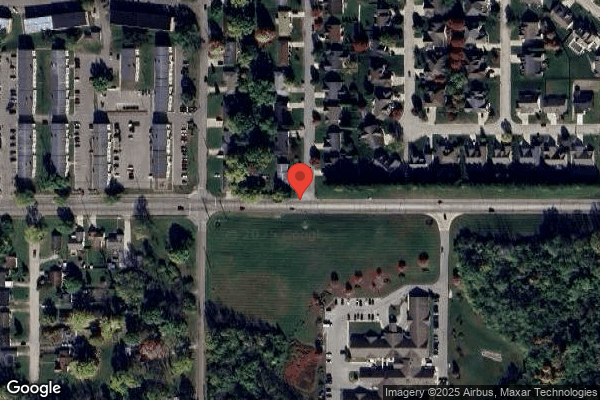
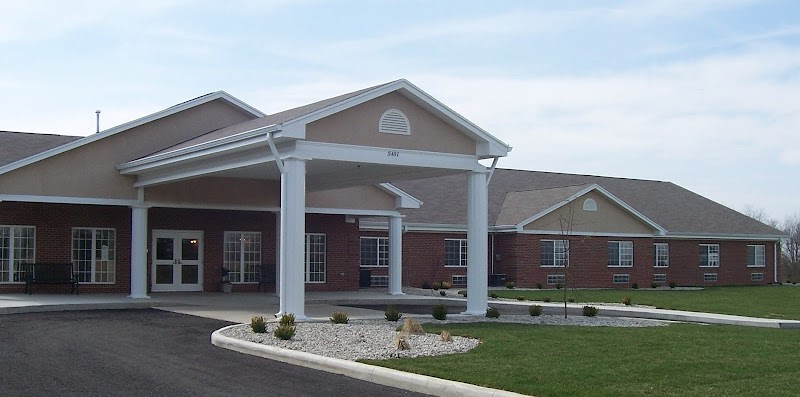
2401 SOUTH L ST, RICHMOND, IN 47374 (765) 966-5705
For profit - Corporation 70 Beds TRILOGY HEALTH SERVICES Data: November 2025
Trust Grade
85/100
#34 of 505 in IN
Last Inspection: February 2025

Within standard 12-15 month inspection cycle. Federal law requires annual inspections.

Overview

Forest Park Health Campus in Richmond, Indiana, has a Trust Grade of B+, which means it is above average and recommended for families considering care options. It ranks #34 out of 505 nursing homes in Indiana, placing it in the top half, and #2 out of 8 facilities in Wayne County, indicating only one local option is better. However, the facility's trend is worsening, with the number of issues increasing from 1 in 2024 to 3 in 2025. Staffing is a concern, as it received a rating of 2 out of 5 stars, with a turnover rate of 45%, slightly below the state average. Positive aspects include excellent RN coverage, ranking higher than 91% of Indiana facilities, and the absence of fines, suggesting compliance with regulations. Specific incidents raised during inspections include a resident self-administering medications without proper documentation of appropriateness, a resident not receiving scheduled showers and feeling unclean as a result, and a failure to identify a persistent skin issue for another resident. These findings highlight areas where care may be lacking, despite some strengths in staffing and oversight. Families should weigh these strengths against the noted deficiencies when considering this facility for their loved ones.

Trust Score
B+
85/100
In Indiana
#34/505
Top 6%
Safety Record
Low Risk
No red flags
Inspections
Getting Worse
1 → 3 violations
Staff Stability
○ Average
45% turnover. Near Indiana's 48% average. Typical for the industry.
Penalties
✓ Good
No fines on record. Clean compliance history, better than most Indiana facilities.
Skilled Nurses
✓ Good
Each resident gets 47 minutes of Registered Nurse (RN) attention daily — more than average for Indiana. RNs are trained to catch health problems early.
Violations
⚠ Watch
17 deficiencies on record. Higher than average. Multiple issues found across inspections.
★★★★★
5.0
Overall Rating
★★☆☆☆
2.0
Staff Levels
★★★★★
5.0
Care Quality
★★★★☆
4.0
Inspection Score
Stable
2024: 1 issues
2025: 3 issues

The Good

  • 5-Star Quality Measures · Strong clinical quality outcomes
  • Full Sprinkler Coverage · Fire safety systems throughout facility
  • No fines on record
  • Staff turnover below average (45%)

    3 points below Indiana average of 48%

Facility shows strength in quality measures, fire safety.

The Bad

Staff Turnover: 45%

Near Indiana avg (46%)

Typical for the industry

Chain: TRILOGY HEALTH SERVICES

Part of a multi-facility chain

Ask about local staffing decisions and management

The Ugly 17 deficiencies on record

Feb 2025 3 deficiencies
CONCERN (D)

Potential for Harm - no one hurt, but risky conditions existed

Deficiency F0554 (Tag F0554)

Could have caused harm · This affected 1 resident

Based on observation, interview, and record review, the facility failed to have the interdisciplinary team (IDT) determine and document that self-administration of medications was clinically appropria...

Read full inspector narrative →
Based on observation, interview, and record review, the facility failed to have the interdisciplinary team (IDT) determine and document that self-administration of medications was clinically appropriate for 1 of 1 resident randomly observed with medications at the bedside. (Resident 39) Findings include: The clinical record for Resident 39 was reviewed 1/31/25 at 9:46 a.m. The diagnoses included, but were not limited to, chronic obstructive pulmonary disease, hypertensive heart disease with heart failure, and obesity. During an observation and interview with Resident 39 on 1/30/25 at 10:28 a.m., a full cup of open pills and a clear vial of fluid used for breathing treatments was located beside Resident 39. He indicated the cup of pills were all his morning medications and the vial was his medicine for his breathing treatments that he administered himself. An Annual Minimum Data Set assessment, completed 12/12/24, indicated he was cognitively intact for daily decision making. Resident 39's clinical record, reviewed on 1/31/25 at 11:00 a.m., did not have a physician's order for self-administration of medication and/or self-administration of medication assessment completed. The medication administration record (MAR) was provided by Clinical Support 3 on 2/3/25 at 12:52 p.m. It indicated Resident 39 had orders for the following oral medications to be administered between the hours of 6:00 a.m. to 10:00 a.m.: aspirin, bisoprolol fumarate, cetirizine, citalopram, furosemide, gabapentin, guaifenesin, isosorbide mononitrate, mirtazapine, pantoprazole, potassium chloride, ranolazine, spironolactone, tamsulosin, and ropinirole. An ipratropium-albuterol solution for nebulization was to be given every four hours and the MAR indicated it was given at 8:00 a.m., on 1/30/25. During an interview with the Director of Nursing (DON) on 2/3/25 at 12:09 p.m., indicated Resident 39 should not have medications left at the bedside. The DON indicated it was the IDT's responsibility to ensure a self-medication administration assessment was completed on any resident who self-administers medications. The DON also indicated it was nursing's responsibility to ensure there was a physician's order for anyone who self-administers medications. A Guidelines for Self-Administration of Medications Policy was provided by Clinical Support 2 on 1/31/25 at 1:30 p.m. The policy indicated the following, . 1. Residents requesting to self-medicate or has self-medication as a part of their plan of care shall be assessed using the observation [name of corporation] Self Administration of Medication within the electronic health record. Results of the assessment will be presented to the physician for evaluation and an order for self-medication . 3.1-11(a)
CONCERN (D)

Potential for Harm - no one hurt, but risky conditions existed

ADL Care (Tag F0677)

Could have caused harm · This affected 1 resident

3. During an observation and interview with Resident 31 on 1/30/25 at 11:16 a.m., he indicated he was supposed to have showers on Monday and Thursday, and he did not receive his showers for weeks at a...

Read full inspector narrative →
3. During an observation and interview with Resident 31 on 1/30/25 at 11:16 a.m., he indicated he was supposed to have showers on Monday and Thursday, and he did not receive his showers for weeks at a time. Resident 31 indicated his preference was to have three showers a week, but he could not get two showers a week, so there was no way he would get three. The staff were wetting him down a little in bed and he does not feel clean without a shower. The resident indicated when they do provide a bed bath, they do not always wash his hair. Observation of the resident's hair was greasy and uncombed. During an observation on 1/31/25 at 1:40 p.m., Resident 31's hair was greasy and uncombed. During an interview with the Director of Nursing (DON) on 2/3/25 at 12:32 p.m., she indicated it was all of nursing staff's responsibility to ensure resident's receive showers twice a week. Review of the record of Resident 31 on 2/3/25 at 12:24 p.m., indicated the diagnoses included, but were not limited to, hemiplegia/hemiparesis, atherosclerotic heart disease, atrial fibrillation, contracture of the left hand, head injury, cerebral vascular accident (stroke), abnormal gait, peripheral vascular disease, major depression, anxiety, muscle weakness and osteoarthritis. The Quarterly Minimum Data Set assessment for Resident 31, dated 11/6/24, indicated the resident was cognitively intact for daily decision making. The resident had no behaviors of rejecting care. The resident was dependent on staff for showers and required substantial/maximal assistance for personal hygiene (including combing his hair). The care plan profile for Resident 31, dated 3/16/23, indicated the resident was to have two showers a week on Monday and Thursday. The shower documentation for Resident 31, dated from 11/1/24 to 1/30/25, indicated the resident had two showers and nine complete bed baths. The bathing preference policy provided by the DON, on 2/3/25 at 1:40 p.m., indicated the resident shall determine their preference for bathing, the day of the week, time of day, and type of bathing (tub bath, bed bath or shower). 3.1-38(a)(3)(A) 3.1-38(a)(3)(B) Based on observation, interview, and record review, the facility failed to ensure residents received assistance with bathing as preferred for 3 of 3 residents reviewed for activities of daily living. (Resident 7, Resident 41, and Resident 31) Findings include: 1. The clinical record for Resident 7 was reviewed on 1/30/2025 at 1:10 p.m. The medical diagnoses included pulmonary disease and osteoarthritis. A Quarterly Minimum Data Set assessment, dated 11/15/2024, indicated Resident 7 was cognitively intact and needed substantial/maximal assistance with bathing. An activities of daily living care plan, revised 11/25/2024, indicated Resident 7's preference for showers were on Mondays, Wednesdays, and Saturdays. During an observation and interview on 1/29/2025 at 1:31 p.m., Resident 7 indicated she was lucky to get one [shower] a month. Resident 7's hair was noted to be greasy at that time. Resident 7 indicated she did not feel clean and she had not had a shower in about a week. Review of the shower documentation indicated Resident 7 only received two showers for the month of January 2025 and two other baths. During an interview on 1/31/2025 at 1:05 p.m., Resident 7 indicated she did not receive her last scheduled shower because the Certified Nurse Aide (CNA) told her they did not have enough help. Per Resident 7, her hair remained greasy at that time. 2. The clinical record for Resident 41 was reviewed on 1/31/2025 at 11:30 a.m. The medical diagnoses included respiratory failure and anxiety. A Quarterly Minimum Data Set assessment, dated 1/8/2025, indicated Resident 41 was cognitively intact and needed substantial/maximal assistance with bathing. An activities of daily living care plan, dated 1/30/2025, indicated Resident 41 was scheduled for showers on Tuesdays and Fridays. During an observation and interview on 1/29/2025 at 12:55 p.m., Resident 41 indicated she did not get showers as often as she would like them. She indicated in the last month, she had less than four showers in total and would like them at least a couple times a week. When asked to clarify, she said two to three times a week would be her preference. Review of shower documentation, for January of 2025, indicated Resident 41 received four showers and one other bath for the whole month.
CONCERN (D)

Potential for Harm - no one hurt, but risky conditions existed

Quality of Care (Tag F0684)

Could have caused harm · This affected 1 resident

Based on observation, interview, and record review, the facility failed to identify a skin alternation for 1 of 2 residents reviewed for general skin impairments. (Resident 45) Findings include: The...

Read full inspector narrative →
Based on observation, interview, and record review, the facility failed to identify a skin alternation for 1 of 2 residents reviewed for general skin impairments. (Resident 45) Findings include: The clinical record for Resident 45 was reviewed on 2/3/2025 at 2:03 p.m. The medical diagnoses included edema and dysphagia. An admission assessment, dated 12/12/2024, indicated Resident 45 did not have any skin impairments. A physician order, dated 12/12/2024, indicated Weekly skin assessment completed. New treatments and notifications completed for any new areas noted. Review of the Medication Administration Record for Resident 45's weekly skin assessments were completed each week. The MAR reflected only then the initials of the staff completing the assessment, but no other results were recorded. During an observation and interview on 1/29/2025 at 1:21 p.m., Resident 45 indicated he had an abrasion on his right ankle. Resident 45 stated this area had been present for over a year and he was treating it with over-the-counter cortisone spray he bought from a local store then covered the area with a paper towel from the bathroom. During an observation and interview on 1/31/2025 at 2:44 p.m., Registered Nurse (RN) 1 indicated Resident 45 had abrasions on his right ankle. RN 1 indicated they had never seen Resident 45's ankle before. RN 1 was not aware of Resident 45 being able to self-administer cortisone spray on the bedside table. A policy, entitled Guidelines for Weekly Skin Observations, was provided by Clinical Support 3 on 2/3/2025 at 1:00 p.m. The policy indicated, Upon admission the admitting nurse shall include as part of the admission orders a weekly skin observation. The order shall read: Weekly skin observation on (day of the week). 0= no areas on skin impairment .1= new area of skin impairments (see wound event) .2= existing area of impairment (see wound management tool and/or event). 3.1-37(a)
Mar 2024 1 deficiency
CONCERN (D) 📢 Someone Reported This

A family member, employee, or ombudsman was alarmed enough to file a formal complaint

Potential for Harm - no one hurt, but risky conditions existed

Deficiency F0692 (Tag F0692)

Could have caused harm · This affected 1 resident

Based on interview and record review, the facility failed to ensure the documentation of meal intakes were recorded by facility staff for 3 of 3 residents reviewed for pressure ulcers and nutrition. (...

Read full inspector narrative →
Based on interview and record review, the facility failed to ensure the documentation of meal intakes were recorded by facility staff for 3 of 3 residents reviewed for pressure ulcers and nutrition. (Residents B, C and D) Findings include: 1. The clinical record of Resident B was reviewed on 3-21-24 at 11:45 a.m. Her diagnoses included, but were not limited to, Lewy body dementia with parkinsonism features, dysphagia (difficulty with swallowing), recurrent coccyx ulcer and osteomyelitis (bone infection). This resident was identified by the facility as having at least one pressure ulcer, weight loss and required assistance with meals for intake. A review of Resident B's recent weights indicated she has had significant weight loss since her admission to the facility. Her admission weight on 11-22-23, was 122.8 pounds (#). Her weight on 2-21-24, was 107.2# and the most recent weight on 3-20-24, was 101.8#. Resident B's clinical record indicated she was monitored by the facility's interdisciplinary team for concerns related to weight, nutrition and pressure ulcers. A review of Resident B's care plans indicated multiple care plans under the general categories of Nutrition and ADL [activities of daily living] with interventions that included, but are not limited to, not rushing the resident with tasks, observing the resident for any decline in functional abilities and reporting any decline and provision of eating assistance and/or supervision with meals. A review of Resident B's meal intakes from 2-1-24 to 3-20-24 indicated of 146 potential meals, consisting of breakfast, lunch and dinner, she had 11 meals, or 7.5 percent without documentation of the meal intakes, as follows: -2-18-24, no documentation of breakfast or lunch consumption. -2-20-24, no documentation of breakfast or lunch consumption. -3-3-24, no documentation of breakfast or lunch consumption. -3-4-24, no documentation of dinner consumption. -3-14-24, no documentation of breakfast or lunch consumption. -3-19-24, no documentation of breakfast or lunch consumption. In an interview on 3-22-24 at 2:05 p.m., with the Administrator, she indicated all resident meal intakes are to be documented and placed in the resident's electronic clinical record. She indicated the facility staff are trained on this. In a second interview on 3-22-24 at 2:30 p.m., the Administrator indicated she could not locate a specific policy, related to nutrition, that addresses that dietary intakes are to be documented for each resident at each meal, but we are to make sure that happens. 2. The clinical record of Resident C was reviewed on 3-21-24 at 3:05 p.m. His diagnoses included, but were not limited to, pressure wound to the left buttocks, gallstones with sludge of gallbladder, cognitive developmental delay and a speech impediment. This resident was identified by the facility as having at least one pressure ulcer, has had weight loss and requires meal assistance. A review of Resident C's recent weights indicated he has had weight loss in the recent past. Resident C's clinical record indicated he was monitored by the facility's interdisciplinary team for concerns related to weight, nutrition and pressure ulcers. A review of Resident C's meal intakes from 2-1-24 to 3-20-24 indicated of 119 potential meals, consisting of breakfast, lunch and dinner, he had 9 meals, or 7.6 percent without documentation of the meal intakes, as follows: -2-25-24, no documentation of breakfast or lunch consumption. -2-25-24, no documentation of lunch consumption. -3-1-24, no documentation of breakfast or lunch consumption. -3-4-24, no documentation of breakfast or lunch consumption. -3-7-24, no documentation of dinner consumption. In an interview on 3-22-24 at 2:05 p.m., with the Administrator, she indicated all resident meal intakes are to be documented and placed in the resident's electronic clinical record. She indicated the facility staff are trained on this. In a second interview on 3-22-24 at 2:30 p.m., the Administrator indicated she could not locate a specific policy, related to nutrition, that addresses that dietary intakes are to be documented for each resident at each meal, but we are to make sure that happens. 3. The clinical record of Resident D was reviewed on 3-22-24 at 10:30 a.m. His diagnoses included, but were not limited to, dementia, severe protein-calorie malnutrition and sacral area pressure ulcer. This resident was identified by the facility as having at least one pressure ulcer and has had recent weight fluctuations. A review of Resident D's recent weights indicated he has had recent weight fluctuations. Resident D's clinical record indicated he was monitored by the facility's interdisciplinary team for concerns related to weight, nutrition and pressure ulcers. A review of Resident D's meal intakes from 2-1-24 to 3-20-24 indicated of 138 potential meals, consisting of breakfast, lunch and dinner, he had 19 meals, or 13.7 percent without documentation of the meal intakes, as follows: -2-11-24, no documentation of breakfast or lunch consumption. -2-24-24, no documentation of breakfast or lunch consumption. -2-25-24, no documentation of lunch or dinner consumption. -2-28-24, no documentation of breakfast or lunch consumption. -3-1-24, no documentation of breakfast or lunch consumption. -3-3-24, no documentation of dinner consumption. -3-4-24, no documentation of breakfast or lunch consumption. -3-7-24, no documentation of dinner consumption. -3-15-24, no documentation of dinner consumption. -3-18-24, no documentation of breakfast or lunch consumption. -3-19-24, no documentation of lunch consumption. -3-20-24, no documentation of lunch consumption. In an interview on 3-22-24 at 2:05 p.m., with the Administrator, she indicated all resident meal intakes are to be documented and placed in the resident's electronic clinical record. She indicated the facility staff are trained on this. In a second interview on 3-22-24 at 2:30 p.m., the Administrator indicated she could not locate a specific policy, related to nutrition, that addresses that dietary intakes are to be documented for each resident at each meal, but we are to make sure that happens. This Federal tag relates to Complaint IN00430792. 3.1-46(a)(1) 3.1-46(a)(2)
Nov 2023 5 deficiencies
CONCERN (D)

Potential for Harm - no one hurt, but risky conditions existed

Resident Rights (Tag F0550)

Could have caused harm · This affected 1 resident

Based on observation, interview, and record review, the facility failed to promote dignity a resident by not ensuring a urinary drainage bag was not covered. This affected 1 of 2 residents reviewed fo...

Read full inspector narrative →
Based on observation, interview, and record review, the facility failed to promote dignity a resident by not ensuring a urinary drainage bag was not covered. This affected 1 of 2 residents reviewed for dignity. (Resident 18) Findings include: An observation, on 10/31/23 at 10:35 a.m., indicated Resident 18 was lying in bed and had an uncovered urinary drainage bag that hung on the bed frame on the window side of his bed. On 11/02/23 at 11:02 a.m., Resident 18 was observed in bed and his catheter bag sat on floor with no cover on the catheter bag. On 11/02/23 at 11:04 a.m., Certified Resident Care Assistant 5 indicated it should have a dignity cover and not be on the floor and she checks it twice a day or more. She said she would get another bag that had an attached cover on it. Resident 18's record was reviewed on 11/02/23 at 1:28 p.m. The record indicated Resident 18 had diagnoses that included, but were not limited to, urinary tract infection, hypertensive heart disease with heart failure, congestive heart failure, type 2 diabetes mellitus, urinary frequency and kidney stones. Physician's orders for foley catheter included, but were not limited to: - Indwelling Urinary Catheter size 16 French with a 10 cubic centimeter balloon for benign prostatic hypertrophy with obstruction. A Significant Change Minimum Data Set assessment, dated 9/25/23, indicated Resident 18 had modified independence in cognitive status for daily decision making, and had an indwelling urinary catheter. A care plan for the catheter indicated a start date of 5/14/2021 with the problem of: Resident uses a Foley catheter for dx (diagnosis) of: obstructive uropathy. Interventions included but were not limited to: Resident will be free from adverse effects from catheter use. Maintain a closed system with urinary bag below the residents bladder and cover A Policy for Preserving Dignity With Indwelling Catheter was provided on 11/6/23 at 11:53 a.m. by Clinical Nurse Support. The policy included, but was not limited to: Overview: To preserve resident dignity by concealing urinary drainage bags .a) Keep drainage bag covered with an appropriate device 3.1-3(t)
CONCERN (D)

Potential for Harm - no one hurt, but risky conditions existed

Free from Abuse/Neglect (Tag F0600)

Could have caused harm · This affected 1 resident

Based on interview and record review, the facility failed to protect a resident's right to be free from physical abuse by another resident, resulting in facial bruising and bleeding for 1 of 3 residen...

Read full inspector narrative →
Based on interview and record review, the facility failed to protect a resident's right to be free from physical abuse by another resident, resulting in facial bruising and bleeding for 1 of 3 residents reviewed for abuse. (Resident 1) Findings include: On 10/31/23 at 11:00 a.m., Resident 1 was observed to have a bruise under his right eye. Resident 1 indicated his roommate (Resident 36) hit him and they moved him to another room. Resident 1's record was reviewed on 11/01/23 at 10:24 a.m. and indicated diagnoses that included, but were not limited to, lung disease, stroke with weakness, chronic atrial fibrillation, seizure disorder, depression, insomnia, generalized weakness, and cognitive communication deficit. An Annual Minimum Data Set assessment, dated 9/7/23, indicated Resident 1 was cognitively intact, had no behaviors or moods, and did not walk. During an interview, on 11/01/23 at 10:53 a.m., Resident 1 indicated he had turned his television off about 1:30 in the morning and his roommate got mad. His roommate had his own television. When [Resident 36] hit him, it was the first time it happened, it hadn't happened before or after but he had been afraid it would happen again. Resident 36 hit him 8 to 10 times all over his face. They took Resident 36 out of his room and he didn't come back in for the rest of the night. He said his roommate had not gotten agitated before this happened but the least little thing could set him off. They had been roommates for 2 or 3 months. He had not heard of this happening to another resident. The night nurse was close by and heard the noise and came in and stopped it. He said he didn't have much pain afterwards and he had a little bleeding from the right side of his face. Progress notes, for Resident 1, included, but were not limited to: Recorded as a late entry on 10/15/23 at 2:05 a.m. for the event occurring on 10/15/23 at 1:00 a.m., indicated: Resident roommate came out of room on walker and approached this nurse at approximately 0100 and stated I want out of my room immediately. This nurse asked resident roommate why he wanted out of his room and resident stated That guy was running his mouth so I knocked him (referring to this resident). This nurse went to assess this and noticed resident bleeding out of right temple. This nurse applied bandage to this resident. Resident stated He turned my TV off and I told him to turn it back on and he hit me lots of times all over. Upon assessment of resident, no bruising was noted in any other area besides right temple on this resident. Resident pupils were PERRLA (pupils are equal, round and reactive to light and accommodation) and neuro checks were WDL (Within Defined Limits). Resident roommate at this time asked Can I go back in my room and get my stuff. This nurse told resident no immediately and to go sit in waiting room at this time. ED [Executive Director] and DON [Director of Nursing] aware at this time. 10/15/2023 at 1:10 a.m. slight bruise under right eye with slight swelling, redness to right side of face, and scab area to right temple with small amount bleeding, dressing applied. head to toe assessment completed with no other issues noted, residents immediately separated from each other 10/15/2023 at 7:14 a.m.: [Resident 1's family member] notified if (sic) incident last night, aware of bruise under right eye and redness to right side of face and scab bleeding to right temple with dressing in place, aware that roommate was removed from room 10/16/2023 at 12:09 p.m. IDT (Interdisciplinary Team) Review: Resident has bruising and scab to right eye from encounter with room mate. No swelling noted by nursing staff. Will continue to monitor. Neuro checks initiated. MD and family aware. Social Services followed up with a psychosocial evaluation for Resident 1, on 10/16/23 at 1:53 p.m., 10/17/23 at 1:58 p.m., 10/19/23 at 1:38 p.m., and 10/24/2023 at 1:17 p.m., with no concerns or mood changes. The Executive Director provided a reportable incident, dated 10/15/23 at 1:01 a.m. that indicated Resident 36 Entered the hall and told nurse he wanted his roommate to live in another room. When entering room the roommate stated he had been struck by his roommate. Type of Injury - Small bruise to the right eye. Immediate Action Taken - Residents immediately separated. Both residents assessed for injury. Physician, families, ED and DHS were notified. No new orders at this time. Preventative Measures Taken - Residents will be kept separated. Carepans (sic) will be assessed and updated. The agressor (sic) will be kept on 15 minute checks. Follow up added - Residents monitored for psychosocial effects with no adverse effect noted. 15 minute checks remained in pllace (sic) until [Resident 36] was discharged . No further resident to resident contact made. On 11/6/23 at 3:16 p.m., the Executive Director indicated this incident was reported to her immediately by a phone call when it happened. She had been on vacation and her back up handled it right then, and reported it to IDOH. Review of the record of Resident 36, on 11/3/23 at 1:45 p.m., indicated the resident's diagnoses included, but were not limited to, Alzheimer's disease, dementia, psychosis, age related debility, cerebrovascular disease, dementia and major depression. The Quarterly Minimum Data Set (MDS) assessment for Resident 36, dated 9/13/23, indicated the resident was severely cognitively impaired for daily decision making. The resident did not require a mobility device for ambulation. The resident required supervision only for ambulation. The progress note for Resident 36, dated 10/10/23 at 9:35 a.m., indicated the resident was upset that his roommate asked for the door to be closed. The resident begun raising his voice to room mate and stated I know you want the door the door shut ! So here! (Door slamming) Spouse made aware and Nurse Practitioner (NP) made aware due to this was not in residents character. The progress note for Resident 36, dated 10/15/23 at 1:00 a.m., indicated resident came out of room on walker and approached this nurse at approximately and stated I want out of my room immediately. This nurse asked resident why he wanted out of his room and the resident stated That guy was running his mouth so I knocked him (referring to his roommate). Resident roommate stated He turned my TV off and I told him to turn it back on and he hit me lots of time all over. Upon assessment of residents roommate pupils were PERRLA (pupils equal reactive to light). Upon assessment of residents roommate, no bruising was noted in any other area besides right on resident roommate. Resident roommate pupils were PERRLA and neurological checks were within defined limits. This resident at this time asked Can I go back in my room and get my stuff. This nurse told the resident no immediately and to go sit in waiting room at this time. Executive Director and Director Of Nursing (DON) aware at this time. The progress note for Resident 36 dated, 10/15/23 at 1:06 p.m., indicated the resident immediately taken to the lounge area and separated from roommate, head to toe skin assessment done, no new skin issues notes. The progress note for Resident 36, dated 10/15/23 at 10:17 a.m., the resident attempted to walk towards old room and reminded him that he cannot go down there. When he asked why I told him because he hit his roommate and he stated Well he deserved it! and asked What the hell does that have to do with going to the dining room? Redirected resident to the dining room. The progress note for Resident 36, dated 10/16/23 at 12:16 p.m., the resident having increased behaviors and hit another resident. Resident removed from room and put into a temporary room to keep separated from roommate. Resident on 15 minute checks until plan is established for resident increased behaviors. A Policy for Abuse and Neglect Procedural Guidelines was provided by the Executive Director, on 11/3/23 at 1:55 p.m. The policy included, but was not limited to: .Purpose: Trilogy Health Services LLC (THS) has developed and implemented processes, which strive to ensure the prevention and reporting of suspected or alleged resident abuse and neglect .3. Definitions: ABUSE is the willful infliction of injury, unreasonable confinement, intimidation, or punishment with resulting physical harm, pain, or mental anguish .b. PHYSICAL ABUSE - includes hitting, slapping, pinching, spitting, holding or handling roughly, etc .i. Resident to resident abuse with or without cause 3.1-27(a)(1)
CONCERN (D)

Potential for Harm - no one hurt, but risky conditions existed

Deficiency F0688 (Tag F0688)

Could have caused harm · This affected 1 resident

Based on interview, observations, and record review, the facility failed to promote a resident's positioning by utilizing foot pedals for a resident unable to self propel for 1 of 1 reviewed for posit...

Read full inspector narrative →
Based on interview, observations, and record review, the facility failed to promote a resident's positioning by utilizing foot pedals for a resident unable to self propel for 1 of 1 reviewed for positioning. (Resident 41) Findings include: The clinical record for Resident 41 was reviewed on 11/3/2023 at 11:45 a.m. The medical diagnoses included degenerative changes of the nervous systems and stroke. A Quarterly Minimum Data Set Assessment, dated for 8/9/2023, indicated that Resident 41 was cognitively impaired and needed substantial assistance for propel his wheelchair. An observation on 10/31/2023 at 10:53 a.m. indicated that Resident 41 was sitting in his wheelchair with it tilted back, his feet were dangling off of the ground with no foot pedals in place. An observation on 11/1/2023 at 2:35 p.m. indicated that Resident 41 was sitting in his wheelchair with it tilted back, his feet were dangling off of the ground with no foot pedals in place. An interview with the Director of Health Services on 11/2/2023 at 1:09 p.m. indicated that the chair was not made for foot pedals. An interview with the Clinical Support Nurse on 11/2/2023 at 1:15 p.m. indicated that the facility did not have a policy regarding foot pedals. She indicated that they are waiting for the manufacture guidelines, the resident does not self-propel, and are they would be ordering foot pedals for the chair if they were made. The manufacture guidelines provided by the Clinical Support Nurse on 11/2/2023 at 2:35 p.m. included a picture of the wheelchair with foot pedals as well as safe usage guidance for use to the wheelchair with foot pedals. She indicated they would be ordering some foot pedals for the wheelchair and the resident would have a hospice evaluation next week. 3.1-42(a)(2)
CONCERN (D)

Potential for Harm - no one hurt, but risky conditions existed

Accident Prevention (Tag F0689)

Could have caused harm · This affected 1 resident

Based on interview, observations, and record review, the facility failed to promote a safe environment by safeguarding perineal cleaner for a resident with a history of placing non-edible items in her...

Read full inspector narrative →
Based on interview, observations, and record review, the facility failed to promote a safe environment by safeguarding perineal cleaner for a resident with a history of placing non-edible items in her mouth and potentially ingesting jewelry cleaner for 1 of 4 residents reviewed for accidents. (Resident 29) Findings include: The clinical record for Resident 29 was reviewed on 11/1/2023 at 1:40 p.m. The medical diagnoses included dementia and stroke. A Quarterly Minimum Data Set Assessment, dated 10/2/2023, indicated that Resident 29 was cognitively impaired and was a supervision assistance for walking with a walker. A care plan, dated for 9/27/2022, indicated that Resident 29 would place non-edible food items in her mouth. The Profile Care Guide, dated for 3/23/2022, indicated that Resident 29 would .ingest non edible food items . A nursing progress note, dated 7/26/2023, indicated .This writer entered room, staff reported that resident had Jewelry cleaner in had and had something in her mouth. When this writer entered bathroom res[ident] was found to be swishing mouth out and proceeded to spit into the toilet. Staff informed writer that she did swallow some of this. This writer call Poison control [sic] . A nursing progress note, dated 7/31/2023, indicated Resident confused of what a trash can is used for. Resident removed trash from trash can and placed on bedside table. Resident was then noted trying to eat things from said trash . A nursing progress note, dated 10/29/2023, indicated Resident 29 was having paranoia with staff, was unable to be redirected, and was yelling. An observation on 11/1/2023 at 1:28 p.m. indicated that Resident was sitting in her room on her bed with a bottle of light green liquid labeled as perineal cleaner to her right on the bedside table. Resident was very hard of hearing and confused. She indicated she did not know what that was, she then got up with her walker and began to walk around her room. An interview with LPN 3 on 11/1/2023 at 2:05 p.m. indicated that Resident 29 does have behaviors. She has good and bad days but had recently been yelling and wandering. The resident has a history of eating things she is not supposed to. An interview with the Clinical Support Nurse on 11/1/2023 at 2:35 p.m. indicated that she was not sure if the resident was a risk for accidental ingestion, but she would not keep the perineal cleaner on the bedside table. A nurse practitioner note, dated for 11/1/2023, indicated that Resident 29 was seen for .evaluations of risk for possibly ingesting non-food substances . and that she .does have significant dementia therefore risk of this will always be present as with any dementia patient . A material safety data sheet was provided by the facility for the perineal cleaner on 11/2/2023 at 2:00 p.m. First-aid measures indicated if the substance was ingested, .Dilute by giving a large amount of water. Allow vomiting to occur, then get medical attention . An interview on 11/6/2023 at 2:00 p.m. with Clinical Support Nurse indicated that they do not have a policy for perineal cleaner left at bedside. 3.1-45(a)(1)
CONCERN (D)

Potential for Harm - no one hurt, but risky conditions existed

Incontinence Care (Tag F0690)

Could have caused harm · This affected 1 resident

Based on observation, interview and record review the facility failed to ensure a resident's catheter bags or tubing were not touching the floor to prevent infection for 1 of 3 residents reviewed for ...

Read full inspector narrative →
Based on observation, interview and record review the facility failed to ensure a resident's catheter bags or tubing were not touching the floor to prevent infection for 1 of 3 residents reviewed for catheter use. (Resident 18) Findings include: On 11/02/23 at 11:02 a.m., Resident 18 was observed in bed and his catheter bag sat on floor with no cover on the catheter bag. On 11/02/23 at 11:04 a.m., Certified Resident Care Assistant 5 indicated it should have a dignity cover and not be on the floor and she checks it twice a day or more. She said she would get another bag that had an attached cover on it. Resident 18's record was reviewed on 11/02/23 at 1:28 p.m. The record indicated Resident 18 had diagnoses that included, but were not limited to, urinary tract infection, type 2 diabetes mellitus, urinary frequency and kidney stones. Physician's orders for foley catheter included: - Indwelling Urinary Catheter size 16 French with a 10 cubic centimeter balloon for benign prostatic hypertrophy with obstruction. A Significant Change Minimum Data Set assessment, dated 9/25/23, indicated Resident 18 was moderately cognitively impaired and had an indwelling urinary catheter. A care plan for the catheter indicated a start date of 5/14/2021 with the problem of: Resident uses a Foley catheter for dx (diagnosis) of: obstructive uropathy. Interventions included but were not limited to: Resident will be free from adverse effects from catheter use. Maintain a closed system with urinary bag below the residents bladder and cover A Policy for Preserving Dignity With Indwelling Catheter was provided on 11/6/23 at 11:53 a.m. by the Clinical Support Nurse. The policy included, but was not limited to: Overview: To preserve resident dignity by concealing urinary drainage bags .c) Urinary drainage bags and catheter tubing should be kept from touching the floor surface. 3.1-41(a)(2)
Sept 2022 8 deficiencies
CONCERN (D)

Potential for Harm - no one hurt, but risky conditions existed

ADL Care (Tag F0677)

Could have caused harm · This affected 1 resident

**NOTE- TERMS IN BRACKETS HAVE BEEN EDITED TO PROTECT CONFIDENTIALITY** Based on observation, interview, and record review, the facility failed to assist a resident with a meal per their care plan (Re...

Read full inspector narrative →
**NOTE- TERMS IN BRACKETS HAVE BEEN EDITED TO PROTECT CONFIDENTIALITY** Based on observation, interview, and record review, the facility failed to assist a resident with a meal per their care plan (Resident 51) and failed to assist a dependent resident with showering activities (Resident 204) for 2 of 3 residents reviewed for activities of daily living. Findings include: 1. The clinical record for Resident 51 was reviewed on 9/8/2022 at 2:35 p.m. The medical diagnoses included, but were not limited to, muscle weakness and obstructive uropathy. A Quarterly Minimum Data Set assessment dated [DATE], indicated that Resident 51 was mildly cognitively impaired and needed extensive assistance of one staff member for eating. An observation of Resident 51 on 9/6/2022 at 12:43 indicated she was alone and laying in bed, leaning to the left with her lunch tray in front of her on the over bed table. She was attempting to eat meat and vegetables. An observation of Resident 51 on 9/6/2022 at 1:02 p.m. indicated she was alone and laying in bed, leaning to the left with less than half of her meal consumed. A care plan, dated 3/22/2022, indicated that Resident 51 was to .Go to DR. [Dining Room] If in bed need to assist with meals . An interview with Clinical Resident Care Associate 2 on 9/8/2022 at 2:50 p.m. indicated that Resident 51 is supposed to go to the dining room for meals, but if she stays in bed then they are to help her with her meals. 2. The clinical record for Resident 204 was reviewed on 9/6/2022 at 3:17 p.m. The medical diagnoses included, but were not limited to, muscle wasting and Alzheimer's' dementia. An admission Minimum Data Set assessment dated [DATE], indicated that Resident 204 admitted on [DATE], was cognitively impaired, and needed assistance of one staff for bathing services. A care plant dated 9/6/2022, indicated the Resident 204 was to receive showers on Mondays and Wednesdays. An interview and observation of Resident 204 on 9/6/2022 at 3:14 p.m. indicated she reported not having a shower since she admitted to the facility. Her skin appeared dry, and her hair appeared unkempt and greasy. Shower documentation indicated that Resident 204 had not received a shower from 9/1/2022 until 9/7/2022. A policy entitled, Guidelines for Bathing Preference, was provided by the Executive Director on 9/12/2022 at 10:30 a.m. The policy indicated, .Bathing shall occur at least twice a week unless resident preference stated otherwise. 3.1-38(a)(2)(B) 3.1-38(a)(2)(D)
CONCERN (D)

Potential for Harm - no one hurt, but risky conditions existed

Quality of Care (Tag F0684)

Could have caused harm · This affected 1 resident

Based on interview, observation, and record review the facility failed to complete preventative dressing changes to heels and the right fourth finger for Resident 37 for 1 of 6 reviewed for non-pressu...

Read full inspector narrative →
Based on interview, observation, and record review the facility failed to complete preventative dressing changes to heels and the right fourth finger for Resident 37 for 1 of 6 reviewed for non-pressure skin impairments. Findings include: The clinical record for Resident 37 was reviewed on 9/6/2022 at 2:19 p.m. Diagnoses included, but were not limited to, Parkinson's disease and tremor. A Quarterly Minimum Data Set Assessment, dated 8/8/2022, indicated that Resident 37 was cognitively intact. A physician order, dated 3/18/2021, indicated for Resident 37 to have heel protectors on while in bed as resident will allow. A physician order, dated 6/10/2021, indicated for Resident 37 to have a preventative foam dressing to the right fourth finger changed every week and as needed. An interview with Resident 37 on 9/6/2022 at 2:19 p.m. indicated that she did not ever wear heel protectors or the dressing to her right hand because they were uncomfortable. An observation on 9/6/2022 at 2:19 p.m. indicated that Resident 37 was laying in bed with her legs on towels due to seeping areas. She did not have heel protectors on or a foam dressing to the right fourth finger. An observation on 9/8/2022 at 2:51 p.m. indicated Resident 37 was laying in bed with her legs on towels due to seeping areas. She did not have heel protector on or a foam dressing to the right fourth finger. She stated she did not want any dressings at this time. An observation on 9/9/2022 at 1:31 p.m. indicated Resident 37 was laying in bed with her legs on towels due to seeping areas. She did not have heel protector on or a foam dressing to the right fourth finger. She stated she did not want any dressings at this time. The Administration Record indicated the Resident 37 had heel protectors in place on 9/6/2022, 9/8/2022, and 9/9/2022. The Administration Record indicated that Resident 37 had a foam dressing changed to the right fourth finger changed on 9/8/2022 and was in place on 9/6/2022, 9/8/2022, and 9/9/2022. An interview with LPN 1 on 9/9/2022 at 2:32 p.m. indicated that treatment orders should be completed per physician order. 3.1-37(1)
CONCERN (D)

Potential for Harm - no one hurt, but risky conditions existed

Deficiency F0685 (Tag F0685)

Could have caused harm · This affected 1 resident

Based on interview, observation, and record review, the facility failed to assist Resident 37 with optometry services for 1 of 1 residents reviewed for visual impairments. Findings include: The clini...

Read full inspector narrative →
Based on interview, observation, and record review, the facility failed to assist Resident 37 with optometry services for 1 of 1 residents reviewed for visual impairments. Findings include: The clinical record for Resident 37 was reviewed on 9/6/2022 at 2:19 p.m. Diagnoses included, but were not limited to, Parkinson's disease and tremor. A Quarterly Minimum Data Set Assessment, dated 8/8/2022, indicated that Resident 37 was cognitively intact, does not wear glasses and had adequate vision. An observation with Resident 37 on 9/66/2022 at 2:19 p.m. indicated she wears glasses. An interview with Resident 37 on 9/6/2022 at 2:19 p.m. indicated that she cannot remember the last time she saw the eye doctor, and she reported her vision gets blurry. The last optometry visit for Resident 37 was on 9/4/2019 and recommended new glasses. An eye care consent for Resident 37 was completed on 6/8/2021 for in house ancillary services. An interview with Clinical Support on 9/12/2022 at 3:16 p.m. indicated that there was not a specific appointment for scheduling ancillary services, but clinical staff would assist with scheduling and obtaining ancillary services, such as dental or vision services. 3.1-39(a)(1)
CONCERN (D)

Potential for Harm - no one hurt, but risky conditions existed

Pressure Ulcer Prevention (Tag F0686)

Could have caused harm · This affected 1 resident

Based on observation, interview and record review the facility failed to implement pressure relieving boots and failed to float a resident's heels for a resident who had an unstageable pressure ulcer ...

Read full inspector narrative →
Based on observation, interview and record review the facility failed to implement pressure relieving boots and failed to float a resident's heels for a resident who had an unstageable pressure ulcer for 1 of 4 residents reviewed for pressure ulcers (Resident 154). Finding include: During an observation on 9/07/22 at 11:40 a.m., Resident 154 was laying in bed, no heel protectors in place, heels laying flat on the resident's bed. During an observation on 9/8/22 at 11:15 a.m., Resident 154 was laying in bed with eyes closed. The resident did not have heel protectors in place, heels laying flat on the resident's bed. The resident's heel protectors observed to be up on top of her closet. During an observation on 9/9/22 at 3:00 p.m., the Wound Nurse and LPN 7 provided the wound care treatment of derma blue and allevyn dressing to the right heel of Resident 154. The right heel had a black open area with callous skin around with some black drainage on the old dressing. The resident wound nurse measured the wound .5 centimeters cm by .6 cm. The resident was sitting in her recliner with her heels flat on the recliner foot rest. LPN 7 placed a pillow under heels to float them. The resident's heel protectors were observed on top of her closet. The resident indicated staff had only placed the heel protectors boots on her one time when she was in bed since she had been at the facility. The resident indicated it did not bother her to wear the heel protector boots and she had never refused to wear them, staff just did not put them on her. During an observation on 9/12/22 at 10:05 a.m., Resident 154 was sitting in her recliner, heels were not floated and were were laying flat on the recliner foot rest. The resident indicated she did have a pillow to float her heels while in the recliner, but she was unsure what happened to it. During an interview with the Director Of Health Services (DHS) on 9/12/22 at 12:47 p.m., indicated the nurse was responsible to ensure Resident 154 had heel protector boots on while in bed and ensure her heel were floated while in the recliner. Review of the record of Resident 154 on 9/12/22 at 12:56 p.m., indicated the resident's diagnoses included, but were not limited to, Hypertensive heart and chronic kidney disease with heart failure and stage 1 through stage 4 chronic kidney disease, or unspecified chronic kidney disease, heart failure, Chronic kidney disease, stage 2 (mild), Chronic respiratory failure with hypoxia, Chronic obstructive pulmonary disease, dementia without behavioral disturbance, Major depressive disorder, Repeated falls and unstageable pressure ulcer. The physician recapitulation for Resident 154, dated September 2022, indicated the resident was ordered heel protectors or antipressure boots while in bed as resident will allow. The plan of care for Resident 154, dated 6/9/22, indicated the resident had a pressure ulcer on the right heel. The admission Minimum Data Set (MDS) assessment for Resident 154, dated 6/10/22, indicated the resident was cognitively intact for daily decision making. The resident was consistent and reasonable. The resident had no behaviors of rejection of care. The resident required extensive assistance of two staff for bed mobility and transfers. The resident was at risk of developing a pressure ulcer. The resident had one unstageable-deep tissue injury. The resident had pressure reducing device for the bed and chair. The pressure ulcer assessment for Resident 154, dated 9/9/22, indicated the resident had an unstageable pressure ulcer with slough and eschar on the right heel. The pressure ulcer measured 0.6 cm by 0.5 cm. The resident had serpurulent (yellow or tan, cloudy and thick drainage). 3.1-40
CONCERN (D)

Potential for Harm - no one hurt, but risky conditions existed

Incontinence Care (Tag F0690)

Could have caused harm · This affected 1 resident

Based on observation, interview, and record review, the facility failed to keep a urinary catheter bag free from contact with the floor for 1 of 3 residents reviewed for indwelling catheter management...

Read full inspector narrative →
Based on observation, interview, and record review, the facility failed to keep a urinary catheter bag free from contact with the floor for 1 of 3 residents reviewed for indwelling catheter management. Findings include: The clinical record for Resident 51 was reviewed on 9/8/2022 at 2:35 p.m. The medical diagnoses included, but were not limited to, muscle weakness and obstructive uropathy. A physician order dated 5/16/2021 indicated that Resident 51 had an indwelling urinary catheter for obstructive uropathy. An observation on 9/8/2022 at 2:35 p.m., indicated Resident 51 was sitting in her wheelchair at the time with her urinary catheter bag and tubing contacting the floor. An observation on 9/8/2022 at 2:50 p.m., indicated Resident 51 was sitting in her wheelchair at the time with her urinary catheter bag and tubing contacting the floor. An interview with Clinical Resident Care Associate 2 on 9/8/2022 at 2:50 p.m. indicated that the urinary catheter bag and tubing should be kept free from the floor and due to Resident 51's wheelchair, it is hard to keep it off the floor. A policy entitled, Urinary Catheter Care, was provided by the Executive Director on 9/9/2022 at 1:07 p.m. The policy indicated, .Be sure the catheter tubing and drainage bag are kept off the floor . 3.1-41(b)
CONCERN (D)

Potential for Harm - no one hurt, but risky conditions existed

Respiratory Care (Tag F0695)

Could have caused harm · This affected 1 resident

**NOTE- TERMS IN BRACKETS HAVE BEEN EDITED TO PROTECT CONFIDENTIALITY** Based on observation, interview, and record review, the facility failed change the oxygen tubing at least once a month for Resid...

Read full inspector narrative →
**NOTE- TERMS IN BRACKETS HAVE BEEN EDITED TO PROTECT CONFIDENTIALITY** Based on observation, interview, and record review, the facility failed change the oxygen tubing at least once a month for Resident 51 and failed to date the oxygen tubing for Resident 37 for 2 of 3 residents reviewed for oxygen therapy. Findings include: 1. The clinical record for Resident 51 was reviewed on 9/8/2022 at 2:35 p.m. The medical diagnoses included, but were not limited to, muscle weakness and chronic respiratory failure. A Quarterly Minimum Data Set assessment dated [DATE], indicated that Resident 51 was mildly cognitively impaired and utilized oxygen therapy. An observation of Resident 51 on 9/6/2022 at 12:43 indicated oxygen tubing dated for 7/10/2022. A physician order, dated 5/12/2021, indicated for Resident 51 to have her oxygen tubing changed the first of the month every month. A physician order, dated 6/4/2021, indicated for Resident 51 to have oxygen therapy at 3-4 liters per minute continuously. 2. The clinical record for Resident 37 was reviewed on 9/6/2022 at 2:19 p.m. Diagnoses included, but were not limited to, Parkinson's disease and tremor. A Quarterly Minimum Data Set Assessment, dated 8/8/2022, indicated that Resident 37 was cognitively intact. An interview with Resident 37 on 9/6/2022 at 2:19 p.m. indicated that she did not believe they have changed her oxygen tubing since it was started. An observation on 9/6/2022 at 2:19 p.m., indicated Resident 37's oxygen tubing did not have an initiation date. A physician order, dated 7/17/2022, indicated for Resident 37 to have her oxygen tubing changed monthly. A physician order, dated 7/18/2022, indicated for Resident 37 to have oxygen therapy at 2 liters per minute continuously. A policy entitled, Administration of Oxygen, was provided by the Executive Director on 9/8/2022 at 10:30 a.m. The policy indicated, .Date the tubing for the date it was imitated a. The tubing should be changed monthly and PRN [as needed] . 3.1-47(a)(6)
CONCERN (D)

Potential for Harm - no one hurt, but risky conditions existed

Pharmacy Services (Tag F0755)

Could have caused harm · This affected 1 resident

Based on observation, interview, and record review, the facility failed to ensure medications were returned to pharmacy for 2 of 4 residents who were discharged from the health center. (Resident 20 an...

Read full inspector narrative →
Based on observation, interview, and record review, the facility failed to ensure medications were returned to pharmacy for 2 of 4 residents who were discharged from the health center. (Resident 20 and Resident 254) Findings include: The medication room was observed with Qualified Medication Aide (QMA) 8 on 9/9/22 at 10:00 a.m. There were numerous medication cards located on the counter for Resident 20 and Resident 254. QMA 8 indicated the night shift staff were responsible for filling out the paperwork for the medication return involving the residents who were discharged . The medication room was observed on 9/12/22 at 1:28 p.m. There were 3 blue totes with numerous medication cards for different residents, including Resident 20 and Resident 254. There were medication return forms completed and dated for 9/11/22. The clinical records for Resident 20 and Resident 254 were reviewed on 9/9/22 at 3:35 p.m. Resident 20 was discharged on 8/28/22 and Resident 254 was discharged on 8/3/22. A policy titled Guidelines for Disposal of Non-Controlled Drugs, revised 12/1/21, was provided by the Regional Minimum Data Set (MDS) Staff on 9/12/22 at 3:08 p.m. The policy indicated the following, .To ensure medications are destroyed in accordance with appropriate infection control, safety and State Laws and Federal Regulations .3. There may be some medications for residents who have been discharged or expire that may be returned to the pharmacy for credit 3.1-25(r)
CONCERN (D)

Potential for Harm - no one hurt, but risky conditions existed

Dental Services (Tag F0791)

Could have caused harm · This affected 1 resident

Based on observation, interview and record review the facility failed to offer dental services and failed to obtain a dental appointment for a resident with poor dental health for 1 of 1 resident revi...

Read full inspector narrative →
Based on observation, interview and record review the facility failed to offer dental services and failed to obtain a dental appointment for a resident with poor dental health for 1 of 1 resident reviewed for dental services (Resident 27). Finding include: During an observation and interview on 9/06/22 at 2:47 p.m., Resident 27 indicated he had been requesting to be seen by the dentist for awhile now. The resident had talked with the Social Service Director about needing to see the dentist, but he was unsure why he still had not been seen by the dentist. The resident indicated he had missing teeth and teeth splitting off. The resident indicated sometimes his teeth hurt. The resident indicated he had not been seen by a dentist since admission to the facility. The resident was observed to have missing teeth, split teeth and in poor shape. Review of the record of Resident 27 on 9/9/22 at 1:40 p.m., indicated the resident's diagnoses included, but were not limited to, hypertensive heart disease with heart failure, peripheral vascular disease, primary generalized (osteo)arthritis, major depressive disorder, history of skin cancer and dementia. The electronic health record for Resident 27 had no documentation of the resident receiving dental services or being offered dental services. The plan of care for Resident 27, dated 11/21/2019, indicated the resident had the potential for mouth pain related to having his own teeth with obvious or likely cavity and/or broken teeth. The interventions included, but were not limited to, dental evaluation and intervention as needed. The Annual Minimum Data (MDS) assessment for Resident 27, dated 3/8/22, indicated the resident had obvious or likely cavity or broken natural teeth. The Quarterly MDS assessment for Resident 27, dated 8/3/22, the resident was cognitively intact, decisions reasonable and consistent. During an interview with the Administrator on 9/12/22 at 10:40 a.m., indicated she filled out the request for ancillary services to see the dentist for Resident 27 on 9/11/22. The Administrator indicated she would look for further documentation that Resident 27 was offered ancillary services and if the resident had seen a dentist since being at the facility. During an interview with LPN 1 on 9/12/22 at 2:04 p.m., indicated the facility was unable to find documentation that Resident 27 had been offered dental services or that the resident had been seen by a dentist since his admission to the facility. The resident would be seen by a dentist within the next two weeks. During an interview with LPN 13 on 9/12/22 at 3:16 p.m., the facility did not have a policy for ancillary services. The protocol was staff would assist with obtaining services and scheduling for the residents to see the dentist. 3.1-24(a)(1)
Understanding Severity Codes (click to expand)
Life-Threatening (Immediate Jeopardy)
J - Isolated K - Pattern L - Widespread
Actual Harm
G - Isolated H - Pattern I - Widespread
Potential for Harm
D - Isolated E - Pattern F - Widespread
No Harm (Minor)
A - Isolated B - Pattern C - Widespread

Questions to Ask on Your Visit

  • "Can I speak with families of current residents?"
  • "What's your RN coverage like on weekends and overnight?"

Our Honest Assessment

Strengths
  • • Grade B+ (85/100). Above average facility, better than most options in Indiana.
  • • No major safety red flags. No abuse findings, life-threatening violations, or SFF status.
  • • No fines on record. Clean compliance history, better than most Indiana facilities.
  • • 45% turnover. Below Indiana's 48% average. Good staff retention means consistent care.
Concerns
  • • 17 deficiencies on record. Higher than average. Multiple issues found across inspections.
Bottom line: Generally positive indicators. Standard due diligence and a personal visit recommended.

About This Facility

What is Forest Park Health Campus's CMS Rating?

CMS assigns FOREST PARK HEALTH CAMPUS an overall rating of 5 out of 5 stars, which is considered much above average nationally. Within Indiana, this rating places the facility higher than 99% of the state's 100 nursing homes. This rating reflects solid performance across the metrics CMS uses to evaluate nursing home quality.

How is Forest Park Health Campus Staffed?

CMS rates FOREST PARK HEALTH CAMPUS's staffing level at 2 out of 5 stars, which is below average compared to other nursing homes. Staff turnover is 45%, compared to the Indiana average of 46%. This relatively stable workforce can support continuity of care.

What Have Inspectors Found at Forest Park Health Campus?

State health inspectors documented 17 deficiencies at FOREST PARK HEALTH CAMPUS during 2022 to 2025. These included: 17 with potential for harm.

Who Owns and Operates Forest Park Health Campus?

FOREST PARK HEALTH CAMPUS is owned by a for-profit company. For-profit facilities operate as businesses with obligations to shareholders or private owners. The facility is operated by TRILOGY HEALTH SERVICES, a chain that manages multiple nursing homes. With 70 certified beds and approximately 54 residents (about 77% occupancy), it is a smaller facility located in RICHMOND, Indiana.
How Does Forest Park Health Campus Compare to Other Indiana Nursing Homes?

Compared to the 100 nursing homes in Indiana, FOREST PARK HEALTH CAMPUS's overall rating (5 stars) is above the state average of 3.1, staff turnover (45%) is near the state average of 46%, and health inspection rating (4 stars) is above the national benchmark.

What Should Families Ask When Visiting Forest Park Health Campus?

Based on this facility's data, families visiting should ask: "Can you walk me through typical staffing levels on day, evening, and night shifts?" "Can I visit during a mealtime to observe dining assistance and food quality?" "How do you handle medical emergencies, and what is your hospital transfer rate?" "Can I speak with family members of current residents about their experience?" These questions are particularly relevant given the below-average staffing rating.

Is Forest Park Health Campus Safe?

Based on CMS inspection data, FOREST PARK HEALTH CAMPUS has a clean safety record: no substantiated abuse findings (meaning no confirmed cases of resident harm), no Immediate Jeopardy citations (the most serious violation level indicating risk of serious injury or death), and is not on the Special Focus Facility watch list (a federal program monitoring the lowest-performing 1% of nursing homes). The facility has a 5-star overall rating and ranks #1 of 100 nursing homes in Indiana. While no facility is perfect, families should still ask about staff-to-resident ratios and recent inspection results during their visit.

Do Nurses at Forest Park Health Campus Stick Around?

FOREST PARK HEALTH CAMPUS has a staff turnover rate of 45%, which is about average for Indiana nursing homes (state average: 46%). Moderate turnover is common in nursing homes, but families should still ask about staff tenure and how the facility maintains care continuity when employees leave.

Was Forest Park Health Campus Ever Fined?

FOREST PARK HEALTH CAMPUS has no federal fines on record. CMS issues fines when nursing homes fail to meet care standards or don't correct problems found during inspections. The absence of fines suggests the facility has either maintained compliance or corrected any issues before penalties were assessed. This is a positive indicator, though families should still review recent inspection reports for the full picture.

Is Forest Park Health Campus on Any Federal Watch List?

FOREST PARK HEALTH CAMPUS is not on any federal watch list. The most significant is the Special Focus Facility (SFF) program, which identifies the bottom 1% of nursing homes nationally based on persistent, serious quality problems. Not being on this list means the facility has avoided the pattern of deficiencies that triggers enhanced federal oversight. This is a positive indicator, though families should still review the facility's inspection history directly.