COBBLESTONE CROSSINGS HEALTH CAMPUS
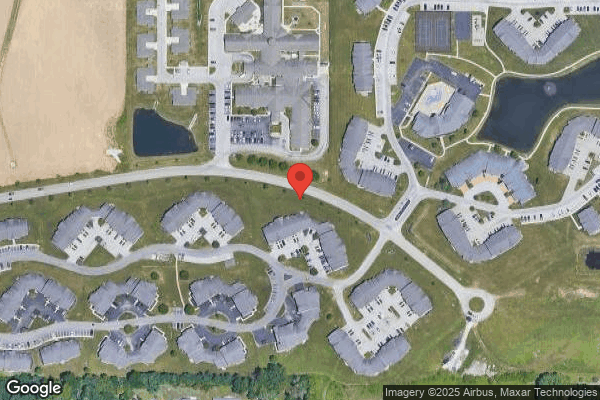
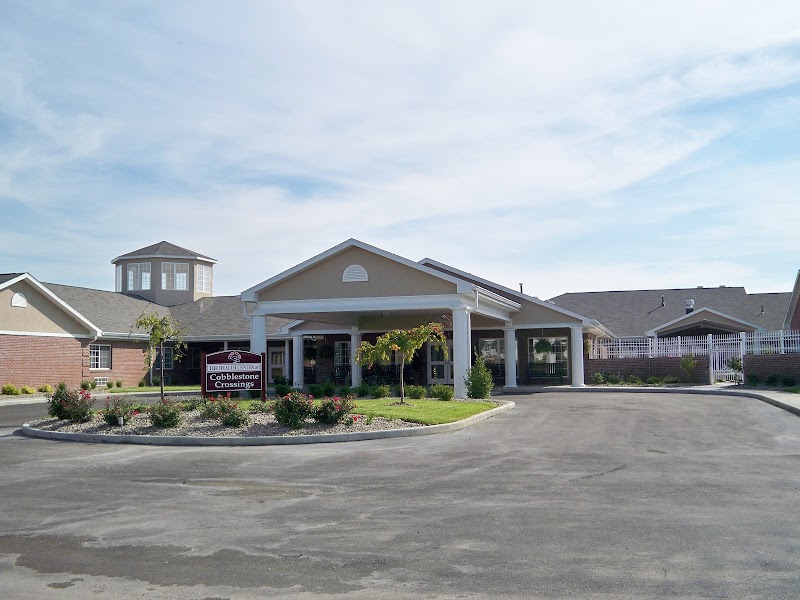
1850 E HOWARD WAYNE DR, TERRE HAUTE, IN 47802 (812) 232-0406
For profit - Corporation 60 Beds TRILOGY HEALTH SERVICES Data: November 2025
Trust Grade
60/100
#229 of 505 in IN
Last Inspection: July 2024

Within standard 12-15 month inspection cycle. Federal law requires annual inspections.

Overview

Cobblestone Crossings Health Campus in Terre Haute, Indiana, has a Trust Grade of C+, indicating it is slightly above average but still has room for improvement. It ranks #229 out of 505 facilities in the state, placing it in the top half, and #4 out of 9 in Vigo County, meaning only three local options are better. The facility is showing an improving trend, with reported issues decreasing from 11 in 2024 to just 2 in 2025. Staffing is rated at 3 out of 5 stars, with a turnover rate of 44%, which is below the Indiana average, suggesting some stability among staff. While there are no fines on record, there are concerning incidents, such as improper medication storage, where insulin pens were found without proper dating, and sanitation issues in the kitchen, including unclean equipment and improperly labeled food. Additionally, there was a case where a resident’s catheter bag was left in contact with the floor, posing a risk for infection. Overall, while the facility has strengths in staffing stability and an improving trend, families should be aware of the existing health and safety concerns.

Trust Score
C+
60/100
In Indiana
#229/505
Top 45%
Safety Record
Low Risk
No red flags
Inspections
Getting Better
11 → 2 violations
Staff Stability
○ Average
44% turnover. Near Indiana's 48% average. Typical for the industry.
Penalties
✓ Good
No fines on record. Clean compliance history, better than most Indiana facilities.
Skilled Nurses
✓ Good
Each resident gets 43 minutes of Registered Nurse (RN) attention daily — more than average for Indiana. RNs are trained to catch health problems early.
Violations
⚠ Watch
30 deficiencies on record. Higher than average. Multiple issues found across inspections.
★★★☆☆
3.0
Overall Rating
★★★☆☆
3.0
Staff Levels
★★★★★
5.0
Care Quality
★★☆☆☆
2.0
Inspection Score
Stable
2024: 11 issues
2025: 2 issues

The Good

  • 5-Star Quality Measures · Strong clinical quality outcomes
  • Full Sprinkler Coverage · Fire safety systems throughout facility
  • No fines on record
  • Staff turnover below average (44%)

    4 points below Indiana average of 48%

Facility shows strength in quality measures, fire safety.

The Bad

3-Star Overall Rating

Near Indiana average (3.1)

Meets federal standards, typical of most facilities

Staff Turnover: 44%

Near Indiana avg (46%)

Typical for the industry

Chain: TRILOGY HEALTH SERVICES

Part of a multi-facility chain

Ask about local staffing decisions and management

The Ugly 30 deficiencies on record

Jun 2025 2 deficiencies
CONCERN (D) 📢 Someone Reported This

A family member, employee, or ombudsman was alarmed enough to file a formal complaint

Potential for Harm - no one hurt, but risky conditions existed

Quality of Care (Tag F0684)

Could have caused harm · This affected 1 resident

**NOTE- TERMS IN BRACKETS HAVE BEEN EDITED TO PROTECT CONFIDENTIALITY** Based on interview and record review, the facility failed to complete thorough assessments for a resident with edema, lower extr...

Read full inspector narrative →
**NOTE- TERMS IN BRACKETS HAVE BEEN EDITED TO PROTECT CONFIDENTIALITY** Based on interview and record review, the facility failed to complete thorough assessments for a resident with edema, lower extremity conditions, and weight gain for 1 of 3 residents reviewed for quality of care (Resident B). Findings include: A review of Resident B's clinical record was completed on 6/19/25 at 10:46 a.m. Diagnoses included liver disease, dementia, acute kidney failure, ascites, localized edema, and severe protein-calorie malnutrition. The resident was admitted to the facility on [DATE]. An admission Minimum Data Set (MDS) assessment, dated 4/2/25, indicated the resident was severely cognitively impaired, was dependent on staff for showering, lower body dressing, bed mobility, and moving from sit to stand. The resident's weights were as follows: a. admission weight was recorded on 4/4/25 at 85.4 lbs (pounds); b. On 5/9/25, approximately 1 month post admission, the resident's weight had increased 15.22% to 98.4 lbs. c. At the time of discharge, on 5/29/25, the resident's weight had increased 24.12% to 106 lbs. Acute Care Hospital Progress note, dated 3/24/25, indicated Resident B had been admitted to the hospital on [DATE] following a right femur fracture as a result of a fall at home. The note included mild to moderate free fluid to right upper quadrant of the abdomen and moderate volume ascites (abnormal buildup of fluid in the abdomen, specifically within the peritoneal cavity), small-moderate left pleural effusion (fluid around the lung), difuse body wall edema complatible with anasarca (a severe, generalized swelling due to an excessive buildup of fluid in the body's tissues). The note included plans for further evaluation of ascites when medically ready following plan to discharge to the extended care facility. A Clinically at Risk assessment, dated 5/9/25, indicated the resident had a significant weight gain. The potential cause was indicated as due to a change in meal intake and eating much better. The resident had been receiving fortified foods and nutritional supplements. The physician was notified and agreed to changes of condition, new orders, and plan of care. The resident's family was notified and agreed to changes of condition, new orders, and plan of care. A New Onset of Edema Event, dated 5/25/25, indicated the resident had edema to her left and right legs and feet. The severity was indicated as 1 plus pitting edema and was present bilaterally. Interventions indicated to administer diuretic, apply elastic stockings, elevate extremities, and administer antibiotics. During a telephone interview on 6/19/25 at 1:20 p.m., Resident B's family member indicated she had complained to staff multiple times about the resident's increasing abdominal size and swelling in her lower legs. This just fell on deaf ears. The physician indicated not to worry about it and just blew off the swelling in the resident's legs. The staff ended up putting compression stockings on the resident that caused hematomas and dark discoloration and were very painful. She refused to allow staff to apply the stockings after seeing what the stockings did to the resident's legs after just one day. She took the resident to her regular primary care physician and he had her transferred to a local emergency room for evaluation because of her condition. The local emergency department performed multiple tests before transferring her to a larger hospital for treatment. She indicated the hospital performed a procedure to drain a large amount of fluid from the resident's abdomen. Her biggest complaint about the facility was they would not listen to her concerns about the resident's increased fluid retention. The facility told her over and over, the resident was just gaining weight from better nutrition. The facility basically just ignored her concerns and the resident's discomfort. When the resident was transferred to the acute care hospital from the emergency department visit, she was admitted and eventually had three liters of fluid drained from her abdomen. During an interview on 6/19/25 at 2:59 p.m., the Nurse Consultant indicated the resident had been see by the facility physician two times during her stay. When she first came into the facility she had swelling on her right lower extremity. She had some weight loss and was started on supplements. She began to develop edema in her bilateral lower extremeties and the physician was aware. She felt the physician was contacted and had provided orders. A nursing progress note, dated 5/29/25 at 12:26 p.m., indicated the resident had no edema to her bilateral lower extremities. The Emergency Department records were obtained on 6/20/25, and indicated on 5/29/25 at 5:11 p.m, the physician examined the resident's legs to be swollen and cold to touch. The resident had presented to the emergency room complaining of intermittent bilateral lower extremity swelling. The resident's family member indicated she was concerned about the resident's weight gain and development of a hematoma on the left lower extremity during her stay at the rehabilitation facility. The assessment indicated the resident had 2 to 3 plus pitting edema to her bilateral lower extremities. Her arms were equally cold to touch. There was a blood blister on the resident's left shin. The resident was sent to the emergency department by her primary care physician for concerns with leg swelling. The resident's family member had indicated she was treated for a femur fracture from a fall and had been at a nursing home for rehabilitation. She reported the resident had declined since being there, had bilateral lower extremity edema and a blister to her shin now. Her abdomen was more distended than usual per the resident. The resident was discharged to an another acute care hospital from the emergency department on 5/29/25 at 10:01 p.m. for further treatment. The acute care hospital was contacted and additional hospital records requested with no response. During an interview on 6/20/25 at 10:24 a.m., the Wound Nurse indicated the resident was examined 5/27/25. It had been reported that the resident had been having problems with edema in the evenings. She had 1 plus pitting edema to her bilateral lower extremities and her legs were discolored and a purpilish color for her entire stay. A blister developed after her compression stockings had been removed that had been applied on 5/25/25. She saw her on 5/26/25 and the blister had reabsorbed. She was not aware of any abdominal swelling or weight gain. During an interview on 6/20/25 at 3:03 p.m., the Nurse Consultant indicated the resident's edema had been documented as present in some assessments and absent in some assessments. On 5/29/25, the documentation of no edema was entered for the nursing assessment. The resident's emergency department documentation of 2 to 3 plus edema on assessment on the day of her visit which was 5/29/25 and the documentation of no edema, as entered by the facility nurse assessment, could have been in error, and she could not say if it was present, but she had to go with what the nurse had documented as no edema. A facility policy for Change of Condition was provided, but lacked a policy regarding this concern. This citation relates to Complaint IN00461032. 3.1-37(a)
CONCERN (D) 📢 Someone Reported This

A family member, employee, or ombudsman was alarmed enough to file a formal complaint

Potential for Harm - no one hurt, but risky conditions existed

Accident Prevention (Tag F0689)

Could have caused harm · This affected 1 resident

**NOTE- TERMS IN BRACKETS HAVE BEEN EDITED TO PROTECT CONFIDENTIALITY** Based on interview and record review, the facility failed to protect a resident during a dressing removal resulting in a lacerat...

Read full inspector narrative →
**NOTE- TERMS IN BRACKETS HAVE BEEN EDITED TO PROTECT CONFIDENTIALITY** Based on interview and record review, the facility failed to protect a resident during a dressing removal resulting in a laceration to her left lower extremity caused by bandage scissors for 1 of 3 reviewed for nursing services (Resident B). Findings include: During a telephone interview on 6/19/25 at 1:20 p.m., Resident B's family member indicated the laceration sustained during a wound dressing change had become infected and was treated with an oral antibiotic. It was almost healed now and had a small scab at the end of the cut remaining. She was upset when the event occured and she felt the nurse was not competent regarding the dressing removal. The laceration should have never occurred and was another thing the resident had to heal from. During an interview on 6/20/25 at 9:40 a.m., LPN 2 indicated she was in the middle of medpass on 4/1/25 when Resident B's family member asked her to come take off a dressing on the resident's left knee because she felt it was too tight. She paused her medpass and went to the resident's room. The dressing was gauze wrapped around her knee and was about 4-5 inches in width. She inserted the dull end of her bandage scissors under the dressing and to cut the dressing. The resident moaned a little as she was cutting the dressing. When she had finished and removed the gauze, she noted there was a superficial cut into the resident's skin that was about three inches long. The cut was scantly bleeding. She cleaned it with wound wash and covered it with a white bordered dressing. The gauze dressing that was removed was covering a small, V-shaped skin tear. She notified the ADON and the physician. The family member was very upset and LPN 2 apologized to the family member. She had not seen the wound since it happened and was unaware of the condition of the wound following the event. The resident had edema and the dressing was tight. She felt the skin was puffy under the dressing from the edema and caused the cut. She felt that since the dressing was so tight, she should have unwrapped the dressing as opposed to cutting through it. A review of Resident B's clinical record was completed on 6/19/25 at 10:46 a.m. Diagnoses included liver disease, dementia, ascites, and edema. An admission Minimum Data Set (MDS) assessment, dated 4/2/25, indicated the resident was severely cognitively impaired was dependent on staff for showering, lower body dressing, bed mobility, and moving from sit to stand. A nursing progress note, dated 4/1/25 at 8:54 p.m., indicated LPN 2 was in Resident B's room when her family member pointed out a dressing on resident's left knee and indicated it was too tight and needed removed. The dressing was dated 3/30/25. LPN 2 cut off the old dressing to the left knee and the dressing scissors accidentally cut into resident's skin causing a cut 8 cm (centimeters) by 0.1 cm with scant bleeding. She cleansed the area and applied a dressing. The family member had been in the room and was very upset. The physician was notified by text message. The ADON was notified by phone call. Wound Management Detail Reports regarding a left calf skin tear below a wound on her left knee, included the following: a. Initial observation, dated 4/2/25, entered by LPN 2 indicated the resident had a cut to her left upper calf, measuring 8 cm by 0.1 cm. b. Observation, dated 4/9/25, entered by the ADON indicated the wound was improving with some bruising around the site. The physician had ordered a prophylactic oral antibiotic and bacitracin to the site. The measurements remained the same. c. Observation, dated 5/26/25, entered by the wound nurse, indicated the wound had healed. Measurements indicated 0 cm x 0 cm. An interdisciplinary team (IDT) note, dated 4/2/25 at 10:05 p.m., indicated the nurse from the evening shift was asked by Resident B's family member to remove a bandage that was in place to her left knee. The family member had concerns regarding the bandage being tight related to swelling that was present to her left lower extremity. When the nurse removed the dressing, the bandage scissors came in contact with the resident's skin making a very superficial linear cut. The nurse was able to stop the bleeding and cleansed the area and applied a dressing. The physician was notified. The family member was present when this occurred. Education was provided to the nurse on removal method of a bandage. Area was assessed today by the wound nurse and a dressing order was updated accordingly for the area of impairment. A nursing progress note, dated 4/6/25 at 8:17 a.m., indicated the physician observed the resident's wound to her left calf. The physician ordered laceration to be cleaned and bacitracin applied and covered with a dressing. The physician ordered Keflex (an antibiotic to treat infection) 500 mg (milligram), take three times daily for 10 days as a prevention measure to prevent infection. He ordered a tetanus booster to be administered. The resident's family member was notified. An infection control event, dated 4/6/25, indicated the resident had a laceration to her left lower leg. Infection developed after admission on [DATE]. The signs and symptoms were identified as redness, warmth, and sanguineous drainage. Medications administered on 4/6/25, included Booster Tdap (diphtheria, pertussis, and tetanus) intramuscular injection and cephalexin (generic for Keflex) 500 mg. A current facility policy, revised 2/23/23, titled, Guidelines for General Wound and Skin Care, provided by the DON on 6/20/25 at 5:53 p.m., included the following: Purpose Statement. The purpose of this policy is to: To provide measures that will promote and maintain good skin integrity .Procedure. The following general wound and skin care guidelines should be followed for all residents with potential and/or actual impairment in skin integrity .19. Use care when removing all dressings and tapes. This citation relates to Complaint IN00461032. 3.1-45(a)
Jul 2024 10 deficiencies
CONCERN (D)

Potential for Harm - no one hurt, but risky conditions existed

Deficiency F0554 (Tag F0554)

Could have caused harm · This affected 1 resident

Based on observations, interviews, and record review, the facility failed to ensure a medication self-administration assessment was completed for 1 of 3 residents reviewed for respiratory (Resident 11...

Read full inspector narrative →
Based on observations, interviews, and record review, the facility failed to ensure a medication self-administration assessment was completed for 1 of 3 residents reviewed for respiratory (Resident 11). Findings include: During an initial interview with Resident 11 on 7/7/24 11:12 a.m., observed an inhaler located on her bedside table. The label indicated it was Trelegy Elipta 100 micrograms (mcg)/62.5 micrograms (mcg)/ 25 mcg, and the dose indicator read to have 29 of 30 doses left. The resident indicated that the inhaler was hers, she always had it, and she also normally had her emergency inhaler in her room but could not find it, so staff were ordering her another one. During a random observation on 7/9/24 at 2:32 p.m., observed two vials of nebulizer solution medication on Resident 11's bedside table. The resident indicated that it was her medication, normally she would set it up herself, but the wrist brace made it difficult to open the vials. When asked about the inhaler that was on her bedside table, she indicated that staff left the Trelegy Ellipta inhaler in her room every day for her to take, and she gave it back to them later, then mentioned again that she was supposed to have a rescue inhaler in her room, but she lost it, and seemed to lose everything. A record review for Resident 11 was completed on 7/8/24 2:01 p.m. The profile indicated the resident's diagnoses included, but were not limited to, bipolar II (a form of mental illness), schizoaffective disorder (a mental illness that can affect your thoughts, mood and behavior), chronic obstructive pulmonary disorder (COPD- a chronic inflammatory lung disease that causes obstructed airflow from the lungs). A physician's order, dated 3/9/24, indicated to administer Trelegy Ellipta (fluticasone-umeclidin-vilanter )100-62.5-25 mcg blister with device (an inhaled combination medication that helps control symptoms of lung disease such as difficulty in breathing and shortness of breath), one puff, inhalation, once a day, rinse mouth with water after use. A physician's order, dated 3/9/24, indicated to administer ipratropium-albuterol 0.5 milligram (mg) -3 mg (2.5 mg base) solution (an inhaled medication that helps control symptoms of lung disease such as difficulty in breathing and shortness of breath) for nebulization, one unit dose, inhalation, four times a day for cough or shortness of breath. A physician's order, dated 3/9/24, indicated to administer albuterol sulfate 90 micrograms (mcg)/actuation, hydrofluoroalkane (HFA) aerosol inhaler (a quick-relief inhaled medication used to treat symptoms of lung disease), 2 inhalations every 6 hours and as needed (PRN). A care plan, dated 6/18/24, indicated Resident 11 had potential for complications, functional, and cognitive status decline related to respiratory disease, COPD. Interventions included, but were not limited to, respiratory therapy per orders. A quarterly minimum data set (MDS) assessment, dated 6/21/24, indicated Resident 11 had a brief interview for mental status (BIMS) score of 15, indicating the resident was cognitively intact. During an interview on 7/9/24 at 10:40 a.m., Licensed Practical Nurse (LPN) 9 indicated they did not have any residents who self-administer their own medications. On 7/9/24 at 2:58 p.m., during an observation with LPN 9, she observed two vials of solution on Resident 11's bedside table and indicated them to be medication vials for breathing treatment used in the nebulizer machine. She indicated that she knew Resident 11 would ask staff to bring extra to her but did not think they were leaving them in the room. The LPN confirmed again that no resident had an order to self-administer medications and for Resident 11, they never knew how she was going to be, so she should not do them on her own. During an interview on 7/9/24 at 3:28 p.m., the Director of Health Services (DHS) indicated she could not explain the medications at bedside for Resident 11. She could not locate a current or historical assessment to self-administer medications. The DHS indicated that Resident 11's daughter was moving to Florida, so the resident had been asking for certain things to be brought in to her. She was not sure what they had brought in but thought it was possible they could have brought her medications from home, so she wanted to check the expiration dates. During an interview on 7/9/24 at 3:30 p.m. with the Regional Director of Clinical Services (RDCS), she reviewed Resident 11's record and indicated that the resident receives nebulizer treatments four times daily, and could not find any current, or historical, documentation from the physician indicating the Resident could self-administer medications. The order was to administer one dose, which was one vial. She was not sure if it was possible that the nurse had accidentally laid the medications down and left them there. She also suggested checking the expiration dates on the vials. On 7/9/24 at 3:47 p.m., with the DHS, observed the two medication vials that LPN 4 indicated to be the ones removed from Resident 11's room. The expiration dates on both vials read 12/2025 with a lot number of 41a0022x2. This information was compared to Resident 11's package of medication in the facilities medication cart. The package in the facilities medication cart also read that the expiration date was 12/2025 with a lot number of 41a0022x2. The DHS indicated the information matched, and that the vials that were on the resident's bedside table had come from the facilities medication cart. On 7/10/24 at 3:11 p.m., the RDCS provided a document dated 12/31/23, titled, Guidelines for Self-Administration of Medications, and indicated it was the policy currently being used by the facility. The policy indicated, .To ensure the safe administration of medication for residents who request to self-medicate or when self-medication is part of their plan of care .Procedures .1. Residents requesting to self-medicate or has self-medication as part of their plan of care shall be assessed using the observation Trilogy-Self Administration of Medication within the electronic health record. Results of the assessment will be presented to the physician for evaluation and an order for self-medication .3. The medication will be kept in a locked drawer in the residents' room. The resident will maintain the key, as well as, a key will be maintained by the licensed nurse and or QMA .8. The assessment will be documented in the EHR On 7/10/24 at 3:11 p.m., the RDCS provided a document dated 11/18, titled, Specific Medication Administration Procedures, and indicated it was the policy currently being used by the facility. The policy indicated, .F. Administer medication and remain with resident .Do not leave medications at bedside, unless specifically ordered by prescriber 3.1-11(a)
CONCERN (D)

Potential for Harm - no one hurt, but risky conditions existed

Deficiency F0578 (Tag F0578)

Could have caused harm · This affected 1 resident

**NOTE- TERMS IN BRACKETS HAVE BEEN EDITED TO PROTECT CONFIDENTIALITY** Based on record reviews and interviews, the facility failed to ensure a choice of code status was accurately documented in the m...

Read full inspector narrative →
**NOTE- TERMS IN BRACKETS HAVE BEEN EDITED TO PROTECT CONFIDENTIALITY** Based on record reviews and interviews, the facility failed to ensure a choice of code status was accurately documented in the medical record for 2 of 2 residents reviewed for code status (Residents 34 and 196). Findings include: 1. On [DATE] at 11:04 a.m., a basic review of Resident 34's record was conducted. The face sheet indicated the code status (the type of emergency treatment a person would or would not receive if their heart or breathing were to stop) was do not resuscitate (DNR). A physician's order, dated [DATE], indicated the resident was a DNR. In the documents section, the most recent physicians order for scope and treatment (POST) form, signed and completed on [DATE], indicated the resident was a full code and resuscitation/cardiopulmonary resuscitation (CPR) was to be attempted. On [DATE] at 10:00 a.m. Resident 34's record was reviewed. The profile indicated the resident's diagnoses included, but were not limited to, dementia (impaired ability to remember, think, or make decisions that interferes with doing everyday activities), malignant neoplasm of the colon (cancerous growth in the colon), stage 3 chronic kidney disease (kidneys do not work as well as they should to filter waste and extra fluid out of the blood), chronic ischemic heart disease (heart weakening caused by reduced blood flow to the heart), and psychotic disorder with hallucinations (seeing or hearing things that others do not, such as hearing voices telling them to do something or criticizing them). A care plan, dated [DATE], indicated that the resident or resident representative had chosen the following advanced directives: code status, with a problem start date of [DATE]. Interventions had an approach start date of [DATE] and included, but were not limited to, review the resident's code status quarterly and as needed, honor the residents right to change advanced directives at any time, provide information, education, and assistance to resident and family regarding advance directives, and provide treating entities with updated notification of advance directives. A quarterly minimum data set (MDS), dated [DATE], indicated Resident 34 had severe cognitive impairment with a brief interview for mental status (BIMS) score of 5. During an interview on [DATE] at 10:34 a.m., when asked what Resident 34's code status was, Licensed Practical Nurse (LPN) 9 checked Resident 34's record and indicated that, on the face sheet, he was a DNR. She checked the documents, and on the POST form, he was a full code. She indicated that was weird because she remembered it being a discussion when he signed up for hospice care. When she went to check the hospice binder, it could not be located. On [DATE] at 11:18 a.m., the hospice services binder was reviewed. The first page was a form titled, Facility Document Delivery dated [DATE], indicated copy of advanced directives, as applicable to patient .DNR .Post. The next two pages included a copy of the signed POST form, dated [DATE], that indicated the resident was a full code. During an interview on [DATE] at 12:02 p.m., the Regional Director of Clinical Services (RDCS) indicated she believed the discrepancy was a clerical error, they had a call out to hospice and were going to call the resident's wife to verify Resident 34's code status.2. On [DATE] at 2:11 p.m., a brief review of the clinical record for resident 196 was completed. The record indicated the resident was to be DNR (Do Not Resuscitate). The physician order indicated Code Status no other information was provided with the order. On [DATE] the resident signed a DNR form. On the same date, [DATE] a CPR (Cardiopulmonary Resuscitation) consent form was signed by the resident and indicated initiate CPR. On [DATE] at 9:30 a.m., during an interview with the Director of Health Services (DHS) she indicated she had noted the discrepancy with the code status for the resident and acknowledged the two different directives created a confusing situation regarding the residents advanced directives. On [DATE] at 1:00 p.m., review of medical record of resident 196. The resident was admitted on [DATE]. Diagnosis included but were not limited to, unilateral primary osteoarthritis, right knee, (a degenerative joint disease, in which the tissues in the joint break down over time), chronic obstructive pulmonary disease (a group of diseases that cause airflow blockage and breathing-related problems), aftercare following joint replacement surgery, type 2 diabetes mellitus without complications (a disease that occurs when your blood glucose, also called blood sugar, is too high). Physician orders included but were not limited to. [DATE], Code Status. An admission Minimum Data Set (MDS) assessment dated [DATE] indicated the resident was cognitively intact and required assistance from the staff for activities of daily living. The medical record lacked a care plan for advanced directives. On [DATE] at 11:14 a.m., the Regional Nurse Consultant provided a document, titled, Guidelines for Advanced Directives, dated [DATE], and indicated it was the policy currently being used by the facility. The policy indicated, .Purpose: to ensure facility staff obtains and follows resident's advanced directives regarding end-of-life care .Procedures .1. Advanced Directives will be reviewed with resident and or resident representative by the Customer Service representative or designee at the time of admission .2. The resident or representative will advise the CSR/designee regarding wishes for end-of-life directives and code status. The DNR form will be completed documenting these desires and scanned into the medical record .6. The nursing staff will obtain an order from the attending physician for the desired code status .8. Designation of code status and obtainment of physician order will be part of the medical record 3.1-4(f)(4)(ii) 3.1-4(f)(5)
CONCERN (D)

Potential for Harm - no one hurt, but risky conditions existed

Deficiency F0657 (Tag F0657)

Could have caused harm · This affected 1 resident

**NOTE- TERMS IN BRACKETS HAVE BEEN EDITED TO PROTECT CONFIDENTIALITY** Based on interview and record review, the facility failed to ensure care plan meetings were held at least quarterly for 1 of 2 r...

Read full inspector narrative →
**NOTE- TERMS IN BRACKETS HAVE BEEN EDITED TO PROTECT CONFIDENTIALITY** Based on interview and record review, the facility failed to ensure care plan meetings were held at least quarterly for 1 of 2 residents reviewed for care plan meetings (Resident 8). Findings include: During an interview, on 7/8/24 at 8:54 a.m., Resident 8 indicated she could not recall having a care plan meeting for quite some time. Resident 8's record was reviewed on 7/9/24 at 9:05 a.m. The census indicated the resident had been admitted to the facility on [DATE], for diagnoses which included, but were not limited to, displaced bimalleolar fracture of right lower leg (a type of ankle fracture that involve the distal [the area away from the point of attachment] ends of the fibula and tibia, respectively) and type 2 diabetes (a condition that happens because of a problem in the way the body regulates and uses sugar as a fuel). A quarterly Minimum Data Set (MDS) assessment, dated 6/11/24, indicated the resident had no cognitive deficit. Review of the Resident First Meeting Minutes (care plan meeting minutes) lacked documentation that a care plan meeting had been held since 11/1/23. During an interview, on 7/9/24 at 9:46 a.m., the Resident Services Manager indicated the facility was behind in completing their care plan meetings. Meetings should be held every quarter for all residents. During an interview, on 7/9/24 at 11:15 a.m., the Regional Director of Clinical Services indicated they were unable to locate any documentation that indicated the resident had a care plan meeting since November 2023. On 7/9/24 at 11:15 a.m., the Regional Director of Clinical Services provided a document, dated 12/31/23, titled. Resident's First Meeting Guidelines, and indicated it was the policy currently being used by the facility. The policy indicated, .Procedure: .2 .meetings for non-Medicare residents should be conducted at a minimum of quarterly and with significant change. 3 .meetings for Medicare residents should be conducted minimally quarterly and prior to discontinuing Medicare services or being discharged from the facility 3.1-35(d)(2)(B)
CONCERN (D)

Potential for Harm - no one hurt, but risky conditions existed

Quality of Care (Tag F0684)

Could have caused harm · This affected 1 resident

Based on observations, record reviews, and interviews, the facility failed to assess and ensure that a physician was notified of a resident's change in condition related to edema for 1 of 1 resident's...

Read full inspector narrative →
Based on observations, record reviews, and interviews, the facility failed to assess and ensure that a physician was notified of a resident's change in condition related to edema for 1 of 1 resident's reviewed (Resident 7). Finding includes: On 7/7/24 at 11:08 a.m., Resident 7 was observed sitting up in her chair, the resident had edema (swelling) to her left foot and ankle. The resident indicated nothing really helps with the edema and she tried to elevate her feet as much as possible. She indicated she has had edema to her left foot off and on since she fractured it a couple years ago. On 7/8/24 at 2:37 p.m., Resident 7 was sitting up in her chair reading a book with her legs elevated on the seat of her wheelchair. Edema was noted to her left foot and ankle. On 7/8/24 at 10:23 a.m., Resident 7 was observed sitting in her chair in her room with her left foot on the floor and her right leg elevated on the wheelchair seat. The left foot was notably larger than the right foot. On 7/10/24 at 8:36 a.m., Resident 7 was sitting in her chair in her room and both feet were touching the floor. Her left foot and ankle were noted to be swollen. Resident 7's record was reviewed on 7/8/24 at 1:17 p.m. The profile indicated the resident's diagnosis included, but were not limited to, age-related osteoporosis without current pathological fracture (a bond disease that occurs when bone mass decreases, or when the structure or strength of the bone changes), history of DVT to left leg (occurs when a blood clot forms in one or more of the deep veins in the body), and chronic kidney disease, stage 3b (mild to moderate kidney damage and they are less able to filter waste and fluid out of your blood). A quarterly Minimum Data Set (MDS) assessment, dated 5/22/24, indicated the resident was cognitively intact and required supervision with toilet use and moderate assistance with showers. The record lacked a care plan related to edema to left foot/ankle. A care plan, dated 10/19/22, indicated the resident has chronic kidney disease, stage 3b. Interventions included, but were not limited to, assess for fluid excess (edema, worsening of edema, and weight gain) and administer medication as ordered. A progress note dated 4/29/24 indicated Resident 7 had edema to the left lower extremity. MD (medical doctor) was notified, and he ordered a venous doppler (a non-invasive diagnostic test that evaluates blood flow through the body's major veins and arteries). A progress note, dated 5/3/24, indicated Resident 7 had a red, swollen left leg and the doppler showed a DVT. MD ordered Xarelto (blood thinner). The record lacked any recent progress notes related to edema of the left foot/ankle. A physician order, dated 5/24/24, indicated to administer Xarelto 15mg (milligrams) by mouth daily. The record lacked continued monitoring of the edema and DVT by staff. During an interview, on 7/8/24 at 1:52 p.m., Certified Resident Care Assistant (CRCA) 5 indicated Resident 7 would elevate her legs and feet as much as possible because she had issues with swelling off and on. During an interview, on 7/8/24 at 1:53 p.m., Registered Nurse (RN) 6 indicated she had spoken to Resident 7 a couple months ago about the edema to her left foot, but she had not recently assessed the edema. The nurse indicated she had noticed in the past the swelling in her left foot is always worse than the right. During an interview, on 7/10/24 at 9:45 a.m., Regional Director of Clinical Services (RDCS) indicated the edema should be addressed with the physician, and she would make sure the resident was added to his list to be seen. During an interview, on 7/10/24 at 11:53 a.m., RDCS indicated a CAR (clinical assessment record) should have been completed on Resident 7 because it would have been a good way to ensure monitoring of the DVT had been completed and a good way to monitor for worsening or improving edema. On 7/10/24 at 11:50 a.m., the RDCS provided a document dated 5/10/16, titled, Clinically at Risk Program Guidelines, and indicated it was the policy currently being used by the facility. The policy indicated, .Every effort will be made to identify those residents who are clinically at risk and provide proactive interventions to manage their medical needs and minimize/eliminate further decline when possible . Resident is to be discussed in CAR meeting until it is determined the resident's condition has stabilized .5. The CAR team will review current interventions for effectiveness and potential changes and make recommendations based on individual resident's needs 3.1-37(a)
CONCERN (D)

Potential for Harm - no one hurt, but risky conditions existed

Incontinence Care (Tag F0690)

Could have caused harm · This affected 1 resident

**NOTE- TERMS IN BRACKETS HAVE BEEN EDITED TO PROTECT CONFIDENTIALITY** Based on observations, record review and interview, the facility failed to ensure a resident's indwelling urinary catheter (a se...

Read full inspector narrative →
**NOTE- TERMS IN BRACKETS HAVE BEEN EDITED TO PROTECT CONFIDENTIALITY** Based on observations, record review and interview, the facility failed to ensure a resident's indwelling urinary catheter (a semi-flexible plastic tube with one end inserted into the bladder) which was attached to a urinary drainage bag (a bag that collects urine) and a biliary drain (a thin plastic tube inserted into the gallbladder to drain fluid) bag, did not touch the floor for 1 of 1 resident reviewed for catheter care (Resident 201). Findings include: On 7/07/24 at 12:01 p.m., during routine observation, the resident lying in bed, the urinary drainage bag lying on the floor. No covering over the bag. The biliary drainage bag was lying on the floor. No covering over bag. On 7/08/24 at 9:29 a.m., observed the biliary drainage bag drain touching the floor. No covering over the bag. The urinary drainage bag was attached to the side of the bed frame. No covering over the drainage bag. On 7/09/24 at 8:40 a.m., during routine observation resident observed sitting up in a wheelchair. The foley drain bag was attached to the lower left side of the wheelchair. No covering over the drainage bag. The biliary drainage bag was attached to the upper right side of the wheelchair without a covering, the bag was half full of a dark colored liquid. On 7/9/24 at 8:46 a.m., during an interview, Certified Resident Care Associate (CRCA) 3 indicated any resident with an indwelling catheter and or a drainage bag, both bags should always be covered. She indicated the drain bag for the biliary drain is covered with a pillowcase when the resident is up in a chair. She indicated the drainage bags should not touch the floor. On 7/9/24 at 9:30 a.m., during an interview with the Director of Health Services (DHS) she indicated a urinary drain bag should be covered if the resident was in a wheelchair or using a walker. Clinical record review completed on 7/9/24 at 11:00 a.m., for Resident 201. The resident was admitted to the facility on [DATE]. Diagnosis included, but were not limited to, 5/31/24 acute respiratory failure (the inability of the respiratory system to meet the oxygenation, ventilation, or metabolic requirements of the patient) with hypoxia (low levels of oxygen in your body tissues. It causes symptoms like confusion, restlessness, difficulty breathing, rapid heart rate, and bluish skin), 4/12/24 cellulitis (a common bacterial skin infection that causes redness, swelling, and pain in the infected area of the skin), unspecified, chronic atrial fibrillation (an irregular heart rhythm (arrhythmia) that begins in the upper (atria) of your heart), 11/4/20 chronic obstructive pulmonary disease (a group of diseases that cause airflow blockage and breathing-related problems), unspecified, obstructive sleep apnea (a common condition in which your breathing stops and restarts many times while you sleep), dyspnea (difficult, painful breathing or shortness of breath). Type 2 diabetes mellitus (a disease that occurs when your blood glucose, also called blood sugar, is too high) with diabetic chronic kidney disease (the kidneys are damaged and can't filter blood the way they should). Physician orders included but were not limited to. Albuterol sulfate solution for nebulization (used to prevent and treat wheezing, difficulty breathing); 2.5 mg (milligrams)/3 mL (milliliters) (0.083 %); amount: 3 ml; inhalation admin as needed for SOB (shortness of breath or wheezing every 6 Hours as needed. Eliquis (apixaban) tablet (used to treat blood clots) 5 mg; amt: 5 mg; oral twice a day. Empty biliary drain every shift three times a day. Change catheter bag PRN (as needed) based on clinical indications such as infection, obstruction, or when the closed system is compromised once a day PRN. Foley catheter care every shift three times a day, indwelling urinary catheter, medical reason BPH (benign prostatic hyperplasia, a noncancerous enlargement of the prostate gland) with urinary retention (a condition in which you are unable to empty all the urine from your bladder). An admission Minimum Data Set (MDS) assessment dated , 4/17/24 indicated the resident was cognitively intact and required maximum assist of two persons for activities of daily living and had an indwelling foley catheter during the look back period. A care plan dated 6/24/2024 indicated the resident used a foley catheter. Interventions included, but were not limited to, maintaining a closed system with urinary bag below the resident's bladder and cover. A care plan dated 4/14/24 indicated a risk for skin breakdown related to biliary drain. The record lacked interventions specific to the biliary drain. The facility did not have a policy specific to biliary drain. On 7/9/2024 at 11:15 a.m., the Regional Nurse Consultant provided a document, titled, Preserving Dignity with Indwelling Catheter, dated 12/31/23, and indicated it was the policy currently being used by the facility. The policy indicated, .SOP Details .1. General guidelines .a) Keep drain bag covered with an appropriate device .Urinary drainage bags and catheter tubing should be kept from touching the floor surface 3.1-41(a)(1)
CONCERN (D)

Potential for Harm - no one hurt, but risky conditions existed

Respiratory Care (Tag F0695)

Could have caused harm · This affected 1 resident

**NOTE- TERMS IN BRACKETS HAVE BEEN EDITED TO PROTECT CONFIDENTIALITY** Based on observation, interview, and record review, the facility failed to ensure proper cleaning and storage of nasal cannula a...

Read full inspector narrative →
**NOTE- TERMS IN BRACKETS HAVE BEEN EDITED TO PROTECT CONFIDENTIALITY** Based on observation, interview, and record review, the facility failed to ensure proper cleaning and storage of nasal cannula and CPAP (continuous positive airway pressure) mask and tubing for 1 of 2 residents reviewed for respiratory care (Residents 201). Findings include: On 7/7/24 at 12:05 p.m., observed Resident 201, lying down in his room, resting. Oxygen was being administered at 3 L (liters) per nasal cannula (a thin flexible tube device to provide supplemental oxygen therapy to people who have lower oxygen levels) there was no date indicated on oxygen tubing and did not observe a dated storage bag in the room. On 7/8/24 at 2:52 p.m., during routine observation, Resident 201 was lying in bed. Oxygen was being administered per nasal cannula at 3 L. There was no date on the oxygen tubing and did not observe an oxygen or CPAP (continuous positive airway pressure) (a machine that uses mild air pressure to keep breathing airways open while you sleep) dated storage bag in the room. On 7/9/24 9:13 a.m., observed the resident sitting in wheelchair. The oxygen nasal cannula tubing was lying on the couch next to the resident. Did not observe an oxygen or CPAP dated storage bag the room. On 7/9/24 8:46 a.m., during an interview Licensed Practical Nurse (LPN) 4 indicated the night shift changed oxygen tubing and the nurse did not normally date the tubing. On 7/9/24 at 9:30 a.m., during an interview the Director of Health Services (DHS) indicated the oxygen tubing was not dated; the bag was dated and changed monthly. She indicated the physician's order to clean the mask and place it in bag was for the CPAP mask not the oxygen mask. On 7/9/24 at 10:18 a.m., the clinical record for Resident 201 was reviewed. The resident was admitted to the facility on [DATE]. Diagnosis included, but were not limited to, 5/31/24 acute respiratory failure (the inability of the respiratory system to meet the oxygenation, ventilation, or metabolic requirements of the patient) with hypoxia (low levels of oxygen in your body tissues. It causes symptoms like confusion, restlessness, difficulty breathing, rapid heart rate, and bluish skin), 4/12/24 cellulitis (a common bacterial skin infection that causes redness, swelling, and pain in the infected area of the skin), unspecified, chronic atrial fibrillation (an irregular heart rhythm (arrhythmia) that begins in the upper (atria) of your heart), 11/4/20 chronic obstructive pulmonary disease (a group of diseases that cause airflow blockage and breathing-related problems), unspecified, obstructive sleep apnea (a common condition in which your breathing stops and restarts many times while you sleep), dyspnea (difficult, painful breathing or shortness of breath). Type 2 diabetes mellitus (a disease that occurs when your blood glucose, also called blood sugar, is too high) with diabetic chronic kidney disease (the kidneys are damaged and can't filter blood the way they should). Physician orders included, but were not limited to, Albuterol sulfate solution for nebulization (used to treat shortness of breath and wheezing) 2.5 mg (milligrams)/3 mL (milliliters) (0.083 %); amount: 3 ml; inhalation admin as needed for SOB (shortness of breath or wheezing every 6 Hours - as needed. Eliquis (apixaban) (used to treat blood clots) tablet; 5 mg; amt: 5 mg; oral twice a day. Empty biliary drain every shift three times a day. O2(oxygen) - Change oxygen tubing monthly once a day on the 1st of the month. O2- CPAP at 14 cm H2O (water) pressure with oxygen at 3 liters at NOC (night) as needed during the day at bedtime (continuous positive airway pressure) a machine that uses mild air pressure to keep breathing airways open while you sleep. (Oxygen) O2- mask and tubing should be cleaned weekly with soapy water and rinsed. Air dry and place mask in clean setup bag once a day on Sun. O2- Oxygen at 3L (liters) per nasal canula continuous three times a day. An admission Minimum Data Set (MDS) assessment dated [DATE] indicated the resident was cognitively intact and required maximum assistance of two persons for (ADL) activities of daily living and required oxygen during the look back period. A care plan dated 4/14/2024 indicated the resident had potential for complications, functional and cognitive status decline related to respiratory disease related to: COPD, sleep apnea. Interventions included, but were not limited to, Administer oxygen per orders. CPAP at night, Resident to wear CPAP machine at night. On 7/9/2024 at 11:14 a.m., the Regional Nurse Consultant provided a document, titled, Respiratory Equipment, dated 12/31/23, and indicated it was the policy currently being used by the facility. The policy indicated, . SOP Details .2. j. Keep oxygen cannula and tubing used PRN (as needed) in a plastic bag when not in use .3 .f. Store circuit in plastic bag, marked with date and resident's name between uses 3.1-47(a)(6)
CONCERN (D) 📢 Someone Reported This

A family member, employee, or ombudsman was alarmed enough to file a formal complaint

Potential for Harm - no one hurt, but risky conditions existed

Deficiency F0778 (Tag F0778)

Could have caused harm · This affected 1 resident

Based on record review and interview, the facility failed to ensure transportation to a medical appointment was set-up and completed for 1 of 1 resident reviewed for transportation (Resident B). Find...

Read full inspector narrative →
Based on record review and interview, the facility failed to ensure transportation to a medical appointment was set-up and completed for 1 of 1 resident reviewed for transportation (Resident B). Findings include: Review of a complaint intake form, dated 7/10/24, indicated Resident B had missed her appointment with her urologist (a physician who has special training in diagnosing and treating diseases of the urinary organs) because the facility had not scheduled transport services for her. Resident B's record was reviewed on 7/11/24 at 8:45 a.m. The profile indicated the resident's diagnoses included, but were not limited to, chronic kidney disease (damage to the kidneys which makes them unable to filter blood the way they should), hypertensive chronic kidney disease (high blood pressure caused by damage to the kidneys) and obstructive uropathy (a blockage or obstruction where the ureter [the tube that carries urine] connects to the kidney or bladder). A care plan, dated 1/3/23, indicated the resident had an indwelling urinary catheter (a tube which is inserted into the bladder to drain urine) related to obstructive uropathy. A physician's order, dated 7/10/24, dated one time 6:00 a.m., to 2:00 p.m., indicated to set up transport for a visit with the urology nurse practitioner (NP) for a treatment appointment at 12:30 p.m. The order indicated Lifeloop (a software system used to set up transport for residents) request had been put in. During an interview, on 7/11/24 at 9:33 a.m., the Life Enrichment Director indicated she was responsible for the transport of the facility residents to their appointments. She did not have Resident B on her schedule to transport to an appointment on 7/10/24. Scheduling transport for appointments was set up by the nursing staff. During an interview, on 7/11/24 at 9:36 a.m., Registered Nurse (RN) 17 indicated the nurses were responsible for transport requests when an appointment order was received. Setting up transport requests for the facility bus was very easy, but to set up for an outside transport, they now were required to use a process that takes them to a government website. This made it very time-consuming to set up. Resident B cannot be transported by the facility bus, because she required stretcher transport. During an interview, on 7/11/24 at 10:10 a.m., the Regional Director of Clinical Services indicated she was not able to locate a specific policy on setting up transportation for resident appointments. The expectation would be that transportation would be set up by facility staff for any resident who had an appointment outside of the facility. During an interview, on 7/11/24 at 10:47 a.m., the Executive Director (ED) indicated the facility policy was that transportation would be set up and provided for all residents who required transportation to any appointment. This citation relates to Complaint IN00438476. 3.1-49(i)(3)
CONCERN (D)

Potential for Harm - no one hurt, but risky conditions existed

Food Safety (Tag F0812)

Could have caused harm · This affected 1 resident

Based on observation and interview, the facility failed to maintain a safe and sanitary environment for food safety and failed to ensure beard covers were worn by an employee for 1 of 2 kitchen observ...

Read full inspector narrative →
Based on observation and interview, the facility failed to maintain a safe and sanitary environment for food safety and failed to ensure beard covers were worn by an employee for 1 of 2 kitchen observations. Findings Include: 1. On 7/10/24 at 12:00 p.m., observed raw hamburger meat on a tray on the bottom of the rolling cart outside of the cooler with prepared salads on the cart. On 7/10/24 at 12:05 p.m., during an interview with Area Director of Food Services the director acknowledged the meat should not be on the cart and should have been in the cooler. On 7/10/24 at 12:08 p.m., during an interview with the Director of Food Services he indicated he had removed the hamburger meat from the cooler and placed it on the cart with the salads. He indicated he did not recall how long the meat had been out of the cooler. 2. On 7/10/24 at 12:08 p.m., during an interview with the Director of Food Services it was noted the employee did not have a beard covering on. He indicated he had one on and had removed it. On 7/10/2024 at 2:47 p.m., the Regional Nurse Consultant provided a document, titled, Food Production Guidelines, dated May 31, 2016, and indicated it was the policy currently being used by the facility. The policy indicated, . Policy .Safe and Sanitary handling of food will be employed during food production .7. Food prepared in advance must be covered, labeled, dated, and refrigerated .28. Potentially hazardous foods that have stood for more than (4) hours at room temperature are not considered safe from contamination and must be discarded On 7/10/2024 at 2:47 p.m., the Regional Nurse Consultant provided a document, titled, Beard and Mustache policy, dated November 30, 2021, and indicated it was the policy currently being used by the facility. The policy indicated, .Policy .Beard and mustache hair must be covered while in kitchen food product areas, Facial hair restraints are required in any production area .Purpose .Beards and mustache hair must be covered while in the kitchen food product areas .Procedures .Some common approaches include .cover all beard or mustache hair that is more than 1/8 of an inch growth 3.1-21(i)(1) 3.1-21(i)(3)
CONCERN (D)

Potential for Harm - no one hurt, but risky conditions existed

Infection Control (Tag F0880)

Could have caused harm · This affected 1 resident

Based on observation, record review and interview, the facility failed to ensure proper handling of the glucometer (small portable machine that's used to measure how much glucose [type of sugar] is in...

Read full inspector narrative →
Based on observation, record review and interview, the facility failed to ensure proper handling of the glucometer (small portable machine that's used to measure how much glucose [type of sugar] is in the blood) meter during medication administration pass for 2 of 5 residents reviewed during medication administration (Residents 8 and 19). Finding includes: During a medication administration observation, on 7/9/24 at 11:43 a.m., Registered Nurse (RN) 6 had a glucometer meter in a drawer on the right side of the medication cart, she took the meter out of the drawer and placed it on top of the medication cart, no barrier was placed under the machine. The nurse obtained Resident 8's blood sugar at the nurse's station. The nurse placed the meter back on top of the medication cart, no barrier was placed under the machine. No satiation of the machine was observed. 5 minutes later the nurse picked up the meter from the medication cart and entered Resident 19's room. The nurse placed the meter on the resident's side table in her room, no barrier was placed under the machine. The nurse obtained Resident 19's blood sugar and placed the meter back onto the medication cart, no barrier placed under the machine. Resident 8's record was reviewed on 7/9/24 at 12:10 p.m. The profile indicated the resident diagnoses included, but were not limited to, type 2 diabetes mellitus (a chronic condition that affects the way the body processes blood sugar). A physician order, dated 4/28/24, indicated to obtain Accu check (name of blood glucose monitoring system) before each meal and before bed. Resident 19's record was reviewed on 7/9/24 at 12:15 p.m. The profile indicated the resident diagnoses included, but were not limited to, type 2 diabetes mellitus. A physician order, dated 6/7/24, indicated to administer Humalog (insulin medication) 100 units/ml (milliliter). Inject 8 units subcutaneously (under the skin) before meals. During an interview, on 7/9/24 at 12:32 p.m., Licensed Practical Nurse (LPN) 12 indicated nursing staff should place a barrier down underneath the glucose meter when being placed on surfaces. She also indicated the machine should be cleaned in between use. LPN 12 indicated the residents do not have their own meters; the glucose meter would be used for multiple residents. On 7/9/24 at 2:38 p.m., the Regional Director of Clinical Services (RDCS) provided a document with a revised date of 12/2/21, titled, Glucometer Cleaning and Control Test Guidelines, and indicated it was the policy currently being used by the facility. The policy indicated, .1. If glucometers are used from one resident to another, they should be cleaned and disinfected after each use 3.1-18(b)
CONCERN (E)

Potential for Harm - no one hurt, but risky conditions existed

Deficiency F0761 (Tag F0761)

Could have caused harm · This affected multiple residents

Based on observations, interviews, and record reviews, the facility failed to ensure medications were labeled and stored properly for 2 of 2 medication carts reviewed for medication storage (Residents...

Read full inspector narrative →
Based on observations, interviews, and record reviews, the facility failed to ensure medications were labeled and stored properly for 2 of 2 medication carts reviewed for medication storage (Residents 8, 6, 19, and 146). Findings include: 1. On 7/9/24 at 9:10 a.m., the 200 hall (front) medication cart contained an undated and opened Lantus (medication used to lower blood sugar) insulin pen. The insulin pen contained a label that indicated it was for Resident 8. During an interview, on 7/9/24 at 9:12 a.m., Registered Nurse (RN) 6 indicated insulin pens should have an open date placed on them when they are used. Resident 8's record was reviewed on 7/9/24 at 9:40 a.m. The profile indicated the resident's diagnoses included, but were not limited to, type 2 diabetes mellitus (a chronic condition that affects the way the body processes blood sugar). A physician order, dated 5/1/24, indicated to administer Lantus Solostar (insulin medication) insulin pen 100 unit/ml (milliliter). Inject 25 units subcutaneously (under the skin) once a day in the morning. A physician order, dated 5/1/24, indicated to administer Lantus Solostar insulin pen 100 units/ml. Inject 70 units subcutaneously once a day at bedtime. 2. On 7/9/24 at 9:15 a.m., the 200 hall (back) medication cart contained the following items: a. An unopened and non-refrigerated box of 5 Basaglar (insulin medication) pens. The box of insulin pens contained a label that indicated it was for Resident 6. b. An unopened and non-refrigerated vial of Humalog (insulin medication). The vial of insulin contained a label that indicated it was for facility stock and was delivered from the pharmacy on 7/8/24. c. An unopened and non-refrigerated box of 5 Lantus (insulin mediation) pens. The box of insulin pens contained a label that indicated it was for Resident 19. d. An unopened and non-refrigerated bottle of Latanoprost (eye drop medication) 0.005%. The bottle contained a label that indicated it was for Resident 146. e. An unopened and non-refrigerated vial of Humalog. The vial contained a label that indicated it was for Resident 146. During an interview, on 7/9/24 at 9:20 a.m., RN 6 indicated insulin and eye drops that were not opened, should be refrigerated until used. She indicated the night shift had a new nurse and she must not have known to refrigerate the medications until used. Resident 6's record was reviewed on 7/9/24 at 9:50 a.m. The profile indicated the resident's diagnoses included, but were not limited to, type 2 diabetes (a chronic condition that affects the way the body processes blood sugar). A physician order, dated 6/14/24, indicated to administer Basaglar Kwik-Pen 100 unit/milliliter. Inject 32 units subcutaneously (under the skin) at bedtime. Resident 19's record was reviewed on 7/9/24 at 9:55 a.m. The profile indicated the resident's diagnosis included, but were not limited to, type 2 diabetes mellitus with diabetic chronic kidney disease (a serious complication that occurs when the kidneys are not functioning properly to remove waste products and excess fluid from the body). A physician order, dated 6/7/24, indicated to administer Lantus Solostar pen 100 unit/ml. Inject 55 units subcutaneously at bedtime. Resident 146's record was reviewed on 7/9/24 at 10:00 a.m. The profile indicated the resident's diagnoses included, but were not limited to, type 2 diabetes and glaucoma (a group of eye conditions that can cause blindness). A physician order, dated 7/5/24, indicated to administer Latanoprost 0.005%. Give 1 drop to each eye once a day. A physician order, dated 7/6/24, indicated to administer Humalog 100 units/ml. Inject subcutaneously per sliding scale before meals and at bedtime. During an interview on 7/9/24 at 11:00 a.m., the Regional Director of Clinical Services (RDCS) indicated the facility had a new nurse on night shift and needed to be educated on proper storage of medications. On 7/9/24 at 11:10 a.m., the RDCS provided and identified a document as a current facility policy, titled, Vials and Ampules of Injectable Medications, revised date 11/18. The policy indicated, .at a minimum the date opened should be recorded On 7/9/24 at 11:10 a.m., the RDCS provided and identified a document as a current facility policy, untitled, with a revised date of July 2021. The policy indicated, .Unused Pens: Store unused pens in the refrigerator On 7/9/24 at 11:10 a.m., the RDCS provided and identified an undated document as a current facility policy, untitled. The policy indicated, .Store unused Lantus in a refrigerator 3.1-25(j) 3.1-25(m)
Feb 2024 1 deficiency
CONCERN (D) 📢 Someone Reported This

A family member, employee, or ombudsman was alarmed enough to file a formal complaint

Potential for Harm - no one hurt, but risky conditions existed

Resident Rights (Tag F0550)

Could have caused harm · This affected 1 resident

Based on record review and interview, the facility failed to ensure a resident treated in a dignified manner during personal care for 1 of 4 residents reviewed for nursing services (Resident B). Findi...

Read full inspector narrative →
Based on record review and interview, the facility failed to ensure a resident treated in a dignified manner during personal care for 1 of 4 residents reviewed for nursing services (Resident B). Finding includes: During an interview, on 2/1/24 at 11:08 a.m., Certified Resident Care Associate (CRCA) 4 indicated there had been an episode where she had been assisting a resident with personal care, the resident was very combative and was hitting her, she became frustrated and left the resident's room without telling any other staff on the unit she was leaving the resident unattended. She then gathered her personal items and was planning to leave the facility and going home. She ended up talking with the facility's Employee Experience Manager (EEM), who calmed her down. She returned to the unit shortly after to finish her shift. During an interview, on 2/1/24 at 11:45 a.m., the Director of Health Services (DHS) indicated CRCA 4 had become frustrated while providing personal care to a resident and left the unit. She was speaking with the EEM who contacted her to come and speak with the CRCA also. She and the EEM took the CRCA outside and calmed her down. The CRCA returned to her unit after she calmed down. The CRCA had been disciplined for her actions. During a telephone interview, on 2/1/24 at 1:30 p.m., Registered Nurse (RN) 5 indicated she was the nurse on the unit on the day that CRCA 4 left the unit and did not tell anyone she was leaving the resident unattended. CRCA 6 told the RN that CRCA 4 had left the resident unattended. The RN and CRCA 6 went to the resident's room and completed the personal care with the resident. The door to the resident's room was open when they entered to complete the personal care with the resident. When they completed the care, the RN went directly to the DHS to report what had happened. During a telephone interview, on 2/1/24 at 1:38 p.m., CRCA 6 indicated she was working on the unit when she saw CRCA 4 walk out of Resident B's room and walk off the unit. She went to the resident's room, looked in and saw the resident's personal care had not been completed. She went and located RN 5, and the two of them completed the resident's personal care. CRNA 4 did not ask anyone to go in and help her with the resident, or to take over for her when she left the unit. Resident B's record was reviewed on 2/1/24 at 1:52 p.m. The profile indicated the resident's diagnoses included, but were not limited to, unspecified dementia with behavioral disturbance (the impaired ability to remember, think, or make decisions that interferes with doing everyday activities with agitation including verbal and physical aggression, and wandering). A quarterly Minimum Data Set (MDS) assessment, dated 12/28/23, indicated the resident had severe cognitive deficit. During review of the resident's care plans, multiple interventions were observed which addressed the resident's aggressive behavior with all hands-on care. A Social Services progress note, dated 9/8/23 at 1:57 p.m., indicated the resident's behaviors were reviewed by the interdisciplinary team (IDT). The resident was being followed by the facility contracted psychiatric services for behaviors and psychotropic medication (any drug that affects behavior, mood, thoughts, or perception) use. On 2/1/24 at 1:25 p.m., the Executive Director (ED) provided a document, dated 9/15/23, titled, Teachable Moment, and indicated it was the document reviewed with CRCA 4 following her leaving the unit on that date. The document indicated the CRCA had been counseled on when getting upset with a resident, she should separate herself from the resident, but should always ensure someone else goes into care for the resident. Residents cannot be left without care. The document had been signed by the DHS and CRCA 4. On 2/2/24 at 2:20 p.m., the Regional Director of Clinical Operations (RDCO) provided a document, with a review date of 12/31/23, titled, Resident Rights Guidelines, and indicated it was the policy currently being used by the facility. The policy indicated, .Procedure: .2. Our residents have the right to .a. Be treated with dignity and respect This citation relates to complaint IN00417618. 3.1-3(a)
May 2023 6 deficiencies
CONCERN (D)

Potential for Harm - no one hurt, but risky conditions existed

Assessment Accuracy (Tag F0641)

Could have caused harm · This affected 1 resident

Based on interview and record review, the facility failed to accurately code a resident's discharge location on the Discharge Return not Anticipated Minimum Data Set (MDS) assessment for 1 of 14 resid...

Read full inspector narrative →
Based on interview and record review, the facility failed to accurately code a resident's discharge location on the Discharge Return not Anticipated Minimum Data Set (MDS) assessment for 1 of 14 residents reviewed for MDS assessments (Resident 52). Finding includes: The record for Resident 52 was reviewed on 5/22/23 at 10:15 a.m., The profile indicated the resident's diagnosis included but was not limited to, fracture of unspecified part of neck of right femur, subsequent encounter for closed fracture with routine healing (a fracture is described as a broken bone that occurs when the physical force on the bone is stronger than the bone itself). A discharge Minimum Data Set (MDS) assessment, dated 3/17/23, indicated Resident 52 was discharged to a psychiatric hospital. A Social Services observation comprehensive note, dated 3/17/23 at 9:05 a.m., indicated the resident was discharged to home with her husband. The medical record lacked documentation of the actual discharge from the facility. During a telephone interview with Resident 52, on 5/22/23 at 10:42 a.m., she indicated she had a planned discharge and went home with home health care services. During an interview with the MDS Coordinator, on 5/22/23 at 1:50 p.m., she indicated according to the social services progress note, the resident was discharged home. She obtained the information related to a discharge from documentation in the resident's chart, including the nurse's notes and social service's notes. The MDS Coordinator indicated Resident 52's discharge MDS assessment was incorrectly coded. On 5/22/23 at 2:20 p.m., the MDS Coordinator provided and identified a document as a current facility policy, titled CMS's (Center for Medicaid and Medicare Services) RAI (Resident Assessment Instrument) Version 3.0 Manual, dated October 2019. The manual indicated, .A2100: OBRA Discharge Status .1. Review the medical record including the discharge plan and discharge orders for documentation of discharge location .Coding Instructions .Code 01, community (private home/apt., board/care, assisted living, group home): if discharge location is a private home, apartment, board and care, assisted living facility, or group home
CONCERN (D)

Potential for Harm - no one hurt, but risky conditions existed

Deficiency F0657 (Tag F0657)

Could have caused harm · This affected 1 resident

Based on interview and record review, the facility failed to ensure a resident had participated in care plan meetings for 1 of 1 resident reviewed for care plan meetings (Resident 29). Findings includ...

Read full inspector narrative →
Based on interview and record review, the facility failed to ensure a resident had participated in care plan meetings for 1 of 1 resident reviewed for care plan meetings (Resident 29). Findings include: During an interview, on 5/16/23 at 10:42 a.m., Resident 29 indicated she could not remember if she had attended any of her care plan meetings. Resident 29's record was reviewed on 5/22/23 at 1:17 p.m. The profile indicated the resident's diagnoses included, but were not limited to, atherosclerotic heart disease (thickening or hardening of the arteries caused by a buildup of plaque in the inner lining of an artery) and Alzheimer's disease (a brain disorder that slowly destroys memory and thinking skills and, eventually, the ability to carry out the simplest tasks). An annual Minimum Data Set (MDS-a standardized, comprehensive assessment of an adult's functional, medical, psychosocial, and cognitive status) assessment, dated 3/28/23, indicated the resident had no cognitive deficit. The resident's Face Sheet indicated the resident's daughter was her financial representative and her initial contact person. The Face Sheet lacked any documentation of any designated Power of Attorney (POA-gives authority to act for another person in specified or all legal or financial matters) or guardianship (legal process, utilized when a person can no longer make or communicate safe or sound decisions about his/her person and/or property or has become susceptible to fraud or undue influence). Review of care plan conference forms, indicated the following: a. A care plan conference, dated 9/30/22, indicated the resident's representative had attended the meeting. The note lacked documentation of the resident attending or declining to attend. b. A care plan conference, dated 12/30/22, indicated the resident's representative had attended the meeting. The note lacked documentation of the resident attending or declining to attend. c. A care plan conference, dated 2/10/23, indicated the resident's representative had participated via electronic device. The note lacked documentation of the resident attending or declining to attend. During an interview, on 5/22/23 at 2:30 p.m., the Executive Director (ED) indicated she was unable to find any documentation that the resident had attended, or declined to attend, the care plan meetings, or any documented explanation of why the resident had not attended. She indicated the expectation was that the resident and their representative should attend each meeting, if possible. A note would be placed in the resident's record of who attended the meeting. On 5/22/23 at 2:51 p.m., the ED provided a document, with a revision dated of 4/25/22, titled, Resident First Meeting Guidelines, and indicated it was the policy currently being used by the facility. The policy indicated, .Procedures .6. Director of Social Service or designee should send invitations to the resident and/or representative notifying them of the date and time of the conference as far in advance as possible .17. A record of the meeting should be documented within the electronic health record .It must list all attendees present .18. Resident/Resident Representative to e-sign .if present 3.1-35(d)(2)(B)
CONCERN (D)

Potential for Harm - no one hurt, but risky conditions existed

Respiratory Care (Tag F0695)

Could have caused harm · This affected 1 resident

2. During an observation on 5/16/23 at 10:10 a.m., Resident 19 was sitting in recliner next to the bed. Oxygen (O2) was being administered at 3.5 Liters (L) via nasal cannula (NC), per concentrator. T...

Read full inspector narrative →
2. During an observation on 5/16/23 at 10:10 a.m., Resident 19 was sitting in recliner next to the bed. Oxygen (O2) was being administered at 3.5 Liters (L) via nasal cannula (NC), per concentrator. There was no date on the bag. The attached humidifier bottle was empty. During an observation on 5/16/23 at 3:08 p.m., the resident had O2 administered at 2 L via NC, through a concentrator. The humidifier bottle was filled with water. No date was on the bottle. A small piece of tape on the tubing indicated 5/5. During an observation on 5/18/23 at 11:54 a.m., the resident was in her room with O2 off. At the same time, Licensed Practical Nurse (LPN) 7 indicated the order was now for as needed (PRN). She indicated she would clarify the order in the chart to reflect this change. Resident 19's record was reviewed on 5/16/23 at 11:32 a.m. The profile indicated diagnoses included, but were not limited to, chronic obstructive pulmonary disease (COPD-a group of diseases that cause airflow blockage and breathing-related problems). The record lacked an order for O2 administration. A care plan, dated 1/24/23, indicated the resident had potential for shortness of breath (SOB) while lying flat. The record lacked a care plan for oxygen use or care plan for diagnosis of and effects of COPD. A physician's order, dated 5/16/23, indicated to change O2 tubing monthly, once a day on the 1st of the month. A physician's order, dated 5/16/23, indicated clean external concentrator filter every two weeks. Once a day on Sunday. Hospice documentation indicated, the resident had been admitted under hospice services, related to terminal diagnosis of atherosclerotic heart disease (thickening or hardening of the arteries caused by a buildup of plaque in the inner lining of an artery). A hospice physician's order, dated 7/22/22, indicated to administer O2 at 3 L per NC continuously. A review of a hospice document titled, Hospice/Facility Coordinated Task Plan of Care, dated 5/11/23, indicated the resident was on oxygen with a diagnosis of COPD. A hospice nurse's note, dated 5/11/23, indicated durable medical equipment (DME) provided an O2 concentrator. During an interview, on 5/16/23 at 11:32 a.m., LPN 7 indicated she could not find an order for the O2. The resident only had it on in her room. She would call the physician to clarify the order for the O2. During an interview, on 5/16/23 at 11:35 a.m., the Director of Health Service (DHS) was informed that the medical record did not indicate an order for O2 via NC at 3.5 L. She indicated would check into the concern. During an interview, on 5/16/23 at 3:05 p.m., LPN 7 indicated an order had been received for O2 to be administered at 2 L per NC. During a telephone interview, on 5/18/23 at 1:30 p.m., Hospice Registered Nurse (RN) 15 indicated she visited the resident two times per week. The resident was placed on O2 at 3 L PRN when they began services. The facility was to call her and let her know when any orders were received or changed. She had not been made aware of any changes in the order. The only time hospice would administer oxygen was for comfort only. They provided the concentrator, and the facility changed the tubing and humidifiers. During an interview, on 5/18/23 at 1:45 p.m., DHS indicated orders and changes were told to the hospice nurse when they visited the resident. The Cleveland Clinic: Hypercapnia, dated 3/9/23, retrieved from internet on 5/22/23, indicated, The administration of oxygen at a higher liter flow could result in Hypercapnia (respiratory failure-when there is too much carbon dioxide in the blood, and near normal or not enough oxygen in the blood), which could be fatal. It commonly occurred in people with COPD who were given too much or uncontrolled amounts of oxygen. On 5/19/23 at 11:40 a.m., the Executive Director (ED) provided a document, dated 5/2018, titled, Administration of Oxygen, and indicated it was the policy currently being used by the facility. The policy indicated, .Standard Operating Procedures (SOP) Details. 1. Verify physician's order for the procedure .13. Date the tubing for the date it was initiated. A. Tubing should be changed monthly and PRN .19. Check the mask, tank, humidifying jar, etc., to be sure they are in good working order .Be sure there is water in the humidifying jar and that the water level is high enough that the water bubbles as oxygen flows through 3.1-47(a)(6) Based on observation, record review, and interview, the facility failed to ensure proper labeling of respiratory equipment, and failed to obtain and follow physician orders for 2 of 4 residents reviewed for respiratory care (Resident 5 & 19). Findings include: 1. On 5/16/23 at 10:16 a.m., Resident 5 was observed to be sitting up in her bed eating breakfast. Her oxygen tubing was laying on top of the oxygen concentrator (a medical device that gives you oxygen) and the tubing was dated 4/14. The oxygen concentrator was turned off. On 5/17/23 at 9:30 a.m., Resident 5 was observed to be sitting up in her bed working a word search puzzle. Her oxygen tubing was laying on top of the oxygen concentrator and the tubing was dated 4/14. The oxygen concentrator was turned off. On 5/17/23 at 1:36 p.m., Resident 5 was observed to be sitting up in her bed watching TV. Her oxygen tubing was laying on top of the oxygen concentrator and the tubing was dated 4/14. The oxygen concentrator was turned off. On 5/18/23 at 10:32 a.m., Resident 5 was observed to be sitting up in her bed working on a word search puzzle. Her oxygen tubing was lying on the floor next to the oxygen concentrator. The oxygen tubing was dated 4/14 and the oxygen concentrator was turned off. Resident 5's record was reviewed on 5/17/23 at 11:47 a.m. The profile indicated the resident's diagnoses included, but were not limited to, encephalopathy (a term for any diseases of the brain that alters brain function or structure), urinary tract infection (an infection in any part of the urinary system, the kidneys, bladder, or urethra), pneumonia (infection that inflames air sacs in one or both lungs, which may fill with fluid), and Alzheimer's (a progressive disease that destroys memory and other important mental functions). A quarterly Minimum Data Set (MDS) assessment, dated 5/8/23, indicated the resident had moderate cognitive deficit and received oxygen therapy. A care plan, dated 5/17/23, indicated the resident had potential for complications, functional, and cognitive status decline related to respiratory disease related to pulmonary fibrosis (lung disease that occurs when lung tissue becomes damaged and scarred). Interventions included, but were not limited to, Administer oxygen per orders. A physician order, dated 12/12/18, indicated change oxygen tubing monthly. The Medication Administration Record (MAR) lacked documentation of resident's refusal. A physician order, dated 3/16/23, indicated to administer oxygen at 2 liters (L) per nasal canula (device used to deliver supplemental oxygen through the nose) continuously to maintain oxygen (O2) saturation (sat) greater than 90% three times a day. The MAR lacked documentation of resident's refusal. Review of vital signs obtained, dated 5/15/23 at 9:10 a.m., indicated Resident 5 had a O2 saturation of 93% and was marked no for oxygen use. Review of vital signs obtained, dated 5/16/23 at 3:34 p.m., indicated Resident 5 had a O2 saturation of 99% and was marked no for oxygen use. Review of skilled nursing note, dated 5/17/23 at 12:50 p.m., Resident 5 was marked no for oxygen use. During an interview, on 5/16/23 at 10:16 a.m., Resident 5 indicated she had oxygen if she needed it, but she did not need it all the time. During an interview, on 5/17/23 at 1:43 p.m., Certified Residential Medication Aide (CRMA) 8 indicated Resident 5 had a physician's order for continuous oxygen. During an interview, on 5/18/23 at 1:44 p.m., the Administrator indicated Resident 5 had never used the oxygen on a continuous basis. The resident had returned from the hospital with the order for oxygen. She was unsure why she had an order for continuous oxygen. During an interview, on 5/18/23 at 1:51 p.m., the Clinical Support Nurse indicated the oxygen tubing should be changed monthly.
CONCERN (D)

Potential for Harm - no one hurt, but risky conditions existed

Deficiency F0757 (Tag F0757)

Could have caused harm · This affected 1 resident

Based on record review and interview, the facility failed to ensure pharmacy recommendations were reviewed, addressed, and dated in a timely manner, and failed to ensure documented physician rationale...

Read full inspector narrative →
Based on record review and interview, the facility failed to ensure pharmacy recommendations were reviewed, addressed, and dated in a timely manner, and failed to ensure documented physician rationale for a declination of pharmacy recommendations for 3 of 5 residents reviewed for unnecessary medications (Resident 9, 21, and 28). Finding include: 1. Resident 9's record was reviewed on 5/18/23 at 10:45 a.m. The profile indicated that the resident's diagnoses included, but were not limited to, encephalopathy (a term for any diseases of the brain that alters brain function or structure), pneumonia (infection that inflames air sacs in one or both lungs, which may fill with fluid), cardiomyopathy (a disease of the heart muscle that makes it harder for the heart to pump blood to the rest of the body), and Parkinson's disease (a disorder of the central nervous system that affects movement, often including tremors), and hypotension (low blood pressure). A pharmacy recommendation, dated 11/21/22, recommended to avoid dosing midodrine (a medication used to treat low blood pressure that causes severe dizziness or fainting) medication after the evening meal or within 4 hours of bedtime. Recommended to change the second daily dose administration time to 3 to 6 p.m. The pharmacy recommendation indicated the resident's second dose of the medication was currently being given at bedtime. A pharmacy recommendation, dated 1/13/23, recommended to avoid dosing midodrine medication after the evening meal or within 4 hours of bedtime. Recommended to change the second daily dose administration time to 3 to 6 p.m. The pharmacy recommendation indicated the resident's second dose of the medication was currently being given at bedtime. A pharmacy recommendation, dated 2/23/23, recommended to avoid dosing midodrine medication after the evening meal or within 4 hours of bedtime. Recommended to change the second daily dose administration time to 3 to 6 p.m. The pharmacy recommendation indicated the resident's second dose of the medication was currently being given at bedtime. During an interview on 5/18/23 at 3:00 p.m., the Administrator indicated that they were unable to provide documentation where the pharmacy recommendation had been addressed until the current physician order of 4/18/23 for the midodrine medication. A physician order, dated 4/18/23 indicated an order for midodrine 10 milligrams(mg) three times daily to be given at 6 to 8:00 a.m., 11:00 a.m. to 1:00 p.m., and 4 to 6:00 p.m. 2. Resident 21's record was reviewed on 5/19/23 at 10:25 a.m. The profile indicated the resident's diagnoses included, but not limited to, pneumonia (infection that inflames air sacs in one or both lungs, which may fill with fluid), acute respiratory failure with hypoxia (a condition where you don't have enough oxygen in the tissues in your body), and vascular disease with behavioral disturbances (refers to changes to memory, thinking, and behavior resulting from conditions that affect the blood vessels in the brain). A pharmacy recommendation, dated 3/14/23, indicated Resident 21 was receiving Depakote (a mood stabilizer medication) 250 milligram (mg) twice daily. Recommended to attempt a reduction to 125 mg twice daily. The physician signed with a symbol that indicated no change. The form lacked documentation of a rationale by the physician to justify the decline, or a date the physician signed the pharmacy recommendation. A physician order dated 4/24/23, indicated Depakote 250 mg twice daily. During an interview, on 5/19/23 at 11:50 a.m., the Clinical Support nurse indicated that they were aware the provider was not dating and or including a rationale on the pharmacy recommendation forms. 3. Resident 28's record was reviewed on 5/17/23 at 11:43 a.m. The profile indicated the resident's diagnoses included, but were not limited to, unspecified intracranial injury with loss of consciousness of unspecified duration (a medical classification under the range - Injury, poisoning and certain other consequences of external causes), traumatic brain injury (TBI-a sudden injury that causes damage to the brain), and ataxic gait (an unsteady, staggering gait). A care plan, dated 1/28/22 and revised on 3/7/23, indicated the resident had a traumatic brain injury. A historical review of the resident's physician's orders, indicated an order for Amantadine (a medication used to treat dyskinesia [involuntary, erratic, writhing movements of the face, arms, legs or trunk]), 100 milligrams (mg) twice daily (BID), since his admission to the facility on 1/17/22. A Pharmacy recommendation, dated 6/15/22, indicated to consider weaning from Amantadine 100 mg BID to 100 mg once daily times 1 week and then discontinue (DC), due to concerns of central nervous system (CNS) side effects with TBI. The recommendation form had a check mark next to No which followed a statement which indicated the physician agreed with all the recommendations. The form lacked documentation of a rationale by the physician to justify the declination, the signature of the physician, or a date the physician checked No on the recommendation. A progress note, dated 6/16/22 at 9:23 a.m., indicated the interdisciplinary team (IDT) review had been completed with this nurse, Director of Health services (DHS), Director of Social Services (DSS), and Executive Director (ED) present. The Pharmacist reviewed with a recommendation and noted it would be communicated with the physician. On 5/18/23 at 10:15 a.m., the DHS provided a copy of the Pharmacy recommendation, dated 6/15/23. The form had the physician's initials at the bottom. At the same time the DHS indicated the physician had made symbols next to his initials which indicated no changes. The form lacked documentation of a rationale by the physician to justify the declination and a date the physician had made the symbols and initialed the form. A Pharmacy recommendation, dated 9/26/22, indicated a second recommendation to consider weaning from Amantadine 100 mg BID to 100 mg once daily times 1 week and then discontinue (DC), due to concerns of central nervous system (CNS) side effects with TBI. The form indicated the recommendation had been agreed to by the physician, by a check mark next to Yes at the bottom of the form. A documented statement indicated medication reduced for 7 (seven) days and then DC. A historical review of the resident's physician's orders indicated the Amantadine had been changed from BID to daily on 10/18/22, then discontinued on 10/24/22. During an interview, on 5/19/23 at 1:56 p.m., the Clinical Support indicated she was not able to locate a specific policy related to the physician addressing the pharmacy recommendations. They would follow the State and Federal regulations. It was expected that all pharmacy recommendations would be addressed timely by the physician and any decision by the physician would include a written rationale and be signed and dated by the physician at the time the decision was made. On 5/19/23 at 1:50 p.m., the Clinical Support provided a document, dated 12/31/22, titled, Guidelines for Medication Orders, and indicated it was the policy currently used by the facility. The policy indicated, .Procedures .3. Physician orders/progress notes must be signed and dated in accordance with state regulations 3.1-48(a)(3)
CONCERN (D)

Potential for Harm - no one hurt, but risky conditions existed

Deficiency F0761 (Tag F0761)

Could have caused harm · This affected 1 resident

Based on observation, interview, and record review, the facility failed to ensure medication was stored properly for 1 of 2 medication carts reviewed for medication storage (200 hallway). Findings in...

Read full inspector narrative →
Based on observation, interview, and record review, the facility failed to ensure medication was stored properly for 1 of 2 medication carts reviewed for medication storage (200 hallway). Findings include: On 5/22/23 at 9:40 a.m., the back half of the 200 hallway medication cart contained an unopened vial of Humalog (medication used to lower blood sugar level). The insulin vial was in a pharmacy container and had a label that indicated it was ordered for Resident 203. The pharmacy container had a blue sticker on it, and indicated medication was to be refrigerated until opened. During an interview, on 5/22/23 at 9:40 a.m., Licensed Practical nurse (LPN) 11 indicated the insulin vial should have been refrigerated until opened. Resident 203's record was reviewed on 5/22/23 at 10:00 a.m. The profile indicated the resident's diagnosis included, but were not limited to, Type 2 diabetes mellitus (a chronic condition that affects the way the body processes blood sugar). A physician order, dated 5/21/23, indicated Humalog (insulin medication) 100 unit/ml (milliliter), by subcutaneous (under the skin) injection per sliding scale before meals every day. On 5/22/23 at 11:02 a.m., the Clinical Support nurse provided and identified a document as a current facility policy, titled Medication Storage in the Facility, revised date 11/18. The policy indicated, .Policy: Medications and biologicals are stored safely, securely, and properly, following manufacturer's recommendations .k. Refrigerated medications are kept in closed and labeled containers 3.1-25(m)
CONCERN (E)

Potential for Harm - no one hurt, but risky conditions existed

Food Safety (Tag F0812)

Could have caused harm · This affected multiple residents

Based on observation, interview, and record review, the facility failed to ensure a sanitary kitchen environment, clean food carts, labeled and dated food, beard restraints were worn when in the kitch...

Read full inspector narrative →
Based on observation, interview, and record review, the facility failed to ensure a sanitary kitchen environment, clean food carts, labeled and dated food, beard restraints were worn when in the kitchen, and dishwasher temps were within acceptable ranges for 2 of 2 kitchen observations and 2 of 2 dining room observations. This had the potential to effect 36 residents who ate food from the kitchen. Findings include: 1. On 5/16/23 at 9:15 a.m., during an initial kitchen tour with the Area Director of Food Services, the following issues were observed: a. The stove was heavily soiled with dried food and grease buildup. The nobs on the stove were soiled with dark debris. A soiled spatula was on the floor in front of the stove. b. A cart was sitting next to the stove was a foil lined tray covered with a thick layer of grease and brown debris. A fry basket, ladle, and a serving spoon were laying on the tray in the grease. c. In the walk-in cooler, cooked poultry was on a shelf uncovered and undated. A plastic covered roll of raw ground beef was on a tray, underneath the poultry. d. The Regional Dietary Manager was observed with uncovered facial hair entering the kitchen food service area multiple times during initial walk through and during the noon dining service observation. e. The dish washer wash temperature was 138 degrees Fahrenheit (F), and the rinse temperature was 142 degrees F. The Area Director of Food Services indicated temperatures had just been checked and water temperature was 168 degrees F. She identified a document titled, dishwasher temp log, dated May 2023, and identified it as the current daily temperature log for May 2023. Daily recorded temperature logs indicated correct temperatures. Employee 4 indicated the dishwasher was a high temperature dishwasher, and the wash temperatures should be at least 150 degrees F and the rinse should be at least 180 degrees F. Employee 4 indicated the poultry should have been covered, dated, and labeled. 2. On 5/16/23 at 12:15 p.m., during an observation of the noon meal service in the dining room the following were observed: a. The glass cover of the hot food serving cart was covered in a cloudy film, soiled with dried food debris, and grime. b. The inside glass cover of the salad bar cart was covered in a cloudy film, dried food debris, and grime. 3. On 5/16/23 at 12:45 p.m., during an observation of the hall tray lunch meal service in the common area the following were observed: a. The food cart containing cold food bottom edge base was soiled with a brown debris and rust colored debris. The glass cover on the front of the cart was soiled with food debris, grime, and a cloudy film. b. The hot food cart was soiled with dried food on the inside bottom of the cart, on the outside track and on the inside of the glass door with, grime, dried food debris, and a cloudy film. 3. On 5/17/23 at 10:00 a.m., during a second kitchen observation, the following was observed: a. The stove hood above the grill was soiled with grease and brown debris. b. The stove from top to bottom was observed with dried food spilled down the front. The stove knobs were heavily soiled with a dark debris. There was a heavy buildup of grease like substance on the floor around the base of the stove. c. A cart sitting next to the deep fryer, with a tray covered in foil, was heavily soiled with grease like substance and brown debris. A fry basket, ladle, and serving spoon was laying on the tray in the grease like substance. Area Director of Food Services indicated the tray was there from the day prior and needed to be cleaned. d. The hot food cart was soiled with dried food on the inside bottom of the cart, on the outside track and on the inside of the glass door with, grime, dried food debris, and a cloudy film. Area Director of Food Services indicated it should have been cleaned. 4. On 05/17/23 at 10:00 a.m., Area Director of Food Services provided and identified a document as a current kitchen cleaning schedule, dated April 2023, titled, Aides cleaning list, and she indicated the document as the dietary aides cleaning schedule for the kitchen. The log lacked documentation that the cleaning had been completed for April 2023 as scheduled and unable to provide a May schedule. At the same time, she provided a document, dated 5/14 to 5/20, titled, Cooks Cleaning List, and identified the document as the cook's kitchen cleaning schedule. The log lacked documentation that the cleaning had been completed as scheduled for the months of April and May 2023. On 5/19/23 at 11:15 a.m., Area Director of Food Services indicated, she had contacted the dishwasher service company and they had to replace the temperature thermostat due to it not working right. On 5/19/23 at 11:40 a.m., the Executive Director (ED) provided and identified a document as a current facility policy, dated 01/2023, titled, Storage procedures, policies, and procedures culinary. The policy indicated, .Food, and supplies shall be properly stored to keep foods safe and preserve flavor, nutritive value, and appearance.Procedures . Refrigerated storage 5. Food is covered, dated, and stored loosely to permit air circulation .8. Meat, fish, and poultry are stored on lower shelves below fruits, vegetables, juices, and breads to prevent contamination On 5/19/23 at 11:40 a.m., the ED provided and identified a document as a current facility policy, titled, Beard Restraint Policy, dated 01/2023. The policy indicated, .Policy .Beard, and mustache hair will be neat and trimmed. [NAME] restraints are required in any production area .Keep beards and mustaches neat and trimmed. [NAME] restraints are required in any food production area. Facial hair is not exempt from the hair restraining standard. It is up to each campus to define which type of facial hair requires a beard net .Procedures .cover all facial hair below the corner of the mouth .More than a day or two of growth .More than 1/8 inch . Like hair covers, beard nets must be worn On 5/19/23 at 11:40 a.m., the ED provided and identified a document as a current facility policy titled, Dish Machine, Policies, and Procedures Dining Services, dated 01/2023. The policy indicated, .High temperature dishwasher (heat sanitation) recommended guideline: Wash- 150-165 degrees F .Final Rinse - 180 degrees F On 5/19/23 at 11:40 a.m., the ED provided and identified a document as a current facility policy titled, Food Labeling and Dating Policy, dated 01/2023. The policy indicated, .Policy .Any food product removed from its original container, has a broken seal, has been processed in any way must have a label .Purpose .To have food product properly labeled and dated .Procedures .Any food product removed from its original contained, has a broken seal, has been processed in any way must have a label that contains the following information: .1. Item Name .2. Date and time the food was labeled .3. Use by date .4. Initials of the person labeling the item .5. Securely cover the food item On 5/22/23 at 2:27 p.m., the ED indicated, the facility did not have a kitchen cleaning schedule policy and procedure. The facility followed the Indiana retail food sanitation requirements. 3.1-21(i)(1) 3.1-21(i)(3)
Jan 2023 2 deficiencies
CONCERN (D) 📢 Someone Reported This

A family member, employee, or ombudsman was alarmed enough to file a formal complaint

Potential for Harm - no one hurt, but risky conditions existed

Quality of Care (Tag F0684)

Could have caused harm · This affected 1 resident

**NOTE- TERMS IN BRACKETS HAVE BEEN EDITED TO PROTECT CONFIDENTIALITY** Based on observation, interview, and record review, the facility failed to ensure a newly admitted resident received bedside hyd...

Read full inspector narrative →
**NOTE- TERMS IN BRACKETS HAVE BEEN EDITED TO PROTECT CONFIDENTIALITY** Based on observation, interview, and record review, the facility failed to ensure a newly admitted resident received bedside hydration and a timely breakfast for 1 of 1 randomly observed resident (Resident H). Findings include: Upon touring Resident H's unit, on January 04, 2023 at 9:10 a.m., no dietary cart was present. Residents who had meals served in their rooms were close to being finished eating their meals. Staff were observed to be answering call lights and assisting with morning activities of daily living care. Having passed Resident H's room a second time he waved his hand. Upon entering, Resident H was observed to be lying in bed. An untied hospital gown was positioned over the top of him. The head of his bed was elevated approximately 30 degrees. An empty, over the bed table was positioned nearby. No water or fluids were present in the room. Resident H's lips were dry and slightly sticking together as he spoke. He indicated he was thirsty and hungry. He had not had breakfast and was wondering if he could have something to eat and drink. Resident H's nurse was interviewed on January 04, 2023 at 9:15 a.m. The nurse reviewed Resident H's dietary orders and indicated they were unaware Resident H had not been served breakfast. He probably did not have any fluids because he needed a Kennedy cup and staff had to obtain the cup from dietary. The unit nurse ordered and obtained a breakfast for Resident H. Resident H was observed to have independently eaten and drank 100% of the food and fluids served by 9:45 a.m. A Kennedy cup had been provided on the breakfast tray. During an interview, at 10:30 a.m., Resident H indicated he had still been hungry and was now eating an apple pastry. No fluids were present in his room and there was no Kennedy cup present. Resident H's nurse was interviewed on January 04, 2023 at 9:50 a.m. During the interview, she verified Resident H again had no fluids in his room. Staff must have removed the Kennedy cup when they returned his breakfast tray to the kitchen. The nurse was observed to obtain a cup and provided fluids at bedside. During an interview on January 04, 2023 at 9:40 a.m., the Dietary Manager indicated a breakfast tray had not been sent to the unit for Resident H because the kitchen had not received a dietary slip from nursing ordering the tray. Resident H's clinical records were reviewed on January 04, 2023 at 10:00 a.m. Current medical diagnoses were blank. The Face Sheet indicated Resident H was admitted on [DATE] at 5:00 p.m. A Progress Note, dated January 03, 2023 at 5:28 p.m., indicated Resident H had arrived from an Indianapolis hospital. He had been assisted into bed, given a call light, and was resting in bed. Physician dietary orders, dated January 03, 2023, indicated Resident H had been prescribed a CCHO/controlled carbohydrate mechanical soft diet with thin liquids to be provided in a [NAME] Cup (large, handled spill proof cup). Physician orders, dated January 03, 2023, indicated prescribed medications that included, but were not limited to: -Januvia (antidiabetic medication) 50 milligram (mg) daily -GlucaGen HypoKit 1 mg as needed for low blood sugars Hospital Discharge summary, dated [DATE] at 3:12 p.m., indicated the reason for hospital course was due to a surgical site infection. Discharge diagnoses (problems) of impaired gait and mobility and required assistance with activities of daily living. Nursing Home admission Observation and Data Collection, dated January 03, 2023 at 5:40 p.m., indicated Resident H had dementia, was assessed to be a high risk for falls, was alert and oriented times one to person, was not oriented to time or place, had an indwelling urinary catheter due to urinary retention, and required staff to provide assistance as needed for bed mobility, eating, toileting, and transfers. Resident H had no swallowing problems and to provide diet as ordered. 3.1-37(a)
CONCERN (D) 📢 Someone Reported This

A family member, employee, or ombudsman was alarmed enough to file a formal complaint

Potential for Harm - no one hurt, but risky conditions existed

Deficiency F0697 (Tag F0697)

Could have caused harm · This affected 1 resident

Based on record review and interview, the facility failed to ensure a resident who experienced pain was administered physician prescribed pain medication as ordered for 1 of 3 residents reviewed for p...

Read full inspector narrative →
Based on record review and interview, the facility failed to ensure a resident who experienced pain was administered physician prescribed pain medication as ordered for 1 of 3 residents reviewed for pain management (Resident B). Findings include: Resident B's closed clinical records were reviewed on January 03, 2023 at 1:40 p.m. Diagnoses included but were not limited to multiple myeloma. Taber's Cyclopedic Medical Dictionary 22 indicated multiple myeloma was a malignant disease characterized by infiltration of bone marrow by cancerous plasma cells. Tumors composed of malignant plasma cells grow within the skeleton making bones fragile and prone to fracture. Multiple myeloma can cause pain in affected bones, usually within the back, ribs, and/or hips. The pain was frequently persistent dull ache, which may be made worse by movement. The admission Minimum Data Set (MDS) assessment, dated November 28, 2022, indicated Resident B's speech was clear. When communicating, others had been able to clearly understood her and she had been able to understand others with clear comprehension. She had been cognitively intact and able to independently make daily decisions. An assessment of health conditions indicated the resident received pain management medication on a schedule regimen and on an as needed regimen. The resident's pain assessment indicated Resident B reported having frequent pain that affected her sleep and day-to-day activities. On a scale of 1 to 10, Resident B reported her pain felt as a 10. Resident B's care plan problem, dated November 29, 2022, indicated the resident was at risk for pain related to disease process. The goal, through March 01, 2023, was that pain would be managed at a tolerable level through implementation of intervention approaches that included, but were not limited to, Administer medications as ordered. Resident B's care plan problem, dated December 01, 2022, indicated a potential for complications related to a diagnosis of cancer. The goal, through March 01, 2023 was that the potential for complications would be managed through intervention approaches that included, but were not limited to, Provide medications/interventions as ordered. Physician ordered pain medications included, but were not limited to: -hydrocodone with acetaminophen 7.5-325 milligrams (mg) tablet every six hours. (medication start date was November 23, 2022 and discontinue date was November 30, 2022) -hydrocodone with acetaminophen 10-325 mg tablet four times a day. (medication start date was November 30, 2022 and discontinue date was December 01, 2022) -hydrocodone with acetaminophen 10-325 mg tablet every six hours. (medication start date was December 02, 2022/open ended) -methocarbamol 500 mg tablet four times a day. (medication start date was November 22, 2022/open ended) Medication administration records indicated the following pain medications were not administered timely as prescribed: a. hydrocodone with acetaminophen 7.5-325 mg ordered to be given every six hours: On 11/24/2022 the 6:00 p.m. dose was administered at 8:29 p.m. On 11/25/2022 the 6:00 a.m. dose was administered at 9:56 a.m. On 11/25/2022 the 12:00 p.m. dose was administered at 5:09 p.m. On 11/25/2022 the 6:00 p.m. dose was administered at 7:54 p.m. On 11/26/2022 the 12:00 a.m. dose was not administered due to drug not available On 11/26/2022 the 6:00 a.m. dose was administered at 8:23 a.m. On 11/26/2022 the 6:00 p.m. dose was administered at 7:49 p.m. On 11/28/2022 the 6:00 a.m. dose was administered at 7:33 p.m. On 11/30/2022 the 6:00 a.m. dose was administered at 8:20 a.m. On 11/30/2022 the 12:00 p.m. dose was administered at 3:06 p.m. On 11/30/2022 the 6:00 p.m. dose was administered at 8:17 p.m. b. hydrocodone with acetaminophen 10-325 mg ordered to be given four times per day: On 12/01/2022 the 4:30 a.m. dose was administered at 7:30 a.m. c. hydrocodone with acetaminophen 10-325 mg ordered to be given every six hours: On 12/02/2022 the 6:00 a.m. dose was administered at 7:40 a.m. On 12/02/2022 the 12:00 p.m. dose was administered at 11:11 a.m. On 12/03/2022 the 8:00 a.m. dose was administered at 9:24 a.m. On 12/04/2022 the 8:00 a.m. dose was administered at 9:37 a.m. On 12/05/2022 the 4:00 a.m. dose was administered at 8:03 a.m. On 12/05/2022 the 12:00 p.m. dose was administered at 2:59 p.m. On 12/05/2022 the 8:00 p.m. dose was administered at 9:10 p.m. On 12/06/2022 the 12:00 p.m. dose was administered at 1:12 p.m. On 12/06/2022 the 4:00 p.m. dose was administered at 7:54 p.m. On 12/07/2022 the 12:00 a.m. dose was administered at 2:45 a.m. On 12/07/2022 the 8:00 a.m. dose was administered at 10:57 a.m. d. methocarbamol 500 mg ordered to be given four times a day: On 11/22/2022 the 4:00 - 7:00 p.m. dose was not administered due to drug not available On 11/22/2022 the 8:00 - 11:30 p.m. dose was not administered due to drug not available On 11/24/2022 the 4:00 - 7:00 p.m. dose was administered at 8:29 p.m. On 11/25/2022 the 11:00 a.m. - 1:30 p.m. dose was administered at 5:09 p.m. On 11/25/2022 the 4:00 - 7:00 p.m. dose was administered at 7:54 p.m. On 11/26/2022 the 4:00 - 7:00 p.m. dose was administered at 7:49 p.m. On 11/30/2022 the 11:00 a.m. - 1:30 p.m. dose was administered at 2:23 p.m. On 11/30/2022 the 4:00 - 7:00 p.m. dose was administered at 8:17 p.m. On 12/01/2022 the 6:00 - 10:00 a.m. dose was administered at 10:13 a.m. On 12/01/2022 the 4:00 - 7:00 p.m. dose was administered at 7:02 p.m. On 12/02/2022 the 11:00 a.m. - 1:30 p.m. dose was administered at 1:35 p.m. On 12/05/2022 the 11:00 a.m. - 1:30 p.m. dose was administered at 2:59 p.m. On 12/06/2022 the 4:00 - 7:00 p.m. dose was administered at 8:09 p.m. On January 04, 2023 at 12:50 p.m.; the Director of Nursing (DON) was interviewed. During the interview, the Director of Nursing verified Resident B's pain medications had been signed off by nursing staff as given outside the prescribed time frames. The DON indicated medications can be administered within a window of 1 hour before and 1 hour after the prescribed time, as indicated by their facility's policy(s), and some medications could have been signed off late. When asked why other daily medications were timely signed off and pain medications had not been, no comment was provided. Documentation of not available were for medications ordered or re-ordered from pharmacy and not yet received and not available in the facility emergency medication kit. On January 03, 2023 at 1:30 p.m. Resident B's family was interviewed. During the interview, the family indicated concerns that Resident B had been very uncomfortable from pain. She had reported concerns of not having received her medications timely, every six hours as prescribed. This information had been communicated to staff during care plan meetings and nothing changed. Resident B needed to have her pain medication given at specific intervals to control the pain. On January 04, 2023 at 11:15 a.m. the Social Service Director was interviewed. During the interview, the Social Service Director verified she had implemented Resident B's care plan meetings with the family and resident present. She believed they had 3 meetings due to the family and resident being unhappy that pain medications had not been given on time and the resident being in pain, so much so she was tearful. Notes for those meetings were not available. Staff had tried to explain that medications could be administered within a one-hour window time frame. They just wanted the medications right on time. On January 04, 2023 at 1:15 p.m.; the Administrator provided the facility's current Medication Administration Times Policy dated December 01, 2021. A review of the policy indicated, Policy: To provide guidelines for the times of medication administration. Purpose: To ensure medication is administered in resident centered fashion and documented in medical record The policy lacked a procedure that indicated a window time frame for medication administration. On January 04, 2023 at 1:15 p.m., the Administrator provided the facility's current, Pain Observation and Management Policy, dated May 11, 2016 and revised on May 23, 2017. A review of the policy indicated, Policy: Guidelines for Pain Observation and Management. Purpose: To ensure resident's pain including its origin, location, severity, alleviating and exacerbating factors, current treatment and response to treatment will be observed and documented according to the needs of each individual. Procedures: . 6. Implement the care plan approaches to assist with pain management . Review of the Nursing 2014 Drug Handbook indicated, .The eight 'rights' of medication administration .4. The right time: Ensure that the drug is administered at the correct time and frequency . Time-critical scheduled medications are those for which an early or late administration of greater than thirty minutes might cause harm or have significant, negative impact on the intended therapeutic or pharmacological effect . Examples of time-critical scheduled medications/medication types may include, but are not limited to: . Pain medication . This Federal tag relates to Complaint IN00398175. 3.1-37(a)
Dec 2022 1 deficiency
CONCERN (D) 📢 Someone Reported This

A family member, employee, or ombudsman was alarmed enough to file a formal complaint

Potential for Harm - no one hurt, but risky conditions existed

Deficiency F0676 (Tag F0676)

Could have caused harm · This affected 1 resident

**NOTE- TERMS IN BRACKETS HAVE BEEN EDITED TO PROTECT CONFIDENTIALITY** Based on observation, interview, and record review, the facility failed to ensure a resident with known increased loss of vision...

Read full inspector narrative →
**NOTE- TERMS IN BRACKETS HAVE BEEN EDITED TO PROTECT CONFIDENTIALITY** Based on observation, interview, and record review, the facility failed to ensure a resident with known increased loss of vision was provided treatment and services to maintain the ability to carry out dining activities for 1 of 3 residents reviewed for activities of daily living. (Resident B) Findings include: Resident B's clinical records were reviewed on December 19, 2022 at 9:30 a.m. Diagnoses included, but were not limited to, glaucoma (date diagnosed March 01, 2017). Taber's Cyclopedic Medical Dictionary 22 Edition indicated glaucoma was a disease which causes increased intraocular (inside the eyeball) pressure resulting in atrophy (wasting away) of the optic nerve (nerve critical to vision) which caused gradual loss of peripheral vision and ultimately blindness. Resident B's Face Sheet (undated) indicated, Alerts: Legally Blind. Taber's Cyclopedic Medical Dictionary 22 Edition indicated legally blind as a degree of loss of vision defined as corrected visual acuity of 20/200 or less, or a visual field of 20 degrees or less in the better eye. Occupational Therapist Progress & Discharge summary, dated [DATE], indicated the reason for therapy referral was due to limited vision and increased difficulty with meals. Patient reports multiple concerns such as locating utensils and loading utensils with adequate bites Precautions: Legally blind. End of Goal Status as of 3/14/2022 The patient is able to effectively utilize regular utensils to manage food on utensils requiring moderate assistance (26-75% assist). Analysis of Functional Outcome/Clinical Impression: Patient improved to supervision level with meals with use of fluorescent lighting. A long term goal indicated, The patient will be able to feed self after set-up using high contrast materials, increased lighting, and compensatory scanning techniques for 100% of meal increasing to modified independence (assistive device or extra time needed) and 50% verbal instruction/cues. A quarterly Therapy Screen, dated December 05, 2022, indicated, Therapy recommendation not indicated. The screen indicated an assessment for activities of daily living. The screen lacked an assessment that indicated eating, activities of daily living was evaluated. The Therapy Progress Notes were blank. A Care Plan, initiated on April 09, 2018 and edited on December 19, 2022, indicated, Resident has impairment in functional status in regards [sic] to . eating due to resident is blind. The established goal for Resident B to achieve through January 21, 2023; indicated, Resident will maintain or improve in functional status in regards [sic] to . eating. Care approaches staff will implement to achieve established goal indicated, but were not limited to: -April 09, 2018 (approach start date): Resident required extensive assist with eating. -December 19, 2021 (approach start date) Edited December 19, 2022: Utilize a divided plate and explain food placement to resident. -March 14, 2022 (approach start date): Table light to be utilized during meals. A Care Plan; initiated on April 09, 2018 and edited on October 21, 2022; indicated, Resident demonstrated visual losses related to glaucoma. The established goal for Resident B to achieve through January 21, 2023 indicated, Resident will continue to participate in his activities of daily living despite significant visual loss/legal blindness. Care approaches staff will implement to achieve established goal indicated, but were not limited to: -April 09, 2018 (approach start date): Provide visual-aid appliances such as divided plate and table light. Resident B's annual Minimum Data Set Assessment, dated June 21, 2022, and the most current quarterly Minimum Data Set Assessment, dated September 19, 2022, indicated the resident's speech was clear. When communicating he could understand others with clear comprehension and others could understand him with clear comprehension. He was cognitively intact and independent with daily decision making. His vision was highly impaired. He could eat meals, after staff provided set up assistance, with staff's supervision. Nutrition Progress Notes indicated: -March 22, 2022; Quarterly . Receives and tolerates a Regular diet. Utilizes a divided plate to support independence with staff assist as needed. table light to be used at meals related to diagnosis of glaucoma -September 22, 2022; Quarterly . Receives and tolerates a Regular diet. Utilizes a divided plate to support independence with staff assist as needed. table light to be used at meals related to diagnosis of glaucoma -December 12, 2022; ; Annual . Receives and tolerates a Regular diet. Utilizes a divided plate to support independence with staff assist as needed. table light to be used at meals related to diagnosis of glaucoma Resident Progress Notes indicated: -October 04, 2022 at 2:10 p.m. Nursing. call out to [doctor], resident requesting earlier appt [appointment], pt [patient] is having trouble seeing, pt was told in previous appts that total blindness was the prognosis. -October 07, 2022 at 4:45 p.m. Social Services. On 10-04 resident had told nurse that he felt he could not see as well as before. Resident is aware that eventually he will be totally blind in both eyes. Resident states he sees nothing but blackness . -October 08, 2022 at 1:31 p.m. Nursing Resident has expressed c/o [complaints of] vision problems . -October 12, 2022 9:26 p.m. Nursing .MD [Medical Doctor] said that pt's right eye is infected and has an ulcer . New order for eye drops . referred pt to cornea specialist in Indianapolis -October 15, 2022 at 10:53 a.m. Nursing pt cont's [continues] to be LOA [out] in the hospital . cornea replacement . -October 15, 2022 at 10:20 a.m. Nursing swelling and redness noted on right eyelid, Sutures in place on top and bottom eyelids. Bruising noted on both eyes. Res c/o tenderness to the area . Progress notes; dated through December 20, 2022; indicated continued follow-up from surgery and no indicated reports of improved vision. On December 19, 2022 at 10:50 a.m.; Resident B was interviewed. During the interview, Resident B was observed to be positioned in a wheelchair in his room. His right eye was minimally opened. The Social Service Director was present in the room. Resident B explained he could not see, just seeing darkness. He explained feeling frustrated with himself. He was unable to see during meals and he could not get food on my fork or spoon. Sometimes the meat was not cut small enough to pick up and place in his mouth. He could not see to cut up his food. If he wanted therapy assistance he would have to eat meals in the restorative dining room. That room is for residents who are going to die. There was too much he didn't like about the restorative dining room and he would not eat in there. The Social Service Director indicated Resident B had declined eating in the restorative dining room where therapy would work with him. Resident B indicated he just wanted to be able to socially appropriately eat a meal in the dining room. On December 19, 2022 Resident B was observed eating a meal in the dining room from approximately 12:00 p.m. to 1:00 p.m. He was consuming his choice of ham and bean soup with corn bread. A staff member would walk up to Resident B several times and provide assurance of having soup on his spoon. Once assurance was provided Resident B would bring the spoon to his mouth and eat without spillage. He would not take a bite without the assurance and would wait for staff to return to his table to provide the assurance. Resident B consumed approximately 50% of the soup and 0% of the corn bread, which was tucked at the top left of the soup bowl just under the rim. Vitals Report for lunch on December 19, 2022; indicated Resident B consumed 76-100% of the meal. On December 19, 2022 at 11:50 a.m. Resident B's family member was interviewed. During the interview, the family member indicated on November 01, 2022, a staff member was heard to tell the resident It's right in front of you when he had asked for assistance with a meal. He was in the dining room and staff would not help him. All the staff need to do is sit with him and help him and they don't. On December 19, 2022 at 4:35 p.m., another of Resident B's family member was interviewed. During the interview, the family member indicated on December 18, 2022 they had come in to visit. Resident B was in the dining room. Pot Roast had been served. The meat pieces were in such large chunks the meat dangled from the fork. The meat often fell off and the resident became frustrated and quit eating without finishing the meal. The Family remembered there being 2 or 3 staff present in the dining room and no staff approached Resident B to provide assistance or cut his meat into bit size pieces. Vitals Report for lunch on December 18, 2022 indicated Resident B consumed 76-100% of the meal. The Administrator was interviewed on December 19, 2022 at 1:15 p.m. During the interview, the Administrator indicated Resident B was provided with a light, divided plate, and staff provide directional explanation of what was served at each meal. By survey exit, December 20, 2022, the facility had not provided additional documentation to indicate assessment of Resident B's abilities to carry out dining activities related to his reported change in visual status in October 2022, nor changes in his plan of care approaches to allow him to maintain his ability to eat in the dining room. This Federal tag relates to Complaint IN00397085. 3.1-38(a)(2)(D)
Feb 2022 8 deficiencies
CONCERN (D)

Potential for Harm - no one hurt, but risky conditions existed

Resident Rights (Tag F0550)

Could have caused harm · This affected 1 resident

Based on observation, record review, and interview, the facility failed to ensure the dignity of a resident by tying a call light cord on the resident's wrist for 1 of 1 resident reviewed for dignity ...

Read full inspector narrative →
Based on observation, record review, and interview, the facility failed to ensure the dignity of a resident by tying a call light cord on the resident's wrist for 1 of 1 resident reviewed for dignity (Resident 8). Findings include: During the initial pool observation of Resident 8, on 2/15/22 at 11:26 a.m., the resident's call light cord was observed loosely tied on the resident's right wrist. During a random observation, on 2/16/22 at 10:46 a.m., the resident was lying in his bed. The resident's call light cord was observed loosely tied to his right wrist. At the same time, Resident 8 indicated he did not tie the cord to his wrist, but the staff put it on him. During a random observation, on 2/21/22 at 9:27 a.m., the resident was observed sitting in his wheelchair next to his bed. The resident's call light cord was observed loosely tied to his right wrist. During a random observation, on 2/21/22 at 10:00 a.m., with the Executive Director (ED) and the Clinical Support (CS) staff, the resident's call light cord was observed tied loosely around the resident's right wrist as he was sitting in his wheelchair next to his bed. Resident 8's record was reviewed on 2/17/22 at 3:01 p.m. The profile indicated the resident's diagnoses included but were not limited to paroxysmal atrial fibrillation (an irregular, often rapid heart rate that commonly causes poor blood flow), and unspecified falls. A quarterly Minimum Data Set (MDS) assessment, dated 11/18/21, indicated the resident had moderate cognitive deficit and required extensive assist of 2 or more people with bed mobility, transfer, toilet use and dressing. He required assist of 1 person with personal hygiene. A care plan, dated 5/17/21, indicated the resident was at risk for falls. Interventions included, but were not limited to, keep call light within reach. During an interview, on 2/21/22 at 9:43 a.m., Certified Resident Care Associate (CRCA) 5 indicated the call light was placed on the resident in this way because it made him feel less anxious about his call light. During an interview, on 2/21/22 at 10:00 a.m., the Clinical Support staff indicated she was not aware that the staff placed the call light in his wrist, and the call light should not be placed on the resident in that fashion. During an interview, on 2/21/22 at 10:18 a.m., the ED indicated call light cords should never be tied to any resident's wrist, unless specifically requested by the resident, and if so requested, it should be care planed and made part of the resident's care. On 2/21/22 at 10:18 a.m., the ED provided a policy, dated 5/22/18, titled, Guidelines for Answering Call Lights, and indicated it was the policy currently being used by the facility. The policy indicated, .PROCEDURES .2. Ensure the call light is .in reach of the resident On 2/21/22 at 11:54 a.m., the ED provided a policy, dated 5/11/17, titled, Resident Rights Guidelines, and indicated it was the policy currently being used by the facility. The policy indicated, .PROCEDURES .2. Our residents have the right to .a. Be treated with dignity and respect 3.1-3(a)
CONCERN (D)

Potential for Harm - no one hurt, but risky conditions existed

Transfer Requirements (Tag F0622)

Could have caused harm · This affected 1 resident

**NOTE- TERMS IN BRACKETS HAVE BEEN EDITED TO PROTECT CONFIDENTIALITY** 2. Resident 19's record was reviewed on 2/17/22 at 2:08 p.m. A quarterly Minimum Data Set (MDS) assessment, dated 12/15/21, indi...

Read full inspector narrative →
**NOTE- TERMS IN BRACKETS HAVE BEEN EDITED TO PROTECT CONFIDENTIALITY** 2. Resident 19's record was reviewed on 2/17/22 at 2:08 p.m. A quarterly Minimum Data Set (MDS) assessment, dated 12/15/21, indicated the resident was cognitively intact. Census information indicated the resident was hospitalized from [DATE] to 11/7/21. A nurse's note, dated 11/4/21 at 1:14 p.m., indicated the resident fell out of her wheelchair in her room and had a laceration (cut) on the left side of her forehead. The resident complained of rib pain. The physician ordered the resident to be sent out to the hospital for evaluation. A Qualified Medication Aide (QMA) called the resident's son and left a message. The note lacked documentation the facility staff communicated with the receiving hospital regarding the resident's transfer. A nurse's note, dated 11/4/21 at 3:30 p.m., indicated the nurse spoke with the resident's son and updated him regarding the resident. The note lacked documentation the facility staff communicated with the receiving hospital regarding the resident's transfer. A nurse's note, dated 11/7/21, indicated the resident returned to the facility. During an interview, on 2/21/22 at 2:19 p.m., the Executive Director (ED) indicated she was unable to find any documentation the facility staff communicated with the receiving hospital regarding the resident's transfer. They should have printed off the continuity of care document (CCD) which included physician's orders, treatments, diagnoses, and resident information and sent it to the hospital with the resident. A copy of this should have been kept in the resident's medical record. They should have called a report to the emergency room (ER) as well. All of this should have been documented in the nurse's notes. On 2/21/22 at 3:15 p.m., the ED provided a document titled, Guidelines for Transfer and Discharge ., and indicated it was the policy currently being used by the facility. The policy indicated, .DEFINITIONS: Transfer means the moving of a resident from the facility to another legally responsible institutional setting .1. Emergency Transfers/Discharges: .b. Nursing should contact .provider hospital .when possible, for .admission arrangements. c. Nursing should print and send the resident's CCD (Continuum of Care Document) which includes current diagnosis, most recent vital signs, allergies, attending physician, current medications, treatments, and Advance Directives. d. A copy of any Advance Directive, Durable Power of Attorney, DNR, or Withholding or Withdrawing of Life-Sustaining Treatment forms should be sent with the resident. Copies are retained in the medical record. e. Nursing should document information regarding the transfer in the medical record 3.1-12(a)(3) Based on record review and interview, the facility failed to ensure communication with the receiving hospital when transferring residents for care and to ensure transfer information documents were sent with residents during transfers to the hospital for 2 of 2 residents reviewed for hospitalization (Residents 42 and 19). Findings include: 1. Resident 43's closed record was reviewed on 2/22/22 at 2:39 p.m. The record indicated the resident had been transferred to the hospital for evaluation and treatment on 2/4/22. A Change in Condition document, dated 2/4/22, indicated the resident had become very confused and disorientated, had been yelling out all day, and had experienced vomiting and diarrhea. The physician (MD) had been contacted and the resident was ordered to be transferred to the hospital for evaluation and treatment. A progress note, dated 2/04/22 at 5:32 p.m., indicated the resident very confused and disorientated, yelling out all day, vomiting and diarrhea. The physician was notified. The resident was sent to the local hospital for evaluation. The record lack documentation of any contact or report being provided to the hospital prior to the transfer of the resident and lacked documentation of the transfer information being sent with the resident to the hospital. During an interview, on 2/23/22 at 9:27 a.m., the Clinical Support staff indicated she had been unable to locate any documentation of report given to the hospital or any documentation being sent out with the resident at the time of transfer to the hospital on 2/4/22.
CONCERN (D)

Potential for Harm - no one hurt, but risky conditions existed

Transfer Notice (Tag F0623)

Could have caused harm · This affected 1 resident

**NOTE- TERMS IN BRACKETS HAVE BEEN EDITED TO PROTECT CONFIDENTIALITY** 2. Resident 19's record was reviewed on 2/17/22 at 2:08 p.m. A quarterly Minimum Data Set (MDS) assessment, dated 12/15/21, indi...

Read full inspector narrative →
**NOTE- TERMS IN BRACKETS HAVE BEEN EDITED TO PROTECT CONFIDENTIALITY** 2. Resident 19's record was reviewed on 2/17/22 at 2:08 p.m. A quarterly Minimum Data Set (MDS) assessment, dated 12/15/21, indicated the resident was cognitively intact. Census information indicated the resident was hospitalized from [DATE] to 11/7/21. A nurse's note, dated 11/4/21 at 1:14 p.m., indicated the resident fell out of her wheelchair in her room and had a laceration (cut) on the left side of her forehead. The resident complained of rib pain. The physician ordered the resident sent out to the hospital for evaluation. A Qualified Medication Aide (QMA) called the resident's son and left a message. The note lacked documentation the resident or resident representative was provided with a copy of the notice of transfer or discharge. A nurse's note, dated 11/4/21 at 3:30 p.m., indicated the nurse spoke with the resident's son and updated him regarding the resident. The note lacked documentation the resident's representative was provided with a copy of the notice of transfer or discharge. A nurse's note, dated 11/7/21, indicated the resident returned to the facility. During an interview, on 2/21/22 at 2:19 p.m., the Executive Director (ED) indicated she was unable to find any documentation the resident or resident representative was provided a copy of the notice of transfer or discharge. They should have provided a copy of the notice of transfer or discharge when the resident was sent to the hospital, and this should have been documented in the nurse's notes. On 2/21/22 at 3:15 p.m., the ED provided a document titled, Guidelines for Transfer and Discharge ., and indicated it was the policy currently being used by the facility. The policy indicated, .DEFINITIONS: Transfer means the moving of a resident from the facility to another legally responsible institutional setting .PURPOSE: According to federal regulations, the facility must permit each resident to remain in the facility, and not transfer or discharge the resident from the facility unless: 1. The transfer or discharge is necessary for the resident's welfare and the resident's needs cannot be met in the facility .Procedures should include: .b .Give a copy of the discharge notice to the resident and his/her family legal representative 3.1-12(a)(6)(A)(i) 3.1-12(a)(6)(A)(ii) Based on record review and interview, the facility failed to ensure notices of transfer and discharge were provided to the resident and/or responsible parties at time of the transfer, for 2 of 2 residents reviewed for hospitalization (Residents 42 and 19). Findings include: 1. Resident 43's closed record was reviewed on 2/22/22 at 2:39 p.m. The record indicated the resident had been transferred to the hospital for evaluation and treatment on 2/4/22. A Change in Condition document, dated 2/4/22, indicated the resident had become very confused and disorientated, had been yelling out all day, and had experienced vomiting and diarrhea. The physician (MD) had been contacted and the resident was ordered to be transferred to the hospital for evaluation and treatment. A progress note, dated 2/04/22 at 5:32 p.m., indicated the resident very confused and disorientated, yelling out all day, vomiting and diarrhea. MD notified. Sending to union for evaluation. The record lack documentation that the notice of transfer or discharge documents had been provided to the resident and/or the responsible party at the time the transfer to the hospital. During an interview, on 2/23/22 at 9:27 a.m., the Clinical Support (CS) staff indicated she had been unable to locate any transfer or discharge documents having been completed and provided to the resident and/or his responsible party.
CONCERN (D)

Potential for Harm - no one hurt, but risky conditions existed

Deficiency F0625 (Tag F0625)

Could have caused harm · This affected 1 resident

**NOTE- TERMS IN BRACKETS HAVE BEEN EDITED TO PROTECT CONFIDENTIALITY** 2. Resident 19's record was reviewed on 2/17/22 at 2:08 p.m. A quarterly Minimum Data Set (MDS) assessment, dated 12/15/21, indi...

Read full inspector narrative →
**NOTE- TERMS IN BRACKETS HAVE BEEN EDITED TO PROTECT CONFIDENTIALITY** 2. Resident 19's record was reviewed on 2/17/22 at 2:08 p.m. A quarterly Minimum Data Set (MDS) assessment, dated 12/15/21, indicated the resident was cognitively intact. Census information indicated the resident was hospitalized from [DATE] to 11/7/21. A nurse's note, dated 11/4/21 at 1:14 p.m., indicated the resident fell out of her wheelchair in her room and had a laceration (cut) on the left side of her forehead. The resident complained of rib pain. The physician ordered the resident sent out to the hospital for evaluation. A Qualified Medication Aide (QMA) called the resident's son and left a message. The note lacked documentation the resident or resident representative was provided with the facility's bed hold policy. A nurse's note, dated 11/4/21 at 3:30 p.m., indicated the nurse spoke with the resident's son and updated him regarding the resident. The note lacked documentation the resident's representative was provided with the facility's bed hold policy. A nurse's note, dated 11/7/21, indicated the resident returned to the facility. During an interview, on 2/21/22 at 2:19 p.m., the Executive Director (ED) indicated she was unable to find any documentation the resident or resident representative was provided with the facility's bed hold policy. They should have provided a copy of the bed hold policy when the resident was sent to the hospital, and this should have been documented in the nurse's notes. On 2/21/22 at 3:15 p.m., the ED provided a document titled, Guidelines for Transfer and Discharge ., and indicated it was the policy currently being used by the facility. The policy indicated, .DEFINITIONS: Transfer means the moving of a resident from the facility to another legally responsible institutional setting .4. Notice of Bed-Hold Policy .b. Before the facility transfers a resident to a hospital .the social service designee or other designated staff member should provide written information to the resident and a family member or legal representative of the bed-hold and admission policies 3.1-12(a)(25)(A) 3.1-12(a)(25)(B) Based on record review and interview, the facility failed to ensure bed hold policies were provided at the time of hospital transfers, for 2 of 2 residents reviewed for hospitalization (Resident 43 and 19). Findings include: 1. Resident 43's closed record was reviewed on 2/22/22 at 2:39 p.m. The record indicated the resident had been transferred to the hospital for evaluation and treatment on 2/4/22. A Change in Condition document, dated 2/4/22, indicated the resident had become very confused and disorientated had been yelling out all day, and had experienced vomiting and diarrhea. The physician (MD) had been contacted and the resident was ordered to be transferred to the hospital for evaluation and treatment. A progress note, dated 2/04/22 at 5:32 p.m., indicated the resident very confused and disorientated, yelling out all day, vomiting and diarrhea. MD was notified. The resident was sent to the local hospital for evaluation. The record lack documentation that a bed hold policy had been provided, at the time the transfer to the hospital. During an interview, on 2/23/22 at 9:27 a.m., the Clinical Support (CS) staff indicated she had been unable to locate any bed hold policy documents having been completed at the time of the resident's hospital transfer.
CONCERN (D)

Potential for Harm - no one hurt, but risky conditions existed

Comprehensive Assessments (Tag F0636)

Could have caused harm · This affected 1 resident

**NOTE- TERMS IN BRACKETS HAVE BEEN EDITED TO PROTECT CONFIDENTIALITY** Based on record review and interview, the facility failed to ensure the accuracy of the nursing admission assessment for a resid...

Read full inspector narrative →
**NOTE- TERMS IN BRACKETS HAVE BEEN EDITED TO PROTECT CONFIDENTIALITY** Based on record review and interview, the facility failed to ensure the accuracy of the nursing admission assessment for a resident with a dialysis fistula (an abnormal connection between an artery and a vein) and who received dialysis (a process of removing excess water, solutes, and toxins from the blood in people whose kidneys can no longer perform these functions naturally) services for 1 of 1 resident reviewed for dialysis (Resident 39). Findings include: Resident 39's record was reviewed on 2/22/22 at 10:09 a.m. The record indicated the resident had admitted to the facility on [DATE]. The profile indicated the resident's diagnoses included, but were not limited to, hypertensive chronic kidney disease with stage 5 chronic kidney disease or end stage renal disease (indicates the kidneys are getting very close to failure or have completely failed). An admission progress note, dated 1/25/22 at 9:33 p.m., indicated the resident had a diagnosis chronic kidney disease with dialysis on Monday, Wednesday, and Friday. The resident had a fistula to his left upper arm. An admission Minimum Date Set (MDS), dated [DATE], indicated the resident had diagnosis of end stage renal disease (ESRD) and the resident did not receive dialysis services while not a resident or while a resident. A care plan, dated 2/01/22, indicated the resident had renal failure resulting in need for dialysis. A nursing admission assessment, dated 2/14/22, lacked documentation that the resident had a dialysis fistula or required dialysis services. During an interview, on 2/22/22 at 11:37 a.m., Assistant Director of Health Services (ADHS) 6 indicated she was not aware that the resident's admission assessment had been completed incorrectly. She was aware that the resident received dialysis services and had a fistula upon admission. She was unable to say why the nurse who completed the assessment would not have noted the fistula unless they just did not perform an accurate head to toe assessment. On 2/22/22 at 11:59 a.m., the MDS Coordinator provided a document, dated 5/22/18, titled, Guidelines for admission Nursing Assessment and Data Collection, and indicated it was the policy currently being used by the facility. The policy indicated, .PURPOSE: To .identify risk factors for additional complications or safety concerns and implement a temporary plan of care to address problem areas .PROCEDURES .2. The comprehensive head to toe observation and data collection addresses each body system 3.1-31(a) 3.1-31(c)(1) 3.1-31(c)(3) 3.1-31(c)(6)
CONCERN (D)

Potential for Harm - no one hurt, but risky conditions existed

Drug Regimen Review (Tag F0756)

Could have caused harm · This affected 1 resident

**NOTE- TERMS IN BRACKETS HAVE BEEN EDITED TO PROTECT CONFIDENTIALITY** Based on record review and interview, the facility failed to ensure the physician documented in the resident's medical record wh...

Read full inspector narrative →
**NOTE- TERMS IN BRACKETS HAVE BEEN EDITED TO PROTECT CONFIDENTIALITY** Based on record review and interview, the facility failed to ensure the physician documented in the resident's medical record when a pharmacy recommendation was declined for 1 of 5 residents reviewed for unnecessary medications (Resident 201). Findings include: Resident 201's record was reviewed on 2/17/22 at 9:57 a.m. Census information indicated the resident admitted to the facility on [DATE]. A physician's order, dated 2/12/22, indicated montelukast (generic Singulair) 10 milligrams (mg) daily, administered between 6:00 a.m., and 10:00 a.m. An event, dated 2/16/22, indicated the pharmacist reviewed the resident's medications and the Singulair had a black box warning (the highest safety related warning that can be assigned to a medication) for serious neuropsychiatric events which are highly variable but can include agitation, aggression, sleep disturbances, hallucinations, obsessive compulsive disorder, memory impairment, and tremor. The medication should have been reserved for patients with inadequate response to treatment for allergic rhinitis or asthma. The pharmacist recommended the physician consider discontinuing the medication, and if the medication was continued to change the administration time to bedtime to better manage side effects. The event indicated the physician was notified, and did not agree with the recommendations. The event lacked documentation from the physician including a reason for the declination of the recommendation and the physician's signature. An Interdisciplinary Team (IDT) note, dated 2/17/22, was documented by the Director of Health Services (DHS). The note indicated the pharmacy review was completed with physician notification. The physician ordered to continue the Singulair. The note lacked documentation of a plan for physician documentation including a reason for the declination of the recommendation and the physician's signature. During an interview, on 2/17/22 at 1:35 p.m., Division Clinical Support indicated her interpretation of the requirement was if the physician participated in a conversation regarding the recommendation he would not actually have to document himself regarding the declination. She was not aware the physician needed to document regarding pharmacy recommendations in the resident's medical record. During an interview, on 2/18/22 at 11:19 a.m., the DHS indicated she did not think the physician was required to document in the resident's clinical record regarding pharmacy recommendations. She had never done it that way before, and none of the other buildings did it that way. The physician signed the pharmacy irregularity reports the following month, but that was not resident specific and did not go into the resident's medical record. She could still have the physician sign the recommendation when he came into the facility, since this recommendation was from 2/16/22, but was not sure if she would because she did not feel it was required. She was able to chart for the physician. When she charted for the physician he should not have to document in the resident's medical record. On 2/17/22 at 2:35 p.m., the DHS provided a document titled, CONSULTANT PHARMACY REPORTS, and indicated it was the policy currently being used by the facility. The policy indicated, .Procedures .E. Recommendations are acted upon and documented by the facility personnel and/or the prescriber. 1. The prescriber accepts and acts upon suggestions or rejects and provides an explanation for disagreeing 3.1-25(i)
CONCERN (D)

Potential for Harm - no one hurt, but risky conditions existed

Medication Errors (Tag F0758)

Could have caused harm · This affected 1 resident

Based on record review and interview, the facility failed to ensure physician documented rationales with physician signatures for pharmacy recommended gradual dose reductions (GDRs) for 2 of 5 residen...

Read full inspector narrative →
Based on record review and interview, the facility failed to ensure physician documented rationales with physician signatures for pharmacy recommended gradual dose reductions (GDRs) for 2 of 5 residents reviewed for unnecessary medications (Resident 24 and 28). Findings include: 1. Resident 24's record was reviewed on 2/16/22 at 1:52 p.m. The profile indicated the resident's diagnoses included, but were not limited to, anxiety disorder (disorder characterized by feelings of worry, anxiety, or fear that are strong enough to interfere with one's daily activities, major-depressive disorder (disorder characterized by persistently depressed mood or loss of interest in activities, causing significant impairment in daily life) with severe psychotic features (hallucinations or delusions), and panic disorder (disorder characterized by unexpected and repeated episodes of intense fear accompanied by physical symptoms that may include chest pain, heart palpitations, shortness of breath, dizziness, or abdominal distress). A review of the February 2022, physician's orders indicated the resident received alprazolam tablet (antianxiety medication) 0.5 milligrams (mg) by mouth three time a day (TID) for anxiety disorder since 7/17/18, olanzapine tablet (antipsychotic medication) 5 mg by mouth at bedtime for major depressive disorder with severe psychotic features since 2/9/19, and paroxetine HCl (antidepressant medication) 20 mg by mouth one time daily for major depressive disorder with severe psychotic features since 7/17/18. A pharmacy recommendation, dated 11/22/21, indicated the resident had been receiving the antipsychotic medication olanzapine 5 mg at bedtime for major depressive disorder with psychotic features since February 2019. Past reductions have been unsuccessful to the point of resulting in trips to the hospital. The recommendation was to evaluate and indicate any change that may be beneficial to the resident. If this antipsychotic is to be continued as written, please document that the risk versus benefits have been considered. The resident's record lacked documentation of a physician's documented response to the pharmacy recommendation. During an interview, on 2/17/22 at 10:05 a.m., the Director of Health Services (DSS) indicated she could not locate any note written by and signed by the physician to address the recommendation. During an interview, on 2/17/22 at 10:58 a.m., the Director of Social Services (DSS) indicated if there was not any physician documentation in the resident's record related to the GDR, then the physician had not put in any direct documentation in the record. 2. Resident 28's medical record was reviewed on 2/16/22 at 1:45 p.m. A quarterly Minimum Data Set (MDS) assessment, dated 1/13/22, indicated the resident's diagnoses included, but were not limited to anxiety disorder (feelings of worry or fear) and depression (depressed mood or loss of interest in activities), and Resident 28 received antianxiety/anxiolytic medication and antidepressant medication on a routine basis. A review of physician's orders, dated February 2022, indicated Resident 28 received Xanax (antianxiety/anxiolytic medication) 0.5 milligram (mg) twice a day (BID) for anxiety disorder since 11/23/19 and sertraline (antidepressant medication) 150 mg daily for depression since 4/3/20. A pharmacy recommendation, dated 2/15/21, indicated the resident was due for a dose evaluation. Patients receiving anxiolytics require evaluation twice yearly (or every 6 months) in an attempt to establish the lowest effective dose. Previous failures to gradual dose reduction must be documented to exempt the patient from future attempts. Resident 28 had received Xanax 0.5 mg BID since 11/23/19. If this medication is continued as written, please document that the risk vs. benefits have been considered. Resident 28's medical record lacked documentation of a physician's documented response to the pharmacy recommendation. A pharmacy recommendation, dated 4/19/21, indicated [Resident 28's name] was receiving the following antidepressant, sertraline 150 mg daily. This dose has been in place since April of 2020. To reach the minimal effective dose, please consider a trial dose reduction to sertraline 100 mg daily. If this antidepressant order is to be continued as written, please document that the risk vs. benefits have been considered. Resident 28's medical record lacked documentation of a physician's documented response to the pharmacy recommendation. A pharmacy recommendation, dated 8/30/21, indicated in the interest of finding the lowest dose of anxiolytic that is effective for this resident along with minimizing potential side effects, please consider a dosage reduction of Xanax. The current dose is Xanax 0.5 mg BID for anxiety. Please consider a slight reduction to Xanax 0.25 mg BID for anxiety. Resident 28's medical record lacked documentation of a physician's documented response to the pharmacy recommendation. On 2/17/22 at 9:59 a.m., the Director of Health Services (DHS) indicated she could not locate any documentation of a physician's documented response to Resident 28's pharmacy recommendations. On 2/17/22 at 2: 35 p.m. the DHS provided and identified a document as a current facility policy, titled Consultant Pharmacist Reports, dated January 2018, which indicated, .Medication Regimen Review Policy .The Consultant Pharmacist performs a comprehensive review of each resident's medication regimen routinely as required by state or federal regulations. The medication regimen review (MRR) includes evaluating the resident's response to medication therapy to determine that the resident maintains the highest practicable level of functioning and preventing or minimizing adverse consequences related to medication therapy .Recommendations are acted upon and documented by the facility personnel and/or the prescriber .Prescriber accepts and acts upon suggestion or rejects and provides an explanation for disagreeing 3.1-48(b)(1) 3.1-48(b)(2)
CONCERN (E)

Potential for Harm - no one hurt, but risky conditions existed

Infection Control (Tag F0880)

Could have caused harm · This affected multiple residents

2. On 2/15/22 at 11:54 a.m., Resident 196 was observed sitting up in the recliner with the Foley catheter (a tube inserted into the bladder to drain urine) bag hanging underneath the chair. The bottom...

Read full inspector narrative →
2. On 2/15/22 at 11:54 a.m., Resident 196 was observed sitting up in the recliner with the Foley catheter (a tube inserted into the bladder to drain urine) bag hanging underneath the chair. The bottom third of the bag was in contact with the floor. On 2/17/22 at 1:40 p.m., Resident 196 was observed sitting up in the recliner with the bedside table across her. The Foley catheter bag was hanging on the bottom of the chair. The bag and tubing were touching the metal bar at the bottom of the bedside table. Resident 196's record was reviewed on 2/16/22 at 1:33 p.m. A five day Minimum Data Set (MDS) assessment, dated 2/7/22, indicated the resident had a moderate cognitive impairment and an indwelling catheter. Diagnoses included, but were not limited to, urinary tract infection site not specified. A physician's order, dated 2/5/22, indicated Foley catheter, monitor output every shift. A care plan, initiated 2/14/22, indicated the resident used a Foley catheter. 3. On 2/15/22 at 11:41 a.m., Resident 19 was observed lying in bed with the Foley catheter (a tube inserted into the bladder to drain urine) hanging on the side of the bed. The bottom third of the bag and the tubing was resting on the floor. On 2/16/22 at 3:25 p.m., Resident 19 was observed lying in bed with the Foley catheter hanging on the side of the bed. The bottom of the bag was touching the floor. On 2/21/22 at 1:54 p.m., Resident 19 was observed lying in bed with the Foley catheter hanging on the side of the bed. The bottom of the bag was touching the floor. Resident 19's record was reviewed on 2/17/22 at 2:08 p.m. A quarterly Minimum Data Set (MDS) assessment, dated 12/15/21, indicated the resident was cognitively intact and had an indwelling catheter. Diagnoses on the resident's profile included, but were not limited to, urinary tract infection site not specified and obstructive uropathy (blocked urine flow). A physician's order, dated 10/2/19, indicated Foley catheter care every shift. A care plan, last revised 2/15/22, indicated the resident used a Foley catheter related to obstructive uropathy. During an interview, on 2/21/22 at 2:03 p.m., the Assistant Director of Health Services (ADHS) 9 indicated Foley catheter bags and tubing should not have been on the floor. On 2/21/22 at 3:15 p.m., the Executive Director (ED) provided a document titled, PRESERVING DIGNITY WITH INDWELLING CATHETER, and indicated it was the policy currently being used by the facility. The policy indicated, .SOP DETAILS: 1. General guidelines: .e) Urinary drainage bags and catheter tubing should be kept from touching the floor surface 3.1-18(a) 3.1-18(b)(1) 3.1-18(l) 3.1-41(a)(2) Based on observation, interview, and record review, the facility failed to ensure staff sanitized their hands during 7 of 7 resident medication administration observations of infection control practices (Residents 201, 9, 31, 26, 18, 22, and 40), and the facility failed to ensure proper infection control procedures were maintained to prevent possible urinary tract infections for 2 of 2 residents reviewed with Foley catheters (a tube inserted into the bladder to drain urine) (Residents 196 and 19.) Findings included: 1. During an observation of medication administration, on 2/21/22 at 9:06 a.m., Registered Nurse (RN) 10 indicated she had prepared the pills, by placing them in a medication cup, earlier in the morning. Without sanitizing her hands, she retrieved the medication cup from the medication cart, handed Resident 201 the medication cup, to take the medication, which the resident did. On 2/21/22 at 9:15 a.m., RN 10 returned to the medication cart, retrieved a medication cup which contained a tablet, retrieved the portable vital signs monitor (rolling machine which measures blood pressure, oximetry [oxygen levels in blood], and temperature), and obtained Resident 9's vital signs with the monitor, handed Resident 9 the medication cup and requested the resident take the medication. RN 10 was not observed to sanitize her hands before or after the medication administrations. On 2/21/22 at 9:22 a.m., RN 10 was observed talking on her cell phone at the nurses' desk, holding the cell phone to her ear with her bare hand. On 2/21/22 at 9:27 a.m., RN 10 placed the cell phone into her pocket, retrieved a medication cup containing pills and the portable vital signs monitor, then went to Resident 31's room. RN 10 obtained the resident's vital signs from the monitor, gave the resident the medication cup, and requested the resident take the medication. RN 10 was not observed to sanitize her hands before or after the medication administration. On 2/21/22 at 9:57 a.m., RN 10 returned to the medication cart, poured 60 milliliters (mL) of a supplemental liquid into a cup, retrieved a medication cup which held medications from the cart and the portable vital signs monitor, then walked over to Resident 26, who was seated in the lounge. RN 10 obtained Resident 26's vital signs from the monitor and administered the medications. She then donned gloves, and instilled medicated eye drops into both of Resident 26's eyes. The RN, while wearing the gloves, dabbed with a tissue Resident 26's watery eyes. She then doffed the gloves, disposed of the soiled gloves, and used tissue into the trash bin. Without sanitizing her hands then gave the resident the cup containing the supplemental liquid and requested the resident drink the supplement from the cup. The RN failed to sanitize her hands before or after the medication administration. On 2/21/22 at 10:17 a.m., RN 10, was observed to pull up her pants up from the back with her bare hands while walking to the medication cart. Without sanitizing her hands, she retrieved a medication cup from the medication cart and then pulled 25 units of insulin from a vial with a syringe. After she retrieved the portal vital signs monitor, she went to Resident 18's room and obtained the resident's vital signs. Without sanitizing her hands, she donned gloves, performed blood glucose monitoring with a glucometer, administered the 25 units of insulin to the resident, and requested the resident to roll over in the bed. The RN removed a medicated patch from the resident's back, disposed of the used medication patch in a near-by trash bin, opened the new medication patch, retrieved an ink pen from her pocket, dated and initialed the new patch, placed the new medication patch onto the resident's back. She then doffed her gloves, gave the resident the medication cup and requested the resident to take the medications. Without sanitizing her hands, the RN exited the room and returned to the medication cart in the lounge. On 2/21/22 at 10:42 a.m., RN 10 retrieved ear drop medication and a tissue from the cart, without sanitizing her hands donned gloves, and instilled ear drop medication in both of Resident 22's ears, while the resident was sitting in a wheelchair in the lounge. The RN dabbed the resident's ears with a tissue after the ear medication was administered and doffed her gloves. She placed the used gloves and soiled tissue into the trash bin, and without sanitizing her hands placed the bagged ear drop solution container into the medication cart. On 2/21/22 at 10:47 a.m., without sanitizing her hands, RN 10 returned to the medication cart, retrieved a medication cup for Resident 40 and the portable vital signs monitor. The RN proceeded to the lounge area, obtained the resident's vital signs, handed the resident the medication cup and requested the resident take the medication. The RN was not observed to sanitize her hands throughout the entire procedure. RN 10 was not observed to wash her hands nor sanitize her hands before or after the medication administrations. On 2/21/22 at 10:52 a.m., RN 10 indicated she did not need to sanitize her hands because she had donned gloves during the administrations. On 2/21/22 at 11:56 a.m., the Clinical Support (CS) staff indicated staff should sanitize their hands before donning gloves, after doffing gloves, and prior to beginning a medication pass. On 2/21/22 at 12:21 p.m., CS provided and identified a document as a current facility policy, titled PREPARATION AND GENERAL GUIDELINES IIA2: MEDICATION ADMINISTRATION GENERAL GUIDELINES, dated January 2018, which indicated .Procedures: .Medications are prepped only by licensed nursing, medical, pharmacy or other licensed personnel authorized by state laws and regulations to prepare and administer medications .Handwashing and Hand Sanitization: The person administering medication adheres to good hand hygiene .before beginning a medication pass .prior to handling any medication .after coming into direct contact with a resident .before and after administration of ophthalmic (eye and ear medications), topical .Hand sanitization is done with an approved sanitizer .between handwashings, when returning to the medication cart or preparation area .at regular intervals during the medication pass such as after each room, again assuming handwash in not indicated .Hand hygiene is performed before putting on examination gloves and upon removal for administration of topical, ophthalmic, injectable, enteral, rectal, and vaginal medications
Understanding Severity Codes (click to expand)
Life-Threatening (Immediate Jeopardy)
J - Isolated K - Pattern L - Widespread
Actual Harm
G - Isolated H - Pattern I - Widespread
Potential for Harm
D - Isolated E - Pattern F - Widespread
No Harm (Minor)
A - Isolated B - Pattern C - Widespread

Questions to Ask on Your Visit

  • "Can I speak with families of current residents?"
  • "What's your RN coverage like on weekends and overnight?"

Our Honest Assessment

Strengths
  • • No major safety red flags. No abuse findings, life-threatening violations, or SFF status.
  • • No fines on record. Clean compliance history, better than most Indiana facilities.
  • • 44% turnover. Below Indiana's 48% average. Good staff retention means consistent care.
Concerns
  • • 30 deficiencies on record. Higher than average. Multiple issues found across inspections.
Bottom line: Mixed indicators with Trust Score of 60/100. Visit in person and ask pointed questions.

About This Facility

What is Cobblestone Crossings Health Campus's CMS Rating?

CMS assigns COBBLESTONE CROSSINGS HEALTH CAMPUS an overall rating of 3 out of 5 stars, which is considered average nationally. Within Indiana, this rating places the facility higher than 0% of the state's 100 nursing homes. This mid-range rating indicates the facility meets federal standards but may have areas for improvement.

How is Cobblestone Crossings Health Campus Staffed?

CMS rates COBBLESTONE CROSSINGS HEALTH CAMPUS's staffing level at 3 out of 5 stars, which is average compared to other nursing homes. Staff turnover is 44%, compared to the Indiana average of 46%. This relatively stable workforce can support continuity of care.

What Have Inspectors Found at Cobblestone Crossings Health Campus?

State health inspectors documented 30 deficiencies at COBBLESTONE CROSSINGS HEALTH CAMPUS during 2022 to 2025. These included: 30 with potential for harm.
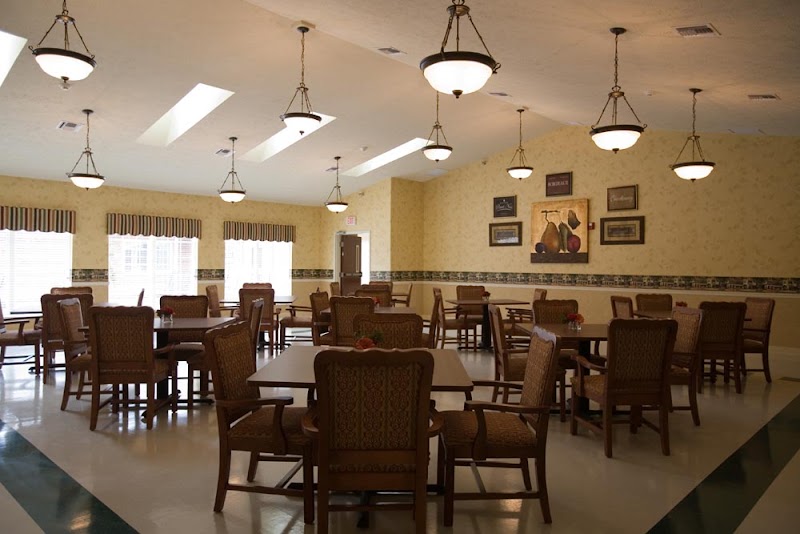
Who Owns and Operates Cobblestone Crossings Health Campus?

COBBLESTONE CROSSINGS HEALTH CAMPUS is owned by a for-profit company. For-profit facilities operate as businesses with obligations to shareholders or private owners. The facility is operated by TRILOGY HEALTH SERVICES, a chain that manages multiple nursing homes. With 60 certified beds and approximately 44 residents (about 73% occupancy), it is a smaller facility located in TERRE HAUTE, Indiana.
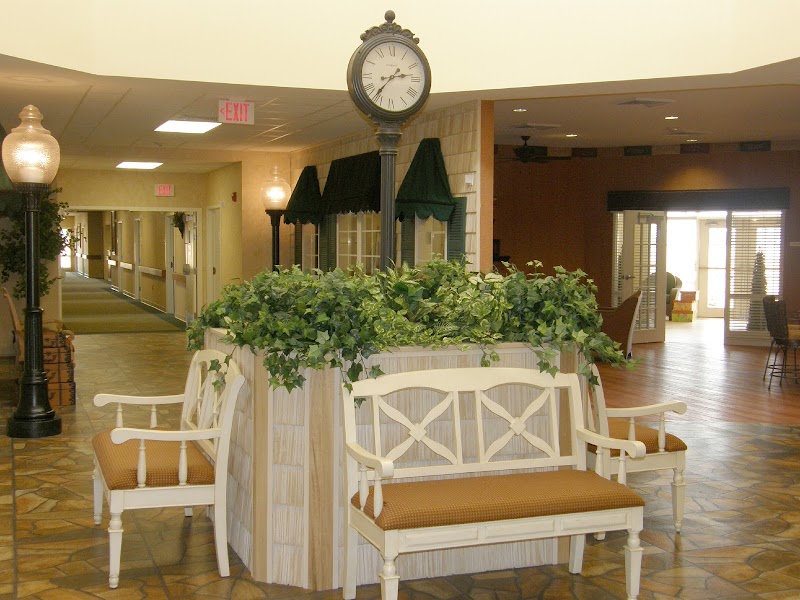
How Does Cobblestone Crossings Health Campus Compare to Other Indiana Nursing Homes?

Compared to the 100 nursing homes in Indiana, COBBLESTONE CROSSINGS HEALTH CAMPUS's overall rating (3 stars) is below the state average of 3.1, staff turnover (44%) is near the state average of 46%, and health inspection rating (2 stars) is below the national benchmark.

What Should Families Ask When Visiting Cobblestone Crossings Health Campus?

Based on this facility's data, families visiting should ask: "Can I visit during a mealtime to observe dining assistance and food quality?" "How do you handle medical emergencies, and what is your hospital transfer rate?" "Can I speak with family members of current residents about their experience?"

Is Cobblestone Crossings Health Campus Safe?

Based on CMS inspection data, COBBLESTONE CROSSINGS HEALTH CAMPUS has a clean safety record: no substantiated abuse findings (meaning no confirmed cases of resident harm), no Immediate Jeopardy citations (the most serious violation level indicating risk of serious injury or death), and is not on the Special Focus Facility watch list (a federal program monitoring the lowest-performing 1% of nursing homes). The facility has a 3-star overall rating and ranks #100 of 100 nursing homes in Indiana. While no facility is perfect, families should still ask about staff-to-resident ratios and recent inspection results during their visit.

Do Nurses at Cobblestone Crossings Health Campus Stick Around?

COBBLESTONE CROSSINGS HEALTH CAMPUS has a staff turnover rate of 44%, which is about average for Indiana nursing homes (state average: 46%). Moderate turnover is common in nursing homes, but families should still ask about staff tenure and how the facility maintains care continuity when employees leave.

Was Cobblestone Crossings Health Campus Ever Fined?

COBBLESTONE CROSSINGS HEALTH CAMPUS has no federal fines on record. CMS issues fines when nursing homes fail to meet care standards or don't correct problems found during inspections. The absence of fines suggests the facility has either maintained compliance or corrected any issues before penalties were assessed. This is a positive indicator, though families should still review recent inspection reports for the full picture.

Is Cobblestone Crossings Health Campus on Any Federal Watch List?

COBBLESTONE CROSSINGS HEALTH CAMPUS is not on any federal watch list. The most significant is the Special Focus Facility (SFF) program, which identifies the bottom 1% of nursing homes nationally based on persistent, serious quality problems. Not being on this list means the facility has avoided the pattern of deficiencies that triggers enhanced federal oversight. This is a positive indicator, though families should still review the facility's inspection history directly.