SIGNATURE HEALTHCARE OF TERRE HAUTE
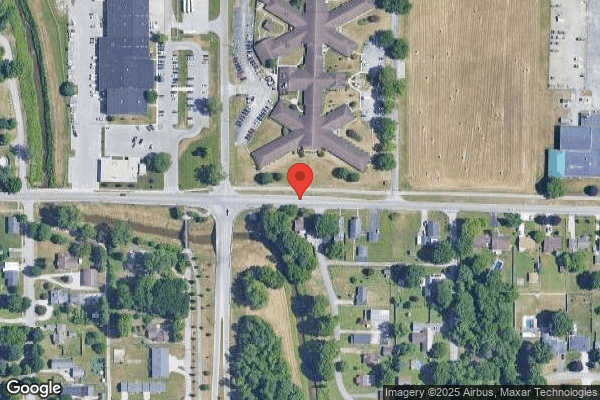
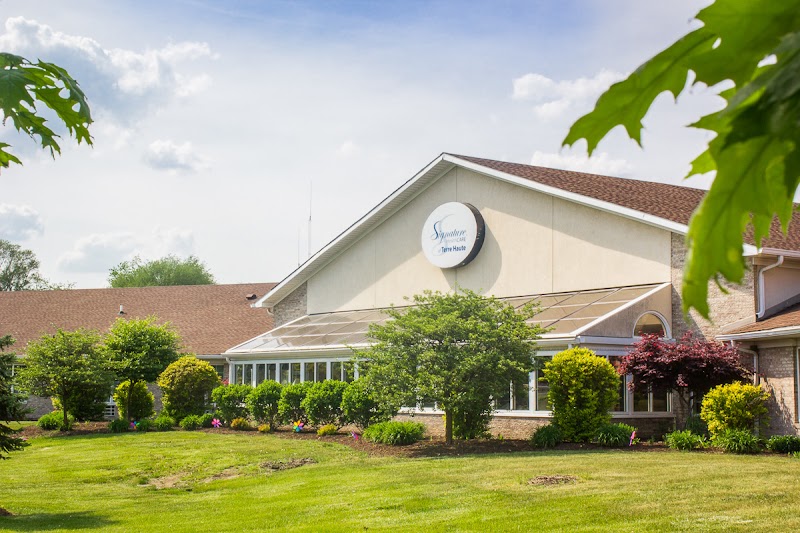
3500 MAPLE AVE, TERRE HAUTE, IN 47804 (812) 238-1555
For profit - Limited Liability company 176 Beds SIGNATURE HEALTHCARE Data: November 2025 3 Immediate Jeopardy citations
Trust Grade
0/100
Last Inspection: January 2025

Within standard 12-15 month inspection cycle. Federal law requires annual inspections.

Overview

Signature Healthcare of Terre Haute has received an alarming Trust Grade of F, indicating significant concerns about the facility’s operations and care quality. With no rank in the state or county, it suggests that this facility is among the least favorable options for families in Indiana and Vigo County. The situation appears to be worsening, with issues doubling from 9 in 2024 to 18 in 2025, raising serious red flags. Staffing is a major concern, with a turnover rate of 69%, far exceeding the Indiana average, which likely impacts the consistency of care. The facility has also incurred $105,006 in fines, higher than 97% of Indiana facilities, indicating ongoing compliance problems. Critical incidents reported include instances of sexual abuse between residents and significant failures in managing pressure ulcers, resulting in severe injuries. Additionally, there have been alarming lapses in responding to a resident's medical emergency, leading to a delay in necessary hospital transfer. While there is average RN coverage, the overall environment and care quality pose serious risks, making this facility a troubling choice for families seeking a safe and supportive home for their loved ones.

Trust Score
F
0/100
In Indiana
#112/223
Top 50%
Safety Record
High Risk
Review needed
Inspections
Getting Worse
9 → 18 violations
Staff Stability
⚠ Watch
69% turnover. Above average. Higher turnover means staff may not know residents' routines.
Penalties
✓ Good
$105,006 in fines. Lower than most Indiana facilities. Relatively clean record.
Skilled Nurses
○ Average
Each resident gets 33 minutes of Registered Nurse (RN) attention daily — about average for Indiana. RNs are the most trained staff who monitor for health changes.
Violations
⚠ Watch
63 deficiencies on record. Higher than average. Multiple issues found across inspections.
☆☆☆☆☆
0.0
Overall Rating
☆☆☆☆☆
0.0
Staff Levels
☆☆☆☆☆
0.0
Care Quality
☆☆☆☆☆
0.0
Inspection Score
Stable
2024: 9 issues
2025: 18 issues

The Good

  • Full Sprinkler Coverage · Fire safety systems throughout facility
  • No fines on record

Facility shows strength in fire safety.

The Bad

Staff Turnover: 69%

22pts above Indiana avg (46%)

Frequent staff changes - ask about care continuity

Federal Fines: $105,006

Well above median ($33,413)

Significant penalties indicating serious issues

Chain: SIGNATURE HEALTHCARE

Part of a multi-facility chain

Ask about local staffing decisions and management

Staff turnover is elevated (69%)

21 points above Indiana average of 48%

The Ugly 63 deficiencies on record

3 life-threatening 4 actual harm
Aug 2025 1 deficiency
CONCERN (E) 📢 Someone Reported This

A family member, employee, or ombudsman was alarmed enough to file a formal complaint

Potential for Harm - no one hurt, but risky conditions existed

Food Safety (Tag F0812)

Could have caused harm · This affected multiple residents

Based on observation and interview, a facility dietary staff member failed to don gloves prior to handling sandwich bread during preparation of sandwiches during an initial tour of the kitchen. This d...

Read full inspector narrative →
Based on observation and interview, a facility dietary staff member failed to don gloves prior to handling sandwich bread during preparation of sandwiches during an initial tour of the kitchen. This deficient practice had the potential to affect 10 of 10 residents consuming the prepared sandwiches. Findings include: An observation of the facility's kitchen was completed on 8/4/25 at 10:10 a.m., accompanied by the Dietary Manager. Dietary Aide 2 was observed standing at a preparation table with bread laid out in a row. He held one piece of bread in a bare hand and had a knife with peanut butter in the other. He began to spread peanut butter onto the piece of bread. Dietary Aide 2 indicated he was preparing peanut butter and jelly sandwiches for lunch service and for snacks during the day. He indicated he should be wearing gloves and not touching food with his bare hands. He began to don gloves, when he was stopped by the Dietary Manager and asked to perform hand hygiene prior to donning the gloves.During an interview on 8/6/25 at 11:03 a.m., the Dietary Manager indicated the kitchen staff usually prepared around 10 peanut butter and jelly sandwiches a day for use as snacks and/or meals. They were usually all consumed throughout the day. Dietary Aide 2 should have been using gloves to touch food after washing hands and applying the gloves. The sandwiches he had been preparing during the observation were discarded.A current facility policy, revised 9/2017, titled, Food: Preparation, provided by the Corporate Nurse Consultant on 8/6/25 at 9:15 a.m., included the following: Policy Statement All foods are prepared in accordance with the FDA Food Code .Procedures 1. All staff will practice proper hand washing techniques and glove use This citation relates to Complaint 1385466.3.1-21(i)(3)
Jun 2025 1 deficiency
CONCERN (D) 📢 Someone Reported This

A family member, employee, or ombudsman was alarmed enough to file a formal complaint

Potential for Harm - no one hurt, but risky conditions existed

Deficiency F0760 (Tag F0760)

Could have caused harm · This affected 1 resident

Based on record review and interview, the facility staff failed to administer scheduled doses of comfort medication per physician order without nursing assessment and physician notification for 1 of 8...

Read full inspector narrative →
Based on record review and interview, the facility staff failed to administer scheduled doses of comfort medication per physician order without nursing assessment and physician notification for 1 of 8 resident reviewed for quality of care (Resident B). The deficient practice was corrected by 6/5/25 prior to the start of the survey and was therefore Past Noncompliance. Findings include: During a telephone interview on 6/12/25 at 3:20 p.m., Resident B's family member indicated the staff were not able to explain needs or symptoms that would be managed with the hospice ordered medications. They appeared confused about the administration of the medications and when they were to be given. The residents breathing would become rapid at times and he would begin to move his shoulders and grunt as if he were uncomfortable. When the medications were given, he seemed more comfortable and seemed to breath easier. One Qualified Medication aide (QMA) had entered the room and attempted to administer his medications, but indicated he was clenching his teeth and she was not able to administer the dose. She felt he looked calm and comfortable so she indicated she would skip it. We agreed only because we were relying on the staff to know what was best. It was very uncomfortable to watch him seem to struggle occasionally. The clinical record for Resident B was completed on 6/12/25 at 9:52 a.m. Diagnoses included dementia, chronic obstructive pulmonary disease, atrial fibrillation, heart disease and anxiety disorder. A nursing progress note, dated 5/19/25 at 7:13 p.m., indicated the resident had increased pain and agitation. The physician was notified for palliative treatment and changed the order for morphine (to treat pain and shortness of breath) from as needed to scheduled every four hours. A physician's order, dated 5/19/25, indicated to administer morphine concentrate 20 mg (milligram) per 1 ml (milliliter), 0.25 ml/5 mg, every four hours for pain and agitation. The medication was scheduled to be provided at 12:00 a.m., 4:00 a.m., 8:00 a.m., 12:00 p.m., 4:00 p.m., and 8:00 p.m. QMA 2 failed to administer the ordered medication on the following dates and with explanations: a. On 5/20/25 at 12:00 p.m., the note indicated the resident had no pain and was sleeping. b. On 5/20/25 at 4:00 p.m., the note indicated the resident had no pain. c. On 5/21/25 at 4:00 p.m., the note indicated the resident was sleeping, had no pain, and had no agitation. d. On 5/22/25 at 12:00 p.m., the note indicated the resident had no agitation or pain. e. On 5/27/25 at 12:00 p.m., the note indicated the resident was sleeping. During an interview on 6/12/25 at 4:08 p.m., QMA 2 indicated Resident B's family was present when she came into the room to administer his morphine. She observed he was not in any distress and decided to hold the medication. She asked the family if they needed anything and if he seemed comfortable then left the room. She felt there was no issue and he did not need that dose. She held the scheduled medication because she observed no grimacing or signs and symptoms of pain. She indicated if the medication had been for high blood pressure or something like that, she would have administered the medication even without outward signs of need. QMA 4 failed to administer the ordered medication on the following dates with explanations: a. On 5/26/25 at 12:00 a.m., the note indicated unable to arouse resident. b. On 5/26/25 at 4:00 a.m., the note indicated unable to arouse resident. During an interview on 6/12/25 at 4:31 p.m., QMA 4 indicated she had put the dropper into the resident's mouth, and he clenched his teeth tightly making it difficult to administer. The family were at bedside and indicated they thought he may not have needed or wanted it at the time. QMA 4 indicated she held the dose. The clinical record lacked progress notes indicating completed assessments to hold the scheduled morphine or documentation of physician notification. During an interview on 6/12/25 at 4:34 p.m., the DON indicated QMA's and nurses should not skip doses of scheduled medications unless they contact the physician. A current facility policy, revised 1/31/25, titled, Physicians Orders, provided by the Nurse Consultant on 6/12/25 at 5:17 p.m., included the following: Policy Statement It is the standard of this facility that physician orders are followed Guideline: .2. Licensed Nurses and Medication Aides are expected to follow physician's orders. The deficient practice was corrected by 6/5/25 after the facility implemented a systemic plan that included re-education of nursing staff. On 6/12/25 at 4:28 p.m., the Nurse Consultant provided two documents of completed inservices. The In-Service Sign in Sheet, dated 5/30/25, indicated the training provided as assessments, notifying the physician for out of range vitals, documentation, fall prevention, and QMA scope of practice. The In-Service Sign in Sheet, dated 6/5/25, indicated the training provided as out of range vitals required physician be made aware and noted by nurse, and QMA's may not hold medications without nurse assessment and physician notification. QMA 2 and QMA 4 had signed each inservice record sheet. This citation relates to Complaint IN00460686. 3.1-48(c)(2)
May 2025 2 deficiencies 1 Harm
SERIOUS (G) 📢 Someone Reported This

A family member, employee, or ombudsman was alarmed enough to file a formal complaint

Actual Harm - a resident was hurt due to facility failures

Deficiency F0744 (Tag F0744)

A resident was harmed · This affected 1 resident

**NOTE- TERMS IN BRACKETS HAVE BEEN EDITED TO PROTECT CONFIDENTIALITY** Based on observation, interview, and record review, the facility failed to ensure resident specific interventions were implement...

Read full inspector narrative →
**NOTE- TERMS IN BRACKETS HAVE BEEN EDITED TO PROTECT CONFIDENTIALITY** Based on observation, interview, and record review, the facility failed to ensure resident specific interventions were implemented for a dementia resident who was known to have behaviors upon admitting to the facility and intrusive wandering for 1 of 6 residents reviewed for dementia care (Resident J). This deficient practice resulted in harm when Resident J wandered into Resident F's room unsupervised and then exited with three circular bruises on the right lower arm and scratches with fresh blood on them. Resident F was found on the ground of her room with skin tears, and was diagnosed at the hospital with a non-displaced acute distal right clavicle fracture, and a subdural hematoma with mild midline shift. Findings include: A confidential interview during the survey indicated that local police responded to a nearby hospital to speak with Resident F who was being treated for injuries that occurred at the nursing home. The resident died on [DATE]. There was concern that the deceased resident had been beaten by Resident J. Resident J's record was reviewed on [DATE] at 2:30 p.m. Diagnoses on Resident J's profile included, early onset Alzheimer's disease (a progressive disease that destroys memory and other mental functions), and anxiety disorder (stress that was out of proportion to the impact of the event, inability to set aside a worry, and restlessness). On [DATE] at 9:35 a.m., Resident J was observed in an activity/dining room on the secured memory care unit, at a table with a peer, and their seating was spaced apart. The resident was calm and looking around. On [DATE] at 9:35 a.m., an observation of the secured memory care unit with the Nurse Consultant was completed. Resident J's room was at the end of a hallway near the outside exit doors, four resident rooms down from the nurse's desk. Resident F's room was observed to be directly next door on the same side of the hallway. The nurse's desk was located in the middle where the 3 separate hallways intersected on the 900 hallway. The Nurse Consultant indicated that a couch had previously been in an alcove in front of the nurse's desk on the hallway leading towards the exit into the main part of the facility, where QMA 5 who was in charge of the 900 hallways on [DATE] had been sitting while she charted and would not have been able to view Residents J and F's rooms at the end of the hallway. During a continuous observation of the 900 hallways, on [DATE] from 11:05 a.m. to 11:25 a.m., Resident J was observed walking swiftly towards the exit door upon entry of a visitor to the unit. The resident was observed to turn and follow the visitor to the nurse's desk, where she watched but did not engage the four unidentified staff members standing and sitting around the desk. At 11:17 a.m., Resident J was persuaded to enter the dining/activity room and sit at the end of a long table where peers were sitting during an activity, the resident actively watched activity around her, but maintained a flat affect and did not engage with those around her. Review of documentation from the skilled nursing home Resident J had transferred from on [DATE], indicated Resident J had initiated two prior resident-to-resident altercations by hitting other residents in the four months prior to admission to the current skilled nursing home. The most recent incident occurred on [DATE]. Physician's orders dated [DATE], included: a. Admit to a gated community due to Alzheimer's dementia. b. Resident may see psychiatrist as needed. The resident record lacked a physician's order to monitor target behaviors of wandering, cursing, yelling, until [DATE]. A progress note, dated [DATE] at 12:16 a.m., indicated Resident J had been admitted on the day shift of [DATE]. On the evening shift the resident had been exit seeking and walked fast in the halls. The resident attempted to exit with someone else's family member, but staff assisted, and Resident J was returned from outside the door area to the hall. The resident came back willingly but at times when staff talked to the resident, she got verbally aggressive and called staff curse words. Resident J spit at staff and attempted to throw things at them several times. She targeted resident rooms with stop signs on them and ripped the signs down and threw them on the floor. This behavior caused an issue with another resident (Resident F). Resident J was verbally aggressive toward others, and the administration was notified of the resident to be on 15-minute checks. Staff were educated that one staff member was to be up alternating to have eyes on Resident J to detour her from other residents' rooms and to decrease the risk of resident to resident incident. A 48-Hour Baseline Care Plan, dated [DATE], indicated a history of impaired daily decision making, dementia, Alzheimer's disease, short or long-term memory loss were not triggered. Interventions related to Alzheimer's or dementia were not added to the baseline care plan. A care plan for Resident J, dated [DATE], indicated the resident was placed in the locked unit as a least restrictive approach to protect the resident and assure her health and safety. Approaches included encouraging the family to place familiar objects, and pictures in the resident room for cueing, encouraging the resident to participate in activities, and to provide access and visitation by family, resident representative, and/or other individuals. Staff were to be alert to psychosocial needs and conduct ongoing periodic review for the continued need for placement on the unit. The care plan lacked documentation of individualized interventions for Resident J and did not mention the history of altercations with staff or another resident. A care plan for Resident J, dated [DATE], indicated the resident was at risk for injury or adverse outcomes related to wandering behaviors. Approaches included encouraging the resident's representative / family to visit as needed, encourage the resident to participate in activities of interest / choice, observe the resident's wandering patterns and escort her away from other residents or other resident rooms as needed, and observe for signs of increasing fatigue and offer rest periods. The care plan lacked documentation of individualized interventions for Resident J and did not mention the history of altercations with staff or another resident. The resident record lacked documentation of the care plans having been updated with behaviors to include exit seeking, physical and verbally combative behaviors, or the resident having been placed on 15-minute checks An admission MDS assessment, completed on [DATE], assessed Resident J as usually having the ability to make herself understood and to usually understand others. A BIMS score 9/15 indicated moderately impaired cognition. The resident had no signs or symptoms of delirium, behaviors, or rejection of care, but did displayed wandering behaviors daily. The resident was independent with bed mobility and required supervision with transfers and ambulation. The resident had no skin conditions to include pressure wounds, skin tears, or bruises. The MDS lacked documentation of behaviors. An event entered into the electronic medical record (EMR) by Licensed Practical Nurse (LPN) 6, on [DATE] at 3:40 a.m., indicated Resident J had new or worsening behaviors including wandering into other residents' rooms, not able to sleep, and hitting staff at times. LPN 6 indicated the resident wandered frequently and aimlessly, and at times when redirected she hit at staff. Psychiatric services had seen the resident. Interventions to alleviate behaviors included 15-minute checks, and a SBAR (situation, background, assessment and recommendation) had been sent to the physician requesting an order for psychiatric medication and medication to help the resident sleep. An event entered by LPN 6 on [DATE] at 4:19 a.m., indicated the resident had 3 circular dark purple bruises on the right arm, each measuring 1-centimeter (cm) by (x) 1 cm x 0 cm with scratches. At the time of the bruises occurrence the resident was wandering into another resident's (Resident F's) room. A possible contributing factor was combative/resistive behavior. A progress note, dated [DATE] at 4:13 a.m., indicated Resident J was observed leaving Resident F's room. Resident J had new bruises, three approximate 1 cm x 1 cm circular bruises on the right lower arm, and scratches as well that had fresh blood on them. Administration was notified, and the resident was placed on 15-minute checks. A progress note, dated [DATE] at 2:25 p.m., indicated Resident J was sent by ambulance to an in-house Geri-psychiatric (Geri-psych) hospital for admission. A progress note, dated [DATE] at 5:36 p.m., indicated Resident J returned from Geri-psych for readmission to the facility. A progress note, dated [DATE] at 4:45 p.m., indicated Resident J was seen by a visiting psychiatric group for a routine psychiatric follow up with no new concerns or orders. On [DATE] at 1:15 p.m., the Nurse Consultant indicated psychiatric services had seen Resident J in the facility on [DATE] for an initial visit, the facility had not yet received documentation of the visit. A confidential interview during the survey process indicated Resident F's family member had come through the locked memory care unit doors for a visit, and when she would not let Resident J out, Resident J became violent with her and staff had to intervene. Resident F's family member had reported Resident J having been found in Resident F's room at least 6 different times prior to the incident on [DATE]. On [DATE], CNA 8 had reported having seen Resident J walk out of Resident F's room holding her arm, with fresh scratches on her arm. When police arrived at the facility on [DATE], QMA 5 indicated staff thought there had been a resident to resident altercation between Residents F and J, causing Resident F to fall. During an interview on [DATE] at 2:03 p.m. Certified Nursing Assistant (CNA) 7 indicated, on the night of [DATE] she had been at the nurse's station and had seen Resident J walking around/pacing. Five minutes later CNA 8 had jumped up and said she had heard Resident F say ouch. As both CNAs walked into Resident F's room, Resident J walked out. Resident F was observed sitting on the floor in the doorway of the bathroom next to a footboard of a bed. During an interview on [DATE] at 11:26 a.m., the Nurse Consultant indicated, on [DATE] staff had been doing rounds and Resident J was pacing, they were on opposite ends of the hallway. The CNAs had their eyes off Resident J for approximately 3 minutes while they changed another resident. The CNAs then sat down to chart at the nurse's station and heard someone say ouch. Resident J was witnessed exiting Resident F's room, who was witnessed on the floor in her room. The CNAs denied hearing any indication of a fall. During an interview on [DATE] at 2:10 p.m., CNA 8 indicated, on [DATE], she had been doing bed checks with CNA 7, when she heard Resident F say ouch. She observed Resident J exit Resident F's room frowning and holding her right arm, and Resident F was observed sitting on the floor in front of the bathroom door. Resident J was to be watched and staff were to keep eyes on her, but the CNAs had been providing care in another resident room for about 1 minute and then went to the nurse's station to chart. During an interview on [DATE] at 12:51 p.m. the Administrator (ADM) and Nurse Consultant indicated after Resident F left the faciity on [DATE] an investigation was initiated, Resident J was placed on one on one (1:1), interviews were conducted with staff, and a policeman came in response to the family member's call. A facility State Reportable Incident report was sent on [DATE] in response to the fall with injury for Resident F. Resident J had been on 1:1, and after the fall became aggressive, more than her routine pacing, and was sent to Geri-psych. Resident J had not been viewed by staff as being escalated the night of the incident, but after being put on 1:1 her behaviors escalated. On the night shift of the incident on [DATE], two staff CNAs had been caring for another resident at the end of the hallway, and QMA 5 was sitting at the nurse's desk. Staff thought they heard a help, saw Resident J leave Resident F's room, and staff entered the resident's room to find Resident F on the floor. The Nurse Consultant indicated staff found a smear of blood on the foot board of the roommate's bed and 2 small drops of blood on the floor at the end of the bed to indicate where Resident F had fallen, and the policeman had requested to view the crime scene. During an interview on [DATE] at 3:10 p.m., LPN 6 indicated on [DATE] she had been working on the 700 and 800 hallways, and covering the 2 secured hallways, each of which had a Qualified Medication Aide (QMA). LPN 6 indicated she had been summoned to the 900 hallways by QMA 5 who reported a fall. LPN 6 had observed Resident F on the floor in the doorway to the hallway, sitting on her buttocks with her legs outstretched, which was within 3-4 feet of the bathroom. Resident F had skin tears on both lower shins, her leg looked abnormal, she had skin tears and scratches on the right forearm, there was slight penny sized bleeding on the floor, and she complained of pain in her right shoulder, so they did not move it. 911 was called and Resident F was transported to the hospital for evaluation and treatment. CNA 7 indicated, she had seen Resident J come out of Resident F's room. Resident J had been assessed and found with purple/blue bruising and fresh scratches with blood on the forearm. When asked what had happened Resident F indicated her and pointed to Resident J. The Administrator (ADM) was notified, and she told LPN 6 to put Resident J on 15-minute checks. LPN 6 instructed the CNAs to keep an eye on Resident J and assure she was not wandering in other residents' rooms. LPN 6 indicated, in the past Resident J had been monitored related to wandering, taking down other residents' stop signs, and hitting at staff, but she thought that might have ended. During an interview on [DATE] at 7:48 a.m., QMA 5 indicated, on [DATE], she had worked the night shift passing medications from 6:00 p.m. to 6:00 a.m. QMA 5 had given Resident F her evening medications on [DATE] at 7:30 p.m. and had not seen the resident after she was helped to bed by the CNAs. QMA 5 had been sitting on a couch charting, where she did not have a view of Residents F and J's rooms. CNA 7 had come and told her someone was on the floor, and she went and found LPN 6 before going to Resident F's room. Upon entering Resident F's room, the resident was observed on the floor near the end of the roommate's bed, sitting up, facing the doorway. Resident J had been seen exiting Resident F's room. Resident J had a history of aggression, would smack, kick, etc. toward staff, and her behavior got worse at night. QMA 5 indicated staff had been made aware that Resident J could be violent to staff with care, redirection, and did not like to be told what to do. QMA 5 indicated the Director of Nursing was aware of Resident J's behaviors, but to her knowledge she was not aware of Resident J having been placed on 1:1 monitoring related to her known behaviors. Resident J was known to enter other residents' rooms and take their stuff, and she frequently wandered into all other residents' rooms on the unit. QMA 5 indicated the CNAs had been able to see all 3 of the 900 hallways from the nurse's station. CNA 8 had heard Resident F say ouch, and being as her room was approximately 100 feet from the nurse's station it had to have been at a high volume. QMA 5 indicated she had not seen Resident J in bed asleep, but had seen the CNA's take her to her room, and they said she had been asleep. Staff did not see Resident J go into Resident F's room. During an interview on [DATE] at 8:19 a.m., CNA 7 indicated, she had worked [DATE] from 6:00 p.m. to 6:00 a.m. and made resident rounds every 30 minutes to 1 hour. Resident J had been observed around 12:00 a.m. and 12:30 a.m., walking in the hallways. Resident J was known to wander, and did not sit or lay in bed for long. Resident J used to be a housekeeper and would wander in and out of other residents' rooms, made other residents' beds, would take their bedding to the laundry room, and would pick up cups. CNA 7 indicated Resident J was violent towards staff, was unpredictable going from pleasant to violent, and staff were still learning her behaviors. CNA 7 indicated recently upon redirection from getting into another resident's bed, Resident J tried to backhand her. On [DATE], she saw Resident J come out of Resident F's room. Resident J seemed calm, walked to the nurse's station and sat down, and showed the CNA that she had scratches on her left arm. Resident J denied knowing what had happened to Resident F. CNA 7 indicated, her bosses knew Resident J was being violent towards staff, and staff had been told that if an incident was resident to staff, the staff were on their own. CNA 7 indicated she had reported the backhand incident to the DON a few days before [DATE], and was told the facility would send the resident for psychiatric help. Staff initially thought Resident J might have been involved in Resident F's fall because she could be mean but later thought due to Resident J's calm demeanor at the time, she was most likely not involved. CNA 7 indicated she had not known Resident J had been put onto 15-minute checks prior to [DATE]. If a resident was on 15-minute checks, staff would document seeing the resident every 15 minutes. Increased Monitoring - 15 minute check reports for Resident J, dated [DATE] - [DATE], were unavailable at the time of the survey exit. Handwritten copies of the reports were received via e-mail from the Nurse Consultant on [DATE] at 12:10 a.m. During the exit conference on [DATE] at 4:43 p.m., the Nurse Consultant indicated it was the right of all residents on the memory care unit to wander where they wanted, any time they wanted, and that included allowing Resident J to wander into other residents' rooms during the night on the unit. That was the purpose of a secured memory care wing. A behavior management policy was requested but not provided during the survey process. This citation relates to Complaint IN00458972. 3.1-37(a)
CONCERN (D) 📢 Someone Reported This

A family member, employee, or ombudsman was alarmed enough to file a formal complaint

Potential for Harm - no one hurt, but risky conditions existed

Report Alleged Abuse (Tag F0609)

Could have caused harm · This affected 1 resident

**NOTE- TERMS IN BRACKETS HAVE BEEN EDITED TO PROTECT CONFIDENTIALITY** Based on interview, and record review, the facility failed to timely report an allegation of suspected resident-to-resident abus...

Read full inspector narrative →
**NOTE- TERMS IN BRACKETS HAVE BEEN EDITED TO PROTECT CONFIDENTIALITY** Based on interview, and record review, the facility failed to timely report an allegation of suspected resident-to-resident abuse for 1 of 7 residents reviewed for resident abuse (Resident F). Findings include: A facility reportable incident (FRI), dated [DATE] at 11:51 a.m., indicated Resident F was attempting to ambulate in her room in the memory care and fell. Resident F complained of right shoulder and bilateral lower extremities pain. The resident was transported by ambulance to the emergency room (ER) where she was diagnosed with a non-displaced acute distal right clavicle fracture, diffuse osteopenia, and a subdural hematoma with mild midline shift. A confidential concern during the survey indicated that local police responded to a nearby hospital to speak with Resident F who was being treated for injuries that occurred at the nursing home. The resident died on [DATE]. There was concern that the deceased resident had been beaten by another resident. A concern from a local hospital employee, dated [DATE], indicated Resident F had been brought into the ER for an unwitnessed fall via emergency medical services (EMS). She had been admitted to the hospital for injuries and uncontrolled pain associated with this event. A physician's note indicated that the resident presented to the hospital with a suspected unwitnessed fall and was taking Eliquis (a blood thinner). The Hospitalist Nurse Practitioner (NP) talked with the resident who maintained that a nurse at the nursing home twisted her arm behind her back, causing her to fall. The resident reiterated the recollection of events multiple times. The NP noted the resident had a clavicle fracture, brain bleed (subdural hematoma), scattered bruises, and skin tears from the event. Resident F's family made the decision not to have the resident return to the facility. A confidential interview during the survey process indicated, on [DATE], CNA 8 had reported having seen Resident J walk out of Resident F's room holding her arm, with fresh scratches on her arm. When police arrived at the facility on [DATE], QMA 5 indicated, staff thought there had been a resident-to-resident altercation between Residents F and J, causing Resident F to fall. During an interview on [DATE] at 2:03 p.m. Certified Nursing Assistant (CNA) 7 indicated, on the night of [DATE] she had been at the nurse's station and had seen Resident J walking around/pacing. Five minutes later CNA 8 had jumped up and said she had heard Resident F say ouch. As both CNAs walked into Resident F's room, Resident J walked out. Resident F was observed sitting on the floor in the doorway of the bathroom next to a footboard of a bed. During an interview on [DATE] at 11:26 a.m., the Nurse Consultant indicated, on [DATE], staff had been doing rounds and Resident J was pacing, they were on opposite ends of the hallway. The CNAs had their eyes off Resident J for approximately 3 minutes while they changed another resident. The CNAs then sat down to chart at the nurse's station and heard someone say ouch. Resident J was witnessed exiting Resident F's room, who was witnessed on the floor in her room. The CNAs denied hearing any indication of a fall. During an interview on [DATE] at 2:10 p.m., CNA 8 indicated, on [DATE], she had been doing bed checks with CNA 7, when she heard Resident F say ouch. She observed Resident J exit Resident F's room frowning and holding her right arm, and Resident F was observed sitting on the floor in front of the bathroom door. Resident J was to be watched, and staff were to keep eyes on her, but the CNAs had been providing care in another resident room for about 1 minute and then went to the nurse's station to chart. During an interview on [DATE] at 3:10 p.m., LPN 6 indicated, on [DATE], she had been summoned to the 900 hallways by QMA 5 who reported a fall. LPN 6 had observed Resident F on the floor in the doorway to the hallway, sitting on her buttocks with her legs outstretched, which was within 3-4 feet of the bathroom. Resident F had skin tears on both lower shins, her leg looked abnormal, she had skin tears and scratches on the right forearm, there was slight penny sized bleeding on the floor, and she complained of pain in her right shoulder, so they did not move it. 911 was called and Resident F was transported to the hospital for evaluation and treatment. CNA 7 indicated she had seen Resident J come out of Resident F's room. Resident J had been assessed and found with purple/blue bruising and fresh scratches with blood on the forearm. When asked what had happened, Resident F indicated her and pointed to Resident J. The Administrator (ADM) was notified, and she told LPN 6 to put Resident J on 15-minute checks. LPN 6 instructed the CNAs to keep an eye on Resident J and assure she was not wandering in other residents' rooms. LPN 6 indicated in the past Resident J had been monitored related to wandering, taking down other residents' stop signs, and hitting at staff, but she thought that might have ended. During an interview on [DATE] at 7:48 a.m., QMA 5 indicated, on [DATE], she had given Resident F her evening medications on [DATE] between 7:30 p.m.and 8:00 p.m. and had not seen the resident after she was helped to bed by the CNAs. QMA 5 had been sitting on a couch charting, where she did not have a view of Residents F and J's rooms. CNA 7 had come and told her someone was on the floor, and she went and found LPN 6 before going to Resident F's room. Upon entering Resident F's room, the resident was observed on the floor near the end of the roommate's bed, sitting up, facing the doorway. Resident J had been seen exiting Resident F's room. Resident J had a history of aggression, would smack, kick, etc. toward staff, and her behavior got worse at night. CNA 8 had heard Resident F say ouch, and being as her room was approximately 100 feet from the nurse's station it had to have been at a high volume. QMA 5 indicated she had not seen Resident J in bed asleep, but had seen the CNA's take her to her room, and they said she had been asleep. Staff did not see Resident J go into Resident F's room. During an interview on [DATE] at 8:19 a.m., CNA 7 indicated she had worked [DATE] from 6:00 p.m. to 6:00 a.m. and made resident rounds every 30 minutes to 1 hour. She had last checked Resident F about 15 minutes before she was found on the floor, and at the time the resident had been sitting in bed awake with the television (TV) off. CNA 7 indicated that she had then sat down at the nurse's station to chart. Resident J had been observed around 12:00 a.m. and 12:30 a.m., walking in the hallways. Resident J was known to wander, and did not sit or lay in bed for long. Resident J used to be a housekeeper and would wander in and out of other residents' rooms, made other residents' beds, would take their bedding to the laundry room, and would pick up cups. CNA 7 indicated Resident J was violent towards staff, was unpredictable going from pleasant to violent, and staff were still learning her behaviors. CNA 7 indicated recently upon redirection from getting into another resident's bed, Resident J tried to backhand her. On [DATE], she had seen Resident J come out of Resident F's room. Resident J seemed calm, walked to the nurse's station and sat down, and showed the CNA that she had scratches on her left arm. Resident J denied knowing what had happened to Resident F. CNA 7 indicated she had reported the backhand incident to the DON a few days before [DATE], and was told the facility would send the resident for psychiatric help. Staff initially thought Resident J might have been involved in Resident F's fall because she could be mean but later thought due to Resident J's calm demeanor at the time, she was most likely not involved. CNA 7 indicated she had not known Resident J had been put onto 15-minute checks prior to [DATE]. If a resident was on 15-minute checks, staff would document seeing the resident every 15 minutes. A confidential interview held during the survey process indicated Resident F's family had called the police in response to events that happened on [DATE]. A staff member heard a scream coming from Resident F's room where she was found on the floor injured, and Resident J was observed leaving Resident F's room while holding her own arm. At the hospital Resident F made statements about a staff member holding her arm behind her back causing the accident. The press had then found out about the incident and details had been aired in a local newspaper and on-line formats. A police detective had notified staff he and the Attorney General's office would be setting up times to interview staff. During an interview on [DATE] at 12:51 p.m. the Administrator (ADM) and Nurse Consultant indicated a family member had reported the fall and subsequent death of Resident F to the media. The family member had also posted videos of Resident F taken while she was in the hospital with details of how she fell, her injuries, and death on a major social platform. On [DATE] Resident F was sent to the ER for evaluation and treatment after a fall. The fall incident was State reported by the facility on [DATE] after a hospital report was obtained showing the resident had a broken clavicle and subdural hematoma. The Nurse Consultant indicated that an investigation was initiated on [DATE] after the family member had called and spoken to the Director of Nursing (DON). The family member indicated that she had called the police after being told by someone at the hospital that an EMT reported to them CNA 7 told the EMT's Resident J had potentially caused Resident F's fall. The Nurse Consultant indicated Resident F's fall had initially been a two-part investigation, resident to resident abuse, and fall with injury. After the DON had spoken with the family member on [DATE] around 8:00 a.m. to 9:00 a.m., the family member seemed to be on the same page of no abuse, so it was not reported. When interviewed, CNA 7 denied making that remark to the EMT of Resident J potentially causing the accident. During an interview on [DATE] at 12:51 p.m. the Administrator (ADM) and Nurse Consultant indicated after Resident F left the faciity on [DATE] an investigation was initiated, Resident J was placed on one on one (1:1), interviews were conducted with staff, and a policeman came in response to the family member's call. A facility State Reportable Incident report was sent on [DATE] in response to the fall with injury. Staff found a smear of blood on the foot board of the roommate's bed and 2 small drops of blood on the floor at the end of the bed to indicate where the resident had fallen, and the policeman had requested to view the crime scene. The Interdisciplinary team (IDT), Quality Assurance (QA), Quality Assurance and Performance Improvement (QAPI) teams all met to discuss Resident F's fall, and did not believe the incident was a resident-to-resident altercation. A facility decision was made at that time to not report resident-to-resident abuse. The Nurse Consultant indicated, if they had thought the fall was related to an altercation, they would have reported the incident within 2 hours, but this was not the situation. During an interview on [DATE] at 12:51 p.m. the Nurse Consultant indicated a family member had called the DON on [DATE] around 8:00 a.m. to 9:00 a.m. and indicated she had called the police in response to hearing in the ER of a potential resident to resident interaction, and Resident F kept saying someone had pulled on her arm causing her to fall. The family member had also thought the gash on the front of Resident F's left shin happened during the altercation. A policeman had come into the facility on [DATE] around 9:30 a.m., looked at the scene, and left. The situation had not been State reported as abuse after the family member called, but it was state reported on [DATE] in reaction to the fall with injury. The Nurse Consultant indicated the facility was unable to get a response in calls to the EMTs, had not attempted to speak with anyone at the hospital, and had not attempted to speak with the family member after the resident had discharged to the hospital. The Nurse Consultant indicated that the incident had not been reported as abuse due to the family member having seemed to be on the same page of the incident being an accident by the end of the phone conversation with the DON on [DATE]. A detective was now interviewing night staff that were present on [DATE], he had asked for the facility attorney information to speak with legal counsel (who had asked for the facility soft file), as it was the process. The Nurse Consultant indicated the police were following up the situation as a whole; circumstances related to the fall incident, Resident F's hospitalization, and Resident F's death at the hospital. The Nurse Consultant indicated at no time had the police indicated they thought the situation was abuse or a suspicious death. The Nurse Consultant and the ADM indicated at no time since the police, a detective, the family, hospital, EMT's, and media were involved, had any further investigation been completed as the facility felt a thorough investigation had already been completed. On [DATE] at 12:10 a.m., the Nurse Consultant provided a local newspaper article, dated [DATE]. The article indicated, A death investigation is underway involving a resident at a [name of city] long-term rehabilitation facility, authorities have confirmed On [DATE] at 12:10 a.m., the Nurse Consultant provided a local television station newscast and on-line blog, dated [DATE], indicated, A death investigation is underway in [name of city]. On [DATE], the [name of city] police department responded to [a local hospital] to speak with a patient who was being treated for injuries believed to have occurred at a local long term rehabilitation facility. While the investigation was underway, the victim passed away Review of documentation from the skilled nursing home Resident J had transferred from on [DATE], indicated Resident J had initiated 2 prior resident-to-resident altercations by hitting other residents in the 4 months prior to admission to the current skilled nursing home, the most recent incident had occurred on [DATE]. A progress note, dated [DATE] at 12:16 a.m., indicated Resident J had been admitted on the day shift of [DATE]. On the evening shift the resident had been exit seeking and walked fast in the halls. The resident attempted to exit with someone else's family member, but staff assisted, and Resident J was returned from outside the door area to the hall. The resident came back willingly but at times when staff talked to the resident, she got verbally aggressive and called staff curse words. Resident J spit at staff and attempted to throw things at them several times. She targeted resident rooms with stop signs on them and ripped the signs down and threw them on the floor. This behavior caused an issue with another resident (Resident F). Resident J was verbally aggressive toward others, and the administration was notified of the resident to be on 15-minute checks. Staff were educated that 1 staff member was to be up alternating to have eyes on Resident J to detour her from other residents' rooms to decrease resident to resident risk of incident. An event entered into the electronic medical record (EMR) by Licensed Practical Nurse (LPN) 6, on [DATE] at 3:40 a.m., indicated Resident J had new or worsening behaviors including wandering into other residents' rooms, not able to sleep, and hitting staff at times. LPN 6 indicated the resident wandered frequently and aimlessly, and at times when redirected she hit at staff. Psychiatric services had seen the resident. Interventions to alleviate behaviors included 15-minute checks, and a SBAR (situation, background, assessment and recommendation) had been sent to the physician requesting an order for psychiatric medication and medication to help the resident sleep. An Abuse, Neglect and Misappropriation of Property policy, dated [DATE], indicated, Allegation of Abuse. This means a report, complaint, grievance, statement, incident, or other facts that a reasonable person would understand to mean that abuse, as defined in this policy, is occurring, has occurred, or plausibly might have occurred .All alleged violations involving abuse, neglect .are reported immediately, but no later than 2 hours after the allegation is made . Cross reference tag F744. This citation relates to Complaint IN00458972. 3.1-28(a)
Mar 2025 2 deficiencies
CONCERN (D) 📢 Someone Reported This

A family member, employee, or ombudsman was alarmed enough to file a formal complaint

Potential for Harm - no one hurt, but risky conditions existed

Transfer Notice (Tag F0623)

Could have caused harm · This affected 1 resident

**NOTE- TERMS IN BRACKETS HAVE BEEN EDITED TO PROTECT CONFIDENTIALITY** Based on observation, interview, and record review, the facility failed to issue a 30-day notice of discharge prior to the plann...

Read full inspector narrative →
**NOTE- TERMS IN BRACKETS HAVE BEEN EDITED TO PROTECT CONFIDENTIALITY** Based on observation, interview, and record review, the facility failed to issue a 30-day notice of discharge prior to the planned date of a facility-initiated discharge for 1 of 3 residents reviewed for discharges (Resident B). Findings include: During an interview, on 3/14/25 at 9:30 a.m., Qualified Medication Aide (QMA) 5 indicated she was working the unit Resident B resided on. He was discharging from the facility today, but she was not sure what time. QMA 5 indicated she was not sure where the resident planned to discharge, but the Social Services Director (SSD) should know. During an observation, on 3/14/25 at 9:33 a.m., Resident B was lying in bed with 3.5 liters (L) of oxygen via nasal cannula, and a catheter drainage bag was hanging on the side of the bed. At the same time, the resident indicated they have something planned but was unable to say what when asked if he planned to discharge from the facility that day. The resident did not know the year or who the president was. The resident's facial hair was untrimmed, and there was food on his chin. The resident indicated he did not care where he lived, and thought they might send him back to a motel. The resident denied requesting to discharge to a motel. He was not sure if he had Medicaid to pay for him to stay longer at the facility. The resident reported being unsure if he had a catheter and reached towards his groin area to check when asked. The resident was unable to verbalize how to care for his catheter, how much oxygen he required, how to turn the oxygen on and off, or how to apply the nasal cannula. During an interview, on 3/14/25 at 9:40 a.m., Resident B's family member indicated the facility notified her they planned to discharge Resident B to a motel because that was where he requested to go. The family member indicated the resident was not safe to discharge to a motel because he was unable to take care of himself. She was not issued a 30-day notice of discharge, and she did not think the resident was provided a notice either. During an interview, on 3/14/25 at 9:46 a.m., the SSD indicated Resident B's discharge had been postponed because no home health care company would accept him as a patient if he resided in a motel. The SSD indicated she was not aware or involved with residents who might have payor issues, based on a lack of a secondary payor, until it came time for them to discharge. She was not sure what plans were discussed related to potential payor issues when the resident's Medicare Advantage plan cut his skilled stay, prior to her first conversation with the resident's family. She first discussed Resident B's potential discharge with his family member on 3/6/25. She was not sure if a 30 day notice of discharge should have been issued. The family member requested a referral be sent to another skilled nursing facility (SNF) because the family thought it was just a Medicare issue. The other SNF declined to admit the resident. The SSD did not indicate she attempted to provide education to the resident or family that the resident's Medicare Advantage plan would not pay for another SNF after he was cut from their facility's skilled stay. The SSD did not indicate she discussed other options with the resident or family, such as paying privately, planning a realistically safe discharge, or Medicaid. The SSD indicated discharge planning should have started on day one of the resident's admission to the facility, and she was the discharge coordinator, but she was unable to provide documentation the resident's payor issues or discharge had been discussed with the resident or family prior to 3/6/25. During an interview, on 3/14/25 at 9:52 a.m., Certified Nurse Aide (CNA) 6 indicated she was working the unit Resident B resided on. Resident B was sometimes alert and oriented but had some confusion. The resident needed one staff member to assist him with getting dressed, and two staff members with a Hoyer (mechanical lift) to get out of bed. The resident was not able to stand well. He sometimes got out of bed but not everyday. The resident would not have been able to get up, get dressed, and take care of himself if he lived alone in a motel. CNA 6 indicated the resident was scheduled to be discharged from the facility today, and she provided a paper schedule which indicated the resident was discharged to a motel, including the motel's name, address, and phone number. CNA 6 was not aware Resident B's discharge was postponed. During an interview, on 3/14/25 at 9:54 a.m., CNA 7 indicated she was familiar with Resident B and was working the unit he resided on. The resident needed the assistance of two staff members to get out of bed and recently they had started to use the Hoyer lift to get him up. The resident was incontinent of bowels. CNA 7 indicated Resident B would have been unable to take care of himself if he lived on his own. The resident had not ever completed his own catheter or oxygen care. The resident was pretty confused and was unable to understand things, such as why his knee hurt even though he recently had knee surgery. The resident usually wore a hospital gown. Resident B was scheduled to discharge from the facility today, and she was not aware of the discharge being postponed. Resident B's record was reviewed on 3/14/25 at 11:10 a.m. Census information indicated the resident was admitted to the facility on [DATE] with a Medicare Advantage plan payor, and there was no secondary, or back-up, payor. The resident's payor type changed to private pay on 3/14/25. Diagnoses on the resident's profile included, but were not limited to, sepsis (life-threatening condition when the body overreacts to an infection), unspecified osteomyelitis (bone infection), unspecified protein-calorie malnutrition, generalized muscle weakness, need for assistance with personal care, and chronic obstructive pulmonary disease (COPD) (group of lung diseases causing breathing difficulties). A Care Conference Observation, dated 1/27/25, indicated the resident and the SSD attended the meeting, and the resident planned on staying in the facility long-term. The document did not indicate the SSD discussed with the resident options regarding what would happen when his Medicare Advantage plan cut the resident from the skilled stay since he planned to remain in the facility. There was no documentation of a plan for a secondary payor source once the Medicare Advantage plan stopped paying. An admission Minimum Data Set (MDS) assessment, dated 1/28/25, indicated the resident was cognitively intact. He required substantial/maximal staff assistance with toileting, showering/bathing, lower body dressing, putting on and taking off footwear, bed to chair transfers, toilet transfers, and tub and shower transfers. The resident required partial/moderate assistance with upper body dressing, personal hygiene, and rolling left and right. The resident had an indwelling catheter and was always incontinent of his bowels. The resident was at risk for pressure ulcers but had no pressure ulcers. The resident participated in the assessment process. The overall goal for discharge established during the assessment process was for the resident to stay in the facility long-term, and this information came from the resident's family. The assessment also indicated active discharge planning was in process for the resident to return to the community. A Progress Note, dated 2/3/25, indicated the resident's sister called the corporate compliance line with concerns of call light response timeliness and skilled services. The resident's sister came to the facility, and they met with the resident. The resident had some cognitive impairment and lapsed between showing understanding and answering questions appropriately to drifting off into nonsensical conversations. The resident was concerned that the facility allowed smoking, but he was required to be up in the wheelchair and propel himself to smoke. The resident previously lived in an infested motel. A care plan, initiated on 2/4/25, indicated the resident planned to discharge to the community. Interventions indicated arrange for medical equipment upon discharge, assist the resident with transportation as needed, discuss the discharge planning process with the resident and family, observe and report to the physician any changes in mood, behavior, cognition, and level of functioning caused by situational stressor and anticipated discharge, observe for psychosocial changes, provide the resident and/or representative with education as needed, provide services according to care plans in an effort to enhance optimum well-being and prevent hospitalizations, and secure any required state or insurance approval for transfer. The resident's record lacked documentation medical equipment was arranged in preparation of discharge or education was provided as indicated in the care plan as required. An SSD Progress Note, dated 2/13/25, indicated a referral for the resident was sent to another SNF. The SNF indicated they would not accept him unless he had Medicaid. The SSD called a second SNF, the resident had previously been referred to, and they declined to admit the resident because they do not feel he would be a good fit. The SSD spoke with the resident's sister and advised she proceed with getting Medicaid for him. The note lacked documentation the resident's sister was provided information or education on how to apply for Medicaid or the option to pay privately if desired, a reason the resident was referred to another SNF, what care or services the other SNF could provide that could not be provided at the facility, or documentation a 30 day notice of discharge was issued or discussed. An SSD Progress Note, dated 3/6/25, indicated the resident's sister requested another referral be sent to a SNF the resident had previously been referred to. The SSD explained to the resident's sister the referral could be sent, but they had already declined to admit the resident a few weeks ago. The SSD explained to the resident's sister that the resident is running out of Medicare days and since he did not have Medicaid it would have been difficult to find placement. The resident's sister stated she did not know how to apply for Medicaid for him, and the SSD educated the resident's sister regarding the facility's Medicaid Done Right program and advised the representative would be at the facility the next day if she wanted to talk to her. The SSD advised the resident's sister that the resident only had a handful of Medicare days remaining. The resident's sister got flustered and stated she was not able to take care of the resident at home, and it would not be safe for him to discharge home with her. The resident's sister's goal was for him to live closer to her in a facility. The note lacked documentation the resident's sister was assisted with making an appointment with the Medicaid Done Right representative or a 30 day notice of discharge was issued or discussed. The Progress Notes lacked documentation the secondary payor source issue was addressed prior to 3/6/25, despite the resident being admitted to the facility with only a Medicare Advantage plan and a plan to stay long-term or a 30 day notice of discharge was issued when the facility determined the resident would be discharged on 3/14/25. An SSD Progress Note, dated 3/7/25, indicated the resident was referred to another SNF. The note lacked documentation regarding why the resident was referred to another SNF, what care or services the other SNF could provide that could not be provided at the facility, or that a 30 day notice of discharge was issued. An SSD Progress Note, dated 3/11/25, indicated, SSD spoke with Resident's sister and advised that NOMNC [Notice of Medicare Non-Coverage] [notice Medicare will not pay for further care issued 48 hours prior to cut] was issued today, and that Resident will be discharged on Friday. Resident reported that he would like to go to a hotel. Resident also reports that he does not want to go live with his sister. However, when sister was contacted, she stated that she will not take him to a hotel, she will take him home. She was advised to pick him up by 9am on 3/13. She voiced understanding. The note lacked documentation the resident or his family were given options, other than immediate discharge, when the NOMNC was issued, despite the resident's record indicating he planned to stay in the facility long-term from the time of his admission. The note lacked documentation the resident's sister was notified of their right to appeal the Medicare Advantage plan's decision to cut the resident's skilled stay or that a 30 day notice of discharge was issued despite the fact that the facility told the family the resident was to be discharged from the facility on 3/14/25. An SSD Progress Note, dated 3/11/25, indicated the resident was referred to another SNF, but they could not accept the resident due to unspecified reasons. The note lacked documentation regarding why the resident was referred to another SNF including what care or services the other SNF could provide that could not be provided at the facility. An SSD Progress Note, dated 3/11/25, indicated the SSD and Assistant Director of Nursing (ADON) had a phone meeting with the resident's family. They explained that a NOMNC had been issued, and the resident did not have another way of paying for nursing care. They explained to the resident's family that the resident was his own person, and if he wanted to discharge to a motel that was his right. The family continued to state that was not what they wanted. They reached a compromise for the resident to discharge to a motel in [redacted town name] near where his sister lived and had a McDonald's nearby. The resident would be referred to home health care. The note lacked documentation a 30 day notice of discharge was issued despite the facility telling the resident's family he was required to be discharged after he was cut from his Medicare Advantage plan. A NOMNC, dated 3/11/25, was signed by the resident. The last covered day of skilled nursing services was 3/13/25. A Business Office Manager (BOM) Note, dated 3/11/25 at 8:36 a.m., indicated, Resident sister .met with MDR [Medicaid Done Right] on 3/7 to discuss the medicaid pending process. [Resident's sister] answered MDR questions regarding resident financial status, however resident is over resourced by several thousand dollars, and will need to establish a [NAME] Trust due to the amount of monthly income. Sister requested with MDR to become resident POA [Power of Attorney]. MDR rep [representative] printed POA documentation and presented it to resident for signature. Resident refused to sign POA documentation and sister refused to allow MDR to pursue Medicaid. The note lacked documentation a 30 day notice of discharge was issued to the resident or his representative. A BOM Note, dated 3/11/25 at 11:48 a.m., indicated, BOM and SSD spoke with resident regarding issuance of NOMNC. Explained that it means he can go home on Friday, 3/14/25. Resident stated he doesn't have a place to go, but he does not want to go to his sister's. Resident stated he used to live in a motel and would like another one, but close to a McDonalds. SSD stated she would begin to look for a motel for him near a McDonalds by Friday. Resident voiced his understanding of discharge on Friday and us looking for a place. He seemed very excited to learn that he gets to leave the facility soon. The note lacked documentation the resident's right to appeal the decision for his Medicare Advantage plan to end his skilled services was explained to him, or other options were explained to him, such as privately paying or applying for Medicaid. The note did not indicate whether or not the resident wanted to appeal. The note lacked documentation a 30 day notice of discharge was issued to the resident or his representative. Email communication from the BOM, dated 3/11/25, indicated the resident was issued a NOMNC and was not appealing. The communication did not indicate if the resident's right to appeal was explained to him or if he understood it. The communication did not indicate a 30 day notice of discharge was issued to the resident or his representative. An edited SSD Progress Note, dated 3/13/25, indicated she placed a call to the resident's sister to advise her the resident could not safely discharge to a motel due to home health care denials. The SSD advised the resident's sister the resident may have been eligible for home health care if he discharged to the sister's home. The sister indicated she was not able to take him home, and the resident did not want to go home with her. SSD indicated she spoke with the Director of Nursing (DON) and a discharge planning care conference needed to take place on 3/14/25 with the resident, nursing, and social services. The note lacked documentation a 30 day notice of discharge was issued to the resident or his representative. An undated discharge timeline for Resident B was provided by the interim DON on 3/14/25 at 10:49 a.m. The timeline indicated the resident was admitted to the facility on [DATE] and planned to stay long-term. On 2/7/25, the resident stated he planned to go home with his sister, but his sister stated he was staying at the facility long-term. On 2/11/25, the resident's sister requested he be referred to another SNF for long-term care that was closer to her. On 2/13/25, the resident's sister requested the resident be referred to two other SNFs in a town closer to her. On 3/6/25, there was a Medicaid meeting with the resident's sister, but he did not qualify for Medicaid due to assets and her unwillingness to participate. The resident's goal remained to stay at the facility long-term. On 3/7/25, the resident's sister requested the resident be referred again to one of the SNFs he was previously referred to so she would not have to take him home. On 3/11/25, the resident's NOMNC was issued, and he planned to discharge on [DATE]. The resident stated he wanted to go to a motel, not with his sister. Six home health companies declined to admit the resident. The resident's sister stated she did not want to take him home, but she would come to the facility at 9:00 a.m. on 3/13/25 to arrange the home health. Nursing had the discharge on hold due to it was unsafe until home health was involved. The timeline lacked documentation a 30 day notice of discharge was issued to the resident or his representative. An untitled document, dated 3/14/25, was provided by the interim DON. At the same time, the DON indicated the document showed nursing put Resident B's discharge on hold for safety reasons. The document indicated, [Resident B] - Discharging 3/14 - Sister advised that he cannot safely discharge to a motel. SSD suggested she take him home and we make home health referrals again. Sister continues to state that she cannot take him home but plans to be here at 9am [sic]. We can get home health if she takes home The document did not indicate nursing assessed the safety of the resident's discharge and instead indicated the resident's sister had concerns regarding his planned discharge to a motel. The document did not indicate the resident's discharge was not going to happen that same day or that a 30 day notice of discharge was issued to the resident or his representative. A transportation schedule indicated it was dated Friday, March 13th 2025. The document indicated Resident B was discharged to a motel in Rockville. The document included the name, address, and phone number of the motel. During an interview, on 3/14/25 at 10:02 a.m., the interim DON indicated the transportation schedule was subject to change. She was not sure why a 30 day notice had not been issued or when discharge planning started. During an interview, on 3/14/25 at 10:49 a.m., the Administrator indicated the resident's sister was not willing to pay privately. There was a meeting scheduled with the resident's sister at 9:00 a.m. today, but she had not shown up to the facility. If the sister did not come to the meeting then a 30 day notice would have probably been issued that day. They would not have rolled the resident out onto the street. During an interview, on 3/14/25 at 11:25 a.m., Medicaid Done Right Representative 8 indicated they provided a contracted service to the facility to help residents apply for Medicaid. The representative indicated she met with Resident B's sister on 3/7/25. The resident's sister dropped in to ask questions, and the meeting was not set up by the facility. Normally, when the facility assisted someone with payor source issues the facility scheduled a meeting with Medicaid Done Right to help with applying for Medicaid. Prior to a scheduled meeting, the residents would have been screened and she would have requested documents to be brought to the appointment. Since this was not a scheduled meeting, this preparation was not done, so she was only able to answer questions as asked by the resident's sister. The resident's sister told the representative the resident had money in an account which was over the amount he was allowed to have on Medicaid. The resident's sister said she would have been willing to pay privately at a different facility, but she did not want to pay privately at this facility. The representative called a couple of other SNFs to assist the resident's sister, but one declined to admit him because he had an unpaid bill there, and the other expressed some interest if he paid privately, but it needed followed up on. She was not sure if anyone followed up with the SNF that was potentially willing to admit him if he paid privately. She thought the resident was not referred to Medicaid Done Right earlier because he had not planned to stay at the facility long-term. She was not aware the resident reported intending to stay long-term at the facility when he was admitted . During an interview, on 3/14/25 at 1:21 p.m., the Nurse Consultant indicated the resident had a Medicare Advantage plan, and it had cut his skilled stay days. They tried to refer him to other facilities, but he was denied. The resident wanted to go to a motel because he lived in one before. The SSD planned to discharge him to a motel, but the rest of the Interdisciplinary team (IDT) was not aware of this. The SSD was uncertain how to handle a resident who had payor source issues and did not know the resident was allowed to stay past his last covered day. They should have started discussing the resident's discharge plan with the IDT when the Medicare Advantage plan cut him, but this had not occurred. They discussed the potential discharge as an IDT for the first time, on 3/13/25. She was not sure why his name was on the schedule as a planned discharge today. During a follow-up interview, on 3/14/25 at 1:51 p.m., Resident B's family member indicated she was not told about any meeting today for the resident's potential discharge. She had been at the facility earlier in the day, and no one had talked to her about the resident's discharge plan. She was not aware the resident had a right to appeal the decision of his Medicare Advantage plan to cut his skilled days. The resident required 24-hour care and could not take care of himself. The resident's sister indicated the SSD told her the resident's Medicare Advantage plan was not paying anymore, and he would need to discharge because, It's business. The SSD met with the resident by himself and did not include the resident's family member in the meeting so she is unsure exactly what was said. The resident told her his insurance was not paying anymore so he was being released. The resident thought he was able to take care of himself, but he was not able to. The family member indicated the resident exhibited confusion at times. Neither she, nor the resident, had been issued a 30 day notice of discharge. During an interview, on 3/14/25 at 2:33 p.m., the SSD indicated she issued NOMNCs when requested. They covered the appeals process, and most people opted to appeal. The resident refused to appeal the discharge because he was so excited about discharging somewhere close to a McDonalds and he didn't really hear what I was saying. On 3/14/25 at 2:50 p.m., the Nurse Consultant provided a document titled, Transfer/Discharge Notice, last revised on 2/3/25, and indicated it was the policy currently being used by the facility. The policy indicated, .Policies: The facility is committed to ensuring that all transfers and discharges are conducted in a manner that respects the rights, dignity, and welfare of residents while complying with federal and state regulations. This policy establishes procedures to ensure appropriate notice, documentation, and support for safe and orderly transitions .8. Timing of the Notice: a .the notice of transfer or discharge required under this section must be made by the facility at least 30 days before the resident is transferred or discharged .9. Contents of the Notice: a. The reason for transfer or discharge; b. The effective date of transfer or discharge; c. The location to which the resident is transferred or discharged ; d. A statement of the resident's appeal rights, including the name, address (mailing and email), and telephone number of the entity which receives such requests; and information on how to obtain an appeal form and assistance in completing the form and submitting the appeal hearing request; e. The name, address (mailing and email) and telephone number of the Office of the State Long-Term Care Ombudsman This citation relates to Complaint IN00455442. 3.1-12(a)(7)
CONCERN (D) 📢 Someone Reported This

A family member, employee, or ombudsman was alarmed enough to file a formal complaint

Potential for Harm - no one hurt, but risky conditions existed

Deficiency F0624 (Tag F0624)

Could have caused harm · This affected 1 resident

**NOTE- TERMS IN BRACKETS HAVE BEEN EDITED TO PROTECT CONFIDENTIALITY** Based on interview, observation, and record review, the facility failed to plan for, and ensure the resident was prepared for, a...

Read full inspector narrative →
**NOTE- TERMS IN BRACKETS HAVE BEEN EDITED TO PROTECT CONFIDENTIALITY** Based on interview, observation, and record review, the facility failed to plan for, and ensure the resident was prepared for, a safe and orderly discharge from the facility for a resident with significant clinical needs including catheter care, oxygen use, and wound care for 1 of 3 residents reviewed for discharges (Resident B). Findings include: During an interview, on 3/14/25 at 9:30 a.m., Qualified Medication Aide (QMA) 5 indicated she was working the unit Resident B resided on. He was discharging from the facility today, but she was not sure what time. QMA 5 indicated she was not sure where the resident planned to discharge, but the Social Services Director (SSD) should know. During an observation, on 3/14/25 at 9:33 a.m., Resident B was lying in bed with 3.5 liters (L) of oxygen via nasal cannula, and a catheter drainage bag was hanging on the side of the bed. At the same time, the resident indicated they have something planned but was unable to say what when asked if he planned to discharge from the facility that day. The resident did not know the year or who the president was. The resident's facial hair was untrimmed, and there was food on his chin. The resident indicated he did not care where he lived, and thought they might send him back to a motel. The resident denied requesting to discharge to a motel. He was not sure if he had Medicaid to pay for him to stay longer at the facility. The resident reported being unsure if he had a catheter and reached towards his groin area to check when asked. The resident was unable to verbalize how to care for his catheter, how much oxygen he required, how to turn the oxygen on and off, or how to apply the nasal cannula. During an interview, on 3/14/25 at 9:40 a.m., Resident B's family member indicated the facility notified her they planned to discharge Resident B to a motel because that was where he requested to go. The family member indicated the resident was not safe to discharge to a motel because he was unable to take care of himself. During an interview, on 3/14/25 at 9:46 a.m., the SSD indicated Resident B's discharge had been postponed because no home health care company would accept him as a patient if he resided in a motel. The SSD indicated she was not aware or involved with residents who might have payor issues, based on a lack of a secondary payor, until it came time for them to discharge. She was not sure what plans were discussed related to potential payor issues when the resident's Medicare Advantage plan cut his skilled stay, prior to her first conversation with the resident's family. She first discussed Resident B's potential discharge with his family member on 3/6/25. The family member requested a referral be sent to another skilled nursing facility (SNF) because the family thought it was just a Medicare issue. The other SNF declined to admit the resident. The SSD did not indicate she attempted to provide education to the resident or family that the resident's Medicare Advantage plan would not pay for another SNF after he was cut from their facility's skilled stay. The SSD did not indicate she discussed other options with the resident or family, such as paying privately, planning a realistically safe discharge, or Medicaid. The SSD was not sure if the resident was able to take care of his catheter and oxygen or if supplies had been set up for his discharge. The SSD indicated nursing should have addressed the catheter and oxygen, but she was unable to provide information or documentation the care needs had been addressed as part of the discharge process. The SSD indicated discharge planning should have started on day one of the resident's admission to the facility, and she was the discharge coordinator, but she was unable to provide documentation the resident's payor issues or discharge had been discussed with the resident or family prior to 3/6/25. During an interview, on 3/14/25 at 9:52 a.m., Certified Nurse Aide (CNA) 6 indicated she was working the unit Resident B resided on. Resident B was sometimes alert and oriented but had some confusion. The resident needed one staff member to assist him with getting dressed, and two staff members with a Hoyer (mechanical lift) to get out of bed. The resident was not able to stand well. He sometimes got out of bed but not everyday. The resident would not have been able to get up, get dressed, and take care of himself if he lived alone in a motel. CNA 6 indicated the resident was scheduled to be discharged from the facility today, and she provided a paper schedule which indicated the resident was discharged to a motel, including the motel's name, address, and phone number. CNA 6 was not aware Resident B's discharge was postponed. During an interview, on 3/14/25 at 9:54 a.m., CNA 7 indicated she was familiar with Resident B and was working the unit he resided on. The resident needed the assistance of two staff members to get out of bed and recently they had started to use the Hoyer lift to get him up. The resident was incontinent of bowels. CNA 7 indicated Resident B would have been unable to take care of himself if he lived on his own. The resident had not ever completed his own catheter or oxygen care. The resident was pretty confused and was unable to understand things, such as why his knee hurt even though he recently had knee surgery. The resident usually wore a hospital gown. Resident B was scheduled to discharge from the facility today, and she was not aware of the discharge being postponed. Resident B's record was reviewed on 3/14/25 at 11:10 a.m. Census information indicated the resident was admitted to the facility on [DATE] with a Medicare Advantage plan payor, and there was no secondary, or back-up, payor. The resident's payor type changed to private pay on 3/14/25. Diagnoses on the resident's profile included, but were not limited to, sepsis (life-threatening condition when the body overreacts to an infection), unspecified osteomyelitis (bone infection), unspecified protein-calorie malnutrition, generalized muscle weakness, need for assistance with personal care, and chronic obstructive pulmonary disease (COPD) (group of lung diseases causing breathing difficulties). A Physician's Order, dated 1/26/25, indicated Foley catheter care every shift. A Care Conference Observation, dated 1/27/25, indicated the resident and the SSD attended the meeting, and the resident planned on staying in the facility long-term. The document did not indicate the SSD discussed with the resident options regarding what would happen when his Medicare Advantage plan cut the resident from the skilled stay since he planned to remain in the facility. There was no documentation of a plan for a secondary payor source once the Medicare Advantage plan stopped paying. An admission Minimum Data Set (MDS) assessment, dated 1/28/25, indicated the resident was cognitively intact. He required substantial/maximal staff assistance with toileting, showering/bathing, lower body dressing, putting on and taking off footwear, bed to chair transfers, toilet transfers, and tub and shower transfers. The resident required partial/moderate assistance with upper body dressing, personal hygiene, and rolling left and right. The resident had an indwelling catheter and was always incontinent of his bowels. The resident was at risk for pressure ulcers but had no pressure ulcers. The resident participated in the assessment process. The overall goal for discharge established during the assessment process was for the resident to stay in the facility long-term, and this information came from the resident's family. The assessment also indicated active discharge planning was in process for the resident to return to the community. A Physician's Order, dated 1/28/25, indicated the resident required staff assistance with bed mobility, transfers, and toileting due to shortness of breath related to COPD. A care plan, initiated on 1/29/25, indicated the resident had a self care deficit related to impaired physical functioning and medical conditions as evidenced by the need for staff assistance for adequate completion of activities of daily living (ADLs). A care plan, initiated on 2/1/25, indicated the resident had cognitive loss/dementia and had impaired cognitive skills as evidenced by the brief interview for mental status (BIMS) score (cognition assessment). A Progress Note, dated 2/3/25, indicated the resident's sister called the corporate compliance line with concerns of call light response timeliness and skilled services. The resident's sister came to the facility, and they met with the resident. The resident had some cognitive impairment and lapsed between showing understanding and answering questions appropriately to drifting off into nonsensical conversations. The resident was concerned that the facility allowed smoking, but he was required to be up in the wheelchair and propel himself to smoke. The resident previously lived in an infested motel. A care plan, initiated on 2/4/25, indicated the resident planned to discharge to the community. Interventions indicated arrange for medical equipment upon discharge, assist the resident with transportation as needed, discuss the discharge planning process with the resident and family, observe and report to the physician any changes in mood, behavior, cognition, and level of functioning caused by situational stressor and anticipated discharge, observe for psychosocial changes, provide the resident and/or representative with education as needed, provide services according to care plans in an effort to enhance optimum well-being and prevent hospitalizations, and secure any required state or insurance approval for transfer. The resident's record lacked documentation medical equipment was arranged in preparation of discharge or education was provided as indicated in the care plan as required. An SSD Progress Note, dated 2/13/25, indicated a referral for the resident was sent to another SNF. The SNF indicated they would not accept him unless he had Medicaid. The SSD called a second SNF, the resident had previously been referred to, and they declined to admit the resident because they do not feel he would be a good fit. The SSD spoke with the resident's sister and advised she proceed with getting Medicaid for him. The note lacked documentation the resident's sister was provided information or education on how to apply for Medicaid or the option to pay privately if desired, a reason the resident was referred to another SNF, or what care or services the other SNF could provide that could not be provided at the facility. A Physician's Order, dated 2/17/25, indicated cleanse wound on right upper buttock with wound cleanser, apply Medihoney (dressing that aides in wound healing) to wound bed, skin prep (creates a barrier between skin and dressing) around the wound, and cover with bordered gauze daily and as need if soiled or dislodged. A care plan, initiated on 2/18/25, indicated the resident had an alteration in voiding related to the placement of a Foley catheter. Interventions included, but were not limited to, empty catheter bag every shift and as needed and catheter care every shift and as needed. The care plan did not indicate the resident was able to, or was educated how to, empty the catheter bag or complete catheter care in preparation for discharge. A care plan, initiated on 2/25/25, indicated the resident had a pressure ulcer to the right inner buttock. Interventions included, but were not limited to, treatments provided per the physician's order. The care plan did not indicate the resident was able to, or was educated how to, complete treatments to the pressure ulcer in preparation for discharge. A care plan, initiated on 2/25/25, indicated the resident had a pressure ulcer to the right lower buttock. Interventions included, but were not limited to, treatments provided per the physician's order. The care plan did not indicate the resident was able to, or was educated how to, complete treatments to the pressure ulcer in preparation for discharge. A care plan, initiated on 2/28/25, indicated the resident required oxygen. Interventions included, but were not limited to, oxygen provided as ordered. The care plan did not indicate the resident was able to, or educated was on how to, self-administer oxygen in preparation for discharge. A Daily Skilled Note Observation, dated 3/1/25, included a box to check if discharge planning education was provided and a box to check if education was provided for the resident's treatment or condition. Neither box was checked to indicate the education was provided. Two Daily Skilled Note Observations were dated 3/2/25. The boxes for the provision of discharge planning education and education for the resident's treatment or condition were not checked. A Daily Skilled Note Observation was dated 3/4/25. The boxes for the provision of discharge planning education and education for the resident's treatment or condition were not checked. Two Daily Skilled Note Observations were dated 3/5/25. The boxes for the provision of discharge planning education and education for the resident's treatment or condition were not checked. A Daily Skilled Note Observation was dated 3/6/25. The boxes for the provision of discharge planning education and education for the resident's treatment or condition were not checked. An SSD Progress Note, dated 3/6/25, indicated the resident's sister requested another referral be sent to a SNF the resident had previously been referred to. The SSD explained to the resident's sister the referral could be sent, but they had already declined to admit the resident a few weeks ago. The SSD explained to the resident's sister that the resident is running out of Medicare days and since he did not have Medicaid it would have been difficult to find placement. The resident's sister stated she did not know how to apply for Medicaid for him, and the SSD educated the resident's sister regarding the facility's Medicaid Done Right program and advised the representative would be at the facility the next day if she wanted to talk to her. The SSD advised the resident's sister that the resident only had a handful of Medicare days remaining. The resident's sister got flustered and stated she was not able to take care of the resident at home, and it would not be safe for him to discharge home with her. The resident's sister's goal was for him to live closer to her in a facility. The note lacked documentation the resident's sister was assisted with making an appointment with the Medicaid Done Right representative. The Progress Notes lacked documentation the secondary payor source issue was addressed prior to 3/6/25, despite the resident being admitted to the facility with only a Medicare Advantage plan and a plan to stay long-term. A Daily Skilled Note Observation was dated 3/7/25. The boxes for the provision of discharge planning education and education for the resident's treatment or condition were not checked. An SSD Progress Note, dated 3/7/25, indicated the resident was referred to another SNF. The note lacked documentation regarding why the resident was referred to another SNF including what care or services the other SNF could provide that could not be provided at the facility. A Daily Skilled Note Observation was dated 3/8/25. The boxes for the provision of discharge planning education and education for the resident's treatment or condition were not checked. Two Daily Skilled Note Observations were dated 3/9/25. The boxes for the provision of discharge planning education and education for the resident's treatment or condition were not checked. An SSD Progress Note, dated 3/11/25, indicated, SSD spoke with Resident's sister and advised that NOMNC [Notice of Medicare Non-Coverage] [notice Medicare will not pay for further care issued 48 hours prior to cut] was issued today, and that Resident will be discharged on Friday. Resident reported that he would like to go to a hotel. Resident also reports that he does not want to go live with his sister. However, when sister was contacted, she stated that she will not take him to a hotel, she will take him home. She was advised to pick him up by 9am on 3/13. She voiced understanding. The note lacked documentation the resident or his family were given options, other than immediate discharge, when the NOMNC was issued, despite the resident's record indicating he planned to stay in the facility long-term from the time of his admission. The note lacked documentation the resident's sister was notified of their right to appeal the Medicare Advantage plan's decision to cut the resident's skilled stay. An SSD Progress Note, dated 3/11/25, indicated the resident was referred to another SNF, but they could not accept the resident due to unspecified reasons. The note lacked documentation regarding why the resident was referred to another SNF including what care or services the other SNF could provide that could not be provided at the facility. An SSD Progress Note, dated 3/11/25, indicated the SSD and Assistant Director of Nursing (ADON) had a phone meeting with the resident's family. They explained that a NOMNC had been issued, and the resident did not have another way of paying for nursing care. They explained to the resident's family that the resident was his own person, and if he wanted to discharge to a motel that was his right. The family continued to state that was not what they wanted. They reached a compromise for the resident to discharge to a motel in [redacted town name] near where his sister lived and had a McDonald's nearby. The resident would be referred to home health care. The note lacked documentation there was a plan discussed to obtain required medical supplies or education provided for the resident's clinical needs. A Daily Skilled Note Observation was dated 3/11/25. The boxes for the provision of discharge planning education and education for the resident's treatment or condition were not checked. A NOMNC, dated 3/11/25, was signed by the resident. The last covered day of skilled nursing services was 3/13/25. A Business Office Manager (BOM) Note, dated 3/11/25 at 8:36 a.m., indicated, Resident sister .met with MDR [Medicaid Done Right] on 3/7 to discuss the medicaid pending process. [Resident's sister] answered MDR questions regarding resident financial status, however resident is over resourced by several thousand dollars, and will need to establish a [NAME] Trust due to the amount of monthly income. Sister requested with MDR to become resident POA [Power of Attorney]. MDR rep [representative] printed POA documentation and presented it to resident for signature. Resident refused to sign POA documentation and sister refused to allow MDR to pursue Medicaid. A BOM Note, dated 3/11/25 at 11:48 a.m., indicated, BOM and SSD spoke with resident regarding issuance of NOMNC. Explained that it means he can go home on Friday, 3/14/25. Resident stated he doesn't have a place to go, but he does not want to go to his sisters. Resident stated he used to live in a motel and would like another one, but close to a McDonalds. SSD stated she would begin to look for a motel for him near a McDonalds by Friday. Resident voiced his understanding of discharge on Friday and us looking for a place. He seemed very excited to learn that he gets to leave the facility soon. The note lacked documentation the resident's right to appeal the decision for his Medicare Advantage plan to end his skilled services was explained to him, or other options were explained to him, such as privately paying or applying for Medicaid. The note did not indicate whether or not the resident wanted to appeal or that nursing was notified of the impending discharge to prepare for his clinical needs. Email communication from the BOM, dated 3/11/25, indicated the resident was issued a NOMNC and was not appealing. The communication did not indicate if the resident's right to appeal was explained to him or if he understood it. An edited SSD Progress Note, dated 3/12/25, indicated five home health care companies declined to admit the resident. A Daily Skilled Note Observation was dated 3/12/25. The boxes for the provision of discharge planning education and education for the resident's treatment or condition were not checked. An edited SSD Progress Note, dated 3/13/25, indicated she placed a call to the resident's sister to advise her the resident could not safely discharge to a motel due to home health care denials. The SSD advised the resident's sister the resident may have been eligible for home health care if he discharged to the sister's home. The sister indicated she was not able to take him home, and the resident did not want to go home with her. SSD indicated she spoke with the Director of Nursing (DON) and a discharge planning care conference needed to take place on 3/14/25 with the resident, nursing, and social services. A Daily Skilled Note Observation was dated 3/13/25. The boxes for the provision of discharge planning education and education for the resident's treatment or condition were not checked. A Daily Skilled Note Observation was dated 3/14/25. The boxes for the provision of discharge planning education and education for the resident's treatment or condition were not checked. An undated discharge timeline for Resident B was provided by the interim DON on 3/14/25 at 10:49 a.m. The timeline indicated the resident was admitted to the facility on [DATE] and planned to stay long-term. On 2/7/25, the resident stated he planned to go home with his sister, but his sister stated he was staying at the facility long-term. On 2/11/25, the resident's sister requested he be referred to another SNF for long-term care that was closer to her. On 2/13/25, the resident's sister requested the resident be referred to two other SNFs in a town closer to her. On 3/6/25, there was a Medicaid meeting with the resident's sister, but he did not qualify for Medicaid due to assets and her unwillingness to participate. The resident's goal remained to stay at the facility long-term. On 3/7/25, the resident's sister requested the resident be referred again to one of the SNFs he was previously referred to so she would not have to take him home. On 3/11/25, the resident's NOMNC was issued, and he planned to discharge on [DATE]. The resident stated he wanted to go to a motel, not with his sister. Six home health companies declined to admit the resident. The resident's sister stated she did not want to take him home, but she would come to the facility at 9:00 a.m. on 3/13/25 to arrange the home health. Nursing had the discharge on hold due to it was unsafe until home health was involved. An untitled document, dated 3/14/25, was provided by the interim DON. At the same time, the DON indicated the document showed nursing put Resident B's discharge on hold for safety reasons. The document indicated, [Resident B] - Discharging 3/14 - Sister advised that he cannot safely discharge to a motel. SSD suggested she take him home and we make home health referrals again. Sister continues to state that she cannot take him home but plans to be here at 9am [sic]. We can get home health if she takes home The document did not indicate nursing assessed the safety of the resident's discharge and instead indicated the resident's sister had concerns regarding his planned discharge to a motel. The document did not indicate the resident's discharge was not going to happen that same day. A transportation schedule indicated it was dated Friday, March 13th 2025. The document indicated Resident B was discharged to a motel in Rockville. The document included the name, address, and phone number of the motel. During an interview, on 3/14/25 at 10:02 a.m., the interim DON indicated the transportation schedule was subject to change. She was not sure why a 30 day notice had not been issued or when discharge planning started. During an interview, on 3/14/25 at 10:49 a.m., the Administrator indicated the resident's sister was not willing to pay privately. There was a meeting scheduled with the resident's sister at 9:00 a.m. today, but she had not shown up to the facility. If the sister did not come to the meeting then a 30 day notice would have probably been issued that day. They would not have rolled the resident out onto the street. At the same time, the interim DON indicated she was not sure if catheter or oxygen supplies and education had been addressed, but home health would have addressed these needs if they had found a company to admit him. The resident started using a Hoyer lift for transfers one or two weeks ago. She was not sure if the addition of the Hoyer lift changed or adjusted the resident's discharge plans. She was not able to provide documentation the resident had been provided education and training regarding his catheter, oxygen, or wound care, or supplies were addressed in preparation for the resident's discharge. During an interview, on 3/14/25 at 11:25 a.m., Medicaid Done Right Representative 8 indicated they provided a contracted service to the facility to help residents apply for Medicaid. The representative indicated she met with Resident B's sister on 3/7/25. The resident's sister dropped in to ask questions, and the meeting was not set up by the facility. Normally, when the facility assisted someone with payor source issues the facility scheduled a meeting with Medicaid Done Right to help with applying for Medicaid. Prior to a scheduled meeting, the residents would have been screened and she would have requested documents to be brought to the appointment. Since this was not a scheduled meeting, this preparation was not done, so she was only able to answer questions as asked by the resident's sister. The resident's sister told the representative the resident had money in an account which was over the amount he was allowed to have on Medicaid. The resident's sister said she would have been willing to pay privately at a different facility, but she did not want to pay privately at this facility. The representative called a couple of other SNFs to assist the resident's sister, but one declined to admit him because he had an unpaid bill there, and the other expressed some interest if he paid privately, but it needed followed up on. She was not sure if anyone followed up with the SNF that was potentially willing to admit him if he paid privately. She thought the resident was not referred to Medicaid Done Right earlier because he had not planned to stay at the facility long-term. She was not aware the resident reported intending to stay long-term at the facility when he was admitted . During an interview, on 3/14/25 at 1:21 p.m., the Nurse Consultant indicated the resident had a Medicare Advantage plan, and it had cut his skilled stay days. They tried to refer him to other facilities, but he was denied. The resident wanted to go to a motel because he lived in one before. The SSD planned to discharge him to a motel, but the rest of the Interdisciplinary team (IDT) was not aware of this. The SSD was uncertain how to handle a resident who had payor source issues and did not know the resident was allowed to stay past his last covered day. The SSD was the discharge planner and should have assisted with medical supplies, training, and ensuring a safe discharge. The should have started discussing the resident's discharge plan with the IDT when the Medicare Advantage plan cut him, but this had not occurred. They discussed the potential discharge as an IDT for the first time, on 3/13/25. She was not sure why his name was on the schedule as a planned discharge today. During a follow-up interview, on 3/14/25 at 1:51 p.m., Resident B's family member indicated she was not told about any meeting today for the resident's potential discharge. She had been at the facility earlier in the day, and no one had talked to her about the resident's discharge plan. She was not aware the resident had a right to appeal the decision of his Medicare Advantage plan to cut his skilled days. The resident required 24-hour care and could not take care of himself. The resident's sister indicated the SSD told her the resident's Medicare Advantage plan was not paying anymore, and he would need to discharge because, It's business. The SSD met with the resident by himself and did not include the resident's family member in the meeting so she is unsure exactly what was said. The resident told her his insurance was not paying anymore so he was being released. The resident thought he was able to take care of himself, but he was not able to. The family member indicated the resident exhibited confusion at times. During an interview, on 3/14/25 at 2:33 p.m., the SSD indicated she issued NOMNCs when requested. They covered the appeals process, and most people opted to appeal. The resident refused to appeal the discharge because he was so excited about discharging somewhere close to a McDonalds and he didn't really hear what I was saying. On 3/14/25 at 2:50 p.m., the Nurse Consultant provided a document titled, Transfer/Discharge Notice, last revised on 2/3/25, and indicated it was the policy currently being used by the facility. The policy indicated, Policies: The facility is committed to ensuring that all transfers and discharges are conducted in a manner that respects the rights, dignity, and welfare of residents while complying with federal and state regulations. This policy establishes procedures to ensure appropriate notice, documentation, and support for safe and orderly transitions .'Discharge Planning': A process that generally begins on admission and involves identifying each resident's discharge goals and needs, developing and implementing interventions to address them, and continuously evaluating them throughout the resident's stay to ensure a successful discharge .5. Discharge Planning Process. The facility's discharge planning process must: a. Ensure that the discharge needs of each resident are identified and result in the development of a discharge plan for each resident. b. Include regular re-evaluation of residents to identify changes that require modification of the discharge plan. The discharge plan must be updated, as needed, to reflect these changes. c. Involve the Interdisciplinary team in the ongoing process of developing the discharge plan. d. Involve the resident and resident representative in development of the discharge plan and inform the resident and resident representative of the final plan. e. Consider the caregiver/support person availability and the resident's or caregiver's/support person(s) capacity and capability to perform required care, as part of the identification of discharge needs. f. Address the resident's goals of care and treatment preferences. g. Identify post-discharge needs such as nursing and therapy services, medical equipment or modifications to the home, or ADL assistance This citation relates to Complaint IN00455442. 3.1-12(a)(21)
Mar 2025 2 deficiencies
CONCERN (D) 📢 Someone Reported This

A family member, employee, or ombudsman was alarmed enough to file a formal complaint

Potential for Harm - no one hurt, but risky conditions existed

Free from Abuse/Neglect (Tag F0600)

Could have caused harm · This affected 1 resident

Based on record review and interview, the facility failed to protect the resident's right to be free from verbal abuse when a resident was called a derogatory name by a staff member for 1 of 6 residen...

Read full inspector narrative →
Based on record review and interview, the facility failed to protect the resident's right to be free from verbal abuse when a resident was called a derogatory name by a staff member for 1 of 6 residents reviewed for abuse (Resident E). The deficient practice was corrected on 12/28/24, prior to the start of the survey, and was therefore past noncompliance. Findings include: An Indiana Department of Health (IDOH) Incident Report was dated 12/27/24 at 4:33 a.m. The report indicated the staff called the Administrator and alleged verbal abuse by contract staff Licensed Practical Nurse (LPN) 4 towards Resident E. LPN 4 and Resident E exchanged inappropriate remarks. Immediate actions included resident separated from LPN 4 and taken to her room with another staff member, another staff nurse notified, Administrator notified, Administrator suspended LPN 4 via phone, LPN 4 left the facility without incident, the resident's physician, responsible party, and Director of Nursing (DON) were notified. The facility's incident investigation file included the following witness statements. A witness statement from Certified Nursing Aide (CNA) 6, dated 12/27/24, indicated, [Resident E] was having a bad night with behaviors. [Resident E] kept going up and down hall and getting people upset. Agency nurse stated she was not staff and not dealing with [Resident E]. People were asking for meds [medications] and asking nurse for things. Then [Resident E] came to nurse's station and nurse said, 'I will handle this I am the nurse.' [Resident E] called the nurse a b---- and the nurse called [Resident E] a b----. Then the nurse antagonized [Resident E] by saying, 'I am a good n----- b----.' This only upset [Resident E] more. One aide was also present and heard it as well, both aides were shocked A witness statement from CNA 7, dated 12/27/24, indicated, For the past 2 days [Resident E] who has mental health issues has had behaviors. [CNA 7] and [CNA 6] were at nurse's station charting. [Resident E] and [LPN 4] approached nurse's station. [Resident E] called nurse a b----. The nurse immediately called [Resident E] a b----. This ramped up [Resident 4] more. The nurse said, 'Keep it going.' Then she said, 'Call me a n----- b---- ' A witness statement from LPN 8, dated 12/27/24, indicated, .[CNA 7] and [CNA 6] came to report verbal abuse by agency nurse to [Resident E] A witness statement from Resident E, dated 12/27/25, indicated, [Resident E] asked for thyroid medication. The nurse told her to get out of the way. [Resident E] asked for a cigarette. The nurse got mad .[Resident E] denies yelling, cussing, or causing any problems. She feels she was unfairly picked on Resident E's record was reviewed on 3/5/25 at 10:44 a.m. Diagnoses on the resident's profile included, but were not limited to, schizoaffective disorder bipolar type (symptoms of schizophrenia and bipolar disorder), bipolar disorder (chronic mental health condition with extreme mood swings), unspecified dementia, and anxiety disorder. A care plan, initiated on 11/16/22, indicated the resident had behaviors including, but not limited to, screaming at others, cursing at others, and making repetitive statements to others causing negative responses. Interventions included, but were not limited to, observe for triggers of inappropriate behaviors and alter environment as needed, avoid over stimulation, and maintain a calm environment and approach to the resident. A Progress Note, dated 12/27/24, indicated the resident and an agency nurse exchanged inappropriate comments that morning. A quarterly Minimum Data Set (MDS) Assessment, dated 2/6/25, indicated the resident had a moderate cognitive impairment. During an interview, on 3/4/25 at 11:54 a.m., the Assistant Administrator indicated LPN 4 was an agency nurse, and she was not allowed to work in the facility anymore. During an interview, on 3/4/25 at 12:21 p.m., Resident E indicated she remembered the incident on 12/27/24, but she did not want to talk about it. During an interview, on 3/4/25 at 12:25 p.m., CNA 6 indicated she witnessed the incident between LPN 4 and Resident E on 12/27/24. Resident E was having behaviors, which was not unusual for her. CNA 6 tried to explain this to LPN 4, but LPN 4 told CNA 6 she was not going to deal with it because she was not actually staff at the facility. LPN 4 told CNA 6 to go tell someone who was actually facility staff. CNA 6 notified LPN 8 that Resident E was having behaviors. Later, Resident E became increasingly aggressive and called LPN 4 a b----. LPN 4 looked at Resident E and said, You're a b----. CNA 6 reported it to LPN 8. During an interview, on 3/4/25 at 3:00 p.m., the Clinical Support Nurse indicated Resident E's safety was ensured, LPN 4 was immediately removed from the building, and she was not allowed to work at the facility again. During an interview, on 3/5/25 at 10:14 a.m., LPN 8 indicated she was working on a unit near LPN 4's unit on 12/27/25. Resident E was having behaviors, and LPN 8 had contacted the Administrator and DON. The aides were keeping her informed on what was going on with the resident. Around 4:00 a.m., LPN 8 was passing medications on her unit when two CNAs came to her and told her LPN 4 called Resident E a b----. LPN 8 sent a staff member to stay with the resident, and they reported the incident to the Administrator. During an interview, on 3/5/25 at 12:48 p.m., CNA 7 indicated she witnessed the incident on 12/27/24. Resident E was having behaviors, and this was not unusual for her. LPN 4 was an agency nurse. Sometimes the resident would go back and forth talking with the staff. Resident E called LPN 4 a b---- and LPN 4 called Resident E a b---- in return. LPN 4 antagonized Resident E and told Resident E to say other inappropriate things. LPN 4 told Resident E to call her a n----- b----. They ensured Resident E's safety and reported the incident. On 3/4/25 at 12:10 p.m., the Assistant Administrator provided a document titled, Abuse, Neglect and Misappropriation of Property, last reviewed 1/31/25, and indicated it was the policy currently being used by the facility. The policy indicated, .It is the organization's intention to prevent occurrences of abuse .Verbal abuse is the use of any oral, written or gestured language that includes any threat, or any frightening, disparaging or derogatory language, to residents or their families, or within their hearing distance, regardless of age, ability to comprehend, or disability The deficient practice was corrected by 12/28/24 after the facility implemented a systemic plan that included the following actions: immediate assurance of the resident's safety, reporting the incident to the Administrator, removal of the nurse from the facility and not allowing her to return, abuse investigation completed, staff members educated on the facility's abuse policy, and a Quality Assurance and Performance Improvement (QAPI) plan implemented with the completion of an audit tool for ongoing scaled monitoring. This citation relates to complaints IN00454858 and IN00454449. 3.1-27(b)
CONCERN (D) 📢 Someone Reported This

A family member, employee, or ombudsman was alarmed enough to file a formal complaint

Potential for Harm - no one hurt, but risky conditions existed

Report Alleged Abuse (Tag F0609)

Could have caused harm · This affected 1 resident

Based on record review and interview, the facility failed to ensure an incident of verbal abuse from a nurse to a resident was reported to the Indiana Department of Health (IDOH) accurately for 1 of 6...

Read full inspector narrative →
Based on record review and interview, the facility failed to ensure an incident of verbal abuse from a nurse to a resident was reported to the Indiana Department of Health (IDOH) accurately for 1 of 6 residents reviewed for abuse (Resident E). Findings include: An Indiana Department of Health (IDOH) Incident Report was dated 12/27/24 at 4:33 a.m. The report indicated the staff called the Administrator and alleged verbal abuse by contract staff Licensed Practical Nurse (LPN) 4 towards Resident E. LPN 4 and Resident E exchanged inappropriate remarks. Immediate actions included resident separated from LPN 4 and taken to her room with another staff member, another staff nurse notified, Administrator notified, Administrator suspended LPN 4 via phone, LPN 4 left the facility without incident, the resident's physician, responsible party, and Director of Nursing (DON) were notified. The follow-up, dated 1/2/25, indicated upon investigation the abuse allegation was unsubstantiated. The facility's incident investigation file included the following witness statements. A witness statement from CNA 7, dated 12/27/24, indicated, For the past 2 days [Resident E] who has mental health issues has had behaviors. [CNA 7] and [CNA 6] were at nurse's station charting. [Resident E] and [LPN 4] approached nurse's station. [Resident E] called nurse a b----. The nurse immediately called [Resident E] a b----. This ramped up [Resident 4] more. The nurse said, 'Keep it going.' Then she said, 'Call me a n----- b---- ' A witness statement from LPN 8, dated 12/27/24, indicated, .[CNA 7] and [CNA 6] came to report verbal abuse by agency nurse to [Resident E] A witness statement from Resident E, dated 12/27/25, indicated, [Resident E] asked for thyroid medication. The nurse told her to get out of the way. [Resident E] asked for a cigarette. The nurse got mad .[Resident E] denies yelling, cussing, or causing any problems. She feels she was unfairly picked on An investigation summary, dated 12/27/24, indicated the resident was at the nurse's station having behaviors, and the staff attempted to de-escalate the situation. The resident called the agency nurse a b---- and the agency nurse called the resident a b----. The Administrator was notified, the nurse was suspended, and an investigation was initiated. Staff interviews confirmed the agency nurse used foul language towards the resident. The allegation of verbal abuse was substantiated, and the incident was reported to IDOH. Resident E's record was reviewed on 3/5/25 at 10:44 a.m. Diagnoses on the resident's profile included, but were not limited to, schizoaffective disorder bipolar type (symptoms of schizophrenia and bipolar disorder), bipolar disorder (chronic mental health condition with extreme mood swings), unspecified dementia, and anxiety disorder. A Progress Note, dated 12/27/24, indicated the resident and an agency nurse exchanged inappropriate comments that morning. During an interview, on 3/4/25 at 11:54 a.m., the Assistant Administrator indicated she had not completed the verbal abuse investigation so she was not sure why the final report said the allegation was unsubstantiated. During an interview, on 3/4/25 at 3:00 p.m., the Clinical Support Nurse indicated the verbal abuse allegation was substantiated upon completion of the investigation, but there was an error made when the final report was submitted. On 3/4/25 at 12:10 p.m., the Assistant Administrator provided a document titled, Abuse, Neglect, and Misappropriation of Property, last revised 1/31/25, and indicated it was the policy currently being used by the facility. The policy indicated, .It is the organization's intention to prevent the occurrence of abuse .and to assure that all alleged violations of federal or State laws which involve abuse .are investigated, and reported immediately to the Facility Adminsitrator, State Survey Agency, and other appropriate State and local agencies in accordance with Federal and State law This citation relates to complaints IN00454858 and IN00454449. 3.1-28(c)
Jan 2025 10 deficiencies
CONCERN (D)

Potential for Harm - no one hurt, but risky conditions existed

Notification of Changes (Tag F0580)

Could have caused harm · This affected 1 resident

2. Resident 74's record was reviewed on 1/23/25 at 11:02 a.m. The profile indicated the resident's diagnoses included, but were not limited to, brief psychotic disorder (a short-term mental health con...

Read full inspector narrative →
2. Resident 74's record was reviewed on 1/23/25 at 11:02 a.m. The profile indicated the resident's diagnoses included, but were not limited to, brief psychotic disorder (a short-term mental health condition that involves a sudden onset of psychotic symptoms such as delusions, hallucinations, or disorganized speech) and major depressive disorder (a mental health condition that causes persistent feelings of sadness, hopelessness, and a lack of interest in activities). An admission Minimum Data Set (MDS) assessment, dated 12/24/24, indicated the resident had no cognitive deficit and received routine antipsychotic medication (a class of drugs that treat symptoms of psychosis, such as hallucinations and delusions). A physician's order, dated 12/26/24, indicated to administer 1 tablet of 0.5 milligrams (mg) of risperidone (antipsychotic medication) two times a day. Review of the January 2025 Medication Administration Record (MAR) indicated the following: a. On 1/9/25 at 8:27 a.m., documentation on the MAR indicated the medication was not administered because the drug was unavailable. The MAR lacked documentation that the physician had been notified. b. On 1/9/25 at 8:27 a.m., documentation on the MAR indicated the medication was not administered because the drug was unavailable. The MAR lacked documentation that the physician had been notified. c. On 1/14/25 at 7:45 p.m., documentation on the MAR indicated the medication was not administered because the drug was unavailable. The MAR lacked documentation that the physician had been notified. d. On 1/15/25 at 8:37 a.m., documentation on the MAR indicated the medication was not administered because the drug was unavailable. The MAR lacked documentation that the physician had been notified. e. On 1/16/25 at 7:16 a.m., documentation on the MAR indicated the medication was not administered because the drug was unavailable. The MAR lacked documentation that the physician had been notified. f. On 1/17/25 at 7:41 a.m., documentation on the MAR indicated the medication was not administered because the drug was unavailable. The MAR lacked documentation that the physician had been notified. g. On 1/18/25 at 7:05 a.m., documentation on the MAR indicated the medication was not administered because the drug was unavailable. The MAR lacked documentation that the physician had been notified. h. On 1/19/25 at 7:24 a.m., documentation on the MAR indicated the medication was not administered because the drug was unavailable. The MAR lacked documentation that the physician had been notified. i. On 1/20/25 at 8:12 a.m., documentation on the MAR indicated the medication was not administered because the drug was unavailable. The MAR lacked documentation that the physician had been notified. The progress notes lacked documentation of any physician notification of the medications not being available. A late entry of a physician progress note, dated 1/20/25, the physician indicated he had been notified by the staff, at the time of his 1/20/25 visit, that the pharmacy had been out of stock of the risperidone, days prior to that visit. During an interview, on 1/23/25 at 11:53 a.m., the Director of Nursing (DON) indicated it was the expectation that a Situation, Background, Assessment, and Recommendation (SBAR) form be completed, and the physician be notified for the times when medications were not available to administer. 3.1-5(a)(3) Based on record review and interview, the facility failed to notify the physician of not administering medications as ordered for 2 of 5 Residents reviewed for unnecessary medications (Residents 76 and 74). Findings include: 1. On 1/23/25 at 10:00 a.m., the medical record of Resident 76 was reviewed. Diagnoses included but not limited to, type 2 diabetes mellitus (a disease that occurs when your blood glucose, also called blood sugar, is too high), dilated cardiomyopathy (disease of the heart muscle), heart failure (a condition in which your heart's main pumping chamber becomes stiff and unable to fill properly), hypertension (high blood pressure), anxiety disorder (a feeling of fear, dread, and uneasiness. It might cause you to sweat, feel restless and tense, and have a rapid heartbeat. It can be a normal reaction to stress), schizophrenia (a mental disorder characterized by disruptions in thought processes, perceptions, emotional responsiveness, and social interactions), major depressive disorder (an illness characterized by persistent sadness and a loss of interest in activities that you normally enjoy, accompanied by an inability to carry out daily activities, for at least two weeks), hyperlipidemia (high cholesterol), chronic pain, seasonal allergies, and urinary retention (a condition in which urine cannot empty from the bladder). A quarterly Minimum Data Set (MDS) assessment, dated 11/12/24, indicated the resident was mildly cognitively impaired and received psychotropic medications. The MDS indicated the resident required minimal assistance with daily care needs. A physician order, dated 8/11/24, indicated staff were to administer 1 tablet of Ativan (lorazepam) 0.5 mg (milligram) orally twice daily for diagnosis of schizophrenia. Review of the Electronic Medication Administration Record (EMAR) indicated the medication was not administered on 12/26/24. The record lacked documentation of physician notification or resident refusal of medication. A physician order, dated 8/11/24, indicated staff were to administer 1 tablet of Atorvastatin administer 20 mg orally once per day for diagnosis of hyperlipidemia. Review of the EMAR indicated the medication was not administered on 12/26/24. The record lacked documentation of physician notification or resident refusal of medication. A physician order, dated 8/11/24, indicated staff were to administer 1 tablet of Buspirone 15 mg orally three times per day for diagnosis of schizophrenia. Review of the EMAR indicated the medication was not administered on 12/26/24. The record lacked documentation of physician notification or resident refusal of medication. A physician order, dated 8/11/24, indicated staff were to adminster 1 capsule of Tamsulosin 0.4 mg orally once a day for diagnosis of urinary retention. Review of the EMAR indicated the medication was not administered on 11/9/24, 11/10/24, and 12/26/24. The record lacked documentation of physician notification or resident refusal of medication. A physician order, dated 8/11/24, indicated staff were to adminster 1 tablet of Tizanidine 2 mg three times a day for diagnosis of generalized pain. Review of the EMAR indicated the medication was not administered on 11/28/24, 12/26/24, and 12/27/24. The record lacked documentation of physician notification or resident refusal of medication. A physician order, dated 8/16/24, indicated staff were to adminster 3 tablets of Depakote ER (divalproex) extended release 24-hour 500 mg orally for diagnosis of schizophrenia. Review of the EMAR indicated the medication was not administered on 12/26/24. The record lacked documentation of physician notification or resident refusal of medication. A physician order, dated 8/18/24, indicated staff were to adminster 1 tablet of Metoprolol succinate extended release 24-hour 50 mg orally twice daily for diagnosis of hypertension. Review of the EMAR indicated the medication was not administered on 12/26/24. The record lacked documentation of physician notification or resident refusal of medication. A physician order, dated 8/28/24, indicated staff were to adminster 1 tablet of Melatonin 5 mg daily for diagnosis of schizophrenia. Review of the EMAR indicated the medication was not administered on 12/26/24. The record lacked documentation of physician notification or resident refusal of medication. A physician order, dated 8/29/24, indicated staff were to adminster 1 tablet of Senna 8.6 mg, orally twice daily for diagnosis of constipation. Review of the EMAR indicated the medication was not administered on 12/26/24. The record lacked documentation of physician notification or resident refusal of medication. A physician order, dated 9/5/24, indicated staff were to adminster 1 capsule Cymbalta (duloxetine) delayed release 30 mg orally once a day for diagnosis of pain. Review of the EMAR indicated the medication was not administered on 1/6/25. The record lacked documentation of physician notification or resident refusal of medication. A physician order, dated 10/16/24, indicated staff were to adminster 1 tablet Olanzapine 20 mg orally twice daily for diagnosis of schizophrenia. Review of the EMAR indicated the medication was not administered on 12/1/24, 12/2/24, 12/4/24, 12/26/24, and 1/19/25. The record lacked documentation of physician notification or resident refusal of medication. A physician order, dated 11/19/24, indicated staff were to inject 1.5 milliliter (ml) of Invega Sustenna (paliperidone palmitate) 234 mg/1.5 ml into the intramuscular (in the muscle) for diagnosis of schizophrenia. Review of the EMAR indicated the medication was not administered on 11/21/24 and 11/29/24. The record lacked documentation of physician notification or resident refusal of medication. A physician order, dated 11/26/24, indicated staff were to adminster 2 ml of Risperdal Consta (risperidone microspheres) 12.5 mg/2 mL in Intramuscular once a day for diagnosis of schizophrenia. Review of the EMAR indicated the medication was not administered on 11/26/24, 11/27/24, 11/28/24, 11/29/24, 11/30/24, 12/1/24, 12/2/24, and 12/17/24. The record lacked documentation of physician notification or resident refusal of medication. A physician order, dated 12/18/24, indicated staff were to adminster 1 spray of Fluticasone propionate spray suspension 50 mcg (micrograms) into each nostril twice daily for diagnosis of seasonal allergies. Review of the EMAR indicated the medication was not administered on 12/26/24. The record lacked documentation of physician notification or resident refusal of medication. A physician order, dated 12/21/24, indicated staff were to adminster 1 tablet of Perphenazine 8 mg orally three times daily for diagnosis of schizophrenia. Review of the EMAR indicated the medication was not administered on 12/26/24. The record lacked documentation of physician notification or resident refusal of medication. A care plan, dated 1/27/25, indicated the resident had health related complications. Interventions included but not limited to administer medication as ordered by physician. On 1/24/25 at 11:47 a.m., during an interview, the Signature Clinical Consultant (SCC) indicated, if a medication was not available to administer, the nurse should contact the physician each time. She indicated the nurse should check in the emergency drug kit (EDK) and if it is not available there, the nurse should notify the physician for an alternate medication or an alternate order.
CONCERN (D)

Potential for Harm - no one hurt, but risky conditions existed

Transfer Notice (Tag F0623)

Could have caused harm · This affected 1 resident

**NOTE- TERMS IN BRACKETS HAVE BEEN EDITED TO PROTECT CONFIDENTIALITY** Based on record review and interview, the facility failed to ensure the Ombudsman (a person who serves as an advocate for patien...

Read full inspector narrative →
**NOTE- TERMS IN BRACKETS HAVE BEEN EDITED TO PROTECT CONFIDENTIALITY** Based on record review and interview, the facility failed to ensure the Ombudsman (a person who serves as an advocate for patients and consumers) had been notified of resident transfers from the facility, in the month of [DATE], for 3 of 4 residents reviewed for hospitalization (Residents 18, 165, and 138). Findings include: 1. Resident 18's record was reviewed on [DATE] at 2:25 p.m. The profile indicated the resident's diagnoses included, but were not limited to, Alzheimer's disease (a brain disorder that slowly damages memory and thinking skills, eventually leading to dementia). The census indicated that the resident had been hospitalized from [DATE] through [DATE]. A quarterly Minimum Data Set (MDS) assessment, dated [DATE], indicated the resident had no cognitive deficit and had exhibited behavioral symptoms directed towards others. A discharge, return anticipated MDS, dated [DATE], indicated the resident had been discharged to an inpatient psychiatric hospital. The record lacked documentation that the Ombudsman had been notified of the resident's transfer to the hospital in [DATE]. During an interview, on [DATE] at 10:34 a.m., the Administrator (ADM) indicated no documentation that the Ombudsman had been notified of any resident's transferred in [DATE] had been found. The Ombudsman should be notified of all resident transfers and discharges monthly. 2. Resident 165's closed record was reviewed on [DATE] at 11:27 a.m. The profile indicated the resident's diagnoses included, but were not limited to, complete traumatic amputation of left lower leg (the loss of a body part, usually a finger, toe, arm, or leg, that occurs as the result of an accident or injury). The census indicated that the resident had been sent out to the hospital on [DATE]. The resident expired at the hospital. A discharge, return anticipated Minimum Data Set (MDS) assessment, dated [DATE], indicated the resident had been discharged to an acute care hospital. The record lacked documentation that the Ombudsman had been notified of the resident's transfer to the hospital in [DATE]. During an interview, on [DATE] at 1:50 p.m., the State Signature Care Consultant (SCC) indicated they had been unable to find any documentation that the Ombudsman had been notified of any resident transfers for the month of [DATE]. The expectation was that the Ombudsman would be notified monthly of all residents transferred from the facility. 3. During an interview, on [DATE] at 3:01 p.m., Resident 138 indicated she had been transferred to the hospital several times in the last few months. Resident 138's record was reviewed on [DATE] at 10:13 a.m. The profile indicated the resident's diagnosis included, but were not limited to, encephalopathy (a medical condition that affects the brain's function), malignant neoplasm of upper lobe, right bronchus or lung ( a cancerous tumor that has developed in the upper lobe of the right bronchus or lung tissue), and acute on chronic systolic heart failure a (a type of heart failure that occurs when the heart struggles to compensate for a decline in function that has developed over time). Resident 138's census information indicated she was transferred to the hospital on [DATE] and returned to the facility on [DATE]. A quarterly Minimum Data Set (MDS) assessment, dated [DATE], indicated the resident was cognitively intact. A discharge assessment return anticipated (MDS) was initiated on [DATE] and an entry assessment was initiated on [DATE] when the resident returned from the hospital. The record lacked documentation that the ombudsman was notified of the resident's transfer to the hospital in November of 2024. During an interview, on [DATE] at 1:50 p.m., the Signature Care Consultant (SCC) indicated they had been unable to find any documentation that the Ombudsman had been notified of any resident transfers for the month of [DATE] due to staffing changes. On [DATE] at 10:26 a.m., the Administrator provided a document with a revised date of [DATE], titled, Transfer/Discharge Notice, and indicated it was the policy currently being used by the facility. The policy indicated, .4. Notification to the office of the State LTC (long term care) Ombudsman: when the facility provides written notice to the resident and or resident representative, the facility must also notify the Ombudsman of a facility- imitated transfer or discharge by sending a copy of the transfer notice to a representative of the Office of the State LTC Ombudsman 3.1-12(a)(6)(A)
CONCERN (D)

Potential for Harm - no one hurt, but risky conditions existed

Deficiency F0658 (Tag F0658)

Could have caused harm · This affected 1 resident

Based on record review and interview, the facility failed to ensure the QMAs (qualified medication aides) followed proper standards of practice for 1 of 28 residents reviewed (Resident 92). Findings ...

Read full inspector narrative →
Based on record review and interview, the facility failed to ensure the QMAs (qualified medication aides) followed proper standards of practice for 1 of 28 residents reviewed (Resident 92). Findings include: Resident 92's record was reviewed, on 1/23/25 at 11:06 a.m. The profile indicated the resident's diagnosis included, but were not limited to, Alzheimer's disease (a progressive disease that destroys memory and other important mental functions), anxiety disorder (a mental health disorder characterized by feelings of worry, anxiety, or fear that are strong enough to interfere with one's daily activities), and acute kidney failure (a condition in which the kidneys suddenly can't filter waste from the blood), pressure ulcer (injury to skin an underlying tissue resulting from prolonged pressure on skin) of right buttock, sacral region, left buttock, stage 3, and skin tear/laceration to left heel. An annual Minimum Data Set (MDS) assessment, dated 12/20/24, indicated the resident had severe cognitive impairment and had 3 stage 3 pressure ulcers. A care plan, dated 8/1/22, indicated the resident is at risk for alteration in skin integrity related to self-performance of bed mobility and incontinence. Interventions included but were not limited to, observe for further open areas with each bathing and incontinence episode, turn and reposition every 2 hours, notify medical doctor as needed. A physician order, dated 11/7/24 with a discontinued date of 12/2/24, indicated to cleanse wound on left heel with normal saline, pat dry, apply xeroform (a sterile non adherent gauze dressing), apply abd (a medical dressing used to treat wounds that are moderately to heavily draining) and wrap with Kerlix (absorbent, breathable, and protective gauze) daily and as needed for soilage and dislodgement. A Treatment Medication Record (TAR) for November 2024 indicated Qualified Medication Aide (QMA) 3 documented she completed the treatment on 11/8, 11/11, 11/12, 11/14, 11/18, and 11/19/24. QMA 13 documented that she completed the treatment on 11/9, 11/16, and 11/24/24. Certified Medication Aide (CMA) 14 documented that she completed the treatment on 11/13, 11/15, 11/27, and 11/28/24. A physician order, dated 11/18/24 with a discontinued dated of 12/2/24, indicated to cleanse wound on left gluteal fold with wound cleanser, pat dry, skin prep to peri wound (the skin surrounding a wound) apply Medi honey (a medical grade wound care dressing made from honey) to wound bed, apply border foam daily, and as needed for soilage and dislodgement. A TAR for November 2024 indicated Qualified Medication Aide (QMA) 3 documented that she completed the treatment on 11/19/24. QMA 14 documented that she completed the treatment on 11/24/24. CMA 14 documented she completed the treatment on 11/27 and 11/28/24. A physician order, dated 11/25/24 with a discontinued date of 12/2/24, indicated to cleanse wound on coccyx with normal saline, pat dry, apply zinc oxide (an soluble white solid medical ointment) twice daily, leave open to air. A TAR for November 2024, indicated CMA 14 documented she had completed the treatment on 11/27 and 11/28/24. A physician order, dated 11/9/24 with a discontinued date of 12/26/24 indicated to cleanse area to right buttock, apply skin prep, cover with foam dressing, change daily and as needed. A TAR for November 2024, indicated QMA 3 documented she completed the treatment on 11/11, 11/12, 11/14, 11/18, and 11/19/24. QMA 13 documented that she completed the treatment on 11/10, 11/16, and 11/24/24. CMA 14 documented that she completed the treatment on 11/13, 11/15, 11/27, and 11/28/24. A physician order, dated 11/7/24 with a discontinued date of 12/27/24, indicated to cleanse area to left heel with normal saline, apply foam dressing, change daily and as needed. A TAR for December 2024, indicated QMA 3 documented that she had completed the treatment on 12/20/24. QMA 13 documented that she had completed the treatment on 12/5, and 12/14/24. CMA 14 documented that she had completed the treatment on 12/4, 12/6, and 12/13/24. The TAR also lacked documentation of the treatment being completed on 12/11 and 12/19/24. A TAR for December 2024, indicated the treatment to right buttock was documented by QMA 3 as competed on 12/20/24. QMA 13 documented she completed the treatment on 12/5, 12/14, and 12/15/24. CMA 14 documented she completed the treatment on 12/4 and 12/13/24. The TAR also lacked documentation of the treatment being completed on 12/6, 12/11, and 12/19/24. A TAR for December 2024, indicated the treatment to coccyx was documented by QMA 13 as competed on 12/1/24. A physician order, dated 12/19/24 with a discontinued date of 12/24/24, indicated to cleanse wound to coccyx with wound cleanser, pat dry, skin prep to peri wound, apply Medi Honey to wound bed, apply boarder gauze daily and as needed for soilage and dislodgement. A TAR for December 2024, indicated the treatment to coccyx was documented by QMA 3 as competed on 12/20/24. A TAR for December 2024, indicated the treatment to left gluteal fold was documented by QMA 13 as completed on 12/5 and 12/14/24. CMA 14 documented the treatment as completed on 12/4 and 12/13/24. Review of wound note, dated 12/26/24, indicated the following wounds had healed: a. Skin tear/laceration to left heel b. Stage 3 pressure ulcer to left gluteal fold c. Stage 3 pressure ulcer to right buttock d. Stage 3 pressure ulcer to coccyx During an interview, on 1/23/25 at 1:30 p.m., QMA 3 indicated they were only allowed to do treatments on intact skin. They could not do treatments on any skin areas that were opened. During an interview, on 1/27/25 at 10:00 a.m., QMA 9 indicated they could only place ointments and creams on intact skin. They were not allowed to do treatments on any open areas on the resident's skin. During an interview, on 1/27/25 at 1:20 p.m., the Signature Clinical Consultant indicated QMAs must practice within their scope. Their QMAs follow the state guidelines. QMAs were only allowed to do treatments on intact skin. They may not provide treatments to open areas. By signing off the treatment on the TAR that would indicate that the staff member completed the treatment. Review of an undated document titled, Qualified Medication Aide, Scope of Practice, was retrieved on 1/29/25 from the IN.gov website at https://www.in.gov. The guidance included: .The following tasks shall NOT be included in the QMA scope of practice, .(6) Administer a treatment that involves advanced skin conditions, including stage II, stage III, stage IV decubitus ulcers 3.1-35(g)(1)
CONCERN (D)

Potential for Harm - no one hurt, but risky conditions existed

Pressure Ulcer Prevention (Tag F0686)

Could have caused harm · This affected 1 resident

**NOTE- TERMS IN BRACKETS HAVE BEEN EDITED TO PROTECT CONFIDENTIALITY** Based on observation, record review, and interview, the facility failed to prevent new pressure wounds on 1 of 4 residents revie...

Read full inspector narrative →
**NOTE- TERMS IN BRACKETS HAVE BEEN EDITED TO PROTECT CONFIDENTIALITY** Based on observation, record review, and interview, the facility failed to prevent new pressure wounds on 1 of 4 residents reviewed for pressure wounds (Resident 131). Findings include: On 1/21/25 at 3:13 p.m., during an initial observation Resident 131 was lying in bed on the right side on a low air loss mattress. No off-loading heel boots were observed on bilateral feet. On 1/22/25 at 9:48 a.m., during a routine observation the resident was lying in bed on her right side on a low air loss mattress. No offloading boots were observed. Boots were in the wheelchair next to the bed. On 1/23/25 at 11:00 a.m., the resident was observed lying in bed on her right side on a low air loss mattress. No offloading boots were observed on bilateral feet. On 1/24/25 at 11:30 a.m., the resident was observed lying in bed on her right side. No offloading boots to bilateral feet observed. Boots were in the wheelchair next to the bed. On 1/24/25 at 12:10 p.m., the medical record of Resident 131 was reviewed. Diagnosis included but was not limited to, osteomyelitis (an inflammation or swelling that occurs in the bone. It can result from an infection somewhere else in the body that has spread to the bone, or it can start in the bone), muscle weakness, pressure ulcer of sacral region (pressure ulcers that appear on the skin over a bony region of the spine called the sacrum), dementia (the loss of cognitive functioning thinking, remembering, and reasoning to such an extent that it interferes with a person's daily life and activities), unspecified severe protein-calorie malnutrition (obvious significant muscle wasting, loss of subcutaneous body fat), and functional quadriplegia (complete immobility due to severe disability or frailty from another medical condition without injury to the brain or spinal cord). A physician order, dated 6/24/21, ordered med pass 120 milliliter (ml) orally twice a day for supplement. A physician order, dated 4/18/24, ordered mirtazapine 7.5 milligram (mg) 1 tablet orally daily for appetite stimulant. A care plan dated 7/9/2024, indicated resident had a diagnosis of malnutrition related to symptoms. (i.e. weight loss, acute illness. Interventions included Supplements as ordered, Notify MD with significant changes. A care plan, dated 4/16/2024, indicated refusal of care, such as not eating meals. Interventions included but were not limited to offer and encourage medications as ordered. Observe the effectiveness and side effects of medications and resident exercises right to decline treatment and services. The medical record lacked documentation of an updated care plan reflecting the deep tissue injuries to the bilateral feet and heels. The record lacked documentation of resident refusal to wear heel boots or to be repositioned and turned when in bed. A physician order, dated 10/23/24, ordered centrum (multivitamin-iron-folic acid) 18-400 mg-mcg (milligram-microgram) administer 1 tablet orally once a day for malnutrition. A quarterly Minimum Data Set Assessment (MDS), dated [DATE], indicated the resident was cognitively impaired and required total assistance for care needs. The MDS indicated the resident was admitted with a sacral wound. A physician order, dated 1/13/25, indicated to ensure bilateral heels were floating while in bed every shift. A physician order, dated 1/20/25, indicated to cleanse wound on right heel medial with normal saline, pat dry, apply skin prep twice daily and as needed. Apply heel boots. On 1/20/25 a wound care note was entered by the Nurse Practitioner (NP) indicated the following. Skin and wound assessment completed. Wound vac was not in place upon assessment. Sacral wound was chronic, had good granulation. Patient had new areas on both heels. Strongly recommended heel boots be applied. Educated staff on continuing strict offloading to area and keeping patient clean and dry. Strongly recommended patient wear heel boots for offloading. The patient to continue with Nutritional Consult for presence of a wound and delayed wound healing. Education was provided to the staff regarding the patient's wound, dressing care, and general treatment recommendations. On 1/28/25 at 9:00 a.m., observed the resident being transferred to wheelchair with assistance of two Certified Nurse Aides (CNA). Observed heel boots were on bilateral feet. On 1/28/25 at 9:03 a.m., during interview CNA 15 indicated she applied the offloading heel boots at times. If the resident was in bed she would give the resident a break and leave the heel boots off. She indicated when not in use she kept the boots in the resident's chair. On 1/28/25 at 10:08 a.m., during interview the Director of Nursing Services (DNS) indicated wound care services provided recommendations for wound care. When they provided a recommendation the nurse would contact the physician and obtain orders. If the resident had a low air loss mattress they considered it as an offloading measure, unless recommendations from wound care services were added. She indicated if the resident was refusing to follow the plan of care it was usually in the care plan. On1/28/25 at 10:52 a.m., the Administrator provided a document titled, Physician Orders, dated 11/16/23, and indicated it was the policy currently being used by the facility. The policy indicated, .Policy statement .It is the standard of this facility that physician orders are followed, reviewed to ensure delivery of care .Guideline .2. Licensed Nurse and Medication Aides are expected to follow physician's orders 3.1-40
CONCERN (D)

Potential for Harm - no one hurt, but risky conditions existed

Deficiency F0692 (Tag F0692)

Could have caused harm · This affected 1 resident

**NOTE- TERMS IN BRACKETS HAVE BEEN EDITED TO PROTECT CONFIDENTIALITY** Based on observation, record review, and interview, the facility failed to provide adequate hydration for 2 of 32 residents revi...

Read full inspector narrative →
**NOTE- TERMS IN BRACKETS HAVE BEEN EDITED TO PROTECT CONFIDENTIALITY** Based on observation, record review, and interview, the facility failed to provide adequate hydration for 2 of 32 residents reviewed for hydration and nutrition (Residents 131 and 109). Findings include: 1. On 1/21/25 at 3:14 p.m., during an initial observation, Resident 131 was lying in bed on her right side. Skin and mouth were observed dry. A styrofoam cup with a small amount of brown liquid was observed inside on the overbed table next to the wall, which was outside of the resident's reach. On 1/22/25 at 9:48 a.m., during a routine observation, Resident 131 was lying in bed on her right side. An empty styrofoam cup was on the bedside overbed table. Resident tried to drink from the cup. On 1/24/25 at 2:00 p.m., during a general observation, Resident 131 was lying in bed on her right side. A partially melted cup of ice cream and a styrofoam cup with a small amount of water were on the overbed table. On 1/27/25 at 3:17 p.m., Resident 131 was lying in bed. Overbed table was next to the wall on the far side of her bed. No water glass on table or near the resident. On 1/24/25 at 12:10 p.m., the medical record of Resident 131 was reviewed. Diagnosis included but was not limited to, osteomyelitis (an inflammation or swelling that occurs in the bone. It can result from an infection somewhere else in the body that has spread to the bone, or it can start in the bone), muscle weakness, pressure ulcer of sacral region (pressure ulcers that appear on the skin over a bony region of the spine called the sacrum), dementia (the loss of cognitive functioning thinking, remembering, and reasoning to such an extent that it interferes with a person's daily life and activities), unspecified severe protein-calorie malnutrition (obvious significant muscle wasting, loss of subcutaneous body fat), and functional quadriplegia (complete immobility due to severe disability or frailty from another medical condition without injury to the brain or spinal cord). A Physician order, dated 6/24/21, ordered med pass 120 milliliters (ml) orally twice a day for supplement. A care plan, dated 4/16/24, indicated refusal of care, such as not eating meals. Interventions included but were not limited to offer and encourage medications as ordered. Observe the effectiveness and side effects of medications and resident exercises right to decline treatment and services. A care plan, dated 7/9/2024, indicated resident had a diagnosis of malnutrition related to symptoms, i.e. weight loss, acute illness. Interventions included supplements as ordered. A Physician order, dated 9/11/24, ordered to monitor intake and output, care assist, ordered tasks, evening snack, and fluids. A quarterly Minimum Data Set (MDS) assessment, dated 1/8/25, indicated the resident was cognitively impaired and required total assistance for care needs. 2. On 1/22/25 at 10:16 a.m., during an initial observation, Resident 109 was sitting in a recliner in her room. An empty styrofoam cup was on the overbed table in front of her. The resident's skin was thin and dry. The resident could not recall when the staff had filled her water cup last. On 1/24/25 at 2:10 p.m., during a routine observation, Resident 109 was sitting in her room in a recliner. An empty styrofoam cup was on the overbed table in front of the resident. On 1/25/25 at 2:15 p.m., during a routine observation, the resident was sitting in her room in a recliner. An unopened bottle of orange soda was on the overbed table with an empty styrofoam cup. The resident could not recall when the staff had provided ice water to her. The resident indicated she was thirsty. On 1/25/24 at 2:30 p.m., the medical record of Resident 109 was reviewed. Diagnosis included but were not limited to, protein-calorie malnutrition (a nutritional status in which reduced availability of nutrients leads to changes in body composition and function), glaucoma (a group of eye diseases that can cause vision loss and blindness by damaging a nerve in the back of your eye called the optic nerve), dementia (the loss of cognitive functioning thinking, remembering, and reasoning to such an extent that it interferes with a person's daily life and activities). A care plan, dated 3/21/2023, indicated the resident was at nutritional risk related to dementia due to the resident requiring a mechanically altered diet and having weight loss. Interventions included but not limited to, encourage resident to have good fluid intake and assist as needed with beverage set up. A physician order, dated 7/13/24, ordered to monitor meals intake for breakfast, lunch, am snack, and fluids daily. A physician order, dated 10/23/24, ordered to administer med pass 60 ml orally three times a day for malnutrition. A quarterly MDS, dated [DATE], indicated the resident was moderately cognitively impaired and required extensive assistance with care. A physician order, dated 12/27/24, ordered a regular diet. On 1/24/25 at 2:11 p.m., during an interview, Qualified Medication Aide (QMA) 17 indicated the CNAs passed ice water at least once a shift. She indicated the staff passed ice water after breakfast and again in the afternoon and indicated the residents would ask if they want more water. On 1/25/25 at 2:16 p.m., during interview Certified Nurse Aide (CNA) 16 indicated she filled water glasses at least twice per day and when the resident asked for more. If a glass was empty she would refill it then as well. On 1/24/2025 at 3:16 p.m., the Administrator provided a document titled, Hydration, dated 1/31/24, and indicated it was the policy currently being used by the facility. The policy indicated, .Policy Statement .Residents will be provided sufficient amounts of fluid to maintain proper hydration to the extent possible .Guidelines .1. Facility staff shall offer fluids to residents throughout their shift (unless contraindicated) .2. Fluids are made available at mealtimes, between mealtimes, at the bedside as needed and as requested (unless contraindicated) 3.1-46
CONCERN (D)

Potential for Harm - no one hurt, but risky conditions existed

Respiratory Care (Tag F0695)

Could have caused harm · This affected 1 resident

Based on observation, record review, and interview, the facility failed to ensure oxygen tubing was dated when changed and was maintained and stored in a sanitary manner for 1 of 3 residents reviewed ...

Read full inspector narrative →
Based on observation, record review, and interview, the facility failed to ensure oxygen tubing was dated when changed and was maintained and stored in a sanitary manner for 1 of 3 residents reviewed for respiratory (Resident 26). Findings include: During an observation, on 1/22/25 at 9:36 a.m., Resident 26 was asleep in his bed. His oxygen concentrator (a medical device that separates nitrogen from the air to provide oxygen-enriched air for breathing) was on, and his nasal cannula (a medical device that supplies oxygen to a patient through their nose) was in his nose. The resident's oxygen tubing was undated, and no storage bag was observed. During an observation, on 1/23/25 at 2:17 p.m., the resident was sleeping in his bed. The oxygen concentrator was running, and his nasal cannula was observed out of his nose, un-bagged, and laying inside of his trash can next to his bed. There was visible trash items in the trash can along with his nasal cannula. His oxygen tubing was undated, and no storage bag was observed. During an observation, on 1/24/25 at 10:02 a.m., the resident was in his bed with his oxygen concentrator running and his nasal cannula in his nose. The tubing was not dated and no storage bag was observed. The trash can remained in the same position next to his bed. Resident 26's record was reviewed on 1/23/25 at 1:20 p.m. The profile indicated the resident's diagnoses included, but were not limited to, chronic systolic heart failure (a serious condition that occurs when the left side of the heart can't pump blood properly) and atherosclerotic heart disease (a condition where plaque builds up in the arteries of the heart, narrowing them and making it difficult for blood to flow). A quarterly Minimum Data Set (MDS) assessment, dated 12/5/24, indicated the resident had moderate cognitive deficit. The MDS assessment lacked documentation that the resident received oxygen therapy. A physician's order, dated 9/26/24, indicated to administer 2 liters (L) of oxygen as needed. A care plan, dated 1/20/25, indicated the resident had impaired oxygen gas exchanged and was at risk for complications. Interventions included, but were not limited to, oxygen as ordered. The January 2025 Treatment Administration Record (TAR) indicated the resident's oxygen tubing had been changed on 1/1/25. The TAR lacked documentation that the tubing had been changed after being in the resident's trash can. During an interview, on 1/24/25 at 10:04 a.m., Qualified Medication Aide (QMA) 7 indicated the oxygen tubing should be dated and a bag should be in place for the nasal cannula to be put in when not in use. If the nasal cannula comes into contact with the floor or in the trash can, it should be changed, and the tubing dated, before the resident used the oxygen and nasal cannula again. During an interview, on 1/24/25 at 2:14 p.m., the State Signature Care Consultant (SCC) indicated the expectation was that all oxygen supplies should be bagged when not in use and that the tubing be dated when changed. On 1/24/25 at 11:47 a.m., the SCC provided a document, with a revision date of 5/30/24, titled, Oxygen Administration Policy, and indicated it was the policy currently being used by the facility. The policy indicated, .Policy: .Change the O2 (oxygen) tubing monthly and as needed 3.1-47(a)(6)
CONCERN (D)

Potential for Harm - no one hurt, but risky conditions existed

Medication Errors (Tag F0758)

Could have caused harm · This affected 1 resident

Based on record review and interview, the facility failed to ensure AIMS (abnormal involuntary movement scale) assessments were completed for 1 of 5 residents were reviewed for unnecessary medications...

Read full inspector narrative →
Based on record review and interview, the facility failed to ensure AIMS (abnormal involuntary movement scale) assessments were completed for 1 of 5 residents were reviewed for unnecessary medications (Resident 92). Findings include: Resident 92's record was reviewed, on 1/23/25 at 11:06 a.m. The profile indicated the resident's diagnosis included, but were not limited to, Alzheimer's disease (a progressive disease that destroys memory and other important mental functions), anxiety disorder (a mental health disorder characterizer by feelings of worry, anxiety, or fear that are strong enough to interfere with one's daily activities), and acute kidney failure (a condition in which the kidneys suddenly can't filter waste from the blood). An annual Minimum Data Set (MDS) assessment, dated 12/20/24, indicated the resident had severe cognitive impairment and was on anti-psychotic and anti- depressant medication. A care plan, dated 8/15/22, indicated the resident had a diagnosis of insomnia and anxiety and is at risk for drug related symptoms due to use of psychotropic medication. Interventions included, but were not limited to, monitor the resident's mood and response to medication. A physician order, dated 10/9/24, with an original start date of 11/22/23, indicated to administer Zyprexa (used to treat mental disorders) 10mg (milligrams) one table via gastric tube (a flexible tube that's inserted into the stomach to provide nutrition, fluids, and medication) once a day at bedtime. A care plan, dated 12/12/24, indicated the resident had a diagnosis of psychosis. Interventions included, but were not limited to, consult with psychiatry/psychology as needed and notify the medical doctor with medication side effects as needed. Review of Resident 92's record indicated an AIMS assessment had been completed on 1/21/25 but the record lacked documentation of an AIMS assessment being completed between 10/15/23 and 1/21/25. During an interview, on 1/24/25 at 9:27 a.m., the Director of Nursing (DON) indicated she had recently updated a lot of AIMS assessments for residents because they were behind on some people. During an interview, on 1/24/25 at 10:17 a.m., the DON indicated she was unable to provide documentation that AIMS assessments were completed for Resident 92 during the dates of 10/15/23 to 01/21/25. She further indicated they were aware of the issue, and they had started a new process for these to be completed. During an interview, on 1/24/25 at 11:47 a.m., the Signature Clinical Consultant (SCC) indicated she was unable to find a specific policy regarding AIMS assessments, but they should be completed every 6 months when a resident was on anti-psychotic medication. On 1/24/25 at 2:13 p.m., the SCC provided a document with a revised date of 5/7/24, titled, Psychotropic Medications Policy, and indicated it was the policy currently being used by the facility. The policy indicated, .1. The facility will make every effort to comply with state and federal regulations related to use of psychotropic medications in the long-term care facility to include regular review for continued need, appropriate dosage, side effects (including psychosocial), risks and/or benefits 3.1-48(b)
CONCERN (D)

Potential for Harm - no one hurt, but risky conditions existed

Deficiency F0761 (Tag F0761)

Could have caused harm · This affected 1 resident

Based on observation, record review, and interview, the facility failed to ensure medications were dated with the date medications were opened and stored in 4 of 5 medication administration carts obse...

Read full inspector narrative →
Based on observation, record review, and interview, the facility failed to ensure medications were dated with the date medications were opened and stored in 4 of 5 medication administration carts observed for medication storage and labeling. Findings include: 1. On 1/27/25 at 9:00 a.m., an observation of the medication administration cart on 400 hall with QMA 18. The following was observed. Resident 66 had a physician order, dated 10/18/24, for Admelog U-100 Insulin lispro (insulin lispro) solution; 100 unit/mL (milliliter) administer injection per sliding scale before meals and at bedtime for diagnosis of diabetes. Multi dose insulin vial was opened and undated. 2. On 1/27/25 at 9:10 a.m., the 300-hall medication administration cart was observed with the Director of Nursing (DNS). Resident 2 had a physician order, dated 12/30/24, for Basaglar KwikPen U-100 Insulin (insulin glargine) administer 30 units subcutaneous (under the skin) once daily for diagnosis of diabetes. Basaglar insulin pen was opened and undated. Resident 111 had a physician order, dated 1/8/25, for Lantus SoloStar U-100 Insulin (insulin glargine) insulin pen, 100 unit/mL (3 mL), administer 35 units subcutaneous once a day for diagnosis of diabetes. The pen was opened and undated. Resident 111 had a physician order, dated 1/8/25, for Humalog KwikPen Insulin (insulin lispro) insulin pen 100 unit/mL administer per sliding scale before meals and at bedtime for diagnosis of diabetes. The pen was opened and undated. Resident 42 had a physician order, dated 1/16/25, for Trulicity (dulaglutide) pen injector 4.5 mg/0.5 mL (milligram) administer 0.5ml subcutaneous once a day on Fri for diagnosis of diabetes. The pen was unopened and stored in med cart. The label on the pen indicated must keep refrigerated till use. Resident 19 had a physician order for Latanoprost drops 0.005 % administer 1 drop ophthalmic (eye) in left eye every evening for diagnosis of glaucoma. The bottle was opened and undated. Manufacture guidelines recommend, once bottle was opened, discard after 6 weeks. 3. On 1/27/25 at 9:20 a.m., the 300-hall medication administration cart #2 observation was completed with the DNS. Resident 10 had a physician order, dated 11/30/23, for Ozempic (Semaglutide) pen injector 0.25 mg or 0.5 mg (2 mg/3 mL) administer 0.5 mg subcutaneous once a day on Monday for diagnosis of diabetes. The pen was opened and undated. Resident 10 had a physician order, dated 7/3/24, for Tresiba U-100 Insulin (insulin Decgludec) solution 100 unit/mL multi dose vial. Administer 40 units subcutaneous twice a day for diagnosis of diabetes. The vial was opened and undated. 4. On 1/27/24 at 9:30 a.m., the 100 Hall medication administration cart was observed with the DNS. Resident 70 had a physician order, dated 11/28/23, for Basaglar KwikPen U-100 Insulin (insulin glargine) insulin pen 100 unit/mL (3 mL) administer 15 units subcutaneous twice daily for diagnosis of diabetes. The pen was opened and undated On 1/27/25 at 9:30 a.m., during an interview the DON indicated the insulin pens should be labeled with a date opened. On 1/27/25 at 1:57 p.m., during an interview the Administrator indicated the facility follows manufacture guidelines for insulin and eye drops date opened and use by recommendations. On 1/28/2025 at 2:00 p.m., the Signature Clinical Consultant provided an undated document, titled, Medications with expiration dates, and indicated it was the policy currently being used by the facility. The policy indicated, .Humalog insulin, Lantus insulin, Basaglar insulin and Lispro insulin must be discarded once opened after 28 days. Tresiba and Ozempic must be discarded once opened after 56 days 3.1-25(j) 3.1-25(m) 3.1-25(n)
CONCERN (E)

Potential for Harm - no one hurt, but risky conditions existed

Transfer Requirements (Tag F0622)

Could have caused harm · This affected multiple residents

**NOTE- TERMS IN BRACKETS HAVE BEEN EDITED TO PROTECT CONFIDENTIALITY** Based on record review and interview, the facility failed to ensure the Notice of Transfer/Discharge forms were completed and pr...

Read full inspector narrative →
**NOTE- TERMS IN BRACKETS HAVE BEEN EDITED TO PROTECT CONFIDENTIALITY** Based on record review and interview, the facility failed to ensure the Notice of Transfer/Discharge forms were completed and provided to residents and/or their representatives for 4 of 4 residents reviewed for hospitalization (Residents 18, 165, 138, and 54). Findings include: 1. Resident 18's record was reviewed on [DATE] at 2:25 p.m. The profile indicated the resident's diagnoses included, but were not limited to, Alzheimer's disease (a brain disorder that slowly damages memory and thinking skills, eventually leading to dementia). A quarterly Minimum Data Set (MDS) assessment, dated [DATE], indicated the resident had no cognitive deficit and had exhibited behavioral symptoms directed towards others. A discharge, return anticipated MDS, dated [DATE], indicated the resident had been discharged to an inpatient psychiatric hospital. The census indicated that the resident had been hospitalized from [DATE] through [DATE]. A progress note, dated [DATE] at 10:46 a.m., indicated the resident had been diagnosed with a urinary tract infection (UTI) and had increased altered mental status (AMS-a change in mental function). The resident was placed on 1 on 1 observation. The physician was notified and ordered the resident be sent to the hospital for evaluation and treatment. The record lacked documentation of the Notice of Transfer/Discharge forms being completed and provided to the resident and/or her representative. During an interview, on [DATE] at 10:34 a.m., the Administrator (ADM) indicated no Notice of Transfer/Discharge forms had been found. The expectation was that the forms should be completed, and copies provided to the resident/representative, for all transfers. 2. Resident 165's closed record was reviewed on [DATE] at 11:27 a.m. The profile indicated the resident's diagnoses included, but were not limited to, complete traumatic amputation of left lower leg (the loss of a body part, usually a finger, toe, arm, or leg, that occurs as the result of an accident or injury). A discharge, return anticipated Minimum Data Set (MDS) assessment, dated [DATE], indicated the resident had been discharged to an acute care hospital. The census indicated that the resident had been sent out to the hospital on [DATE]. The resident had expired at the hospital. A hospital transfer document, dated [DATE], indicated the resident had been sent out to the hospital, per physician order, for evaluation and treatment related to altered mental status (AMS-a change in mental function), hypoxia (a condition where there is a lack of oxygen in the body's tissues or in an environment), and edema (swelling caused by excess fluid in the body's tissues). The form lacked documentation of the Notice of Transfer/Discharge forms being completed and provided to the resident and/or her representative. The record lacked documentation of the Notice of Transfer/Discharge forms being completed and copies provided to the resident and/or her representative. During an interview, on [DATE] at 1:50 p.m., the State Signature Care Consultant (SCC) indicated they had been unable to find the Notice of Transfer/Discharge forms for the resident's transfer. The expectation was that the forms should be completed, and copies provided to the resident or representative for every hospital transfer. 3. During an interview, on [DATE] at 3:01 p.m., Resident 138 indicated she had been transferred to the hospital several times in the last few months. Resident 138's record was reviewed on [DATE] at 10:13 a.m. The profile indicated the resident's diagnosis included, but were not limited to, encephalopathy (a medical condition that affects the brain's function), malignant neoplasm of upper lobe, right bronchus or lung ( a cancerous tumor that has developed in the upper lobe of the right bronchus or lung tissue), and acute on chronic systolic heart failure a (a type of heart failure that occurs when the heart struggles to compensate for a decline in function that has developed over time). Resident 138's census information indicated she was transferred to the hospital on [DATE] and returned later that evening, was transferred on [DATE] and returned on [DATE], and was transferred on [DATE] and returned to the facility on [DATE]. A quarterly Minimum Data Set (MDS) assessment, dated [DATE], indicated the resident was cognitively intact. A progress note, dated [DATE] at 5:58 p.m., indicated Resident 138 had returned to the facility from the hospital with no new orders . The record lacked documentation that the Notice of Transfer/Discharge form was completed for the resident's transfer to the hospital on [DATE]. A progress note, dated [DATE] at 7:23 a.m., indicated Resident 138 was transferred to the hospital per physician order. The record lacked documentation that the Notice of Transfer/Discharge form was completed for the resident's transfer to the hospital on [DATE]. A progress note, dated [DATE] at 11:59 p.m., indicated Resident 138 was transferred to the hospital from the facility due to change of condition. The record lacked documentation that the Notice of Transfer/Discharge form was completed for the resident's transfer to the hospital on [DATE]. During an interview, on [DATE] at 10:28 a.m., the Administrator indicated she was unable to provide documentation that the Notice of Transfer/Discharge form was completed for Resident 138 for the months of December and January. She indicated the form should have been completed by the nurse anytime a resident is transferred out to the hospital. 4. During an interview, on [DATE] at 11:47 a.m., Resident 54 indicated he had been hospitalized recently in [DATE]. Resident 54's record was reviewed, on [DATE] at 1:26 p.m. The profile indicated the resident's diagnosis included, but were not limited to, acute and chronic respiratory failure with hypoxia (a condition where the lungs have difficulty exchanging oxygen and carbon dioxide with the blood, resulting in low oxygen levels in the body), type II diabetes mellitus with diabetic polyneuropathy (a complication of type II diabetes that occurs when multiple nerves in the body are damaged), and schizophrenia (a disorder that affects a person's ability to think, fell, and behave clearly). Resident 154's census information indicated she was transferred to the hospital on [DATE] and returned to the facility on [DATE]. A quarterly Minimum Data Set (MDS) assessment, dated [DATE], indicated the resident was cognitively intact. A progress note, dated [DATE] at 4:00 a.m., indicated Resident 54 was transferred to the hospital from the facility due to a change of condition. The record lacked documentation that the Notice of Transfer/Discharge form was completed for the resident's transfer to the hospital on [DATE]. During an interview, on [DATE] at 3:29 p.m., the Signature Clinical Consultant indicated she was unable to provide documentation that the Notice of Transfer/Discharge form was completed for Resident 54 for [DATE], transfer to the hospital. She indicated they have identified a system failure, and they would need to implement a new process and re-educate staff on completing the form every time a transfer takes place. On[DATE] at 10:26 a.m., the Administrator provided a document with a revised date of [DATE], titled, Transfer/Discharge Notice, and indicated it was the policy currently being used by the facility. The policy indicated, .2 . the facility will notify resident/resident representative in writing of: The reason the facility has initiated the involuntary transfer/discharge to another legally responsible institutional or noninstitutional setting, The effective date of transfer or discharge. The address of the location to which the resident if being transferred or discharged 3.1-12(a)(6)(A)
CONCERN (E)

Potential for Harm - no one hurt, but risky conditions existed

Deficiency F0625 (Tag F0625)

Could have caused harm · This affected multiple residents

**NOTE- TERMS IN BRACKETS HAVE BEEN EDITED TO PROTECT CONFIDENTIALITY** Based on record review and interview, the facility failed to ensure bed hold forms were completed and provided to residents and/...

Read full inspector narrative →
**NOTE- TERMS IN BRACKETS HAVE BEEN EDITED TO PROTECT CONFIDENTIALITY** Based on record review and interview, the facility failed to ensure bed hold forms were completed and provided to residents and/or their representatives for 3 of 4 residents reviewed for hospitalization (Residents 18, 165, and 138). Findings include: 1. Resident 18's record was reviewed on [DATE] at 2:25 p.m. The profile indicated the resident's diagnoses included, but were not limited to, Alzheimer's disease (a brain disorder that slowly damages memory and thinking skills, eventually leading to dementia). A quarterly Minimum Data Set (MDS) assessment, dated [DATE], indicated the resident had no cognitive deficit and had exhibited behavioral symptoms directed towards others. A discharge, return anticipated MDS, dated [DATE], indicated the resident had been discharged to an inpatient psychiatric hospital. The census indicated that the resident had been hospitalized from [DATE] through [DATE]. A progress note, dated [DATE] at 10:46 a.m., indicated the resident had been diagnosed with a urinary tract infection (UTI) and had increased altered mental status (AMS-a change in mental function). The resident was placed on 1 on 1 observation. The physician was notified and ordered the resident be sent to the hospital for evaluation and treatment. The record lacked documentation of a bed hold form being completed and provided to the resident and/or her representative. During an interview, on [DATE] at 10:34 a.m., the Administrator (ADM) indicated no bed hold form had been found. The expectation was that the bed hold form should be completed, and copies provided to the resident/representative. 2. Resident 165's closed record was reviewed on [DATE] at 11:27 a.m. The profile indicated the resident's diagnoses included, but were not limited to, complete traumatic amputation of left lower leg (the loss of a body part, usually a finger, toe, arm, or leg, that occurs as the result of an accident or injury). A discharge, return anticipated Minimum Data Set (MDS) assessment, dated [DATE], indicated the resident had been discharged to an acute care hospital. The census indicated that the resident had been sent out to the hospital on [DATE]. The resident had expired at the hospital. A hospital transfer document, dated [DATE], indicated the resident had been sent out to the hospital, per physician order, for evaluation and treatment related to altered mental status (AMS-a change in mental function), hypoxia (a condition where there is a lack of oxygen in the body's tissues or in an environment), and edema (swelling caused by excess fluid in the body's tissues). The form lacked documentation of a bed hold form being completed and provided to the resident and/or her representative. During an interview, on [DATE] at 1:50 p.m., the State Signature Care Consultant (SCC) indicated they had been unable to find the bed hold form for the resident's transfer. The expectation was that the forms should be completed, and copies provided to the resident or representative for every hospital transfer. 3. During an interview, on [DATE] at 3:01 p.m., Resident 138 indicated she had been transferred to the hospital several times in the last few months. Resident 138's record was reviewed on [DATE] at 10:13 a.m. The profile indicated the resident's diagnosis included, but were not limited to, encephalopathy (a medical condition that affects the brain's function), malignant neoplasm of upper lobe, right bronchus or lung (a cancerous tumor that has developed in the upper lobe of the right bronchus or lung tissue), and acute on chronic systolic heart failure (a type of heart failure that occurs when the heart struggles to compensate for a decline in function that has developed over time). Resident 138's census information indicated she was transferred to the hospital on [DATE] and returned later that evening, [DATE] and returned on [DATE], and [DATE] and returned to the facility on [DATE]. A quarterly Minimum Data Set (MDS) assessment, dated [DATE], indicated the resident was cognitively intact. A progress note, dated [DATE] at 5:58 p.m., indicated Resident 138 had returned to the facility from the hospital with no new orders. The record lacked documentation that the Bed Hold Agreement form was completed for the resident's transfer to the hospital on [DATE]. A progress note, dated [DATE] at 7:23 a.m., indicated Resident 138 was transferred to the hospital per physician order. The record lacked documentation that the Bed Hold Agreement form was completed for the resident's transfer to the hospital on [DATE]. A progress note, dated [DATE] at 11:59 p.m., indicated Resident 138 was transferred to the hospital from the facility due to change of condition. The record lacked documentation that the Bed Hold Agreement form was completed for the resident's transfer to the hospital on [DATE]. During an interview, on [DATE] at 10:28 a.m., the Administrator indicated she was unable to provide documentation that the Bed Hold Agreement form was completed for Resident 138 for the months of December and January. She indicated the form should have been completed by the nurse anytime a resident is transferred out to the hospital. 4. During an interview, on [DATE] at 11:47 a.m., Resident 54 indicated he had been hospitalized recently in [DATE]. Resident 54's record was reviewed, on [DATE] at 1:26 p.m. The profile indicated the resident's diagnosis included, but were not limited to, acute and chronic respiratory failure with hypoxia (a condition where the lungs have difficulty exchanging oxygen and carbon dioxide with the blood, resulting in low oxygen levels in the body), type II diabetes mellitus with diabetic polyneuropathy (a complication of type II diabetes that occurs when multiple nerves in the body are damaged), and schizophrenia (a disorder that affects a person's ability to think, fell, and behave clearly). Resident 154's census information indicated she was transferred to the hospital on [DATE] and returned to the facility on [DATE]. A quarterly Minimum Data Set (MDS) assessment, dated [DATE], indicated the resident was cognitively intact. A progress note, dated [DATE] at 4:00 a.m., indicated Resident 54 was transferred to the hospital from the facility due to a change of condition. The record lacked documentation that the Bed Hold Agreement form was completed for the resident's transfer to the hospital on [DATE]. During an interview, on [DATE] at 3:29 p.m., the Signature Clinical Consultant indicated she was unable to provide documentation that the Bed Hold Agreement form was completed for Resident 54 for [DATE], transfer to the hospital. She indicated they have identified a system failure, and they would need to implement a new process and re-educate staff on completing the form every time a transfer takes place. On[DATE] at 10:26 a.m., the Administrator provided a document with a revised date of [DATE], titled, Facility Bed-Hold, and indicated it was the policy currently being used by the facility. The policy indicated, .The facility will notify the resident and/or resident representative of the facility's bed-hold policy at admission and anytime the resident is transferred to the hospital or goes out on therapeutic leave . 1. The facility's bed-hold policy will be discussed with the resident and/or resident representative and the facility will provide written notice of the bed-hold policy 3.1-12(a)(25) 3.1-12(a)(26)
Nov 2024 2 deficiencies
CONCERN (D) 📢 Someone Reported This

A family member, employee, or ombudsman was alarmed enough to file a formal complaint

Potential for Harm - no one hurt, but risky conditions existed

Accident Prevention (Tag F0689)

Could have caused harm · This affected 1 resident

**NOTE- TERMS IN BRACKETS HAVE BEEN EDITED TO PROTECT CONFIDENTIALITY** Based on record review and interview, the facility failed to ensure post fall assessmetns and vitals were completed for 72 hours...

Read full inspector narrative →
**NOTE- TERMS IN BRACKETS HAVE BEEN EDITED TO PROTECT CONFIDENTIALITY** Based on record review and interview, the facility failed to ensure post fall assessmetns and vitals were completed for 72 hours post fall for 1 of 3 residents reviewed for accidents (Resident P). Findings include: On 11/13/24 at 1:00 p.m., the facility list of falls was reviewed, it was noted Resident P slid from his wheelchair in his room resulting in the resident being found on the floor next to his wheelchair on 9/3/24. A progress note, dated 9/3/24 at 3:19 p.m., indicated Resident P was observed to be on the floor on the left side of his wheelchair. The resident was found to be incontinent of urine. No injuries noted after skin sweep (skin assessment). Vital signs were obtained, and the resident was lifted off the floor with the assistance of 3 staff. The note indicated that family and doctor were notified. An IDT (interdisciplinary team) note, dated 9/4/24 at 9:56 a.m., indicated they had discussed Resident P's fall and the root cause was determined to be urinary incontinence and an intervention to toilet before and after meals was to be added to the care plan. Resident P's record was reviewed on 11/13/24 at 11:20 a.m. The profile indicated the resident's diagnosis included, but were not limited to, paroxysmal atrial fibrillation (an irregular, often rapid heart rate that commonly causes poor blood flow), altered mental status (a change in how well the brain is working), and diffuse traumatic brain injury with loss of consciousness of unspecified duration (a widespread brain injury caused by trauma where the person lost consciousness, but exact length of time they were unconscious is unknown). A quarterly Minimum Data Set (MDS) assessment, dated 11/4/24, indicated the resident had severe cognitive impairment and required moderate assistance from staff for transfers and toilet hygiene. A care plan, dated 8/6/24, indicated Resident P was at risk for falling related to prior falls before admission and traumatic brain injury. Interventions included, but were not limited to, staff to offer toileting before and after meals and lay the resident down after meals, keep call light in reach, and keep personal items and frequently used items within reach. A physician order, dated 9/4/24 with a stop date of 9/7/24, indicated a 72 hour follow up assessment related to fall was to be completed. Document skin assessment, vital signs, and pain in progress note every shift. A September medication administration record (MAR) was reviewed, staff had initialed they had completed the 72-hour fall follow up assessment including skin assessment, vital signs, and pain assessment in the progress note for Resident P, but the record lacked any documentation of the assessments. Vitals signs were noted in the computer system for Resident P on 9/3/24 (the date of the fall), the next vital signs documented for the resident were dated 10/13/24. The record lacked documentation of vital signs being obtained between the dates of 9/4/24 to 10/12/24. Review of the fall risk assessment, dated 8/5/24, indicated the resident was a moderate risk for falls. Records lacked documentation that the fall risk assessment had been updated since his admission on [DATE]. During an interview, on 11/13/24 at 1:26 p.m., the Assistant Administrator indicated they were unable to find where a progress note was documented related to skin assessments, vital signs, and pain assessment being completed for Resident P as ordered. She indicated there was room for improvement regarding documentation by nursing staff. The assistant administrator indicated the order was signed off as completed but they were unable to provide the proof it was done. During an interview, on 11/13/24 at 1:45 p.m., a contracted Registered Nurse (RN) 13 indicated that when a resident falls, staff should first perform a head-to-toe assessment including vital signs, notify family and doctor, and send out to the hospital if injuries are noted. He indicated if there were no injuries, then the resident is monitored by completing a post fall follow up assessment in the progress notes for 72 hours post fall. On 11/13/24 at 1:58 p.m., the Assistant Administrator provided a document, with a revised date of 9/15/23, titled, Falls, and indicated it was the policy currently being used by the facility. The policy indicated, .1. All residents will have a fall risk assessment on admission/readmission, quarterly, annually, and with a significant change of condition to identify risk for falls .2 . The care plan will be reviewed following each fall This citation relates to Complaint IN00446733. 3.1-45(a)
CONCERN (D) 📢 Someone Reported This

A family member, employee, or ombudsman was alarmed enough to file a formal complaint

Potential for Harm - no one hurt, but risky conditions existed

Deficiency F0778 (Tag F0778)

Could have caused harm · This affected 1 resident

**NOTE- TERMS IN BRACKETS HAVE BEEN EDITED TO PROTECT CONFIDENTIALITY** Based on record review and interview, the facility failed to assist the resident in transportation from the facility to a physic...

Read full inspector narrative →
**NOTE- TERMS IN BRACKETS HAVE BEEN EDITED TO PROTECT CONFIDENTIALITY** Based on record review and interview, the facility failed to assist the resident in transportation from the facility to a physician office appointment for 1 of 1 resident reviewed for transportation (Resident C). Findings include: On 11/12/24 at 11:00 a.m., the medical record of Resident C was reviewed. The resident was admitted to the facility on [DATE]. Admitting diagnosis included but not limited to, diabetes (a disease that occurs when your blood glucose, also called blood sugar, is too high), osteomyelitis (a painful bone infection that causes inflammation and swelling in the bone) of bilateral heels (both heels), hypertension (high blood pressure), functional quadriplegia (a condition that causes a person to be completely unable to move due to a severe disability or frailty from another medical condition). An admission Minimum Data Set (MDS) assessment, dated 10/16/24, indicated the resident was cognitively intact and the resident required maximum assistance for daily care needs including physical repositioning and transfers. The medical record indicated the resident was scheduled for a physician office appointment on 10/22/24. The resident was unable to sit up and travel to the appointment. The facility re-scheduled the appointment for 10/24/24. The record indicated the resident was not transported to the appointment. The family of the resident requested the resident be transferred to the hospital due to missed appointments and need for care. The resident was transferred to the emergency room (ER) and admitted to the hospital on [DATE]. On 11/12/24 at 12:00 p.m., during an interview with the Regional Nurse Consultant, she indicated the facility would arrange for or provide transportation for residents through wheelchair or gurney transfer, based on the needs of the resident. She indicated the facility used multiple companies for transfers. On 11/12/24 at 12:10 p.m., during a phone interview with the resident's physician's office. The receptionist indicated the resident was scheduled for an appointment on 10/22/24 which was cancelled. She indicated the appointment was re-scheduled for 10/24/24. She indicated the resident was a no show for the appointment on 10/24/24. On 11/12/24 at 2:55 p.m., during an interview with Licensed Practical Nurse (LPN) 5, she indicated the Receptionist scheduled appointments for the residents to go out to appointments. She indicated she did not change schedules or make transportation arrangements. On 11/12/24 at 3:00 p.m., during an interview with the Receptionist. She indicated she would make an appointment for a resident to go to appointments by a gurney. She indicated the facility used multiple companies for transportation. She did not recall if transportation had been arranged for the 10/24/24 appointment. She indicated she was not scheduling appointments at that time. On 11/13/24 at 8:45 a.m., during a phone interview with the scheduler of the local ambulance service, she indicated Resident C was not scheduled for a pick-up on October 24, 2024. She indicated they no longer provided service to the facility. On 11/13/24 at 11:27 a.m., during review of the facility events and appointment calendar. The documentation indicated multiple residents were scheduled for physician appointments for each month. The record lacked evidence that an appointment had been scheduled for 10/22/24 or 10/24/24 for Resident C. On 11/13/24 at 11:46 a.m., during an interview with the Assistant Administrator she indicated if an appointment was re-scheduled it would reflect in the nurses notes. She indicated the facility did admit residents who would need gurney assisted transportation. She indicated if the resident needed to be transferred by gurney, the facility would call 24 hours in advance to schedule transportation or to make changes. During review of the progress notes in the medical record, the record lacked evidence of the appointment scheduled for 10/24/24 transportation arrangement. On 11/13/24 at 1:44 p.m., during a phone interview with the Administrator she indicated Resident C had an appointment on 10/22/24. The resident was unable to tolerate sitting up in a wheelchair long enough to be transported to the appointment. She indicated she was not aware if an appointment scheduled for 10/24 had been arranged for gurney transportation. On 11/13/2024 at 2:40 p.m., the Assistant Administrator provided a document, titled, Transportation Policy, dated 7/15/24, and indicated it was the policy currently being used by the facility. The policy indicated, .The facility shall assist residents with arranging transportation for appointments .Policy: 1. The facility in arranging transportation to/from outside care appointments This citation relates to Complaint IN00446006. 3.1-49(j)(3)
Sept 2024 3 deficiencies 1 IJ
CRITICAL (J) 📢 Someone Reported This

A family member, employee, or ombudsman was alarmed enough to file a formal complaint

Immediate Jeopardy (IJ) - the most serious Medicare violation

Free from Abuse/Neglect (Tag F0600)

Someone could have died · This affected 1 resident

**NOTE- TERMS IN BRACKETS HAVE BEEN EDITED TO PROTECT CONFIDENTIALITY** Based on observations, interviews, and record review, the facility failed to protect the resident's right to be free from sexual...

Read full inspector narrative →
**NOTE- TERMS IN BRACKETS HAVE BEEN EDITED TO PROTECT CONFIDENTIALITY** Based on observations, interviews, and record review, the facility failed to protect the resident's right to be free from sexual abuse by a resident residing on the same locked unit for 2 of 3 residents reviewed for abuse (Residents B and C) resulting in an Immediate Jeopardy when the facility failed to keep the residents separated and prevent further abuse. The immediate jeopardy began on 9/22/24 when a cognitive impaired resident (Resident B) was observed by staff touching another cognitively impaired resident (Resident C) in the genital region in the common area after breakfast. Later that same day, Residents B and C were found together in bed with Resident B's hand was on Resident C's bare stomach and legs intertwined. In the afternoon, Residents B and C were observed in another resident's room with Resident B's pants down without a brief and his back turned towards the door and his hands on Resident C's shoulders. The Administrator (ADM) was notified of the immediate jeopardy at 4:45 p.m. on 9/25/24. The immediate jeopardy was removed on 9/27/24 at 4:37 p.m., but noncompliance remained at the lower scope and severity level of isolated, no actual harm with potential for more than minimal harm that is not immediate jeopardy. Findings include: During an interview, on 9/24/24 at 10:29 a.m., the Director of Nursing (DON) indicated she had an incident that she was trying to input into the Indiana Department of Health (IDOH) facility reported incident record (FRI) system about Resident B and Resident C. Resident B was going around and leading Resident C by the hand. Resident C had on a gold belt buckle that Resident B kept trying to touch the buckle. Certified Nursing Aide (CNA) 5 and CNA 6, thought Resident B was being inappropriate with Resident C and Resident B was touching Resident C's private area. DON contacted the Administrator (ADM), Social Services (SS), and the behavioral health services. The behavioral health services staff called back and changed Resident B's medication order for Xanax (medication used to treat anxiety and panic disorders) and increased the medication from 0.25 milligram (mg) twice daily (BID) to 0.5 mg BID. The DON indicated, she had requested the CNAs to write statements and neither CNA wrote a statement. On 9/22/24, a Qualified Medication Aide (QMA) and two CNAs worked on the 500 locked unit. The QMA had told the DON that she did not see anything. CNA 5 told the DON Resident B kept touching Resident C at the belt buckle and taking Resident C's hand and walking around the unit. The DON told CNA 5 to separate Resident B and Resident C, and she went back to the 500 locked unit and watched the residents for about 15 minutes. She had asked the three staff members on the locked unit to write statements about the incident. The DON indicated Resident B kept leading Resident C around the unit hand in hand. CNA 6 kept telling CNA 5 that Resident B kept touching Resident C's private area. The DON indicated she had requested CNA 5 to stay with Resident B. There were other residents and residents' family members on the 500 locked unit, but no one had said anything to the DON about Resident B or Resident C. On 9/24/24 at 11:44 a.m., CNA 9, observed working on the 500 hall locked unit, indicated the night shift staff had reported to the day shift staff to keep Resident B and Resident C separated, because there was sexual tension, like Resident B rubbing on Resident C. Resident B was on 15-minutes checks and staff were to keep them separated, because Resident B was rubbing all over Resident C. Resident B nor Resident C had any care plan interventions besides keeping them separated. Resident B had the 15-minute checks, but no other interventions other than to keep the residents separated. On 9/24/24 at 12:47 p.m., Resident C was observed being fed lunch by CNA 9. Resident C was wearing clothes and nonskid socks. After Resident C was finished eating his lunch, he stood up out of the wheelchair, unassisted, and walked around the dining room area. CNA 9 directed Resident C to sit back down in his wheelchair. Resident C sat down in a regular chair at the dining room table by himself. On 9/24/24 at 12:52 p.m. Resident B was observed to eat his lunch at a dining table, unassisted by staff. Then Resident B stood up from the dining room chair and went over and sat in a recliner in the television area by himself. The DON, on 9/24/24 at 12:59 p.m., indicated Resident B was touching people and was put on 15-minute checks, on 9/22/24, and staff would continue the 15-minute checks to ensure Resident B's medication adjustment was working and until psychiatric services came, on 9/26/24, to assess Resident B. During an anonymous interview during the survey, Anonymous 1 indicated Resident B kept trying to get close to Resident C. In the morning after breakfast on 9/22/24, Anonymous 1 observed Resident B and Resident C sitting in recliners next to each other in the television area. Resident B put his hand inside Resident C's pants under his brief and rubbed Resident C's genitals. Anonymous 1 asked Resident B to remove his hand from Resident C's pants. Resident C was assisted to his room, by another staff member to get dressed. In the afternoon, Resident C was observed lying flat on his roommate's bed with Resident B lying on his side, next to Resident C with Resident B's hand on Resident C's bare stomach with the residents' legs intertwined. Anonymous 1 asked Resident B to remove his hand from Resident C's stomach and Resident B was escorted out of Resident C's room. About 5:50 to 6:00 p.m. on 9/22/24, Anonymous 1 assisted Resident C to the bathroom and the DON came into the bathroom and assessed Resident C's bottom. No one asked Anonymous 1 to write a statement about the incident and Anonymous 1 was told by another staff member on the 500 locked unit that the DON had told them not to document about the incident in the residents' medical records. During an anonymous interview during the survey, Anonymous 2 indicated, after breakfast on the morning of 9/22/24, Resident B and Resident C were sitting next to each other in recliners in the television area. Resident B had his hand in the slit of Resident C's boxer pants and was rubbing Resident C's thigh. Another staff member asked Resident B to stop touching Resident C. Resident C was moved from the recliner in the television room, because he was easier to remove from the situation. Resident C was assisted by Anonymous 2 to his room to get dressed. Anonymous 2 then went and told the DON about the incident with Resident B and Resident C. Resident B was put on 15-minute checks by the DON. The DON instructed staff to keep the two residents separated. There was no additional staff called to watch Resident B, so staff tried to keep Resident B within their sight, while providing care to the other residents. But Resident B kept going back to Resident C, touching him and grabbing Resident C's hand to walk with him. Anonymous 2 indicated Anonymous 2 had found the two residents laying in Resident C's roommate's bed with Resident C laying on his back and Resident B laying on his side next to Resident C with Resident B's hand on Resident C's bare stomach. At about 2:00 p.m., Anonymous 2 indicated, they observed the two residents in another resident's room with Resident B standing in the room with his back to the door, without a brief and his pants were down to his ankles and his hands were on Resident C's shoulders. Resident C was taken out of the room by another staff member and Resident B was taken by Anonymous 2 to his room to put on a brief. At about 4:00 p.m., Resident B had his hand down Resident C's pants, while the residents were sitting in recliners in the television area. Staff tried to keep Resident C by the nurses' desk. Anonymous 2 indicated they saw the two residents in another resident's room, laying on the bed together with Resident B's arm around Resident C, but no hands were observed on any genitals. Later in the afternoon on 9/22/24, Resident C was observed having a hard time sitting down. Anonymous 2 informed the DON that it was painful for Resident C to sit down. The DON and another staff member assessed Resident C. Resident C had no problem earlier in the day sitting down but had a problem sitting down toward the end of the shift, 6:00 a.m. to 6:00 p.m. Anonymous 2 indicated they were not asked to write a statement about the incidents, and the DON had told them not to chart the incident in the residents' medical records. During an anonymous interview during the survey, Anonymous 3 indicated, on 9/22/24, in the morning after breakfast, Resident B and Resident C were observed seated next to each other in recliners and Resident B had his hand down Resident C's pants. Anonymous 3 went over and told Resident B that he could not have his hand down Resident C's pants. Resident B's hand was assisted out of Resident C's pants by staff. Resident B said, okay. Both residents got up from the recliners and Resident B held Resident C's hand and they walked around the unit, hand in hand. Resident C followed along with Resident B, hand in hand or they walked beside each other. At about 9:00 a.m. on 9/22/24, Anonymous 3 went to the DON and told the DON they had found Resident B had his hand down Resident C's pants. DON told Anonymous 3 to put Resident B on 15 minutes checks. The DON came back to the unit later and observed Resident B and Resident C hand in hand and the DON told Resident B that he could not be holding Resident C's hand. Resident B let go of Resident C's hand. The two residents walked around the unit together, but not holding hands any longer. Resident B did not normally hold hands with any of the residents and was quiet, not causing any problems on the unit. Resident C went along with Resident B and did not normally get up and down as much until Resident B guided Resident C to walk together. Resident C liked to sit in a recliner in the television room area throughout the day. Resident B would not leave Resident C alone and kept coaxing Resident C to go walk around the unit. When it was time to eat lunch, the residents were seated at different tables. After lunch, Resident B slept most of the afternoon on the couch in the television room area and Resident C was up and down and wandering around the unit. After lunch, Resident C had a difficult time of sitting down, almost like he was scared or fearful to sit down. Resident C had peripheral vision problems and was always super careful when sitting down. Resident C, by the afternoon, was very tired from all the walking and roaming around the unit. The DON did a skin assessment on Resident C in the bathroom and did not find any skin issues. The DON had asked the staff to not document on the incident in the Residents' medical records and to keep it quiet. During an anonymous interview during the survey, Anonymous 4 indicated, on 9/22/24, there was a situation where Resident B sexually abused Resident C. The staff reported it to the nurse who reported it to the DON who came in on her day off and did a rectal exam on Resident C. Since the DON did not see any skin impairment on Resident C, the DON told the staff not to document the abuse. On 9/25/24 12:06 p.m., Social Services Assistant (SSA) indicated she did not personally know Resident B nor Resident C. She was home on Sunday, when she got a call from the DON. The DON requested SSA call psychiatric services for a medication review for Resident B. The psychiatric services on-call physician increased Resident B's Xanax medication to 0.5 mg twice daily (BID). Resident B did not have any behavior monitoring but had the behaviors of exit seeking and bowel movements and urinating in the hallways. She did not understand what happened on 9/22/24, the DON was trying to tell the SSA about Resident C's pants and a shiny belt buckle. SSA indicated she was at home and was confused about the situation. Resident B was wanting to touch shiny things such as a shiny belt buckle and shiny name tags. SSA indicated she was doing psychosocial follow ups for Resident B and Resident C and was documenting the follow ups in the residents' electronic medical records in the progress notes. SSA indicated she was following up for the behavior of a shiny buckle. SSA also was following up on Resident C, since he was the resident being touched. This morning, on 9/25/24, she had visited with Resident C's wife when she came to the facility. Resident C's wife indicated Resident C was tearful until his wife gave him a stuffed animal that seemed to cheer him up. SSA indicated, she needed to add a care plan intervention for Resident B about inappropriately touching other residents and add a care plan intervention for Resident C's tearfulness. Staff were making sure Resident B and Resident C were staying separated. The Corporate Social Services Director (SSD) indicated Resident B should have a care plan with interventions for touching others inappropriately with an intervention to separate the residents immediately, change rooms, and 15-minute checks for Resident B and psychosocial follow ups for Resident C. The SSD indicated the Interdisciplinary (IDT) team should have met Monday morning, 9/23/24, to discuss the incident and put care plan interventions to keep Resident B from touching other residents and an intervention to keep Resident C safe. SSA indicated, she had just now, on Resident B's electronic medical record, put in a new care plan intervention for Resident B to separate residents immediately for the care plan of resident makes sexually inappropriate advances towards female staff and other residents. On 9/25/24 at 1:25 p.m., DON provided a copy of the Indiana Department of Health (IDOH) facility reported incident record (FRI) about Resident B and Resident C and indicated she had spoken to the IDT on Monday, 9/23/24, about the incident but did not document the IDT meeting. She had 15-minute checks continue for Resident B. The DON, on 9/25/24 at 2:50 p.m., indicated she had contacted the three staff working on 9/22/24 from 6:00 a.m. to 6:00 p.m. shift on the 500-hall locked unit to get witness statements, but she had not gotten any responses. QMA 7 never came to the DON and told her there was any inappropriate touching between the Resident B and Resident C. CNA 5 came to her, on 9/22/24, and told her Resident B was touching inappropriately Resident C and that was the only staff member who had spoken to her about the inappropriate touching. CNA 5 had come to her about Resident B's inappropriate touching at least three times from 10 a.m. to 2 p.m. The DON had gone back to the 500-hall locked unit at least 3 times, on 9/22/24, and she had not seen any inappropriate touching. During an interview, on 9/26/24 at 8:05 a.m., CNA 6 indicated, on 9/25/24 at 9:30 p.m., the Administrator in Training (AIT) texted and asked if CNA 6 was able to send the statement over to the facility. The AIT indicated, We can transcribe a verbal statement of the incident over the phone. CNA 6 could call the AIT or the DON, and they would create the statement and CNA 6 texted, she would feel much more comfortable, providing a handwritten statement, written and signed by herself. She was willing to come in earlier and provide a written statement. CNA 6 indicated, they had handwritten the incident statement of three pages, written on lined paper, that they were providing to the facility, dated 9/25/24, which indicated, on the day of 9/22/24, they had worked on the 500 men's unit from 6 a.m. to 6 p.m. After breakfast at approximately between the times of 8 a.m. and 9 a.m., CNA 6 was sitting at the nurses' station charting. CNA 5 was also sitting at the nurses' station charting, when QMA 7 came to the nurses' station and indicated, come look at Resident B and Resident C. Resident B and Resident C were sitting in recliners next to each other facing the wall/television and Resident B's hand in and down Resident C's pants and brief, rubbing Resident C's genitals. At that time, CNA 6 assisted Resident C from the recliner and relocated him to another recliner. At the same time, CNA 5 redirected Resident B. QMA 7, CNA 5, and CNA 6, discussed what the best plan of action was moving forward. They all agreed/decided, to notify the DON and let her make the decision. CNA 5 offered to go find the DON and inform her of the situation/incident. CNA 5 then left the locked 500 unit and came back to the unit approximately 10 to 15 minutes later, and said, The DON said to not document the incident because it was a State offense, but to keep a close eye on Resident C. Throughout the shift, staff kept a close eye on Resident C. During our rounds and answering call lights, we lost track of both Resident B and Resident C. When we found both gentlemen, which was after lunch time, between 4:00 p.m. and 5:00 p.m., we found Resident B and Resident C laying perpendicularly in Resident C's roommate's bed. Resident B had his legs intertwined with Resident C's legs. Resident B's head was nuzzled into Resident C's neck region. Resident B also had his left hand was resting on Resident C's bare belly button region with Resident C's shirt slightly raised, but his brief/pants were not disturbed. Concerning the second incident, QMA 7, offered and spoke with the DON. CNA 6 was not informed of any further instructions pertaining to this incident. At approximately between 5:00 p.m. to 6:00 p.m. on 9/22/24, the DON came to the locked unit and had noticed how slowly Resident C was at sitting down in a chair. DON requested Resident C be taken to his private bathroom. CNA 6 indicated to the DON that Resident C had sat down like that since the first day he was admitted to the facility. The DON made the remark that they needed to make sure we do not actually have a reportable. Resident C was assisted from the chair and into his private restroom. Resident C's brief was removed, and his pants were pulled down. The DON walked into the bathroom and assessed Resident C's buttocks and genital region. The DON cleaned Resident C, then removed her gloves and exited the bathroom. Resident C was assisted on putting on a new brief and pulling up his pants. CNA 6 indicated, CNA 5 found Resident B and Resident C in another resident's room. CNA 5 called for CNA 6 to assist Resident C out of the room with CNA 5 telling CNA 6 that Resident B's pants had been pulled down and his brief was off. CNA 5 had taken Resident B to his room to get a new brief put on him. CNA 6 observed Resident C standing by the television in another resident's room and Resident C was escorted back to the dining room area and CNA 6 had tried to get Resident C to sit down, but Resident C was reluctant to sit down and walked around the dining room area. CNA 6 gathered their belongings and clocked out at 6:09 p.m. on 9/22/24 and was never asked to provide a written statement to the facility. The first time CNA 6 was asked to provide a statement to the facility about the incident between Resident B and Resident C was on 9/25/24. On 9/26/24 at 12:40 p.m. the Administrator provided a typed statement from QMA 7, dated 9/26/24, indicated QMA 7 observed Residents B and C walking down the hall and noticed Resident B had his hands down Resident's C pants. QMA 7 assisted Resident B with getting his hand out of Resident C's pants and was redirected and separated. The DON was notified, and fifteen-minute checks were implemented. Residents were not observed in bed together. QMA 7 indicated that nothing more was reported to her the rest of the day. QMA 7 indicated she did not believe that Resident B and C were able to get into a bed by themselves without help. On 9/26/24 at 6:24 p.m. the Administrator provided a copy of a handwritten statement from QMA 7 dated 9/25/24. QMA 7 indicated Residents B and C were never alone in a room by themselves at all. On 9/26/24 at 6:24 p.m. the Administrator provided a handwritten statement from CNA 5, dated 9/25/24. The statement indicated it was written by the DON and was a telephone statement from CNA 5. CNA 5 indicated he was told by CNA 6 around breakfast of that Resident B's hands were in Resident C's pants. Both CNAs went and separated the residents. After breakfast Resident B had his hand in Resident C's pants while sitting in the recliners by the television. CNA 5 reported to QMA 7 and the DON. The statement indicated that the DON had Resident B stay with CNA 5 and place the resident on fifteen- minute checks. After lunch Resident B went in a room and CNA 5 saw Resident B's pants and brief down with Resident C in the same room dressed. On 9/24/24 at 1:05 p.m., the DON provided copies of the fifteen-minute monitoring for Resident B dated 9/22/24. The document was blank from 12:00 a.m. until 10:00 a.m. Starting at 10:00 a.m. until 6:00 p.m., in every fifteen-minute slot were initials for the location the resident was found and initials for the staff member recording the fifteen-minute check. The document lacked documentation of what Resident B was doing or if Resident B was with another resident. On 9/26/24 at 12:40 p.m., the Administrator provided copies of the fifteen-minute monitoring for Resident B dated 9/22/24. This document differed from the document with the same date provided on 9/24/24. The document was blank from 12:00 a.m. until 10:30 a.m. Starting at 10:30 a.m. until 6:00 p.m. in every fifteen-minute slot were initials for the location the resident was found and the initials for the staff member recording the fifteen-minute check. The recorded initials for the locations and staff member were different than the record provided on 9/24/24. The document lacked documentation of what Resident B was doing or if Resident B was with another resident. Starting at 6:15 p.m. until 11:00 p.m. the fifteen-minute slots indicated what the resident was doing but lacked staff initials and if Resident B was with another resident. The monitoring tool was blank from 11:00 p.m. on 9/22/24 until 6:00 a.m. on 9/23/24. a. Resident B's record was reviewed, on 9/24/24 at 10:01 a.m. Diagnoses included, but not limited to, unspecified dementia, unspecified severity without behavioral disturbance (chronic condition that causes a gradual decline in cognitive abilities, such as thinking, reasoning, and remembering, that interferes with daily life) and anxiety. A quarterly Minimum Data Set (MDS) assessment, dated 7/24/24, indicated Resident B had a severe cognitive impairment, no impairments in upper extremity nor lower extremities, without mobility devices usage, supervision or touching assistance for eating, partial to moderate assistance for oral hygiene, substantial to maximal assistance for toileting hygiene and bathing, with partial to moderate assistance for upper and lower dressing and personal hygiene, and supervision or touching assistance with helper provided verbal cues or touching/steadying as resident completed activity of sit to stand, chair/bed-to-chair transfers, and toilet transfers. A care plan, started on 11/8/23, indicated Resident B had behavioral care plan for refusing care, such as showers and personal hygiene. Resident makes sexually inappropriate advances towards female staff and other residents with interventions included, but were not limited to, approach resident in a calm and unhurried manner to deliver provide services; explain care process prior to delivery of care as needed; offer choices in hands-on care and contact; resident chooses to sleep on couch and chooses to stay up late; and resident exercises right to decline treatment and services. A nursing progress note written by the DON, dated 9/22/24 at 10:30 a.m., indicated Resident B was wandering in the unit, following residents and reaching out to staff and residents for shiny items such as name badges and belt buckles. When the DON spoke to the resident about keeping his hands to himself, Resident B was naming all kinds of body parts to the DON. The DON had the unit staff keep redirecting and had a staff CNA stay with resident to redirect. A nursing progress note written by the DON, dated 9/22/24 at 10:57 a.m., indicated staff noted to the DON that Resident B was following another resident and holding his hand and leading resident to different areas on the unit. Staff continued to redirect and separate the residents. Resident B was put on 15-minute checks to redirect from other residents and to engage in other activities. Resident B was toileted and redirected to the bathroom with assistance of staff. The resident was redirected from urinating in the unit hallway corner. On 9/26/24 at 12:40 p.m., the Administrator provided Resident B's Point of Care History for September 2024. The Point of Care History indicated on 9/21/24 Resident B needed limited assistance getting dressed and on 9/22/24 Resident B only needed supervision to get dressed. The Point of Care History indicated on 9/21/24 Resident B was independent with movement in bed in the morning and limited assistance at night. On 9/22/24, Resident B was independent with movement in bed in the morning and needed supervision at night. A Social Services progress note, written by the SSA, dated 9/23/24 at 2:08 p.m., indicated Social Services follow up. Resident had been asleep on the couch in the residents' common area intermittently though out the day so far. Staff reported resident had been pleasant and had healthy appetite, with no signs or symptoms of psychosocial distress at this time. A Social Services progress note, written by the SSA, dated 9/24/24 at 1:56 p.m., indicated Social Services follow up. Resident has been sitting in a chair intermittently though out the shift. Staff reported resident has had pleasant mood with no signs or symptoms of psychosocial distress at this time. A nursing progress note, dated 9/24/24 at 7:47 p.m., indicated Resident B was observed standing in other resident's room while they were resting. Resident B was redirected to the day room, took all medications, and continued 15-minute checks. A Social Services progress note, written by the SSA, dated 9/25/24 at 10:36 a.m., indicated Social Services follow up. Resident was currently sitting in the residents' common area. SSA sat with resident a while. Resident B declined to speak the SSA. The resident preferred to sit and observe. No signs or symptoms of psychosocial distress at this time. Resident B's care plans and medical record lacked documentation of interventions for when Resident B made sexually inappropriate advances towards female staff and other residents and lacked documentation Resident B's family was notified of the incident on 9/22/24. No written statements were provided from Occupational Therapy or Physical Therapy for Resident B. b. Resident C's record was reviewed on 9/24/24 at 11:12 a.m. The resident was admitted to the facility, on 9/6/24, with diagnoses included, but not limited to, vascular dementia (brain condition that affects thinking, memory, and behavior, and is caused by damaged blood vessels in the brain) and anxiety. A care plan, dated 9/6/24, indicated the resident had a self-care deficit related to impaired physical functioning and medical conditions as evidenced by the need for staff assistance for adequate completion of activities of daily living (ADL) cares with interventions included, but not limited to, be alert for changes or declines in ability to participate in ADL cares. Notify Nurse if noting any changes in abilities, encourage resident to participate if they are able, and provide frequent encouragement, along with prompting and assistance. A Brief Interview for Mental Status assessment, dated 9/9/24, indicated the resident had a severe cognitive impairment. On 9/26/24 at 12:40 p.m., the Administrator provided Resident B's Point of Care History for September 2024. The Point of Care History indicated on 9/21/24 Resident C needed limited assistance with dressing. On 9/22/24 Resident C needed supervision one time and was totally dependent the second time with dressing. The Point of Care History indicated on 9/21/24 Resident C needed limited assistance one time and extensive assistance the second time with bed mobility. On 9/22/24 Resident C needed supervision one time and extensive assistance the second time with bed mobility. A Social Services progress note, written by the SSA, on 9/24/24 at 2:01 p.m., indicated SSA follow up. Resident C had visit with his wife today. Wife reported the resident was tearful briefly during the visit but cheered up when the wife brought out a stuffed [NAME] toy. Staff reported resident has had a pleasant mood with no signs or symptoms of psychosocial distress at this time. A written statement by the Registered Occupational Therapist (OTR), dated 9/26/24 and provided by the Administrator on 9/26/24 at 12:40 p.m., indicated Resident C needed partial or moderate assistance with verbal and/or tactile cueing for all activities of daily living. A written statement by the Physical Therapist (PT), dated 9/26/24 and provided by the Administrator on 9/26/24 at 12:40 p.m., indicated Resident C had been able to walk with PT on 9/25/24. Resident C needed verbal or visual cueing to start but was able to do task after cueing. The statement indicated that Resident C .was at a good level of following verbal cues yesterday as compared to the previous therapy sessions A written statement dated 9/27/24 and signed by the ADM was provided by the ADM on 9/27/24 at 4:25 p.m. The statement indicated the DON notified the ADM by phone on 9/22/24 at 11:08 a.m. that two CNAs reported potential resident to resident interactions on the 500 hall between two cognitively impaired residents. The DON asked the staff to do 15-minute checks and would assess the residents. The DON was working as the nurse that day and would enter the incident into the Indiana Department of Health report system. Cross reference F609 and F610. On 9/24/24 at 9:35 a.m., the ADM provided and identified a document as a current facility policy, titled Abuse, Neglect and Misappropriation of Property, dated 9/15/23. The policy indicated, .Policy Statement .It is the organization's intention to prevent the occurrence of abuse, neglect, exploitation, injuries of unknown origin, and misappropriation of resident property, and to assure that all alleged violations of federal or State laws which involve abuse, neglect, exploitation, injuries of unknown origin and misappropriation of resident property are investigated, and reported immediately to the Facility Administrator, the State Survey Agency, and other appropriate State and local agencies in accordance with Federal and State law .Abuse is defined as the willful infliction of injury, unreasonable confinement, intimidation or punishment with resulting harm, pain, or mental anguish .Instances of abuse of all residents, irrespective of any mental or physical condition, cause physical harm, pain or mental anguish. It includes verbal abuse, sexual abuse, physical abuse and mental abuse .Sexual abuse is defined as non-consensual sexual contact of any type with a resident The immediate jeopardy that began on 9/22/24 was removed on 9/27/24 at 4:37 p.m., when the facility ensured a systemic plan to include education, assessment, and monitoring for all cognitively impaired residents to prevent resident to resident abuse. The noncompliance remained at the lower scope and severity level of no actual harm with the potential for more than minimal harm that is not immediate jeopardy because of the facility's need for continued monitoring. This citation relates to Complaint IN00443846. 3.1-27(a)(1)
CONCERN (D) 📢 Someone Reported This

A family member, employee, or ombudsman was alarmed enough to file a formal complaint

Potential for Harm - no one hurt, but risky conditions existed

Report Alleged Abuse (Tag F0609)

Could have caused harm · This affected 1 resident

**NOTE- TERMS IN BRACKETS HAVE BEEN EDITED TO PROTECT CONFIDENTIALITY** Based on interview and record review, the facility failed to ensure allegations of resident abuse were reported immediately to t...

Read full inspector narrative →
**NOTE- TERMS IN BRACKETS HAVE BEEN EDITED TO PROTECT CONFIDENTIALITY** Based on interview and record review, the facility failed to ensure allegations of resident abuse were reported immediately to the Administrator and/or designee and to the Indiana Department of Health for 2 of 3 residents reviewed for reporting allegations of abuse (Resident B and C). Findings include: On 9/24/24 at 10:29 a.m., the Director of Nursing (DON) provided the Indiana Department of Health (IDOH) help desk email correspondence with the DON, dated 9/19/24, 9/23/24, and 9/24/24. The DON indicated she had an abuse incident about Resident B and Resident C that she was trying to input into the Indiana Department of Health (IDOH) facility reported incident record (FRI) system but kept getting an error message. She had emailed the IDOH help desk, on 9/19/24 and emailed the help desk again on 9/24/24 at 10:05 a.m., and indicated in the email, .My updates from last 3 reportables and reportable from Sunday (9/22/24) is not even on my list today to follow up on. When I sent my reply, I thought they were complete and it wasn't when I reviewed the 1st 3 are missing the 2nd residents and follow ups are missing. But my last reportable is not showing up at all The DON indicated, the 9/22/24 abuse allegation incident was still not showing up in the IDOH FRI system and she was not aware of alternative ways to report the incident into IDOH survey report system about Resident B and Resident C. Resident B was going around and leading Resident C by the hand. Resident C had on a gold belt buckle that Resident B kept trying to touch the buckle. Certified Nursing Aide (CNA) 5 and CNA 6, thought Resident B was being inappropriate with Resident C and Resident B was touching Resident C's private area. DON contacted the Administrator (ADM), Social Services (SS), and the behavioral health services. The behavioral health services staff called back and changed Resident B's medication order for Xanax (medication used to treat anxiety and panic disorders) and increased the medication from 0.25 milligram (mg) twice daily (BID) to 0.5 mg BID. On 9/22/24, a Qualified Medication Aide (QMA) and two CNAs worked on the 500 locked unit. The QMA had told the DON that she did not see anything. CNA 5 told the DON Resident B kept touching Resident C at the belt buckle and taking Resident C's hand and walking around the unit. The DON told CNA 5 to separate Resident B and Resident C, and she went back to the 500 locked unit and watched the residents for about 15 minutes. The DON indicated Resident B kept leading Resident C around the unit hand in hand. CNA 6 kept telling CNA 5 that Resident B kept touching Resident C's private area. The DON indicated she had requested CNA 5 to stay with Resident B. There were other residents and residents' family members on the 500 locked unit, but no one had said anything to the DON about Resident B or Resident C. During an anonymous interview during the survey, Anonymous 1 indicated Resident B kept trying to get close to Resident C. In the morning after breakfast on 9/22/24, Anonymous 1 observed Resident B and Resident C sitting in recliners next to each other in the television area. Resident B put his hand inside Resident C's pants under his brief and rubbed Resident C's genitals. Anonymous 1 asked Resident B to remove his hand from Resident C's pants. Resident C was assisted to his room, by another staff member to get dressed. In the afternoon, Resident C was observed lying flat on his roommate's bed with Resident B lying on his side, next to Resident C with Resident B's hand on Resident C's bare stomach with the residents' legs intertwined. Anonymous 1 asked Resident B to remove his hand from Resident C's stomach and Resident B was escorted out of Resident C's room. About 5:50 to 6 p.m. on 9/22/24, Anonymous 1 assisted Resident C to the bathroom and the DON came into the bathroom and assessed Resident C's bottom. No one asked Anonymous 1 to write a statement about the incident and Anonymous 1 was told by another staff member on the 500 locked unit that the DON had told them not to document about the incident in the residents' medical records. Anonymous 1 did not specify if staff reported each incident to the DON. During an anonymous interview during the survey, Anonymous 2 indicated, after breakfast on the morning of 9/22/24, Resident B and Resident C were sitting next to each other in recliners in the television area. Resident B had his hand in the slit of Resident C's boxer pants and was rubbing Resident C's thigh. Another staff member asked Resident B to stop touching Resident C. Resident C was moved from the recliner in the television room, because he was easier to remove from the situation. Resident C was assisted by Anonymous 2 to his room to get dressed. Anonymous 2 then went and told the DON about the incident with Resident B and Resident C. Resident B was put on 15-minute checks by the DON. The DON instructed staff to keep the two residents separated. There was no additional staff called to watch Resident B, so staff tried to keep Resident B within their sight, while providing care to the other residents. But Resident B kept going back to Resident C, touching him and grabbing Resident C's hand to walk with him. Anonymous 2 indicated Anonymous 2 had found the two residents laying in Resident C's roommate's bed with Resident C laying on his back and Resident B laying on his side next to Resident C with Resident B's hand on Resident C's bare stomach. At about 2:00 p.m., Anonymous 2 indicated, they observed the two residents in another resident's room with Resident B standing in the room with his back to the door, without a brief and his pants were down to his ankles and his hands were on Resident C's shoulders. Resident C was taken out of the room by another staff member and Resident B was taken by Anonymous 2 to his room to put on a brief. At about 4:00 p.m., Resident B had his hand down Resident C's pants, while the residents were sitting in recliners in the television area. Staff tried to keep Resident C by the nurses' desk. Anonymous 2 indicated they saw the two residents in another resident's room, laying on the bed together with Resident B's arm around Resident C, but no hands were observed on any genitals. Later in the afternoon on 9/22/24, Resident C was observed having a hard time sitting down. Anonymous 2 informed the DON that it was painful for Resident C to sit down. The DON and another staff member assessed Resident C. Resident C had no problem earlier in the day sitting down but had a problem sitting down toward the end of the shift, 6:00 a.m. to 6:00 p.m. Anonymous 2 indicated they were not asked to write a statement about the incidents, and the DON had told them not to chart the incident in the residents' medical records. Anonymous 2 did not specify if staff reported each incident to the DON. During an anonymous interview during the survey, Anonymous 3 indicated, on 9/22/24, in the morning after breakfast, Resident B and Resident C were observed seated next to each other in recliners and Resident B had his hand down Resident C's pants. Anonymous 3 went over and told Resident B that he could not have his hand down Resident C's pants. Resident B's hand was assisted out of Resident C's pants by staff. Resident B said, okay. Both residents got up from the recliners and Resident B held Resident C's hand and they walked around the unit, hand in hand. Resident C followed along with Resident B, hand in hand or they walked beside each other. At about 9:00 a.m. on 9/22/24, Anonymous 3 went to the DON and told the DON they had found Resident B had his hand down Resident C's pants. DON told Anonymous 3 to put Resident B on 15 minutes checks. The DON came back to the unit later and observed Resident B and Resident C hand in hand and the DON told Resident B that he could not be holding Resident C's hand. Resident B let go of Resident C's hand. The two residents walked around the unit together, but not holding hands any longer. Resident B did not normally hold hands with any of the residents and was quiet, not causing any problems on the unit. Resident C went along with Resident B and did not normally get up and down as much until Resident B guided Resident C to walk together. Resident C liked to sit in a recliner in the television room area throughout the day. Resident B would not leave Resident C alone and kept coaxing Resident C to go walk around the unit. When it was time to eat lunch, the residents were seated at different tables. After lunch, Resident B slept most of the afternoon on the couch in the television room area and Resident C was up and down and wandering around the unit. After lunch, Resident C had a difficult time of sitting down, almost like he was scared or fearful to sit down. Resident C had peripheral vision problems and was always super careful when sitting down. Resident C, by the afternoon, was very tired from all the walking and roaming around the unit. The DON did a skin assessment on Resident C in the bathroom and did not find any skin issues. The DON had asked the staff to not document on the incident in the Residents' medical records and to keep it quiet. During an anonymous interview during the survey, Anonymous 4 indicated, on 9/22/24, there was a situation where Resident B sexually abused Resident C. The staff reported it to the nurse who reported it to the DON who came in on her day off and did a rectal exam on Resident C. Since the DON did not see any skin impairment on Resident C, the DON told the staff not to document the abuse. On 9/25/24 at 1:25 p.m., DON provided a copy of the Indiana Department of Health (IDOH) facility reported incident record (FRI) about Resident B and Resident C and indicated she had spoken to the IDT on Monday, 9/23/24, about the incident but did not document the IDT meeting. She had 15-minute checks continue for Resident B. The DON, on 9/25/24 at 2:50 p.m., indicated QMA 7 never came to the DON and told her there was any inappropriate touching between the Resident B and Resident C. CNA 5 came to her, on 9/22/24, and told her Resident B was touching inappropriately Resident C and that was the only staff member who had spoken to her about the inappropriate touching. CNA 5 had come to her about Resident B's inappropriate touching at least three times from 10 a.m. to 2 p.m. DON had gone back to the 500-hall locked unit at least 3 times, on 9/22/24, and she had not seen any inappropriate touching. During an interview, on 9/26/24 at 8:05 a.m., CNA 6 indicated, on 9/25/24 at 9:30 p.m., the Administrator in Training (AIT) texted and asked if CNA 6 was able to send the statement over to the facility. CNA 6 indicated, they had handwritten the incident statement of three pages, written on lined paper, that they were providing to the facility, dated 9/25/24, which indicated, on the day of 9/22/24, they had worked on the 500 men's unit from 6 a.m. to 6 p.m. After breakfast at approximately between the times of 8 a.m. and 9 a.m., CNA 6 was sitting at the nurses' station charting. CNA 5 was also sitting at the nurses' station charting, when QMA 7 came to the nurses' station and indicated, come look at Resident B and Resident C. Resident B and Resident C were sitting in recliners next to each other facing the wall/television and Resident B's hand in and down Resident C's pants and brief, rubbing Resident C's genitals. At that time, CNA 6 assisted Resident C from the recliner and relocated him to another recliner. At the same time, CNA 5 redirected Resident B. QMA 7, CNA 5, and CNA 6, discussed what the best plan of action was moving forward. They all agreed/decided, to notify the DON and let her make the decision. CNA 5 offered to go find the DON and inform her of the situation/incident. CNA 5 then left the locked 500 unit and came back to the unit approximately 10 to 15 minutes later, and said, The DON said to not document the incident because it was a State offense, but to keep a close eye on Resident C. Throughout the shift, staff kept a close eye on Resident C. During our rounds and answering call lights, we lost track of both Resident B and Resident C. When we found both gentlemen, which was after lunch time, between 4:00 p.m. and 5:00 p.m., we found Resident B and Resident C laying perpendicularly in Resident C's roommate's bed. Resident B had his legs intertwined with Resident C's legs. Resident B's head was nuzzled into Resident C's neck region. Resident B also had his left hand was resting on Resident C's bare belly button region with Resident C's shirt slightly raised, but his brief/pants were not disturbed. Concerning the second incident, QMA 7, offered and spoke with the DON. CNA 6 was not informed of any further instructions pertaining to this incident. At approximately between 5:00 p.m. to 6:00 p.m. on 9/22/24, the DON came to the locked unit and had noticed how slowly Resident C was at sitting down in a chair. DON requested Resident C be taken to his private bathroom. CNA 6 indicated to the DON that Resident C had sat down like that since the first day he was admitted to the facility. The DON made the remark that they needed to make sure we do not actually have a reportable. Resident C was assisted from the chair and into his private restroom. Resident C's brief was removed, and his pants were pulled down. The DON walked into the bathroom and assessed Resident C's buttocks and genital region. The DON cleaned Resident C, then removed her gloves and exited the bathroom. Resident C was assisted on putting on a new brief and pulling up his pants. CNA 6 indicated, CNA 5 found Resident B and Resident C in another resident's room. CNA 5 called for CNA 6 to assist Resident C out of the room with CNA 5 telling CNA 6 that Resident B's pants had been pulled down and his brief was off. CNA 5 had taken Resident B to his room to get a new brief put on him. CNA 6 observed Resident C standing by the television in another resident's room and Resident C was escorted back to the dining room area and CNA 6 had tried to get Resident C to sit down, but Resident C was reluctant to sit down and walked around the dining room area. CNA 6 gathered their belongings and clocked out at 6:09 p.m. on 9/22/24. On 9/26/24 at 12:40 p.m. the Administrator provided a typed statement from QMA 7, dated 9/26/24, indicated QMA 7 observed Residents B and C walking down the hall and noticed Resident B had his hands down Resident's C pants. QMA 7 assisted Resident B with getting his hand out of Resident C's pants and was redirected and separated. The DON was notified, and fifteen-minute checks were implemented. Residents were not observed in bed together. QMA 7 indicated that nothing more was reported to her the rest of the day. QMA 7 indicated she did not believe that Resident B and C were able to get into a bed by themselves without help. On 9/26/24 at 6:24 p.m. the Administrator provided a handwritten statement from CNA 5, dated 9/25/24. The statement indicated it was written by the DON and was a telephone statement from CNA 5. CNA 5 indicated he was told by CNA 6 around breakfast of that Resident B's hands were in Resident C's pants. Both CNAs went and separated the residents. After breakfast Resident B had his hand in Resident C's pants while sitting in the recliners by the television. CNA 5 reported to QMA 7 and the DON. The statement indicated that the DON had Resident B stay with CNA 5 and place the resident on fifteen- minute checks. After lunch Resident B went in a room and CNA 5 saw Resident B's pants and brief down with Resident C in the same room dressed. a. Resident B's record was reviewed, on 9/24/24 at 10:01 a.m. Diagnoses included, but not limited to, unspecified dementia, unspecified severity without behavioral disturbance (chronic condition that causes a gradual decline in cognitive abilities, such as thinking, reasoning, and remembering, that interferes with daily life) and anxiety. A quarterly Minimum Data Set (MDS) assessment, dated 7/24/24, indicated Resident B had a severe cognitive impairment, no impairments in upper extremity nor lower extremities, without mobility devices usage, supervision or touching assistance for eating, partial to moderate assistance for oral hygiene, substantial to maximal assistance for toileting hygiene and bathing, with partial to moderate assistance for upper and lower dressing and personal hygiene, and supervision or touching assistance with helper provided verbal cues or touching/steadying as resident completed activity of sit to stand, chair/bed-to-chair transfers, and toilet transfers. A nursing progress note, written by the DON, dated 9/22/24 at 10:30 a.m., indicated Resident B was wandering in the unit, following residents and reaching out to staff and residents for shiny items such as name badges and belt buckles. When the DON spoke to the resident about keeping his hands to himself, Resident B was naming all kinds of body parts to the DON. The DON had the unit staff keep redirecting and had a staff CNA stay with resident to redirect. A nursing progress note, written by the DON, dated 9/22/24 at 10:57 a.m., indicated staff noted to the DON that Resident B was following another resident and holding his hand and leading resident to different areas on the unit. Staff continued to redirect and separate the residents. Resident B was put on 15-minute checks to redirect from other residents and to engage in other activities. Resident B was toileted and redirected to the bathroom with assistance of staff. The resident was redirected from urinating in the unit hallway corner. A nursing progress note, dated 9/24/24 at 7:47 p.m., indicated Resident B was observed standing in other resident's room while they were resting. Resident B was redirected to the day room, took all medications, and continued 15-minute checks. b. Resident C's record was reviewed on 9/24/24 at 11:12 a.m. The resident was admitted to the facility, on 9/6/24, with diagnoses included, but not limited to, vascular dementia (brain condition that affects thinking, memory, and behavior, and is caused by damaged blood vessels in the brain) and anxiety. A Brief Interview for Mental Status assessment, dated 9/9/24, indicated the resident had a severe cognitive impairment. A written statement dated 9/27/24 and signed by the ADM was provided by the ADM on 9/27/24 at 4:25 p.m. The statement indicated the DON notified the ADM by phone on 9/22/24 at 11:08 a.m. that two CNAs reported potential resident to resident interactions on the 500 hall between two cognitively impaired residents. The DON asked the staff to do 15-minute checks and would assess the residents. The DON was working as the nurse that day and would enter the incident into the Indiana Department of Health report system. On 9/24/24 at 9:35 a.m., the ADM provided and identified a document as a current facility policy, titled Abuse, Neglect and Misappropriation of Property, dated 9/15/23. The policy indicated, .Policy Statement .It is the organization's intention to prevent the occurrence of abuse, neglect, exploitation, injuries of unknown origin, and misappropriation of resident property, and to assure that all alleged violations of federal or State laws which involve abuse, neglect, exploitation, injuries of unknown origin and misappropriation of resident property are investigated, and reported immediately to the Facility Administrator, the State Survey Agency, and other appropriate State and local agencies in accordance with Federal and State law .The Facility Administrator is responsible for reporting all investigations' results to applicable State agencies as required by Federal and State law .Immediately all alleged violations involving abuse, neglect, exploitation, or mistreatment are reported immediately, but no later than 2 hours after the allegation is made .all allegations and incidents of abuse or neglect, as defined in this policy, will be reported 'immediately,' as defined in this paragraph .G. Reporting/Response .1. Every Stakeholder shall immediately report any 'allegation of abuse' .Reporting Guidelines .Any abuse allegation must be reported to State within 2 hours from the time the allegation was received The Indiana Department of Health facility reporting incident record (FRI) system instructed facilities to do the following when the online incident reporting system was down: 1. Complete the Incident Reporting Form and email it to incidents@health.in.gov. 2. Within 24 hours of Gateway being accessible, report the incident through the incident reporting system. Please attach the incident report form to the incident in Gateway. 3. Reporting an incident via voicemail is available ONLY when the Incident Reporting System and email are not functioning: - Incident reporting secure voicemail line phone number is [PHONE NUMBER]. - Please include: - Name and title of reporter - Name of facility - Address of facility - Type of incident (examples on Incident Reporting Form) - Description of injury - Name(s) of resident(s) - Name(s) of staff involved - Immediate action taken Cross reference F600 and F610. This citation relates to Complaint IN00443846. 3.1-28(c) 3.1-28(e)
CONCERN (D) 📢 Someone Reported This

A family member, employee, or ombudsman was alarmed enough to file a formal complaint

Potential for Harm - no one hurt, but risky conditions existed

Investigate Abuse (Tag F0610)

Could have caused harm · This affected 1 resident

**NOTE- TERMS IN BRACKETS HAVE BEEN EDITED TO PROTECT CONFIDENTIALITY** Based on interview and record review, the facility failed to ensure an allegation of resident abuse was investigated for 2 of 3 ...

Read full inspector narrative →
**NOTE- TERMS IN BRACKETS HAVE BEEN EDITED TO PROTECT CONFIDENTIALITY** Based on interview and record review, the facility failed to ensure an allegation of resident abuse was investigated for 2 of 3 residents reviewed for investigating abuse allegations (Resident B and C). Findings include: During an interview, on 9/24/24 at 10:29 a.m., the Director of Nursing (DON) indicated she had an incident that she was trying to input into the Indiana Department of Health (IDOH) facility reported incident record (FRI) system about Resident B and Resident C. Resident B was going around and leading Resident C by the hand. Resident C had on a gold belt buckle that Resident B kept trying to touch the buckle. Certified Nursing Aide (CNA) 5 and CNA 6, thought Resident B was being inappropriate with Resident C and Resident B was touching Resident C's private area. DON contacted the Administrator (ADM), Social Services (SS), and the behavioral health services. The behavioral health services staff called back and changed Resident B's medication order for Xanax (medication used to treat anxiety and panic disorders) and increased the medication from 0.25 milligram (mg) twice daily (BID) to 0.5 mg BID. The DON indicated, she had requested the CNAs to write statements and neither CNA wrote a statement. On 9/22/24, a Qualified Medication Aide (QMA) and two CNAs worked on the 500 locked unit. The QMA had told the DON that she did not see anything. CNA 5 told the DON Resident B kept touching Resident C at the belt buckle and taking Resident C's hand and walking around the unit. The DON told CNA 5 to separate Resident B and Resident C, and she went back to the 500 locked unit and watched the residents for about 15 minutes. She had asked the three staff members on the locked unit to write statements about the incident. The DON indicated Resident B kept leading Resident C around the unit hand in hand. CNA 6 kept telling CNA 5 that Resident B kept touching Resident C's private area. The DON indicated she had requested CNA 5 to stay with Resident B. There were other residents and residents' family members on the 500 locked unit, but no one had said anything to the DON about Resident B or Resident C. On 9/24/24 at 11:44 a.m., CNA 9, observed working on the 500 hall locked unit, indicated the night shift staff had reported to the day shift staff to keep Resident B and Resident C separated, because there was sexual tension, like Resident B rubbing on Resident C. Resident B was on 15-minutes checks and staff were to keep them separated, because Resident B was rubbing all over Resident C. Resident B nor Resident C had any care plan interventions besides keeping them separated. Resident B had the 15-minute checks, but no other interventions other than to keep the residents separated. The DON, on 9/24/24 at 12:59 p.m., indicated Resident B was touching people and was put on 15-minute checks, on 9/22/24, and staff would continue the 15-minute checks to ensure Resident B's medication adjustment was working and until psychiatric services came, on 9/26/24, to assess Resident B. On 9/24/24 at 1:05 p.m., the DON indicated she had initiated an abuse investigation and provided the investigation documentation which included: Resident B's medical record face sheet and skin monitoring assessments, dated 9/22/24 at 3:15 p.m. and 9/23/24 at 8:30 a.m. Resident C's medical record face sheet and skin monitoring assessments, dated 9/22/24 at 2:30 p.m. and 9/23/24 at 8:30 a.m. Increased monitoring - 15 minute checks document, initiated on 9/22/24 at 10:00 a.m. and ended on the document at 6:00 p.m., initialed by QMA 7 with where Resident B was at that time and the QMA's initials, but lacked documentation of what Resident B was doing or if Resident B was with another resident. The DON's written statement document, dated 9/22/24, which indicated, .This writer was notified by [CNA 5's name] that [Resident B's name] BIMS (Brief Interview for Mental Status) 0 was touching another resident and leading him by the hand around the unit. This nurse was giving medication on 600 hall and told staff to immediately place resident on 15-minute checks and to have [CNA 5] stay with the resident providing redirection and companionship. This nurse finished medication pass and went to assess situation. Resident was touching objects at resident's belt level. [Resident C's name] BIMS 0 has a shiny belt latch and belt. Resident touching it. [CNA 5] noted that was what he was touching. Resident saw my badge and grabbed a silver on it. This writer watched resident led [Resident C's name] by the hand around the room . DON did not observe Resident B touching anyone inappropriately other than grabbing at shiny badges or object people were wearing. CNA 5 stated he felt Resident B was being inappropriate with others. He stated CNA 6 stated that Resident B was touching only Resident C in the area of his private areas. DON went with CNA 6 and assessed Resident C head to toe because Resident C was not sitting down well in a chair. CNA 6 was present during head to toe exam and we found no injuries, 15 minutes checks and redirection continued. Notification of behaviors was noted to social services. Psychiatric services was called and medication change given, and families were attempted to be contacted. Resident B was undergoing guardianship and staff left a message for the family member. There was no answer for Resident C's family and staff attempted to recall on 9/24/24. The Physician was notified and there was a follow up conversation on 9/23/24. The incident was reported to the corporate supervisor and state website. The ADM and Administrator in Training (AIT) were notified. At this time, no other investigation documentation was provided by the DON. During an anonymous interview during the survey, Anonymous 1 indicated Resident B kept trying to get close to Resident C. In the morning after breakfast on 9/22/24, Anonymous 1 observed Resident B and Resident C sitting in recliners next to each other in the television area. Resident B put his hand inside Resident C's pants under his brief and rubbed Resident C's genitals. Anonymous 1 asked Resident B to remove his hand from Resident C's pants. Resident C was assisted to his room, by another staff member to get dressed. In the afternoon, Resident C was observed lying flat on his roommate's bed with Resident B lying on his side, next to Resident C with Resident B's hand on Resident C's bare stomach with the residents' legs intertwined. Anonymous 1 asked Resident B to remove his hand from Resident C's stomach and Resident B was escorted out of Resident C's room. About 5:50 to 6 p.m. on 9/22/24, Anonymous 1 assisted Resident C to the bathroom and the DON came into the bathroom and assessed Resident C's bottom. No one asked Anonymous 1 to write a statement about the incident and Anonymous 1 was told by another staff member on the 500 locked unit that the DON had told them not to document about the incident in the residents' medical records. During an anonymous interview during the survey, Anonymous 2 indicated, after breakfast on the morning of 9/22/24, Resident B and Resident C were sitting next to each other in recliners in the television area. Resident B had his hand in the slit of Resident C's boxer pants and was rubbing Resident C's thigh. Another staff member asked Resident B to stop touching Resident C. Resident C was moved from the recliner in the television room, because he was easier to remove from the situation. Resident C was assisted by Anonymous 2 to his room to get dressed. Anonymous 2 then went and told the DON about the incident with Resident B and Resident C. Resident B was put on 15-minute checks by the DON. The DON instructed staff to keep the two residents separated. There was no additional staff called to watch Resident B, so staff tried to keep Resident B within their sight, while providing care to the other residents. But Resident B kept going back to Resident C, touching him and grabbing Resident C's hand to walk with him. Anonymous 2 indicated Anonymous 2 had found the two residents laying in Resident C's roommate's bed with Resident C laying on his back and Resident B laying on his side next to Resident C with Resident B's hand on Resident C's bare stomach. At about 2:00 p.m., Anonymous 2 indicated, they observed the two residents in another resident's room with Resident B standing in the room with his back to the door, without a brief and his pants were down to his ankles and his hands were on Resident C's shoulders. Resident C was taken out of the room by another staff member and Resident B was taken by Anonymous 2 to his room to put on a brief. At about 4:00 p.m., Resident B had his hand down Resident C's pants, while the residents were sitting in recliners in the television area. Staff tried to keep Resident C by the nurses' desk. Anonymous 2 indicated they saw the two residents in another resident's room, laying on the bed together with Resident B's arm around Resident C, but no hands were observed on any genitals. Later in the afternoon on 9/22/24, Resident C was observed having a hard time sitting down. Anonymous 2 informed the DON that it was painful for Resident C to sit down. The DON and another staff member assessed Resident C. Resident C had no problem earlier in the day sitting down but had a problem sitting down toward the end of the shift, 6:00 a.m. to 6:00 p.m. Anonymous 2 indicated they were not asked to write a statement about the incidents, and the DON had told them not to chart the incident in the residents' medical records. During an anonymous interview during the survey, Anonymous 3 indicated, on 9/22/24, in the morning after breakfast, Resident B and Resident C were observed seated next to each other in recliners and Resident B had his hand down Resident C's pants. Anonymous 3 went over and told Resident B that he could not have his hand down Resident C's pants. Resident B's hand was assisted out of Resident C's pants by staff. Resident B said, okay. Both residents got up from the recliners and Resident B held Resident C's hand and they walked around the unit, hand in hand. Resident C followed along with Resident B, hand in hand or they walked beside each other. At about 9:00 a.m. on 9/22/24, Anonymous 3 went to the DON and told the DON they had found Resident B had his hand down Resident C's pants. DON told Anonymous 3 to put Resident B on 15 minutes checks. The DON came back to the unit later and observed Resident B and Resident C hand in hand and the DON told Resident B that he could not be holding Resident C's hand. Resident B let go of Resident C's hand. The two residents walked around the unit together, but not holding hands any longer. Resident B did not normally hold hands with any of the residents and was quiet, not causing any problems on the unit. Resident C went along with Resident B and did not normally get up and down as much until Resident B guided Resident C to walk together. Resident C liked to sit in a recliner in the television room area throughout the day. Resident B would not leave Resident C alone and kept coaxing Resident C to go walk around the unit. When it was time to eat lunch, the residents were seated at different tables. After lunch, Resident B slept most of the afternoon on the couch in the television room area and Resident C was up and down and wandering around the unit. After lunch, Resident C had a difficult time of sitting down, almost like he was scared or fearful to sit down. Resident C had peripheral vision problems and was always super careful when sitting down. Resident C, by the afternoon, was very tired from all the walking and roaming around the unit. The DON did a skin assessment on Resident C in the bathroom and did not find any skin issues. The DON had asked the staff to not document on the incident in the Residents' medical records and to keep it quiet. During an anonymous interview during the survey, Anonymous 4 indicated, on 9/22/24, there was a situation where Resident B sexually abused Resident C. The staff reported it to the nurse who reported it to the DON who came in on her day off and did a rectal exam on Resident C. Since the DON did not see any skin impairment on Resident C, the DON told the staff not to document the abuse. On 9/25/24 12:06 p.m., Social Services Assistant (SSA) indicated she did not personally know Resident B nor Resident C. She was home on Sunday, when she got a call from the DON. The DON requested SSA call psychiatric services for a medication review for Resident B. The psychiatric services on-call physician increased Resident B's Xanax medication to 0.5 mg twice daily (BID). Resident B did not have any behavior monitoring but had the behaviors of exit seeking and bowel movements and urinating in the hallways. She did not understand what happened on 9/22/24, the DON was trying to tell the SSA about Resident C's pants and a shiny belt buckle. SSA indicated she was at home and was confused about the situation. Resident B was wanting to touch shiny things such as a shiny belt buckle and shiny name tags. SSA indicated she was doing psychosocial follow ups for Resident B and Resident C and was documenting the follow ups in the residents' electronic medical records in the progress notes. SSA indicated she was following up for the behavior of a shiny buckle. SSA also was following up on Resident C, since he was the resident being touched. This morning, on 9/25/24, she had visited with Resident C's wife when she came to the facility. Resident C's wife indicated Resident C was tearful until his wife gave him a stuffed animal that seemed to cheer him up. SSA indicated, she needed to add a care plan intervention for Resident B about inappropriately touching other residents and add a care plan intervention for Resident C's tearfulness. Staff were making sure Resident B and Resident C were staying separated. The Corporate Social Services Director (SSD) indicated Resident B should have a care plan with interventions for touching others inappropriately with an intervention to separate the residents immediately, change rooms, and 15-minute checks for Resident B and psychosocial follow ups for Resident C. The SSD indicated the Interdisciplinary (IDT) team should have met Monday morning, 9/23/24, to discuss the incident and put care plan interventions to keep Resident B from touching other residents and an intervention to keep Resident C safe. SSA indicated, she had just now, on Resident B's electronic medical record, put in a new care plan intervention for Resident B to separate residents immediately for the care plan of resident makes sexually inappropriate advances towards female staff and other residents. On 9/25/24 at 1:25 p.m., DON provided a copy of the Indiana Department of Health (IDOH) facility reported incident record (FRI) about Resident B and Resident C and indicated she had spoken to the IDT on Monday, 9/23/24, about the incident but did not document the IDT meeting. She had 15-minute checks continue for Resident B. The DON, on 9/25/24 at 2:50 p.m., indicated she had contacted the three staff working on 9/22/24 from 6:00 a.m. to 6:00 p.m. shift on the 500-hall locked unit to get witness statements, but she had not gotten any responses. QMA 7 never came to the DON and told her there was any inappropriate touching between the Resident B and Resident C. CNA 5 came to her, on 9/22/24, and told her Resident B was touching inappropriately Resident C and that was the only staff member who had spoken to her about the inappropriate touching. CNA 5 had come to her about Resident B's inappropriate touching at least three times from 10 a.m. to 2 p.m. DON had gone back to the 500-hall locked unit at least 3 times, on 9/22/24, and she had not seen any inappropriate touching. During an interview, on 9/26/24 at 8:05 a.m., CNA 6 indicated, on 9/25/24 at 9:30 p.m., the Administrator in Training (AIT) texted and asked if CNA 6 was able to send the statement over to the facility. The AIT indicated, We can transcribe a verbal statement of the incident over the phone. CNA 6 could call the AIT or the DON, and they would create the statement and CNA 6 texted, she would feel much more comfortable, providing a handwritten statement, written and signed by herself. She was willing to come in earlier and provide a written statement. CNA 6 indicated, they had handwritten the incident statement of three pages, written on lined paper, that they were providing to the facility, dated 9/25/24, which indicated, on the day of 9/22/24, they had worked on the 500 men's unit from 6 a.m. to 6 p.m. After breakfast at approximately between the times of 8 a.m. and 9 a.m., CNA 6 was sitting at the nurses' station charting. CNA 5 was also sitting at the nurses' station charting, when QMA 7 came to the nurses' station and indicated, come look at Resident B and Resident C. Resident B and Resident C were sitting in recliners next to each other facing the wall/television and Resident B's hand in and down Resident C's pants and brief, rubbing Resident C's genitals. At that time, CNA 6 assisted Resident C from the recliner and relocated him to another recliner. At the same time, CNA 5 redirected Resident B. QMA 7, CNA 5, and CNA 6, discussed what the best plan of action was moving forward. They all agreed/decided, to notify the DON and let her make the decision. CNA 5 offered to go find the DON and inform her of the situation/incident. CNA 5 then left the locked 500 unit and came back to the unit approximately 10 to 15 minutes later, and said, The DON said to not document the incident because it was a state offense, but to keep a close eye on Resident C. Throughout the shift, staff kept a close eye on Resident C. During our rounds and answering call lights, we lost track of both Resident B and Resident C. When we found both gentlemen, which was after lunch time, between 4:00 p.m. and 5:00 p.m., we found Resident B and Resident C laying perpendicularly in Resident C's roommate's bed. Resident B had his legs intertwined with Resident C's legs. Resident B's head was nuzzled into Resident C's neck region. Resident B also had his left hand was resting on Resident C's bare belly button region with Resident C's shirt slightly raised, but his brief/pants were not disturbed. Concerning the second incident, QMA 7, offered and spoke with the DON. CNA 6 was not informed of any further instructions pertaining to this incident. At approximately between 5:00 p.m. to 6:00 p.m. on 9/22/24, the DON came to the locked unit and had noticed how slowly Resident C was at sitting down in a chair. DON requested Resident C be taken to his private bathroom. CNA 6 indicated to the DON that Resident C had sat down like that since the first day he was admitted to the facility. The DON made the remark that they needed to make sure we do not actually have a reportable. Resident C was assisted from the chair and into his private restroom. Resident C's brief was removed, and his pants were pulled down. The DON walked into the bathroom and assessed Resident C's buttocks and genital region. The DON cleaned Resident C, then removed her gloves and exited the bathroom. Resident C was assisted on putting on a new brief and pulling up his pants. CNA 6 indicated, CNA 5 found Resident B and Resident C in another resident's room. CNA 5 called for CNA 6 to assist Resident C out of the room with CNA 5 telling CNA 6 that Resident B's pants had been pulled down and his brief was off. CNA 5 had taken Resident B to his room to get a new brief put on him. CNA 6 observed Resident C standing by the television in another resident's room and Resident C was escorted back to the dining room area and CNA 6 had tried to get Resident C to sit down, but Resident C was reluctant to sit down and walked around the dining room area. CNA 6 gathered their belongings and clocked out at 6:09 p.m. on 9/22/24 and was never asked to provide a written statement to the facility. The first time CNA 6 was asked to provide a statement to the facility about the incident between Resident B and Resident C was on 9/25/24. On 9/26/24 at 12:40 p.m. the Administrator provided a typed statement from QMA 7, dated 9/26/24, indicated QMA 7 observed Residents B and C walking down the hall and noticed Resident B had his hands down Resident's C pants. QMA 7 assisted Resident B with getting his hand out of Resident C's pants and was redirected and separated. The DON was notified, and fifteen-minute checks were implemented. Residents were not observed in bed together. QMA 7 indicated that nothing more was reported to her the rest of the day. QMA 7 indicated she did not believe that Resident B and C were able to get into a bed by themselves without help. On 9/26/24 at 6:24 p.m. the Administrator provided a copy of a handwritten statement from QMA 7 dated 9/25/24. QMA 7 indicated Residents B and C were never alone in a room by themselves at all. On 9/26/24 at 6:24 p.m. the Administrator provided a handwritten statement from CNA 5, dated 9/25/24. The statement indicated it was written by the DON and was a telephone statement from CNA 5. CNA 5 indicated he was told by CNA 6 around breakfast of that Resident B's hands were in Resident C's pants. Both CNAs went and separated the residents. After breakfast Resident B had his hand in Resident C's pants while sitting in the recliners by the television. CNA 5 reported to QMA 7 and the DON. The statement indicated that the DON had Resident B stay with CNA 5 and place the resident on fifteen- minute checks. After lunch Resident B went in a room and CNA 5 saw Resident B's pants and brief down with Resident C in the same room dressed. On 9/24/24 at 1:05 p.m., the DON provided copies of the fifteen-minute monitoring for Resident B dated 9/22/24. The document was blank from 12:00 a.m. until 10:00 a.m. Starting at 10:00 a.m. until 6:00 p.m., in every fifteen-minute slot were initials for the location the resident was found and initials for the staff member recording the fifteen-minute check. The document lacked documentation of what Resident B was doing or if Resident B was with another resident. On 9/26/24 at 12:40 p.m., the Administrator provided copies of the fifteen-minute monitoring for Resident B dated 9/22/24. This document differed from the document with the same date provided on 9/24/24. The document was blank from 12:00 a.m. until 10:30 a.m. Starting at 10:30 a.m. until 6:00 p.m. in every fifteen-minute slot were initials for the location the resident was found and the initials for the staff member recording the fifteen-minute check. The recorded initials for the locations and staff member were different than the record provided on 9/24/24. The document lacked documentation of what Resident B was doing or if Resident B was with another resident. Starting at 6:15 p.m. until 11:00 p.m. the fifteen-minute slots indicated what the resident was doing but lacked staff initials. The monitoring tool was blank from 11:00 p.m. on 9/22/24 until 6:00 a.m. on 9/23/24. a. Resident B's record was reviewed, on 9/24/24 at 10:01 a.m. Diagnoses included, but not limited to, unspecified dementia, unspecified severity without behavioral disturbance (chronic condition that causes a gradual decline in cognitive abilities, such as thinking, reasoning, and remembering, that interferes with daily life) and anxiety. A quarterly Minimum Data Set (MDS) assessment, dated 7/24/24, indicated Resident B had a severe cognitive impairment, no impairments in upper extremity nor lower extremities, without mobility devices usage, supervision or touching assistance for eating, partial to moderate assistance for oral hygiene, substantial to maximal assistance for toileting hygiene and bathing, with partial to moderate assistance for upper and lower dressing and personal hygiene, and supervision or touching assistance with helper provided verbal cues or touching/steadying as resident completed activity of sit to stand, chair/bed-to-chair transfers, and toilet transfers. A care plan, started on 11/8/23, indicated Resident B had behavioral care plan for refusing care, such as showers and personal hygiene. Resident makes sexually inappropriate advances towards female staff and other residents with interventions included, but were not limited to, approach resident in a calm and unhurried manner to deliver provide services; explain care process prior to delivery of care as needed; offer choices in hands-on care and contact; resident chooses to sleep on couch and chooses to stay up late; and resident exercises right to decline treatment and services. A nursing progress note, written by the DON, dated 9/22/24 at 10:30 a.m., indicated Resident B was wandering in the unit, following residents and reaching out to staff and residents for shiny items such as name badges and belt buckles. When the DON spoke to the resident about keeping his hands to himself, Resident B was naming all kinds of body parts to the DON. The DON had the unit staff keep redirecting and had a staff CNA stay with resident to redirect. A nursing progress note, written by the DON, dated 9/22/24 at 10:57 a.m., indicated staff noted to the DON that Resident B was following another resident and holding his hand and leading resident to different areas on the unit. Staff continued to redirect and separate the residents. Resident B was put on 15-minute checks to redirect from other residents and to engage in other activities. Resident B was toileted and redirected to the bathroom with assistance of staff. The resident was redirected from urinating in the unit hallway corner. A nursing progress note, dated 9/24/24 at 7:47 p.m., indicated Resident B was observed standing in other resident's room while they were resting. Resident B was redirected to the day room, took all medications, and continued 15-minute checks. Resident B's care plans and medical record lacked documentation of interventions for when Resident B made sexually inappropriate advances towards female staff and other residents and lacked documentation Resident B's family was notified of the incident on 9/22/24. b. Resident C's record was reviewed on 9/24/24 at 11:12 a.m. The resident was admitted to the facility, on 9/6/24, with diagnoses included, but not limited to, vascular dementia (brain condition that affects thinking, memory, and behavior, and is caused by damaged blood vessels in the brain) and anxiety. A Brief Interview for Mental Status assessment, dated 9/9/24, indicated the resident had a severe cognitive impairment. A Social Services progress note, written by the SSA, on 9/24/24 at 2:01 p.m., indicated SSA follow up. Resident C had visit with his wife today. Wife reported the resident was tearful briefly during the visit but cheered up when the wife brought out a stuffed [NAME] toy. Staff reported resident has had a pleasant mood with no signs or symptoms of psychosocial distress at this time. On 9/24/24 at 9:35 a.m., the ADM provided and identified a document as a current facility policy, titled Abuse, Neglect and Misappropriation of Property, dated 9/15/23. The policy indicated, .Policy Statement .It is the organization's intention to prevent the occurrence of abuse, neglect, exploitation, injuries of unknown origin, and misappropriation of resident property, and to assure that all alleged violations of federal or State laws which involve abuse, neglect, exploitation, injuries of unknown origin and misappropriation of resident property are investigated, and reported immediately to the Facility Administrator, the State Survey Agency, and other appropriate State and local agencies in accordance with Federal and State law The organization's policy is that the Facility Administrator, or his or her designee, will conduct a reasonable investigation of each such alleged violation unless he or she has a conflict of interest or is implicated in the alleged violation. The Facility Administrator is responsible for reporting all investigations' results to applicable State agencies as required by Federal and State law . 1. The Facility Administrator will investigate all allegations, reports, grievances, and incidents that potentially could constitute 'allegations of abuse,' .The Facility Administrator may delegate some or all of the investigation as appropriate, but the Facility Administrator retains the ultimate responsibility to oversee and complete the investigation, and to draw conclusions regarding the nature of the incident .2. The investigation should include interviews of involved persons, including the alleged victim, alleged perpetrator, witness, and others who might have knowledge of the allegations .3. To the extent possible and applicable, provide complete and thorough documentation of the investigation .4. The investigation should be documented, and any specific forms required by the State, or as otherwise instructed by legal counsel use (if applicable). These forms are not part of a resident's medical record. The documentation will be kept in the Facility Administrator or Director of Nursing's office in a secure administrative file marked CONFIDENTIAL .5. All investigation documents and materials are to be held in strict confidence and cannot be shared with any unauthorized person .6. The Facility Administrator will make reasonable efforts to determine the root cause of the alleged violation and will implement corrective action consistent with the investigation findings and take steps to eliminate any ongoing danger to the resident or residents .7. Any affected resident's physician and family/responsible party will be informed of the result of the investigation .8. Every substantiated allegation of abuse will be reviewed by the Facility's Quality Assurance and Performance Improvement Committee to detect potential patterns or trends, and for consideration of further interventions or training opportunities. The medical director should be notified and involved .10. The Governing Body will be informed of the receipt of allegations of abuse, neglect, exploitation, or misappropriation and the results of the investigation via the QAPI process. In the event the investigation of the allegation results in substantiation of abuse, neglect, exploitation, misappropriation or mistreatment, a member of the Governing Body will be advised of the results of the investigation as soon as reasonable suspicion of substantiation has developed .F. Protection .1. Every Stakeholder must intervene immediately, protect the alleged victim, and integrity of the investigation .2. If a Stakeholder observes any form of abuse, the Stakeholder will intervene immediately, remove and/or separate residents involved, and move them to an environment where the residents' safety can be assured .3. Every Stakeholder shall immediately report any 'allegation of abuse,' injury of unknown source,' or 'suspicion of a crime,' as those terms are defined above. All such persons are encouraged to follow these reporting guidelines when they have reason to believe that abuse, neglect, or exploitation is occurring, has occurred, or plausibly may have occurred, but any person who deliberately makes a false allegation of abuse may be subject to discipline .5. If a suspected perpetrator is anyone other than a Stakeholder, the Facility Administrator or designee, will immediately take all appropriate measures to secure the safety and well-being of the affected resident or residents .6. The Facility Administrator will identify, intervene and correct situations in which reported abuse, neglect, exploitation, or misappropriation of resident property may recur Cross reference F600 and F609. This citation relates to Complaint IN00443846. 3.1-28(d) 3.1-28(e)
Jul 2024 1 deficiency 1 Harm
SERIOUS (G) 📢 Someone Reported This

A family member, employee, or ombudsman was alarmed enough to file a formal complaint

Actual Harm - a resident was hurt due to facility failures

Deficiency F0742 (Tag F0742)

A resident was harmed · This affected 1 resident

**NOTE- TERMS IN BRACKETS HAVE BEEN EDITED TO PROTECT CONFIDENTIALITY** Based on record review and interview, the facility failed to provide personalized care and interventions for a resident (Residen...

Read full inspector narrative →
**NOTE- TERMS IN BRACKETS HAVE BEEN EDITED TO PROTECT CONFIDENTIALITY** Based on record review and interview, the facility failed to provide personalized care and interventions for a resident (Resident F) with the diagnoses of schizophrenia (serious mental health condition that affects how people think, feel and behave) and behaviors for 1 of 5 residents reviewed for behavior management which resulted in Resident F having resident to resident altercations with 4 cognitively impaired residents residing on the same locked unit (Residents B, G, H, and J). Findings include: During the survey a document titled, All About Me, undated, was observed in Resident F's room. The document described the resident's likes and dislikes, such as her favorite hobbies, food, movies, snacks, etc. Her dislikes included when people touched her without letting her know and when people tried to make her eat when she didn't want to eat. The clinical record for Resident F was reviewed on 7/30/24 at 1:43 p.m. Resident F was [AGE] years old and resided in the facility's secured behavioral unit. Diagnoses included, but were not limited to, schizophrenia, behaviors, cerebral palsy, mild cognitive impairment, developmental disorder of speech and language, blindness in the left eye, and normal vision in the right eye. A quarterly Minimum Data Set (MDS) assessment, dated 7/6/24, indicated the resident had a moderate cognitive impairment with no behaviors noted during the 7-day look back assessment period. An Indiana Department of Health (IDOH) facility reported incident record (FRI), dated 6/17/24 at 9:01 p.m., submitted by the facility indicated Resident F made physical contact with Resident B. Both residents resided on a secure unit. Resident B had diagnoses, including but not limited to, severe dementia, frontotemporal neurocognitive disorder, and Alzheimer's disease. Both residents were assessed and there were no injuries. Resident F's electronic record lacked additional documentation of interventions implemented to prevent further events after the incident reported 6/17/24. The facility's investigation of the event lacked documentation of interventions implemented to prevent further events. An IDOH FRI report, dated 6/29/24 at 6:10 p.m., submitted by the facility indicated Resident F tossed a two handled cup into the air. The cup landed on Resident G's left shoulder. Resident G tossed the cup back to Resident F and the cup struck Resident F above the eyebrow causing a laceration on Resident F's left temple. Resident G had diagnoses, including but not limited to, vascular dementia, hemiplegia and hemiparesis (muscle weakness or partial paralysis on one side of the body) following cerebral infarction affecting left dominant side, and epilepsy (a disorder in which nerve cell activity in the brain is disturbed, causing seizures). Resident F's electronic record lacked additional documentation of interventions implemented to prevent further events after the incident reported on 6/29/24. The facility's investigation of the event lacked documentation of interventions implemented to prevent further events. An IDOH FRI report, dated 7/6/24 at 6:50 p.m., submitted by the facility indicated Resident B was walking into the dining room and Resident F reached out and touched Resident B's legs. Staff tried to intervene and redirect residents from touching each other. Resident B fell to the ground. The residents were immediately separated and redirected by staff. Resident B had diagnoses, including but not limited to, severe dementia, frontotemporal neurocognitive disorder, and Alzheimer's disease. Both residents were assessed and there were no injuries. Resident F's electronic record lacked additional documentation of interventions implemented to prevent further events after the incident reported on 7/6/24. The facility's investigation of the event lacked documentation of interventions implemented to prevent further events. An IDOH FRI report, dated 7/8/24 at 4:30 p.m., submitted by the facility indicated Resident G was sitting in a chair in the day room. Resident F came over to Resident G and began raising fists up and down hitting Resident G's chair and arms. Resident G had diagnoses, including but not limited to, vascular dementia, hemiplegia and hemiparesis (muscle weakness or partial paralysis on one side of the body) following cerebral infarction affecting left dominant side, and epilepsy (a disorder in which nerve cell activity in the brain is disturbed, causing seizures). A behavioral care plan, dated 7/9/24, indicated Resident F was involved in a resident-to-resident altercation with the interventions of head-to-toe assessment, report to regulatory entities, and separate residents immediately with the target goal, dated 8/2/24, of the resident would not have any adverse effects from the incident. The plan lacked documentation of interventions to prevent further events. Resident F's electronic record lacked additional documentation of interventions implemented to prevent further events after the incident reported on 7/9/24. The facility's investigation of the event lacked documentation of interventions implemented to prevent further events. A behavioral care plan, dated 7/11/23 and revised on 7/17/24, indicated the resident was at risk and active behavior problems, such as: smacking self, accusatory actions, attention seeking, physical aggression such as biting/grabbing at others, disrobing in public spaces, urinating on the floor, sitting/lying on the floor, refusal of care, such as medications, showers and meals, and yelling out. Interventions on the care plan, included but were not limited to, assist resident away from other residents, observe for triggers of inappropriate behaviors and alter environment as needed, and observe for unmet needs such as toileting, rest, food, fluids, companionship, etc. The long-term care plan goal, target dated 8/7/24, indicated the resident's behaviors will not result in disruption of others environment. An IDOH FRI report, dated 7/18/24 at 3:15 p.m., submitted by the facility indicated Resident F pushed her hand against Resident J's shoulder causing Resident J to fall to the floor on her left side. Resident J's diagnoses, included but were not limited to, dementia, cognitive communication deficit, hearing loss, and seizures. Both residents were assessed and had no injury. Resident F's electronic record lacked additional documentation of interventions implemented to prevent further events after the incident reported on 7/18/29/24. The facility's investigation of the event lacked documentation of interventions implemented to prevent further events. An IDOH FRI report, dated 7/20/24 at 7:23 p.m., submitted by the facility indicated Resident F tossed a dinner tray at Resident G. Resident G was assessed with a 1.5 centimeter (cm) by 1.5 cm pink area above the right eyebrow. Resident G had diagnoses, including but not limited to, vascular dementia, hemiplegia and hemiparesis (muscle weakness or partial paralysis on one side of the body) following cerebral infarction affecting left dominant side, and epilepsy (a disorder in which nerve cell activity in the brain is disturbed, causing seizures). A behavioral care plan, dated 7/20/24, indicated Resident F was involved in a resident-to-resident altercation with the interventions of notify family, notify physician, and separate residents immediately with the target goal, dated 8/2/24, of the resident would not have any adverse effects from the incident. The care plan lacked documentation of interventions implemented to prevent further events after the incident reported on 7/20/24. Resident F's electronic record lacked additional documentation of interventions implemented to prevent further events after the incident reported on 7/20/24. The facility's investigation of the event lacked documentation of interventions implemented to prevent further events. An IDOH FRI report, dated 7/26/24 at 11:57 p.m., submitted by the facility indicated Resident F went to Resident H's room, as Resident H was asleep in bed. Resident F began to hit Resident H with an open hand waking Resident H. Staff removed Resident F from Resident H's room and another staff stayed in the room with Resident H. Resident H had diagnoses, including but not limited to, vascular dementia, Parkinson's disease, cognitive communication deficit, and depression. Both residents were assessed and had no injuries. Resident F's electronic record lacked additional documentation of interventions implemented to prevent further events after the incident reported on 7/26/24. The facility's investigation of the event lacked documentation of interventions implemented to prevent further events. Resident F's electronic medical record lacked documentation to implement person-centered, individualized care to prevent Resident F from physically making contact with or throwing items at other residents. On 7/29/24 at 11:18 a.m., Qualified Medication Aide (QMA) indicated staff tried to redirect Resident F if she went into another resident's room or got too close to another resident. On 7/30/24 at 8:57 a.m., the Director of Nursing (DON) indicated Resident F had multiple behaviors and the staff's immediate intervention for Resident F was to get the residents separated, check them out from head to toe, and notify the physician, Administrator (ADM), and family of the incident. They tell the family there was an altercation with another resident and the facility was investigating. Resident F was [AGE] years old and was inappropriate for the facility. She was diagnosed with dementia (a group of thinking and social symptoms that interfered with daily functioning), but the DON did not believe Resident F had dementia, but the resident did have an intellectual cognitive disability deficit. Staff tried to keep her away from the other residents with diversional activities, but she was harming the older female residents on the unit. On 7/31/24 at 9:34 a.m., ADM provided documentation of Resident F's 30-day Notice of Transfer or Discharge, dated 7/30/24, and indicated she had mailed the 30-day Notice of Transfer or Discharge to the resident's mother. The notice indicated the reason for the transfer or discharge was due to the safety of the individuals in the facility were endangered. The ADM indicated she and the Social Services Director (SSD) had a care plan meeting with Resident F's mother a couple of weeks ago and told her that Resident F was not appropriate for the facility, due to her interactions with the other residents and she was younger and stronger than the other residents. The ADM, on 7/26/24 at 10:45 a.m., provided and identified a document as a current facility policy titled, Abuse, Neglect, and Misappropriation of Property, dated 5/27/16 and revised on 9/15/23. The policy indicated, .It is the organization's intention to prevent the occurrence of abuse, neglect, exploitation, injuries of unknown origin, and misappropriation of resident property, and to assure that all alleged violations of federal or State laws which involve abuse, neglect, exploitation, injuries of unknown origin and misappropriation of resident property are investigated, and reported immediately to the Facility Administrator, the State Survey Agency, and other appropriate State and local agencies in accordance with Federal and State law. The organization will include screening, training, prevention, identification, investigation, protection, and reporting to provide protection for the health, welfare, and rights of each resident in the facility This citation relates to Complaint IN00438294. 3.1-43(a)(1)
Apr 2024 3 deficiencies
CONCERN (D) 📢 Someone Reported This

A family member, employee, or ombudsman was alarmed enough to file a formal complaint

Potential for Harm - no one hurt, but risky conditions existed

Respiratory Care (Tag F0695)

Could have caused harm · This affected 1 resident

**NOTE- TERMS IN BRACKETS HAVE BEEN EDITED TO PROTECT CONFIDENTIALITY** Based on observation, record review, and interview, the facility failed to ensure oxygen nebulizer tubing, and equipment were da...

Read full inspector narrative →
**NOTE- TERMS IN BRACKETS HAVE BEEN EDITED TO PROTECT CONFIDENTIALITY** Based on observation, record review, and interview, the facility failed to ensure oxygen nebulizer tubing, and equipment were dated, timed, and signed for 1of 3 residents reviewed for respiratory care (Resident F). Findings include: On 4/3/24 at 1:50 p.m., during a routine room observation, Resident F's nebulizer (a drug delivery device used to administer medication in the form of a mist inhaled into the lungs) mask and tubing were unbagged. Tubing was dated 1/25/24 and a clear liquid was within the nebulizer medication cup. On 4/3/24 at 1:55 p.m., during an interview, Resident F indicated he used half of the solution and leaves the other half for later. He used the nebulizer treatment a few times a week. On 4/3/24 at 2:00 p.m., during an interview, Registered Nurse (RN) 4 indicated the nebulizer treatment order had been discontinued on March 6th. On 4/4/24 at 11:00 a.m., during a routine room observation, Resident F indicated the nebulizer machine had been removed. The resident indicated the nurse removed it and told him he did not have an order for the nebulizer treatment. On 4/5/24 at 8:03 a.m., Resident F's medical record was reviewed. Diagnoses included but were not limited to: Chronic obstructive pulmonary disease (COPD) (a group of diseases that cause airflow blockage and breathing-related problems), diabetes mellitus (a disease that occurs when your blood glucose, also called blood sugar, is too high), chronic systolic congestive heart failure (CHF) (a condition that develops when your heart doesn't pump enough blood for your body's needs), pure hypercholesterolemia (high levels of cholesterol in the blood), hypothyroidism (a common condition where the thyroid doesn't create and release enough thyroid hormone into your bloodstream) , iron deficiency anemia (a condition that develops when your blood produces a lower-than-normal amount of healthy red blood cells), asthma (a chronic disease in which the bronchial airways in the lungs become narrowed and swollen, making it difficult to breathe), hypertension, and high blood pressure (HTN). Physician orders included but were not limited to: Albuterol sulfate aerosol inhaler 90 mcg (micrograms), ordered 10/22/23, administer 2 puffs by inhalation for COPD Three Times A Day. Albuterol Sulfate aerosol inhaler 90 mcg, ordered 3/26/24, administer 2 puffs by inhalation for COPD, Once a Morning. Lisinopril tablet; 20 mg (milligram), ordered 10/11/23, administer 1 tablet for HTN Twice a Day. Trelegy Ellipta blister pack with inhalation device 100-62.5-25 mcg, ordered 10/11/23, administer 1 puff by inhalation at the same time every day for COPD. Within the order history an order, dated 10/11/23, indicated Albuterol sulfate solution for nebulization; 2.5 mg /3 mL (0.083 %); adminster 1 unit dose by inhalation for SOB (shortness of breath) wheezing Four Times A Day - PRN (as needed). The record indicated the medication order was discontinued on 3/6/24. A quarterly Minimum Data Set (MDS) assessment, dated 4/12/24, indicated the resident was on oxygen. Documentation did not indicate nebulizer treatments were administered during the lookback period. An annual MDS, dated [DATE], indicated oxygen therapy continuous and as needed. Documentation did not indicate nebulizer treatments during the lookback period. A care plan, dated 6/16/2019, indicated Resident F was at risk for respiratory distress related to asthma and COPD. Resident F's HOB (head of bed) elevated to alleviate, prevent shortness of breath while lying flat. Interventions included but were not limited to medications as ordered. On 4/5/2024 at 8:45 a.m., the Director of Nursing (DON) provided a document, titled, Small Volume Nebulizer Administration Clinical Practice Guidelines, dated 6/21/21, and indicated it was the policy currently being used by the facility. The policy indicated, .Guidelines .15. Place prescribed medication into nebulizer cup .19. Remain with the resident until the nebulizer treatment is completed .24. Rinse the nebulizer after the treatment and allow it to air-dry .25. Conclude treatment and store circuit in treatment bag This citation relates to Complaints IN00431251 and IN00426829. 3.1-47(a)(4) 3.1-47(a)(5) 3.1-47(a)(6)
CONCERN (D) 📢 Someone Reported This

A family member, employee, or ombudsman was alarmed enough to file a formal complaint

Potential for Harm - no one hurt, but risky conditions existed

Deficiency F0726 (Tag F0726)

Could have caused harm · This affected 1 resident

Based on observation, interview, and record review, the facility failed to ensure medications were administered per physician order and failed to notify physician of medications not being available to...

Read full inspector narrative →
Based on observation, interview, and record review, the facility failed to ensure medications were administered per physician order and failed to notify physician of medications not being available to administer for 1 of 3 residents reviewed for medication administration. (Resident F). Findings include: On 4/3/24 at 11:31 a.m., during an observation and interview, Resident E indicated a nurse gave her 28 units of Trojeo insulin on 4/2/24. She only took 20 units because if she took the full dose her blood sugars bottomed out later in the day and early evening. She indicated she told the nurses she took 20 units, and the nurses reduced the dose to 20 units. On 4/3/24 at 12:00 p.m., the medical record for Resident E was reviewed. Diagnoses included but were not limited to, end stage renal disease (kidney failure) dated 2/14/2024, anemia in chronic kidney disease (a condition that develops when your blood produces a lower-than-normal amount of healthy red blood cells) dated 2/14/2024, atrial fibrillation an irregular heart rhythm (arrhythmia) that begins in the upper (atria) of your heart) dated 2/14/2024, type 2 diabetes mellitus without complications (a disease that occurs when your blood glucose, also called blood sugar, is too high) dated 2/14/2024, and essential (primary) hypertension (high blood pressure) dated 2/14/24. Physician Orders included but were not limited to: Insulin Aspart U-100 insulin pen 100 unit/mL (3 mL) milliliters administer 4 units subcutaneous (beneath, or under, all the layers of the skin) in addition to sliding scale coverage for Diabetes with meals. Insulin Aspart U-100 insulin pen; 100 unit/mL (3 mL) adminster with meals Per Sliding Scale: If Blood Sugar is less than 60, call MD (medical Doctor). If Blood Sugar is 0 to 140, give 0 Units. If Blood Sugar is 141 to 220, give 1 Units. If Blood Sugar is 221 to 260, give 2 Units. If Blood Sugar is 261 to 300, give 3 Units. If Blood Sugar is 301 to 340, give 4 Units. If Blood Sugar is 341 to 380, give 5 Units. If Blood Sugar is 381 to 420, give 6 Units. If Blood Sugar is greater than 420, call MD. Toujeo SoloStar U-300 Insulin pen 300 unit/mL (1.5 mL) milliliters, order date 2/15/24, administer 28 units subcutaneous (under the skin) once a day for diabetes. An admission Minimum Data Set, (MDS) assessment, dated 2/21/24, indicated the resident was cognitively intact and received insulin daily during the look back period. The medical record lacked documentation of a care plan for diabetes or interventions for the resident's diagnosis of diabetes. During an observation on 4/5/24 at 11:00 a.m., Registered Nurse (RN)10 prepared to administer Toujeo insulin to Resident E. She stopped and came back to the resident's room and indicated she had called the MD to clarify if the order was 20 units or 28 units. She verified the order and administered 20 units of insulin to the resident. A nurse progress note, dated 4/3/24 at 11:52 a.m., indicated, .the resident refused Toujeo Solol Star U-300 Insulin 28 units but took 20 units. The resident requested if the MD can change it to 20 units The record lacked documentation the MD (Medical Doctor) was notified. The record lacked documentation of an order to administer 20 units of insulin. A nurse progress note, dated 4/4/24 at 11:14 a.m., indicated a late entry entered into the medical record on 4/5/24 at 11:15 a.m., MD notified by nurse resident refused full insulin dose. MD agreed with dose given prior to administration. A nurse progress note, dated 4/5/24 at 1:12 a.m., indicated the nurse notified the MD of Resident E's refusal of Toujeo due to amount of discrepancies and received a new order for 20 units. On 4/5/24 at 8:45 a.m., the Director of Nursing (DON) provided a document titled, Medication Administration General Guidelines, dated 9/18, and indicated it was the policy currently being used by the facility. The policy indicated, .Medication Preparation .3. Prior to administration, review and confirm medication orders for each individual resident on the Medication Administration Record .if there is any other reason to question the dosage or directions, the prescriber's orders are checked for the correct dosage schedule .Medication Administration .1. Medications are administered in accordance with written orders of the prescriber .If necessary, the nurse contacts the prescriber for clarification .Documentation .2. If two consecutive doses of a vital medication are withheld or refused, the physician is notified On 4/5/24 at 8:45 a.m., the Director of Nursing (DON) provided a document titled, Physicians Orders, dated 11/16/23, and indicated it was the policy currently being used by the facility. The policy indicated, .Guideline .2. Licensed Nurses and Medication Aides are expected to follow physician's orders .3. Licensed Nurses are expected to notify the physician with any concerns related to new physician orders or potential need for changes in orders This citation relates to Complaints IN00431251 and IN00426829. 3.1-48(c)(2)
CONCERN (D) 📢 Someone Reported This

A family member, employee, or ombudsman was alarmed enough to file a formal complaint

Potential for Harm - no one hurt, but risky conditions existed

Pharmacy Services (Tag F0755)

Could have caused harm · This affected 1 resident

Based on observation, interview, and record review, the facility failed to ensure medications were available and provided to1 of 3 residents reviewed for medication administration, (Resident E). Findi...

Read full inspector narrative →
Based on observation, interview, and record review, the facility failed to ensure medications were available and provided to1 of 3 residents reviewed for medication administration, (Resident E). Findings include: On 4/3/24 at 11:31 a.m., during an observation and interview, Resident E indicated her medications and insulin were often late. She could not recall if insulin had been administered. On 4/3/24 at 12:00 p.m., the medical record for Resident E was reviewed. Diagnoses included but were not limited to, end stage renal disease (kidney failure) dated 2/14/2024, anemia in chronic kidney disease (a condition that develops when your blood produces a lower-than-normal amount of healthy red blood cells) dated 2/14/2024, atrial fibrillation an irregular heart rhythm (arrhythmia) that begins in the upper (atria) of your heart) dated 2/14/2024, type 2 diabetes mellitus without complications (a disease that occurs when your blood glucose, also called blood sugar, is too high) dated 2/14/2024, and essential (primary) hypertension (high blood pressure) dated 2/14/24. Physician Orders included but were not limited to: Insulin Aspart U-100 insulin pen 100 unit/mL (3 mL) milliliters administer 4 units subcutaneous (beneath, or under, all the layers of the skin) in addition to sliding scale coverage for Diabetes with meals. Insulin Aspart U-100 insulin pen; 100 unit/mL (3 mL) adminster with meals Per Sliding Scale: If Blood Sugar is less than 60, call MD (medical Doctor). If Blood Sugar is 0 to 140, give 0 Units. If Blood Sugar is 141 to 220, give 1 Units. If Blood Sugar is 221 to 260, give 2 Units. If Blood Sugar is 261 to 300, give 3 Units. If Blood Sugar is 301 to 340, give 4 Units. If Blood Sugar is 341 to 380, give 5 Units. If Blood Sugar is 381 to 420, give 6 Units. If Blood Sugar is greater than 420, call MD. Toujeo SoloStar U-300 Insulin pen 300 unit/mL (1.5 mL) milliliters, order date 2/15/24, administer 28 units subcutaneous (under the skin) once a day for diabetes. An admission Minimum Data Set (MDS) assessment, dated 2/21/24, indicated the resident was cognitively intact and received insulin daily during the look back period. The medical record care plan lacked documentation of a care plan for diabetes or interventions. Review of the Medication Administration Record (MAR) for 3/1/24 to 3/30/24 indicated on 3/7, 3/8, 3/9, 3/10 and 3/12/24. The medication Toujeo SoloStar U-300 Insulin was not administered to the resident as ordered. Documentation on the MAR indicated the medication was not available. On 3/10/24 the MAR documentation indicated the pharmacy had been contacted regarding Toujeo SoloStar U-300 not being available to administer. The MAR lacked any additional documentation of notification to the pharmacy. On 4/3/24 the documentation indicated the Toujeo SoloStar U-300 was not administered. The medical record lacked documentation that the physician was notified of medication not being administered. On 4/5/24 at 11:00 a.m., Registered Nurse (RN) 4, acknowledged the insulin medication, Toujeo SoloStar U-300 was not available in the Emergency Drug Kits (EDK) at the facility. She indicated if the facility was out of the insulin, the nurse would order it from the pharmacy. On 4/5/24 at 11:20 a.m., during an interview, the Director of Nursing (DON) indicated if the medication was a serious medication, and it was unavailable to administer, the nurse would call the physician and document the notification in the nurse's notes. She acknowledged insulin would be considered a serious medication. On 4/5/24 at 11:30 a.m., during a phone interview the primary care physician office nurse indicated according to their records they had not received any calls or fax to the office regarding insulin medication not being available to administer to Resident E. On 4/5/24 at 8:45 a.m., the Director of Nursing (DON) provided a document titled, Medication Administration General Guidelines, dated 9/18, and indicated it was the policy currently being used by the facility. The policy indicated, .Medication Administration .1. Medications are administered in accordance with written orders of the prescriber .If necessary, the nurse contacts the prescriber for clarification .Documentation .2. If two consecutive doses of a vital medication are withheld or refused, the physician is notified On 4/5/24 at 8:45 a.m., the Director of Nursing (DON) provided a document titled, Physicians Orders, dated 11/16/23, and indicated it was the policy currently being used by the facility. The policy indicated, .Guideline .2. Licensed Nurses and Medication Aides are expected to follow physician's orders .3. Licensed Nurses are expected to notify the physician with any concerns related to new physician orders or potential need for changes in orders This citation relates to Complaints IN00431251 and IN00426829. 3.1-25(a)
Dec 2023 12 deficiencies 1 IJ
CRITICAL (J)

Immediate Jeopardy (IJ) - the most serious Medicare violation

Pressure Ulcer Prevention (Tag F0686)

Someone could have died · This affected 1 resident

**NOTE- TERMS IN BRACKETS HAVE BEEN EDITED TO PROTECT CONFIDENTIALITY** A. Based on observation, interview, and record review, the facility failed to prevent pressure ulcers for 1 of 6 residents revie...

Read full inspector narrative →
**NOTE- TERMS IN BRACKETS HAVE BEEN EDITED TO PROTECT CONFIDENTIALITY** A. Based on observation, interview, and record review, the facility failed to prevent pressure ulcers for 1 of 6 residents reviewed for pressure ulcers resulting in immediate jeopardy when the resident developed a stage 3 pressure ulcer to the sacrum, a deep tissue injury to the left lateral ankle, and an unstageable to the right thigh (Resident 135). B. Based on observation, interview, and record review, the facility failed to appropriately treat pressure ulcers as ordered for 1 of 6 residents reviewed for pressure ulcers resulting in immediate jeopardy when the stage 3 sacral pressure ulcer worsened to a stage 4, the deep tissue injury to a left lateral ankle worsened to a stage 4, and the unstageable to the right anterior thigh worsened to a stage 3 (Resident 135). C. Based on record review and interview, the facility failed to ensure skin assessments were completed as ordered for a resident with a stage 3 pressure ulcer for 1 of 6 residents reviewed for skin assessments (Resident 21). The immediate jeopardy began on 8/11/23 when Resident 135 developed a stage 3 pressure ulcer to the sacrum. Interventions to prevent pressure ulcers and interventions to assist healing of the pressure ulcer were not initiated until September. Additional wounds to the resident's left lateral ankle and right anterior thigh developed in November. Interventions ordered to prevent pressure and promote healing were not observed during the survey. Treatment and dressing changes of all wounds were observed to not match the physician orders and the physician orders did not match the wound doctor's treatment plan. The wounds were observed to have a strong odor and after the observation the resident was started on antibiotics for a wound infection. The Executive Director (ED), the Director of Nursing, the [NAME] President of Operations, and the Corporate Clinical Support were notified of the immediate jeopardy at 4:18 p.m. on 12/15/23. The immediate jeopardy was removed on 12/16/23, but noncompliance remained at the lower scope and severity level of isolated, no actual harm with potential for more than minimal harm that is not immediate jeopardy. Findings include: A. On 12/11/23 at 12:30 p.m., Resident 135 was observed awake lying on her back in bed with the head of bed slightly elevated. The resident's left leg was severely contracted (shortening of muscles, tendons, and/or tissues causing deformity) with loss of range of motion greater than two thirds range and zero degree of extension at a 90-degree angle over the top of the right upper thigh. The resident's left leg was observed to lay against her right thigh. Off-loading pressure devices were not on her feet at the time of the observation. Resident 135 indicated she allowed the staff to turn and reposition her. On 12/15/23 at 8:45 a.m., the resident was lying in bed on her back with a thin pillow between the contracted left leg and lower right leg. Offloading anti pressure foam boots were on the chair next to her bed. The left foot was laying on the mattress, the left ankle was on top of the pillow. On 12/18/23 at 9:42 a.m., resident was observed laying on her back in the bed. The contracted left leg was laying on top of the right upper thigh. There was no pillow between the leg to prevent skin to skin contact. An off-loading boot was partially on the left foot and no off-loading boot was on the right foot. On 12/14/23 at 2:30 p.m., medical record review. Diagnoses included but are not limited to pressure ulcer of sacral region (a shield-shaped bony structure that is located at the base of the spine and that is connected to the pelvis), Chronic obstructive pulmonary disease (group of diseases that cause airflow blockage and breathing-related problems), degenerative disease of nervous system, dysphagia (difficulty swallowing), unspecified protein-calorie malnutrition (condition that happens when your diet does not contain the right amount of nutrients), type 2 diabetes mellitus, and diabetic neuropathy (a type of nerve damage that can occur if you have diabetes). An admission Minimum Data Set (MDS) assessment, dated 7/21/23, indicated the resident admitted to the facility with intact skin and no pressure wounds during the assessment period were identified and she was at risk for skin breakdown. The brief interview for mental status (BIMS) indicated a score of 13 and resident was cognitively intact and able to make own decisions. 1. A physician order, dated 7/18/23, indicated to apply adhesive foam dressing to coccyx scar for protection and change dressing 3 times a week on Monday, Wednesday, and Friday. Physician orders, dated 8/11/2023, indicated daily and as needed (PRN) to cleanse coccyx with normal saline (NS), pat dry, apply a thin layer of Medi Honey (honey) gel 80 % topically, and cover with sacral foam border daily. On 8/21/23 the wound care notes indicated the resident had a sacral pressure ulcer stage 3 (full thickness tissue loss) which measured 2 cm (centimeters) by (x) 2.5 cm by (x) 0.1 cm. Wound care notes from Wound Care Physician, on 8/21/23, indicated the following recommendations for Resident 135. Off-Load wound, limit sitting to 30 minutes, utilize a low air loss mattress. On 8/28/23 the Wound Care Physician ordered a low air loss mattress, to off load pressure points, and limit sitting to 30 minutes. The medical record lacked documentation of the order until a physician order was entered on 9/6/23. The order indicated resident may use low loss air mattress to aid with wound healing to wound on coccyx with setting per resident weight. A care plan, dated 9/25/2023, for Skin Integrity indicated Resident 135 had the potential for alterations in skin integrity. Interventions included but were not limited to administer treatment as ordered, encourage resident to consume at least 75% of meals and snacks, observe skin during routine caregiving for acute changes, utilize a pressure reducing mattress, provide pressure redistribution products for the bed and chair, and use a draw sheet for turning and repositioning me to decrease the probability of getting shear or friction injuries. The facility failed to create a care plan when the wound to coccyx was identified on 8/21/23. An initial care plan indicating the resident was at risk was created on 9/25/23. On 12/11/23 a care plan was created for a stage 3 pressure ulcer to the coccyx. On 12/11/23 the sacral wound, stage 3, measured, 5.5 cm x 4 cm x 0.3 cm with muscle and bone exposed. During a phone interview on 12/15/23 at 12:21 p.m., the Wound Care Physician, the physician overseeing the wound care of the resident, indicated the sacral wound was a stage 4 (full thickness tissue loss with bone and/or muscle visible). She reviewed the wound on Monday and indicated 30% of muscle and bone in the wound bed but had not updated it in her notes. She had not been consulted regarding a diagnosis of unavoidable wounds and she did not write unavoidable on her wound orders. She acknowledged the resident was a challenge to maintain offloading and prevention of wounds. 2. A care plan, dated 11/2/23 and edited on 12/11/23, indicated Resident 135 had a stage 4 (full thickness tissue loss with bone, muscle, and/or tendon visible) pressure ulcer to left lateral ankle. As of 11/6/23, interventions included: administer analgesics per physician order, assess and record the condition of the skin surrounding the pressure ulcer, observe and report signs of infection (e.g., localized pain, redness, swelling, tenderness, drainage, odor, and fever), and perform a weekly skin assessment, measurement, and observation of the pressure ulcer. A care plan, dated 11/2/23, indicated Resident 135 had an unstageable (slough/eschar) pressure ulcer to the left lateral ankle. As of 11/06/2023, interventions included: assess and record the condition of the skin surrounding the pressure ulcer, observe and report signs of infection (e.g., localized pain, redness, swelling, tenderness, drainage, odor, and fever), use a pressure reducing cushion to chair and pressure reducing mattress, perform treatment per physician order, notify physician if treatment was not effective, and conduct weekly skin assessment, measurement, and observation of the pressure ulcer. On 11/6/23 the medical record indicated the resident had an unstageable pressure wound on the left lateral ankle which measured 3 cm x 3 cm. A care plan, dated 11/2/23 and edited 12/11/23, indicated Resident 135 had a stage 4 pressure ulcer to left lateral ankle. As of 11/06/23 interventions included access and record the condition of the skin surrounding the pressure ulcer, and observe and report signs of infection (e.g., localized pain, redness, swelling, tenderness, drainage, odor, and fever). On 12/11/23 the left ankle measured stage 4, 8 cm x 2 cm x 0.2 cm. 3. On 11/6/23 the medical record indicated the resident had an unstageable pressure wound to the left heel which measured 3 cm x 4.5 cm. On 12/11/23 the wound on the left heel measured 1.5 cm x 2.3 cm. 4. On 11/20/23 the record indicated the resident had an unstageable pressure wound to the right inner thigh which measured 1 cm x 2 cm. A care plan, dated 11/21/2023 and edited 12/11/2023, indicated Resident 135 had a stage 3 pressure ulcer to right anterior thigh. Interventions included assess and record the condition of the skin surrounding the pressure ulcer, observe and report signs of infection (e.g., localized pain, redness, swelling, tenderness, drainage, odor, and fever), observe for and report signs of pain related to pressure ulcer. Wound care notes from Wound Care Physician on 11/27/23 recommended to utilize an off loading boot due to patient's leg contracted and lying on top of the other leg. On 12/4/23 the pressure wound to the right inner thigh which stage 3 measured 5 cm x 3 cm x 0.1 cm. On 12/16/23 at 2:58 p.m., the Administrator provided a document, titled, Pressure Ulcer Prevention, dated 5/27/16, and indicated it was the policy currently being used by the facility. The policy indicated, .Preventing pressure injuries .turn and reposition with care .offload heels in bed On 12/16/23 at 3:34 p.m., the DON provided a document, titled, Pressure Ulcer Care and Treatment, dated 5/27/26, and indicated it was the policy currently being used by the facility. The policy indicated, .Pressure ulcer care .Initiate care plan or revise .report any changes to the pressure ulcer tot eh physician ie. (appearance, odor, depth, etc) .Wound/Skin Treatment .In the event of multiple wounds, each wound is considered a separate treatment B. On 12/11/23 at 12:30 p.m., Resident 135 was observed awake lying on her back in bed with the head of bed slightly elevated. The resident's left leg was severely contracted (shortening of muscles, tendons, and/or tissues causing deformity) with loss of range of motion greater than two thirds range and zero degree of extension at a 90-degree angle over the top of the right upper thigh. The resident's left leg was observed to lay against her right thigh. Off-loading pressure devices were not on her feet at the time of the observation. Resident 135 indicated she allowed the staff to turn and reposition her. During a wound treatment observation on 12/14/23 at 11:45 a.m., Licensed Practical Nurse (LPN) 14 prepared to complete the ordered wound care treatment to the resident. The previous dressings had been removed and nurse requested assistance from Registered Nurse (RN) 15 to turn and reposition the resident. LPN 14 prepared supplies, Kerlex gauze, calcium alginate dressing, border dressings and gauze to clean wounds. She placed all items on paper towel on the over bed table. LPN 14 donned gloves and asked the nurse assisting her to obtain an additional set of gloves for her and placed them on the table. RN 15 lifted the residents severely contracted left leg. A very strong foul odor was noted. LPN 14 applied three sprays of wound cleanser to a gauze pad and cleaned the wound on the right anterior thigh. She patted the wound dry, turned and stepped into the hall with contaminated gloves on, next to the treatment cart in the hall. LPN 14 was not observed to change gloves or wash her hands. She returned and applied calcium alginate dressing to the entire wound area including some of the surrounding excoriated area. She picked up a clean gauze border dressing and covered the wound. The nurse failed to apply skin prep (a protective dressing that forms a protective interface to prepare intact skin for attachment sites, tapes, films, and adhesive dressings. It also protects skin from incontinence, wound drainage, ostomy effluent, adhesive trauma, tape stripping, and friction) to the area around the wound. LPN 14 sanitized hands with hand sanitizer, and donned clean gloves and cleansed the left anterior ankle with gauze moistened with wound cleanser. LPN 14 picked up the calcium alginate dressing and applied it to the wound area. The nurse failed to apply skin prep to the surrounding tissue. LPN 14 did not change her gloves. LPN 14 cleansed the area to the left medial heel with gauze moistened with wound cleanser, she picked up a dry gauze and patted the wound area dry. Skin prep was not applied to the skin surrounding the wound. LPN 14 picked up the tube of Santyl ointment and squeezed out a thumb nail size amount of Santyl ointment onto her gloved index finger and applied the Santyl ointment directly into wound bed with her finger. Skin prep was not applied to the skin surrounding the wound. LPN 14 picked up the gauze dressing wrap and wrapped both wounds and secured with tape. LPN 14 sanitized her hands with hand sanitizer and donned clean gloves. RN 15 turned the resident to her left side and pulled her brief down past her buttocks. A small amount of bowel movement (BM) was noted just below the sacrum area. This was not cleaned prior to beginning the wound care to the sacrum. LPN 14 minimally cleaned the wound on the sacrum with moistened gauze. She picked up the tube of Santyl and applied a thumb nail size amount of ointment onto the second finger of the gloved hand and applied the Santyl ointment to part of the sacral wound bed with her finger. She picked up calcium alginate dressing and applied it to the wound bed and covered it with a border dressing. LPN 14 did not change her gloves, she failed to apply the calcium alginate to the undermining (tunneling) area of the wound as ordered and failed to apply Skin prep to the skin surrounding the wound. A very strong foul odor was noted during the cleaning of the wounds. LPN 14 indicated she did not apply wound cleanser by spraying directly to the wound bed because it hurt the resident. The nurse failed to apply skin prep to skin surrounding the wound. The dressing was within 3 centimeters (cm) of the BM within the rectal area. LPN 14 failed to change gloves to prevent contamination of the clean dressings and failed to maintain the integrity of the Santyl ointment by dispensing and touching the ointment without using an applicator. During an interview on 12/14/23 at 12:00 p.m., with Registered Nurse (RN) 13, Licensed Practical Nurse (LPN) 14, and a Regional Nurse, LPN 14 indicated that during the dressing change procedure she used 4 pairs of gloves and indicated she treated the one wound on the heel and another wound on the inner leg as one wound and did not need to change gloves between wounds. RN 13 indicated the wounds could be treated as one wound if the physicians order indicated it to be one and Santyl did not have to be applied with an applicator. LPN 14 indicated she was unaware the resident had a BM and the aide had just been in and cleaned the resident beforehand. LPN 14 indicated she used a different finger from the same glove each time she applied Santyl to glove. She indicated she did not touch the clean dressings with contaminated gloves. During a phone interview on 12/15/23 at 12:21 p.m., the Wound Care Physician, the physician overseeing the wound care of the resident, indicated she expected the nurse completing the treatment to wash the wounds with wound cleanser by spraying or irrigating the wound. The Santyl was to be applied to the entire wound bed with an applicator and should not be applied with a gloved finger. Touching the tube with the hand would contaminate the medication. However, she did not order Santyl for the wound to the coccyx. On her last visit she changed the order and discontinued the Santyl. She ordered calcium alginate with silver to the wound bed. The physician indicated the nurse should not apply Santyl with calcium alginate with silver to the wound, this would cause an adverse reaction between the two treatments within the wound. The sacral wound was a stage four. She reviewed the wound on Monday and indicated 30% of muscle and bone in the wound bed but had not updated it in her notes. She had not been consulted regarding a diagnosis of unavoidable wounds and she did not write unavoidable on her wound orders. She acknowledged the resident was a challenge to maintain offloading and prevention of wounds. During an interview on 12/15/23 at 2:00 p.m., RN 15 indicated she had completed an observation note on 12/13/23 at 8:56 a.m., titled, Pressure Ulcer Letter of Unavoidability. The document observation details indicated, Despite routine preventative care such as turning and proper positioning, application of pressure reduction or relief devices, good skin care and maintaining adequate nutrition and hydration this resident is at high risk for skin breakdown. She had not consulted with the Wound Care Physician overseeing the resident's wound treatments. She had a phone conversation with the Medical Director. The medical record lacked documentation of this conversation and she verified she had not documented their discussion. During an interview on 12/15/23 at 2:00 p.m., RN 15 indicated she had noticed the wound did smell a bit while assisting with the wound care on 12/14/23. She had not notified the Wound Care Physician or the Medical Director about the wound odor and was waiting until the Medical Director saw the resident as scheduled. On 12/15/23 at 8:45 a.m., the resident was lying in bed on her back with a thin pillow between the contracted left leg and lower right leg. Offloading anti pressure foam boots were on the chair next to her bed. The left foot was laying on the mattress, the left ankle was on top of the pillow. The Medical Director visited the resident on 12/15/23 at 8:51 p.m. and determined the wound was infected and ordered an antibiotic to be administered orally then changed the order to be administered through intravenous (vein) (IV). A culture of the wound was not ordered. On 12/16/23 at 2:43 p.m., the Director of Nursing (DON) indicated the LPN 14 was aware of the new orders at the time of the wound care physician visit. She was the only nurse who entered the orders into the medical record and the orders were given the same day as the visit. On 12/18/23 at 9:42 a.m., resident was observed laying on her back in the bed. The contracted left leg was laying on top of the right upper thigh. There was no pillow between the leg to prevent skin to skin contact. An off-loading boot was partially on the left foot and no off-loading boot was on the right foot. On 12/14/23 at 2:30 p.m., the resident's medical record review. Diagnoses included but are not limited to pressure ulcer of sacral region (a shield-shaped bony structure that is located at the base of the spine and that is connected to the pelvis), Chronic obstructive pulmonary disease (group of diseases that cause airflow blockage and breathing-related problems), degenerative disease of nervous system, dysphagia (difficulty swallowing), unspecified protein-calorie malnutrition (condition that happens when your diet does not contain the right amount of nutrients), type 2 diabetes mellitus, and diabetic neuropathy (a type of nerve damage that can occur if you have diabetes). An admission Minimum Data Set (MDS) assessment, dated 7/21/23, indicated the resident admitted to the facility with intact skin and no pressure wounds during the assessment period were identified and she was at risk for skin breakdown. The brief interview for mental status (BIMS) indicated a score of 13 and resident was cognitively intact and able to make own decisions. 1. On 8/21/23 the wound care notes indicated the resident had a sacral wound stage 3 which measured 2 cm (centimeters) by (x) 2.5 cm by (x) 0.1 cm. On 8/28/23 the sacral wound, stage 3, measured 3 cm x 2.2 cm x 0.1 cm. On 9/4/23 the sacral wound, stage 3, measured 3 cm x 3 cm x 0.1 cm. On 9/11/23 the sacral wound, stage 3, measured 3 cm x 3.5 cm x 0.1 cm. On 9/18/23 the sacral wound, stage 3, measured 3 cm x 3 cm x 0.1 cm. On 9/25/23 the sacral wound, stage 3, measured 3.5 cm x 2.5 cm x 0.1 cm. On 10/2/23 the sacral wound, stage 3, measured 2.2 cm x 2.2 cm x 0.1 cm. On 10/9/23 the sacral wound, stage 3, measured 2.8 cm x 2.8 cm x 0.1 cm. On 10/16/23 the sacral wound, stage 3, measured 2.8 cm x 3 cm x 0.1 cm. On 10/23/23 the sacral wound, stage 3, measured 3.2 cm x 3.1 cm x 0.1 cm. On 11/6/23 the sacral wound, stage 3, measured 6 cm x 7 cm x 0.7 cm. On 11/20/23 the sacral wound, stage 3, measured 5 cm x 5 cm x 0.5 cm. On 11/27/23 the sacral wound, stage 3, measured 6 cm x 5.5 cm x 0.3 cm. On 12/4/23 the sacral wound, stage 3, measured 6 cm x 4.5 cm x 0.3 cm. Physician order, dated 12/4/23, indicated daily and as needed (PRN) due to soilage to cleanse wound to coccyx/sacral area with wound cleanser, pat dry, apply skin prep to peri wound, apply nickel thick Santyl (collagenase clostridium histo) 250 unit/gram ointment to necrotic tissue, apply calcium alginate, and cover with a gauze island. On 12/11/23 the sacral wound, stage 3, measured 5.5 cm x 4 cm x 0.3 cm with muscle and bone exposed. On 12/11/23 the Wound Care physician ordered to stop Santyl and to cleanse sacrum pressure wound with wound cleanser, apply skin prep to surrounding tissue, apply calcium alginate with silver to the wound bed, and cover with gauze island dressing daily for 23 days. This order was not entered into the medical record until 12/15/23. 2. On 11/6/23 the medical record indicated the resident had an unstageable pressure wound on the left lateral ankle which measured 3 cm x 3 cm. Physician order, dated 11/6/23, indicated to monitor and observe the DTI (deep tissue injury) to left lateral ankle every shift for signs and symptoms (s/s) of infection every shift. On 11/20/23 the wound on the left ankle measured 7 cm x 2 cm. Physician order, dated 11/21/23, indicated daily and PRN due to soilage to cleanse left lateral ankle (measuring 7 cm x 2 cm) with wound cleanser, pat dry, apply skin prep to peri wound, apply Santyl nickel thick, apply calcium alginate, and cover with gauze island and offloading boot daily. On 11/27/23 the wound on the left ankle measured 6.5 cm x 3 cm x 0.4 cm. On 12/4/23 the wound on the left ankle measured stage 4, 6 cm x 3.5 x 0.3 cm. On 12/11/23 the left ankle measured stage 4, 8 cm x 2 cm x 0.2 cm. 3. On 11/6/23 the medical record indicated the resident had an unstageable (full thickness pressure injury where depth is obscured by eschar and/or slough) pressure wound to the left heel which measured 3 cm x 4.5 cm. Physician order, dated 11/6/23, indicated to monitor and observe, DTI to left medial heel every shift for s/s of infection every shift for signs and symptoms (s/s) of infection every shift. Physician order, dated 11/13/23, indicated to cleanse left medial heel with wound cleanser, pat dry, apply skin prep, and offloading boot daily and PRN. On 11/20/23 the wound on the left heel measured 1.5 cm x 2.5 cm. On 11/27/23 the wound on the left heel measured 1.3 cm x 2.5 cm. On 11/27/2023, the Wound Care Physician ordered to stop skin prep, apply Santyl with calcium alginate and wrap in Kerlex. Order was not entered into the medical record. On 12/4/23 the wound on the left heel measured 1.5 cm x 2.4 cm. On 12/11/23 the wound on the left heel measured 1.5 cm x 2.3 cm. 4. On 11/20/23 the record indicated she had an unstageable pressure wound to the right inner thigh which measured 1 cm x 2 cm. Physician order, dated 11/21/23, indicated to cleanse wound to right anterior thigh (measuring 1cm x 2 cm) with wound cleanser, pat dry, apply skin prep to peri wound, apply Santyl nickel thick cover with calcium alginate, and a gauze island daily and PRN. Physician order, dated 11/21/23, indicated to monitor and observe wound to right anterior thigh, every shift for s/s of infection every shift for signs and symptoms (s/s) of infection every shift. On 11/27/23 the pressure wound to the right inner thigh measured 2 cm x 2 cm x 0.1 cm. On 12/4/23 the pressure wound to the right inner thigh which stage 3 measured 5 cm x 3 cm x 0.1 cm. On 12/16/23 at 2:58 p.m., the Administrator provided a document, titled, Pressure Ulcer Prevention, dated 5/27/16, and indicated it was the policy currently being used by the facility. The policy indicated, .Preventing pressure injuries .turn and reposition with care .offload heels in bed On 12/16/23 at 3:34 p.m., the DON provided a document, titled, Pressure Ulcer Care and Treatment, dated 5/27/26, and indicated it was the policy currently being used by the facility. The policy indicated, .Pressure ulcer care .Initiate care plan or revise .report any changes to the pressure ulcer to the physician ie. (appearance, odor, depth, etc) .Wound/Skin Treatment .In the event of multiple wounds, each wound is considered a separate treatment On 12/16/23 at 3:34 p.m., the DON provided an undated document, titled, Gloves and indicated it was the policy currently being used by the facility. The policy indicated, .outside of gloves are contaminated The immediate jeopardy that began on 8/11/23 was removed on 12/16/23 when the facility conducted a skin sweep of all residents, ensured residents with pressure ulcers had skin assessments and physician orders that matched the wound doctor's recommendations, educated all nursing staff on pressure ulcer prevention and care, and created an auditing system. The noncompliance remained at the lower scope and severity level of no actual harm with the potential for more than minimal harm that is not immediate jeopardy because of the facility's need for continued monitoring. C. Resident 21's record was reviewed on 12/14/23 at 8:51 a.m. The profile indicated the resident's diagnoses included, but were not limited to stage 3 pressure ulcer of right buttock, unspecified protein-calorie malnutrition (a disorder caused by a lack of proper nutrition or an inability to absorb nutrients from food), peripheral vascular disease (the reduced circulation of blood to a body part due to a narrowed or blocked blood vessel), and type 2 diabetes mellitus with diabetic peripheral angiopathy (a common complication that arises from chronic diabetes causing a narrowing in the arteries and an undersupply of blood and oxygen to different organs and can lead to damage in the long term). An annual Minimum Data Set (MDS), dated [DATE], indicated the resident had severe cognitive deficit, was at risk for the development of pressure ulcers, and had an unhealed stage 3 pressure ulcer. A skin integrity care plan, dated 3/25/19 and updated on 12/12/23, indicated the resident was at risk for alteration in skin integrity. Interventions included, but were not limited to, weekly skin assessment. A physician's order, dated 8/8/23, indicated weekly skin assessment. Document 0 for no skin impairment, 1 for any new skin area identified, and 2 for an existing skin impairment. Once a day on Mondays. Special Instructions: Open appropriate event for newly identified skin issues. The October 2023 TAR (Treatment Administration Record) lacked documentation of skin assessments having been completed as ordered on 10/9/23 and 10/16/23. The record lacked documentation of the reason the treatment had not been completed as ordered. The November 2023 TAR lacked documentation of a skin assessment having been completed as ordered on 11/20/23. The record indicated the night shift nurse had left the day shift nurse to complete charting. During an interview, on 12/14/23 at 10:00 a.m., the Director of Nursing (DON) indicated the nursing staff were expected to complete all skin assessments as ordered by the physician. On 12/14/23 at 10:00 a.m., the DON provided a document, with a revision date of 9/15/23, titled, Skin Integrity, and indicated it was the policy currently being used by the facility. The policy indicated, . Policy Statements: The facility will ensure that based on the comprehensive assessment of a resident: 1. A resident receives care, consistent with professional standards of practice .Procedures: .3 .ongoing observation of skin integrity by licensed nursing staff .5 .document all impaired skin integrity .in the EMR (electronic medical record) on an ongoing basis 3.1-40(a)(1) 3.1-40(a)(2)
CONCERN (D) 📢 Someone Reported This

A family member, employee, or ombudsman was alarmed enough to file a formal complaint

Potential for Harm - no one hurt, but risky conditions existed

Deficiency F0561 (Tag F0561)

Could have caused harm · This affected 1 resident

Based on interview and record review, the facility failed to ensure a resident was provided showers as preferred for 1 of 5 residents reviewed for choices (Resident C). Findings include: During an in...

Read full inspector narrative →
Based on interview and record review, the facility failed to ensure a resident was provided showers as preferred for 1 of 5 residents reviewed for choices (Resident C). Findings include: During an interview, on 12/12/23 at 9:35 a.m., Resident C indicated she was not receiving showers regularly. Resident C's record was reviewed on 12/15/23 at 2:00 p.m. The resident's diagnosis included, but was not limited to, spina bifida (a congenital defect of the spine in which part of the spinal cord and its meninges are exposed through a gap in the backbone, often causing paralysis of the lower limbs). An annual Minimum Data Set (MDS) assessment, dated 10/20/23, indicated the resident was cognitively intact and required substantial to maximal assistance for bathing and personal hygiene. A care plan, dated 8/11/22 and edited 10/25/23, indicated the resident was limited in mobility/functional status and required the use of a right sided enabler to aide in repositioning, transfers, and bed mobility. An intervention of the care plan included, but was not limited to, the resident required assistance of one person for eating, bed mobility, transfers, dressing, toileting, personal hygiene, and bathing. On 12/15/23 at 2:44 p.m., the Director of Nursing (DON) provided Resident C's shower sheets and shower schedule and indicated Resident C was scheduled for three showers weekly on Tuesdays, Thursdays, and Saturdays, but the resident had only received three showers in December 2023, on 12/6/23, 12/7/23, and 12/14/23. The resident should have received three showers every week. The resident's medical record lacked documentation the resident had refused showers for December 2023. The DON provided and identified a document as a current facility policy titled, Resident Rights, dated 9/15/23. The policy indicated, .Policy Statement .All residents have the right to be treated with respect and dignity. These rights will be promoted and protected by the facility .All residents will be treated in a manner and in an environment that promotes maintenance or enhancement of quality of life .When providing care and services, the stakeholders will respect the resident's individuality and value their input by providing them a dignified existence, through self-determination and communication with and access to persons and services inside and outside the facility This citation relates to Complaint IN00417987. 3.1-3(u)(3)
CONCERN (D)

Potential for Harm - no one hurt, but risky conditions existed

Deficiency F0657 (Tag F0657)

Could have caused harm · This affected 1 resident

**NOTE- TERMS IN BRACKETS HAVE BEEN EDITED TO PROTECT CONFIDENTIALITY** Based on interview and record review, the facility failed to ensure a care plan meeting was conducted for 1 of 3 residents revie...

Read full inspector narrative →
**NOTE- TERMS IN BRACKETS HAVE BEEN EDITED TO PROTECT CONFIDENTIALITY** Based on interview and record review, the facility failed to ensure a care plan meeting was conducted for 1 of 3 residents reviewed for care planning (Resident 50). Findings include: During an interview, on 12/12/23 at 11:50 a.m., Resident 50 indicated they could not recall having a care plan meeting. Resident 50's clinical record was reviewed on 12/19/23. A quarterly Minimum Data Set (MDS) assessment, dated 9/20/23, indicated the resident was cognitively intact. Census information indicated the resident was admitted to the facility on [DATE]. The resident's clinical record, dated 9/9/23 to 12/19/23, lacked documentation of a care plan meeting. During an interview, on 12/19/23 at 9:33 a.m., the Social Services Director (SSD) indicated Resident 50 had a meeting, on 9/8/23, with family present for the meeting. SSD indicated she would need to check with the Social Services Assistant (SSA) to see if she had sent invitations for the next meeting. During an interview, on 12/19/23 at 9:38 a.m., SSA indicated she had missed and not scheduled Resident 50's care plan conference. The care plan conference should have been scheduled around 12/15/23. The resident's care conference, just got missed, and she would arrange a care conference meeting with the resident and family. On 12/19/23 at 10:05 a.m., the Administrator (ADM) provided and identified a document as a current facility policy, titled Comprehensive Care Plans, dated 4/6/15 and revised on 9/15/23. The policy indicated, .Policy Statement .The facility will develop and implement a comprehensive person-centered care plan for each resident, that includes measurable objectives and time frames to meet a resident's medical, nursing, mental, and psychosocial needs that are identified in the comprehensive assessment .Guideline: .2. The facility will encourage the resident and/or the resident's representative, as applicable, to participate in the development of and the reviewing of the Comprehensive Care Plan 3.1-35(e)
CONCERN (D) 📢 Someone Reported This

A family member, employee, or ombudsman was alarmed enough to file a formal complaint

Potential for Harm - no one hurt, but risky conditions existed

Accident Prevention (Tag F0689)

Could have caused harm · This affected 1 resident

**NOTE- TERMS IN BRACKETS HAVE BEEN EDITED TO PROTECT CONFIDENTIALITY** Based on record review and interview, the facility failed to prevent a resident from exiting the facility unattended and crossin...

Read full inspector narrative →
**NOTE- TERMS IN BRACKETS HAVE BEEN EDITED TO PROTECT CONFIDENTIALITY** Based on record review and interview, the facility failed to prevent a resident from exiting the facility unattended and crossing the street to a nearby house for 1 of 1 resident reviewed for elopement (when a resident leaves a healthcare facility against medical advice) (Resident B). The deficient practice was corrected on 11/7/23, prior to the start of the survey, and was therefore, past noncompliance. Finding includes: Resident B's record was reviewed on 12/15/23 at 11:14 a.m. The profile indicated the resident's diagnoses included, but were not limited to, symptoms and signs involving cognitive functions and awareness (problems with memory, language or judgment), encephalopathy (damage or disease that affects the brain), and sequelae of cerebral infarction (residual effects or conditions produced after the acute phase of an illness or injury has ended). An admission Minimum Data Set (MDS), dated [DATE], indicated the resident had severe cognitive deficit and experienced behaviors of rejection of care. The assessment lacked documentation of wandering or exit-seeking behavior. A care plan, dated 10/30/23, and updated on 12/5/23, indicated the resident was at risk for elopement as evidenced by exit seeking behaviors. Interventions included, but were not limited to, complete elopement risk assessment per facility protocol. An exit seeking/elopement risk assessment, dated 10/30/23, indicated the resident had a history of wandering into unsafe areas. Resident was determined to be at risk for exit seeking/elopement. Interventions included, but were not limited to, use cues for redirection. An exit seeking/elopement risk assessment, dated 11/2/23, indicated the resident had been determined to not be at risk for exit seeking/elopement. An exit seeking/elopement risk assessment, dated 11/6/23, indicated the resident had a history of wandering into unsafe areas, making statements that she was leaving or questioning the need to stay. She had displayed behavior that may indicate an attempt to leave, body language, etc., which indicated an elopement may be forthcoming. The resident was determined to be at risk for exit seeking/elopement. The document indicated a secured community was applicable. The exit seeking/elopement risk assessment, dated 11/6/23, included a note which indicated, on 11/6/23 at approximately 10:30 a.m., the resident left the building by following a visitor out the front door, using her walker. The resident had walked to a house and rang the doorbell. The resident was allowed in the home and the homeowner had called the facility to report the resident's location. The resident was brought back to the facility, by facility staff, without incident. The resident was wearing sweatpants, a sweatshirt, and tennis shoes. The outside temperature was 60 degrees and sunny. A head-to-toe assessment was completed with no injuries noted. The resident was moved into the secured unit. The resident's son was notified at 11:00 a.m., and voiced understanding and was appreciative of having the resident placed into the secured unit. The Medical Director was notified at 11:30 a.m., of the elopement and room change. No new orders were received. A state reportable incident document, dated 11/6/23, indicated the resident had left the facility and had been brought back into the facility by staff. An interdisciplinary team (IDT) progress note, dated 11/17/23, indicated the IDT reviewed the elopement of 11/6/23. The facility was following the physician recommendations. An IDT progress note, dated 11/22/23, indicated the team met and discussed the elopement. No further behaviors were noted. Team agreed with current treatments and care. An IDT progress note, dated 12/1/23, indicated the team met and discussed the elopement. No further behaviors were noted. Team agreed with current treatments and care. An IDT progress note, dated 12/8/23, indicated the team met and discussed the elopement. No further behaviors were noted. Team agreed with current treatments and care. During an interview, on 12/15/23 at 2:09 p.m., the Administrator indicated the facility had received a call from the homeowner, across the street from the facility, that the resident had come to their home and rang their doorbell. They had guessed that she was a resident from the facility and called to notify the facility she was at their home. Staff went and retrieved the resident. She was immediately assessed and had no injuries. An internal investigation was completed. The results indicated the resident had followed a visitor out of the facility. The resident was placed into the secure memory care unit. On 12/15/23 at 2:37 p.m., the Administrator provided investigation documentation related to the elopement. The information indicated the following actions were completed immediately upon knowledge of the elopement: a. Facility staff completed an immediate head count of all facility residents. All residents were accounted for. b. The maintenance department checked all exit doors to ensure that the doors were secure. All doors were secure, and none had been opened. All door alarms were functional. The exit code on the front door of the facility was changed. c. All staff were educated on the elopement protocol and missing resident policy. Sign-in sheets, dated 11/6/23, were observed. d. the Social Services Director (SSD) and other members of the IDT completed and updated exit seeking/elopement assessments on all facility residents. A statement, signed by the Administrator, on 11/7/23, indicated he had spoken with all staff who were present during the time of the incident. There had been no observations of the resident exiting the building or heading towards the front doors. All staff stated they did not hear any doors alarming or the silencing of any door alarms. On 12/15/23 at 2:44 p.m., the Administrator provided a document, with a revision date of 9/15/23, titled, Elopement, and indicated it was the policy currently being used by the facility. The policy indicated, .Guideline: 1. Each resident should be evaluated for elopement risk upon admission and reevaluated as needed. 2. Residents displaying exit-seeking behavior will be evaluated for elopement risk On 12/15/23 at 2:44 p.m., the Administrator provided a document, with a revision date of 7/7/22, titled, Missing Resident Policy, and indicated it was the policy currently being used by the facility. The policy indicated, .Guideline: .2. Stakeholders will announce overhead Code Green, to alert facility employees of the suspected missing resident .4. Conduct a head count of residents .7. Upon return of the resident to the facility or resident found .b. Complete evaluation of the resident for injuries. c. Contact the attending physician. d. Notify resident's representative. The deficient practice was corrected by 11/7/23, after the facility implemented a systemic plan that included the following actions: Facility staff completed an immediate head count of all facility residents and all residents were accounted for, the maintenance department checked all of the exit doors to ensure that the doors were secure and determined all were secure and had not been opened, all door alarms in the facility were checked and were functional, the exit code on the front door of the facility was changed, all staff were educated on the elopement protocol and missing resident policy, the SSD and members of the IDT began to complete and update exit seeking/elopement assessments on all facility residents, on 11/7/23, the Administrator spoke with all staff who were present during the time of the incident and determine there had been no observations of the resident exiting the building or heading towards the front doors nor had any staff hear any doors alarming or the silencing of any door alarms, and the resident was placed in the secured unit and her behavior was being monitored by the IDT. This citation relates to Complaint IN00421358. 3.1-45(a)(1) 3.1-45(a)(2)
CONCERN (D)

Potential for Harm - no one hurt, but risky conditions existed

Incontinence Care (Tag F0690)

Could have caused harm · This affected 1 resident

Based on observation, record review, and interview, the facility failed to ensure a urinary catheter (a flexible tube inserted into the bladder to drain urine) tubing and a urinary drainage bag was ke...

Read full inspector narrative →
Based on observation, record review, and interview, the facility failed to ensure a urinary catheter (a flexible tube inserted into the bladder to drain urine) tubing and a urinary drainage bag was kept off the floor for 1 of 1 resident reviewed for urinary catheters(Resident 104). Finding includes: On 12/12/23 at 9:03 a.m., Resident 104 was asleep in bed and his Foley catheter (indwelling catheter, inserted into the bladder to drain urine) tubing was in contact with the floor along with the urinary drainage bag. On 12/13/23 at 1:28 p.m., Resident 104 was sitting up in his wheelchair and his catheter tubing was in contact with the right-side wheel of his wheelchair. On 12/14/23 at 9:13 a.m., Resident 104 was asleep in his bed and his catheter tubing and drainage bag were both in contact with his floor mat next to his bed. On 12/14/23 at 12:16 p.m., Resident 104 was asleep in bed and his catheter tubing and drainage bag were both in contact with his floor mat next to his bed. On 12/15/23 at 8:51 a.m., Resident 104 was asleep in bed and his catheter tubing and drainage were both in contact with his floor mat next to his bed. Resident 104's record was reviewed on 12/13/23 at 1:56 p.m. The profile indicated the resident's diagnoses included, but were not limited to, acute kidney failure (a condition in which the kidneys suddenly can't filter waste from the blood) and urinary retention (difficulty urinating and completely emptying the bladder). An annual Minimum Data Set (MDS) assessment, dated 8/6/23, indicated the resident had severe cognitive impairment and required assistance of two people for personal hygiene, bed mobility, and transfers. A quarterly MDS assessment, dated 10/19/23, indicated the resident used a urinary catheter. A physician's order, dated 11/26/23, indicated catheter bag to be secure every shift. Foley catheter size 16 Fr (French) (diameter of catheter tubing) 10cc (cubic centimeter) balloon to straight drainage. A physician's order, dated 11/26/23, indicated change catheter if leaking, blockage, or dislodgement occurs as needed. A physician's order dated 11/26/23, indicated Foley catheter care every shift. A physician's order dated 11/26/23, indicated urinary output every shift. During an interview, on 12/14/23 at 8:52 a.m., Certified Nurses Assistant (CNA) 12 indicated the catheter tubing or the drainage bag should not touch the floor, floor mat, and any other surface. During an interview, on 12/14/23 at 11:35 a.m., Director of Nursing (DON) indicated catheter tubing or the drainage bag should not touch the floor. On 12/15/23 at 10:50 a.m., the DON provided a document, with a revised date of 5/23/18, titled, Catheter Care Procedure, and indicated it was the current policy being used by the facility. The policy indicated, .13. Routinely check to ensure: catheter tubing is secured 3.1-38(a)(1)
CONCERN (D)

Potential for Harm - no one hurt, but risky conditions existed

Deficiency F0692 (Tag F0692)

Could have caused harm · This affected 1 resident

Based on record review and interview, the facility failed to determine a root cause for a resident with a significant weight loss for 1 of 4 residents reviewed for nutrition (Resident 21). Finding in...

Read full inspector narrative →
Based on record review and interview, the facility failed to determine a root cause for a resident with a significant weight loss for 1 of 4 residents reviewed for nutrition (Resident 21). Finding includes: Resident 21's record was reviewed on 12/14/23 at 8:51 a.m. The profile indicated the resident's diagnoses included, but were not limited to, unspecified protein-calorie malnutrition (a disorder caused by a lack of proper nutrition or an inability to absorb nutrients from food) and mild cognitive impairment of uncertain or unknown etiology (the stage between the expected decline in memory and thinking that happens with age and the more serious decline of dementia). An annual Minimum Data Set (MDS) assessment, dated 11/15/23, indicated the resident had severe cognitive deficit, had no documented weight loss, and was edentulous (no teeth). A quarterly MDS assessment, dated 12/1/23, indicated the resident had a loss of 5% or more in the last month or loss of 10% or more in last 6 months, and was not on a physician weight-loss regimen. A care plan, dated 12/12/2022, indicated the resident had inadequate oral intake related to as evidenced by significant weight loss, change in appetite, and diagnosis of malnutrition. Interventions included, but were not limited to, Registered Dietician (RD) to evaluate nutritional status and provide updated recommendations annually and as needed. Review of the resident's weights indicated the resident weighed 135.4 pounds on 11/1/23 and had dropped to 112.8 pounds on 12/5/23, which was a loss of 22.6 pounds or 16.69%. An RD progress note, dated 9/27/23, indicated the resident had experienced some weight loss due to difficulty with self feeding related to recent humerus fracture. At the same time, a review of the resident's diagnoses indicated the fracture had taken place in August 2023. An RD progress note, dated 11/28/23, indicated it was an RD follow up. The resident's food preferences were reviewed and updated. An RD progress note, dated 12/4/23, indicated the resident had been seen for wounds and weight loss. The resident current body weight was 110.6 pounds, which indicated a 18% weight loss in 30 days, 24% in 90 days, and 26% loss in 180 days. The resident's body mass index (BMI-a measure that uses your height and weight to work out if your weight is healthy) was 18.4 (underweight). The resident received a regular diet with house shake and fortified foods at lunch and dinner. Her meal intake was about 25-50%. Resident receives Medpass 2.0 (nutritional supplement drink) 120 milliliters (ml) two times daily with good acceptance. Discussed current interventions and food preferences with the resident's power of attorney (POA-a legal document that allows someone else to act on your behalf) in relation to her weight loss. Family agrees increase house shake to three times daily may be beneficial. An interdisciplinary team (IDT) progress note, dated 11/3/23, indicated the resident had 10% weight loss in 90 days and indicated her weight had been stable for 30 days. The note lacked documentation of any root cause for the weight loss. IDT progress notes, dated 11/17/23, 11/22/23, 12/1/23, and 12/8/23, were reviewed. All notes lacked any documentation of the resident's weight loss and/or a root cause of any weight loss. During an interview, on 12/15/23 at 9:21 a.m., the RD indicated the resident's weight loss corresponded to her fracturing her arm. She was unable to feed herself for that time. She has been responding more recently and eating better. During an interview, on 12/15/23 at 10:02 a.m., the Director of Nursing (DON) indicated if the weight of a resident being monitored by the IDT remains stable for 30 days, they would be dropped from the IDT monitoring. The resident's weight loss in December had been noted and she had, once again, started to be monitored in IDT. To the best of her knowledge, there had been no root cause decision as to why the resident had such a significant weight loss. During an interview, on 12/15/23 at 10:56 a.m., Registered Nurse (RN) 13 indicated the facility had put numerous interventions in place when the weight loss was noted, but acknowledge there had been no documented root cause for the weight loss. On 12/15/23 at 10:50 a.m., the DON provided a document, with a revision date of 9/15/23, titled, Nutrition, Hydration, Weighing and Measuring Height-Resident, and indicated it was the policy currently being used by the facility. The policy indicated, Policy Statement: The organization will strive to maintain the resident's usual body weight range, to the extent possible, to ensure each resident is able to maintain the highest practical level of well-being .Intent: Provide nutritional .care and services .consistent with the comprehensive assessment, physician orders, and resident's condition and/or limitations 3.1-46(a)(1)
CONCERN (D)

Potential for Harm - no one hurt, but risky conditions existed

Respiratory Care (Tag F0695)

Could have caused harm · This affected 1 resident

Based on observation, record review, and interview, the facility failed to ensure oxygen tubing was stored, and applied, according to policy, for 1 of 2 residents reviewed for respiratory care (Reside...

Read full inspector narrative →
Based on observation, record review, and interview, the facility failed to ensure oxygen tubing was stored, and applied, according to policy, for 1 of 2 residents reviewed for respiratory care (Resident 48). Findings include: During random observation on 12/14/23 at 10:23 a.m., Resident 48 was being assisted by Employee 19 upon exiting the hair salon. The resident's oxygen tubing, including the nasal prongs, were observed to be on the floor and under the wheelchair. Employee 19 requested assistance attaching the portable oxygen tank to the back of the resident's wheelchair. The Administrator in Training (AIT) came to assist in securing the tank while Employee 19 pulled the oxygen tubing hose from off the floor and proceeded to place it on the resident's face. No hand hygiene was performed, gloves were not applied. Employee 19 was informed that the tubing had been on the floor. Employee 19 indicated she did not know what to do. The AIT indicated that she did not see the tubing on the floor, but it could not be used, and new tubing would be needed. Resident 48's record was reviewed on 12/18/23 at 2:26 p.m. The resident profile indicated the resident diagnoses included, but were not limited to, chronic respiratory failure with hypoxia (a condition that results in the inability to effectively exchange carbon dioxide and oxygen), chronic obstructive pulmonary disease (COPD) (a chronic inflammatory lung disease that causes obstructed airflow from the lungs), and dependence on supplemental oxygen. A physician's order, dated 1/21/23, indicated general oxygen therapy, oxygen at 2 liters (L) via nasal cannula (a device that delivers extra oxygen to your nose through soft prongs) continuous. A care-plan, dated 9/12/23, indicated the resident was at risk for respiratory distress related to COPD with interventions including, but not limited to, oxygen per physician's order. During an interview on 12/18/23 at 2:58 p.m., Licensed Practical Nurse (LPN) 6 indicated that if oxygen tubing was observed to be on the floor, it needed to be replaced with new tubing. She also indicated that only licensed medical staff were allowed to apply oxygen. On 12/19/23 at 10:26 a.m., Registered Nurse (RN) 29 provided a document, with a revised date of 7/25/22, titled, Oxygen Administration - Nasal Cannula Clinical Practice Guidelines, and indicated it was the current policy being used by the facility. The policy indicated, .Guidelines .7. Wash hands and apply personal protective equipment (PPE) to maintain standard precautions .13. Place the cannula prongs into nose, observing the correct right-side up position. Adjust the cannula over both the ears and tighten to fit under the chin. 14. Replace entire set-up every seven days. Date and store in treatment bag when not in use .18. Remove gloves and PPE and discard according to infection control policy 3.1-47(a)(6)
CONCERN (D)

Potential for Harm - no one hurt, but risky conditions existed

Deficiency F0744 (Tag F0744)

Could have caused harm · This affected 1 resident

2. Resident 104's record was reviewed on 12/13/23 at 1:56 p.m. The profile indicated the resident's diagnosis included, but were not limited to, Alzheimer's disease (a progressive disease that destroy...

Read full inspector narrative →
2. Resident 104's record was reviewed on 12/13/23 at 1:56 p.m. The profile indicated the resident's diagnosis included, but were not limited to, Alzheimer's disease (a progressive disease that destroys memory and other important mental functions) and unspecified dementia with other behavior disturbance (a group of thinking and social symptoms that interferes with daily functioning and can include physical aggression, wandering, and hoarding). An annual Minimum Data Set (MDS) assessment, dated 8/6/23, indicated the resident had severe cognitive impairment. A physician's order, dated 11/22/23, indicated Zyprexa (anti-psychotic medication) 10 mg (milligram), one tablet daily at bedtime for dementia with behaviors. A care plan, dated 6/22/23, indicated the resident was at risk for behavioral problems, such as: physical aggression, verbal aggression, and making loud disruptive noises. Interventions included but were not limited to explain care to the resident in advance in terms the resident can understand. A care plan, dated 9/14/22, indicated the resident had impairments in cognition and decision making related to Alzheimer's disease. Interventions included but were not limited to, avoid power struggles with resident and assure that tasks were broken into simple sub tasks. The resident's medical record lacked documentation of a resident specific person-centered care plan for dementia. During an interview, on 12/14/23 at 10:42 a.m., Registered Nurse (RN) 5 indicated the facility used to have information boards in the resident's rooms but they are no longer there. She was unsure if they were going to be replaced. During an interview, on 12/14/23 at 11:26 a.m., the Director of Nursing (DON) indicated she was not aware of what the facility had in place for dementia residents and their person-centered care. During an interview, on 12/14/23 at 1:35 p.m., the DON indicated she was unable to provide any documentation regarding person-centered care plans for dementia residents. On 12/15/23 at 1:50 p.m., the DON provided a document with a revised date of 9/15/23, titled, Dementia Care, and indicated it was the policy currently being used by the facility. The policy indicated, .Policy: .To enhance the quality of life and care for residents with dementia: .The goal for our residents with dementia is to provide an environment that upholds their dignity and worth as individuals in an environment that is peaceful, calm, safe and accepting - thus enabling them to reach their full potential. Nursing interventions attempt to encourage residents to function at the highest physical, social, intellectual, and emotional levels. Information: .The focus of care is directed towards what the resident can do so that their optimal physical functioning, enjoyment of life and self-esteem is maintained .Individualized approaches to care will be utilized to focus on the resident's needs in an attempt to reduce behavioral expressions of distress. Behavioral interventions are individualized approaches provided as part of a supportive physical and psychosocial environment directed toward understanding, preventing, relieving, and/or accommodating a resident's distress or loss of abilities .Residents with a diagnosis of dementia and receive antipsychotic drugs will be reviewed by the IDT (interdisciplinary team) including the Medical Director to ensure the medications are only given when clinically indicated to treat a specific condition and target symptoms as diagnosed and documented in the medical record. Residents who receive antipsychotic drugs must receive gradual dose reductions and behavioral interventions 3.1-37(a) Based on record review and interview, the facility failed to ensure resident specific dementia (a group of thinking and social symptoms that interferes with daily functioning) care plans were developed for 2 of 2 residents reviewed for dementia care (Residents 28 and 104). Findings include: 1. Resident 28's record was reviewed on 12/13/23 at 1:44 p.m. A quarterly Minimum Data Set (MDS) assessment, dated 10/31/23, indicated the resident had a severe cognitive impairment. Diagnoses on the resident's profile included, but were not limited to, unspecified dementia (a group of thinking and social symptoms that interferes with daily functioning) without behavioral disturbance, anxiety disorder unspecified, major depressive disorder (a mental condition characterized by a persistently depressed mood and long-term loss of pleasure or interest in life), and Lewy body dementia (a disease associated with abnormal deposits of a protein called alpha-synuclein in the brain. These deposits, called Lewy bodies, affect chemicals in the brain whose changes, in turn, can lead to problems with thinking, movement, behavior, and mood), and Parkinsons Disease (progressive disease of the nervous system marked by tremor, muscular rigidity, and slow, imprecise movement). A physician's order, dated 11/28/23, indicated Resident 28 received donepezil (antidepressant medication) 10 milligrams (mg) daily for the diagnosis of dementia. A physician's order, dated 11/28/23, indicated Resident 28 received Nuplazid (pimavanserin) (atypical antipsychotic medication) 34 mg daily for the diagnosis of Lewy body dementia. A care plan, last revised on 11/8/23, indicated the resident had the diagnoses of Parkinson's, dementia, and debility. Interventions were generalized and lacked resident specific interventions related to behaviors and dementia. A care plan, last revised on 11/8/23, indicated the resident resided on a secured unit as the least restrictive approach to protect the resident and assure his/her health and safety. Interventions were generalized and lacked resident specific interventions related to the dementia. The resident's medical record lacked documentation of a specific person-centered care plan for dementia. On 12/15/23 at 9:01 a.m., the Director of Nursing (DON) indicated Resident 28 had a diagnosis of dementia but did not have a resident specific person-centered care plan.
CONCERN (D)

Potential for Harm - no one hurt, but risky conditions existed

Deficiency F0761 (Tag F0761)

Could have caused harm · This affected 1 resident

Based on observation, record review, and interview, the facility failed to provide the date medications were opened that were stored in 3 of 6 medication carts observed, the facility failed to refrige...

Read full inspector narrative →
Based on observation, record review, and interview, the facility failed to provide the date medications were opened that were stored in 3 of 6 medication carts observed, the facility failed to refrigerate medications in 1 of 6 medication carts observed; and failed to ensure medication room storage refrigerators were clean and free of debris for 1 of 2 medication room storage refrigerators observed. Findings include: 1. On 12/14/23 at 10:23 a.m., observed medication administration cart on the 400 hall with Licensed Practical Nurse (LPN) 6. Observation indicated the following medications were opened and un-dated. a. Lispro Insulin 100-unit multidose vial insulin administered according to blood glucose readings four times per day. b. Glargine 100-unit multidose insulin 35 units administered two times daily. A review of manufacture's literature indicated to discard insulin multidose vials 28 days after opening. c. Dorzolandide-Timolol 22.3-6.8 mg (milligrams) one drop in both eyes two times a day, d. Systane Eye Drops 0.6 % 1 drop each in eye every 2 hours as needed. On 12/14/23 at 10:30 a.m., interview with LPN 6, indicated the injectable medications; the eye drop medications and insulin should have date opened date on the bottle. 2. On 12/14/23 at 12:00 p.m., observed medication administration cart on the 100 hall with Registered Nurse (RN) 28, a. 2.5 mg Mounjara observed an unopened pen in the top drawer of the medication cart. The pharmacy prescription label indicated the unopened medication was to be refrigerated. b. Trulicity 0.75 mg administer once weekly. Observed 2 unused pens in top drawer of the medication cart. The pharmacy prescription label indicated the unused medication must be refrigerated. 3. On 12/14/23 at 12:15 p.m., observed the 700-hall medication cart with RN 28. Within the locked narcotic drawer observed a bottle of medication, with manufacture label identifying the medication as Lyrica. The bottle lacked a pharmacy prescription label. The nurse indicated the medication had been provided by the family of the resident. She acknowledged the staff had written the residents name on the bottle. RN 28 indicated; all medications must have a prescription label from the pharmacy. On 12/14/23 at 12:45 p.m., observed medication storage room on the 400 hall with LPN 6. Observed brown debris and brown liquid on the lower shelf and in the bottom of the refrigerator. The nurse acknowledged the refrigerator must be clean and free of spills. On 12/14/23 at 1:00 p.m., the DON provided a document, titled, Storage of Medications, dated 2007, and indicated it was the policy currently being used by the facility. The policy indicated, .11. Medications requiring refrigeration or temperatures between 2 degrees centigrade C (36 degrees Fahrenheit, (F), and 8 degrees C, (46 degrees (F) are kept in the refrigerator with a thermometer to allow temperature monitoring .12. Insulin products should be stored in the refrigerator until opened .13. The refrigerator should be kept clean . 15. Medication storage should be kept clean, well lit, organized, and free of clutter On 12/14/23 at 1:00 p.m., the DON provided a document, titled, Medications and Medication labels, dated 2007, and indicated it was the policy currently being used by the facility. The policy indicated, .Procedures .1. Each prescription medication will be labeled to include .a. Resident's name .b. Specific directions for use, including route of administration .c. Medication name . 2. Nursing staff should document the date opened on multi-dose vials on the attached auxiliary label 3.1-25(j) 3.1-25(m) 3.1-25(n)
CONCERN (D)

Potential for Harm - no one hurt, but risky conditions existed

Safe Environment (Tag F0921)

Could have caused harm · This affected 1 resident

Based on observation, interview, and record review, the facility failed to ensure a resident was provided a comfortable and sanitary environment and failed to ensure adequate and comfortable lighting ...

Read full inspector narrative →
Based on observation, interview, and record review, the facility failed to ensure a resident was provided a comfortable and sanitary environment and failed to ensure adequate and comfortable lighting levels were maintained in good repair for 2 of 29 residents reviewed for a home-like environment (Residents 50 and 3). Findings include: 1. On 12/12/23 at 11:51 a.m., Resident 50 was observed lying on the bed in her room. The wall next to her bed and by the window was observed with spackling and no trim. Resident 50 indicated maintenance had made the repairs to the wall with spackling and removed the trim, but never finished the job. During an environmental tour with the Plant Operations Manager and the Administrator, on 12/19/23 at 10:49 a.m., the Plant Operations Manager indicated Resident 50's wall was under repair and had not been finished with fresh paint to cover the spackling and trim placed at the base of the wall. 2. On 12/12/23 at 10:35 a.m., Resident 3 was observed seated in a wheelchair in his room, while watching television. Resident 3 indicated there was not a ceiling light in his room and the pull cords for his two over the bed lights were missing. He had to ask staff to turn on and off the lights in his room, since he was unable to stand up from his wheelchair to turn on the lights by himself. During an environmental tour with the Plant Operations Manager and the Administrator, on 12/19/23 at 10:53 a.m., the Plant Operations Manager indicated Resident 3's over the bed lights break-away cords were off the light cords pull chains. The Administrator indicated staff should have completed a work order for repairs to the Resident's room for the maintenance staff to make the repairs. The Plants Operations Manager indicated he had not received a work order for the repairs to be done. On 12/19/23 at 1:45 p.m., the Administrator provided and identified a document as a current facility policy titled, Plant Operations-Work Order, dated 5/27/16 and revised on 9/15/23. The policy indicated, .Environmental Rounding .1. Environmental Rounding will be completed weekly by members of the interdisciplinary team .2. Concerns identified will be entered into the electronic work order system .3. The electronic work order system will be reviewed on business days to address environmental concerns .4. Concerns will be logged into the electronic work order system and be documented as completed when finished .5. Equipment in need of repair will be tagged according to facility policy and will not be used until repairs are made .Stakeholder Environmental Concerns .1. All facility stakeholders have access to the electronic work order system .2. Once a concern is identified, the stakeholder will add a description of the concern into the electronic work order system .3. The concern will be reviewed on the next business day 3.1-9(a) 3.1-19(f)
CONCERN (E)

Potential for Harm - no one hurt, but risky conditions existed

Deficiency F0804 (Tag F0804)

Could have caused harm · This affected multiple residents

Based on interview, observation, and record review, the facility failed to ensure the temperature and palatability of food served for 2 of 32 residents reviewed for food palatability (Residents 101 an...

Read full inspector narrative →
Based on interview, observation, and record review, the facility failed to ensure the temperature and palatability of food served for 2 of 32 residents reviewed for food palatability (Residents 101 and 119) and for 1 of 1 test tray reviewed for temperature and palatability. Findings include: During an interview, on 12/12/23 at 9:14 a.m., Resident 101 indicated the facility food was not so good, sometimes it was cold. The food was often over cooked and mushy. During an interview, on 12/12/23 at 10:22 a.m., Resident 119 indicated she ate meals in her room and the food was cold. During an interview, on 12/14/23 at 12:09 p.m., the Dietary Manager (DM) indicated food temperatures would be taken when food came out of the oven, after being placed onto the steam table, and prior to being plated. Hall trays would be placed into the plastic covered hall carts and the residents' plates were covered with insulated lids and heated bases on the meal trays. The dietary staff delivered the hall carts to the units and the healthcare staff delivered the meal trays to the residents. On 12/14/23 at 1:25 p.m., test tray food temperatures were measured by the DM. The DM indicated the chicken temperature was 119 degrees Fahrenheit (F), the macaroni and cheese temperature was 110 F, and the spinach temperature was 112 F. The food temperatures should be at least 120 F. The food was not up to the recommended temperatures. The Administrator (ADM), on 12/15/23 at 10:04 a.m., provided and identified a document as a current facility, titled Meal Distribution, dated 2/2023. The policy indicated, .Meals are transported to the dining locations in a manner that ensures proper temperature maintenance, protects against contamination, and are delivered in a timely and accurate manner .Procedures: .2. All food items will be transported promptly for appropriate temperature maintenance .6. Proper food handling techniques to prevent contamination and temperature maintenance controls will be used for point-of-service dining The ADM, on 12/15/23 at 10:04 a.m., indicated, since the facility's Meal Distribution policy did not address actual food temperatures, he provided and identified an additional undated document as a current facility policy, titled Tray Assessment and delivery info, which indicated, .Hot Entrée, Starches, and Vegetables should be no less than 120 degrees Fahrenheit 3.1-21(a)(2)
CONCERN (E) 📢 Someone Reported This

A family member, employee, or ombudsman was alarmed enough to file a formal complaint

Potential for Harm - no one hurt, but risky conditions existed

Food Safety (Tag F0812)

Could have caused harm · This affected multiple residents

2. During a continuous observation on 12/11/23 from 12:00 p.m. to 12:18 p.m., Registered Nurse (RN) 15 was observed to assist two residents to eat, Resident 60 and Resident 78. The RN repeatedly went ...

Read full inspector narrative →
2. During a continuous observation on 12/11/23 from 12:00 p.m. to 12:18 p.m., Registered Nurse (RN) 15 was observed to assist two residents to eat, Resident 60 and Resident 78. The RN repeatedly went back and forth between the two residents using her right hand to help each of them eat. RN 15 physically touched Resident 60's blanket, hands, and face with both of her hands before giving her a bite of food, then turned to Resident 78 and gave her a bite of food. No hand hygiene was performed following resident contacts and no hand hygiene performed for the duration of the continuous observation. In an interview on 12/18/23 at 11:05 a.m., the Director of Nursing (DON) indicated that the facility did not have a policy for sanitizing hands when assisting residents to eat, but it was in their training and staff should know when to sanitize their hands. She also indicated that if staff touched a resident's clothing they must sanitize their hands before assisting another resident to eat. On 12/19/23 at 10:26 a.m., Employee 29 provided a document, with a reviewed date of 6/1/15, titled, Serving Resident Food-Resource, and indicated it was the policy currently being used by the facility. The policy indicated, Guideline steps .2. Employees must wash their hands before serving food to residents . If there is contact with soiled dishes, clothing, or the residents personal effects, the employee must wash their hands before serving the next resident This citation relates to Complaint IN00420745. 3.1-21(i)(1) 3.1-21(i)(1)(3) Based on observation, interview, and record review, the facility failed to ensure dishware and silverware had adequate sanitation and did not have a hard water buildup during 1 of 2 kitchen observations, and failed to ensure hand hygiene was completed by staff when assisting two residents with eating during 1 of 2 dining observations (Residents 60 and 78). Findings include: 1. During the initial kitchen tour with the Dietary Manager (DM), on 12/11/23 at 10:00 a.m., a thick white cloudy substance was observed on multiple dishware of pellet bases, plate covers to the pellet bases, and silverware. The DM observed the white, cloudy substance and indicated, the dishware and silverware had a heavy lime buildup from the city water. The dishware needed to be run through the dishwasher again and the silverware needed to be soaked in the delime solution to help remove the lime buildup. On 12/14/23 at 10:40 a.m., the DM indicated, the dietary staff got the silverware cleaned by descaling in the power solution and the appliance and chemical maintenance company got the dishwasher and water softener working correctly, by replacing the wash arms on the dishwasher and installing a new water softener. The Director of Nursing (DON), provided and identified a document as a current facility policy, titled Dishwashing Procedure, dated 1/17/19. The policy indicated, .OBJECTIVE: Participants will understand the correct dishwashing procedure .1. Dishwashing Procedure: .Soak dishes as needed .Place silverware in soaking tubs .Rack similar dishes in peg-type racks .All surfaces of each piece should be subjected to the wash and rinse treatments .Place rack of dishes over disposal. Spray dishes with pre-rinse sprayer .Remove silverware from soaking tub .Spread silverware on flat bottom rack after each cart and rinse silverware .Send all silverware through machine twice-first on a flat rack open, then on a rack that should hold the special container for silverware
Aug 2023 3 deficiencies
CONCERN (D) 📢 Someone Reported This

A family member, employee, or ombudsman was alarmed enough to file a formal complaint

Potential for Harm - no one hurt, but risky conditions existed

Pressure Ulcer Prevention (Tag F0686)

Could have caused harm · This affected 1 resident

**NOTE- TERMS IN BRACKETS HAVE BEEN EDITED TO PROTECT CONFIDENTIALITY** Based on record review and interview, the facility failed to ensure initial wound assessment documentation was completed in a ti...

Read full inspector narrative →
**NOTE- TERMS IN BRACKETS HAVE BEEN EDITED TO PROTECT CONFIDENTIALITY** Based on record review and interview, the facility failed to ensure initial wound assessment documentation was completed in a timely manner for 2 of 3 residents reviewed for wound documentation (Residents E and L). Findings include: 1. Resident E's record was reviewed on 8/1/23 at 9:08 a.m. The profile indicated the resident's diagnoses included, but were not limited to, quadriplegia (paralysis below the neck that affects all of a person's limbs). The census indicated the resident was hospitalized on [DATE] and returned to the facility on 5/26/23. A care plan, dated 5/25/23, indicated the resident was at risk for the development of pressure ulcers (an injury that breaks down the skin and underlying tissue). A 5-day Minimum Data Set (MDS) assessment (a standardized assessment tool that measures health status in nursing home residents), dated 5/30/23, indicated the resident had a stage 2 pressure ulcer (partial thickness loss of the middle layer of skin of the body presenting as a shallow open ulcer with a red or pink wound bed, without slough [shedding of dead surface cells of the skin] or bruising) and a stage 3 pressure ulcer (full thickness tissue loss). The wound history documentation indicated the resident had a stage 4 pressure ulcer (a pressure injury that extends to muscle, tendon, or bone), which had been initially discovered on 5/11/23. The wound history lacked documentation that assessment and measurements of the wound injury had been completed until 5/30/23. A care plan, dated 8/1/23, indicated the resident had a stage 4 wound to her coccyx. During an interview, on 8/2/23 at 11:35 a.m., the Regional Director of Clinical Operations (RDCO) indicated she was unable to find any evidence that the resident's wound had been assessed and documented at the time of her admission. 2. Resident L's record was reviewed on 8/1/23 at 11:56 a.m. The profile indicated the resident had been admitted to the facility on [DATE]. The resident's diagnoses included, but were not limited to, type 2 diabetes (when the body doesn't utilize insulin [ a hormone that lowers the level of sugar in the blood] properly) and morbid obesity (weight is more than 80 to 100 pounds above ideal body weight). The diagnoses lacked documentation of the presence of any pressure ulcers (an injury that breaks down the skin and underlying tissue). The hospital Discharge summary, dated [DATE], indicated the resident had a decubitis ulcer (pressure ulcer) to her buttocks. The admission nursing assessment, dated 6/27/23, lacked documentation of any skin impairment. A progress note, dated 6/27/23 at 6:27 p.m., indicated skin intact per resident. The wound history documentation indicated the resident's wound had been identified on 6/27/23. The wound history lacked documentation that assessment and measurements of the wound injury had been completed until 6/29/23. A physician's order, dated 7/5/23, indicated wound observation to left buttocks every shift. A skin integrity event form, dated 7/14/23, indicated the resident had a stage 4 pressure ulcer (a pressure injury that extends to muscle, tendon, or bone), to her left buttocks. On 8/2/23 at 11:30 a.m., the Regional Director of Clinical Operations (RDCO) provided a document, with a revision date of 7/11/22, titled, Skin Integrity Policy, and indicated it was the policy currently being used by the facility. The policy indicated, .Procedures .4. The licensed nurse shall initiate applicable skin integrity documentation if a new area of impairment is identified This Federal tag relates to Complaint IN00413116. 3.1-40(a)
CONCERN (D) 📢 Someone Reported This

A family member, employee, or ombudsman was alarmed enough to file a formal complaint

Potential for Harm - no one hurt, but risky conditions existed

Pharmacy Services (Tag F0755)

Could have caused harm · This affected 1 resident

2. Resident K's record was reviewed on 8/2/23 at 11:10 a.m. The profile indicated the resident's diagnosis included, but were not limited to type II diabetes mellitus (a chronic condition that affects...

Read full inspector narrative →
2. Resident K's record was reviewed on 8/2/23 at 11:10 a.m. The profile indicated the resident's diagnosis included, but were not limited to type II diabetes mellitus (a chronic condition that affects the way the body processes blood sugar). A quarterly Minimum Data Set (MDS) assessment, dated 7/4/23, indicated the resident was cognitively intact. A physician order dated 5/13/21, indicated metformin (medication used to treat type II diabetes) 1000 mg by mouth twice daily. The July MAR (medication administration record) indicated the resident did not receive the metformin medication on 7/1/23 a.m. dose, on 7/2/23 p.m. dose, on 7/4/23 both a.m. and p.m. dose, on 7/5/23 both a.m. and p.m. dose, and 7/6/23 both a.m. and p.m. dose. The MAR was coded by nurse that Resident K didn't receive the medication due to item not available or waiting on pharmacy. Review of progress note, dated 7/6/23, indicated Resident K complained about being out of her medications. Pharmacy notified and it would be sent out tonight at the 6 p.m. run. During an interview, on 8/2/23 at 11:25 a.m., Resident K indicated that she did not get her metformin medication for a week. During an interview, on 8/2/23 at 11:30 a.m., Director of Nursing (DON) indicated metformin was available in the emergency drug kit (EDK) and nursing staff can utilize if needed. During an interview, on 8/2/23 at 11:33 a.m., Licensed Practical Nurse (LPN) 5 indicated the pharmacy delivers to the facility several times a day, the staff could call and order the medication STAT (emergent) and the medication would be at the facility within 4 hours, the staff could call the backup pharmacy, and/or utilize the EDK. During an interview, on 8/3/23 at 10:20 a.m., Regional Director of Clinical Services (RDCO) indicated the interdisciplinary team had identified an issue with pharmacy services and they were currently working on the issue. On 8/2/23 at 1:35 p.m., The Signature Nurse Consultant provided a document, dated 01/22, titled, Medication Ordering and Receiving from Pharmacy Provider, and indicated it was the policy currently being used by the facility. The policy indicated, .b. Re-order routine medications by the re-order date on the label to assure an adequate supply is on hand .e. if available the emergency kit is used when the resident needs a non-controlled medication prior to pharmacy delivery .f. During regular pharmacy hours, the emergency or STAT order is transmitted to the pharmacy immediately upon receipt. Such medications are delivered and administered in a timely manner This Federal tag relates to Complaint IN00410491. 3.1-48(c)(1) 3.1-48(c)(2) Based on interview and record review, the facility failed to ensure medications were available from the Pharmacy for administration for 2 of 3 residents reviewed for available medications (Resident B and K). Findings include: 1. During a telephone interview with Resident B's family member, on 8/2/23 at 1:40 p.m., they indicated there had been many instances where the resident's medications had not been available to be administered, since his admission in January. The family would take the resident out of the facility for visits and had been told by the nursing staff that some of his medications were not available to send home with him. They had spoken to the previous Director of Nursing (DON) about this situation and how the resident could have behavior events if he did not receive the medication as ordered. On 7/17/23, they were told that he had been out of his mirtazapine (an antidepressant medication) for 3 days. The family had planned to take the resident out on this date, (8/2/23), and was told that he was out of his Clariton (a medication that relieves symptoms of sneezing, itching and runny nose). Resident B's record was reviewed on 8/1/23 at 10:38 a.m. The profile indicated the resident had been admitted in January 2023. His diagnoses included, but were not limited to, Alzheimer's dementia (a brain disorder that slowly destroys memory and thinking skills and, eventually, the ability to carry out the simplest tasks), schizophrenia (a mental disorder characterized by disruptions in thought processes, perceptions, emotional responsiveness, and social interactions), mood disorder (a mental health condition that mainly affects your emotional state), and allergic rhinitis (seasonal allergies). A care plan, dated 2/7/23, indicated the resident had diagnoses of mood disorder and dementia with behaviors. Interventions included, but were not limited to, offer and encourage medications as ordered. A physician's order, dated 1/20/23 with a discontinue (DC) date of 2/16/23, indicated propranolol (a medication used to slow down the heart rate and makes it easier for the heart to pump blood around the body), 10 milligrams (mg) tablet, by mouth, three times a day. Review of the Medication Administration Records (MARs) dated January 2023 through February 2023 indicated the medication had not been administered due to not being available, on 2/15/23. A physician's order, dated 2/22/23, indicated donepezil (a medication used to treat the behavioral and cognitive effects of Alzheimer's Disease and other types of dementia), 10 mg tablet, by mouth, once daily. Review of the MARs, dated February 2023 through July 2023, indicated the medication had not been administered due to not being available, on 2/26/23, 5/3/23, 5/6/23, 5/10/23, 5/11/23, 5/13/23, 5/14/23, and 5/18/23. A physician's order, dated 3/10/23 with a DC date of 4/10/23, indicated lorazepam (a medication used to treat anxiety and sleeping problems that are related to anxiety), 1 mg, by mouth, twice daily. Review of the MARs, dated March 2023 through April 2023, indicated the medication had not been administered due to not being available, on 3/16/23 and 4/5/23. A physician's order, dated, 3/15/23 with a DC date of 3/16/23, indicated olanzapine (an medication that can treat several mental health conditions like schizophrenia and bipolar disorder), 15 mg tablet, by mouth, once daily. Review of the March 2023 MAR indicated the medication had not been administered due to not being available, on 3/15/23. A physician's order, dated 5/13/23, with a dc date of 5/15/23, indicated olanzapine, 5 mg tablet, by mouth once daily. Review of the May 2023 MAR indicated the medication had not been administered due to not being available, on 5/13/23, 5/14/23, and 5/15/23. A physician's order, dated 7/17/23, indicated mirtazapine (an antidepressant and is used primarily for the treatment of a major depressive disorder), 15 mg tablet, by mouth, once daily. Review of the July 2023 MAR indicated the medication had not been administered due to not being available, on 7/17/23. During an interview, on 8/2/23 at 2:15 p.m., Licensed Practical Nurse (LPN) 9 indicated when medication was in the last seven days or closer to being out, she would call the pharmacy and re-order the medication. If a resident was out of a medication, she would check the emergency drug kit (EDK) to see if the medication was available. If the medication was not available in the EDK, she would contact the pharmacy, physician, and the family.
CONCERN (D) 📢 Someone Reported This

A family member, employee, or ombudsman was alarmed enough to file a formal complaint

Potential for Harm - no one hurt, but risky conditions existed

Infection Control (Tag F0880)

Could have caused harm · This affected 1 resident

Based on observation, interview, and record review, the facility failed to ensure proper hand hygiene and equipment sanitation was completed during medication administration for 3 of 4 residents obser...

Read full inspector narrative →
Based on observation, interview, and record review, the facility failed to ensure proper hand hygiene and equipment sanitation was completed during medication administration for 3 of 4 residents observed during medication administration (Resident H, M, and N). Findings include: On 8/1/23 at 12:10 p.m., Licensed Practical Nurse (LPN) 7 was observed entering Resident H's room to obtain the resident's blood glucose (the main sugar found in blood) reading. The resident was in contact isolation precautions (precautions to prevent transmission of infectious agents which are spread by direct or indirect contact with the patient) due to methicillin-resistant Staphylococcus aureus (MRSA-a germ that does not get better with the type of antibiotics that usually cure staph infections) in a wound. A sign on the door to the room indicated a gown, gloves and mask were to be put on prior to entering the room for any contact with the resident. The nurse put on gloves and a face mask before entering the room. The nurse placed the glucometer (a device used to measure the amount of glucose in the blood) directly onto the resident's over bed table without placing a barrier underneath. After obtaining the blood glucose reading, the nurse left the room and placed the glucometer on the top of the medication cart, without placing a barrier underneath, removed her gloves and prepared the insulin (a hormone that lowers the level of glucose in the blood) to take back into the resident. The LPN returned to the resident room, washed her hands, put on gloves and administered the insulin to the resident. When the procedure was completed, the nurse returned to the medication cart, placed the glucometer on the top of the cart, without placing a barrier underneath, and removed her gloves. The nurse failed to sanitize her hands and to clean the glucometer, prior to administering medications to the next resident. On 8/1/23 at 12:24 p.m., LPN 7 was observed to prepare and administer medication to Resident M. The nurse failed to sanitize her hands before or after administering the resident's medication. On 8/1/23 at 12:32 p.m., LPN 7 was observed to prepare and administer medication to Resident N. The nurse failed to sanitize her hands before or after administering the resident's medication. During an interview, on 8/1/23 at 12:36 p.m., LPN 7 indicated she had not put on a gown prior to entering Resident H's room because none were available in the isolation cart. She acknowledged she should have obtained a gown, sanitized the glucometer, the cart, and her hands before preparing and administering the medications to the other residents. She should have also sanitized her hands before and after administering the medications to Resident's M and N. On 8/2/23 at 3:06 p.m., the Corporate Consultant provided a document, with a revision date of September 2022, titled, Isolation-Categories of Transmission-Based Precautions, and indicated it was the policy currently being used by the facility. The policy indicated, .Policy Interpretation and Implementation .6. When transmission-based precautions are in effect, non-critical equipment items .will be dedicated to a single resident .a. If re-used items are necessary, then the items will be cleaned and disinfected according to current guidelines before use with another resident On 8/2/23 at 3:06 p.m., the Corporate Consultant provided a document, dated September 2018, titled, Medication Administration General Guidelines, and indicated it was the policy currently being used by the facility. The policy indicated, .Procedures: Medication Preparation .11. Hands are washed with soap and water .before administration .Hands are washed with soap and water again after administration and with any resident contact. Antimicrobial sanitizer may be used in place of soap and water as allowed by state nursing regulations and facility policy 3.1-18(l)
Jun 2023 1 deficiency 1 Harm
SERIOUS (G) 📢 Someone Reported This

A family member, employee, or ombudsman was alarmed enough to file a formal complaint

Actual Harm - a resident was hurt due to facility failures

Quality of Care (Tag F0684)

A resident was harmed · This affected 1 resident

Based on record review and interview, the facility failed to ensure a resident was assessed when there was a significant decline which resulted in a delay in treatment before being transferred to an a...

Read full inspector narrative →
Based on record review and interview, the facility failed to ensure a resident was assessed when there was a significant decline which resulted in a delay in treatment before being transferred to an acute care setting due to unresponsiveness with diagnosis of acute respiratory distress and sepsis for 1 of 5 residents reviewed for quality of resident care (Resident C). The isolated deficiency that compromised the resident's ability to maintain their highest practicable physical well-being (harm) was corrected on May 02, 2023 prior to the start of the survey and was therefore Past Noncompliance. Findings include: Resident C's closed clinical record was reviewed on June 08, 2023 at 11:00 a.m. Resident C's diagnoses included but were not limited to cerebral infarction, sepsis severe with septic shock (12-09-2022), acute kidney failure, cognitive communication deficit, and dementia. The admission Minimum Data Set assessment, dated February 07, 2023, indicated Resident C's speech was clear. When communicating he usually understood, and others usually understood him. His cognitive skills for daily decision making were severely impaired. He required limited to extensive assistance from nursing staff for activities of daily living. Current March 2023, open ended, physician orders and Face Sheet documentation indicated Resident C was a Full Code [if the person's heart stopped beating and/or they stopped breathing, all resuscitation procedures would be provided to keep them alive]. Red alert (abnormal and require attention) vitals were documented for Resident C on March 12, 2023 at 6:32 p.m. The vitals documented indicated, an oxygen saturation of 89 percent (normal between 95 and 100 percent), heart rate of 121 (above normal), and blood pressure of 154/118 (high blood pressure). Red alert oxygen saturation was documented for Resident C on March 13, 2023 at 10:00 a.m. The oxygen saturation documentation indicated 79 percent (88 percent or lower is considered to be dangerously low). Resident C's clinical record lacked documentation of notes from March 08, 2023 to March 13, 2023 at 4:40 p.m. A progress note, dated March 13, 2023 at 4:40 p.m., indicated Resident C was found with altered mental status unresponsive and had a decreased oxygen saturation level 79 percent. Resident C was transferred to an acute care emergency room. During an interview on June 08, 2023 at 1:50 p.m., the Director of Nursing indicated no documentation during the time period of March 08 through March 13, 2023 at 4:40 p.m. was available. No documentation of further assessment or response to assessed change in physical health was documented. Hospital emergency room records, dated March 13, 2023 at 5:07 p.m., indicated initial vitals assessment of blood pressure 120/88, pulse 140, respirations 27, and oxygen saturation of 75 percent on room air, then 85 percent on 4 liters of oxygen, then 90 percent on NRB (Non-rebreather mask - a facial mask to assist in the delivery of oxygen therapy that allows for the delivery of higher concentration of oxygen by not permitting air from the surrounding environment to be inhaled) with 12 liters of oxygen. An initial physical assessment of hypoxic with increased WOB [insufficient amounts of oxygen with increased effort to breath]. Lactic acid was measured at 3.7 (normal below 2, severe 4 or higher). Resident C was diagnosed with sepsis (a life threatening condition that arises when the body's response to infection causes injury to its own tissue and organs). Resident C health status was documented as Critical care condition. Resident C was started on IV antibiotics and transferred to the hospital's intensive care unit. The Past Noncompliance of isolated actual harm began on March 12, 2023. The deficient practice was removed and corrected by May 02, 2023 after the facility implemented a systemic plan that include the following actions: -All residents residing in the facility had a nursing assessment for a change of condition completed and a full set of vital signs taken which included: temperature, pulse, respirations, blood pressure and oxygen saturation to assess for any type of change in condition. Any residents assessed as having a change of condition had a physician notification. -All administrative and nursing staff were educated resident change of condition and notification of change of condition. -On going monitoring of residents' clinical record documentation to ensure identification and prompt response to changes in condition. -Weekly QAPI (Quality Assurance and Performance Improvement) committee meetings to ensure continued substantial compliance of prompt response to changes in residents' health status. This Federal tag relates to Complaint IN00410070. 3.1-37(a)
May 2023 1 deficiency 1 IJ
CRITICAL (J) 📢 Someone Reported This

A family member, employee, or ombudsman was alarmed enough to file a formal complaint

Immediate Jeopardy (IJ) - the most serious Medicare violation

Quality of Care (Tag F0684)

Someone could have died · This affected 1 resident

**NOTE- TERMS IN BRACKETS HAVE BEEN EDITED TO PROTECT CONFIDENTIALITY** Based on interview and record review, the facility failed to ensure thorough assessment of a resident with a change of condition...

Read full inspector narrative →
**NOTE- TERMS IN BRACKETS HAVE BEEN EDITED TO PROTECT CONFIDENTIALITY** Based on interview and record review, the facility failed to ensure thorough assessment of a resident with a change of condition and failed to timely send the resident with a change of condition out to the hospital for 1 of 3 residents reviewed for emergency transfers due to change of condition (Resident O). The immediate jeopardy began on [DATE] when at 7:30 a.m. Certified Nurse's Aide (CNA) 10 observed Resident O to have not touched her breakfast tray, her face was red in color, she was struggling to breathe, not talking, grabbing at the air, and her eyes were rolling up. Licensed Practical Nurse (LPN) 11 was notified but indicated she did not assess due to Resident O having had tests for a possible urinary tract infection (UTI) earlier in the morning. CNA 9 observed the resident to still be red in color, struggling to breathe, not talking, and eyes rolling up. LPN 11 was again notified, but indicated she was unable to get vital signs due to the resident moving too much. No other assessment or actions were taken for the resident's change of condition. Around 11:20 a.m., CNA 10 found the resident to still be in distress. CNA 10 went to find LPN 12 from another unit to assess the resident. LPN 12 was unable to obtain vital signs and attempted to call the doctor and family. At 11:32 a.m., the nurse received a text message from the family to send the resident to the emergency room (ER). Emergency Medical Services (EMS) was called at 11:40 a.m. After EMS arrived, the resident was sent to the hospital, intubated, admitted to the hospital with diagnoses of septic shock and hypoxia, and ultimately died within 24 hours. The Executive Director (ED), [NAME] President of Clinical Operations (VPCO), and Regional Clinical Risk Manager (RCRM) were notified of the immediate jeopardy on [DATE] at 2:28 p.m. The immediate jeopardy was removed on [DATE], but noncompliance remained at the lower scope and severity level of isolated, no actual harm with potential for more than minimal harm that is not immediate jeopardy. Findings include: During a confidential interview, on [DATE] at 10:07 a.m., indicated Resident O was in distress since breakfast time, she did not eat her breakfast on the morning of [DATE]. Resident O was not attended to until lunch time by the nursing staff and the resident was placed on a ventilator as soon as she arrived at the emergency room. Resident was found to be septic (infected with microorganisms, especially harmful bacteria). Resident O later died in the hospital on [DATE]. On [DATE] at 8:45 a.m., Resident O's medical record was reviewed, her diagnosis included, but were not limited to, septic shock (a life-threatening condition caused by a severe localized or system wide infection that requires immediate medical attention), sepsis with acute hypoxic respiratory failure (severe inflammatory responses induced by sepsis lead to acute pulmonary edema), acute kidney injury (a condition in which the kidneys suddenly can't filter waste from the blood), and urinary tract infection (an infection in any part of the urinary system, the kidneys, bladder, or urethra), and Parkinson's disease (a disorder of the central nervous system that affects movement, often including tremors). Census information indicated emergent discharge on [DATE] with no return. A quarterly Minimum Data Set (MDS) assessment, dated [DATE], indicated Resident O was cognitively intact, exhibited no behaviors, and no rejection of care. The resident required a one person assist with transfers, dressing, and eating, she further required an assistance of 2 for toileting. A care plan, dated [DATE] and revised on [DATE], indicated the resident, relative, or representative expressed wish to remain in the facility for long term care. Interventions included, but were not limited to, staff were to provide services according to plan of care in an effort to enhance optimum wellbeing. A care plan, dated [DATE] and revised on [DATE], indicated the resident was at risk for respiratory distress related to diagnosis COPD (chronic obstructive pulmonary disease), Saddle of Pulmonary Artery (a rare type of acute pulmonary embolism that can lead to sudden hemodynamic collapse and death). Resident required HOB (head of bed) elevated to alleviate/prevent SOB (shortness of breath) while lying flat related to COPD. Interventions included, but were not limited to, notify MD (medical doctor) with significant changes, and observe for/report SOB, respiratory distress, confusion, decreased level of consciousness, and decreased oxygen levels. A review of a Situation, Background, Assessment, and Recommendation (SBAR) communication form, dated [DATE] at 11:30 a.m., indicated the resident was disorientated and had increased respirations. The form indicated LPN 12 was unable to obtain blood pressure, pulse, and pulse oximetry reading. The resident had a respiration rate of 24 and temperature of 97.9 F (Fahrenheit). Resident was a full code status (if a person's heart stopped beating and or the stopped breathing, all resuscitation procedures will be provided to keep them alive). Review of progress note, dated 4//21/23 at 12:02 p.m., indicated the resident was very out of it upon being assessed, grabbing at things that were not there, and only reacting to sternal rub. An ambulance arrived at the facility at 11:58 a.m. and took the resident. The family did not answer the phone but did reply to a text message and asked staff to send the resident to the hospital. During an interview, on [DATE] at 9:46 a.m., [NAME] President of Clinical Operations (VPCO) indicated LPN 12 attempted to obtain vitals on Resident O, but her blood pressure was reading too low to obtain on the machine. She further indicated the nurse attempted to reach the doctor and the resident's family due to her change of condition. When LPN 12 was unable to reach the family by telephone, she proceeded to text them. The family received a text message from LPN 12 on [DATE] at 11:27 a.m. The text message indicated, Yr [sic] mom is very out of it -- confused grabbing at things that aren't there. At 11:31 a.m. the text message from family to LPN 12 indicated, Then she needs to be sent to ER, call ambulance. At 11:32 a.m. LPN 12 texted, I will. The VPCO indicated during their investigation, LPN 12 was asked to assess Resident O by CNA 9 on [DATE]. LPN 12 indicated she had agreed with CNA 9 that the resident had a change of condition. LPN 12 attempted to call the family members with no answer. The nurse then proceeded to text a family member and at that time the family member agreed to the transfer to the hospital. The VPCO indicated it was not in their facility policy for a staff member to text representatives in regard to a resident/family member's condition. During an interview, on [DATE] at 10:40 a.m., CNA 9 indicated she was working the 200 hall on [DATE] but went over to the 100 hall to help CNA10 pass her breakfast trays. The CNA 9 went into Resident O's room and noted that she had not eaten her breakfast. CNA 9 noted the resident's face was red, she was struggling to breathe, not talking, her eyes were rolling up, and she was grabbing at the air. CNA 9 notified the other CNA 10 that was working along with the agency nurse, LPN 11, that worked the 100 hall on [DATE]. CNA 9 indicated LPN 11 did not listen to them and indicated the resident probably had a urinary tract infection and lab tests were sent that morning. Later on, that morning, the resident was noted to still be in distress, CNA 9 got LPN 12 from the 200 hall to assist. CNA 9 never saw any oxygen being placed on the resident. During an interview, on [DATE] at 10:49 a.m., CNA 10 indicated on [DATE] at 07:30 a.m., she went into Resident O's room and noted resident to be red in the face, struggling to breathe, and her eyes were rolling back in her head. She went to tell the agency nurse, LPN 11, who did not listen to her on several occasions. CNA 10 indicated agency LPN 11 went into the resident's room, but LPN 11 was unable to obtain vitals because the resident was moving too much. LPN 11 did not return to the room and no oxygen was placed on the resident. The CNA notified LPN 12 to assess the resident. CNA 10 indicated it was well after 11 o'clock before the resident left the facility to go to the hospital. During an interview, on [DATE] at 9:41 a.m., LPN 2 indicated if a resident had a change in condition, she would assess the resident and obtain vitals. She would notify the physician and follow orders. If it were an emergency, she would not have to wait for the physician to order the transfer to the hospital. During an interview, on [DATE] at 10:38 a.m., Unit Manager 4 indicated nursing staff may call 911 in the case of an emergency without a physician order. A review of the patient care record from the local Fire Department, dated [DATE] at 6:34 p.m., indicated that 911 was called at 11:40 a.m., and EMS was dispatched to the facility at 11:43 a.m. EMS arrived on scene at 11:49 a.m. Resident O was found to be unresponsive with a blood pressure of 80/40, pulse 50, respiration rate 6 and SP02 (oxygen saturation) was 40% on room air upon EMS assessment. At 12:03 p.m. a non-re-breather mask (device used in medicine to assist in the delivery of oxygen therapy) was placed on resident at 15 lpm (liters per minute). The resident's extremities were noted to be mottled (usually a temporary condition that occurs when blood flow to tiny vessels under your skin is disrupted) and cool to the touch. Her neurological assessment indicated the resident was unresponsive with a blank stare. She had a Glasgow Coma Scale/Score (GCS) of 5. A score of 5 is considered as someone being comatose (state of deep unconsciousness for a prolonged or indefinite period). A review of physician progress note, dated [DATE] at 12:19 p.m., indicated when Resident O arrived at the hospital emergency room she was cyanotic (blue), pale, minimal respirations, thready radial pulse, not responsive to verbal stimuli, she was then sedated and intubated (insert a tube down into the trachea for ventilation). A review of hospital Discharge summary, dated [DATE] at 8:26 a.m., indicated Resident O had expired at the hospital on [DATE] at 3:38 a.m. Discharge diagnoses included, but were not limited to, Septic Shock (a potentially fatal medical condition that occurs when sepsis, which is organ injury or damage in response to infection, leads to dangerously low blood pressure and abnormalities in the cellular level), Sepsis with acute hypoxic respiratory failure (condition when you don't have enough oxygen in the tissues in your body), acute kidney injury (a condition in which the kidneys suddenly can't filter waste from the blood), and urinary tract infection (an infection in any part of the urinary system, the kidneys, bladder, and urethra). Resident O's lab results indicated a [NAME] Blood Count (measures the number of white cells in your blood) 32.7 (critical high level), Hemoglobin (protein in your red blood cells) 18.2 (high), Potassium (essential mineral that is needed by all tissue in the body) 5.6 (high), Blood Urea Nitrogen (measures the amount of urea nitrogen that's in your blood) 126 (critical high level). On [DATE] at 2:18 p.m., the VPCO provided an undated document, titled, Change in Condition: When to report to the MD/NP/PA, and indicated it was the policy currently being used by the facility. The policy indicated, .Sudden change in level of consciousness or responsiveness, immediate notification The immediate jeopardy that began on [DATE], was removed on [DATE], when the facility provided education to all Department Heads on resident change of condition and notification of change of condition. Educated all nursing staff on resident change of condition, following up on resident change of condition when notified by others, and notifying the physician immediately of a resident change of condition. Educated all non-licensed nursing staff on immediately notifying nursing staff of any change of condition of a resident to allow the nursing staff to assess the resident and notify the physician immediately. Educated all non-nursing staff on resident change of condition and notification of resident change of condition. Provided a schedule of daily audits of progress notes, event notes, and vital signs of residents for documentation of change in condition and to ensure physician notification by the nurse. Provided a schedule of daily interviews with non-licensed nursing staff on the awareness of any resident with a change of condition and subsequent reporting of such. Provided a schedule of daily interviews with licensed nursing staff regarding the awareness of any resident with a change of condition and immediate notification to the charge nurse. The noncompliance remained at the lower scope and severity level of no actual harm with the potential for more than minimal harm that is not immediate jeopardy because of the facility's need for continued monitoring. This Federal tag related to Compliant IN00407412. 3.1-37(a)
Feb 2023 2 deficiencies
CONCERN (D) 📢 Someone Reported This

A family member, employee, or ombudsman was alarmed enough to file a formal complaint

Potential for Harm - no one hurt, but risky conditions existed

Notification of Changes (Tag F0580)

Could have caused harm · This affected 1 resident

Based on record review and interview, the facility failed to notify the resident and the resident representative/family of a change in room assignment as indicated by facility policy for 1 of 1 reside...

Read full inspector narrative →
Based on record review and interview, the facility failed to notify the resident and the resident representative/family of a change in room assignment as indicated by facility policy for 1 of 1 resident reviewed for notification of room change in a sample of 7 residents reviewed. (Resident G) Findings include: Resident G's clinical records were reviewed on February 28, 2023 at 10:00 a.m. Diagnoses included, but were not limited to, end stage renal disease. Resident G's Face Sheet indicated her first and second contacts for notification(s) were family. The admission Minimum Data Set Assessment, dated November 18, 2022, indicated Resident G's speech was unclear. When communicating others sometimes understood her and she was able to sometimes understand others. She was severely cognitively impaired. She required extensive assistance from nursing staff for activities of daily living. Minimum Data Set Assessments indicated Resident G resided in the same room on the 700 hall: -Admission; dated November 18, 2022 -Discharge to hospital; dated December 10, 2022 -Re-admit from the hospital; dated December 20, 2022 -Death; dated January 02, 2023 A progress note; dated December 31, 2022 at 4:18 p.m.; indicated . Continues to say that she wants to go to previous unit she was on A progress note; dated January 01, 2023 at 3:37 p.m.; indicated, .wanting to go out to previous hall . The clinical record lacked documentation a room change assignment had occurred. The records lacked documentation of notification of a room change assignment to the resident and/or resident's family. Facility Resident Current Status Report; dated December 26, 2023; indicated Resident G resided in a room on the 700 hall. Facility Resident Current Status Report; dated December 27, 2023 through January 02, 2023; indicated Resident G resided in a room on the 500 hall. A confidential interview was conducted during the course of the survey. During the interview, it was indicated Resident G had been moved from the 500 hall to the 700 hall without notification; due to yelling out behaviors that had been disruptive to other residents on the 500 hall. On February 28, 2023 at 11:20 a.m.; Employee 5 was interviewed. During the interview, Employee 5 indicated she had provided care to Resident G upon being transferred from the 500 hall to the 700 hall. Employee 5 indicated she had not communicated with the family in regard to a room change assignment. On February 28, 2023 at 11:30 a.m.; the Social Service Director was interviewed. During the interview, the director indicated not having communicated to the family in regard to the room change assignment from the 500 hall to the 700 hall. On February 28, 2023 at 2:00 p.m.; the Social Service Director and Corporate Nurse Consultant indicated the facility had not notified the resident and/or family in regard to the room change assignment; dated December 27, 2023; from the 500 hall to the 700 hall. On February 28, 2023 at 2:10 p.m.; the facility provided their current Room/Roommate Change Notification Policy; dated July 07, 2022. A review of the policy indicated; Policy Statement: The facility will provide written notice to the resident prior to changing the resident's room . The notice will be distributed to: a. The resident and/or the resident's representative . The IDT [Interdisciplinary Team] will observe for psychosocial adjustment to the room change. 3.1-5(b)(1)
CONCERN (D) 📢 Someone Reported This

A family member, employee, or ombudsman was alarmed enough to file a formal complaint

Potential for Harm - no one hurt, but risky conditions existed

Pressure Ulcer Prevention (Tag F0686)

Could have caused harm · This affected 1 resident

Based on record review and interview, the facility failed failed to promptly implement physician prescribed treatment to promote the healing of stage 4 pressure sores for 1 of 4 residents reviewed for...

Read full inspector narrative →
Based on record review and interview, the facility failed failed to promptly implement physician prescribed treatment to promote the healing of stage 4 pressure sores for 1 of 4 residents reviewed for treatment and services to promote healing of pressure sores. (Resident H) Findings include: Resident H's clinical records were reviewed on February 28, 2023 at 10:17 a.m. Diagnoses included, but were not limited to sacral pressure ulcer stage 3 (lower back, full thickness skin loss), right buttock pressure ulcer stage 4 (full thickness skin and tissue loss), and left buttock pressure ulcer stage 4. Hospital discharge notes; dated January 04, 2023; indicated .hospital course . presented with bilateral [both sides] buttock and sacral pressure sores. He is on a wound VAC [vacuum assisted closure/a method of decreasing a wound's air pressure around the wound to assist the healing]. Overall he has improved admission physician orders; dated January 04, 2023 and open ended; indicated an order for a wound VAC for stage 4 pressure ulcers. A progress note; dated January 04, 2023 at 3:34 p.m.; indicated .admitted . Res [resident] needs a wound vac, but vac is not available at this time . A progress note; dated January 12, 2023 [time not indicated]; indicated . wound vac apply [8 days following order for administration] . Wound Assessment documentation, with measurement in centimeters in size, indicated the following: Right buttock stage 4 pressure ulcer: -January 04, 2023: Length 4.0 / width 3.0 / depth 5.5 -January 12, 2023: Length 4.0 / width 3.0 / depth 5.5 - documentation indicated wound VAC ordered -January 17, 2023: Length 4.0 / width 3.0 / depth 5.5 - no documentation indicated in regard to wound VAC -January 25, 2023: Length 3.5 / width 3.0 / depth 5.0 - documentation indicated wound VAC having been implemented, wound improving. Left buttock stage 4 pressure ulcer: -January 04, 2023: Length 4.0 / width 2.5 / depth 6.5 -January 12, 2023: Length 4.0 / width 2.5 / depth 6.5 - documentation indicated wound VAC ordered -January 17, 2023: blank -January 25, 2023: Length 3.0 / width 3.0 / depth 5.5 - documentation indicated wound VAC having been implemented, wound improving. On February 28, 2023 at 10:50 a.m.; the Administrator and Corporate Nurse Consultant were interviewed. During the interview, the staff indicated there had been a delay in implementation of Resident H's wound VAC. A wound VAC had been available upon admission, potentially misplaced, once found the wound VAC was implemented. A request for documentation to replace unfound wound VAC was requested. Documentation was not available to be provided. This Federal tag relates to Complaint IN00399290. 3.1-40(a)(2)
Sept 2022 17 deficiencies 1 Harm
SERIOUS (G)

Actual Harm - a resident was hurt due to facility failures

Deficiency F0561 (Tag F0561)

A resident was harmed · This affected 1 resident

**NOTE- TERMS IN BRACKETS HAVE BEEN EDITED TO PROTECT CONFIDENTIALITY** A. Based on interview and record review, the facility failed to ensure a resident's hospice (specialized care for the terminally...

Read full inspector narrative →
**NOTE- TERMS IN BRACKETS HAVE BEEN EDITED TO PROTECT CONFIDENTIALITY** A. Based on interview and record review, the facility failed to ensure a resident's hospice (specialized care for the terminally ill) choice was honored for 2 of 2 residents reviewed for hospice choice which resulted in psychosocial harm when an actively dying resident (Resident B) was moved to an Air BnB (temporary vacation rentals) in order to maintain care with their choice of hospice after being given 8 days' notice of the facility ending the hospice contract and expired 8 days later (Residents B and C). B. Based on observation, record review, and interview, the facility failed to honor resident and family choice regarding pharmacy services for 1 of 4 residents reviewed for choices (Resident 109) and failed to ensure resident preference with shaving and showers were followed for 1 of 4 residents reviewed for choices (Resident 31). Findings include: A1. During an interview, on [DATE] at 1:35 p.m., an anonymous interviewee indicated a few weeks ago a hospice contract was terminated by the facility. At the time of the contract termination, Resident B was actively dying. The resident had chosen their hospice, and the family did not want to change companies. The family moved the resident to an Air BnB, where she expired, in order to maintain services from the hospice provider. During an interview, on [DATE] at 2:20 p.m., the Director of Nursing (DON) indicated any vendors had to be affiliated with the facility before residents were able to choose them as a hospice company. The hospice's contract was terminated on [DATE]. At the time of the contract termination, Resident B received hospice services from the company. The resident's family took her to an Air BnB and continued hospice services with the same company. The resident's family was given three options to choose from after the contract termination date of [DATE], they could choose another hospice company, accept palliative care from facility staff, or choose another facility. During an interview, on [DATE] at 2:36 p.m., Resident B's family member indicated they spent 12 to 14 hours each day at the facility helping to provide care to Resident B. The resident was admitted to the facility in 2019, and elected hospice care in [DATE]. The resident chose the hospice company herself, as she was able to make the choice at that time. The facility staff attempted to get her to choose a different company and even attempted to encourage the resident into a different choice. In [DATE], the family member received a call and was notified the facility wanted to have an immediate care conference. The Director of Nursing (DON), Assistant Director of Nursing (ADON), Chief Executive Officer (CEO), and Social Services Director (SSD) were present at the meeting. During the meeting, they were told the facility was no longer working with the hospice company. The facility presented the family member with options to choose a different hospice company or utilize the facility's palliative care. The facility gave them seven or eight days to make the decision. The family member did not feel there was enough facility staff to provide sufficient palliative care. The family was not presented with the option to take the resident home, but that was what they decided to do. Resident B required total care, and there was no other family in town. The family member attempted to hire privately paid caregivers to come into the facility to provide additional care to the resident, but they were told by facility staff this was not allowed. They even wanted to hire the caregivers for one day in order to attend a family funeral. Since this was not acceptable to the facility, the family member was unable to attend the family funeral. Ultimately, since the family member did not live locally, they rented an Air BnB, hired privately paid caregivers, kept the hospice company the resident had chosen for herself, and discharged the resident to the Air BnB. The resident expired eight days later, at the Air BnB, under the care of the resident's chosen hospice service. During an interview, on [DATE] at 2:59 p.m., the Regional [NAME] President (RVP) indicated the facility was able to terminate the hospice company's contract immediately if they were found to be fraudulent in some way. The facility gave the residents 30 days to go to another facility contracted with the hospice company, choose another hospice company, or outlive the contract. They worked with their attorney throughout the contract termination. He did not recall being asked about Resident B's family member hiring privately paid caregivers but indicated they could be hired if a family wished as long as they were not being charged to the resident's insurance. The staff had not thought Resident B would live the 30 days that it took the contract to be terminated. They thought Resident B would have expired before the end of the contract, but she had not. During an interview, on [DATE] at 3:38 p.m., the DON indicated they gave the hospice company a 30-day extension before the contract was terminated. However, residents and resident representatives were not notified of the impending contract termination at that time. Resident B's family member was notified of the impending contract termination on [DATE], and this gave them eight or nine days to decide what to do. The 30 days were up on [DATE], and the contract was terminated. Resident B was actively dying on [DATE]. He had not thought Resident B would have lived past [DATE], but she had. The residents and resident representatives were not provided a written notice of the contract termination. They were notified verbally about eight days before the termination of the contract. Resident B's record was reviewed on [DATE] at 1:27 p.m. A significant change Minimum Data Set (MDS) assessment, dated [DATE], indicated the resident had a moderate cognitive impairment, had a disease or chronic condition which may result in a life expectancy of less than six months, and received hospice care while a resident. Census information indicated the resident was admitted to the facility on [DATE], elected hospice services on [DATE], and discharged from the facility on [DATE]. Diagnoses on the resident's profile included, but were not limited to, secondary malignant (cancerous) neoplasm (abnormal growth of cells) of unspecified site and metastatic (cancer spread to another location) adenocarcinoma (cancer affecting glandular tissues). A nurse's note, dated [DATE], indicated the resident requested to cancel the positron emission tomography (PET) scan (a test used to diagnose various conditions such as cancer, heart disease, and brain disorders) scheduled for [DATE], and requested a referral to the hospice company she chose. A physician's order, dated [DATE], indicated hospice care. A care plan, initiated [DATE], indicated the resident received hospice care for a diagnosis of metastatic adenocarcinoma. Interventions included, but were not limited to, coordinate care with hospice. A nurse's note, dated [DATE] at 6:03 p.m., indicated the resident's family member requested the hospice company be called for more pain medication. Hospice was called, and a message was left for the on-call nurse. A nurse's note, dated [DATE] at 6:11 p.m., indicated the hospice nurse returned the phone call and would come into visit the resident. A nurse's note, dated [DATE], indicated the hospice nurse was at the facility, and the resident's pain medication orders were changed. A nurse's note, dated [DATE], indicated the resident was being reviewed related to a fall on [DATE], and had experienced a significant physical decline related to the new diagnosis of metastatic adenocarcinoma. Staff was to offer more frequent activities of daily living (ADL) (activities related to personal care) assistance, and the resident was moved closer to the nurse's station. An activities note, dated [DATE], indicated the resident had a supportive family throughout her decline in condition. The resident had previously attended resident council meetings but was no longer strong enough to do so. A nurse's note, dated [DATE], indicated a call was placed to the hospice company to request nausea medication. A nurse's note, dated [DATE], indicated the resident's daughter requested the resident be turned every two hours related to the resident's decline in her ability to do this independently. An interdisciplinary team (IDT) note, dated [DATE], indicated the resident was reviewed for falls. The resident continued to experience a physical and mental decline related to the cancer diagnosis. A nurse's note, dated [DATE], indicated the resident's family member was concerned the resident might have thrush (a fungal infection that can grow in the mouth) and was more confused. The resident's family member requested hospice be called. A call was placed to the hospice company. A nurse's note, dated [DATE], indicated the hospice nurse contacted the facility with new orders. A social services note, dated [DATE] at 1:25 p.m., indicated the social worker was notified the resident would discharge that day with continued hospice services. A nurse's note, dated [DATE] at 5:44 p.m., indicated the resident left the facility and hospice medications were sent. During an interview, on [DATE] at 11:12 a.m., the RVP indicated there was no facility policy on how residents and resident representatives should have been notified of changes in contracts or service provisions. It was handled differently depending on the contract. Each contract had a different time frame of how long from the time of the dispute to the time of actual contract termination would have been. The hospice company's contract was terminated due to, Federal violations and ethical violations. There was a 30-day waiting time before it was actually terminated. They were not required to give a written notice to the residents and resident representatives. Normally, they would have sent out a letter to, Welcome, residents and resident representatives to their new service provider, and this also would have served as notification of the termination of the previous service provider. This was not done in the case of the hospice contract termination, however, because very few residents were affected by the change. A2. Resident C's record was reviewed on [DATE] at 2:23 p.m. A quarterly Minimum Data Set (MDS) assessment, dated [DATE], indicated the resident had a severe cognitive impairment, had a disease or chronic condition which may result in a life expectancy of less than six months, and received hospice care while a resident. Census information indicated the resident admitted to the facility on [DATE], elected hospice services on [DATE], and discharged from the facility on [DATE]. Diagnoses on the resident's profile included but were not limited to chronic ischemic heart disease (narrowed arteries) unspecified. A physician's order, dated [DATE], indicated hospice services. A care plan, last revised [DATE], indicated the resident received hospice services related to ischemic heart disease. Interventions included but were not limited to coordinate care with hospice. A nurse's note, dated [DATE], indicated the resident was transferred to another skilled nursing facility. The note lacked documentation of why the resident transferred to another facility. During an interview, on [DATE] at 2:20 p.m., the Director of Nursing (DON) indicated a hospice company had to be affiliated with the facility before a resident was able to use them as their provider. This hospice's contract was terminated on [DATE]. Two residents were on their service at the time it was terminated. After [DATE], residents and their families were given three options, choose another hospice company, utilize palliative care provided by the facility, or move to another facility that was contracted with the hospice company. During an interview, on [DATE] at 3:38 p.m., the DON indicated they gave a 30-day contract extension to the hospice company in an attempt to get everything settled, and the extension ended on [DATE]. The day he was informed the 30-day contract extension would be the official end of business with the hospice company was [DATE]. The residents ended up having eight or nine days to decide what they wanted to do. At this time, they were able to choose another hospice company, receive palliative care provided by the facility, or discharge to another facility contracted with the hospice company. There was no written notification of their intent to terminate the hospice contract provided to residents or their family members. They were verbally notified about eight days before the change went into effect. During an interview, on [DATE] at 2:54 p.m., the DON indicated Resident C transferred to another facility four days after they gave the hospice company the notice their contract would be terminated. They had not yet notified the residents and families, but Resident C had a family member who worked for the hospice company and decided to transfer. The facility the resident transferred to was also closer to where his family lived. An anonymous interview during the survey indicated Resident C transferred to the other facility early on in the contract dispute. The facility also questioned the resident's eligibility for hospice, and the hospice company felt that the physician should have been the one to determine eligibility. There ended up being an opening at the other facility, so the family decided to take it as they wanted the resident to remain on service with the hospice company. During an interview, on [DATE] at 11:12 a.m., the Regional [NAME] President (RVP) indicated there was no facility policy regarding how residents and families should have been notified of contract changes or changes in service providers. It was different depending on the contracted service. It would also have depended on how long the wait time was before the actual termination occurred. It was usually a 30-day wait time before the termination took place, but they were not required to give a written notice. Normally, they would have sent out a letter to welcome residents and families to their new provider, which would also have served as notification the previous provider was no longer providing service. In this case, however, there were not very many residents affected and this was not done. On [DATE] at 2:00 p.m., the Chief Executive Officer (CEO) provided a document titled, Hospice Program, and indicated it was the policy currently being used by the facility. The policy indicated, .POLICY STATEMENT: Facility contracts for hospice services for residents who wish to participate in such programs. GUIDELINE: 1. Facility has entered into a contractual arrangement for hospice services with at least one Medicare-certified hospice to ensure that residents who wish to participate in a hospice program may do so .4. Hospice services are provided under contractual arrangement. Complete details outlining the responsibilities of the facility and hospice agency are contained in this agreement. A copy of this agreement is on file in the business office and hospice agency On [DATE] at 12:24 p.m , the DON provided a document titled, Resident Rights, and indicated it was the policy currently being used by the facility. The policy indicated, .All residents have the right to be treated with respect and dignity. These rights will be promoted and protected by the facility. All residents will be treated in a manner and in an environment that promotes maintenance or enhancement of quality of life. When providing care and services, the stakeholders will respect the resident's individuality and value their input by providing them a dignified existence, through self-determination and communication with and access to persons and services inside and outside the facility .GUIDELINE: 1. Federal and state laws guarantee certain basic rights to all residents of this facility. These rights include the resident's right to: .d. Participate in decisions and care planning B1. During a family interview, on [DATE] at 12:36 p.m., Resident 109's husband indicated when his wife was admitted to the facility he requested that he continue to use an outside pharmacy to fill his wife's prescription medications, as he was able to get them at a lesser cost than if he were to use the facility's contracted pharmacy. Initially he was told that this was acceptable, but later the facility indicated to him that he had no choice but to use the facility's contracted pharmacy. This increased the cost of the medication significantly. He was paying privately for her facility stay, at that time. Resident 109's record was reviewed on [DATE] at 2:55 p.m. The record indicated the resident had been admitted to the facility's Memory Care Unit on [DATE]. The profile indicated the resident's diagnoses included, but were not limited to, Alzheimer's disease (a type of dementia [a group of thinking and social symptoms that interferes with daily functioning] that affects memory, thinking and behavior). Review of the census section of the resident's record indicated the resident was a private pay stay from admission on [DATE] until becoming Medicaid eligible, effective on [DATE]. During an interview, on [DATE] at 11:16 a.m., the Facility Liaison indicated all of the residents were required to use the facility's contracted pharmacy. She was unsure if the facility had a specific policy regarding the requirement for using the contracted pharmacy or if the resident was private pay. During an interview, on [DATE] at 11:24 a.m., the Regional [NAME] President (RVP) indicated the Centers for Medicare and Medicaid Services (CMS) required that any pharmacy that did not have twenty-four hour, seven day a week (24/7) availability could not be used in a facility. The pharmacy that the resident's husband had chosen to use was not available 24/7. The resident's husband had been instructed about the CMS requirement. The company was not required to do business with any other pharmacy. He indicated a resident or family should not be able to dictate company policy, just because they did not agree with the policy. The family or resident always had the choice to find another facility placement. At the same time, the VP indicated the facility did not use bottled medications because it was felt that medication distribution and count verification could not be done safely and within infection control standards, since the medication would have to be removed from the bottles to count and distribute. On [DATE] at 3:40 p.m., the Chief Executive Officer (CEO) provided a document, with a revision date of [DATE], titled, Resident Handbook & admission Documents, and indicated it was the policy currently being used by the facility. The policy indicated, .B. Personal Services .Pharmacy .You may choose an alternate pharmacy that complies with our uniform medication distribution system, procedures On [DATE] at 3:40 p.m., the CEO provided a document, with a revision dated of [DATE], titled, admission Paperwork, and indicated it was the policy currently being used by the facility. The policy indicated, .3. Resident .Further agrees and understands: .f. Certain items that Resident .may request are not included in the Facility's daily rate, and Resident will pay Facility separately and in addition to the daily rate for those items (e.g .medications) On [DATE] at 12:24 p.m., the CEO provided a document, with a revised date of [DATE], titled, Resident Rights, and indicated it was the policy currently being used by the facility. The policy indicated, .When providing care and services, the stakeholders will respect the resident's individuality and value their input .through self-determination .Guideline: 1. Federal and state law guarantee certain basic rights to all residents of this facility. These rights include the resident's right to .c. Choose .and participate in decisions pertaining to the treatment plan; d. Participate in decisions B2. During an interview, on [DATE] at 2:10 p.m., Resident U was observed with a full facial beard seated in a wheelchair in his room watching television. Resident U indicated he was scheduled for two showers a week but had not gotten showers very often and would like at least two showers a week. Resident U indicated staff were not shaving him either. He would like to be shaven with a goatee, not the full facial beard that he had. On [DATE] at 10:30 a.m., Resident U was observed in his room, unshaven with a full beard. On [DATE] at 11:48 a.m., Resident U was observed seated in a wheelchair in his room, unshaven with a full beard. On [DATE] at 12:20 p.m., Resident U was observed unshaven with a full beard, seated in a wheelchair in his room eating lunch. On [DATE] at 10:19 a.m., Resident U was observed unshaven with a full beard, seated in a wheelchair in his room. Resident U indicated Certified Nursing Assistant (CNA) 22 assisted him with his showers and he had not had a shower since last Monday, [DATE], over a week ago. He would like to have two showers a week and be shaved to have a goatee not a full beard. Resident U's record was reviewed, on [DATE] at 9:22 a.m. An annual Minimum Data Set (MDS) assessment, dated [DATE], indicated the resident was cognitively intact and required limited assistance of one staff for personal hygiene and bathing. A psychosocial well-being care plan, initiated on [DATE] and revised on [DATE], indicated Resident U was at risk for violation of resident's right to choose his bathing preference. Interventions on the care plan included but were not limited, per resident or responsible parties' choice, Resident U preferred showers on Wednesdays and Saturdays in the evening. On [DATE] at 9:43 a.m., the Director of Nursing (DON) provided C.N.A. Skin Care Alert shower sheets from [DATE] to [DATE] for Resident U. The DON indicated the CNAs were to complete a shower sheet every time a resident was showered, and staff were to document on the shower sheet, if the resident's nails were trimmed, hair shampooed, resident shaved, and was the resident's skin clear. The C.N.A Skin Care Alert shower sheets indicated Resident U had received a shower every Monday and Thursday from [DATE] to [DATE], but none of the shower sheets indicated Resident U had not been shaven. CNA 22 had documented on the shower sheets; she had given Resident U a shower on [DATE] and [DATE]. On [DATE] at 12:24 p.m., the DON provided and identified a document as a current facility policy, titled Increasing Resident Independence, dated [DATE]. The policy indicated, .Policy Statement .The facility will promote an atmosphere of respect for human dignity in the provision of healthcare and services provide by the facility. Healthcare providers are to encourage resident's independence to increase resident self-esteem and self-confidence .Direct healthcare providers will assist, support and encourage the resident to maintain good standards of personal hygiene and grooming which include: .Bathing .Teeth Care (Oral Care) .Hair Care .Nail care .Proper Toileting .Elimination/Reduction of Body Odors This Federal tag relates to Complaints IN00390644, IN00387963, and IN00388533. 3.1-3(u)(3)
CONCERN (D)

Potential for Harm - no one hurt, but risky conditions existed

Resident Rights (Tag F0550)

Could have caused harm · This affected 1 resident

**NOTE- TERMS IN BRACKETS HAVE BEEN EDITED TO PROTECT CONFIDENTIALITY** Based on observation, record review, and interview, the facility failed to ensure resident dignity was maintained when a residen...

Read full inspector narrative →
**NOTE- TERMS IN BRACKETS HAVE BEEN EDITED TO PROTECT CONFIDENTIALITY** Based on observation, record review, and interview, the facility failed to ensure resident dignity was maintained when a resident care related sign was placed on their door for 1 of 1 resident reviewed for dignity (Resident 295). Findings include: On 9/8/22 at 12:15 p.m., Resident 295 was observed from the hallway lying in her bed. A green sign was clearly visible on the outside of the door, and indicated, NPO [nothing by mouth] THIS RESIDENT IS TO HAVE NOTHING BY MOUTH. Resident 295's record was reviewed on 9/14/22 at 11:10 a.m. Census information indicated the resident was admitted to the facility on [DATE]. A physician's order, dated 9/2/22, indicated NPO. During an interview, on 9/14/22 at 11:21 a.m., the Director of Nursing (DON) indicated there should not have been any resident specific information posted on residents' doors, visible in the hallway. The NPO sign should not have been visible in the hallway. On 9/14/22 at 12:24 p.m., the DON provided a document titled, Resident Rights, and indicated it was the policy currently being used by the facility. The policy indicated, .All residents have the right to be treated with respect and dignity. These rights will be promoted protected by the facility 3.1-3(a)
CONCERN (D)

Potential for Harm - no one hurt, but risky conditions existed

Deficiency F0657 (Tag F0657)

Could have caused harm · This affected 1 resident

**NOTE- TERMS IN BRACKETS HAVE BEEN EDITED TO PROTECT CONFIDENTIALITY** Based on interview and record review, the facility failed to ensure care plan meeting were conducted quarterly for 2 of 5 reside...

Read full inspector narrative →
**NOTE- TERMS IN BRACKETS HAVE BEEN EDITED TO PROTECT CONFIDENTIALITY** Based on interview and record review, the facility failed to ensure care plan meeting were conducted quarterly for 2 of 5 residents reviewed for care plan meetings (Resident R and 20). Findings include: 1. During an interview, on 9/9/22 at 2:17 p.m., Resident R indicated he did not remember being invited to or attending a care plan meeting recently and it had been a while since he had a care planning meeting. Resident R's record was reviewed on 9/16/22 at 9:22 a.m. An annual Minimum Data Set (MDS) assessment, dated 7/10/21, indicated the resident was cognitively intact. Census information indicated the resident was admitted to the facility on [DATE]. A Social Services Director (SSD) progress note, dated 5/4/22 at 12:23 p.m., indicated a care plan meeting was scheduled for Wednesday, 5/18/22 at 1:40 p.m., an invitation had been hand delivered to the resident and a copy of the invitation was mailed to the resident's brother. An SSD progress note, dated 5/18/22 at 3:49 p.m., indicated a care plan meeting was held today with Resident R. The resident's brother was invited but chose not to participate. A quarterly care conference note, dated 5/25/22, indicated a care plan meeting was held with the resident on this date. Next care conference date was scheduled for 8/29/22. Resident R's record lacked documentation the resident or family was invited to the care plan meeting for 8/29/22 and lacked documentation any additional care plan meetings were held after the 5/25/22 quarterly care plan meeting. On 9/16/22 at 10:25 a.m., the Director of Nursing (DON) indicated the care plan meeting scheduled for 8/29/22 was not documented nor completed. Resident R and all residents should have quarterly care plan meetings and be invited to their care plan meeting. 2. During an interview, on 9/9/22 at 10:41 a.m., Resident 20 indicated she could not remember being invited to nor attending a care plan meeting in the last few months. She had attended a care plan meeting in March 2022 but had not been invited nor attended a care plan meeting since then. Resident 20's record was reviewed on 9/15/22 at 1:35 p.m. A quarterly Minimum Data Set (MDS) assessment, dated 6/24/22, indicated the resident was cognitively intact. Census information indicated the resident was admitted to the facility on [DATE]. A Social Services Director (SSD) progress note, dated 3/30/22, indicated a quarterly care plan meeting was held with the resident. Resident 20's advance directive reviewed and the resident to remain a DNR (Do Not Resuscitate) per her choice. Care plans and medications reviewed with no concerns noted. Resident 20 did not have any issues with the roommate or her current room. Next care conference date was scheduled for 6/30/22. Resident 20's record lacked documentation the resident or family was invited to the care plan meeting for 6/30/22 and lacked documentation any additional care plan meetings were held after the 3/30/22 quarterly care plan meeting. On 9/16/22 at 10:25 a.m., the Director of Nursing (DON) indicated Resident 20's care plan meeting scheduled for 6/30/22 was not documented nor completed. Resident 20 should have had quarterly care plan meetings and be invited to the meetings. At that time, the DON indicated the facility did not have a policy regarding care plan meetings. The DON provided and identified a document as a current facility policy, titled Comprehensive Care Plans, dated 7/19/18. The policy indicated, .A person-centered Comprehensive care plan that includes measurable objectives and timetables to meet the resident's medical, nursing, mental and psychological needs is developed for each resident. The care plan will include how the facility will assist the resident to meet their needs, goals, and preferences .Guidelines: .Person-centered care means the facility focuses on the resident as the center of control and supports each resident in making his or her own choices .3. Each resident has the right to participate in choosing treatment options and will be given the opportunity to participate in the development, review, and revision of their care plan 3.1-35(e)
CONCERN (D)

Potential for Harm - no one hurt, but risky conditions existed

ADL Care (Tag F0677)

Could have caused harm · This affected 1 resident

**NOTE- TERMS IN BRACKETS HAVE BEEN EDITED TO PROTECT CONFIDENTIALITY** 2. On 9/9/22 at 2:22 p.m., Resident R was observed sitting in room in wheelchair. Her hair was uncombed and greasy. On 9/13/22 ...

Read full inspector narrative →
**NOTE- TERMS IN BRACKETS HAVE BEEN EDITED TO PROTECT CONFIDENTIALITY** 2. On 9/9/22 at 2:22 p.m., Resident R was observed sitting in room in wheelchair. Her hair was uncombed and greasy. On 9/13/22 at 3:17 p.m., Resident R's record was reviewed. Resident R had the following diagnoses but was not limited to Parkinson's disease ( a disorder of the central nervous system that affects movement, often including tremors), bipolar disorder ( a disorder associated with episodes of mood swings ranging from depressive lows to manic highs), and the need for physical assistance with personal care. A 5 day Minimum Data Set (MDS) assessment, dated 9/2/22, indicated that Resident R required physical assistance of one with bathing and extensive assistance of two with transfers. On 9/15/2022 at 2:20 p.m., the Director of Nursing provided shower sheets dated, 9/2/2022, 9/6/2022, 9/9/2022, and 9/13/2022. On 9/2/2022 the shower sheet indicated that nails were not trimmed, hair was shampooed and was not shaved. On 9/6/2022, 9/9/2022, and 9/9/2022 the shower sheet was blank indicating that bathing did not occur. On 9/16/2022 at 10:02 a.m., the DON indicated that shower sheets should have documentation of care provided listed on shower sheet. On 9/14/2022 at 12:24 p.m., the DON provided a current facility policy titled, Increasing resident Independence and listed the following .Direct healthcare providers will assist, support and encourage the resident to maintain good standards of personal hygiene and grooming which included Bathing, teeth (oral) care, hair care, nail care, proper toileting and elimination/reduction of body odors 3. On 9/12/2022 at 3:06 p.m., a record review for Resident S included the following diagnosis but was not limited to, muscle weakness, the need for assistance with personal care, and acquired absence of right leg below the knee. On 9/13/2022 at 2:04 p.m., the MDS dated [DATE] was reviewed for Resident S and indicated the need for extensive assist of two with bed mobility, transfers, and toileting; and supervision and set up help with eating. On 9/08/2022 at 12:15 p.m., Resident S observed in bed sitting upright. A food tray was left in front of Resident S and the lid was left on milk and bowls were unopened. At 12:30 pm the Assistant Director of Nursing (ADON) came into the room asked Resident S if he was hungry and Resident S replied that yes, he was hungry. At 12:33 pm the ADON left the room saying he would be right back. On 9/08/2022 at 12:39 p.m., CNA 21 came into room to and offered to assist Resident S with lunch. On 9/08/2022 12:59 p.m., food on tray observed untouched and remained on tray table in front of Resident S who was sitting up in bed with eyes closed. Position unchanged. On 9/13/2022 at 10:35 a.m., Resident S was observed lying in bed at a 30-degree angle with covered breakfast tray in front of him, fluids were still covered. On 9/13/22 10:43 a.m., Observed CNA 12 and LPN 4 provide incontinence care to Resident S. CNA 12 wet washcloths in bathroom sink and used soap in dispenser to lather washcloths. CNA 12 put wet soapy washrags in upper right corner of bed on sheet and went to the closet to get a brief. Brought the brief back, opened the brief and placed it beside the wet washcloths on the bed. CNA 12 pulled saturated brief down and picked up soapy washcloth and washed peri area then placed soiled wash cloth on the bed. CNA 12 and LPN 4 positioned Resident S on his side and used soiled wash cloth to wash peri rectal area. CNA 12 placed wash clothes in plastic bag, adjusted clean brief on Resident S and gathered supplies. Indicating the task was complete. CNA 12 went into bathroom and washed her hands. CNA 12 did not change her gloves during task. On 9/13/22 at 11:57 a.m., LPN 4 indicated that CNA 12 should have changed gloves between peri and peri rectal area and should not have placed wet washcloths on the bed. LPN 4 indicated that she had instructed the correct way to perform peri care after CNA 12 completed task. On 9/13/2022 at 1:39 p.m., the DON (Director of Nursing) provided a policy titled, Bowel and Bladder and indicated the facility did not have a specific incontinence care policy. The Bowel and Bladder policy indicated, .procedure as follows, introduce self to resident, explain procedure, wash hands, gather equipment, supplies and assistive devices as necessary, provide privacy during care as appropriate, provide care in accordance with restorative plan off care, position call light in reach, report any concerns immediately to the charge nurse, and document in accordance with facility guidelines This Federal tag relates to Complaints IN00390644 and IN00387223. 3.1-38(a)(1) Based on observation, record review, and interview, the facility failed to ensure activities of daily living (ADL) (activities related to personal care) were provided to dependent residents for 3 of 3 residents reviewed for ADL care (Residents T, R, and S). Findings include: 1. On 9/8/22 at 12:13 p.m., Resident T was observed with long, untrimmed fingernails on bilateral (both) hands with dark debris underneath them. On 9/12/22 at 2:13 p.m., Resident T was observed with long, untrimmed fingernails on bilateral hands with dark debris underneath them. On 9/13/22 at 11:00 a.m., Resident T was observed with long, untrimmed fingernails on bilateral hands with dark debris underneath them. On 9/14/22 at 10:25 a.m., Resident T was observed with long, untrimmed fingernails on bilateral hands with dark debris underneath them. Resident T's record was reviewed on 9/13/22 at 11:07 a.m. Diagnoses on the resident's profile included, but were not limited to, Alzheimer's disease (a progressive disease that destroys memory and other important mental functions) with early onset. A quarterly Minimum Data Set (MDS) assessment, dated 8/15/22, indicated the resident had a severe cognitive impairment and required extensive assistance from one staff member for personal hygiene. A care plan, last revised 7/21/22, indicated the resident had an ADL self care deficit. The care plan lacked documentation the resident refused nail care. Nurse's notes, dated August and September 2022, lacked documentation the resident refused nail care. Shower sheets, dated 9/5/22 and 9/12/22, indicated the resident was bathed, but lacked documentation nail care was provided. During an interview, on 9/14/22 at 10:27 a.m., Licensed Practical Nurse (LPN) 23 indicated nail care should have been done with showers and as needed. Resident T had not normally refused care. During an interview, on 9/14/22 at 10:28 a.m., Nursing Assistant (NA) 24 indicated this was her second week working at the facility. No one had told her when to do nail care or how she would know which residents required assistance with nail care. She was working Resident T's hallway this shift, but was not very familiar with her or sure if she refused care. It was difficult to get all the required tasks done with the amount of staff available. During an interview, on 9/15/22 at 11:20 a.m., Certified Nursing Assistant (CNA) 11 indicated it was hard to get nail care completed because of the amount of staff available.
CONCERN (D)

Potential for Harm - no one hurt, but risky conditions existed

Incontinence Care (Tag F0690)

Could have caused harm · This affected 1 resident

**NOTE- TERMS IN BRACKETS HAVE BEEN EDITED TO PROTECT CONFIDENTIALITY** 3. On 9/12/2022 at 3:06 p.m., Resident S's record was reviewed. Resident S had diagnoses including the following but was not lim...

Read full inspector narrative →
**NOTE- TERMS IN BRACKETS HAVE BEEN EDITED TO PROTECT CONFIDENTIALITY** 3. On 9/12/2022 at 3:06 p.m., Resident S's record was reviewed. Resident S had diagnoses including the following but was not limited to muscle weakness, the need for assistance with personal care, and acquired absence of right leg below the knee. The MDS, dated [DATE], was reviewed for Resident S and indicated the need for extensive assist of two with bed mobility, transfers, and toileting. On 9/13/22 10:43 a.m., Certified Nursing Assistant (CNA) 12 and Licensed Practical Nurse (LPN) 4 were observed to provide incontinence care to Resident S. CNA 12 wet washcloths in bathroom sink and used soap in dispenser to lather washcloths. CNA 12 put wet soapy washrags in upper right corner of bed on sheet and went to the closet to get a brief. Brought the brief back, opened the brief and placed it beside the wet washcloths on the bed. CNA 12 pulled saturated brief down and picked up soapy washcloth and washed peri area then placed soiled wash cloth on the bed. CNA 12 and LPN 4 positioned Resident S on his side and used soiled wash cloth to wash peri rectal area. CNA 12 placed wash clothes in plastic bag, adjusted clean brief on Resident S, gathered supplies, and indicated the task was complete. CNA 12 went into bathroom and washed her hands. CNA 12 did not change her gloves during the task. On 9/13/22 at 11:57 a.m., LPN 4 indicated that CNA 12 should have changed gloves between peri and peri rectal area and should not have placed wet washcloths on the bed. LPN 4 indicated that she had instructed the correct way to perform peri care after CNA 12 completed task. On 9/13/2022 at 1:39 p.m., the DON (Director of Nursing) provided a policy titled Bowel and Bladder and indicated the facility did not have a specific incontinence care policy. The Bowel and Bladder policy indicated .procedure as follows, introduce self to resident, explain procedure, wash hands, gather equipment, supplies and assistive devices as necessary, provide privacy during care as appropriate, provide care in accordance with restorative plan off care, position call light in reach, report any concerns immediately to the charge nurse, and document in accordance with facility guidelines 3.1-38(a)(1) Based on observation, record review, and interview, the facility failed to ensure urinary catheter (a flexible tube inserted into the bladder to drain urine) tubing was kept off of the floor (Residents T and 135) and to ensure appropriate peri-care (cleaning the private areas of a resident) was provided (Resident S) for 3 of 3 residents reviewed for bowel and bladder. Findings include: 1. On 9/8/22 at 12:10 p.m., Resident T was observed lying in bed, the Foley catheter (FC) (a flexible tube inserted into the bladder to drain urine) bag and tubing were directly on the floor. On 9/14/22 at 10:25 a.m., Resident T was observed lying in bed, the FC tubing was directly on the floor. Resident T's record was reviewed on 9/13/22 at 11:07 a.m. A quarterly Minimum Data Set (MDS) assessment, dated 8/15/22, indicated the resident had a severe cognitive impairment and had a urinary tract infection (UTI) within the last 30 days. A nurse's note, dated 8/17/22, indicated the resident was lethargic and decreased vital signs. The physician ordered the resident to be sent to the emergency room (ER) for evaluation and treatment. 911 was called. A physician's order, dated 8/29/22, indicated the resident returned to the facility and continued on intravenous (IV) antibiotics for Vancomycin-resistant Enterococcus (VRE) (an antibiotic resistant infection) in the urine. A physician's order, dated 8/30/22 and discontinued 8/31/22, indicated cefepime (an antibiotic) two grams (gm) IV twice daily. A physician's order, dated 8/30/22, indicated FC care every shift. A care plan, initiated 9/6/22, indicated the resident had an FC. Interventions included, but were not limited to, observe for signs or symptoms of infection and perform catheter care every shift and as needed. 2. On 9/9/22 at 9:53 a.m., Resident 135 was observed sitting up in the wheelchair, and the Foley catheter (FC) (a flexible tube inserted into the bladder to drain urine) was directly on the floor. Resident 135's record was reviewed on 9/14/22 at 1:51 p.m. A 5-day Minimum Data Set (MDS) assessment, dated 9/1/22, indicated the resident had a severe cognitive impairment, had an indwelling catheter, and had a urinary tract infection (UTI) in the last 30 days. Census information indicated the resident was admitted to the facility on [DATE]. Diagnoses on the resident's profile included, but were not limited to UTI site not specified and benign prostatic hyperplasia (BPH) (prostate gland enlargement) with lower urinary tract symptoms. A care plan, initiated 8/8/22, indicated the resident had a diagnosis of BPH with obstruction and lower urinary tract symptoms. The resident had an indwelling Foley catheter. A physician's order, dated 8/30/22, indicated catheter care every shift. During an interview, on 9/14/22 at 10:27 a.m., Licensed Practical Nurse (LPN) 23 indicated urinary catheter tubing and bags should not have been on the floor. On 9/14/22 at 12:24 p.m., the Director of Nursing (DON) provided a document titled, Catheter Care Procedure, and indicated it was the policy currently being used by the facility. The policy indicated, .GUIDELINE STEPS: .13. Routinely check to ensure: Catheter tubing is secured
CONCERN (D)

Potential for Harm - no one hurt, but risky conditions existed

Deficiency F0692 (Tag F0692)

Could have caused harm · This affected 1 resident

**NOTE- TERMS IN BRACKETS HAVE BEEN EDITED TO PROTECT CONFIDENTIALITY** Based on record review and interviews, the facility failed to assess a resident experiencing significant weight loss for 3 of 3 ...

Read full inspector narrative →
**NOTE- TERMS IN BRACKETS HAVE BEEN EDITED TO PROTECT CONFIDENTIALITY** Based on record review and interviews, the facility failed to assess a resident experiencing significant weight loss for 3 of 3 residents reviewed for nutrition (Resident 9, Resident R and Resident 111) Findings include: 1. On 9/12/22 at 1:21 p.m., Resident 9's record was reviewed. Resident 9 had diagnoses including but was not limited to Wedge compression fracture of T9-T10 vertebra, subsequent encounter for fracture with routine healing, personal history of COVID-19, need for assistance with personal care, age-related nuclear cataract, bilateral, abnormal weight loss, hypertension, and edema. A review of Resident 9's weights indicated the following: On 4/7/2022 resident weighed 175.6 pounds. On 5/4/2022 resident weighed 175.6 pounds. On 6/8/2022 resident weighed 173.2 pounds. On 7/7/2022 Resident weighed 172.4 pounds. On 8/11/2022 resident weighed 166.4 pounds. On 9/13/2022 resident weighed 159.6 pounds. A sixteen-pound weight loss occurred since 8/11/22. There was no evidence in the record that a re-weight had been obtained. On 9/9/22 at 2:00 p.m., Resident 9 indicated she did not have teeth and had lost weight because if the meat or vegetables were too tough she could not eat them. The care plan problem indicated, 08/13/2020 Resident is at nutritional risk due to history of covid-19, weakness, weight loss, HTN, muscle weakness, edema, pain, major depressive disorder, vitamin B12, GERD, constipation, vitamin D deficiency, hypotension, hernia, history of significant weight loss. Resident on a regular diet with food cut into pieces, she has mostly good intakes. The goal listed for Resident 9 was will receive adequate nutrition to meet estimated nutritional needs, and weight stability as medically feasible. The interventions included, Provide nutrition supplement as ordered for nutrition support, Honor food preferences, offer diet as ordered per physician, offer snacks, prn [as needed], on unit, weigh resident weekly and record. Weekly weights were not found in the medical record. On 9/8/2022 the Registered Dietician recommended a nutritional supplement of 2.0 HN 120 milliliters twice a day. The medical record did not indicate that the supplement had been initiated. On 9/15/2022 at 2:46 p.m., the Director of Nursing (DON) indicated that the Assistant Director of Nursing (ADON) failed to input the Registered Dietician (RD) recommendations and it was missed. The DON indicated that Resident 9 was not on weekly weights. The weights were possibly not accurate, but the resident was not reweighed. 2. On 9/13/2022 at 3:17 p.m., Resident R's record was reviewed. Weight for 8/30/2022 was recorded as 174.2 pounds, and on 9/4/2022 the weight was recorded as 160 pounds. The record lacked documentation of the facility obtaining a re-weight and review of the at-risk meeting minutes did not list Resident R as being reviewed. Resident R's care plan review indicated the problem as Resident at nutrition risk due to history of COVID-19, bipolar, depression, hypothyroidism, Parkinson's disease, nicotine dependence, and anxiety. Resident on a regular diet with good intakes. Residents weight classified as obese. Resident at risk for malnutrition. The goal was listed as to receive adequate nutrition to meet estimated nutritional needs and weight stability as medically feasible. The interventions were listed as Monitor weight per facility policy, and Provide diet as ordered On 9/13/2022 the Director of nursing (DON) indicated that the weights were not accurate, and it was his belief that Resident R had not lost weight and was not re-weighed. On 9/15/2022 at 2:40 p.m., the DON provided a facility policy titled, At Risk Meeting which included the following .the policy statement, at risk meetings are to be used to focus the interdisciplinary team on care standards, documentation, problem solving, plan of care, recognizing and intervening with change of condition as well as communication. The guidelines listed, at risk meeting are held weekly and may include, but are not limited to the DON, Social services, Activities, Restorative, Dietary, Restorative, Rehab, Licensed nurse and certified nursing assistant and are unit specific. Each team member is responsible for gathering his or her needed information prior to meeting, each resident discussed will have his or her medical record and care plan brought to meeting, monthly review of quality measures can be reviewed, and an action item list will be kept for items that will need to be followed. Each week the action list will be reviewed for task completion or continuance 3. Resident 111's record was reviewed on 9/12/22 at 11:00 a.m. The face sheet indicated the resident had been admitted on [DATE], with diagnoses which included, but were not limited to, history of transient ischemic attack (TIA- the most common type of stroke. In an ischemic stroke, a clot blocks the blood supply), cerebral infarction (a decreased supply of blood to the brain) without residual affects, and need for assistance with personal care. A medical nutritional therapy evaluation, dated 8/7/22, indicated the resident was on a regular diet with intakes of 51 to 100%. His body weight at the time of the evaluation was 185 pounds (lbs). His Body Mass Index (BMI-a value derived from the weight and height of a person) classified the resident as overweight. An observation of the resident at meal time indicated he was able to feed self. Resident states I want to leave. When asked about food likes/dislikes the resident states he doesn't like anything and wants to go home. RD informed social services of resident desires. Resident had protein shakes from home in room. Recommendations included, but were not limited to, continue current diet with the addition of high protein bedtime snack. Registered Dietician (RD) will monitor intakes and weight. A physician's order, dated 9/11/22, indicated to weigh resident monthly. A physician's order, dated 9/12/22, indicated a regular diet with nectar thickened liquids (easily pourable and comparable to apricot nectar or thicker cream soups) with special instructions for fortified mashed potatoes at dinner. An admission Minimum Data Set (MDS), dated [DATE], indicated the resident had severe cognitive deficit and required extensive assistance with activities of daily living (ADLs-people's daily self-care activities). A care plan, dated 8/25/22, indicated the resident was at nutritional risk related to his medical diagnoses and significant weight loss on 8/25/22. The resident's weight was classified as overweight, but normal for his age. He had fair intakes and required some feeding assistance from staff. Review of the resident's weight history indicated he had a 10.81% weight loss from his admission weight, documented on 8/5/22 of 185 lbs to a documented weight of 165 lbs on 8/11/22. A RD progress note, dated 8/25/22 at 3:15 p.m., indicated the resident was triggering a significant weight loss since admission. Current body weight of 162.3 lbs and BMI of 26.19 (overweight). admission weight was 185 lbs. RD questioned accuracy of admission weight. Per hospital records, residents admitting weight was 173.8 lbs and likely lost weight during hospital stay with infection. During an interview, on 9/12/22 at 1:39 p.m., the RD, indicated she had questioned the accuracy of the admission weight. The weight loss was noted after the first follow-up weight, and she was not aware that a re-weight had been completed. During an interview, on 9/12/22 at 2:03 p.m., the Director of Nursing (DON) indicated the 185 lbs admission weight had been taken from the hospital records. The initial weight taken of the resident at the facility had not been completed until 8/11/22, six days after admission. During an interview, on 9/12/22 at 2:15 p.m., the Clinical Consultant indicated the resident should have been weighed as part of the facility's admission assessment. On 9/12/22 at 2:09 p.m., the Clinical Consultant provided a document, dated 3/22/22, titled, Weighing and Measuring Height, and indicated it was the policy currently being used by the facility. The policy indicated, Guidelines: Weight: 1. Resident's weight will be obtained and documented in the electronic medical record (EMR) upon: a. admission and weekly x 2 .5. Facility staff will notify the Charge Nurse and Registered Dietician of 5% gain or loss. a. The Charge Nurse will: i:Recheck weight with nursing aid 3.1-46(a)(1) 3.1-46(a)(2)(b)
CONCERN (D)

Potential for Harm - no one hurt, but risky conditions existed

Drug Regimen Review (Tag F0756)

Could have caused harm · This affected 1 resident

Based on record review and interview, the facility failed to ensure pharmacy recommendations were followed up on for 1 of 5 residents reviewed for unnecessary medications (Resident 112). Findings incl...

Read full inspector narrative →
Based on record review and interview, the facility failed to ensure pharmacy recommendations were followed up on for 1 of 5 residents reviewed for unnecessary medications (Resident 112). Findings include: Resident 112's record was reviewed on 9/12/22 at 11:15 a.m. A significant change Minimum Data Set (MDS) assessment, dated 8/23/22, indicated the resident had a severe cognitive impairment. Diagnoses on the resident's profile included, but were not limited to, pain in unspecified joint, constipation unspecified, and irritable bowel syndrome (an intestinal disorder causing pain in the belly, gas, diarrhea, and constipation) without diarrhea. A physician's order, dated 2/17/20 and discontinued 8/17/22, indicated tramadol (a pain medication) 50 milligrams (mg) by mouth daily at bedtime for pain in unspecified joint. A physician's order, dated 1/9/21 and discontinued 8/17/22, indicated Miralax (a medication for constipation) 17 grams (gm) per dose once daily as needed (PRN) for irritable bowel syndrome without diarrhea. A physician's order, dated 8/4/21 and discontinued 8/17/22, indicated clotrimazole (an antifungal medication) one percent, one application vaginally twice daily PRN for itching. A pharmacy recommendation, dated 10/25/21, indicated the pharmacist noted the resident had an order for routine Norco (a pain medication) every six hours and recommended the need to continue an additional dose of tramadol 50 mg at bed time be re-evaluated. The pharmacist also recommended to discontinue (DC) the PRN medications clotrimazole, Lomotil (an anti-diarrheal medication), and Miralax related to non-use. The recommendation lacked documentation of the physician's agreement or declination and signature. A consultant pharmacist's medication regimen review recommendations pending a final response report, dated 11/22/21, indicated the pharmacist noted the resident had an order for routine Norco every six hours and recommended the need to continue an additional dose of tramadol 50 mg at bed time be re-evaluated. The pharmacist also recommended to DC the PRN medications clotrimazole, Lomotil, and Miralax related to non-use. The report lacked documentation the recommendations were addressed by the physician. A pharmacy recommendation, dated 12/8/21, indicated the pharmacist noted the resident had an order for routine Norco every six hours and recommended the need to continue an additional dose of tramadol 50 mg at bed time be re-evaluated. The pharmacist also recommended to DC the PRN medications clotrimazole, Lomotil, and Miralax related to non-use. The recommendation lacked documentation of the physician's agreement or declination and signature. A physician's order, dated 12/23/21, indicated Norco 10/325 mg by mouth every eight hours for chronic pain syndrome. A physician's order, dated 8/4/21 and discontinued 8/17/21, indicated Pyridium (relieves urinary tract irritation) 100 mg by mouth twice daily PRN for pain urination. A physician's order, dated 3/25/22 and discontinued 8/17/22, indicated Lomotil 2.5-0.25 mg, two tablets, by mouth PRN for diarrhea unspecified. A pharmacy recommendation, dated 4/11/22, indicated the pharmacist noted the resident had an order for routine Norco every six hours and recommended the need to continue an additional dose of tramadol 50 mg at bed time be re-evaluated. The pharmacist also recommended to DC the PRN medications clotrimazole, Lomotil, Miralax, Pyridium related to non-use. The recommendation lacked documentation of the physician's agreement or declination and signature. During an interview, on 9/13/22 at 9:54 a.m., the Director of Nursing (DON) indicated there was not a written facility policy for pharmacy recommendations. Pharmacy recommendations should have been addressed by the physician. The physician should have accepted the recommendation or declined the recommendation and signed the form. If the primary care physician was not responsive then the recommendations should have been addressed with the medical director. 3.1-25(i)
CONCERN (D)

Potential for Harm - no one hurt, but risky conditions existed

Medication Errors (Tag F0758)

Could have caused harm · This affected 1 resident

Based on record review and interview, the facility failed to ensure an as needed (PRN) antianxiety medication was not ordered for longer than 14 days, PRN administrations of the medication were monito...

Read full inspector narrative →
Based on record review and interview, the facility failed to ensure an as needed (PRN) antianxiety medication was not ordered for longer than 14 days, PRN administrations of the medication were monitored, and pharmacy recommendations related to psychotropic medications were addressed for 1 of 5 residents reviewed for unnecessary medications (Resident 112). Findings include: Resident 112's record was reviewed on 9/12/22 at 11:15 a.m. A significant change Minimum Data Set (MDS) assessment, dated 8/23/22, indicated the resident had a severe cognitive impairment, verbal behavioral symptoms directed towards others one to three days of the assessment period, received an antipsychotic medication five days and an antianxiety medication two days of the assessment period. The antipsychotic was received on a routine basis, a gradual dose reduction (GDR) (a decrease in the medication) had not been attempted, and the GDR had not been documented by the physician as clinically contraindicated. Diagnoses on the resident's profile included, but were not limited to, unspecified dementia (a group of thinking and social symptoms that interferes with daily functioning) with behavioral disturbance, other depressive episodes, and anxiety disorder unspecified. A physician's order, dated 3/26/19, indicated monitor for target behaviors of increased anxiety, interrogation, frowning, excessive worry, depressive mood, mood swings, demanding behavior, refusal to eat, complaints of food quality, intrusive behavior regarding staff care of others, and other challenging behaviors. A physician's order, dated 10/5/19 and discontinued on 8/17/22, indicated buspirone (an antianxiety medication) 10 milligrams (mg) twice daily for anxiety disorder unspecified. A pharmacy recommendation, dated 9/18/21, indicated the resident had an order for as needed (PRN) lorazepam (an antianxiety medication). The pharmacist indicated PRN psychotropic orders should not have exceeded 14 days and requested a rationale to continue the medication and clarification of the duration of the order. The recommendation lacked documentation the physician accepted or declined and the physician's signature. A physician's order, dated 9/23/21, indicated lorazepam 0.5 mg by mouth three times a day PRN for anxiety disorder unspecified. A physician's order, dated 9/23/21, indicated quetiapine (an antipsychotic medication) 25 mg by mouth once daily for unspecified dementia with behavioral disturbance. A medical director/nursing summary report from the pharmacist, dated 10/27/21, indicated the resident took lorazepam as needed (PRN), and it was administered nightly. The pharmacist indicated PRN psychotropic orders should not have exceeded 14 days unless a rationale was documented by the physician. The report lacked documentation the recommendation was addressed or declined by the physician and documentation of a rationale for the continuation of the PRN lorazepam. A pharmacy recommendation, dated 10/27/21, indicated the resident had an order for PRN lorazepam. The pharmacist indicated PRN psychotropic orders should not have exceeded 14 days and requested a rationale to continue the medication and clarification of the duration of the order. The recommendation lacked documentation the physician accepted or declined and the physician's signature. A medical director/nursing summary report from the pharmacist, dated 11/22/21, indicated the resident took lorazepam (an antianxiety medication) as needed (PRN), and it was administered nightly. The pharmacist indicated PRN psychotropic orders should not have exceeded 14 days unless a rationale was documented by the physician. The report lacked documentation the recommendation was addressed or declined by the physician and documentation of a rationale for the continuation of the PRN lorazepam. A pharmacy recommendation, dated 12/8/21, indicated the resident had an order for PRN lorazepam. The pharmacist indicated PRN psychotropic orders should not have exceeded 14 days and requested a rationale to continue the medication and clarification of the duration of the order. The recommendation lacked documentation the physician accepted or declined and the physician's signature. A medical director/nursing summary report from the pharmacist, dated 12/9/21, indicated the resident received PRN lorazepam that was administered occasionally and had been ordered since 9/23/21. The pharmacist indicated PRN psychotropic orders should not have exceeded 14 days unless a rationale was documented by the physician and recommended to change the order to lorazepam 0.5 mg by mouth three times a day and discontinue the PRN order. The report lacked documentation the recommendation was addressed or declined by the physician and documentation of a rationale for the continuation of the PRN lorazepam. A medical director/nursing summary report from the pharmacist, dated 2/22/22, indicated the resident received PRN lorazepam that was administered occasionally and had been ordered since 9/23/21. The pharmacist indicated PRN psychotropic orders should not have exceeded 14 days unless a rationale was documented by the physician and recommended to change the order to lorazepam 0.5 mg by mouth three times a day and discontinue the PRN order. The report lacked documentation the recommendation was addressed or declined by the physician and documentation of a rationale for the continuation of the PRN lorazepam. A pharmacy recommendation, dated 4/11/22, indicated the PRN order for lorazepam needed a stop date. The recommendation lacked documentation the physician accepted or declined the recommendation and a physician signature. A pharmacy recommendation, dated 7/15/22, indicated the resident received quetiapine 25 mg each night at bedtime, buspirone 10 mg twice daily, and lorazepam 0.5 mg PRN. The behavior team reviewed current therapy and requested to discontinue the quetiapine and change the lorazepam to routine. Staff wrote on the recommendation no new orders per physician. The recommendation lacked documentation of a physician documented clinical contraindication for the declination and the physician's signature. Progress notes, dated 8/1/22 to 9/12/22, lacked documentation of non-pharmacological interventions attempted prior to administration of PRN lorazepam. A medication administration record (MAR), dated August 2022, indicated PRN lorazepam was administered ten times, but lacked documentation of specific symptoms of anxiety, behaviors, and non-pharmacological interventions attempted prior to the administration of the PRN medication. Behavior monitoring indicated the resident had two instances of easily altered behaviors during the month. A social services note, dated 8/10/22, indicated the interdisciplinary team (IDT) reviewed the resident for a previous fall and recommended the quetiapine be discontinued. The note lacked documentation of physician notification of the recommendation. A MAR, dated September 2022, indicated PRN lorazepam was administered six times, but lacked documentation of specific symptoms of anxiety, behaviors, and non-pharmacological interventions attempted prior to the administration of the PRN medication. Behavior monitoring indicated the resident had five instances of difficult to redirect behaviors, on 9/4/22, night shift. The MAR lacked documentation of any other behaviors. A care plan, last revised 9/9/22, indicated the resident was at risk and/or had active behavioral problems of physically and verbally abusive behaviors and resisted care. Behaviors included putting hands around staff throat, argumentative with staff, yelling at staff, and refuses to declutter her room. Interventions included, but were not limited to, administer medications as ordered and monitor behavior episodes and attempt to determine underlying cause. A care plan, last revised 9/9/22, indicated the resident utilized psychotropic drugs and had diagnoses of depression, anxiety, dementia with behaviors, insomnia and was at risk for drug related hypotension (low blood pressure), gait disturbance, cognitive impairment, behavioral impairment, activities of daily living (ADL) (personal care) decline, decreased appetite, abnormal involuntary movements from antipsychotic medication use. The last gradual dose reduction (GDR) of quetiapine, on 9/10/21, failed and the medication was resumed on 9/23/21. The care plan lacked documentation of why the GDR failed, and any further GDR's attempted. Interventions included, but were not limited to, administer medications as ordered. A care plan, last revised 9/9/22, indicated the resident received antianxiety medications lorazepam and buspirone. Interventions included, but were not limited to, attempt non-pharmacological interventions and pharmacy consultant review. A care plan, last revised 9/9/22, indicated the resident was at risk for behavior problems as evidenced by increased anxiety, interrogating, frowning, excessive worry, mood swings, depressive mood, demanding behavior, refusal to eat, complaints of food quality, and intrusive behavior regarding staff care of others. Interventions included, but were not limited to, medication as ordered after all behavior management techniques have been explored. During an interview, on 9/13/22 at 9:54 a.m., the Director of Nursing (DON) indicated PRN psychotropic medication orders should have only been in place for 14 days. He was not aware this resident had an order for PRN lorazepam. When a PRN antianxiety medication was administered the staff should have documented symptoms of anxiety, target behaviors, and non-pharmacological interventions attempted prior to administration. Pharmacy recommendations should have been addressed by the physician during the month they were received. During an interview, on 9/13/22 at 1:39 p.m., the DON indicated behaviors should have been documented in the target behavior area in the MAR. Pharmacy recommendations should have been addressed and signed by the physician. On 9/13/22 at 12:05 p.m., the DON provided a document titled, Psychotropic Medication Policy, and indicated it was the policy currently being used by the facility. The policy indicated, .POLICY STATEMENT: Psychotropic medications will be used appropriately for residents with mental illness and/or related disorders. A psychotropic drug is any drug that affects brain activities associated with mental processes and behavior. These drugs include, but are not limited to, drugs in the following categories: Anti-psychotic .anti-anxiety .POLICY: 1. The facility will make every effort to comply with state and federal regulations related to the use of psychotropic medications in the long-term care facility to include regular review for continued need, appropriate dosage, side effects, risk and/or benefits. 2. Based on comprehensive assessment of a resident, the facility must ensure that: .b Residents who use psychotropic drugs receive gradual dose reductions (GDR), and behavioral interventions, unless clinically contraindicated, in an effort to discontinue these drugs; c. Residents do not receive psychotropic drugs pursuant to a PRN order unless that medication is necessary to treat a diagnosed specific condition that is documented in the clinical record; and d. PRN orders for psychotropic drugs are limited to 14 days. With the exception of, the attending physician or prescribing practitioner believes that it is appropriate for the PRN order to be extended beyond 14 days, he or she should document their rationale in the resident's medical record and indicated the duration for the PRN order .4. PRN orders for psychotropic medications are only used when the medication is necessary and PRN use is limited .6. The facility recognizes the importance of implementing individualized, non-pharmacological approaches to care prior to the use of medications which may minimize the need for medications or reduce the dose and duration of those medications 3.1-48(a)(2) 3.1-48(a)(3) 3.1-48(b)(2)
CONCERN (D)

Potential for Harm - no one hurt, but risky conditions existed

Deficiency F0761 (Tag F0761)

Could have caused harm · This affected 1 resident

Based on observation and record review, the facility failed to ensure opened multi-dose vials had documentation of the date the vials were opened for use for 2 of 2 medication storage rooms reviewed. ...

Read full inspector narrative →
Based on observation and record review, the facility failed to ensure opened multi-dose vials had documentation of the date the vials were opened for use for 2 of 2 medication storage rooms reviewed. Findings include: During an observation of the North Hall Medication Storage room, on 9/16/22 at 11:31 a.m., a multi-dose vial of tuberculin (TB) protein derivative solution (a sterile solution containing the growth products of or specific substances extracted from the tubercle bacillus and used in the diagnosis of tuberculosis) was observed with no documented open date. At the same time, Unit Manager 19 indicated she believed the solution had just been opened a couple of days ago, but the vial should have been dated when opened. During an observation of the South Hall Medication Storage room, on 9/16/22 at 11:55 a.m., a multi-dose vial of TB protein derivative solution was observed with no documented open date. During an interview, on 9/16/22 at 11:58 a.m., the Unit Manager 19 indicated the TB vials should have been dated when opened for use. On 9/16/22 at 12:24 p.m., the Chief Executive Officer (CEO) provided a document, dated 2/2017, titled, Department of Health and Human Services (HHS) Centers for Medicare and Medicaid Services (CMS) Medication Storage and Labeling, and indicated it was the policy currently being used by the facility. The policy indicated, .Multi-dose vials which have been opened or accessed (e.g., needle-punctured) should be dated and discarded within 28 days 3.1-25(j) 3.1-25(k)(6)
CONCERN (E)

Potential for Harm - no one hurt, but risky conditions existed

Deficiency F0565 (Tag F0565)

Could have caused harm · This affected multiple residents

Based on interview and record review the facility failed to ensure concerns, expressed by the resident council, were addressed by the facility administration for 13 of 13 residents reviewed who attend...

Read full inspector narrative →
Based on interview and record review the facility failed to ensure concerns, expressed by the resident council, were addressed by the facility administration for 13 of 13 residents reviewed who attend resident council (Residents D, E, F, G, H, J, K, L, M, N, O, P, and Q). Findings include: Resident council minutes were provided by Employee 9 on 9/12/22 at 1:52 p.m. The minutes included the months May, June, July, and August indicating the following concerns by the resident council: On 6/20/2022, residents would like more snacks served in the evening On 8/23/2022 the minutes included that residents were not getting snacks. On September 14, 2022, at 2 p.m. during a scheduled resident council meeting, 13 of 13 residents indicated that hour of sleep (HS) snacks were not offered. On 9/16/22 at 9:30 a.m. the Interim Social Services Director indicated that any grievance reported was given to the department manager responsible for that department. The department manager then investigated and in-serviced to solve the grievance. When the grievance had been corrected, the responsible department manager completed a complaint grievance report. Employee 9 then provided a form called the complaint grievance report that stated, on 8/26/22, Employee 2 spoke with one resident and that resident stated she was getting snacks. The Interim Social Services Director provided an in-service, dated 8/15/2022, indicated snacks must be passed by a Certified Nursing Assistant (CNA) or nurse daily at 10 a.m., 2 p.m., and at HS. No information was provided to address further complaints or monitoring to ensure snacks were provided every day at HS. On 9/15/2022 at 3:42 p.m., LPN 15 indicated there were snacks in the fridge on the 400 hall. They could also access the kitchen since it was not locked. They could get things like peanut butter and bread and juice. Bedtime snacks should be offered to all residents. It would be hard to go to the kitchen and provide a snack to everyone with the level of staffing. The aides should do this. The kitchen brought snacks and filled up the pantries. The CNAs should pass them. They did not really have time to pass snacks to all the residents. They had access, but it was hard to get them passed due to time constraints. On 9/15/2022, Licensed Practical Nurse (LPN) 3 provided a facility policy titled, Snacks. A Policy statement included, .Bedtime snacks will be provided to all residents Nursing services is responsible for delivering the individual snacks to the identified residents and for offering evening snacks to all other residents 3.1-3(l)
CONCERN (E)

Potential for Harm - no one hurt, but risky conditions existed

Transfer Requirements (Tag F0622)

Could have caused harm · This affected multiple residents

**NOTE- TERMS IN BRACKETS HAVE BEEN EDITED TO PROTECT CONFIDENTIALITY** 3. Resident 135's record was reviewed on 9/14/22 at 1:51 p.m. A 5-day Minimum Data Set (MDS) assessment, dated 9/1/22, indicated...

Read full inspector narrative →
**NOTE- TERMS IN BRACKETS HAVE BEEN EDITED TO PROTECT CONFIDENTIALITY** 3. Resident 135's record was reviewed on 9/14/22 at 1:51 p.m. A 5-day Minimum Data Set (MDS) assessment, dated 9/1/22, indicated the resident had a severe cognitive impairment. Census information indicated the resident was hospitalized from [DATE] to 8/5/22, and from 8/24/22 to 8/30/22. A nurse's note, dated 7/20/22, indicated the resident was sent to the hospital per family request because the physician ordered intravenous (IV) fluids, and the resident had refused them. The note lacked documentation of any communication between the facility and the receiving hospital. Observations, dated 7/20/22, lacked documentation a transfer form was completed for the hospitalization. A nurse's note, dated 8/5/22, indicated the resident returned to the facility. A nurse's note, dated 8/24/22, indicated the resident was found with his tongue deviated to the right, pupils not reactive, grips weak, right side facial drooping, and moaning. 911 was called, and the resident was transported to the hospital. The note lacked documentation of any communication between the facility and the receiving hospital. Observations, dated 8/24/22, lacked documentation a transfer form was completed for the hospitalization. During an interview, on 9/15/22 at 2:04 p.m., the Director of Nursing (DON) indicated he was unable to find any further documentation there was communication with the receiving hospital for either of the resident's hospital transfers. 4. Resident 131's record was reviewed on 9/15/22 at 10:26 a.m. An admission Minimum Data Set (MDS) assessment, dated 8/4/22, indicated the resident had a moderate cognitive impairment. Census information indicated the resident was hospitalized from [DATE] to 8/16/22. Diagnoses on the resident's profile included, but were not limited to, end stage renal disease (long-standing disease of the kidneys leads to failure). A nurse's note, dated 8/8/22, indicated the resident was sent to the emergency room (ER) due to a sudden change in level of consciousness. The note lacked documentation of any communication between the facility and the receiving hospital. A situation, background, appearance, and review and notify (SBAR) form, dated 8/8/22, was completed, but lacked documentation of any communication between the facility and the receiving hospital. During an interview, on 9/15/22 at 2:04 p.m., the Director of Nursing (DON) indicated he was unable to find any further documentation there was communication with the receiving hospital for the resident's hospital transfer. 5. Resident 298's record was reviewed on 9/16/22 at 10:03 a.m. An admission Minimum Data Set (MDS) assessment, dated 8/19/22, indicated the resident was cognitively intact. Census information indicated the resident was discharged from the facility on 8/27/22. A nurse's note, dated 8/27/22, indicated the resident had a critically low hemoglobin (molecule in blood that carries oxygen) level. The note lacked documentation any communication between the facility and the receiving hospital. Observations, dated 8/27/22, lacked documentation a transfer form was completed for the hospitalization. During an interview, on 9/16/22 at 12:11 p.m., the Director of Nursing (DON) indicated he was only able to find a nurse's note related to the resident's hospitalization. He was unable to find any documentation of communication between the facility and the receiving hospital. During an interview, on 9/16/22 at 2:07 p.m., the DON indicated when a resident was transferred to the hospital, the facility should have communicated with the receiving hospital using the observation, Interact transfer form. It should have been completed, printed, and sent with the resident. 3.1-12(a)(3) Based on interview and record review, the facility failed to ensure communication with the receiving hospital when transferring residents for care and to ensure transfer information documents were sent with residents during transfers to the hospital for 5 of 7 residents reviewed for hospitalization (Residents 61, 74, 135, 298, and 131). Findings include: 1. During an interview, on 9/9/22 at 10:47 a.m., Resident 61 indicated he had been to the hospital in the last four months but could not recall anything about it or when it was exactly. Resident 61's record was reviewed on 9/12/22 at 11:02 a.m. An annual Minimum Data Set (MDS) assessment, dated 8/3/22, indicated the resident was cognitively intact. A nurse's progress note, dated 8/12/22 at 12:10 a.m., indicated resident's roommate came to the nursing station and indicated his roommate had fell out of bed. Upon entering the room, the nurse noted Resident 61 hanging out of the bed from the right side. Resident 61's head was against the dresser and the bottom half of his body was hanging onto bed. Resident 61 was transferred into the bed safely without complications, skin was intact upon assessment, lump to the back of the head noted. Nurse noted resident with increased confusion, Resident 61's head was hit on the way down to the floor. The resident was drowsy, alert to self and situation. The physician and resident's representative were notified, and the resident was sent to the hospital emergency room for further evaluation. The record lacked documentation that transfer, and discharge documentation was prepared and provided for the resident's transport. The record lacked documentation the facility had called the hospital prior to the transport to give a report of the resident's condition and vital statistics. On 9/14/22 at 11:56 a.m., the Director of Nursing (DON) indicated he was unable to find documentation for the hospital transfer on 8/12/22. The progress notes indicated staff had contacted the doctor and family, but staff had failed to give documentation of the bed hold policy or other transfer documentation to the resident. Staff should have communicated the resident's transfer to the receiving hospital and documented the communication in the resident's record. 2. Resident 74's record was reviewed on 9/13/22 at 1:42 p.m. A quarterly Minimum Data Set (MDS) assessment, dated 8/8/22, indicated the resident had a severe cognitive impairment. Census information indicated the resident had been discharge to the hospital on 7/26/22 and 9/10/22. A nursing progress note, dated 7/26/22 at 2:23 a.m., indicated the lab had called the facility with Resident 74's critical lab results of low sodium. The resident's family were contacted and requested the resident be sent to the hospital and the physician was notified. A nursing progress note, dated 7/26/22 at 3:29 a.m., indicated Resident 74 was sent at 2:55 a.m. via ambulance to the hospital due to critical sodium level per the family request. Resident 74's record lacked documentation of a hospital transfer for the 9/10/22 transfer event. Only the census information noted the hospital discharge. The record lacked documentation of transfer and discharge documentation was prepared and provided for the resident's transports. The record lacked documentation the facility had contacted the hospital prior to the transports to give reports of the resident's condition and vital statistics. On 9/14/22 at 11:56 a.m., the Director of Nursing (DON) indicated he was unable to find documentation for the 7/26/22 and 9/10/22 hospitalization transfers. The 7/26/22 progress note had indicated staff had contacted the doctor and family about the resident's condition, but staff had failed to document communication with the receiving hospital and failed to give documentation of the bed hold or other transfer documentation to the resident for the hospital transfers.
CONCERN (E)

Potential for Harm - no one hurt, but risky conditions existed

Transfer Notice (Tag F0623)

Could have caused harm · This affected multiple residents

**NOTE- TERMS IN BRACKETS HAVE BEEN EDITED TO PROTECT CONFIDENTIALITY** 4. Resident 135's record was reviewed on 9/14/22 at 1:51 p.m. A 5-day Minimum Data Set (MDS) assessment, dated 9/1/22, indicated...

Read full inspector narrative →
**NOTE- TERMS IN BRACKETS HAVE BEEN EDITED TO PROTECT CONFIDENTIALITY** 4. Resident 135's record was reviewed on 9/14/22 at 1:51 p.m. A 5-day Minimum Data Set (MDS) assessment, dated 9/1/22, indicated the resident had a severe cognitive impairment. Census information indicated the resident was hospitalized from [DATE] to 8/5/22 and from 8/24/22 to 8/30/22. A nurse's note, dated 7/20/22, indicated the resident was sent to the hospital per family request because the physician ordered intravenous (IV) fluids, and the resident had refused them. A nurse's note, dated 8/5/22, indicated the resident returned to the facility. A nurse's note, dated 8/24/22, indicated the resident was found with his tongue deviated to the right, pupils not reactive, grips weak, right side facial drooping, and moaning. 911 was called, and the resident was transported to the hospital. The record lacked documentation the required notice of transfer or discharge was provided to the resident or resident's representative for either of the resident's hospital transfers and lacked verification of the notification to the Ombudsman (an official appointed to investigate individuals' complaints against maladministration, especially that of public authorities) of the transfer and discharge in July 2022. During an interview, on 9/15/22 at 2:04 p.m., the Director of Nursing (DON) indicated he was unable to find any documentation the required notice of transfer or discharge was provided with either hospital transfer or the area ombudsman was notified of the hospital transfer in July 2022. 5. Resident 131's record was reviewed on 9/15/22 at 10:26 a.m. An admission Minimum Data Set (MDS) assessment, dated 8/4/22, indicated the resident had a moderate cognitive impairment. Census information indicated the resident was hospitalized from , 8/8/22 to 8/16/22. Diagnoses on the resident's profile included, but were not limited to, end stage renal disease (long-standing disease of the kidneys leads to failure). A nurse's note, dated 8/8/22, indicated the resident was sent to the emergency room (ER) due to a sudden change in level of consciousness. The record lacked documentation the required notice of transfer or discharge was provided to the resident or resident's representative for the resident's hospital transfer. During an interview, on 9/15/22 at 2:04 p.m., the Director of Nursing (DON) indicated he was unable to find any documentation the required notice of transfer or discharge was provided to the resident or resident's representative when the resident was hospitalized . 6. Resident 298's record was reviewed on 9/16/22 at 10:03 a.m. An admission Minimum Data Set (MDS) assessment, dated 8/19/22, indicated the resident was cognitively intact. Census information indicated the resident was discharged from the facility on 8/27/22. A nurse's note, dated 8/27/22, indicated the resident had a critically low hemoglobin (molecule in blood that carries oxygen) level. The record lacked documentation the required notice of transfer or discharge was provided to the resident or resident's representative for the resident's hospital transfer. During an interview, on 9/16/22 at 12:11 p.m., the Director of Nursing (DON) indicated he was unable to find any documentation the required notice of transfer or discharge was provided to the resident or resident's representative when the resident was hospitalized . 7. Resident 299's record was reviewed on 9/16/22 at 11:28 a.m. An admission Minimum Data Set (MDS) assessment, dated 8/2/22, the resident had a severe cognitive impairment. Census information indicated the resident was admitted to the facility on [DATE] and discharged on 8/12/22. A nurse's note, dated 8/10/22, indicated a referral was faxed to another skilled nursing facility. Further nursing notes lacked any documentation of the resident's discharge. The record lacked documentation the required notice of transfer or discharge was provided to the resident or resident's representative for the resident's discharge. During an interview, on 9/16/22 at 2:04 p.m., the Director of Nursing (DON) indicated the resident was discharged to another skilled nursing facility. The notice of transfer or discharge should have been provided to the resident or resident's representative. 8. Resident T's record was reviewed on 9/13/22 at 11:07 a.m. A quarterly Minimum Data Set (MDS) assessment, dated 8/15/22, indicated the resident had a severe cognitive impairment. Census information indicated the resident was hospitalized from [DATE] to 7/1/22, and from 8/17/22 to 8/29/22. A nurse's note, dated 6/26/22, indicated a code blue (emergency) was called because of the resident's vital signs and change in condition. The resident varied from responsive to unresponsive. 911 was called, and the resident was sent to the emergency room (ER). The note lacked documentation a notice of transfer or discharge was sent with the resident or provided to the resident representative. A nurse's note, dated 7/1/22, indicated the resident returned from the hospital. A nurse's note, dated 8/17/22, indicated 911 was called and the resident sent to the ER related to a decline in vital signs. The note lacked documentation a notice of transfer or discharge was sent with the resident or provided to the resident representative. A nurse's note, dated 8/29/22, indicated the resident returned to the facility. The record lacked documentation the required notice of transfer or discharge was provided to the resident or resident's representative with either hospitalization and lacked verification of the notification to the Ombudsman (an official appointed to investigate individuals' complaints against maladministration, especially that of public authorities) of the transfer and discharge. During an interview, on 9/14/22 at 3:25 p.m., the area Ombudsman indicated he was not getting any notifications from the facility for hospital transfers or discharges. During an interview, on 9/15/22 at 10:58 a.m., the Chief Executive Officer (CEO) indicated she was not aware the area Ombudsman was not being notified of hospital transfers and discharges until this day. The social worker was doing the notifications until April 2022, but she was no longer working for the facility. She caught up the notifications today for May, June, July, and August 2022. The notifications should have been sent monthly, for the prior month that had just been completed. During an interview, on 9/15/22 at 2:04 p.m., the DON indicated he was unable to find any documentation the notice of transfer or discharge was provided to the resident or resident's representative with either hospitalization. During an interview, on 9/16/22 at 2:07 p.m., the DON indicated when a resident was transferred to the hospital, the facility should have provided the required notice of transfer or discharge to the resident or resident's representative. On 9/15/22 at 1:30 p.m., the CEO provided a document titled, Transfer/Discharge Notice, and indicated it was the policy currently being used by the facility. The policy indicated, .POLICY STATEMENT: The appropriate notice will be provided if it is necessary to transfer or discharge a resident(s) from the facility. DEFINITIONS: 'Transfer' is moving the resident from the facility to another legally responsible institutional setting, while 'discharge' is moving the resident to a non-institutional setting when the releasing facility ceases to be responsible for the resident's care .GUIDELINE: 1. Before the transfer or discharge occurs, the facility will notify the resident and, the resident's representative of the transfer or discharge and the reasons for the move in writing and in a language and manner they understand. a. The facility's notice will include an explanation of the right to appeal the transfer to the State as well as the name, address, and phone number of the State Long-Term Care Ombudsman 3.1-12(a)(6)(A)(i) 3.1-12(a)(6)(A)(ii) 3.1-12(a)(6)(A)(iii) 3.1-12(a)(6)(A)(iv) 3. Resident 133's record was reviewed on 9/14/22 at 9:39 a.m. The profile indicated the resident's diagnoses included, but were not limited to, unspecified spinal bifida (a condition that affects the spine and is usually apparent at birth) and hydrocephalus (a condition in which fluid accumulates in the brain, typically in young children, enlarging the head and sometimes causing brain damage). An annual Minimum Data Set (MDS) assessment, dated 8/20/22, indicated the resident had severe cognitive deficit. Review of the census profile indicated the resident had been hospitalized on [DATE] to 6/3/22. A progress note, dated 5/27/22 at 11:57 p.m., indicated the resident experienced increased temperature, chills and confusion. Tylenol (pain and temperature reliving medication) given earlier as ordered and was ineffective. Physician was notified and an order was received to send to emergency room (ER) for evaluation and treatment. The resident's family was notified, and report was telephoned into the ER. A Situation-Background-Assessment-Recommendation (SBAR) document, dated 5/27/22, indicated the resident had been assessed by the facility, the physician had been notified and an order was received to send to ER for evaluation and treatment. The resident's family had been notified and report was called to the ER. The record lacked documentation the required state transfer and discharge documents had been provided to the resident's family and lacked verification of the notification to the Ombudsman (an official appointed to investigate individuals' complaints against maladministration, especially that of public authorities) of the transfer and discharge. During an interview, on 9/14/22 at 11:21 a.m., the Director of Nursing (DON) indicated he was unable to locate any additional documentation of the notice of transfer and discharge being provided for the resident's hospital transfer. Based on interview and record review, the facility failed to ensure notices of transfer and discharge were provided to the resident and/or responsible parties at time of the transfer and the ombudsman was notified monthly of the discharges for 8 of 8 residents reviewed for hospitalization (Residents 61, 74, 133, 135, 298, 86, and 131) or discharged to the community (Resident 299). Findings include: 1. During an interview, on 9/9/22 at 10:47 a.m., Resident 61 indicated he had been to the hospital in the last four months but could not recall anything about it or when it was exactly. Resident 61's record was reviewed on 9/12/22 at 11:02 a.m. An annual Minimum Data Set (MDS) assessment, dated 8/3/22, indicated the resident was cognitively intact. A nurse's progress note, dated 8/12/22 at 12:10 a.m., indicated resident's roommate came to the nursing station and indicated his roommate had fell out of bed; upon entering the room, the nurse noted Resident 61 hanging out of the bed from the right side. Resident 61's head was against the dresser and the bottom half of his body was hanging onto bed. Resident 61 was transferred into the bed safely without complications, skin was intact upon assessment, lump to the back of the head noted. Nurse noted resident with increased confusion, Resident 61's head was hit on the way down to the floor. The resident was drowsy, alert to self and situation. The physician and resident's representative were notified, and the resident was sent to the hospital emergency room for further evaluation, The record lacked documentation transfer and discharge documentation was prepared and provided for the resident's transport. On 9/14/22 at 11:56 a.m., the Director of Nursing (DON) indicated he was unable to find documentation for the hospital transfer on 8/12/22. The progress notes indicated staff had contacted the doctor and family, but staff had failed to give documentation of the bed hold policy or other transfer documentation to the resident. The facility was not sending monthly notifications of the transfers and discharges to the Ombudsman. 2. Resident 74's record was reviewed on 9/13/22 at 1:42 p.m. A quarterly Minimum Data Set (MDS) assessment, dated 8/8/22, indicated the resident had a severe cognitive impairment. Census information indicated the resident had been discharge to the hospital on 7/26/22 and 9/10/22. A nursing progress note, dated 7/26/22 at 2:23 a.m., indicated the lab had called the facility with Resident 74's critical lab results of low sodium. The resident's family were contacted and requested the resident be sent to the hospital and the physician was notified. A nursing progress note, dated 7/26/22 at 3:29 a.m., indicated Resident 74 was sent at 2:55 a.m. via ambulance to the hospital due to critical sodium level per the family request. Resident 74's record lacked documentation of a hospital transfer for the 9/10/22 transfer event. Only the census information noted the hospital discharge. The record lacked documentation of transfer and discharge documentation was prepared and provided for the resident's transports. On 9/14/22 at 11:56 a.m., the Director of Nursing (DON) indicated he was unable to find documentation for the 7/26/22 and 9/10/22 hospitalization transfers. The 7/26/22 progress note had indicated staff had contacted the doctor and family about the resident's condition, but staff had failed to document communication with the receiving hospital and failed to give documentation of the bed hold or other transfer documentation to the resident for the hospital transfers. The facility was not sending monthly notifications of the transfers and discharges to the Ombudsman.
CONCERN (E)

Potential for Harm - no one hurt, but risky conditions existed

Deficiency F0625 (Tag F0625)

Could have caused harm · This affected multiple residents

**NOTE- TERMS IN BRACKETS HAVE BEEN EDITED TO PROTECT CONFIDENTIALITY** 4. Resident 135's record was reviewed on 9/14/22 at 1:51 p.m. A 5-day Minimum Data Set (MDS) assessment, dated 9/1/22, indicated...

Read full inspector narrative →
**NOTE- TERMS IN BRACKETS HAVE BEEN EDITED TO PROTECT CONFIDENTIALITY** 4. Resident 135's record was reviewed on 9/14/22 at 1:51 p.m. A 5-day Minimum Data Set (MDS) assessment, dated 9/1/22, indicated the resident had a severe cognitive impairment. Census information indicated the resident was hospitalized from [DATE] to 8/5/22, and from 8/24/22 to 8/30/22. A nurse's note, dated 7/20/22, indicated the resident was sent to the hospital per family request because the physician ordered intravenous (IV) fluids, and the resident had refused them. A nurse's note, dated 8/5/22, indicated the resident returned to the facility. A nurse's note, dated 8/24/22, indicated the resident was found with his tongue deviated to the right, pupils not reactive, grips weak, right side facial drooping, and moaning. 911 was called, and the resident was transported to the hospital. The record lacked documentation the bed hold policy was provided to the resident or resident's representative for either hospital transfer. During an interview, on 9/15/22 at 2:04 p.m., the Director of Nursing (DON) indicated he was unable to find any documentation the bed hold policy was provided with either hospital transfer. 5. Resident 131's record was reviewed on 9/15/22 at 10:26 a.m. An admission Minimum Data Set (MDS) assessment, dated 8/4/22, indicated the resident had a moderate cognitive impairment. Census information indicated the resident was hospitalized from [DATE] to 8/16/22. Diagnoses on the resident's profile included, but were not limited to, end stage renal disease (long-standing disease of the kidneys leads to failure). A nurse's note, dated 8/8/22, indicated the resident was sent to the emergency room (ER) due to a sudden change in level of consciousness. The record lacked documentation the bed hold policy was provided to the resident or resident's representative for the resident's hospital transfer. During an interview, on 9/15/22 at 2:04 p.m., the Director of Nursing (DON) indicated he was unable to find any documentation the bed hold policy was provided to the resident or resident's representative when the resident was hospitalized . 6. Resident 298's record was reviewed on 9/16/22 at 10:03 a.m. An admission Minimum Data Set (MDS) assessment, dated 8/19/22, indicated the resident was cognitively intact. Census information indicated the resident was discharged from the facility on 8/27/22. A nurse's note, dated 8/27/22, indicated the resident had a critically low hemoglobin (molecule in blood that carries oxygen) level. The record lacked documentation the bed hold policy was provided to the resident or resident's representative for the resident's hospital transfer. During an interview, on 9/16/22 at 12:11 p.m., the Director of Nursing (DON) indicated he was unable to find any documentation the bed hold policy was provided to the resident or resident's representative when the resident was hospitalized . 7. Resident T's record was reviewed on 9/13/22 at 11:07 a.m. A quarterly Minimum Data Set (MDS) assessment, dated 8/15/22, indicated the resident had a severe cognitive impairment. Census information indicated the resident was hospitalized from [DATE] to 7/1/22. A nurse's note, dated 6/26/22, indicated a code blue (emergency) was called because of the resident's vital signs and change in condition. The resident varied from responsive to unresponsive. 911 was called and the resident was sent to the emergency room (ER). The note lacked documentation a bed hold policy was sent with the resident or provided to the resident representative. A nurse's note, dated 7/1/22, indicated the resident returned from the hospital. The record lacked documentation the bed hold policy was provided to the resident or resident's representative when the resident was hospitalized . During an interview, on 9/15/22 at 2:04 p.m., the DON indicated he was unable to find any documentation the bed hold policy was provided to the resident or resident representative when the resident was hospitalized . During an interview, on 9/16/22 at 2:07 p.m., the DON indicated when a resident was transferred to the hospital, the facility should have provided a bed hold policy to the resident or resident's representative. On 9/14/22 at 11:23 a.m., the DON provided a document titled Facility Bedhold, and indicated it was the policy currently being used by the facility. The policy indicated .POLICY STATEMENT: The Facility will notify the resident/responsible party of the facility's bed hold and re-admission policies .anytime a resident is transferred to the hospital .GUIDELINE: 1. The facility's Bedhold and re-admission policies will be discussed with the resident/responsible party and the facility will provide written notice of the bed hold and re-admission policies: .b. Before a resident's transfer to the hospital .and included in the resident's transfer packet .c. In an emergency .'time of transfer' may mean up to 24 hours 3.1-12(a)(25)(A) 3.1-12(a)(25)(B) 3.1-12(a)(26) 3. Resident 133's record was reviewed on 9/14/22 at 9:39 a.m. The profile indicated the resident's diagnoses included, but were not limited to, unspecified spinal bifida (a condition that affects the spine and is usually apparent at birth) and hydrocephalus (a condition in which fluid accumulates in the brain, typically in young children, enlarging the head and sometimes causing brain damage). An annual Minimum Data Set (MDS) assessment, dated 8/20/22, indicated the resident had severe cognitive deficit. Review of the census profile indicated the resident had been hospitalized on [DATE] to 6/3/22. A progress note, dated 5/27/22 at 11:57 p.m., indicated the resident experienced increased temperature, chills and confusion. Tylenol (pain and temperature reliving medication) given earlier as ordered and was ineffective. Physician was notified and an order was received to send to emergency room (ER) for evaluation and treatment. The resident's family was notified and report was telephoned in to the ER. A Situation-Background-Assessment-Recommendation (SBAR) document, dated 5/27/22, indicated the resident had been assessed by the facility, the physician had been notified and an order was received to send to ER for evaluation and treatment. The resident's family had been notified and report was called to the ER. The record lacked documentation the required state bed hold documents had been completed and provided to the resident's family. During an interview, on 9/14/22 at 11:21 a.m., the Director of Nursing (DON) indicated he was unable to locate any additional documentation of the bed hold policy being completed and provided to the family for the resident's hospital transfer. Based on interview and record review, the facility failed to ensure bed hold policies were provided to the resident and/or responsible parties at the time of the hospital transfer for 7 of 8 residents reviewed for hospitalization (Residents 61, 74, 133, 135, 298, 86, and 131). Findings include: 1. During an interview, on 9/9/22 at 10:47 a.m., Resident 61 indicated he had been to the hospital in the last four months but could not recall anything about it or when it was exactly. Resident 61's record was reviewed on 9/12/22 at 11:02 a.m. An annual Minimum Data Set (MDS) assessment, dated 8/3/22, indicated the resident was cognitively intact. A nurse's progress note, dated 8/12/22 at 12:10 a.m., indicated resident's roommate came to the nursing station and indicated his roommate had fell out of bed; upon entering the room, the nurse noted Resident 61 hanging out of the bed from the right side. Resident 61's head was against the dresser and the bottom half of his body was hanging onto bed. Resident 61 was transferred into the bed safely without complications, skin was intact upon assessment, lump to the back of the head noted. Nurse noted resident with increased confusion, Resident 61's head was hit on the way down to the floor. The resident was drowsy, alert to self and situation. The physician and resident's representative were notified, and the resident was sent to the hospital emergency room for further evaluation, The record lack documentation that a bed hold policy had been provided, at the time the transfer to the hospital. On 9/14/22 at 11:56 a.m., the Director of Nursing (DON) indicated he was unable to find documentation for the hospital transfer on 8/12/22. The progress notes indicated staff had contacted the doctor and family, but staff had failed to give documentation of the bed hold policy or other transfer documentation to the resident. 2. Resident 74's record was reviewed on 9/13/22 at 1:42 p.m. A quarterly Minimum Data Set (MDS) assessment, dated 8/8/22, indicated the resident had a severe cognitive impairment. Census information indicated the resident had been discharge to the hospital on 7/26/22 and 9/10/22. A nursing progress note, dated 7/26/22 at 2:23 a.m., indicated the lab had called the facility with Resident 74's critical lab results of low sodium. The resident's family were contacted and requested the resident be sent to the hospital and the physician was notified. A nursing progress note, dated 7/26/22 at 3:29 a.m., indicated Resident 74 was sent at 2:55 a.m. via ambulance to the hospital due to critical sodium level per the family request. Resident 74's record lacked documentation of a hospital transfer for the 9/10/22 transfer event. Only the census information noted the hospital discharge. The record lack documentation that a bed hold policy had been provided, at the time the transfer to the hospital. On 9/14/22 at 11:56 a.m., the Director of Nursing (DON) indicated he was unable to find documentation for the 7/26/22 and 9/10/22 hospitalization transfers. The 7/26/22 progress note had indicated staff had contacted the doctor and family about the resident's condition, but staff had failed to document communication with the receiving hospital and failed to give documentation of the bed hold policy or other transfer documentation to the resident for the hospital transfers.
CONCERN (E)

Potential for Harm - no one hurt, but risky conditions existed

Deficiency F0725 (Tag F0725)

Could have caused harm · This affected multiple residents

Based on observation, interview, and record review, the facility failed to ensure sufficient staffing for resident care for 4 of 4 residents reviewed for sufficient staffing (Residents 20, 41, 102, 38...

Read full inspector narrative →
Based on observation, interview, and record review, the facility failed to ensure sufficient staffing for resident care for 4 of 4 residents reviewed for sufficient staffing (Residents 20, 41, 102, 38), for 13 of 13 residents reviewed for grievances during resident council (Residents D, E, F, G, H, J, K, L, M, N, O, P, and Q), and for 3 of 3 residents reviewed for ADL care (Residents T, R, and S). Findings include: On 9/09/22 at 10:36 a.m., Resident 20 indicated there was not enough staff at the facility. Last night 9/8/2022, there was one Certified Nursing Assistant (CNA) on the hall. Resident 20 indicated that staff did not answer the call light for an hour to change Resident 20's brief so Resident 20 could go to sleep. Resident 20 indicated that lately it had been 3 CNAs for 4 hallways, and it was common to have to wait a long time. On 9/09/22 at 10:38 a.m., Resident 41 indicated that it took 45 mins to an hour to get the call light answered. On 9/09/22 at 2:38 p.m., Resident 102 indicated to waiting a long time to get call light answered. On 9/09/22 at 2:45 p.m., Resident 38 indicated that sometimes there was not enough staff, especially on the weekends. Resident 38 indicated they had to wait an hour to have the call light answered. On 9/14/22 at 11:30 a.m., CNA 8 indicated that getting assignments done on the unit was difficult, if not impossible, due to staffing shortages and the lack of pocket worksheets. CNA 8 indicated that the management team used to provide Certified Nursing Assistant (CNA) worksheets with resident information but moved the process to the computer and the computer was not kept up to date with information. CNA 8 indicated that to find out if a resident required more help with activities of daily living (ADLs) due to sickness or poor condition, the CNAs would need to ask Speech therapy or another CNA as the nurses did not give them report. They indicated that CNAs skip lunch to do extra tasks for the residents such as shaving and fingernails. On 9/14/22 at 11:15 a.m., CNA 11 indicated that staffing had been at a bare minimum and made providing resident ADL care hard. Cross reference F677. On 9/14/22 at 2:03 p.m., the Resident Council indicated that weekends were bad due to low staffing ratios, and they would like to go eat in the dining room but had been unable to due to lack of staff for more than two years. On 9/15/22 at 3:42 p.m., LPN 15 indicated there were snacks in the fridge on 400 hall. They could also access the kitchen since it was not locked. Residents could get things like peanut butter and bread and juice. Bedtime snacks should be offered to all residents. But it would be hard to go to the kitchen and provide a snack to everyone with the level of staffing. The aides should do this. The kitchen brings snacks and fills up the pantries. The aides should pass them, but they did not really have time to pass snacks to all the residents. They had access, but it was hard to get them passed due to time constraints. Cross reference F565. The daily staffing sheets indicated the following staffing pattern: On 9/8/2022 from 6 a.m. to 6 p.m., 12-hour shifts, there were 7.5 certified nursing assistants to cover halls 100, 200, 300, 400, 500, 600, 700, 800 and 900. There were 5 Licensed Practical Nurses (LPN) and 2 Qualified Medication Aides (QMA) to cover halls 100 through 900. On 9/8/2022 from 6p.m. to 6 a.m., 12- hour shifts there were 3 CNAs from 10p.m. to 6 p.m., 4 CNAs from 6 p.m. to 6 a.m., 4 LPNs, 1 Registered Nurse (RN) from 10 p.m. until 6 a.m., and 2 QMAs from 6 p.m. until 10 p.m. On 9/9/2022 there were 7.8 CNAs from 6 a.m. to 6 p.m., 1 LPN from 6a.m., to 2 p.m., 2 medication aides from 6a.m., to 2 p.m., 1 LPN from 2 p.m. until 6 p.m., 8 CNAs from 6p.m., until 6 a.m., 1 CNA 6 p.m. until 10 p.m. 2 LPNs from 6pm until 10 p.m., and 1 Registered nurse (RN), From 10p.m., until 6 a.m., 3 LPNs from 6p.m., until 6 a.m. On 9/10/2022 there were 10 CNAs from 6 a.m., until 6 p.m.,1 CNA from 2 p.m. until 6 p.m., 4 LPNs from 6 a.m., until 6 p.m., and 1 from 2 p.m., until 6 p.m. There were 8 CNAs from 6 p.m. until 6 a.m., 2 LPNs, from 6 p.m. until 10p.m., 2 LPNs from 6 p.m., until 6 a.m., and 1 LPN from 10 p.m., until 6 a.m. On 9/11/2022 there were 10 CNAs from 6 a.m., until 6 p.m., 1 LPN from 2p.m. until 6 p.m., 4 LPNs from 6 a.m., until 6 p.m., 8 CNAs from 6 p.m., until 6 a.m., 2 LPN 6 p.m. until 10 p.m., one LPN from 10 p.m., until 6 a.m., and 2 LPN's 6 p.m. until 6 a.m. and 1 RN from 6 p.m. until 6 a.m. On 9/12/2022 there were 8 CNAs for 6 a.m. until 6 p.m., 5.3 LPNs from 6a.m. until 6 p.m., 7 CNAs from 6 p.m. until 6 a.m., 4 LPNs from 6 p.m., until 6 a.m., 1 LPN from 6 p.m. until 10 p.m., and 1 RN from 10 p.m. until 6 p.m. On 9/13/2022 there were 7.7 CNAs from 6 a.m. until 6 p.m., 4 LPNs from 6 a.m. until 6 p.m. and 1 LPN from 2 p.m. until 6 p.m., 9 CNAs from 6 p.m. until 6 a.m., 3 LPNs from 6 p.m. until 6 a.m., 1 LPN from 6 p.m. until 10 p.m., and 1 RN from 6 p.m. until 6 a.m. On 9/14/2022 there were 8 CNAs from 6 a.m. until 6 p.m., 3 LPNs and 1 QMA from 6 a.m. until 6 p.m., 9.3 CNAs from 6 p.m. until 6 a.m., 1 LPN from 6 p.m. until 10 p.m., 1 RN from 10 p.m. until 6 a.m., and 1 LPN and 1 RN from 6pm until 6 a.m. On 9/15/2022 there were 8.7 CNAs from 6 a.m. until 6 p.m., 2 LPNs from 6 a.m. until 6 p.m., 9 CNAs from 6 p.m. until 6 a.m., and 1 LPN and 1 RN from 6 p.m. until 6 a.m. On 9/30/22 at 3:40 p.m., the [NAME] President of Operations indicated that staffing in building was not a problem and was good. The PPD (number of hours of direct care staff per resident) was 2.2. On 9/9/2022 at 2:15 p.m., the Administrator provided the facility assessment and daily staffing sheets. On page 14 of 43, the assessment indicated the following for Acuity- Care Requirements.Our residents require physical assistance with daily care including bed mobility, transfers, ambulation, with and without gait belts, canes, walkers and wheelchairs, toileting, hygiene, bathing, dressing, and food and fluid consumption This Federal tag relates to Complaints IN00387111, IN00387223, IN00388533, and IN00390644. 3.1-17(a)
CONCERN (E)

Potential for Harm - no one hurt, but risky conditions existed

Deficiency F0744 (Tag F0744)

Could have caused harm · This affected multiple residents

B2. Resident 112's record was reviewed on 9/12/22 at 11:15 a.m. A significant change Minimum Data Set (MDS) assessment, dated 8/23/22, indicated the resident had a severe cognitive impairment. Diagno...

Read full inspector narrative →
B2. Resident 112's record was reviewed on 9/12/22 at 11:15 a.m. A significant change Minimum Data Set (MDS) assessment, dated 8/23/22, indicated the resident had a severe cognitive impairment. Diagnoses on the resident's profile included, but were not limited to, unspecified dementia (a group of thinking and social symptoms that interferes with daily functioning) with behavioral disturbance, anxiety disorder unspecified, and other specified depressive episodes. A physician's order, dated 3/26/19, indicated the resident had a target behavior of increased anxiety, interrogation, frowning, excessive worry, depressive mood, mood swings, demanding behavior, refusal to eat, complaints of food quality, intrusive behavior regarding staff care of others, and other challenging behavior. [NAME] frequency and intensity each shift. A physician's order, dated 9/23/21, indicated Seroquel (an antipsychotic medication) 25 milligrams (mg) by mouth once daily. A physician's order, dated 9/23/21, indicated Ativan (an antianxiety medication) 0.5 mg by mouth three times a day as needed (PRN). A care plan, last revised 9/9/22, indicated the resident was at risk for and/or exhibited an active behavior problem of physically abusive, verbally abuse, and resisted care as evidenced by yelling at staff, refusal to declutter room, putting hands around staff's throat, and argumentative with staff. Interventions were generalized and lacked resident specific interventions related to behaviors and dementia. A care plan, last revised on 9/9/22, indicated the resident had a diagnosis of depression, anxiety, and dementia with behaviors. Interventions were generalized and lacked resident specific interventions related to behaviors and dementia. A care plan, last revised on 9/9/22, indicated the resident received antianxiety medication. Interventions were generalized and lacked resident specific interventions related to behaviors and dementia. A care plan, last revised 9/9/22, indicated the resident was at risk for a behavioral problem as evidenced by increased anxiety, interrogating, frowning, excessive worry, mood swings, depressive mood, demanding behavior, refusal to eat, complaints of food quality, intrusive behavior regarding staff care of others. Interventions were generalized and lacked resident specific interventions related to behaviors and dementia. Care plans lacked a resident specific care plan for dementia. During an interview, Qualified Medication Aide (QMA) 5 indicated she worked for the staffing agency, and this was her second day at the facility. She was aware of basic ways to provide care for residents with dementia and behaviors. There were behaviors documented on the medication administration record (MAR). She was not aware of anywhere to access resident specific care plans or interventions for dementia care. This was not available to her that she was aware of. During an interview, on 9/13/22 at 9:54 a.m., the Director of Nursing (DON) indicated one intervention that worked well for the resident's behaviors was to have her call her family on the phone. He was not sure how the staff was made aware to do that. On 9/15/22 at 9:14 a.m., the DON provided and identified a document as a current facility policy titled, Dementia Care, dated 7/11/18. The policy indicated, .Policy: .To enhance the quality of life and care for residents with dementia: .The goal for our residents with dementia is to provide an environment that upholds their dignity and worth as individuals in an environment that is peaceful, calm, safe and accepting - thus enabling them to reach their full potential Nursing interventions attempt to encourage residents to function at the highest physical, social, intellectual and emotional levels .Information: .The focus of care is directed towards what the resident can do so that their optimal physical functioning, enjoyment of life and self-esteem is maintained .Care, services and interactions will be provided in a supportive environment that promotes comfort and recognizes individual needs and preferences .Individualized approaches to care will be utilized to focus on the resident's needs in an attempt to reduce behavioral expressions of distress. Behavioral interventions are individualized approaches provided as part of a supportive physical and psychosocial environment directed toward understanding, preventing, relieving, and/or accommodating a resident's distress or loss of abilities .Residents with a diagnosis of dementia and receive antipsychotic drugs will be reviewed by the IDT (interdisciplinary team) including the Medical Director to ensure the medications are only given when clinically indicated to treat a specific condition and target symptoms as diagnosed and documented in the medical record. Residents who receive antipsychotic drugs must receive gradual dose reductions and behavioral interventions 3.1-37(a) A. Based on interview and record review, the facility failed to ensure a trained Dementia Care Director was overseeing the facility's dementia care units which had the potential to affect 36 of 36 residents residing in the facility's dementia care units. B. Based on record review and interview, the facility failed to ensure resident specific dementia (a group of thinking and social symptoms that interferes with daily functioning) care plans were developed for 2 of 2 residents reviewed for dementia care. Findings include: A. During an interview, on 9/16/22 at 10:15 a.m., the Regional [NAME] President (RVP) indicated the individuals responsible for overseeing the dementia care units of the facility were corporate employees. The corporate employees were not in the facility on a regular basis. At the same time, review of the Indiana Department of Health (IDOH) Employee Records document, indicated the facility had a Dementia Care Director name listed. During an interview, on 9/16/22 at 12:08 p.m., the Chief Executive Officer (CEO) indicated the facility was not required to have a Dementia Care Director because her corporate office had told her those units were not considered dementia care units. The units were just locked, gated units, and were not considered dementia care units. On 9/16/22 at 10:30 a.m., the RVP provided a document, dated calendar year end 12/31/21, titled, Nursing Facility Schedule of Special Care Unit Qualifications. The document had signatures of corporate individuals, which included, but were not limited to, the Audit and Reimbursement Manager, who had signed and dated on 3/24/22, and the Chief Financial Officer (CFO), who had signed and dated on 3/29/22. The document indicated the 500 and 900 halls of the facility were designated as the special care units. The document further indicated affirmative answers, had been provided, to the following questions: a. Does the facility have a locked, secure, segregated unit or provide a special program or special unit for residents with Alzheimer's disease (a type of dementia and progressive disease that destroys memory and other important mental functions), related disorders or dementia (a group of thinking and social symptoms that interferes with daily functioning). b. Does the facility advertise, market, or promote the health facility as providing Alzheimer's care services, dementia care services, or both? c. Does the facility have a designated director of the Alzheimer's and Dementia Special Care Unit? On this question, the facility indicated the current director of the Alzheimer's and Dementia had began their duties as director on 10/7/18. Review of a facility web page at: shcofterrehaute.com/services-programs/serenity-innovations/, indicated the facility advertised resources, interventions, and facility staff to provide care for individuals with Alzheimer's disease and other forms of dementia. Interferential advertised included, but were not limited to, a multi-sensory room (a room used to stimulate the resident's 5 senses and provide a source of comfort and relief to those with Alzheimer's or dementia), Dr. Strong (a protocol put into place when a patient's behavior escalates to the point that it can not be managed by the staff assigned), and a color-staging of the resident's cognitive status as progressive decline takes place as a part of dementia. On 9/9/22 at 2:15 p.m., the Chief Executive Officer (CEO) provided a document titled, Facility Assessment 2022, and indicated it was the assessment currently being used by the facility. The assessment indicated, .Cognitive-Care Requirements: With a high volume of cognitively impaired Residents, we utilize our two locked units .We meet and exceed the annual requirements of training for a facility with an Alzheimer's unit B1. Resident 61's record was reviewed on 9/12/22 at 11:02 a.m. An annual Minimum Data Set (MDS) assessment indicated the resident was cognitively intact. Diagnoses included, but were not limited to, non-Alzheimer's dementia (a group of thinking and social symptoms that interferes with daily functioning) with behaviors, anxiety disorder, and depressive disorder (mood disorder that causes a persistent feeling of sadness and loss of interest) and cerebral palsy (a condition marked by impaired muscle coordination (spastic paralysis) and/or other disabilities, typically caused by damage to the brain before or at birth). A physician's order, dated 5/4/22, indicated Resident 61 received Seroquel (quetiapine) (an antipsychotic medication) 50 milligrams (mg) daily at bedtime for dementia. A behavioral care plan, dated 8/16/22, indicated the resident had the diagnoses of depressive disorder, anxiety disorder, and behavioral disturbances. Interventions included, but were not limited to supportive counseling from nursing home staff and evaluation - dementia workup. The resident's medical record lacked documentation of a dementia workup and lacked specific person-centered dementia care interventions for the resident. On 9/15/22 at 8:50 a.m., the Director of Nursing (DON) indicated Resident 61 had a diagnosis of dementia with behavioral disturbances but did not have a resident specific dementia care plan and he was unable to find an evaluation of a dementia workup. Resident 61 should have a resident specific dementia care plan since he had a dementia diagnosis.
CONCERN (E)

Potential for Harm - no one hurt, but risky conditions existed

Food Safety (Tag F0812)

Could have caused harm · This affected multiple residents

Based on observation, interview, and record review the facility failed to ensure the cleanliness and sanitation of the kitchen and food preparation and storage areas for 2 of 2 kitchen observations an...

Read full inspector narrative →
Based on observation, interview, and record review the facility failed to ensure the cleanliness and sanitation of the kitchen and food preparation and storage areas for 2 of 2 kitchen observations and the facility failed to ensure the return flow valves (backsiphonage) in the North and South units' pantries' ice machines' drain lines had an air gap between the ice machine and the floor drainpipe. This had the potential to affect 136 of 136 residents who received food prepared in the kitchen and received ice from the unit pantries ice machines. Findings include: 1. On 9/8/22 at 10:17 a.m., during an initial tour of the kitchen with the Dietary Services Director (DSD) the flooring throughout the kitchen, dry storage room, walk-in refrigerator and walk-in freezer was observed soiled, dingy, and littered with mop strings, small, dried food particles, fresh food items, small pieces of paper debris: including salt packets, sugar packets, pink sweetener packets, ketchup packets, and paper towel pieces. The flooring had heavy soilage buildup with black residue at the cove bases, around the floor drains, under the wheeled storage cabinets, under the food preparation area, under the storage shelving units, and underneath, as well as, behind the appliances. Several cove base tiles were observed crumbled and fallen onto the floor throughout the kitchen and dry storage room areas. A yellow-brown greasy build-up was observed on the front and down the side of the stove and burnt black food was observed in the oven. The DSD provided the August and September 2022 kitchen cleaning schedules and indicated the kitchen, walk-in refrigerator, walk-in freezer, and storage area floors were to be swept and cleaned daily. The cleaning schedules indicated the kitchen, walk-in freezer, walk-in refrigerator, and storage room cleaning tasks had been completed daily through 9/4/22, but the floors nor any of the other kitchen daily cleaning schedule tasks were performed and were blank from 9/5/22 to 9/8/22. The DSD agreed, the kitchen and storage area floors needed to be swept and mopped and staff had just overlooked it and were not signing off on the kitchen cleaning schedules from 9/5/22 to 9/8/22. During a second observation of the kitchen, on 9/14/22 at 10:55 a.m., the kitchen flooring had been swept, but there was still a heavy soilage buildup with black residue at the cove bases, around the floor drains, under the wheeled storage cabinets, under the food preparation area, under the storage shelving units, and underneath, as well as, behind the appliances. Several cove base tiles were observed crumbled and fallen onto the floor throughout the kitchen and dry storage room areas. On 9/8/22 at 3:10 p.m , the Administrator (ADM) indicated the kitchen and kitchen equipment should be cleaned daily and the dietary staff should have signed off when the tasks were completed. The ADM provided and identified a document as current facility policy, titled Environment, dated 9/2017, which indicated, .All food preparation areas, food service areas, and dining areas will be maintained in a clean and sanitary condition .Procedures: .1. The Dining Services Director will ensure that the kitchen is maintained in a clean and sanitary manner, including floors, walls, ceilings, lighting, and ventilation .2. The Dining Services Director will ensure that all employees are knowledgeable in the proper procedures for cleaning and sanitizing of all food service equipment and surfaces .3. All food contact surfaces will be cleaned and sanitized after each use .4. The Dining Services Director will ensure that a routine cleaning schedule is in place for all cooking equipment, food storage areas, and surfaces 2. On 9/16/22 at 11:30 a.m., during a tour of the resident pantries on the north and south units, the north unit pantry supplied ice to the residents who resided on the 700 and 800 halls. The north unit pantry ice machine drain was observed positioned in the floor drain without an air gap to prevent back siphonage. The south unit pantry supplied ice to the residents who resided on the 100, 200, 300, and 400 halls. The south unit pantry ice machine drain was observed positioned in the floor drain without an air gap to prevent back siphonage. On 9/16/22 at 1:30 p.m., during a tour of the residents' north and south units' pantries with the maintenance director, he indicated there was not an air gap to prevent back siphonage between the ice machines plumbing drains and the floor drains, but there should be at least a one-inch air gap. He then placed a small stack of plastic medication cups under the ice machines' drainage pipes to raise the drainpipe and positioned off from the floor drains. He indicated that the medication cups were a temporary quick fix, and he would need to permanently fix the drainpipe to prevent the pipe from falling back into the floor drain again. On 9/16/22 at 2:00 p.m., the Dietary Services Director (DSD) indicated the facility did not have a policy for the ice machine floor drains but followed the State guidelines in the Retail Food Establishment Sanitation Requirements, which indicated, .TITLE 410 IAC 7-24 .BACKSIPHONAGE Sections 334 through 339 410 IAC 7-24-334 Backsiphonage prevention; air gap .Sec. 334. (a) An air gap between the water supply inlet and the flood level rim of the plumbing fixture, equipment, or nonfood equipment shall be at least twice the diameter of the water supply inlet and may not be less than one (1) inch .(b) For purposes of this section, a violation of subsection (a) is a critical item 3.1-21(i)(3)
CONCERN (E)

Potential for Harm - no one hurt, but risky conditions existed

QAPI Program (Tag F0867)

Could have caused harm · This affected multiple residents

**NOTE- TERMS IN BRACKETS HAVE BEEN EDITED TO PROTECT CONFIDENTIALITY** Based on observation, record review, and interview, the facility failed to ensure issues were identified in which quality assess...

Read full inspector narrative →
**NOTE- TERMS IN BRACKETS HAVE BEEN EDITED TO PROTECT CONFIDENTIALITY** Based on observation, record review, and interview, the facility failed to ensure issues were identified in which quality assessment and assurance activities were necessary as evidenced by the number of deficiencies cited and to ensure active quality assessment, and the facility failed to ensure performance improvement (QAPI) plans were implemented to prevent 12 of 18 deficiencies cited during the survey. Findings include: On [DATE] at 1:45 p.m., the Chief Executive Officer (CEO) provided a document titled, Quality Assurance/Performance Improvement (QAPI) Program, and indicated it was the policy currently being used by the facility. The policy indicated, .PURPOSE STATEMENT: To provide a process that will enhance the care and experience for all residents, improve the work environment for stakeholders, and quality of all services provided by the facility. POLICY STATEMENT: It is the intent of this facility to conduct an on-going Quality Assurance/Performance Improvement (QAPI) program designed to systematically monitor, evaluate and improve the quality and appropriateness of resident care. QAPI supports the overall goals of the facility and examines both outcomes and processes relevant to these outcomes with the objective of improving the organization's overall performance During this recertification and complaint survey, [DATE] to [DATE], 18 deficiencies were cited - F550 D, F561 G, F565 E, F622 E, F623 E, F625 E, F641 A, F657 D, F677 D, F690 D, F692 D, F725 E, F744 E, F756 D, F758 D, F761 D, F812 E, and F867 F. The facility's Quality Assurance Committee did not identify, develop, and implement appropriate measures to prevent deficiencies as follows: 1. Resident choices: The facility failed to ensure resident dignity was maintained when a resident care related sign was placed on their door for 1 of 1 resident reviewed for dignity (Resident 295). Cross reference F550. The facility failed to ensure a resident's hospice (specialized care for the terminally ill) choice was honored for 2 of 2 residents reviewed for hospice choice which resulted in psychosocial harm when an actively dying resident (Resident B) was moved to an Air BnB (temporary vacation rentals) in order to maintain care with their choice of hospice after being given 8 days' notice of the facility ending the hospice contract and expired 8 days later (Residents B and C). The facility failed to honor resident and family choice regarding pharmacy services for 1 of 4 residents reviewed for choices (Resident 109) and failed to ensure resident preference with shaving and showers were followed for 1 of 4 residents reviewed for choices (Resident 31). Cross reference F561. A review of deficiencies cited from the Recertification and State Licensure survey, dated [DATE], indicated F561 D was cited when the facility failed to provide showers per resident preferences. There was no evidence the facility identified, developed, or implemented an action plan to prevent the repeated deficiency. 2. Grievances from the resident council: The facility failed to ensure concerns, expressed by the resident council, were addressed by the facility administration for 13 of 13 residents reviewed who attend resident council (Residents D, E, F, G, H, J, K, L, M, N, O, P, and Q). There was no evidence the facility had identified, developed, or implemented an action plan to ensure resident council grievances were addressed and followed up on. Cross reference F565. 3. Communication with the receiving entity during a hospital transfer: The facility failed to ensure communication with the receiving hospital when transferring residents for care and to ensure transfer information documents were sent with residents during transfers to the hospital for 5 of 7 residents reviewed for hospitalization (Residents 61, 74, 135, 298, and 131). Cross reference F622. A review of deficiencies cited from the Recertification and State Licensure survey, dated [DATE], indicated F622 D, was cited when the facility failed to communicate with the receiving entity when a resident was transferred to the hospital. There was no evidence the facility identified, developed, or implemented an action plan to prevent the repeated deficiency. 4. Notice of transfer or discharge with transfers and discharges: The facility failed to ensure notices of transfer and discharge were provided to the resident and/or responsible parties at time of the transfer and the ombudsman was notified monthly of the discharges for 8 of 8 residents reviewed for hospitalization (Residents 61, 74, 133, 135, 298, 86, and 131) or discharged to the community (Resident 299). Cross reference F623. A review of deficiencies cited from the Recertification and State Licensure survey, dated [DATE], indicated F623 D, was cited when the facility failed to provide the notice of transfer or discharge to the resident or resident representative when a resident was transferred to the hospital. There was no evidence the facility identified, developed, or implemented an action plan to prevent the repeated deficiency. 5. Bed hold policy: The facility failed to ensure bed hold policies were provided to the resident and/or responsible parties at the time of the hospital transfer for 7 of 8 residents reviewed for hospitalization (Residents 61, 74, 133, 135, 298, 86, and 131). Cross reference F625. A review of deficiencies cited from the Recertification and State Licensure survey, dated [DATE], indicated F625 D, was cited when the facility failed to provide a bed hold policy to the resident or resident representative when a resident was transferred to the hospital. There was no evidence the facility identified, developed, or implemented an action plan to prevent the repeated deficiency. 6. Care plan meetings: Two residents were not provided quarterly care plan meetings. A review of deficiencies cited from the Recertification and State Licensure survey, dated [DATE], indicated F657 E, was cited when the facility failed to conduct care plan meetings quarterly. There was no evidence the facility identified, developed, or implemented an action plan to prevent the repeated deficiency. Cross reference F657. 7. Activities of daily living (ADL) care: The facility failed to ensure activities of daily living (ADL) (activities related to personal care) were provided to dependent residents for 3 of 3 residents reviewed for ADL care (Residents T, R, and S). Cross reference F677. A review of deficiencies cited from the Recertification and State Licensure survey, dated [DATE], indicated F677 E, was cited when the facility failed to ensure residents received necessary ADL care. There was no evidence the facility identified, developed, or implemented an action plan to prevent the repeated deficiency. 8. Catheters: The facility failed to ensure urinary catheter (a flexible tube inserted into the bladder to drain urine) tubing was kept off of the floor (Residents T and 135) and to ensure appropriate peri-care (cleaning the private areas of a resident) was provided (Resident S) for 3 of 3 residents reviewed for bowel and bladder. Cross reference F690. A review of deficiencies cited from the Recertification and State Licensure survey, dated [DATE], indicated F690 G, was cited when the facility failed to ensure a catheter was re-inserted timely after it became dislodged and catheter tubing was observed on the floor. 9. Nutrition: The facility failed to assess a resident experiencing significant weight loss for 3 of 3 residents reviewed for nutrition (Resident 9, Resident R and Resident 111) Cross reference F692. A review of deficiencies cited from the Recertification and State Licensure survey, dated [DATE], indicated F692 D was cited when the facility failed to ensure weights were completed and monitored as required. 10. Staffing: The facility failed to ensure sufficient staffing based on observation, record review, and staff and resident interviews affecting 136 of 136 residents residing in the facility. Cross reference F725. There was no evidence the facility had identified, developed, or implemented an action plan to ensure adequate staffing was available to provide required care to the residents. 11. QAPI: A review of deficiencies cited from the Recertification and State Licensure survey, dated [DATE], indicated F867 G, was cited when the facility failed to identify issues to which quality assessment and assurance activities are necessary, or develop and implement plans of actions to correct identified qualified deficiencies. During an interview, on [DATE] at 2:57 p.m., the CEO indicated the QAPI committee usually met monthly. Their reviews included, but were not limited to, weights, nutrition, hospital transfer documentation, and resident council meeting minutes. When the facility was fully staffed, the resident council meetings were held monthly. Any resident council complaints should have been documented on grievance forms and followed up on as required. This should have been monitored by the QAPI committee, but she was not aware it had not been being completed. QAPI also reviewed staffing, and she thought they were meeting the amount of staff needed, but the quality of staff was sometimes a problem because of having to use agency staff to supplement. They wanted to hire all permanent staff but were still using agency staff. The hospital transfer documentation was discussed in QAPI a couple of times, and they had worked on it, but it was still an issue. 3.1-52(b)(2)
Understanding Severity Codes (click to expand)
Life-Threatening (Immediate Jeopardy)
J - Isolated K - Pattern L - Widespread
Actual Harm
G - Isolated H - Pattern I - Widespread
Potential for Harm
D - Isolated E - Pattern F - Widespread
No Harm (Minor)
A - Isolated B - Pattern C - Widespread

Questions to Ask on Your Visit

  • "What changes have you made since the serious inspection findings?"
  • "What safeguards are in place to prevent abuse and neglect?"
  • "Why is there high staff turnover? How do you retain staff?"
  • "Can I speak with families of current residents?"
  • "What's your RN coverage like on weekends and overnight?"

Our Honest Assessment

Strengths
  • • Licensed and certified facility. Meets minimum state requirements.
Concerns
  • • Multiple safety concerns identified: Federal abuse finding, 3 life-threatening violation(s), Special Focus Facility, 4 harm violation(s), $105,006 in fines. Review inspection reports carefully.
  • • 63 deficiencies on record, including 3 critical (life-threatening) violations. These warrant careful review before choosing this facility.
  • • $105,006 in fines. Extremely high, among the most fined facilities in Indiana. Major compliance failures.
  • • Grade F (0/100). Below average facility with significant concerns.
Bottom line: This facility has a substantiated abuse finding. Extreme caution advised. Explore alternatives.

About This Facility

What is Signature Healthcare Of Terre Haute's CMS Rating?

SIGNATURE HEALTHCARE OF TERRE HAUTE does not currently have a CMS star rating on record.
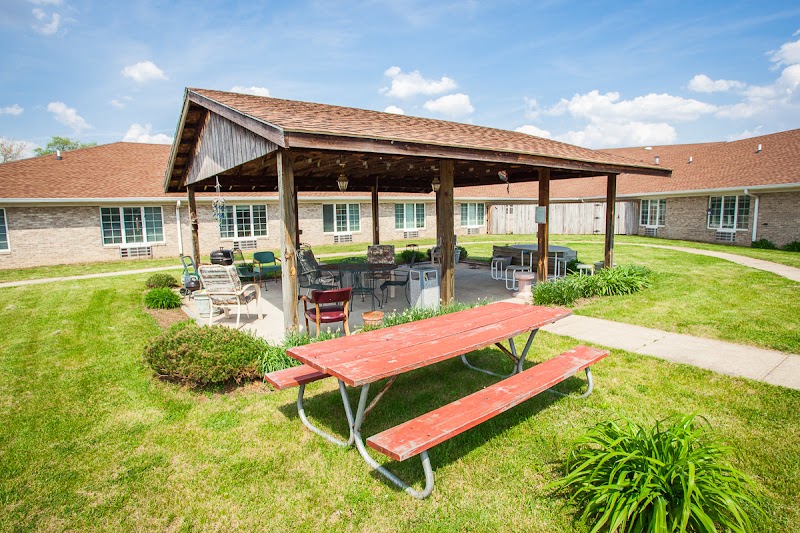
How is Signature Healthcare Of Terre Haute Staffed?

Staff turnover is 69%, which is 22 percentage points above the Indiana average of 46%. High turnover can affect care consistency as new staff learn residents' individual needs. RN turnover specifically is 83%, which is notably high. RNs provide skilled clinical oversight, so turnover in this role can affect medical care quality.

What Have Inspectors Found at Signature Healthcare Of Terre Haute?

State health inspectors documented 63 deficiencies at SIGNATURE HEALTHCARE OF TERRE HAUTE during 2022 to 2025. These included: 3 Immediate Jeopardy (the most serious level, indicating potential for serious harm or death), 4 that caused actual resident harm, and 56 with potential for harm. Immediate Jeopardy findings are rare and represent the most serious regulatory concerns. They require immediate corrective action.
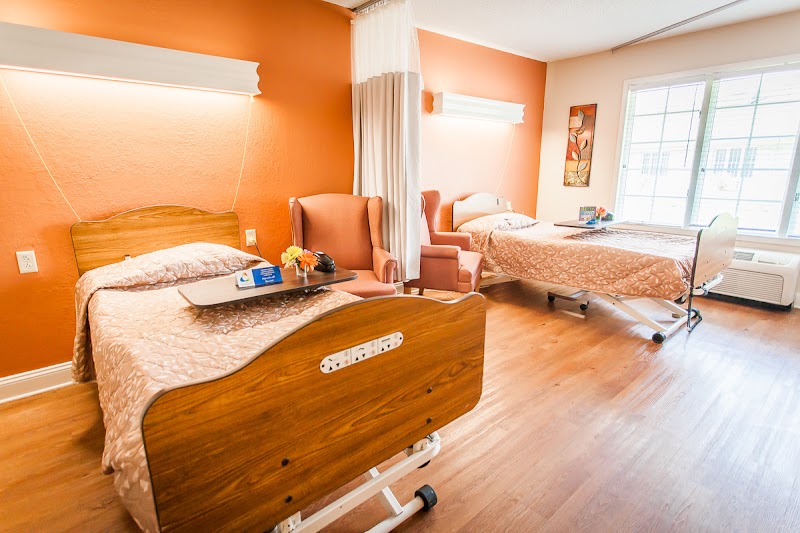
Who Owns and Operates Signature Healthcare Of Terre Haute?

SIGNATURE HEALTHCARE OF TERRE HAUTE is owned by a for-profit company. For-profit facilities operate as businesses with obligations to shareholders or private owners. The facility is operated by SIGNATURE HEALTHCARE, a chain that manages multiple nursing homes. With 176 certified beds and approximately 151 residents (about 86% occupancy), it is a mid-sized facility located in TERRE HAUTE, Indiana.
How Does Signature Healthcare Of Terre Haute Compare to Other Indiana Nursing Homes?

Compared to the 100 nursing homes in Indiana, SIGNATURE HEALTHCARE OF TERRE HAUTE's staff turnover (69%) is significantly higher than the state average of 46%.

What Should Families Ask When Visiting Signature Healthcare Of Terre Haute?

Based on this facility's data, families visiting should ask: "What changes have been made since the serious inspection findings, and how are you preventing similar issues?" "What safeguards and monitoring systems are in place to protect residents from abuse or neglect?" "How do you ensure continuity of care given staff turnover, and what is your staff retention strategy?" "Can I visit during a mealtime to observe dining assistance and food quality?" These questions are particularly relevant given the facility's Immediate Jeopardy citations, the substantiated abuse finding on record, and the facility's high staff turnover rate.

Is Signature Healthcare Of Terre Haute Safe?

Based on CMS inspection data, SIGNATURE HEALTHCARE OF TERRE HAUTE has documented safety concerns. The facility has 1 substantiated abuse finding (meaning confirmed case of resident harm by staff or other residents). Inspectors have issued 3 Immediate Jeopardy citations (the most serious violation level indicating risk of serious injury or death). The facility is currently on the Special Focus Facility watch list (a federal program monitoring the lowest-performing 1% of nursing homes nationwide). The facility has a 0-star overall rating and ranks #100 of 100 nursing homes in Indiana. Families considering this facility should ask detailed questions about what corrective actions have been taken since these incidents.

Do Nurses at Signature Healthcare Of Terre Haute Stick Around?

Staff turnover at SIGNATURE HEALTHCARE OF TERRE HAUTE is high. At 69%, the facility is 22 percentage points above the Indiana average of 46%. Registered Nurse turnover is particularly concerning at 83%. RNs handle complex medical decisions and coordinate care — frequent RN changes can directly impact care quality. High turnover means new staff may not know residents' individual needs, medications, or preferences. It can also be disorienting for residents, especially those with dementia who rely on familiar faces. Families should ask: What is causing the turnover? What retention programs are in place? How do you ensure care continuity during staff transitions?

Was Signature Healthcare Of Terre Haute Ever Fined?

SIGNATURE HEALTHCARE OF TERRE HAUTE has been fined $105,006 across 3 penalty actions. This is 3.1x the Indiana average of $34,129. Fines at this level are uncommon and typically indicate a pattern of serious deficiencies, repeated violations, or failure to correct problems promptly. CMS reserves penalties of this magnitude for facilities that pose significant, documented risk to resident health or safety. Families should request specific documentation of what issues led to these fines and what systemic changes have been implemented.

Is Signature Healthcare Of Terre Haute on Any Federal Watch List?

SIGNATURE HEALTHCARE OF TERRE HAUTE is currently on the Special Focus Facility (SFF) watch list. This federal program identifies the roughly 1% of nursing homes nationally with the most serious and persistent quality problems. SFF facilities receive inspections roughly twice as often as typical nursing homes. Factors in this facility's record include 3 Immediate Jeopardy findings, a substantiated abuse finding, and $105,006 in federal fines. Facilities that fail to improve face escalating consequences, potentially including termination from Medicare and Medicaid. Families considering this facility should ask for documentation of recent improvements and what specific changes have been made since the designation.