
SPRINGHILL VILLAGE

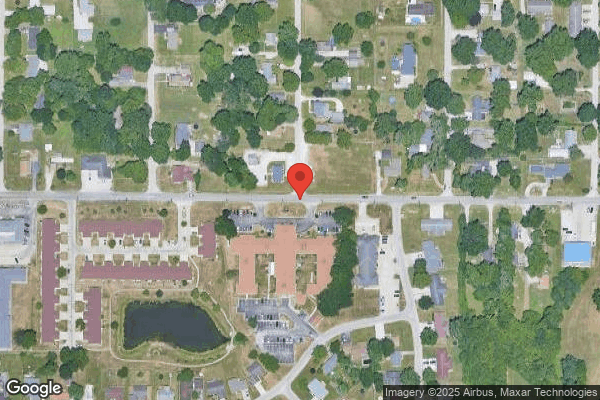
1001 E SPRINGHILL DR, TERRE HAUTE, IN 47802 (812) 299-6300
Government - County 99 Beds AMERICAN SENIOR COMMUNITIES Data: November 2025
Trust Grade
55/100
#291 of 505 in IN
Last Inspection: January 2025

Within standard 12-15 month inspection cycle. Federal law requires annual inspections.

Overview

Springhill Village in Terre Haute, Indiana, has a Trust Grade of C, which means it is average and sits in the middle of the pack among nursing homes. It ranks #291 out of 505 statewide, placing it in the bottom half, and #7 out of 9 in Vigo County, indicating only two facilities in the area are rated higher. The facility is facing a worsening trend, with reported issues increasing from 1 in 2024 to 5 in 2025. Staffing is a concern, with a rating of 2 out of 5 stars and a turnover rate of 57%, which is above the state average of 47%, suggesting instability among caregivers. However, the facility has no fines on record, which is a positive sign, and its RN coverage is average, meaning residents receive reasonable nursing oversight. Specific incidents include a failure to document resident participation in care meetings and concerns from residents being inadequately addressed, such as staff not returning after turning off call lights and insufficient documentation of pain management for residents. Overall, while there are strengths in compliance with fines and nursing oversight, families should be aware of staffing issues and the facility's recent trend of increasing concerns.

Trust Score
C
55/100
In Indiana
#291/505
Bottom 43%
Safety Record
Low Risk
No red flags
Inspections
Getting Worse
1 → 5 violations
Staff Stability
⚠ Watch
57% turnover. Above average. Higher turnover means staff may not know residents' routines.
Penalties
✓ Good
No fines on record. Clean compliance history, better than most Indiana facilities.
Skilled Nurses
✓ Good
Each resident gets 42 minutes of Registered Nurse (RN) attention daily — more than average for Indiana. RNs are trained to catch health problems early.
Violations
⚠ Watch
23 deficiencies on record. Higher than average. Multiple issues found across inspections.
★★★☆☆
3.0
Overall Rating
★★☆☆☆
2.0
Staff Levels
★★★☆☆
3.0
Care Quality
★★★☆☆
3.0
Inspection Score
Stable
2024: 1 issues
2025: 5 issues

The Good

  • Full Sprinkler Coverage · Fire safety systems throughout facility
  • No fines on record

Facility shows strength in fire safety.

The Bad

3-Star Overall Rating

Near Indiana average (3.1)

Meets federal standards, typical of most facilities

Staff Turnover: 57%

11pts above Indiana avg (46%)

Frequent staff changes - ask about care continuity

Chain: AMERICAN SENIOR COMMUNITIES

Part of a multi-facility chain

Ask about local staffing decisions and management

Staff turnover is elevated (57%)

9 points above Indiana average of 48%

The Ugly 23 deficiencies on record

Jan 2025 5 deficiencies
CONCERN (D)

Potential for Harm - no one hurt, but risky conditions existed

ADL Care (Tag F0677)

Could have caused harm · This affected 1 resident

Based on interview and record review, the facility failed to ensure residents who were dependent on staff for shaving facial hair, received the service for 1 of 24 residents reviewed for Activities of...

Read full inspector narrative →
Based on interview and record review, the facility failed to ensure residents who were dependent on staff for shaving facial hair, received the service for 1 of 24 residents reviewed for Activities of Daily Living (ADL) assistance (activities related to personal care). (Resident 65) Findings include: On 1/07/25 at 11:54 a.m., during an observation, Resident 65 was observed in his room with extensive beard growth. The resident indicated he wanted to be shaved. He indicated the staff had shaved him before and needed to do it again. He did not like to have facial hair. On 1/8/25 at 10:45 a.m., observed Resident 65 in his room with facial hair. He indicated the staff had not offered to shave him. On 1/9/24 at 10:30 a.m., observed Resident 65 in the hall with extensive facial hair. On 1/9/25 at 11:35 a.m., during an interview, Certified Nurse Aide (CNA) (15) indicated she shaved residents on their designated shower day. On 1/9/24 at 11:38 a.m., during an interview CNA (13) indicated residents were to be shaved on shower days. On 1/9/24 at 2:30 p.m., during an interview the Director of Nursing Services (DNS) indicated Resident 65 often refused showers and those were the days he would have been shaved. The DON provided shower records indicated the resident had refused showers and records indicated the resident had been shaved on other days. On 1/9/24 at 2:45 p.m., the medical record of Resident 65 was reviewed. The resident was admitted to the facility with diagnoses including but not limited to, Type 2 diabetes mellitus (a disease that occurs when your blood glucose, also called blood sugar, is too high), with diabetic neuropathy (a type of nerve damage that can occur if you have diabetes), chronic obstructive pulmonary disease (COPD) (a group of diseases that cause airflow blockage and breathing-related problems) and need for assistance with personal care, dated 10/23/24. An admission Minimum Data Set (MDS) assessment, dated 10/29/24, indicated the resident was cognitively intact and required assistance from the staff for activities of daily living (ADL) care. A care plan, dated 10/24/24, indicated the resident required assistance and monitoring for a.m. and p.m., care. Interventions included but were not limited to, a.m. and p.m. care tasks included bathing, dressing, hair combing, and oral care. On 1/9/2025 at 12:51 p.m., the DNS provided a document, titled, AM Care, dated, and indicated it was the policy currently being used by the facility. The policy indicated, .8. Shave resident, if needed or requested 3.1-38(a)(3)
CONCERN (D)

Potential for Harm - no one hurt, but risky conditions existed

Accident Prevention (Tag F0689)

Could have caused harm · This affected 1 resident

Based on observation, interview, and record review, the facility failed to ensure that 1of 1 residents observed for transfers and reviewed for accidents had adequate assistance devices and interventio...

Read full inspector narrative →
Based on observation, interview, and record review, the facility failed to ensure that 1of 1 residents observed for transfers and reviewed for accidents had adequate assistance devices and interventions in place to prevent potential for accidents (Resident 8). Findings include: On 1/7/25 at 1:00 p.m., observed Certified Nurse Aide (CNA) 16 transfer Resident (8) from bed to chair. CNA failed to apply a gait belt, nor shoes or non-skid socks prior to assisting to transfer from the bed to a chair next to the resident's bed. The CNA assisted the resident by lifting under the resident's left arm, stood and transferred the resident to the chair. The resident required extensive assistance to transfer and was unsteady when standing. On 1/7/25 at 1:07 p.m., during an interview, CNA 16 indicated the resident refused to wear shoes or socks and indicated sometimes she used a gait belt to transfer a resident. On 1/7/25 at 1:10 p.m., during an interview, Resident 8 indicated the staff always made her wear her shoes when transferring her. She could not recall if the CNA had offered to apply shoes or non-skid socks. On 1/9/24 at 11:40 a.m., during an interview, CNA 14 indicated she placed shoes and or non-skid socks on residents before assisting to transfer. On 1/9/25 at 1:00 p.m., the medical record of Resident 8 was reviewed. The resident was admitted with diagnoses including but not limited to vascular dementia, unspecified severity, (changes to memory, thinking, and behavior resulting from conditions that affect the blood vessels in the brain), chronic congestive heart failure (a condition that develops when your heart doesn't pump enough blood for your body's needs), type 2 diabetes (a disease that occurs when your blood glucose, also called blood sugar, is too high), and hypertension (high blood pressure). The record indicated the resident had multiple falls since admission and was identified as high fall risk. An annual Minimum Data Set (MDS) assessment, dated 11/5/24, indicated the resident was cognitively intact and required staff assistance with transfers. A care plan, dated 1/30/24, indicated Resident was a high fall risk for falls per a John Hopkins score of 25 points due to: age, one or more falls in the last 6 months, incontinence, on 2 or more high fall risk drugs, unsteady gait, impulsive, lack of understanding of one's physical and cognitive limitations, and requires assist/supervision with mobility/transfers or ambulation. Interventions included but were not limited to, shoes to be placed next to bed and non-skid footwear, dated 12/16/2024. On 1/9/2025 at 12:51 p.m., the Director of Nursing Services (DNS) provided a document, titled, Transfer to Wheelchair, dated 9/2023, and indicated it was the policy currently being used by the facility. The policy indicated, .9. put non-skid footwear on resident and securely fasten .11. Place gait belt around resident's waist. 12. Grab belt securely on both sides. 13. With legs on the outside of the resident's legs, brace resident's lower legs to prevent slipping. 14. Instruct resident on count of three to slowly rise and stand 3.1-45(a)
CONCERN (D)

Potential for Harm - no one hurt, but risky conditions existed

Unnecessary Medications (Tag F0759)

Could have caused harm · This affected 1 resident

Based on observation, interview, and record review, the facility failed to ensure it was free of a medication error rate of greater than 5 percent (%) for 1 of 3 residents (Resident 172) observed duri...

Read full inspector narrative →
Based on observation, interview, and record review, the facility failed to ensure it was free of a medication error rate of greater than 5 percent (%) for 1 of 3 residents (Resident 172) observed during the medication pass when 2 medication errors were observed during 29 opportunities for error in medication administration resulting in a medication error rate of 6.9%. Findings include: On 1/10/25 at 8:51 a.m., during an observation of the medication pass, Licensed Practical Nurse (LPN) 17 was observed to prepare medications for Resident 172. The LPN was observed administering Timolol 5% eye drops (a medication used to treat the pressure within the eye caused by glaucoma) one drop into each eye of Resident 172. At 8:52 a.m., the LPN administered Dorzolamide HCL 2% (a medication used to treat the pressure within the eye caused by glaucoma) one drop into each eye. The LPN failed to wait a specific time period between administering the eye drops. On 1/10/25 at 8:55 a.m., during interview LPN 17 indicated she would normally wait five minutes between eye drops but the physician order did not indicate to wait between drops. On 1/10/25 at 9:05 a.m., the medical record of Resident 172 was reviewed. The resident was admitted with diagnosis of Glaucoma (a group of eye diseases that can cause vision loss and blindness by damaging a nerve in the back of your eye called the optic nerve.) Physician orders included but not limited to, Timolol 5% eye drops administer one drop into each eye two times daily for diagnosis of glaucoma. Dorzolamide HCL 2% administer one drop into each eye two times daily for diagnosis of glaucoma. On 1/10/2025 at 10:41 a.m., the Director of Nursing (DNS) provided a document, titled, Medication Administration (Medication Pass Procedure), dated 07/2023, and indicated it was the policy currently being used by the facility. The policy indicated, .15. Eye drops separated 3 minutes, when using multiple medications to allow proper absorption 3.1-48(c)(1)
CONCERN (D)

Potential for Harm - no one hurt, but risky conditions existed

Food Safety (Tag F0812)

Could have caused harm · This affected 1 resident

2. During the initial dining observation in the west unit dining room, on 1/7/25 at 12:00 p.m., the following was observed: a. On 1/7/25 at 12:26 p.m., Qualified Medication Aide (QMA) 10 was observed...

Read full inspector narrative →
2. During the initial dining observation in the west unit dining room, on 1/7/25 at 12:00 p.m., the following was observed: a. On 1/7/25 at 12:26 p.m., Qualified Medication Aide (QMA) 10 was observed assisting Resident 47 and Resident 27 with their lunch meals. The QMA failed to perform hand hygiene between residents while assisting them. b. On 1/7/25 at 12:27 p.m., Certified Nursing Assistant (CNA) 11 was observed assisting Resident 221, Resident 40, and Resident 63 with their lunch meals. The CNA failed to perform hand hygiene between residents while assisting them. 3. During a follow-up dining observation, on 1/10/25 at 12:15 p.m., Certified Nursing Assistant (CNA) 12 was observed assisting Resident 27 and Resident 221 with their lunch meals. The CNA was observed touching the residents to help them with their positioning while assisting the residents to eat their meal. She was moving back-and-forth between the residents while assisting them. The CNA failed to perform hand hygiene while assisting the residents with their meals. During an interview, on 1/10/25 at 1:45 p.m., the Director of Nursing (DON) indicated the staff should always perform hand hygiene when assisting residents with their meals. If they were assisting more than one resident, hand hygiene should be done between residents. On 1/10/25 at 3:24 p.m., the DON provided a document, with a revised date of 9/2023, titled, Nursing Skills Competency .Feeding a Resident, and indicated it was the policy currently being used by the facility. The policy indicated, .Procedure Steps: .17. Perform hand hygiene 3.1-21(i)(3) Based on observation, interview, and record review, the facility failed to ensure the scoop used to place ice into residents drink glasses was maintained in a safe and sanitary fashion, and to ensure proper hand hygiene was used when assisting residents in eating their meals for 2 of 2 dining observations. Findings include: 1. During an observation in the main dining room, on 1/7/25 at 11:59 a.m., the Activity Director was preparing a drink for a resident. She scooped ice into the glass and returned the scoop into the ice bucket. The Activity Director served the juice to a male resident. The ice scoop remained in the ice bucket until 12:12 p.m., the Marketing and admission Director walked over to the drinks and prepared a lemonade for a resident. She scooped the ice into a glass and returned the scoop into the ice bucket. She then served the lemonade to a female resident. The ice scoop remained in the ice bucket until 12:20 p.m. During an interview, om 1/13/25 at 8:30 a.m., Registered Nurse (RN) 19 indicated staff were not to leave the ice scoop in the ice bucket. They were to return it to the empty container by the ice bucket. On 1/13/25 at 8:43 a.m., the Executive Director (ED) provided a document, dated 02/10, titled, Passing Fresh Ice Water, and indicated it was the policy currently being used by the facility. The policy indicated, . 4. Replace ice scoop in proper covered container or cover it with a clean towel or plastic bag to prevent contamination
CONCERN (E)

Potential for Harm - no one hurt, but risky conditions existed

Deficiency F0657 (Tag F0657)

Could have caused harm · This affected multiple residents

**NOTE- TERMS IN BRACKETS HAVE BEEN EDITED TO PROTECT CONFIDENTIALITY** 3. Resident 64's record was reviewed on 1/8/25 at 3:01 p.m. The profile indicated the resident had been admitted to the facility...

Read full inspector narrative →
**NOTE- TERMS IN BRACKETS HAVE BEEN EDITED TO PROTECT CONFIDENTIALITY** 3. Resident 64's record was reviewed on 1/8/25 at 3:01 p.m. The profile indicated the resident had been admitted to the facility on [DATE]. The resident's diagnoses included, but were not limited to, type 2 diabetes (a disease that occurs when your blood glucose, also called blood sugar, is too high) and adult failure to thrive (a state of decline that is multifactorial and may be caused by chronic concurrent diseases and functional impairments). An admission Minimum Data Set (MDS) assessment, dated 12/19/24, indicated the resident had severe cognitive deficit. A Road to Recovery meeting document (a document that summarizes a person's health conditions, care needs, and treatments), dated 12/16/24, lacked documentation that the resident and/or her representative were present and participated in the meeting or a reason why they had not attended. The document indicated Social Services were the only persons in attendance. A Social Services progress note, dated 1/2/25 at 2:04 p.m., indicated a meeting had taken place to discuss the resident's clinical information, goals, and discharge plan. The document indicated members of the Interdisciplinary Team (IDT-a group of health care professionals with various areas of expertise who work together toward the goals of their residents) and Social Services had attended the meeting. The note lacked documentation that the resident and/or her representative had attended or participated in the meeting or a reason why they had not attended. On 1/9/25 at 9:46 a.m., the Social Services Director (SSD) provided a document, with a postmark date of 12/16/24, and indicated it was a letter that had been sent to the resident's representative. The letter requested that her representative call to schedule a meeting to discuss her plan of care. The resident's record lacked documentation of any return contact from her representative about scheduling a meeting. The record lacked documentation of any follow-up attempt by the facility, to contact the resident's representative regarding the letter. During an interview, on 1/9/25 at 11:55 a.m., the Social Service Director (SSD) indicated he was hired in March 2024 to fill a vacant SSD position and completed his training in May 2024. He indicated the facility did not have a good system in place to keep track of the quarterly care plan meetings and he was now working on that and they had an action plan in place. He was unable to provide documentation that the care plan meetings were conducted quarterly for the above residents. The SSD indicated that a post card was mailed out or handed to the residents and/or resident representatives to remind them to call the facility to schedule a care plan meeting, but he had noticed that they were not calling the facility to schedule the care plan meetings, and they were getting missed. On 1/9/25 at 12:51 p.m., the Executive Director (ED) provided a document, with a revision dated of 8/2023, titled, IDT Comprehensive Care Plan Policy, and indicated it was the policy currently being used by the facility. The policy indicated, .Procedure: Care plan review will be interdisciplinary and should include, to the extent possible, nursing, social services, activities, dietary, therapy, pharmacy, physician, direct care staff, and hospice (if indicated). Resident, resident representative, or others as designated by the resident will be invited to the care plan review. The care plan review will be conducted face-to-face, via phone conference, video conference, or through written communication per resident and/or representative preference. Care plan problems, goals, and interventions must be reviewed and revised by the interdisciplinary team periodically and following completion of each MDS assessment 3.1-35(a)(2)(C) 3.1-35(e) Based on interview and record review, the facility failed to ensure care plan meetings were conducted quarterly for 4 of 24 residents reviewed for care plan meetings (Residents 24, 28, and 37), and the facility failed to ensure the resident and or the resident representative was present for an initial care plan meeting for 1 of 24 residents reviewed. (Resident 64). Findings include: 1. During an interview, on 1/8/25 at 10:12 a.m., Resident 24 indicated he did not remember being invited to or attending a care plan meeting recently. He thought maybe the last one was 6 months ago. Resident 24's record was reviewed on 1/9/25 at 10:42 a.m. A quarterly Minimum Data Set (MDS) assessment, dated 11/12/24, indicated the resident had no cognitive impairment. Census information indicated the resident was admitted to the facility on [DATE]. A care plan summary note, dated 6/26/24 indicated a care plan meeting was conducted on this day for Resident 24. A care plan summary note, dated 10/30/24, indicated a care plan meeting was conducted on this day for Resident 24. Resident 24's record lacked documentation of quarterly care plan meetings being conducted for the last year, January 2024 to January 2025. 2. During an interview, on 1/7/24 at 11:46 a.m., Resident 28 indicated she did not remember being invited to or attending a care plan meeting. She could not recall when the last one was. Resident 28's record was reviewed on 1/9/25 at 11:42 a.m. A quarterly Minimum Data Set (MDS) assessment, dated 10/29/24, indicated the resident had no cognitive impairment. Census information indicated that the resident was admitted to the facility on [DATE]. A care plan summary note, dated 6/4/24, indicated a care plan meeting was conducted on this day for Resident 28 . Resident 28's record lacked documentation of quarterly care plan meeting being conducted from June 2024 to January 2025. 2. On 1/07/25 at 12:07 p.m., during an interview, Resident 37 indicated she had not attended a care plan meeting. On 1/9/25 at 11:23 p.m., the medical record for resident 37 was reviewed. Diagnosis included but were not limited to nontraumatic intracerebral hemorrhage (bleeding in the brain that occurs without trauma or other known causes), dated 11/29/2023. Parkinsons disease (a brain disorder that causes movement problems, including tremors, stiffness, and difficulty with balance), dated 1/02/2025. A quarterly Minimum Data Set (MDS) assessment, dated 10/29/24, indicated the resident was cognitively intact. The medical record documentation indicated a care plan summaries, dated 5/8/24 and 10/30/24, were completed. The meeting notes indicated the resident attended. The record lacked documentation of any disciplines attending. The record lacked evidence of additional care plan meetings before 5/8/24 or after 10/30/24.
Nov 2024 1 deficiency
CONCERN (D) 📢 Someone Reported This

A family member, employee, or ombudsman was alarmed enough to file a formal complaint

Potential for Harm - no one hurt, but risky conditions existed

Quality of Care (Tag F0684)

Could have caused harm · This affected 1 resident

Based on record review and interview, the facility failed to ensure timely assessments and treatment for a resident with a change of condition in 1 of 6 residents reviewed for quality of care resultin...

Read full inspector narrative →
Based on record review and interview, the facility failed to ensure timely assessments and treatment for a resident with a change of condition in 1 of 6 residents reviewed for quality of care resulting in delayed treatment and hospitalization (Resident C). Findings include: On 11/26/24 at 10:00 a.m., the medical record of Resident C was reviewed. The most recent admission to the facility was on 7/29/24. Admitting diagnoses included, but not limited to, Alzheimer's disease (a brain disorder that slowly destroys memory and thinking skills and, eventually, the ability to carry out the simplest tasks), fracture of lower end of right femur (broken thigh bone), chronic congestive heart failure (a condition that develops when your heart doesn't pump enough blood for your body's needs), and chronic pain. Physician orders included, but were not limited to, acetaminophen (Tylenol) tablet; 325 milligrams (mg) every 4 hours and as needed (PRN), Occupational therapy (OT) to treat 3 times week for 8 weeks for wheelchair (WC) positioning, generalized weakness, bilateral (both) LE (lower extremity) edema (swelling), physical therapy (PT) to evaluate and treat for transfers. A significant change Minimum Data Set (MDS) assessment, dated 7/13/24, indicated the resident was mildly cognitively impaired and required extensive assistance with daily care needs. A care plan, dated 4/16/2018, indicated the resident was at risk for impaired mobility related to weakness, debility, edema in bilateral lower extremities. Interventions included, but were not limited to, notify therapy of declines in mobility or improvement in mobility, observe for signs of pain. A care plan, dated 4/16/2018, indicated the resident was at risk for pain related to diagnosis of neuropathy (nerve pain). Interventions included, but were not limited to, administer medications as ordered, observe for nonverbal signs of pain, changes in breathing, vocalizations, mood/behavior changes, eyes change, expression, sad/worried face, crying, teeth clenched, and changes in posture. An Indiana State Department of Health (ISDH) Survey Report System report, dated 7/25/24 at 10:01 a.m., indicated Resident C had sustained a fracture of the right femur and the injury had occurred while being transferred with a mechanical lift. On 11/26/24 at 10:40 a.m., during an interview, the Regional [NAME] President of Clinical Services (RNCS) indicated the ISDH report, submitted on 7/25/24 where the facility reported Resident C's injury had occurred during a transfer of Resident C with a mechanical lift, was a statement by the resident's family member. On 7/11/24 and 7/17/24 physical therapy notes indicated treatment was provided to Resident C. The treatment provided, on 7/11/24, indicated the resident was dependent for transfer using a mechanical lift. The physical therapy treatment note, dated 7/17/24, indicated the resident was repositioned in the wheelchair due to resident leaning to the left side, and the right hip was internally rotated. The record lacked documentation the physical therapist had notified the nurse of Resident C's internal rotation of the right leg. A nurse progress note, dated 7/18/24 at 2:55 p.m., indicated the resident's skin was dark with yellowish tint. The resident's right foot was contracted inward, and the right knee was very swollen where knee replacement scars were. Resident C required extensive assistance of two staff during mechanical lift. The record lacked documentation of detailed assessment of the right leg, physician notification of change in condition or additional observations or assessment of the right leg. On 7/25/24 the medical record indicated the resident was transferred to the hospital emergency room (ER) for evaluation and was admitted to the hospital for distal femur fracture. The hospital record indicated the right leg was bruised and swollen. The resident was able to minimally move the toes and foot and unable to actively mobilize any part of the leg. On 11/26/24 at 11:40 a.m., during an interview the RNCS indicated she did not know why there was a delay in resident assessment or notification of rotation of right hip and swollen knee to the physician from 7/17/24 to 7/25/24. On 11/26/24 at 3:35 p.m., during interview, the Physical Therapist indicated if a resident had a physical issue during a therapy treatment, depending on if it would affect the resident's function, she would document it in the therapy note. If there was an abnormality they would report it to the nurse. The therapist indicated she would talk to the nurse personally and record the conversation in the therapy notes. The therapist indicated she did not use a communication form to relay information to the nurse. On 11/26/24 at 3:40 p.m., during an interview, Registered Nurse (RN) 12 indicated if a resident had a swollen ankle or leg the RN would do an assessment and then call the physician and report the change in condition. The employee indicated when assessing for an injury the RN would look for redness and warmth and swelling. On 11/26/2024 at 2:16 p.m., the RDCS provided a document titled, Resident Change of Condition Policy, dated 11/2018, and indicated it was the policy currently being used by the facility. The policy indicated, .Policy .It is the policy of this facility that all changes in resident condition will be communicated to the physician and family/responsible party, and that all appropriate, timely, and effective intervention takes place .2. Acute Medical Change .a. Any sudden or serious change in a resident's condition manifested by a marked change in physical or mental behavior will be communicated to the physician .d. All nursing actions/interventions will be documented in the medical record as soon as possible after resident needs have been met .3. Non-Urgent Medical Change .a. All symptoms and unusual signs will be documented in the medical record and communicated to the attending physician promptly b. The nurse in charge is responsible for notification of physician .prior to end of assigned shift .g. The licensed nurse responsible for the resident will continue assessment and documentation in the medical record every shift until the resident's condition has stabilized This citation relates to Complaint IN00445095. 3.1-37
Nov 2023 6 deficiencies
CONCERN (D)

Potential for Harm - no one hurt, but risky conditions existed

Comprehensive Care Plan (Tag F0656)

Could have caused harm · This affected 1 resident

Based on interview and record review, the facility failed to ensure that a care plan was implemented for 1 of 2 residents reviewed for activities (Resident 14). Finding includes: During an interview...

Read full inspector narrative →
Based on interview and record review, the facility failed to ensure that a care plan was implemented for 1 of 2 residents reviewed for activities (Resident 14). Finding includes: During an interview on 11/13/23 at 11:14 a.m., Resident 14 indicated he did not come out of his room for group activities and the facility has an activity person come into his room once a week for one of one (1:1) activities. Resident 14's record was reviewed on 11/15/23 at 10:30 a.m. The profile indicated the resident's diagnoses included, but were not limited to, Type 2 diabetes mellitus (a chronic condition that affects the way the body processes blood sugar), anxiety disorder (a mental health disorder characterized by feelings of worry, anxiety, or fear that are strong enough to interfere with one's daily activities), contracture of left knee (causes the envelope of the knee to stiffen and become rigid so the knee can no longer move the way it used to), and contracture of left hip (develops when the normally elastic connective tissues in the hip are replaced by inelastic fiber like tissue). A quarterly Minimum Data Set (MDS) assessment, dated 10/3/23, indicated the resident was cognitively intact and required 2 persons assist for transfers, bed mobility, and toilet use. A Care plan, dated 9/13/22, indicated the resident enjoys the following types of activities: watching television and movies, playing games, listening to music, etc. The resident will be receiving 1:1 engagement due to not being able to participate in group activities. Interventions included but were not limited to, resident would be seen 3 times per week for 1:1 activities. During an interview, on 11/16/23 at 2:30 p.m., the Director of Nursing Services (DNS) indicated she was unable to provide documentation of 1:1 activities were provided to resident 14 as care planned for three times a week. During an interview, on 11/17/23 at 8:30 a.m., the Administrator indicated the facility was unable to provide documentation of 1:1 activities being completed for Resident 14 as care planned. On 11/17/23 at 10:54 a.m., the Administrator provided a document, dated 1/2006, titled, Activities, and indicated it was the policy currently being used by the facility. The policy indicated, .It is the policy of this facility to provide an ongoing program of activities designed to meet the interests and the physical, mental and psychosocial well-being of each resident in accordance with the comprehensive assessment 3.1-35(a)
CONCERN (D)

Potential for Harm - no one hurt, but risky conditions existed

Incontinence Care (Tag F0690)

Could have caused harm · This affected 1 resident

Based on observation, interview, and record review, the facility failed to ensure a resident's indwelling urinary catheter (a semi-flexible plastic tube with one end inserted into the bladder) attache...

Read full inspector narrative →
Based on observation, interview, and record review, the facility failed to ensure a resident's indwelling urinary catheter (a semi-flexible plastic tube with one end inserted into the bladder) attached to a urinary drainage bag (a bag that collects urine) did not touch the floor for 1 of 1 resident reviewed for catheter care (Resident 75). Findings include: On 11/13/23 at 9:33 a.m., Resident 75 was observed lying in bed with a foley catheter drainage bag attached under the wheelchair next to the bed. The drainage bag was uncovered and was touching the floor. On 11/15/23 at 9:56 a.m., Resident 75 was observed sitting in wheelchair asleep. The foley catheter bag was in a dignity bag (a urinary drainage bag holder which restores the dignity of catheterized patients by concealing urinary drainage bags from public view) which was attached to the underside of the wheelchair. The bag and catheter tubing were touching the floor. On 11/15/23 at 10:00 a.m., Licensed Practical Nurse (LPN) 5 indicated the foley drainage bag and tubing should not be touching the floor. On 11/15/23 at 12:36 p.m., Resident 75 was observed sitting in a wheelchair while being transported toward the dining area. The foley drainage bag was inside of a dignity bag attached to the underside of the wheelchair. The bag and tubing were dragging on the floor while the resident was being transported. On 1/15/23 at 12:17 p.m., LPN 8 indicated the catheter bag should not be attached to the wheelchair while the resident was in bed. The LPN indicated the resident transfers himself to bed at times. The LPN acknowledged the resident should have a leg bag to prevent trauma, and the drainage bag which was attached to the wheelchair should be placed into a dignity bag and it should not be touching the floor. On 11/15/23 at 11:16 a.m., clinical record review of Resident 75. Diagnoses include, but are not limited to paroxysmal atrial fibrillation (an irregular heart rhythm that begins in the upper atria of your heart), urinary tract infection (includes cystitis, infection of the bladder/lower urinary tract), ischemic cardiomyopathy (refers to heart weakening caused by reduced blood flow to your heart), ventricular fibrillation (a type of arrhythmia, or irregular heartbeat, that affects your heart's ventricles), hypotension (low blood pressure), muscle weakness (generalized) and difficulty in walking. Physicians Orders included but are not limited to, up as needed in wheelchair with assistance, change foley catheter, and urinary drainage bag as needed for dislodgement, leakage, or occlusion. Foley catheter care, catheter securement device in place (a device to secure the catheter to the leg, preventing displacement of the tube), nurse to record output every shift, foley catheter size 16 French (Fr) with 10 milliliter (ml) bulb. A significant change, Minimum Data Set (MDS) a standardized assessment tool that measures health status in nursing home residents), dated 11/6/23, indicated the resident had an indwelling foley catheter during the assessment period. A care plan, dated 10/10/23, indicated the resident required an indwelling urinary catheter related to urinary retention (a condition in which you are unable to empty all the urine from your bladder). The goal was the resident will have catheter care managed appropriately as evidenced by not exhibiting signs of urinary tract infection or urethral trauma. A nursing intervention, dated 10/10/2023, indicated do not allow tubing or any part of the drainage system to touch the floor. On 11/16/23 at 3:45 p.m., the Director of Nursing Services (DNS) provided a document, titled, Nursing dated 02/2012, 06/2023, and indicated it was the policy currently being used by the facility. The policy indicated, .COMPONENTS/GUIDELINES .2. RESIDENT CARE EQUIPMENT .b. Urinary catheters should have a catheter bag cover over them or a wash basin underneath them as a barrier to prevent catheter bag or tubing from touching the ground 3.1-41(a)(1)
CONCERN (D)

Potential for Harm - no one hurt, but risky conditions existed

Respiratory Care (Tag F0695)

Could have caused harm · This affected 1 resident

Based on observation, record review, and interview, the facility failed to ensure proper storage of respiratory equipment for 2 of 4 residents reviewed for respiratory care (Residents 45 and 63). Fin...

Read full inspector narrative →
Based on observation, record review, and interview, the facility failed to ensure proper storage of respiratory equipment for 2 of 4 residents reviewed for respiratory care (Residents 45 and 63). Findings include: 1. On 11/13/23 at 11:12 a.m., Resident 45's unbagged nebulizer mouthpiece and tubing were observed on the resident's nightstand table next to the nebulizer machine along with an unbagged CPAP (continuous positive airway pressure) mask and it was on lying top of the CPAP machine. On 11/14/23 at 11:47 a.m., Resident 45 was observed sitting up in his wheelchair in his room. An unbagged nebulizer mouthpiece, tubing, and CPAP mask were observed on his nightstand table. The nebulizer mouthpiece was sitting next to the nebulizer machine and the CPAP mask was on top of the CPAP machine. On 11/15/23 at 9:45 a.m., Resident 45 was sitting up in his wheelchair asleep in his room. An unbagged nebulizer mouthpiece, tubing, and CPAP mask were observed on his nightstand table. The nebulizer mouthpiece was sitting next to the nebulizer machine and the CPAP mask was next to the CPAP machine. On 11/17/23 at 8:48 a.m., Resident 45 was sitting up in his wheelchair eating breakfast in his room. An unbagged nebulizer mouthpiece, tubing, and CPAP mask were observed on his nightstand table. The nebulizer mouthpiece was sitting next to the nebulizer machine and the CPAP mask was next to the CPAP machine. Resident 45's record was reviewed on 11/14/23 at 2:07 p.m. The profile indicated the resident diagnoses included, but were not limited to, chronic obstructive pulmonary disease (COPD- a group of diseases that cause airflow blockage and breathing-related problems) and acute and chronic respiratory failure with hypoxia ( acute or chronic impairment of gas exchange between the lungs and the blood causing hypoxia [ inadequate supply of oxygen] with or without hypercapnia [too much carbon dioxide in your blood]). A significant change Minimum Data Set (MDS) assessment, dated 10/30/23, indicated the resident was cognitively intact and received oxygen therapy. A care plan, dated 7/19/23, indicated resident has potential for impaired gas exchange related to shortness of breath while lying flat secondary to COPD, chronic diastolic congestive heart failure (a condition in which your heart's main pumping chamber becomes stiff and unable to fill properly), and OSA (obstructive sleep apnea). Interventions included but were not limited to CPAP as ordered, administer oxygen as ordered, and administer meds as ordered. A physician order, dated 10/25/23, indicated ipratropium-albuterol solution (a medication that can help people with lung problems, like asthma or obstructive pulmonary disease, breathe easier) 0.5 milligrams (mg) - 3mg/3 milliliters (ml) 1 ampule via inhalation twice daily. A physician order, dated 10/27/23, indicated CPAP to be set a 20 twice daily. On at bedtime and off upon waking. During an interview, on 11/16/23 at 9:55 a.m., Registered Nurse (RN) 4 indicated nebulizer mouthpiece and tubing should be placed in a bag when not in use. During an interview, on 11/17/23 at 9:31 a.m., Infection Preventionist Nurse indicated the CPAP masks should be bagged when not in use. 2. During the initial pool observation, on 11/13/23 at 10:39 a.m. Resident 63's nebulizer (an electrically powered machine that turns liquid medication into a mist so that it can be breathed directly into the lungs through a face mask or mouthpiece) was observed sitting on top of the resident's bed side table and was un-bagged. During a random observation, on 11/13/23 at 2:15 p.m., Resident 63's nebulizer was observed sitting on top of the resident's bed side table and was un-bagged. Resident 63's record was reviewed on 11/15/23 at 9:21 a.m. The profile indicated the resident's diagnoses included, but were not limited to, chronic obstructive pulmonary disease (COPD-a group of diseases that cause airflow blockage and breathing-related problems). A significant change Minimum Data Set (MDS) assessment indicated the resident had a diagnosis of COPD and was short of breath (SOB) when lying flat. A care plan, dated 9/21/23, indicated the resident required hospice (end of life) services related to the diagnosis of COPD. A physician's order, dated 11/7/23 and discontinued (DC'd) on 11/14/23, indicated ipratropium-albuterol solution (a class of medication called bronchodilators-relaxes the muscles in the lungs and widening the airways [bronchi]) for nebulization; 0.5 (milligrams) mg-3 mg (2.5 mg base)/3 (milliliters) mL inhalation, three times daily. A physician's order, dated 11/7/23 and DC 'd on 11/15/23, indicated ipratropium-albuterol solution for nebulization; 0.5 mg-3 mg (2.5 mg base)/3 mL inhalation, as needed. A physician's order, dated 11/15/23, indicated ipratropium-albuterol solution for nebulization; 0.5 mg-3 mg (2.5 mg base)/3 mL inhalation, every 4 hours as needed. During an interview, on 11/17/23 at 9:33 a.m., Infection Preventionist (IP) 7 indicated nebulizer masks should be stored in a bag when not being used. On 11/15/23 at 11:57 a.m., the Director of Nursing Services (DNS) provided an undated document titled, Aerosolized Medication Therapy, and indicated it was the policy currently used by the facility. The policy indicated, .Procedure: .16) When finished, place the nebulizer in a labeled bag with patient name and date. 17) Change the nebulizer equipment weekly or according to your company's policy On 11/17/23 at 10:10 a.m., the IP provided an undated document titled, Cleaning Nebulizer, and indicated it was the policy currently being used by the facility. The policy indicated, .5. Shake off excess water and lay on clean paper towel or towel dry. 6. Once dry reassemble and place in clear labeled bag. 3.1-47(a)(6)
CONCERN (D)

Potential for Harm - no one hurt, but risky conditions existed

Deficiency F0760 (Tag F0760)

Could have caused harm · This affected 1 resident

Based on observation, record review, and interview, the facility failed to ensure proper handling of oral medications during the medication administration pass and failed to ensure expired insulin med...

Read full inspector narrative →
Based on observation, record review, and interview, the facility failed to ensure proper handling of oral medications during the medication administration pass and failed to ensure expired insulin medication was not administered to a resident resulting in a medication error rate of greater than 5 percent (Residents 46, 38, and 35). Findings include: 1a. During a medication administration observation, on 11/16/23 at 9:20 a.m., Registered Nurse (RN) 4 was preparing oral medications for Resident 46. The nurse dropped a Sertraline (anti-depressant medication) pill onto the top of the medication cart from the pill pack, she picked up the pill with her bare hand and placed it into the medication cup to be administered. RN 4 administered the Sertraline pill along with other medications to the resident. Resident 46's record was reviewed on 11/16/23 at 2:00 p.m. The profile indicated the resident's diagnosis included, but were not limited to, major depressive disorder (mental health condition that causes a persistently low or depressed mood and loss of interest in activities that once brought joy). A physician order, dated 6/8/23, indicated Sertraline 50 milligram (mg) give one tablet orally once a day. 1b. During a medication administration observation, on 11/16/23 at 9:40 a.m., RN 4 was preparing oral medications for Resident 38. The nurse dropped a Tradjenta (anti-diabetic medication) pill onto the top of the medication cart from the pill pack, she picked up the pill with her bare hand and placed it into the medication cup to be administered. RN 4 administered the Tradjenta pill along with other medications to the resident. Resident 38's record was reviewed on 11/16/23 at 2:15 p.m. The profile indicated the resident diagnosis included, but were not limited to, Type 2 diabetes mellitus (a chronic condition that affects the way the body processes blood sugar). A physician order, dated 8/23/23, indicated Tradjenta 5mg, give one tablet orally once a day. 1c. During a medication administration observation, on 11/16/23 at 11:10 a.m., RN 4 was preparing oral medications for Resident 35. The nurse placed a Midodrine (medication used to treat low blood pressure) tablet into her bare hand from the pill pack and placed it into the medication cup. The nurse placed a Linzess (a medication used to treat irritable bowel syndrome with constipation) pill into her bare hand from the pill pack and placed it into the medication cup. The nurse dropped a Protonix (relieves symptoms such as heartburn, difficulty swallowing, and cough) pill onto the top of the medication cart from the pill pack, she picked up the pill with her bare hand and placed it into the medication cup. The nurse placed a Norco (pain medication) pill into her bare hand from the pill pack and placed it into the medication cup. RN 4 administered all the above medications to the resident along with other medication in the med cup. Resident 35's record was reviewed on 11/16/23 at 2:30 p.m. The profile indicated the resident diagnoses included, but were not limited to, Gastro esophageal reflux disease (GERD) (a digestive disease in which stomach acid and or bile irritates the food pipe lining), heart failure (a chronic condition in which the heart doesn't pump blood as well as it should), and Type 2 diabetes mellitus. A physician order, dated 6/21/23, indicated Midodrine 5mg give one tablet three times a day. A physician order, dated 5/22/23, indicated Linzess 145 micrograms (mcg) give one capsule once a day. A physician order, dated 6/28/23, indicated Protonix 40mg give one tablet once a day. A physician order, dated 5/22/23, indicated Norco 5mg-325mg give one tablet three times a day. 2. During a medication administration observation, on 11/16/23 at 9:40 a.m., RN 4 was preparing insulin medication to administer to Resident 38. The lispro (anti-diabetic medication) insulin vial was dated 10/14/23. The nurse administered the insulin to the resident. A physician order, dated 6/29/23, insulin lispro (insulin medication) 100 unit/ml (milliliter), by subcutaneous (under the skin) injection. Inject 30 units three times a day. During an interview, on 11/16/23 at 11:37 a.m., the Director of Nursing Services (DNS) indicated nursing staff should not touch oral medications with their bare hands. The DNS indicated if a pill was dropped onto the medication cart, then the nurse should destroy the medication and should not be given to the resident. She further indicated nursing staff should not administer expired insulin medication. On 11/16/23 at 2:05 p.m., the DNS provided a document with a revised date of 1/1/22, titled, General Dose Preparation and Medication Administration, and indicated it was the policy currently being used by the facility. The policy indicated, .3.4 Facility staff should not touch medication when opening a bottle or unit dose package. 3.5 If a mediation which is not in a protective container is dropped, facility staff should discard it according to facility policy .4.1.3 check the expiration date on the medication On 11/16/23 at 2:05 p.m., the DNS provided an undated document and identified it as the currently facility policy, titled, Insulin Vials and Pens. The policy indicated, .discard after 28 days 3.1-48(c)(2)
CONCERN (D)

Potential for Harm - no one hurt, but risky conditions existed

Deficiency F0761 (Tag F0761)

Could have caused harm · This affected 1 resident

Based on observation, interview, and record review, the facility failed to ensure expired medications were disposed of for 1 of 2 medication carts reviewed (Resident 38 & 35). Finding includes: 1a. ...

Read full inspector narrative →
Based on observation, interview, and record review, the facility failed to ensure expired medications were disposed of for 1 of 2 medication carts reviewed (Resident 38 & 35). Finding includes: 1a. On 11/16/23 at 9:57 a.m., the 100-hall medication cart contained an insulin (medication used to lower blood sugar) vial that had an open date of 10/14/23. The vial contained a label that indicated it was for Resident 38. During an interview, on 11/16/23 at 9:57 a.m., Registered Nurse (RN) 4 indicated insulin was good for 30 days once opened. She further indicated Resident 38's insulin vial should have been discarded. Resident 38's record was reviewed on 11/16/23 at 11:45 a.m. The profile indicated the resident's diagnosis included, but were not limited to, Type 2 diabetes mellitus (a chronic condition that affects the way the body processes blood sugar). A physician order, dated 6/29/23, insulin lispro (insulin medication) 100 unit/ml (milliliter), by subcutaneous (under the skin) injection. Inject 30 units three times a day. 1b. On 11/16/23 at 9:57 a.m., the 100-hall medication cart contained a NovoLog (insulin medication) pen with an open date of 9/22/23. The insulin pen contained a label that indicated it was for Resident 35. During an interview, on 11/16/23 at 9:57 a.m., RN 5 indicated the insulin pen for Resident 35 was expired and should have been discarded. Resident 35's record was reviewed on 11/16/23 at 12:00 p.m. The profile indicated the resident's diagnosis included, but were not limited to, Type 2 diabetes mellitus with ketoacidosis without coma (a condition develops when the body can't produce enough insulin). A physician order, dated 5/25/23, with a discontinue date of 10/31/23, Novolog pen 100 unit/ml, by subcutaneous inject. Inject 35 units at bedtime. During an interview, on 11/16/23 at 10:12 a.m., Licensed Practical Nurse (LPN) 5 indicated insulin was good for 30 days once it had been opened. On 11/16/23 at 2:05 p.m., the Director of Nursing Services (DNS) provided and identified a document as a current facility policy, titled, Storage and Expiration Dating of Medications, Biologicals, with a revised date of 7/21/22. The policy indicated, .5.3 If a multi dose vial of an injectable medication has been opened or accessed, the vial should be dated and discarded within 28 days On 11/16/23 at 2:05 p.m., the DNS provided an undated document and identified it as the currently facility policy titled, Insulin Vials and Pens. The policy indicated, .discard after 28 days 3.1-25(j)
CONCERN (D)

Potential for Harm - no one hurt, but risky conditions existed

Infection Control (Tag F0880)

Could have caused harm · This affected 1 resident

Based on observation, record review, and interview, the facility failed to ensure proper handling of the glucometer (small portable machine that's used to measure how much glucose [type of sugar] is i...

Read full inspector narrative →
Based on observation, record review, and interview, the facility failed to ensure proper handling of the glucometer (small portable machine that's used to measure how much glucose [type of sugar] is in the blood) meter during medication administration pass for 2 of 4 residents reviewed during medication administration (Residents 38 and 35). Findings include: 1. During a medication administration observation, on 11/16/23 at 11:06 a.m., RN 4 had a glucometer meter on top of the medication cart, no barrier was placed under the machine. The nurse entered Resident 38's room and placed the glucometer onto her side table, no barrier was placed under the meter. The nurse did not clean the side table prior to placing the glucometer on it. RN 4 cleaned off the glucometer with a disinfectant wipe and placed the wipe on a paper towel. The nurse obtained the resident's blood sugar and exited the room. The nurse wiped the glucometer with the same wipe that she had used in the resident's room, once she wiped the meter down, she placed it on top of the medication cart with no barrier underneath the meter. Resident 38's record was reviewed on 11/16/23 at 2:15 p.m. The profile indicated the resident diagnosis included, but were not limited to, Type 2 diabetes mellitus (a chronic condition that affects the way the body processes blood sugar). 2. During a medication administration observation, on 11/16/23 at 11:09 a.m., RN 4 entered Resident 35's room with a glucometer meter, this was the same meter as used in the above encounter. The nurse placed the glucometer on the resident's bedside table with no barrier underneath the meter. The nurse did not clean the side table prior to placing the glucometer on it. RN 4 obtained the resident's blood sugar and exited the room with the meter, she placed the glucometer on the medication cart, no barrier was placed underneath the meter. Resident 35's record was reviewed on 11/16/23 at 2:30 p.m. The profile indicated the resident diagnosis included, but were not limited to, Type 2 diabetes mellitus. A physician order, dated 5/26/23 indicated obtain an Accu check (quantitatively measures glucose in whole blood) four times a day at 8:00 a.m., 12:00 p.m., 5:00 p.m., and 8:00 p.m. During an interview, on 11/16/23 at 11:37 a.m., the Director of Nursing Services (DNS) indicated nursing staff should place a barrier down underneath the glucometer machine when placing it on a surface. The machine should be cleaned in between residents, and they should allow 3 minutes to dry after a disinfectant wipe is used on the glucometer. On 11/16/23 at 2:05 p.m., the DNS provided a document dated 7/2011, titled, Blood Glucose Meter Cleaning/Disinfecting and Testing, and indicated it was the policy currently being used by the facility. The policy indicated, .6. Wipe extern surface of the blood glucose meter with wipe and allow the surface of the meter to remain wet for 3 minutes .7. Place cleaned meter on paper towel, in plastic cup, or on clean barrier. 8. Allow meter to completely dry .1. Perform hand hygiene .16. Place glucometer on paper towel, plastic cup, or other barrier that was left on the mediation cart 3.1-18(b)(1)
Aug 2022 11 deficiencies
CONCERN (D)

Potential for Harm - no one hurt, but risky conditions existed

Deficiency F0578 (Tag F0578)

Could have caused harm · This affected 1 resident

**NOTE- TERMS IN BRACKETS HAVE BEEN EDITED TO PROTECT CONFIDENTIALITY** Based on record review and interview, the facility failed to ensure a resident's preferred code status (a designation of what ty...

Read full inspector narrative →
**NOTE- TERMS IN BRACKETS HAVE BEEN EDITED TO PROTECT CONFIDENTIALITY** Based on record review and interview, the facility failed to ensure a resident's preferred code status (a designation of what type of emergent treatment a resident wants if found with heart not beating and not breathing) was updated in the physician's orders and care plan for 1 of 24 residents reviewed for advance directives (Resident 59). Findings include: Resident 59's record was reviewed on [DATE] at 11:06 a.m. A significant change Minimum Data Set (MDS) assessment, dated [DATE], indicated the resident had a moderate cognitive impairment. An undated banner at the top of the resident's electronic record indicated the resident's code status was do not resuscitate (DNR) (no cardiopulmonary resuscitation [CPR] if found with heart not beating and not breathing). A physician's order, dated [DATE], indicated the resident was a full code (initiate CPR if found with heart not beating and not breathing). A physician's orders for scope of treatment (POST) form, signed by the resident on [DATE], and by the physician on [DATE], indicated the resident preferred a DNR status. A care plan, goal target dated [DATE], indicated the resident preferred a full code status. During an interview, on [DATE] at 10:59 a.m., the Director of Nursing (DON) indicated once a POST form was signed, the electronic physician's orders should have been updated that same day. The electronic banner should indicate the accurate code status. The care plan should have been updated at the next Interdisciplinary Team (IDT) meeting, which would have been the next business day following the day the POST form was signed. On [DATE] at 11:58 a.m., the DON provided a document titled, Physician's Order for Scope of Treatment (POST), and indicated it was the policy currently being used by the facility. The policy indicated, .Implementing/Maintaining a POST form: .3. If a resident decides to revoke or change the POST form, the resident's attending physician should be notified and appropriate changes to the physician orders should be obtained as soon as possible to ensure that the resident's wishes are accurately reflected in the plan of care 3.1-4(f)(7)
CONCERN (D)

Potential for Harm - no one hurt, but risky conditions existed

Deficiency F0657 (Tag F0657)

Could have caused harm · This affected 1 resident

Based on interview and record review, the facility failed to ensure care plan meetings were scheduled on a date and time when a resident was available to attend the meeting for 1 of 24 residents revie...

Read full inspector narrative →
Based on interview and record review, the facility failed to ensure care plan meetings were scheduled on a date and time when a resident was available to attend the meeting for 1 of 24 residents reviewed for care plans (Resident 68). Findings include: During an interview on, 8/15/22 at 1:43 p.m., Resident 68 indicated the facility scheduled his care plan meetings on days when he was at dialysis (the process of removing excess water, solutes, and toxins from the blood in people whose kidneys can no longer perform these functions naturally). He had not been to a meeting in quite some time. Resident 68's record was reviewed on 8/17/22 at 1:21 p.m. The profile indicated the resident's diagnoses included, but were not limited to stage 5 chronic kidney disease (when the kidneys are severely damaged and have stopped doing their job to filter waste from the blood). A significant change Minimum Data Set (MDS) assessment, dated 7/21/22, indicated the resident had no cognitive deficit had stage 5 chronic kidney disease, and received dialysis. A care plan, dated 6/26/17, indicated the resident received dialysis and was at risk for complications. Interventions included, but were not limited to, attend dialysis serviced Mondays, Wednesdays, and Fridays. A physician's order, dated 5/28/21, indicated dialysis days were Mondays, Wednesdays, and Fridays. A notice of scheduled meeting, dated 9/15/21, indicated a notice had been sent to the resident's family and the resident. A care plan meeting summary, dated 9/20/21 at 1:56 p.m., indicated the resident and the representative had not attended the meeting and further indicated the resident was at dialysis at the time of the meeting. The record lacked documentation of the resident declining to attend or that a review of the meeting had been conducted with the resident. A notice of a scheduled meeting dated 12/15/21, indicated a notice had been sent to the resident's family and the resident. The record lacked documentation of a care plan summary or that a meeting had been held. The record lacked documentation of a meeting being held, that the resident had declined to attend, or that a review of the meeting had been conducted with the resident. A notice of scheduled meeting, dated 3/16/22, indicated a notice had been sent to the resident's family and the resident. A care plan meeting summary, dated 3/17/22 at 2:32 p.m., indicated the care plan meeting invitations sent to the resident and the representative had not been responded to and had not attended the meeting. A notice of scheduled meeting, dated 3/16/22, indicated a notice had been sent to the resident's family and the resident. A notice of scheduled meeting, dated 6/15/22, indicated a notice had been sent to the resident's family and the resident. The record lacked documentation that a meeting had been held, that the resident had declined to attend, or that a review of the meeting had been conducted with the resident. During an interview, on 8/18/22 at 10:01 a.m., Social Services Director (SSD) 3 indicated care plan meetings were held on Wednesdays because that was when all of the Interdisciplinary Team (IDT) members were mostly available. If a resident had an appointment or other scheduled plan, the resident would need to communicate that to the IDT team and the meeting could be rescheduled. She had not spoken with the resident directly about the scheduled dates for his meetings. During an interview, on 8/23/22 at 1:02 p.m.,the Executive Director (ED) indicated that the facility could have documented the resident's decision to attend his care plan meetings better. On 8/18/22 at 11:20 a.m., SSD 3 provided a document, with a revision date of 10/2019, titled, IDT Comprehensive Care Plan Policy, and indicated it was the policy currently being used by the facility. The policy indicated, .Procedure: .The care plan review may be conducted face-to-face, via telephone conference .or through written communication per resident and/or representative preference .the IDT should still attempt to meet with the resident and complete the Care Plan Summary 3.1-35(d)(2)(B)
CONCERN (D)

Potential for Harm - no one hurt, but risky conditions existed

ADL Care (Tag F0677)

Could have caused harm · This affected 1 resident

Based on observation, record review, and interview, the facility failed to ensure nail care was completed on dependent residents for 2 of 24 residents reviewed for Activities of Daily Living (ADL) (da...

Read full inspector narrative →
Based on observation, record review, and interview, the facility failed to ensure nail care was completed on dependent residents for 2 of 24 residents reviewed for Activities of Daily Living (ADL) (daily self-care activities) care (Residents 44 and 38). Findings include: 1. During the initial pool observation, on 8/15/22 at 8:21 a.m., Resident 44 was observed in her room in bed eating breakfast. Resident 44 was observed eating with her bare hand, picking up the scrambled eggs and bacon with her hands that had dark debris under the long untrimmed fingernails on her bilateral (both) hands. On 8/16/22 at 10:08 a.m., Resident 44 was observed lying in bed with long, untrimmed fingernails with dark debris underneath the nails. On 8/17/22 at 9:18 a.m., Resident 44's fingernails were observed with dark debris underneath the long, untrimmed fingernails on the resident's bilateral hands. On 8/17/22 at 2:36 p.m., Resident 44's fingernails were observed with dark debris underneath the long, untrimmed fingernails on the resident's bilateral hands. On 8/18/22 at 10:13 a.m., Resident 44 was observed lying in bed with long, untrimmed fingernails with dark debris underneath the nails. On 8/22/22 at 12:49 p.m., Resident 44 was observed eating lunch in bed with long, untrimmed fingernails with dark debris underneath the nails. On 8/23/22 at 9:15 a.m., Resident 44 was observed lying in bed with long, untrimmed fingernails with dark debris underneath the nails. On 8/23/22 at 9:34 a.m., Registered Nurse (RN) 18 observed Resident 44's hands and indicated Resident 44's fingernails were too long and had dark debris underneath the nails. Staff should have cleaned the fingernails when they observed the soiled hands and during bathing. Resident 44's record was reviewed on 8/17/22 at 11:17 a.m. Diagnoses included, but were not limited to, cognitive communication deficit (an impairment in organization/ thought organization, sequencing, attention, memory, planning, problem-solving, and safety awareness) and unspecified dementia with behavioral disturbance (a mental disorder in which a person loses the ability to think, remember, learn, make decisions, and solve problems). A quarterly Minimum Data Set (MDS) assessment, dated 7/8/22, indicated Resident 47 had a severe cognitive impairment, had not rejected care, and required extensive assistance of one staff for eating, toilet use, and personal hygiene. An ADL assistance required care plan, last revised on 7/14/22, indicated the resident required staff assistance in performing ADLs with interventions, included but not limited to, morning and evening tasks included bathing, dressing, and oral care. On 8/23/22 at 10:15 a.m., the Executive Director provided the shower/bath documents and indicated, staff should complete nail care during baths and as needed. Resident 44's shower/bath sheets, dated 8/3/22, 8/6/22, 8/10/22, 8/13/22, 8/17/22, and 8/20/22, indicated the resident had received a bath and nail care was provided at the same time. 2. During the initial pool observation, on 8/15/22 at 8:50 a.m., Resident 38 was observed in her room lying in bed. Her fingernails were observed very long with dark debris underneath the nails. On 8/16/22 at 9:54 a.m., Resident 38 was observed lying in bed with long, untrimmed fingernails with dark debris underneath the nails. On 8/17/22 at 9:23 a.m., Resident 38 was observed lying in bed with long, untrimmed fingernails with dark debris underneath the nails. On 8/17/22 at 2:49 p.m., Resident 38 was observed in bed visiting with her sister. Resident 38's fingernails were observed long and untrimmed with dark debris underneath the nails. On 8/23/22 at 9:20 a.m., Resident 38 was observed lying in bed with long, untrimmed fingernails with dark debris underneath the nails. On 8/23/22 at 9:38 a.m., Registered Nurse (RN) 18 observed Resident 38's hands and indicated Resident 38's fingernails were too long and had dark debris underneath the nails. Staff should have cleaned the fingernails when they observed the soiled hands and during bathing. On 8/23/22 at 9:43 a.m., Unit Manager 9 indicated residents' nails should be cleaned and trimmed on shower days and anytime they are dirty. On 8/23/22 at 10:22 a.m., the Executive Director (ED) provided Resident 38's shower sheets and indicated staff should assist residents with hand washing, including nail care, during bathing and before meals or anytime staff observed soiled hands. Resident 38's shower/bath sheets, dated 8/6/22, 8/13/22, and 8/20/22, indicated the resident had received a bath and nail care was provided at the same time. The ED provided and identified an undated document as a current facility policy titled, Nursing. The policy indicated, .Policy: .The nursing staff shall follow infection control guidelines to prevent the spread of infection .Purpose: .To ensure that resident(s) care is proved in a safe and sanitary manner to prevent the spread of infection .Provide and/or assist with hand hygiene before and after meals, after using the toilet and as needed 3.1-38(a)(3)(E)
CONCERN (D)

Potential for Harm - no one hurt, but risky conditions existed

Accident Prevention (Tag F0689)

Could have caused harm · This affected 1 resident

**NOTE- TERMS IN BRACKETS HAVE BEEN EDITED TO PROTECT CONFIDENTIALITY** Based on observation, record review, and interview, the facility failed to ensure doors were secured to prevent a resident from ...

Read full inspector narrative →
**NOTE- TERMS IN BRACKETS HAVE BEEN EDITED TO PROTECT CONFIDENTIALITY** Based on observation, record review, and interview, the facility failed to ensure doors were secured to prevent a resident from exiting the building and experiencing a fall while outside the building for 1 of 1 residents reviewed for accidents (Resident 24). Findings include: On 8/15/22 at 11:12 a.m., Resident 24 was observed with a sling to the right arm. Resident 24's record was reviewed on 8/16/22 at 1:23 p.m. A quarterly Minimum Data Set (MDS) assessment, dated 6/9/22, indicated the resident had a severe cognitive impairment. Census information indicated the resident was admitted to the facility on [DATE]. Diagnoses on the resident's profile included, but were not limited to, unspecified psychosis (a mental disorder characterized by a disconnection from reality) not due to a substance or known physiological condition, unspecified fall initial encounter, and unspecified fracture of upper end of right humerus (long bone in the upper arm) subsequent encounter for fracture with routine healing. A care plan, initiated 11/12/21, indicated the resident was at risk for falls and had a history of fracture with repair. A nurse's note, dated 5/1/22, indicated the resident was up in the lounge and told the nurse she wanted out of this G-D--- place. The nurse attempted to tell the resident she lived here, and the resident said, I don't f------ care. A nurse's note, dated 5/10/22, indicated the resident came to the nurse's station and demanded to call her lawyer. The resident said they had taken everything away and she wanted to see her lawyer. A Social Services note, dated 5/11/22, indicated the resident approached the Social Services Director (SSD) and kept talking about a meeting. The resident voiced wanting to go home and get out of here. An elopement risk assessment, dated 5/11/22, indicated the resident was at risk for elopement related to had the ability to move about freely and easily which would allow the resident the capability of leaving the facility unassisted, often requested to go home or was searching for home, and exhibited significant cognitive impairment that impacted elopement risk. A security bracelet was not assigned. The assessment indicated the resident was being reviewed for a wander guard (a device which inhibits the resident from being able to open the exit door), was voicing wanting to go home all day and night, and was being monitored. A Social Services note, dated 5/13/22, indicated the resident came to the SSD's office and requested a meeting. The SSD called the resident's sister in law, who told the resident she was unable to take her home. A fall risk assessment, dated 6/9/22, indicated the resident was a high risk for falls. An elopement risk assessment, dated 6/9/22, indicated the resident was not at risk for elopement and answered no to all risk factor questions. A nurse's note, dated 7/19/22, indicated the writer and Certified Nursing Assistants (CNAs) immediately responded to the 200 hall door alarm and noted the resident to be exiting the door and walking onto the sidewalk. As the writer got to the door, the writer observed the resident tripping on the pavement and falling to her buttocks and from the sitting position, fell further onto her back. The resident stated she was trying to go home. The resident was assessed and unable to move right arm at the shoulder. The resident was not able to flex or extend the right shoulder. The physician was notified and ordered a STAT (immediate) x-ray to the right shoulder. An order for a wander guard was also obtained. An elopement risk assessment, dated 7/19/22, indicated the resident was at risk for elopement related to had the ability to move about freely and easily which would allow the resident the capability of leaving the facility unassisted, often requested to go home or was searching for home, and exhibited significant cognitive impairment that impacted elopement risk. The resident was assigned a security bracelet. An x-ray report, dated 7/21/22, indicated the resident had a recent comminuted (a bone broken in at least two places) fracture to the proximal (nearer to the center of the body) humerus. A nurse's note, dated 7/21/22, indicated the x-ray was completed related to the recent fall, and findings of a fractured humerus. The physician ordered the resident to go to the fracture clinic on 7/22/22. Current care plans lacked documentation the resident was at risk for elopement or exhibited exit seeking behaviors. During an interview, on 8/17/22 at 10:14 a.m., Unit Manager 9 indicated residents with wander guards would cause the door to automatically lock. If a resident did not have a wander guard, they were able to open the exit doors by putting a code. When Resident 24 opened the door, she was able to put the code in at the 200 hall door so the alarm did not go off. The staff saw her open the door and go out. She did not normally walk that far from her room. Elopement risk assessments were used to find out what residents were exit seeking. If they exhibited exit seeking behaviors they would place a wander guard. During an interview, on 8/17/22 at 10:31 a.m., the Director of Nursing (DON) indicated the wander guard systems were effective for the front entrance, moving forward dining room, and north door of main dining room, near the front of the building. This did not include the door the resident exited from. The staff followed the resident out of the door, but were unable to get to her before she fell. On 8/17/22 at 11:33 a.m., the 200 hall exit door was observed with a door code number posted next to the key pad. This code was the same as the front door code. During an interview, on 8/17/22 at 11:53 a.m., Unit Manager 9 indicated she was not sure if the door code was changed after the resident got out of the building. During an interview, on 8/17/22 at 11:38 a.m., the DON indicated she did not think the door code was changed after the resident got out of the building, but she was not sure. She thought all the exit door codes were the same. During an interview, on 8/17/22 at 2:06 p.m., the DON indicated they were not required to place a wander guard on residents who were at risk for elopement. They had not considered this incident to be an elopement because the staff were able to see the resident when she exited the building. There was a fire safety drill the night before the incident, so she thought there may have been an issue with the door. The maintenance staff checked the door after the incident and did something to it, but she was not sure exactly what. She was not sure if the resident put the door code in the door to exit or if the door malfunctioned. It was possible the resident was able to put in the door code, but they were required to keep to code posted. The code to all exterior doors was the same, and had not been changed since the incident on 7/19/22. During an interview, on 8/17/22 at 2:50 p.m., the Maintenance Director indicated there was a full system trip earlier in the day on 7/19/22. This caused water to flow into the fire system to set off the alarms to verify their functioning. When completed, the 200 hall door showed it was functional on the control panel, but it had not engaged with the magnet on the door, which enabled the resident to open the door. The alarm sounded when the resident opened the door. He did not think the resident had to put the code in to exit. Once drills were completed, the exit doors should have been visually inspected for functionality, but this had not been completed. On 8/17/22 at 1:26 p.m., the DON provided a document titled, Elopement Prevention and Response Program, and indicated it was the policy currently being used by the facility. The policy indicated, .Policy: It is the policy of the facility that staff who have residents under their care are responsible for knowing the location of those residents .Procedure: .ELOPEMENT PREVENTION PROGRAM: 1. Resident identified to be at risk for elopement will be identified as follows: a. The facility will utilize an ELOPEMENT RISK ASSESSMENT to identify residents at risk for elopement .c. Resident will be identified as an 'Elopement Risk,' 'Wanderguard,' 'Electronic Monitoring Device,' 'Security Bracelet,' etc on direct care staff communication method (ie Matrix profile, resident care sheets, etc.). d. Care plans will be developed and individualized for residents who are at risk for elopement. 2. Residents who are at risk for elopement may utilize a security bracelet (if the facility utilizes an electronic monitoring system and need for device is present on the care plan) per physician's order that will be checked for placement and function no less often than daily .3. Alarm system will be checked by Maintenance to ensure it is functioning and recorded in Preventative Maintenance Logs 3.1-45(a)(2)
CONCERN (D)

Potential for Harm - no one hurt, but risky conditions existed

Deficiency F0692 (Tag F0692)

Could have caused harm · This affected 1 resident

**NOTE- TERMS IN BRACKETS HAVE BEEN EDITED TO PROTECT CONFIDENTIALITY** Based on record review and interview, the facility failed to ensure a re-weight was completed for a resident with potential sign...

Read full inspector narrative →
**NOTE- TERMS IN BRACKETS HAVE BEEN EDITED TO PROTECT CONFIDENTIALITY** Based on record review and interview, the facility failed to ensure a re-weight was completed for a resident with potential significant weight change for 1 of 6 resident reviewed for nutrition (Resident 63). Findings include: Resident 63's record was reviewed on 8/19/22 at 10:38 a.m. The resident had been admitted to the facility on [DATE]. The profile indicated the resident's diagnoses included, but were not limited to, iron deficiency anemia (too few healthy red blood cells in the body) and gastro-esophageal reflux disease (GERD-when stomach acid repeatedly flows back into the tube connecting your mouth and stomach). An admission Minimum Data Set (MDS) assessment, dated 7/17/22, indicated the resident had moderate cognitive deficit, required supervision with setup with meals, had no nutritional or swallowing issues and no oral/teeth issues documented. A care plan, dated 7/11/22, indicated the resident was at risk for altered nutritional status with a current goal to maintain current weight. Interventions included, but were not limited to, notify physician and family of significant weight changes. Review of the resident's weight monitoring indicated the resident had weighed 185 pounds on 8/1/22 and 174 pounds on 8/8/22. During an interview, on 8/19/22 at 11:29 a.m., the Director of Nursing (DON) indicated the resident should have been weighed weekly for one month, as a new admission. If there was a significant weight change noted, a re-weight should have been completed. During an interview, on 8/19/22 at 11:35 a.m., Unit Manager 10 indicated she felt with the significant discrepancy with the resident's weight, from 8/1/22 to 8/8/22, there should have been a re-weight and it just did not get done. During an interview, on 8/22/22 at 9:00 a.m., the DON indicated the Registered Dietician (RD) had come into the building late afternoon of 8/19/22, and had indicated the resident should have been re-weighed on 8/8/22, but it was never completed. At the same time, the DON indicated there was not a specific policy for re-weights, but the policy would be that if a resident's weight had significantly changed from the previous weight, staff were to re-weigh the resident to ensure the weight taken was accurate. On 8/22/22 at 9:39 a.m., the DON provided a document, with a revision dated of 4/2018, titled, IDT Weight Review, and indicated it was the policy currently being used by the facility. The policy indicated, Policy: It is the policy .to identify resident's who are at nutritional risk or have a significant weight change .Follow Up IDT Weight Reviews .wight reviews should be completed weekly 3.1-46(a)(1)
CONCERN (D)

Potential for Harm - no one hurt, but risky conditions existed

Deficiency F0740 (Tag F0740)

Could have caused harm · This affected 1 resident

**NOTE- TERMS IN BRACKETS HAVE BEEN EDITED TO PROTECT CONFIDENTIALITY** Based on record review and interview, the facility failed to ensure a resident's exit seeking behaviors were monitored for 1 of ...

Read full inspector narrative →
**NOTE- TERMS IN BRACKETS HAVE BEEN EDITED TO PROTECT CONFIDENTIALITY** Based on record review and interview, the facility failed to ensure a resident's exit seeking behaviors were monitored for 1 of 1 residents reviewed for elopement risk (Resident 24). Findings include: Resident 24's record was reviewed on 8/16/22 at 1:23 p.m. A quarterly Minimum Data Set (MDS) assessment, dated 6/9/22, indicated the resident had a severe cognitive impairment and exhibited a behavior of delusions (fixed, false beliefs). Census information indicated the resident was admitted to the facility on [DATE]. Diagnoses on the resident's profile included, but were not limited to, unspecified psychosis (a mental disorder characterized by a disconnection from reality) not due to a substance or known physiological condition and other recurrent depressive disorders. A physician's order, dated 3/26/22 and discontinued 8/3/22, indicated fluoxetine (an antidepressant) 10 milligrams (mg) once a day for other recurrent depressive disorders. A behavior symptom monthly summary form, dated 4/1/22, indicated the resident was being monitored for delusions and hallucinations (a perception of having seen, heard, touched, tasted, or smelled something that wasn't actually there) due to psychosis, but lacked documentation the resident exhibited exit seeking behaviors. A nurse's note, dated 5/1/22, indicated the resident was up in the lounge yelling. The resident said she wanted out of this, G-- d--- place. The nurse attempted to tell the resident she lived at the facility, and the resident responded, I don't f------ care. The day before, the resident asked to contact her sister in law and a message was left with her. The resident stated she was mad because they took her house and she was going to stay mad. Resident had not attempted to get out any exit doors at that time. A behavior symptom monthly summary form, dated 5/3/22, indicated the resident was being monitored for delusions and hallucinations (a perception of having seen, heard, touched, tasted, or smelled something that wasn't actually there) due to psychosis, but lacked documentation the resident exhibited exit seeking behaviors. An interdisciplinary team (IDT) behavior review note, dated 5/5/22, indicated the resident cussed at staff, talked about her home being in foreclosure, and was in an agitated state. The immediate intervention was staff redirection. Potential root cause was the resident's sister in law came in to the facility the week prior and noted the resident's home was no longer hers and the resident was upset to be at the facility for long term care. A preventative intervention was the Social Services Director (SSD) and Business Office Manager (BOM) were to speak with the resident regarding her financial situation. Resident to be provided reassurance. Resident had a guardian in place. A social services note, dated 5/6/22, indicated the resident was seen by psychiatric services and received a gradual dose reduction (GDR) of olanzapine (an antipsychotic) from 20 mg to 15 mg for psychosis. A nurse's note, dated 5/10/22, indicated the resident came up to the nurse's station and demanded to call her lawyer. The resident said they had taken everything away from her and she wanted to see her lawyer. The resident had a phone number written down. The nurse explained to the resident that her legal needs could be solved at the facility. The payroll coordinator was also at the nurse's station, and heard the resident state she wanted her money. The payroll coordinator took the resident with her and she had not yet returned to the nurse's station. A social services note, dated 5/11/22, indicated the resident came to the SSD's door and talked about having a meeting. The resident and SSD met and phoned the resident's guardian. The resident wanted to go home and, get out of here. The resident was noted to have a hard time forming sentences and was provided reassurance and redirection. An elopement risk assessment, dated 5/11/22, indicated the resident was at risk for elopement related to had the ability to move about freely and easily which would allow the resident the capability of leaving the facility unassisted, often requested to go home or was searching for home, and exhibited significant cognitive impairment that impacted elopement risk. A security bracelet was not assigned. The assessment indicated the resident was being reviewed for a wander guard (a device which inhibits the resident from being able to open the exit door), was voicing wanting to go home all day and night, and was being monitored. A social services note, dated 5/13/22, indicated the resident came to the SSD's office and requested a meeting. The resident wanted to call her sister. SSD and resident called her sister in law, and the sister in law told the resident she was unable to take her home. SSD confirmed this with the resident. A nurse's note, dated 5/13/22, indicated the nurse practitioner (NP) increased the resident's olanzapine to 20 mg daily related to a failed GDR. A social services note, dated 5/19/22, indicated the resident was out in the hallway crying and highly upset. Staff attempted to reassure and give resident food and coffee, but resident denied. Will continue to follow resident. A physician's order, dated 5/20/22, indicated olanzapine 20 mg by mouth daily related to unspecified psychosis not due to a substance or known physiological condition. An IDT behavior review note, dated 5/27/22, indicated the resident was in the lobby, becoming increasingly agitated with staff. Resident was not able to be redirected. The potential root cause was residents family informed her she would not return home. Resident's sister in law informed the resident she was not able to return home related to her home was sold by the bank. Resident was not able to find the answers she wanted regarding her home, and a phone call to the guardian was attempted, but provided little help. Resident had a diagnosis of psychosis not due to a substance or known physiological condition. Potential interventions included reassurance and redirection. A behavior symptom monthly summary form, dated 6/1/22, indicated the resident was being monitored for delusions and hallucinations (a perception of having seen, heard, touched, tasted, or smelled something that wasn't actually there) due to psychosis, but lacked documentation the resident exhibited exit seeking behaviors. An elopement risk assessment, dated 6/9/22, indicated the resident was not at risk for elopement and answered no to all risk factor questions. A nurse's note, dated 6/21/22, indicated the resident was exit seeking, and the Director of Nursing (DON) alerted the nurse to the front door. The resident stated she wanted to go east. The Executive Director (ED) took the resident to the east dining room, and the nurse got coffee for the resident. The resident requested to go back to bed and stated she was in pain. An as needed (PRN) pain medication was administered. The resident was taken to the lounge to drink coffee, and the resident removed the lid from the coffee, threw it across the room, and stated, Now you can go get me another cup of coffee. The Certified Nursing Assistant (CNA) attempted to assist the resident back to bed, but the resident stiffened her body and stated, If I get in that bed I'll die. Resident sat in wheelchair repeating, I need to get to the east side. An IDT behavior review note, dated 6/22/22, indicated the resident was exit seeking, threw coffee, and repeatedly asked to be taken, east. The immediate interventions were redirection, staff assisted to east side of the building, but were ineffective. The resident was given another drink. The potential correlation to the root cause was resident was out in the halls and lounge with noisy environment, and the resident had been asleep most of the morning. The root cause was resident had a diagnosis of unspecified psychosis not due to a substance or known physiological condition. Preventative interventions included continued to redirect and reassure, review for wander guard based on exit seeking behaviors, and continued to provide coffee to resident. A physician's note, dated 6/27/22, indicated the resident had some issues with mood instability over the last couple of weeks and had thrown a cup of coffee at the nurse the prior week. The resident had been fine the last couple of days. A behavior symptom monthly summary form, dated 7/1/22, indicated the resident was being monitored for delusions and hallucinations (a perception of having seen, heard, touched, tasted, or smelled something that wasn't actually there) due to psychosis, but lacked documentation the resident exhibited exit seeking behaviors. A nurse's note, dated 7/19/22, indicated the writer and Certified Nursing Assistants (CNA's) immediately responded to the 200 hall door alarm and noted the resident to be exiting the door and walking onto the sidewalk. As the writer got to the door, the writer observed the resident tripping on the pavement and falling to her buttocks and from the sitting position, fell further onto her back. The resident stated she was trying to go home. The resident was assessed and unable to move right arm at the shoulder. The resident was not able to flex or extend the right shoulder. The physician was notified and ordered a STAT (immediate) x-ray to the right shoulder. An order for a wander guard was also obtained. An elopement risk assessment, dated 7/19/22, indicated the resident was at risk for elopement related to had the ability to move about freely and easily which would allow the resident the capability of leaving the facility unassisted, often requested to go home or was searching for home, and exhibited significant cognitive impairment that impacted elopement risk. The resident was assigned a security bracelet. An x-ray report, dated 7/21/22, indicated the resident had a recent comminuted (a bone broken in at least two places) fracture to the proximal (nearer to the center of the body) humerus. A nurse's note, dated 7/21/22, indicated the x-ray was completed related to the recent fall, and findings of a fractured humerus. The physician ordered the resident to go to the fracture clinic on 7/22/22. A Medication Administration Record (MAR), dated August 2022, indicated the resident was being monitored for behaviors of delusions and hallucinations, but lacked documentation the resident was being monitored for exit seeking behaviors. A behavior symptom monthly summary form, dated 8/1/22, indicated the resident was being monitored for delusions and hallucinations (a perception of having seen, heard, touched, tasted, or smelled something that wasn't actually there) due to psychosis, but lacked documentation the resident exhibited exit seeking behaviors. A physician's order, dated 8/4/22, indicated sertraline (an antidepressant) 50 mg by mouth daily for major depression. Current care plans lacked documentation the resident was at risk for elopement or exhibited exit seeking behaviors. During an interview, on 8/17/22 at 10:14 a.m., Unit Manager 9 indicated elopement risk assessments were used to assess who was an elopement risk and which residents were exit seeking. If residents exhibited exit seeking behaviors, a wander guard should have been placed. This included if residents were talking about wanting to leave the facility or go home. There should also have been a care plan developed. The resident was upset about her home being in foreclosure, but they thought she had settled down. During an interview, on 8/17/22 at 1:35 p.m., SSD 3 indicated exit seeking behaviors were new for this resident, and they started around May 2022. The biggest issue was when the resident spoke with her sister in law. The resident's nephew was living in her home, and the home went into foreclosure. Around the same time, a guardian was appointed to the resident. The resident was agitated wanting to know where her things were, what was going on with her house, her car, and her lawyer. When a resident exhibited a new behavior, they should have been referred to psychiatric services, and put interventions in place. They provided interventions of one on one staff with resident and taking her to the lounge were provided to the resident. This should have been put in a care plan. Staff becomes aware of what interventions to attempt with a resident's behavior through the care plan. She should have initiated the care plan, put interventions in place, and clicked the flow button. The flow button would cause the monitoring to go over to the behavior monitoring area on the MAR to prompt staff to monitor for it. The exit seeking and agitation care plan should have been initiated in May 2022 when the behavior was first exhibited. There was behavior monitoring in place for delusions, however this situation was not a delusion, as it was actually happening to the resident. During an interview, on 8/17/22 at 2:06 p.m., the DON indicated they were not required to put a wander guard on all residents who were at risk for elopement. On 8/17/22 at 1:26 p.m., the DON provided a document titled, Behavior Management Policy, and indicated it was the policy currently being used by the facility. The policy indicated, .Policy: It is the policy of .to provide behavior interventions for residents with problematic or distressing behaviors. Interventions provided are both individualized and non pharmacological and part of a supportive physical and psychosocial environment that is directed toward preventing, relieving and/or accommodating a resident's distressed behavior. Procedure: 1. Care plans should be initiated for any behavioral issue that affects, or has the potential to affect, the resident or other residents .2. When a behavior occurs, the staff communicates to the nurse what behavior occurred. The nurse records the behavior on the monitoring form, if the resident is being monitored for the behavior, including what interventions were attempted during the episode and whether or not they were effective. 5. All residents who are on the behavior monitoring program will have a summary monthly that includes a review of behaviors and interventions 3.1-43(a)(1)
CONCERN (D)

Potential for Harm - no one hurt, but risky conditions existed

Unnecessary Medications (Tag F0759)

Could have caused harm · This affected 1 resident

Based on observation, record review, and interview, the facility failed to ensure a medication error rate of less than 5% based on medication errors observed during 2 of 29 opportunities for errors re...

Read full inspector narrative →
Based on observation, record review, and interview, the facility failed to ensure a medication error rate of less than 5% based on medication errors observed during 2 of 29 opportunities for errors resulting in a medication error rate of 6.9% (Resident 45). Findings include: During an observation, on 8/16/22 at 10:06 a.m., Licensed Practical Nurse (LPN) 21 administered buspirone (an antianxiety medication) 10 milligrams (mg) and gabapentin (a medication for nerve pain) 300 mg by mouth to Resident 45. Resident 45's record was reviewed on 8/19/22 at 2:57 p.m. A physician's order, dated 6/27/22, indicated gabapentin 300 mg by mouth three times daily. A physician's order, dated 6/28/22, indicated buspirone 10 mg by mouth three times daily. A medication administration record (MAR), dated August 2022, indicated the buspirone and gabapentin were scheduled for administration at 8:00 a.m., 2:00 p.m., and 8:00 p.m. During an interview, on 8/19/22 at 2:48 p.m., the Director of Nursing (DON) indicated if a medication was scheduled at a specific time it should have been administered an hour before or an hour after the scheduled administration time. On 8/22/22 at 8:50 p.m., the DON provided a document titled, Medication Administration Times, and indicated it was the policy currently being used by the facility. The policy indicated, .Procedure: .2. Facility should commence medication administration within sixty (60) minutes before the designated times of administration and should be completed by sixty (60) minutes after the designated times of administration 3.1-25(b)(9)
CONCERN (D)

Potential for Harm - no one hurt, but risky conditions existed

Deficiency F0761 (Tag F0761)

Could have caused harm · This affected 1 resident

Based on observation, record review, and interview, the facility failed to ensure injectable diabetic medications were dated when opened for 2 of 2 medication carts reviewed (Resident 45). Findings in...

Read full inspector narrative →
Based on observation, record review, and interview, the facility failed to ensure injectable diabetic medications were dated when opened for 2 of 2 medication carts reviewed (Resident 45). Findings include: During an observation, on 8/16/22 at 10:06 a.m., Licensed Practical Nurse (LPN) 21 administered Victoza (a non-insulin, injectable medication to treat diabetes) 0.6 milligrams (mg) subcutaneous (SQ) to Resident 45. The Victoza pen and packaging lacked documentation of a date the medication was opened. At the same time, LPN 21 indicated there should have been an opened date on the Victoza. During an observation of the 100 hall medication cart, on 8/19/22 at 2:21 p.m., with Qualified Medication Aide (QMA) 23 an insulin glargine kwikpen was observed with no opened date. The date of arrival on the package was 7/25/22. During an interview, on 8/19/22 at 2:50 p.m., the Director of Nursing (DON) indicated insulin pens should have opened dates. On 8/22/22 at 8:50 a.m., the DON provided a document titled, General Dose Preparation and Medication Administration, and indicated it was the policy currently being used by the facility. The policy indicated, .Procedure: .3.11: Facility staff should enter the date opened on the label of medications with shortened expiration dates (e.g. insulins ) 3.1-25(k)(6)
CONCERN (E)

Potential for Harm - no one hurt, but risky conditions existed

Grievances (Tag F0585)

Could have caused harm · This affected multiple residents

Based on record review and interview, the facility failed to ensure concerns expressed by the Resident Council were addressed by the facility administration for 2 of 4 months of resident council minut...

Read full inspector narrative →
Based on record review and interview, the facility failed to ensure concerns expressed by the Resident Council were addressed by the facility administration for 2 of 4 months of resident council minutes reviewed for grievance responses. Findings include: Resident Council minutes were provided by the Activity Director (AD) on 8/18/22 at 12:01 p.m. The AD indicated she took minutes for the Resident Council meetings. The meeting minutes included the months of May, June, July, and August 2022 and indicated the following concerns by the Resident Council: 1. On 5/5/22 - Staff were coming into the residents' rooms, turning off the call lights and saying they would be right back and then they did not return. 2. On 6/6/22 - Residents' call lights being turned off and staff expressed they would return but did not return. 3. On 7/11/22 - Residents' call lights being turned off and staff expressed they would return but did not return. The food did not look and taste good and was not served at the appropriate temperature. 4. On 7/26/22 - Staff continued to turn off Residents' call lights and say they will be back. Resident council indicated that the staff did not return. The food did not look and taste good and was not served the appropriate temperature. 5. On 8/8/22 - Staff continued to turn off residents' call lights and say they will be back. Resident council indicated that the staff did not return. The food was not served at the appropriate temperature. On 8/22/22 at 3:34 pm., the Executive Director (ED) indicated she was the grievance official for the facility and had handwritten the responses for the resident council concerns for the June and July 2022 meetings on the resident council meeting minutes form. She had not responded to the resident council concerns on the minutes form for the months of May and August 2022 meeting minutes. The ED indicated she had addressed the following concerns: 1. Regarding the residents' call lights being turned off. Response was Spoke with staff and memo placed about this concern asking the staff to leave the light on if they cannot address the residents' needs themselves immediately. 2. Regarding the temperature of the food. The response was Memo sent out to the staff to close the cart door between tray service. Trays leave the kitchen hot, cooling off during service. Meals served in the dining room will be served hot right off the serve line. Everyone was welcome to come down to the dining room for meals. On 8/18/22 at 1:15 p.m., the AD provided and a identified a document as a current facility policy, titled Resident Council, dated 2/2020. The policy indicated, .Policy: .The facility will promote and support the residents' right to participate and organize resident council. The council will be used to communicate concerns, give suggestions for future programming and events, and otherwise participate in and guide facility life .Procedure: .Concerns or suggestions from the meeting will be addressed by the appropriate department. The Executive Director will review all minutes and concern to ensure thorough resolution of concerns 3.1-7(a)(2)
CONCERN (E)

Potential for Harm - no one hurt, but risky conditions existed

Deficiency F0757 (Tag F0757)

Could have caused harm · This affected multiple residents

**NOTE- TERMS IN BRACKETS HAVE BEEN EDITED TO PROTECT CONFIDENTIALITY** 2. Resident 58's record was reviewed on 8/17/22. The profile indicated diagnosis included but were not limited to, diabetes mell...

Read full inspector narrative →
**NOTE- TERMS IN BRACKETS HAVE BEEN EDITED TO PROTECT CONFIDENTIALITY** 2. Resident 58's record was reviewed on 8/17/22. The profile indicated diagnosis included but were not limited to, diabetes mellitus (a disease in which the body's ability to produce or respond to the hormone insulin is impaired), major depression (persistently depressed mood or loss of interest in activities), venous insufficiency, basil cell carcinoma (type of skin cancer that begins in the basal cells) of skin of scalp and neck. A physician order, dated 7/25/22, indicated Tramadol 50 milligrams (mg) (medication used to relieve moderate to moderately severe pain) by mouth routinely twice a day. Review of the July and August 2022, Medication Administration Record (MAR), indicated the pain medication was administered 13 times in July and 35 in August. The record lacked documentation of effectiveness and no documentation of severity of pain for the doses administered. During an interview, on 8/19/22, the Director of Nursing (DON) indicated that the pain assessments should have been ordered but got missed and were not done.3. Resident 24's record was reviewed on 8/16/22 at 1:23 p.m. A quarterly Minimum Data Set (MDS) assessment, dated 6/9/22, indicated the resident had a severe cognitive impairment, received scheduled and as needed (PRN) pain medication, and reported occasional mild pain during the assessment period. Diagnoses on the resident's profile included, but were not limited to, history of fracture of unspecified part of neck of right femur (thigh bone) initial encounter for closed (broken bone but skin is intact) fracture, dated 9/3/21, and unspecified fracture of upper end of right humerus (long bone of upper arm) subsequent encounter for fracture with routine healing, dated 7/22/22. A care plan, initiated 9/7/21, indicated the resident was at risk for pain related to right hip hemiarthroplasty (surgical fracture repair). Interventions included, but were not limited to, administer medications as ordered, notify the physician if pain was unrelieved or worsening, and observe for non verbal signs of pain. A physician's order, dated 9/7/21, indicated hydrocodone-acetaminophen (a pain medication) 5-325 milligrams (mg) every four hours by mouth PRN for moderate pain related to history of fracture of unspecified part of neck of right femur initial encounter for closed fracture. A medication administration record (MAR), dated July 2022, indicated the resident received 23 administrations of hydrocodone-acetaminophen 5-325 mg: 11 administrations lacked documentation of the location and severity of the resident's pain at the time of administration. A MAR, dated August 2022, indicated the resident received 8 administrations of hydrocodone-acetaminophen 5-325 mg one tablet: 6 administrations lacked documentation of the location and severity of the resident's pain at the time of the medication administration. 4. Resident 59's record was reviewed on 8/17/22 at 11:06 a.m. A significant change Minimum Data Set (MDS) assessment, dated 7/15/22, indicated the resident had a moderate cognitive impairment, received scheduled and as needed (PRN) pain medication, and reported occasional moderate pain during the assessment period. Diagnoses on the resident's profile included, but were not limited to, unilateral primary osteoarthritis (stiffness and chronic pain in joints) left knee and primary generalized osteoarthritis. A physician's order, dated 5/10/22, indicated hydrocodone-acetaminophen (a pain medication) 5-325 milligrams (mg) one tablet by mouth every six hours PRN for mild to moderate pain related to pain in right lower leg. A medication administration record (MAR), dated July 2022, indicated the resident received 8 administrations of hydrocodone-acetaminophen 5-325 mg one tablet: 7 administrations lacked documentation of the location and severity of the resident's pain at the time of the medication administration. A MAR, dated August 2022, indicated the resident received 5 administrations of hydrocodone-acetaminophen 5-325 mg one tablet: 3 administrations lacked documentation of the location and severity of the resident's pain at the time of the medication administration. During an interview, on 8/17/22 at 9:35 a.m., the Director of Nursing (DON) indicated documentation on intensity, location of the resident's pain, and the effectiveness of the pain medication, should be completed, whenever a pain medication was administered. On 8/17/22 at 10:24 a.m., the DON provided a document titled, Pain Management, and indicated it was the policy currently being used by the facility. The policy indicated, .Procedure: 1. Residents are assessed for pain upon admission, weekly and during medication administration as outlined below .3. Interviewable Resident-Pain medications will be prescribed and given based upon the intensity of the pain as follows using the verbal descriptive, numerical scale (1-10) or Wong-Baker FACES Scale .No-Interviewable Resident-Pain medications will be prescribed and given based upon nursing assessment of the following .6. Physician orders for pain medication will be prescribed based upon the resident's intensity of pain, for example: Tylenol for mild to moderate pain, Vicodin for severe to very severe pain. 7. Residents receiving routine pain medication should be assessed each shift by the charge nursing during rounds and/or medication pass .9. Additional information including, but not limited to reasons for administration, and effectiveness of pain medication will be documented on the Medication Administration (MAR), or on the facility specific pain management flow sheet 3.1-48(a)(3) Based on record review and interview, the facility failed to ensure pain assessments were completed for residents who were administered pain medication for 4 of 5 residents reviewed for unnecessary medication (Residents 34, 58, 59, and 24). Findings include: 1. Resident 34's record was reviewed on 8/16/22 at 1:08 p.m. The record indicated the resident had been admitted to the facility on [DATE]. The profile indicated the resident's diagnoses included, but were not limited to, displaced trimalleolar fracture of left lower leg (a break of the lower leg sections that form the ankle joint and helps with movement of the foot and ankle). An admission Minimum Data Set (MDS) assessment, dated 4/21/22, indicated the resident had no cognitive deficit, reported frequent moderate pain, received as needed (PRN) opioid (substances that act on opiod receptors to produce morphine-like effects) pain medications. A care plan, dated 4/18/22, indicated the resident was at risk for pain related to trimalleolar fracture with surgical repair and history of low back pain. Interventions included, but were not limited to, administer medications as ordered. A physician's order, dated 4/18/22, Tramadol (medication used to relieve moderate to moderately severe pain). Schedule IV tablet (drugs with a low potential for abuse and low risk of dependence), 50 milligrams (mg). Administer 50 mg, by mouth, every 4 to 6 hours, PRN, for mild to moderate pain. Review of the April 2022 Medication Administration Record (MAR), indicated the medication had been administered 30 times: 29 administrations lacked documentation of the pain intensity, 9 lacked documentation of the location of the pain, and 3 lacked documentation of the effectiveness of the pain medication. Review of the May 2022 MAR, indicated the medication had been administered 30 times: 26 administrations lacked documentation of the pain intensity and 12 administrations lacked documentation of the location of the pain. Review of the June 2022 MAR, indicated the medication had been administered 5 times: 4 administrations lacked documentation of the pain intensity and 1 administration lacked documentation of the location of the pain. Review of the July 2022 MAR, indicated the medication had been administered 7 times: 2 administrations lacked documentation of the pain intensity and 4 administration lacked documentation of the location of the pain. Review of the August 2022 MAR, indicated the medication had been administered 2 times. The MAR lacked any documentation of the pain intensity or of the location of the pain.
CONCERN (E)

Potential for Harm - no one hurt, but risky conditions existed

Deficiency F0804 (Tag F0804)

Could have caused harm · This affected multiple residents

Based on interview, observation, and record review, the facility failed to ensure the temperature and palatability of food served for 1 of 1 test tray reviewed for temperature and palatability (Reside...

Read full inspector narrative →
Based on interview, observation, and record review, the facility failed to ensure the temperature and palatability of food served for 1 of 1 test tray reviewed for temperature and palatability (Residents 59, 47, and 27). Findings include: During an interview, on 8/15/22 at 10:24 a.m., Resident 59 indicated she ate meals in the dining room and the food, at times, was not good and was cold. During an interview, on 8/15/22 at 10:36 a.m., Resident 47 indicated she ate meals in her room and the food was often cold, when her meal came to her room. During an interview, on 8/15/22 at 11:21 a.m., Resident 27 indicated she ate meals in her room. The food was lousy, their combinations were not good, and often the food temperatures were not good. On 8/18/22 at 12:01 p.m., the Activity Director (AD) provided 4 months of Resident Council meeting minutes. The minutes from the 7/11/22 meeting indicated the food did not look nor taste good and the temperature of the food was not appropriate. The minutes from the 7/26/22 Resident Council meeting indicated the temperature of the food was not appropriate. The Executive Director (ED) had responded on the minutes and indicated a memo was sent out to staff to close the cart door between tray service. The trays leave the kitchen hot and are cooling off during service. Meals served in the dining room would be served hot right off the serving line. Everyone was welcome to come to the dining room to eat. The 8/8/22 Resident Council minutes indicated the food looked fine but tasted terrible and was not the appropriate temperature. The ED had responded on the minutes and indicated had been reviewing with hall staff to keep food cart door closed between trays as much as possible. During an interview, on 8/22/22 at 10:48 a.m., Dietary Manager (DM) indicated food temperatures would be taken when food came out of the oven, after being placed onto the steam table, and prior to being plated. Hall trays would be placed into the hall carts and covered with insulated lids and heated bases. During a random kitchen observation, on 8//22/22 at 11:04 a.m., food temperatures were taken after placement onto the steam table. The chicken patties temperatures measured at 155 degrees Fahrenheit and the sweet potatoes temperatures measured at 160 degrees Fahrenheit. On 8/22/22 at 12:39 p.m., test tray food temperatures were measured by the DM. The chicken patty temperature measured at 116 degrees Fahrenheit and the sweet potatoes temperature measured at 117 degrees Fahrenheit. DM indicated the food temperatures should be between 115 degrees Fahrenheit to 140 degrees Fahrenheit. On 8/22/22 at 3:08 p.m., DM provided an email correspondence document, dated 8/22/22, between herself and the Sr. Regional Dietician, which indicated, .Hey guys have a question. Where is or do, we have a policy on what temp the food can or should be for hall trays/after leaves the kitchen? Like a test tray .of the end of the hall The Sr. Regional Dietician had responded, .Hi there! There is no set temperature other than palatable which is determined by the resident eating the food. The food needs to be at hot and cold holding temps before leaving tray line On 8/22/22 at 3:30 p.m., the DM provided and identified a document as a current facility policy, titled Food Temperatures, dated 06/21. The policy indicated, .Procedure: .Hot food will be held at or above 135 degrees Fahrenheit. If the minimum temperature requirements are not maintained, food will need to be reheated to a minimum of 165 degrees Fahrenheit before serving 3.1-21(a)(2)
Understanding Severity Codes (click to expand)
Life-Threatening (Immediate Jeopardy)
J - Isolated K - Pattern L - Widespread
Actual Harm
G - Isolated H - Pattern I - Widespread
Potential for Harm
D - Isolated E - Pattern F - Widespread
No Harm (Minor)
A - Isolated B - Pattern C - Widespread

Questions to Ask on Your Visit

  • "Why is there high staff turnover? How do you retain staff?"
  • "Can I speak with families of current residents?"
  • "What's your RN coverage like on weekends and overnight?"

Our Honest Assessment

Strengths
  • • No major safety red flags. No abuse findings, life-threatening violations, or SFF status.
  • • No fines on record. Clean compliance history, better than most Indiana facilities.
Concerns
  • • 23 deficiencies on record. Higher than average. Multiple issues found across inspections.
  • • Grade C (55/100). Below average facility with significant concerns.
  • • 57% turnover. Above average. Higher turnover means staff may not know residents' routines.
Bottom line: Mixed indicators with Trust Score of 55/100. Visit in person and ask pointed questions.

About This Facility

What is Springhill Village's CMS Rating?

CMS assigns SPRINGHILL VILLAGE an overall rating of 3 out of 5 stars, which is considered average nationally. Within Indiana, this rating places the facility higher than 0% of the state's 100 nursing homes. This mid-range rating indicates the facility meets federal standards but may have areas for improvement.

How is Springhill Village Staffed?

CMS rates SPRINGHILL VILLAGE's staffing level at 2 out of 5 stars, which is below average compared to other nursing homes. Staff turnover is 57%, which is 11 percentage points above the Indiana average of 46%. High turnover can affect care consistency as new staff learn residents' individual needs. RN turnover specifically is 58%, which is notably high. RNs provide skilled clinical oversight, so turnover in this role can affect medical care quality.

What Have Inspectors Found at Springhill Village?

State health inspectors documented 23 deficiencies at SPRINGHILL VILLAGE during 2022 to 2025. These included: 23 with potential for harm.

Who Owns and Operates Springhill Village?

SPRINGHILL VILLAGE is owned by a government entity. Government-operated facilities are typically run by state, county, or municipal agencies. The facility is operated by AMERICAN SENIOR COMMUNITIES, a chain that manages multiple nursing homes. With 99 certified beds and approximately 78 residents (about 79% occupancy), it is a smaller facility located in TERRE HAUTE, Indiana.

How Does Springhill Village Compare to Other Indiana Nursing Homes?

Compared to the 100 nursing homes in Indiana, SPRINGHILL VILLAGE's overall rating (3 stars) is below the state average of 3.1, staff turnover (57%) is significantly higher than the state average of 46%, and health inspection rating (3 stars) is at the national benchmark.

What Should Families Ask When Visiting Springhill Village?

Based on this facility's data, families visiting should ask: "How do you ensure continuity of care given staff turnover, and what is your staff retention strategy?" "Can you walk me through typical staffing levels on day, evening, and night shifts?" "Can I visit during a mealtime to observe dining assistance and food quality?" "How do you handle medical emergencies, and what is your hospital transfer rate?" These questions are particularly relevant given the facility's high staff turnover rate and the below-average staffing rating.

Is Springhill Village Safe?

Based on CMS inspection data, SPRINGHILL VILLAGE has a clean safety record: no substantiated abuse findings (meaning no confirmed cases of resident harm), no Immediate Jeopardy citations (the most serious violation level indicating risk of serious injury or death), and is not on the Special Focus Facility watch list (a federal program monitoring the lowest-performing 1% of nursing homes). The facility has a 3-star overall rating and ranks #100 of 100 nursing homes in Indiana. While no facility is perfect, families should still ask about staff-to-resident ratios and recent inspection results during their visit.

Do Nurses at Springhill Village Stick Around?

Staff turnover at SPRINGHILL VILLAGE is high. At 57%, the facility is 11 percentage points above the Indiana average of 46%. Registered Nurse turnover is particularly concerning at 58%. RNs handle complex medical decisions and coordinate care — frequent RN changes can directly impact care quality. High turnover means new staff may not know residents' individual needs, medications, or preferences. It can also be disorienting for residents, especially those with dementia who rely on familiar faces. Families should ask: What is causing the turnover? What retention programs are in place? How do you ensure care continuity during staff transitions?

Was Springhill Village Ever Fined?

SPRINGHILL VILLAGE has no federal fines on record. CMS issues fines when nursing homes fail to meet care standards or don't correct problems found during inspections. The absence of fines suggests the facility has either maintained compliance or corrected any issues before penalties were assessed. This is a positive indicator, though families should still review recent inspection reports for the full picture.

Is Springhill Village on Any Federal Watch List?

SPRINGHILL VILLAGE is not on any federal watch list. The most significant is the Special Focus Facility (SFF) program, which identifies the bottom 1% of nursing homes nationally based on persistent, serious quality problems. Not being on this list means the facility has avoided the pattern of deficiencies that triggers enhanced federal oversight. This is a positive indicator, though families should still review the facility's inspection history directly.