WESTMINSTER VILLAGE HEALTH & REHAB
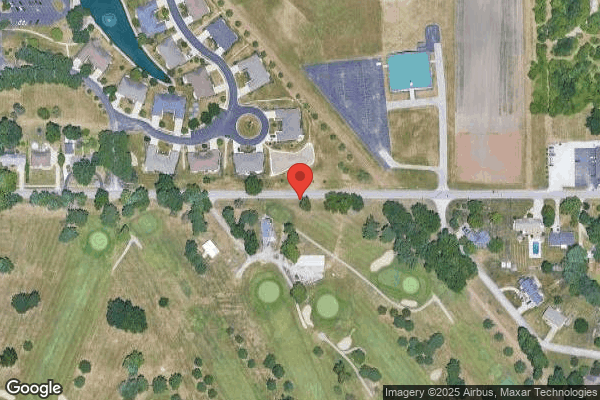
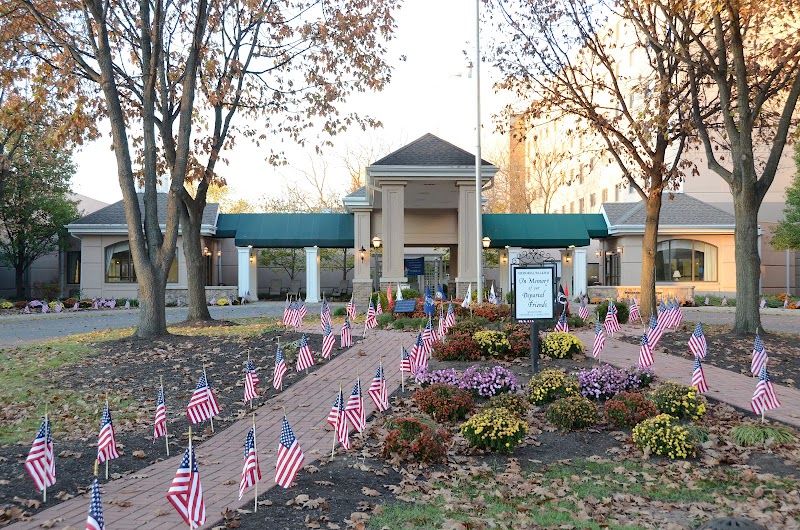
1120 E DAVIS DR, TERRE HAUTE, IN 47802 (812) 232-7533
Non profit - Corporation 78 Beds Independent Data: November 2025
Trust Grade
60/100
#315 of 505 in IN
Last Inspection: April 2025

Within standard 12-15 month inspection cycle. Federal law requires annual inspections.

Overview

Westminster Village Health & Rehab has a Trust Grade of C+, indicating it is slightly above average compared to other facilities. It ranks #315 out of 505 facilities in Indiana, placing it in the bottom half of the state's nursing homes, and #8 out of 9 in Vigo County, meaning there is only one local option deemed better. The facility's performance is worsening, with issues increasing from 8 to 11 between 2024 and 2025. Staffing is a notable strength, with a 0% turnover rate, which is significantly better than the state average, and they have more RN coverage than 79% of Indiana facilities. However, there have been concerning inspection findings, including failures in food sanitation practices and inadequate documentation during resident transfers, which indicate potential risks in care quality. Overall, while there are strengths in staffing and a lack of fines, families should be aware of the increasing number of issues and specific incidents that raise concerns about care standards.

Trust Score
C+
60/100
In Indiana
#315/505
Bottom 38%
Safety Record
Low Risk
No red flags
Inspections
Getting Worse
8 → 11 violations
Staff Stability
○ Average
Turnover data not reported for this facility.
Penalties
✓ Good
No fines on record. Clean compliance history, better than most Indiana facilities.
Skilled Nurses
✓ Good
Each resident gets 57 minutes of Registered Nurse (RN) attention daily — more than average for Indiana. RNs are trained to catch health problems early.
Violations
⚠ Watch
30 deficiencies on record. Higher than average. Multiple issues found across inspections.
★★★☆☆
3.0
Overall Rating
★★★☆☆
3.0
Staff Levels
★★★☆☆
3.0
Care Quality
★★★☆☆
3.0
Inspection Score
Stable
2024: 8 issues
2025: 11 issues

The Good

  • Full Sprinkler Coverage · Fire safety systems throughout facility
  • No fines on record

Facility shows strength in fire safety.

The Bad

3-Star Overall Rating

Near Indiana average (3.1)

Meets federal standards, typical of most facilities

The Ugly 30 deficiencies on record

Apr 2025 8 deficiencies
CONCERN (D)

Potential for Harm - no one hurt, but risky conditions existed

Deficiency F0578 (Tag F0578)

Could have caused harm · This affected 1 resident

**NOTE- TERMS IN BRACKETS HAVE BEEN EDITED TO PROTECT CONFIDENTIALITY** Based on record review and interview the facility failed to indicate the full code status of a resident upon admission to the fa...

Read full inspector narrative →
**NOTE- TERMS IN BRACKETS HAVE BEEN EDITED TO PROTECT CONFIDENTIALITY** Based on record review and interview the facility failed to indicate the full code status of a resident upon admission to the facility according to a POST (physician's order for scope of treatment) form for 1 of 24 records reviewed. (Resident 271) Findings include: On 4/22/25 at 9:45 a.m., the medical record of Resident 271 was reviewed. The medical record indicated the resident was admitted to the facility on [DATE]. Diagnoses included, but were not limited to, infection and inflammation and inflammatory reaction due to other internal joint prosthesis (a medical device, typically an artificial joint, designed to replace or improve the function of a damaged or diseased natural joint), methicillin susceptible staphylococcus aureus infection (a bacterial infection), and hypertension (high blood pressure). A Minimum Data Set (MDS) assessment, dated 4/24/25, indicated that the resident was cognitively intact. A physician order, dated 4/17/25, indicated that the resident chose to be a DNR (Do Not Resuscitate). The medical record lacked evidence of a POST (a form which designates the wishes of the resident regarding resuscitation measures). A care plan, dated 4/18/25, indicated that the resident had an Advanced Directive(s) and had documentation in the medical record related to DNR. On 4/22/25 at 10:46 a.m., during interview, the medical record nurse provided a document titled Indiana Physician Orders for Scope of Treatment POST dated 3/25/25 and verified the form was signed by the resident upon admission to the facility. She indicated the resident was to be a full code at admission and acknowledged the physician order at the time of admission was incorrectly entered as DNR. She provided a copy of an updated physician order dated 4/22/25 that indicated Full Code status. A physician order, dated 4/22/25 at 10:30 a.m., indicated the resident chose to be a Full Code (full resuscitation measures). On 4/22/25 at 2:20 p.m., during interview the Director of Nursing (DON) indicated when a resident was admitted they would obtain a POST form which indicated the directive of the resident. If the resident was unable to sign the form they would obtain a verbal directive from the responsible party. On 4/23/2025 at 9:28 a.m., the DON provided an undated document, titled, physician orders for scope of treatment (POST), and indicated it was the policy currently being used by the facility. The policy indicated, .IV. Definitions .POST is a physician order that is designed to be a portable, authoritative and immediately actionable physician order consistent with the individual's wishes and medical condition, which shall be honored across treatment settings .Policy Statement .The POST form shall be maintained in the front of the resident's medical record 3.1-4(d)
CONCERN (D)

Potential for Harm - no one hurt, but risky conditions existed

Transfer Requirements (Tag F0622)

Could have caused harm · This affected 1 resident

Based on interview and record review, the facility failed to ensure documentation of a resident's transfer included a progress note with pertinent information that the resident was being transferred t...

Read full inspector narrative →
Based on interview and record review, the facility failed to ensure documentation of a resident's transfer included a progress note with pertinent information that the resident was being transferred to the hospital and the facility failed to ensure report was called to the emergency room for 1 of 1 resident reviewed for hospitalization (Resident 7). Findings include: During an interview, on 4/22/25 at 8:52 a.m., Resident 7 indicated she had been transferred to the hospital a couple of times in the last few months. Resident 7's record was reviewed on 4/23/25 at 8:59 a.m. The profile indicated the resident's diagnosis included, but were not limited to, major depressive disorder (a mental health disorder characterized by persistently depressed mood or loss of interest in activities causing significant impairment in daily life), heart failure (can occur if the heart cannot pump or fill adequately), and chronic obstructive pulmonary disease (COPD- term for lung and airway diseases that restrict your breathing). Resident 7's census information indicated she was transferred to the hospital on 1/27/25 and returned on 2/2/25 and she was transferred to the hospital on 2/5/25 and returned to the facility on 2/17/25. A quarterly Minimum Data Set (MDS) assessment, dated 3/26/25, indicated the resident was cognitively intact. A social service progress note, dated 1/27/25 at 10:06 a.m., indicated Resident 7's daughter requested during a care plan meeting that her mother be sent out to the emergency room due to decline in condition. The record lacked documentation that a nursing progress note was completed of the resident's condition change. The record lacked documentation of any pertinent information on the resident such as: vital signs and clinical assessment. A physician order, dated 1/27/25 at 10:25 a.m., indicated they sent Resident 7 to emergency room to eval and treat. The record lacked documentation that the ambulance had arrived to transport the resident to the hospital. The record lacked documentation that the emergency room was notified of the resident's transfer from the facility. A social service progress note, dated 1/28/25 at 7:10 a.m., indicated the Social Service Director had spoken with Resident 7's daughter and she was currently admitted to the ICU (intensive care unit). A nursing progress note, dated 2/2/25 at 2:26 p.m., indicated Resident 7 had returned to the facility. During an interview, on 4/23/25 at 9:37 a.m., Registered Nurse (RN) 7 indicated when a resident was sent out to the hospital the nursing staff should complete a e-interact (interventions to reduce acute care transfers) transfer form, she indicated it was like a written report for the hospital, and call the emergency department to give them report on the resident's condition and reason for transfer. During an interview, on 4/23/25 at 10:08 a.m., Licensed Practical Nurse (LPN) 3 indicated the nursing staff was to complete an e-interact form when sending residents out to the hospital. The nurse was unable to provide documentation of an e-interact form being completed on 1/27/25. During an interview, on 4/23/25 at 11:01 a.m., the Director of Nursing (DON) indicated the nursing staff had a checklist they were to follow when sending out a resident to the hospital. She was aware that some documentation was not being completed as it should. The DON was unable to locate documentation regarding Resident 7's transfer to the hospital on 1/27/25. Review of the checklist provided by the DON on 4/23/25 at 11:40 a.m., indicated the nursing staff were to complete the following: Nursing progress notes detailing vital signs, change in condition, clinical assessment, any other pertinent information, and notification of MD. Complete e-interact transfer form Enter order to transfer to ER. Document contact name of resident and resident representative contacted of transfer. Document when resident left community, how left community, what documentation was sent with the resident, etc . Person report called to at the hospital. On 4/26/25 at 11:26 a.m., the DON provided a document with a revised date of October 2022, titled, Transfer or Discharge, Facility Initiated, and indicated it was the policy currently being used by the facility. The policy indicated, .1. When a resident is transferred or discharged from the facility, the following information is documented in the medical record: .c. The date and time of the transfer or discharge; d. The new location of the resident; e. The mode of transportation; f. A summary of the resident's overall medical, physical, and mental condition 3.1-12(a)(6)(A)
CONCERN (D)

Potential for Harm - no one hurt, but risky conditions existed

MDS Data Transmission (Tag F0640)

Could have caused harm · This affected 1 resident

Based on record review and interview, the facility failed to ensure the timely transmission of a discharge Minimum Data Set (MDS) assessment for 1 of 21 residents MDS assessments reviewed (Resident 56...

Read full inspector narrative →
Based on record review and interview, the facility failed to ensure the timely transmission of a discharge Minimum Data Set (MDS) assessment for 1 of 21 residents MDS assessments reviewed (Resident 56). Findings include: Resident 56's closed record was reviewed on 4/24/25 at 8:53 a.m. The record indicated the resident had been admitted to the facility, on 11/25/24, for diagnoses which included, but were not limited to, chronic obstructive pulmonary disease (COPD-a group of lung diseases that cause progressive airflow obstruction and breathing difficulties) and congestive heart failure (CHF-a condition where the heart muscle is weakened and cannot pump blood effectively enough to meet the body's needs). The resident had been discharged back to his home with Home Health Care (medical care provided to individuals in their own homes) on 1/4/25. An admission MDS assessment, dated 12/11/24, indicated the resident had no cognitive deficit, required extensive assistance with his activities of daily living (ADLs-fundamental self-care tasks necessary for daily living, such as eating, bathing, dressing, and moving around), and had a plan to discharge back to his home. A discharge MDS assessment, dated 1/4/25, indicated the resident had been discharged from the facility back to his home. The record lacked documentation that the MDS assessment had been transmitted in a timely manner. During an interview, on 4/24/25 at 11:58 a.m., the Administrator (ADM) indicated the MDS Coordinator was out of the building on a leave of absence. She had contacted her via telephone. The MDS Coordinator had told her that she was unsure about the difference in transmitting an assessment for a regular Medicare versus Managed Medicare (private insurance plans that work with Medicare to cover the same benefits as Original Medicare [Parts A and B] and may offer additional coverage) resident. At the same time, the ADM indicated the facility policy for the MDS transmission would be the RAI (Resident Assessment Instrument) manual. On 4/24/25 at 11:59 a.m., the ADM provided a document, dated October 2024, titled, CMS's (Center for Medicare and Medicaid Services) RAI Version 3.0 Manual, and indicated it was the policy currently being used by the facility. The policy indicated, .Discharge refers to the date a resident leaves the facility or the date the resident's Medicare Part A stay ends but the resident remains in the facility .Any of the following situations warrant a Discharge assessment .Resident is discharged from the facility to a private residence .Discharge Assessment-return not anticipated .Transmission Date No Later Than MDS Completion Date +14 calendar days
CONCERN (D)

Potential for Harm - no one hurt, but risky conditions existed

Assessment Accuracy (Tag F0641)

Could have caused harm · This affected 1 resident

2. During a lunch meal observation, on 4/21/25 at 12:19 p.m., Resident 15's upper dentures were observed to be very loose. The dentures fell off her gums whenever she opened her mouth. She was observe...

Read full inspector narrative →
2. During a lunch meal observation, on 4/21/25 at 12:19 p.m., Resident 15's upper dentures were observed to be very loose. The dentures fell off her gums whenever she opened her mouth. She was observed to push the dentures up with her spoon each time she placed the spoon in her mouth. Resident 15's record was reviewed on 4/22/25 at 1:10 p.m. The profile indicated the resident's diagnoses included, but were not limited to, type 2 diabetes (when the body doesn't make enough insulin [a hormone that helps regulate blood sugar levels] or doesn't use insulin well) and unspecified protein-calorie malnutrition (a deficiency in both protein and calories, leading to various health issues). A significant change Minimum Data Set (MDS) assessment, dated 11/12/24, indicated the resident had severe cognitive deficit and had no documented broken or loosely fitting full or partial dentures. A quarterly MDS assessment, dated 2/4/25, indicated the resident had severe cognitive deficit and had no documented broken or loosely fitting full or partial dentures. A care plan, dated 5/24/22, indicated the resident was at risk for altered dentition related to upper denture with no lower denture per her preference. Interventions included, but were not limited to, obtain dental consultation as ordered and as needed. During an interview, on 4/22/25 at 2:09 p.m., the Social Services Director (SSD) indicated she had spoken with the resident's son about her loose denture on multiple occasions and he did not want anything done. The facility dental practitioner had indicated that the resident's upper portion of her mouth was so deformed that she was not a candidate for upper dentures anymore.The resident's son insisted that she wear them. He said that he would make an appointment at a local dental office to get this situation looked at, but when she had contacted the company to check on the appointment, no appointment had been arranged for the resident. During an interview, on 4/22/25 at 3:01 p.m., the SSD indicated the resident's denture issue had been an ongoing problem for quite some time. The MDS Coordinator was out of the building on a leave of absence and there was a consultant filling in during her absence. During an interview, on 4/23/25 at 9:22 a.m., Registered Nurse (RN) 5 indicated the resident's loose upper plate often makes it hard to give her medications. She believed the resident's son was aware but had not seemed to be acting on it. During an interview, on 4/23/25 at 9:31 a.m., Certified Nursing Assistant (CNA) 6 indicated the resident's loose teeth often would make it very hard for her to eat. During an interview, on 4/23/25 at 9:39 a.m., the Director of Nursing (DON) indicated she was aware of the resident's upper denture being very loose and that the resident's son had been involved. She was unaware as to why the MDS had not been coded correctly. She believed the RAI (Resident Assessment Instrument) manual would be the policy for the facility. On 4/23/25 at 9:40 a.m., the DON provided a document dated October 2024, titled, CMS's (Center for Medicare and Medicaid Services) RAI Version 3.0 Manual, and indicated it was the policy currently being used by the facility. The policy indicated, .L0200: Dental (cont.) Steps for Assessment .3. If the resident has dentures or partials, examine for loose fit .If the resident is unable to self-report, then observe them while eating with dentures or partials .to determine if chewing problems .are present .Coding Instructions Check L0200A, broken or loosely fitting full or partial denture .Check L0200D, obvious or likely cavity or broken natural teeth 3.1-31(a) 3.1-31(c)(9) 3.1-31(d) Based on observation, record review, and interview, the facility failed to ensure Minimum Data Set (MDS) Assessments were coded accurately regarding the residents' dental status for 2 of 21 MDS Assessments reviewed (Residents 11 and 15). Findings include: 1. On 4/21/25 at 11:27 a.m., Resident 11 was observed with broken and missing teeth. Resident 11's record was reviewed on 4/22/25 at 2:43 p.m. A significant change MDS Assessment, dated 3/6/25, lacked documentation the resident had obvious likely cavities or broken natural teeth. A care plan, initiated on 1/25/24, indicated the resident had the potential for oral and dental problems related to missing teeth and needed assistance with oral care. During an interview, on 4/23/25 at 9:23 a.m., Certified Nurse Aide (CNA) 6 indicated the resident was missing the two front middle teeth on the bottom of her mouth, and there were a couple of other teeth on either side of those that were broken down.
CONCERN (D)

Potential for Harm - no one hurt, but risky conditions existed

Comprehensive Care Plan (Tag F0656)

Could have caused harm · This affected 1 resident

**NOTE- TERMS IN BRACKETS HAVE BEEN EDITED TO PROTECT CONFIDENTIALITY** Based on record review and interview, the facility failed to ensure a care plan related to dementia care and resident specific i...

Read full inspector narrative →
**NOTE- TERMS IN BRACKETS HAVE BEEN EDITED TO PROTECT CONFIDENTIALITY** Based on record review and interview, the facility failed to ensure a care plan related to dementia care and resident specific interventions were implemented for 1 of 2 residents reviewed for dementia care (Resident 20). Findings include: On 4/22/25 at 2:44 p.m., the medical record of Resident 20 was reviewed. The resident was admitted to the facility on [DATE]. Admitting diagnoses included but were not limited to, unspecified dementia (the loss of cognitive functioning thinking, remembering, and reasoning to such an extent that it interferes with a person's daily life and activities), psychotic disturbance (when someone experiences a significant disconnection from reality), mood disturbance (a mental health condition where a person's emotional state is significantly and negatively affected), and anxiety (a feeling of fear, dread, and uneasiness). A care plan, dated 11/6/24, indicated that the resident had potential to demonstrate verbally abusive behaviors related to anxiety including false accusations, yelling, cursing at staff, refusal of care, hallucinations, and delusions. Interventions included to assess and anticipate resident's needs: food, thirst, toileting needs, comfort level, body positioning, pain etc.; assess resident's coping skills and support system; and attempt one on one (1:1) care. A care plan, dated 12/6/23, indicated that the resident required additional services related to mental health diagnosis and/or intellectual disability. Interventions included rehabilitative services, supportive counseling from nursing facility staff, training in self-healthcare management, family involvement in care, and medication review. The care plan did not indicate the resident had dementia or Alzheimer's (a brain disorder that slowly destroys memory and thinking skills and, eventually, the ability to carry out the simplest tasks) nor a diagnosis of Bipolar (formerly called manic-depressive illness or manic depression a mental illness that causes unusual shifts in a person's mood). The medical record lacked evidence of a care plan related to dementia care or resident specific interventions to support a resident with dementia. A Minimum Data Set (MDS) assessment, dated 1/3/25, indicated that the resident was cognitively impaired. On 4/23/25 at 9:00 a.m., during interview the Social Services Director acknowledged the resident did not have a care plan related to dementia care with interventions. She indicated a care plan should have been implemented at the time of admission. On 4/23/2025 at 9:21 a.m., the Social Services Director provided a document, titled, Dementia - Clinical Protocol, dated November 2018, and indicated it was the policy currently being used by the facility. The policy indicated, .Treatment/Management 1. For the individual with confirmed dementia, the IDT (intradisciplinary team) will identify a resident - centered care plan to maximize remaining function and quality of life 3.1-37
CONCERN (D)

Potential for Harm - no one hurt, but risky conditions existed

Incontinence Care (Tag F0690)

Could have caused harm · This affected 1 resident

**NOTE- TERMS IN BRACKETS HAVE BEEN EDITED TO PROTECT CONFIDENTIALITY** 2. On [DATE] at 9:03 a.m., Resident 25 was sitting up in his recliner and his Foley catheter (indwelling catheter, inserted into...

Read full inspector narrative →
**NOTE- TERMS IN BRACKETS HAVE BEEN EDITED TO PROTECT CONFIDENTIALITY** 2. On [DATE] at 9:03 a.m., Resident 25 was sitting up in his recliner and his Foley catheter (indwelling catheter, inserted into the bladder to drain urine) urinary drainage bag was in contact with the floor on the left side of his recliner. On [DATE] at 11:38 a.m., Resident 25 was asleep in his recliner and his catheter urinary drainage bag was in direct contact with the floor on the left side of his recliner. On [DATE] at 2:41 p.m., Resident 25 was sitting up in his recliner and his catheter urinary drainage bag was in direct contact with the floor on the left side of his recliner. On [DATE] at 8:40 a.m., Resident 25 was sitting up reading a book while in his recliner and his catheter urinary drainage bag and tubing were in direct contact with the floor on the left side of his recliner. On [DATE] at 9:59 a.m., Resident 25 was sitting in his recliner with his legs elevated and the catheter urinary drainage bag was in direct contact with the floor on the left side of his recliner. Resident 7's record was reviewed on [DATE] at 1:15 p.m. The profile indicated the resident's diagnoses included, but were not limited to, benign prostatic hyperplasia with lower urinary tract symptoms (the prostate gland is growing and causing symptoms related to urination). A quarterly Minimum Data Set (MDS) assessment, dated [DATE], indicated the resident was cognitively intact and had an indwelling urinary catheter. A physician order, dated [DATE], indicated to change Foley catheter every night shift starting on the 28th and ending on the 28th every month and as needed. A physician's order dated [DATE], indicated to provide catheter care- cleanse with soap and water every shift. A physician's order, dated [DATE], indicated Foley catheter size 16 Fr (French) (diameter of catheter tubing) 5cc (cubic centimeter) balloon every shift. During an interview, on [DATE] at 10:34 a.m., the Director of Nursing (DON) indicated the catheter drainage bag and tubing should not be in contact with the floor. On [DATE] at 11:36 a.m., the DON provided a document, with a revised date of [DATE], titled, Catheter Care, Urinary, and indicated it was the current policy being used by the facility. The policy indicated, .Infection Control .2. Be sure the catheter tubing and drainage bag are kept off the floor 3.1-41(a)(2) Based on record review, interview, and observation, the facility failed to ensure timely treatment for a urinary tract infection (UTI) (Resident 53) and to ensure Foley catheter (tube inserted into the bladder to drain urine) tubing and drainage bag were not in contact with the floor (Resident 25) for 2 of 2 residents reviewed for catheters. Findings include: 1. Resident 53's record was reviewed on [DATE] at 11:54 a.m. Diagnoses on the resident's profile included, but were not limited to UTI and extended spectrum beta lactamase (ESBL) (enzyme produced by some bacteria that makes them resistant to certain antibiotics). A quarterly Minimum Data Set (MDS) assessment, dated [DATE], indicated the resident had a severe cognitive impairment and an indwelling catheter. A urinalysis (UA) culture and sensitivity (C&S) report indicated the urine specimen was collected on [DATE], and the results were reported to the facility on [DATE]. The UA and C&S indicated two types of bacteria were isolated. Progress Notes, dated [DATE] to [DATE], lacked documentation the physician was notified of the UA and C&S results or an antibiotic was ordered prior to [DATE]. A physician's order, dated [DATE], indicated the resident required contact isolation precautions due to ESBL in the urine. The resident was to remain in isolation for eight days. A physician's order, dated [DATE], indicated to administer ampicillin (antibiotic) 500 milligrams (mg) by mouth three times daily for seven days for UTI. A physician's order, dated [DATE], indicated to administer levofloxacin 500 mg by moth once daily for seven days for UTI. A Medication Administration Record (MAR), dated [DATE], lacked documentation the resident was treated for the UTI prior to [DATE]. During an interview, on [DATE] at 2:34 p.m., the Director of Nursing (DON) indicated the reported date on the UA and C&S lab report was the date the facility received the lab report. She was not sure why the resident was not treated with antibiotics until [DATE] but would look into it. During an interview, on [DATE] at 9:19 a.m., Registered Nurse (RN) 5 indicated lab results were faxed to the facility when they were available. The Medical Records Nurse normally notified the physician of the results. If there was a critical result the nurse would have notified management, and management notified the physician. On weekends, there was an on call nurse who was notified of critical lab results, and the on call nurse notified the physician. The physician should have been notified of a UTI on the same day the results were received, and normally an antibiotic would have been ordered at that time. Once an antibiotic was ordered they would pull it from the emergency drug kit (EDK) and initiate it that day. A resident should not have waited four days after the results of a UA and C&S were received for an antibiotic to be started. During an interview, on [DATE] at 9:41 a.m., the DON she had looked into the resident's UTI and antibiotic initiation. The DON indicated the facility received the resident's UA and C&S results on [DATE]. The results were reviewed by the physician, and antibiotics were ordered, on [DATE]. She was not sure why it took two days for the physician to review the results. The medication was not available from the pharmacy until [DATE]. She did not think the medications were available in the emergency drug kit (EDK). Normally they would have called and requested the antibiotics be delivered from the back-up pharmacy stat (immediately). The called the pharmacy and requested the medications on [DATE], but the pharmacy said they were not available. The facility notified the physician the medications were not available and started the medications on [DATE]. The DON did not provide documentation to support these assertions, and she was not sure why it was not documented in the resident's medical record. On [DATE] at 10:25 a.m., the Medical Records Nurse provided an untitled document and indicated it was the list of medications available in the facility's EDK. The document indicated the kit expired on [DATE]. Ten tablets of levofloxacin 250 mg were included. The kit did not include ampicillin. During an interview, on [DATE] at 10:27 a.m., Pharmacist 8 indicated she worked for the facility's pharmacy. The pharmacy received orders for ampicillin and levofloxacin originally on [DATE] at 9:50 p.m. This was after their cut-off time for new orders of 8:00 p.m. If the facility ordered these medications as a basic order they would have entered the order the following morning, and the facility would have received it the evening of [DATE]. If an order was placed after the cut-off time, and the facility needed the medication prior to the next scheduled delivery, the facility needed to call the back-up call service. The back-up service would have called a local 24-hour pharmacy and arranged delivery of the medication. This was not completed for the resident's ampicillin and levofloxacin. On the original orders, the facility wrote a start time of [DATE] at 8:00 a.m., however the medications would not have been available at that time because they had not initiated an immediate delivery through the back-up service. The levofloxacin was available in the EDK. On [DATE] at 10:54 a.m., the DON provided a document titled, Pharmacy Services Overview, last revised in [DATE], and indicated it was the policy currently being used by the facility. The policy indicated, .Policy Statement: The facility shall accurately and safely provide or obtain pharmaceutical services, including the provision of routine and emergency medications and biologicals, and the services of a licensed consultant pharmacist. Policy Interpretation and Implementation .3. Pharmacy services are available to residents 24 hours a day, seven days a week. 4. Residents have sufficient supply of their prescribed medications and receive medications (routine, emergency or as needed) in a timely manner
CONCERN (D)

Potential for Harm - no one hurt, but risky conditions existed

Deficiency F0692 (Tag F0692)

Could have caused harm · This affected 1 resident

**NOTE- TERMS IN BRACKETS HAVE BEEN EDITED TO PROTECT CONFIDENTIALITY** Based on record review and interview, the facility failed to address a significant weight discrepancy for 1 of 4 residents revie...

Read full inspector narrative →
**NOTE- TERMS IN BRACKETS HAVE BEEN EDITED TO PROTECT CONFIDENTIALITY** Based on record review and interview, the facility failed to address a significant weight discrepancy for 1 of 4 residents reviewed for nutrition (Resident 25). Findings include: Resident 25's record was reviewed on 4/22/25 at 1:15 p.m. The profile indicated the resident's diagnoses included, but were not limited to, heart failure (the heart is unable to pump enough blood to meet the body's needs), unspecified fracture of the left femur (indicates a broken left thigh bone, but the specific fracture isn't detailed), and vascular parkinsonism (caused by vascular damage, specifically small strokes or cerebrovascular disease, in the brain regions controlling movement). A quarterly Minimum Data Set (MDS) assessment, dated 4/8/25, indicated the resident was cognitively intact and required a one person assist with bed mobility and transfers. A physician order, dated 10/4/24, indicated daily weights every dayshift. Notify doctor of 3 lb (pound) weight gain or more overnight or 5 lb weight gain in one week. A physician order, dated 10/4/24, indicated the resident was to have a regular diet, regular texture, with regular thin liquid consistency. Review of the resident's weights indicated he weighed 168 pounds on most recent MDS assessment dated [DATE]. Subsequent weights included, but were not limited to the following: a. On 2/2/25 at 5:29 p.m., the resident had a documented weight of 158 pounds and on 2/3/25 at 1:30 p.m., the resident had a documented weight of 162 pounds, indicating a weight gain of 4 pounds in less than 24 hours. The record lacked documentation of the physician being notified of the weight gain. b. On 2/8/25 at 5:50 p.m., the resident had a documented weight of 166.4 pounds and on 2/9/24 at 3:05 p.m., the resident had a documented weight of 170 pounds, indicating a weight gain of 3.6 pounds in less than 24 hours. The record lacked documentation of the physician being notified of the weight gain. c. On 3/2/25 at 5:57 p.m., the resident had a documented weight of 166.7 pounds and on 3/3/25 at 12:45 p.m., the resident had a documented weight of 171.5 pounds, indicating a weight gain of 4.8 pounds in less than 24 hours. The record lacked documentation of the physician being notified of the weight gain. d. On 3/14/25 at 11:01 a.m., the resident had a documented weight of 168.8 pounds on 3/15/25 at 2:29 p.m., the resident had a documented weight of 172.6 pounds, indicating a weight gain of 3.8 pounds overnight. The record lacked documentation of the physician being notified of the weight gain. e. On 3/16/25 at 4:06 p.m., the resident had a documented weight of 170.4 pounds on 3/17/25 at 5:17 p.m., the resident had a documented weight of 174.9 pounds, indicating a weight gain on 4.5 pounds overnight. The record lacked documentation of the physician being notified of the weight gain. f. On 4/21/25 at 10:36 a.m., the resident had a documented weight of 160.4 pounds on 4/22/25 at 9:44 a.m., the resident had a documented weight of 172 pounds, indicating a weight gain of 12 pounds overnight. The record lacked documentation of the physician being notified of the weight gain. During an interview, on 4/23/25 at 2:59 p.m., Registered Nurse (RN) 7 indicated Resident 25 had been weighed already today and his weight was 171.8 pounds. During an interview, on 4/23/25 at 3:18 p.m., Registered Nurse (RN) 12 indicated the residents were usually weighed by nursing staff. If the staff noted a big difference in a resident's weight, they would re-weigh the resident during that same shift and or notify the doctor. During an interview, on 4/24/25 at 10:40 a.m., the Director of Nursing (DON) indicated she had been watching for weight discrepancies, but she had gotten busy with other tasks and had not been double checking them recently. She indicated the facility was going to hire a nursing supervisor and part of that person's tasks would be to monitor weights. The DON indicated staff should be notifying the physician as the orders indicate and residents should be re-weighed if there were any weight discrepancies. On 4/24/25 at 10:46 a.m., the DON provided a document with a revised date of March 2011, titled, Weighing and Measuring the Resident, and indicated it was the policy currently being used by the facility. The policy indicated, .The purpose of this procedure are to determine the resident's weight and height, to provide a baseline and an ongoing record of the resident's body weight as an indicator of the nutritional status and medical condition .6. Be sure that the weight scale is calibrated (balanced to zero) .1. Report significant weight loss/weight gain to the nurse supervisor .4. Report other information in accordance with facility policy and professional standards of practice 3.1-46(a)(1)
CONCERN (D)

Potential for Harm - no one hurt, but risky conditions existed

Respiratory Care (Tag F0695)

Could have caused harm · This affected 1 resident

Based on observations, record review, and interviews, the facility failed to ensure proper storage of respiratory equipment for 1 of 1 residents reviewed for respiratory care (Resident 2). Findings in...

Read full inspector narrative →
Based on observations, record review, and interviews, the facility failed to ensure proper storage of respiratory equipment for 1 of 1 residents reviewed for respiratory care (Resident 2). Findings include: On 4/21/25 at 10:35 a.m., during an initial observation of Resident 2. Observed oxygen concentrator (a medical device that separates nitrogen from the surrounding air, providing a higher concentration of oxygen for breathing) in the resident's room. There was not a date on the oxygen tubing. The tubing was unbagged and draped over the oxygen concentrator. On 4/21/25 at 2:57 p.m., observed Resident 2 in her room sitting in recliner. Oxygen (O2) was being administered through an oxygen concentrator. Observed the equipment storage bag on the portable oxygen tank (a small, easily transportable container filled with compressed oxygen) dated 4/7/25. On 4/21/25 at 2:57 p.m., in Resident 2's room observed nebulizer (an electrically powered machine that turns liquid medication into a mist so that it can be breathed directly into the lungs through a face mask or mouthpiece) equipment (consist of a main nebulization unit, a reservoir for holding the liquid for nebulization, and a mouthpiece through which drug aerosol is inhaled) on the bedside table, the nebulizer administration device and tubing was not dated and was not in a storage bag. On 4/22/25 at 11:00 a.m., the medical record of Resident 2 reviewed. Diagnosis included but were not limited to chronic obstructive pulmonary disease (COPD) (a group of diseases that cause airflow blockage and breathing-related problems), chronic respiratory failure (a long-term condition where the respiratory system is unable to effectively exchange oxygen and carbon dioxide), and pulmonary fibrosis (a condition where the lungs develop scar tissue (fibrosis), making them stiff and difficult to breathe). A physician order, dated 3/31/25, indicated to administer oxygen (O2) at 6 liters per minute by way of nasal cannula (a thin flexible tube device to provide supplemental oxygen therapy to people who have lower oxygen levels). May titrate (adjust) to keep O2 sats (the percentage of hemoglobin in your blood that is carrying oxygen) greater than 90% every shift, to relieve hypoxia (a condition in which the body's tissues do not receive enough oxygen). Notify Medical Doctor if O2 Sat less than 90% for COPD. A physician order, dated 3/31/25, indicated to change O2 tubing and humidifier bottle every night shift every Monday. A physician order, dated 3/21/25, indicated to administer ipratropium-albuterol inhalation solution 0.5-2.5 (3) mg (milligrams) / 3 ml (milliliter) (Ipratropium-Albuterol), 1 vial inhale orally four times a day related to chronic obstructive pulmonary disease. A care plan, dated 4/9/25, indicated that the resident had oxygen therapy related to pulmonary hypertension and COPD. Interventions included, but were not limited to, oxygen as ordered An admission Minimum Data Set (MDS) assessment, dated 4/1/25, indicated that the resident was cognitively intact and was administered oxygen during the 7 day look back period. On 4/22/25 at 2:00 p.m., observed the Resident 2 resting in her room. O2 was being administered by nasal cannula through oxygen concentrator. Observed tape with date of 2/21/25 attached to tubing. Observed the O2 tubing inside of bag, attached to portable O2 tank, dated 4/7/25. No date observed on tubing. A nebulizer administration set was inside of a bag dated 4/7/24. No date noted on the tubing. On 4/23/25 at 11:00 a.m., observed the nebulizer administration equipment unbagged and laying on the overbed table in Resident 2's room. On 4/25/25 at 8:20 a.m., observed the Resident 2 sleeping in recliner. Nebulizer equipment lying on the overbed table unbagged the medication administration chamber noted to have clear liquid in the chamber. On 4/25/25 at 10:01 a.m., during interview Licensed Practical Nurse (LPN) 20 indicated she would stay with the resident when providing nebulizer treatment. Once administered she would clean the administration set and once dry, would place the equipment in a dated bag. On 4/25/25 at 10:03 a.m., during interview LPN 21indicated she would stay with the resident while administering nebulizer treatment. She would then clean the administration set and allow the equipment to air dry. Once dry, she would place the administration set in the dated bag. On 4/24/2025 at 3:24 p.m., the Director of Nursing provided an undated document titled, Oxygen tubing storage and management policy, and indicated it was the policy currently being used by the facility. The policy indicated, .6.4 .6.4.1. Replace tubing on resident equipment per manufacturer IFC and facility schedule (minimum every 30 days). 6.4.2. Document tubing changes and place in plastic bag, include date 3.1-47(a)(4) 3.1-47(a)(5) 3.1-47(a)(6)
Mar 2025 3 deficiencies
CONCERN (D) 📢 Someone Reported This

A family member, employee, or ombudsman was alarmed enough to file a formal complaint

Potential for Harm - no one hurt, but risky conditions existed

Transfer Notice (Tag F0623)

Could have caused harm · This affected 1 resident

**NOTE- TERMS IN BRACKETS HAVE BEEN EDITED TO PROTECT CONFIDENTIALITY** Based on interview and record review, the facility failed to ensure a resident or his responsible party was issued a 30-day noti...

Read full inspector narrative →
**NOTE- TERMS IN BRACKETS HAVE BEEN EDITED TO PROTECT CONFIDENTIALITY** Based on interview and record review, the facility failed to ensure a resident or his responsible party was issued a 30-day notice of transfer or discharge when he was not permitted to return to the facility when the emergency room (ER) determined he did not meet criteria for hospital admission for 1 of 3 residents reviewed for quality of care (Resident B). Findings include: During an interview, on 3/20/25 at 11:19 a.m., Hospital Employee 8 indicated Resident B presented to the ER, on 2/20/25, and the facility reported the resident had aggressive behaviors. The resident did not have behaviors in the ER, and there was no medical reason to admit him to the hospital, so they attempted to send him back to the facility. The Administrator refused to allow him to return to the facility and indicated they would not accept him back until he had a psychiatric evaluation. The resident had recently had a medication change at the facility, and the hospital provider thought the behaviors might have been due to the change. Hospital Employee 8 notified the facility the hospital did not have 24-hour psychiatric evaluations available, and this situation was not an emergency. The Administrator continued to refuse to allow the resident to return to the facility without a psychiatric evaluation. The resident was held in a bed in the hallway in the ER for two days. The resident was hospitalized from [DATE] to 3/6/25 when he was discharged to a different skilled nursing facility (SNF). Hospital Employee 8 asked the facility Administrator if the resident was issued a 30-day notice of transfer or discharge but had not received a direct answer. Resident B's record was reviewed on 3/20/25 at 1:09 p.m. Census information indicated the resident was admitted to the facility on [DATE] and discharged on 2/20/25. Diagnoses on the resident's profile included, but were not limited to, unspecified encephalopathy (impairment in the brain's function), unspecified mood disorder, and mild cognitive impairment with uncertain or unknown etiology. An admission Minimum Data Set (MDS) assessment, dated 2/6/25, indicated the resident had moderate cognitive impairment. The resident exhibited physical and verbal behavioral symptoms directed towards others one to three days of the look-back period. The behaviors put the resident at a significant risk of physical illness or injury, significantly interfered with the resident's care and participation in activities or social interactions. The behaviors put others at a significant risk of physical injury, significantly intruded on the privacy or activities of others, and significantly disrupted the care or living environment of others. The resident rejected care four to six days of the look-back period. The resident was dependent on staff for toileting hygiene, upper and lower body dressing, chair to bed transfers, and tub and shower transfers and required substantial/maximal assistance with personal hygiene. The resident was always incontinent of bowel and bladder. The resident received an antipsychotic and antidepressant medication during the look-back period. A Social Services Progress Note, dated 2/10/25 at 10:04 a.m., indicated the resident was referred to two acute psychiatric units, but both declined to accept him for admission. A Social Services Progress Note, dated 2/12/25 at 1:40 p.m., indicated a Notice of Medicare Non-Coverage (NOMNC) was issued to the resident's wife and agreed upon. The note lacked documentation the appeal process was explained to or understood by the resident's wife, whether or not she wanted to appeal, or what the resident's plan was since his payment source was changing. A Social Services Progress Note, dated 2/17/25, indicated the resident's wife gave consent to writer to send referral. The note lacked documentation of where, or what type of facility, the resident was referred. A Behavior Progress Note, dated 2/20/25 at 8:45 a.m., indicated the CNAs assisted the resident with ADLs prior to his dialysis appointment. The CNAs tried to get him up with the assistance of two staff members, but the resident would not assist with the transfer. The CNAs used a Hoyer (mechanical) lift to get him out of bed. As the CNAs adjusted the resident in the lift he kicked one of the CNAs in the abdomen. The physician was notified. The note lacked documentation of resident-specific interventions developed or implemented to manage the resident's behaviors. A Social Services Progress Note, dated 2/20/25 at 1:27 p.m., indicated the resident continued to hit and kick staff, kicked staff in the stomach. The resident remained non-compliant with care. The note lacked documentation of resident-specific interventions developed or implemented to manage the resident's behaviors. A Social Services Progress Note, dated 2/20/25 at 3:06 p.m., indicated the SSD spoke with the resident's wife, and she consented to sending the resident to the ER due to behavioral health. The note lacked documentation of resident-specific interventions developed or implemented to manage the resident's behaviors. A Progress Note, dated 2/20/25 at 3:47 p.m., indicated the resident was sent to the ER for a psychiatric evaluation due to ongoing behaviors and the resident becoming a danger to others at the facility. The resident's wife was at the facility and informed of the plan to transfer the resident. The Progress Notes lacked documentation the resident was issued a 30-day notice of transfer or discharge. An investigation timeline included a summary of the actions taken with Resident B's discharge. The timeline indicated, on 2/20/25, the Administrator spoke with the hospital director of case management regarding the resident. The director called the Administrator and requested to send the resident back to the facility approximately 30 minutes after the resident left the facility. The resident was sent to a higher level of care due to altered mental status, verbal, and physical behaviors resulting in a staff injury. The SSD and Administrator had attempted previously to find a behavioral health unit to send the resident to, but none of them would accept him due to his clinical complexity. The hospital case manager indicated the hospital had no reason to keep the resident there and denied any behaviors occurred while he was in the ER. The hospital did not have onsite psychiatric services. The case manager said a psychiatric evaluation was completed, but the Administrator wanted to follow up with the ER staff. The case manager said they would follow up with the facility on 2/21/25. The timeline did not indicate the resident or his representative was issued a 30-day notice of transfer or discharge. A note included in the investigation timeline, dated 2/21/25, indicated the Administrator had a conversation with the case manager, and the case manager indicated no psychiatric evaluation had been provided at this time. The resident had a UTI. The case manager indicated the resident was in a bed in the hallway of the ER, and this was not good for him. The Administrator continued to request stabilization of status and psych evaluation for resident and community safety. The note lacked documentation the resident or his representative was issued a 30-day notice of transfer or discharge. A hospital case management note, dated 2/21/25 at 8:52 a.m., indicated the writer received a phone call from the on call case manager the night before. The resident was in the ER. It was reported the resident was sent to the ER for increased aggression, and the facility refused to allow him to return to the facility. The case manager reached out to the facility's Administrator who indicated, They were unable to meet his needs at this time and would like a psychiatric evaluation . The Administrator stated they had tried different medications with no improvement. The case manager spoke with the ER provider who indicated the resident had not had any aggressive behaviors since his arrival. The provider stated she tried to discharge him back to the facility, but they would not accept him back. The case manager reached back out to the Administrator who again refused to take the resident back without a psychiatric evaluation because he had been aggressive. The ER provider ordered labs and a psychiatric evaluation, and they planned to re-attempt to discharge him back to the facility. A hospital case management note, dated 2/21/25 at 3:14 p.m., indicated the case manager spoke with the ER provider who indicated the resident had a urinary tract infection (UTI) and was started on antibiotics. Per the ER provider, psychiatry declined to see because the primary impression was the resident's issues were medication related. The case manager spoke with the Admissions Coordinator at the facility who indicated the resident had exhausted his Medicare A days and was now Medicaid pending. A hospital case management note, dated 2/24/25, indicated the resident was discussed on morning rounds and after he exhibited aggressive behaviors towards staff. A GeriPsych transfer was initiated. A hospital case management note, dated 2/25/25, indicated the resident was medically stable for discharge. The facility's Admission's Coordinator indicated she would consult with management regarding the resident's potential re-admission. A hospital case management note, dated 2/26/25 at 10:37 a.m., indicated the resident's transfer to [redacted GeriPsych unit's name] was declined because they did not have a nephrologist available for the resident. The physician advised the resident was stable psychiatrically and was ready to be discharged back to the facility. The case manager contacted the Admission's Coordinator who requested clinical information so management could review his current behaviors. A hospital case management note, dated 2/26/25 at 2:12 p.m., indicated the facility's Admission's Coordinator and Administrator called the case manager. The Administrator indicated they met with the resident's wife, and she refused to sign a bed hold agreement. The Administrator reported the resident's wife stated he was not coming back to the facility and removed his belongings. The facility gave the resident's bed to someone else, and they were no longer able to accommodate the resident. A hospital case management note, dated 2/26/25 at 2:22 p.m., indicated the case manager called the resident's wife who reported she did want the resident to return to the facility because he had been there for awhile. The case manager asked his wife why she removed his belongings and say he was not returning, and she said she must not have understood. She was agreeable to finding another facility. A note included in the investigation timeline, dated 2/26/25, indicated the resident's wife refused to sign a bed hold, cleaned out his room, and stated he was not coming back to the facility. The facility indicated they were unable to comate his dialysis schedule, and his bed was occupied. The note lacked documentation the resident or his representative was issued a 30-day notice of transfer or discharge. During an interview, on 3/20/25 at 1:31 p.m., the Administrator indicated the resident's behaviors gradually increased in severity, he was physically aggressive with staff, and kicked a staff member in the stomach. The resident was sent to the ER for a psychiatric evaluation due to the incident when he kicked a staff member in the stomach. The hospital attempted to send the resident back to the facility 30 minutes after he arrived, but the Administrator told them he needed a psychiatric evaluation before he returned. The Administrator indicated they were unable to provide care for the resident due to his behaviors of being physically abusive to staff and refusals of care. The facility attempted to send him to multiple psychiatric units, but they declined to admit him because he was clinically complex and required dialysis. The resident was not issued a 30-day notice of transfer or discharge. During an interview, on 3/20/25 at 2:55 p.m., the SSD indicated she remembered Resident B, and he had behaviors of hitting, kicking, yelling, and care refusal. The resident caused harm to a staff member. The resident had behaviors his entire stay at the facility. She was not sure if the resident had a history of behaviors prior to admission to the facility, but they started within 72 hours after admission. The resident's behaviors were not directed towards other residents, and the resident was not a danger to himself or others. All of the resident's behaviors were directed towards staff. She was not sure if the resident or his representative were issued a 30-day notice of transfer or discharge, and the notices were usually handled by the Administrator. During an interview, on 3/20/25 at 3:05 p.m., Registered Nurse (RN) 4 indicated she remembered the resident. The resident exhibited behaviors of raising his fist, grabbing, and kicking. The behaviors were directed towards staff, and they were ongoing from the time of admission. She worked when the resident was sent to the ER. The hospital tried to send him back very soon after he left, but management refused to take him back because they said the facility was unable to care for him safely because of his behaviors and refusal of care. On 3/20/25 at 3:10 p.m., the Administrator provided a document titled, Transfer or Discharge, Facility-Initiated, last revised in October 2022, and indicated it was the policy currently being used by the facility. The policy indicated, .Policy Statement: Once admitted to the facility, residents have the right to remain in the facility. Facility-initiated transfers and discharges, when necessary, must meet specific criteria, and require resident/representative notification and orientation, and documentation as specified in this policy .Policy Interpretation and Implementation .Notice of Transfer or Discharge .1. Except as specified below, the resident and his or her representative are given a thirty (30)-day advance written notice of an impending transfer or discharge from this facility. 2. The resident and representative are notified in writing of the following information: a. The specific reason for the transfer or discharge .b. The effective date of the transfer or discharge; c. The specific location .to which the resident is being transferred or discharged ; d. An explanation of the resident's right to appeal the transfer or discharge to the state, including: (1) the name, address, email and telephone number of the entity which receives such appeal hearing requests; (2) information about how to obtain an appeal form; and (3) how to get assistance in completing and submitting the appeal hearing request; (3) how to get assistance in completing and submitting the appeal hearing request; e. The Notice of Facility Bed-Hold and policies; f. The name, address, and telephone number of the Office of the State Long-Term Care Ombudsman .i. The name, address, and telephone number of the state health department agency that has been designated to handle appeals of transfers and discharge notices This citation relates to Complaint IN00454240. 3.1-12(a)(7)
CONCERN (D) 📢 Someone Reported This

A family member, employee, or ombudsman was alarmed enough to file a formal complaint

Potential for Harm - no one hurt, but risky conditions existed

Safe Transfer (Tag F0626)

Could have caused harm · This affected 1 resident

**NOTE- TERMS IN BRACKETS HAVE BEEN EDITED TO PROTECT CONFIDENTIALITY** Based on interview and record review, the facility failed to ensure a resident was allowed to return to the facility after an em...

Read full inspector narrative →
**NOTE- TERMS IN BRACKETS HAVE BEEN EDITED TO PROTECT CONFIDENTIALITY** Based on interview and record review, the facility failed to ensure a resident was allowed to return to the facility after an emergency room (ER) visit due to behaviors once the hospital determined the resident did not meet the criteria for hospital admission for 1 of 3 residents reviewed for quality of care (Resident B). Findings include: During an interview, on 3/20/25 at 11:19 a.m., Hospital Employee 8 indicated Resident B presented to the ER, on 2/20/25, and the facility reported the resident had aggressive behaviors. The resident did not have behaviors in the ER, and there was no medical reason to admit him to the hospital, so they attempted to send him back to the facility. The Administrator refused to allow him to return to the facility and indicated they would not accept him back until he had a psychiatric evaluation. The resident had recently had a medication change at the facility, and the hospital provider thought the behaviors might have been due to the change. Hospital Employee 8 notified the facility the hospital did not have 24-hour psychiatric evaluations available, and this situation was not an emergency. The Administrator continued to refuse to allow the resident to return to the facility without a psychiatric evaluation. The resident was held in a bed in the hallway in the ER for two days. The resident was hospitalized from [DATE] to 3/6/25 when he was discharged to a different skilled nursing facility (SNF). During his hospital stay, the resident had some behaviors but was never actually physically aggressive with the staff. There was no psychiatric facility willing to accept the resident. Resident B's record was reviewed on 3/20/25 at 1:09 p.m. Census information indicated the resident was admitted to the facility on [DATE] and discharged on 2/20/25. Diagnoses on the resident's profile included, but were not limited to, unspecified encephalopathy (impairment in the brain's function), unspecified mood disorder, and mild cognitive impairment with uncertain or unknown etiology. A care plan, initiated on 1/11/25, indicated the resident had a potential for impaired behavioral patterns related to restlessness, agitation, false accusations towards staff, physical behaviors towards staff, refusal of care, and verbal behaviors towards staff. Interventions indicated anticipate and meet the resident's needs, approach the resident in a calm manner, behavioral health services consult as ordered, offer to call the resident's wife, reapproach in 10 to 15 minutes, and care in pairs. The care plan lacked resident-specific interventions. A Physician's Order was dated 1/30/25 and discontinued on 2/12/25. The order indicated quetiapine 25 milligrams (mg) by mouth once daily for behaviors. A Social Services Progress Note, dated 1/31/25 at 11:21 a.m., indicated a psychiatric services consent was received and sent to the provider. The resident's verbal behaviors and rejection of care continued to occur. The note lacked documentation of resident-specific interventions developed or implemented to manage the resident's behaviors. An admission Minimum Data Set (MDS) assessment, dated 2/6/25, indicated the resident had moderate cognitive impairment. The resident exhibited physical and verbal behavioral symptoms directed towards others one to three days of the look-back period. The behaviors put the resident at a significant risk of physical illness or injury, significantly interfered with the resident's care and participation in activities or social interactions. The behaviors put others at a significant risk of physical injury, significantly intruded on the privacy or activities of others, and significantly disrupted the care or living environment of others. The resident rejected care four to six days of the look-back period. The resident was dependent on staff for toileting hygiene, upper and lower body dressing, chair to bed transfers, and tub and shower transfers and required substantial/maximal assistance with personal hygiene. The resident was always incontinent of bowel and bladder. The resident received an antipsychotic and antidepressant medication during the look-back period. A care plan, initiated on 2/7/25, indicated the resident had impaired cognitive function/dementia or impaired thought processes. Interventions were generalized and included approach the resident in a calm, gentle manner, communicate with the resident/family/caregivers about the resident's capabilities, and discuss concerns about confusion, disease process, and community placement with the resident/family/caregivers. The care plan lacked resident-specific interventions. A Social Services Progress Note, dated 2/10/25 at 8:14 a.m., indicated the resident continued to be verbally and physically aggressive with staff. Social Services spoke with the resident's wife and she was agreeable to an acute psychiatric stay referral. The note lacked documentation of resident-specific interventions developed or implemented to manage the resident's behaviors. A Social Services Progress Note, dated 2/10/25 at 10:04 a.m., indicated the resident was referred to two acute psychiatric units, but both declined to accept him for admission. A Social Services Progress Note, dated 2/12/25 at 1:40 p.m., indicated a Notice of Medicare Non-Coverage (NOMNC) was issued to the resident's wife and agreed upon. The note lacked documentation the appeal process was explained to or understood by the resident's wife, whether or not she wanted to appeal, or what the resident's plan was since his payment source was changing. A Psychiatry Initial Consult, dated 2/12/25, indicated the resident was seen for initial psychiatric medication management for conditions including mood disorder, mild cognitive deficit, and insomnia. The resident's symptoms were chronic, moderate in severity, ongoing, intermittent, and responded to medication. The resident was sitting up on the side of his bed with his sweatpants at his knees. His wife reported she was trying to get him to stand up for awhile, but he refused. The staff reported the resident was aggressive with any care given or attempted by anyone, refused medications periodically, and was verbally abusive. The resident was not a danger to himself or others. The aggression was physical and verbal, towards staff. Depakote (mood stabilizer) sprinkles 125 mg by mouth twice daily was started for chronic, symptomatic mood disorder. A Social Services Progress Note, dated 2/17/25, indicated the resident's wife gave consent to writer to send referral. The note lacked documentation of where, or what type of facility, the resident was referred. A care plan, initiated on 2/20/25, indicated the resident had an alteration in neurological status, encephalopathy. Interventions were generalized and included discuss with resident and family any concerns, fears, and issues regarding diagnosis or treatments, give medications as ordered and monitor/document side effects and effectiveness, monitor intake to ensure adequate fluid intake to prevent dehydration, obtain and monitor lab/diagnostic work as ordered and report results to the physician, pain management as needed and provide alternative comfort measures, and physical therapy (PT) and occupational therapy (OT) evaluate and treat as indicated. The care plan lacked resident-specific interventions. A Behavior Progress Note, dated 2/20/25 at 8:45 a.m., indicated the CNAs assisted the resident with ADLs prior to his dialysis appointment. The CNAs tried to get him up with the assistance of two staff members, but the resident would not assist with the transfer. The CNAs used a Hoyer (mechanical) lift to get him out of bed. As the CNAs adjusted the resident in the lift he kicked one of the CNAs in the abdomen. The physician was notified. The note lacked documentation of resident-specific interventions developed or implemented to manage the resident's behaviors. A Social Services Progress Note, dated 2/20/25 at 1:27 p.m., indicated the resident continued to hit and kick staff, kicked staff in the stomach. The resident remained non-compliant with care. The note lacked documentation of resident-specific interventions developed or implemented to manage the resident's behaviors. A Social Services Progress Note, dated 2/20/25 at 3:06 p.m., indicated the SSD spoke with the resident's wife, and she consented to sending the resident to the ER due to behavioral health. The note lacked documentation of resident-specific interventions developed or implemented to manage the resident's behaviors. A Progress Note, dated 2/20/25 at 3:47 p.m., indicated the resident was sent to the ER for a psychiatric evaluation due to ongoing behaviors and the resident becoming a danger to others at the facility. The resident's wife was at the facility and informed of the plan to transfer the resident. The Progress Notes lacked documentation the resident was a danger to himself or others as his behaviors were directed towards staff. An investigation timeline included a summary of the actions taken with Resident B's discharge. The timeline indicated, on 2/20/25, the Administrator spoke with the hospital director of case management regarding the resident. The director called the Administrator and requested to send the resident back to the facility approximately 30 minutes after the resident left the facility. The resident was sent to a higher level of care due to altered mental status, verbal, and physical behaviors resulting in a staff injury. The SSD and Administrator had attempted previously to find a behavioral health unit to send the resident to, but none of them would accept him due to his clinical complexity. The hospital case manager indicated the hospital had no reason to keep the resident there and denied any behaviors occurred while he was in the ER. The hospital did not have onsite psychiatric services. The case manager said a psychiatric evaluation was completed, but the Administrator wanted to follow up with the ER staff. The case manager said they would follow up with the facility on 2/21/25. A note included in the investigation timeline, dated 2/21/25, indicated the Administrator had a conversation with the case manager, and the case manager indicated no psychiatric evaluation had been provided at this time. The resident had a UTI. The case manager indicated the resident was in a bed in the hallway of the ER, and this was not good for him. The Administrator continued to request stabilization of status and psych evaluation for resident and community safety. A hospital case management note, dated 2/21/25 at 8:52 a.m., indicated the writer received a phone call from the on call case manager the night before. The resident was in the ER. It was reported the resident was sent to the ER for increased aggression, and the facility refused to allow him to return to the facility. The case manager reached out to the facility's Administrator who indicated, They were unable to meet his needs at this time and would like a psychiatric evaluation . The Administrator stated they had tried different medications with no improvement. The case manager spoke with the ER provider who indicated the resident had not had any aggressive behaviors since his arrival. The provider stated she tried to discharge him back to the facility, but they would not accept him back. The case manager reached back out to the Administrator who again refused to take the resident back without a psychiatric evaluation because he had been aggressive. The ER provider ordered labs and a psychiatric evaluation, and they planned to re-attempt to discharge him back to the facility. A hospital case management note, dated 2/21/25 at 3:14 p.m., indicated the case manager spoke with the ER provider who indicated the resident had a urinary tract infection (UTI) and was started on antibiotics. Per the ER provider, psychiatry declined to see because the primary impression was the resident's issues were medication related. The case manager spoke with the Admissions Coordinator at the facility who indicated the resident had exhausted his Medicare A days and was now Medicaid pending. A hospital case management note, dated 2/24/25, indicated the resident was discussed on morning rounds and after he exhibited aggressive behaviors towards staff. A GeriPsych transfer was initiated. A hospital case management note, dated 2/25/25, indicated the resident was medically stable for discharge. The facility's Admission's Coordinator indicated she would consult with management regarding the resident's potential re-admission. A hospital case management note, dated 2/26/25 at 10:37 a.m., indicated the resident's transfer to [redacted GeriPsych unit's name] was declined because they did not have a nephrologist available for the resident. The physician advised the resident was stable psychiatrically and was ready to be discharged back to the facility. The case manager contacted the Admission's Coordinator who requested clinical information so management could review his current behaviors. A hospital case management note, dated 2/26/25 at 2:12 p.m., indicated the facility's Admission's Coordinator and Administrator called the case manager. The Administrator indicated they met with the resident's wife, and she refused to sign a bed hold agreement. The Administrator reported the resident's wife stated he was not coming back to the facility and removed his belongings. The facility gave the resident's bed to someone else, and they were no longer able to accommodate the resident. A hospital case management note, dated 2/26/25 at 2:22 p.m., indicated the case manager called the resident's wife who reported she did want the resident to return to the facility because he had been there for awhile. The case manager asked his wife why she removed his belongings and say he was not returning, and she said she must not have understood. She was agreeable to finding another facility. A note included in the investigation timeline, dated 2/26/25, indicated the resident's wife refused to sign a bed hold, cleaned out his room, and stated he was not coming back to the facility. The facility indicated they were unable to comate his dialysis schedule, and his bed was occupied. During an interview, on 3/20/25 at 12:14 p.m., CNA 6 indicated she remembered Resident B and had provided care to him when he resided in the facility. The resident had verbal behaviors such as saying things like, Don't touch me or I'll hit you. The resident never actually hit her. The resident kicked at people but had not made contact. The behaviors were not directed towards other residents. The resident had behaviors from the time he was admitted to the facility, and the severity of the behaviors was up and down throughout his stay. During an interview, on 3/20/25 at 1:31 p.m., the Administrator indicated the resident's behaviors gradually increased in severity, he was physically aggressive with staff, and kicked a staff member in the stomach. The resident was sent to the ER for a psychiatric evaluation due to the incident when he kicked a staff member in the stomach. The hospital attempted to send the resident back to the facility 30 minutes after he arrived, but the Administrator told them he needed a psychiatric evaluation before he returned. The Administrator indicated they were unable to provide care for the resident due to his behaviors of being physically abusive to staff and refusals of care. The facility attempted to send him to multiple psychiatric units, but they declined to admit him because he was clinically complex and required dialysis. During an interview, on 3/20/25 at 2:55 p.m., the SSD indicated she remembered Resident B, and he had behaviors of hitting, kicking, yelling, and care refusal. The resident caused harm to a staff member. The resident had behaviors his entire stay at the facility. She was not sure if the resident had a history of behaviors prior to admission to the facility, but they started within 72 hours after admission. The resident's behaviors were not directed towards other residents, and the resident was not a danger to himself or others. All of the resident's behaviors were directed towards staff. During an interview, on 3/20/25 at 3:05 p.m., Registered Nurse (RN) 4 indicated she remembered the resident. The resident exhibited behaviors of raising his fist, grabbing, and kicking. The behaviors were directed towards staff, and they were ongoing from the time of admission. She worked when the resident was sent to the ER. The hospital tried to send him back very soon after he left, but management refused to take him back because they said the facility was unable to care for him safely because of his behaviors and refusal of care. On 3/20/25 at 3:10 p.m., the Administrator provided a document titled, Transfer or Discharge, Facility-Initiated, last revised in October 2022, and indicated it was the policy currently being used by the facility. The policy indicated, .Policy Statement: Once admitted to the facility, residents have the right to remain in the facility. Facility-initiated transfers and discharges, when necessary, must meet specific criteria, and require resident/representative notification and orientation, and documentation as specified in this policy .Policy Interpretation and Implementation: 1. Each resident will be permitted to remain in the facility, and not be transferred or discharged unless: a. the transfer or discharge is necessary for the resident's welfare and the resident's needs cannot be met in this facility .c. the safety of individuals in the facility is endangered due to the clinical or behavioral status of the resident .Facility-Initiated Transfer or discharge: 1. 'Facility initiated transfer or discharge' means a transfer or discharge which the resident objects to, or did not originate through a resident's verbal or written request, and/or is not in alignment with the resident's stated goals for care and preferences .Notice of Transfer or Discharge (Emergent .) 1. When residents who are sent emergently to an acute care setting, these scenarios are considered facility-initiated transfers, NOT discharges, because the resident's return is generally expected. 2. Residents who are sent emergently to an acute care setting, such as a hospital, are permitted to return to the facility This citation relates to Complaint IN00454240. 3.1-12(a)(27)
CONCERN (D) 📢 Someone Reported This

A family member, employee, or ombudsman was alarmed enough to file a formal complaint

Potential for Harm - no one hurt, but risky conditions existed

Deficiency F0740 (Tag F0740)

Could have caused harm · This affected 1 resident

**NOTE- TERMS IN BRACKETS HAVE BEEN EDITED TO PROTECT CONFIDENTIALITY** Based on interview and record review, the facility failed to ensure a resident-centered behavior management care plan was develo...

Read full inspector narrative →
**NOTE- TERMS IN BRACKETS HAVE BEEN EDITED TO PROTECT CONFIDENTIALITY** Based on interview and record review, the facility failed to ensure a resident-centered behavior management care plan was developed and interventions were identified and attempted during behavioral episodes prior to the resident being transferred to the emergency room (ER) for behaviors for 1 of 3 residents reviewed for quality of care (Resident B). Findings include: During an interview, on 3/20/25 at 11:19 a.m., Hospital Employee 8 indicated Resident B presented to the ER, on 2/20/25, and the facility reported the resident had aggressive behaviors. The resident did not have behaviors in the ER, and there was no medical reason to admit him to the hospital, so they attempted to send him back to the facility. The Administrator refused to allow him to return to the facility and indicated they would not accept him back until he had a psychiatric evaluation. The resident had recently had a medication change, and the hospital provider thought the behaviors might have been due to the change. The Hospital Employee notified the facility the hospital did not have 24-hour psychiatric evaluations available, and this situation was not an emergency. The resident was hospitalized from [DATE] to 3/6/25 when he was discharged to a different skilled nursing facility (SNF). During his hospital stay, the resident had some behaviors but was never actually physically aggressive with the staff. Resident B's record was reviewed on 3/20/25 at 1:09 p.m. Census information indicated the resident was admitted to the facility on [DATE] and discharged on 2/20/25. Diagnoses on the resident's profile included, but were not limited to, unspecified encephalopathy (impairment in the brain's function), unspecified mood disorder, and mild cognitive impairment with uncertain or unknown etiology. A Progress Note, dated 1/10/25, indicated the resident was admitted to the facility and was agitated and rude upon admission. A Progress Note, dated 1/11/25, indicated when staff provided care to the resident he stated, Stop you're trying to molest me. The incident was reported to the Administrator and Director of Nursing (DON). Staff was instructed to provide care in pairs. The note lacked documentation of interventions attempted at the time of the behavior. A Behavior Progress Note, dated 1/11/25, indicated the resident stated staff was trying to molest him during activities of daily living (ADL) care. When the writer spoke with the resident, the resident indicated the staff was not inappropriate with him, but he did not like peri care (cleaning the genital and anal area) being provided. The resident was educated related to his physical needs for care due to his incontinence, and the resident agreed. The note lacked documentation of the resident's level of understanding of the education considering his cognitive impairment or interventions for the staff to attempt when the resident exhibited behaviors. A care plan, initiated on 1/11/25, indicated the resident had a potential for impaired behavioral patterns related to restlessness, agitation, false accusations towards staff, physical behaviors towards staff, refusal of care, and verbal behaviors towards staff. Interventions indicated anticipate and meet the resident's needs, approach the resident in a calm manner, behavioral health services consult as ordered, offer to call the resident's wife, reapproach in 10 to 15 minutes, and care in pairs. The care plan lacked resident-specific interventions. A care plan, initiated on 1/11/25, indicated the resident received an antidepressant. Interventions were generalized and included educate the resident, family, and caregivers about risks, benefits, and side effects or toxic symptoms of specify: anti-depressant drugs being given, give antidepressant medications as ordered by the physician and monitor/document side effects and effectiveness, and monitor/document/report to the physician as needed with ongoing signs and symptoms of depression that were unaltered by the antidepressant medication. The care plan lacked resident-specific interventions. A care plan, initiated on 1/11/25, indicated the resident received an antipsychotic. Interventions were generalized and included administer medication as ordered, abnormal involuntary movements scale (AIMS) (assessment for medication-related involuntary movements) every six months and as needed, and behavioral health services consult as ordered. The care plan lacked resident-specific interventions. A Behavior Progress Note, dated 1/14/25 at 3:28 p.m., indicated the writer intervened when the resident was combative with care and staff when he was leaving for dialysis (treatment to remove waste from the blood when the kidneys do not function). The resident continued to be verbally inappropriate, but physical behaviors were reduced. The resident remained care in pairs, and the staff was educated to provide a slow easy approach. The note lacked documentation of resident-centered interventions developed or implemented or the efficacy of interventions provided. A Progress Note, dated 1/14/25 at 11:11 p.m., indicated the Certified Nurse Aide (CNA) reported to the nurse the resident refused care earlier in the shift and insisted he was in the wrong room. When the nurse approached the resident, the resident indicated he thought he was moving rooms but guessed not. The nurse explained to the resident he was in the correct room, and staff would assist him to bed when he was ready. The resident was agreeable. When the CNAs approached at a later time, the resident refused and became irritated with staff. The nurse advised the CNAs to give the resident more time as he might not have been ready for bed yet. During shift change, the night shift CNA reported the resident was sitting on the side of the bed clinging tightly to his wheelchair and refused to allow anyone to move it. The resident was verbally aggressive with the CNA. The nurse entered the resident's room to find the resident clinging to the wheelchair while sitting on the side of the bed. The CNAs stated they had not assisted him to bed, and the resident confirmed he put himself to bed. The nurse requested permission to move the resident's wheelchair to provide more room, and the resident angrily refused and became verbally aggressive with staff. The nurse advised the resident moving the wheelchair would have been safer, but the resident refused again. The resident threatened to hit the staff and balled his fist. The nurse advised the resident this was not appropriate behavior and requested he not do this. The resident falsely accused the staff of threatening to hit the resident. The nurse advised the resident this was incorrect and staff was trying to assist him into bed. The resident stated, I've been doing this myself for years, I don't need help now. The nurse stood back quietly as the resident continued to assist himself into bed. The resident was able to bring his legs into bed and adjusted the bed using the bed remote. The resident was calmer after he adjusted himself in bed and was given the call light. The resident was reminded staff needed to be present for all transfers due to safety, and the resident expressed understanding. The note lacked documentation the resident was able to understand reminders and education considering his cognitive impairment or the CNAs were educated on how to safely allow the resident to perform his own ADLs safely if this was an intervention to alleviate behaviors. A Progress Note, dated 1/16/25, indicated the resident refused to allow the staff to change his incontinence briefs. The Administrator and the resident's wife were in the room when the staff attempted to provide the care, and the resident kept threatening to hit staff. The care was to be re-attempted later throughout the evening and night. The note lacked documentation of interventions provided when the behavior occurred and the resident's response. A Physician's Order was dated 1/30/25 and discontinued on 2/12/25. The order indicated quetiapine 25 milligrams (mg) by mouth once daily for behaviors. A Skin and Wound Note, dated 1/31/25, indicated the writer spoke with the resident about care refusals, and the resident allowed a skin assessment to be completed. The resident had a stage two pressure ulcer (partial-thickness skin loss) to his buttock. The resident would not allow enough time for the nurse to assess the area adequately and refused a dressing. A Social Services Progress Note, dated 1/31/25 at 11:21 a.m., indicated a psychiatric services consent was received and sent to the provider. The resident's verbal behaviors and rejection of care continued to occur. The note lacked documentation of resident-specific interventions developed or implemented to manage the resident's behaviors. A Progress Note, dated 1/31/25 at 12:12 p.m., indicated the resident refused to take his medications or be weighed. The interdisciplinary team (IDT) was notified. The note lacked documentation of resident-specific interventions developed or implemented to manage the resident's behaviors. A Progress Note, dated 2/1/25, indicated a Qualified Medication Aide (QMA) notified the nurse the resident had an area on his buttocks. The CNAs reported the area was found when they provided incontinence care. The resident refused to allow the nurse to perform a skin assessment. The note lacked documentation of resident-specific interventions developed or implemented to manage the resident's behaviors. A Progress Note, dated 2/2/25 at 9:07 a.m., indicated the resident refused to let the nurse, CNA, and another nurse to provide incontinence care. The resident hit and tried to bite staff. The resident stated, F--- you, to the nurse. The resident had an area on his buttocks that needed cared for, but the resident refused to let the staff look at it. The note lacked documentation of resident-specific interventions developed or implemented to manage the resident's behaviors. A Progress Note, dated 2/2/25 at 12:33 p.m., indicated the resident's wife came in to visit the resident, and the nurse asked the resident's wife to be in the room when staff attempted to provide incontinence care. The resident's wife was happy to help and encouraged the resident to allow staff to provide incontinence care. The resident agreed and allowed the care to be provided. A Therapy Progress Note, dated 2/3/25, indicated the therapy staff member entered the room with the resident's wife and spoke with the resident about sitting up on the edge of the bed. The therapy staff member placed a hand under the resident's left foot to support the resident's legs and moving to the edge of the bed. The resident yelled at the therapy staff member and his wife, Don't touch me. I can do it myself. The resident asked for the bed controller and then pushed all of the buttons. The resident's wife took the bed controller and encouraged the resident to sit on the edge of the bed. The resident asked the therapy staff member to to assist, and the resident required max assist to sit on the edge of the bed. The resident refused to scoot towards the edge and demanded the bed was lowered. The therapy staff member placed the resident's rolling walker in front of the resident, and the resident stated, I don't want that, I want the chair, and pushed the rolling walker at his wife. The therapy staff member brought the wheelchair, placed it perpendicular to the bed, and asked the resident to stand up to transfer to the wheelchair. The resident called the therapy staff member a f------ idiot, and tried to hit the therapy staff member and his wife in anger. The resident then placed the wheelchair directly in front of where he was sitting on the edge of the bed. The therapy staff member provided education on safe placement, and the resident's wife understood. The resident threatened to hit the therapy staff member in the mouth and stated, Get the f--- out of my room, and began mimicking everything the therapy staff member said. The resident's wife apologized to the therapy staff member, and the resident demanded his wife take him home today and attempted to hit her again. The resident was very difficult to re-direct at times. Several times during the treatment the resident attempted to hit the therapy staff member and his wife and used inappropriate verbiage. The note lacked documentation of resident-specific interventions developed or implemented to manage the resident's behaviors. The Administrator provided an untitled document on 3/20/25 at 2:30 p.m., updated on 2/3/25, and indicated it was the resident's information from the intervention binder. The interventions listed were offer to call wife, reapproach in 10 to 15 minutes, and care in pairs. The document lacked resident-specific interventions. An admission Minimum Data Set (MDS) Assessment, dated 2/6/25, indicated the resident had moderate cognitive impairment. The resident exhibited physical and verbal behavioral symptoms directed towards others one to three days of the look-back period. The behaviors put the resident at a significant risk of physical illness or injury, significantly interfered with the resident's care and participation in activities or social interactions. The behaviors put others at a significant risk of physical injury, significantly intruded on the privacy or activities of others, and significantly disrupted the care or living environment of others. The resident rejected care four to six days of the look-back period. The resident was dependent on staff for toileting hygiene, upper and lower body dressing, chair to bed transfers, and tub and shower transfers and required substantial/maximal assistance with personal hygiene. The resident was always incontinent of bowel and bladder. The resident received an antipsychotic and antidepressant medication during the look-back period. A care plan, initiated on 2/7/25, indicated the resident had impaired cognitive function/dementia or impaired thought processes. Interventions were generalized and included approach the resident in a calm, gentle manner, communicate with the resident/family/caregivers about the resident's capabilities, and discuss concerns about confusion, disease process, and community placement with the resident/family/caregivers. The care plan lacked resident-specific interventions. A Behavior Progress Note, dated 2/7/25 at 6:05 a.m., indicated the CNAs were in the resident's room to provide care, and during the linen change the resident grabbed the CNA's forearm with both hands and yelled at her. The CNAs finished providing care to the resident and left the room. The note lacked documentation of resident-specific interventions developed or implemented to manage the resident's behaviors. A Behavior Progress Note, dated 2/7/25 at 1:41 p.m., indicated the resident was overheard refusing therapy. Therapy made several attempts, and the writer attempted to provide assistance. The resident refused. The writer assisted the CNAs and the resident's wife with the resident's ADL care. The resident grabbed one of the CNA's hand and arm and refused to let go. The resident was informed he was hurting the CNA, and the resident replied he knew how far to go before he caused pain. The nurse was able to redirect the resident, and he released the CNA's hand and arm. The note lacked documentation of resident-specific interventions developed or implemented to manage the resident's behaviors. A Social Services Progress Note, dated 2/10/25 at 8:14 a.m., indicated the resident continued to be verbally and physically aggressive with staff. Social Services spoke with the resident's wife and she was agreeable to an acute psychiatric stay referral. The note lacked documentation of resident-specific interventions developed or implemented to manage the resident's behaviors. A Social Services Progress Note, dated 2/10/25 at 10:04 a.m., indicated the resident was referred to two acute psychiatric units, but both declined to accept him for admission. A Progress Note, dated 2/10/25 at 1:40 p.m., indicated the resident continued to refuse medications and care. The CNA and nurse attempted to provide the care three times, but the resident refused. The resident often stated, Get out of here. I don't want anything from you. Management, physician, and the resident's spouse were notified. The note lacked documentation of resident-specific interventions developed or implemented to manage the resident's behaviors. A Social Services Progress Note, dated 2/10/25 at 3:12 p.m., indicated the resident continued to refuse medications. The note lacked documentation of resident-specific interventions developed or implemented to manage the resident's behaviors. A Progress Note, dated 2/10/25 at 5:29 p.m., indicated the resident continued to refuse medication and care. The resident became verbally and physically abusive with staff. Redirection was attempted without success. Management and the resident's family were notified. The note lacked documentation of resident-specific interventions developed or implemented to manage the resident's behaviors. A Progress Note, dated 2/11/25, indicated the resident refused breakfast and morning medication. The CNA attempted twice and the nurse attempted twice. The resident laughed at the nurse and did not stop laughing the entire time the nurse provided care to the resident's roommate. The DON and Unit Manager were aware of the abnormal behavior. The note lacked documentation of resident-specific interventions developed or implemented to manage the resident's behaviors. A Behavior Note, dated 2/12/25 at 12:31 p.m., indicated the resident refused medication and wound care after three attempts. The resident's wife was notified and reported the resident was being extremely mean. When the resident asked his wife to open the blinds, and she went over to the blinds he told her she was not a nurse. The nurse opened the blinds for the resident and redirected the behavior. The note lacked documentation of resident-specific interventions developed or implemented to manage the resident's behaviors. A Psychiatry Initial Consult, dated 2/12/25, indicated the resident was seen for initial psychiatric medication management for conditions including mood disorder, mild cognitive deficit, and insomnia. The resident's symptoms were chronic, moderate in severity, ongoing, intermittent, and responded to medication. The resident was sitting up on the side of his bed with his sweatpants at his knees. His wife reported she was trying to get him to stand up for awhile, but he refused. The staff reported the resident was aggressive with any care given or attempted by anyone, refused medications periodically, and was verbally abusive. The resident was not a danger to himself or others. The aggression was physical and verbal, towards staff. Depakote (mood stabilizer) sprinkles 125 mg by mouth twice daily was started for chronic, symptomatic mood disorder. A Social Services Progress Note, dated 2/12/25 at 3:31 p.m. indicated the facility's psychiatric service provided saw the resident and ordered Depakote for mood disorder. A Progress Note, dated 2/12/25 at 6:58 p.m., indicated the resident was seen earlier in the day by the psychiatric nurse practitioner (NP). The resident's Seroquel (antipsychotic) was discontinued, Depakote was ordered, and a diagnosis was added. A February 2025 Medication Administration Record (MAR), included a Physician's Order, dated 2/13/25. The order indicated behavior monitoring, target behavior false accusations towards staff. If present, document behavior type, intervention, and outcome in progress note, every shift. A February 2025 MAR, included a Physician's Order, dated 2/13/25. The order indicated behavior monitoring, target behavior physical and verbal behaviors/aggression towards staff. If present, document behavior type, intervention, and outcome in progress note, every shift. A February 2025 MAR, included a Physician's Order, dated 2/13/25. The order indicated behavior monitoring, target behavior refusal of care, personal care, showers, and medications. If present, document behavior type, intervention, and outcome in progress note, every shift. A Progress Note, dated 2/13/25 at 12:21 p.m., indicated the resident refused his medication and blood glucose test and indicated he just wanted to die. The resident indicated he did not want to eat and to take his lunch tray. The DON, Social Services, and Power of Attorney (POA) were notified. The note lacked documentation of resident-specific interventions developed or implemented to manage the resident's behaviors. A Social Services Progress Note, dated 2/13/25 at 2:49 p.m., indicated the Social Services Director (SSD) was one on one with the resident, and he stated he did not want to die and had no plan to harm himself. The resident stated he was hungry and wanted to eat. A Behavior Note, dated 2/14/25, indicated the resident refused morning and afternoon medications and his blood glucose check. The resident's wife was in the room visiting and witnessed the refusal. The IDT was notified. The note lacked documentation of resident-specific interventions developed or implemented to manage the resident's behaviors. A Social Services Progress Note, dated 2/17/25, indicated the resident's wife gave consent to writer to send referral. The note lacked documentation of where, or what type of facility, the resident was referred. A care plan, initiated on 2/20/25, indicated the resident had an alteration in neurological status, encephalopathy. Interventions were generalized and included discuss with resident and family any concerns, fears, and issues regarding diagnosis or treatments, give medications as ordered and monitor/document side effects and effectiveness, monitor intake to ensure adequate fluid intake to prevent dehydration, obtain and monitor lab/diagnostic work as ordered and report results to the physician, pain management as needed and provide alternative comfort measures, and physical therapy (PT) and occupational therapy (OT) evaluate and treat as indicated. The care plan lacked resident-specific interventions. A Behavior Progress Note, dated 2/20/25 at 8:45 a.m., indicated the CNAs assisted the resident with ADLs prior to his dialysis appointment. The CNAs tried to get him up with the assistance of two staff members, but the resident would not assist with the transfer. The CNAs used a Hoyer (mechanical) lift to get him out of bed. As the CNAs adjusted the resident in the lift he kicked one of the CNAs in the abdomen. The physician was notified. The note lacked documentation of resident-specific interventions developed or implemented to manage the resident's behaviors. A Social Services Progress Note, dated 2/20/25 at 1:27 p.m., indicated the resident continued to hit and kick staff, kicked staff in the stomach. The resident remained non-compliant with care. The note lacked documentation of resident-specific interventions developed or implemented to manage the resident's behaviors. A Social Services Progress Note, dated 2/20/25 at 3:06 p.m., indicated the SSD spoke with the resident's wife, and she consented to sending the resident to the ER due to behavioral health. The note lacked documentation of resident-specific interventions developed or implemented to manage the resident's behaviors. A Progress Note, dated 2/20/25 at 3:47 p.m., indicated the resident was sent to the ER for a psychiatric evaluation due to ongoing behaviors and the resident becoming a danger to others at the facility. The resident's wife was at the facility and informed of the plan to transfer the resident. The Progress Notes lacked documentation the resident was a danger to himself or others as his behaviors were directed towards staff. During an interview, on 3/20/25 at 12:14 p.m., CNA 6 indicated she remembered Resident B and had provided care to him when he resided in the facility. The resident had verbal behaviors such as saying things like, Don't touch me or I'll hit you. The resident never actually hit her. The resident kicked at people but had not made contact. The behaviors were not directed towards other residents. The resident had behaviors from the time he was admitted to the facility, and the severity of the behaviors was up and down throughout his stay. During an interview, on 3/20/25 at 1:31 p.m., the Administrator indicated the resident's behaviors gradually increased in severity, he was physically aggressive with staff, and kicked a staff member in the stomach. The resident was sent to the ER for a psychiatric evaluation due to the incident when he kicked a staff member in the stomach. The facility attempted to send him to multiple psychiatric units, but they declined to admit him because he was clinically complex and required dialysis. During an interview, on 3/20/25 at 2:33 p.m., the Administrator indicated there was an intervention binder with interventions for each resident at the nurse's station. The staff should have used it to determine what interventions would have assisted with the resident's behaviors. During an interview, on 3/20/25 at 2:55 p.m., the SSD indicated she remembered Resident B, and he had behaviors of hitting, kicking, yelling, and care refusal. The resident caused harm to a staff member. The resident had behaviors his entire stay at the facility. She was not sure if the resident had a history of behaviors prior to admission to the facility, but they started within 72 hours after admission. At times, the resident's wife was able to help calm him down, but sometimes that made it worse. They reapproached the resident in 10 or 15 minutes and provided care in pairs. She indicated the interventions were not effective but did not indicate resident-specific interventions were identified or attempted. She was not sure if the staff documented what interventions were utilized or their efficacy when the resident had behaviors. The resident's behaviors were not directed towards other residents, and the resident was not a danger to himself or others. All of the resident's behaviors were directed towards staff. The interventions were included in the intervention binder at the nurse's station. During an interview, on 3/20/25 at 3:00 p.m., CNA 10 indicated she remembered the resident, and he had behaviors of saying nonsensical statements, hitting, and kicking. The behaviors were directed towards staff, and the resident bit her before. She was not sure where to find interventions to attempt when the residents had behaviors or what interventions were in place for Resident B. During an interview, on 3/20/25 at 3:05 p.m., Registered Nurse (RN) 4 indicated she remembered the resident. The resident exhibited behaviors of raising his fist, grabbing, and kicking. The behaviors were directed towards staff, and they were ongoing from the time of admission. They tried a slow approach and used trial and error to determine what interventions were effective when the resident had behaviors. There was an intervention binder at the nurse's station, but it was not helpful and they seemed to be out of ideas for interventions. On 3/20/25 at 2:35 p.m., the Administrator provided an undated document titled, Behavioral Assessment, Intervention and Monitoring, and indicated it was the policy currently being used by the facility. The policy indicated, .Policy Statement: 1. The facility will provide and residents will receive behavioral health services as needed to attain or maintain the highest practicable physical, mental and psychosocial well-being in accordance with the comprehensive assessment and plan of care .Policy Interpretation and Implementation .Assessment .2. As part of the comprehensive assessment, staff will evaluate, based on input from the resident, family, and caregivers, review of medical record and general observations: a. the resident's usual patterns of cognition, mood and behavior; b. the resident's usual method of communicating things like pain, hunger, thirst, and other physical discomforts; c. the resident's typical or past responses to stress, fatigue, fear, anxiety, frustration and other triggers; and d. the resident's previous pattern of coping with stress, anxiety, and depression .Management: 1. The interdisciplinary team will evaluate behavioral symptoms in residents to determine the degree of severity, distress and potential safety risk to the resident, and develop a plan of care accordingly. Safety strategies will be implemented immediately if necessary to protect the resident and others from harm .2. The care plan will incorporate findings from the comprehensive assessment .7. Interventions will be individualized and part of an overall care environment that supports physical, functional and psychosocial needs, and strives to understand, prevent or relieve the resident's distress or loss of abilities. 8. Interventions and approaches will be based on a detailed assessment of physical, psychological and behavioral symptoms and their underlying causes, as well as potential situational and environmental reasons for the behavior. The care plan will include, as a minimum .b. targeted and individualized interventions for the behavioral and/or psychosocial symptoms; c. the rationale for the interventions and approaches .e. how the staff will monitor for effectiveness of the interventions This citation relates to Complaint IN00454240. 3.1-43(a)(1)
Mar 2024 8 deficiencies
CONCERN (D)

Potential for Harm - no one hurt, but risky conditions existed

Incontinence Care (Tag F0690)

Could have caused harm · This affected 1 resident

Based on observation, interview, and record review, the facility failed to obtain a supporting diagnosis for an indwelling Foley Catheter (a thin, flexible catheter used especially to drain urine from...

Read full inspector narrative →
Based on observation, interview, and record review, the facility failed to obtain a supporting diagnosis for an indwelling Foley Catheter (a thin, flexible catheter used especially to drain urine from the bladder) for 1 of 3 residents reviewed for catheters (Resident 52). Findings include: On 3/21/24 at 9:10 a.m., during observation and interview with Resident 52, the resident indicated the indwelling Foley catheter was placed when she was in the hospital, but she could not recall why she had a catheter and indicated she had not had a catheter prior to going to the hospital. On 3/27/24 at 2:00 p.m., the Director of Nursing (DON) indicated the facility did not obtain a supporting diagnosis when the resident returned from the hospital because they were waiting on the follow-up appointment with urology to obtain the diagnosis. She indicated the physician would not give them the diagnosis and referred them to urology. On 3/25/24 at 11:27 a.m., Resident 52's record was reviewed. Diagnosis included but were not limited to, displaced fracture of the lower end of right femur (a break in the long bone of the upper thigh), chronic respiratory failure with hypoxia (low levels of oxygen in your body tissues), atrial fibrillation (an irregular heart rhythm (arrhythmia) that begins in the upper (atria) of your heart, major depressive disorder (an illness characterized by persistent sadness and a loss of interest in activities that you normally enjoy, accompanied by an inability to carry out daily activities, for at least two weeks), urine retention (a condition in which you cannot empty all the urine from your bladder), dysuria (painful urination). The medical record lacked documentation of notification to physician requesting a supporting diagnosis for an indwelling catheter. The medical record also lacked documentation of a supporting diagnosis for indwelling Foley catheter upon return from the hospital up to the date of the current review. Physician orders included but were not limited to, 3/11/24, Foley Catheter - Size18 Fr (French) 10 ml (milliliters) balloon (inflated with water to anchor catheter tube in the bladder) every shift, change Foley catheter every night shift starting on the 28th and ending on the 28th every month for as needed, if resident was unable to void, may re-insert Foley catheter and notify MD (medical doctor), as needed. A Minimum Data Set (MDS) a standardized assessment tool that measures health status in nursing home residents, dated 3/12/24, indicated the resident was cognitively intact and had an indwelling catheter during the assessment look back period. The MDS indicated the resident did not have a diagnosis of neurogenic bladder, renal failure, or urinary obstruction. A care plan, dated 1/28/24, indicated the resident had incontinence related to decline in mobility and femur fracture. Needed assist with toileting and incontinent care. Interventions included, but were not limited to, assist with toileting and incontinent care as needed, ensure the resident has an unobstructed path to the bathroom. Monitor and document intake and output as ordered and report abnormalities to MD (Medical Doctor). Monitor/document for signs and symptoms of UTI (urinary tract infection); pain, burning, blood-tinged urine, cloudiness, no output, deepening of urine color, increased pulse, increased temp, urinary frequency, foul smelling urine, fever, chills, altered mental status, change in behavior, change in eating patterns. Documentation lacked a care plan for an indwelling Foley catheter. On 3/27/2024 at 1:47 p.m., the Assistant Director of Nursing (ADON) provided a document, titled, Catheter Care, Urinary, dated August 2022, and indicated it was the policy currently being used by the facility. The policy indicated, .Catheter Evaluation .1. Review and document the clinical indications for catheter use prior to inserting .2. Nursing and the interdisciplinary team should assess and document the ongoing need for a catheter that is in place. Use the standardized tool for documenting clinical indications for catheter use 3.1-41(a)(2)
CONCERN (D)

Potential for Harm - no one hurt, but risky conditions existed

Deficiency F0692 (Tag F0692)

Could have caused harm · This affected 1 resident

**NOTE- TERMS IN BRACKETS HAVE BEEN EDITED TO PROTECT CONFIDENTIALITY** Based on record review and interview, the facility failed to address a significant weight discrepancy for 1 of 2 residents revie...

Read full inspector narrative →
**NOTE- TERMS IN BRACKETS HAVE BEEN EDITED TO PROTECT CONFIDENTIALITY** Based on record review and interview, the facility failed to address a significant weight discrepancy for 1 of 2 residents reviewed for nutrition (Resident 1). Finding includes: Resident 1's record was reviewed on 3/22/24 at 10:29 a.m. The profile indicated the resident's diagnoses included, but were not limited to, unspecified diastolic (congestive) heart failure (occurs if the left ventricle muscle becomes still or thickened), cerebral infarction affecting right dominant side (a left-brain stroke happens when blood supply to left side of brain is stopped. The left side of brain is in charge of the right side of the body), and chronic obstructive pulmonary disease (a group of lung diseases that block airflow and make it difficult to breathe). An annual minimum data set assessment (MDS- part of the federally mandated process for clinical assessment of all residents in Medicare and Medicaid certified nursing homes), dated 3/7/24, indicated the resident had impairment on one side. The assessment lacked documentation of weight loss or gain. A physician order, dated 3/1/24, indicated daily weights every dayshift. Notify doctor of 3 lb (pound) weight gain in 24 hours or 5 lb weight gain in one week. A physician order, dated 3/18/24, indicated the resident was to have a regular diet with regular thin liquid consistency. Review of the resident's weights indicated she weighed 176 pounds on most recent MDS assessment dated [DATE]. Subsequent weights included, but were not limited to the following: a. On 3/18/24 at 3:37 p.m., the resident had been weighed by Licensed Practical Nurse (LPN) 7. Her weight was 175.4 pounds. b. On 3/19/24 at 4:48 p.m., the resident had been weighed by Registered Nurse (RN) 17. Her weight was 153.8 pounds. c. On 3/20/24 at 12:47 p.m., the resident had been weighed by LPN 18. Her weight was 154.8 pounds. d. On 3/21/24 at 12:01 p.m., the resident had been weighed by RN 17. Her weight was 155.4 pounds. e. On 3/22/24 at 11:32 a.m., the resident had been weighed by LPN 7. Her weight was 153.2 pounds. The record lacked documentation that the significant weight discrepancies in the resident's weights between 3/18/24 to 3/22/24, had been addressed by the facility. The most recent dietary/nutrition note was dated 12/16/23 and therefore did not reflect the recent discrepancies in the resident's weight. During an interview, on 3/22/24 at 1:26 p.m., LPN 7 indicated the residents were usually weighed by nursing staff. If the staff noted a big difference in a resident's weight, they would re-weigh the resident during that same shift and or notify the doctor. She was aware that on 3/20/24 one of the scales needed re-calibrated but she wasn't aware of which one it was because they had 2 scales on the unit. During an interview, on 3/22/24 at 2:18 p.m., Assistant Director of Nursing (ADON) indicated the nurse should have put a progress note into the computer when she noted the weight difference. She thought the weight difference on Resident 1 was an error because only one scale got re-calibrated the other day. The nursing staff should have noted the difference and re-weighed the resident when there was a weight discrepancy. She indicated they would re-weigh the resident today and make sure the scale was correct. On 3/22/24 at 2:50 p.m., the Administrator provided a document with a revised date of March 2011, titled, Weighing and Measuring the Resident, and indicated it was the policy currently being used by the facility. The policy indicated, .The purpose of this procedure are to determine the resident's weight and height, to provide a baseline and an ongoing record of the resident's body weight as an indicator of the nutritional status and medical condition .6. Be sure that the weight scale is calibrated (balanced to zero) .1. Report significant weight loss/weight gain to the nurse supervisor 3.1-46(a)(1)
CONCERN (D)

Potential for Harm - no one hurt, but risky conditions existed

Deficiency F0698 (Tag F0698)

Could have caused harm · This affected 1 resident

Based on record review and interview, the facility failed to ensure a post dialysis assessment was completed on 1 of 1 resident reviewed for dialysis (Resident 23). Finding includes: Resident 23's re...

Read full inspector narrative →
Based on record review and interview, the facility failed to ensure a post dialysis assessment was completed on 1 of 1 resident reviewed for dialysis (Resident 23). Finding includes: Resident 23's record was reviewed on 3/25/24 at 1:26 p.m. The profile indicated the resident's diagnoses included, but were not limited to, end stage renal disease (a condition in which the kidneys lose the ability to remove waste and balance fluids), type 2 diabetes mellitus (a long term condition in which the body has trouble controlling blood sugar and using it for energy), and hemiplegia and hemiparesis (muscle weakness or partial paralysis on one side of the body that can affect the arms, legs, and facial muscles). A quarterly Minimum Data Set (MDS) assessment (MDS-part of the federally mandated process for clinical assessment of all residents in Medicare and Medicaid certified nursing homes), dated 1/11/24, indicated the resident was cognitively intact and was marked as being on dialysis. A physician order, dated 2/17/23, resident to receive dialysis on Monday, Wednesday, and Friday, leaving at 6 a.m. via facility vehicle. A physician order, dated 2/17/23, check for positive bruit and thrill (a thrill or buzz is like a vibration caused by blood flowing through the fistula and can be felt by placing your fingers just above the incision line) to right upper arm every shift related to end stage renal disease. A care plan, dated 5/19/22, indicated the resident is currently receiving hemodialysis (process of filtering the blood of a person whose kidneys are not working normally). Interventions included, but were not limited to, monitor for signs and symptoms of fluid overload, send communication to dialysis center, and weigh resident per order. Review of dialysis communication forms, dated February 2024 and March 2024, indicated the forms lacked a post dialysis assessment being completed by nursing staff on the following dates: a. 2/2/24 b. 2/5/24 c. 2/12/24 d. 2/19/24 e. 2/21/24 f. 2/23/24 g. 2/28/24 h. 3/1/24 i. 3/4/24 j. 3/6/24 k. 3/8/24 l. 3/15/24 m. 3/20/24 During an interview, on 3/25/24 at 1:45 p.m., Licensed Practical Nurse (LPN) 11 indicated a pre and post dialysis assessments should be completed on the dialysis communication form by the nursing staff. The dialysis communication forms can be found in the resident's dialysis binder. During an interview, on 3/25/24 at 2:03 p.m., Resident 23 indicated the staff did an assessment today when he returned from dialysis, but the nursing staff doesn't always do an assessment when he returns to the facility from dialysis. During an interview, on 3/25/24 at 2:15 p.m., the Director of Nursing (DON) indicated the communication binder goes to the dialysis center with the residents. The dialysis communication form should have a pre assessment completed on the resident prior to going to dialysis and then the dialysis center was to fill out the middle section and upon return to the facility the staff should do a post dialysis assessment. She was not aware that the staff was not completing the post dialysis assessment on the resident. On 3/25/24 at 2:55 p.m., the DON provided a document, with a revised date of February 2023, titled, Hemodialysis Catheters- Access and Care of, and indicated it was the policy currently being used by the facility. The policy indicated, .The nurse should document in the resident's medication record every shift as follows: 1. Location of catheter. 2. Condition of dressing .3. If dialysis was done during shift. 4. Any part of report from dialysis nurse post-dialysis being given. 5. Observations post-dialysis 3.1-37(a)
CONCERN (D)

Potential for Harm - no one hurt, but risky conditions existed

Deficiency F0757 (Tag F0757)

Could have caused harm · This affected 1 resident

Based on record review and interview, the facility failed to ensure verbal physician's orders were counter signed per pharmacy recommendations for 2 of 5 residents reviewed for unnecessary medications...

Read full inspector narrative →
Based on record review and interview, the facility failed to ensure verbal physician's orders were counter signed per pharmacy recommendations for 2 of 5 residents reviewed for unnecessary medications (Resident 37 and 11). Findings include: 1. On 3/22/24 at 8:55 a.m., record reviewed for resident 37. Record indicated diagnosis included but were not limited to, type 2 diabetes mellitus (a disease that occurs when your blood glucose, also called blood sugar, is too high), vascular dementia (the loss of cognitive functioning thinking, remembering, and reasoning to such an extent that it interferes with a person's daily life and activities), focal epilepsy (a disorder of the brain characterized by repeated seizures), hypertension (high blood pressure), hypothyroidism (a common condition where the thyroid doesn't create and release enough thyroid hormone into your bloodstream. This makes your metabolism slow down. Also called underactive thyroid). Physician Orders included but were not limited to, Cyanocobalamin Tablet 1000 mcg (micrograms) by mouth one time a day related to vitamin B deficiency, levetiracetam Tablet 250 mg (milligrams) Give 250 mg by mouth at bedtime related to epilepsy, Cholecalciferol Tablet 1000 unit Give 1 tablet by mouth one time a day related to vitamin D deficiency, Lisinopril Tablet 40 mg 1 tablet by mouth one time a day related to hypertension, Buspirone HCl Tablet 7.5 mg Give 7.5 mg by mouth two times a day related to anxiety, Potassium Tablet Give 20 mEq (milliequivalent) by mouth in the morning for potassium, Metformin HCl Oral Tablet 850 mg (Metformin HCl) Give 850 mg by mouth one time a day related to type 2 diabetes, Metformin HCl ER Oral Tablet Extended Release 24 Hour 500 mg, Give 500 mg by mouth one time a day related to type 2 diabetes, Lantus Solostar Subcutaneous Solution Pen-injector 100 UNIT/ML (Insulin Glargine) Inject 14 unit subcutaneously at bedtime related to type 2 diabetes, Meloxicam Oral Tablet 7.5 mg, Give 7.5 mg by mouth one time a day related to arthritis. A quarterly Minimum Data Set, (MDS) a standardized assessment tool that measures health status in nursing home residents, dated 11/9/22, indicated the resident had limited cognition On 5/19/23 the pharmacist recommended a dose reduction for Effexor 37.5 mg to every other day. The form lacked documentation of a counter signature, of the verbal order, by the physician. 2. On 3/22/24 at 10:22 a.m., Resident 11's record was reviewed. Record indicated diagnosis included but were not limited to, Chronic Obstructive Pulmonary disease (a group of diseases that cause airflow blockage and breathing-related problems), type 2 diabetes (a disease that occurs when your blood glucose, also called blood sugar, is too high), anxiety disorder (a feeling of fear, dread, and uneasiness. It might cause you to sweat, feel restless and tense, and have a rapid heartbeat. It can be a normal reaction to stress), hyperlipidemia (high cholesterol is an excess of lipids or fats in your blood), hypothyroidism (a common condition where the thyroid doesn't create and release enough thyroid hormone into your bloodstream. This makes your metabolism slow down. Also called underactive thyroid), major depressive disorder (an illness characterized by persistent sadness and a loss of interest in activities that you normally enjoy, accompanied by an inability to carry out daily activities, for at least two weeks). An annual Minimum Data Set (MDS) a standardized assessment tool that measures health status in nursing home residents, dated 2/2/24, indicated the resident had limited cognition. On 4/6/23 a consultant pharmacist review indicated Omeprazole 20 mg (milligrams) change to Pantoprazole 20 mg. The form lacked documentation of a counter signature, of the verbal order, by the physician. On 6/21/23 a consultant pharmacist review indicated a reduction in Prozac 20 mg daily. The verbal order indicated the MD disagreed with the recommendation. The form lacked documentation of a counter signature, of the verbal order, by the physician. On 8/9/23 a consultant pharmacist review indicated the Pulmicort order included rinse mouth and spit. The form lacked documentation of a counter signature, of the verbal order, by the physician. On 11/9/23 a consultant pharmacist review indicated a bipolar diagnosis is to be linked with an order for Seroquel to support its use. The form lacked documentation of a counter signature, of the verbal order, by the physician. On 3/22/2024 at 9:48 a.m., the Administrator provided a document, titled, Verbal Orders, dated February 2020, and indicated it was the policy currently being used by the facility. The policy indicated, .Verbal orders shall only be given in an emergency or when the attending physician is not immediately available to write or sign the order .6. The practitioner will review and countersign verbal orders during his or her next visit 3.1-48(a)(1) 3.1-48(a)(2) 3.1-48(a)(3) 3.1-48(a)(4) 3.1-48(a)(5) 3.1-48(a)(6)
CONCERN (D)

Potential for Harm - no one hurt, but risky conditions existed

Medication Errors (Tag F0758)

Could have caused harm · This affected 1 resident

2. Resident 16's record was reviewed on 3/21/24 at 2:29 p.m. The profile indicated the resident's diagnoses included, but were not limited to, anxiety disorder (a mental health disorder characterized ...

Read full inspector narrative →
2. Resident 16's record was reviewed on 3/21/24 at 2:29 p.m. The profile indicated the resident's diagnoses included, but were not limited to, anxiety disorder (a mental health disorder characterized by feelings of worry, anxiety, or fear that are strong enough to interfere with one's daily activities), depression (it involves depressed mood or loss of pleasure or interest in activities for long periods of time), and chronic respiratory failure with hypoxia (condition where there's not enough oxygen or too much carbon dioxide in your body). A quarterly Minimum Data Set (MDS) assessment, dated 12/22/23, indicated the resident had received anti-anxiety (used to treat anxiety symptoms) and anti-depressant (used to treat depressive symptoms) medications. A current physician order, dated 4/11/23, indicated Sertraline (anti-depressant medication) tablet. Give 75 mg (milligram) by mouth one time a day for depression. A current physician order, dated 3/12/24, indicated Xanax (anti-anxiety medication) 0.25 mg. Give 0.25 mg by mouth every 4 hours as needed for behaviors related to anxiety disorder. A pharmacy recommendation, dated 3/13/23, A pharmacy recommendation, dated 7/17/23, indicated to consider a dosage reduction of the resident's Zoloft (Sertraline) from 25 mg daily to 12.5 mg daily. A verbal order, dated 3/13/23, indicated a disagreement for the dose reduction due to the resident's recent loss of independence and being unable to live at home. The Resident continues with depression symptoms. This form lacked documentation of a counter signature, of the verbal order, by the physician. A pharmacy recommendation, dated 7/17/23, indicated to consider a dosage reduction of the resident's Zoloft from 75 mg daily to 50 mg daily. A verbal order, dated 7/17/23, indicated a disagreement for the dose reduction due to resident's current dose was effective in maintaining depression. This form lacked documentation of a counter signature, of the verbal order, by the physician. A pharmacy recommendation, dated 9/19/23, indicated to consider a dosage reduction of the resident's Xanax from 0.25 mg at bedtime to 0.125 mg at bedtime. A verbal order, dated 9/19/23, indicated a disagreement for the dose reduction due to the resident having anxiety at night related to shortness of breath symptoms. The form lacked documentation of a counter signature, of the verbal order, by the physician. A pharmacy recommendation, dated 1/17/24, indicated to consider a dosage reduction of the resident's Zoloft from 75 mg daily to 50 mg daily. A verbal order, dated 1/17/24, indicated a disagreement for the dose reduction due to resident's continued signs and symptoms of depression. This form lacked documentation of a counter signature, of the verbal order, by the physician. During an interview, on 3/22/24 at 9:52 a.m., the Administrator (ADM) indicated she was not aware if there was a policy regarding pharmacy recommendations and verbal orders, but she would provide a policy if available. On 3/22/24 at 9:48 a.m., the ADM provided a document with a revised date of February 2014, titled, Verbal Orders, and indicated it was the policy currently being used by the facility. The policy indicated, .1. Verbal orders shall only be given in an emergency or when the attending physician is not immediately available to write or sign the order .6. The practitioner will review and countersign verbal orders during his or her next visit 3.1-48(b)(2) Based on record review and interview, the facility failed to ensure verbal physician's orders, for psychotropic medications (medications or other substances that affect how the brain works and causes changes in mood, awareness, thoughts, feelings, or behavior) had been signed by the physician for 2 of 5 residents reviewed for unnecessary medications (Resident 47 and 16). Findings include: 1. Resident 47's record was reviewed on 3/21/24 at 2:07 p.m. The profile indicated the resident's diagnoses included, but were not limited to, Parkinson's disease (a progressive disorder that affects the nervous system and the parts of the body controlled by the nerves), major depressive disorder (a mood disorder that causes a persistent feeling of sadness and loss of interest), anxiety disorder (a condition in which a person has excessive worry and feelings of fear, dread, and uneasiness), and borderline personality disorder (a mental health condition in which a person has long-term patterns of unstable or explosive emotions). A quarterly minimum data set assessment (MDS-part of the federally mandated process for clinical assessment of all residents in Medicare and Medicaid certified nursing homes), dated 2/16/24, indicated the resident received medications, which included, but were not limited to, antipsychotic medication (used to treat psychotic symptoms such as hallucinations [sights, sounds, smells, tastes, or touches that a person believes to be real but are not real], and delusions [false beliefs]), antianxiety medication (used to treat symptoms of anxiety, such as feelings of fear, dread, uneasiness, and muscle tightness, that may occur as a reaction to stress), and antidepressant medication (used to treat symptoms of depression such as feeling down and hopeless). A current physician's order, dated 6/23/23, indicated olanzapine (Zyprexa-antipsychotic medication) tablet 5 milligrams (mg). Give 5 mg by mouth one time daily for borderline personality disorder. A current physician's order, dated 2/16/24, indicated buspirone (Buspar-antianxiety medication) HCL (hydrochloride) tablet 5 mg. Give 5 mg by mouth three times daily for anxiety disorder. A current physician's order, dated 3/15/24, indicated sertraline HCl (Zoloft-antidepressant medication) tablet 50 mg. Give 50 mg by mouth one time daily along with 25 mg to equal 75 mg daily for major depressive disorder. A current physician's order, dated 3/15/24, indicated sertraline HCl tablet 25 mg. Give 25 mg by mouth one time daily along with 50 mg to equal 75 mg daily for major depressive disorder. A pharmacy recommendation, dated 9/12/23, indicated to consider a dosage reduction of the resident's Zyprexa (olanzapine) from 5 mg QHS (at bedtime) to 2.5 mg QHS. A verbal order, dated 9/14/23, indicated a disagreement for the dose reduction due to a recent dose reduction of the resident's Buspar (buspirone) during the previous psychiatric visit. The form lacked documentation of a counter signature, of the verbal order, by the physician. A pharmacy recommendation, dated 9/12/23, indicated to consider a dosage reduction of the resident's Zoloft (sertraline) from 50 mg daily to 25 mg daily. A verbal order, dated 9/14/23, indicated a disagreement for the dose reduction due to a recent dose reduction of the resident's Buspar (buspirone) during the previous psychiatric visit. The form lacked documentation of a counter signature, of the verbal order, by the physician.
CONCERN (D)

Potential for Harm - no one hurt, but risky conditions existed

Deficiency F0761 (Tag F0761)

Could have caused harm · This affected 1 resident

Based on observations, interviews, and record reviews, the facility failed to ensure medications were stored and labeled properly and the facility failed to ensure expired medications were disposed fo...

Read full inspector narrative →
Based on observations, interviews, and record reviews, the facility failed to ensure medications were stored and labeled properly and the facility failed to ensure expired medications were disposed for 2 of 3 medication carts reviewed for medication storage (Residents 47 and 14). Findings include: 1. On 3/25/24 at 9:01 a.m., the 200 hall second medication cart contained an undated and opened Lispro (medication used to lower blood sugar) insulin pen. The insulin pen contained a label that indicated it was for Resident 47. The cart also contained a Lantus (insulin medication) insulin pen that had an open date of 2/22/24. The insulin pen contained a label that indicated it was for Resident 47. During an interview, on 3/25/24 at 9:04 a.m., Licensed Practical Nurse (LPN) 7 indicated insulin pens should have an open date placed on them when they are used, and insulin medication was good for 28 days once it was opened. The insulin pen that was dated for 2/22/24 should have been discarded. Resident 47's record was reviewed on 3/25/24 at 10:48 a.m. The profile indicated the resident's diagnosis included, but were not limited to, type 2 diabetes mellitus (a chronic condition that affects the way the body processes blood sugar). A physician order, dated 2/16/24, indicated Humalog (insulin medication) Kwik Pen subcutaneous solution pen-injector 100 unit/ml (milliliter). Inject 12 units subcutaneously (under the skin) in the morning. A physician order, dated 2/15/24, indicated Lantus SoloStar (insulin medication) subcutaneous solution pen-injector 100 unit/ml. Inject 14 units subcutaneously at bedtime. 2. On 3/25/24 at 9:06 a.m., the 200 hall first cart contained an unopened and non-refrigerated Lispro (insulin medication) pen. The insulin pen contained a label that indicated it was for Resident 14. During an interview, on 3/25/24 at 9:08 a.m., LPN 10 indicated insulin that was not opened, should be refrigerated until used. She was not aware of how long the insulin pen had been in the medication cart unopened for Resident 14. During an interview, on 3/25/24 at 9:45 a.m., Director of Nursing (DON) indicated insulin should be dated once opened and should remain in the refrigerator until it was opened. She indicated insulin was good for 28 days once opened. Resident 14's record was reviewed on 3/25/24 at 11:00 a.m. The profile indicated the resident's diagnosis included, but were not limited to, type 2 diabetes mellitus. A physician order, dated 3/16/24, indicated insulin Lispro injection solution 100 unit/ml. Inject per sliding scale subcutaneously with meals. On 3/25/24 at 10:14 a.m., the Administrator provided and identified a document as a current facility policy, titled, Medication Storage, revised date 07/12. The policy indicated, .11. Insulin vials should be stored in the refrigerator until opened. Date insulin vials when first opened On 3/25/24 at 10:31 a.m., the DON provided and identified an undated document as a current facility policy, titled, Expiration Dating Guidelines. The policy indicated, .expiration date of insulin .28 days after opening 3.1-25(j) 3.1-25(o)
CONCERN (D)

Potential for Harm - no one hurt, but risky conditions existed

Infection Control (Tag F0880)

Could have caused harm · This affected 1 resident

Based on observation and interview, the facility failed to maintain a separation between clean linen, from the soiled linen area for 1 of 1 observation of the laundry area. Finding include: On 3/26/2...

Read full inspector narrative →
Based on observation and interview, the facility failed to maintain a separation between clean linen, from the soiled linen area for 1 of 1 observation of the laundry area. Finding include: On 3/26/24 at 9:36 a.m., during observation of the soiled laundry area, several barrels containing linens were uncovered, which had been placed against the wall in front of the washing machines. The washing machines were in use with soiled laundry at the time of the observation. On 3/26/24 at 9:45 a.m., during interview with Employee 12, the employee indicated the linens and clothing within the laundry barrels had been washed and were clean. She indicated she was waiting to put them into the dryer. The employee indicated she was aware the lids had not been placed on the barrel to protect the clean linen and acknowledged the barrels containing the washed clean linen, were within the soiled laundry area. On 3/26/2024 at 10:08 a.m., the Administrator provided a document, titled, Laundry and Bedding, Soiled, dated September 2022, and indicated it was the policy currently being used by the facility. The policy indicated, .Transport .6. Clean linen is protected from dust and soiling during transport and storage to ensure cleanliness .Storage .1. Clean linen is stored separately, away from soiled linens, at all times .3. Clean linen is kept separate from contaminated linen 3.1-18(b)(1)
CONCERN (E)

Potential for Harm - no one hurt, but risky conditions existed

Food Safety (Tag F0812)

Could have caused harm · This affected multiple residents

Based on observation and interview, the facility failed to prepare and serve food in a sanitary manner on 3 of 3 kitchen observations. Findings include: On 3/20/24 at 9:43 a.m., during initial dietary...

Read full inspector narrative →
Based on observation and interview, the facility failed to prepare and serve food in a sanitary manner on 3 of 3 kitchen observations. Findings include: On 3/20/24 at 9:43 a.m., during initial dietary observation. Observed the following. a. Employee 5 had a beard cover not covering all of his mustache b. Food on the steam table was uncovered c. Debris on the floor throughout food prep area d. Dark debris on the outside and inside of the food warmer. Dried dark debris on the inside and bottom of the convection oven e. Review of dishwasher temperature log indicated the documentation from 1/1/24 to 3/20/24 lacked entries of wash temperatures. The Dietary Director was unable to provide a dishwasher temperature log for 2/15/24 to 2/29/24. On 3/20/24 at 11:58 a.m., During routine dining observation in the 1st floor dining room, observed, Employee 6, wash his hands and turned the water off with his bare hand. On 3/20/24 at 12:10 p.m., observed Employee 3 wash her hands and turn off water with bare hands. On 3/20/24 at 12:14 p.m., observed Employee 6 serving food without gloves on while touching inside of plates with bare hands. On 3/26/24 at 11:50 a.m., during a routine kitchen observation. a. Observed Employee 17 with his beard covering not covering his mustache. Employee 17 indicated he was not aware the mustache must also be covered. b. A heavy coating of brown and black debris on wheel casters of stove and utility cart holding cooking items. c. Dark debris on the outside and inside of the food warmer. d. Dried dark debris on the inside and bottom of the convection oven. e. The charbroil grill was covered in caked on dark debris. f. The vent hood above the stove was covered in dark debris and grease debris. The Dietary Director acknowledged the equipment had not been cleaned properly and indicated a deep clean of the kitchen was completed weekly. The Director was unable to provide a cleaning schedule indicating these areas had been cleaned. On 3/27/24 during routine observation of pureed food preparation, observed Employee 16 wash her hands, turned off the water with a paper towel then dried her hands with the same paper towel. On 3/26/24 at 2:31 p.m., the Administrator provided a document, titled, Sanitation, dated November 2022, and indicated it was the policy currently being used by the facility. The policy indicated, .The food service area is maintained in a clean and sanitary manner .3. All equipment, food contact surfaces and utensils are cleaned and sanitized using heat or chemical sanitizing solutions On 3/26/24 at 2:31 p.m., the Administrator provided a document, titled, Preventing Food Borne Illness-Employee Hygiene and Sanitary Practices, dated November 2022, and indicated it was the policy currently being used by the facility. The policy indicated, .Food and nutrition services employees follow appropriate hygiene and sanitary procedures to prevent the spread of foodborne illness . Handwashing/Hand Hygiene .6. Employees must wash their hands .d. before coming in contact with any food surfaces .Gloves and Direct Food Contact .8. Contact between food and bare (ungloved) hands is prohibited .15. Hair Nets .beard restraints are worn when cooking, preparing, or assembling food to keep hair from contacting exposed food, clean equipment, utensils and linens 2a. During a dining observation on the second floor, on 3/20/24 at 11:31 a.m., the Dietary Director washed her hands for a total of 7 seconds and turned off the water faucet with her bare hands. She then prepared a drink for a female resident and placed it on the table in front of the resident. On 3/20/24 at 11:42 a.m., the Dietary Director washed her for a total of 8 seconds and turned off the water faucet with her bare hands. She then left the dining room and proceeded down the elevator. On 3/20/24 at 11:44 a.m., Certified Nursing Assistant (CNA) 4 washed her hands for a total of 15 seconds and turned off the water faucet with her bare hands. The CNA then served a plate of food to a male resident in the dining room. On 3/20/24 at 11:51 a.m., CNA 4 washed her hands for a total of 15 seconds and turned off the water faucet with her bare hands. The CNA remained in the dining room during meal service. 2b. During a dining observation on the first floor, on 3/20/24 at 12:09 p.m., the Dietary Director touched her hair moving it back and then washed her hands for 7 seconding turning off the water faucet with her bare hands. On 3/20/24 at 12:26 p.m., the Dietary Director washed her hands for a total of 7 seconds and then turned off the water faucet with her bare hands. The director then left the dining room exiting down the hallway. During an interview, on 3//22/24 at 1:27 p.m., Licensed Practical Nurse (LPN) 7 indicated staff should scrub their hands with soap and water and never touch the water faucet with their bare hands. The staff should use a dry paper towel to turn off the faucet. 2c. During a second dining observation on the second floor, on 3/26/24 at 11:37 a.m., CNA 4 washed her hands for the appropriate amount of time but then turned off the water faucet with her bare hands. On 3/26/24 at 11:39 a.m., CNA 4 washed her hands for the appropriate amount of time but then turned off the water faucet with her bare hands. The CNA then served a plate of food to a male resident in the dining room. During an interview, on 3/26/24 at 11:44 a.m., LPN 14 indicated staff should wash their hands for at least 20 seconds and make sure to completely dry their hands with a paper towel, then get a second paper towel to turn off the water faucet. Staff should not touch the water faucet with their bare hands. On 3/27/24 at 1:19 p.m., the Administrator provided a document with a revised date of 6/15/16, titled, Handwashing Skills Check Off List, and indicated it was the policy currently being used by the facility. The policy indicated, .e. Lather all areas of hands and wrists rubbing vigorously for 20 seconds routine .g. Dry hands with paper towel .g. Turn off faucet with the paper towel. Discard towel immediately 3.1-21(i)(3)
Jan 2023 11 deficiencies
CONCERN (D)

Potential for Harm - no one hurt, but risky conditions existed

Deficiency F0561 (Tag F0561)

Could have caused harm · This affected 1 resident

**NOTE- TERMS IN BRACKETS HAVE BEEN EDITED TO PROTECT CONFIDENTIALITY** Based on interview and record review, the facility failed to ensure residents were provided showers as preferred for 1 of 24 res...

Read full inspector narrative →
**NOTE- TERMS IN BRACKETS HAVE BEEN EDITED TO PROTECT CONFIDENTIALITY** Based on interview and record review, the facility failed to ensure residents were provided showers as preferred for 1 of 24 residents reviewed for choices (Resident 100). Finding includes: During an interview, on 1/5/23 at 2:01 p.m., Resident 100's wife indicated, her husband had not had a shower since Sunday, 1/1/23. The resident took showers daily and sometimes two showers a day, morning and evening, prior to his admission into the facility, when he was at home. Resident 100's record was reviewed on 1/13/23 at 10:31 a.m. The resident was admitted to the facility, on 12/30/22, with diagnoses included, but not limited to, heart failure, acute and chronic respiratory failure (difficulty breathing), chronic obstructive pulmonary disease (COPD-chronic condition involving constriction of the airways and difficulty or discomfort in breathing). An admission Minimum Data Set (MDS) assessment, dated 1/5/23, indicated the resident had a moderate cognitive impairment, it was very important for the resident to choose between a tub bath, shower, bed bath, or sponge bath; was an extensive assistance of two persons for bed mobility, transfers, dressing and was an extensive assistance of one person for toilet use and personal hygiene, and was total dependence of one staff for bathing. A care plan, dated 1/5/23, indicated the resident would have self-directed care, with interventions included, but not limited to, involve family in preferences as needed and assess for changes. A profile care guide indicated the resident was scheduled for showers on Tuesdays and Fridays. The medical record lacked documentation of refusal of showers. During an interview, on 1/12/23 at 10:20 a.m., the Director of Nursing (DON) indicated Resident 100 was scheduled for two showers a week, on Tuesday and Fridays, but he had only received two showers, on Sunday 1/1/23 and Friday 1/6/23, since his admission to the facility on [DATE]. The DON provided the two shower sheet documents, dated 1/1/23 and 1/6/23. On 1/12/23 at 1:30 p.m., the DON provided and identified a document as a current facility policy, titled Resident Self Determination and Participation, dated February 2021. The policy indicated, .Policy Statement .Our facility respects and promotes the right of each resident to exercise his or her autonomy regarding what the resident considers to be important facets of his or her life .Policy Interpretation and Implementation .1. Each resident is allowed to choose activities, and schedule health care and healthcare providers, that are consistent with his or her interests, values, assessments, and plans of care, including: .a. daily routine, such as sleeping and waking, eating, exercise and bathing schedules 3.1-3(u)(3)
CONCERN (D)

Potential for Harm - no one hurt, but risky conditions existed

Transfer Requirements (Tag F0622)

Could have caused harm · This affected 1 resident

**NOTE- TERMS IN BRACKETS HAVE BEEN EDITED TO PROTECT CONFIDENTIALITY** Based on record review and interview, the facility failed to ensure documented evidence of notification to the receiving hospita...

Read full inspector narrative →
**NOTE- TERMS IN BRACKETS HAVE BEEN EDITED TO PROTECT CONFIDENTIALITY** Based on record review and interview, the facility failed to ensure documented evidence of notification to the receiving hospital prior to the transfer of a resident for evaluation and treatment for 1 of 4 residents reviewed for hospitalization (Residents 9). Finding includes: Resident 9's record was reviewed on 1/13/23 at 2:32 p.m. An annual Minimum Data Set (MDS) assessment, dated 12/2/22, indicated the resident had a severe cognitive impairment. Diagnoses on the resident's profile included, but was not limited to, chronic obstructive pulmonary disease (COPD-a chronic condition involving constriction of the airways and difficulty or discomfort in breathing) and respiratory failure. Census information indicated Resident 9 had been discharged to the hospital on [DATE] and returned to the facility on [DATE]. A progress note, dated 11/22/22 at 5:45 a.m., indicated Resident 9 kept calling out for her mom. The nurse had witnessed the resident attempting to transfer self out of the bed and stated that she wanted to get up. Staff assisted the resident up in her wheelchair and into the dining room. The nurse checked the resident's oxygen level and found that it read 66% (low oxygen level). The physician was called and ordered to send the resident to the hospital emergency department. The record lacked documentation the facility had contacted the receiving hospital to provide information related to the resident's transfer for evaluation and treatment. During an interview, on 1/17/23 at 11:10 a.m., the interim Director of Nursing (DON) indicated she was unable to find any documentation a report was called to the hospital at the time of the resident's hospital transfer on 11/22/22. On 1/17/23 at 11:15 a.m., the DON provided and identified a document as current facility policy titled, Transfer or Discharge, Emergency, dated September 2012, which indicated, .Policy Statement .Our facility shall make an emergency transfer or discharge when it is in the best interest of the resident .Policy Interpretation and Implementation .1. Should it become necessary to make an emergency transfer or discharge to a hospital or other related institution, our facility will implement the following procedures: .b. Notify the receiving facility that the transfer is being made 3.1-12(a)(3)
CONCERN (D)

Potential for Harm - no one hurt, but risky conditions existed

Transfer Notice (Tag F0623)

Could have caused harm · This affected 1 resident

**NOTE- TERMS IN BRACKETS HAVE BEEN EDITED TO PROTECT CONFIDENTIALITY** Based on record review and interview, the facility failed to ensure transfer/discharge documents were developed and provided for...

Read full inspector narrative →
**NOTE- TERMS IN BRACKETS HAVE BEEN EDITED TO PROTECT CONFIDENTIALITY** Based on record review and interview, the facility failed to ensure transfer/discharge documents were developed and provided for hospital transfers for 2 of 4 residents reviewed for hospitalization (Resident 48 and 9), and notification of the transfer/discharge was provided to the Ombudsman for 1 of 4 residents reviewed for hospitalization (Resident 9). Findings include: 1. Resident 48's closed record was reviewed on 1/17/23 at 9:28 a.m. The profile indicated the resident had been admitted to the facility for diagnoses which included, but were not limited to, chronic obstructive pulmonary disease (COPD-a chronic condition involving constriction of the airways and difficulty or discomfort in breathing), heart failure (a chronic, progressive condition in which the heart muscle is unable to pump enough blood to meet the body's need for blood), and was positive for COVID-19. A discharge, return not anticipated Minimum Data Set (MDS) assessment, dated 12/28/22, indicated the resident had an unplanned discharge to an acute care hospital. A progress note, dated 12/28/22 at 5:11 p.m., indicated the resident's oxygen (O2) saturation (a measure of how much hemoglobin [a red protein responsible for transporting oxygen in the ] is currently bound to oxygen compared to how much hemoglobin remains unbound) had dropped into the low 80's on 5 liters (L) of supplemental O2 (Treatment in which a storage tank of oxygen or a machine called a compressor is used to give oxygen to people with breathing problems). The nurse applied a CPAP (continuous positive airway pressure-a method of respiratory therapy in which air is pumped into the lungs through the nose or nose and mouth during spontaneous breathing). 911 was called and the resident was sent to the emergency room (ER) for evaluation and treatment. The record lacked documentation of transfer/discharge form having been completed. During an interview, on 1/17/23 at 10:10 a.m., the Social Services Director (SSD) indicated she nor the medical records department were unable to find any transfer/discharge paperwork related to the resident's transfer to the hospital on [DATE]. 2. Resident 9's record was reviewed on 1/13/23 at 2:32 p.m. An annual Minimum Data Set (MDS) assessment, dated 12/2/22, indicated the resident had a severe cognitive impairment. Diagnoses on the resident's profile included, but was not limited to, chronic obstructive pulmonary disease (COPD-chronic condition involving constriction of the airways and difficulty or discomfort in breathing) and respiratory failure (difficulty breathing). Census information indicated Resident 9 had been discharged to the hospital on [DATE] and returned to the facility on [DATE] and the resident had been discharged to the hospital on [DATE] and returned to the facility on [DATE]. A progress note, dated 11/15/22 at 11:38 a.m., indicated staff had reported to the physician Resident 9 had right and left upper lung lobe wheezing and diminished lung sounds from the nurse assessment. The physician ordered to send the resident to the hospital emergency department. The family was notified. The note lacked documentation a Notice of Transfer or Discharge documentation was provided to the resident or resident representative and lacked documentation the representative of the Office of the State Long-Term Care Ombudsman was notified of the discharge to the hospital. A progress note, dated 11/15/22 at 4:00 p.m., indicated Resident 9's Power of Attorney (POA)/resident representative had called and gave an update of the resident had been admitted into the hospital. A progress note, dated 11/19/2022 at 4:37 p.m., indicated the resident had arrived at 3:45 p.m. per the facility transport to the facility from the hospital. The note lacked documentation a Notice of Transfer or Discharge had been provided to the resident or resident representative and lacked documentation the representative of the Office of the State Long-Term Care Ombudsman was notified of the discharge to the hospital. A progress note, dated 11/22/22 at 5:45 a.m., indicated Resident 9 kept calling out for her mom. The nurse had witnessed the resident attempting to transfer self out of the bed and stated that she wanted to get up. Staff assisted the resident up in her wheelchair and into the dining room. The nurse checked the resident's oxygen level and found that it read 66% (low oxygen level). The physician was called and ordered to send the resident to the hospital emergency department. 911 was called. The record lacked documentation a transfer/discharge form had been provided to the resident and lacked documentation the representative of the Office of the State Long-Term Care Ombudsman was notified of the discharge to the hospital. A progress note, dated 11/28/2022 at 2:37 p.m., indicated the resident had returned to the facility from the hospital. The note lacked documentation a Notice of Transfer or Discharge had been provided to the resident or resident representative and lacked documentation the representative of the Office of the State Long-Term Care Ombudsman was notified of the discharge to the hospital. On 1/17/23 at 10:18 a.m., the Social Services Director (SSD) indicated, she sent the discharge notifications to the ombudsman monthly, but was unable to find documentation the representative of the Office of the State Long-Term Care Ombudsman was notified of Resident 9's transfers to the hospital on [DATE] and 11/22/22. During an interview, on 1/17/23 at 11:10 a.m., the interim Director of Nursing (DON) indicated she was unable to find any documentation the Notice of Transfer or Discharge was provided to the resident or resident representative at the time of the hospital transfer on 11/22/22. The documentation should have been sent to the hospital with the resident and the representative of the Office of the State Long-Term Care Ombudsman's office should have been notified of the discharges to the hospital. The facility did not have a policy for the representative of the Office of the State Long-Term Care Ombudsman notification and followed the State regulations. On 1/17/23 at 11:15 a.m., the DON provided and identified a document as current facility policy, titled Transfer or Discharge, Emergency, dated September 2012, which indicated, .Policy Statement .Our facility shall make an emergency transfer or discharge when it is in the best interest of the resident .Policy Interpretation and Implementation .1. Should it become necessary to make an emergency transfer or discharge to a hospital or other related institution, our facility will implement the following procedures: .d. Prepare a transfer form to send with the resident 3.1-12(a)(8)(D) 3.1-12(a)(9)(A) 3.1-12(a)(9)(B) 3.1-12(a)(9)(C) 3.1-12(a)(9)(D) 3.1-12(a)(9)(E) 3.1-12(a)(9)(F) 3.1-12(a)(9)(G)
CONCERN (D)

Potential for Harm - no one hurt, but risky conditions existed

Deficiency F0625 (Tag F0625)

Could have caused harm · This affected 1 resident

**NOTE- TERMS IN BRACKETS HAVE BEEN EDITED TO PROTECT CONFIDENTIALITY** Based on record review and interview, the facility failed to ensure a bed hold policy was provided to a resident with a hospital...

Read full inspector narrative →
**NOTE- TERMS IN BRACKETS HAVE BEEN EDITED TO PROTECT CONFIDENTIALITY** Based on record review and interview, the facility failed to ensure a bed hold policy was provided to a resident with a hospitalization for 1 of 4 residents reviewed for hospitalizations (Resident 9). Finding includes: Resident 9's record was reviewed on 1/13/23 at 2:32 p.m. An annual Minimum Data Set (MDS) assessment, dated 12/2/22, indicated the resident had a severe cognitive impairment. Diagnoses on the resident's profile included, but was not limited to, chronic obstructive pulmonary disease (COPD-chronic condition involving constriction of the airways and difficulty or discomfort in breathing) and respiratory failure (difficulty breathing). Census information indicated Resident 9 had been discharged to the hospital on [DATE] and returned to the facility on [DATE] and the resident had been discharged to the hospital on [DATE] and returned to the facility on [DATE]. A progress note, dated 11/15/22 at 11:38 a.m., indicated staff had reported to the physician Resident 9 had right and left upper lung lobe wheezing and diminished lung sounds from the nurse assessment. The physician ordered to send the resident to the hospital emergency department. The family was notified. The note lacked documentation a bed hold policy was provided to the resident or resident representative. A progress note, dated 11/15/22 at 4:00 p.m., indicated Resident 9's Power of Attorney (POA)/resident representative had called and gave an update of the resident had been admitted into the hospital. A progress note, dated 11/19/2022 at 4:37 p.m., indicated the resident had arrived at 3:45 p.m. per the facility transport to the facility from the hospital. The note lacked documentation a Notice of Transfer or Discharge had been provided to the resident or resident representative and lacked documentation the representative of the Office of the State Long-Term Care Ombudsman was notified of the discharge to the hospital. A progress note, dated 11/22/22 at 5:45 a.m., indicated Resident 9 kept calling out for her mom. The nurse had witnessed the resident attempting to transfer self out of the bed and stated that she wanted to get up. Staff assisted the resident up in her wheelchair and into the dining room. The nurse checked the resident's oxygen level and found that it read 66% (low oxygen level). The physician was called and ordered to send the resident to the hospital emergency department. 911 was called. The record lacked documentation a bed hold policy was provided to the resident or resident representative. During an interview, on 1/17/23 at 1:15 p.m., the interim Director of Nursing (DON) indicated the bed hold policy should have been given to the resident at the time of the transfer to the hospital. The DON provided and identified a document as a current facility policy, titled BED-HOLD POLICY, dated 8/31/17. The policy indicated, .POLICY: When a resident of the nursing facility is hospitalized or goes on a therapeutic leave, the facility will hold a bed for the resident's readmission as described in this policy. The facility will readmit the resident when the resident meets the criteria outlined in federal regulation governing the rights of nursing facility residents to be readmitted after a leave of absence .BED-HOLD NOTIFICATIONS: Each resident admitted receives information about bed-hold rights and completes a Bed-Hold Request form which also acknowledges receipt of policy. A second contact occurs at the time of hospital transfer (or just before therapeutic leave begins) to confirm the initial request. This second notification is documented on the original request form and is attached to information accompanying the resident. If bed-hold wishes change during a leave of absence, it is the responsibility of the resident or resident's representative to promptly inform the facility .BED-HOLD FOR MEDICARE RESIDENTS: Medicare does not pay to hold a health facility bed while a resident is on hospital leave, so a Medicare resident is 'discharged ' upon hospitalization and the bed is released unless the resident or resident's responsible party elects to pay the bed-hold rate to hold the bed 3.1-12(a)(25) 3.1-12(a)(26)
CONCERN (D)

Potential for Harm - no one hurt, but risky conditions existed

ADL Care (Tag F0677)

Could have caused harm · This affected 1 resident

Based on observation, record review, and interview, the facility failed to ensure nail care was provided to a dependent resident for 1 of 24 residents reviewed for activities of daily living (ADL) (da...

Read full inspector narrative →
Based on observation, record review, and interview, the facility failed to ensure nail care was provided to a dependent resident for 1 of 24 residents reviewed for activities of daily living (ADL) (daily tasks related to resident care and hygiene) (Resident 2). Finding includes: On 1/4/23 at 12:25 p.m., Resident 2 was observed, with long, untrimmed fingernails with dark debris underneath the fingernails on bilateral (both) hands, while lying in bed, feeding himself lunch from a bedside table. On 1/5/23 at 11:50 a.m., Resident 2 was observed with long, untrimmed fingernails with dark debris underneath the fingernails on both hands, while lying in bed watching television. On 1/6/23 at 3:11 p.m., Resident 2 was observed in his room lying in bed with long, untrimmed fingernails with dark debris underneath the fingernails on both of his hands. Resident 2's clinical record was reviewed on 1/10/23 at 1:15 p.m. A quarterly Minimum Data Set (MDS) assessment, dated 11/9/22, indicated the resident had a moderate cognitive impairment, required extensive assistance of two person for bed mobility, transfers, and toilet use, extensive assistance of one person for personal hygiene, total dependence of two persons for bathing, and supervision with set up help only for eating. Diagnoses included, but were not limited to, transient cerebral ischemic attack (a mini stroke caused by a temporary disruption in the blood supply to part of the brain) and hypertension (high blood pressure), and undifferentiated schizophrenia (mental disorder characterized by continuous or relapsing episodes of psychosis). A care plan, dated 11/18/22, indicated the resident had a self-care deficit with bed mobility, dressing, grooming, feeding, toileting, transfers, and locomotion on/off the unit with interventions included, but not limited to, encourage the resident to do as much for self as able in ADL (activities of daily living) areas daily to maintain current level of self-performance. Review of Resident 2's clinical record for December 2022 and January 2023 lacked documentation the resident had refused nail care. On 1/12/23 at 10:42 a.m., the Director of Nursing (DON) provided Resident 2's shower schedule and shower sheets, which included nail care, for December 2022 and January 2023. The DON indicated Resident 2 was on the shower schedule for three showers a week and nail care should have been provided with each shower. Nail care was not documented as completed during the December showers and was only documented on 1/8/23 for the January 2023 showers. On 1/12/23 at 11:30 a.m., DON provided and identified a document as a current facility policy, titled Fingernails/Toenails, Care of, dated February 2018. The policy indicated, .Purpose .The purposes of this procedure are to clean the nail bed, to keep nails trimmed, and to prevent infections .General Guidelines .1. Nail care includes cleaning/trimming on shower days and as needed 3.1-38(a)(3)(E)
CONCERN (D)

Potential for Harm - no one hurt, but risky conditions existed

Pressure Ulcer Prevention (Tag F0686)

Could have caused harm · This affected 1 resident

Based on interview and record review, the facility failed to assess and treat a Resident's two pressure ulcers present upon admission into the facility for 1 of 1 resident reviewed for pressure ulcers...

Read full inspector narrative →
Based on interview and record review, the facility failed to assess and treat a Resident's two pressure ulcers present upon admission into the facility for 1 of 1 resident reviewed for pressure ulcers (Resident 100). Finding includes: During an interview, on 1/5/21 at 10:02 a.m., Resident 100 indicated he had been admitted to the facility from another facility, on 12/30/22, with two pressure ulcers on his bottom. The other facility had changed the dressings. Resident 100's record was reviewed on 1/13/23 at 10:31 a.m. The resident was admitted to the facility, on 12/30/22, with diagnoses included, but not limited to, heart failure, acute and chronic respiratory failure (difficulty breathing), chronic obstructive pulmonary disease (COPD-chronic condition involving constriction of the airways and difficulty or discomfort in breathing). A Clinical admission Assessment, dated 12/30/22 at 4:32 p.m., indicated the resident did not have any pressure ulcers upon admission to the facility. A physician order, dated 12/30/22, indicated pressure reducing chair cushion and pressure reducing mattress to bed. A nursing progress note, dated 1/1/23 at 2:36 p.m., indicated during a shower a CNA (Certified Nursing Assistant) noticed a dressing on the resident's coccyx (buttocks). The dressing was from the previous facility. The resident's wife stated the previous facility was changing the dressing every other day on the coccyx. Resident 100 had a 2 cm (centimeter) by 2 cm open area with red edges and white in the center, with two pin size holes on each side of the wound, the one on the left side was a little bigger and deeper, and bleeding. Notified wound nurse and order for Medi honey and cover with allevyn dressing daily. A physician order, dated 1/1/23, indicated to clean and apply med honey to open areas on the coccyx and cover with allevyn dressing daily. A skin/wound progress note, dated 1/4/23 at 10:23 a.m., indicated while assessing the resident's skin and wounds to verify measurements, resident was noted to have a fluid-filled blister on the right heel. Resident to float heels while in bed (Heel Up pillow provided), has low air loss mattress. The wound doctor was notified, and new order was received to apply med honey and wrap with kerlix daily. A physician order, dated 1/4/23, indicated to cleanse area of right heel with normal saline and apply skin prep wipe every evening shift. A care plan, initiated on 1/4/23, indicated the resident had a pressure ulcer to the left buttock with interventions included, but not limited to, evaluate skin condition on a daily basis during care and report abnormalities to the physician and treatments and medications as ordered. A care plan, initiated on 1/4/23, indicated the resident had a pressure ulcer to the right buttock with interventions included, but not limited to, evaluate skin condition on a daily basis during care and report abnormalities to the physician and treatments and medications as ordered. A care plan, initiated on 1/4/23, indicated the resident had a pressure ulcer to the right heel with interventions included, but not limited to, evaluate skin condition on a daily basis during care and report abnormalities to the physician and treatments and medications as ordered. A nursing progress note, dated 1/5/23 at 3:52 p.m., indicated wound doctor completed virtual visit with resident. Resident noted with wound to left buttock, right buttock, right heel, and left 1st toe. Family at bedside aware of wound doctor to follow. -Left buttock noted as stage II (Partial-thickness loss of skin with exposed dermis where the wound bed is viable, pink or red, moist, and may also present as an intact or ruptured serum-filled blister) with measurements of 1.5 centemeter (cm) by (x) 2.5 cm. Wound bed pink/red with slight serous drainage noted. There was no odor and Periwound was pink and intact. -Right buttock noted as unstageable (Full-thickness skin and tissue loss in which the extent of tissue damage within the ulcer cannot be confirmed because it is obscured by slough or eschar) with measurements of 4.0 cm x 2.5 cm. Wound bed was covered with adherent yellow slough, no drainage noted on dressing, no odor noted, and the periwound was red and intact. -Right heel presents as intact fluid filled blister, stage II with current measurements of 5 cm x 3.3 cm. No drainage noted. A 5-day admission Minimum Data Set (MDS) assessment, dated 1/5/23, indicated the resident had a moderate cognitive impairment; was very important for the resident to choose between a tub bath, shower, bed bath, or sponge bath; was an extensive assistance of two persons for bed mobility, transfers, dressing and was an extensive assistance of one person for toilet use and personal hygiene, and was total dependence of one staff for bathing; and the resident had two pressure ulcers upon admission and had acquired a pressure ulcer since admission to the facility. During an interview, on 1/9/23 at 10:50 a.m., the Assistant Director of Nursing (ADON)/wound nurse indicated a skin evaluation should have been completed at the time of the resident's admission and a skin evaluation should been completed with every new found skin issue, but ADON indicated she had just started as the wound nurse and had not completed the evaluations for Resident 100's pressure ulcers. On 1/9/23 at 12:30 p.m., the Administrator (ADM) provided and identified a document as a current facility policy, titled Prevention of Pressure Injuries, dated April 2020. The policy indicated, .Purpose .The purpose of this procedure is to provide information regarding identification of pressure injury risk factors and interventions for specific risk factors .Risk Assessment .1. Assess the resident on admission (within eight hours) for existing pressure injury risk factors .Skin Assessment .1. Conduct a comprehensive skin assessment up (or soon after) admission, with each risk assessment, as indicated according to the resident's risk factors, and prior discharge 3.1-40(a)(2)
CONCERN (D)

Potential for Harm - no one hurt, but risky conditions existed

Deficiency F0692 (Tag F0692)

Could have caused harm · This affected 1 resident

**NOTE- TERMS IN BRACKETS HAVE BEEN EDITED TO PROTECT CONFIDENTIALITY** Based on record review and interview, the facility failed to ensure a Resident, who had experienced significant weight loss, rec...

Read full inspector narrative →
**NOTE- TERMS IN BRACKETS HAVE BEEN EDITED TO PROTECT CONFIDENTIALITY** Based on record review and interview, the facility failed to ensure a Resident, who had experienced significant weight loss, received a physician and registered dietician ordered health shake supplement for 1 of 1 resident reviewed for weight loss (Resident 9). Finding includes: Resident 9's record was reviewed on 1/13/23 at 2:32 p.m. A quarterly Minimum Data Set Assessment (MDS), dated [DATE], indicated the resident had a severe cognitive impairment; impaired hearing; required extensive assistance of one staff for eating, bed mobility, transfers, locomotion, dressing, person hygiene, toilet use, and bathing; weight loss, and had two hospitalizations. Diagnoses on the resident's profile included, but was not limited to, Non-Alzheimer's dementia (mental disorder in which a person loses the ability to think, remember, learn, make decisions, and solve problems), chronic obstructive pulmonary disease (COPD-chronic condition involving constriction of the airways and difficulty or discomfort in breathing), respiratory failure (difficulty breathing), pneumonia (infection that inflames air sacs in one or both lungs and fill with fluid), encephalopathy (disorder of the brain that can be caused by disease or injury), and dysphagia-oral phase (difficulty swallowing). Census information indicated Resident 9 had been discharged to the hospital on [DATE] and returned to the facility on [DATE] and the resident had been discharged to the hospital on [DATE] and returned to the facility on [DATE]. A Nutrition/Dietary Note, dated 12/20/2022 at 4:43 p.m., indicated Resident 9 had experienced a significant weight loss of 14% and weighed 126.4 pounds, down 14% in a month and the resident was underweight. The resident intakes a mechanical soft diet and nectar thickened liquids (NTL), due to dysphagia. Continue the current diet and offer health shake at 240cc's (cubic centimeters) BID (twice a day). An active physician's order, dated 12/20/22 at 10:00 p.m., indicated to offer health shake two times a day. A care plan, date initiated on 4/1/22 and revised on 12/20/22, indicated the resident was at risk for weight loss, interventions included, but were not limited to, Offer the mechanical soft diet along with NTL (cold beverages only) and a two-handled cup with a lid for hot beverages. Offer health shake at 240cc's BID. The December 2022 nor the January 2023 Medication Administration Record (MAR) included the administration of the health shake twice a day. The medical record lacked documentation the health shake was administered. During an interview, on 1/17/23 at 11:52 a.m., the interim Director of Nursing (DON) indicated she was unable to find a flow sheet with documented consumption of the health shake nor the December and January MAR flow sheets associated with the order showed the health shake was given to the resident starting on 12/20/22. She was pretty sure the resident had received the health shake but could not find any documentation. Staff should have documented the consumption of the health shake in the resident's medical record. Today, she had added to the January MAR to offer the health shake twice a day. On 1/17/23 at 11:55 a.m., the DON provided and identified a document as a current facility policy, titled Medication and Treatment Orders, dated April 2014. The policy indicated, .Policy Statement .Orders for medications and treatments will be consistent with principles of safe and effective order .Policy Interpretation and Implementation .1. Medications shall be administered only upon the written order of person duly licensed and authorized to prescribe such medications in the state 3.1-46(1)(a)
CONCERN (D)

Potential for Harm - no one hurt, but risky conditions existed

Deficiency F0698 (Tag F0698)

Could have caused harm · This affected 1 resident

Based on record review and interview, the facility failed to ensure physician's orders were followed related to monitoring a resident's daily weight and the assessment of his fistula as ordered for 1 ...

Read full inspector narrative →
Based on record review and interview, the facility failed to ensure physician's orders were followed related to monitoring a resident's daily weight and the assessment of his fistula as ordered for 1 of 1 resident reviewed for dialysis (a procedure to remove waste products and excess fluid from the blood when the kidneys stop working properly), (Resident 29). Findings include: Resident 29's record was reviewed on 1/10/23 at 9:53 a.m. The profile indicated the resident's diagnoses included, but were not limited to, end stage renal disease (a medical condition in which a person's kidneys cease functioning on a permanent basis leading to the need for a regular course of long-term dialysis or a kidney transplant to maintain life). An annual Minimum Data Set (MDS) assessment, dated 5/11/22, indicated the resident required dialysis services. A care plan, dated 5/19/22 and revised on 11/18/22, indicated the resident received hemodialysis (a treatment to filter wastes and water from your blood) through a fistula (a connection that's made between an artery and a vein for dialysis access) in his right arm, on Monday, Wednesday, and Friday. Interventions included, but were not limited to, notify physician of any significant changes and weigh resident prior to dialysis and after dialysis. Physician's orders dated October 2022 through January 8, 2023 were reviewed. The orders included, but were not limited to: A physician's order, dated 3/29/22, indicated daily weights on day shift. Notify the physician of 3-pound weight gain in 24 hours, or 5-pound weight gain in 1 week. Review of the October 2022 treatment administration record (TAR) lacked documentation of the resident's weight being taken, per physician's order, 12 of 31 days for the month, (10/10/22, 10/12/22, 10/13/22, 10/15/22, 10/17/22, 10/19/22, 10/20/22, 10/21/22, 10/22/22, 10/23/22, 10/24/22, and 10/25/22). The record lacked documentation of any resident refusal. Review of the November 2022 TAR lacked documentation of the resident's weight being taken, per physician's order, 18 of 30 days for the month, (11/3/22, 11/4/22, 11/5/22, 11/9/22, 11/10/22, 11/11/22, 11/12/22, 11/13/22, 11/14/22, 11/15/22, 11/17/22, 11/18/22, 11/19/22, 11/20/22, 11/22/22, 11/23/22, 11/24/22, and 11/26/22). The record lacked documentation of any resident refusal. Review of the December 2022 TAR lacked documentation of the resident's weight being taken, per physician's order, 15 of 31 days for the month, (12/1/22, 12/2/22, 12/3/22, 12/4/22, 12/7/22, 12/8/22, 12/11/22, 12/12/22, 12/13/22, 12/14/22, 12/24/22, 12/25/22, 12/26/22, 12/29/22, and 12/30/22). The record lacked documentation of any resident refusal. Review of the January 1, through January 8, 2023, TAR lacked documentation of the resident's weight being taken, per physician's order, 4 of 8 days, (1/1/23, 1/2/23, 1/3/23, and 1/5/23). The record lacked documentation of any resident refusal. b. A physician's order, dated 7/22/22, indicated check for positive bruit and thrill (the rumbling or swooshing sound of a dialysis fistula bruit is caused by the high-pressure flow of blood through the fistula) in the right upper arm every shift. If absent notify physician. Review of the October 2022 treatment administration record (TAR) lacked documentation that the resident's fistula bruit and thrill had been assessed, per physician's order, 10 of 31 days on days shift, (10/10/22, 10/12/22, 10/13/22, 10/17/22, 10/19/22, 10/20/22, 10/23/22, 10/24/22, 10/25/22, and 10/28/22), and 10 of 31 day on evening shift, (10/12/22, 10/14/22, 10/18/22, 10/19/22, 10/20/22, 10/24/22, 10/25/22, 10/29/22, 10/30/22, and 10/31/22). The record lacked documentation of any resident refusal. Review of the November 2022 TAR lacked documentation that the resident's fistula bruit and thrill had been assessed, per physician's order, 10 of 30 days on day shift, (11/3/22, 11/4/22, 11/9/22, 11/11/22, 11/13/22, 11/17/22, 11/18/22, 11/19/22, 11/23/22, and 11/24/22), and 6 of 30 days on evening shift, (11/3/22, 11/9/22, 11/10/22, 11/12/22, 11/17/22, and 11/19/22). The record lacked documentation of any resident refusal. Review of the December 2022 TAR lacked documentation that the resident's fistula bruit and thrill had been assessed, per physician's order, 4 of 31 days on day shift, (12/3/22, 12/14/22, 12/24/22, and 12/26/22), and 5 of 31 days on evening shift, (12/1/22, 12/4/22, 12/8/22, 12/23/22, and 12/26/22). The record lacked documentation of any resident refusal. Review of the January 1, through January 8, 2023, TAR lacked documentation the resident's fistula bruit and thrill had been assessed, per physician's order, 3 of 8 days on day shift, (1/1/23, 1/2/23, and 1/3/23), and 2 of 8 days on the evening shift, (1/1/23 and 1/5/23). The record lacked documentation of any resident refusal. During an interview, on 1/10/23 at 11:10 a.m., the Administrator (ADM) indicated she believed the resident likely had refused to have his weights taken or his fistula assessed, as he had a tendency to do that. Even so, she understood if he had refused, the refusals should have been documented. During an interview, on 1/10/23 at 11:41 a.m., the Director of Nursing (DON) indicated there was not a specific policy for treatment administration, but there was one for medication administration. The medication administration policy would also pertain to following and documenting treatment orders. She could only assume that the treatments had either been completed, but not documented or that they were missed altogether. On 1/10/23 at 11:15 a.m., the DON provided a document, with a revised dated of December 2012, titled, Administering Medications, and indicated it was the policy currently being used by the facility. The policy indicated, .Policy Interpretation and Implementation .3. Medications must be administered in accordance with the orders .19. The individual administering .must initial the resident's MAR (medication administration record) on the appropriate line 3.1-37(a)
CONCERN (D)

Potential for Harm - no one hurt, but risky conditions existed

Deficiency F0757 (Tag F0757)

Could have caused harm · This affected 1 resident

Based on record review and interview, the facility failed to ensure documentation of the administration of medications for 1 of 5 residents reviewed for unnecessary medications (Resident 18). Finding...

Read full inspector narrative →
Based on record review and interview, the facility failed to ensure documentation of the administration of medications for 1 of 5 residents reviewed for unnecessary medications (Resident 18). Findings include: Resident 18's record was reviewed on 1/6/23 at 3:03 p.m. The profile indicated the resident diagnoses included, but were not limited to, hyperlipidemia (known as high cholesterol, when there are too many lipids [fats] in the blood), gastro-esophageal reflux disease (GERD-when stomach acid repeatedly flows back into the tube connecting your mouth and stomach [esophagus]), and restless leg syndrome (causes unpleasant or uncomfortable sensations in the legs and an irresistible urge to move them). Review of the resident's December 2022 and January 2023 medication administration records (MARs) indicated the following: a. A physician's order, dated 3/29/22, indicated atorvastatin calcium tablet (a medication used to lower cholesterol) 40 milligrams (mg), by mouth at bedtime. The December 2022 MAR lacked documentation of the medication having been administered on the evening shifts of 12/3/22 and 12/28/22. The January 2023 MAR lacked documentation of the medication having been administered on the evening shift of 1/3/23. The record lacked documentation of resident refusal. b. A physician's order, dated 10/14/22, indicated Pepcid (famotadine) tablet (a medication to decrease the production of stomach acid) 40 mg by mouth at bedtime. The December 2022 MAR lacked documentation of the medication having been administered on the evening shifts of 12/3/22 and 12/28/22. The January 2023 MAR lacked documentation of the medication having been administered on the evening shift of 1/3/23. The record lacked documentation of resident refusal. c. A physician's order, dated 3/29/22, indicated ropinirole HCL tablet (medication used to treat restless legs syndrome) 0.5 mg, by mouth at bedtime. The December 2022 MAR lacked documentation of the medication having been administered on the evening shifts of 12/3/22 and 12/28/22. The January 2023 MAR lacked documentation of the medication having been administered on the evening shift of 1/3/23. The record lacked documentation of resident refusal. During an interview, on 1/9/23 at 11:41 a.m., the Director of Nursing (DON) indicated she was pretty certain the medications had been given, but just not signed off. It was the nurse's responsibility to document in the MAR when a medication had been administered. On 1/9/23 at 12:36 p.m., the Administrator (ADM) provided a document, with a revised date of April 2007, titled, Documentation of Medication Administration, and indicated it was the policy currently being used by the facility. The policy indicated, .Policy Interpretation and Implementation: 1. A nurse or certified medication aide .shall document all medications administered to each resident on the resident's medication administration record (MAR). 2. Administration of medication must be documented immediately after (never before) it is given 3.1-48(a)(3)
CONCERN (D)

Potential for Harm - no one hurt, but risky conditions existed

Medication Errors (Tag F0758)

Could have caused harm · This affected 1 resident

Based on record review and interview, the facility failed to ensure documented physician rationale for a declination of a gradual dose reduction (GDR) of a psychotropic medication (a drug or other sub...

Read full inspector narrative →
Based on record review and interview, the facility failed to ensure documented physician rationale for a declination of a gradual dose reduction (GDR) of a psychotropic medication (a drug or other substance that affects how the brain works and causes changes in mood, awareness, thoughts, feelings, or behavior) and documentation of the administration of psychotropic medications for 1 of 5 residents reviewed for unnecessary medications (Resident 18). Findings include: Resident 18's record was reviewed on 1/6/23 at 3:03 p.m. The profile indicated the resident's diagnoses included, but were not limited to, delusional disorders (a type of mental health condition in which a person can't tell what's real from what's imagined), major depressive disorder (a mood disorder that causes a persistent feeling of sadness and loss of interest), and abnormal weight loss. An admission Minimum Data Set (MDS) assessment, dated 3/1/22, indicated the resident had a mood severity score (also known as PHQ-9. A questionnaire to assist in determination of depression severity) and received medications which included, but were not limited to, antipsychotics (medications used to treat symptoms of psychosis, such as delusions), antianxiety medications (medication to treat anxiety symptoms), and antidepressants (used to treat depressive symptoms). A care plan, dated 4/1/22, and revised on 8/24/22, indicated the resident's received antidepressant, antianxiety, and antipsychotic medications. Interventions included, but were not limited to, administer medications as ordered and pharmacy and physician to consider dosage reduction when clinically appropriate. a. A pharmacy recommendation, dated 8/11/22, recommended to evaluate the benefit and add justification for continuation of current dose for an order for Remeron (used to treat depression and can be used as an appetite stimulant) 7.5 milligrams (mg) at bedtime for appetite. The physician documented continue current treatment. The record lacked documentation to justify the physician's decision to continue the treatment. During an interview, on 1/9/23 at 9:48 a.m. the Director of Nursing (DON) indicated no other documentation to justify how the physician's had made the decision to continue the mediation had been found. She was unsure as to the physician's reasoning behind his decision. On 1/9/23 at 12:36 p.m., the Administrator (ADM) provided a document, with a revised date of May 2019, titled, Medication Regimen Reviews, and indicated it was the policy currently being used by the facility. The policy indicated, .Policy Interpretation and Implementation .12. The attending physician's documents in the medical record that the irregularity has been reviewed and what (if any) action was taken to address it .15. Copies of medication regimen review reports, including physician responses, are maintained as part of the permanent medical record b. Review of the resident's December 2022 and January 2023 medication administration records (MARs) indicated the following: A physician's order, dated 8/25/22, indicated olanzapine tablet (antipsychotic medication) 2.5 milligrams (mg), by mouth at bedtime. The December 2022 MAR lacked documentation of the medication having been administered on the evening shifts of 12/3/22 and 12/28/22. The January 2023 MAR lacked documentation of the medication having been administered on the evening shift of 1/3/23. The record lacked documentation of resident refusal. A physician's order dated 3/29/22, indicated Remeron tablet (antidepressant medication) 15 mg, by mouth at bedtime. The December 2022 MAR lacked documentation of the medication having been administered on the evening shifts of 12/3/22 and 12/28/22. The January 2023 MAR lacked documentation of the medication having been administered on the evening shift of 1/3/23. The record lacked documentation of resident refusal. A physician's order, dated 3/29/22, indicated Xanax tablet (antianxiety medication) 0.25 mg, by mouth two times daily. The December 2022 MAR lacked documentation of the medication having been administered on the evening shifts of 12/3/22 and 12/28/22. The record lacked documentation of resident refusal. During an interview, on 1/9/23 at 11:41 a.m., the Director of Nursing (DON) indicated she was pretty certain the medications had been given, but just not signed off. It was the nurse's responsibility to document in the MAR when a medication had been administered. On 1/9/23 at 12:36 p.m., the Administrator (ADM) provided a document, with a revised date of April 2007, titled, Documentation of Medication Administration, and indicated it was the policy currently being used by the facility. The policy indicated, .Policy Interpretation and Implementation: 1. A nurse or certified medication aide .shall document all medications administered to each resident on the resident's medication administration record (MAR). 2. Administration of medication must be documented immediately after (never before) it is given 3.1-48(b)(1)
MINOR (C)

Minor Issue - procedural, no safety impact

Assessment Accuracy (Tag F0641)

Minor procedural issue · This affected most or all residents

**NOTE- TERMS IN BRACKETS HAVE BEEN EDITED TO PROTECT CONFIDENTIALITY** Based on record review and interview, the facility failed to ensure the accuracy of Minimum Data Set (MDS) assessments for 4 of ...

Read full inspector narrative →
**NOTE- TERMS IN BRACKETS HAVE BEEN EDITED TO PROTECT CONFIDENTIALITY** Based on record review and interview, the facility failed to ensure the accuracy of Minimum Data Set (MDS) assessments for 4 of 18 residents' MDS assessments reviewed (Residents 18, 5, 14, and 8). Findings include: 1. Resident 18's record was reviewed on 1/6/23 at 3:03 p.m. The profile indicated the resident's diagnoses included, but were not limited to, delusional disorder (a type of mental health condition in which a person can't tell what's real from what's imagined) and major depressive disorder (a mood disorder that causes a persistent feeling of sadness and loss of interest). A physician's order, dated 8/25/22, indicated olanzapine (antipsychotic medication used to manage symptoms of mental health conditions such as: seeing, hearing, feeling, or believing things that others do not), 2.5 milligram (mg), by mouth at bedtime. A physician's order, dated 8/26/22, indicated olanzapine 5 mg by mouth one time daily. The December 2022 medication administration record (MAR) indicated the physician's orders for the olanzapine had been administered as ordered. Section N0410: Medications Received, of the quarterly MDS assessment, dated 12/29/22, indicated the resident had received antipsychotic medications, during the 7-day look back period (the time period over which the resident's condition or status is captured by the MDS assessment). Section N0450: Antipsychotic Medication Review, of the quarterly MDS assessment, dated 12/29/22, indicated antipsychotic medication were not received by the resident during the 7-day look back period. During an interview, on 1/9/23 at 10:27 a.m., the MDS Coordinator indicated the antipsychotic medication review section of the quarterly MDS had been coded incorrectly. She must have hit the wrong button when coding the antipsychotic medication review section. On 1/9/23 at 10:47 a.m., the MDS Coordinator provided a document, dated October 2018, titled, CMS's (Center for Medicare and Medicaid Services) RAI (Resident Assessment Instrument) Version 3.0 Manual, and indicated it was the policy currently being used by the facility. The policy indicated, .N0450: Antipsychotic Medication Review .Coding Instructions .Code 0, no: if antipsychotics were not received .Code 1, yes: if antipsychotics were received on a routine basis only 2. Resident 5's record was reviewed on 1/10/23 at 2:34 p.m. The profile indicated the resident's diagnoses included, but were not limited to, displaced supracondylar fracture (a fracture in the upper arm just above the elbow joint) and unspecified of the shaft of the tibia (fracture of the shaft of the shinbone). A quarterly Minimum Data Set (MDS) assessment, dated 12/29/22, indicated the resident received an anticoagulant (AC) medication (a substance that is used to prevent and treat blood clots in blood vessels and the heart; also known as a blood thinner) during the 7-day look back period (the time period over which the resident's condition or status is captured by the MDS assessment). The December 2022, medication administration record (MAR) lacked documentation of the resident ever having been administered an AC medication. A historical review of the resident's physician's orders indicated the resident had been admitted on Lovenox (an AC medication) on 9/22/22. The medication had been discontinued on 10/5/22. During an interview, on 1/13/23 at 3:14 p.m., the MDS Coordinator indicated she was unsure why the MDS assessment had been coded incorrectly. On 1/17/23 at 11:08 a.m., the MDS Coordinator provided a document, dated October 2018, titled, CMS's (Center for Medicare and Medicaid Services) RAI (Resident Assessment Instrument) Version 3.0 Manual, and indicated it was the policy currently being used by the facility. The policy indicated, .N0410. Medications Received: Indicate the number of days the resident received the following medications .if not received during the last 7 days or since admission/entry or reentry if less than 7 days. Enter '0' if medication was not received by the resident during the last 7 days 3. Resident 14's record was reviewed on 1/13/23 at 9:10 a.m. The profile indicated the resident's diagnoses included, but were not limited to, type 2 diabetes mellitus (an impairment in the way the body regulates and uses sugar (glucose) as a fuel) with chronic foot ulcerations (an open sore or wound that occurs in approximately 15 percent of patients with diabetes and is commonly located on the bottom of the foot). A quarterly Minimum Data Set (MDS) assessment, dated 12/2/22, indicated the resident received an anticoagulant (AC) medication (a substance that is used to prevent and treat blood clots in blood vessels and the heart; also known as a blood thinner) during the 7-day look back period (the time period over which the resident's condition or status is captured by the MDS assessment). The November 2022 December 2022, medication administration record (MAR) lacked documentation of the resident ever having been administered an AC medication. A historical review of the resident's physician's orders lacked documentation of the resident ever having an order for an AC medication. During an interview, on 1/13/23 at 3:14 p.m., the MDS Coordinator indicated she was unsure why the MDS assessment had been coded incorrectly. On 1/17/23 at 11:08 a.m., the MDS Coordinator provided a document, dated October 2018, titled, CMS's (Center for Medicare and Medicaid Services) RAI (Resident Assessment Instrument) Version 3.0 Manual, and indicated it was the policy currently being used by the facility. The policy indicated, .N0410. Medications Received: Indicate the number of days the resident received the following medications .if not received during the last 7 days or since admission/entry or reentry if less than 7 days. Enter '0' if medication was not received by the resident during the last 7 days 4. On 1/5/23 at 1:37 p.m., Resident 8's record was reviewed. Diagnoses included, but were not limited to, anxiety disorder (intense, excessive, and persistent worry and fear about everyday situations), depression (mental health disorder characterized by persistently depressed mood or loss of interest in activities, causing significant impairment in daily life), schizophrenia (chronic, severe mental disorder that affects the way a person thinks, acts, expresses emotions, perceives reality), and schizoaffective disorder (chronic mental health condition characterized primarily by symptoms of schizophrenia, such as hallucinations or delusions). A care plan, Problem, date initiated on 4/27/22 and revised on 11/18/22, indicated a Preadmission Screening and Resident Review (PASRR) Level II indicated Resident 8 had a mental illness, did not require specialized services. PASRR recommendations included continued mental health services, medication review, medication adjustment, medication monitoring, and medication administration with the goal of the resident would receive mental health services, medication review, medication adjustment, medication monitoring, and medication administration as needed through next review or 90 days. A care plan, Problem, date initiated 4/26/22 and revised on 7/18/22, indicated Resident 8 required the use of antipsychotic medications for the diagnosis of schizoaffective disorder, evident by excessive, crying, allegations, paranoia, obsessive behaviors, severe irritability. Resident 8 was a PASRR level II and was mentally ill. Interventions on the care plan included, but were not limited to, assist Resident 8 to reduce present level of anxiety by providing reassurance and comfort, with the goal of the resident would demonstrate decreased psychotic symptoms as evidenced by a reduction in physiological, emotional, and/or cognitive manifestations of psychosis, delusions or hallucinations through the next 90 days. Documentation, titled, Notice of PASRR LEVEL I Screen Outcome PASRR Level II Onsite Evaluation Required, dated 12/29/21, indicated, .[Resident 8's name] .Your health care professional and Ascend Management Innovations (Ascend) completed a Preadmission Screening and Resident Review (PASRR) Level I screen for you. This screen shows that you need a face-to-face Level II evaluation. PASRR Level I screens and Level II evaluations are require by Federal law, 42 U.S.C. 1396r(e)(7) .You need this PASRR Level II evaluation because you may have serious mental illness or an intellectual/developmental disability. The purpose of this evaluation is to decide whether a nursing facility is able to meet your needs. A clinician working for Community Mental Health Center (CMHC) will complete the Level II evaluation with you on behalf of Division of Aging Documentation, titled, STATE OF INDICATION CERTIFICATION OF PASARR/MI preadmission Screening Determination, dated 1/7/23, indicated, .Level II Mental Health Determination The Applicant/Resident .is mentally ill .does not require specialized services .Services of less intensity than specialized services: .Continue Current MH [Mental Health] Services .Medication Review .Medication Adjustment .Medication Monitoring .Medication Administration An Annual Minimum Data Set Assessment (MDS), dated [DATE], Section A (1500) indicated, No, Resident 8 had not been evaluated by PASRR Level II and determined to have a serious mental illness and/or mental retardation or related condition. During an interview, on 1/9/23 at 9:45 a.m., the Social Services Director (SSD) indicated, Resident 8 did have a Level II completed, on 1/7/22, which indicated PASRR determination of Long-Term Approval without specialized services. On 1/9/23 at 10:02 a.m., the MDS Coordinator indicated, Resident 8's MDS Assessment was incorrect and the resident did have a PASARR Level II, completed on 1/7/22. The MDS Coordinator provided a copy of Section A of the Centers for Medicare and Medicaid Services (CMS) Resident Assessment Instrument (RAI) Version 3.0 Manual, was identified as a facility policy and procedure was provided by the MDS Coordinator 1. The manual indicated, .Section A1500: Preadmission Screening and Resident Review (PASRR) .Code 1, yes: if PASRR Level II screening determined that the resident has a serious mental illness 3.1-31(d)
Understanding Severity Codes (click to expand)
Life-Threatening (Immediate Jeopardy)
J - Isolated K - Pattern L - Widespread
Actual Harm
G - Isolated H - Pattern I - Widespread
Potential for Harm
D - Isolated E - Pattern F - Widespread
No Harm (Minor)
A - Isolated B - Pattern C - Widespread

Questions to Ask on Your Visit

  • "Can I speak with families of current residents?"
  • "What's your RN coverage like on weekends and overnight?"

Our Honest Assessment

Strengths
  • • No major safety red flags. No abuse findings, life-threatening violations, or SFF status.
  • • No fines on record. Clean compliance history, better than most Indiana facilities.
Concerns
  • • 30 deficiencies on record. Higher than average. Multiple issues found across inspections.
Bottom line: Mixed indicators with Trust Score of 60/100. Visit in person and ask pointed questions.

About This Facility

What is Westminster Village Health & Rehab's CMS Rating?

CMS assigns WESTMINSTER VILLAGE HEALTH & REHAB an overall rating of 3 out of 5 stars, which is considered average nationally. Within Indiana, this rating places the facility higher than 0% of the state's 100 nursing homes. This mid-range rating indicates the facility meets federal standards but may have areas for improvement.
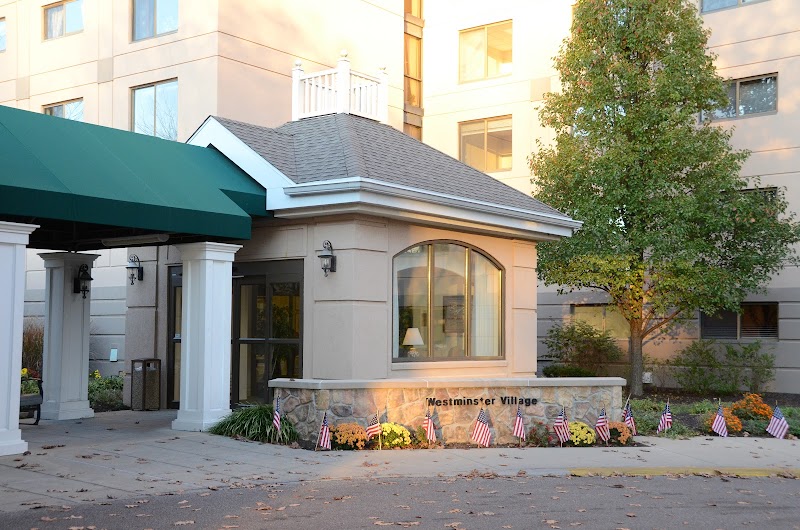
How is Westminster Village Health & Rehab Staffed?

CMS rates WESTMINSTER VILLAGE HEALTH & REHAB's staffing level at 3 out of 5 stars, which is average compared to other nursing homes.

What Have Inspectors Found at Westminster Village Health & Rehab?

State health inspectors documented 30 deficiencies at WESTMINSTER VILLAGE HEALTH & REHAB during 2023 to 2025. These included: 29 with potential for harm and 1 minor or isolated issues.

Who Owns and Operates Westminster Village Health & Rehab?

WESTMINSTER VILLAGE HEALTH & REHAB is owned by a non-profit organization. Non-profit facilities reinvest revenue into operations rather than distributing to shareholders. The facility operates independently rather than as part of a larger chain. With 78 certified beds and approximately 63 residents (about 81% occupancy), it is a smaller facility located in TERRE HAUTE, Indiana.

How Does Westminster Village Health & Rehab Compare to Other Indiana Nursing Homes?

Compared to the 100 nursing homes in Indiana, WESTMINSTER VILLAGE HEALTH & REHAB's overall rating (3 stars) is below the state average of 3.1 and health inspection rating (3 stars) is at the national benchmark.

What Should Families Ask When Visiting Westminster Village Health & Rehab?

Based on this facility's data, families visiting should ask: "Can I visit during a mealtime to observe dining assistance and food quality?" "How do you handle medical emergencies, and what is your hospital transfer rate?" "Can I speak with family members of current residents about their experience?"

Is Westminster Village Health & Rehab Safe?

Based on CMS inspection data, WESTMINSTER VILLAGE HEALTH & REHAB has a clean safety record: no substantiated abuse findings (meaning no confirmed cases of resident harm), no Immediate Jeopardy citations (the most serious violation level indicating risk of serious injury or death), and is not on the Special Focus Facility watch list (a federal program monitoring the lowest-performing 1% of nursing homes). The facility has a 3-star overall rating and ranks #100 of 100 nursing homes in Indiana. While no facility is perfect, families should still ask about staff-to-resident ratios and recent inspection results during their visit.

Do Nurses at Westminster Village Health & Rehab Stick Around?

WESTMINSTER VILLAGE HEALTH & REHAB has not reported staff turnover data to CMS. Staff turnover matters because consistent caregivers learn residents' individual needs, medications, and preferences. When staff frequently change, this institutional knowledge is lost. Families should ask the facility directly about their staff retention rates and average employee tenure.

Was Westminster Village Health & Rehab Ever Fined?

WESTMINSTER VILLAGE HEALTH & REHAB has no federal fines on record. CMS issues fines when nursing homes fail to meet care standards or don't correct problems found during inspections. The absence of fines suggests the facility has either maintained compliance or corrected any issues before penalties were assessed. This is a positive indicator, though families should still review recent inspection reports for the full picture.

Is Westminster Village Health & Rehab on Any Federal Watch List?

WESTMINSTER VILLAGE HEALTH & REHAB is not on any federal watch list. The most significant is the Special Focus Facility (SFF) program, which identifies the bottom 1% of nursing homes nationally based on persistent, serious quality problems. Not being on this list means the facility has avoided the pattern of deficiencies that triggers enhanced federal oversight. This is a positive indicator, though families should still review the facility's inspection history directly.