Eagle Point Nursing and Rehabilitation
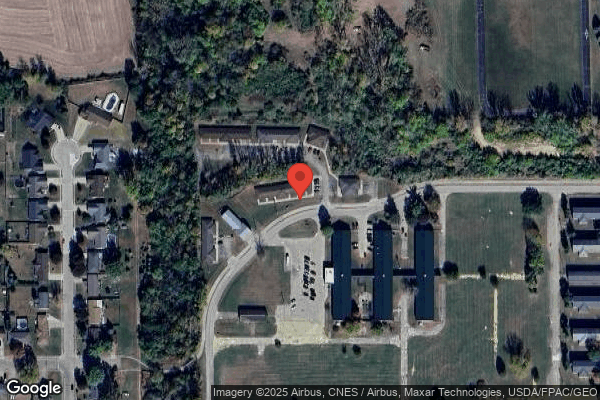

801 28th Avenue North, Clinton, IA 52732 (563) 243-6600
For profit - Limited Liability company 75 Beds SHLOMO HOFFMAN Data: November 2025
Trust Grade
80/100
#106 of 392 in IA
Last Inspection: April 2025

Within standard 12-15 month inspection cycle. Federal law requires annual inspections.

Overview

Eagle Point Nursing and Rehabilitation in Clinton, Iowa has a Trust Grade of B+, indicating it is above average and recommended for families considering care options. It ranks #106 out of 392 facilities in Iowa, placing it in the top half, and #2 out of 4 in Clinton County, meaning there is only one better local option. The facility is showing an improving trend, with issues decreasing from five in 2024 to just one in 2025. Staffing is a relative strength, with a good turnover rate of 41%, which is below the state average, but there is concerning RN coverage, being less than 81% of Iowa facilities. While there have been no fines, there have been specific concerns, such as failures to maintain appropriate water temperatures to prevent legionella growth and inadequate use of personal protective equipment when handling contaminated items. Additionally, some resident rooms showed signs of neglect, with peeling paint and missing baseboards, which detracts from the homelike environment. Overall, Eagle Point has strengths in staffing and improvement trends, but families should be aware of the specific incidents that need addressing.

Trust Score
B+
80/100
In Iowa
#106/392
Top 27%
Safety Record
Low Risk
No red flags
Inspections
Getting Better
5 → 1 violations
Staff Stability
○ Average
41% turnover. Near Iowa's 48% average. Typical for the industry.
Penalties
✓ Good
No fines on record. Clean compliance history, better than most Iowa facilities.
Skilled Nurses
○ Average
Each resident gets 34 minutes of Registered Nurse (RN) attention daily — about average for Iowa. RNs are the most trained staff who monitor for health changes.
Violations
○ Average
9 deficiencies on record. Average for a facility this size. Mostly minor or procedural issues.
★★★★☆
4.0
Overall Rating
★★★★☆
4.0
Staff Levels
★★☆☆☆
2.0
Care Quality
★★★★☆
4.0
Inspection Score
Stable
2024: 5 issues
2025: 1 issues

The Good

  • 4-Star Staffing Rating · Above-average nurse staffing levels
  • Full Sprinkler Coverage · Fire safety systems throughout facility
  • No fines on record
  • Staff turnover below average (41%)

    7 points below Iowa average of 48%

Facility shows strength in staffing levels, fire safety.

The Bad

Staff Turnover: 41%

Near Iowa avg (46%)

Typical for the industry

Chain: SHLOMO HOFFMAN

Part of a multi-facility chain

Ask about local staffing decisions and management

The Ugly 9 deficiencies on record

Apr 2025 1 deficiency
CONCERN (F)

Potential for Harm - no one hurt, but risky conditions existed

Staffing Data (Tag F0851)

Could have caused harm · This affected most or all residents

Based on the Centers for Medicare and Medicaid Services (CMS) Payroll Based Journal (PBJ) Staffing Data Report (October 1st December 31), facility record review, and staff interviews the facility fail...

Read full inspector narrative →
Based on the Centers for Medicare and Medicaid Services (CMS) Payroll Based Journal (PBJ) Staffing Data Report (October 1st December 31), facility record review, and staff interviews the facility failed to submit accurate staffing data for the PBJ Staffing Data Report. The facility reported a census of 53 residents. Findings include: The PBJ report from the first fiscal year (FY) 2025, triggered for Excessively Low Weekend Staffing. The Daily Roster (nursing assignment) dated 12/28/24, identified the Minimum Data Set (MDS) nurse worked the 2-10 shift due to a call off for for the 2-10 shift. The Daily Roster dated 12/29/24, showed the Assistant Director of Nursing (ADON) worked the day shift and the MDS nurse worked the 2-10 shift due to a nurse called off for a double shift. The Facility assessment dated 1/2025, reflected the Staffing Plan, other nursing personal (those with administrative duties that are not part of direct care like the Director of Nursing (DON), ADON and MDS. On 4/02/25 at 1:01 PM, the DON reported on 12/29/24 (Sunday) the ADON worked due to a call off for a double shift, and the MDS nurse worked the 2-10 shift. The DON revealed the ADON and the MDS nurses's hours failed to show up as nursing on the floor and were in management hours. She reported that's why the Trigger for Low Weekend Staffing. On 4/02/25 at 1:12 PM, the Human Recourses (HR) reported she gets the payroll completed and then it's sent to the Administrator who sends the information to the Corporate office and they do the PBJ. She stated the ADON and the MDS nurse's hours lacked inclusion in the nursing hours on the floor. The facility provided a policy titled Reporting Direct Care Staffing Information (Payroll-Based Journal) dated 8/2022. The policy directed complete and accurate direct care staffing information is reported electronically to CMS through the Payroll-Based Journal (PBJ) system in a uniform format specified by CMS.
Jun 2024 5 deficiencies
CONCERN (D) 📢 Someone Reported This

A family member, employee, or ombudsman was alarmed enough to file a formal complaint

Potential for Harm - no one hurt, but risky conditions existed

Deficiency F0698 (Tag F0698)

Could have caused harm · This affected 1 resident

**NOTE- TERMS IN BRACKETS HAVE BEEN EDITED TO PROTECT CONFIDENTIALITY** F 698 Dialysis SS=D Based on record review, resident and staff interview, and policy review the facility failed to conduct asses...

Read full inspector narrative →
**NOTE- TERMS IN BRACKETS HAVE BEEN EDITED TO PROTECT CONFIDENTIALITY** F 698 Dialysis SS=D Based on record review, resident and staff interview, and policy review the facility failed to conduct assessments of the dialysis access site and conduct post dialysis vitals for 1 of 1 resident reviewed (Res #21). The facility reported a census of 52 residents. Findings include: Resident #21 Minimum Data Set (MDS) assessment dated [DATE] identified Resident #21 had a BIMS score of 13, indicating no cognitive impairment. The MDS included diagnoses of end stage renal disease, anemia, and diabetes mellitus. The MDS indicated Resident #21 received dialysis as a resident at the facility. Resident #21's Care Plan dated 11/2/23 lacked information related to his dialysis. The Dialysis Agreement form dated 6/5/22 with the local health center documented the resident receives dialysis three days per week. Resident #21's electronic medical record lacked documentation of assessments of the access site pre and post dialysis or post dialysis vitals. The Dialysis Communication notes from 3/4/24 to 6/3/24 revealed no completion of Post Dialysis Vital Signs line on the facility section of the document. Resident #21's June 2024 Medication Administration Record (MAR) and Treatment Administration Record (TAR) lacked dialysis interventions for post dialysis vitals, access site assessment, pre-dialysis and post dialysis assessments. On 6/4/24 at 8:51 AM Resident #21 stated he received dialysis on Mondays, Wednesdays, and Fridays. He explained the dialysis center checked his vitals when he's there. The dialysis staff assess his access site, but not staff at the facility. On 6/4/24 at 3:15 PM Staff A, Licensed Practical Nurse (LPN), reported the two dialysis residents leave at 6 AM and come back around lunchtime. A communication book goes with the residents that have their name, morning vitals, and medications given. After they return, nursing checks Resident #21's blood sugars. The dialysis staff do the post vitals after dialysis and assess the access site; the facility staff didn't. On 6/4/24 at 3:29 PM the Director of Nursing (DON) explained the nurses at the facility didn't do the post dialysis vitals unless the dialysis center directs it on the form or via phone upon the resident's return. The Peritoneal Dialysis (Continuous Ambulatory) policy revised October 2010 failed to address the need for the facility to complete post dialysis vitals and to assess the access site pre and post dialysis.
CONCERN (D) 📢 Someone Reported This

A family member, employee, or ombudsman was alarmed enough to file a formal complaint

Potential for Harm - no one hurt, but risky conditions existed

Medical Records (Tag F0842)

Could have caused harm · This affected 1 resident

**NOTE- TERMS IN BRACKETS HAVE BEEN EDITED TO PROTECT CONFIDENTIALITY** Based on observation, record review, family, and staff interview, the facility failed to document an assessment of a resident pr...

Read full inspector narrative →
**NOTE- TERMS IN BRACKETS HAVE BEEN EDITED TO PROTECT CONFIDENTIALITY** Based on observation, record review, family, and staff interview, the facility failed to document an assessment of a resident prior to their transfer to the hospital for 1 of 2 residents reviewed (Resident #6). The facility reported a census of 52 residents. Findings include: Resident #6 Minimum Data Set (MDS) assessment dated [DATE] identified a Brief Interview for Mental Status (BIMS) score of 0, indicating severely impaired cognition. Resident #6 required total assistance from staff with most activities of daily living. The MDS included diagnoses of renal insufficiency (kidney failure), diabetes mellitus and non Alzheimer's dementia. On 6/3/24 at 10:03 AM witnessed Resident #6 sit in her recliner, awake, alert, and able to converse with the staff. Resident #6 denied pain, discomfort, or problems with cares. She looked properly positioned and comfortable. On 6/3/24 at 1:05 PM, Resident #6's family member reported Resident #6 got hospitalized in January 2024 due to influenza A. The Nurses Note dated 1/3/24 at 7:52 PM indicated the nurse spoke with Resident 6's son and informed him of Resident #6's decline that day with her poor fluid and meal intakes. The nurse could arouse Resident #6 with verbal and physical stimuli, but appeared sleepy that shift. Informed Resident #6's son of her urinary catheter placement related to urinary retention. In addition, the nurse collected a urine specimen, sent it to the lab, and received a new order for Levaquin 500 milligrams (MG) by mouth (PO) daily for 10 days. The Progress Note dated 1/4/24 at 5:08 AM reflected the emergency room (ER) nurse called to inform facility about Resident #6's admission to the hospital due to influenza A, pneumonia, and dehydration. The Daily Skilled Charting Note dated 1/7/24 at 9:38 PM indicated Resident #6 returned to the facility by ambulance following her hospitalization for influenza A, pneumonia, and minor urinary tract infection (UTI). The orders directed to continue the oral antibiotics at the facility for 4 days. The progress notes failed to document the assessment of Resident #6, when and why she went to the ER, mode of transportation, and physician orders to transfer to the Emergency Room. On 6/6/24 at 10:32 AM, Staff G, Licensed Practical Nurse (LPN), reported when a resident goes to the hospital, the nurse charts an assessment of when the resident began to show signs of any distress, actions I have taken, call to the doctor, mode of transportation to the hospital, notification of family. The nurse should chart the assessment within 24 hours. In addition, Staff G verified Resident #6's chart didn't have documentation to show an assessment, notification of physician, and family. The nurse should complete a transfer form in the computer on the face sheet page. Staff G verified Resident #6's clinical record had documentation of Resident #6's transfer to the ER on [DATE], however, the clinical record didn't have documentation of an assessment. In an interview on 6/6/24 at 11:01 AM, the Director of Nursing reported when a resident goes to the hospital, she expected the nurse to chart in the progress notes the status change, notification of doctor, family, report, mode of transportation to the hospital, and a complete assessment. The nurse should document the assessment in the progress notes immediately. A form that documents Situation, Background, Assessment and Recommendation(SBAR) should also be completed and verified Resident #6's record did not have an SBAR prior to her hospitalization in January 2024.
CONCERN (E) 📢 Someone Reported This

A family member, employee, or ombudsman was alarmed enough to file a formal complaint

Potential for Harm - no one hurt, but risky conditions existed

Safe Environment (Tag F0584)

Could have caused harm · This affected multiple residents

Based on observation, record review, resident and staff interview, the facility failed to maintain a homelike environment for resident rooms for six out of six rooms reviewed. (Residents #5, #6, #31, ...

Read full inspector narrative →
Based on observation, record review, resident and staff interview, the facility failed to maintain a homelike environment for resident rooms for six out of six rooms reviewed. (Residents #5, #6, #31, #40, #45). The facility reported a census of 52 residents. Findings include: Observations of residents' rooms revealed the following: a. On 6/3/24 10:31 AM, Resident #5's bathroom door had approximately 40% of the paint missing from the bottom. Resident #5 reported the door to her bathroom looked that way since she moved in 3 years ago. In addition, the wall outside the door on the left side didn't have a baseboard. b. On 6/4/24 at 7:29 AM, Resident #40's bathroom door had splintering noted to bottom portion of the door. c. On 6/4/24 at 8:04 AM, Resident #45's bathroom door had paint missing to the lower portion, a baseboard missing to left side of the door, and corner covers peeled off with exposed plaster which measured approximately 4 feet in length. d. On 6/5/24 at 8:12 AM, Resident #6's bathroom door had paint missing to top portion of the door and the wall to right side of the bathroom door had an area without plaster which measured approximately 8 inches long and 2 inches wide with exposed metal. e. On 6/5/24 8:23 AM, Resident #31's wall to the right side of the bathroom door had approximately 6 inches of the baseboard peeling away from the wall. In an interview on 6/6/24 at 8:24 AM, the Maintenance Supervisor verbalized being the only staff member who worked in the Maintenance Department. He received problems that needed addressed through the company's software application. At the time of the interview, he explained he didn't have any repairs needed as everything is up to date. In addition, he made rounds around the facility rooms on a daily basis to see if any rooms needed repairs. In an interview on 6/6/24 at 12:09 PM, the Administrator explained the facility didn't have a policy related to informing Maintenance of room repair needs. He added, the facility used a software system to identify work tasks. The staff could enter the tasks requested through their electronic resident charting software. From there, the requested tasks go to the maintenance software system. At morning standup meetings, they give repair requests to the Maintenance Director. Sometimes, repair requests go through the use of text messages to the Maintenance Director. The Maintenance Director uses company software to complete weekly tasks and monthly maintenance.
CONCERN (E)

Potential for Harm - no one hurt, but risky conditions existed

Comprehensive Care Plan (Tag F0656)

Could have caused harm · This affected multiple residents

**NOTE- TERMS IN BRACKETS HAVE BEEN EDITED TO PROTECT CONFIDENTIALITY** 4. Resident #21 Minimum Data Set (MDS) assessment dated [DATE] identified Resident #21 had a BIMS score of 13, indicating no cog...

Read full inspector narrative →
**NOTE- TERMS IN BRACKETS HAVE BEEN EDITED TO PROTECT CONFIDENTIALITY** 4. Resident #21 Minimum Data Set (MDS) assessment dated [DATE] identified Resident #21 had a BIMS score of 13, indicating no cognitive impairment. The MDS included diagnoses of end stage renal disease, anemia, and diabetes mellitus. The MDS indicated Resident #21 received dialysis as a resident at the facility. The Dialysis Agreement form dated 6/5/22 reflected Resident #21 received dialysis 3 days per week. Resident #21's Care Plan dated 11/2/23 lacked information related to his dialysis. 3. Resident #34 Minimum Data Set (MDS) assessment dated [DATE] identified a BIMS score of 15, indicating intact cognition. Resident #34 required partial/moderate staff assistance with showers, lower body dressing, and walking. The MDS included diagnoses of coronary artery disease, peripheral vascular disease and diabetes mellitus. A review of the June 2024 Physician Orders and Medication Administration Records revealed the following: a. 2/7/24 Eliquis Oral Tablet 5 MG Give 1/2 tab by mouth two times a day for Anticoagulant. b. 4/23/24 Glipizide (diabetic medication) 5 MG by mouth two times a day related to Type 2 diabetes mellitus. Resident #34 also has a physician order from 2/17/24 for Lispro Insulin to inject subcutaneous three times a day dependent on results of blood sugar. A review of the Facility Diagnoses Report identified Resident #34 with diagnoses of diabetes mellitus and Atrial Fibrillation (an abnormal heart rhythm which requires treatment with anticoagulants) on 2/7/24. The Care Plan initiated 12/26/23 failed to identify Resident #34 with the diagnosis of diabetes mellitus and the order for the anticoagulant and the appropriate interventions for both. Based on observation, record review, and staff interview, the facility failed to identify resident problems and implement appropriate interventions on the Care Plans for four of four residents reviewed (Residents #13, #21, #31, and #34). The facility reported a census of 52 residents. Findings include: 1. Resident #13's Minimum Data Set (MDS) assessment dated [DATE] identified a Brief Interview for Mental Status (BIMS) score of 15, indicating intact cognition. Resident #13 required substantial/maximal staff assistance with dressing and required total assistance from staff with toilet use, showers, putting on and taking off footwear. In addition, the MDS also identified Resident #13 had an indwelling catheter and colostomy. The MDS included diagnoses of diabetes mellitus, paraplegia (paralysis of one half of the body) and arthritis. The Order Summary Report dated 6/4/24 included an order dated 12/28/22 for Ozempic (0.25 or 0.5 milligrams MG/dose) Solution Pen injector 2 MG/1.5 ml. Inject 0.25 MG subcutaneously in the evening every 7 day(s) for diabetes mellitus. The Care Plan lacked information related to Resident #13's diagnosis of diabetes mellitus and interventions. On 6/3/24 at 1:27 PM observed Resident #13 sit in his wheelchair in his room. He reported he lived at the facility for 6 years. He explained he had problems with diabetes and pressure ulcers. Resident #13 appeared well groomed, wearing clean clothing, wore gripper socks, appeared comfortable and looked properly positioned. On 6/4/24 at 2:40 PM, the Assistant Director of Nursing (ADON) reported Resident #13 had orders for Ozempic since 2022, however used Metformin (a medication also used to treat diabetes mellitus) long before 2022. 2. Resident #31's Minimum Data Set (MDS) assessment dated [DATE] identified a Brief Interview for Mental Status (BIMS) score of 3, indicating severe cognitive deficit. Resident #31 required substantial/maximal staff assistance with showers, lower body dressing and help with walking. The MDS also identified Resident #31 as totally dependent on staff to assist with toilet use, putting on footwear, taking off footwear, personal hygiene, and transfers. The MDS included diagnoses of coronary artery disease, diabetes mellitus and hip fracture. Resident #31's June 2024 Physician Orders and Medication Administration Record (MAR) included the following orders: a. 2/6/24: Eliquis Oral Tablet 5 MG. Give 5 MG by mouth two times a day for anticoagulant (blood thinner). b. 6/1/24: Metformin HCl ER Oral Tablet Extended Release 24-hour 500 MG. Give 1 tablet by mouth in the evening related to type 2 diabetes mellitus. Resident #31's Diagnoses Report reviewed 6/7/24 identified diagnoses of diabetes mellitus and atrial fibrillation (an abnormal heart rhythm which requires treatment with anticoagulants) with an onset date of 9/9/22. The Care Plan initiated 2/13/24 lacked the diagnosis of diabetes mellitus, the use of an anticoagulant, and interventions related to both. In an interview on 6/6/24 at 10:32 AM, Staff G, Licensed Practical Nurse (LPN), reported any nurse could update the Care Plans, however, the MDS Coordinator usually takes care of it. If a resident is Diabetic, she expected the Care Plan to address it and common interventions she expected to see on the Care Plan included: the use of parameters, the use of protein drinks, interventions to address low or high blood sugars, and the use of sliding scale. If a resident has orders for an anticoagulant, she expected the Care Plan to include that and interventions of an International Normalized Ratio (INR measures how long it takes the blood to clot), check for bruising, and bleeding. On 6/6/24 at 11:01 AM, the Director of Nursing reported any nurse can update the Care Plan, however, the MDS Coordinator is responsible for developing and updating the Care Plans. If a resident is Diabetic, she expected the Care Plan address their diagnosis and interventions related to the diagnosis such as accuchecks (blood glucose checks) according to orders, proper diet, skin assessments, and actions to take if signs of hypoglycemia or hyperglycemia. If a resident has orders for an anticoagulant, she expected the Care Plan to address it and common interventions such as monitor for bleeding, INR, and Prothrombin Time Test (PT measures how fast a blood sample can form a clot).
CONCERN (F)

Potential for Harm - no one hurt, but risky conditions existed

Infection Control (Tag F0880)

Could have caused harm · This affected most or all residents

**NOTE- TERMS IN BRACKETS HAVE BEEN EDITED TO PROTECT CONFIDENTIALITY** Based on observation, record review, staff interview, and policy review the facility failed to specify and maintain appropriate ...

Read full inspector narrative →
**NOTE- TERMS IN BRACKETS HAVE BEEN EDITED TO PROTECT CONFIDENTIALITY** Based on observation, record review, staff interview, and policy review the facility failed to specify and maintain appropriate water temperatures in order to prevent legionella growth or use appropriate personal protective equipment (PPE) when laundering contaminated items. In addition, the facility failed to use a barrier when emptying the catheter bag for 2 of 2 residents reviewed (Residents #13 and Res #32). The facility failed to utilize enhanced barrier precautions when completing wound care on 1 out 3 wound cares observed (Resident #44). The facility reported a census of 52 residents. Findings include: 1. On 6/5/24 at 9:03 AM watched Staff B, Laundry/Housekeeping, wear gloves, failed to wear a gown when transferring soiled linens from a red bin (contaminated items) to the washing machine. On 6/5/24 at 9:07 AM Staff B confirmed she only wore gloves for handling linens, she didn't wear a gown or mask with contaminated linens. They used to do that during the Covid 19 pandemic but not anymore. On 6/5/24 at 9:18 AM Staff C, Housekeeping Supervisor explained laundry staff only wear gloves to process contaminated linens or those from residents on isolation precautions. They do not wear a gown or mask. The facility policy titled Laundry Manual, undated, instructed staff to store, handle, and transport linens in a way that precludes cross contamination. 2. A review of the weekly water temperature logs dated 5/2/24 6/3/24 revealed the hallway boiler tested less than 140 degrees Fahrenheit (°F) every week. On 6/5/24 at 9:32 AM the Administrator noted he couldn't answer what they do to prevent legionella in the facility. He explained the old maintenance man didn't leave anything behind and they could not find any documentation of testing. He reported they added filters to the ice making machine and did hot water testing weekly. They try to keep the outcoming water below 110°F to prevent burns. He verbalized he did not know why the boilers tested so high (138°F). Before the new maintenance man started he kept them at 120°F, the temperature before the water reached the mixing valve. The Legionella Water Management Plan policy, dated 2017 instructed staff to make sure hot water temperatures reach the right degree, but, failed to indicate what the right degrees are. 3. Resident #32 Minimum Data Set (MDS) assessment dated [DATE] identified a Brief Interview for Mental Status (BIMS) score of 13, indicating intact cognition. Resident #32 required substantial/maximal staff assistance with dressing and total assistance from staff with toilet use, and showers. The MDS also identified Resident #32 had an indwelling catheter. The MDS included diagnoses of hypertension (high blood pressure), diabetes mellitus and renal insufficiency (poor kidney function). The Care Plan initiated 2/25/23 identified Resident #32 had a urinary catheter due to pressure ulcer on buttock. The Care Plan intervention directed staff to provide catheter care and treatment per physician orders. On 6/5/24 at 8:24 AM observed Staff E, Certified Nurse Aide (CNA), empty Resident #32's catheter. She placed the cylinder on the floor without a barrier under it prior to draining the urinary catheter bag. 4. Resident #44 Minimum Data Set (MDS) assessment dated [DATE] identified a BIMS score of 15, indicating intact cognition. Resident #44 required substantial/maximal staff assistance with dressing and total assistance from staff with toilet use and showers. The MDS included diagnoses of atrial fibrillation (a type of irregular heart rhythm), hypertension, heart failure and diabetes mellitus. The MDS indicated Resident #44 had an unhealed pressure ulcer. The Care Plan initiated 4/12/24 reflected Resident #44 had a pressure ulcer to their sacrum. The Care Plan directed staff to follow facility policies/protocols for the prevention/treatment of skin breakdown. On 6/5/24 at 10:10 AM watched Staff I, Registered Nurse (RN)/ Infection Preventionist, provide wound care to Resident # 44. Prior to entering room and during the entire wound care she failed to utilize any personal protective equipment or enhanced barrier precautions. On 6/6/24 at 9:23 AM Staff I stated they utilized enhanced barrier precautions (EBP) for open wounds, catheters, and anyone who had a history of multi resistant staph aureus (MRSA) or multi drug resistant organism (MDRO). The precautions staff should use catheters, gowns, gloves, and glasses. With open wounds, the staff need to wear a gown and gloves. Resident #44 should have when they provided their wound care. Staff I explained they removed the EBP for dressing changes because his wound healed, then he ended up in the hospital, and they reinstated his wound care. At the time he readmitted back to the facility, he should have had EBP, but they we didn't restart it. On 6/6/24 at 09:48 AM the Director of Nursing (DON) reported when a resident has a wound or catheter, that required care, expect with a chronic open wound, the staff need to gown up when providing wound care for EBP. The undated policy titled Enhanced Barrier Precautions instructed the facility to implement EBP for the prevention of transmission of multi-drug resistant organisms. The policy directed the staff to obtain an order for EBP for residents with the following: wounds, (e.g. chronic wounds such as pressure ulcers, diabetic foot ulcers, unhealed surgical wounds, and chronic venous stasis ulcers) even if the resident if the infection status is unknown or if they are colonized with a MDRO. 5. Resident #13's MDS assessment dated [DATE] identified a BIMS score of 15, indicating intact cognition. Resident #13 required substantial/maximal staff assistance with dressing and required total assistance from staff with toilet use, showers, putting on and taking off footwear. In addition, the MDS also identified Resident #13 had an indwelling catheter and colostomy. The MDS included diagnoses of diabetes mellitus, paraplegia (paralysis of one half of the body), and arthritis. Observations of Resident #13 revealed the following: a. 6/4/24 at 8:08 AM Resident #13 sat up in bed eating breakfast. The urine collection bag and tubing laid on the floor. b. 6/4/24 at 8:15 AM assessment unchanged c. 6/4/24 at 8:30 AM assessment unchanged d. 6/4/24 at 8:45 AM assessment unchanged e. 6/4/24 at 9:00 AM the urine collection bag and tubing remained on the floor. f. 6/24/24 at 9:07 AM the Assistant Director of Nursing (ADON) entered the room to complete wound care and did not pick up the bag off the floor. g. 6/4/24 at 9:07 AM the ADON, Staff H, CNA, and Staff E, CNA, applied isolation gowns, gloves, and masks then entered the room. h. 6/4/24 at 9:09 AM Staff H, CNA, picked up the urine collection bag off the floor and hung it on to the bed frame. On 6/4/24 at 1:30 PM, witnessed Staff E, CNA, put on an isolation gown, gloves, and mask. Resident #13 sat in his wheelchair. Staff E failed to place a proper barrier underneath the graduate before she placed it directly on the floor and drained the urine collection bag. Additional observations: a. 6/5/24 at 7:16 AM Resident #13 sat eating breakfast. The urinary collection bag and tubing didn't touch the floor. b. 6/5/24 at 8:00 AM the urinary collection bag and tubing now on the floor. c. 6/5/24 at 8:15 AM Assessment unchanged d. 6/5/24 at 8:30 AM Assessment unchanged e. 6/5/21 at 9:07 AM Assessment unchanged The Care Plan Focus revised 2/26/24 indicated Resident #13 had a risk for medical complications due to the use of a colostomy (surgically made area in the stomach to allow the passage of stool) and urostomy (surgically made area in the stomach to allow the passage of urine). The Care Plan failed to address the need to keep the collection bag and tubing off the floor to prevent urinary tract infections. Resident #13's last collected Urinalysis dated 3/31/24 listed the white blood cell (WBC) count as TNTC too many to count. The results reflected they had a large amount of leucocyte esterase (which tests if a urinary tract infection is present) and many bacteria. The Microbiology Report on the Urine dated 3/31/24 didn't identify the organism, only identified two antibiotics Trimethoprim/Sulfa as resistant and Tobramycin as susceptible. In an interview on 6/6/24 at 8:36 AM, Staff D, CNA, reported when they empty a urinary collection bag, they should put on all the personal protective equipment (PPE), put the barrier (such as a disposable chux or plastic bag) under the cylinder, then drain the urine into the cylinder. Staff D added the bag and tubing should never be on the floor. During her 5-day orientation at the facility, they explained the staff showed them how to empty catheter bags and completed a return demonstration afterward. In an interview on 6/6/24 8:51 AM, Staff E, CNA, explained when emptying a urinary collection bag, she should apply all the PPE, drain the bag into a graduate, wipe of the spout with an alcohol wipe, and return it to the holder. The bag and tubing should never be on the floor. She couldn't recall receiving infection control training from the facility. In an interview on 6/6/24 at 9:58 AM, Staff F, CNA, reported to empty a urinary collection bag, she should put on gloves, place a barrier such as a chux or plastic bag under the graduate, and drain the urine into the graduate. She only needed to wear the other PPE only if the resident has an infection. The bag and tubing should never be on the floor. The Infection Preventionist spent 3 days teaching her how to properly wash hands. She didn't receive any instruction about the enhanced barrier precautions. In an interview on 6/6/24 at 10:32 AM, Staff G, Licensed Practical Nurse (LPN), reported when emptying a urinary drainage bag, you should place a barrier such as a plastic bag or chux underneath the graduate and drain the urine into the graduate. The bag or tubing should never be on the floor. In an interview on 6/6/24 at 11:01 AM, the DON said when emptying a urinary drainage bag, they should place a barrier such as a plastic bag underneath the graduate and drain the urine into the graduate. The bag or tubing should never touch the floor.
Feb 2023 3 deficiencies
CONCERN (D)

Potential for Harm - no one hurt, but risky conditions existed

Comprehensive Care Plan (Tag F0656)

Could have caused harm · This affected 1 resident

**NOTE- TERMS IN BRACKETS HAVE BEEN EDITED TO PROTECT CONFIDENTIALITY** Based on clinical record review, staff interviews and facility policy review, the facility failed to develop a Comprehensive Per...

Read full inspector narrative →
**NOTE- TERMS IN BRACKETS HAVE BEEN EDITED TO PROTECT CONFIDENTIALITY** Based on clinical record review, staff interviews and facility policy review, the facility failed to develop a Comprehensive Person-Centered Care Plan for three of 27 sampled residents (Resident #7, #19, and #22) whose Care Plans were reviewed. Specifically, Resident #7 did not have a Care Plan for use of antipsychotic medications or a schizophrenia diagnosis. Resident #19 did not have a Care Plan for Hospice Care that included pain management, skin integrity, or disease management services provided by Hospice and Resident #22 did not have a Care Plan for hyperlipidemia, hypotension, gastroesophageal reflux, bowel and bladder status, constipation, or code status. Findings Include: 1. Review of Resident #7's admission Record in the Electronic Medical Record (EMR) under the Demographic Tab revealed the resident admitted to the facility on [DATE] with diagnosis of schizophrenia. Review of Resident #7's Quarterly Minimum Data Set (MDS) Assessment with an Assessment Reference Date (ARD) of 11/23/22 in the EMR and under the MDS tab, revealed the resident with a Brief Interview for Mental Status (BIMS) score of 13 out of 15 indicating no cognitive impairment. Review of Resident #7's current medication orders in the EMR under the Orders Tab, revealed an order dated 9/22/22 for Olanzapine Tablet 10 milligrams](mg) (an antipsychotic medication for the treatment of Schizophrenia), give 0.5 tablet by mouth two times a day related to Schizophrenia, Unspecified. Review of Resident #7's Care Plan, dated 12/8/22 in the EMR and under the Care Plan Tab, revealed the resident did not have a Care Plan for Schizophrenia or use of an antipsychotic medication. In an interview with the Director of Nursing (DON) on 02/09/23 at 9:32 AM, the DON stated, Schizophrenia and antipsychotic medications should be addressed in the Care Plans because behaviors and side effects should be monitored as well as behavior health management. 2. Review of Resident #19's admission Record located in the EMR under the Profile Tab documented the resident admitted to the facility on [DATE] with a primary diagnosis of acute kidney failure. Review of Resident #19's Quarterly MDS, with an ARD on 12/28/22 located in the EMR under the MDS Tab revealed a BIMS score of 15 out of 15 indicating the resident cognitively intact. The MDS was completed prior to admission to Hospice Services which was on 01/09/23. Review of Resident #19's Physician Orders located in the EMR under the Orders Tab failed to include an order for Hospice Services but did include pain and wound management interventions. Additionally, under the Census Tab in the EMR indicated Resident #19 began Hospice Services on 01/09/23. Review of Resident #19's Hospice and Facility Coordinated Plan of Care dated 01/09/23, and provided by the facility, did not distinguish which days wound care would be provided, symptom management, nutrition/hydration needs, psychosocial needs, or any measurable goals and interventions to ensure continuity of care. Review of Resident #19's Care Plan located in the EMR under the Care Plan Tab included Hospice status and interventions for nutrition. The Care Plan did not include pain management, skin integrity, or disease management services provided by Hospice. 3. Review of Resident #22's admission Record located in the EMR under the Profile Tab revealed she was admitted to the facility on [DATE] with diagnoses of chronic obstructive pulmonary disease and hypothyroidism. Review of Resident #22's Care Plan located in the EMR under the Care Plan Tab revealed she had hypothyroidism but did not include thyroid medication administration or monitoring for adverse effects. The Care Plan failed to include interventions for COPD, for pain, constipation, fluid overload, or wound management which she was being treated for with medications. Review of Resident #22's admission MDS with an ARD of 12/06/22 located in the EMR under the MDS tab revealed she had a BIMS score of 14 out of 15 indicating she was cognitively intact and had a metabolic disorder. During an interview on 02/09/23 at 3:26 PM, the MDS Coordinator (MDSC) confirmed that Resident #19 was admitted to Hospice Services after the Quarterly MDS had been submitted. Additionally, the MDSC confirmed that Resident #22's Care Plan did not include management of admitting diagnosis of COPD but should have, and should also have included interventions for hyperlipidemia, hypotension, reflux, bowl and bladder status, and cardiac status with interventions. Review of the facility's policy titled F656, F657, F658 Comprehensive Care Plans, revised date 8/2022 indicated the following: a. Under Point #2 - The Comprehensive Care Plan is based on a thorough assessment that includes, but is not limited to, the MDS and physician orders. Assessments of residents are ongoing and Care Plans are revised as information about the resident and the resident's condition change. b. Under Point #7 - The Care Plan should describe the resident's nursing, medical, physical, mental and psychosocial preferences. They should include person specific, measurable objectives and time frames with a goal to measure their progress towards meeting such.
CONCERN (D)

Potential for Harm - no one hurt, but risky conditions existed

Deficiency F0761 (Tag F0761)

Could have caused harm · This affected 1 resident

**NOTE- TERMS IN BRACKETS HAVE BEEN EDITED TO PROTECT CONFIDENTIALITY** Based on observations, record review, interviews, and facility policy review, the facility failed to ensure residents' medicatio...

Read full inspector narrative →
**NOTE- TERMS IN BRACKETS HAVE BEEN EDITED TO PROTECT CONFIDENTIALITY** Based on observations, record review, interviews, and facility policy review, the facility failed to ensure residents' medication labels indicated the Physician Orders for two of nine residents (Resident #3 and #22) reviewed for medication labeling. Findings Include: 1. Review of Resident #3's undated admission Record located in the Electronic Medical Record (EMR) under the Profile Tab documented the resident admitted to the facility on [DATE]. Review of Resident #3's Physician Order located in the EMR under the Orders Tab revealed an order for Novolog solution 100 unit/milliliter (ml) (insulin aspart) inject 6 units subcutaneously with meals, Hold if Blood Sugar (BS) less than 100 with an order date of 11/30/22. Observation on 02/08/23 at 8:47 AM, revealed Licensed Practical Nurse (LPN1) administering medications for Resident #3. The medication label dated 01/30/23 on the box indicated Novolog sliding scale should be given prior to meals (blood glucose <151= 0 units, , 151-200= 2 units; 20-250= 4 units, 251-300= 6 units; 301-350= 8 units, 351-400 = 10 units; greater than 400 call MD. 2. Review of Resident #22's admission Record located in the EMR under the Profile Tab revealed she was admitted to the facility on [DATE]. Review of Resident #22's Physician Order located in the EMR under the Orders Tab included an order dated 02/09/23 for Levothyroxine Sodium Tablet 112 micrograms (MCG). Give 1 tablet by mouth one time a day related to hypothyroidism. Additional instructions included medication to be given on an empty stomach at 6:00 AM. Observation on 02/08/23 at 9:44 AM, LPN2 administered Resident #22's Levothyroxine Sodium Tablet 112 MCG. The resident had already finished her breakfast. Interview on 02/08/23 at 8:47 AM, LPN1 stated she hadn't noticed that the instructions on the box containing the bottle of Novolog read differently than what was in the computer's Physician Order. LPN1 confirmed that there was an order discrepancy and that it had not been reported to the Director of Nursing (DON). Interview on 02/08/23 at 9:44 AM, LPN2 stated she hadn't noticed that the medication instructions for Resident #22's Levothyroxine Sodium Tablet 112 MCG read to be given at 6:00 AM but had noticed that on the Medication Administration Record (MAR), the medication was marked to be given between 6:00 AM and 10:00 AM. LPN2 did not know why the medication hadn't been given at or before 6:00 AM on an empty stomach. Interview on 02/09/23 at 3:00 PM, the DON stated it was her expectation that the nurses verify the medication label against the Physicians' Orders prior to administering medications. The DON stated that LPN2 had mentioned to her after the medication pass that the Levothyroxine label and the Physician Order did not match. The DON confirmed that all Physician Orders and medication labels should match to avoid medication errors. Additionally, the DON stated that the facility's EMR interfaces with the Pharmacy and automatically sends any new orders to the Pharmacy immediately; DON was not sure why the error occurred. Review of the facility's policy titled, Medication Orders and Receipt Record, dated 04/2007 stated, Policy Interpretation and Implementation under the following points: a. At Point #3 - The Director of Nursing Services will designate individuals to be responsible for completing medication order/receipt forms. b. Under Point #4 - Medications should be ordered in advance, based on the dispensing Pharmacy's required lead time. c. Under Point #6 - The receiving nurse shall record medication orders received on the receipt record. The receiving nurse shall verify each delivered medication and check off the order form. d. Under Point #7 - Noted discrepancies shall be reported to the dispensing Pharmacy.
CONCERN (D)

Potential for Harm - no one hurt, but risky conditions existed

Deficiency F0849 (Tag F0849)

Could have caused harm · This affected 1 resident

**NOTE- TERMS IN BRACKETS HAVE BEEN EDITED TO PROTECT CONFIDENTIALITY** Based on clinical record review, staff interviews and facility policy review, the facility failed to ensure a coordinated Plan o...

Read full inspector narrative →
**NOTE- TERMS IN BRACKETS HAVE BEEN EDITED TO PROTECT CONFIDENTIALITY** Based on clinical record review, staff interviews and facility policy review, the facility failed to ensure a coordinated Plan of Care was completed between the facility and the Hospice Provider for two of two residents reviewed for Hospice Services (Resident #19 and #24). Findings Include: 1. Review of Resident #19's Hospice and Facility Coordinated Plan of Care dated 01/09/23, and provided by the facility, did not distinguish which days wound care would be provided, symptom management, nutrition/hydration needs, psychosocial needs, or any measurable goals and interventions to ensure continuity of care. Review of Resident #19's admission Record located in the Electronic Medical Record (EMR) under the Profile Tab stated the resident admitted to the facility on [DATE] with a primary diagnosis of acute kidney failure. Review of Resident #19's Care Plan located in the EMR under the Care Plan tab included Hospice status and interventions for nutrition. The Care Plan did not include pain management, skin integrity, or disease management provided by hospice services. Review of Resident #19's Physician Orders located in the EMR under the Orders Tab did not include an order for Hospice Service. Review of the Hospice Binder at the Nurses' Stations indicated Hospice Services stated on 01/09/23. During an interview on 02/09/23 at 1:30 PM, the Director of Nurses (DON) stated the Hospice Case Manager was responsible for filling out the Coordinated Plan of Care (POC) within 24 hours of the resident's admission to Hospice Services. The POC is usually given to the Assistant DON, who then educates the Floor Nurses on the POC between the facility and the Hospice Agency. The DON confirmed that the POC should have been completed on day one of Hospice Services but was not. During a phone interview on 02/09/23 at 1:54 PM, the Director of Clinical Services (DCS) for the Hospice Agency stated that the Hospice Admissions Nurse should be filling out completely the Hospice and Facility Coordinated Plan of Care before leaving the facility after the resident was admitted into Hospice Services. 2. During the initial tour on 02/06/23 at approximately 2:05 PM, Resident #24 stated that he went on Hospice as of 01/31/23 due to health reasons. Review of facility's Nursing Facility Hospice and Respite Care Services Agreement dated March 22, 2018, revealed in Part II, Section A 2: The Plan of Care will be established by the Attending Physician, the Medical Director, or Physician-In-Charge and the Interdisciplinary Team prior to the provision of Hospice Services and will be established and maintained in consultation with Facility's representatives. The Plan of Care will identify the care and services that are needed and will specifically identify which provider is responsible for performing the respective functions that have been agreed upon and included in the Plan of Care. Review of Resident #24's Hospice and Coordinated Plan of Care dated 01/26/23, revealed no times or dates for services performed. The sheet had all blanks for routine care interventions. Wound Care (per Physician's Order) was to be coordinated by the Hospice Nurse and the Facility Nurse. During an interview on 02/09/2023 at approximately 1:36 PM, the DON reviewed the Hospice and Facility Coordination Plan of Care and agreed that the areas in question were blank, and it should have been completed in the first 24 hours after Resident #24 being placed on Hospice. Review of the facility's policy titled, Hospice Program, dated 06/2021, and provided by the facility stated - A Nursing Progress Note stating Hospice saw the resident and notes to follow etc. should be documented in the Progress Notes and include the most recent Hospice Plan of Care. Also directed at the following Points: a. At point #9 - The community retains the ultimate responsibility for the Care Plan. Coordinate the Plan of Care with the Hospice Provider, community staff and resident/family. The Care Plan may be in two portions, each maintaining their own but changes should be discussed. Suggestions for inclusion in the Care Plan: a. oral care; b. skin integrity c. medical diagnostic testing d. symptom management e. nutrition and hydration and f. activities/psychosocial needs b. At Point #10 - To promote continuity of care, collaborate with the Hospice, Nursing Home and resident/representative on a Coordinated Care Plan noted in the medical record to include, but not limited to: a. Resident/representative choices regarding care; b. The Hospice Philosophy of Care and all services needed for palliation and management of terminal illness and related conditions; c. Measurable goals and interventions based upon comprehensive and ongoing assessments; d. Interventions that address, as appropriate the identification of timely, pertinent non-pharmacological and pharmacological interventions to manage pain and other symptoms of discomfort; e. Identification of services the nursing home will continue to provide; and f. The identification of the provider responsible for performing specific services/ functions that have been agreed upon. Review of the undated Hospice and Facility Coordinated Plan of Care .Instructions for use, and provided by the facility indicated at Point #4 - The Coordinated Plan of Care is the foundation for care collaboration in the nursing facility and contains the agreed upon delineation of responsibilities for care delivery for each patient.
Understanding Severity Codes (click to expand)
Life-Threatening (Immediate Jeopardy)
J - Isolated K - Pattern L - Widespread
Actual Harm
G - Isolated H - Pattern I - Widespread
Potential for Harm
D - Isolated E - Pattern F - Widespread
No Harm (Minor)
A - Isolated B - Pattern C - Widespread

Questions to Ask on Your Visit

  • "Can I speak with families of current residents?"
  • "What's your RN coverage like on weekends and overnight?"

Our Honest Assessment

Strengths
  • • Grade B+ (80/100). Above average facility, better than most options in Iowa.
  • • No fines on record. Clean compliance history, better than most Iowa facilities.
  • • 41% turnover. Below Iowa's 48% average. Good staff retention means consistent care.
Concerns
  • • No significant concerns identified. This facility shows no red flags across CMS ratings, staff turnover, or federal penalties.
Bottom line: Generally positive indicators. Standard due diligence and a personal visit recommended.

About This Facility

What is Eagle Point Nursing And Rehabilitation's CMS Rating?

CMS assigns Eagle Point Nursing and Rehabilitation an overall rating of 4 out of 5 stars, which is considered above average nationally. Within Iowa, this rating places the facility higher than 99% of the state's 100 nursing homes. This rating reflects solid performance across the metrics CMS uses to evaluate nursing home quality.

How is Eagle Point Nursing And Rehabilitation Staffed?

CMS rates Eagle Point Nursing and Rehabilitation's staffing level at 4 out of 5 stars, which is above average compared to other nursing homes. Staff turnover is 41%, compared to the Iowa average of 46%. This relatively stable workforce can support continuity of care.

What Have Inspectors Found at Eagle Point Nursing And Rehabilitation?

State health inspectors documented 9 deficiencies at Eagle Point Nursing and Rehabilitation during 2023 to 2025. These included: 9 with potential for harm.

Who Owns and Operates Eagle Point Nursing And Rehabilitation?

Eagle Point Nursing and Rehabilitation is owned by a for-profit company. For-profit facilities operate as businesses with obligations to shareholders or private owners. The facility is operated by SHLOMO HOFFMAN, a chain that manages multiple nursing homes. With 75 certified beds and approximately 53 residents (about 71% occupancy), it is a smaller facility located in Clinton, Iowa.

How Does Eagle Point Nursing And Rehabilitation Compare to Other Iowa Nursing Homes?

Compared to the 100 nursing homes in Iowa, Eagle Point Nursing and Rehabilitation's overall rating (4 stars) is above the state average of 3.1, staff turnover (41%) is near the state average of 46%, and health inspection rating (4 stars) is above the national benchmark.

What Should Families Ask When Visiting Eagle Point Nursing And Rehabilitation?

Based on this facility's data, families visiting should ask: "Can I visit during a mealtime to observe dining assistance and food quality?" "How do you handle medical emergencies, and what is your hospital transfer rate?" "Can I speak with family members of current residents about their experience?"

Is Eagle Point Nursing And Rehabilitation Safe?

Based on CMS inspection data, Eagle Point Nursing and Rehabilitation has a clean safety record: no substantiated abuse findings (meaning no confirmed cases of resident harm), no Immediate Jeopardy citations (the most serious violation level indicating risk of serious injury or death), and is not on the Special Focus Facility watch list (a federal program monitoring the lowest-performing 1% of nursing homes). The facility has a 4-star overall rating and ranks #1 of 100 nursing homes in Iowa. While no facility is perfect, families should still ask about staff-to-resident ratios and recent inspection results during their visit.

Do Nurses at Eagle Point Nursing And Rehabilitation Stick Around?

Eagle Point Nursing and Rehabilitation has a staff turnover rate of 41%, which is about average for Iowa nursing homes (state average: 46%). Moderate turnover is common in nursing homes, but families should still ask about staff tenure and how the facility maintains care continuity when employees leave.

Was Eagle Point Nursing And Rehabilitation Ever Fined?

Eagle Point Nursing and Rehabilitation has no federal fines on record. CMS issues fines when nursing homes fail to meet care standards or don't correct problems found during inspections. The absence of fines suggests the facility has either maintained compliance or corrected any issues before penalties were assessed. This is a positive indicator, though families should still review recent inspection reports for the full picture.

Is Eagle Point Nursing And Rehabilitation on Any Federal Watch List?

Eagle Point Nursing and Rehabilitation is not on any federal watch list. The most significant is the Special Focus Facility (SFF) program, which identifies the bottom 1% of nursing homes nationally based on persistent, serious quality problems. Not being on this list means the facility has avoided the pattern of deficiencies that triggers enhanced federal oversight. This is a positive indicator, though families should still review the facility's inspection history directly.