Wheatland Manor

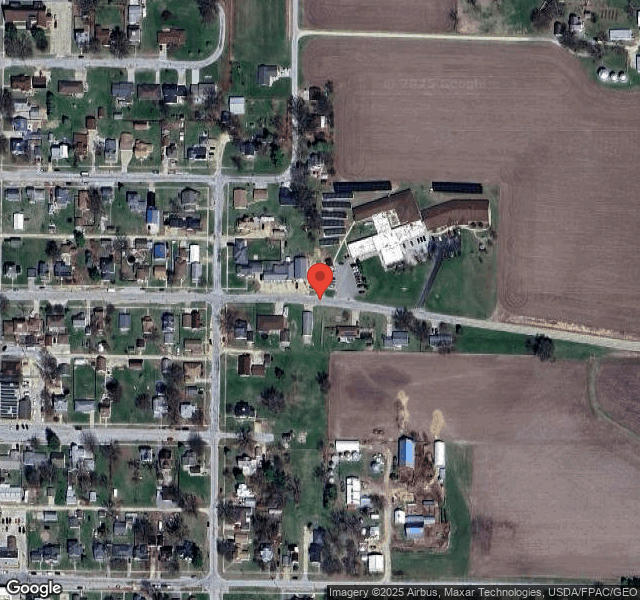
316 EAST LINCOLNWAY, WHEATLAND, IA 52777 (563) 374-1295
For profit - Individual 44 Beds Independent Data: November 2025
Trust Grade
75/100
#165 of 392 in IA
Last Inspection: January 2025

Within standard 12-15 month inspection cycle. Federal law requires annual inspections.

Overview

Wheatland Manor has a Trust Grade of B, indicating it is a good and solid choice for nursing care. It ranks #165 out of 392 facilities in Iowa, placing it in the top half, and #3 out of 4 in Clinton County, meaning only one local option is better. The facility is improving, with issues decreasing from 5 in 2024 to just 1 in 2025. Staffing is rated at 4 out of 5 stars, though the turnover rate is 50%, which is average for Iowa. Notably, there have been no fines, which is a positive sign. However, recent inspector findings revealed some concerning incidents, including a serious incident where a resident fell and fractured their hip due to inadequate supervision, as well as instances where staff failed to ensure food safety and provided care without maintaining residents' dignity. Overall, while there are strengths in care quality and no fines, families should be aware of the recent incidents that highlight areas for improvement.

Trust Score
B
75/100
In Iowa
#165/392
Top 42%
Safety Record
Moderate
Needs review
Inspections
Getting Better
5 → 1 violations
Staff Stability
⚠ Watch
50% turnover. Above average. Higher turnover means staff may not know residents' routines.
Penalties
✓ Good
No fines on record. Clean compliance history, better than most Iowa facilities.
Skilled Nurses
○ Average
Each resident gets 37 minutes of Registered Nurse (RN) attention daily — about average for Iowa. RNs are the most trained staff who monitor for health changes.
Violations
○ Average
6 deficiencies on record. Average for a facility this size. Mostly minor or procedural issues.
★★★★☆
4.0
Overall Rating
★★★★☆
4.0
Staff Levels
★★★☆☆
3.0
Care Quality
★★★★☆
4.0
Inspection Score
Stable
2024: 5 issues
2025: 1 issues

The Good

  • 4-Star Staffing Rating · Above-average nurse staffing levels
  • Full Sprinkler Coverage · Fire safety systems throughout facility
  • No fines on record

Facility shows strength in staffing levels, fire safety.

The Bad

Staff Turnover: 50%

Near Iowa avg (46%)

Higher turnover may affect care consistency

The Ugly 6 deficiencies on record

1 actual harm
Jan 2025 1 deficiency 1 Harm
SERIOUS (G)

Actual Harm - a resident was hurt due to facility failures

Accident Prevention (Tag F0689)

A resident was harmed · This affected 1 resident

Based on observation, clinical record review and staff interviews, the facility failed to provide adequate supervision to prevent a fall which resulted in a fracture requiring a surgical repair for 1 ...

Read full inspector narrative →
Based on observation, clinical record review and staff interviews, the facility failed to provide adequate supervision to prevent a fall which resulted in a fracture requiring a surgical repair for 1 out of 2 residents reviewed for falls.(Resident #5). The facility reported a census of 44 residents. Findings include: The Minimum Data Set (MDS) assessment tool, dated 9/25/24, listed diagnoses for Resident #5 which included orthostatic hypotension (a drop in blood pressure that occurs when standing up from a sitting or lying position), right hip fracture, and coronary artery disease. The MDS indicated Resident #5 required partial to moderate assist of staff to sit to stand, chair/bed-to-chair transfer, toilet transfer, and walk 10 feet to 50 feet. The Brief for Mental Status (BIMS) score of 15 out of 15, indicated intact cognition. The Care Plan, revised on 1/15/24 included a Focus Area to address The resident [Resident #5] has an ADL (activities of daily living) self-care performance deficit r/t (related to) R (right) Hip Fracture, Limited Mobility, Muscles Impairment. The Interventions included Mobility: A x1 (assist of 1 staff), GB (gait belt) with WC (wheelchair to follow), as tolerated, as resident requests, revision date 10/9/24. A Health Status Note, transcribed on 11/8/24 at 4:40 PM revealed at 3:10 PM, RCT (Resident Care Technician) alerted nurse that resident [Resident #5] was on the floor. Observed resident lying on L (left) side with feet towards toilet and head near sink. States he was in BR (bathroom) and fell over. Left lower extremity appears to be externally rotated. Reports increased pain to whole LLE (left lower extremity) with slight/movement of extremity. Denies other pain .Phone call placed to 911 for ambulance transport. Resident left facility at 3:30 PM to emergency room. A document titled Wheatland Manor Incident Report, dated 11/8/24 revealed RCT [Staff A] alerted nurse the resident was on the floor. The form indicated the incident witnessed by Staff A, RCT. A witness statement made by Staff A, RCT dated 11/8/24 revealed she assisted Resident #5 off the toilet to a standing position to assist with toilet hygiene. After assisting with cleaning Resident #5 up, he requested she place his watch on the charger in the room. Staff A left the resident unattended in the bathroom to place the watch on the charger in the window in his room. While at the window she heard the resident fall. A Diagnostic Radiology report dated 11/8/24 at 7:30 PM, revealed Resident #5 sustained a fracture of the left femur including trochanter and proximal femoral shaft (left hip fracture). During an interview on 01/08/25 at 1:12 PM, the Director of Nursing (DON) stated she was the nurse the day Resident #5 fell. The DON stated while at the desk, an RCT came up and stated Resident #5 was on the floor, he was lying on the floor with head towards toilet and feet towards sink resident told her he was standing up and he fell over. The DON stated at the time of the fall she spoke with Staff A and she stated he just fell over. Then another nurse was in the room and he mentioned he wanted to have his watch charged and Staff A admitted that she left him unattended. The DON confirmed Resident # 5 Care Plan at the time of the fall directed staff to provide assist of one with gait belt and walker for transfers and ambulation. The facility policy is to not leave a resident unattended with transfers if they require assistance from staff. During an interview on 01/08/25 at 03:05 PM, the DON stated the expectation of the staff is to follow the gait belt policy and the residents care plan when provide assist with transfers and ambulation. The residents also have a care card in the resident room above the bed and they match the computer care plan. The care card tells them the transfer status of the resident and how they ambulate. The DON stated she would expect the staff to follow the care card. During an observation on 01/09/25 at 8:57 AM, Staff B, RCT and Staff C, RCT provided assistance to Resident #5 with a partial assist mechanical lift to aid in a transfer. With the two staff assisting, Resident #5 gripped the handles of the mechanical lift and able to bear weight on both lower extremities to complete the transfer. During an interview on 01/09/25 at 9:07 AM, Staff AC, RC stated they know how to transfer a resident by the care card in their room. They are expected to follow it and transfer the resident as it is written on the card. If a resident should be a transfer of one with a gait belt and walker she would never leave the resident unattended. A facility policy, dated 12/6/23, titled Transferring/Ambulating Resident With A Gait Belt policy Objective To provide increased security for resident and staff during transfers, and to prevent injury transfer and ambulation of residents. The Procure directed staff to; 1. Use the gait belt during transfer or ambulation of all residents that require hands-on assistance, except for those using a mechanical sit to stand or full body lift. 5. Use the bait belt for duration of transfer and ambulation to stabilize resident, holding gait belt near middle of resident's back. 6. Walk alongside resident and slight behind. The policy did not address leaving a resident unattended during transfer or ambulation.
Feb 2024 5 deficiencies
CONCERN (D)

Potential for Harm - no one hurt, but risky conditions existed

Resident Rights (Tag F0550)

Could have caused harm · This affected 1 resident

**NOTE- TERMS IN BRACKETS HAVE BEEN EDITED TO PROTECT CONFIDENTIALITY** Based on clinical record review, observations, staff interviews and facility policy review, the facility failed to provide resid...

Read full inspector narrative →
**NOTE- TERMS IN BRACKETS HAVE BEEN EDITED TO PROTECT CONFIDENTIALITY** Based on clinical record review, observations, staff interviews and facility policy review, the facility failed to provide residents with privacy and dignity during transport to the shower room when residents were pulled backwards in a shower chair with skin exposed for 3 of 3 residents reviewed for dignity (Residents #9, #21, and #95). The facility reported a census of 41 residents. Findings Include: 1. The Minimum Data Set (MDS) Assessment, dated 12/29/23 for Resident #9, revealed the Brief Interview for Mental Status (BIMS) score of 14 out of 15, indicative of intact cognition. Resident #9 identified dependent on staff for transfers and bathing. Diagnoses included right femur fracture, cancer, and arthritis. The Care Plan, revised 1/15/24, revealed Resident #9 with an Activities of Daily Living (ADL) self-care deficit and required assistance of one staff for bathing and instructed staff to provide sponge bath with a full bath or shower cannot be tolerated. The Certified Nursing Assistant (CNA) Task charting revealed Resident #9 received a shower/bath on 1/30/24. On 1/30/24 at 10:46 AM, observed Resident #9 sitting in a shower chair, a bath blanket covered his front, but his naked backside/buttocks remained visible. Resident #9 pulled backwards in the shower chair, with buttocks exposed, from his room, through the hallway, past resident rooms and various staff, to the shower room. 2. The MDS, dated [DATE] for Resident #95, revealed a BIMS score of 0 out of 15, indicative of severe cognitive impairment. Resident #95 identified dependent on staff for transfers and substantial/maximal staff assistance with bathing. Diagnoses included non-Alzheimer's dementia and Cerebral Vascular Accident (CVA) or stroke. The Care Plan, revised on 1/12/24, revealed Resident #95 with an Activities of Daily Living (ADL) self-care deficit and informed that Resident #95 required assistance of one staff with bathing. The Certified Nursing Assistant (CNA) Task charting revealed Resident #95 had received a shower/bath on 1/30/24. On 1/30/24 at 07:50 AM, observed Resident #95 sitting in a shower chair, a bath blanket covered resident's front, but his upper legs and sides of buttocks remained visible. Resident pulled backwards in the shower chair with areas exposed, from his room, through the hallway, past the dining room full of residents, to the shower room. On 2/02/24 at 01:05 PM, Staff E, CNA, reported that a sheet is used to cover residents in the hallway while transferred to the shower room so that nothing is showing and stated they would stop and cover a resident if private areas had been exposed. Staff E stated the shower chairs do not have foot pedals and indicated this is the reason chairs are pulled backwards, so resident's feet don't hit the floor. 3. The MDS Assessment for resident # 21 dated 12/7/23, listed diagnoses of Alzheimer's disease and anxiety. The MDS reflected Resident #21's BIMS score of 00 (severe cognitive impairment). The MDS identified Resident #21 dependent on staff for transferring and mobility in the halls. The Care Plan for Resident #21 dated 1/30/24, directed staff propels Resident #21 in her wheelchair. On 1/30/24 at 1:07 PM Staff B, CNA, pushed Resident #21 up the hall from her room past 2 occupied rooms on the 300 hall as she sat in the shower chair while her bare thigh shown. On 1/30/24 at 8:56 AM, Staff B, CNA and Staff A, CNA reported they never really used the shower room on the 300 hall due to the poor water pressure. On 2/01/24 at 2:40 PM, the Director of Nursing (DON) reported she expected if the CNA's used the bath chair for resident transportation to the shower, then keep the resident's skin covered for dignity. She stated she'd preferred to walk the resident or use their own wheel chair for transportation. The DON confirmed the CNA's pulled the resident backwards in the shower chair because it lacked foot pedals. The DON conformed a dignity problem. The facility provided the admission Packet that included an undated Resident [NAME] of Rights, which directed at point A.: The resident has the right to a dignified existence, self-determination, and communication with and access to persons and services inside and outside the facility, including those specified in the section. A facility must treat each resident with respect and dignity and care for each resident in a manner and environment that promotes the rights maintenance or enhancement of his or her quality of life, recognizing each resident's individuality. The facility must protect and promote the rights of the resident.
CONCERN (D)

Potential for Harm - no one hurt, but risky conditions existed

Assessment Accuracy (Tag F0641)

Could have caused harm · This affected 1 resident

**NOTE- TERMS IN BRACKETS HAVE BEEN EDITED TO PROTECT CONFIDENTIALITY** Based on clinical record review, staff interview and Resident Assessment Instrument (RAI) Manual review, the facility failed to ...

Read full inspector narrative →
**NOTE- TERMS IN BRACKETS HAVE BEEN EDITED TO PROTECT CONFIDENTIALITY** Based on clinical record review, staff interview and Resident Assessment Instrument (RAI) Manual review, the facility failed to code 2 out of 5 Minimum Data Set (MDS) Assessments correctly for residents reviewed (Resident #5 and #20). The facility reported a census of 41 residents. Findings Include: 1. The Minimum Data Set (MDS) for Resident #20 dated 11/15/23, showed she took an antidepressant medication in the seven day look back period. The Medication Administration Record (MAR) dated November 2023, failed to include documentation Resident #20 took an antidepressant during the reference period. On 1/31/24 at 1:56 PM, the Director of Nursing (DON), confirmed Resident # 20 failed to utilize an antidepressant at the time of the MDS dated [DATE]. 2. The MDS for Resident #5 dated 1/3/2024, showed she took an antidepressant medication in the seven day look back period. The MAR dated December 2023, failed to include documentation that Resident #5 took an antidepressant during the month of December. The MAR dated January 2024, failed to include documentation Resident #5 took an antidepressant during the reference period. On 1/31/24 at 3:25 PM, Resident # 5 The DON confirmed Resident # 5 failed to use an antidepressant medication for awhile now. She reported the facility marked that in error. The DON reported they followed the Resident Assessment Instrument (RAI) Manual and lacked policies. The RAI Manual dated 10.2023, directed to check if an antidepressant medication was taken by the resident at any time during the 7-day look-back period (or since admission/entry or reentry if less than 7 days).
CONCERN (D)

Potential for Harm - no one hurt, but risky conditions existed

Deficiency F0658 (Tag F0658)

Could have caused harm · This affected 1 resident

**NOTE- TERMS IN BRACKETS HAVE BEEN EDITED TO PROTECT CONFIDENTIALITY** Based on clinical record review, staff interview, and facility policy review, the facility failed to follow Physician's Orders w...

Read full inspector narrative →
**NOTE- TERMS IN BRACKETS HAVE BEEN EDITED TO PROTECT CONFIDENTIALITY** Based on clinical record review, staff interview, and facility policy review, the facility failed to follow Physician's Orders when a resident's Fentanyl pain patch had been omitted for greater than one day for 1 of 2 residents reviewed for psych/opioid medication review (Resident #19). The facility reported a census of 41 residents. Findings Include: The Minimum Data Set (MDS), dated [DATE] for Resident #19, revealed a Brief Interview for Mental Status (BIMS) score of 10 out of 15, indicative of moderate cognitive impairment. Resident required scheduled and as needed pain medications, had pain frequently, and occasional pain interference with therapy activities. Diagnoses included: displacement fracture of the 7th vertebra (neck fracture), arthritis, disorder of bone density, and neuropathy. The Care Plan, initiated 12/28/23, revealed a Focus Area for acute pain related to fracture and chronic pain related to bone density disorder with a goal that resident will verbalize adequate relief of pain, and an intervention to administer analgesia (pain medication) as per orders. The Medication Administration Record (MAR), dated January 2024, listed an order for Fentanyl transdermal patch 12 micrograms (mcg) per hour and instructed staff to apply one patch every 72 hours for pain related to neck fracture, remove the old patch per schedule. The MAR revealed a patch had been removed on 1/21/24 at 10:25 PM, no new patch applied until 1/23/24 at 6:26 AM, approximately 32 hours without pain relief patch. Review of progress notes revealed the following entries: a. On 1/20/24 at 10:11 AM: Pharmacy faxed request for valid prescription from the prescriber on Fentanyl patch. b. On 1/21/24 at 10:25 PM: Resident out of patches. c. On 1/23/24 at 6:26 AM: New patch applied last night. On 1/31/24 at 3:00 PM, Director of Nursing (DON) confirmed Resident #19's Fentanyl patch had been removed on 1/21/24 and applied on 1/23/24 when resident had been out of patches. DON informed Pharmacy delivers medications every evening Monday through Friday, and as needed for emergencies. DON provided the list of Emergency Kit Medications kept at the facility which included Fentanyl 12 mcg transdermal patch. DON informed that if they had been notified Resident #19 lacked Fentanyl patches, they would instruct staff to apply patch from the Emergency Kit. The facility provided a list of Emergency Kit medications, updated 11/13/23, which included one Fentanyl 12 mcg/hour patch stored in the facility. The undated facility policy titled, Administering Medications, instructed medication to be given within one hour of the prescribed time of administration and if administration does not occur within this timeframe, the physician should be notified.
CONCERN (D)

Potential for Harm - no one hurt, but risky conditions existed

Deficiency F0919 (Tag F0919)

Could have caused harm · This affected 1 resident

Based on clinical record review, observations, staff interviews, and facility policy review the facility failed to provide a call light within reach of a resident in his room for one out of twelve res...

Read full inspector narrative →
Based on clinical record review, observations, staff interviews, and facility policy review the facility failed to provide a call light within reach of a resident in his room for one out of twelve resident reviewed (Resident 10) and one of 3 unlocked bathrooms failed to have a call light in one of the unlocked facility restrooms. The facility reported a census of 41 residents. Findings include: 1. The Minimum data Set (MDS) Assessment for Resident #10 dated 11/1/23, included diagnoses of non-Alzheimer's dementia and hypertension. The MDS identified Resident #10' Brief Interview for Mental Statues as 00, severe cognitive impairments. The MDS reflected Resident #10 required supervision for toileting and substantial assist for transfers. The Care Plan for Resident #10 dated 3/2/23, directed to encourage the resident to use bell to call for assistance. The following observations revealed the following situations for Resident #10 and access to his call light: a. On 1/29/24 at 11:15 AM, Resident #10 sat in the wheel chair (W/C) in the middle of his room and failed to have a call light in reach. His head hung down, looked asleep. b. On 1/30/24 at 9:59 AM, Resident #10 sat in the (W/C) in his room and faced the sink. The call light hung behind the bed, by the wall, out of reach. c. On 1/30/24 at 10:54 AM, Resident #10 sat in his room in his W/C. The call light hung behind the side of the bed out of his reach. 2. On 1/29/24 at 10:57 AM, the unclosed and unlocked bathroom by the front door lacked a call light. On 1/30/24 at 9:56 AM, the bathroom door by the entrance door remained unlocked and failed to have a call light. On 1/31/24 at 10:00 AM. the unlocked bathroom by the front door lacked a call light. On 1/30/24 at 9:56 AM, Staff D, Registered Nurse (RN) reported the bathroom door broke about 3 months ago and the facility just didn't replace the lock. On 2/01/24 at 12:19 PM, the Director of Nursing (DON) reported she expected the call lights within reach of the residents and she confirmed the bathroom near the front door lacked a call light. The facility provided an undated procedure titled Responding to Call Light, and directed assure resident's call light system is accessible to him/her at all times while the resident is in room.
CONCERN (E)

Potential for Harm - no one hurt, but risky conditions existed

Food Safety (Tag F0812)

Could have caused harm · This affected multiple residents

Based on observation, staff interview, and facility policy review, the facility failed to check the temperature of cabbage served and further failed to perform hand hygiene when picking up an item fro...

Read full inspector narrative →
Based on observation, staff interview, and facility policy review, the facility failed to check the temperature of cabbage served and further failed to perform hand hygiene when picking up an item from floor during meal service for 1 of 1 meal services observed. The facility reported a census of 41 residents. Findings Include: On 1/30/24 at 12:00 PM, Dietary Supervisor checked the temperature on the following items being served: grilled turkey sandwich, sweet potato fries, coleslaw, and Jell-O, just before meal service. Noted an additional item, steamed cabbage, kept on the stove top that had been served for residents whom required mechanically altered and soft food. The Dietary Supervisor had not obtained a temperature reading of the cabbage prior to service to ensure a safe to eat cooking temperature. On 1/31/24 at 12:15 PM, Staff G, Dietary Aide, delivered plates to the residents from the kitchen steamtable. During meal service, a Resident's Diet Card had fallen on the floor, Staff G picked the card up from the floor and placed it on a clean counter, Staff G then grabbed a resident's plate and continued to deliver meals. No hand hygiene performed between touching dirty item on floor and clean plate delivered to a resident. On 1/31/24 at 12:38 PM, the Dietary Supervisor reported they forgot to get a temperature on the cabbage served to residents on mechanically altered/soft diets. On 2/02/24 at 10:30 AM, the Dietary Supervisor stated the expectation of staff to sanitize Resident Diet Cards if dropped on the floor, and perform hand hygiene before food service resumed. The Dietary Supervisor reported the intention to educate Dietary Staff on what to do when item falls on the floor. The Dietary Supervisor stated all food served, should have temperature checks and agreed the cabbage should have been checked prior to service. The facility policy titled, Bare hand contact with ready-to-eat-foods, dated March 2006, informed staff are required to perform hand hygiene after handling soiled equipment or utensils. The facility policy titled, Food Temperatures, dated March 2006, instructed that temperatures will be taken and recorded for all items at the meals.
Understanding Severity Codes (click to expand)
Life-Threatening (Immediate Jeopardy)
J - Isolated K - Pattern L - Widespread
Actual Harm
G - Isolated H - Pattern I - Widespread
Potential for Harm
D - Isolated E - Pattern F - Widespread
No Harm (Minor)
A - Isolated B - Pattern C - Widespread

Questions to Ask on Your Visit

  • "Can I speak with families of current residents?"
  • "What's your RN coverage like on weekends and overnight?"

Our Honest Assessment

Strengths
  • • No fines on record. Clean compliance history, better than most Iowa facilities.
Concerns
  • • 6 deficiencies on record, including 1 serious (caused harm) violation. Ask about corrective actions taken.
Bottom line: Generally positive indicators. Standard due diligence and a personal visit recommended.

About This Facility

What is Wheatland Manor's CMS Rating?

CMS assigns Wheatland Manor an overall rating of 4 out of 5 stars, which is considered above average nationally. Within Iowa, this rating places the facility higher than 99% of the state's 100 nursing homes. This rating reflects solid performance across the metrics CMS uses to evaluate nursing home quality.

How is Wheatland Manor Staffed?

CMS rates Wheatland Manor's staffing level at 4 out of 5 stars, which is above average compared to other nursing homes. Staff turnover is 50%, compared to the Iowa average of 46%.

What Have Inspectors Found at Wheatland Manor?

State health inspectors documented 6 deficiencies at Wheatland Manor during 2024 to 2025. These included: 1 that caused actual resident harm and 5 with potential for harm. Deficiencies causing actual harm indicate documented cases where residents experienced negative health consequences.

Who Owns and Operates Wheatland Manor?

Wheatland Manor is owned by a for-profit company. For-profit facilities operate as businesses with obligations to shareholders or private owners. The facility operates independently rather than as part of a larger chain. With 44 certified beds and approximately 39 residents (about 89% occupancy), it is a smaller facility located in WHEATLAND, Iowa.

How Does Wheatland Manor Compare to Other Iowa Nursing Homes?

Compared to the 100 nursing homes in Iowa, Wheatland Manor's overall rating (4 stars) is above the state average of 3.1, staff turnover (50%) is near the state average of 46%, and health inspection rating (4 stars) is above the national benchmark.

What Should Families Ask When Visiting Wheatland Manor?

Based on this facility's data, families visiting should ask: "Can I visit during a mealtime to observe dining assistance and food quality?" "How do you handle medical emergencies, and what is your hospital transfer rate?" "Can I speak with family members of current residents about their experience?"

Is Wheatland Manor Safe?

Based on CMS inspection data, Wheatland Manor has a clean safety record: no substantiated abuse findings (meaning no confirmed cases of resident harm), no Immediate Jeopardy citations (the most serious violation level indicating risk of serious injury or death), and is not on the Special Focus Facility watch list (a federal program monitoring the lowest-performing 1% of nursing homes). The facility has a 4-star overall rating and ranks #1 of 100 nursing homes in Iowa. While no facility is perfect, families should still ask about staff-to-resident ratios and recent inspection results during their visit.

Do Nurses at Wheatland Manor Stick Around?

Wheatland Manor has a staff turnover rate of 50%, which is about average for Iowa nursing homes (state average: 46%). Moderate turnover is common in nursing homes, but families should still ask about staff tenure and how the facility maintains care continuity when employees leave.

Was Wheatland Manor Ever Fined?

Wheatland Manor has no federal fines on record. CMS issues fines when nursing homes fail to meet care standards or don't correct problems found during inspections. The absence of fines suggests the facility has either maintained compliance or corrected any issues before penalties were assessed. This is a positive indicator, though families should still review recent inspection reports for the full picture.

Is Wheatland Manor on Any Federal Watch List?

Wheatland Manor is not on any federal watch list. The most significant is the Special Focus Facility (SFF) program, which identifies the bottom 1% of nursing homes nationally based on persistent, serious quality problems. Not being on this list means the facility has avoided the pattern of deficiencies that triggers enhanced federal oversight. This is a positive indicator, though families should still review the facility's inspection history directly.